Shavlan

May 2018

This is my second visit to Siaulenai, Lithuania, the first being in 2016. Once again I did not seem to be able to find the location of the Jewish cemetery. Siaulenai or Shavlan as it was known, was the shtetl of my wife, Jill Reitstein Rabinowitz’s maternal Saevitzon and Meyerowitz families.

How frustrating, as Shavlan is not exactly around the corner from where I live, in Perth Australia, nor for that matter, anywhere else! However, there is good news!

Please read on:

A Stone with a Story

by Jill’s cousin,  Richard Shavei-Tzion in  Israel

9 July 2015

The picture below is of the tombstone of my father’s father’s father (all of us first- born so it happens.) You can work out your connection from that. Abba Saevitzon died in Johannesburg 103 years ago. I have been searching for his grave for a long time and with our impending trip to SA I thought I would have another try. This time the Johannesburg Chevra Kaddisha really came through.

This story is cobbled together from anecdotes I have heard over the years. The family, Abba (first time I see that his English name was Albert), his wife Chai Sarah, 3 sons, Morris, Sam and Harry and daughter Bunty arrived in Cape Town from Savlan (?) a small town in White Russia, in 1911. Shortly thereafter he heard of a work opportunity in Johannesburg and the family travelled north using their remaining funds. Within a month Abba passed away and was buried in the local Braamfontein cemetery. However the survivors had no financial means with which to purchase a tombstone. They somehow travelled back to Cape Town where the older kids were sent to foster homes. My grandfather Morris aged 14, lived in such a home and spent his days working at the Cape Town docks, receiving fish as they came off the fishing boats, cleaning them and carting them to the local fish market. Ruthy and Geoffrey both recall that they hardly saw him as kids because he was working so hard to ensure that they would be well educated. You can see where his motivation came from.

Anyway, a number of years later the family had scraped together enough funds to travel back to Johannesburg, purchase a stone and consecrate it. I personally am humbled by such an act of loving kindness. While scanning through hundreds of gravestones in the cemetery, of Jews who died in the first quarter of the 20th century, I was amazed to find that the average lifespan was 50 odd. As someone who has just turned 60, how fortunate I feel!

The stone indicates that he died on the second day of Succot and that his father’s name was Yitschak. Who knows when the name “Abba” first appeared in the family, but my father and his cousin Monty were both named after him and of my nephews and grandsons, at least 3 are named in his memory so the tradition lives on.

All being well, when we are in Johannesburg I plan on visiting the grave. It will be a privilege.

Richard Shavei-Tzion 

Richard Shavei-Tzion stands between his grandparents’ and his wife’s grandparents’ graves facing each other amongst tens of thousands in the Pinelands Cemetery, Cape Town

My family’s experience reflects the migratory patterns of South African Jewry, and nowhere is this more apparent than in the cemeteries of Cape Town. None of my great-great-grandparents is buried there, all having lived and died in Europe. Yet, with one exception, all of my great-grandparents and grandparents are laid to rest in these well-ordered cemeteries. They arrived between 1895 and 1916, three Litvak families and one from England, again a fair representation of South African Jewry’s roots.

The Jewish cemeteries in South Africa are for the most, lovingly maintained with the care that typifies Jewish communal life in the country. This is a community which thrives on an ethos of shared responsibility and mutual care. Despite its diminished number (now approximately 70,000 souls, down from 110,000 in the 1960’s) its institutions are thriving and the various burial societies are at the forefront of this phenomenon.

Unmarked children’s graves at Braamfontein Cemetery, Johannesburg

The Pinelands Cemetery in Cape Town has tens of thousands of graves. It is a well-ordered place with tombs marked by relatively standardized black upright stones. All of the graves appear on an online data base. A while ago, an American therapist friend asked if I could help her elderly South African client who had been distressed for years because she did not know her late mother’s Hebrew name. Within minutes I was able to provide her name and Yahrzeit and a photograph of the tombstone.

It is my custom to visit my ancestors’ tombstones once every few years when I travel to Cape Town from my home town of Jerusalem. Some years ago I went to visit my paternal grandparents Morris and Fanny Saevitzons’ graves. When I turned to leave, I was stunned by what I saw opposite. Call it cosmic chance, coincidence or “basheert”, but there, directly facing my grandparents’ tombstones, were the tombstones of Harry and Mina Lonstein, my wife’s maternal grandparents.

I mentioned that I have one ancestor who is not buried in Cape Town. Therein lies a story. I have been searching for this “missing” grave for a long time and with an impending trip to South Africa I thought I would try again. This time, between an intensive search of Internet sources and correspondence with the Johannesburg Chevra Kadisha, the self-styled “Chev”, we were able to locate the grave.

I happen to be an oldest son of an oldest son of an oldest son. My paternal great-grandfather, Abba Meir (Albert) Saevitzon together with his wife Chai Sarah and three sons arrived in Cape Town from Savlan, a small town in White Russia, in 1911. Their daughter was born within a few weeks of their arrival.

Almost immediately, Abba heard of a work opportunity in Johannesburg and the family travelled north, using all their remaining funds. Tragically, within a month he passed away and was buried in Johannesburg. The widowed, penniless Chai Sarah had no financial means with which to purchase a tombstone and was forced to leave the grave unmarked. She and her children returned to Cape Town with donated funds, where the older boys were sent to foster homes.

My grandfather, Morris, aged 14, lived in such a home and spent his days working at a local fishing harbor, cleaning fish as they came off the fishing boats, then carting them to the local fish market. He later became a fisherman and then worked in his father-in-law’s delicatessen store in the suburb of Wynberg, the heart of Cape Town’s Jewish community at that time. My aunt and uncle recall that as kids they hardly saw their father because he was working so hard to ensure that they would be well educated. You can see where his motivation came from. When I think of the “problems” we face in our day-to-day lives compared to those of my ancestors, I am chastened.

Yet even as the destitute family slowly began to establish itself, they did not forget their loved one’s burial place. So it was that a number of years after Abba’s passing, using the first of their savings, the family travelled for two days by train back to Johannesburg, purchased a tombstone and consecrated it.

On a typically cool but cloudless Johannesburg winter day I set out for the Westpark Cemetery, where Jews have been buried since around 1945. From there I was kindlyaccompanied by Mr. Braam Shevel who works at the Chev, to the Braamfontein Cemetery in what is now a very grungy area of the city.

Johannesburg was formally established in 1886 with the discovery of gold in the area and when the first Jew died there in 1887, a delegation of leaders of the emerging Jewish community travelled, one would imagine by horse or ox-wagon, to Pretoria to petition Paul Kruger for land for a Jewish cemetery. Kruger, president of the break-away South African Republic, and later the leader of the Boers in the Anglo-Boer War, acceded to their request and the first of approximately 90,000 Jewish graves in Johannesburg to date was dug there in Braamfontein.

Richard Shavei-Tzion at the grave of his great-grandfather at Braamfontein Cemetery, Johannesburg

Braam unlocked the heavy iron gate at the entrance to the cemetery, signaled me to drive in and locked the gate behind us. I was surprised by my feeling of peace and tranquility in this place despite its uncertain surroundings. The cemetery, shaded by tall, aged eucalyptus trees, is well maintained despite its age. As we searched for the stone, we passed tombs of the founders of the community and its institutions, mayors and mining magnates, famous personalities and the regular men and women who were drawn to the fledgling metropolis. Striking were the ages of people who died just one hundred years ago. By my very rough calculation, the average life span of the adults was no more than fifty years. Then there were the rows of children’s and infants’ graves, stark evidence of the rates of child mortality and the Spanish Flu pandemic of 1918-19.

And then from a little way off I spotted the name SAEVITZON and approached the stone, with an inexplicable sense of thanksgiving and reverence. It was in remarkable condition and I discovered that Abba Saevitzon died on the second day of Succot, having lived 37 years. Who knows when the name Abba first appeared in the family, but my father and his cousin were named after him and a number of my nephews and grandsons are named in my father’s memory so the tradition lives on.

Looking around, I noticed many unmarked graves, some whose names were unknown;  others whose names were not marked for similar financial reasons and I was humbled by this act of care, sacrifice and loving kindness on the part of my ancestors.

I placed four stones on the grave, one for each of his children’s families,and turned to go.

Source: Esra Magazine

Chai Sarah Meyerowitz Saevitzon’s tombstone in Cape Town. Very indisctinct but some of the wording can be deciphered as you zoom in.

http://www.esra-magazine.com/blog/author/Richard%20Shavei%20Tzion-706

Richard Shavei Tzion

Cape Town born Richard Shavei-Tzion is an autodidact in all his fields of creative activity. At age 18 he was invited to conduct the Pine Street Shul Choir in Johannesburg. Since then he has directed choral ensembles in both South Africa and Israel. For the past 20 years he has directed the Ramatayim Men’s Choir, Jerusalem which has grown from an ad hoc group of 4 friends into an internationally renowned ensemble consisting of 40 singers. He has conducted High Holidays services for the past 35 years in South Africa, Israel, the U.S.A. and Canada and is often invited to lead communal events, singing and playing guitar. He also composes and arranges Jewish music, mainly for the RMC. 

His poetry has been published widely over decades. In 2015 the Municipal Art Gallery of Jerusalem displayed his photographic works in a solo exhibition which received popular and critical praise.  He is the author of the “Prayer for the Preservation of the Environment” which has been read in synagogues of all denominations and other venues around the world and he writes articles of social and cultural interest.

An accountant by profession, Richard manages a property development and management company. He and his wife Cheryl nee Gantovnik who was born in Durban, have three daughters and sons-in-law and seven grandchildren. Their recently released family CD “Round Table,” has been received warmly.


Descendants of Abba Meir Saevitzon and Chai Sarah Meyerowitz


Descendant Chart Abba Meir Saevitzon
My first visit, June 2016:

My first visit to this town was not so successful. I searched for the Jewish cemetery, asked at the Christian cemetery, and was told by locals that there was a Jewish cemetery on the other side of town. I couldn’t find it and I ran out of time.

I later emailed Sandra Petrukonyte of Maceva, who kindly replied:

Dear Eli,

It is so pity that you could not find. I tried to search for exact location. The map is attached (for your future journey!).
It is seems that the way to the cemetery is not marked by any sign, the path is not paved and the cemetery itself is in a small distant forest. Not surprising that you got lost.

MACEVA does not have own photos, therefore I am adding links to another websites with general view of the cemetery:

Siaulenai_jewish_cemetery

So, I will revisit next time.

Here are some of my images taken in 2016:

My second visit in May 2018
May 2018
Once again I initially couldn’t find the cemetery. Google Maps did not recognise the address in Sandra’s link and I somehow missed her map from 2016.
 
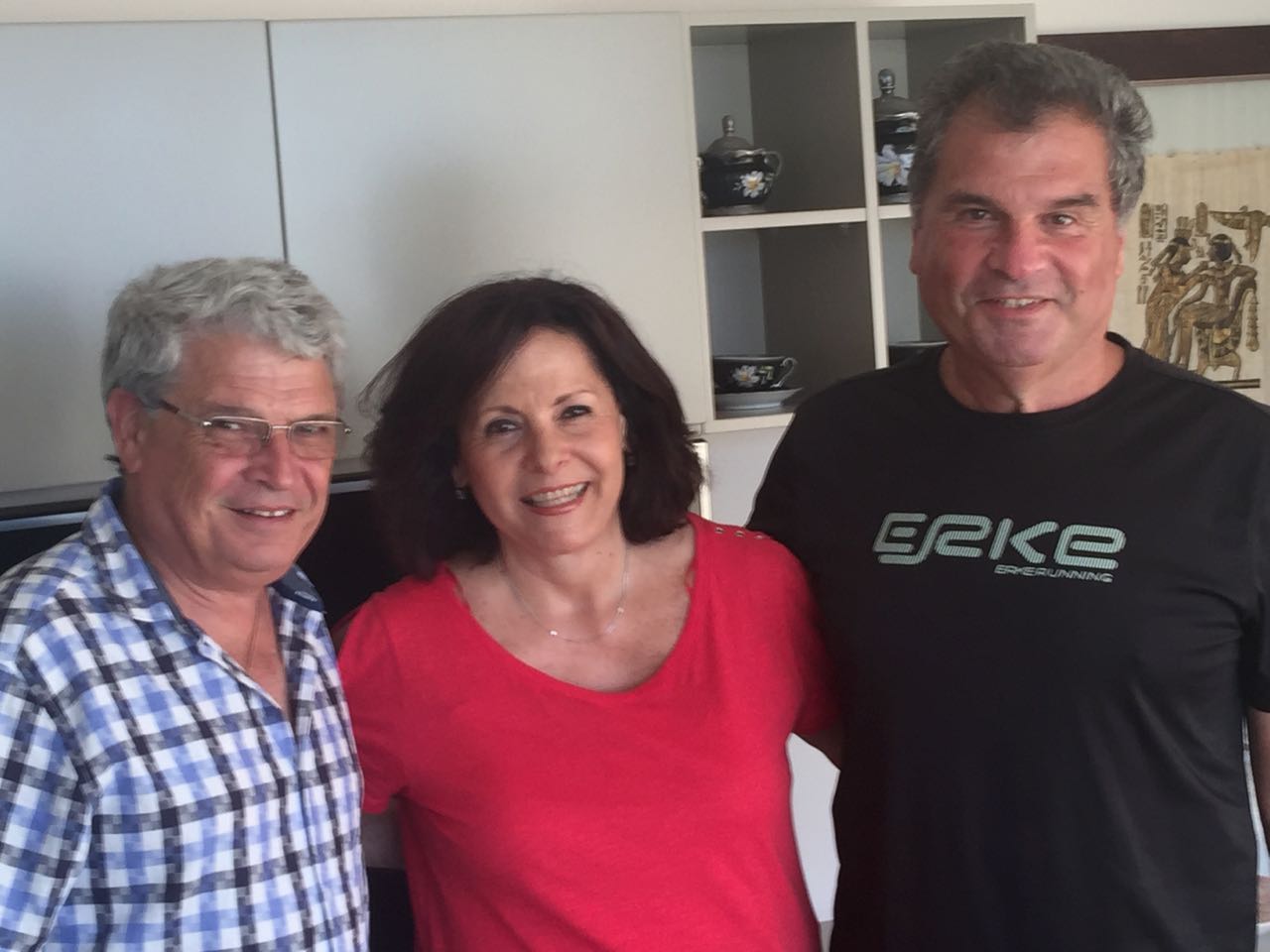
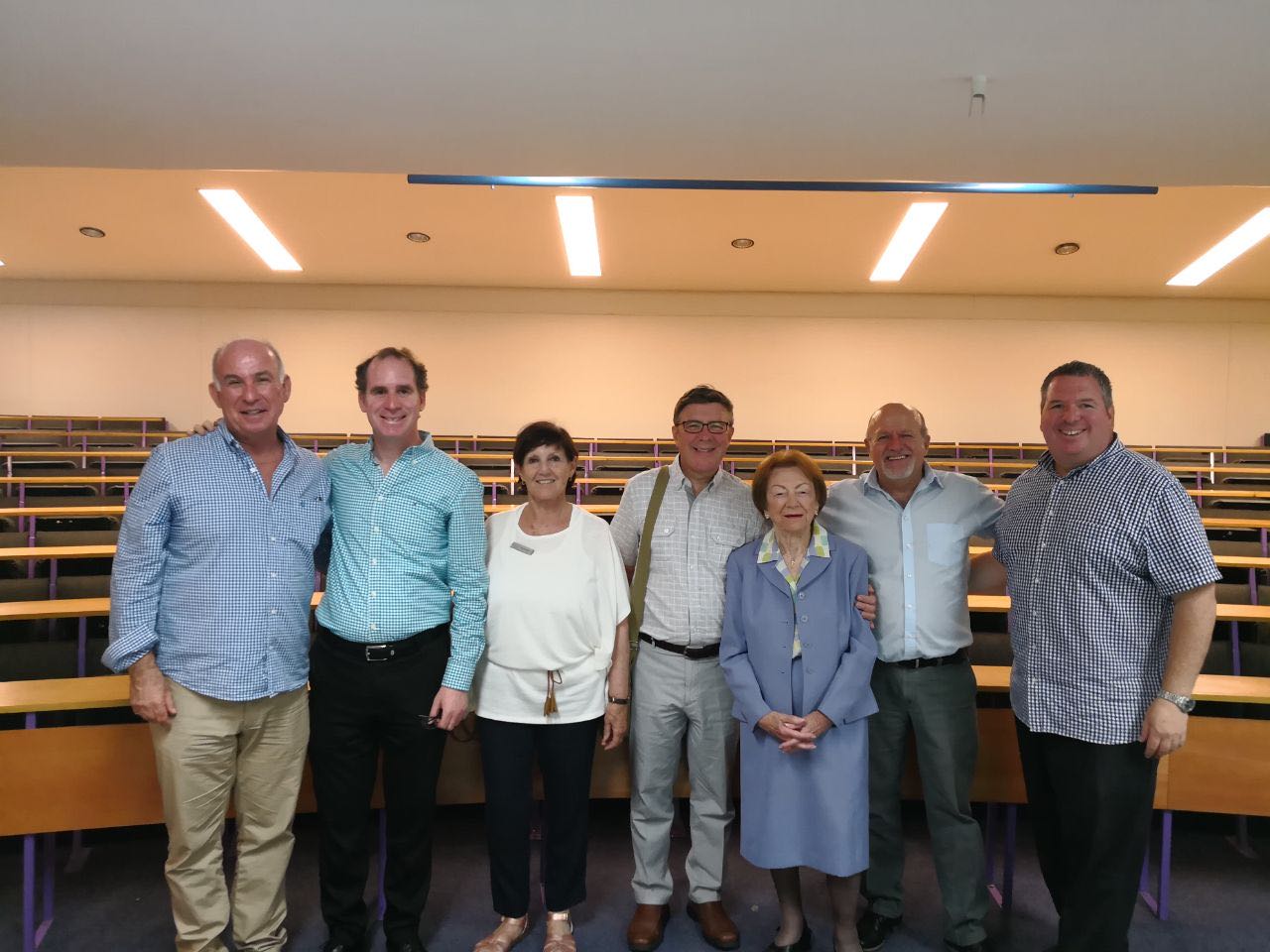
However, I returned to the Christian cemetery and asked those working there.  I wasn’t hopeful as they appeared the type to be unlikely to understand English. However, I spotted someone younger, Gytenis Sudintas. His English was good (he is in IT). However,  he wasn’t a local! To his credit, he asked around and was directed to a man who lives across the road from the Christian cemetery. I do not recall this man’s name, but he is also in the photo below.  He put on his shirt and shoes, got into his car and told us to follow him in my car.

About 7 minutes later, we were at the “entrance” of the Jewish cemetery. I would like to thank both of them for their invaluable help.

On the other side of the town – we find the cemetery!

With Gytenis Sudintas and the man who we followed

Photos of matsevot in the cemetery

So now to see if any belong to the family!

Siaulenai KehilaLink

Siaulenai

Source: kehilalinks.jewishgen.org/Siaulenai/

Shavlan – A Woman’s Journey to Independence

Shavlan – A Woman’s Journey to Independence

Sarah Taube cowers in the bakery cellar clutching her three children, listening to the sounds of shooting and shouting by the White Cossacks during a pogrom. In order to survive, she enters into a bargain with the ruthless Commissar, Dimitri, an orthodox Jew transformed by tragedy into a high-ranking Bolshevik. Will Dimitri be able to protect Sarah Taube and her family? Will Sarah Taube be reunited with her wanderlust husband who leaves for South Africa to seek his fortune and find himself, and will she realize her life long dream to go to America?

Source: shavlan.com

Lithuanian Jewish communities

by Stuart and Nancy Schoenberg

https://archive.org/stream/nybc314248#page/n286/mode/2up/search/shavlan


New Doornfontein Tour

I am posting this on behalf on my friend Ishvara.
Do not miss this tour!
I have included Links below to the 2016 tour I went on.

  Doornfontein : a journey through a Jewish Shtetl

on Sunday the 27th May 2018 at 10 am we are meeting otside Ellis Park for

a walk through the old Jewish neighbourhood of Johannesburg.

Some of the highlights en route include :
* the Lion Shul : 1906
* Yiddishe Arbeiter Klub : the Jewish Workers Club : 1928
* the Alhambra Theatre
* the Yiddishe Altesheim : Jewish Old Age Home
* Beit Hamedrash Hagodel : the Sherwell St Shul
* the first Greek Orthodox Church in Joburg : 1913
* the Beit St shops – Wachenheimers , Nussbaums etc
* the Ottoman Embassy : home of Henri Bettelheim
* the University of Johannesburg Campus
* the Jewish Govt School : IH Harris Primary
* the Hebrew High School : Talmud Torah
* the old Victorian homes on Sivewright St
* the Great Synagogue on Wolmarans St : 1914

Meeting Place : corner Dora St & Beit St at the main entrance to Ellis Park Stadium
Parking : safe free parking outside Ellis Park entrance : Dora / Beit St ( paid security guards to look after cars )

Date : Sunday 27th May 2018
Times : 10h00 till 14h00

Cost : R180-00 per person
Lunch : I suggest that you bring a snack or picnic, sorry all the Kosher delis moved away many years ago.

However there are plenty of places along the way to buy cooldrinks.

LIMITED SPACE : please send an email to confirm that there is space available before doing an EFT  deposit of R180-00 per person

NO CASH PAYMENTS ON THE DAY

NO CREDITS

NO REFUNDS

..use your surname/Doornfontein as a reference.
send an email with names and proof of payment to ishvara@africansecrets.co.za after doing an EFT

Please note – men please bring a yarmulke for entering the synagogues

***************

Doornfontein Walking Tour – Part 1 2016

Doornfontein Walking Tour – Part 1

I have divided this outstanding 4 ½ hours walking tour of Doorfontein into separate posts. Here is the first: Introduction and the Lions Shul. I only found out about this tour a couple of weeks bef…

Click on source: elirab.me/doornfontein-walking-tour-part-1/

There are 4 parts to this post!

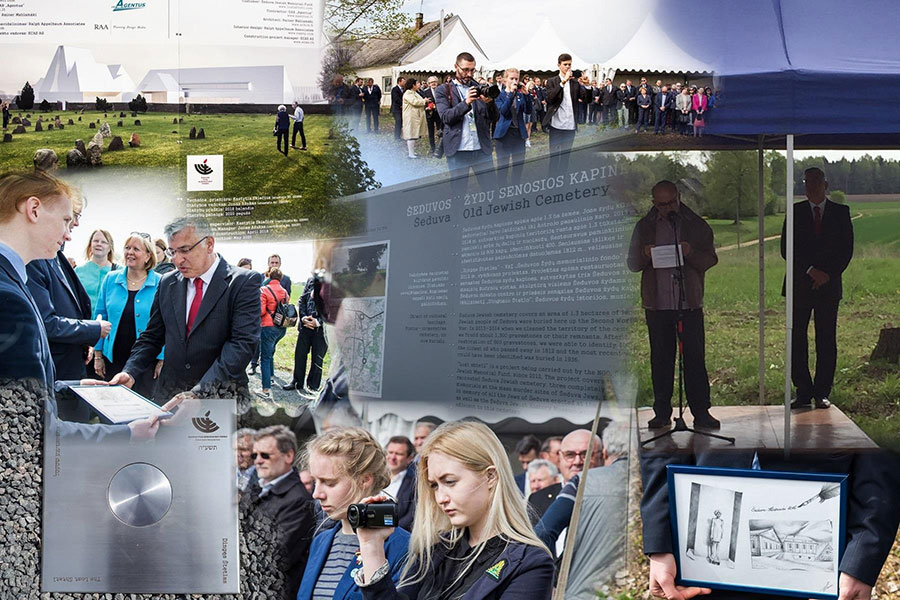
The Lost Shtetl Museum of Seduva

The Lost Shtetl Museum of Seduva Jewish History – 
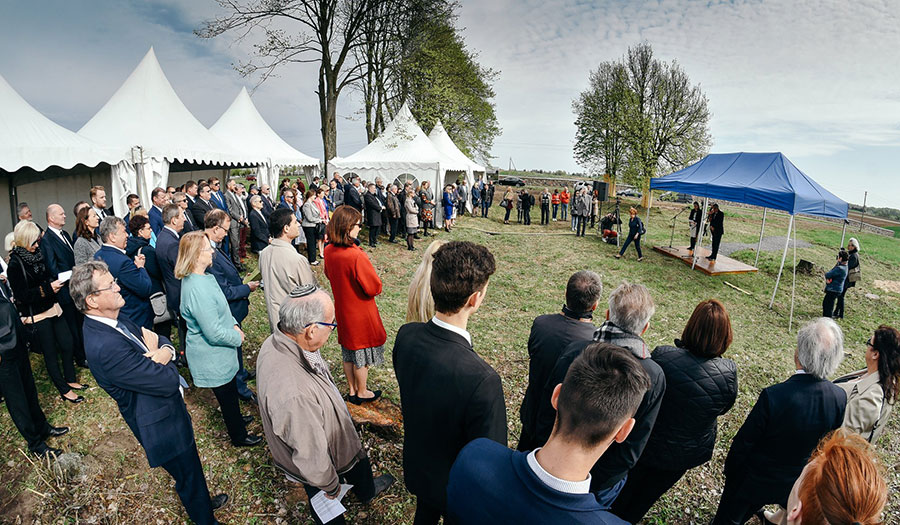
Ground Breaking
Seduva, Lithuania
Speakers:
  1. A welcome speech from the President of Lithuania read by her senior advisor Marija Dautartaite
  2. Speaker of Parliament Viktoras Pranckietis
  3. Prime Minister Saulius Skvernelis
  4. Minister of Foreign Affairs Linas Linkevicius
  5. Chair of LJC Faina Kukliansky
  6. Director of Gaon State Jewish Museum Markas Zingeris
  7. Ambassador of USA Anne Hall
  8. Ambassador of Finland Christer Michelson
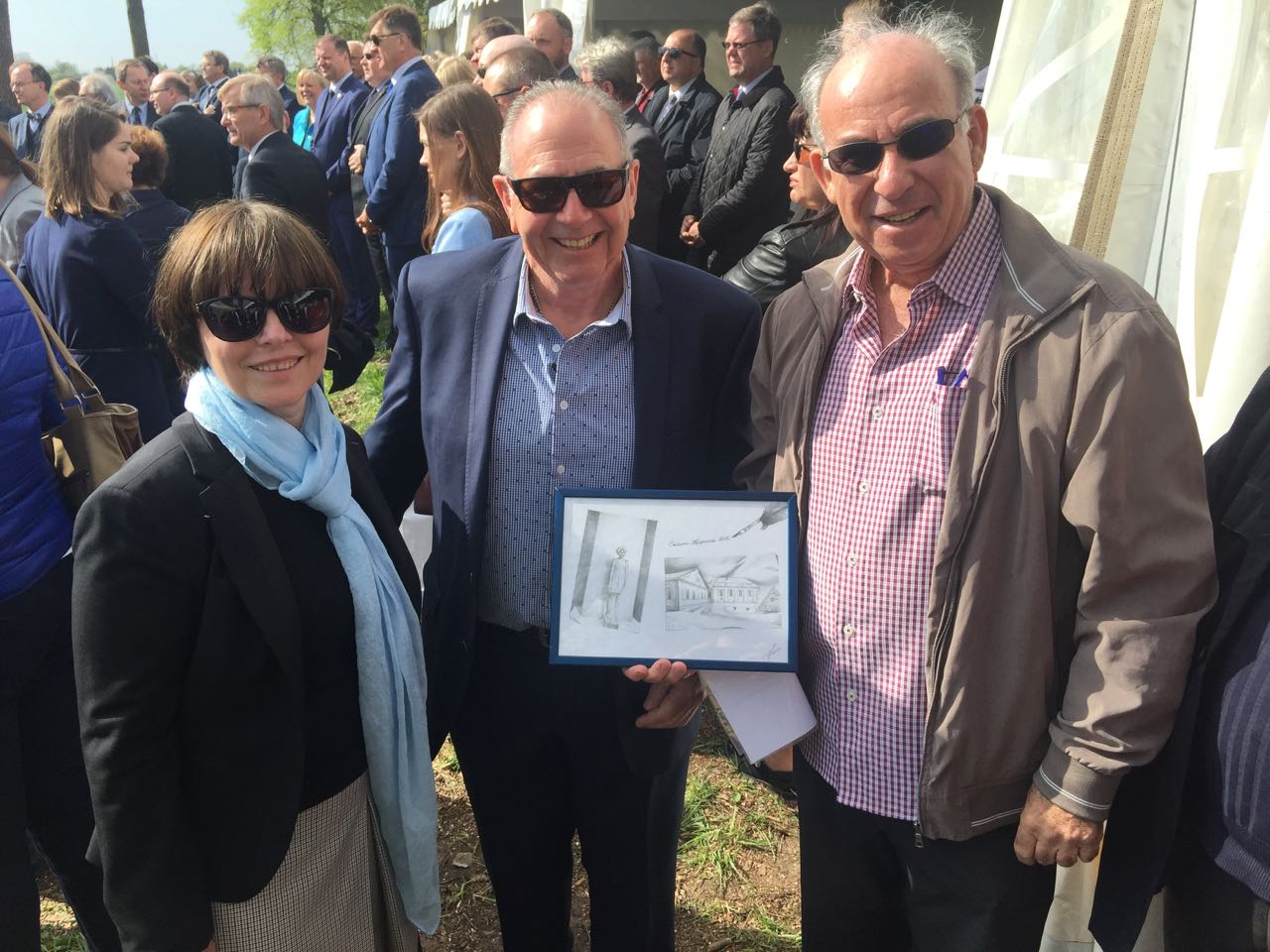
  9. Genealogist and educator Eli Rabinowitz – South Africa and Australia
  10. Film Director and Person of Tolerance of Sugihara Fund 2004 Saulius Berzinis
  11. Project Manager Sergey Kanovich
Photo by Gintaras Siuparys

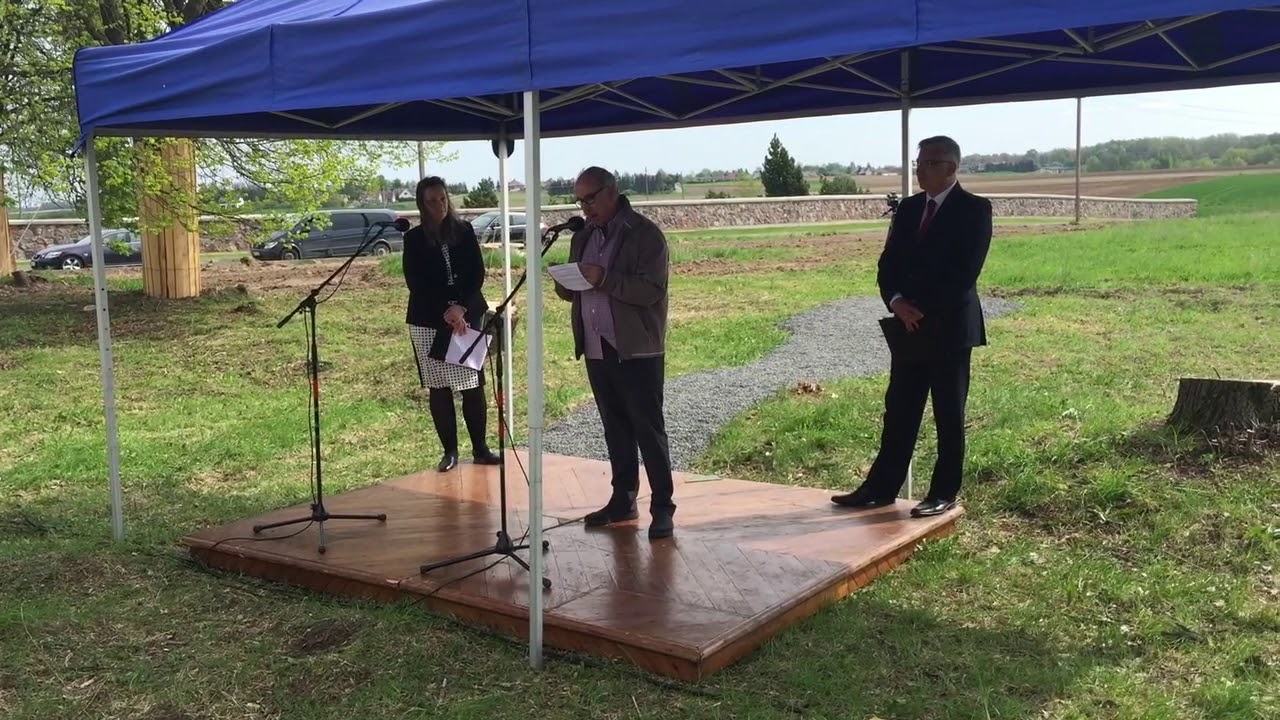
Eli Rabinowitz – Speech

The Lost Shtetl Museum of Seduva Jewish History Ground Breaking Seduva, Lithuania Friday 4 May 2018

Source: youtu.be/-jE7oEIjg_c

Here is the transcript of my speech:

My name is Eli Rabinowitz.

I live in Perth Australia and I am a Litvak!

I was born in Cape Town South Africa, and my heritage is firmly rooted in this region.

I have visited Lithuania each year since 2011, this being my 8th visit.

In 1811 my 3rd great grandfather, Zalman Tzoref Salomon, was one of the first to leave Lithuania for Jerusalem where he successfully established the Litvak community in the Old City.

Litvaks were resilient and achieved significant successes, and, members of my Salomon family founded the town of Petach Tikva, the first Hebrew newspaper, the Hurva Synagogue, and Teva Pharmaceuticals.

Many Litvaks later migrated to South Africa, aptly named, the “goldene medina”.

Jewish life in the small South African country towns often mirrored the Litvak shtetl. Many of these migrants and their families were happy, successful and safe in their new surroundings.

We often heard stories from “der heim”, describing the rich Jewish cultural life throughout Lithuania, which had existed over many centuries.

Those Litvaks who left Lithuania before the Holocaust were indeed lucky! More than 95% of the Lithuanian Jews were murdered in the Holocaust, a greater percentage than any other country!

So why do I return from the Litvak diaspora to reconnect to my roots?

It is my journey of discovery, to understand my family in the context of Jewish cultural history and history of the region. By being here, I am able to experience the traces of memory first hand, to find some remnants, clues as to how Litvak life was.

I share these on my blog and on the 35 Lithuanian shtetl websites that I write and manage.

I also work with high schools in Kedainiai, Kalvarija and Vilnius to teach students about Jewish cultural history and the Holocaust from the Jewish perspective, and then I lead collaboration classes for these schools and students around the globe. I am expanding this to more schools in Lithuania.

A growing number of articles and books are being written about family stories and Jewish life in the shtetl. This is to keep alive stories that would otherwise be forgotten. I participate in this activity as well as lecture at international conferences.

All these elements will come together when this wonderful museum opens.

It is located right in the heartland of the Litvak world, of the Litvaks I have just described as well as their descendants.

In the future, when we visit this museum, we will be able to access the past with a better understanding of history. We will view the collection of objects and artifacts, giving us an insight into how our ancestors lived their cultural, religious, work and home lives.

We will learn about their values from their daily lives and from the items they kept and used.

The museum will showcase the richness and the importance of Litvak shtetl life of years gone by. It will also reflect on the Jewish world that was destroyed by the Holocaust. The museum will educate Lithuanians and visitors to Lithuania and so provide an opportunity to learn from our history and strive for a better world.

This museum will be a beacon of preservation and attract many in the Litvak diaspora to come and visit Lithuania and their shtetls, and like me, to reconnect with their heritage.

This museum is a most appropriate way to honour the memory of the members of our families who were born, lived and died here!

Finally, the words written by Hirsh Glik in the Vilna ghetto in 1943:

“Zog nit keyn mol, az du geyst dem letstn veg –
Never say that you have reached the end of the road
Mir zaynen do!
WE ARE HERE


“This says that although it looks like the last moments of the life of the Jewish people, it is not, and where the blood was shed, will begin a new, a heroic and a wonderful Jewish life!”

(Quote: Cantor H Fox)

Capsule
With Laima Ardaviciene aand Edwin Glasenberg
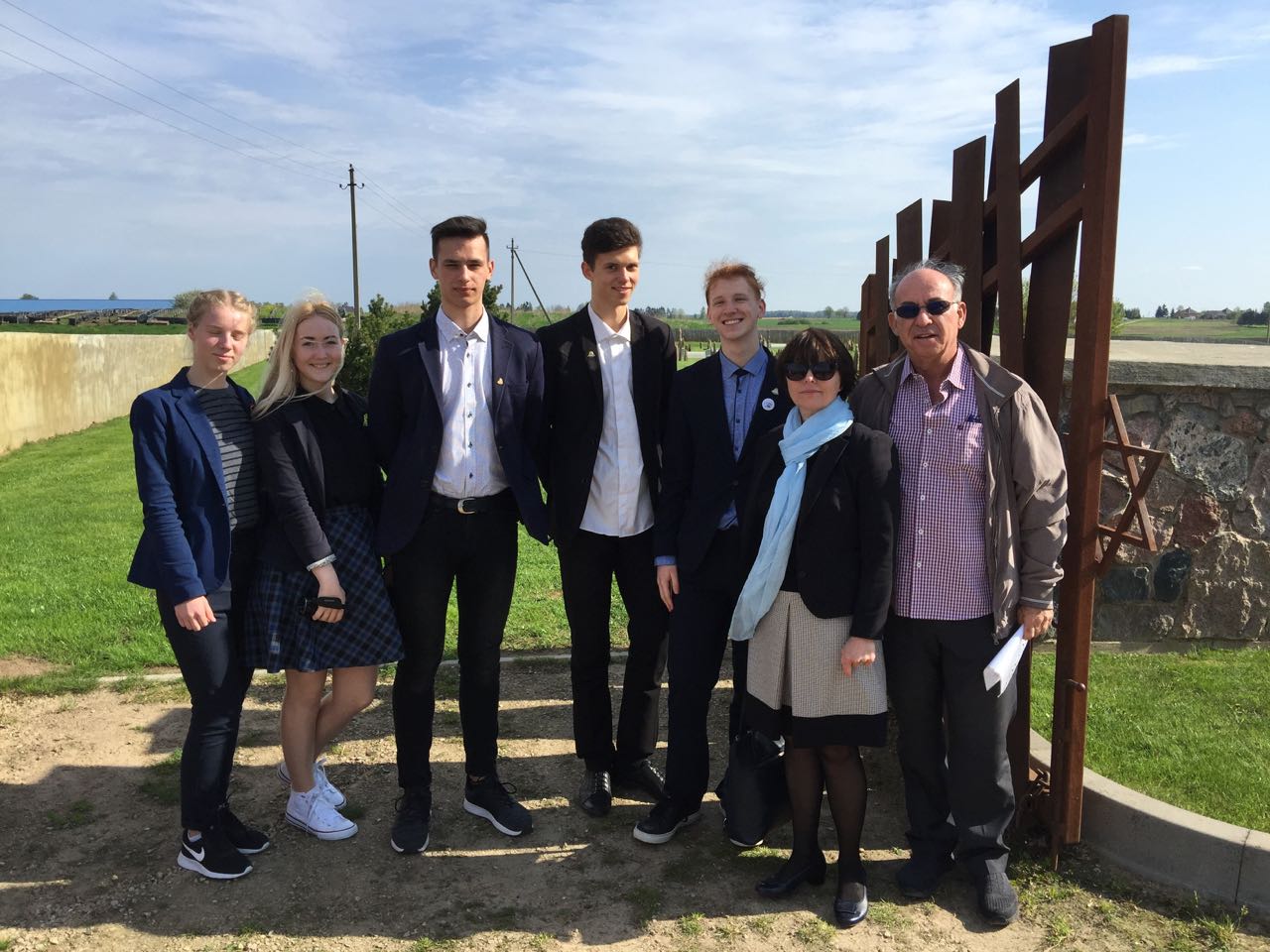
With Laima Ardaviciene and students of Atzalynas Gimnazija, Kedainiai
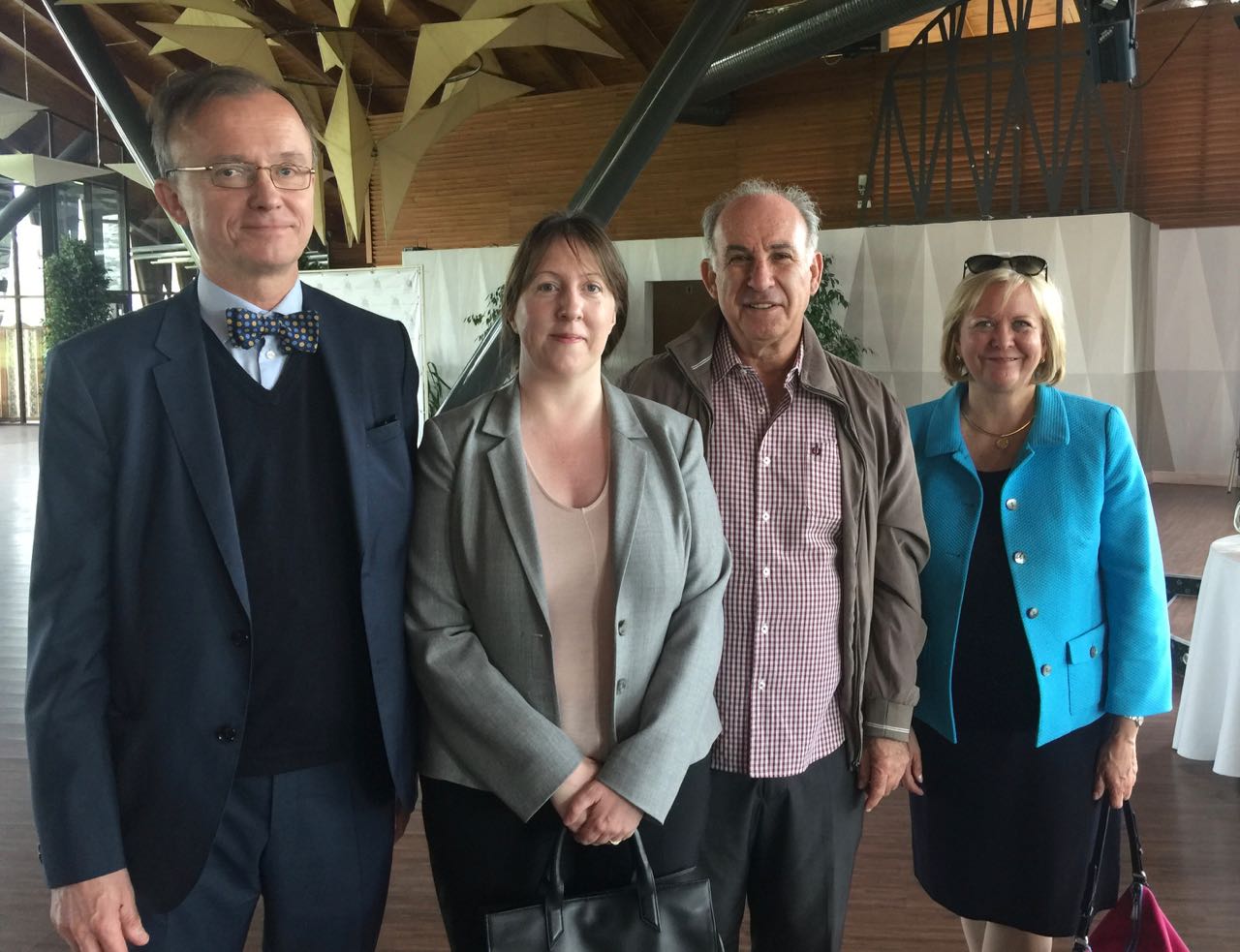
With the ambassadors of Finland, UK and USA
Sergey Kanovich

Your Excellences, Ladies and Gentlemen, Dear Guests:

As the project manager, I thank all of you who have gathered here. I am also endlessly grateful to the people of Šeduva for their help and goodwill, the Šeduva eldership and mayor of Radviliškis  Antanas Čepononis and the municipality for close cooperation. I sincerely thank all the international team that is working on the creation of the museum – the architect from Finland, Rainer Mahlamaki; Augustas Audėjaitis and his colleagues; the design company, Ralph Appelbaum Associates, from the United States; the Swiss company ECAS and David Duffy; Jonas Dovydaitis, the director of the Šeduva Jewish Memorial Fund; the large team of international consultants; Milda Jakulyte, the Curator of the Museum as well as her colleagues; the construction supervision company Ekspertikaand Kastytis Skiečius; as well as the construction company Agentus. A huge thank you goes out to the patrons, without whose hard work and financial support this project would be impossible.

When we talk about the past of Lithuanian Jewry, we often say that “time was merciless”. Merciless to human beings, merciless to things they had created, merciless to heritage and memory. But time is not anonymous. We cannot put all the blame and guilt on it. We create time. It depends on us what time will be like. It depends on the here and now. Memory is the responsibility of all of us.

There is no museum yet. We are only about to start building it. We do this in order to create a “time” the next generations could not call merciless.

Now we are near the restored Jewish cemetery, and beneath its every stone there rests the remains of a person. A person who lived and worked, loved and prayed, sewed and cured. Not far from here, there is a place of eternal rest of those who were brutally murdered, for whom some of their former neighbors showed no mercy.

That is why we are about to build another monument – the Lost Shtetl Museum. To remember all of them. You can abandon a cemetery and steal the remaining gravestones from it. You can kill a person, loot their home, steal their belongings, burn their temple, but it is impossible to kill their memory. Lithuanian Jews and their legacy cannot live only in commemorations and solemn speeches. No matter how beautiful they are. We have left traces under the Lithuanian sky. And this museum will commemorate them.

We have decided to put the following words from the novelShtetl Love Song by Grigory Kanovich into the symbolic time capsule marking the beginning of the construction:

„It was bitter to realize the truth that from now on it was the fate of that dead tribe to be born and live only in the true and painful words of impartial memory in which it was imposible to drown the echoes of love and gratitude towards our forebears. Whoever allows the dead to fall into oblivion will himself be justly consigned to oblivion by future generations .“

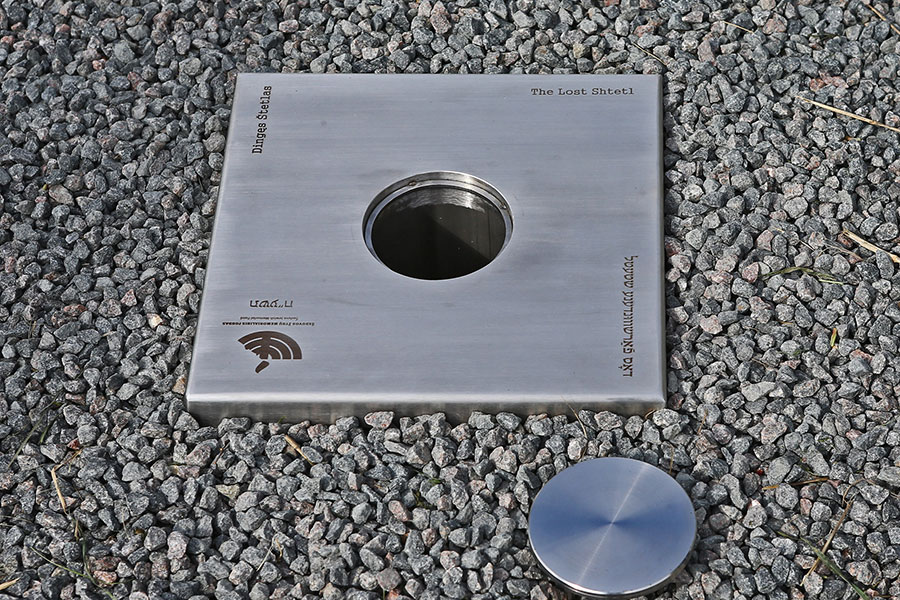
Now I would like to invite Giedrius Puidokas, an 11thgrade student of the Šeduva Gymnasium and Gabriela Jeliasevič and Gabika Kondratavičiūtė, 11thgrade students of Vilnius Sholom Aleichem Gymnasium, to place a symbolic time capsule marking the beginning of the construction of the Lost Shtetl Museum.


Also present:
Amabassadors and heads of Mission:
UK, Sweden, France, Romania, Azerbaidjan, Ireland, Russia, Germany
Extra photos by Gintaras Siuparys

The Partisans’ Song On Simcha TV

The Global Partisan Song Project

The Global Partisan Song Project

Every year on Yom Hashoah – the Day of Remembrance of the Holocaust and Heroism, Holocaust survivors and Jewish communities sing the song Zog Nit Keynmol (‘We are Still Here’), which is also known as the Partisan Song. Now, a new initiative by Cape Town born Eli Rabinowitz seeks to teach the song to schoolchildren across the globe, allowing them to connect with each other and their history.

Source: youtu.be/tnaCtuqVBgg

 This is the edited video.

This video also appears on:

Leah, Teddy & the Mandolin

Cape Town Embraces Yiddish Song

The Partisans’ Song Project and Herzlia Vocal Ensemble keep Yiddish alive!
 

April 16, 2018

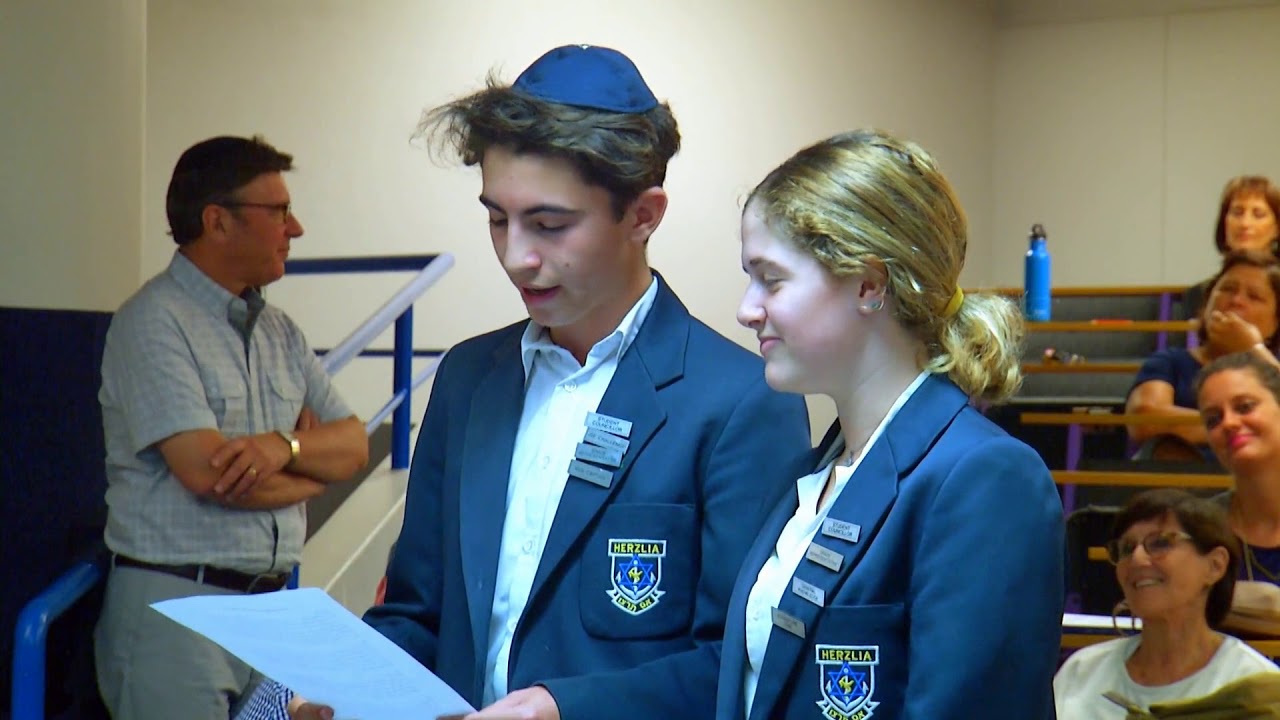
The Partisans’ Song Project, in which the Herzlia Vocal Ensemble participated, is featured in Simcha – A Celebration of Life… on SABC TV2 .

https://www.leahteddyandthemandolin.com/single-post/2018/04/16/The-Partisans-Song-Project-and-Herzlia-Vocal-Ensemble-keep-Yiddish-alive


Yom Hashoah 2018 – Triumph Over Adversity

A big start to the week

The Partisans’ Song – Triumph Over Adversity

The Partisans’ Song – Triumph Over Adversity

With Heiny Ellert

Yom Hashoah will be commemorated on 11/12 April at which the Partisan Song, Zog Nit Keynmol will be sung in Yiddish at ceremonies held around the world.

Source: www.jwire.com.au/the-partisans-song-triumph-over-adversity/

NEW TRANSLATION IN SERBIAN – 25TH LANGUAGE TRANSLATION
Ne Reci Nikad– The Jewish Partisan Song in Serbian

Translated into Serbian by Lazar Nikolic for Nance Morris Adler

Iako oblaci tamni kriju vedre dane,

Ne reci nikad da su ti smrti samo znane,

Za svim što žudesmo sada došao je čas,

Zemlja pod nama drhti, stigao je spas!


Od zemalja palmi pa do zemlji večnog snega,

Dolazimo u sili i oslobađamo od stega,

Gde god se naša krv prolila zbog sveta,

Tu je naša hrabrost počela da cveta.


Jutarnje će naše sunce zapaliti dan,

Jučerašnjica strašna biće samo san,

I ako se ova turobna noć oduži,

Pesma naša nek nam kao svetlo posluži.


Ne olovom, neg je pesma ova pisana u krvi,

I lepša je od ptičijeg poja koji vrvi,

Na barikadama strašnim pred nama što se mrve,

Pištolji i granate pavale su je prve.


Zato, iako oblaci tamni kriju vedre dane,

Ne reci nikad da su ti smrti samo znane,

Za svim što žudesmo sada došao je čas,

Zemlja pod nama drhti, stigao je spas!


Audio in Serbian – recited by Lazar Nikolic

My presentation at Edith Cowan University

The first of three this week

Edith Cowan University Western Australia

Edith Cowan University Western Australia

Edith Cowan University is a multi-campus institution, offering undergraduate and postgraduate courses in Perth and Bunbury, Western Australia

With Bill Allen and 2nd year School Of Education students

Source: www.ecu.edu.au

Presentation to ORA at the Jewish Centre, Perth

Simcha A Celebration of Life Ep 7 Promo -South Africa

Simcha A Celebration of Life Ep 7 Promo

Source: youtu.be/JbLfmzZSoGM

Sunday 15 April 8:30am on SABC TV2

Perth Yom Hashoah Commemorations

The Bloch Sefer Torah

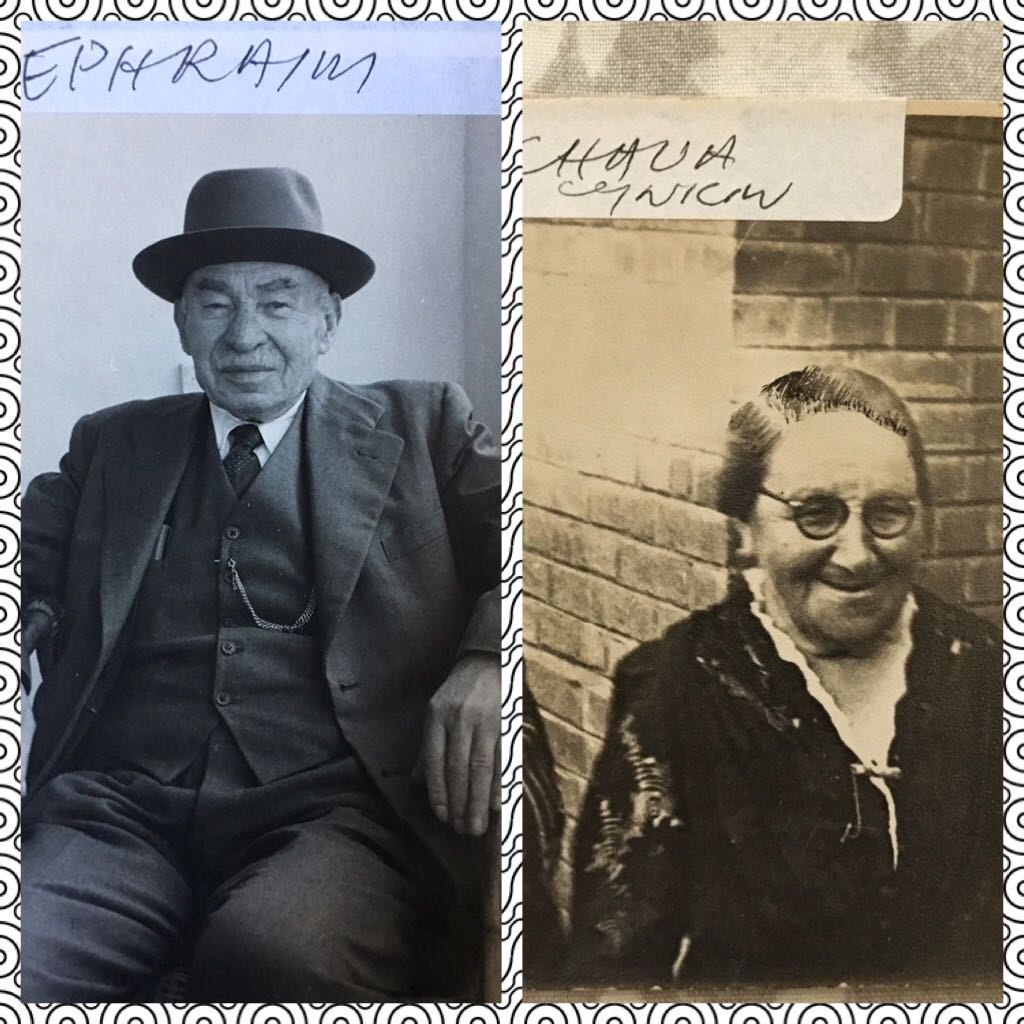
Aphraim and Chava Bloch. Chava’s maiden name was Cynkin
Aphraim and Chava’s Ketuba  9 January 1891 –  Mir, today in Belarus

More about Aphraim and Chava and the Bloch & Cynkin Families:

Beverly Jacobson (middle) & her children

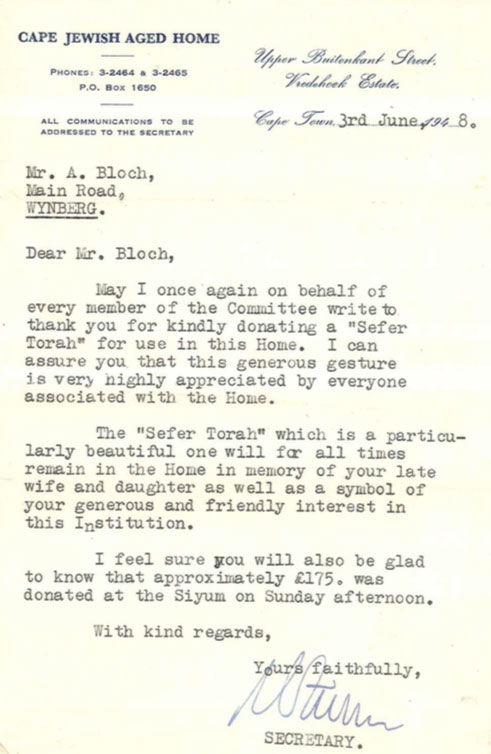
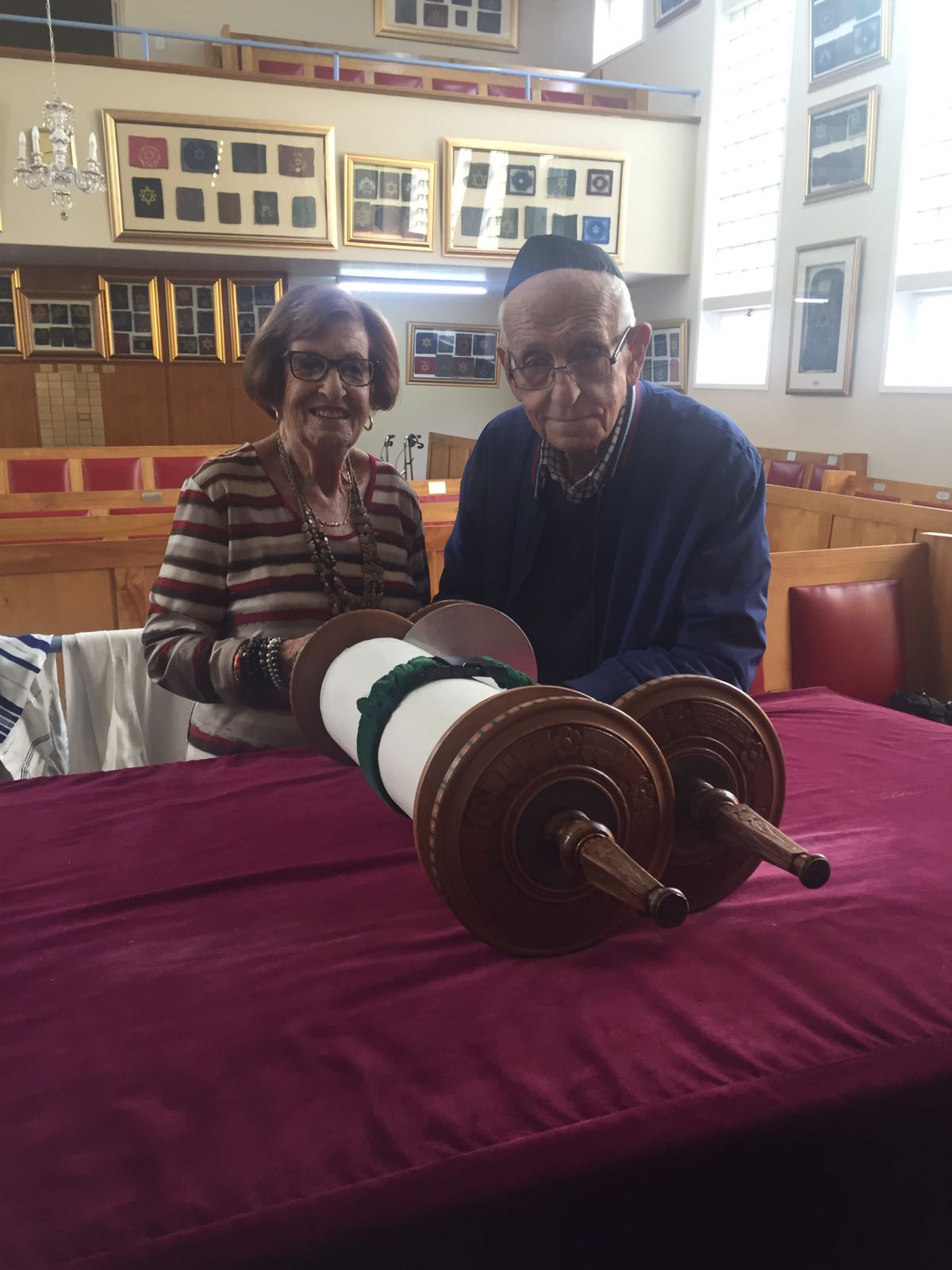
The visit to Cape Town from Israel by Beverly Jacobson and her children on a “roots” trip precipitated the search for the Sefer Torah her great grandfather, Aphraim Bloch, donated to Highlands House back in 1948.

The last time it was “seen” by a family member was by Beverly’s brother, Richard Shavei Tzion.

Richard: ‘This occurred in 1998, exactly 50 years after it was dedicated to my Great-grandmother Chava Bloch and to their daughter Rachel who I am named after.

While going through old family documents, I discovered a “Cape Times” article dated 1948, describing the dedication of a Sefer Torah which had been donated by my late great-grandfather Efraim Bloch to the shul at Highlands House, the Jewish retirement home.

Intrigued by this, I spoke to my friend, who together with his sons takes a very active role in conducting the Shul Services there. I asked him if he could identify the scroll, and indeed he found the inscription on the handles of a beautiful Sefer in the Aron Hakodesh. When it turned out that I would be visiting Cape Town, I asked if I could see it. The shul responded by suggesting that I attend a Shabbat Service, act as Ba’al Tefillah and be called up for “Maftir” using the scroll which my great-grandfather had donated. I was of course delighted to accept.

A number of relatives, amongst them descendants of Efraim Bloch, were present at the service. My feelings of family pride, personal humility and a sense of the closing of a circle were compounded when I was called up to the Torah. There I stood, a third generation descendant of Efraim Bloch. The reader pointed to the very first verse of the Aliya to which I had been called up and began to read. Of all the thousands of verses in the Torah, the one that commenced my Aliya read: “And Joseph saw Efraim’s children of the third generation…”’

Eli: ‘In August 2017,  my mother-in-law and grand-daughter of Aphraim Bloch, Ruth Saevitzon Reitstein, and my father-in-law, Leonard Reitstein, became residents at Highlands House.

On 14 March 2018 Ruth wrote to her niece Beverly Saevitzon Jacobson telling Beverly that there was no sign of her Zaida’s torah in the Highlands House shul.’

Ruth: ‘Rabbi Serwator inspected all five Torahs and could not identify the Sefer Torah. The only reason we can think of is that maybe the Torah was loaned to another shul and that’s where it is.

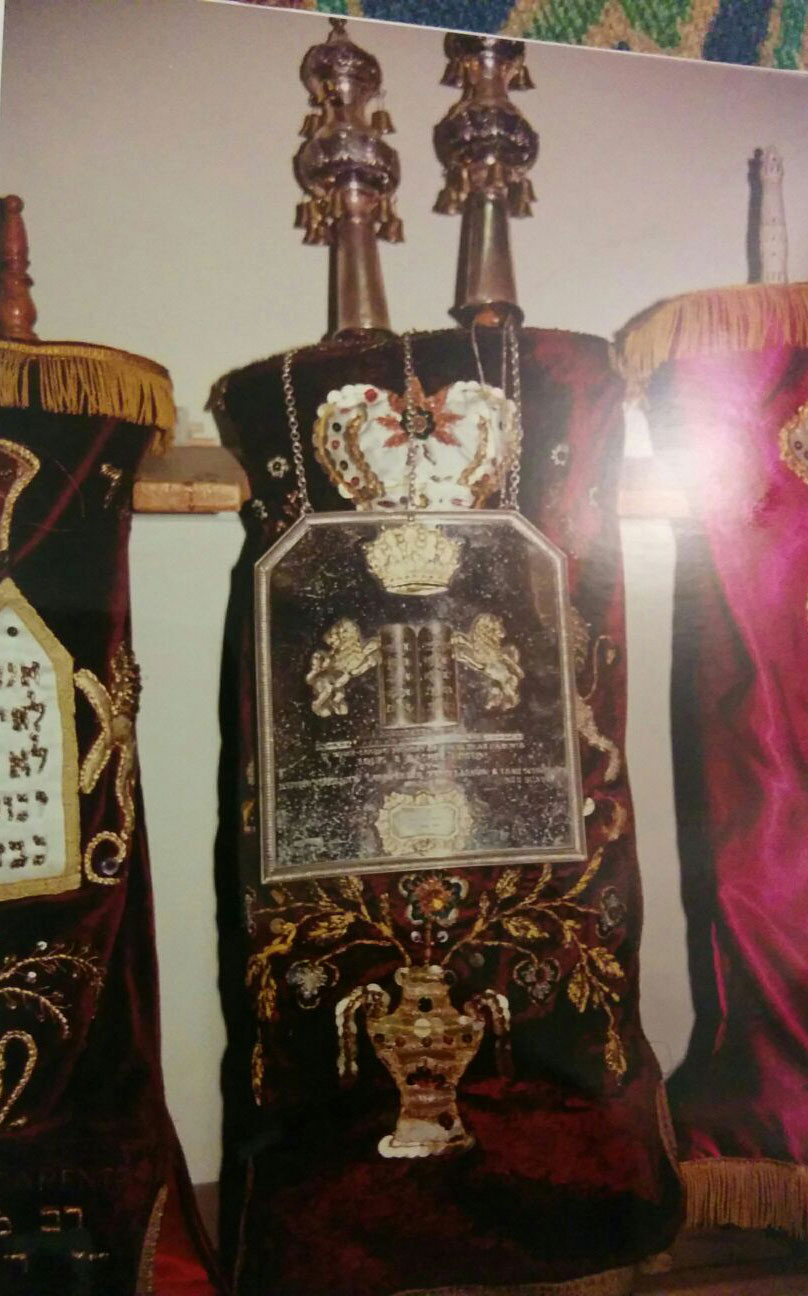
On 15 March 2018 Richard sent Ruth this  picture of the Sefer Torah in its mantle.

Richard: ‘The ID as I remember is a small silver strip on one of the wooden posts.’

On 17 March 2018,  Ruth wrote to her daughter Jill (my wife), here in Perth.

‘Hallelulah!!!!!  We found the TORAH!!!!!!. I went to shul this morning and Gilad Stern, Richard’s friend, took me to the ark and showed me the torah. It has markings on the Eitz Chaim.’

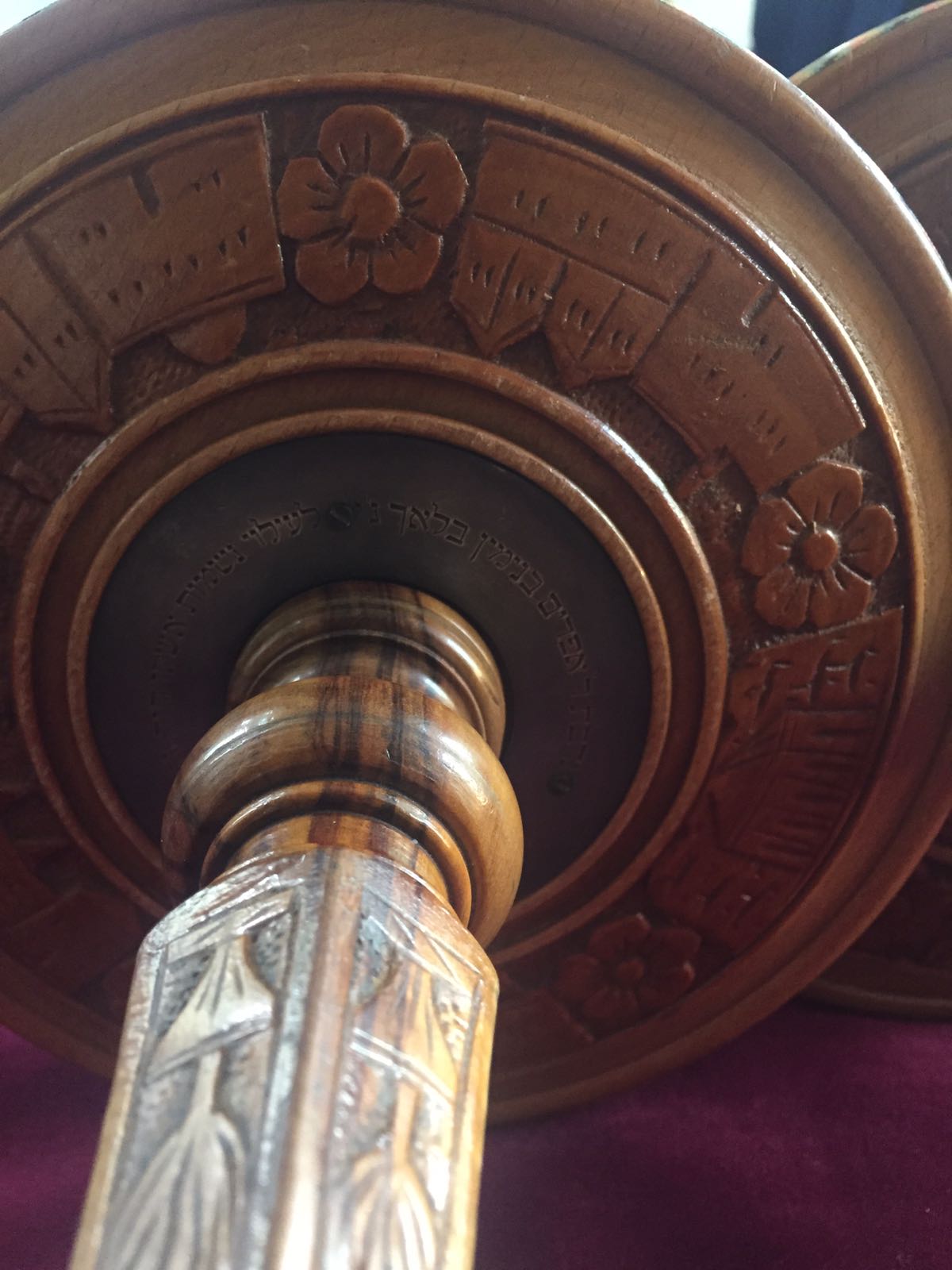
Photos taken by the family on 25 March 2018
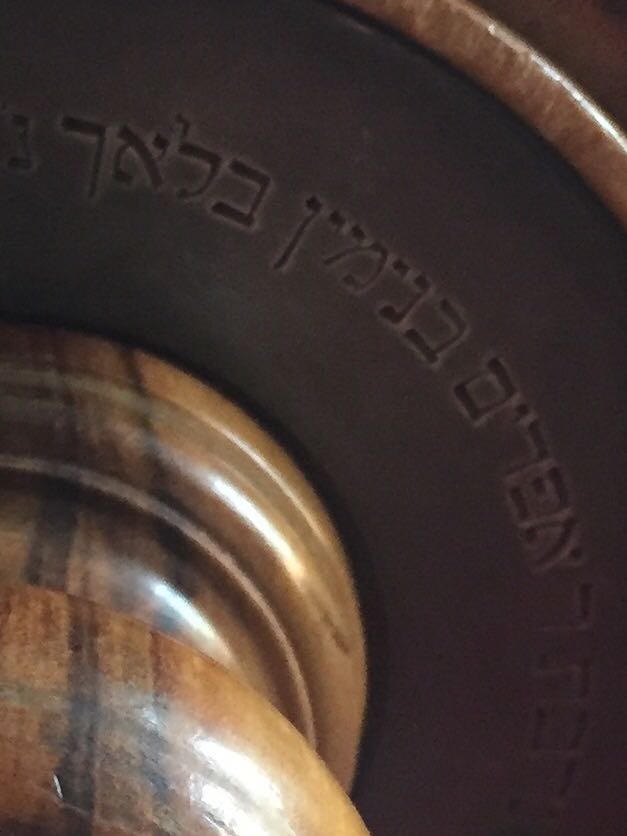
Inscription on Bloch Torah
Aphraim Benyamin Bloch

Ruth & Leonard Reitstein at Highlands House. Ruth is Aphraim’s grand daughter
Beverly Saevitzon Jacobson & her children
Bloch descendants (and by marriage) at the Gardens Shul
The Descendants of Aphraim Bloch 
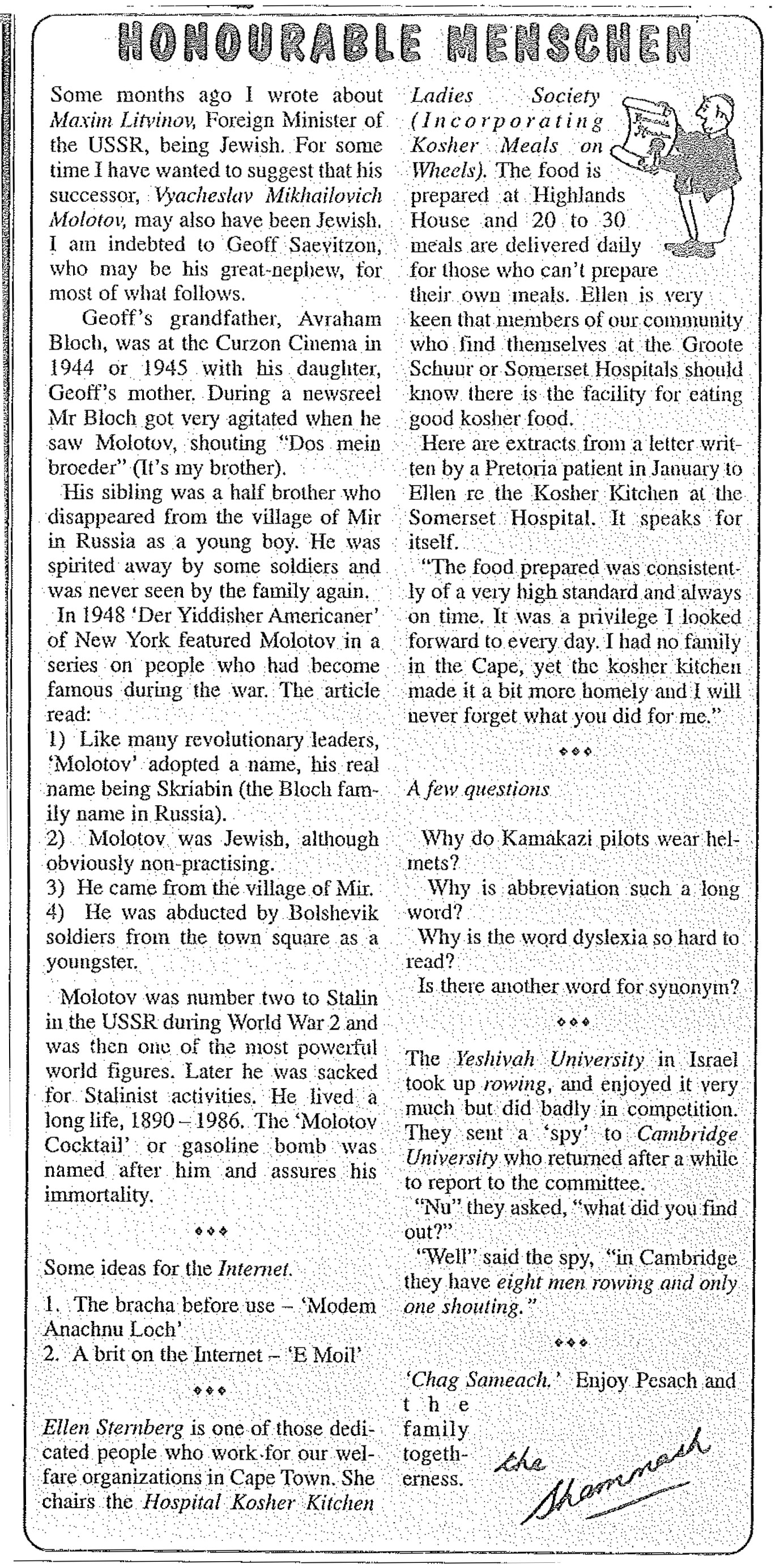
 Molotov
This interesting  article was written many years ago about Aphraim Bloch (mistakingly called Avraham Bloch in this article) and Molotov, the Foreign Miniser of the USSR.
The Geoff referred to in this article was the late Geoff Saevitzon, brother of Ruth Reitstein.  The mystery has never been solved.

I wrote several times to Vyacheslav Nikonov, grandson of Molotov, but he never responded!

Vyacheslav Nikonov – Wikipedia

Vyacheslav Alekseyevich Nikonov (Russian: Вячеслав Алексеевич Никонов, born in Moscow on June 5, 1956) is a Russian political scientist.

Source: en.wikipedia.org/wiki/Vyacheslav_Nikonov 

*************
another torah donated to Highlands House
by Benny Rabinowitz

New home for Torah from Birzh

By: Gilad Stern

Date: 05 August 2015

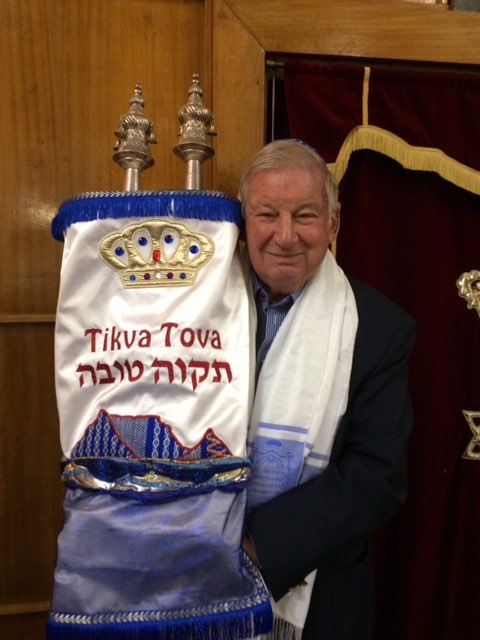
Sefer Torah donated, with Good Hope

Reading the Torah on Shabbatot and yomtovim is a cornerstone of Jewish life.

But Torah scrolls are not easy to come by.  Both Highlands House Shul and

Tikva Tova, the egalitarian orthodox community, have benefitted from the

donation by Ben Rabinowitz of a Sefer Torah. The Rabinowitz family

originally brought a Sefer Torah from Birz, Lithuania to South Africa.  The

family were congregants at the Bellville Shul for much of the 20th Century.

The Bellville shul closed, and merged with Durbanville shul.  The Sefer

Torah which has now been placed at Highlands House has splendid calligraphy

– a clear script with distinctive character – the sofer (scribe) who created

it must have completed it as a labour of love and commitment.

The Torah cover was made this year at Astra, the Jewish sheltered employment

centre.  The design depicts Table Mountain and Cape Town, and bears the

words Tikva Tova, meaning Good Hope, a fitting design for a Torah cover at

the Cape of Good Hope.  The Torah cover has s dedication to the memory of

Shirley, Ben’s late wife, and to the Rabinowitz forebears who were part of

this community’s history.

Whilst the Torah will be housed at Highlands House, on Rosh Hashana and Yom

Kippur it will be used at the services of the egalitarian shul, Tikva Tova,

at the Herzlia High School hall.  Details on www.tikvatova.co.za

Source: kehilalinks.jewishgen.org/birzai/Torah.html

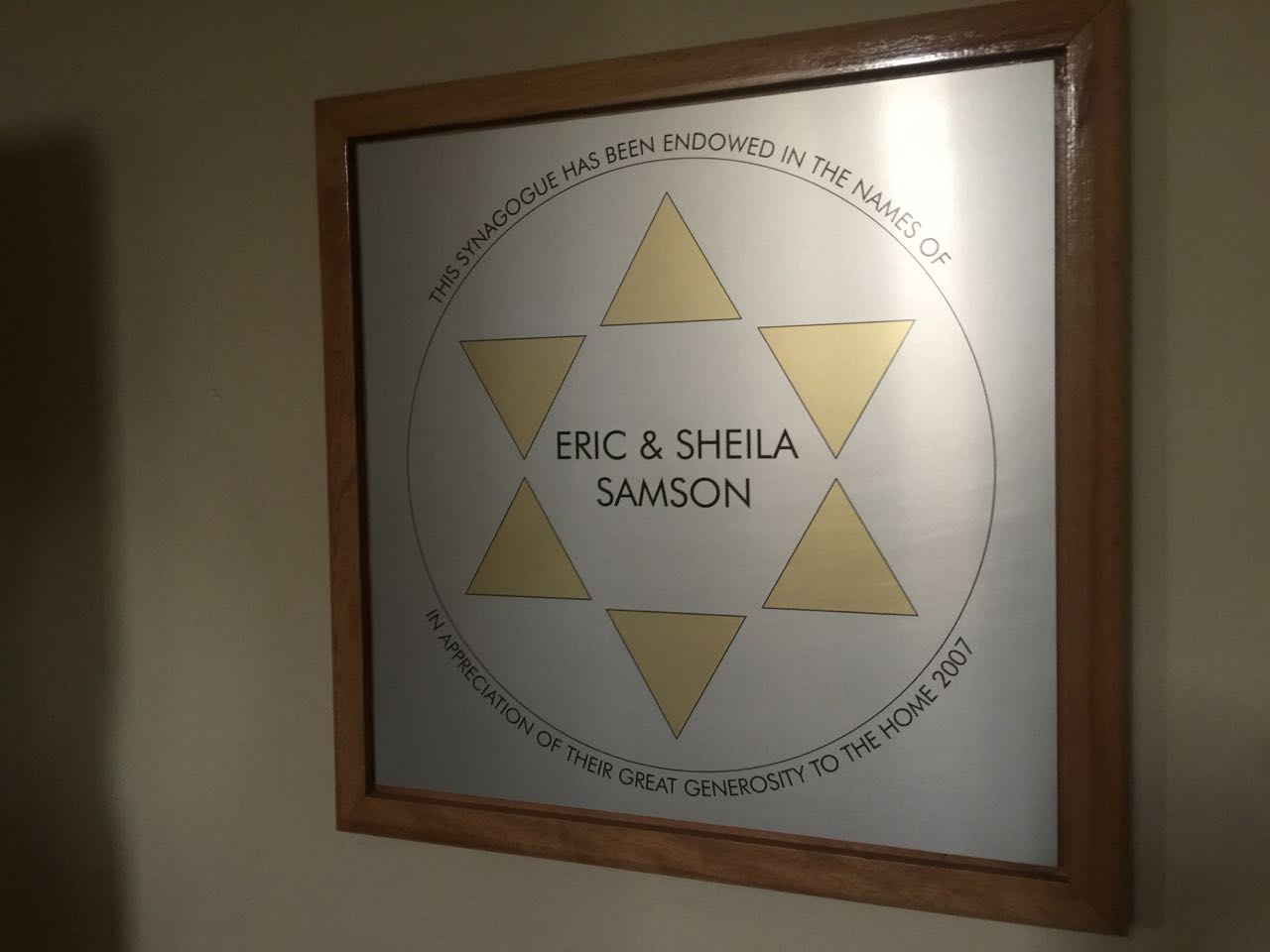
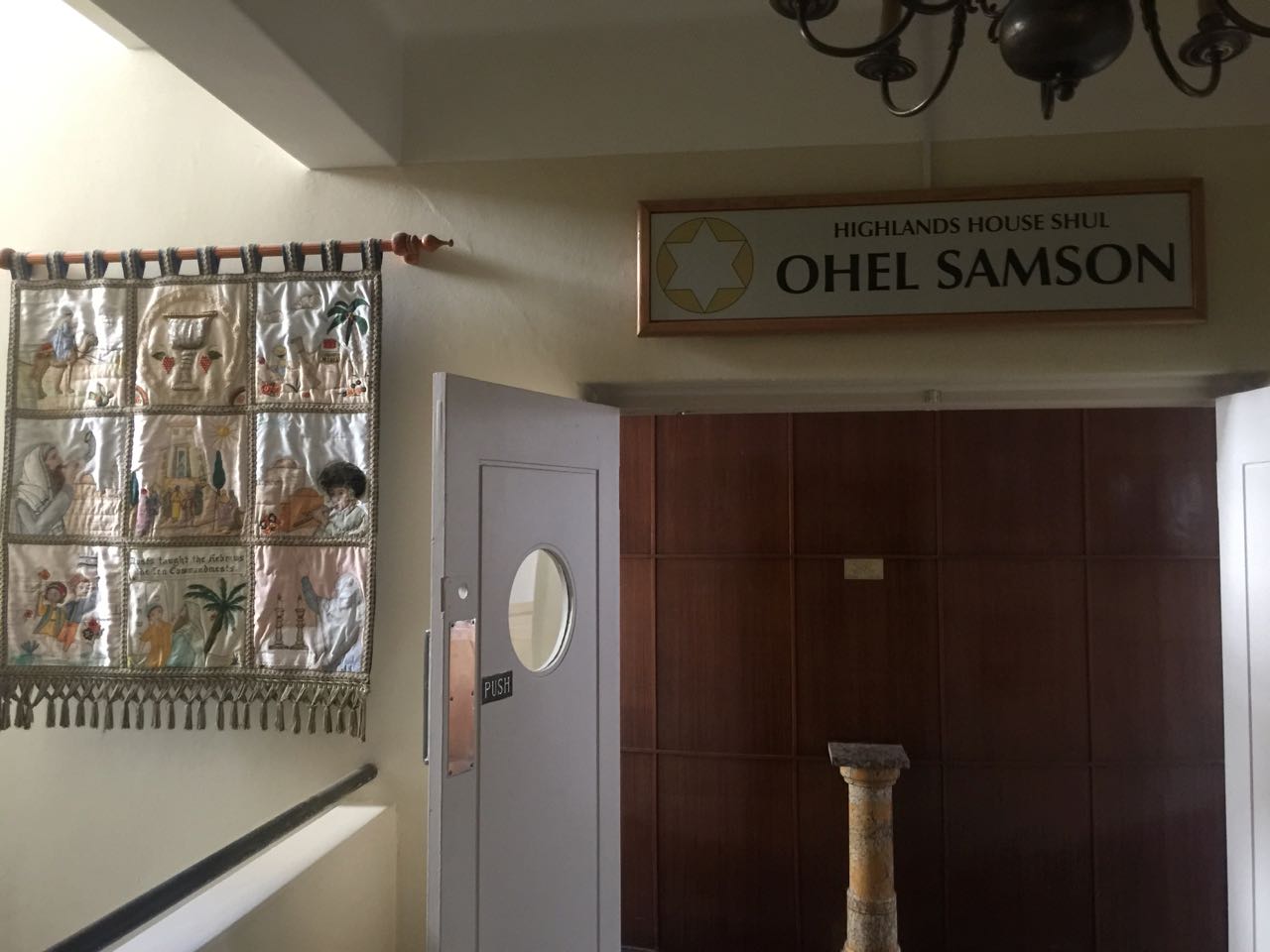
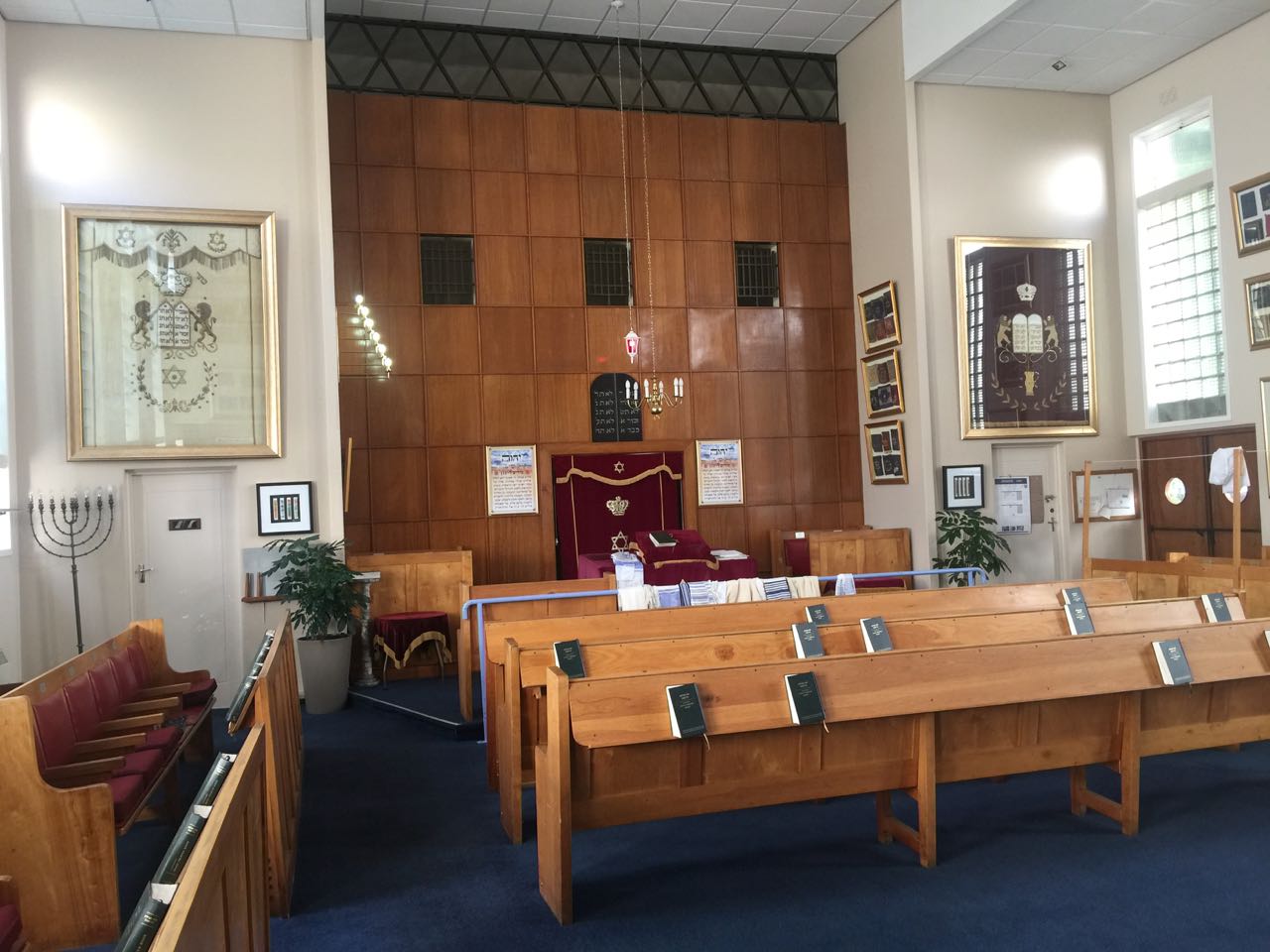
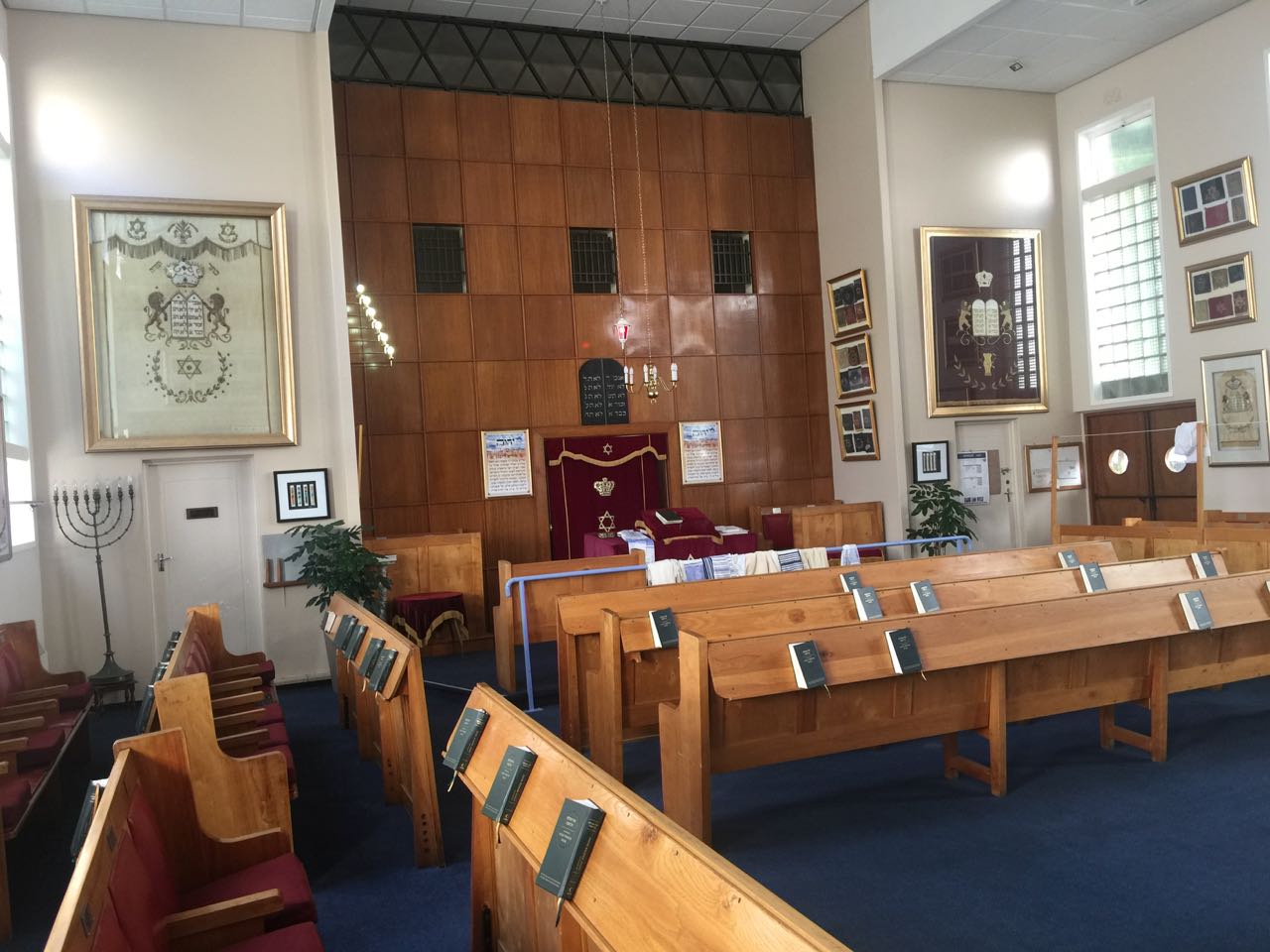
The Highlands House Synagogue


A Day Out in Cape Town

On this visit to Cape Town, I stayed with family in Milnerton Ridge.

On Saturday we take my two favourite friends Harry & Sally for a walk along Sunset Beach. Mind you, Harry doesn’t allow me to get near him.

Michelle, Sally and Harry
With Sally
Video clips from Sunset Beach:

Sunset Beach – Microlite 1

Sunset Beach – Microlite 2

Milnerton

Milnerton – Wikipedia

Milnerton is a suburb of Cape Town in South Africa situated on the Atlantic Ocean coast 11 kilometres to the north of the city’s centre.

Source: en.wikipedia.org/wiki/Milnerton

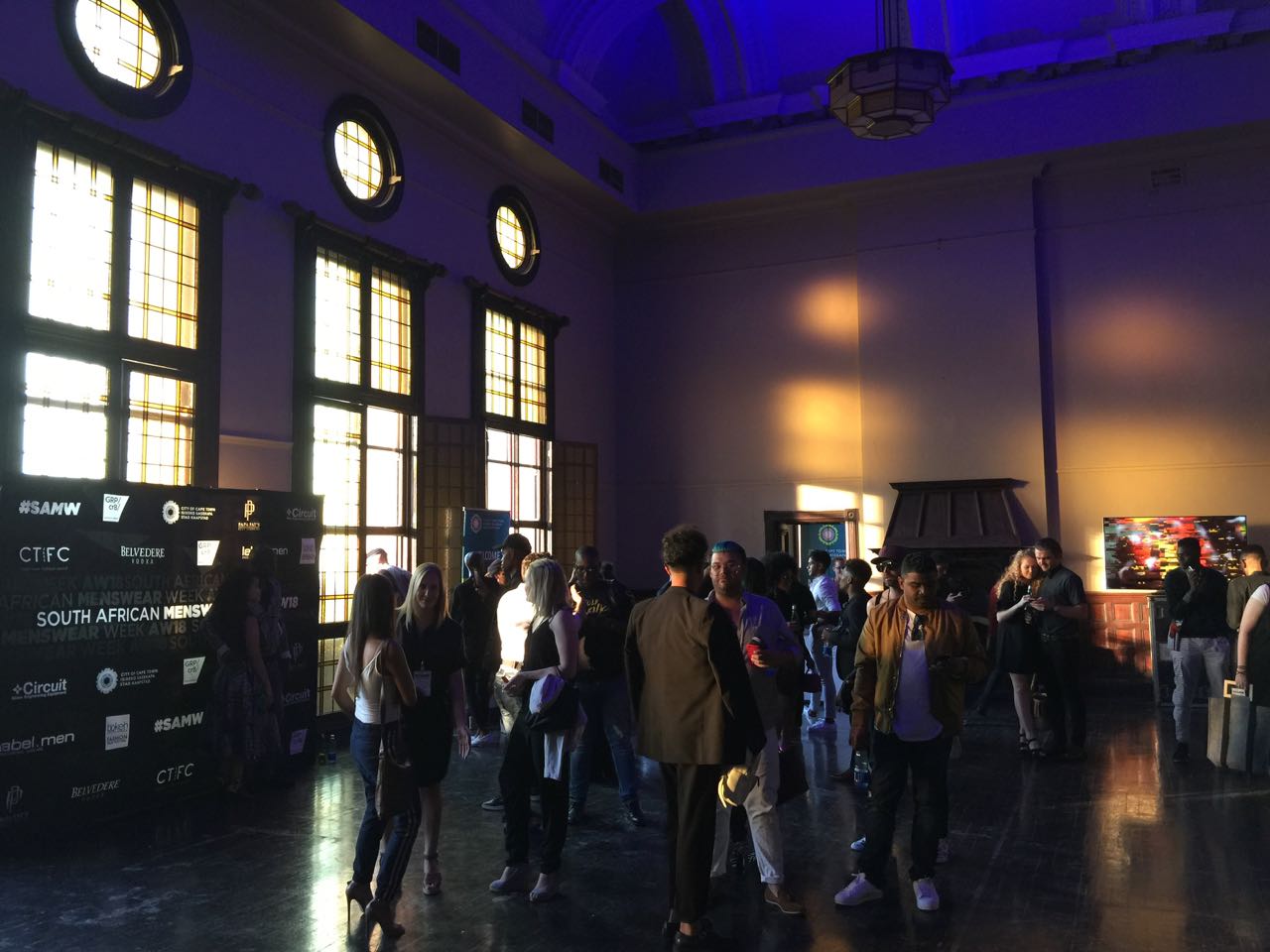
Fashion Show at Cape Town City Hall
IMG_9179 IMG_9182 IMG_9088 IMG_9090 IMG_9093 IMG_9094 IMG_9161
<
>
IMG_9091 IMG_9174 IMG_9178 IMG_9096 IMG_9155 IMG_9168 IMG_9159 IMG_9158 IMG_9162
<
>
Cape Town City Hall

Cape Town City Hall – Wikipedia

Cape Town City Hall is a large Edwardian building in Cape Town city centre which was built in 1905. It is located on the Grand Parade to the west of the Castle and is built from honey-coloured oolitic limestone imported from Bath in England.

Source: en.wikipedia.org/wiki/Cape_Town_City_Hall

IMG_9119 IMG_9100 IMG_9101 IMG_9103 IMG_9105 IMG_9108 IMG_9110 IMG_9115 IMG_9121 IMG_9131 IMG_9134 IMG_9137 IMG_9149 IMG_9146 IMG_9095
<
>
Video Clip from The Fashion Show

Fashion Show

With Michelle
Woolworths South Africa Headquarters
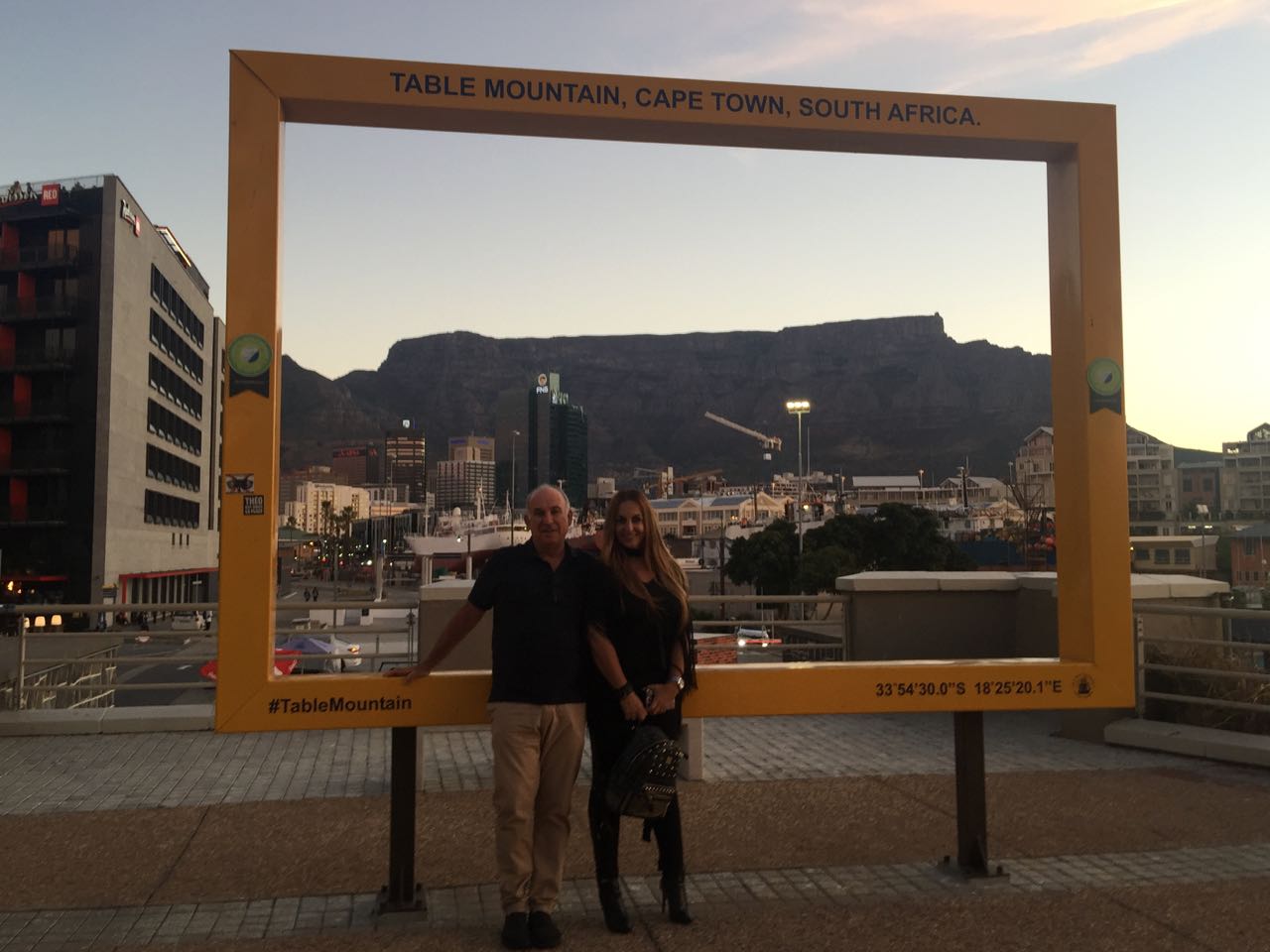
The Waterfront
IMG_9218 IMG_9217 IMG_9222 IMG_9232 IMG_9206 IMG_9202 IMG_9194 IMG_9192 IMG_9243
<
>
IMG_9237 IMG_9196 IMG_9210 IMG_9211 IMG_9214 IMG_9216 IMG_9226 IMG_9240 IMG_9244
<
>
Victoria & Alfred Waterfront

Victoria & Alfred Waterfront – Wikipedia

The Victoria & Alfred (V&A) Waterfront in Cape Town is situated on the Atlantic shore, Table Bay Harbour, the City of Cape Town and Table Mountain. Adrian van der Vyver designed the complex.

Source: en.wikipedia.org/wiki/Victoria_&_Alfred_Waterfront

Sea Point & Muizenberg

A look at two of my favourite spots in Cape Town

Sea Point
IMG_9327 IMG_8986 IMG_9330 IMG_9319 IMG_9318 IMG_9316 IMG_9315 IMG_9313 IMG_9310 IMG_9307 IMG_9302 IMG_9294 IMG_9293 IMG_9292 IMG_9290 IMG_9289 IMG_9023 IMG_9016 IMG_8997 IMG_8995 IMG_8990 IMG_8987 IMG_9646 IMG_9275 IMG_9024 IMG_9020
<
>
Visitors related to Kapeluto family
Sea Point

Sea Point – Wikipedia

Sea Point (Afrikaans: Seepunt) is one of Cape Town’s most affluent and densely populated suburbs, situated between Signal Hill and the Atlantic Ocean, a few kilometres to the west of Cape Town’s Central Business District (CBD). Moving from Sea Point to the CBD, one passes through first the small suburb of Three Anchor Bay, then Green Point. Seaward from Green Point is the area known as Mouille Point (pronounced MOO-lee), where the local lighthouse is situated. It is neighboured to the southwest by the suburb of Bantry Bay.

Source: en.wikipedia.org/wiki/Sea_Point

Bantry Bay
IMG_9616 IMG_9619 IMG_9620 IMG_9621 IMG_9625 IMG_9631 IMG_9633 IMG_9634
<
>
3 Pools? Yours, mine & ours
Bantry Bay, Cape Town – Wikipedia

Bantry Bay, Cape Town – Wikipedia

Bantry Bay is an affluent suburb of Cape Town situated on the slopes of Lion’s Head and overlooking a rocky coastline, Western Cape Province, South Africa. Its neighboring suburbs are Sea Point and Clifton. It was originally called Botany Bay after a botanical garden that was planted here for the cultivation of medicinal herbs. The name was changed during World War I.

Source: en.wikipedia.org/wiki/Bantry_Bay,_Cape_Town

Jewish Community of  Cape Town

Source: kehilalinks.jewishgen.org/capetown/Home.html

Arthur’s Road Shul, Sea Point

Arthur’s Road Shul – Digging Up The History- from 2013

Arthur’s Road Shul – Digging Up The History

Last week I visited the Arthur’s Road Shul in Sea Point, Cape Town, South Africa. My previous visit was in November 2012. Both also included research at the Kaplan Centre, UCT and the Gitlin …

Source: elirab.me/arthurs-road-shul-digging-up-the-history/

Muizenberg
IMG_9394 IMG_8920 IMG_9380 IMG_9384 IMG_9389 IMG_9393 IMG_9396 IMG_9397 IMG_9398 IMG_9399 IMG_9454 IMG_9457 IMG_9474 IMG_9491 IMG_9492 IMG_9495 IMG_9501
<
>
With Gerald & Celia Musikanth

Muizenberg

Muizenberg – Wikipedia

Muizenberg is a beach-side suburb of Cape Town, South Africa. It is situated where the shore of the Cape Peninsula curves round to the east on the False Bay coast. It is considered to be the birthplace of surfing in South Africa[citation needed] and is currently home to a surfing community, centered on the popular ‘Surfer’s Corner’. Agatha Christie, famous author and playwright, wrote that after nursing duty she would daily take the train to Muizenberg to go surfing.

Source: en.wikipedia.org/wiki/Muizenberg

The Muizenberg Kehilalink

Source: kehilalinks.jewishgen.org/muizenberg/Home.html

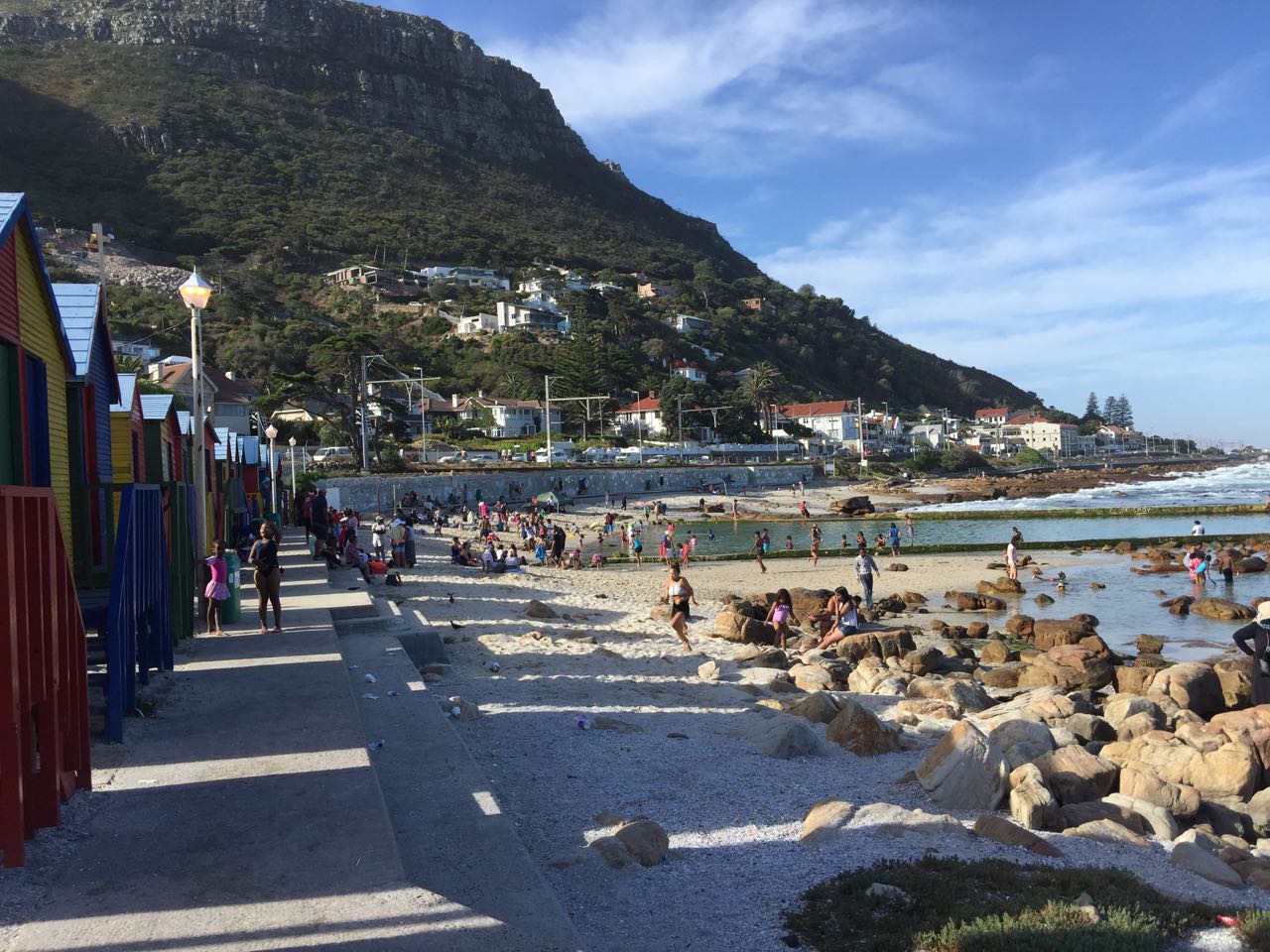
Muizenberg to St James Walk
IMG_9400 IMG_9404 IMG_9405 IMG_9407 IMG_9410 IMG_9412 IMG_9416 IMG_9426 IMG_9427 IMG_9428 IMG_9436 IMG_9441 IMG_9443 IMG_9447 IMG_9452 IMG_9453
<
>
St James
St James, Cape Town – Wikipedia

St James is a suburb of Cape Town, South Africa, situated on the False Bay coast between Muizenberg and Kalk Bay.[2] The suburb is situated between the rocky shore and a steep mountain, and measures about 200m by 2 km. Its name derives from the early St James Catholic Church, built circa 1880. Most of the suburb was built between 1910 and 1950, after the railway line was built connecting Cape Town to False Bay.

Source: en.wikipedia.org/wiki/St_James,_Cape_Town

Muizenberg High School

Muizenberg High School

My Partisan Song Project presentation at Muizenberg High School Muizenberg High School principal Leonie Jacobsen and I first met on Thursday night, 8 February, at a delightful Yiddish music concert…

Source: elirab.me/mhs/

Hohenort

 The Cellars-Hohenort – Relais & Chateaux Hotel Cape Town

Welcome to The Cellars-Hohenort – Relais & Chateaux Hotel Cape Town

Situated in the lush Constantia Valley, Cellars Hohenort offers a world-class accommodation and dining experience like no other.

The Greenhouse Restaurant   
With Richard Narva of Boston MA
The Menu – The Greenhouse Restaurant
The Butcher Bird

Checking the wines
Our knowledgeable waiter

Source: www.thecellars-hohenorthotel.com

Herzlia & Highlands House – The Partisans’ Song

On 8 February United Herzlia Schools hosted an international online collaboration on The Partisans’ Song Project

Herzlia High School, Cape Town, South Africa
IMG_8787 IMG_8791 IMG_8796 IMG_8797 IMG_8798 IMG_8800 IMG_8807
<
>
Event being flimed for TV

Schools that participated in the online collaboration:

  1. Host: Herzlia Middle School, Cape Town
  2. St Petersburg School (#550) ORT de Gunzburg “Shorashim” (Russia)
  3. Moscow School (#1311) “Tekhiya” (ORT) (Russia)
  4. Kiev Educational Complex “ORT” (#141) (Ukraine)
  5. Odessa School “ORT” (#94) named after Z.Zhabotinskiy (Ukraine)
  6. Kishinev ORT Technology Lyceum named after Herzl (Moldova)
  7. Vilnius ORT Shalom Aleichem gymnasia (Lithuania)
My welcome
c44b4bfb-821c-477c-9637-832bbece284b Herz4 959b79ed-e846-4b97-9631-7ab4eb3fd9b4 Herz3 Herz2 90deba71-26f9-4ff7-ac98-bbe7523cdea1
<
>

Video: Herzlia Ensemble sings Zog Nit Keynmol

Herzlia Online ZNK 2018

Source: youtu.be/nMOdyq-BXGY

bf52fdb3-1fca-4cf9-b9aa-c58d1f02b878 Screenshot 2018-02-08 09.40.14 Herz15 Herz14 Herz12 Herz11 Herz10 Herz9 Herz7
<
>
Watching in Sydney, Australia
Miriam Lichterman, survivor
Herzlia school captains
Herzlia – thanks given in Russian
With Ivor Joffe, Lydia Abel, Ivor Lichterman, Miriam Lichterman, Mark Helfrich, Steve Sherman

With thanks to:

Irina Silaeva (Shemyakina)  co-ordinator  “Organization for Educational resources and technological training”  (ORT-Russia)

Mark Helfrich – Herzlia

Ivor Joffe – Herzlia

Steve Sherman – Living Maths

Heather Blumenthal – Spirit Sister

Lydia Abel – Cape ORT

Miriam Lichterman & Ivor Lichterman

Lesley-Ann Knoll

Full collaboration video:
Zog Nit Keynmol – – An international Collaboration

Source: youtu.be/ZFyhsbmsZYI

The Concert at Highlands House
The notice board


Lesley-Ann Knoll’s welcome
Mark Helfrich
With the Herzlia Vocal Ensemble

Miriam & Ivor Lichterman
Video – Zog Nit Keynmol 
With survivor Miriam Lichterman and her son Ivor, visiting from Toledo OH.
Zog Nit Keynmol – in Cape Town with Miriam Lichterman

The Partisan Song WE ARE HERE! The Herzlia Vocal Ensemble Highlands House Cape Town 8 February 2018
Source: youtu.be/GKKZgimSOtE

With Ivor Joffe
The Residents

Miriam Lichterman & Philip Todres
Lydia Abel & Miriam Lichterman
With inlaws Len & Ruth Reitstein
Lesley-Ann Knoll
Residents viewing The Partisans’ Song video

The new video
Yom Hashoah 2018 – A video for your community
Yom Hashoah 2018 – A video for your community

Give meaning to the significance and context to the Partisans’ Song, written by Hirsh Glik 75 years ago. Please ensure that your children and grandchi…

Source: youtu.be/Yq7SrTNZPaI

About Us | United Herzlia Schools

About Us | United Herzlia Schools

Herzlia is a Jewish community school and a leader in education in the Western Cape. Herzlia is one of the top feeder schools to UCT. About Us.

Source: www.herzlia.com/about-us/

World ORT | Worldwide Jewish Educational NGO

World ORT | Worldwide Jewish Educational NGO

World ORT

World ORT is the world’s largest Jewish education and vocational training non-governmental organisation. Specialized in Technology.

Source: www.ort.org


Back