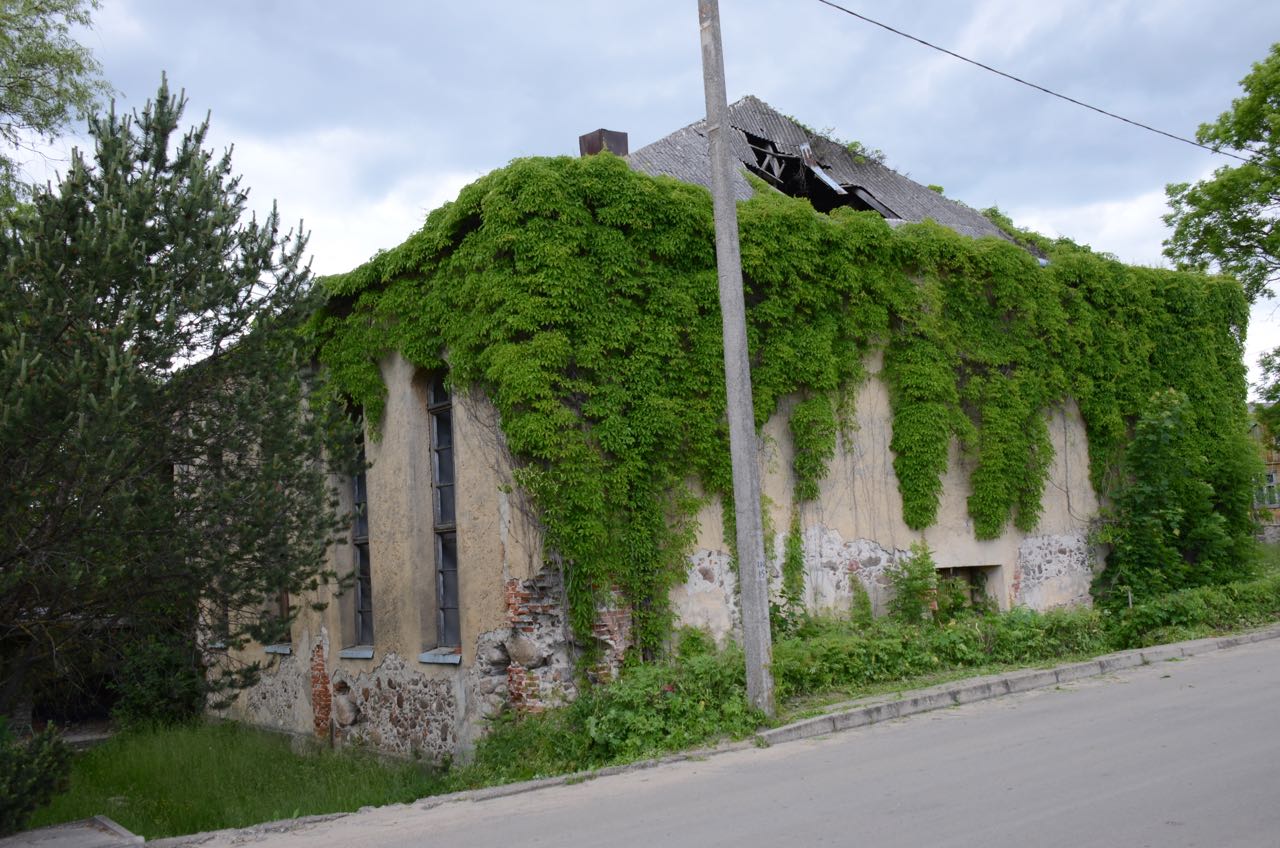
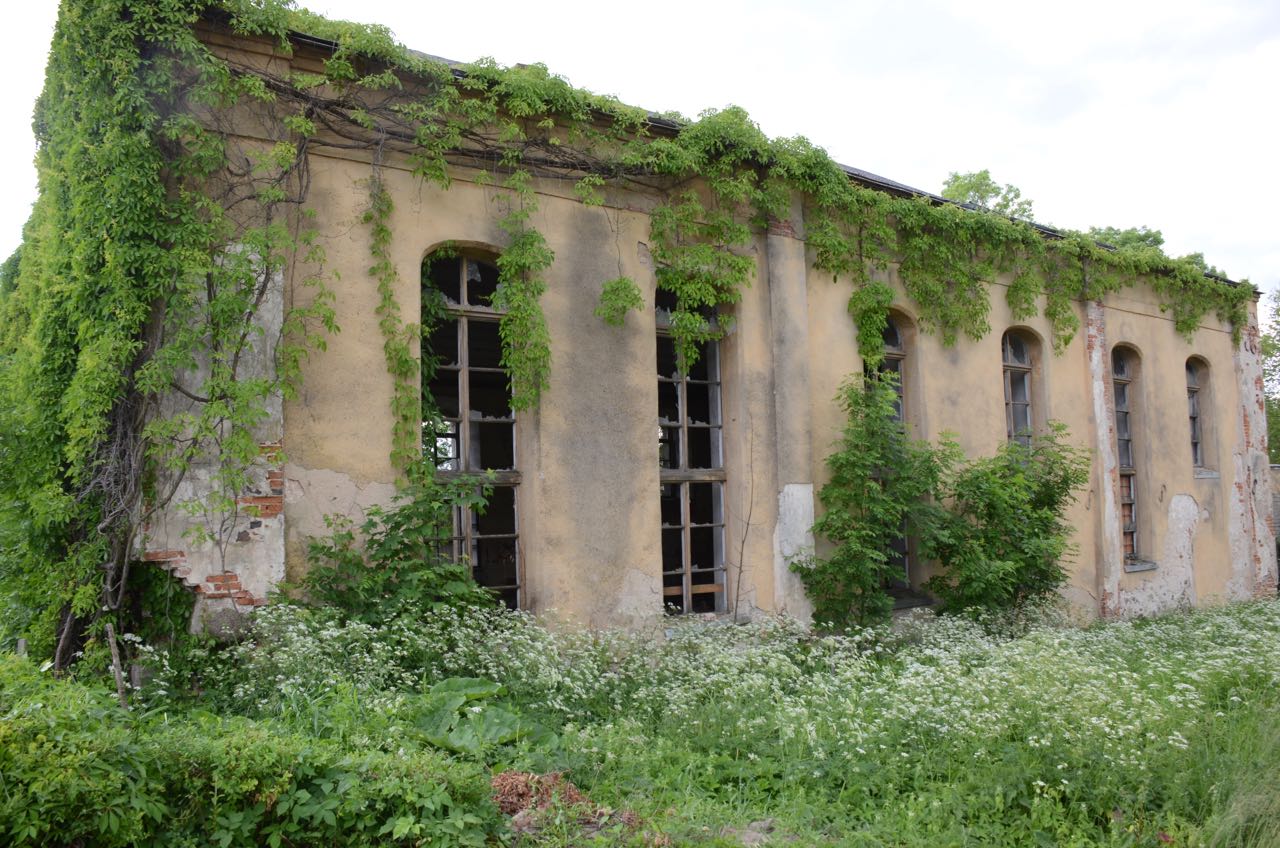
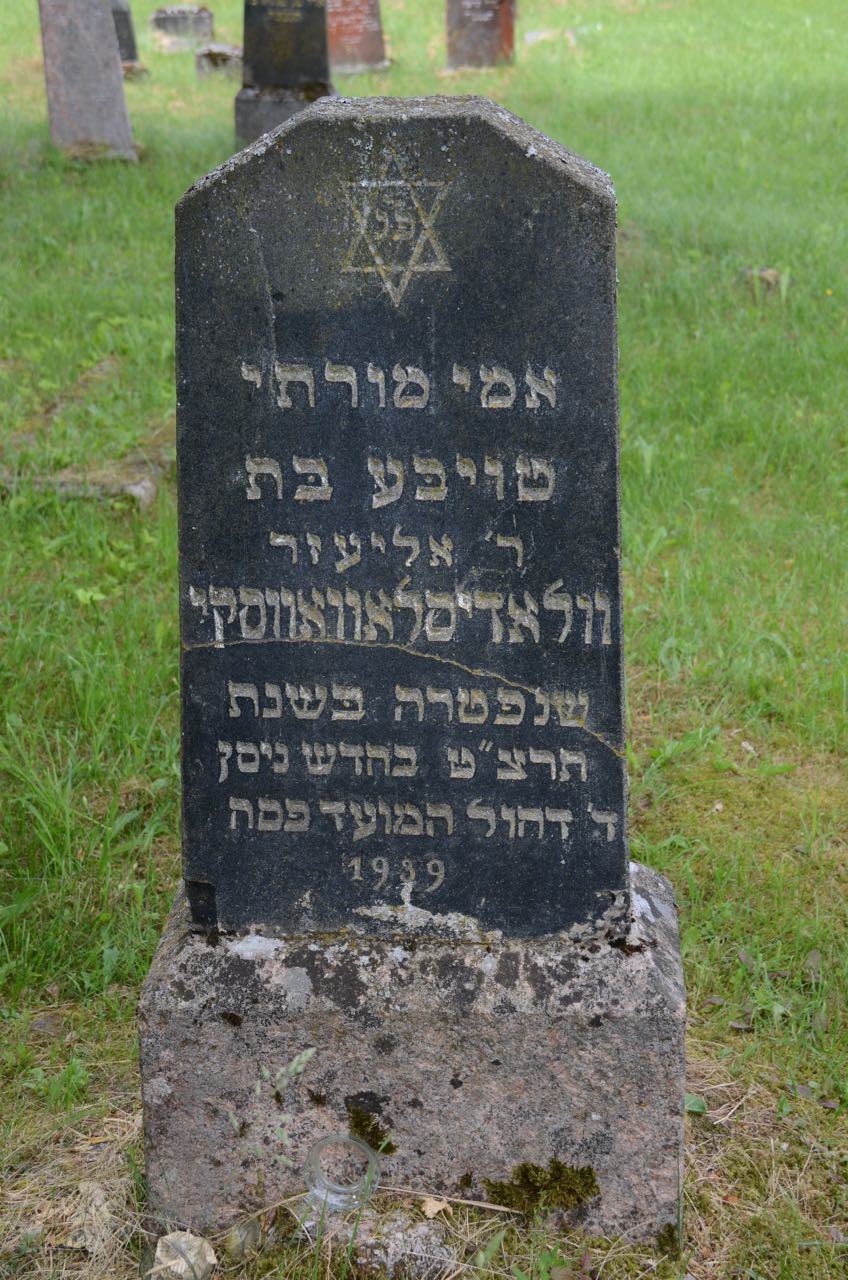
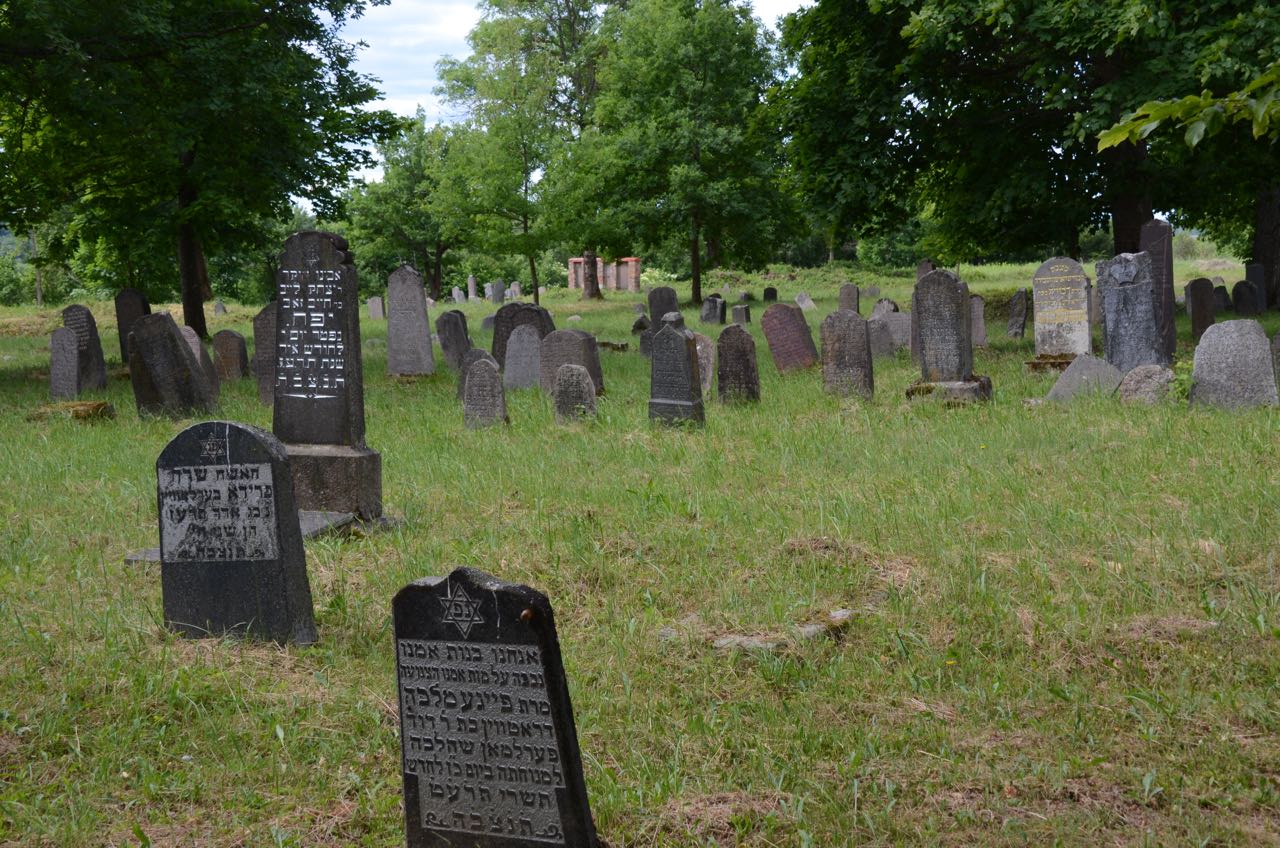
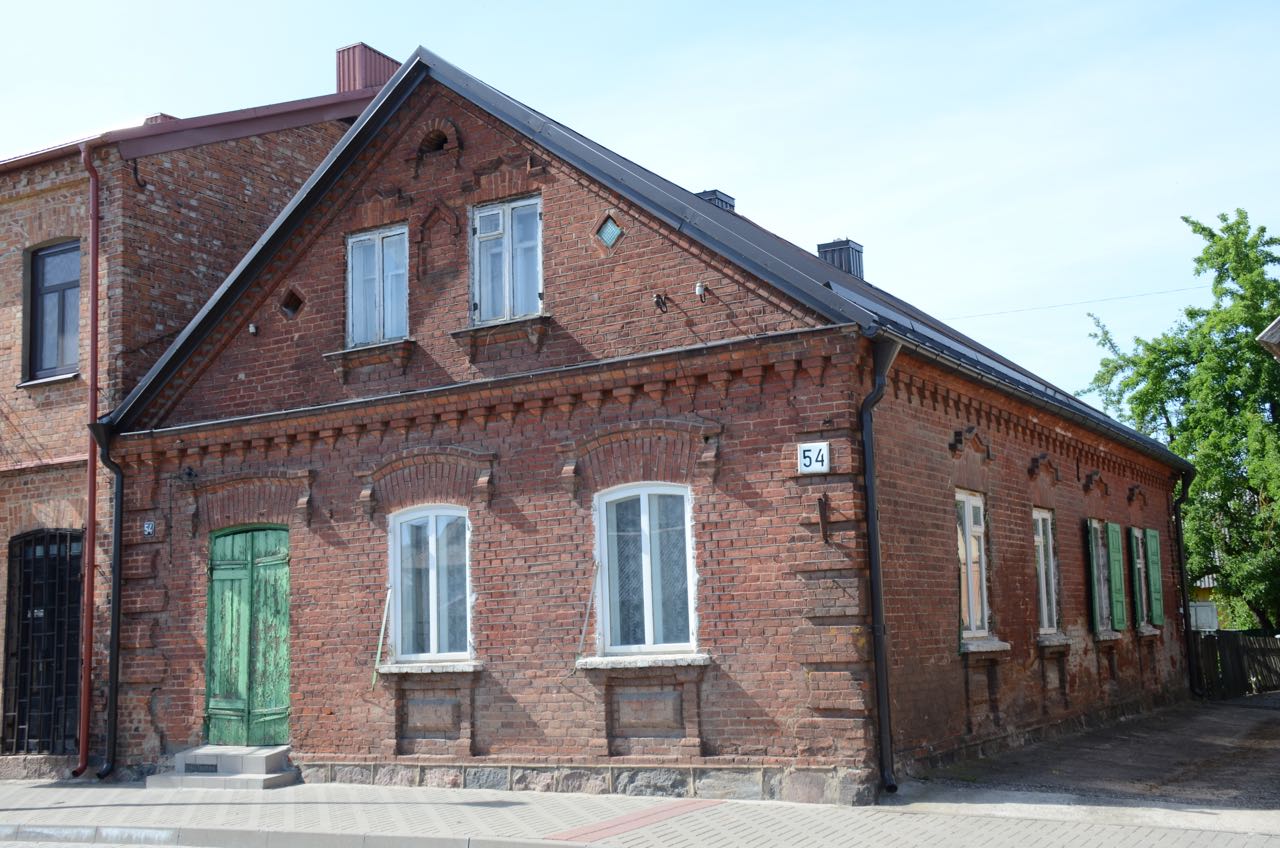
The town
Heiny Ellert’s Testimony
Sammy Marks
Click on image below
Other towns on the way to Marijampole
My KehilaLinks in Lithuania
Žiežmariai (Zhezmir)

The town
Heiny Ellert’s Testimony
Sammy Marks
Click on image below
Other towns on the way to Marijampole
My KehilaLinks in Lithuania
Žiežmariai (Zhezmir)
On the road to Jurbarkas

Jaucakiai Holocaust Site
Another memorial
Jurbarkas Cemetery
The Holocaust memorial next to it
Jurbarkas Park & Buildings
By Lauren Kramer
For Vancouverites who hail from South Africa, the name Muizenberg carries significant resonance. The small seaside town was a hub for Jewish families from the 1900s onward, a place where children played on the long stretch of white-sand beach, young people fell in love, business deals were discussed, family relationships deepened and friendships nourished.
So when the Memories of Muizenberg exhibit opens for its 15-day span at Beth Israel Synagogue July 10-25, there’s an excellent chance of hearing South African accents in the voices of attendees. The exhibit was created in 2009, when it debuted in Cape Town, chronicling the Jewish presence in Muizenberg between 1900 and the early 1960s. After that it began a whirlwind tour to Johannesburg, London, Israel, Perth, Sydney, Melbourne, Toronto and San Diego before it finally landed in Vancouver. For each of its moves an ex-South African Jew adopted the exhibition, gathering fundraisers, assistants and exhibit spaces in their respective cities.
In Vancouver that man is Stephen Rom, an ex-South African from Cape Town who immigrated to Canada in 1986 and moved to Vancouver in 1992. “I’m just a schlepper that was interested in the exhibit,” he said with a laugh. “When a friend told me the exhibit was in San Diego, I thought we needed to get it trucked up to Vancouver. I think it’s important to keep Memories of Muizenberg circulated – a hell of a lot of research went into it and it’s beautifully put together.”
Rom arranged for the crate containing the 40-panel exhibit to be stored in the warehouse of fellow ex-South African Lexie Bernstein and solicited donors to cover the costs associated with transportation and opening night festivities. Muizenberg has a special place in his heart and memories, he confided.
“It was a place my family and extended family spent every Sunday – you loaded the car, took the food and you didn’t need to look for friends – they were always there,” he reflected. “No-one phoned to say, are you going to Muizenberg? You just knew, everyone in your community was going to be there. You’d go swimming, get attacked by bluebottles, get knocked over and soaked by a wave from the creeping high tide, have the wind blowing in your hair and eat homemade rusks (cookies) mixed with sand. It was part of our DNA.”
Bernstein, who moved from Cape Town to Vancouver in 1987, recalls catching the train with his friends in the summer months to get to Muizenberg. “When the train pulled into the station, the conductor would shout out ‘Jerusalem!’” he recalled. “I think ex-South Africans in Vancouver will love this exhibition, and other Jews in the community will be fascinated about where we come from.”
Rom’s only regret about the exhibit is that it ends in 1962 instead of continuing. He’s asking ex-South Africans in Vancouver to email photographs that pertain to their history in Muizenberg and that might be shown as a slide show at the exhibit’s opening night, July 10. To submit your memories email Stephen at srom@shaw.ca
For the Muizenberg KehilaLink, click here
Again on this weekend, Sunday the 3rd July 2016
Check with Ishvara ancientsecrets@absamail.co.za for details!
You will walk through the old Jewish neighbourhood of Doornfontein Johannesburg.
Some of the highlights include :
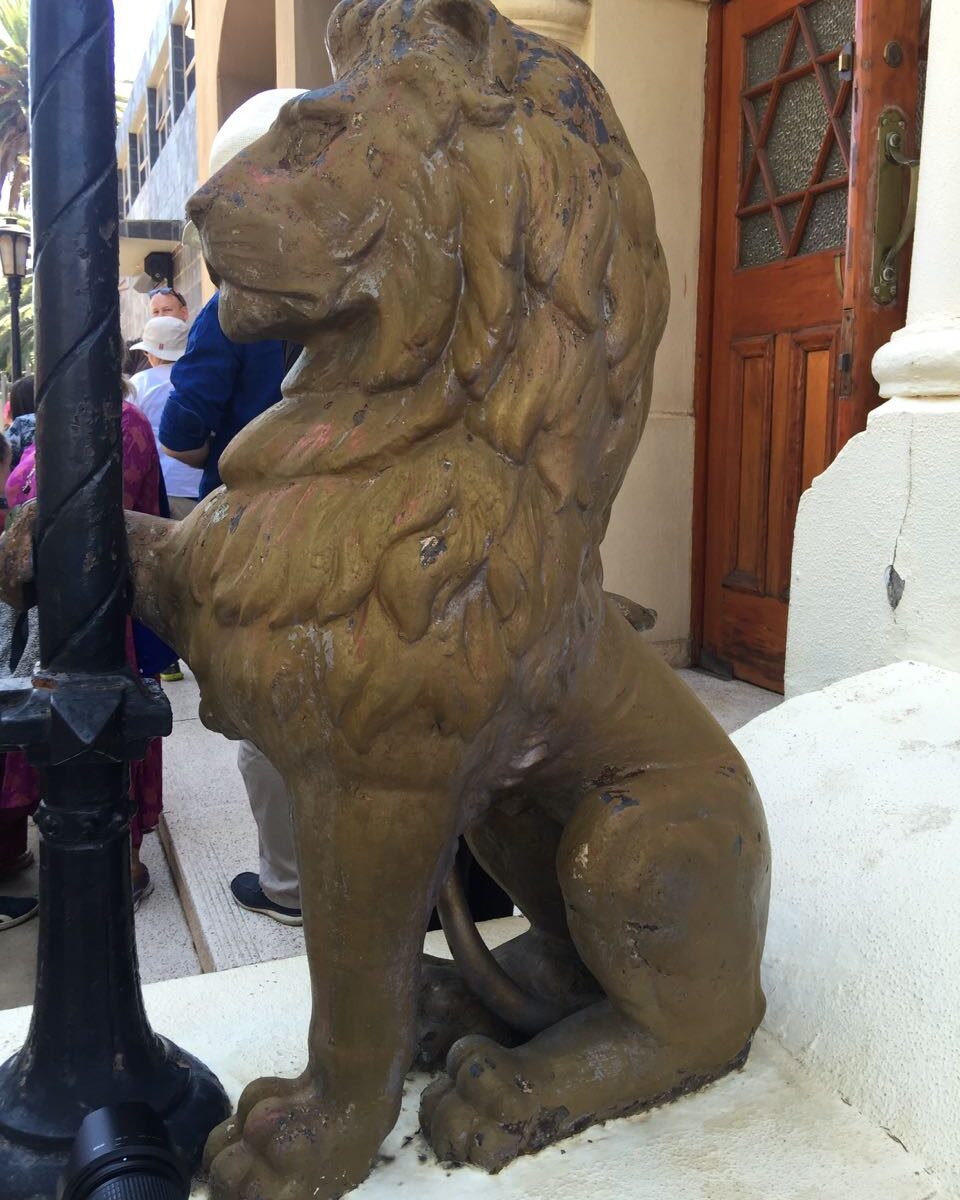
* the Lion Shul : 1906
* Yiddishe Arbeiter Klub : the Jewish Workers Club : 1928
* the Alhambra Theatre
* the Yiddishe Altesheim : Jewish Old Age Home
* Beit Hamedrash Hagodel : the Sherwell St Shul
* the first Greek Orthodox Church in Joburg : 1913
* the Beit St shops – Wachenheimers , Nussbaums etc
* the Ottoman Embassy : home of Henri Bettelheim
* the University of Johannesburg Campus
* the Jewish Govt School : IH Harris Primary
* the Hebrew High School : Talmud Torah
* the old Victorian homes on Sivewright St
* the Great Synagogue on Wolmarans St : 1914
If you wish to attend, please confirm that there is available space by sending an email to :
ancientsecrets@absamail.co.za for banking details and further instructions
Space is limited – so confirmation is essential
Please note : men please bring a yarmulke for entering the synagogues and women please dress modestly.
To see my previous posts on the Doornfontein Walking Tour, visit:
There are 4 parts! Use this search engine to access all 4:
http://elirab.me/?s=doornfontein
Also visit the Lion’s Shul on the Johannesburg KehilaLink
Cheers
Eli
I travelled with my friend, Laima Ardaviciene, the English teacher at Kedainiai High School, to Seta, Jonava, Vandizogala and back to Kedainiai

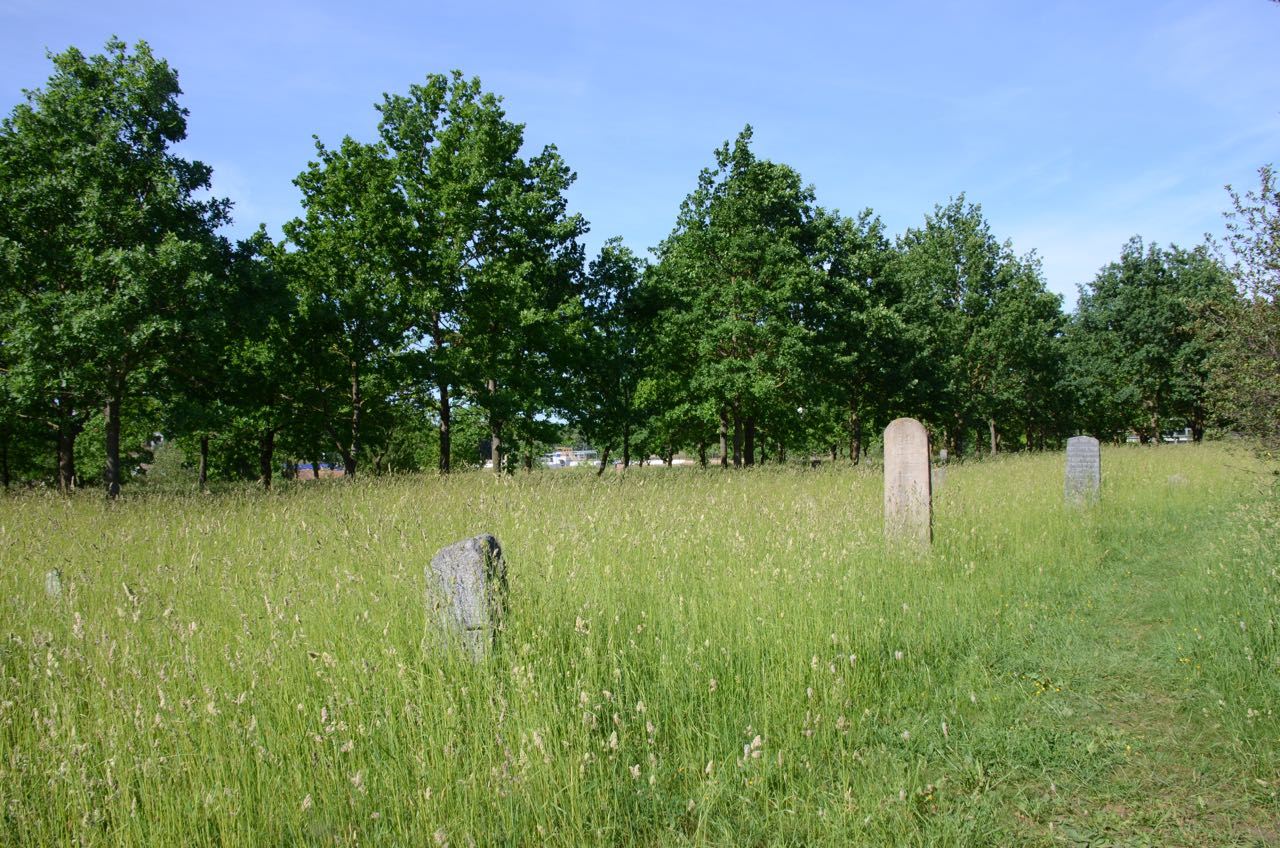
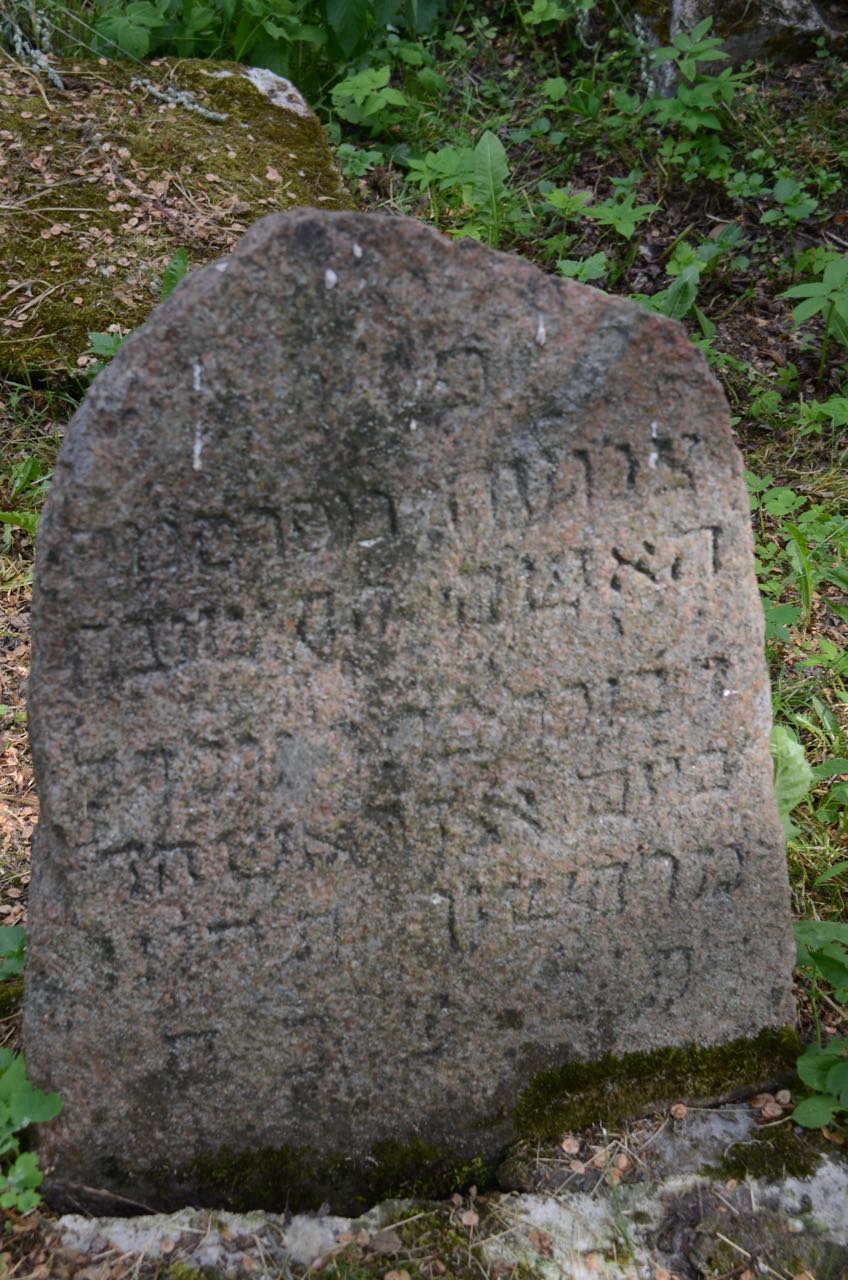
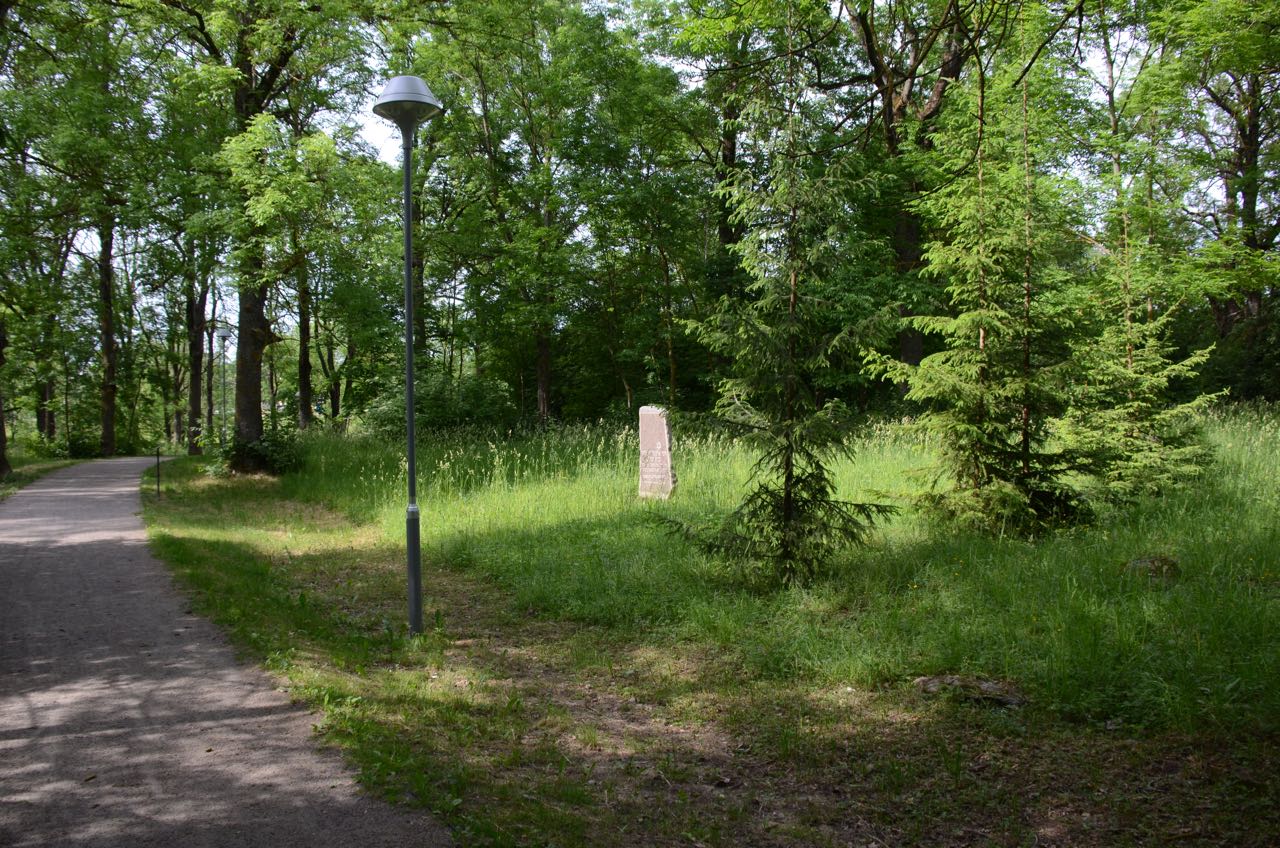
The Jewish Cemetery
The amphitheatre and holiday entertainment
A walk around Kedainiai


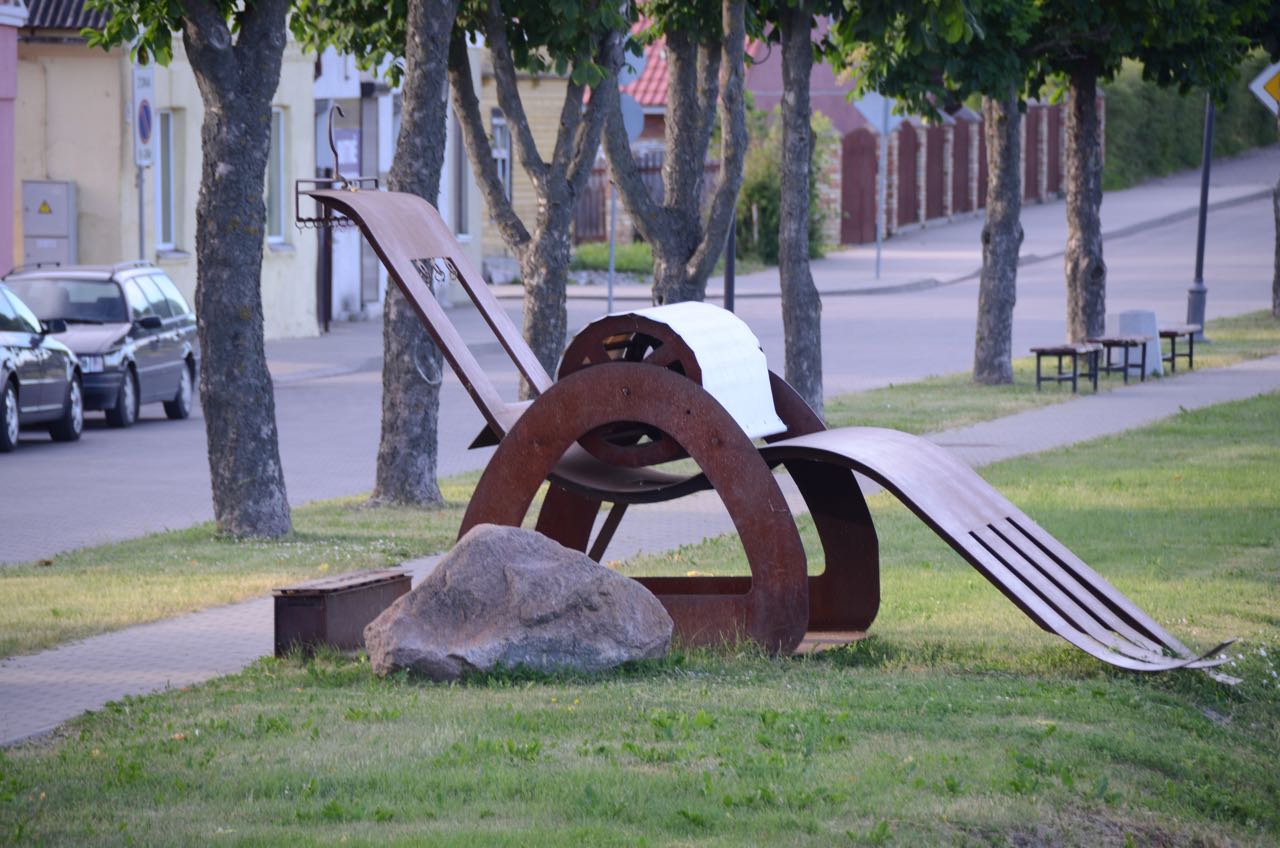
I visited Pakruojis to see the wooden synagogue in the city.
As you can see from the images, it is currently being restored. We previously saw that the wooden synagogue in Ziezmariai is also under restoration.

Other views of the town

My visit to my wife’s family town of Shavlan or Siaulenai was not so successful.
Her maternal grandfather’s family name was Saevitzon, in Israel, Shavei Zion.
I searched for the Jewish cemetery, asked at the Christian cemetery and was told by locals that there was a Jewish cemetery on the other side of town. I couldn’t find it and I ran out of time.
I later emailed Sandra Petrukonyte of Maceva, who kindly replied:
Dear Eli,
It is so pity that you could not find. I tried to search for exact location. The map is attached (for your future journey!).
It is seems that the way to the cemetery is not marked by any sign, the path is not paved and the cemetery itself is in a small distant forest. Not surprising that you got lost.
MACEVA does not have own photos, therefore I am adding links to another websites with general view of the cemetery:

So, I will a revisit next time.
Here are some images of the town:

I’m still on the long flight home to Perth. Great to have access to the Internet!

My friend, Owen Ogince, was born in Johannesburg, but lived in Theunissen in the Orange Free State in South Africa. He went to boarding school in a larger city, such as Bloemfontein, typical of the many first generation of South African born Jews who lived in the country areas. Their parents often spoke only Yiddish and Afrikaans, creating an interesting sub culture which in many ways reflected their previous lives in the shtetls of Lithuania. They were often referred to as boerejode. For more information on boerejode, see the end of this post.

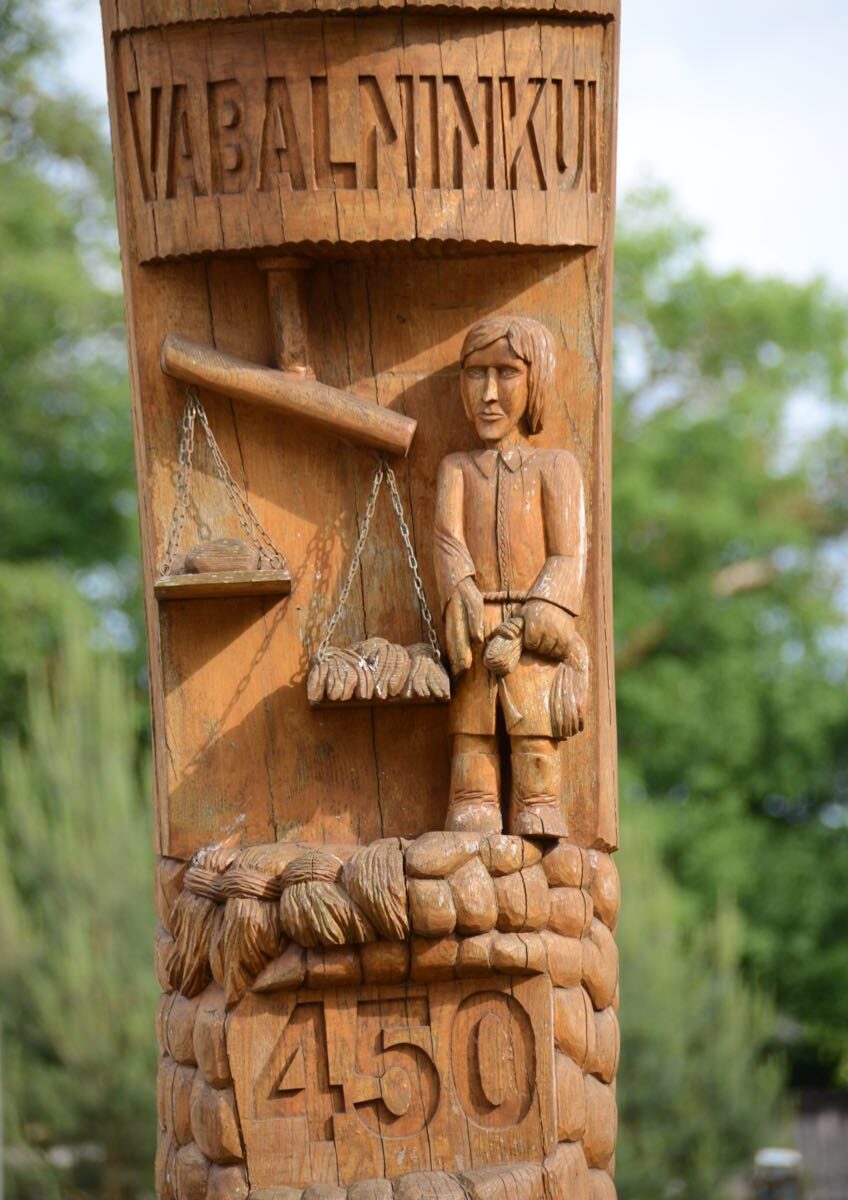
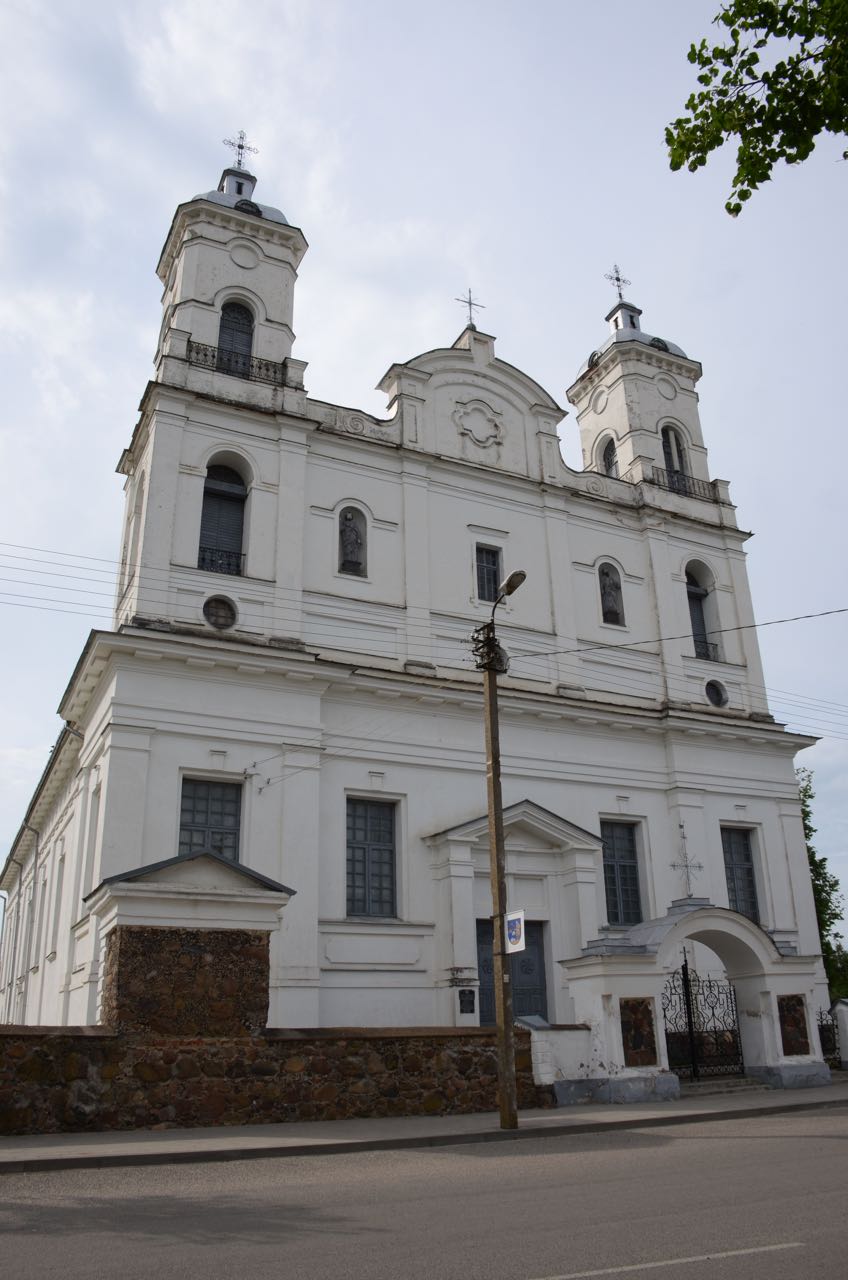
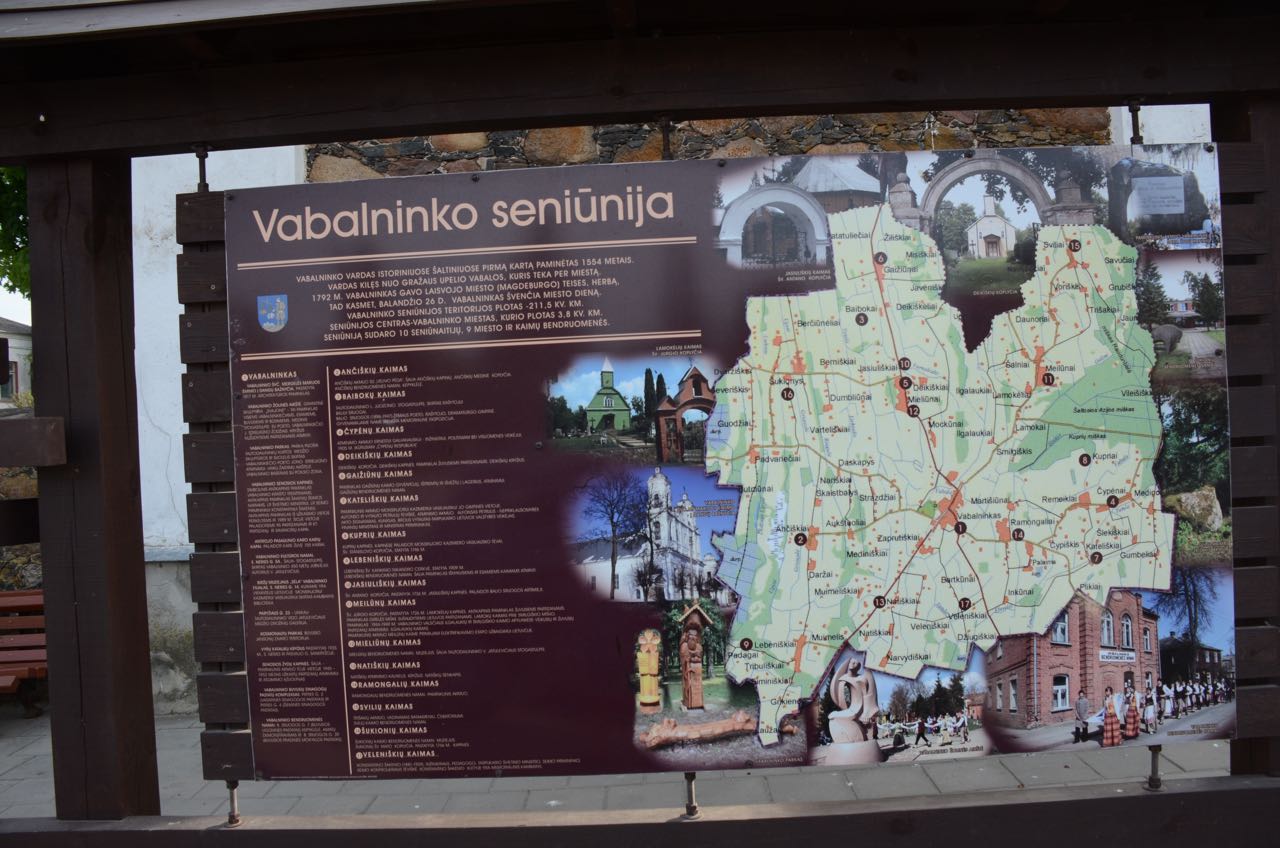
I took the opportunity to visit the shtetl of Vabalninkis in Lithuania, where Owen’s family came from.


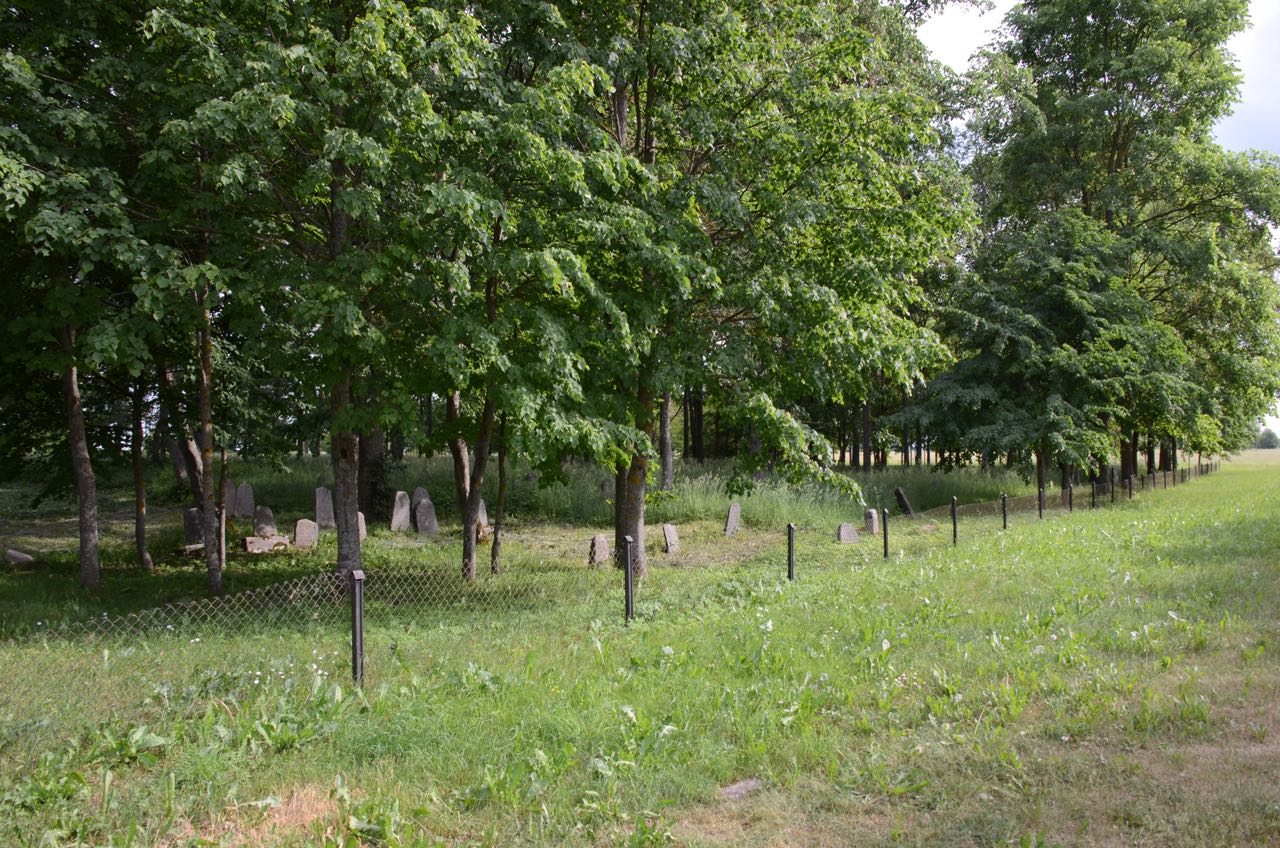
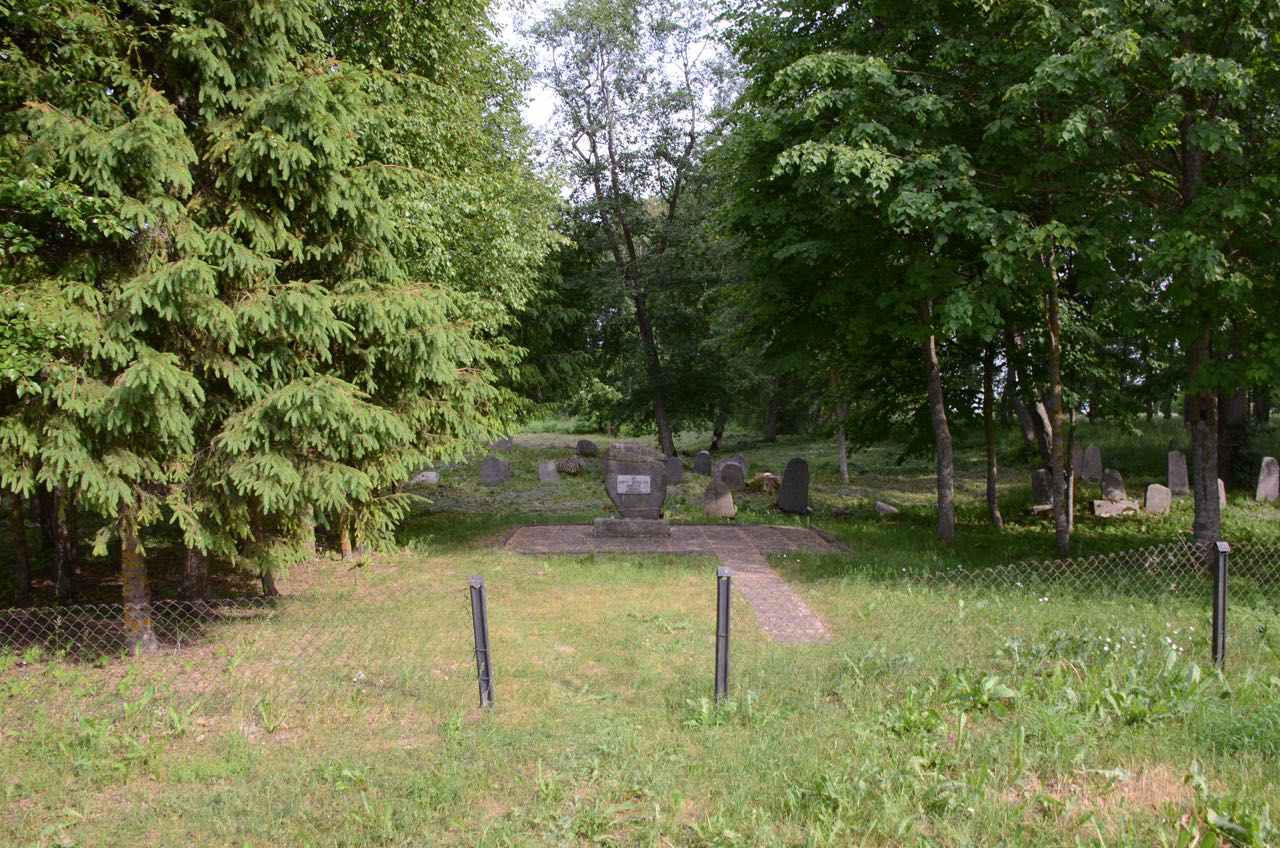
The Jewish Cemetery and the memorial to the Resistance.
The Former Synagogue

Before I get onto this post, to those technologically challenged, here is another one to get your head around:
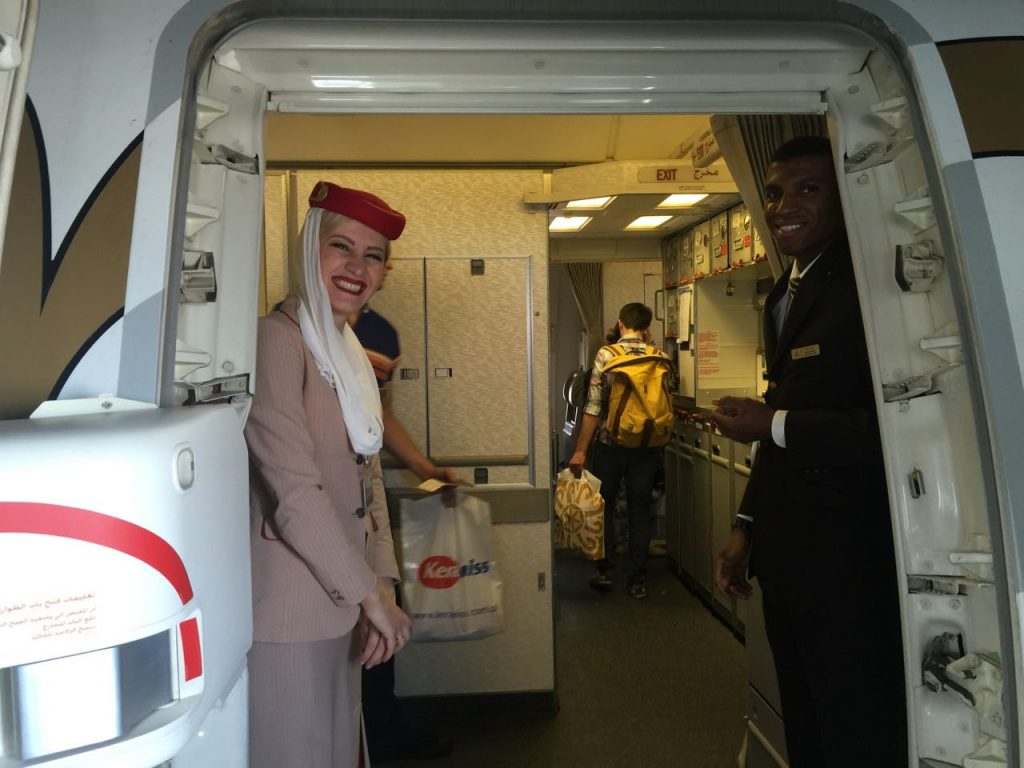
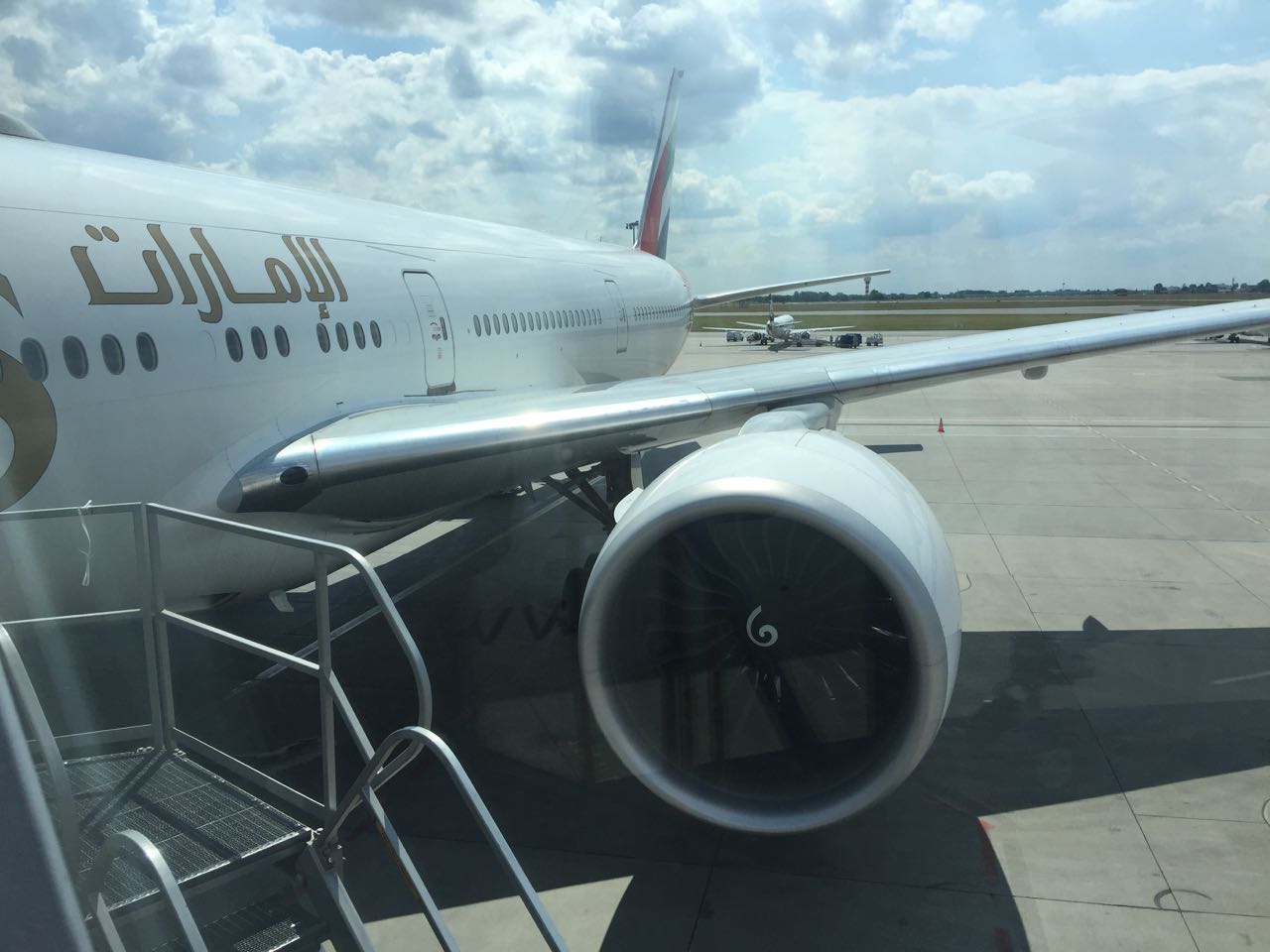
this post has been written and uploaded aboard an Emirates flight from Warsaw to Dubai en route to my home city of Perth.
I am not daunted by the tyranny of distance and having to spend almost a day in the air getting home. So this is another meaning of “staying connected”
Now onto the post!
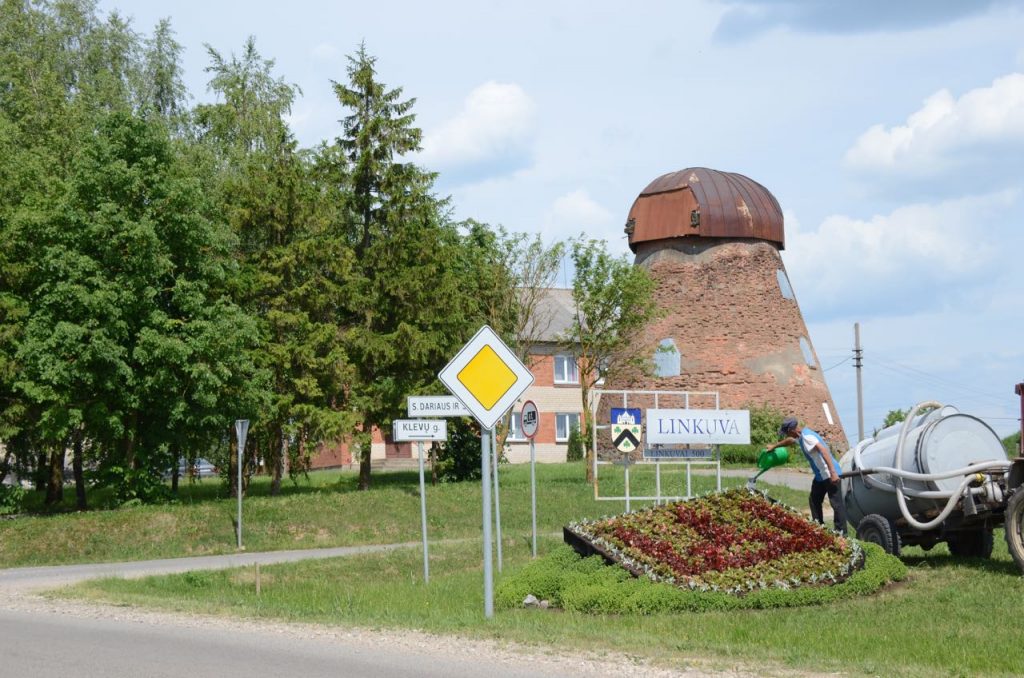
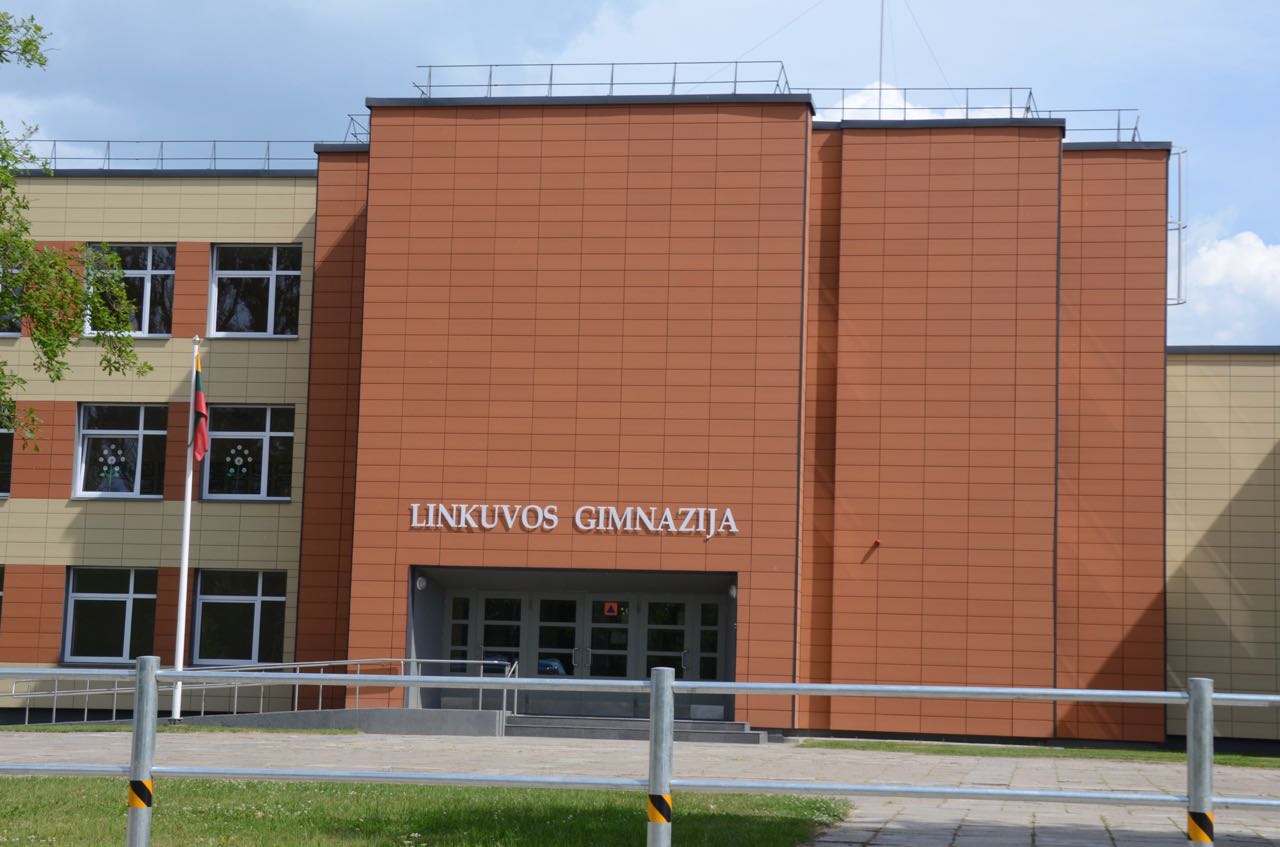
Linkuva

On my way to Vabalninkas from Joniskis, I stopped off in Linkuva, Joniskelis and Pasvalys

Linkuva town
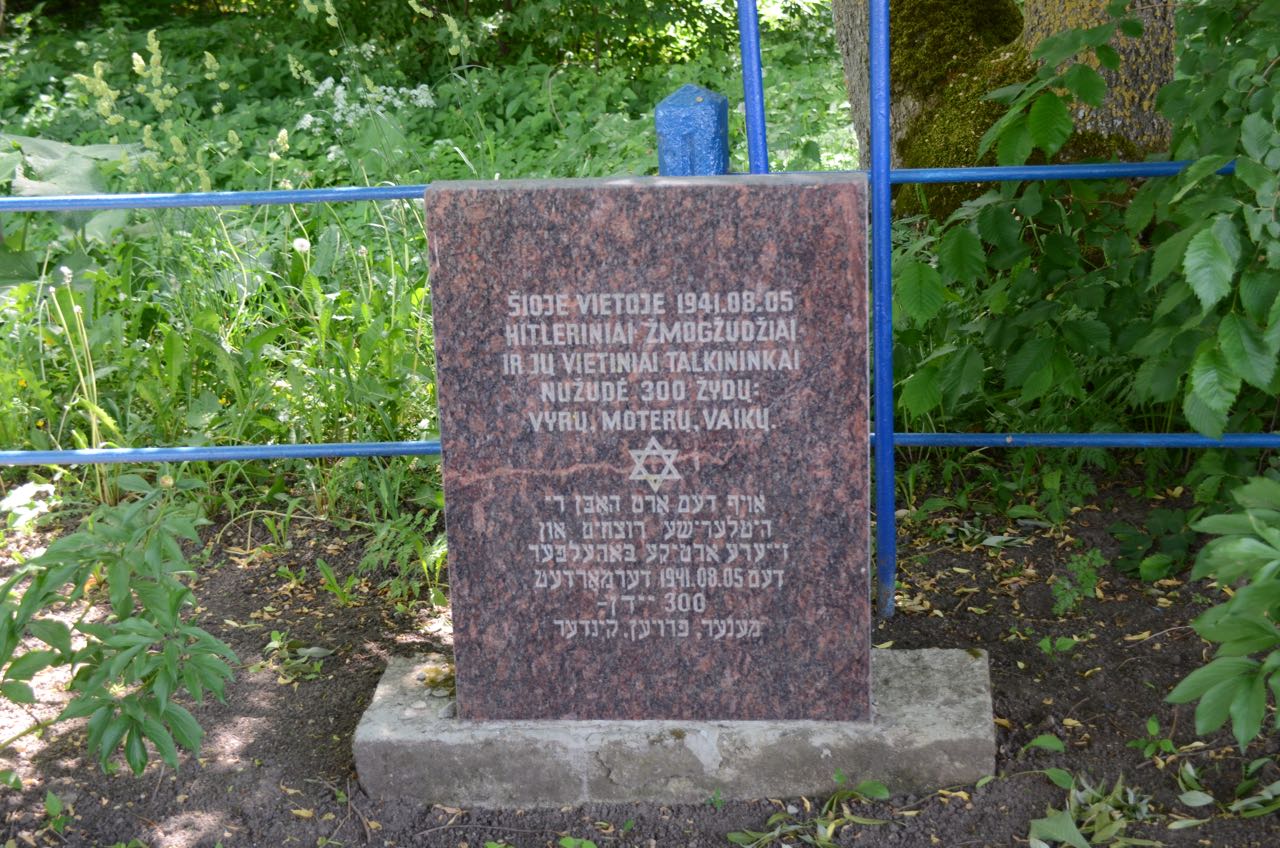
A Holocaust memorial a few km out of town
Joniskelis

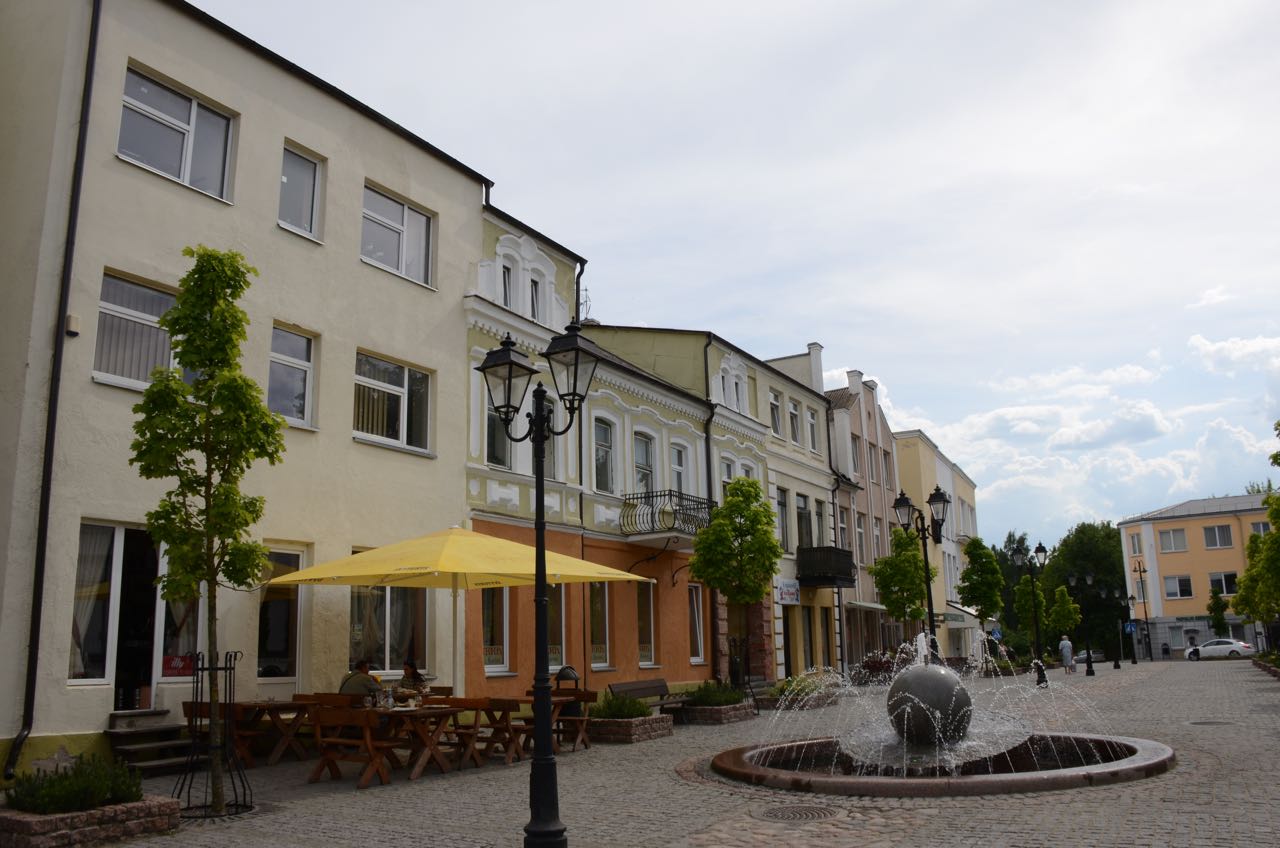
Pasvalys

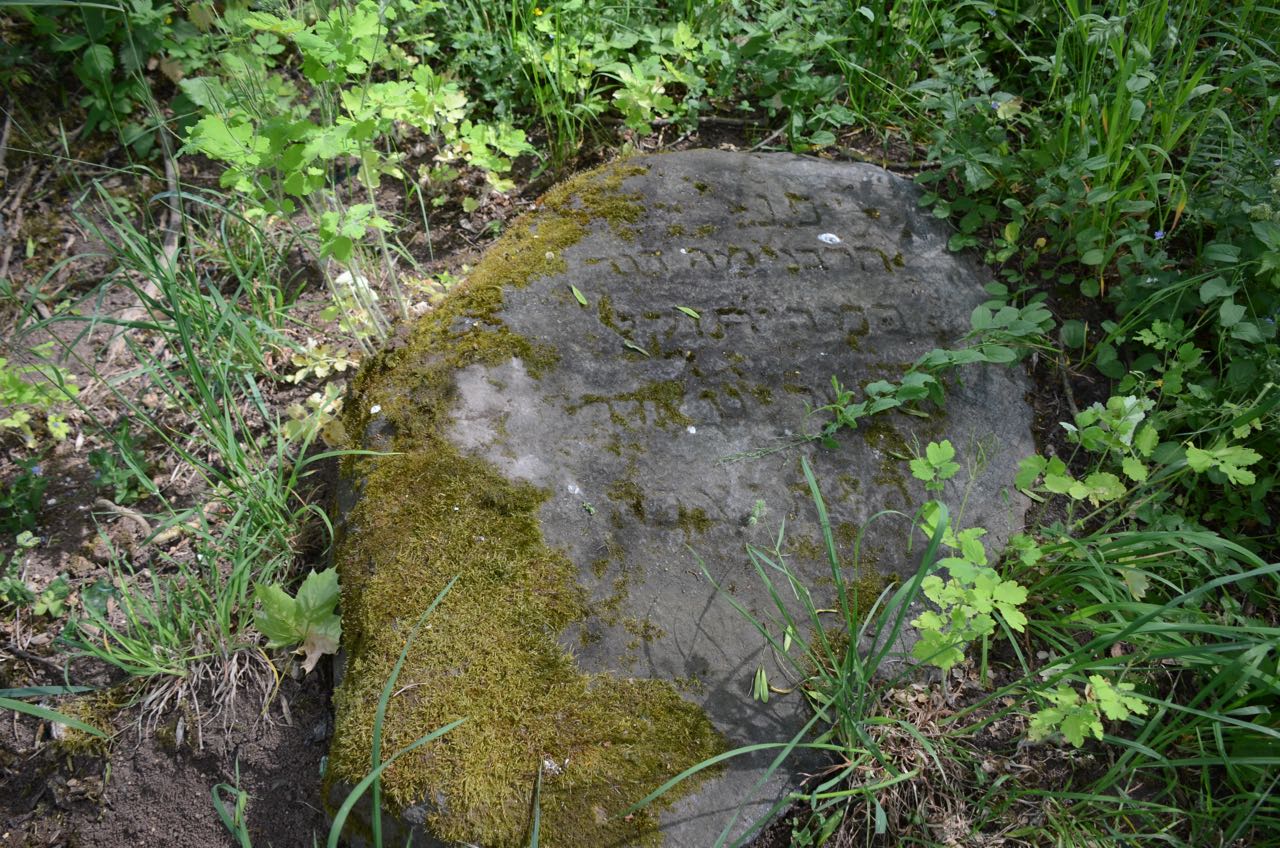
The Jewish Cemetery
Poswohl and Johannesburg
Update:
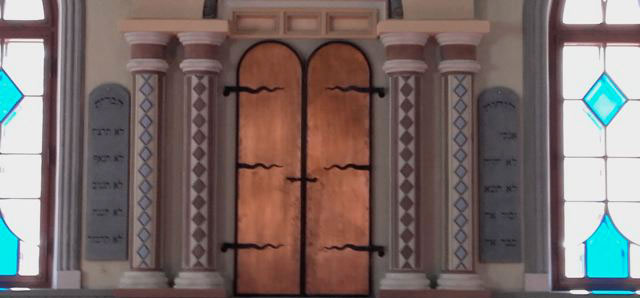
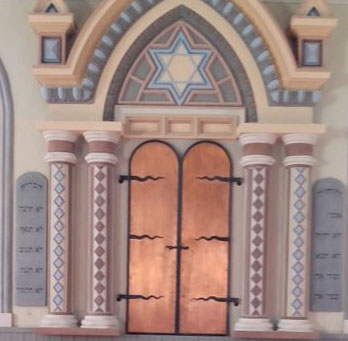
The Ten Commandments have just been added – thanks to Cliff Marks for providing the update and 2 photos.


My original photo


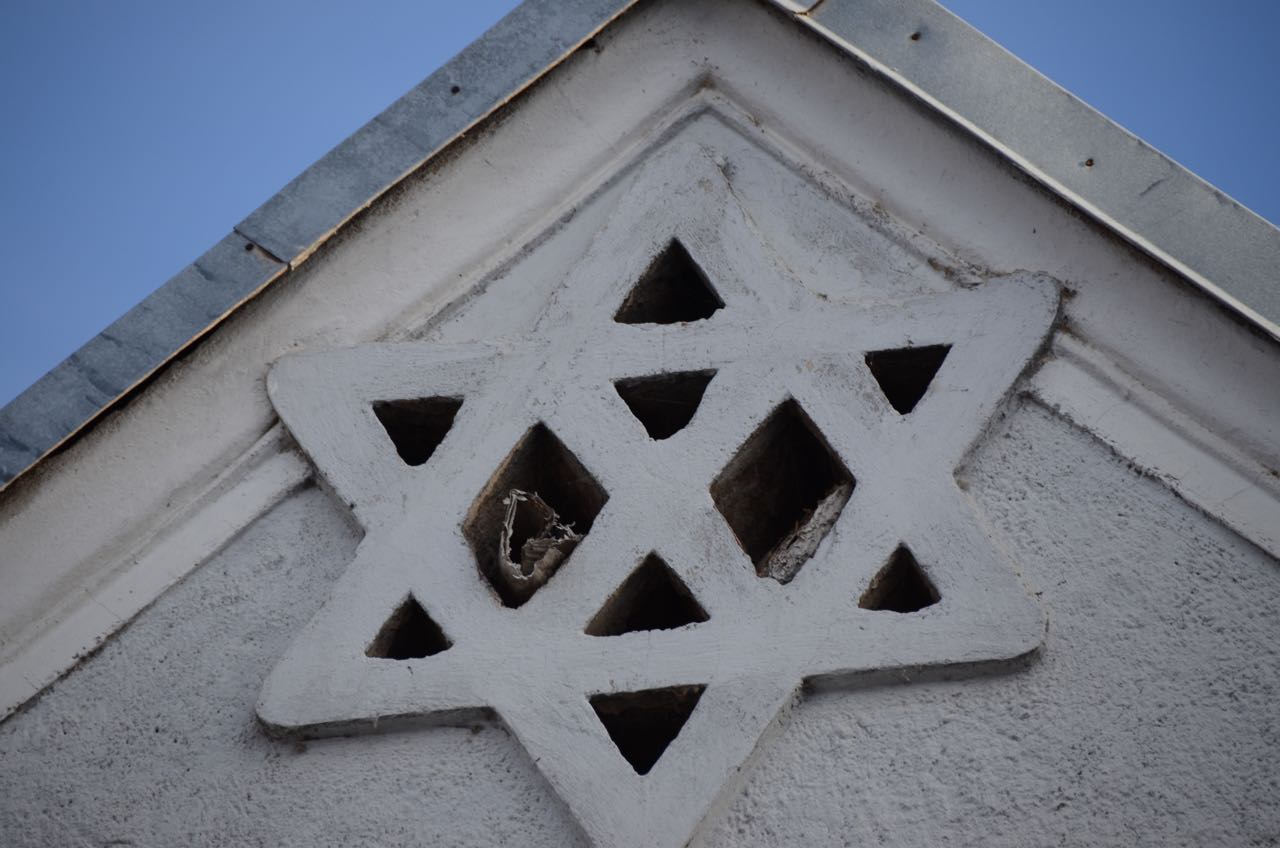
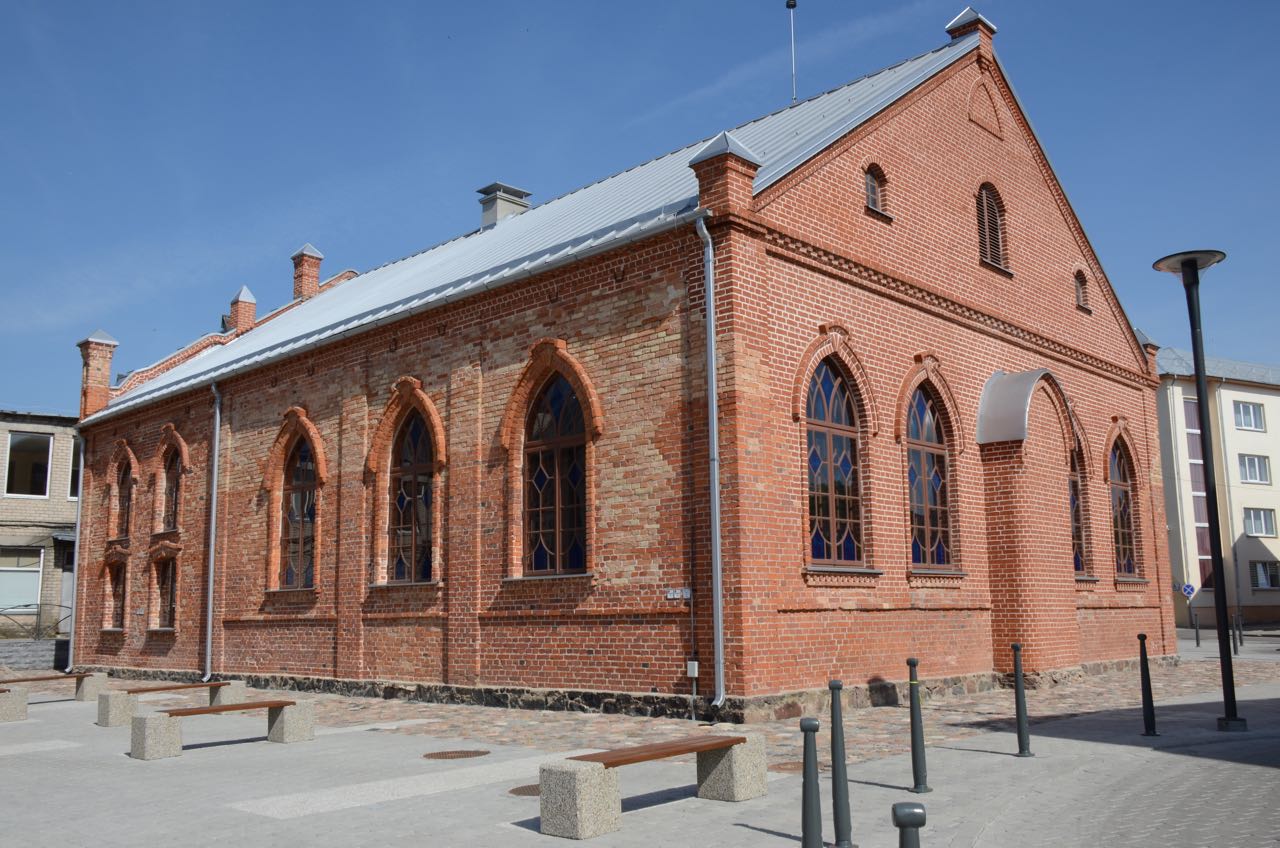
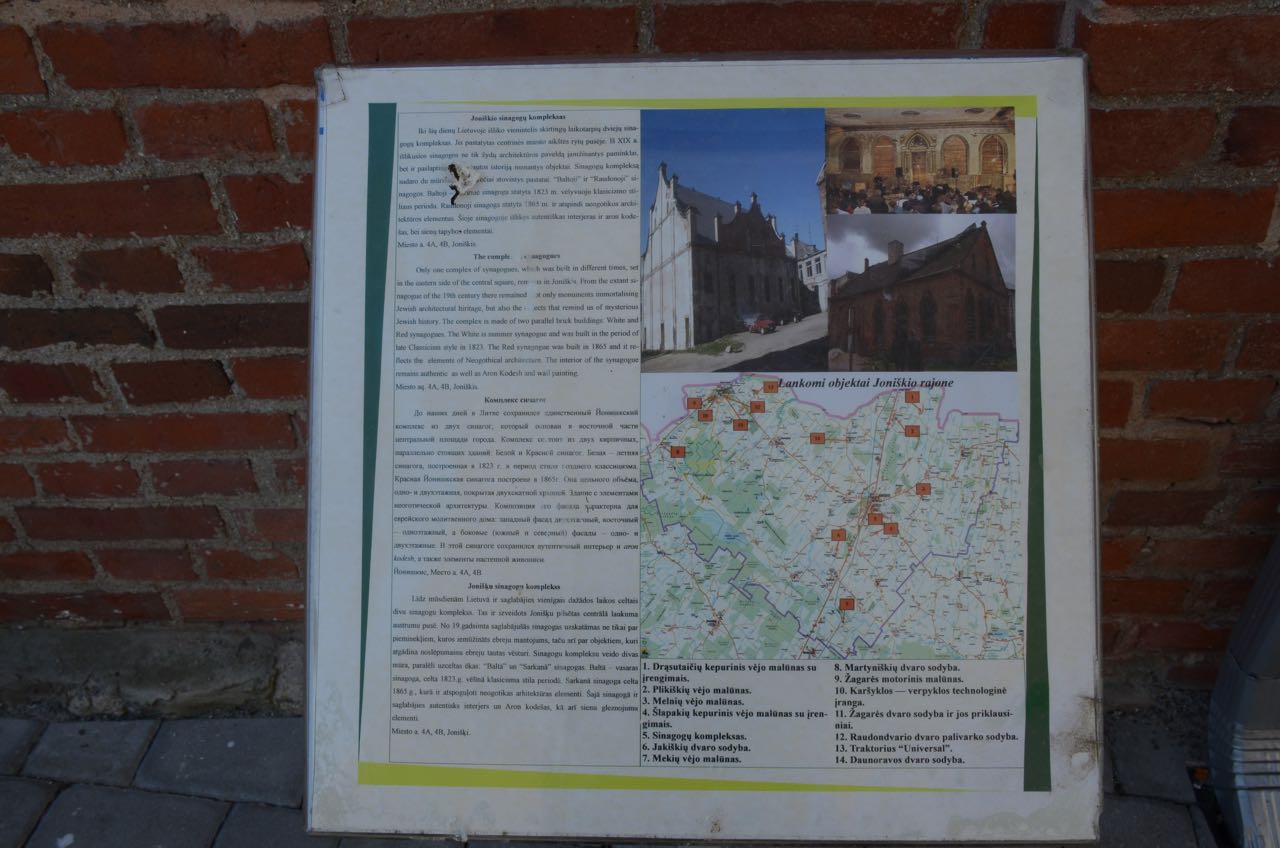
The complex of the two synagogues
I was let into the buildings by a caretaker and revisited an hour later when I was fortunate to meet Linas Vinickas from the local museum. Linas gave me a tour of Jewish Joniskis.
The Raudonoji Synagogue
A short video of Linas Vinickas
The Baltoji Synagogue
Students’ tour of the synagogues
The third synagogue building
The Mural which includes the actor Laurence Harvey
| Joniškis | |||
|---|---|---|---|
| City | |||
|
|||
| Coordinates: 56°14′0″N 23°36′0″ECoordinates: 56°14′0″N 23°36′0″E | |||
| Country | |||
| Ethnographic region | Aukštaitija | ||
| County | Šiauliai County | ||
| Municipality | Joniškis district municipality | ||
| Eldership | Joniškis eldership | ||
| Capital of | Joniškis district municipality Joniškis eldership |
||
| First mentioned | 1526 | ||
| Granted city rights | 1616 | ||
| Government | |||
| • Mayor | Gediminas Čepulis | ||
| Population (2011) | |||
| • Total | 9,900 | ||
| Time zone | EET (UTC+2) | ||
| • Summer (DST) | EEST (UTC+3) | ||
| Website | http://www.joniskis.lt/ | ||
Joniškis (
pronunciation (help·info)) is a city in northern Lithuania with a population of about 11,150. It is located 40 kilometers north of Šiauliai and 14 kilometers south of the Lithuania–Latvia border. Joniškis is the municipal and administrative center of Joniškis district municipality.
With the Church of the Accession of the Holy Virgin Mary (founded in 1901) and a complex of two Jewish synagogues – Red (built in 1897) and White (built in 1823) at its centre, the town has the status of an urban architectural heritage site.[citation needed]
Joniškis has a Culture Centre, a local venue for music and theatre events.
A railway line connecting Riga and Šiauliai runs along the western boundary of the city. West of the railway, the city’s allotment gardens and the Lutheran and Victims of World War II cemeteries are located. Joniškis hosts the Jonas Avyžius Public Library of Joniškis District Municipality
Joniškis is the Lithuanian name of the city. Versions of the name in other languages include Polish: Janiszki, Russian: Янишки Yanishki, Belarusian: Яні́шкі Yanishki, Yiddish: יאנישאק Yanishok, German: Jonischken, Latvian: Jonišķi
Joniškis was established in the beginning of the 16th century. It was mentioned in written sources on 23 February 1536 when Bishops of Vilnius and Samogitia visited the area and found that people still practiced the old pagan faith. People were worshiping the God of Thunder (Perkūnas), fire, snakes and other pagan deities. The bishop of Vilnius, John of the Lithuanian Dukes baptized the locals and established the new parish on 23 February 1536. A wooden church was built and the town of Joniškis was built around it. Bishop of Vilnius named the town Joniškis after his own name Jonas. Joniškis was on the crossroad of important trade roads.[1]
In late 1941, 148 Jewish men were shot near Joniškis in the nearby forest. The remaining Jews (men, women and children) were murdered in the forest in September 1941. 493 people were murdered in total by an Einsatzgruppen of Joniškis policemen and Lituanian nationalists supervised by the Germans.[2]