Don’t Give Up Hope!

We have reached the next phase of our Partisan Song project: Don’t Give Up Hope.

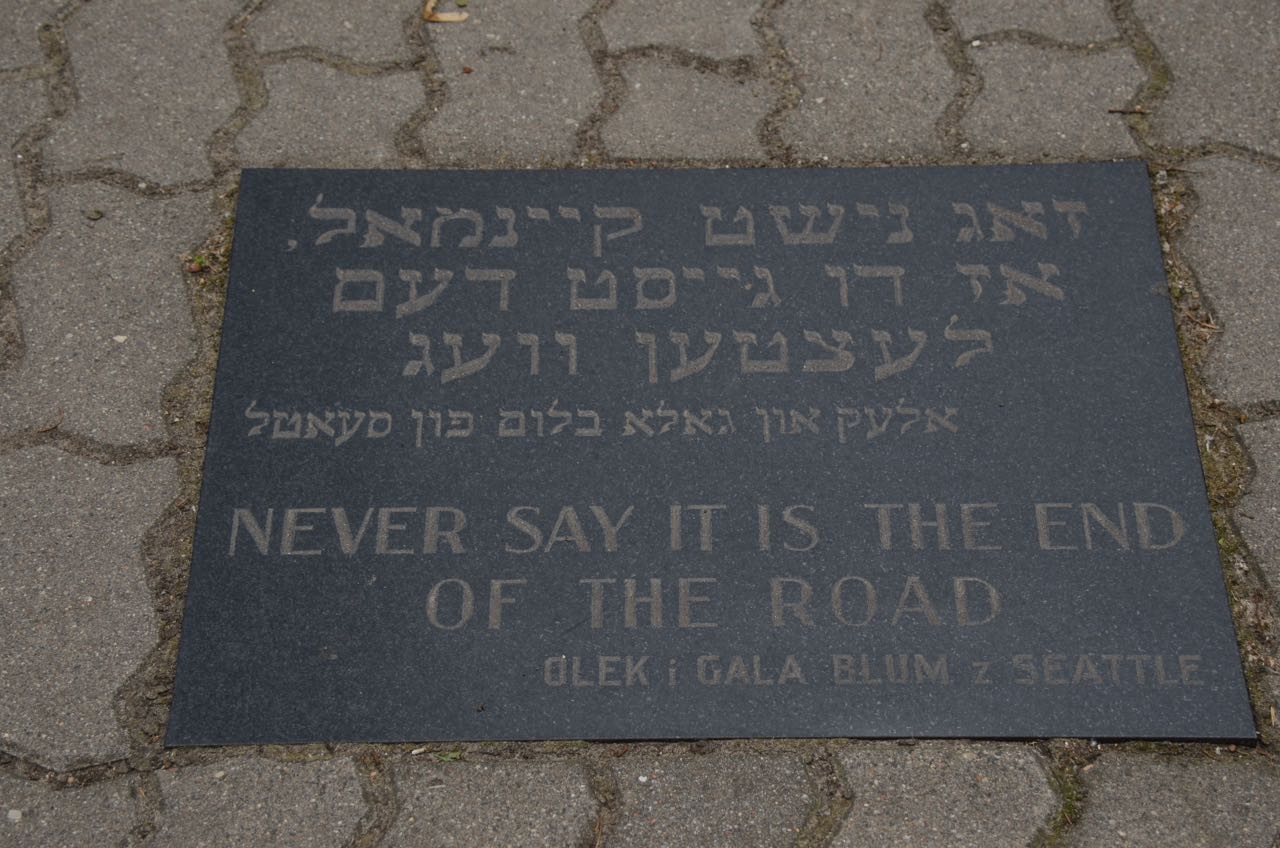
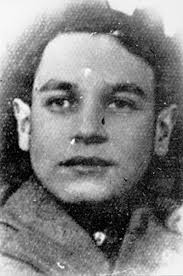
In April 2018 we will commemorate 75 years of the Partisan Poem, Zog Nit Keynmol, written by Hirsh Glik, aged 20, in the Vilna Ghetto in 1943.
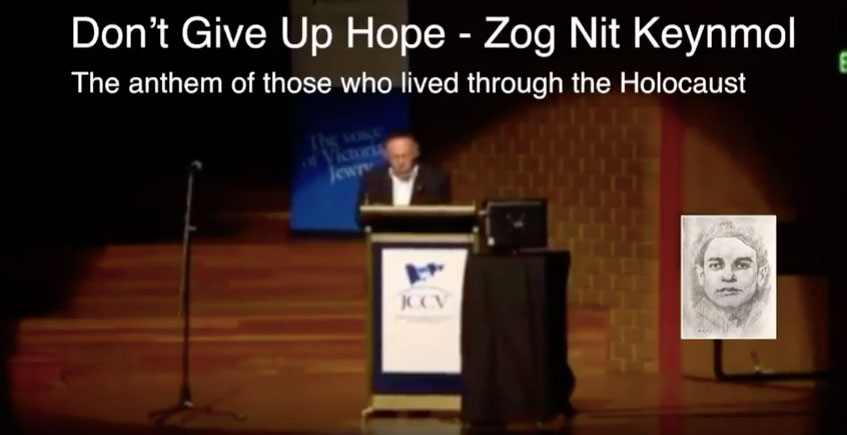
This anthem is sung around the world at Yom Hashoah ceremonies on Holocaust Remembrance and Heroes Day.
Glik’s poem of hope, heroes and resistance is the legacy of the Partisans and the Survivors. We must continue to honour it!
It is still mostly sung in the original Yiddish with the result that many, especially the younger generation, do not understand the meaning, inspiration and context of the poem.
We have found the solution for this!
While there is no need to change the language we traditionally sing it in, we have created a site where we can read and study the words in our own language and understand Glik’s inspiration, and its context.
The poem is now available in 23 languages:
HEBREW, ENGLISH, LITHUANIAN, POLISH, BELARUSIAN, RUSSIAN, GERMAN, SPANISH, CZECH, DUTCH, ITALIAN, RUMANIAN, FRENCH, SWEDISH, PORTUGUESE, NORWEGIAN, JAPANESE, FINNISH, SWISS GERMAN, AFRIKAANS, GREEK, SLOVAKIAN AND THE ORIGINAL YIDDISH
 
Here is a message for educators and those who wish to embrace the legacy of the partisans and survivors :
Share the following with students and your contacts:
  • Study the poem with learners, recite it and ask them to do the same.
  • Help them to record and make a creative video of their rendition.  Students are excellent at this.
  • Post it on social media – YouTube, Facebook, WordPress, Dropbox, WhatsApp, Google Drive etc. Set a deadline before 27 January 2018, the International Holocaust Remembrance day (Auschwitz Liberation Day).
  • Email the address of the posting to eli@elirab.com  so that we can share the videos on that date.
  • Examples can be found here: http://elirab.me/poem/
  • Organise students and friends into groups to make a second video, singing the song in a language or languages of your choice, in time for posting before Yom Hashoah on 11 April 2018.
  • Examples here: http://elirab.me/videos/
The outcomes for both educators and learners participating in this free project include:
  • Understanding the meaning, inspiration and context of the Partisan poem;
  • Having a greater appreciation of poetry;
  • Learning some Yiddish;
  • Singing the anthem;
  • Being creative;
  • Connecting with other groups of teachers and learners;
  • Honouring the legacy of the partisans and survivors; and
  • Being inspired!
This is an updated video on the project so far:

For more details of our work since January, please visit the website: http://elirab.me/zog-nit-keynmol/
Here is a message from Phillip Maisel, 95, survivor and friend of Hirsh Glik:

75th Anniversary of the Partisan Song

We are planning a series of worldwide events leading  up to the 75th anniversary of the Partisan Song next April.

This 4 minute interview with Phillip Maisel below highlights the importance of the Partisan Song, and the role of our youth in keeping alive the legacy of Hirsh Glik’s poem of hope!

Phillip, 95, was a friend of  Hirsh Glik, and one of the first to hear this poem recited in the Vilna Gheto in 1943

I visited the Jewish Holocaust Centre in Melbourne: www.jhc.org.au
and Mount Scopus Memorial College: www.scopus.vic.edu.au

where I presented my Partisan Poem and Song Project to leading Jewish educationalists and oulines the plans leading up to Yom Hashoah.

IMG_5273 IMG_5264
<
>

At the Jewish Holocaust Centre

With Sue Hampel, Ricki Mainzer, Anne Gawenda, Edwin Glasenberg, Phillip Maisel & Freydi Mrocki
With Sue Hampel, Ricki Mainzer, Anne Gawenda, Michael Cohen, Phillip Maisel & Freydi Mrocki

My presentation (slides):

https://drive.google.com/drive/folders/0B3a8s3c3IdK_S0VtMkdlTU4za2s?usp=sharing

JHC Slides – Google Drive

The videos are mostly here –  http://elirab.me/timeline/

With Ely Segal

With Amanda Castelan-Starr, the Jewish Studies Curriculum Co-ordinator

This is the full 27 minute interview with Phillip:

Freydi Mrocki reciting the Partisan poem at the Jewish Holocaust Centre.

Video: Emmanuel T Santos.

New resources found in the NYPL

Reprinted from Radical Yiddish with permission of Joel Schechter.

Yuri Suhl Article from 1953 – a must read!

More details on the program to follow!


Alli – The Last of her Generation

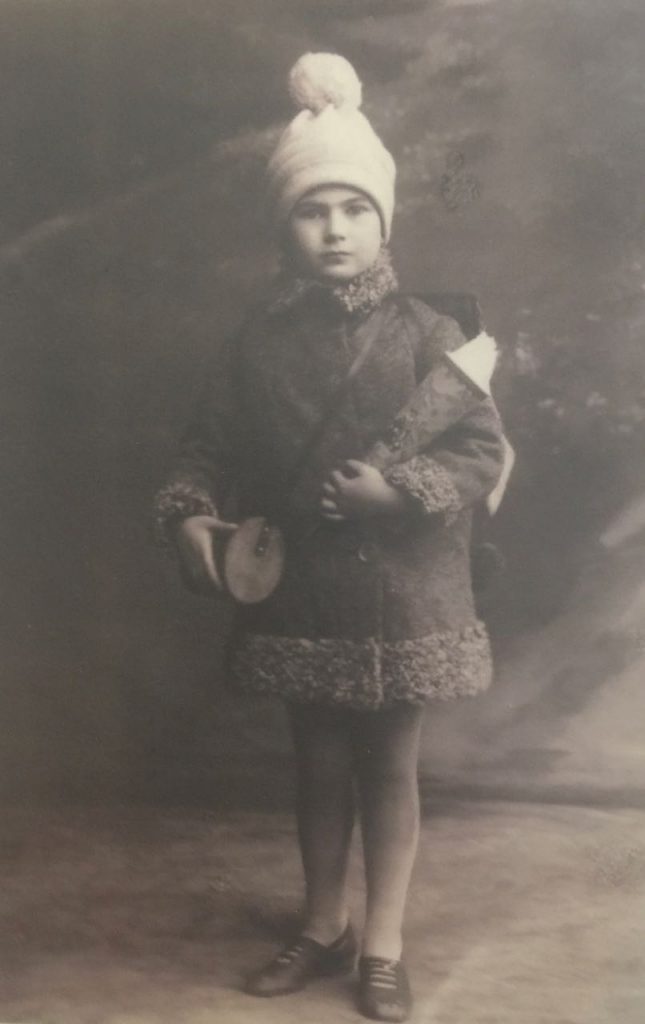
Meet Alli Bak Itzkowitz

A young Alli

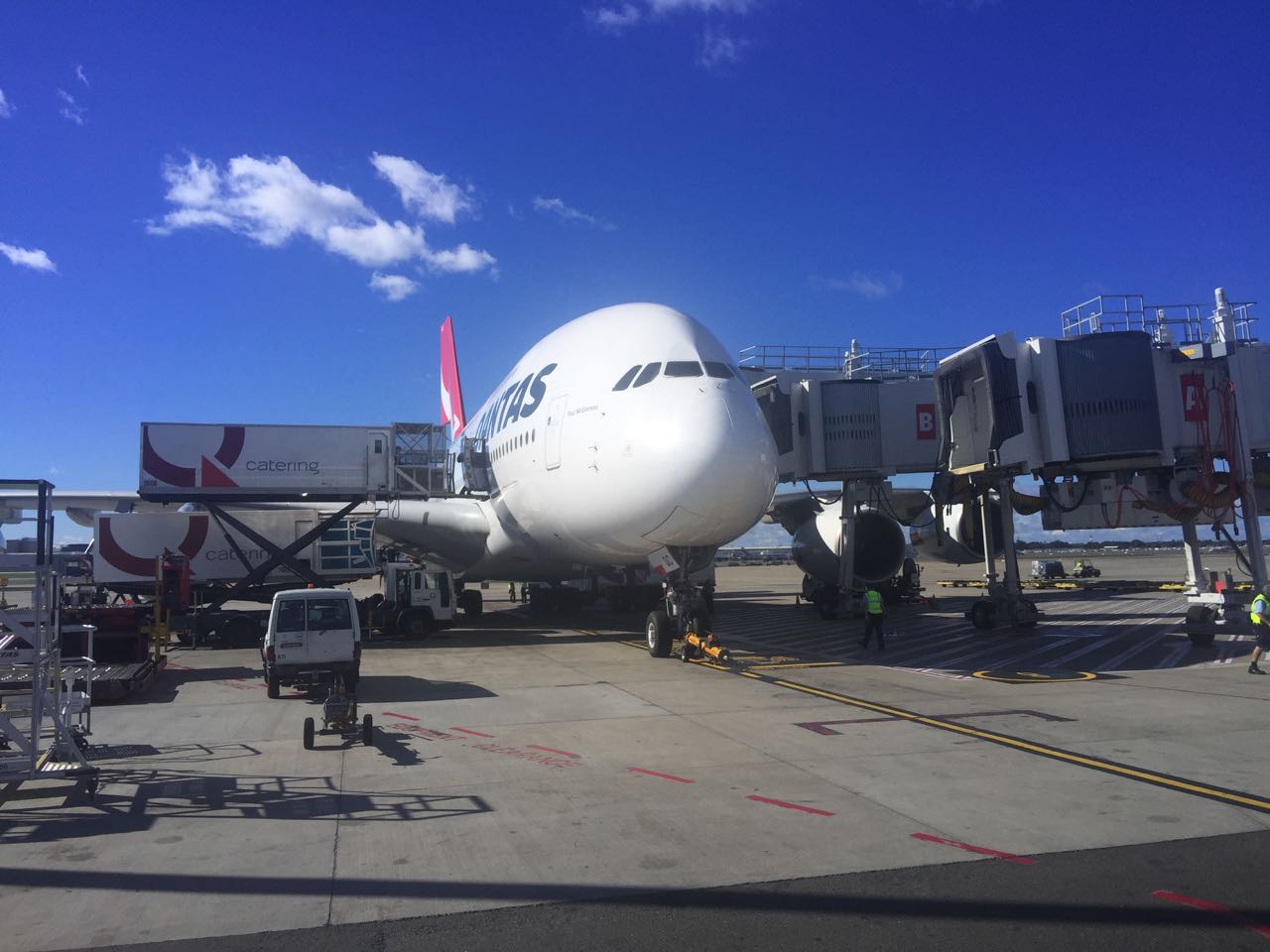
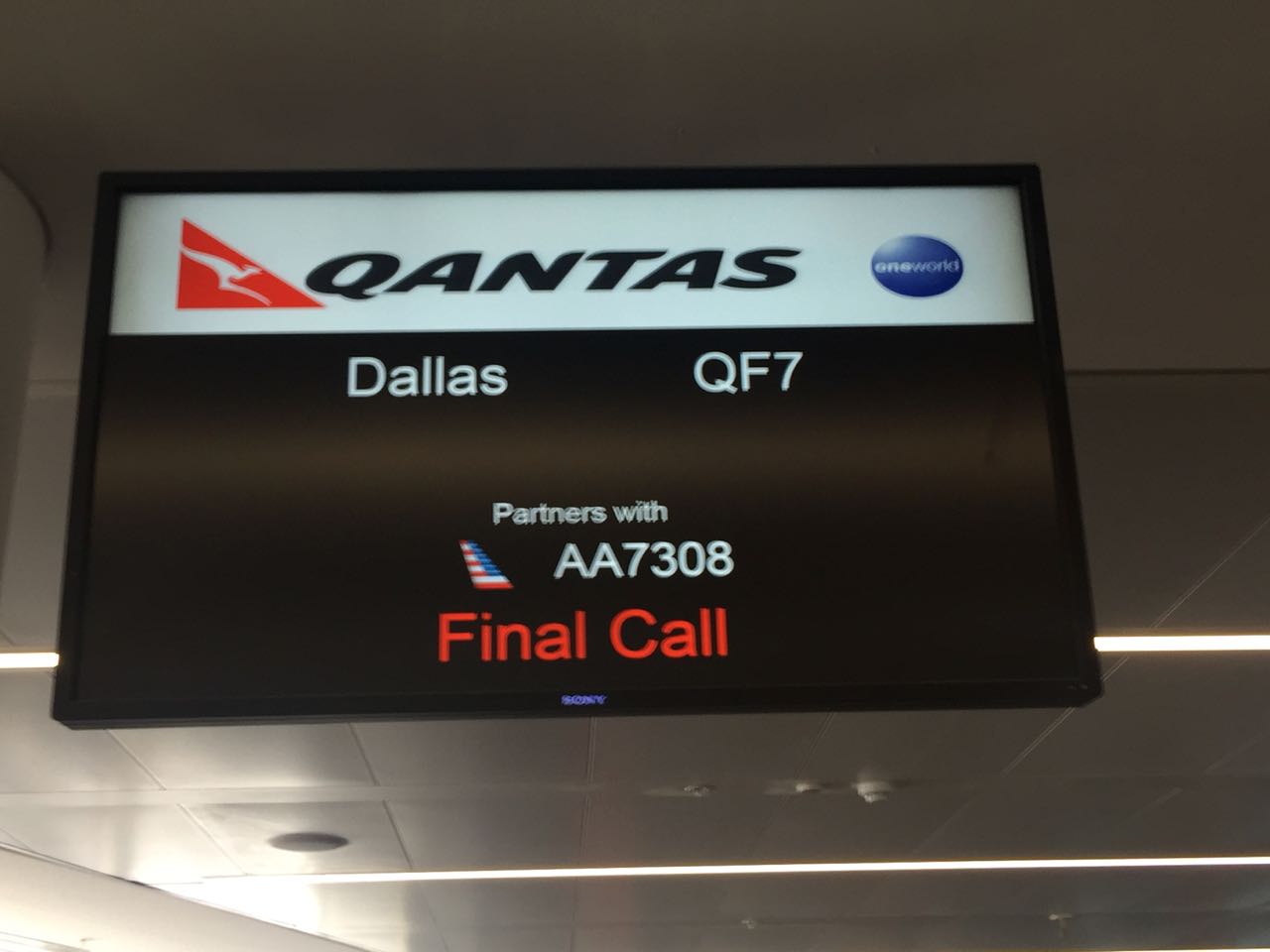
Only 3 hours 15 minutes from Perth to Sydney, but 15 and a half hours to Dallas!

I left Perth at 5:15 am and arrived in Dallas at 2pm the same day.  A 13 hour time change!

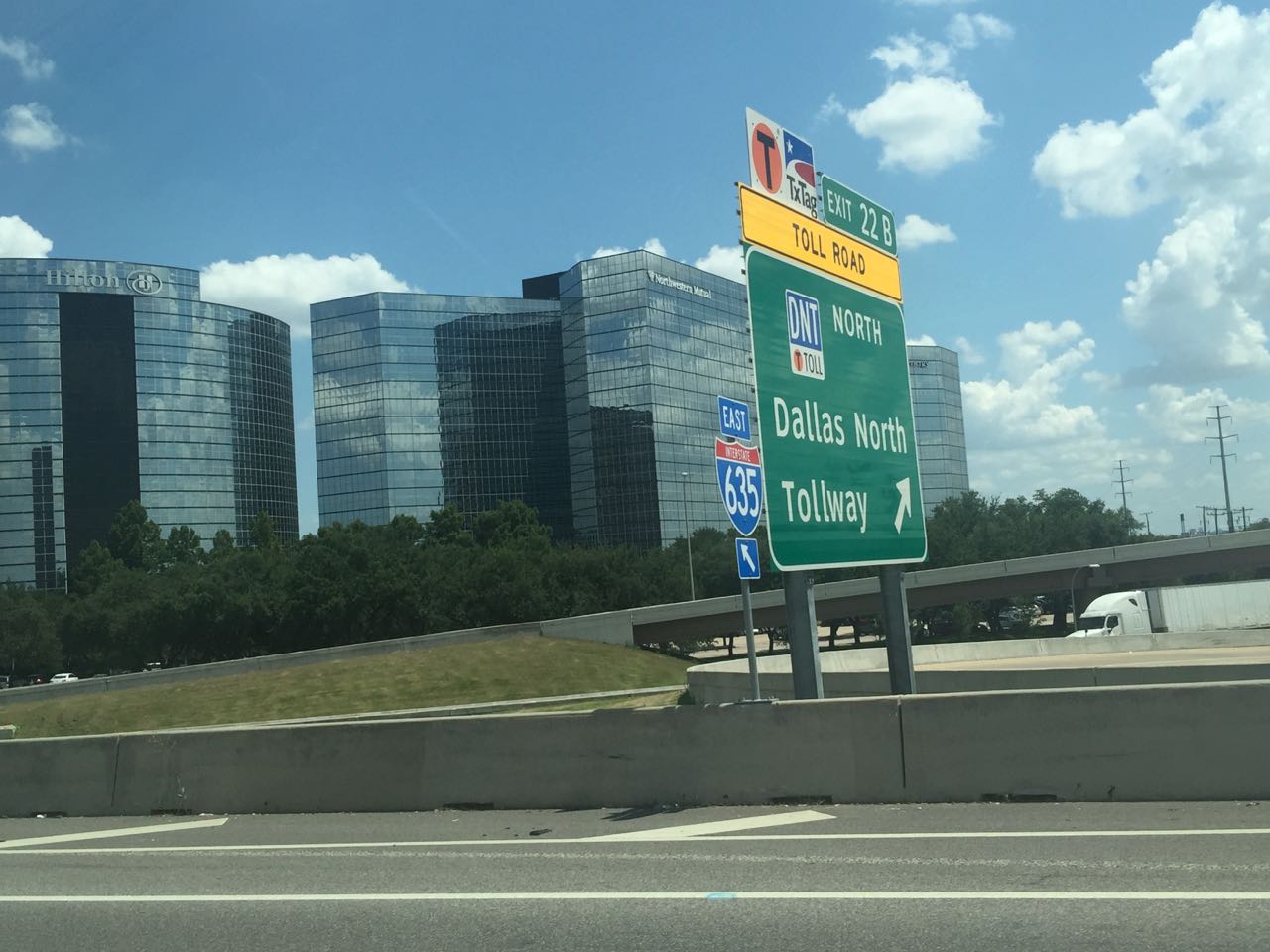
A nice and warm 38C –  100F  day in Dallas.

My first time here, and the first time I’m meeting my Texas family.

I was met  at the Dallas – Fort Worth Airport by Gene Itzkowitz, my second cousin on our mothers’ sides. Gene and his wife, Vicki are hosting me here in Dallas.

This must be Texas!

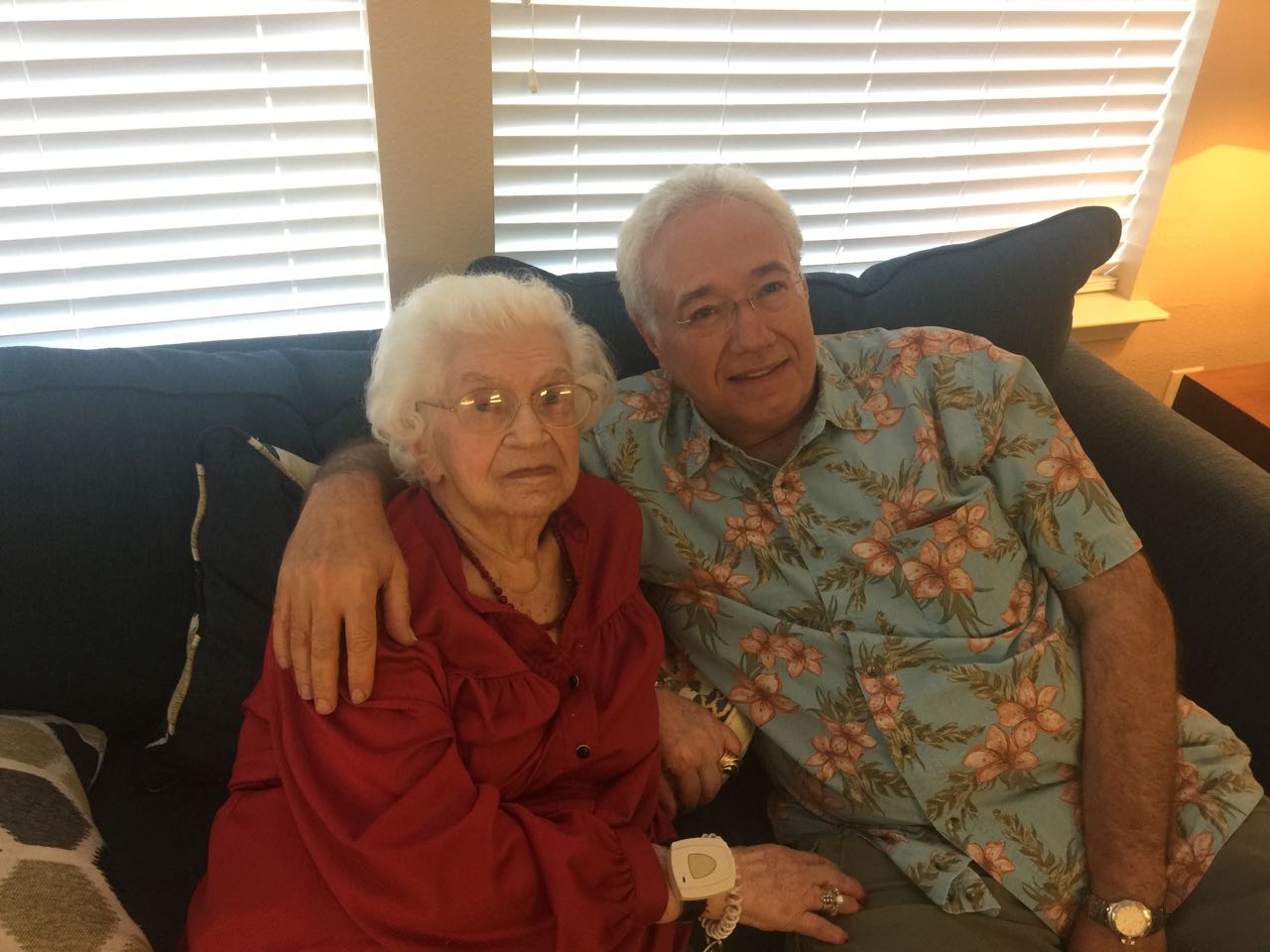
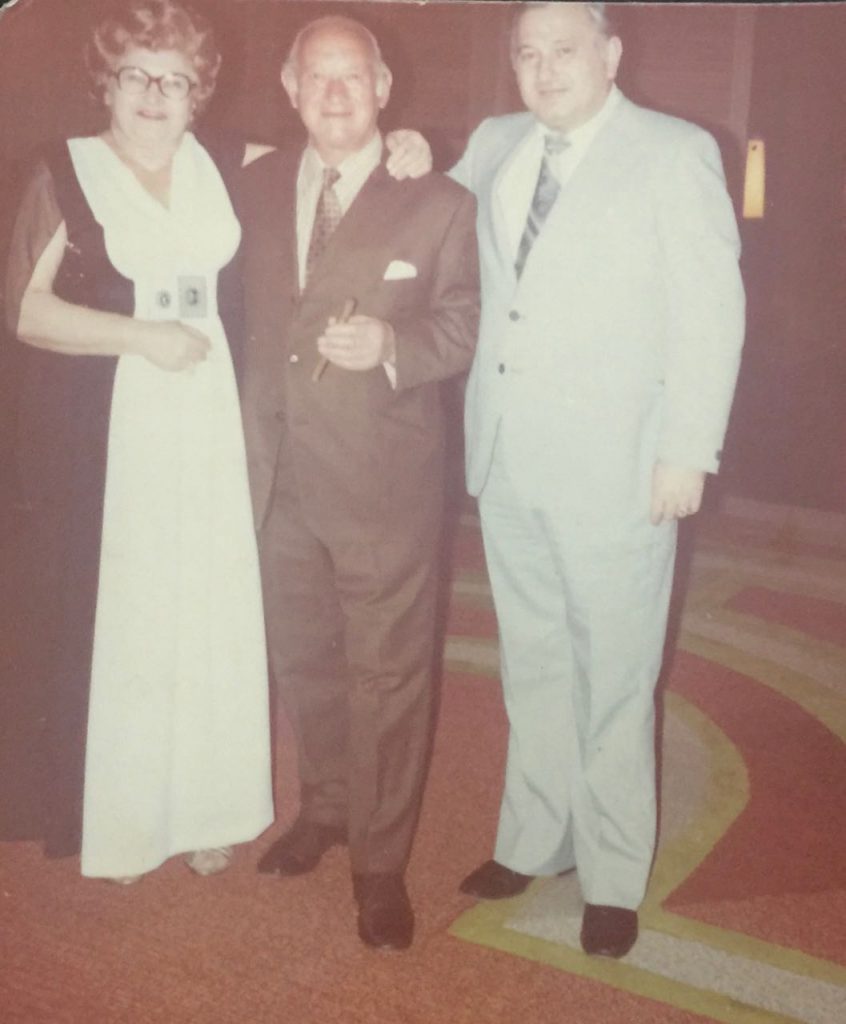
Alli and her younger son Gene

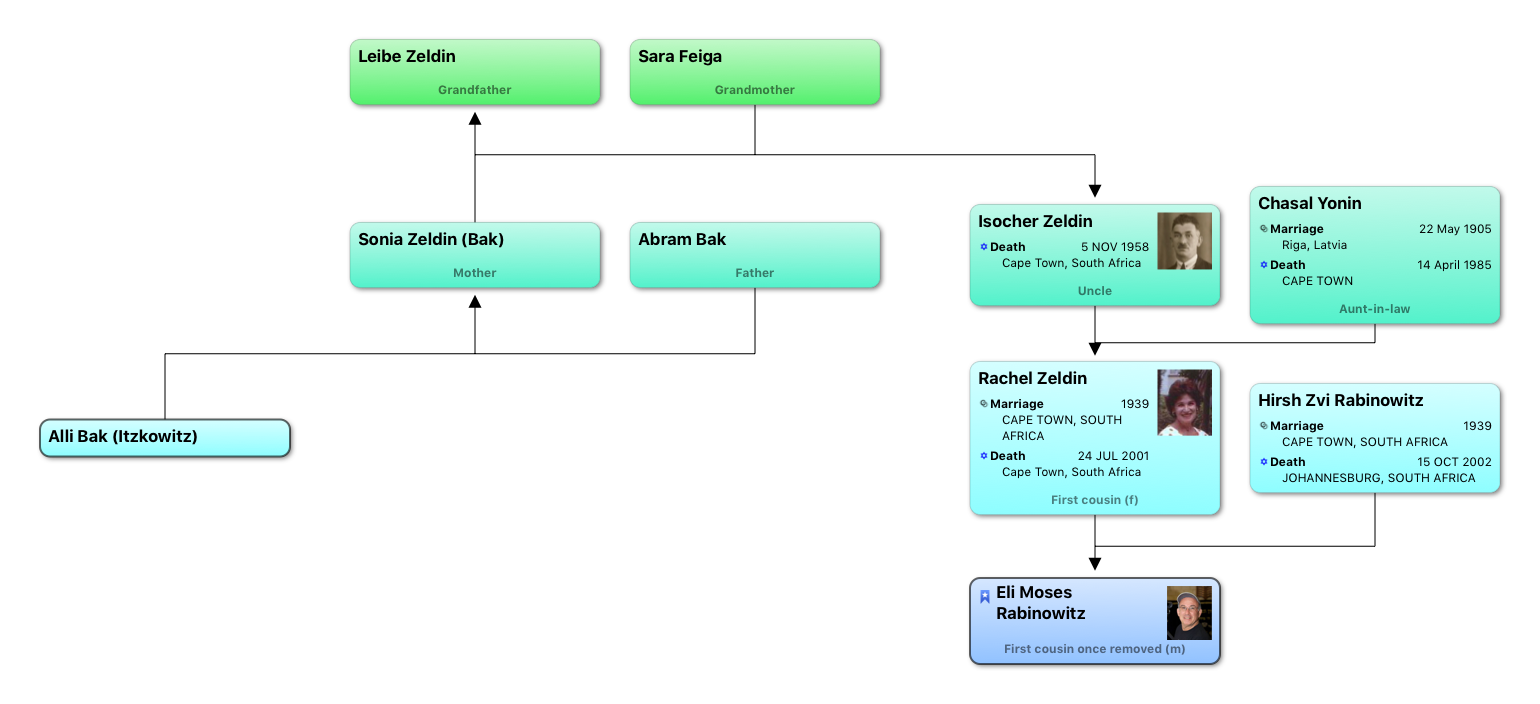
Here is my relationship chart to Alli, my mother’s first cousin and the last of her ZELDIN generation. They never met.

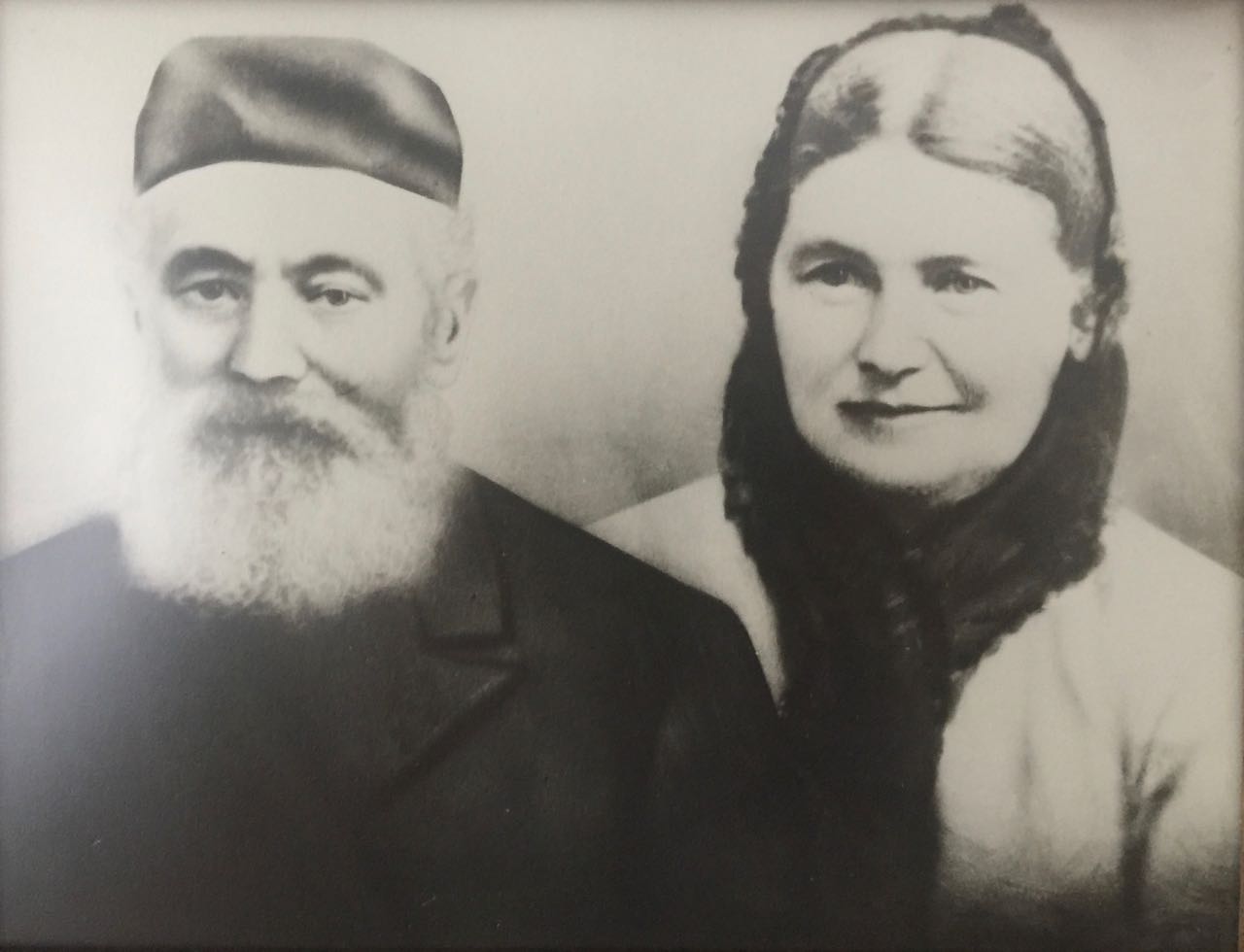
Allis’ paternal Bak grandparents – Leib and Naomi


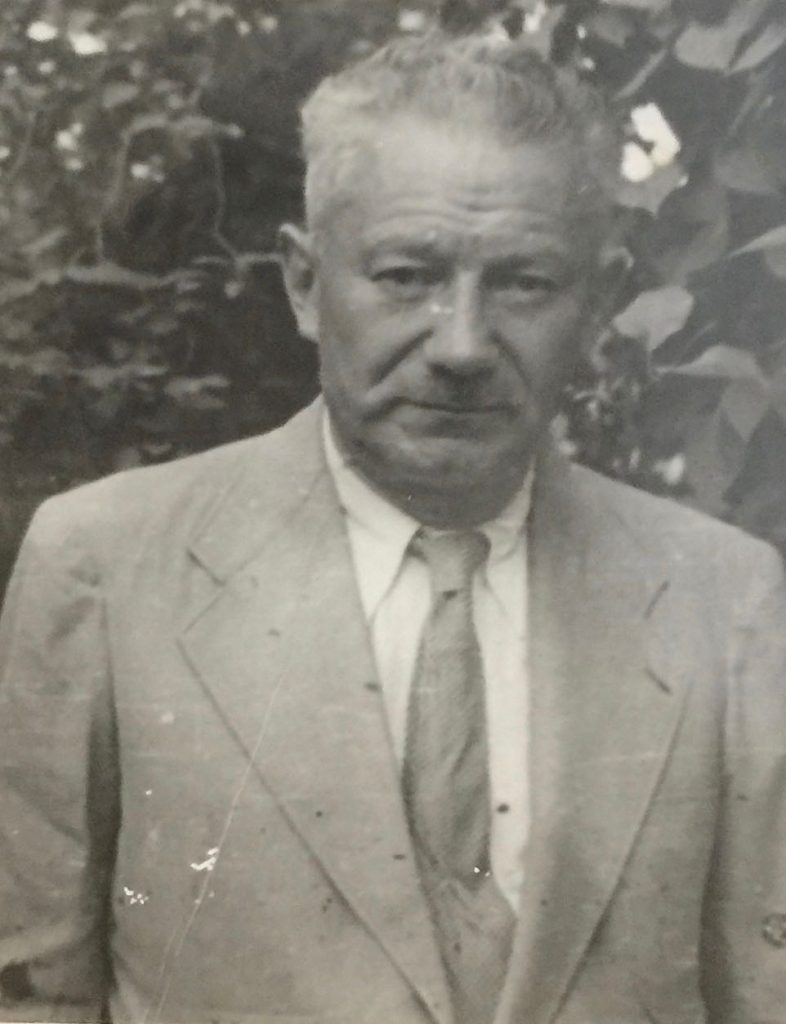
Alli’s dad, Avram Bak
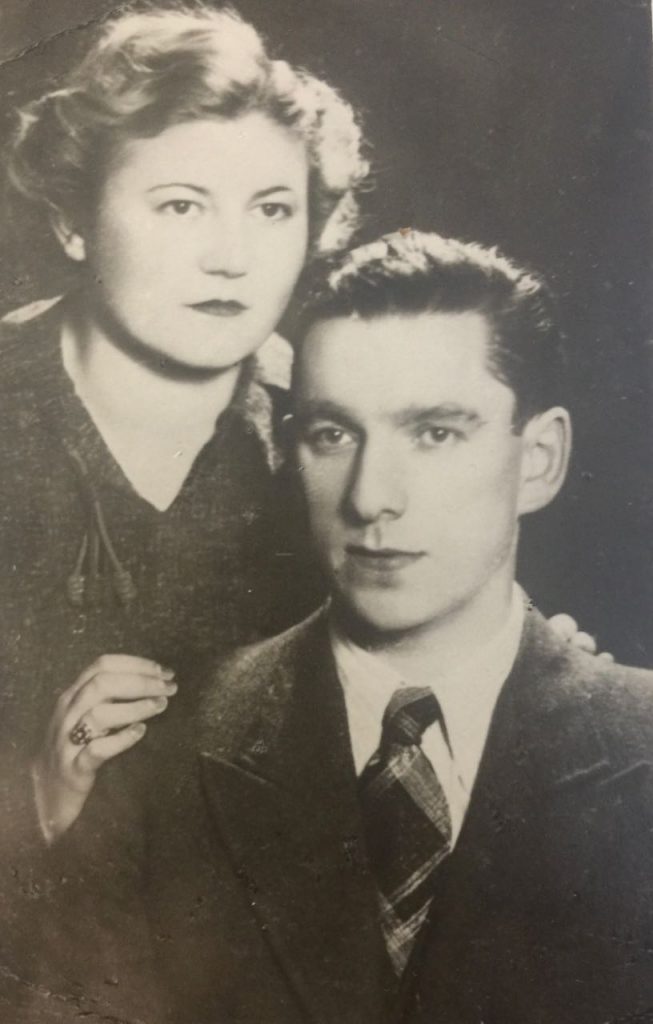
Alli and her late husband Julius
Alli’s sister Luba & husband Jasha
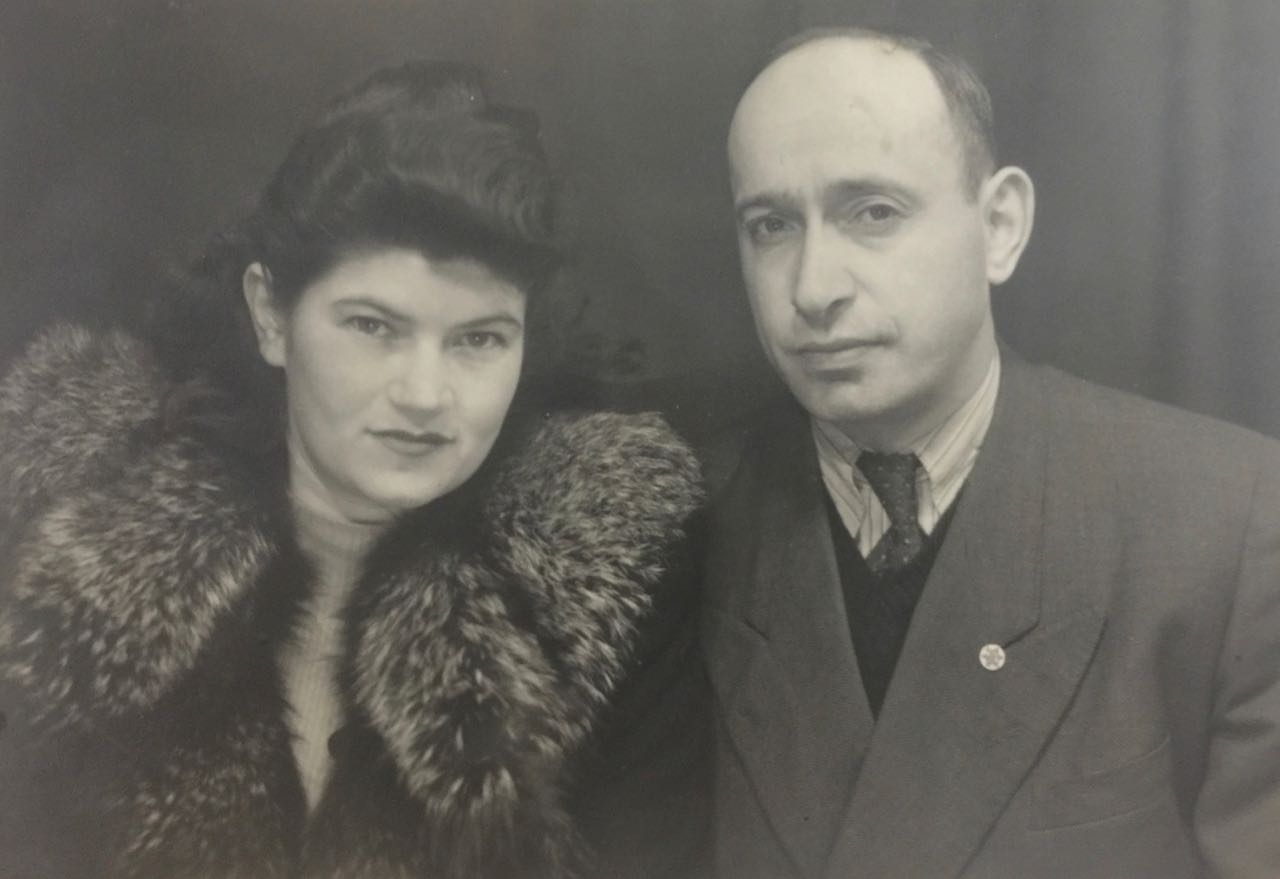
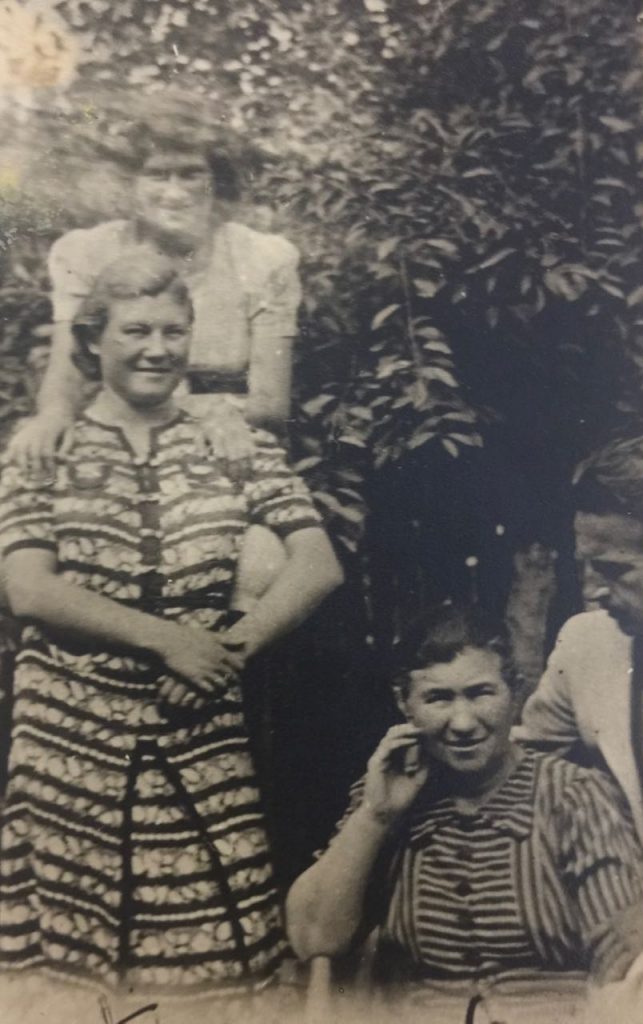
Alli’s family. The mother Sonia in the front
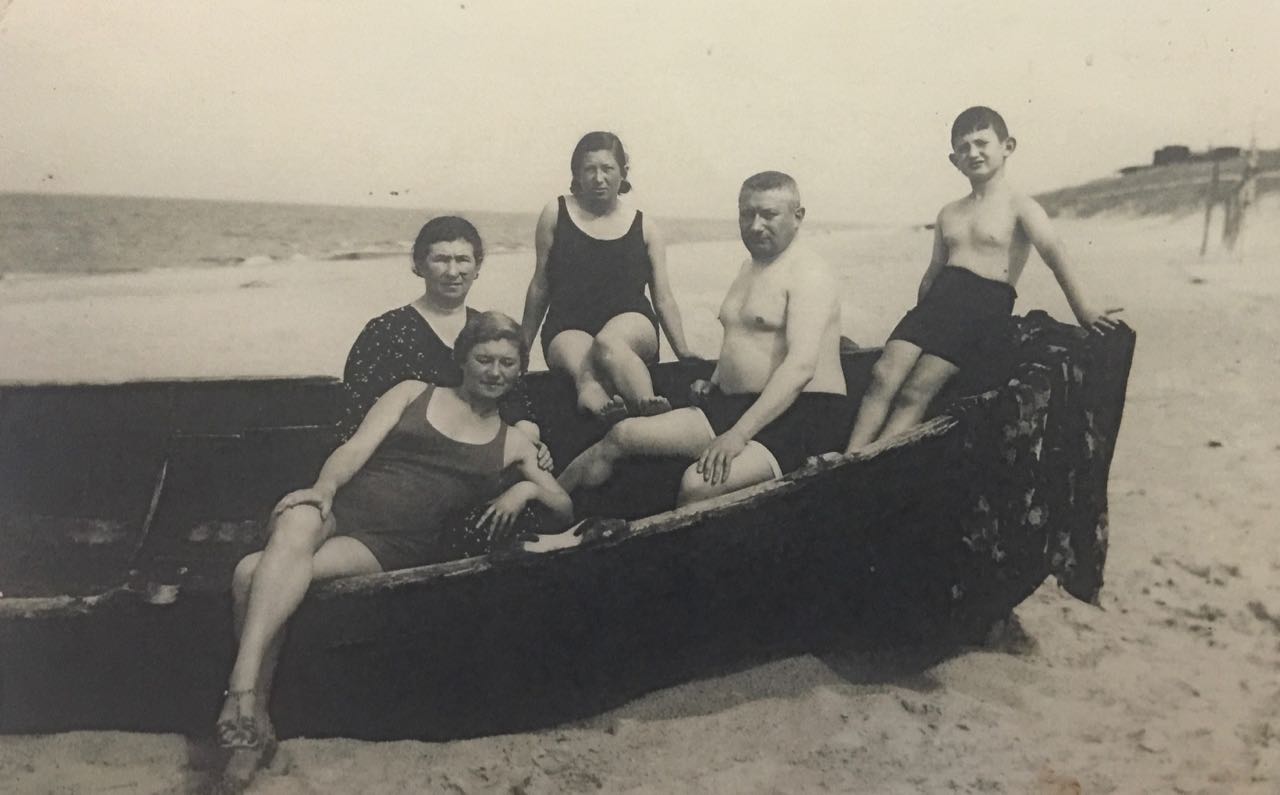
Alli’s family in Memel, Lithuania
Alli, Morris Back and Harry Bock
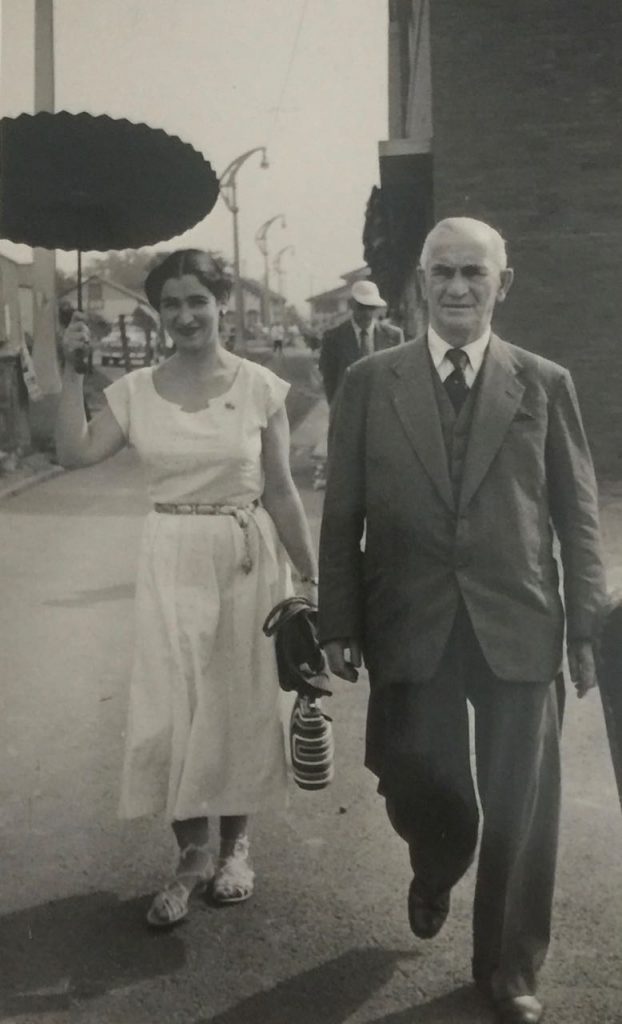
My mum, Ray and my grandfather Socher Zeldin
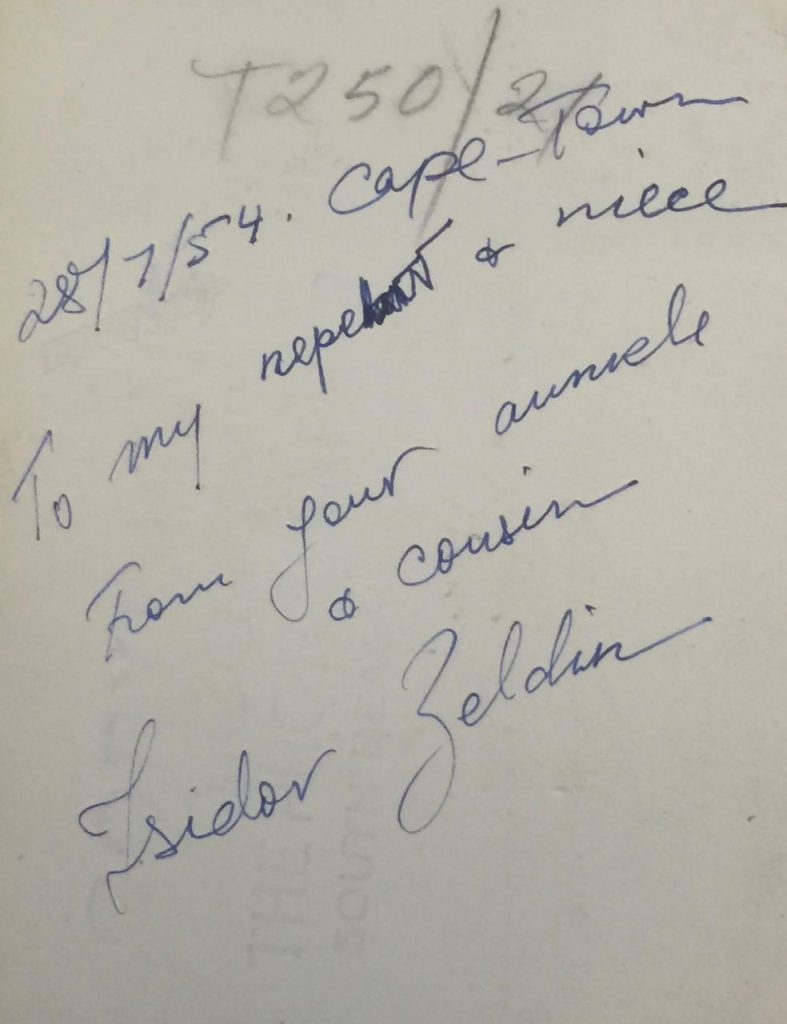
Back of the photo
Gene & Vicki with their daughter, Marny and her husband Cody

Alli is a Holocaust Survivor and has  her  testimony recorded  at USHMM as well as the Spielberg Foundation.

The USHMM link is here:

Oral history interview with Alli Itzkowitz – Collections Search – United States Holocaust Memorial Museum

Source: collections.ushmm.org/search/catalog/irn506601

A POSTHUMOUS LETTER TO Hirsh Glik

(Inspired by Irene Lilienheim Angelic’s letter to Leonard Cohen)

18 July 2017

Hirsh Glik

Dear Hirsh

“Zog Nit Keynmol” is Yiddish for “Never say…. that you have reached the end of the road”. These are the opening words to the poem that you wrote in the Vilna Ghetto during the horrendous times for Jews in 1943.

Yet your poem contains words of hope, heroism and inspiration for the partisans and the inmates of your ghetto. When you read “Zog Nit Keynmol” on the street corner to your friend Rachel Margolis, she matched it to the music of the 1938 Russian march by the Dmitri and Daniel Pokrass.

The song was soon sung in the ghettos and camps of Europe. It has been sung as a stirring anthem or hymn every year for 73 years since, by Survivors and others at Yom Hashoah ceremonies throughout the world. It has been translated into many languages.

The song is so well known but not necessarily well understood. Perhaps it is because it has been mostly sung in Yiddish, a language which is no longer spoken as it was in your time!
I established the Partisan Poem & Song project in February this year after I was asked by King David High Schools in Johannesburg, South Africa to address their 1000 high school students about the meaning, inspiration and context of the Partisan Song.

Our goal is to increase the understanding of the song’s powerful and positive message and, at the same time, create a bridge between your generation which originally sang it and future generations – creating continuity while there are still Holocaust Survivors among us.
To achieve this, school choirs are invited to learn the song in a language/s of their choice, to record their performance and post it on our dedicated website, to create a video tapestry of remembrance.
Within a few weeks of the project’s launch in February this year, World ORT, the world’s largest Jewish education and vocational training non-governmental organisation, operational in 37 countries, adopted the project. In their pilot, ten ORT schools in the Former Soviet Union submitted videos. These were compiled into a single video, sung in different languages, in time for Yom Hashoah.

We are now building resources to help students analyse and understand the song as you originally wrote it, namely as a poem. We have found 17 different language versions, making this a truly international program from its outset.
Yad Vashem has a resource for Teaching The Holocaust Through Poetry, using the poem “Refugee Blues” by famous British poet W H Auden. It was written in 1939, six months before war broke out, about Jewish refugees and not specifically about ghettos or camps.
Your Poem sits perfectly alongside Refugee Blues as the most important resource of a poem written in the ghetto during the Holocaust.

Mervyn Danker, a retired school principal based in San Francisco, has set up an outline of a study guide for teachers to use when teaching your poem or the song.

World renowned authorities such as Shirl Gilbert, are interested in the progress of this project, and educational NGOs in Poland, Lithuania, Austria and Poland are keen to participate.

Phillip Maisel, 93, a volunteer at the Holocaust Centre in Melbourne, Australia, is our direct link to you as he was your good friend, and was one of the first to hear your poem!

To watch the video and to read more, please visit our home page:

Zog Nit Keynmol

Menu Please watch this short video and join an inspiring project: From World ORT: Quote    World ORT With each Yom HaShoah the number of Survivors dwindles making the challenge of engaging new gene…

Source: elirab.me/zog-nit-keynmol/


I will keep you posted as to how the project is growing.

Regards

Eli Rabinowitz
Perth, Australia

The direct link to the YouTube video is here:

London

Geraldine & Sarah
Arrival in London at Stanstead Airport

A visit to Google, DeepMind & Neil
IMG_0378 IMG_0407 IMG_0385 IMG_0386 IMG_0450 IMG_0382 IMG_0396 IMG_0394 IMG_0390 IMG_0392
<
>
Neil
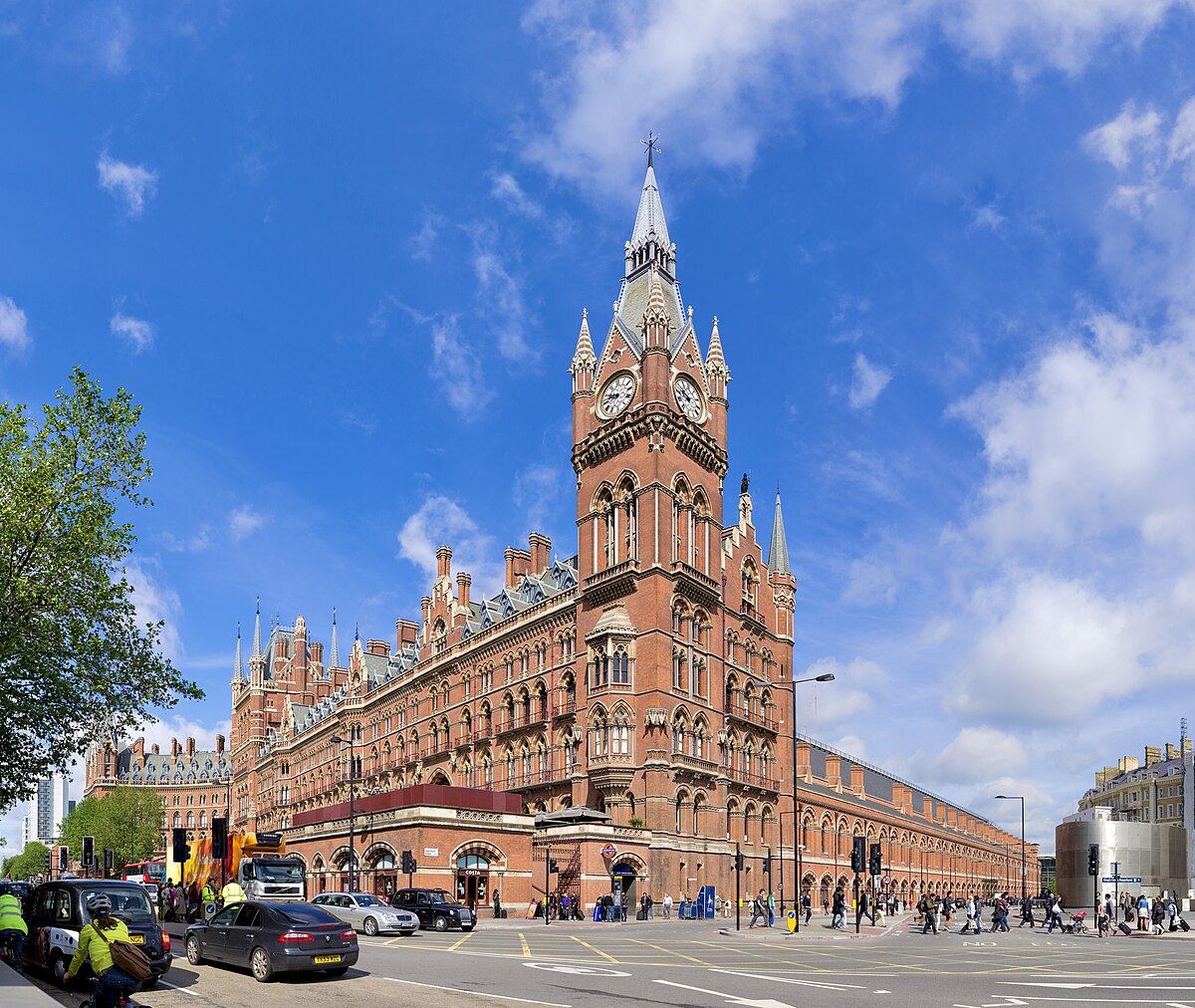
St Pancras Station
IMG_0411 IMG_0416 IMG_0418 IMG_0422 IMG_1041
<
>
IMG_0421 IMG_0423 IMG_0374 IMG_1395
<
>

St Pancras railway station – Wikipedia

St Pancras railway station (/seɪnt ˈpæŋkrəs/ or /sənt ˈpæŋkrəs/), also known as London St Pancras and since 2007 as St Pancras International, is a central London railway terminus located on Euston Road in the London Borough of Camden.

Source: en.wikipedia.org/wiki/St_Pancras_railway_station

The British Library
IMG_0426 IMG_0435 IMG_0439 IMG_0436 IMG_0434 IMG_0687 IMG_0694 IMG_1052 IMG_1099
<
>
Leizer Ran
IMG_0427 IMG_0441 IMG_0442 IMG_0686 IMG_1076
<
>
Take a photo of your locker!

British Library – Wikipedia

Coordinates: 51°31′46″N 0°07′37″W / 51.52944°N 0.12694°W / 51.52944; -0.12694

Source: en.wikipedia.org/wiki/British_Library

On the Tube and the Trains
Hammersmith Station
IMG_0988 IMG_0503 IMG_0504 IMG_0680 IMG_0681 IMG_0684 IMG_0786 IMG_0789 IMG_1422 IMG_0814 IMG_0920 IMG_1114 IMG_1109 IMG_1133 IMG_1138 IMG_1409 IMG_1411
<
>
Flowers by Geraldine Auerbach
Memorial in Baker Street Tube

Meeting people
IMG_0513 IMG_0507 IMG_0670 IMG_0672 IMG_0673 IMG_0796 IMG_0799 IMG_0802 IMG_0805 IMG_0811 IMG_1118 IMG_1125 IMG_1344 IMG_1400 IMG_1418 IMG_1420 IMG_1225
<
>
Stefan, Sadler, Shoshana, Cecile & Daniel
The Wiener Library

IMG_0828 IMG_0820
<
>

Wiener Library for the Study of the Holocaust and Genocide – Wikipedia

The Wiener Library for the Study of the Holocaust and Genocide (German pronunciation: [ˈviːnɐ ]); is the world’s oldest institution devoted to the study of the Holocaust, its causes and legacies. Founded in 1933 as an information bureau that informed Jewish communities and governments worldwide about the persecution of the Jews under the Nazis, it was transformed into a research institute and public access library after the end of World War II and is now situated in Russell Square, London.[2]

Source: en.wikipedia.org/wiki/Wiener_Library_for_the_Study_of_the_Holocaust_and_Genocide

The West End
IMG_0853 IMG_0854 IMG_0857 IMG_0910 IMG_0913 IMG_0914 IMG_0917 IMG_0918
<
>
Hype Park Corner

West End of London – Wikipedia

The West End of London (commonly referred to as the West End) is an area of Central and West London in which many of the city’s major tourist attractions, shops, businesses, government buildings and entertainment venues, including West End theatres, are concentrated.

Source: en.wikipedia.org/wiki/West_End_of_London

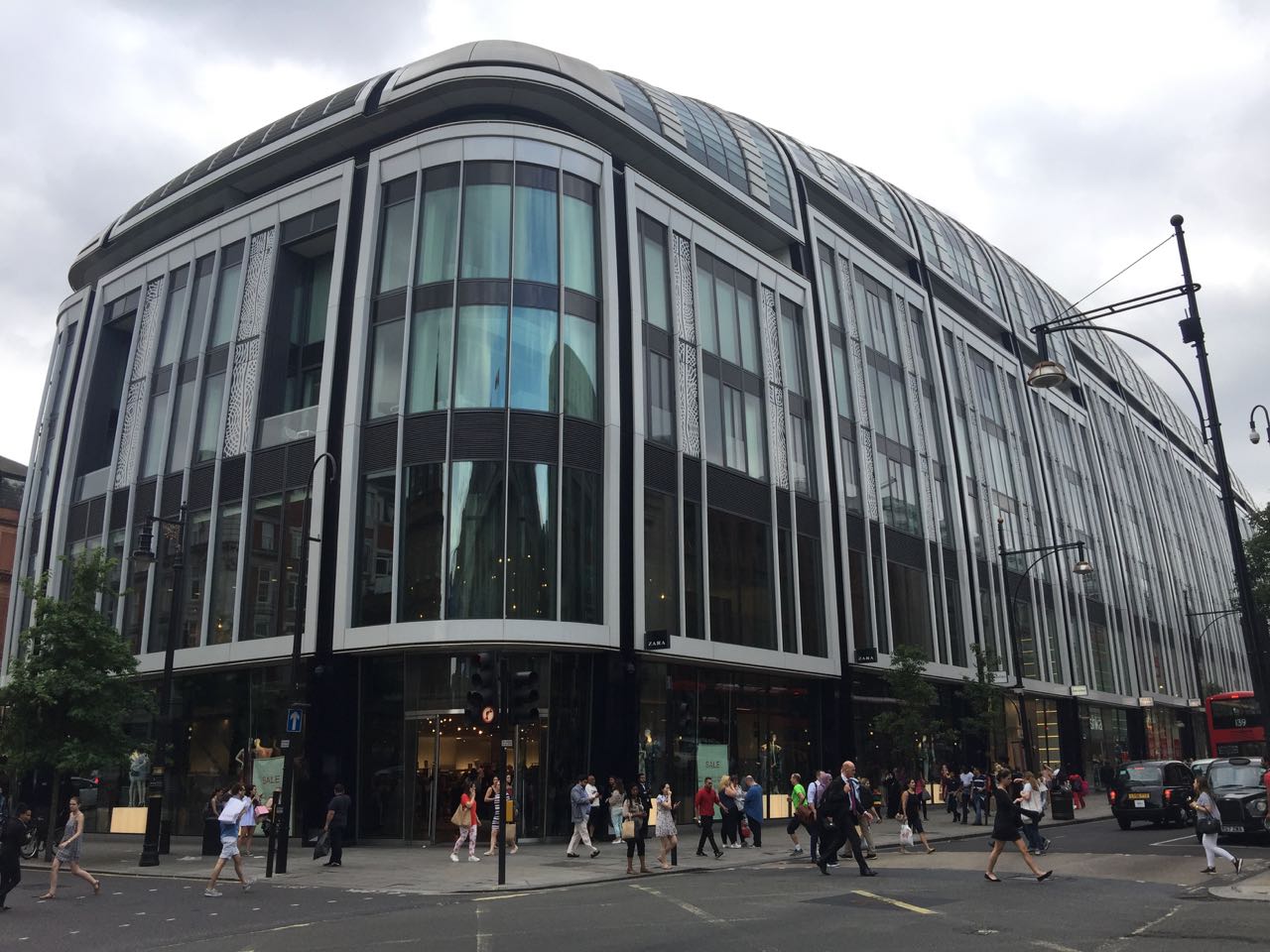
Selfridges
IMG_0863 IMG_0867 IMG_0868 IMG_0870 IMG_0871 IMG_0872 IMG_0873 IMG_0877 IMG_0878 IMG_0911
<
>

Selfridges, Oxford Street – Wikipedia

Selfridges is a Grade II listed retail premises on Oxford Street in London. It was designed by Daniel Burnham for Harry Gordon Selfridge, and opened in 1909.[1] Still the headquarters of Selfridge & Co. department stores, with 540,000 square feet (50,000 m2) of selling space,[2] the store is the second largest retail premises in the UK,[1] half as big as the biggest department store in Europe, Harrods.[2] It was named the world’s best department store in 2010,[3] and again in 2012.[4]

Source: en.wikipedia.org/wiki/Selfridges,_Oxford_Street

Hammersmith
Natalie Rabinowitz
IMG_0922 IMG_0923 IMG_0933 IMG_0949 IMG_0979 IMG_0980
<
>
Natalie Rabinowitz
Westminster
IMG_1404 IMG_1408
<
>
Westminster Abbey
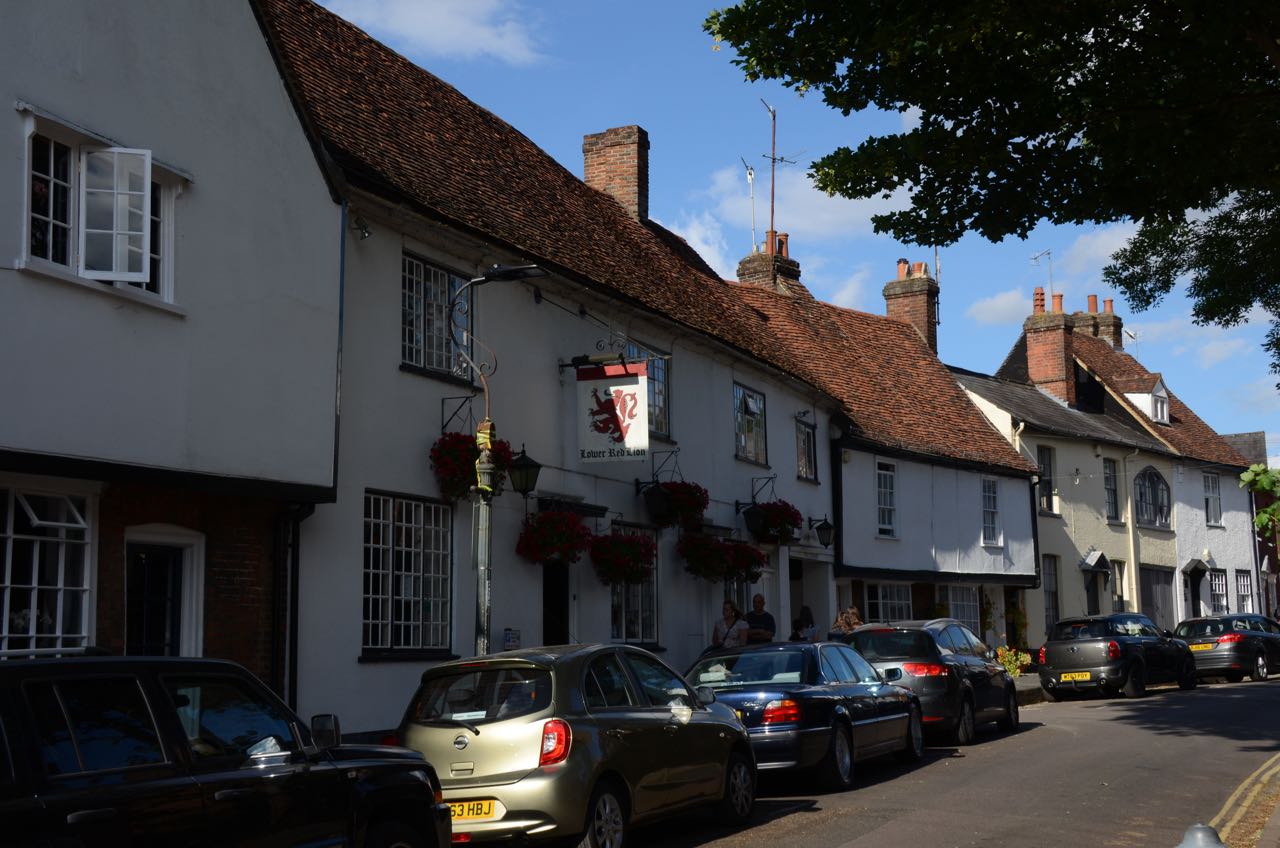
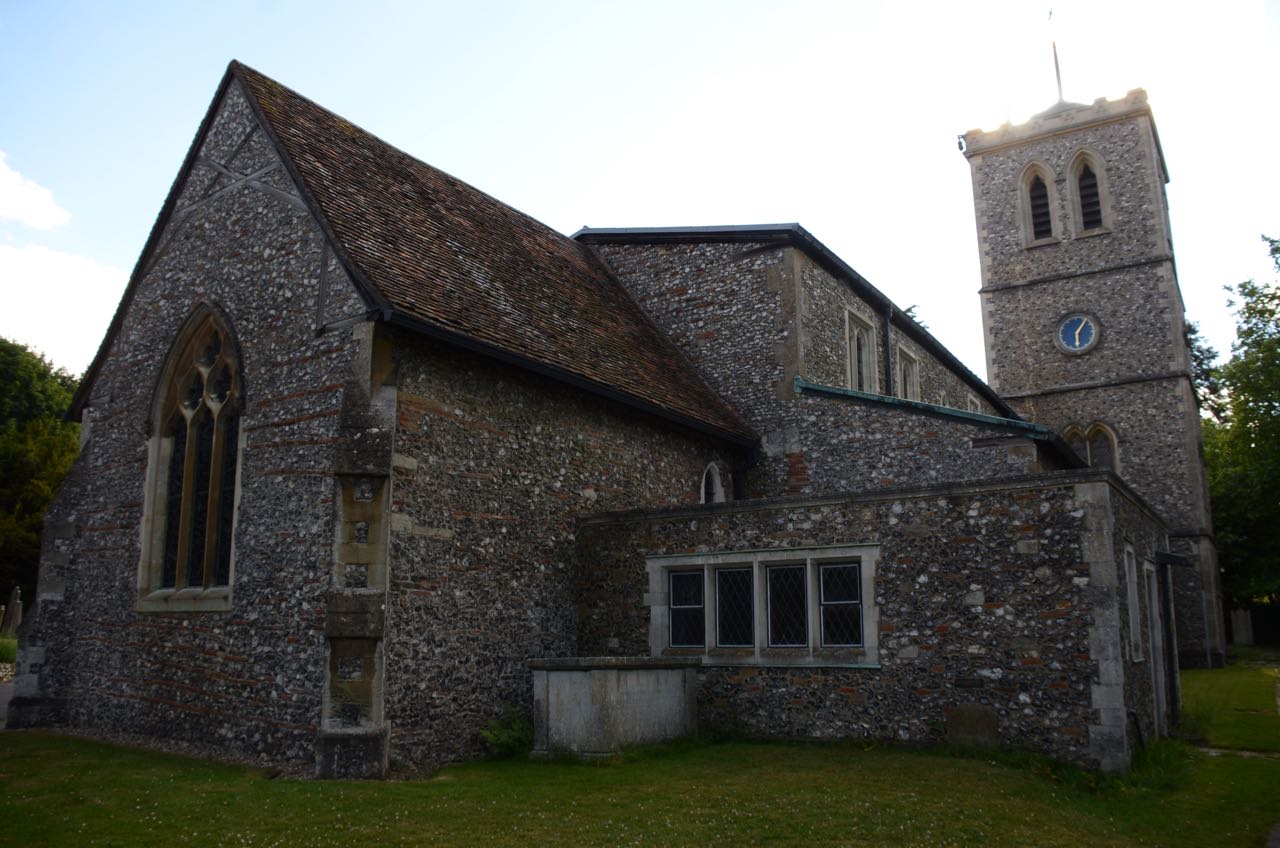
St Albans

First Bunnings in the UK. Bunnings was started in Perth, Australia. Ten minute walk from Neil

IMG_1260 IMG_1249 IMG_1247 IMG_1244 IMG_1243 IMG_1238 IMG_1230 DSC_5274 DSC_5281
<
>
Sausage Sizzle
Around the Nunnery
DSC_5373 DSC_5286 DSC_5287 DSC_5290 DSC_5437 DSC_5465 DSC_5466 DSC_5479 IMG_0780 IMG_0782
<
>
Go Fly A Kite
The Town
DSC_5293 DSC_5295 DSC_5297 DSC_5298 DSC_5299 DSC_5302 DSC_5303 DSC_5310 DSC_5315 DSC_5320 DSC_5322 DSC_5325 DSC_5329 DSC_5337 DSC_5340 DSC_5342 IMG_1334 DSC_5346 DSC_5354 DSC_5355 DSC_5359 DSC_5363 DSC_5370 IMG_0456 IMG_1219
<
>
Bicycle Rack at Station
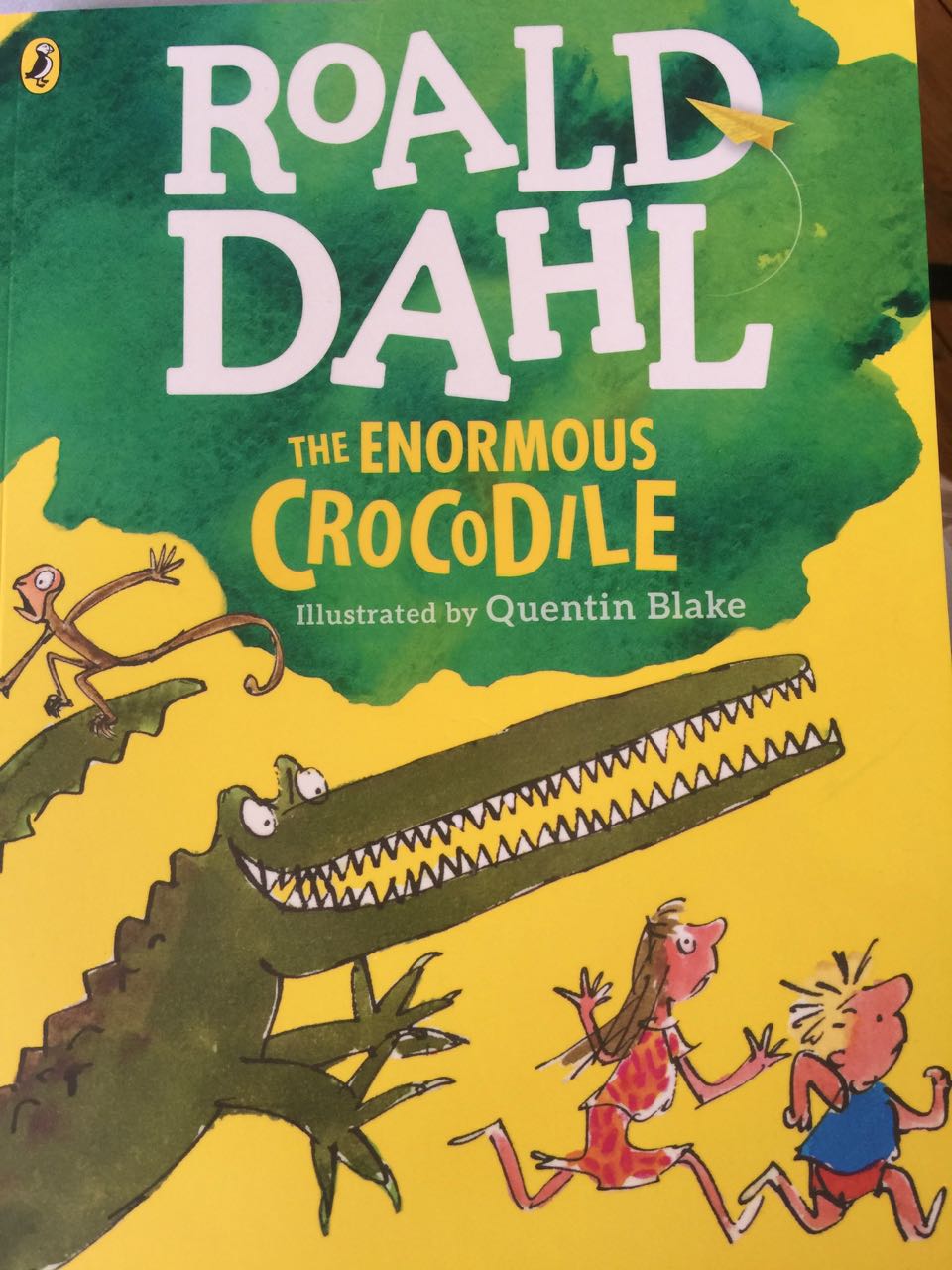
Reading Material

Read the character names on these pages – amazing coincidence – Roly Poly Bird saves Jill! Roly Poly is what the grandkids call me!

IMG_1018 IMG_1027 IMG_1029
<
>

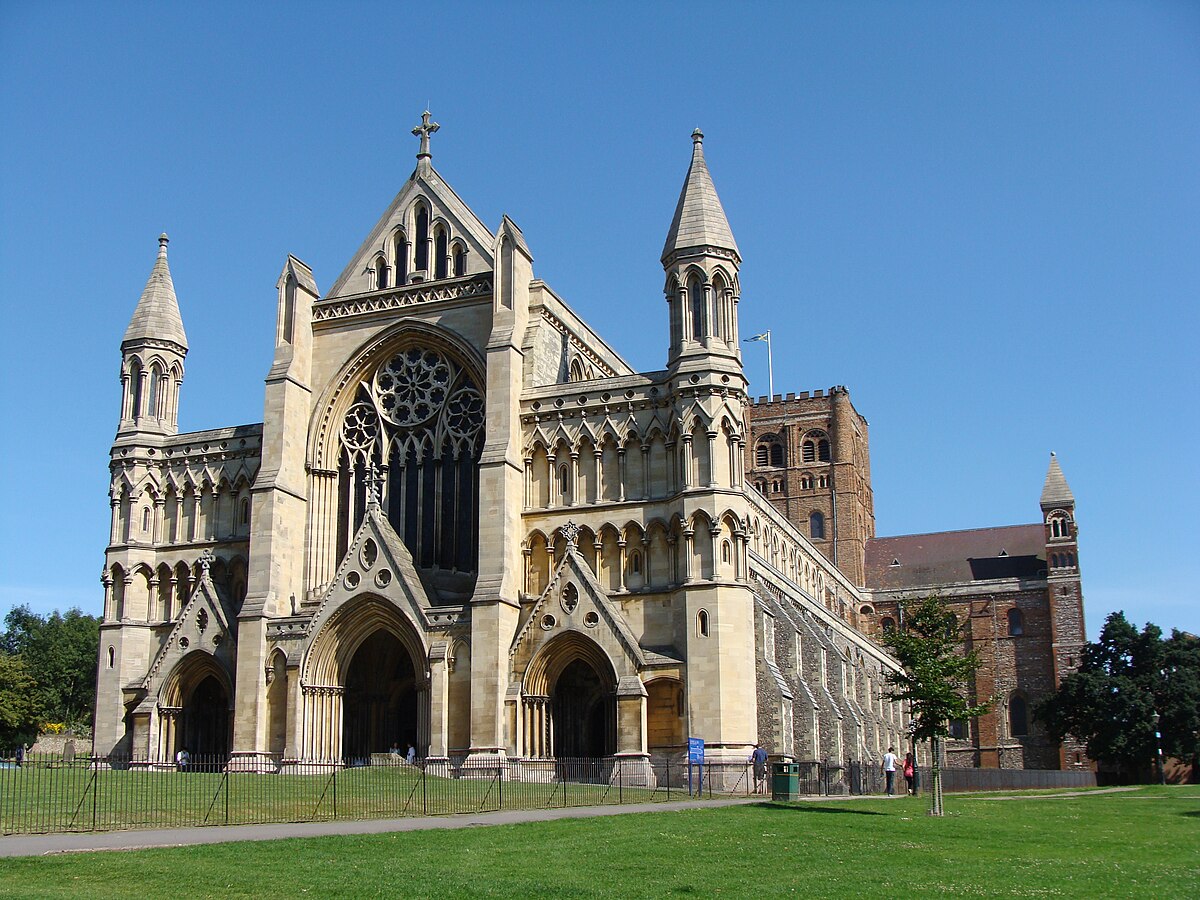
St Albans – Wikipedia

St Albans /sənt ˈɔːlbənz/, /seɪn … / is a city in Hertfordshire, England, and the major urban area in the City and District of St Albans. It lies east of Hemel Hempstead and west of Hatfield, about 19 miles (31 km) north-northwest of London, 8 miles (13 km) southwest of Welwyn Garden City and 11 miles (18 km) south-southeast of Luton. St Albans was the first major town on the old Roman road of Watling Street for travellers heading north, and it became the Roman city of Verulamium. It is a historic market town and is now a dormitory town within the London commuter belt and the Greater London Built-up Area.

Source: en.wikipedia.org/wiki/St_Albans

Back to Australia – Dubai
IMG_1508 IMG_1521
<
>
IMG_1519 IMG_1515
<
>
Flying somewhere!


From Keidan to Ra’anana to Orlando

 Kedainiai June 2017

Class-2s Class-3s Class-5s Draw-1s Draw-2s Draw-3s Class-1s
<
>
Original article in Lithuanian

http://www.rinkosaikste.lt/naujienos/aktualijos/gimnazistams-kdainietik-akn-turinio-ydo-paskaita

Google Translated

with a little help from me!

Gimnazistai – kėdainietiškų Jewish Roots Lecture

Akvilė KUPČINSKAITĖ – 19:00 June 13th. 2017

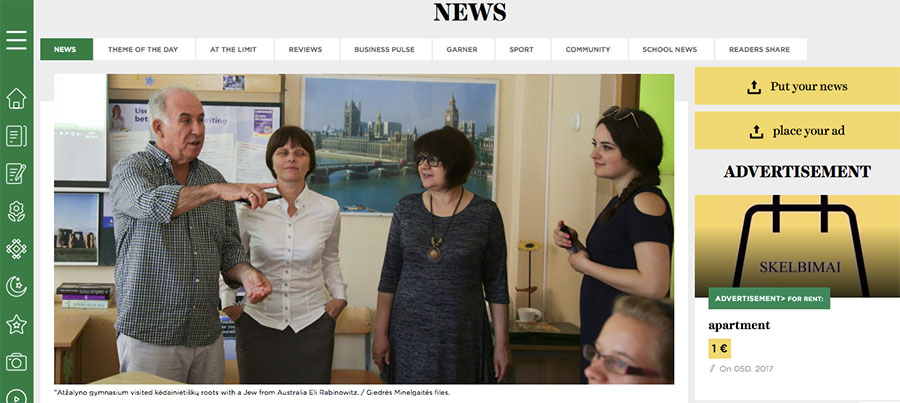
“Atžalyno Gymnasium was visited by a Jewish guest from Australia, who has  kėdainietiškų roots. Eli Rabinowitz met with the academic staff at the high school, attended project activities and visited the Kėdainiai Regional Museum. 

Report

The guest to Kėdainiai was invited by Atžalyno High School English teacher Laima Ardavičienė. Since 2012, Laima has been working on a project in which high school students learn in more detail about the history of the Jewish community in our country. Every year, the high school is visited by Eli Rabinowitz and they share their experiences and insights. The project is carried out in English, so that students not only broaden their minds, but also enhance their English language skills.

This year the theme was Jewish holidays. When we celebrate Christmas, Jews celebrate the Chanukah festival. Eli Rabinowitz arranged a virtual conference and introduced the festival. Guests who come to Lithuania continue the story of the other traditional Jewish holidays.

The Modern generation does not have time to read long stories. Eli Rabinowitz

Not for the first time

Eli Rabinowitz has visited Kėdainiai each year since 2012. The first time was to to search for his ancestors. In his opinion, Jews should actively search their roots. According to Eli, 95 percent of South African Jews came from Lithuania. Eli has travelled extensively throughout Central and Eastern Europe and has recorded traces of Jewish culture here, taking many pictures and videos. Since 2011, he has taken 18000 photos, using these images in slideshows, which is a good format to convey his experience to the younger generation.

“Young people do not have time to read or hear long stories.  Students all over the world prefer stories in short video clips, and other multimedia material “, – said Eli Rabinowitz.

Partisan Song – Vilna ghetto

Earlier this year Eli Rabinowitz was invited to present his project to a large South African high school. There, the students sang the Partisan Song in Yiddish, but did not understand the meaning of this song and the inspiration behind it.

“The song was written in 1943 in the Vilna ghetto by a 20-year-old Jew, Hirsh Glik, who was later killed. It has since then become the anthem of the Holocaust Survivors and is sung regularly. I want this song to spread to young people, so that they recite, sing and understand the meaning”- says Eli Rabinowitz.

The song has also been translated into Lithuanian. A student at Atzalyno  recites it as a poem, with a viola playing in the background and images of old Kedainiai.

“To know one’s history is important for us all, because if you do not know where you come from, you do not know where you are headed”, – says Eli  Rabinowitz wisely.


12 June 2017

Litvak Roots Lecture in Ra’anana

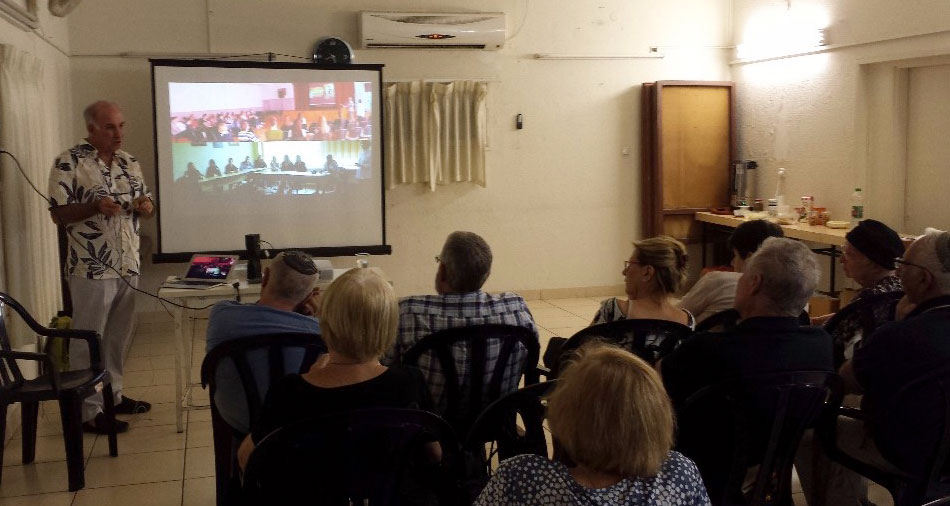
On June 12th, Eli Rabinowitz spoke in Ra’anana on “In the Footsteps of Zalman Tzoref: Tracing 200 Years of Litvak Family History and Legacy”. The presentation followed Zalman Tzoref’s life. He left Keidan, Lithuania and traveled to Jerusalem where his mission was to rebuild the Ashkenazi community in the Old City. In 2012, Eli returned to the town and re-established his family connections with Tzoref’s birthplace.

Eli Rabinowitz is involved in a wide range of Jewish community activities, including filming events, research, education, arranging exhibitions and lecturing on Jewish cultural heritage and family history.

Orlando Florida 26 July 2017  5pm – 6:15pm

In the Footsteps of Zalman Tzoref: Tracing 200 Years of Litvak Family History and Legacy
Venue: Walt Disney World Swan Resort
Room: Swan 2
At the last two IAJGS conferences a movie about Tzoref was shown. This presentation follows in the movie’s and Tzoref’s footsteps and goes beyond! In 1811, Avraham Shlomo Zalman Tzoref, inspired by the Vilna Gaon, left Keidan, Lithuania for Jerusalem where his mission was to rebuild the Ashkenazi community in the Old City. Tzoref was murdered in 1851, but the story certainly does not end there. We reflect on Tzoref’s life and achievements through his 20,000 strong Salomon descendants, who for 200 years have made their mark as part of his enduring legacy. In 2011, exactly 200 years after Tzoref left Keidan, I return to the town, now called Kedainiai, and re-establish my family connections with his birthplace. Within a few years, I have become active in building bridges in this town in a most unusual way!


Back to Warsaw

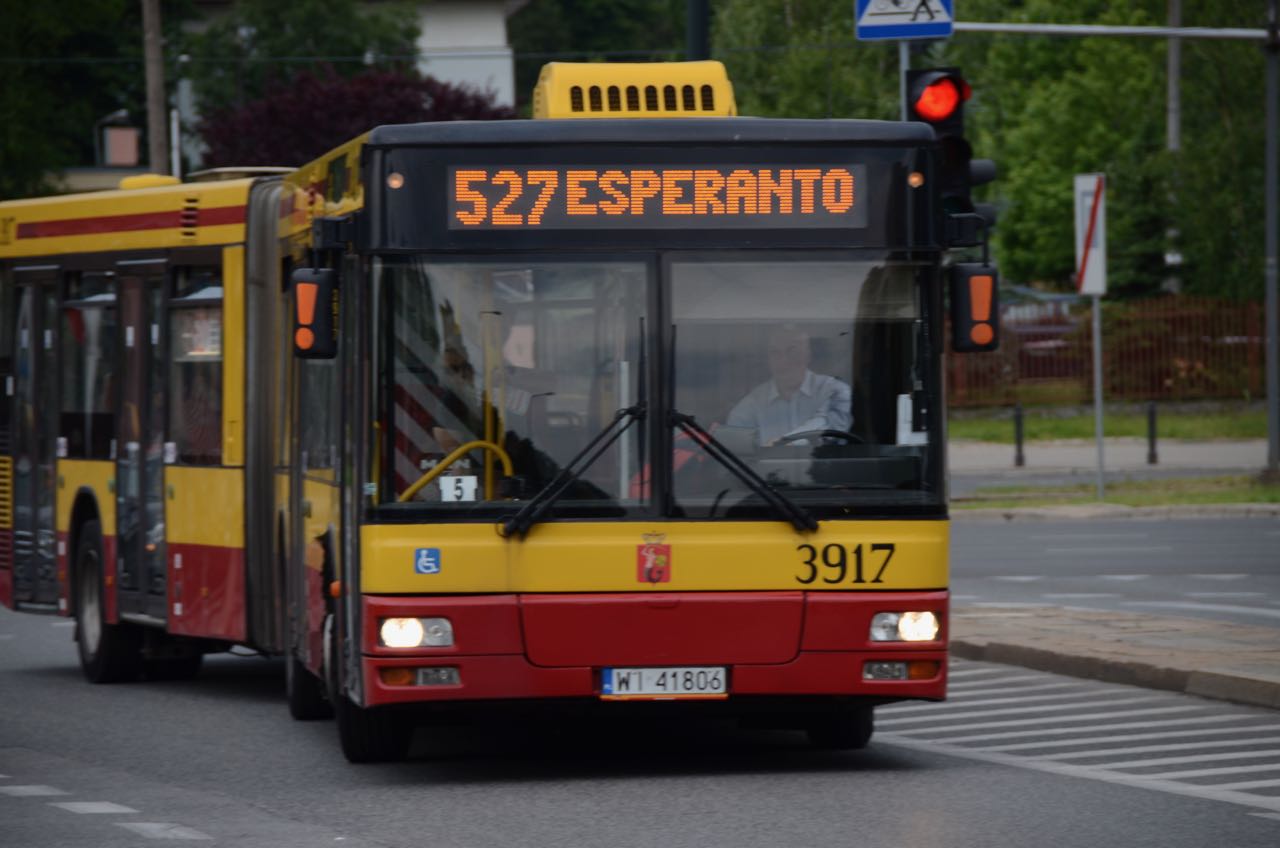
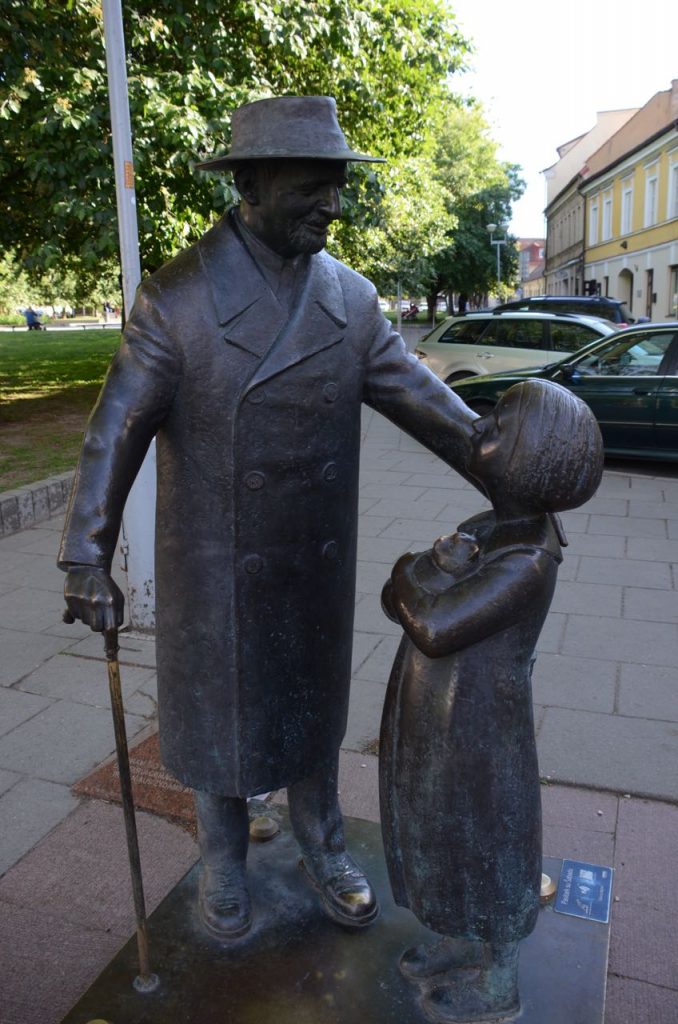
Zamenhof in the streets

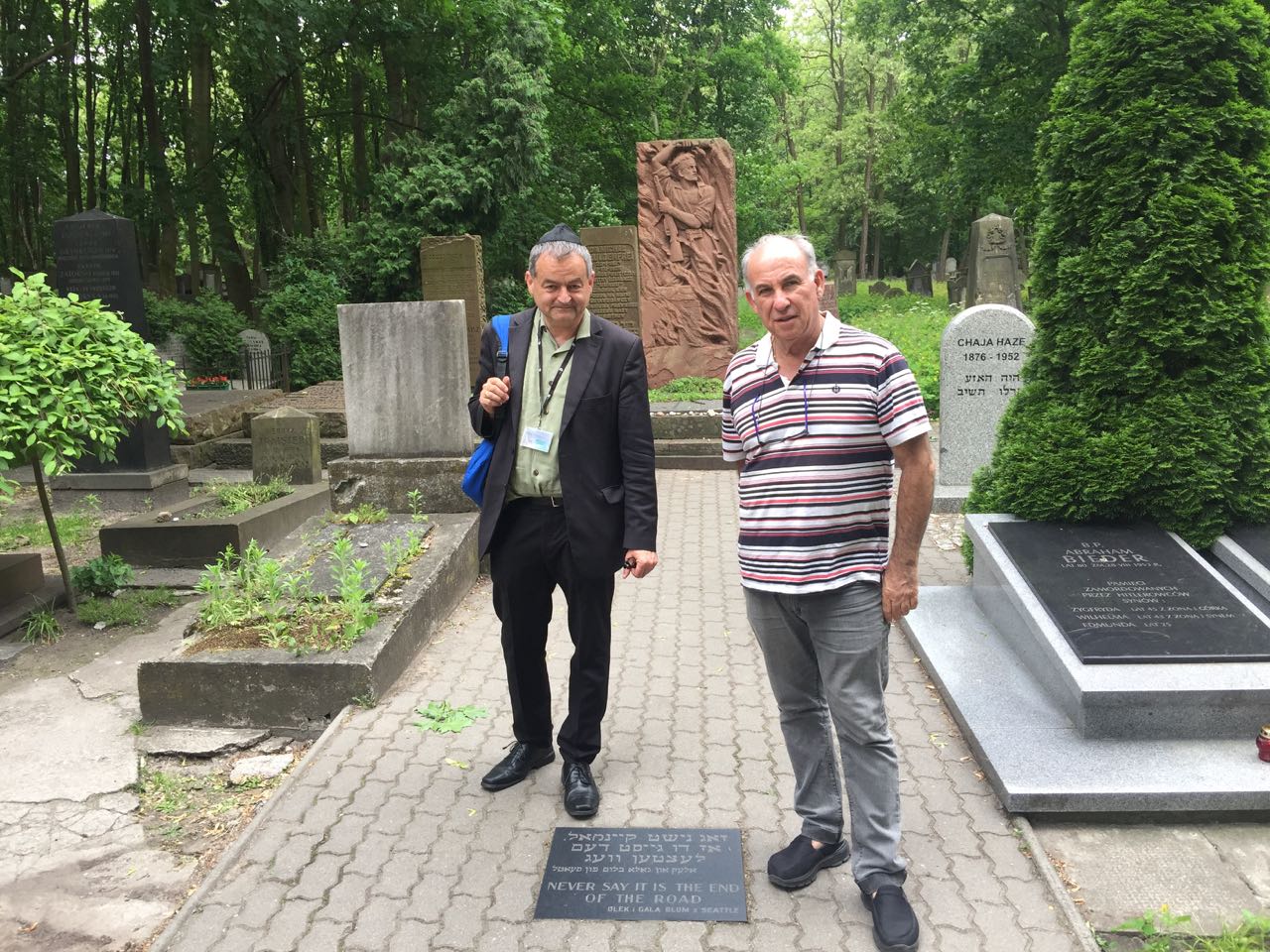
Zamenhof in the cemetery

Partisans with Michael Leiserowitz

Warsaw Cemetery

Jewish Cemetery, Warsaw – Wikipedia

The Warsaw Jewish Cemetery is one of the largest Jewish cemeteries in Europe and in the world. Located on Warsaw’s Okopowa Street and abutting the Powązki Cemetery at 52°14′51″N 20°58′29″E / 52.24750°N 20.97472°E / 52.24750; 20.97472, the Jewish necropolis was established in 1806 and occupies 33 hectares (83 acres) of land. The cemetery contains over 250,000 marked graves[1], as well as mass graves of victims of the Warsaw Ghetto. Many of these graves and crypts are overgrown, having been abandoned after the German invasion of Poland and subsequent Holocaust. Although the cemetery was closed down during World War II, after the war it was reopened and a small portion of it remains active, serving Warsaw’s small existing Jewish population.

Source: en.wikipedia.org/wiki/Jewish_Cemetery,_Warsaw

At the JCC with Romi Rutovitz

JCC Warsaw

Jewish Community Center

Source: www.jccwarszawa.pl/?LangId=2

A quick return visit to Polin

IMG_9005 IMG_9006 IMG_9007
<
>

Friends

Wojciech Konończuk with his new book. In 2011 Wojciech influenced me to visit Poland for the first time!

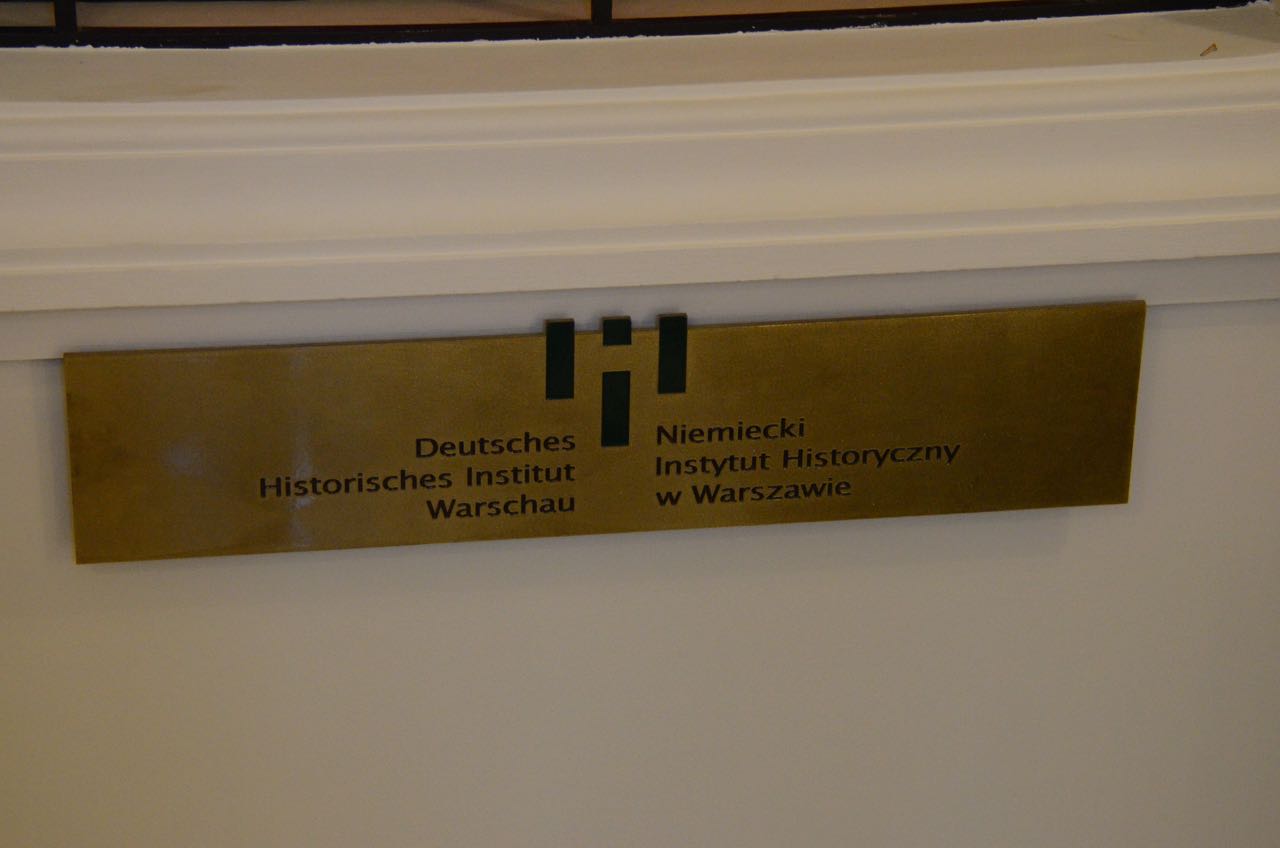
Michael & Ruth Leiserowitz at the German Historical Institute.

Ruth is a professor of history at Humboldt University in Berlin and Deputy Director at the German Historical Institute in Warsaw. Michael is the German and Hebrew speaking guide at Polin Museum in Warsaw.

Their Jews in East Prussia Facebook site.

​https://www.facebook.com/Jewsineastprussia/

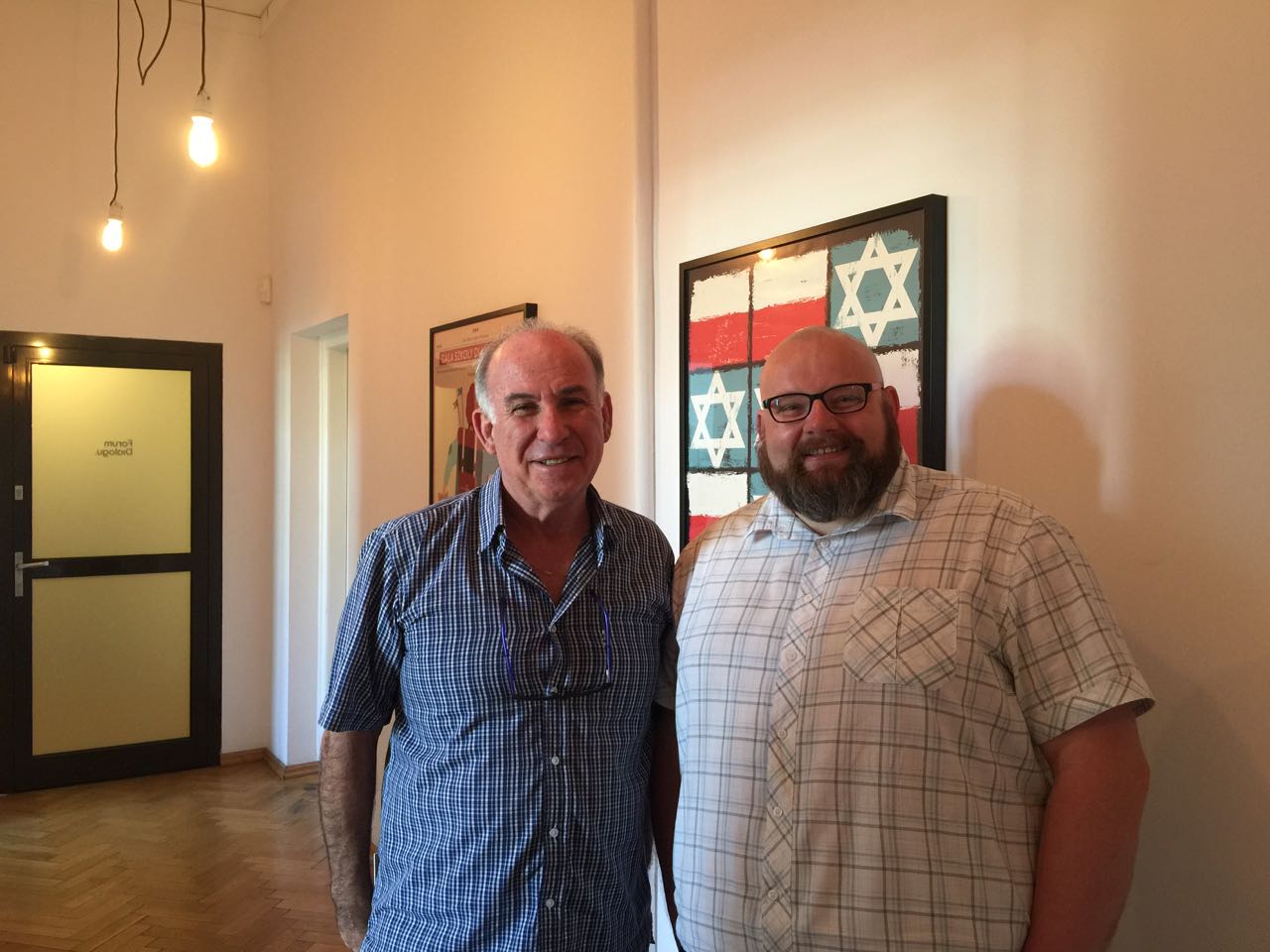
With Jakub Petelewicz, Director of Education at Forum For Dialogue

Forum for Dialogue | Forum Dialogu

Inspiring New Connections

Source: dialog.org.pl/en/forum-for-dialogue/

Back To Vilnius

The restoration of the Geliu synagogue

IMG_8747 IMG_8761 IMG_8753 IMG_8751 IMG_8748 IMG_8755 IMG_8757
<
>

Renovation of Synagogue on Geliu Gatve starts in Vilnius

The Lithuanian Department of Cultural Heritage confirmed on July 21, 2015, the renovation of the synagogue on Geliu Street in Vilnius has starte…

Source: www.baltictimes.com/renovation_of_synagogue_starts_in_vilnius/

People I met

IMG_8581 IMG_8636 IMG_8691 IMG_8721
<
>
Ingrida Vilkienė

Fania Brancovskaja at the Yiddish Institute

IMG_8586 IMG_8594 IMG_8593 IMG_8595 IMG_8596
<
>

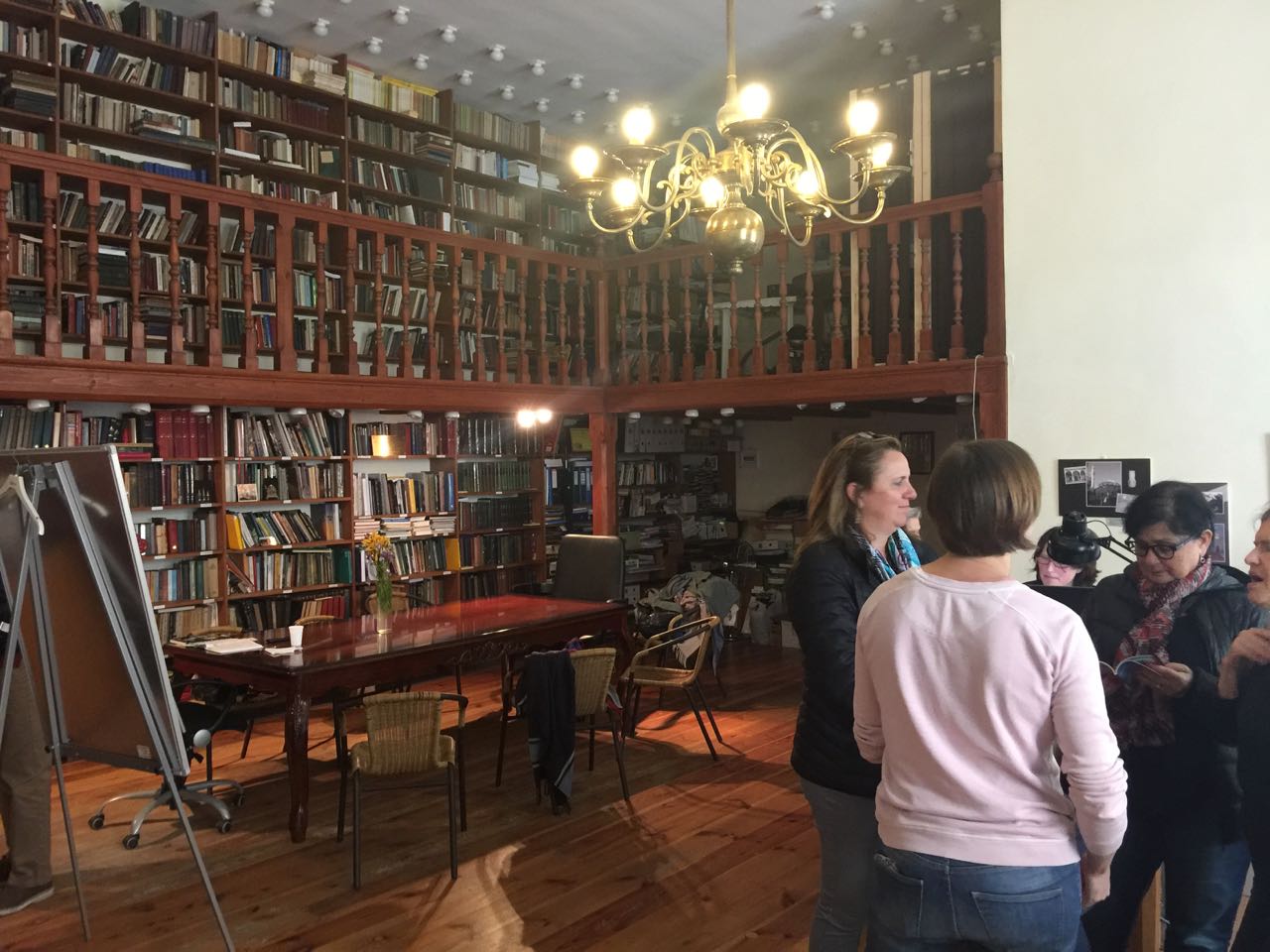
Lara Lempert is the head of the Judaica Center at the National Library of Lithuania. Her field is the cultural history of the European Jewry, more specifically – Jewish classical texts and their integration in Jewish education in various settings; Jewish book and press; and day-to-day life of Lithuanian Jewry.

Part of the exhibit

IMG_8720 DSC_4087 DSC_4089 DSC_4099 DSC_4111 DSC_4090 DSC_4091 DSC_4093 DSC_4094 DSC_4097 DSC_4101 DSC_4104 DSC_4106 DSC_4109
<
>

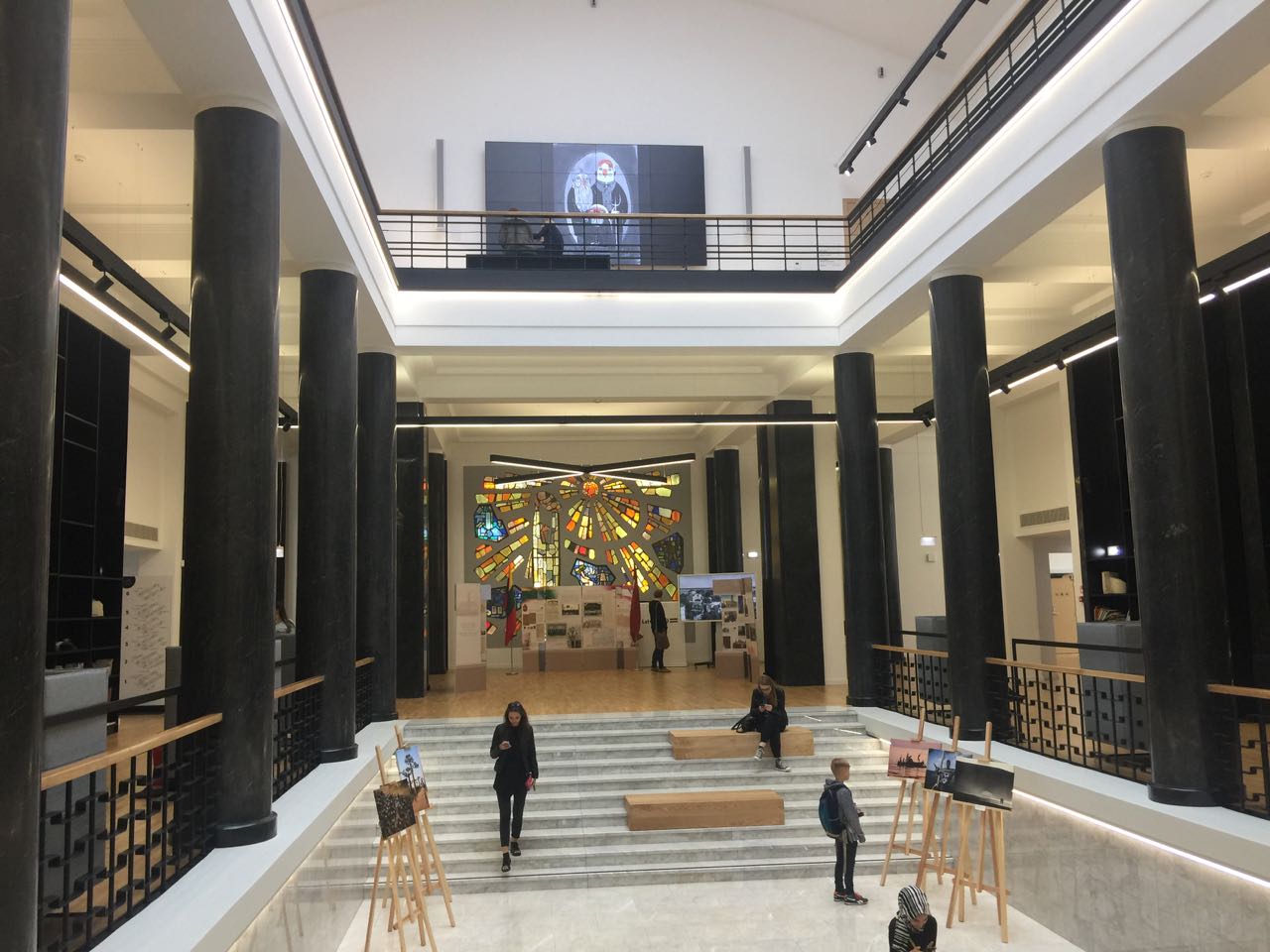
22–23 May 2017: Opening of the Judaica Research Centre – Martynas Mažvydas National Library of Lithuania

A national cultural institution that collects, organizes and preserves the written cultural heritage of Lithuania, forming a fund for Lithuanian and foreign documents relevant for Lithuanian science, education, culture and economy, and provides library information provision services to the public.

Source: www.lnb.lt/en/news/2187-22-23-may-opening-of-the-judaica-research-centre

More from the Library

IMG_8682 DSC_4129 IMG_8672 DSC_4130 DSC_4127 DSC_4121 IMG_8698 IMG_8678
<
>

The Old Cemetery

DSC_4263 DSC_4241 DSC_4245 DSC_4252 DSC_4250
<
>

Jewish cemeteries of Vilnius – Wikipedia

The Jewish cemeteries of Vinius are the three Jewish cemeteries of the Lithuanian Jews living in what is today Vilnius, the capital of Lithuania, which was known to them for centuries as Vilna, the principal city of the Grand Duchy of Lithuania and the Pale of Settlement of the Russian Empire. Two of the cemeteries were destroyed by the Soviet regime and the third is still active.

Source: en.wikipedia.org/wiki/Jewish_cemeteries_of_Vilnius

The Vilnius Jewish Library

DSC_4015 IMG_8575 IMG_8576 IMG_8577
<
>

Vilniaus žydų viešoji biblioteka

Vilniaus žydų viešoji biblioteka – vienintelė Žydų kultūros sklaidoje besispecializuojanti biblioteka visoje Lietuvoje.Our library is the only one in Lithuania which specifies in spreading Jewish culture in various forms

Source: vilnius-jewish-public-library.com/en/

Jewish Scenes in Vilnius

DSC_4159 DSC_4161 DSC_4165 DSC_4170 DSC_4173 DSC_4184 DSC_4191 DSC_4192 DSC_4198 DSC_4202 DSC_4211 DSC_4212 IMG_8603 IMG_8726
<
>
DSC_4183 DSC_4195 DSC_4203 IMG_8602 IMG_8604 IMG_8644 IMG_8727
<
>

The Museum of Genocide Victims – Jewish themed exhibits

DSC_4040 DSC_4074 DSC_4075 DSC_4077 DSC_4078 DSC_4079
<
>

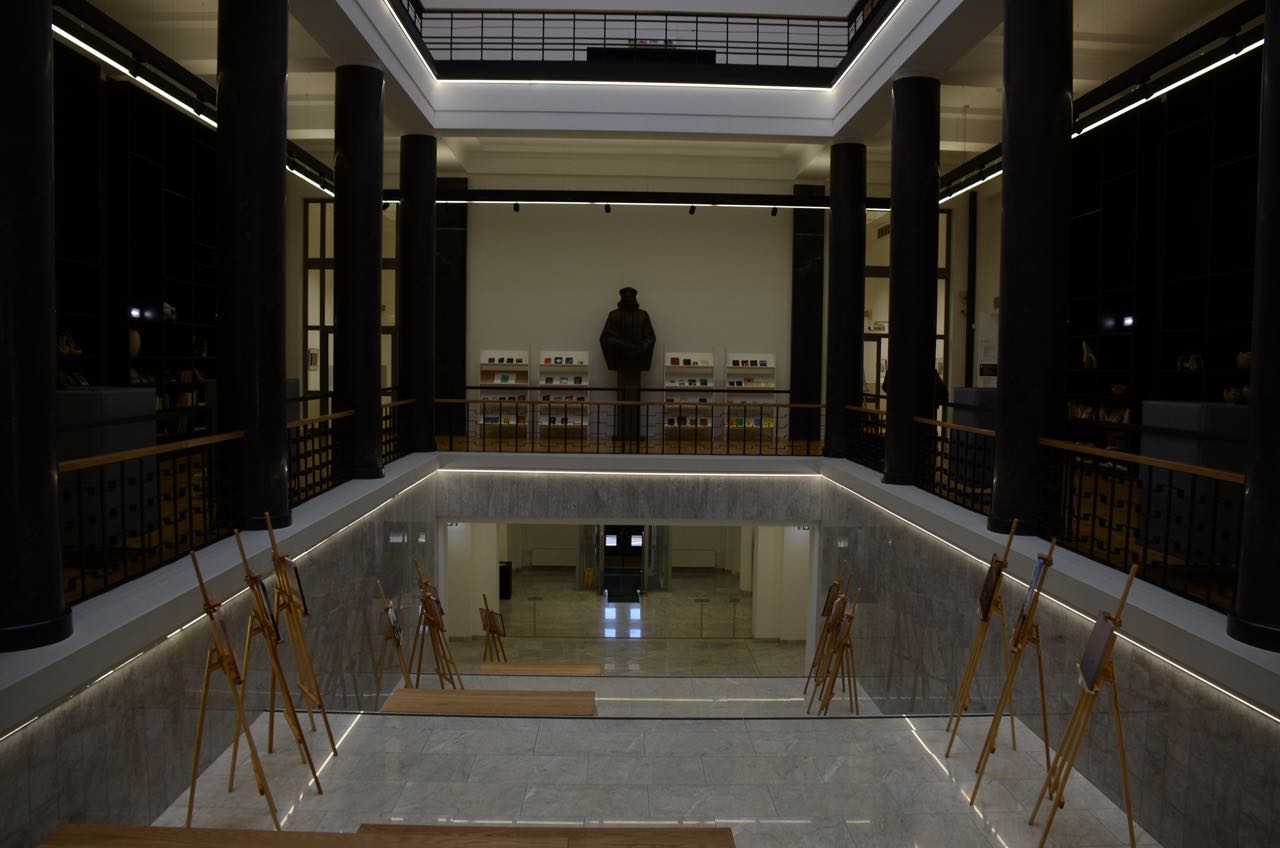
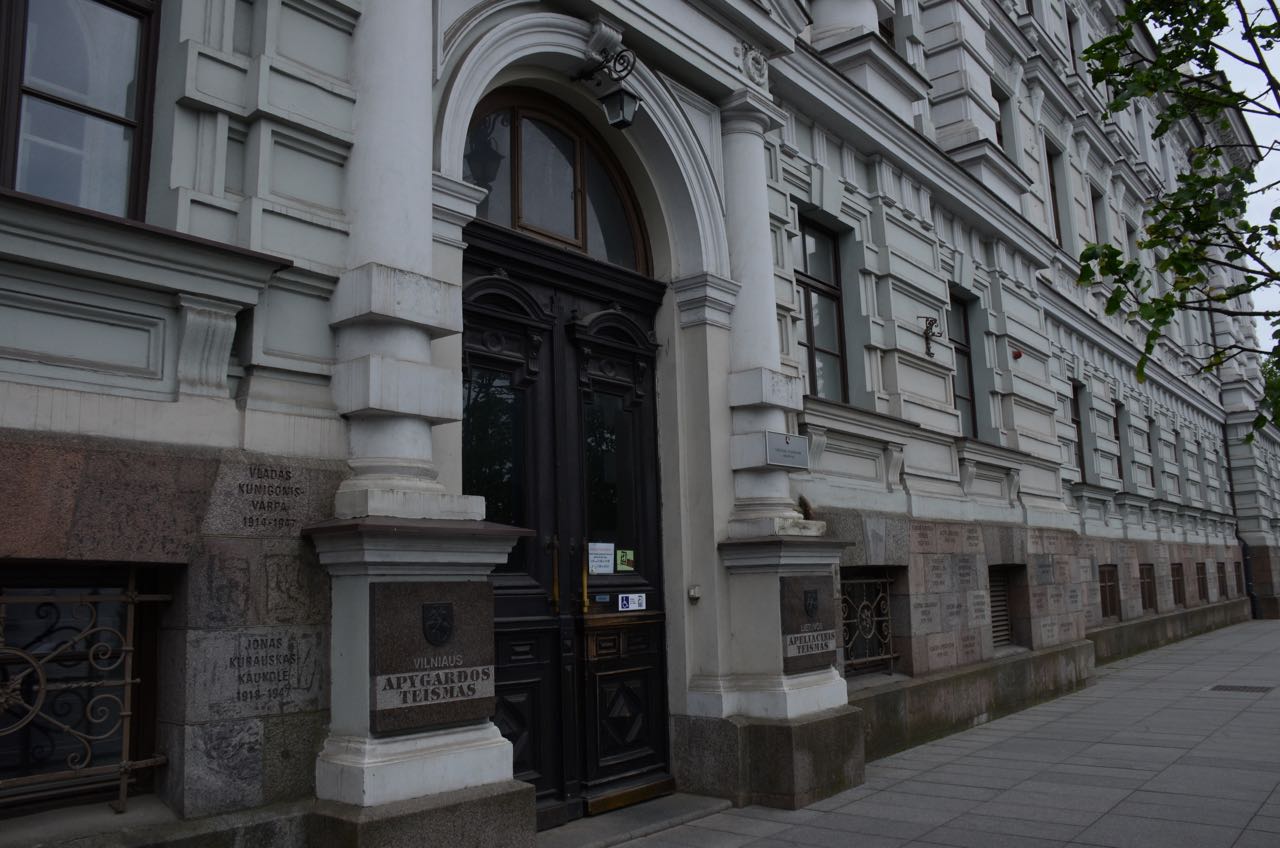
The Museum of Genocide Victims

DSC_4000 DSC_4001 DSC_4002 DSC_4003 DSC_4005 DSC_4008 DSC_4010 DSC_4012 DSC_4038 DSC_4043 DSC_4046 DSC_4051 DSC_4054 DSC_4061 DSC_4081 DSC_4082
<
>

Museum of Genocide Victims – Wikipedia

The Museum of Genocide Victims (Lithuanian: Genocido aukų muziejus) in Vilnius, Lithuania was established in 1992 by order of the Minister of Culture and Education and the President of the Lithuanian Union of Political Prisoners and Deportees. In 1997 it was transferred to the Genocide and Resistance Research Centre of Lithuania. The museum is located in the former KGB headquarters across from the Lukiškės Square, therefore it is informally referred to as the KGB Museum.[1]

Source: en.wikipedia.org/wiki/Museum_of_Genocide_Victims

Other scenes from Vilnius

DSC_4135 DSC_4137 DSC_4138 DSC_4139 DSC_4145 DSC_4146 DSC_4131 DSC_4147 DSC_4153 DSC_4155 DSC_4201 DSC_4206 DSC_4256 DSC_4217 DSC_4222 DSC_4223 DSC_4231 DSC_4237 IMG_8692 IMG_8695
<
>

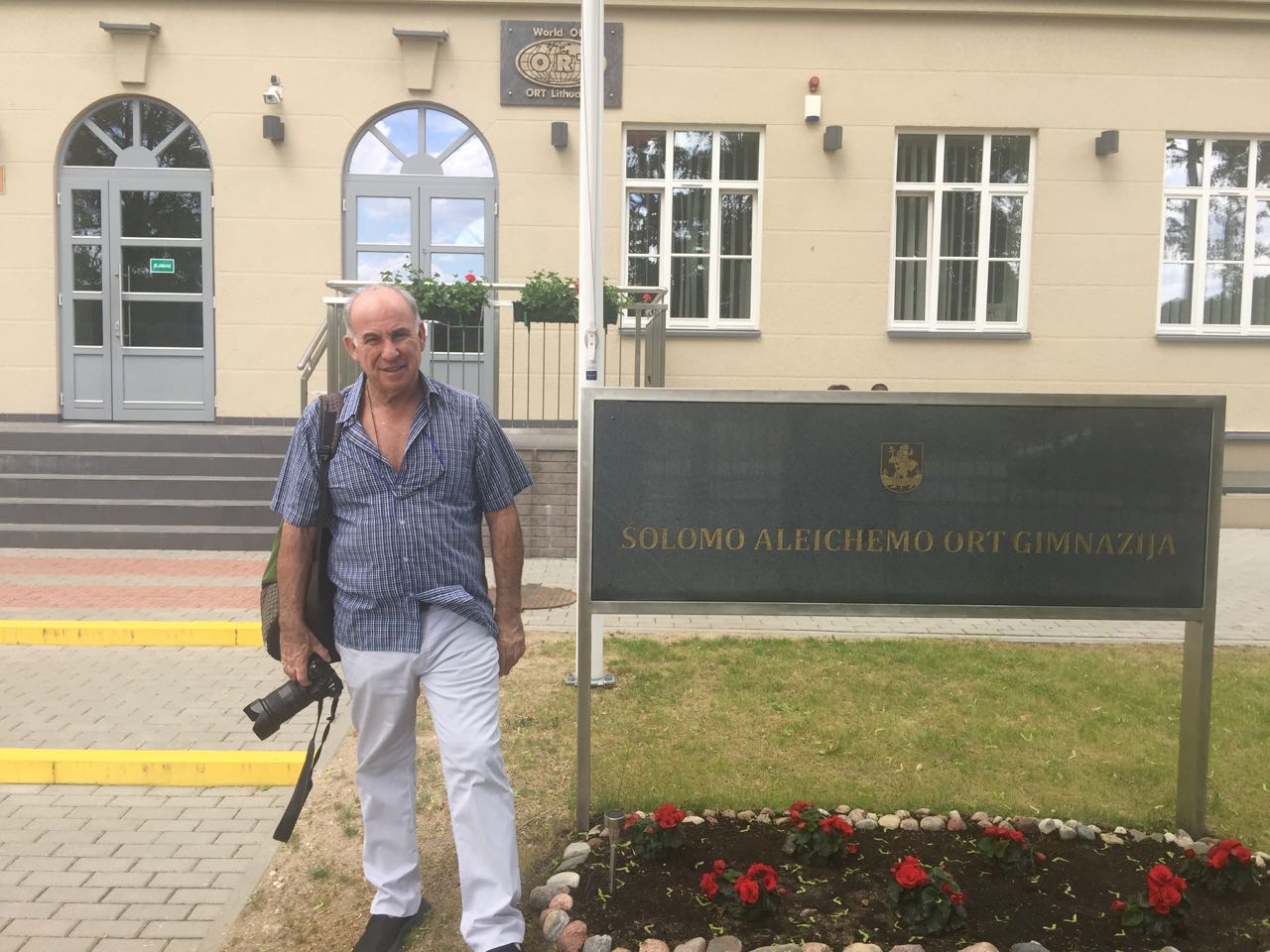
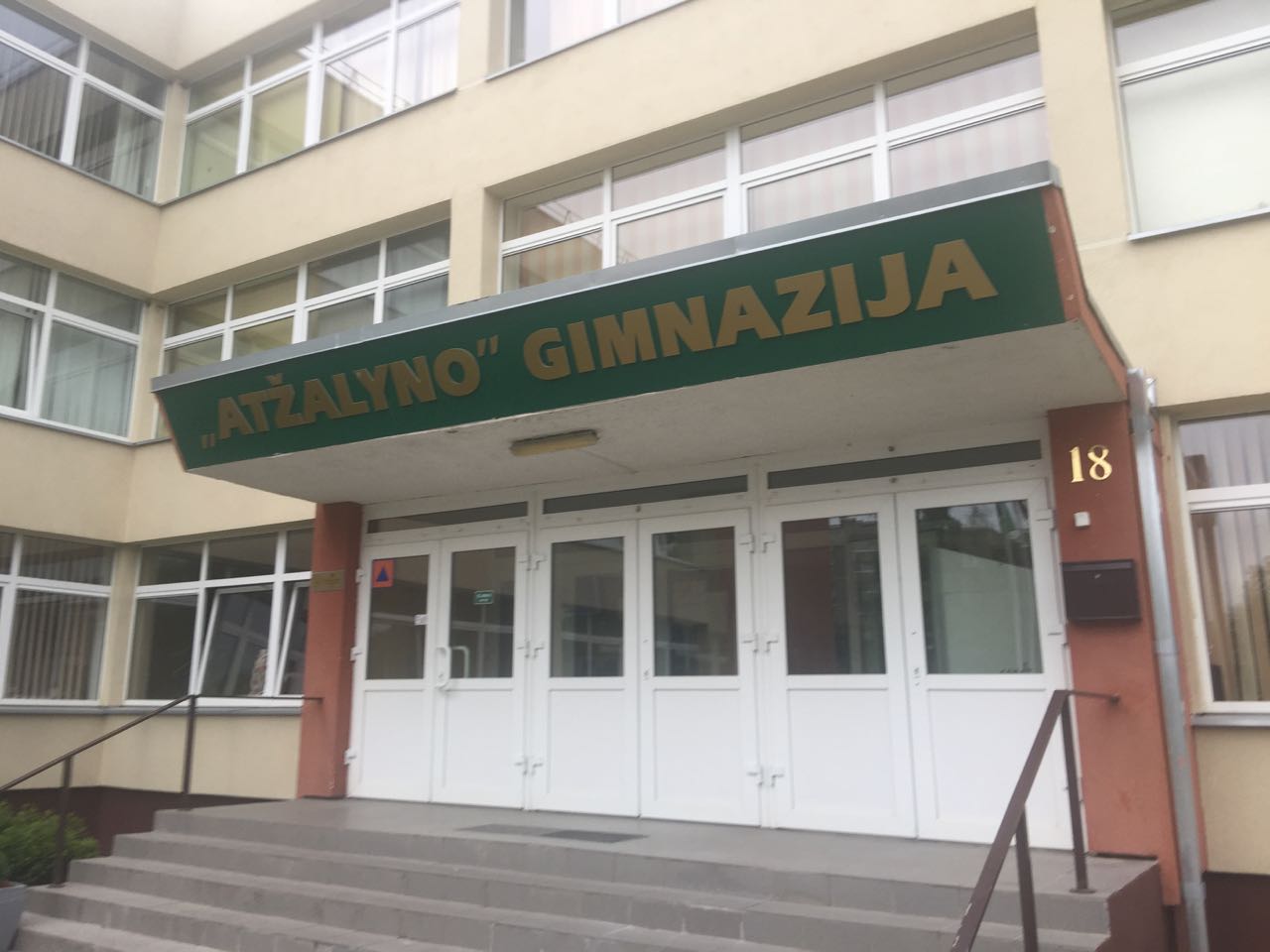
Atzalynas Gimnazija Kedainiai Visit 2017

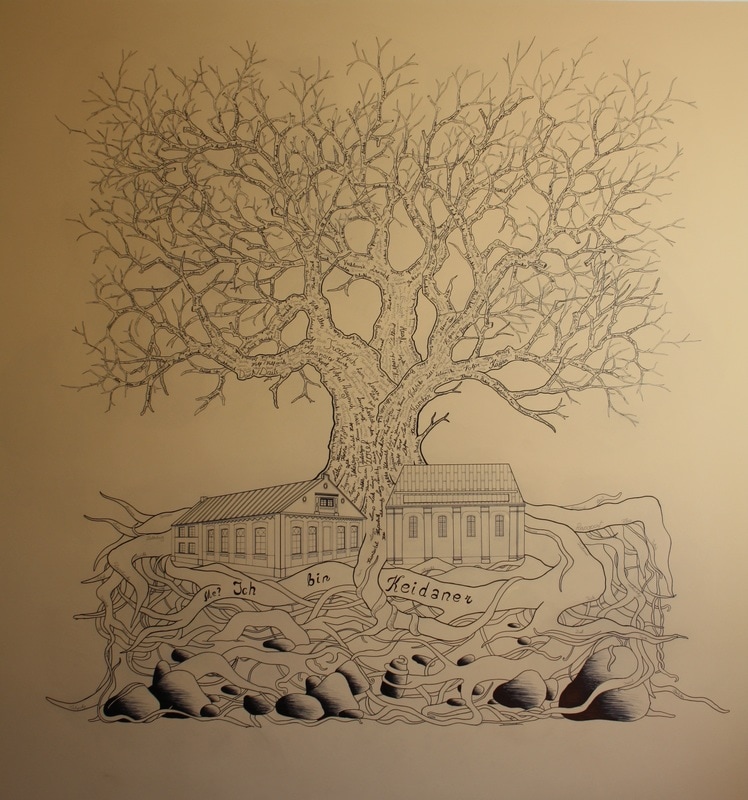
The Keidaner Family tree on Laima’s classroom wall – an unique work of art!

The complex of two synagogues and the tree featuring the names of Keidaners, including  my 3rd great grandfather Zalman Tzoref in the centre.

created by student Karolina Silvestraviciute

IMG_8487 IMG_8472 DSC_3522 IMG_8471 IMG_8483 IMG_8316 IMG_8452 IMG_8451 IMG_8317 IMG_8319
<
>
Keidaner Family Tree

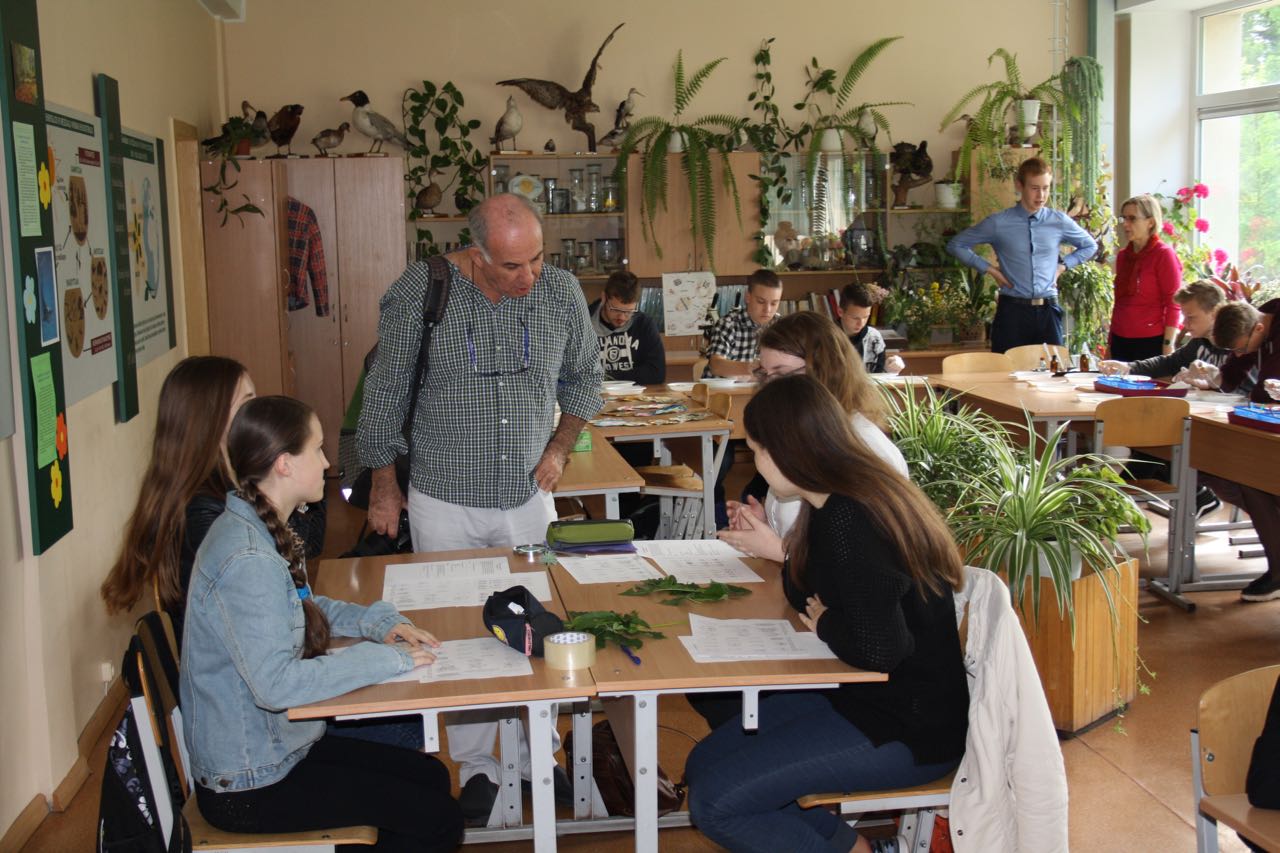
Activities at the school including my presentation, a visit to the science lab and participation in classroom activities.

IMG_8480 IMG_8479 IMG_8332 IMG_8476 IMG_8475 IMG_8325 IMG_8352 IMG_8481
<
>

English teacher Laima Ardaviciene inspires us all, seen here talking to a journalist

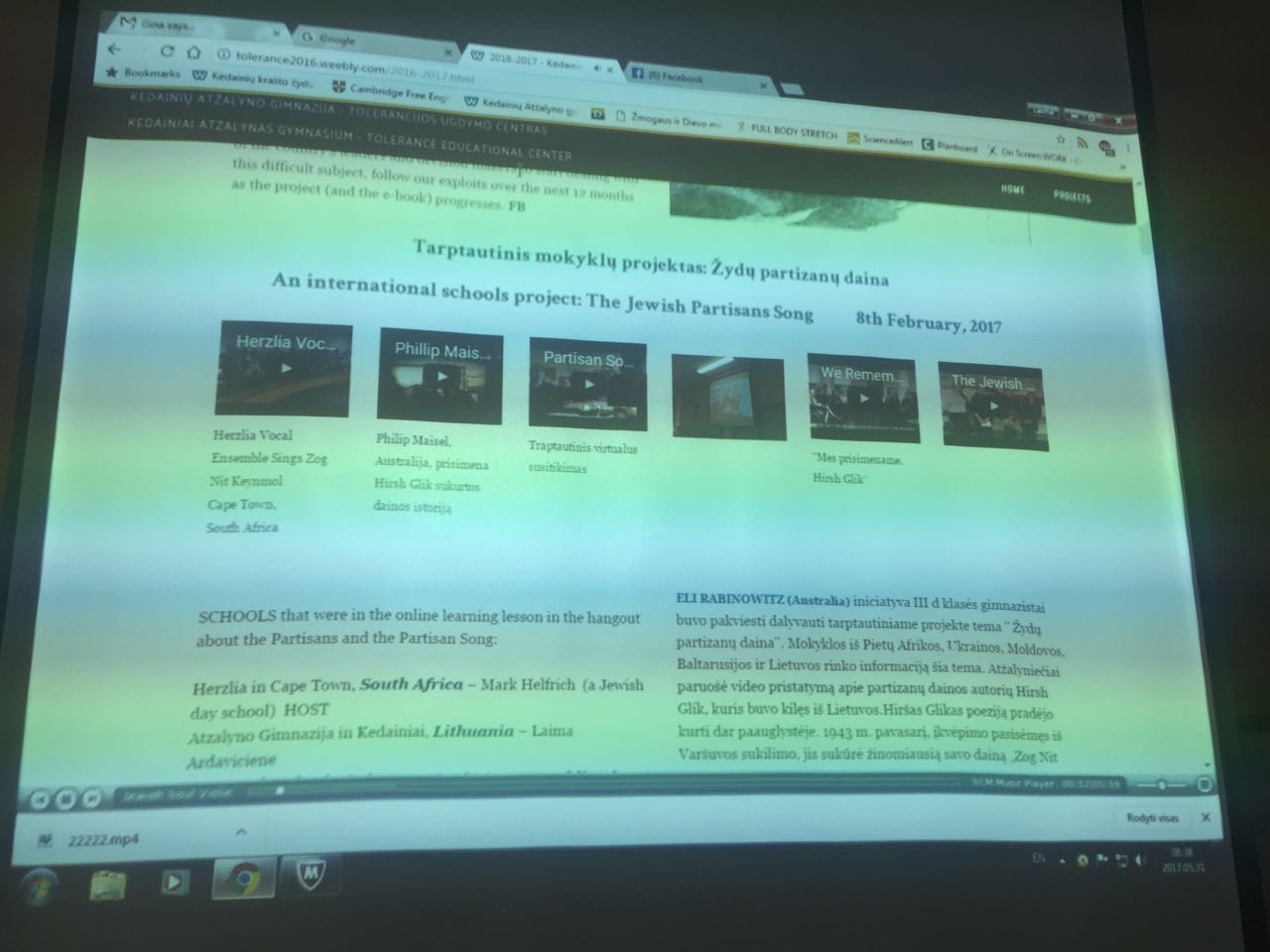
Another amazing contribution by Laima and her students for the TEC – Tolerance Education Centre program.

See link below

2016-2017

Kėdainių Atžalyno gimnazija – Tolerancijos ugdymo centras
​Kedainiai Atzalynas Gymnasium – Tolerance Educational Center

Source: tolerance2016.weebly.com/2016-2017.html

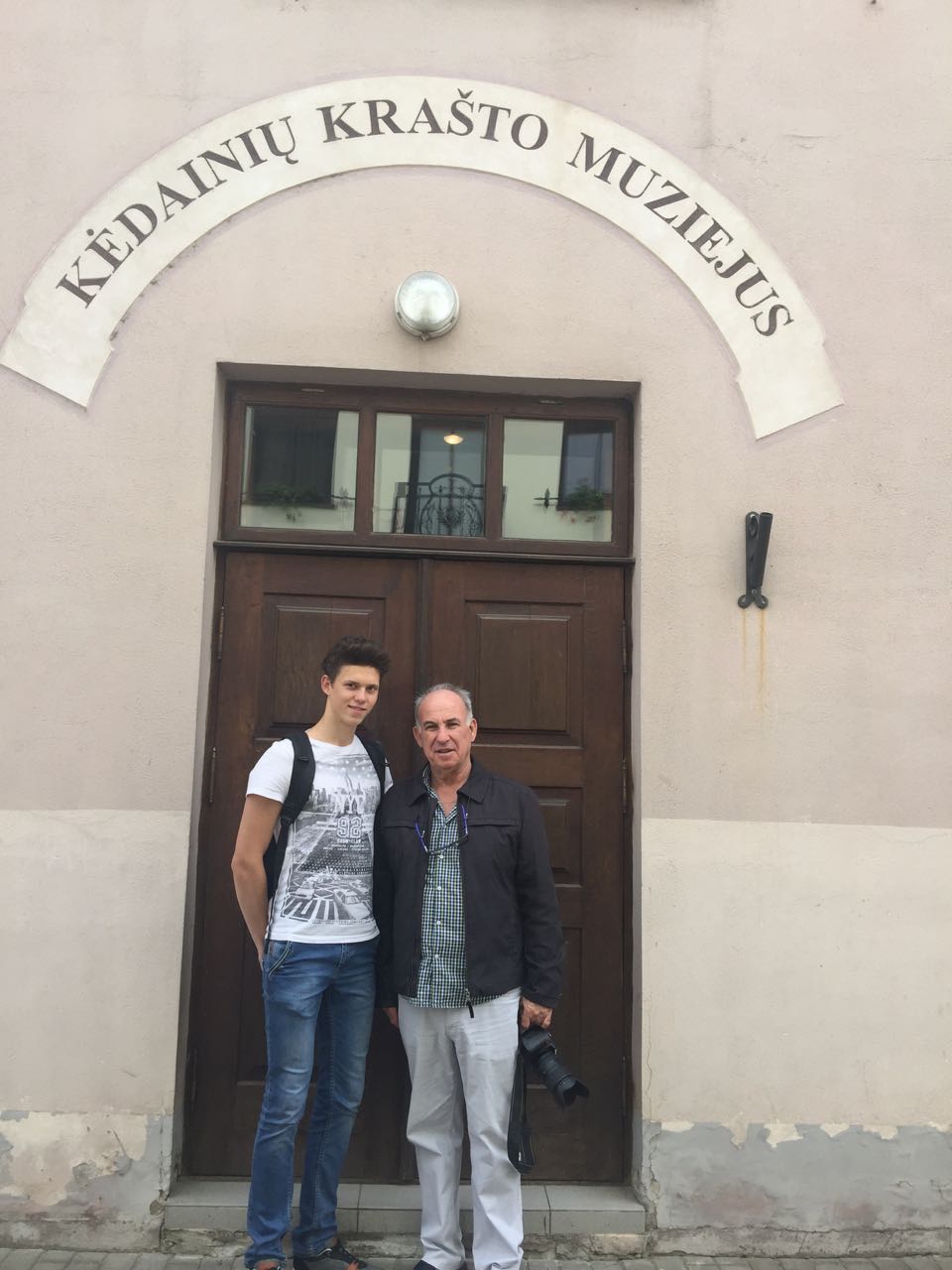
Our tour of the local regional museum.

IMG_8467 IMG_8468 IMG_8381 IMG_8378 IMG_8466 IMG_8465 IMG_8371
<
>

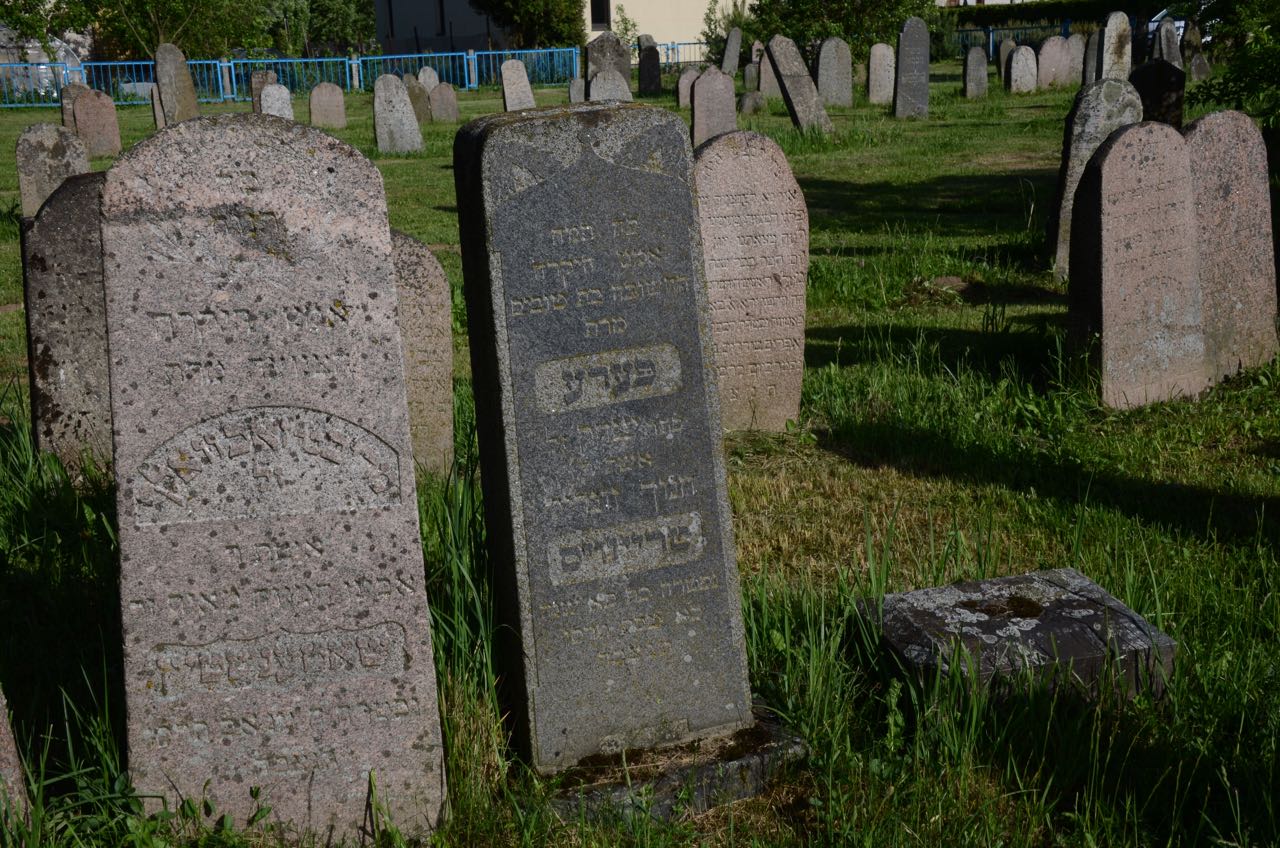
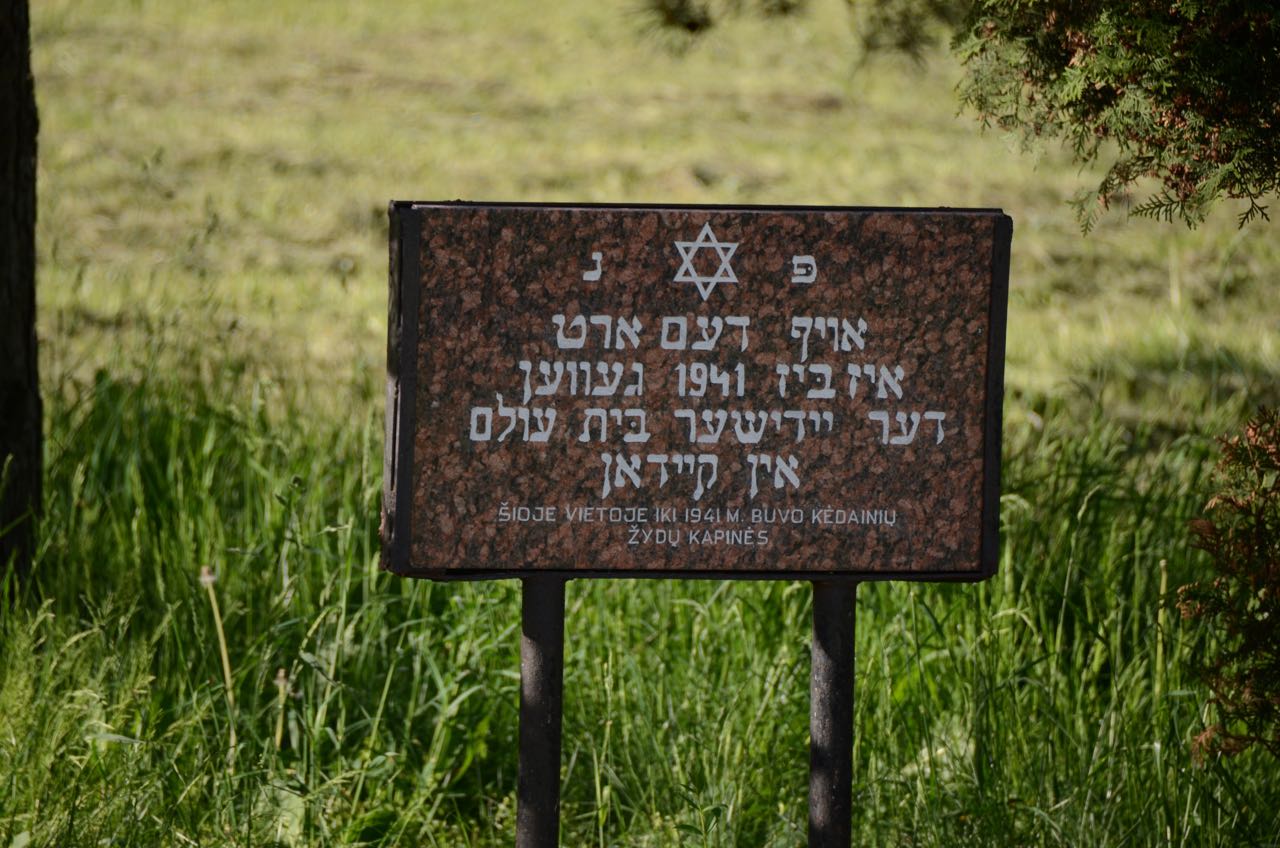
Images from the Jewish cemetery

DSC_3969 DSC_3974 DSC_3975 DSC_3977 DSC_3941 DSC_3943 DSC_3944 DSC_3945 DSC_3946 DSC_3955 DSC_3956 DSC_3957 DSC_3960 DSC_3962 DSC_3963 DSC_3968 DSC_3929
<
>


Back