Witnessing Holocaust History: From Generation To Generation – A New Global Project Partnership between WE ARE HERE! Perth, Australia, HAMEC Philadelphia and World ORT, London #education
From: Eli Rabinowitz
Date: Sat, 12 Dec 2020
Abel Levitt on the passing of Sir Ronald Harwood from natural causes at his home in Sussex on 8 September 2020, at age 85.
Abel:
I would like to write specifically about Ronald’s connection to Plungyan in Lithuania and his visit there with his wife Natasha in 2005.
I grew up with Ronnie Horwitz. We started school at the Kings Road Primary School in 1941, in the same class of sub A. We completed our schooling at Sea Point Boys’ High in 1951. Throughout our school lives we were in the same class, at Kings Road, at Sea Point Junior and at Sea Point Boys’ High. We lived close to one another, Ronnie in Victoria Road Bantry Bay, and, I, 150 yards away in Brompton Avenue. We were in the Cubs and Scouts together at the 10th Green and Sea Point, We played tennis together, watched cricket at Newlands together, competed with one another at the Eisteddfods.
At school, Ronnie took the lead in the school plays. He was outstanding. After we had finished writing our matric exams, Ronnie left for London, to study Dramatic Art, dropped out of the Royal Academy due to financial difficulties, and the rest, as they say, is history. A career of writing and leadership. We maintained a loose relationship, the occasional phone call when I was in London, but we did spend a day together after watching his acclaimed play “Taking Sides”.
It was whilst reading his novel “HOME” that I learned for the first time that Ronald’s father Isaac Horwitz had emigrated from Lithuania. In half a lifetime, our fathers’ ancestry was not a subject of discussion. Glenda and my journey to Lithuania had already began, when I read Ronnie’s book “Home” and discovered that both of our fathers were from Plungyan. I called Ronnie. “What about you and Natasha joining us in a trip to our shtetl Plungyan” I asked. The reply was immediate. And the date 25th May agreed upon, with our guide Regina to be our leader.
The meeting at the airport was emotional. Ronnie had recently been awarded the Oscar for writing the screenplay of what was to become a Holocaust Classic “The Pianist”. And here he was, with his dear wife Natasha, in Lithuania.
Our journey to Plungyan was via Kovno where we visited Eugenijus Bunka, the son of the “Last Jew in Plungyan”, and our friend and partner in our Plungyan ventures. Eugenijus was in hospital, recovering from an operation. He would not be with us on the upcoming welcome to the Oscar winner.
Upon our arrival in the town our first stop was at the apartment of Yacovas Bunka. During the few years of Lithuanian independence from the Soviet occupation, Yacovas Bunka had welcomed some hundreds of Plungyaner Jews. Few would have been of the international stature of the writer, playwright, literary giant and Oscar winner as Ronald Harwood. There was an immediate warm relationship although Bunka spoke no English and Ronald did not understand Yiddish.
The following morning we proceeded to the mass graves, where 1800 Plungyan Jews had been murdered by the Germans and their Lithuanian Collaborators in July 1941. The mass graves in Plungyan are special .The acclaimed sculptor Bunka, together with his Lithuanian sculptor friends had carved the sculptures which stand as sentinels overlooking the mass graves. These mass graves in the Kausenai Forest have been described by some as the most impressive in the whole of Eastern Europe. Ronald did not have family who had remained in Lithuania, but he walked around, silent, as he absorbed the sanctity of the moment. He was profoundly moved. The photo of Ronald sitting quietly on a bench describes the emotion of the visit.
Our next visit was to the Saules Gymnasium. The headmaster Jouzas Milacius welcomed his important guests, the Harwood’s, in one of the multiple European languages that he spoke, but not a word of English. Jouzas is a true friend of ours, a man who was directly helpful when we proposed the establishment of a Tolerance Education Centre in his school. The pupils were assembled in the hall, waiting for the guests to arrive. They were well prepared. Every class had seen the film, “The Pianist”, and had lessons about the Warsaw ghetto uprising. And here they were, seated and waiting to hear from Ronald. The students were riveted by Ronald’s charm and dynamic personality.
The questions were intelligent. These children had as a teacher Danute Serapiniene, a committed and sincere lady who since 1995 had been teaching children about the Holocaust and about the Jews who lived in their town Plunge.
In the evening there was an event at the local Ogynski Palace where Ronald addressed the intellectuals of the town, relating his experiences of working in Poland with the director of the film Roman Polansky. Again the audience interacted with his engaging and charismatic personality and interacted with many questions about the film.
The following morning was a scheduled meeting with the mayor of Plunge, all arranged by the school? We sat in the mayor’s office, listening to the usual welcome and niceties.
And then Ronald Harwood spoke. I remember his words very clearly. “Mr. Mayor, I know that you have difficulties with budgets. I appeal to you, whatever you do don’t reduce the budgets for culture. To do so will be to the detriment of your society.”
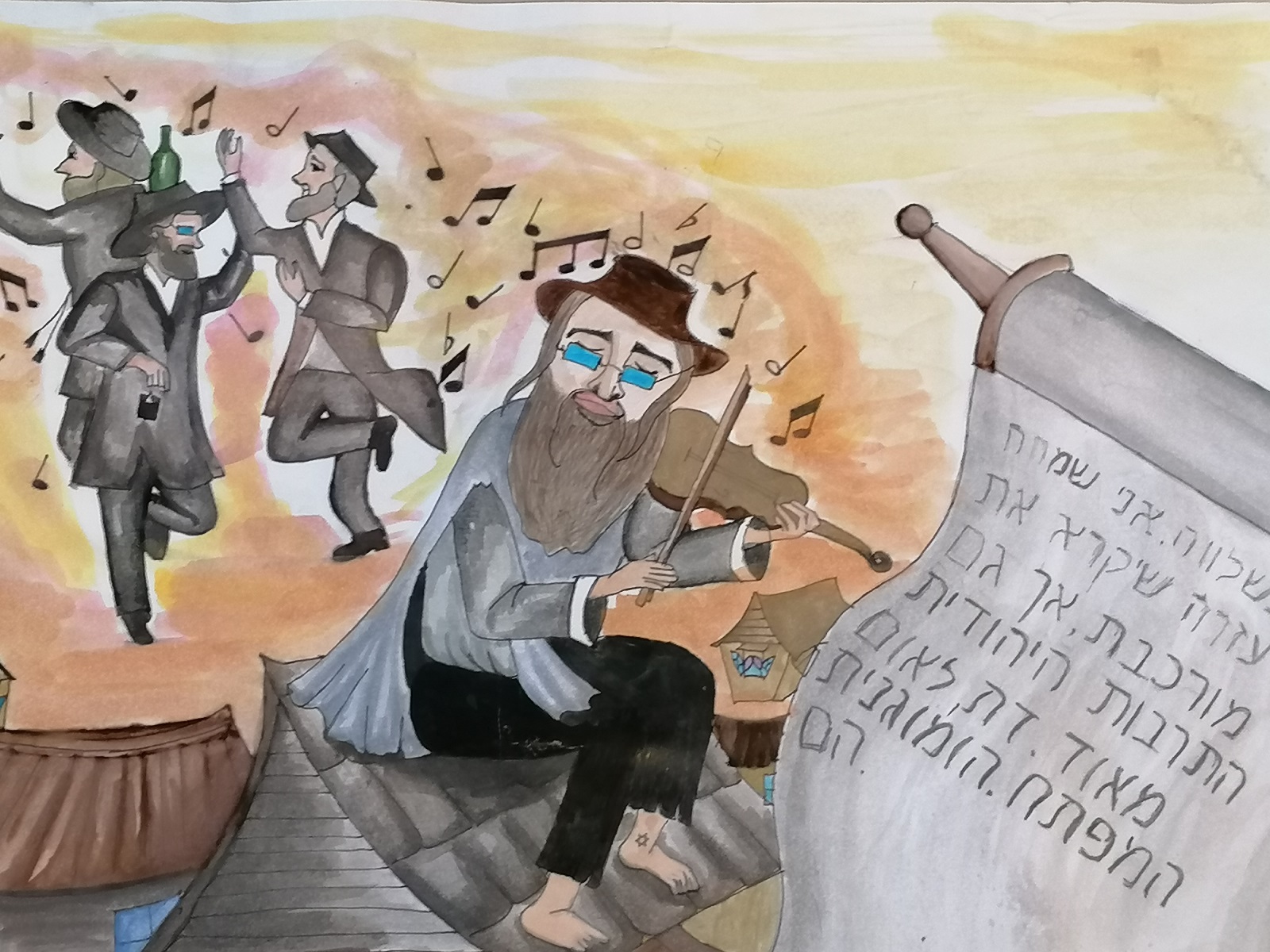
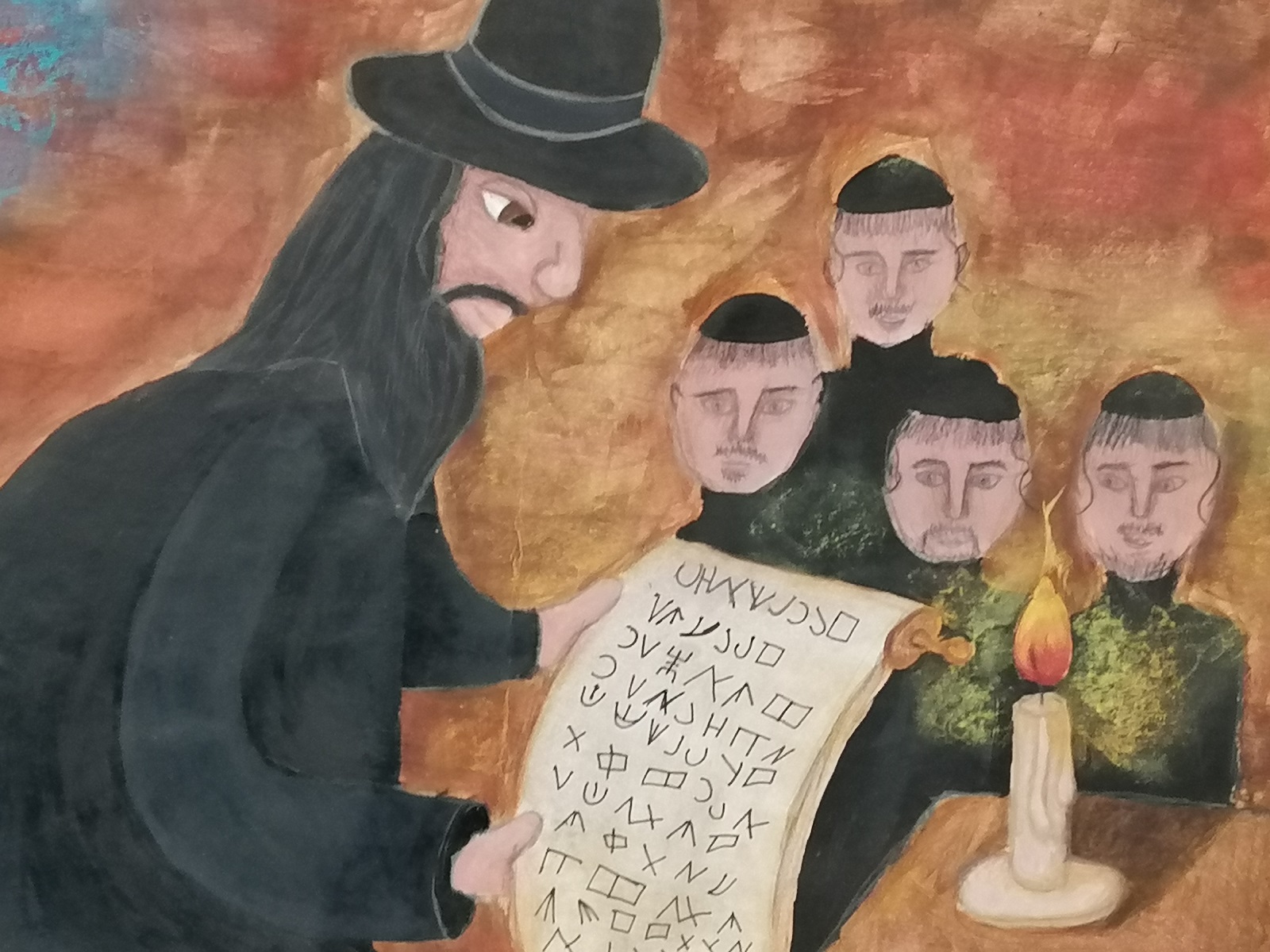
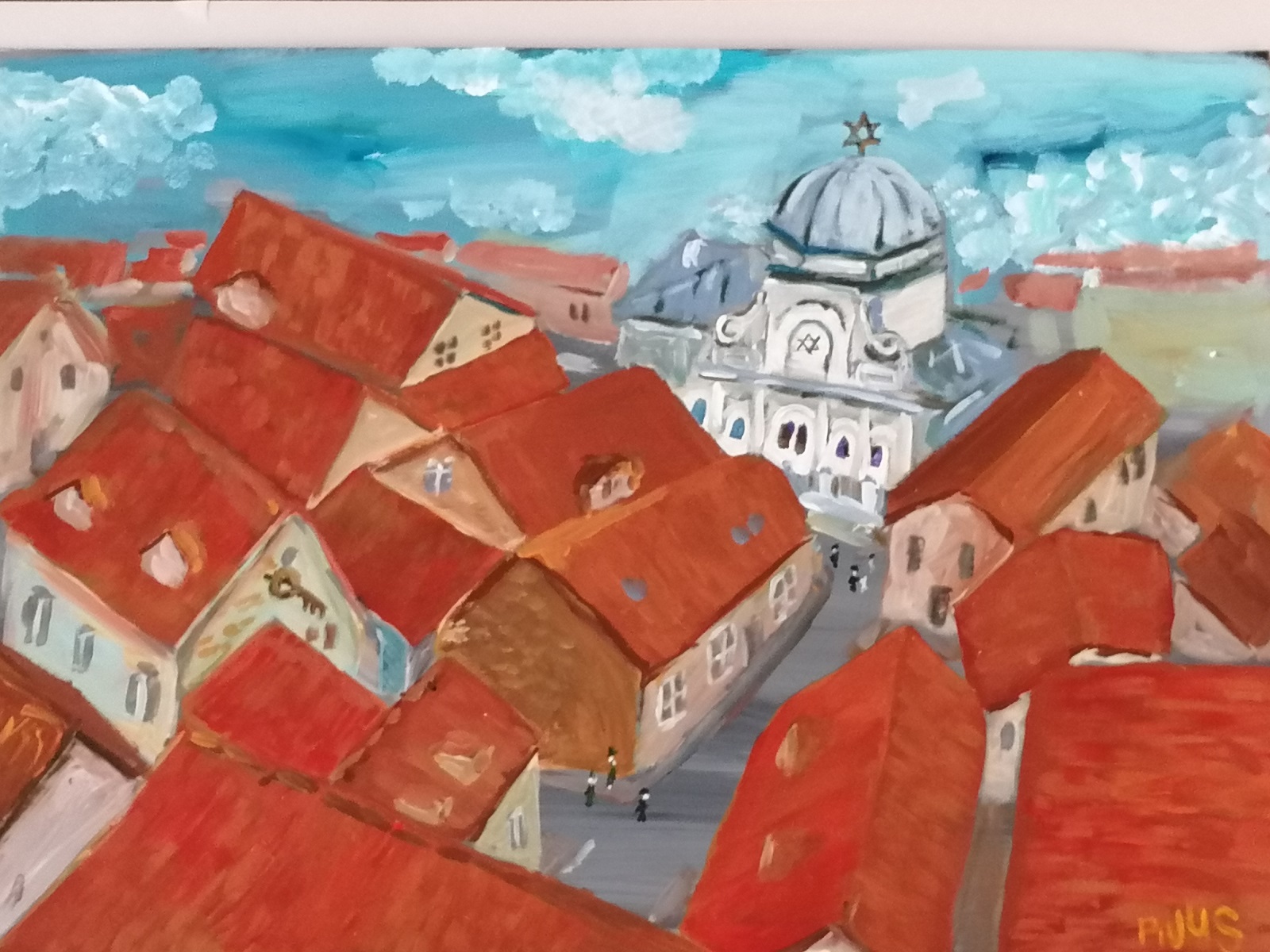
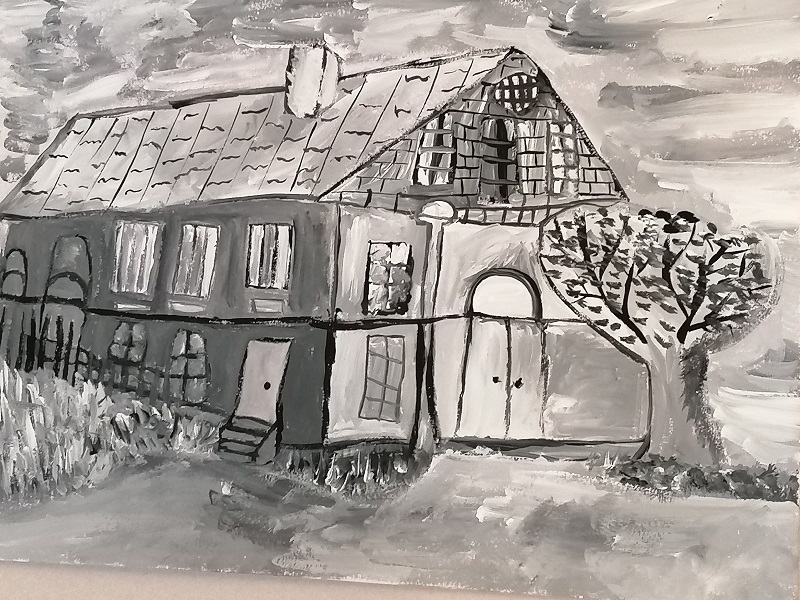
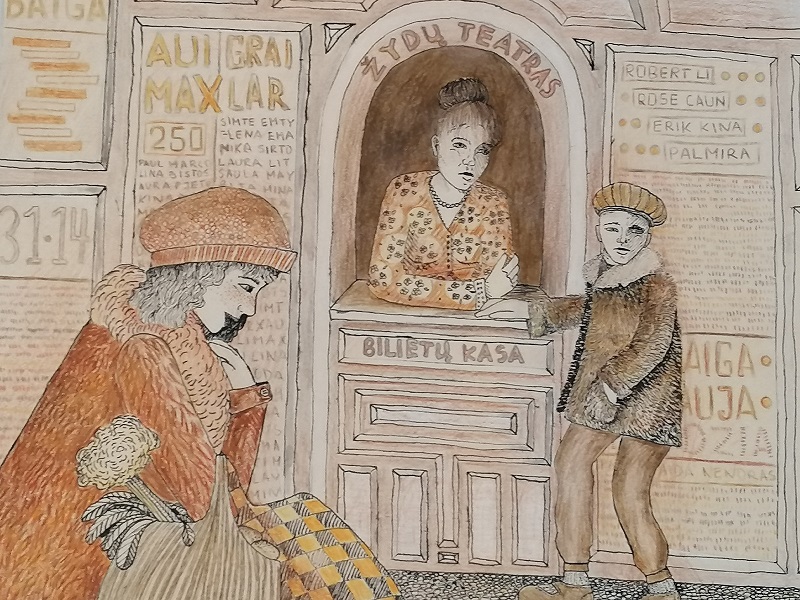
As we walked down the stairs at the conclusion of the meeting, Glenda looked at me, and I looked back at her. We were both thinking of the very same thing. That was to create an art competition, called “The RonaldHarwood Holocaust Art competition“. Ronald’s words to the mayor of Plunge had inspired us and since that time the Ronald Harwood Art Competition has grown from a local event, to a regional event and to a national event. The word “Art” has become “Arts” as all forms of art are part of the competition today. Painting, drawing, sculpture, drama, music and writing.
We were present at the 10th anniversary of the Ronald Harwood Arts Competition, held in the Plunge Town Hall. There was an exhibition of prize-winning art works from previous years and entries from throughout Lithuania. The International School in Vilnius arrived with two full busloads of children of all ages who took part in a musical play, in Lithuanian, English and Yiddish with
Vilna and the Holocaust as the theme.
On Friday night at our hotel in the nearby resort of Plateliai we had a traditional Friday night dinner with candle lighting and Kiddush. Our guests included teachers from the district.
Before leaving Plungyan we had a special visit to make. Living in the centre of the town was Kazys Vitkevicius and his wife. As a 14year old in 1941 Kazys had helped his mother to save Jewish girls. He did this by digging pits in which he hid the girls covered by branches, and bringing them food. Both his mother and Kazys were honoured by Yad Vashem and became Righteous among the Nations. Ronald and Natasha were visibly moved at the experience of meeting this special man.
And so back to Vilnius where Ronald addressed the students at the Sholem Aleichem Jewish Day School. Again, the subject was the movie The Pianist and once more the children at the school were enthralled by the charm and competence of the writer of the script of the film
The Harwoods returned to their home in London after an experience which Ronald told me was something beyond his expectations.
For us, that experience of being with my lifelong friend in the land of the birth of our fathers, to witness the appreciation of the young people of the artistry of Ronald Harwood inspired us to talk about Tolerance Education and to display the winning art works from the Ronald Harwood competition in countries around the world, including South Africa and Lithuania.
Abel Levitt
Eli with Glenda & Abel Levitt in Ra’anana, Israel – July 2017
———————
Sea Point High School
Sea Point High School – Wikipedia
Sea Point High School, formerly Sea Point Boys High School, is a co-educational public high school in Main Road, Sea Point, Cape Town, South Africa. The school was established on 21 April 1884. In 1925, the senior grades were separated from the junior grades. In 1989, the school merged with Ellerslie Girls’ High School after becoming co-educational.
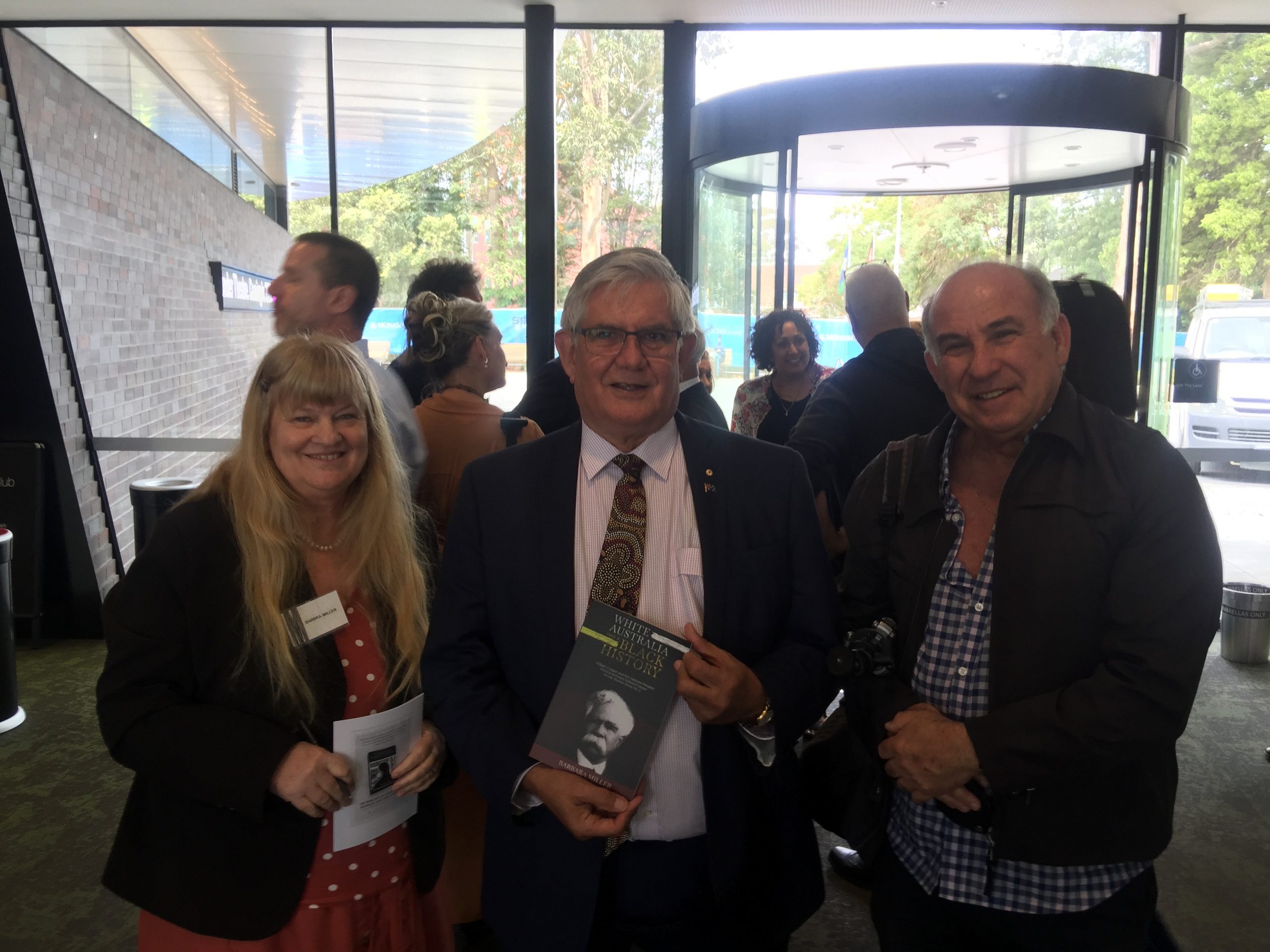
The Ark Centre MelbourneElder Shane & Rabbi GabiBarbara Miller & Federal Minister Ken WyattWith Viv Parry
Maroopna VIC, Australia 2019
Uncle Boydie, Maroopna VIC
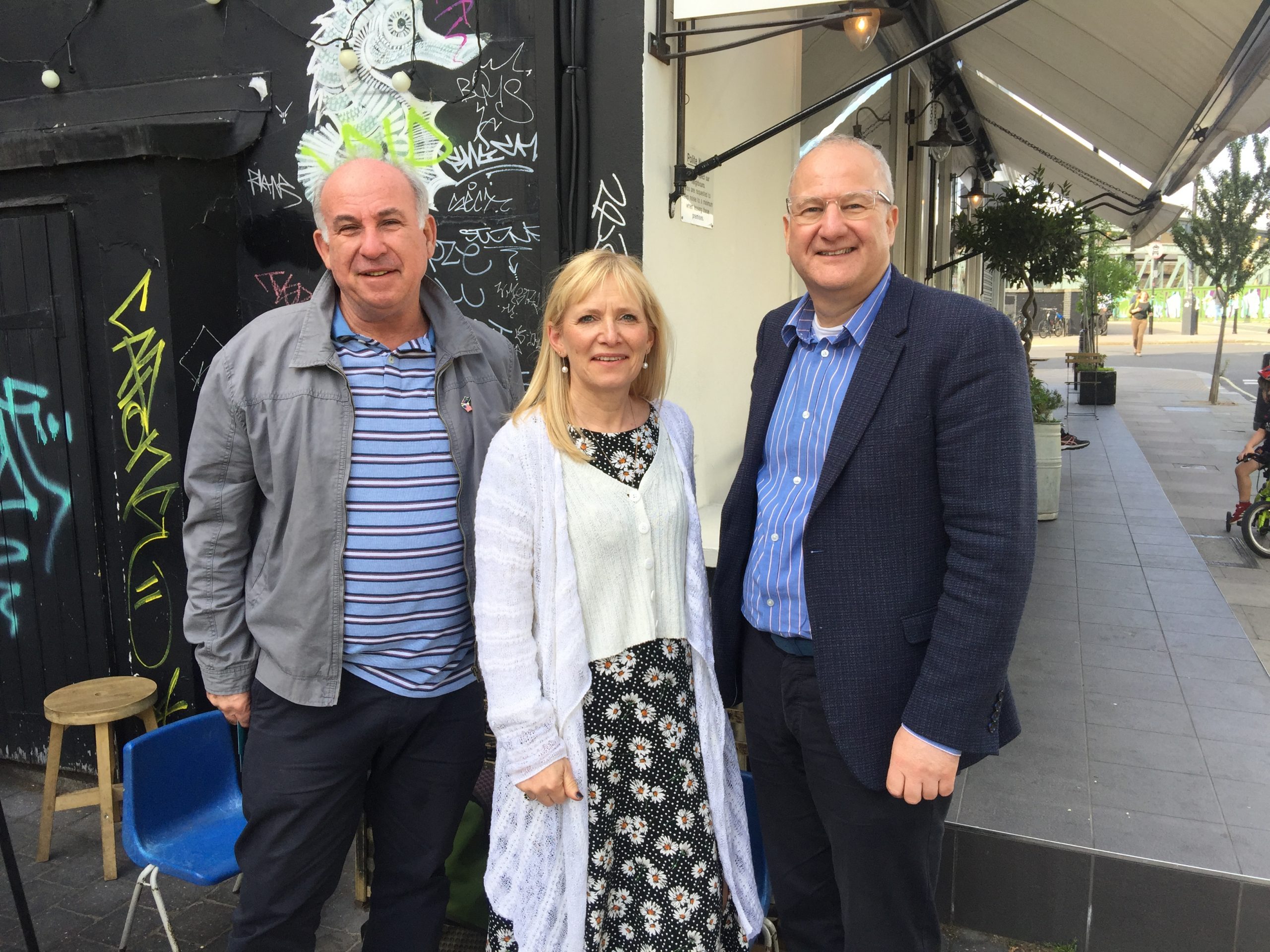
London 2019 – World ORT
With Shoshana, Daniel & Edwin
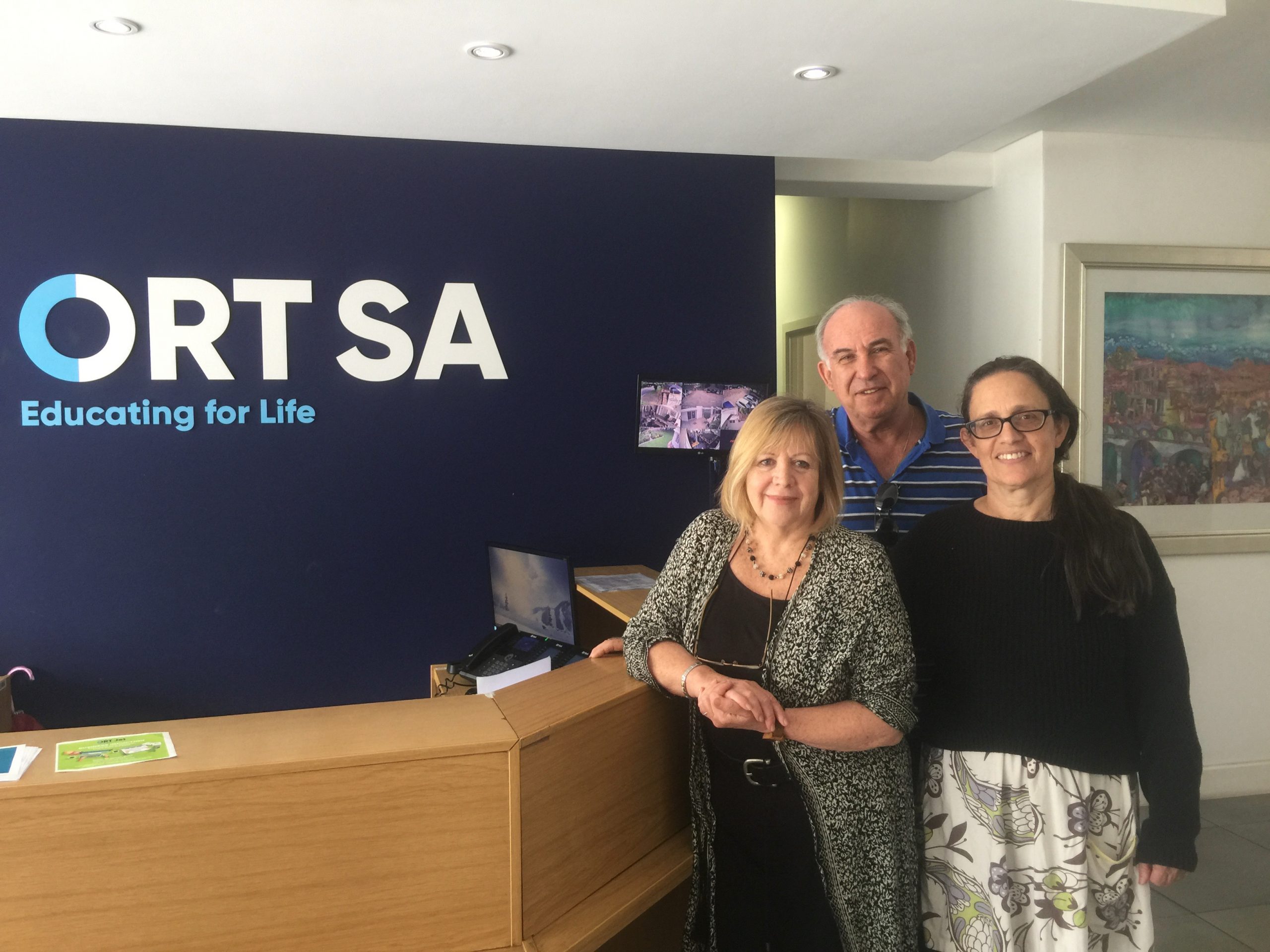
Johannesburg – ORT SA
Marcelle & Ariella
The Together Plan 2019
With Debra Brunner & Michael Mail in London
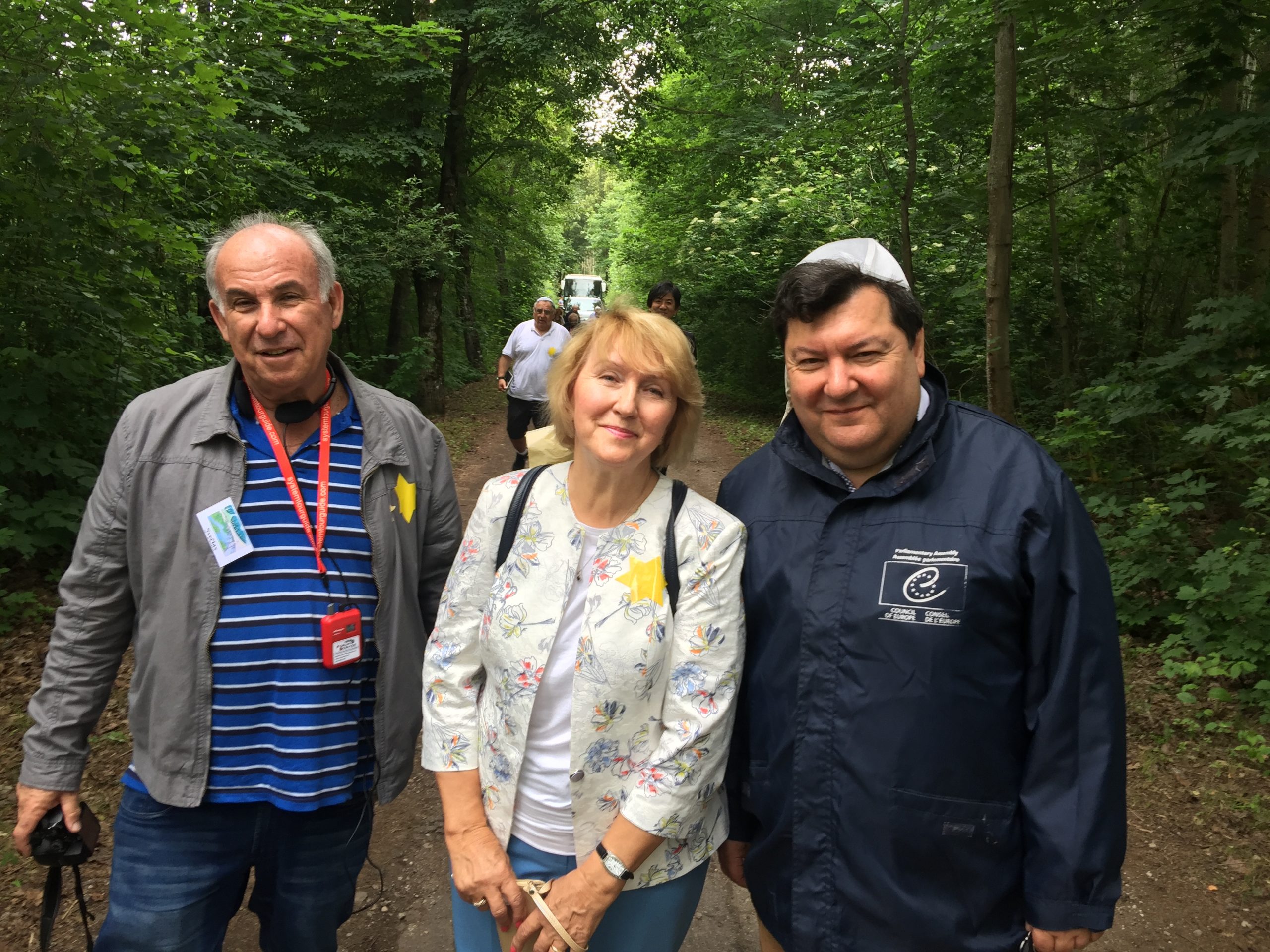
Birzh Lithuania 2019
Benny RabinowitzAldone Shapiro & Emanuelis Zingeris MP at Birzh commemorationAmbassadors to Lithuania
Kedainiai, Lithuania 2019
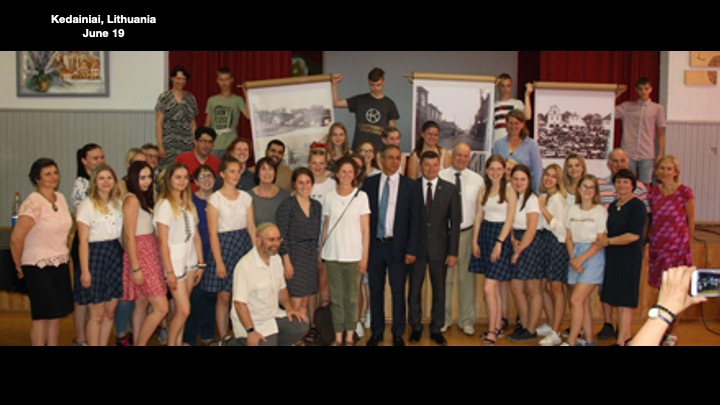
Keidaner descendants weekend at cemetery with Laima ArdavicieneKedainiai Students
Israel 2019
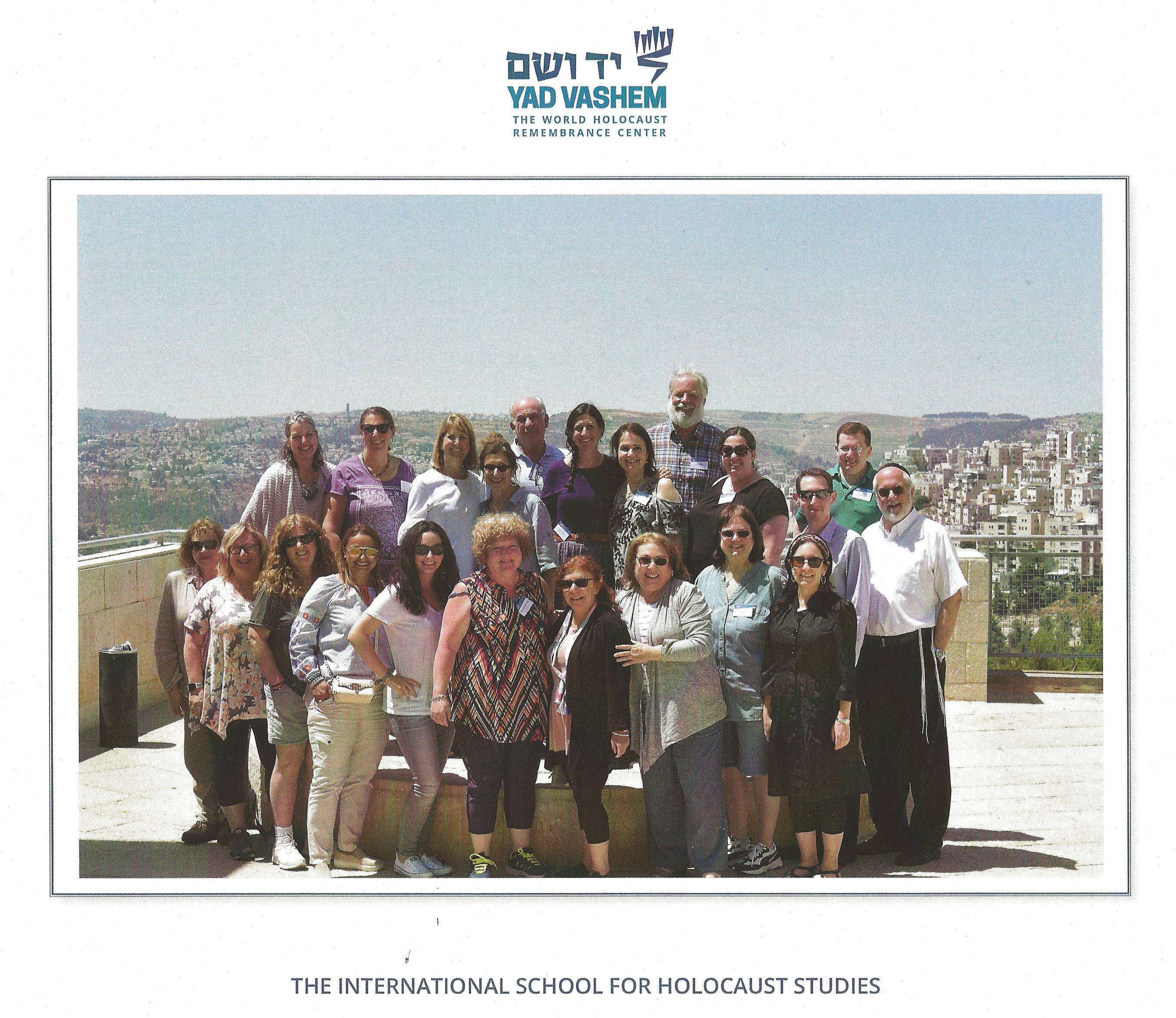
Group at Yad Vashem
Belarus 2019
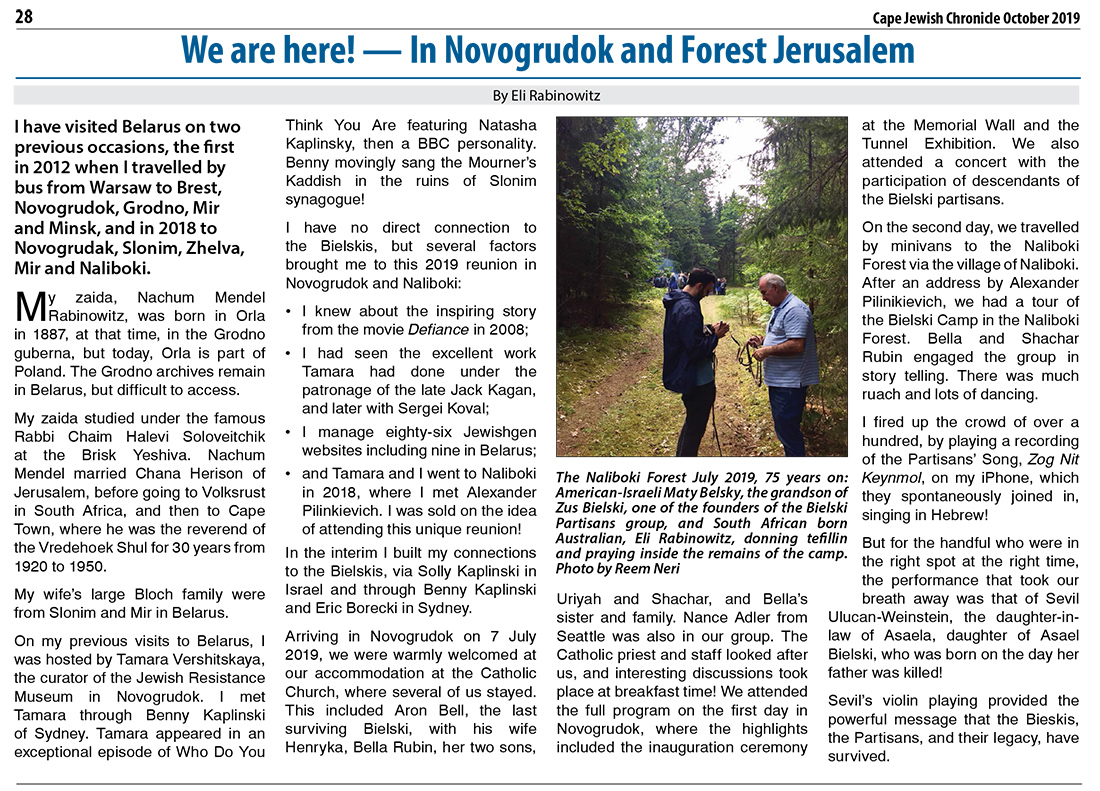
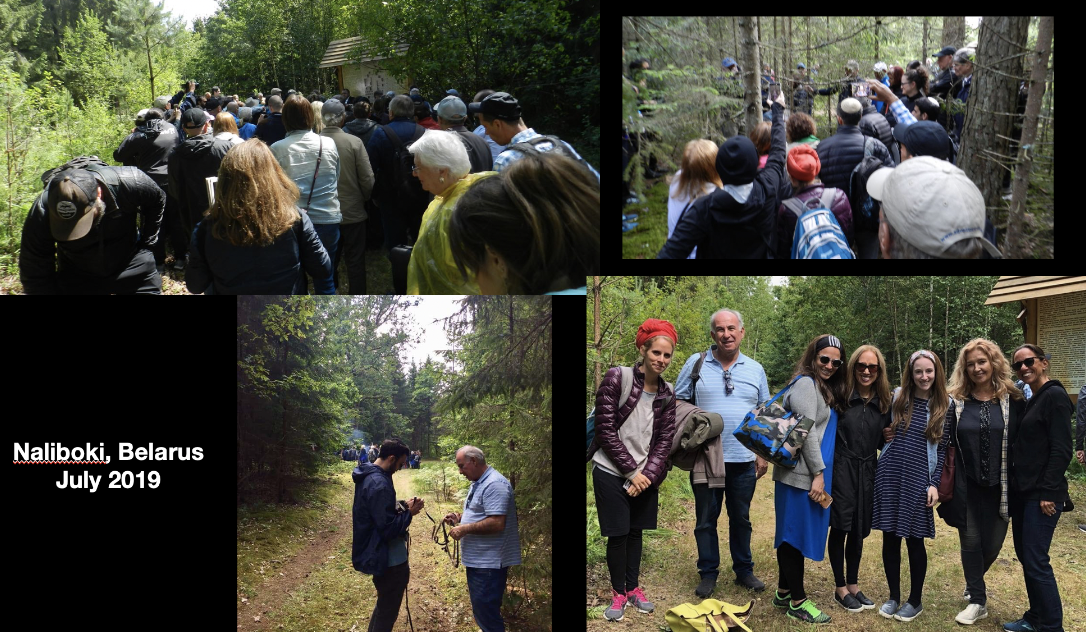
The welcome committee to Novogrudok – Tamara & Olga Nance Adler, Aron Bell- the last of the original Bielski with wife HenrykaJerusalem Forest, Naliboki
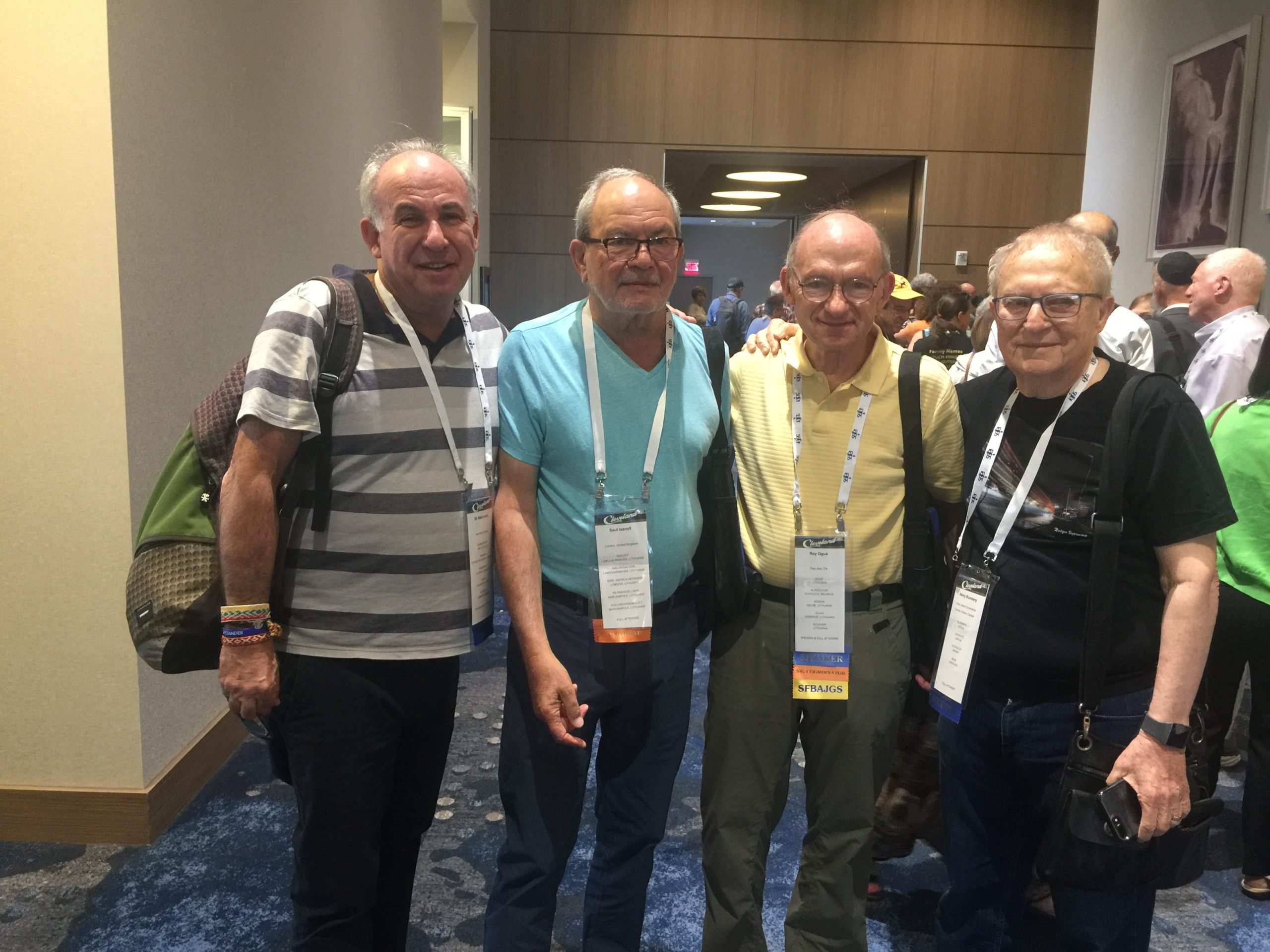
IAJGS Conference in Cleveland 2019
With Saul Issroff, Roy Ogus & Henry Blumberg – all ex SA
South Africa
King David Victory Park, South Africa
Zog Nit Keynmol on Yom Hashoah 2020
Zog Nit Keynmol on Yom Hashoah 2020
South Africa – Footage from SAJBD Facebook Live Stream with thanks
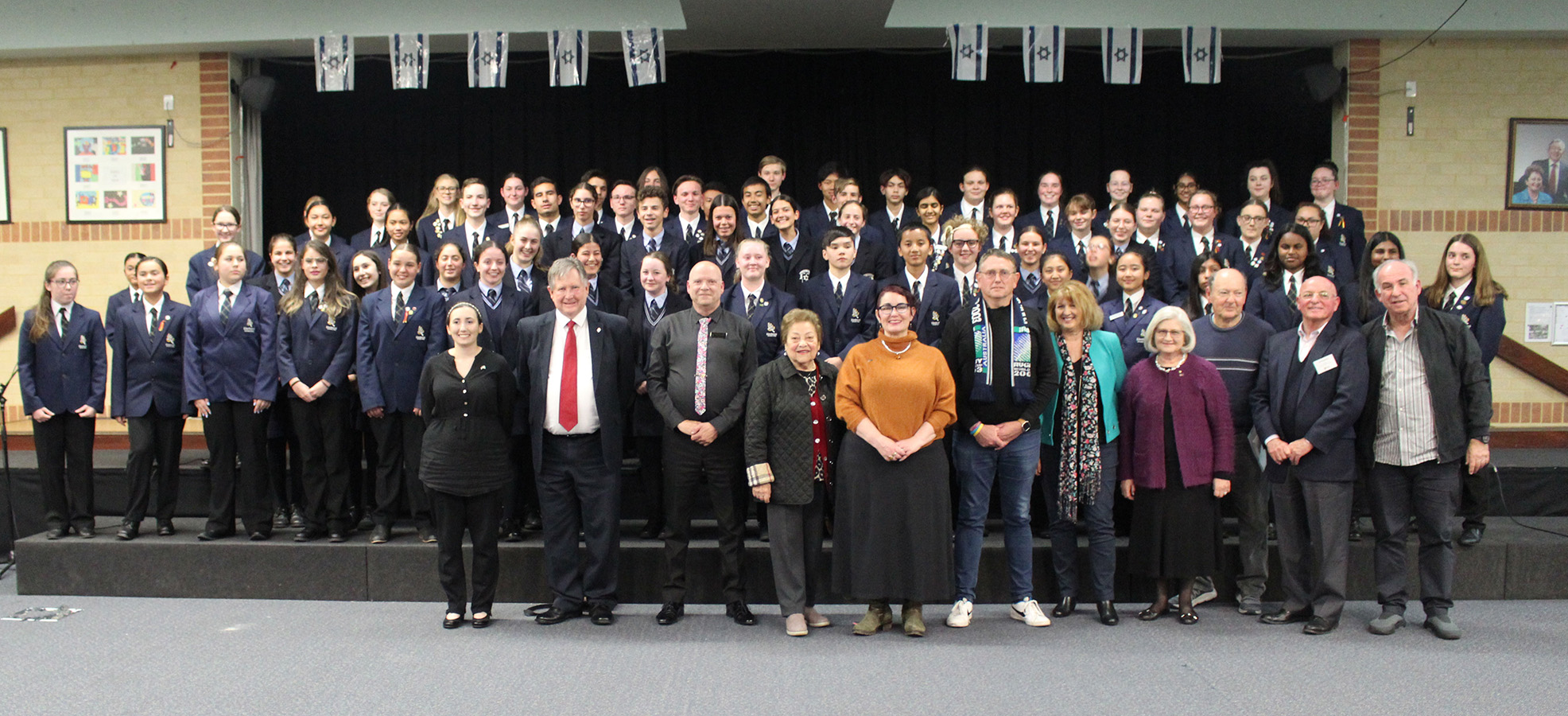
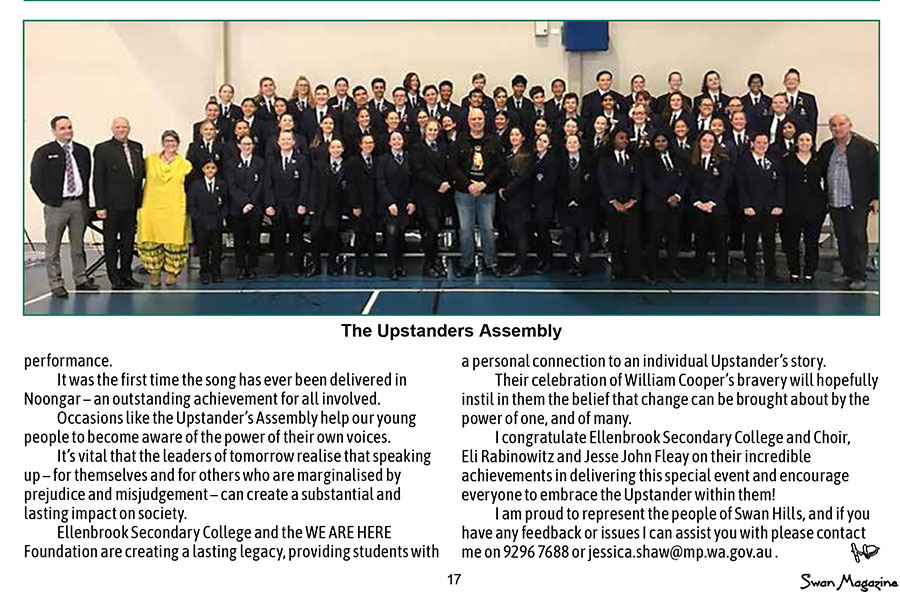
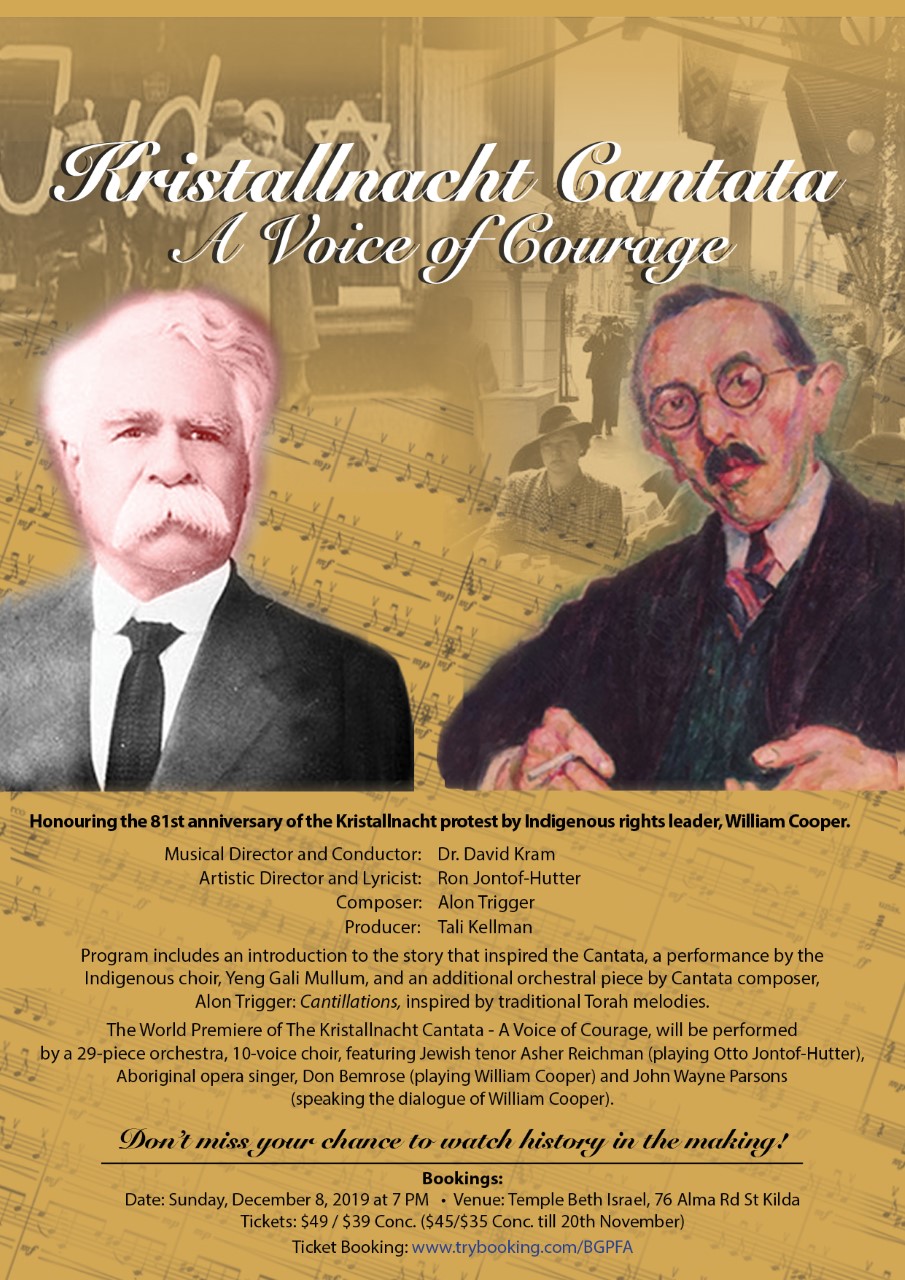
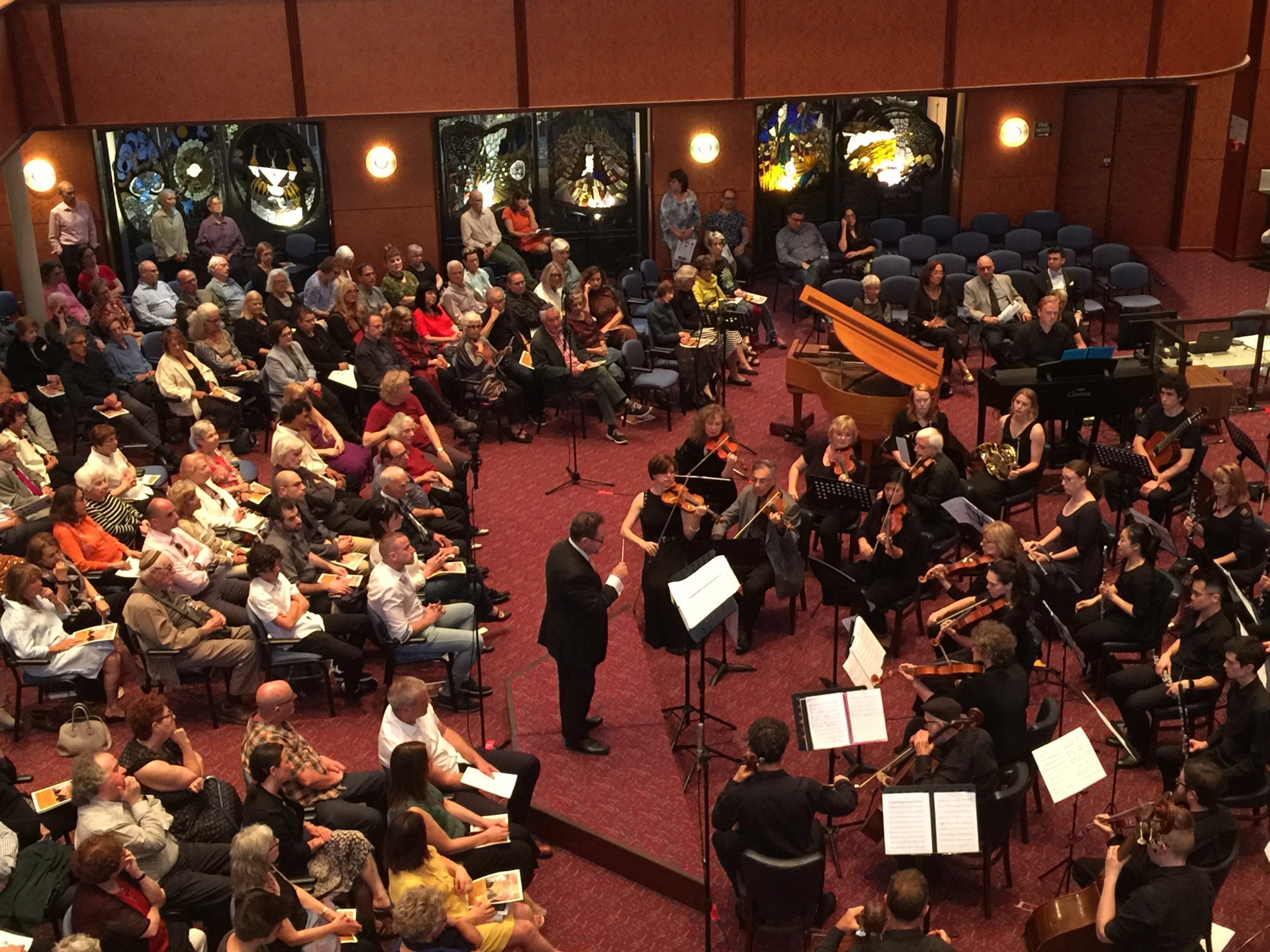
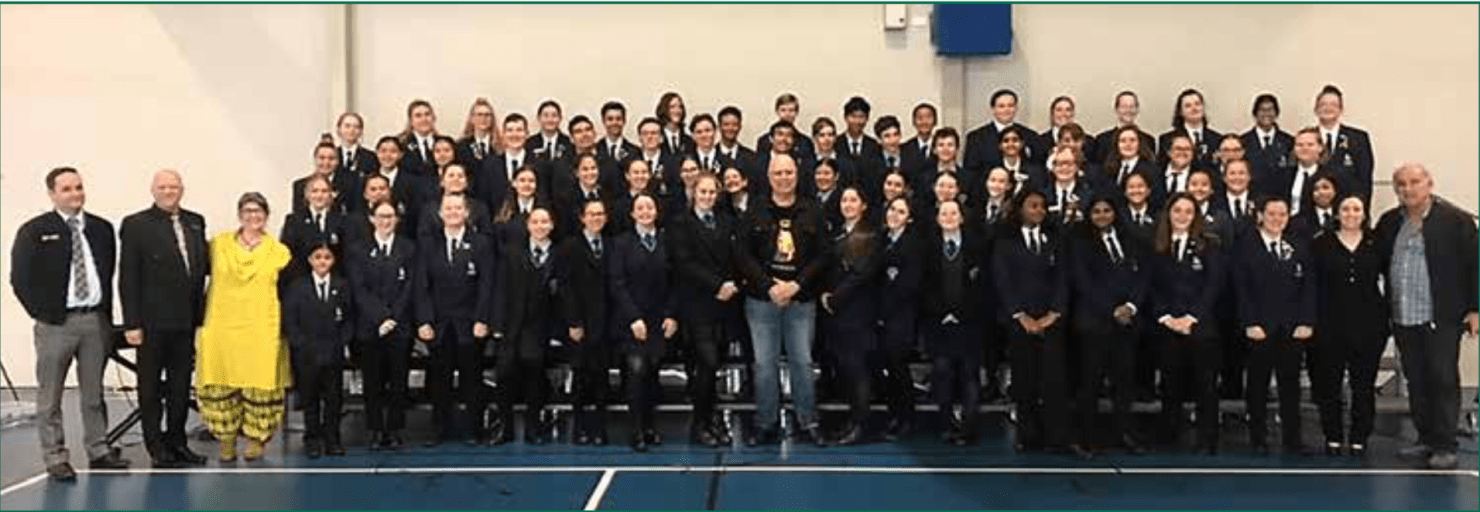
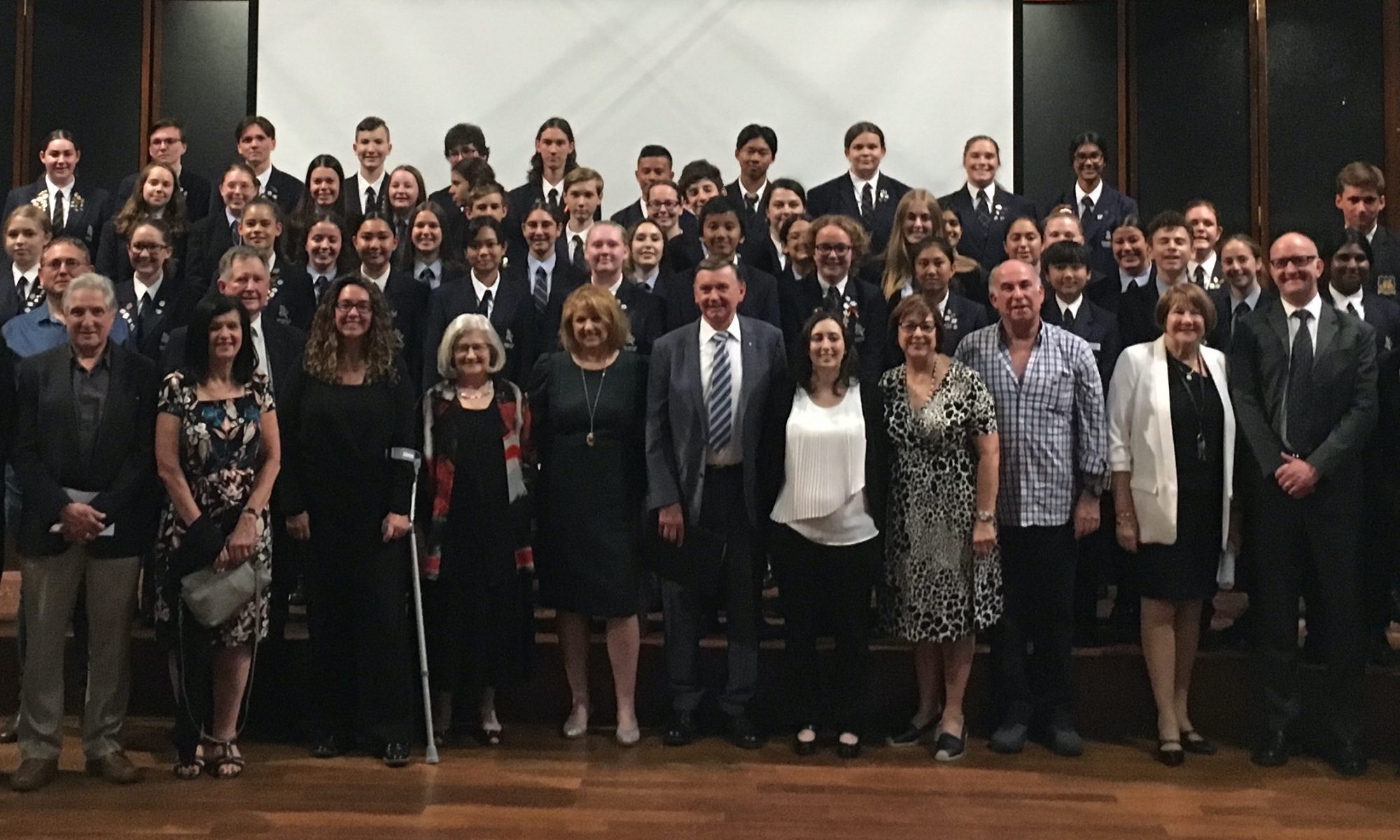
At Perth Modern School at Kristallnacht Commemoration on 10 November 2019 The joint choir of Ellenbrook Secondary College and Carmel High School The World Premiere performance at Ellenbrook Secondary
My third great grandfather, Avraham Shlomo Zalman Zoref, was the first official victim of terror in the modern era, recognised by the State of Israel – see below.
The first official victim of terror
The first official victim of terror
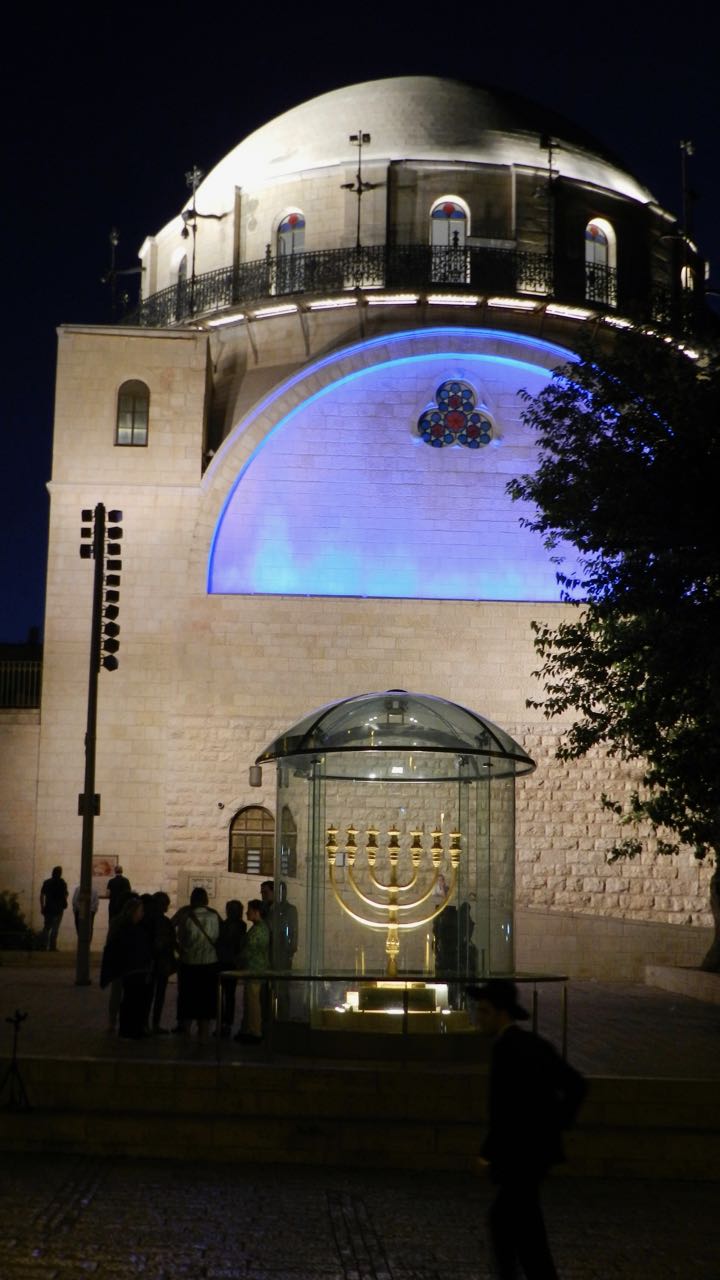
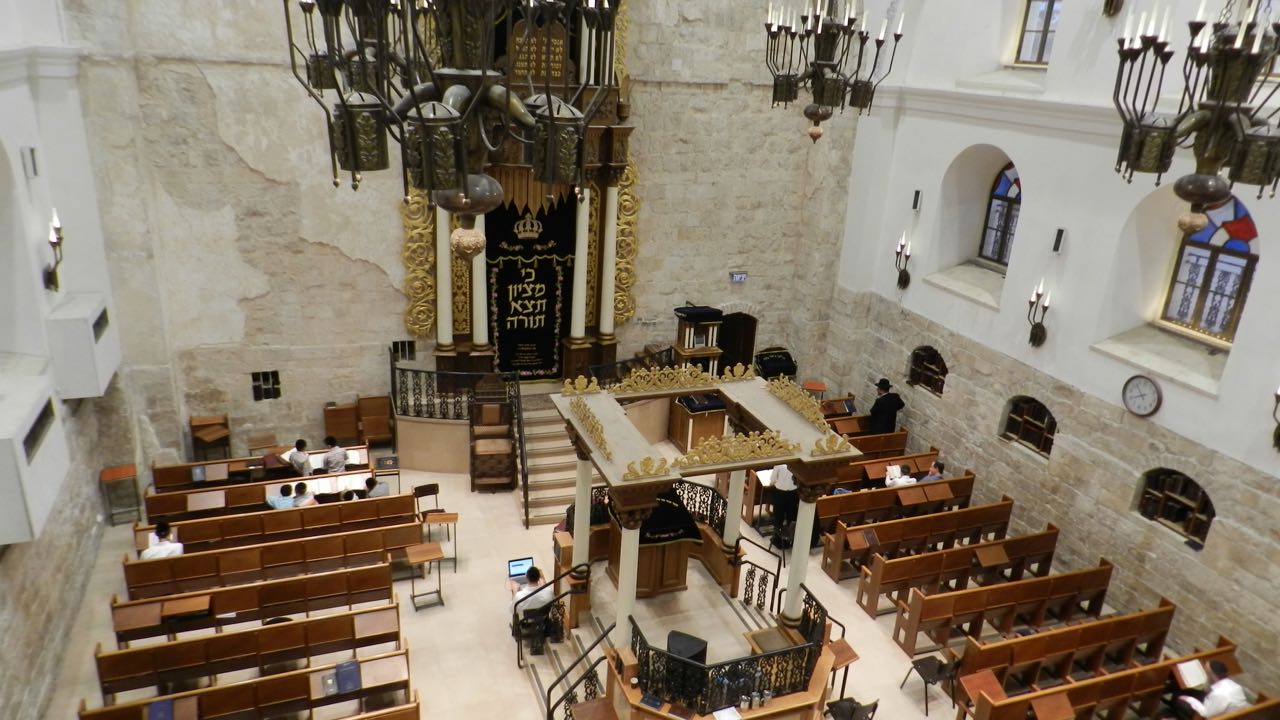
Rabbi Avraham Shlomo Zalman Tzoref was killed trying to rebuild the Hurva Synagogue in 1851.
Rabbi Avraham Shlomo Zalman Zoref also known as Ibrahim Salomon (1786-1851), born in Kėdainiai, was one of the first pioneers who rebuilt the Ashkenazi Jewish community in Jerusalem in the beginning of the 19th century.
After making Aliyah and arriving in Ottoman Jerusalem, in 1824 the rabbi was sent to Constantinople by the head of the Perushim of Jerusalem, and succeeded in procuring a royal firman, commanding the kadi of Jerusalem to enforce the declaration of debt annualization concerning the Ashkenazi Jewish community of Jerusalem.[1]
With the annexation of Jerusalem by Muhammad Ali of Egypt in 1831, a window of opportunity arose for the Perushim. On 23 June 1836, after traveling to Egypt, rabbi Zoref, together with the backing of the Austrian and Russian consuls in Alexandria, obtained the long-awaited firman for the reconstruction of the Hurva Synagogue.
Zoref became deeply engaged with Jewish lands seized by the creditors in Jerusalem and appeased the Arabs with annual bribes, but at some point the arrangement ceased and they tried to kill him. One night he was shot at by an unknown assailant who missed but later drowned after falling into a cistern. On a second occasion he was attacked on his way to prayers early one morning. In 1851, Zoref was struck on the head with a sword and died of his wounds three months later.[2]
Commencing tonight, on 20 April 2020, and continuing tomorrow, on the 21st, corresponding to the 27th day of Nisan, the State of Israel and many Jews around the globe, commemorate the six million Jews who perished in the Holocaust, as well as the heroism of survivors, and Jewish Partisans and rescuers.
Due to the COVID-19 pandemic and global lockdown, regular ceremonies will not be held.
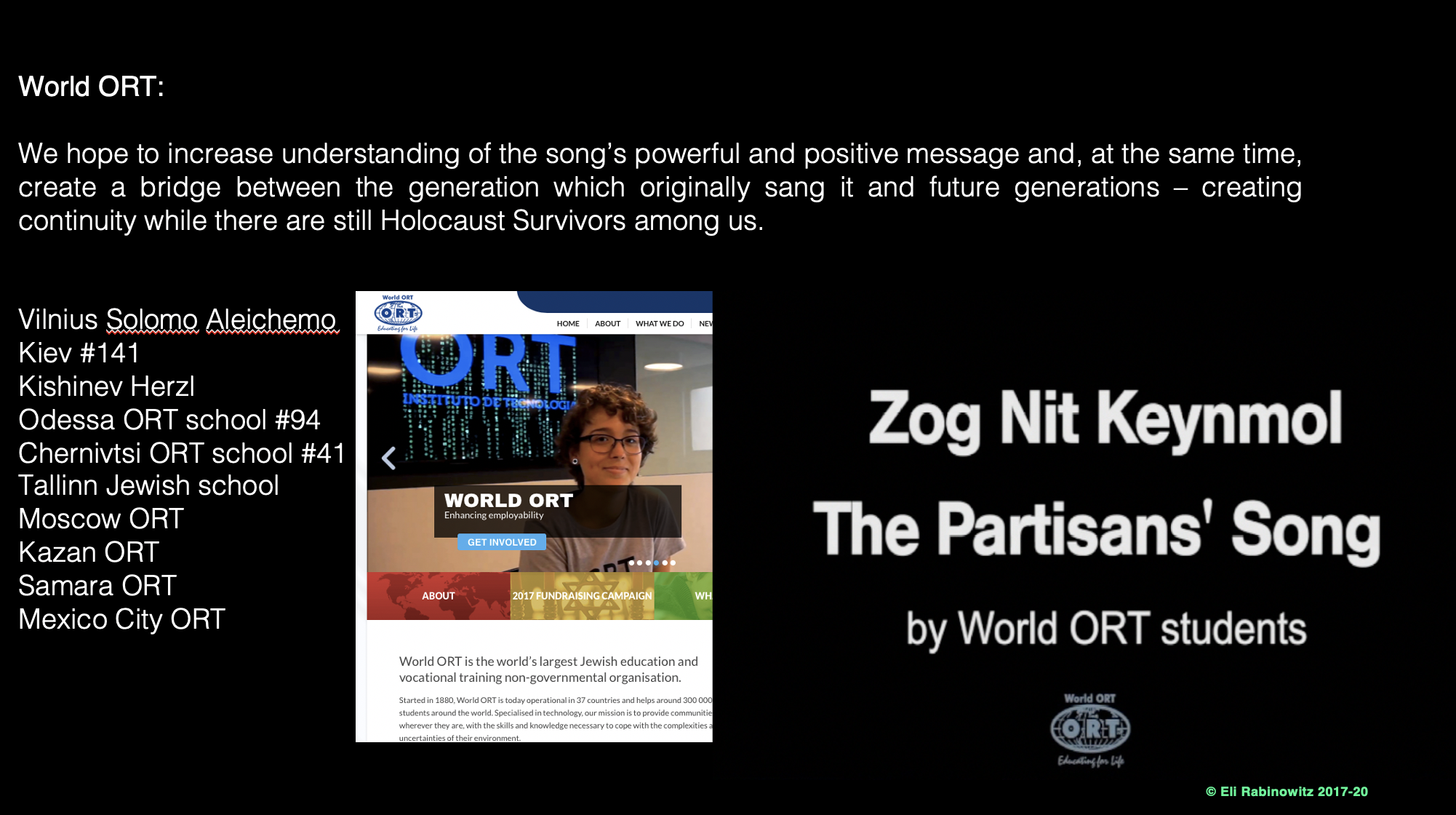
We have compiled this YouTube highlights video to give you a perspective of why the the Partisans’ Song is so integral to a meaningful commemoration:
Educators and students are welcome to download a functional powerpoint presentation (1.8gb) that matches this video:
I can also run an online ZOOM presentation for your school or organisation. Please contact me at eli@elirab.com to arrange this. There is no charge for this or the accompanying lesson plans and films.
Here is a pdf of the List of Slides on my presentation:
Yom Hazikaron laShoah ve-laG’vurah or Holocaust Remembrance Day.
In Israel, flags are lowered to half-mast, there is no public entertainment; ceremonies are held, and a siren at 10:00 signals the start of two minutes of silence.
The ceremonies held, usually conclude with Zog Nit Keynmol, the Partisans’ Song and Hatikvah.
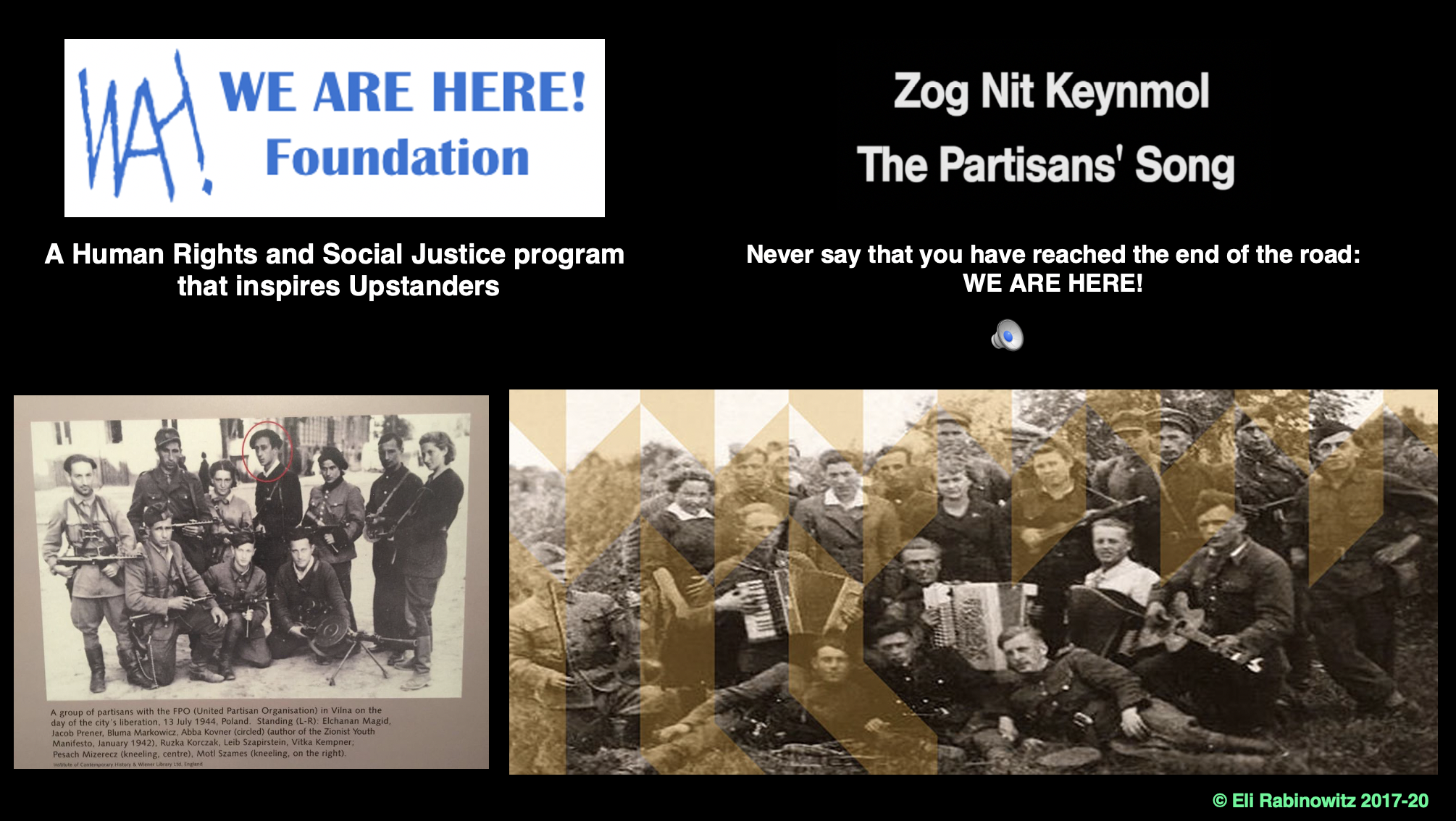
“Zog nit keyn mol” (Never Say; Yiddish: זאָג ניט קיין מאָל, [zɔg nit kɛjn mɔl]) or “Partizaner lid” (Partisan Song) is a Yiddish song considered one of the chief anthems of the Holocaust survivors and is sung in memorial services around the world.
The lyrics of the song were written in 1943 by Hirsh Glick, a young Jewish inmate of the Vilna Ghetto. The title means “Never Say”, and derives from the first line of the song. Glick’s lyrics were set to music from a pre-war Soviet song written by Pokrass brothers, Dmitri and Daniel, “Терская походная” (Terek Cossacks’ March Song), also known as “То не тучи – грозовые облака” (Those aren’t clouds but thunderclouds), originally from the 1937 film I, Son of Working People (story by Valentin Kataev).
Eli Rabinowitz introduced his highly successful WE ARE HERE! Education Program to key educators and students while on a recent visit to Johannesburg and Cape Town.
Here are some photo highlights:
King David Victory Park, Johannesburg – Presentation
KDVP
Rabbi Ricky Seeff – Principal
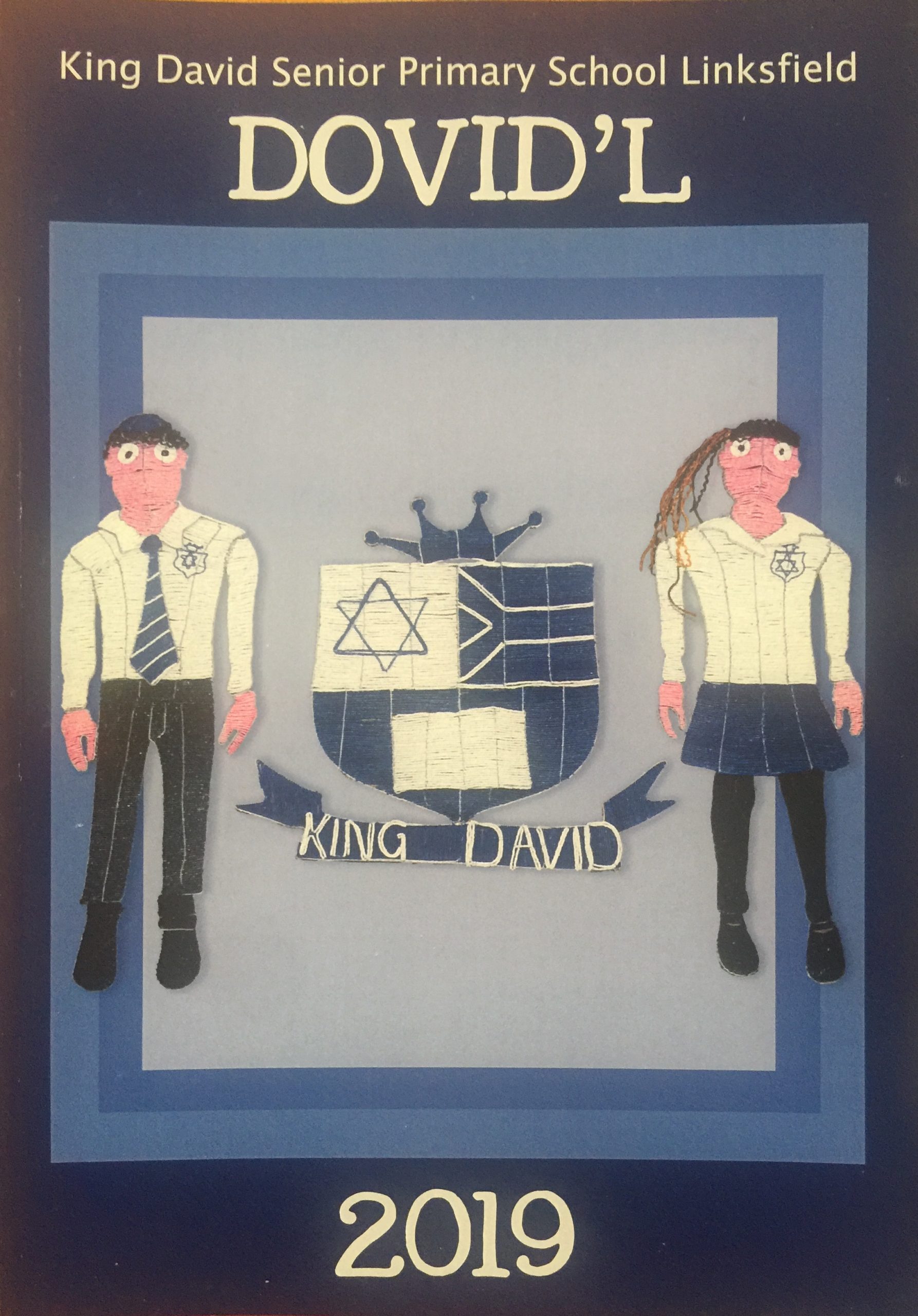
King David Linksfield – Leadership Meeting
Darryl Frankel, Shelly Freinkel, Myleen Ben Melech & Eli Rabinowitz
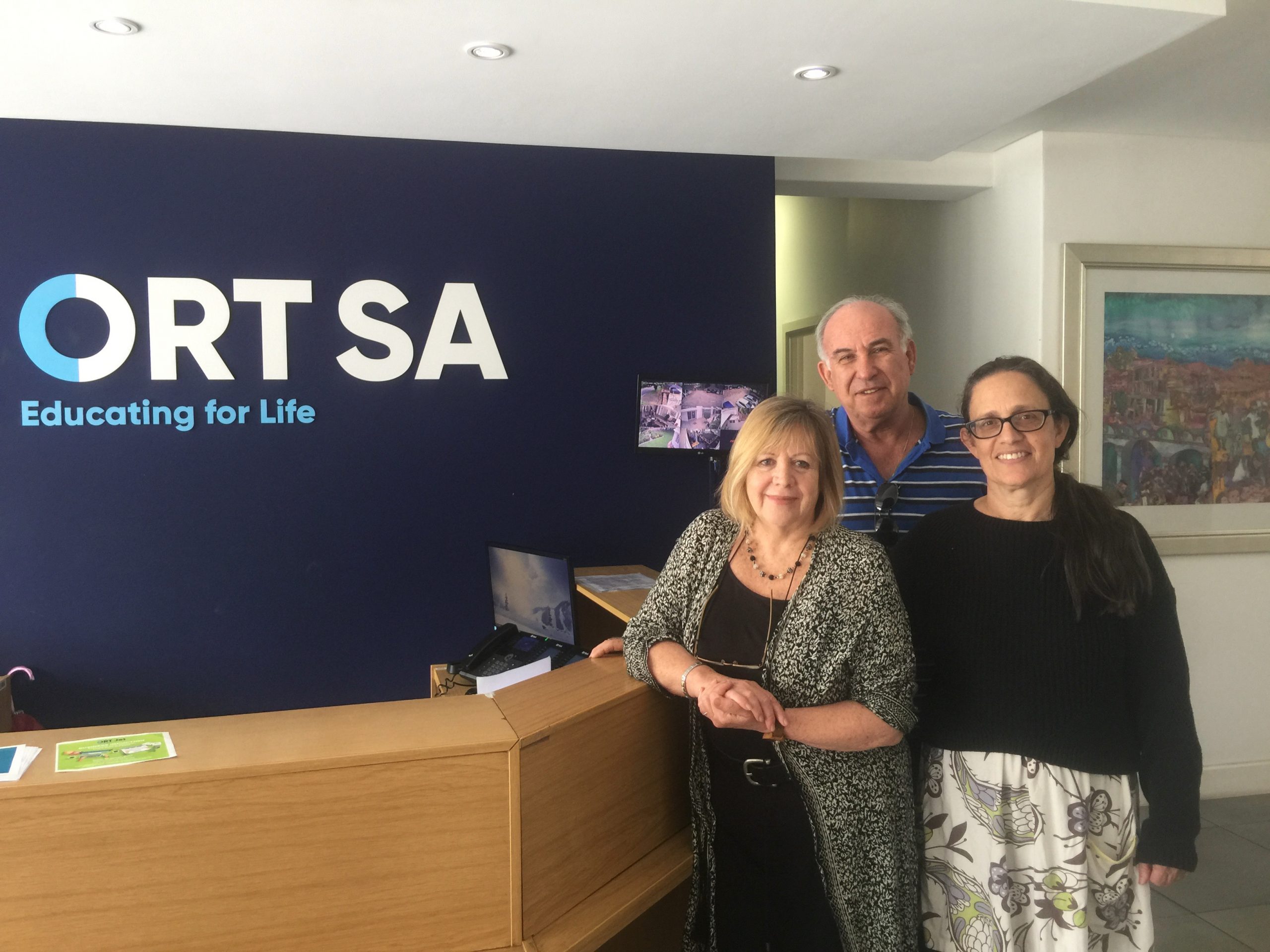
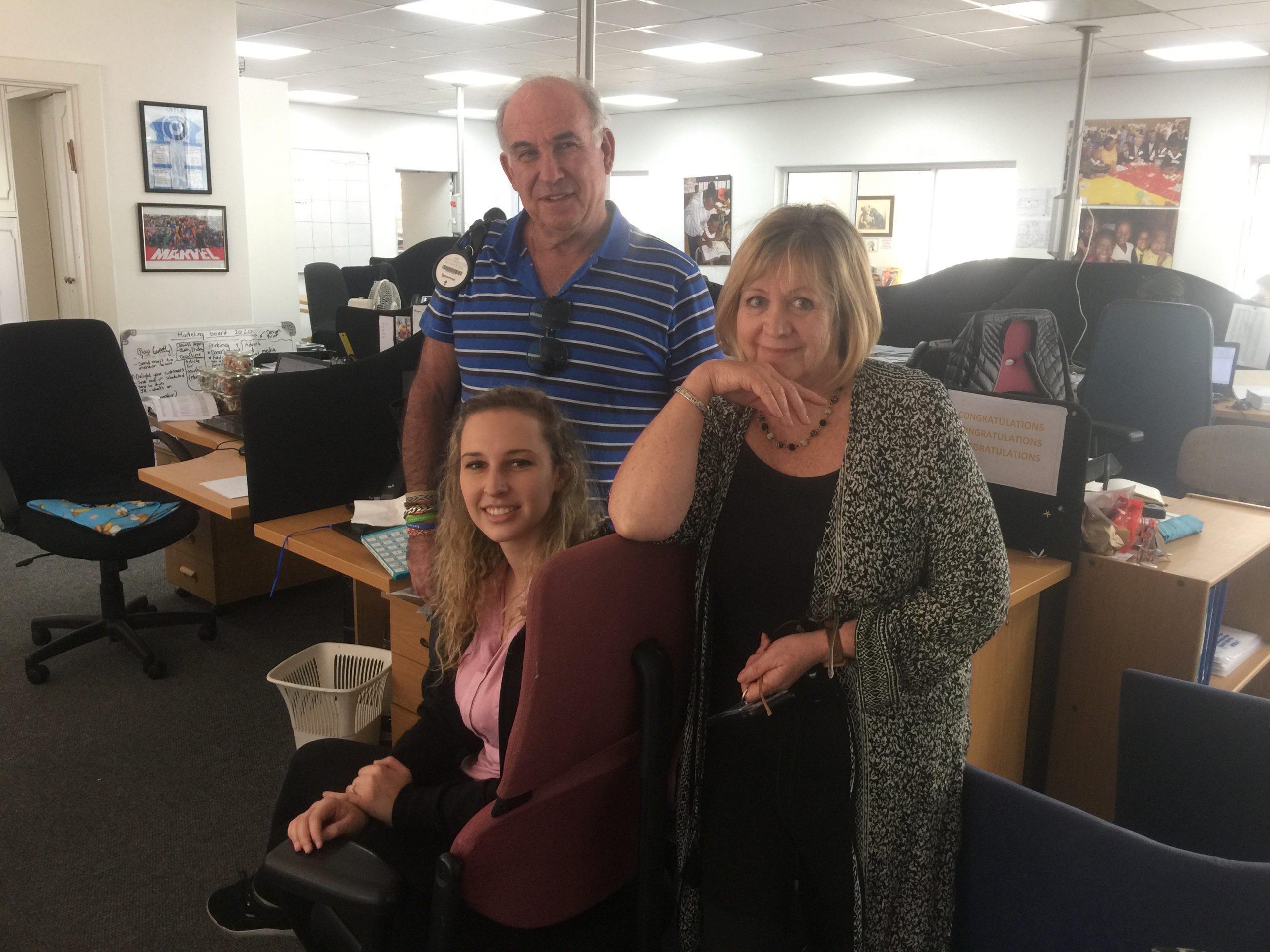
ORT SA – Johannesburg
With Marcelle and Ariella
With Marcelle & Tyde
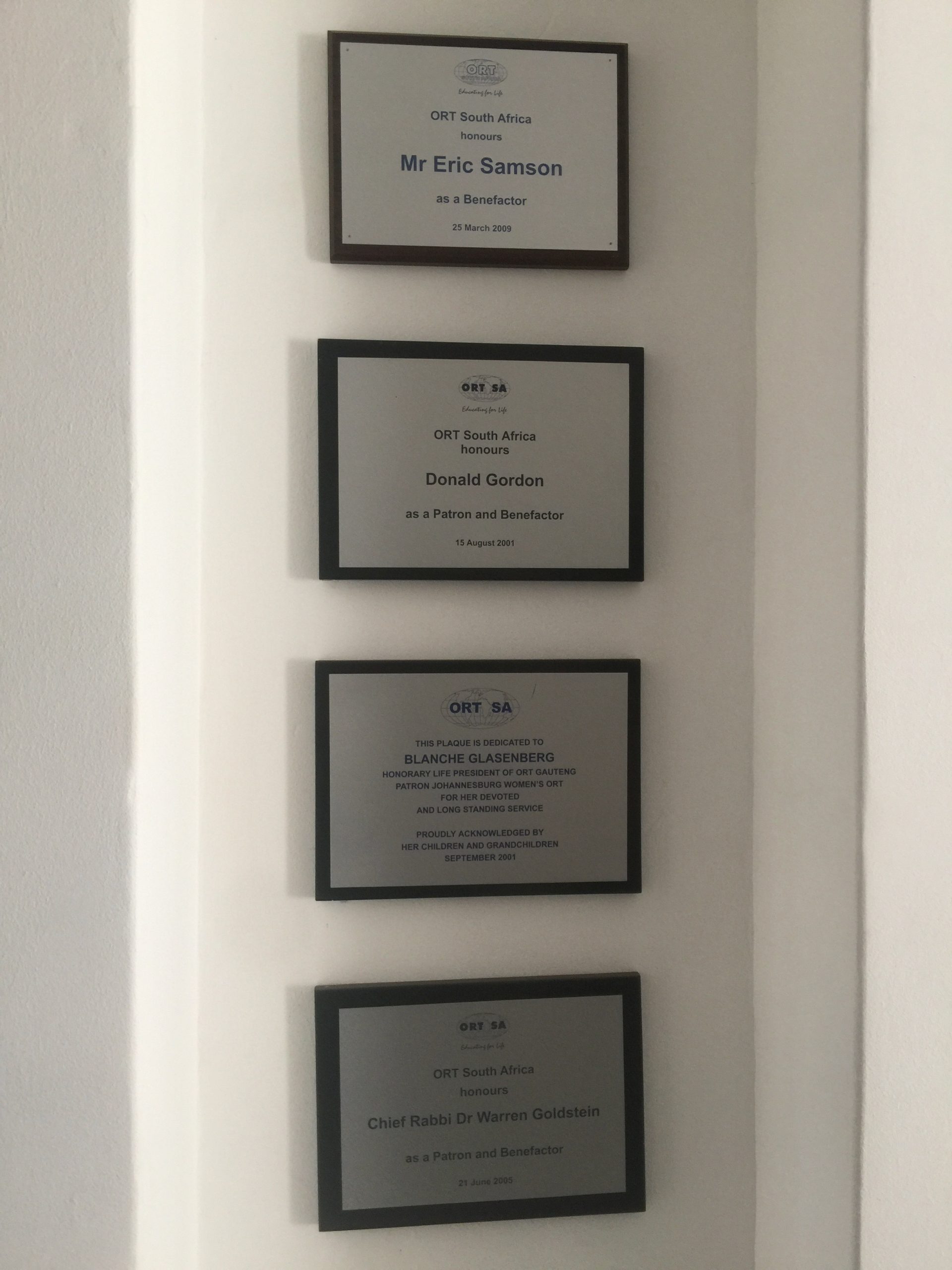
ORT Honour Plaques
Evelyn Green & Russel Lurie.
A Possible Collaboration on a multi-language Partisans’ Song in the Future!
Professor Russel Lurie and Evelyn Green
Professor Russel Lurie and Angela Lurie at Beyachad
The below e-mail and attachments were received today from Ingrida Vilkiene of Vilnius. Ingrida, the lady who introduced us to Birzai, heads the Kommisja’s educational projects. The Kommisija is a Lithuanian government body entrusted with the teaching of the Holocaust and the expulsion of Lithuanians to Siberia.
We have known Ingrida for many years and respect her for the quality of her work and her commitment to Holocaust Education in Lithuania..
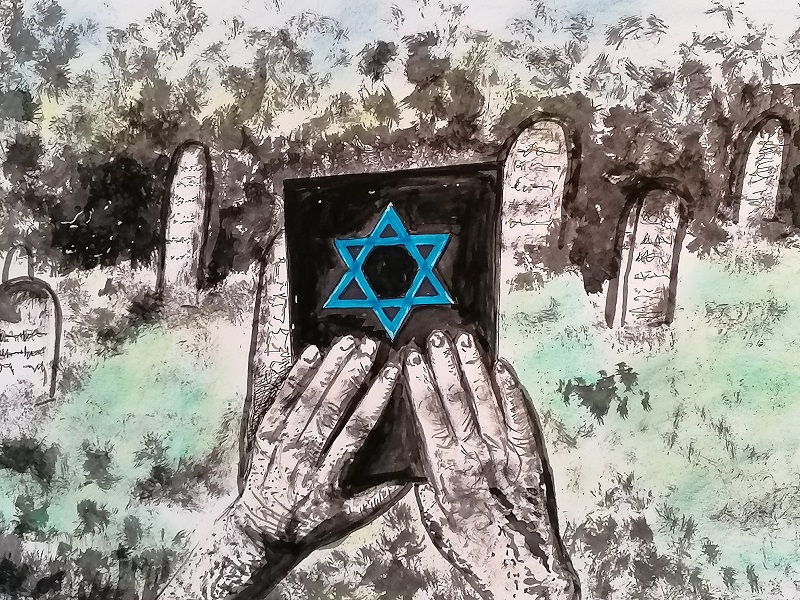
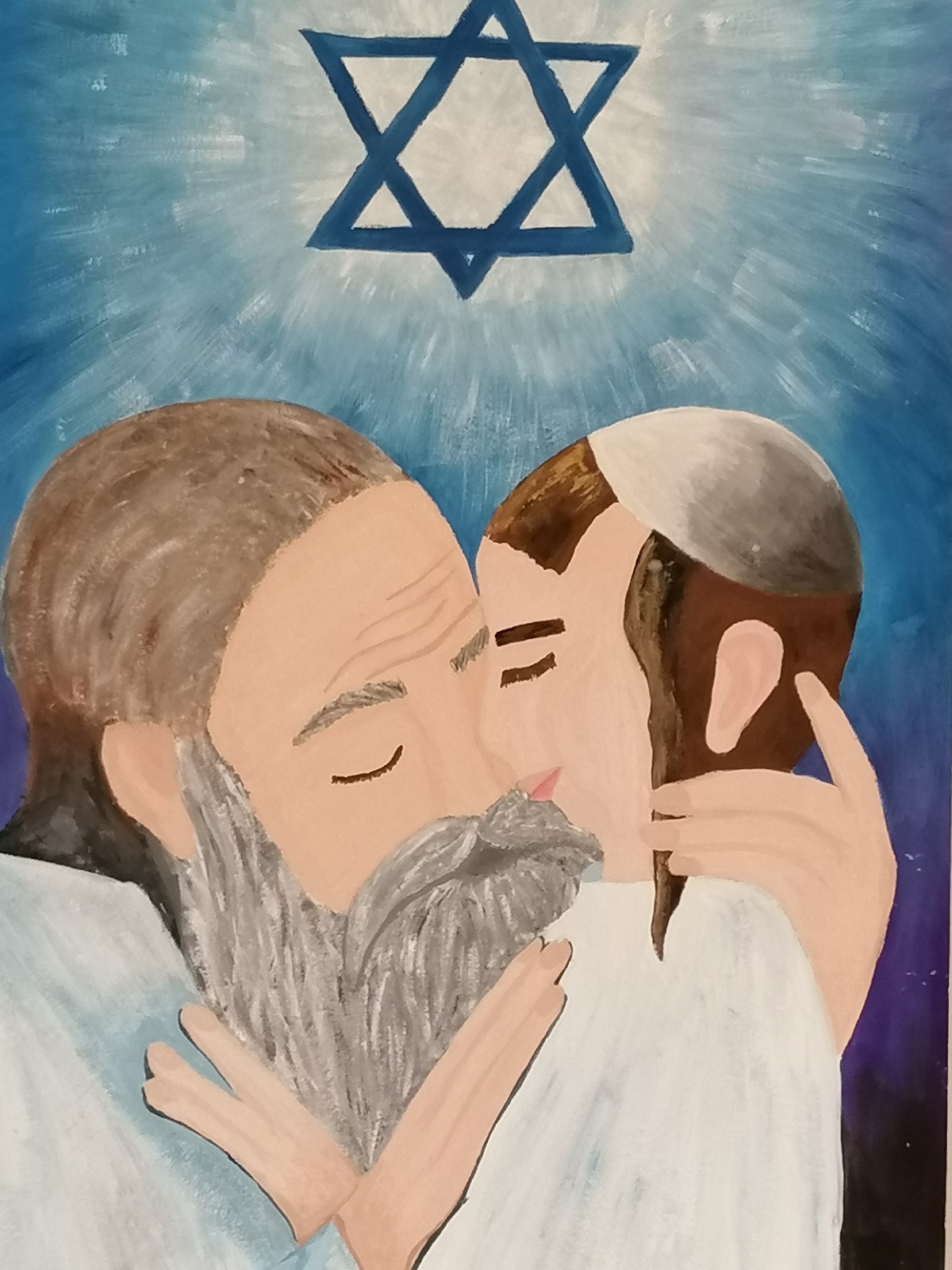
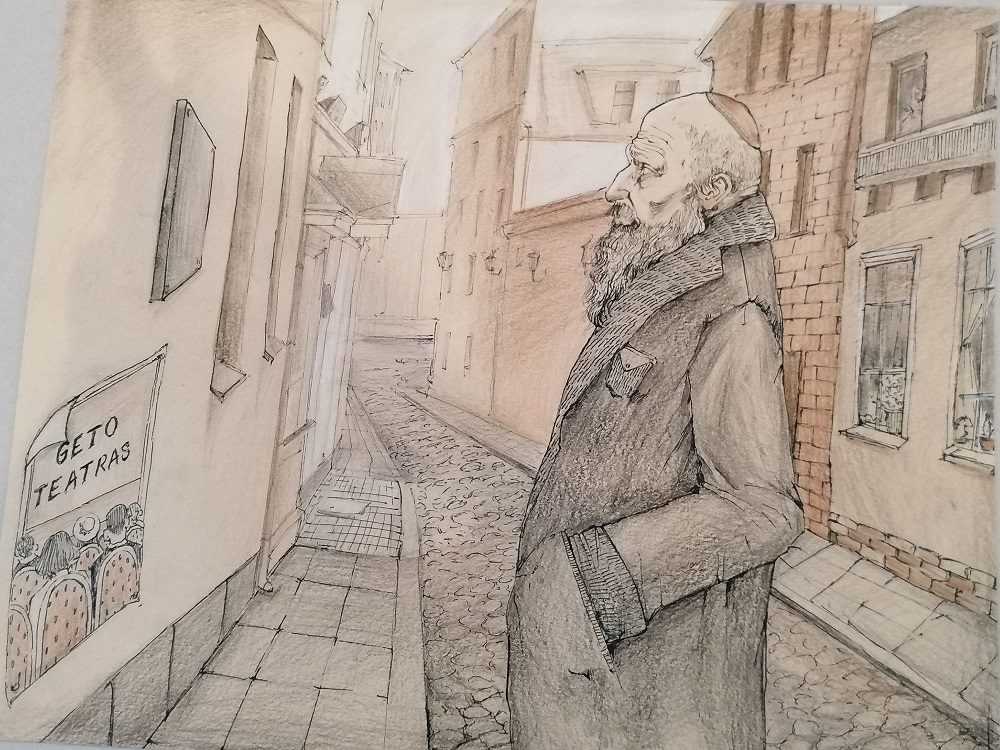
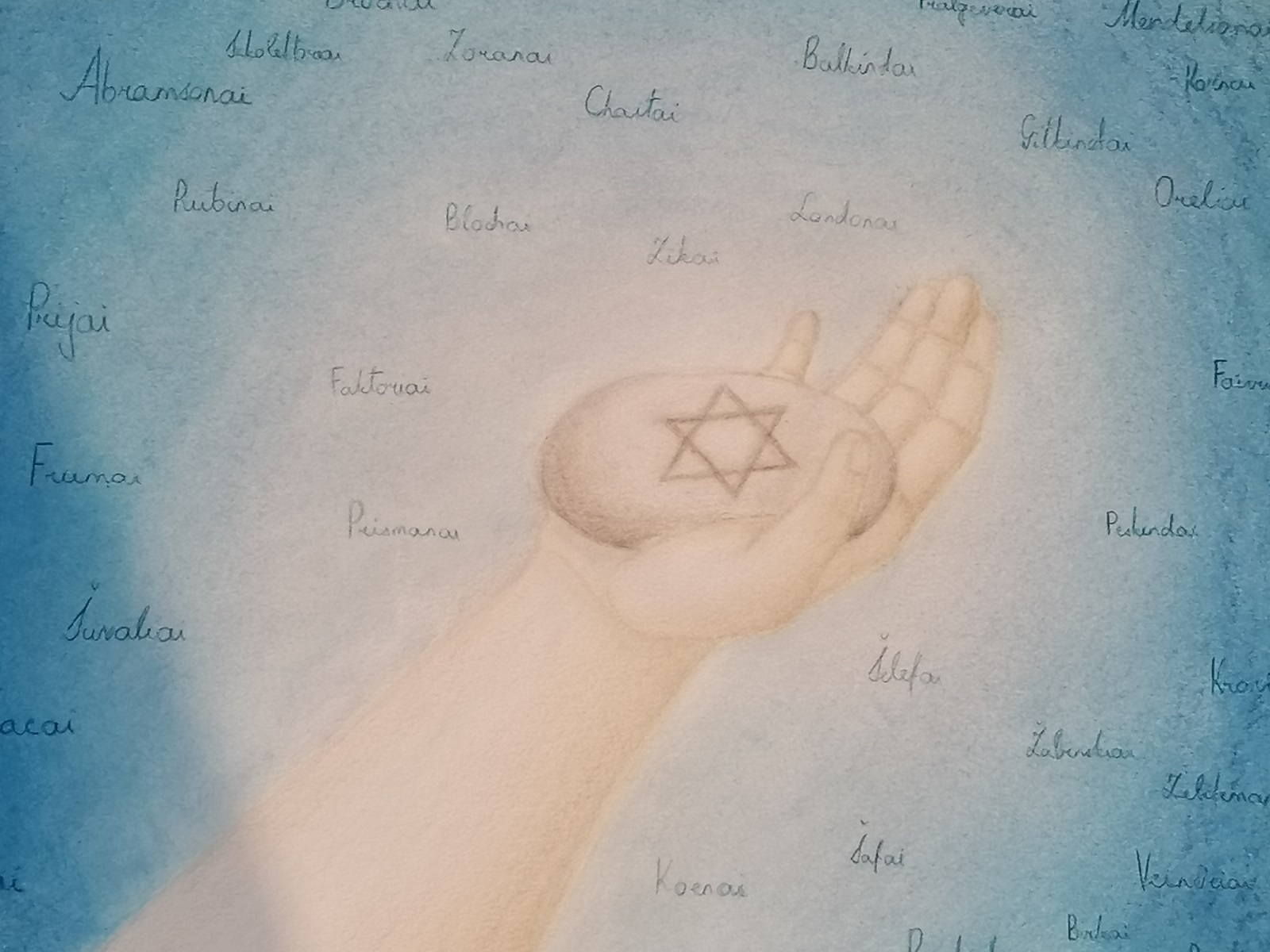
Look carefully at the attachments, and read Ingrida’s comments about her programmes. The art work done by young Lithuanians who learn about the Jewish past, including their lives in towns and villages before the period of mass murder, is of an extraordinary level, and the students and their teachers deserve much credit.
Try to share this mail plus attachments with family and friends so that they too may learn to appreciate the work of Tolerance Education in Lithuania.
We would appreciate your thoughts and comments, and your passing this on to family and friends around the world
Regards
Abel & Glenda Levitt
Dear Glenda and Abel,
I hope that you are well. I know that you follow about the situation in Lithuania and also, I think that you sometimes check our website and you know – what we do.
Now about the situation in Lithuania. At this moment – everything is connected with coronavirus and it isn’t funny, because today in Governmental building people said that all workers must be prepared to work from house, all conferences, commemorational and cultural events must be postponed.
It is the project about Jewish history, culture and students sent to us drawings. 2 days ago I was in Kedainiai (we prepared the exhibition), but the final event, which was planned on 27th of March, we postponed 2 days ago also. Now we have plan to organize it on 24th of April, but we will see – how it be with this coronavirus. I added to this e-mail some drawings – just for your interest. Please, look especially it is for Glenda, because you are very close connected with art.
Also, we had plan to participate in the March of the Living in Poland. Almost everything was planned for that (I booked bus, hotels, I had teachers and students who were prepared for participation). Today I postponed it, because I got the information, that officially this event is postponed and the organizers have plan to make it on 22 of July (the date of liquidation of Warsaw Ghetto or 9 -10 November – the date of Kristallnight (in 1938). So, we will see, what happens in the future, but of course, our plan to visit with teachers and students Poland is still exists.
So, I added some drawings from this project to this e-mail.
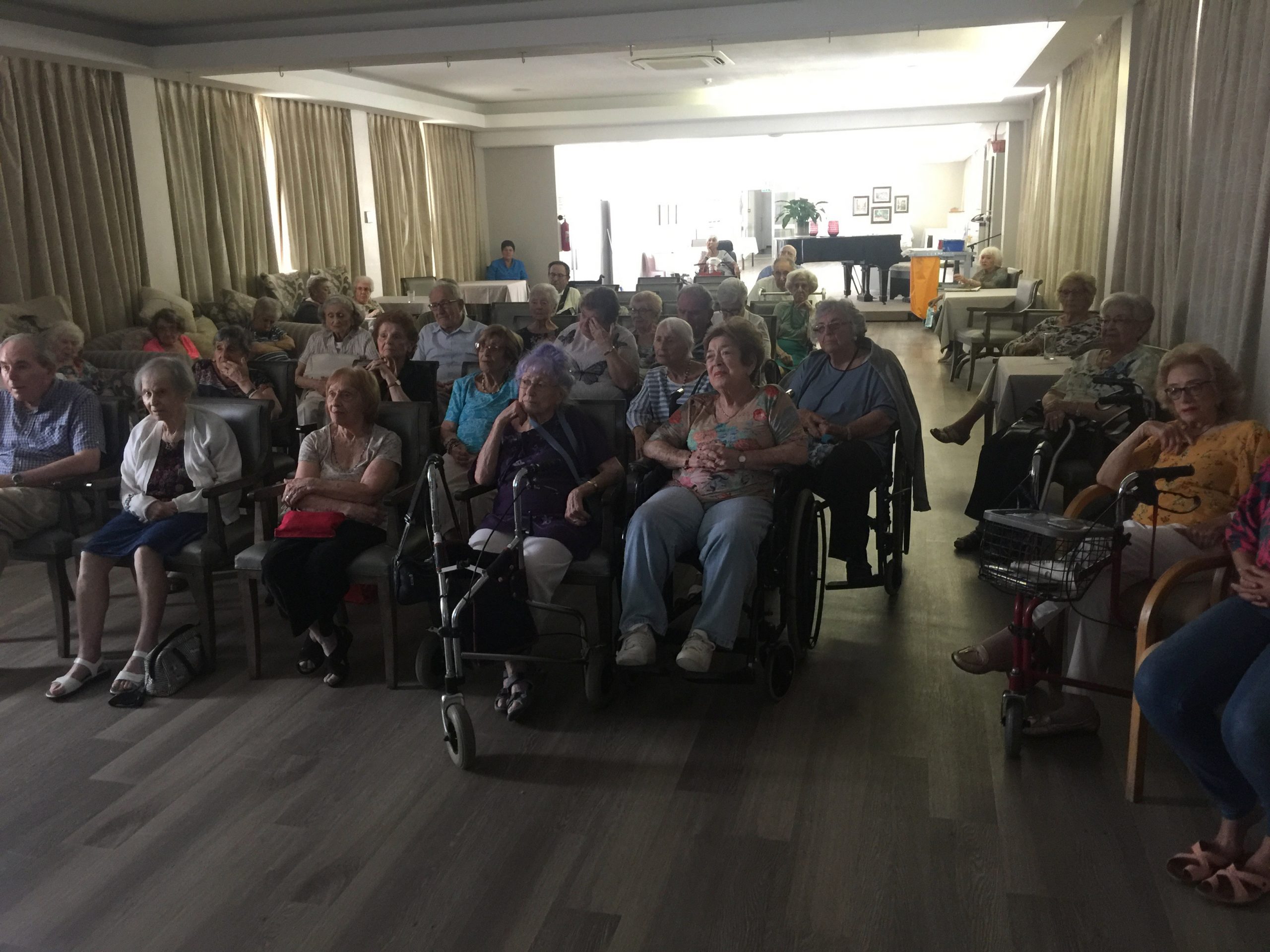
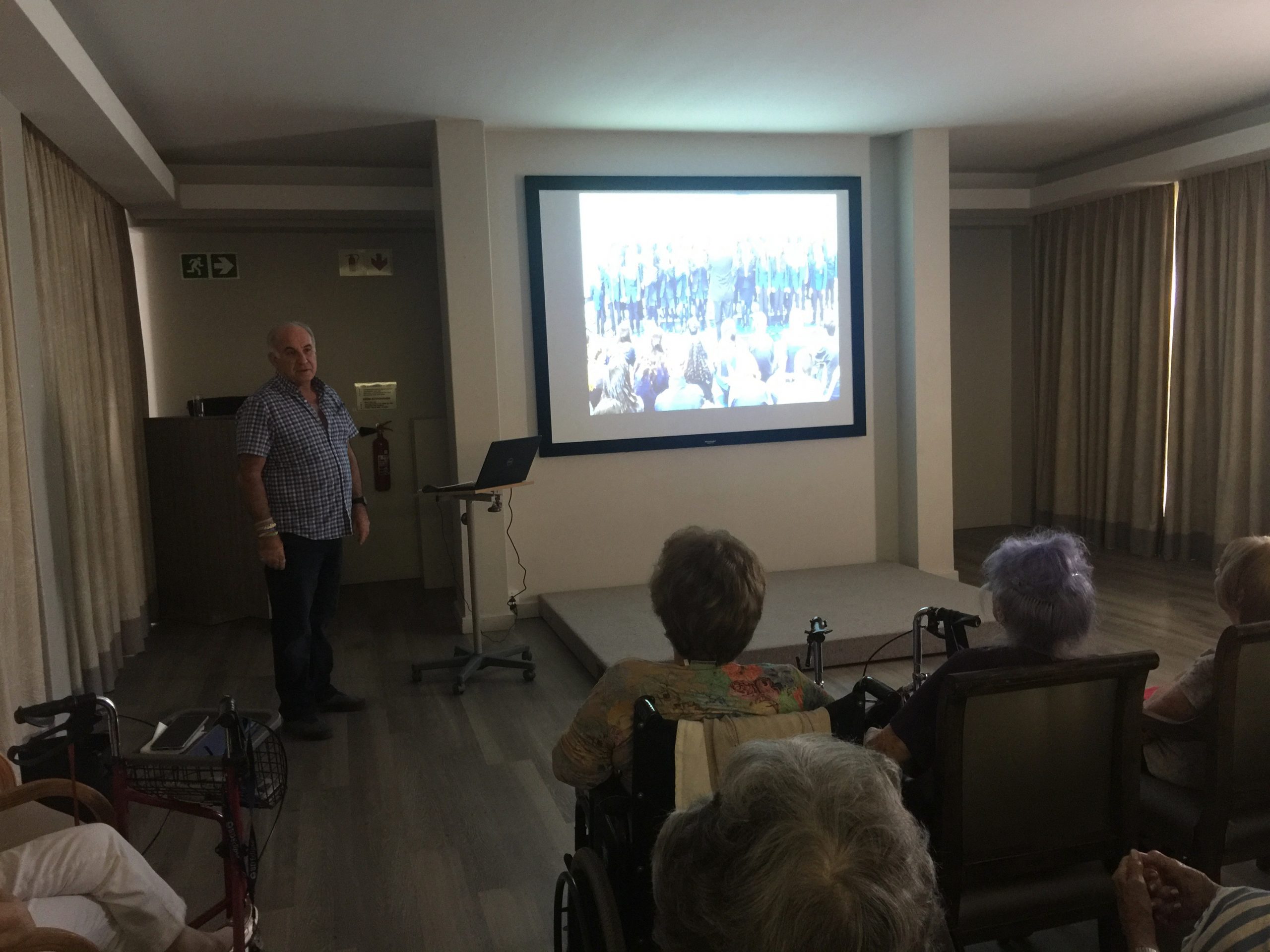
On Friday 13 March 2020, the South African Friends of Beth Hatefutsoth will be hosting a presentation by Eli Rabinowitz, from Perth.
Eli, who is the founder of the education project the We Are Here Foundation, will be giving a talk accompanied by video footage about the programme for youth across the globe. The foundation focuses on the importance of educating Jewish youth about the Jewish partisans during the World War II. He will be giving an update on the success of this project, which is funded by the US government.
The project which started at schools in Australia is now functioning in Belarus, Lithuania, Israel and the USA. Communities across the globe have been taught to sing the famous Partisans Song (Shir HaPartizanim).
His message is loud and clear: WE MUST NEVER FORGET!
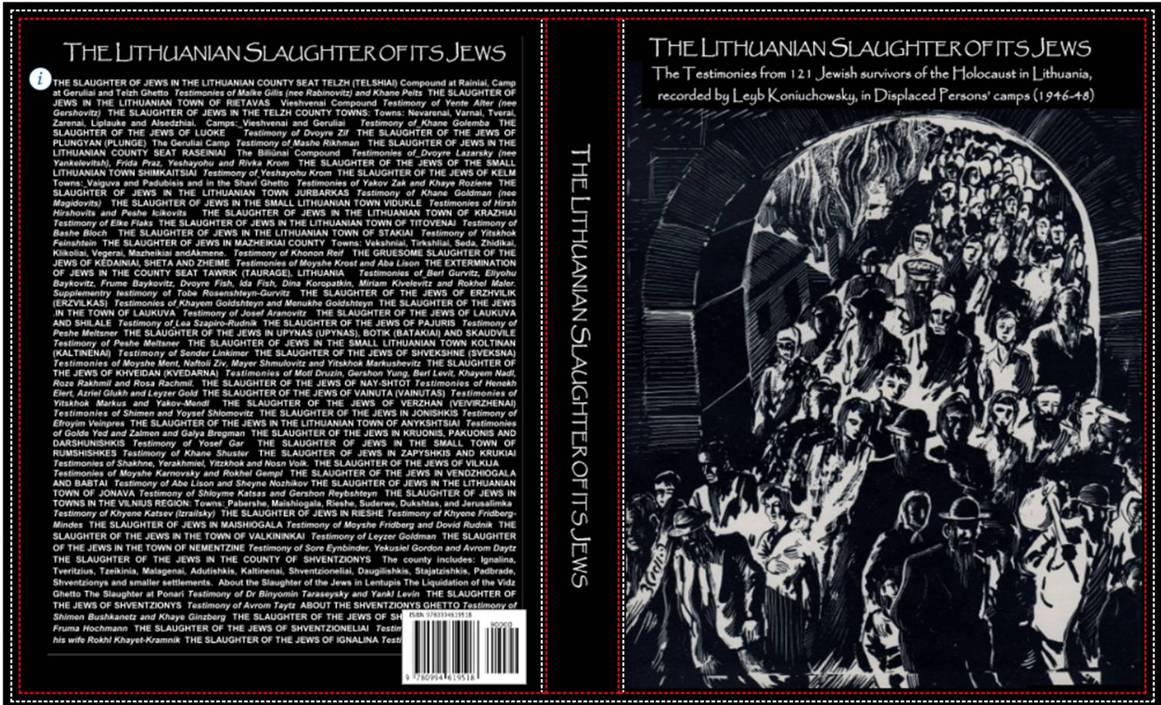
Holocaust in Lithuania, recorded by Leyb Koniuchowsky,
in Displaced Persons’ camps (1946-48)
Translated into English by Dr Jonathan Boyarin
Book Compiled by David Solly Sandler
The Testimonies from 121 Jewish survivors of the
Holocaust in Lithuania, recorded by Leyb Koniuchowsky,
in Displaced Persons’ camps (1946-48)
Foreword
This book contains first-hand accounts from 121 Jewish survivors of the Holocaust in Lithuania, recorded by Leib Koniuchowsky in Displaced Persons’ camps from 1946 to 1948.
HISTORY
Grand Duke Vytautas the Great ruled Lithuania from 1386 to 1430. Early in his reign he granted Jews formal privileges, which formed the basis of the legal, political and economic structure of Lithuanian Jewry until the end of the eighteenth century.
More than five centuries after Vytautas, however, Jewish life in Lithuania was abruptly ended. Lithuanian Jews were slaughtered en masse in the second half of 1941.
HORRORS
The testimonies published here tell of the destruction of Jewish life in Lithuania. Perpetrators of the massacre, most of them Lithuanians, acted with enthusiasm and in many cases without help or supervision from the invading Germans.
The testimonies are not pleasant to read. They tell of the horrors and evils inflicted on Lithuanian Jews. Many echo the same pattern of degradation and slaughter: Lithuanians first attacked Jews morally and spiritually, imposing assorted humiliating labours, torture and other evils; then began their physical annihilation.
Armed bands of self-described “partisans” took control of Lithuanian towns as soon as the occupying Soviets left. Often, even before the Germans arrived, these bands started to terrorise and abuse the Jewish population: Partisans and others broke into Jewish homes and brazenly looted Jewish property. Jailings, torture, and summary executions began shortly afterward. First to be killed were Jews with Soviet connections; later, any perceived or invented offence could mean execution, or a Jew could be killed for no reason at all. Jews’ non-moveable possessions were claimed by their Lithuanian neighbors, particularly the partisans and their families.
In towns and villages, new civilian administrations suddenly emerged from underground with the German invasion. Lithuanian mayors, police chiefs and civil servants worked hand in hand with the partisans and a few Germans. These new governments often worked to extort money, jewellery and household goods from the Jews.
Jews were harassed and subjected to harsh decrees. They were forced to wear yellow armbands, forbidden to walk on sidewalks, barred from trading or even talking with non-Jews, and permitted to leave their houses only at certain times each day. Jews had to report for forced labour that in many cases was designed to be demeaning, harsh and degrading. Guarded by armed Lithuanians, they were constantly tormented, humiliated, beaten and starved.
Jews were forced to remove Torah scrolls and holy books from synagogues and study houses and burn them. Rabbis were humiliated, often having their beards cut or ripped off. Jewish women were frequently raped, and often tortured and killed afterward.
Within several weeks of the German invasion, most Jews were forced out of their homes and confined in small, closed areas, without food or water, and subject to constant harassment and torture as they were prepared for the final slaughter. Many died during this process. Often their former neighbors turned up to watch Jews being beaten and bludgeoned. In other cases, Jews were crowded into tiny ghettos in rundown areas. Hunger, thirst, and filth was common, and disease followed.
Eventually, the Jews were taken to pits dug in nearby forests to be shot. Amid the chaos of this organized slaughter, many were buried alive in the pits. At times partisans broke small children on their knees or bashed their heads on trees before throwing them, half dead, into a pit.
WHO COMMITTED CRIMES, AND WHO KNEW
From the 121 testimonies published here, it is clear that the slaughter of the Jews was widely known. Townsfolk saw Jews being confined, tortured, abused and taken away. Peasants with wagons at times helped to transport Jews and their property.
Besides that portion of the population that actively participated in the slaughter of the Jews, or engaged in torture or rape, many local people appropriated or “inherited” Jews’ houses. The same happened with household property, including the clothes Jews had to remove at the pits before they were murdered. Money and jewellery not taken by the Germans or by those in charge was extorted by townsfolk or rural people.
It was common for Jews to entrust their property to Lithuanian friends or neighbors, “until after the war.” The mass slaughter meant that most often, this property was never reclaimed. In some cases Lithuanians later betrayed Jews who tried to recover their property.
On the other side, there were Lithuanians who were honest, and who risked their own lives and the lives of their family members to help Jews. Today we salute, honour, and thank them. Moreover, it is important to recognize that contemporary Lithuanians are not guilty of the crimes of earlier generations.
Yet the current Lithuanian government, unlike the German government, is reluctant to take full responsibility for genocide committed on its territory. Indeed, some of the perpetrators have been honoured as heroes for resisting the Soviet occupation. They have commemorative plaques and streets named after them. None of these “heroes” were prosecuted when alive.
The extent of participation in the genocide of Jews and collaboration with Nazis is still downplayed in Lithuania and the current Lithuanian government is seeking to legislate their responsibility away. We hope that this attitude and honouring of criminals will change.
David Solly Sandler
IN MEMORY OF MY BELOVED
FATHER MAUSHE-JOSEPH KONIUCHOWSKY
MOTHER FRUME-LIBE KONIUCHOWSKY-DREJERMAN
Both shot September 10, 1941, together with the rest of
the Jews of Alytus ghetto by Lithuanian murderers
FOR MY DEAREST
SISTER SLOVE KONIUCHOWSKY (CHAZANOWITZ)
Died September 8, 1936 in Alytus
HER HUSBAND JAKOV CHAZANOWITZ
Shot at the end of 1941 in Alytus ghetto by Lithuanian murderers
BROTHER KOPL
Died in Israel October 29, 1974
BROTHER EPHROJIM
Died in Montevideo, Uruguay December 18, 1983
LEYB KONIUCHOWSKY
Leyb was the author and collector of these testamonies and a survivor of the Holocaust in Lithuania.
Leyb Koniuchowsky was born in Lithuania on 18 November 1910.
He graduated in 1928 from the Jewish Real Gymnasium in Vilkomir, and then studied civil engineering. He was an engineer by profession and resided in Kaunas (Kovno).
During the German occupation he lived in the Kaunas Ghetto and worked there until his escape.
He found shelter in a bunker at a farmer’s home where he remained until the liberation of Lithuania by the Red Army in 1944.
From 1944-46, he wandered through the war battered towns of Lithuania, collecting testimonies from the few Jews that survived.
The testimonies focus on the extermination of the Jews and the destruction of the local towns and villages. Koniuchowsky was meticulous about the accuracy and authenticity of the information in the testimonies, and even had the witnesses sign their testimonies. The testimonies include the names of thousands of victims of the Holocaust, the names of their murderers and those who had collaborated with the Germans.
Koniuchowsky continued to collect testimonies in She’erit Hapletah DP camps in Germany, where he lived for a few years.
From Germany he immigrated to the United States in 1951 and settled in New York, with help from the HIAS organization.
He lived in Israel between 1975 and 1982 and then later lived in Florida and passed away in 2003.
AKNOWLEDGEMENTS AND THANKS
Leyb Koniuchowsky’s foresight and diligence in collecting these testimonies deserves to be acknowledged, recognised and honoured. Hopefully this publication will help towards this.
The testimonies collected by Leyb have been in archives for decades and their publishing is long overdue. I have been honoured to have been given the opportunity to publish them and salute and thank Leyb Koniuchowsky for leaving this legacy for us and generations yet unborn.
The Lithuanian Slaughter of its Jews
Table of Contents
PAGE
FOREWORD 3
IN MEMORY OF 5
LEYB KONIUCHOWSKY 6
THE HISTORY OF THE JEWS IN LITHUANIA 11
THE SLAUGHTER OF THE JEWS 21
THE SLAUGHTER OF JEWS IN THE LITHUANIAN COUNTY SEAT TELZH (TELSHIAI) 22
Compound at Rainiai, Camp at Geruliai and Telzh Ghetto
Testamonies of Malke Gilis (nee Rabinovitz) and Khane Pelts
THE SLAUGHTER OF JEWS IN THE LITHUANIAN TOWN OF RIETAVAS 41
Vieshvenai Compound
Testimony of Yente Alter (nee Gershovitz)
THE SLAUGHTER OF JEWS IN THE TELZH COUNTY TOWNS: 51
Towns: Nevarenai, Varnai, Tverai, Zarenai, Liplauke and Alsedzhiai.
Camps: Vieshvenai and Geruliai
Testimony of Khane Golemba
THE SLAUGHTER OF THE JEWS OF LUOKE
62
Testimony of Dvoyre Zif
THE SLAUGHTER OF THE JEWS OF PLUNGYAN (PLUNGE) 66
The Geruliai Camp
Testimony of Mashe Rikhman
THE SLAUGHTER OF JEWS IN THE LITHUANIAN COUNTY SEAT RASEINIAI 70
The Biliūnai Compound
Testimonies of Dvoyre Lazarsky (nee Yankelevitsh),Frida Praz, Yeshayohu and Rivka Krom
THE SLAUGHTER OF THE JEWS OF THE SMALL LITHUANIAN TOWN SHIMKAITSIAI 93
Testimony of Yeshayohu Krom
THE SLAUGHTER OF THE JEWS OF KELM 95
Towns: Vaiguva and Padubisis and in the Shavl Ghetto
Testimonies of Yakov Zak and Khaye Roziene
THE SLAUGHTER OF JEWS IN THE LITHUANIAN TOWN JURBARKAS 116
Testimony of Khane Goldman (nee Magidovits)
THE SLAUGHTER OF JEWS IN THE SMALL LITHUANIAN TOWN VIDUKLE 125
Testimonies of Hirsh Hirshovits and Peshe Icikovits
THE SLAUGHTER OF JEWS IN THE LITHUANIAN TOWN OF KRAZHIAI 129
Testimony of Elke Flaks
THE SLAUGHTER OF JEWS IN THE LITHUANIAN TOWN OF TITOVENAI 135
Testimony of Bashe Bloch
THE SLAUGHTER OF JEWS IN THE LITHUANIAN TOWN OF STAKIAI 138
Testimony of Yitskhok and Zelda Feinshtein
THE SLAUGHTER OF JEWS IN MAZHEIKIAI COUNTY 146
Towns: Vekshniai, Tirkshliai, Seda, Zhidikai, Klikoliai, Vegerai, Mazheikiai and Akmene.
Testimony of Khonon Reif
THE GRUESOME SLAUGHTER OF THE JEWS OF KĖDAINIAI, SHETA AND ZHEIME 154
Testimonies of Moyshe Krost and Aba Lison
THE EXTERMINATION OF JEWS IN THE COUNTY SEAT TAWRIK (TAURAGE), LITHUANIA 162
Testimonies of Berl Gurvitz, Eliyohu Baykovitz, Frume Baykovitz, Dvoyre Fish, Ida Fish,
Dina Koropatkin, Miriam Kivelevitz and Rokhel Maler.
Supplementry testimony of Tobe Rosenshteyn-Gurvitz 173
THE SLAUGHTER OF THE JEWS OF ERZHVILIK (ERZVILKAS) 177
Testimonies of Khayem Goldshteyn and Menukhe Goldshteyn
THE SLAUGHTER OF THE JEWS .IN THE TOWN OF LAUKUVA 190
Testimony of Josef Aranovitz
THE SLAUGHTER OF THE JEWS OF LAUKUVA AND SHILALE 194
Testimony of Lea Szapiro-Rudnik
THE SLAUGHTER OF THE JEWS OF PAJURIS 200
Testimonyof Peshe Meltsner
THE SLAUGHTER OF THE JEWS IN UPYNAS (UPYNAS), BOTIK (BATAKIAI) AND SKAUDVILE 202
Testimonyof Peshe Meltsner
THE SLAUGHTER OF JEWS IN THE SMALL LITHUANIAN TOWN KOLTINAN (KALTINENAI) 209
Testimonyof Sender Linkimer
THE SLAUGHTER OF THE JEWS OF SHVEKSHNE (SVEKSNA) 212
Testimoniesof Moyshe Ment, Naftoli Ziv, Mayer Shmulovitz and Yitskhok Markushevitz
THE SLAUGHTER OF THE JEWS OF KHVEIDAN (KVEDARNA) 217







 Source: