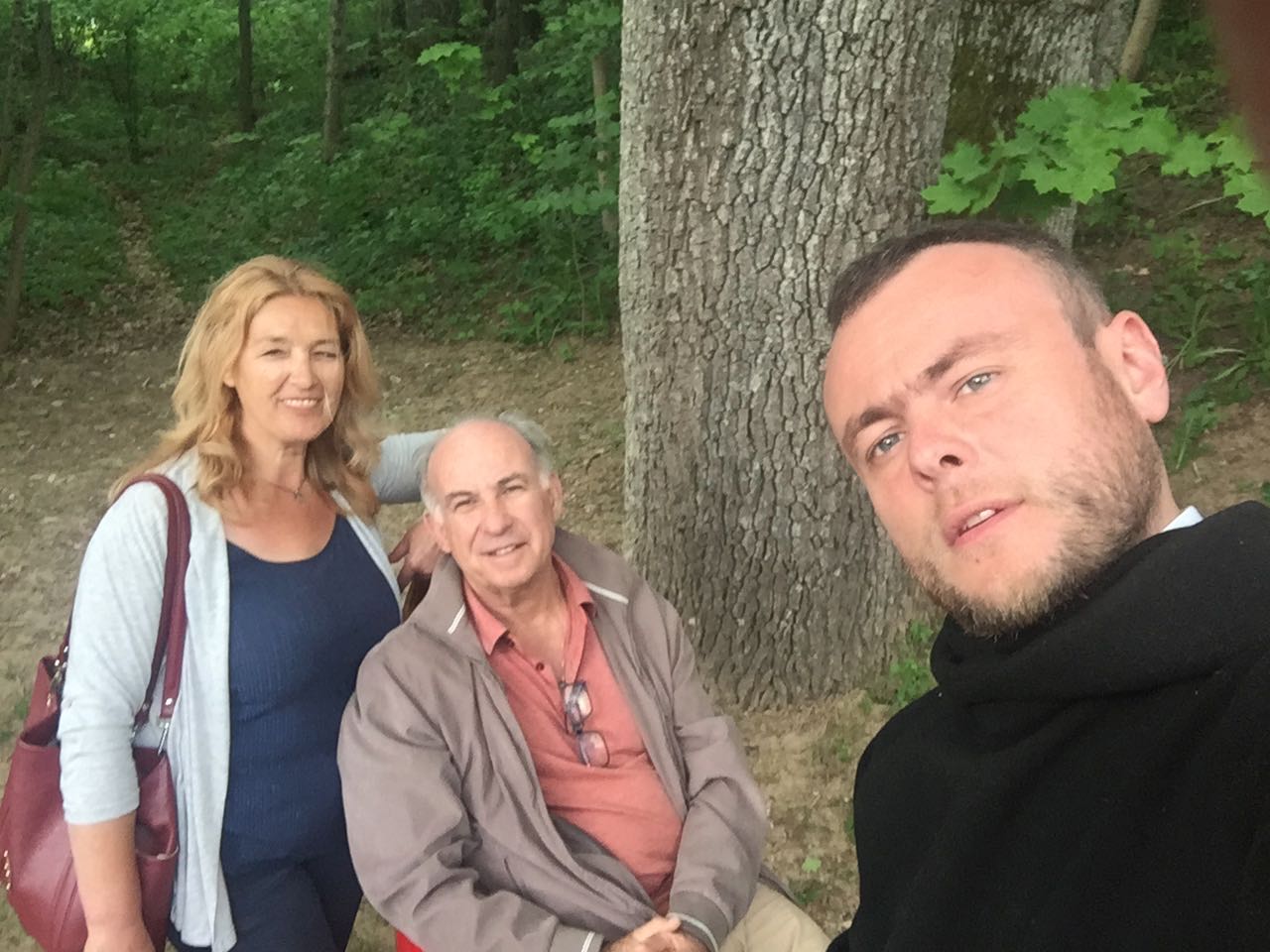
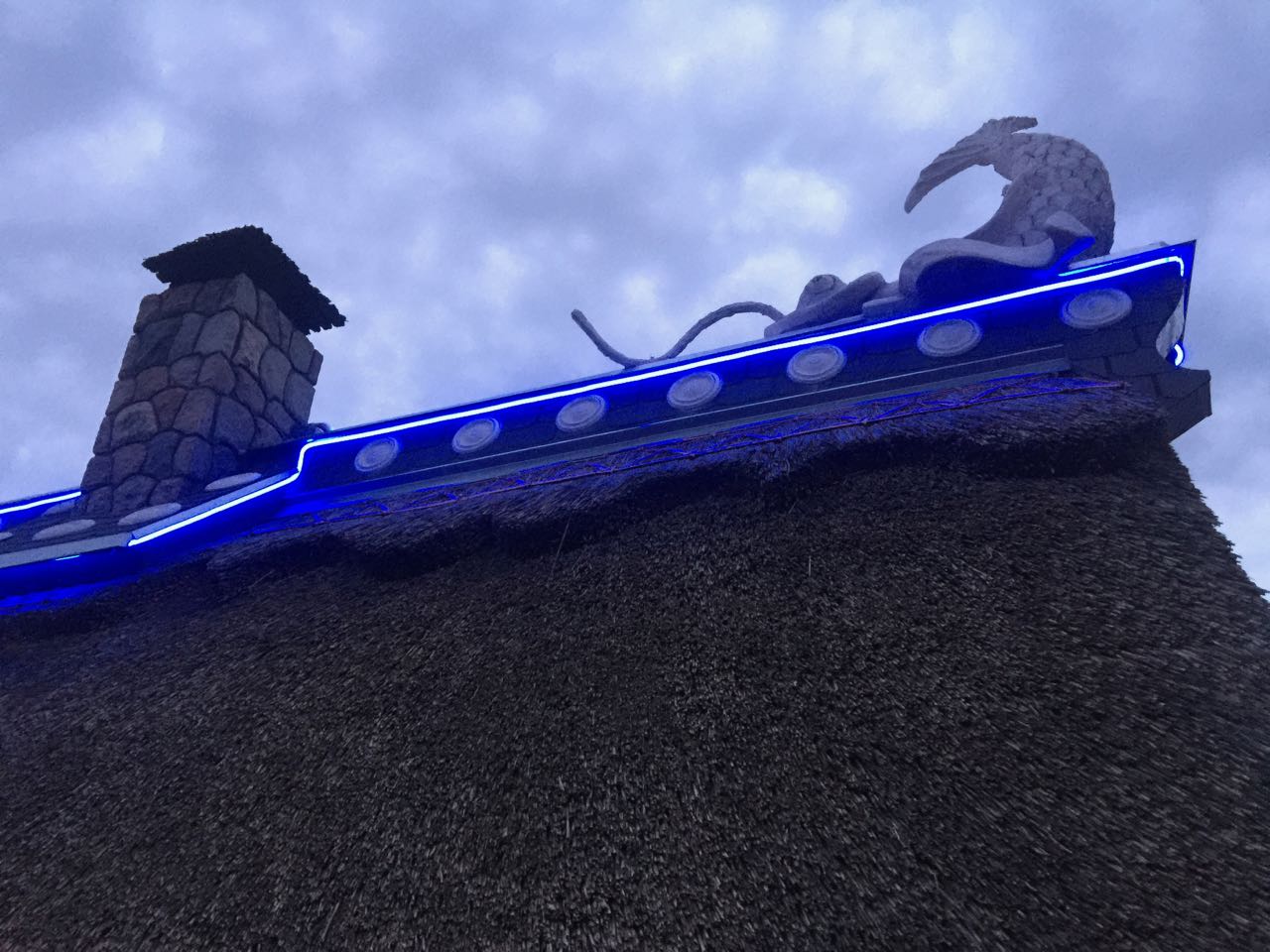
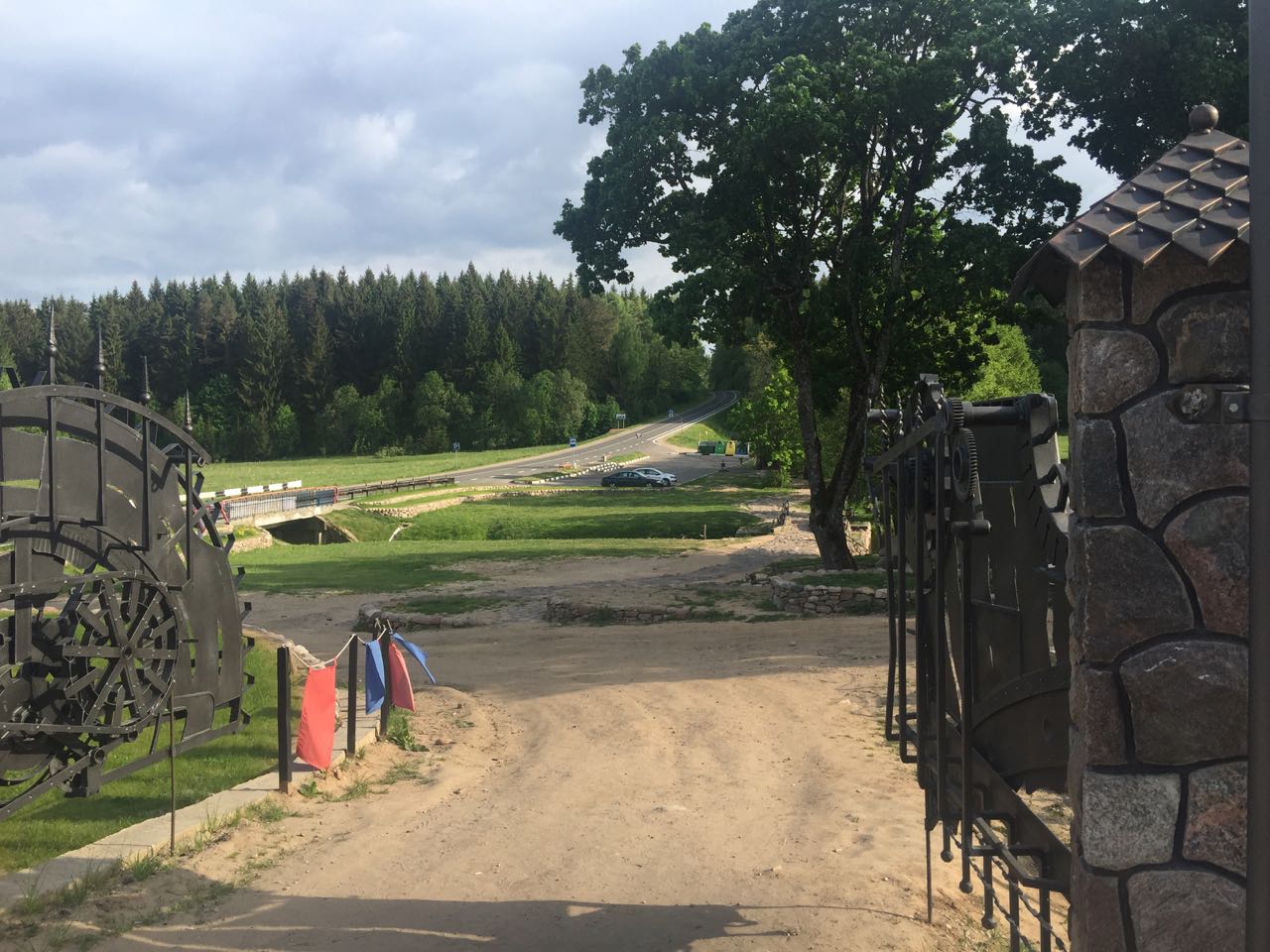
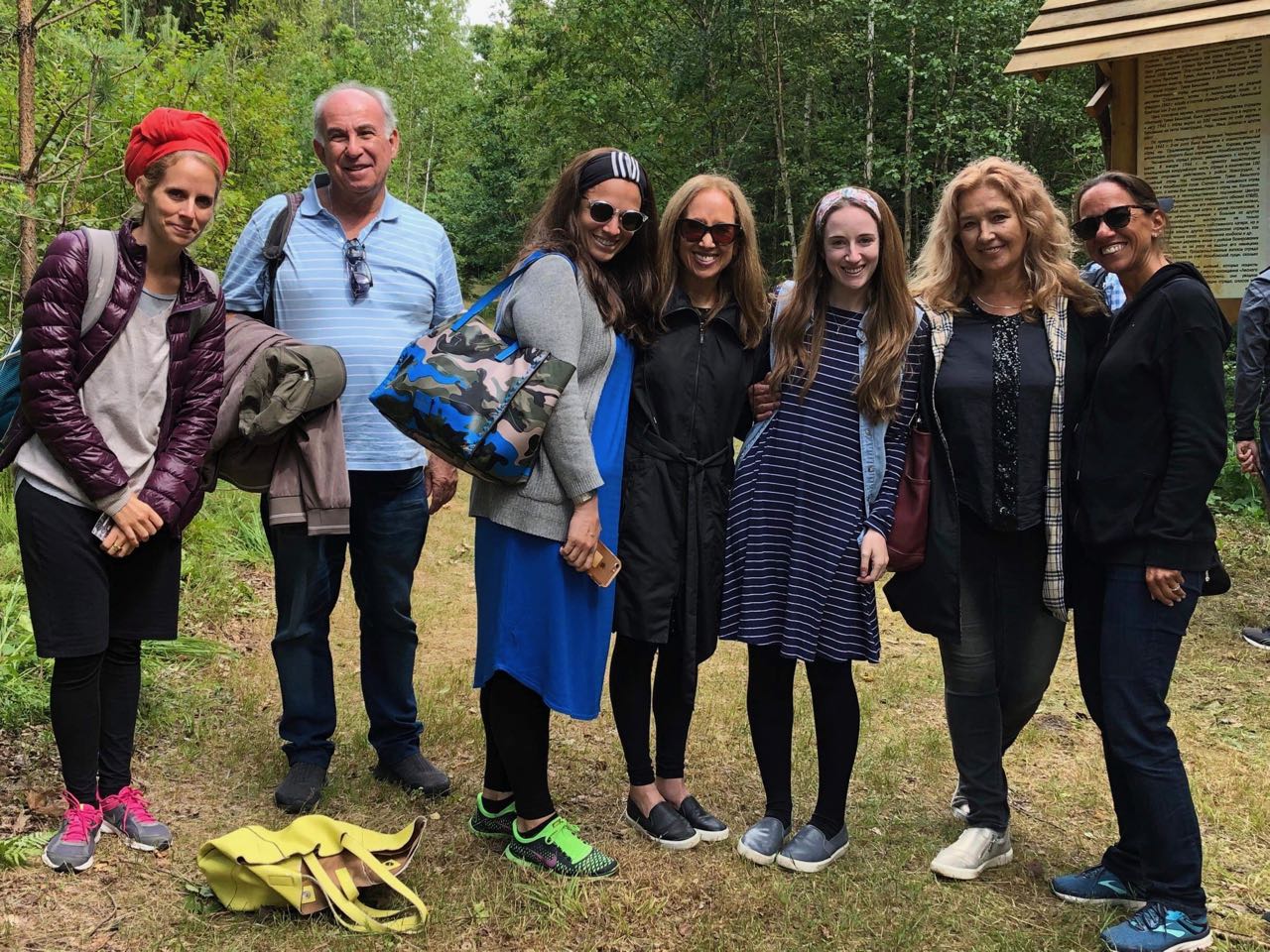
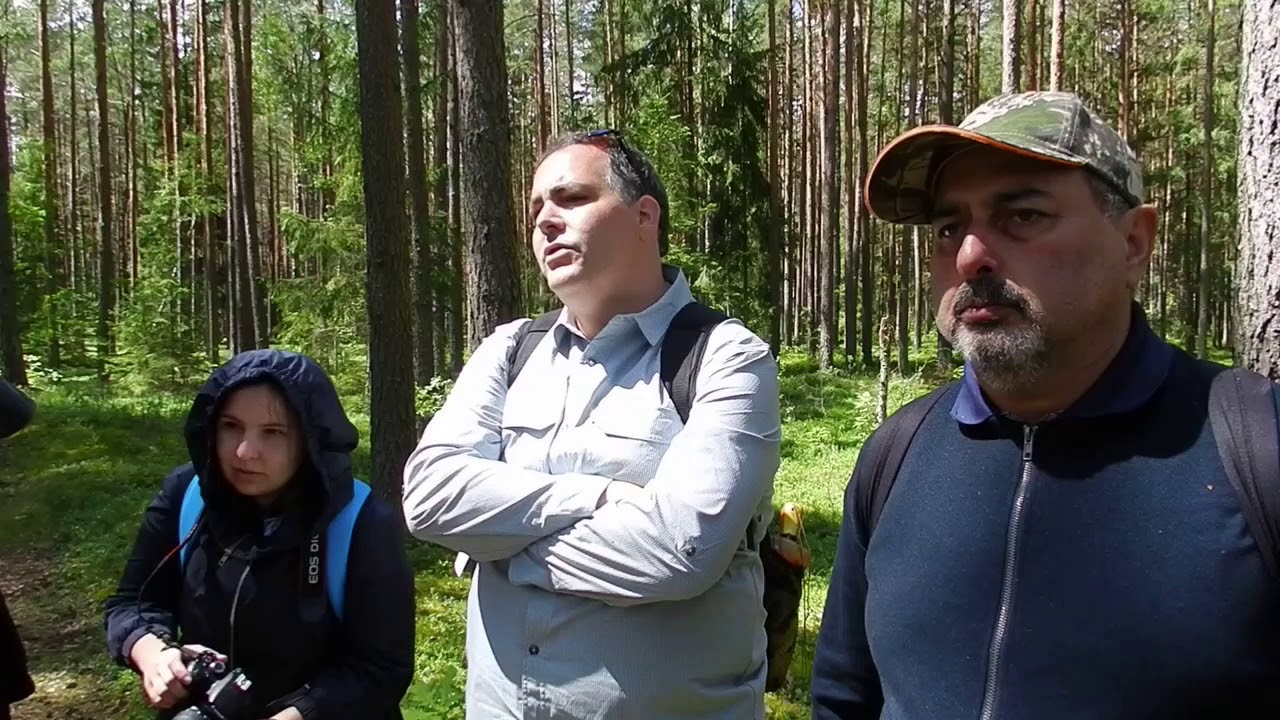
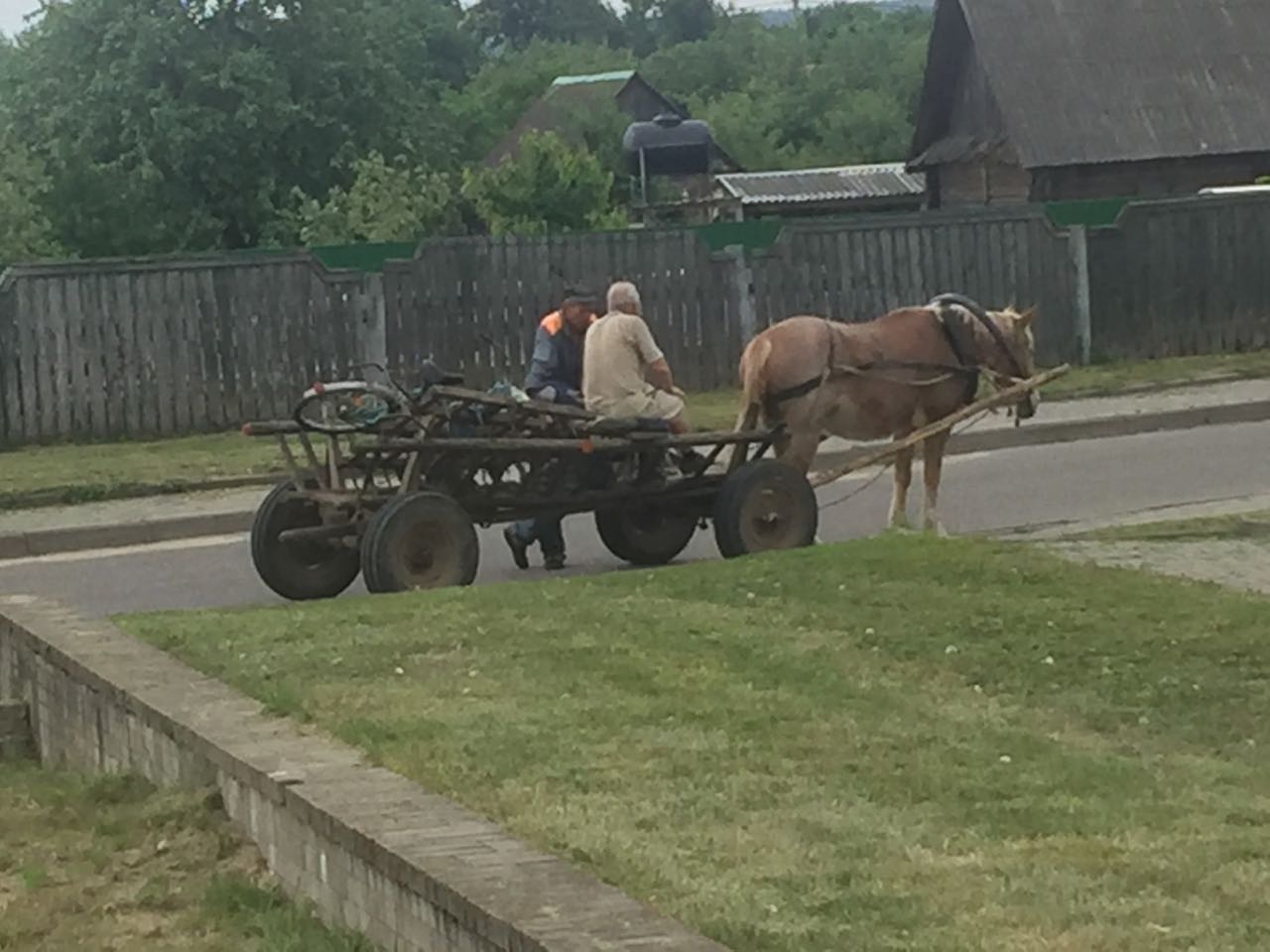
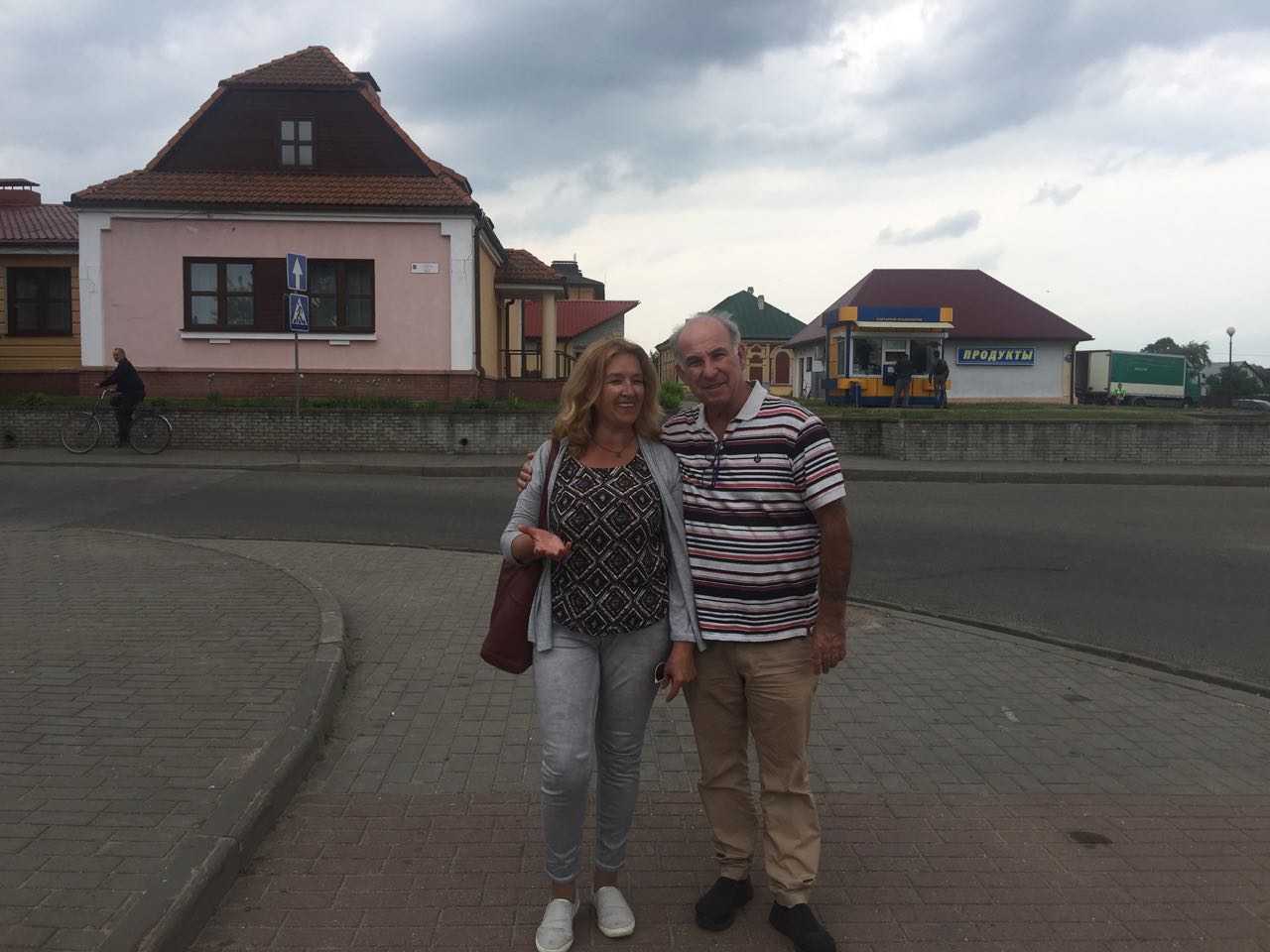
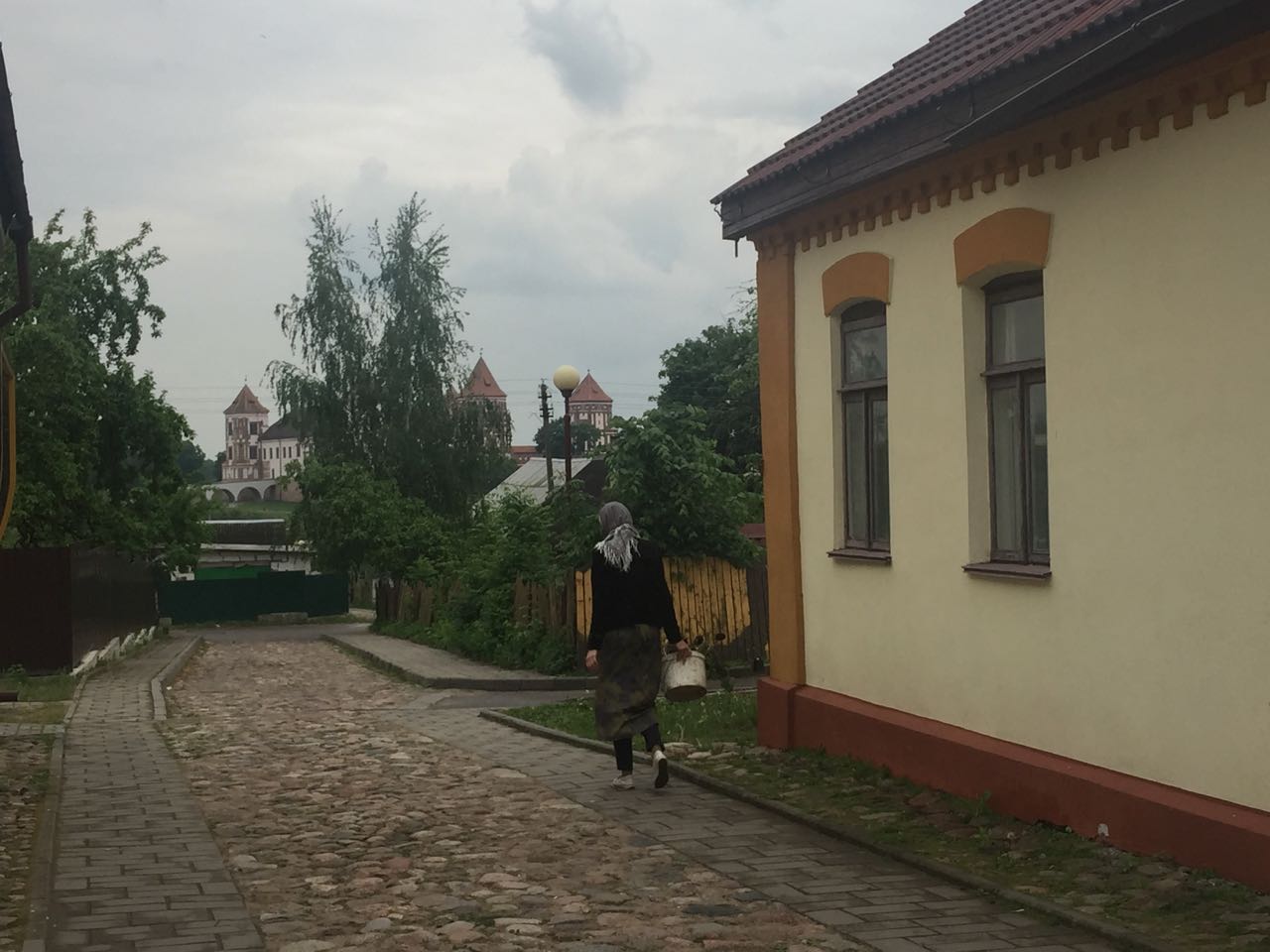
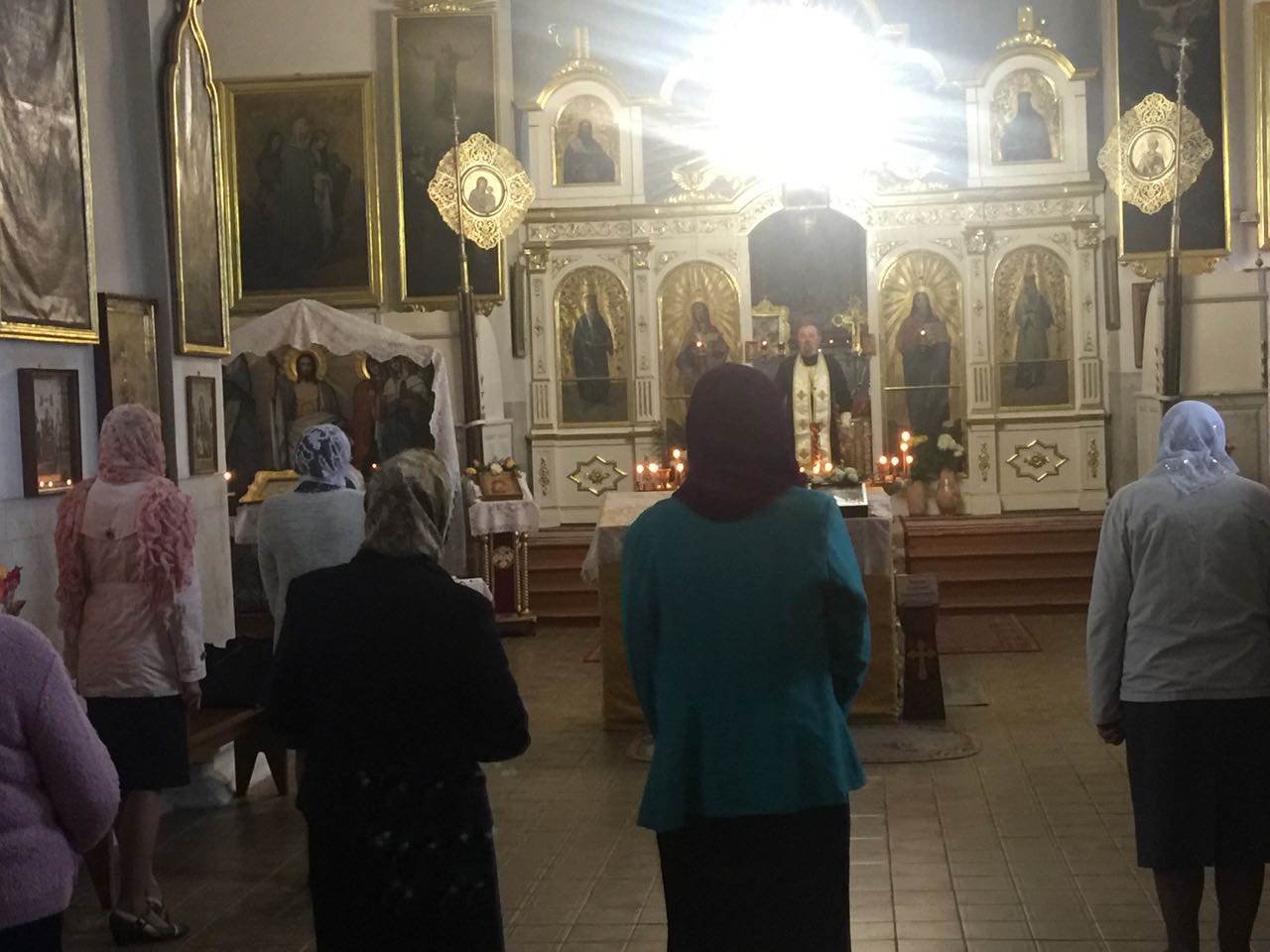
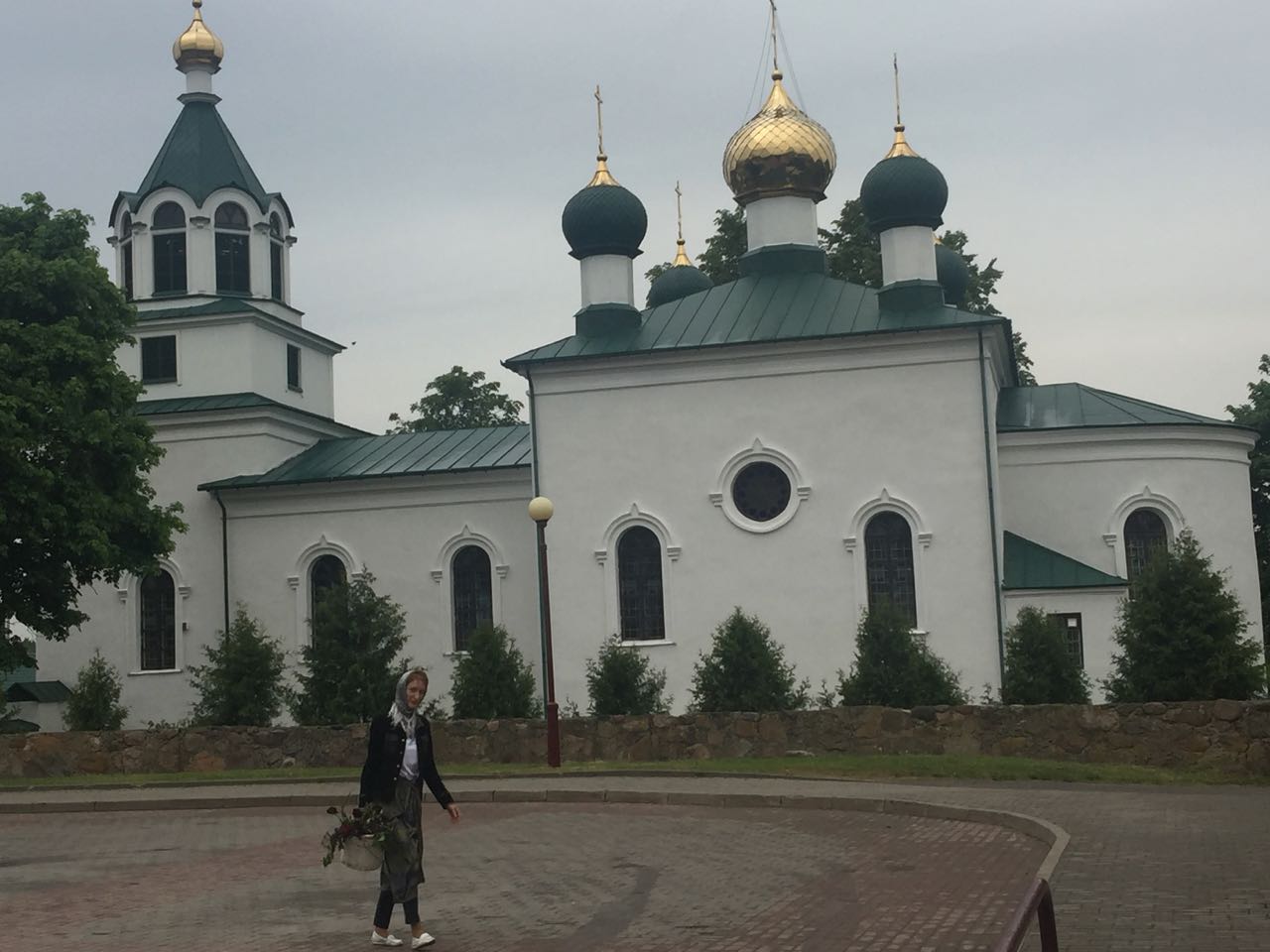
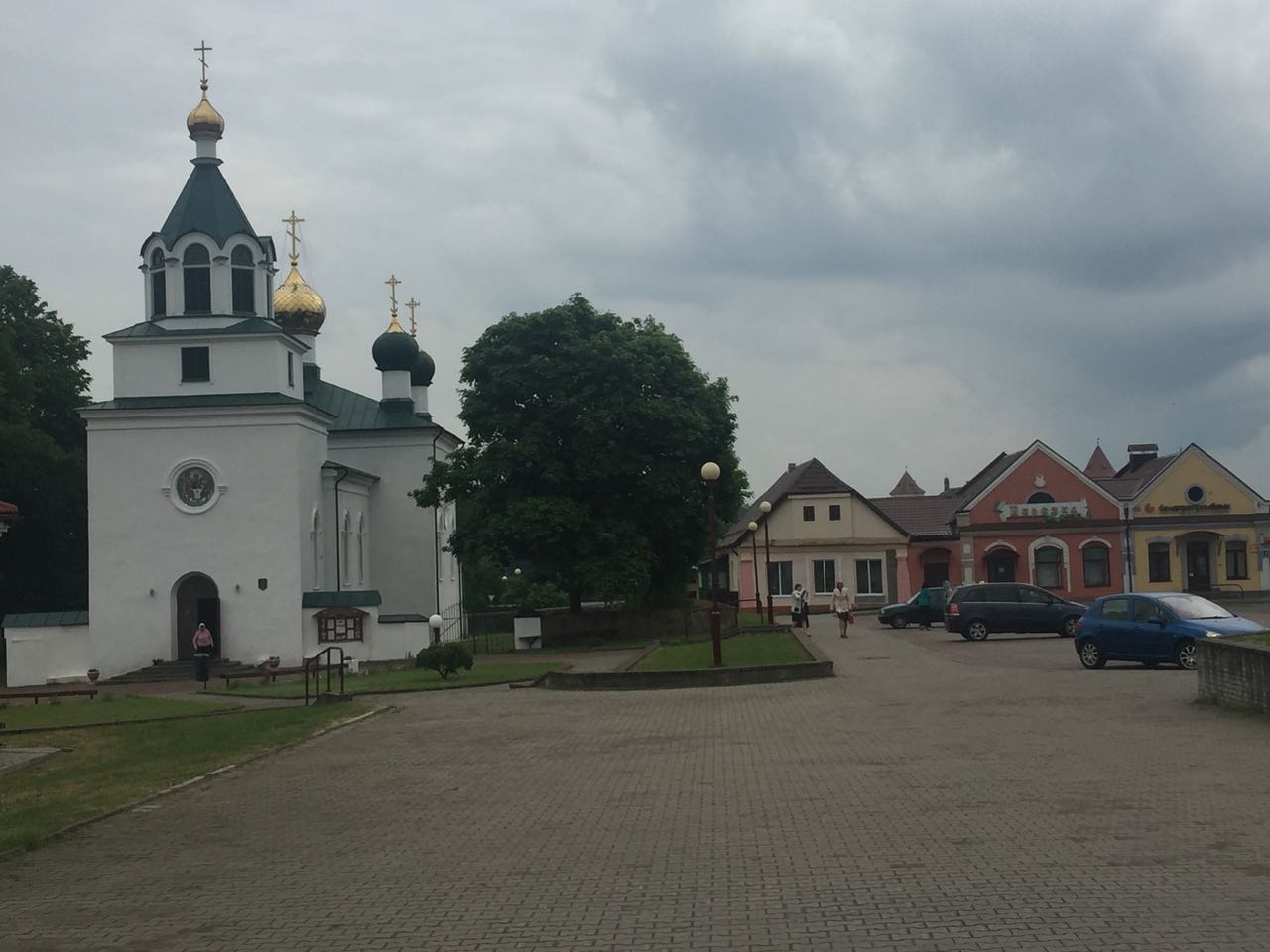
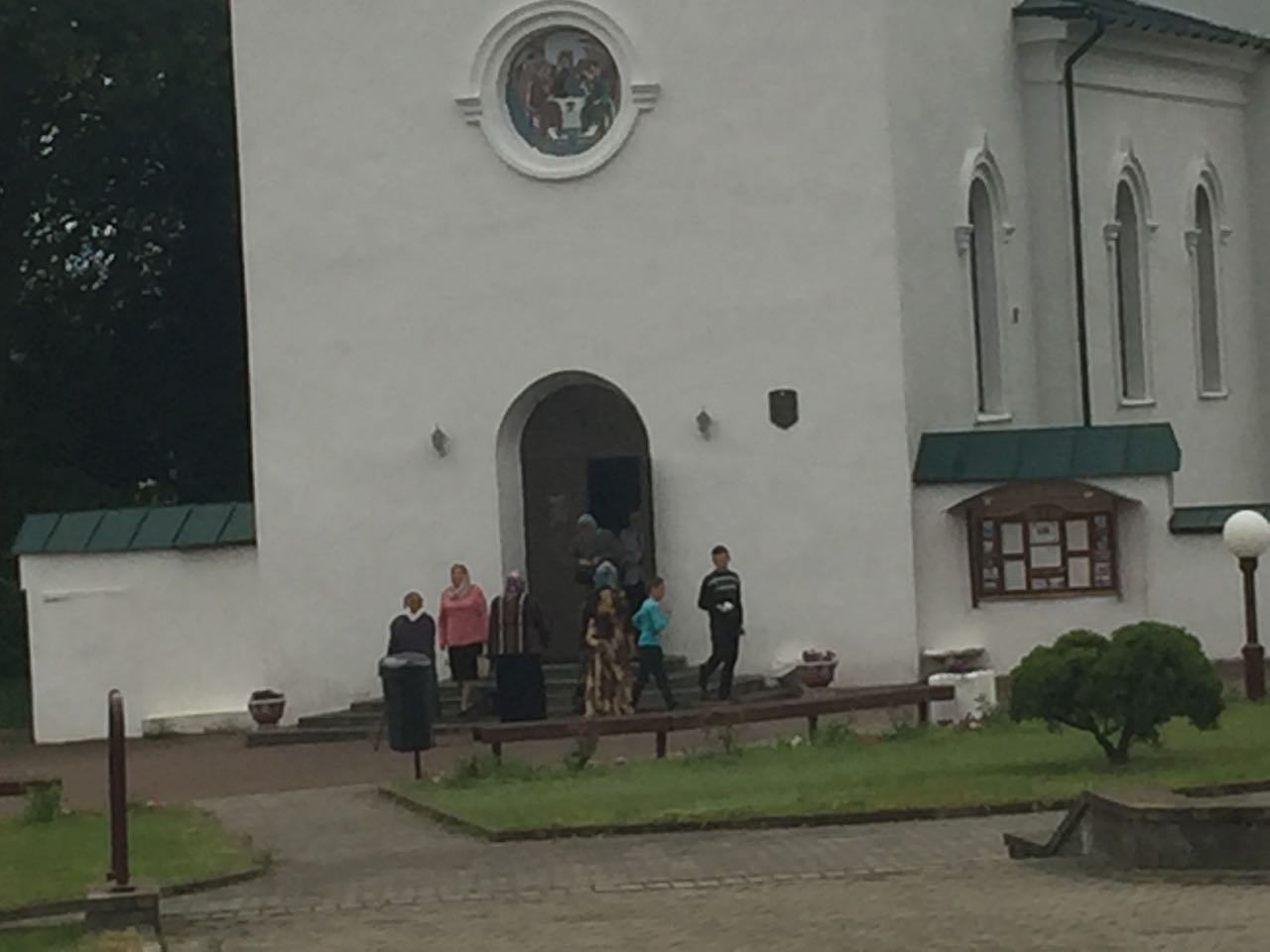
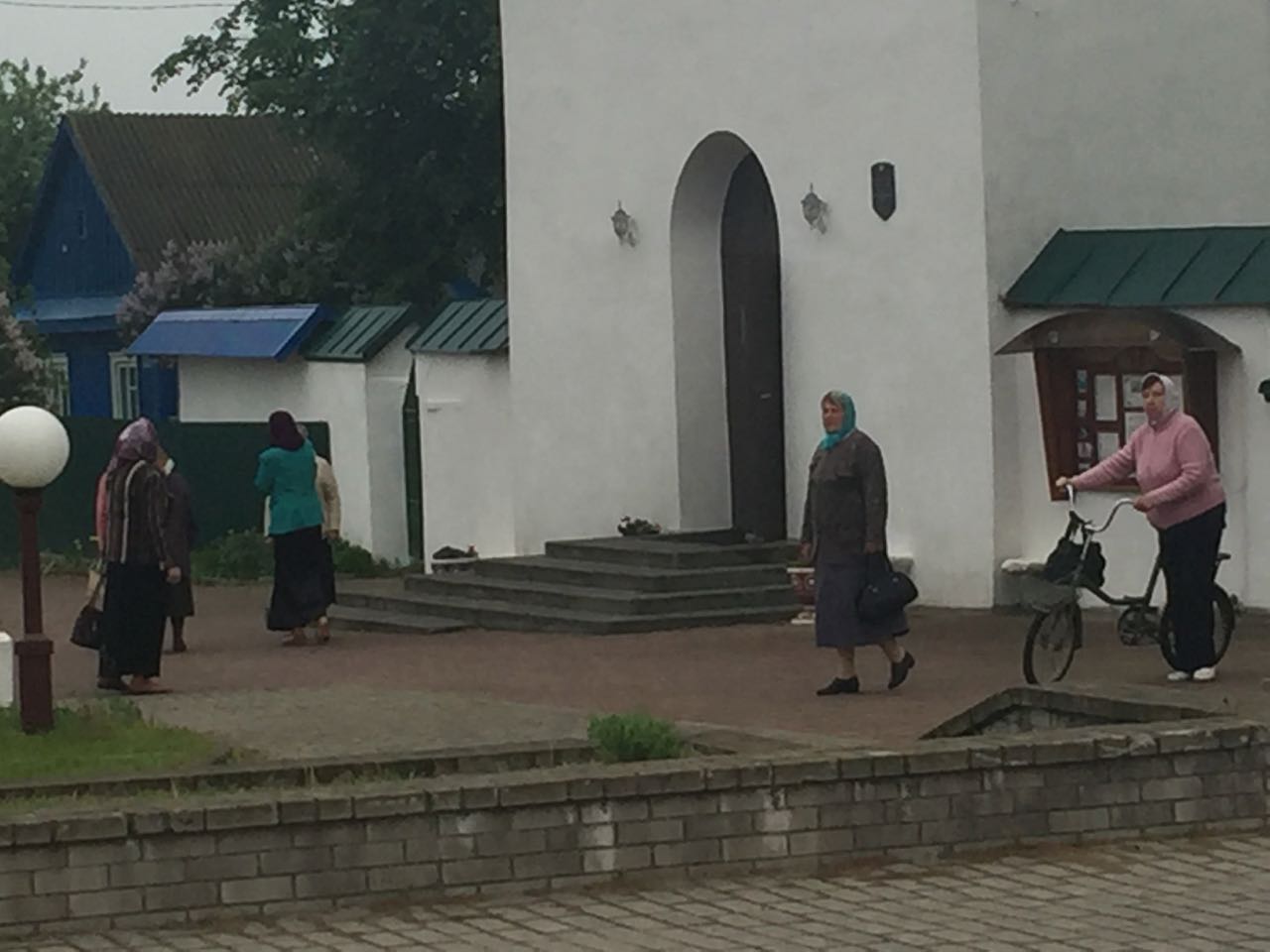
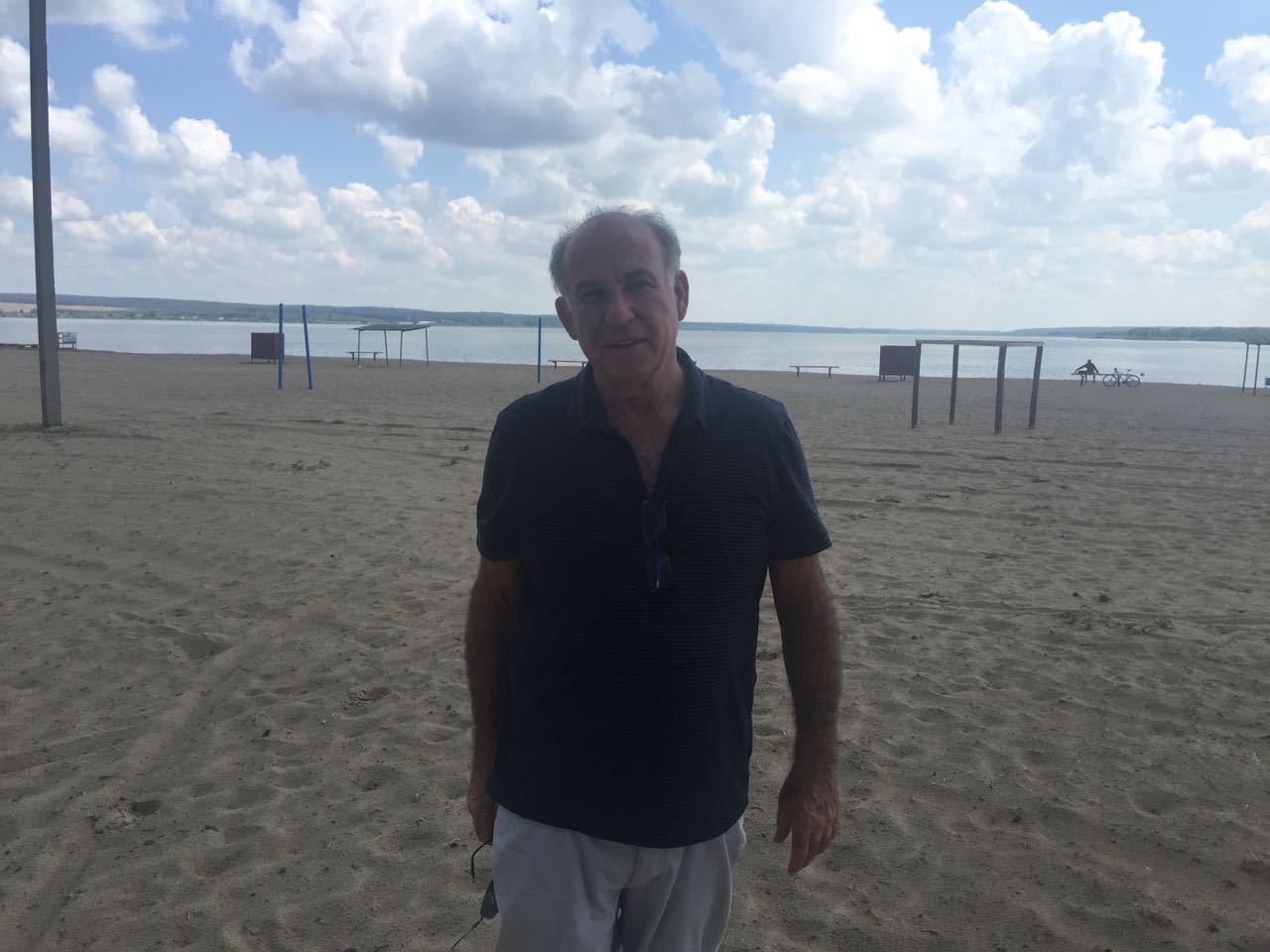
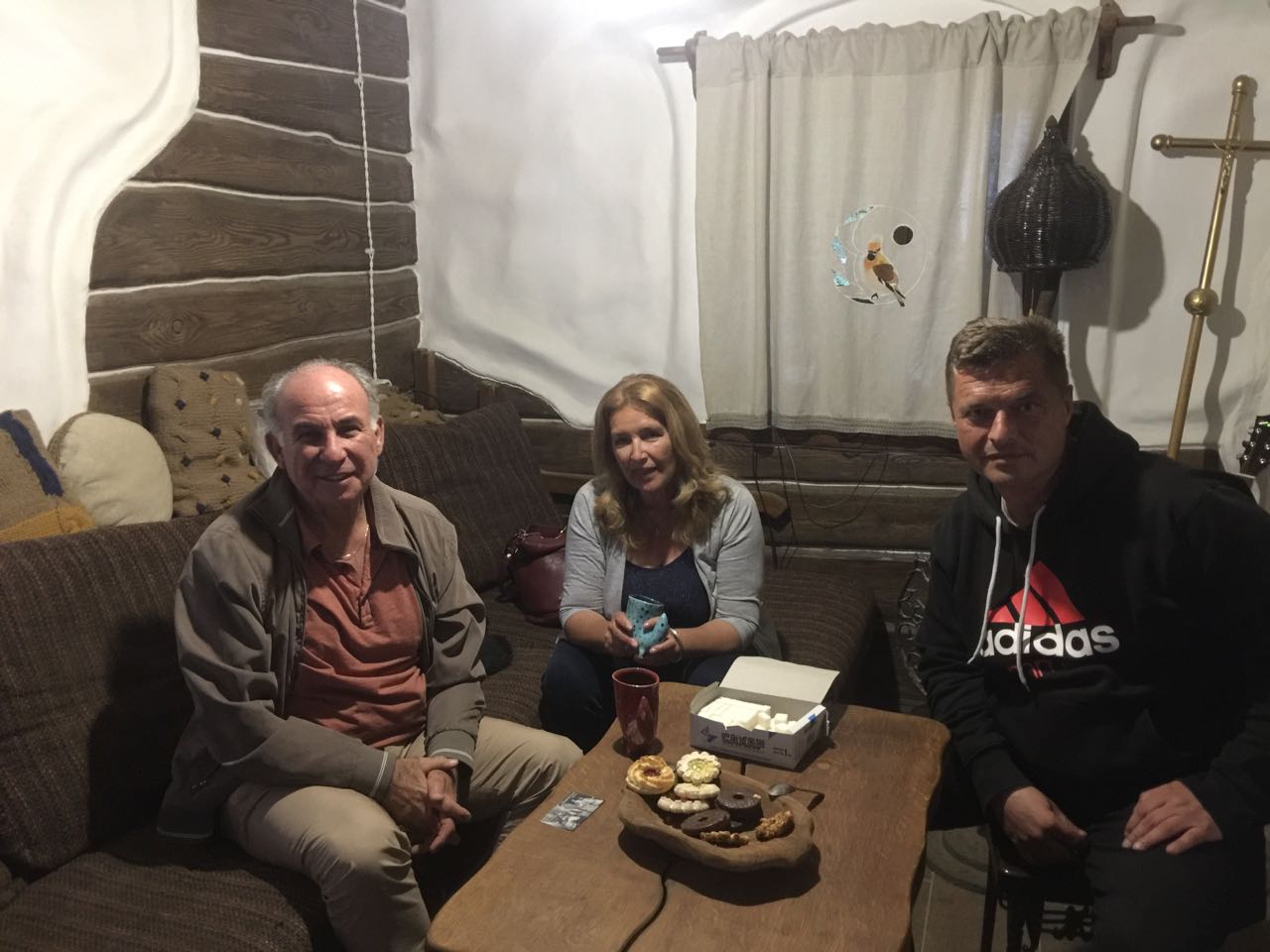
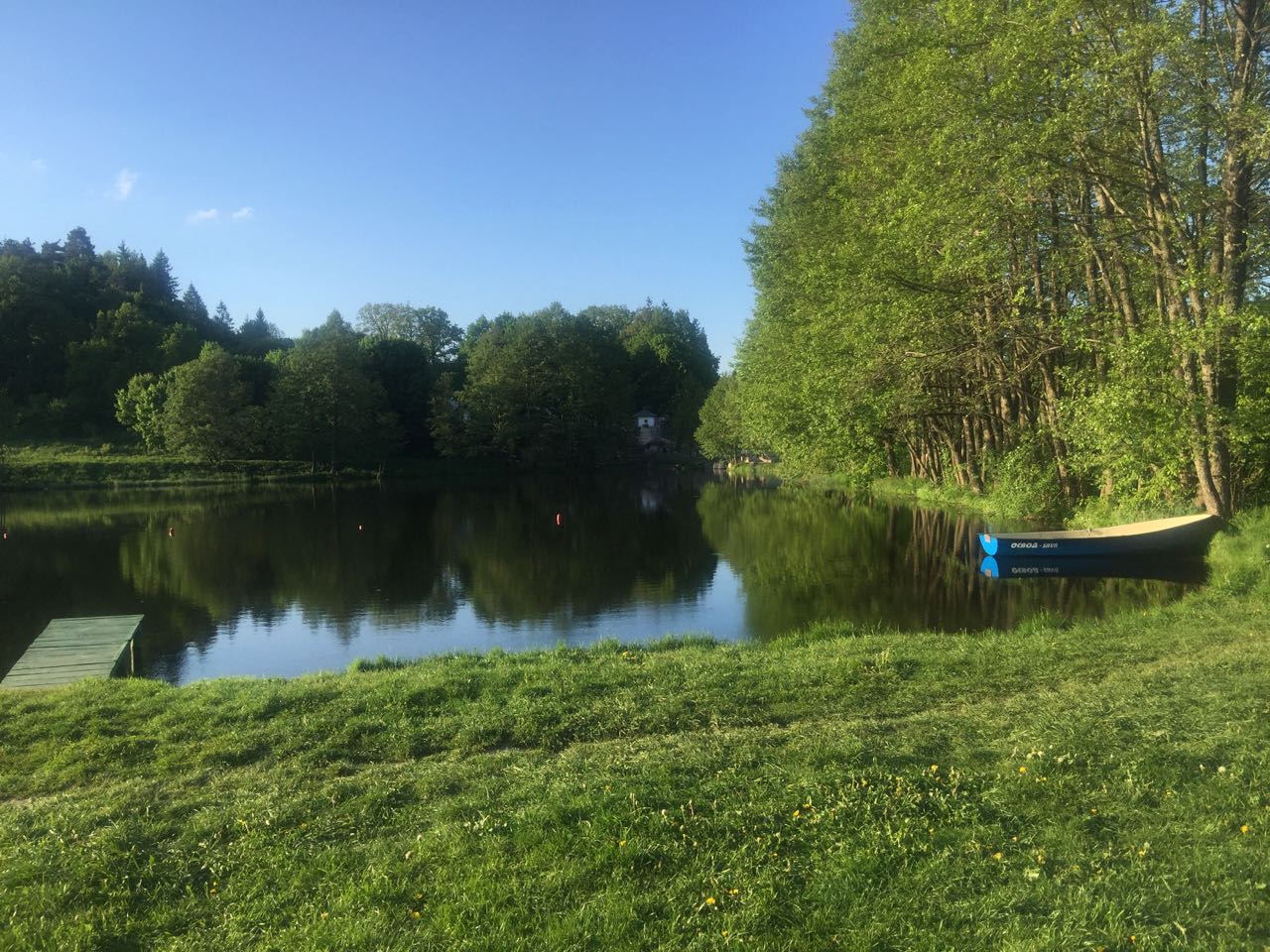
My visit to the Naliboki Forest in Belarus on 16 May 2018, with Tamara, Alexander and Ivan. This is where the Bielskis and many other partisans had their camps in the latter part of WWII. Aptly nam…
Coming Up in the UK, Europe and Israel in June, Europe and the US in July, and Australia in August!
I will be participating in:
a commemoration in June in Birzai & a shabbat weekend in Kedainiai, Lithuania;
an eight day educators’ seminar in June at the International School of Holocaust Studies at Yad Vashem;
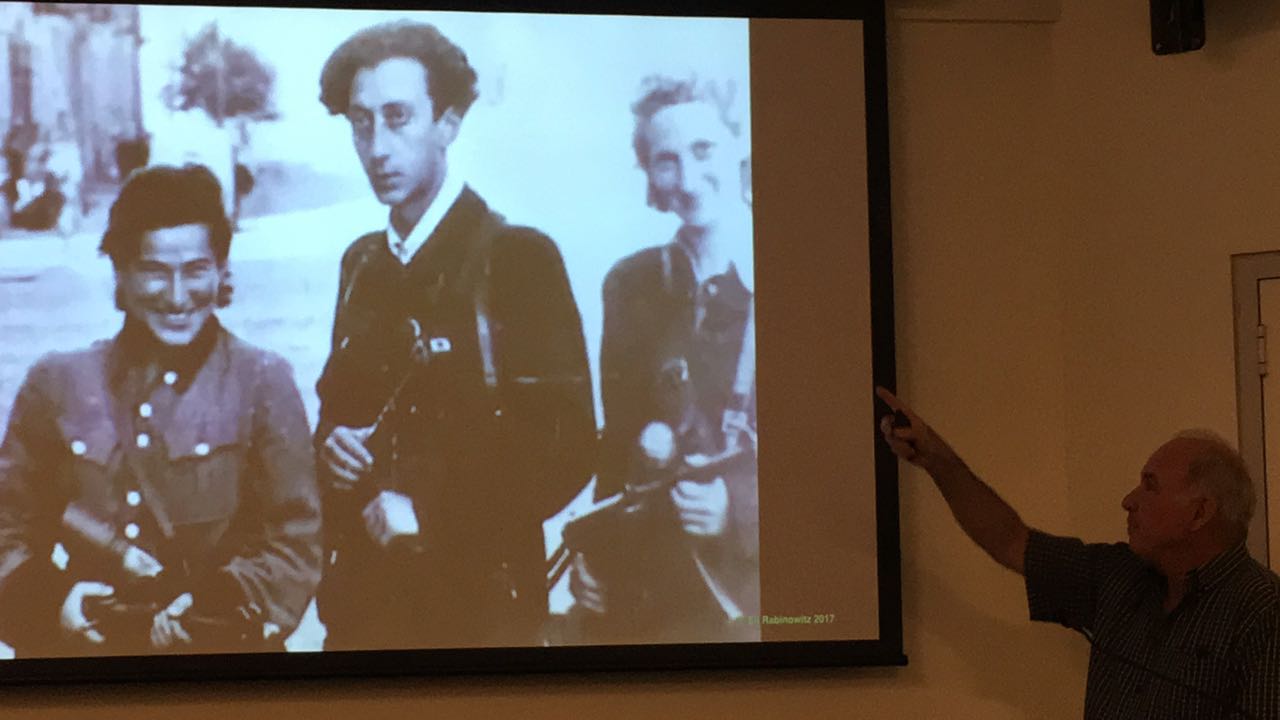
a 100-strong gathering in Novogrudok, Belarus in July, where a full and interesting program will include learning about the Partisans’ Song, and then singing it in the Naliboki Forest, where the Bielski’s lived and hid from 1942 to 1944;
the IAJGS39 conference in Cleveland in July, where I am giving two presentations, including one as part of the educators program – see below; and
WE ARE HERE! An Education Program That Inspires Upstanders in Australia in August.This educational program, which promotes universal human rights and inclusive development, is funded by the US Dept of State, and brings Holocaust educator and specialist Nance Adler of Seattle to Australia.
POSTED
Busy times ahead!
Chag Pesach Sameach and Happy Easter
Please contact me for further details.
Best regards
Eli
———————————
Further details:
I have been invited to be one of six speakers who will presentat the Educators Program at IAJGS39 (International Association of Jewish Genealogical Societies) in Cleveland OH, USA on 28 July, the opening event at thisconference.
My topic is:
Projects That Draw Youth to Ancestral Roots.
The details appear below
My second talk is on 30 July on the WE ARE HERE! Project for Upstanders.
The IAJGS International Conference on Jewish Genealogy is being held in Cleveland for the first time. It features a special day designed specifically for Jewish educators!
Who Should Attend
Educators who:
Work in formal and informal settings
Work in day or synagogue schools
Create and facilitate family and intergenerational programs
Teach history
Teach writing and research skills
Sunday, July 28th is the date. The program begins with breakfast and a keynote by noted Jewish educator and genealogist Carol Oseran Starin, former Vice-President of the Jewish Federation of Seattle. Participants may select from two workshop time periods, each with a choice from three nationally known presenters, followed by lunch and idea exchanges.
Program Details
Goal
To introduce educators to how Jewish genealogy strengthens students’ Jewish identity through the experience of researching their roots and how their history shaped family and community.
Schedule
8:30–9:00
Registration and light breakfast
9:00–10:00
Keynote speaker: What is Jewish about Jewish Genealogy, Carol Starin
10:15–11:15
Three workshop sessions
Jewish Genealogy for Beginners, Maurice Kices
Designing an “Introduction to Jewish Genealogy” Program: Being Ready for Surprises, Sylvia Abrams
Projects That Draw Youth to Ancestral Roots, Eli Rabinowitz
11:30–12:30
Three workshop sessions
DNA as a Genealogy Tool, Gil Bardige
JewishGen—Everything You Need to Know, Phyllis Kramer
How to Get Kids Involved in Family History, Daniel Horowitz
12:30–1:15
Lunch and “tachlis” how to implement ideas
1:15–2:45
Participation in SHARE Fair and Exhibits
2:45–4:00
Education track participants are invited to the conference keynote address
Title of the Presentation
Projects That Will Draw Our Youth Back To Their Shtetl
Short Title
Visit the shtetl: the virtual way forward!
Type of Session
Presentation
Topic or Category
Jewish History and Culture Methodology and Mechanics Telling Your Family Story Using Technology for Research
Brief Abstract of Your Presentation
Since 2011, and after nine trips to Poland and Lithuania, as well as travel to Belarus, Germany, Russia, Latvia, Czech Republic, Estonia, Turkey and Israel, I have compiled a sizeable collection of information, stories, photos and contacts. My focus is not only about my own family history, but that of Jewish cultural history, general history, as well as contemporary Jewish life. Working with schools in these countries, I have been able to bring students together online to collaborate and to exchange information about the lands of their heritage.
My presentation takes you on a tour of how you can use this body of work to further your own knowledge on family research, Jewish cultural heritage and Jewish life. This includes a tour of my 86 JewishGen KehilaLink websites, including 55 in Europe, plus over 600 posts and pages on my Tangential Travel and Jewish Life website and associated social media.
Presentation is best suited for
All skills
How will your presentation help your intended audience?
Expand research skills Develop interview skills Teach best practices Expand social media skills Teach innovative strategies Assist with personal research
Second Talk – Tuesday 30 July 2019
Title of the Presentation
WE ARE HERE! Project: Becoming An Upstander Rather Than A Bystander
Short Title
How Jewish Partisans Inspire Our Youth To Stand Up
Type of Session
Presentation
Topic or Category
Genealogy and Jewish History Related to WW2 Jewish History and Culture Methodology and Mechanics Preserving our Jewish Past
Brief Abstract of Your Presentation
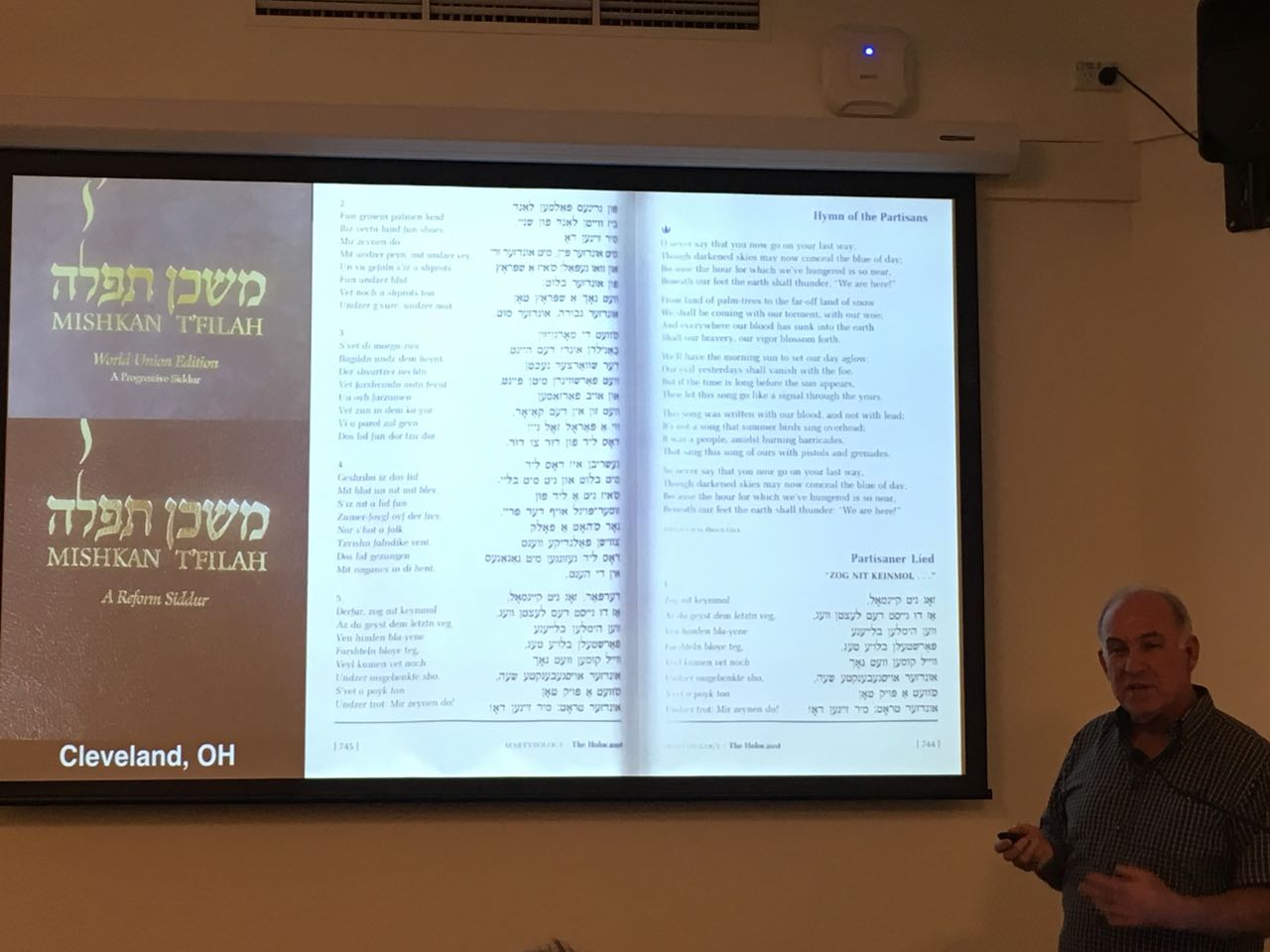
WE ARE HERE! Project This project seeks to inspire in young people the confidence and ability to stand up in the face of prejudice and oppression. Encourages and inspires Upstanders through the stories of Jewish Partisans and the learning of Zog Nit Keynmol Provides role models for standing up for yourself in the face of prejudice, hatred, violence and evil Shows that an individual can make a difference – regardless of their personal circumstances Translates the stories of Jewish Partisans and the words of Zog Nit Keynmol into a universal message of hope and inspiration for all who are victims of prejudice and oppression Empowers young people to create the change they want to see in their communities and the world. Teaches that while the partisans used weapons – they were fighting the Nazis – you can fight oppression with only your voice and presence
Presentation is best suited for
All skills
How will your presentation help your intended audience?
Teach best practices Expand social media skills Teach innovative strategies
With Heather Blumenthal and Richard Freedman at the Cape Town Holocaust & Genocide Centre
In Australia #WeRemember by singing Zog Nit Keynmol, The Partisans’ Song.
Thanks to Phillip Masel for taking these photos at the ceremony in Mellbourne last night, and sharing them with us
Phillip, 96, was a friend of Hirsh Glik, the poet who wrote the poem in 1943.
Please Learn and Teach the Partisans’ Song to your students and children.
You have a choice of 28 languages, or even combinations, and now even in Noongar, Zulu and Xhosa
We can show you an easy and effective way to learn this before Yom Hashoah on 1 / 2 May 2019!
Learn The Partisans’ Song | tangential travel
Learn The Partisans’ Song | tangential travel
A Project For Your School Recite or sing the Partisans’ Song in your home tongue, or in a language you have learnt. Make a video, which can be as creative as you wish or just a simple recording. For the poem, each verse is made up of four lines. For the song, the last two lines in each verse are repeated. The Power Of Words The background and context The ‘Partisans’ Song’ – Zog Nit Kein Mol–written by Hirsch Glik, 22, in the Vilna Ghetto in 1943 is one of the most powerful songs of resistance and defiance ever written. While Hitler boasted that his Reich would endure for a thousand years, it is the Jewish people who resisted the forces of hatred and have endured, not the murderous Third Reich, which lasted twelve years. Today, 75 years on, long after the demise of Hitler’s murderous regime, the partisans’ song is now sung worldwide to mark the Jewish spirit of resistance. (Michael Cohen, Melbourne)
Listen to the Noongar, an Australian Aboriginal language, version.
View some of our videos of the song:
Videos | tangential travel
Videos | tangential travel
Beis Aharon School, Pinsk, Belarus
Videos of the Partisan Poem and Song Project ORT Compilation videos: Herzl Lyceum ORT, Chisinau, Moldova ORT Tallinn, Estonia Solomo Aleichemo ORT, Vilnius, Lithuania Solomo Aleichemo ORT singing the song during my visit in May 2017 ORT Chernivsti, Ukraine Kiev ORT #141, Ukraine ORT Odessa, Ukraine Moscow 1540 ORT, Russia Kazan ORT, Russia Samara ORT, Russia Mexico CIM ORT Herzlia High School, Cape Town, South Africa King David Victory Park, Johannesburg South Africa Sauleketis School, Vilnius Lithuania Dylan Kotkis of Carmel School, Perth The Poem in English The
Lunchtime Lecture – The Partisan Song Project: We Are Here
The Partisans’ Song, written by Hirsh Glik, age 22, in the Vilna Ghetto in 1943, is one of the most powerful songs of resistance and defiance ever written.
The Meaning And Significance Of The Partisans’ Song
The Meaning And Significance Of The Partisans’ Song
A Video For Teachers MENU: Introduction – SABC TV Why is singing the song so Important? – Phillip Maisel Defiance Trailer – Bielski Jewish Partisans Soviet N…
A Video For Teachers MENU: The Melody – Pokrass Brothers Original Russian Soundtrack Irish Folk Band – The Rathmines Japanese Version – Isao Oiwa Kugelplex K…
For a 5 day visa free visit to Belarus, you must fly in and out of Minsk airport. My drive from Minsk to Pinsk took 4 hours, mostly on an excellent toll road, free for Belarusian registered cars. Watch out for speed cameras though!
Speed camera – beware!
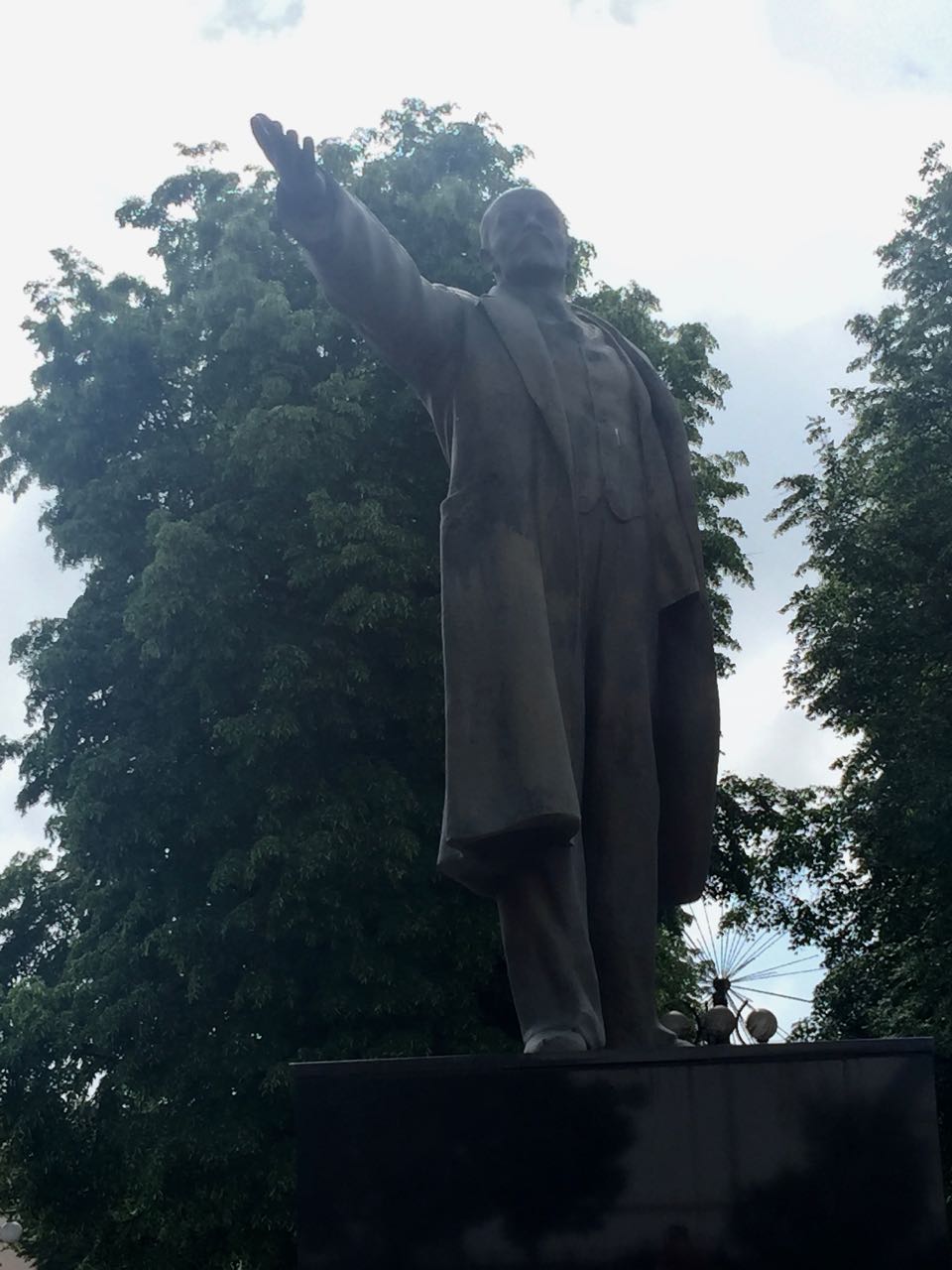
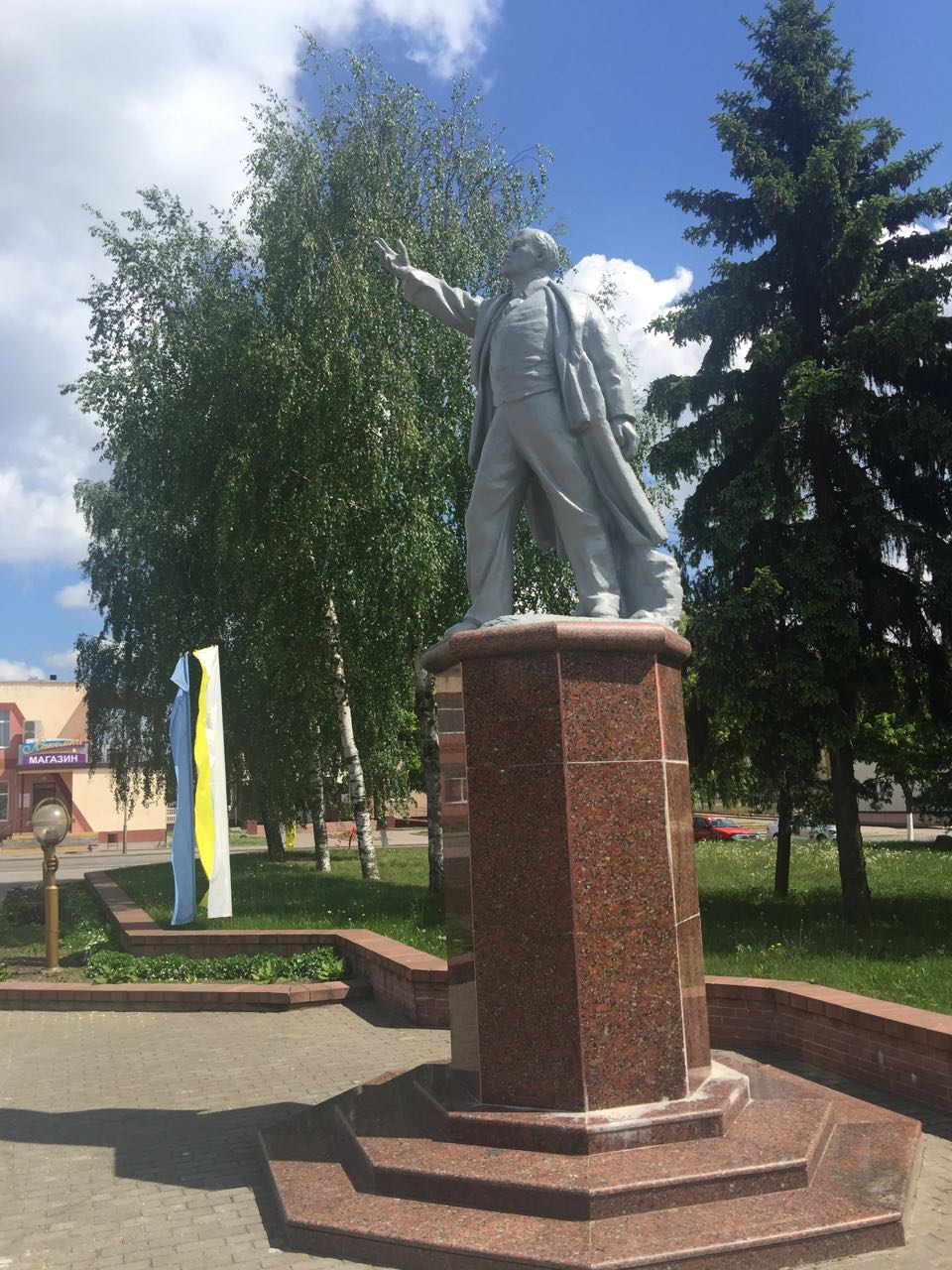
Lenin
An Orthodox Church
A cemetery
The latest model
Pinsk – at last!
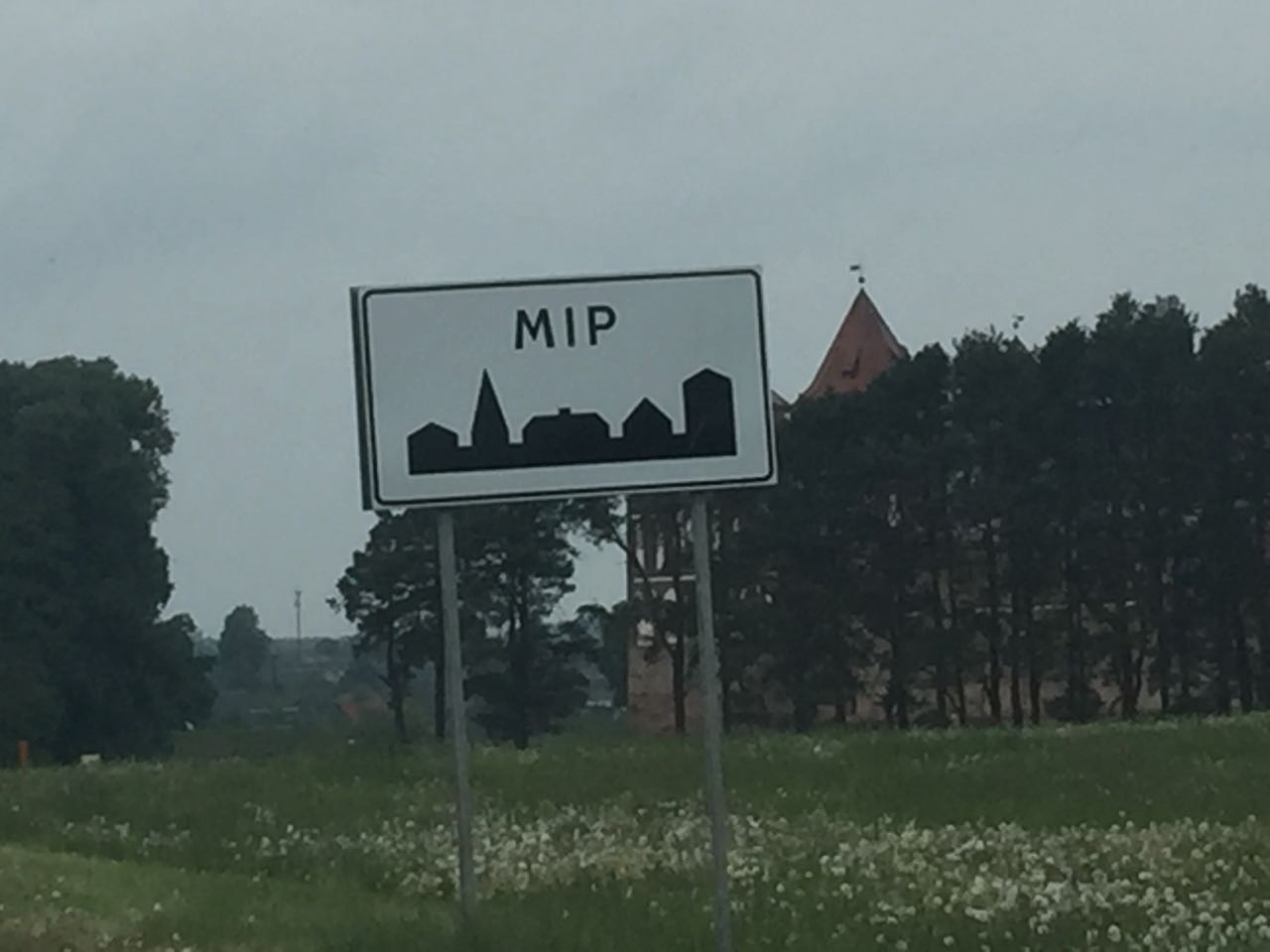
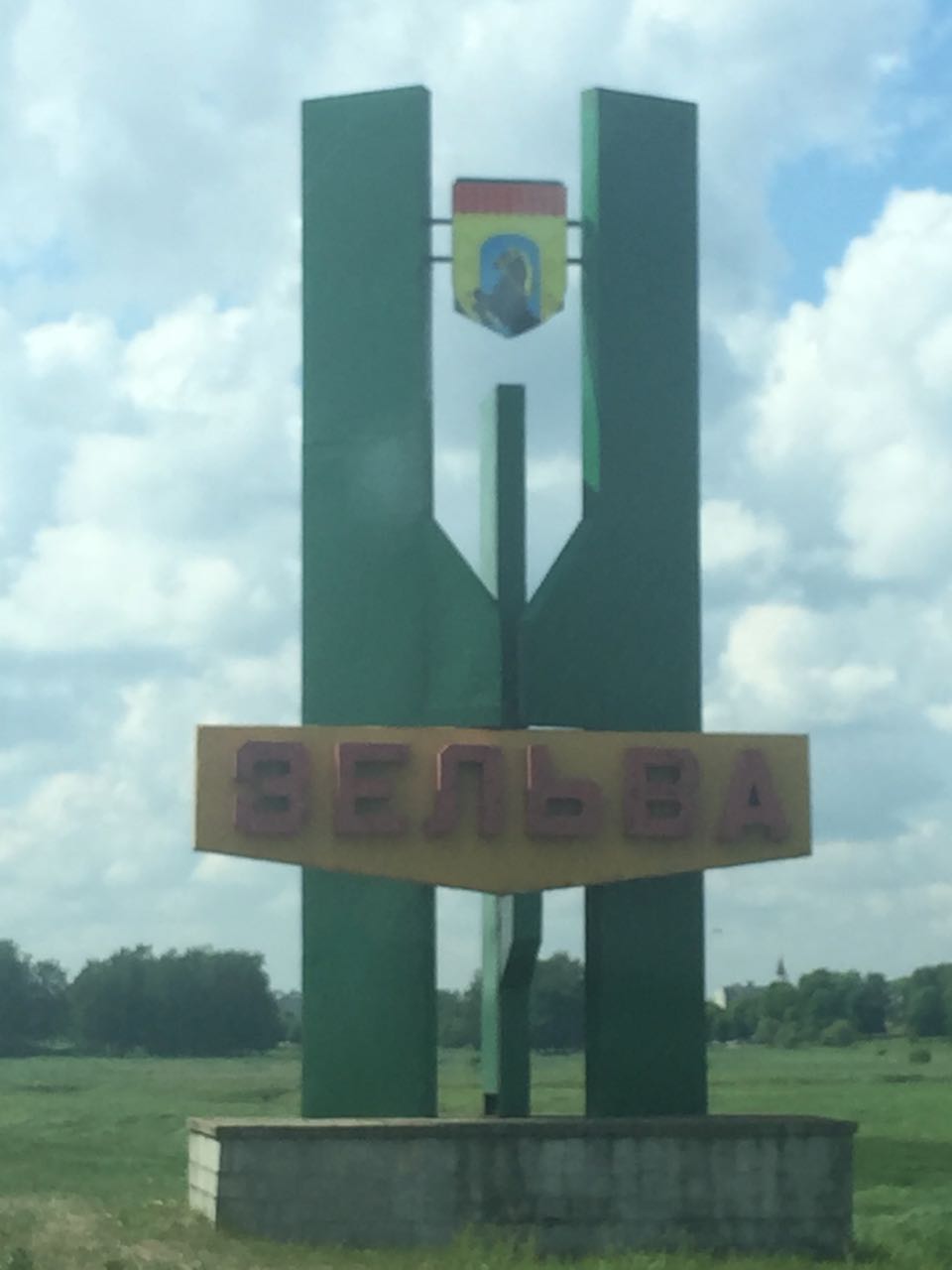
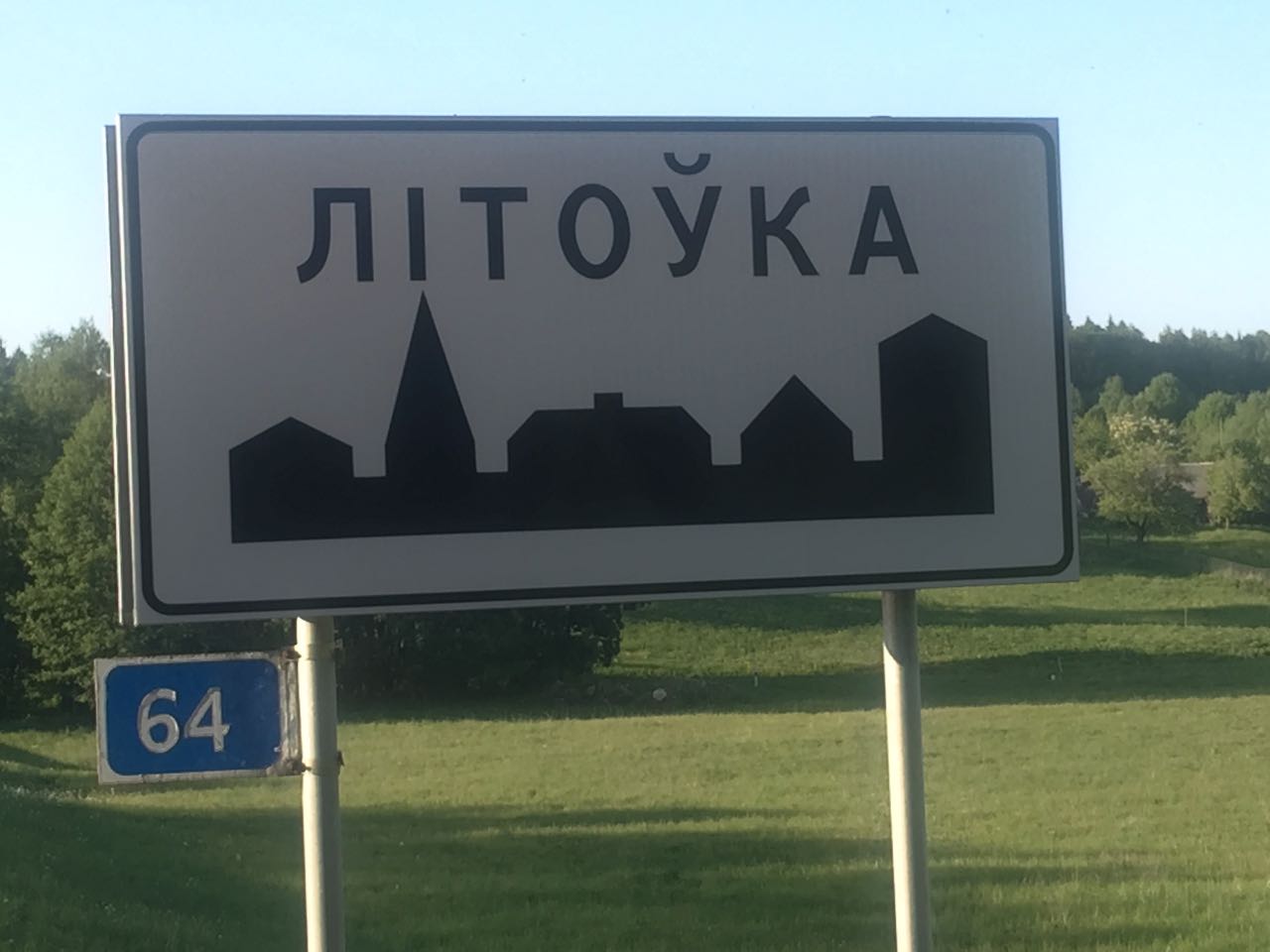
Town signs
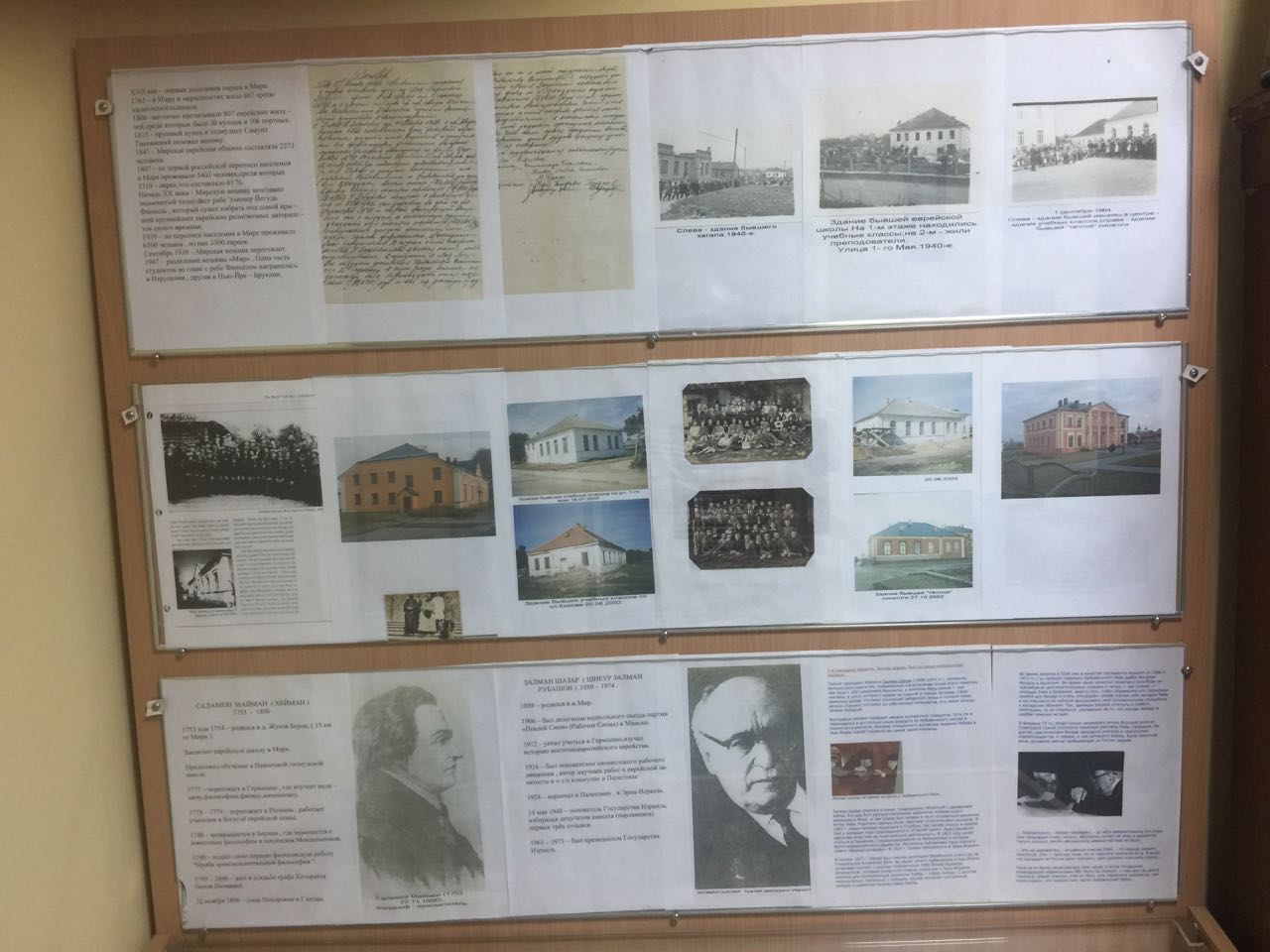
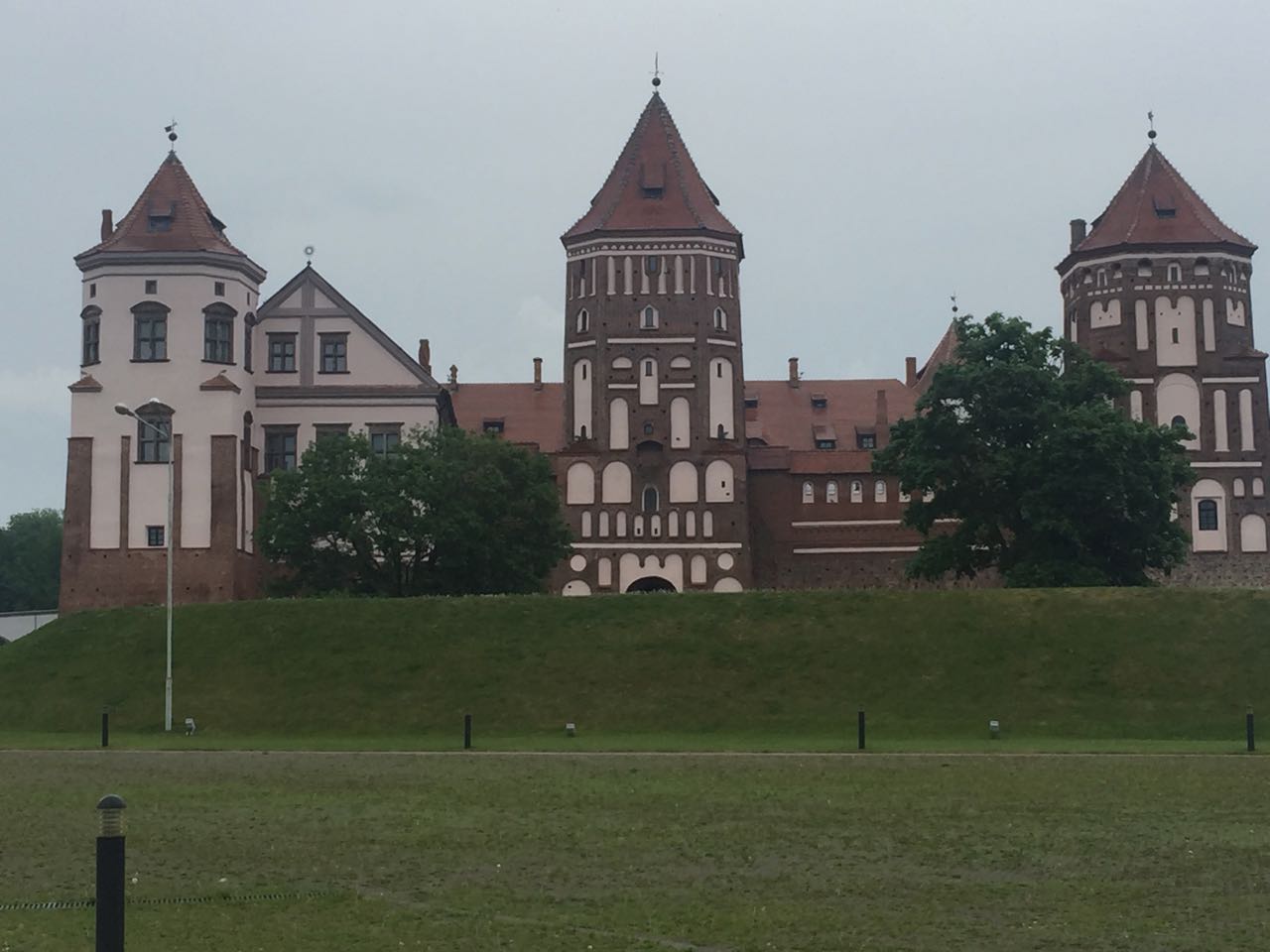
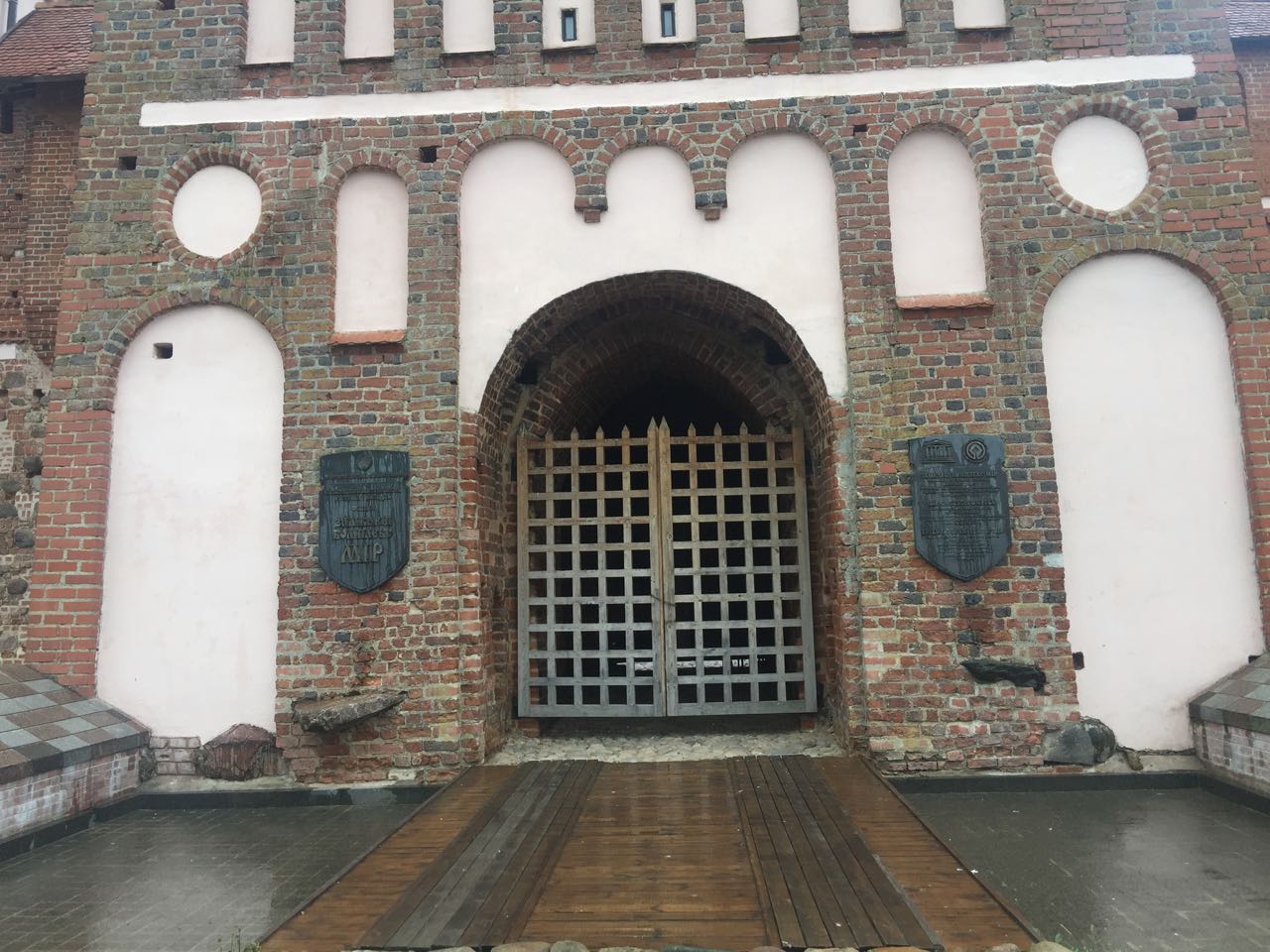
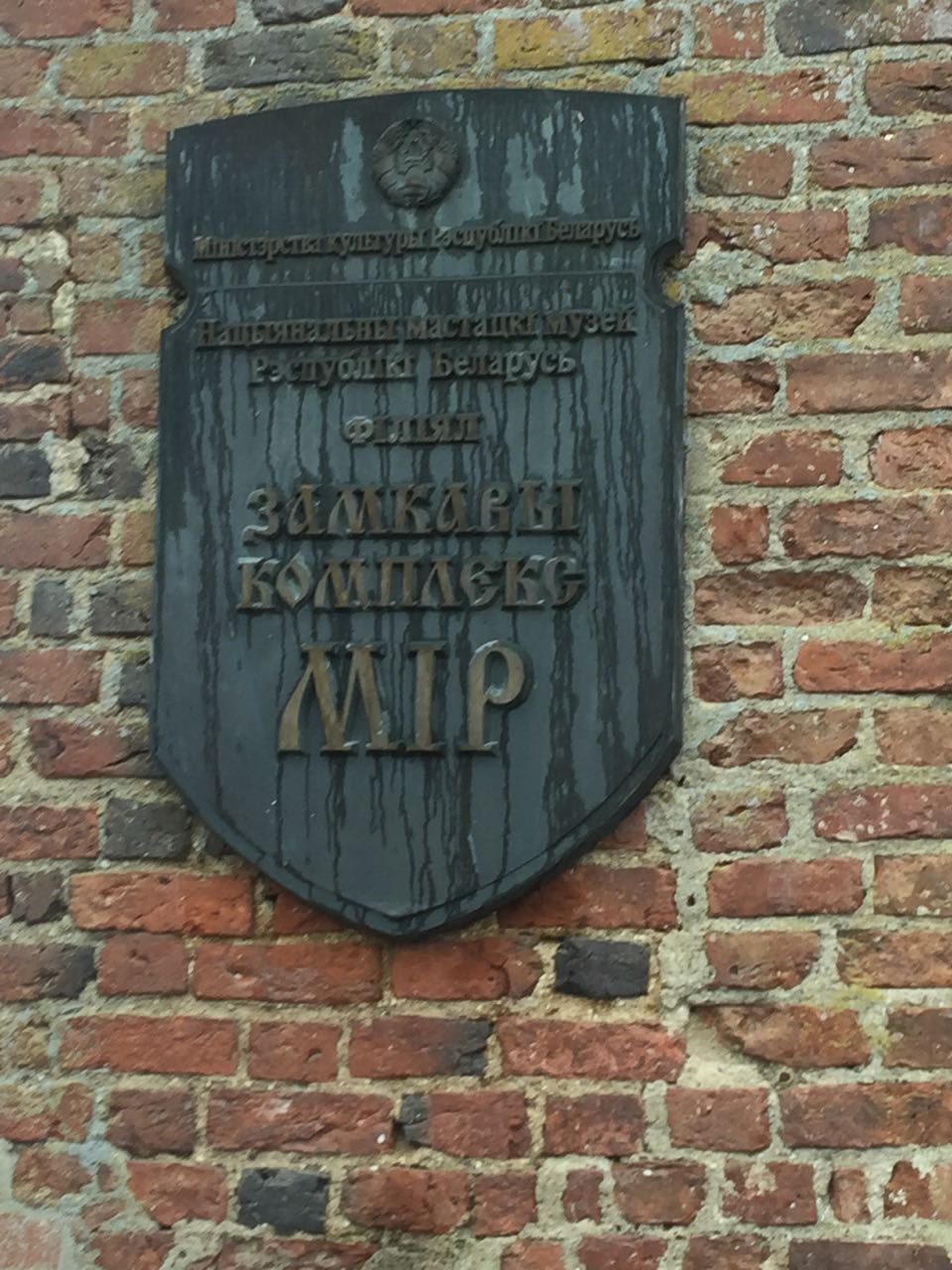
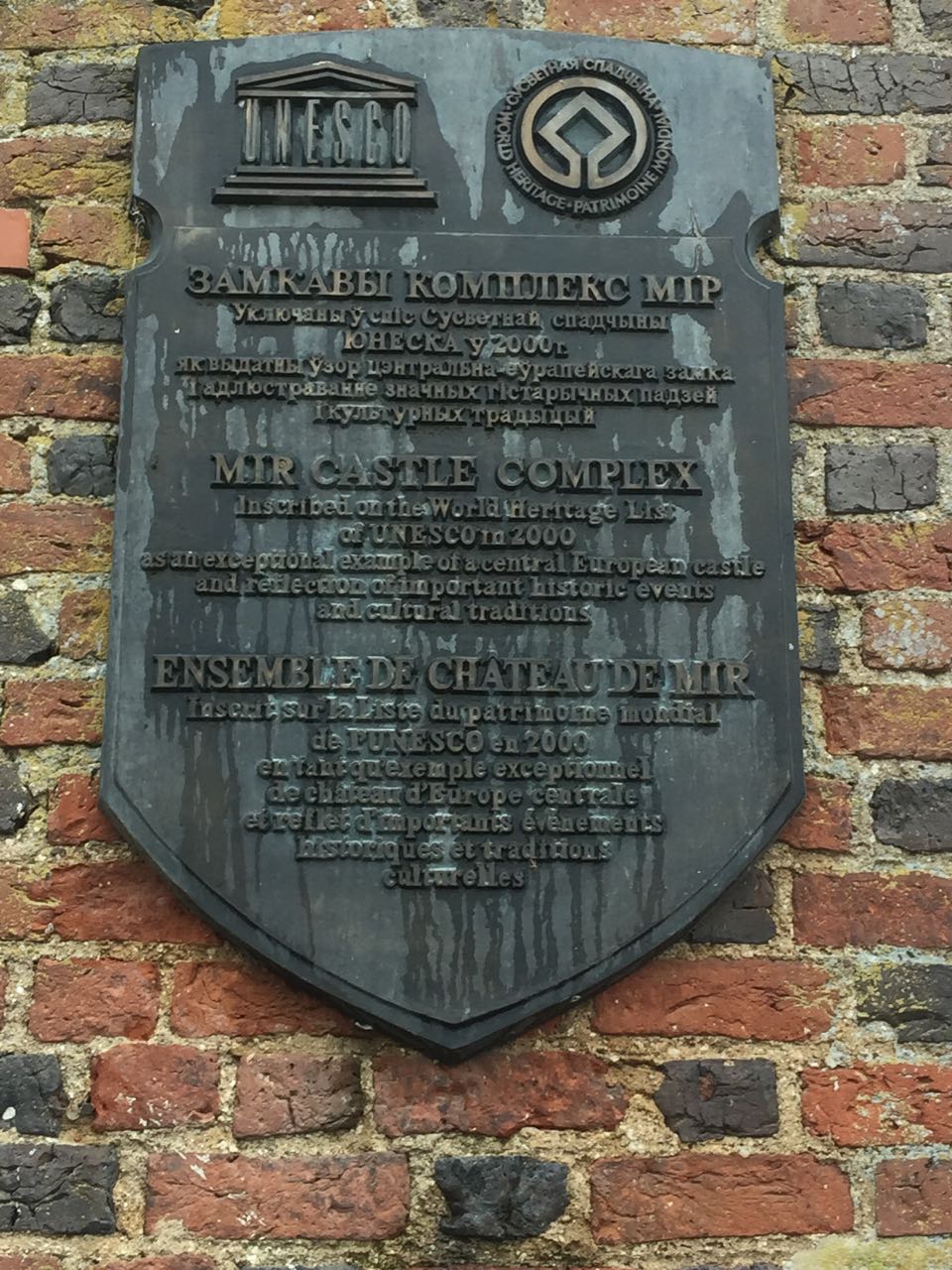
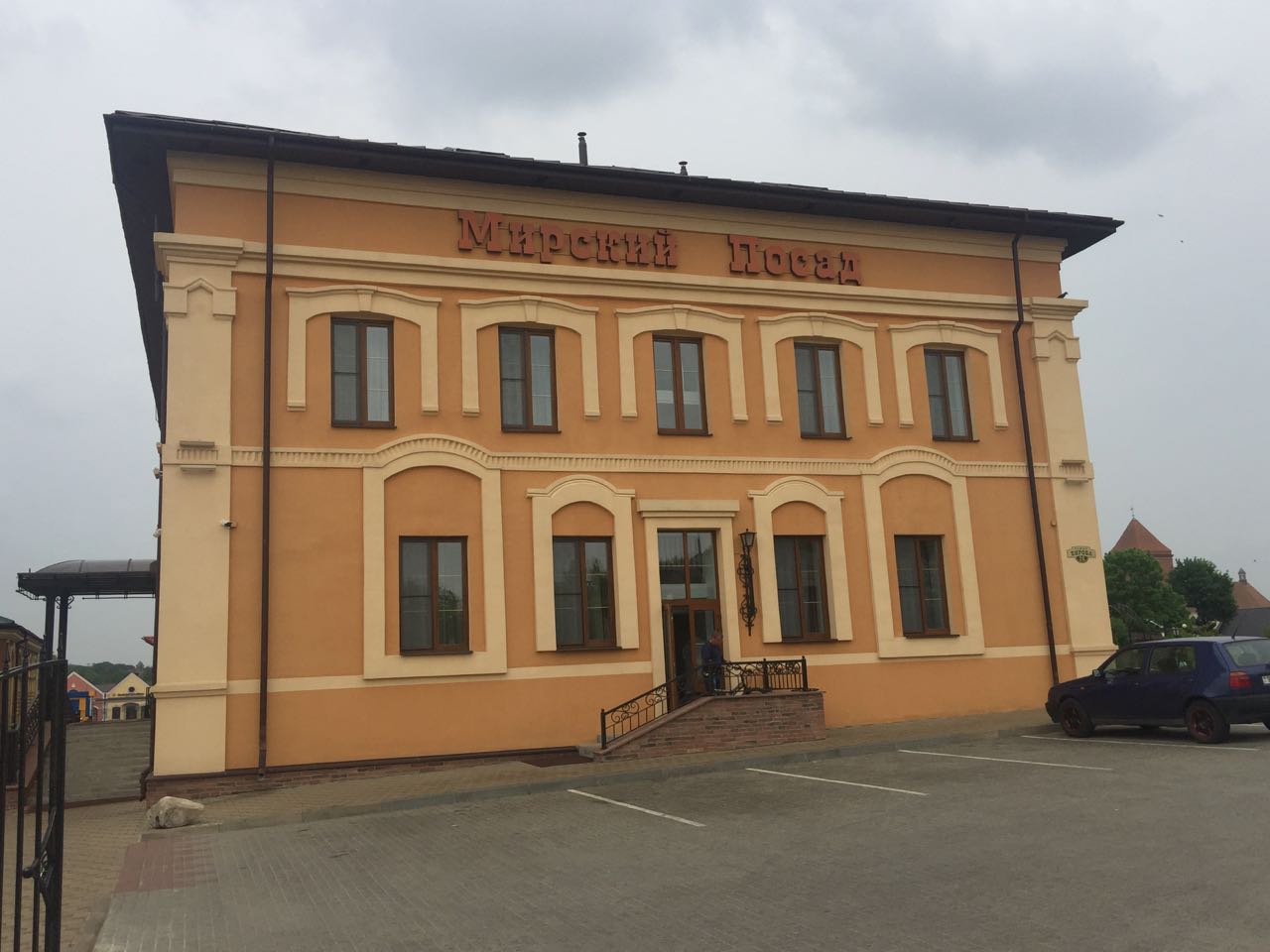
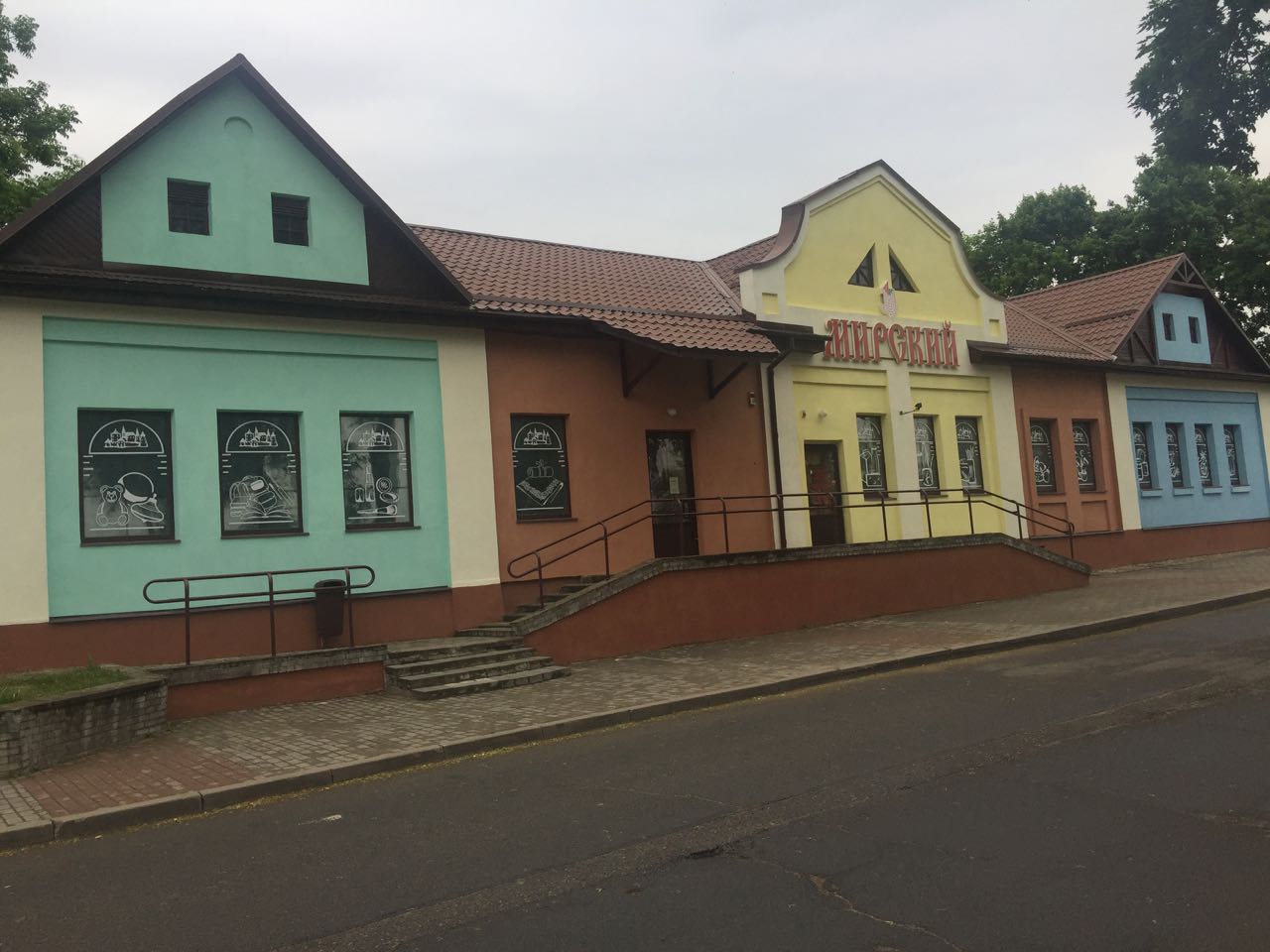
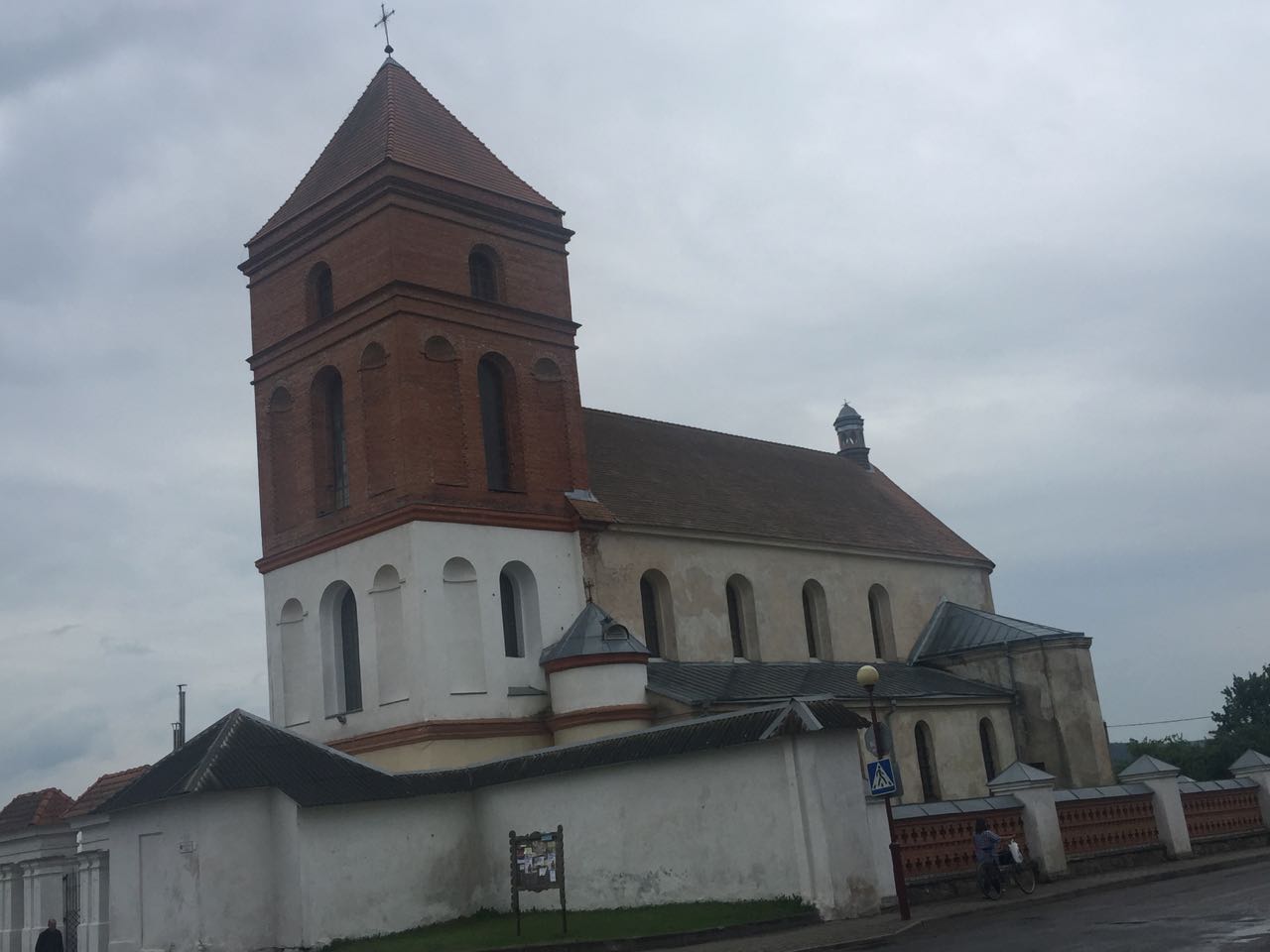
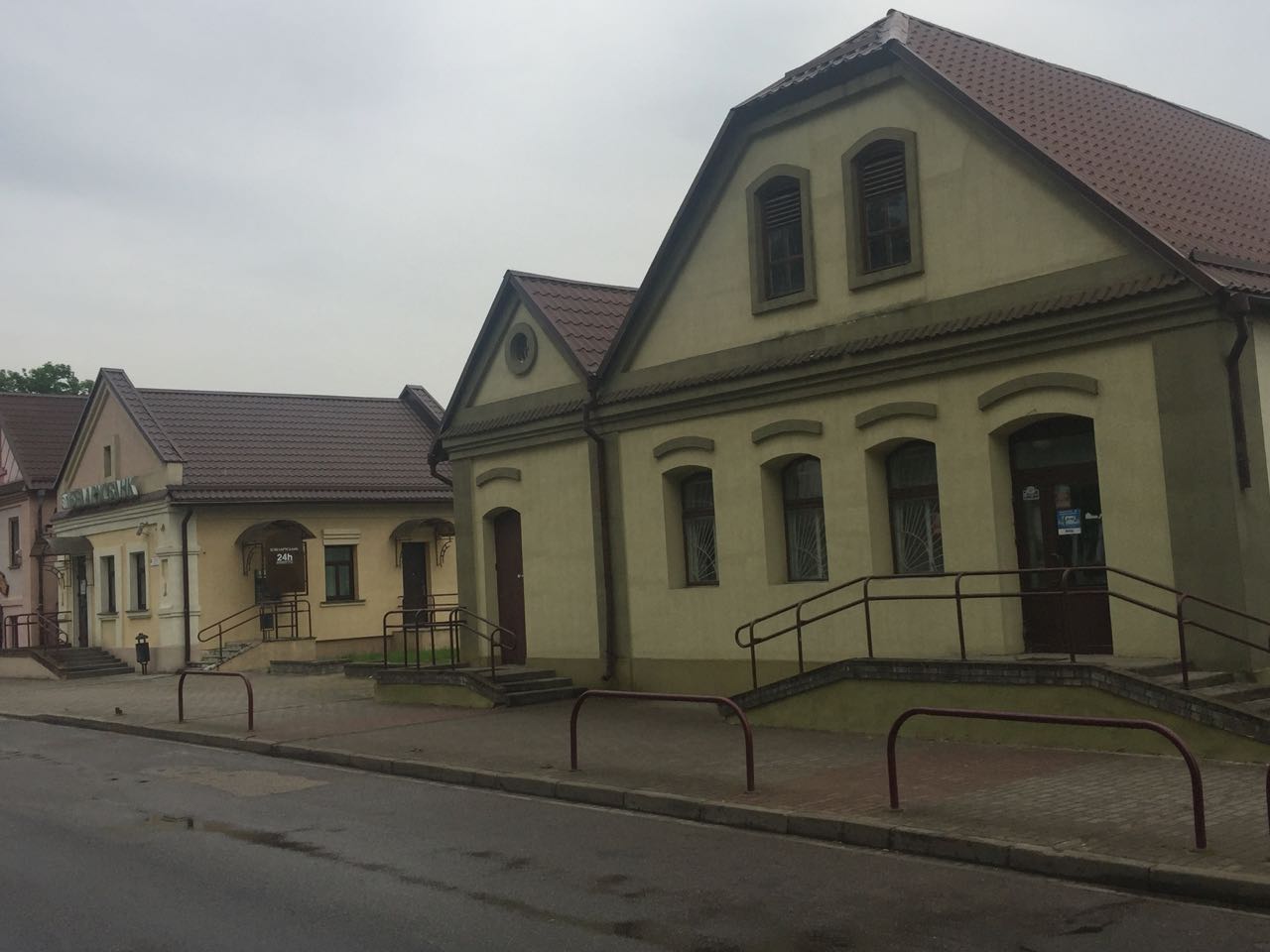
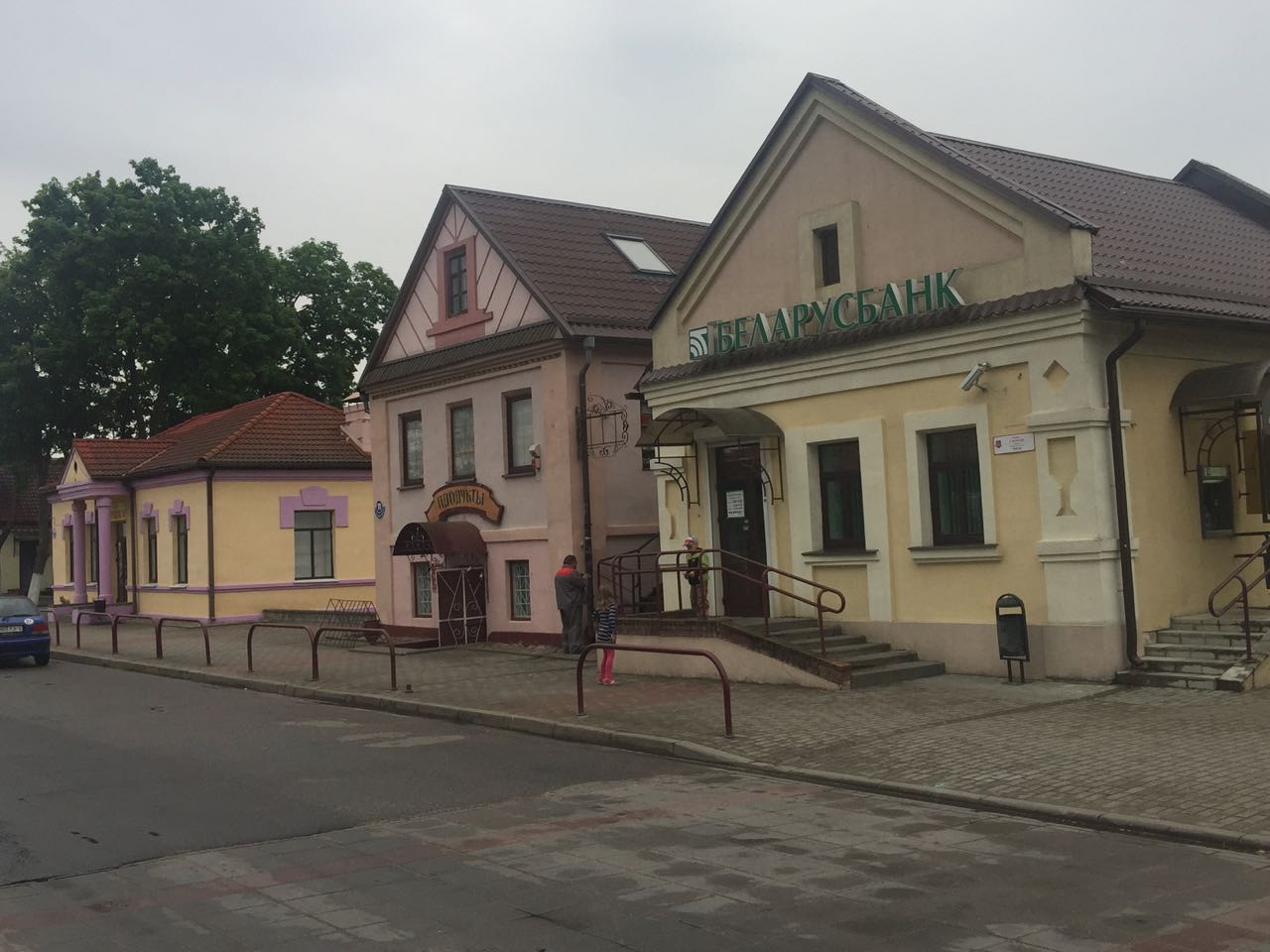
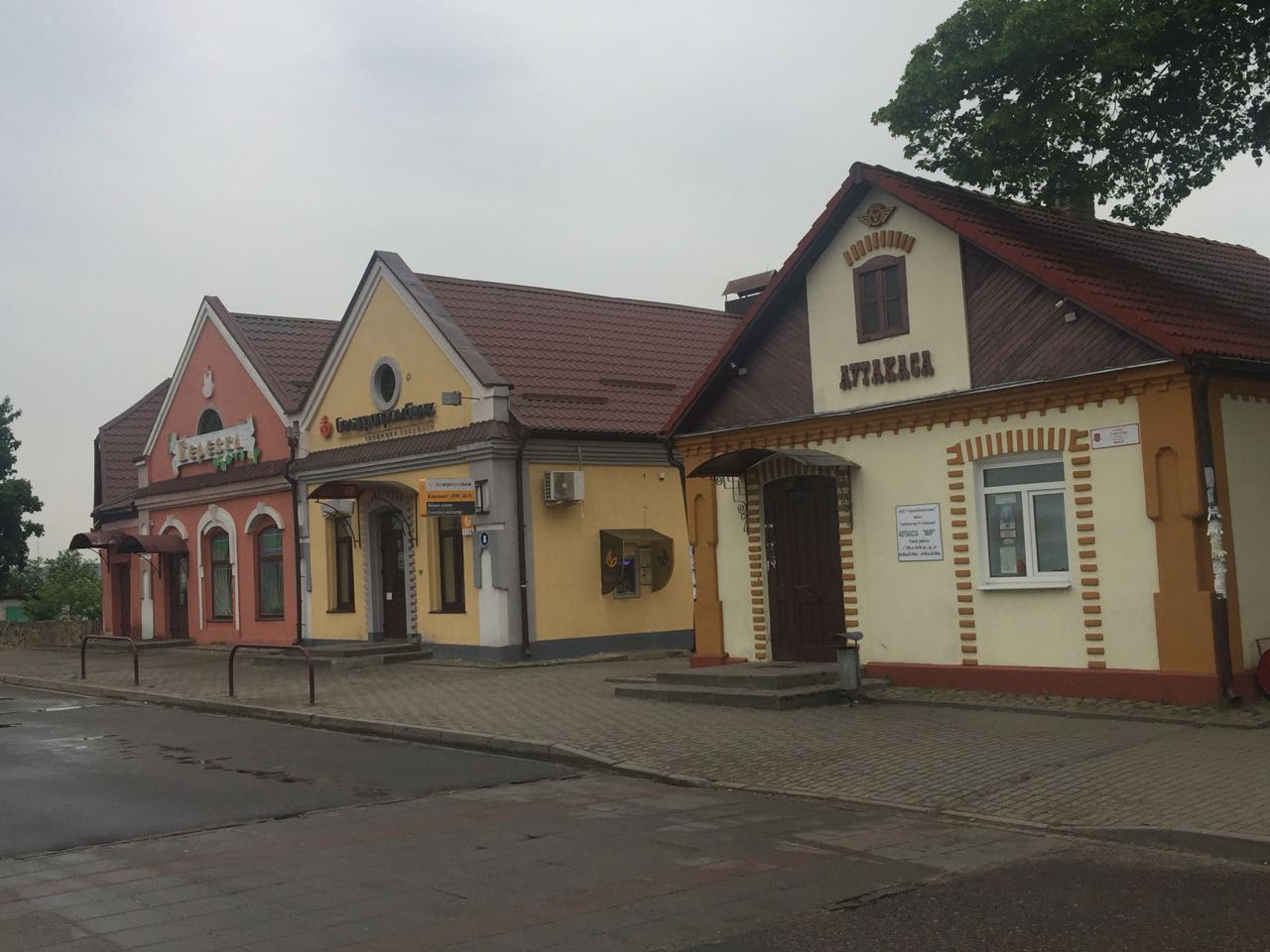
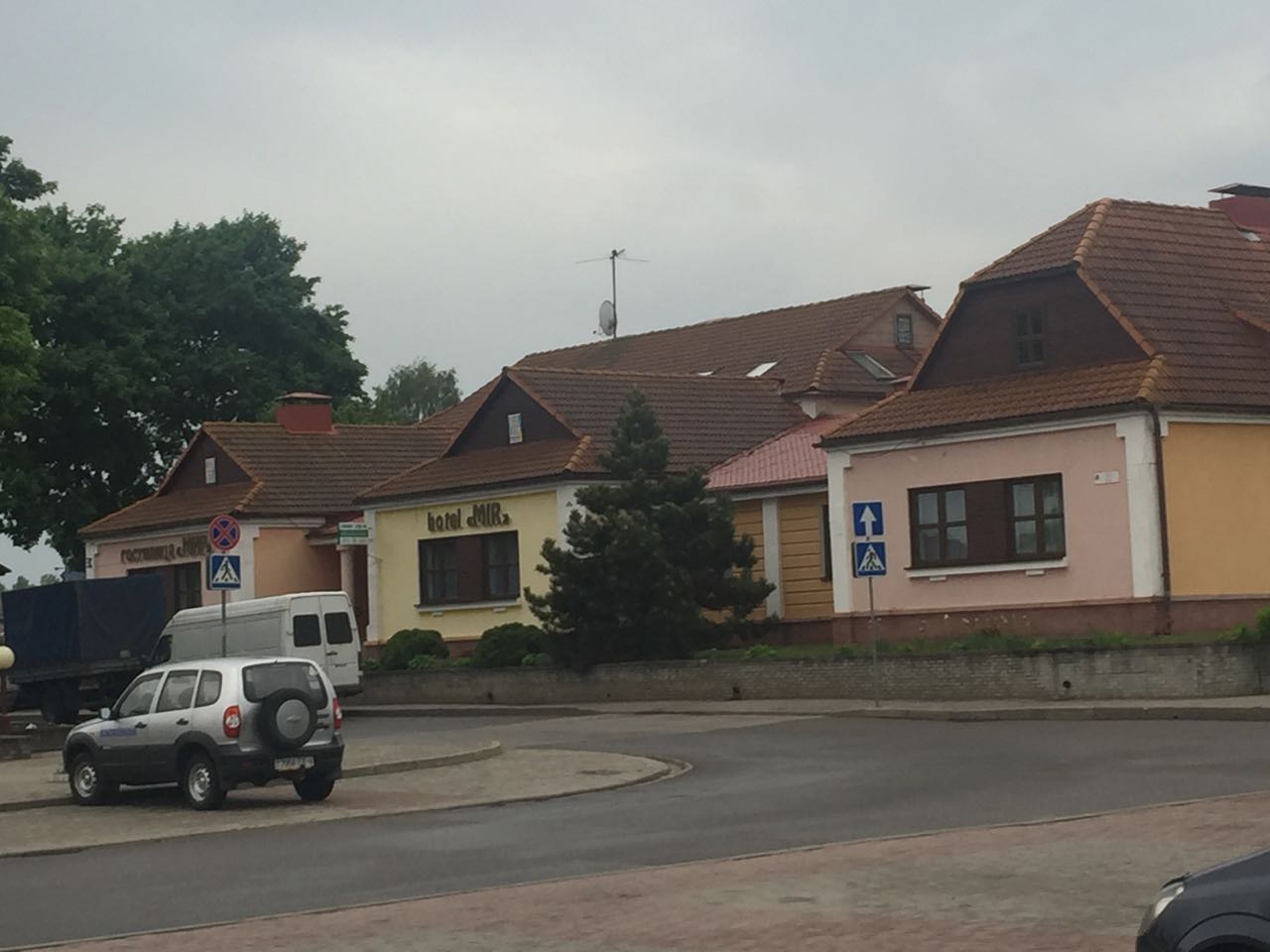
Mir
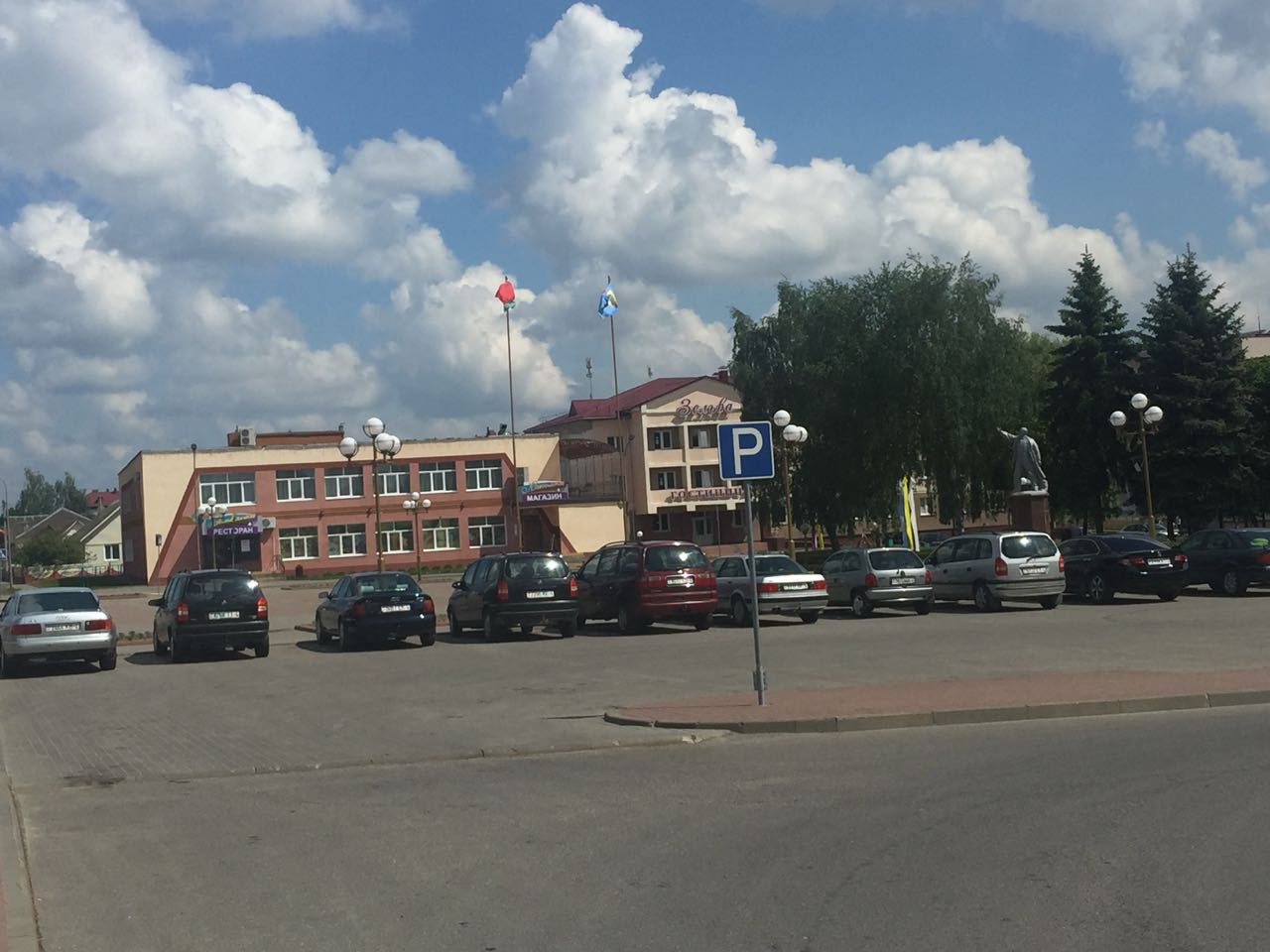
Zelva
Sometimes to get somewhere, make your own pathway!
But it can be worth it!
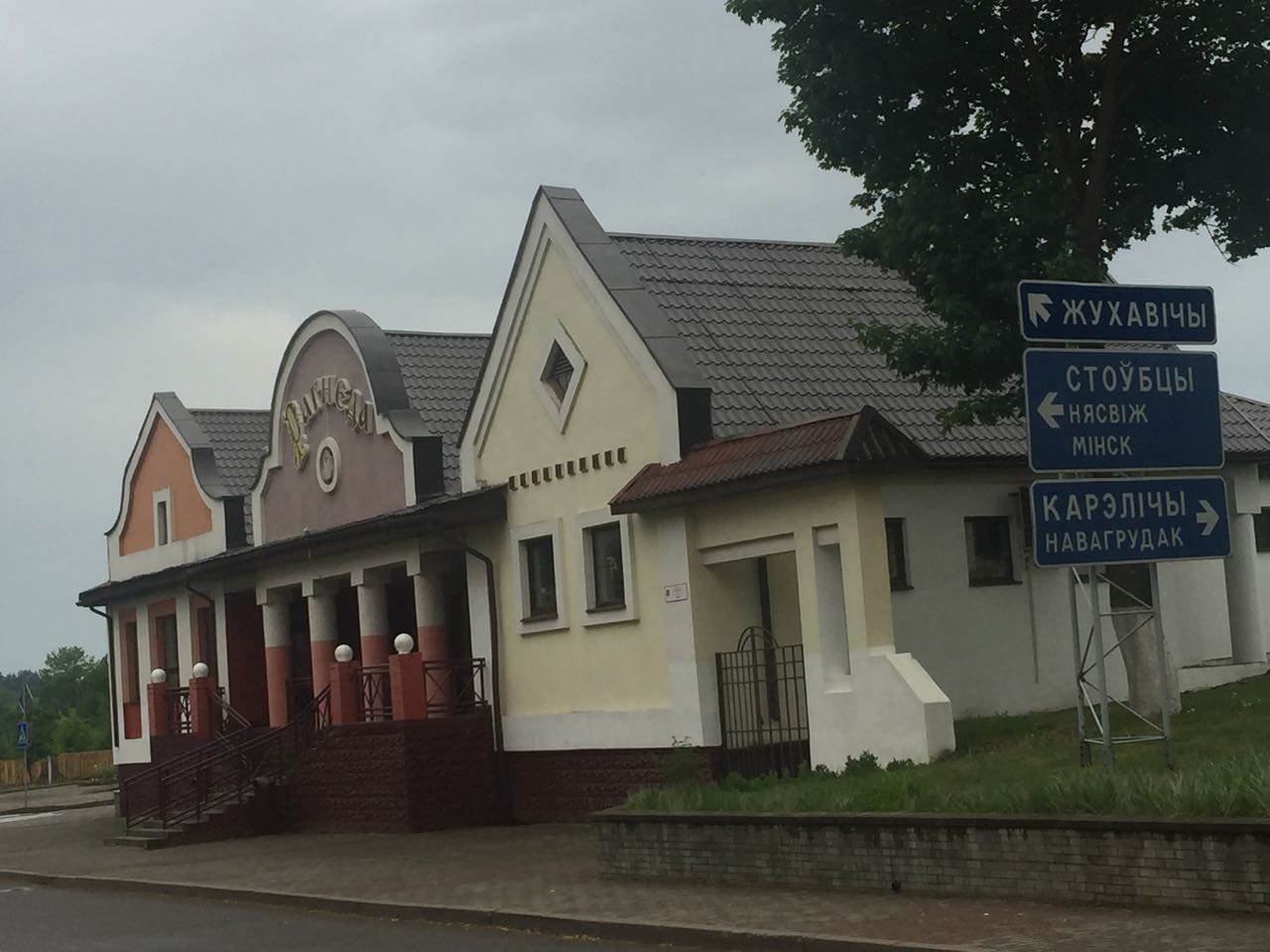
Reading road signs in cyrillic can be fun!
A pit stop on the E30 Toll Road
On the road to Moscow
At the Minsk airport petrol station
My biggest challenge: Filling up with petrol at the airport before returning the rental car.
With hardly anyone able to speak English, try guessing how many litres you need to fill up the car, then going into the shop and ordering the correct amount. They do this as people drive off without paying. I guessed the amount within one litre. Not bad!
Let’s meet at the airport petrol station!
I hope I’m not flying on one of these!
Where?
Found it!
Making sure we leave!
I had a great time in Belarus – see my previous posts!
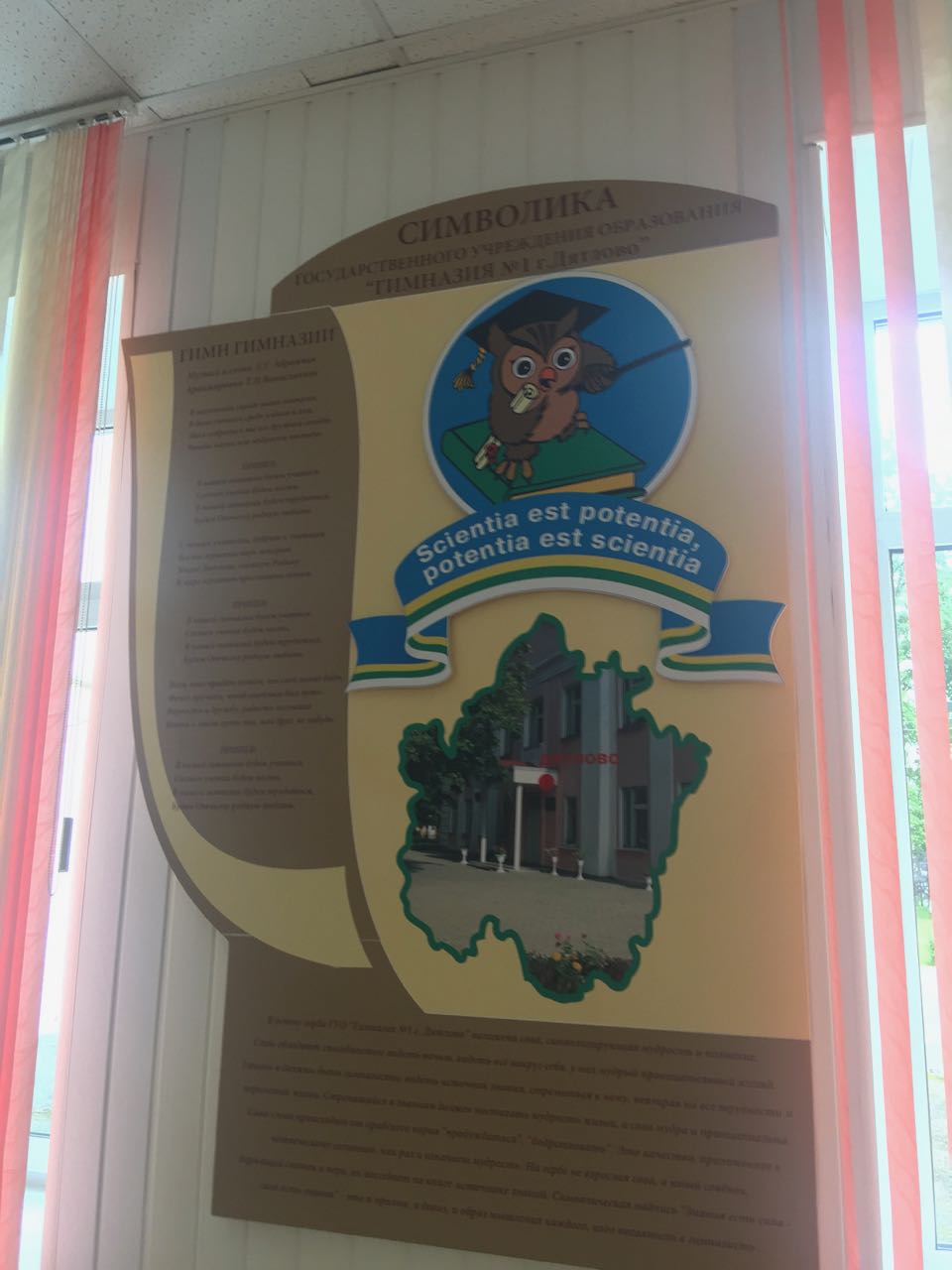
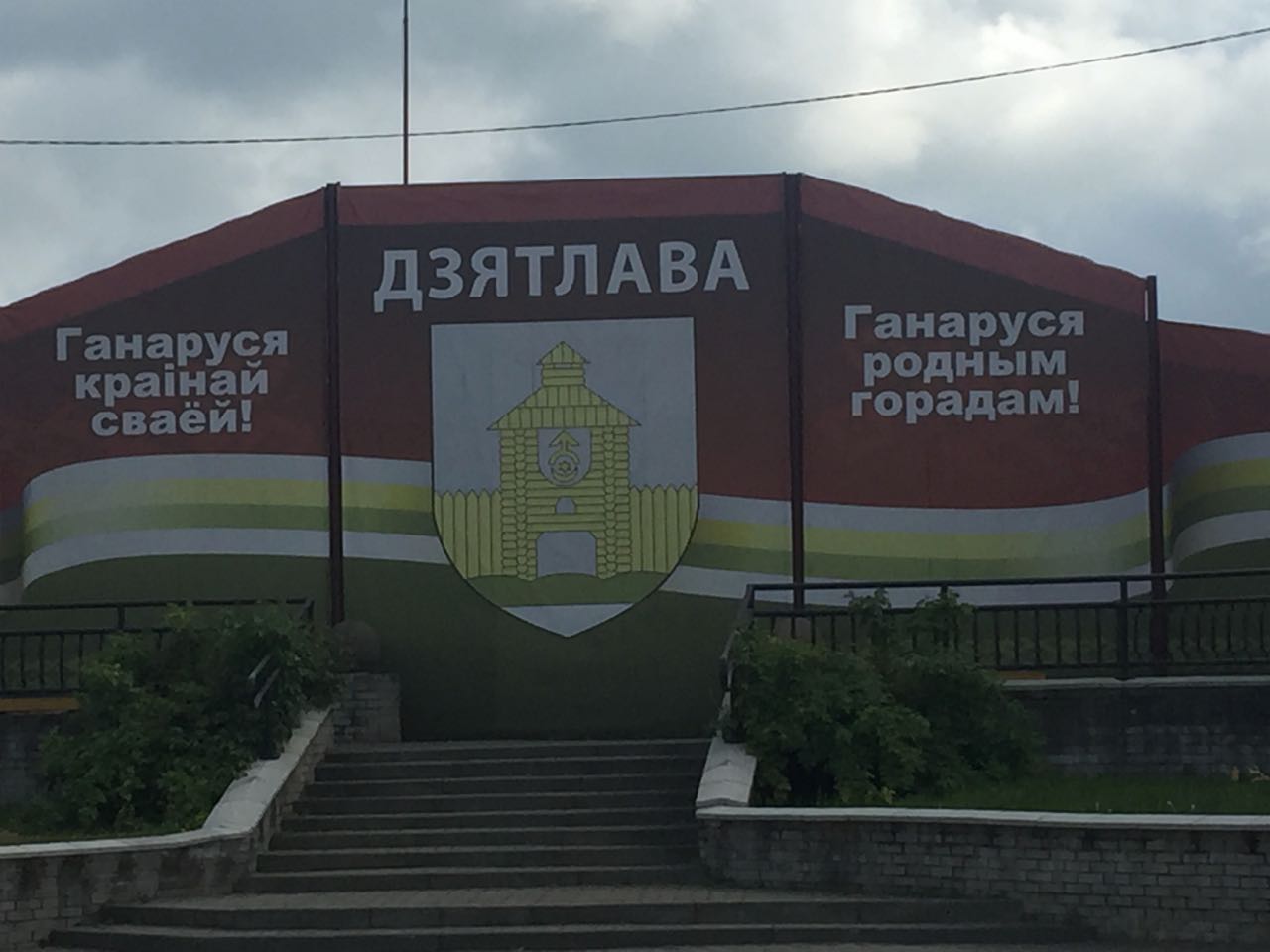
Dziatlava (Belarusian: Дзятлава, Lithuanian: Zietela, Polish: Zdzięcioł, Russian: Дятлово, Yiddish: זשעטל Zhetl) is a town in Belarus in the Hrodna voblast, about 165 km southeast of Hrodna. The population was 7,700 in 2016.
The Dzyatlava massacres (Yiddish: Zhetel, Polish: Zdzięcioł, and Belarusian: Dzyatlava) were two consecutive mass shooting actions carried out three months apart during the Holocaust.[1] The town of Zdzięcioł was nominally Polish until the end of World War II in 1945. It was located in the Nowogródek Voivodeship of the Second Republic prior to the Nazi-Soviet invasion of Poland. Zdzięcioł was overrun twice, first by the Red Army in September 1939, and again, by the German forces in June 1941 after the outbreak of Operation Barbarossa.[2]
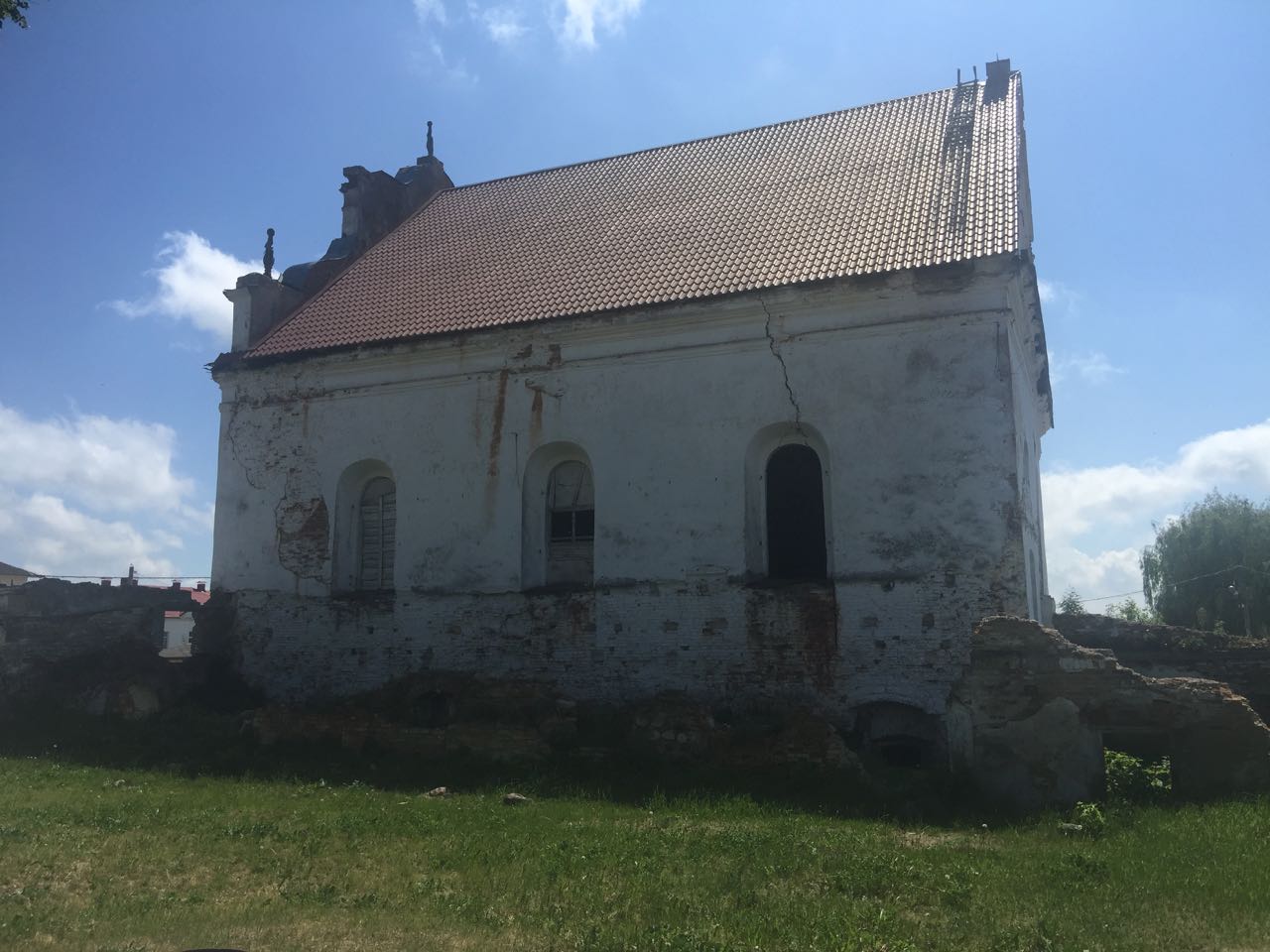
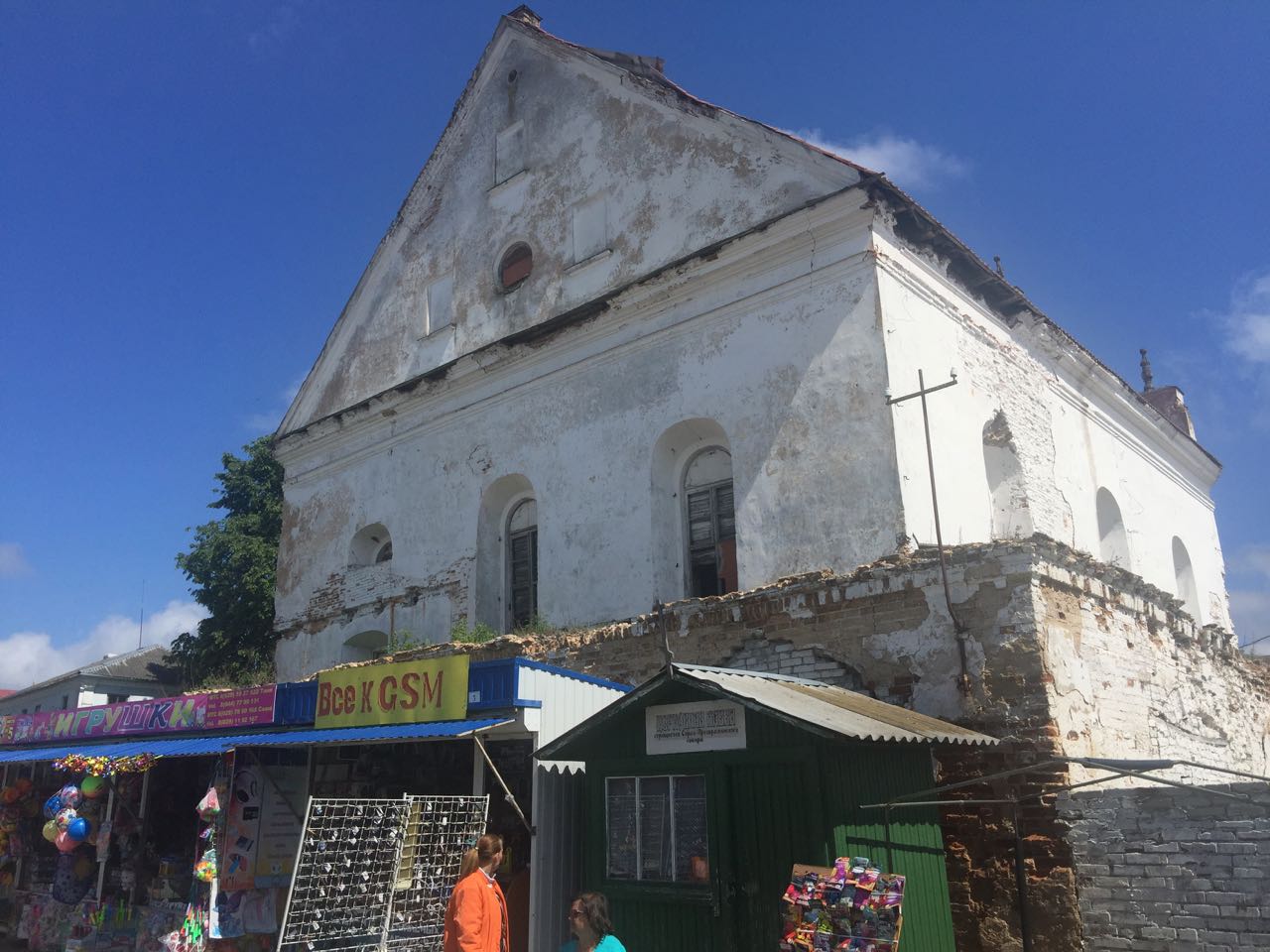
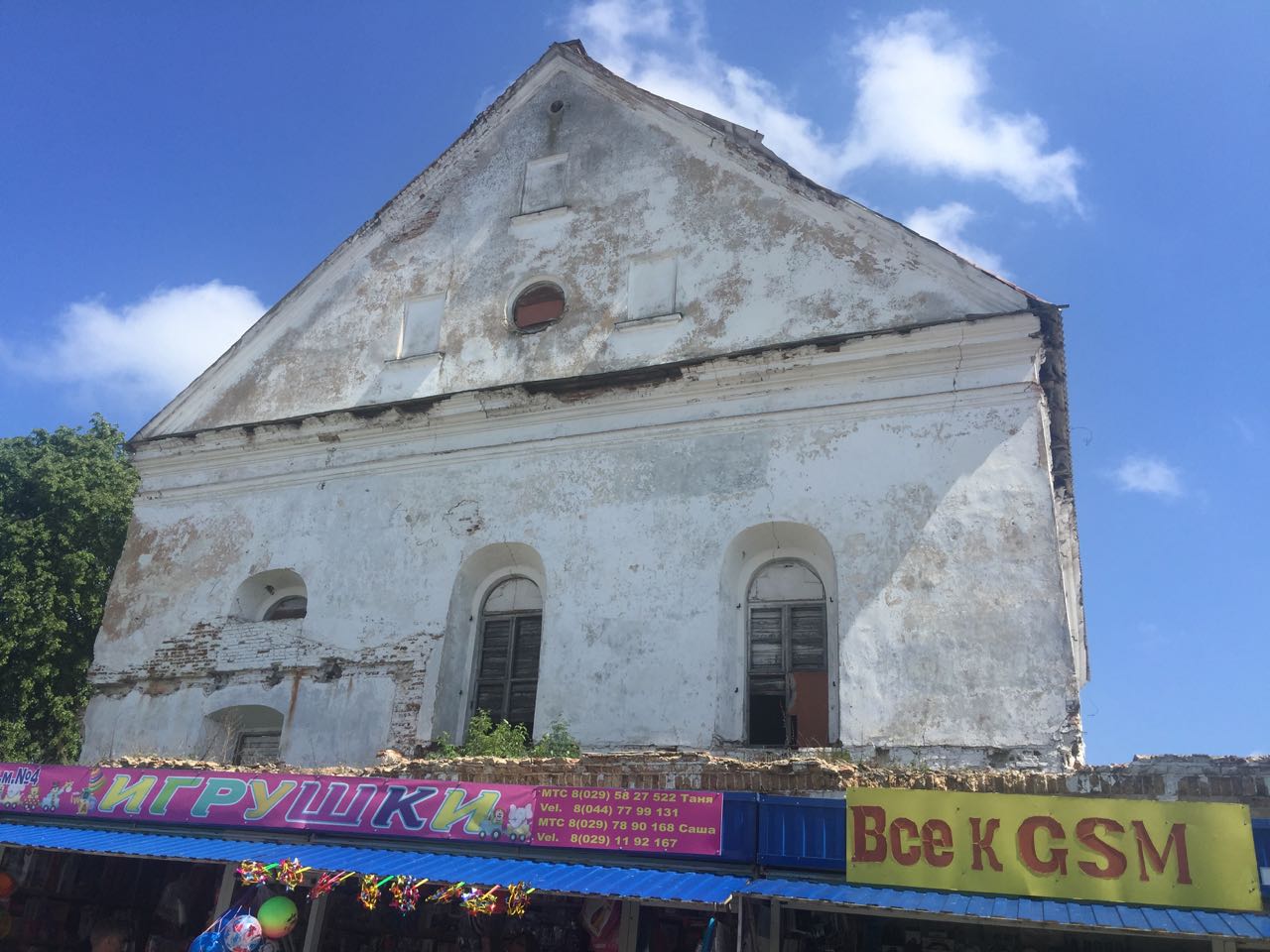
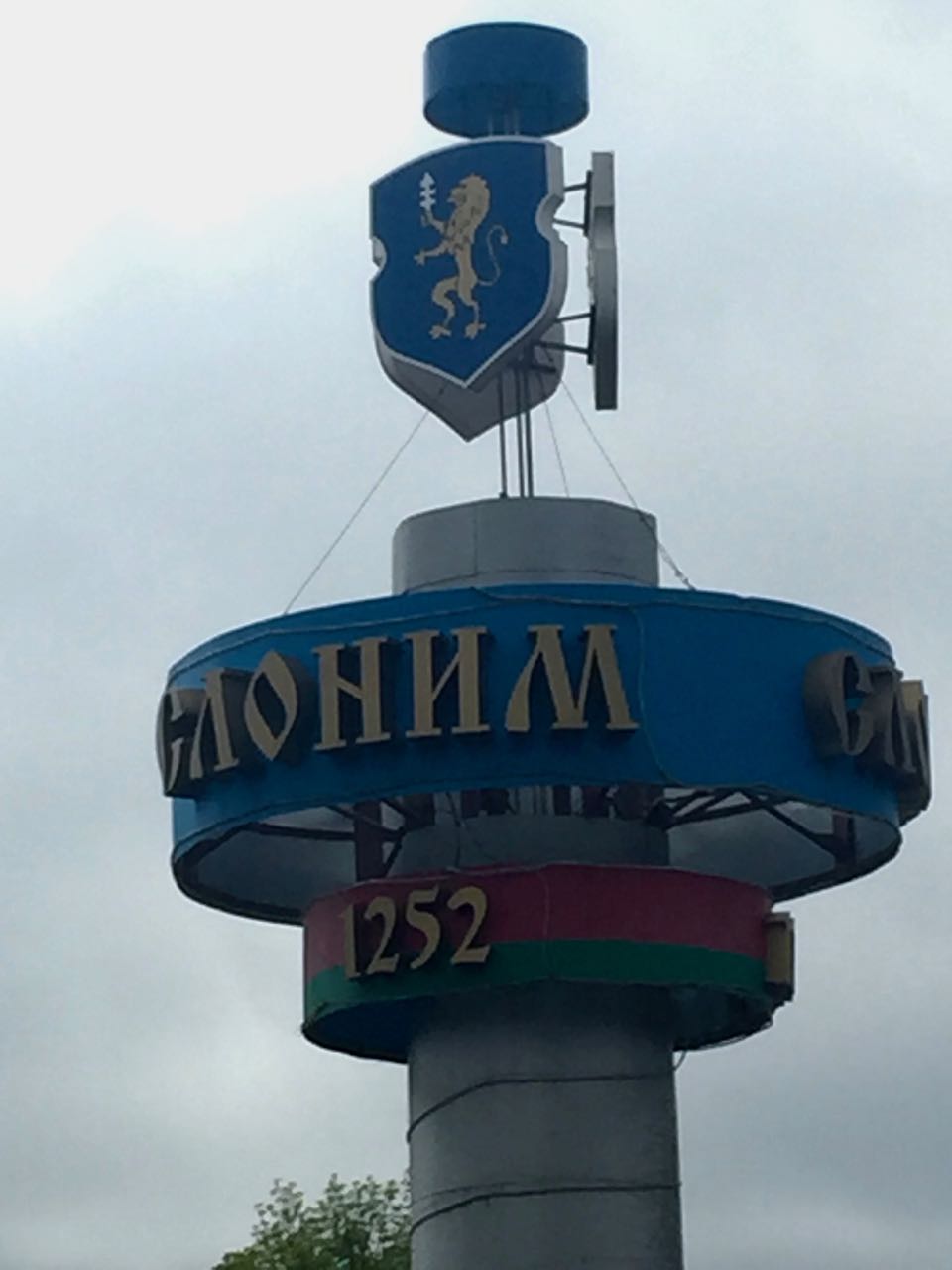
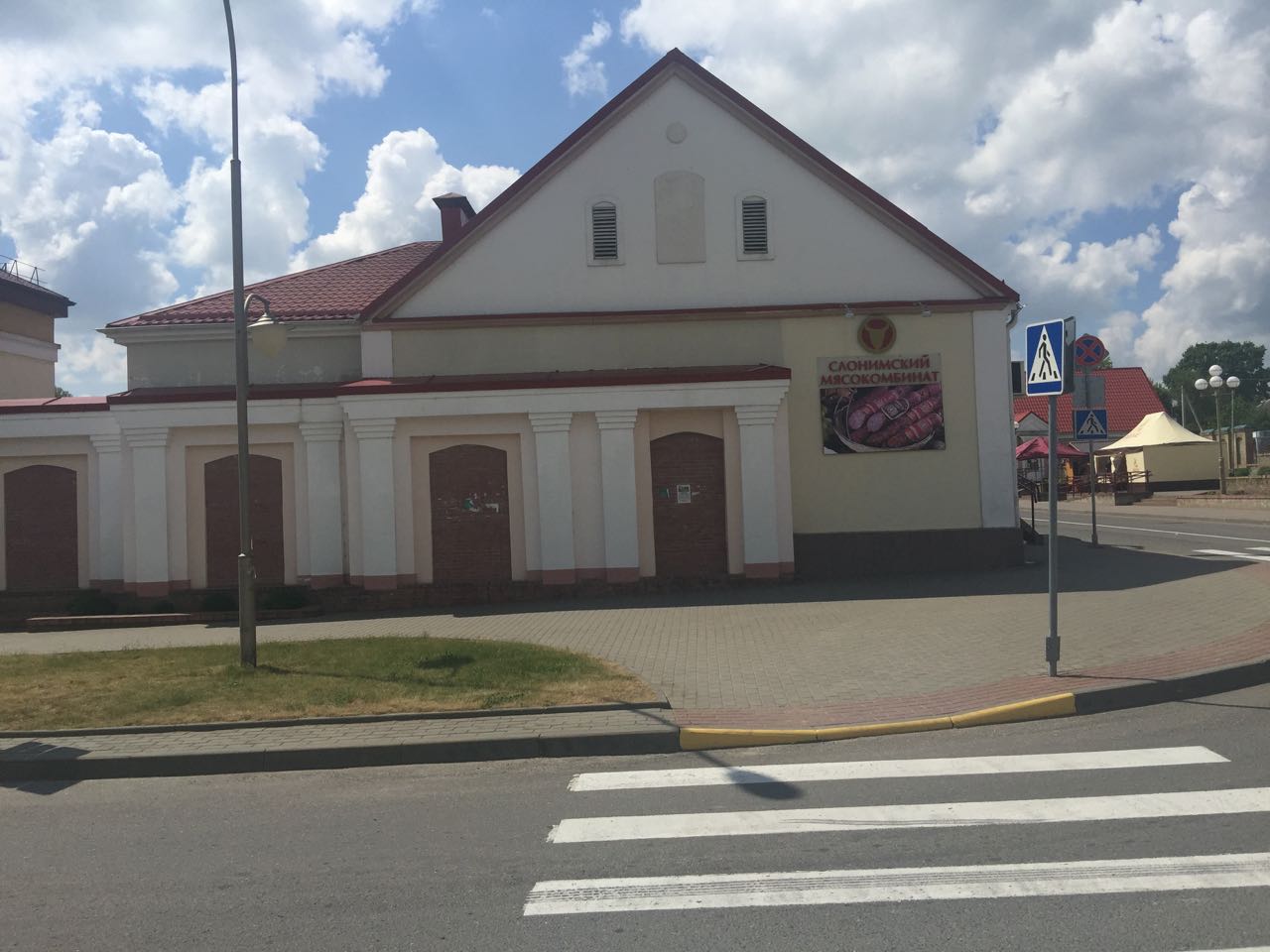
Slonim (Belarusian: Сло́нім, Russian: Сло́ним, Lithuanian: Slanimas, Polish: Słonim, Yiddish: סלאָנים, Slonim) is a city in Grodno Region, Belarus, capital of the Slonim district. It is located at the junction of the Shchara and Isa rivers, 143 km (89 mi) southeast of Grodno. The population in 2015 was 49,739.
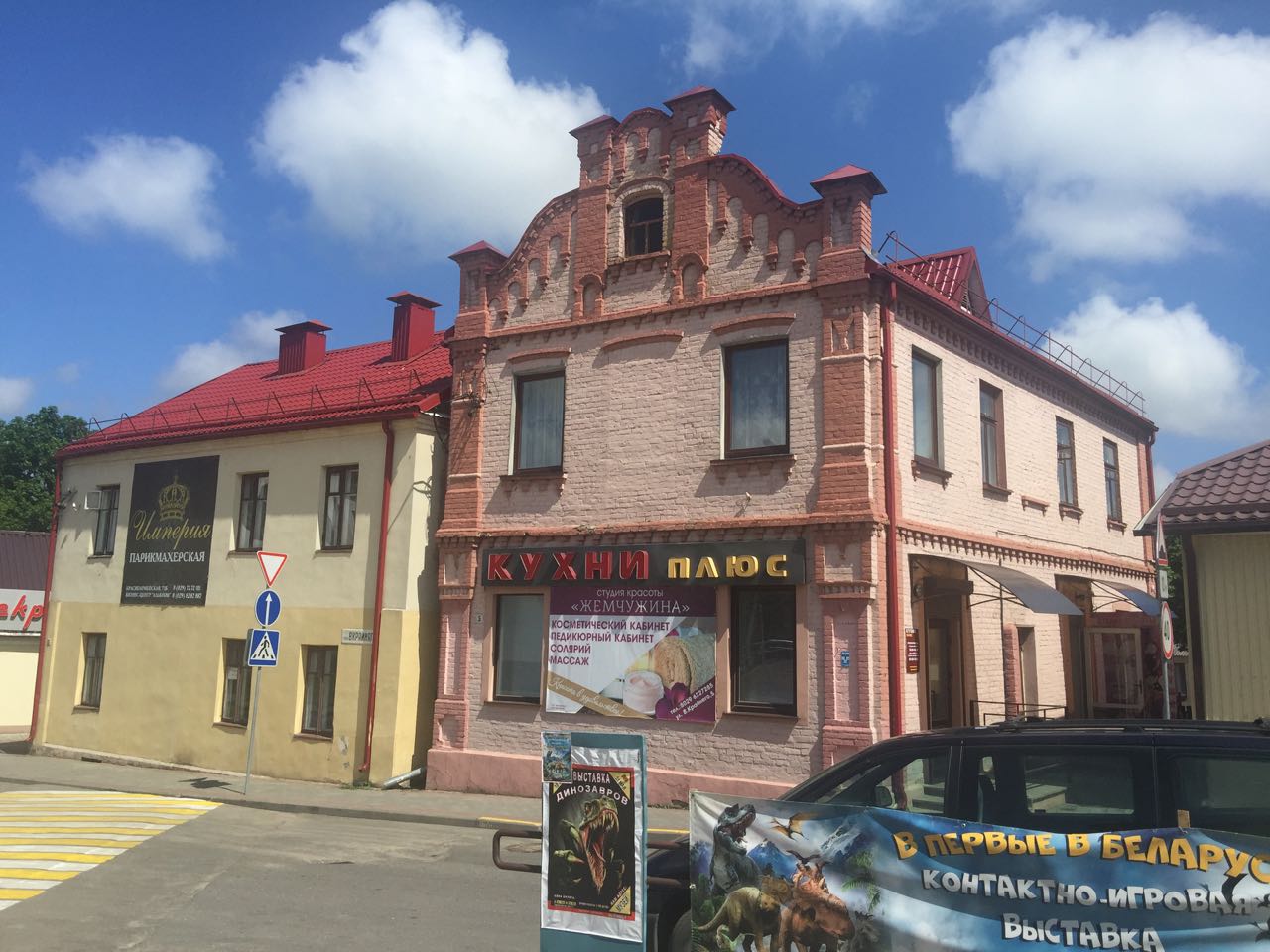
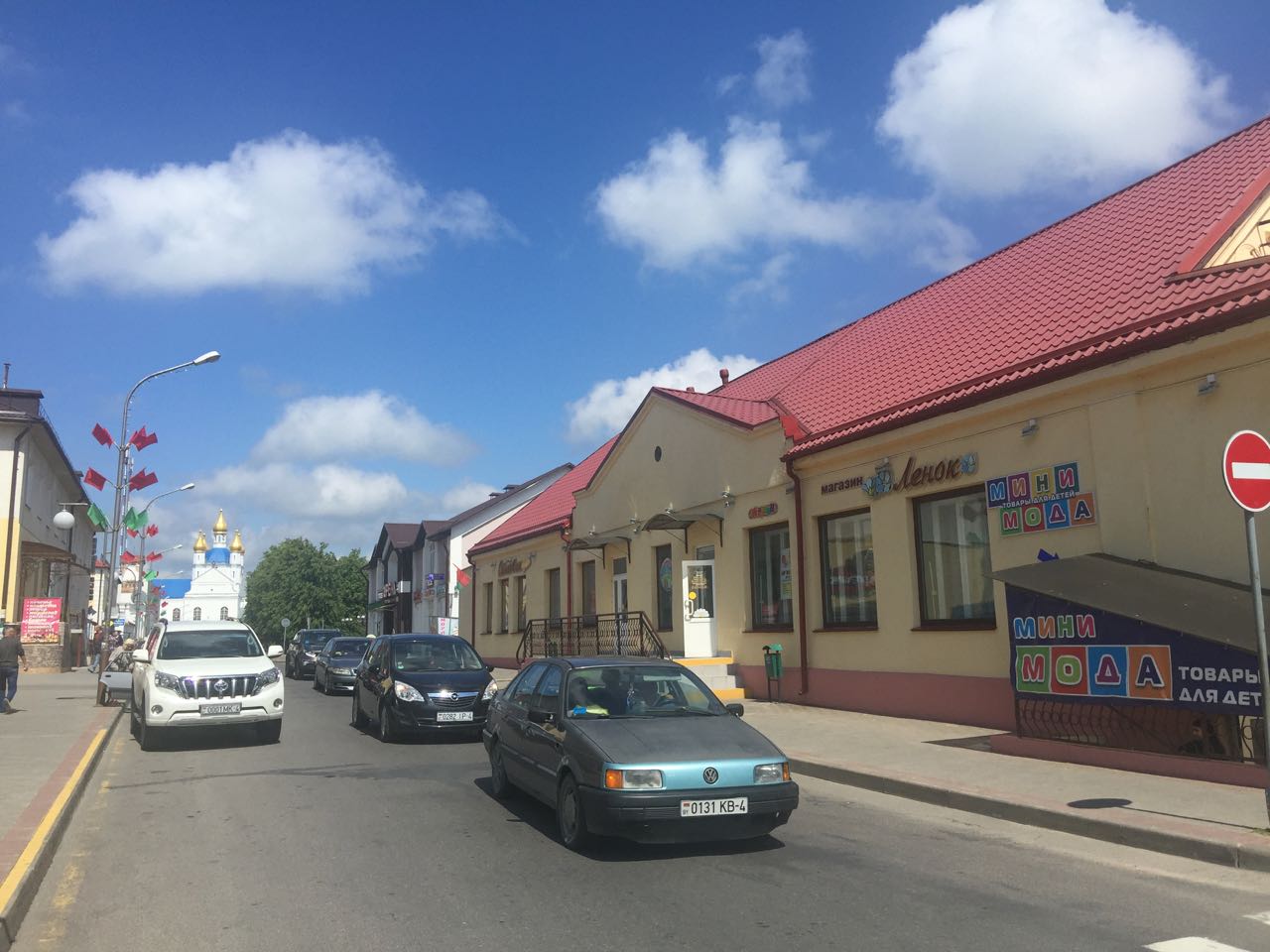
Zelva (Belarusian: Зэльва, Russian: Зельва, Polish: Zelwa, Lithuanian: Zelva, Želva, Yiddish: זעלווא) is a town in Grodno Region, Belarus, the administrative center of Zel’va district. It is situated by the Zel’vyanka River.
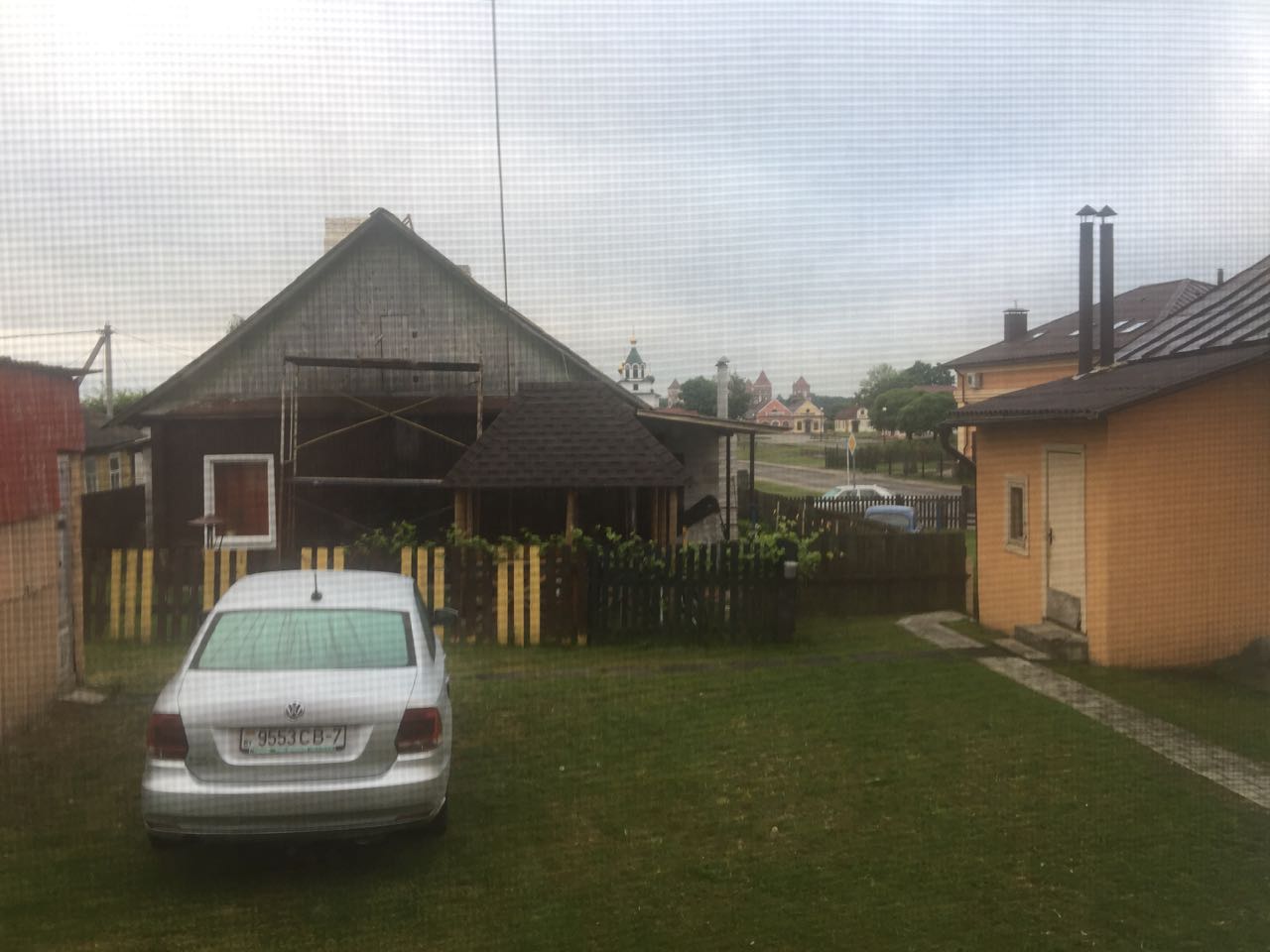
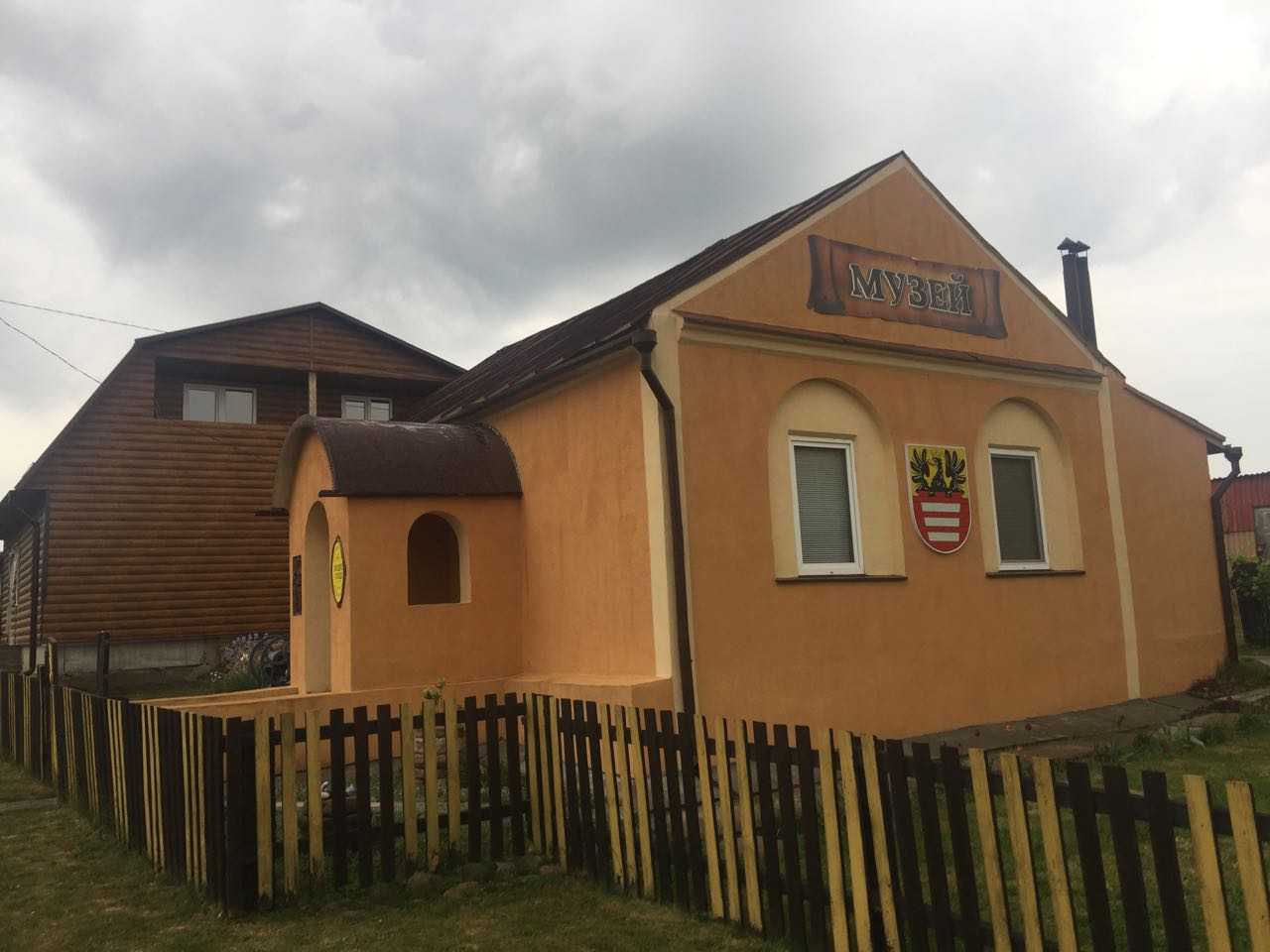
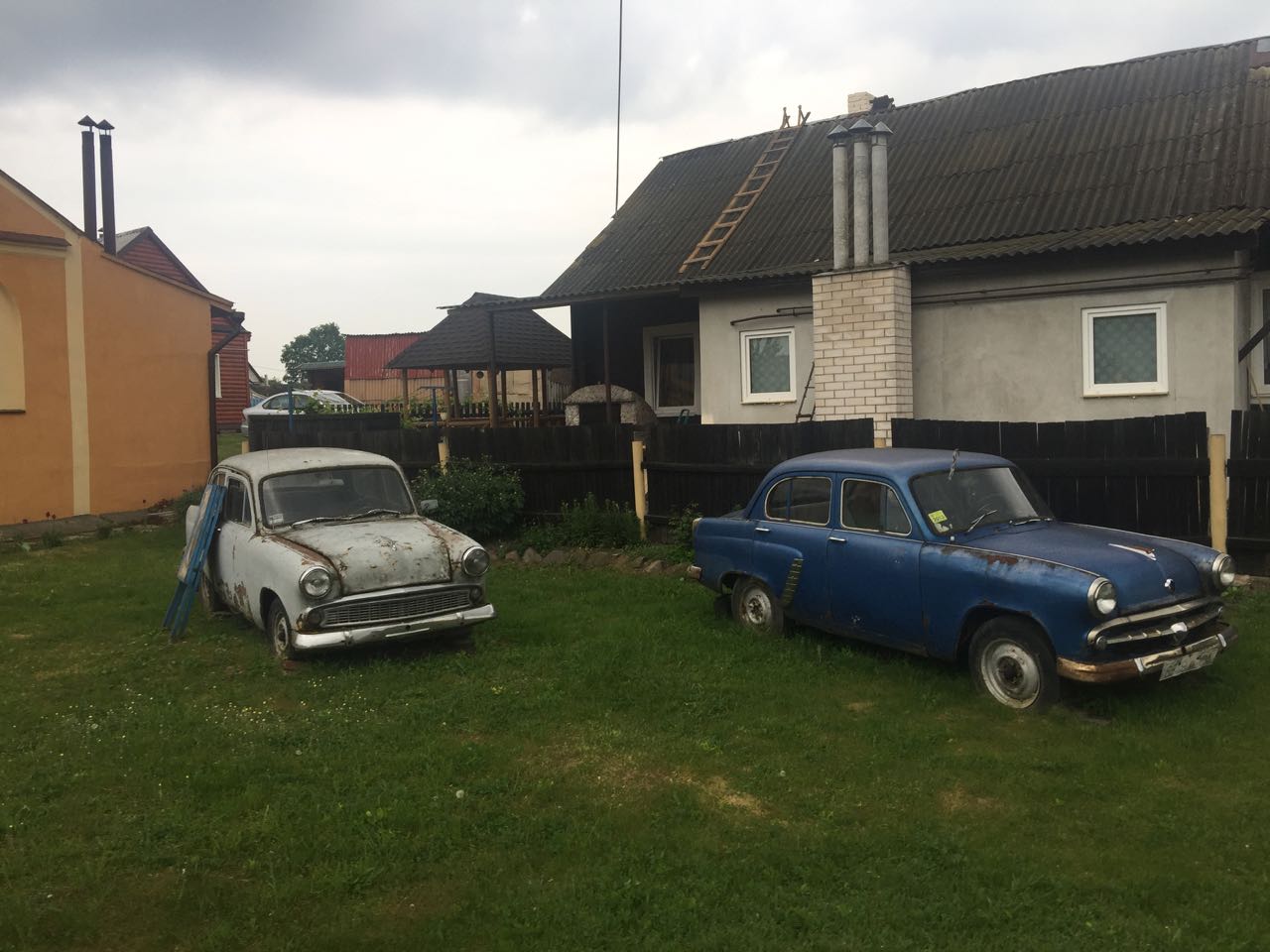
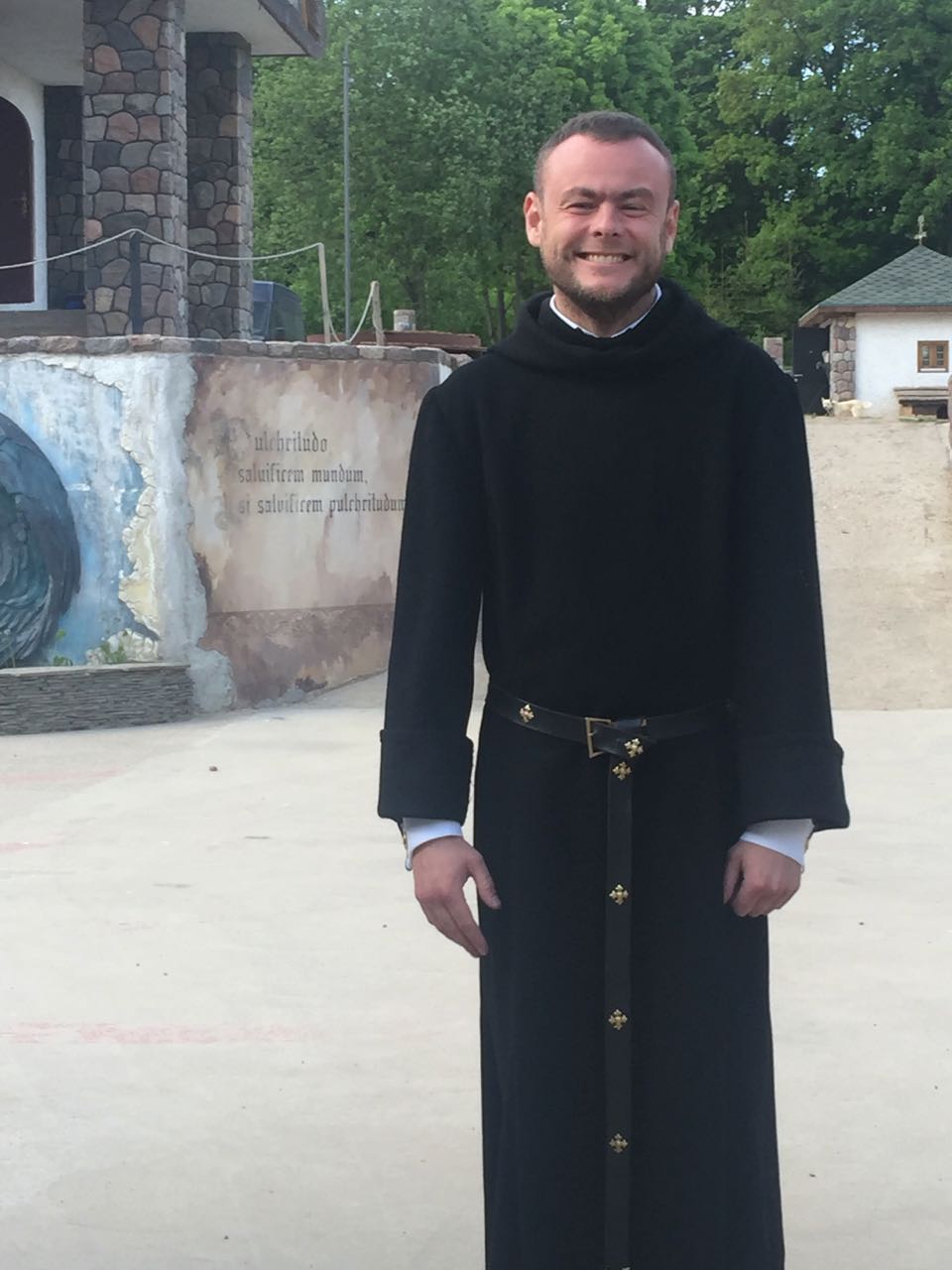
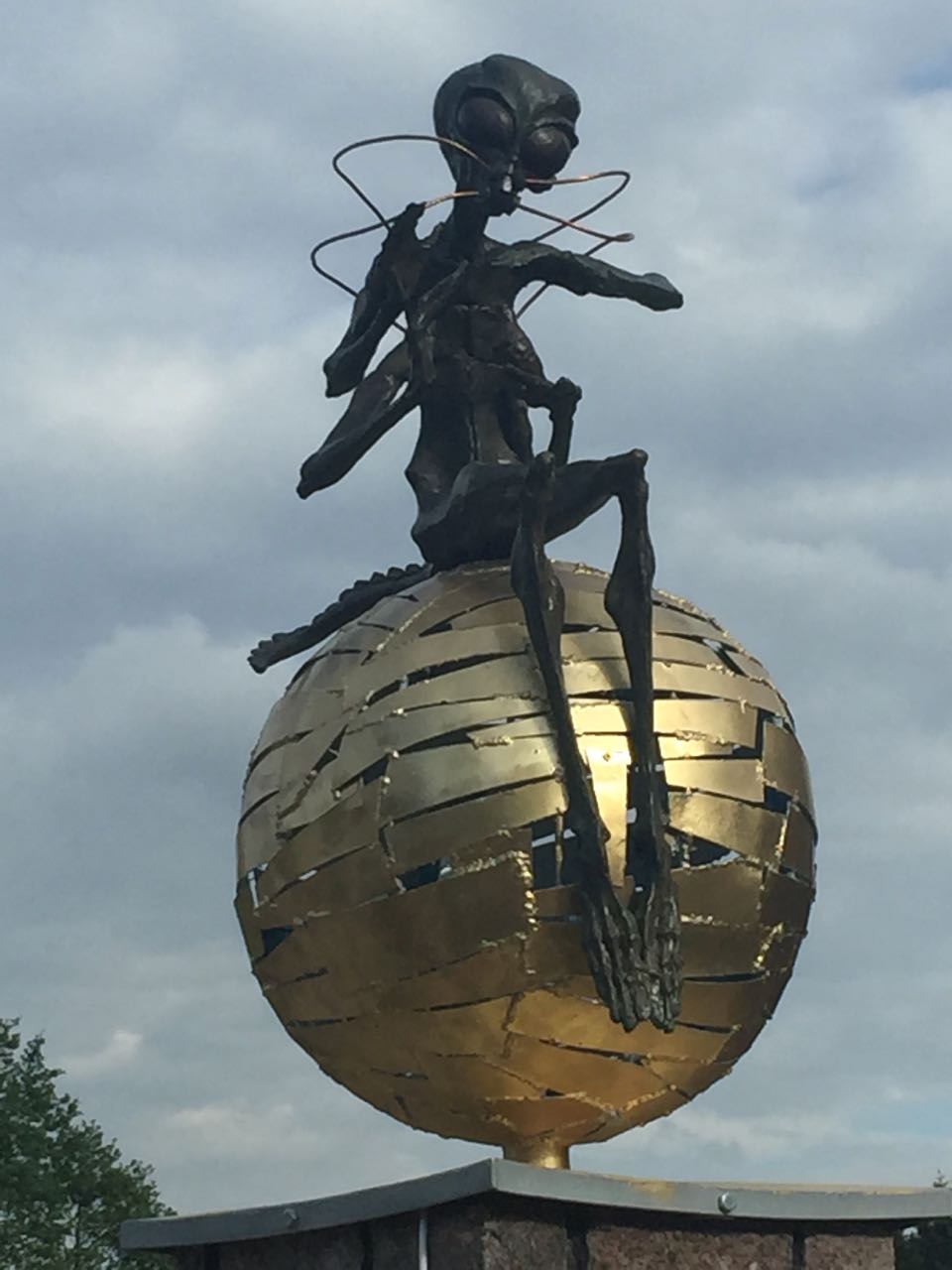
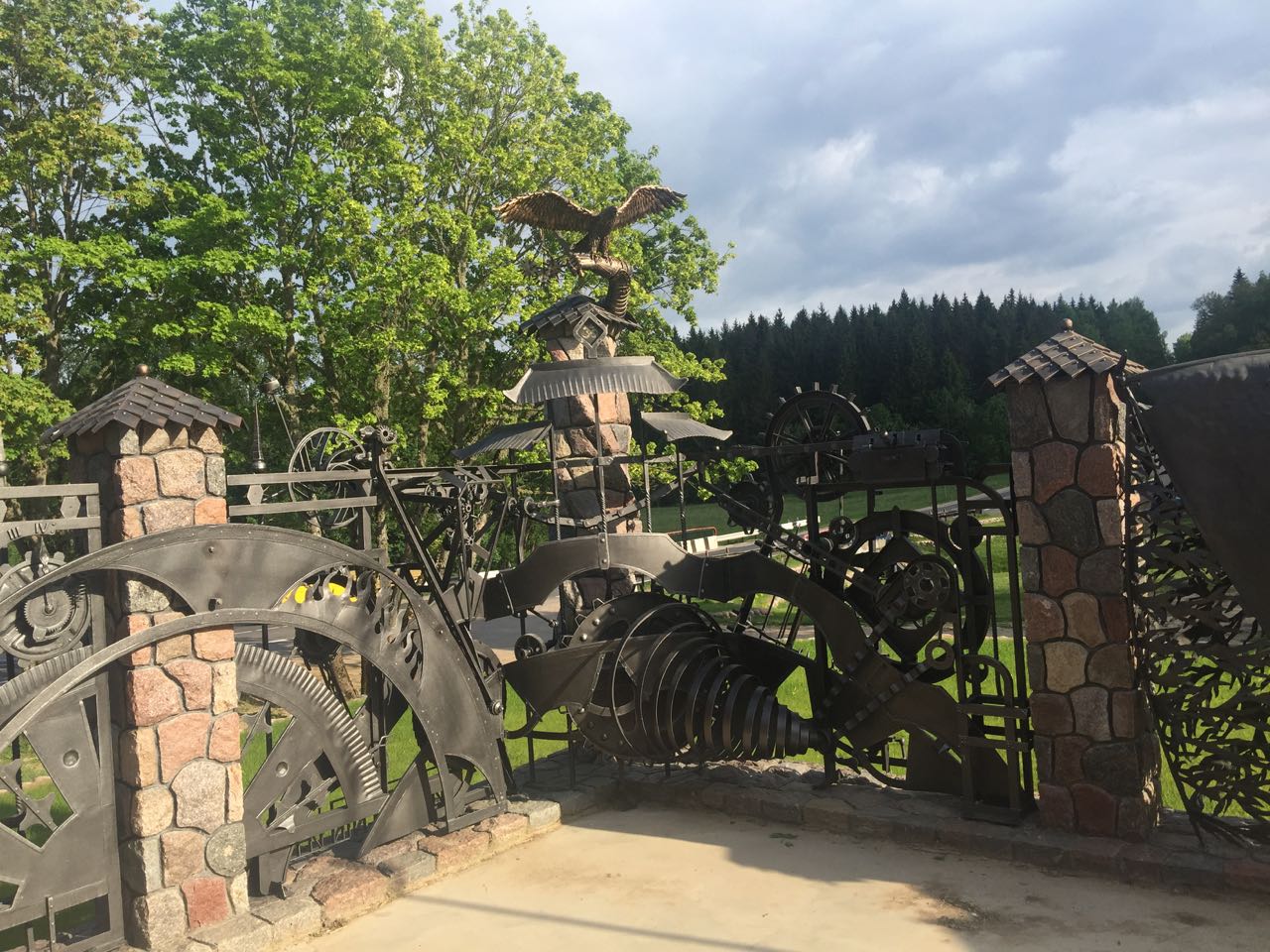
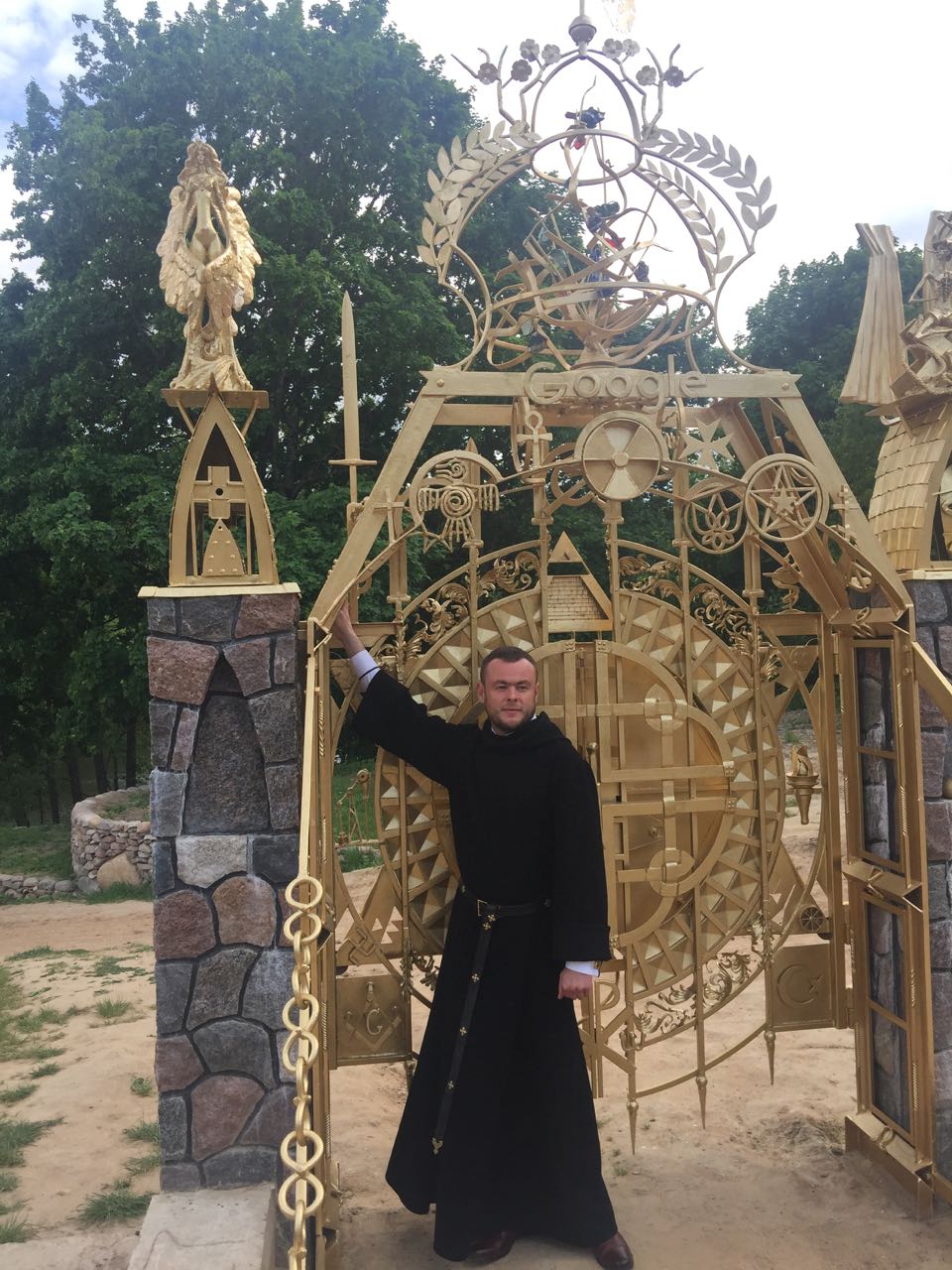
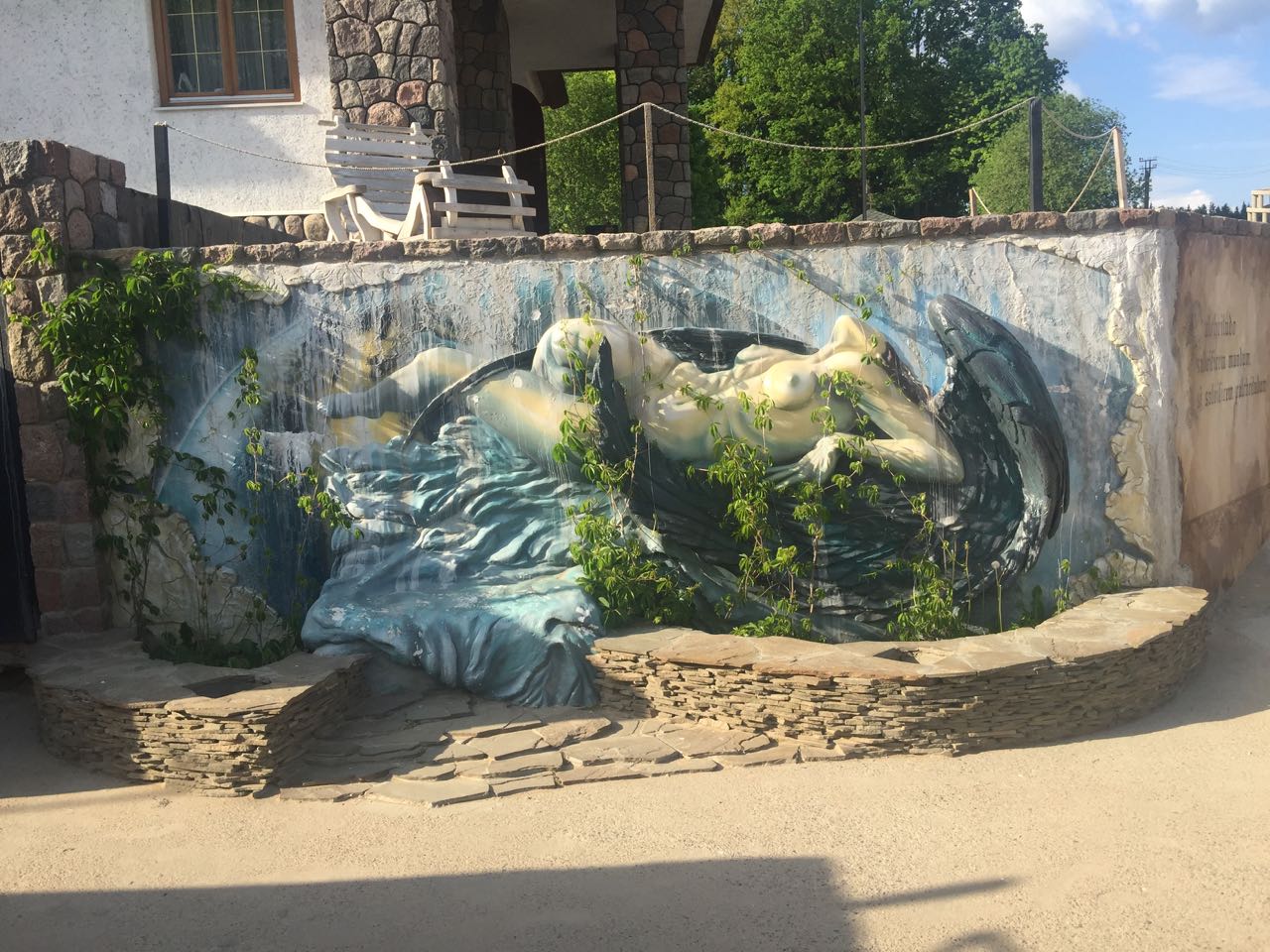
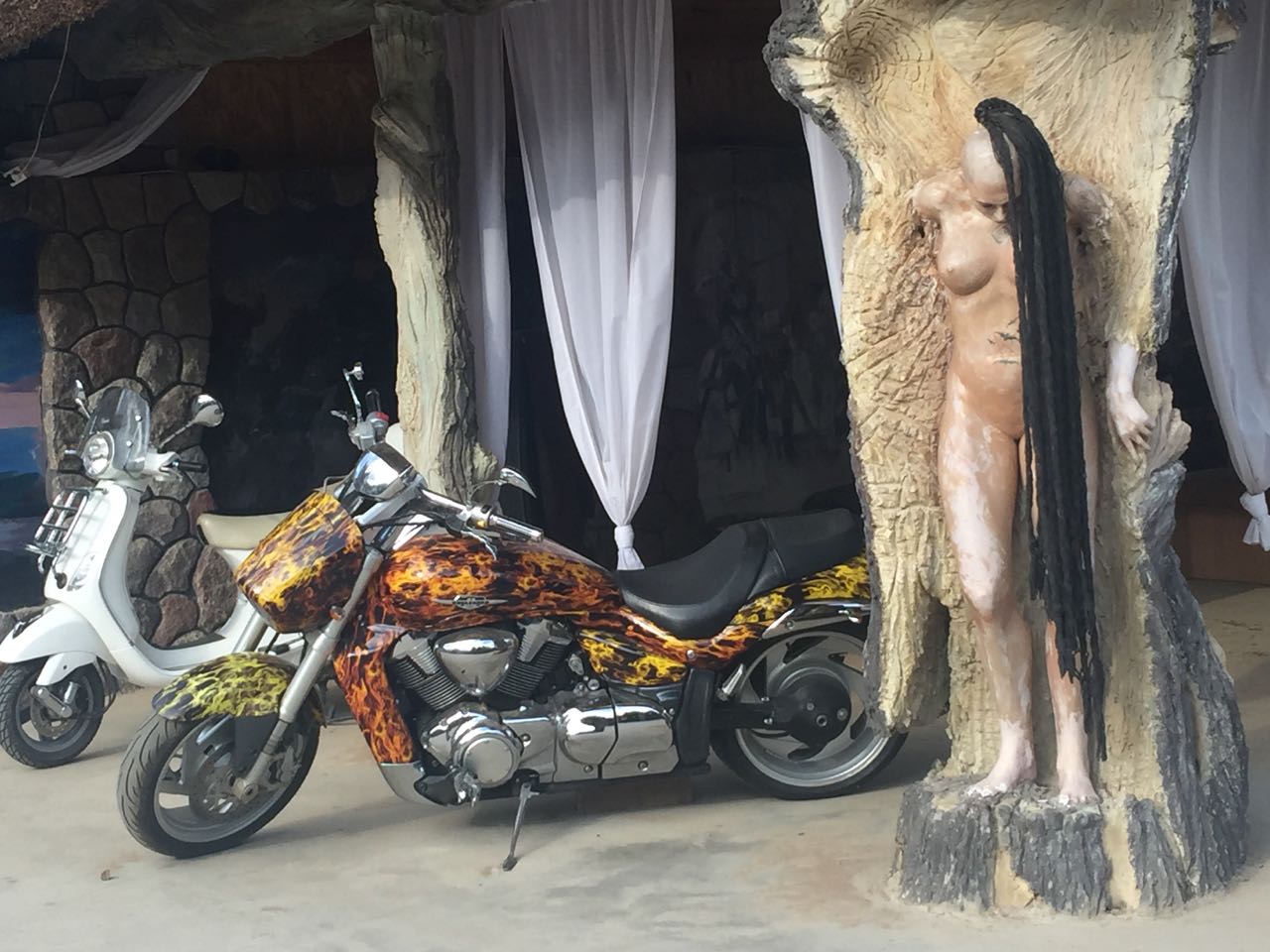
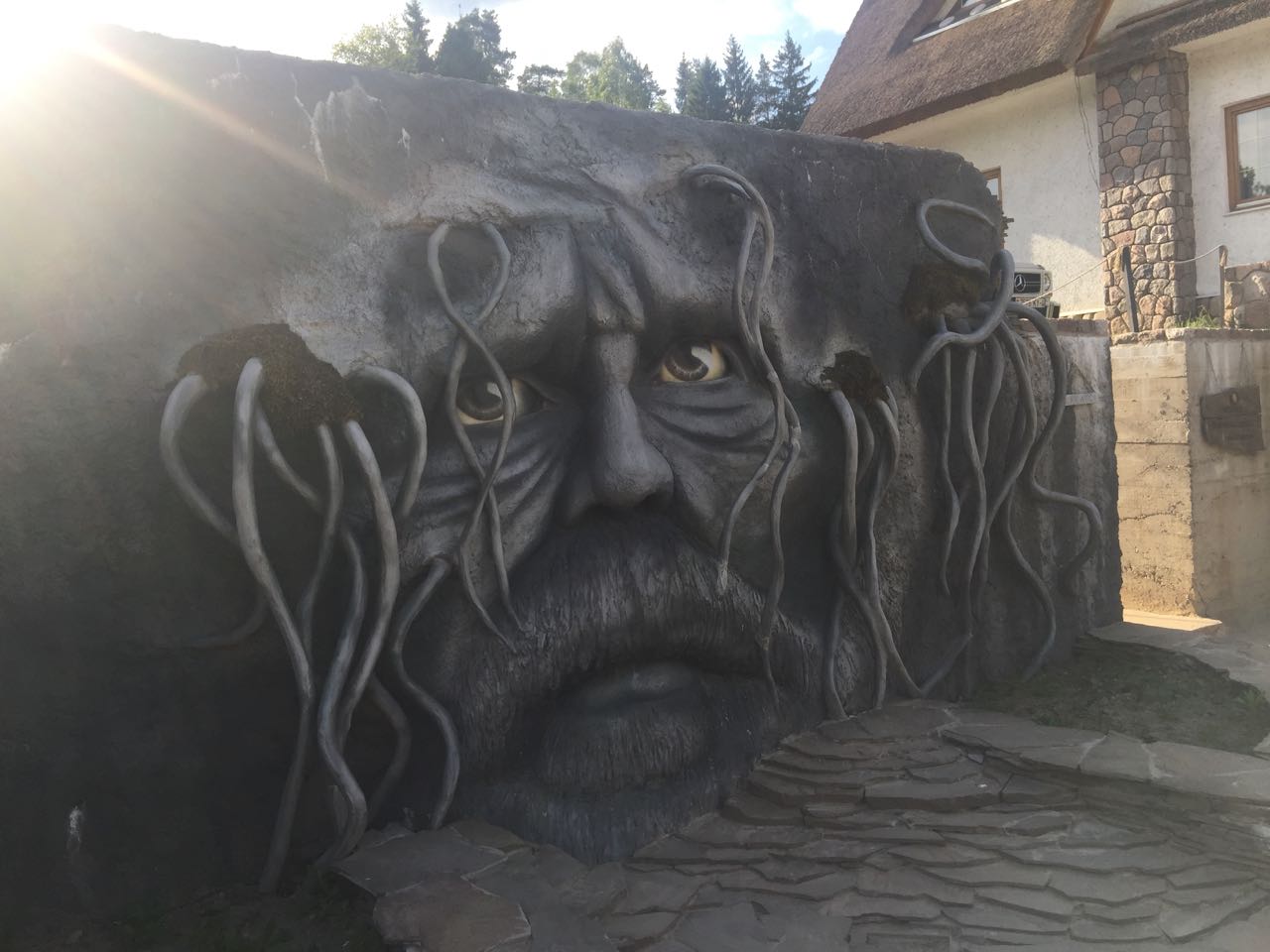
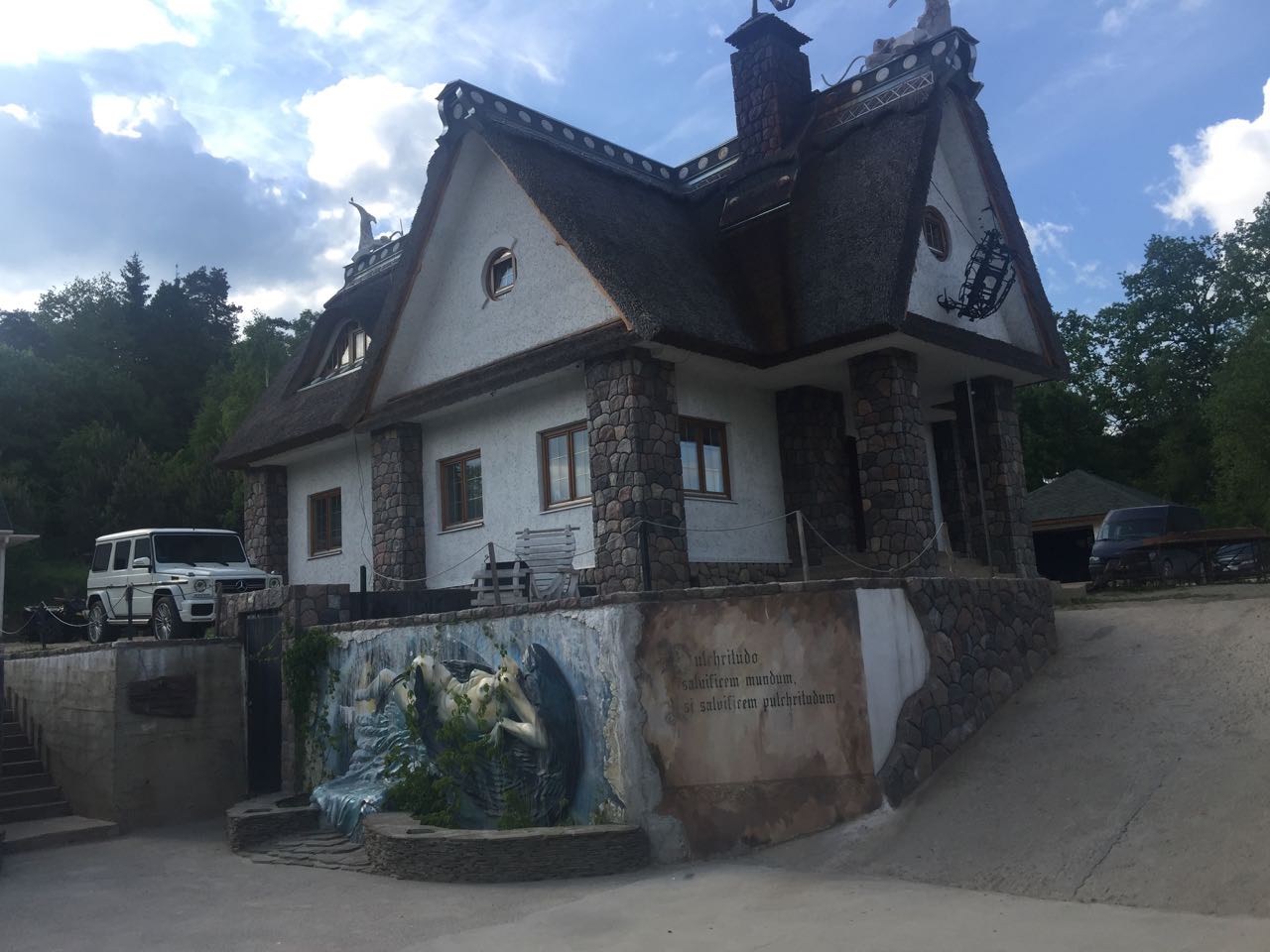
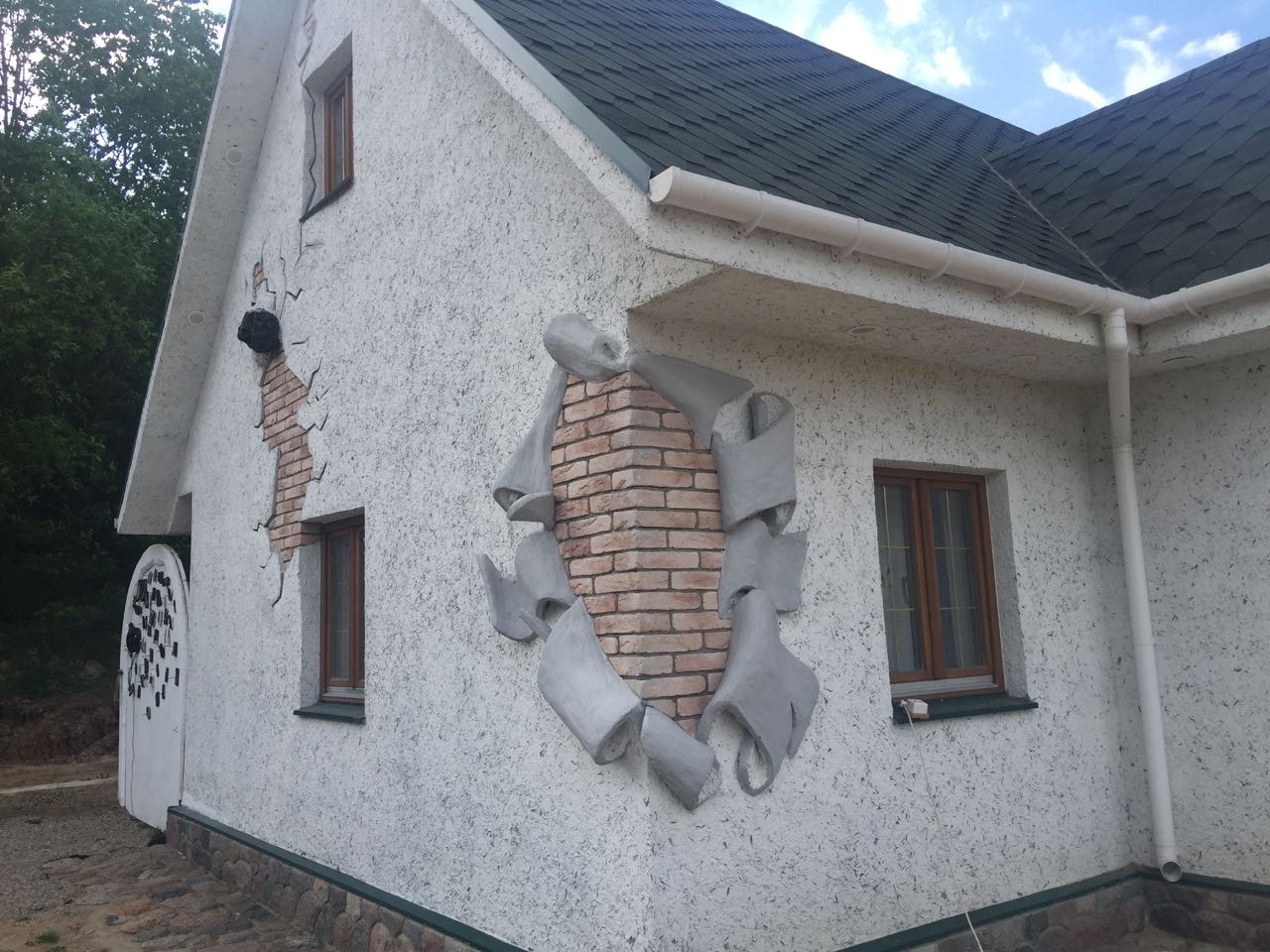
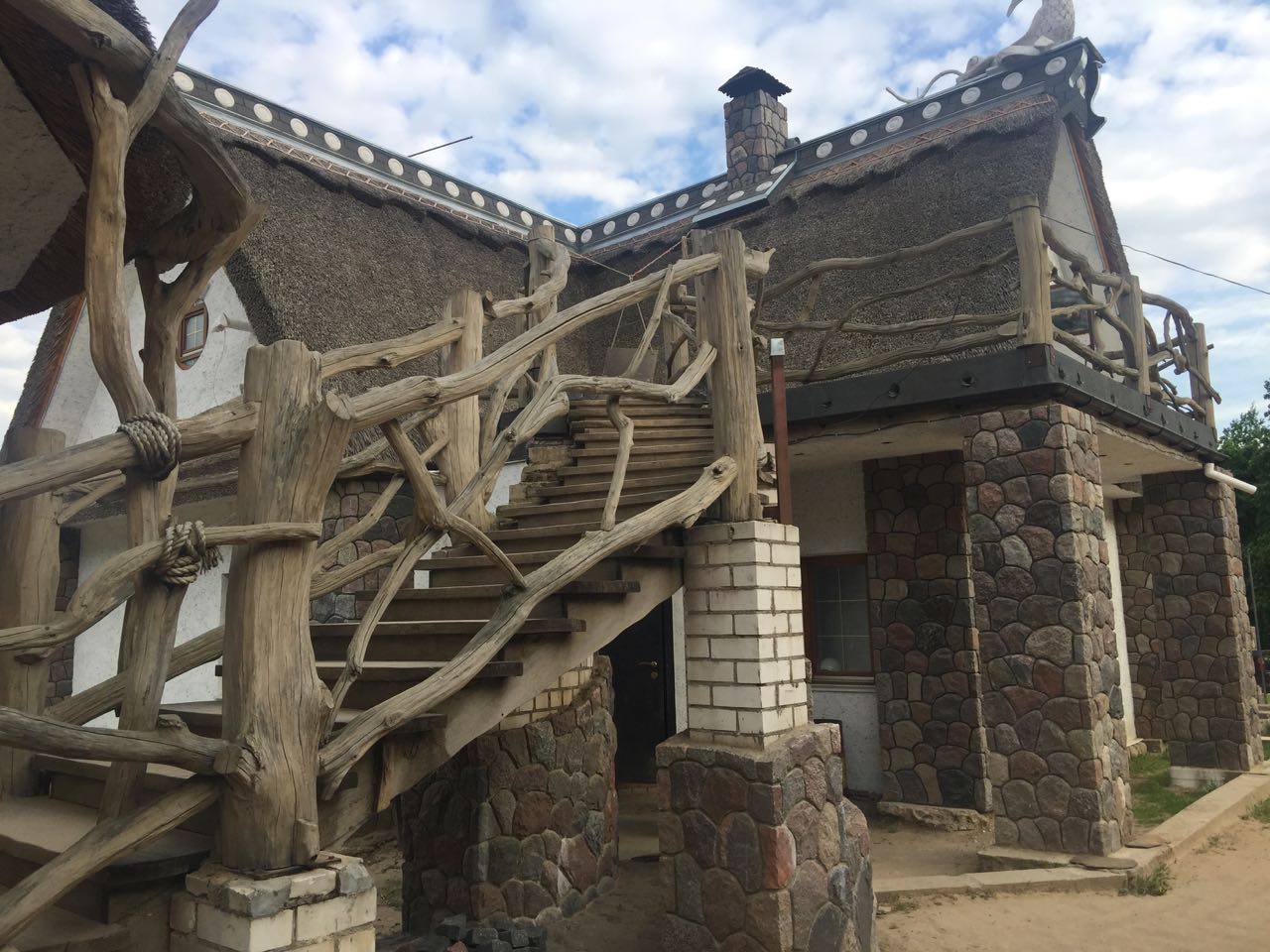
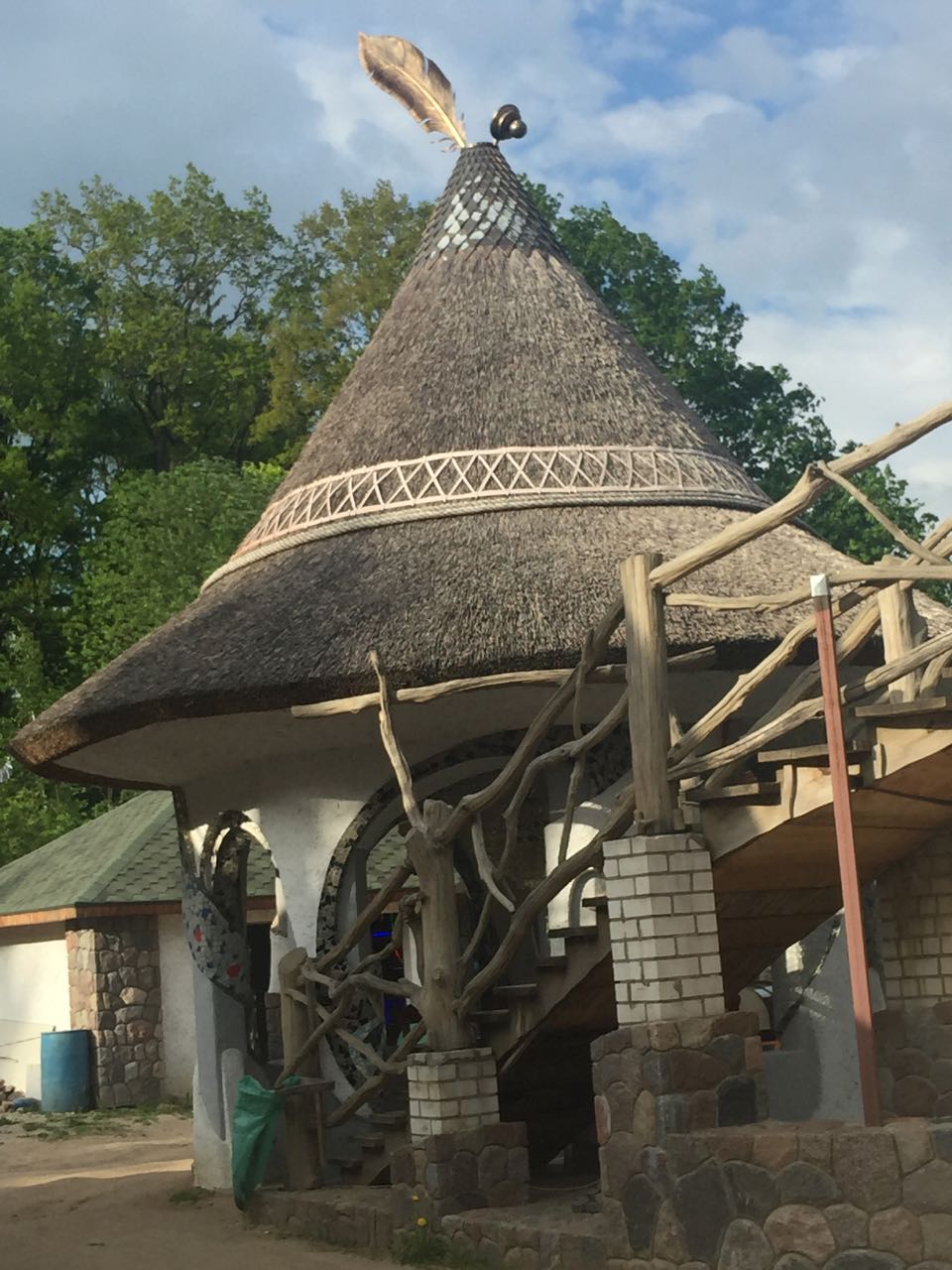
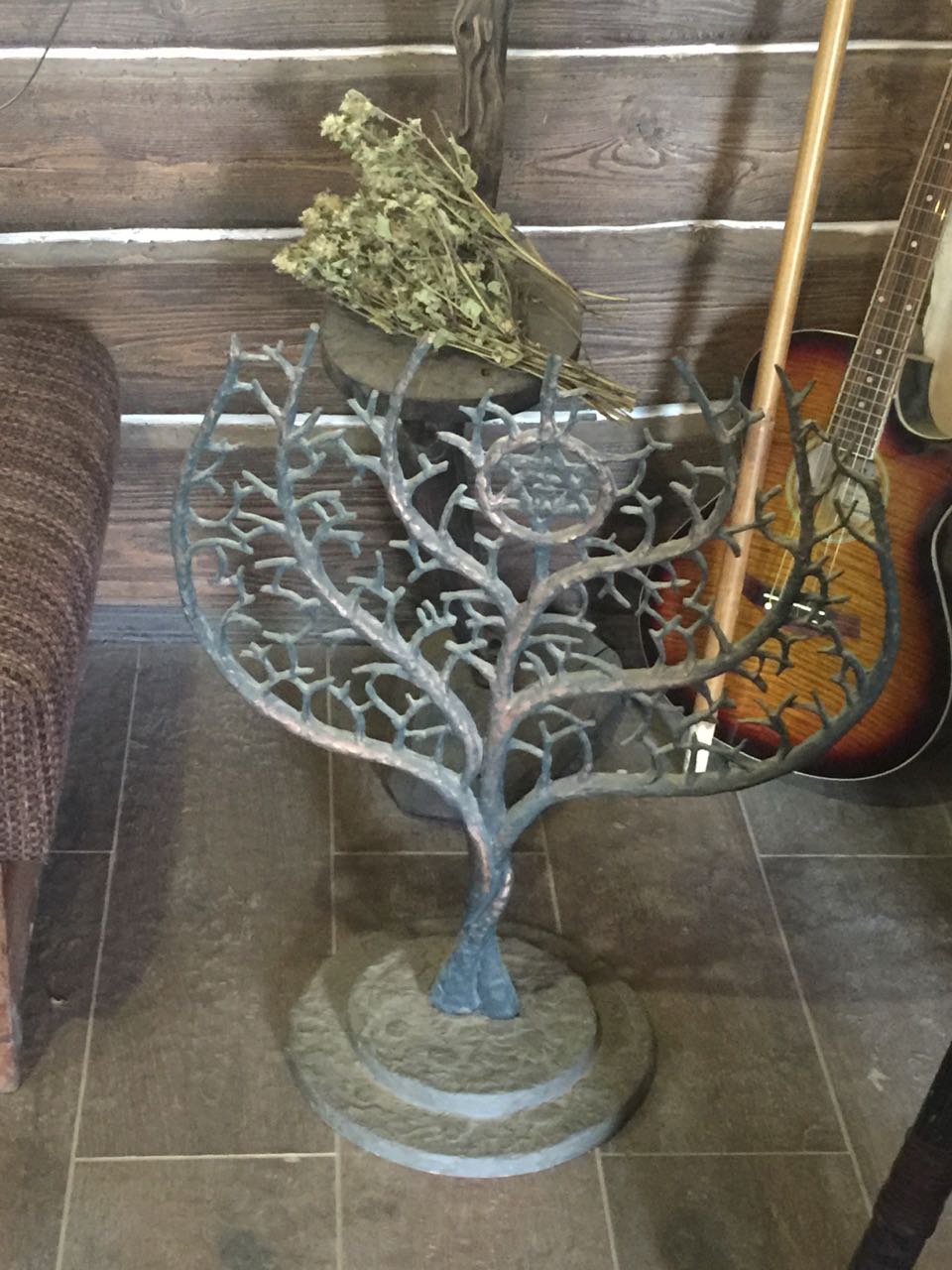
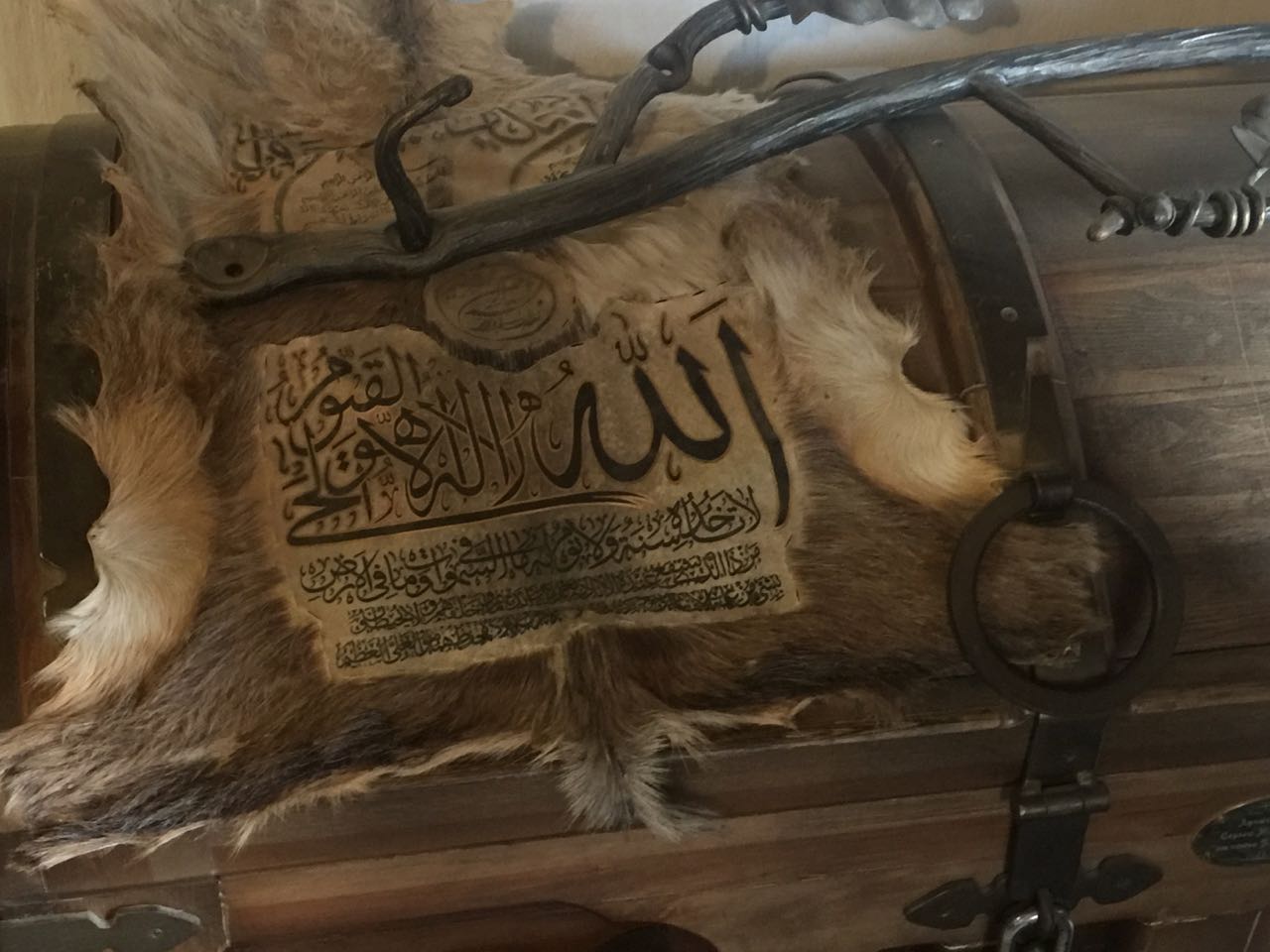
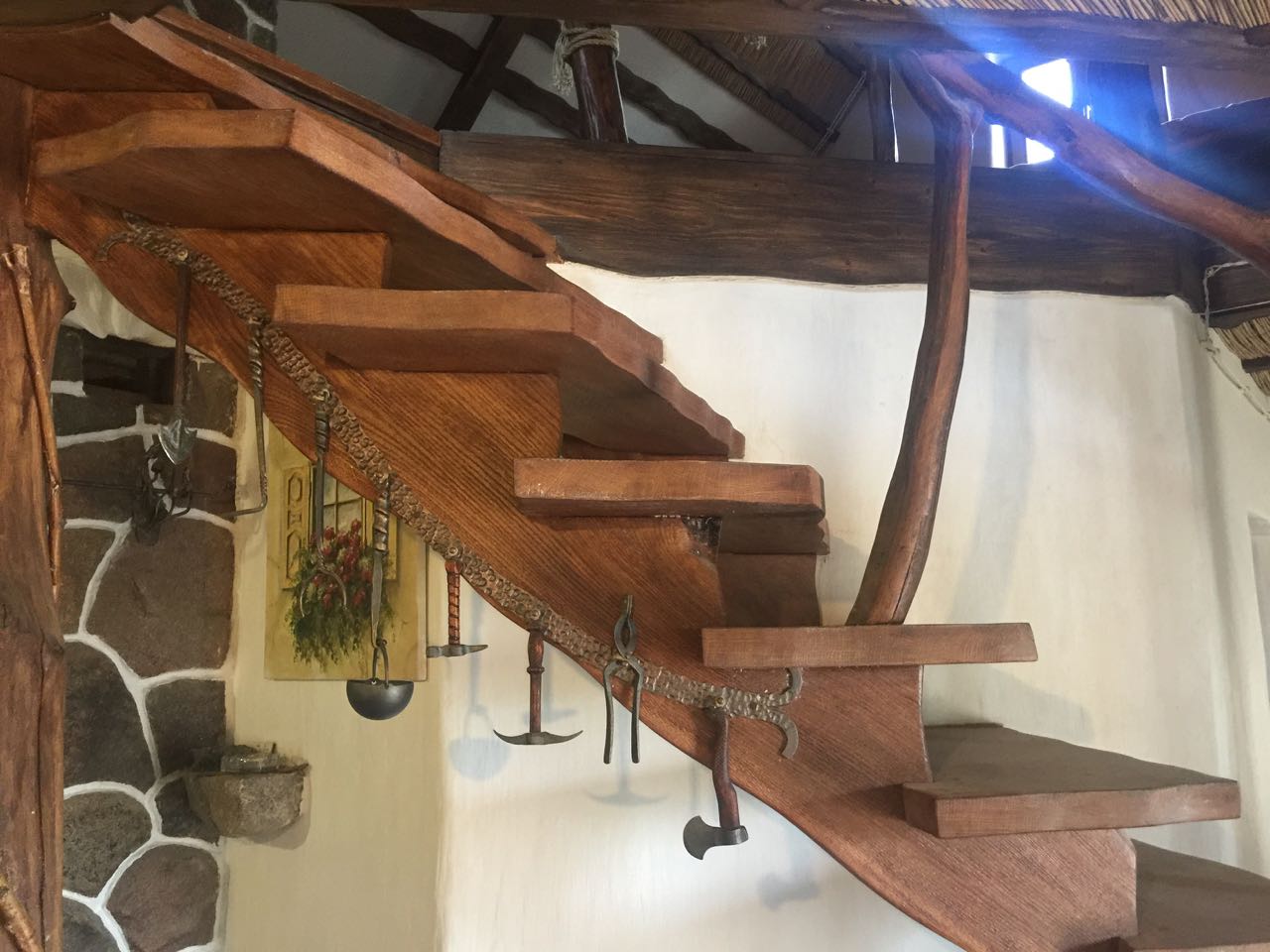
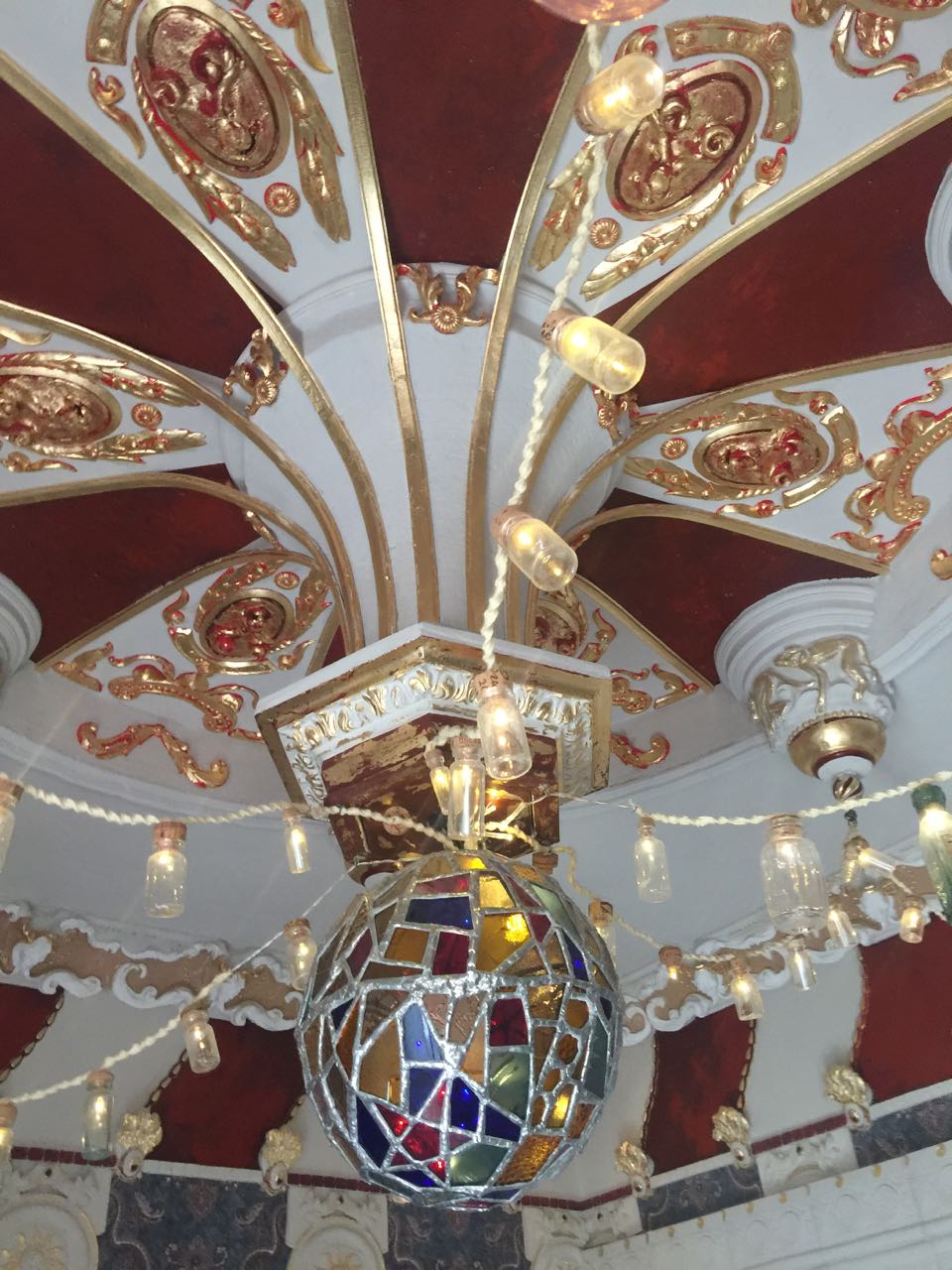
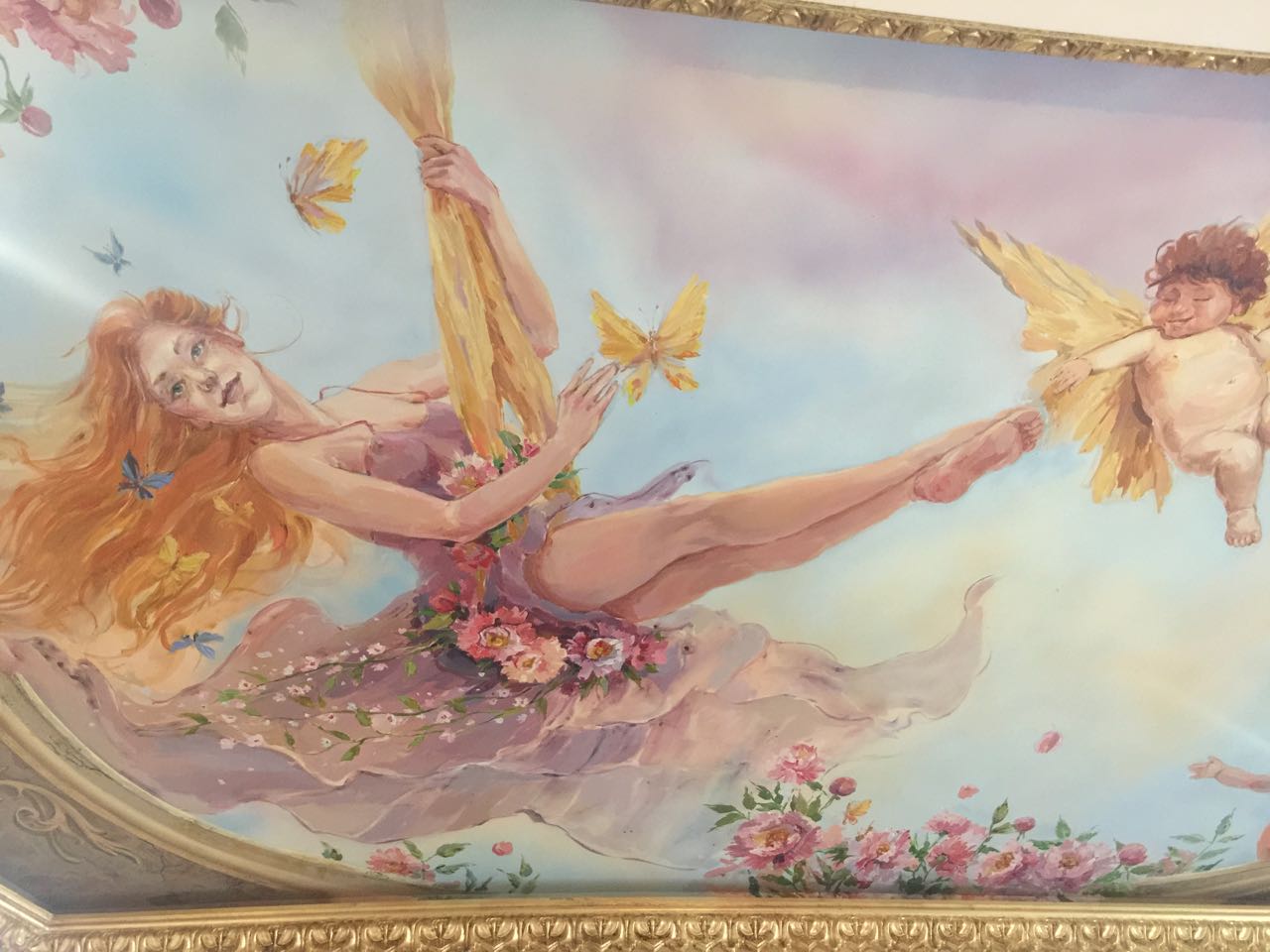
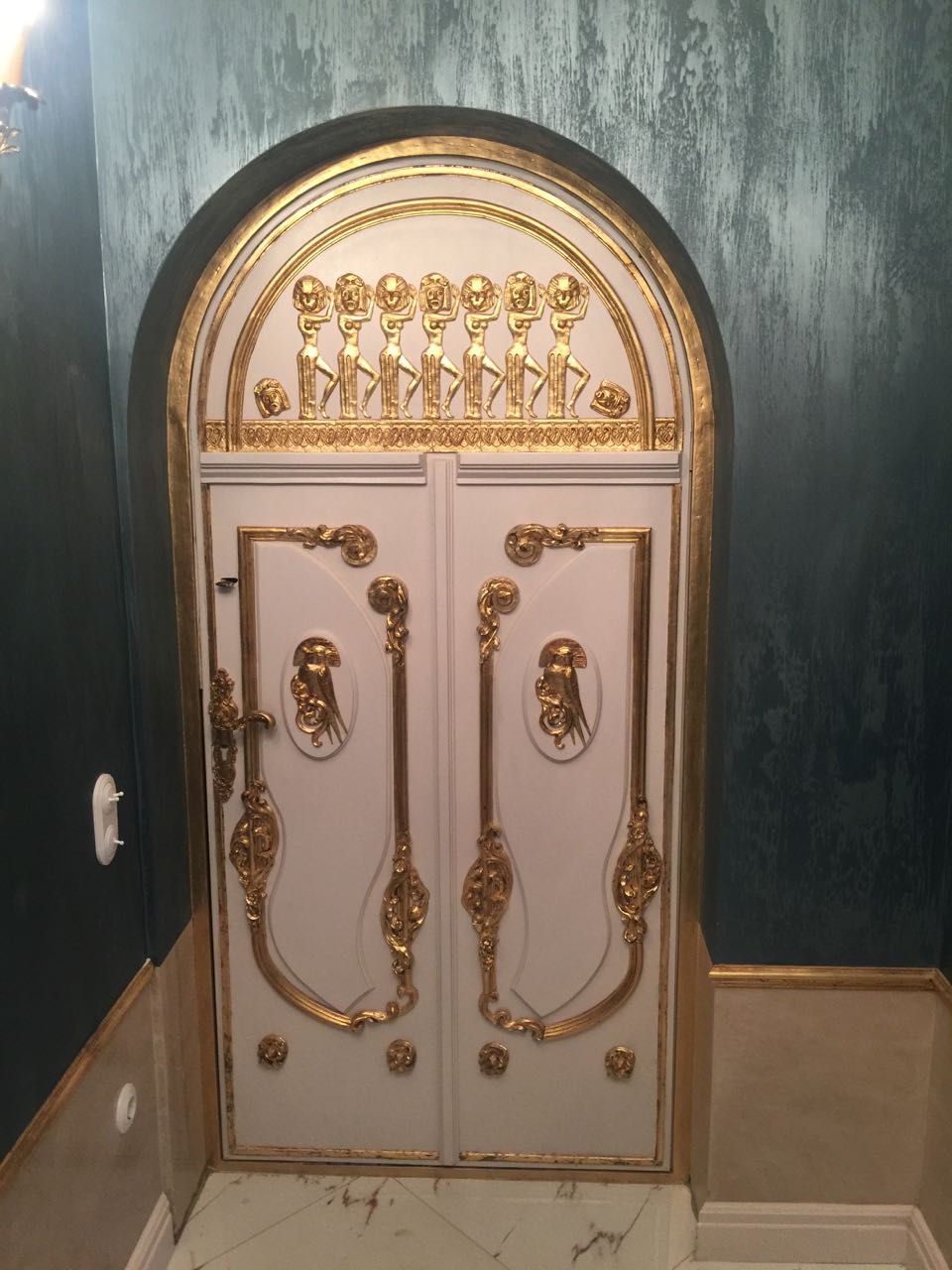
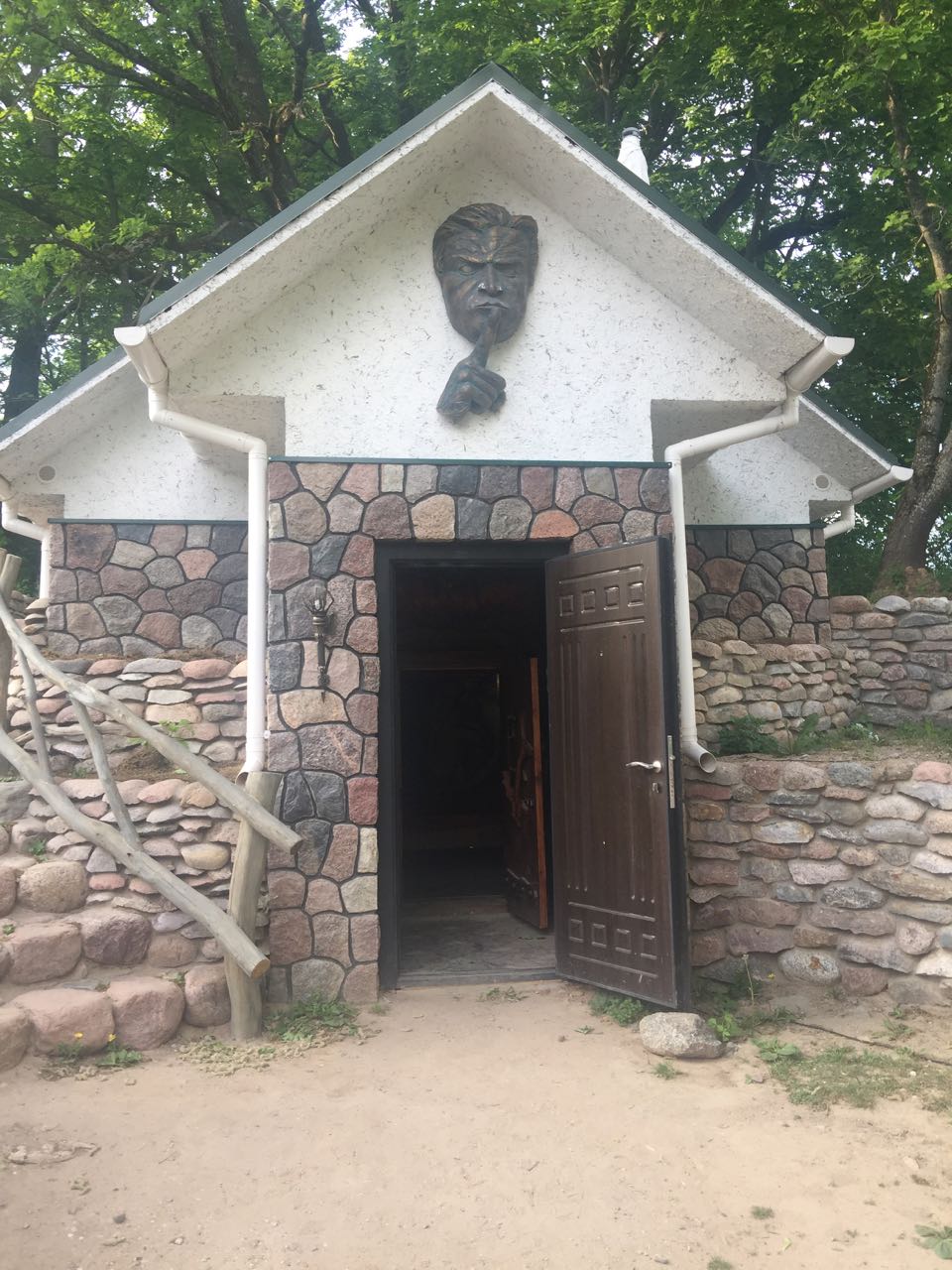
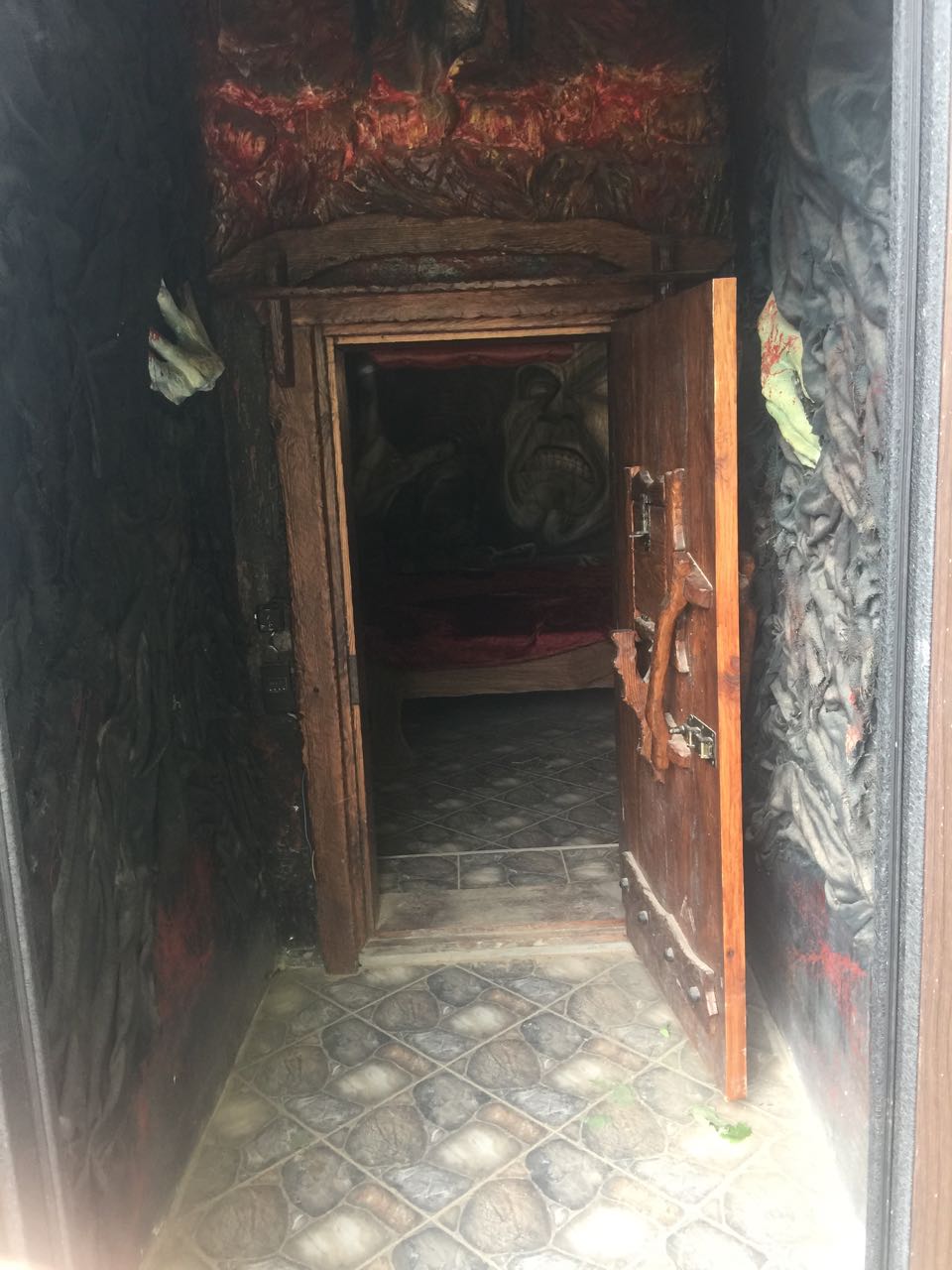
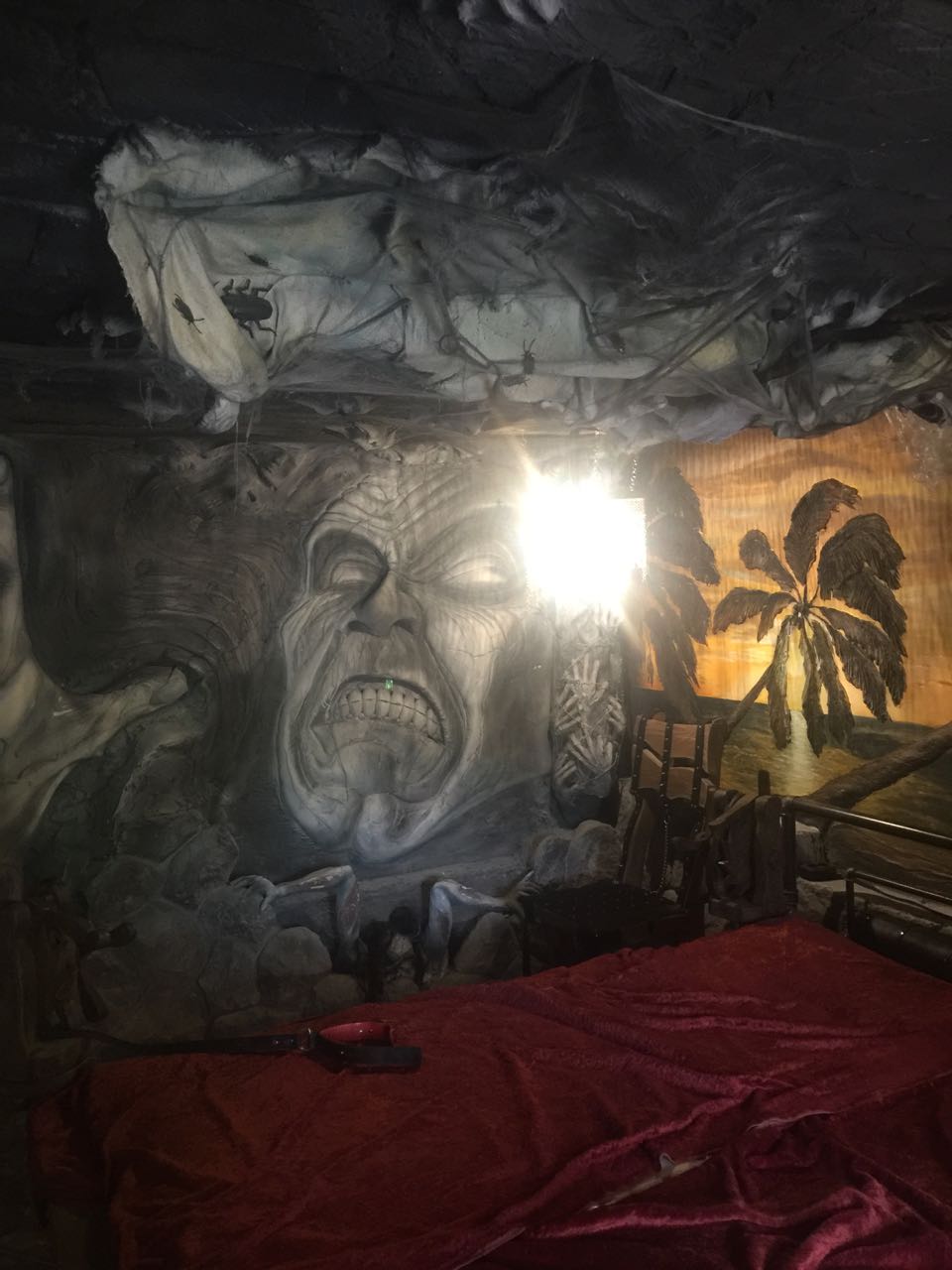
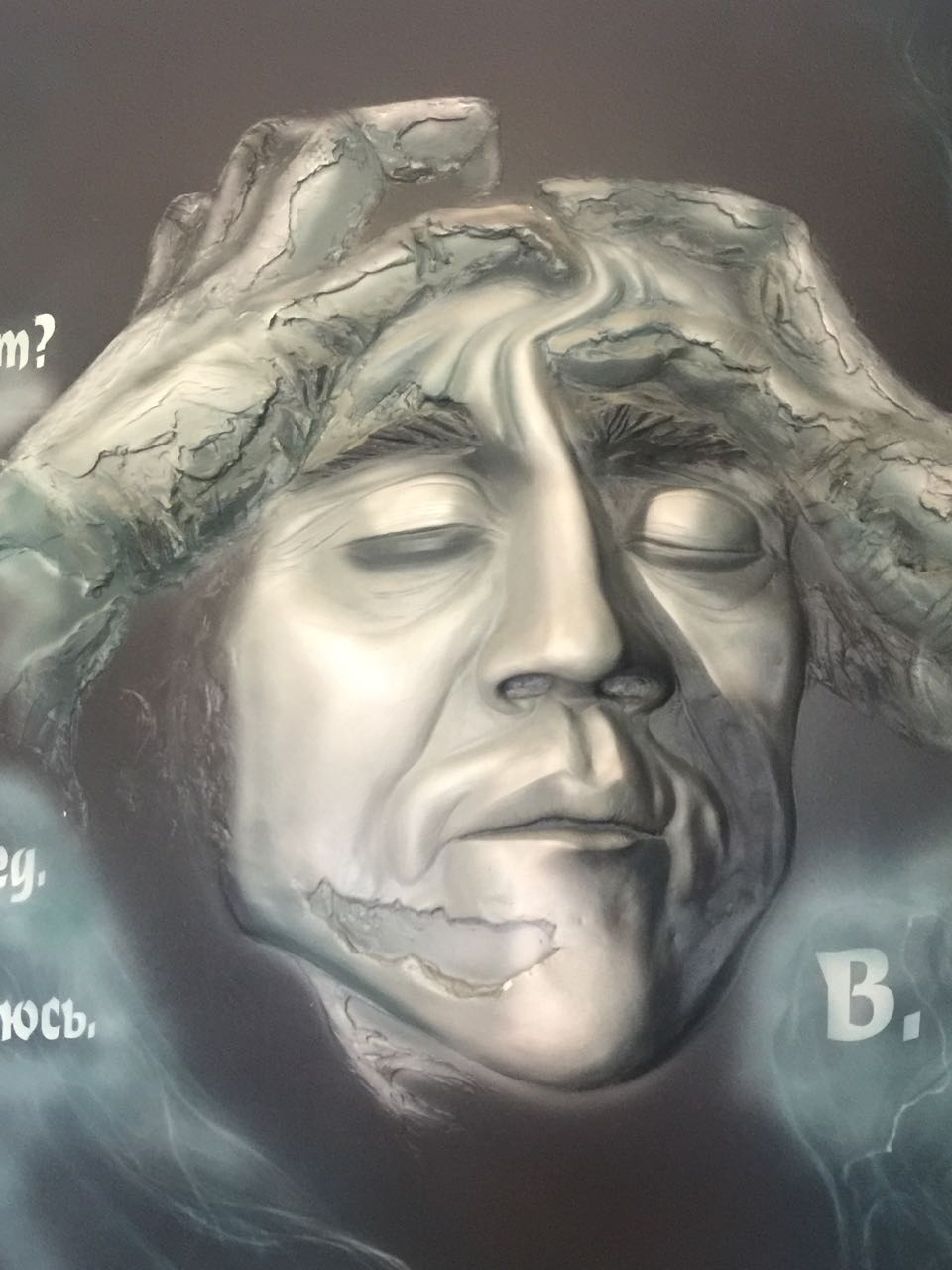
If you ever get to Novogrudok in Belarus, be sure to visit this most unusual homestead owned by Sergei Koval who initiated and sponsored a memorial sign to Michle last year and now patronizes the Jewish Resistance Museum. Amazing art!
A memorial sign to all the Jewish children from Novogrudok who perished during the Holocaust was unveiled at the Jewish Resistance Museum in Novogrudok on September 26, 2017. The monument was sponsored by Sergei Koval, a local Jew, who according to his own words ‘fulfilled the wish of the girl’.
Michle Sosnowski whose picture is in the exhibition of the Museum served as a prototype for the monument. The picture was provided by Jeannette Josse from London who visited Novogrudok in 2005 searching for her roots. Two years later Jeannette sent a book to the Museum in which she incorpoated old pictures into the new ones made during her trip.
Michle happened to be in her family album because she was her mother’s friend. Together with Sheindel Sukharski they tried to escape from the labour camp in Novogrudok but were recognized in the street, denounced, arrested and taken to prison from which they never came out.
It’s a monument to the child whose greatest wish was to live. Dressed up for Purim she will dance forever next to the Tree of Life which incorporates the Star of David from the Novogrudok synagogue.
The ceremony was followed by a panel discussion on Remembrance and Commemoration dedicated to the blessed memory of Jack Kagan, a survivor from Novogrudok and a Bielski partisan, whose efforts to preserve the history of Novogrudok Jews and their unprecedented resistance to the Nazis were recognized by awarding him a title of the Honorary Citizen of Novogrudok in 2011.
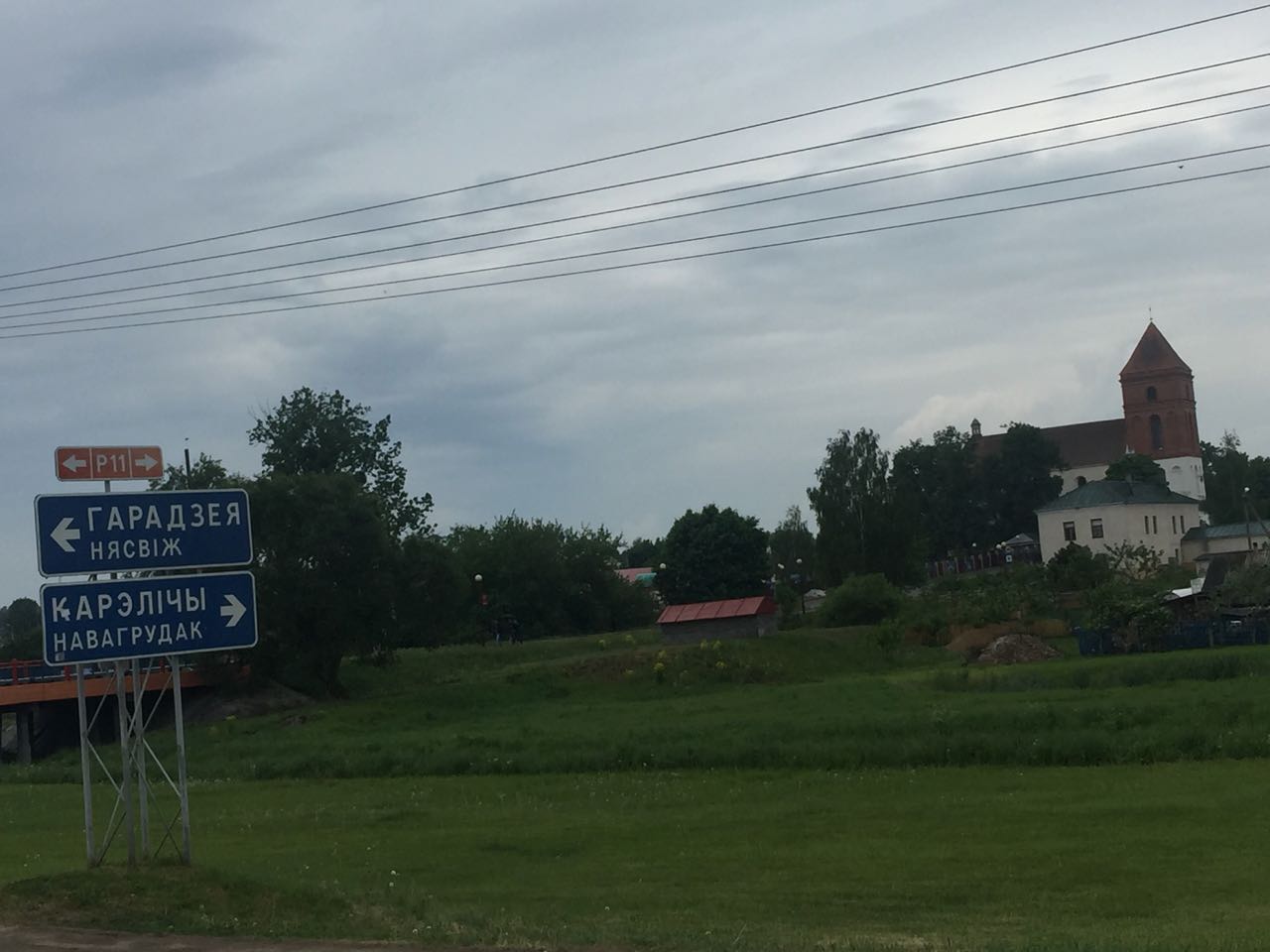
Navahrudak (Belarusian: Навагрудак), more commonly known by its Russian name Novogrudok (Новогрудок) (Lithuanian: Naugardukas; Polish: Nowogródek; Yiddish: נאָווהאַרדאָק Novhardok) is a city in the Grodno Region of Belarus. In the 14th century it was an episcopal see of the Metropolitanate of Lithuania. It is a possible first capital of the Grand Duchy of Lithuania, with Trakai also noted as a possibility. It was later part of the Polish-Lithuanian Commonwealth, the Russian Empire and eventually Poland until the Soviet invasion of Poland in 1939 when the Soviet Union annexed the area to the Byelorussian SSR.
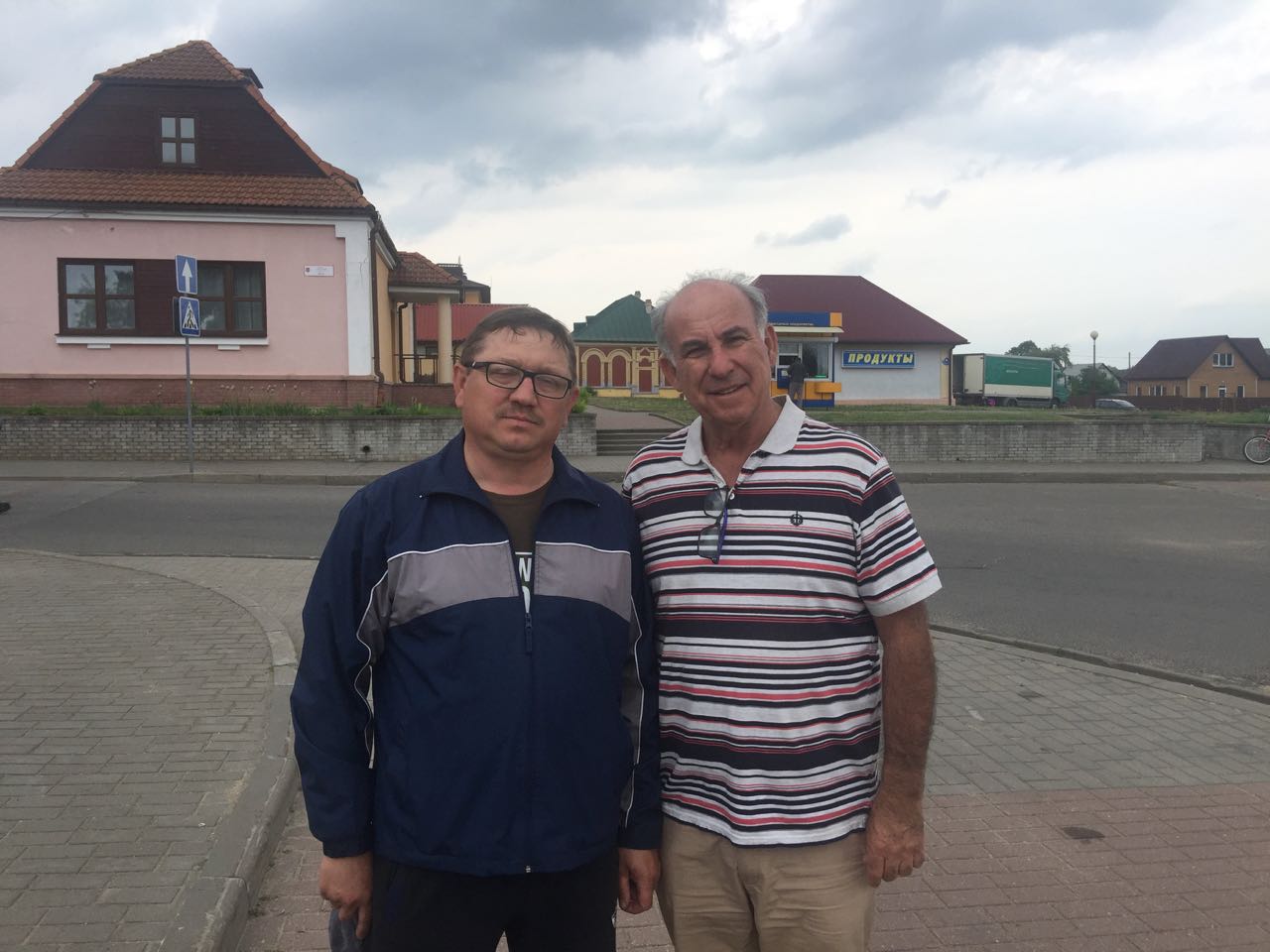
With Mike Silver of NY and his guide Alexander (centre)
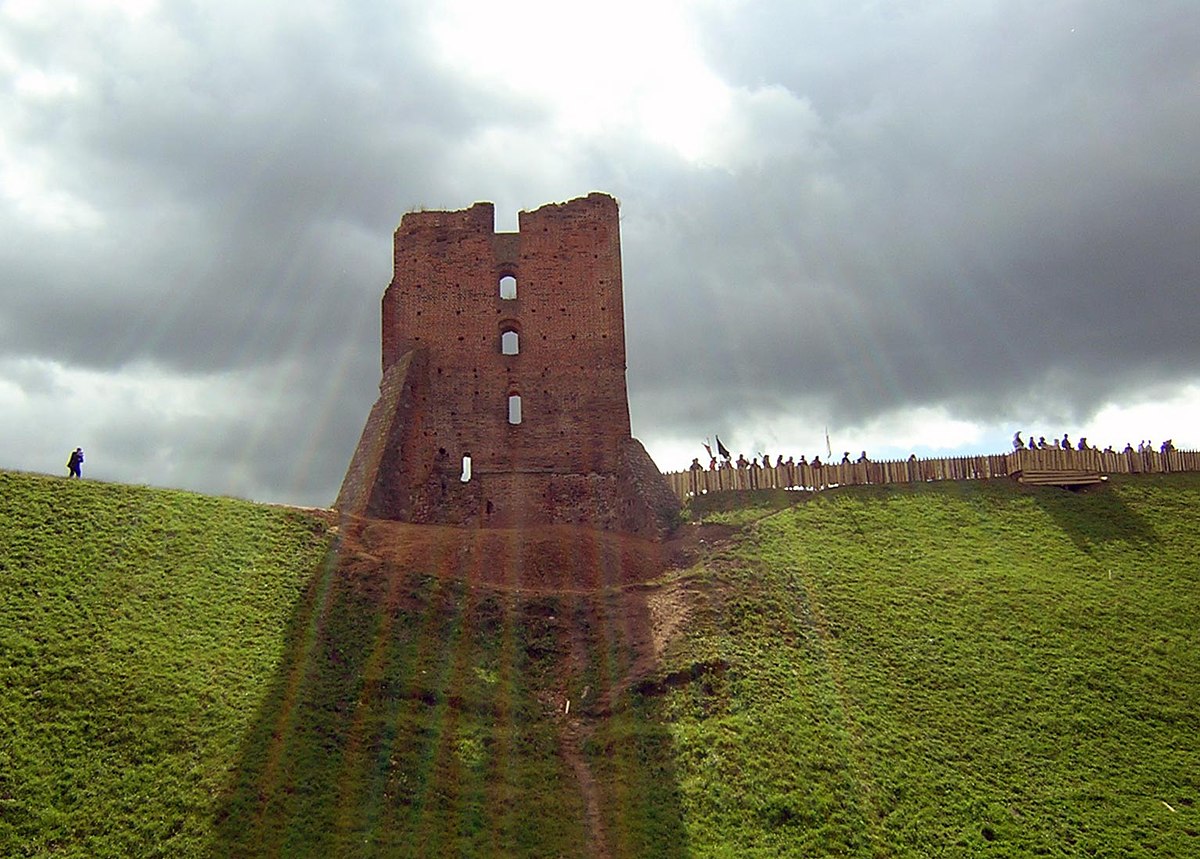
Navahrudak Castle
Navahrudak Castle – Wikipedia
The former castle in Navahrudak, Belarus (Belarusian: Навагрудскі замак, Lithuanian: Naugarduko pilis, Polish: Zamek w Nowogródku) was one of the key strongholds of the Grand Duchy of Lithuania, cited by Maciej Stryjkowski as the location of Mindaugas’s coronation as King of Lithuania as well as his likely burial place.[1][2][3][4] Modern historians cannot make up their minds as to the true location of Mindaugas’s coronation.
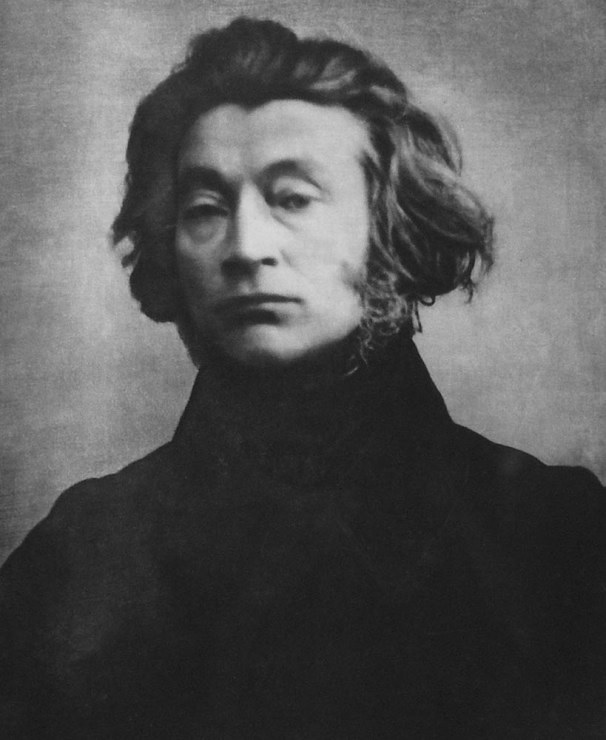
Adam Bernard Mickiewicz ([mit͡sˈkʲɛvit͡ʂ] ( listen); 24 December 1798 – 26 November 1855) was a Polish poet, dramatist, essayist, publicist, translator, professor of Slavic literature, and political activist. He is regarded as national poet in Poland, Lithuania and Belarus. A principal figure in Polish Romanticism, he is counted as one of Poland’s “Three Bards” (“Trzej Wieszcze”)[1] and is widely regarded as Poland’s greatest poet.[2][3][4] He is also considered one of the greatest Slavic[5] and European[6] poets and has been dubbed a “Slavic bard”.[7] A leading Romantic dramatist,[8] he has been compared in Poland and Europe to Byron and Goethe.[7][8]
























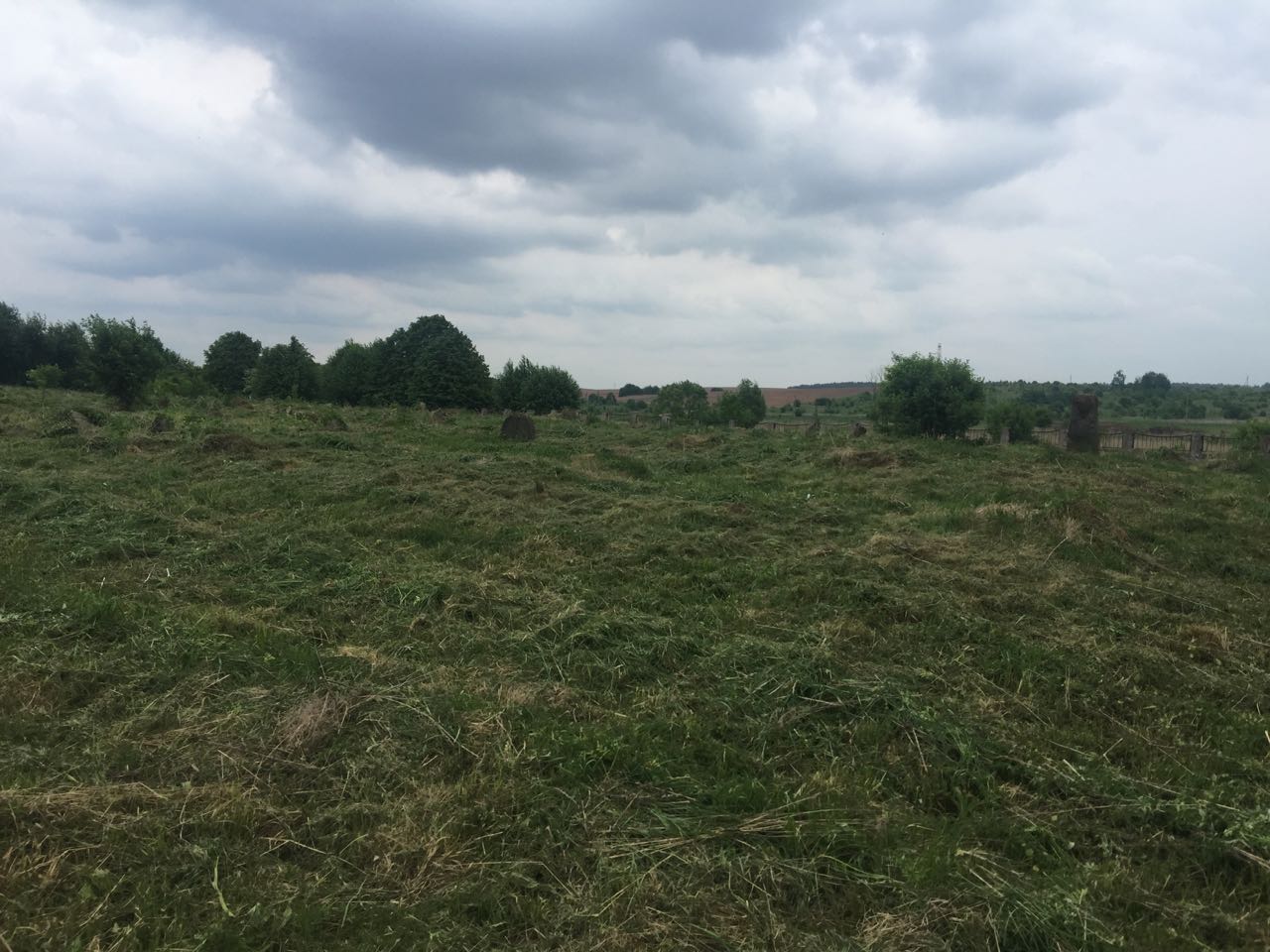
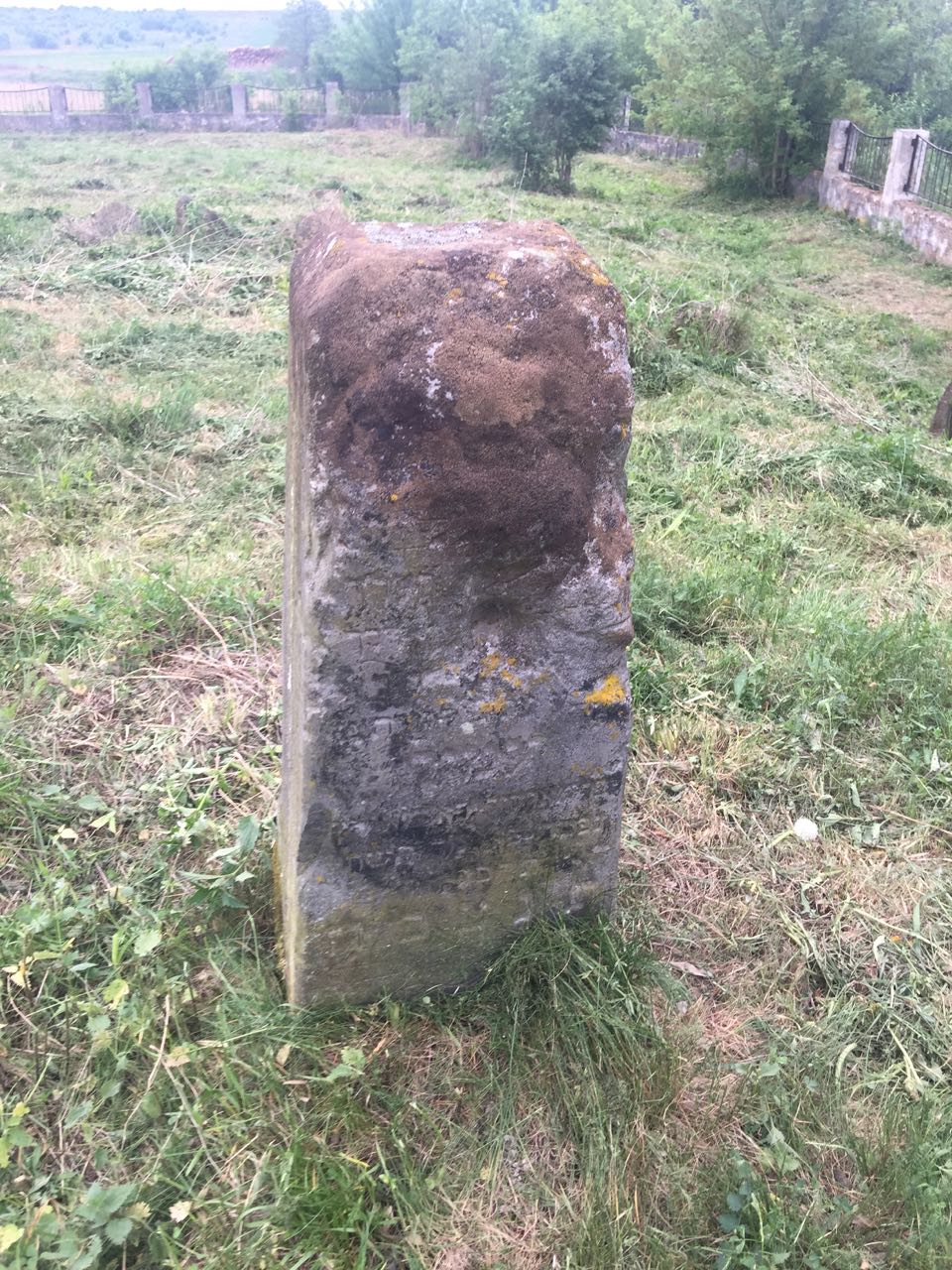
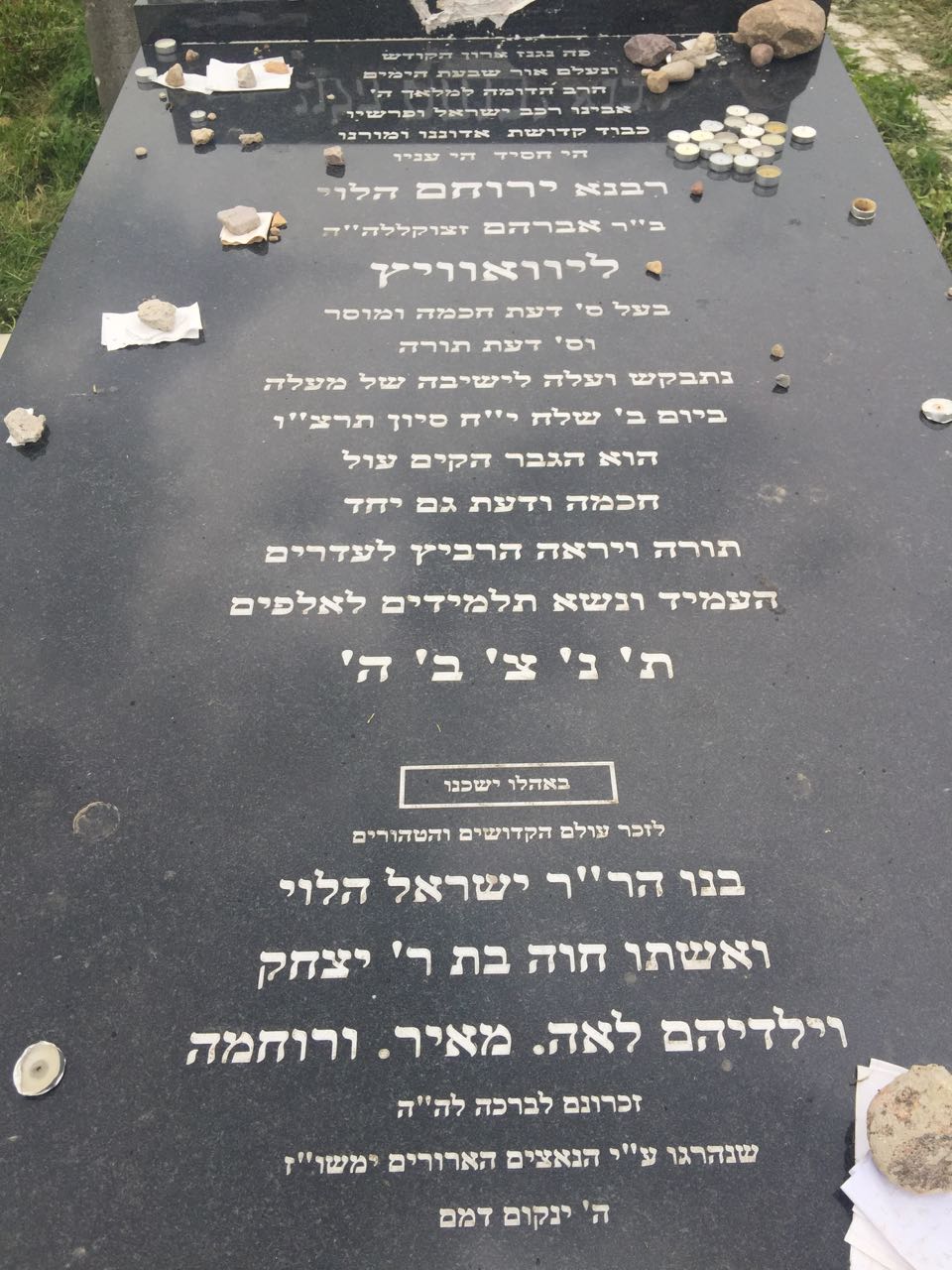
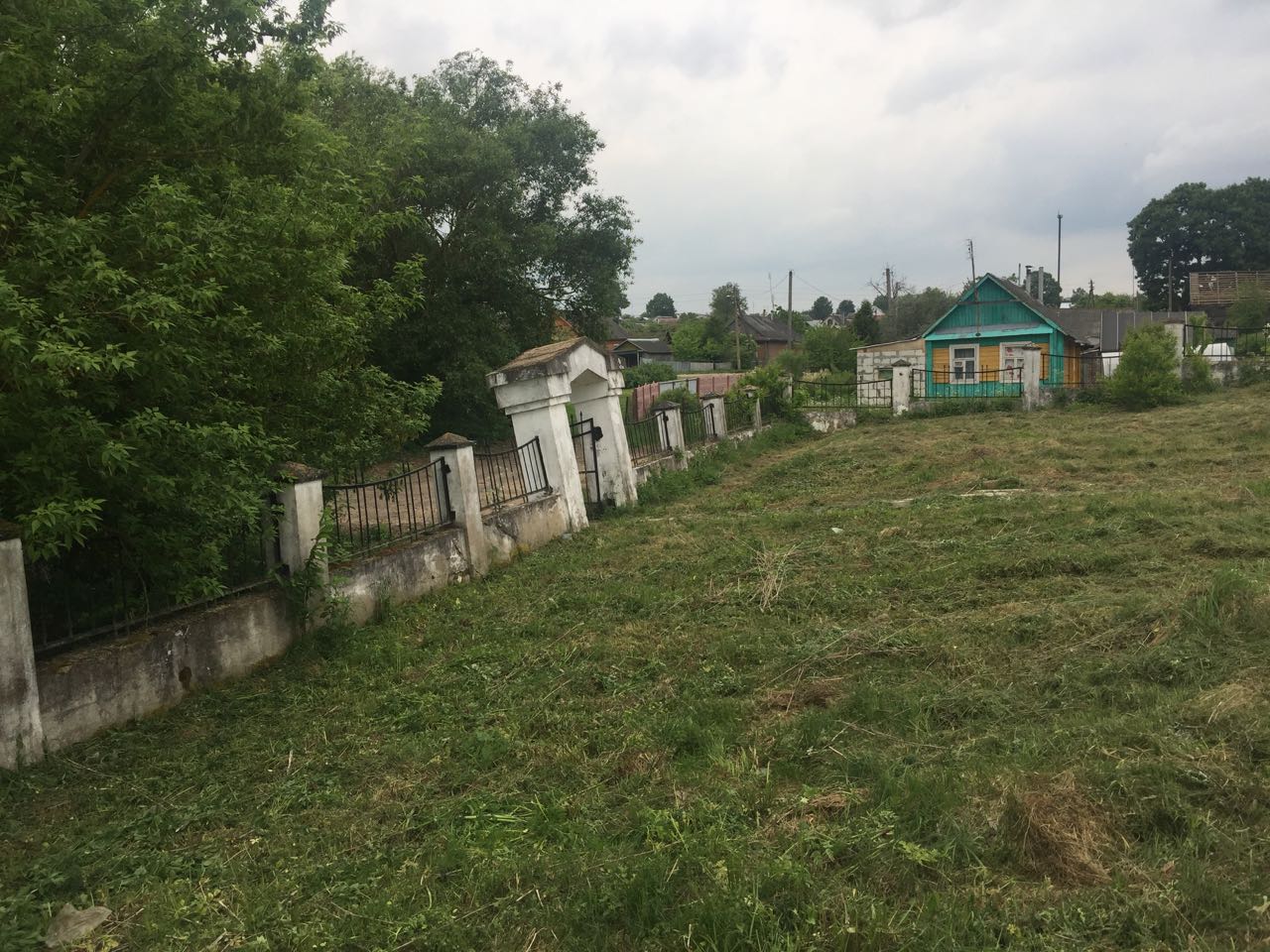



































 , M
, M