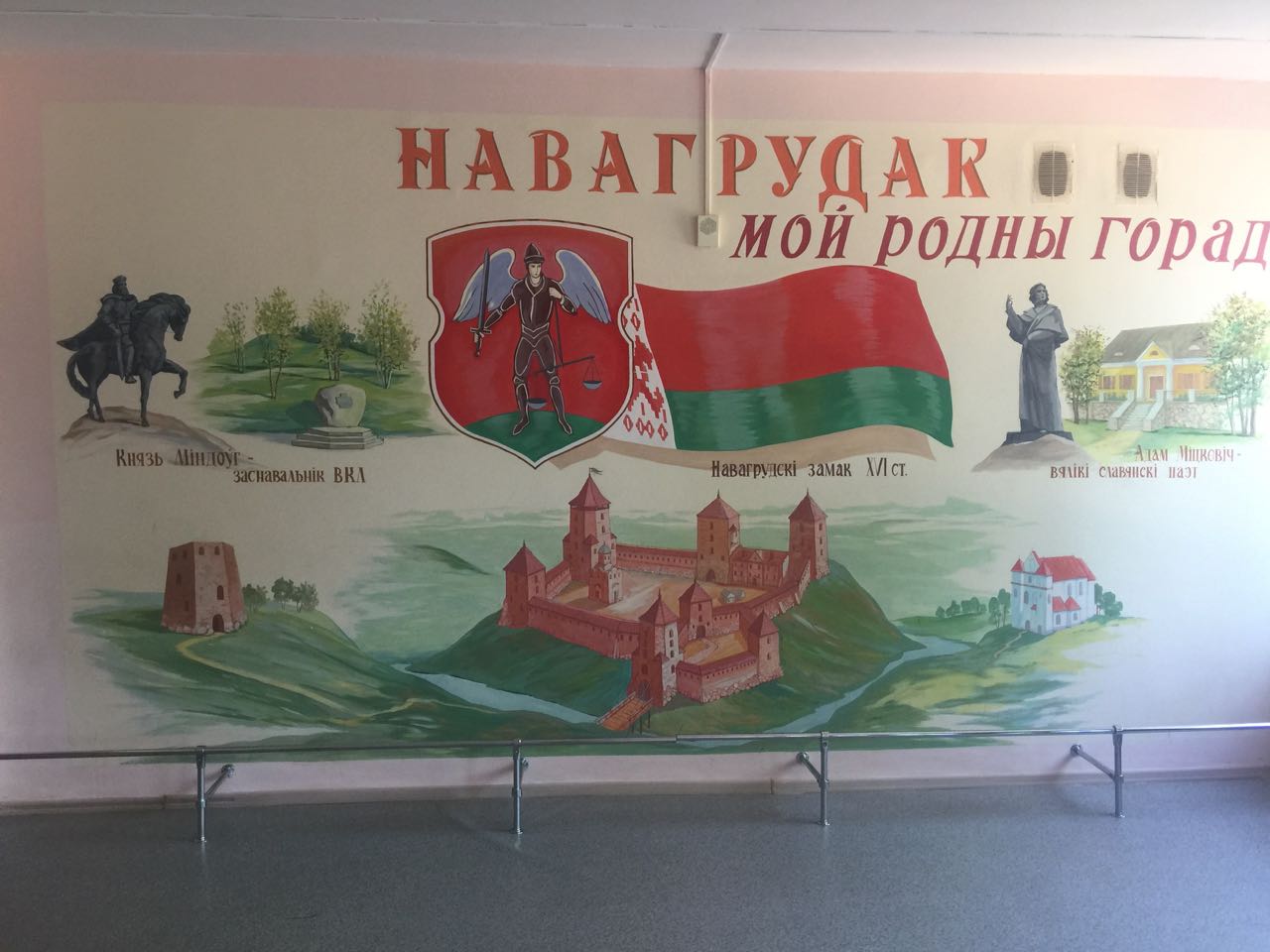
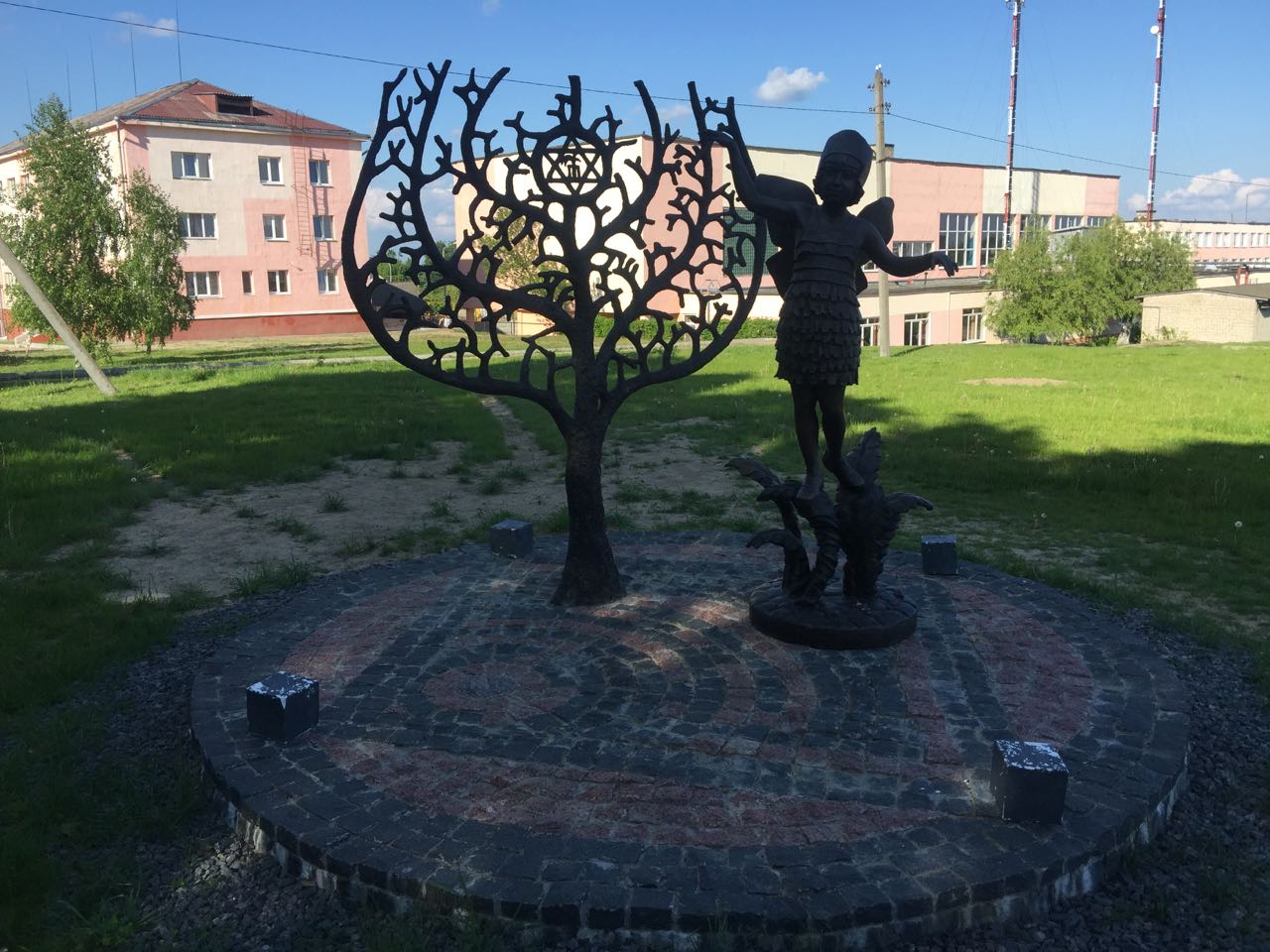
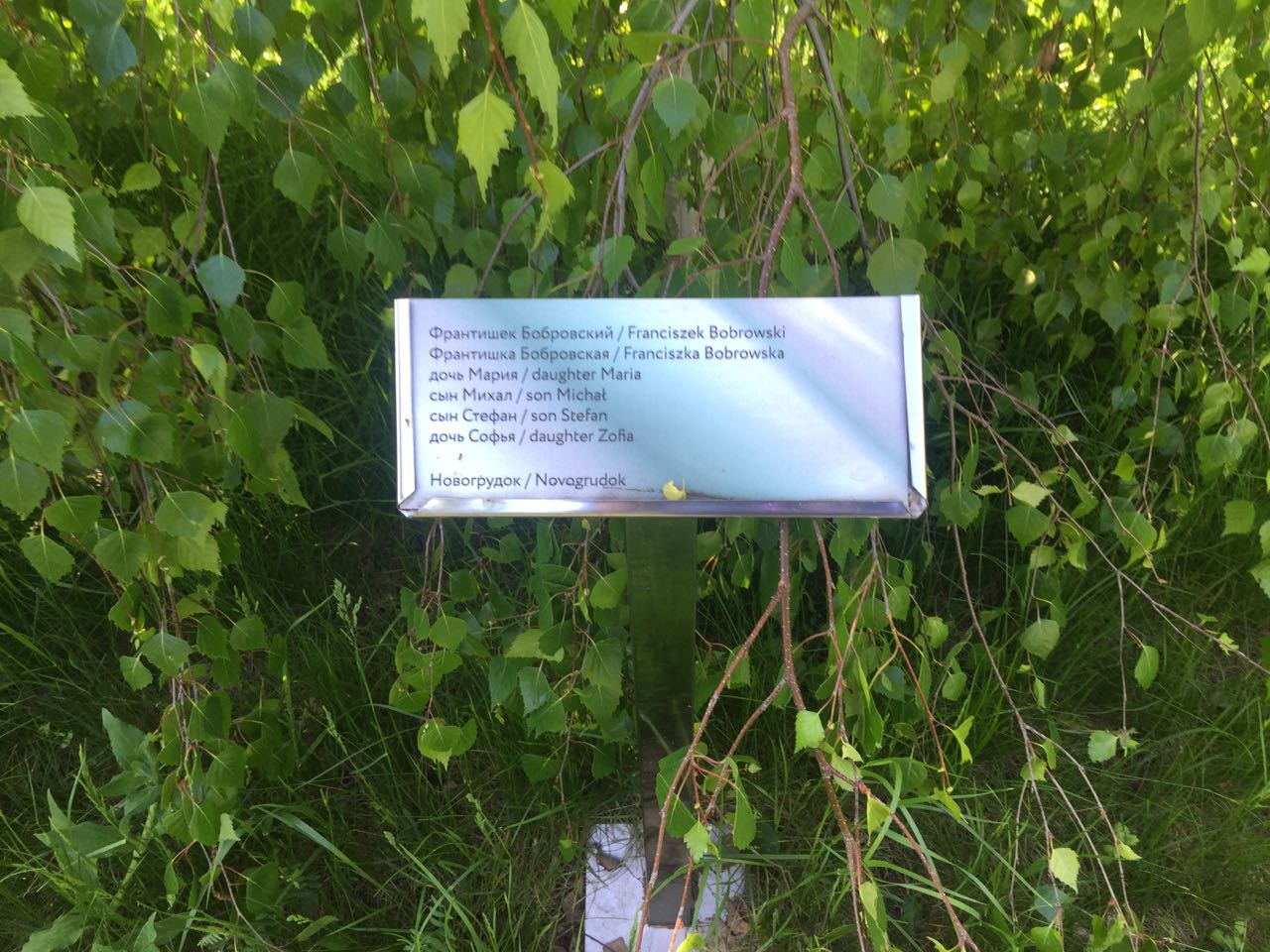
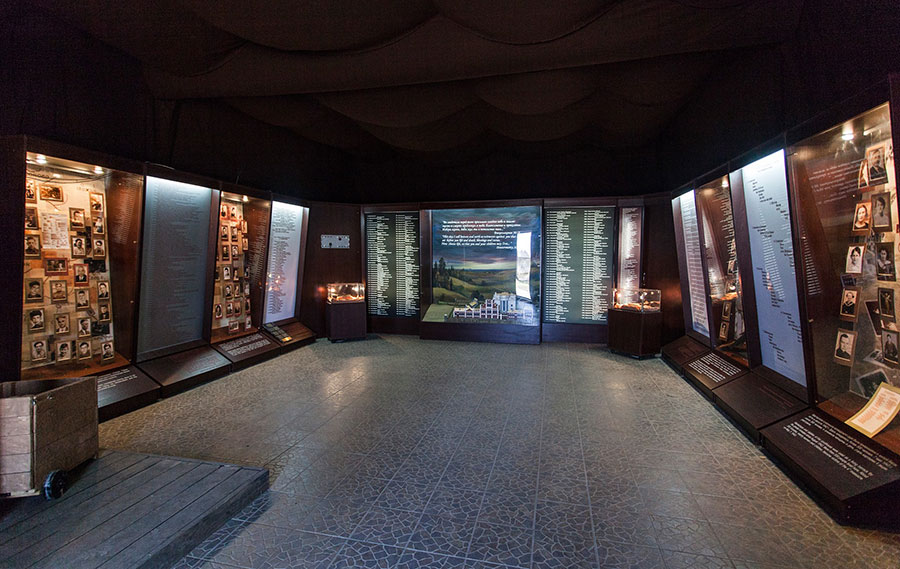
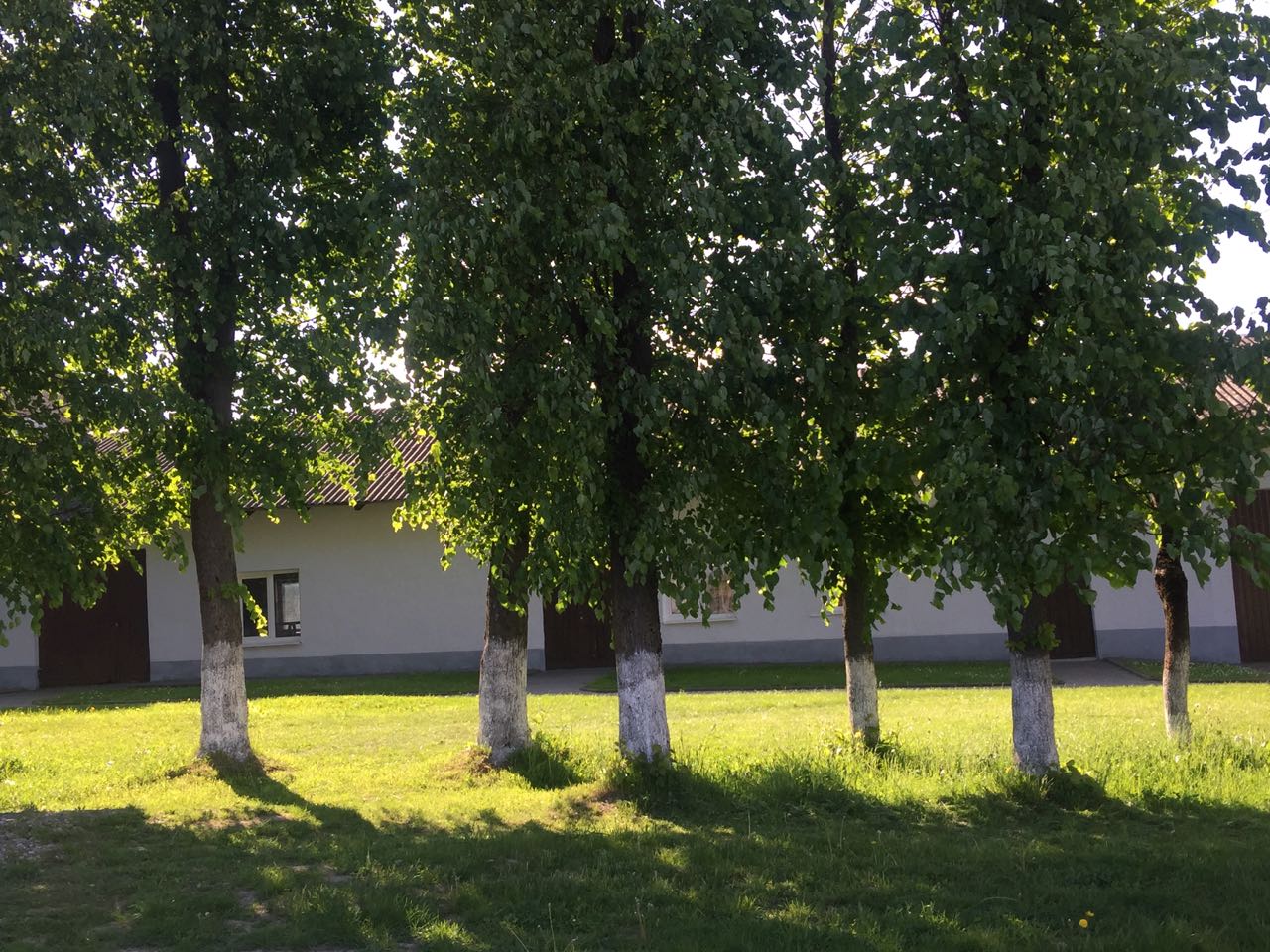
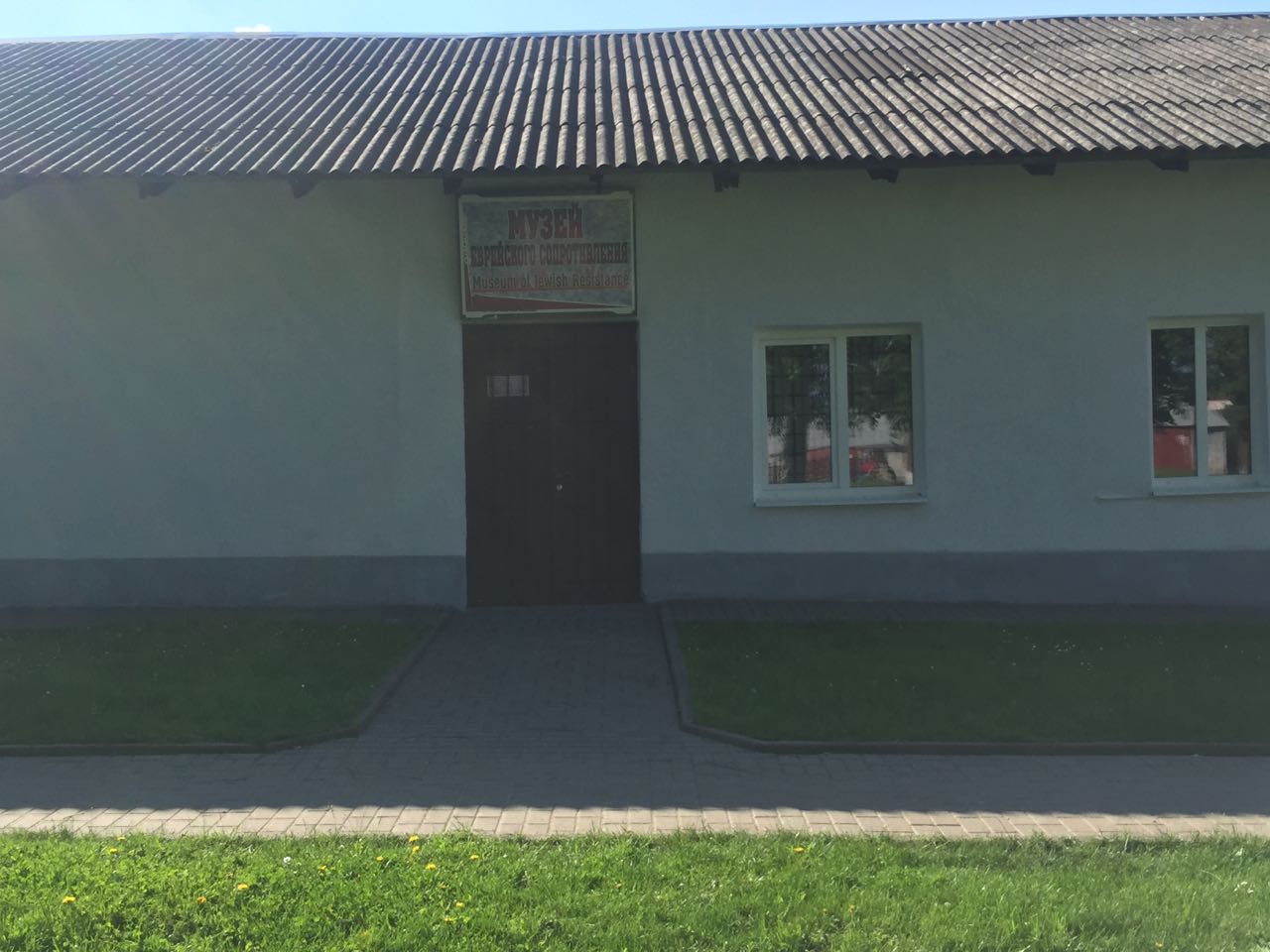
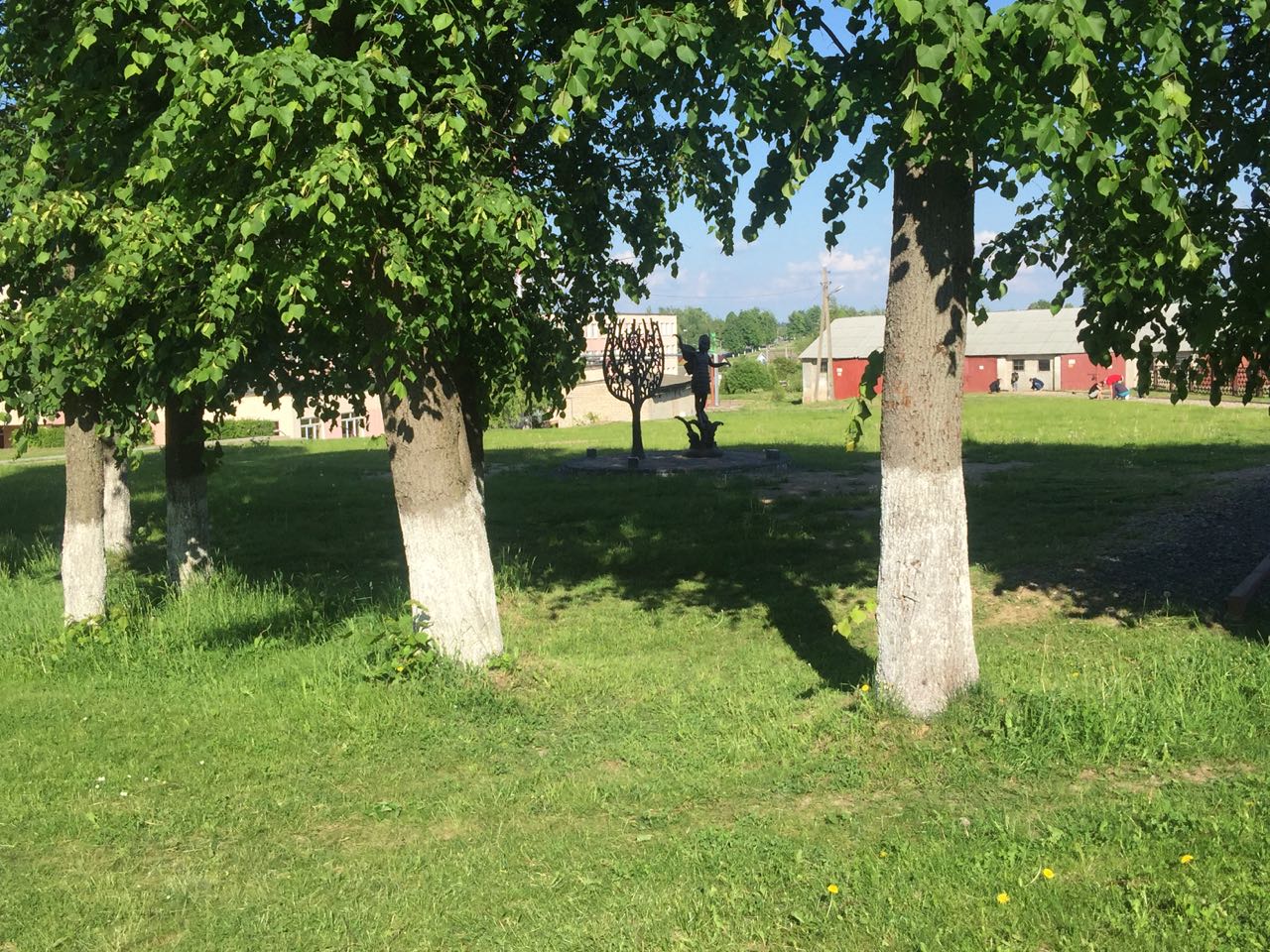
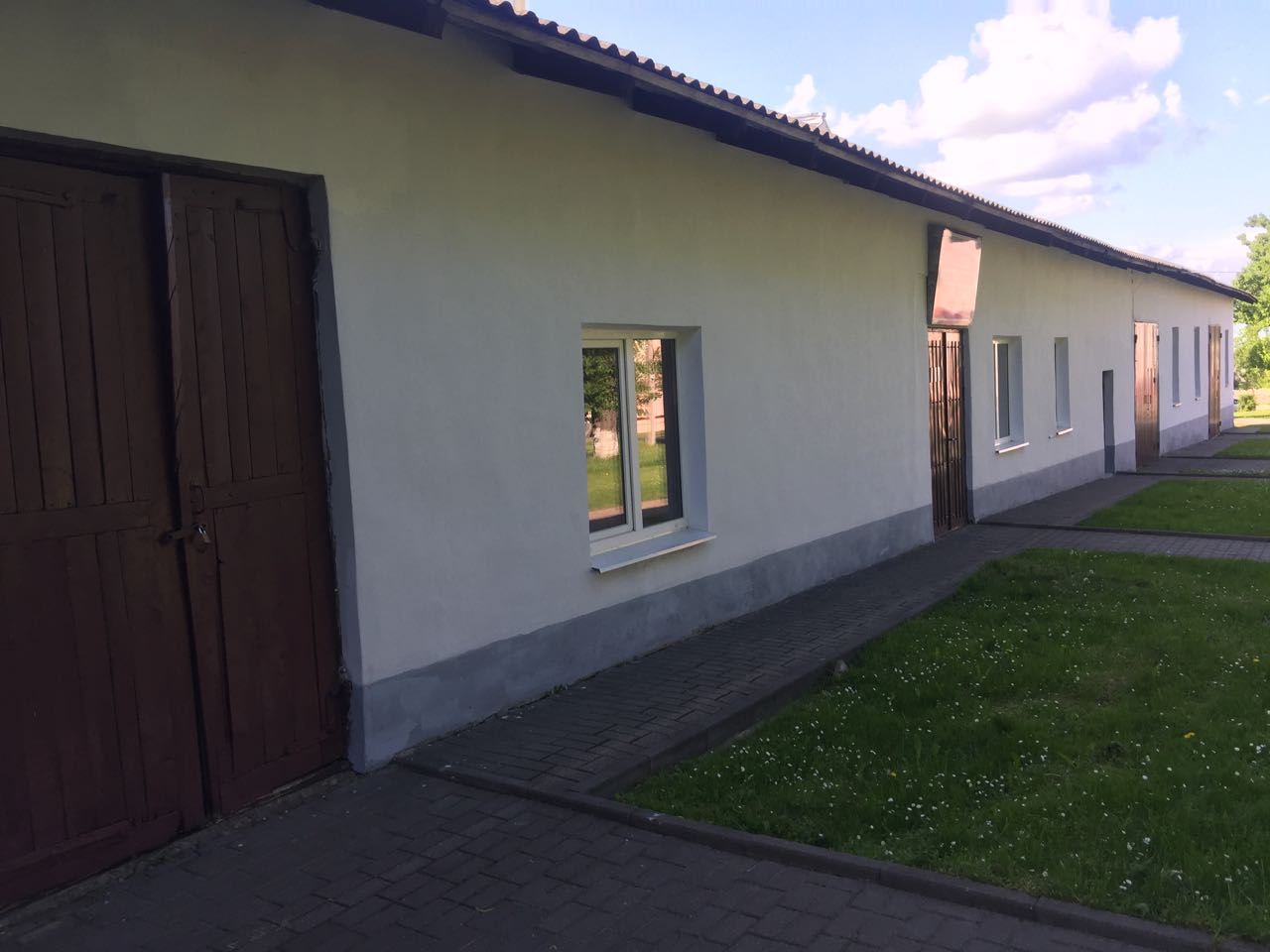
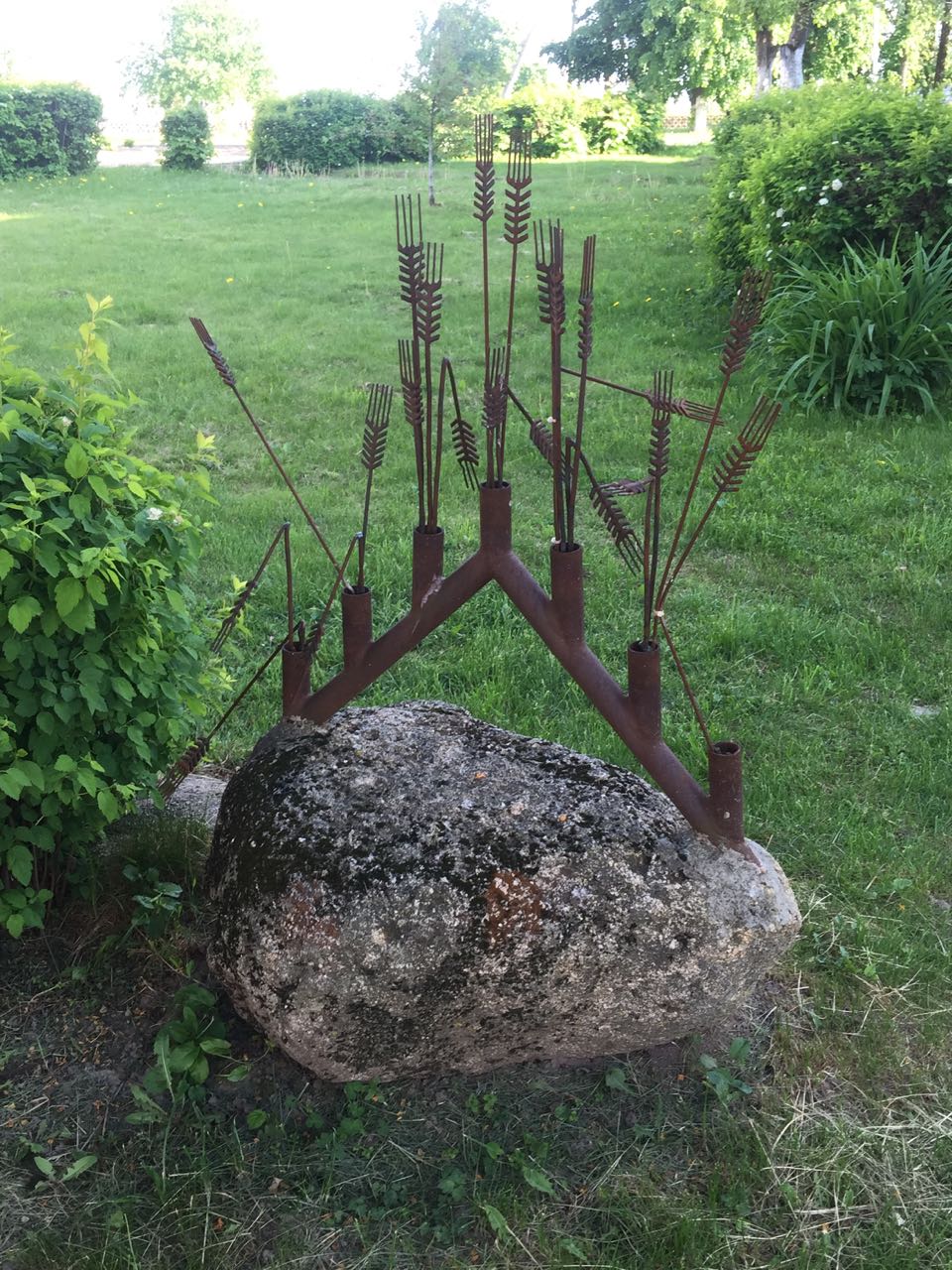
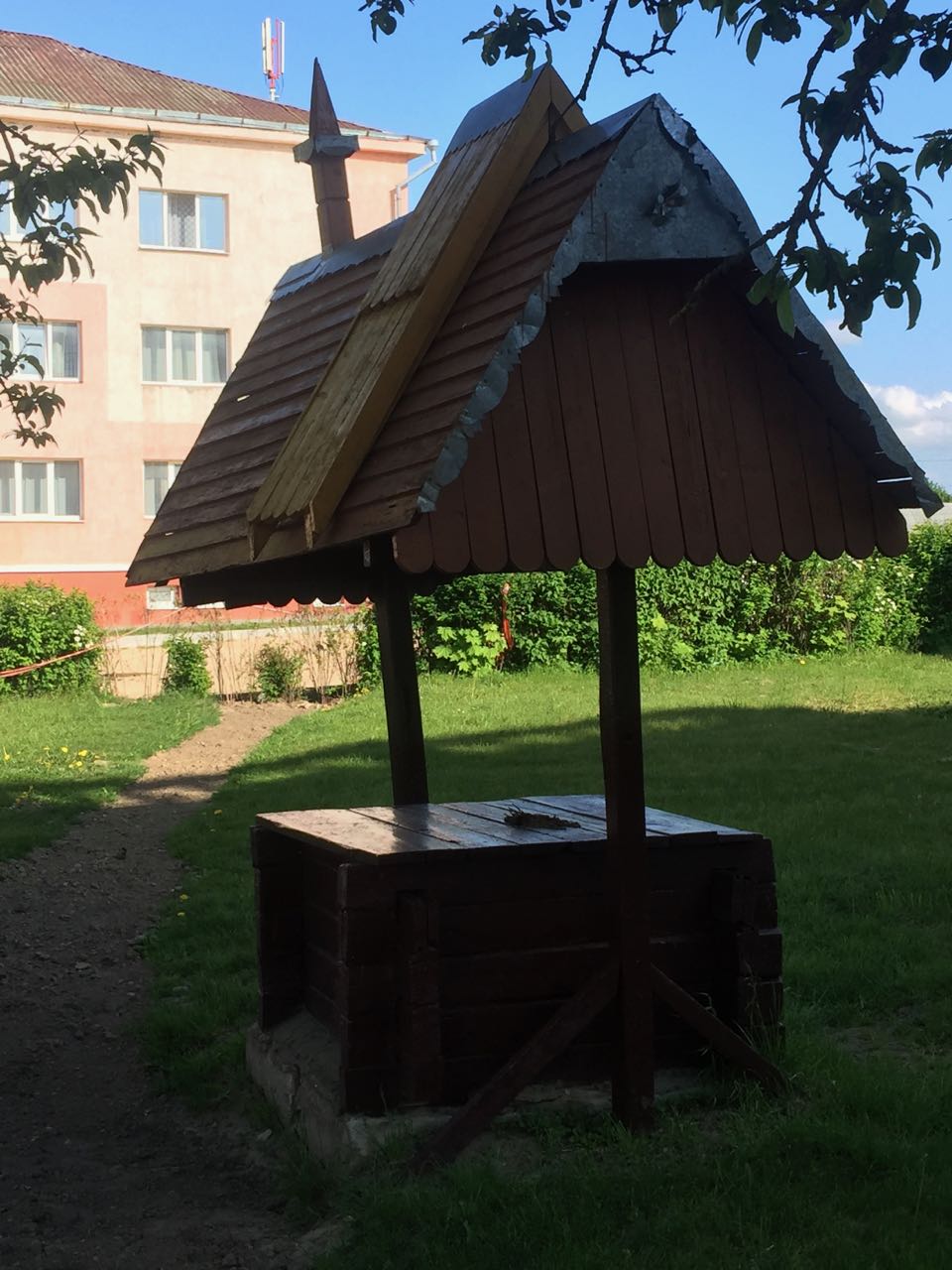
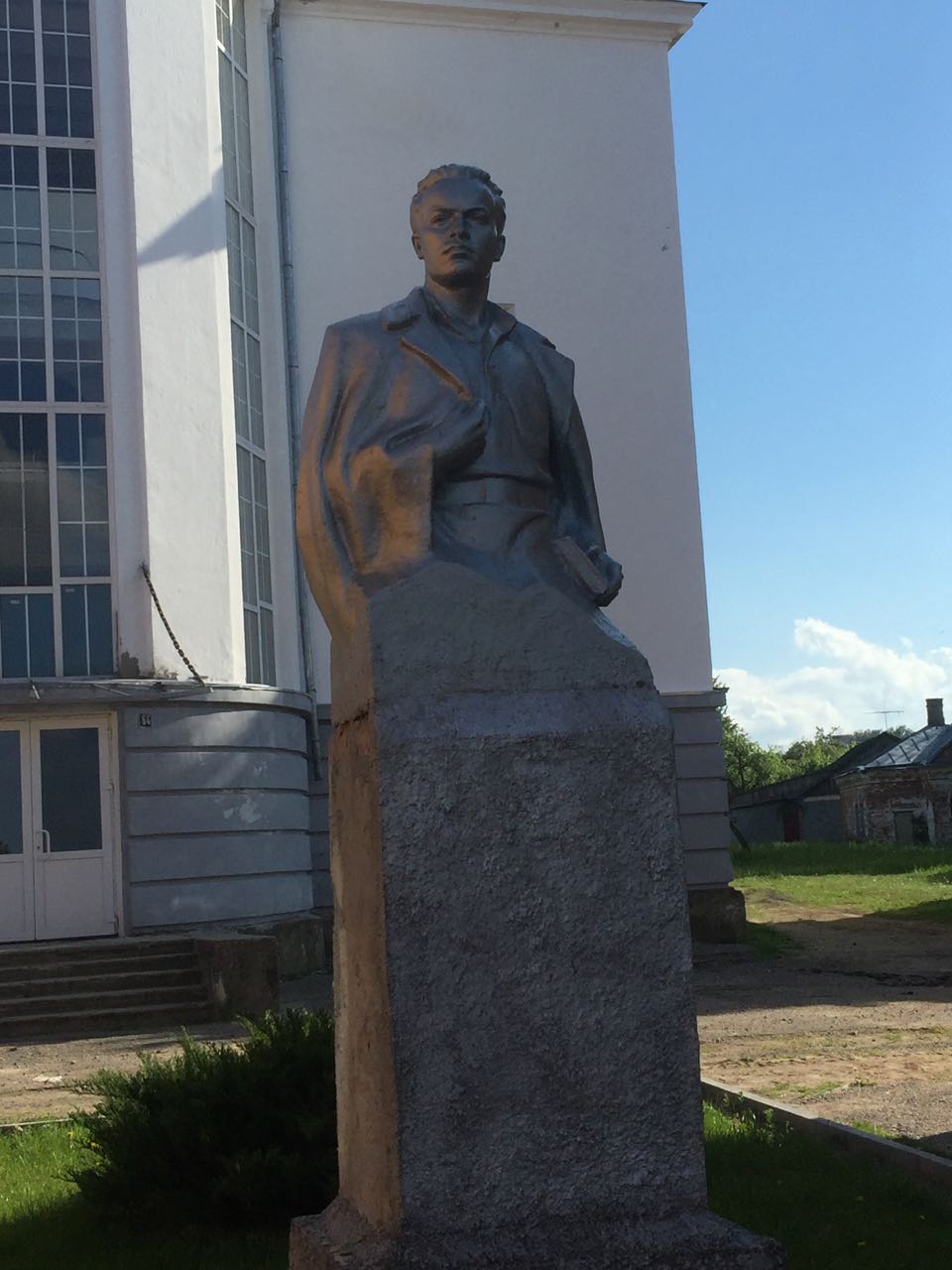
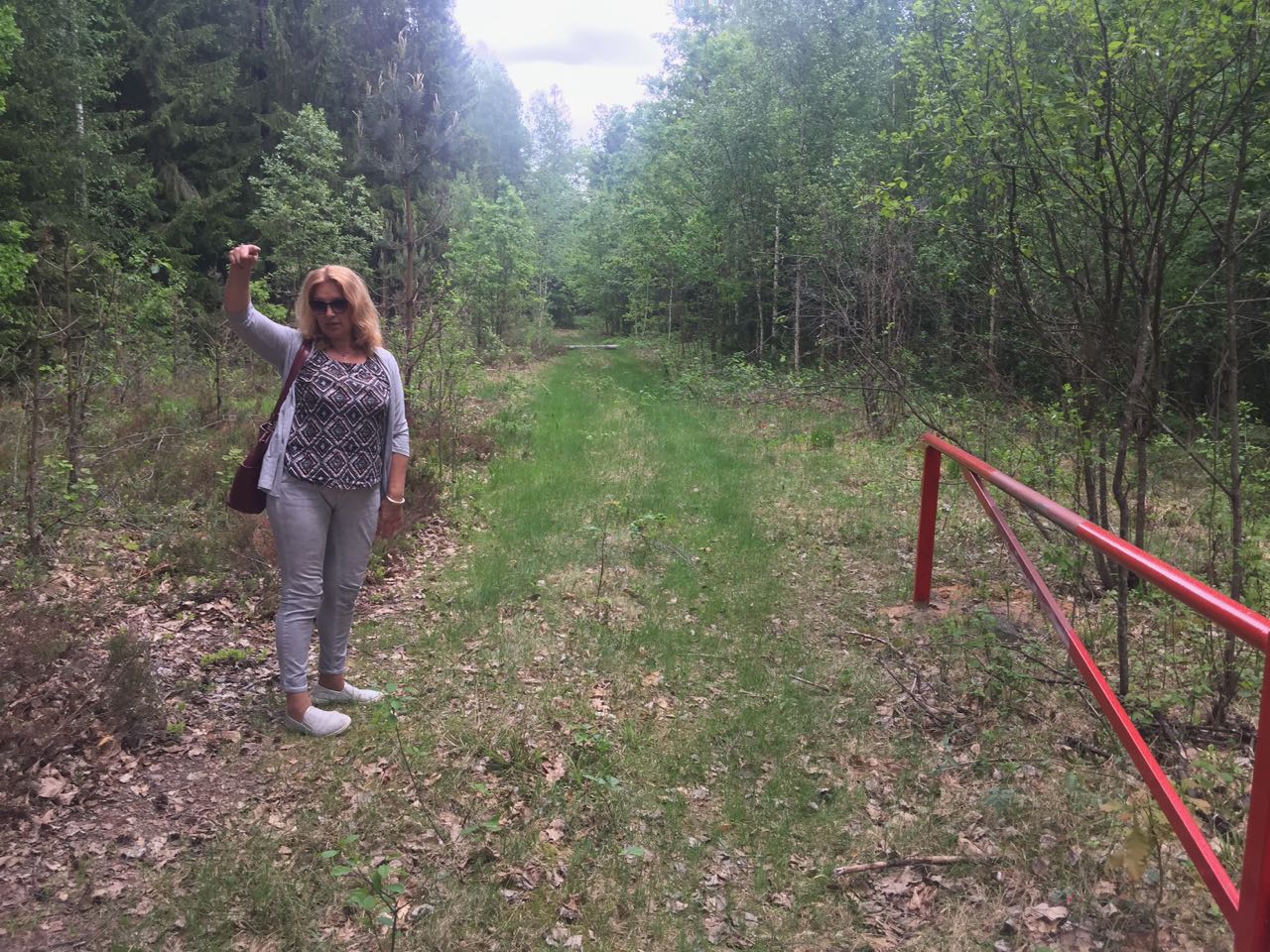
Navahrudak (Belarusian: Навагрудак), more commonly known by its Russian name Novogrudok (Новогрудок) (Lithuanian: Naugardukas; Polish: Nowogródek; Yiddish: נאָווהאַרדאָק Novhardok) is a city in the Grodno Region of Belarus. In the 14th century it was an episcopal see of the Metropolitanate of Lithuania. It is a possible first capital of the Grand Duchy of Lithuania, with Trakai also noted as a possibility. It was later part of the Polish-Lithuanian Commonwealth, the Russian Empire and eventually Poland until the Soviet invasion of Poland in 1939 when the Soviet Union annexed the area to the Byelorussian SSR.
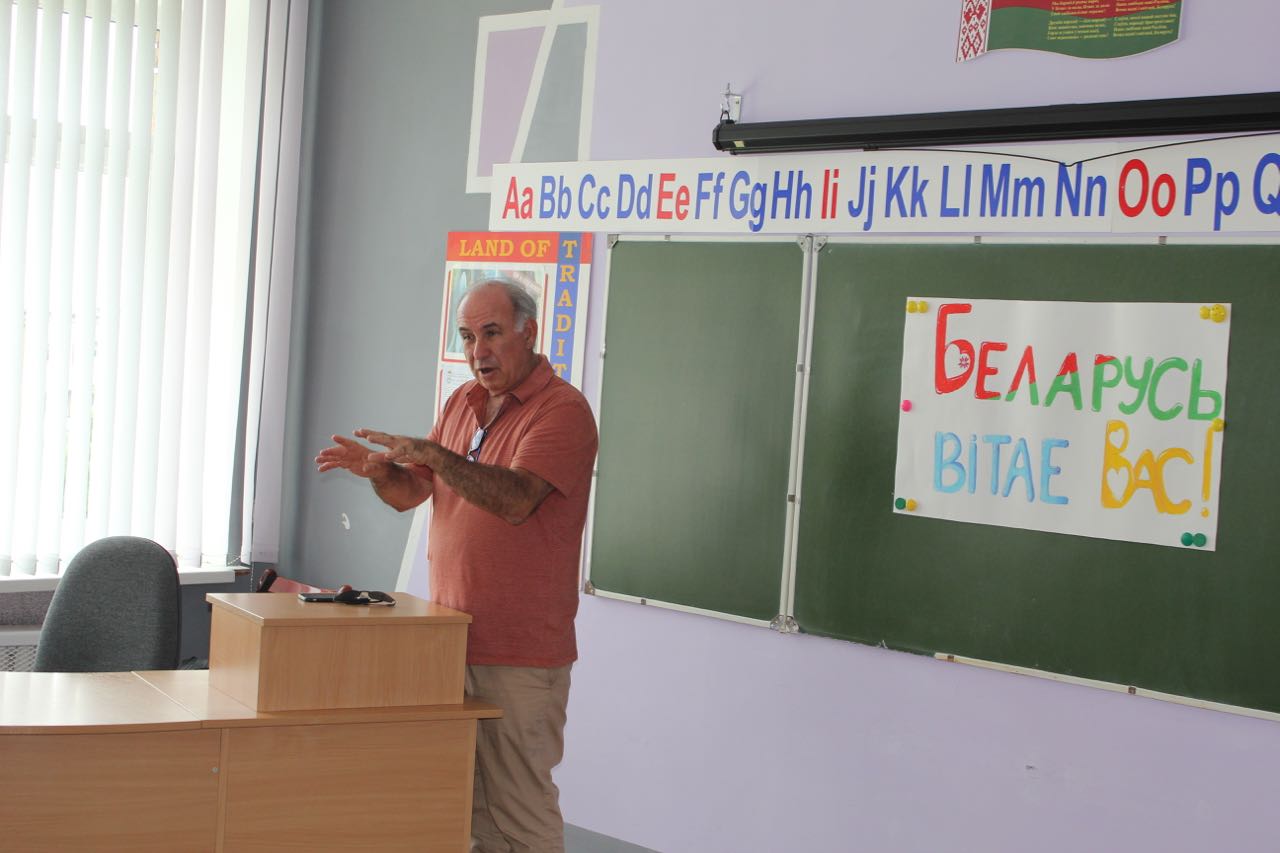
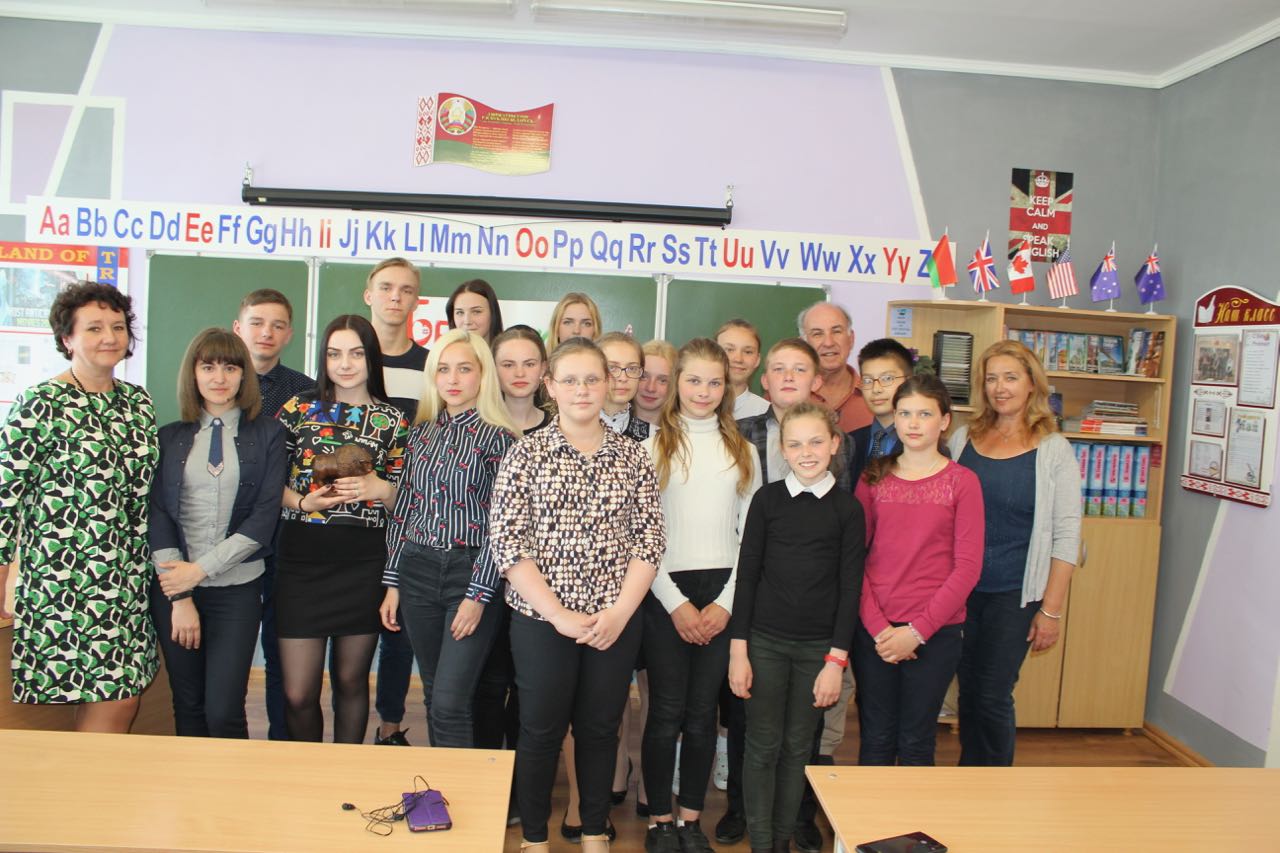
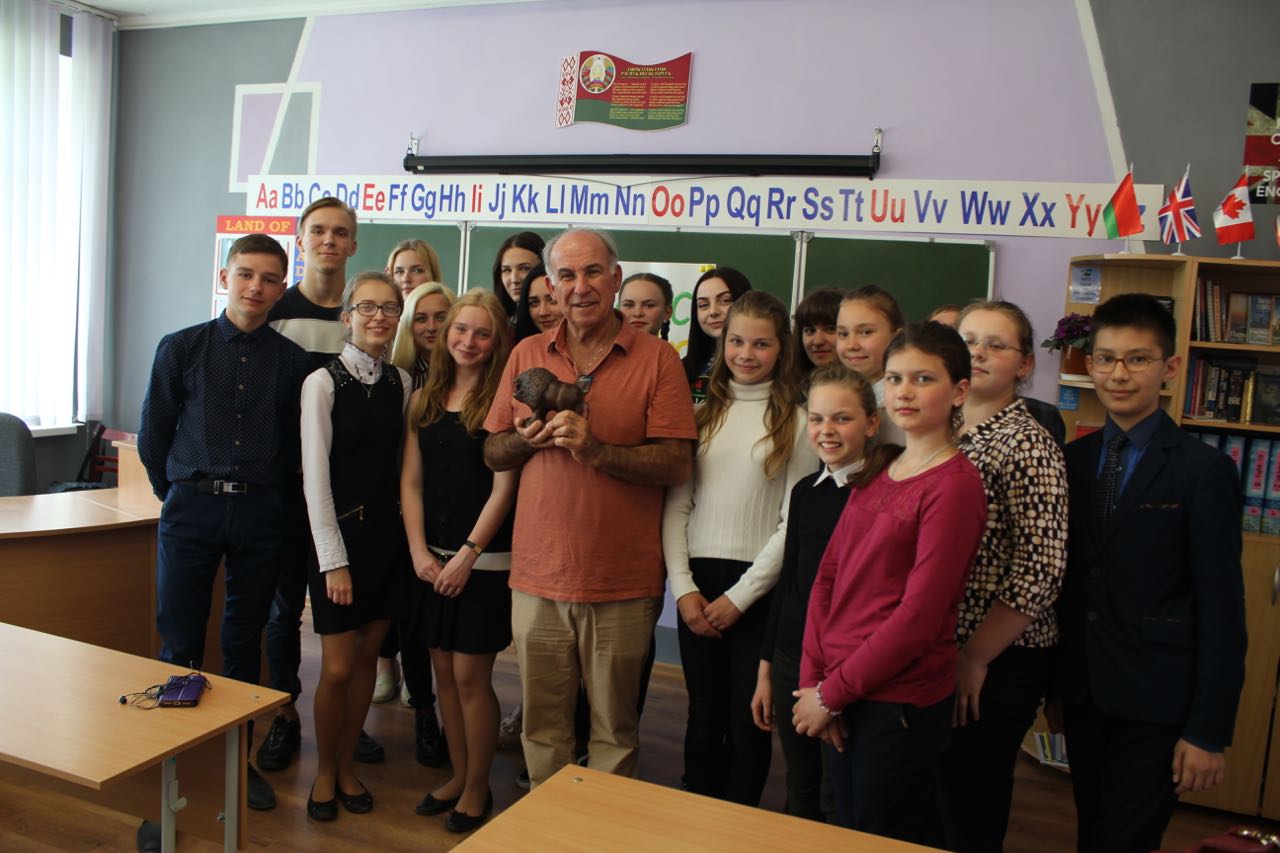
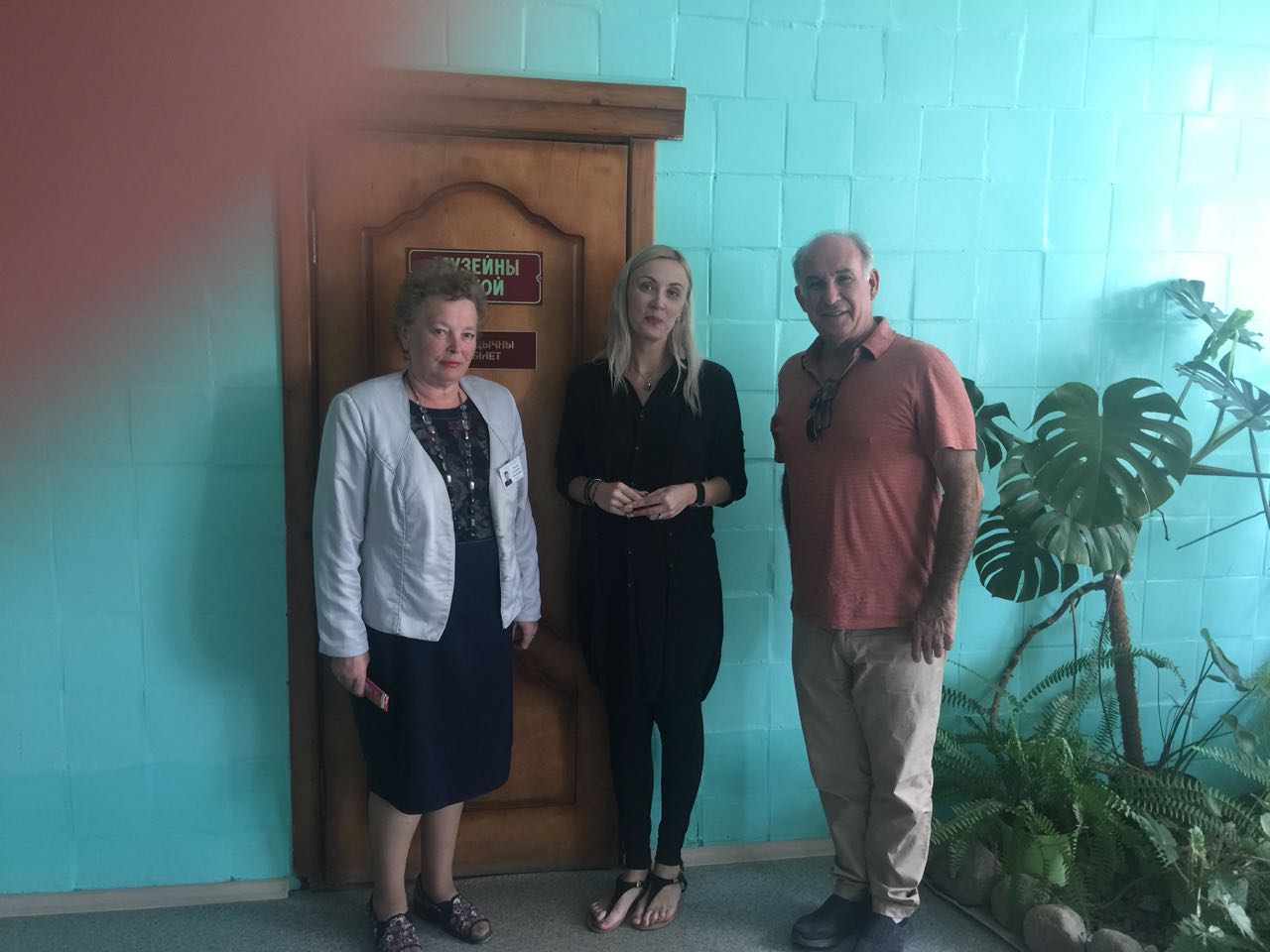
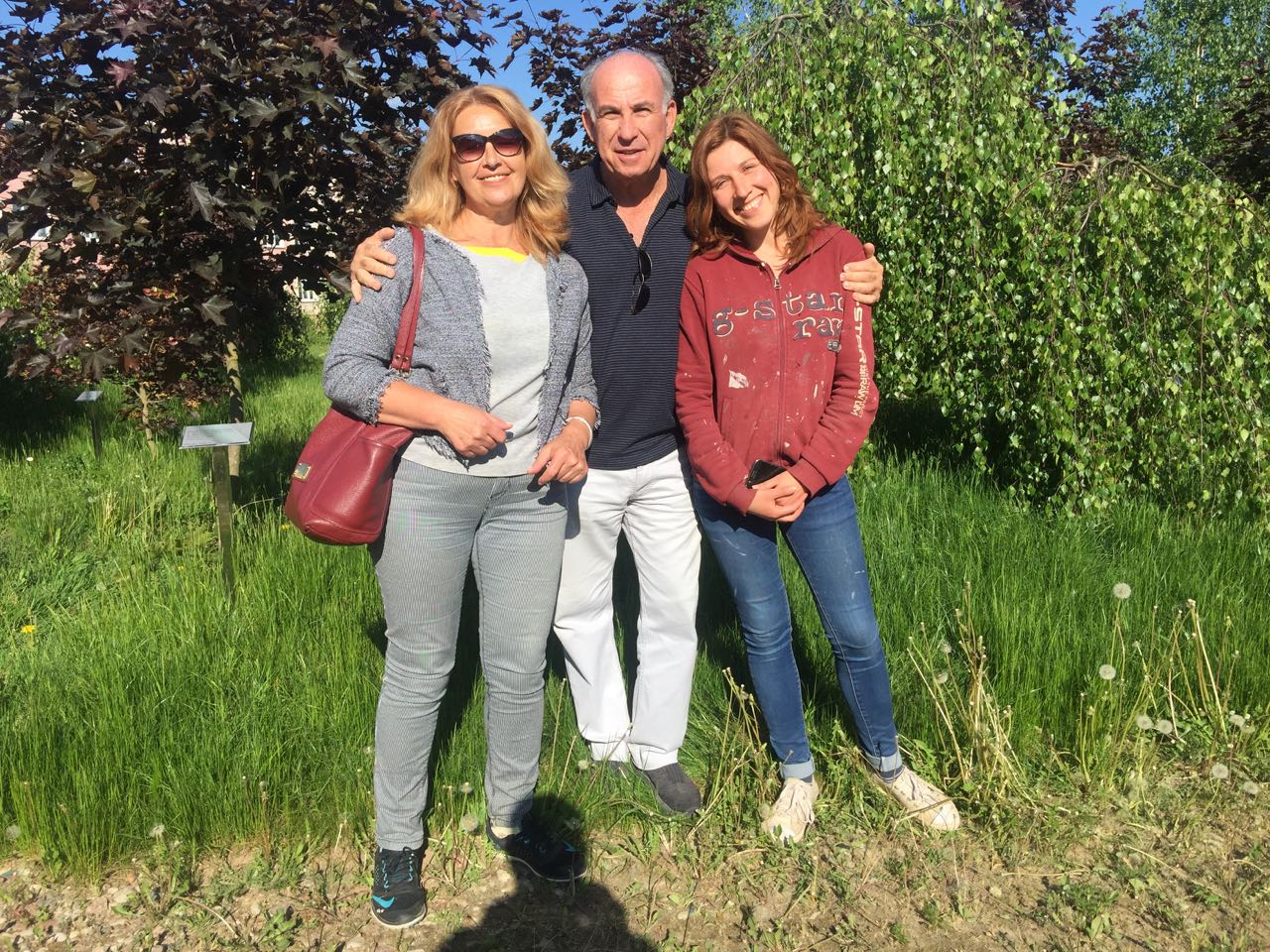
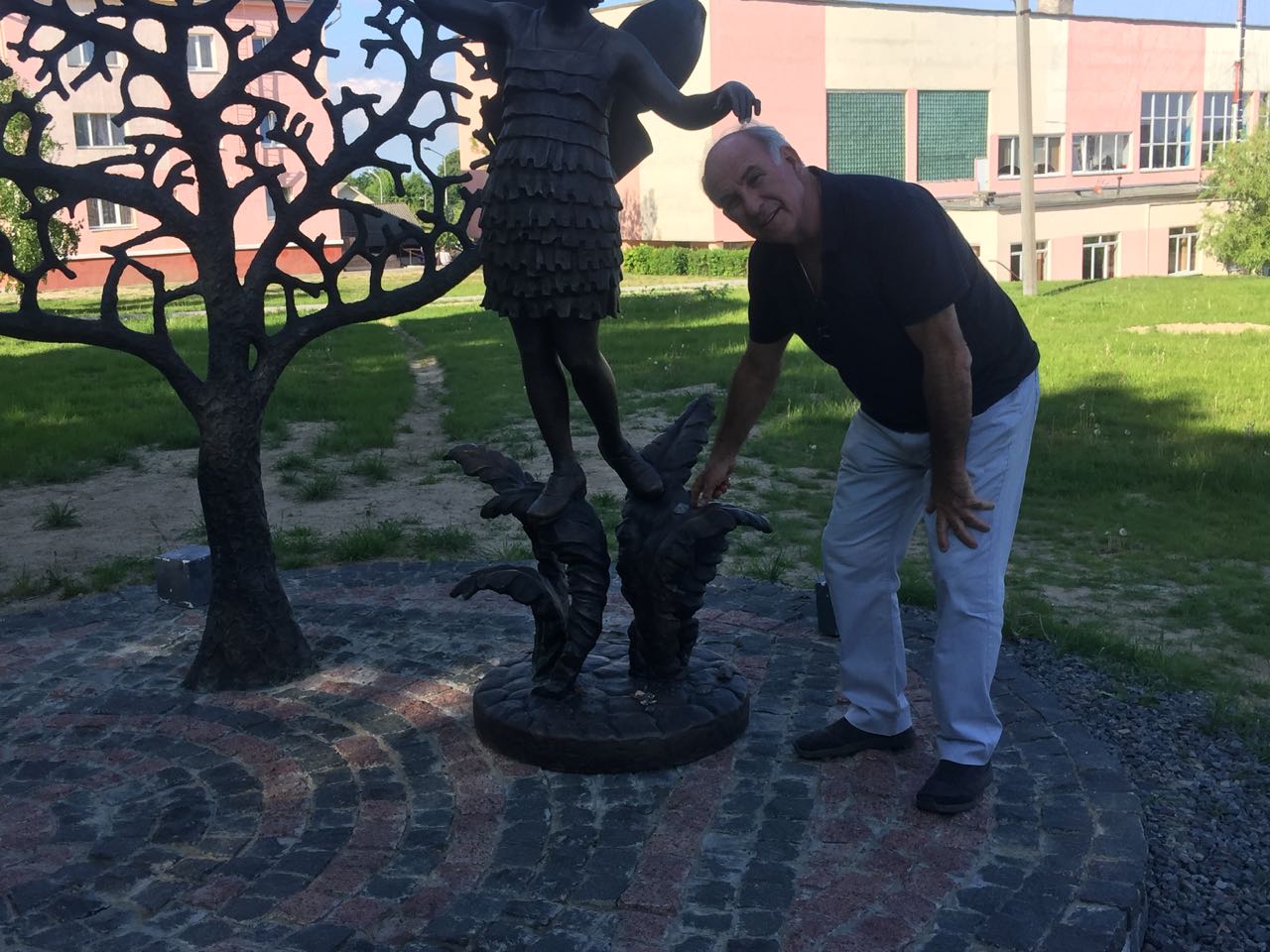
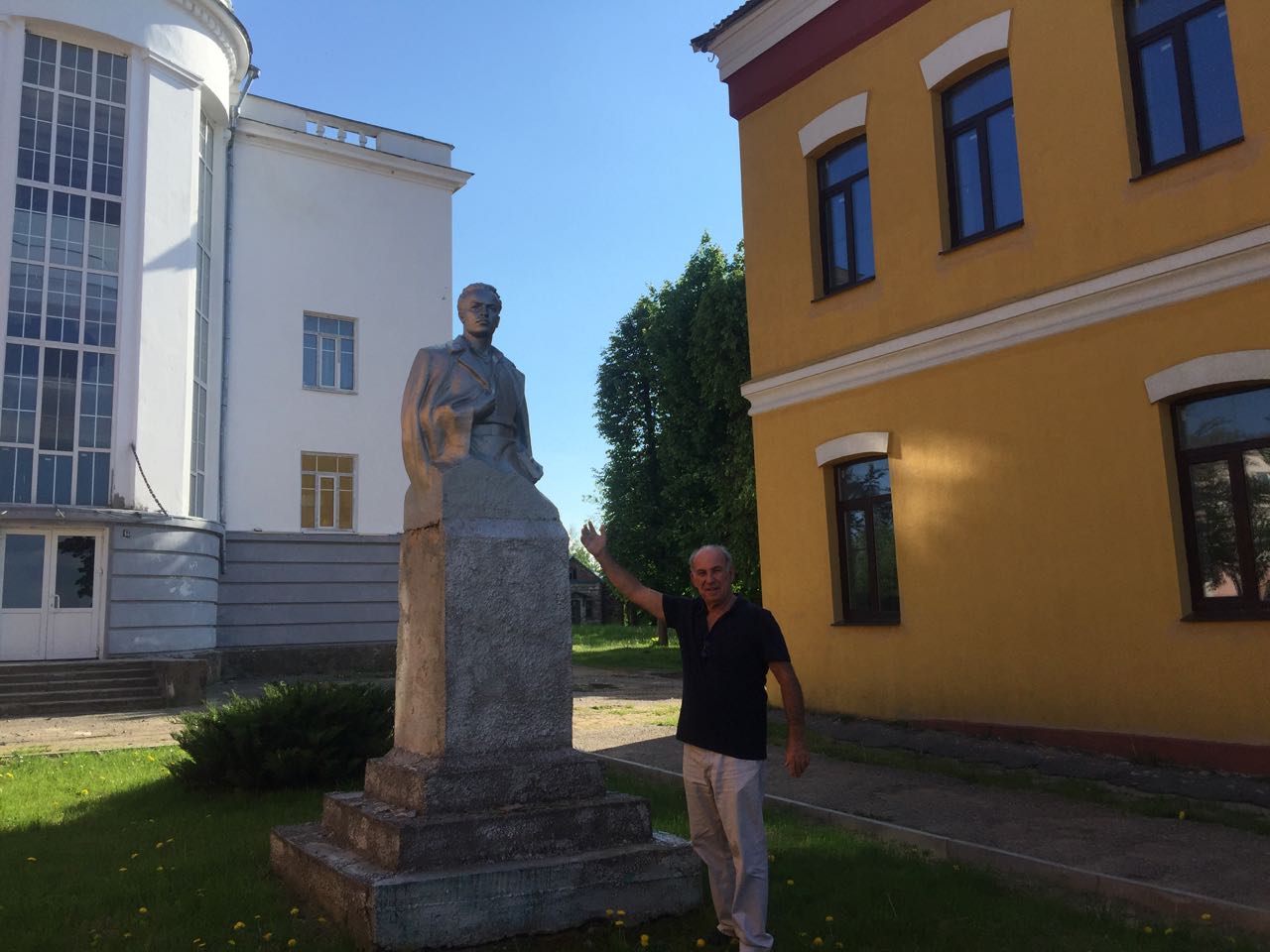
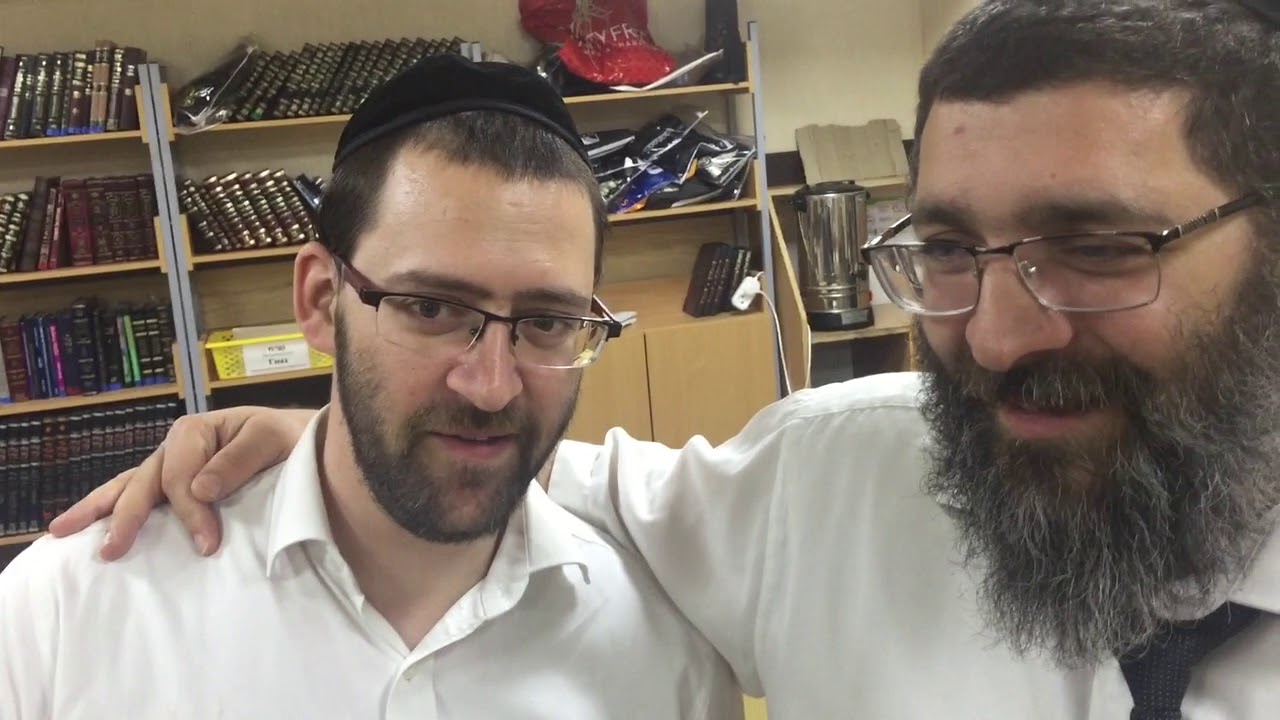
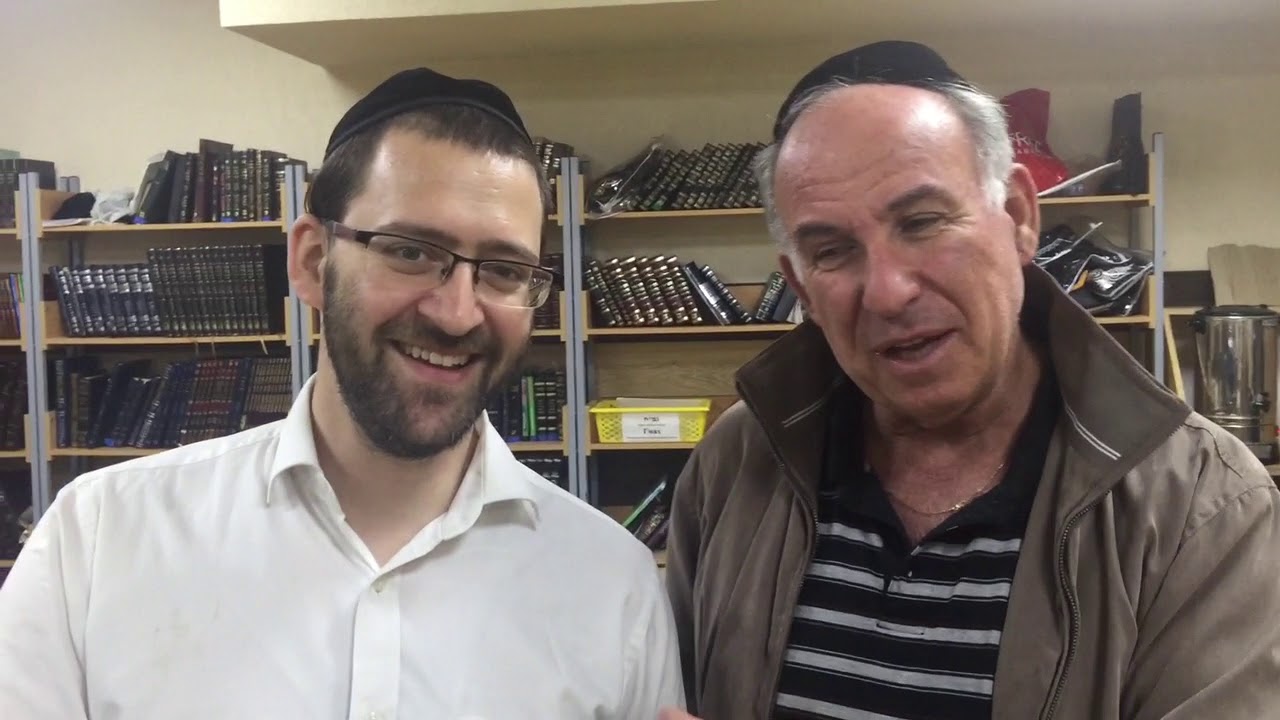
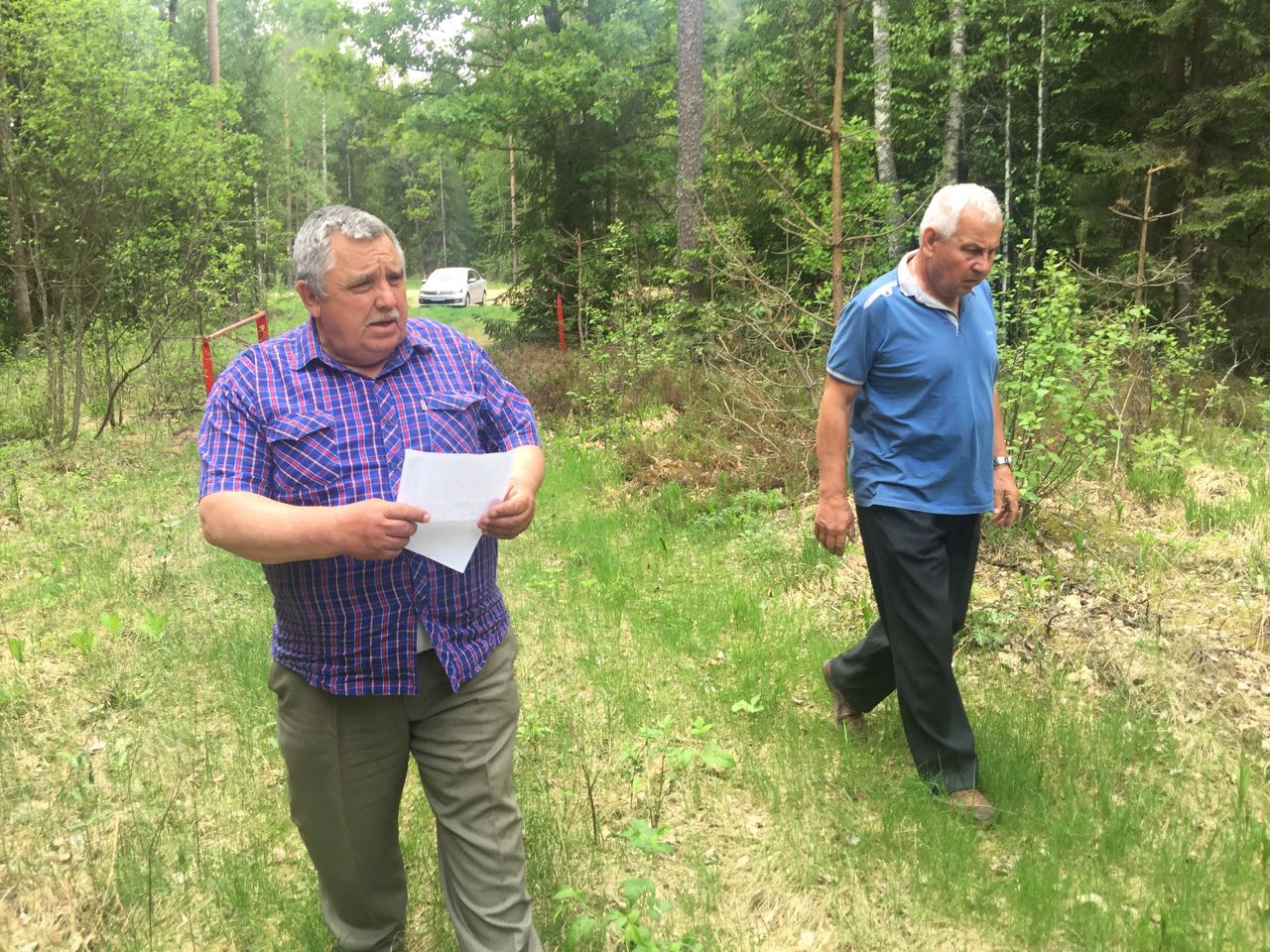
With Mike Silver of NY and his guide Alexander (centre)
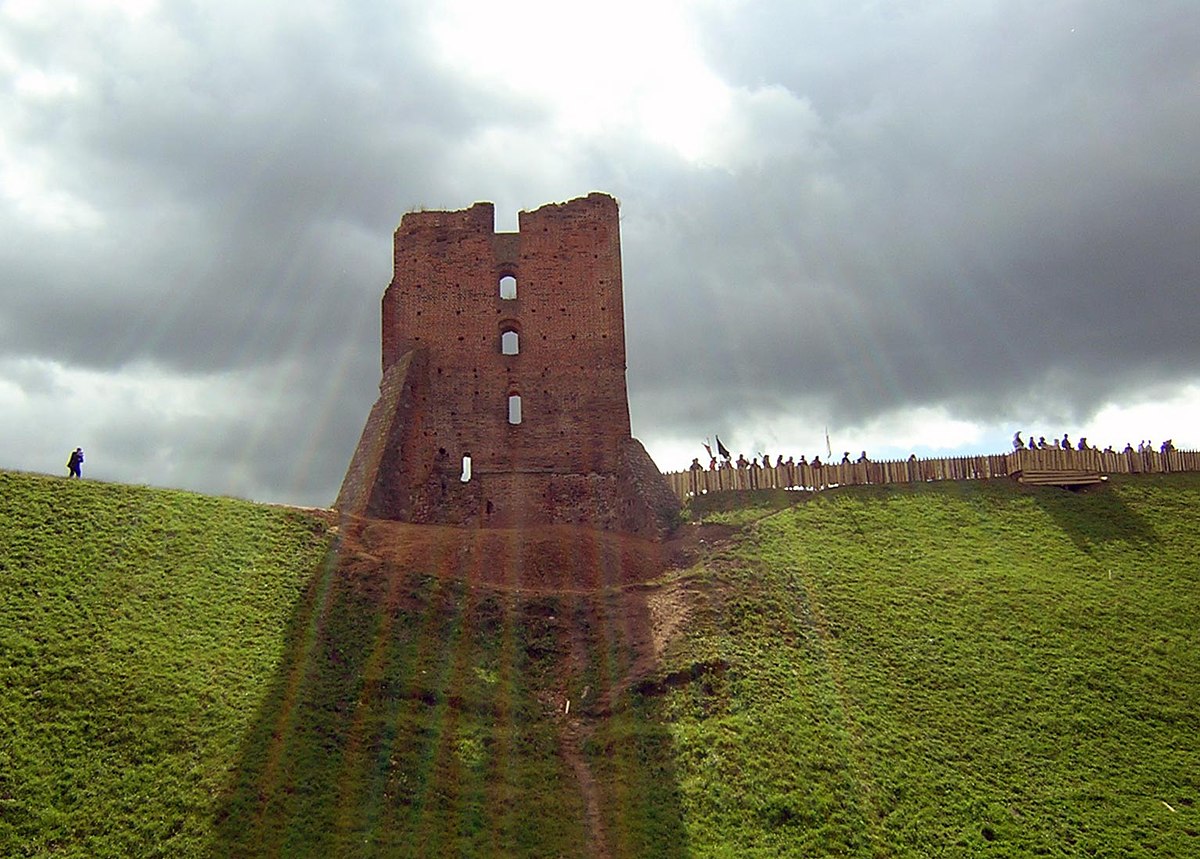
Navahrudak Castle
Navahrudak Castle – Wikipedia
The former castle in Navahrudak, Belarus (Belarusian: Навагрудскі замак, Lithuanian: Naugarduko pilis, Polish: Zamek w Nowogródku) was one of the key strongholds of the Grand Duchy of Lithuania, cited by Maciej Stryjkowski as the location of Mindaugas’s coronation as King of Lithuania as well as his likely burial place.[1][2][3][4] Modern historians cannot make up their minds as to the true location of Mindaugas’s coronation.
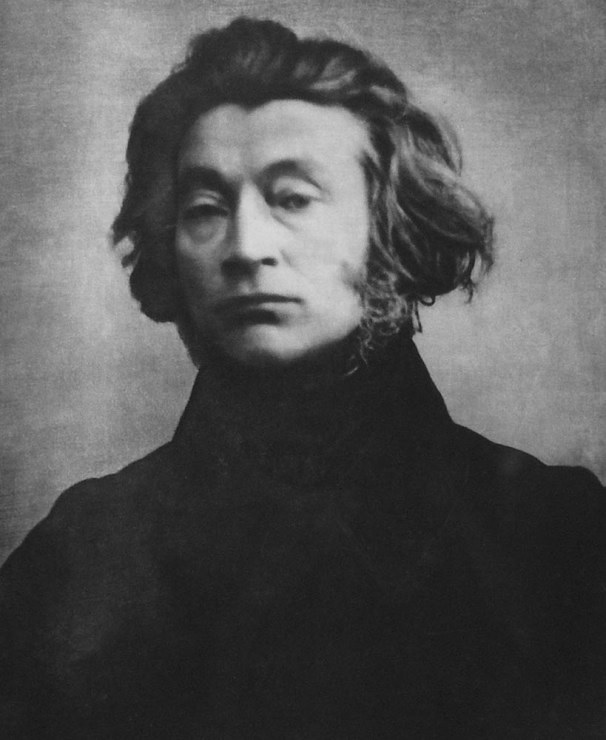
Adam Bernard Mickiewicz ([mit͡sˈkʲɛvit͡ʂ] ( listen); 24 December 1798 – 26 November 1855) was a Polish poet, dramatist, essayist, publicist, translator, professor of Slavic literature, and political activist. He is regarded as national poet in Poland, Lithuania and Belarus. A principal figure in Polish Romanticism, he is counted as one of Poland’s “Three Bards” (“Trzej Wieszcze”)[1] and is widely regarded as Poland’s greatest poet.[2][3][4] He is also considered one of the greatest Slavic[5] and European[6] poets and has been dubbed a “Slavic bard”.[7] A leading Romantic dramatist,[8] he has been compared in Poland and Europe to Byron and Goethe.[7][8]
The IAJGS International Jewish Cemetery Project mission is to catalogue every Jewish burial site throughout the world. Every Jewish cemetery or burial site we know of is listed here by town or city, country, and geographic region is based on current locality designation.
Soviet troops entered the city in 18 September 1939 and it was annexed into the Soviet Union via the Byelorussian SSR. The Polish inhabitants were exiled, mostly to Siberia and the Soviet Union, as prisoners. In the administrative division of the new territories, the city was briefly (from 2 November to 4 December) the centre of the Navahrudak Voblast. Afterwards the administrative centre moved to Baranavichy and name of voblast was renamed as Baranavichy Voblast, the city became the centre of the Navahrudak Raion (15 January 1940). On 22 June 1941 Nazi Germany invaded the USSR and Navahrudak was occupied on 4 July, following one of the more tragic events when the Red Army was surrounded in what’s known as the Novogrudok Cauldron. See Operation Barbarossa: Phase 1.
During the German occupation it became part of the Reichskommissariat Ostland territory. Partisan resistance immediately began. The Bielski partisans made of Jewish volunteers operated in the region. On 1 August 1943, Nazi troops shot down eleven nuns, the Martyrs of Nowogródek. The Red Army reoccupied the city almost exactly three years after its German occupation on 8 July 1944. During the war more than 45,000 people were killed in the city and in the surrounding area, and over 60% of housing was destroyed.
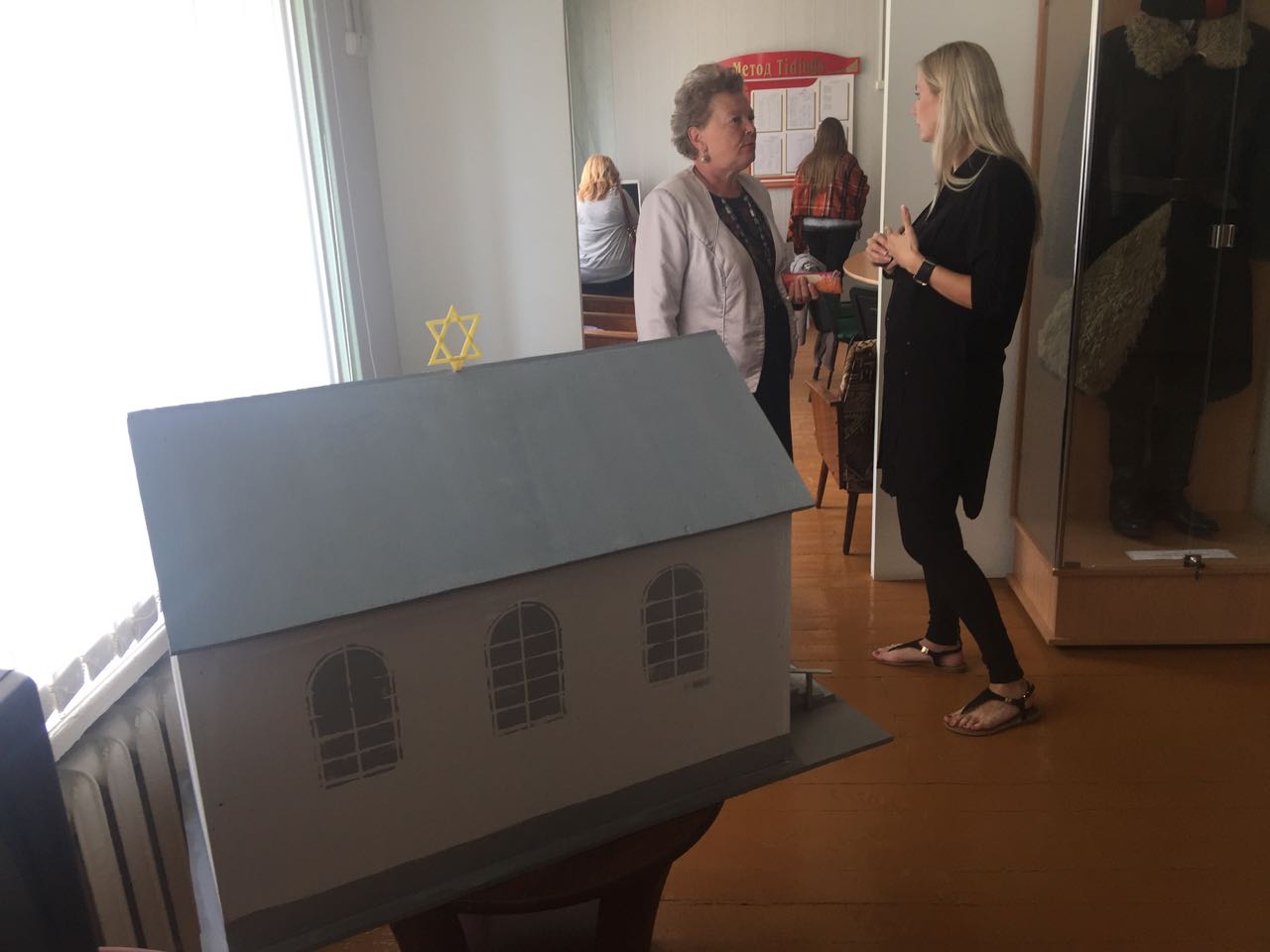
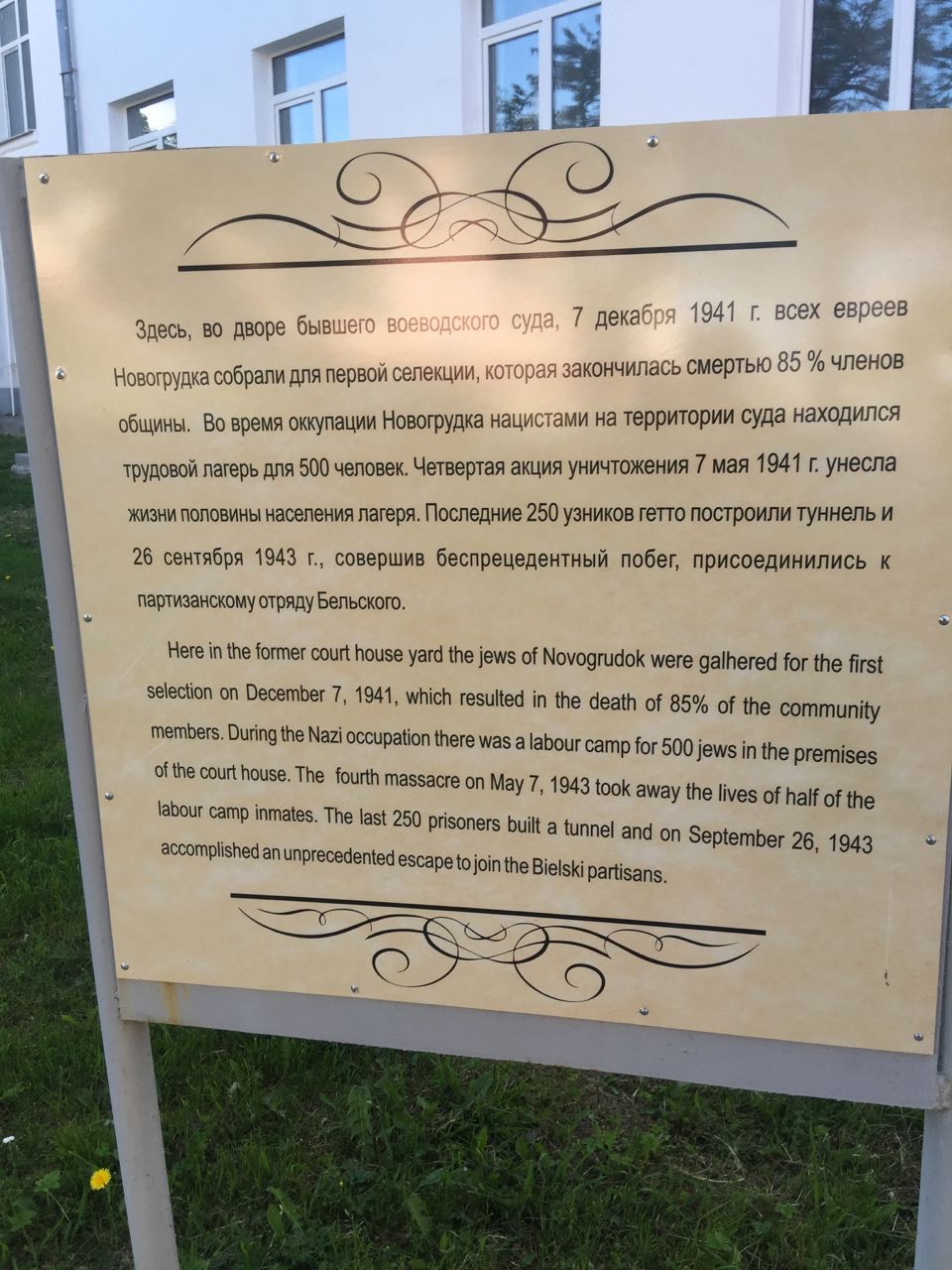
Navahrudak was an important Jewish center and shtetl. It was home to the Novardok yeshiva, led by RabbiYosef Yozel Horwitz, as well as the hometown of Rabbi Yechiel Michel Epstein and of the Harkavy Jewish family, including Yiddish lexicograph Alexander Harkavy. Before the war, the population was 20,000, of which about half were Jewish; Meyer Meyerovitz and Meyer Abovitz were the Rabbis there at that time. During a series of “actions” in 1941, the Germans killed all but 550 of the approximately 10,000 Jews. (The first mass murder of Navahrudak’s Jews occurred in December 1941.) Those not killed were sent into slave labor.[3]
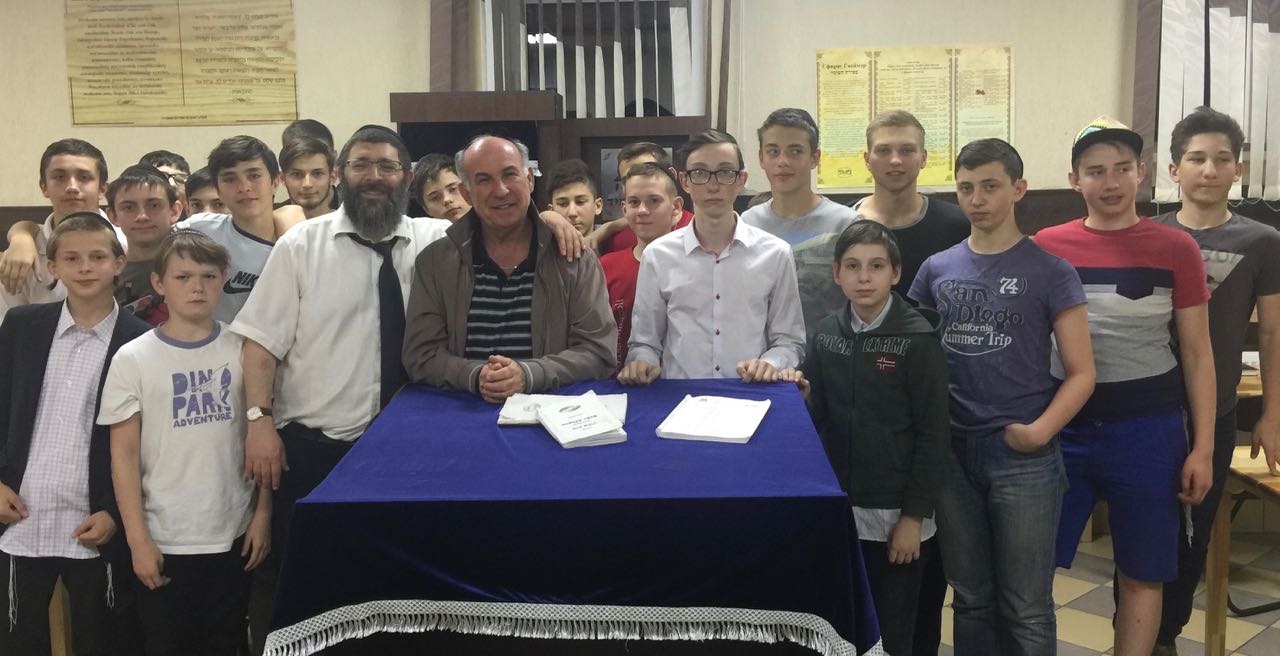
The Yad Yisroel is non for profit 501(C)(3) organization which was started by the Stoliner Rebbe in 1990. Yad Yisroel is an organisation with a goal to bring Russian Jews closer to their heritage.
Oyfn Pripetshik (Yiddish: אויפן פריפעטשיק, also spelled Oyfn Pripetchik, Oyfn Pripetchek, etc.;[1] English: “On the Hearth”)[2] is a Yiddish song by M.M. Warshawsky (1848–1907). The song is about a rabbi teaching his young students the aleph-bet. By the end of the 19th century it was one of the most popular songs of the Jews of Central and Eastern Europe, and as such it is a major musical memory of pre-Holocaust Europe.[3] The song is still sung in Jewish kindergartens.
Great (great) grandson of Chaim Soloveitchik Halevy who taught my Zaida Nachum Mendel Rabinowitz in the Brisk Yeshiva c1905 Beis Aharon Bielski School Pinsk …
The Pinsk massacre was the mass execution of thirty-five Jewish residents of Pinsk on April 5, 1919 by the Polish Army. The Polish commander “sought to terrorize the Jewish population” after being warned by two Jewish soldiers about a possible bolshevik uprising.[1]. The event occurred during the opening stages of the Polish-Soviet War, after the Polish Army had captured Pinsk.[2] The Jews who were executed had been arrested were meeting in a Zionist center to discuss the distribution of American relief aid in what was termed by the Poles as an “illegal gathering”. The Polish officer-in-charge ordered the summary execution of the meeting participants without trial in fear of a trap, and based on the information about the gathering’s purpose that was founded on hearsay. The officer’s decision was defended by high-ranking Polish military officers, but was widely criticized by international public opinion.
Pinsk – Cultural Heritage Card – Shtetl Routes – NN Theatre
Pinsk – Cultural Heritage Card – Shtetl Routes – NN Theatre
Pinsk is a town, a district center in Brest region. It is situated on the bank of Pina River (the left tributary of Pripyat) 186 km to the east from Brest, 304 km to south-west from Minsk. It has a railway station on the line Brest-Homel.
Here are new videos of students singing Zog Nit Keynmol that reached me in the last ten days.
Melbourne Yom Hashoah Holocaust Commemoration in April:
Resistance
The background and context
The ‘Partisans’ Song’ – Zog Nit Keynmol–written by Hirsch Glik, 22, in the Vilna Ghetto in 1943 is one of the most powerful songs of resistance and defiance ever written.
While Hitler boasted that his Reich would endure for a thousand years, it is the Jewish people who resisted the forces of hatred and have endured, not the murderous Third Reich, which lasted twelve years.
Today, 75 years on, long after the demise of Hitler’s murderous regime, the partisans’ song is now sung worldwide to mark the Jewish spirit of resistance.
(Michael Cohen, Melbourne)
Melbourne Yom Hashoah – Zog Nit Keynmol
Melbourne Yom Hashoah – Zog Nit Keynmol
Commemoration April 2018 Using video footage from The Partisans’ Song Project
Zog nit keyn mol, az du geyst dem letstn veg,
khotsh himlen blayene farshteln bloye teg.
kumen vet nokh undzer oysgebenkte sho,
s’vet a poyk ton undzer trot: mir zaynen do!
Fun grinem palmenland biz vaysn land fun shney,
mir kumen on mit undzer payn, mit undzer vey,
un vu gefaln iz a shprits fun undzer blut,
shprotsn vet dort undzer gvure, undzer mut!S
s’vet di morgnzun bagildn undz dem haynt,
un der nekhtn vet farshvindn mit dem faynt,
nor oyb farzamen vet di zun in der kayor –
vi a parol zol geyn dos lid fun dor tsu dor.
Dos lid geshribn iz mit blut, un nit mit blay,
s’iz nit keyn lidl fun a foygl oyf der fray,
dos hot a folk tsvishn falndike vent
dos lid gezungen mit naganes in di hent.
To zog nit keyn mol, az du geyst dem letstn veg,
khotsh himlen blayene farshteln bloye teg.
kumen vet nokh undzer oysgebenkte sho –
es vet a poyk ton undzer trot: mir zaynen do!
2 & 3
Schools are now recording the song on their travels:
JDS 8th Graders from Seattle WA sang the Partisans’ Song while visiting Yad Vashem and Masada in Israel:
A Project For Your School We are seeking students who will recite or sing the Partisans’ Song in their home tongue, or in a language they have learnt. Please make a video, which can be as cre…
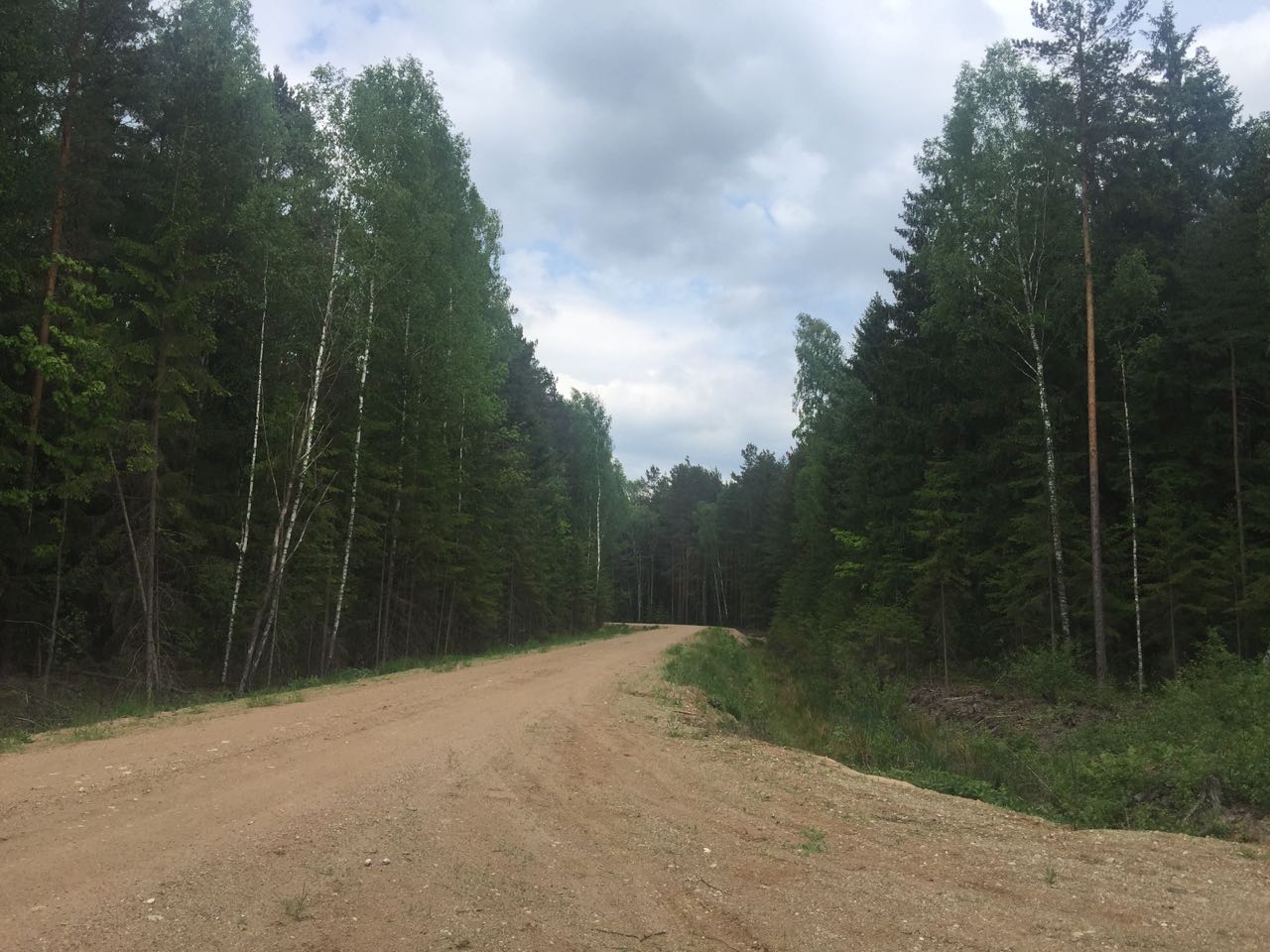
My visit to the Naliboki Forest in Belarus on 16 May 2018, with Tamara, Alexander and Ivan.
This is where the Bielskis and many other partisans had their camps in the latter part of WWII. Aptly named Forest Jerusalem.
Please watch the nine videos of Tamara telling us more.
The road into the forest.
Naliboki forest
Naliboki forest – Wikipedia
Naliboki Forest (Belarusian: Налібоцкая пушча, Nalibotskaya Pushcha (pushcha: wild forest, primeval forest)) is a large forest complex in the northwestern Belarus, on the right bank of the Neman River, on the Belarusian Ridge.
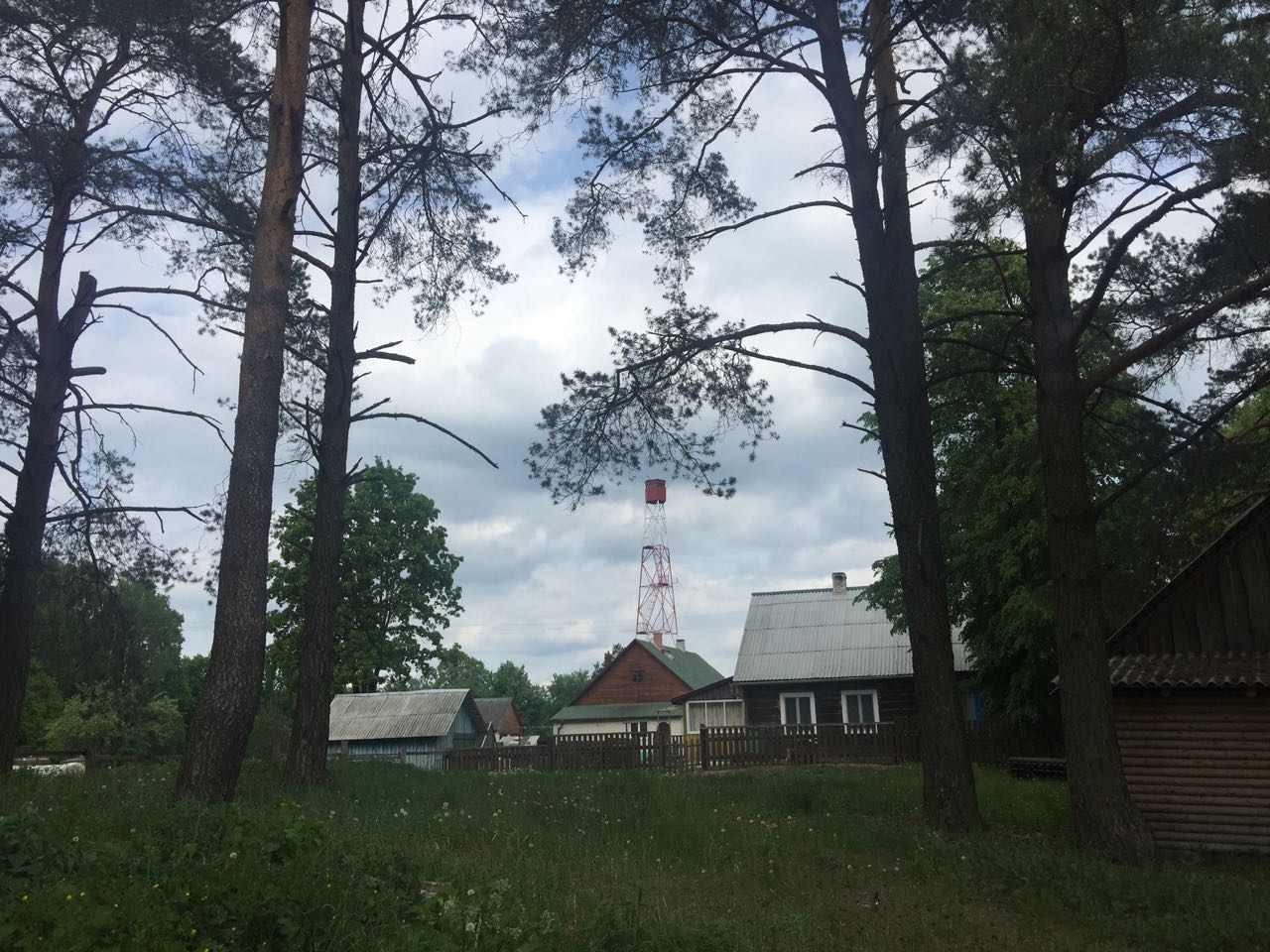
Ivan preparing our picnic lunch near the fire ranger
A VERY treif lunch – I had the herring!
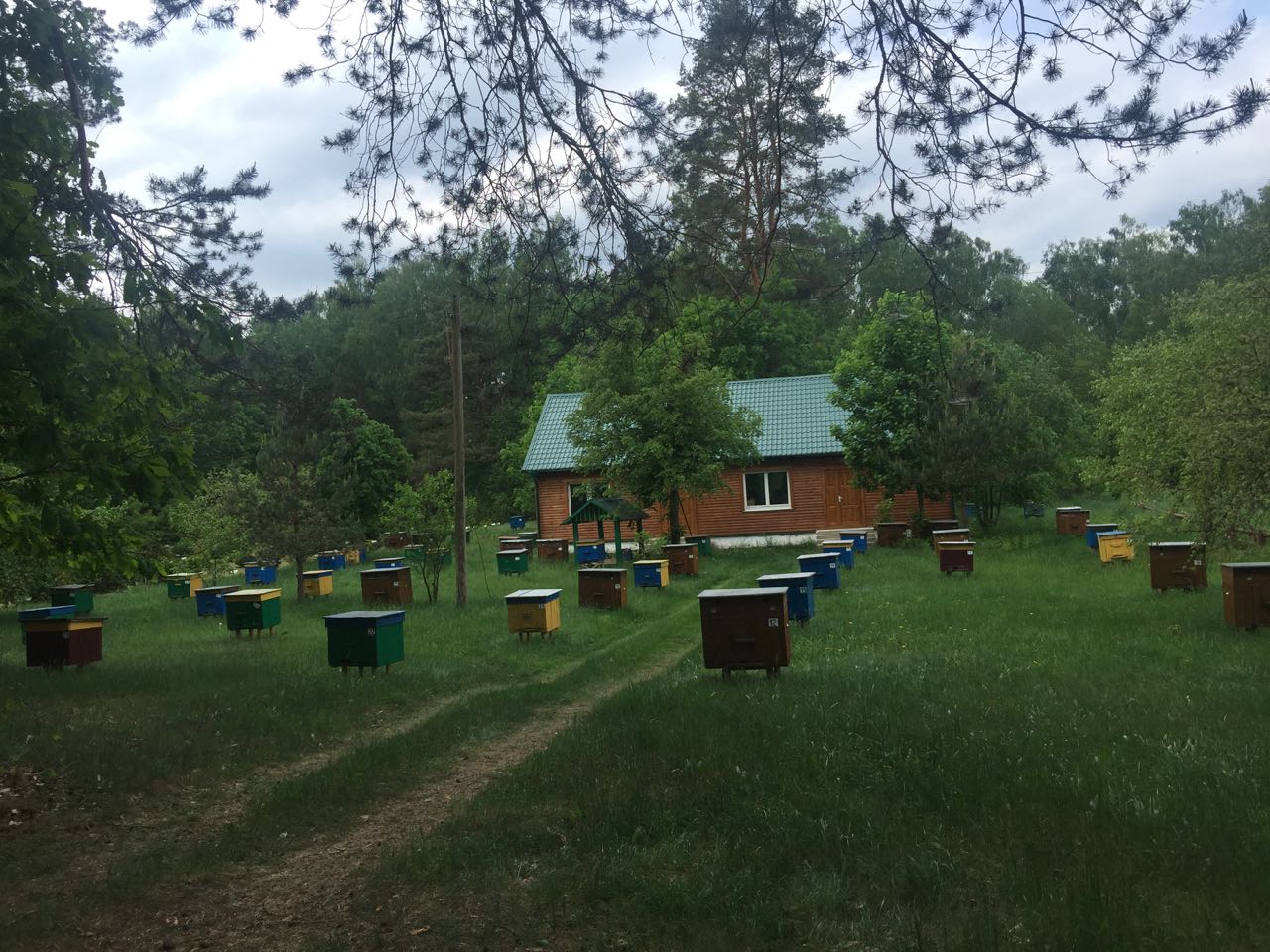
Beekeepers
Trees for sale
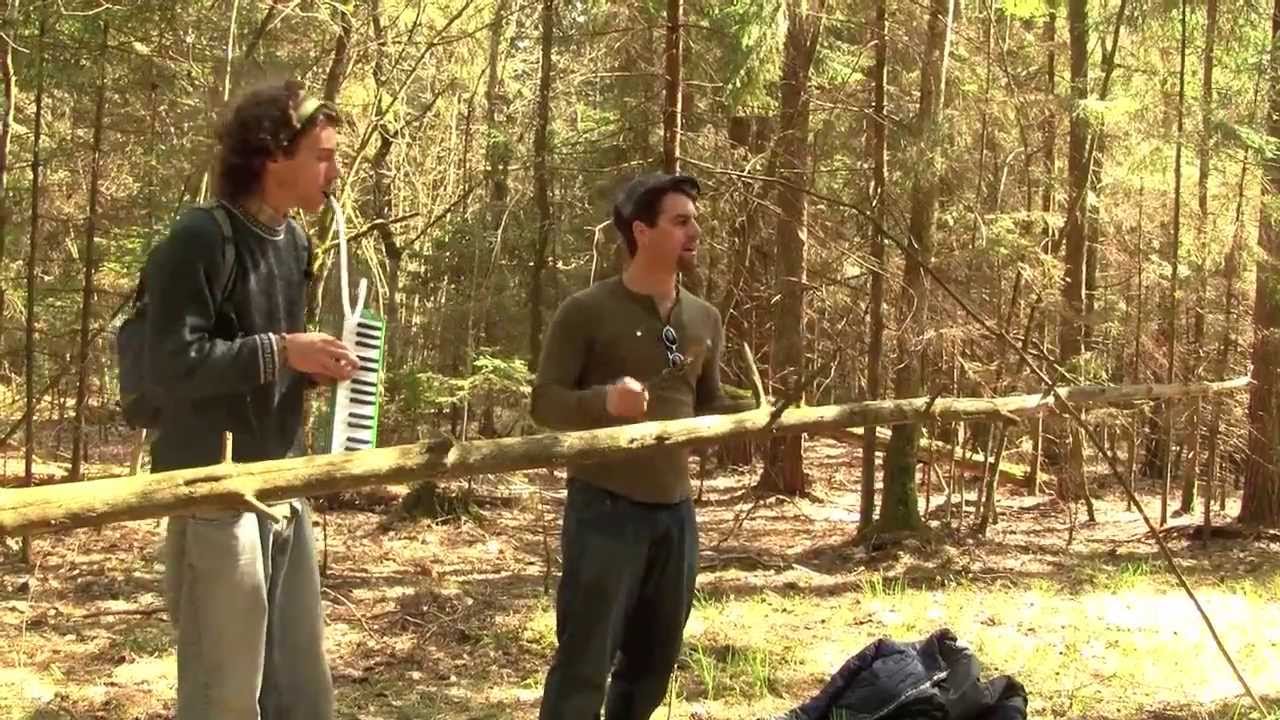
Amnesia’s Antidote by Ariel and Ryan Luckey
Amnesia’s Antidote by Ariel and Ryan Luckey
www.arielluckey.com www.comuntierra.org In May 2013, the Luckey Brothers journeyed to their great-great-grandfather’s childhood village Lubca in rural Belaru…
The Bielski partisans were an organization of Jewish partisans who rescued Jews from extermination and fought against the Nazi German occupiers and their collaborators in the vicinity of Nowogródek (Navahrudak) and Lida in German-occupied Poland (now western Belarus). They are named after the Bielskis, a family of Polish Jews who led the organization.
The Naliboki massacre (Polish: Zbrodnia w Nalibokach) was the mass killing of 129 Poles,[2] including women and children, by Soviet partisans[3] on 8 May 1943 in the small town of Naliboki[4] in German-occupied Poland (the town is now in Belarus).[5] Before the 1939 German-Soviet invasion of Poland, Naliboki was part of Stołpce County, Nowogródek Voivodeship, in eastern Poland.[1]
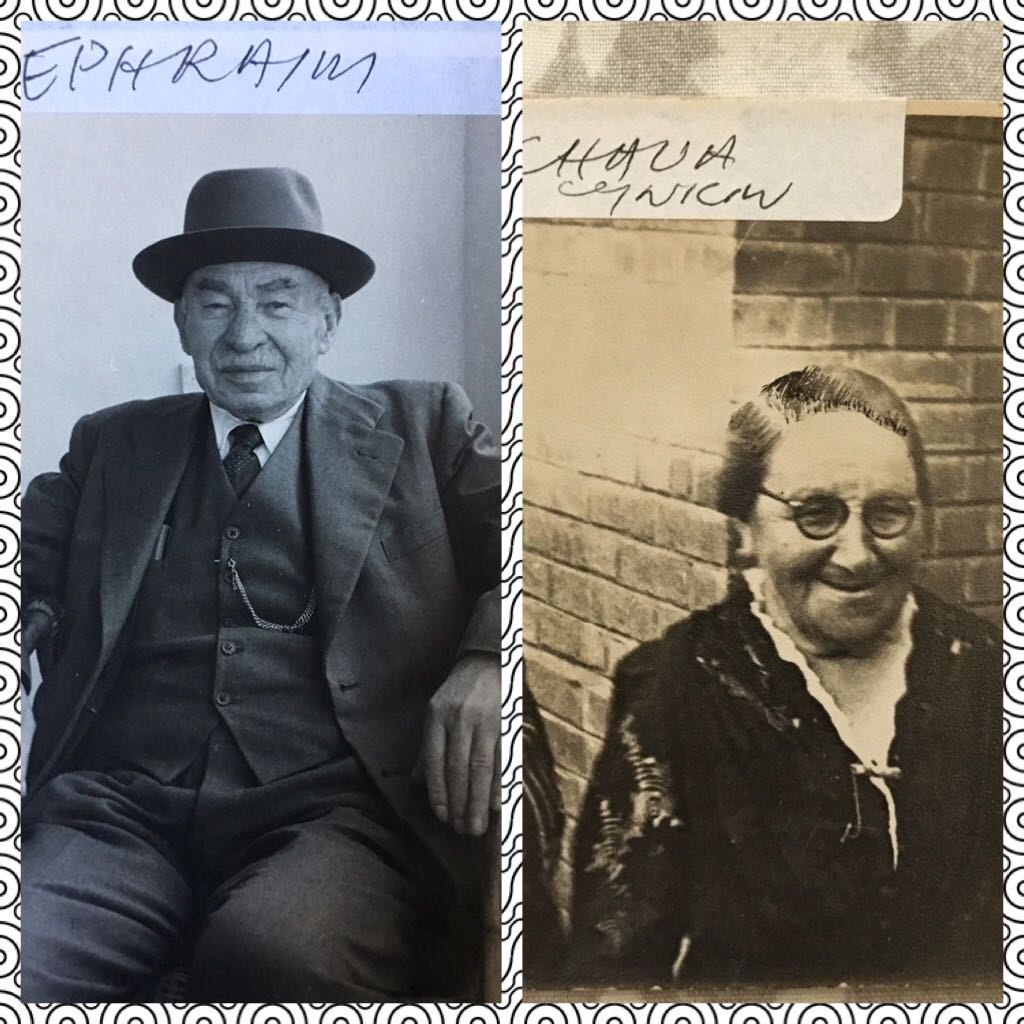
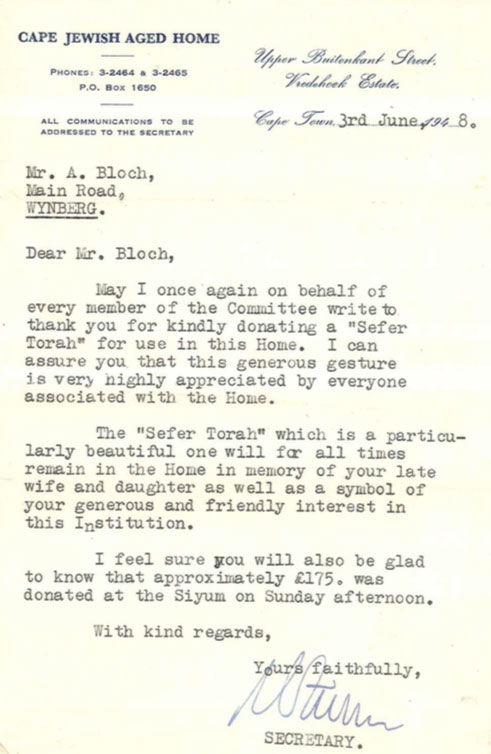
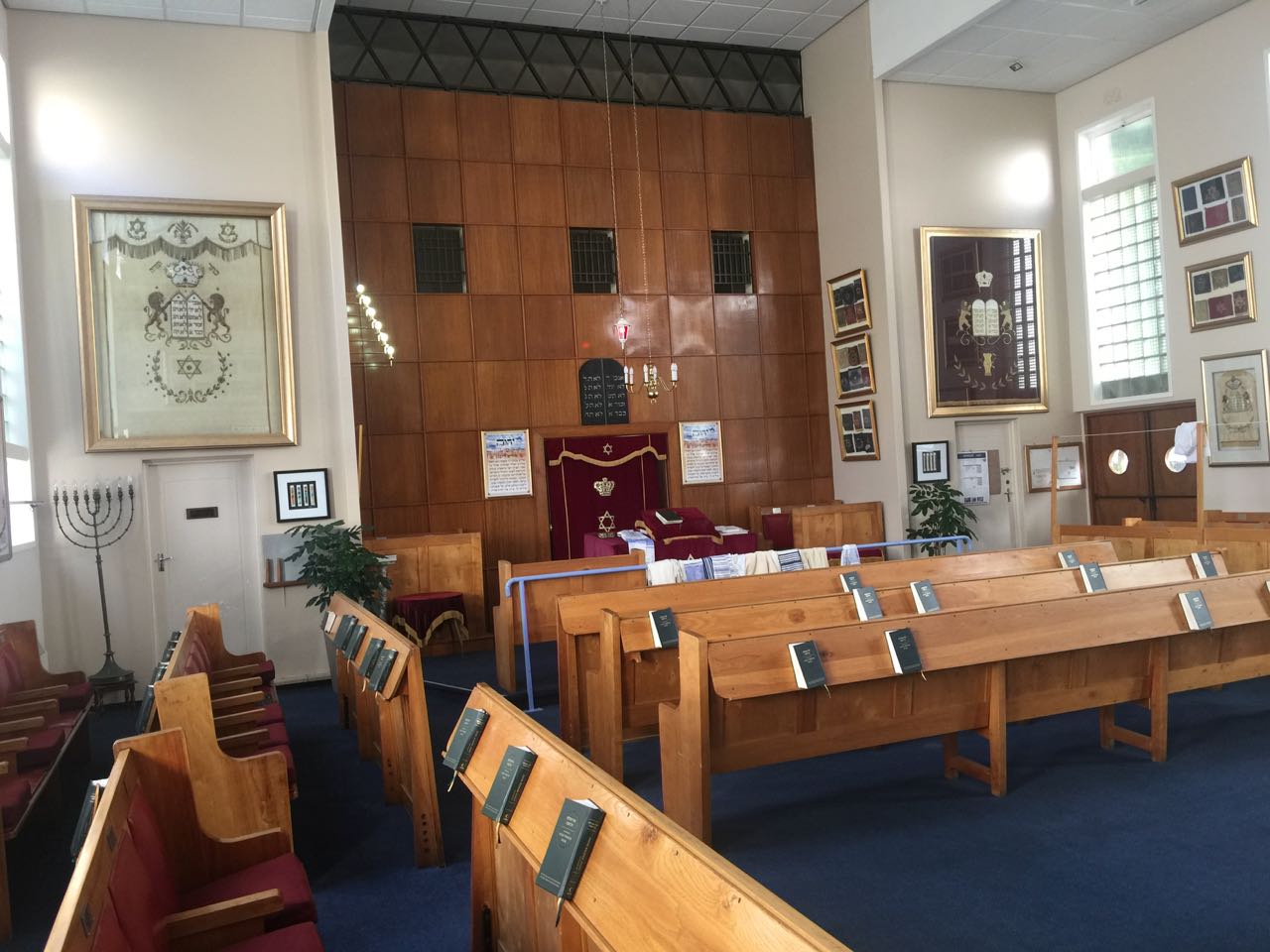
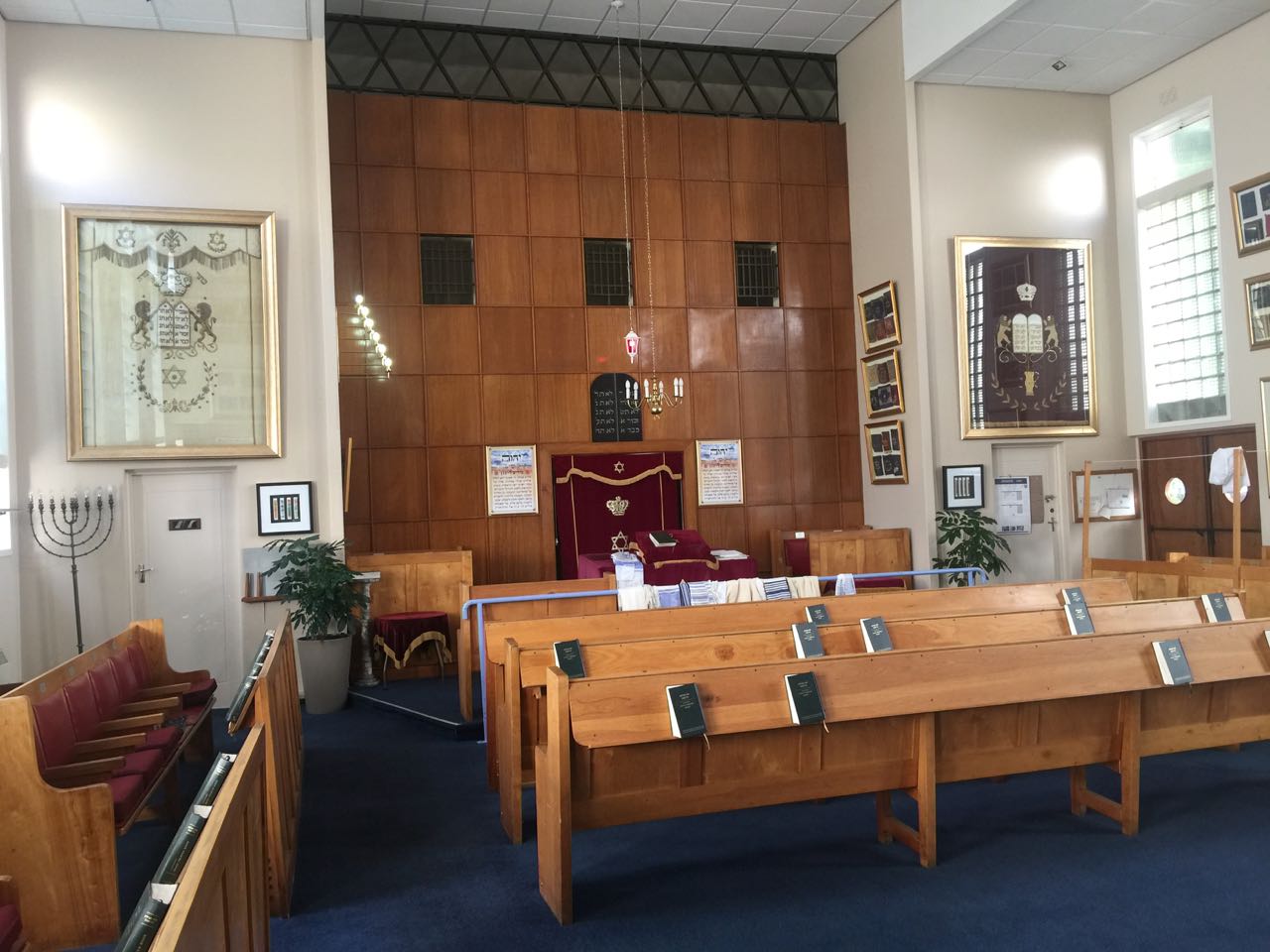
The visit to Cape Town from Israel by Beverly Jacobson and her children on a “roots” trip precipitated the search for the Sefer Torah her great grandfather, Aphraim Bloch, donated to Highlands House back in 1948.
The last time it was “seen” by a family member was by Beverly’s brother, Richard Shavei Tzion.
Richard: ‘This occurred in 1998, exactly 50 years after it was dedicated to my Great-grandmother Chava Bloch and to their daughter Rachel who I am named after.
While going through old family documents, I discovered a “Cape Times” article dated 1948, describing the dedication of a SeferTorah which had been donated by my late great-grandfather Efraim Bloch to the shul at Highlands House, the Jewish retirement home.
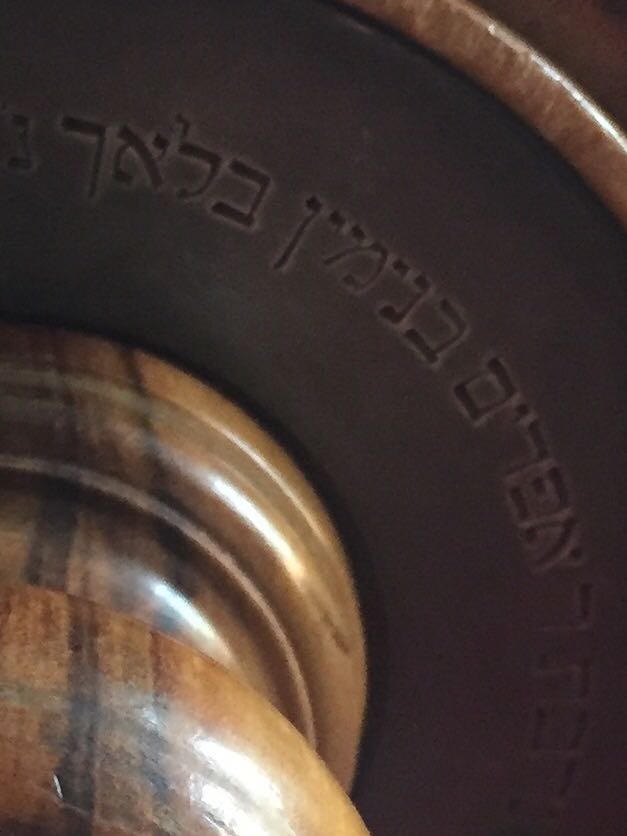
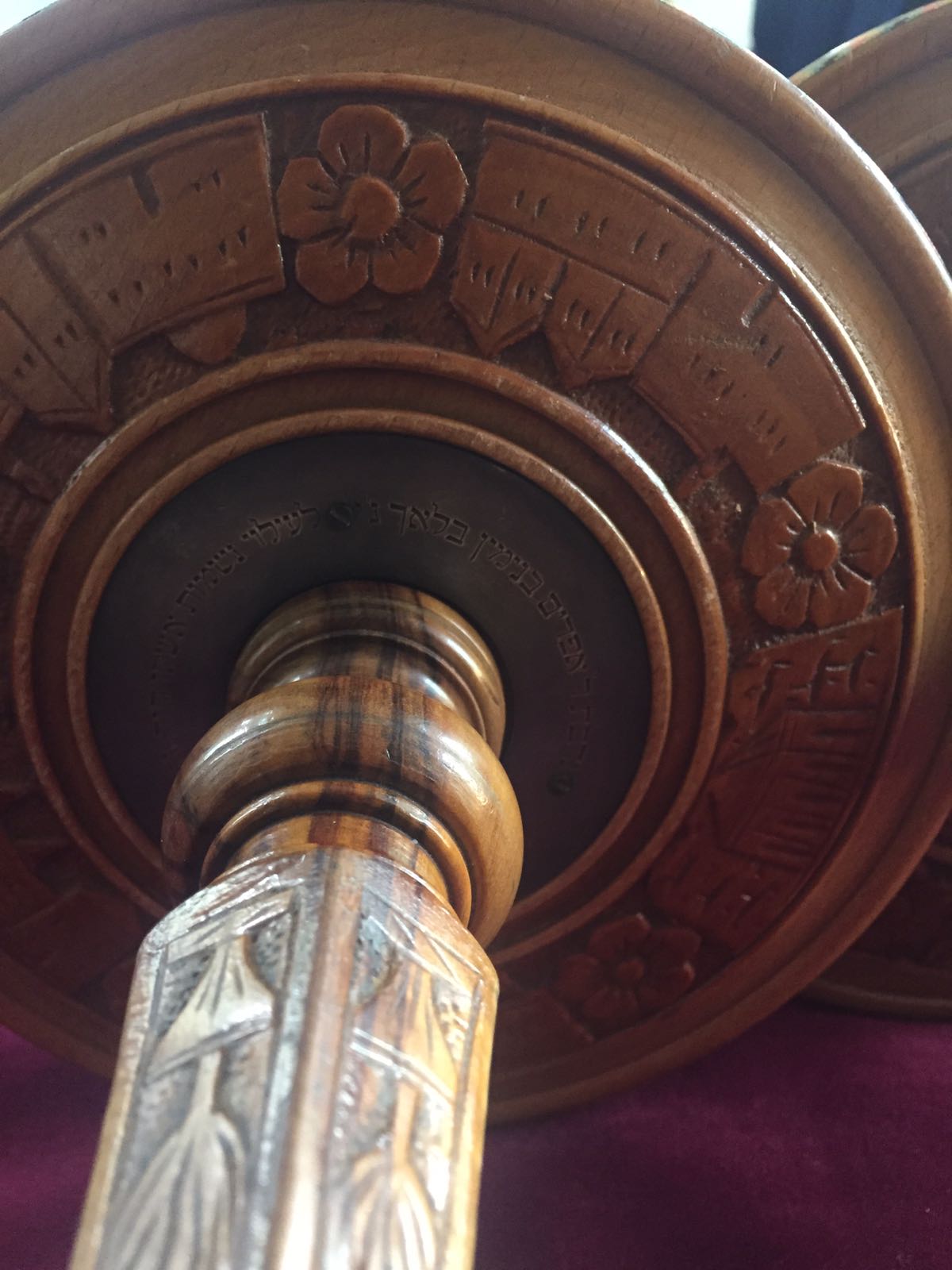
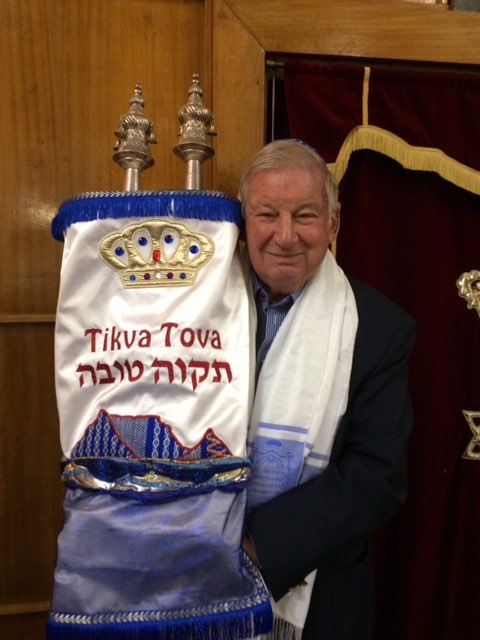
Intrigued by this, I spoke to my friend, who together with his sons takes a very active role in conducting the ShulServices there. I asked him if he could identify the scroll, and indeed he found the inscription on the handles of a beautiful Sefer in the Aron Hakodesh. When it turned out that I would be visiting Cape Town, I asked if I could see it. The shul responded by suggesting that I attend a Shabbat Service, act as Ba’al Tefillah and be called up for “Maftir” using the scroll which my great-grandfather had donated. I was of course delighted to accept.
A number of relatives, amongst them descendants of Efraim Bloch, were present at the service. My feelings of family pride, personal humility and a sense of the closing of a circle were compounded when I was called up to the Torah. There I stood, a third generation descendant of Efraim Bloch. The reader pointed to the very first verse of the Aliya to which I had been called up and began to read. Of all the thousands of verses in the Torah, the one that commenced my Aliya read: “And Joseph saw Efraim’s children of the third generation…”’
Eli: ‘In August 2017, my mother-in-law and grand-daughter of Aphraim Bloch, Ruth Saevitzon Reitstein, and my father-in-law, Leonard Reitstein, became residents at Highlands House.
On 14 March 2018 Ruth wrote to her niece Beverly Saevitzon Jacobson telling Beverly that there was no sign of her Zaida’s torah in the Highlands House shul.’
Ruth: ‘Rabbi Serwator inspected all five Torahs and could not identify the Sefer Torah. The only reason we can think of is that maybe the Torah was loaned to another shul and that’s where it is.
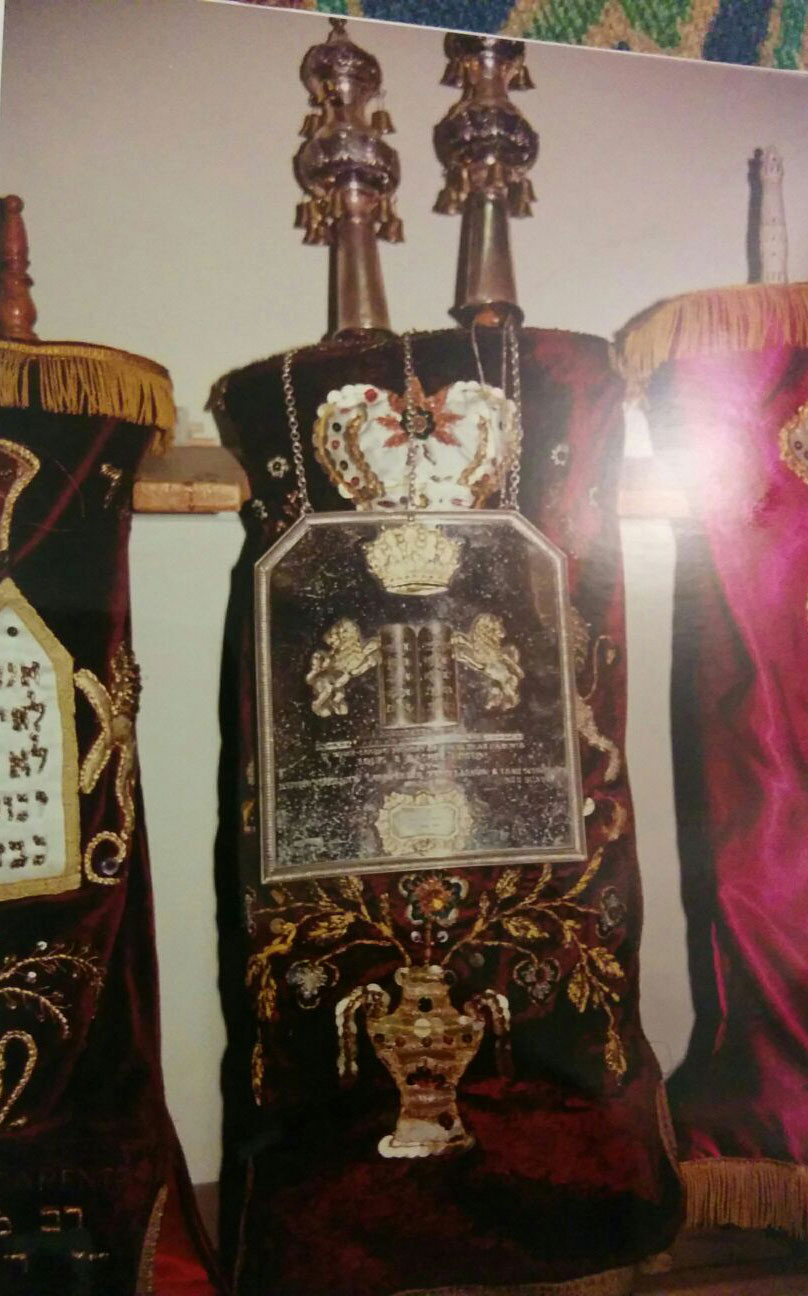
On 15 March 2018 Richard sent Ruth this picture of the Sefer Torah in its mantle.
Richard: ‘The ID as I remember is a small silver strip on one of the wooden posts.’
On 17 March 2018, Ruth wrote to her daughter Jill (my wife), here in Perth.
‘Hallelulah!!!!! We found the TORAH!!!!!!. I went to shul this morning and Gilad Stern, Richard’s friend, took me to the ark and showed me the torah. It has markings on the Eitz Chaim.’
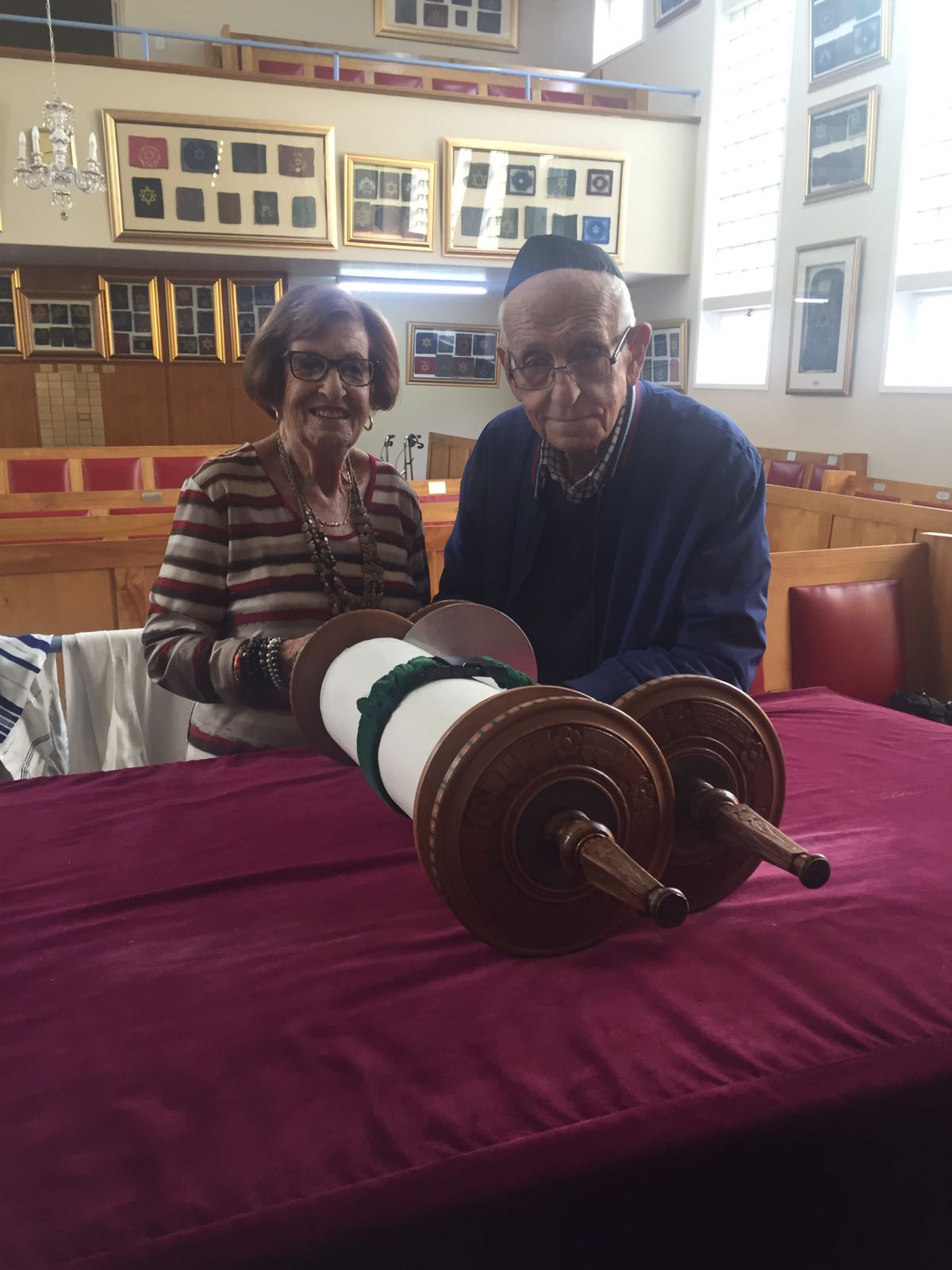
Photos taken by the family on 25 March 2018
Inscription on Bloch TorahAphraim Benyamin Bloch
Ruth & Leonard Reitstein at Highlands House. Ruth is Aphraim’s grand daughter
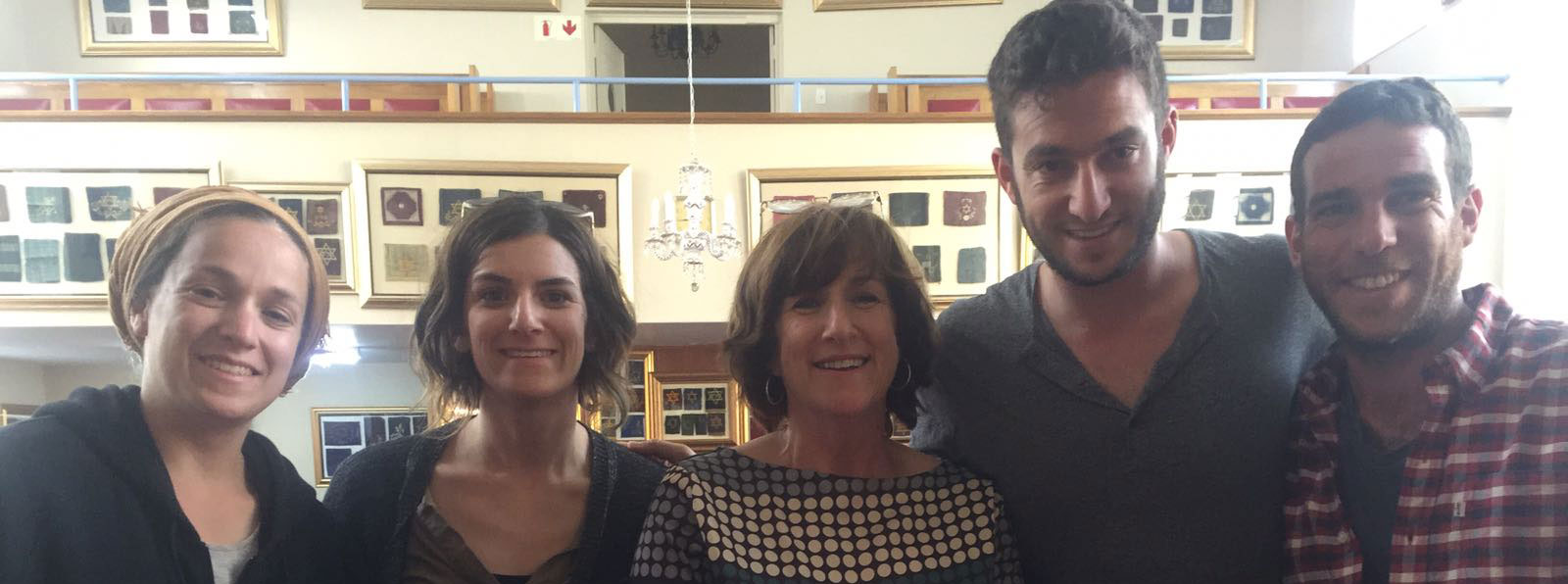
Beverly Saevitzon Jacobson & her children
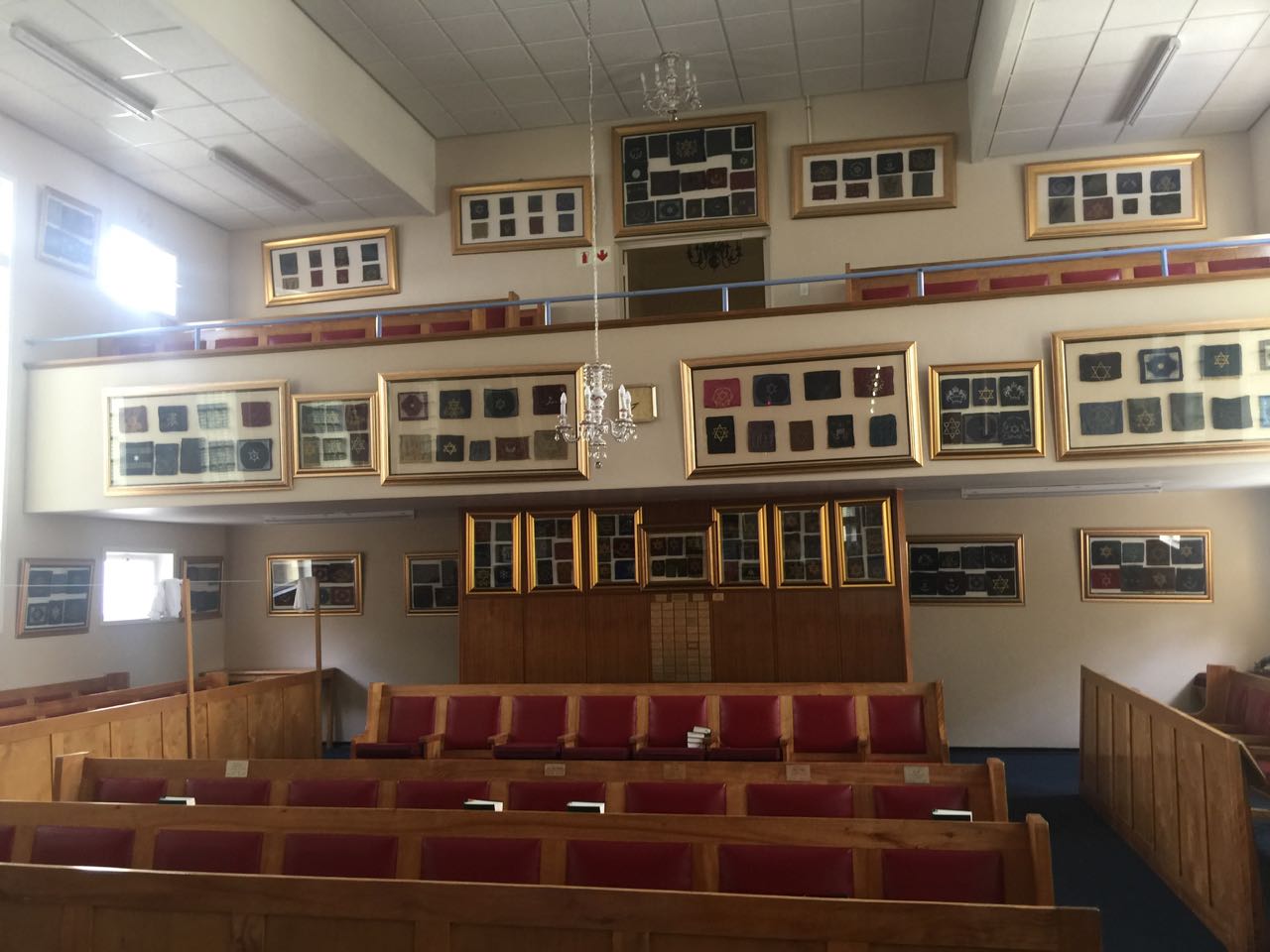
Bloch descendants (and by marriage) at the Gardens Shul
The Descendants of Aphraim Bloch
Molotov
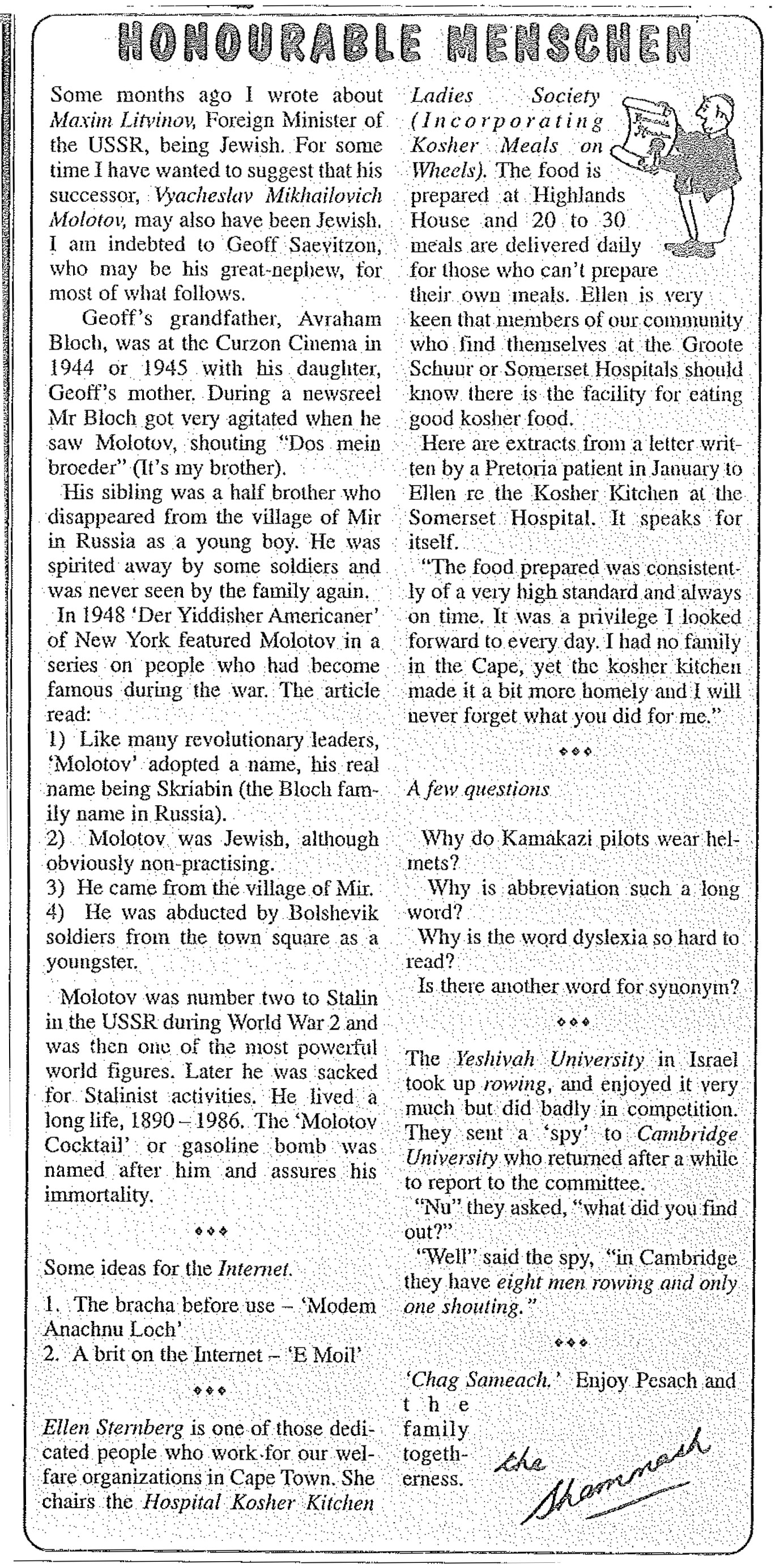
This interesting article was written many years ago about Aphraim Bloch (mistakingly called Avraham Bloch in this article) and Molotov, the Foreign Miniser of the USSR.
The Geoff referred to in this article was the late Geoff Saevitzon, brother of Ruth Reitstein. The mystery has never been solved.
I wrote several times to Vyacheslav Nikonov, grandson of Molotov, but he never responded!
Vyacheslav Nikonov – Wikipedia
Vyacheslav Alekseyevich Nikonov (Russian: Вячеслав Алексеевич Никонов, born in Moscow on June 5, 1956) is a Russian political scientist.