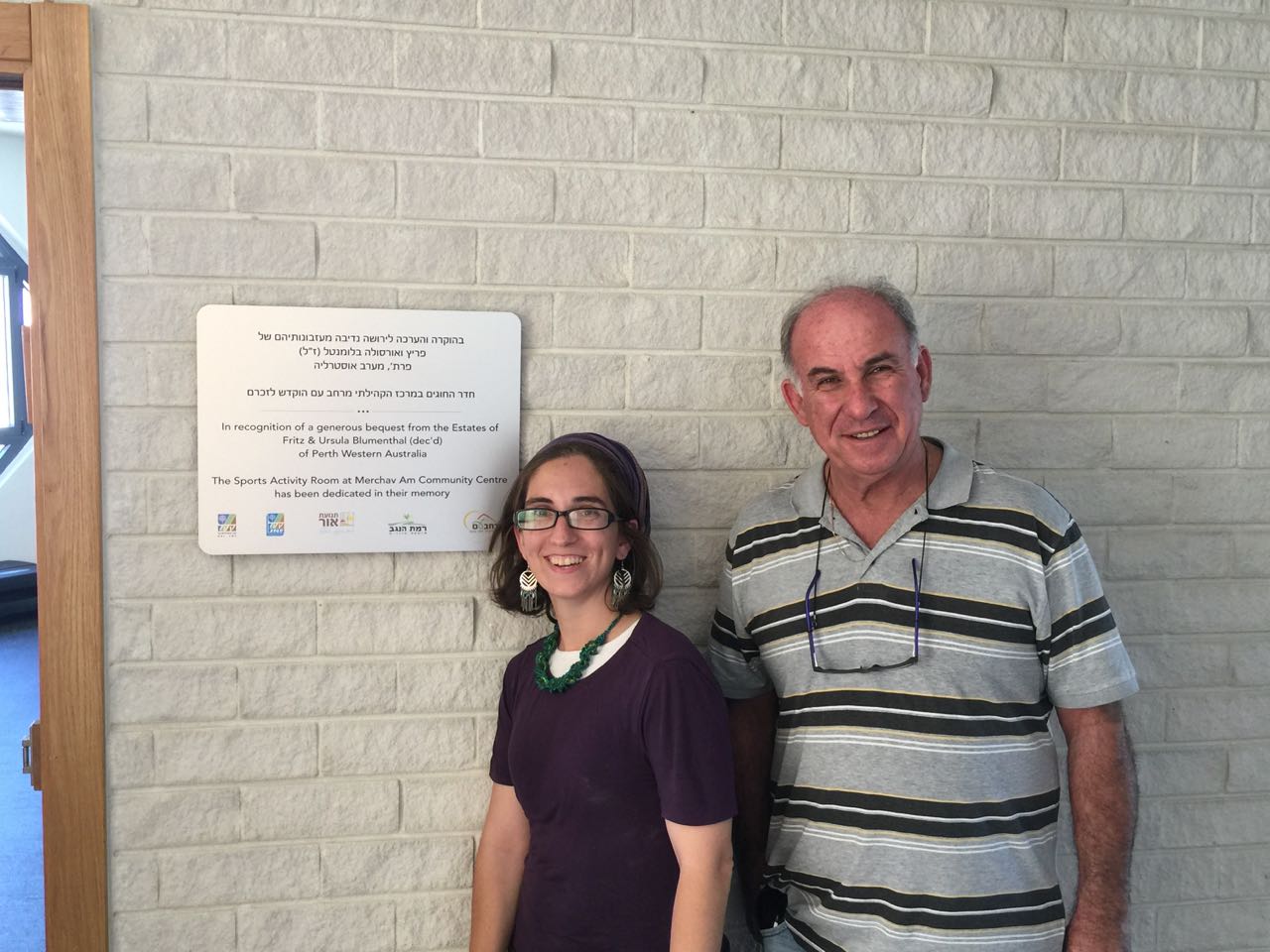
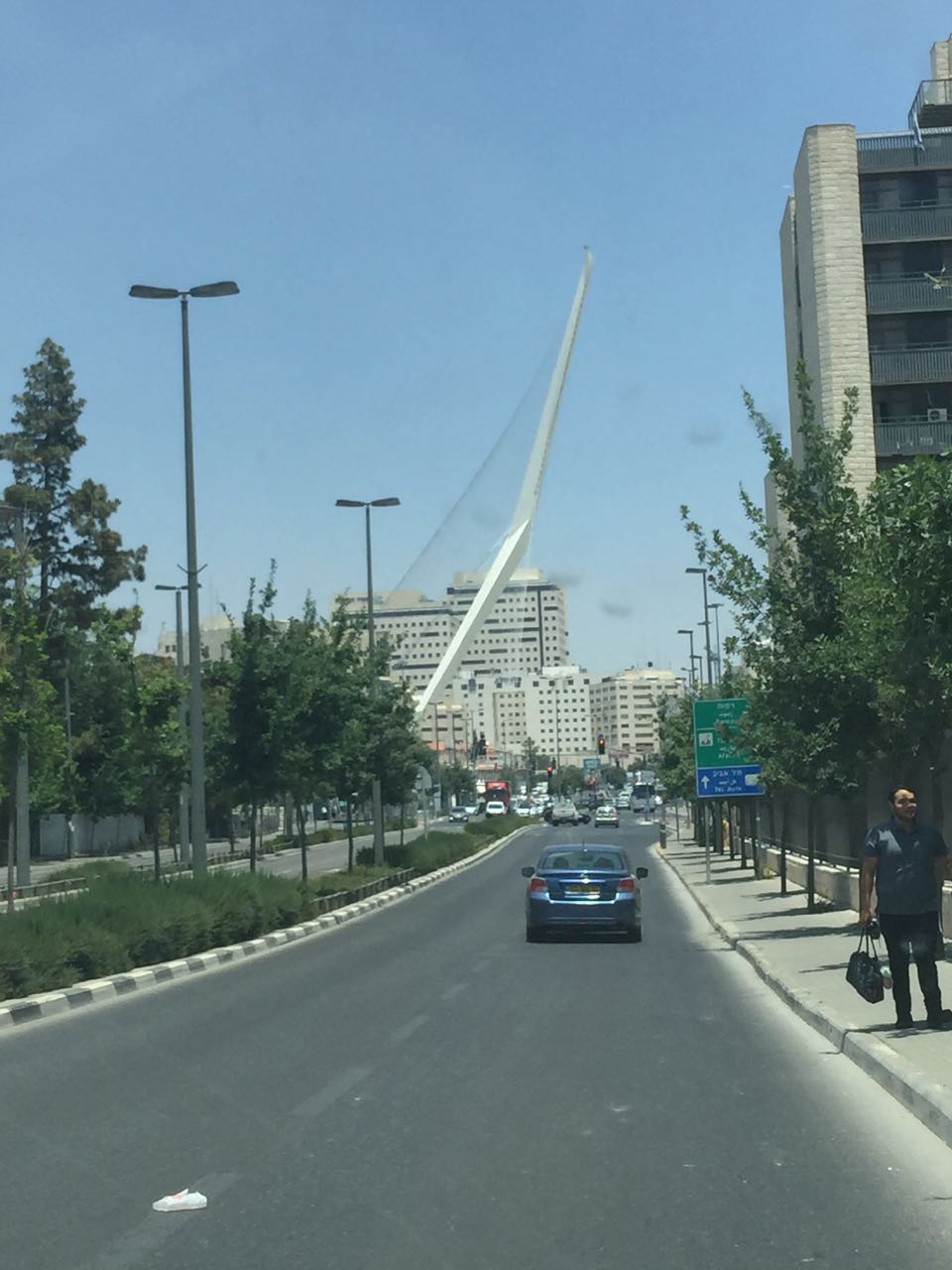
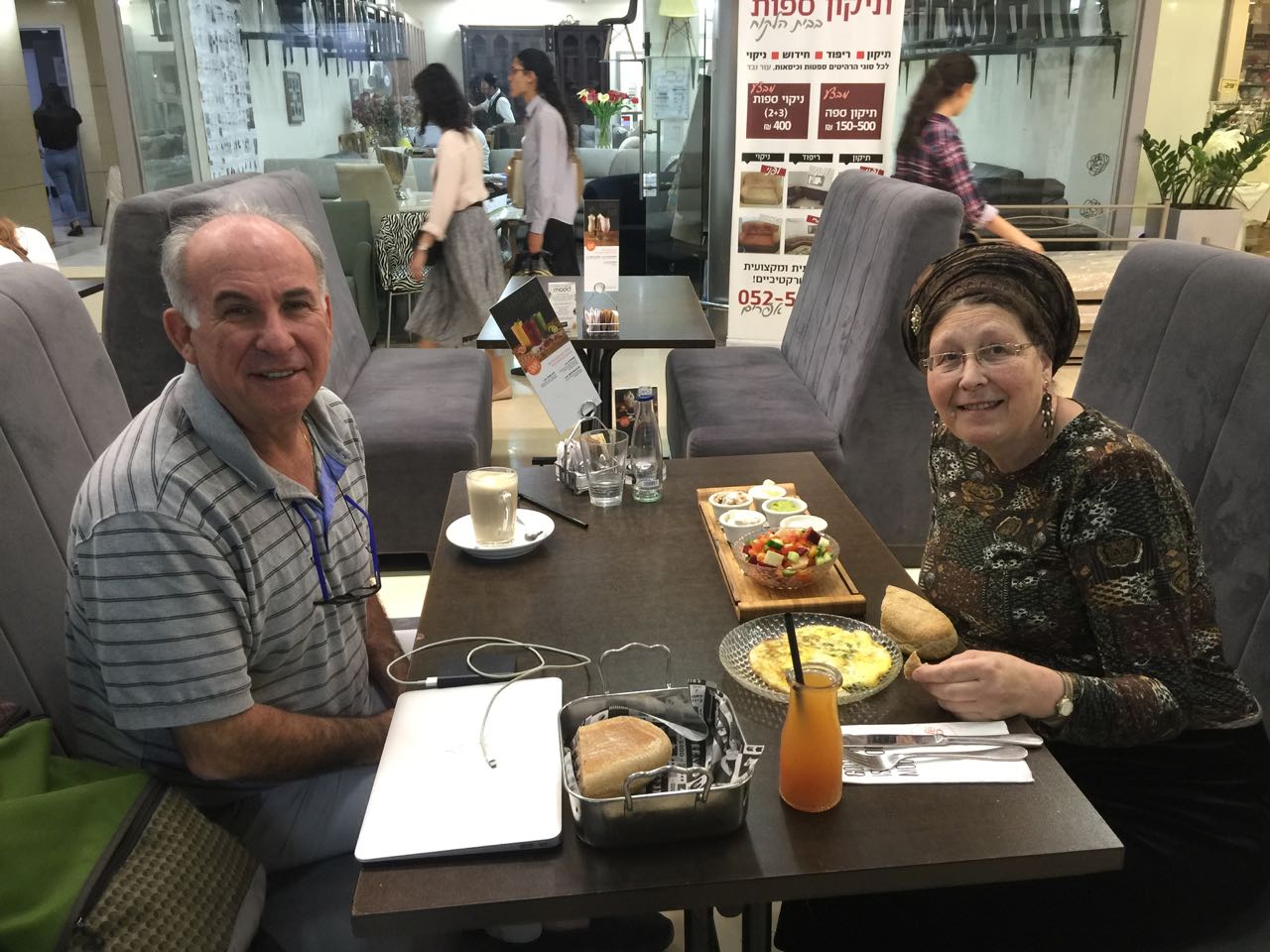
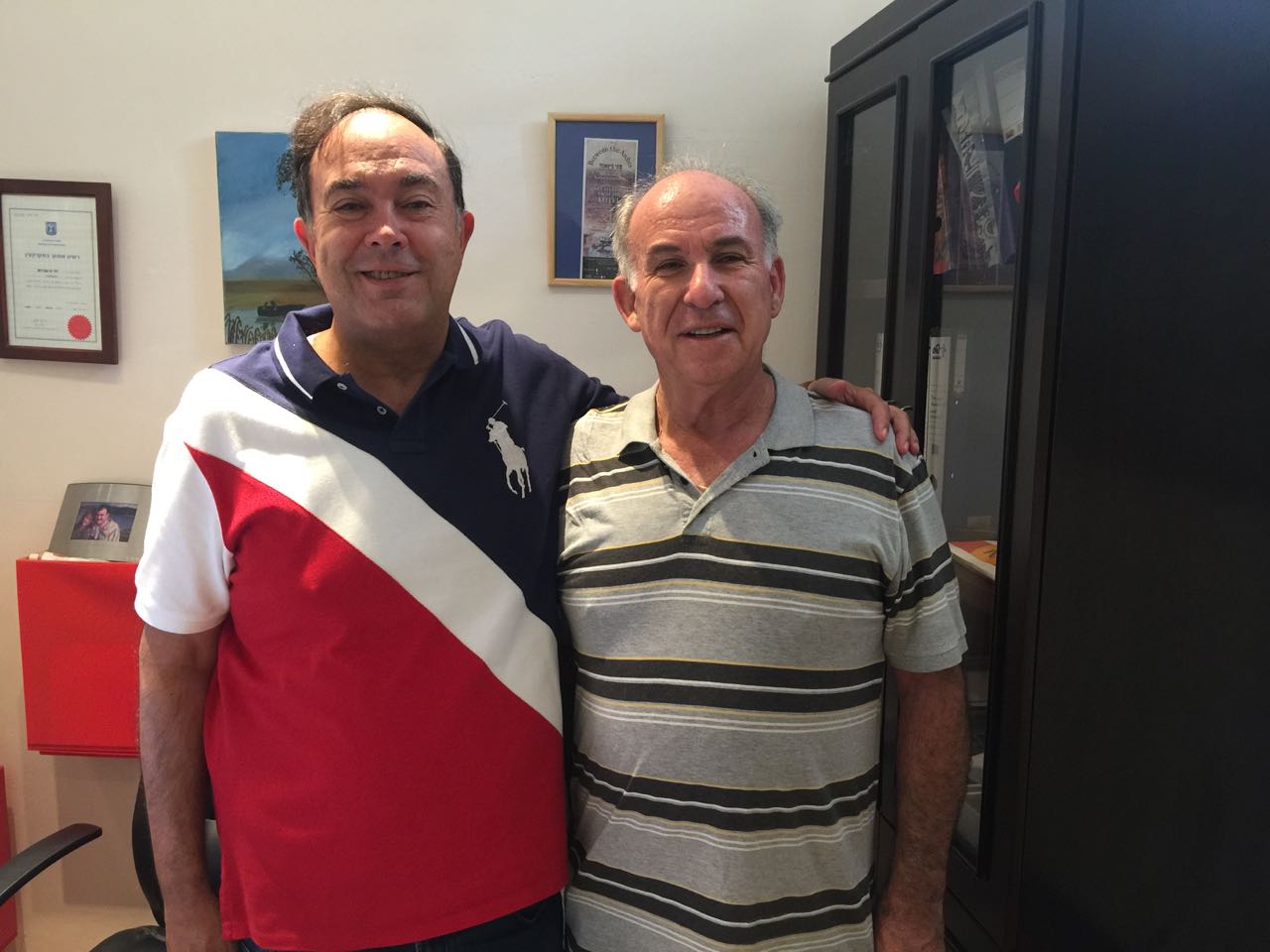
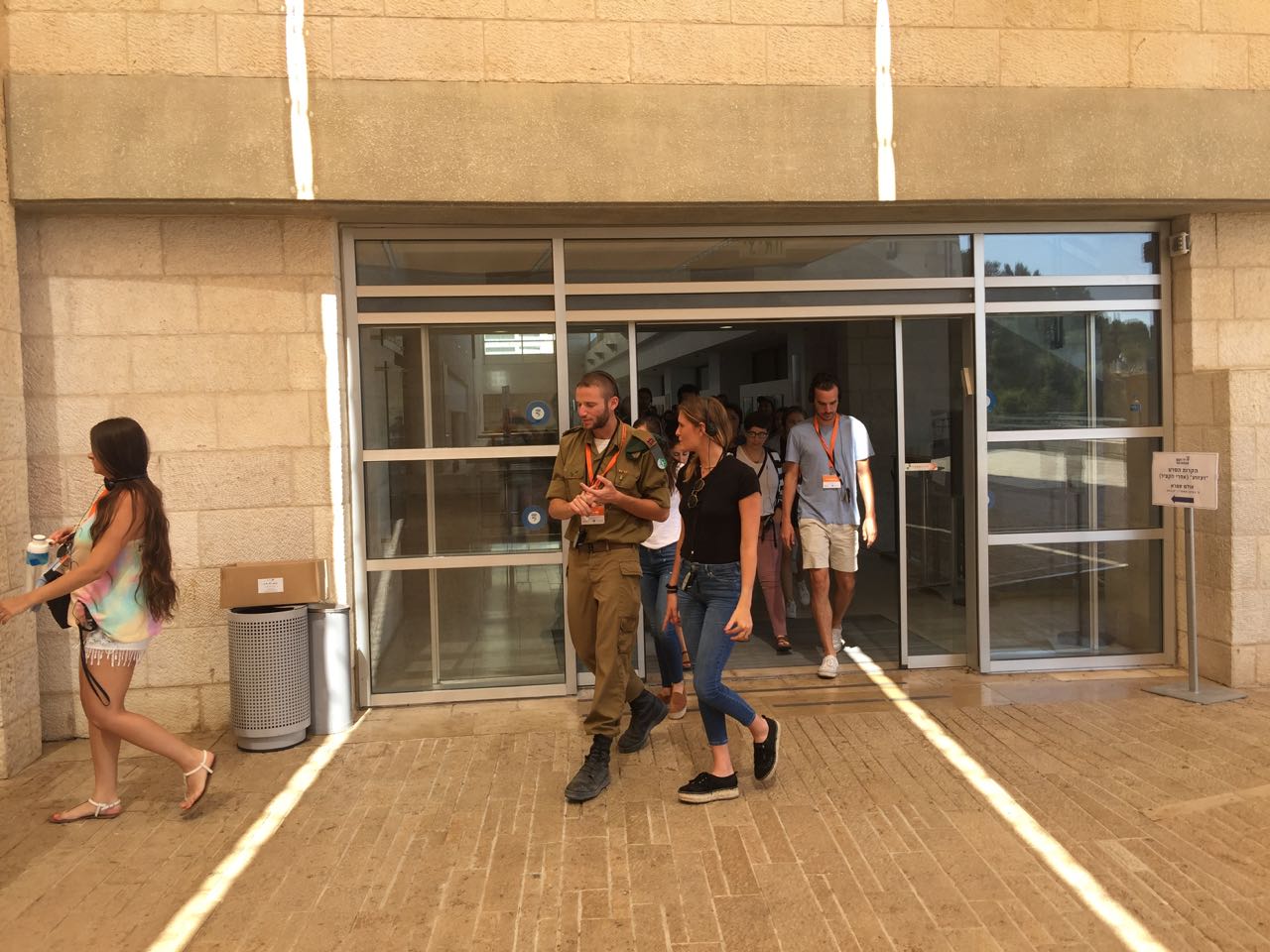
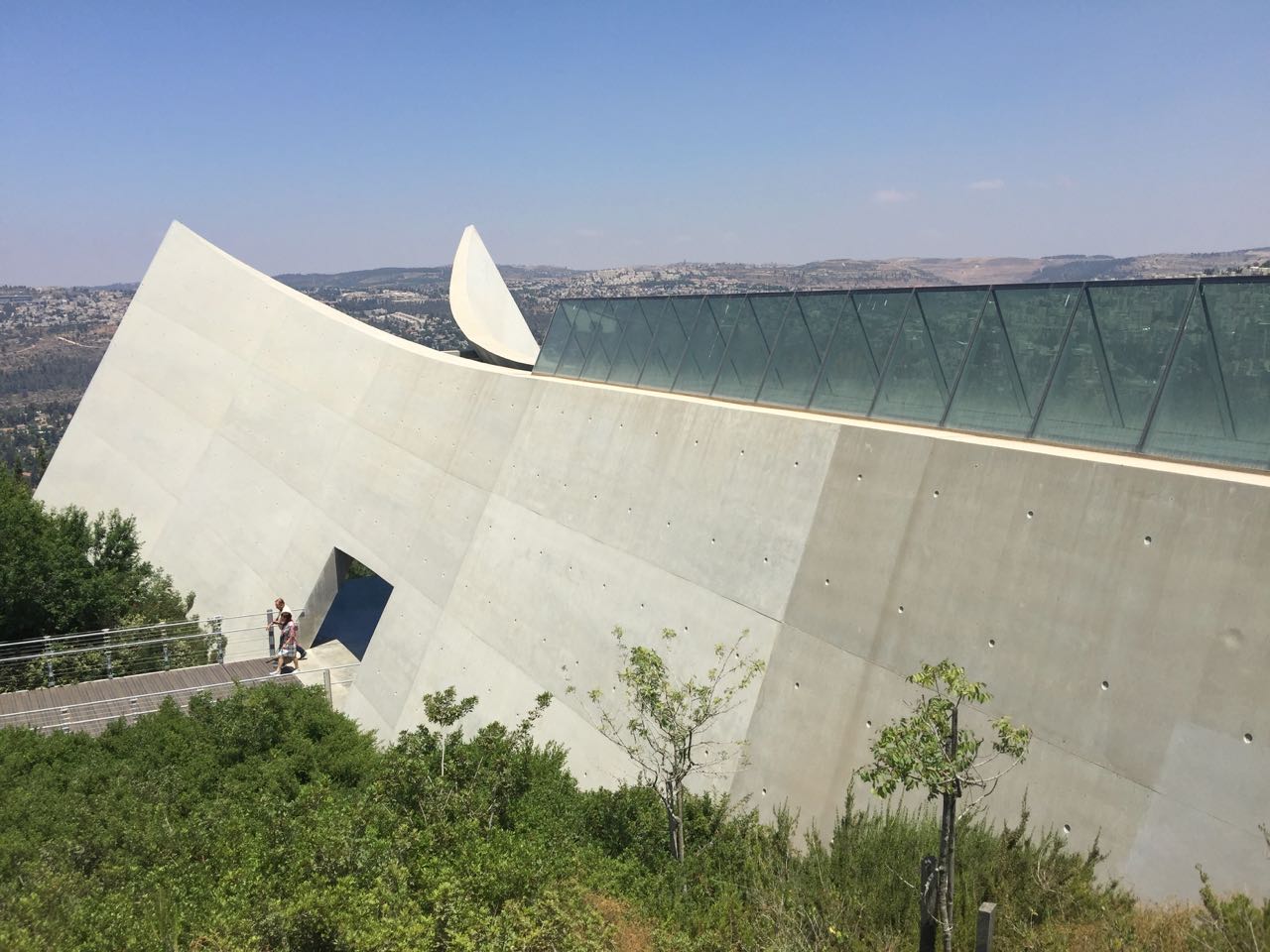
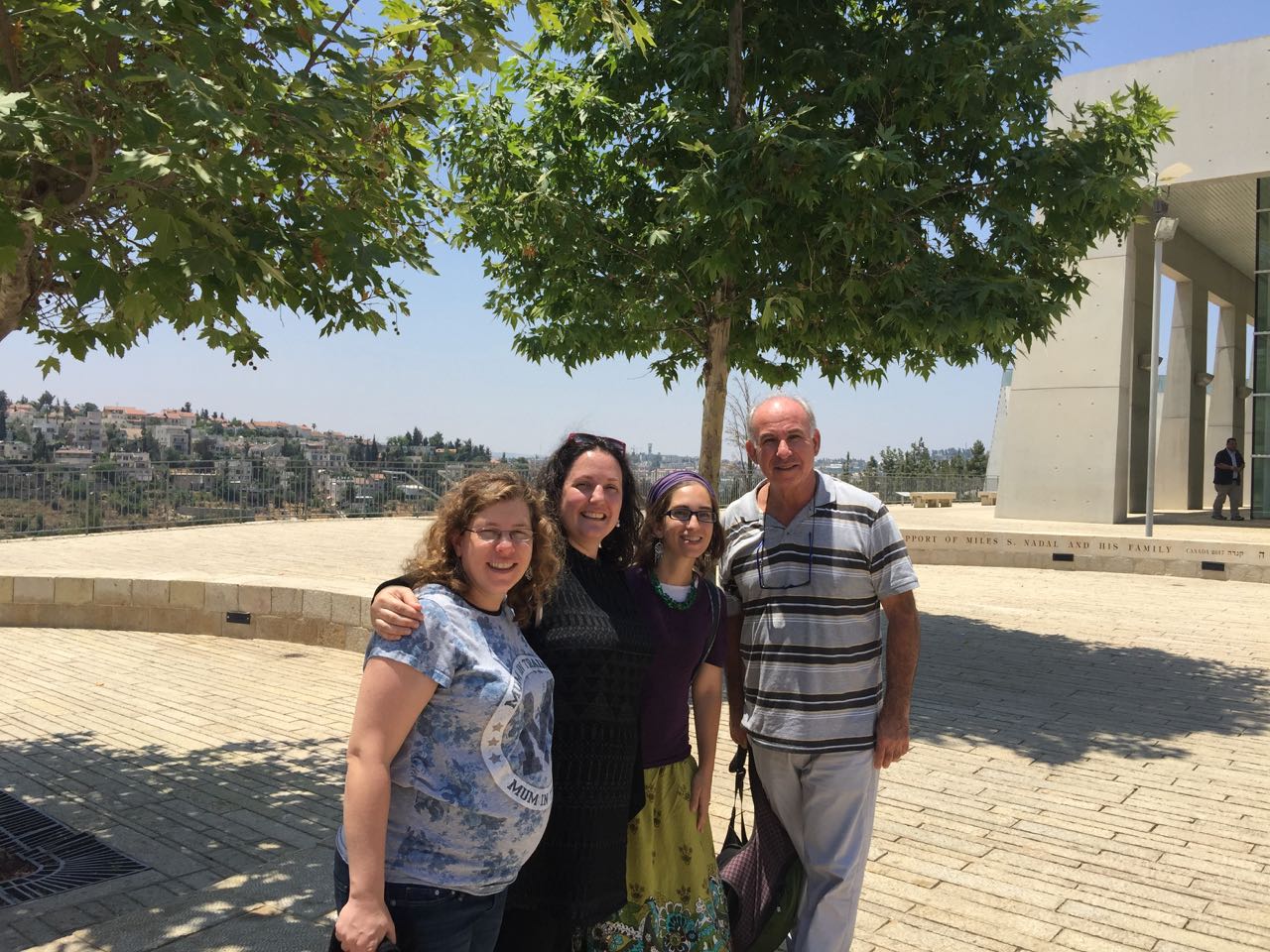
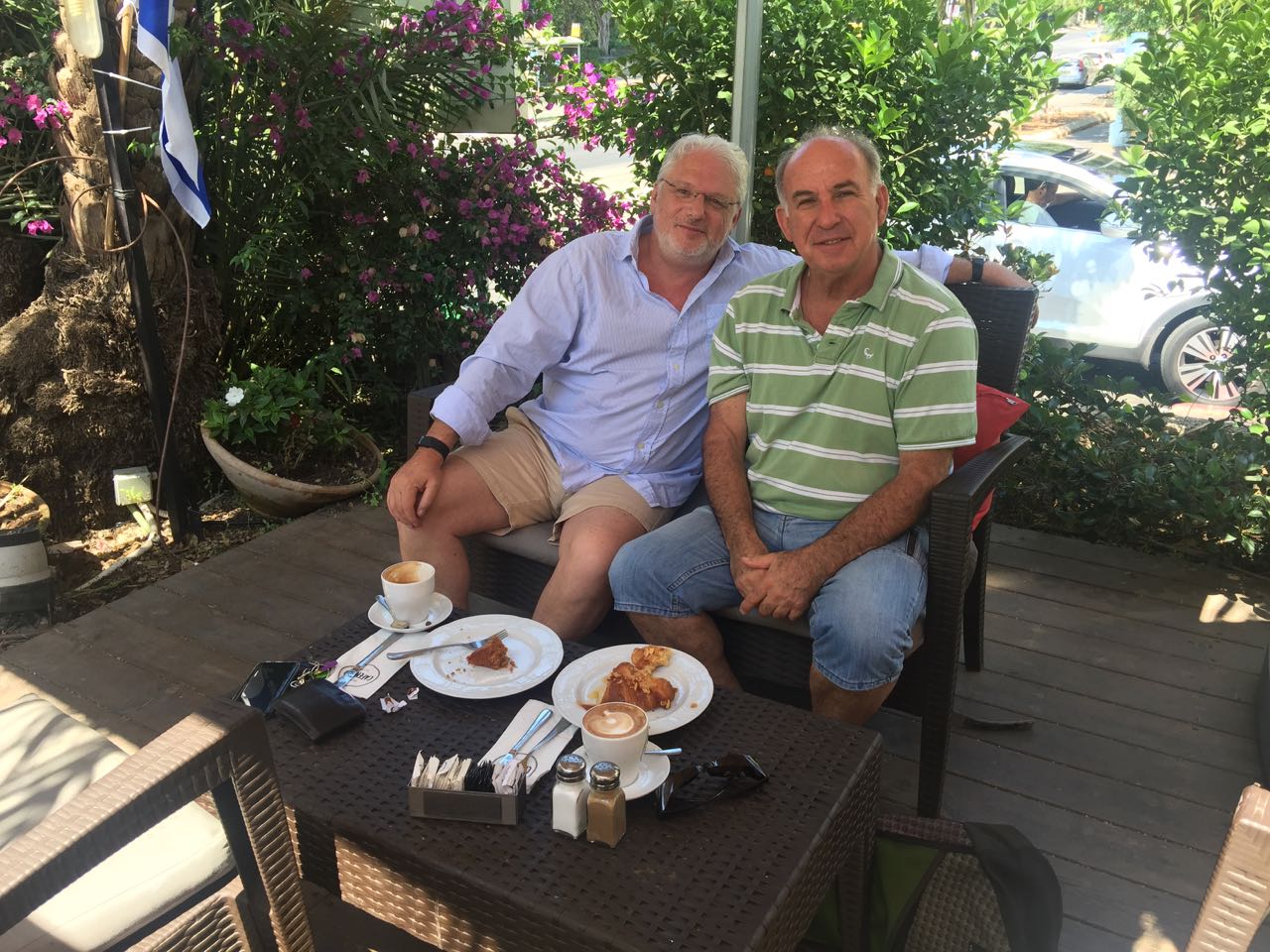
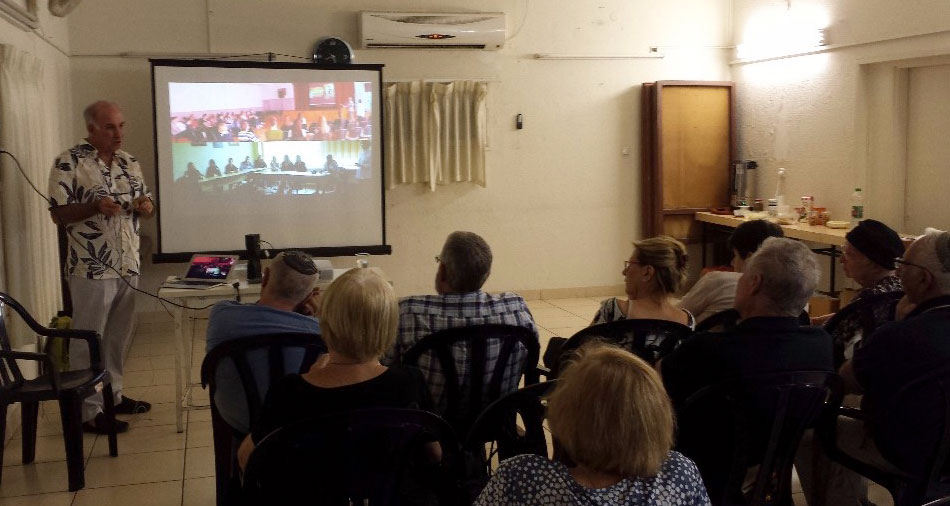
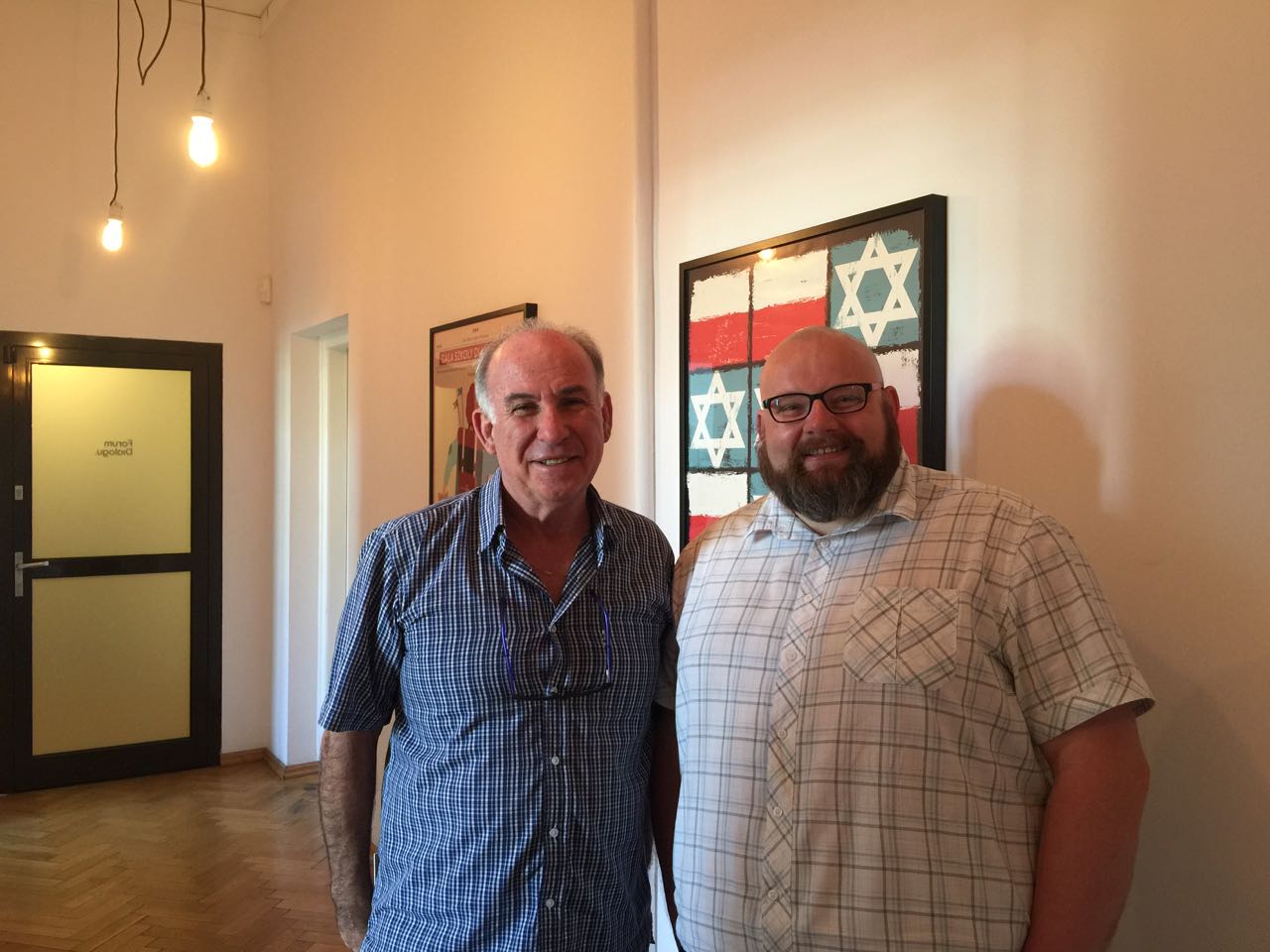
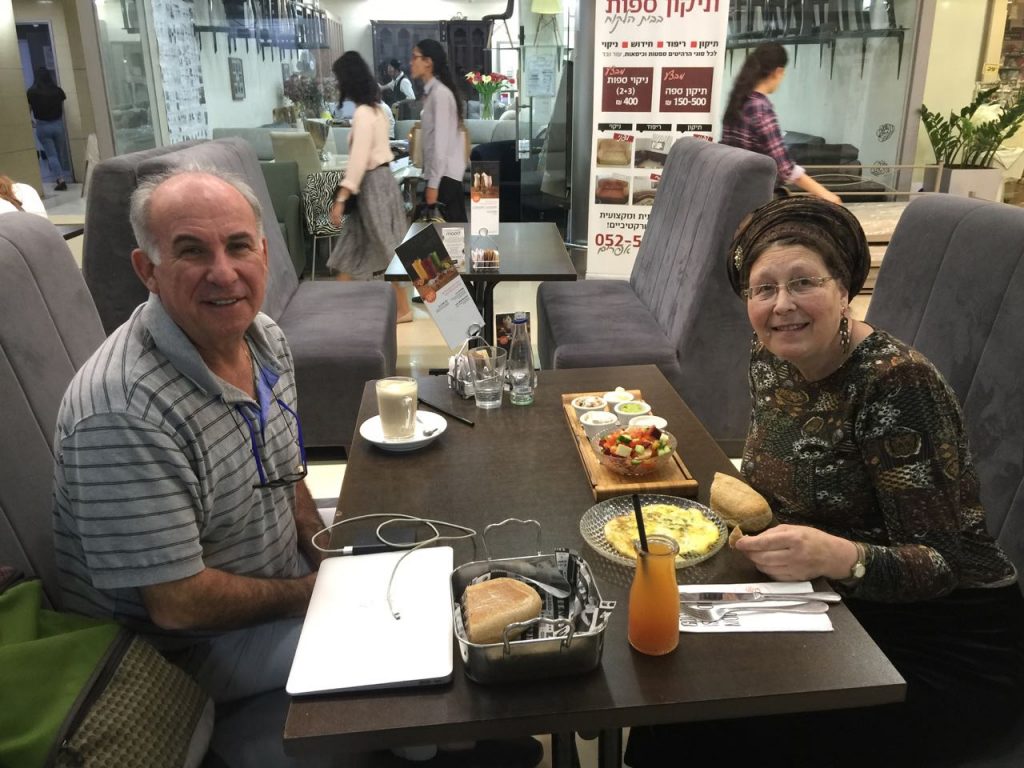
To us in Western Australia, Allison Speiser is the face and voice of Merchav Am. It was great to be able to visit her on her territory! She kindly met me at Yad Vashem and drove me the two hours down to the yishuv in the Negev.
Merhav Am – Wikipedia
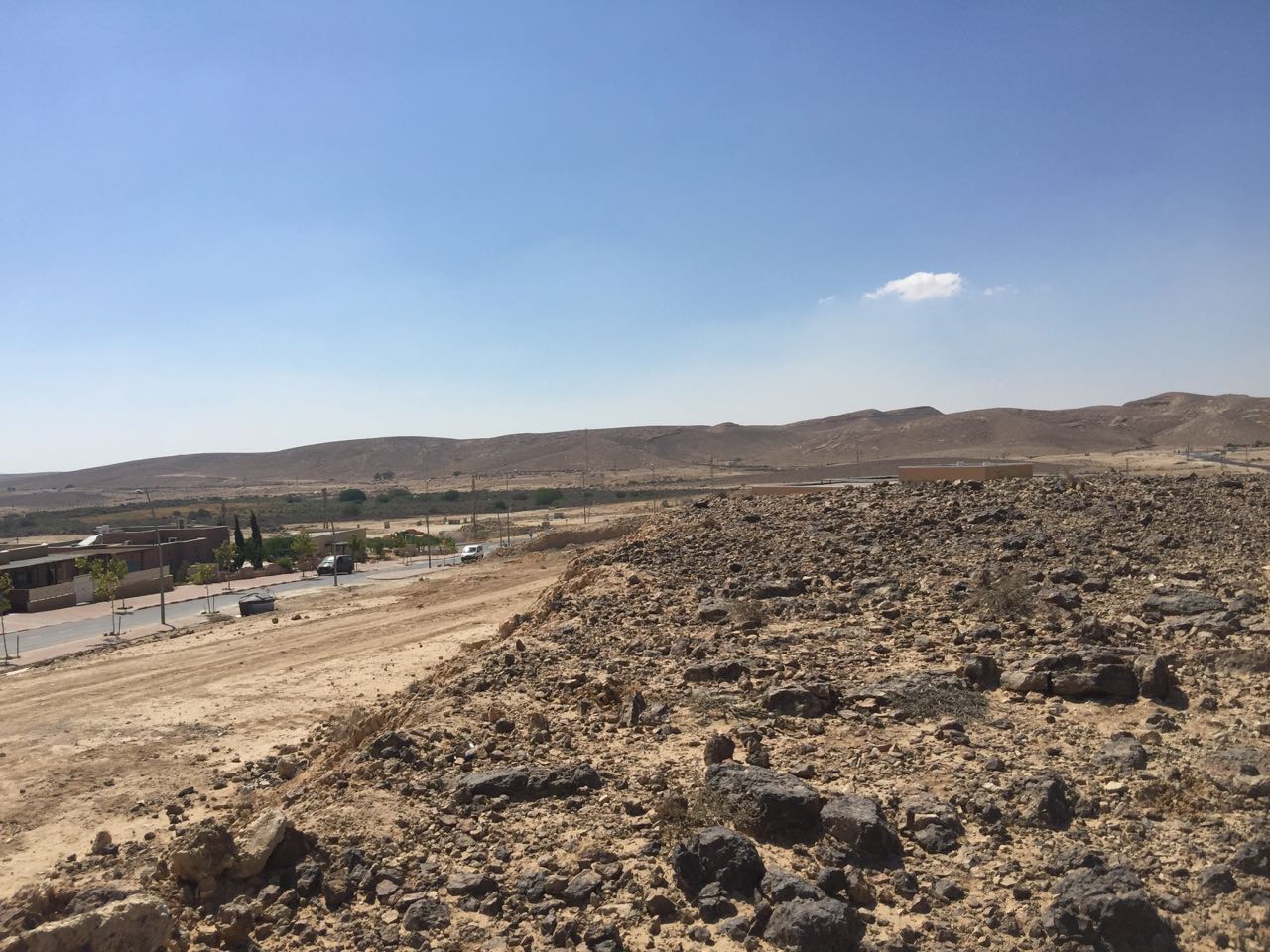
Merhav Am (Hebrew: מֶרְחַב עַם, lit. Nation’s Expanse) is a religious community settlement in southern Israel. Located in the Negev desert between Yeruham and the kibbutz of Sde Boker, it falls under the jurisdiction of Ramat HaNegev Regional Council. In 2015 it had a population of 333.[1]
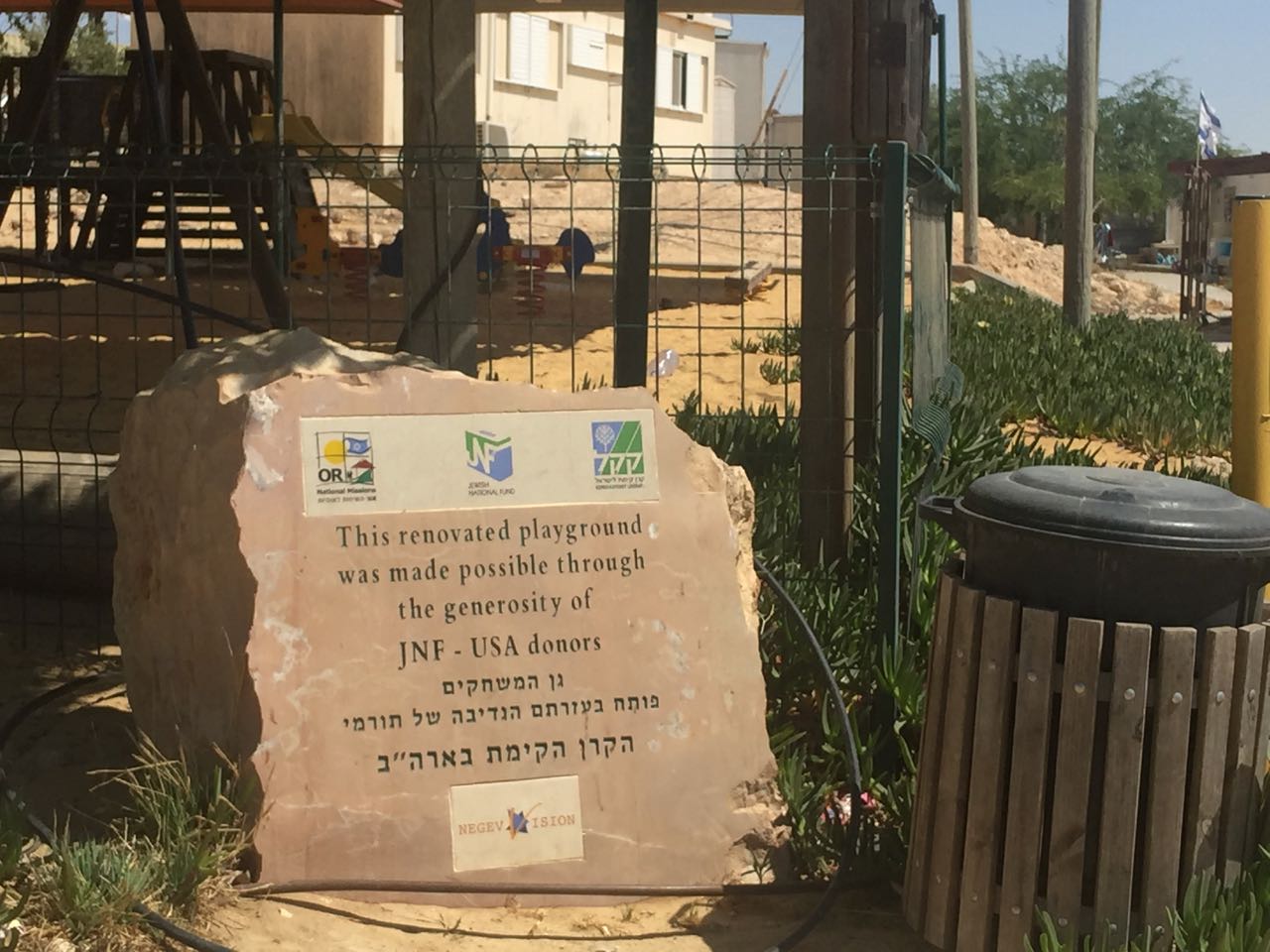
It’s been three years since JNF WA began its partnership with Merchav Am. From a dusty desert yishuv with no green spaces, to the signature JNF WA Playground and landscaping and garden areas for the Community and Early Learning Centres, the first phase of our long-term partnership is fully funded and almost complete. This community, deep
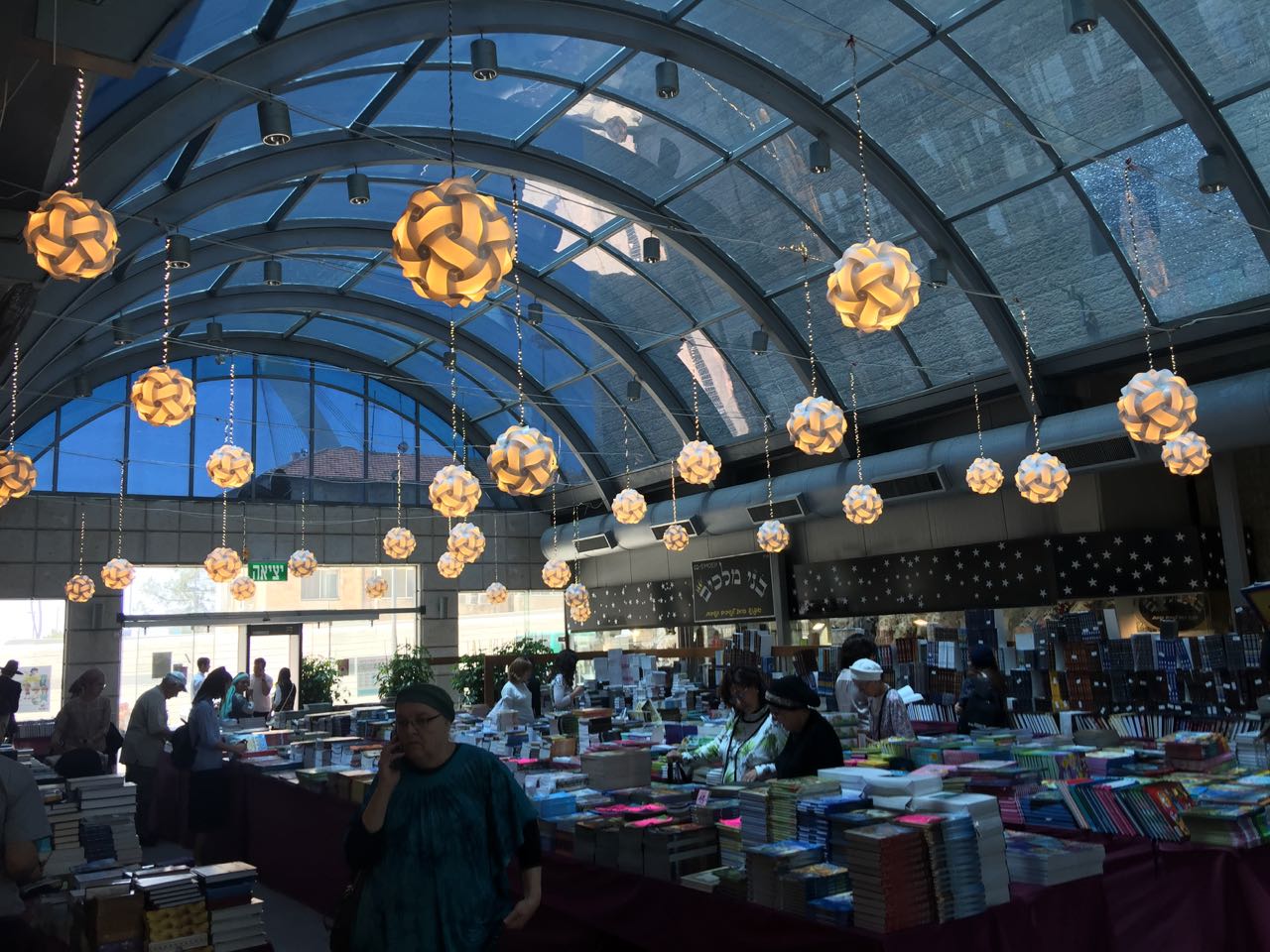
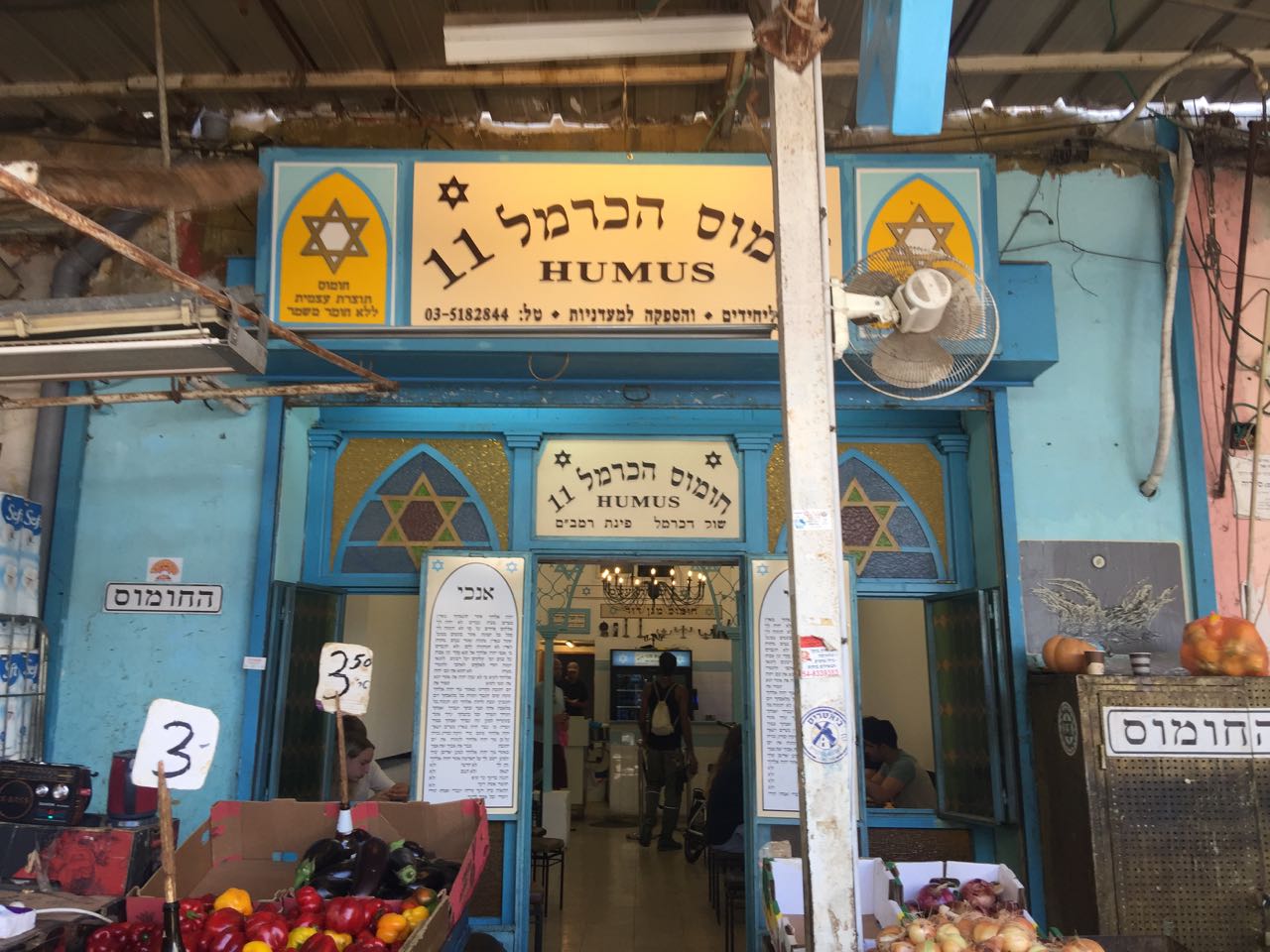
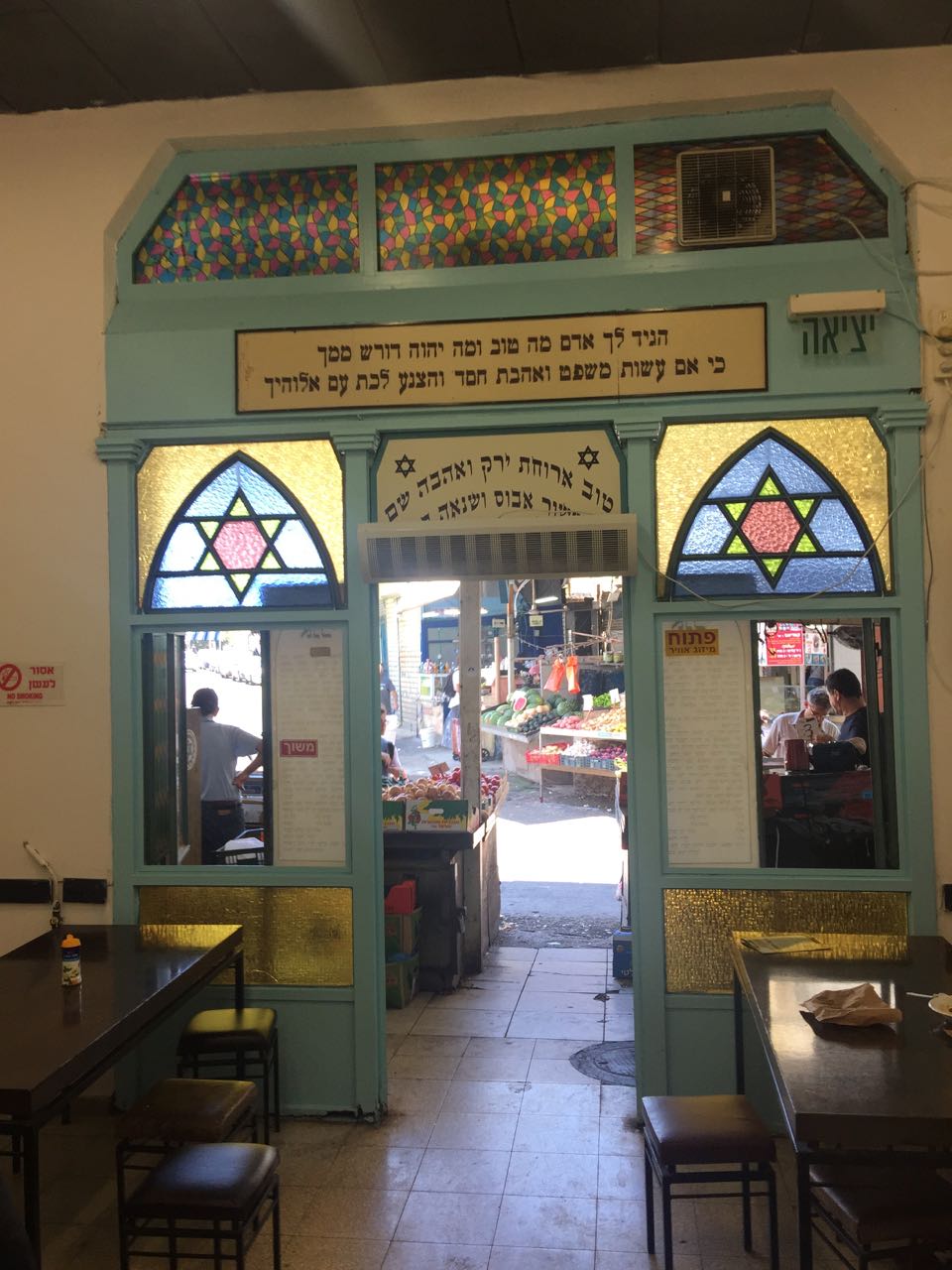
Mahane Yehuda Market (Hebrew: שוק מחנה יהודה, Shuk Mahane Yehuda), often referred to as “The Shuk”,[1] is a marketplace (originally open-air, but now at least partially covered) in Jerusalem, Israel. Popular with locals and tourists alike, the market’s more than 250 vendors[2] sell fresh fruits and vegetables; baked goods; fish, meat and cheeses; nuts, seeds, and spices; wines and liquors; clothing and shoes; and housewares, textiles, and Judaica.[3][4]
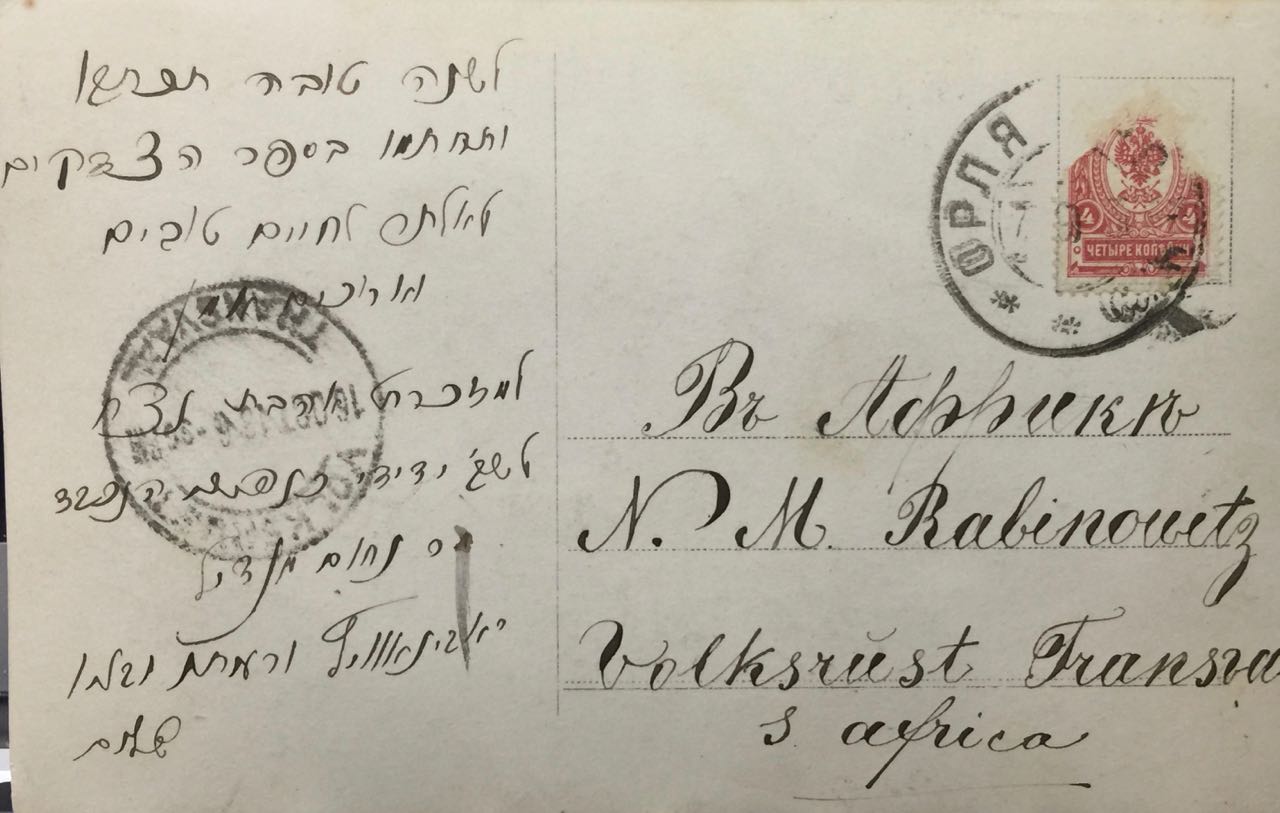
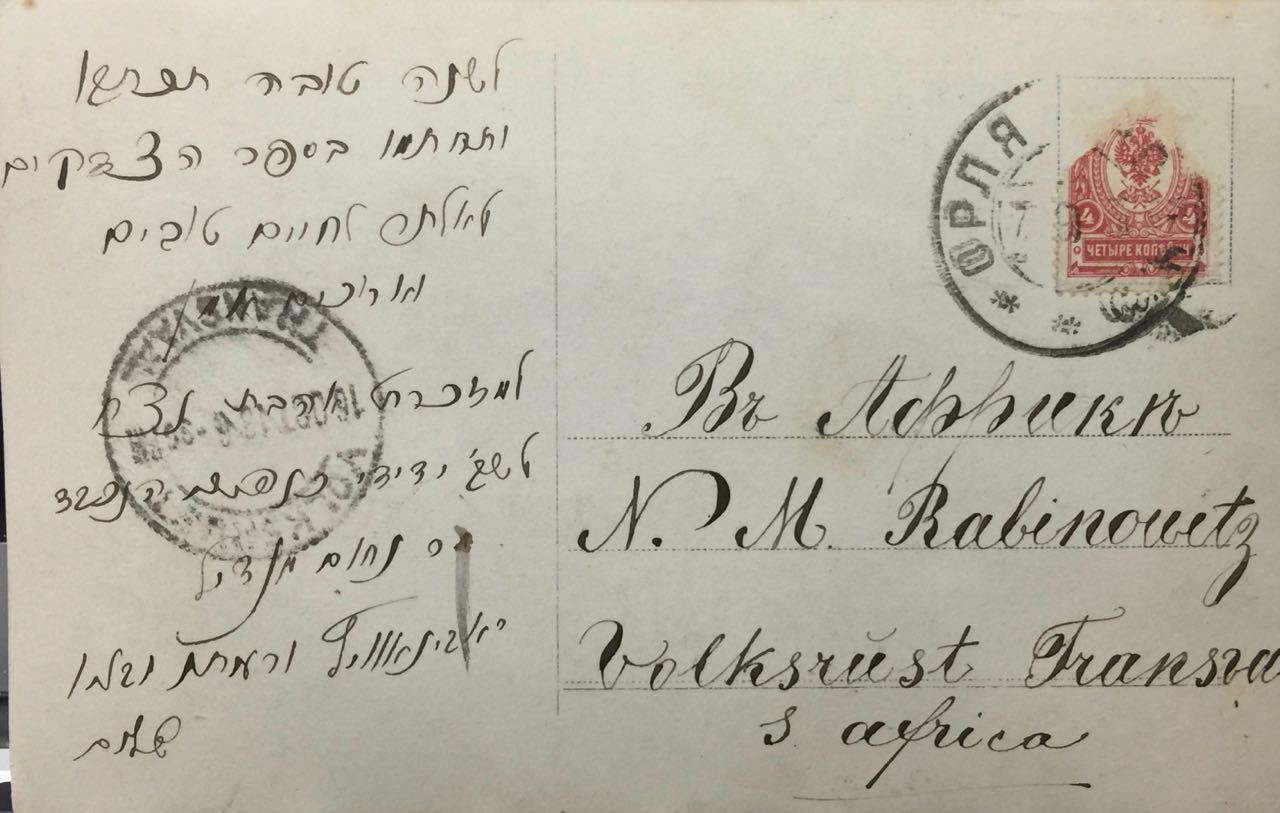
HadaraFrom Orla, Poland to Volksrust, Transvaal, South Africa
<
►
>
Moshe
<
►
>
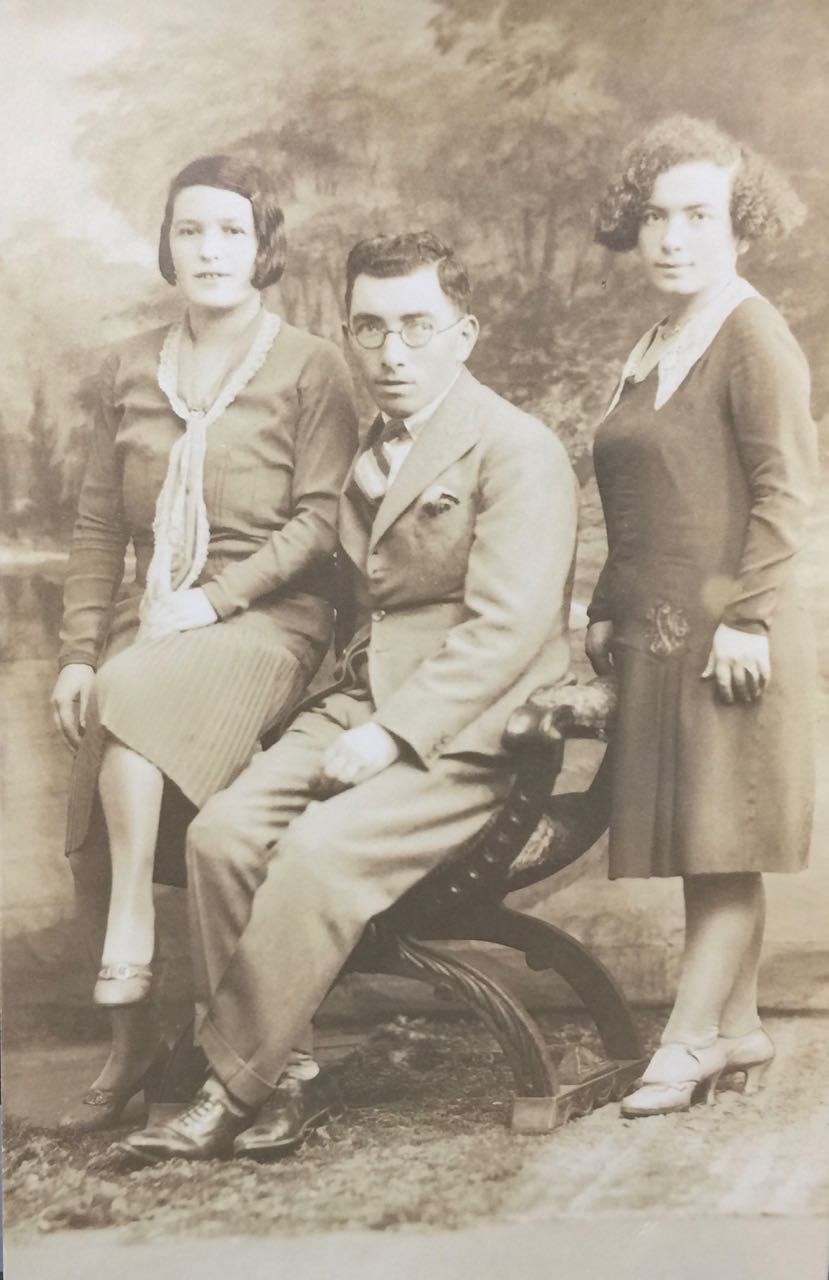
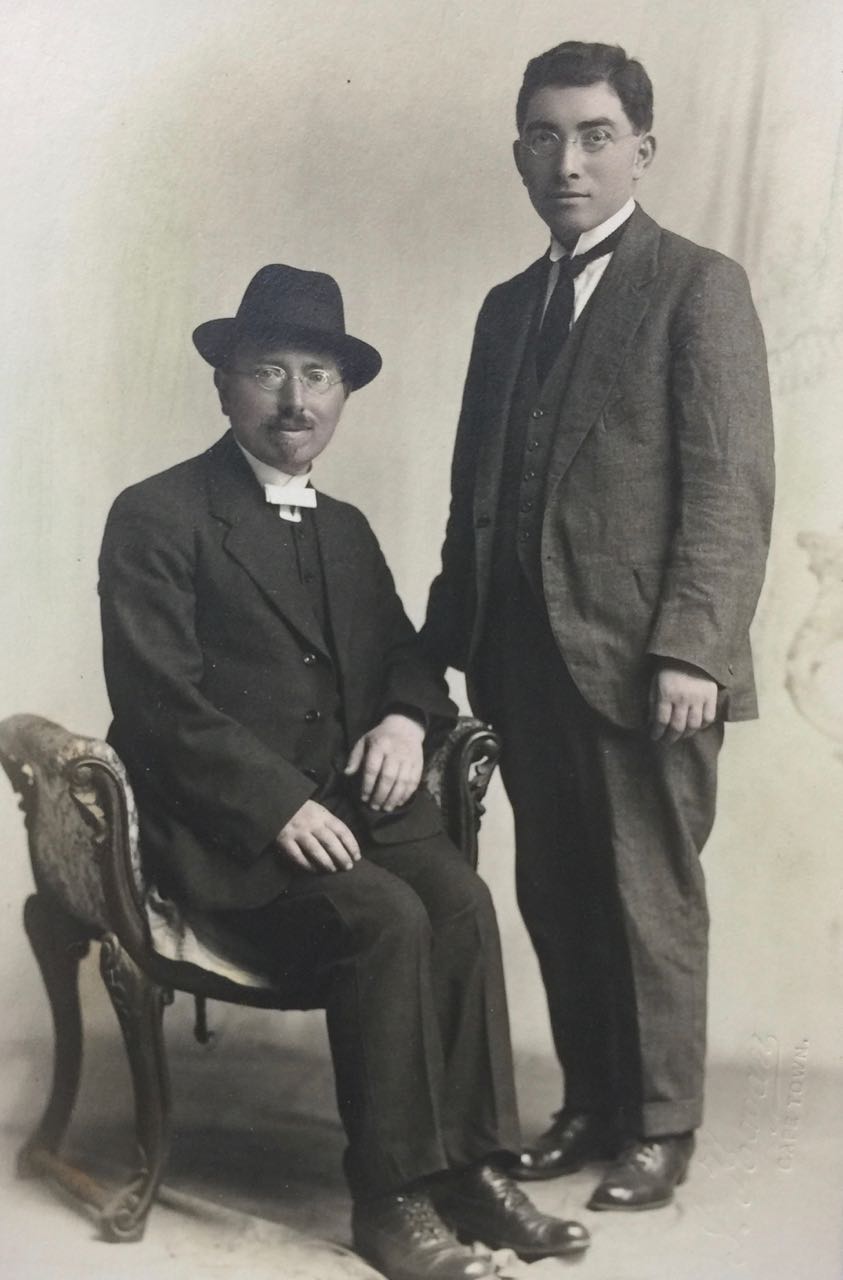
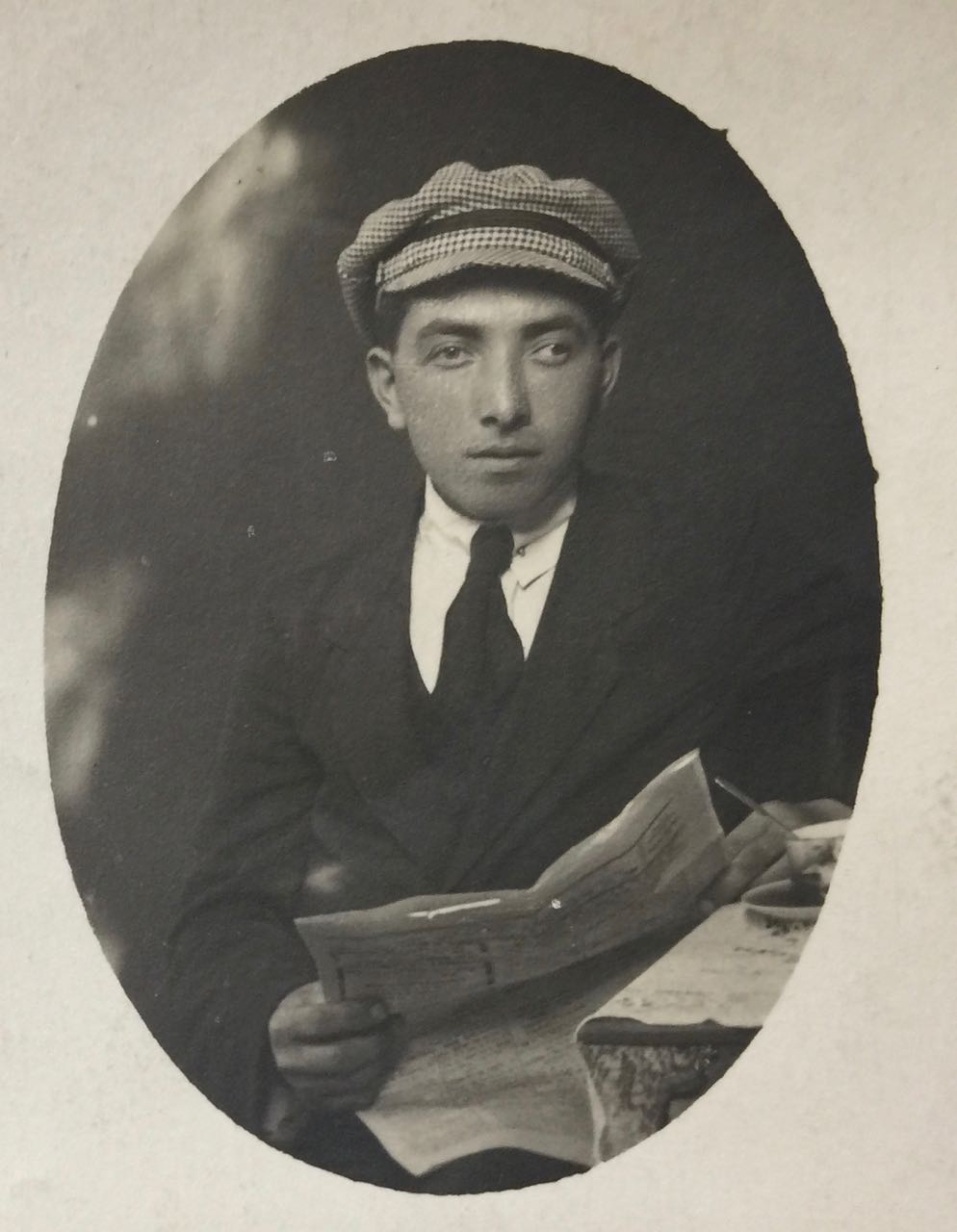
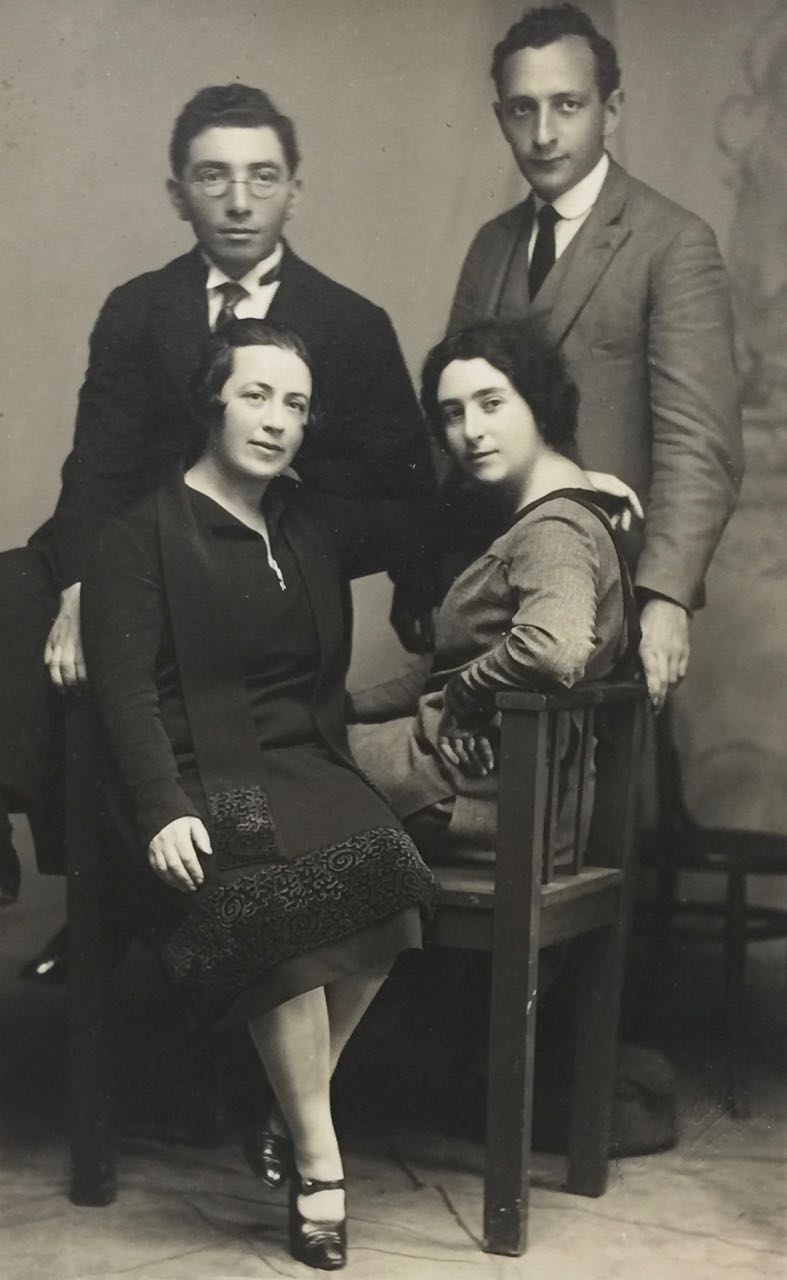
Nachum Mendel & Moshe Zalman Rabinowitz
Personal Journeys: From One Photograph to Journeys of Research and Discovery – Avotaynu Online
All I ever knew was that I am named after my great-uncle Moshe. Moshe died in a motor accident, six weeks before his planned wedding. The date of his death is unknown, but it was sometime between the late 1920s …
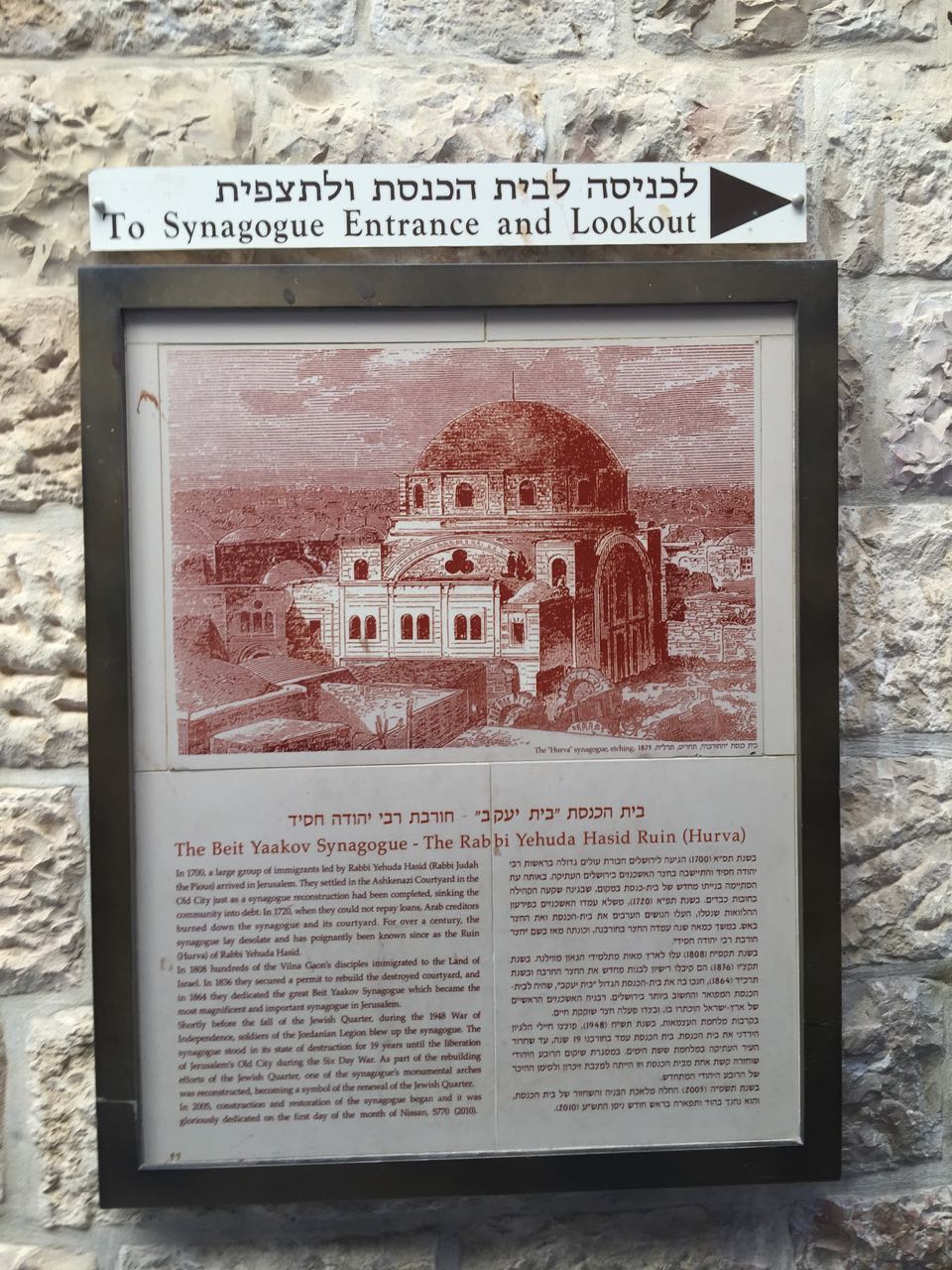
The Hurva represents the community that my 3rd great grandfather, Avraham Shlomo Zalman Tzoref (Salomon) established in 1811.
<
►
>
The Hurva
<
►
>
Hurva Synagogue – Wikipedia
The Hurva Synagogue, (Hebrew: בית הכנסת החורבה, translit: Beit ha-Knesset ha-Hurva, lit. “The Ruin Synagogue”), also known as Hurvat Rabbi Yehudah he-Hasid (“Ruin of Rabbi Judah the Pious”), is a historic synagogue located in the Jewish Quarter of the Old City of Jerusalem.
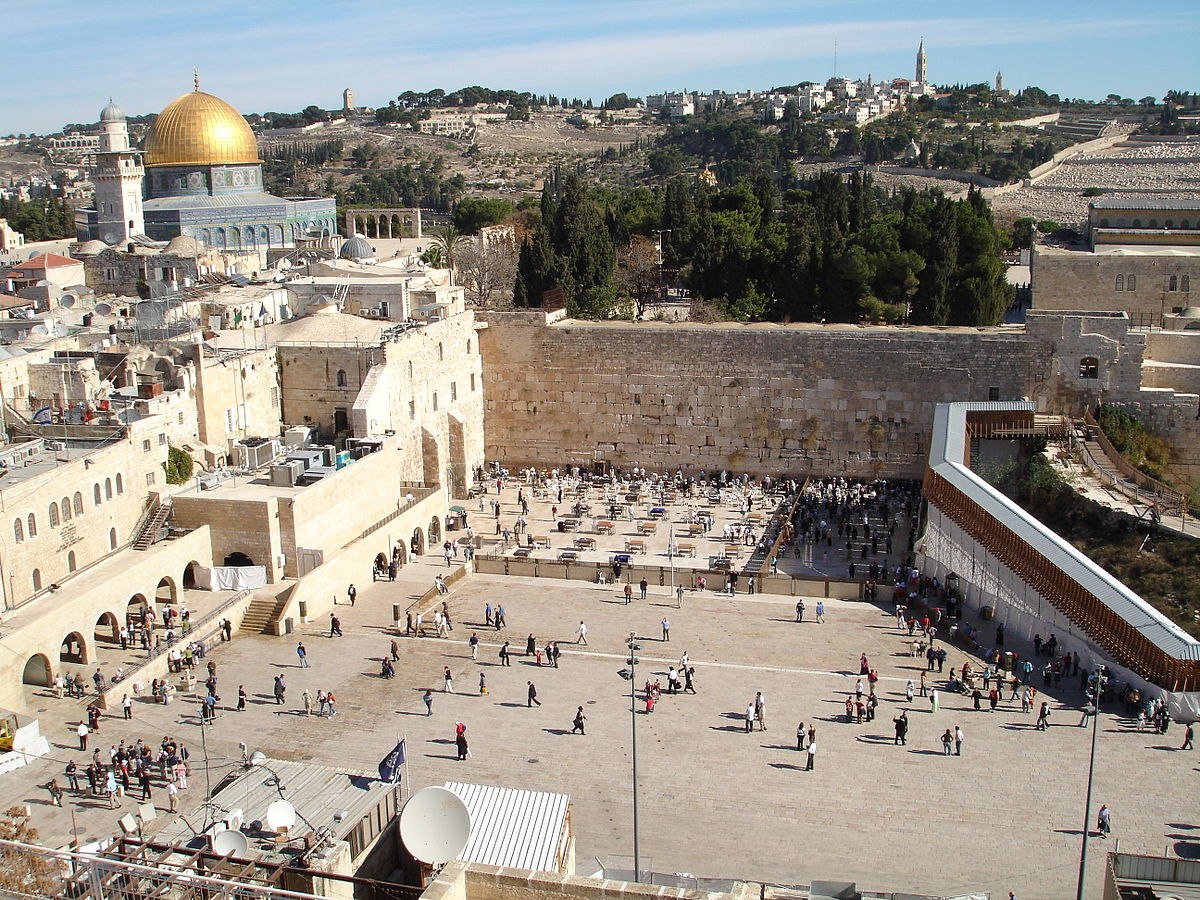
The Western Wall, Wailing Wall or Kotel (Hebrew: הַכֹּתֶל הַמַּעֲרָבִי (help·info), translit.: HaKotel HaMa’aravi; Ashkenazic pronunciation: HaKosel HaMa’arovi; Arabic: حائط البراق, translit.: Ḥā’iṭ al-Burāq, translat.: the Buraq Wall, or Arabic: المبكى al-Mabkā: the Place of Weeping) is an ancient limestone wall in the Old City of Jerusalem. It is a relatively small segment of a far longer ancient retaining wall, known also in its entirety as the “Western Wall”. The wall was originally erected as part of the expansion of the Second Jewish Temple begun by Herod the Great, which resulted in the encasement of the natural, steep hill known to Jews and Christians as the Temple Mount, in a large rectangular structure topped by a huge flat platform, thus creating more space for the Temple itself and its auxiliary buildings.
Yad Vashem International School For Holocaust Studies
<
►
>
<
►
>
<
►
>
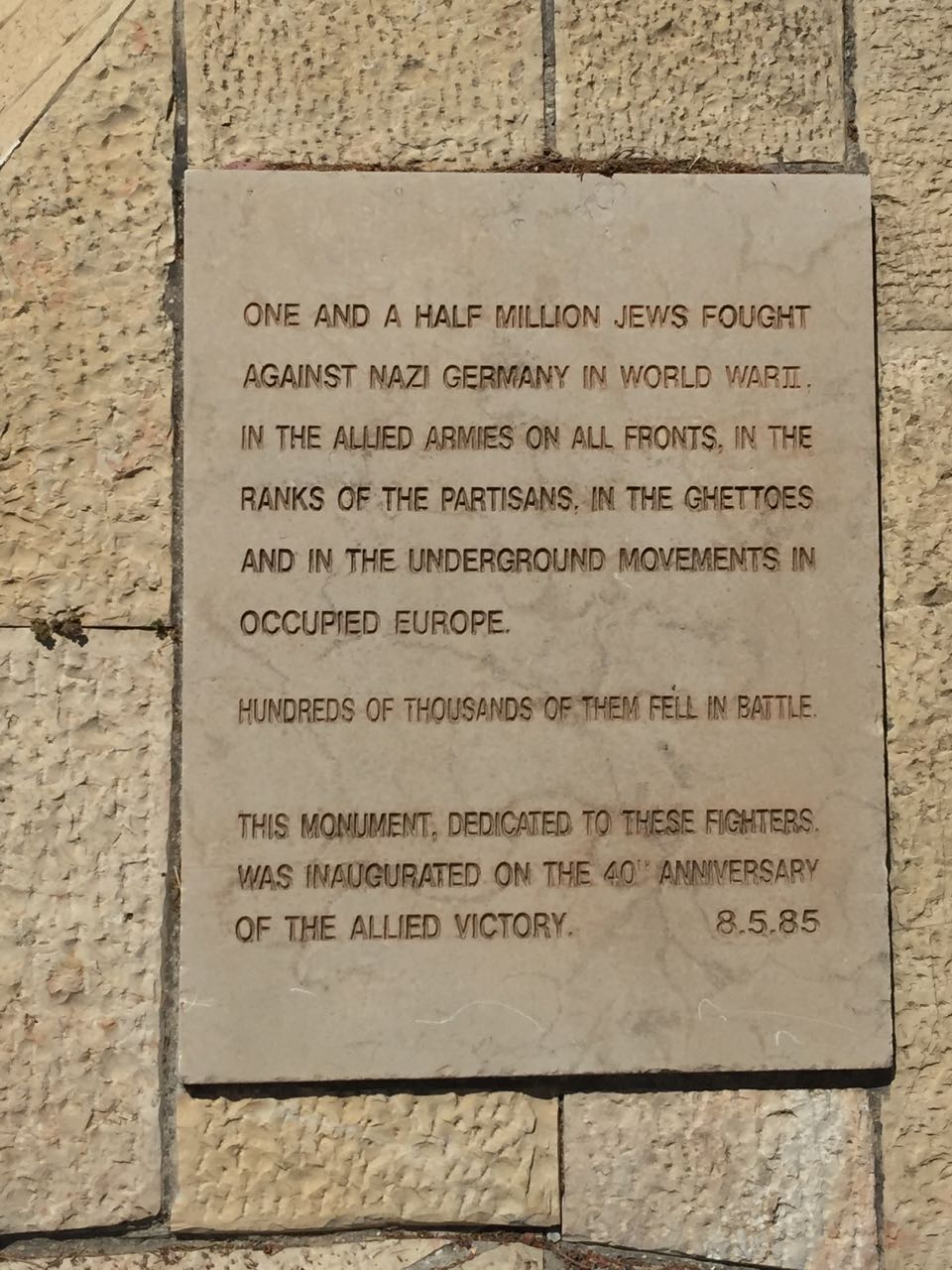
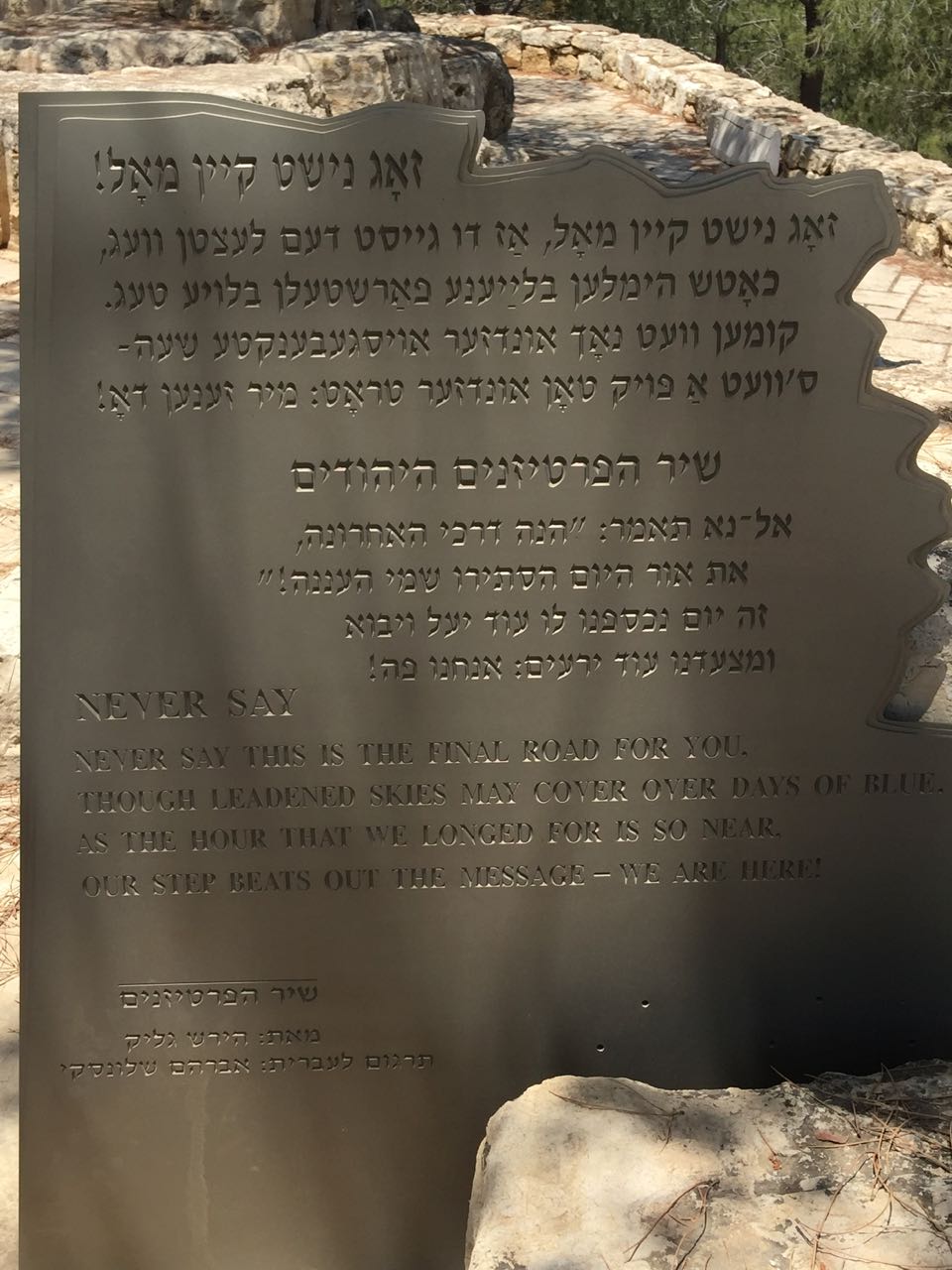
The Partisan Memorial area
<
►
>
<
►
>
Tehilla, Jane & Allison
Yad Vashem – Wikipedia
Yad Vashem (Hebrew: יָד וַשֵׁם) is Israel’s official memorial to the victims of the Holocaust. It is dedicated to preserving the memory of the dead; honouring Jews who fought against their Nazi oppressors and Gentiles who selflessly aided Jews in need; and researching the phenomenon of the Holocaust in particular and genocide in general, with the aim of avoiding such events in the future.
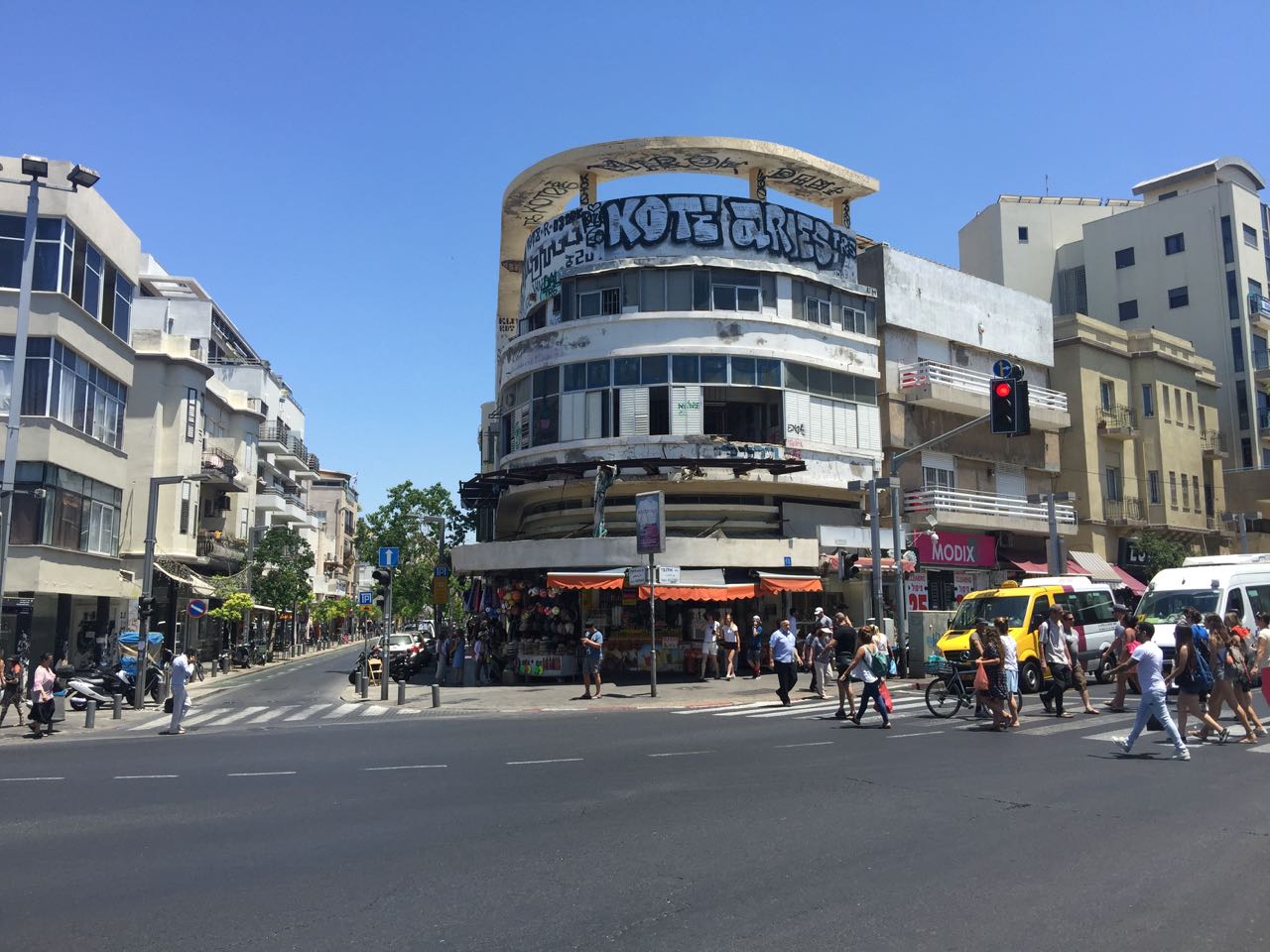
Ramat Aviv (Hebrew: רָמַת אָבִיב, lit. Spring Heights) is a neighborhood in Tel Aviv, Israel. Ramat Aviv has expanded over the years and now consists of four quarters: Neve Avivim (Ramat Aviv Bet), Ramat Aviv Aleph, Ramat Aviv Gimmel, and Ramat Aviv HaHadasha.
Ra’anana (Hebrew: רַעֲנָנָּה, lit. “Fresh”) is a city in the heart of the southern Sharon Plain of the Central District of Israel. Bordered by Kfar Saba on the east and Herzliya on the southwest, it had a population of 70,782 in 2015.[1] While the majority of its residents are native-born Israelis, a large part of the population are immigrants from the Americas and Europe.
Ashkelon (/æʃkɛloʊn/ also spelled Ashqelon and Ascalon; Hebrew: אַשְׁקְלוֹן [aʃkelon]; Arabic: عسقلان ʿAsqalān) is a coastal city in the Southern District of Israel on the Mediterranean coast, 50 kilometres (31 mi) south of Tel Aviv, and 13 kilometres (8.1 mi) north of the border with the Gaza Strip. The ancient seaport of Ashkelon dates back to the Neolithic Age. In the course of its history, it has been ruled by the Ancient Egyptians, the Canaanites, the Philistines, the Assyrians, the Babylonians, the Greeks, the Phoenicians, the Hasmoneans, the Romans, the Persians, the Arabs and the Crusaders, until it was destroyed by the Mamluks in 1270.
Ohad (Hebrew: אֹהַד or אוהד) is a moshav in southern Israel. Located in the Hevel Eshkol area of the north-western Negev desert near the Gaza Strip border, it falls under the jurisdiction of Eshkol Regional Council. In 2015 it had a population of 404.[1]
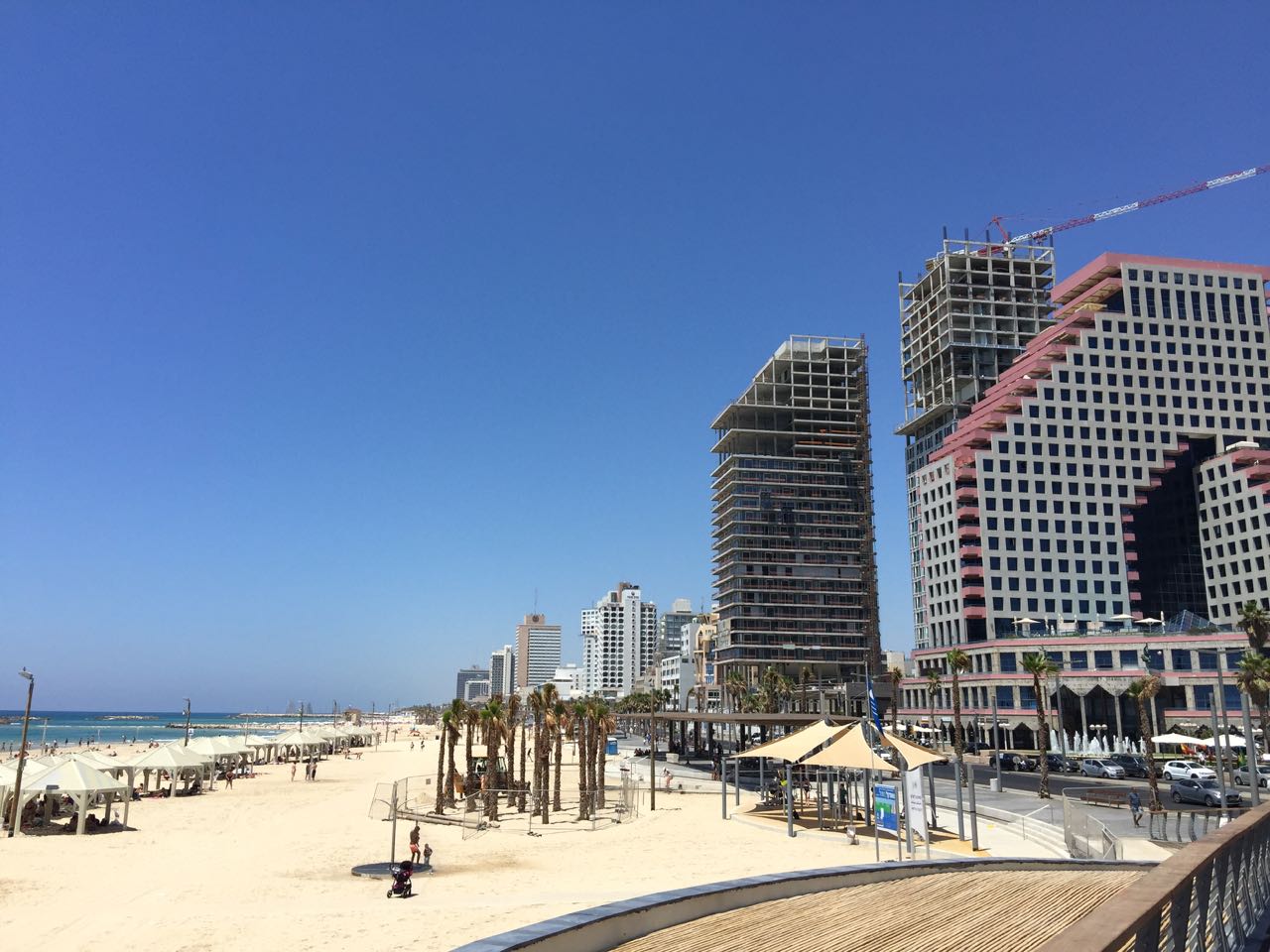
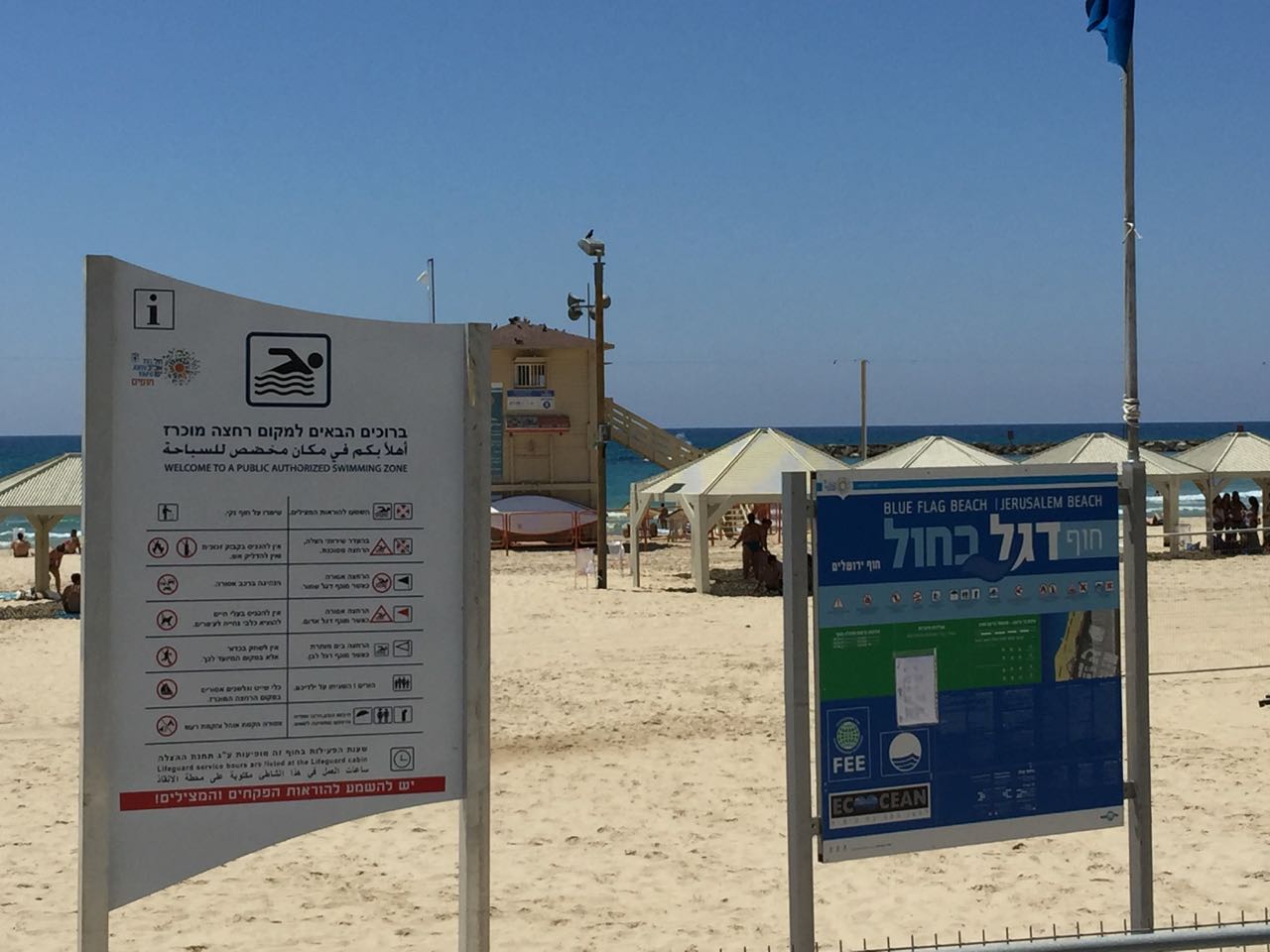
Tel Aviv Promenade (Hebrew: רצועת חוף תל אביב-יפו, commonly referred to in Hebrew simply as the Tayelet, Hebrew: הטיילת) runs along the Mediterranean seashore in Tel Aviv, Israel.
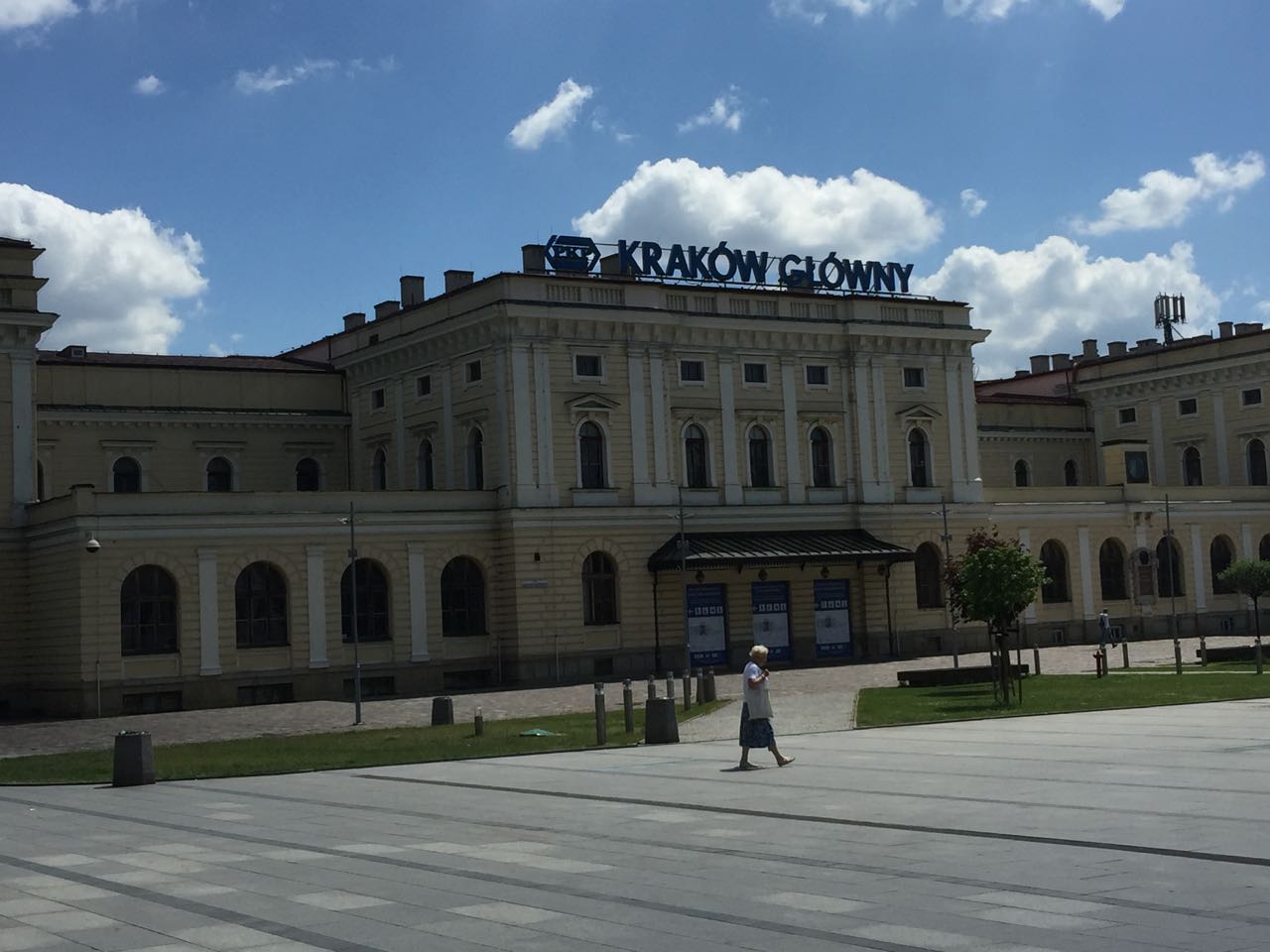
Kraków Główny Osobowy (commonly called Dworzec Główny, Polish for Main station) is the largest and the most centrally located railway station in Kraków. The building, constructed between 1844 and 1847 (architect: P.Rosenbaum), lies parallel to the tracks. The design was chosen to allow for future line expansion. The station was initially a terminus of the Kraków – Upper Silesia Railway (Kolej Krakowsko-Górnośląska, German: Obeschlesische-Krakauer Eisenbahn). Trains entered the trainshed via a brick archway at the northern end of the station which was almost doubled in size in 1871.[1]
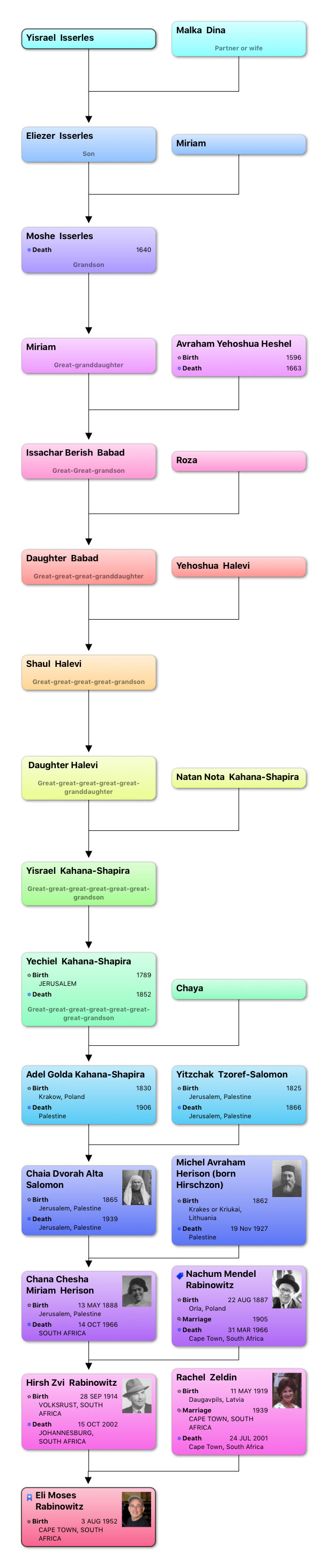
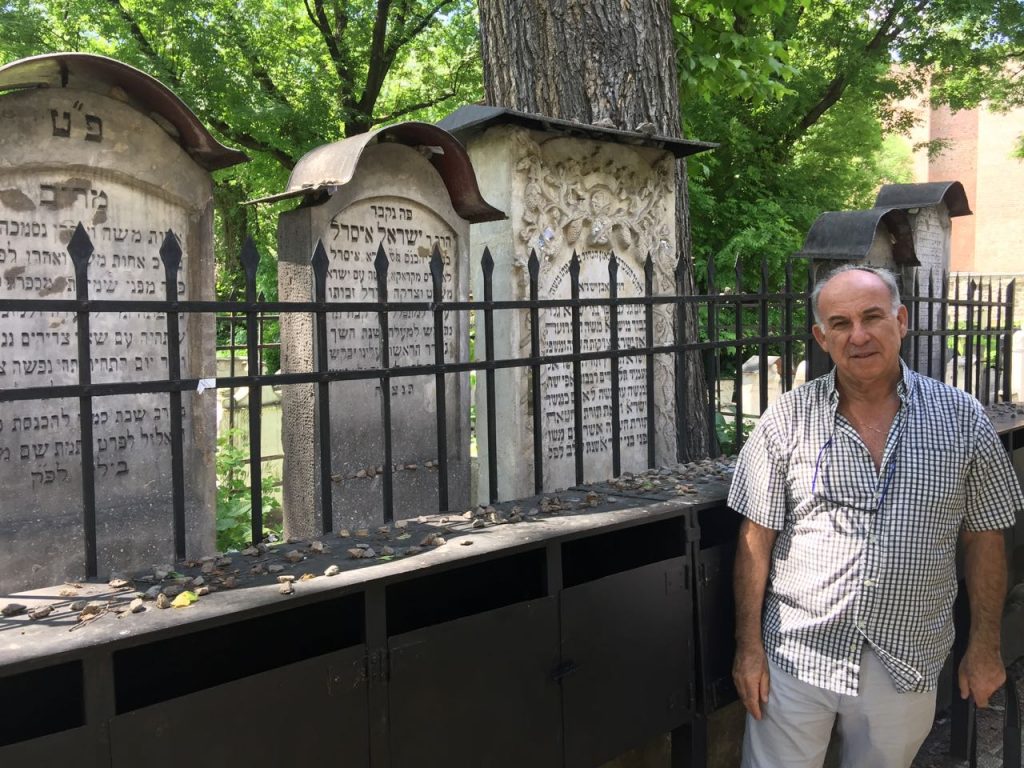
My relationship to Yisrael Isserles, whose matseva is behind me
At the matsevot of my ancestors
<
►
>
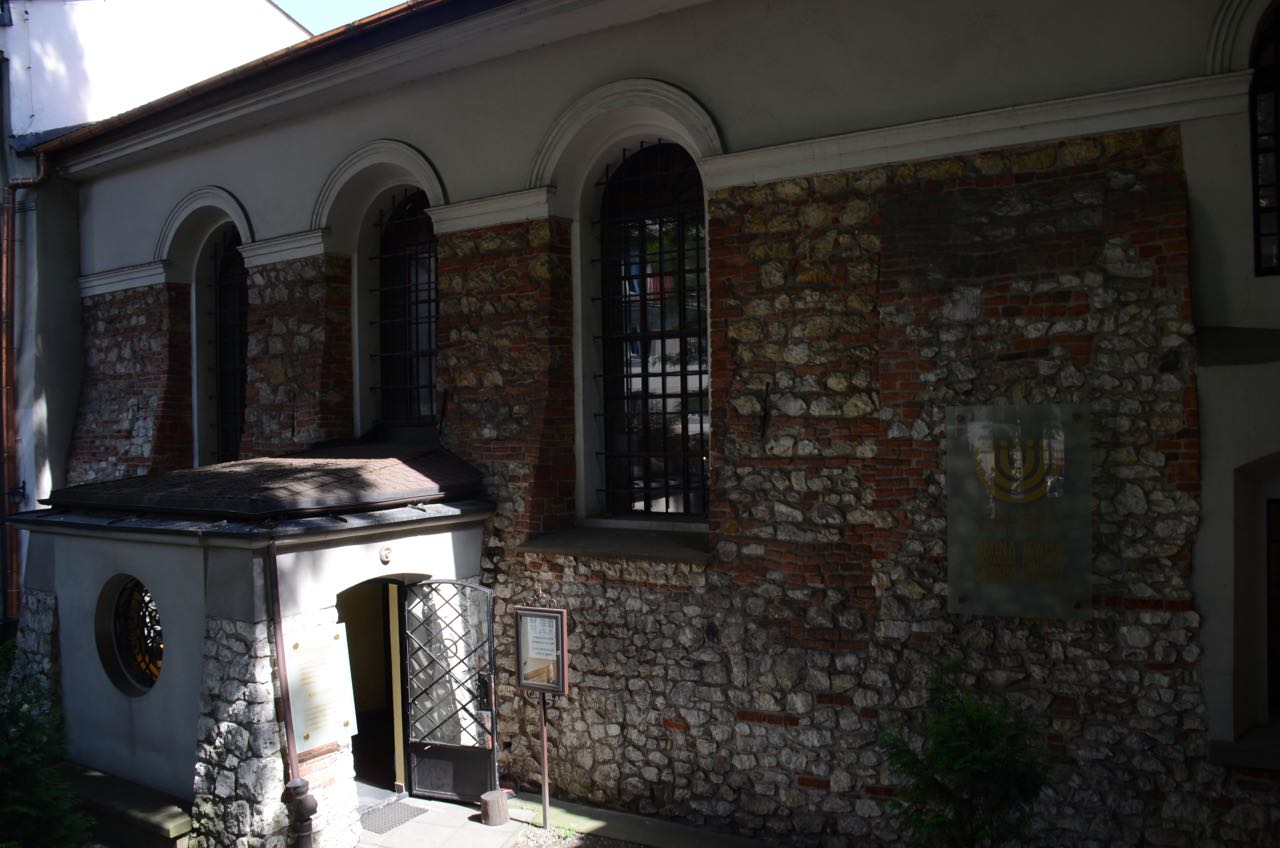
Kupa Synagogue
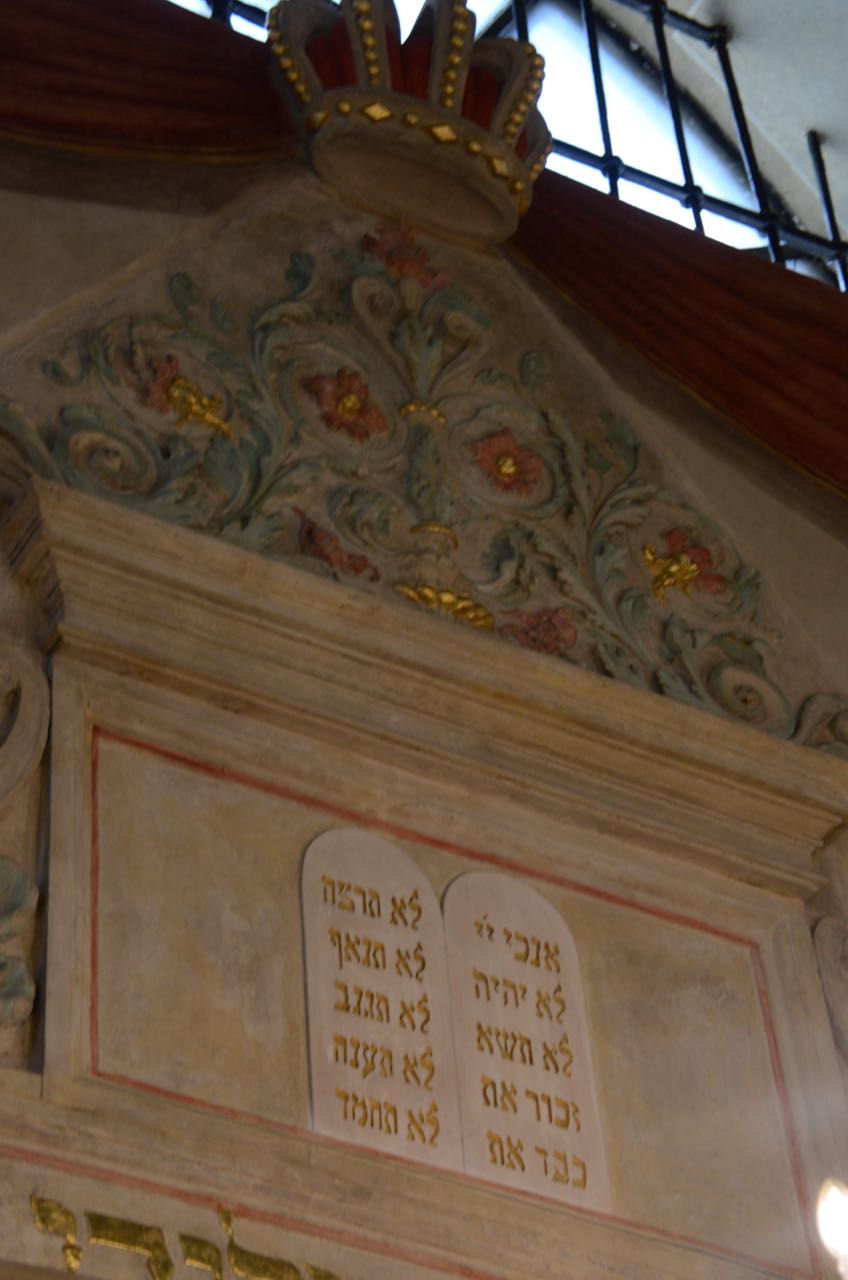
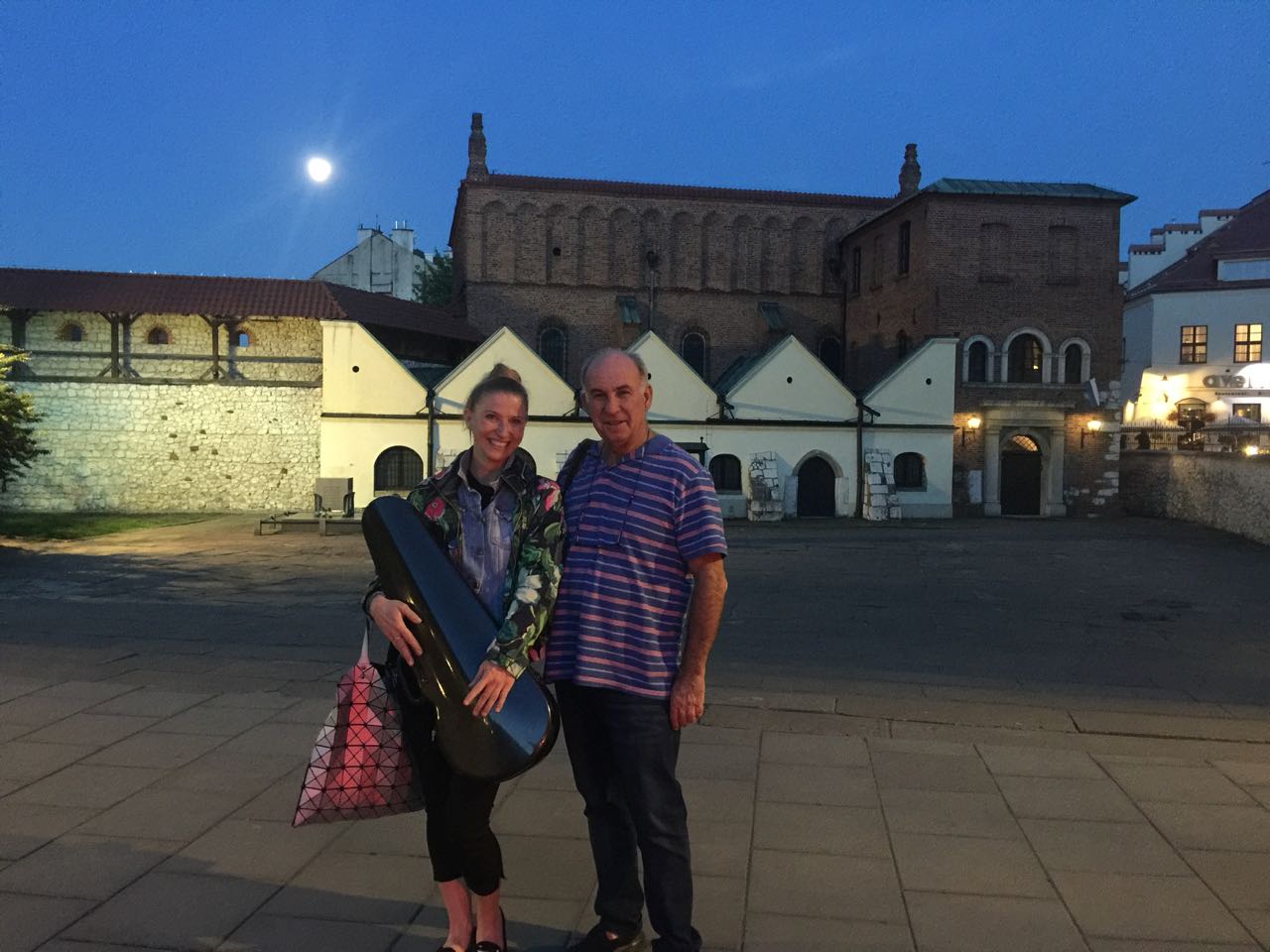
First time in this shul – restored since I was last in Krakow.
<
►
>
<
►
>
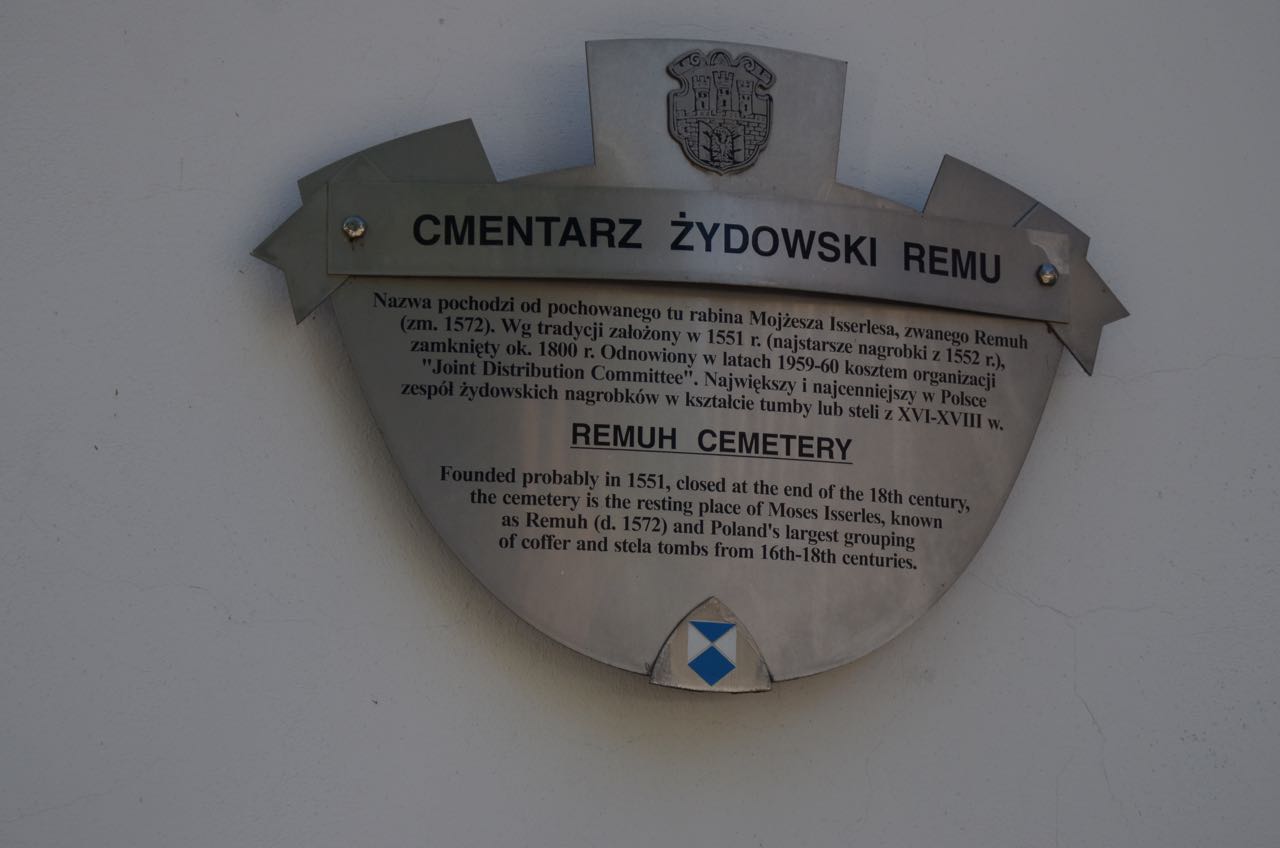
The Jewish Cemetery
<
►
>
The Izaak Synagogue
Maariv with Rabbi Eliezer Gurary
<
►
>
With Rabbi Eliezer Gurary
Klezmerhois
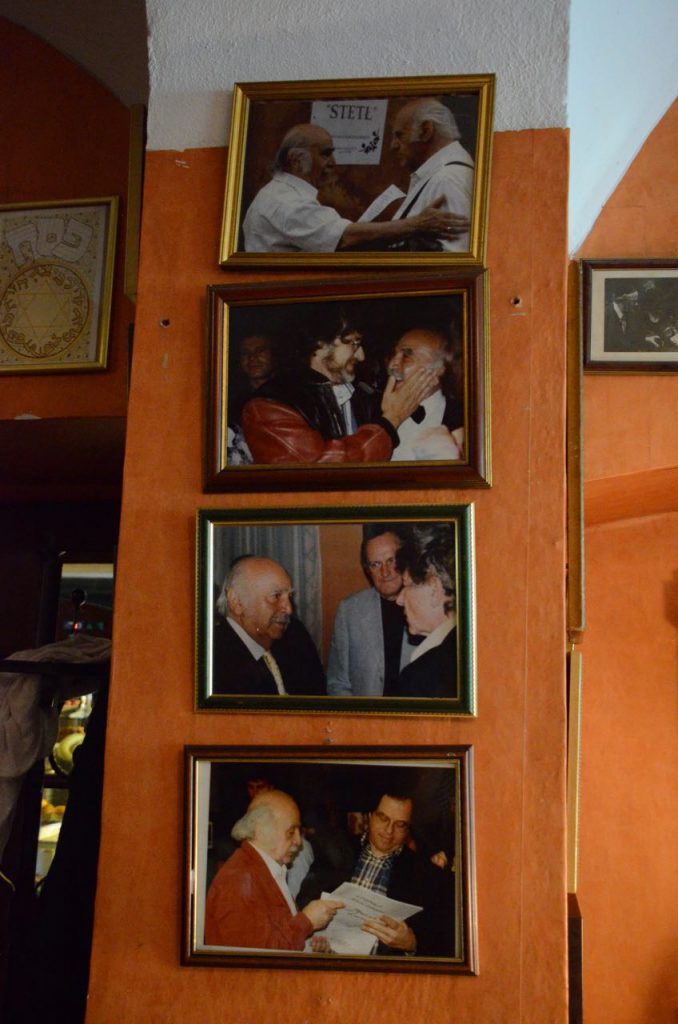
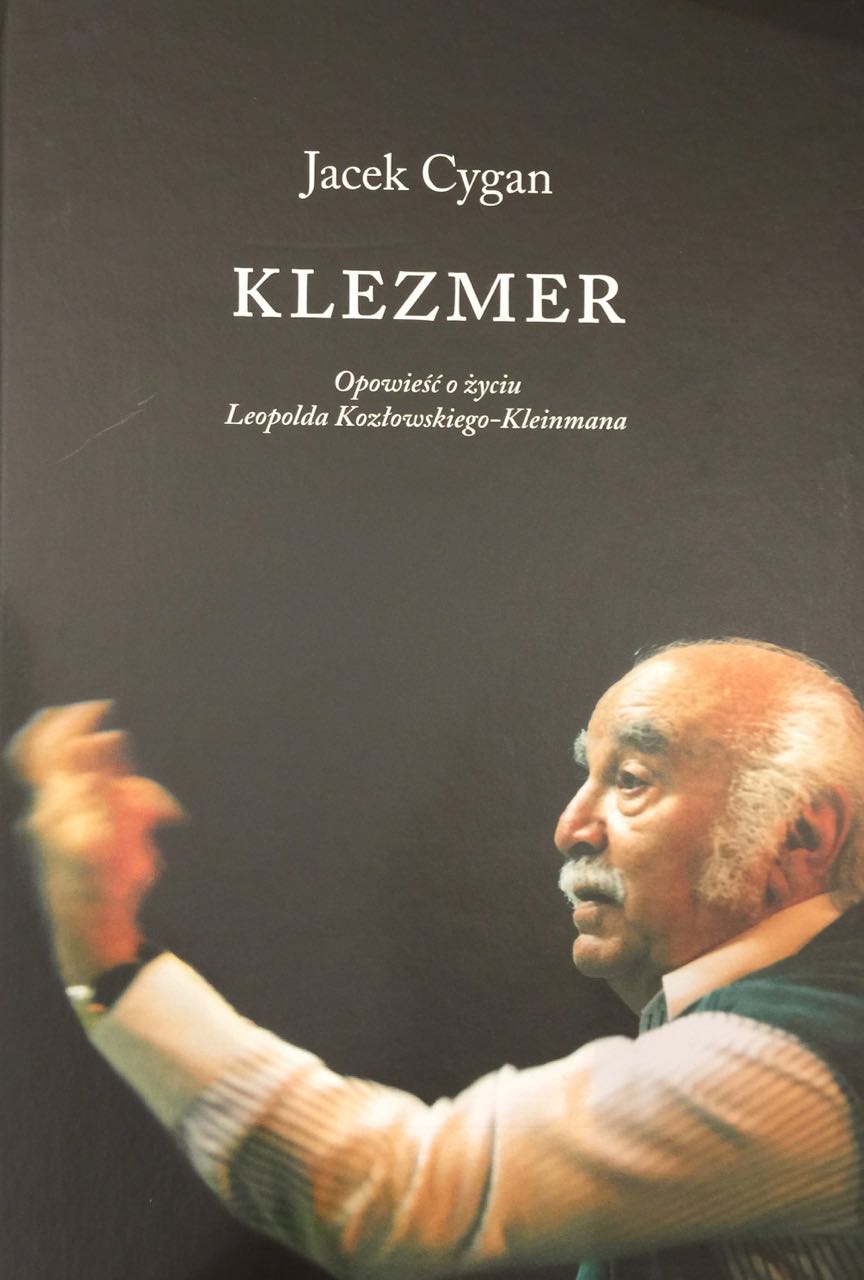
With Leopold Koslowski, King of Klezmer
Meeting Leopold Koslowski, still going strong!
<
►
>
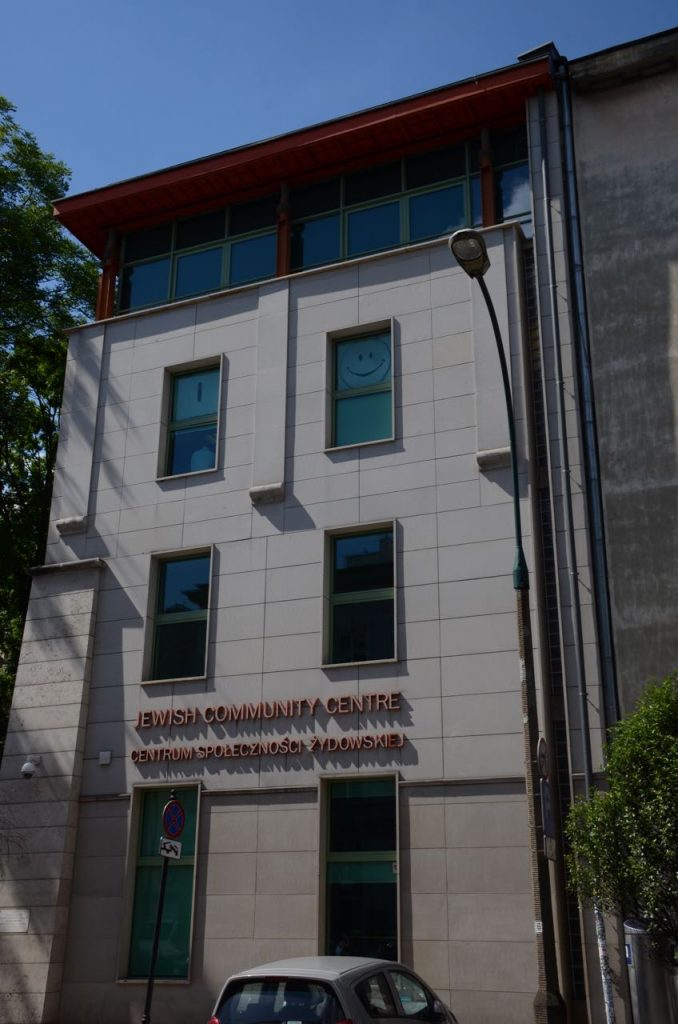
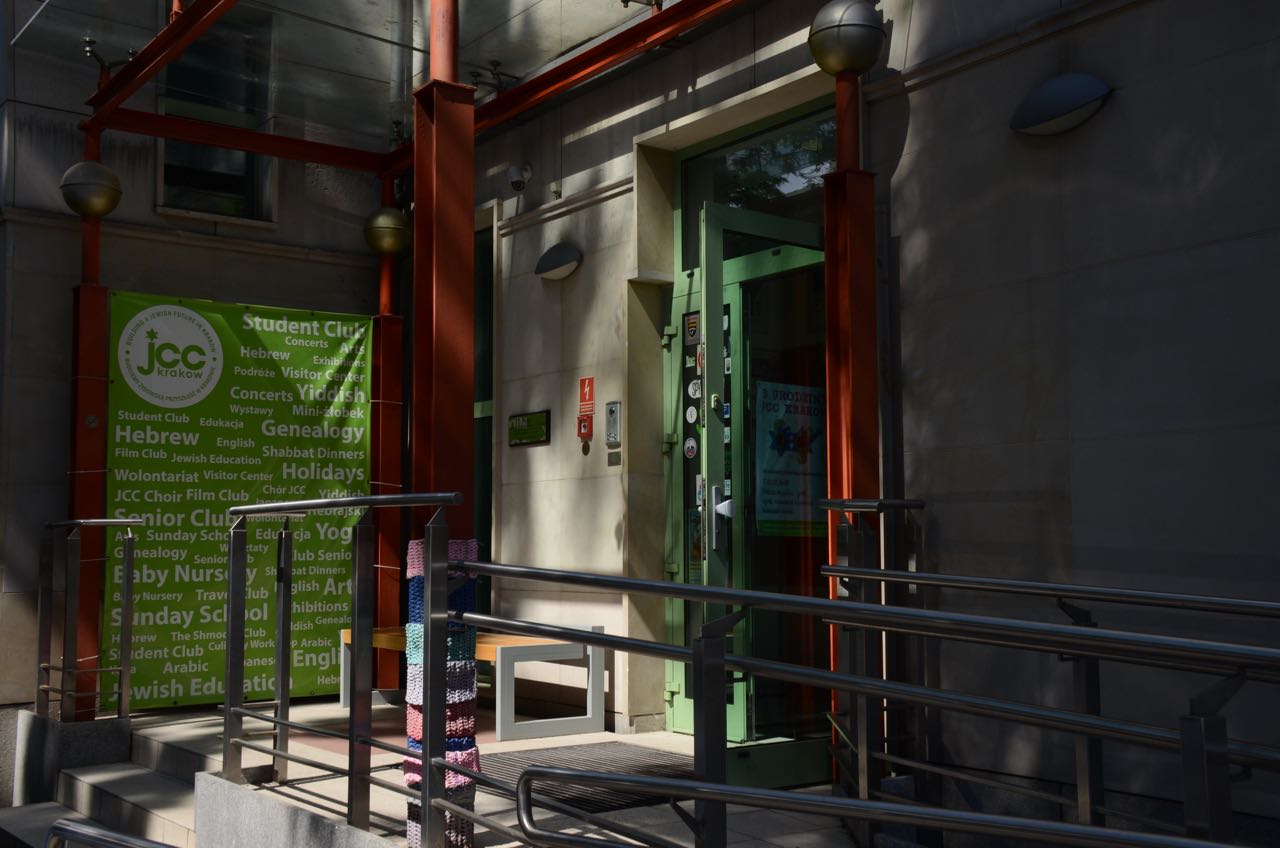
JCC Krakow
With Anna Gulinska
<
►
>
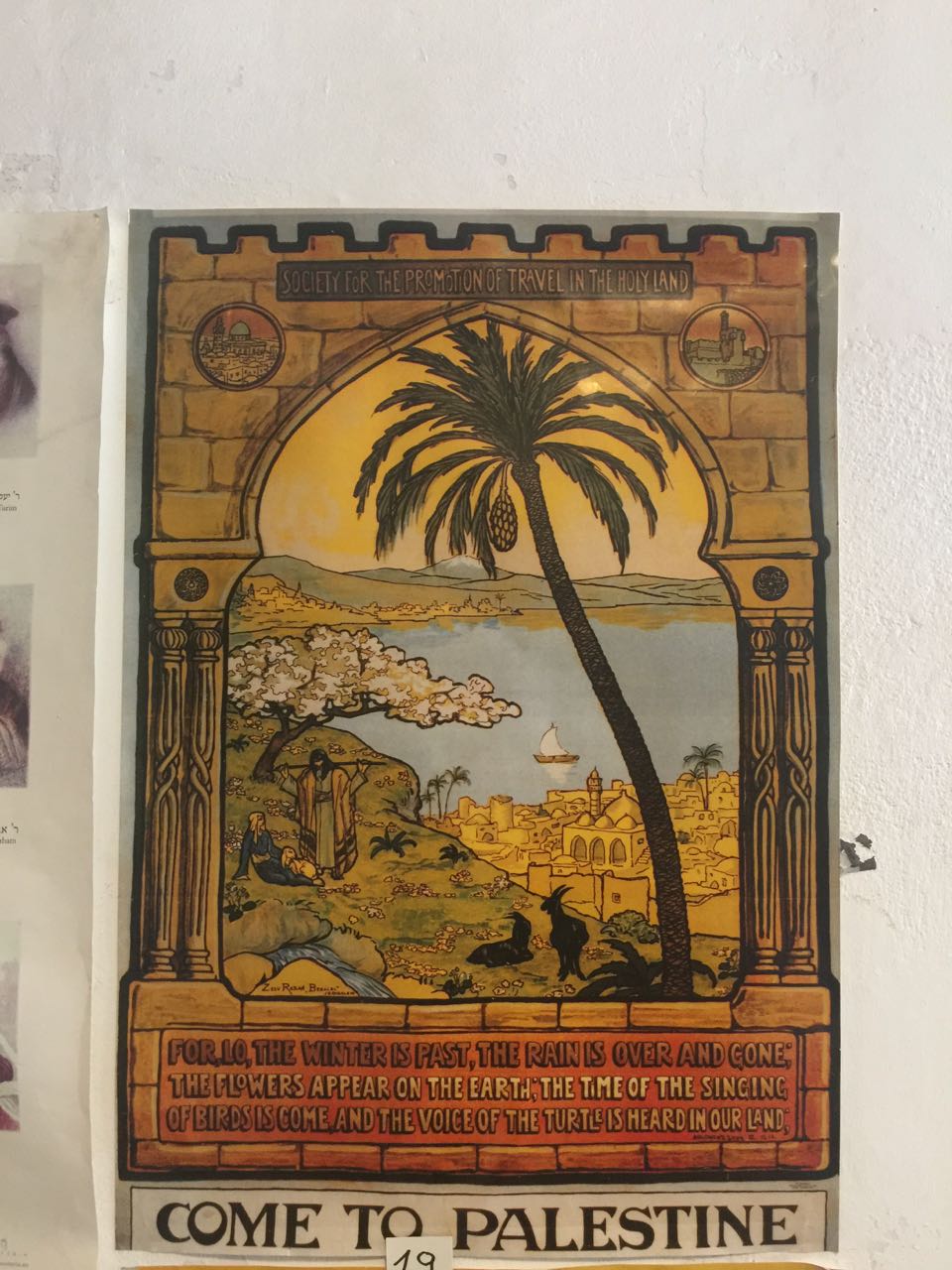
Posters & Books
<
►
>
<
►
>
Kazimierz – Wikipedia
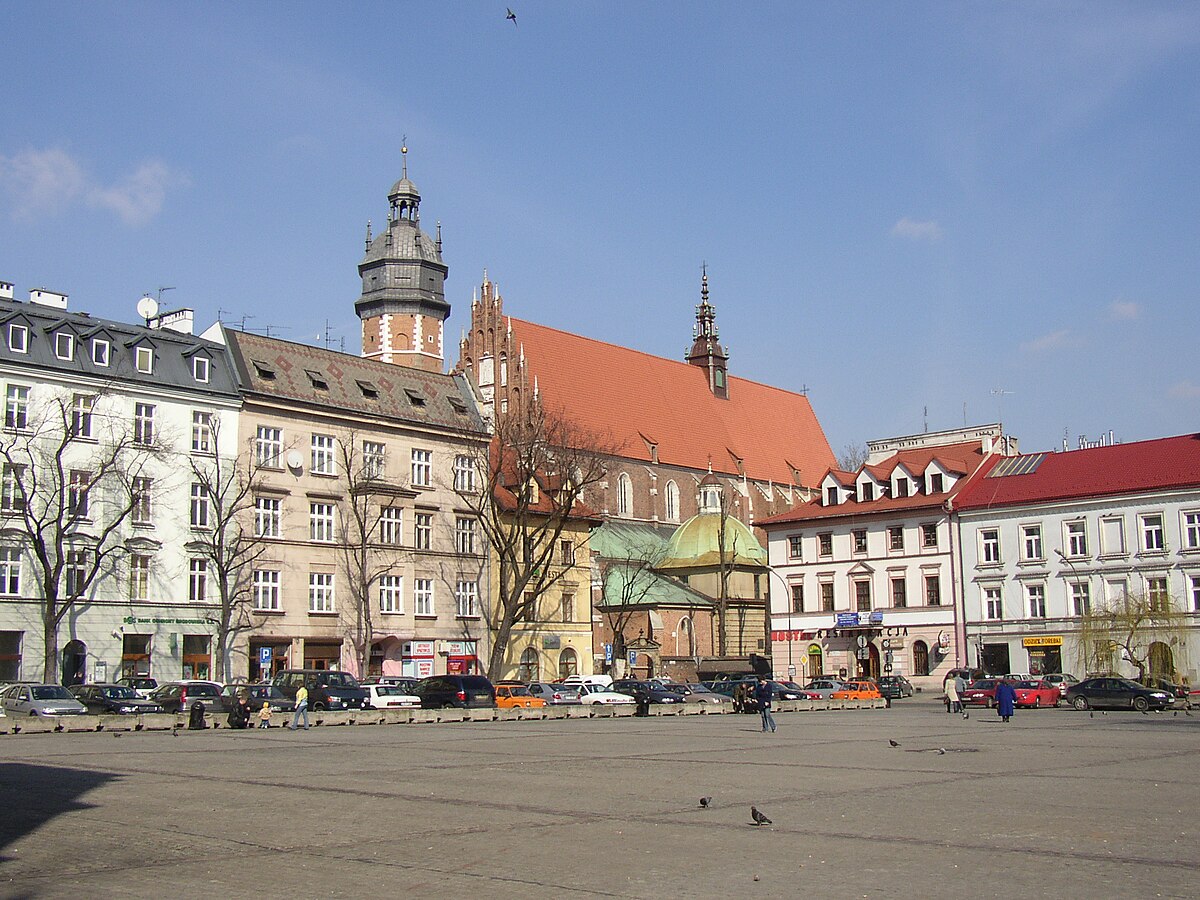
Kazimierz (Polish pronunciation: [kaˈʑimʲɛʂ]; Latin: Casimiria; Yiddish: קוזמיר Kuzimyr) is a historical district of Kraków and Kraków Old Town, Poland. Since its inception in the fourteenth century to the early nineteenth century, Kazimierz was an independent city, a royal city of the Crown of the Polish Kingdom, located south of Kraków Old Town and separated by a branch of the Vistula river. For many centuries, Kazimierz was a place of coexistence and interpenetration of ethnic Polish and Jewish cultures, its north-eastern part of the district was historic Jewish, whose Jewish inhabitants were forcibly relocated in 1941 by the German occupying forces into the Krakow ghetto just across the river in Podgórze. Today Kazimierz is one of the major tourist attractions of Krakow and an important center of cultural life of the city.
The Kraków Ghetto was one of five major, metropolitan Jewish ghettos created by Nazi Germany in the new General Government territory during the German occupation of Poland in World War II. It was established for the purpose of exploitation, terror, and persecution of local Polish Jews, as well as the staging area for separating the “able workers” from those who would later be deemed unworthy of life.[1] The Ghetto was liquidated between June 1942 and March 1943, with most of its inhabitants sent to their deaths at Bełżec extermination camp as well as Płaszów slave-labor camp,[2] and Auschwitz concentration camp, 60 kilometres (37 mi) rail distance.[3]
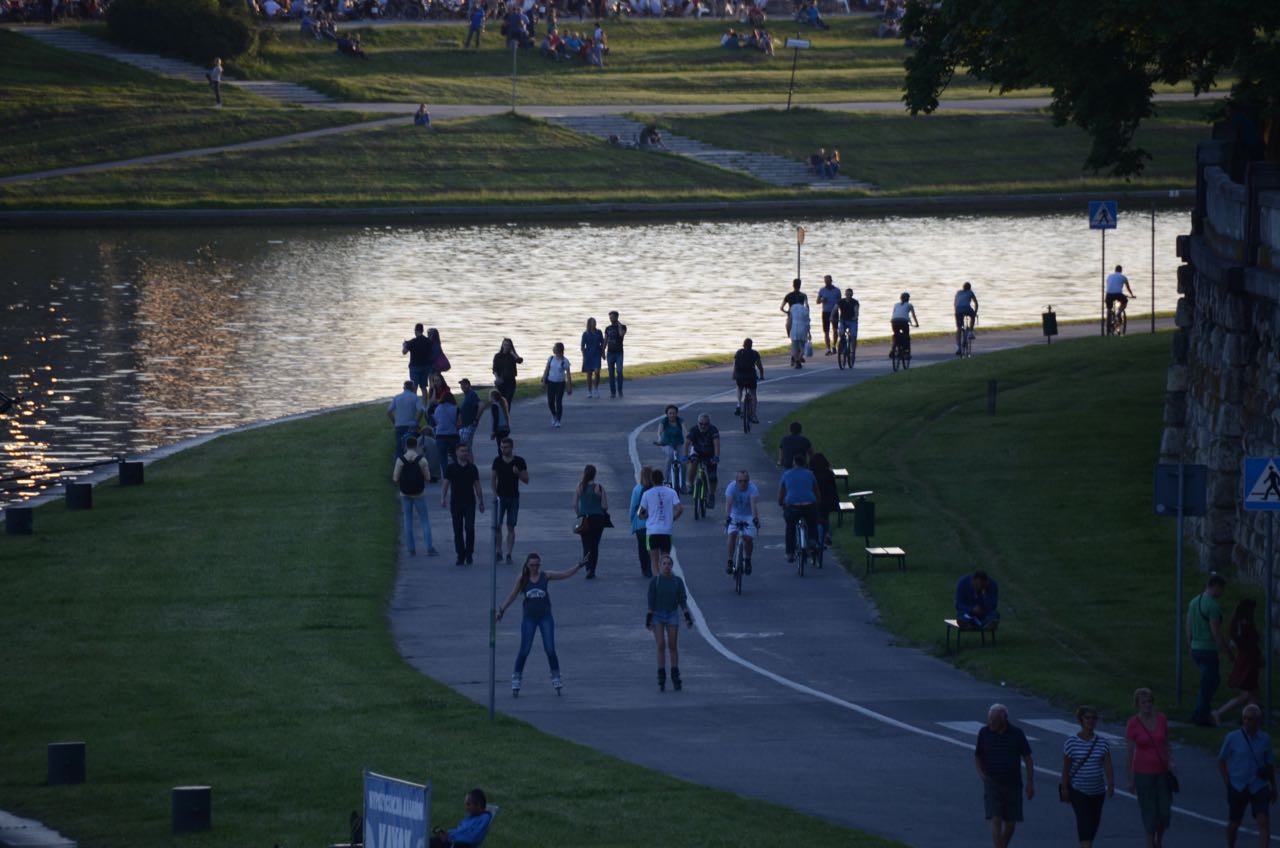
The Vistula (/ˈvɪstjʊlə/; Polish: Wisła [ˈvʲiswa], German: Weichsel [ˈvaɪksl̩], Low German: Wießel, Yiddish: ווייסל Yiddish pronunciation: [vajsl̩]) is the longest and largest river in Poland, at 1,047 kilometres (651 miles) in length. The drainage basin area of the Vistula is 194,424 km2 (75,068 sq mi), of which 168,699 km2 (65,135 sq mi) lies within Poland (splitting the country in half). The remainder is in Belarus, Ukraine and Slovakia.
Kraków Old Town is the historic central district of Kraków, Poland.[2] It is one of the most famous old districts in Poland today and was the center of Poland’s political life from 1038 until King Sigismund III Vasa relocated his court to Warsaw in 1596.
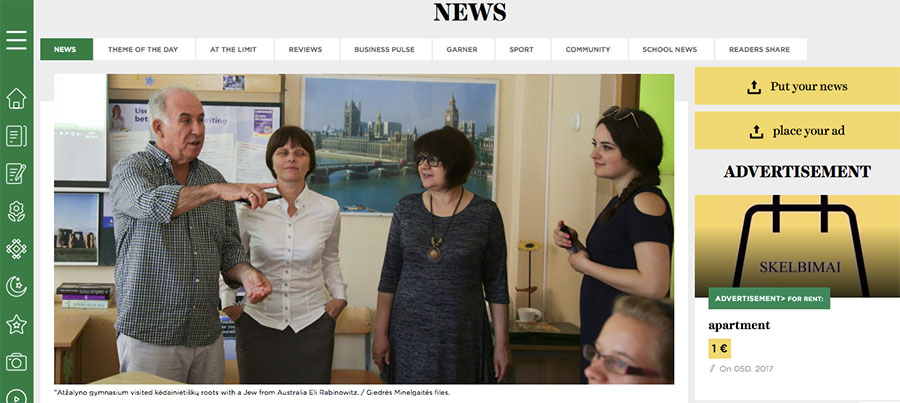
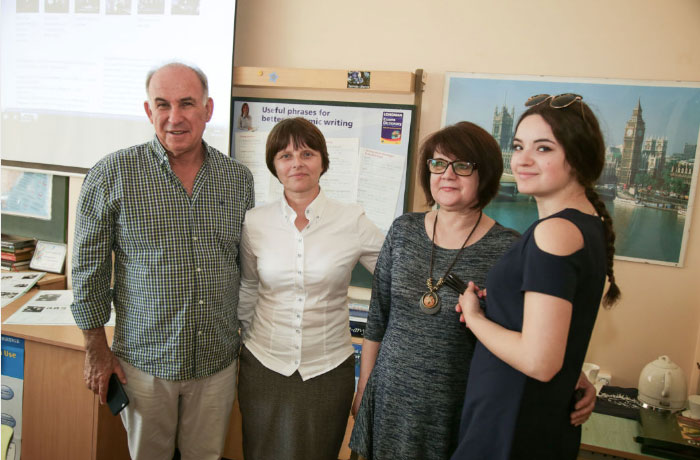
“Atžalyno Gymnasium was visited by a Jewish guest from Australia, who has kėdainietiškų roots. Eli Rabinowitz met with the academic staff at the high school, attended project activities and visited the Kėdainiai Regional Museum.
Report
The guest to Kėdainiai was invited by Atžalyno High School English teacher Laima Ardavičienė. Since 2012, Laima has been working on a project in which high school students learn in more detail about the history of the Jewish community in our country. Every year, the high school is visited by Eli Rabinowitz and they share their experiences and insights. The project is carried out in English, so that students not only broaden their minds, but also enhance their English language skills.
This year the theme was Jewish holidays. When we celebrate Christmas, Jews celebrate the Chanukah festival. Eli Rabinowitz arranged a virtual conference and introduced the festival. Guests who come to Lithuania continue the story of the other traditional Jewish holidays.
The Modern generation does not have time to read long stories. Eli Rabinowitz
Not for the first time
Eli Rabinowitz has visited Kėdainiai each year since 2012. The first time was to to search for his ancestors. In his opinion, Jews should actively search their roots. According to Eli, 95 percent of South African Jews came from Lithuania. Eli has travelled extensively throughout Central and Eastern Europe and has recorded traces of Jewish culture here, taking many pictures and videos. Since 2011, he has taken 18000 photos, using these images in slideshows, which is a good format to convey his experience to the younger generation.
“Young people do not have time to read or hear long stories. Students all over the world prefer stories in short video clips, and other multimedia material “, – said Eli Rabinowitz.
Partisan Song – Vilna ghetto
Earlier this year Eli Rabinowitz was invited to present his project to a large South African high school. There, the students sang the Partisan Song in Yiddish, but did not understand the meaning of this song and the inspiration behind it.
“The song was written in 1943 in the Vilna ghetto by a 20-year-old Jew, Hirsh Glik, who was later killed. It has since then become the anthem of the Holocaust Survivors and is sung regularly. I want this song to spread to young people, so that they recite, sing and understand the meaning”- says Eli Rabinowitz.
The song has also been translated into Lithuanian. A student at Atzalyno recites it as a poem, with a viola playing in the background and images of old Kedainiai.
“To know one’s history is important for us all, because if you do not know where you come from, you do not know where you are headed”, – says Eli Rabinowitz wisely.
12 June 2017
Litvak Roots Lecture in Ra’anana
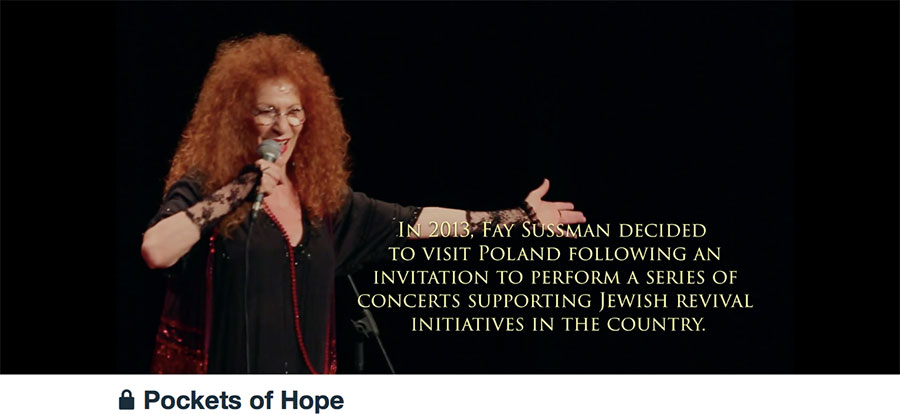
On June 12th, Eli Rabinowitz spoke in Ra’anana on “In the Footsteps of Zalman Tzoref: Tracing 200 Years of Litvak Family History and Legacy”. The presentation followed Zalman Tzoref’s life. He left Keidan, Lithuania and traveled to Jerusalem where his mission was to rebuild the Ashkenazi community in the Old City. In 2012, Eli returned to the town and re-established his family connections with Tzoref’s birthplace.
Eli Rabinowitz is involved in a wide range of Jewish community activities, including filming events, research, education, arranging exhibitions and lecturing on Jewish cultural heritage and family history.
Orlando Florida 26 July 2017 5pm – 6:15pm
In the Footsteps of Zalman Tzoref: Tracing 200 Years of Litvak Family History and Legacy
Venue: Walt Disney World Swan Resort
Room: Swan 2
At the last two IAJGS conferences a movie about Tzoref was shown. This presentation follows in the movie’s and Tzoref’s footsteps and goes beyond! In 1811, Avraham Shlomo Zalman Tzoref, inspired by the Vilna Gaon, left Keidan, Lithuania for Jerusalem where his mission was to rebuild the Ashkenazi community in the Old City. Tzoref was murdered in 1851, but the story certainly does not end there. We reflect on Tzoref’s life and achievements through his 20,000 strong Salomon descendants, who for 200 years have made their mark as part of his enduring legacy. In 2011, exactly 200 years after Tzoref left Keidan, I return to the town, now called Kedainiai, and re-establish my family connections with his birthplace. Within a few years, I have become active in building bridges in this town in a most unusual way!
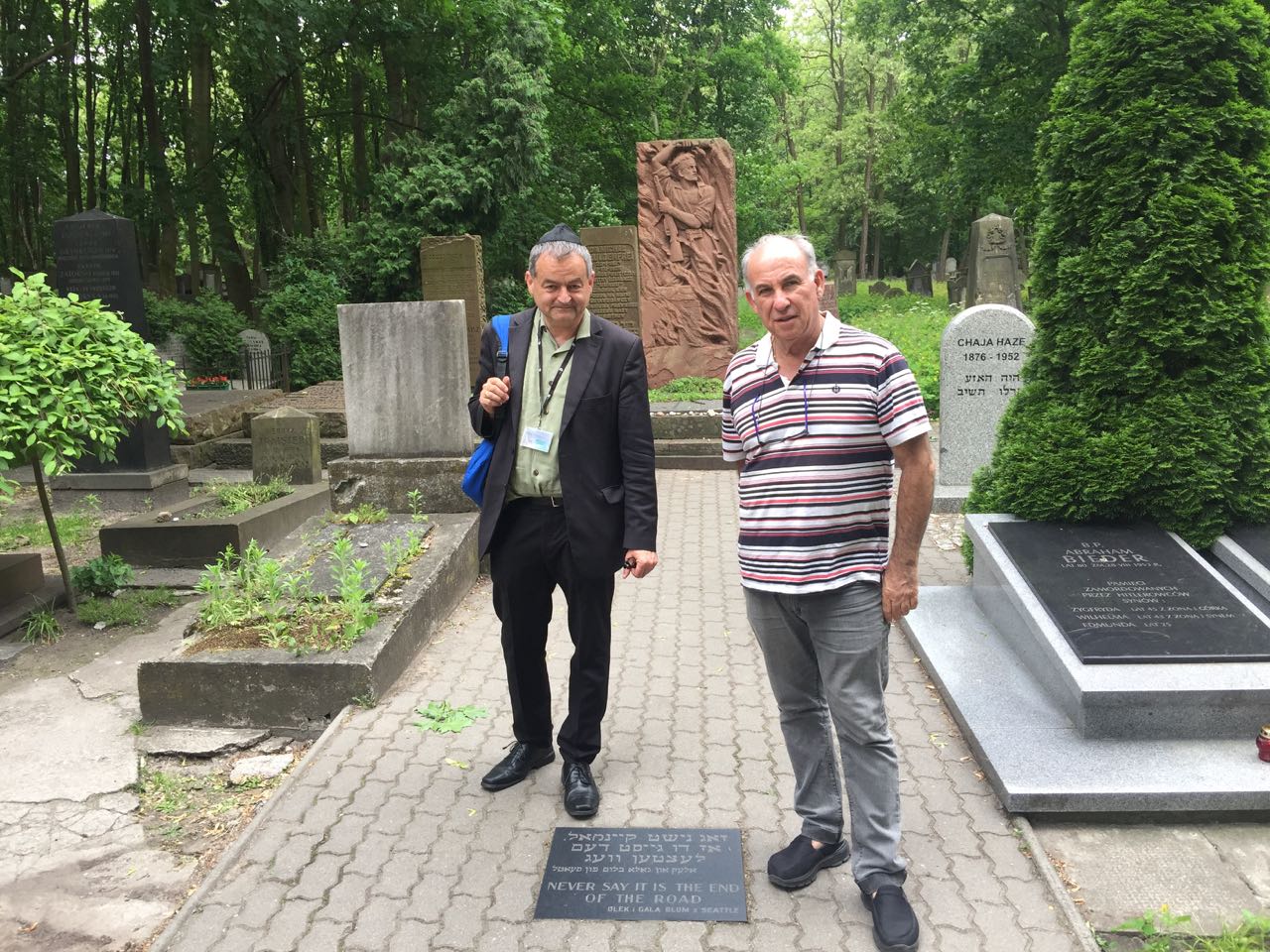
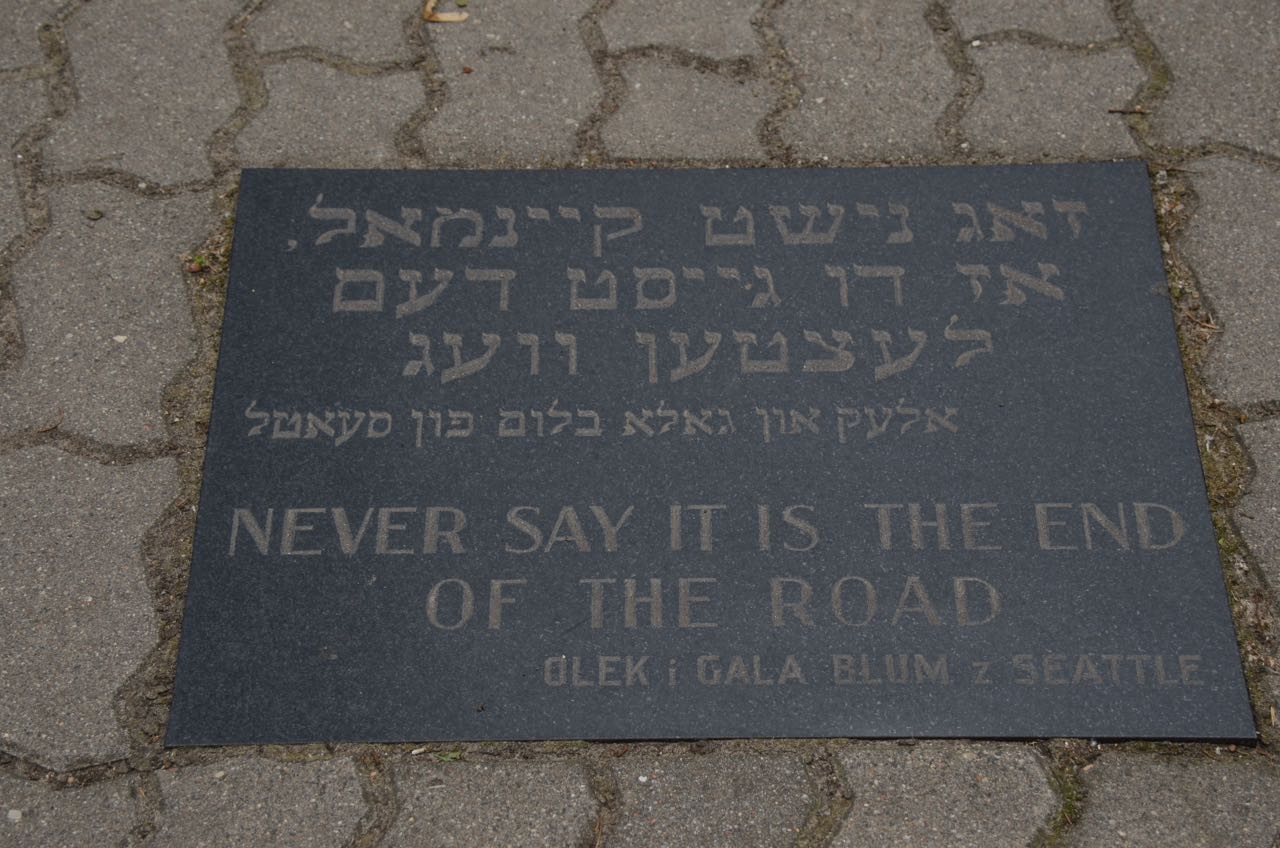
The Warsaw Jewish Cemetery is one of the largest Jewish cemeteries in Europe and in the world. Located on Warsaw’s Okopowa Street and abutting the Powązki Cemetery at 52°14′51″N 20°58′29″E / 52.24750°N 20.97472°E / 52.24750; 20.97472, the Jewish necropolis was established in 1806 and occupies 33 hectares (83 acres) of land. The cemetery contains over 250,000 marked graves[1], as well as mass graves of victims of the Warsaw Ghetto. Many of these graves and crypts are overgrown, having been abandoned after the German invasion of Poland and subsequent Holocaust. Although the cemetery was closed down during World War II, after the war it was reopened and a small portion of it remains active, serving Warsaw’s small existing Jewish population.
Wojciech Konończuk with his new book. In 2011 Wojciech influenced me to visit Poland for the first time!
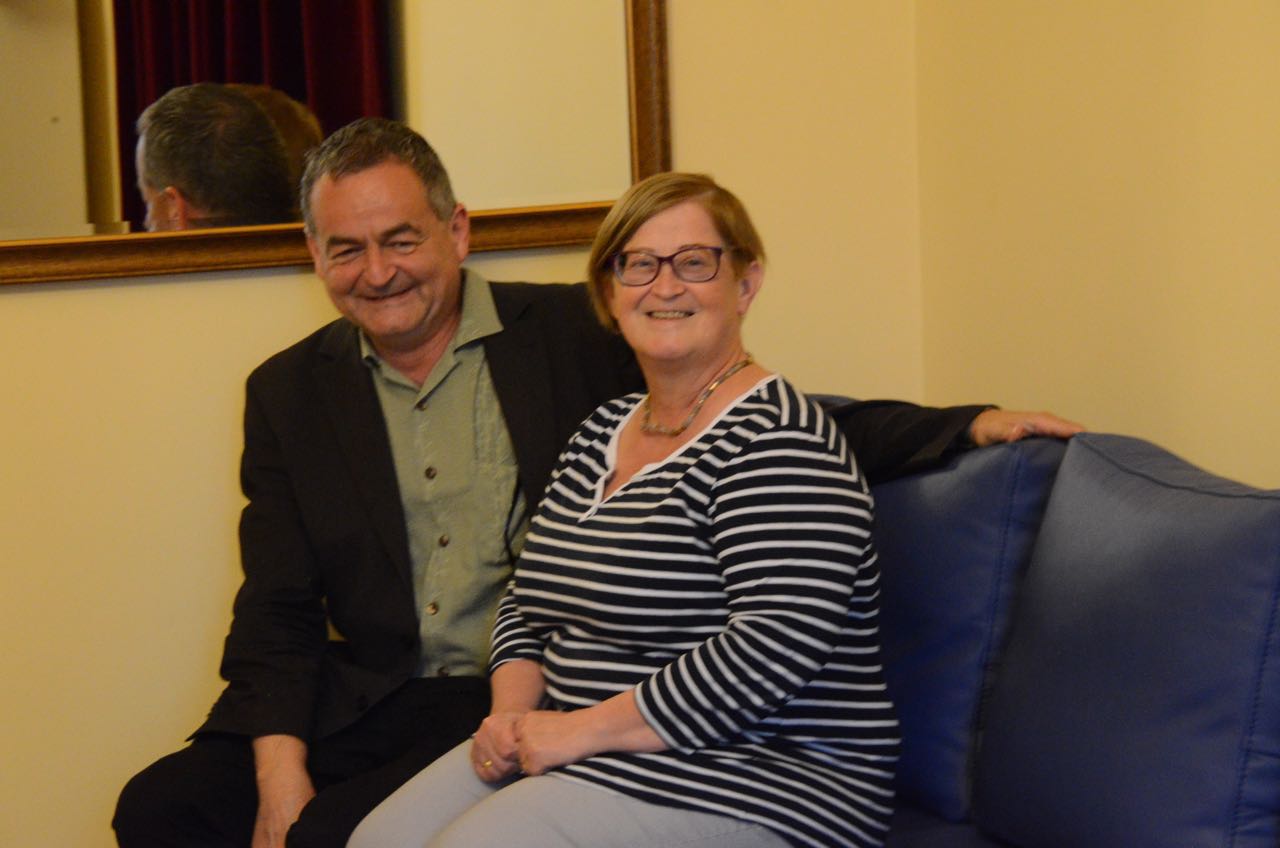
Michael & Ruth Leiserowitz at the German Historical Institute.
Ruth is a professor of history at Humboldt University in Berlin and Deputy Director at the German Historical Institute in Warsaw. Michael is the German and Hebrew speaking guide at Polin Museum in Warsaw.
Featured on the new JewishGen Success Stories site:
Click on the image or source link below to read the article.
Finding Mr. Katz – Success! Stories of Connection
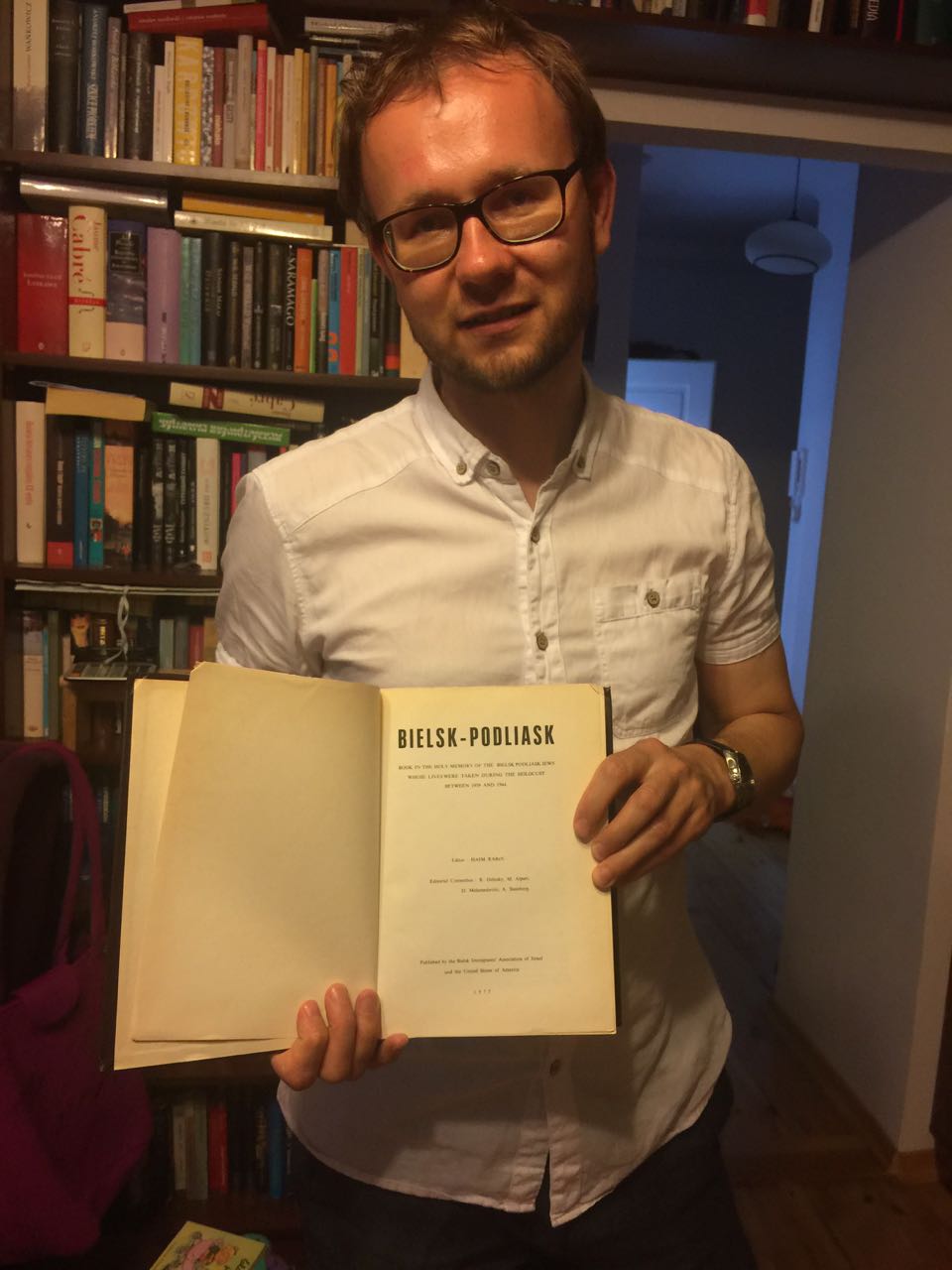
This story is a sequel to From One Photograph to a Journey of Discovery, my research into the tragic romance of my great-uncle Moshe Rabinowitz and Paula Lichtzier, recently published by JewishGen.
Jewish Heritage Trail in Białystok is a marked foot trail created in June 2008 in Białystok, Poland, by a group of students and doctorate candidates, who participate as volunteers at The University of Białystok Foundation.
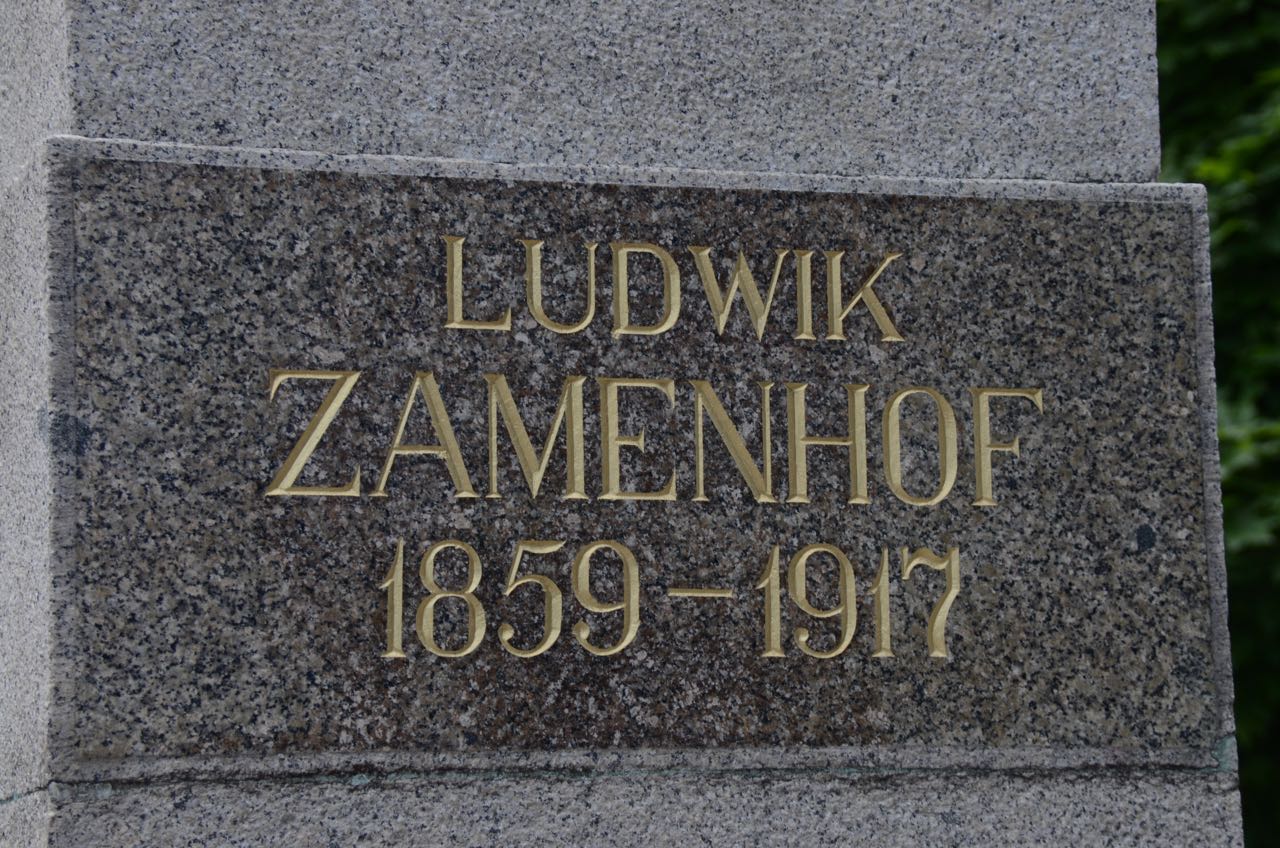
Ludwik Lejzer Zamenhof (Polish: Ludwik Łazarz Zamenhof, 15 December [O.S. 3 December] 1859–14 April [O.S. 1 April] 1917),[2] usually credited as L. L. Zamenhof, was a Polish-Jewish[3]medical doctor, inventor, and writer. He is most widely known for creating Esperanto, the most successful constructed language in the world.[4] He grew up fascinated by the idea of a world without war and believed that this could happen with the help of a new international auxiliary language, which he first developed in 1873 while still in school.[2]
The Ludwik Zamenhof Centre – a city cultural institution established in Bialystok at 19 Warszawska St. upon the motion of the President of the City. It was founded to celebrate the organization of the 94th World Congress of Esperanto that was held from 25 July to 1 August 2009 in Bialystok. The Centre was officially opened for the visitors on 21 July 2009. At the beginning The Zamenhof Centre was a branch of The Centre of Culture in Bialystok, but it has been an autonomous cultural unit since January 2011.
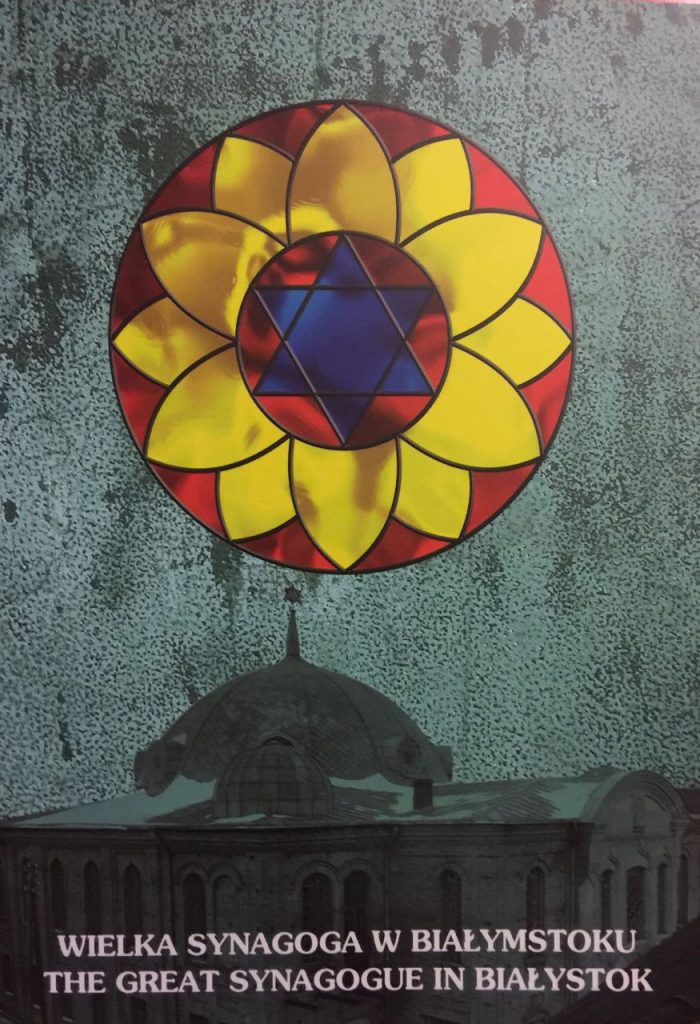
The Great Synagogue (Polish: Wielka Synagoga w Białymstoku) was a synagogue located in Białystok, Poland, which was built between 1909-1913 and designed by Szlojme Rabinowicz. The synagogue was burnt down by Germans on June 27, 1941, with an estimated number of 2,000 Jews inside.
Icchok Malmed (יצחק מאַלמעד) (born 1903 in Brześć nad Bugiem – 8 February 1943 in Białystok, Poland) was a Polish Jew and fighter of the Białystok Ghetto during the German occupation of Poland in World War II.
Branicki Palace (Polish: Pałac Branickich) is a historical edifice in Białystok, Poland. It was developed on the site of an earlier building in the first half of the 18th century by Jan Klemens Branicki, a wealthy Polish–Lithuanian Commonwealth hetman, into a residence suitable for a man whose ambition was to become king of Poland.[1] The palace complex with gardens, pavilions, sculptures, outbuildings and other structures and the city with churches, city hall and monastery, all built almost at the same time according to French models was the reason why the city was known in the 18th century as Versailles de la Pologne (Versailles of Poland)[2] and subsequently Versailles de la Podlachie (Versailles of Podlasie).[3]
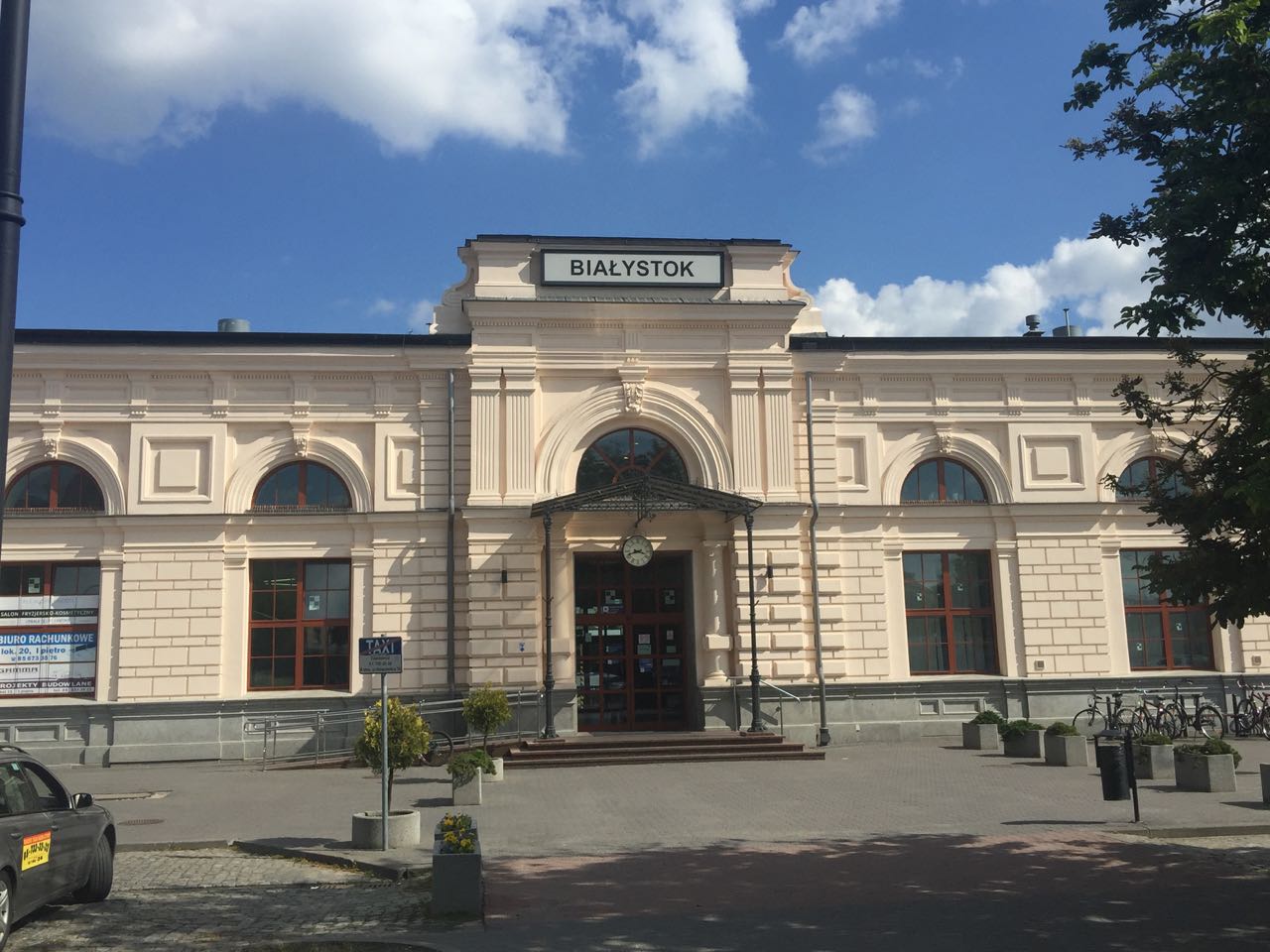
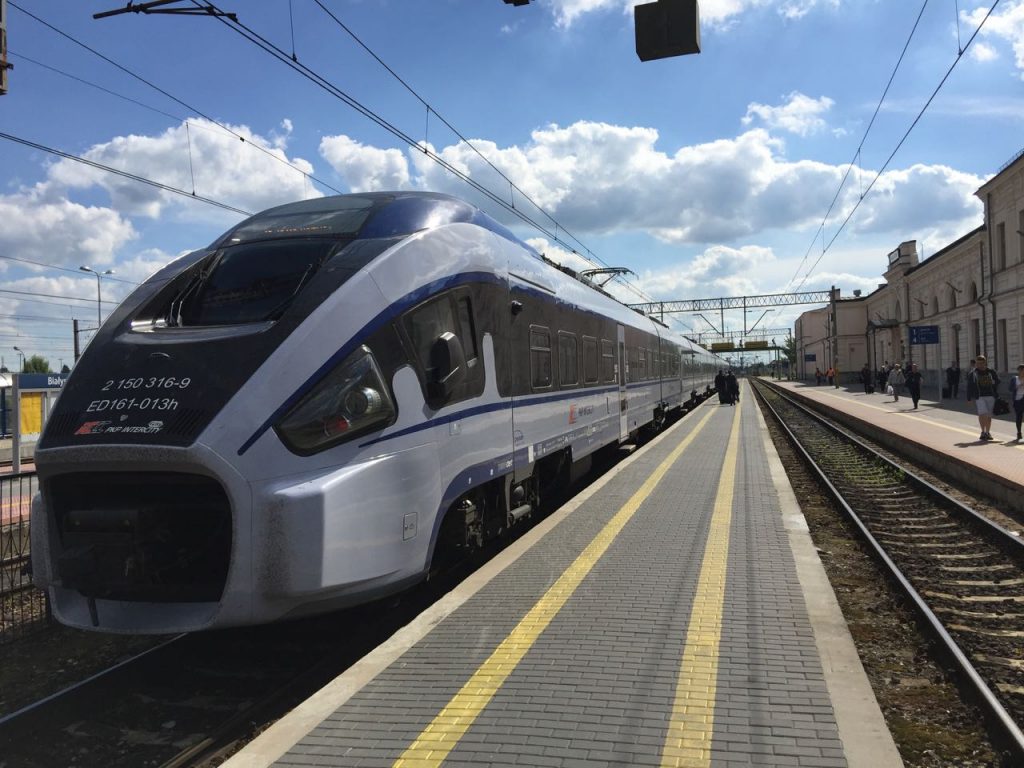
Białystok railway station is the most important railway station in the city of Białystok, Poland. It is sometimes referred to as Białystok Central (Białystok Centralny), to distinguish it from six other, much smaller, stations located in the city.
Lara Lempert is the head of the Judaica Center at the National Library of Lithuania. Her field is the cultural history of the European Jewry, more specifically – Jewish classical texts and their integration in Jewish education in various settings; Jewish book and press; and day-to-day life of Lithuanian Jewry.
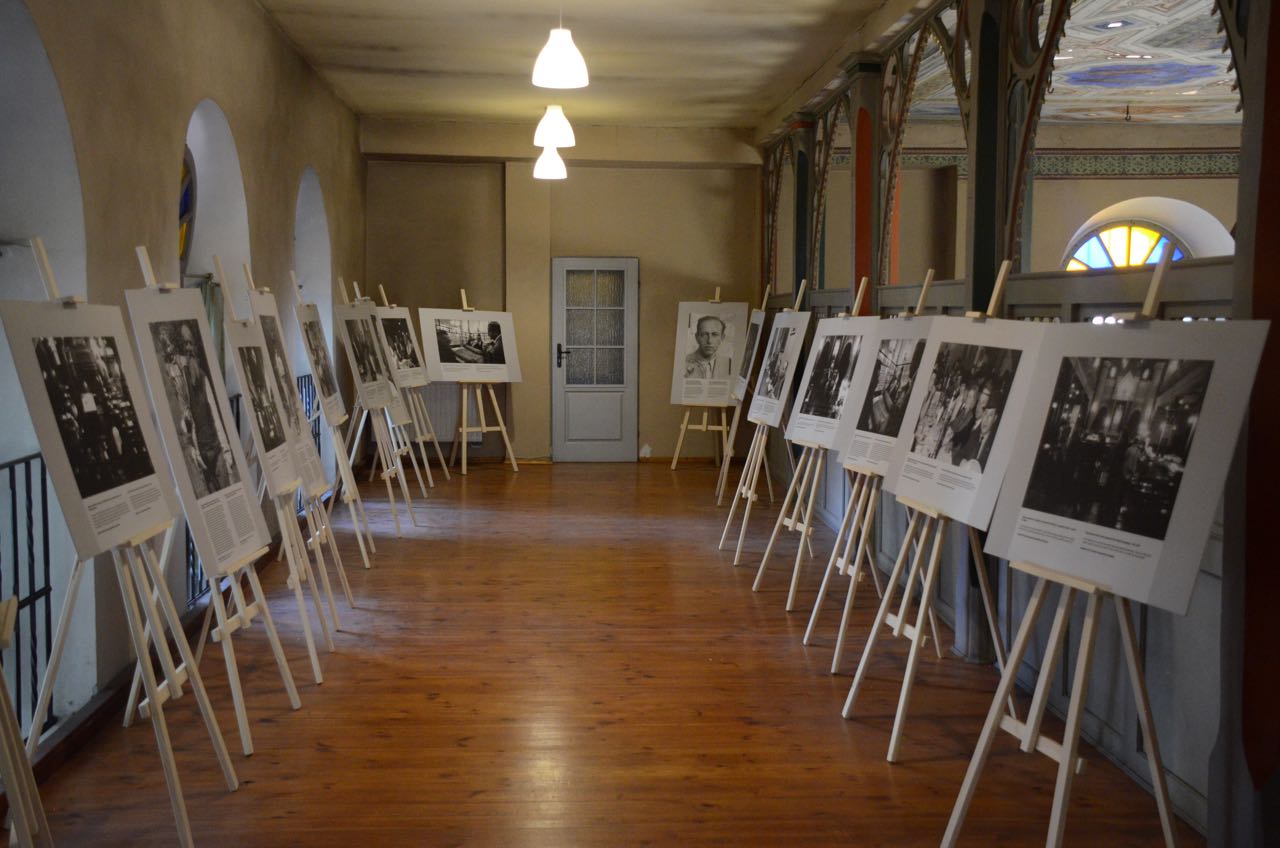
Part of the exhibit
<
►
>
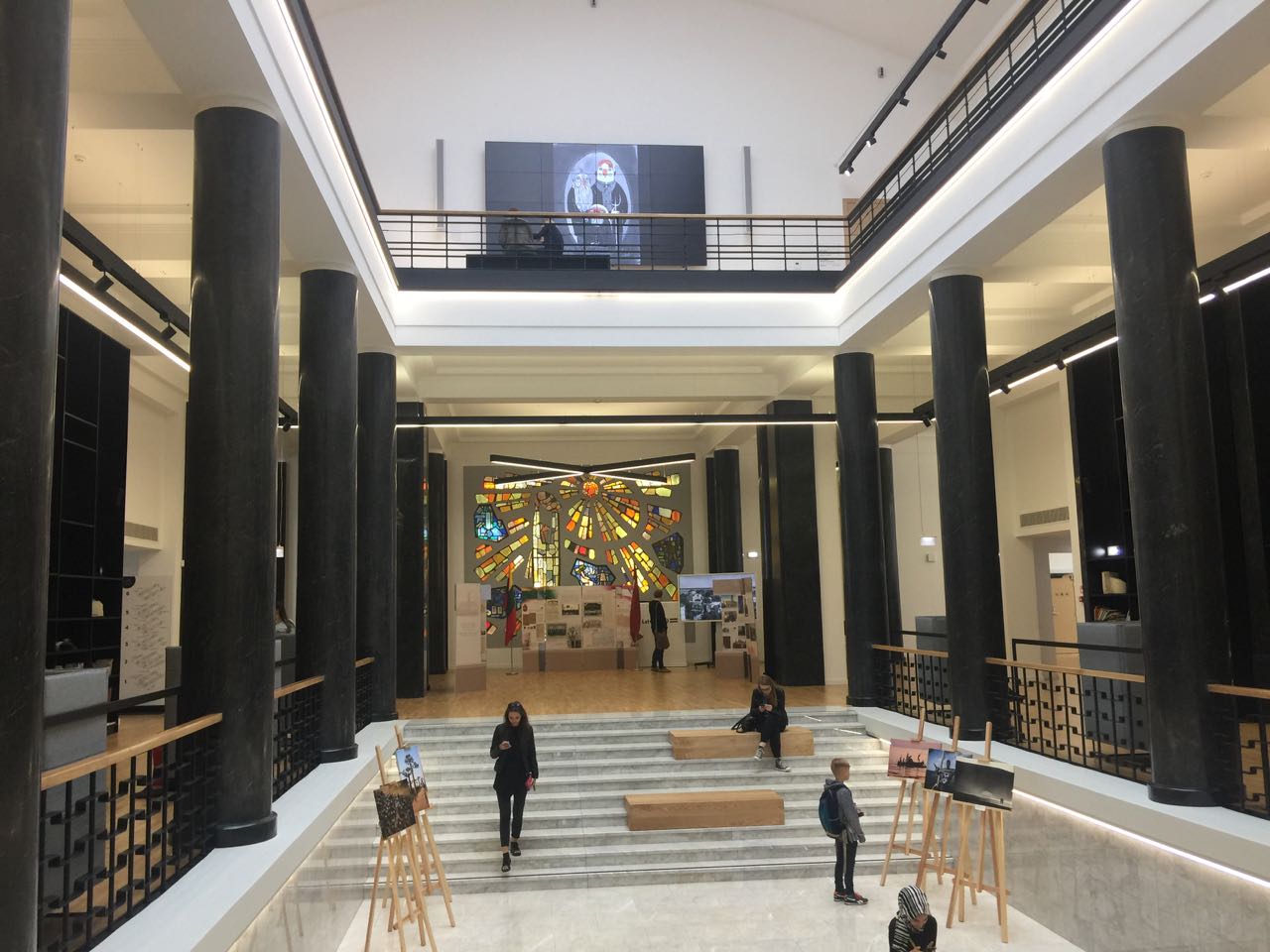
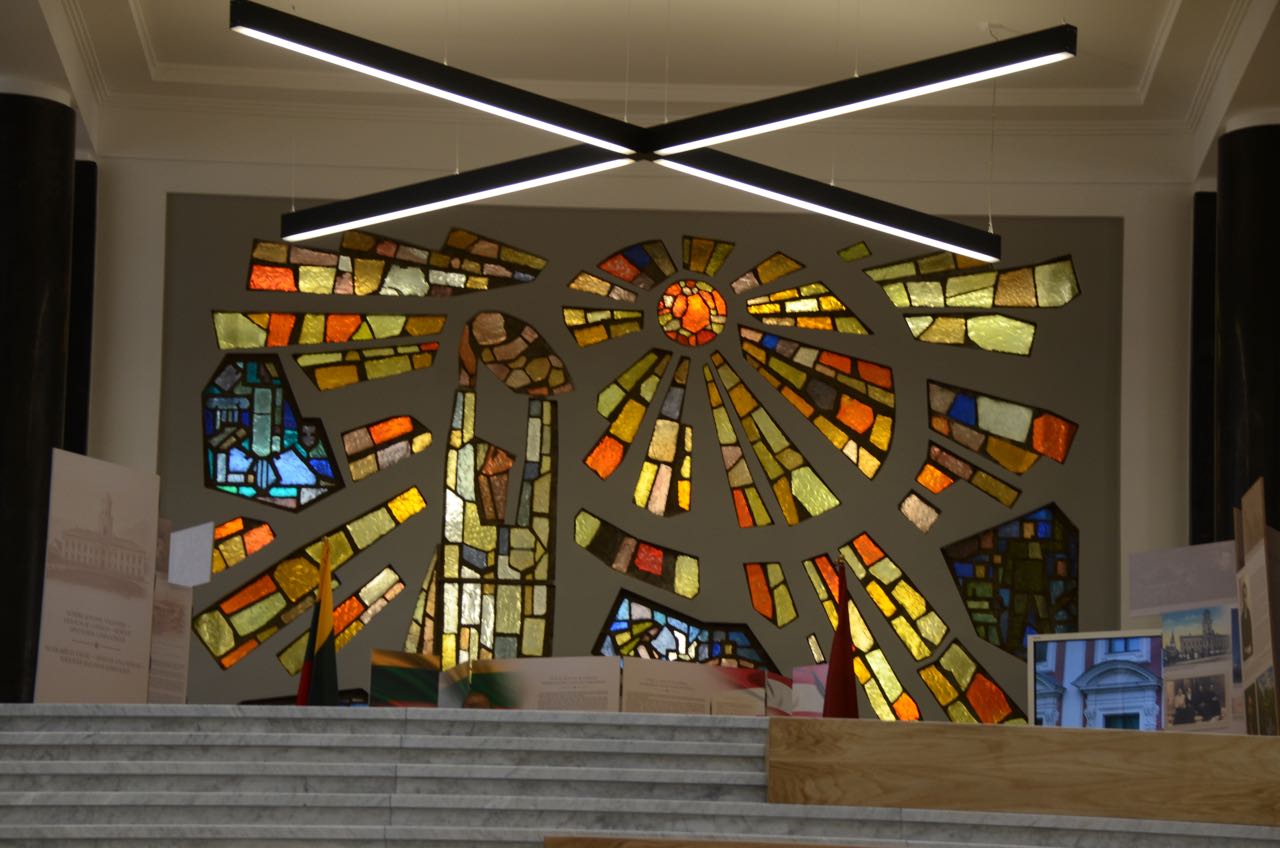
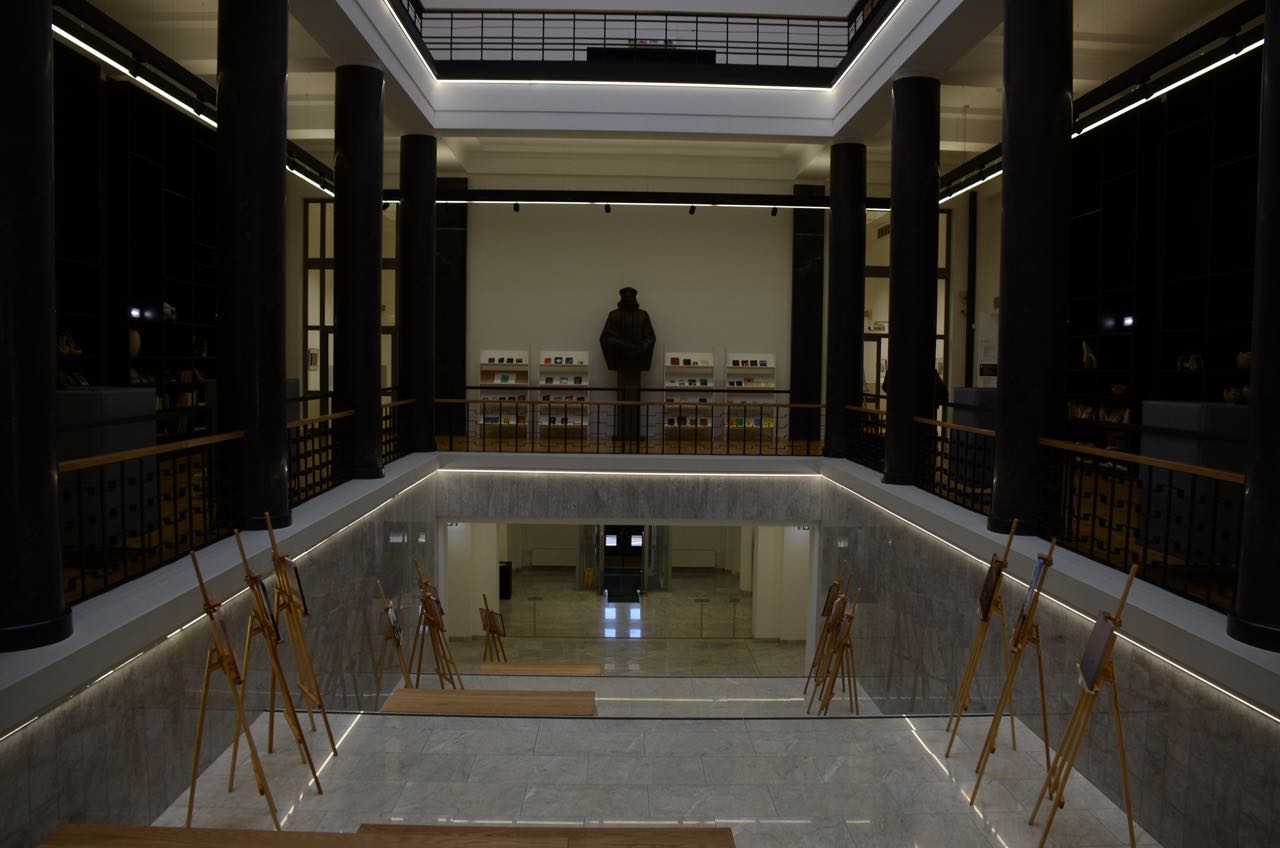
22–23 May 2017: Opening of the Judaica Research Centre – Martynas Mažvydas National Library of Lithuania
A national cultural institution that collects, organizes and preserves the written cultural heritage of Lithuania, forming a fund for Lithuanian and foreign documents relevant for Lithuanian science, education, culture and economy, and provides library information provision services to the public.
The Jewish cemeteries of Vinius are the three Jewish cemeteries of the Lithuanian Jews living in what is today Vilnius, the capital of Lithuania, which was known to them for centuries as Vilna, the principal city of the Grand Duchy of Lithuania and the Pale of Settlement of the Russian Empire. Two of the cemeteries were destroyed by the Soviet regime and the third is still active.
Vilniaus žydų viešoji biblioteka – vienintelė Žydų kultūros sklaidoje besispecializuojanti biblioteka visoje Lietuvoje.Our library is the only one in Lithuania which specifies in spreading Jewish culture in various forms
The Museum of Genocide Victims – Jewish themed exhibits
<
►
>
The Museum of Genocide Victims
<
►
>
Museum of Genocide Victims – Wikipedia
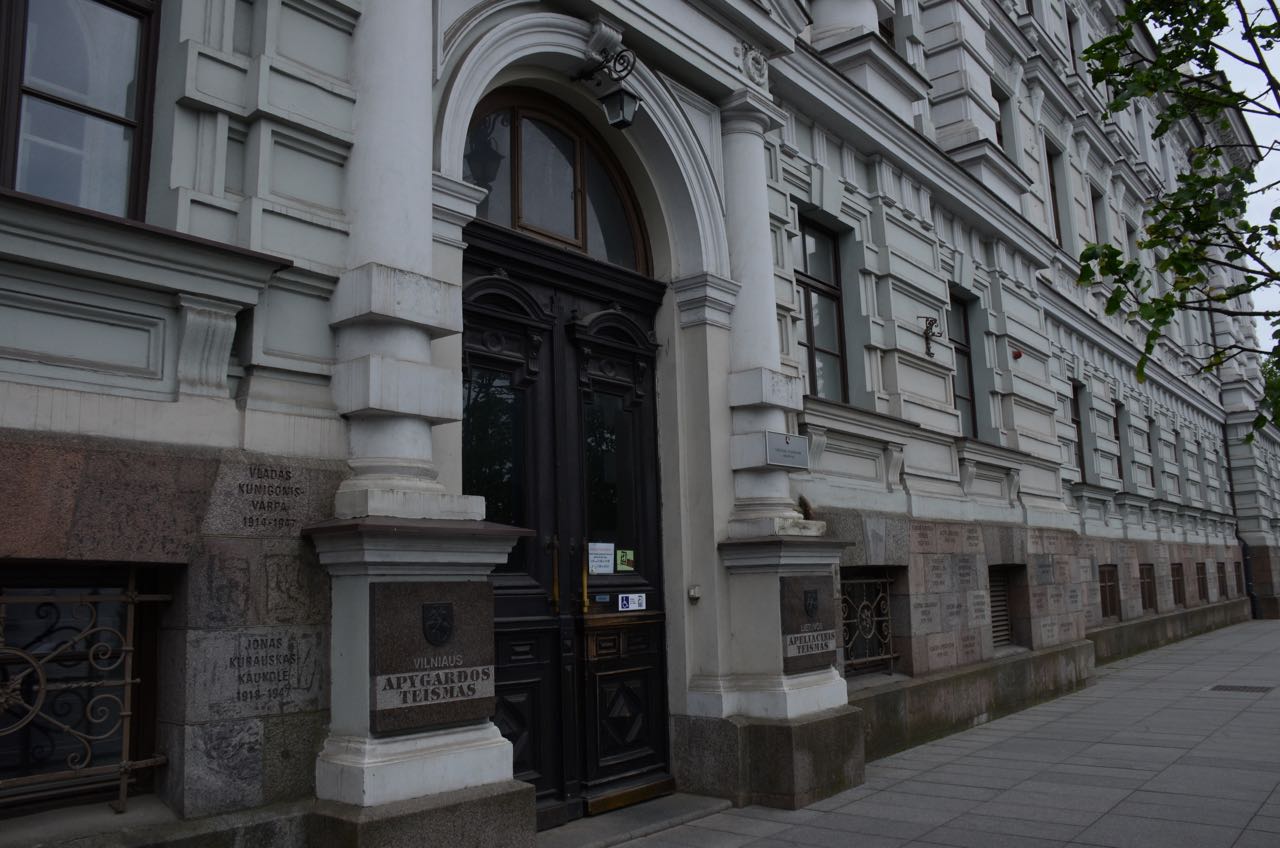
The Museum of Genocide Victims (Lithuanian: Genocido aukų muziejus) in Vilnius, Lithuania was established in 1992 by order of the Minister of Culture and Education and the President of the Lithuanian Union of Political Prisoners and Deportees. In 1997 it was transferred to the Genocide and Resistance Research Centre of Lithuania. The museum is located in the former KGB headquarters across from the Lukiškės Square, therefore it is informally referred to as the KGB Museum.[1]