RESCUED MEMORY OF A MURDERED SHTETL

Text and photos from Seduva Lithuania

© Wojciech Konończuk – Director, Centre for Eastern Studies (OSW), Warsaw

In Seduva, a sleepy town in northern Lithuania, one of the most interesting new museums in Europe has been established.

The story of this private project is like a fairy tale
The Hardship of Travel Compensated by Landscape Beauty

North of Kaunas begins the forested region of Samogitia, with villages and towns scattered sparsely. To the naked eye, it is clear that Lithuania’s population density is three times lower than Poland’s. Here, halfway between Šiauliai and Panevėžys, lies the three-thousand-strong Šeduva (Polish: Szadów).

The town itself has not inscribed its name in history in any special way—unlike the famous Radziwiłł seats Kėdainiai or Biržai, just an hour’s drive away. Few historic buildings remain; rather, it is dominated by contemporary, rather banal architecture, reflecting the hardships of everyday life in deep Lithuanian province.

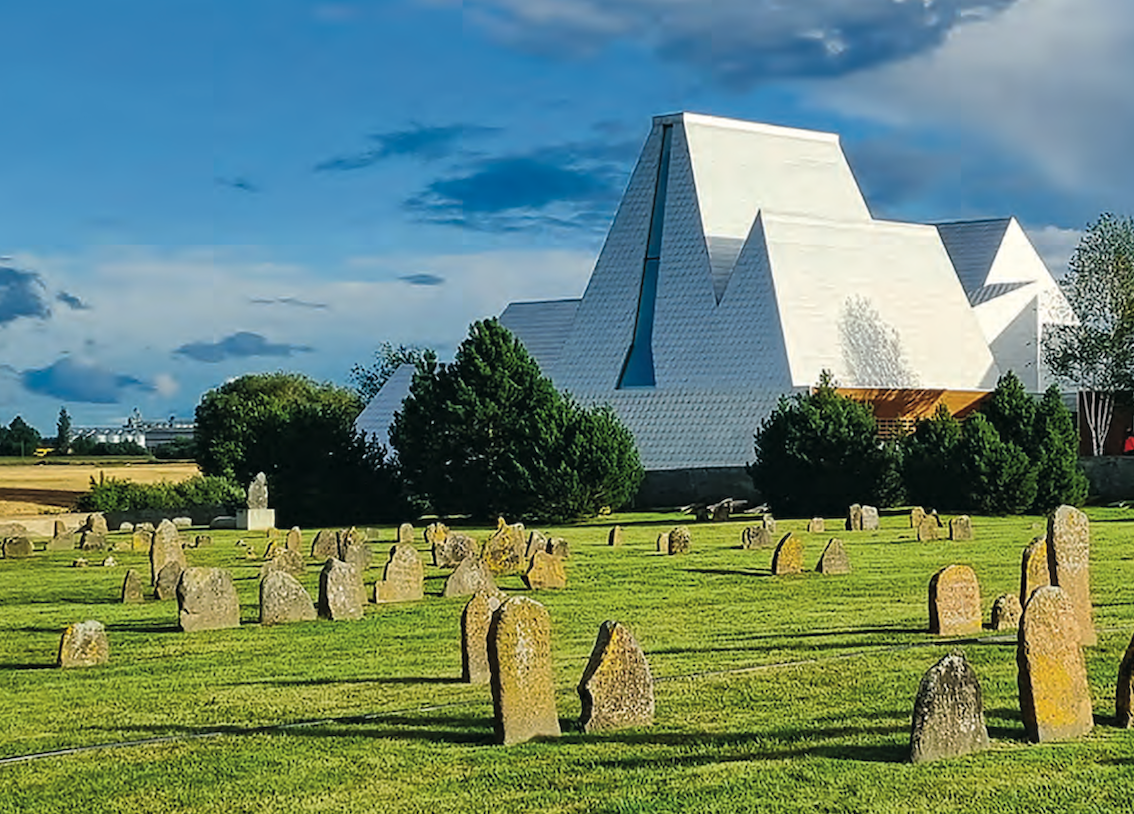
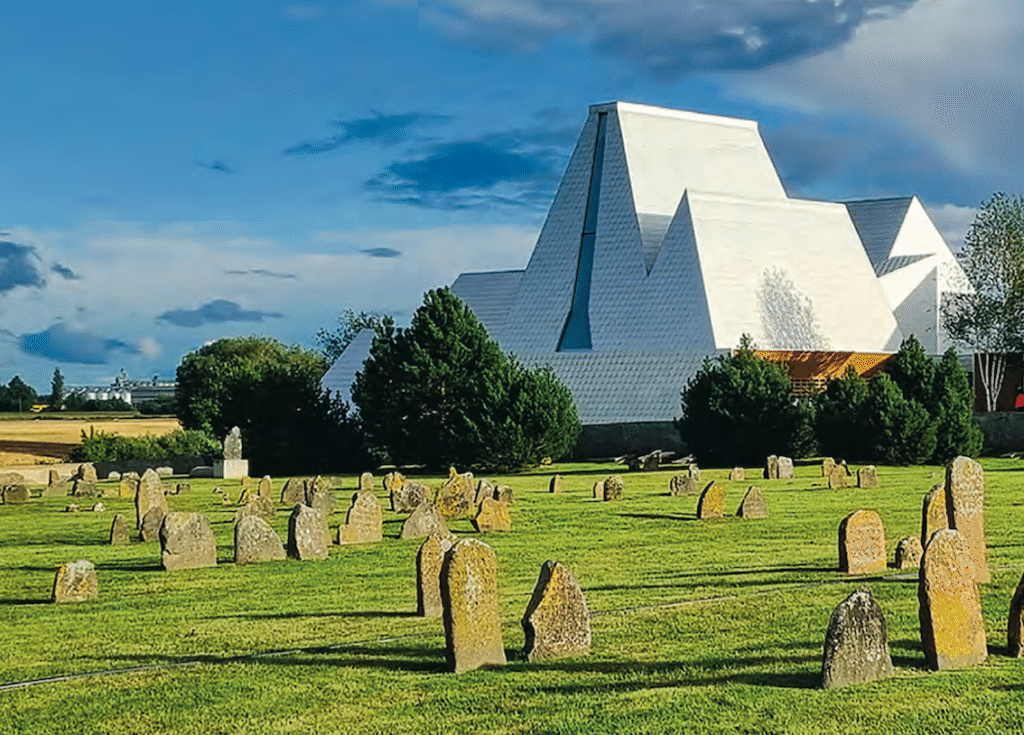
On Šeduva’s outskirts, with a breathtaking view over meadows and forests, rises a large white building. Yet it is hard to imagine a structure more harmoniously integrated into its surroundings—fascinating at first sight.


Šeduva’s Jewish Cemetery Is an Exception

This building consists of twelve interconnected volumes, reminiscent of compact small-town houses thanks to their steep shingle-like roofs. The white architecture blends with the green landscape and the blue expanse of sky.

But before one even reaches the building, the eye is caught by the cemetery. In this part of Europe, very few Jewish shtetl cemeteries have survived. Most were destroyed by the Germans during WWII, with the destruction often completed by local Christians after 1945, who reused tombstones as building material.

Šeduva’s cemetery is an exception. On an area of over a hectare, more than a thousand tombstones remain, the oldest from the late 18th century. Until recently, they were overgrown by tall grass, with only an occasional stone protruding.

A decade ago, the gravestones were carefully restored, and the stone wall surrounding the cemetery rebuilt. Today the grounds—with its lawn trimmed like an English garden—look almost unreal. There is hardly an analogy in any other Jewish cemetery in Central or Eastern Europe.

The museum in Seduva, with the renovated Jewish cemetery in the foreground. August 2025.
A Polish Museum as Inspiration

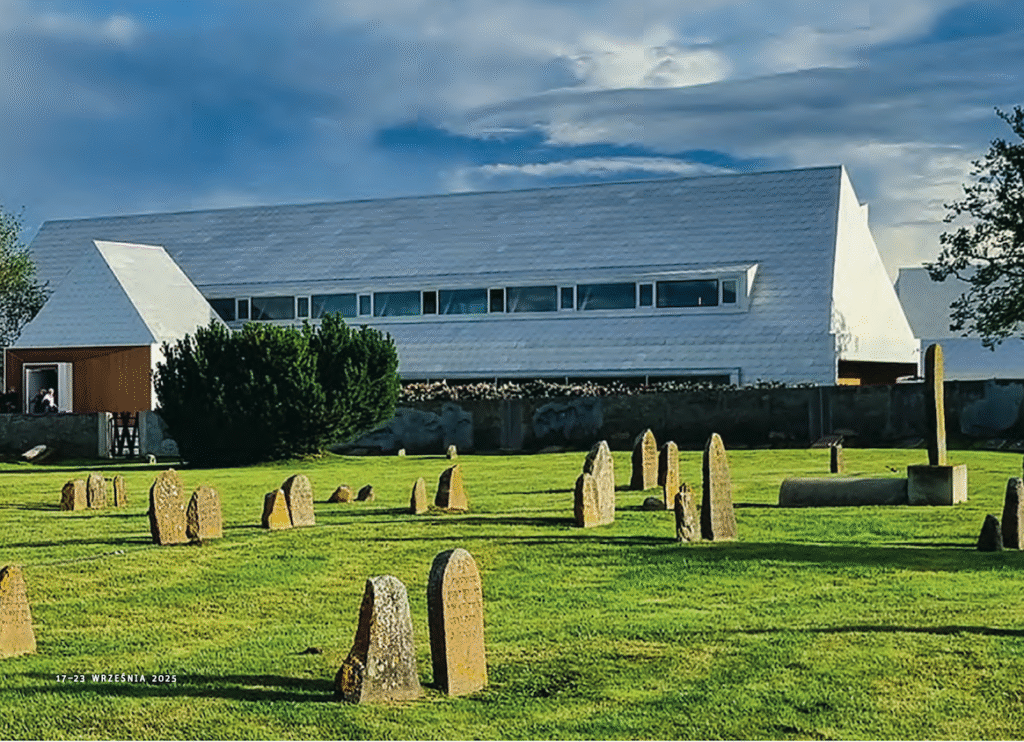
Directly behind the cemetery wall gleams the Šeduva Jewish History Museum “The Lost Shtetl.” This astonishing building, which will surely leave its mark on architectural history, was designed by Finnish architect Rainer Mahlamäki (69), best known as chief designer of Warsaw’s POLIN Museum of the History of Polish Jews (2007–2011). His involvement in Šeduva is no coincidence—there are multiple references to POLIN, which has become a benchmark for Jewish history museums in this part of Europe.

Around the museum stretches a memory garden, with over 200 trees planted among flowering meadows. From a distance, the building against the cloud-streaked sky seems almost transparent. The entire complex covers more than four hectares, reflecting the ambition of the undertaking.


Filling a Gap

The Lost Shtetl tells the story of the 300-year Jewish presence in Šeduva, but also aspires to representatively depict the phenomenon of thousands of Jewish shtetls scattered across the lands of the former Polish-Lithuanian Commonwealth—home to the majority of the world’s Jews at that time.

A shtetl was usually a small, semi-rural town, inhabited largely by Jews, sometimes even a majority. It was a distinct world, brutally destroyed by the Germans during WWII.

Thus, the Šeduva museum fills an important gap: major Jewish museums—from POLIN to Berlin’s Jewish Museum (opened 2001)—present mostly urban Jewish life, while shtetls remain on the margins. From its opening day (Saturday, September 20, 2025), Šeduva becomes a site of great significance.


The Story of Šeduva

Like in POLIN, visitors descend long stairs underground to the 3,400 m² exhibition space. Designed by Lithuanian curators with experts from Germany, Israel, Poland, and the U.S., the modern display tells the story of Šeduva’s Jews and of the shtetl more broadly.

There is also a small cinema screening a short film—part documentary, part fictionalized—following a Jewish family from Šeduva from the early 20th century through the Holocaust. Directed by American Roberta Grossman, it stars Polish actress Karolina Gruszka. The film is woven into the exhibition in several parts, an innovative narrative technique.

The exhibition, designed under the supervision of Ralph Appelbaum Associates (New York), features enlarged historic photos of Šeduva and its inhabitants, accompanied by historical commentary.

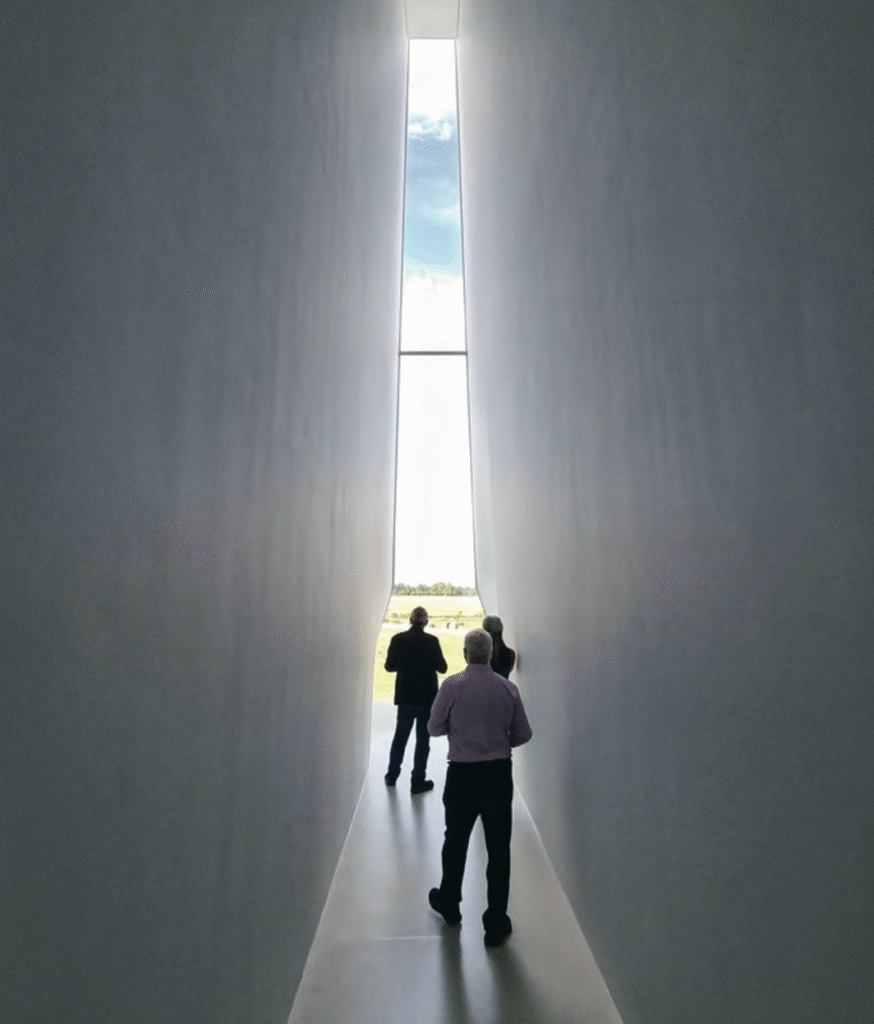
The white corridor ends with a glass wall, offering a view of the cemetery, meadows, and forests. This is a breath of optimism: Jewish Seduva has not been erased from memory. Lithuania, August 2025.
“If I Were a Rothschild”

The displays tell the story of economic, social, and religious life (including a synagogue interior reconstruction), placed chronologically against broader historical turning points. Visitors learn about Jewish-Christian coexistence (no pogroms occurred in the Lithuanian lands before 1941), Jewish participation in Lithuania’s independence struggles, and local history reconstructed from testimonies of survivors and descendants.

Rare historical artifacts are presented, as well as the story of mass Jewish emigration from the Russian Empire—nearly 2 million Jews, many from shtetls like Šeduva or Orla, left for the U.S. from the late 19th century onward. Poor migrants from such towns significantly contributed to building modern America.

The exhibition recalls the dream of many Šeduva Jews: “If I were a Rothschild…”

It seems Šeduva has indeed found its Rothschilds. The museum is a private initiative, funded by anonymous donors of Šeduva descent through a Swiss foundation.


A Handful of Survivors

The final part tells of the tragic end. On August 24, 1941, in a nearby forest, 664 Jews were shot—mainly by Lithuanian collaborators, assisted by just two German soldiers. After the war, none returned.

The museum boldly lists the names, photos, and biographies of 27 perpetrators—neighbours of the murdered: shoemakers, farmers, drivers, labourers. This is unprecedented, as descendants of some still live in Šeduva.

Only eleven Jews survived the massacre—two Lithuanian independence veterans, a doctor, and their families—saved by local priest Mykolas Karosas and the Paluckas family. Several dozen others survived deportation east by the Soviets or managed to flee.

The museum’s narrative is honest, showing Lithuanian collaboration in the Holocaust—still a very sensitive subject in Lithuania. A jarring note is the statement that “interwar Poland and the Soviet Union both threatened Lithuania”—an inaccurate and misleading equivalence.


A Project That Will Resonate

Architect Mahlamäki designed two symbolic passageways. One is a dark, several-meter-high corridor with a glass floor over visible vegetation—evoking the forest where Šeduva’s Jews were murdered. The other is a vast white corridor ending in a glass wall overlooking the cemetery, meadows, and forests—a breath of optimism, symbolizing that Jewish Šeduva, though meant to be erased from memory, has not vanished.

The Lost Shtetl is a visionary project—needed by Lithuania and this region of Europe. For the first time, with such scale, ambition, and financial resources, the story of shtetls is told as an integral part of Jewish, Lithuanian, and Polish history.

It is likely that Šeduva’s museum will become, after POLIN, another crucial point of reference for future Jewish exhibitions worldwide.


© Wojciech Konończuk
Director, Centre for Eastern Studies (OSW), Warsaw

Translation into English was arranged by Eli Rabinowitz, WE ARE HERE! Foundation, Perth Australia
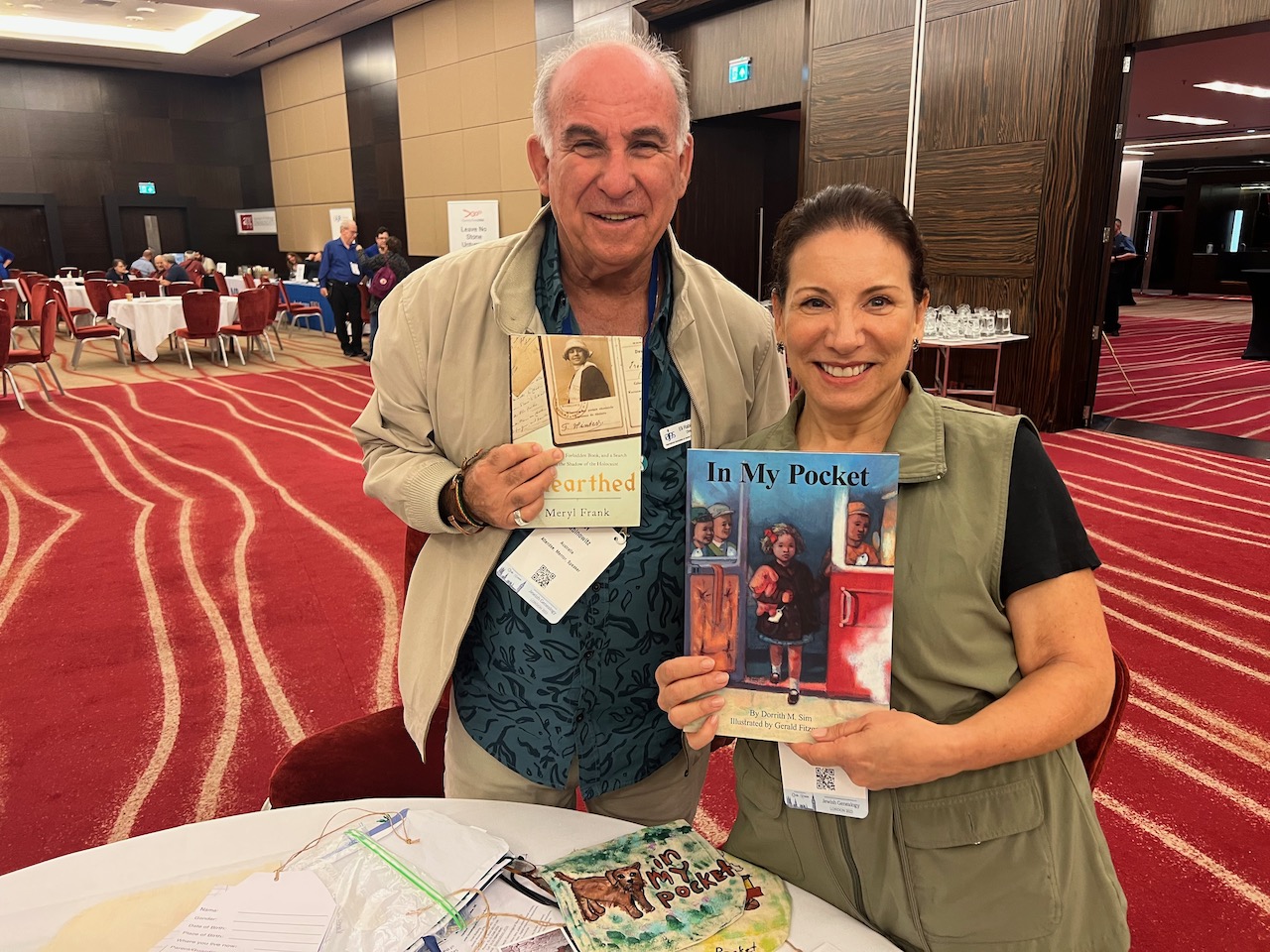
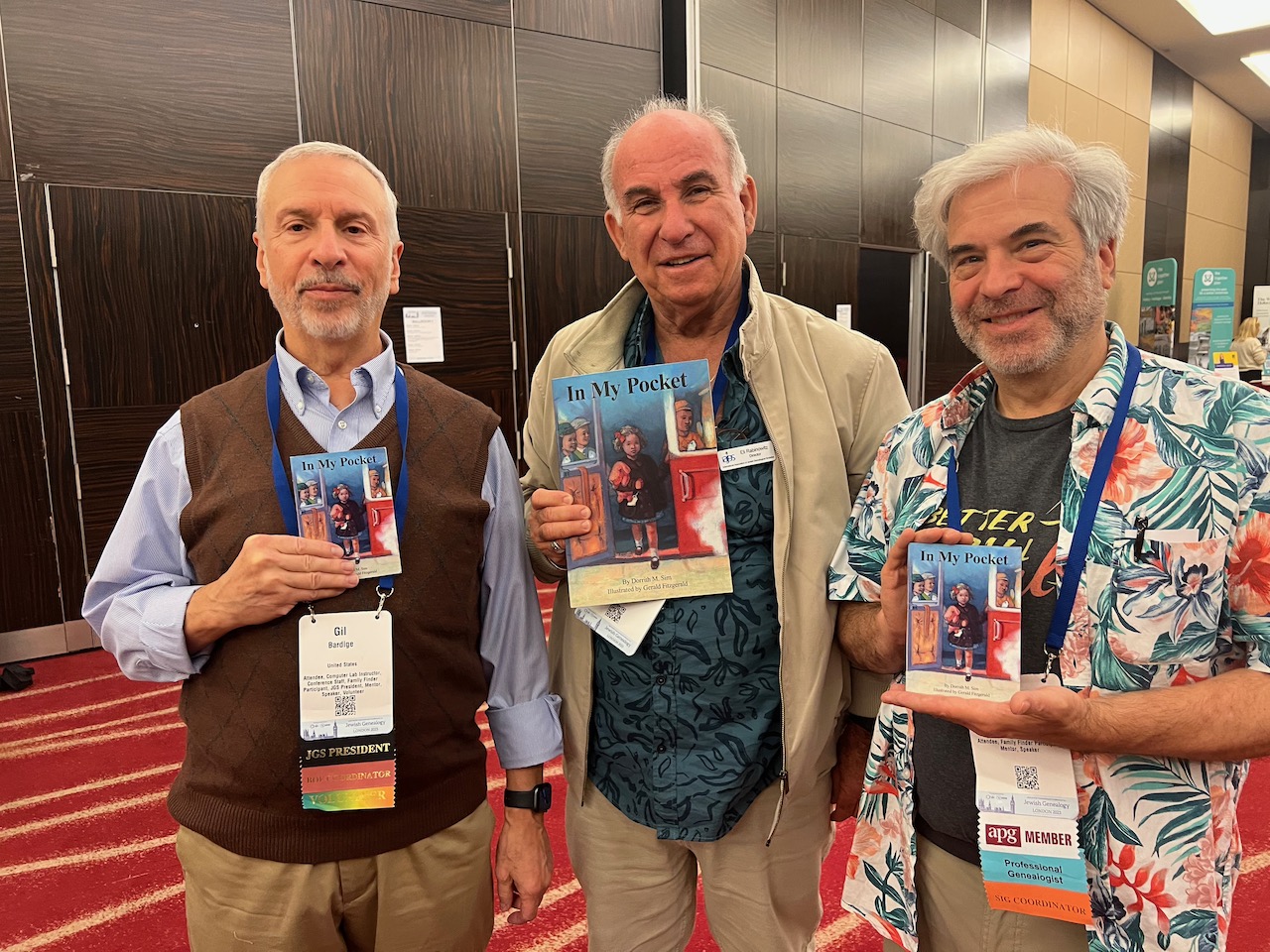
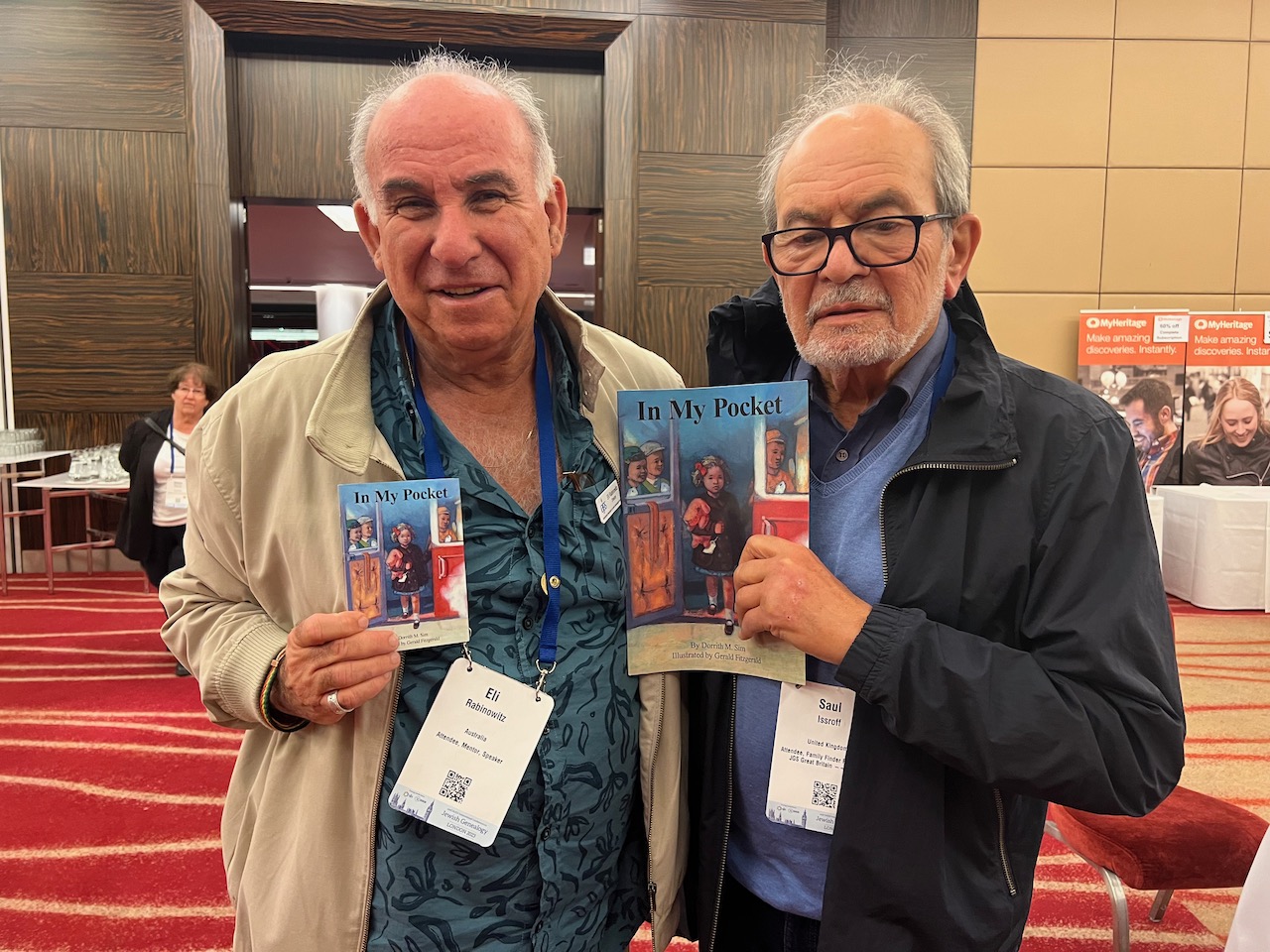
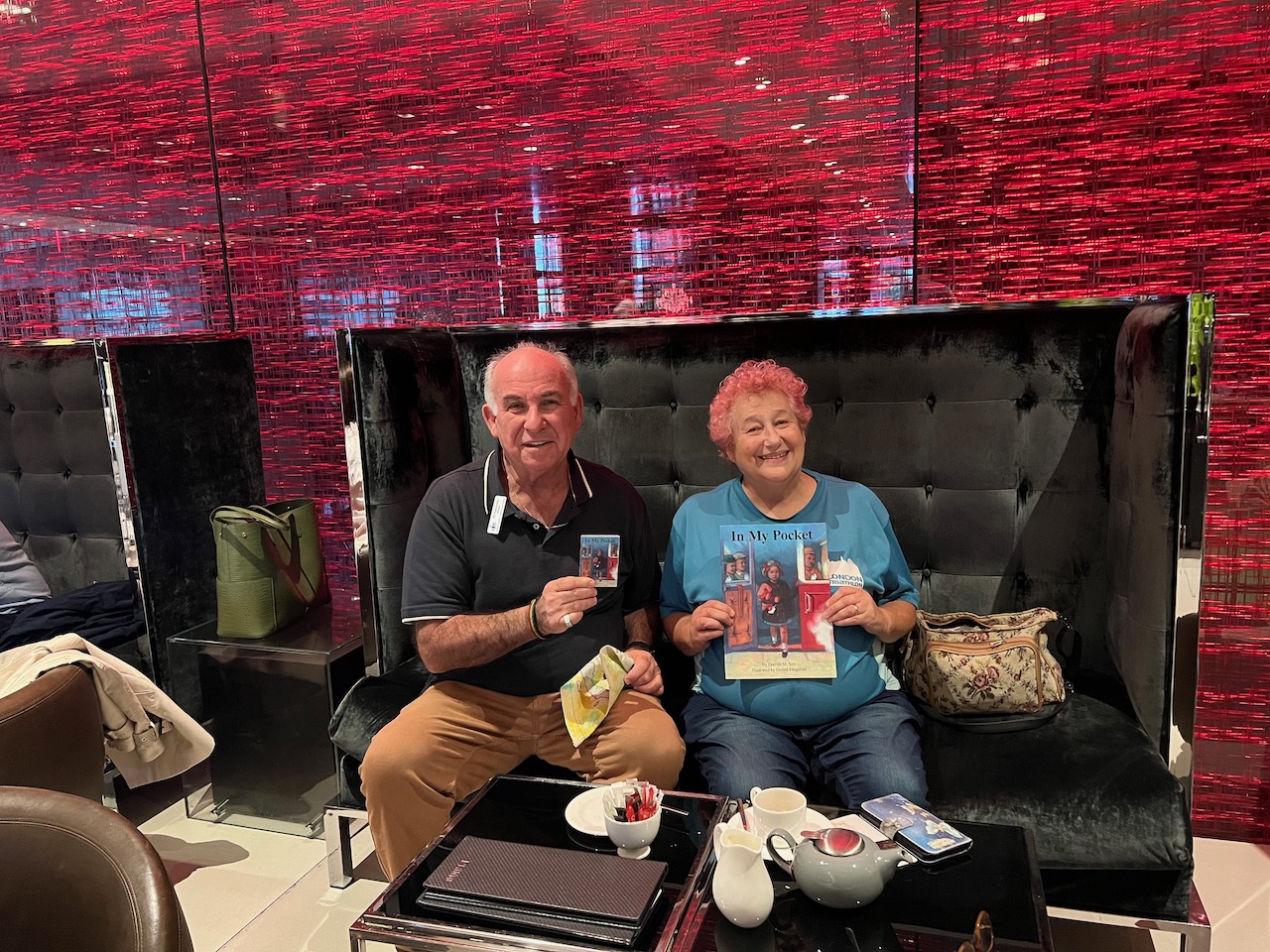
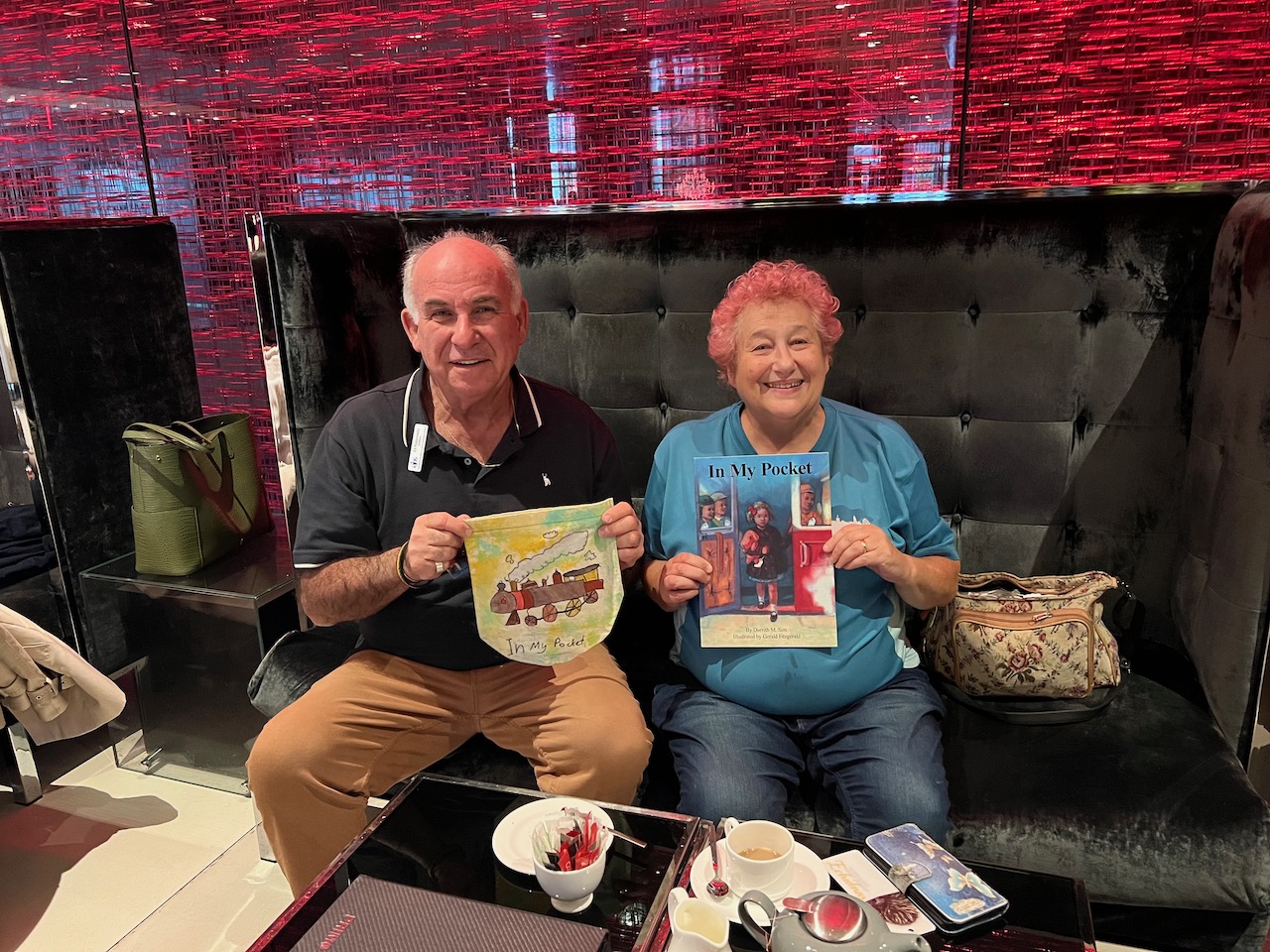
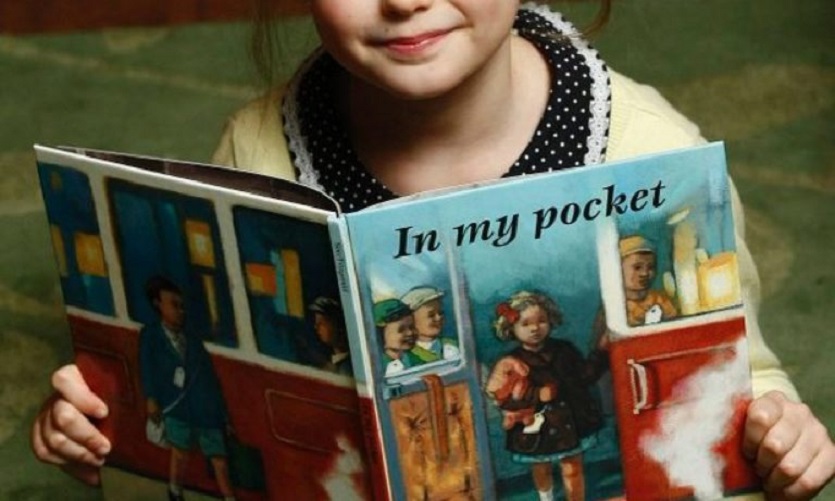
In My Pocket Book

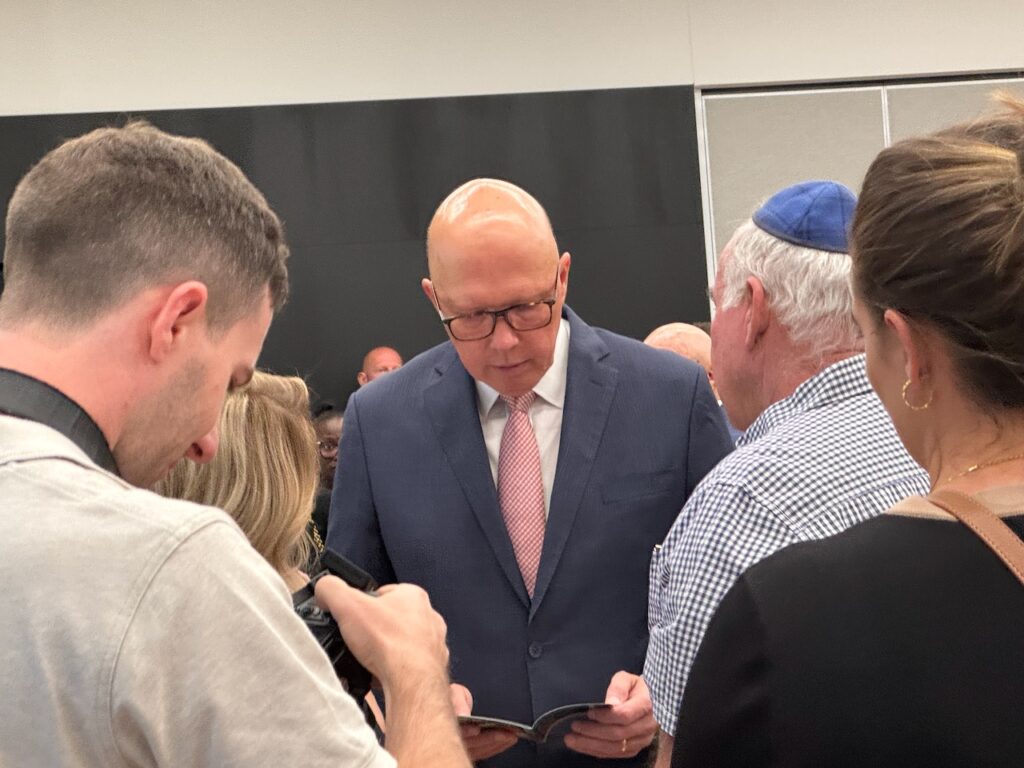
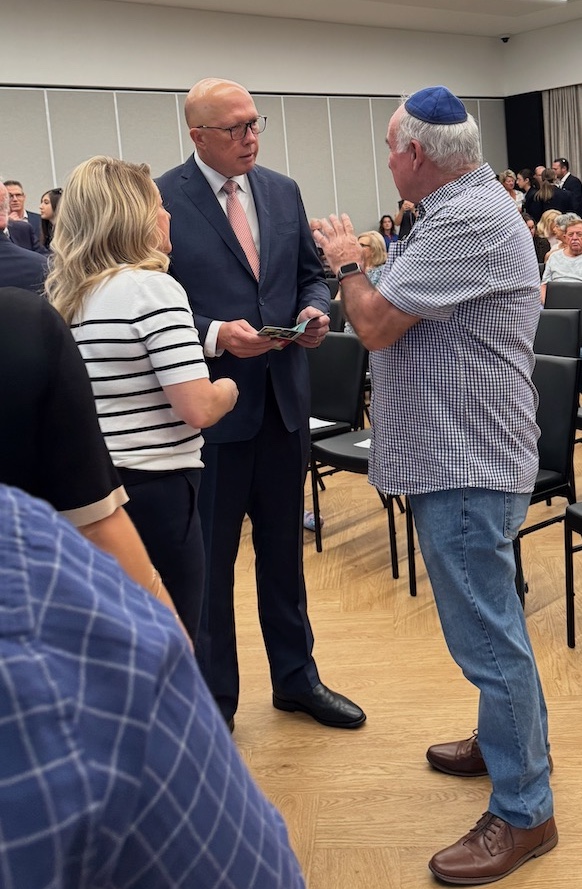
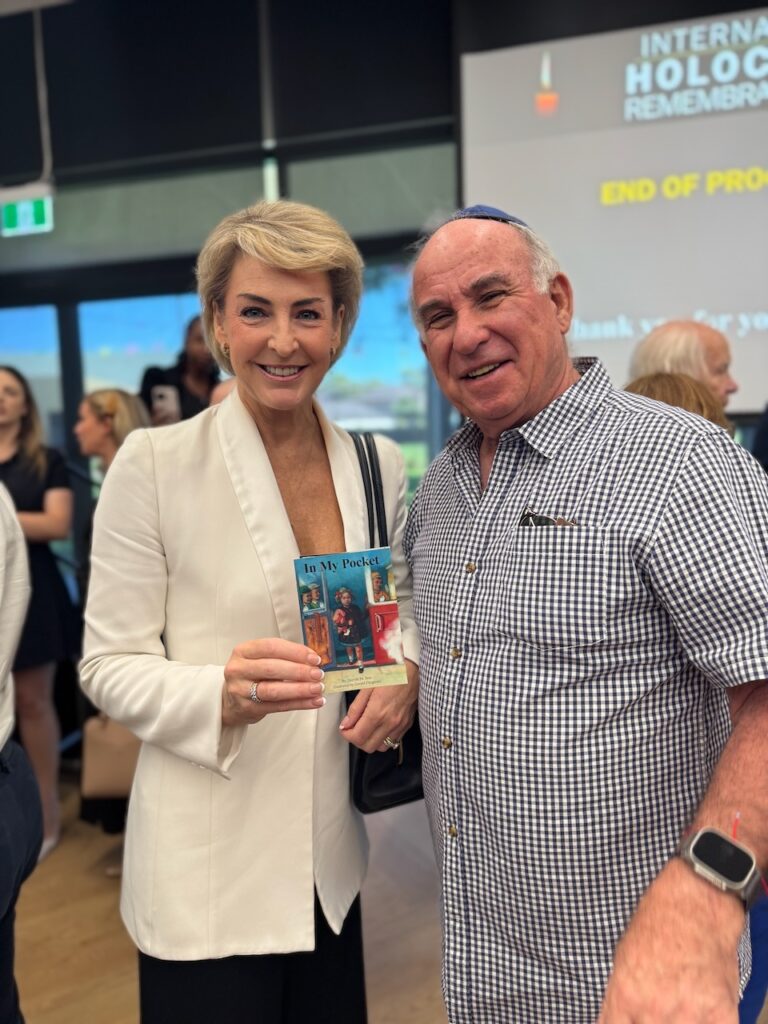
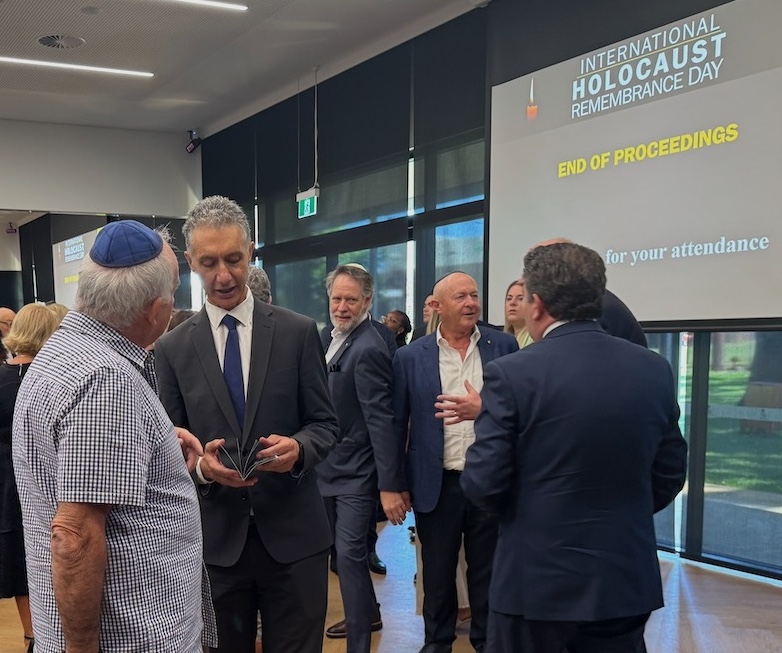
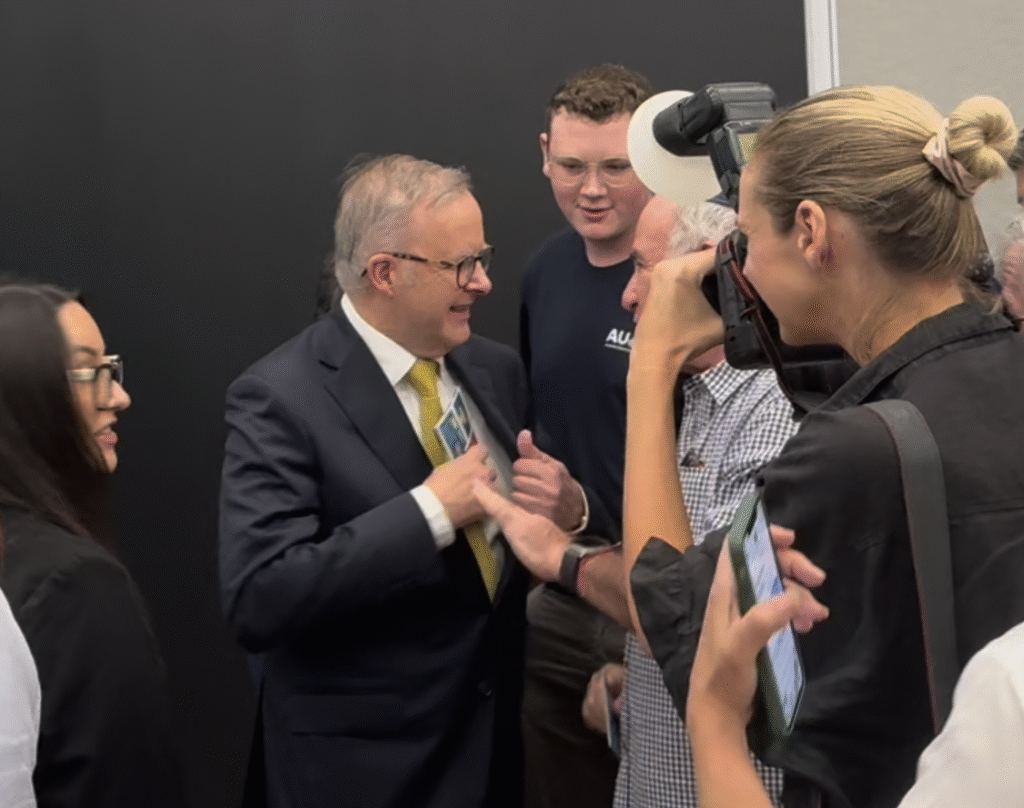
Aussie politicians receiving their copies on Holocaust Remembrance Day

Do you have yours?

Anthony Albanese – Prime Minister of Australia

Peter Dutton – Leader of the Opposition

Deputy Mayor of Stirling, Suzanne Migdale, and Peter Dutton

Senator Michaelia Cash

Dr Tony Buti – WA Minister of Education

Simon Millman – WA MLA

Libby Mettam – WA Liberal Leader

Our Supporters

Eli with Barbara & Gabriele

Jill, Gabriele, Esther & Gabriele Jnr

Jill, Eli, Gabriele, the Levine brothers, Gabriele Jnr & Gerhardt

Kassel Germany has a Lesson for Us!

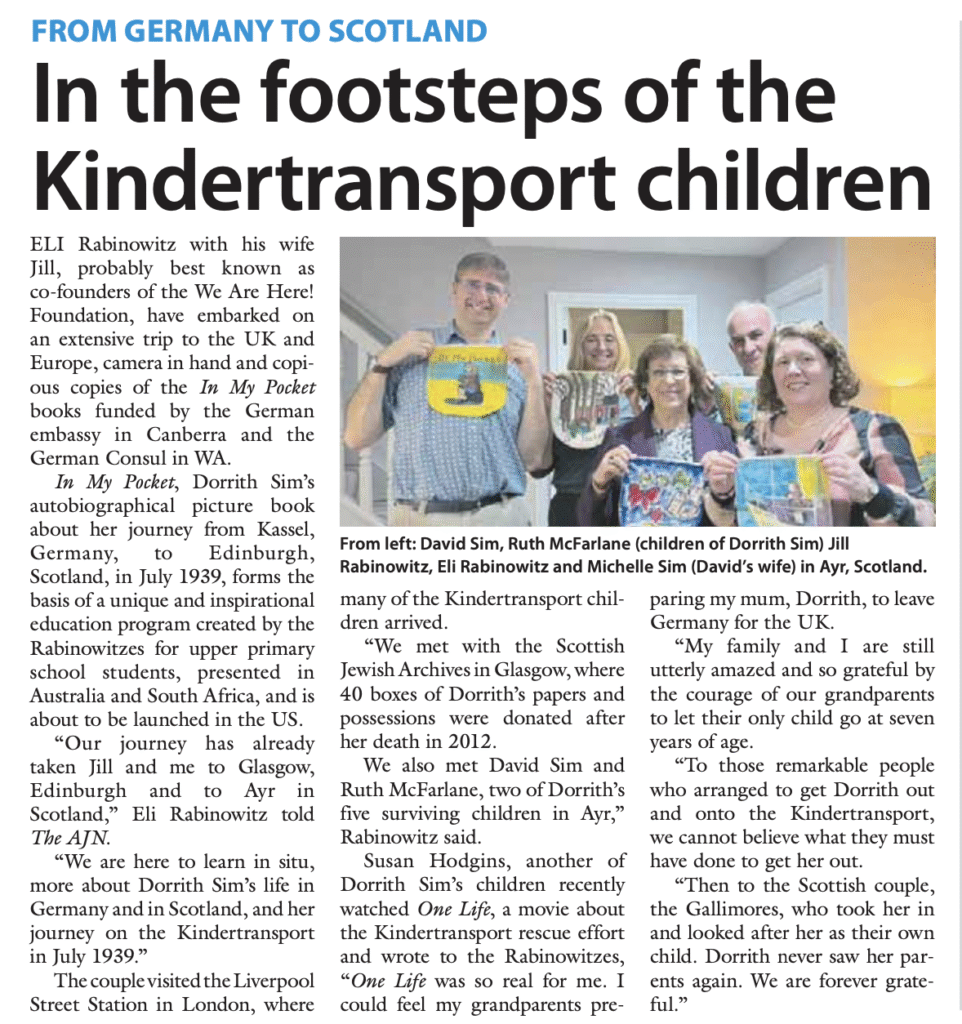
By Eli and Jill Rabinowitz

Perth Australia
13 December 2024

Burning The Synagogue

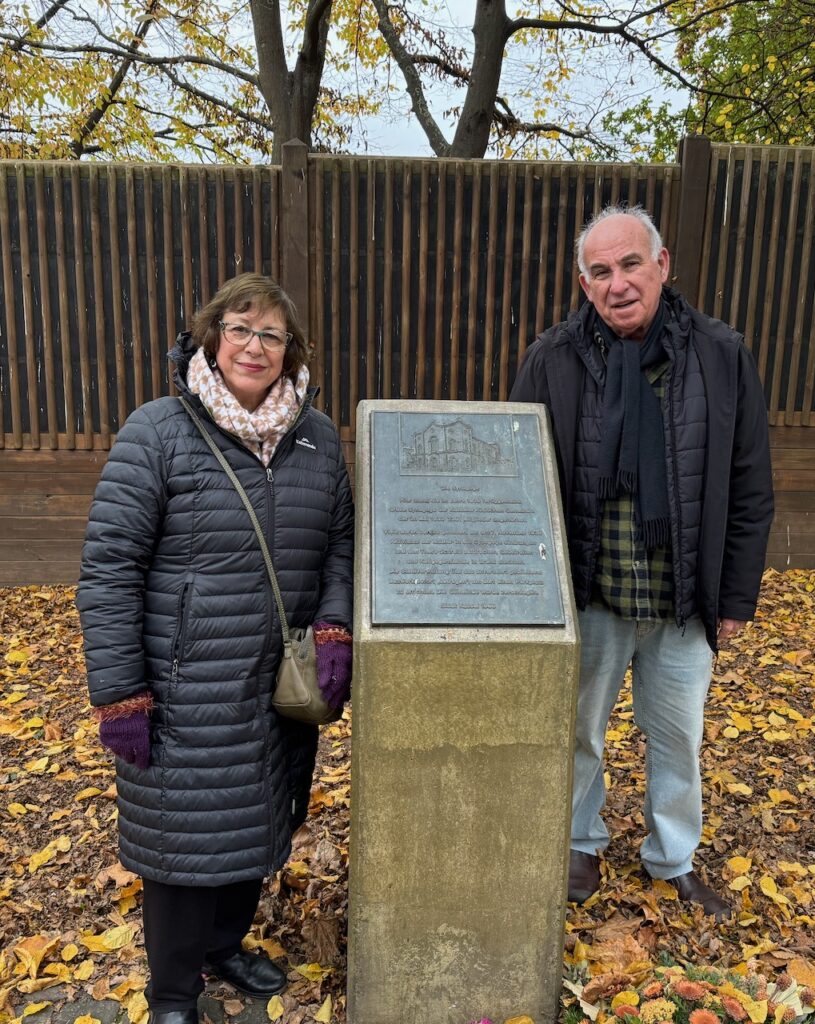
Australians Jill and Eli Rabinowitz visited the site of the Great Synagogue of Kassel Germany in November 2024, where 86 years ago, on 7 November 1938, Kristallnacht, known as Pogromnacht in Germany, began. 

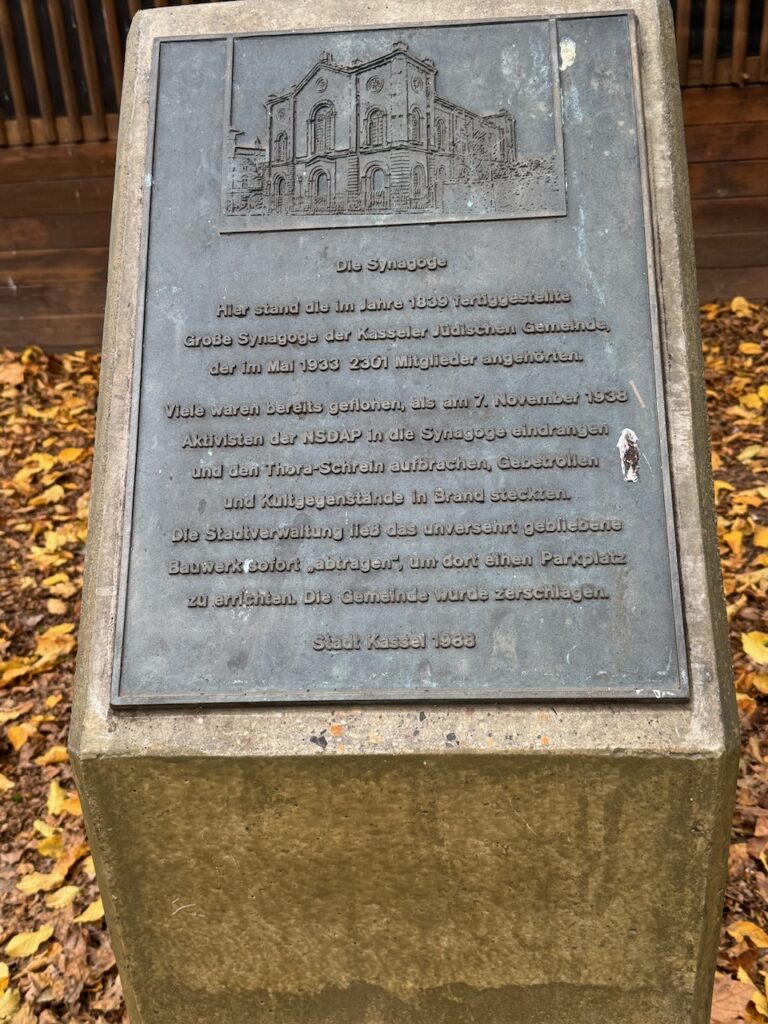
Translation of this plaque

The Synagogue

This is where the Great Synagogue of the Kassel Jewish community stood, completed in 1839 and having 2,301 members in May 1933.

Many had already fled when, on 7 November 1938, activists from the Nazi Party broke into the synagogue and broke open the Torah shrine, setting fire to prayer scrolls and cult objects.

The city administration immediately demolished the intact building in order to build a parking lot there. The community was broken up.

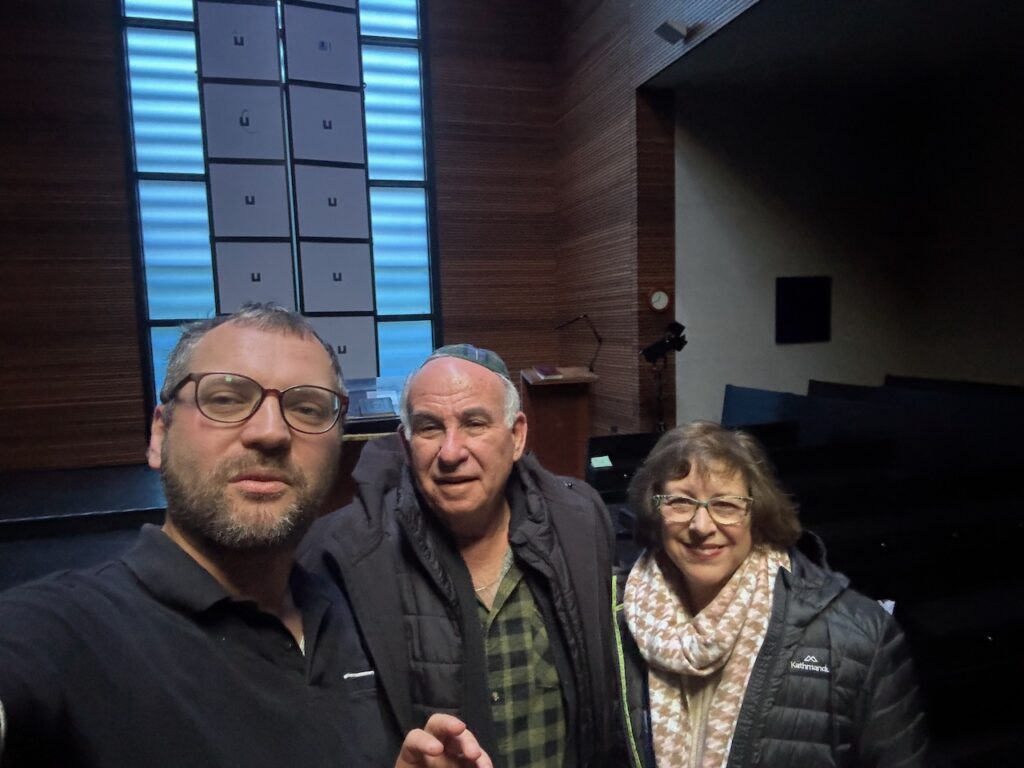
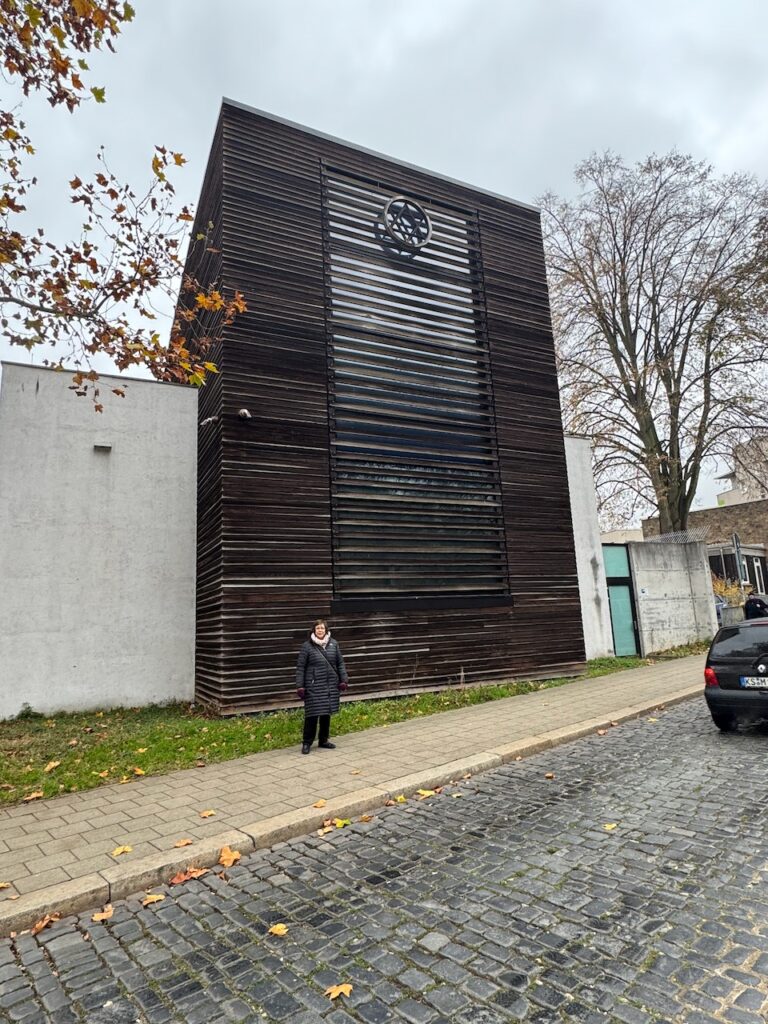
The current synagogue was completed in 2000

With Rabbi Shaul Nekrich of Kassel

https://en.wikipedia.org/wiki/Kassel_Synagogue

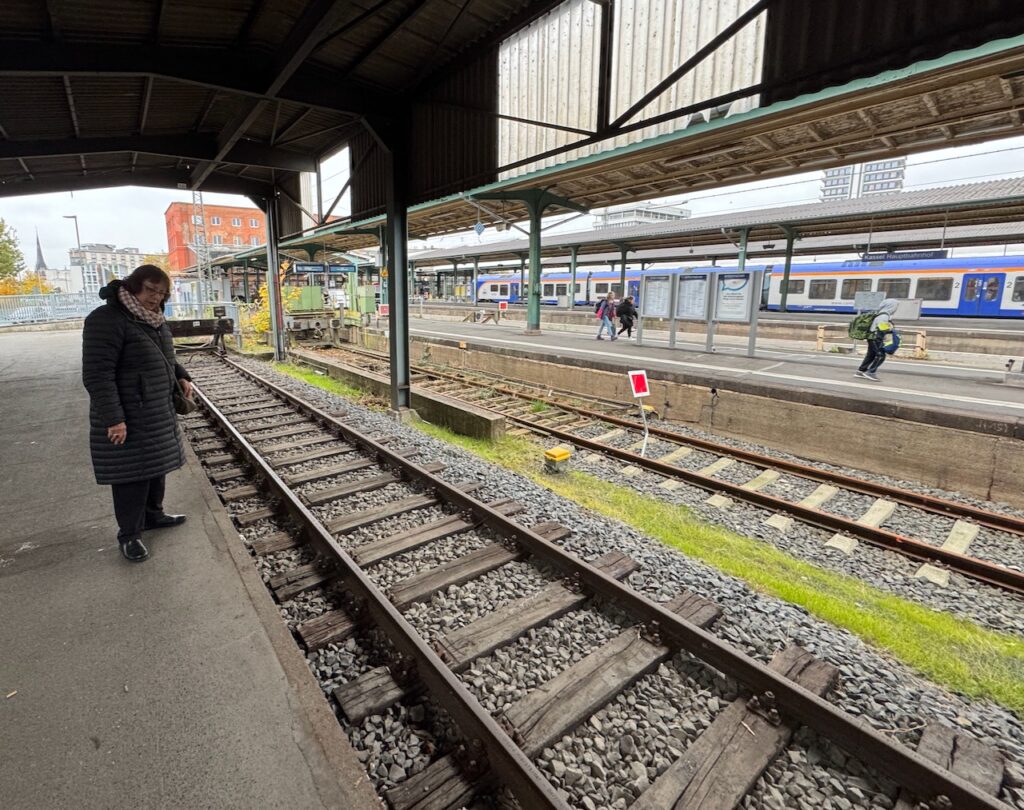
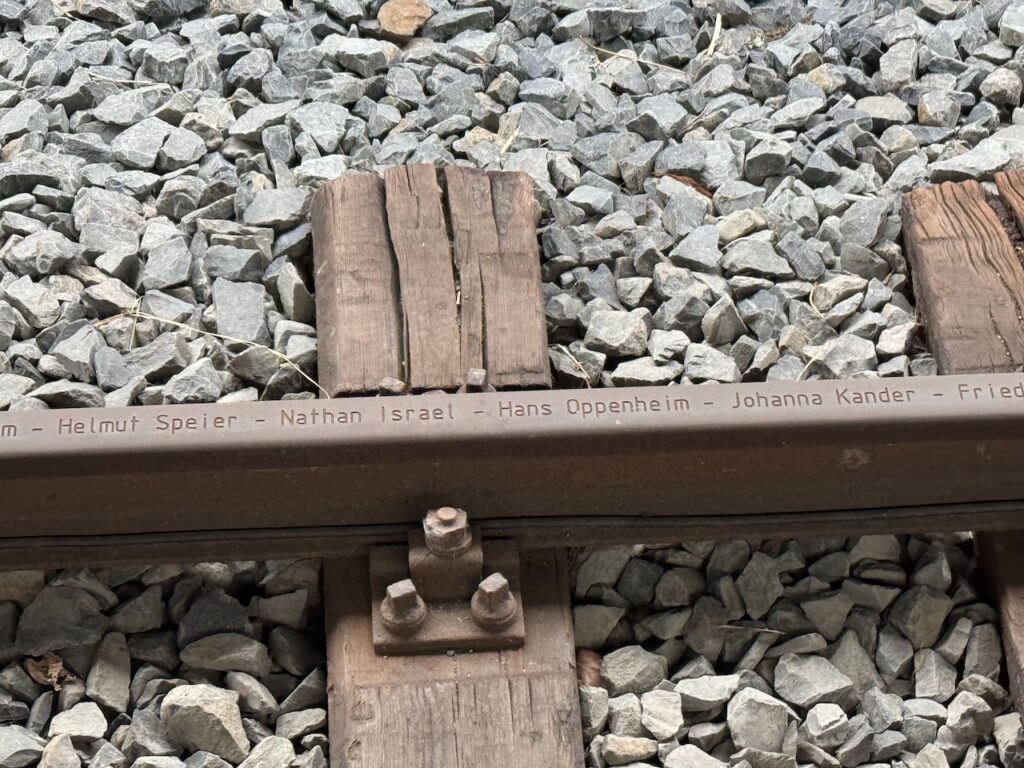
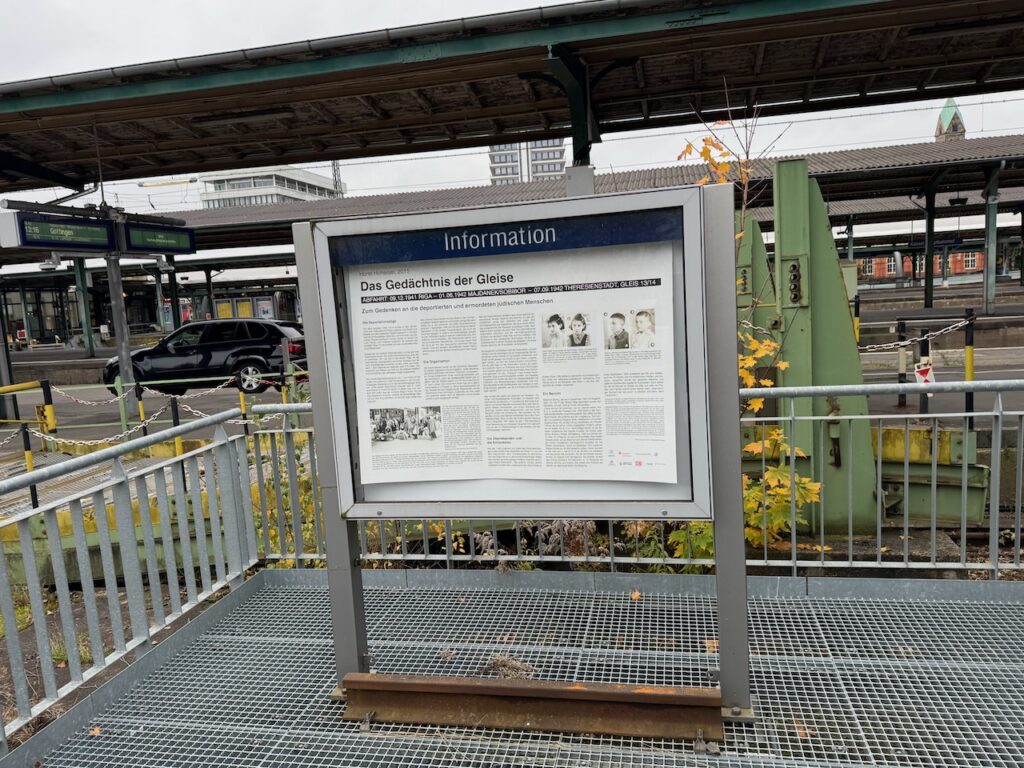
The Holocaust memorial at the Railway Station

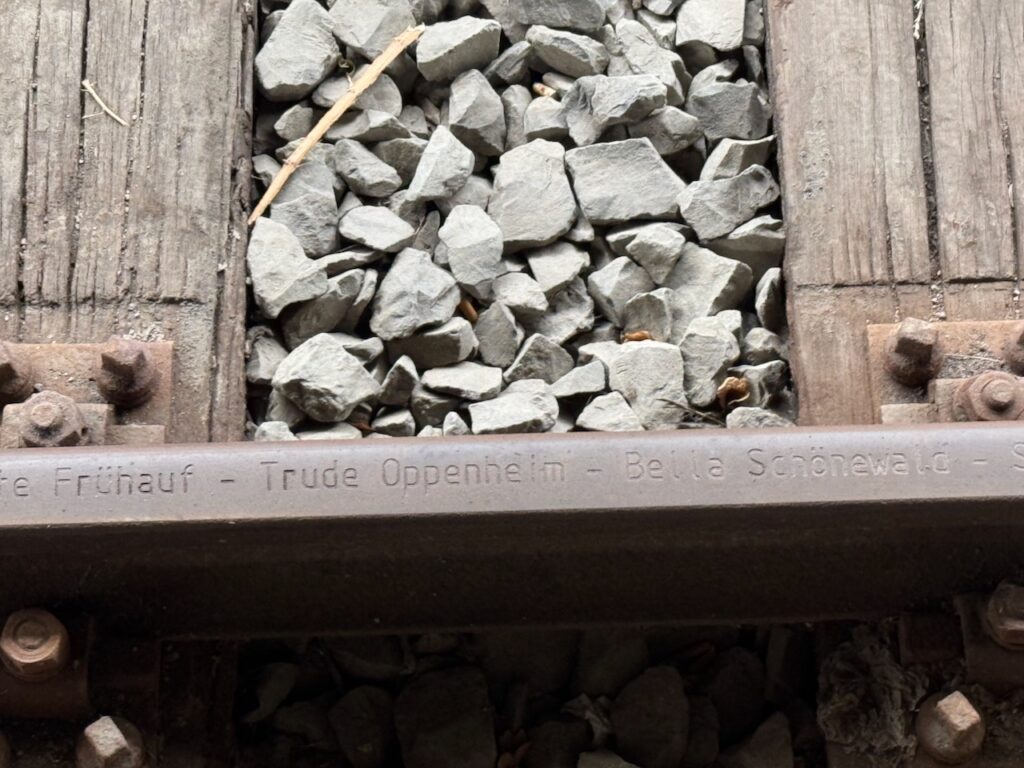
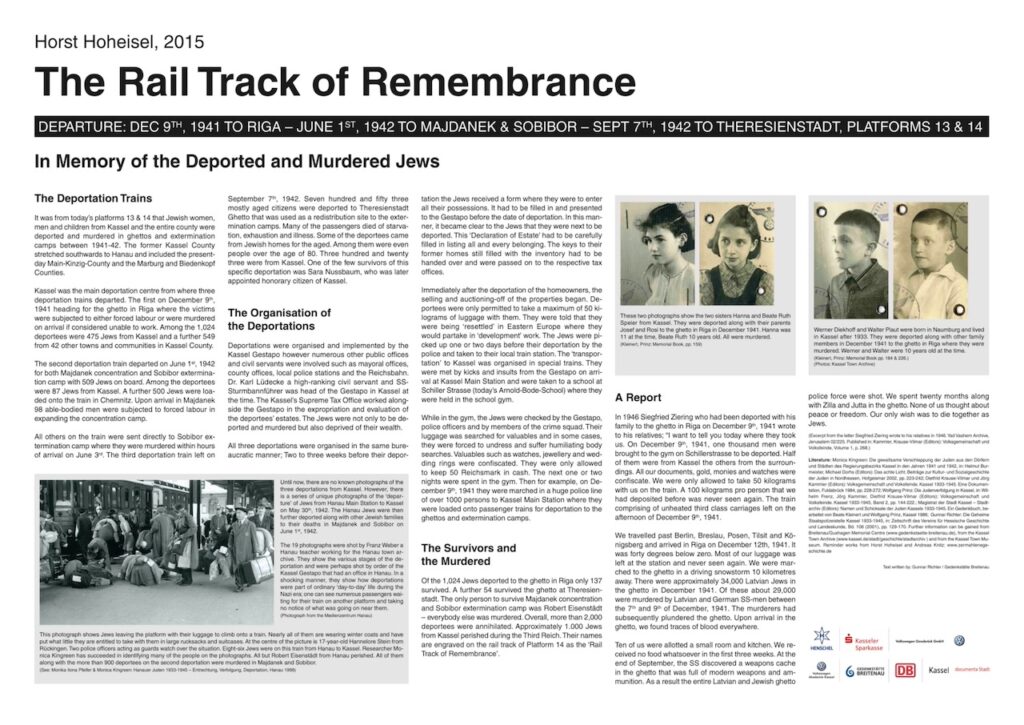
The Rail Track of Remembrance

The information board

More info:

http://www.dasdenkmaldergrauenbusse.de/index.php?option=com_content&task=view&id=142&Itemid=2

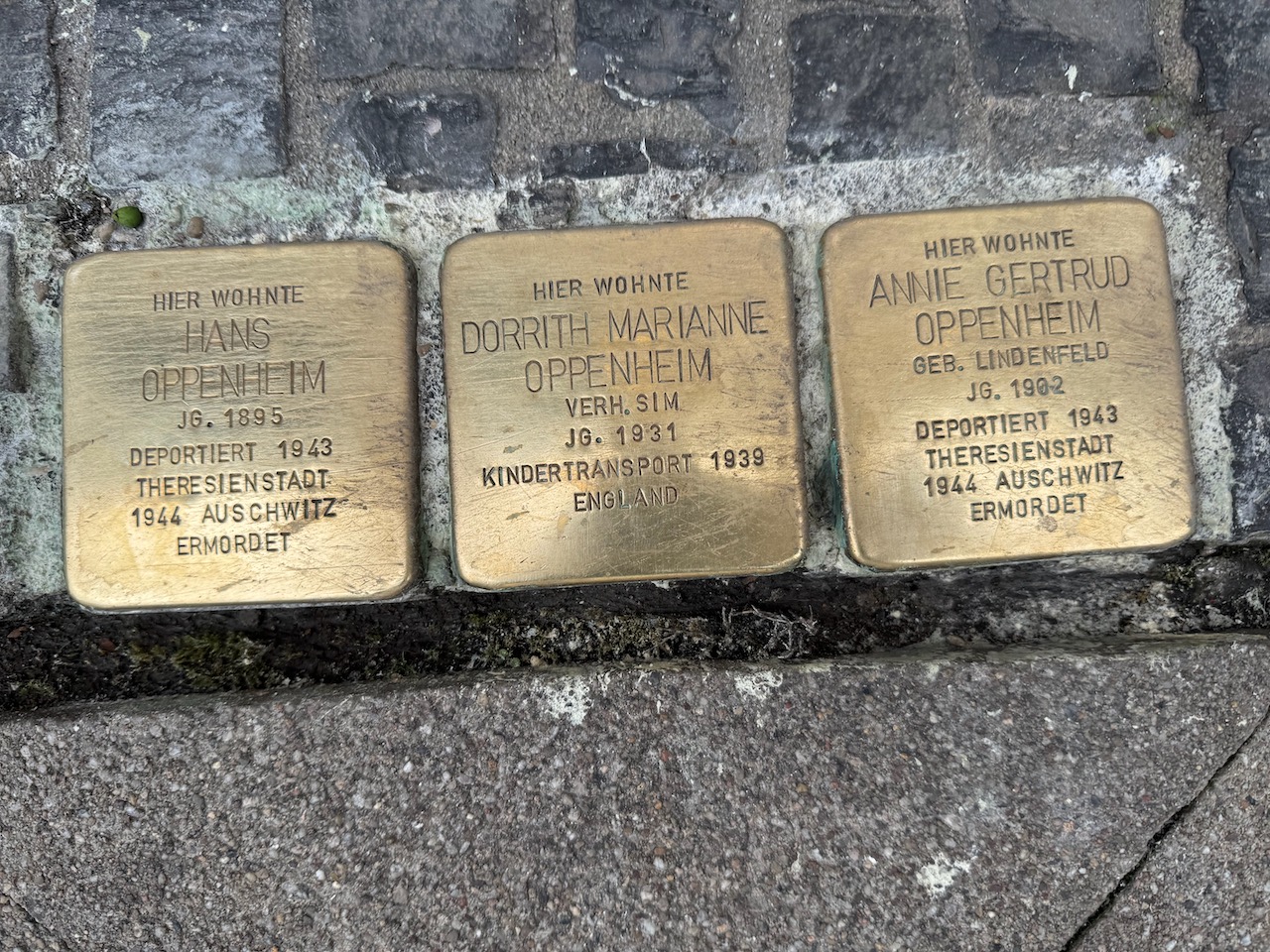
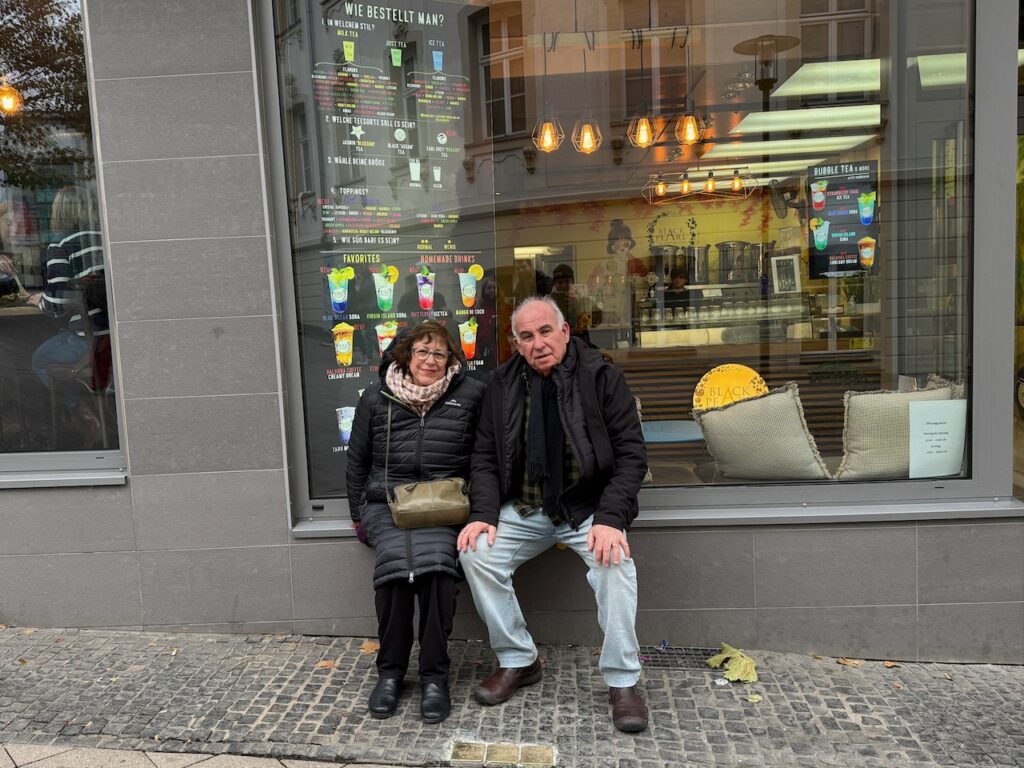
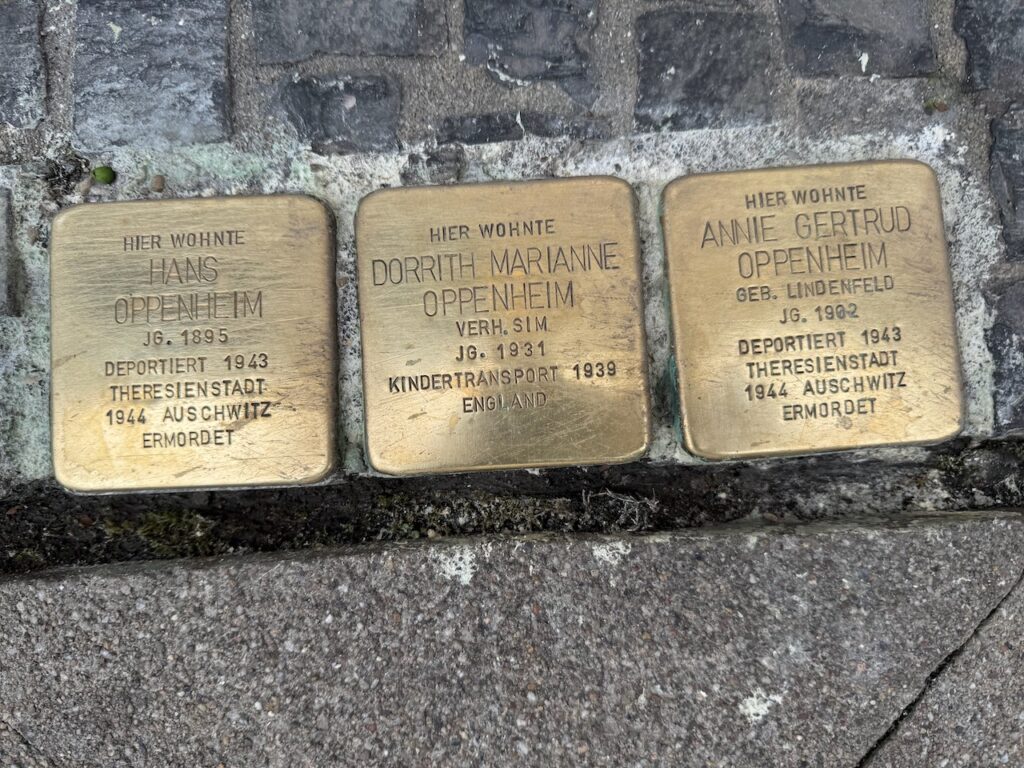
The Stolpersteine for the Oppenheim family in Kassel

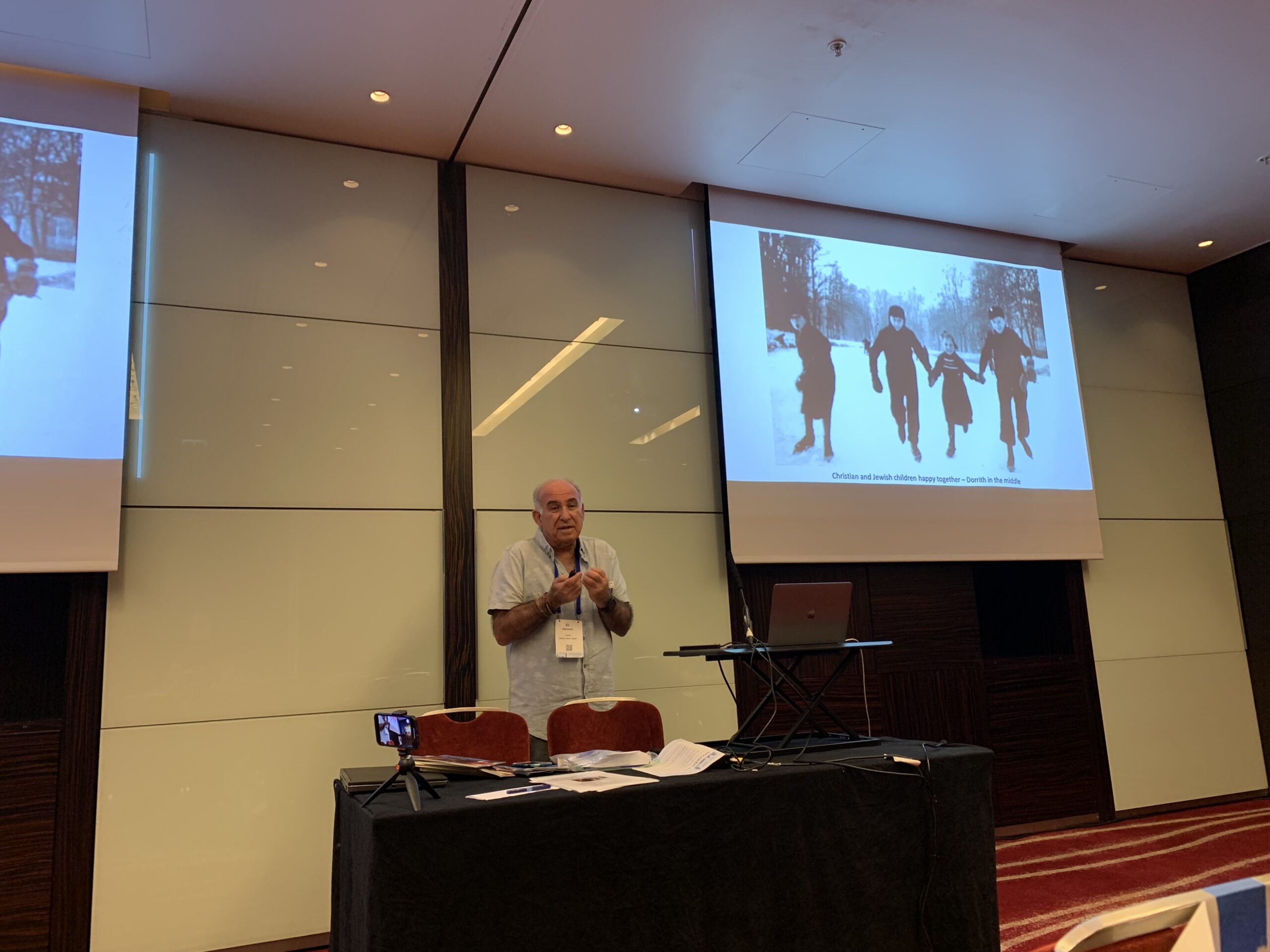
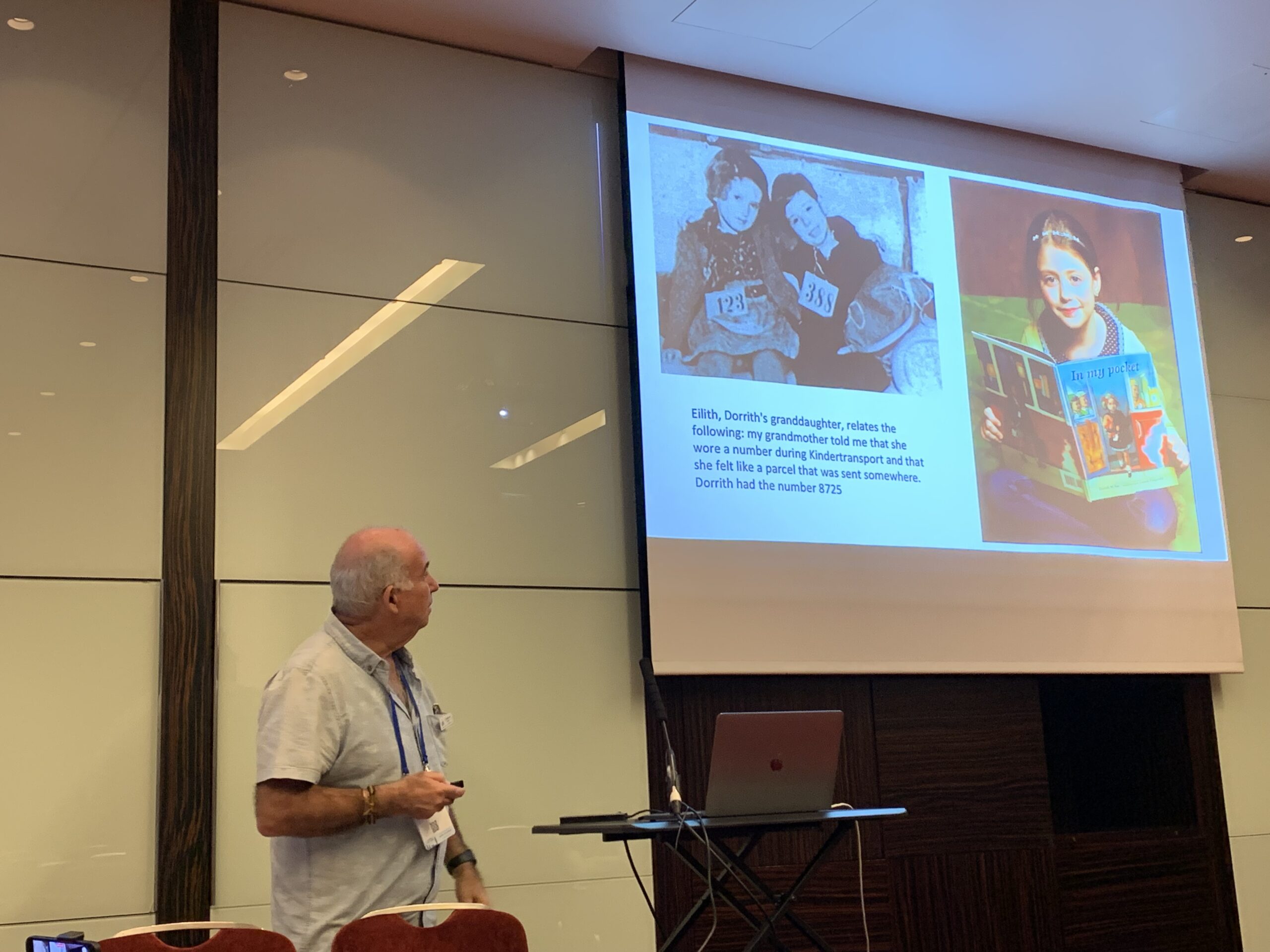
Trude and Hans Oppenheim were deported and murdered in Auschwitz in 1944. Daughter Dorrith escaped on the Kindertransport to Scotland in July 1939.

https://www.stolpersteine.eu/en/home

The Jewish Community Centre in Kassel

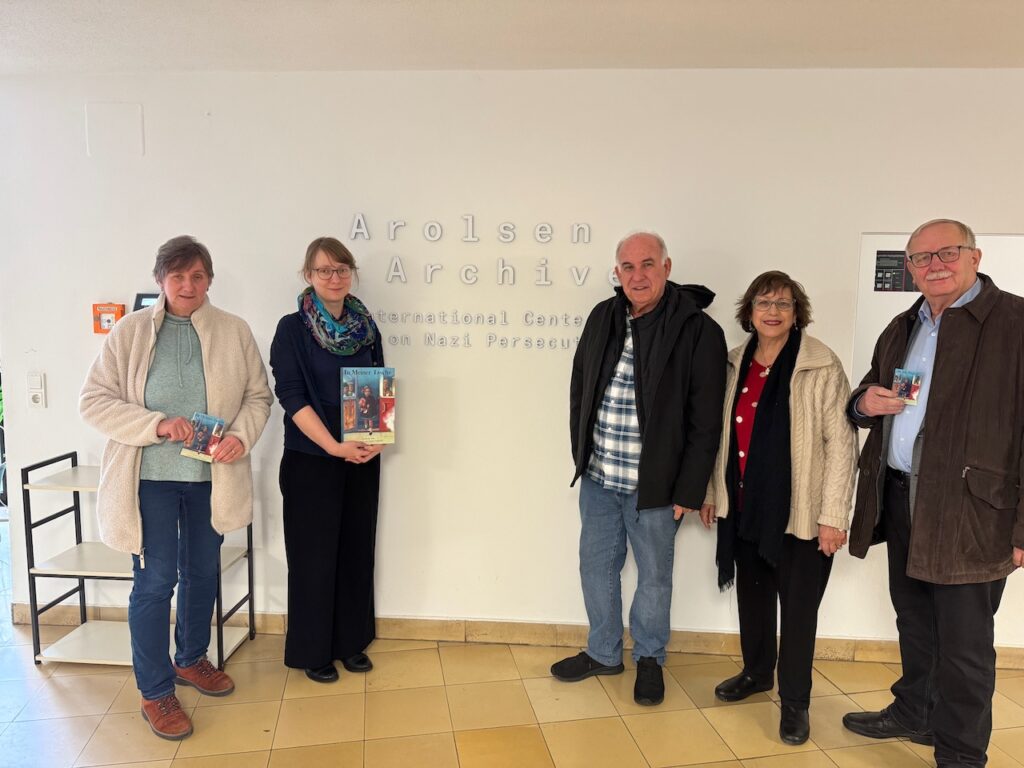
The Arolsen Archives

https://arolsen-archives.org/en

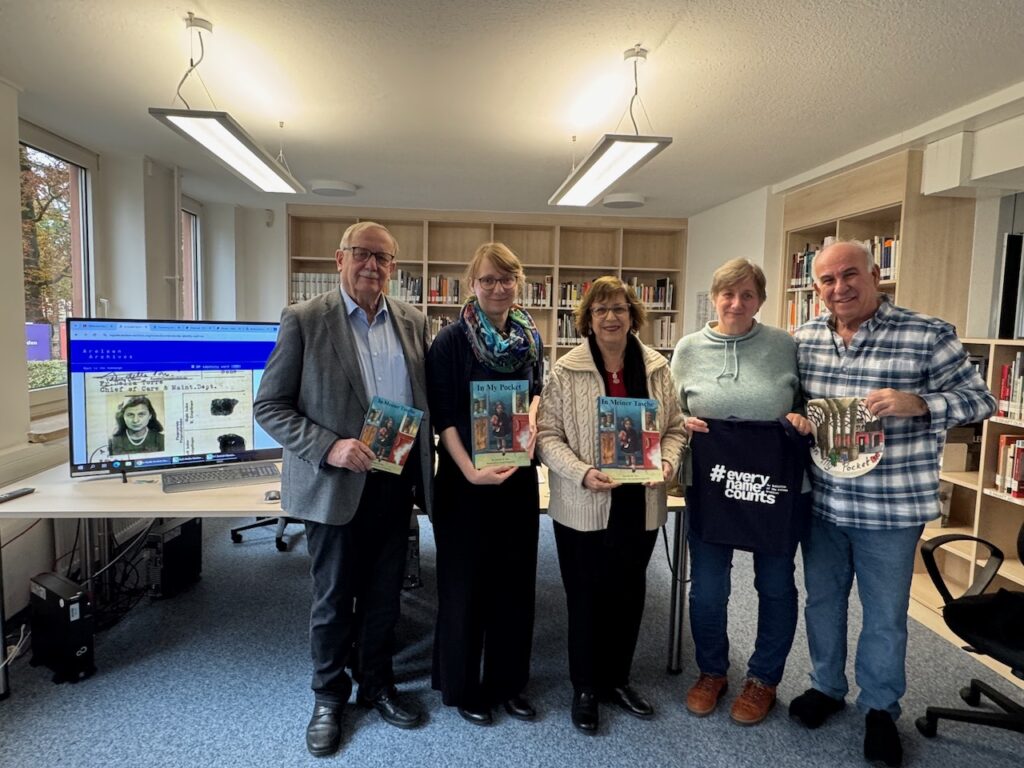
Meeting Julia and Beate in Hofgeismar

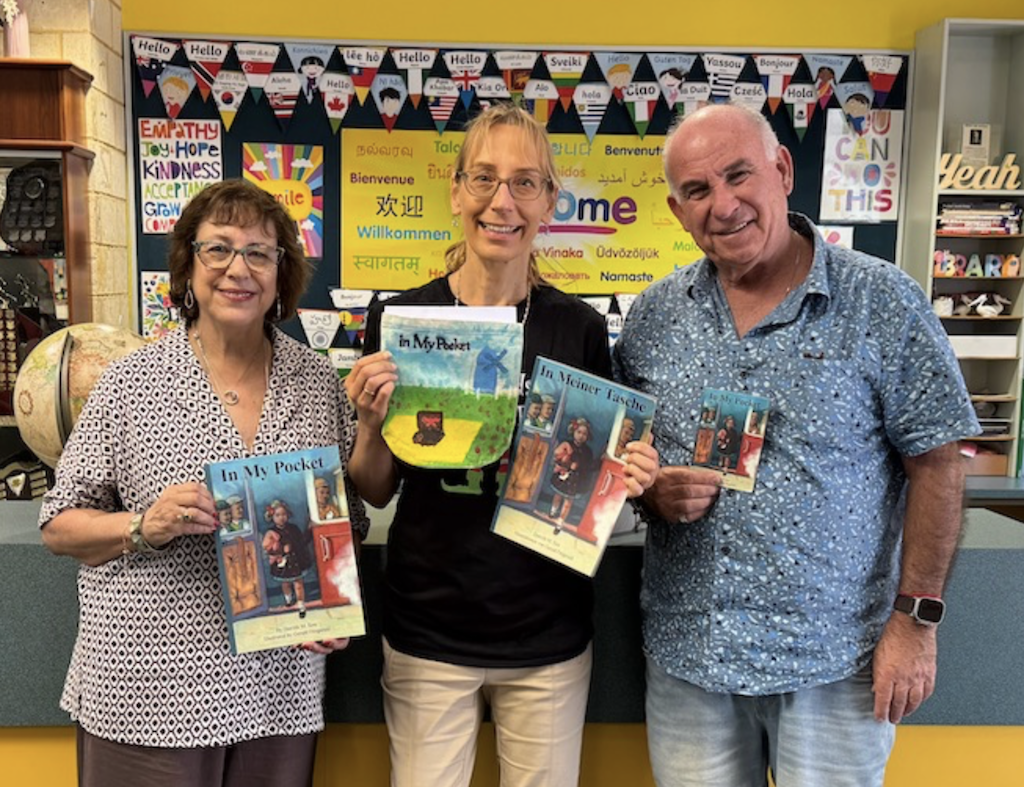
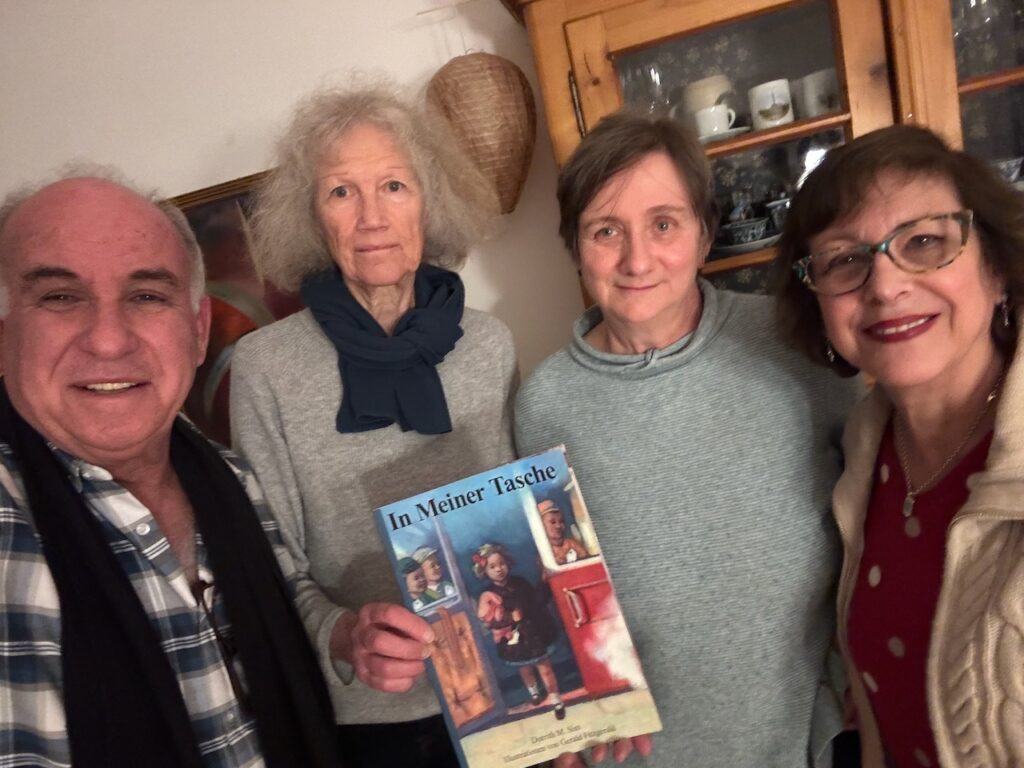
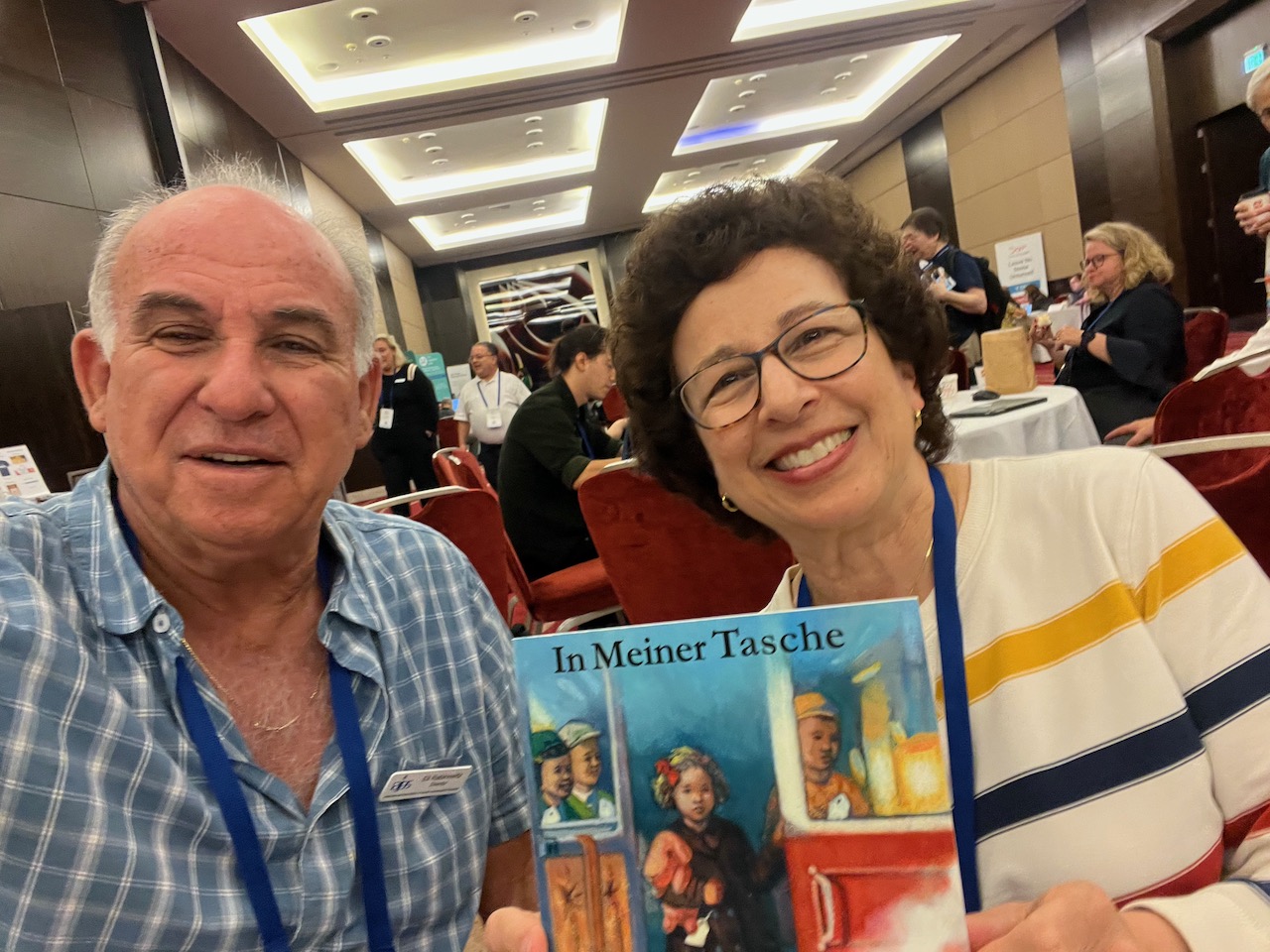
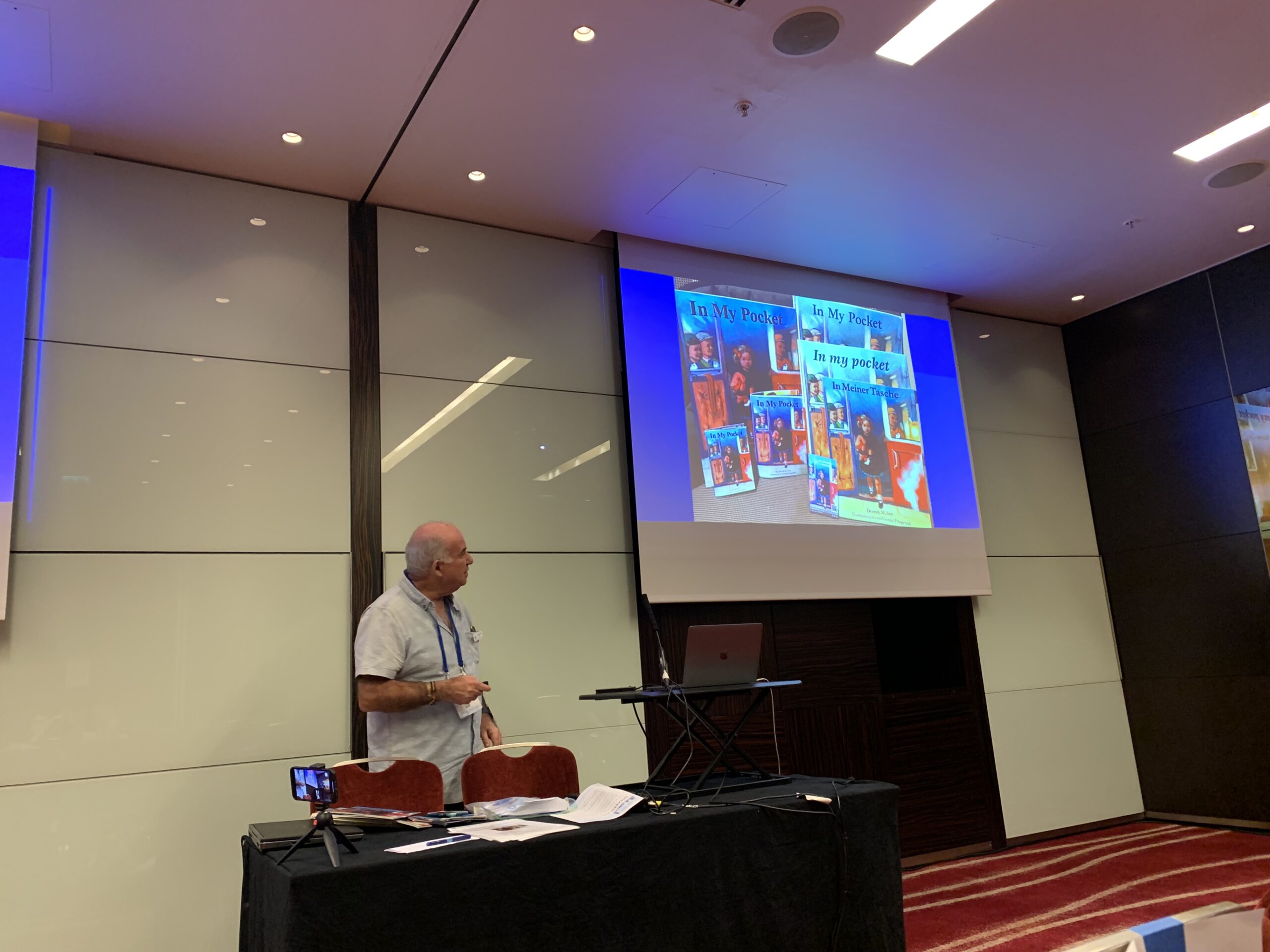
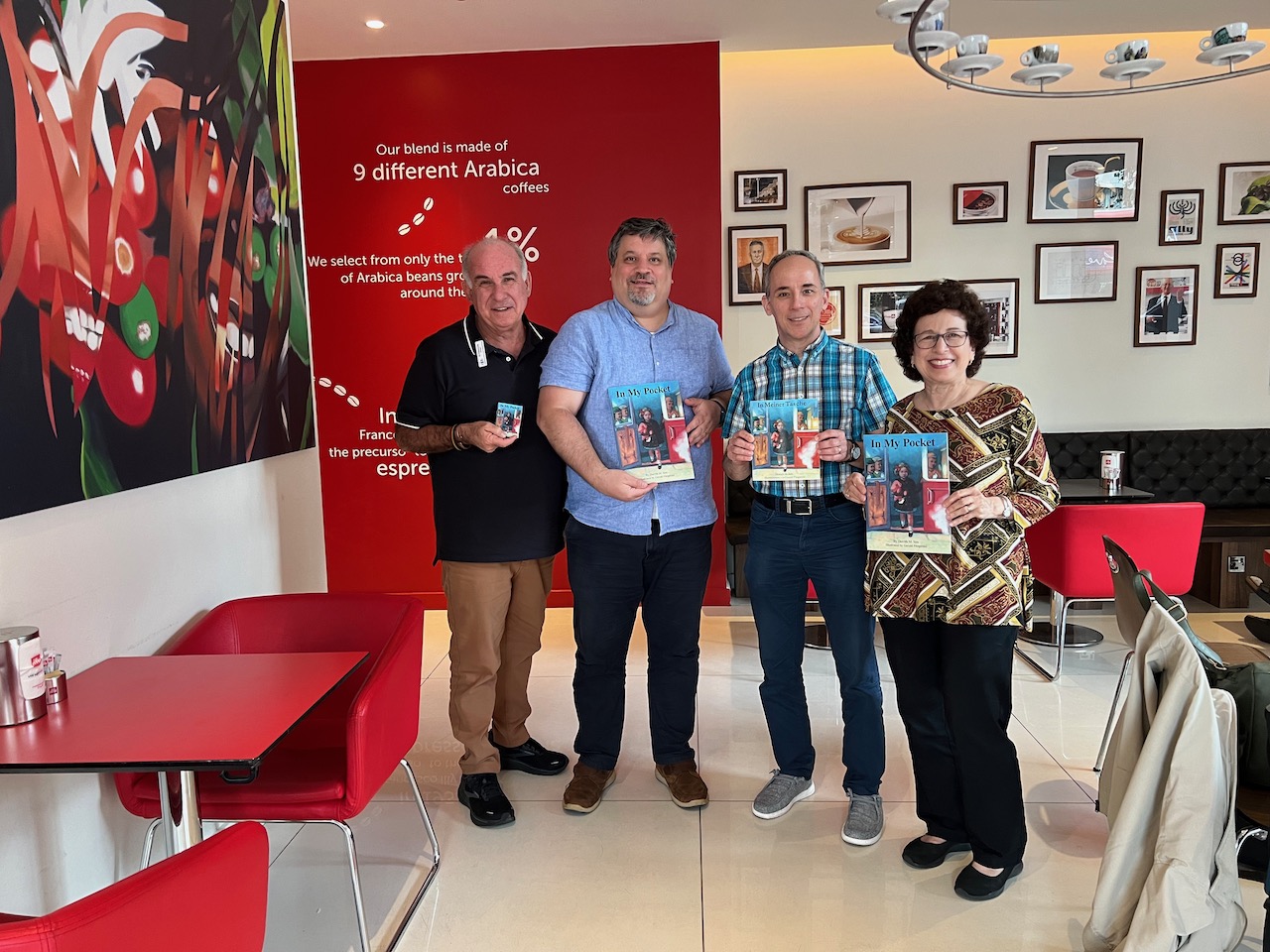
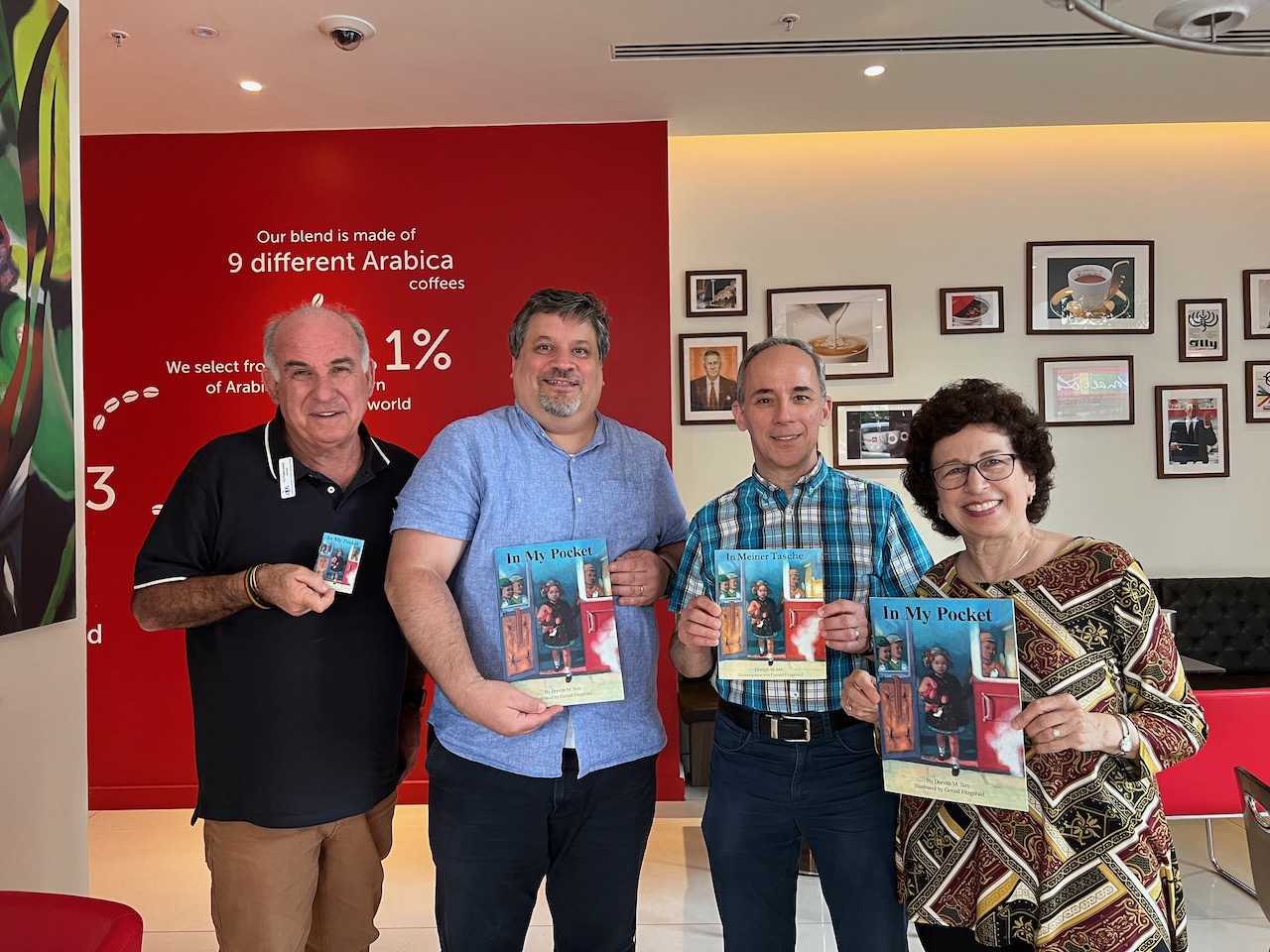
The German language book – In Meiner Tasche

In My Pocket Project educates Australian school children of all backgrounds

https://elirab.au

Jill and Eli Rabinowitz with Tanja Colgan, German teacher Goethe Institute

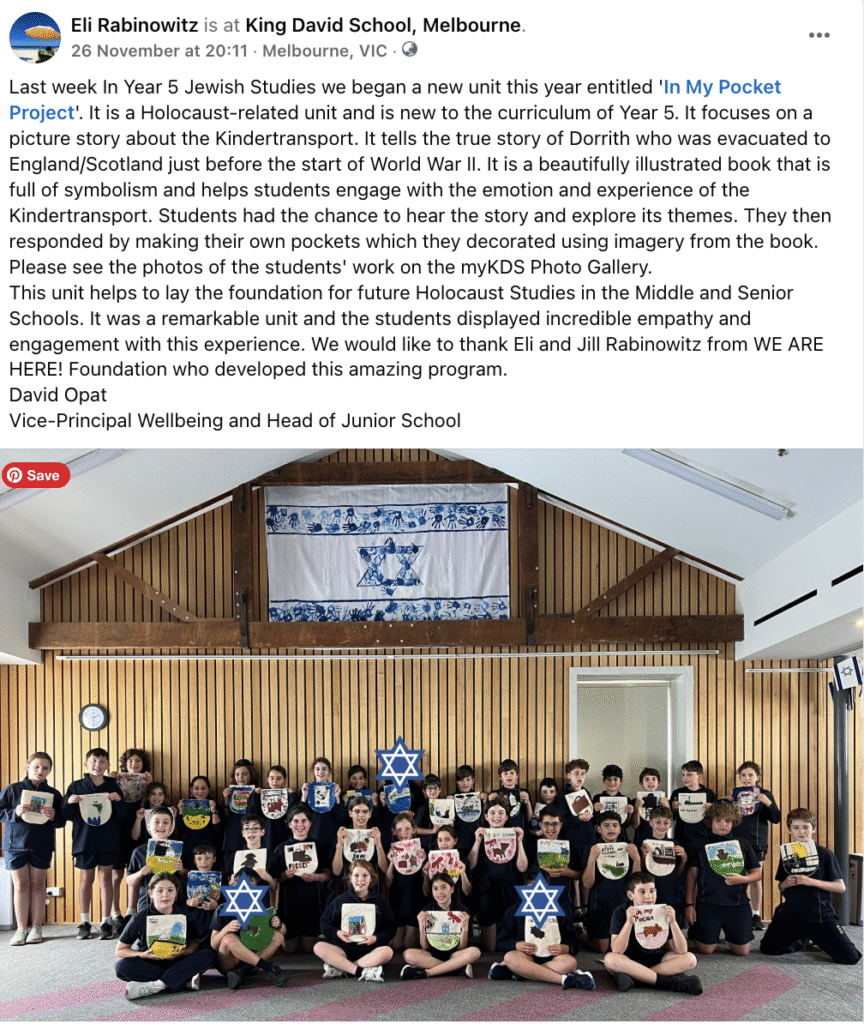
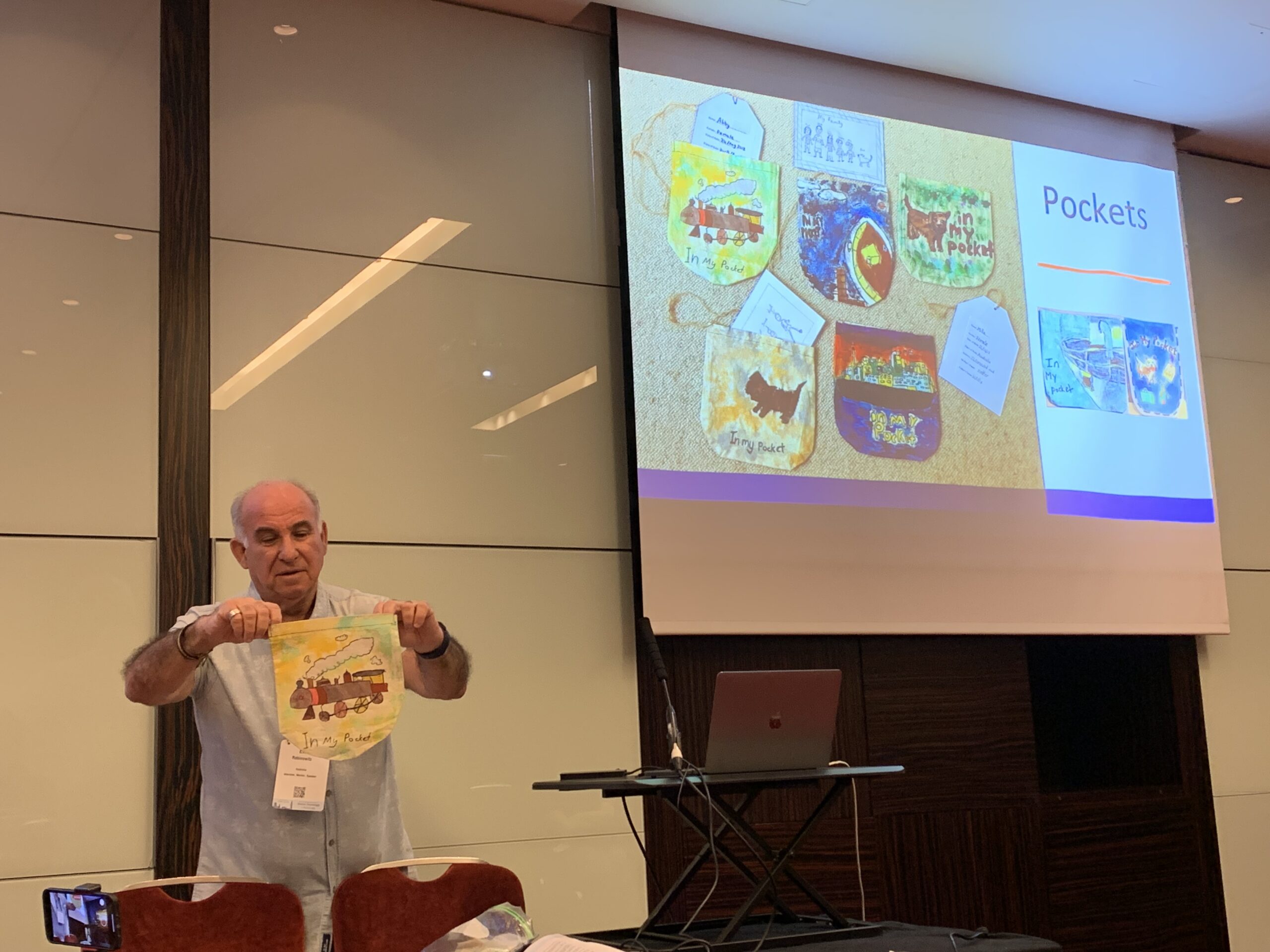
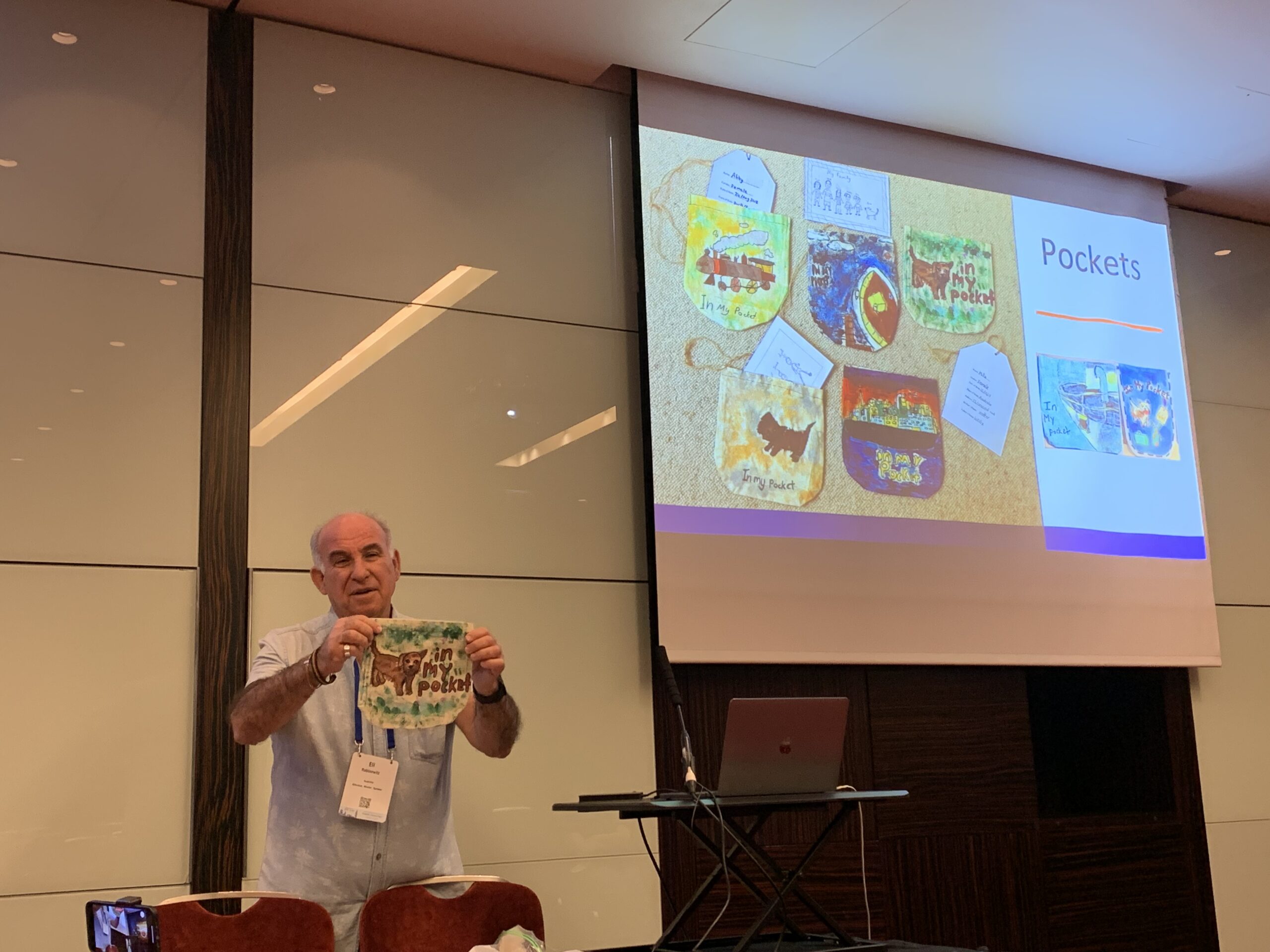
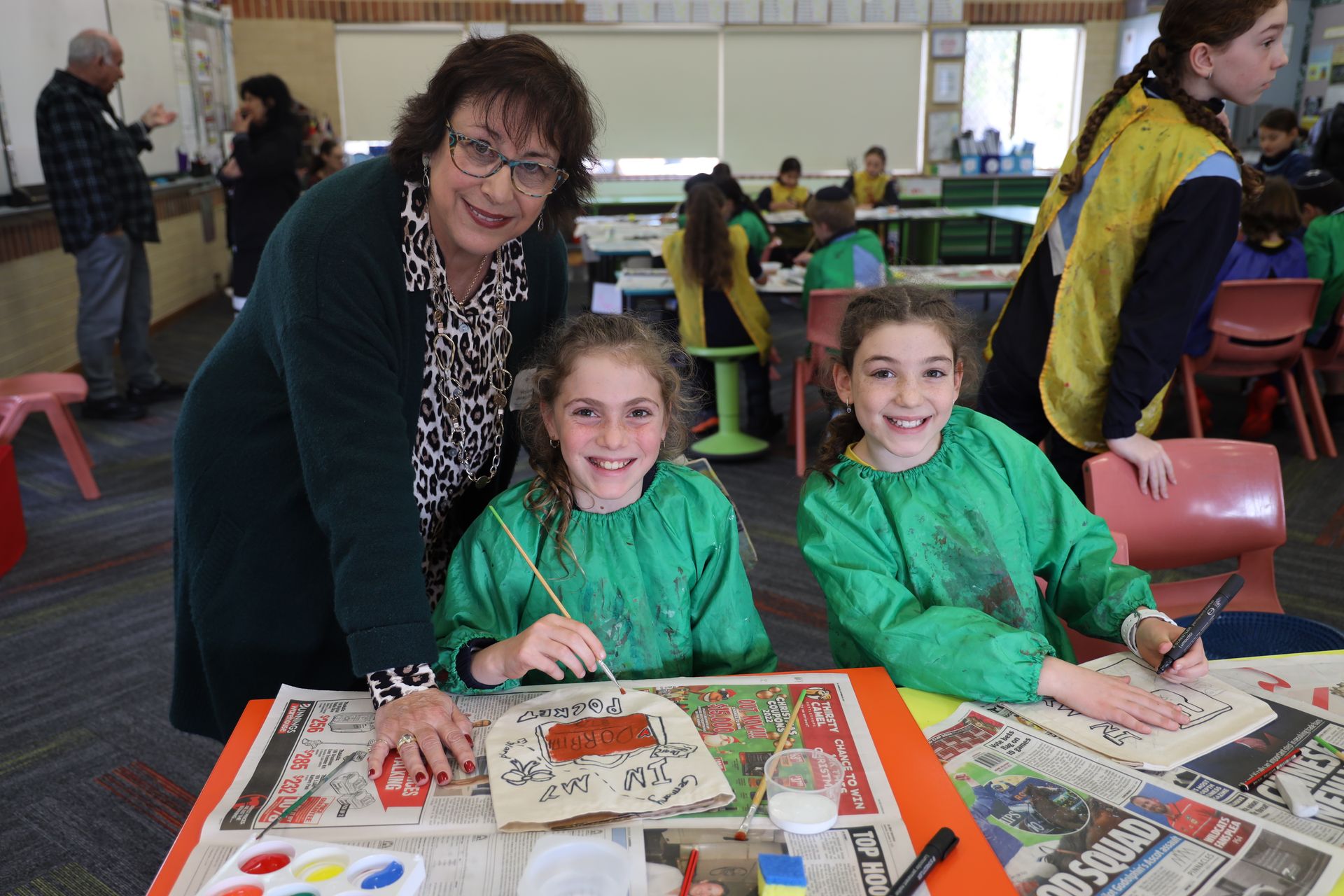
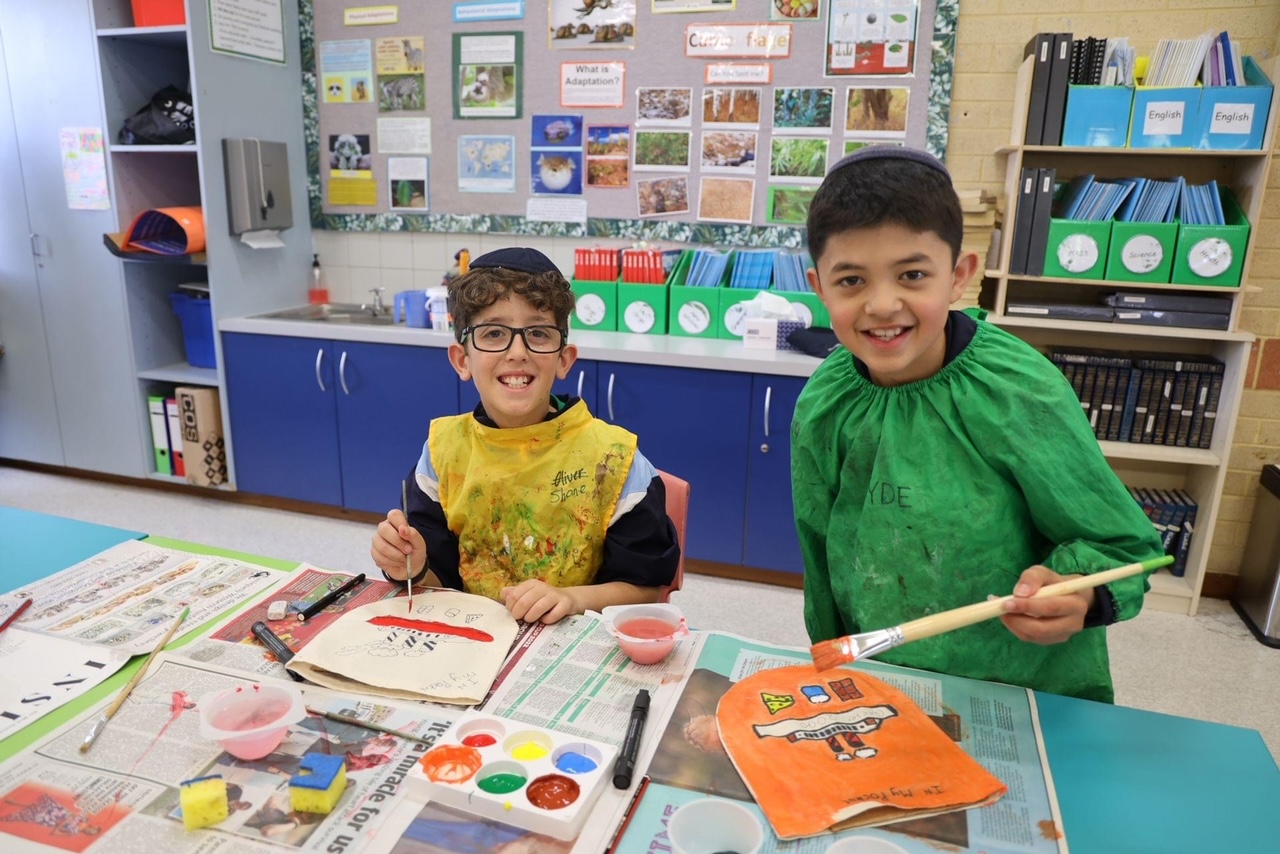
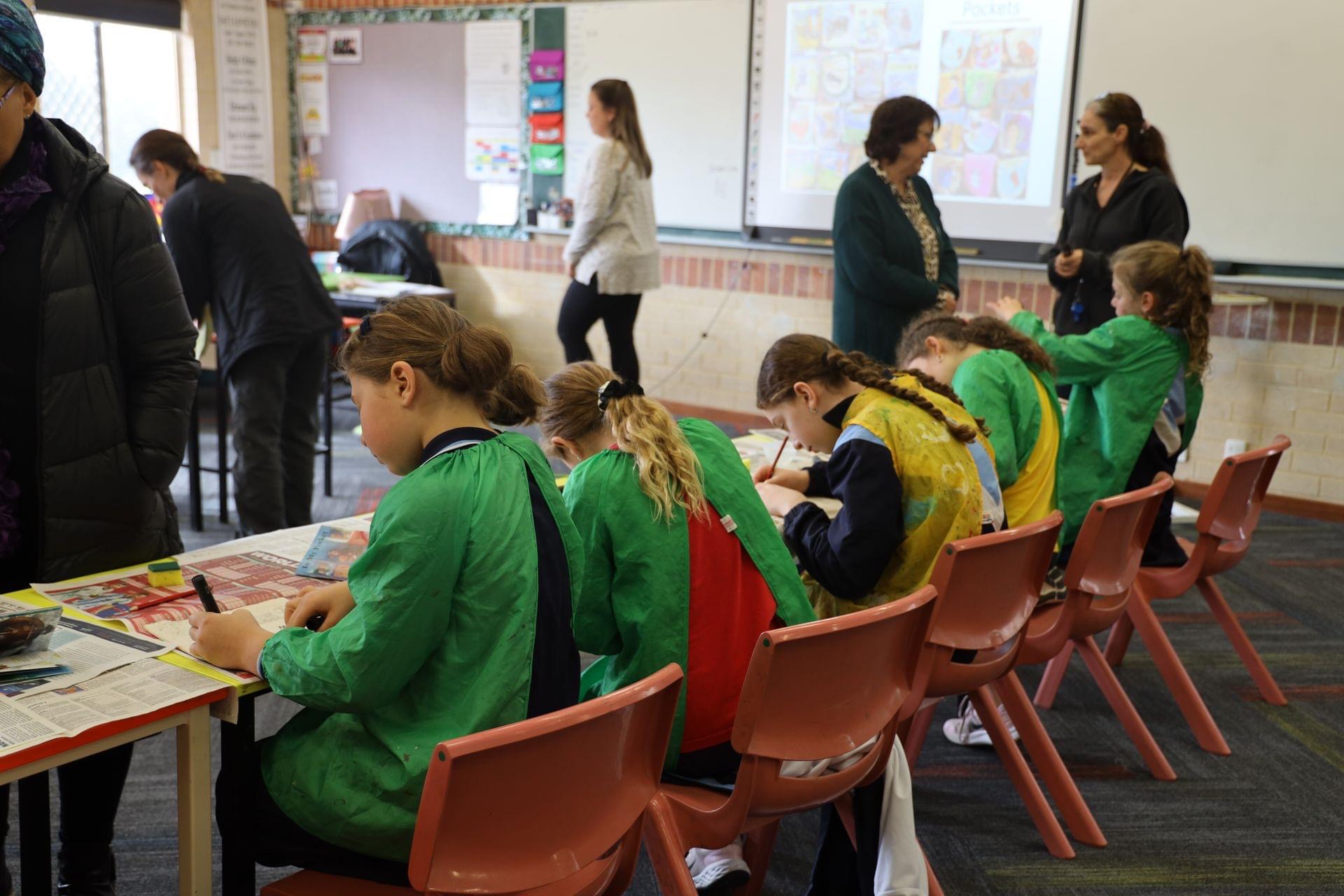
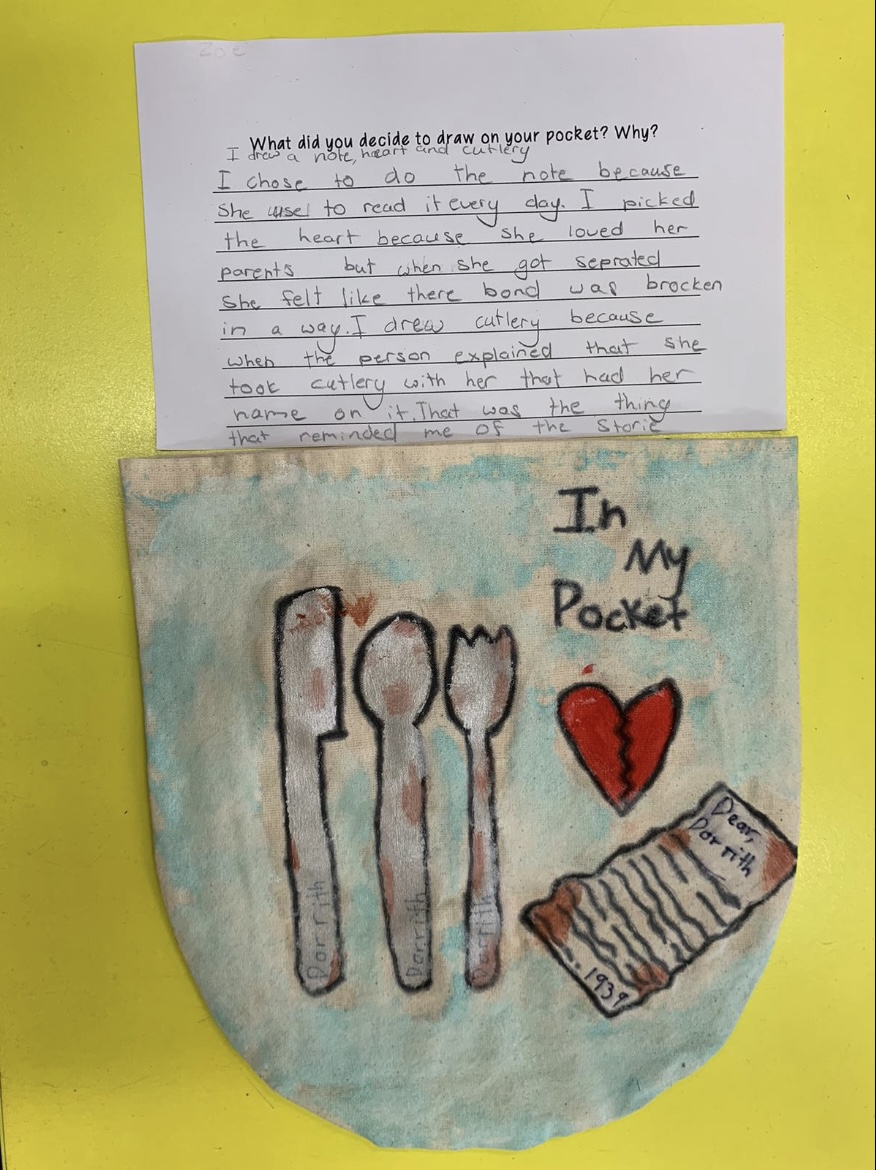
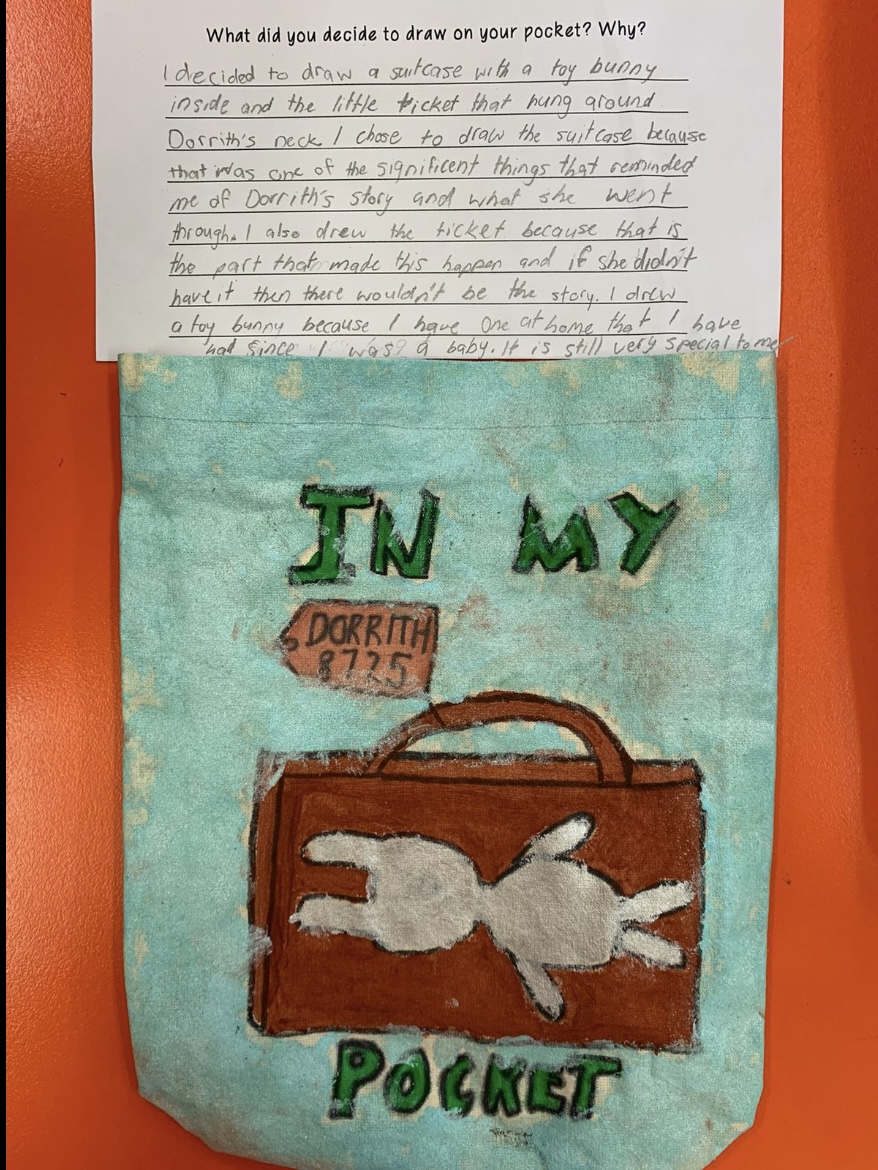
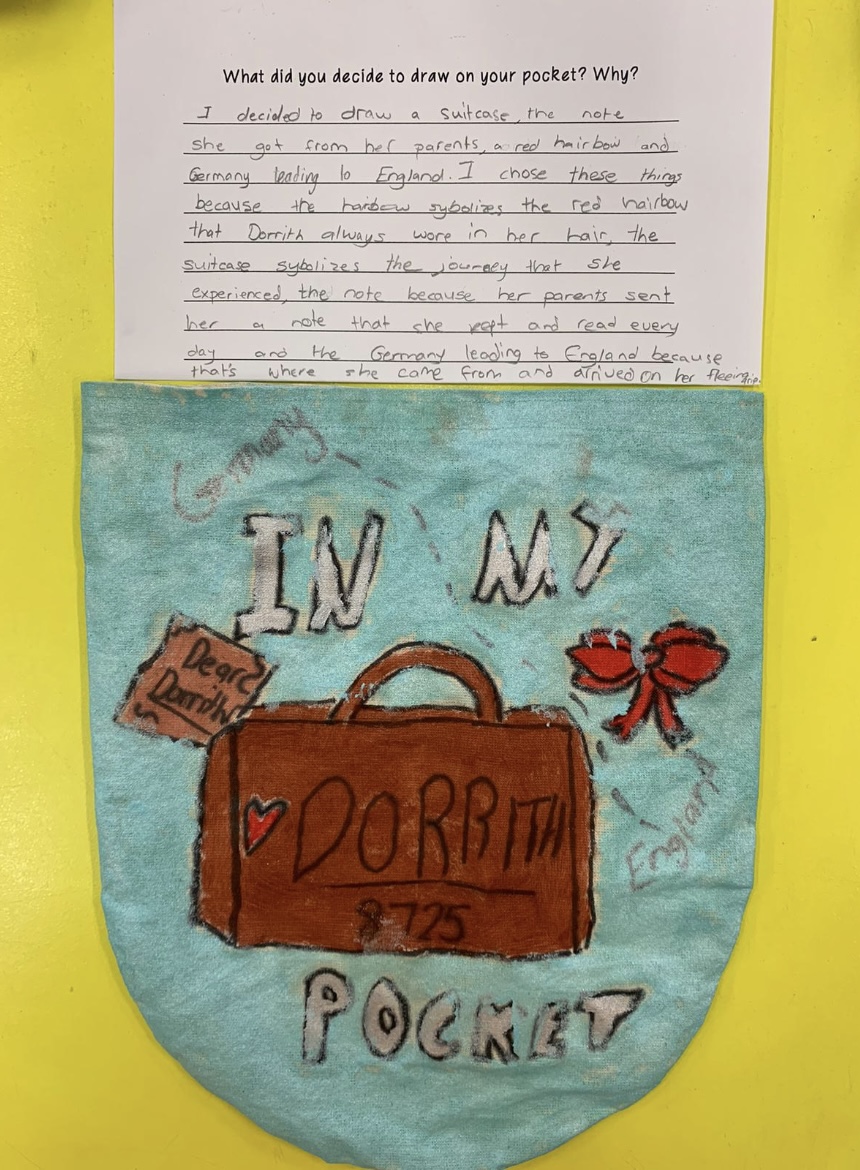
The Project is a two-hour workshop of a book reading with a creative art activity for upper primary classrooms (Years 5 and 6). The story links with HASS units on civics, migration and refugees. Intercurricular learning opportunities promote values of empathy, kindness and inclusivity in the multicultural classroom.

This project is a stepping stone to the study of the Holocaust, refugees and anti semitism in high school. The project is unique at the primary school level.

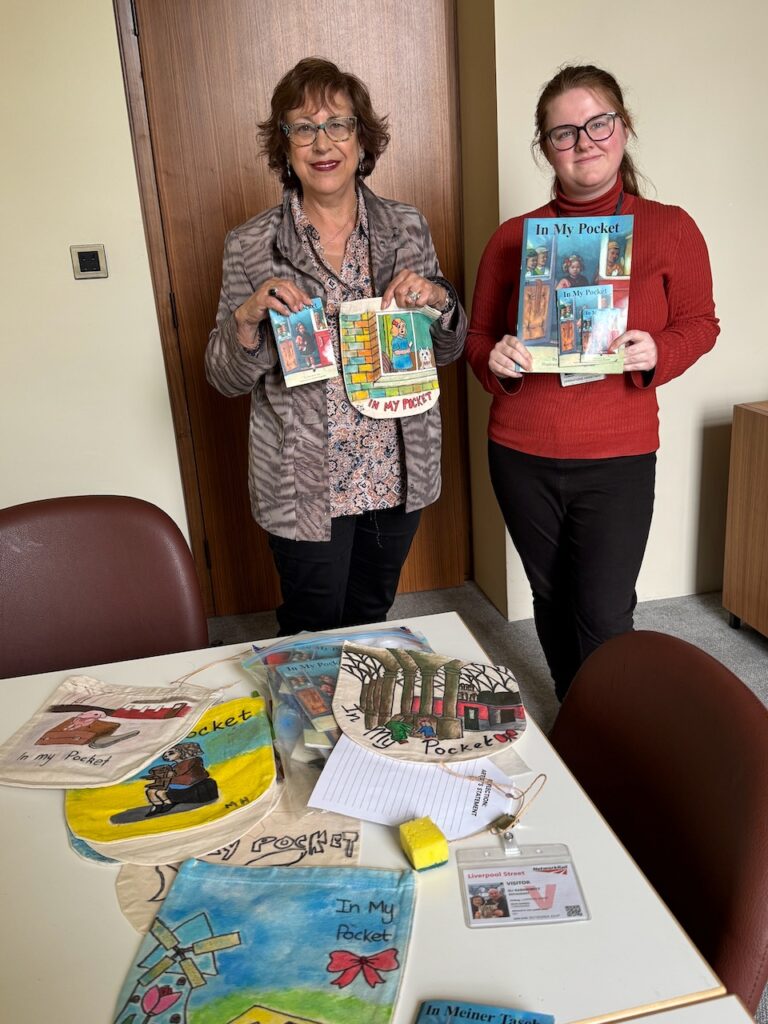
The WE ARE HERE! Foundation provides the calico pockets, art materials and paints together with a free mini copy of In My Pocket for each student.

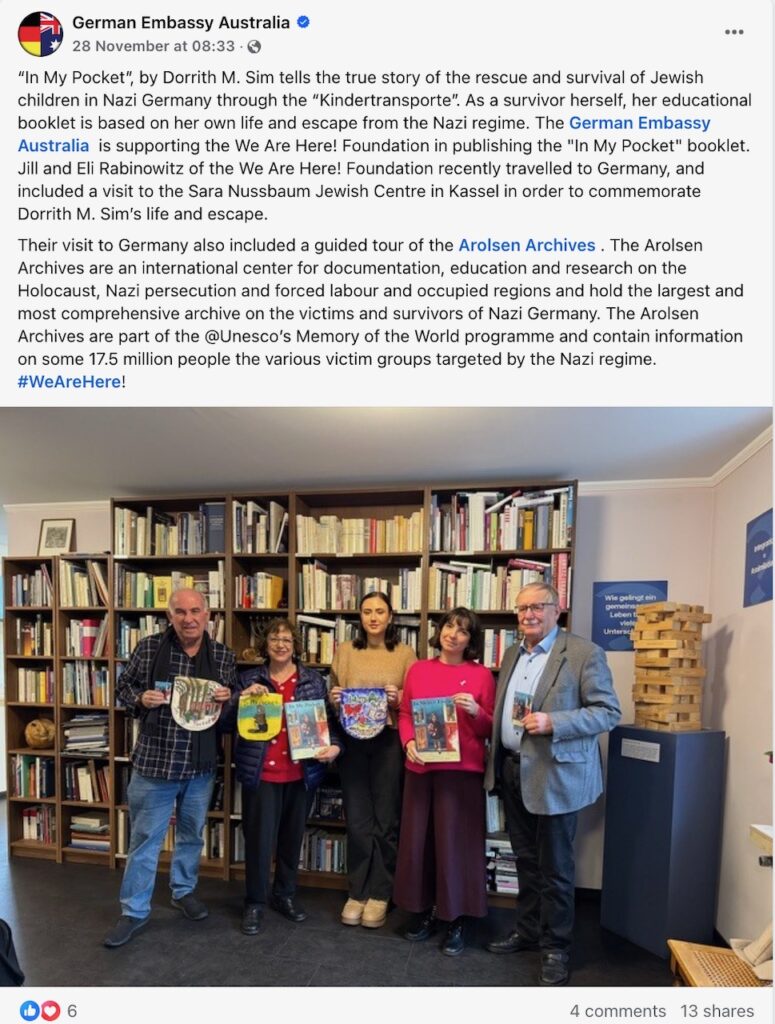
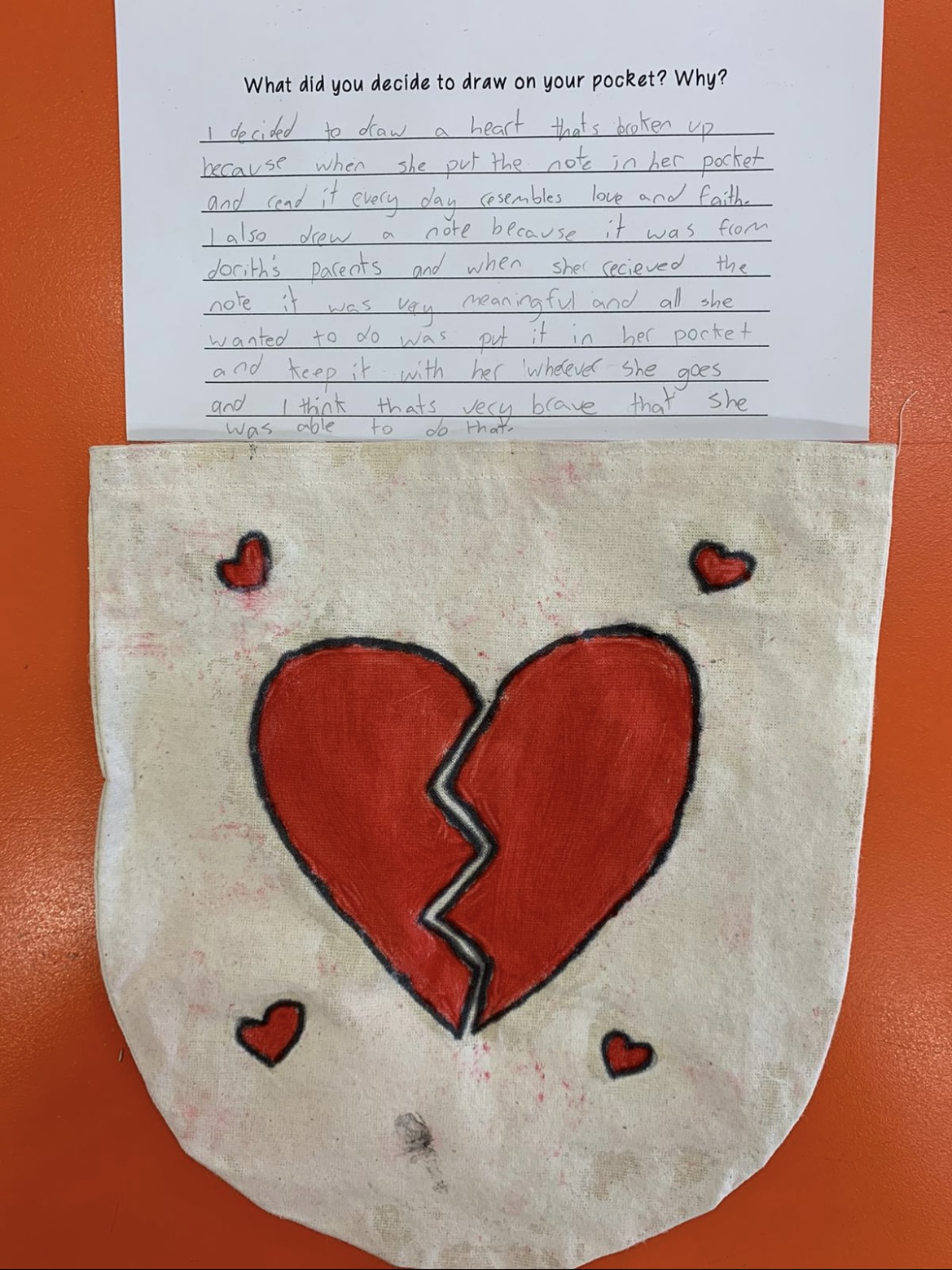
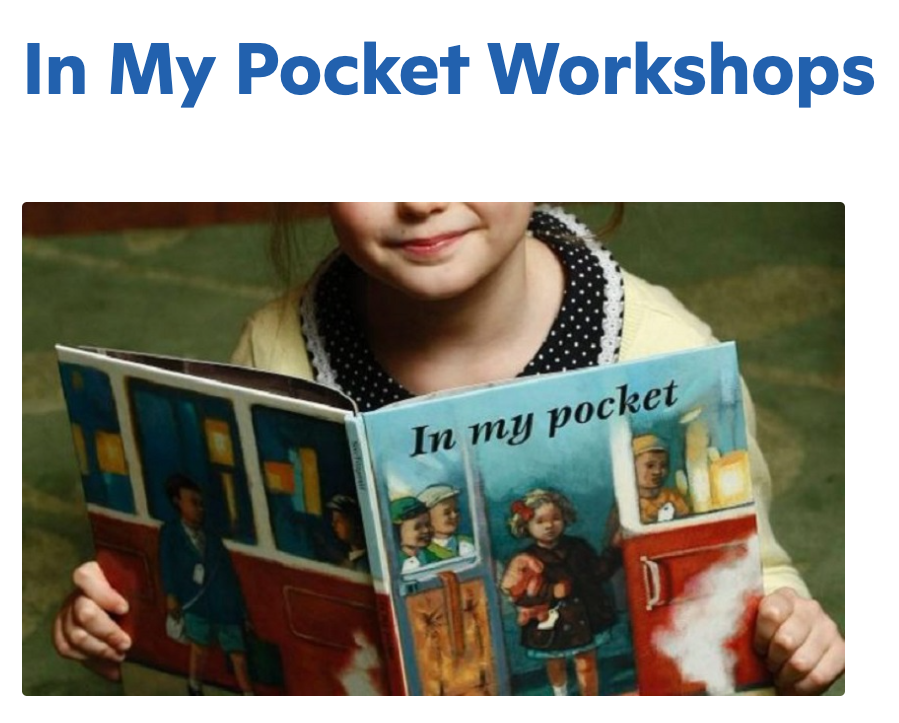
 In My Pocket is Dorrith Sim’s true account of her escape from danger on the Kindertransport. 

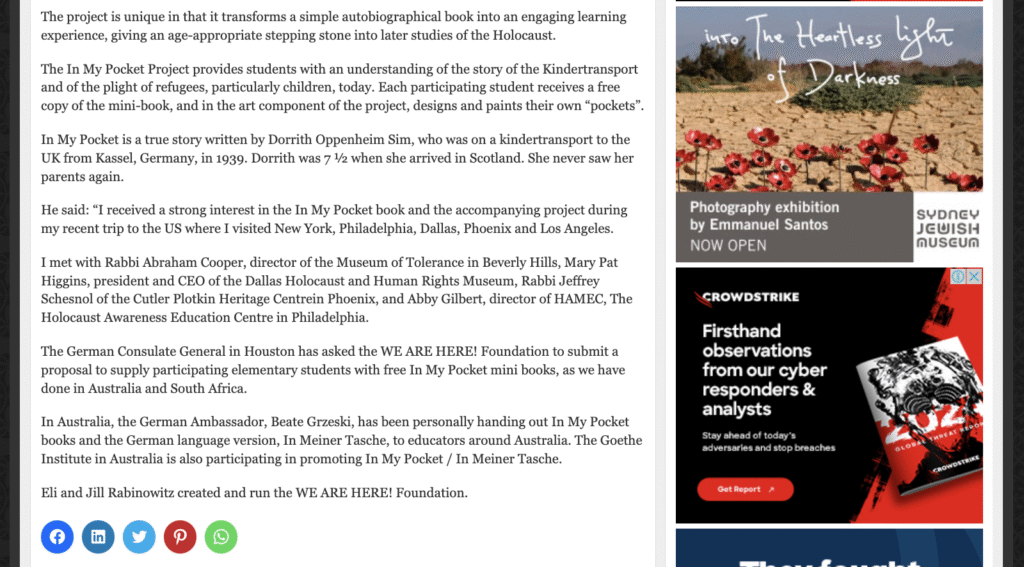
The Project is supported by the German Embassy in Canberra and the German Hon Consul in WA.

The German version of the book, In Meiner Tasche, is promoted by the Goethe Institute in Australia.

Zoom/Teams training is available for teachers.

The project was first launched at Jewish Day schools around Australia and South Africa in 2023/4. Since then, it has been successfully extended to state, private, Catholic and Independent schools as well as to public libraries.

https://en.wikipedia.org/wiki/Kindertransport

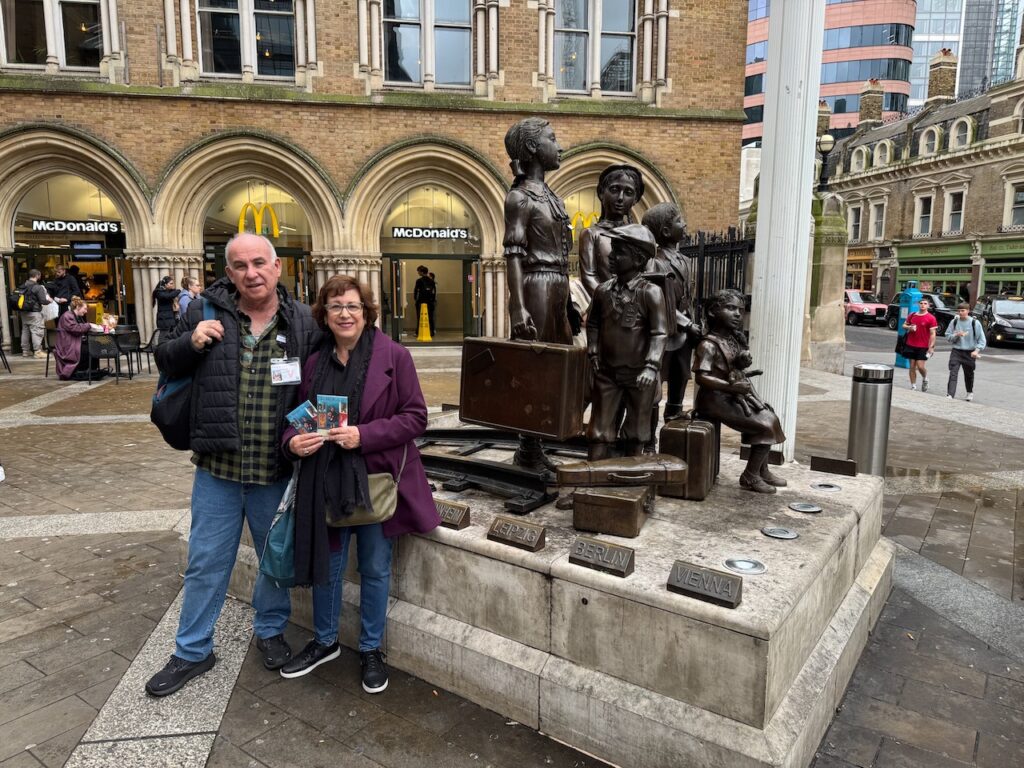
Liverpool Street Station

Liverpool Street Station

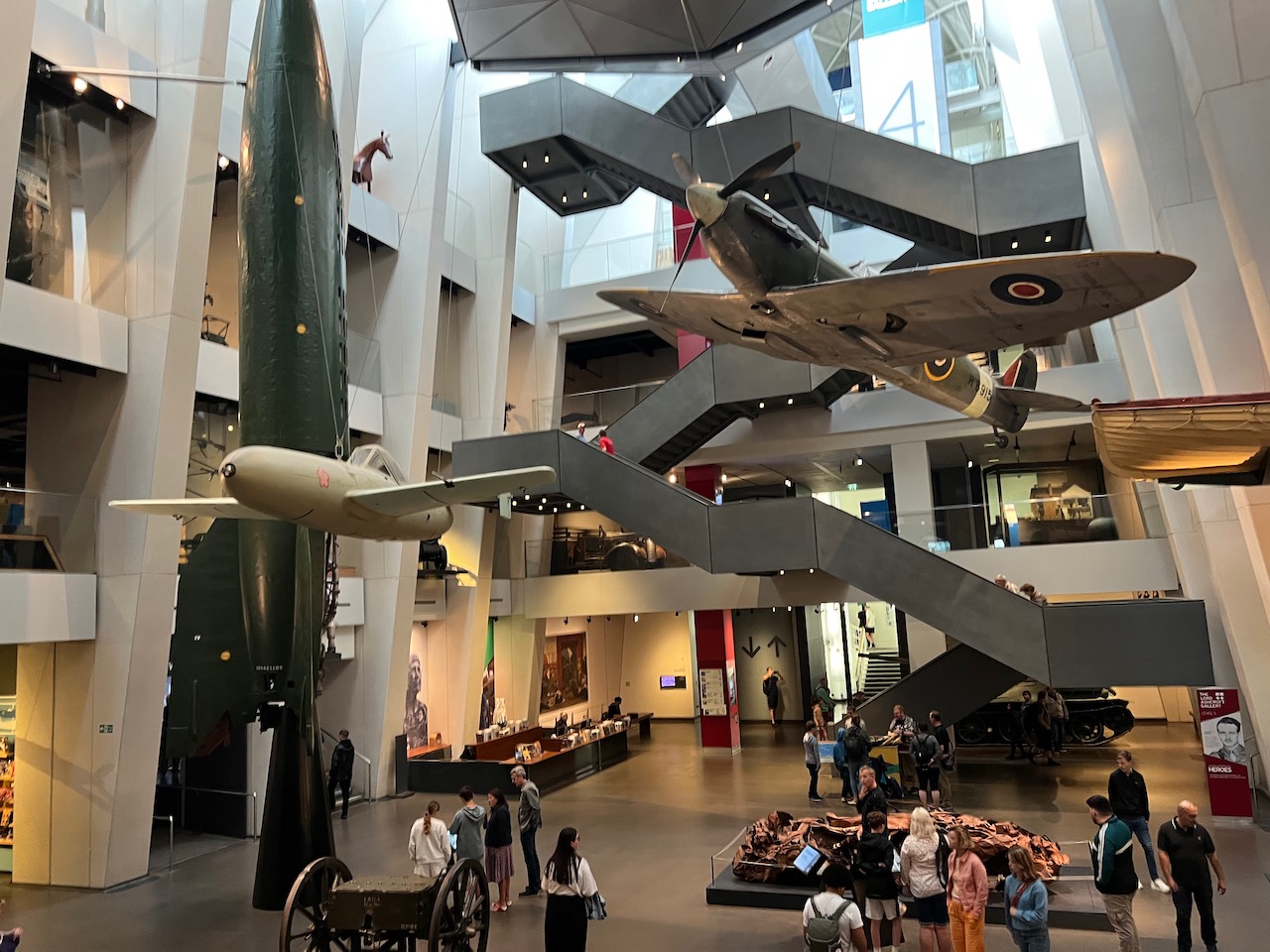
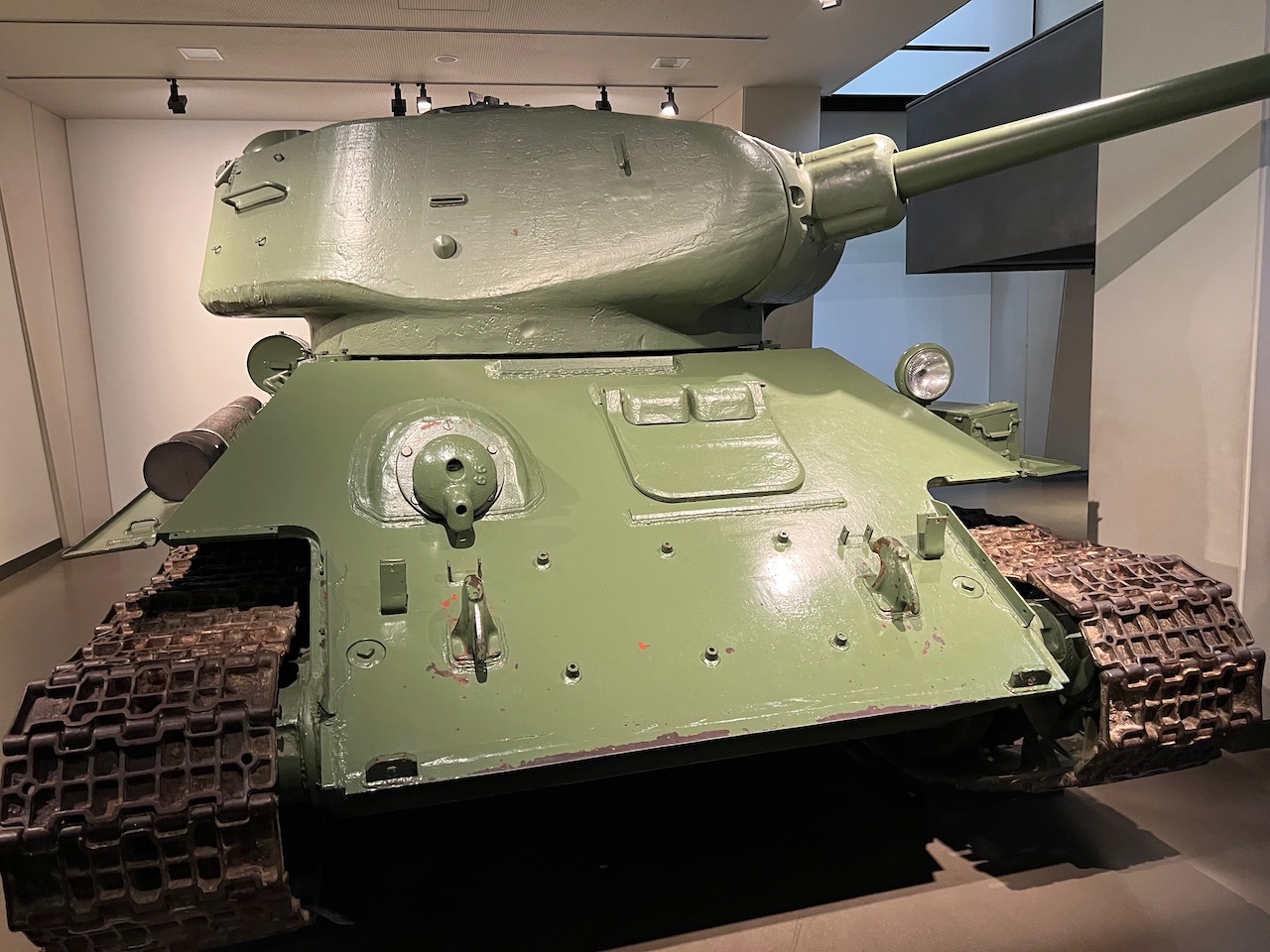
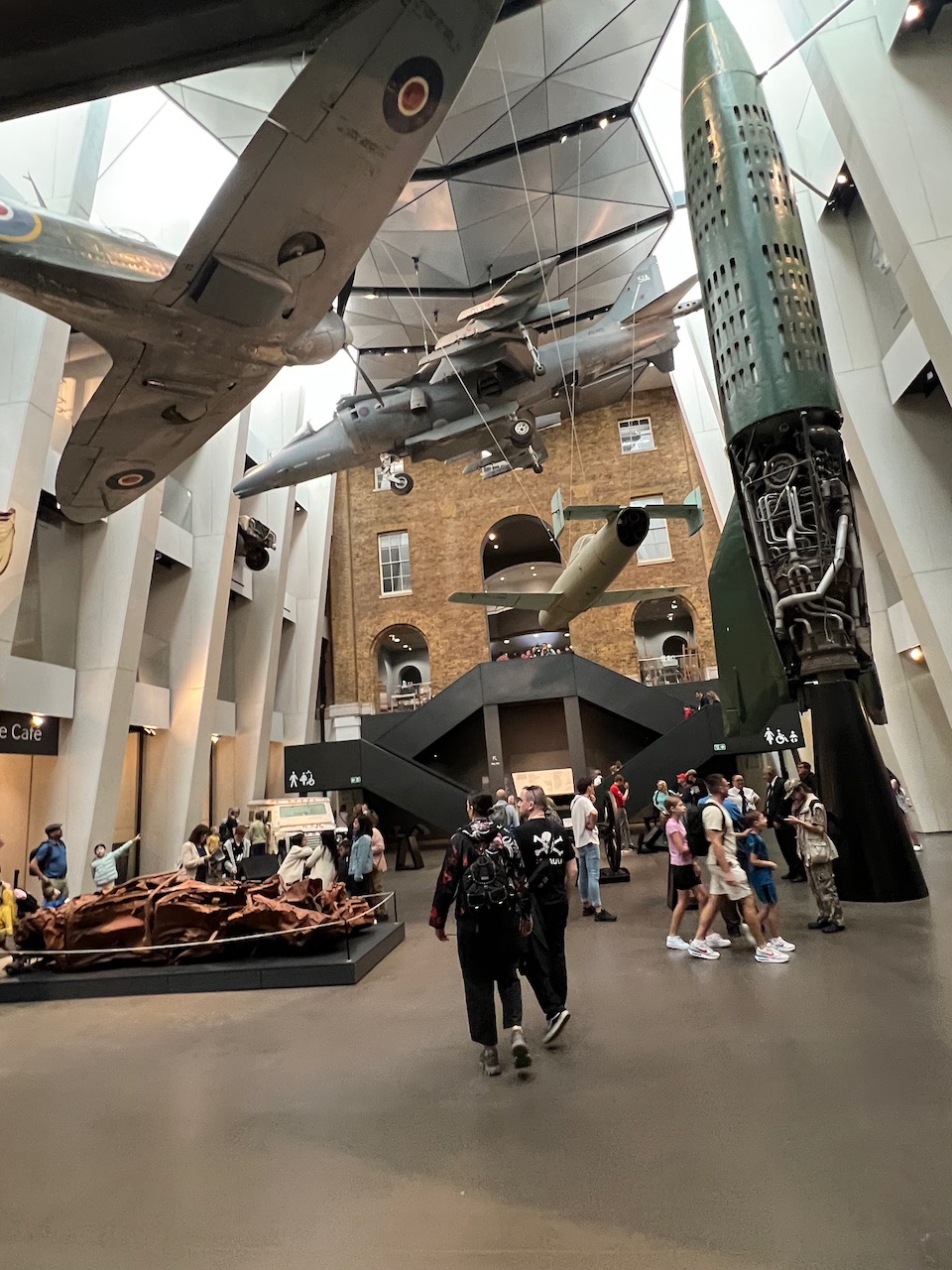
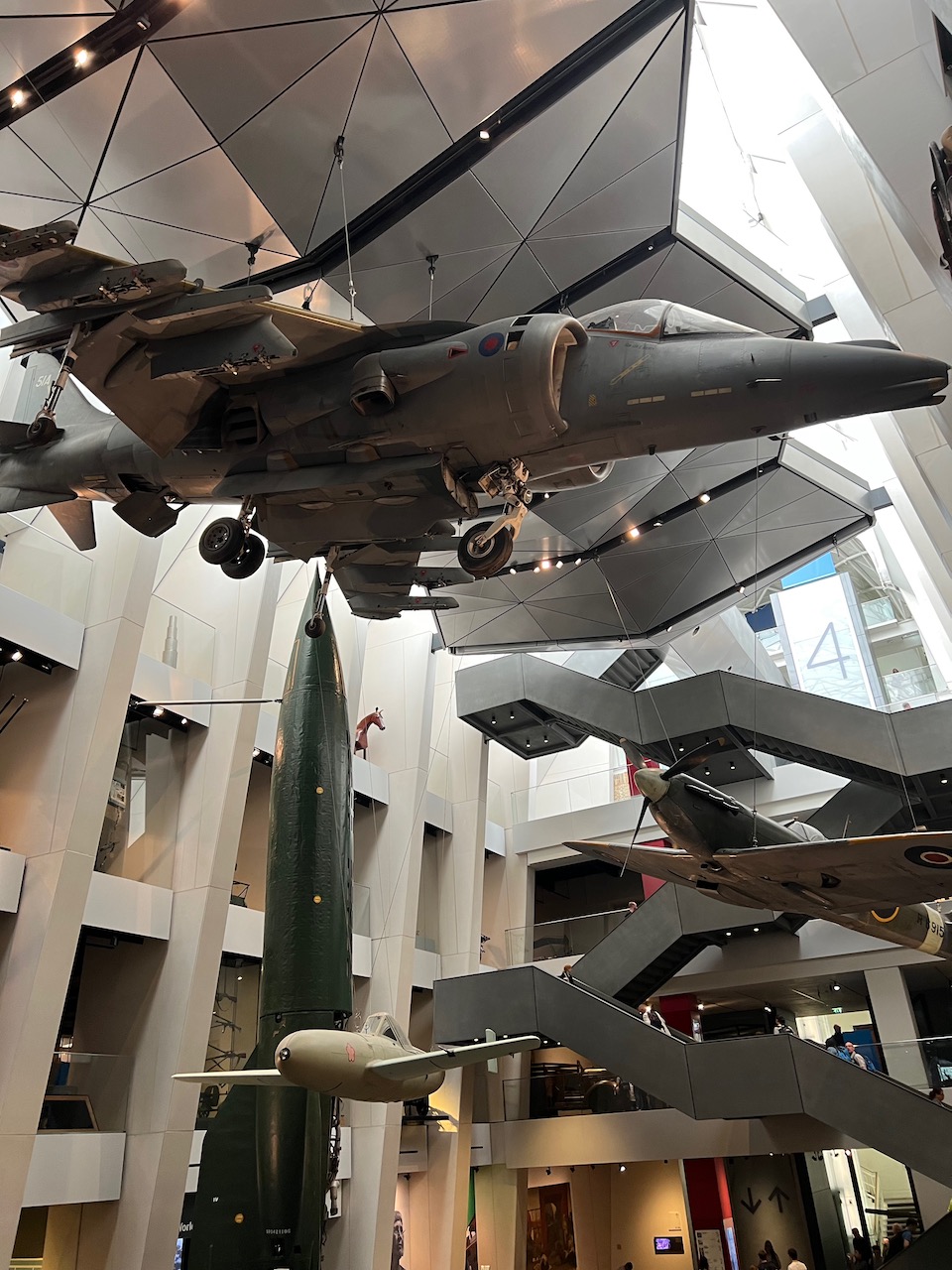
Hannah Devenney at the Imperial War Museum, London

London IAJGS Conference 2023

30 July – 3 August 2023

Sunday 30 July

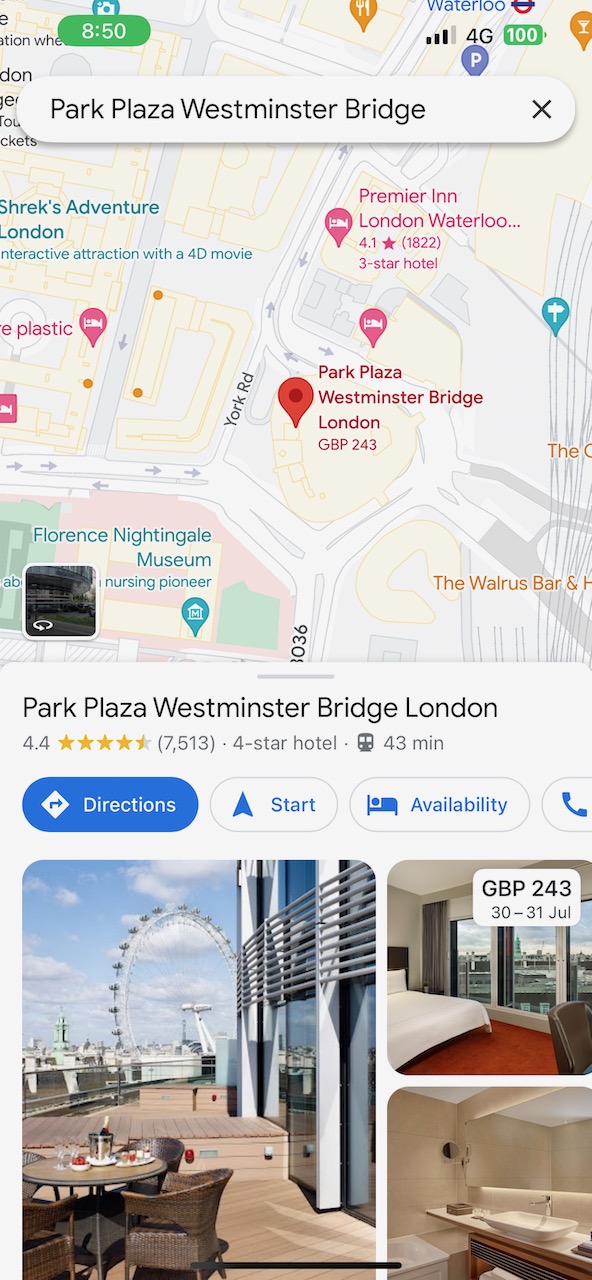
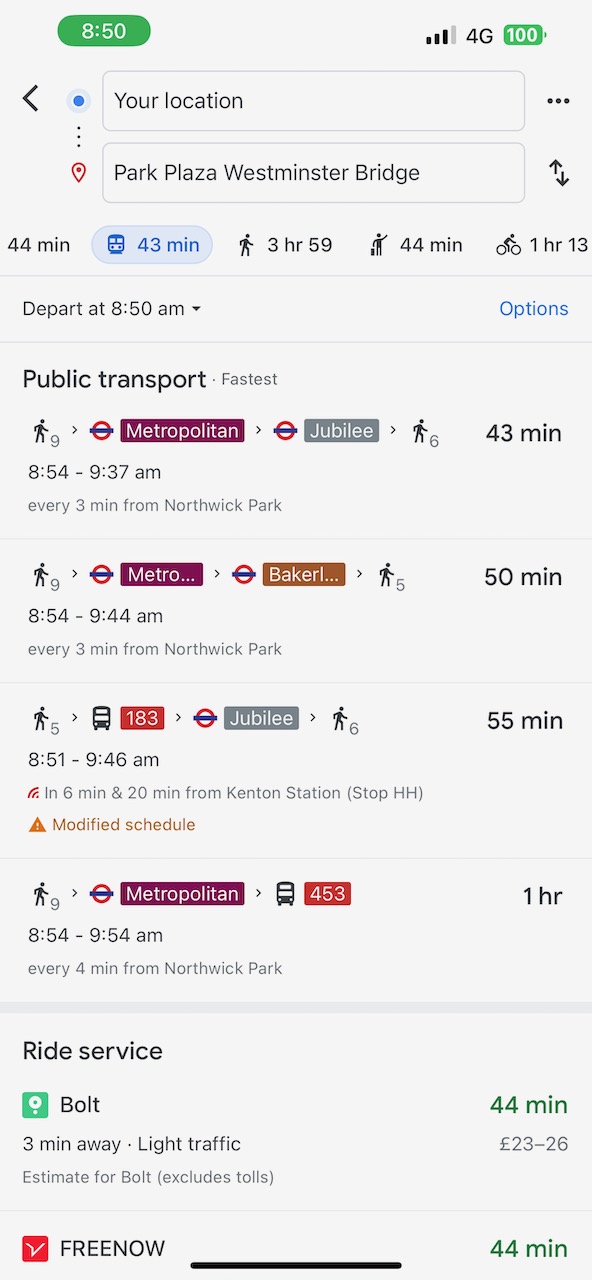
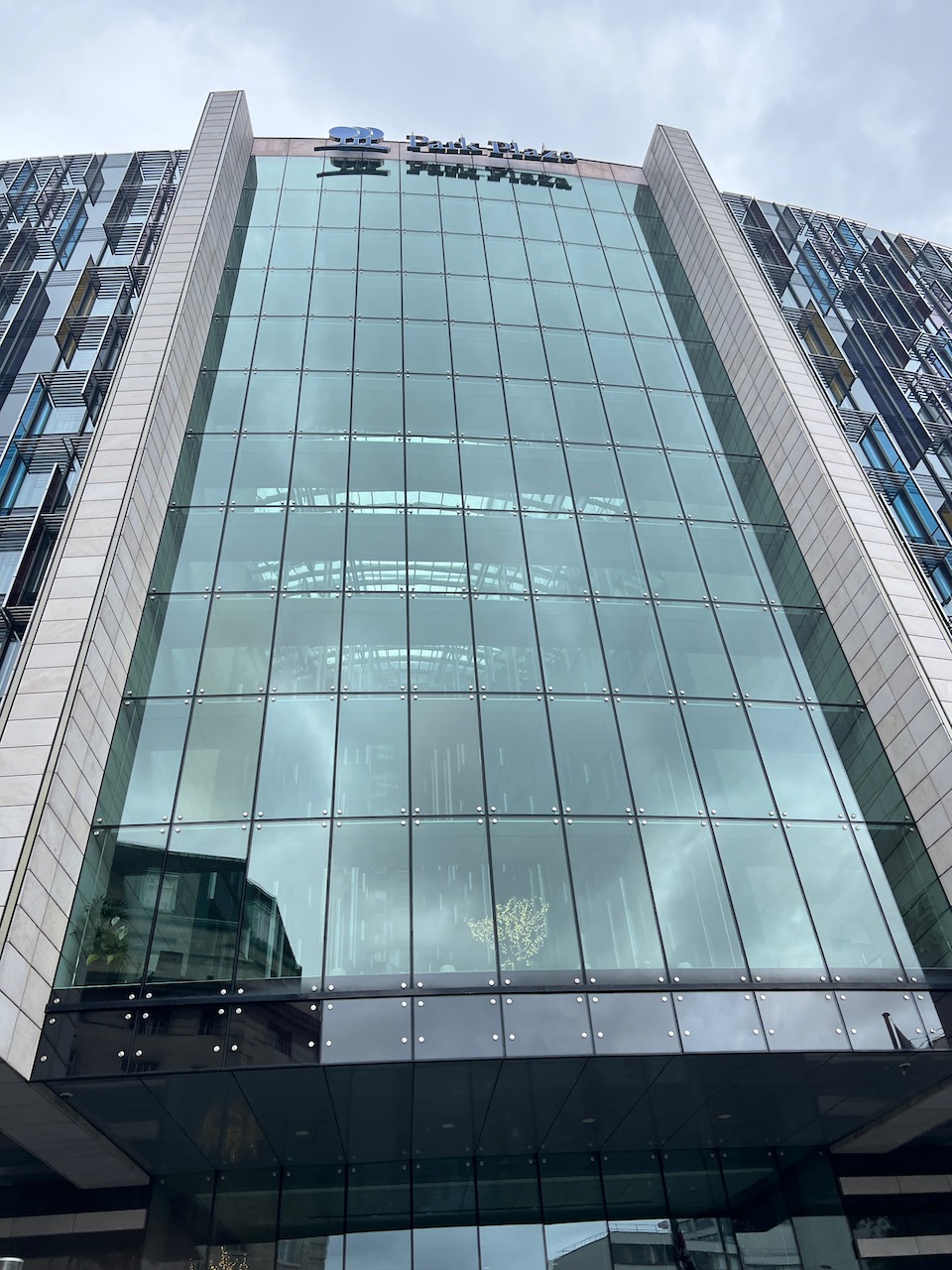
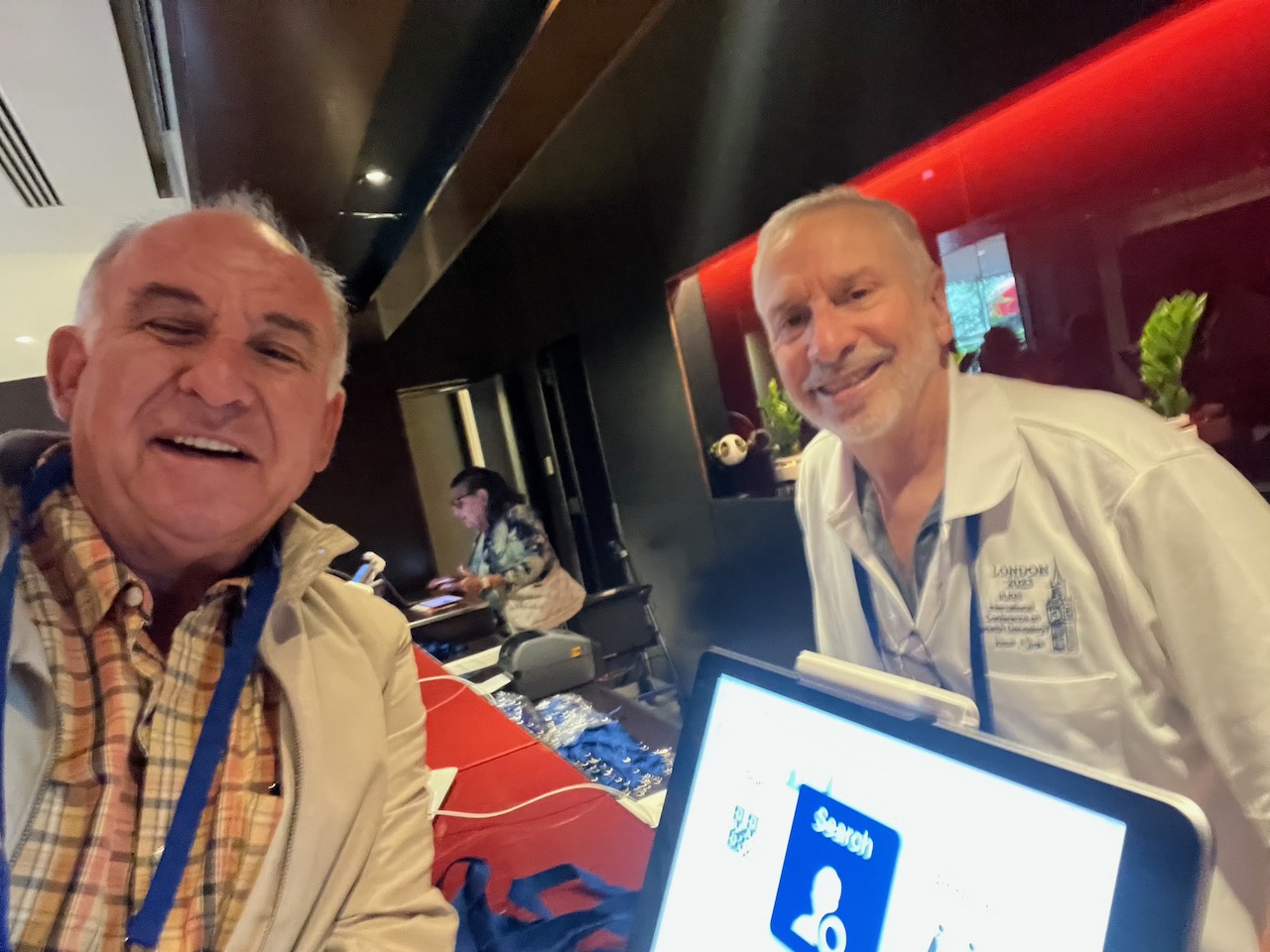
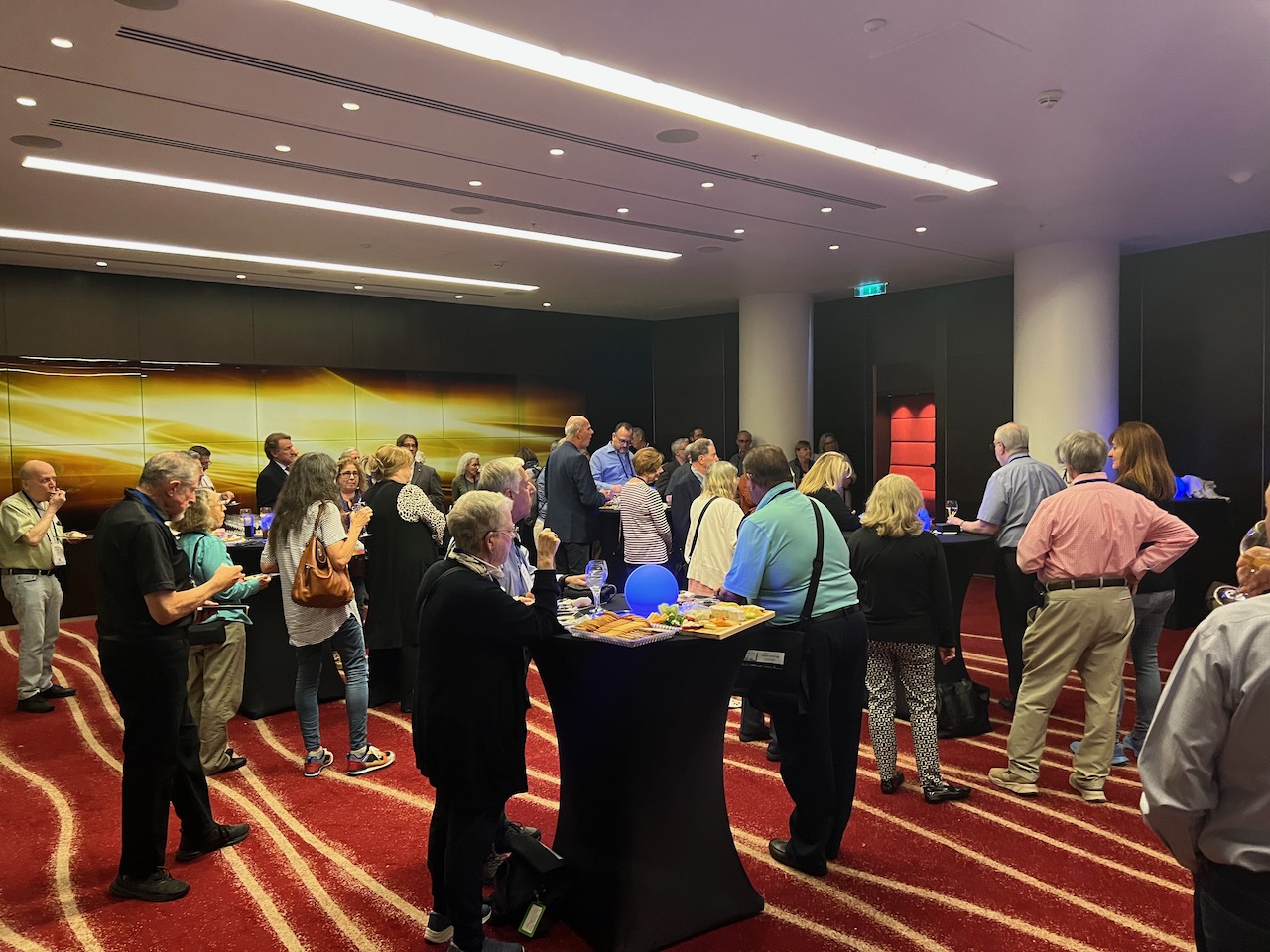
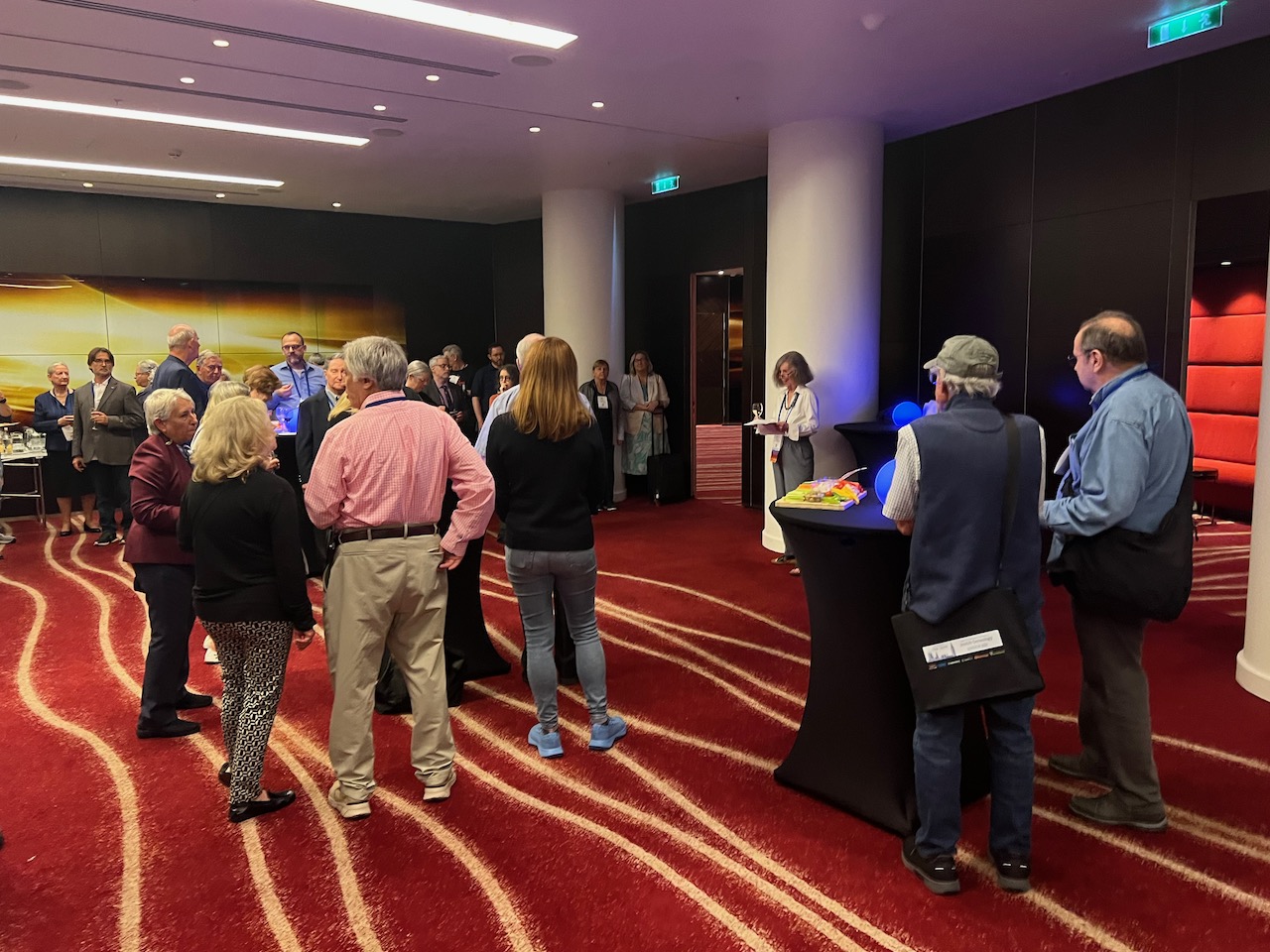
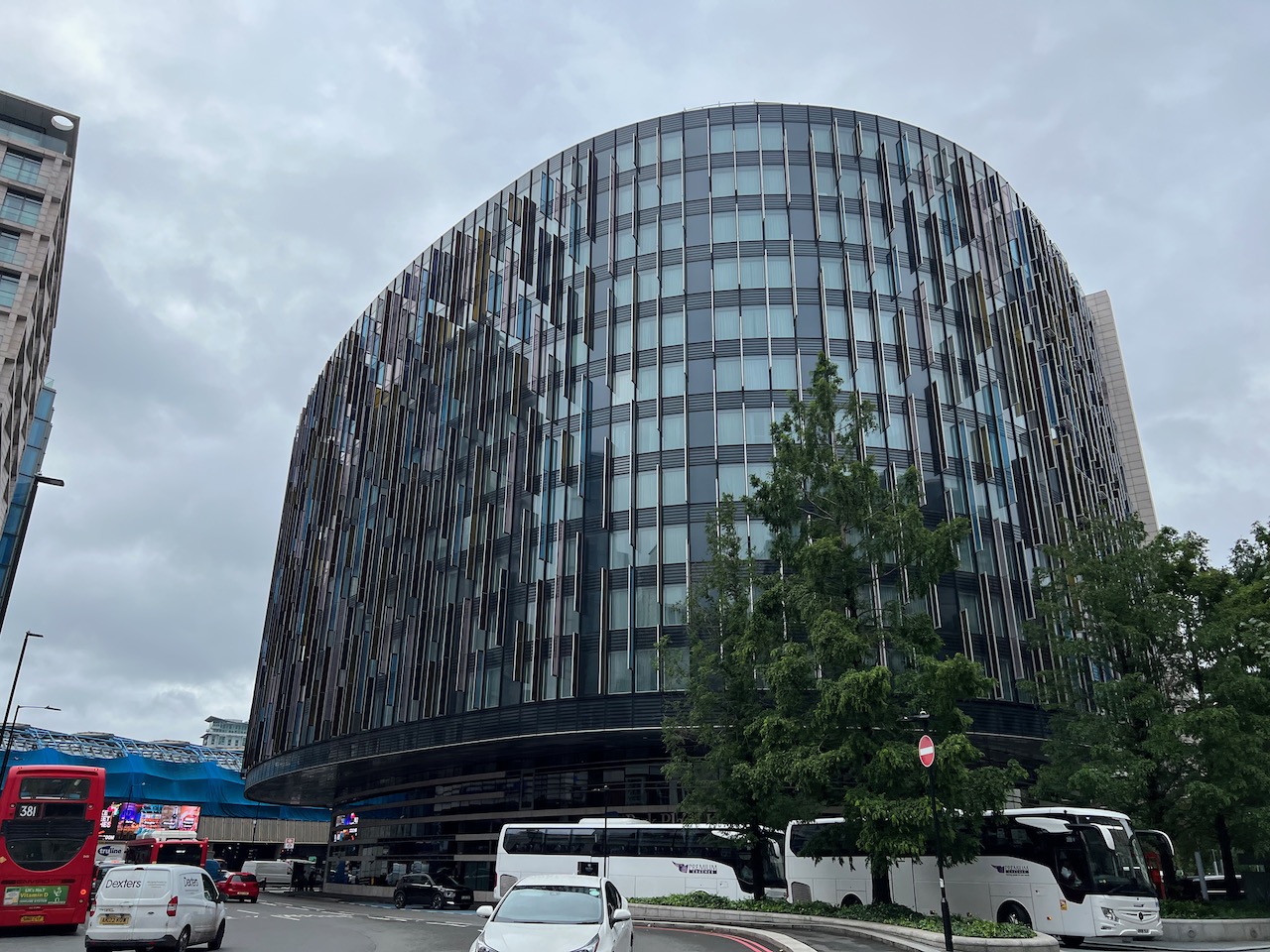
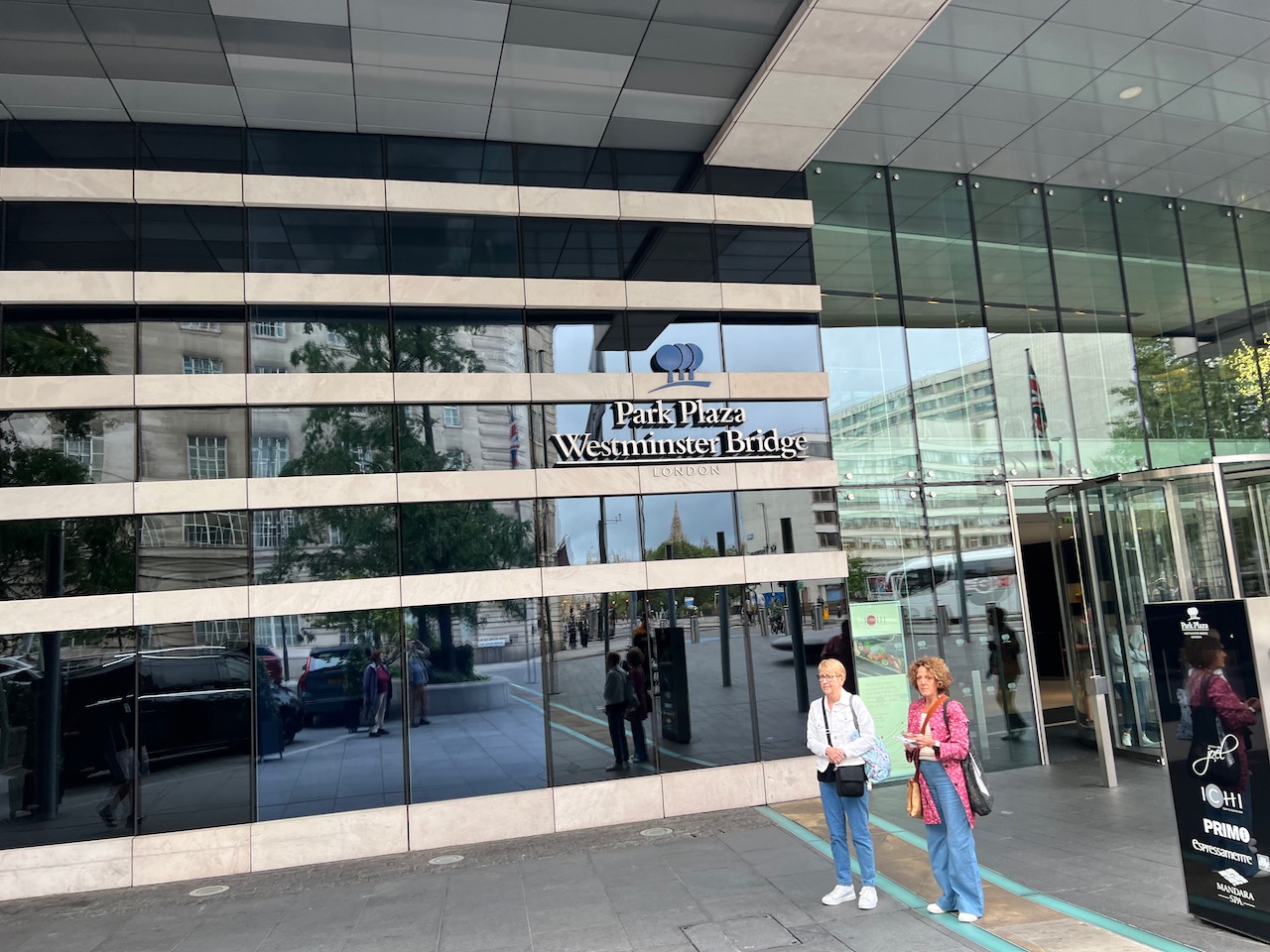
The Park Plaza – IAJGS Conference. First In-Person meeting in 4 years!

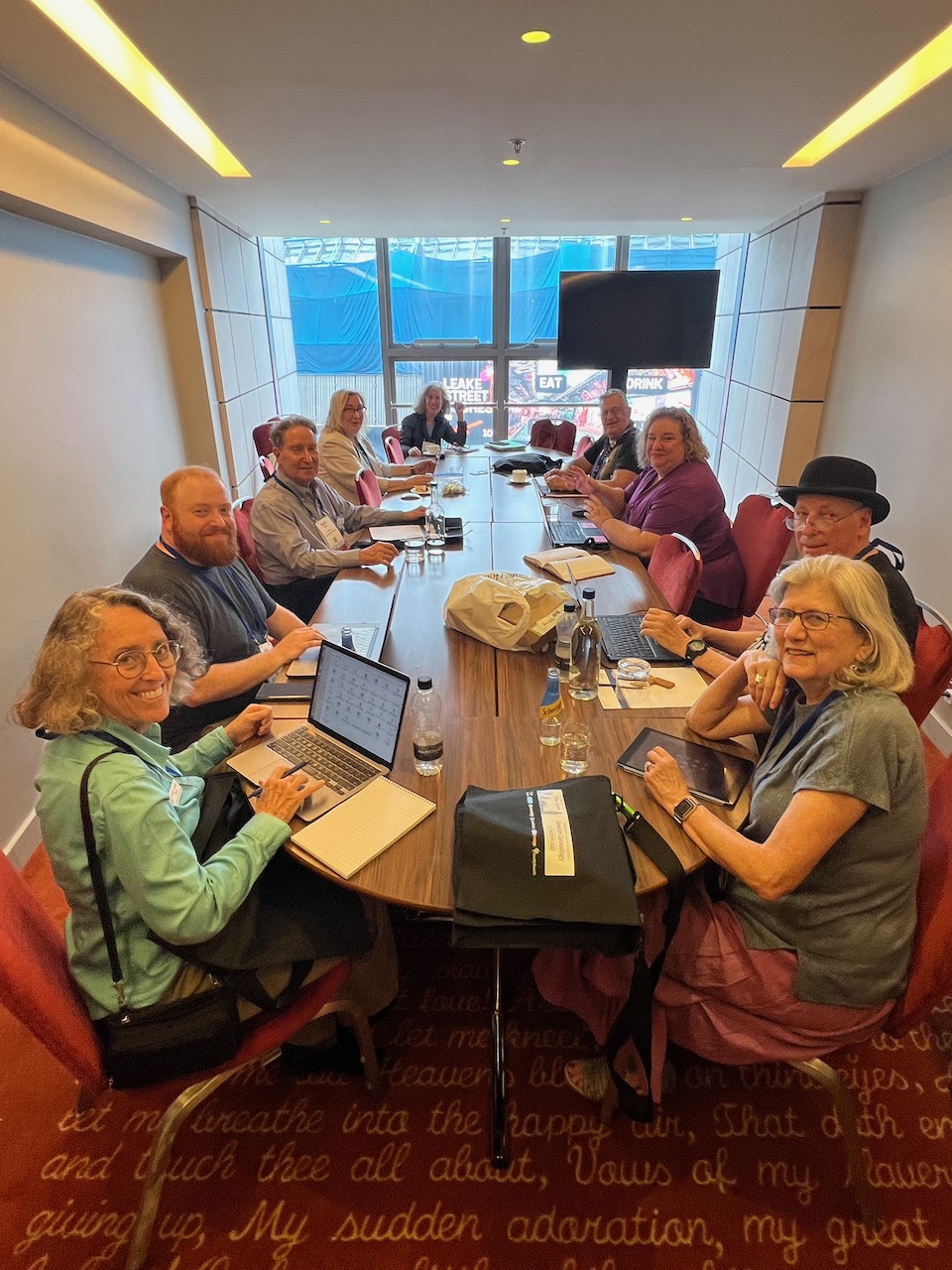
IAJGS Directors’ Board Meeting 

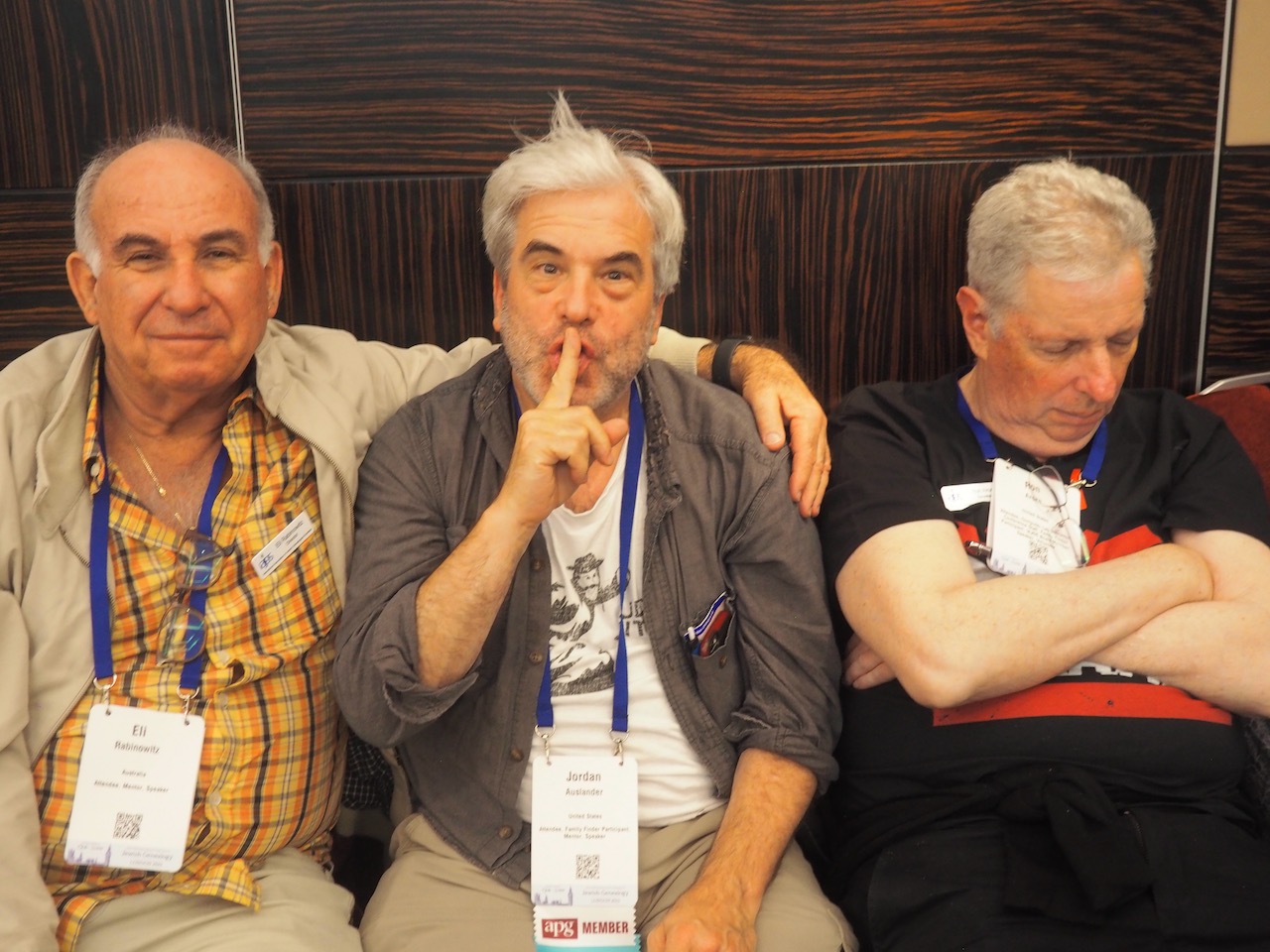
Some veterans

At the end of the first day!

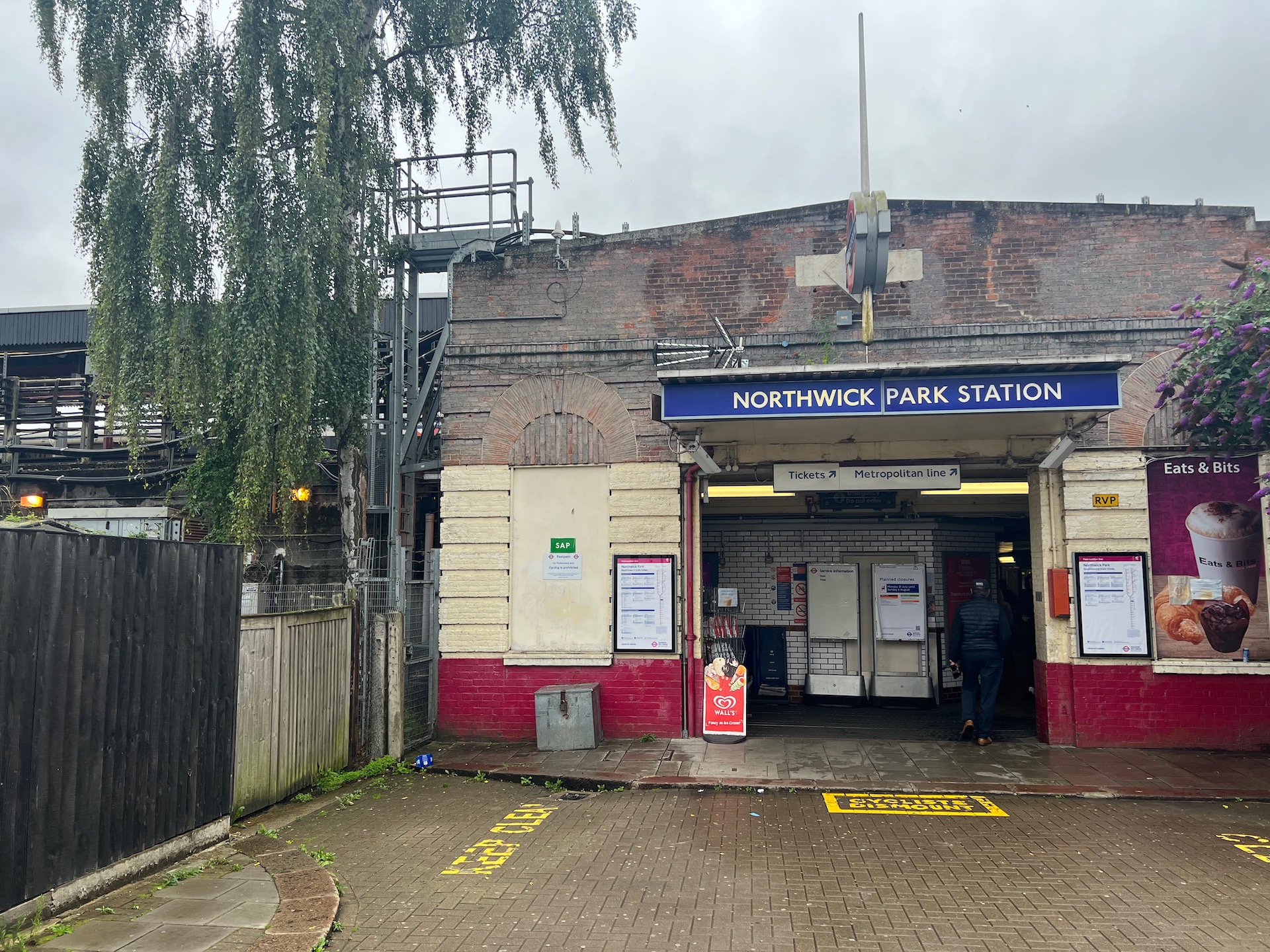
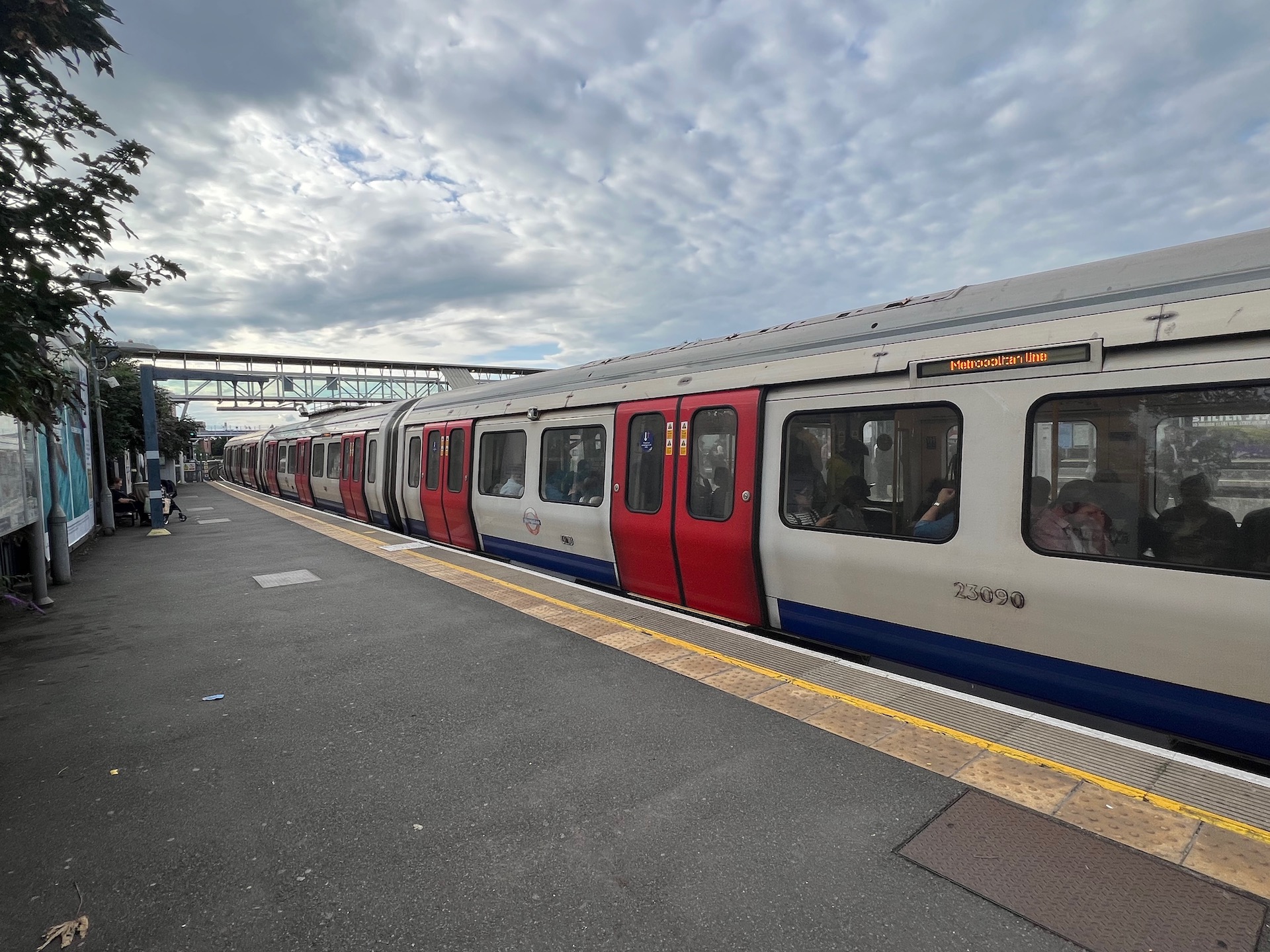
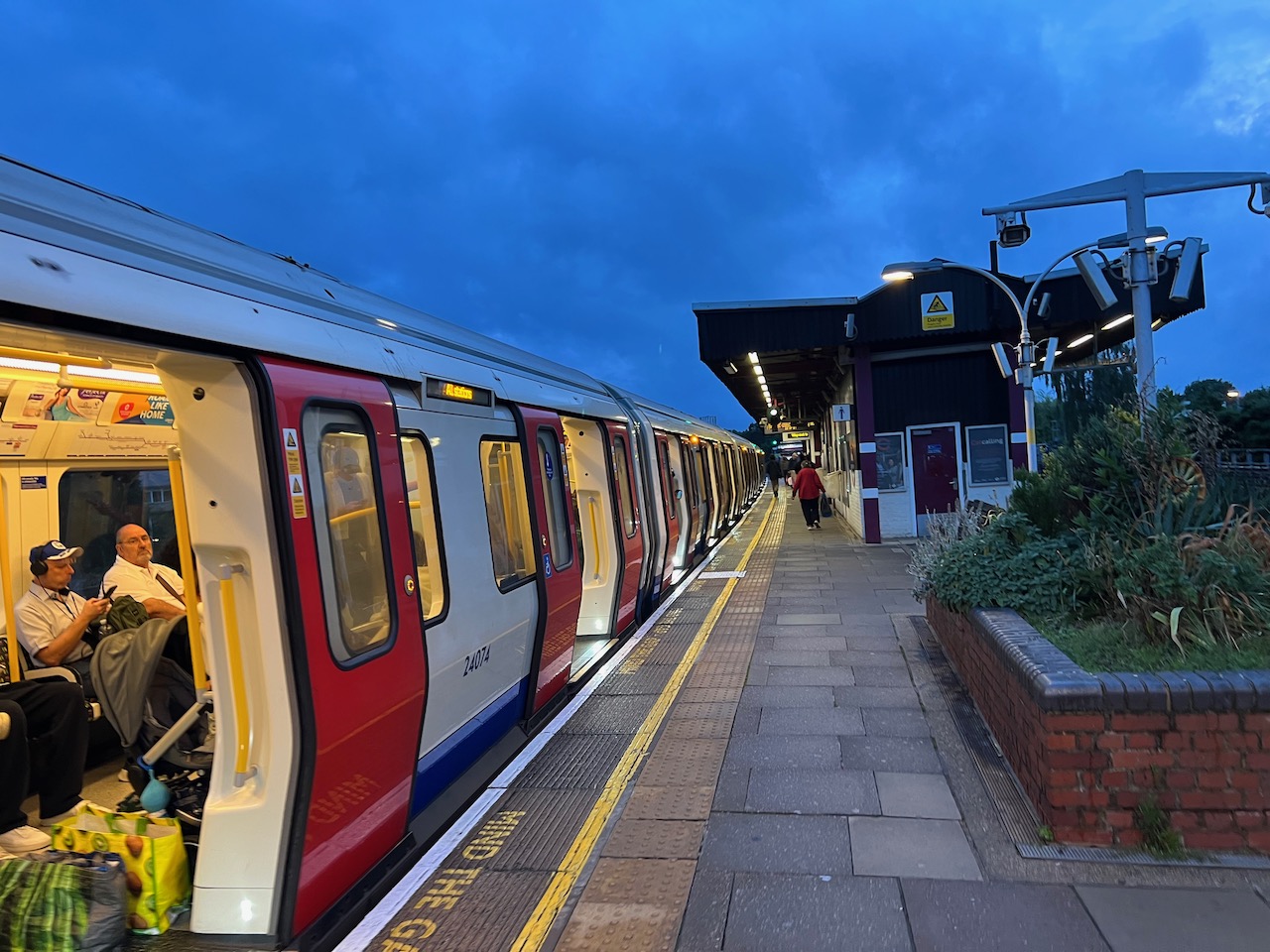
Back to Northwick Park

Monday 31 July – Day 2 

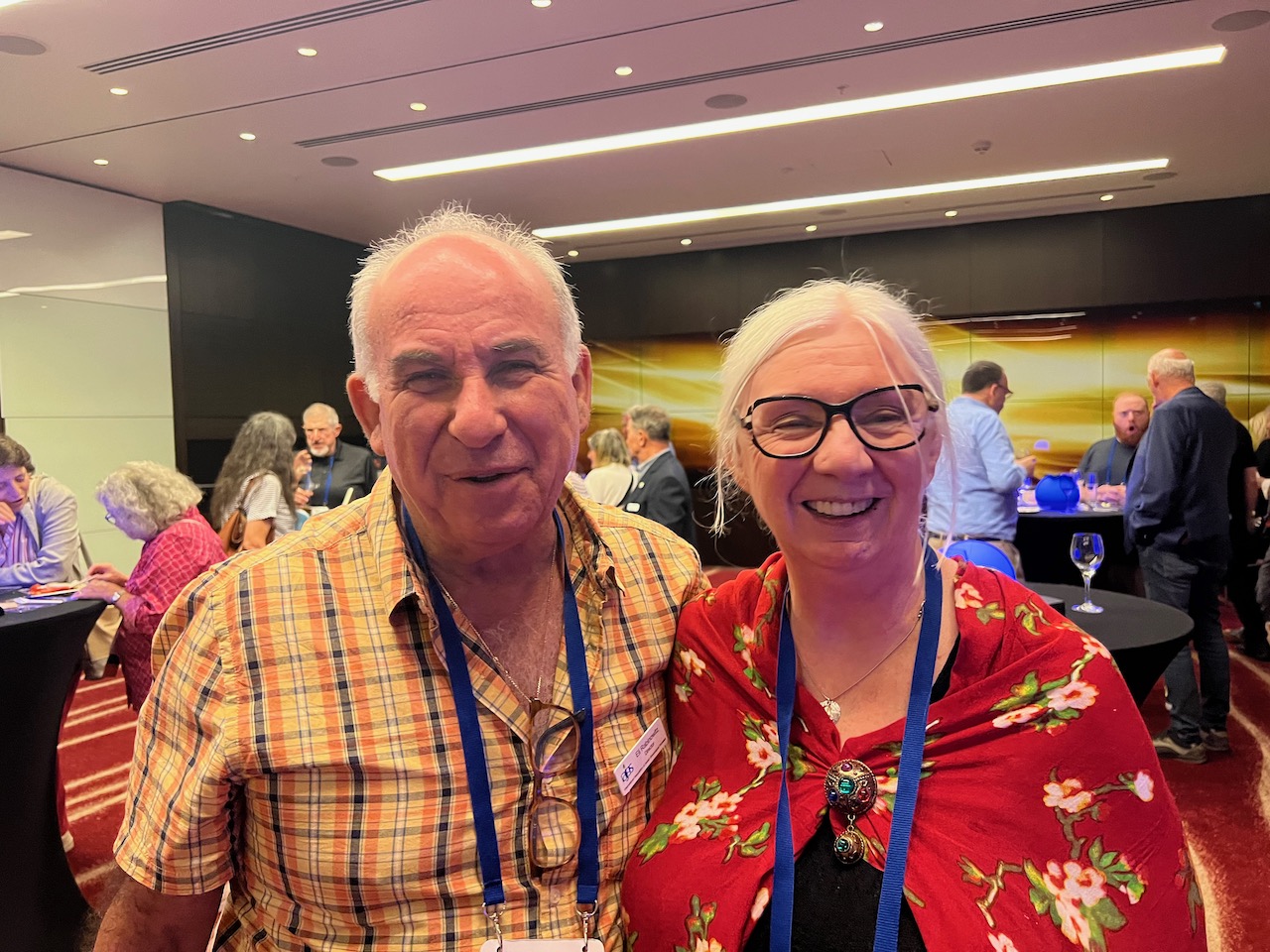
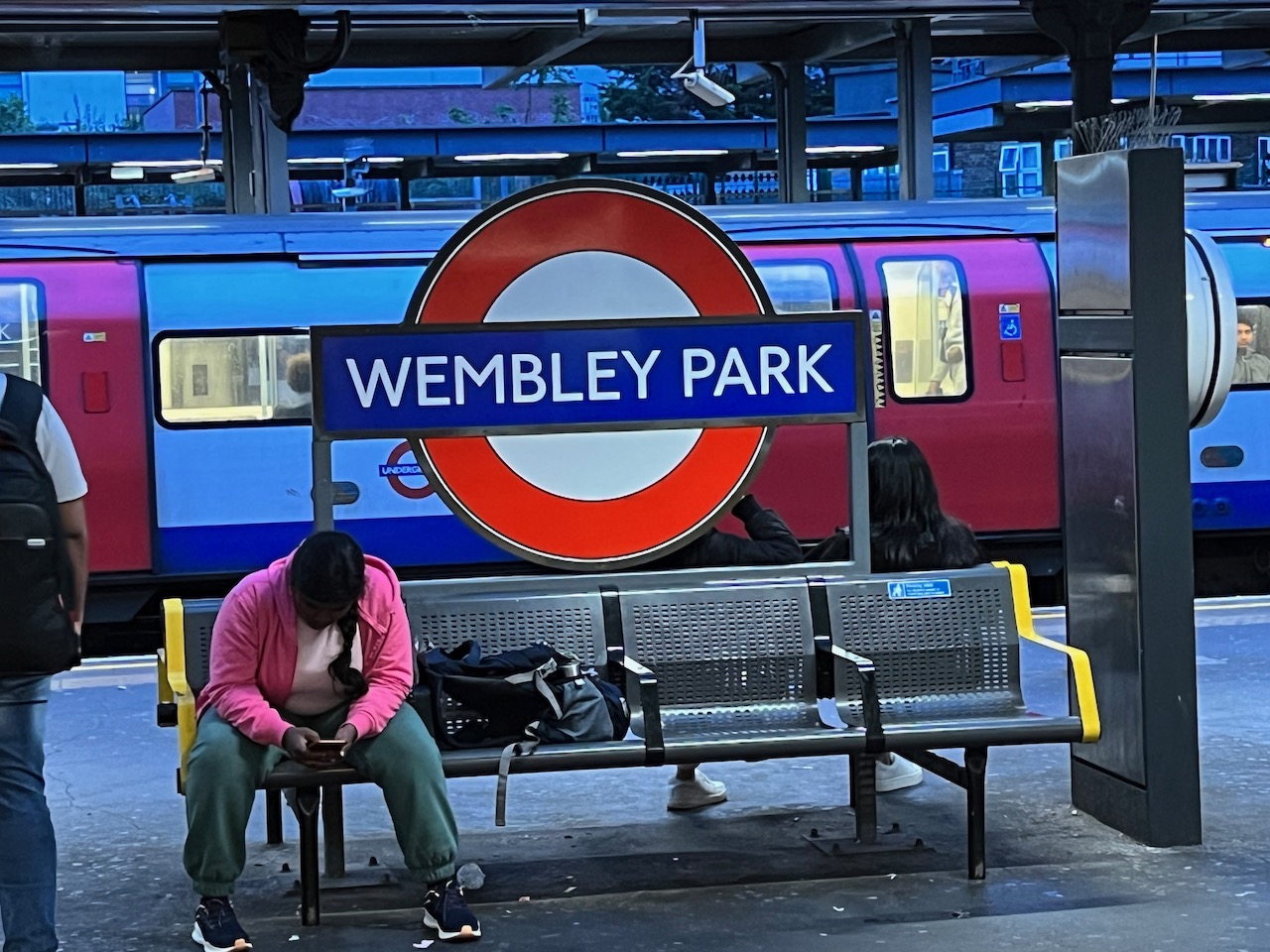
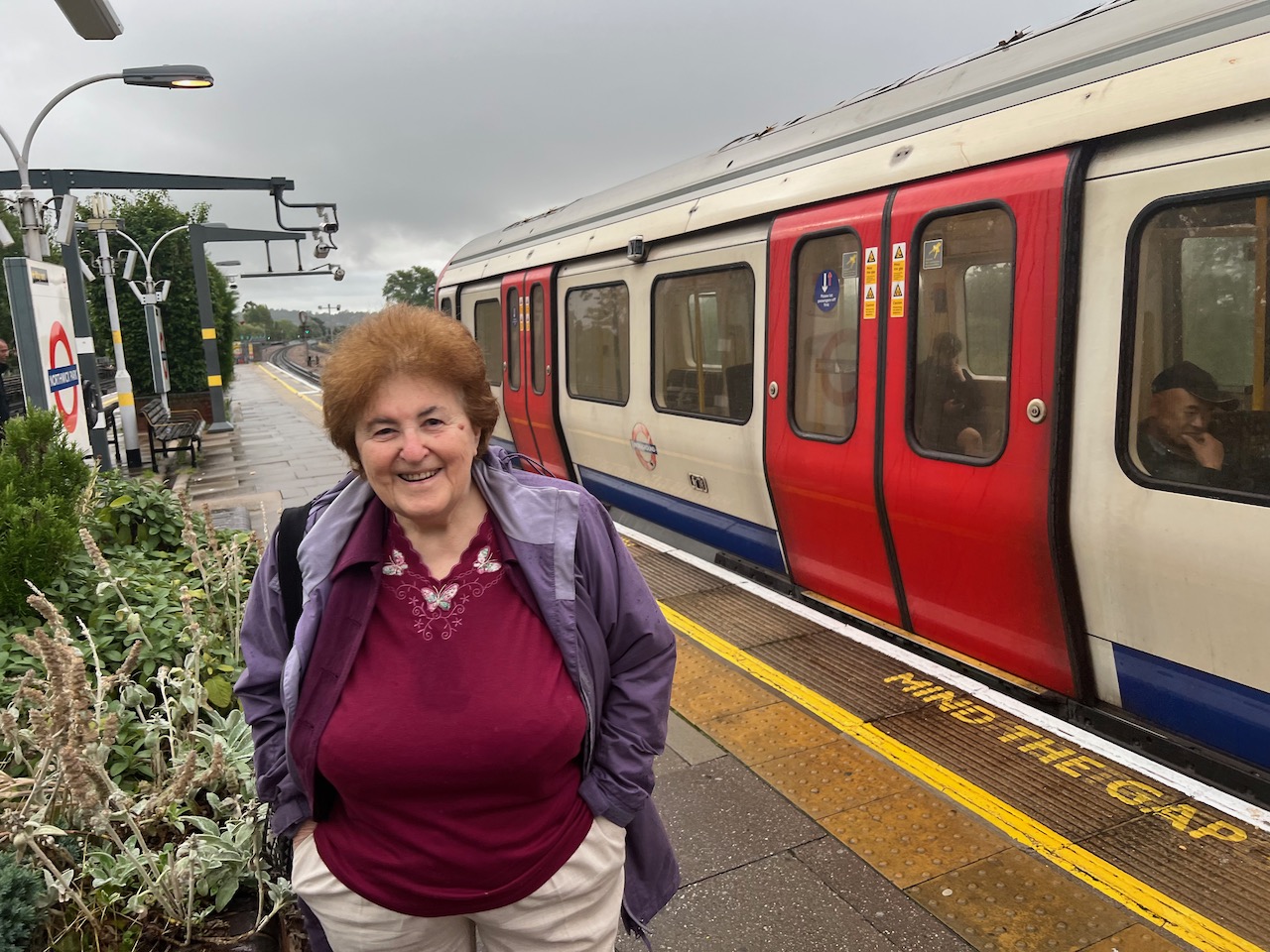
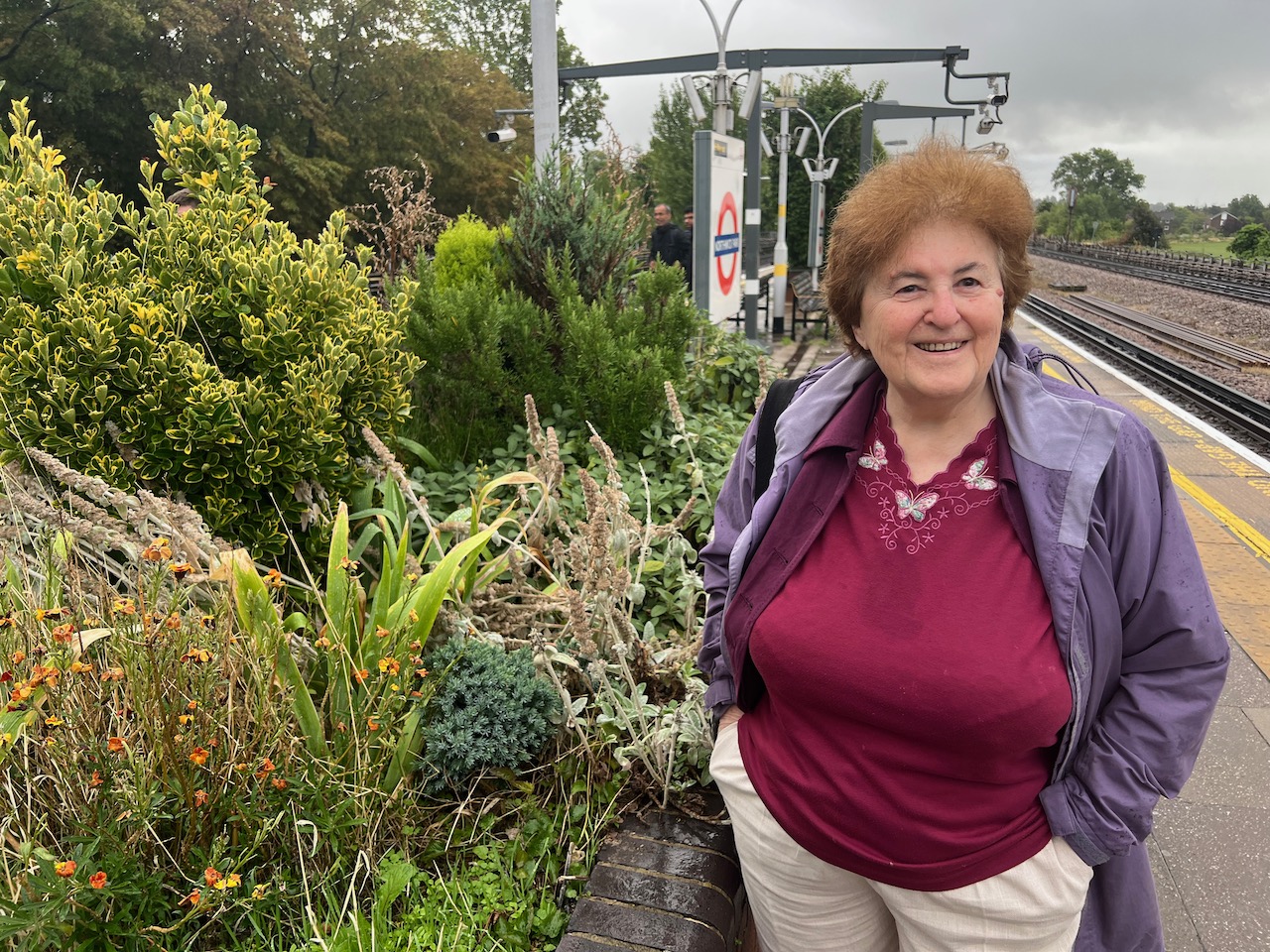
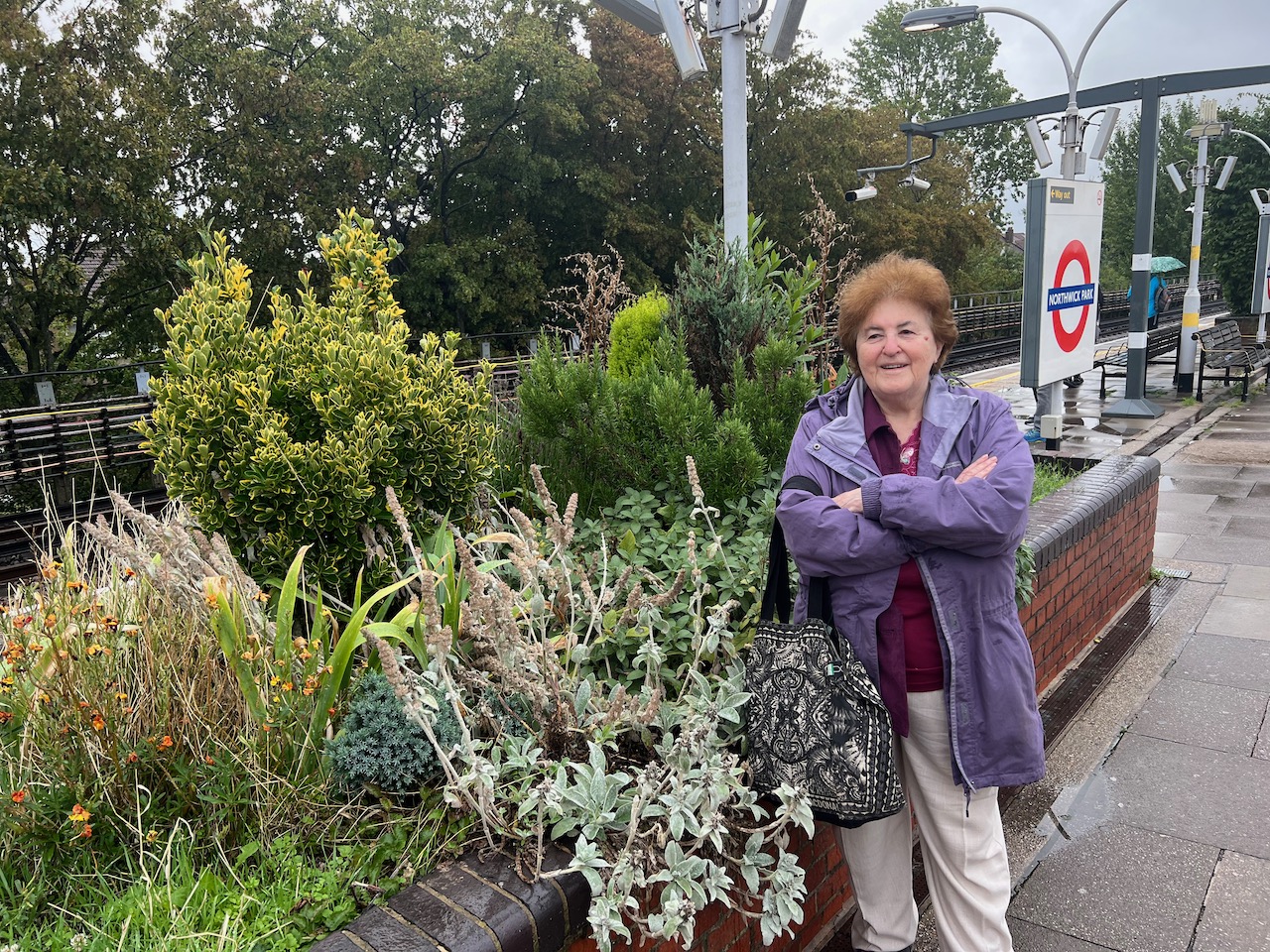
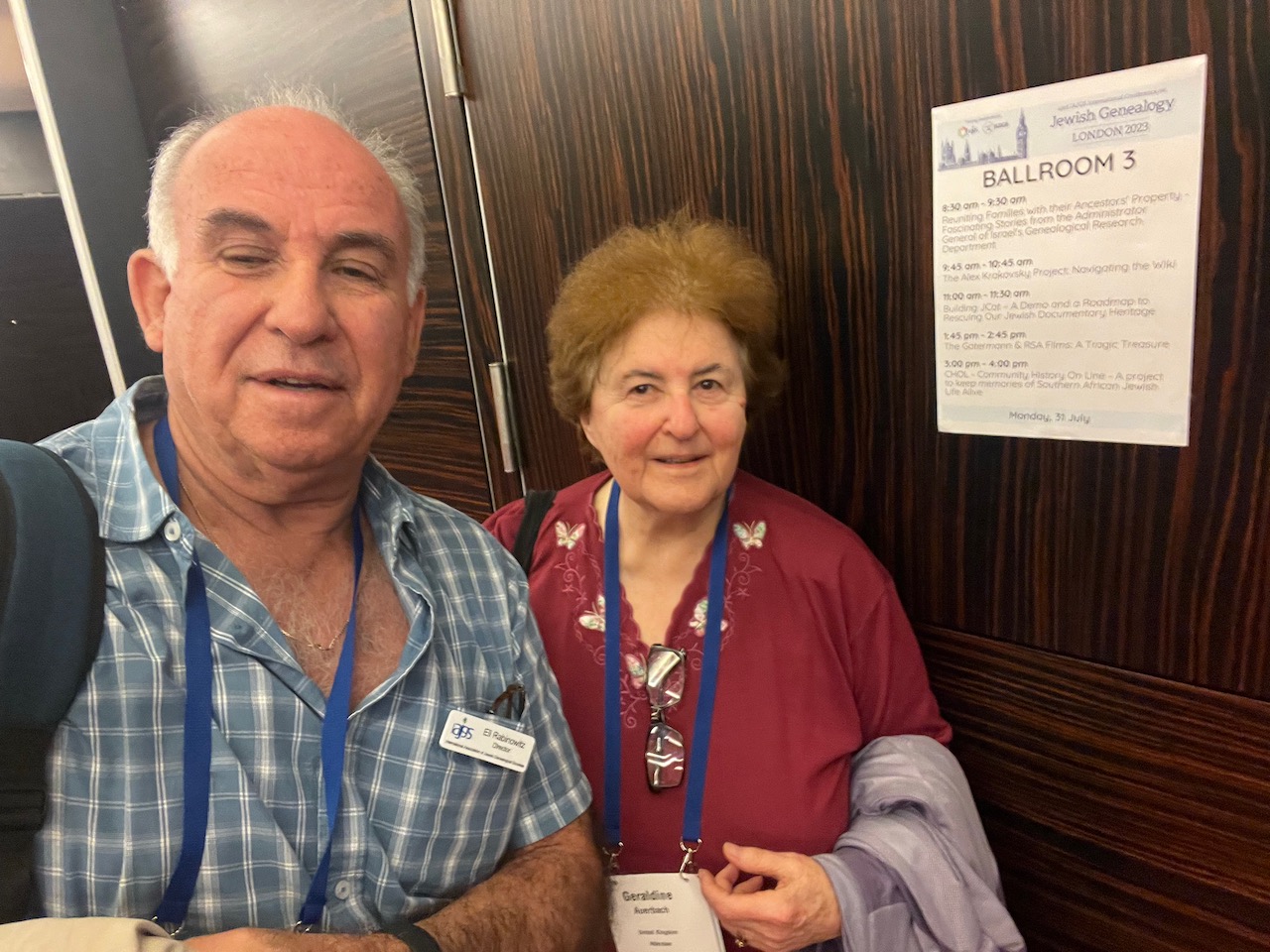
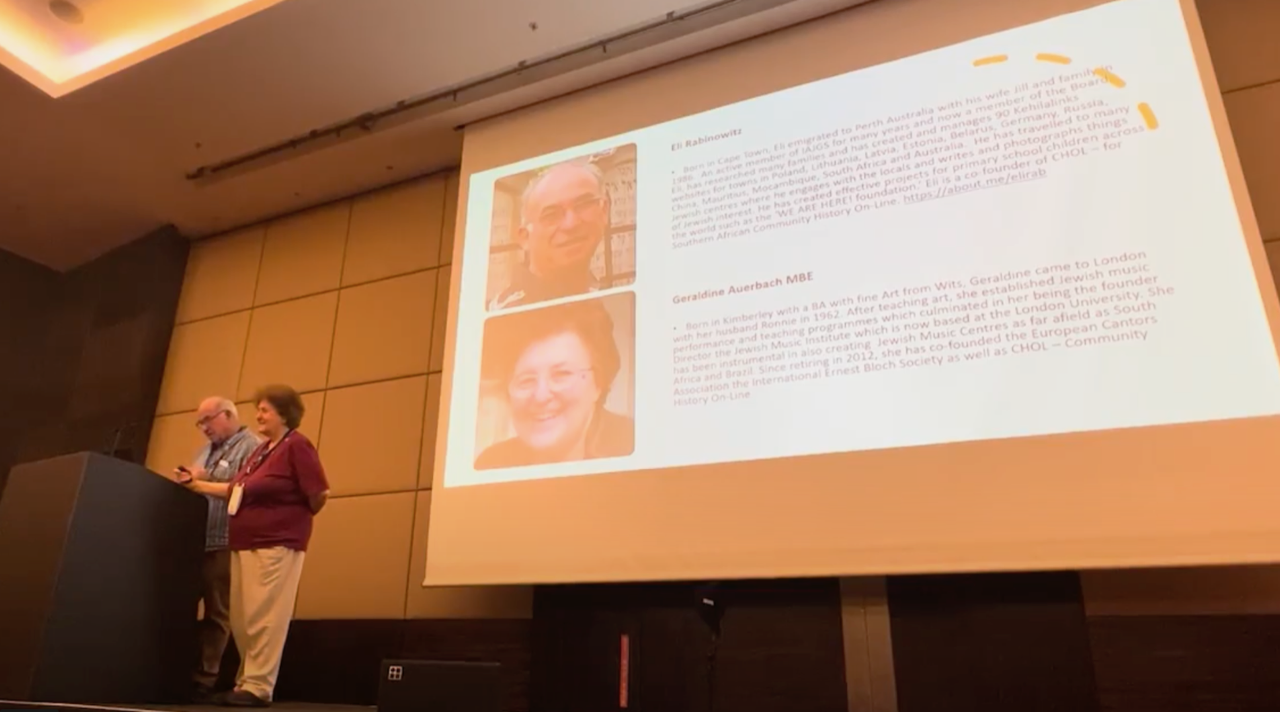
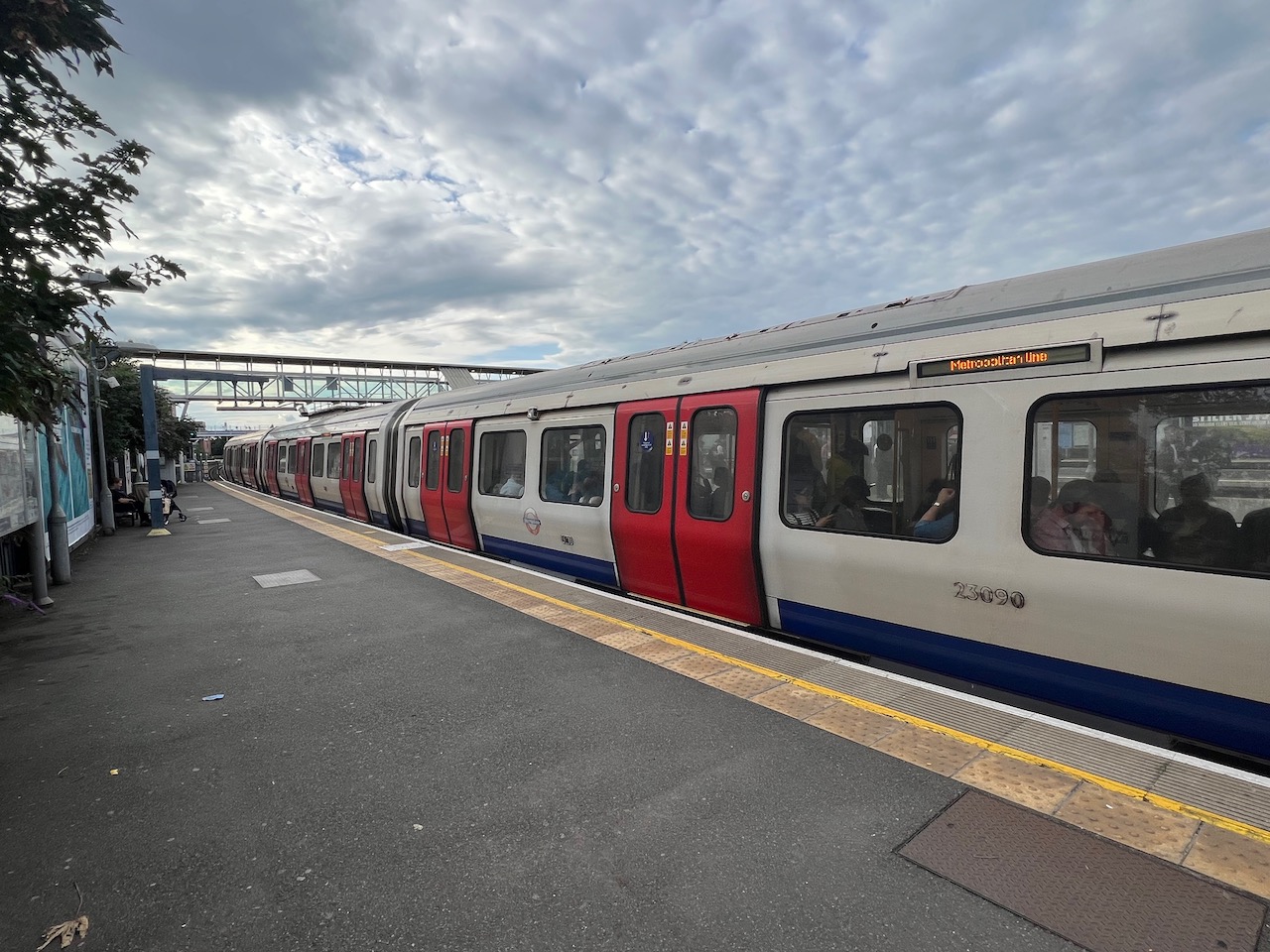
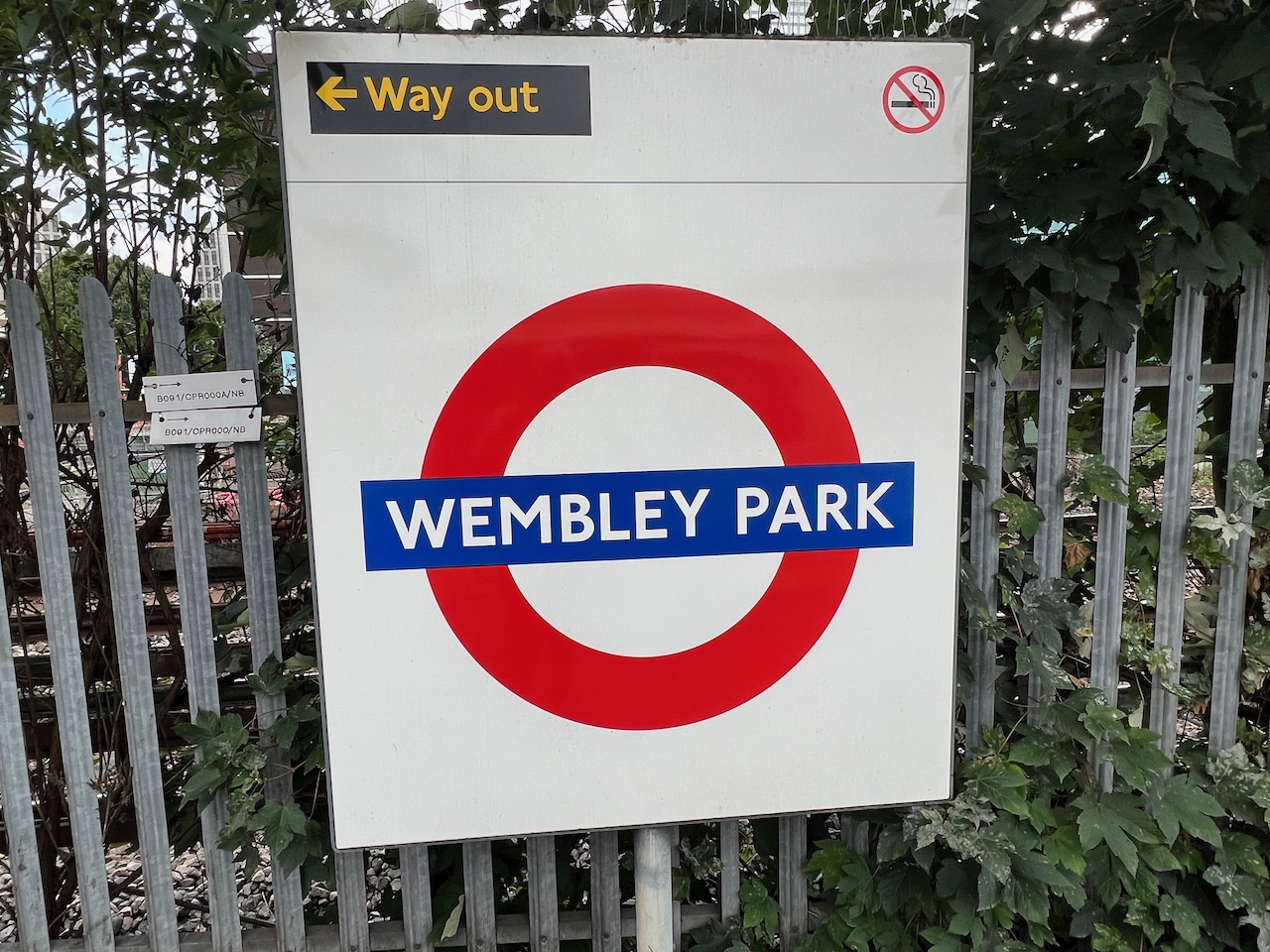
With Geraldine Auerbach at Northwick Park Tube Station. On our way to the IAJGS conference

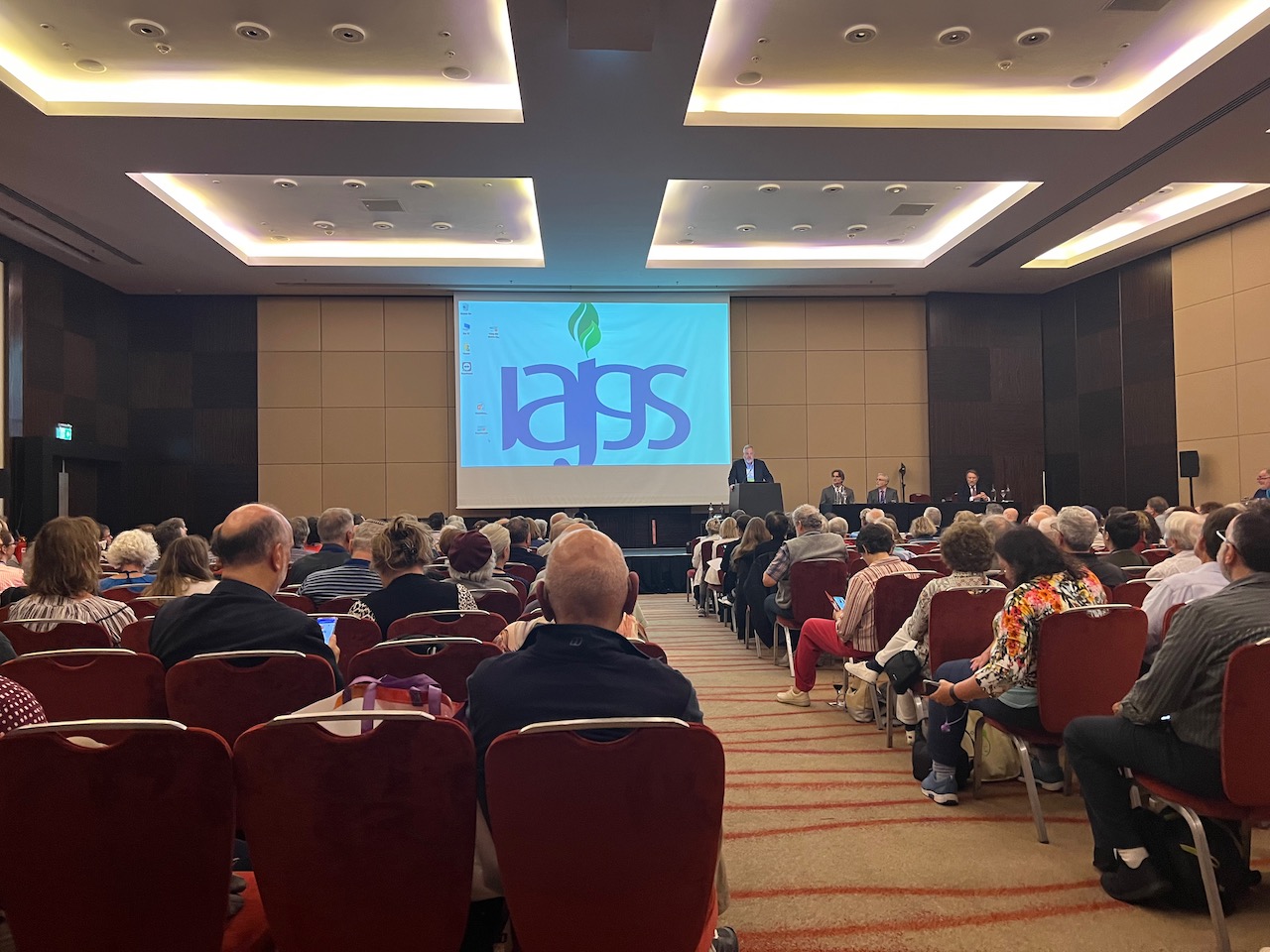
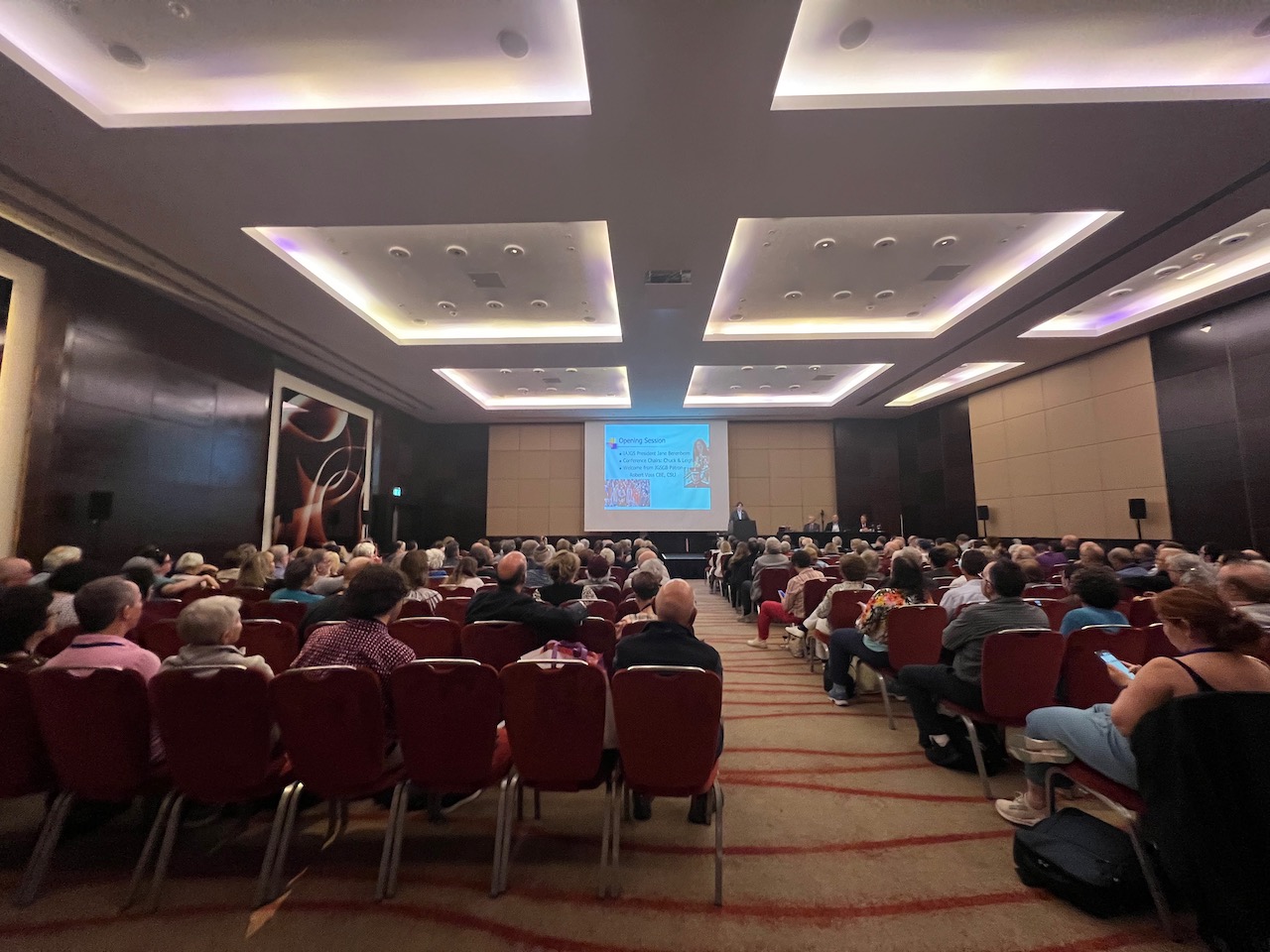
At the conference

Presentations

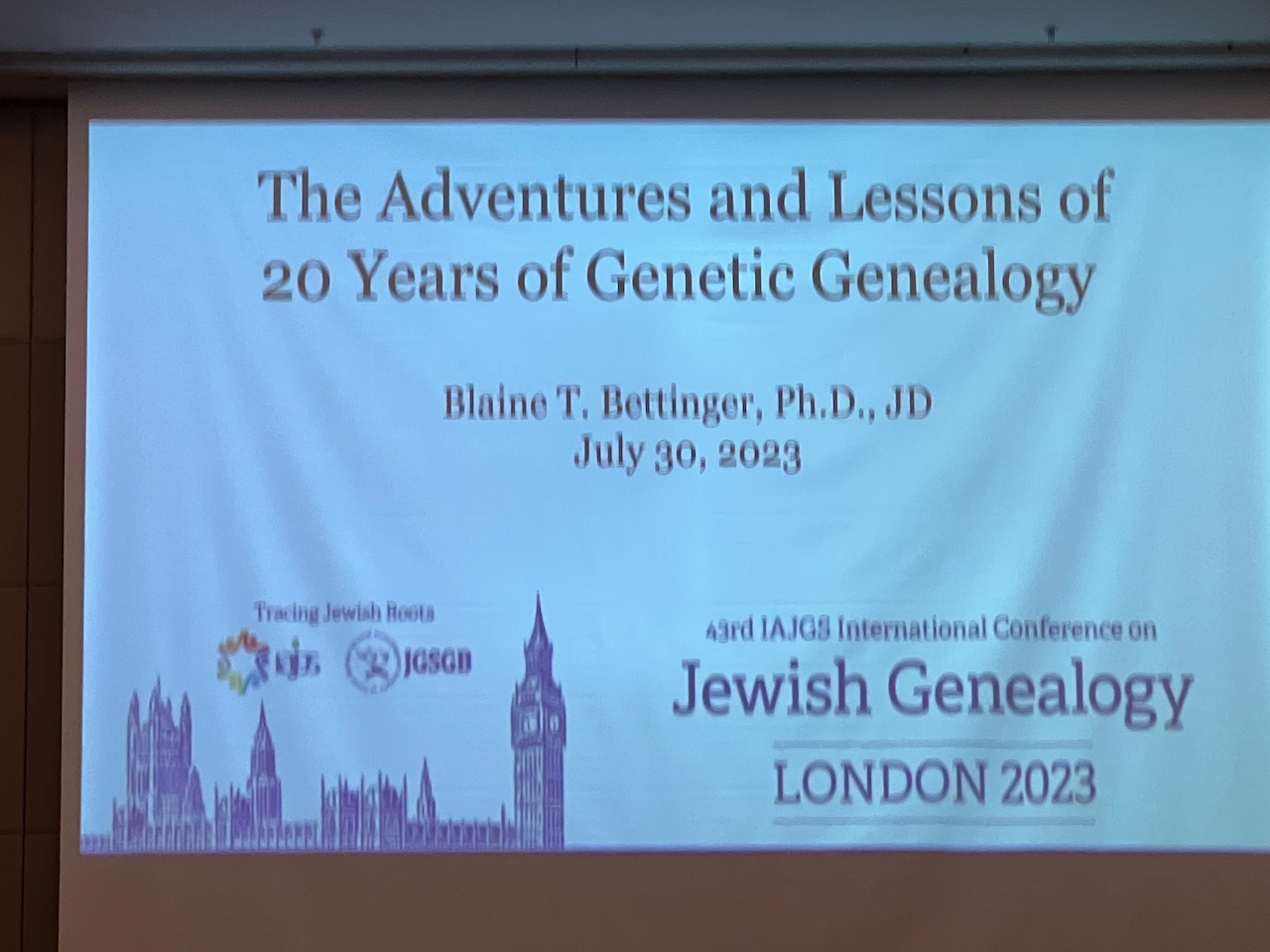
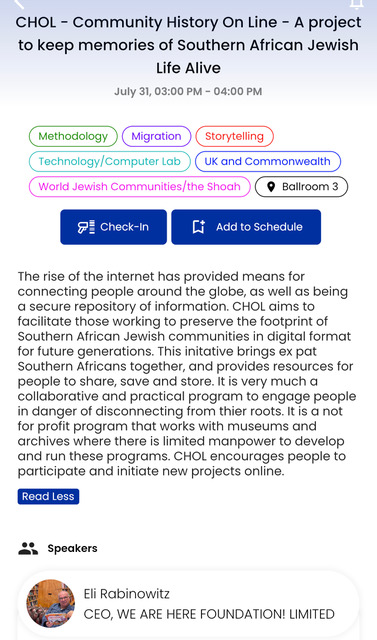
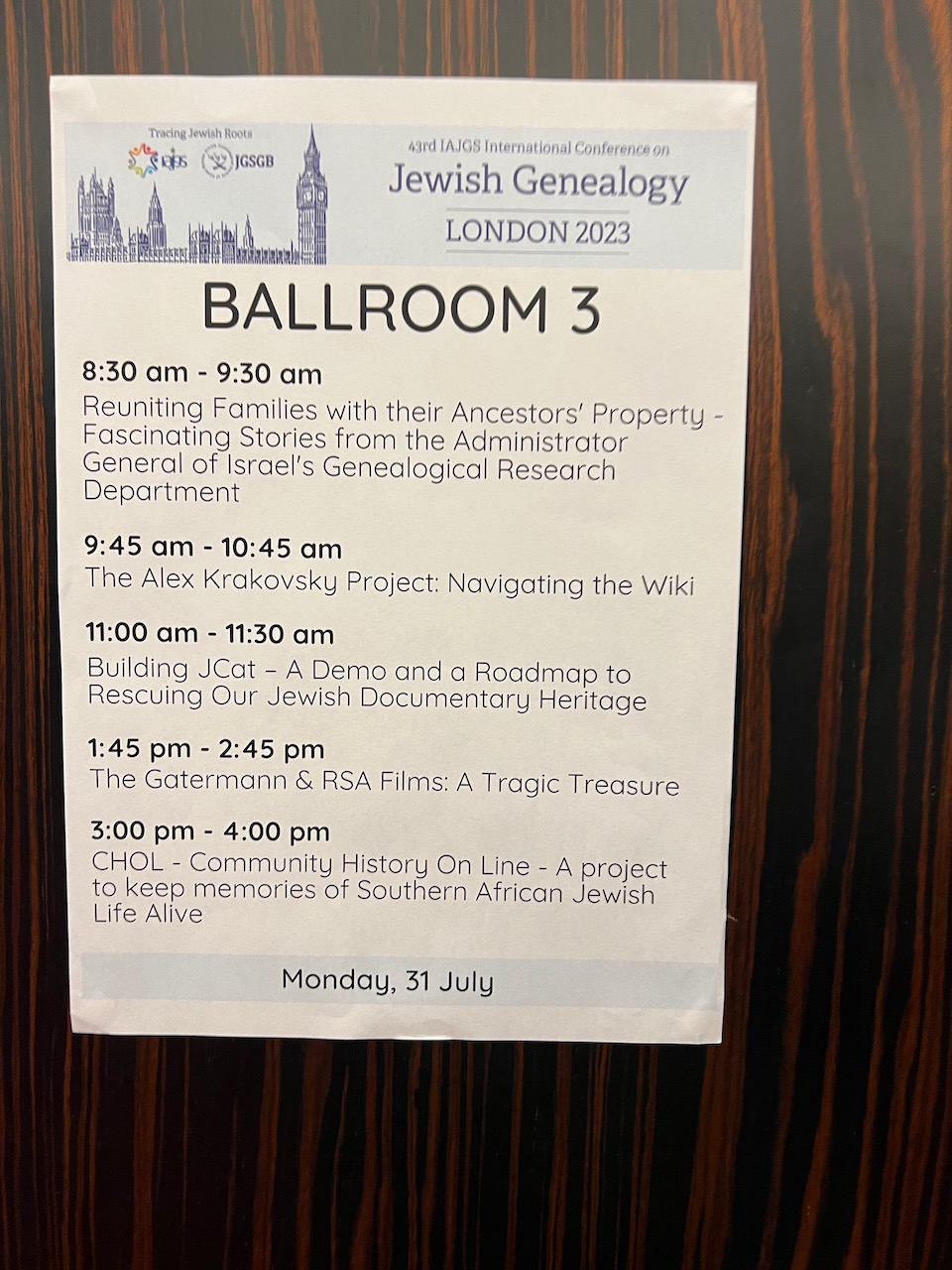
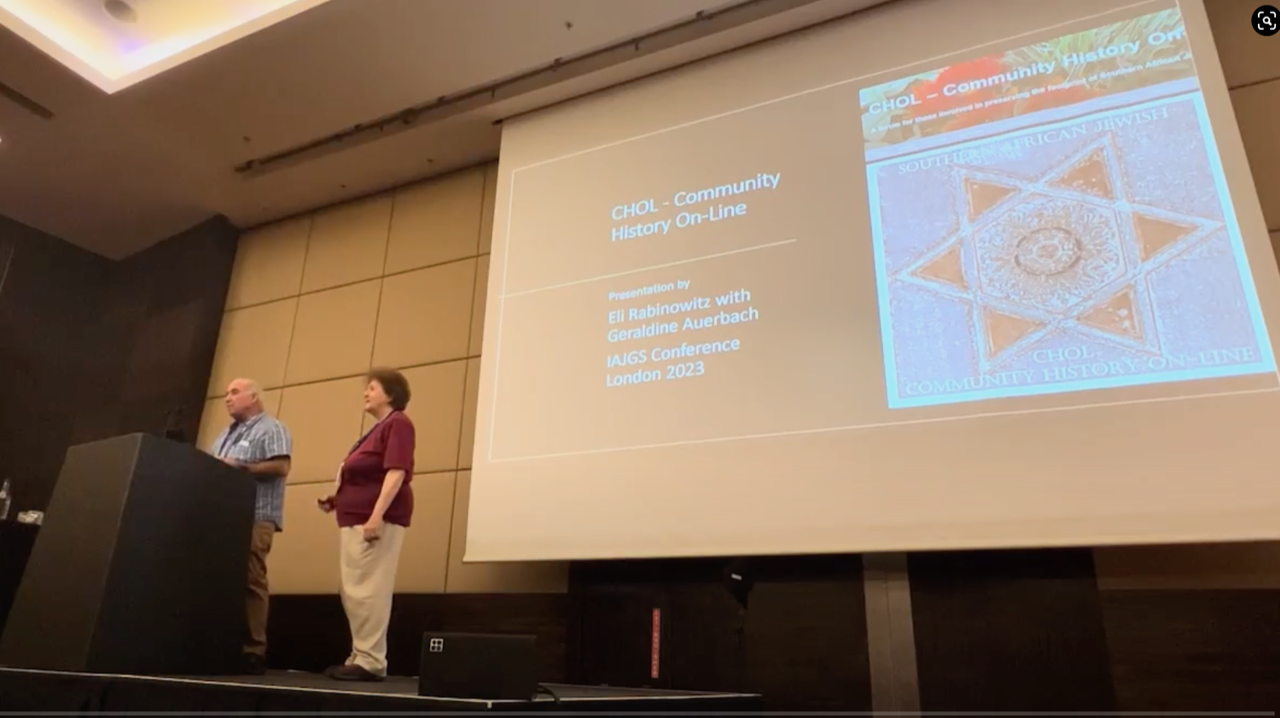
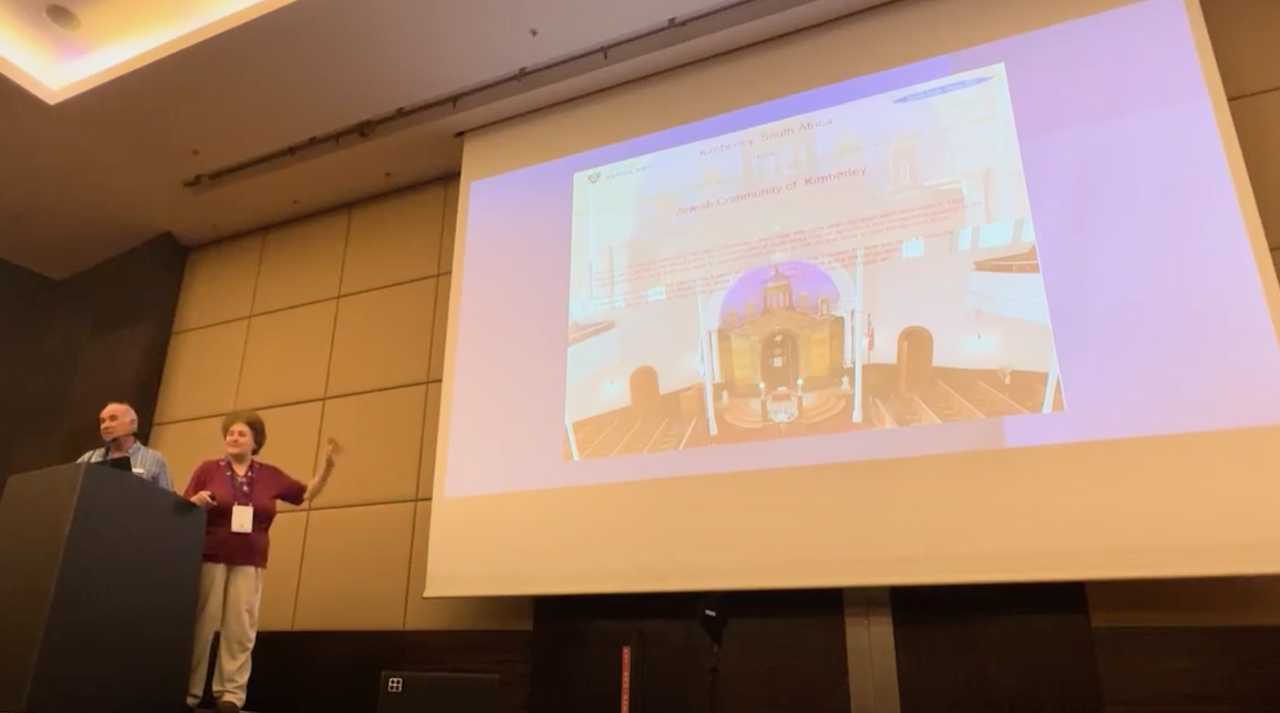
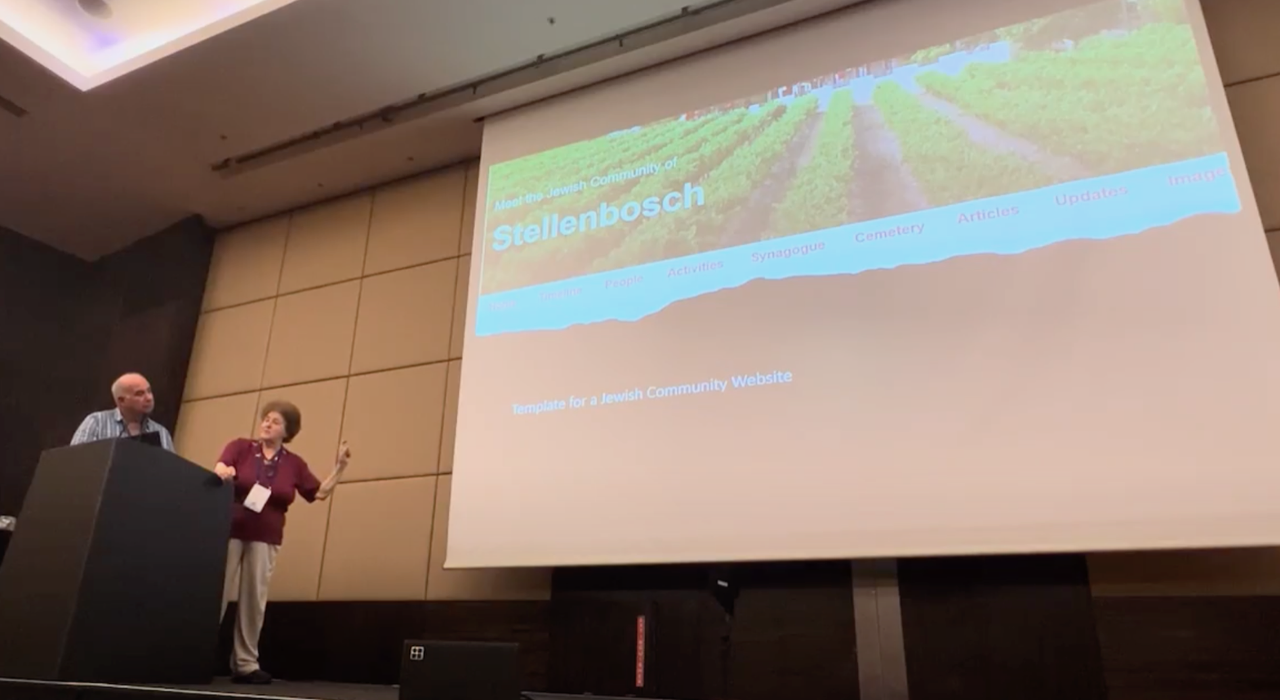
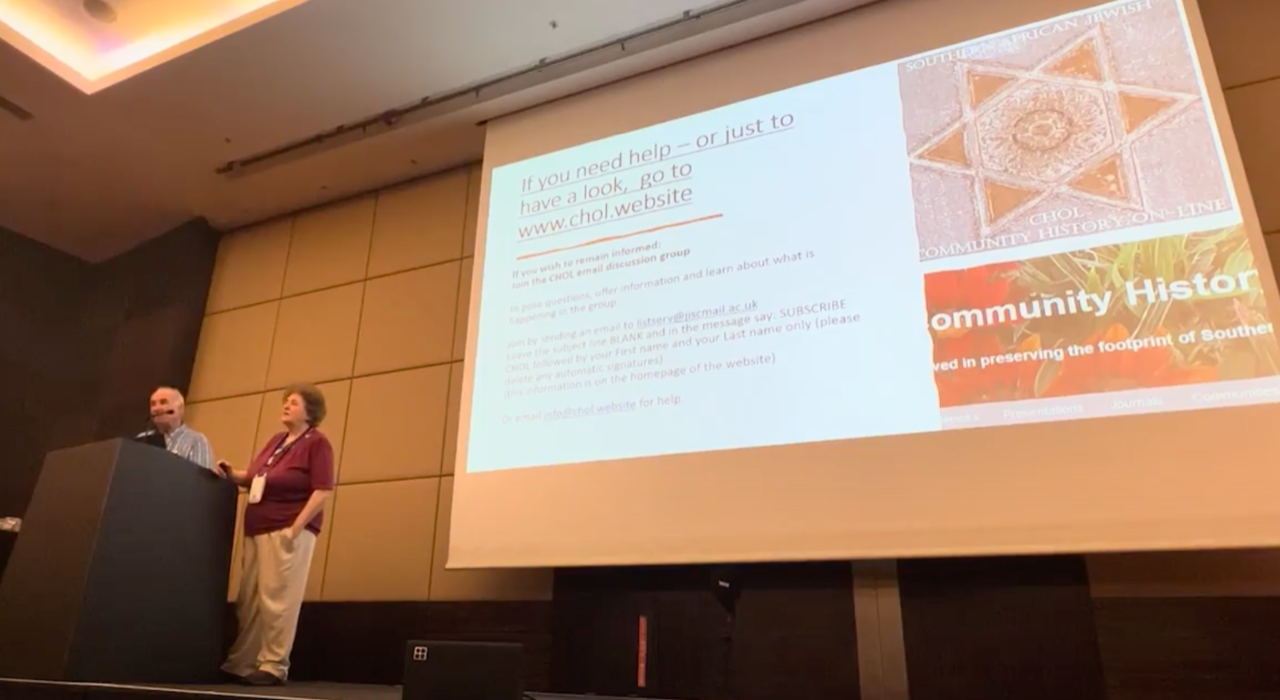
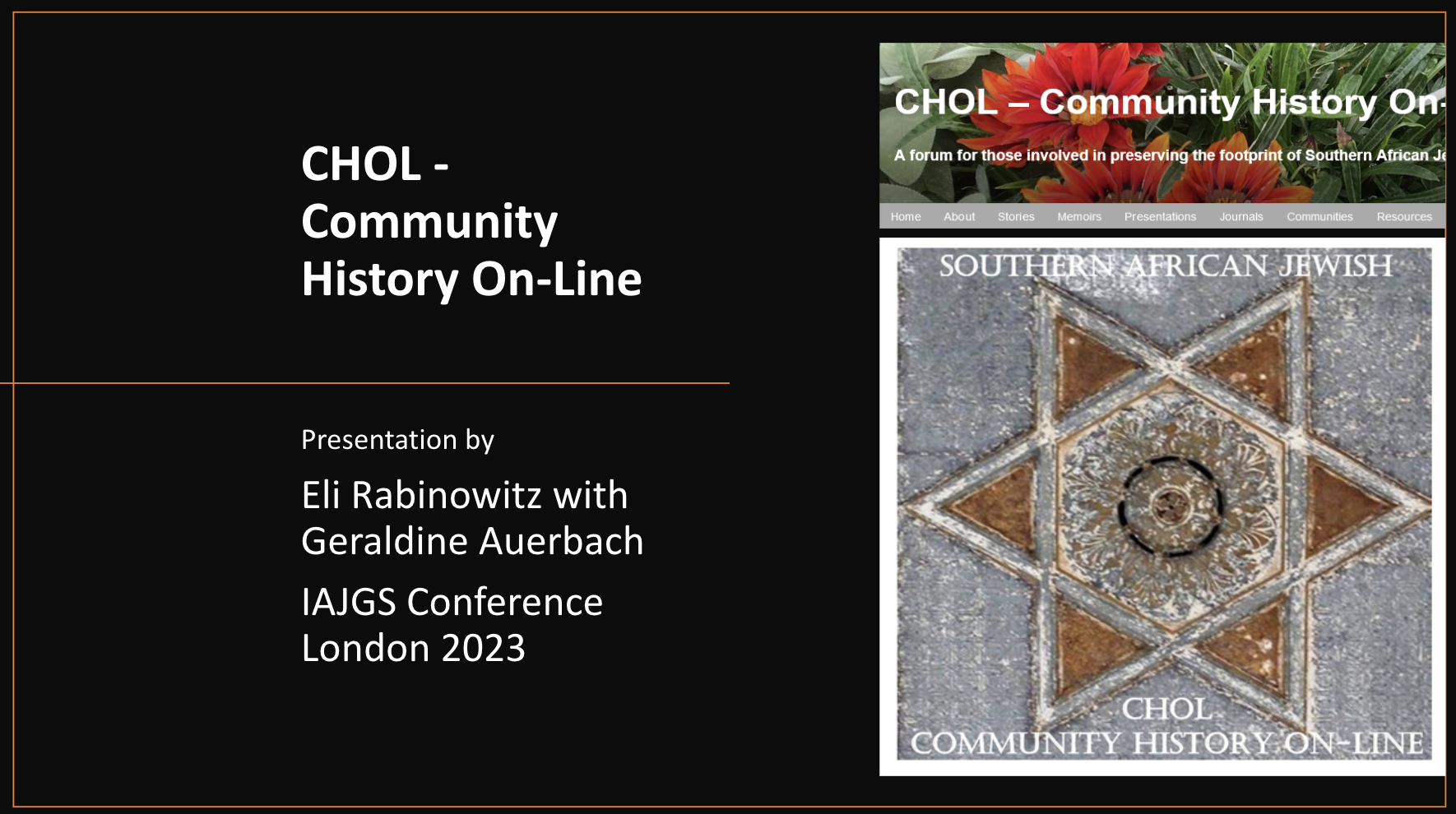
Our CHOL presentation


The Presentation

https://docs.google.com/presentation/d/1f4XMXhkeA2IqG7gqWmrOyIBp12SetsDN/edit?usp=sharing&ouid=102562430616047740404&rtpof=true&sd=true

On our way home!

Monday 1 August – Day 2

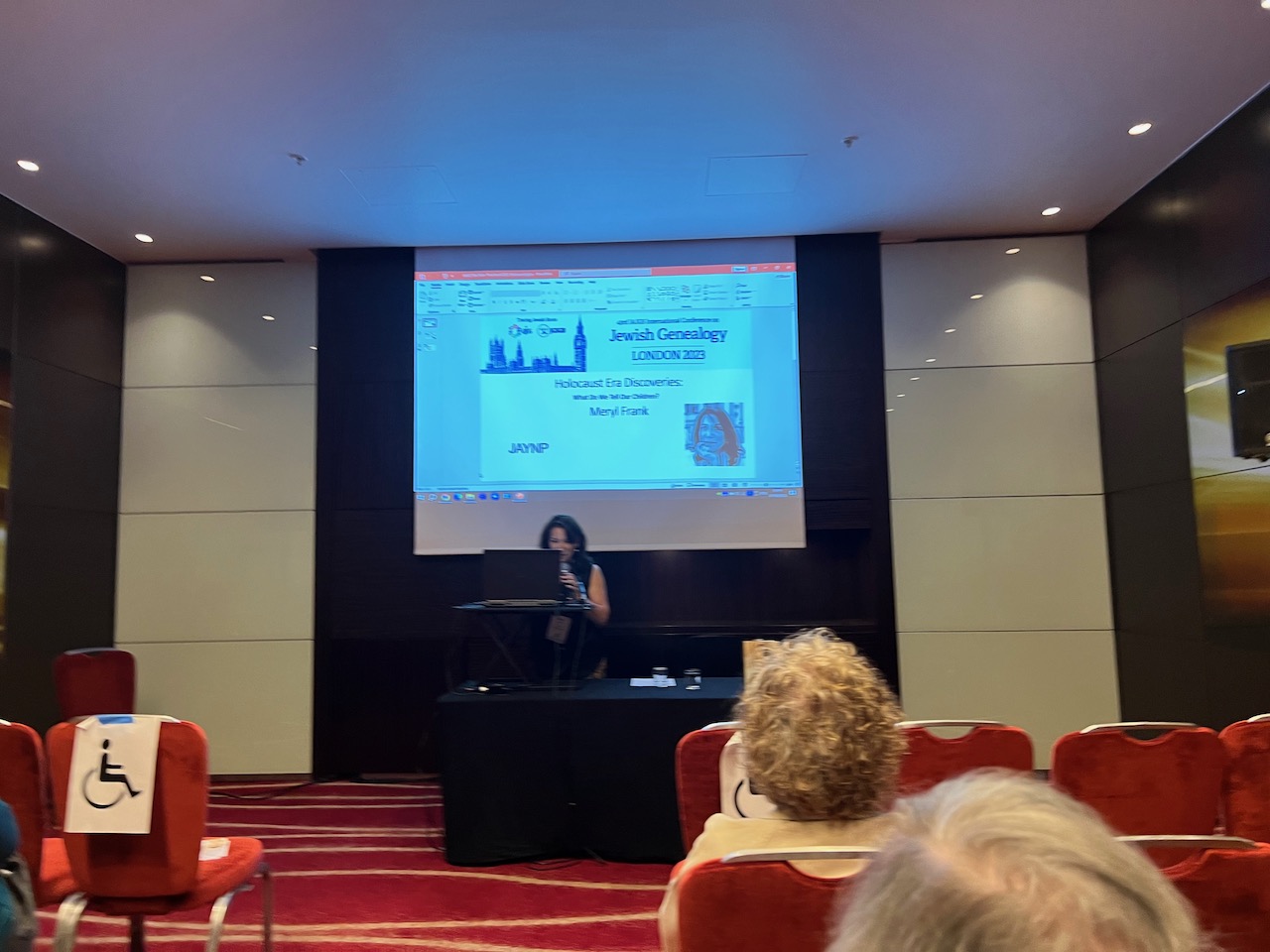
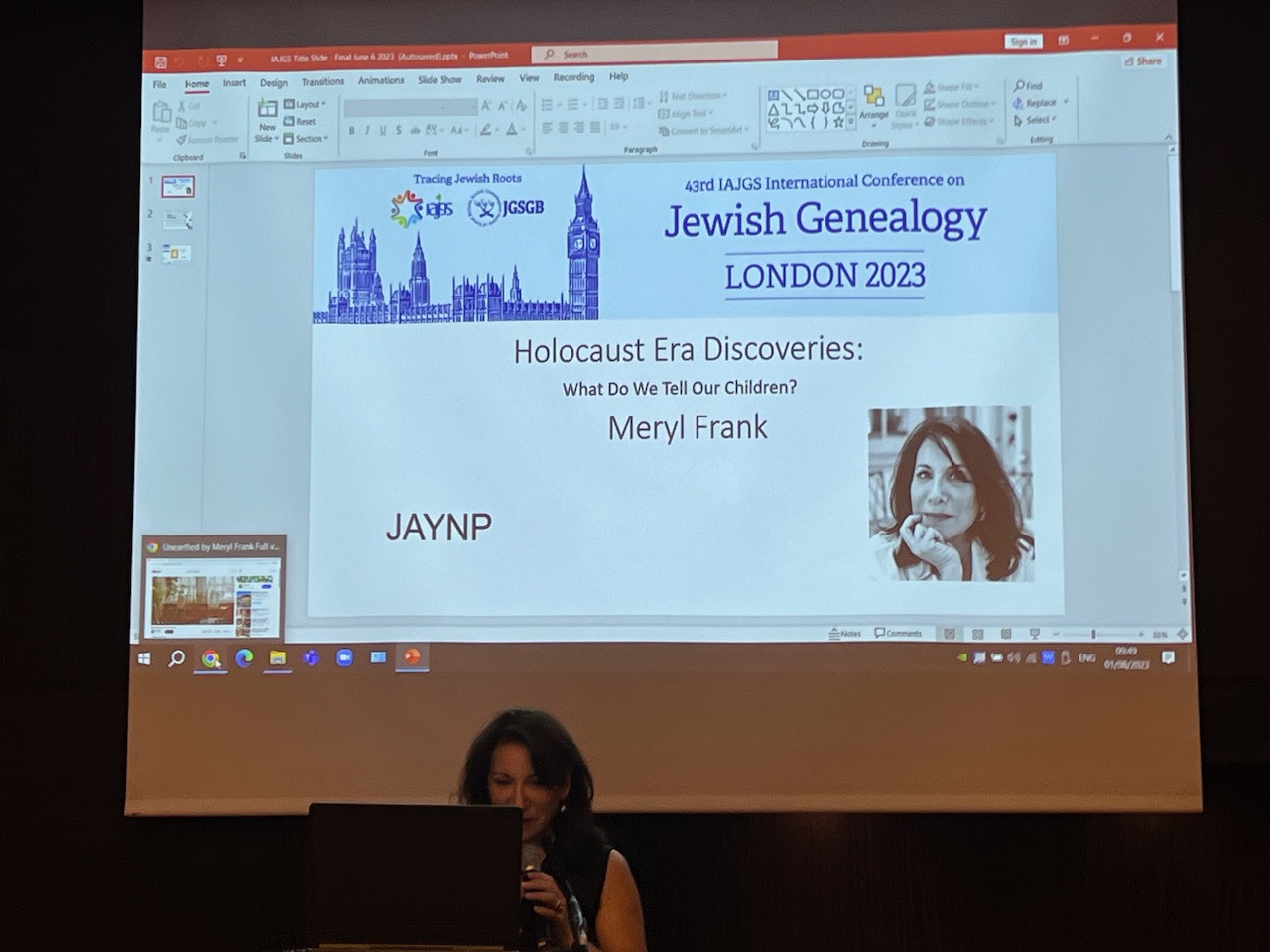
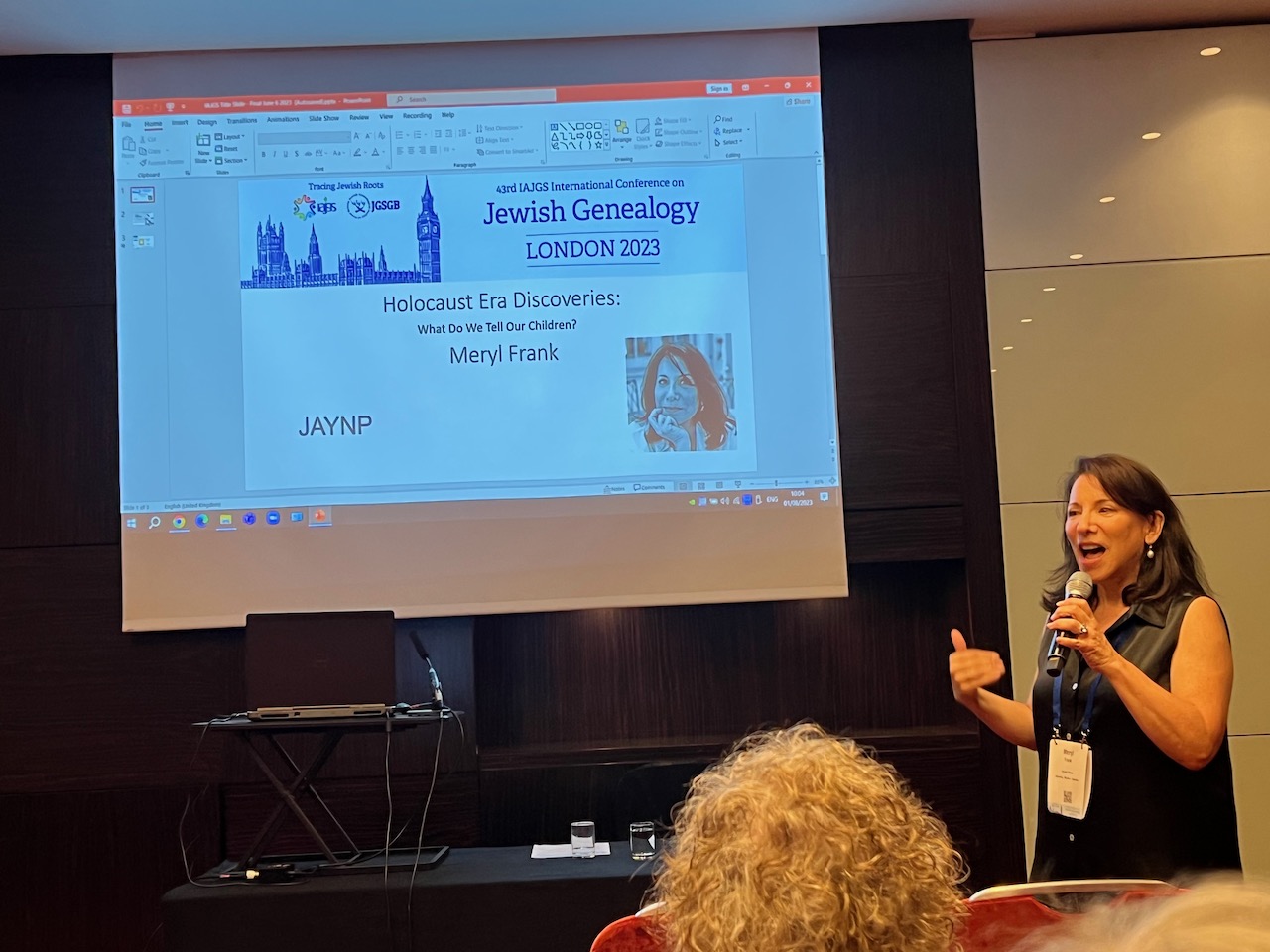
Meryl Frank’s presentation

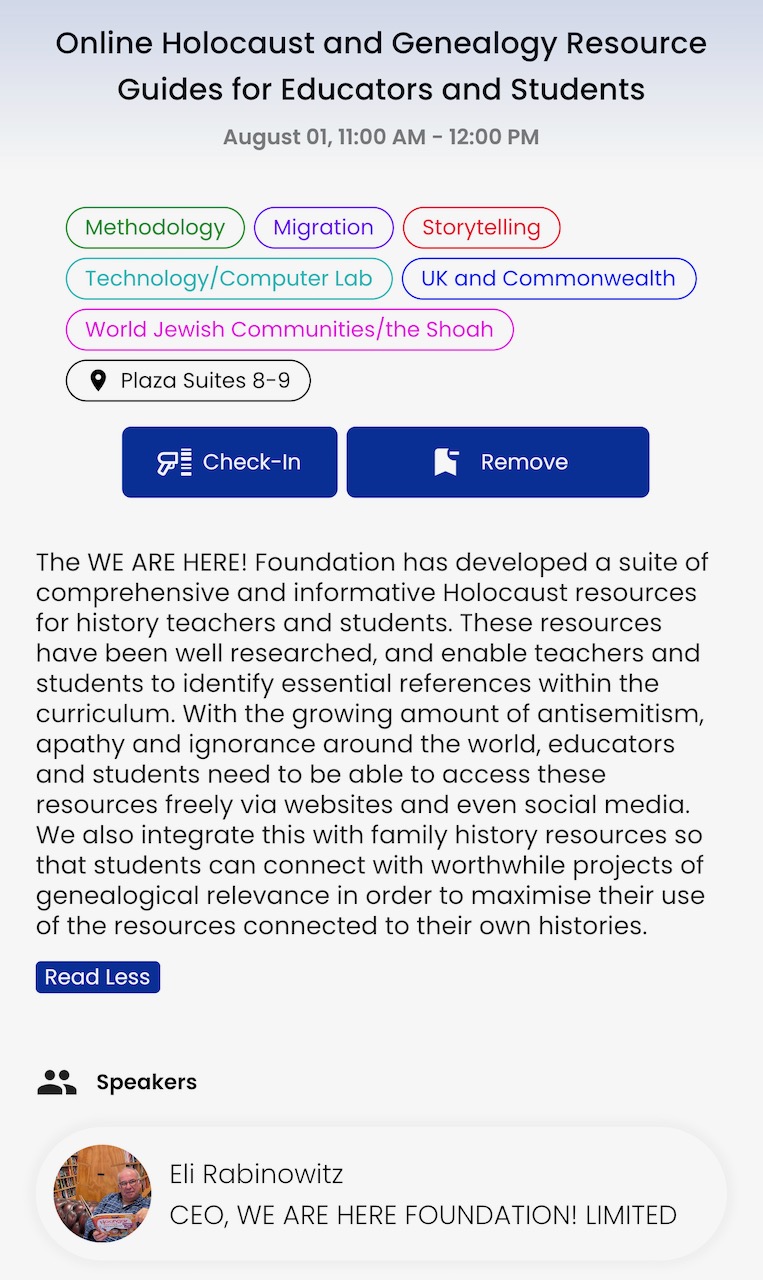
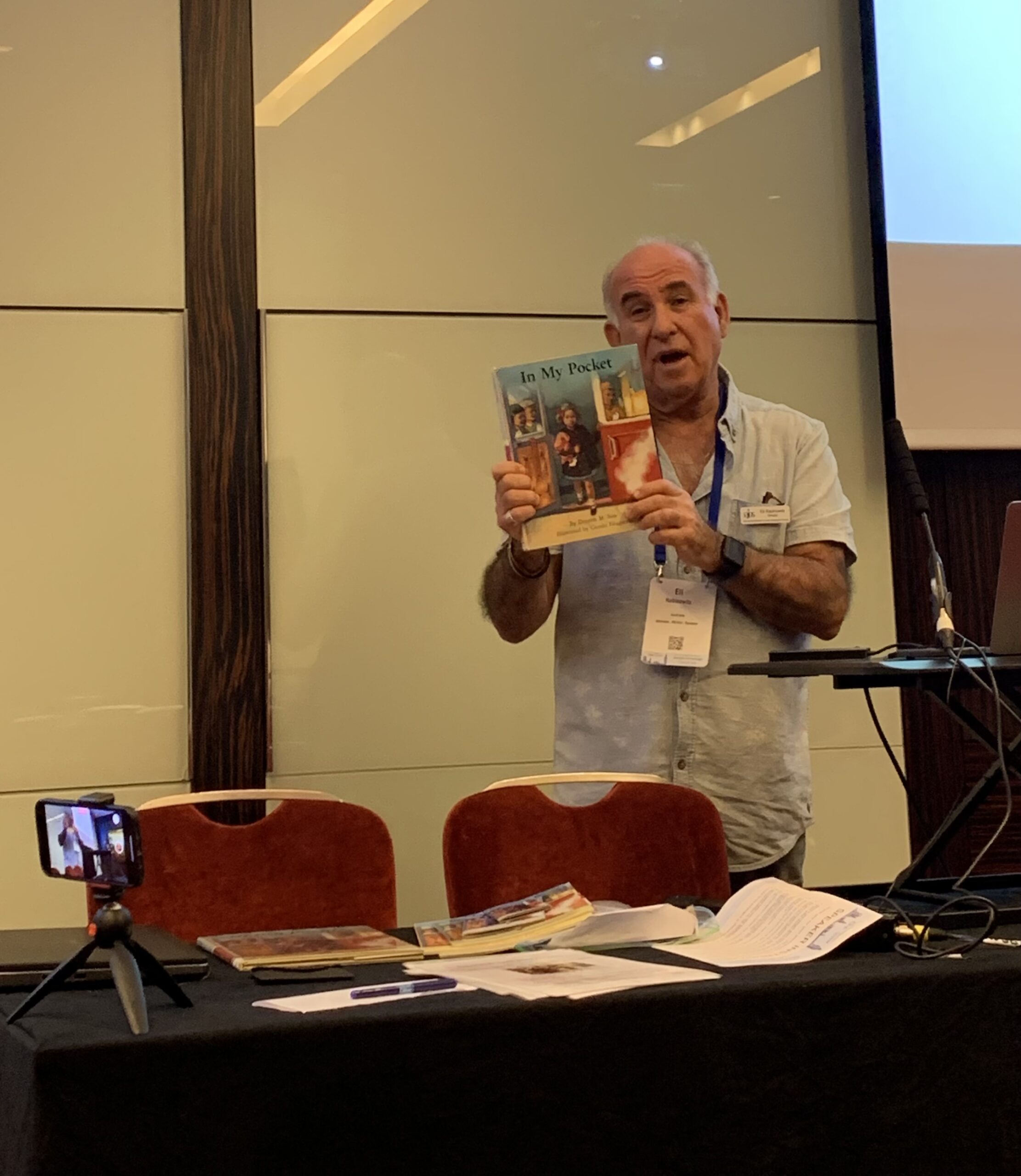
My second presentation

Resources for the presentation:

Holocaust Teaching Resources

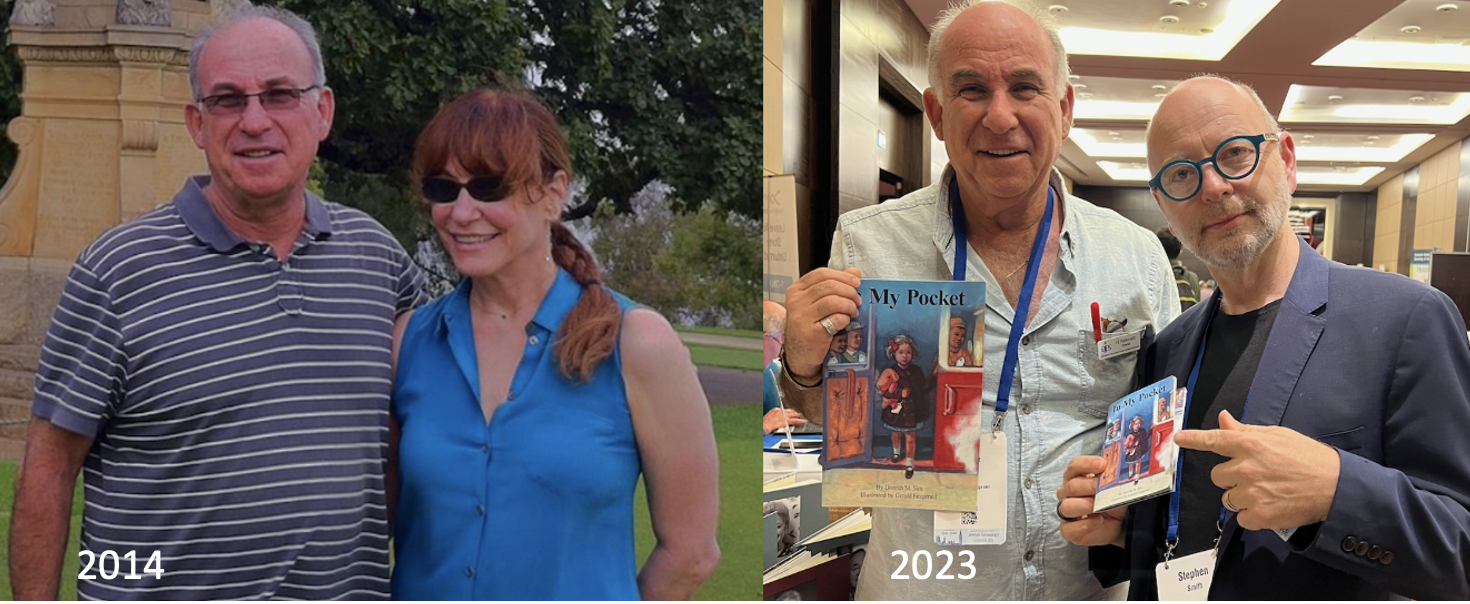
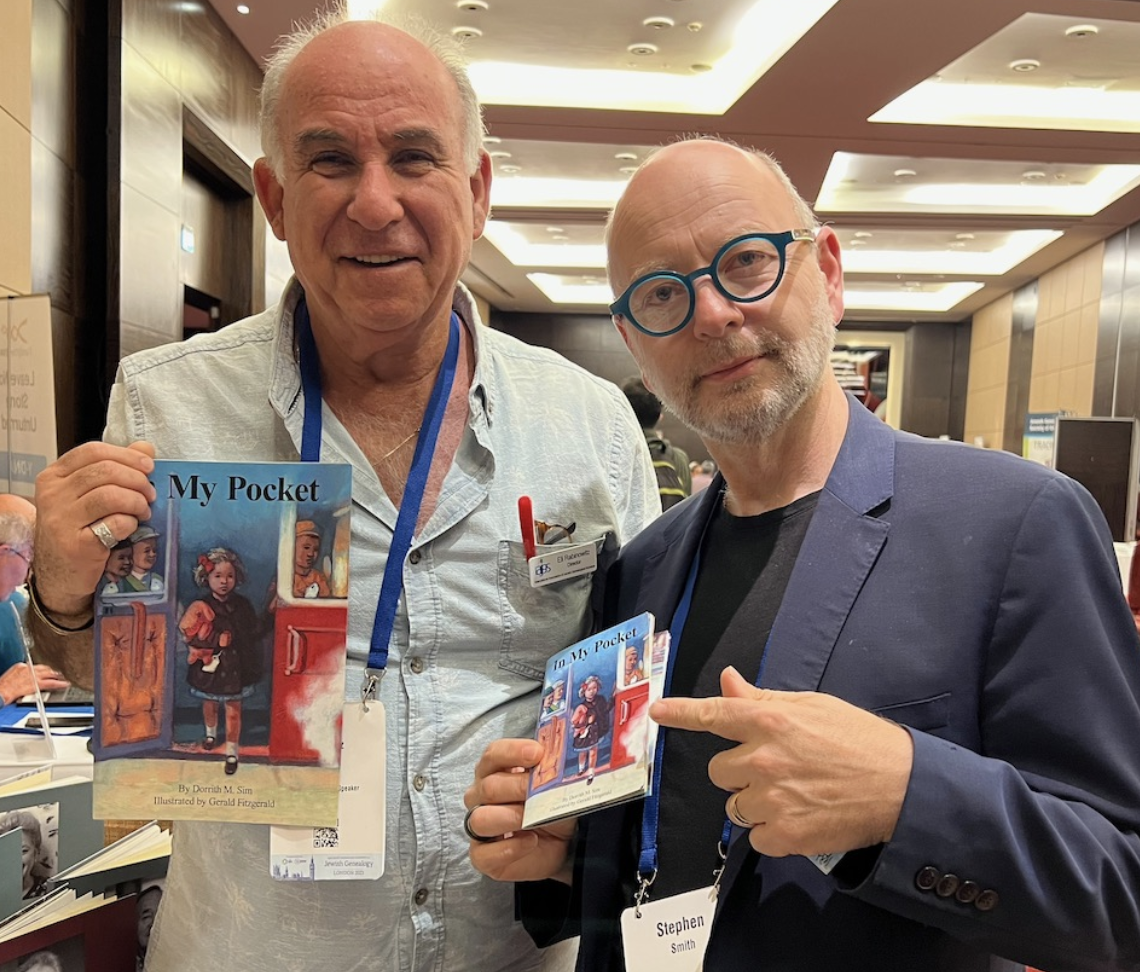
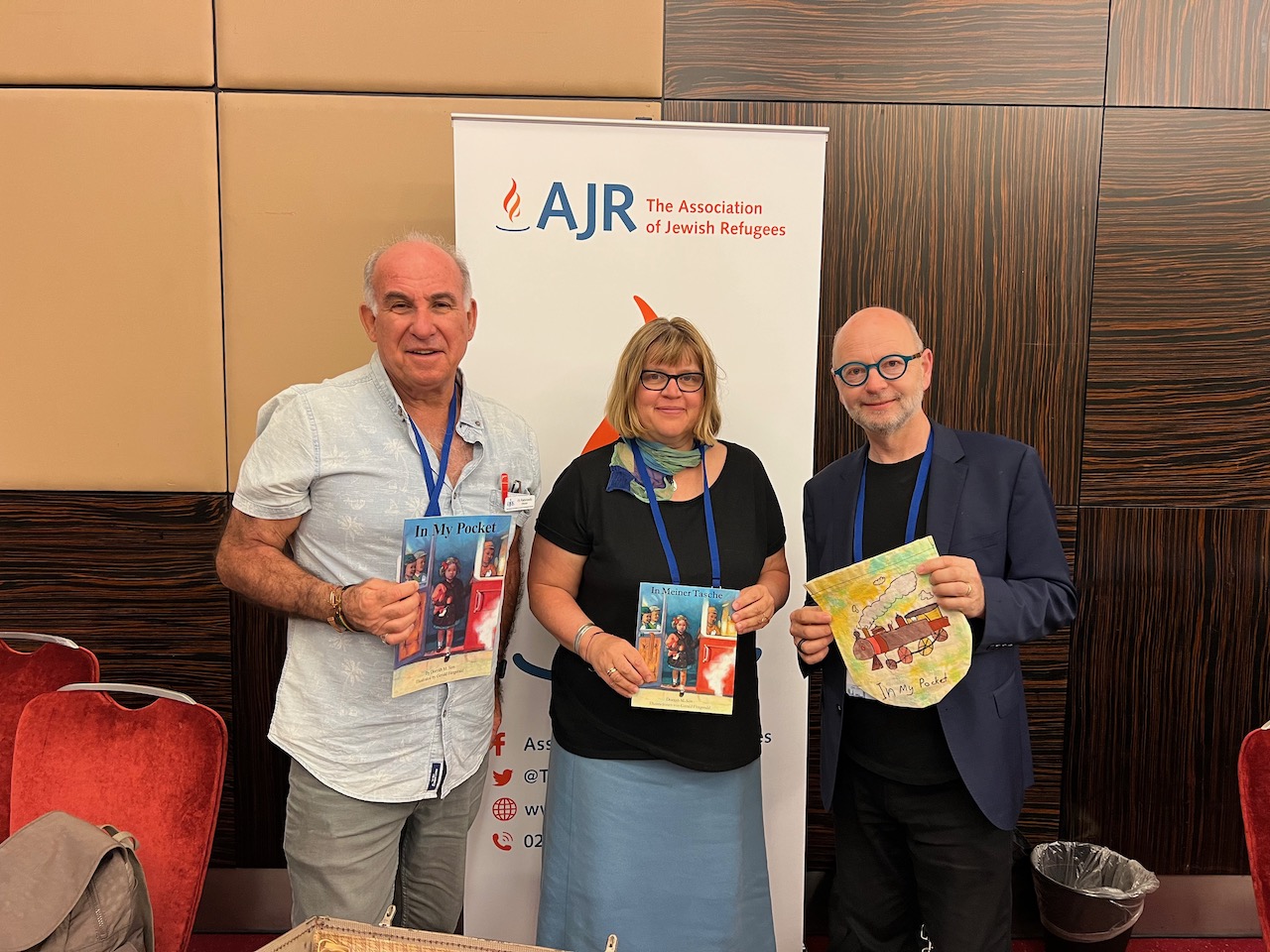
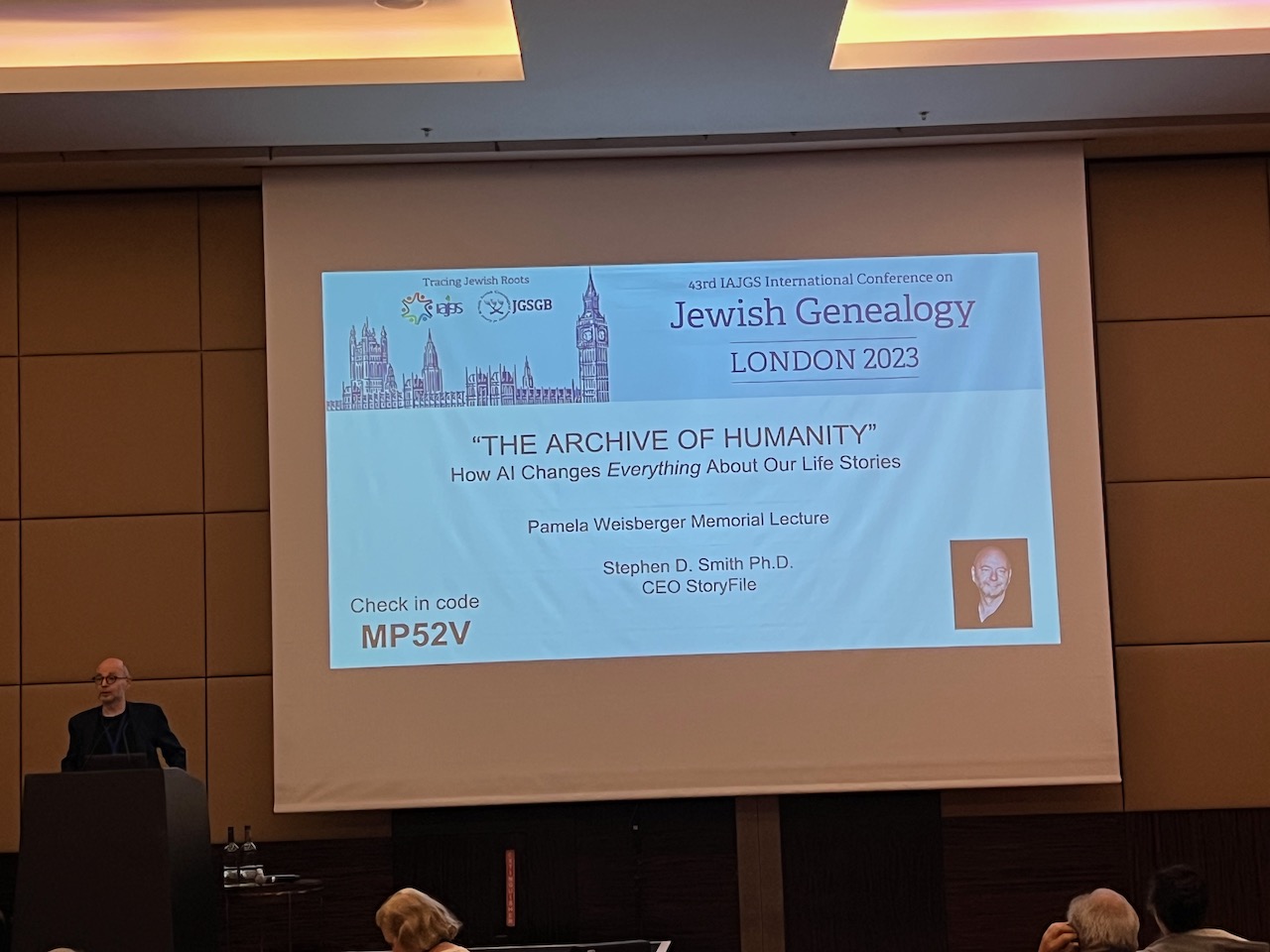
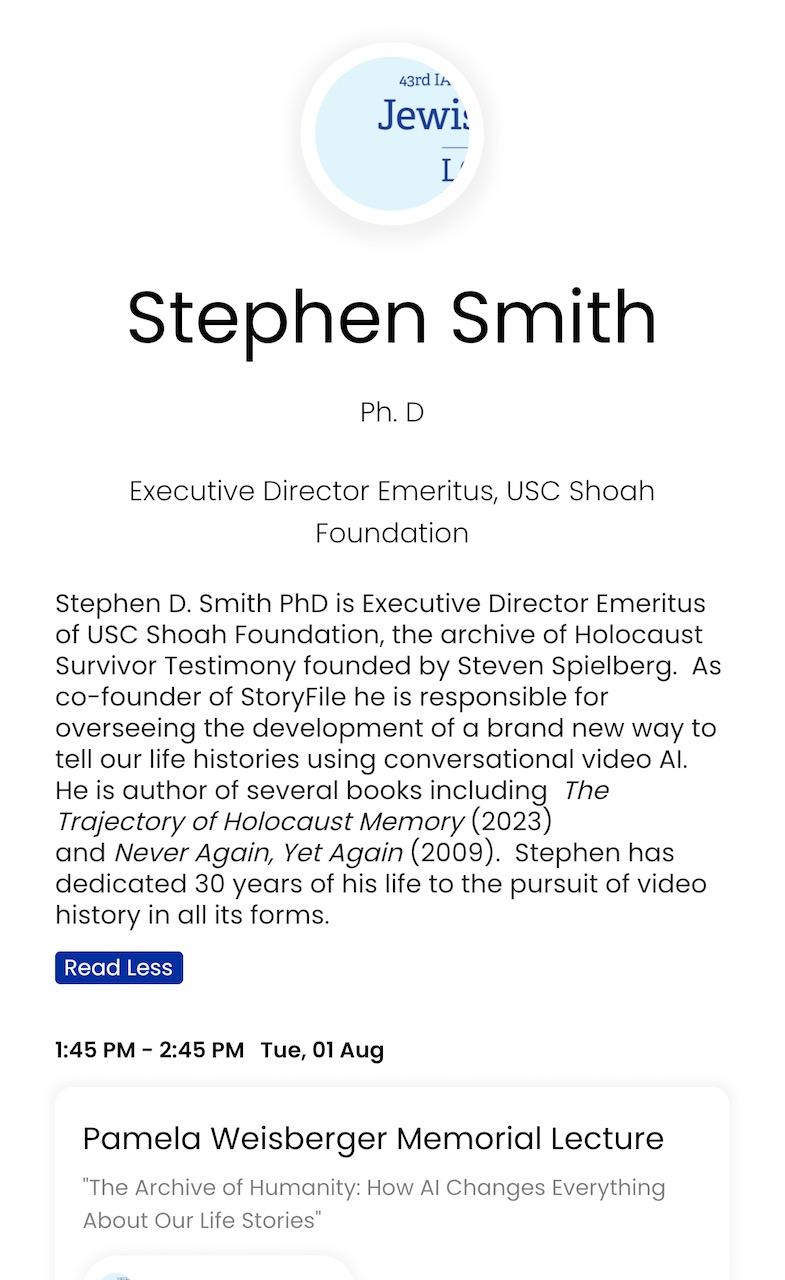
Meeting Stephen Smith & Bea Lewkowicz


Perth March 2014:

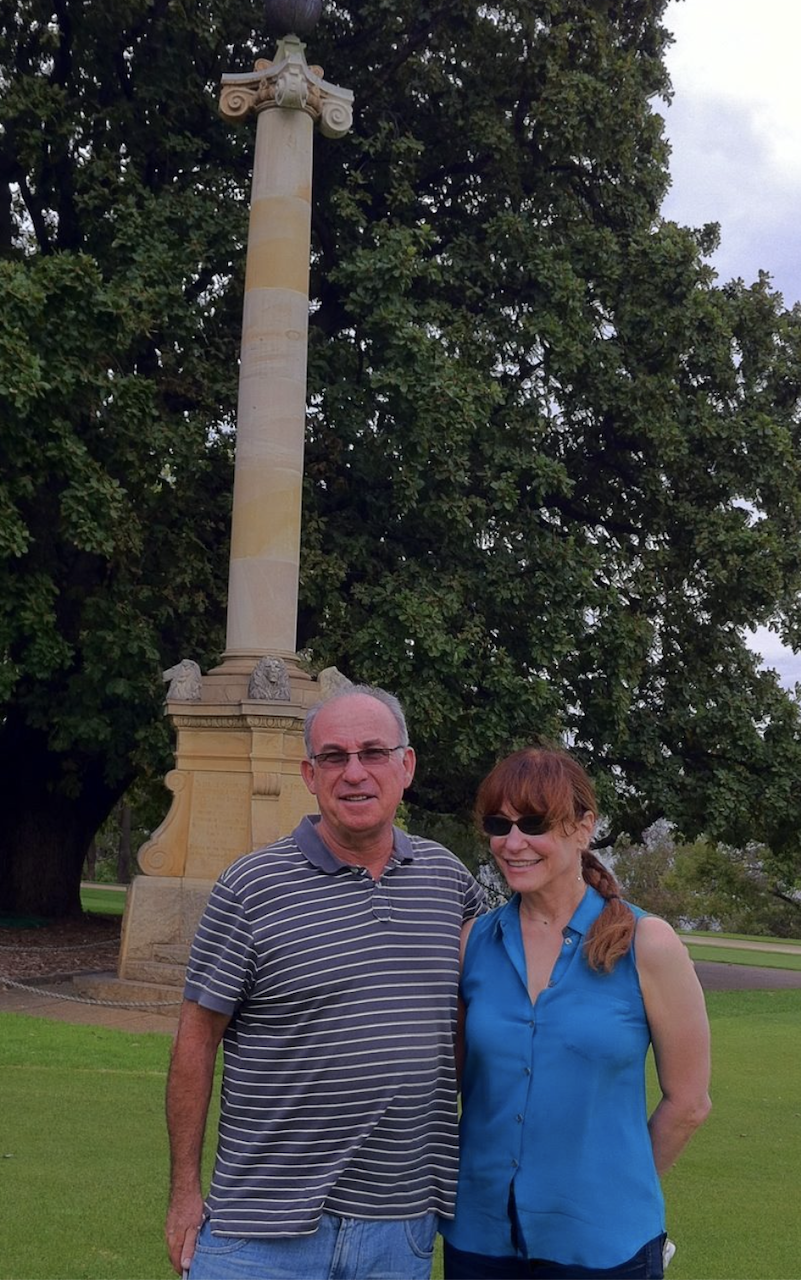
Today in Perth started off with morning tea at the State Library of Western Australia with my mining experts, historian Lenore Layman, Richard Hartley (who just completed “Westralian Founders of 20th Century Mining,”) and Peta Chappelle, whose PhD thesis on “Merton’s Reward” explored the involvement of Charles Kaufman (Ken’s Baden-born great great uncle) in the Western Australian mining boom in the 1890s. They brought me the kinds of goodies genealogists love & suggested new avenues of research. Thanks to Michelle Urban from the local JGS for arranging this & providing lunch with the effervescent Eli Rabinowitz followed by a tour of Perth.


Tuesday 2 August – Day 3

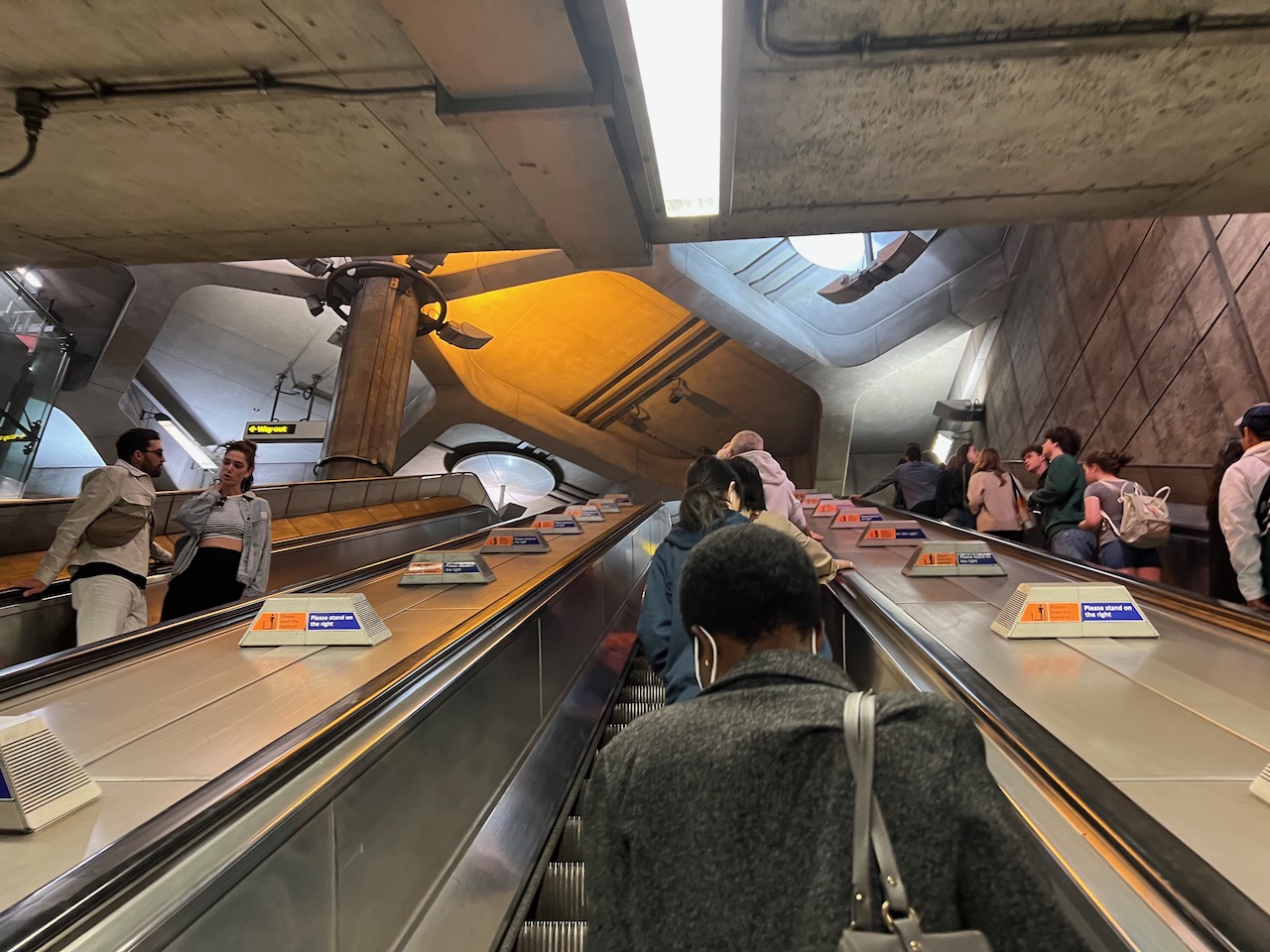
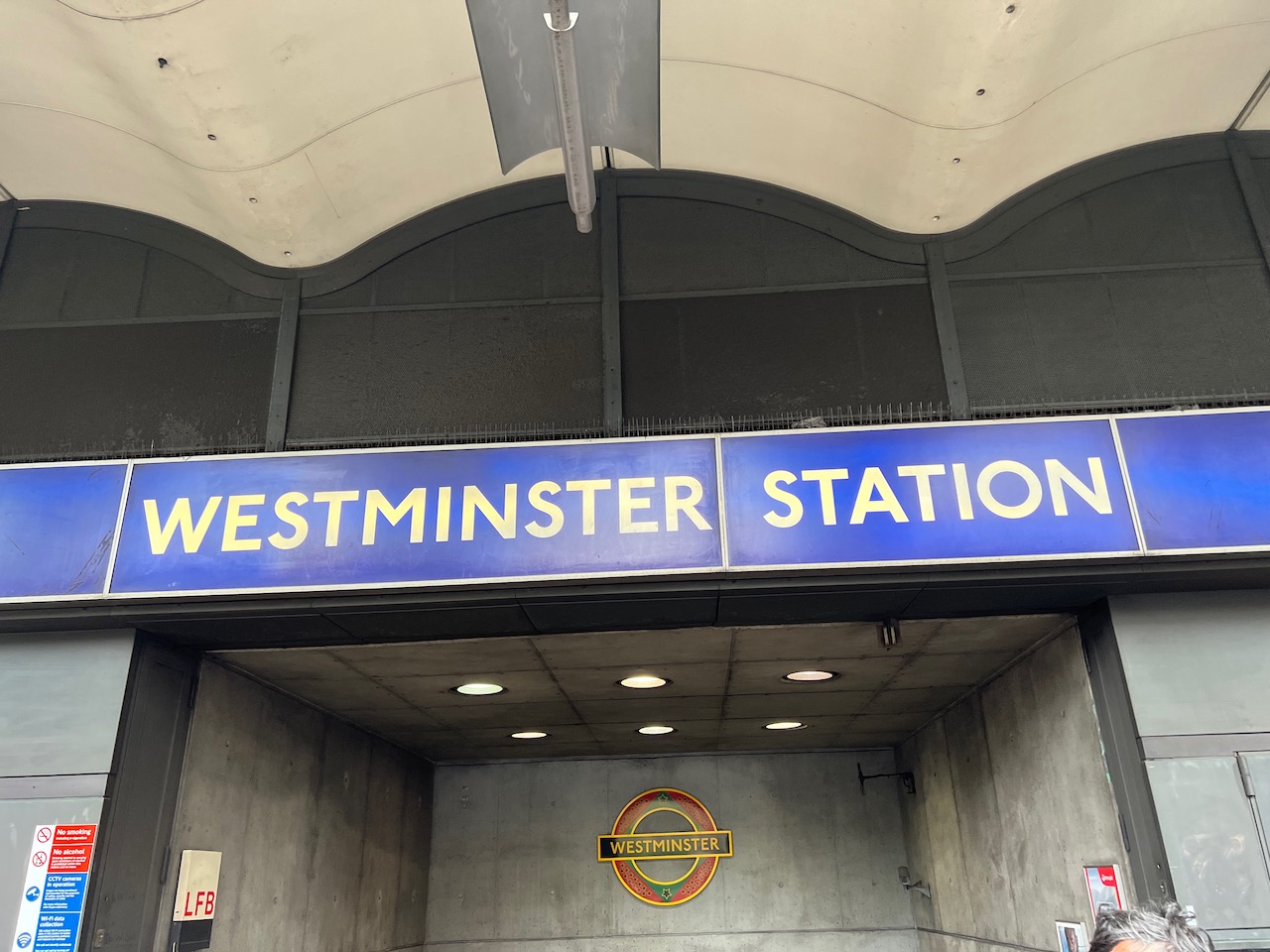
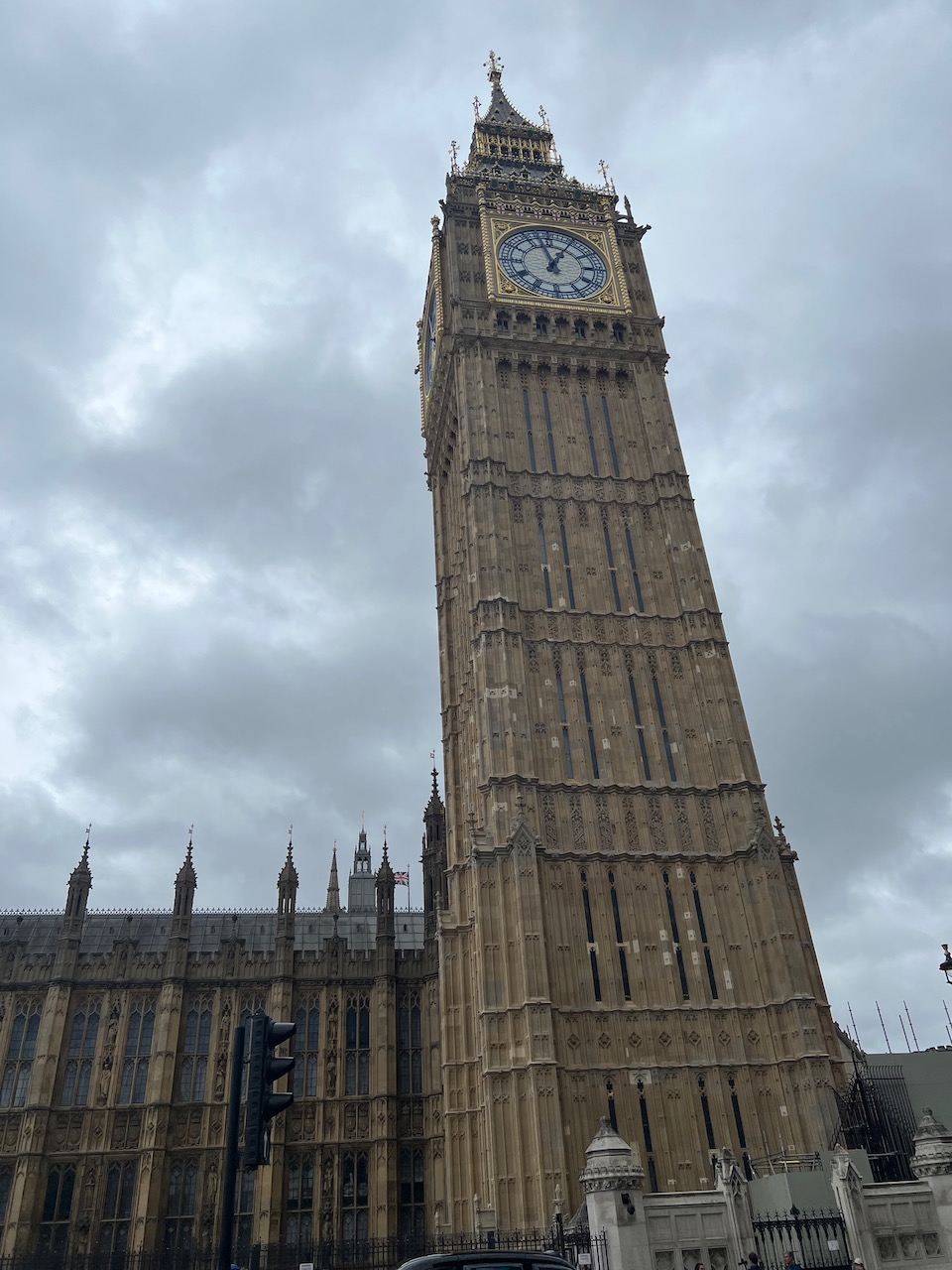
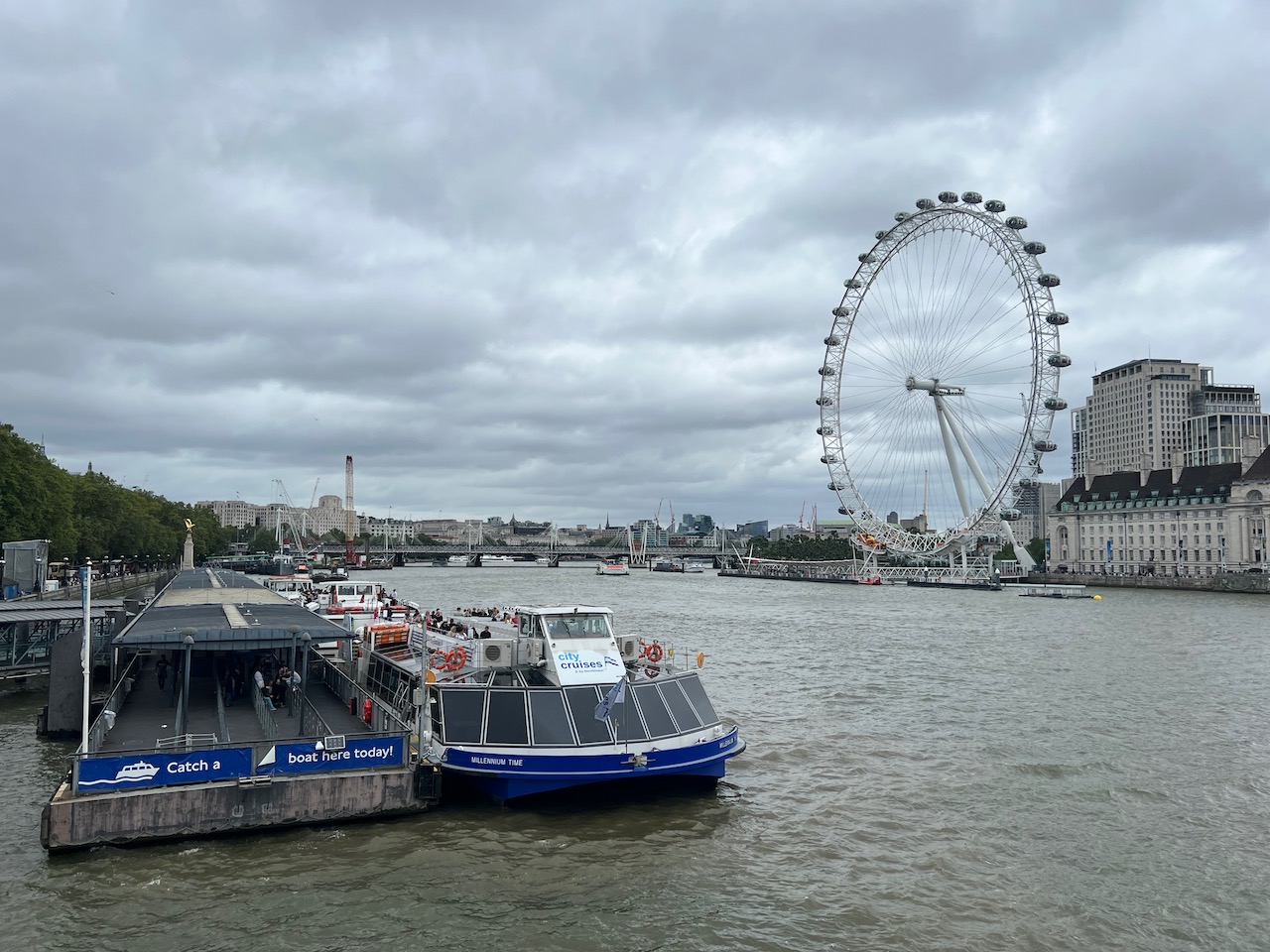
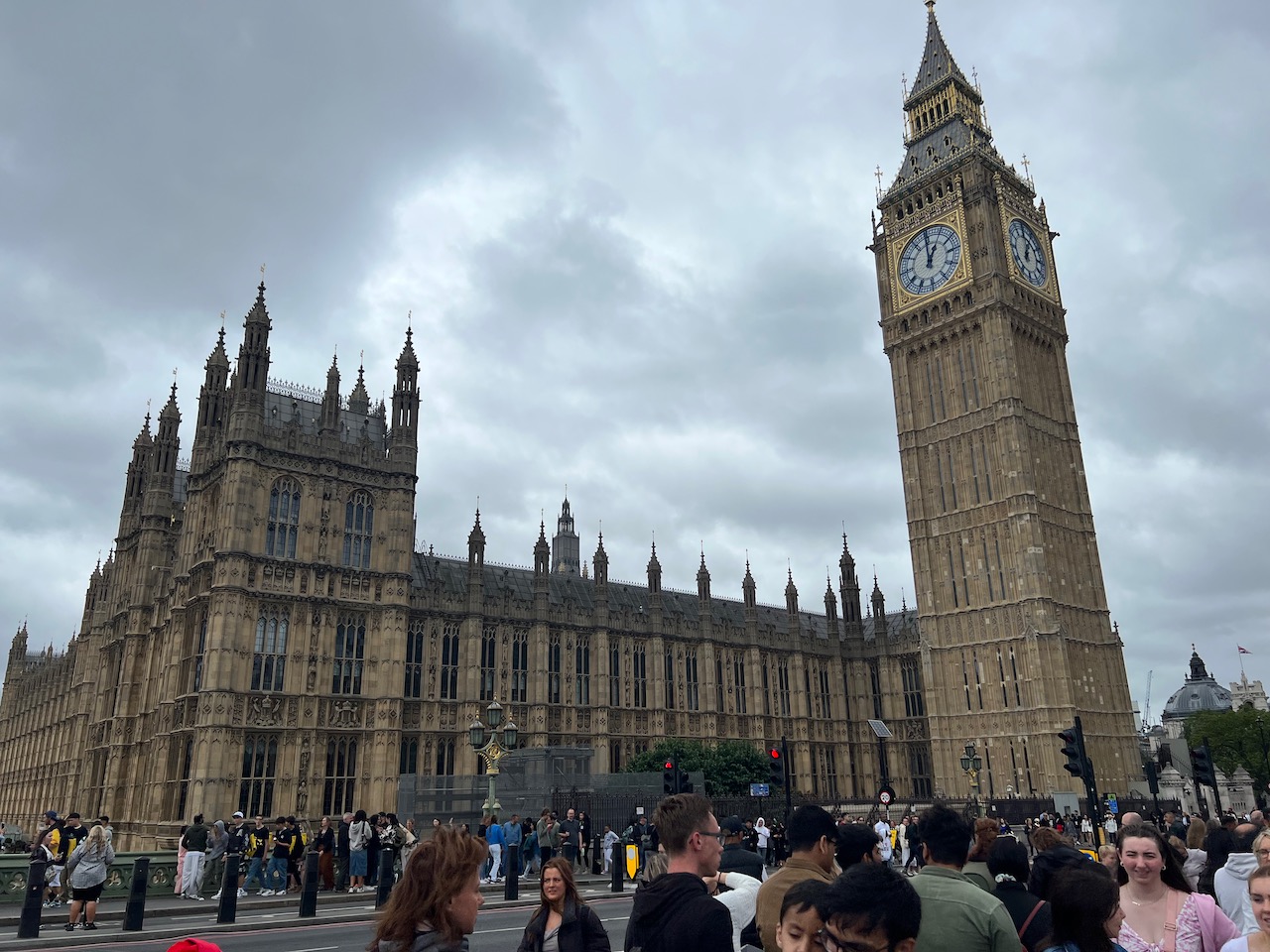
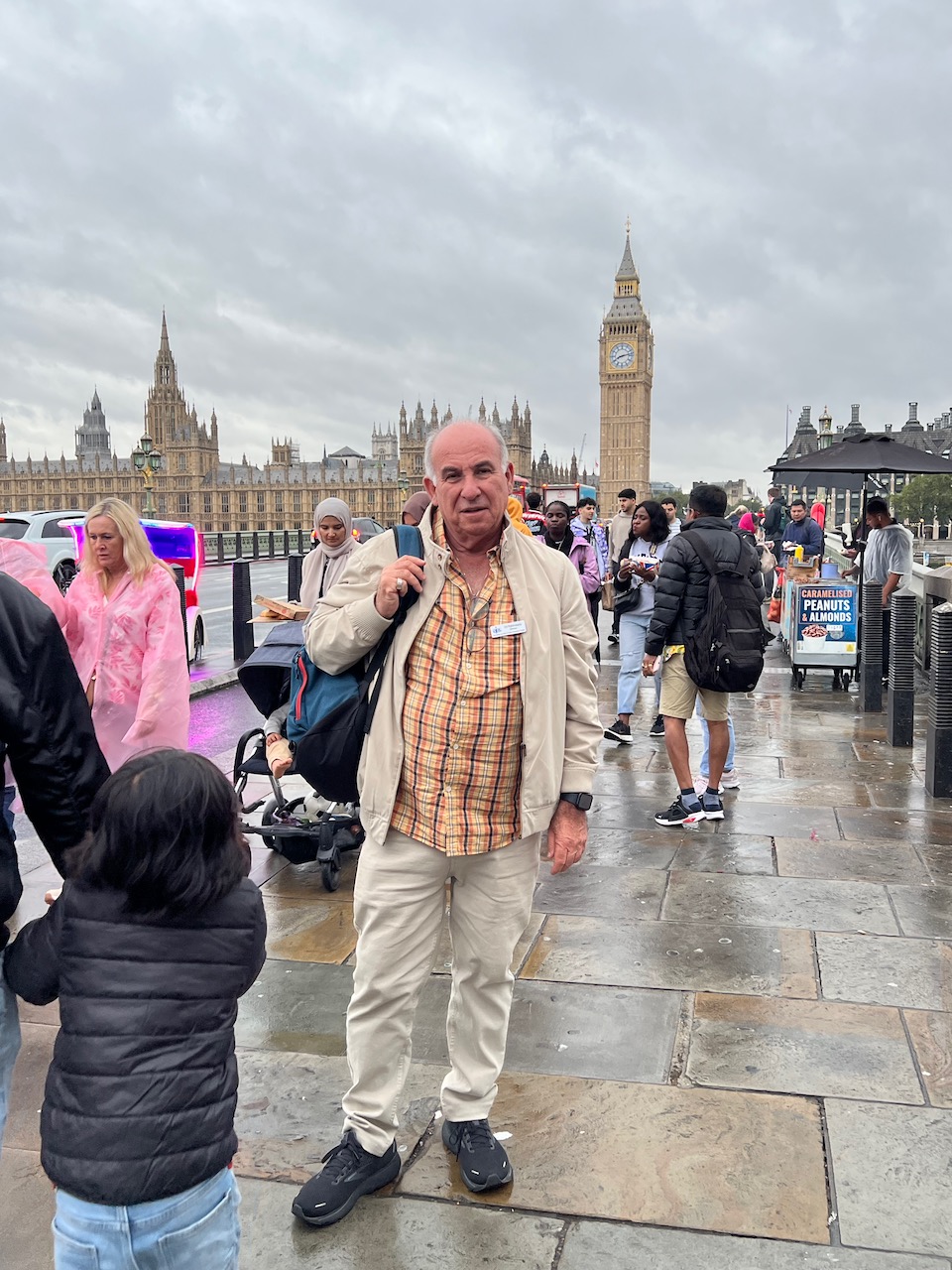
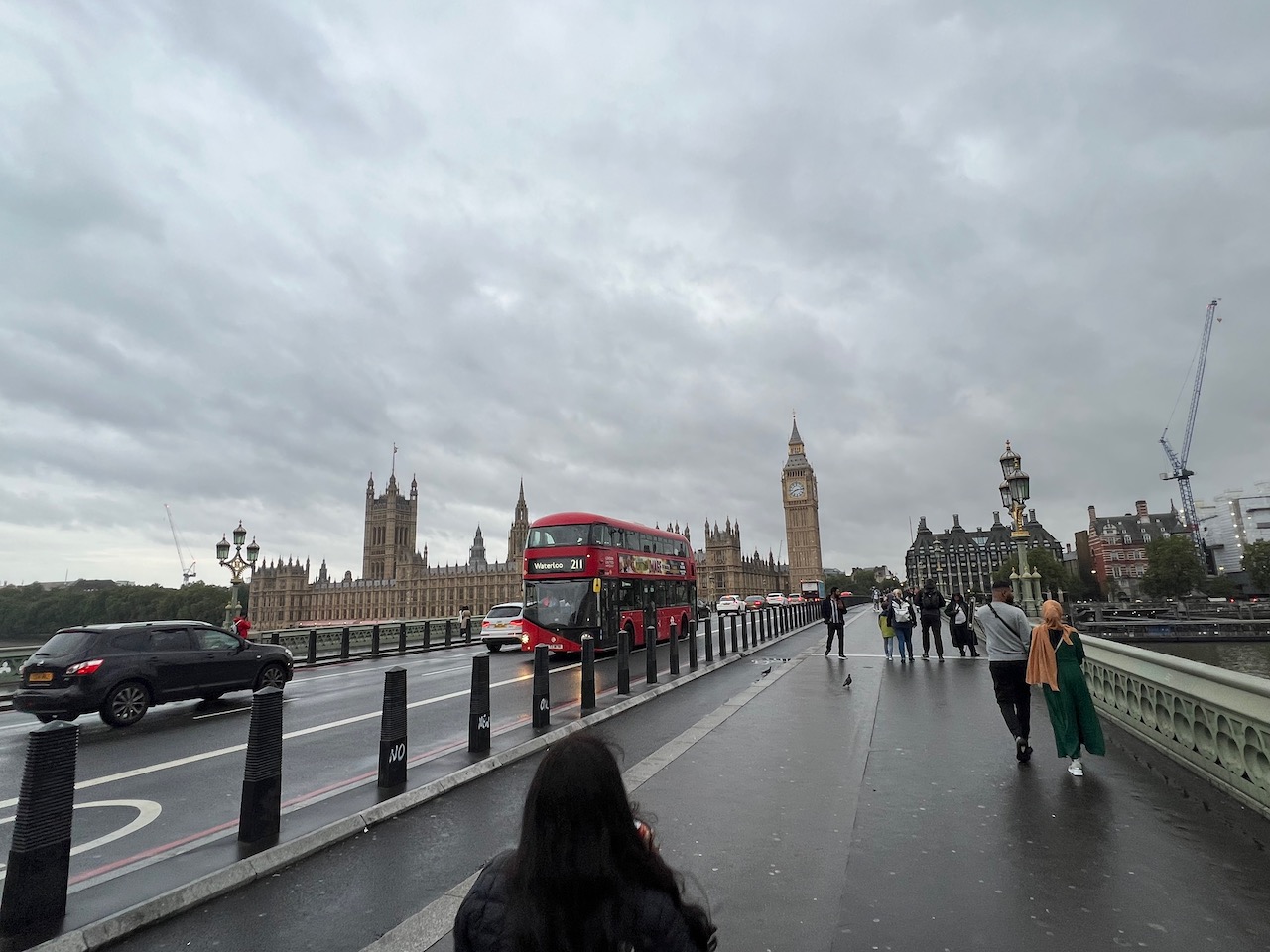
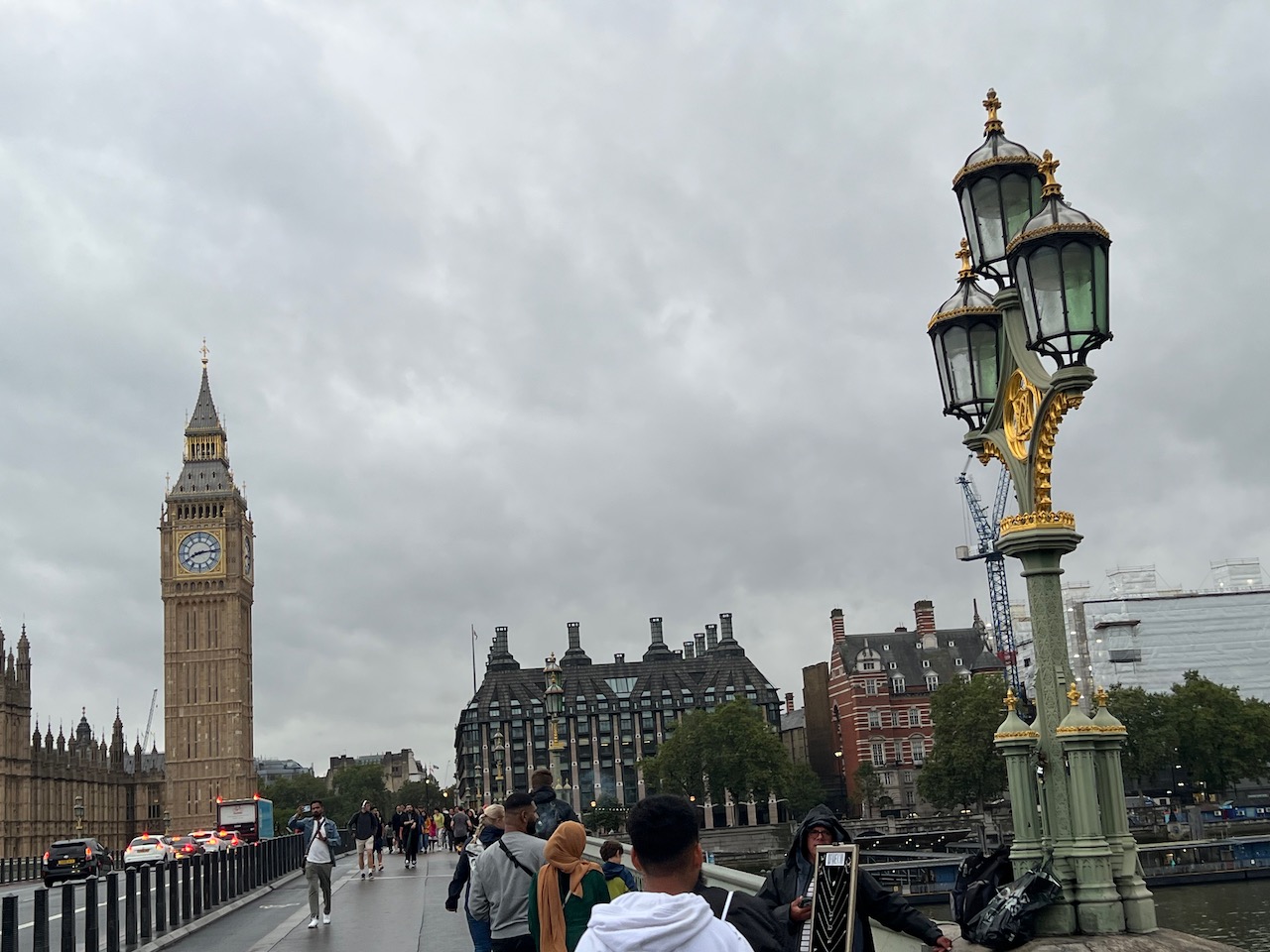
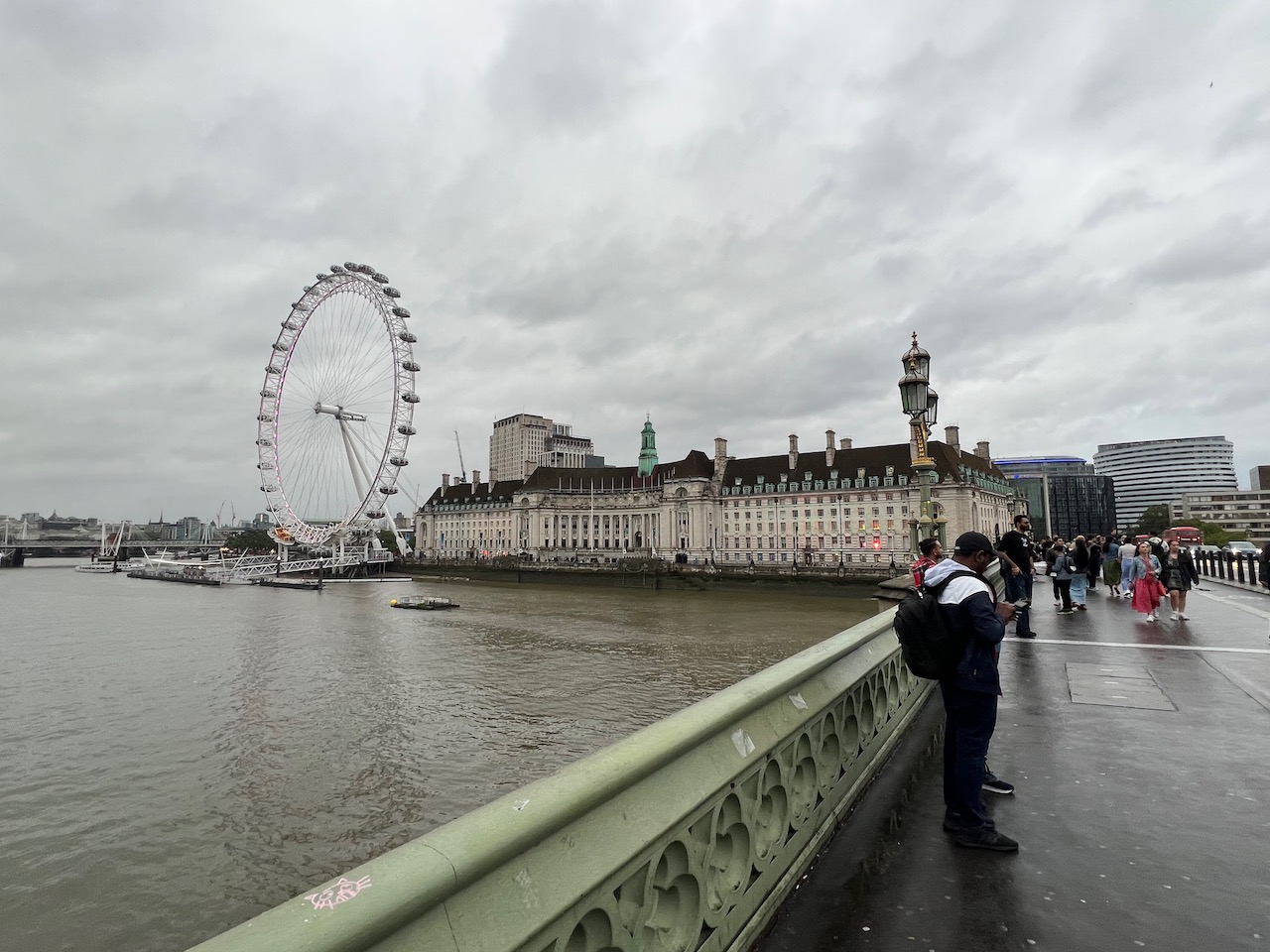
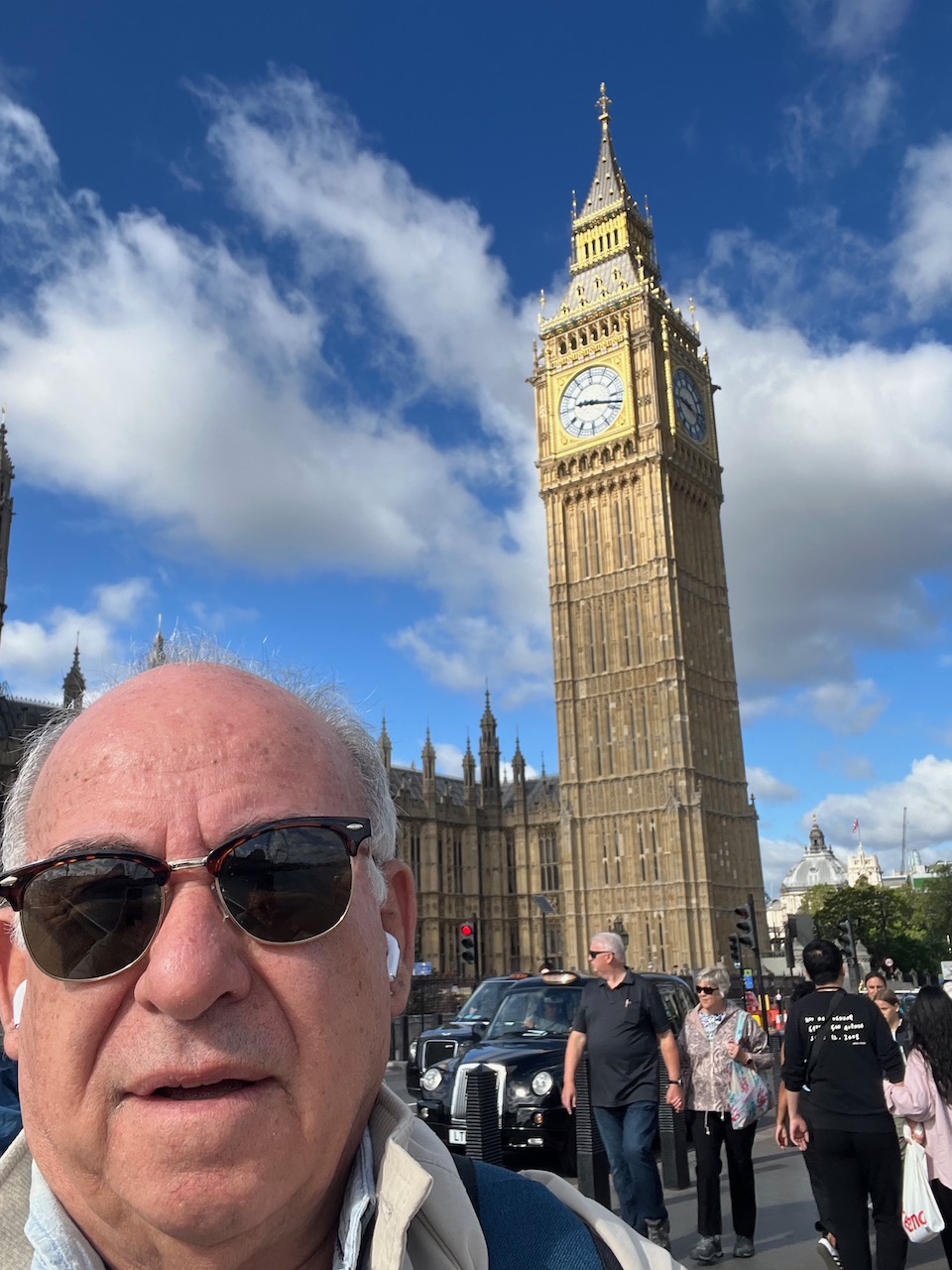
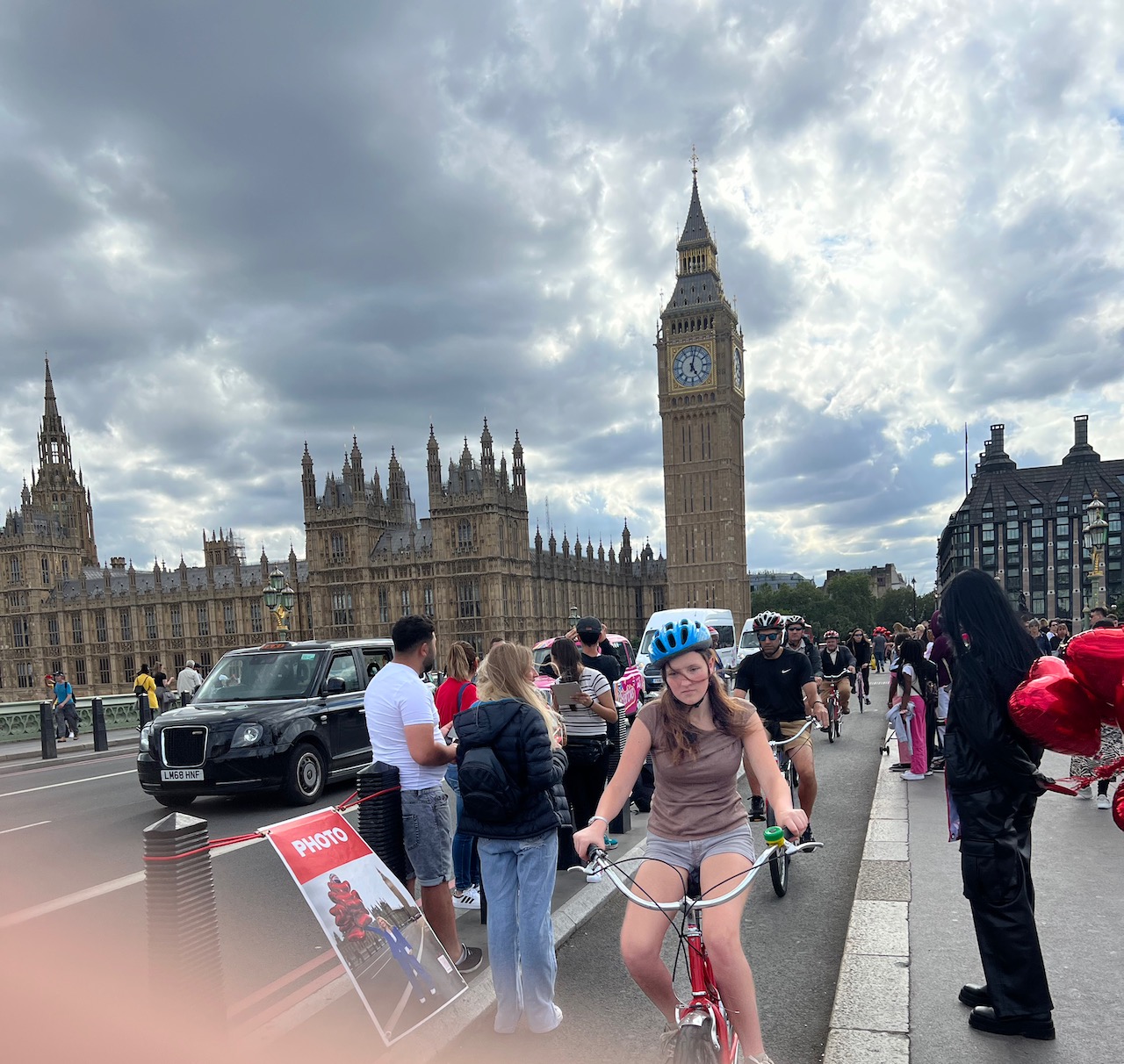
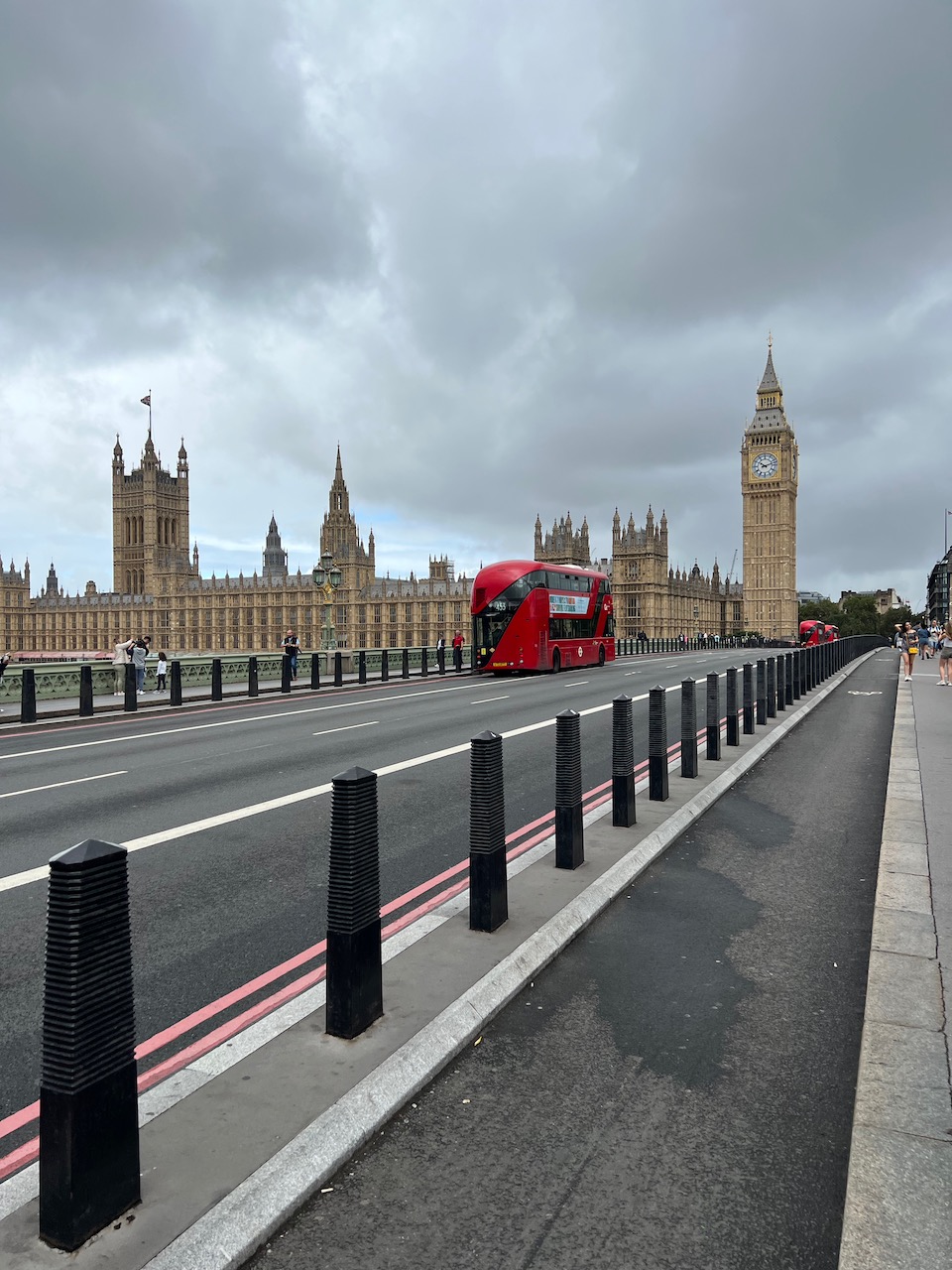
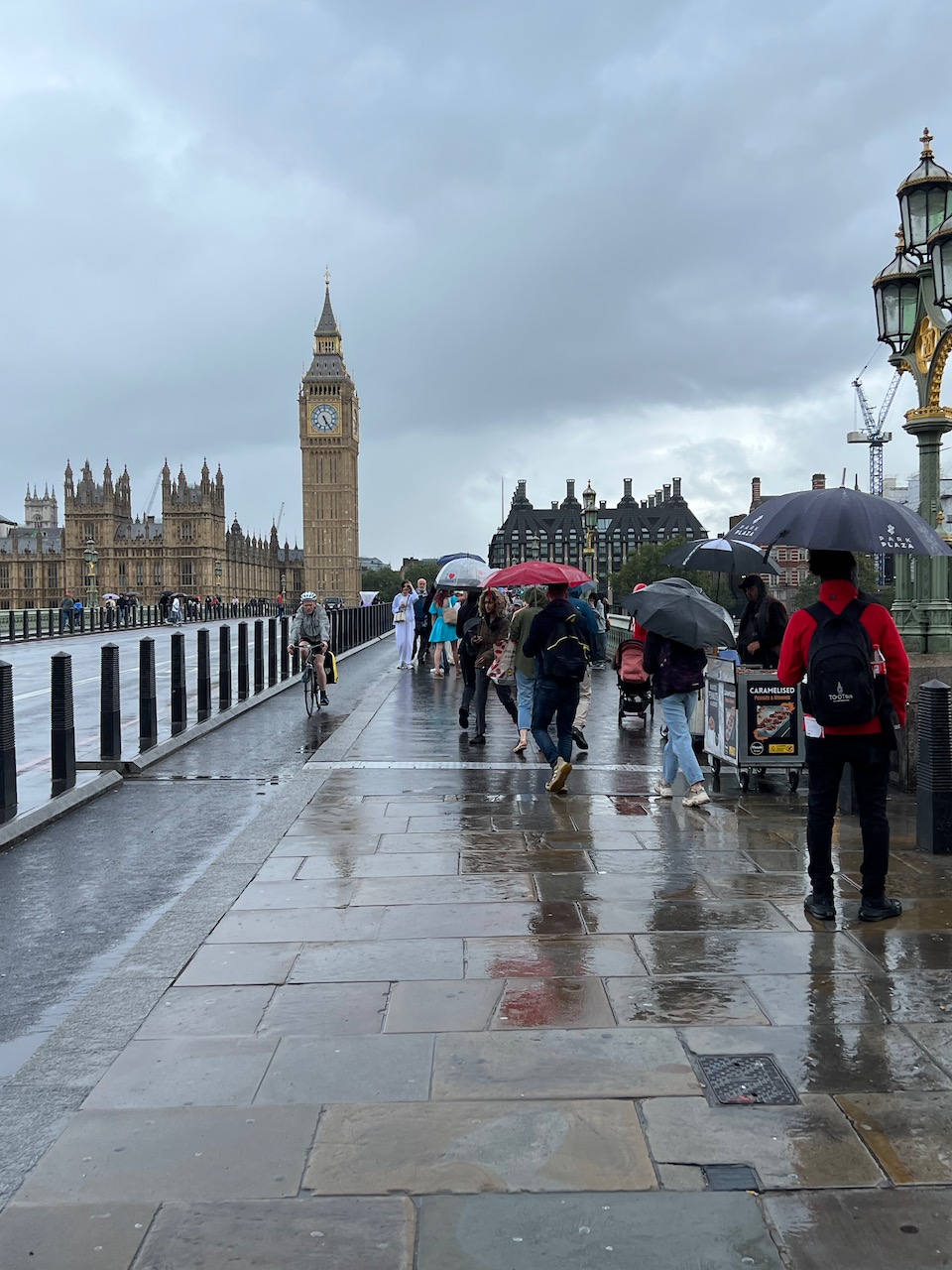
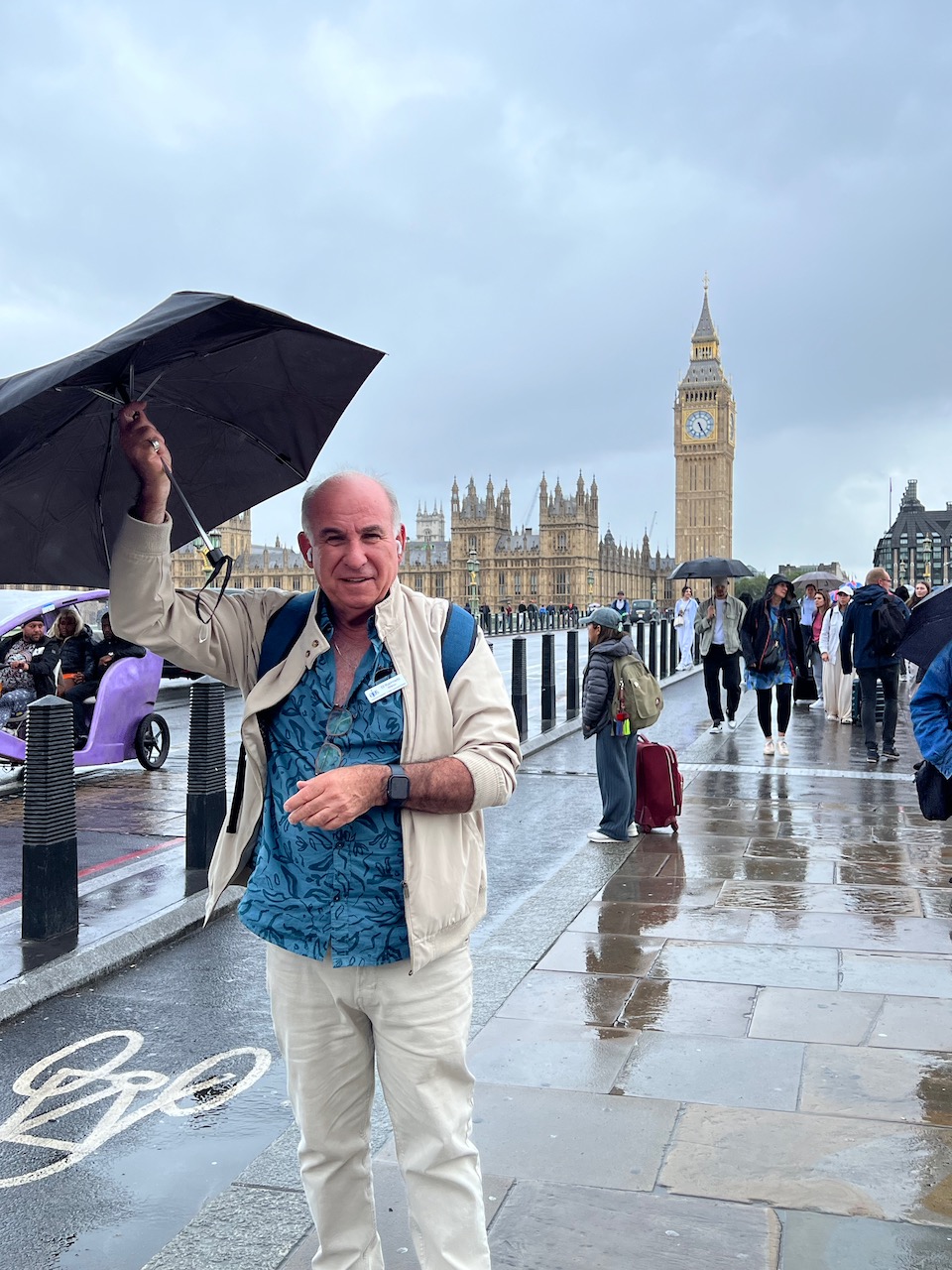
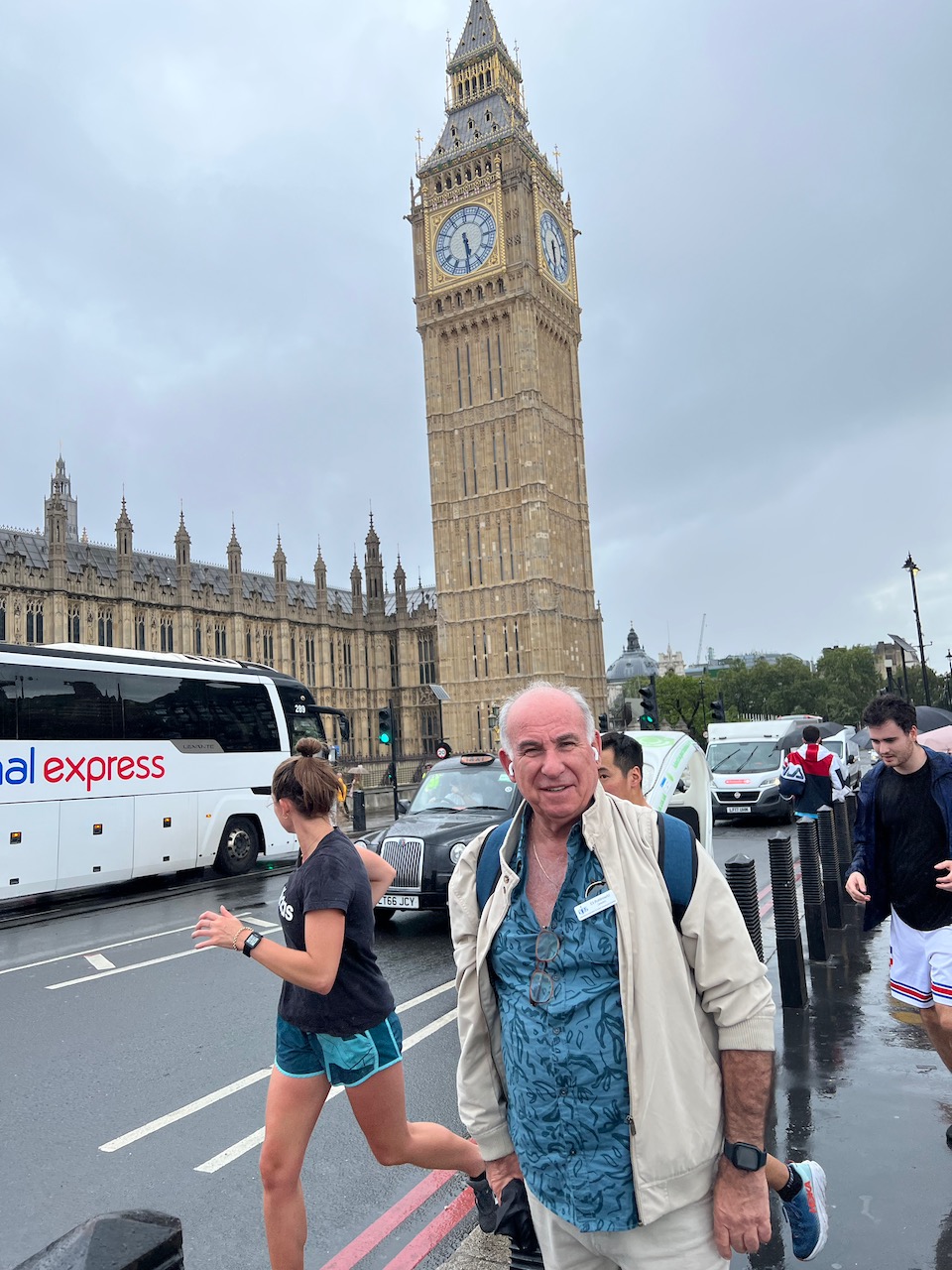
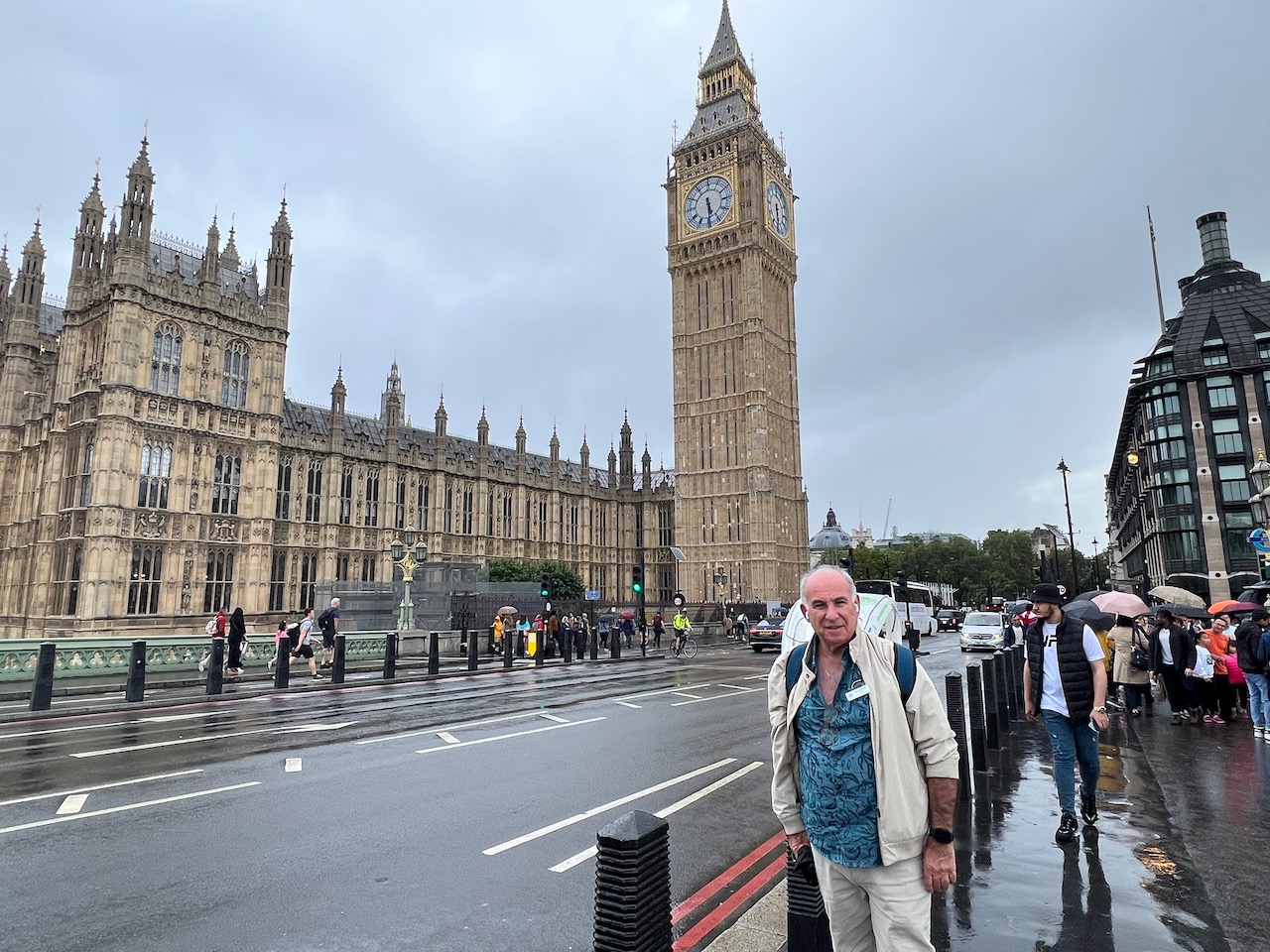
Crossing Westminster Bridge

Meeting Laura Konviser

Enjoying the London weather!

The 4th and final day – 3 August

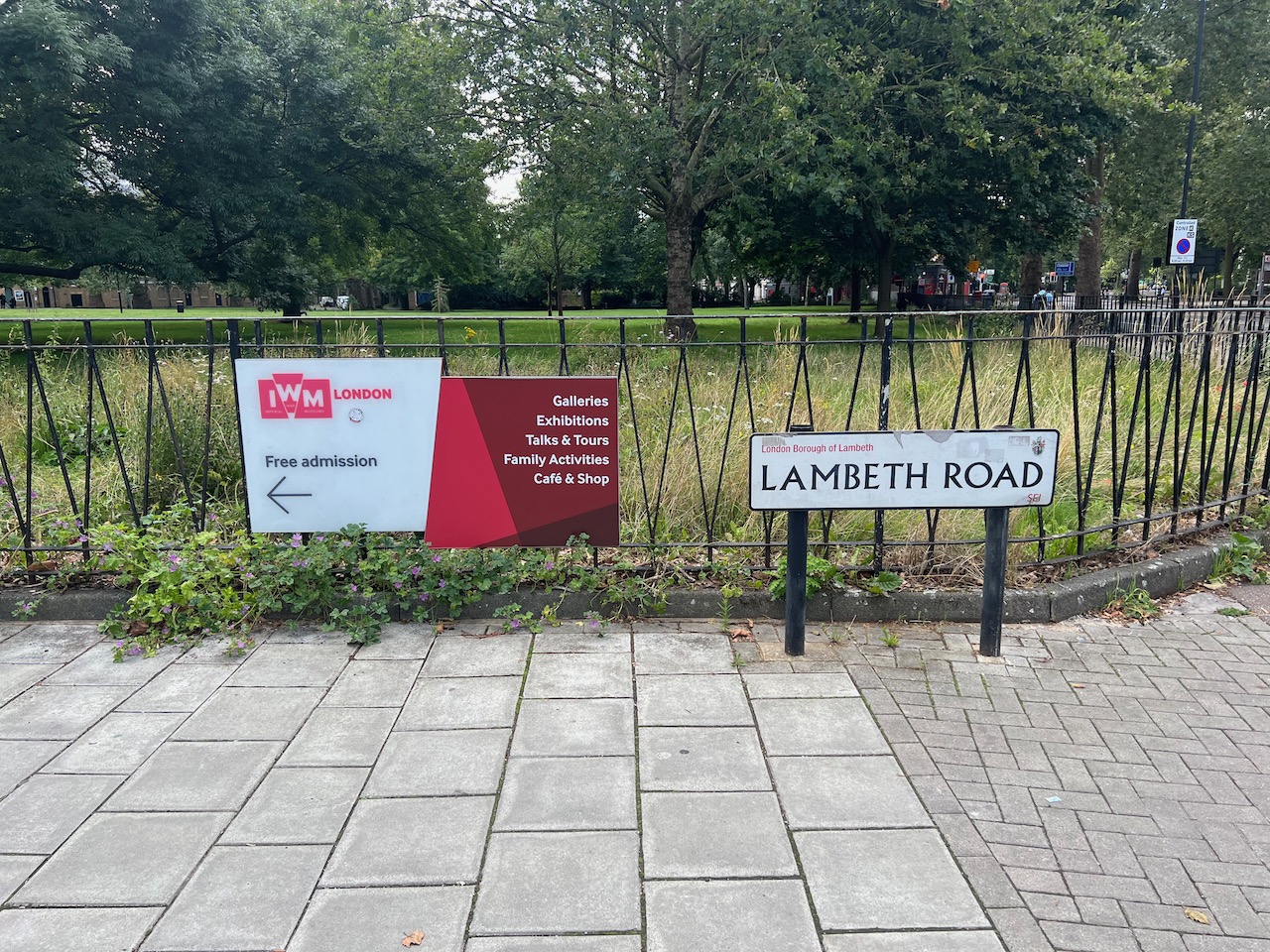
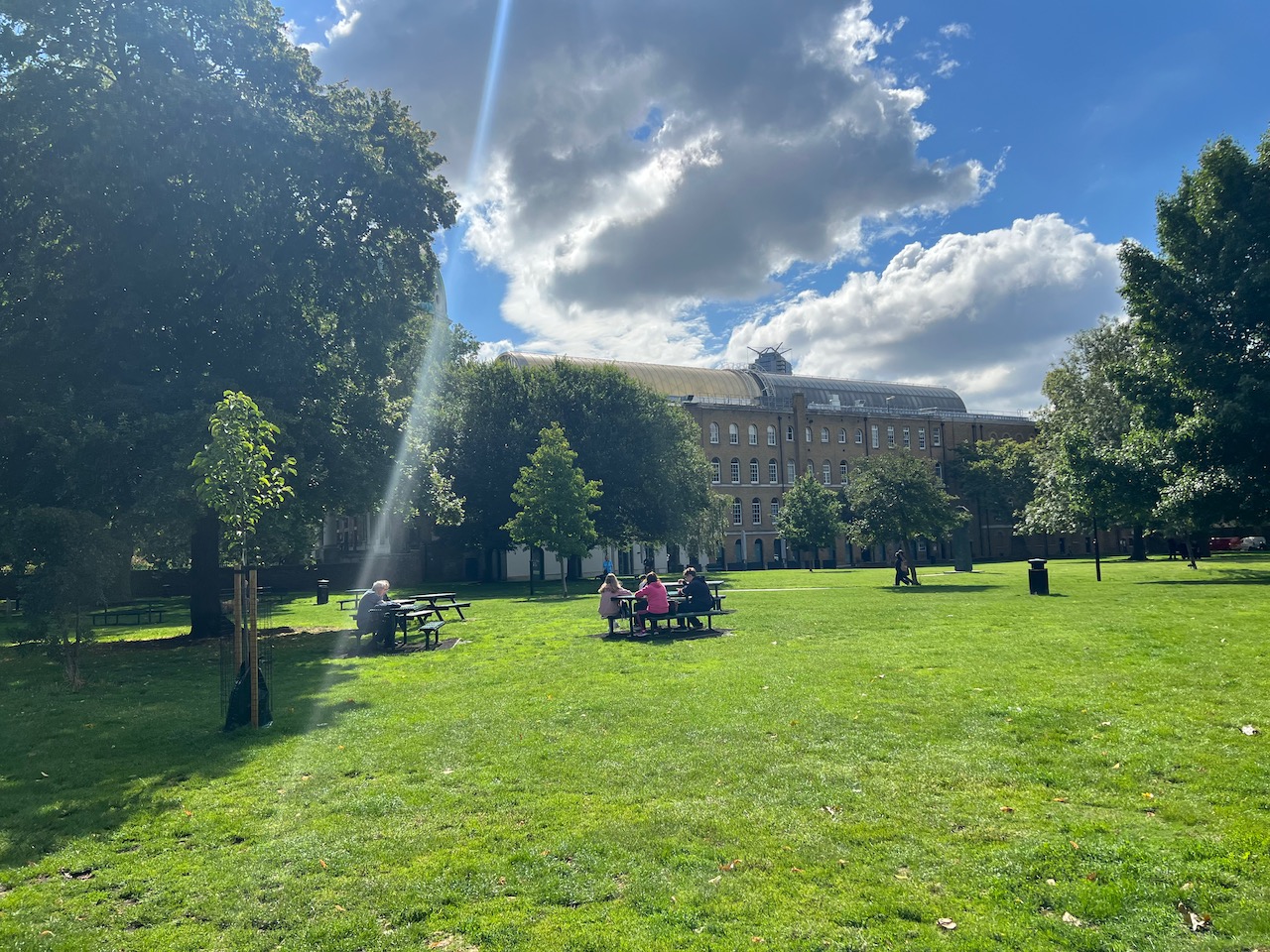
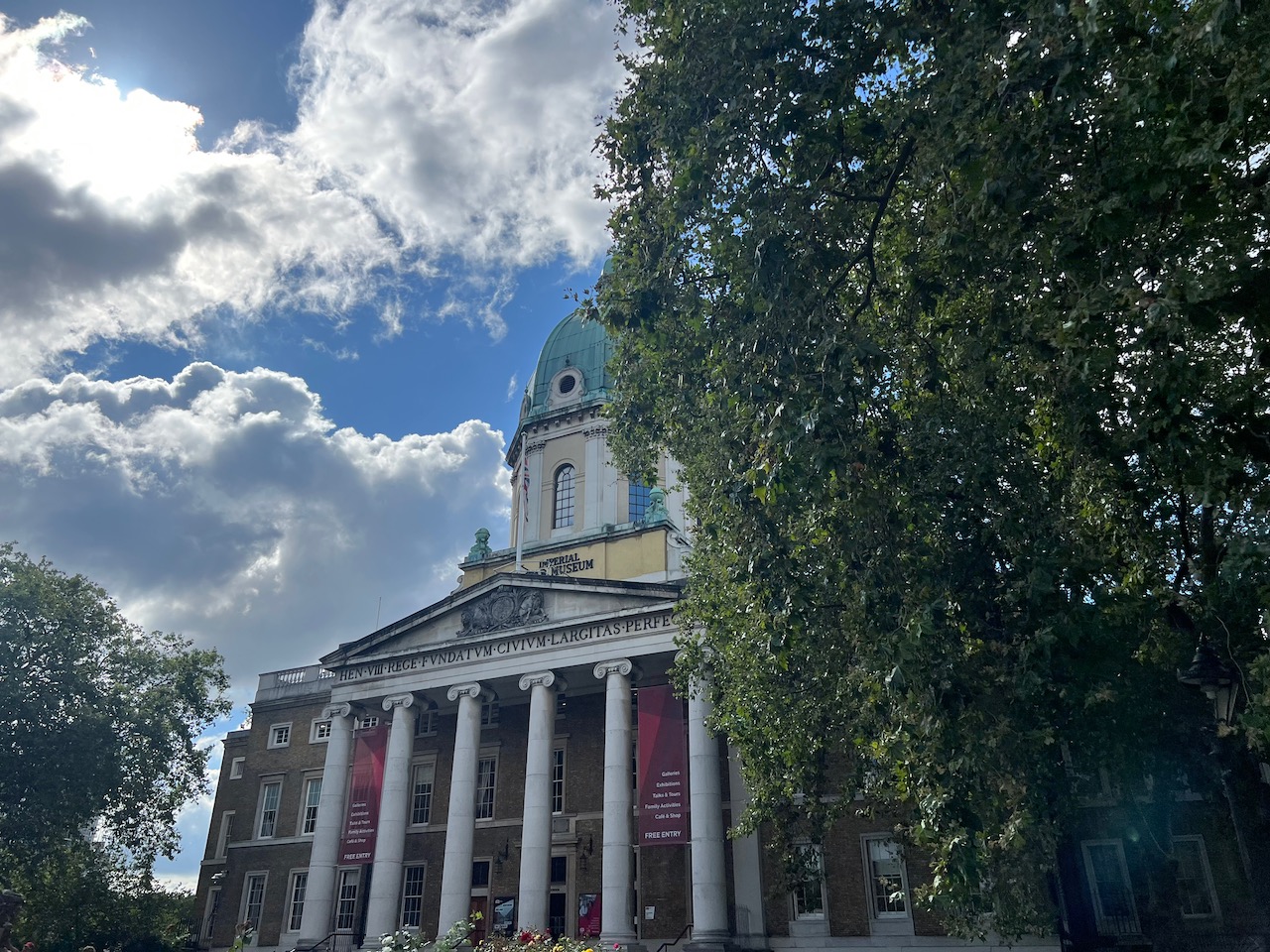
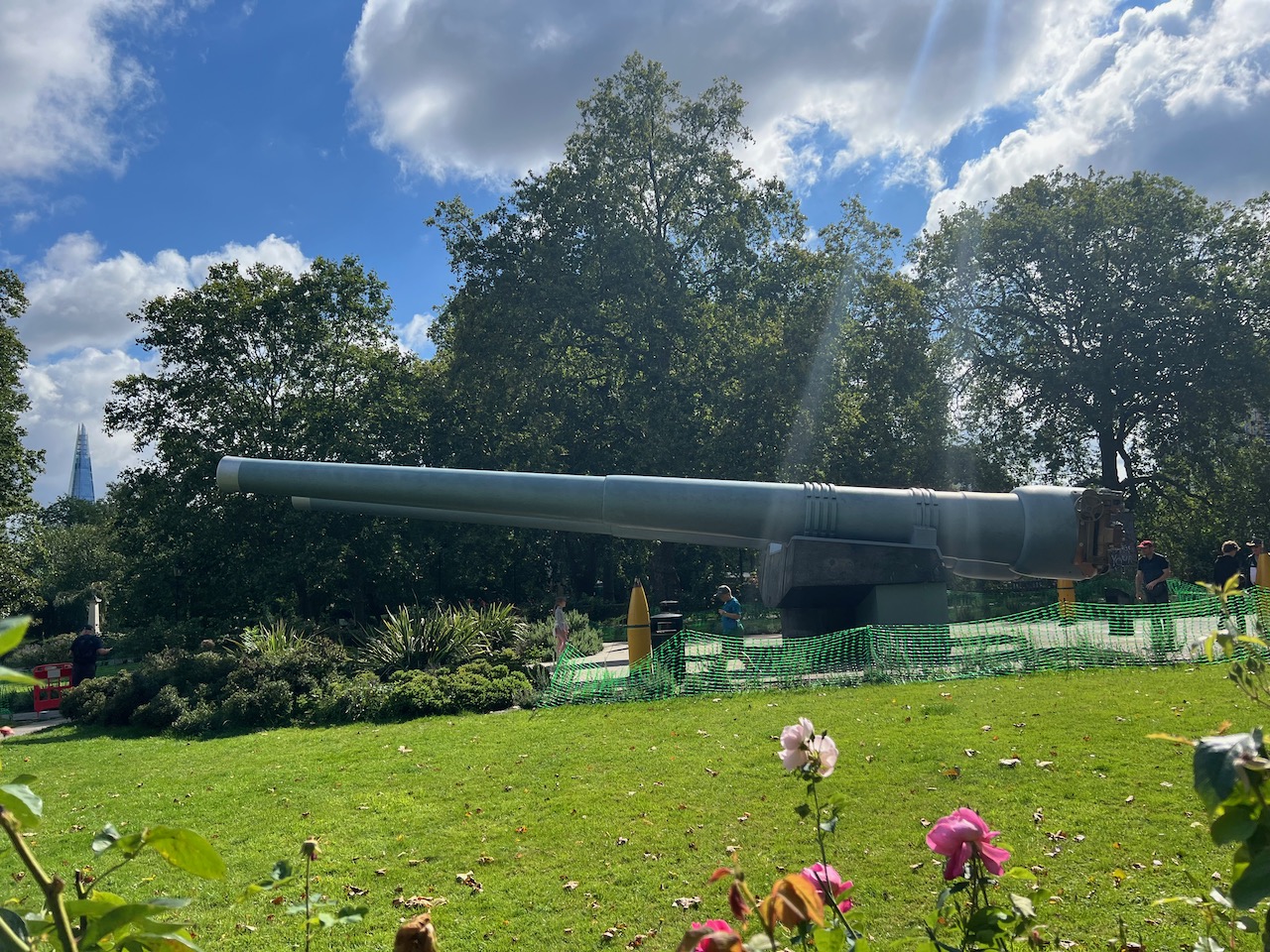
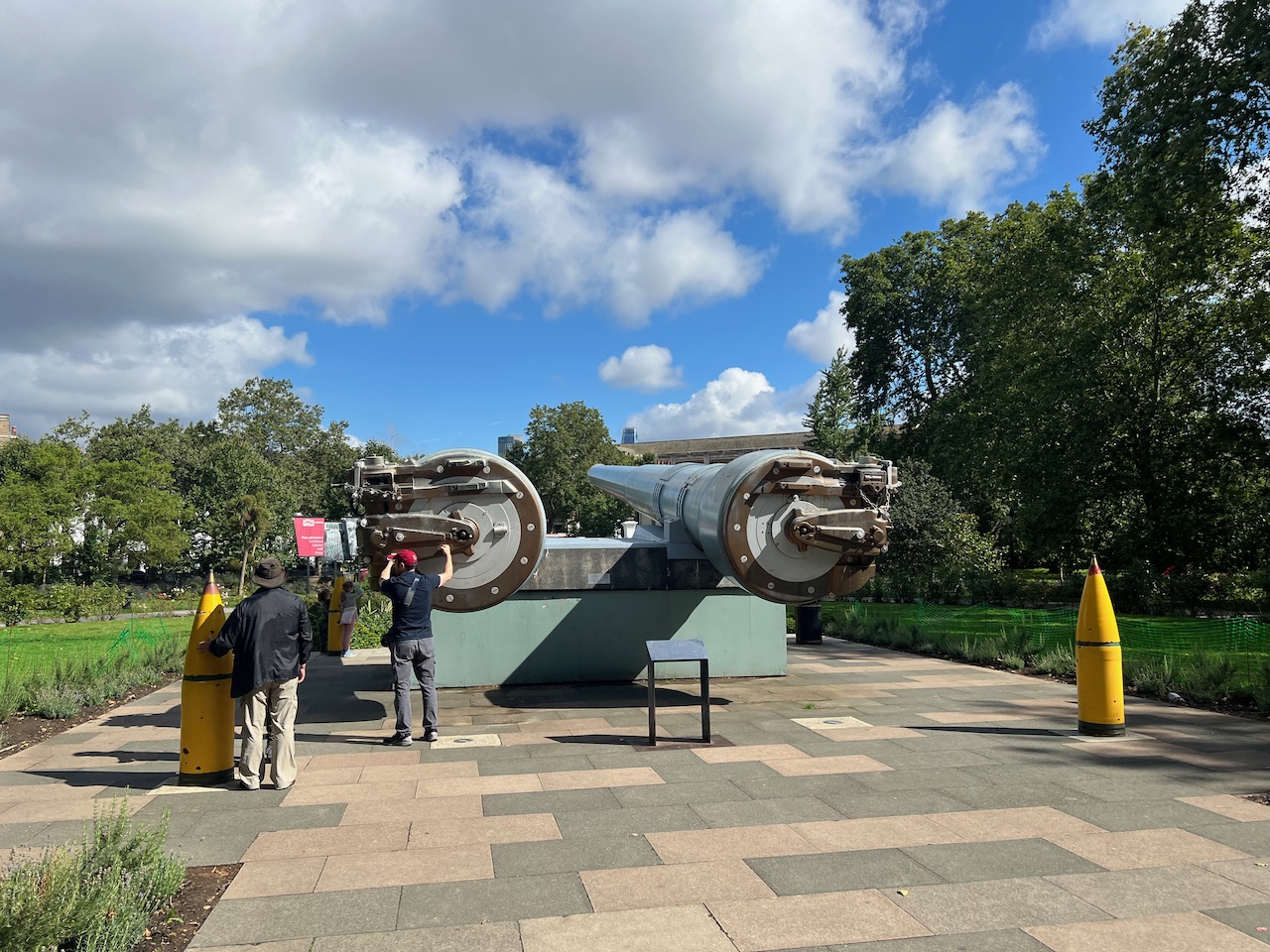
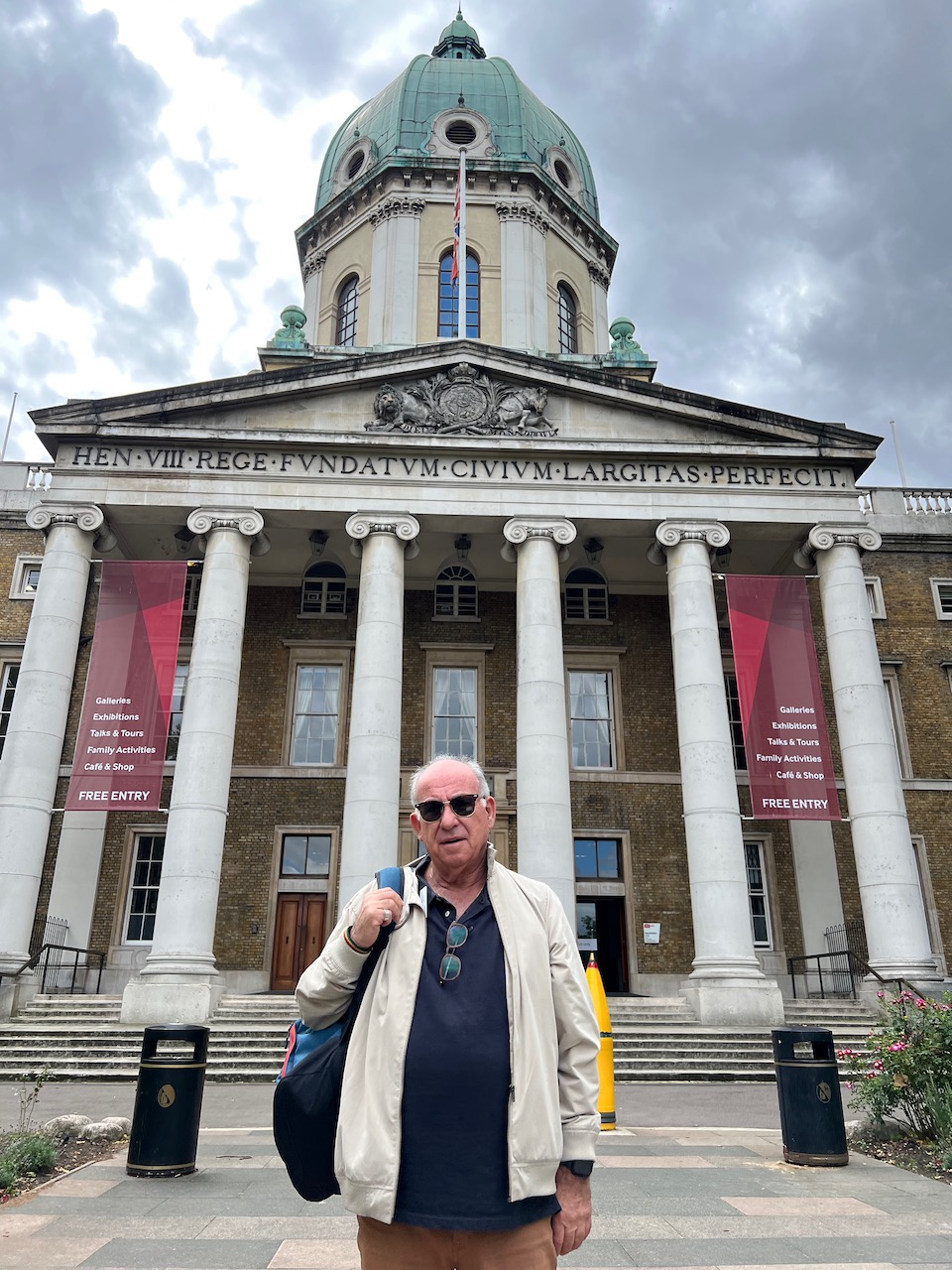
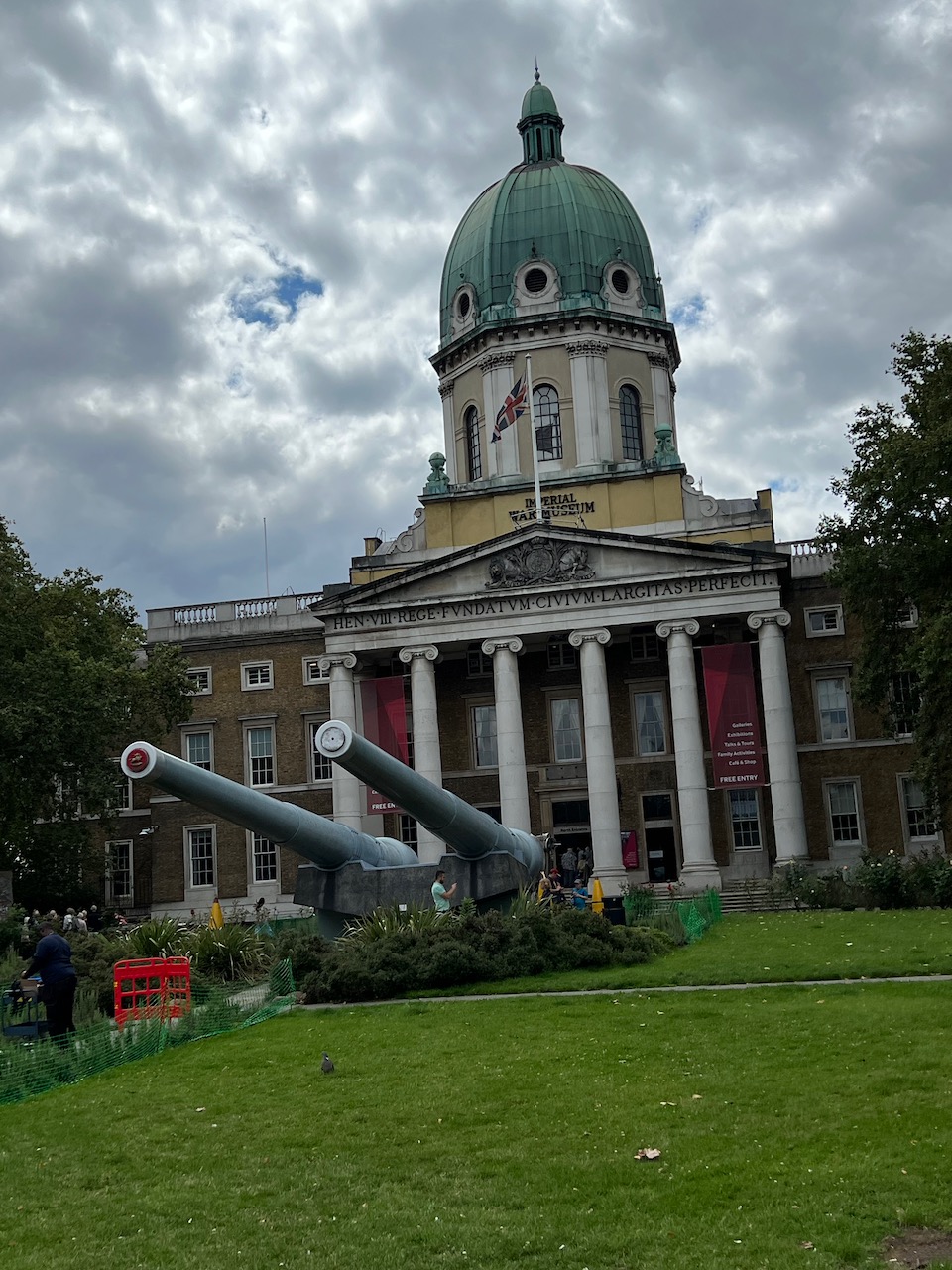
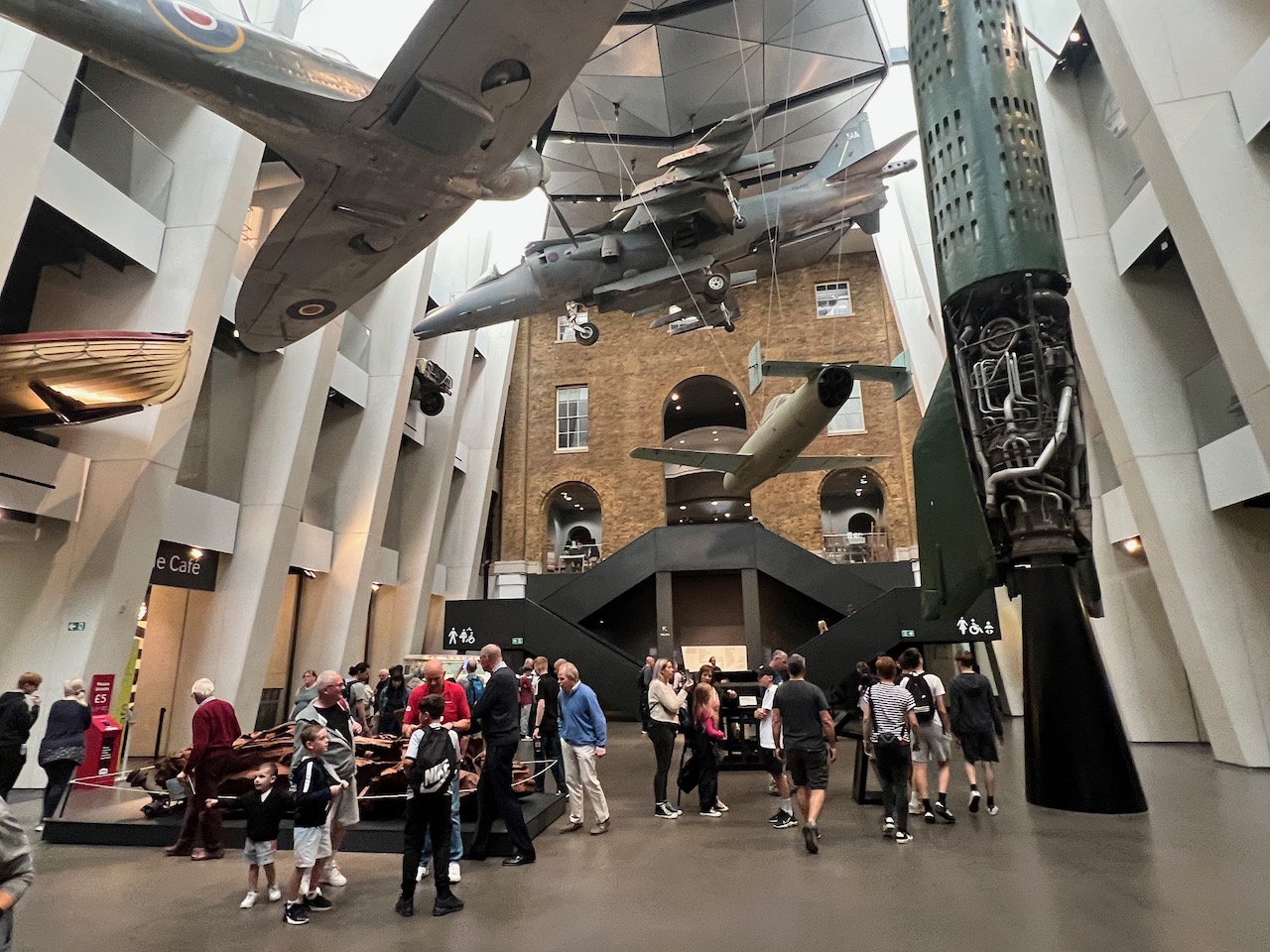
The Imperial War Museum,  Lambeth

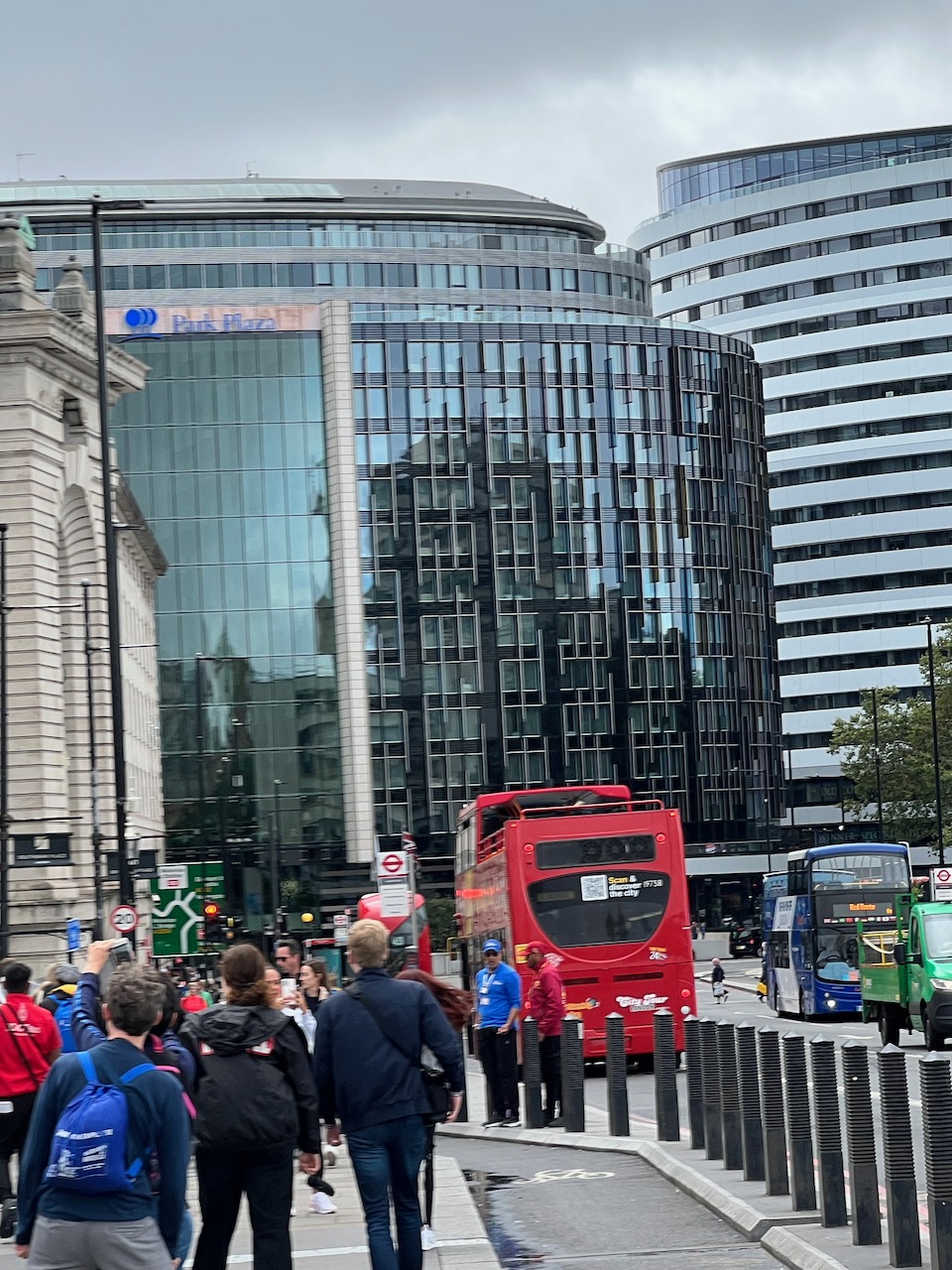
Back to the Park Plaza for the end of the conference

Back to Northwick Park


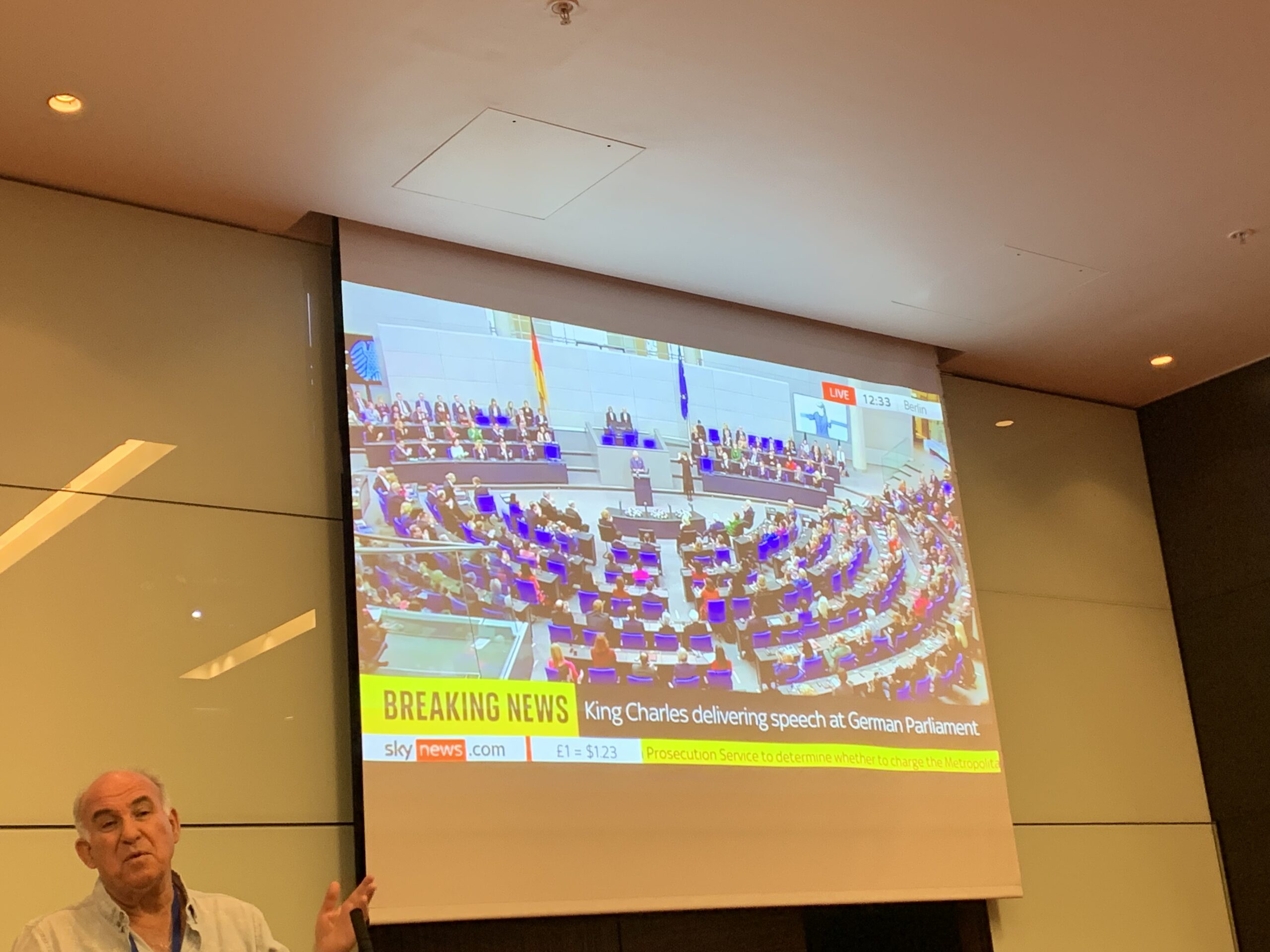
In My Pocket – Update from England

10a.
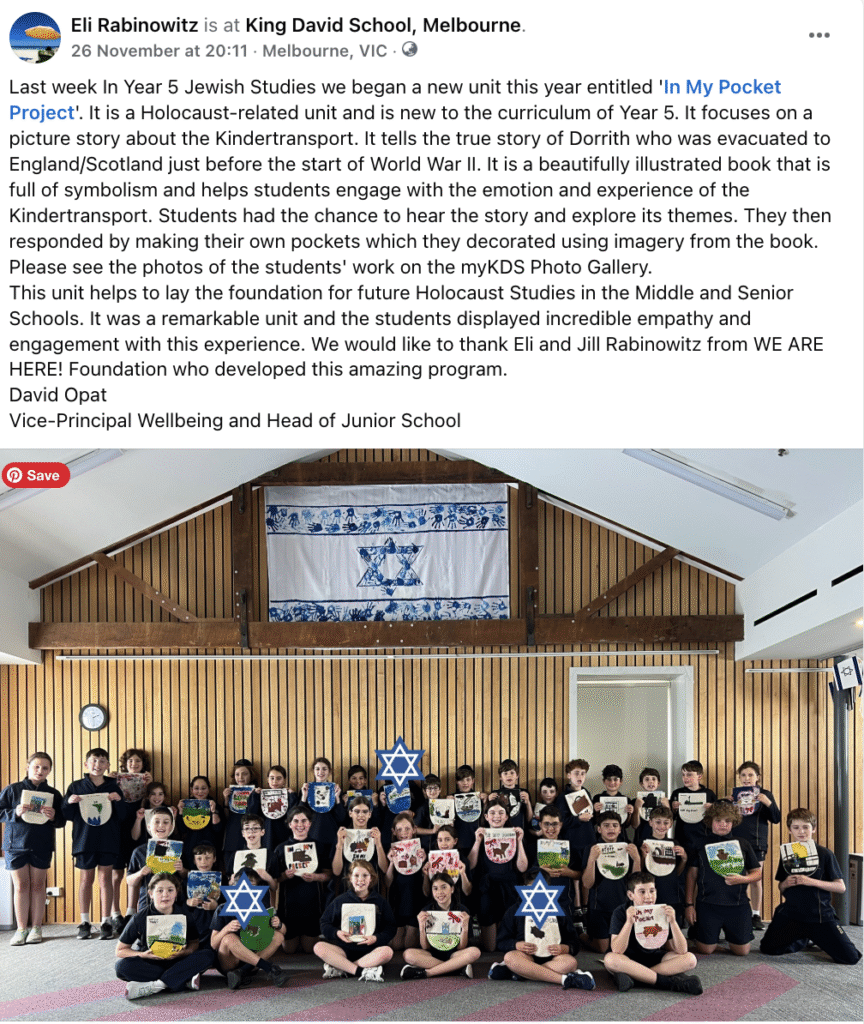
In My Pocket Project – Introduces a powerful family story to 9 to 11 year olds
From: Eli Rabinowitz
Date: Sun, 09 Jul 2023 01:38:14 EDT

In My Pocket Project – an autobiographical picture story and related art workshop about the Kindertransport
 
Introduces a powerful family story to 9 to 11 year olds
Dorrith Sim was born Jewish, went on the Kindertransport in July 1939, and was fostered by non-Jewish people in Scotland.
Her parents were murdered in Auschwitz. She commemorated each year with a yahrzeit candle.
Most importantly, Dorrith wrote a children’s book, age appropriate for 9 to 11 year olds, to tell her true story, explaining how she went from the discrimination as a Jew in Germany to the kindness of people in Scotland. Dorrith’s family story speaks powerfully to all young children today.
Dorrith’s children in Scotland, the Scottish Jewish Archives, Gathering Voices in Glasgow, Points of Arrival at the University of Edinburgh, the Stadmuseum in Hofgeismar, the German Embassy in Canberra and the Hon German Consul in Perth, all have freely provided the resources to the WE ARE HERE! Foundation, to make this project available globally.
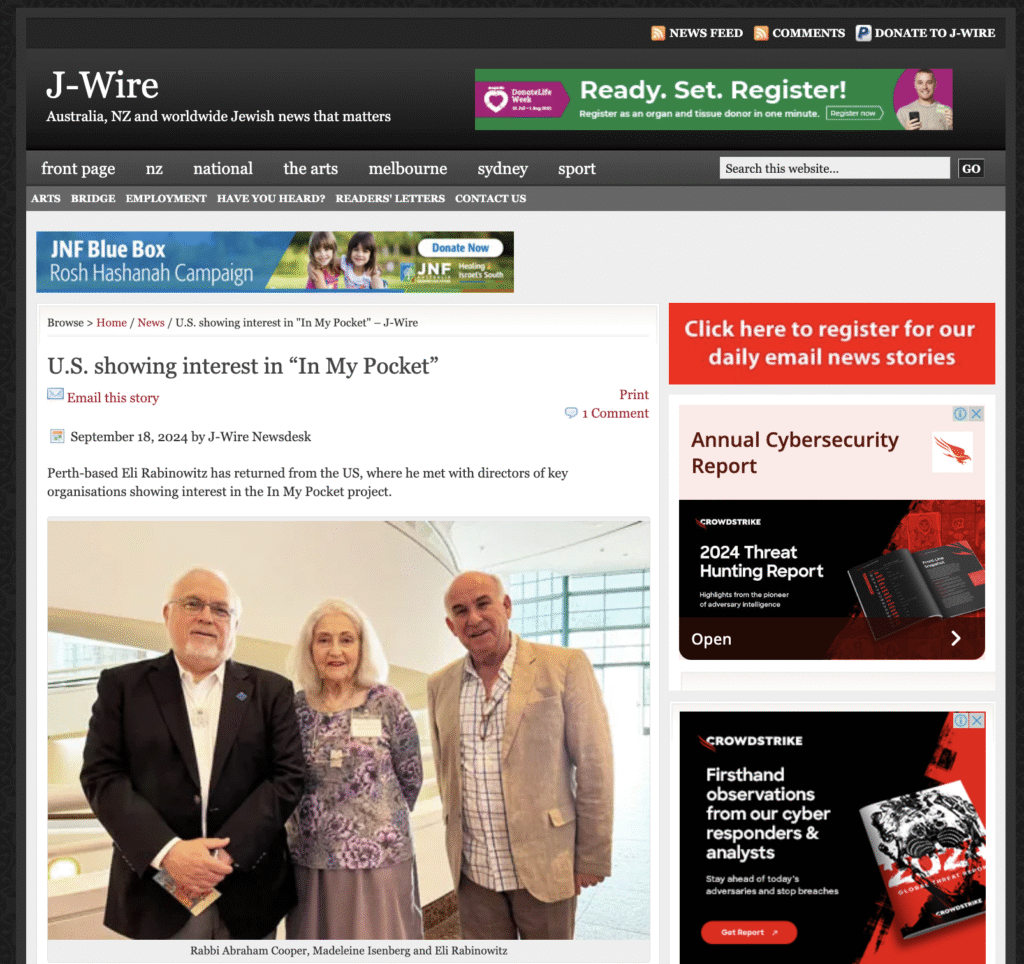
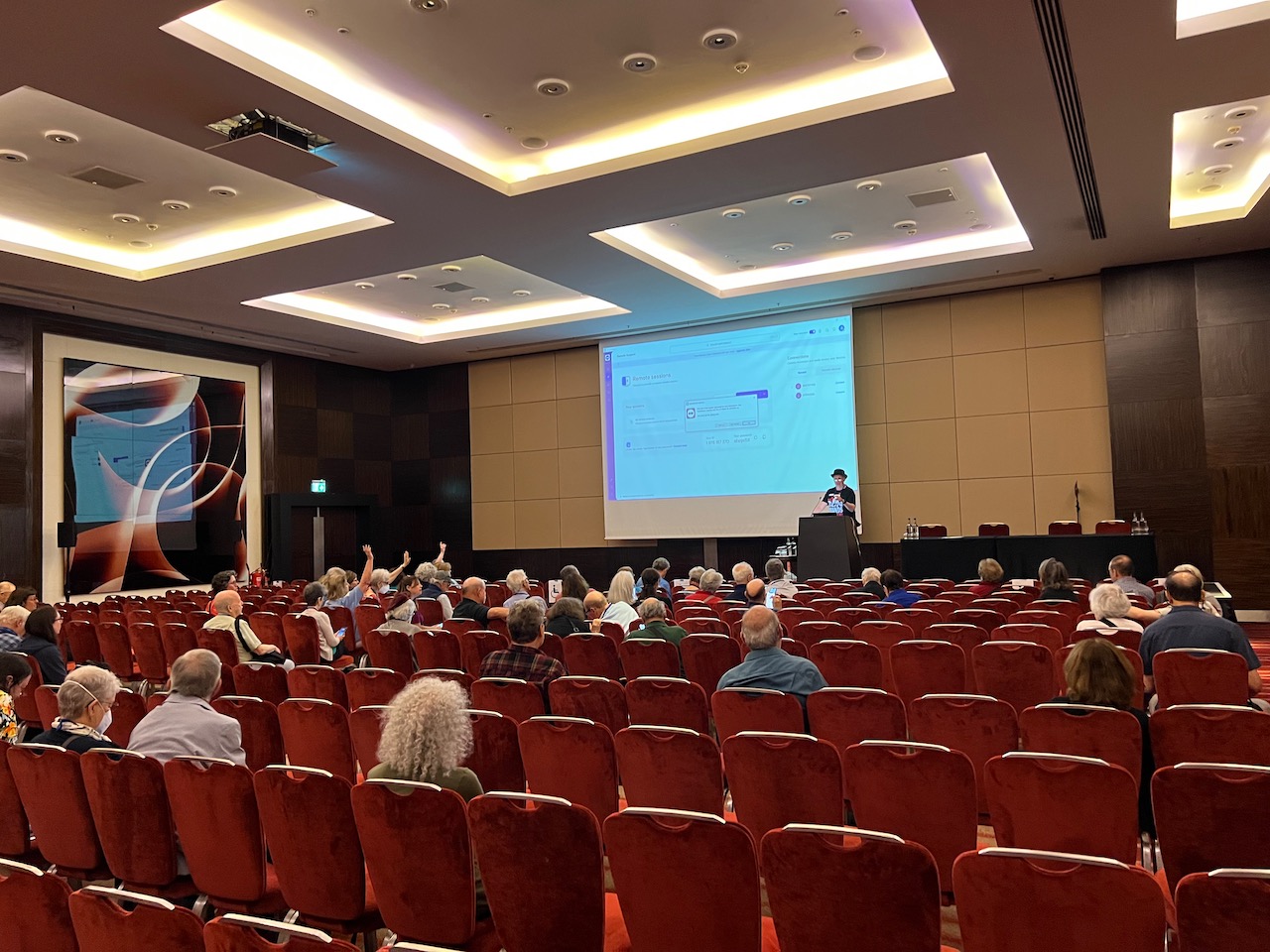
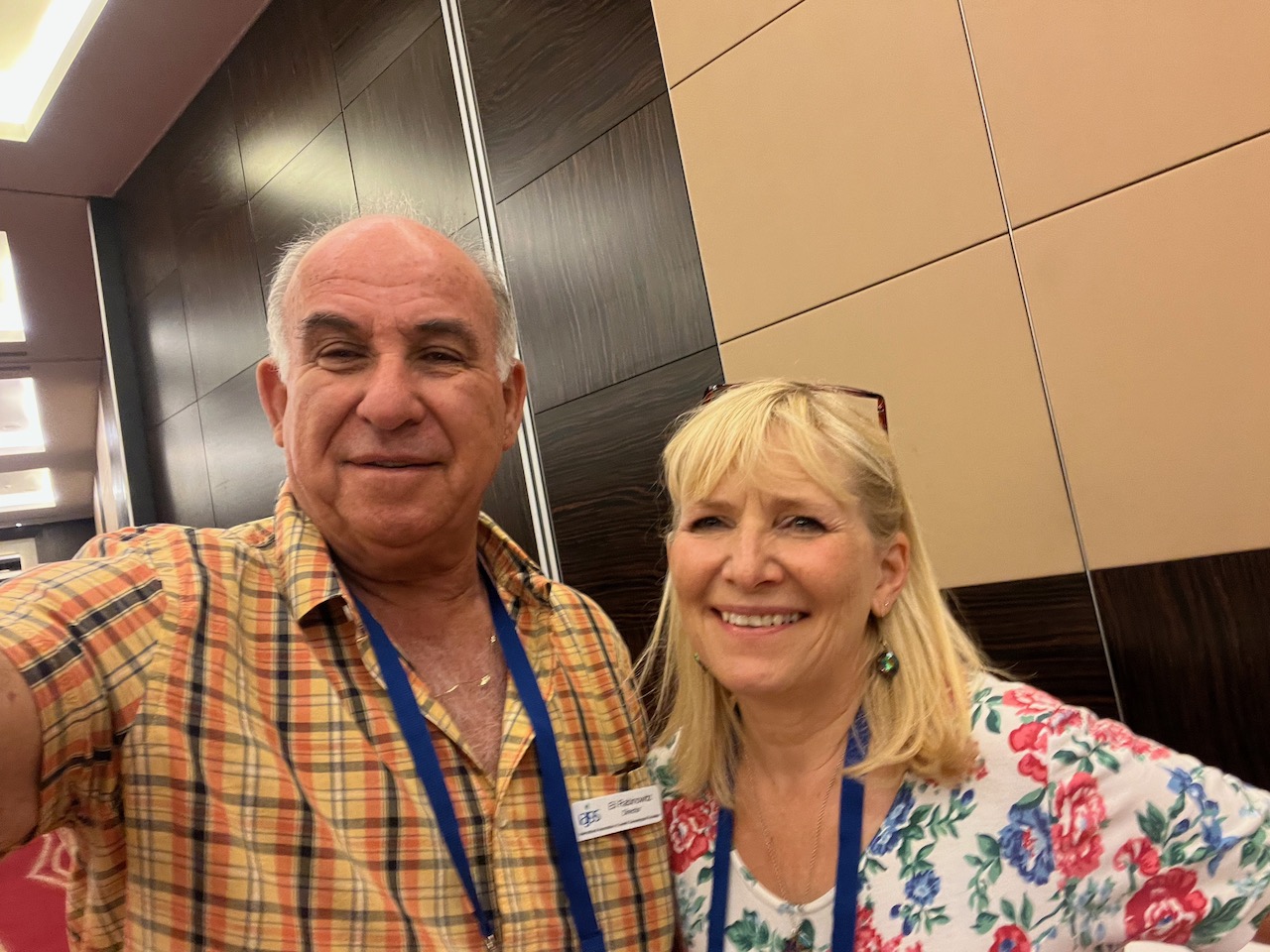
Starting this week, the WE ARE HERE! Foundation’s CEO, Eli Rabinowitz, is travelling to Germany, Lithuania, Israel, Scotland and England to further develop these resources. Eli will be presenting at the IAJGS Conference in London at the end of July.
Schools, public libraries and museums are adopting the project, a true life story powerfully introducing the subject of family history to primary school students.
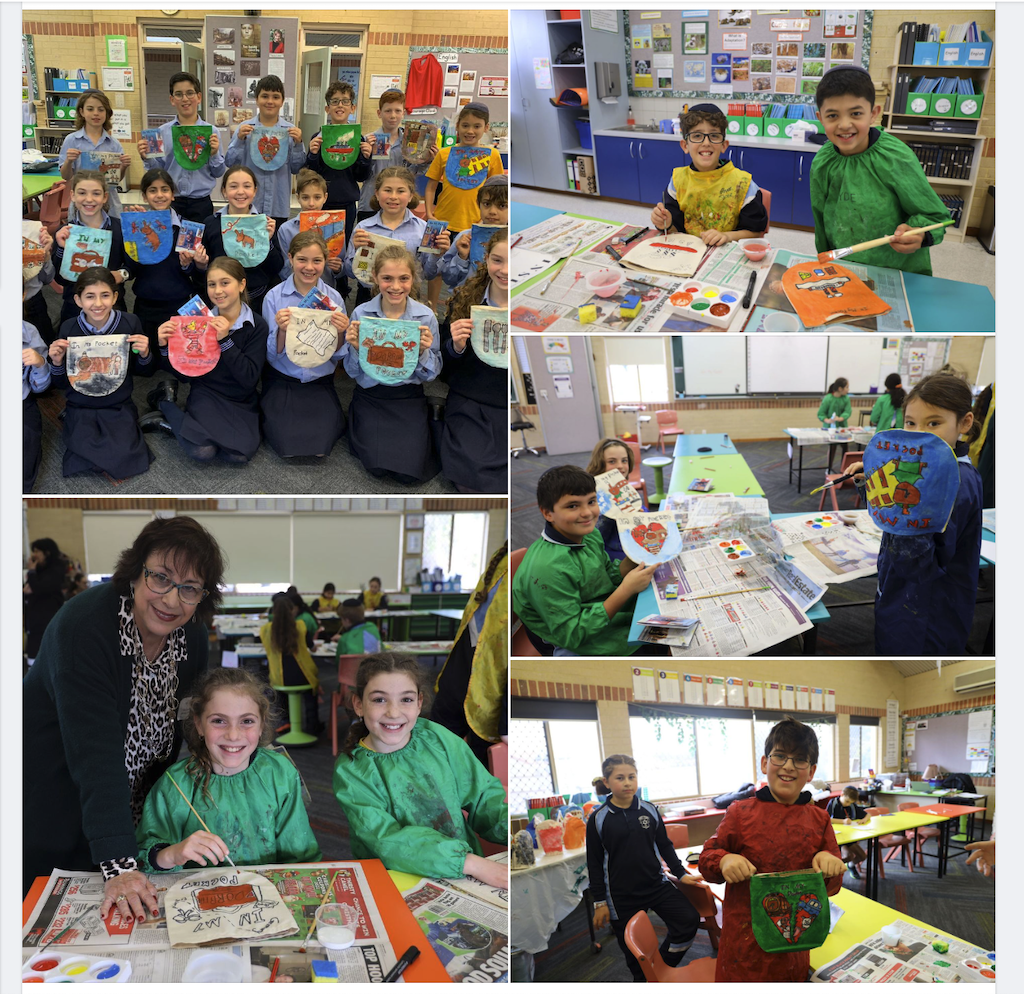
Carmel Primary School in Perth Australia together with the WE ARE HERE! Foundation recently ran the first ever incursion of the project.
The German Embassy in Canberra reports:
 
  Permission to use these photos have been obtained.
The project consists of a book reading, a Q & A session, and an associated art workshop with the students.
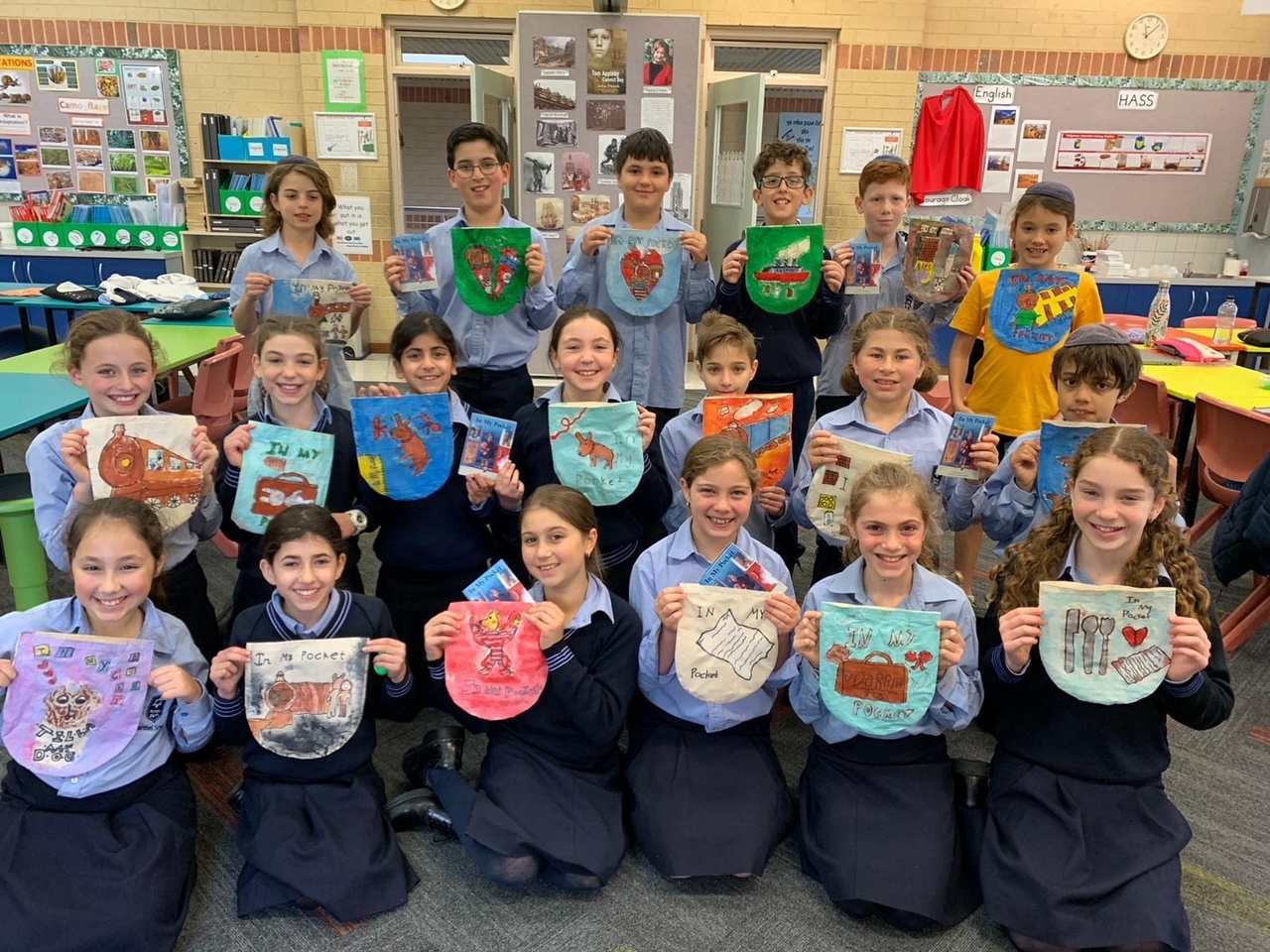
Each student gets to take home a free mini pocket book of Dorrith’s true story and their painted artwork.
In addition, the WE ARE HERE! Foundation prints A4 books for school libraries.
The project is also being run in public libraries in Perth and Mandurah as well as the main WA Boola Bardip Museum in Perth.
All five Sydney Jewish Day primary schools are running the project in 2023, as well as non-Jewish schools such as the Montessori School in Perth.
The project has now expanded into South Africa where Herzlia and Weizmann primary schools in Cape Town will run the project this year – the first collaboration with schools outside Australia!
For more details:
Eli Rabinowitz
IAJGS Board Director


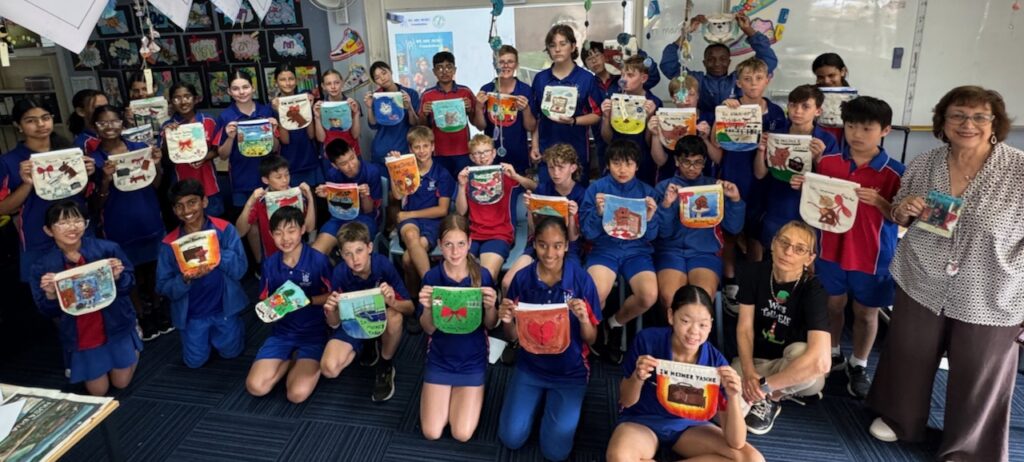
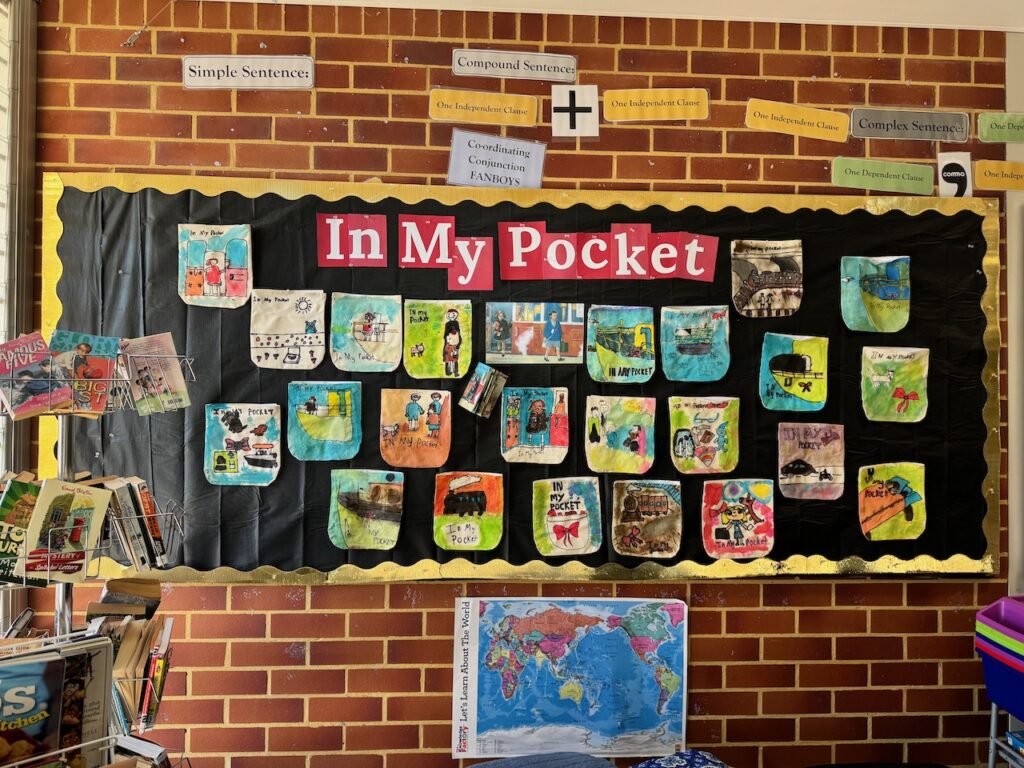
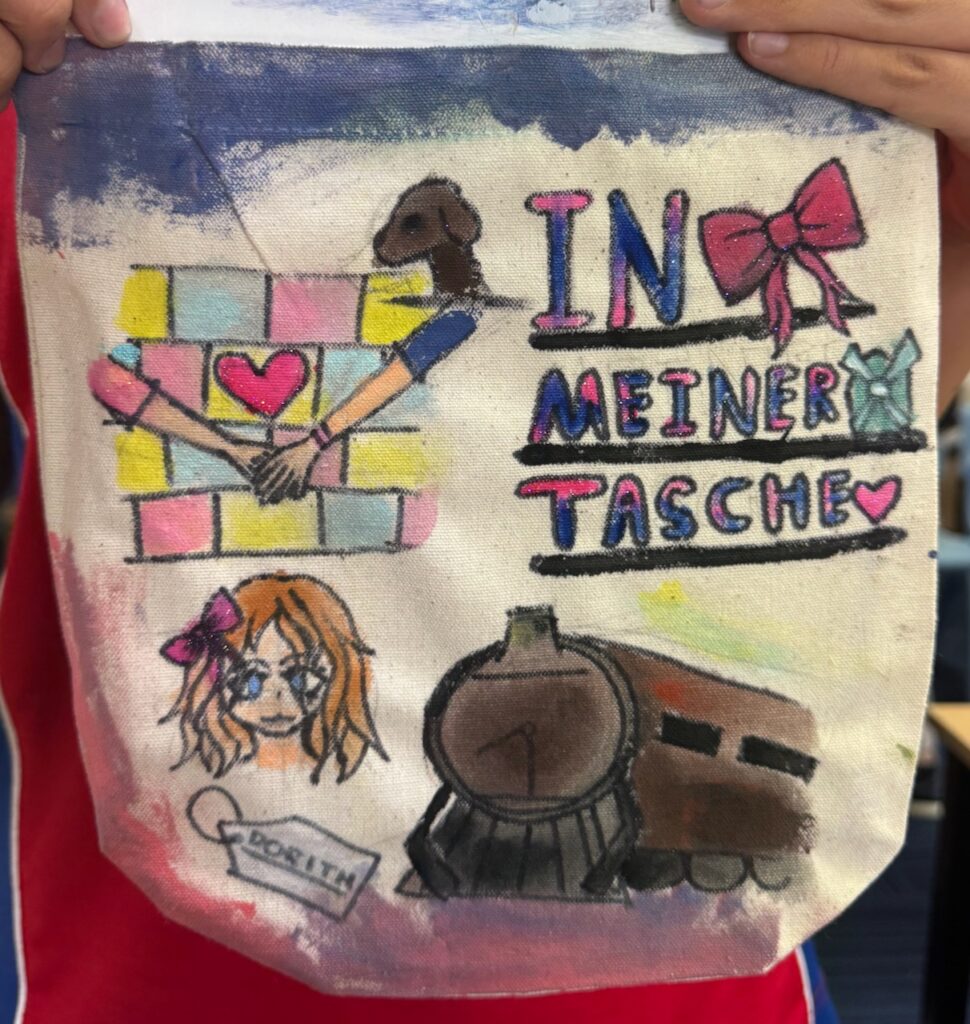
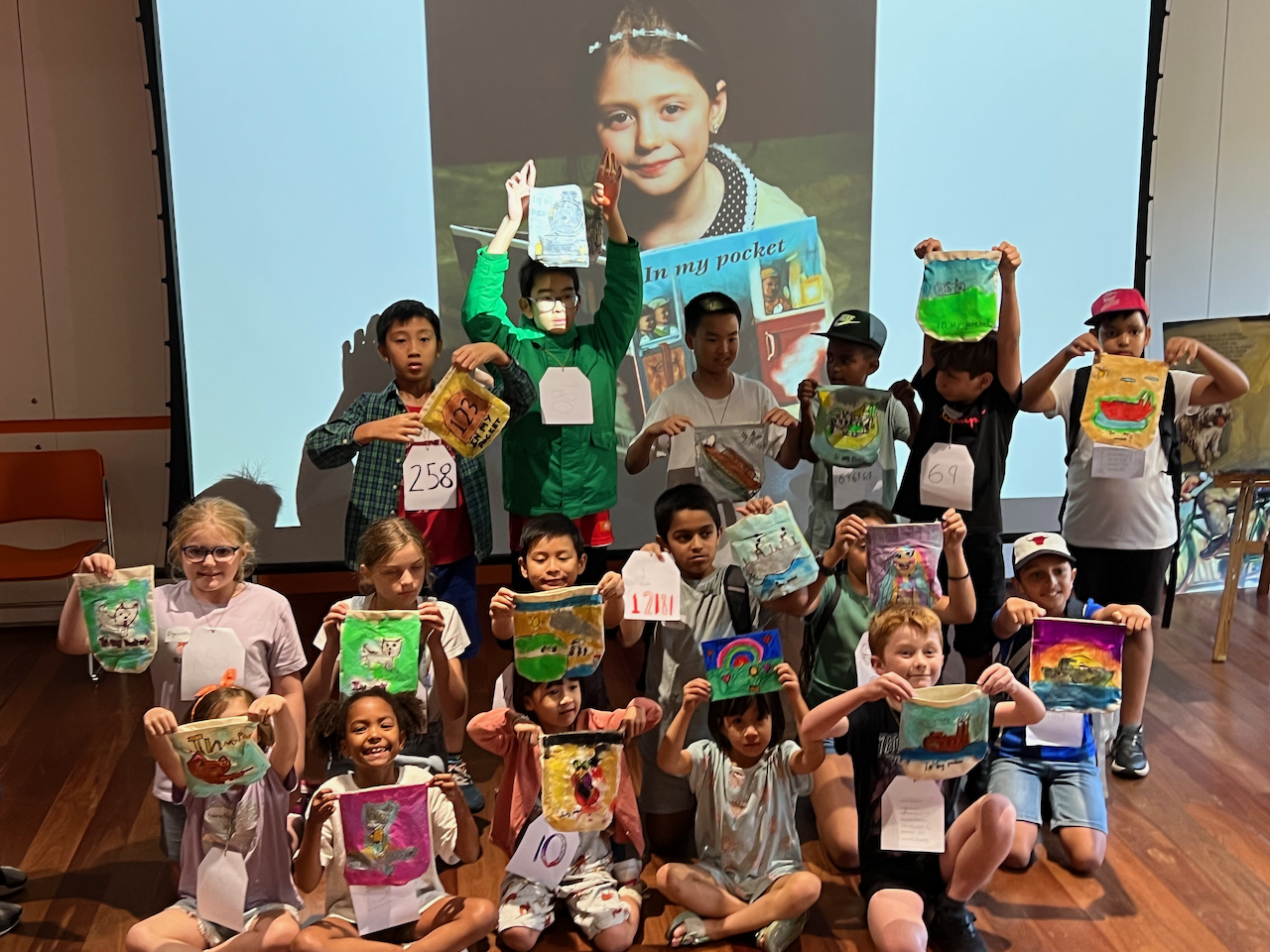
Examples of pockets the children draw together with their “take aways” from the project.


New Events for Boys and Girls in Mandurah

Book Here – for boys and girls 9+

https://mandurah.wa.gov.au/explore/whats-on/calendar/libraries/in-my-pocket-workshops

About the Event

Keep the kids entertained these school holidays check out our great range of FREE children’s activities available at our libraries.

There’s lots of awesome free activities at your local library.


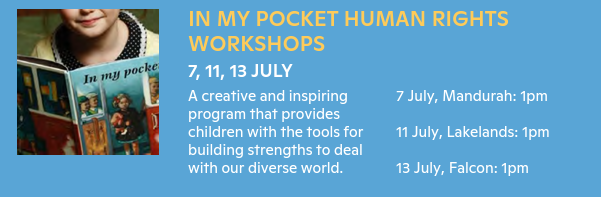
Designed by the WE ARE HERE! Foundation and supported by the German Embassy in Australia, join a creative and interactive workshop that inspires children to be advocates for human rights.

Participants get to read and watch an uplifting true story and learn about our multicultural communities and diverse backgrounds. This is followed by a creative arts & crafts workshop.

The Foundation aims to teach children about Human Rights, and this inspiring program provides children with the tools for building strengths to deal with our diverse world.

These workshops are aimed at 9 – 11-year-olds.

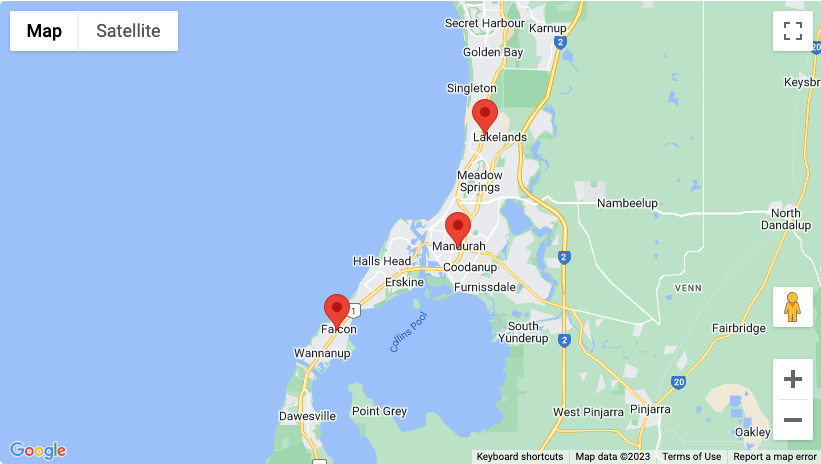
Mandurah Library
  • 1pm – 2.30pm, Friday 7 July 2023
    BOOK NOW
Lakelands Library
  • 1pm – 2.30pm, Tuesday 11 July 2023
    BOOK NOW
Falcon Library
  • 1pm – 2.30pm, Thursday 13 July 2023
    BOOK NOW

Please note bookings are essential. Please wait for confirmation of your booking before attending the workshop.

See the School Holiday Guide for full details.

We hope you and your kids have a great school holiday!

Event Locations ( 3 )

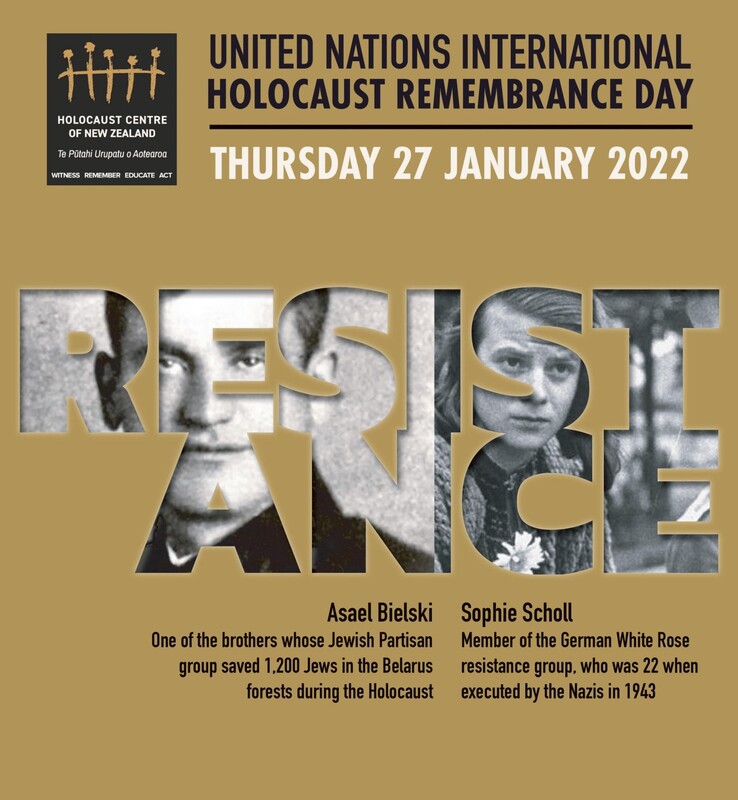
Partisans’ Song to be sung in Yiddish & Maori in NZ Parliament

Wellington, New Zealand

In a world first, the Partisans’ Song will be sung in Yiddish and te reo Māori tomorrow, Thursday, 27 January in the NZ Parliament for International Holocaust Remembrance Day. It will be sung by a student of the NZ School of Music, Victoria University, Wellington, accompanied by a pianist.
View the Live Stream from 3.15 PM NZ time at
1:15pm Sydney & Melbourne; 12:45pm Adelaide; 12:15pm Brisbane; 10:15am Perth.
For other times check:
The translation into Maori is by Hēmi Kelly of AUT University.
The Partisans’ Song initiative is led by the WE ARE HERE! Foundation of Perth Australia.

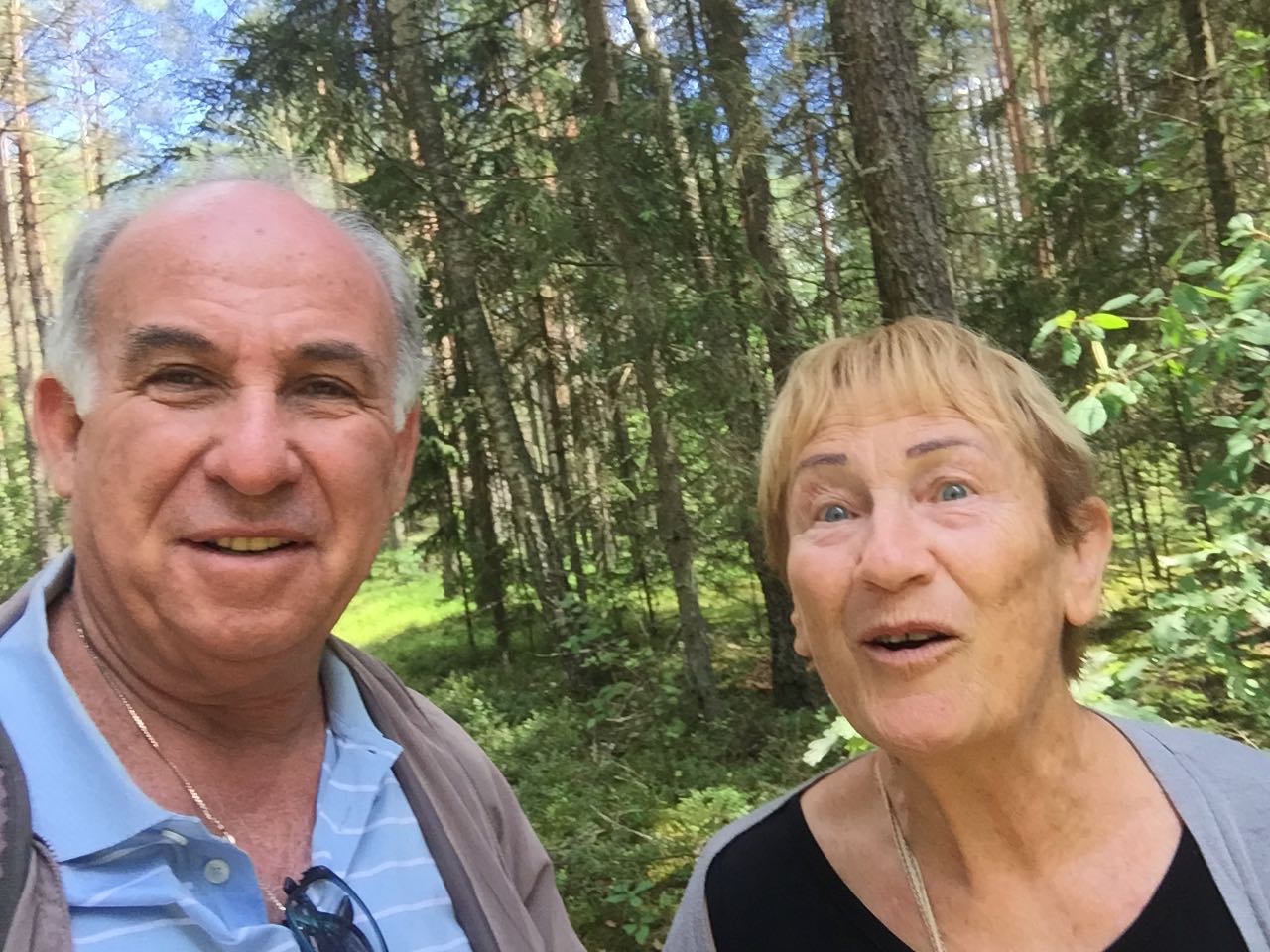
Eli Rabinowitz & Asaela, daughter of Asael Bielski, in the Naliboki Forest, Belarus

On 30 October 2020 I posted:

We are pleased to advise that WE ARE HERE! Foundation has just had the Partisans’ Song translated into Māori – our 30th language!

Translated by Hēmi Kelly
Ngāti Maniapoto, Ngāti Tahu-Ngāti Whāoa
Lecturer | Te Ara Poutama, Faculty of Māori and Indigenous Development
Researcher | Te Ipukarea, The National Māori Language Institute
Auckland University of Technology (AUT)

Kaua rawa e mea ko te mate anahe tō huarahi,

Ahakoa āraia ana te kiko o te rangi e te pōuriuri,

Kei te tata mai te wā kua roa e tāria ana;

Ka rū te whenua i te takahi a ngā wae – ki te haka!

Mai i te whenua o te nīkau, ki te whenua kōkēi o te huka,

E haere nei mātou i runga i te kōharihari me te tiwhatiwha;

Katoa ngā wāhi i pipī ai ō mātou toto ki te papa,

Ka puāwai mai i reira tō mātou māia me tō mātou kaha.

Ka whiti tonu te rā i te ata, ka ao te rangi,

Katoa ngā raru o nanahi ka ngaro me te hoa kakari;

Ā, ki te roa te wā i mua i te aranga mai anō o te rā,

Tukua mā tēnei wai ngā tau e whakaaomārama.

I titongia ai tēnei waiata ki te toto, kaua ki te matā;

Ehara i te waiata e haria ai e ngā manu o ō te raumati rā

Engari nā te iwi i te kauhanga riri a Tū,

Tēnei waiata a mātou i hari ki te pū me te pohū.

Kaua rawa e mea ko te mate anahe tō huarahi,

Ahakoa āraia ana te kiko o te rangi e te pōuriuri,

Kei te tata mai te wā kua roa e tāria ana;

Ka rū te whenua i te takahi a ngā wae – ki te haka!

Learn The Partisans’ Song and Hirsh Glik

Learn The Partisans’ Song – tangential travel

Source: elirab.me/znk

Eli Rabinowitz CEO

WE ARE HERE! Foundation

Perth Australia
Back