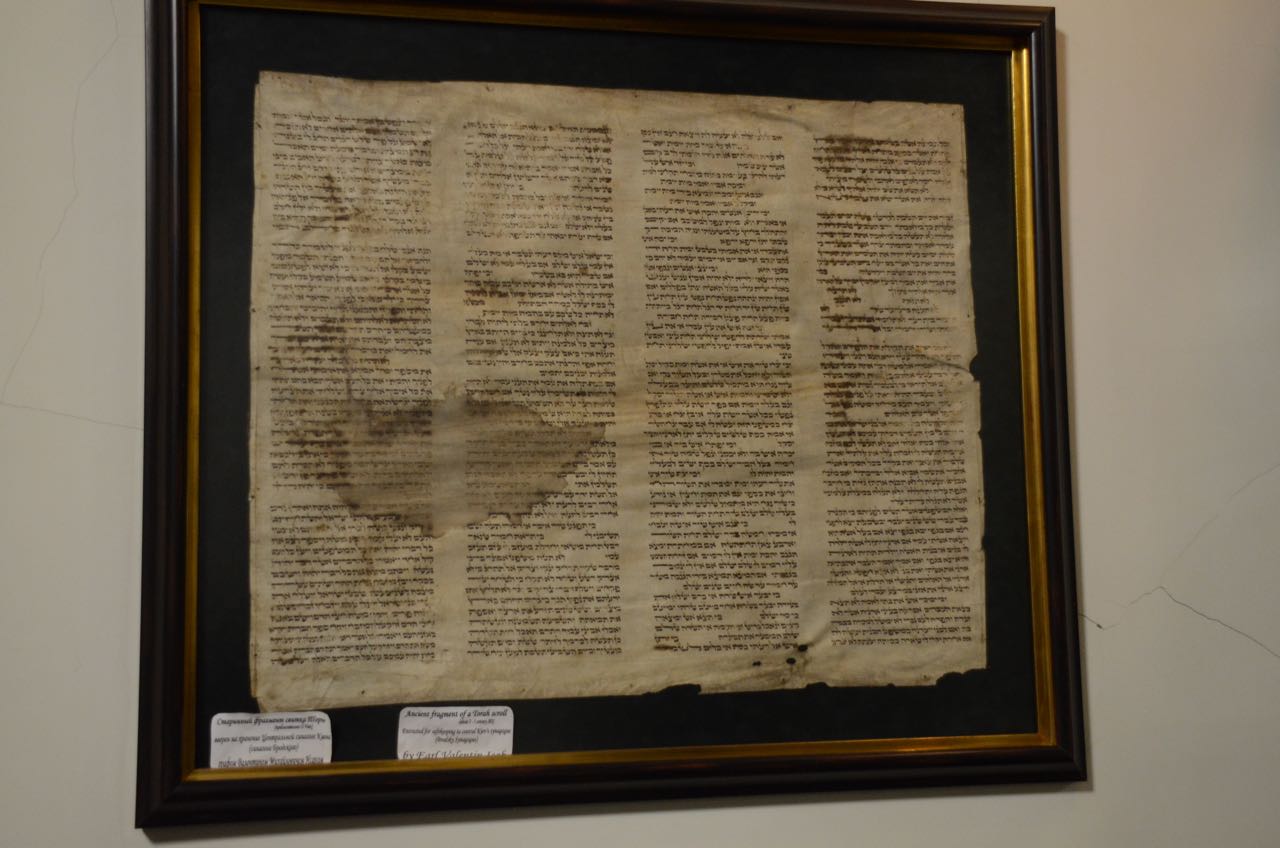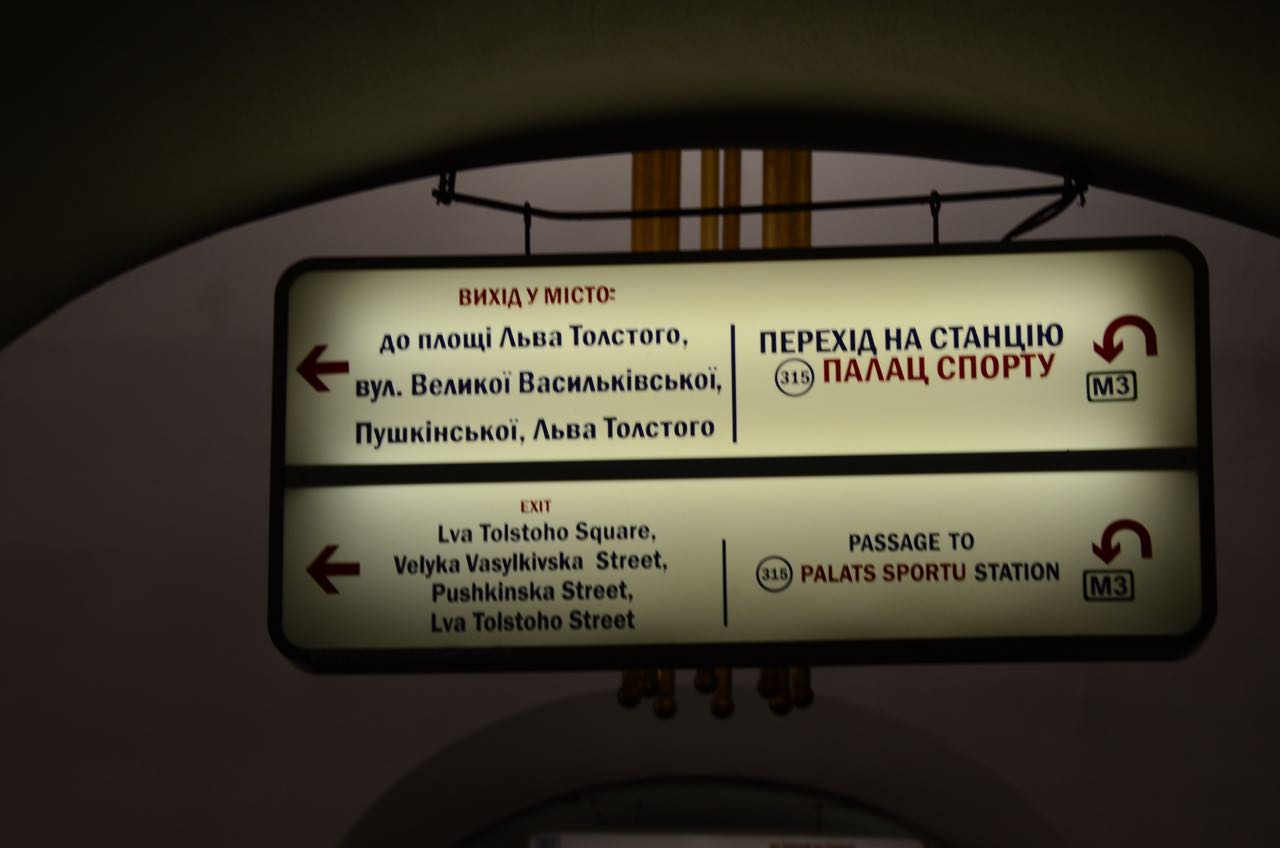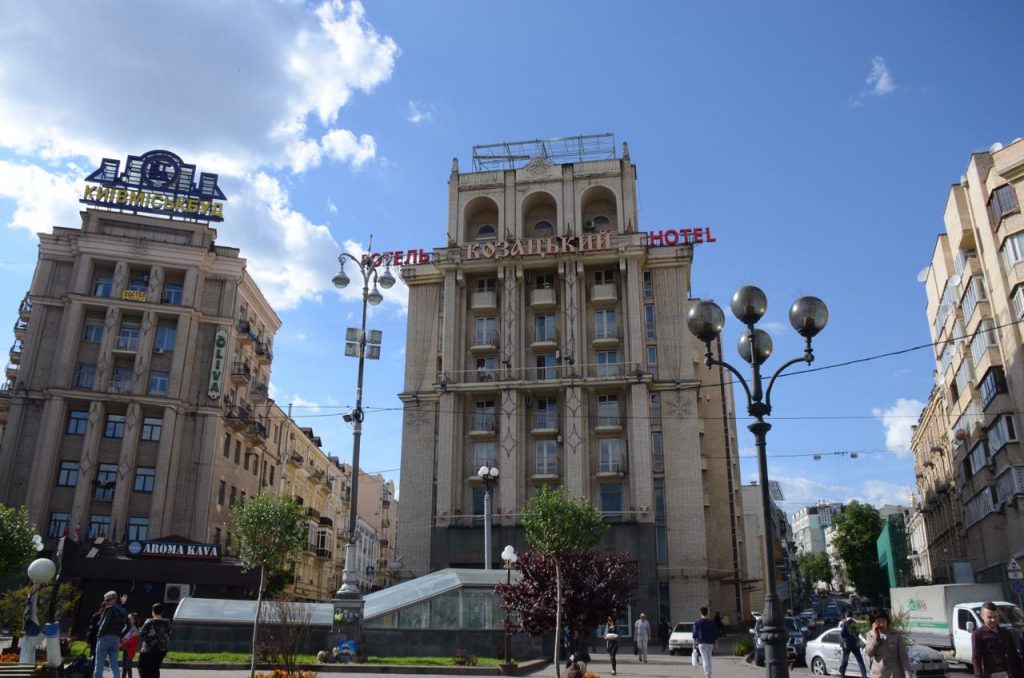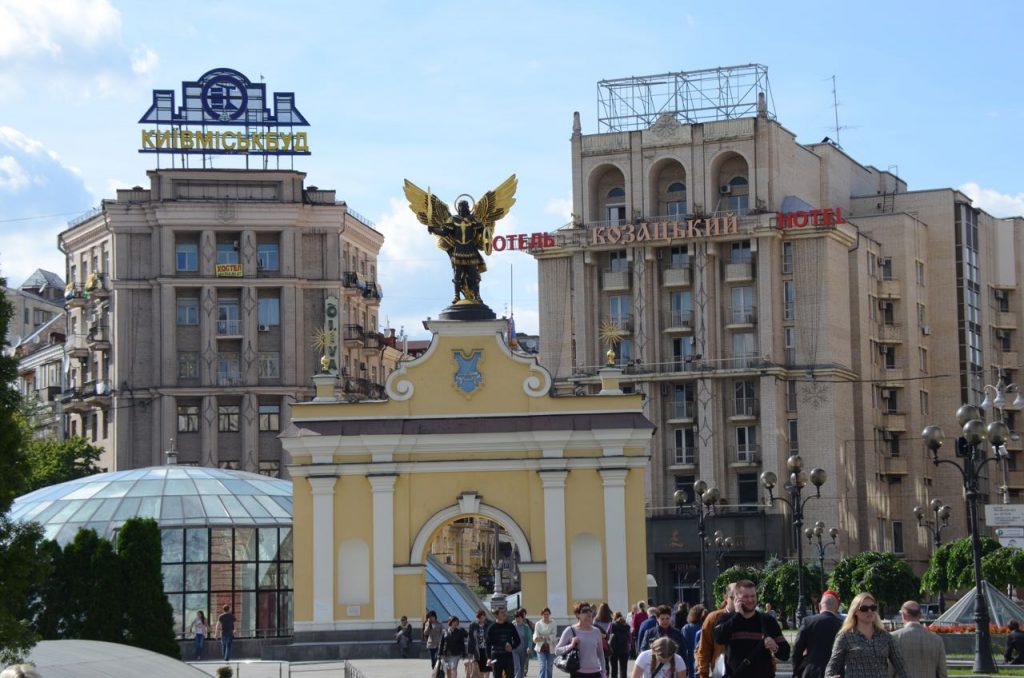
Touring Kyiv

IMG_7666

My guide

Margarita Lopatina was recommended  by the CHABAD Rabbi in Kiev

Screen Shot 2016-07-15 at 8.11.00 PM

Margo met me at my hotel, The Kozatskiy in Maidan Square at 10am.

We spent the next 3 hours on her walking tour.
Screen Shot 2016-07-15 at 11.04.52 PM

Ukrainian Revolution

DSC_6128 DSC_6132 DSC_6133 DSC_6168 DSC_6169
<
>
2014 Ukrainian revolution
Part of the Euromaidan
2014-02-21 11-04 Euromaidan in Kiev.jpg

A crowd in Kiev on 21 February, 2014 after a peace agreement was signed.
Date 18–23 February 2014 (5 days)[1][2][3]
Location Mariinsky Park and Instytutska Street, Maidan NezalezhnostiKiev, Ukraine
50°27′0″N 30°31′27″E
Goals
Methods
Result Euromaidan/Opposition victory

Number
20,000–100,000+ protesters 7,000+ government forces[11]
Casualties
Deaths: 100[12]
Missing:166[13]
Injured: 1,100+[14][15]
Arrested: 77[16]
Deaths: 13[17]
Injured: 272[15]
Captured: 67[18]
Deaths: 106
Injuries: 1811
Ministry of Healthcare totals (16 April @6:00 LST)[19]Dead & missing during entire conflict: 780
Medical volunteer estimates[20]

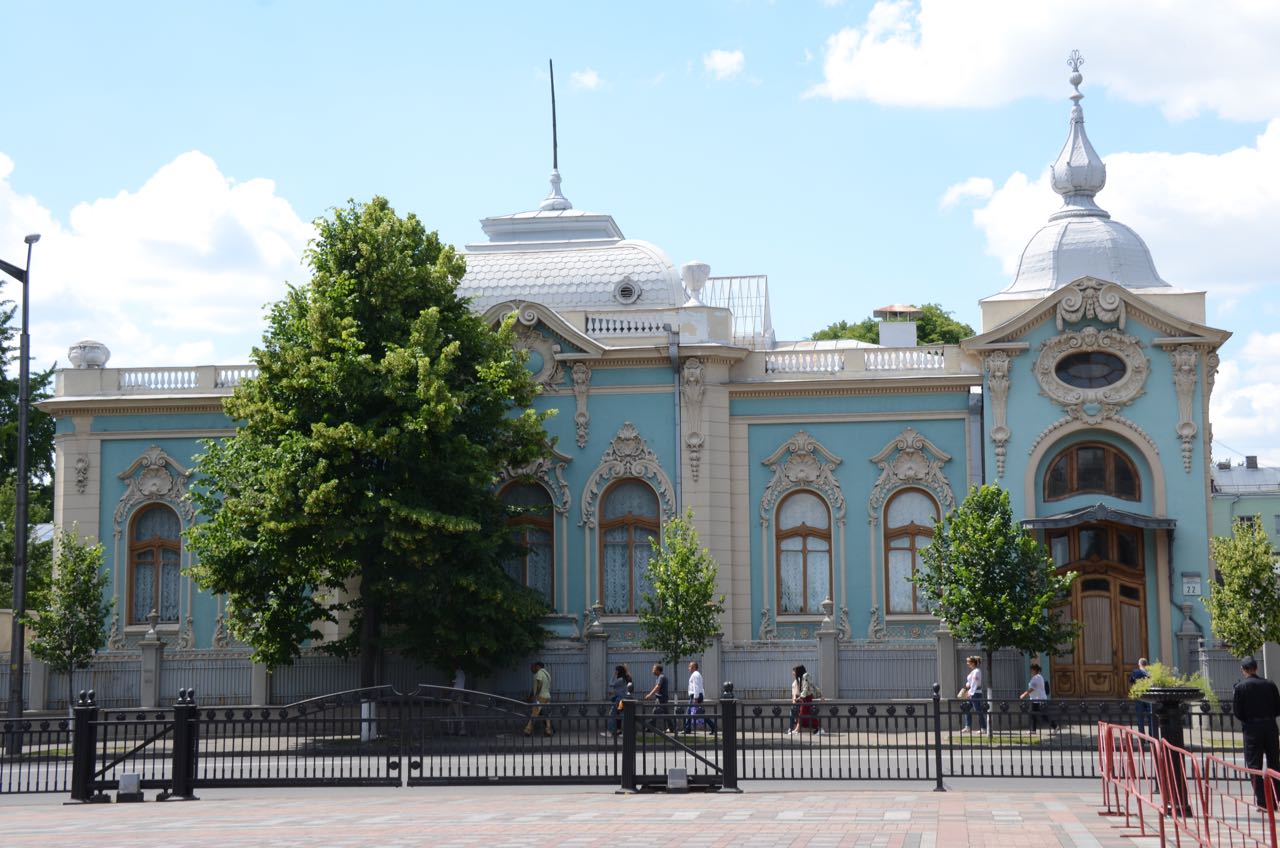
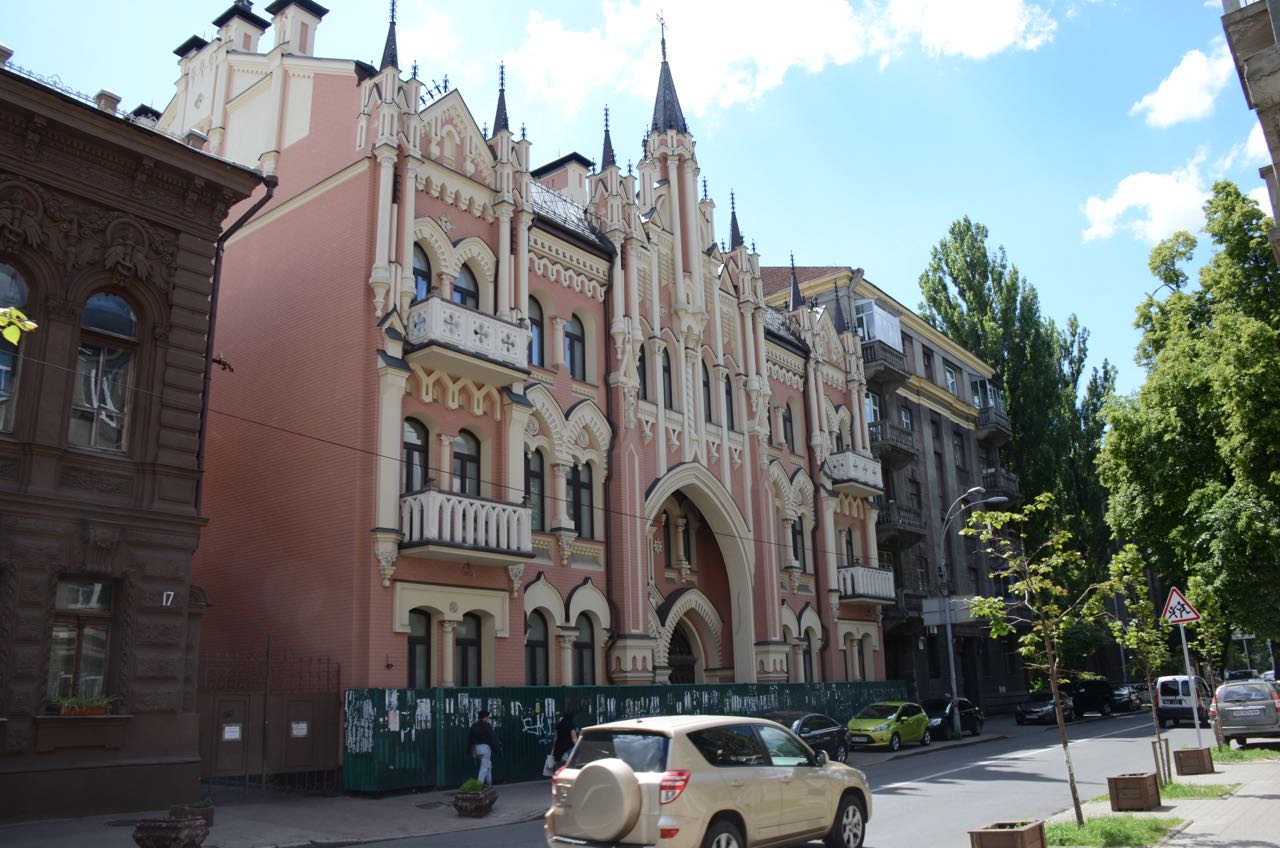
A Previous Jewish mansion

DSC_6134 DSC_6135 DSC_6136 DSC_6138 DSC_6139 DSC_6140 DSC_6142 DSC_6145 DSC_6147 DSC_6151 DSC_6156 DSC_6158 DSC_6159 DSC_6161
<
>

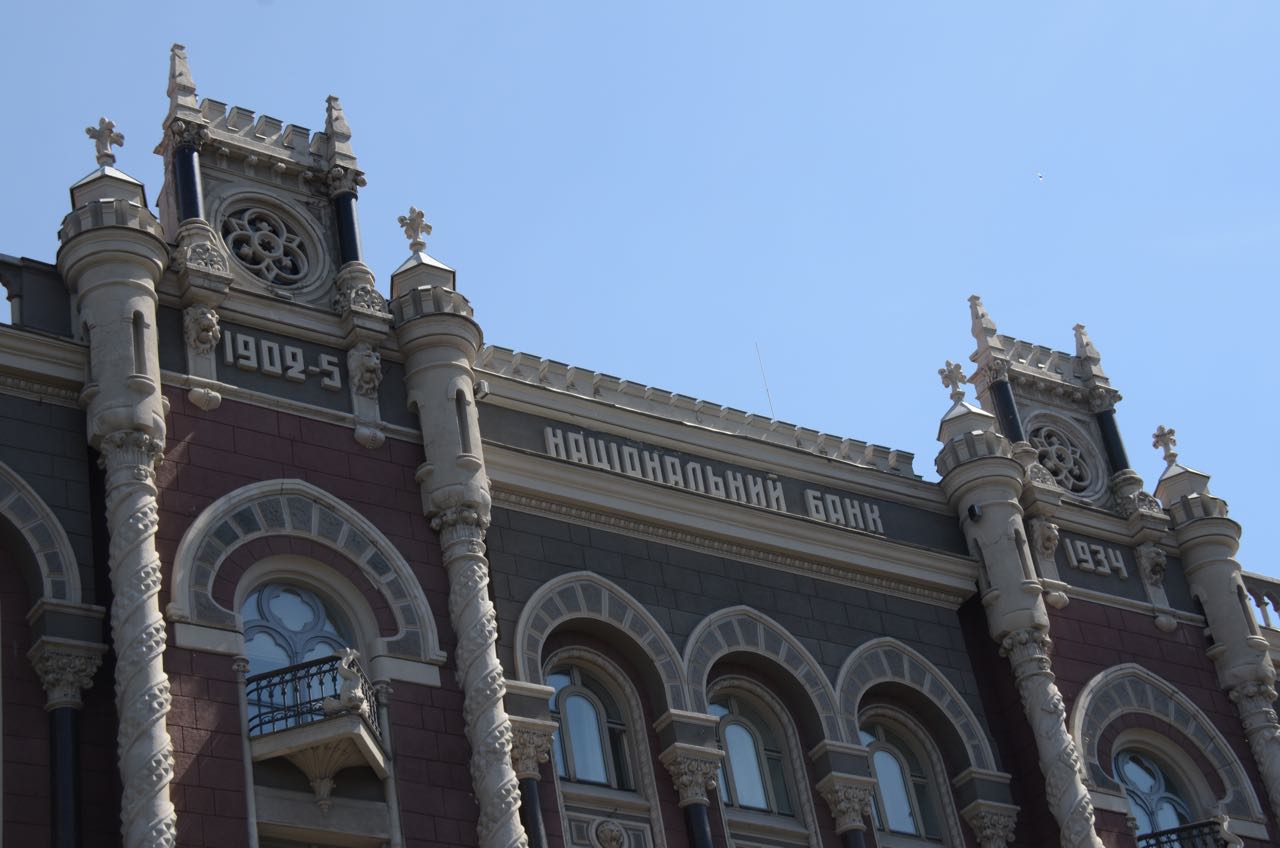
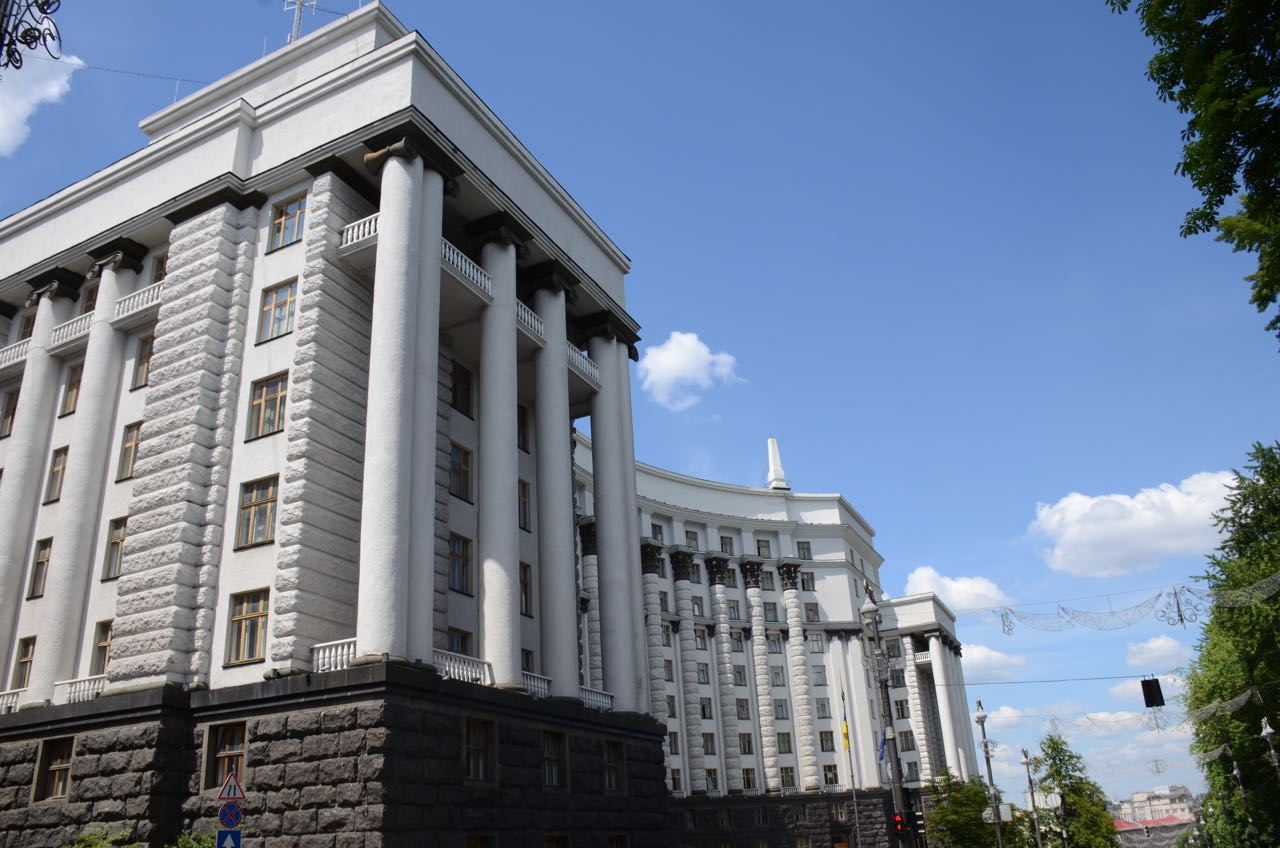
 Buildings & Memorials

DSC_6162 DSC_6163 DSC_6165 DSC_6166 DSC_6174 DSC_6175 DSC_6184 DSC_6185 DSC_6186 DSC_6187 DSC_6188 DSC_6189 DSC_6193 DSC_6194 DSC_6195 DSC_6196 DSC_6197 DSC_6219 DSC_6223 DSC_6224 DSC_6228 DSC_6230 DSC_6231 DSC_6232 DSC_6233 DSC_6234 DSC_6235 DSC_6236 DSC_6238
<
>

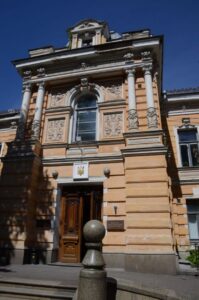
Parliament

DSC_6207 DSC_6208 DSC_6209 DSC_6210 DSC_6211 DSC_6213 DSC_6214 DSC_6216 DSC_6217
<
>

The Market

DSC_6672 DSC_6243 DSC_6254 DSC_6255 DSC_6250 DSC_6253 DSC_6248 DSC_6249
<
>

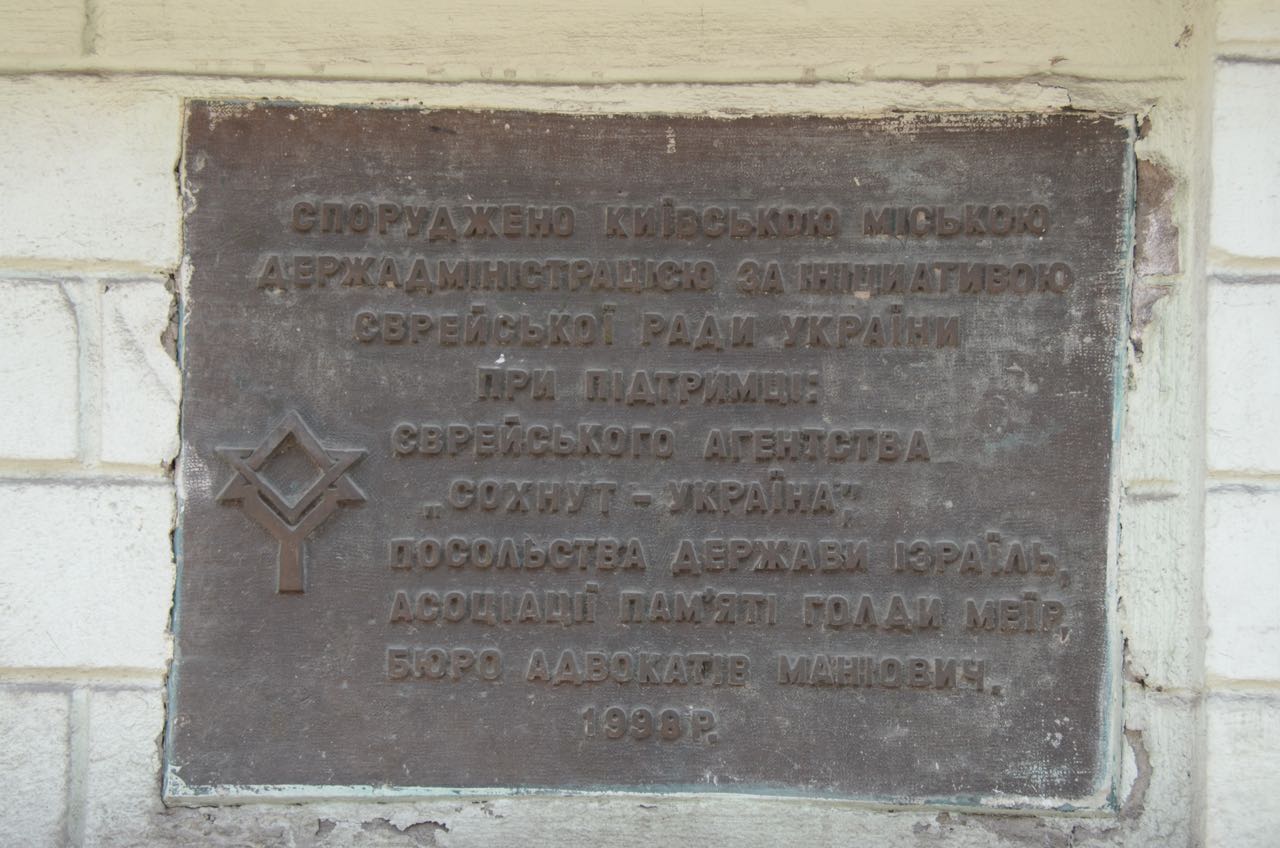
Golda Meir

DSC_6263 DSC_6262 DSC_6264
<
>

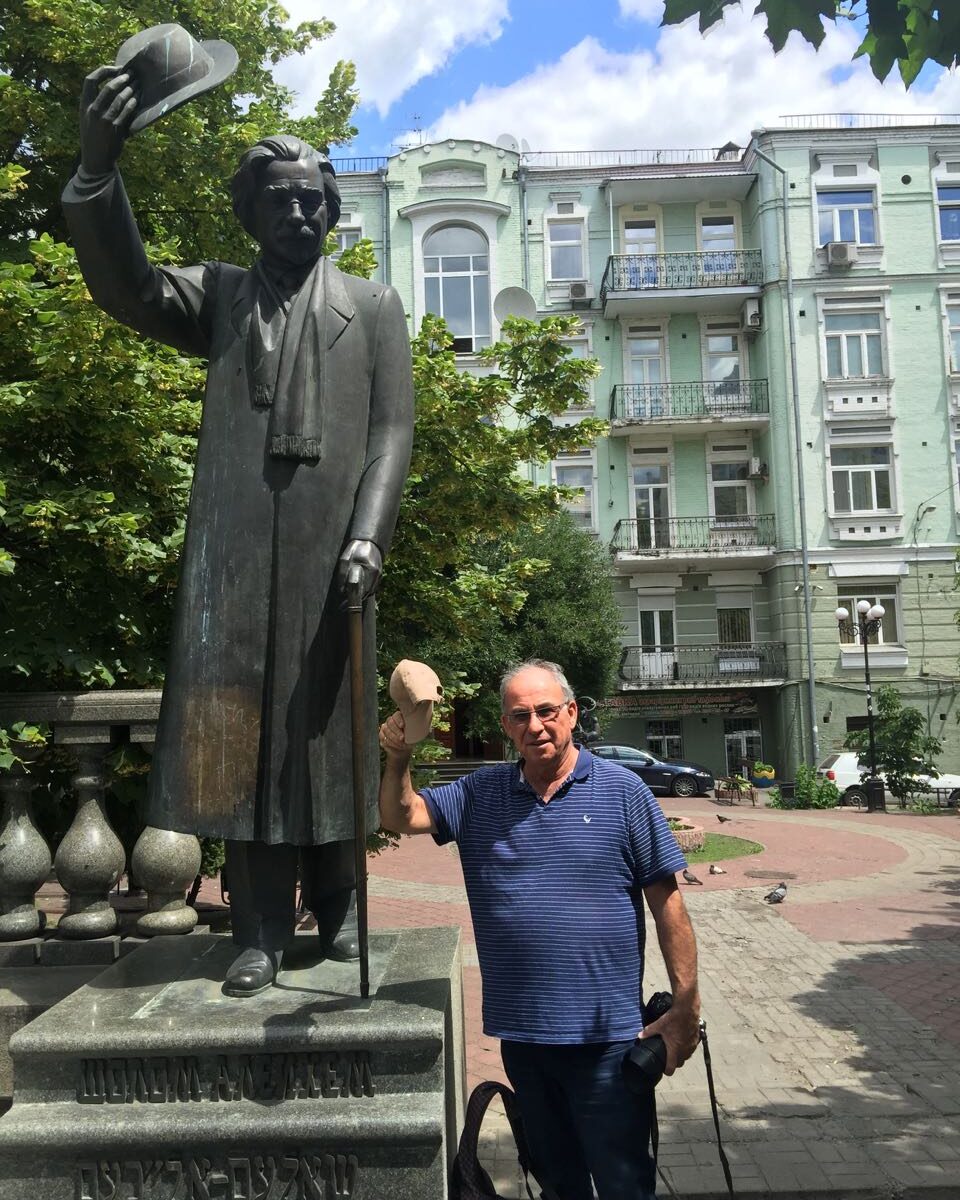
Sholem Aleichem

DSC_6297

DSC_6298

Margo on Sholem Aleichem

Sholem Aleichem

From Wikipedia, the free encyclopedia
Sholem Aleichem
SholemAleichem.jpg
Born Solomon Naumovich Rabinovich
March 2 [O.S. February 18] 1859
PereyaslavRussian Empire(now Ukraine)
Died May 13, 1916 (aged 57)
New York CityUnited States
Pen name Sholem Aleichem (Yiddishשלום־עליכם‎)
Occupation Writer
Genre Novels, short stories, plays
Literary movement Yiddish revival

Sholem Aleichem statue in Netanya, Israel, sculpted by Lev Segal

Solomon Naumovich Rabinovich, better known under his pen name Sholem Aleichem (Yiddish and Hebrewשלום־עליכם‎‎; Russianand UkrainianШоло́м-Але́йхем) (March 2 [O.S. February 18] 1859 – May 13, 1916), was a leading Yiddish author and playwright. The musical Fiddler on the Roof, based on his stories about Tevye the Dairyman, was the first commercially successful English-language stage production about Jewish life in Eastern Europe. The Hebrew phrase Shalom aleichem literally means “Peace be upon you”, and is a greeting in traditional Hebrew and Yiddish.

Biography

Solomon Naumovich (Sholom Nohumovich) Rabinovich (RussianСоломо́н Нау́мович (Шо́лом Но́хумович) Рабино́вич) was born in 1859 in Pereyaslav and grew up in the nearby shtetl (small town with a large Jewish population) of Voronko, in the Poltava Governorateof the Russian Empire (now in the Kiev Oblast of central Ukraine).[1] His father, Menachem-Nukhem Rabinovich, was a rich merchant at that time.[2] However, a failed business affair plunged the family into poverty and Solomon Rabinovich grew up in reduced circumstances.[2] When he was 13 years old, the family moved back to Pereyaslav, where his mother, Chaye-Esther, died in a choleraepidemic.[3]

Sholem Aleichem’s first venture into writing was an alphabetic glossary of the epithets used by his stepmother. At the age of fifteen, inspired by Robinson Crusoe, he composed a Jewish version of the novel. He adopted the pseudonym Sholem Aleichem, a Yiddishvariant of the Hebrew expression shalom aleichem, meaning “peace be with you” and typically used as a greeting. In 1876, after graduating from school in Pereyaslav, he spent three years tutoring a wealthy landowner’s daughter, Olga (Hodel) Loev (1865 – 1942).[4]From 1880 to 1883 he served as crown rabbi in Lubny.[5] On May 12, 1883, he and Olga married, against the wishes of her father. A few years later, they inherited the estate of Olga’s father. In 1890, Sholem Aleichem lost their entire fortune in a stock speculation and fled from his creditors. Solomon and Olga had their first child, a daughter named Ernestina (Tissa), in 1884.[6] Daughter Lyalya (Lili) was born in 1887. As Lyalya Kaufman, she became a Hebrew writer. (Lyalya’s daughter Bel Kaufman, also a writer, was the author of Up the Down Staircase, which was also made into a successful film.) A third daughter, Emma, was born in 1888. In 1889, Olga finally gave birth to a son. They named him Elimelech, after Olga’s father, but at home they called him Misha. Daughter Marusi (who would one day publish “My Father, Sholom Aleichem” under her married name Marie Waife-Goldberg) was born in 1892. A final child, a son named Nochum (Numa) after Solomon’s father was born in 1901 (under the name Norman Raeben he became a painter and an influential art teacher).

After witnessing the pogroms that swept through southern Russia in 1905, Sholem Aleichem left Kiev and resettled to New York City, where he arrived in 1906. His family[clarification needed] set up house in GenevaSwitzerland, but when he saw he could not afford to maintain two households, he joined them in Geneva in 1908. Despite his great popularity, he was forced to take up an exhausting schedule of lecturing to make ends meet. In July 1908, during a reading tour in Russia, Sholem Aleichem collapsed on a train going through Baranowicze. He was diagnosed with a relapse of acute hemorrhagic tuberculosis and spent two months convalescing in the town’s hospital. He later described the incident as “meeting his majesty, the Angel of Death, face to face”, and claimed it as the catalyst for writing his autobiography, Funem yarid [From the Fair].[1] He thus missed the first Conference for the Yiddish Language, held in 1908 in Czernovitz; his colleague and fellow Yiddish activist Nathan Birnbaum went in his place.[7] Sholem Aleichem spent the next four years living as a semi-invalid. During this period the family was largely supported by donations from friends and admirers.

Sholem Aleichem moved to New York City again with his family in 1914. The family lived in the Lower East Side, Manhattan. His son, Misha, ill with tuberculosis, was not permitted entry under United States immigration laws and remained in Switzerland with his sister Emma.

Sholem Aleichem died in New York in 1916.

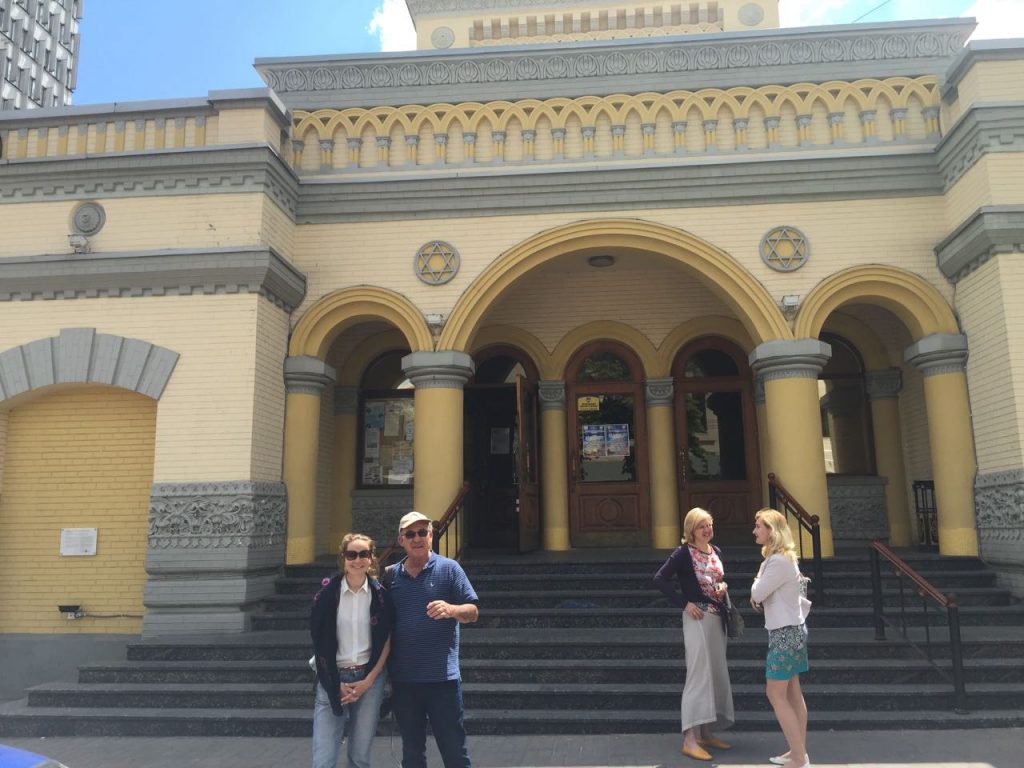
The Brodsky Synagogue

DSC_6269 DSC_6679 DSC_7003 DSC_6295 DSC_6274 DSC_6271 DSC_6272 DSC_6273 DSC_6275 DSC_6680 DSC_6276 DSC_6684 DSC_6683 DSC_6277 DSC_6280 DSC_6281 DSC_6282 DSC_6283 DSC_6284 DSC_6983 DSC_6292 DSC_6294 DSC_6286 DSC_6985 DSC_6987 DSC_6997
<
>

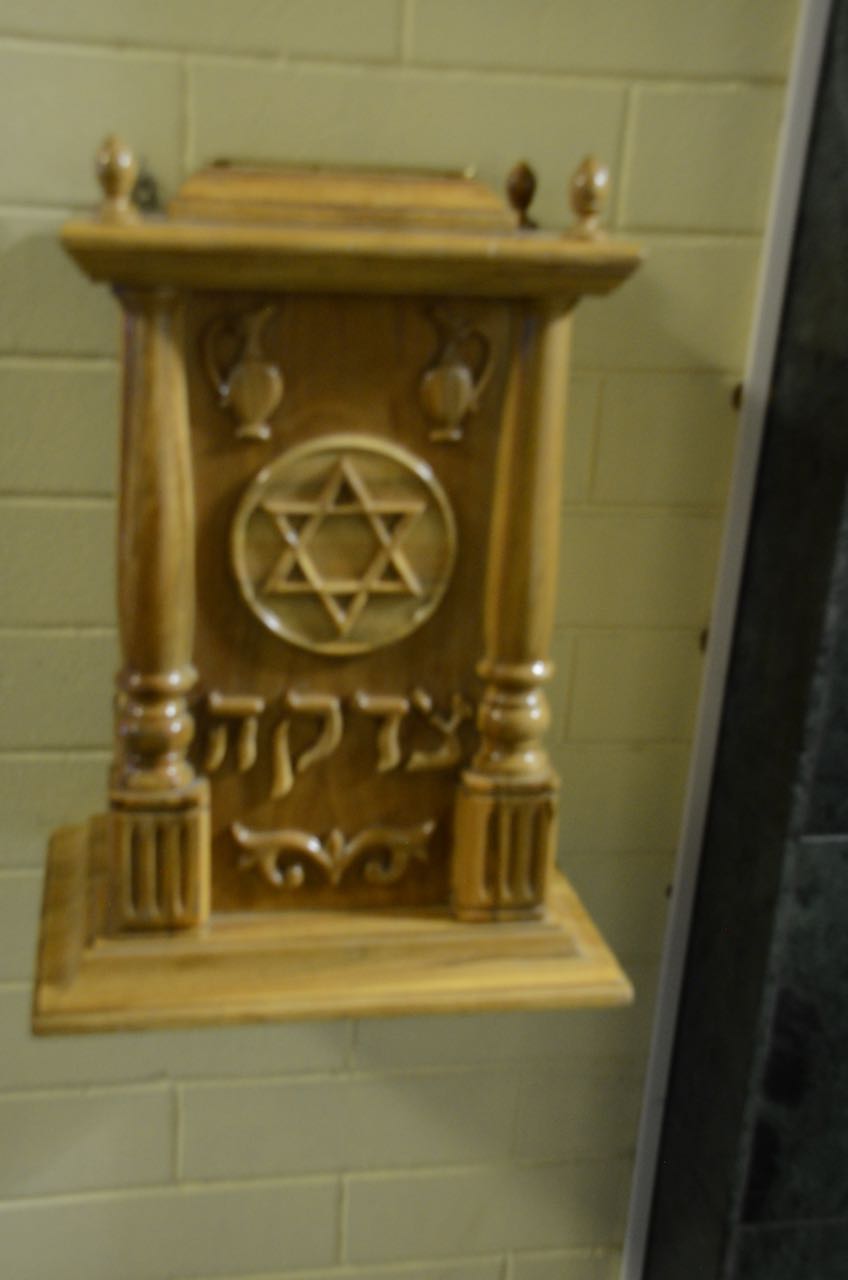
Brodsky Synagogue
From Wikipedia, the free encyclopedia
Brodsky Synagogue
Brodsky Synagogue.jpg
Basic information
Location UkraineKievUkraine
Affiliation Orthodox Judaism
Status Active
Architectural description
Architect(s) Georgiy Shleifer
Architectural style Romanesque Revival with elements of Moorish Revival
Completed 1898

The Brodsky Choral Synagogue is the largest synagogue in KievUkraine. It was built in the Romanesque Revival style resembling a classical basilica.[1] The original tripartite facade with a large central avant-corps flanked by lower wings also echoed the characteristic design of some Moorish Revival synagogues, such as the Leopoldstädter Tempel in Vienna.

History

The synagogue was built between 1897 and 1898. It was designed by Georgiy Shleifer. A sugar magnate and philanthropist Lazar Brodskyfinanced its construction.[2][3]

For many decades the local and imperial authorities forbade the construction of a monumental place of Jewish worship in Kiev, as they feared that this would facilitate the growth of the Jewish community in Kiev, which, being a big trading and industrial city, would then become an important Jewish religious center. This was considered “undesirable” due to the symbolic importance of Kiev, as the cradle of Russian Orthodoxy. It was only allowed to convert existing buildings into Jewish worship houses.

In 1895, permission was given to build a synagogue in the Podil district, a poor quarter of Kiev. The location was however too far from the city center where the wealthy Jews lived such that they could not walk there on Sabbath. They wished a big choral synagogue in the city center, similar to those in St. PetersburgMoscow and Odessa.[3]

To evade the ban, Brodsky and rabbi Evsey Tsukerman sent a complaint to the Governing Senate requesting a permission to build a worship house in the private estate of Brodsky. As an attachment they included only a side view drawing of the planned building which looked like a private mansion.[3][4][5][6] The permission was obtained, and the synagogue became an example of an Aesopian synagogue.

In 1926, the synagogue was closed down by the Soviet authorities. The building was converted into an artisan club.[5][7]

The building was devastated during the World War II by Nazis and was subsequently used as a puppet theatre.[5][3] An additional facade was built in the 1970s.

In 1997 the theatre moved into a new building. The old building was renovated and since 2000 it is again used as a synagogue.[2][5][6] The restoration was mainly financed by a media proprietor Vadim Rabinovich.[6] Currently it serves a Chabad-Lubavitch congregation.

End of the tour. Down to the Metro

DSC_6304 IMG_7676 DSC_6306 DSC_6307 DSC_6316 DSC_6315 DSC_6314 DSC_6308 DSC_6311 DSC_6313
<
>

Only half the day gone, now on to Podil

Podil

From Wikipedia, the free encyclopedia

View of the modern Podil neighborhood.

Podil (UkrainianПоділ) is a historic neighborhood in Kiev, the capital of Ukraine. It is one of the oldest neighborhoods of Kiev, and the birthplace of the city’s trade, commerce and industry. It contains many architectural and historical landmarks, and new archaeological sites are still being revealed. It is a part of the city’s larger administrative Podilskyi District.

Continued in the next post

Kiev ORT NKV#141 High School

IMG_7617 (1)

My first visit to Ukraine

IMG_7554 IMG_7561 IMG_7562 IMG_7570 IMG_7574 IMG_7575
<
>


Map of Kiev Ukraine
Kiev
Capital of Ukraine
Kiev is the capital city of Ukraine, bisected by the Dnieper River and known for its religious architecture, secular monuments and history museums. The 11th-century Kiev Pechersk Lavra is a monastery and pilgrimage site encompassing several gold-domed churches. It’s known for its catacombs lined with the burial chambers of Orthodox monks, and a collection of gold objects from ancient Scythian times.
Area839 km²
Elevation179 m
Population2.804 million (2013) UNdata
Kiev Pechersk Lavra
Kiev Pechersk Lavra
Saint Sophia's Cathedral, Kiev
Saint Sophia’s Cathedral…
Maidan Nezalezhnosti
St Andrew's Church, Kiev
St Andrew’s Church, K…
Museum of The History of Ukraine in World War II
Museum of The History of Ukrain…


My visit to this very impressive school
Thanks to David Benish, ORT regional director in the FSU and his assistant Mila Finkelshtein for organising my tour of the school. Thanks also to teacher Nataliia Lepatina for showing me around and introducing me some of the wonderful staff and students.

IMG_7577 DSC_6068 IMG_7616 DSC_6040 DSC_6035 DSC_6041 DSC_6042 IMG_7629 IMG_7632 DSC_6044 DSC_6046 DSC_6037 DSC_6047 DSC_6050 DSC_6053 DSC_6069 DSC_6058 IMG_7578 IMG_7595 IMG_7605 IMG_7611 IMG_7610 IMG_7614 IMG_7623 DSC_6060 DSC_6061 DSC_6062
<
>
With Nataliia Lepatina and David Benish

Nataliia shows me around

English teacher Marina Pysanets talks about Centropa

Independence Square  – Maidan Nezalezhnosti

Maidan Nezalezhnosti is the central square of Kiev, the capital city of Ukraine. One of the city’s main squares, it is located on Khreshchatyk Street in the Shevchenko Raion. Wikipedia


DSC_6072 DSC_6073 DSC_6074 DSC_6075 DSC_6076 DSC_6080 DSC_6081 DSC_6083 DSC_6085 DSC_6087 DSC_6090 DSC_6091 DSC_6093 DSC_6095 DSC_6100 DSC_6101 DSC_6102 DSC_6103 DSC_6106 DSC_6110 DSC_6112 DSC_6113 DSC_6118 DSC_6119 DSC_6120 DSC_6124
<
>


IMG_7638 IMG_7639 IMG_7640 IMG_7641 IMG_7642 IMG_7643 IMG_7644 IMG_7645
<
>


Kiev ORT Educational Complex #141 (former ORT Technology Lyceum), Kiev

Kiev ORT Technology Lyceum and the ORT Technological Center in Kiev were opened as the result of cooperation between World ORT and the city’s educational authorities, with the help of generous support from Milton and Shirley Gralla, the Rita J. & Stanley H. Kaplan Family Foundation and Ron Baron. In 2015 ORT Technology Lyceum moved to the premises of the secondary school #141 and was fully reconstructed thanks to the generosity of World ORT donors and the cooperation of local authorities.  From September 1st, 2015 the Lyceum got the name “Kiev ORT Educational Complex #141”.

Name of School Kiev ORT Technology Lyceum
Location Kiev/Ukraine
Type ORT institution
Age range Junior High, High School, Adult education and training
Students 887
Teachers 85

Educational Activities and Competitions

Training at the Educational Complex will be provided in four stages: pre-school, 1st degree comprehensive school, 2nddegree specialized school with advanced study of foreign languages and information technologies and technological lyceum. Alongside the general education provided in accordance with the Ukrainian National Curriculum, the school specializes in two advanced tracks of study: Jewish education, technology education and English. Curricula for these tracks make use of modern computer technology, interdisciplinary study and project-based learning. In addition, students will be able to use ICT in the study of mathematics and humanities.

Students of the Complex actively participate in the work of the Minor Academy of Sciences of Ukraine at the Kiev Centre of Creativity for children and young people. A large number of students have taken part in science conferences and have become the members of the Academy. The School has been selected to be a Pathfinder School as part of Microsoft’s Partners in Learning Innovative Schools Program.

The school participates in “Robotraffic” international competition in the modelling and controlling robocars which traditionally take place in the Robotics Leumi Center of the “Technion” Institute in Haifa (Israel). Robotics teams successfully participate and usually took the prizes at Festival-Competition of Robotics among students and teachers of ORT network schools in the CIS and Baltic States.

Jewish Education

The main goals of Jewish education at the School are strengthening the Jewish identity of the students and consolidating their ties with Israel.

Hebrew language is studied for three hours per week by students from the 1st to the 11th grade. The curriculum has traditionally followed the Heftsiba program, but in 2011-12 the new NETA program has been implemented in the 6th – 9th grade. The aim of the School’s Hebrew tuition is effective development of the students’ spoken language skills, so that they can communicate about a variety of topics.

Informal Jewish Education

This significant part of the Jewish studies curriculum consists of after school activities. Students learn how to prepare for and celebrate Jewish holidays – for example, organizing activities for their classmates and for younger students on Chanukah and Purim.  Students also participate in hadracha (leadership) training, Shabbatonim and “Masa Shorasim” – an experiential educational trip within the Ukraine on which students trace the Jewish history of the region through visiting places of both Jewish destruction and Jewish life.

Technology Education

This course runs in the 5th and 6th grades. Students learn “Modeling technology of simple structures and mechanisms” and “Technology of technological systems design” (study of the concept and principles of design, construction and performance of simple technological systems). The program of these courses was developed by the teachers of School and was approved by the Ministry of Education and Science of Ukraine.

Professional Training Courses

From 2006 the local branch of the prestigious Cisco Networking Academy began its operations, using the Lyceum as its base. It was the first time in Ukraine that school students could study on the “Cisco IT Essentials” course. The aim of the course is to give pupils detailed knowledge in the field of hardware support and network technologies. Pupils develop skills in repair of PCs and set-up of operational systems.

A number of courses are now given on the base of Cisco Academy: Get Connected, Internet of Everything, Be Your Own Boss, Entrepreneurship, Linux Essentials, IT Essential, CCNA, CCNA Security.

Grants

In 2007 the school became a member of the UNESCO Associated Schools Project Network (ASPnet). Member institutions work in support of international understanding, peace, intercultural dialogue, sustainable development and quality education.

In 2009 Hewlett Packard and World ORT opened a GET-IT (Graduate Entrepreneurship Training through IT) Centre on the school’s premises. As a result, one of the school’s classrooms was completely equipped with laptops and a variety of other facilities with the purpose of helping students to develop the skills for opening their own businesses after graduation.

Contributions to the National Education System

  • From 2005 ORT Technology Lyceum has the status of an experimental base for the Ministry of Education and Science of Ukraine. Its achievements in the field of ICT and up-to-date technical facilities are well-known, and the school shares its experience with educators from across the city.
  • A variety of seminars and workshops for teachers and principals from other schools are held at the School throughout the year. The school hosts a number of city and district Olympiads.
  • ORT Technology lyceum was “accredited with honour” in 2011 by the state authorities.
  • A lot of students and teachers of ORT Educational Complex annually become winners of city, regional, All-Ukrainian and International competitions and Olympiads.


Innovative School chosen by Microsoft


ORT Student in Kiev

The ORT Kiev Technology Lyceum in the Ukraine has been chosen by Microsoft to join its small, international group of innovative schools.

The ORT Kiev Technology Lyceum has become the only school in Ukraine to be chosen by Microsoft to join its small, exclusive international group of innovative Pathfinder Schools.

It was one of 56 schools selected from 114 applicants in 48 countries to join the Microsoft Partners in Learning Innovative Schools Program, a ten-year, $500 million commitment by the company to help schools and teachers use technology to advance teaching and learning more effectively.

“The fact that this Lyceum is the only school in Ukraine chosen for this role is further recognition of ORT’s leading position in education in that country,” said Shelley B. Fagel, National President of ORT America, whose American donors are committed to implementing innovative technologies and modern educational practices at ORT schools throughout the CIS and Baltic States.  “This is yet another prime example of how our donors’ dollars are helping to foster excellence, no matter how great the challenges.”

Despite ongoing funding challenges – which have resulted in teachers being poorly paid, the end to free hot lunches and school bus service – the ORT Kiev Technology Lyceum has consistently managed to raise its educational standards, increase student enrolment and retain skilled staff despite the lure of higher pay at the city’s other private schools.

Microsoft’s acceptance letter states:  “The ORT Kiev Technology Lyceum has demonstrated strong school leadership with a proven record of innovation and successful change implementation, and a vision for learning that has already started the school on the road to reform and improvement.”

Participating in this project will provide the school with the opportunity to share experience in the use of innovative technologies in education with other schools from around the world.

ORT Kiev’s first taste of Microsoft’s Innovative Schools Program will be at the Innovative Education Forum in Cape Town, South Africa next month. There, the school will work together with five other Pathfinder schools, two mentor schools and a third party coach, which will form the team in implementing the Pathfinder program.

Over the next 12 months, ORT Kiev will be able to access leading educators in fields relating to innovation and school transformation via Microsoft’s Virtual University training sessions. Additionally, ORT Kiev’s teachers will participate in on-going professional conversations through on-line forums, wikis, and blogs as well as in face-to-face meetings.

The school will be encouraged to work with others in the program to rethink all aspects of school life – from the structure of the day and the use of technology in the curriculum to ensuring that teachers have the space and time to bring innovative practices to the classroom.

The ORT Kiev school’s selection as a Microsoft Pathfinder School brings it shoulder-to-shoulder with the ORT de Gunzburg High School in St Petersburg, which last year became the sole Russian school to achieve this distinction.  Microsoft has already given ORT de Gunzburg its SharePoint software. Worth more than $10,000, the software allows users to consolidate intranet, extranet, and Internet sites on a single platform.

Bubbles – From Stellenbosch to Australia’s Top End

Bubbles – From Stellenbosch to Australia’s Top End

a new publication by Bubbles Segall

image1

Bubbles Segall was born in South Africa and moved to Australia in 1974.
She moved to the Northern Territory in 1976 where she worked for thirty-three years as a midwife, as a Community Health Nurse and as a Community Development Officer in Darwin and in remote Aboriginal communities.

“This autobiography of Bubbles tells the story of her journey from Cape Town to the Northern Territory of Australia, which more than lived up to the enchantment she held in her childhood.”

This is her story.

From Bubbles:

After many months of slaving over my laptop, I have finally finished a book about my life.

The title: Bubbles. From Stellenbosch to Australia’s Top End.

To celebrate, I had a launch at our favourite Irish pub on Sunday 26 July 2016 with somewhere between 60 and 70 people friends and family.

To order copies go to the website http://www.underthesun.net.au/

Click on Buy Books

Scroll down to Quick Links (listed by author’s surname).

Click on S-Z and find my book
Love from  Bubbles Segall” bubblessegall@gmail.com

image2

Return to Vilnius June 2016

IMG_7451

Map of Kaišiadorys Lithuania
Kaišiadorys
City in Lithuania
Kaišiadorys is a city in central Lithuania. It is situated between Vilnius and Kaunas. Kaišiadorys is one of six Lithuanian diocese centres. It is home to the Cathedral of the Transfiguration of Christ built in 1932.

History

The city expanded when a railroad connecting Vilnius with Liepāja was built in 1871. During the First World War, the city was occupied by the Germans in 1915, and it became the capital of an administrative unit for the first time. In 1919 the first train departed from Kaišiadorys to Radviliškis. When Trakai and the rest of the Vilnius Region became part of Poland, Kaišiadorys became the temporary capital of the Trakai Apskritis.

On August, 1941, the Jewish population of the town and surroundings was murdered in mass executions perpetrated by an Einsatzgruppen of Germans and Lithuanian nationalists.[1][2]Wikipedia

The Kaisiadorys KehilaLink. Click here

Screen Shot 2016-07-05 at 10.20.52 PM

Kaisiadorys


IMG_7454 IMG_7455 IMG_7456 IMG_7457 IMG_7461
<
>

With Karina Simonson

IMG_7470

Karina Simonson is doing her PhD on Eli Weinberg and Leon Levson, two Litvak photographers who moved to South Africa. More info on these two photographers:

http://www.ken-art.com/blog/post/41/african-photography-documentary-part-2

If anyone has more info on these two photographers, please comment.

Back at the Choral Synagogue

IMG_7477 IMG_7478 IMG_7481
<
>


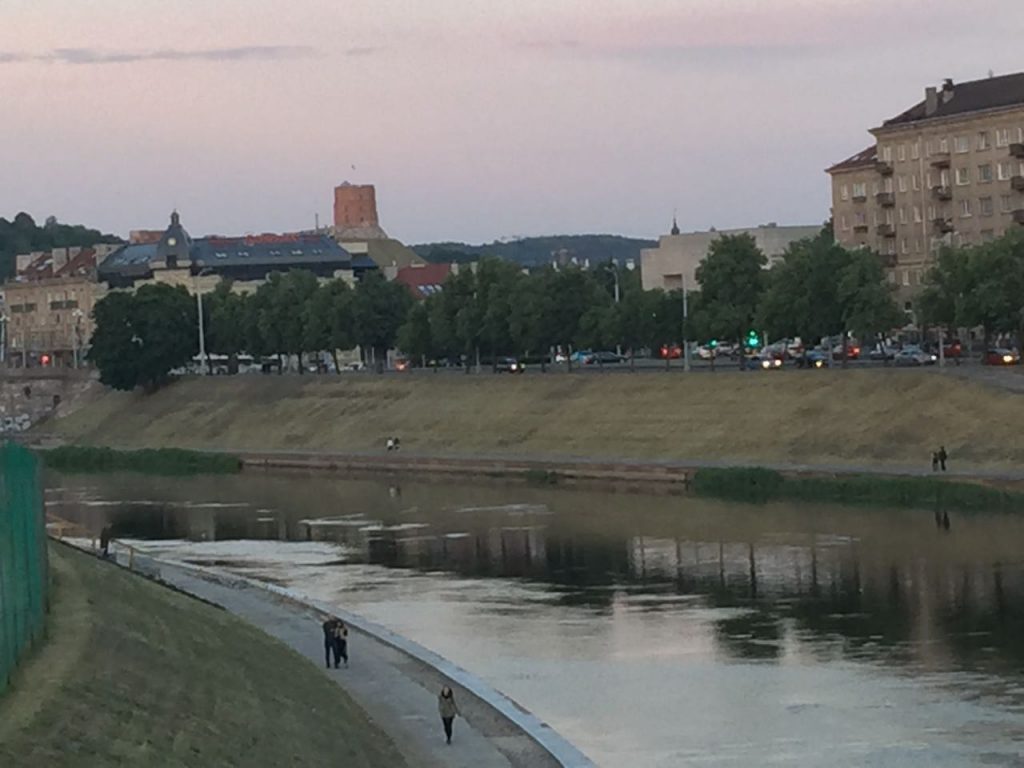
Along the Neris River at dusk

Neris

From Wikipedia, the free encyclopedia

Neris (About this sound pronunciation BelarusianВі́лія ViliyaPolishWilia) is a river rising in Belarus. It flows through Vilnius (Lithuania) and becomes a tributary of the Neman River (Nemunas) at Kaunas (Lithuania). Its length is 510 km (320 mi).

For 276 km (171 mi)[1] the river runs through Belarus, where it is called Viliya, and 235 km (146 mi) runs through Lithuania, where it is called Neris.

The Neris connects two old Lithuanian capitals – Kernavė and Vilnius. Along its banks are burial places of the pagan Lithuanians. At 25 km (16 mi) from Vilnius are the old burial mounds of Karmazinai, with many mythological stones and a sacred oak.

IMG_7488 IMG_7492 IMG_7493 IMG_7494 IMG_7495 IMG_7496 IMG_7498 IMG_7500 IMG_7501 IMG_7504 IMG_7505 IMG_7509 IMG_7520 IMG_7521 IMG_7523 IMG_7526 IMG_7527
<
>

Seduva Commemoration

kvietimas_SMF-EN

On 8 Jul 2016, at 5:48 PM, Sergey Kanovich <sergey.kanovich@lostshtetl.com> wrote:

Dear Seduvians and their descendants,

75 years ago a wave of brutal murder in some places within weeks and in other within months wiped out Jewish communities which were building their future across Lithuania for over six centuries.

At the end of August 1941 Seduva Jewish Community was no more.

We kindly invite you to join us at the event which will commemorate Seduva Jewish Community. We will gather on 30th of August for Kaddisch at the 3 mass murder sites and old Seduva Jewish Cemetery.

Please share this information with people you might know who are connected to Seduva.

We kindly ask you to confirm your participation with Jonas Dovydaitis (jonas.dovydaitis@lostshtetl.com) so we could arrange for the transportation from Vilnius to Seduva and back. Your presence is important to all of us. We are there to “Never forget” and our message is clear –  memory is stronger than death.
Details of the event are enclosed in attachment.

We are looking forward to welcome you at the event and our project www.lostshtetl.com

Wishing you all good shabboes.

Best regards,


Sergey Kanovich

DSC_5162


Dear Seduvians and their descendants,

I would dearly like to be there for the memorial ceremony of the 75th anniversary of the massacre of the Jewish community of Shadova, but having just returned from Lithuania, including a visit to Seduva with Sergey and his team, I will not be able to make another visit this year.

This is a good opportunity to thank Sergey, Jonas, Milda, Saulas for their work and to thank Ivan and Edwin for their dedication. Seduva has become one of the very few former Shtelach where the Jews who once populated the towns are given recognition in a central place, rather than only in the cemetery or at the site of the massacres. It is so important that the lost Jews of Lita are remembered as an important and universal part of Lithuanian heritage in general and not as a separate, peripheral community matter. The Lost Shtetl project is a major step in that direction.

On the 30th of August I will recite Kaddish for the murdered Jews of Shadova in general and specifically for my great uncle and aunt, Tuvia and Chaya Lederman, and my cousins, Shlomo & Esther Lederman and their daughters Leia and Feiga; Mera (Lederman) & Leibe Fischer; Sonia (Lederman) & Pinchas Rabinovitch and their daughters Shulamit and  Miriam.

יהיה זכרם ברוך

Yasher Koach,

Jon Seligman

Zur Hadassa, Israel

DSC_5153


My previous post on Seduva

Seduva


Memories Of Muizenberg Opens In Vancouver This Sunday

Screen Shot 2016-07-08 at 6.20.09 AM

After successful runs in South Africa, Israel, the UK, Australia and Toronto, Canada and San Diego, USA,  the Memories of Muizenberg Exhibition is coming to Vancouver to Beth Israel Synagogue from July 10 – 25.

The opening reception is this Sunday July 10 from 7 to 9 pm.

Save the date for South Africa’s most popular and travelled exhibition.

For more details and updates, visit the Muizenberg KehilaLink:

http://kehilalinks.jewishgen.org/muizenberg/MOM.html

Enjoy!

Eli Rabinowitz
Perth, Australia
http://elirab.me/litvak-portal/

Kalvarija Gymnazija & Survivor Meiškė Segalis

IMG_7343

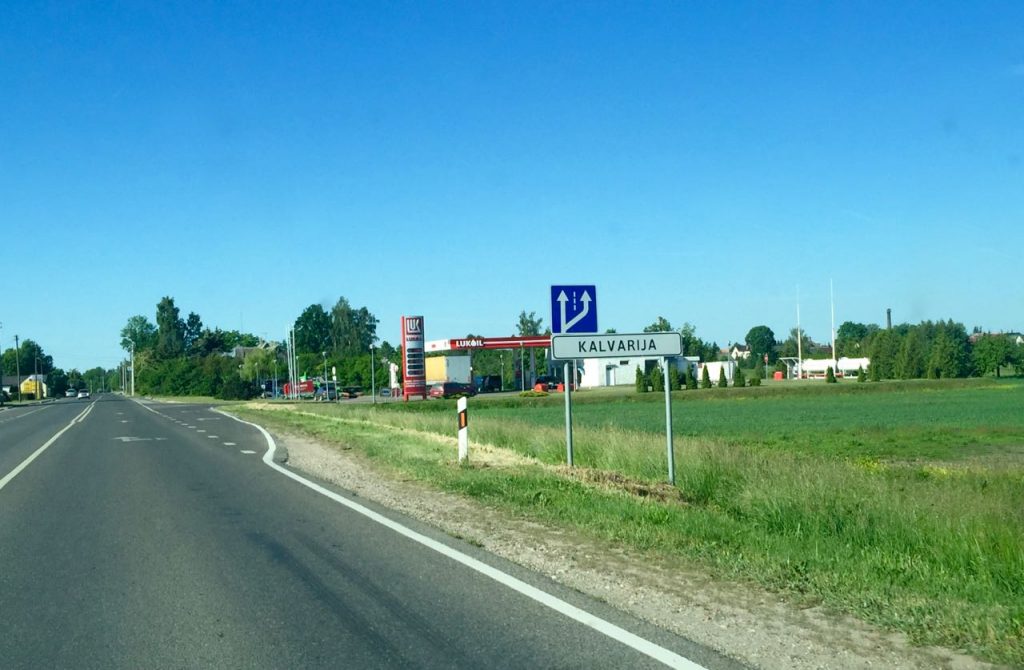
Kalvarija, Lithuania
City in Lithuania
Kalvarija is a city in southwestern Lithuania, located in the Marijampolė County, close to the border with Poland. Wikipedia
Population5,066 (2005)


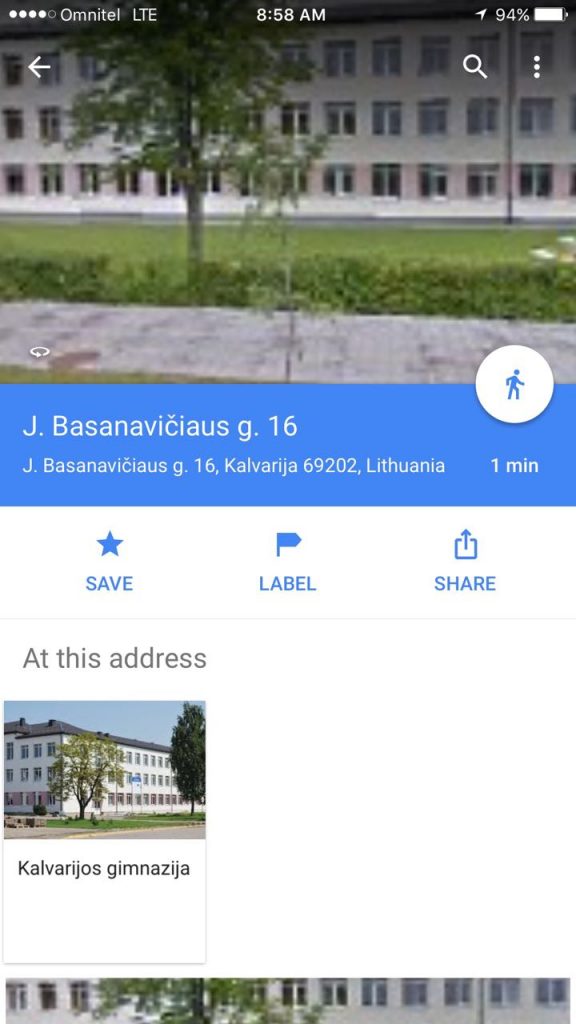
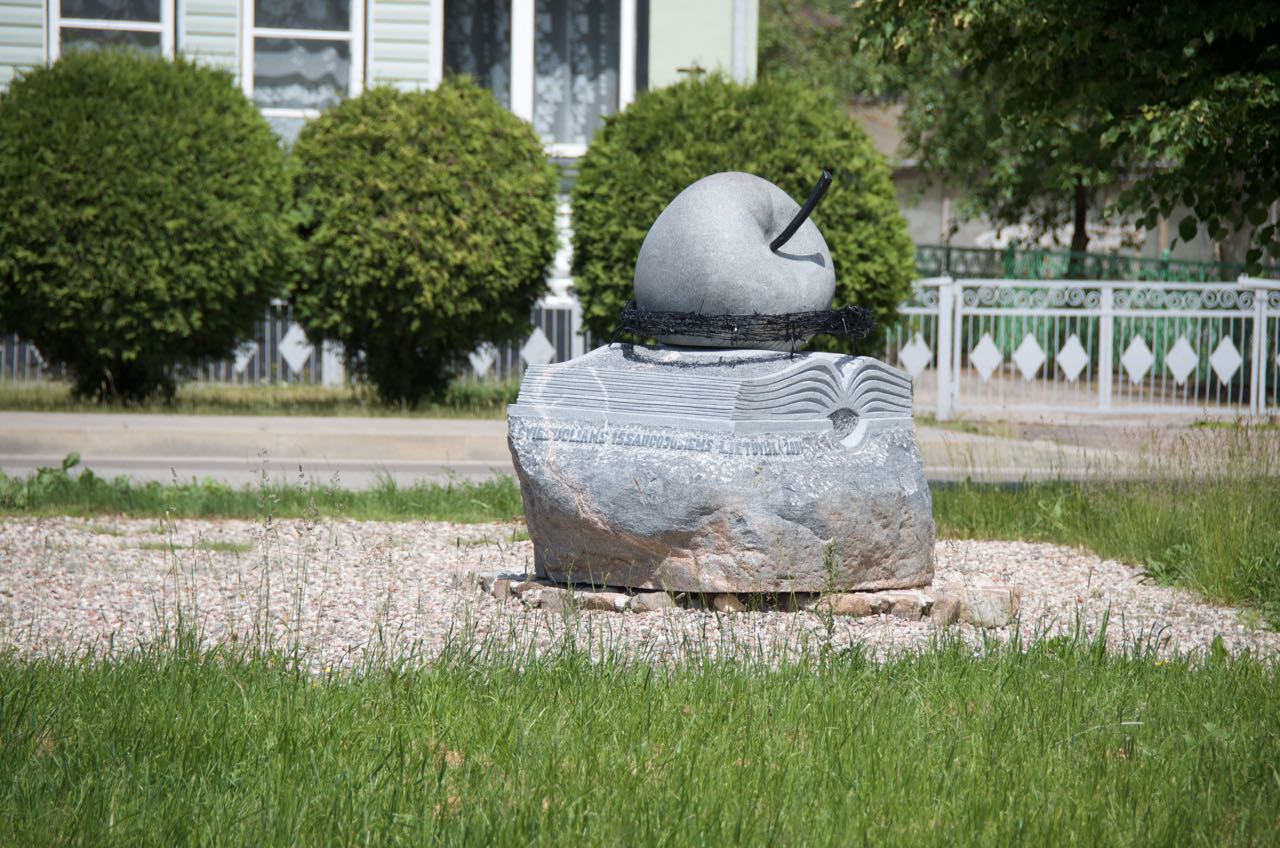
The Kalvarija Gymnazija

IMG_7344

 
DSC_6025 DSC_5988 DSC_5961 DSC_5990 DSC_6024
<
>

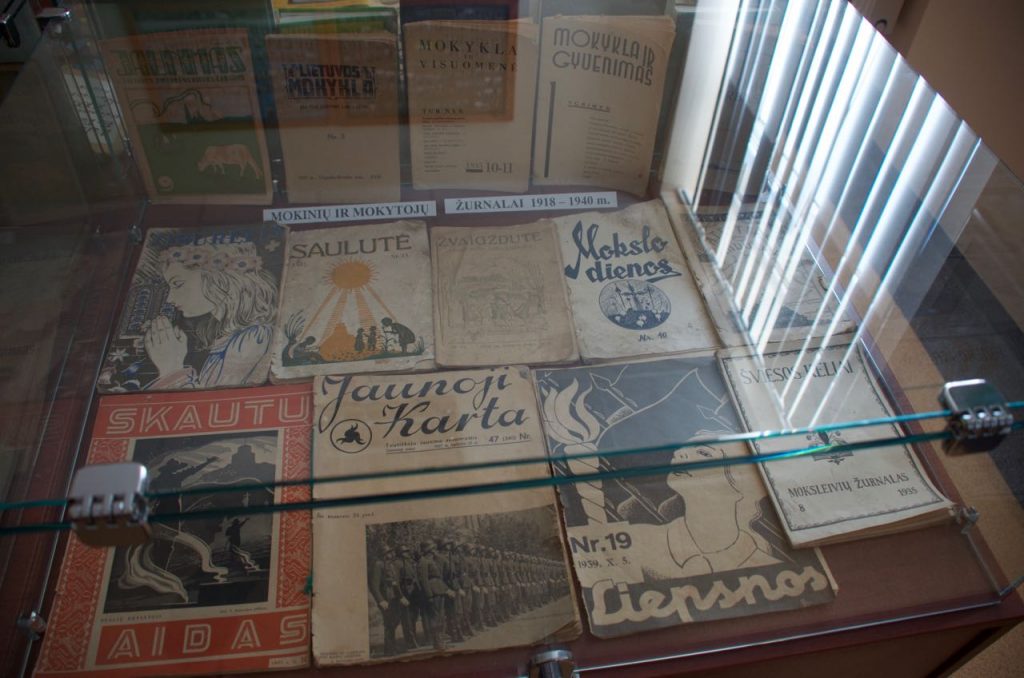
The library and museum

DSC_5982 DSC_5962 DSC_5965 DSC_5966 DSC_5967 DSC_5969 DSC_5973 DSC_5974 DSC_5975 DSC_5976 DSC_5980 DSC_5981 IMG_7397 IMG_7398 IMG_7387 IMG_7389 IMG_7395
<
>

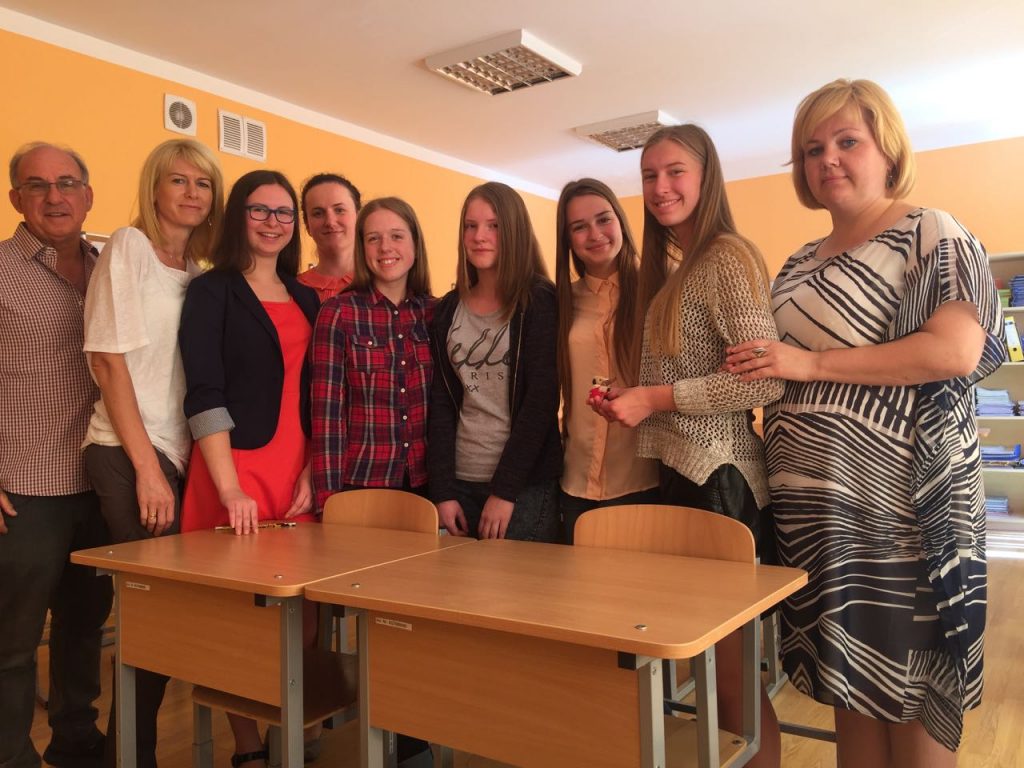
The students with teachers – Daura & Arune – History & Giedre – English

IMG_7366

The Turkish exchange students

IMG_7384

Giedre talking about the visiting Turkish students

Video presentation by students – Meiškė Segalis


Meiškė Antanas Segalis- Miliauskas was born in about 1938 (original birth certificate is missing), his father Abraom-Povilas Segalis, who was born in 1920 ,was an artistic personality both a painter and an artist. He was a baptised Jew, his mother Adelė Balevičiūtė Segalienė Miliauskienė was a Lithuanian, she was a maiden and after the war a shop-assistant.


In summer 1941, father together with other Jews was taken to the stables. (It was built in the place where the boiler house is nowadays). Father was with son while mother was free. On the execution day, standing close to the ditch, father was ordered to give the son to the guard who later handed him to mother. At the shooting site (the beginning was on the hill, downside the military barracks, close to the old lime tree) there were three ditches as big as the area, later the corps were covered with something white ( most probably calx).

A rescued son was hidden at mother‘s friend Maryte Griciute home in Rugiu street in Marijampole. (The second house on the corner) She was a single woman looking after parents‘ farm.She was also Adele‘s peer and lived in the neighbourhood. A child lived quite freely and called her “Mom Maryte“, yet he was hidden from a public eye and till 1947 he was constantly taken to Kalvarija to stay at Virbickai or Malisauskai so that he could play with children. On December 15th, 1942, mother was deported to the labour camp in Sulihau, Germany.

On February 24 th, after liberating the camp, the mother came back home to Lithuania on foot, it took three months for her. Afterwards, she married, became Miliauskiene and changed her son‘s birth date and other documents. What is more, her son Antanas did not want to acknowledge her as a mother as it was very complicated for him to leave his care taker.

Meiškė Segalis’s documents

Meeting survivor Meiškė Segalis

Meiškė at the synagogues

Meiškė is looking for his family in Canada

Please contact me if you have any information about Meiškė’s family in Canada.


Here are my images from my trip last year:

My Jewish Virtual Heritage Tour post from 2015


Marijampole 2016

DSC_5939

Marijampolė
City in Lithuania
Marijampolė is an industrial city and the capital of the Marijampolė County in the south of Lithuania, bordering Poland and Russian Kaliningrad oblast, and Lake Vištytis. The population of Marijampolė is 48,700. Wikipedia
Area21 km²
Population54,131 (Jan 20, 2016)


The Marijampole KehilaLink, Click on image

Screen Shot 2016-07-03 at 6.59.13 AM
 
For my 2015 images of Marijampole, click on this image:
Screen-Shot-2016-07-03-at-10.23.28-AM
 
My Jewish Virtual Heritage Travel post from 2015


DSC_5933
 

The cemetery

DSC_5936 DSC_5939 DSC_5940 DSC_5942 DSC_5943 DSC_5944 DSC_5946 DSC_5949 DSC_5950 DSC_5951 DSC_5953 DSC_5956
<
>

The former synagogue

IMG_7303 IMG_7304 IMG_7306 IMG_7309 IMG_7313
<
>

Around the town

IMG_7332 IMG_7333 IMG_7336 IMG_7337 IMG_7339 IMG_7318 IMG_7320 IMG_7322 IMG_7323 IMG_7331 IMG_7327 IMG_7329 IMG_7330 IMG_7324
<
>

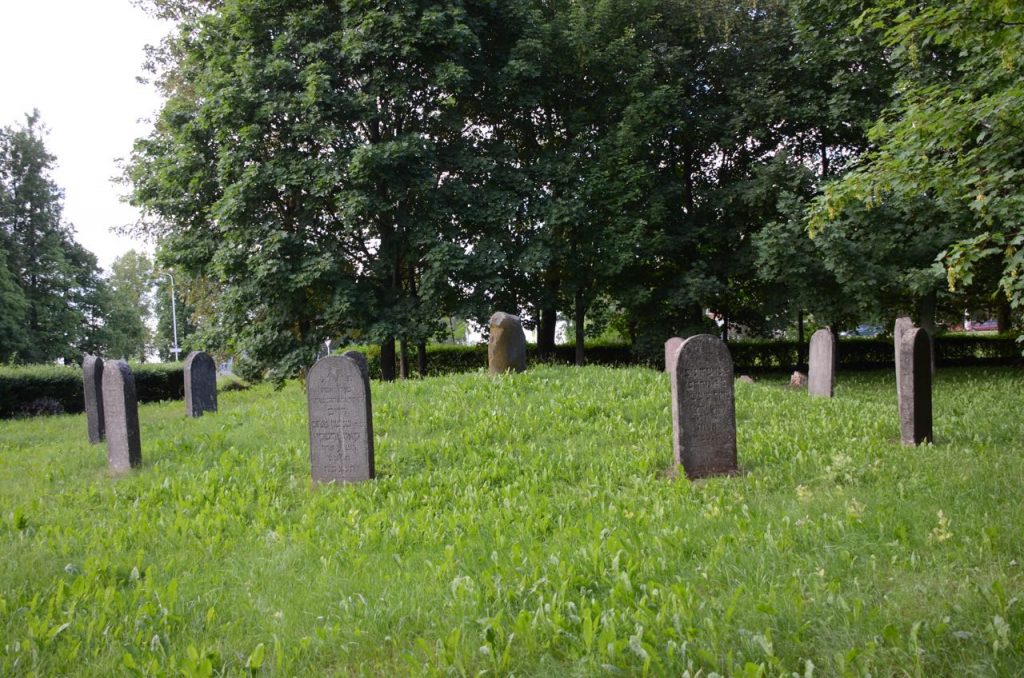
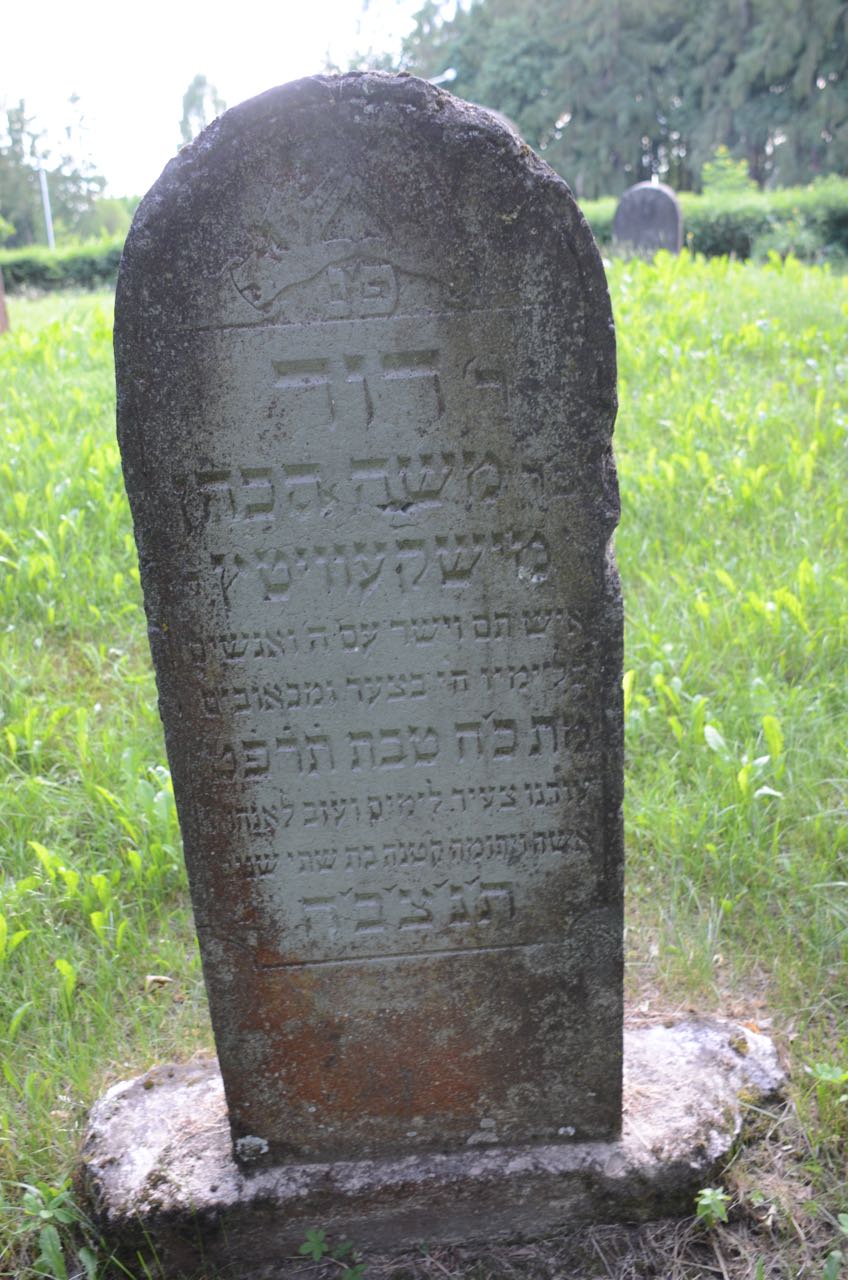
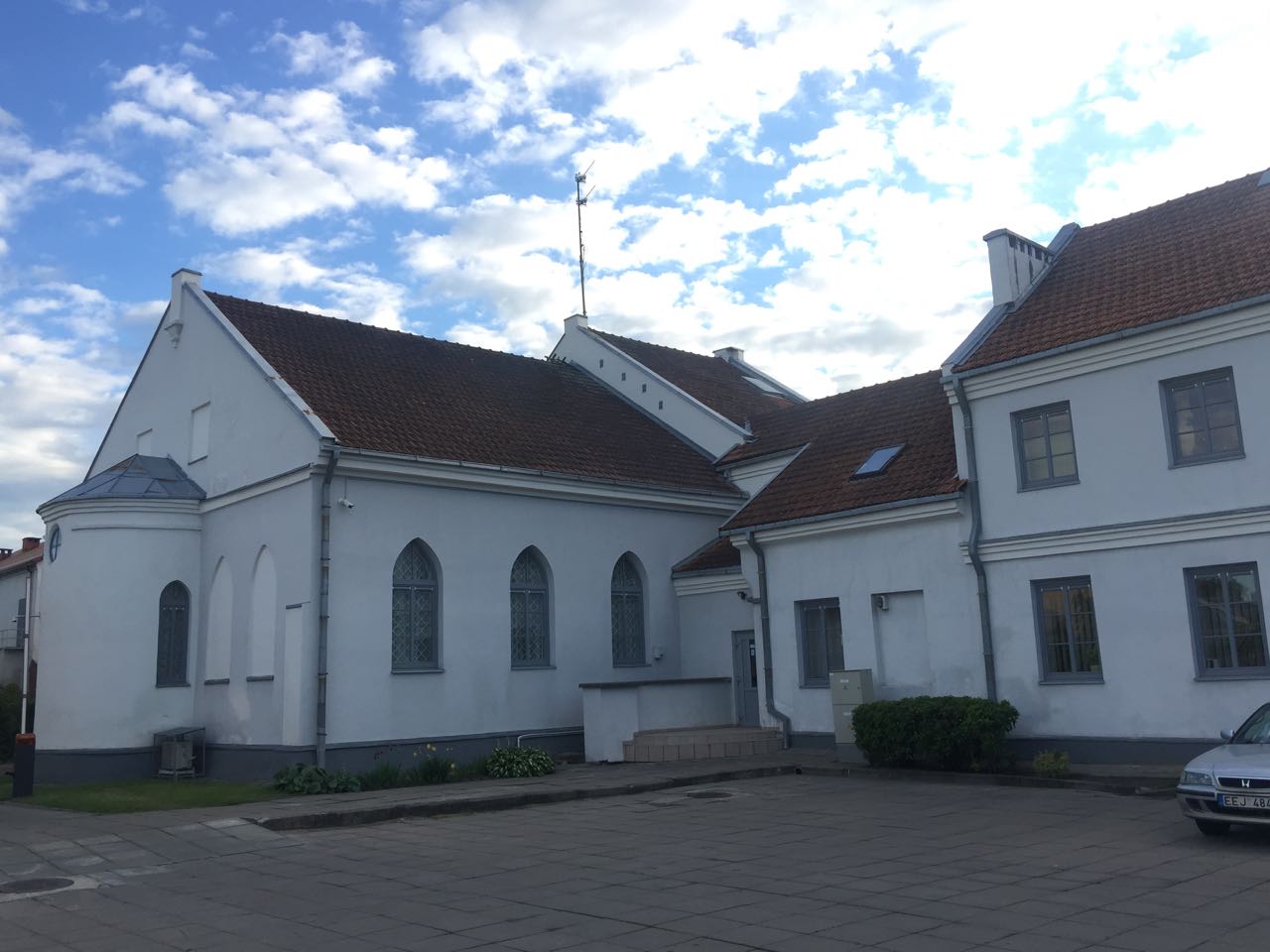
Žemaičių Naumiestis

 
DSC_5873
 
 
Žemaičių Naumiestis
Town in Lithuania
Žemaičių Naumiestis is a town in Klaipėda county, Šilutė district municipality. It is located in western Lithuania between Klaipėda and Kaliningrad Oblast. The rivers Šustis, Šelmuo and Lendra flow through the town. Wikipedia
Population1,716 (2001)
 
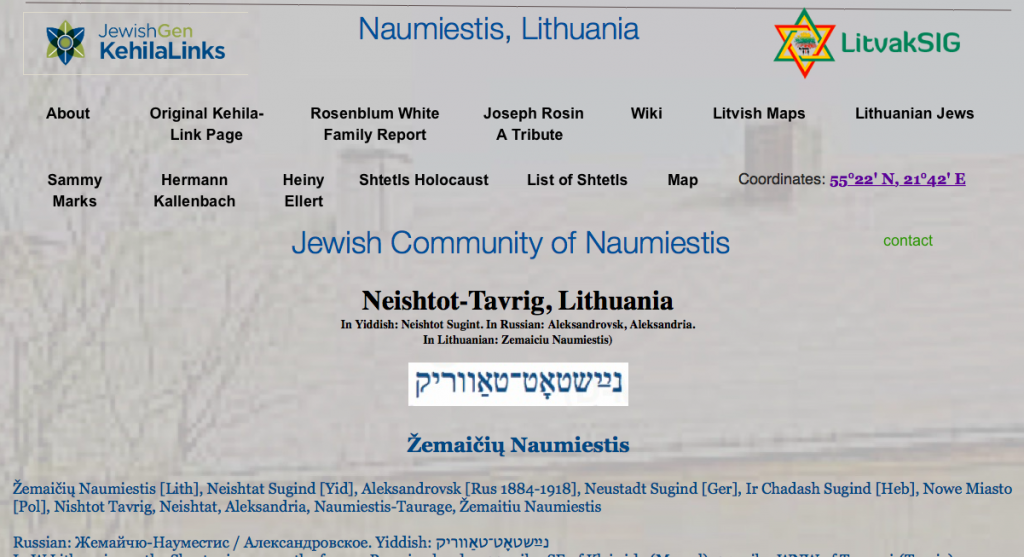
The Naumiestis Kehilalink – click on image
Screen Shot 2016-07-02 at 6.27.46 PM
 
 
 On the road to Žemaičių Naumiestis
DSC_5827 DSC_5826 DSC_5830 DSC_5833 DSC_5861 DSC_5835
<
>
 
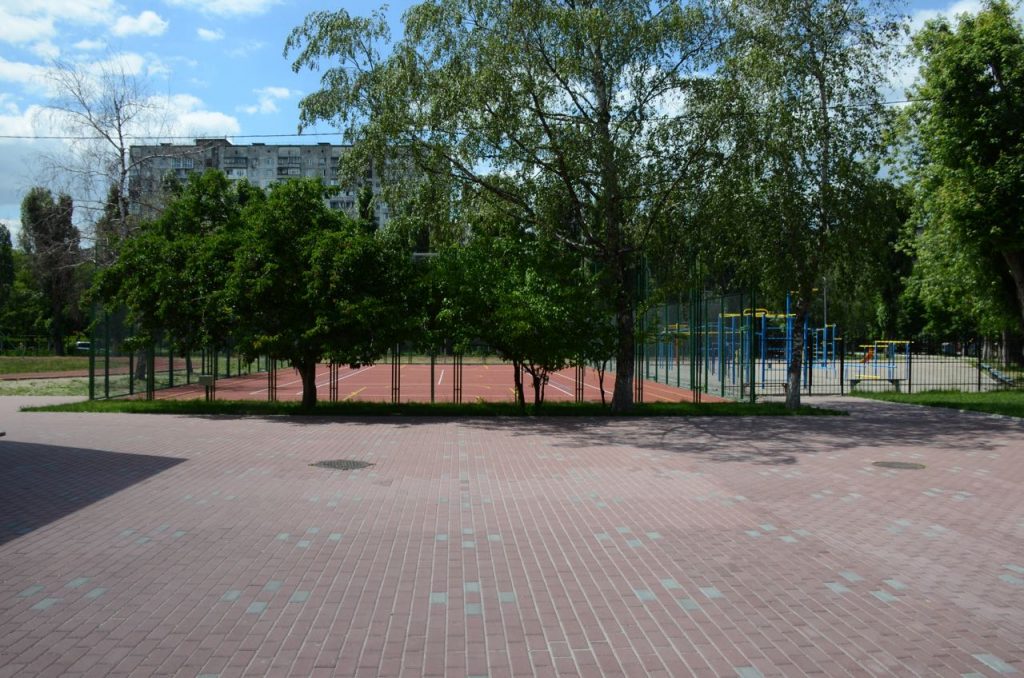
 The Holocaust memorial
DSC_5836 DSC_5840 DSC_5842 DSC_5844 DSC_5845 DSC_5847 DSC_5848 DSC_5849 DSC_5850 DSC_5852 DSC_5857
<
>

The town

DSC_5869 DSC_5870 DSC_5874 DSC_5875 DSC_5876 DSC_5877 DSC_5878 DSC_5880 DSC_5881 DSC_5882 DSC_5885 DSC_5887 DSC_5897 DSC_5900 DSC_5902
<
>

Heiny Ellert’s Testimony

Sammy Marks

Click on image below

Screen Shot 2016-07-02 at 11.24.00 PM

Other towns on the way to Marijampole

DSC_5910 DSC_5911 DSC_5913 DSC_5917 DSC_5919 DSC_5920 DSC_5921 DSC_5923 DSC_5924 DSC_5925 DSC_5926 DSC_5927 DSC_5929 DSC_5931
<
>

My KehilaLinks in Lithuania

Ponievez (Panevezys)

Pren (Prienai)

Salant (Salantai)

Serey (Seirijai)

Shaki (Sakai)

Stokishok (Stakliskes)

Sudarg (Sudargas)

Tavrig (Taurage)

Telz (Telsiai)

Ukmerge (Vilkomir)  beta

Utena

Vabalninkas – coming soon

Vikovishk (Vilkaviskis)

Virbain (Verbalis)

Vishey (Veisiejai)

Žiežmariai (Zhezmir)


Jurbarkas

On the road to Jurbarkas

DSC_5731

 
Jurbarkas
City in Lithuania
Jurbarkas is a city in Tauragė County, Lithuania. It is on the right-hand shore of the Neman River at its confluence with the tributaries Mituva and Imsre. Wikipedia
Area: 13.28 km²
Municipality: Jurbarkas District Municipality
Population: 12,972 (2010)


Jaucakiai Holocaust Site

DSC_5730 DSC_5732 DSC_5734 DSC_5737 DSC_5745 DSC_5746 DSC_5747 DSC_5748 DSC_5756
<
>

Another memorial

DSC_5768 DSC_5763 DSC_5766 DSC_5772
<
>

Jurbarkas Cemetery

DSC_5811 DSC_5808 DSC_5776 DSC_5777 DSC_5778 DSC_5779 DSC_5780 DSC_5782 DSC_5783 DSC_5785 DSC_5786 DSC_5787 DSC_5789 DSC_5792 DSC_5794 DSC_5798 DSC_5799 DSC_5800
<
>

The Holocaust memorial next to it

DSC_5801 DSC_5802 DSC_5803 DSC_5804 DSC_5805 DSC_5809
<
>

Jurbarkas Park & Buildings

DSC_5813 DSC_5816 DSC_5817 DSC_5819 DSC_5822 DSC_5824
<
>

Back