Useful Resources by Edward David Luft – A New Website

A New Website 
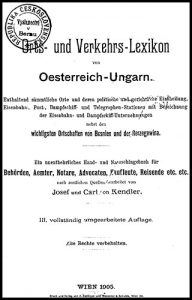
Capture Orts- title page

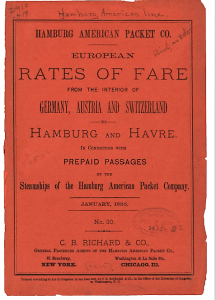
This website contains links to two separate databases.  The first one is a listing of the third class railway fare from all of the train stations in Germany, the Austro-Hungarian Empire, and Switzerland to le Havre and Hamburg when paid in U. S. dollars in New York or Chicago.  The second database is a gazetteer of all of the locations in the Austro-Hungarian Empire in 1905.

Further resources will be added to this website from time to time.

To view, click on Useful Resources by Edward David Luft. The site is managed by Eli Rabinowitz

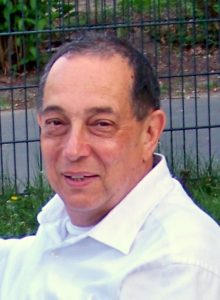
edward-david-luft
About Edward David Luft
Edward David Luft is a regular contributor to the hard copy periodical, Avotaynu:  The International Review of Jewish Genealogy and to Gen Dobry!, available only online.  A complete list of his publications appears at https://sites.google.com/site/edwarddavidluftbibliography/home/edward-david-luft-bibliography
luft-loc001
To view Edward’s talk on his book: The Jews of Posen Province in the Nineteenth Century, click here

Here are more resources from Edward David Luft on two of my JewishGen KehilaLinks:

Dresden

Poznan

eli-w-camera

About Eli Rabinowitz

Eli Rabinowitz is involved in Jewish community activities, filming events, photographing, researching, lecturing internationally and blogging on Jewish life and heritage; he presented a talk at the IAJGS 2015 conference in Jerusalem. Rabinowitz manages over 70 KehilaLinks for JewishGen. and led the first JewishGen Virtual Heritage Tour of Europe. He lives in Perth, Australia.

IMG_0351

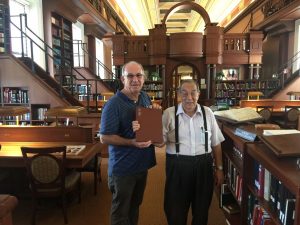
Eli and Edward David Luft at the Library Of Congress  – August 2016.

We have been corresponding since October 2013 and met last month for the first time in Washington DC.


Our South African Jewish Inheritance

Sandler

David Sandler has just launched his latest book.

IMG_4132

Selfie of David Sandler and me at my home in Perth

Just in from David:

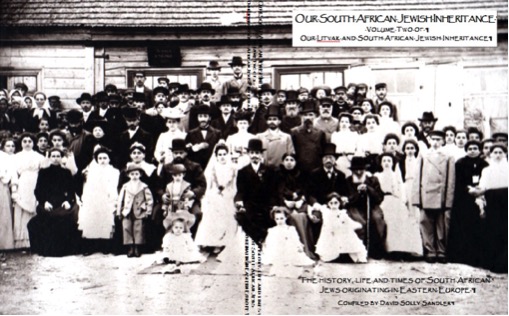
OUR SOUTH AFRICAN JEWISH INHERITANCE compiled by David Solly Sandler published August 2016

The matching volume to OUR LITVAK INHERITANCE published in March 2016

These two volumes tell of the history, life and times of South African Jews originating in Eastern Europe

Like most South African Jews, my ancestors emigrated from Lithuania to South Africa between 1880 and 1920. We were the lucky ones escaping the horrors of the Holocaust and most of us have relatives left behind in Lithuania who perished in the Holocaust.

For about 100 years we generally prospered and multiplied in South Africa and then in the early 1970s, seeking more secure futures for our families, we commenced immigrating to Israel, the UK, the USA, Canada and Australia and by the year 2000 about 50,000 of the 120,000 South African Jews had emigrated.

Like my other books this is a compilation and not a single narrative. It is a gathering of articles, stories and histories that tell us of life and history and Jewish life and history in South Africa from 1880 to 1990. As it is a gathering of articles, stories and histories in some cases we will have two or more different views of the same event.

 The purpose of this book is to tell the history of South Africa and our Jewish contribution, with its rich Litvak culture, and to share it with our children and grandchildren. Another purpose of the book is to raise funds for Arcadia and Oranjia, formerly the two Jewish Orphanages in South Africa.


This 511 paged softcovered book has the following sections

1 The early history of South Africa in the Western and Eastern Cape Province.

2 Kimberley and the discovery of Diamonds (Northern Cape)

3 The Establishment of Natal, The OrangeFree State and The Transvaal Boer Republics

4 The discovery of Gold in the Witwatersrand and the founding of Johannesburg

5 The Anglo Boer War 1899-1902

6 Immigration, Yiddish, Zionism and Jewish Culture

7 World War One

8 The Generosity of the S A Jewish Community

9 Landsmanschaften Mutual Aid Societies

10 World War Two

11 Jewish Life in Country Communities (1947 & 1948)

12 Jewish Communities and Personalities

13 Support for Israel during the Israeli War of Independence (1948 & 1949)

14 The Struggle from Apartheid to Multi-racial elections

Between 1981 to 2005 some 40% of Jews, about 47,000 left South Africa. About 13,000 went to Israel, 12,000 to the US, 11,000 to Australia and New Zealand, 6,000 to the UK and 5,000 to Canada.

Most South African Jews today live in Johannesburg (50,000) and Cape Town (16,000), while the other main centres are Durban (2,700) and Pretoria (1,500). Originally, the community was evenly spread throughout the country, but the rural communities began declining shortly after World War II and are today largely defunct.

PG compilation still to come:

I invite all South Africans to share their family histories and photos for the following two books.

Kehilas (Jewish Communities) of Johannesburg and the Witwatersrand – Jewish Communities of Johannesburg and those larger Rand towns and that fall outside the net of the great work being done by Beyachad in their Jewish Life in the South African Country Communities.

-From Eastern Europe to South Africaa collection of family histories.

English translations of the Keidan Yizkor book and The Rakishok Yizkor book.

-The Ochberg Orphans – Volume Two and My Inheritance – my family history – the stories of my four grandparents

Shalom, best wishes and good health to you all and may there soon be peace in Israel

David

David Solly Sandler sedsand@iinet.net.au
 

Compilations by David Solly Sandler

100 Years of Arc Memories published 2006

The Arcadia Centenary book contains the memories of over 120 children of The South African Jewish Orphanage.

More Arc Memories published 2008

A follow-up of the Centenary book with the memories of more than 100 children. This book includes a section of 17 chapters on the Ochberg Orphans.

The Ochberg Orphans and the Horrors From Whence They Came published 2011

The rescue in 1921 of 181 Ukrainian War and Pogrom Orphans by Isaac Ochberg, the representative of the South African Jewish Community, from the horrors of the Pale of Settlement.

The Pinsker Orphans published 2013

The Pinsker Orphans book – in part a follow up of  The Ochberg Orphans book – tells of the life and times of the children from the three Pinsk Jewish Orphanages in the 1920s and like The Ochberg Orphans book is but a small part of a much larger and forgotten part of Jewish History, the horrors suffered by the Jews in The Pale of Settlement between the two world wars.

This Was a Man Reprinted 2014

This book is the life story of Isaac Ochberg as written by his daughter Bertha Epstein and first published in 1974.

Reprinted with the permission of the family of Isaac Ochberg z”l with an addendum added.

Memories of Oranjia, The Cape Jewish Orphanage (1911-2011) published 2014

The book is a collection of the memories of many generations of children (over 120) who were in the care of The Cape Jewish Orphanage which was established in 1911 in Cape Town South Africa.

The Memorial Section of the  Rakishok Memorial Book

This book was originally published in 1952 in Yiddish by the Rakishok Landmanschaft in Johannesburg. The book has been translated into English by Bella Golubchik and is for sale with all proceeds going to Arcadia Oranjia and the JDC.

Our Litvak Inheritance published 2016

This book tells of Jewish history, life and times in Lithuania and surrounds – the inheritance of most South African Jews and is the matching volume to Our South African Jewish Inheritance. 

Please contact me to order your book – David Solly Sandler sedsand@iinet.net.au


THE SECTIONS OF THE BOOK AND THEIR CONTENTS IN DETAIL

1 The early history of South Africa in the Western and Eastern Cape Province.

This section tells of the early history of South Africa from the first Europen settlement in the Western Cape of the Dutch followed by theEnglish and the spread to the Eastern Cape.

It tells of the expansion eastwards, the exploits of the 1820 Settlers, the clash and 100 year war with the Xhosas (Bantu) and the Great Trek.

It relates the Jewish history during the periods of the Jewish Ministers in the Cape: The Rev. Isaac Pulver 1849-1851, The Rev. Joel Rabinowitz 1859-1882, The Rev. Abraham Frederick 1882-1894 and The Rev. Prof. Alfred Phillip Bender 1895-1894

2 Kimberley and the discovery of Diamonds (Northern Cape)

This section starts with the discovery of diamonds , the early history of Kimberley, and early Jewish Communal history

It tells of the amalgamation of the Kimberley Mines and about the important roles Jews played to bring this about.

It tells of the Jewish Pioneers of Kimberley and of Jewish Communal life

3 The Establishment of Natal, The OrangeFree State and The Transvaal Boer Republics

On the way to the the ‘Promised Land’, be it the highveld of the Transvaal or subtropical Natal, the Voortrekkers (pioneers) engaged in many violent confrontations with the Matabele, the Zulus and other Bantu tribes. At each major encounter, after an initial reverse, the tribes were subdued, their land taken by right of conquest and their people taken as labour.

In Natal the Voortrekkers established a short-lived republic, but, after its annexation by the British in 1843, many Voortrekkers trekked back over the Drakensberg on to the highveld, the lands between the Orange and Vaal Rivers and across the Vaal River.

In 1852 and 1854 the British granted independence to the trekkers in the Transvaal (‘country across the Vaal River’ that became the Zuid Afrikaanse Republiek) and in the Orange River Colony ( the Free State Republic)

The English, bankrupted by the Napoleonic Wars, could not afford to annex the states and the enmity between the English Colonial Government and the farmers (‘Boers’) continued.

Thus, the seeds for further conflict – this time between the Boers and the English – were sown. It needed the spark provided by the twin discoveries of gold and diamonds in 1886 and 1867 respectively – desparately needed by the bankrupt English Government.

Historical Dictionary of the British Empire.

4 The discovery of Gold in the Witwatersrand and the founding of Johannesburg

This section tells of the discovery of gold on the Witwatersrand, the founding of Johannesburg, the early Jewish Pioneers and the formative days of Johannesburg Jewry. It includes details of the Randlords, Notable Jewish Personalities, the opening of the Park Synagogue by Paul Kruger and the Jamesion Raid.

5 The Anglo Boer War 1899-1902

This section discusses the phases of the Anglo Boer War: the scorched earth policy adopted by the British and the concentration camps they established in which over 26,000 Boer women and children perished from starvation and disease.

It tells of the Boer prisoners of war and The Treaty of Vereeniging followed by The Boer War in the Hebrew Press, Boerejode, Jews in the Boer Forces, The Russians and the Anglo-Boer War and the Jews on The British Side.

Next we tell of Jewish Refugees at the Cape during The Anglo-Boer War followed by Life in Pretoria and Johannesburg during and after the Boer War and we have the life story of Samuel Marks, Pretoria’s most prominent Jew.

We end with the Union of South Africa in 1910

6 Immigration, Yiddish, Zionism and Jewish Culture

In this section we pause, step back and revisit our South African Jewish Inheritance from different perspectives.

We start off with Jewish Immigration and the struggle to get Yiddish accepted as a European Language.

It tells of the birth of Zionism and Jewish Culture in South Africa and the culture clash between the English and Litvak (Eastern European or Russian) Jews.

We end with the Traditions of South African Litvak Jews

(In the next section are details of The South African Jewish Congress that gained the support of Jan Christiaan Smutsthe SA Boer leader who shared in the creation of Israel. )

7 World War One

This section tells of World War One (The Great War) first from a global and then a South African perspective.

It tells of the horrors of the war in ‘The Pale of Settlement’ (Eastern Europe) and the help given by the South African Jews to their bretheren in the Pale and in Palestine

Then we have details of The South African Jewish Congress seeking and gaining the support of Jan Christiaan Smuts the Boer who shared in the creation of Israel

We end with the The Spanish Influenza Pandemic 1918-1919

8 The Generosity of the S A Jewish Community 

“This may help to explain how South African Jewry has acquired the characteristics which distinguish it as a group. It has a world-wide reputation for liberality towards those of its co-religionists who are in need, and for staunch support of the Zionist movement. It is also recognised as a well-organised and relatively united community.

Being largely descendants of Lithuanian Jewry, South African Jews are a fairly homogeneous group, unlike those of the United States of America. They have inherited some of the qualities of the Litvaks – their warm-heartedness and generosity, their practical-mindedness, a strong feeling of Jewish solidarity, and a love of learning combined with a somewhat critical attitude to religious traditions, their religion being often more of the head than of the heart.

Enterprising and hard-working, they have been able to take advantage of the opportunities offered by a new and developing country.”

Extract from THE JEWS IN SOUTH AFRICA Edited by Gustav Saron and Louis Hotz. Printed in 1955

The Generosity of the S A Jewish Community, Jewish Institutions, Funds and Appeals

This section starts with the early history of The Johannesburg Chevrah Kadisha, The South African Jewish Orphanage (Arcadia) and The Cape Jewish Orphanage (Oranjia), two institutions that still look after Jewish children in need today.

This is followed by three chapters of the good work done byThe United South African Jewish Relief, Reconstruction and Orphans Fund (1915-1925) that funded the rescuein 1921 of 181 Pogrom Orphans from the horrors of the Ukraine and Poland by Isaac Ochberg.

We end withThe 1930 Annual Report of the South African Jewish Orphanage with the names of thousands of supporters not only from Johannesburg but from many surrounding country areas.

9 Landsmanschaften Mutual Aid Societies

To help one another and the new immigrants arriving with virtually nothing Landsleit (people from the same towns or districts) banded together to form Landsmanschaften (Mutual Aid Societies) that helped the sick and poor, burried the dead and provided interest free loans to help members start businesses. They also provided a place where mainly men could gather and socialise.

In South Africa there were Landsmanschaften from numerous towns: Anykster ,Birzer ,Dwinsk, Keidan, Kelmer, Kovno, Krakinover, Kroze, K]


10 World War Two

This section first documents the rise of Anti-Semitism in the 1930s from news articles and from Worlds Apart

It details South Africa’s military contributions and casualtiesand lifeduring the war and tells about”up north”

It tells of the Jews in WWII and gives details of individuals who made the supreme sacrifice, individuals who served and life as a POW

This section ends with Victory Day and with the arrival of the news of the Holocaust

11 Jewish Life in Country Communities (1947 &1948)

In this sectionArthur Markowitz tells of Jewish Life in South African country communities in his Nationwide Survey of Jewish Communities published in The South African Jewish Times in 1947-8

He tells of the Jewish contribition to the developement of agriculture and industry in the towns throughout South Africa and highlights the special contributionsof some Jewish individuals.

From the very early days Jews lived in almost every country town in South Africa and they played a very important roles from the early development of these towns. Typically they were the traders and professionals,running the General Dealer Store (Algemeene Handelaar), the Hotel and bar and they were the Doctor and Lawyer and some were Farmers

12 Jewish Communities and Personalities

This section of the Jewish Communities and Personalities of Durban, Bloemfontein and Johannesburg, supplements Arthur Markowitz’s Nationwide Survey of South African Jewish country communities in section 10.

We commence with compilations on Durban and Bloemfontein the main cities of Natal and the Orange Free State. This is followed by compilations on three Johannesburg Jewish Communities: Rosettenville / La Rochelle, Fordsburg / Mayfair and Parktown.

In Parktown, a suburb of very large estates, we focus on the South African Jewish Orphanage (Arcadia) and remember individuals connected to Arcadia, not only for their contribution to Arcadia, but because of their contribution to the broader community. (These articles come from the two Arcadia Memory Books and The Ochberg Orphans by David Solly Sandler )

13 Support for Israel during the Israeli War of Independence (1948 – 1949)

This section tells of thesupport given to the newly created State of Israel in their fight for independence by the Jews in South Africa

The Zionist Federation in South Africa actively recruited those experienced and who had fought in WWII and sent them to Israel. They specifically recruited pilots and if fact had a flying school in Germiston.

There are extracts from South Africa’s 800 and the names of the 800 South Africans volunteers who fought in Israel’s War of Birth and we remember the 85 South Africanswho fell.

The section ends with details of some who fought and fell in defence of Israel

14 The Struggle from Apartheid to Multi-racial elections 

This section commences with the history of Apartheid and is followed by the treason trials and details the resistance and events leading to multi-ratial elections.

This entire section is sourced from Worlds Apart by Colin Tatz, Peter Arnold and Gillian Heller, apart from ‘The facts about South African Jews in the Apartheid Era’ by Maurice Ostroff.

We end with details of White Emigration


Once again I feel honoured to be the compiler of this book that belongs to the Jewish Community and is a collection of articles, extracts of books and family histories kindly shared and entrusted to me by many people.

Thank you to the following that have shared their family histories, their articles and their books:

Andrew Cassel and Aryeh Shcherbakov, of the Keidan Association of Israel and the USA, for permission to use extracts of The Keidan Yizkor Book published in Hebrew in 1977

Colin Tatz, Peter Arnold and Gillian Heller, for sharing parts of their book Worlds Apart

Diane Wolfson for permission to use extracts of The Pretoria Jewish Community up to 1930 by Mrs Myrtle Todes, Mr Selwyn Zwick, Mrs Naomi Nowosenetz, Dr Rayme Rabinowitz, Mrs Avril Cohen, Mrs Jill Katz (editor), Mrs Mary Kropman and and Mr Ralph Lanesman.

Joe Woolf for sharing his family history From Shatt (Seta) to South Africa and parts of South Africa’s 800 The Story of South African Volunteers in Israel’s War of Birth Henry Katzew.

Louis Zalman Glick Touyz for sharing his article Traditions of South African Litvak Jews and other articles

Dave Sacks of the SAJBD for sharing his articles on the Boer War

Saul Issroff, London UK of South African Jewish Genealogy for sharing his article early South Africa Jewish History and Bloemfontein

Other books sourced

-Birth of a Community by Chief Rabbi professor Israel Abrahams

-The Fordsburg-Mayfair Hebrew Congregation 1893-1964 by Bernard Sachs

-The Jews in South Africa, Edited by Gustav Saron and Louis Hotz

-The Nationwide Survey of the South African Jewish Community By Arthur Markowitz

-The Vision Amazing by Marcia Gitlin

-The War Report by J E H Groble


Much thanks go to Bennie Penzik for helping with the editing of the book

Thank you to Michael Perry Kotzen, an Ex Arcadian actor and nonagenarian, from Sydney, the most prolific contributor of Arc Memories, who has helped willingly with the proofreading of this book.

A very great thanks goes to Antoinette Weber, my partner of the past 14 years, who gave very generously of her time and assisted with the typing and proofreading. I have once again tried to match the very high standard of formatting she set in the first volume.

Thanks must again go to two very close Arc ‘brothers’, David Kotzen and Dr Solly Farber who passed away in July 2002 a day apart. They both inspired and encouraged and helped me and set me on the path to compiling books. I sometimes feel that it is not by chance that I share with them my names David and Solly. I hope that David and Solly, as well as Doc and Ma and all Old Arcs who have ‘bunked over the hill’ enjoy this book from above.

As at the end of February 2016 over R1,150,000 had been raised for Arcadia and R60,000 for Oranjia from book sales. We still have many copies of the Arcadia Memory books, The Ochberg Orphans books and other books for sale with the full proceeds going to the charities that still continue to look after children. See the back of the book for details of books and charities and contact me please. You can pay for the books locally and have them delivered to friends overseas.

PG compilation still to come:

I invite all South Africans to share their family histories and photos for the following two books.

Kehilas (Jewish Communities) of Johannesburg and the Witwatersrand – Jewish Communities of Johannesburg and those larger Rand towns and that fall outside the net of the great work being done by Beyachad in their Jewish Life in the South African Country Communities.

-From Eastern Europe to South Africaa collection of family histories.

English translations of the Keidan Yizkor book and The Rakishok Yizkor book.

-The Ochberg Orphans – Volume Two and My Inheritance – my family history – the stories of my four grandparents

Shalom, best wishes and good health to you all and may there soon be peace in Israel

David

David Solly Sandler sedsand@iinet.net.au

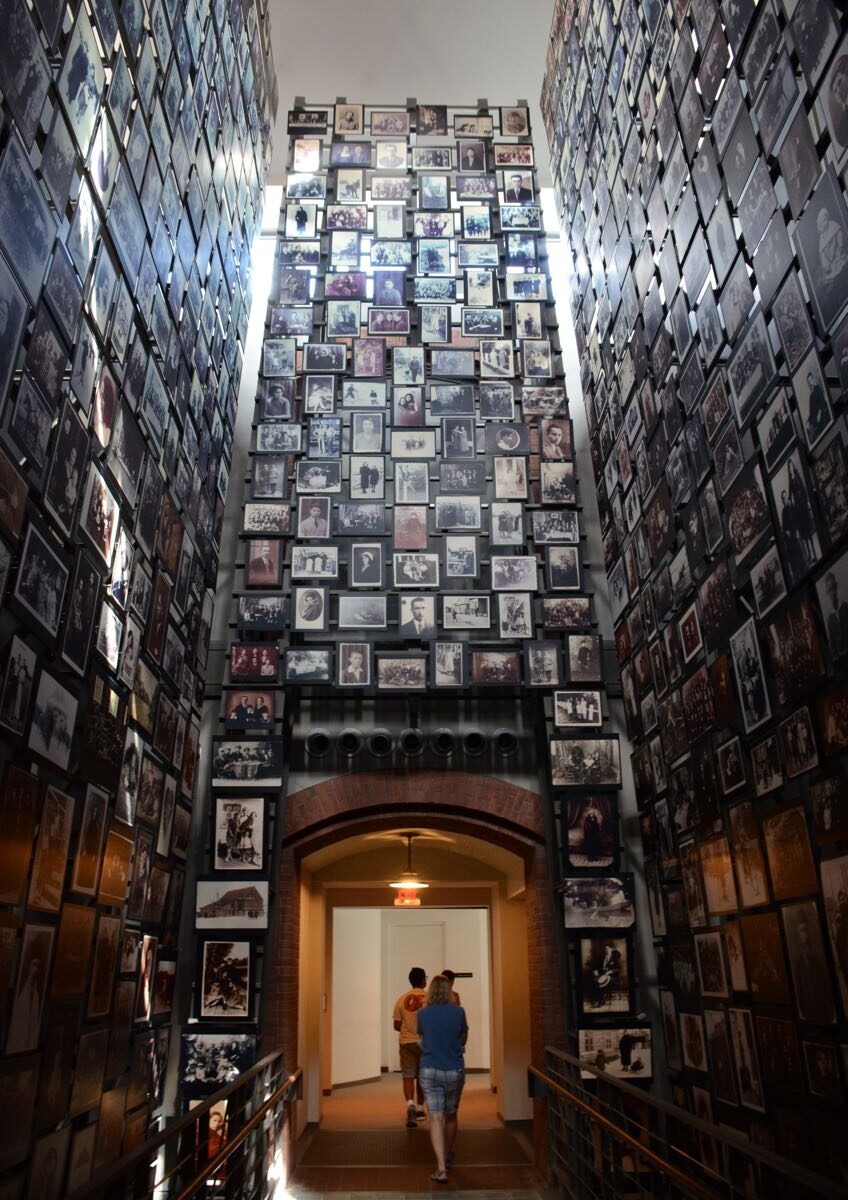
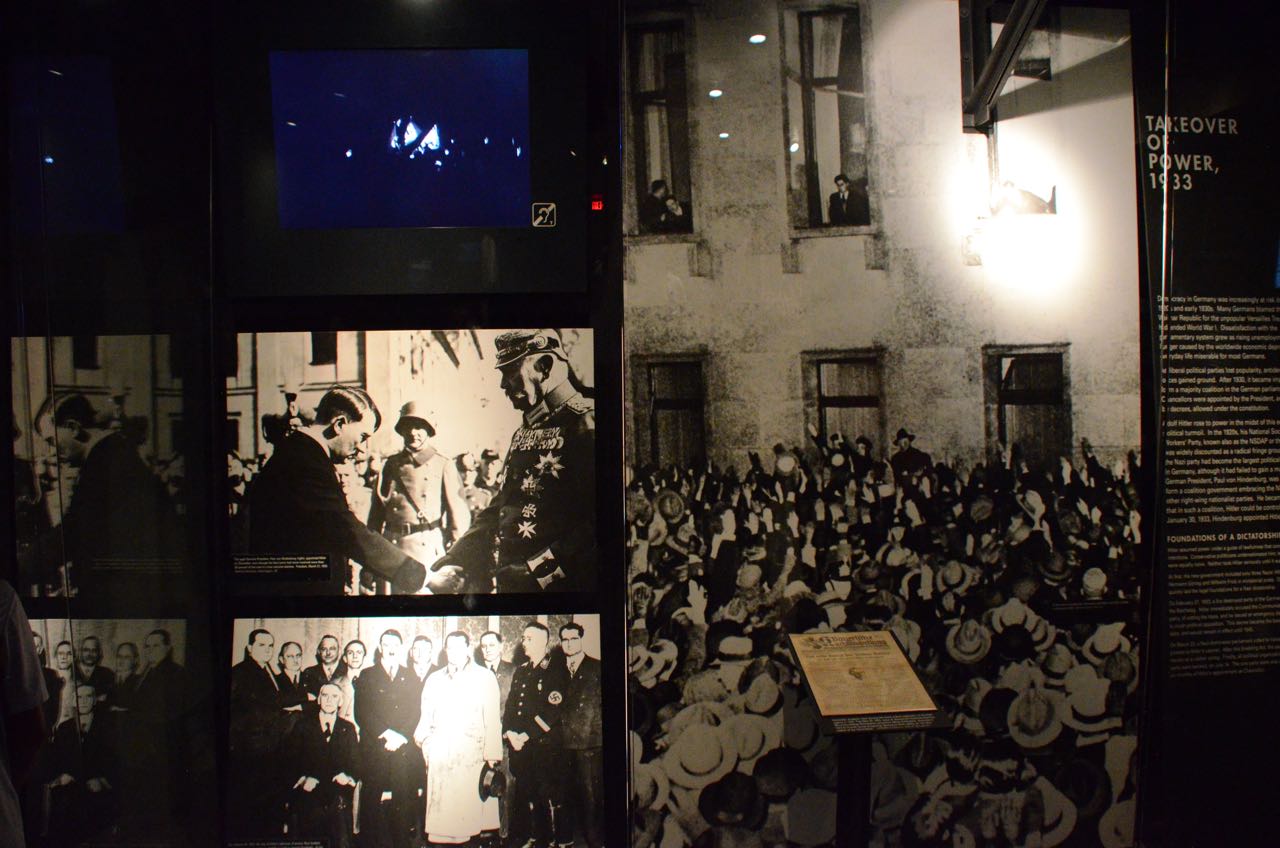
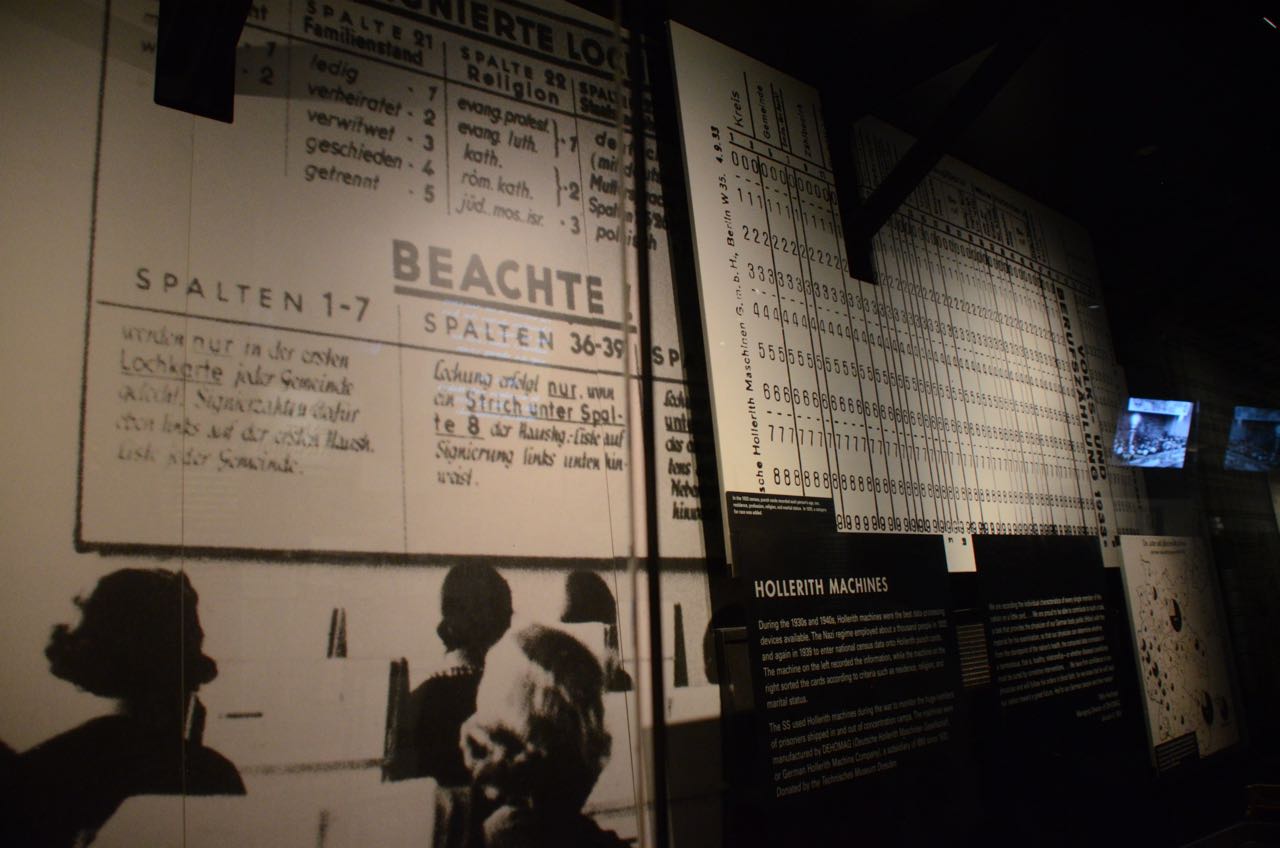
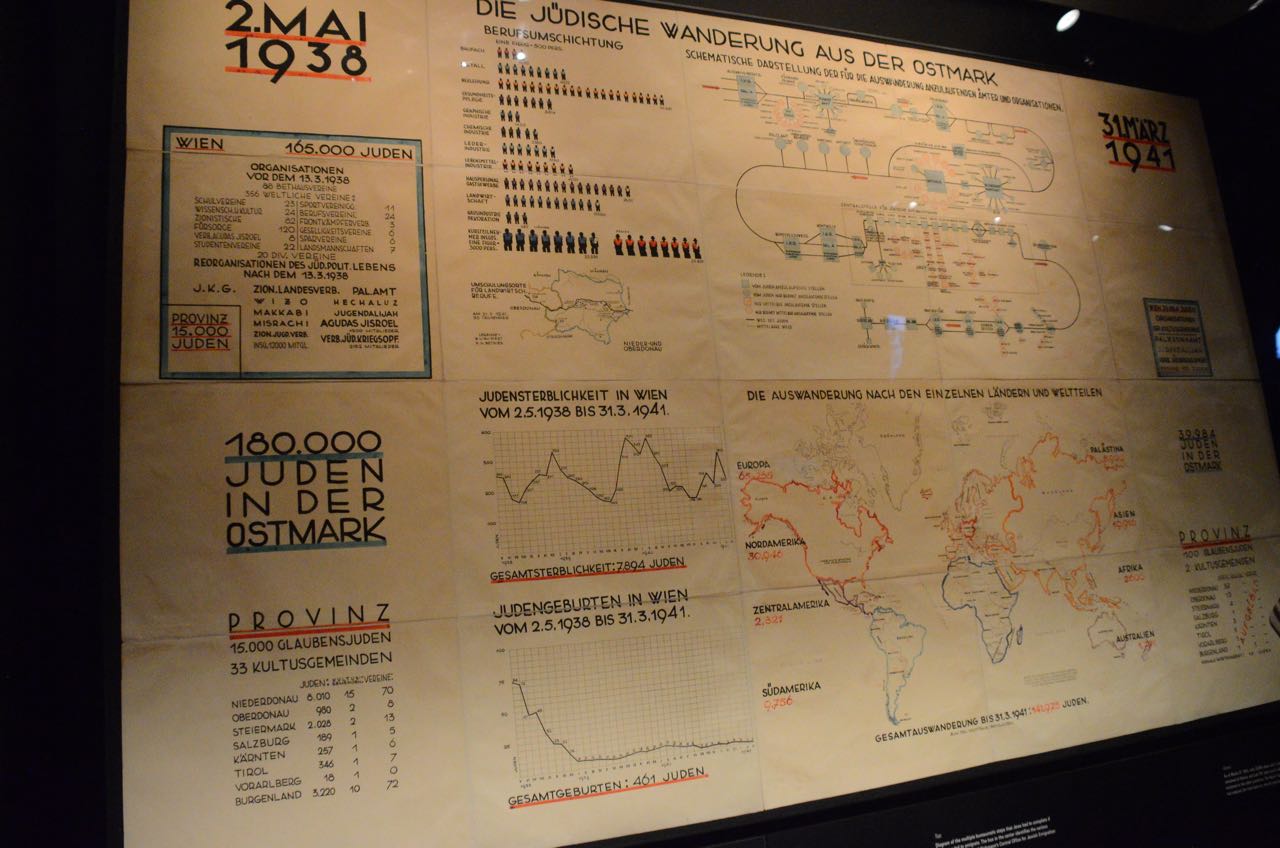
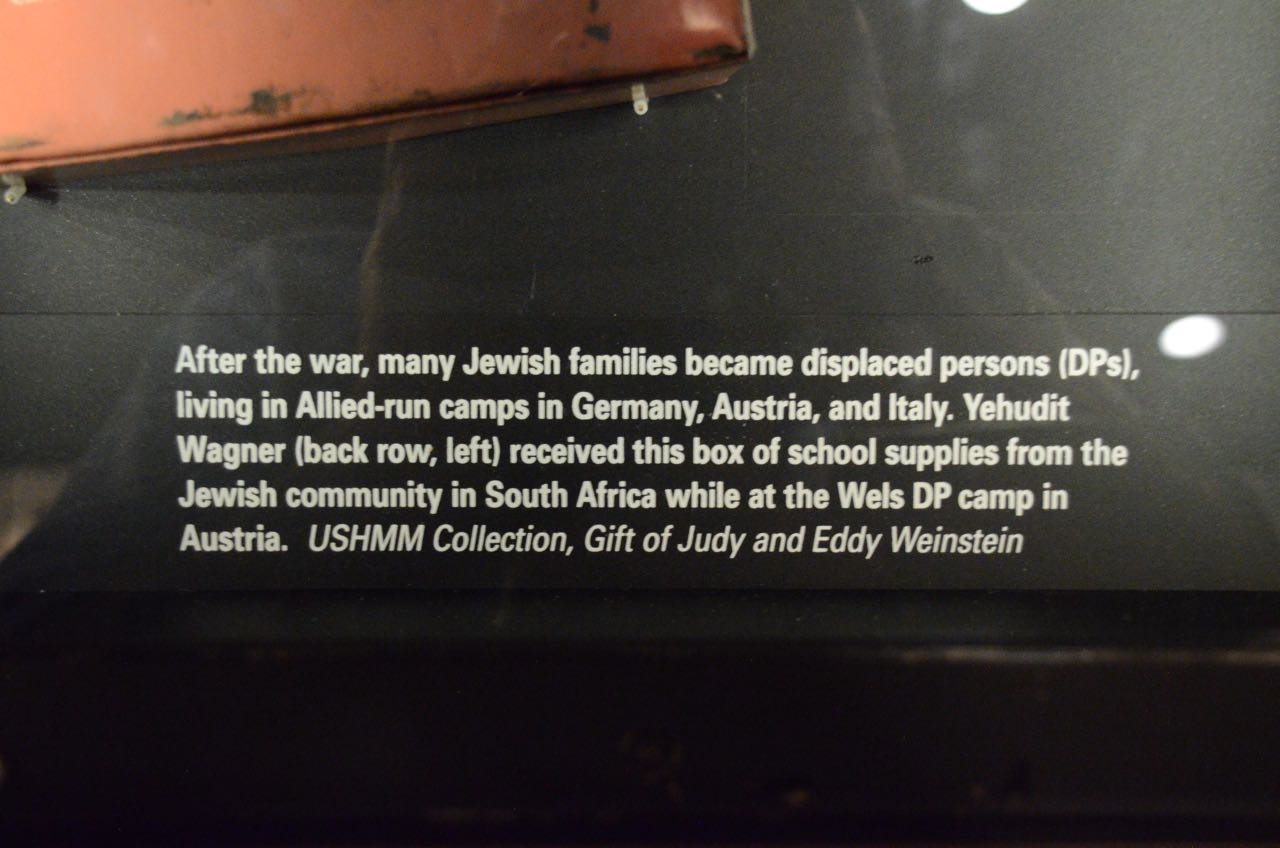
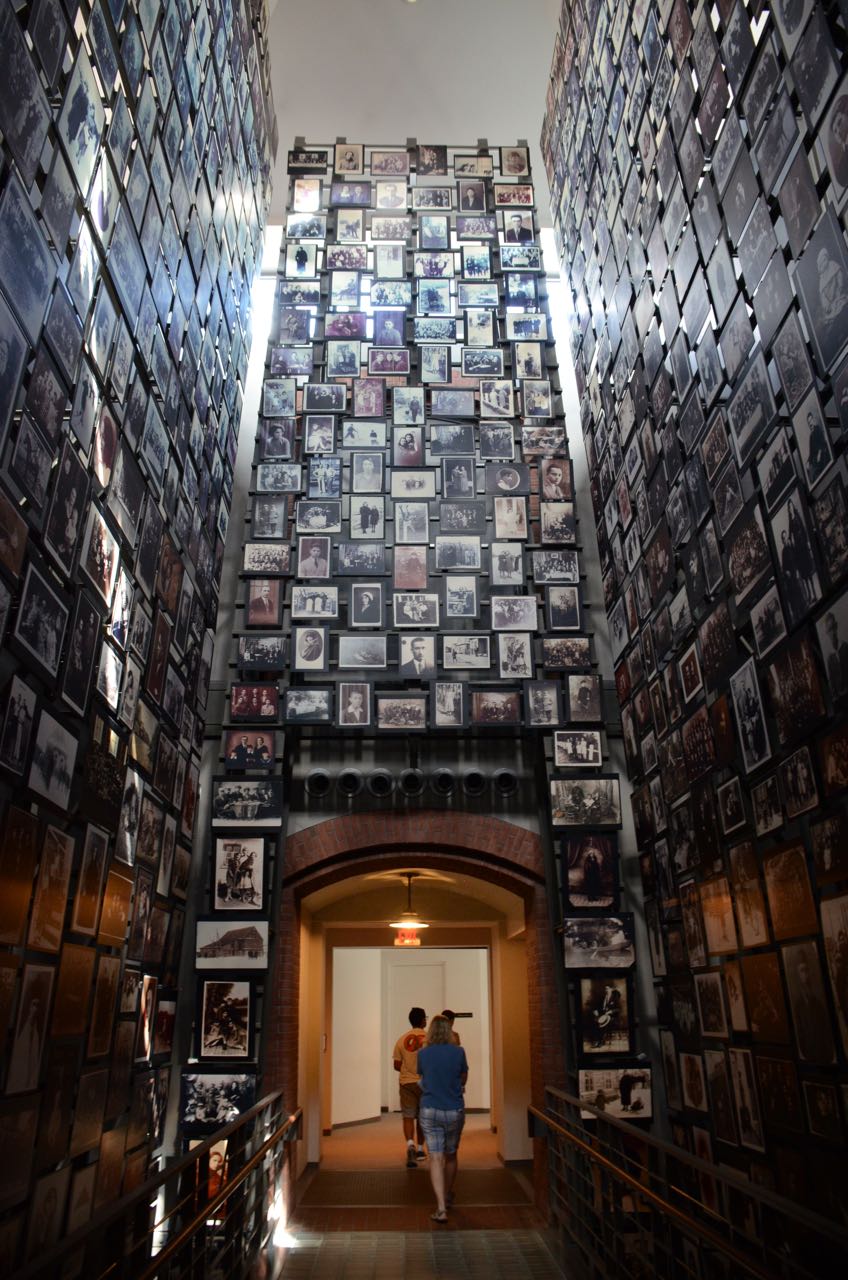
My Visit To US Holocaust Memorial Museum

DSC_0309

This was my first visit to the USHMM. My last visit to Washington DC was before the museum opened in 1980.

IMG_1358

 
Map of United States Holocaust Memorial Museum

United States Holocaust Memorial Museum 

Museum in Washington, D.C., United States of America
The United States Holocaust Memorial Museum is the United States’ official memorial to the Holocaust. Adjacent to the National Mall in Washington, D.C., the USHMM provides for the documentation, study, and interpretation of Holocaust history. Wikipedia
Address100 Raoul Wallenberg Pl SW, Washington, DC 20024, United States


IMG_1357

My photos:

DSC_0049 DSC_0051 DSC_0052 DSC_0053 DSC_0054 DSC_0055 DSC_0056 DSC_0063 DSC_0068 DSC_0285 DSC_0287 DSC_0300
<
>

The Permanent Exhibition:

DSC_0069 DSC_0071 DSC_0073 DSC_0074 DSC_0076 DSC_0077 DSC_0078 DSC_0079 DSC_0081 DSC_0083 DSC_0085 DSC_0087 DSC_0088 DSC_0094 DSC_0096 DSC_0097 DSC_0098 DSC_0100 DSC_0102 DSC_0103 DSC_0104 DSC_0108 DSC_0109 DSC_0110 DSC_0112 DSC_0114 DSC_0115 DSC_0116 DSC_0120 DSC_0123 DSC_0124 DSC_0125 DSC_0127 DSC_0133 DSC_0134 DSC_0139 DSC_0143 DSC_0144 DSC_0145 DSC_0147 DSC_0149 DSC_0150 DSC_0176 DSC_0216 DSC_0227 DSC_0175 DSC_0238 DSC_0249 DSC_0259 DSC_0263 DSC_0266 DSC_0267 DSC_0268 DSC_0273 DSC_0275 DSC_0276 DSC_0280 DSC_0281 DSC_0283 DSC_0289
<
>

Photos from Ejszyski, a Litvak shtetl

DSC_0154 DSC_0156 DSC_0157 DSC_0158 DSC_0161 DSC_0168 DSC_0169 DSC_0173 DSC_0174 DSC_0241 DSC_0243
<
>

Ghettos

DSC_0182 DSC_0183 DSC_0184 DSC_0187 DSC_0188 DSC_0192 DSC_0194 DSC_0195 DSC_0200 DSC_0203 DSC_0204 DSC_0211 DSC_0213
<
>

Three Minutes in Poland by Glenn Kurtz

A remarkable story which takes place in Nasielsk, Poland in 1938. Nasielsk is where my wife’s Reitstein / Rotsztejn family come from.

[iframe src=”http://kehilalinks.jewishgen.org/nasielsk/Kurtz.html” width=”100%” height=”1500″]

The original film is at the Steven Spielberg Film and Video Archive at USHMM

https://www.ushmm.org/online/film/display/detail.php?file_num=5216

Visit the Nasielsk KehilaLink:

http://kehilalinks.jewishgen.org/nasielsk

Let’s Catch Up At IAJGS In Seattle

Litvaks-on-the-Move

Hi from Perth, Australia.

I start my long 24 hour trek early tomorrow from Perth to Seattle.

I will be in Seattle until Tuesday evening.

I am giving a presentation at a South African Tea Party this Saturday afternoon. This will be of interest to those wanting to connect with their shtetl.
This talk is being held within walking distance from the Sheraton.

For more details, see:

http://elirab.me/litvak-portal

I plan to spend most of Monday and Tuesday meeting up with the many people I have communicated with via the 70 JewishGen KehilaLinks I write and manage.

These Jewish websites cover many countries and regions – Lithuania, Latvia, Estonia, Poland, Germany, Belarus, Russia, South Africa, Australia and China.

The list is here:

http://elirab.me/litvak-portal/kehilalinks/

If you would like to catch up with me to discuss these, your shtetl, heritage travel or just to say hello, email me at eli@elirab.com. I am likely to be near the lobby.

See you soon!

Best regards

Eli Rabinowitz
Perth, Australia
eli@elirab.com

Warsaw, Poland

With Helise Lieberman

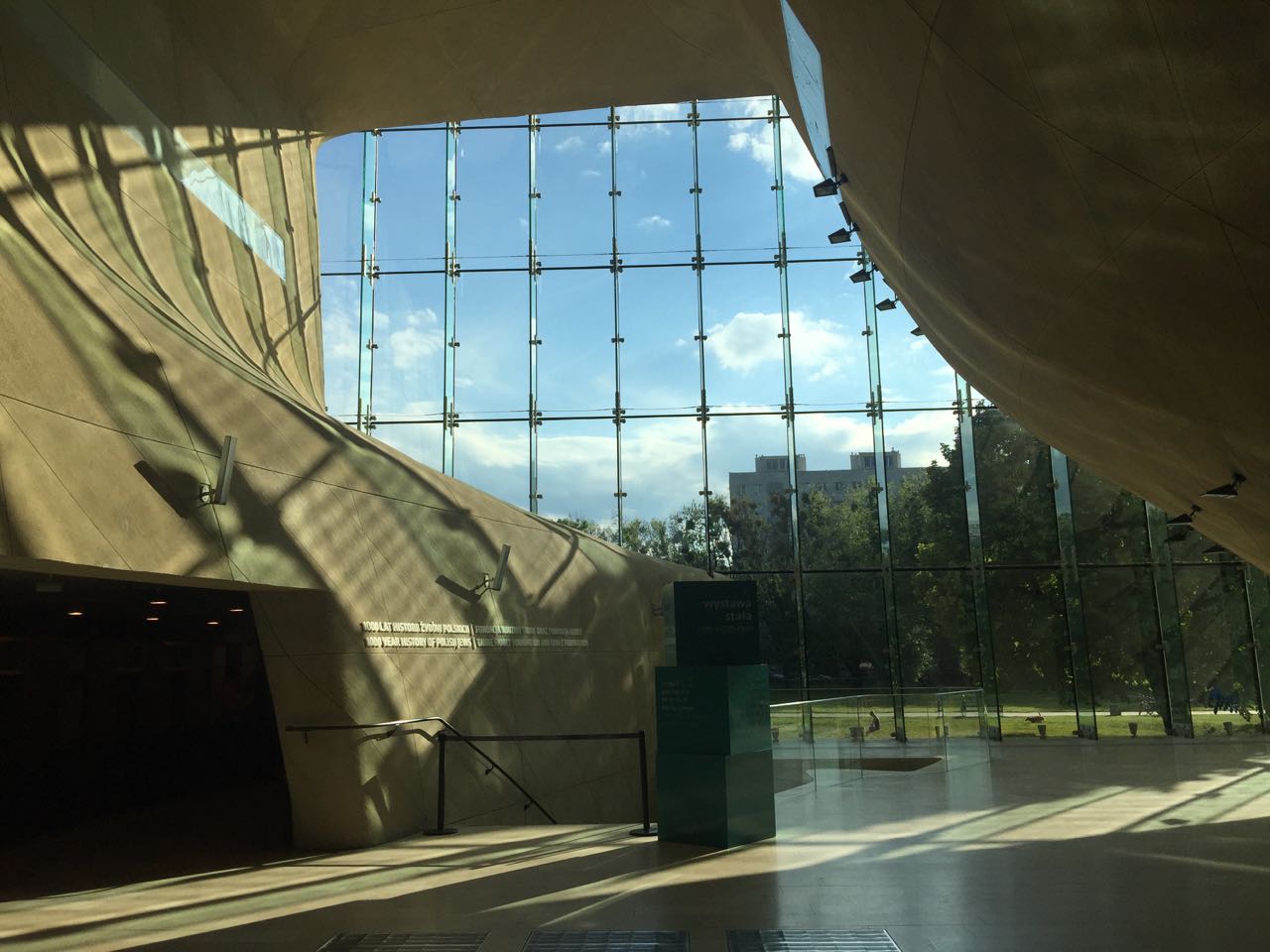
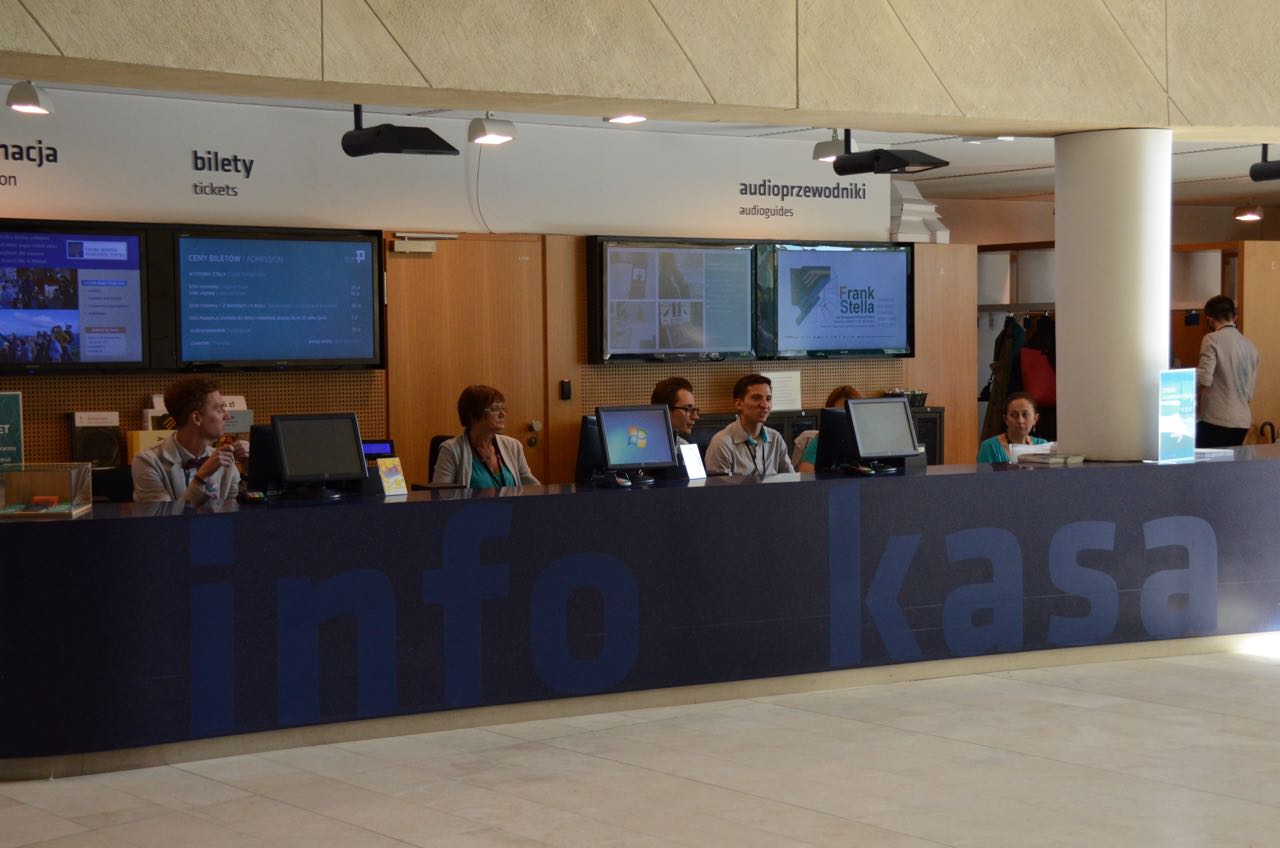
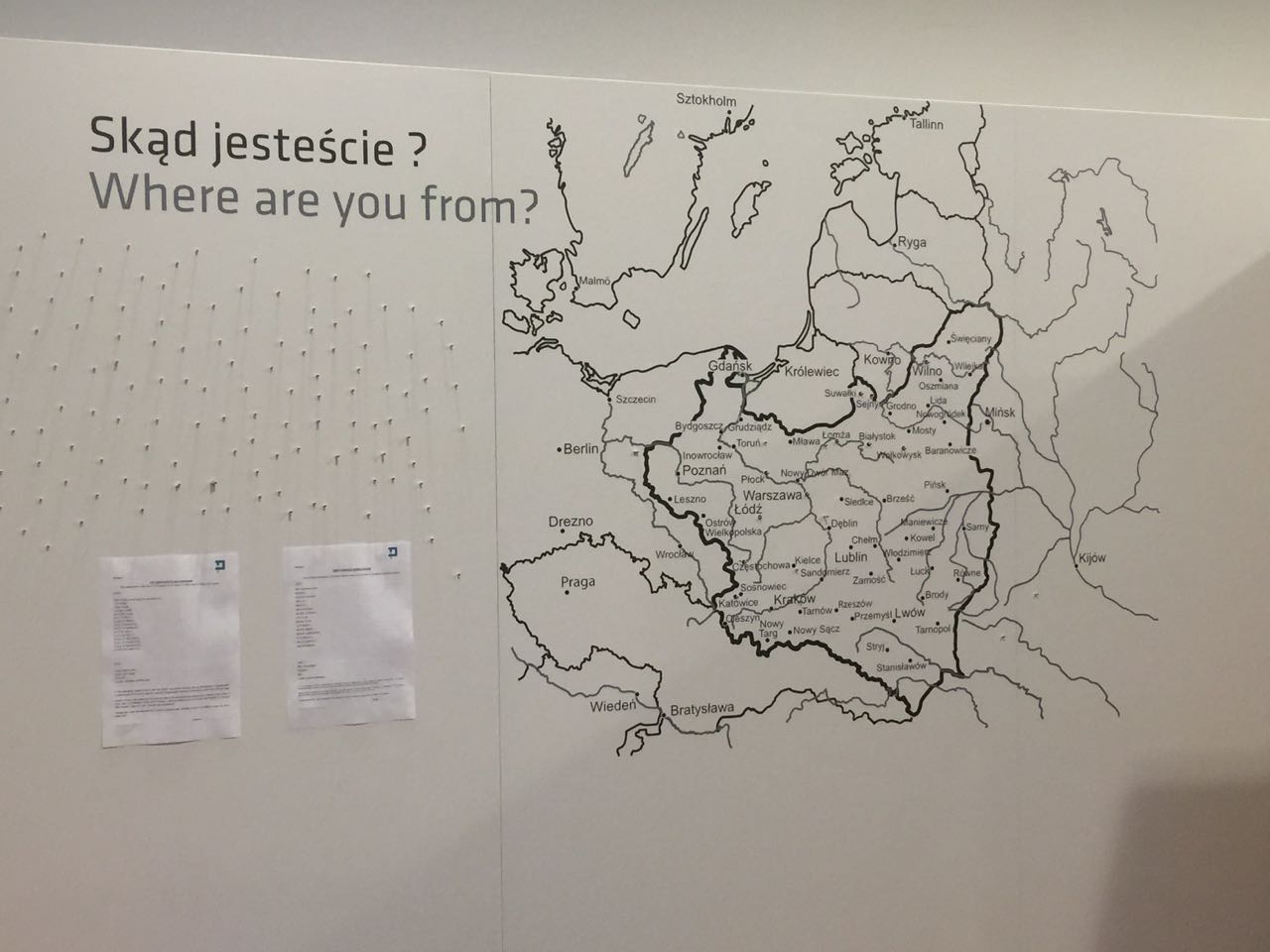
The Polin Museum

DSC_9346 IMG_8314 IMG_8378 IMG_8313 IMG_8405 IMG_8312 IMG_8311 IMG_8306 IMG_8309 DSC_9591 IMG_8305 IMG_8407 IMG_8412 IMG_8414 IMG_8483 IMG_8578 DSC_9588 IMG_8576 IMG_8588 DSC_9583 DSC_9606 DSC_9593 DSC_9610 DSC_9592 IMG_8587 DSC_9343 IMG_8318 IMG_8316 IMG_8315
<
>
Magdalena Mizgalska

POLIN Museum of the History of Polish Jews

From Wikipedia, the free encyclopedia
 
POLIN Museum of the History of Polish Jews
Muzeum Historii Żydów Polskich
Museum of the History of Polish Jews in Warsaw 011.JPG

The museum building
Established 2005 (opened April 2013)
Location Warsaw, Poland
Coordinates 52°14′58″N 20°59′34″E
Type Historical, cultural
Collection size History and culture of Polish Jews
Visitors expected 450,000
Director Dariusz Stola
Curator Barbara Kirshenblatt-Gimblett
Website Museum official website

POLIN Museum of the History of Polish Jews (PolishMuzeum Historii Żydów Polskich) is a museum on the site of the former Warsaw Ghetto. The Hebrew word Polin in the museum’s name means, in English, either “Poland” or “rest here” and is related to a legend on the arrival of the first Jews in Poland.[1] The cornerstone was laid in 2007, and the museum was first opened on April 19, 2013.[2][3] The museum’s Core Exhibition opened in October 2014.[4] The museum features a multimedia narrative exhibition about the vibrant Jewish community that flourished in Poland for a thousand years up to the Holocaust.[5] The building, a postmodern structure in glass, copper, and concrete, was designed by Finnish architects Rainer Mahlamäki and Ilmari Lahdelma.[6

History


President of the Republic of PolandLech Kaczynski, at the groundbreaking ceremony for the POLIN Museum, 26 June 2007

The idea for creating a major new museum in Warsaw dedicated to the history of Polish Jews was initiated in 1995 by the Association of the Jewish Historical Institute of Poland.[7] In the same year, the Warsaw City Council allocated the land for this purpose in Muranów, Warsaw’s prewar Jewish neighborhood and site of the former Warsaw Ghetto, facing the Monument to the Warsaw Ghetto Heroes. In 2005, the Association of the Jewish Historical Institute of Poland established a unique private-public partnership with the Polish Ministry of Culture and National Heritage and the City of Warsaw. The Museum’s first director was Jerzy Halbersztadt. In September 2006, a specially designed tent called Ohel (the Hebrew word for tent in English) was erected for exhibitions and events on the museum’s future location.[7]

An international architectural competition for designs for the building was launched in 2005, supported by a grant from the Ministry of Culture and National Heritage. On June 30, 2005 the jury announced the winner; a team of two Finnish architects, Rainer Mahlamäki and Ilmari Lahdelma.[8] On June 30, 2009 construction of the building was officially inaugurated. The project was to be finished in 33 months at a cost of PLN 150 million zlotyallocated by the Ministry and the City.[9] and a total cost of PLN 320 million zloty.[10][11]

The museum opened the building and began its educational and cultural programs on April 19, 2013 on the 70th Anniversary of Warsaw Ghetto Uprising. During the 18 months that followed, more than 180,000 visitors toured the building, visited the first temporary exhibitions, and took part in cultural and educational programs and events, including films, debates, workshops, performances, concerts and lectures. The Grand Opening, with the completed Core Exhibition, was on October 28, 2014.[12] The Core Exhibition documents and celebrates the thousand-year history of the Jewish community in Poland that was decimated by the Holocaust.[4][5]

In 2016 the museum won the European Museum of the Year Award from the European Museum Forum.[13]

DSC_6344

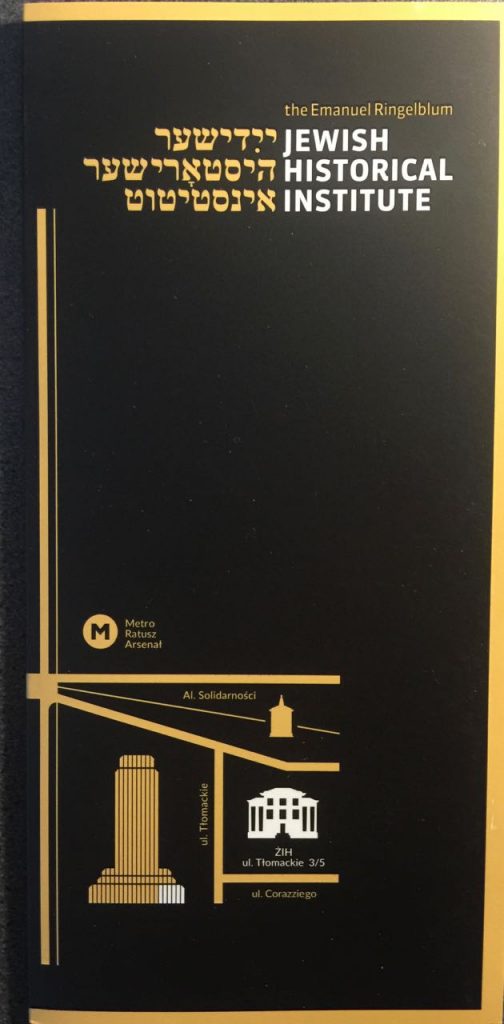
The Jewish Historical Institute

Three videos from Matan Shefi, whom I bumped in the street, not far from Polin

IMG_8577

Jewish Historical Institute

From Wikipedia, the free encyclopedia
 

The Jewish Historical Institute (PolishŻydowski Instytut Historyczny or ŻIH) is a research institute in WarsawPoland, primarily dealing with the history of Jews in Poland.

History

The Jewish Historical Institute was created in 1947 as a continuation of the Central Jewish Historical Commission, founded in 1944. The Jewish Historical Institute Association is the corporate body responsible for the building and the Institute’s holdings. The Institute falls under the jurisdiction of the Ministry of Culture and National Heritage. In 2009 it was named after Emanuel Ringelblum. The institute is a repository of documentary materials relating to the Jewish historical presence in Poland. It is also a centre for academic research, study and the dissemination of knowledge about the history and culture of Polish Jewry.

The most valuable part of the collection is the Warsaw Ghetto Archive, known as the Ringelblum Archive (collected by the Oyneg Shabbos). It contains about 6000 documents (about 30 000 individual pieces of paper).

Other important collections concerning World War II include testimonies (mainly of Jewish survivors of the Holocaust), memoirs and diaries, documentation of the Joint and Jewish Self-Help (welfare organizations active in Poland under the occupation), and documents from the Jewish Councils (Judenräte)

The section on the documentation of Jewish historical sites holds about 40 thousand photographs concerning Jewish life and culture in Poland.

The Institute has published a series of documents from the Ringelblum Archive, as well as numerous wartime memoirs and diaries.[1]

In 2011, Paweł Śpiewak, a Professor of Sociology at Warsaw University and former politician, was nominated as the Director of the Jewish Historical Institute by Bogdan Zdrojewski, Minister of Culture and National Heritage.[2]

The Nosyk Synagogue

Nożyk Synagogue

From Wikipedia, the free encyclopedia
 
 
Nożyk Synagogue
Synagoga Nożyków
 
Basic information
Location WarsawPoland
Geographic coordinates 52°14′10″N 21°00′04″ECoordinates52°14′10″N 21°00′04″E
Affiliation Orthodox Judaism
District Śródmieście
Ecclesiastical or organizational status Active Synagogue
Leadership Rabbi Michael Schudrich
Website http://www.warszawa.jewish.org.pl
Architectural description
Architect(s) Karol Kozłowski
Architectural style neoromanesque
Completed 1902
Construction cost 250.000 rubles
Specifications
Capacity 600
 

Interior of the synagogue

The Nożyk Synagogue (PolishSynagoga Nożyków) is the only surviving prewar Jewish house of prayer in Warsaw, Poland. It was built in 1898-1902 and was restored after World War II. It is still operational and currently houses the Warsaw Jewish Commune, as well as other Jewish organizations.

History

Before World War II the Jewish community of Warsaw, one of the largest Jewish communities in the world at that time, had over 400 houses of prayer at its disposal. However, at the end of 19th century only two of them were separate structures, while the rest were smaller chapels attached to schools, hospitals or private homes. The earliest Round Synagogue in the borough of Praga served the local community since 1839, while the Great Synagogue (erected in 1878) was built for the reformed community. Soon afterwards a need arose to build a temple also for the orthodox Jewry. Between 1898 and 1902 Zalman Nożyk, a renowned Warsaw merchant, and his wife Ryfka financed such temple at Twarda street, next to the neighbourhood of Grzybów and Plac Grzybowski. The building was designed by a famous Warsaw architect, Karol Kozłowski, author of the Warsaw Philharmonic Orchestra Hall.[1] The façade is neo-romanticist, with notable neo-Byzantine elements. The building itself is rectangular, with the internal chamber divided into three aisles.

The synagogue was officially opened to the public on May 26, 1902. In 1914 the founders donated it to the Warsaw Jewish Commune, in exchange for yearly prayers in their intention. In 1923 the building was refurbished by Maurycy Grodzieński, who also designed a semi-circular choir that was attached to the eastern wall of the temple. In September 1939 the synagogue was damaged during an air raid. During World War II the area was part of the Small Ghetto and shared its fate during the Ghetto Uprising and then the liquidation of the Jewish community of Warsaw by the Nazis. After 1941 the Germans used the building as stables and a depot. After the war the demolished building was partially restored and returned to the Warsaw Jewish Commune, but the reconstruction did not start. It was completely rebuilt between 1977 and 1983 (officially opened April 18, 1983). It was also then that a new wing was added to the eastern wall, currently housing the seat of the commune, as well as several other Jewish organizations.

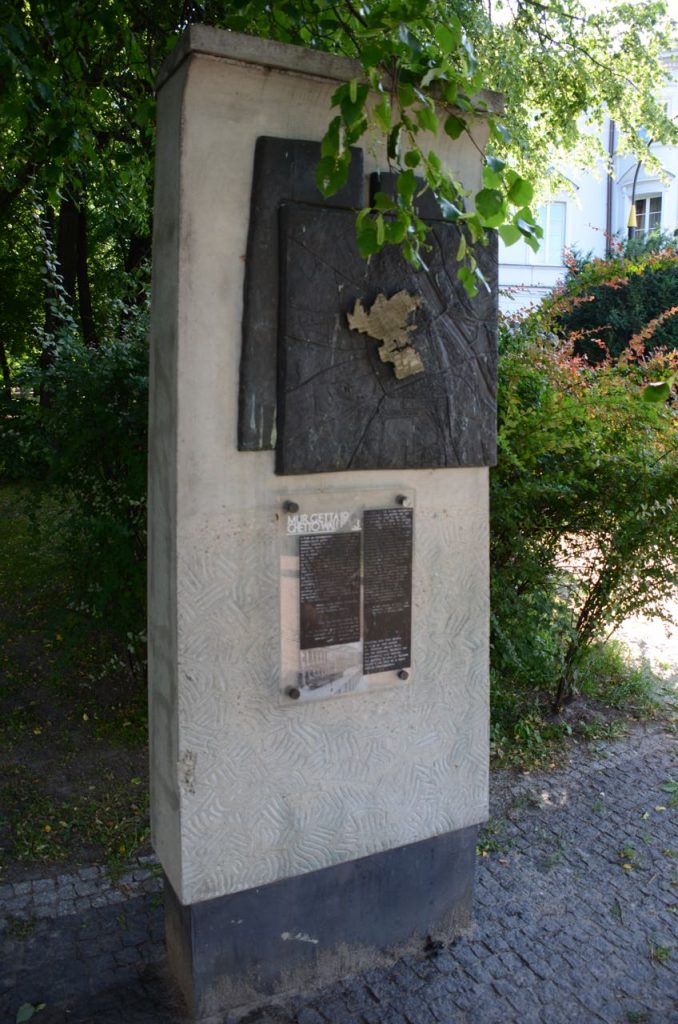
Ghetto Wall Marking

DSC_9324

DSC_9325

Meetings


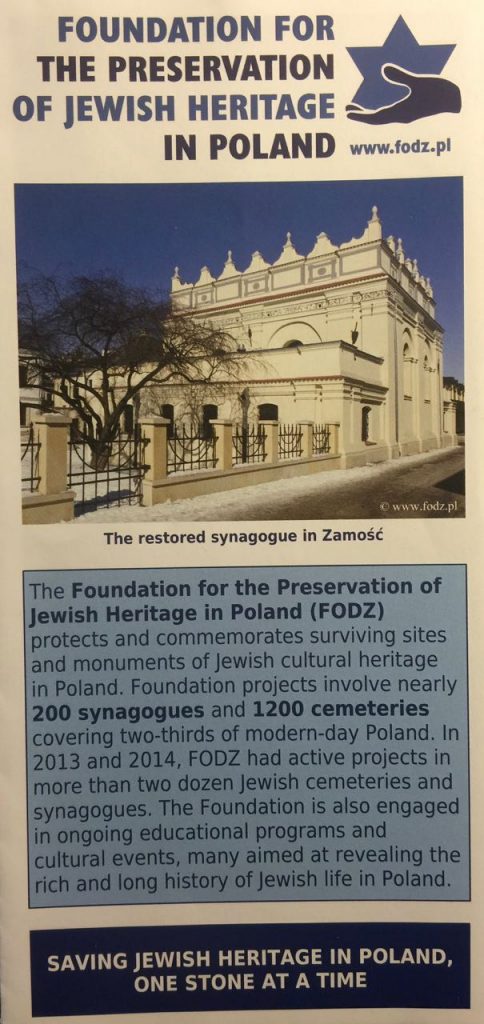
FODZ
FODZ

Forum-dialog

Chopin and Kopernicus

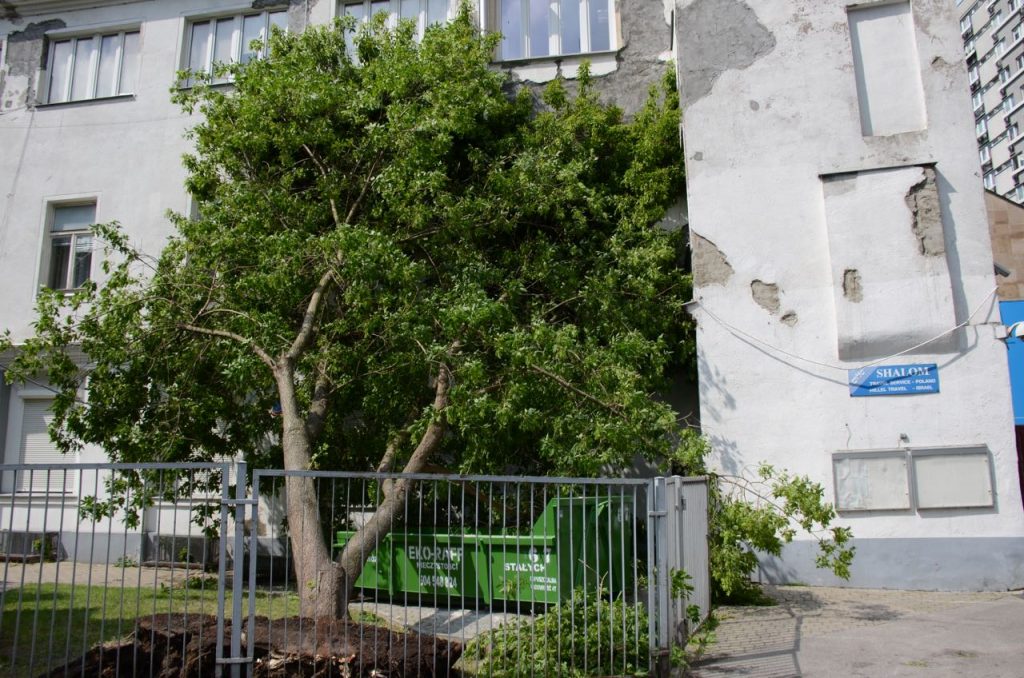
The Storm

DSC_9503 DSC_9507 DSC_9508 DSC_9538 DSC_9554 DSC_9561
<
>

The Tomb of the Unknown Soldier

Tomb of the Unknown Soldier

From Wikipedia, the free encyclopedia

The Tomb of the Unknown Soldier (PolishGrób Nieznanego Żołnierza) is a monument in WarsawPoland, dedicated to the unknown soldiers who have given their lives for Poland. It is one of many such national tombs of unknowns that were erected after World War I, and the most important such monument in Poland.[1]

The monument, located at Piłsudski Square, is the only surviving part of the Saxon Palace that occupied the spot until World War II. Since 2 November 1925 the tomb houses an unidentified body of a young soldier who fell during the Defence of Lwów. At a later date earth from numerous battlefields where Polish soldiers have fought was added to the urns housed in the surviving pillars of the Saxon Palace.

The Tomb is constantly lit by an eternal flame and assisted by a guard post by the Representative Battalion of the Polish Army. It is there that most official military commemorations take place in Poland and where foreign representatives lay wreaths when visiting Poland.

The changing of the guard takes place on the hour of every hour daily and this happens 365 days a year.

History

In 1923, a group of unknown Varsovians placed, before Warsaw’s Saxon Palace and the adjacent Saxon Garden, a stone tablet commemorating all the unknown Polish soldiers who had fallen in World War I and the subsequent Polish-Soviet War. This initiative was taken up by several Warsaw newspapers and by General Władysław Sikorski. On April 4, 1925, the Polish Ministry of War selected a battlefield from which the ashes of an unknown soldier would be brought to Warsaw. Of some 40 battles, that for Lwów was chosen. In October 1925, at Lwów’s Cemetery of the Defenders of Lwów, three coffins were exhumed: those of an unknown sergeant, corporal and private. The coffin that was to be transported to Warsaw was chosen by Jadwiga Zarugiewiczowa, mother of a soldier who had fallen at Zadwórze and whose body had never been found.

On November 2, 1925, the coffin was brought to Warsaw’s St. John’s Cathedral, where a Mass was held. Afterward eight recipients of the order of Virtuti Militari bore the coffin to its final resting place beneath the colonnade joining the two wings of the Saxon Palace. The coffin was buried along with 14 urns containing soil from as many battlegrounds, a Virtuti Militari medal, and a memorial tablet. Since then, except under German occupation during World War II, an honor guard has continuously been held before the Tomb.

Architecture

The Tomb was designed by the famous Polish sculptor, Stanisław Kazimierz Ostrowski. It was located within the arcade that linked the two symmetric wings of the Saxon Palace, then the seat of the Polish Ministry of War. The central tablet was ringed by 5 eternal flames and 4 stone tablets bearing the names and dates of battles in which Polish soldiers had fought during World War I and the Polish–Soviet War (1919–21). Behind the Tomb were two steel gratings bearing emblems of Poland’s two highest Polish military decorations — the Virtuti Militari and Cross of Valor.

During the 1939 invasion of Poland, the building was slightly damaged by German aerial bombing, but it was quickly rebuilt and seized by the German authorities. After the Warsaw Uprising, in December 1944, the palace was completely demolished by the Wehrmacht. Only part of the central colonnade, sheltering the Tomb, was preserved.

After the war, in late 1945, reconstruction began. Only a small part of the palace, containing the Tomb, was restored by Henryk Grunwald. On 8 May 1946 it was opened to the public. Soil from 24 additional battlegrounds was added to the urns, as well as more tablets with names of battles in which Poles had fought in World War II. However, the communist authorities erased all trace of the Polish–Soviet War of 1920, and only a few of the Polish Armed Forces’ battles in the West were included. This was corrected in 1990, after Poland had regained its political autonomy.

There are plans to rebuild the Saxon Palace, but as of May 2016, these plans have been indefinitely on hold due to a lack of budget.[citation needed]

The Hotel Bristol

Hotel Bristol, Warsaw

From Wikipedia, the free encyclopedia
 
Hotel Bristol, Warsaw
Hotel Bristol 2011.JPG

Hotel Bristol, Warsaw (2011)
General information
Location WarsawPoland
Address Krakowskie Przedmiescie 42/44
Opening November 19, 1901
Owner Towarzystwo Akcyjne Budowy i Prowadzenia Hotelów, (1901-1928),
Bank Cukrownictwa (1928-1948),
City of Warsaw (1947-1952),
Orbis (1952-1977),
University of Warsaw (1977-1981),
Orbis (1981-2011),
Rosmarinum Investments (2011-)
Management Starwood Hotels
Design and construction
Architect Władysław Marconi
Other information
Number of rooms 168
Number of suites 38
Website
www.hotelbristolwarsaw.pl

Hotel Bristol, Warsaw is a historic luxury hotel opened in 1901 located on Krakowskie Przedmieście in Poland‘s capital, Warsaw

History


Hotel Bristol in 1901

The Hotel Bristol was constructed from 1899-1900 on the site of the Tarnowski Palace by a company whose partners included Polish pianist Ignacy Jan Paderewski. A competition was held for the design of the building, and architects Thaddeus Stryjeriski and Franciszek Mączyński won with their Art Nouveau design. However the builders decided to change the style to a Neo-Renaissance design, and brought in architect Władysław Marconi to design the final hotel. Some of its interiors were designed by the noted Viennese architect Otto Wagner. The cornerstone was laid on April 22, 1899 and the hotel was dedicated on November 17, 1901 and opened on November 19, 1901.


Elegant cafe in the Bristol designed by Otto Wagner, 1901

After Poland gained its independence in 1919, Paderewski became the Prime Minister and held the first session of his government at his hotel. Paderewski and his partners sold their shares in the hotel in 1928 to a local bank, which renovated the hotel in 1934 with modern interiors by designer Antoni Jawornicki.

Upon the German invasion in 1939, the hotel was made into the headquarters of the Chief of the Warsaw District. It miraculously survived the war relatively unscathed, standing nearly alone among the rubble of its neighborhood. Following the war, the hotel was renovated and reopened in 1945.


Hotel lobby

The City of Warsaw took over operation of the hotel in 1947 and it was nationalized in 1948 and joined the state-run Orbis chain in 1952, exclusively serving visitors from abroad. By the 1970s its outdated facilities had seen it demoted to a second class ranking by the government and the hotel was donated by Prime Minister Peter Jaroszewicz to the University of Warsaw in 1977 to eventually serve as their library. It closed in 1981. However no work was done and the building languished through the waning days of the Communist government.

After the fall of Communism in 1989, the hotel was finally completely restored it to its former glory from 1991-1993, with the original interiors of the public rooms recreated to match the 1901 designs. The Bristol was reopened on April 17, 1993, with Margaret Thatcherin attendance, as part of the British Forte Hotels chain. From 1998 to 2013, the hotel was part of the Le Méridien hotel chain. The exterior was further restored in 2005, and the interior redecorated in 2013, after which the hotel joined The Luxury Collection division of Starwood Hotels.

Warsaw Uprising Youth Monument

Mały Powstaniec

From Wikipedia, the free encyclopedia
 
The Little Insurgent
Mały Powstaniec
Pomnik Malego Powstanca.JPG
Coordinates 52°14′59″N 21°0′34″ECoordinates52°14′59″N 21°0′34″E
Location Warsaw Old TownWarsawPoland
Designer Jerzy Jarnuszkiewicz
Material Bronze sculpture
Completion date 1 October 1983
Dedicated to The child soldiers of the Warsaw Uprising

Mały Powstaniec (the “Little Insurgent”) is a statue in commemoration of the child soldiers who fought and died during the Warsaw Uprising of 1944. It is located on Podwale Street, next to the ramparts of Warsaw’s Old Town.

The statue is of a young boy wearing a helmet too large for his head and holding a submachine gun. It is reputed to be of a fighter who went by the pseudonym of “Antek”, and was killed on 8 August 1944 at the age of 13. The helmet and submachine gun are stylized after German equipment, which was captured during the uprising and used by the resistance fighters against the occupying forces.

Jerzy Jarnuszkiewicz[1] created the design for the monument in 1946, which was later used to make smaller copies of its present state. The statue was unveiled on October 1, 1983 by Professor Jerzy Świderski – a cardiologist who was a courier for the resistance during the uprising (pseudonym: “Lubicz”) serving in the Gustaw regiment of the Armia Krajowa. Behind the statue is a plaque with the engraved words of “Warszawskie Dzieci” (“Warsaw Children”), a popular song from the period: “Warszawskie dzieci, pójdziemy w bój – za każdy kamień twój, stolico damy krew” (“We’re the children of Warsaw, going into battle – for every stone of yours, we will give our blood”).

More Warsaw

Warsaw at night

Kiev ORT NKV#141 High School

IMG_7617 (1)

My first visit to Ukraine

IMG_7554 IMG_7561 IMG_7562 IMG_7570 IMG_7574 IMG_7575
<
>


Map of Kiev Ukraine
Kiev
Capital of Ukraine
Kiev is the capital city of Ukraine, bisected by the Dnieper River and known for its religious architecture, secular monuments and history museums. The 11th-century Kiev Pechersk Lavra is a monastery and pilgrimage site encompassing several gold-domed churches. It’s known for its catacombs lined with the burial chambers of Orthodox monks, and a collection of gold objects from ancient Scythian times.
Area839 km²
Elevation179 m
Population2.804 million (2013) UNdata
Kiev Pechersk Lavra
Kiev Pechersk Lavra
Saint Sophia's Cathedral, Kiev
Saint Sophia’s Cathedral…
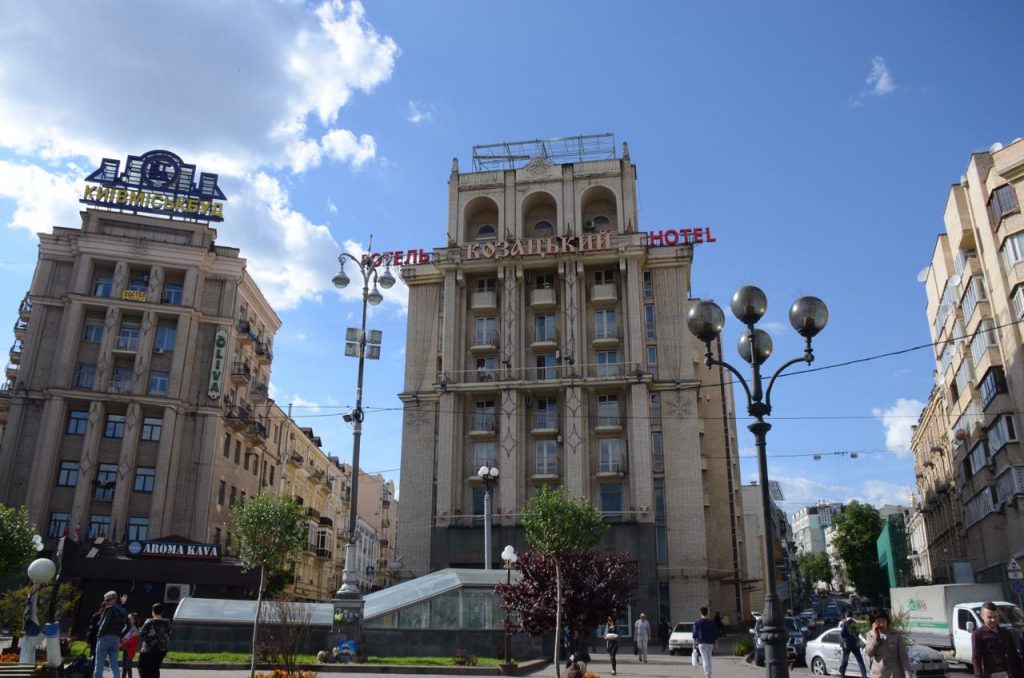
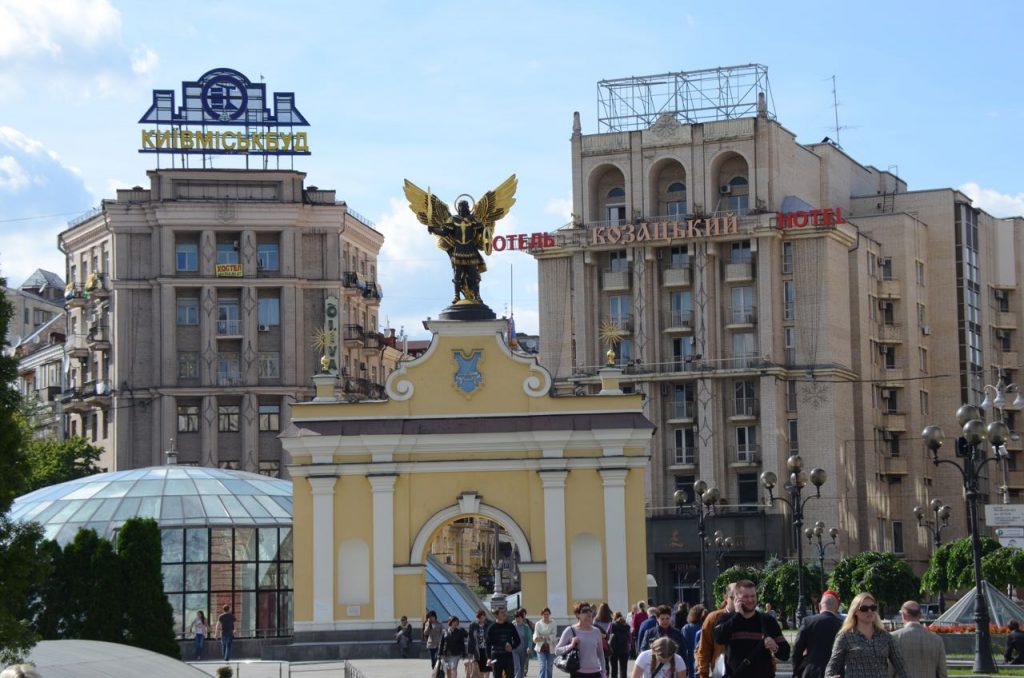
Maidan Nezalezhnosti
St Andrew's Church, Kiev
St Andrew’s Church, K…
Museum of The History of Ukraine in World War II
Museum of The History of Ukrain…


My visit to this very impressive school
Thanks to David Benish, ORT regional director in the FSU and his assistant Mila Finkelshtein for organising my tour of the school. Thanks also to teacher Nataliia Lepatina for showing me around and introducing me some of the wonderful staff and students.

IMG_7577 DSC_6068 IMG_7616 DSC_6040 DSC_6035 DSC_6041 DSC_6042 IMG_7629 IMG_7632 DSC_6044 DSC_6046 DSC_6037 DSC_6047 DSC_6050 DSC_6053 DSC_6069 DSC_6058 IMG_7578 IMG_7595 IMG_7605 IMG_7611 IMG_7610 IMG_7614 IMG_7623 DSC_6060 DSC_6061 DSC_6062
<
>
With Nataliia Lepatina and David Benish

Nataliia shows me around

English teacher Marina Pysanets talks about Centropa

Independence Square  – Maidan Nezalezhnosti

Maidan Nezalezhnosti is the central square of Kiev, the capital city of Ukraine. One of the city’s main squares, it is located on Khreshchatyk Street in the Shevchenko Raion. Wikipedia


DSC_6072 DSC_6073 DSC_6074 DSC_6075 DSC_6076 DSC_6080 DSC_6081 DSC_6083 DSC_6085 DSC_6087 DSC_6090 DSC_6091 DSC_6093 DSC_6095 DSC_6100 DSC_6101 DSC_6102 DSC_6103 DSC_6106 DSC_6110 DSC_6112 DSC_6113 DSC_6118 DSC_6119 DSC_6120 DSC_6124
<
>


IMG_7638 IMG_7639 IMG_7640 IMG_7641 IMG_7642 IMG_7643 IMG_7644 IMG_7645
<
>


Kiev ORT Educational Complex #141 (former ORT Technology Lyceum), Kiev

Kiev ORT Technology Lyceum and the ORT Technological Center in Kiev were opened as the result of cooperation between World ORT and the city’s educational authorities, with the help of generous support from Milton and Shirley Gralla, the Rita J. & Stanley H. Kaplan Family Foundation and Ron Baron. In 2015 ORT Technology Lyceum moved to the premises of the secondary school #141 and was fully reconstructed thanks to the generosity of World ORT donors and the cooperation of local authorities.  From September 1st, 2015 the Lyceum got the name “Kiev ORT Educational Complex #141”.

Name of School Kiev ORT Technology Lyceum
Location Kiev/Ukraine
Type ORT institution
Age range Junior High, High School, Adult education and training
Students 887
Teachers 85

Educational Activities and Competitions

Training at the Educational Complex will be provided in four stages: pre-school, 1st degree comprehensive school, 2nddegree specialized school with advanced study of foreign languages and information technologies and technological lyceum. Alongside the general education provided in accordance with the Ukrainian National Curriculum, the school specializes in two advanced tracks of study: Jewish education, technology education and English. Curricula for these tracks make use of modern computer technology, interdisciplinary study and project-based learning. In addition, students will be able to use ICT in the study of mathematics and humanities.

Students of the Complex actively participate in the work of the Minor Academy of Sciences of Ukraine at the Kiev Centre of Creativity for children and young people. A large number of students have taken part in science conferences and have become the members of the Academy. The School has been selected to be a Pathfinder School as part of Microsoft’s Partners in Learning Innovative Schools Program.

The school participates in “Robotraffic” international competition in the modelling and controlling robocars which traditionally take place in the Robotics Leumi Center of the “Technion” Institute in Haifa (Israel). Robotics teams successfully participate and usually took the prizes at Festival-Competition of Robotics among students and teachers of ORT network schools in the CIS and Baltic States.

Jewish Education

The main goals of Jewish education at the School are strengthening the Jewish identity of the students and consolidating their ties with Israel.

Hebrew language is studied for three hours per week by students from the 1st to the 11th grade. The curriculum has traditionally followed the Heftsiba program, but in 2011-12 the new NETA program has been implemented in the 6th – 9th grade. The aim of the School’s Hebrew tuition is effective development of the students’ spoken language skills, so that they can communicate about a variety of topics.

Informal Jewish Education

This significant part of the Jewish studies curriculum consists of after school activities. Students learn how to prepare for and celebrate Jewish holidays – for example, organizing activities for their classmates and for younger students on Chanukah and Purim.  Students also participate in hadracha (leadership) training, Shabbatonim and “Masa Shorasim” – an experiential educational trip within the Ukraine on which students trace the Jewish history of the region through visiting places of both Jewish destruction and Jewish life.

Technology Education

This course runs in the 5th and 6th grades. Students learn “Modeling technology of simple structures and mechanisms” and “Technology of technological systems design” (study of the concept and principles of design, construction and performance of simple technological systems). The program of these courses was developed by the teachers of School and was approved by the Ministry of Education and Science of Ukraine.

Professional Training Courses

From 2006 the local branch of the prestigious Cisco Networking Academy began its operations, using the Lyceum as its base. It was the first time in Ukraine that school students could study on the “Cisco IT Essentials” course. The aim of the course is to give pupils detailed knowledge in the field of hardware support and network technologies. Pupils develop skills in repair of PCs and set-up of operational systems.

A number of courses are now given on the base of Cisco Academy: Get Connected, Internet of Everything, Be Your Own Boss, Entrepreneurship, Linux Essentials, IT Essential, CCNA, CCNA Security.

Grants

In 2007 the school became a member of the UNESCO Associated Schools Project Network (ASPnet). Member institutions work in support of international understanding, peace, intercultural dialogue, sustainable development and quality education.

In 2009 Hewlett Packard and World ORT opened a GET-IT (Graduate Entrepreneurship Training through IT) Centre on the school’s premises. As a result, one of the school’s classrooms was completely equipped with laptops and a variety of other facilities with the purpose of helping students to develop the skills for opening their own businesses after graduation.

Contributions to the National Education System

  • From 2005 ORT Technology Lyceum has the status of an experimental base for the Ministry of Education and Science of Ukraine. Its achievements in the field of ICT and up-to-date technical facilities are well-known, and the school shares its experience with educators from across the city.
  • A variety of seminars and workshops for teachers and principals from other schools are held at the School throughout the year. The school hosts a number of city and district Olympiads.
  • ORT Technology lyceum was “accredited with honour” in 2011 by the state authorities.
  • A lot of students and teachers of ORT Educational Complex annually become winners of city, regional, All-Ukrainian and International competitions and Olympiads.


Innovative School chosen by Microsoft


ORT Student in Kiev

The ORT Kiev Technology Lyceum in the Ukraine has been chosen by Microsoft to join its small, international group of innovative schools.

The ORT Kiev Technology Lyceum has become the only school in Ukraine to be chosen by Microsoft to join its small, exclusive international group of innovative Pathfinder Schools.

It was one of 56 schools selected from 114 applicants in 48 countries to join the Microsoft Partners in Learning Innovative Schools Program, a ten-year, $500 million commitment by the company to help schools and teachers use technology to advance teaching and learning more effectively.

“The fact that this Lyceum is the only school in Ukraine chosen for this role is further recognition of ORT’s leading position in education in that country,” said Shelley B. Fagel, National President of ORT America, whose American donors are committed to implementing innovative technologies and modern educational practices at ORT schools throughout the CIS and Baltic States.  “This is yet another prime example of how our donors’ dollars are helping to foster excellence, no matter how great the challenges.”

Despite ongoing funding challenges – which have resulted in teachers being poorly paid, the end to free hot lunches and school bus service – the ORT Kiev Technology Lyceum has consistently managed to raise its educational standards, increase student enrolment and retain skilled staff despite the lure of higher pay at the city’s other private schools.

Microsoft’s acceptance letter states:  “The ORT Kiev Technology Lyceum has demonstrated strong school leadership with a proven record of innovation and successful change implementation, and a vision for learning that has already started the school on the road to reform and improvement.”

Participating in this project will provide the school with the opportunity to share experience in the use of innovative technologies in education with other schools from around the world.

ORT Kiev’s first taste of Microsoft’s Innovative Schools Program will be at the Innovative Education Forum in Cape Town, South Africa next month. There, the school will work together with five other Pathfinder schools, two mentor schools and a third party coach, which will form the team in implementing the Pathfinder program.

Over the next 12 months, ORT Kiev will be able to access leading educators in fields relating to innovation and school transformation via Microsoft’s Virtual University training sessions. Additionally, ORT Kiev’s teachers will participate in on-going professional conversations through on-line forums, wikis, and blogs as well as in face-to-face meetings.

The school will be encouraged to work with others in the program to rethink all aspects of school life – from the structure of the day and the use of technology in the curriculum to ensuring that teachers have the space and time to bring innovative practices to the classroom.

The ORT Kiev school’s selection as a Microsoft Pathfinder School brings it shoulder-to-shoulder with the ORT de Gunzburg High School in St Petersburg, which last year became the sole Russian school to achieve this distinction.  Microsoft has already given ORT de Gunzburg its SharePoint software. Worth more than $10,000, the software allows users to consolidate intranet, extranet, and Internet sites on a single platform.

Kalvarija Gymnazija & Survivor Meiškė Segalis

IMG_7343

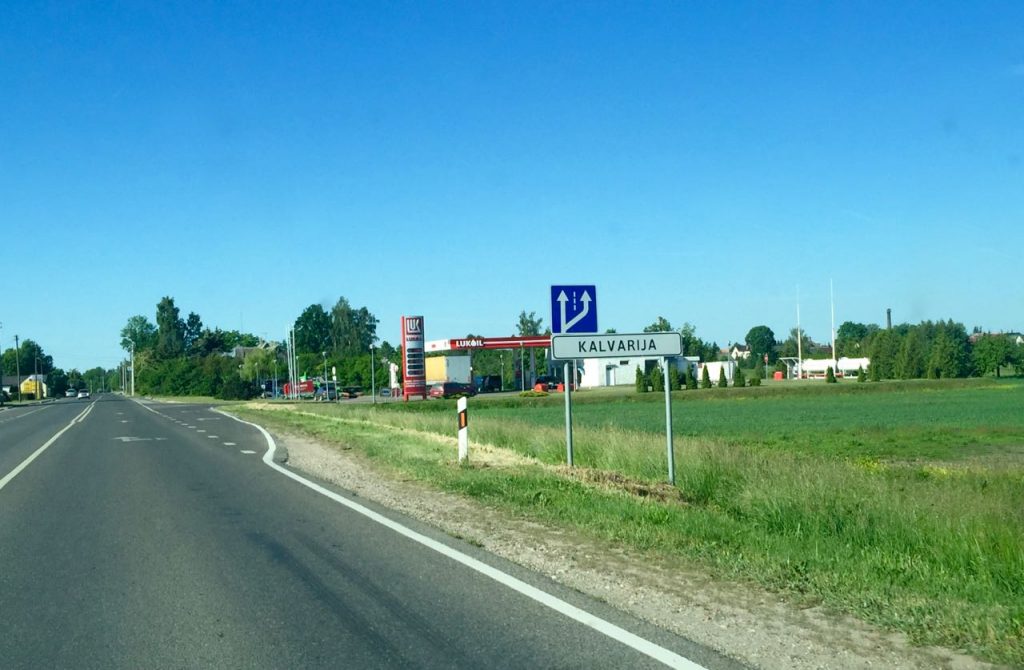
Kalvarija, Lithuania
City in Lithuania
Kalvarija is a city in southwestern Lithuania, located in the Marijampolė County, close to the border with Poland. Wikipedia
Population5,066 (2005)


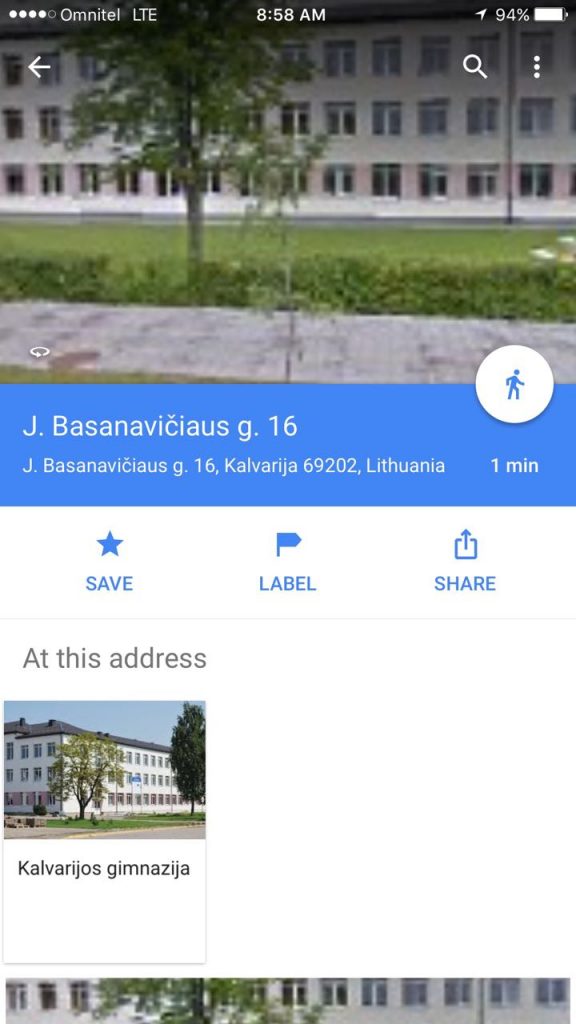
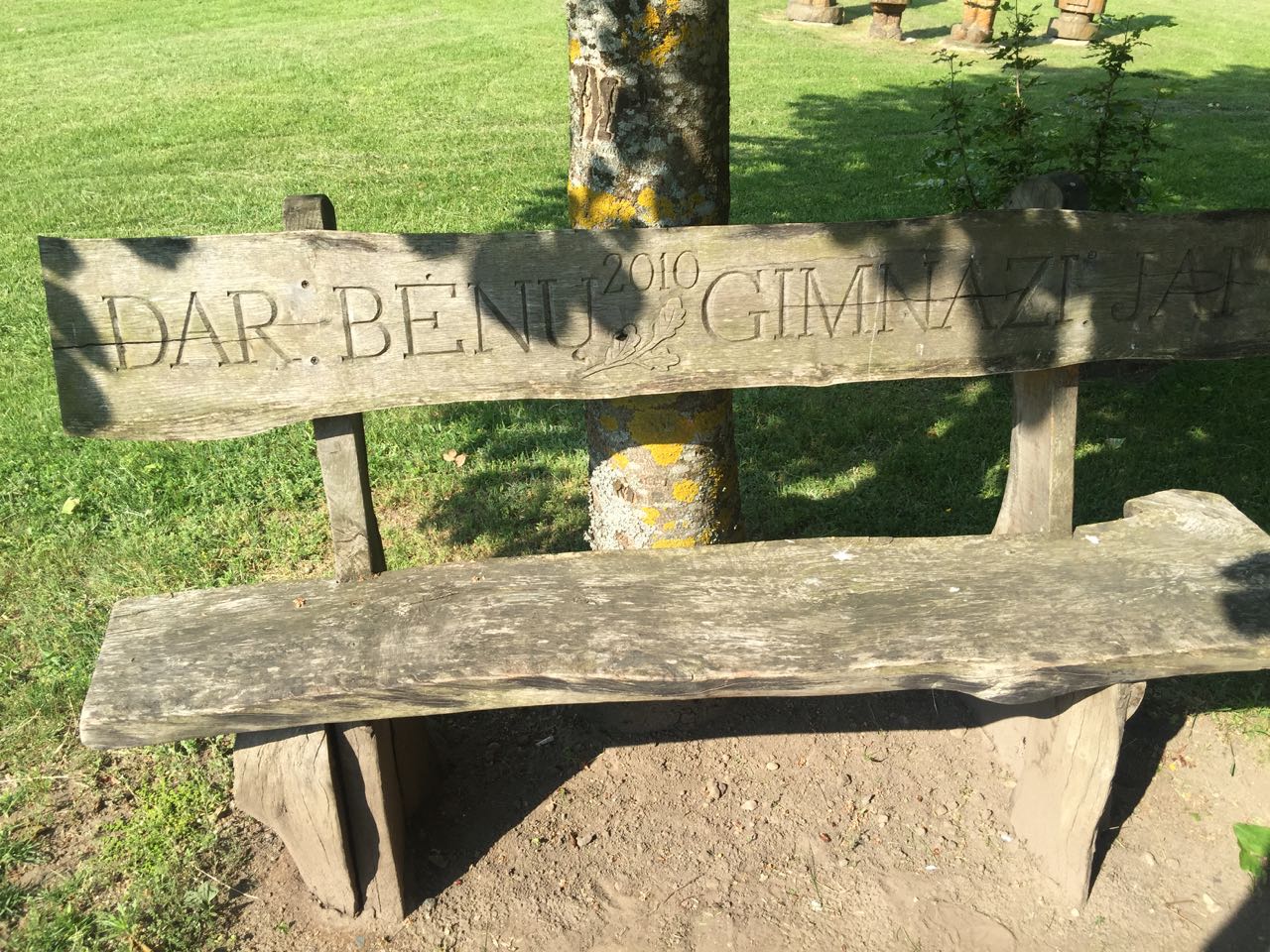
The Kalvarija Gymnazija

IMG_7344

 
DSC_6025 DSC_5988 DSC_5961 DSC_5990 DSC_6024
<
>

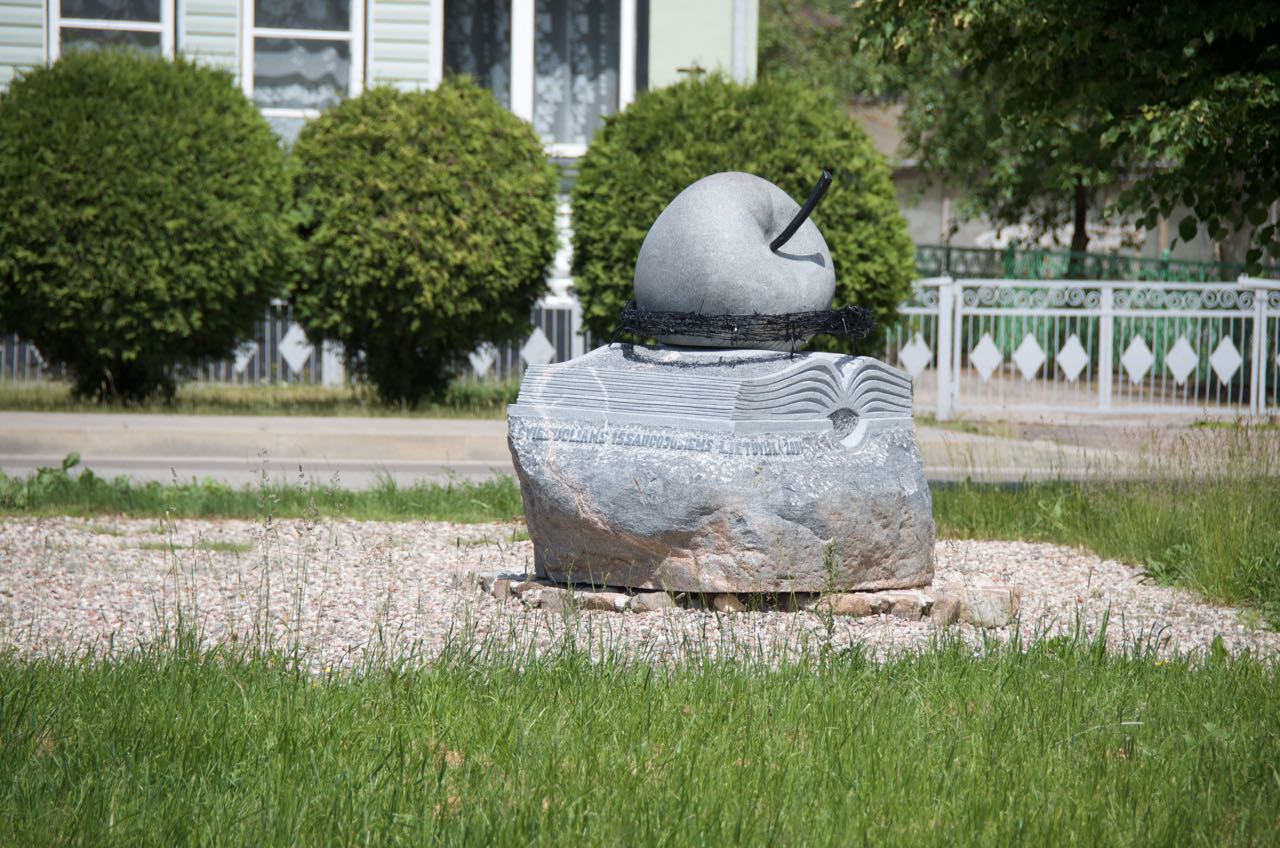
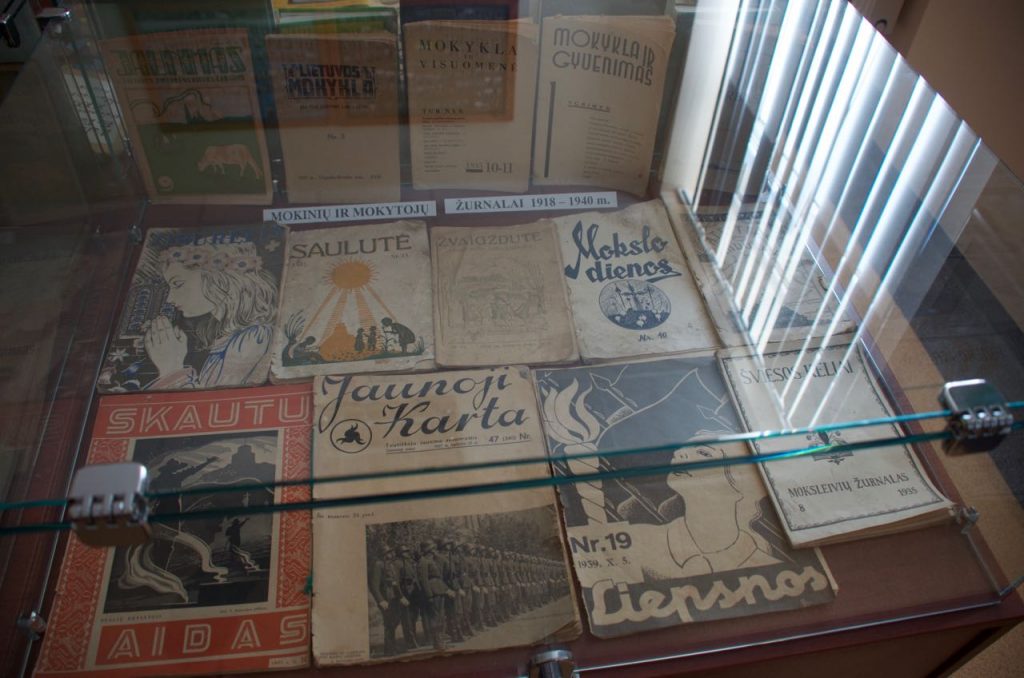
The library and museum

DSC_5982 DSC_5962 DSC_5965 DSC_5966 DSC_5967 DSC_5969 DSC_5973 DSC_5974 DSC_5975 DSC_5976 DSC_5980 DSC_5981 IMG_7397 IMG_7398 IMG_7387 IMG_7389 IMG_7395
<
>

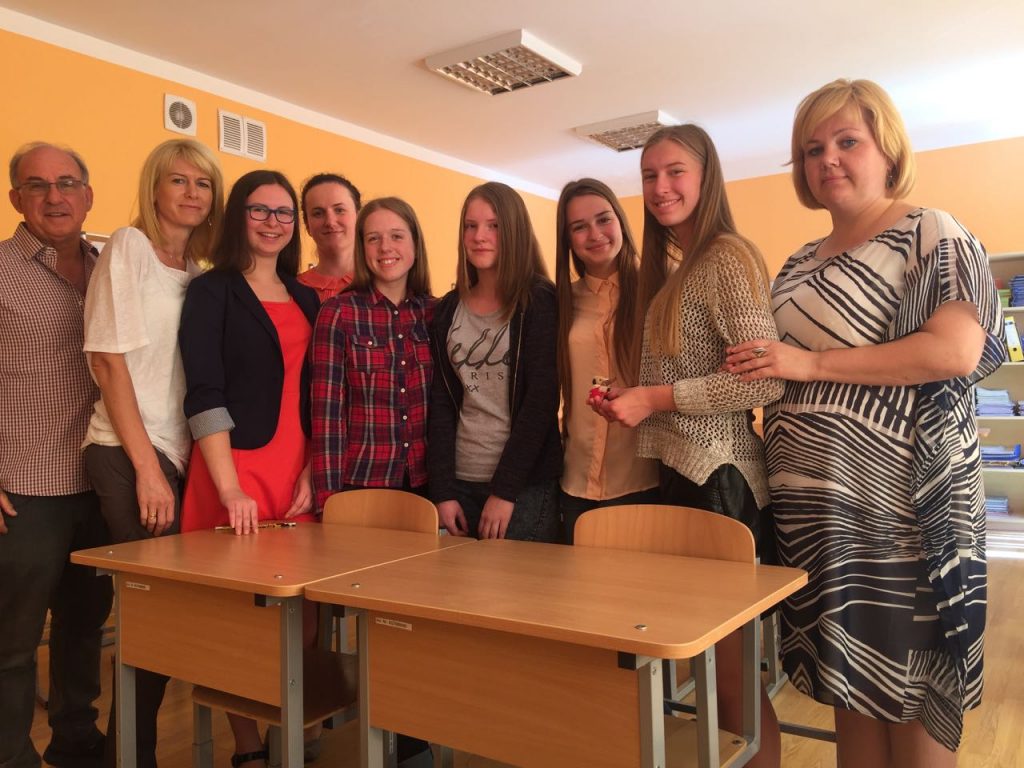
The students with teachers – Daura & Arune – History & Giedre – English

IMG_7366

The Turkish exchange students

IMG_7384

Giedre talking about the visiting Turkish students

Video presentation by students – Meiškė Segalis


Meiškė Antanas Segalis- Miliauskas was born in about 1938 (original birth certificate is missing), his father Abraom-Povilas Segalis, who was born in 1920 ,was an artistic personality both a painter and an artist. He was a baptised Jew, his mother Adelė Balevičiūtė Segalienė Miliauskienė was a Lithuanian, she was a maiden and after the war a shop-assistant.


In summer 1941, father together with other Jews was taken to the stables. (It was built in the place where the boiler house is nowadays). Father was with son while mother was free. On the execution day, standing close to the ditch, father was ordered to give the son to the guard who later handed him to mother. At the shooting site (the beginning was on the hill, downside the military barracks, close to the old lime tree) there were three ditches as big as the area, later the corps were covered with something white ( most probably calx).

A rescued son was hidden at mother‘s friend Maryte Griciute home in Rugiu street in Marijampole. (The second house on the corner) She was a single woman looking after parents‘ farm.She was also Adele‘s peer and lived in the neighbourhood. A child lived quite freely and called her “Mom Maryte“, yet he was hidden from a public eye and till 1947 he was constantly taken to Kalvarija to stay at Virbickai or Malisauskai so that he could play with children. On December 15th, 1942, mother was deported to the labour camp in Sulihau, Germany.

On February 24 th, after liberating the camp, the mother came back home to Lithuania on foot, it took three months for her. Afterwards, she married, became Miliauskiene and changed her son‘s birth date and other documents. What is more, her son Antanas did not want to acknowledge her as a mother as it was very complicated for him to leave his care taker.

Meiškė Segalis’s documents

Meeting survivor Meiškė Segalis

Meiškė at the synagogues

Meiškė is looking for his family in Canada

Please contact me if you have any information about Meiškė’s family in Canada.


Here are my images from my trip last year:

My Jewish Virtual Heritage Tour post from 2015


Limmud Oz in Melbourne

IN MELBOURNE
Monday, June 27 • 12:15 – 13:15

Protecting our heritage: a call for action 

Eli’s entertaining and informative presentation takes us on a pictorial journey of his research activities and his numerous visits to Poland and the Baltics. This leads to a discussion of the demographic changes in the Australian Jewish community. Eli calls for a re-evaluation in the way Australians connect to our shtetls and educate about Jewish family and cultural history. Eli proposes some ideas on how to do this. It’s about the legacy we can leave!

Presenters

avatar for Eli Rabinowitz

Eli Rabinowitz

Eli is involved in many Jewish community activities. He films, photographs, researches and lectures internationally on Jewish heritage and cultural history. He brought the memories of Muizenberg exhibition to Australia, manages 60 websites for JewishGen.org and arranges Litvak heritage tours.

Zagare

Zagare

I had visited Zagare a couple years ago, but it was late at night, the main street was being dug up,  so I didn’t see much.

This time, I was given an excellent tour thanks to Cliff Marks of Seattle introducing me to Sarah Mitrike.

Sarah was out of town but made sure I got to meet Alma Kancelskiene, the Geography teacher and Toma Kiminiene,  the English teacher at the Zagare High School.

Alma does projects with her students documenting Jewish graves together with Valdas Balciunas. Valdas was instrumental in getting the memorial plaque installed and organizing the Jewish Heritage Days last autumn. Valdas was also out of town.

The two teachers were very hospitable and showed me around town. Here are some images:

At the school with Alma and Toma


At the two cemeteries 

DSC_4633DSC_4628DSC_4625DSC_4612DSC_4611DSC_4642DSC_4636DSC_4644DSC_4640IMG_7038
 

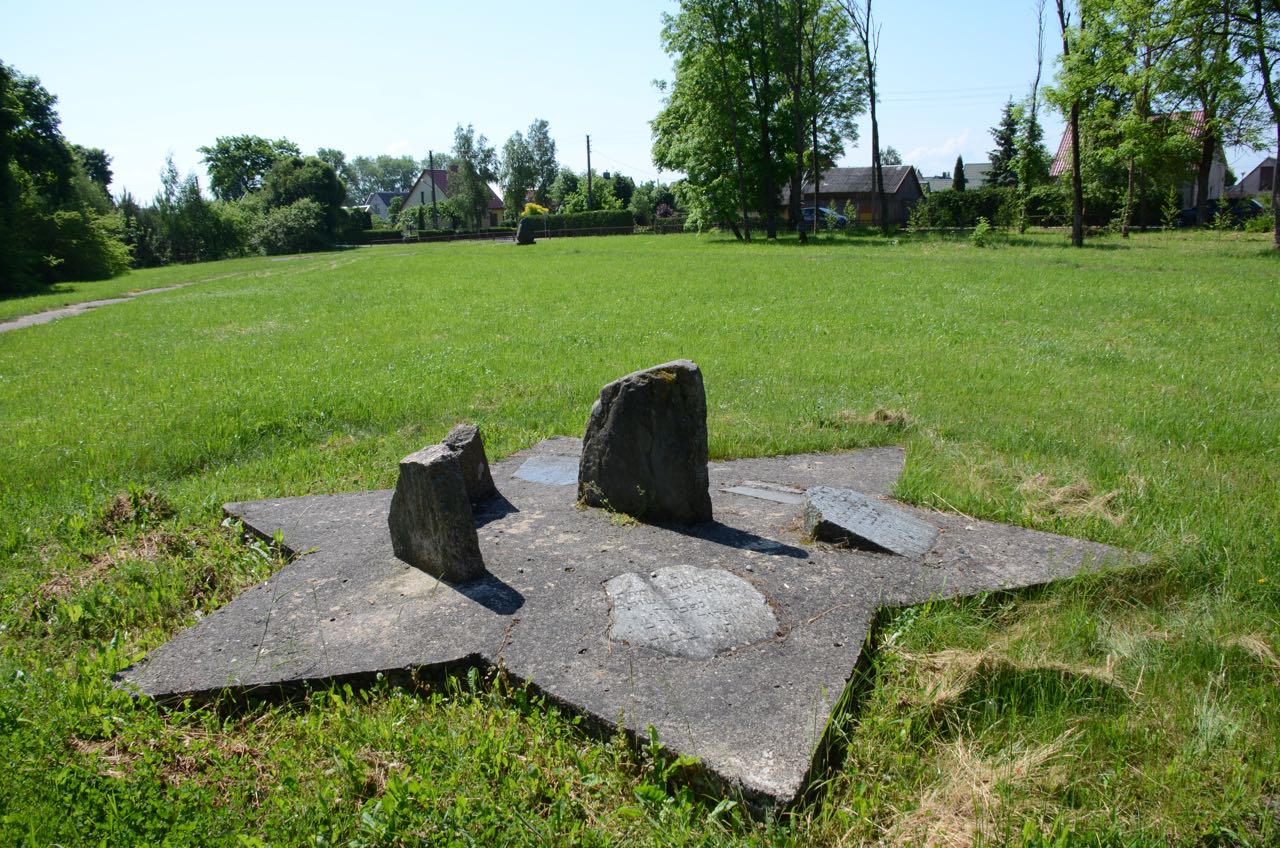
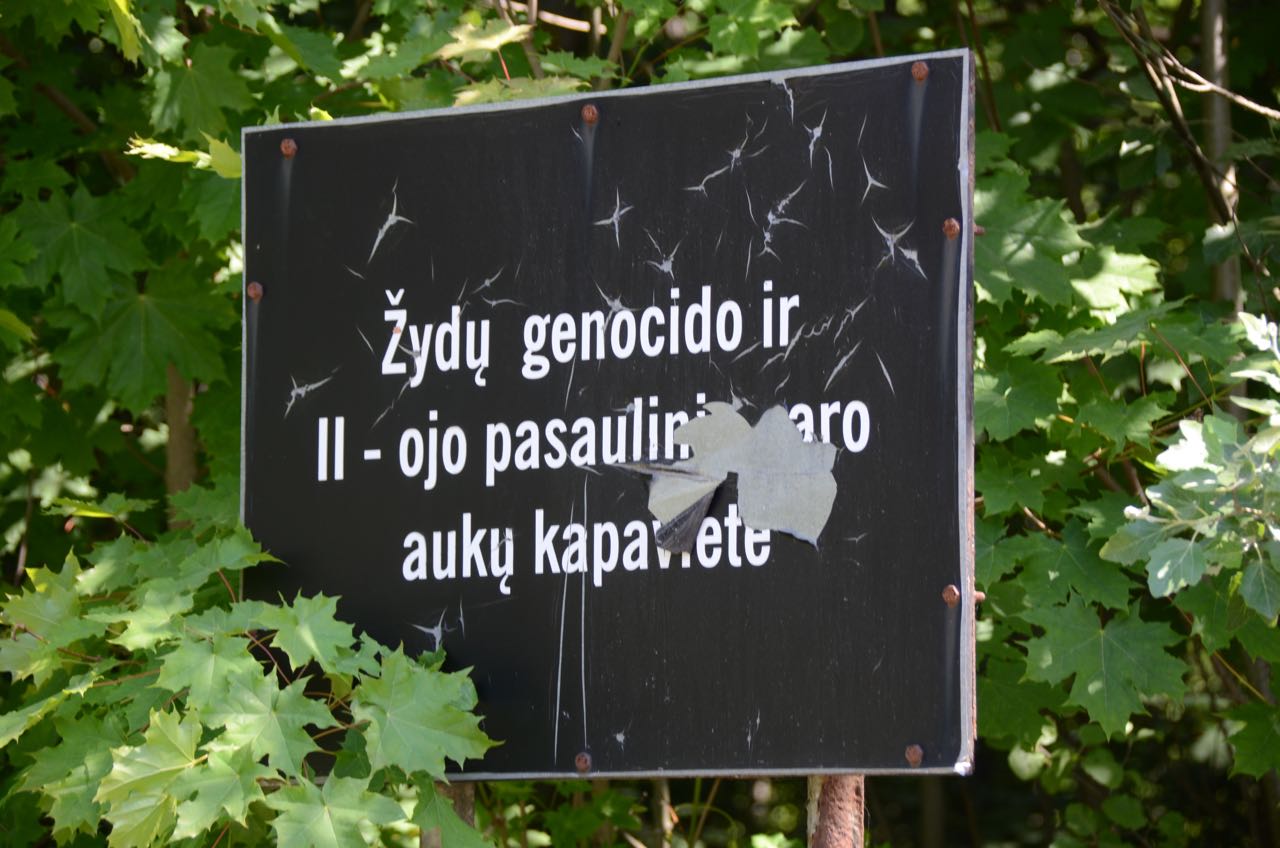
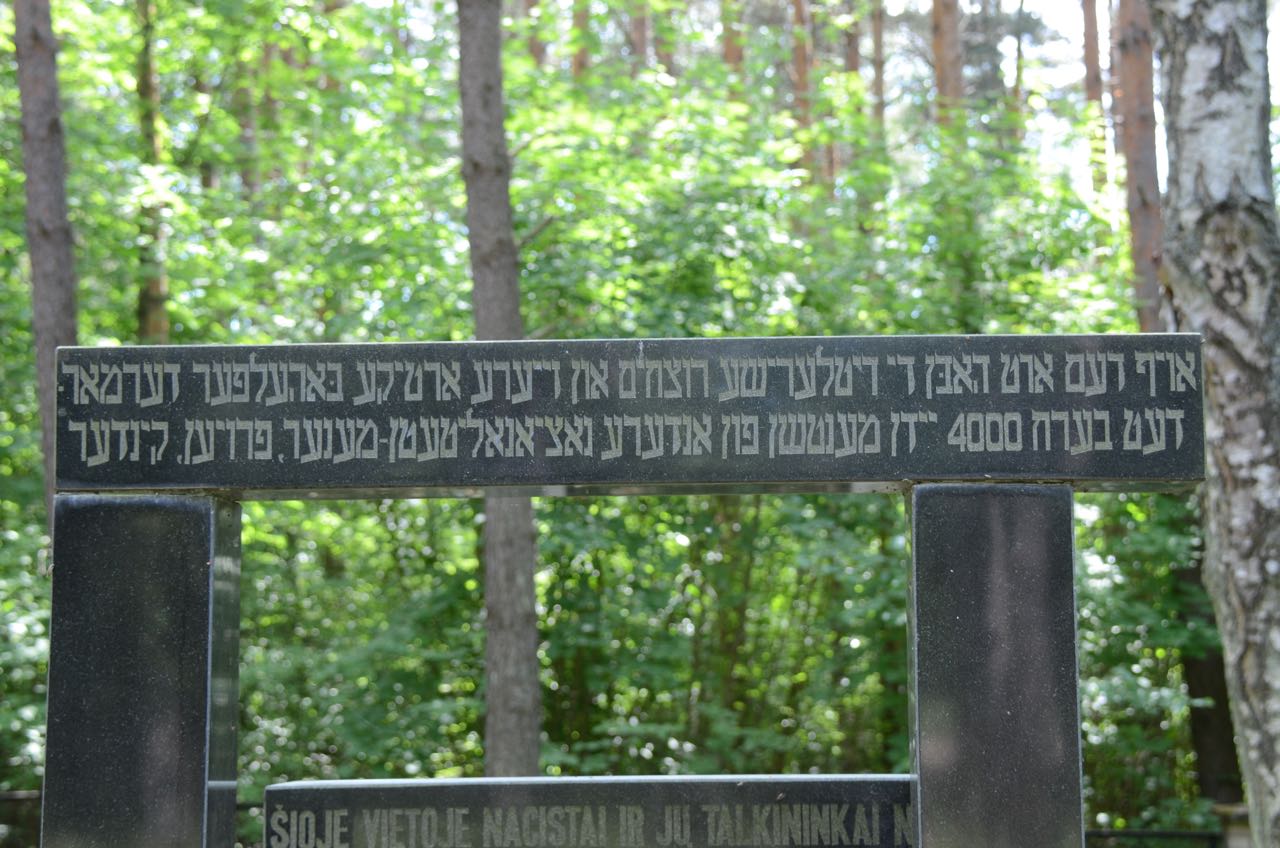
The Holocaust MemorialDSC_4648DSC_4648DSC_4649DSC_4651


Around the town

DSC_4658DSC_4659DSC_4660DSC_4662DSC_4663DSC_4664DSC_4665DSC_4671DSC_4672DSC_4673DSC_4674IMG_7077IMG_7066IMG_7060
 

The Town Square

DSC_4715DSC_4703DSC_4689DSC_4684DSC_4688DSC_4694DSC_4695DSC_4711IMG_7084IMG_7089IMG_7090IMG_7094
 

My B&B hosts – Daiva and her mother Renovate Korsakiene and the yummy food.

IMG_7050IMG_7045IMG_7046

Other town viewsDSC_4705DSC_4705DSC_4706DSC_4707DSC_4708DSC_4709DSC_4710


The Zagare KehilaLink

Screen Shot 2016-06-20 at 10.22.21 PM


From Wikipedia

Žagarė
City
Zagares dvaras.2009-06-11.jpg
Coat of arms of Žagarė
Coat of arms
 

Names

Foreign renderings of the name include: LatvianŽagarePolishŻagoryYiddishZhagar זשאַגאַר.[1]

Etymology

Žagarė’s name is probably derived from the Lithuanian word žagaras, meaning “twig.” This is likely because of the forests that originally surrounded the early village.

History

The foundation of Žagarė dates back to the 12th century. It was an important centre of Semigallian warriors, who fought against the Livonian Brothers of the Sword and the Livonian Order. It long had a Jewish population who contributed to its culture.

Yisroel Salanter (1810-1883), the father of the 19th-century Mussar movement in Orthodox Judaism, was born there.Isaak Kikoin (1908–1984), a renowned Soviet physicist, was also born there. During World War II and the German occupation, the Germans set up a Jewish ghetto in Žagarė, to hold Jews from Šiauliai Ghetto. In a massacre of theEinsatzgruppe A at the Jom Kippur the 2nd. October 1941 all Jews where cruely killed by the lithuanian population at the marketplace and buried in Naryshkin Park. The blood was flowing to the Svete River and the Fire brigade had to wash it away. [2]

Geography

Today Žagarė is the administrative centre of the Žagarė Regional Park, known for its valuable urban and natural heritage.

Famous people

Literature

  • Rose Zwi: “Last Walk in Naryshkin Park” 1997 ISBN 978-1875559725 A Familie chronicle of her two families of origin Yoffe and Reisen. This account tells the story of Lithuanian Jews caught in the sweeping history of the first half of the century in Europe.
 

Plateliai to Papile

dsc_5880


My previous visit to the area was in 2014. Here is the link to that post

Plunge, Salantai & Plateliai, Lithuania

Screen Shot 2016-06-10 at 8.25.55 PM

Wikipedia

Some images from this visit:

IMG_6968 IMG_6976 IMG_6978 IMG_6979
<
>


A visit with Eugenijus Bunka to Darbenai where we first visited the high school and met teachers Edita and Zivile.

We discussed ideas for the TEC – Tolerance Education Centre program, the school participates in.

IMG_6994 IMG_6991 IMG_6997 IMG_6998 DSC_4417 DSC_4419
<
>

Eugenijus and I then visited the town, the Jewish cemetery and Holocaust sites.

DSC_4424 DSC_4425 DSC_4426 DSC_4427 DSC_4431 DSC_4432
<
>
DSC_4435 DSC_4437 DSC_4438 DSC_4440 DSC_4446 DSC_4450 DSC_4452 DSC_4455 DSC_4458 DSC_4459 DSC_4460 DSC_4461 DSC_4465 DSC_4468 DSC_4469 DSC_4473 DSC_4475
<
>
DSC_4480 DSC_4481 DSC_4483 DSC_4485 DSC_4486
<
>

Screen Shot 2016-06-11 at 11.24.21 AM

Wikipedia

Holocaust sites

DSC_4506 DSC_4507 DSC_4509 DSC_4511 DSC_4512 DSC_4515 DSC_4517 DSC_4524
<
>
DSC_4525 DSC_4527 DSC_4528 DSC_4529 DSC_4530 DSC_4531 DSC_4536 DSC_4541
<
>
DSC_4577 DSC_4567 DSC_4568 DSC_4570 DSC_4571 DSC_4572
<
>

Former Jewish homes

DSC_4488 DSC_4492 DSC_4499 DSC_4552 DSC_4553 DSC_4560 DSC_4562
<
>


Screen Shot 2016-06-13 at 7.53.02 AM

Wikipedia

Holocaust site outside Mazeikiai

DSC_4579 DSC_4580 DSC_4583 DSC_4582 DSC_4586 DSC_4587 DSC_4588 DSC_4589 DSC_4590 DSC_4591 DSC_4594 DSC_4596
<
>

Screen Shot 2016-06-13 at 7.53.33 AM

Wikipedia

Running late, so only took a few photos here.

DSC_4601 DSC_4602 DSC_4603 DSC_4604 DSC_4605
<
>
Back