Frontpage – Cape Jewish Chronicle
Frontpage – Cape Jewish Chronicle

Source: cjc.org.za/building-of-lost-shtetl-museum-begins-in-lithuania/
The Cape Jewish Chronicle

Source: cjc.org.za

and Jewish Life

Source: cjc.org.za/building-of-lost-shtetl-museum-begins-in-lithuania/
Source: cjc.org.za
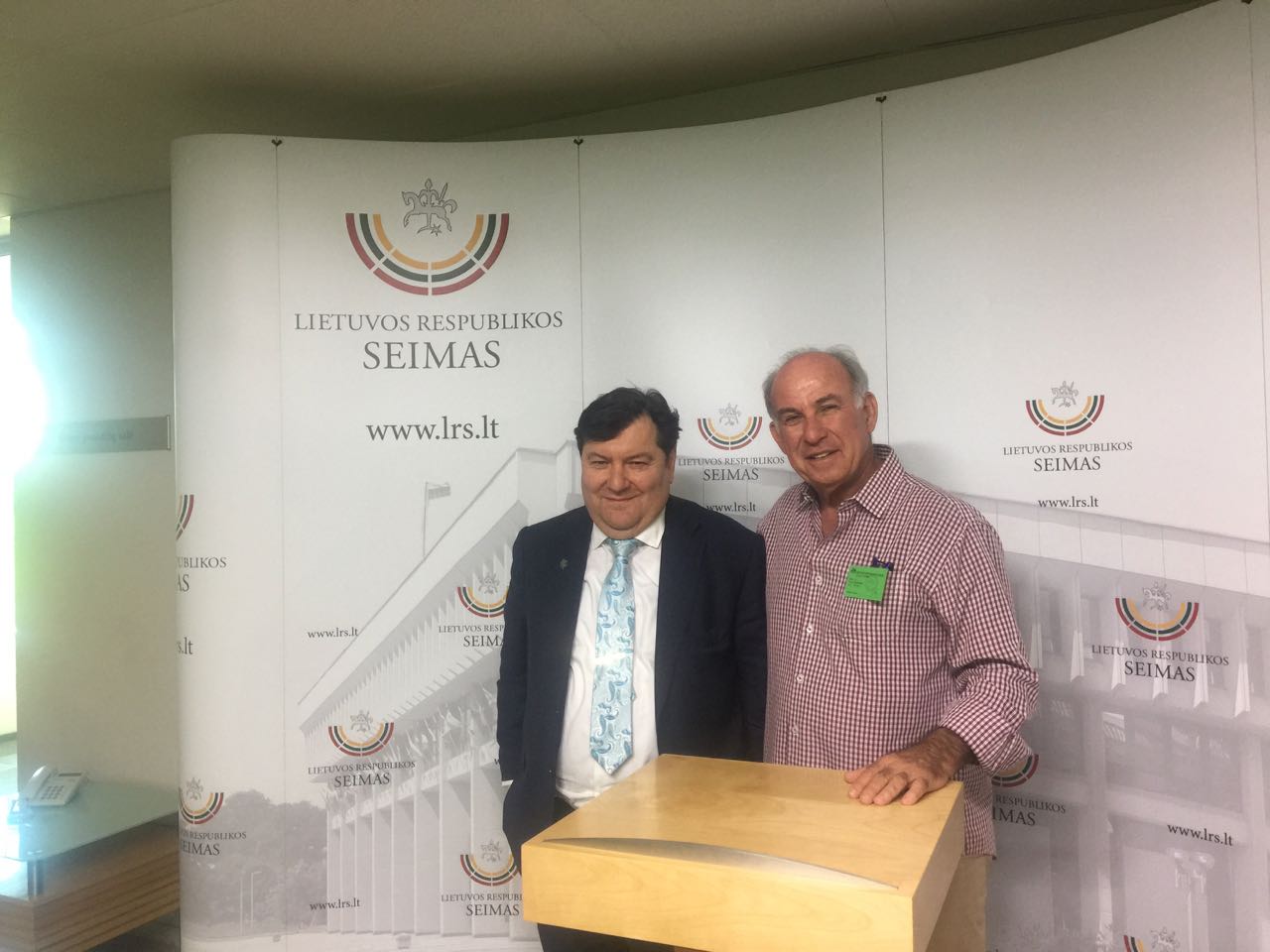
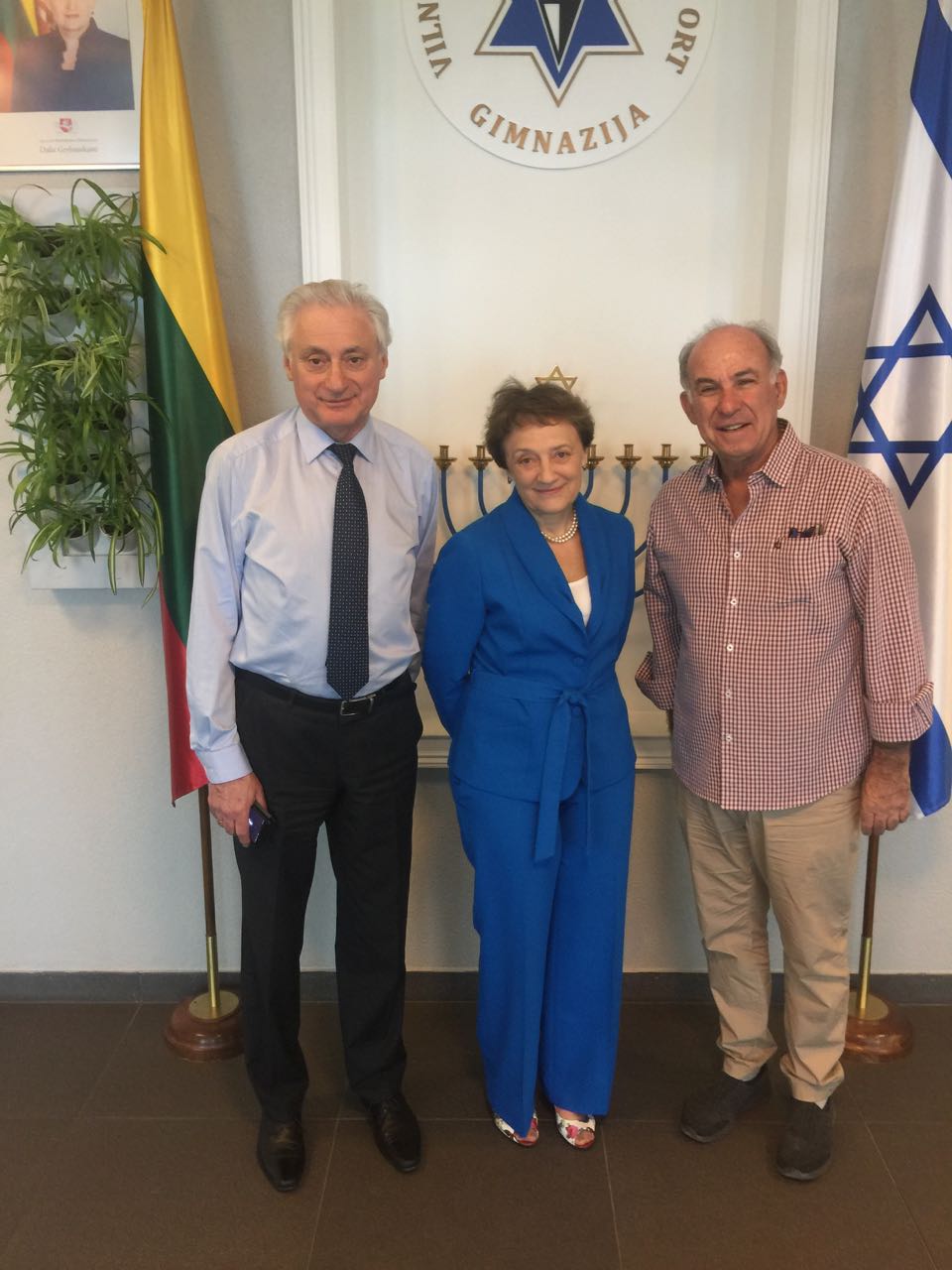
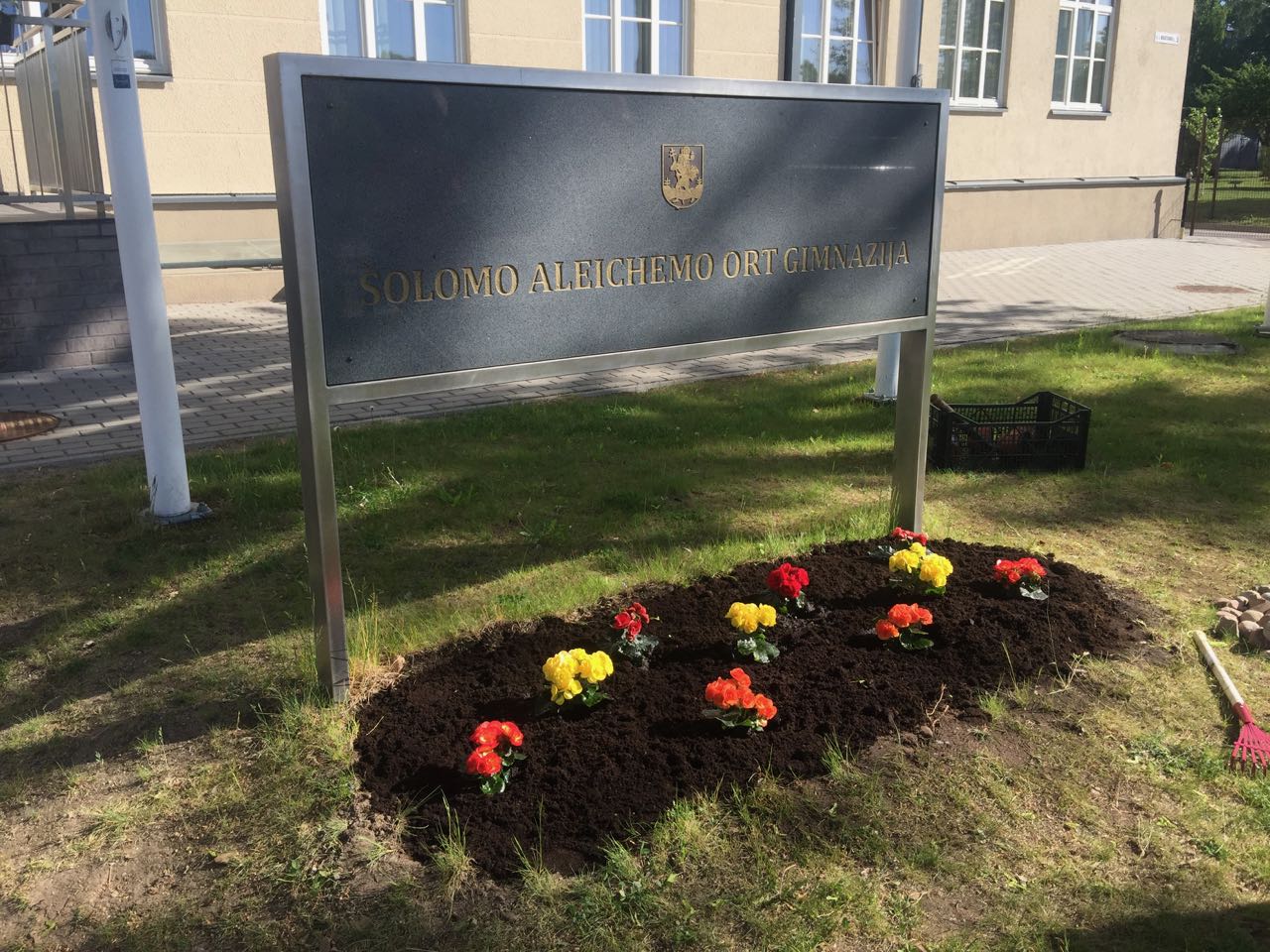
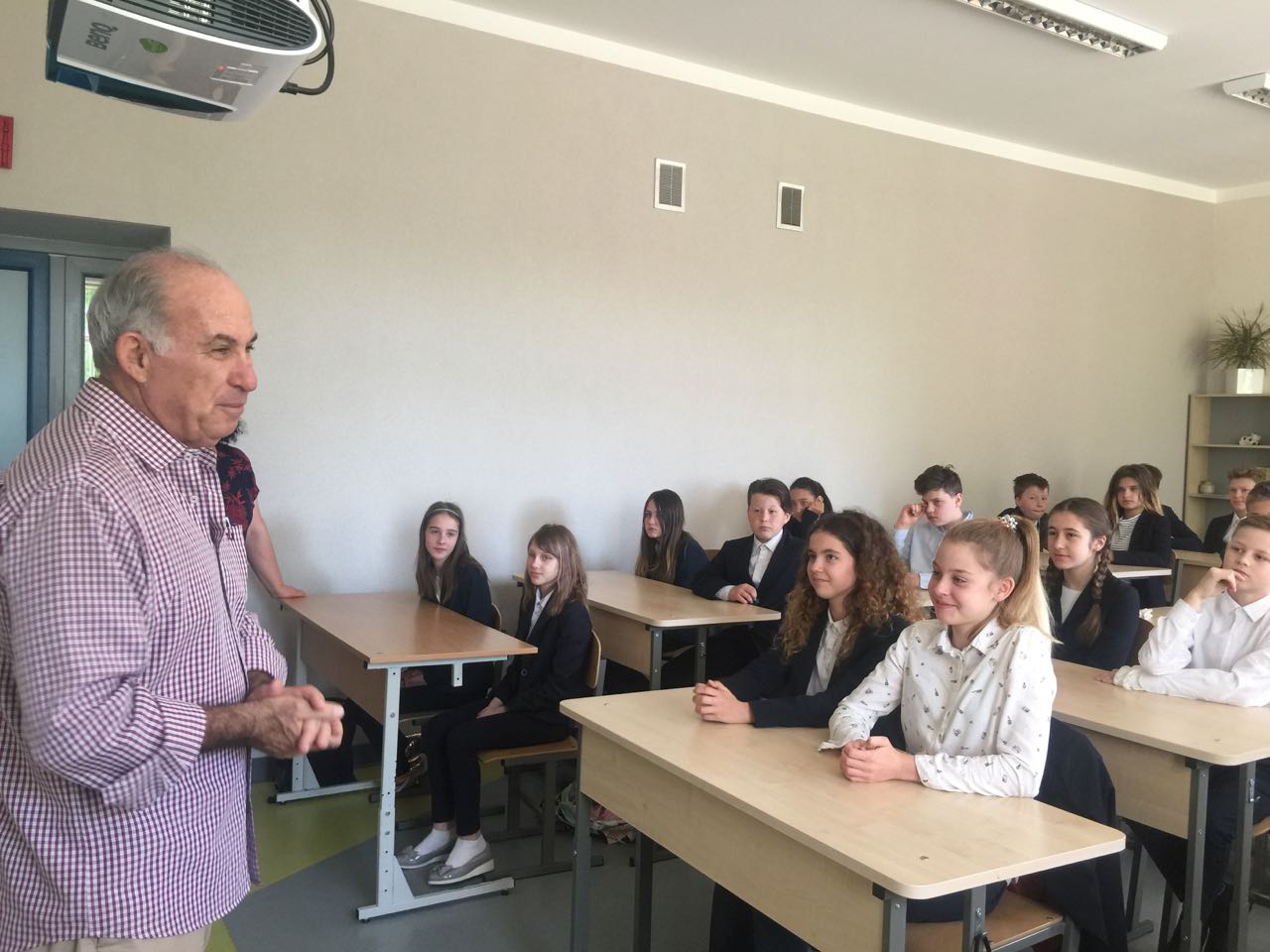
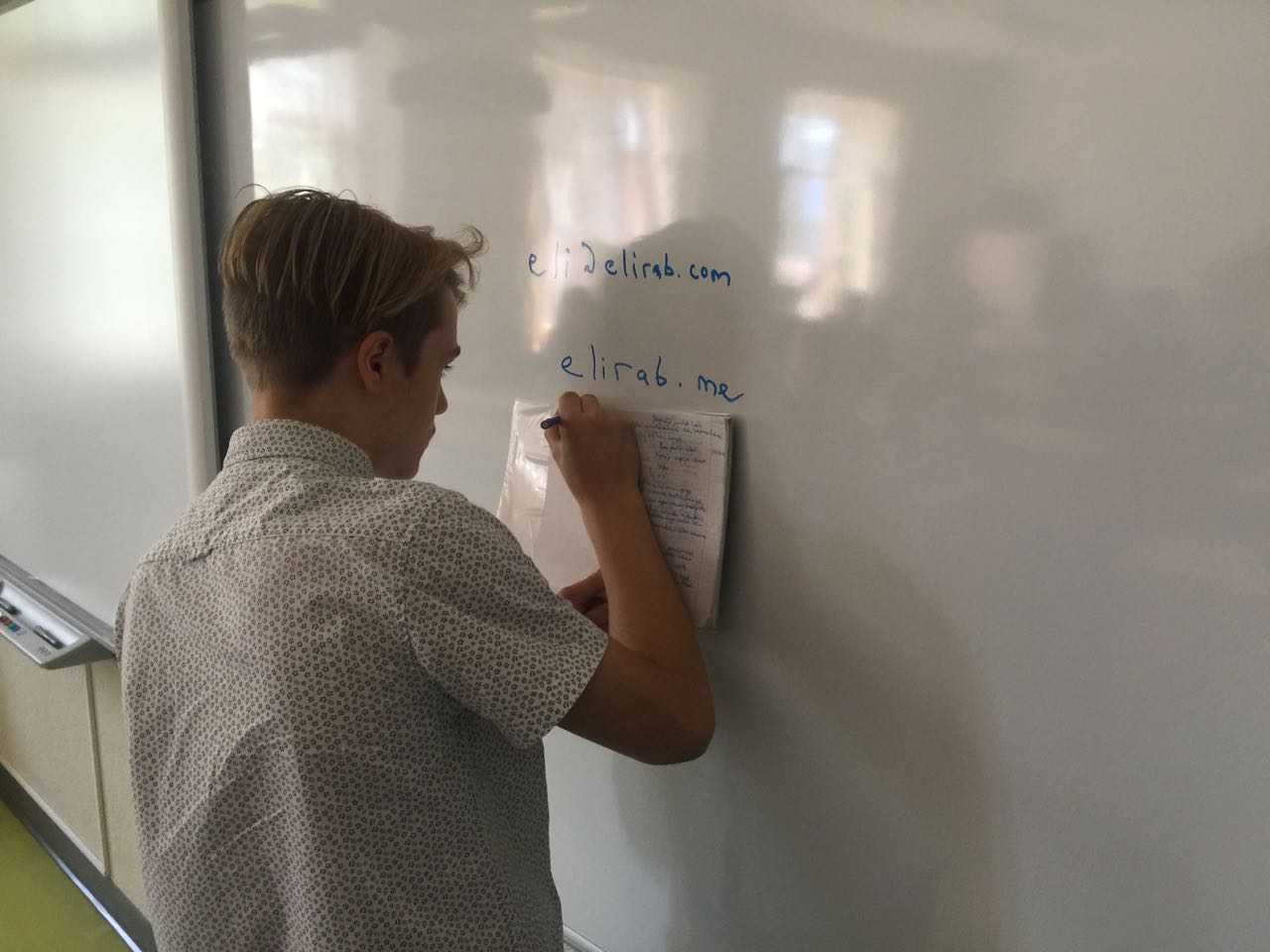
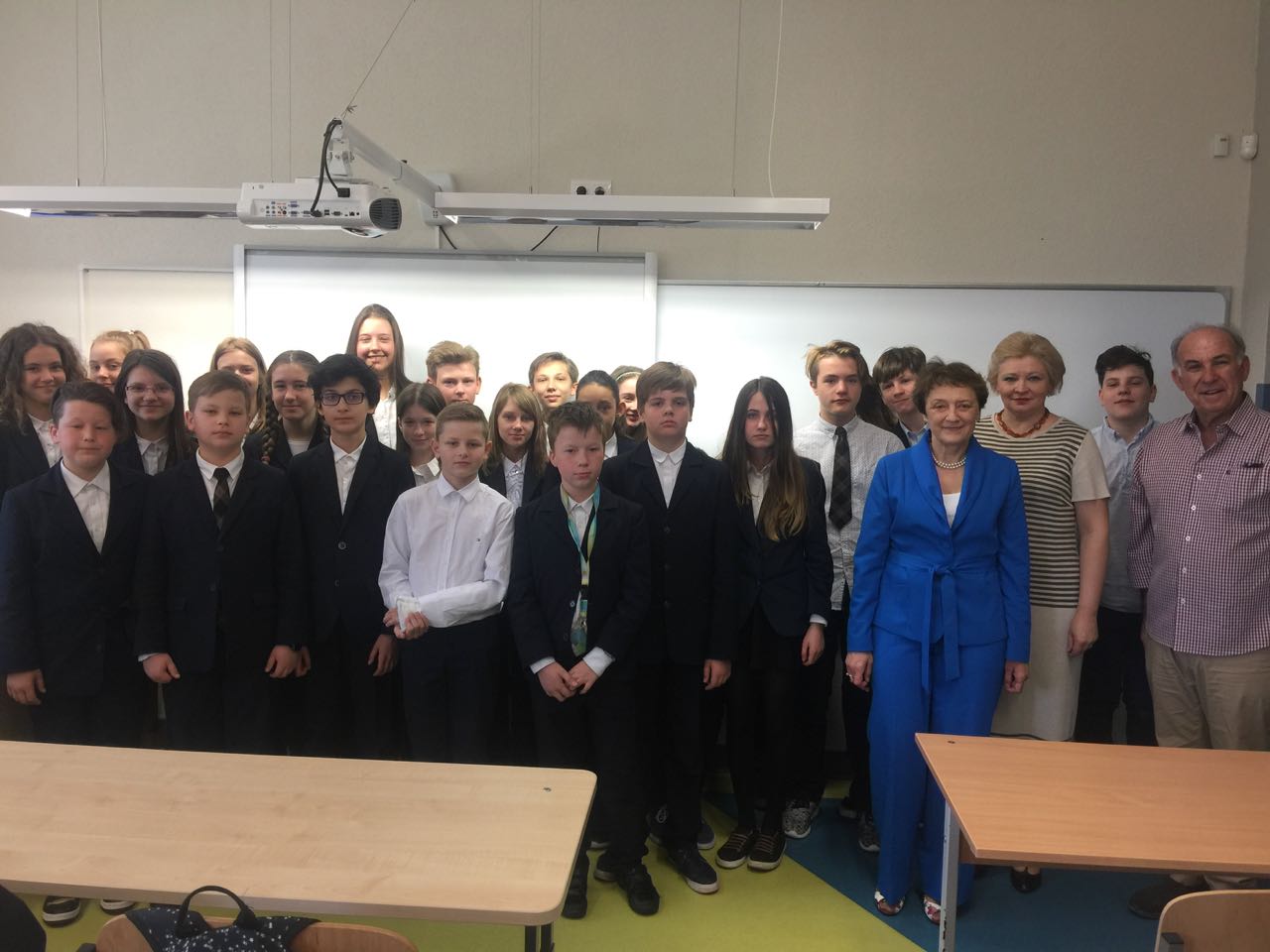
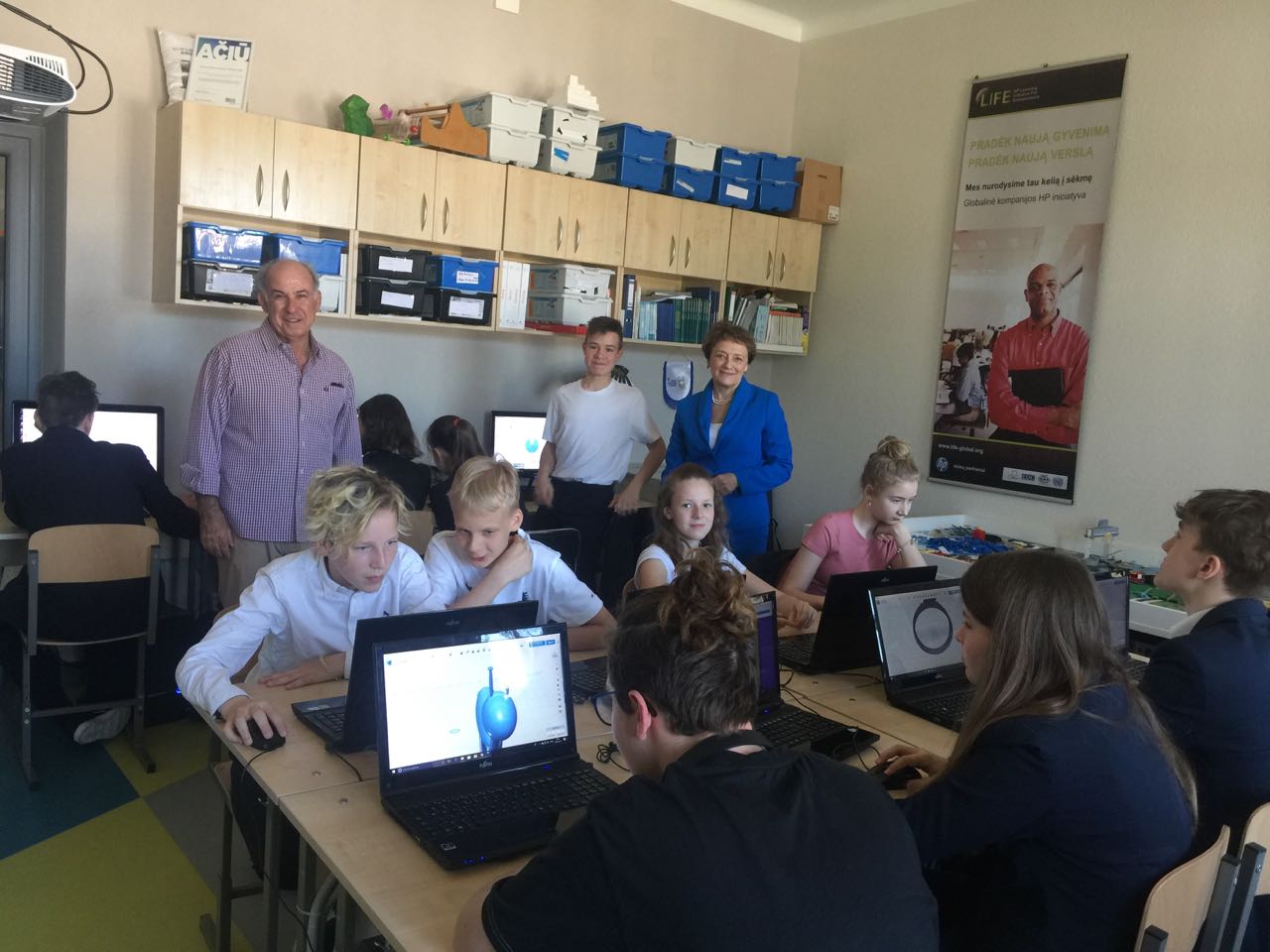
The Jewish member of the Seimas, the Lithuanian Parliament
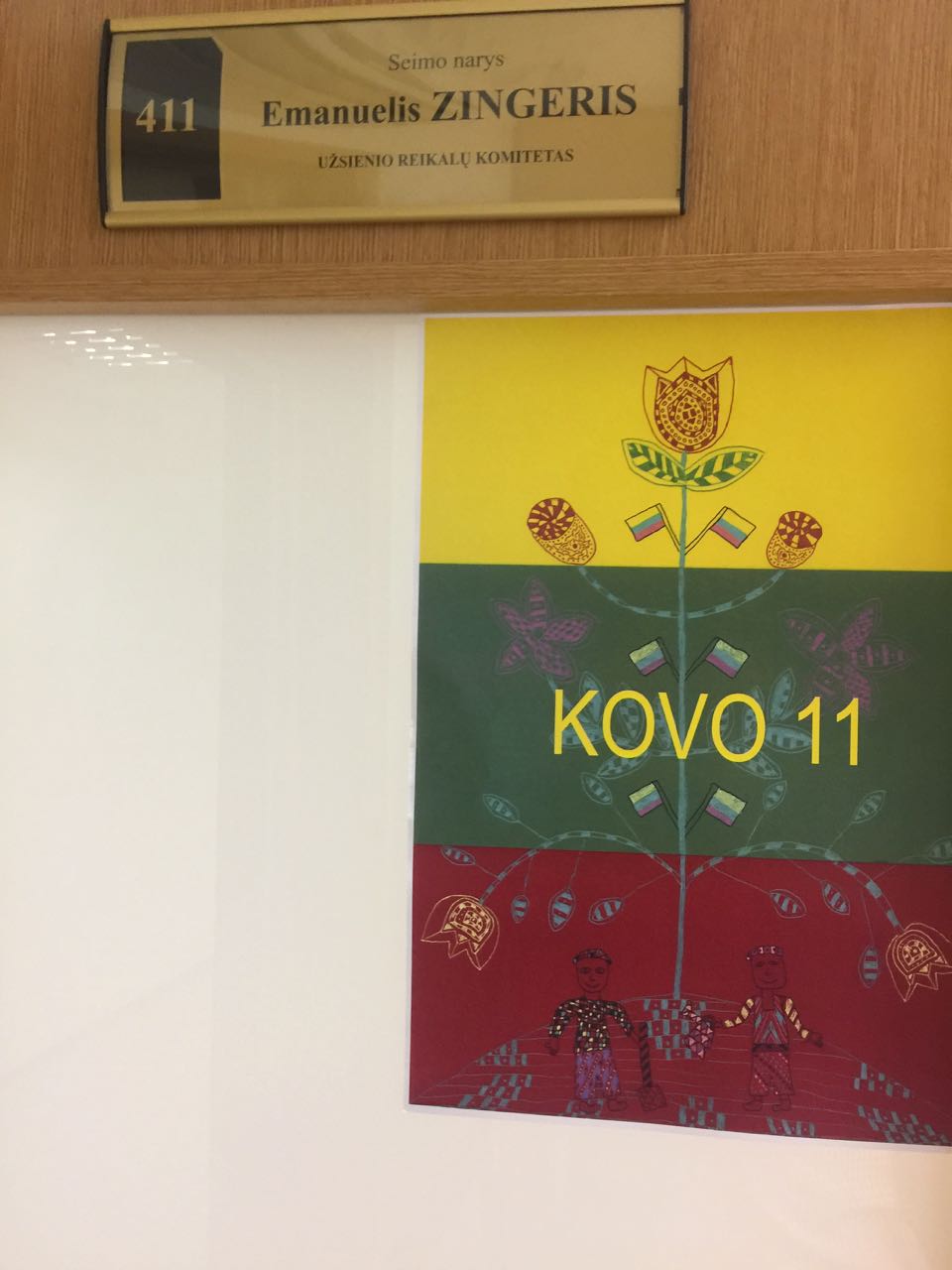
Emanuelis Zingeris (born 16 July 1957 in Kaunas, Lithuania) is a Lithuanian philologist, museum director, politician, signatory of the 1990 Act of the Re-Establishment of the State of Lithuania, currently serving as a Member of the Seimas (1990–2000 and since 2004), chairman of its foreign affairs committee (since 2010), Vice President of the Parliamentary Assembly of the Council of Europe (since 2009) and President of the Parliamentary Forum of the Community of Democracies (since 2010).[1] A Lithuanian Jew, he has been director of the Vilna Gaon Jewish State Museum, honorary chairman of Lithuania’s Jewish community, and is Chairman of the International Commission for the Evaluation of the Crimes of the Nazi and Soviet Occupation Regimes in Lithuania. He is a founding signatory of the Prague Declaration on European Conscience and Communism, that proposed the establishment of the European Day of Remembrance for Victims of Stalinism and Nazism.
Source: en.wikipedia.org/wiki/Emanuelis_Zingeris
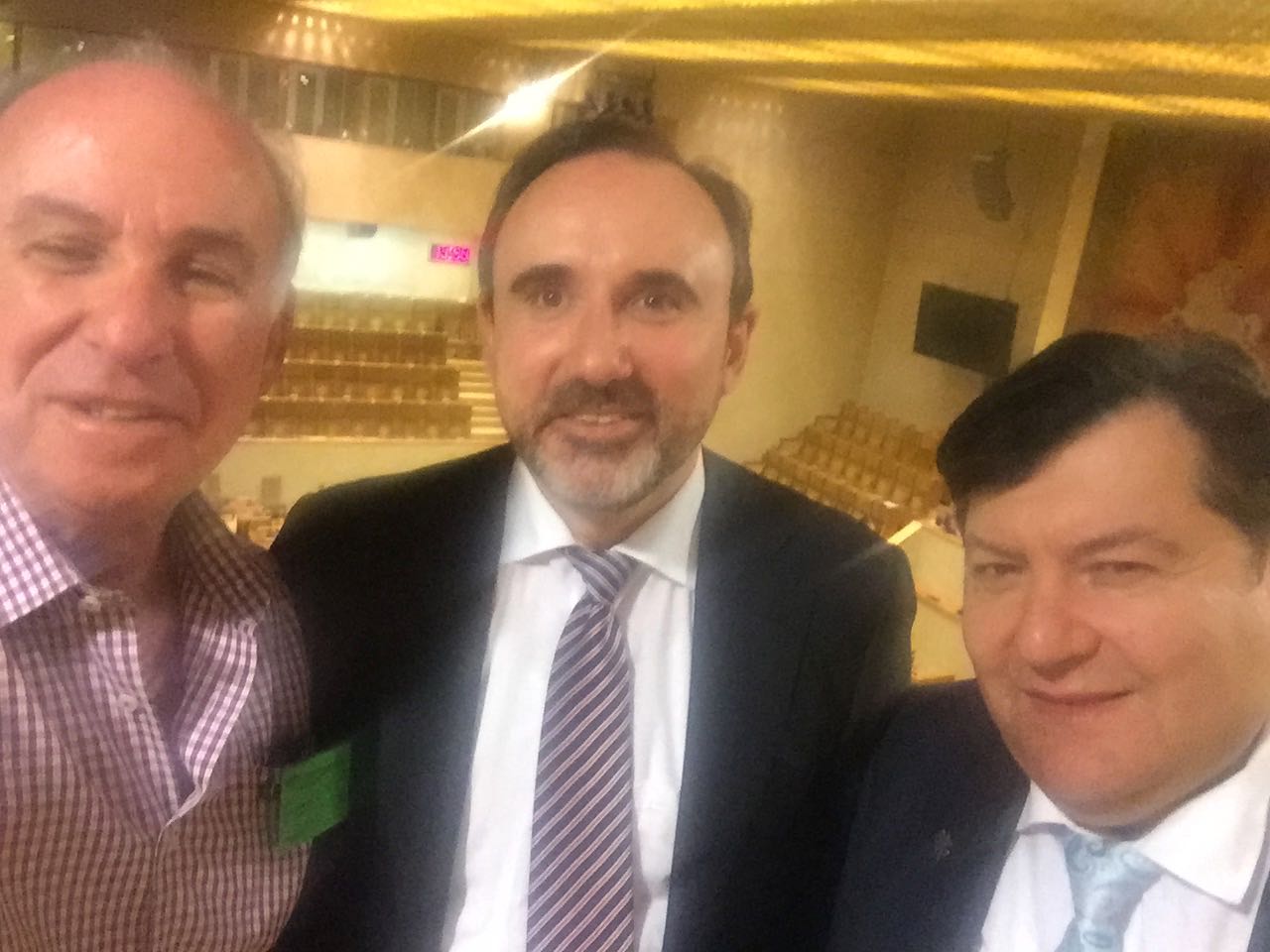
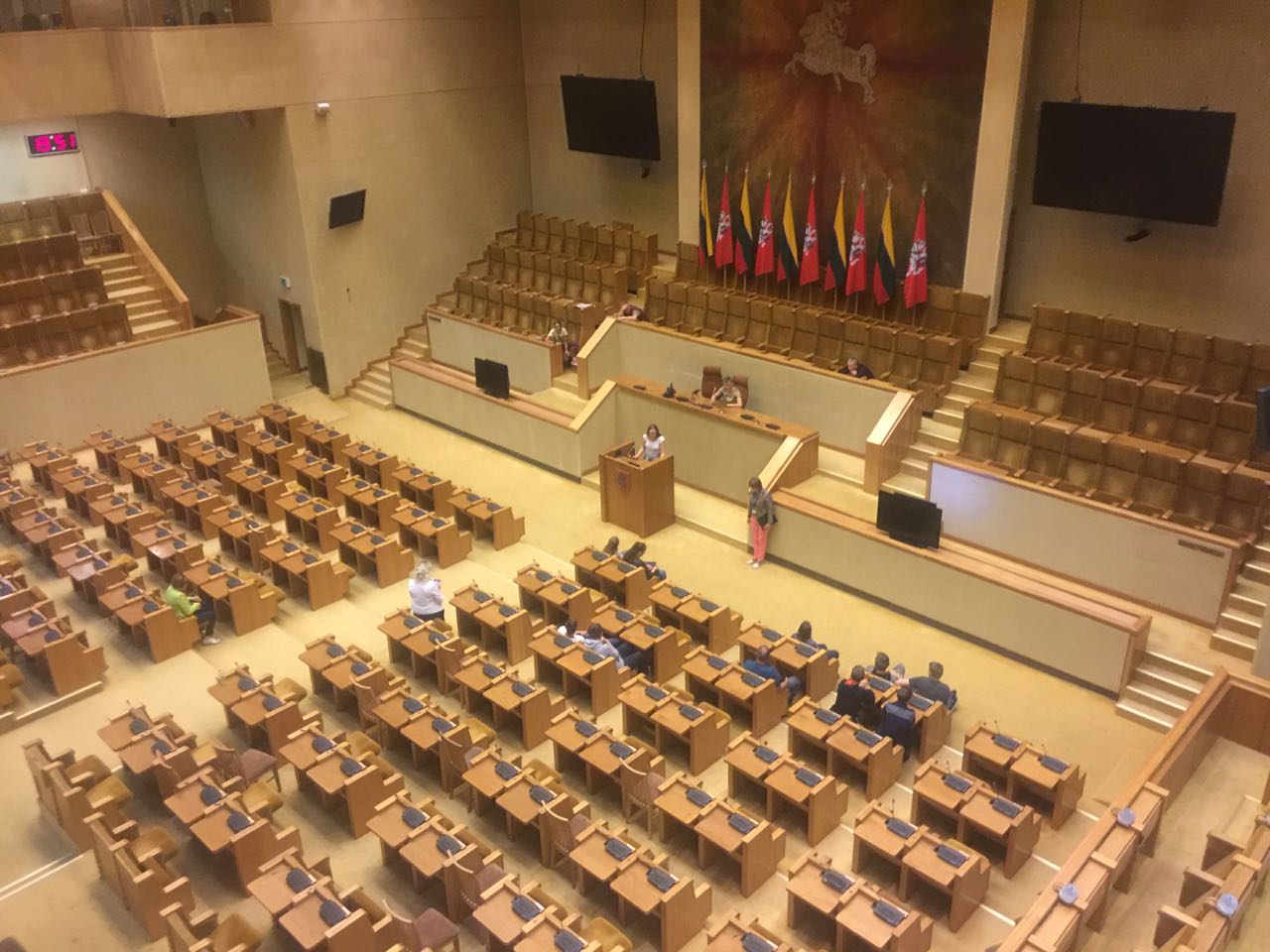
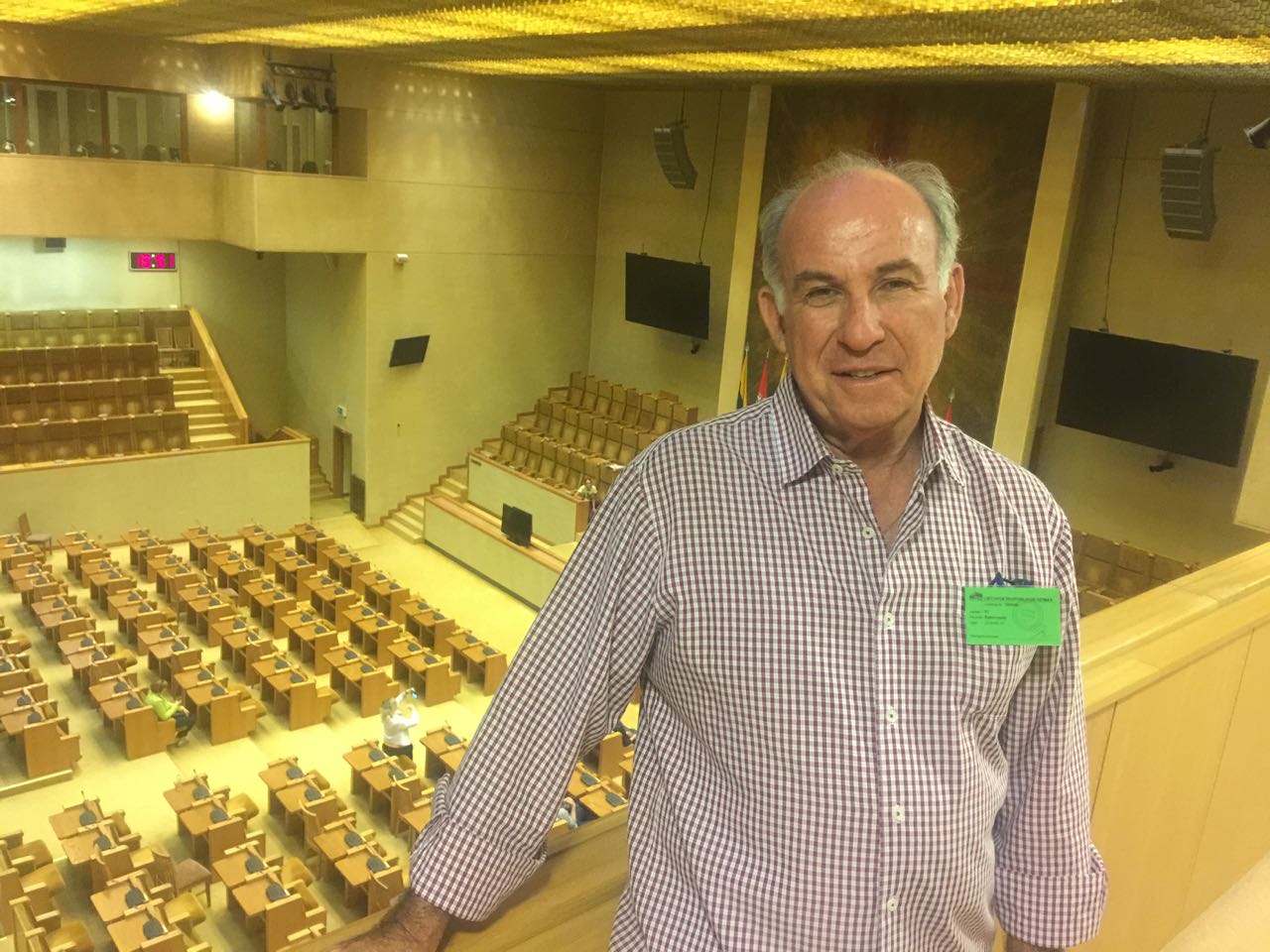

Emanuelis Zingeris MP talks about Avraham Mapu
Source: youtu.be/r_TGbEO9lsQ
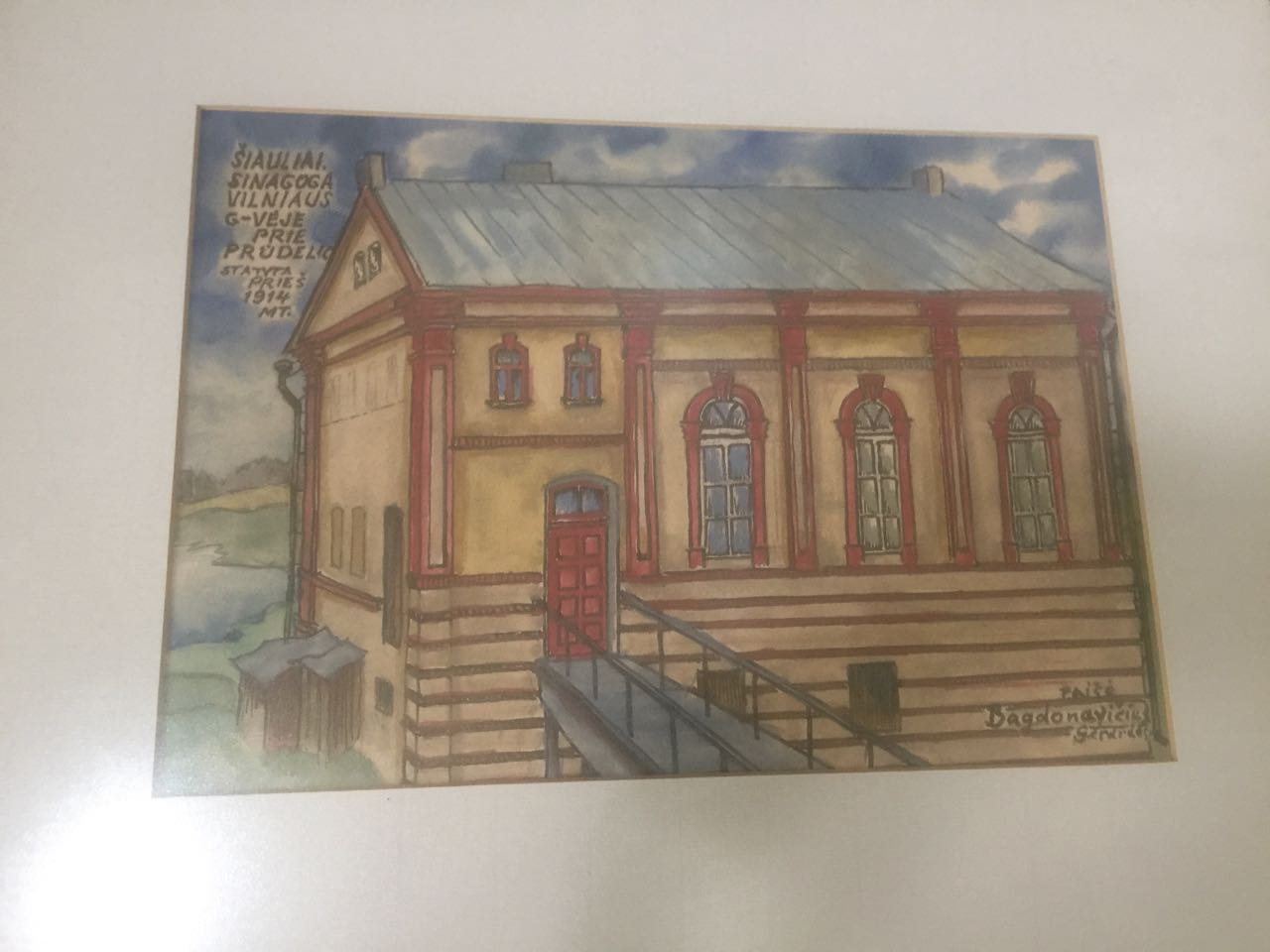
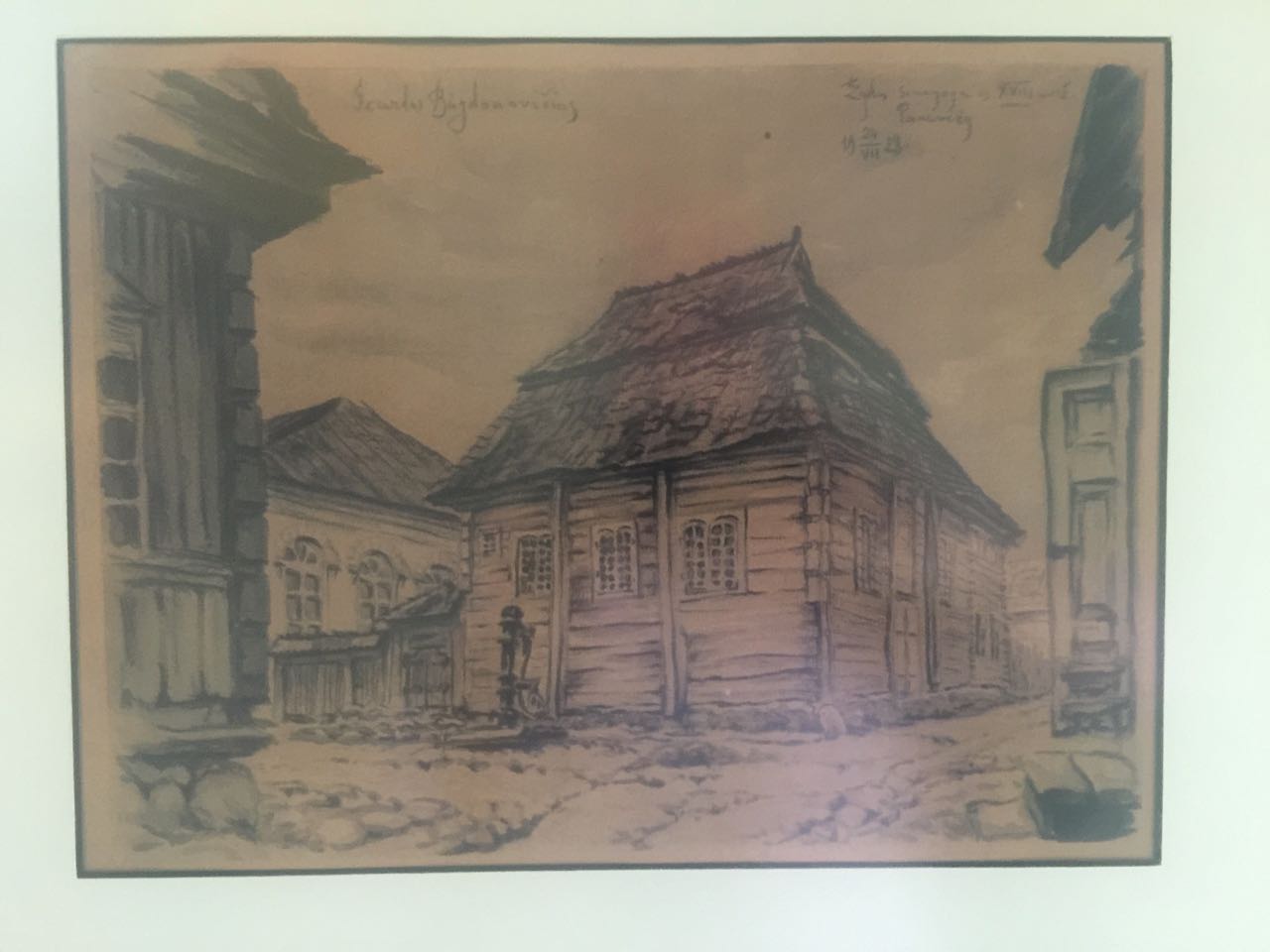
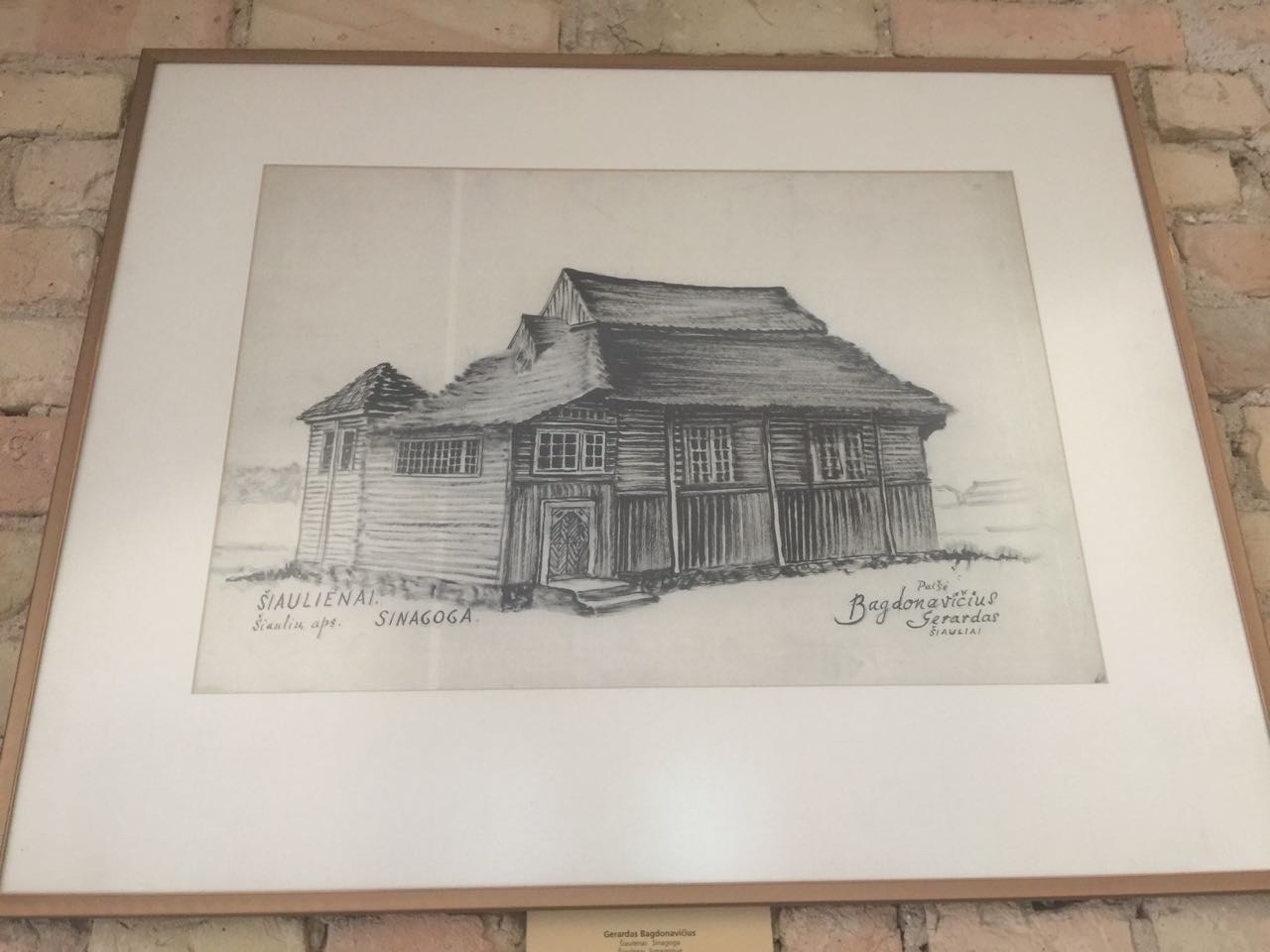
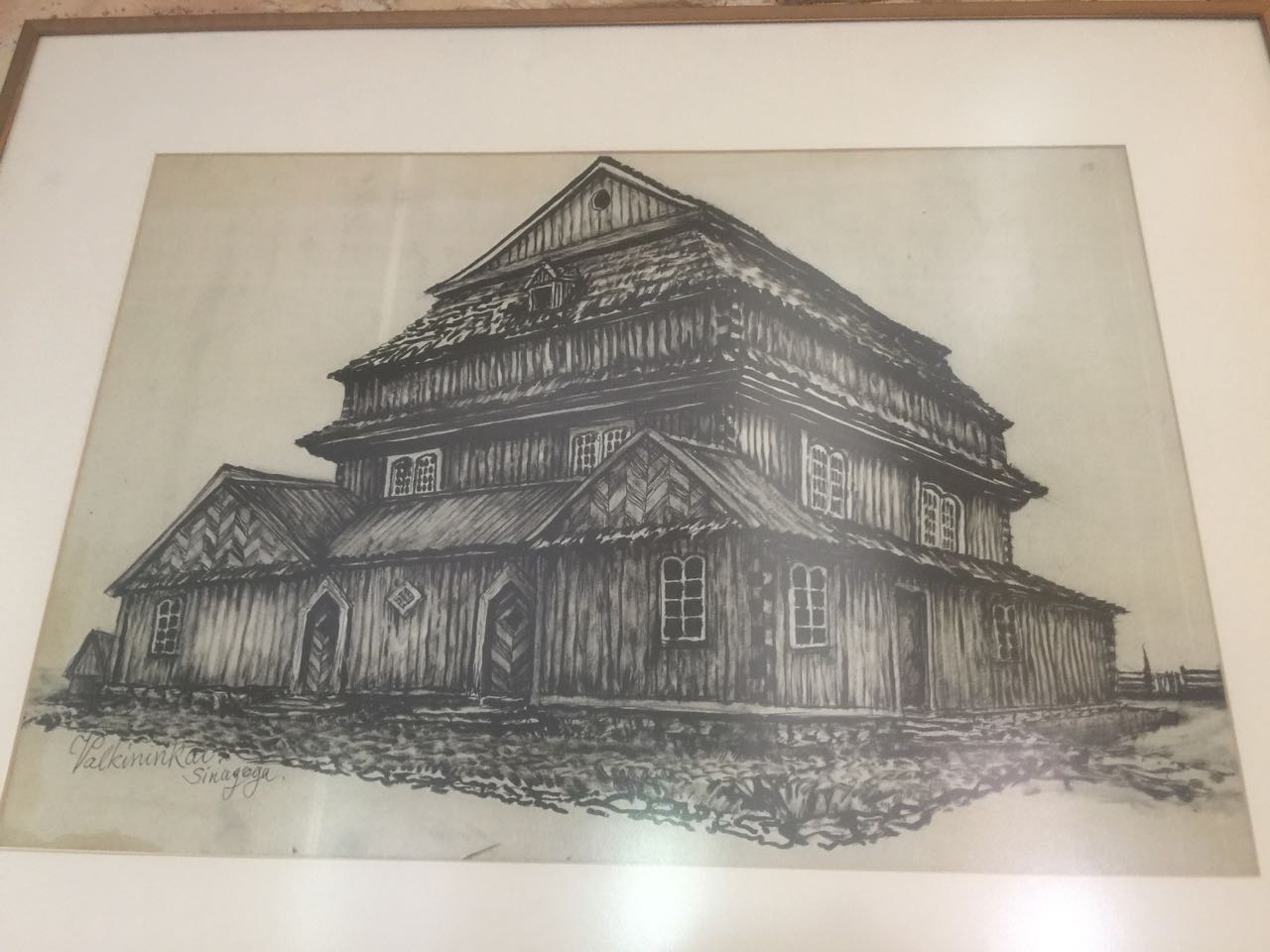

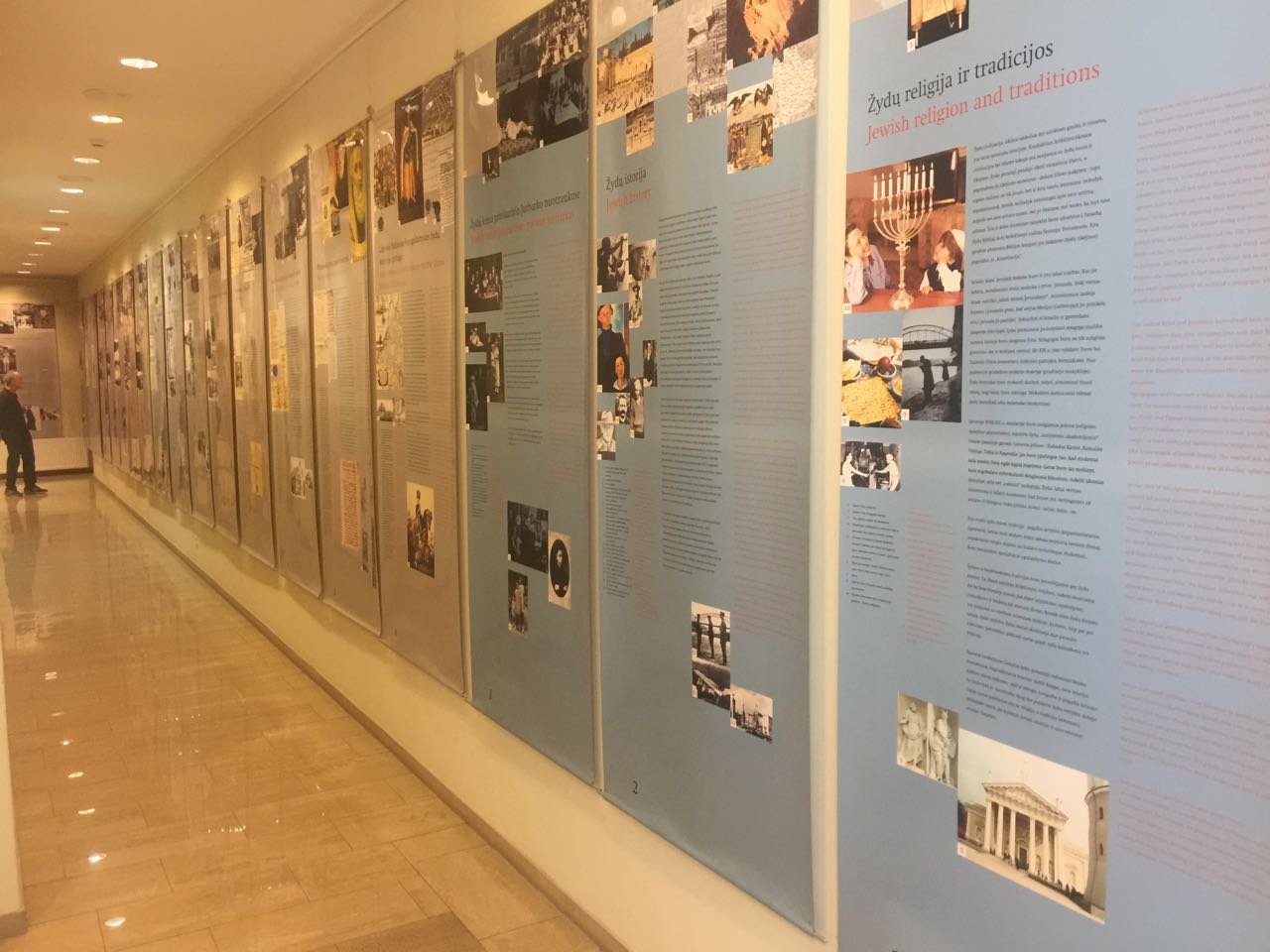
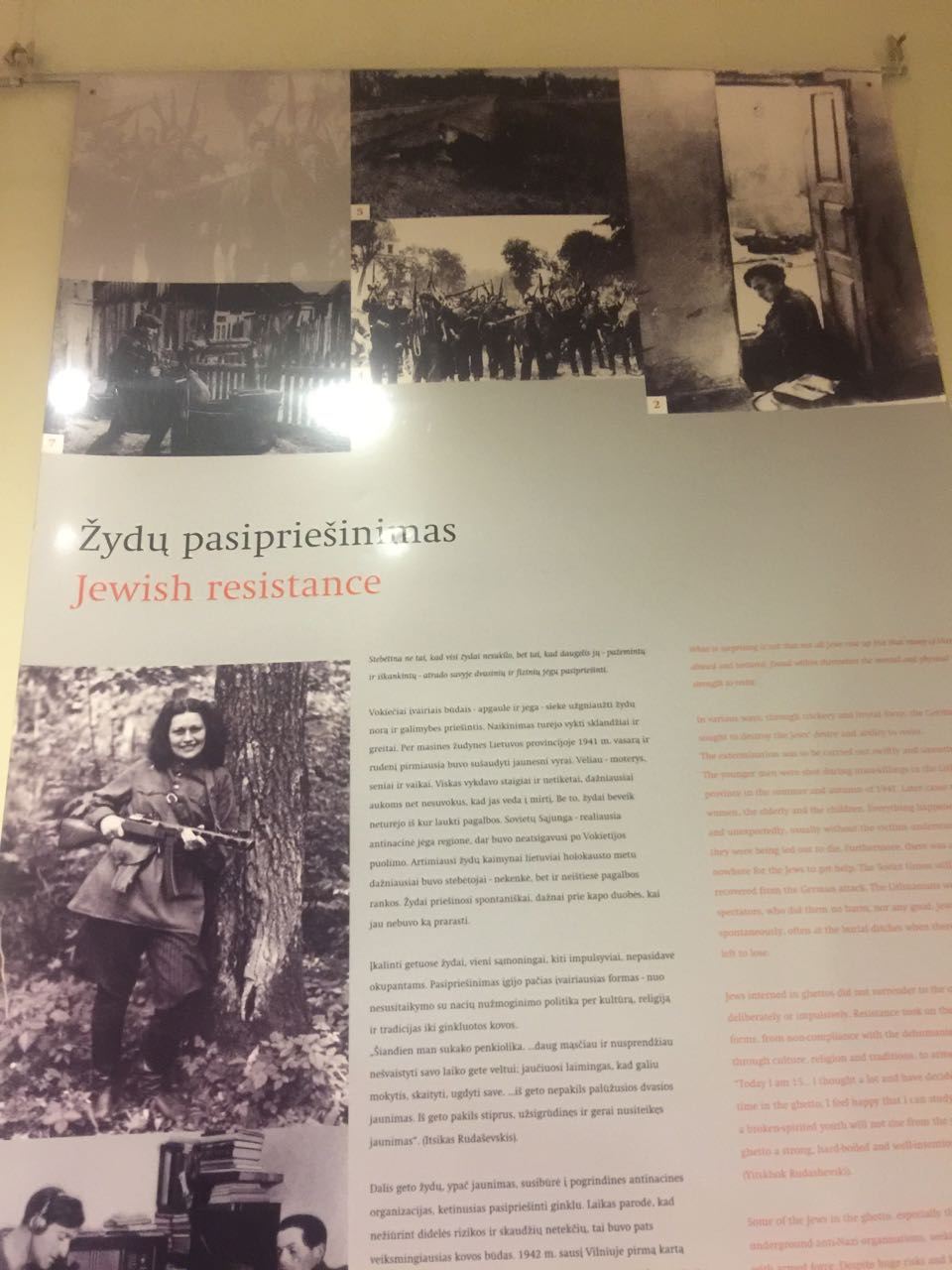
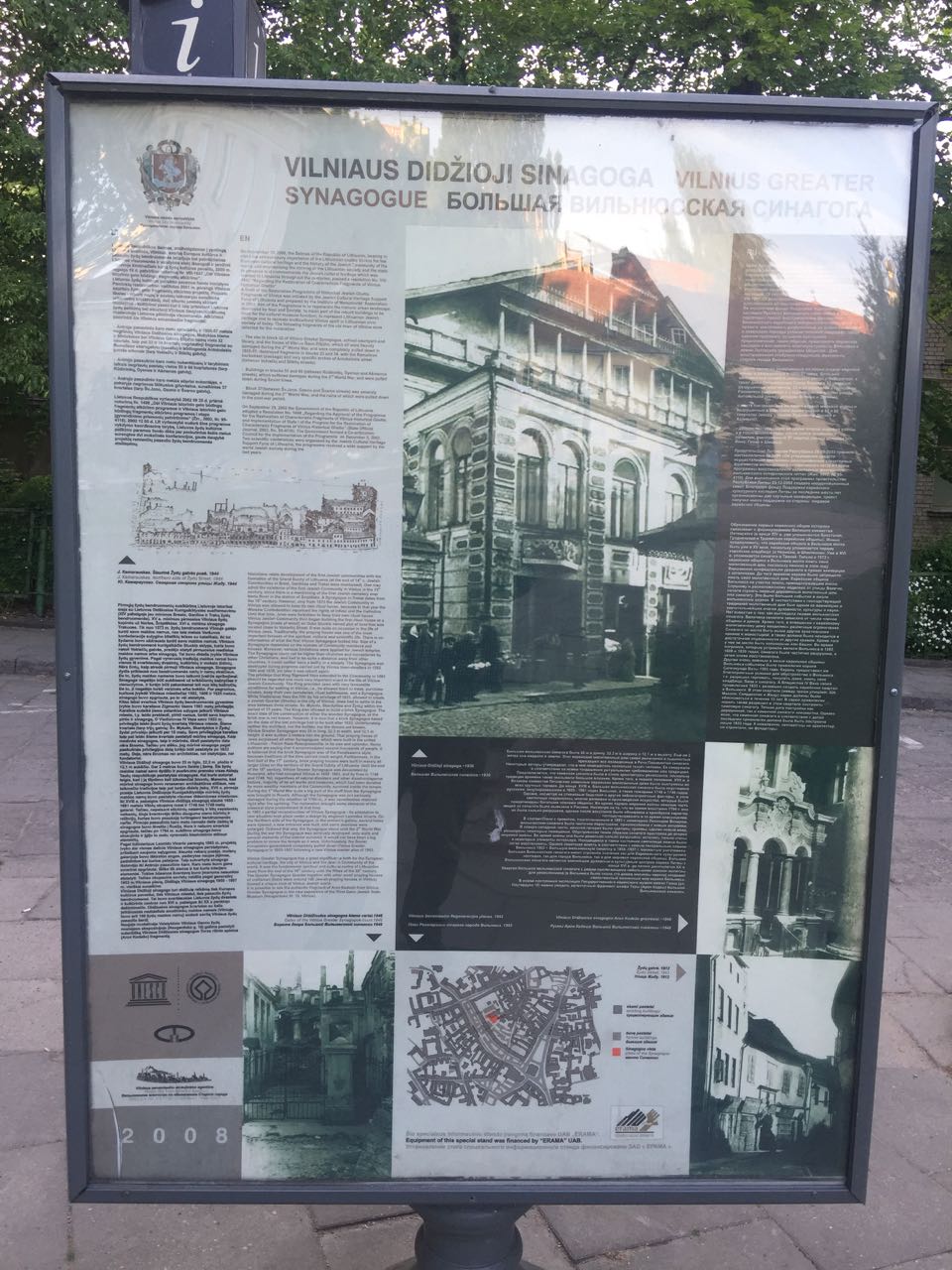
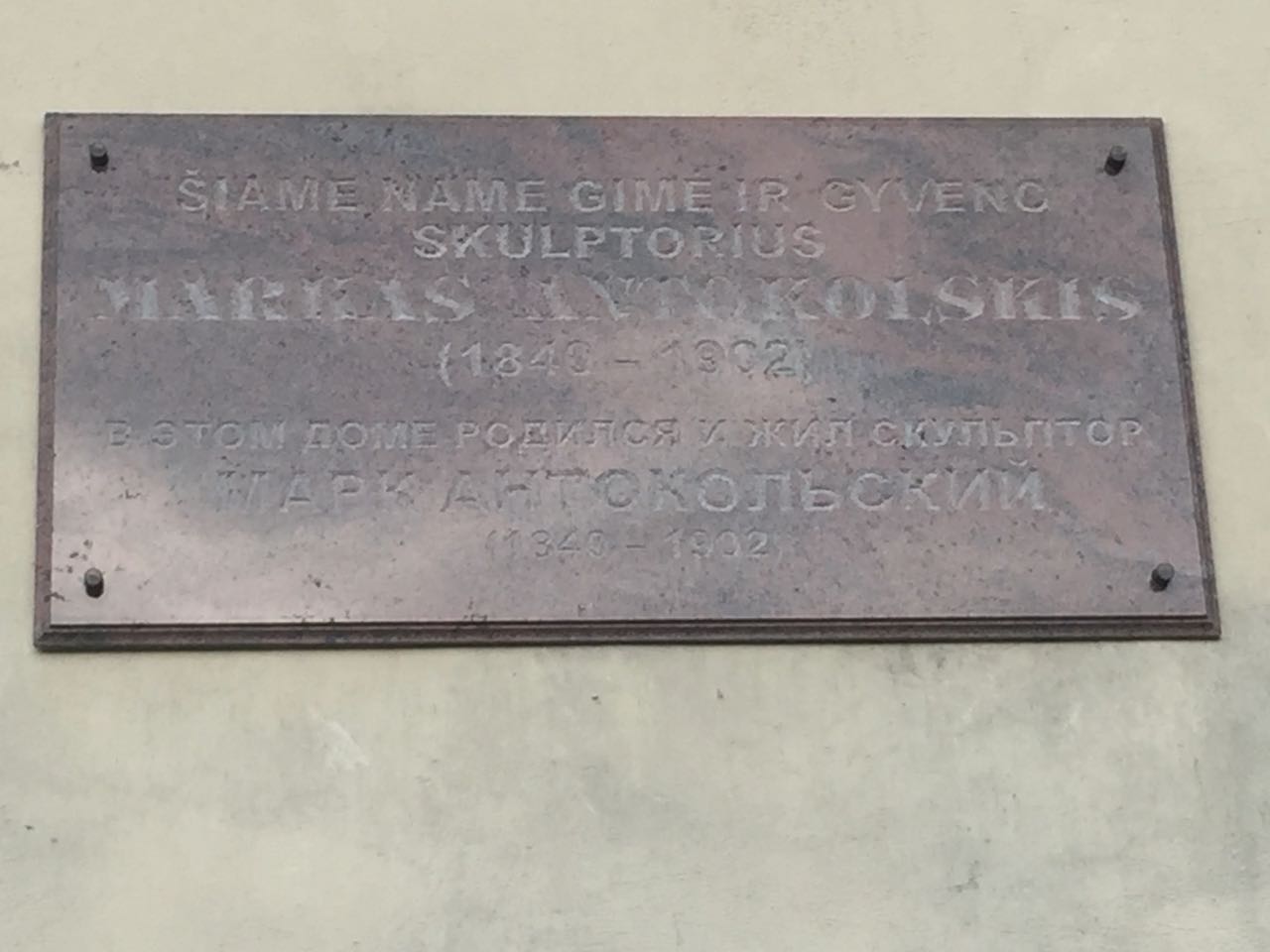
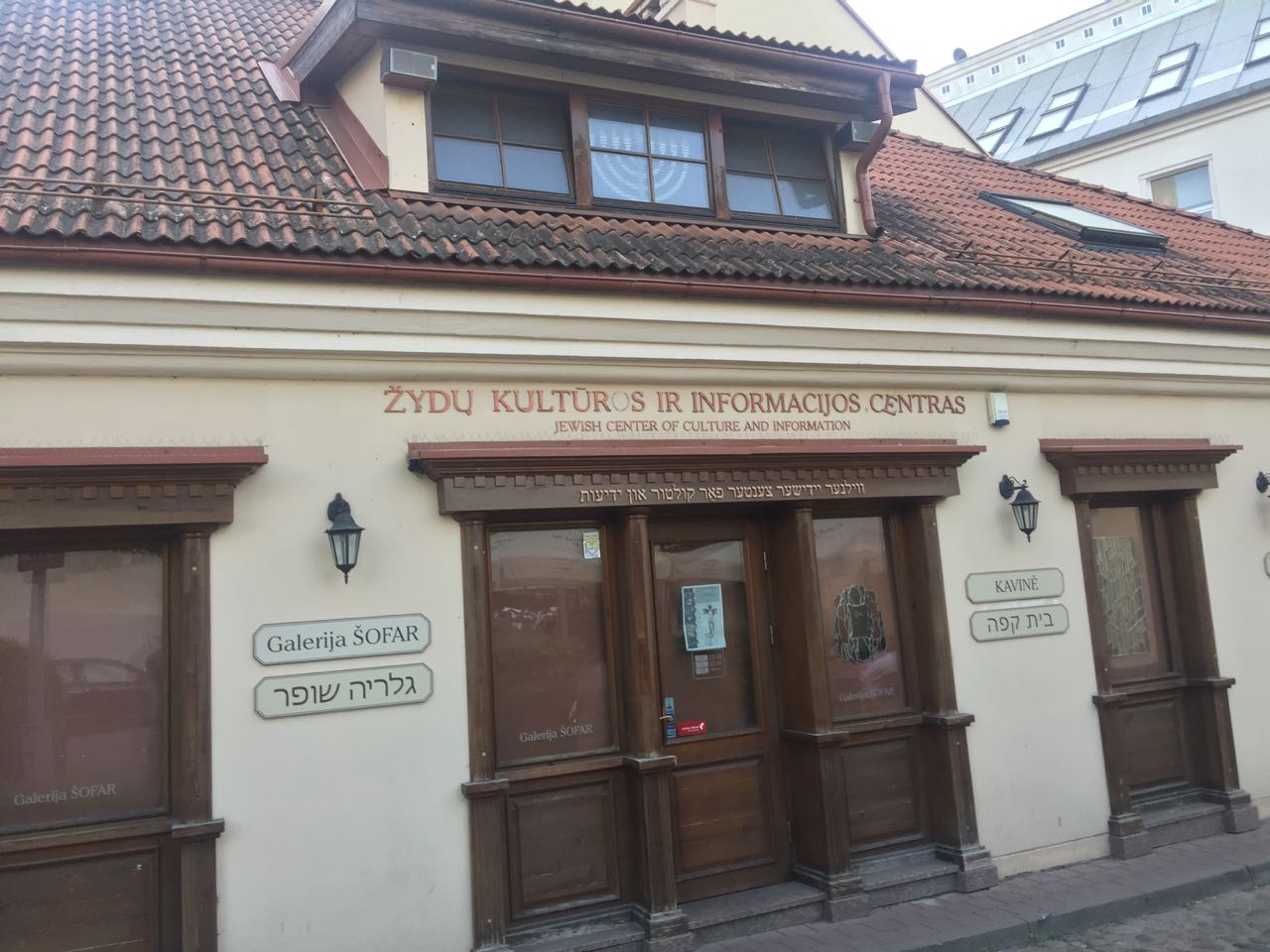
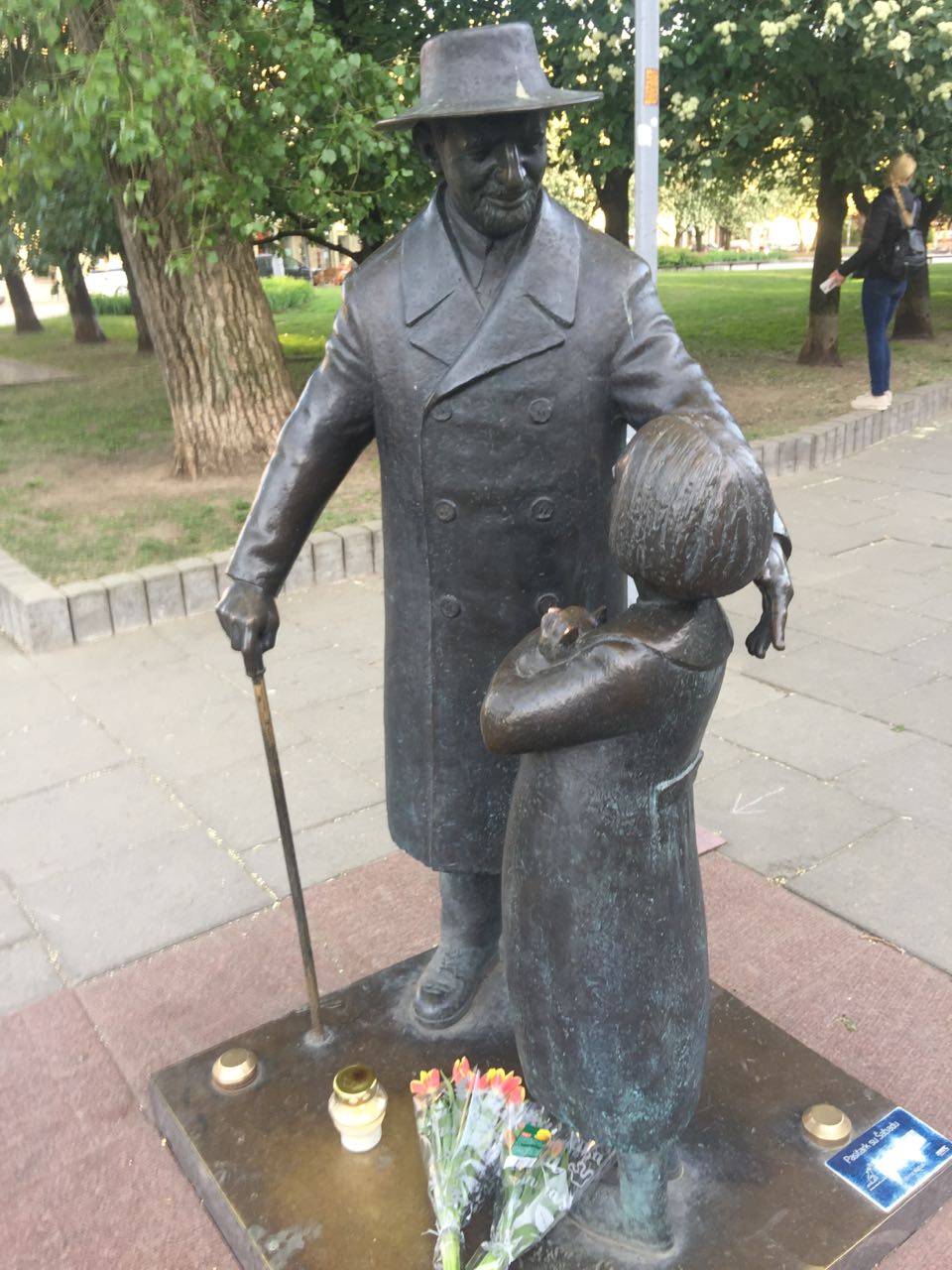
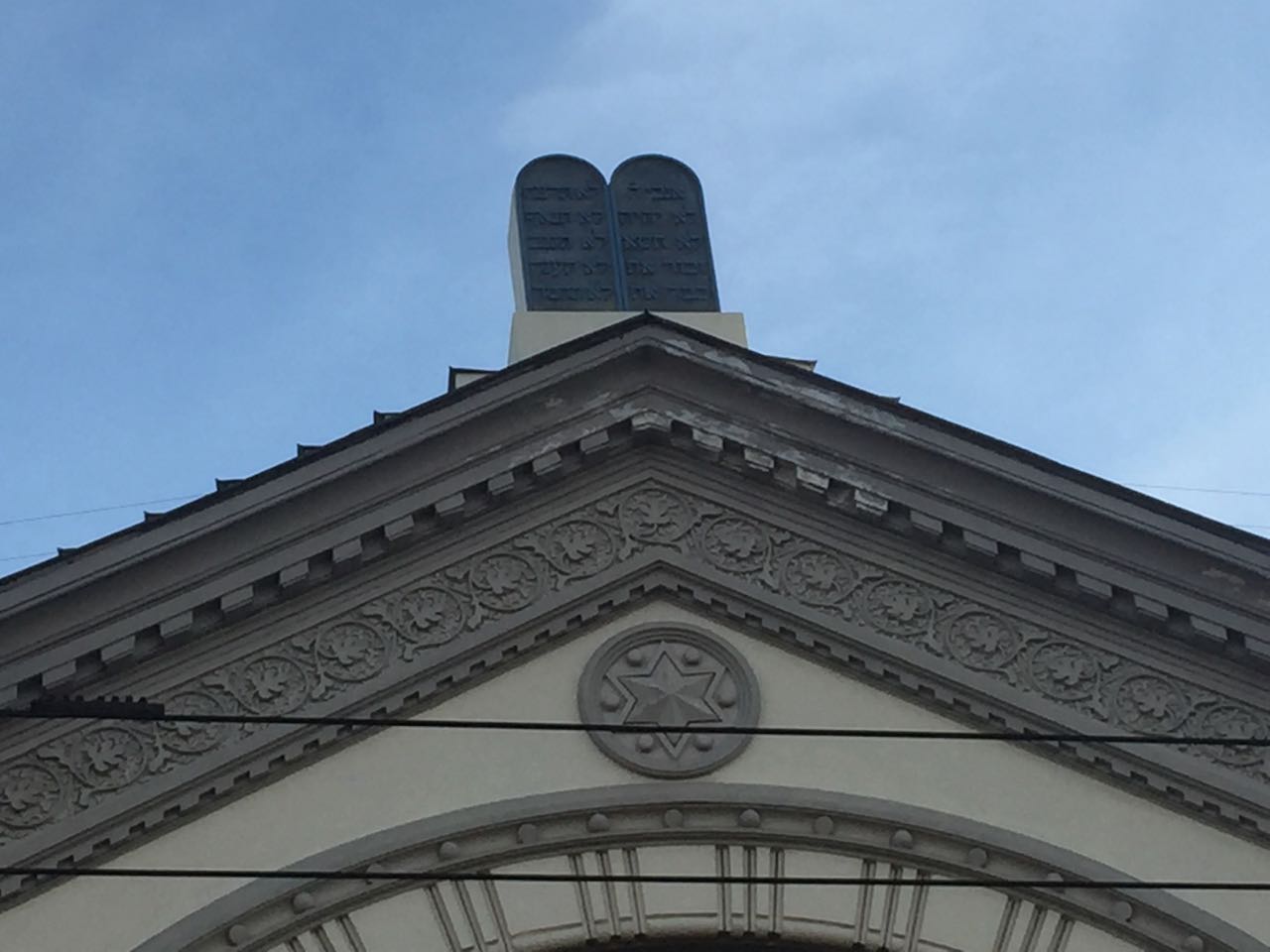
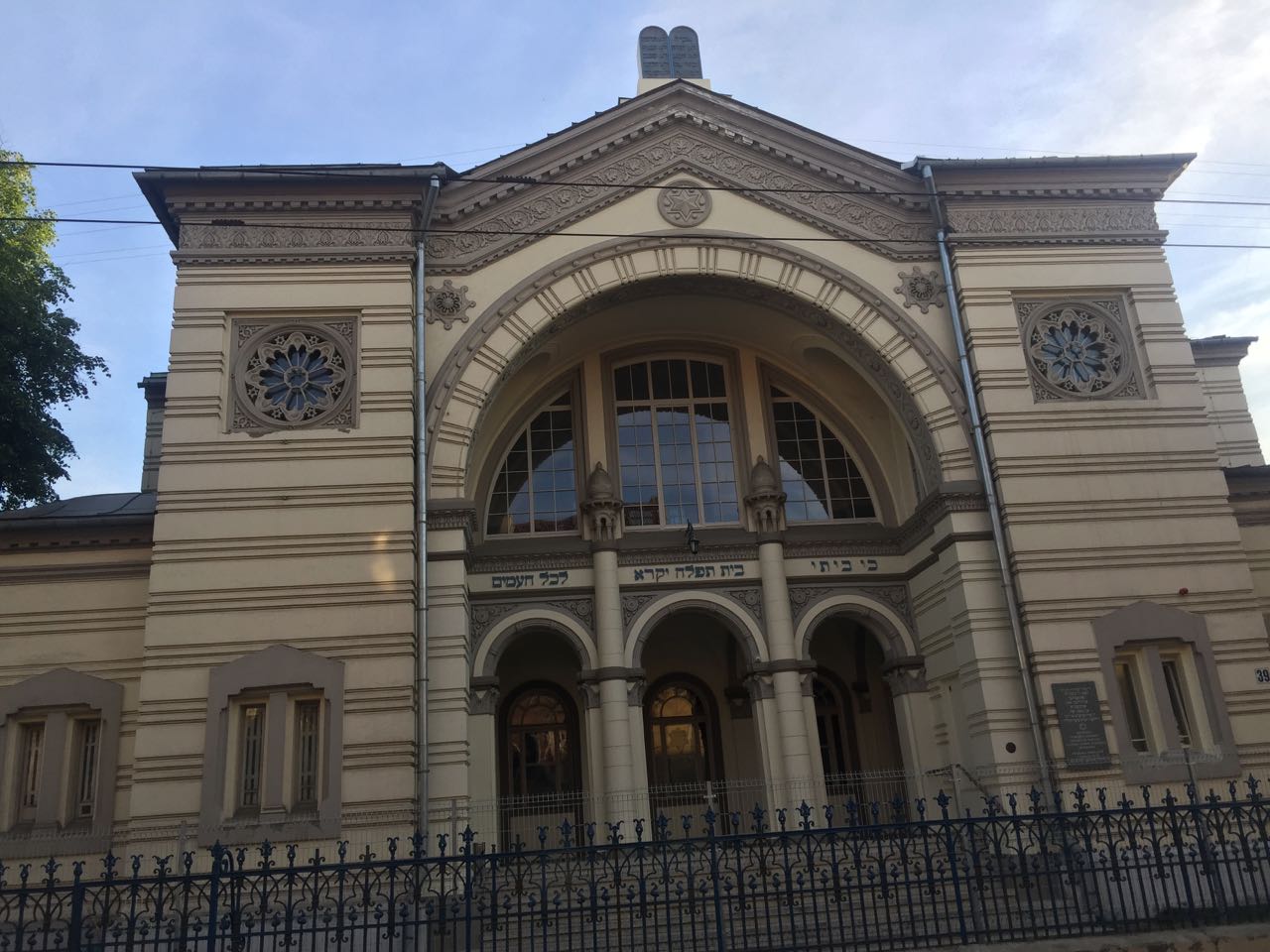
The Choral Synagogue
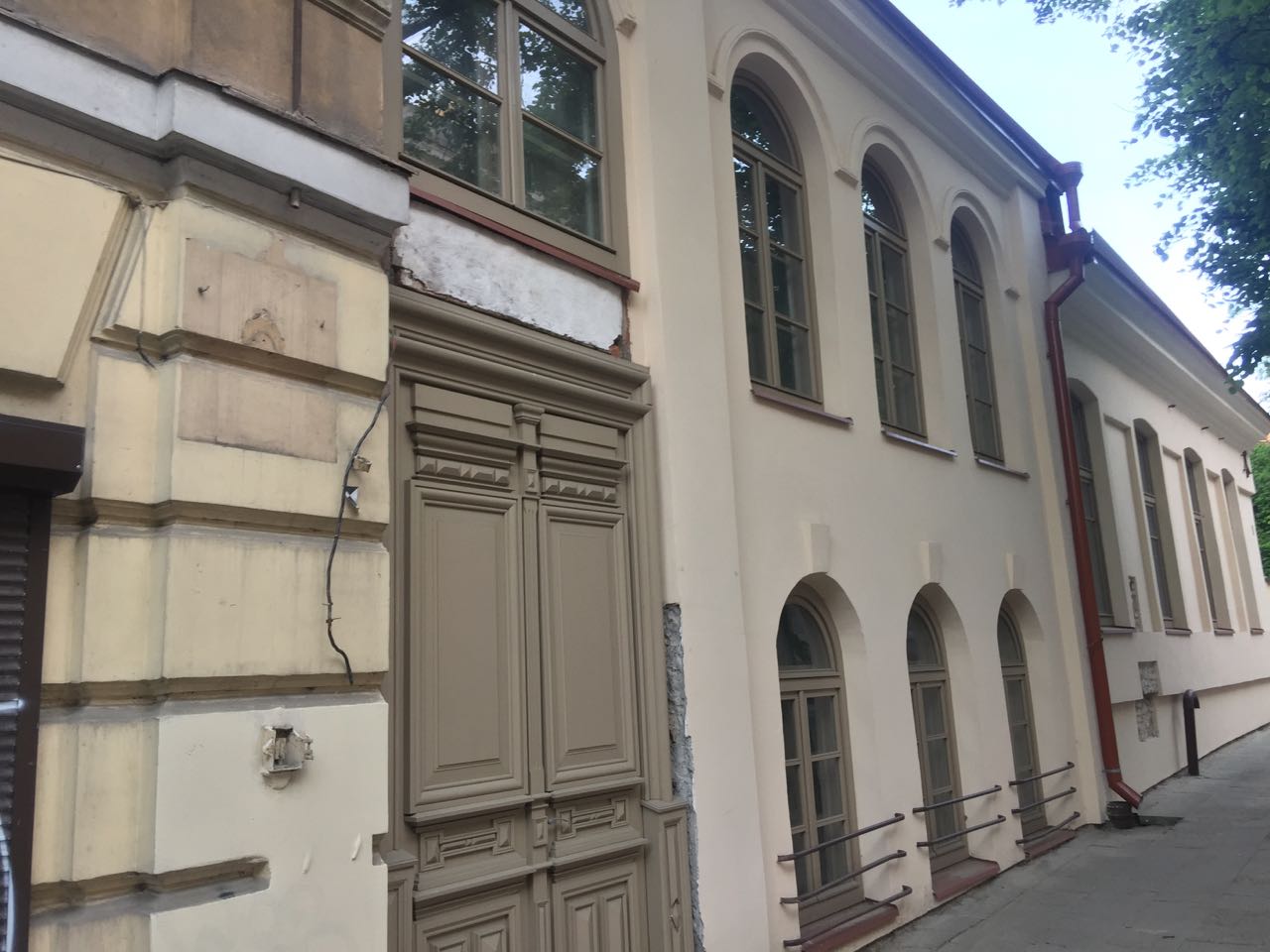
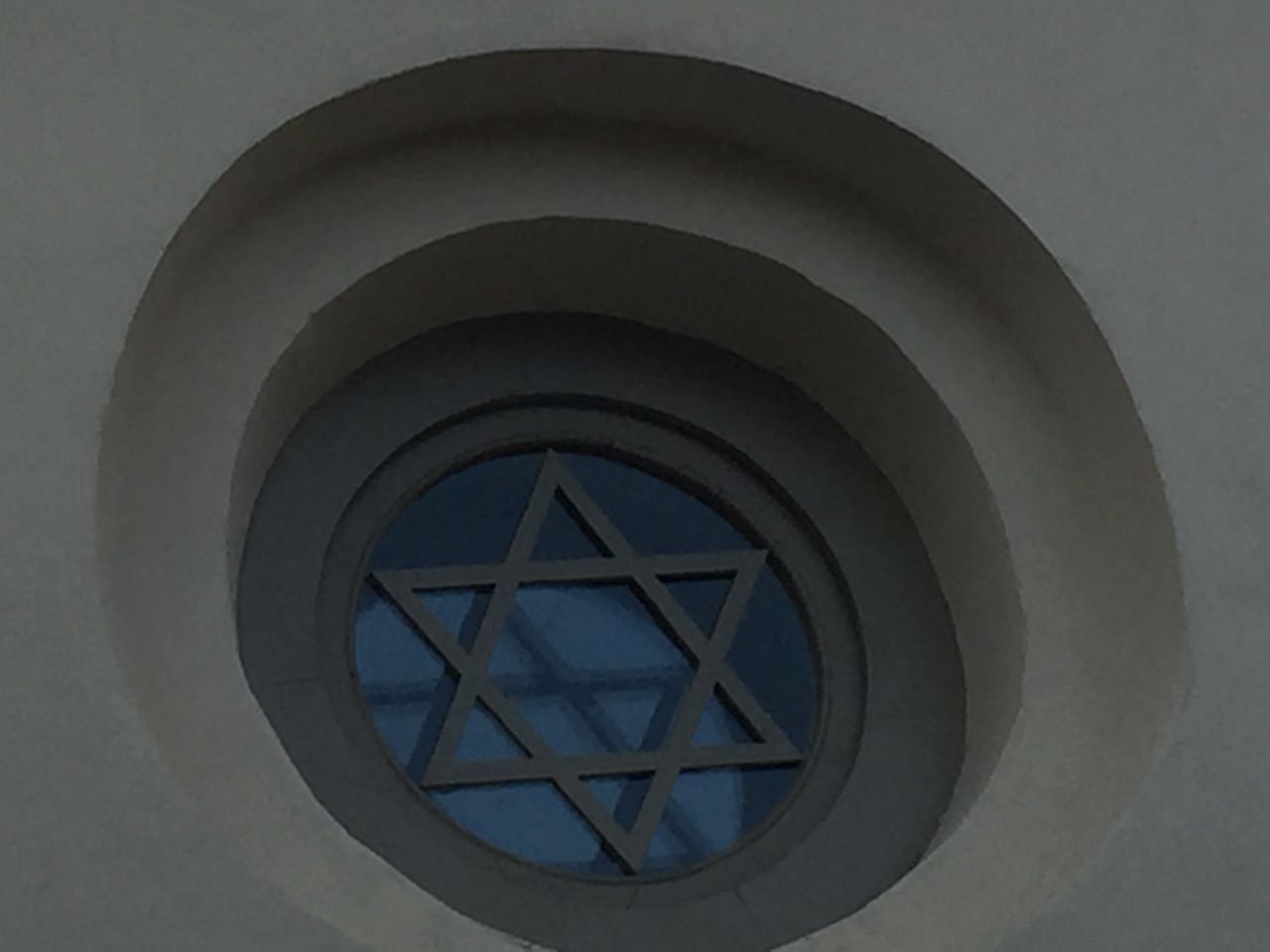
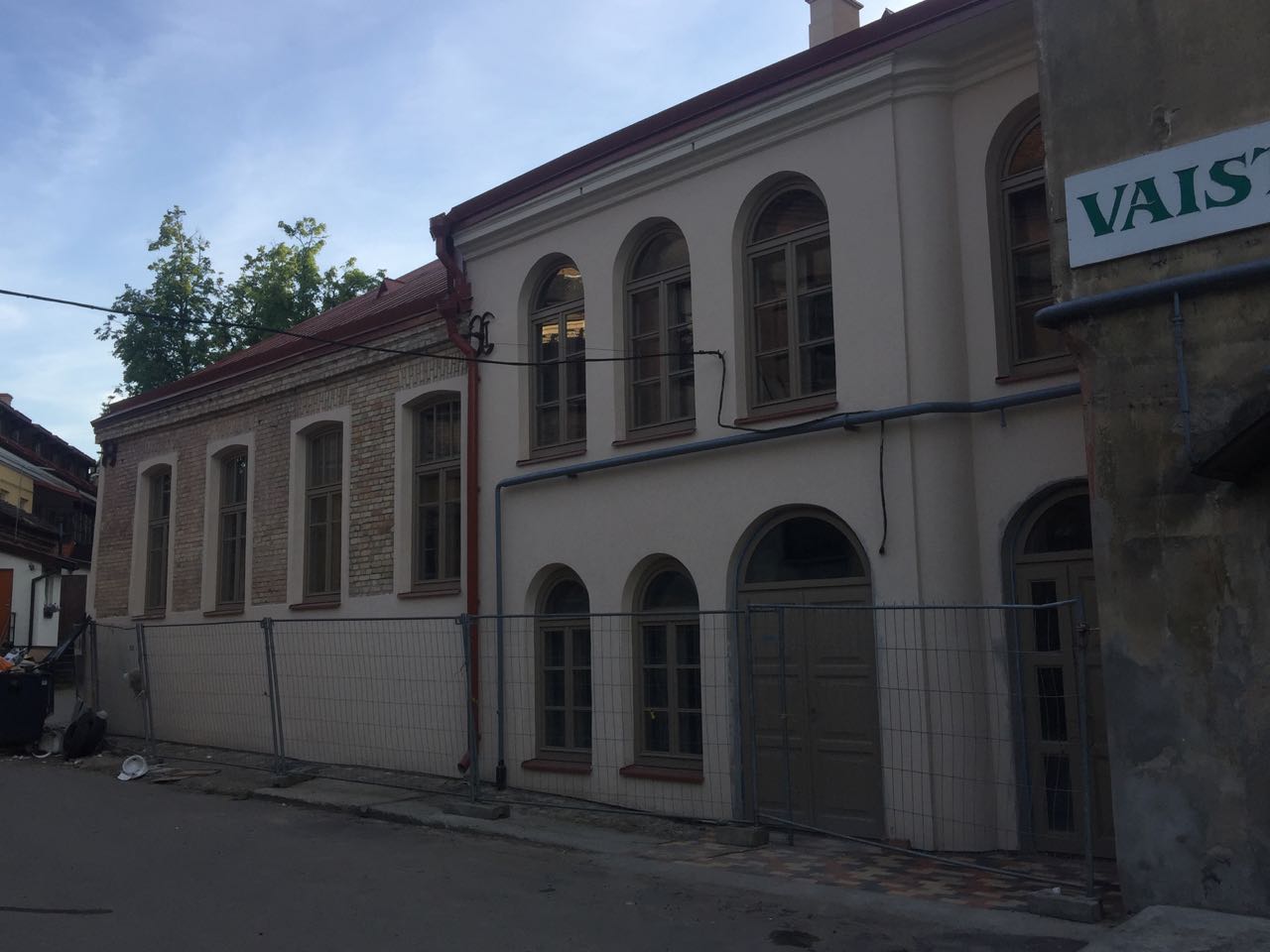
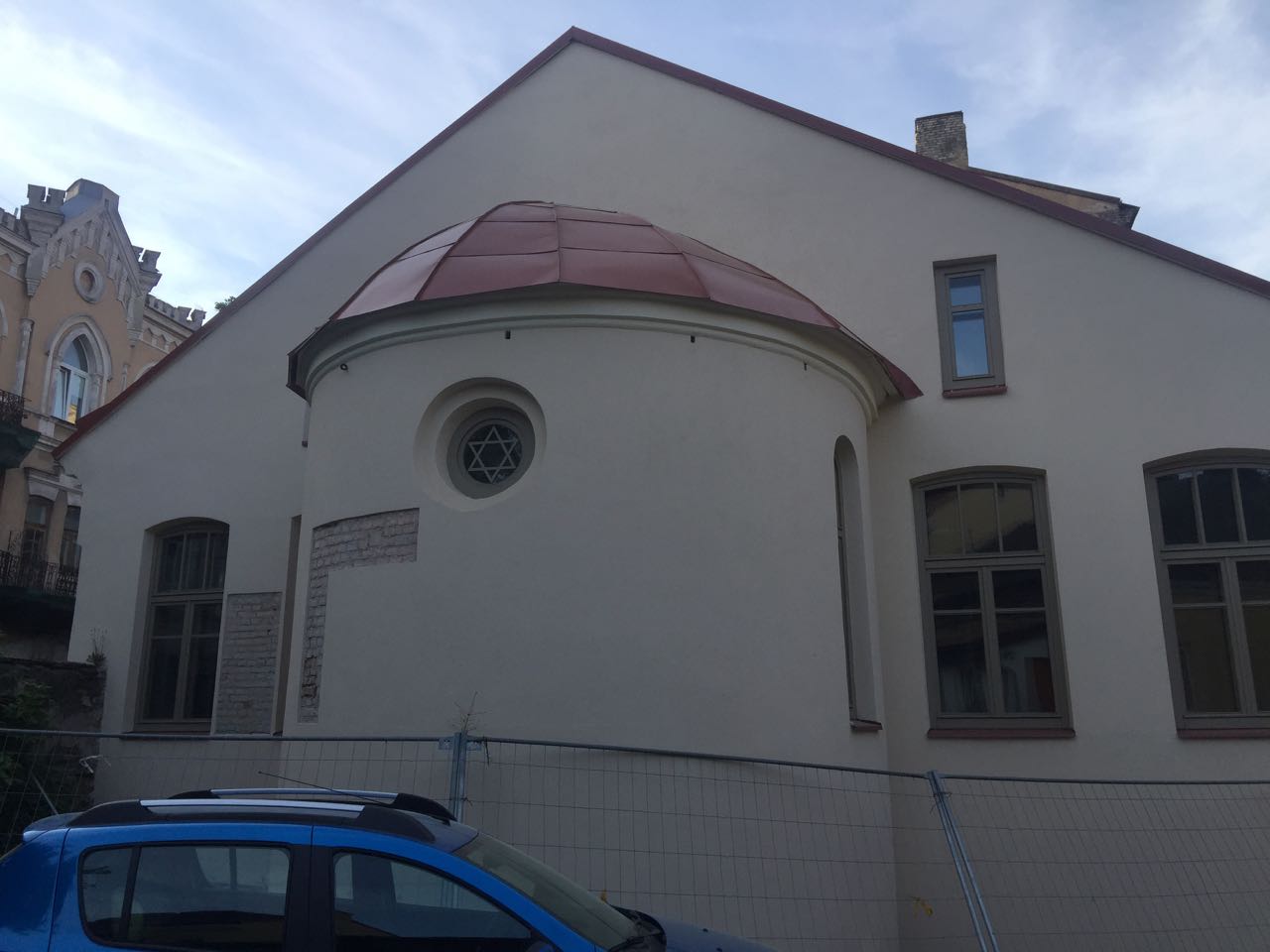
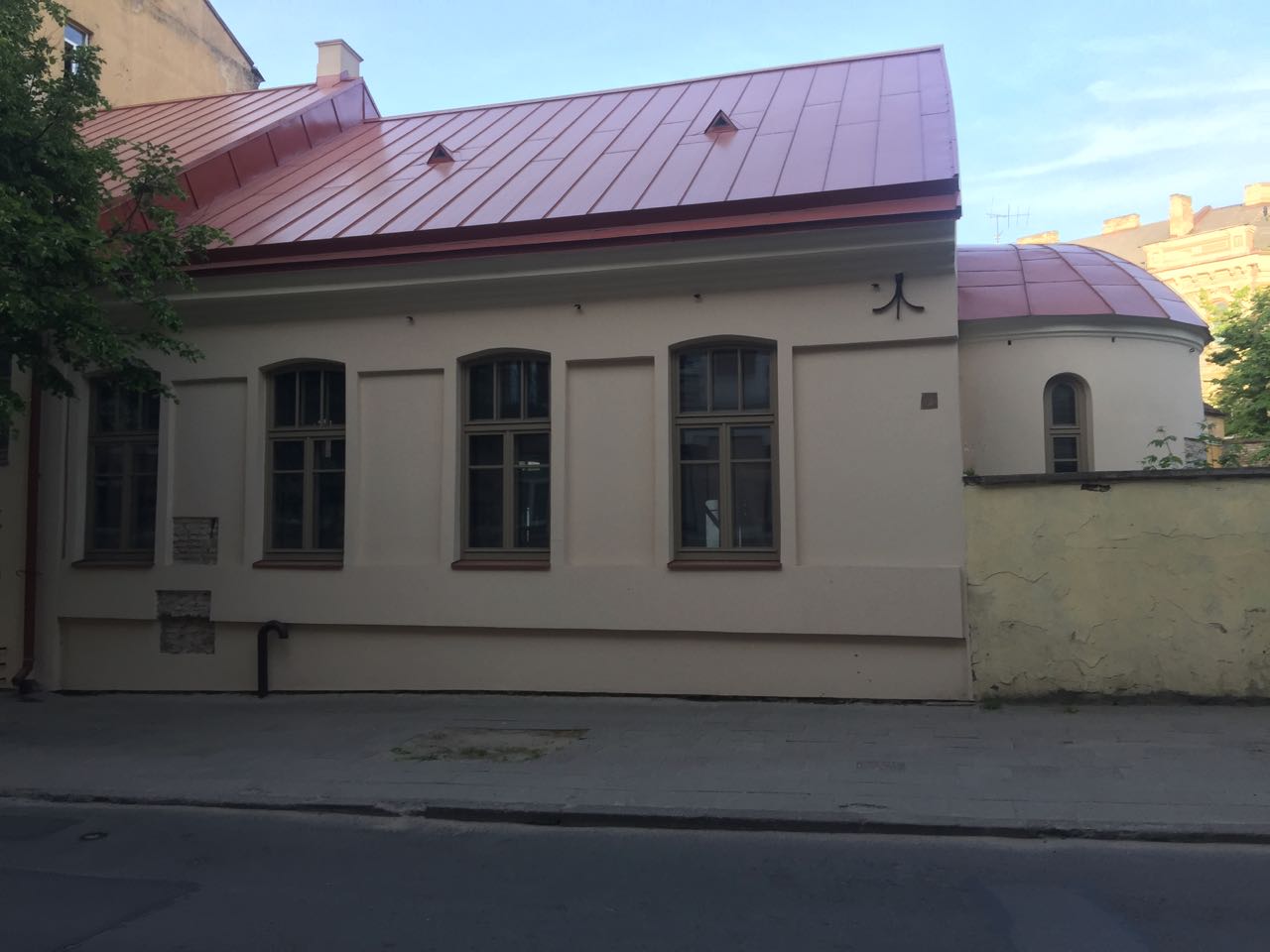
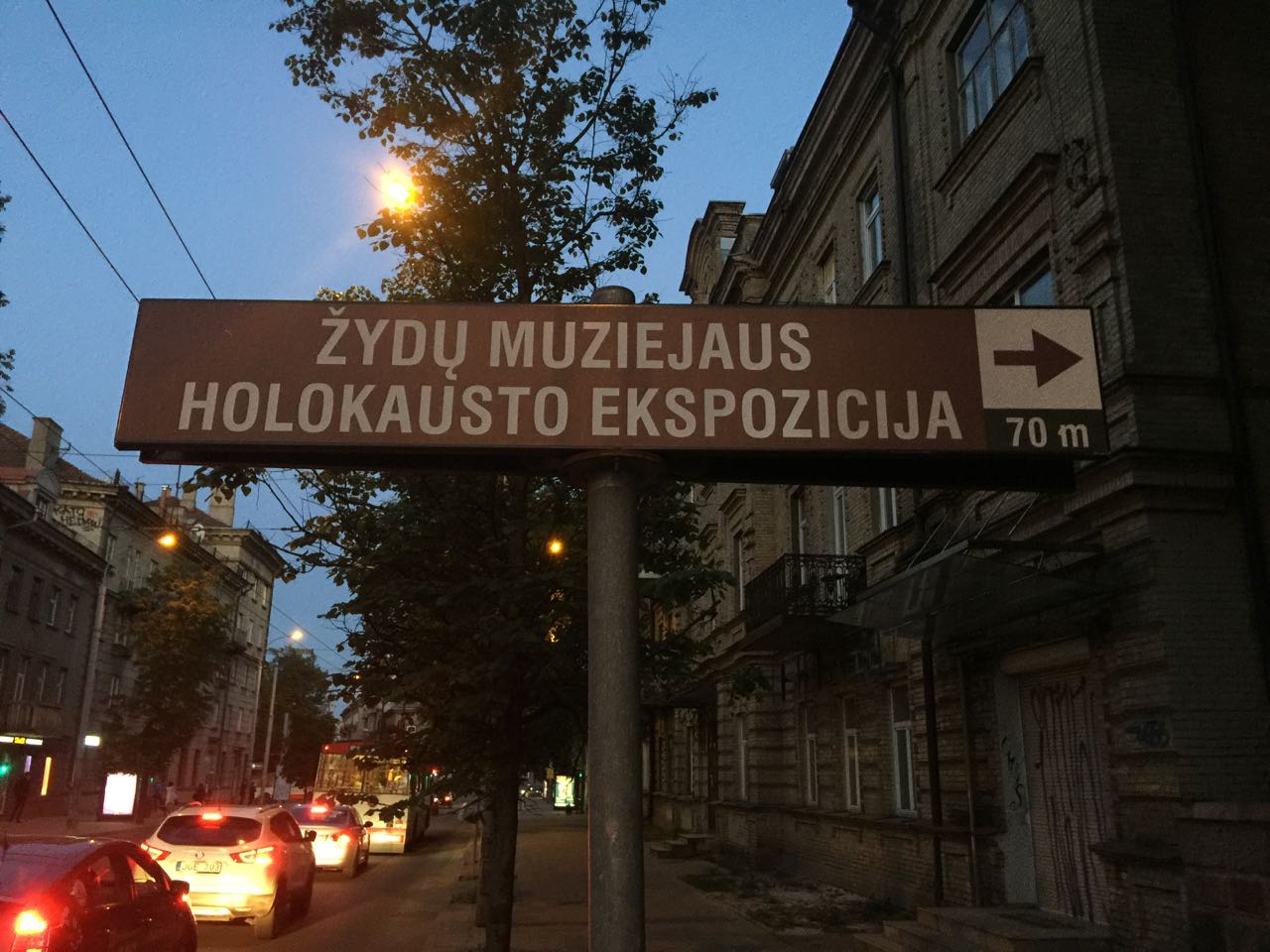
From my 2017 visit:
The restoration of the Geliu synagogue Renovation of Synagogue on Geliu Gatve starts in Vilnius The Lithuanian Department of Cultural Heritage confirmed on July 21, 2015, the renovation of the syna…
Source: elirab.me/back-to-vilnius/
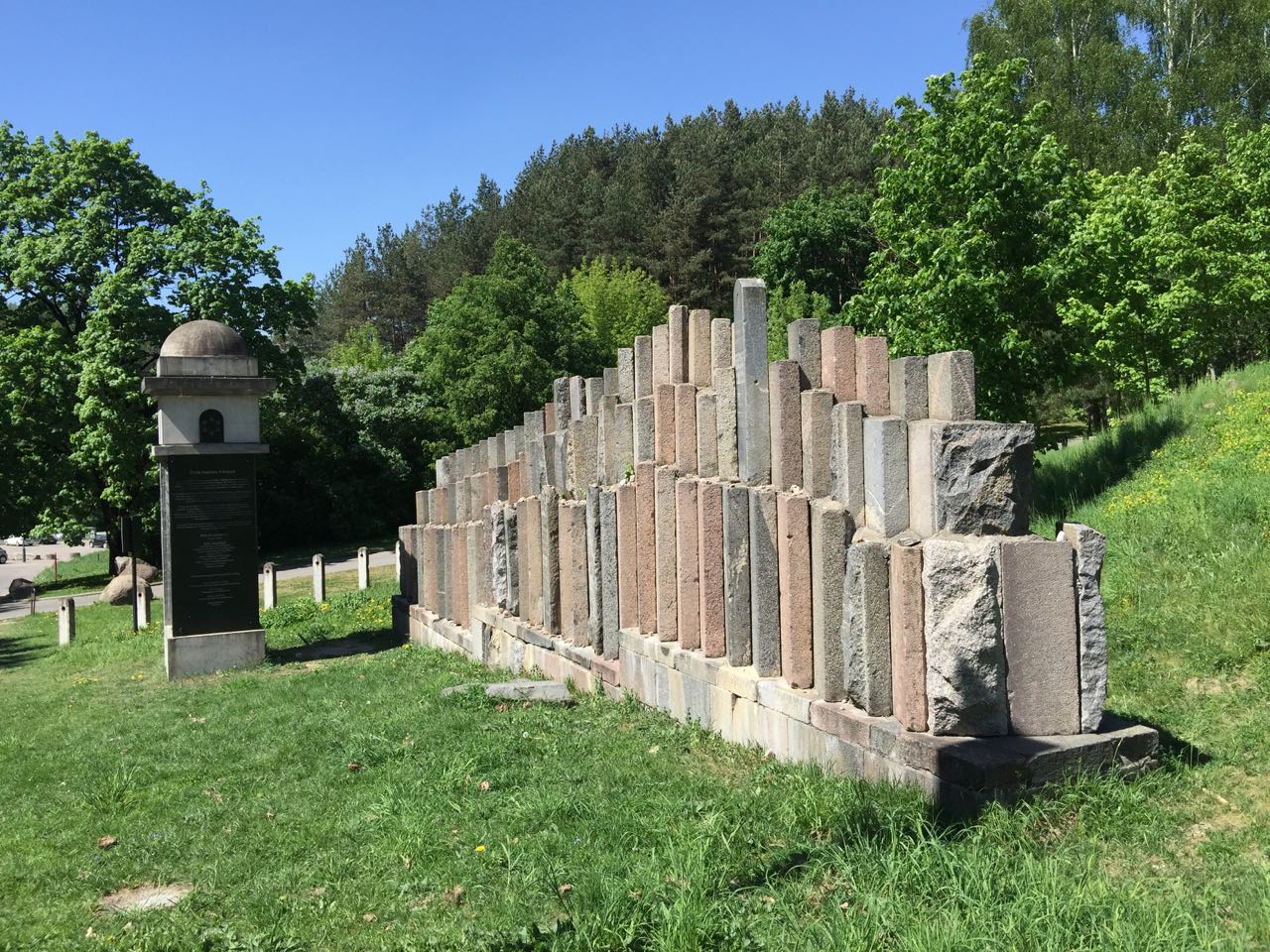
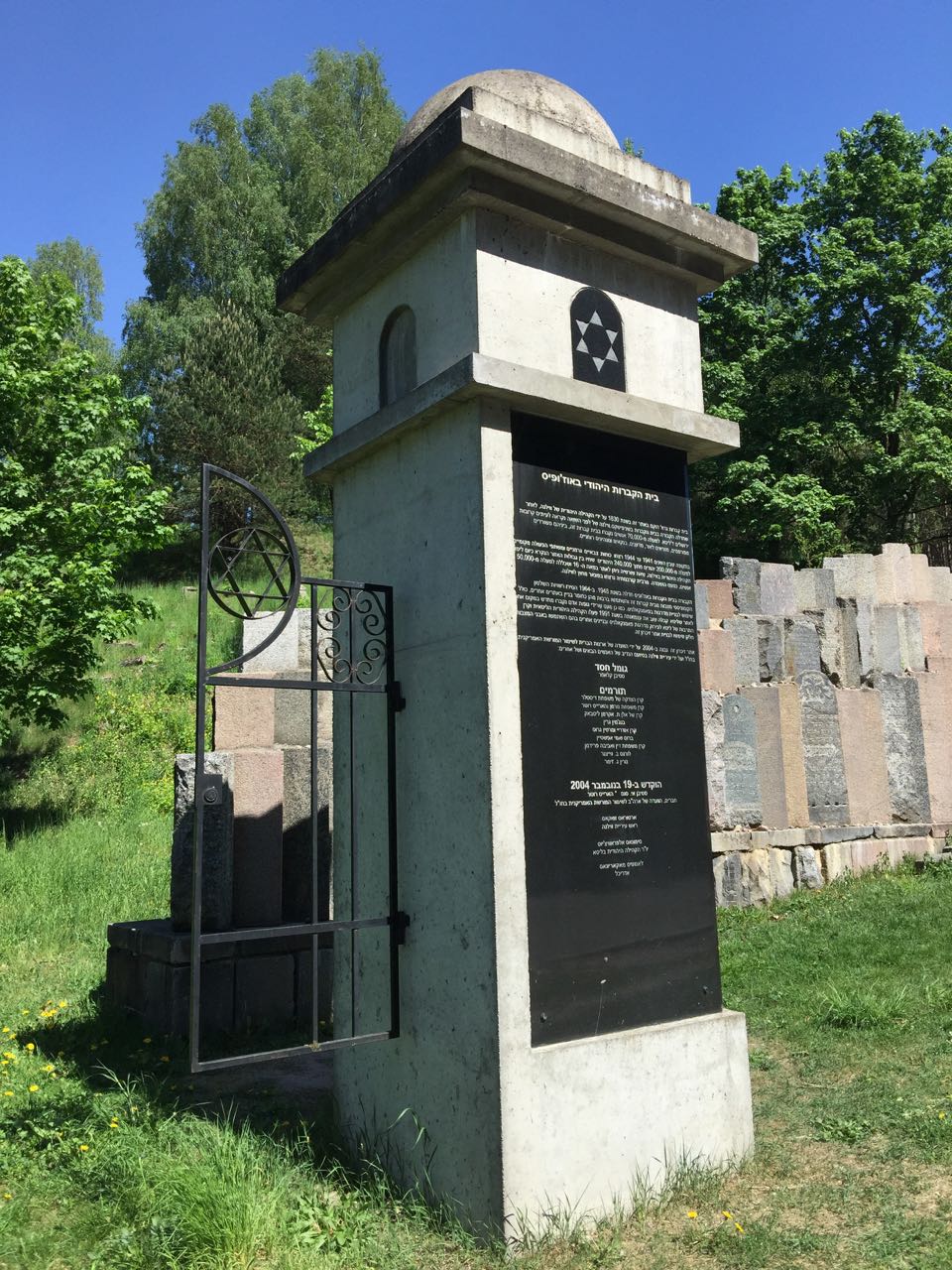
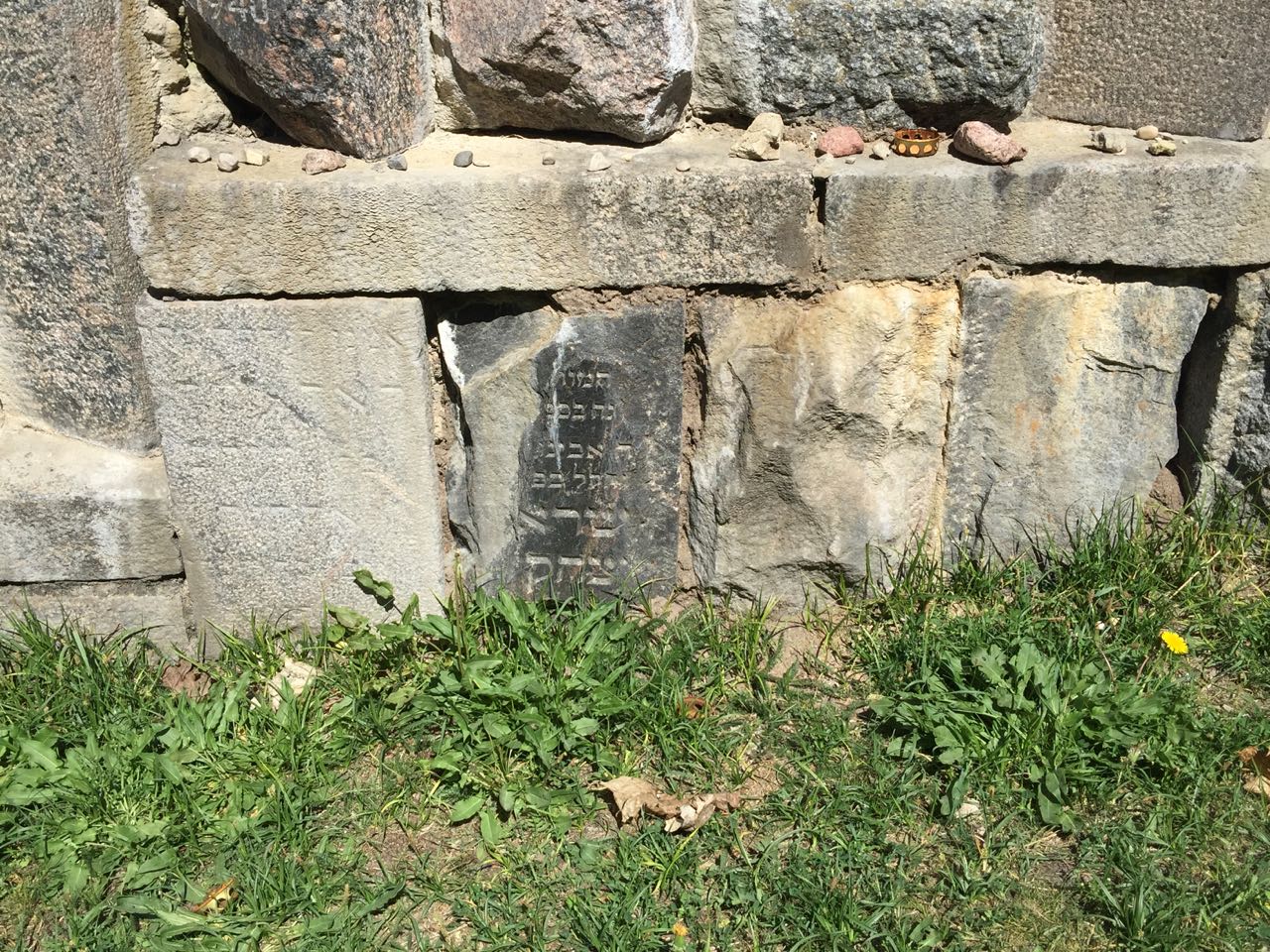
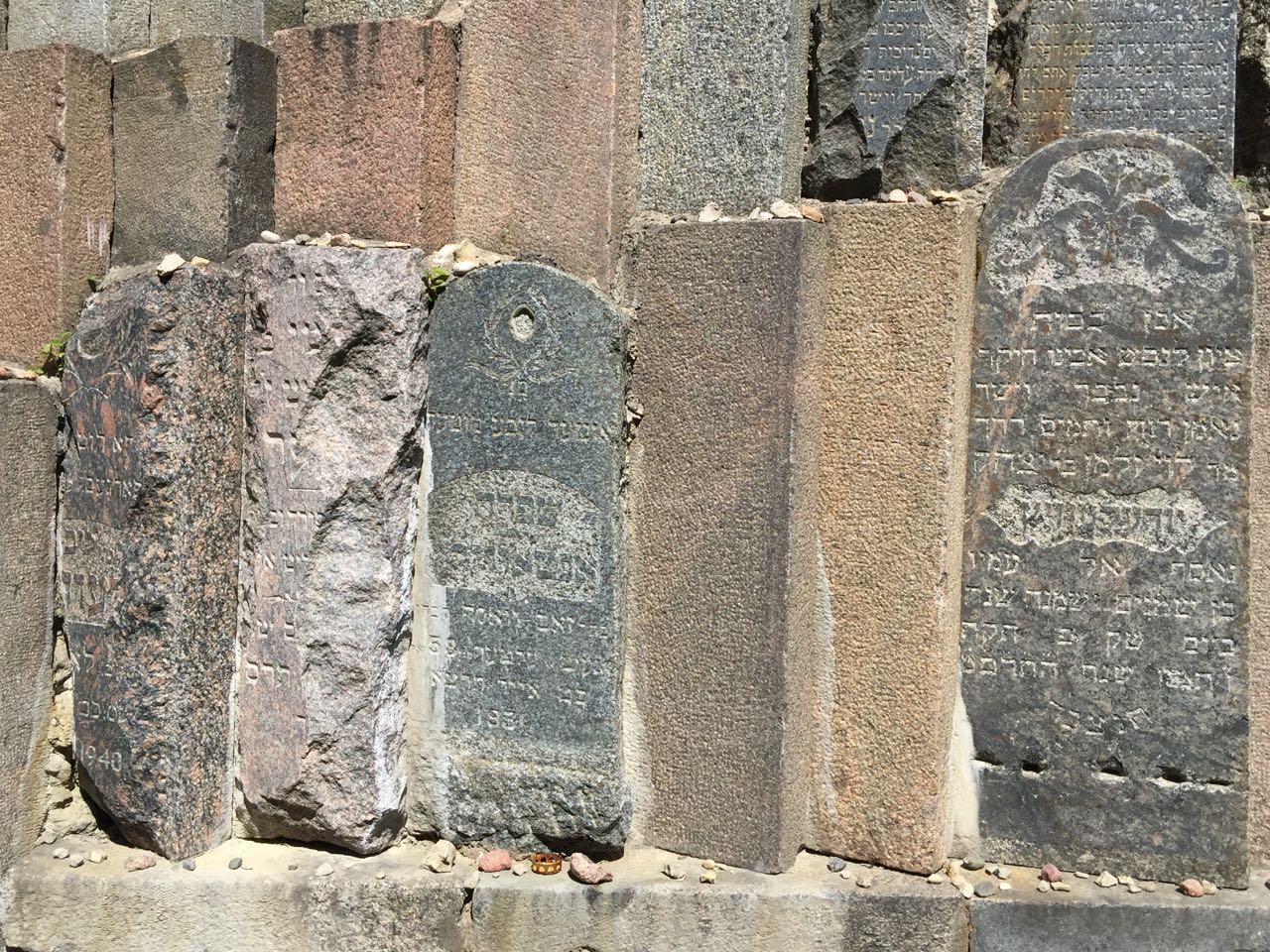
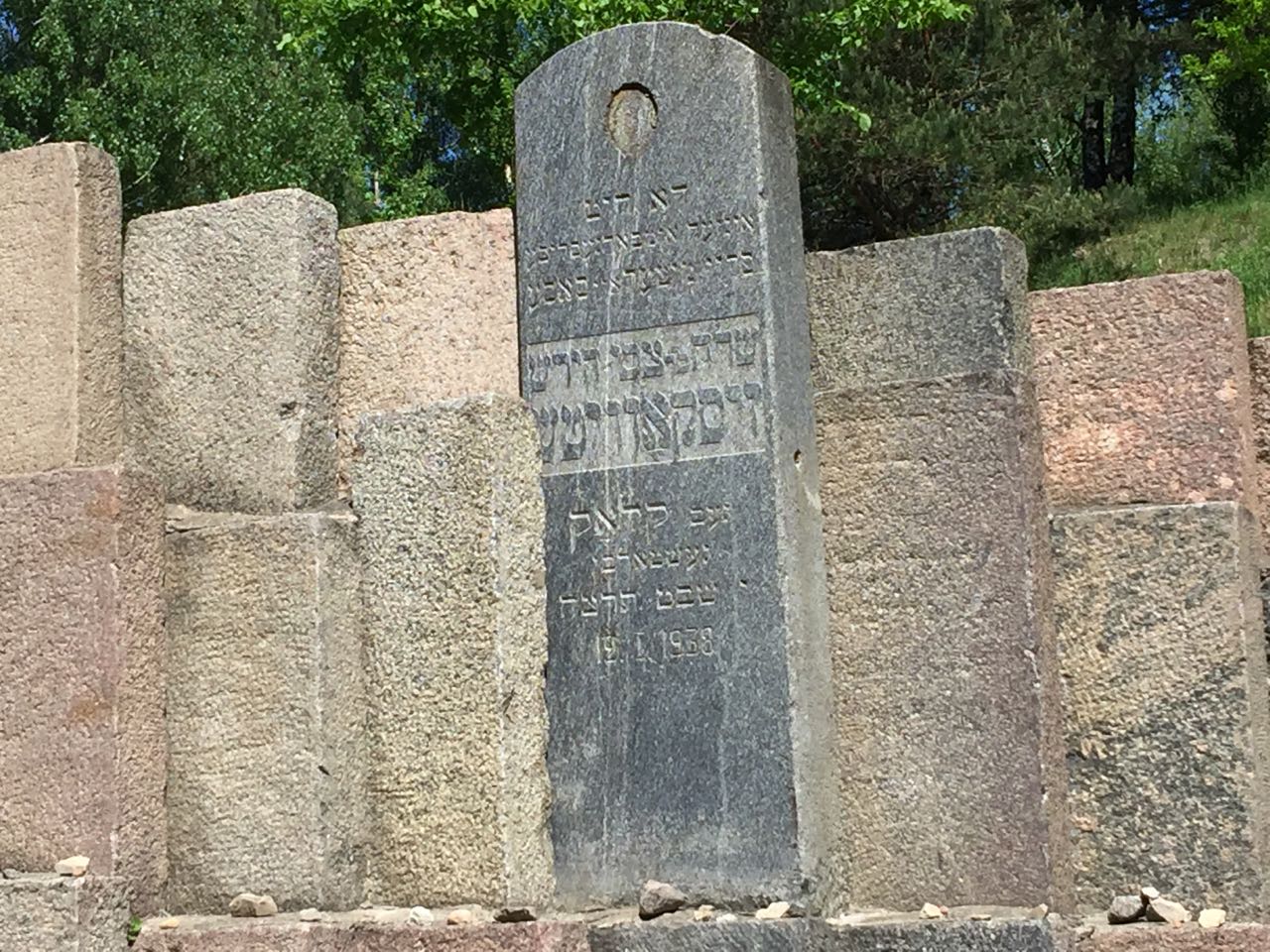
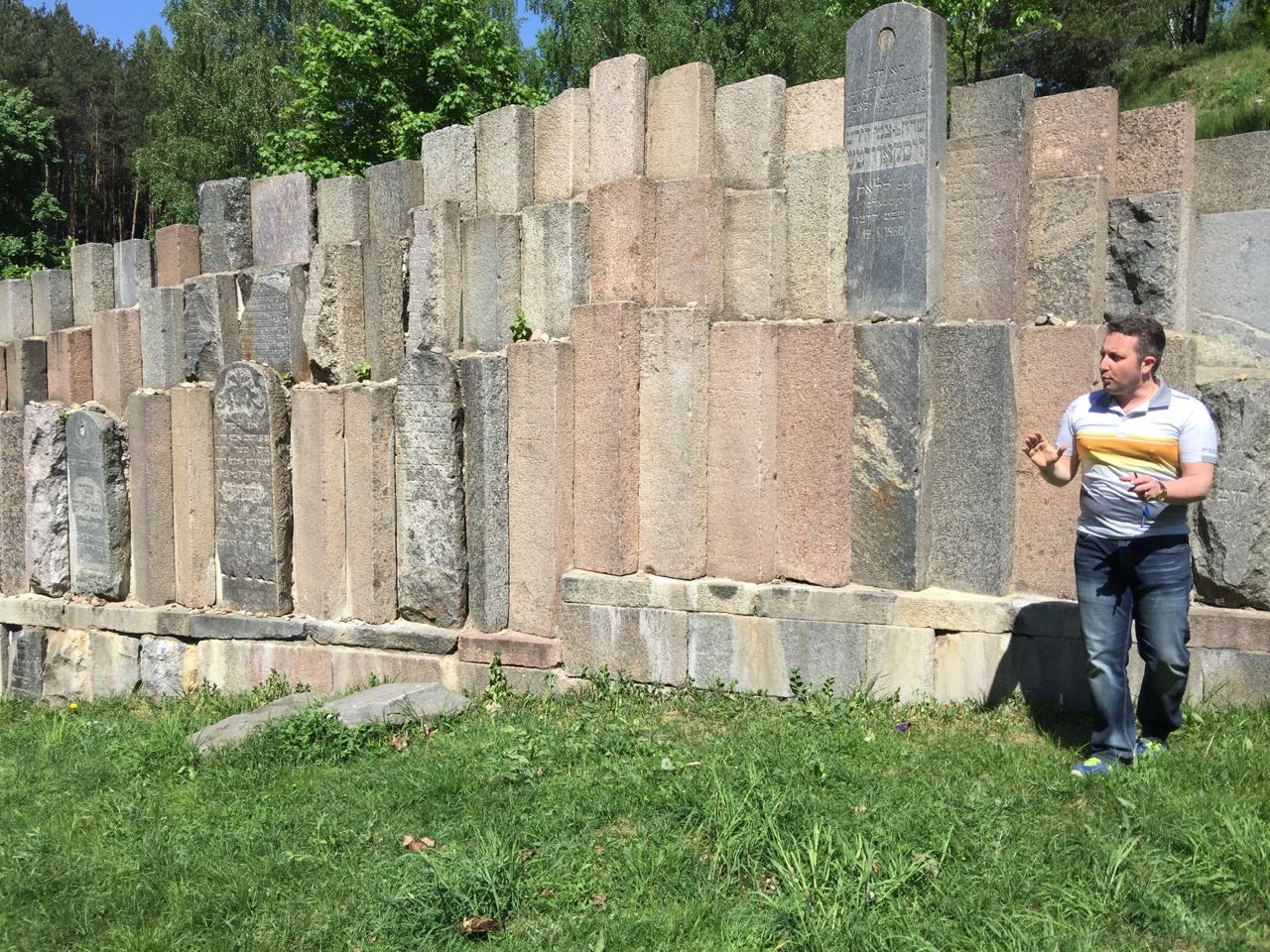
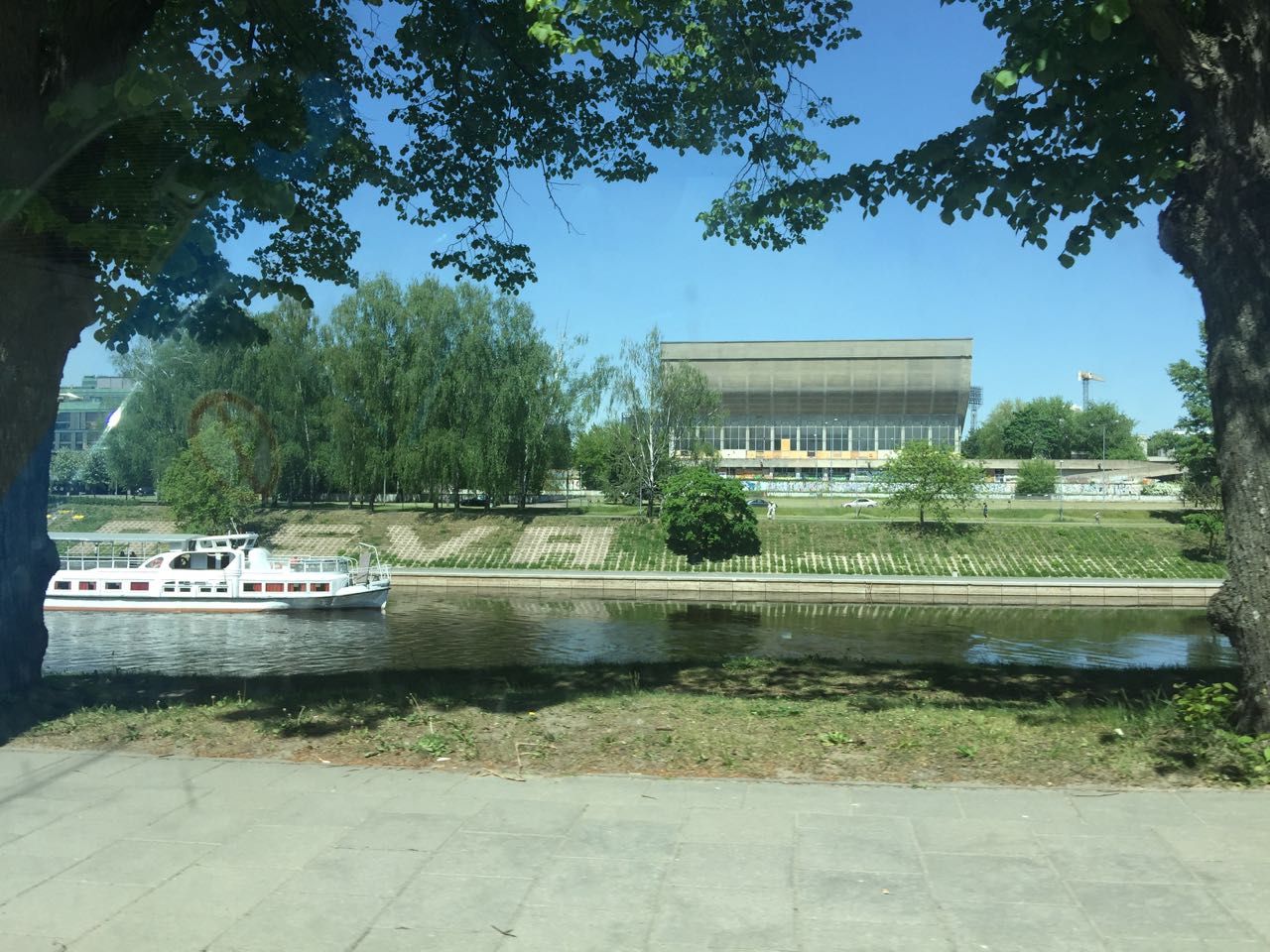

The Jewish cemeteries of Vinius are the three Jewish cemeteries of the Lithuanian Jews living in what is today Vilnius, the capital of Lithuania, which was known to them for centuries as Vilna, the principal city of the Grand Duchy of Lithuania and the Pale of Settlement of the Russian Empire. Two of the cemeteries were destroyed by the Soviet regime and the third is still active.

From David Solly Sandler:
I am appealing for information, any publications or articles on SOUTH AFRICAN LANDSMANSHAFTEN (ASSOCIATIONS)
(AKA Sick and Benefit Societies/ Mutual Aid Societies)
In South Africa in the early 1900s in there were many Mutual Aid Societies/Associations/Landsmanshaften from mainly Lithuanian towns including: Aniksht, Birzh, Chelm ( Poland), Dvinsk (Latvia), Keidan, Kelme, Kovno, Krakinowo, Kroze, Kupishok, Kurland (Latvia), Lutzin, Malat, Minsk (Belarus), Ponevez, Poswohl, Plungyan, Rakishok, Riga (Latvia), Shavlan, Shavl, Shater, Tels, Utiyan, Vilna and Zhagar.
To help one another and the new immigrants arriving with virtually nothing, Landsleit (people from the same towns or districts) banded together to form Landsmanshaften (Mutual Aid Societies) that helped the sick and poor, buried the dead and provided interest free loans to help members start businesses. They also provided a place where the community of mainly men ‘greeners’ could gather and socialise.
My next compilation PG will be SOUTH AFRICAN LANDSMANSHAFTEN (Jewish Sick and Benefit Societies / Associations of the early 20th century).
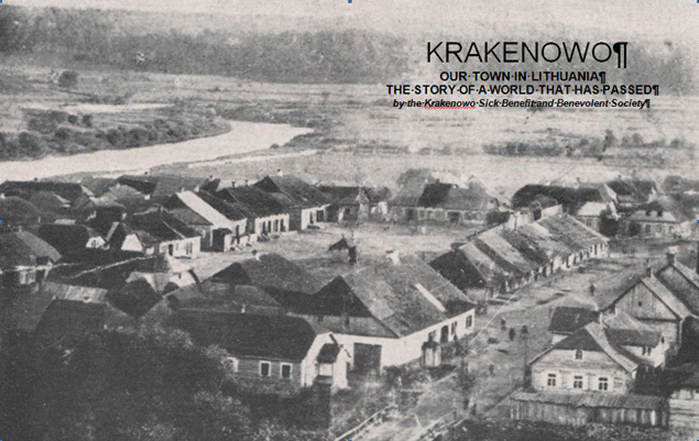
While I have published booklets on Keidan and Krakenowo and have booklets on Ponevez and Malat, I am appealing for information and any other publications of these Landsleit or any others from South Africa. Also, I am seeking publications of any Jewish Communities in Johannesburg.
If anyone can help, please contact me: David Solly Sandler sedsand@iinet.net.au


Noranda CHABAD, Perth, Western Australia, 30 June 2018
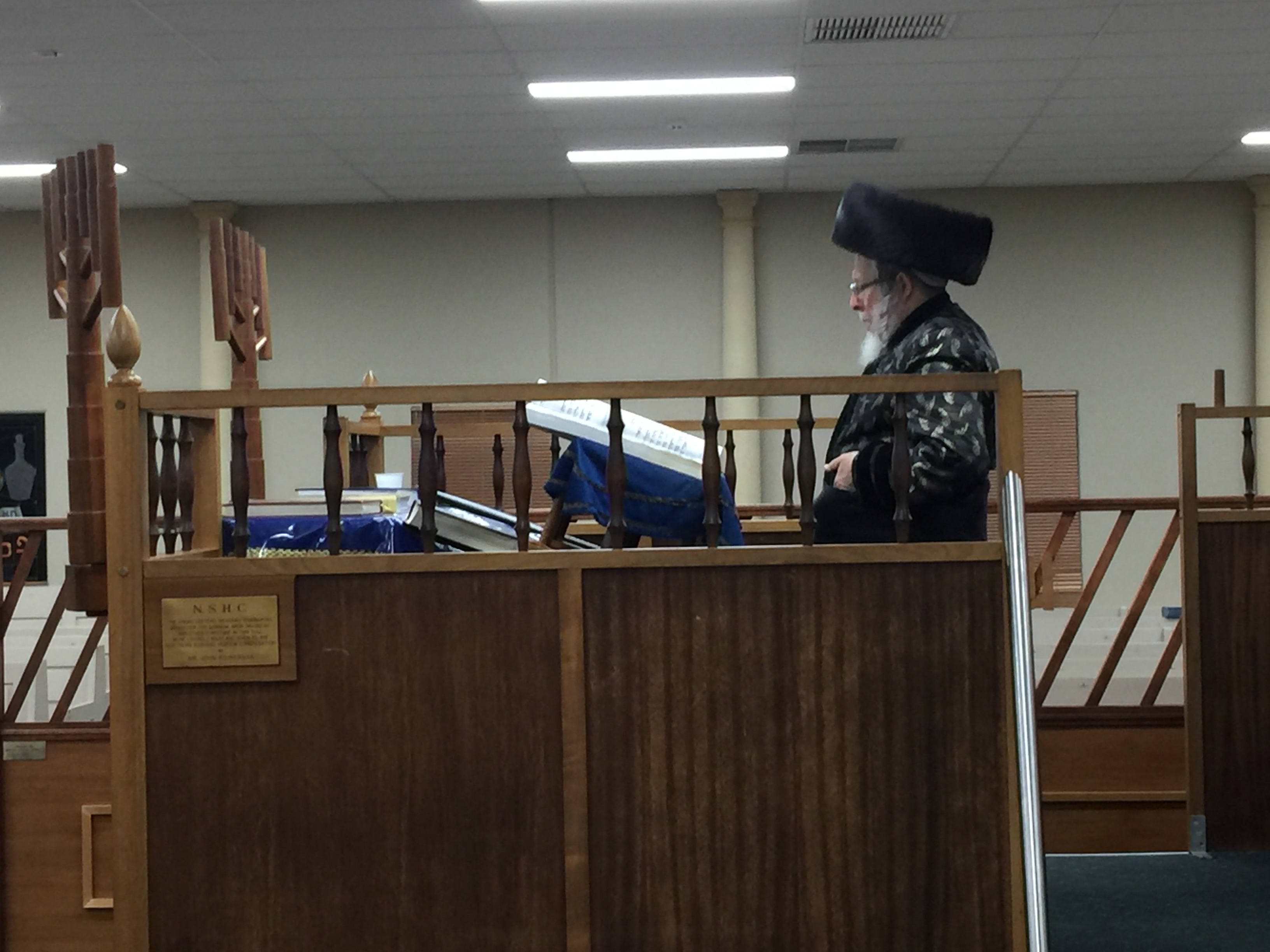
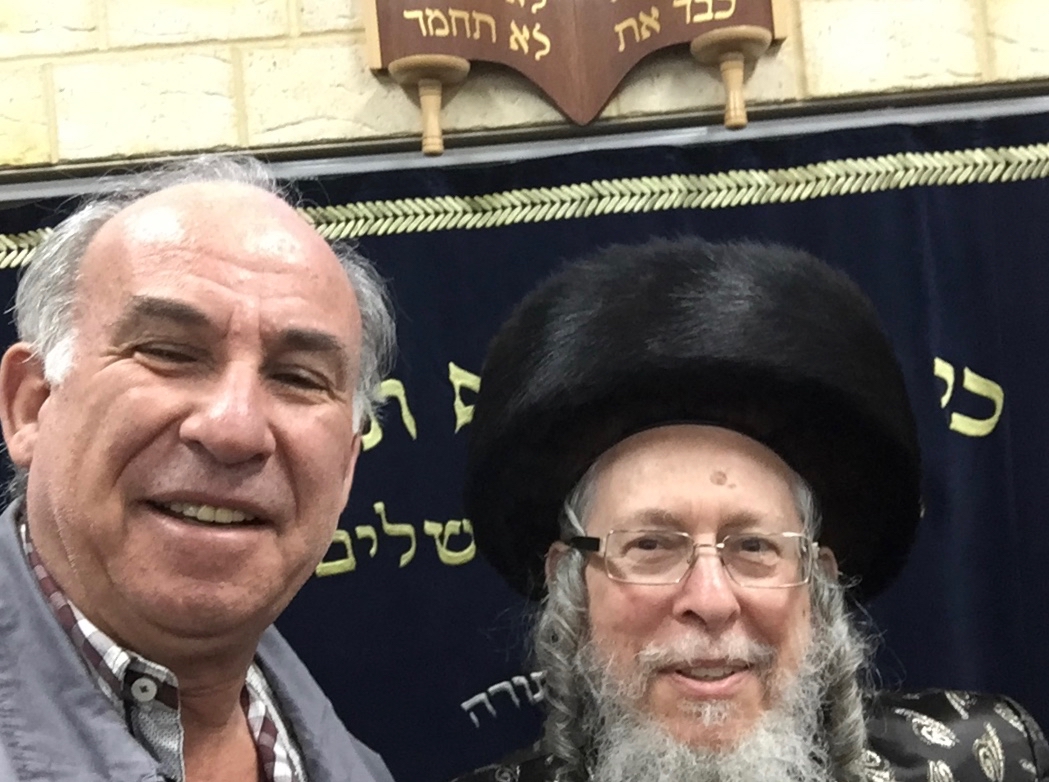
Avraham Shalom Halberstam spends Shabbat Balak with us. I had discovered on his previous visit to Perth in July 2016 that we were 8th cousins. Researching using Geni.com, I discovered that we both are members of the Katzenellenbogen Rabbinic Family Tree.
Earlier the day on Shabbat, we did something during Shacharit that brought the Rebbe and our community together as never before – read below.
Please note: no photos were taken during shabbat!
My 8th Cousin – The Stropkover Rebbe – The Admor of Stropkov

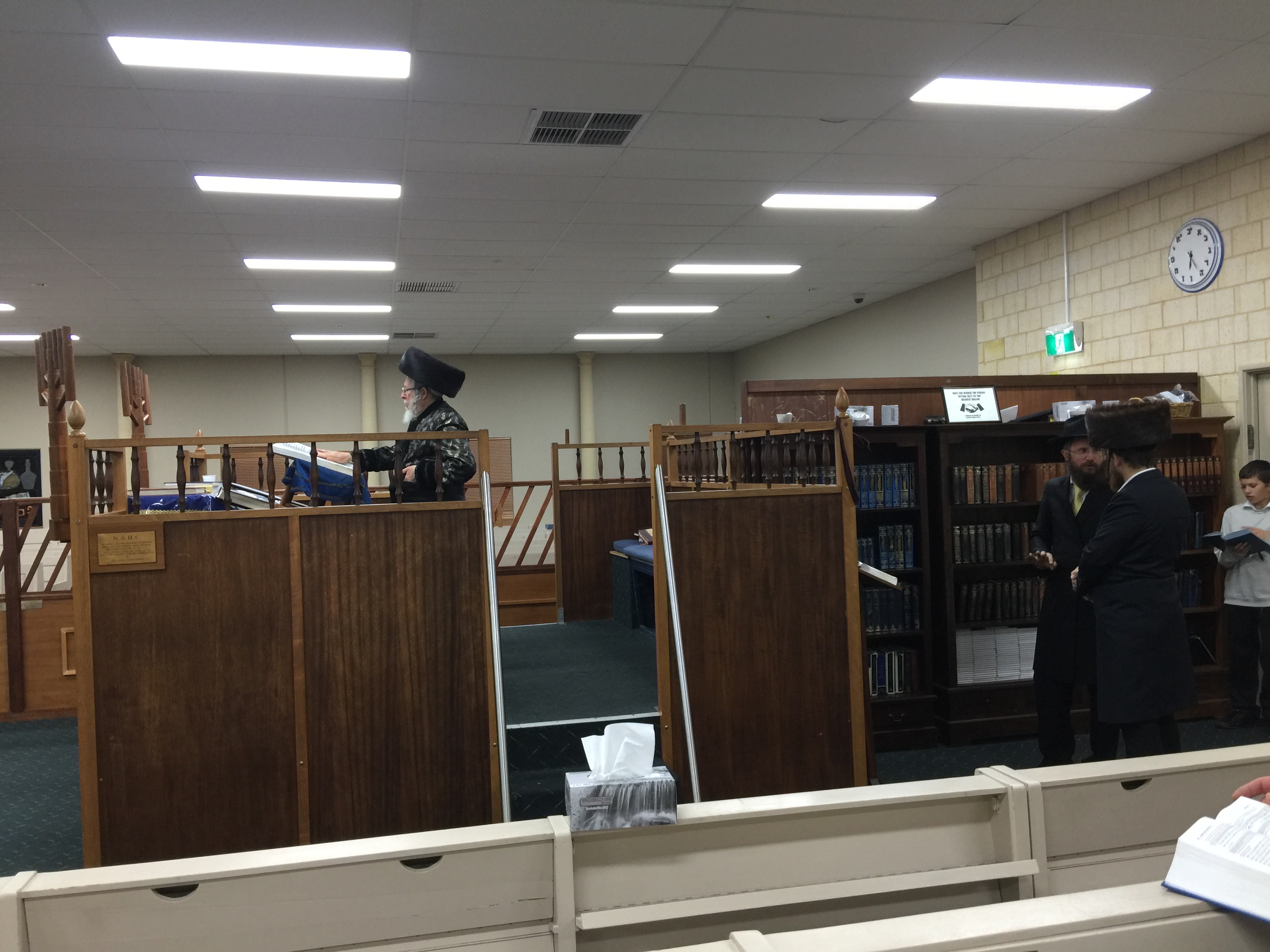
Video
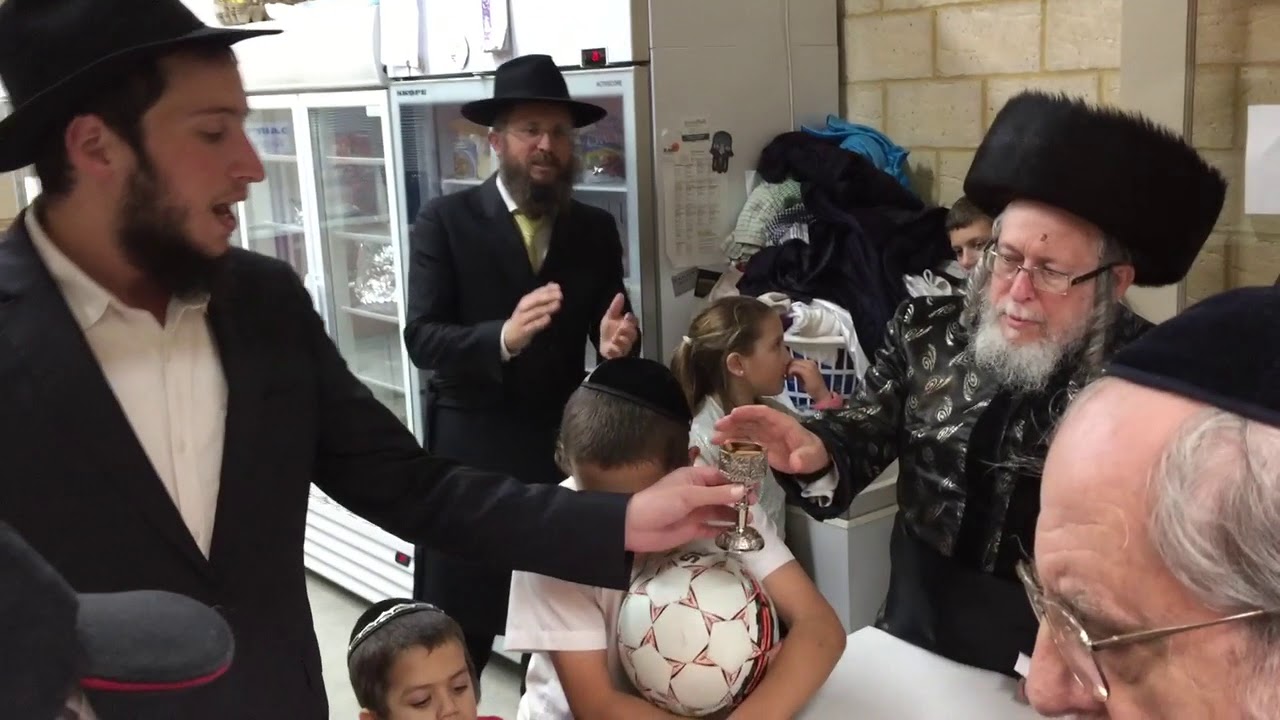
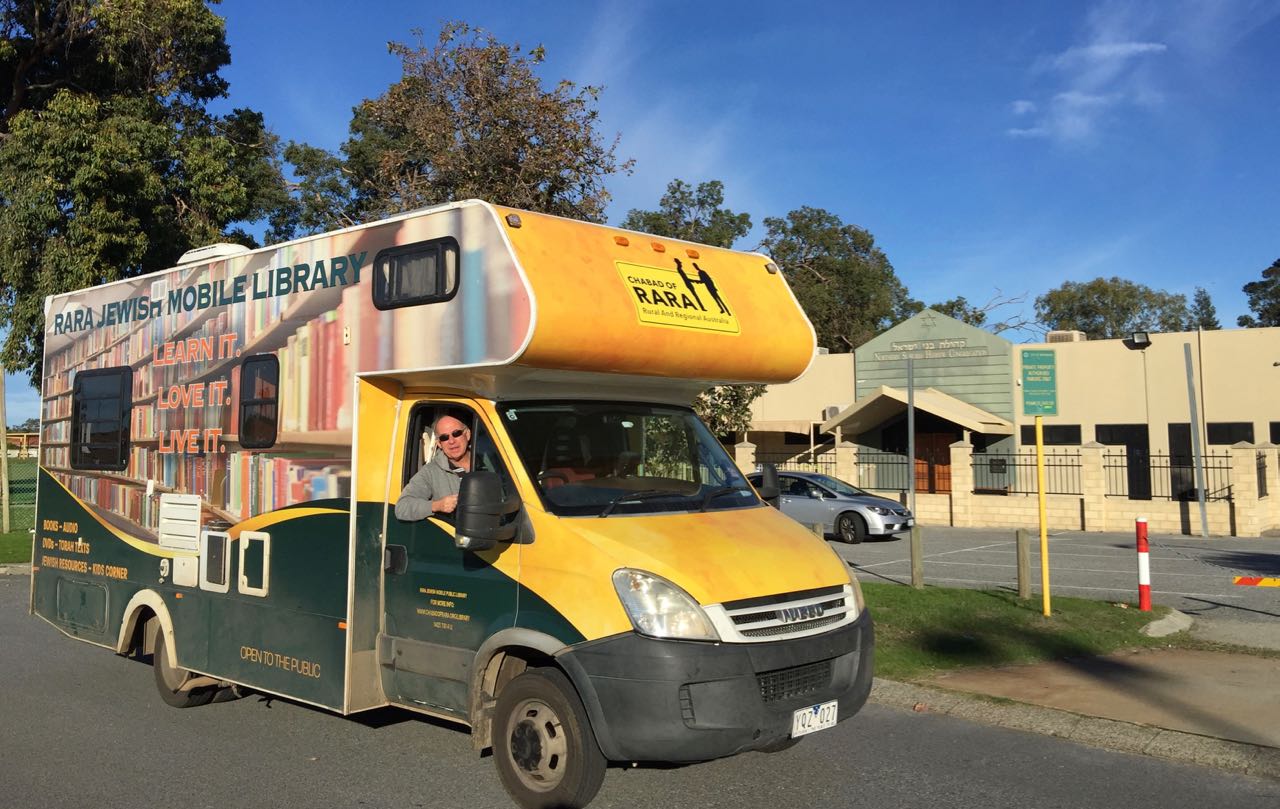
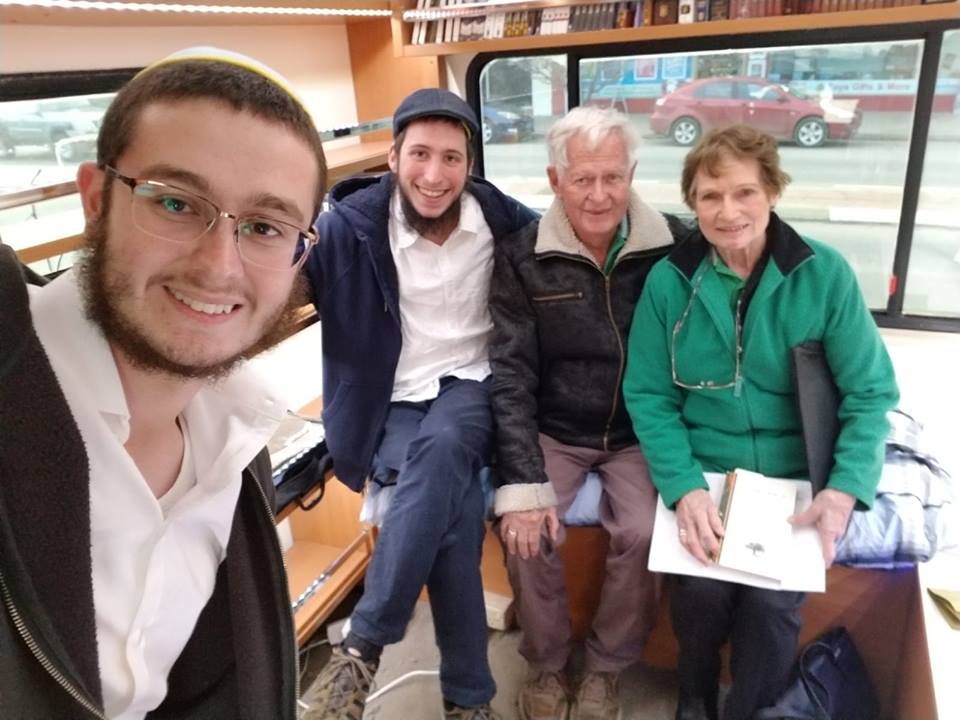
Mendy of RARA and the Stropkover Rebbe. Other guests were Moishe, the Rebbe’s assistant, and Moishe from RARA
Source: youtu.be/wzTfMchMCCs
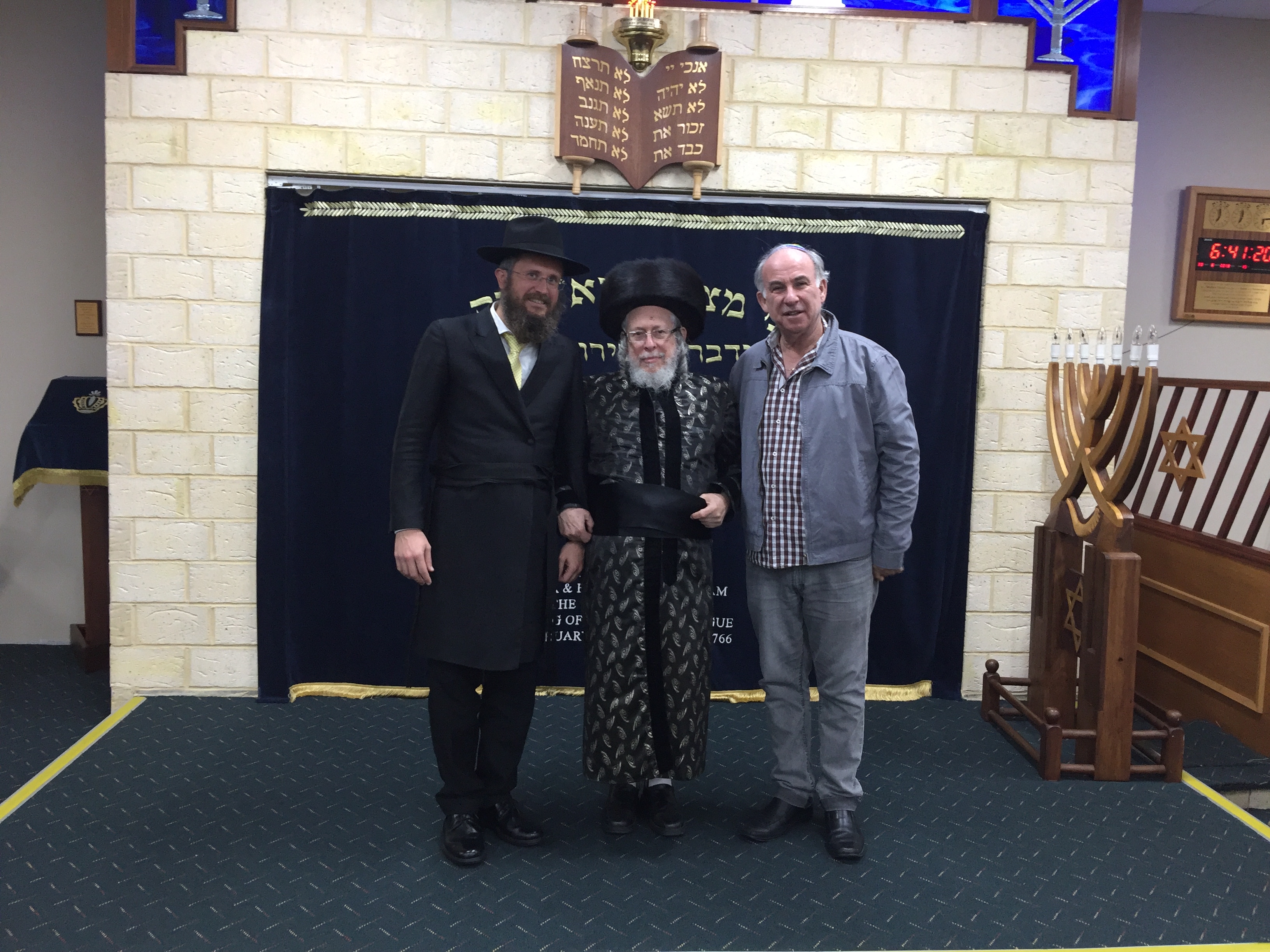
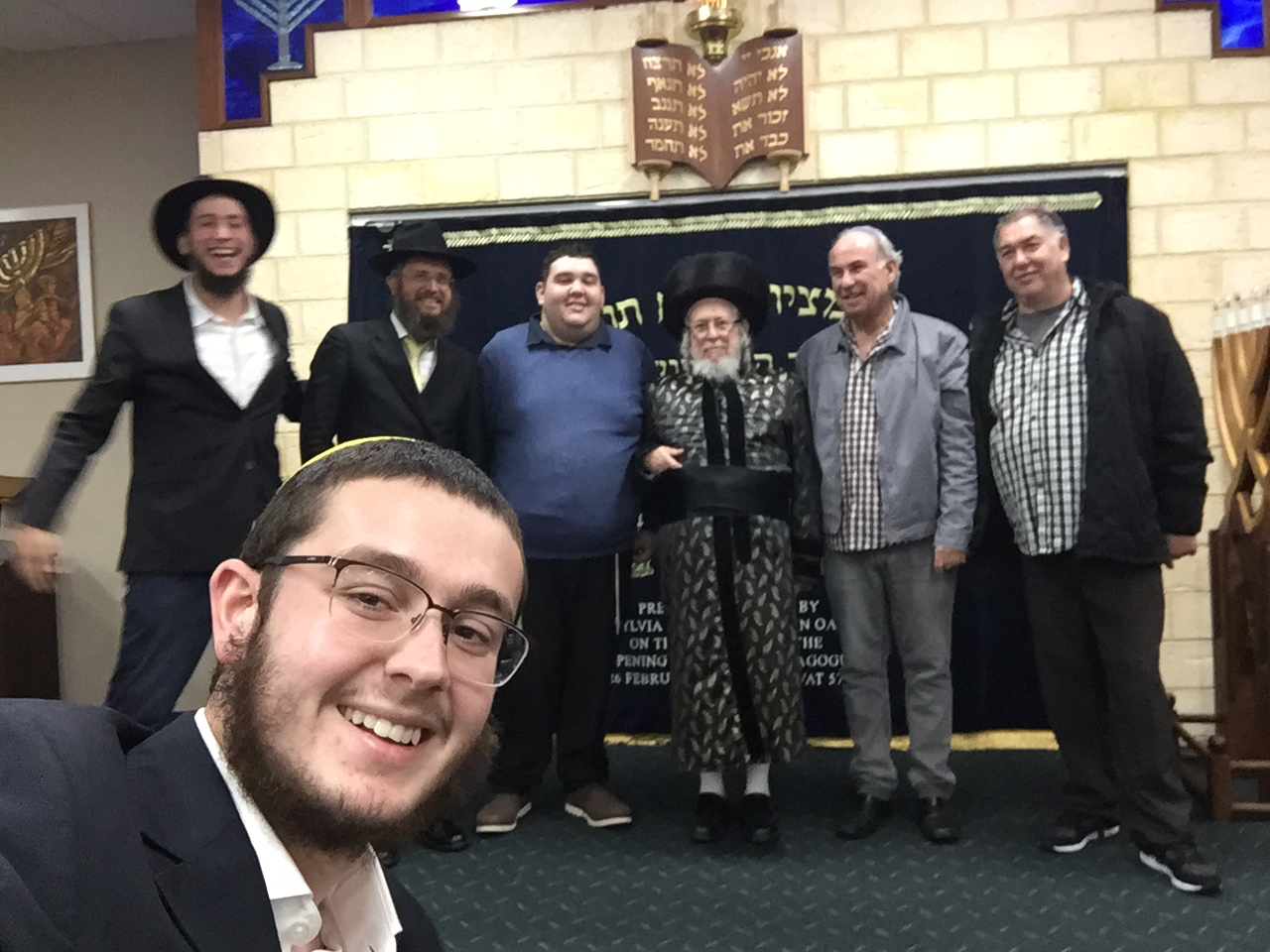
13 July 2018
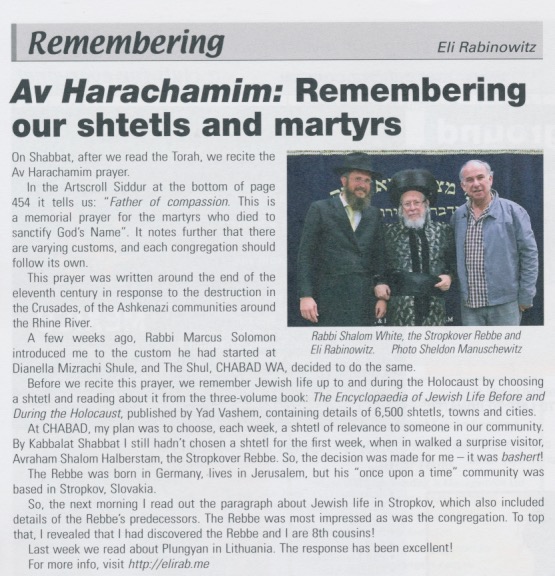
Earlier after the torah reading on shabbat we recited Av Harachamim
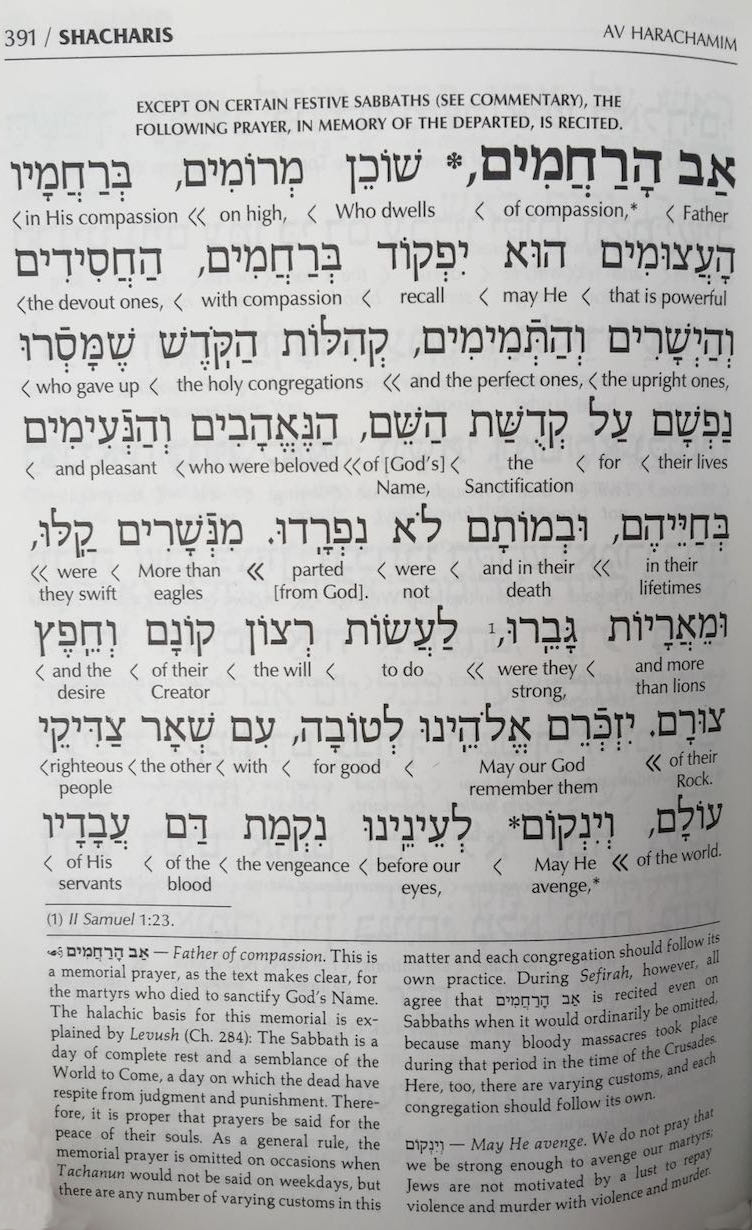
A noteworthy custom fitting the mood of the Sefira period deals with the prayer Av Harachamim. Av Harachamim, recited on Shabbat after the Torah reading was written in response to the Crusades. In it we memorialize the righteous martyrs and pray for retribution for their spilled blood. Av Harachamim is generally not recited on Shabbatot which have an added celebratory nature – such as Shabbat Mevarchim (the Shabbat in which we bless the new month). In many congregations during the Shabbatot of Sefirat Haomer, Av Harachamim is recited even on the Shabbatot in which we bless Iyar and Sivan. The Mishna Brura (284,18) adds, that even if there is a Brit Milah that Shabbat, giving us a second reason why Av Harachamim should not be recited, Av Harachamim is still said, since this was the season of the tragedies.
A few weeks ago, Rabbi Marcus Solomon of Dianella Mizrachi Shule, told me about an initiative he had started in his shul.
Before reading the Av Harachamim prayer, he selects one of the 6500 shtetls that existed before and during the Holocaust from this three volume set:
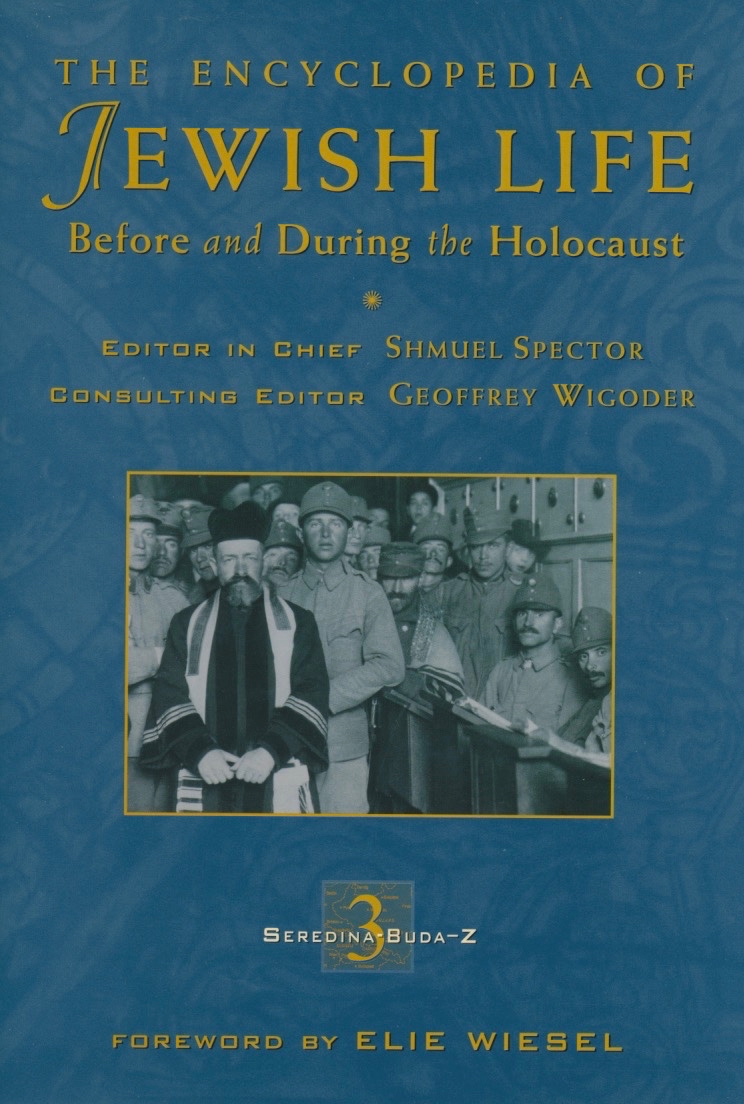
Rabbi Solomon then shares the story of the particular shtetl to illustrate what we lost in Holocaust!
Today was the first time we did the same at Noranda CHABAD Shul during Shacharit.
With the Stropkover Rebbe spending Shabbat with us, I chose the following shtetl from Volume 3:
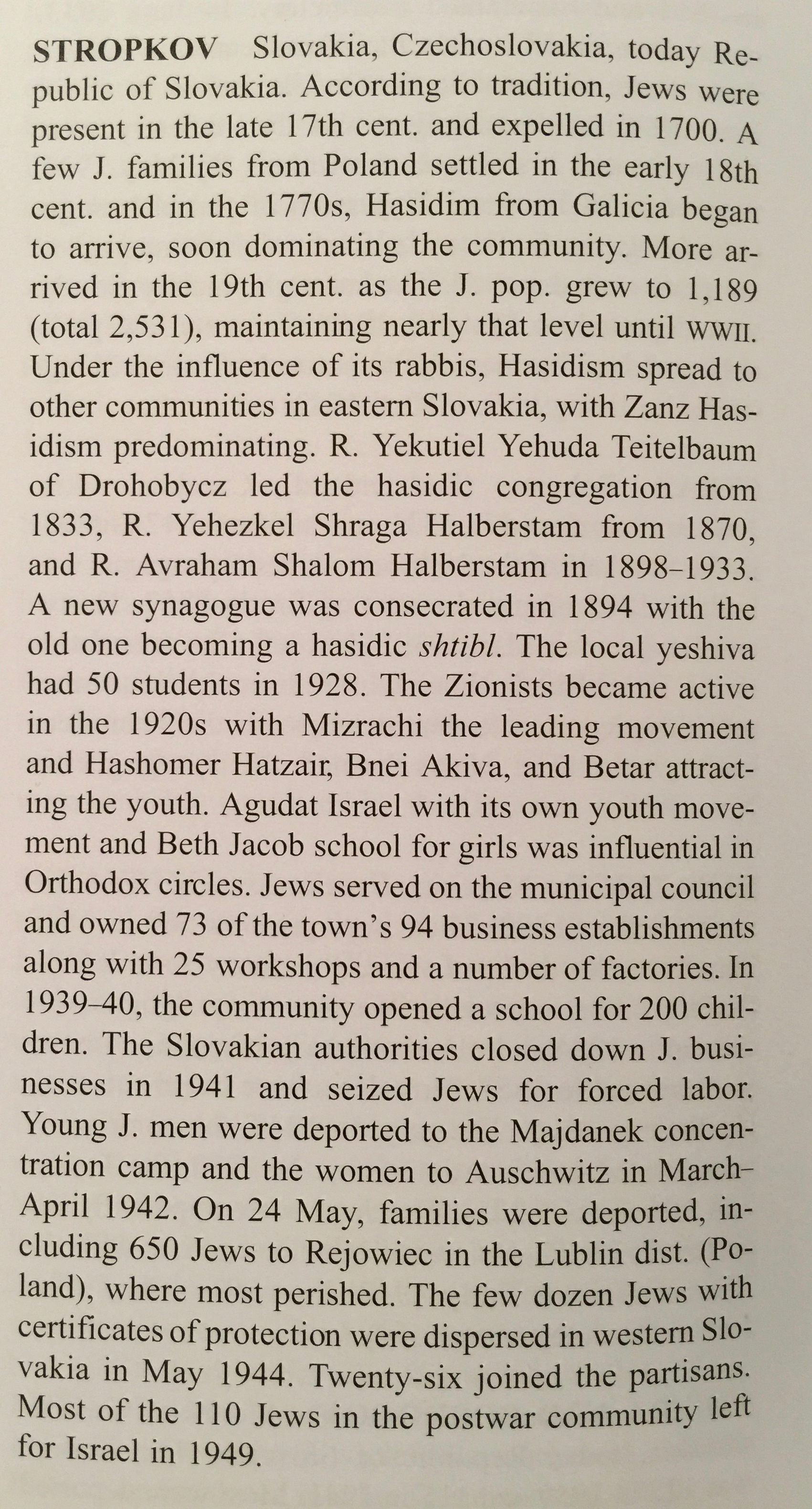
Thanks to Michelle Urban and the JHGS for allowing me to use these books from their excellent library housed at CHABAD.
https://collections.ushmm.org/search/catalog/bib63061
It goes without saying that those in shul were inspired to hear about Stropkov with its Rebbe in our shul. The further connection as 8th cousins was an added bonus for us!
We discussed the Rebbe’s previous visits to Perth and at his request, last night I found this clip I filmed of the Rebbe at Benny Sasson’s barmitzvah June 2000. We did not know our connection then, and here 8 years later, I am pleased to be able to upload it to the internet for all to view and share!

At Benny Sasson’s barmitzvah
Source: youtu.be/nn1M-SVGTHk


The Stropkover Rebbe has just completed a visit to Perth Australia from Jerusalem.
We were honoured to have him spend Shabbat with us at the CHABAD shul in Noranda WA.
He has visited Perth before.
I took the opportunity on Saturday night to learn more about him and his town.
The Rebbe was born in Germany and lives in Jerusalem. The Stropkover Rebbe’s “once upon a time” community was based in Stropkov in Slovakia.

| Stropkov | ||
| Town | ||
 View of Stropkov
|
||
|
||
| Country | Slovakia | |
|---|---|---|
| Region | Prešov | |
| District | Stropkov | |
| River | Ondava | |
| Elevation | 202 m (663 ft) | |
| Coordinates | 49°12′18″N 21°39′05″ECoordinates: 49°12′18″N 21°39′05″E | |
| Area | 24.667 km2 (9.524 sq mi) | |
| Population | 10,866 (2012-12-31) | |
| Density | 441 / km2 (1,142 / sq mi) | |
| First mentioned | 1404 | |
Stropkov (Slovak pronunciation: [ˈstropkow]; Hungarian: Sztropkó, pronounced [ˈstropkoː], Yiddish: סטראפקאוו) is a town in Stropkov District, Prešov Region, Slovakia.
Jews first arrived in Stropkov, possibly fleeing Polish pogroms, in about 1650. About fifty years later, the Jews were exiled from Stropkov to Tisinec, a village just to the north. They did not return to Stropkov until about 1800. The Stropkov Jewish cemetery was dedicated in 1892, after which the Tisinec cemetery fell into disuse.
In 1939 the antisemitic Hlinka Party gain control of the Stropkov Town Council. From May–October 1942 the Hlinka deported Jews from the Stropkov area to Auschwitz, Sobibor, Maidanek, and “unknown destinations”. By the end of World War II, only 100 Jews remained in Stropkov out of 2000 in 1942.
The first rabbi of Tisinec and Stropkov was Rabbi Moshe Schonfeld. He left Stropkov for a position in Vranov. He was succeeded in 1833 by Rabbi Yekusiel Yehudah Teitelbaum (I)(1818–1883) who served as Stropkov’s chief rabbi until leaving for a post in Ujhely. The next incumbent was Rabbi Chaim Yosef Gottlieb (1790–1867), known as the “Stropkover Rov”. He was succeeded by Rabbi Yechezkel Shraga Halberstam (1811–1899), a son of Rabbi Chaim Halberstam of Sanz. His scholarship, piety, and personal charisma transformed Stropkov into one of the most respected chasidic centers in all Galicia and Hungary. Rabbi Moshe Yosef Teitelbaum (1842–1897), the son of the aforementioned Rabbi Yekusiel Yehuda Teitelbaum, was appointed as Stropkov’s next chief rabbi in 1880.
The charismatic and scholarly Rabbi Yitzhak Hersh Amsel (c1855–1934), the son of Peretz Amsel of Stropkov, was first appointed as a dayan in Stropkov and then as the rabbi of Zborov (near Bardejov). As legend has it, Rabbi Yitzhak Hersh Amsel died while praying in his Zborov synagogue. He is buried in the Stropkov cemetery where a small protective building ohel was erected over his grave to preserve it. Rabbi Amsel was succeeded in 1897 by Rabbi Avraham Shalom Halberstam (1856–1940). Jews, learned and simple alike, sought the advice and blessing of this “miracle rabbi of Stropkov”, revered as a living link in the chain of Chassidus of Sanz and Sienawa. Rabbi Halberstam served in Stropkov for some forty years, until the early 1930s, when he assumed a rabbinical post in the larger town of Košice. Rabbi Menachem Mendel Halberstam (1873–1954),the son of the aforementioned Rabbi Avraham Shalom Halberstam was then appointed chief rabbi of Stropkov and head of the Talmud Torah. After World War II Rabbi Menachem Mendel Halberstam lived in New York until the end of his life, teaching at the Stropkover Yeshiva, which he founded in Williamsburg, Brooklyn.
The present day Admor of Stropkov is HaRav Avraham Shalom Halberstam of Jerusalem. The Admor runs several yeshivas and kolelim in Jerusalem and other cities in Israel. The Admor dedicates himself to Ahavat Yisrael and to helping many who need to return to their Jewish roots.

I then went into my Geni account and looked up the Stropkover Rebbe and found what appeared to be his family line.
I recalled that on Shabbat, he had been called up to the torah as HaRav Avraham Shalom ben Yechezkel Shrage.
Havdalah after Shabbat.

On Sunday I printed out this page on Geni and showed it to the Rebbe who confirmed that this was indeed him – i.e. Avraham Shalom Lipschutz (Halberstam). He also confirmed that his mother was Beila, daughter of Avraham Shalom Halberstam.
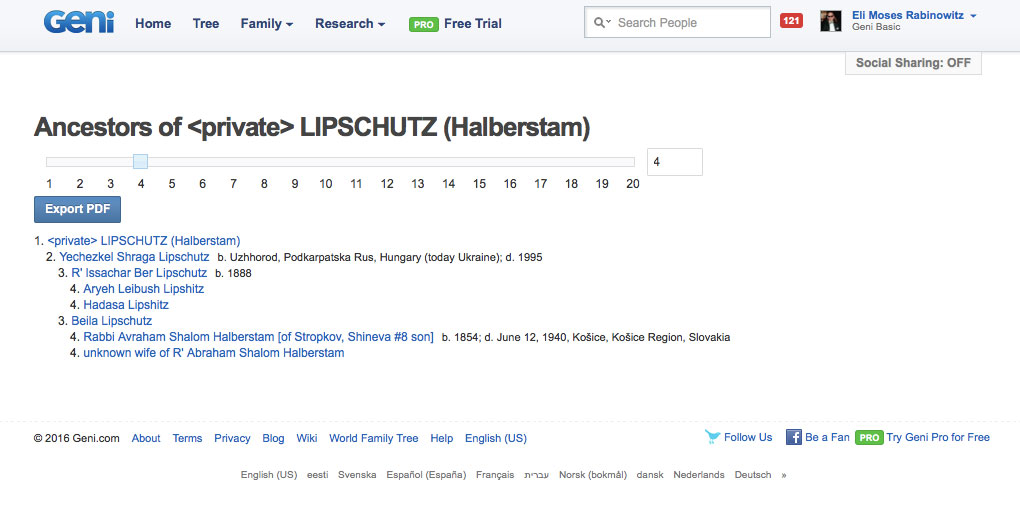
I also printed out the Geni page which shows our relationship and presented a copy to the Rebbe.
So, besides all the friends he has Downunder, he now is happy to have added a 8th cousin in this isolated Jewish community!
We are both members of the Katzenellenbogen Rabbinic Tree.
Shabbat Balak

There is an old saying that what makes G‑d laugh is seeing our plans for the future.However, if Tanakh is our guide, what makes G‑d laugh is human delusions of grandeur. From the vantage point of heaven, the ultimate absurdity is when humans start thinking of themselves as G‑dlike.
Source: mailchi.mp/af9131e6afbc/life-without-bumps-3300829?e=678b339d93

Abraham Mapu
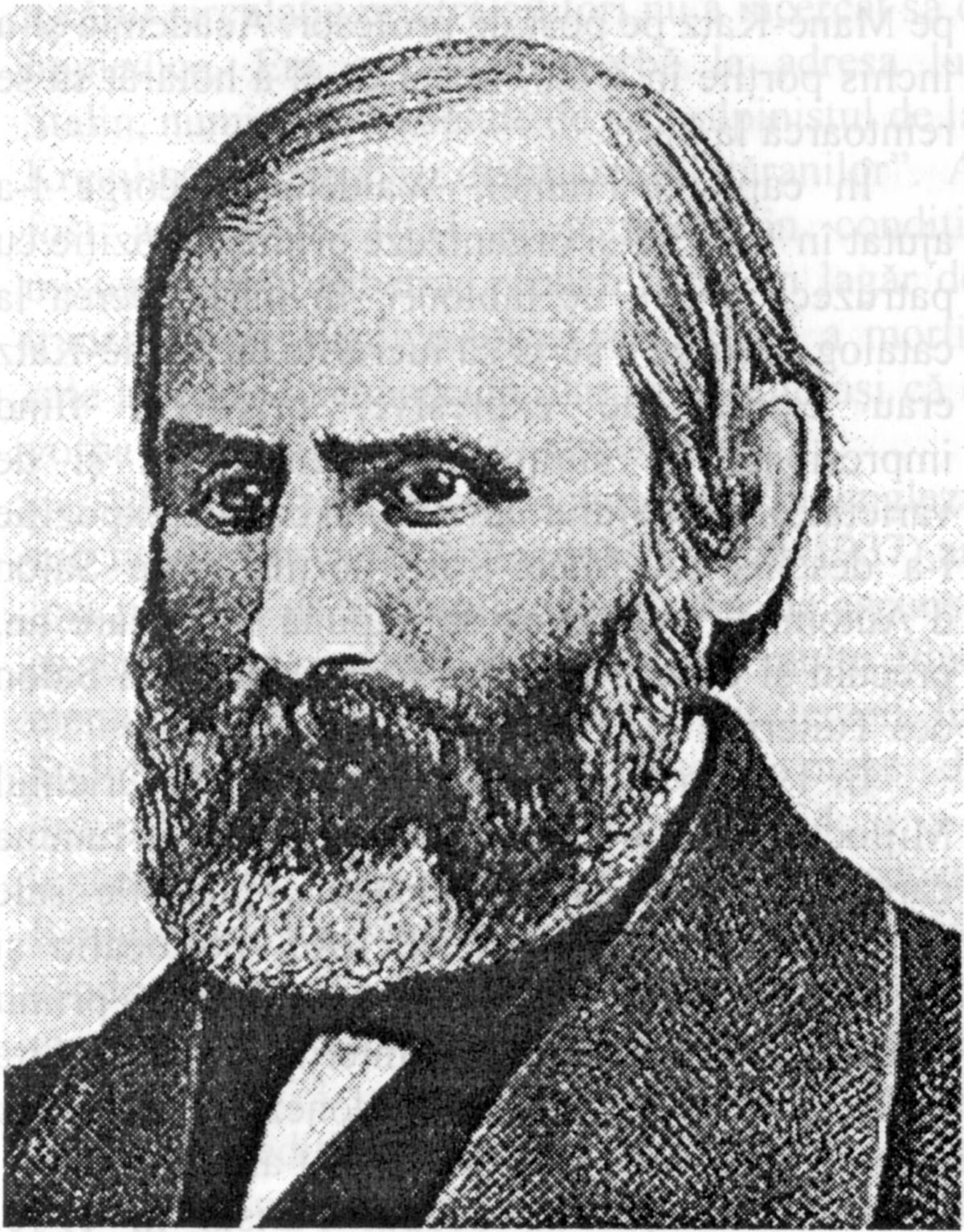
Abraham Mapu (1808 in Vilijampolė, Kaunas – 1867 in Königsberg, Prussia) was a Lithuanian Jewish novelist in Hebrew of the Haskalah (“enlightenment”) movement. His novels, with their lively plots encompassing heroism, adventure and romantic love in Biblical settings, contributed to the rise of the Zionist movement.[1]
Source: en.wikipedia.org/wiki/Abraham_Mapu


Source: litvakphoto.org

Mapu Video


Choraline Synagogue


Jews began settling in Kaunas in the second half of the 17th century. They were not allowed to live in the city, so most of them stayed in the Vilijampolė settlement on the right bank of the Neris river. Jewish life in Kaunas was first disrupted when the Soviet Union occupied Lithuania in June 1940. The occupation was accompanied by arrests, confiscations, and the elimination of all free institutions. Jewish community organizations disappeared almost overnight. Soviet authorities confiscated the property of many Jews, while hundreds were exiled to Siberia. Meanwhile, the Lithuanian Activist Front, founded by Lithuanian nationalist émigrés in Berlin, disseminated anti-semitic literature in Lithuania.[21]
Following Hitler’s invasion of the Soviet Union on 22 June 1941, Soviet forces fled from Kaunas. Both before and after the German occupation on 25 June, the anti-Communists began to attack Jews, blaming them for the Soviet repressions, especially along Jurbarko and Kriščiukaičio streets.[21] The Lithuanian provisional government established a concentration camp at the Seventh Fortress, one of the city’s ten historic forts, and 4,000 Jews were rounded up and murdered there. Prior to the construction of a museum on the site, archaeologists unearthed a mass grave and personal belongings of the Jewish victims.[26] At times Lithuanian Jews were murdered in their homes with unprecedented brutality – slowly sawing off heads or sawing people in two. The Ninth Fortress has been renovated into a memorial for the wars and is the site where nearly 50,000 Lithuanians were killed during Nazi occupation. Of these deaths, over 30,000 were Jews.[27]


Chiune Sugihara (杉原 千畝 Sugihara Chiune?, 1 January 1900 – 31 July 1986) was a Japanese diplomat who served as Vice-Consul for the Empire of Japan in Lithuania. During World War II, he helped 6,000 Jews to leave the country by issuing transit visas so that they could travel to Japanese territory, risking his career and his family’s lives. The Jews who escaped were refugees from German-occupied Western Poland or Russian-occupied Eastern Poland, as well as residents of Lithuania. In 1985, Israel named him to the Righteous Among the Nations for his actions, the only Japanese national to be so honored.
Sugihara had told the refugees to call him “Sempo”, the Sino-Japanese reading of the characters in his given name, discovering it was much easier for Western people to pronounce.[1]


Aleksotas Jewish cemetery
The Jewish cemeteries of Kaunas are the four Jewish cemeteries of the Lithuanian Jews living in Kaunas, known to them as Kovne, Lithuania. Jewish people started settling in Kaunas in the second half of the 17th century. They were not allowed to live in the city, so most of them stayed in the Vilijampolė settlement on the opposite than Kaunas Castle right bank of theNeris River, near the its confluence with the Nemunas River. Since the second half of the 19th century, Kaunas became a major center of Jewish cultural and economic activity in Lithuania.
The oldest Jewish cemetery in Vilijampolė was destroyed by the Soviet authorities after World War II during the Soviet occupation and Lithuanian SSR times, and the fourth is still active.[1]
The second and the largest Jewish cemetery is situated in the residential Žaliakalnis elderate, near the Ąžuolynas park. Among others, the Rabbi of Kovno and the head of Kovno Kollel Yitzchak Elchanan Spektor was buried in the Jewish cemetery of Žaliakalnis. The cemetery is left neglected at the moment.[2]
The third cemetery is located in the Panemunė elderate on the left bank of the Nemunas River. Only 3 gravestones are visible in the Jewish cemetery of Panemunė.
The fourth and still active Jewish cemetery is located in Aleksotas elderate near the Nemunas River.


My 2016 visit – see more photos and details:
Source: elirab.me/vabalninkis/


Now library, being renovated


Kupiškis ( pronunciation (help·info)) (Polish: Kupiszki) is a city in northeastern Lithuania. It is the capital of the Kupiškis district municipality. Kupiškis is located on the Lėvuo and Kupa rivers. The name of the city comes from the Kupa River. The Gediminas Bridge crosses the Kupa River. There are six parts of the city, which are named:
Source: en.wikipedia.org/wiki/Kupiskis


Anykščiai ( pronunciation (help·info); see other names) is a ski resort town in Lithuania, 20 miles (32 kilometres) west of Utena.[1] The Roman Catholic Church of St. Matthias in Anykščiai is the tallest church in Lithuania, with spires measuring 79 metres (259 feet) in height.
Source: en.wikipedia.org/wiki/anyksciai
Synagogue


Kurkliai is a town in Anykščiai district municipality, in Utena County, in northeast Lithuania. According to the 2011 census, the town has a population of 374 people.[1] Center of eldership. In town there is Anykščiai Regional Park.
Source: en.wikipedia.org/wiki/Kurkliai


Plaque and Memorial


Video


Video – watching my presentation

Photos and info from my 2016 visit.
Source: elirab.me/zagare/


This is my second visit to Birzai or Birzh, Lithuania, as it was called. My first was in June 2015
Source: kehilalinks.jewishgen.org/birzai/Photos.html
I met with Merunas Jukonis, the youth coordinator in the town. He and his dad, Vidmantas, have been very active in working in the field of Tolerance education, Holocaust commemoration and related projects. See report below:


While in Lithuania last week we spent a fascinating 4 days in Birzai, known to the Jews who lived there as Birzh.
On 8th August 1941 the 2400 Jews of the town were marched to the forest where they were all murdered, Men, Women and Children.
There exists in Birzai an ancient Karaite and Jewish cemetery. For years it remained neglected and uncared for.
And then a few years ago, the local teacher of History and Tolerance, Vidmantas Jukonis, together with his son Merunas, also a teacher of History, started a project of cleaning up the cemetery , removing the overgrown grass and weeds, and cutting the trees. They were joined by the local Reformed Lutheran Church where they are members ,and then by a Lutheran community in Germany who came to Birzai in the summer, camped outside the walls of the cemetery, and helped with the work. Later they made contact with SEFER, the well-known organization in Moscow specializing in Jewish Heritage, Sefer conducted a big 3 year academic international project
The participants were:
1) Center for University Teaching of Jewish Civilization “SEFER” .Moscow
2) Institute of Slavic Studies of the Russian Academy of Sciences .Moscow
3) Centre for the Studies of the Culture and History of East European Jews . Vilnius
4)Birzai Regional Museum “Sela” Birzai
5) Yad Vashem The Holocaust Martyrs and Heroes Remembrance Authority . Jerusalem
Professionals and Volunteers joined in the project and expertly cleaned the gravestones, identified the names, and mapped out the gravestones that were still there. The leader of the final group was Motl Gordon, a St. Petersburg Jew, who became religious a few years ago, fluent in Yiddish. This final group was funded by the Birzai municipality (half) and by local sponsors, including the family of Sheftel Melamed, the last Jew in Birzai, who passed away on 31st August 2015. The Birzai district municipality also helped with materials, logistics and more.
The Birzai “Ausra” secondary school’s Tolerance Education Centre, headed by Vidmantas Jukonis provided volunteers , citizens of Birzai, who remembered Jews, arranged meetings for those people, and drove groups of students to meet them.
In Birzai on Friday afternoon an event was held to celebrate the completion of the project, and to launch the book that had been written about the project and its findings.
The book, 374 pages , in Russian, was published by SEFER with the help of the GENESIS Philanthropy Group and the UJA FEDERATION OF NEW YORK.

There is little in English in the book. But from the table of contents (in English) it appears that there is much of interest. The book is written in the form of essays written by scholars involved in the project and tables recording the 1627 stones that were found in the cemetery, mostof them with names.
Glenda and I were given a copy. When I asked if we could buy some more, for family and friends with an interest in Birzai (Birzh) Motl Gordon told usthat they had distributed the few copies that they had brought for the event, but that he would enquire from Sefer in Moscowwhat the cost would be to buy.
It is hoped that a translation into English will be available via a PDF document on-line. Attached are photos of the front cover (1), the back cover (2), a photo on the inside front cover (5) and a photo on the inside back cover (6). This book is of great historic importance.
A rough check of the list of tombstones shows that the last two tombstones to be erected and that remain are those of Barukh Michaelson (he was the famous town photographer) who died on 13th July 1939, and Herce (Hirsch) Evin, who died in 1940. Michaelson’s tombstone was found buried during the work on the cemetery and restored. It should be noted that after the Soviet occupation in June 1940 Jewish religious life came to a halt and it is probable that no further Jewish funerals and consecration of tombstones took place. There was however a tombstone dated 1945. And the newer tombstones from the ’30’s were probably stolen and used in building as was the case throughout Lithuania.
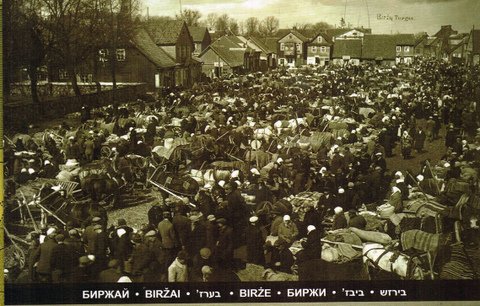

Source: kehilalinks.jewishgen.org/birzai/Torah.html

Source: kehilalinks.jewishgen.org/birzai/Home.html
A short walk around town. Old buildings in the former Jewish area. 



Kvass is a traditional Slavic and Baltic beverage commonly made from rye bread ,[1] known in many Eastern European countries and especially in Ukraine and Russia as black bread. The colour of the bread used contributes to the colour of the resulting drink. It is classified as a non-alcoholic drink by Russian standards, as the alcohol content from fermentation is typically low (0.5–1.0%).[2][3] It may be flavoured with fruits such as strawberries and raisins, or with herbs such as mint.[4]
Source: en.wikipedia.org/wiki/Kvass


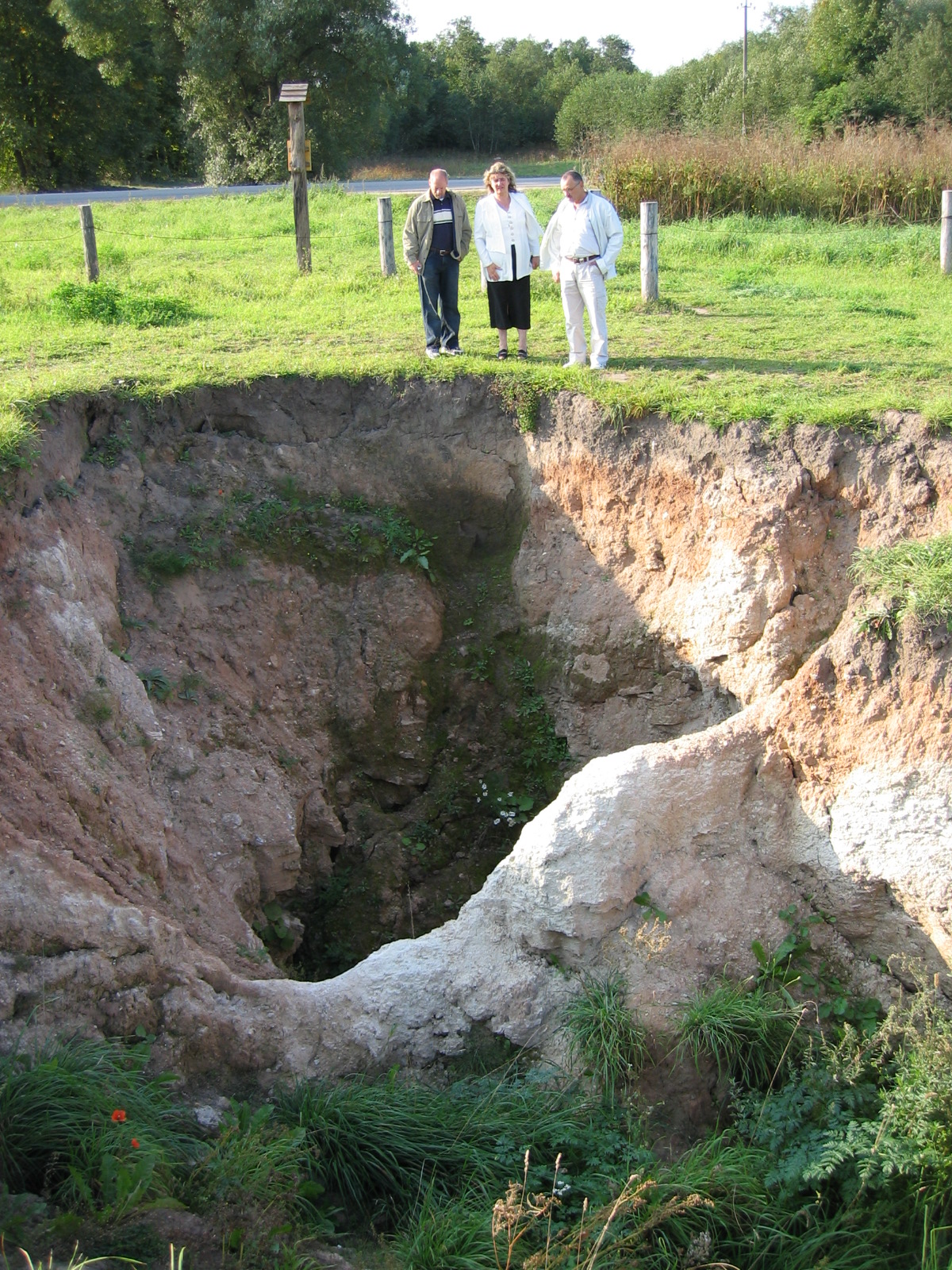
Biržai Regional Park covers 14,659 hectares (36,220 acres) in northern Lithuania near its border with Latvia. It was established in 1992 to preserve a distinctive karst landscape. About 20% of its area is covered by forest.

Biržai ( pronunciation (help·info), known also by several alternative names) is a city in northern Lithuania. Biržai is famous for its reconstructed Biržai Castle manor, and the whole region is renowned for its many traditional-recipe beer breweries.
Source: en.wikipedia.org/wiki/Birzai

May 2018
This is my second visit to Siaulenai, Lithuania, the first being in 2016. Once again I did not seem to be able to find the location of the Jewish cemetery. Siaulenai or Shavlan as it was known, was the shtetl of my wife, Jill Reitstein Rabinowitz’s maternal Saevitzon and Meyerowitz families.

How frustrating, as Shavlan is not exactly around the corner from where I live, in Perth Australia, nor for that matter, anywhere else! However, there is good news!
Please read on:

by Jill’s cousin, Richard Shavei-Tzion in Israel
9 July 2015
The picture below is of the tombstone of my father’s father’s father (all of us first- born so it happens.) You can work out your connection from that. Abba Saevitzon died in Johannesburg 103 years ago. I have been searching for his grave for a long time and with our impending trip to SA I thought I would have another try. This time the Johannesburg Chevra Kaddisha really came through.
This story is cobbled together from anecdotes I have heard over the years. The family, Abba (first time I see that his English name was Albert), his wife Chai Sarah, 3 sons, Morris, Sam and Harry and daughter Bunty arrived in Cape Town from Savlan (?) a small town in White Russia, in 1911. Shortly thereafter he heard of a work opportunity in Johannesburg and the family travelled north using their remaining funds. Within a month Abba passed away and was buried in the local Braamfontein cemetery. However the survivors had no financial means with which to purchase a tombstone. They somehow travelled back to Cape Town where the older kids were sent to foster homes. My grandfather Morris aged 14, lived in such a home and spent his days working at the Cape Town docks, receiving fish as they came off the fishing boats, cleaning them and carting them to the local fish market. Ruthy and Geoffrey both recall that they hardly saw him as kids because he was working so hard to ensure that they would be well educated. You can see where his motivation came from.
Anyway, a number of years later the family had scraped together enough funds to travel back to Johannesburg, purchase a stone and consecrate it. I personally am humbled by such an act of loving kindness. While scanning through hundreds of gravestones in the cemetery, of Jews who died in the first quarter of the 20th century, I was amazed to find that the average lifespan was 50 odd. As someone who has just turned 60, how fortunate I feel!
The stone indicates that he died on the second day of Succot and that his father’s name was Yitschak. Who knows when the name “Abba” first appeared in the family, but my father and his cousin Monty were both named after him and of my nephews and grandsons, at least 3 are named in his memory so the tradition lives on.
All being well, when we are in Johannesburg I plan on visiting the grave. It will be a privilege.
Richard Shavei-Tzion

In April 2016, after he visited Johannesburg
-1459231272.jpg)
Richard Shavei-Tzion stands between his grandparents’ and his wife’s grandparents’ graves facing each other amongst tens of thousands in the Pinelands Cemetery, Cape Town
My family’s experience reflects the migratory patterns of South African Jewry, and nowhere is this more apparent than in the cemeteries of Cape Town. None of my great-great-grandparents is buried there, all having lived and died in Europe. Yet, with one exception, all of my great-grandparents and grandparents are laid to rest in these well-ordered cemeteries. They arrived between 1895 and 1916, three Litvak families and one from England, again a fair representation of South African Jewry’s roots.
The Jewish cemeteries in South Africa are for the most, lovingly maintained with the care that typifies Jewish communal life in the country. This is a community which thrives on an ethos of shared responsibility and mutual care. Despite its diminished number (now approximately 70,000 souls, down from 110,000 in the 1960’s) its institutions are thriving and the various burial societies are at the forefront of this phenomenon.
.jpg)
Unmarked children’s graves at Braamfontein Cemetery, Johannesburg
The Pinelands Cemetery in Cape Town has tens of thousands of graves. It is a well-ordered place with tombs marked by relatively standardized black upright stones. All of the graves appear on an online data base. A while ago, an American therapist friend asked if I could help her elderly South African client who had been distressed for years because she did not know her late mother’s Hebrew name. Within minutes I was able to provide her name and Yahrzeit and a photograph of the tombstone.
It is my custom to visit my ancestors’ tombstones once every few years when I travel to Cape Town from my home town of Jerusalem. Some years ago I went to visit my paternal grandparents Morris and Fanny Saevitzons’ graves. When I turned to leave, I was stunned by what I saw opposite. Call it cosmic chance, coincidence or “basheert”, but there, directly facing my grandparents’ tombstones, were the tombstones of Harry and Mina Lonstein, my wife’s maternal grandparents.
I mentioned that I have one ancestor who is not buried in Cape Town. Therein lies a story. I have been searching for this “missing” grave for a long time and with an impending trip to South Africa I thought I would try again. This time, between an intensive search of Internet sources and correspondence with the Johannesburg Chevra Kadisha, the self-styled “Chev”, we were able to locate the grave.
I happen to be an oldest son of an oldest son of an oldest son. My paternal great-grandfather, Abba Meir (Albert) Saevitzon together with his wife Chai Sarah and three sons arrived in Cape Town from Savlan, a small town in White Russia, in 1911. Their daughter was born within a few weeks of their arrival.
Almost immediately, Abba heard of a work opportunity in Johannesburg and the family travelled north, using all their remaining funds. Tragically, within a month he passed away and was buried in Johannesburg. The widowed, penniless Chai Sarah had no financial means with which to purchase a tombstone and was forced to leave the grave unmarked. She and her children returned to Cape Town with donated funds, where the older boys were sent to foster homes.
My grandfather, Morris, aged 14, lived in such a home and spent his days working at a local fishing harbor, cleaning fish as they came off the fishing boats, then carting them to the local fish market. He later became a fisherman and then worked in his father-in-law’s delicatessen store in the suburb of Wynberg, the heart of Cape Town’s Jewish community at that time. My aunt and uncle recall that as kids they hardly saw their father because he was working so hard to ensure that they would be well educated. You can see where his motivation came from. When I think of the “problems” we face in our day-to-day lives compared to those of my ancestors, I am chastened.
Yet even as the destitute family slowly began to establish itself, they did not forget their loved one’s burial place. So it was that a number of years after Abba’s passing, using the first of their savings, the family travelled for two days by train back to Johannesburg, purchased a tombstone and consecrated it.
On a typically cool but cloudless Johannesburg winter day I set out for the Westpark Cemetery, where Jews have been buried since around 1945. From there I was kindlyaccompanied by Mr. Braam Shevel who works at the Chev, to the Braamfontein Cemetery in what is now a very grungy area of the city.
Johannesburg was formally established in 1886 with the discovery of gold in the area and when the first Jew died there in 1887, a delegation of leaders of the emerging Jewish community travelled, one would imagine by horse or ox-wagon, to Pretoria to petition Paul Kruger for land for a Jewish cemetery. Kruger, president of the break-away South African Republic, and later the leader of the Boers in the Anglo-Boer War, acceded to their request and the first of approximately 90,000 Jewish graves in Johannesburg to date was dug there in Braamfontein.
.jpg)
Richard Shavei-Tzion at the grave of his great-grandfather at Braamfontein Cemetery, Johannesburg
Braam unlocked the heavy iron gate at the entrance to the cemetery, signaled me to drive in and locked the gate behind us. I was surprised by my feeling of peace and tranquility in this place despite its uncertain surroundings. The cemetery, shaded by tall, aged eucalyptus trees, is well maintained despite its age. As we searched for the stone, we passed tombs of the founders of the community and its institutions, mayors and mining magnates, famous personalities and the regular men and women who were drawn to the fledgling metropolis. Striking were the ages of people who died just one hundred years ago. By my very rough calculation, the average life span of the adults was no more than fifty years. Then there were the rows of children’s and infants’ graves, stark evidence of the rates of child mortality and the Spanish Flu pandemic of 1918-19.
And then from a little way off I spotted the name SAEVITZON and approached the stone, with an inexplicable sense of thanksgiving and reverence. It was in remarkable condition and I discovered that Abba Saevitzon died on the second day of Succot, having lived 37 years. Who knows when the name Abba first appeared in the family, but my father and his cousin were named after him and a number of my nephews and grandsons are named in my father’s memory so the tradition lives on.
Looking around, I noticed many unmarked graves, some whose names were unknown; others whose names were not marked for similar financial reasons and I was humbled by this act of care, sacrifice and loving kindness on the part of my ancestors.
I placed four stones on the grave, one for each of his children’s families,and turned to go.
Source: Esra Magazine

Chai Sarah Meyerowitz Saevitzon’s tombstone in Cape Town. Very indisctinct but some of the wording can be deciphered as you zoom in.
http://www.esra-magazine.com/blog/author/Richard%20Shavei%20Tzion-706
His poetry has been published widely over decades. In 2015 the Municipal Art Gallery of Jerusalem displayed his photographic works in a solo exhibition which received popular and critical praise. He is the author of the “Prayer for the Preservation of the Environment” which has been read in synagogues of all denominations and other venues around the world and he writes articles of social and cultural interest.
An accountant by profession, Richard manages a property development and management company. He and his wife Cheryl nee Gantovnik who was born in Durban, have three daughters and sons-in-law and seven grandchildren. Their recently released family CD “Round Table,” has been received warmly.
Descendant Chart Abba Meir Saevitzon
My first visit to this town was not so successful. I searched for the Jewish cemetery, asked at the Christian cemetery, and was told by locals that there was a Jewish cemetery on the other side of town. I couldn’t find it and I ran out of time.
I later emailed Sandra Petrukonyte of Maceva, who kindly replied:
Dear Eli,
It is so pity that you could not find. I tried to search for exact location. The map is attached (for your future journey!).
It is seems that the way to the cemetery is not marked by any sign, the path is not paved and the cemetery itself is in a small distant forest. Not surprising that you got lost.
MACEVA does not have own photos, therefore I am adding links to another websites with general view of the cemetery:

So, I will revisit next time.
Here are some of my images taken in 2016:

About 7 minutes later, we were at the “entrance” of the Jewish cemetery. I would like to thank both of them for their invaluable help.


So now to see if any belong to the family!
Source: kehilalinks.jewishgen.org/Siaulenai/

Sarah Taube cowers in the bakery cellar clutching her three children, listening to the sounds of shooting and shouting by the White Cossacks during a pogrom. In order to survive, she enters into a bargain with the ruthless Commissar, Dimitri, an orthodox Jew transformed by tragedy into a high-ranking Bolshevik. Will Dimitri be able to protect Sarah Taube and her family? Will Sarah Taube be reunited with her wanderlust husband who leaves for South Africa to seek his fortune and find himself, and will she realize her life long dream to go to America?
Source: shavlan.com
by Stuart and Nancy Schoenberg
https://archive.org/stream/nybc314248#page/n286/mode/2up/search/shavlan


Siauliai, Friday 4 May 2018
I’ve been to Siauliai at least twice before, but never met this warm, friendly and enthusiastic community.
My uncle Benny Spiller was born in Shavel!


Sunday 6 May 2018
Organised by the Israel Ambassador – Amir Maimon
To celebrate the first 3 stages of Giro d’Italia being held in Israel

Discover the route of the Giro d’Italia 2018. A new itinerary with 21 stages, from Jerusalem to Rome
Source: www.giroditalia.it/eng/route/


The Israeli Ambassador, Amir Maimon


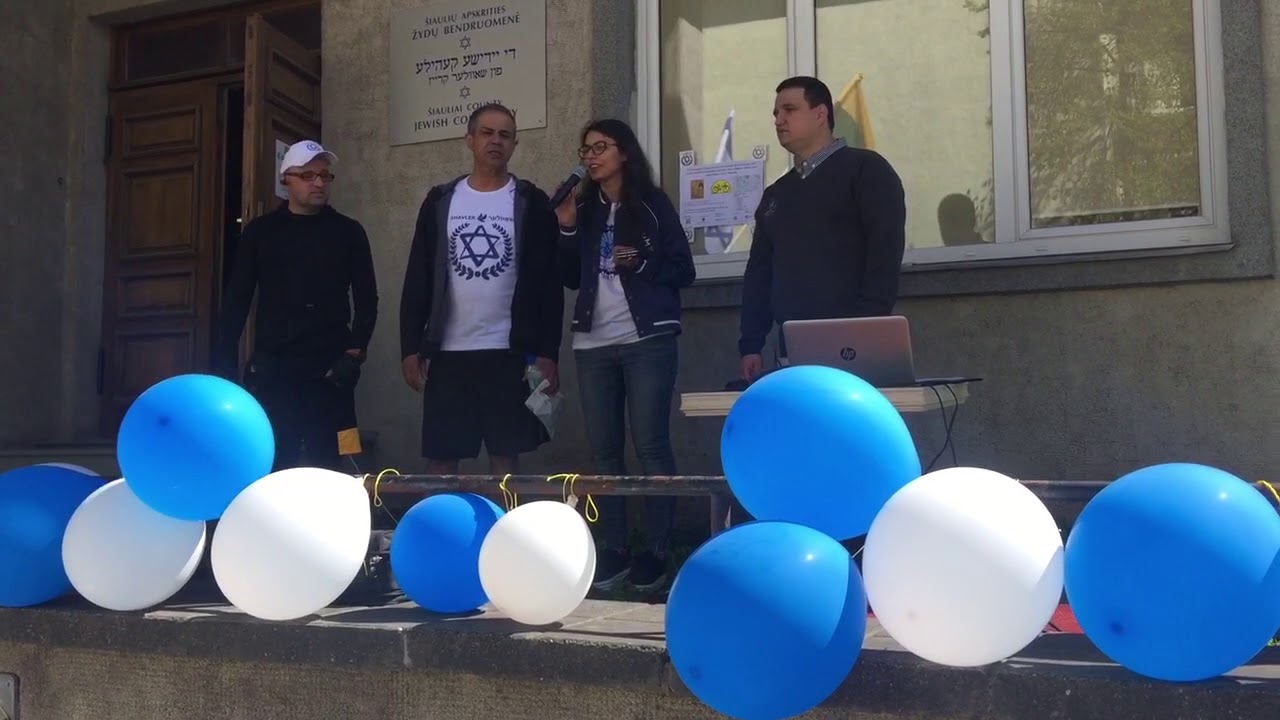
Shavelers – What a lovely, warm and hospitable community! Thank you!

Šiauliai is the fourth largest city in Lithuania, with a population of 107,086. From 1994 to 2010 it was the capital of Šiauliai County. Unofficially, the city is the capital of Northern Lithuania.
Source: en.wikipedia.org/wiki/Siauliai







Richard Shavei Tzion
Cape Town born Richard Shavei-Tzion is an autodidact in all his fields of creative activity. At age 18 he was invited to conduct the Pine Street Shul Choir in Johannesburg. Since then he has directed choral ensembles in both South Africa and Israel. For the past 20 years he has directed the Ramatayim Men’s Choir, Jerusalem which has grown from an ad hoc group of 4 friends into an internationally renowned ensemble consisting of 40 singers. He has conducted High Holidays services for the past 35 years in South Africa, Israel, the U.S.A. and Canada and is often invited to lead communal events, singing and playing guitar. He also composes and arranges Jewish music, mainly for the RMC.