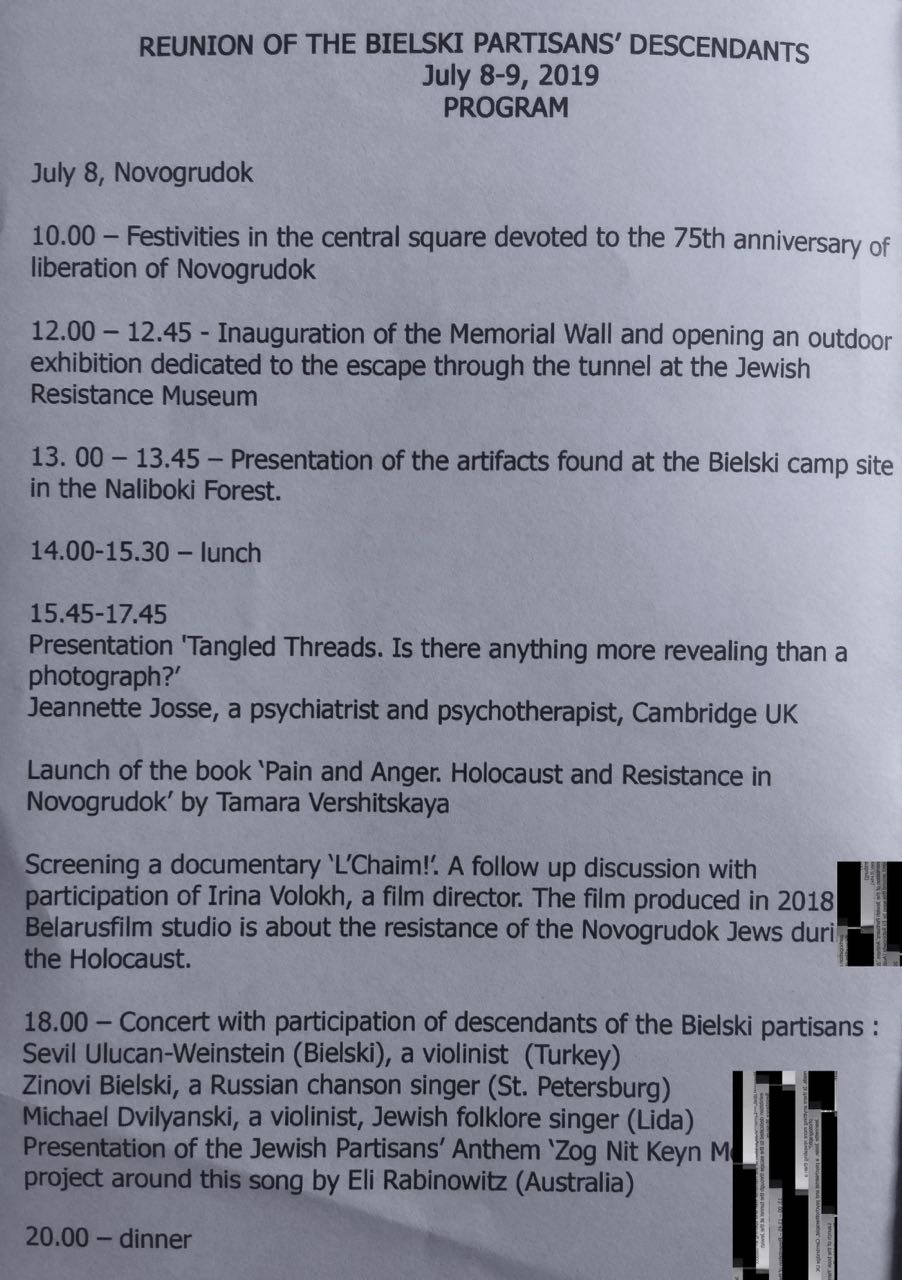
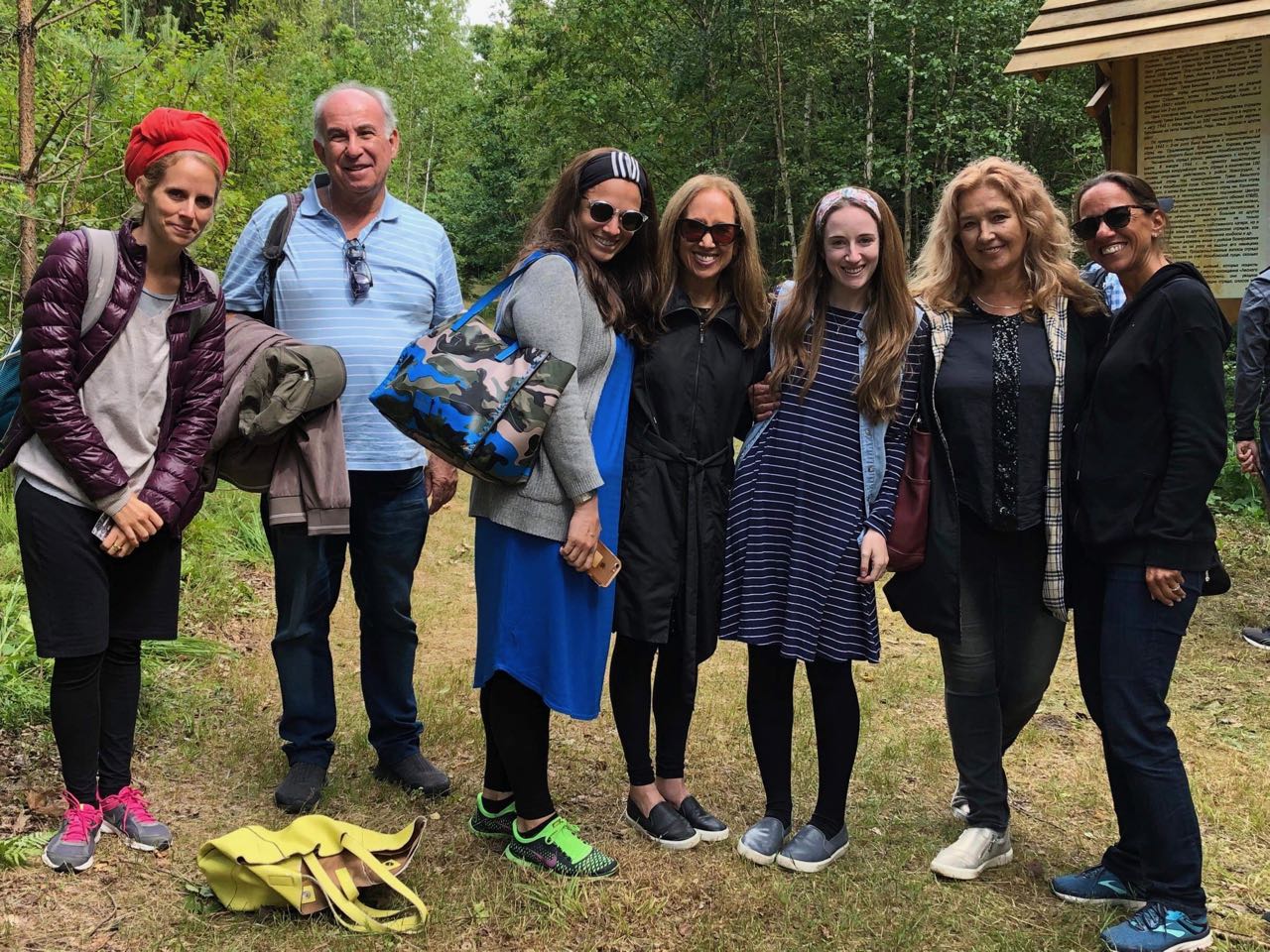
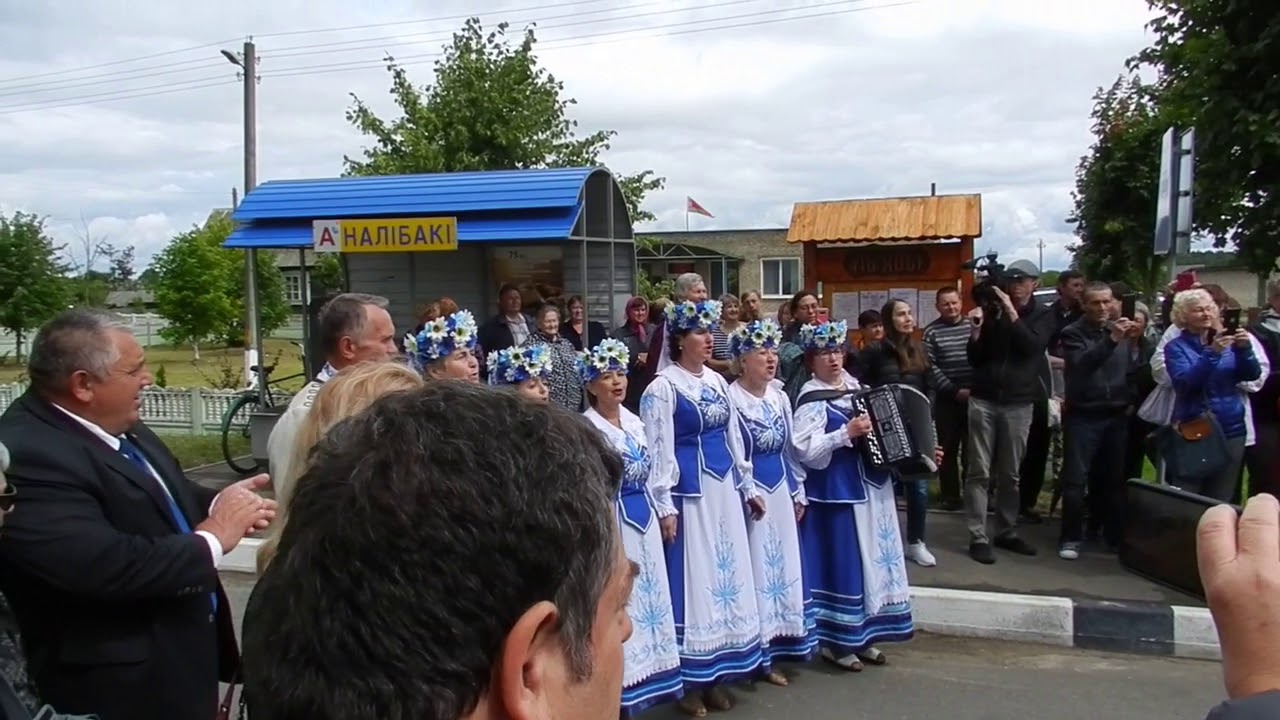
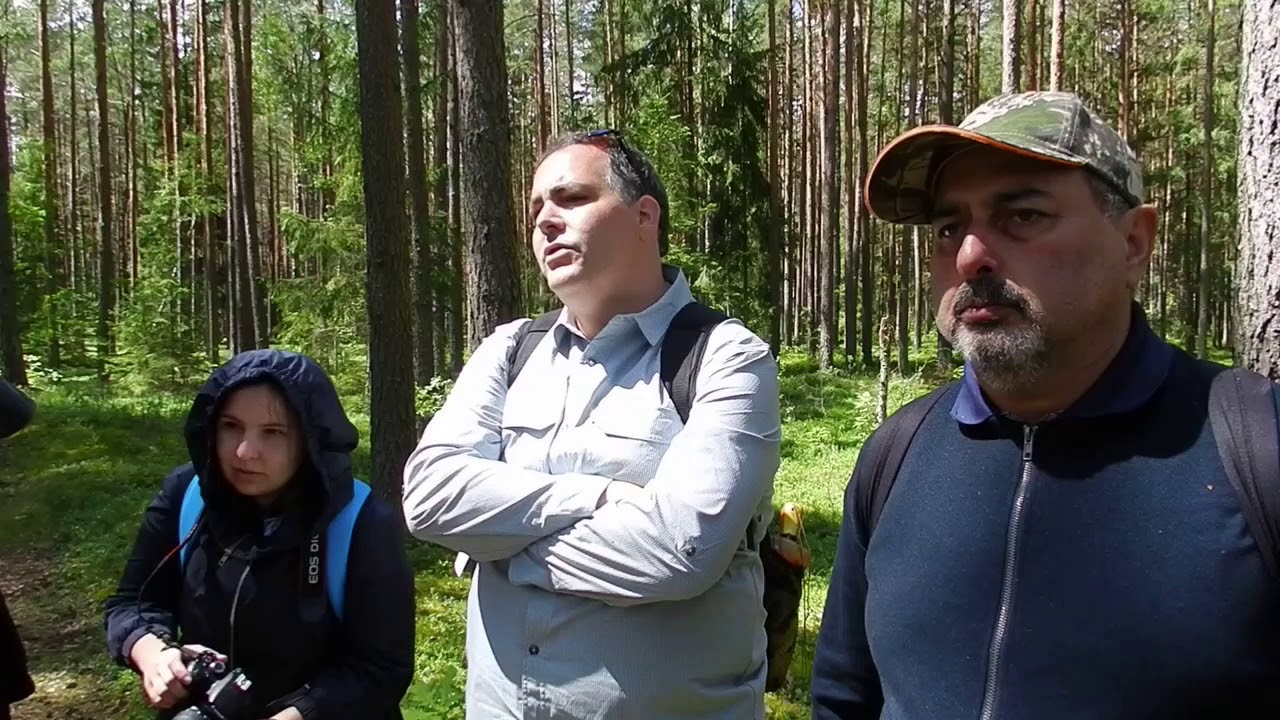
My visit to the Naliboki Forest in Belarus on 16 May 2018, with Tamara, Alexander and Ivan. This is where the Bielskis and many other partisans had their camps in the latter part of WWII. Aptly nam…
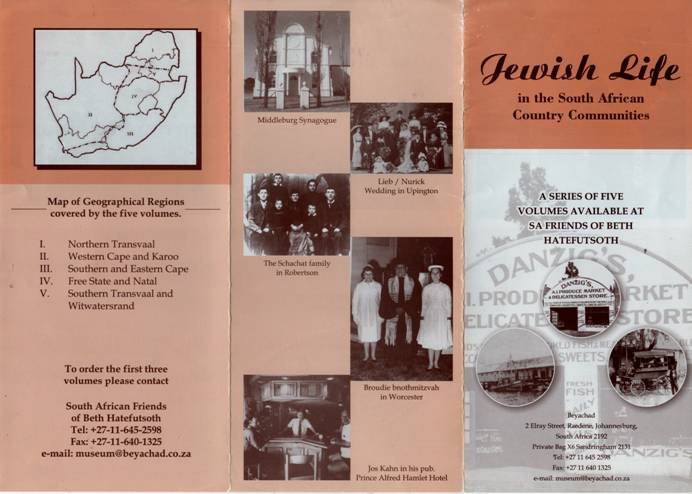
From Tachlis, Michele Gogoski & Elona Steinfeld, Beyachad, Johannesburg:
Eli, who is the founder of the We Are Here Foundation, gave an inspirational presentation about the importance of educating Jewish youth about the Holocaust and the Jewish partisans during the World War II. The talk was accompanied by video footage of the youth of various communities across the globe, who have been taught and are being taught to sing the famous Partisans Song – Zog Nit Keyn Mol (Shir HaPartizanim).
His message is loud and clear: WE MUST NEVER FORGET!
For more information please visit the website
WE ARE HERE! An Education Program That Inspires Upstanders
I attended a Lecture by Eli Rabinowitz @ Beyachad last week, and it was a VERY interesting discussion, the Subject being “ Zog Nit Keynmol’ ( Never say never again), the Partisan’s song…. see https://wah.foundation/ …. I never realized that such a project would have soooo many opinions and ‘Machlokes’ …. The project is to revive the Partisan song that was written by Hirsch Glik in the concentration camps…… The project involves getting schools to start learning the song and of course understanding the meaning…. Eli has teamed up with various Schools, especially in Russia, Poland, Souff Effrikka etc, and World Ort have given him huge assistance, with ORT schools around the World joining in the programme….. The question is ; Should the Song be sung/learnt in any other language than Yiddish, as this is what it was started as…???? Methinks, yes, as it will get lost if not promoted.
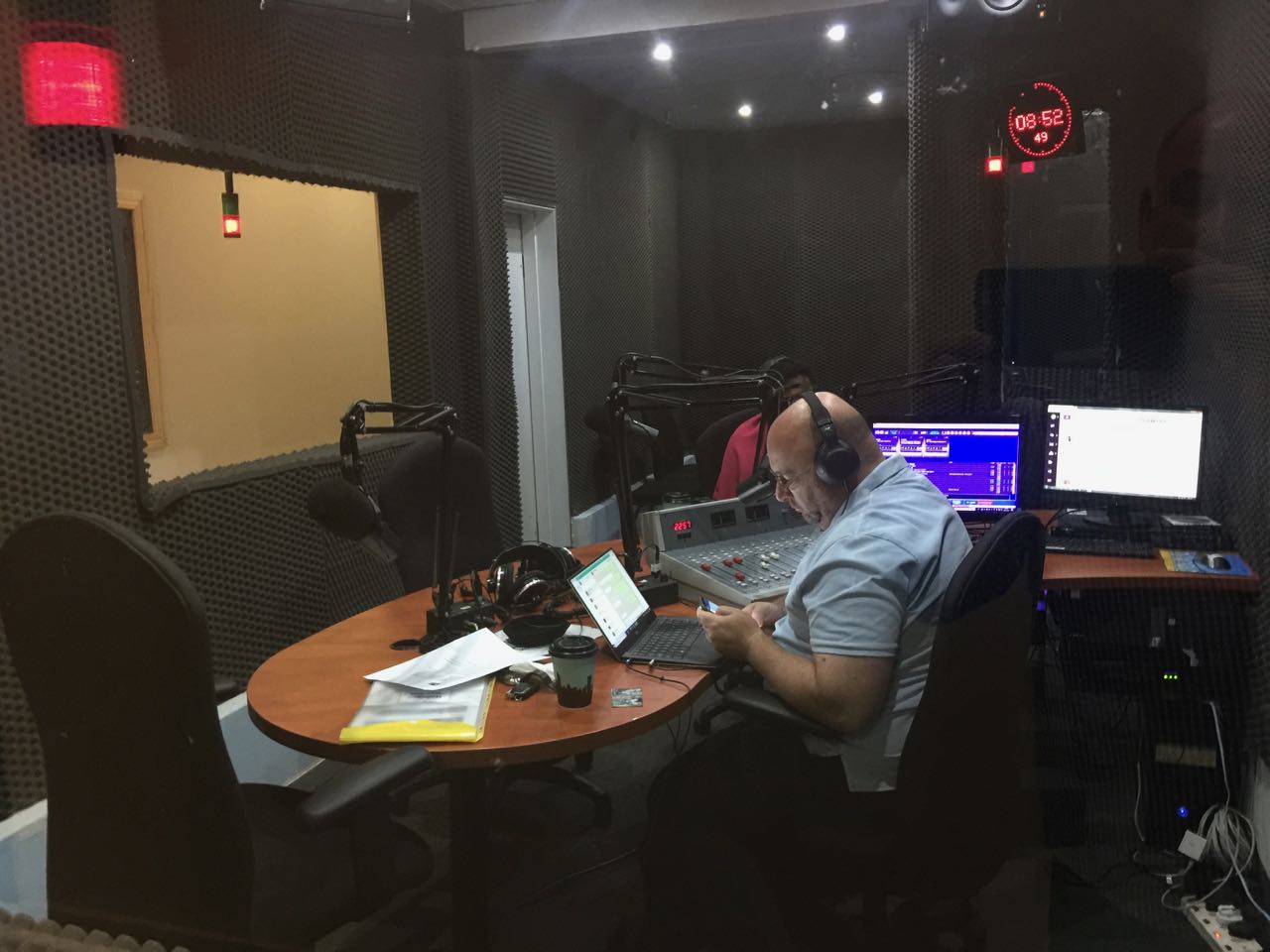
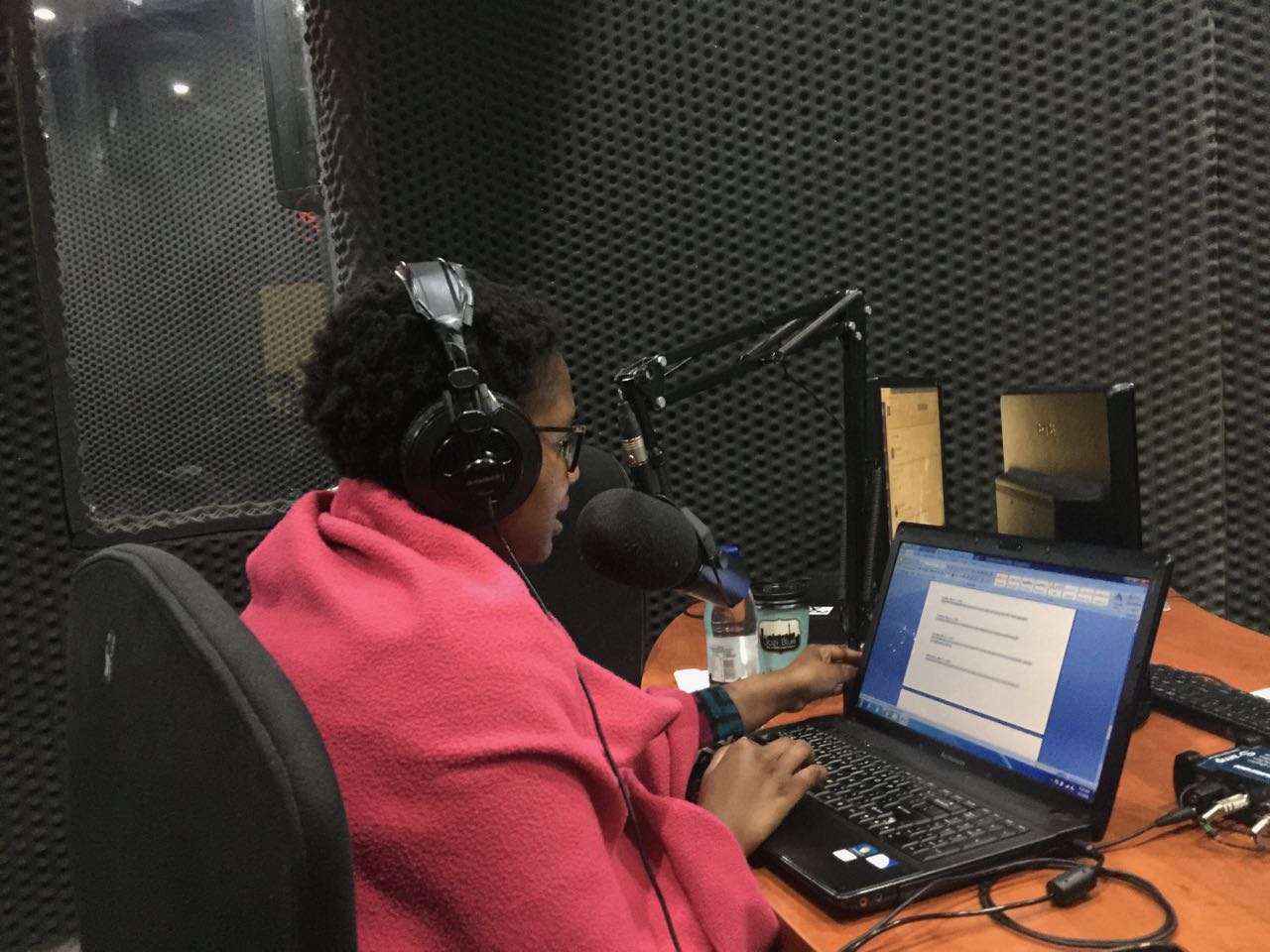
At the meeting were a few knowledgeable people in Yiddisher circles, and Saul Issroff ( Absoluuuuut BOFF on Lithuania) from London (Ex PE ‘Amolikke Yoren’), Eli Goldstein who is very involved in the teaching of Yiddish in Joburg, Ishvara Dhyan, who takes walking tours of Joburg, and covers many of the old Yiddisher places, Rabbi Moshe Silberhaft (The Travelling Rabbi) ,Darryl Frankel (King David) Marc Latilla who runs a website Johannesburg 1912, which has a lot of info on many suburbs (in detail) and Joburg City … , https://johannesburg1912.wordpress.com/ where you can find in depth info on Joburg/suburbs….. Tali Nates from the Holocaust Museum also came, and Eli did a show with Howard Feldman on Chai FM 91.7 .. Pictures; http://www.stantgsm.com/category/pictures/4
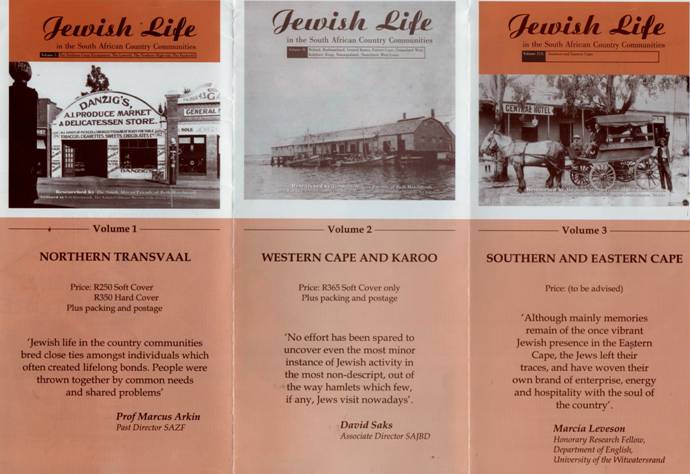
If your parents and grandparents lived in or nearby one of the towns mentioned below before 1980 you can read about the Jewish history of the town and there is a good chance they will be mentioned in the relevant volumes of Jewish Life in the South African Country Communities
Five volumes have been published and I understand two more volumes are almost complete.
The names of many of the Jewish residents of each town is listed and if your parents or their parents came from a town in the areas published you can learn more about Jewish life and people in that dorp.
This is an ideal gift or book/s for your coffee table
The best person to contact for your book and for more information is Elona Steinfeld
In August of this year, an article appeared on the website of the Lithuanian municipality of Kėdainiai, under the headline: “With a minute of silence, Kėdainiai met Tel Aviv.” The text described an annual event, begun only a few years ago, commemorating the extermination of Kedainiai’s Jewish community on August 28, 1941, during the Nazi occupation of Lithuania.
At precisely 18:30, local leaders and others observed a minute of silence – while at that same moment, in Israel, descendants of that vanished Jewish community, who called their home Keidan, were doing the same thing.
Two simultaneous ceremonies – one at the hall of the association of the Vilna Jews in Tel Aviv, the other by the mass grave where more than 2,000 Keidan Jews were murdered 77 years earlier.
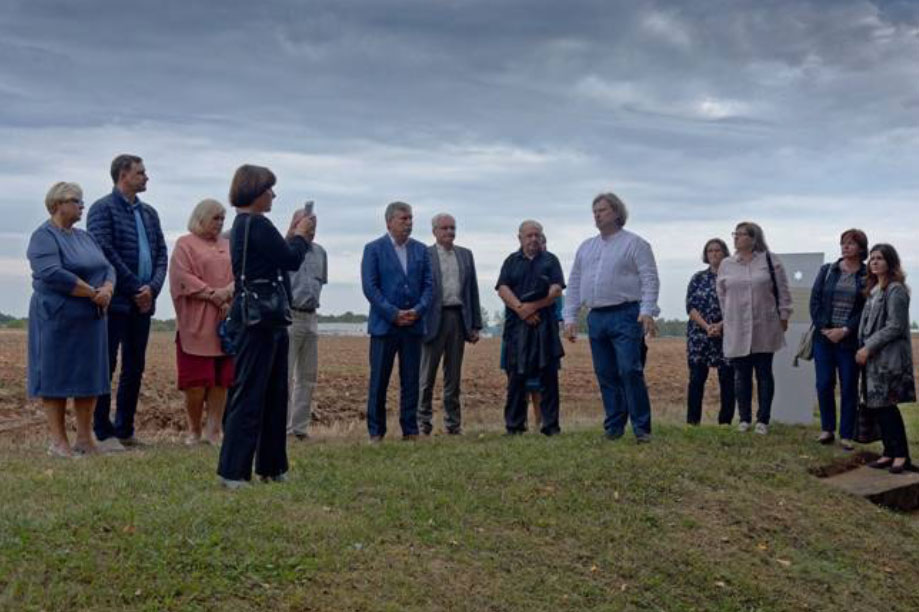
Such commemorations are a longstanding tradition in Israel, home to thousands of Jews who trace their families to Lithuania. But in Lithuania itself this is relatively new, and still uncommon, tradition. Kėdainiai’s annual observance began several years ago, and has grown each year. This year it was led by Saulius Grinkevičius, mayor of the municipality, and Rimantas Žirgulis, director of the regional museum. The participants included two mayor’s deputies, the heads of local cultural and educational institutions, members of the administration and museum workers, school teachers and other Kėdainiai citizens. A local television station broadcast the ceremony.
The event reflects an important recent change in public consciousness and attitude. To a significant degree, Lithuanians are confronting their country’s painful past. This is reflected in the media, in increased research into local Jewish history and culture, and in the restoration of sites related to Lithuania’s former Jewish communities. In Kėdainiai, the regional museum and its director have played an important role, as have teachers such as Laima Ardavičieneof the Kėdainiai Atžalynas gymnasium, or secondary school. As it was often in the past, Kėdainiai is providing leadership and serving as a role model for other communities in Lithuania.
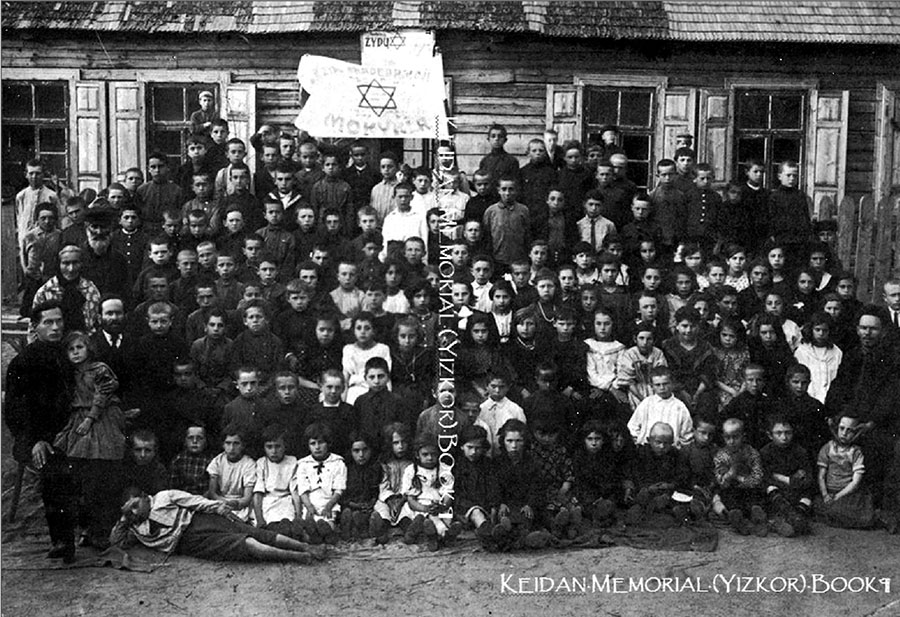
Supporting those efforts going forward is a recently published English translation of the Keidan yizkor book – a volume of memoirs, historical accounts and other material gathered from survivors and descendants of the Jewish community after World War II. Originally published mostly in Hebrew and Yiddish in 1977, the book offers a multi-faceted view of Jewish life in Keidan – its history, its religious, educational, social and cultural institutions, youth organizations, portraits of its prominent people, recollections of witnesses and survivors before, during and after the Holocaust.
Cover of the Keidan Memorial (Yizkor) Book, recently translated into English. Edited by Aryeh Leonard Shcherbakov aryeh.shcherbakov@gmail.comand Andrew Cassel awcassel@gmail.com of the Keidan Associations of Israel and the U.S.; published by David Solly Sandler sedsand@iinet.net.auin Perth, Australia. The book is obtainable from any of the three above mentioned
Photos of Commemoration in Kedainiai – 28 August 2018
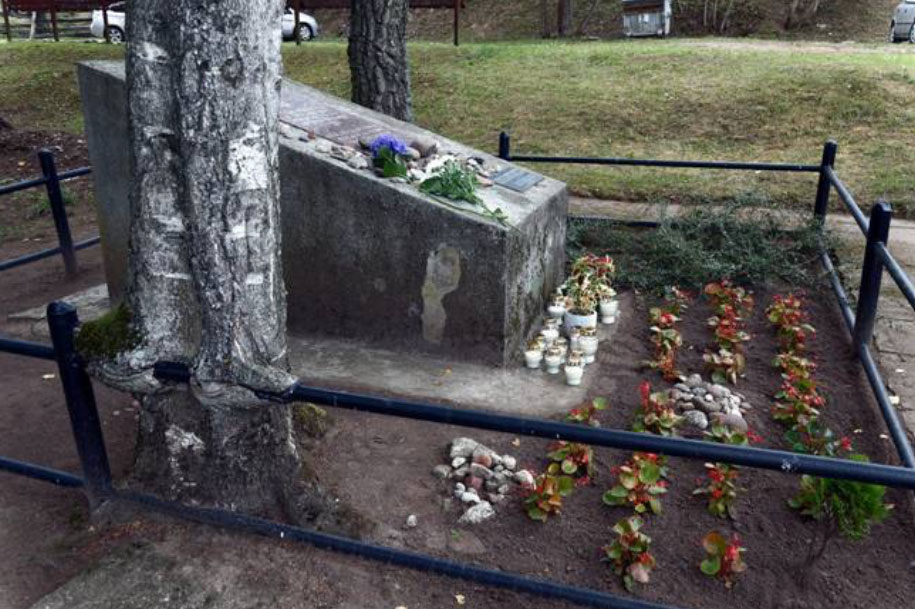
A section of the memorial erected in 2011 at the site of the Jews’ massacre near Kedainiai. Names of the victims were recorded as cutouts in the metal sheet.
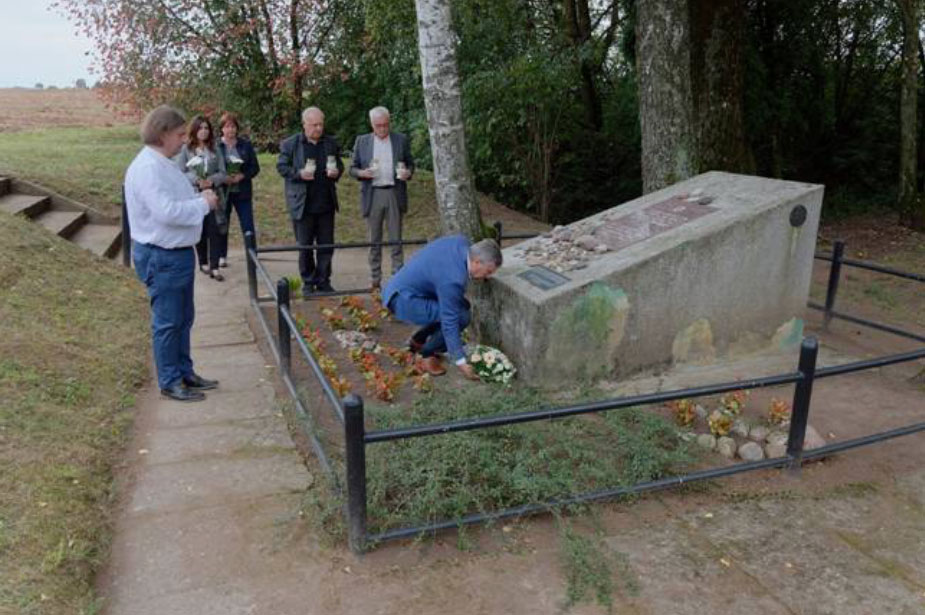
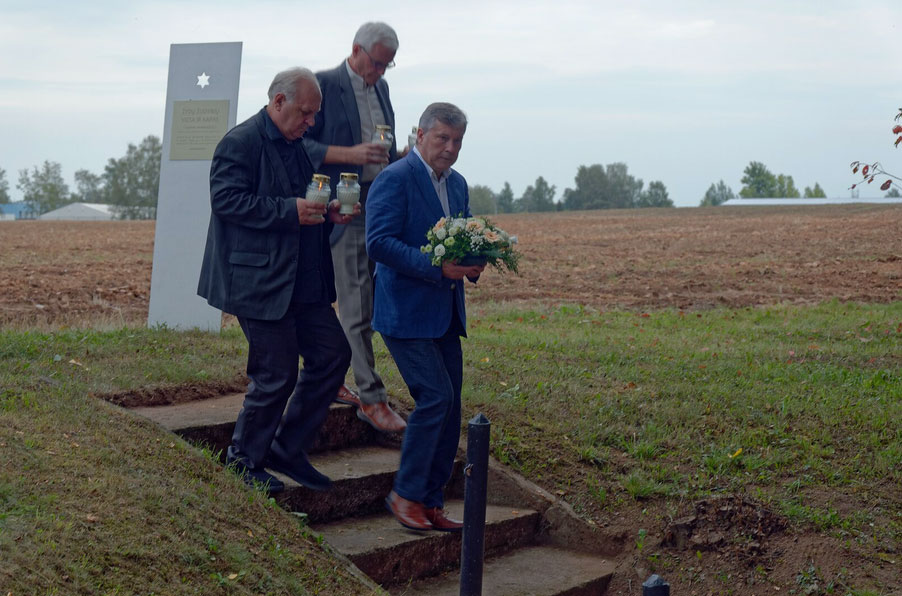
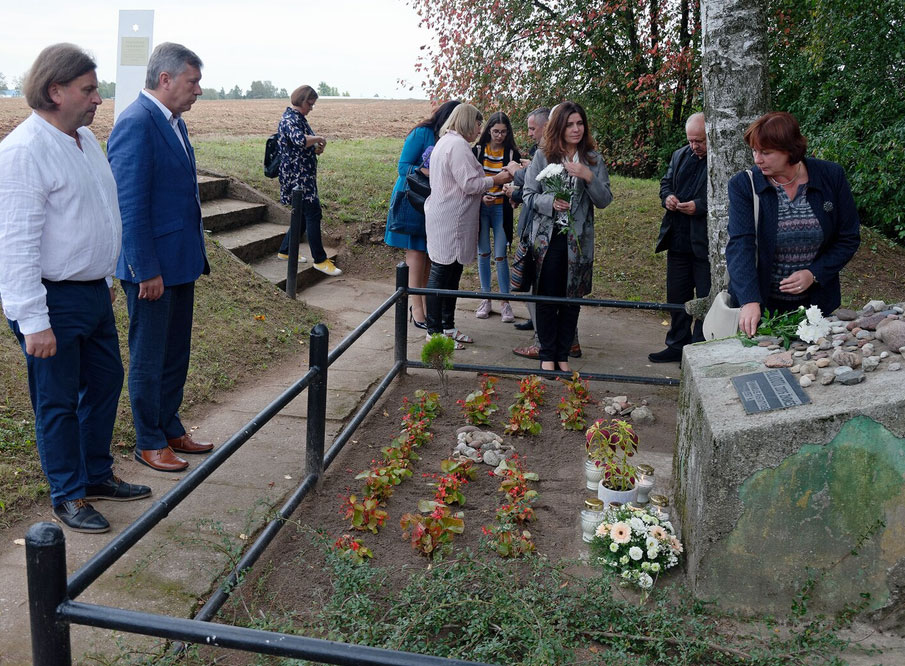
At the site of the 28 August 1941 massacre of Kedainiai’s Jews. Mayor Saulius Grinkevičius lays flowers, while Rimantas Žirgulis (in white shirt) observes.
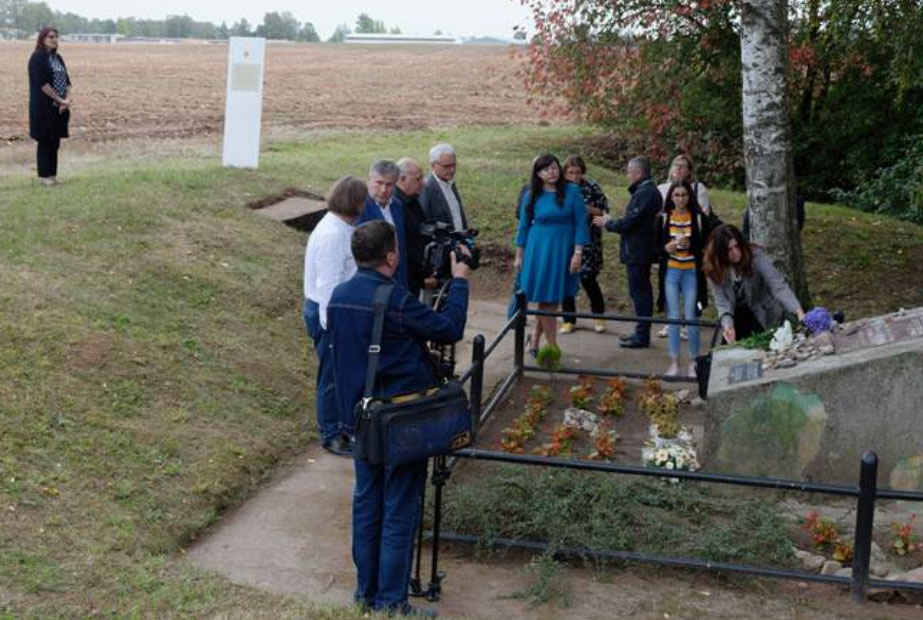
Local students and media participated in the commemoration.
Laima Ardavičiene, a teacher at the Kėdainiai Atžalynas gymnasium, records the event.
Ziezmariai Synagogue One of a Handful of Surviving Wooden Synagogues in Europe
Žiežmariai Synagogue One of a Handful of Surviving Wooden Synagogues in Europe
LRT TV News Service LRT.lt When Lithuania joined the European Route of Jewish Cultural Heritage, the synagogue in Ziezmariai was chosen as the symbolic first site.



















 Source:


