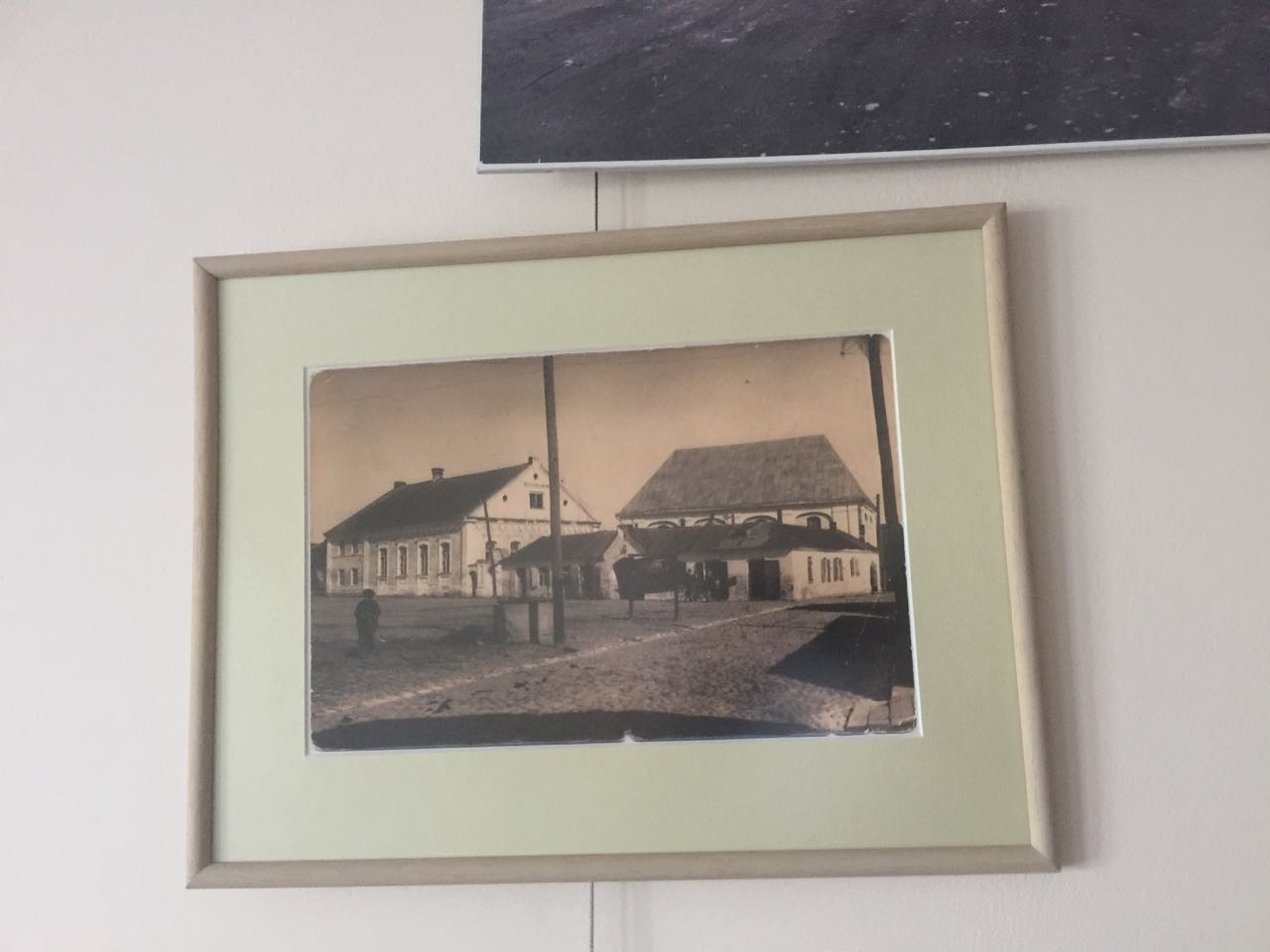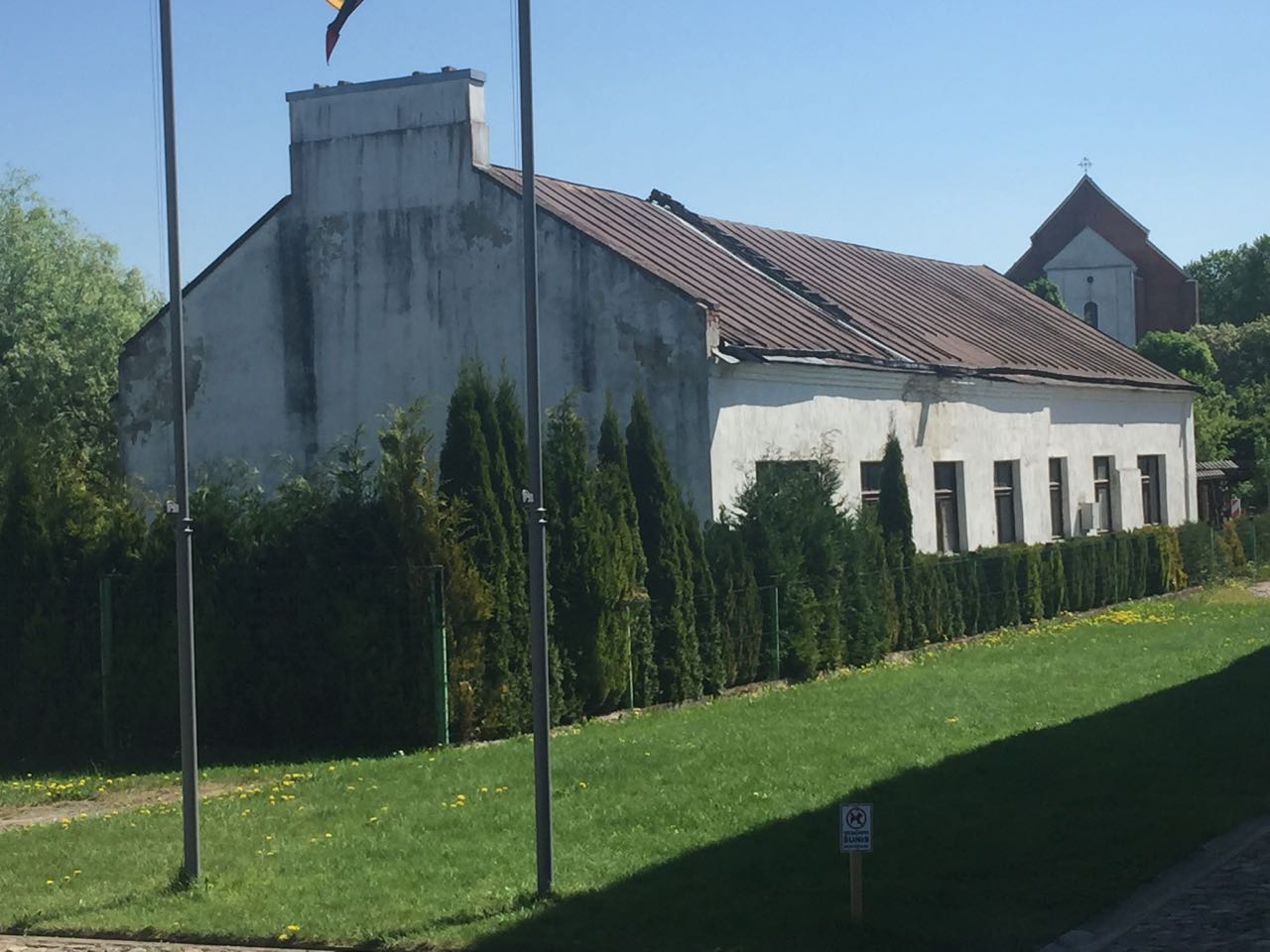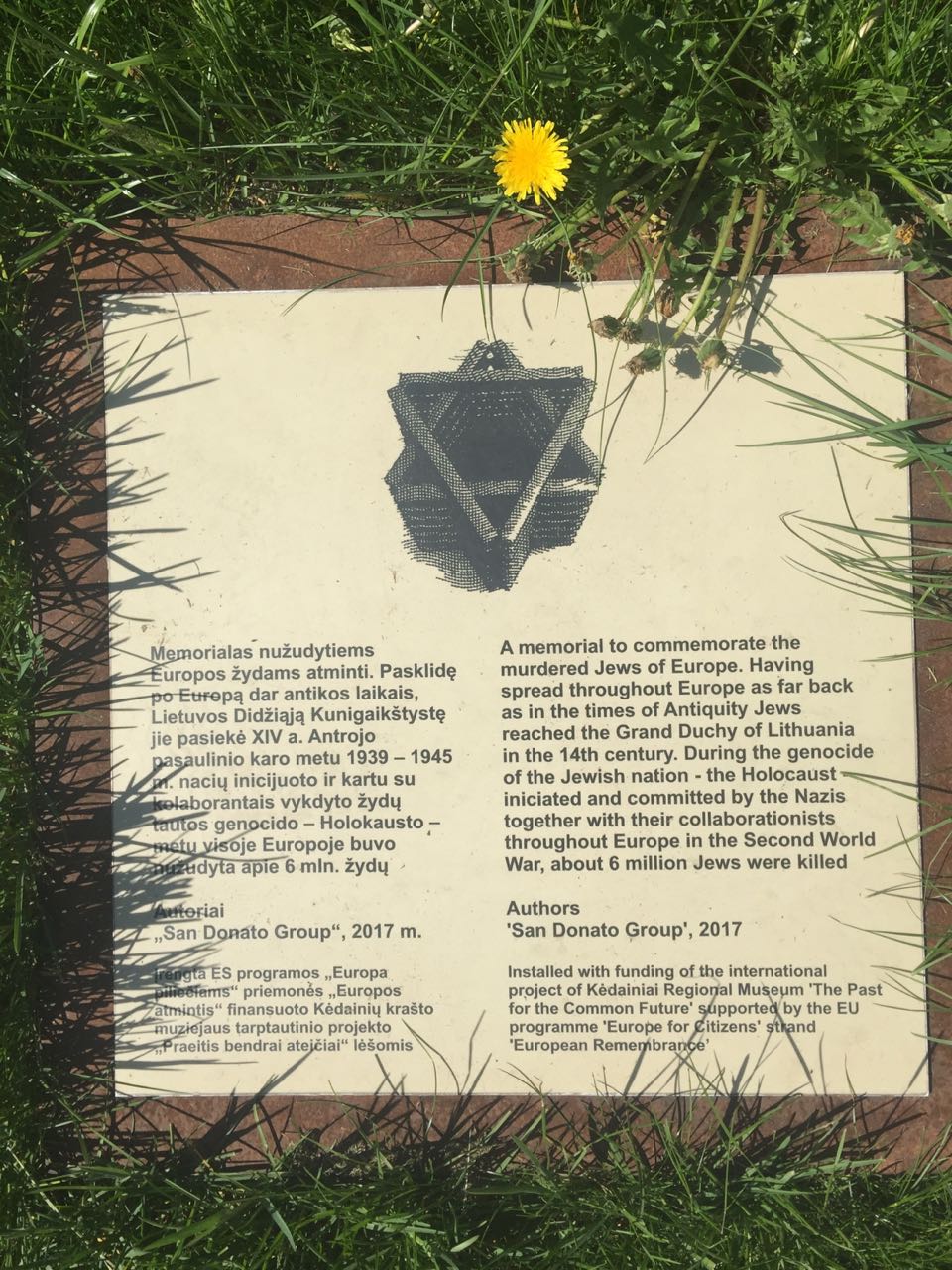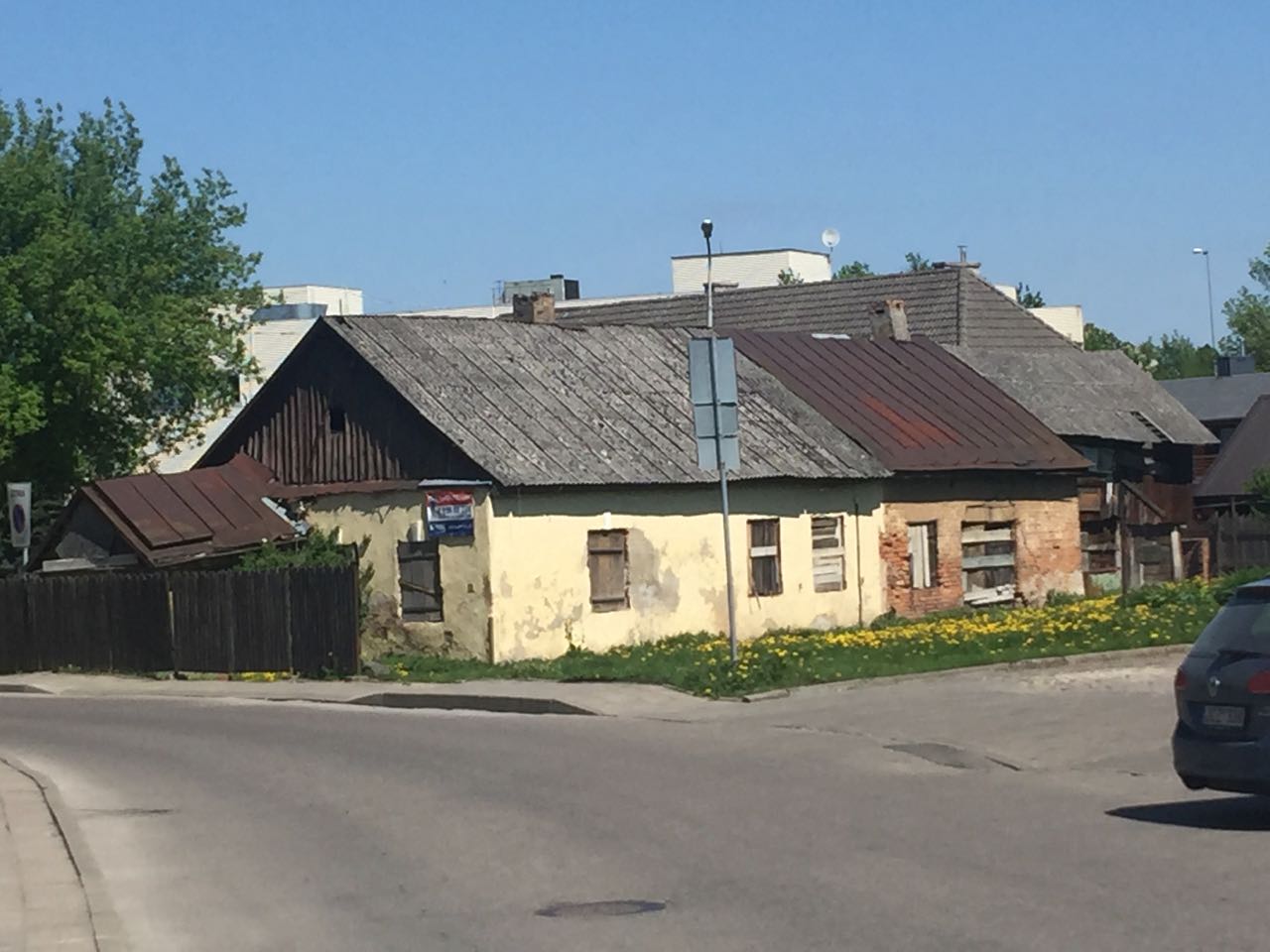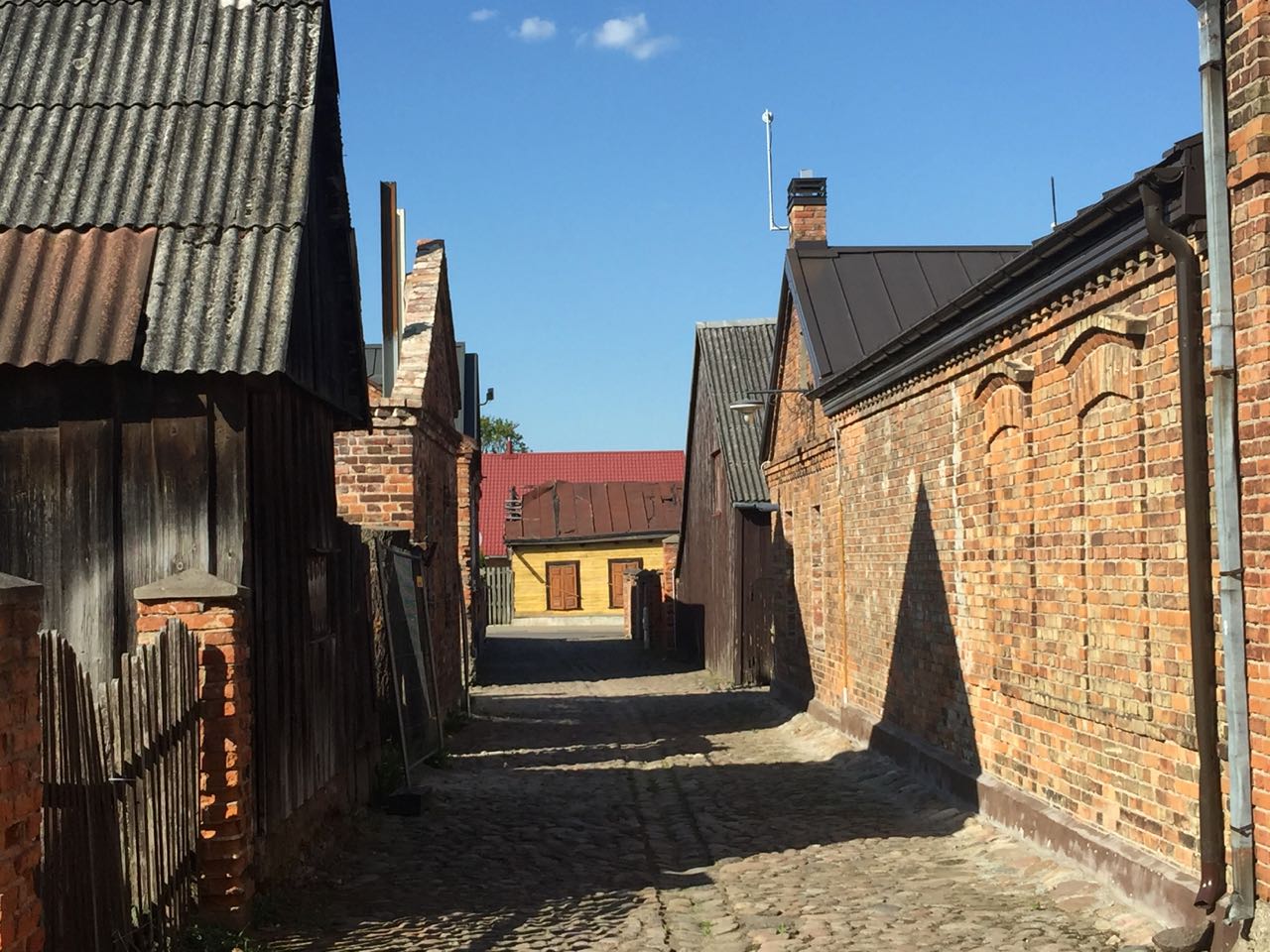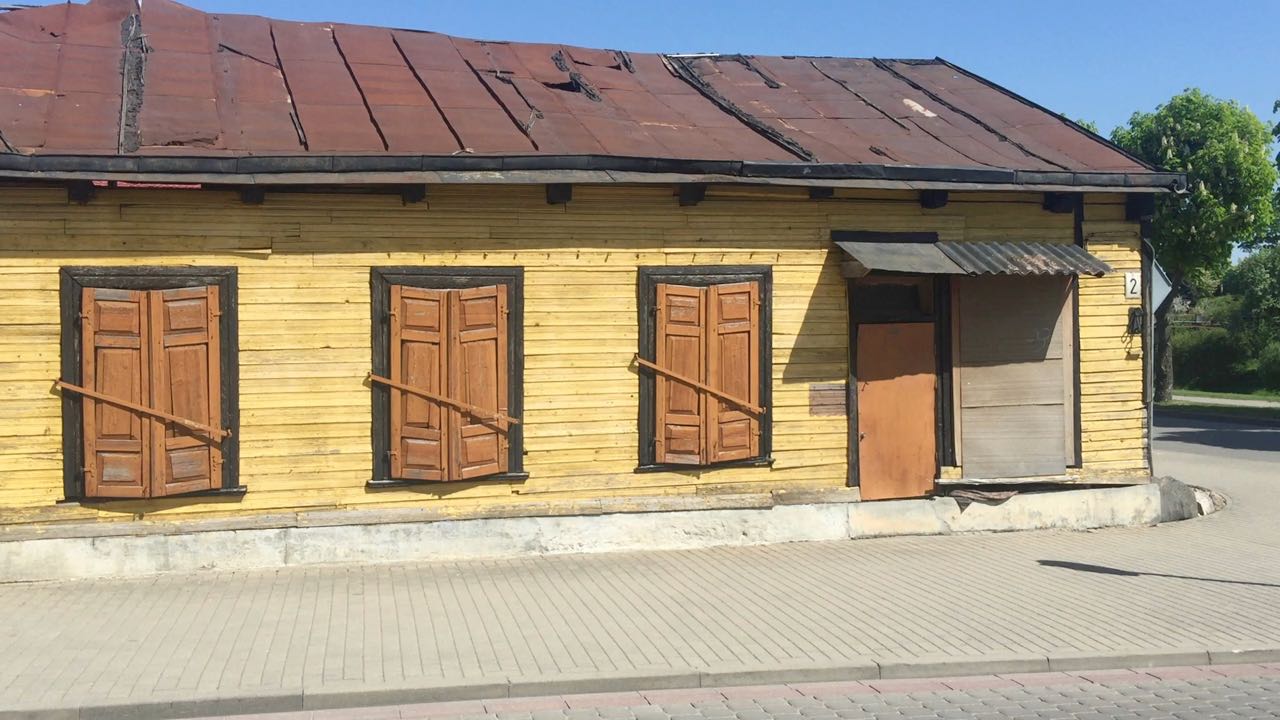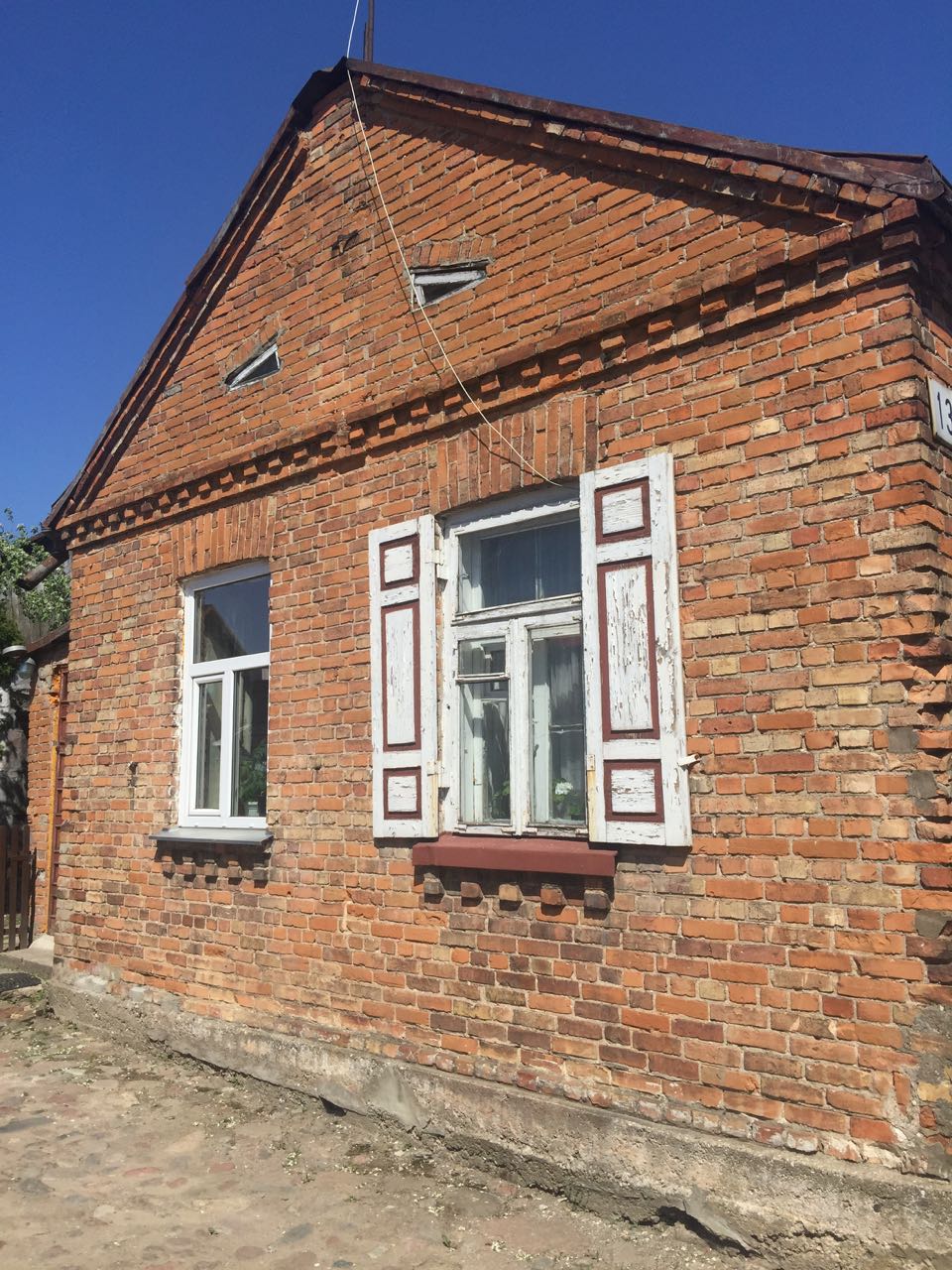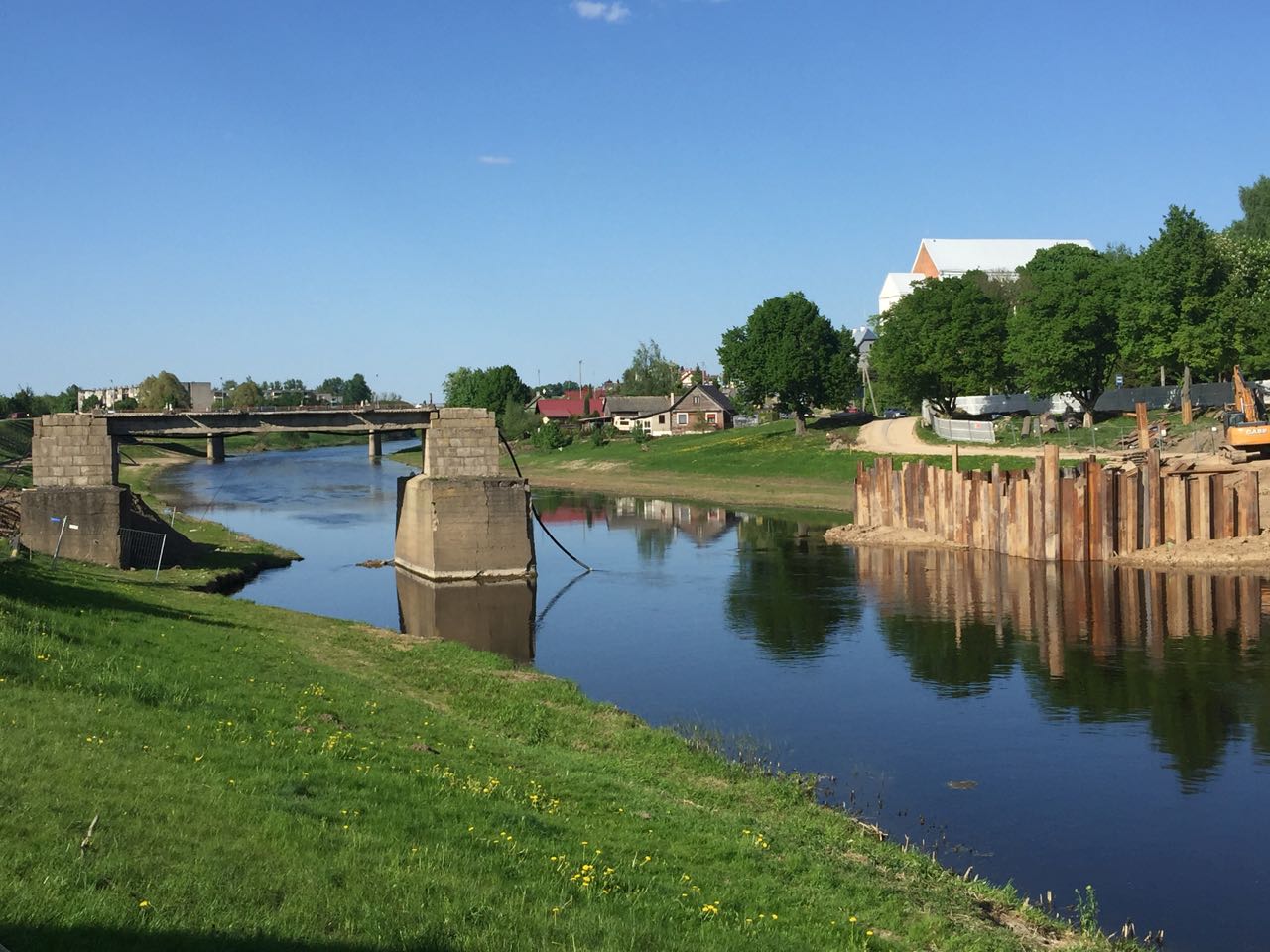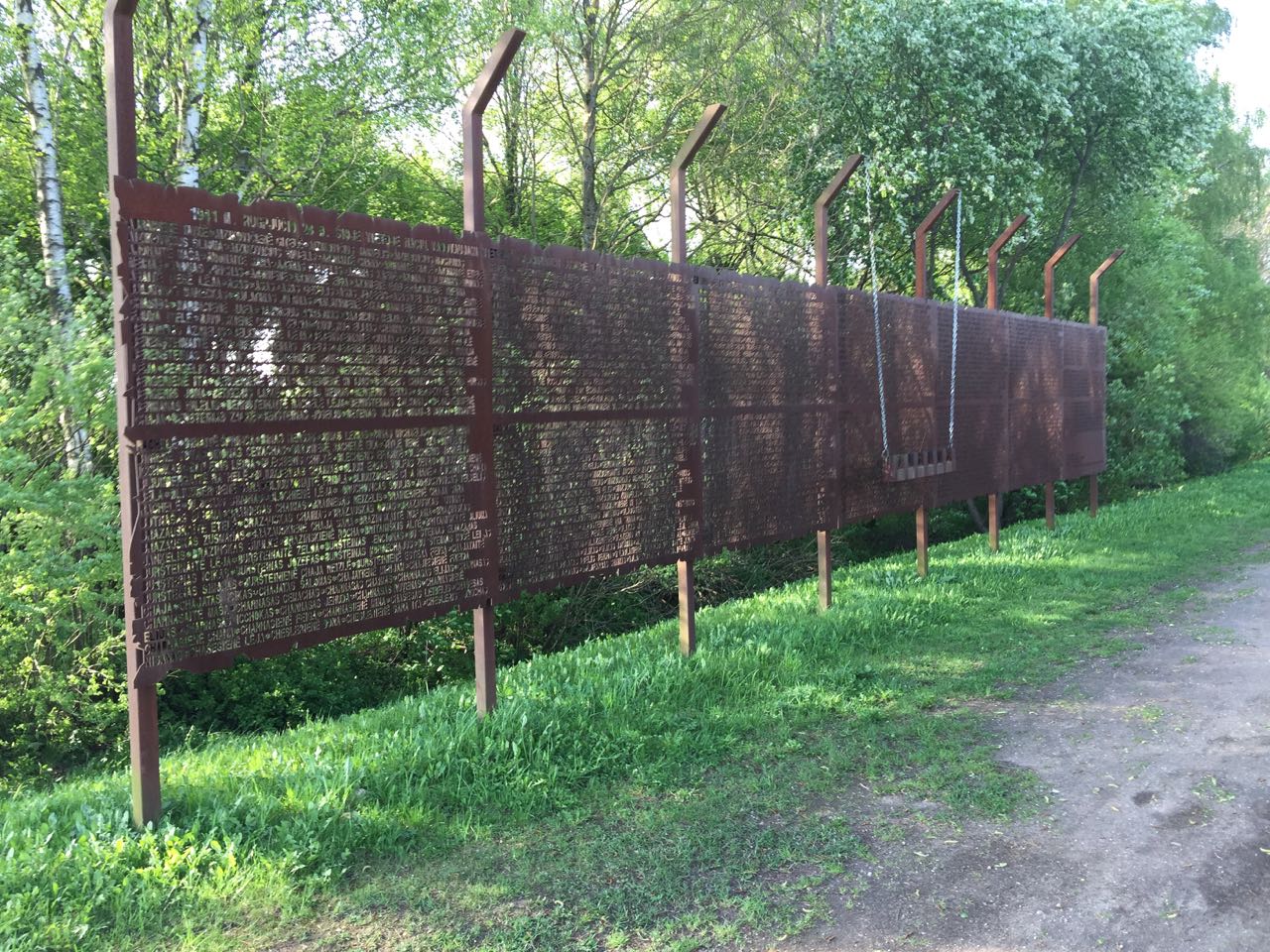
Shavlan

May 2018

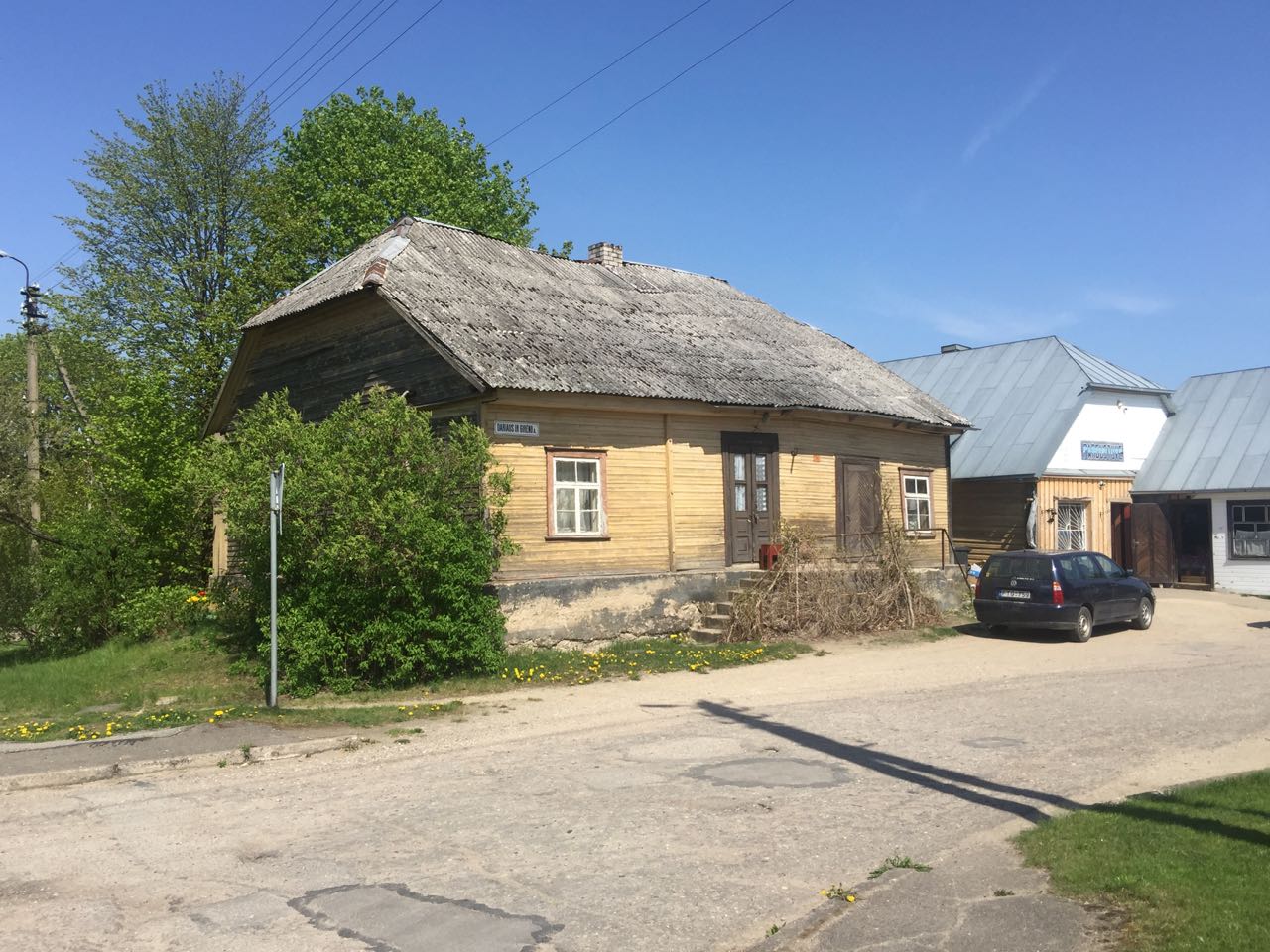
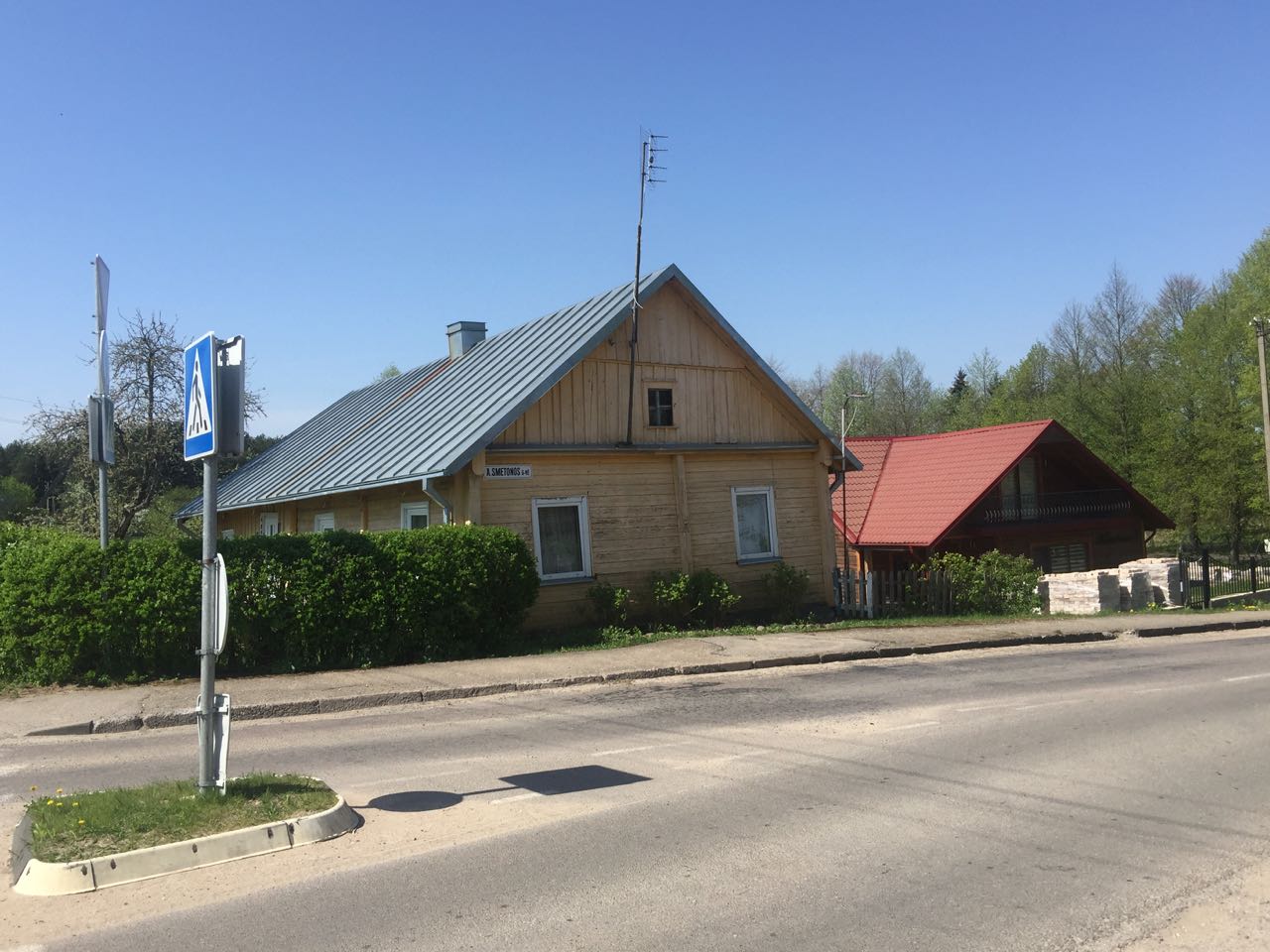
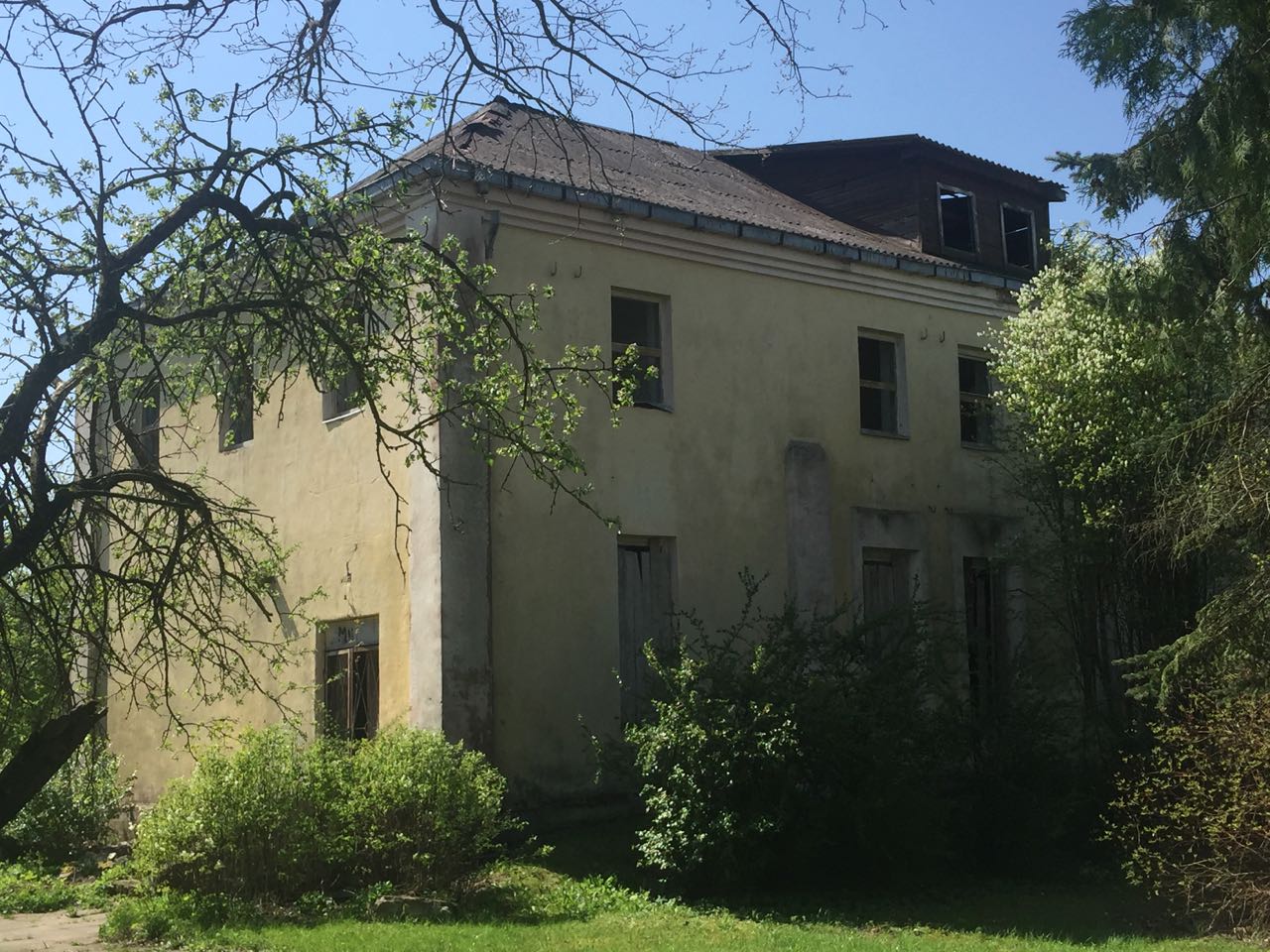
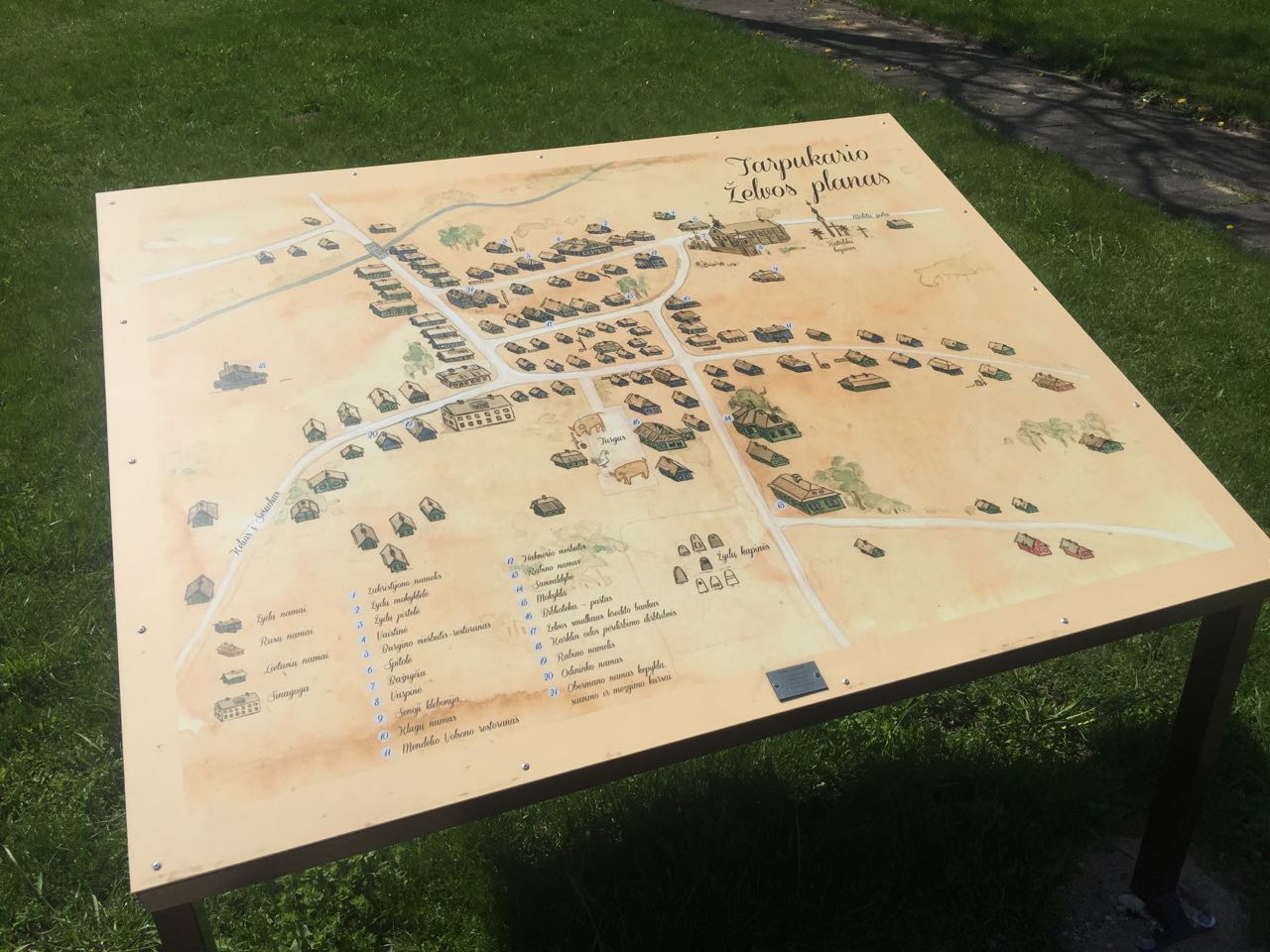
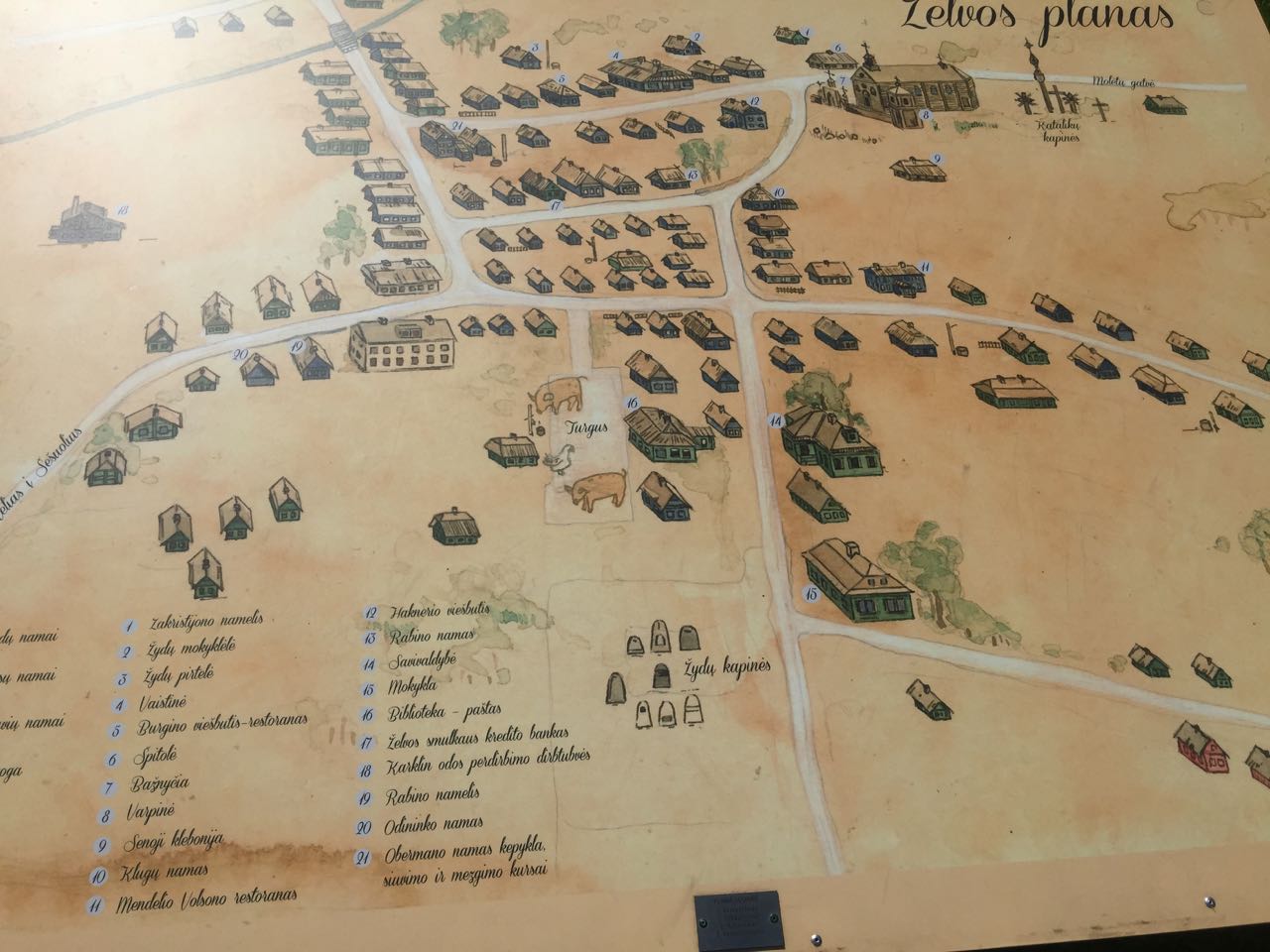
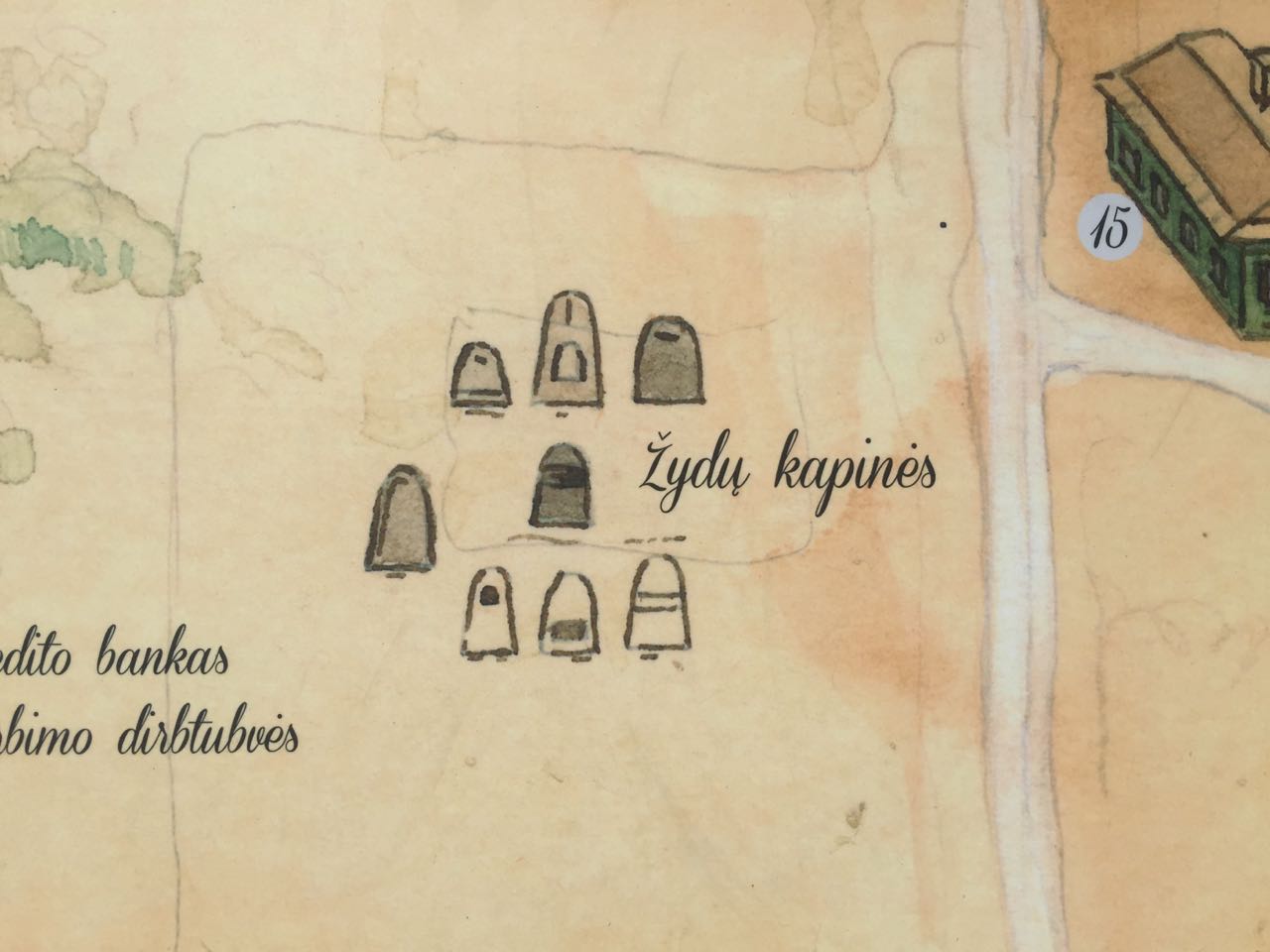
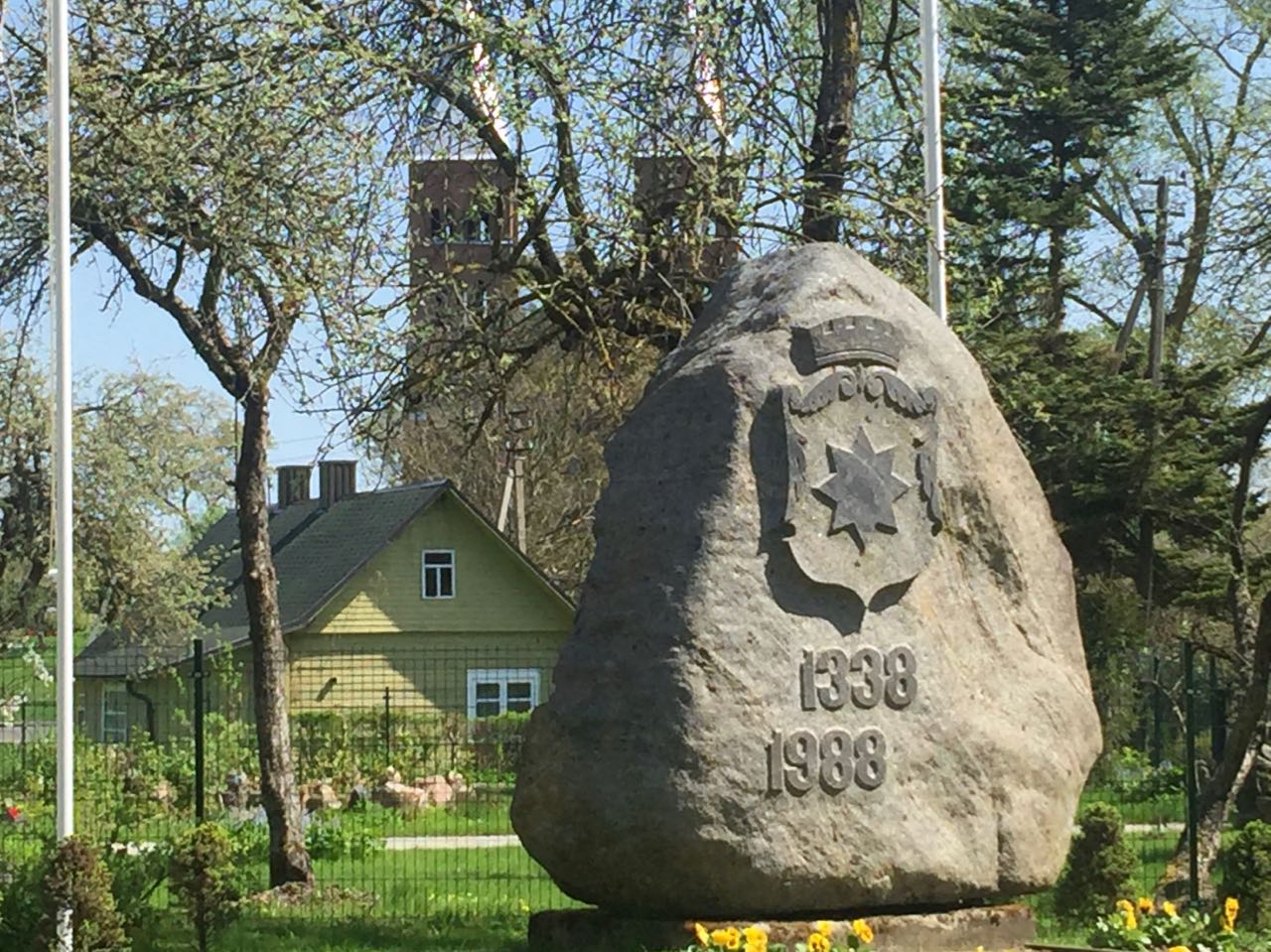
This is my second visit to Siaulenai, Lithuania, the first being in 2016. Once again I did not seem to be able to find the location of the Jewish cemetery. Siaulenai or Shavlan as it was known, was the shtetl of my wife, Jill Reitstein Rabinowitz’s maternal Saevitzon and Meyerowitz families.

How frustrating, as Shavlan is not exactly around the corner from where I live, in Perth Australia, nor for that matter, anywhere else! However, there is good news!

Please read on:

A Stone with a Story

by Jill’s cousin,  Richard Shavei-Tzion in  Israel

9 July 2015

The picture below is of the tombstone of my father’s father’s father (all of us first- born so it happens.) You can work out your connection from that. Abba Saevitzon died in Johannesburg 103 years ago. I have been searching for his grave for a long time and with our impending trip to SA I thought I would have another try. This time the Johannesburg Chevra Kaddisha really came through.

This story is cobbled together from anecdotes I have heard over the years. The family, Abba (first time I see that his English name was Albert), his wife Chai Sarah, 3 sons, Morris, Sam and Harry and daughter Bunty arrived in Cape Town from Savlan (?) a small town in White Russia, in 1911. Shortly thereafter he heard of a work opportunity in Johannesburg and the family travelled north using their remaining funds. Within a month Abba passed away and was buried in the local Braamfontein cemetery. However the survivors had no financial means with which to purchase a tombstone. They somehow travelled back to Cape Town where the older kids were sent to foster homes. My grandfather Morris aged 14, lived in such a home and spent his days working at the Cape Town docks, receiving fish as they came off the fishing boats, cleaning them and carting them to the local fish market. Ruthy and Geoffrey both recall that they hardly saw him as kids because he was working so hard to ensure that they would be well educated. You can see where his motivation came from.

Anyway, a number of years later the family had scraped together enough funds to travel back to Johannesburg, purchase a stone and consecrate it. I personally am humbled by such an act of loving kindness. While scanning through hundreds of gravestones in the cemetery, of Jews who died in the first quarter of the 20th century, I was amazed to find that the average lifespan was 50 odd. As someone who has just turned 60, how fortunate I feel!

The stone indicates that he died on the second day of Succot and that his father’s name was Yitschak. Who knows when the name “Abba” first appeared in the family, but my father and his cousin Monty were both named after him and of my nephews and grandsons, at least 3 are named in his memory so the tradition lives on.

All being well, when we are in Johannesburg I plan on visiting the grave. It will be a privilege.

Richard Shavei-Tzion 

Richard Shavei-Tzion stands between his grandparents’ and his wife’s grandparents’ graves facing each other amongst tens of thousands in the Pinelands Cemetery, Cape Town

My family’s experience reflects the migratory patterns of South African Jewry, and nowhere is this more apparent than in the cemeteries of Cape Town. None of my great-great-grandparents is buried there, all having lived and died in Europe. Yet, with one exception, all of my great-grandparents and grandparents are laid to rest in these well-ordered cemeteries. They arrived between 1895 and 1916, three Litvak families and one from England, again a fair representation of South African Jewry’s roots.

The Jewish cemeteries in South Africa are for the most, lovingly maintained with the care that typifies Jewish communal life in the country. This is a community which thrives on an ethos of shared responsibility and mutual care. Despite its diminished number (now approximately 70,000 souls, down from 110,000 in the 1960’s) its institutions are thriving and the various burial societies are at the forefront of this phenomenon.

Unmarked children’s graves at Braamfontein Cemetery, Johannesburg

The Pinelands Cemetery in Cape Town has tens of thousands of graves. It is a well-ordered place with tombs marked by relatively standardized black upright stones. All of the graves appear on an online data base. A while ago, an American therapist friend asked if I could help her elderly South African client who had been distressed for years because she did not know her late mother’s Hebrew name. Within minutes I was able to provide her name and Yahrzeit and a photograph of the tombstone.

It is my custom to visit my ancestors’ tombstones once every few years when I travel to Cape Town from my home town of Jerusalem. Some years ago I went to visit my paternal grandparents Morris and Fanny Saevitzons’ graves. When I turned to leave, I was stunned by what I saw opposite. Call it cosmic chance, coincidence or “basheert”, but there, directly facing my grandparents’ tombstones, were the tombstones of Harry and Mina Lonstein, my wife’s maternal grandparents.

I mentioned that I have one ancestor who is not buried in Cape Town. Therein lies a story. I have been searching for this “missing” grave for a long time and with an impending trip to South Africa I thought I would try again. This time, between an intensive search of Internet sources and correspondence with the Johannesburg Chevra Kadisha, the self-styled “Chev”, we were able to locate the grave.

I happen to be an oldest son of an oldest son of an oldest son. My paternal great-grandfather, Abba Meir (Albert) Saevitzon together with his wife Chai Sarah and three sons arrived in Cape Town from Savlan, a small town in White Russia, in 1911. Their daughter was born within a few weeks of their arrival.

Almost immediately, Abba heard of a work opportunity in Johannesburg and the family travelled north, using all their remaining funds. Tragically, within a month he passed away and was buried in Johannesburg. The widowed, penniless Chai Sarah had no financial means with which to purchase a tombstone and was forced to leave the grave unmarked. She and her children returned to Cape Town with donated funds, where the older boys were sent to foster homes.

My grandfather, Morris, aged 14, lived in such a home and spent his days working at a local fishing harbor, cleaning fish as they came off the fishing boats, then carting them to the local fish market. He later became a fisherman and then worked in his father-in-law’s delicatessen store in the suburb of Wynberg, the heart of Cape Town’s Jewish community at that time. My aunt and uncle recall that as kids they hardly saw their father because he was working so hard to ensure that they would be well educated. You can see where his motivation came from. When I think of the “problems” we face in our day-to-day lives compared to those of my ancestors, I am chastened.

Yet even as the destitute family slowly began to establish itself, they did not forget their loved one’s burial place. So it was that a number of years after Abba’s passing, using the first of their savings, the family travelled for two days by train back to Johannesburg, purchased a tombstone and consecrated it.

On a typically cool but cloudless Johannesburg winter day I set out for the Westpark Cemetery, where Jews have been buried since around 1945. From there I was kindlyaccompanied by Mr. Braam Shevel who works at the Chev, to the Braamfontein Cemetery in what is now a very grungy area of the city.

Johannesburg was formally established in 1886 with the discovery of gold in the area and when the first Jew died there in 1887, a delegation of leaders of the emerging Jewish community travelled, one would imagine by horse or ox-wagon, to Pretoria to petition Paul Kruger for land for a Jewish cemetery. Kruger, president of the break-away South African Republic, and later the leader of the Boers in the Anglo-Boer War, acceded to their request and the first of approximately 90,000 Jewish graves in Johannesburg to date was dug there in Braamfontein.

Richard Shavei-Tzion at the grave of his great-grandfather at Braamfontein Cemetery, Johannesburg

Braam unlocked the heavy iron gate at the entrance to the cemetery, signaled me to drive in and locked the gate behind us. I was surprised by my feeling of peace and tranquility in this place despite its uncertain surroundings. The cemetery, shaded by tall, aged eucalyptus trees, is well maintained despite its age. As we searched for the stone, we passed tombs of the founders of the community and its institutions, mayors and mining magnates, famous personalities and the regular men and women who were drawn to the fledgling metropolis. Striking were the ages of people who died just one hundred years ago. By my very rough calculation, the average life span of the adults was no more than fifty years. Then there were the rows of children’s and infants’ graves, stark evidence of the rates of child mortality and the Spanish Flu pandemic of 1918-19.

And then from a little way off I spotted the name SAEVITZON and approached the stone, with an inexplicable sense of thanksgiving and reverence. It was in remarkable condition and I discovered that Abba Saevitzon died on the second day of Succot, having lived 37 years. Who knows when the name Abba first appeared in the family, but my father and his cousin were named after him and a number of my nephews and grandsons are named in my father’s memory so the tradition lives on.

Looking around, I noticed many unmarked graves, some whose names were unknown;  others whose names were not marked for similar financial reasons and I was humbled by this act of care, sacrifice and loving kindness on the part of my ancestors.

I placed four stones on the grave, one for each of his children’s families,and turned to go.

Source: Esra Magazine

Chai Sarah Meyerowitz Saevitzon’s tombstone in Cape Town. Very indisctinct but some of the wording can be deciphered as you zoom in.

http://www.esra-magazine.com/blog/author/Richard%20Shavei%20Tzion-706

Richard Shavei Tzion

Cape Town born Richard Shavei-Tzion is an autodidact in all his fields of creative activity. At age 18 he was invited to conduct the Pine Street Shul Choir in Johannesburg. Since then he has directed choral ensembles in both South Africa and Israel. For the past 20 years he has directed the Ramatayim Men’s Choir, Jerusalem which has grown from an ad hoc group of 4 friends into an internationally renowned ensemble consisting of 40 singers. He has conducted High Holidays services for the past 35 years in South Africa, Israel, the U.S.A. and Canada and is often invited to lead communal events, singing and playing guitar. He also composes and arranges Jewish music, mainly for the RMC. 

His poetry has been published widely over decades. In 2015 the Municipal Art Gallery of Jerusalem displayed his photographic works in a solo exhibition which received popular and critical praise.  He is the author of the “Prayer for the Preservation of the Environment” which has been read in synagogues of all denominations and other venues around the world and he writes articles of social and cultural interest.

An accountant by profession, Richard manages a property development and management company. He and his wife Cheryl nee Gantovnik who was born in Durban, have three daughters and sons-in-law and seven grandchildren. Their recently released family CD “Round Table,” has been received warmly.


Descendants of Abba Meir Saevitzon and Chai Sarah Meyerowitz


Descendant Chart Abba Meir Saevitzon
My first visit, June 2016:

My first visit to this town was not so successful. I searched for the Jewish cemetery, asked at the Christian cemetery, and was told by locals that there was a Jewish cemetery on the other side of town. I couldn’t find it and I ran out of time.

I later emailed Sandra Petrukonyte of Maceva, who kindly replied:

Dear Eli,

It is so pity that you could not find. I tried to search for exact location. The map is attached (for your future journey!).
It is seems that the way to the cemetery is not marked by any sign, the path is not paved and the cemetery itself is in a small distant forest. Not surprising that you got lost.

MACEVA does not have own photos, therefore I am adding links to another websites with general view of the cemetery:

Siaulenai_jewish_cemetery

So, I will revisit next time.

Here are some of my images taken in 2016:

My second visit in May 2018
May 2018
Once again I initially couldn’t find the cemetery. Google Maps did not recognise the address in Sandra’s link and I somehow missed her map from 2016.
 
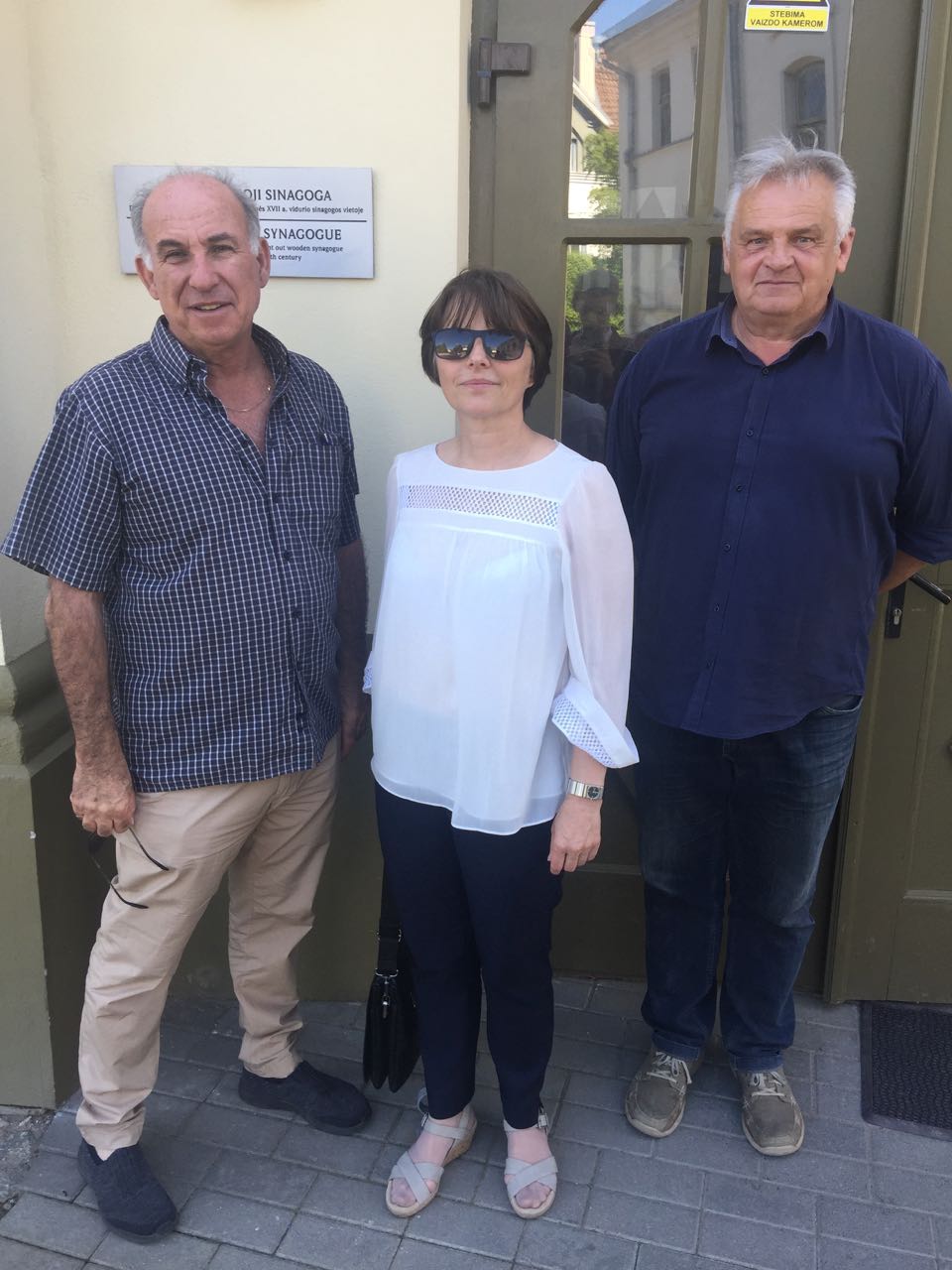
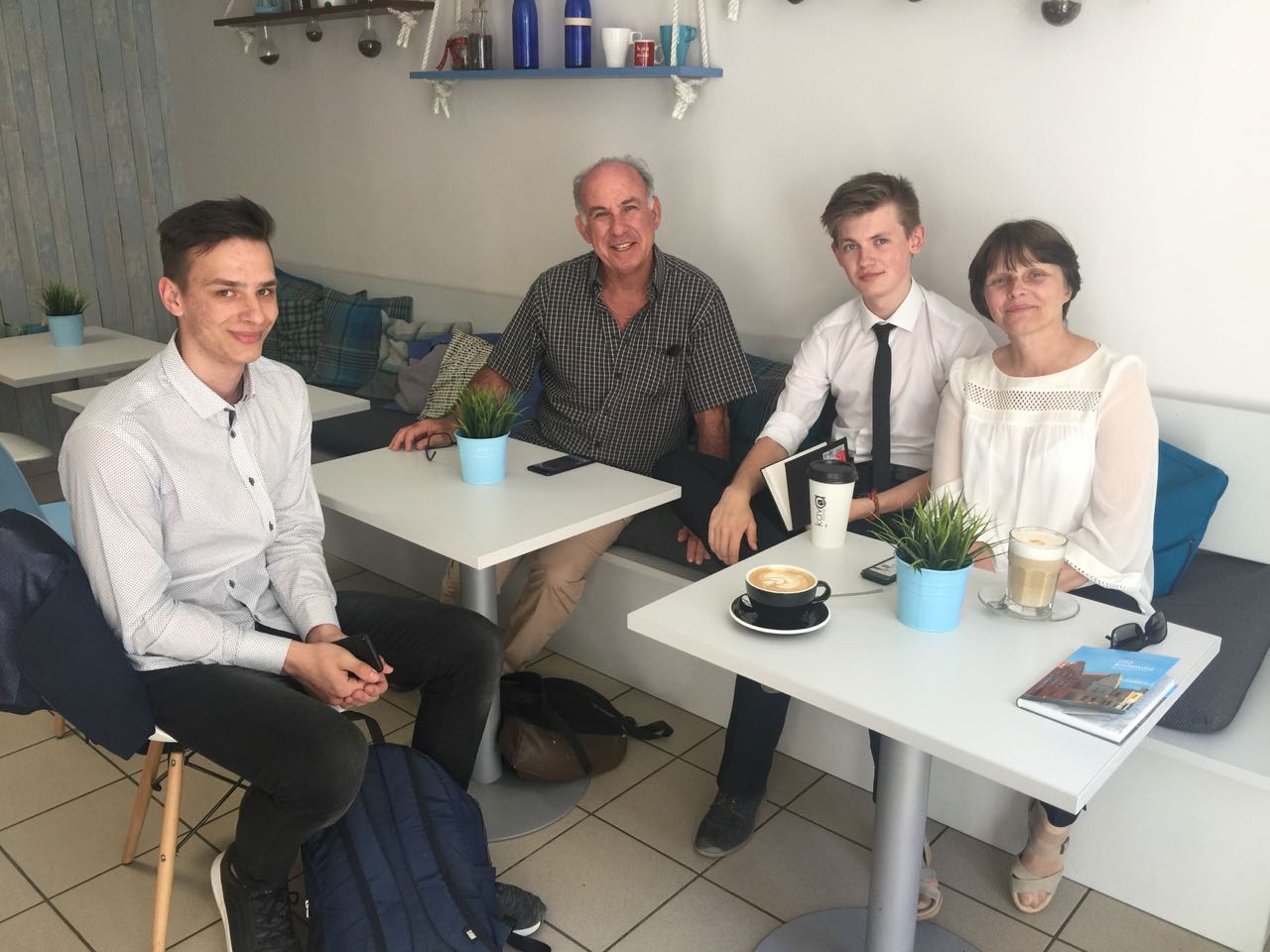
However, I returned to the Christian cemetery and asked those working there.  I wasn’t hopeful as they appeared the type to be unlikely to understand English. However, I spotted someone younger, Gytenis Sudintas. His English was good (he is in IT). However,  he wasn’t a local! To his credit, he asked around and was directed to a man who lives across the road from the Christian cemetery. I do not recall this man’s name, but he is also in the photo below.  He put on his shirt and shoes, got into his car and told us to follow him in my car.

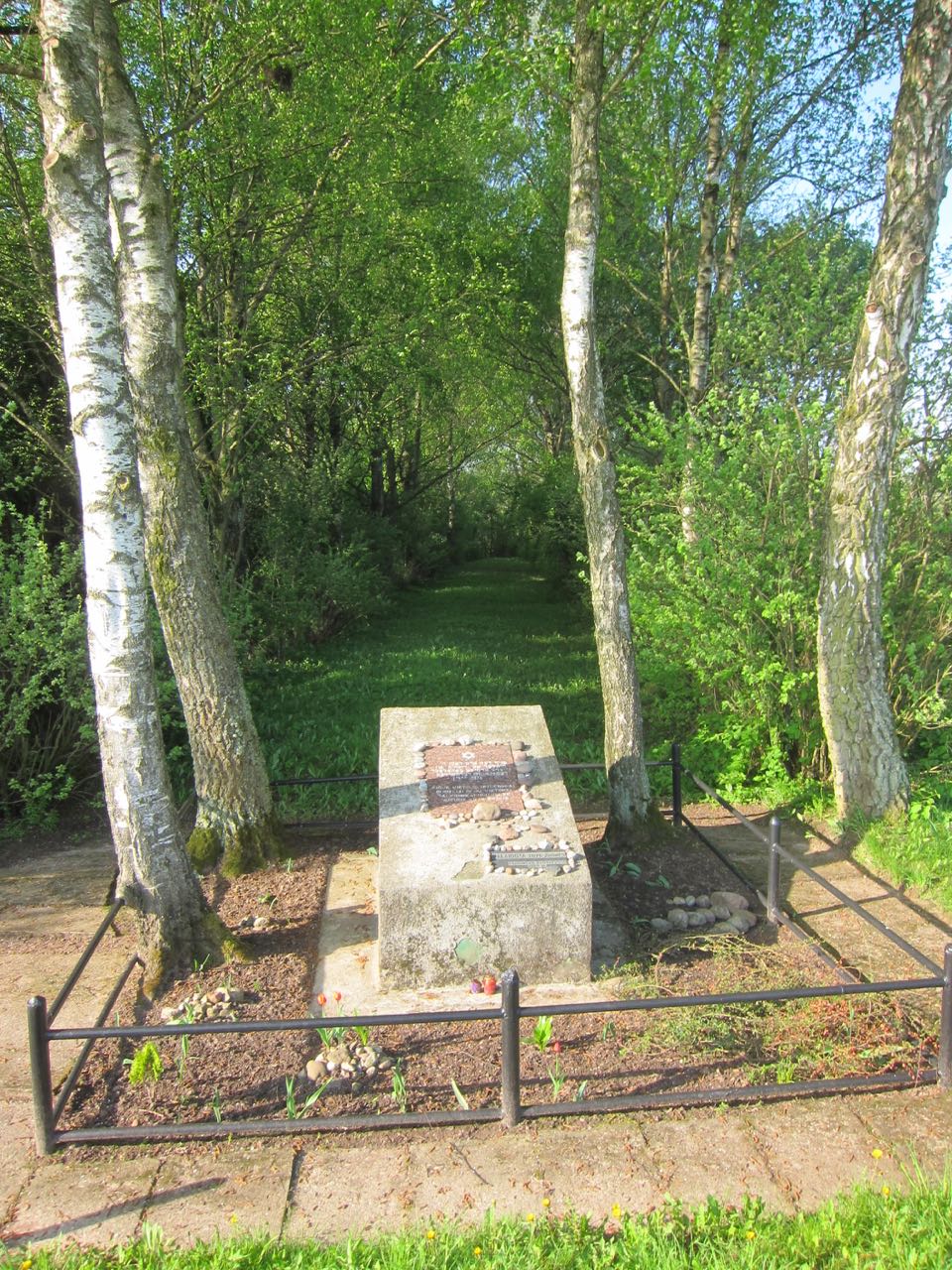
About 7 minutes later, we were at the “entrance” of the Jewish cemetery. I would like to thank both of them for their invaluable help.

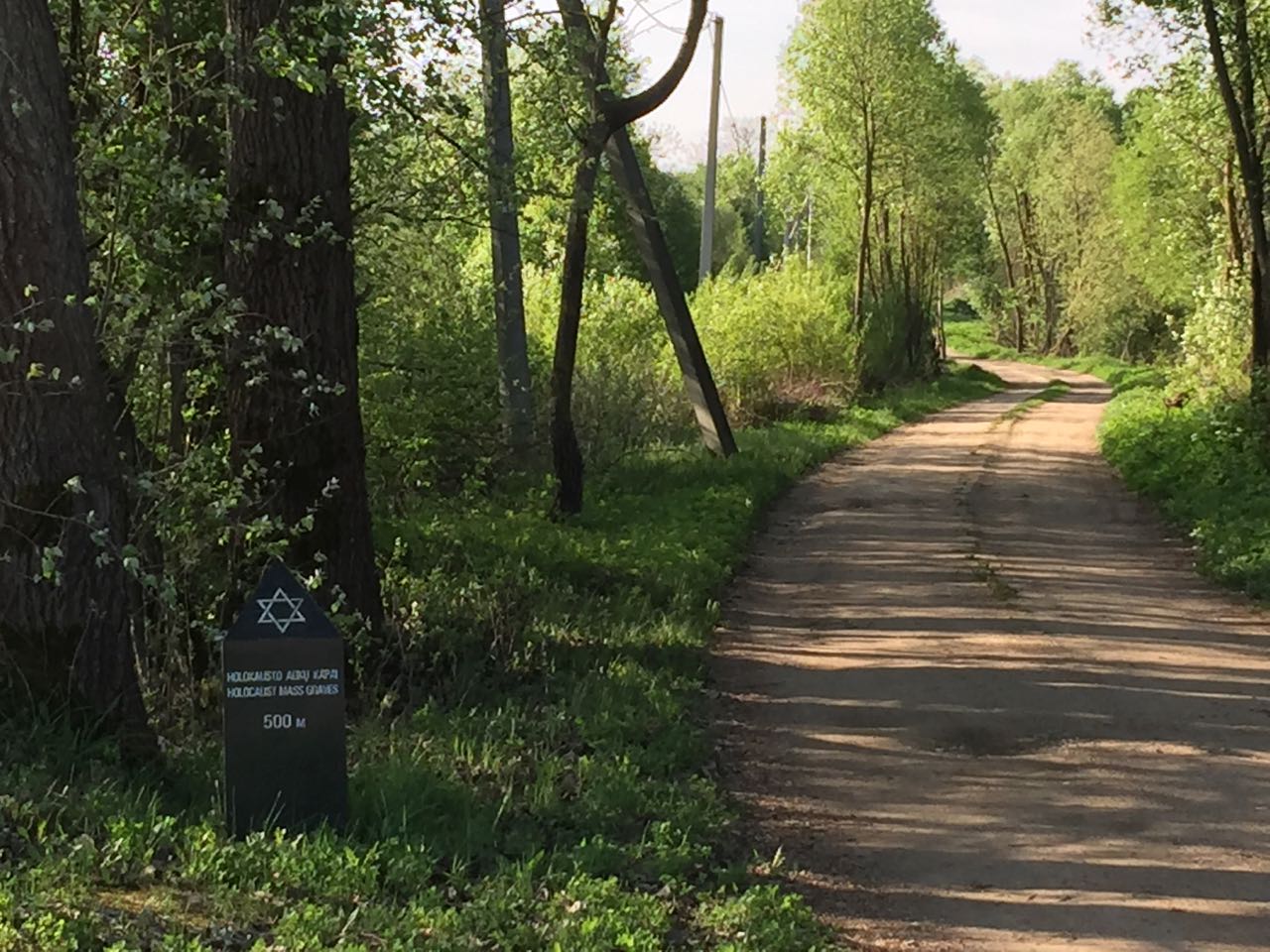
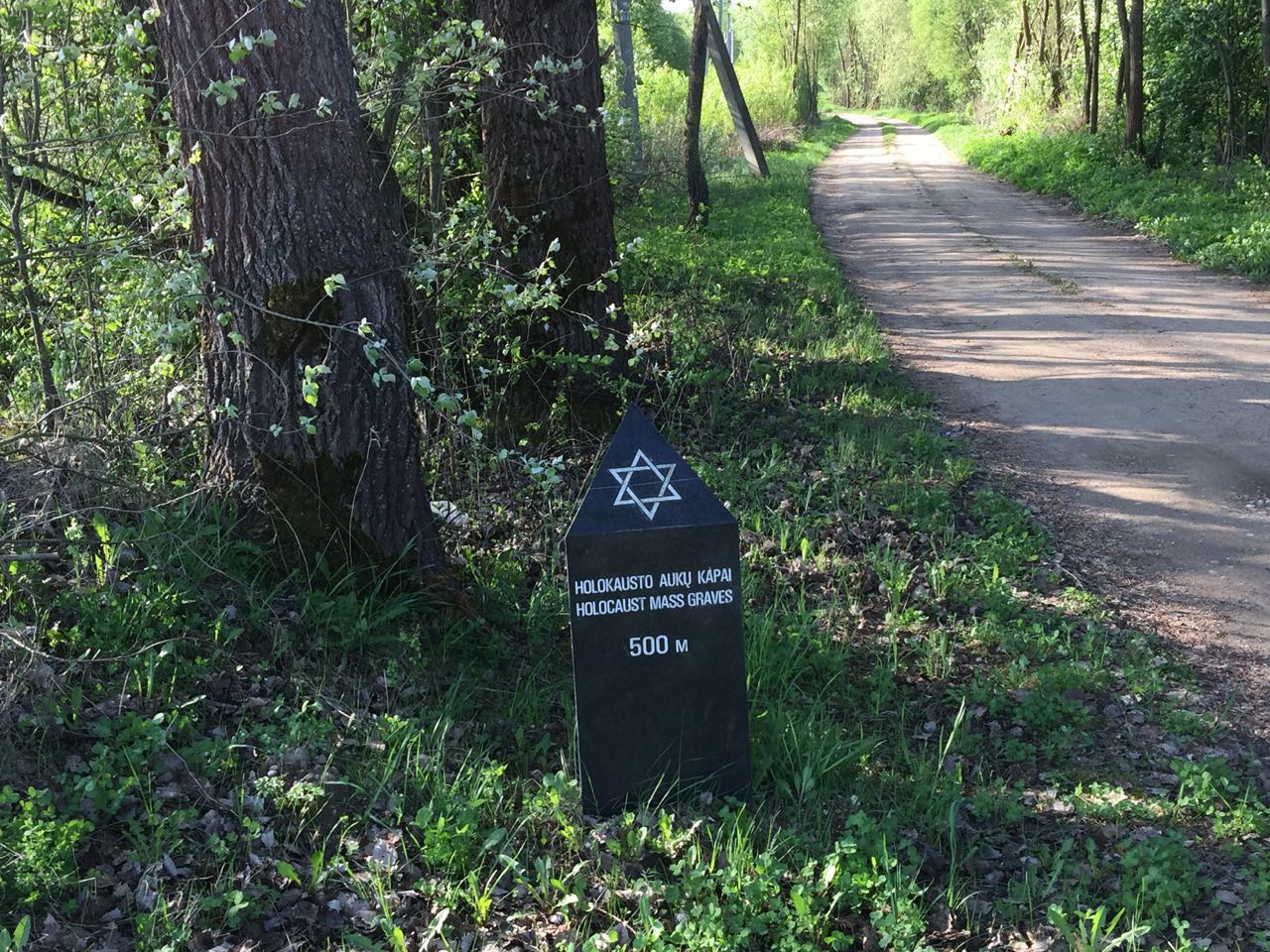
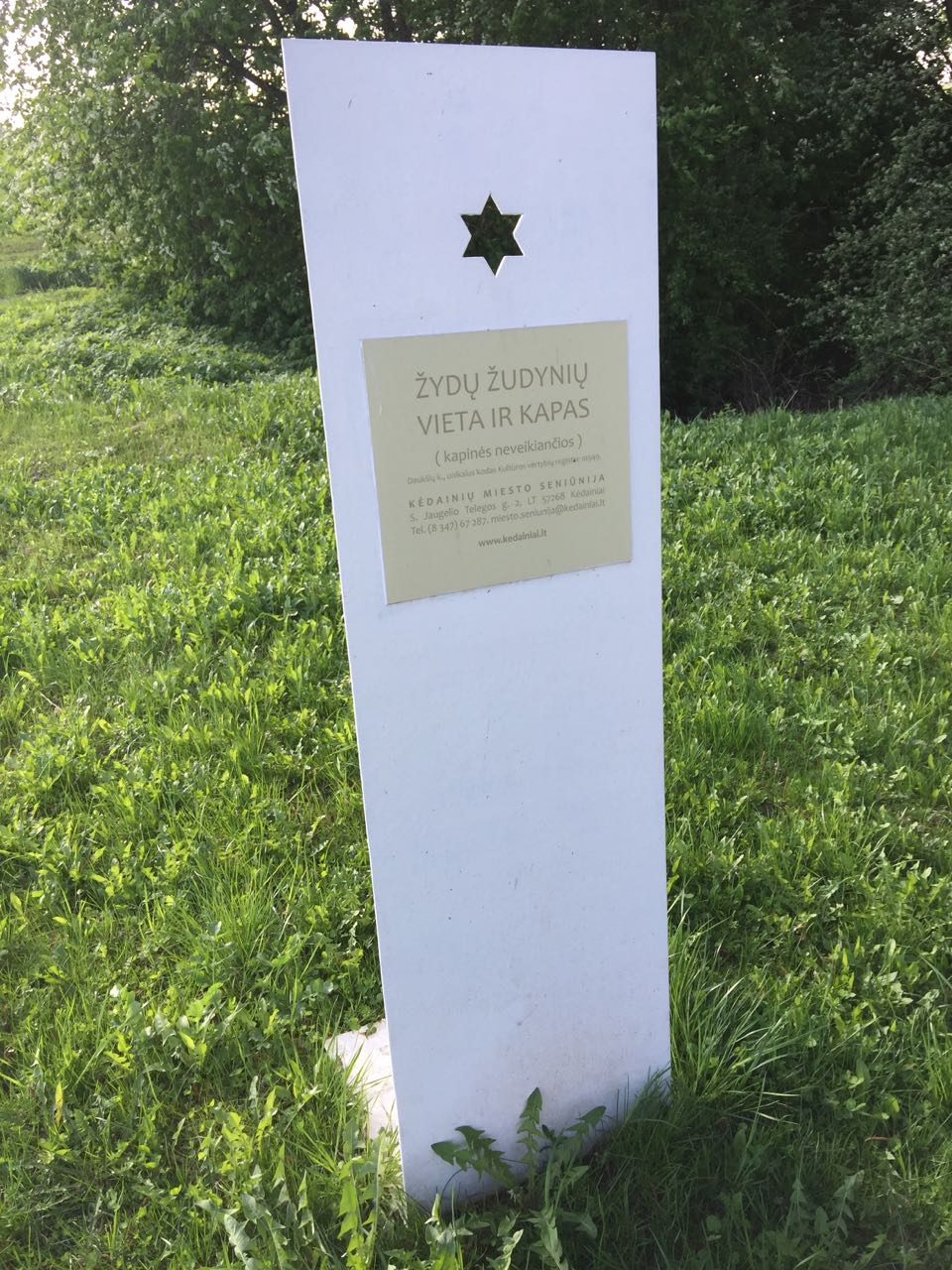
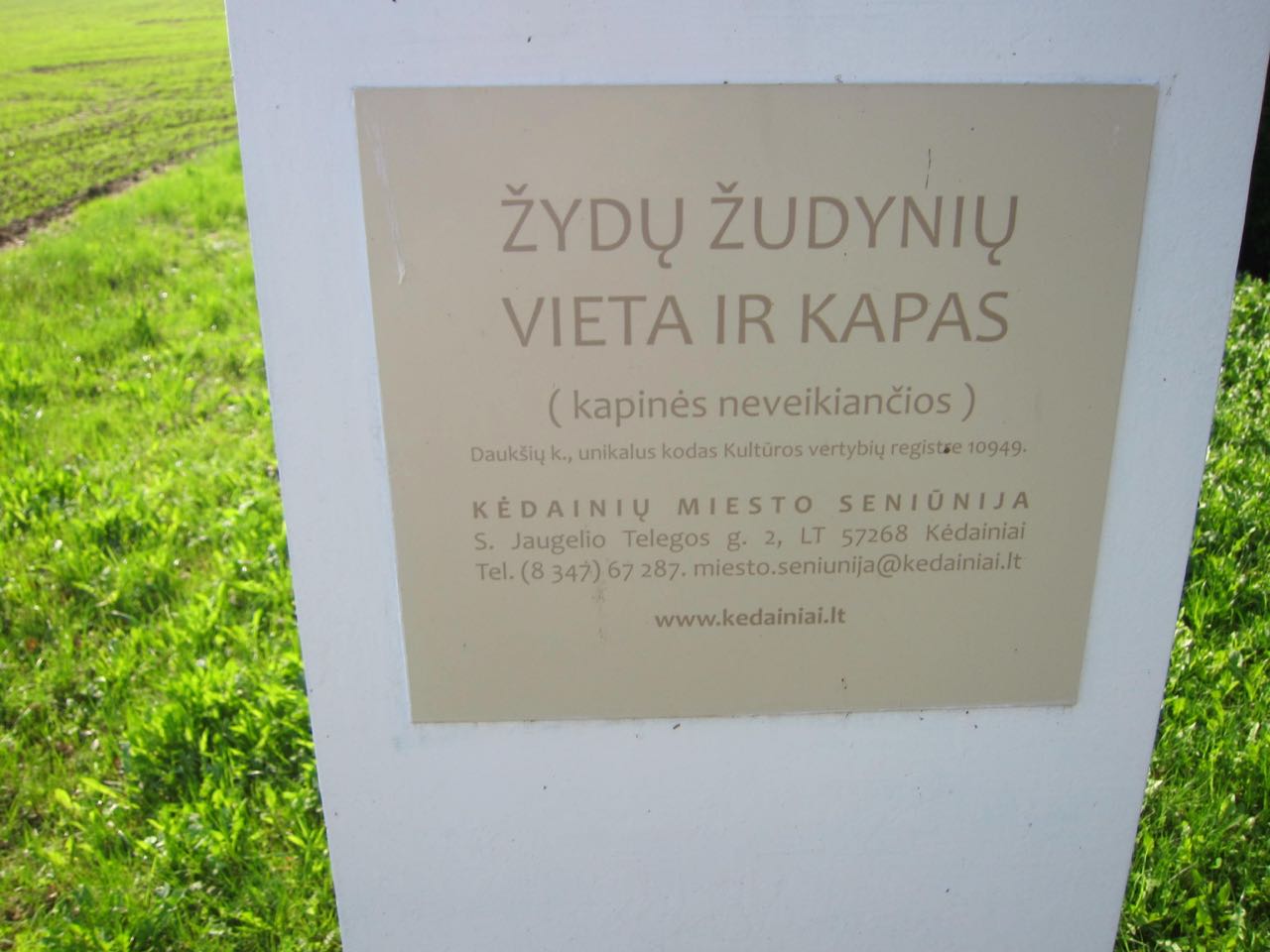
On the other side of the town – we find the cemetery!

With Gytenis Sudintas and the man who we followed

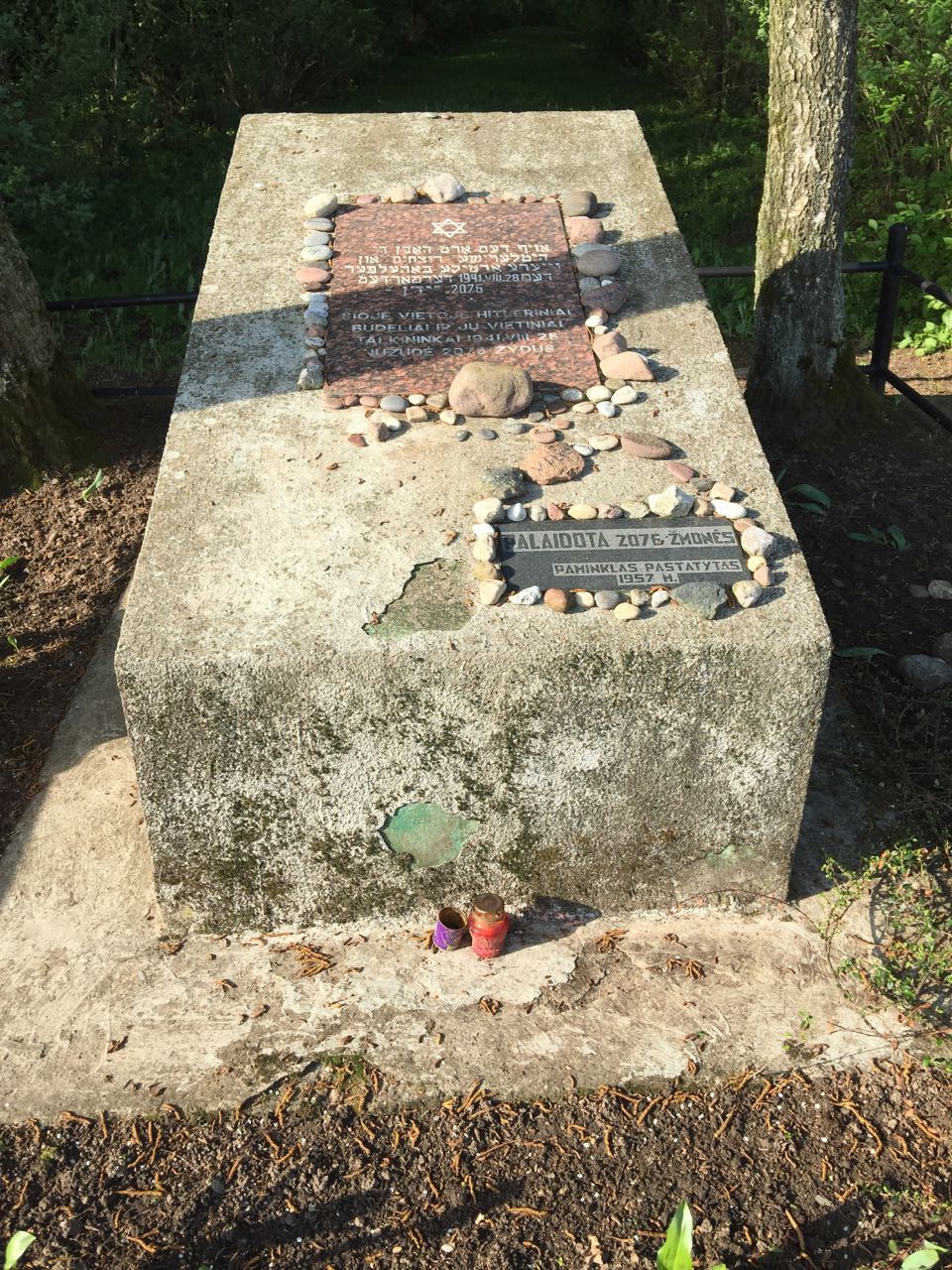
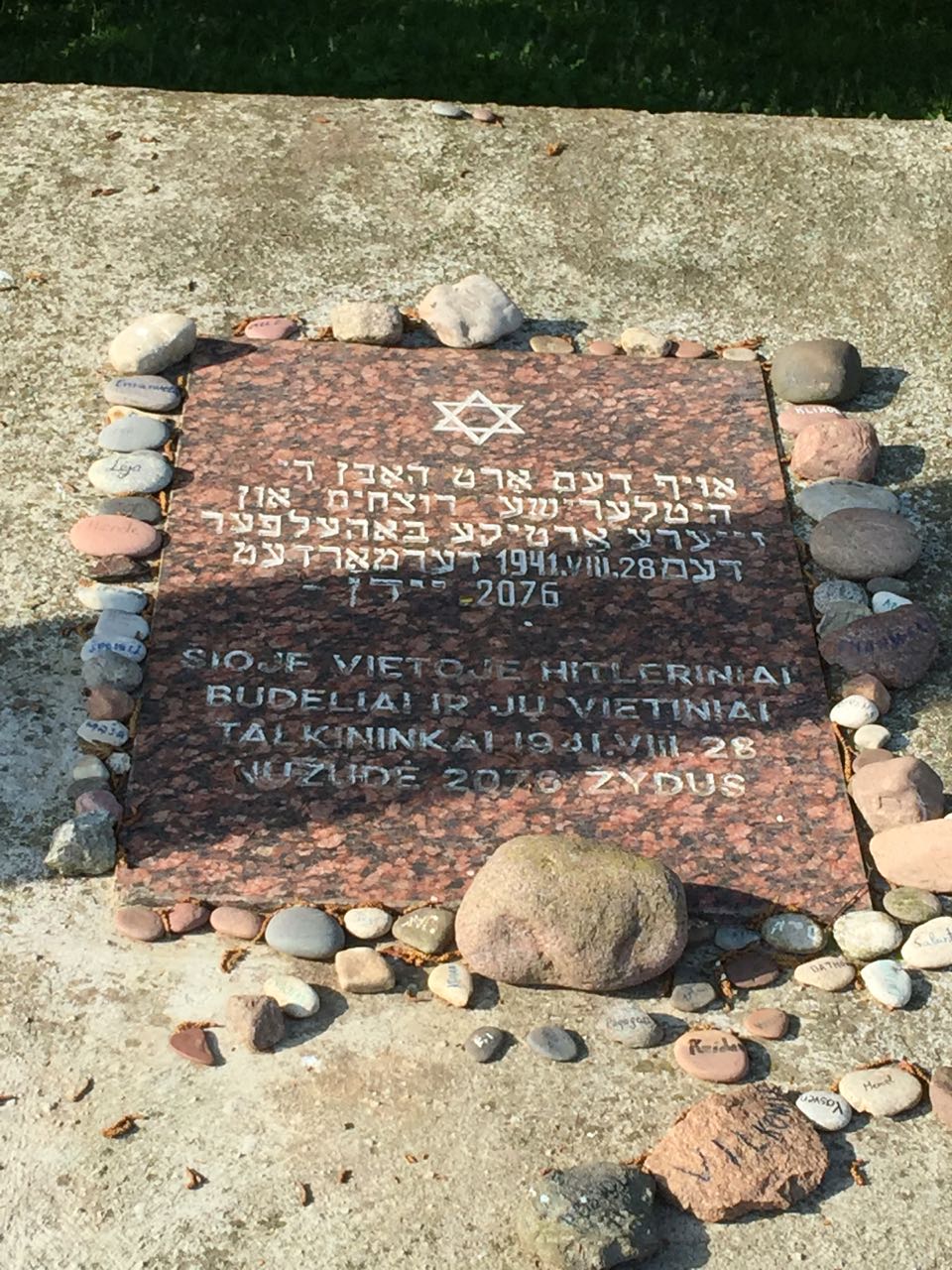
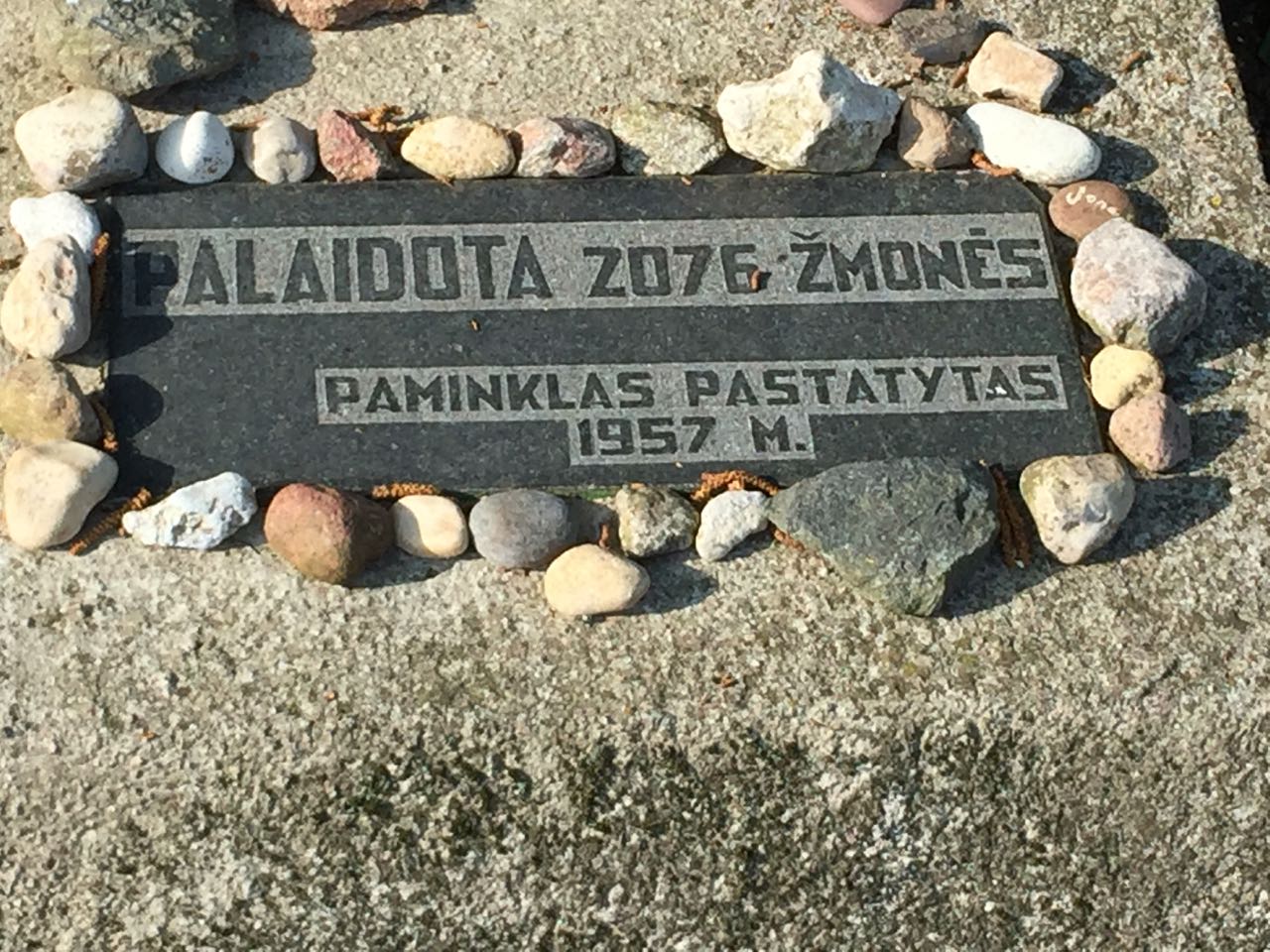
Photos of matsevot in the cemetery

So now to see if any belong to the family!

Siaulenai KehilaLink

Siaulenai

Source: kehilalinks.jewishgen.org/Siaulenai/

Shavlan – A Woman’s Journey to Independence

Shavlan – A Woman’s Journey to Independence

Sarah Taube cowers in the bakery cellar clutching her three children, listening to the sounds of shooting and shouting by the White Cossacks during a pogrom. In order to survive, she enters into a bargain with the ruthless Commissar, Dimitri, an orthodox Jew transformed by tragedy into a high-ranking Bolshevik. Will Dimitri be able to protect Sarah Taube and her family? Will Sarah Taube be reunited with her wanderlust husband who leaves for South Africa to seek his fortune and find himself, and will she realize her life long dream to go to America?

Source: shavlan.com

Lithuanian Jewish communities

by Stuart and Nancy Schoenberg

https://archive.org/stream/nybc314248#page/n286/mode/2up/search/shavlan


Shavel

The Siauliai Jewish Community, Lithuania

Siauliai, Friday 4 May 2018

I’ve been to Siauliai at least twice before, but never met this warm, friendly and enthusiastic community.  

My uncle Benny Spiller was born in Shavel!

Benny Spiller

With Sania Kerbelis, Head of the Siauliai Jewish Community
The Museum


The Synagogue


Sunday 6 May 2018

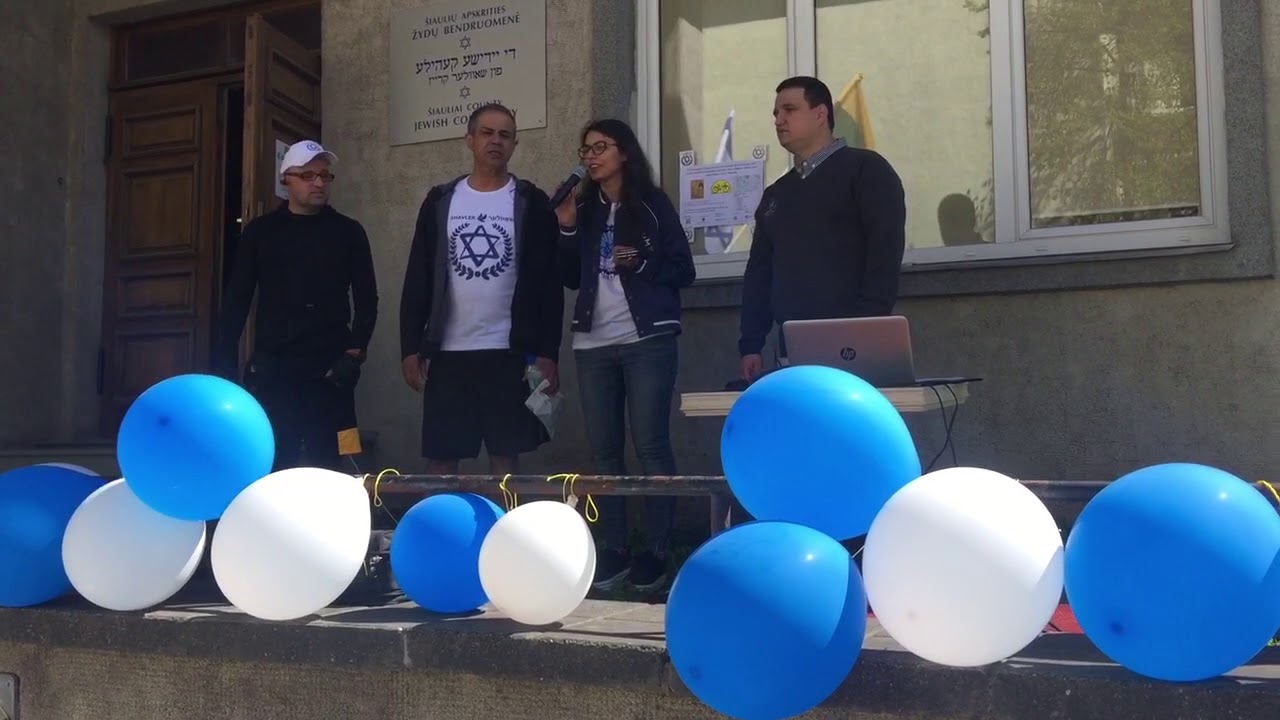
Siauliai Jewish Community Cycle Ride

Organised by the Israel Ambassador – Amir Maimon

To celebrate the first 3 stages of Giro d’Italia being held in Israel

The Route – Giro d’Italia 2018: Official SIte

The Route – Giro d’Italia 2018: Official SIte

Discover the route of the Giro d’Italia 2018. A new itinerary with 21 stages, from Jerusalem to Rome

Source: www.giroditalia.it/eng/route/

Video

Sania Å iauliai Cycle

Source: youtu.be/YDE254xYgH4

Siauliai Jewish Community Cycle Tour

Video

Siauliai Cycle Tour

Source: youtu.be/dgvpSd_Sgqg

After the ride
With Ambassador Amir Maimon

Sabrina Martinaitiene introducing Ambassador Maimon

The Israeli Ambassador, Amir Maimon

Video

Å iauliai Cycle Tour Speech

Source: youtu.be/49BmfMkhohE

With Sania Kerbelis, Head of Siauliai JC and Arturas Taicas, Head of Ukmerge JC
The rental bikes.
Meeting the community at the yummy lunch

L’chaim
With Aleksandras Rostovskis and Rasella Galiniene
 At Rasella’s House


Shavelers – What a lovely, warm and hospitable community! Thank you!

Šiauliai

Šiauliai – Wikipedia

Šiauliai is the fourth largest city in Lithuania, with a population of 107,086. From 1994 to 2010 it was the capital of Šiauliai County. Unofficially, the city is the capital of Northern Lithuania.

Source: en.wikipedia.org/wiki/Siauliai

Seduva – Rozalimas

More from the Seduva Museum ceremony
The LP donated by film maker Saulius  Berzinis to the Seduva Museum

Mordechai Hershman

Mordechai Hershman – Wikipedia

Mordecai Hershman (1888–1940) was a Ukrainian-born American Jewish cantor (“hazzan”) and singer.

Source: en.wikipedia.org/wiki/Mordechai_Hershman

Vinyl Donation 

Video

Vinyl Donation

by Saulius Berzinis

Source: youtu.be/EDTmu6fHRmw

Cantor Mordechai Hershman sings Eilu Devurim

Cantor Mordechai Hershman sings Eilu Devurim

Mordechai Hershman (1888-1940) Mordecai Hershman was born in Chernigov and from an early age was an active participant in several synagogue choirs. His first…

Source: youtu.be/cnc59rdf4pY


Saulius Berzinis – filmmaker – Film Studio Kopa
With Laura, film producer and associate of Saulius
A week later in Vilnius with Saulius and Laura in Vilnius


After The Ceremony
At the restaurant after the ceremony


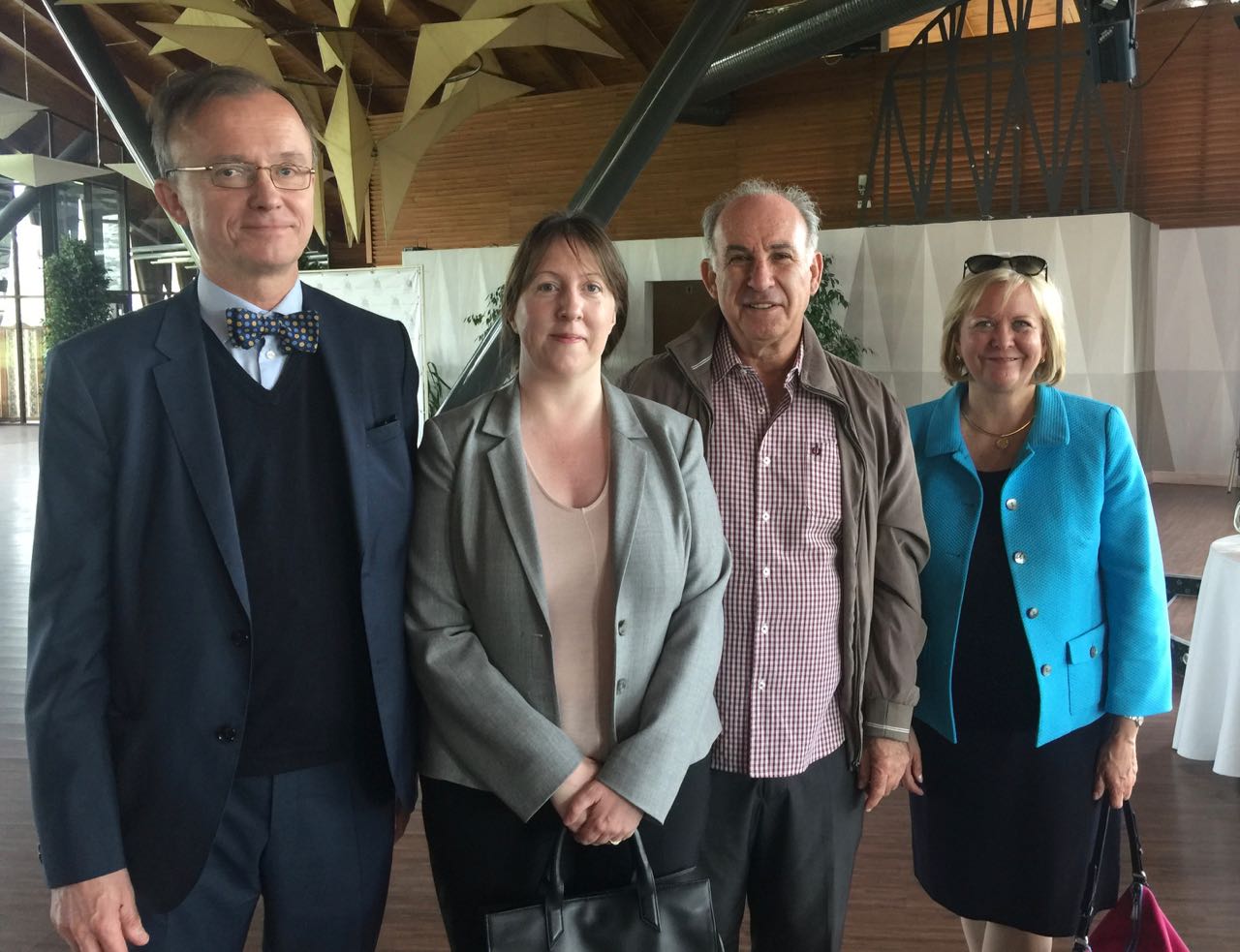
With the ambassadors of Finland, Great Britain and USA
On my way to Rozalimas

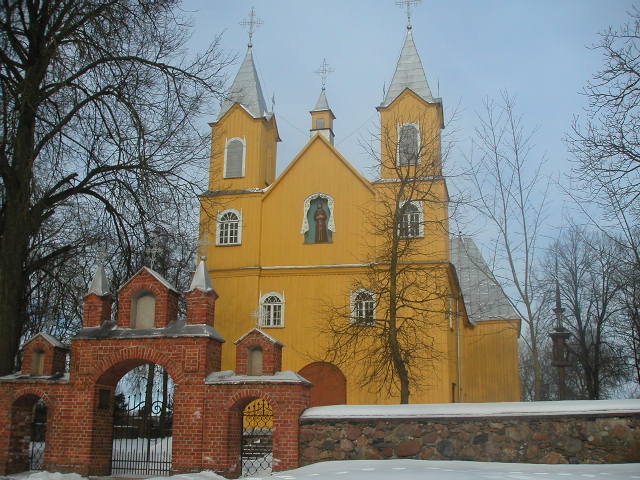
The Rozalimas Wooden Synagogue 

Rozalimas

Rozalimas – Wikipedia

Rozalimas is a small town in Šiauliai County in northern-central Lithuania. As of 2011 it had a population of 746.[1]

Source: en.wikipedia.org/wiki/Rozalimas

Two railway crossings, same train!

On  the way to Siauliai

Kedainiai 2018

Rooted in Keidan

Rooted in Keidan

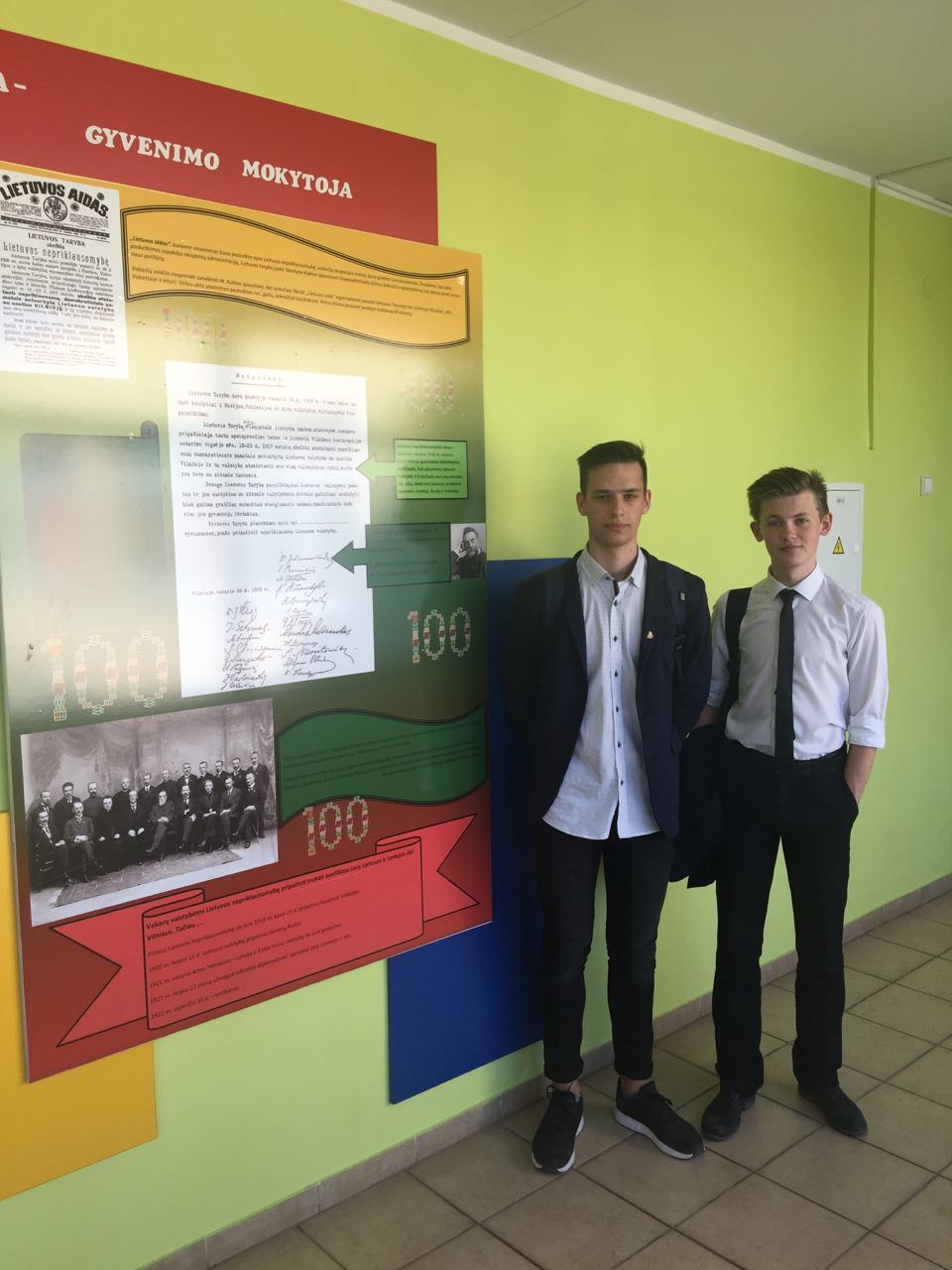
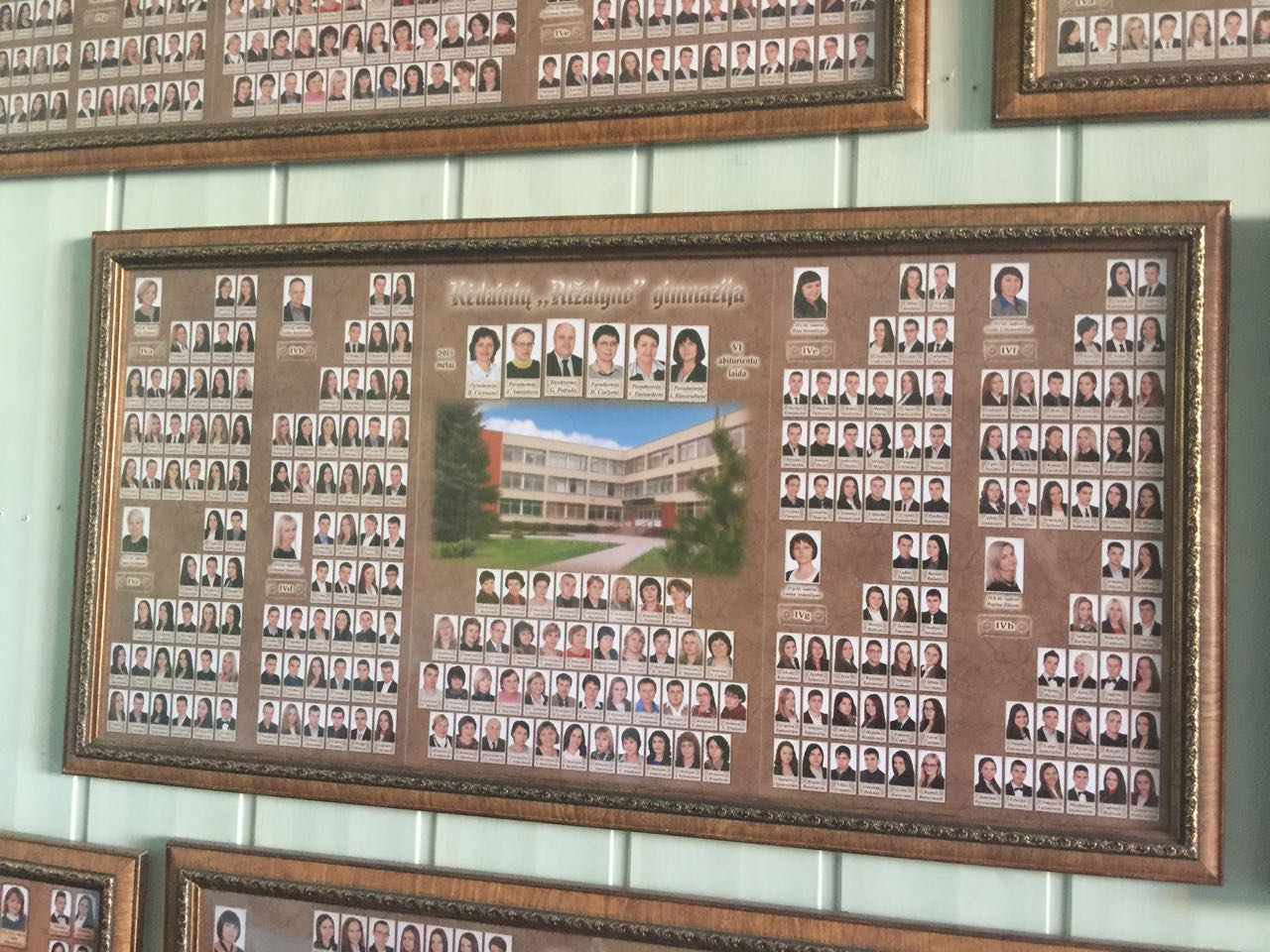
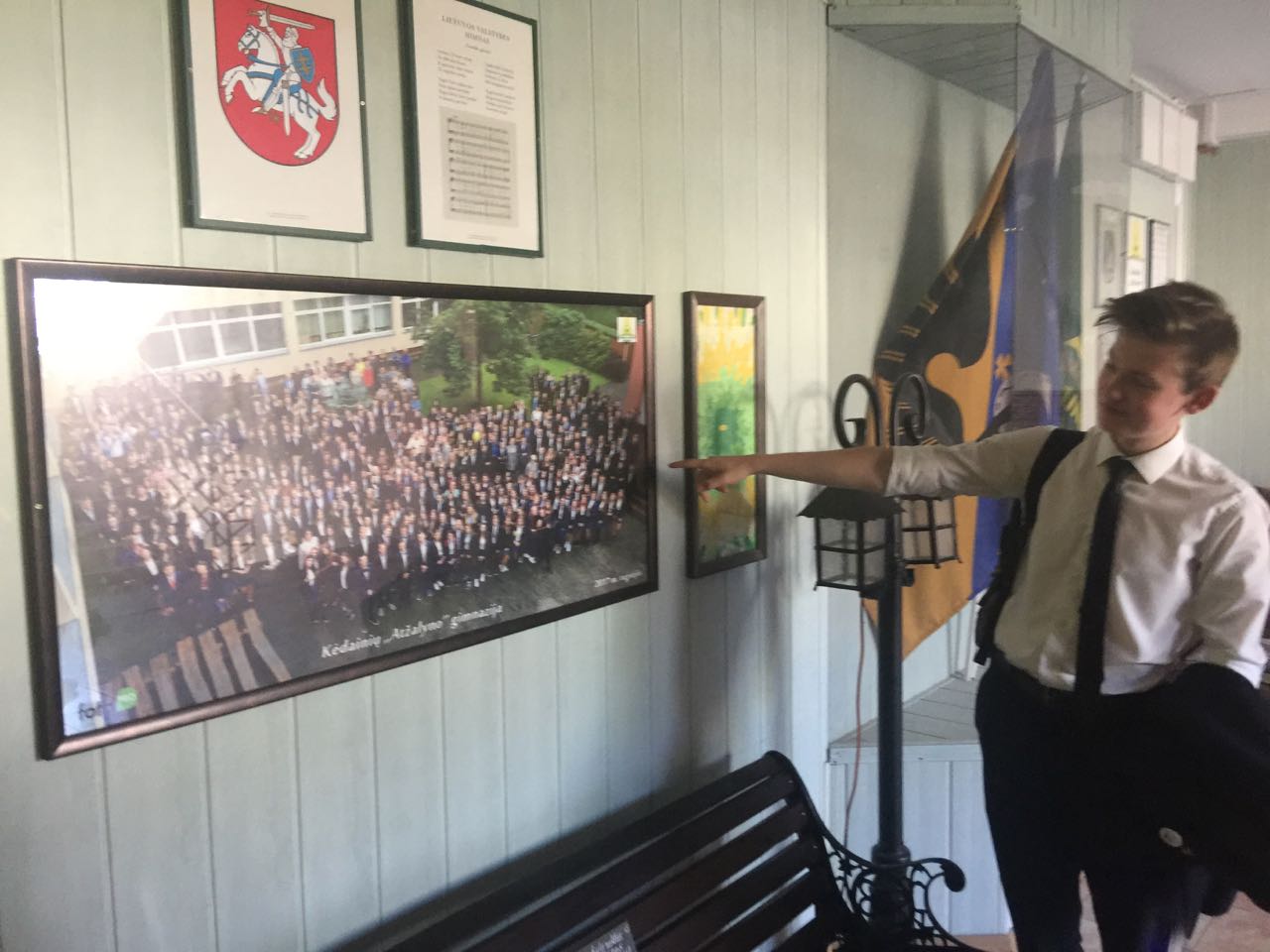
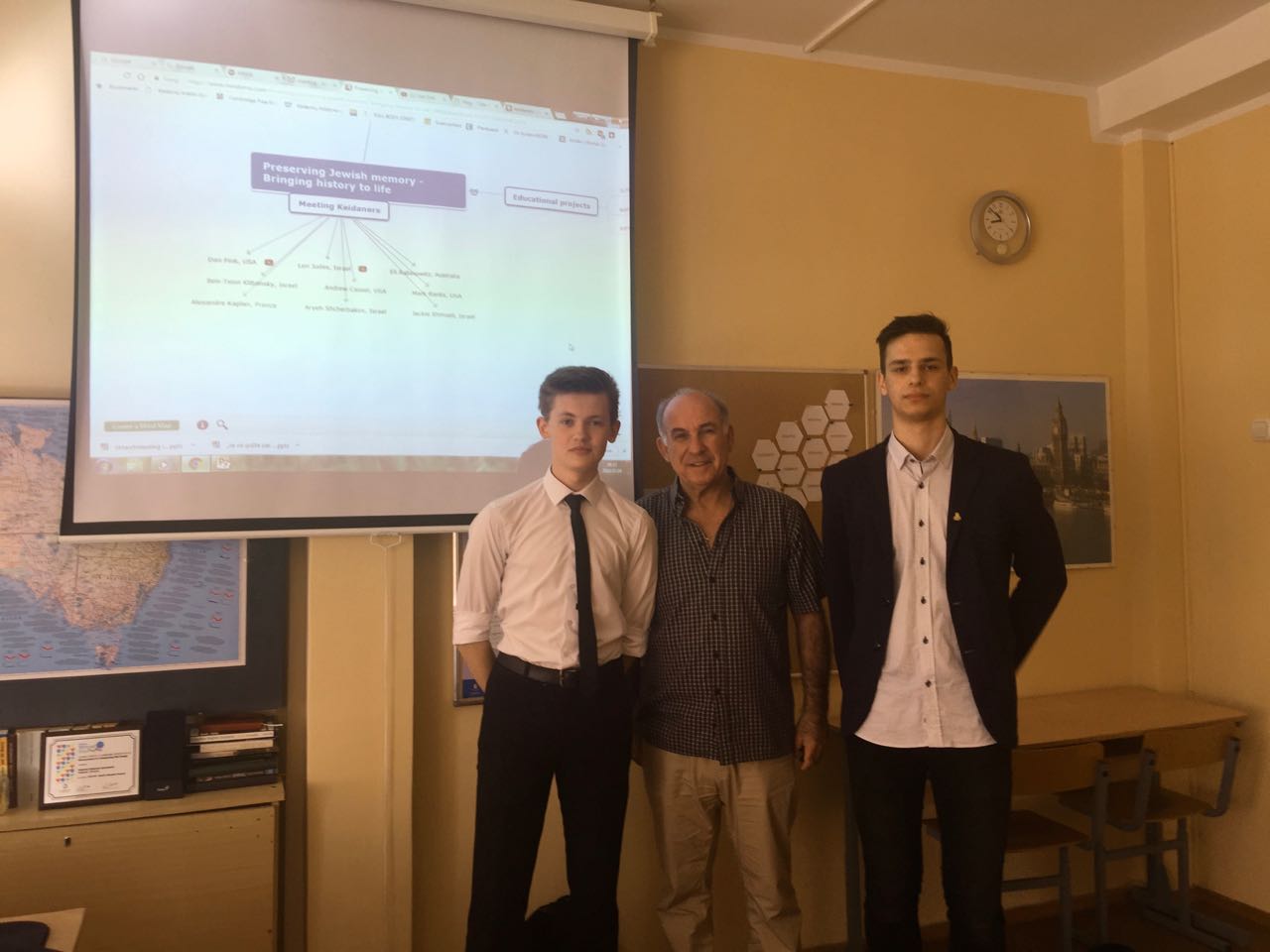
This post covers this year’s visit to my ancestral town of Kedainiai – Keidan in Lithuania and the activities of Laima Ardaviciene, English teacher at the Atzalynas High School. Each time I visit, there are so many new surprises in store for me! Thank you Laima!

70 Years After Destruction, Memory of Lithuanian Community Lives in Diaspora Descendents of Jews From Keidan Proudly Recall Roots People from my grandfather’s hometown in Lithuania were known to be…

Source: allequalalldifferent.weebly.com/rooted-in-keidan.html

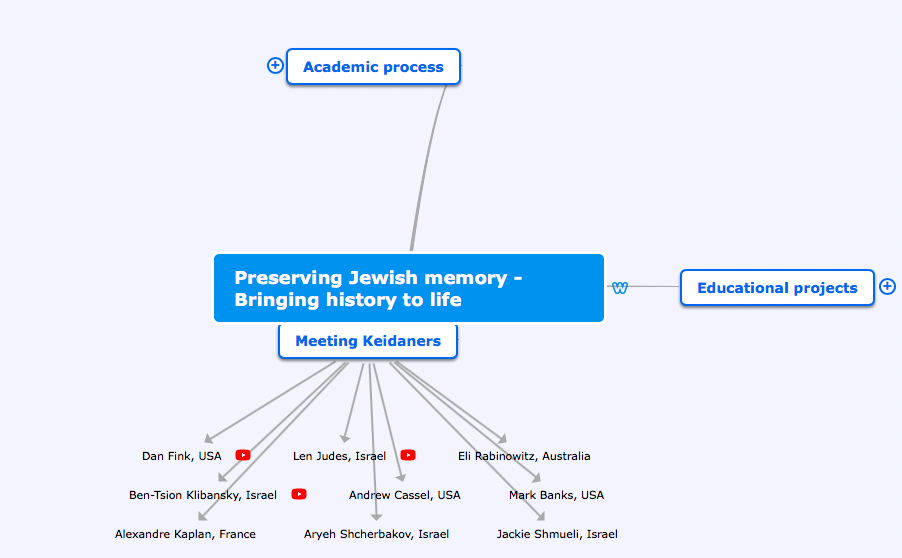
Preserving Jewish memory – Bringing history to …- Mind Map

Preserving Jewish memory – Bringing history to …- Mind Map

Educational projects, Academic process, Meeting Keidaners 

Source: www.mindomo.com/mindmap/preserving-jewish-memory-bringing-history-to-life-349664be0856419193573b426f451039

Dan Fink – Rooted in Kedainiai

Video

Dan Fink

Source: youtu.be/UWwTFIiMGg8

Kedainiø „Atþalyno“ gimnazija

K�dainiø „Atþalyno“ gimnazija

Source: atzalynas.kedainiai.lm.lt

Springtime – arriving at school
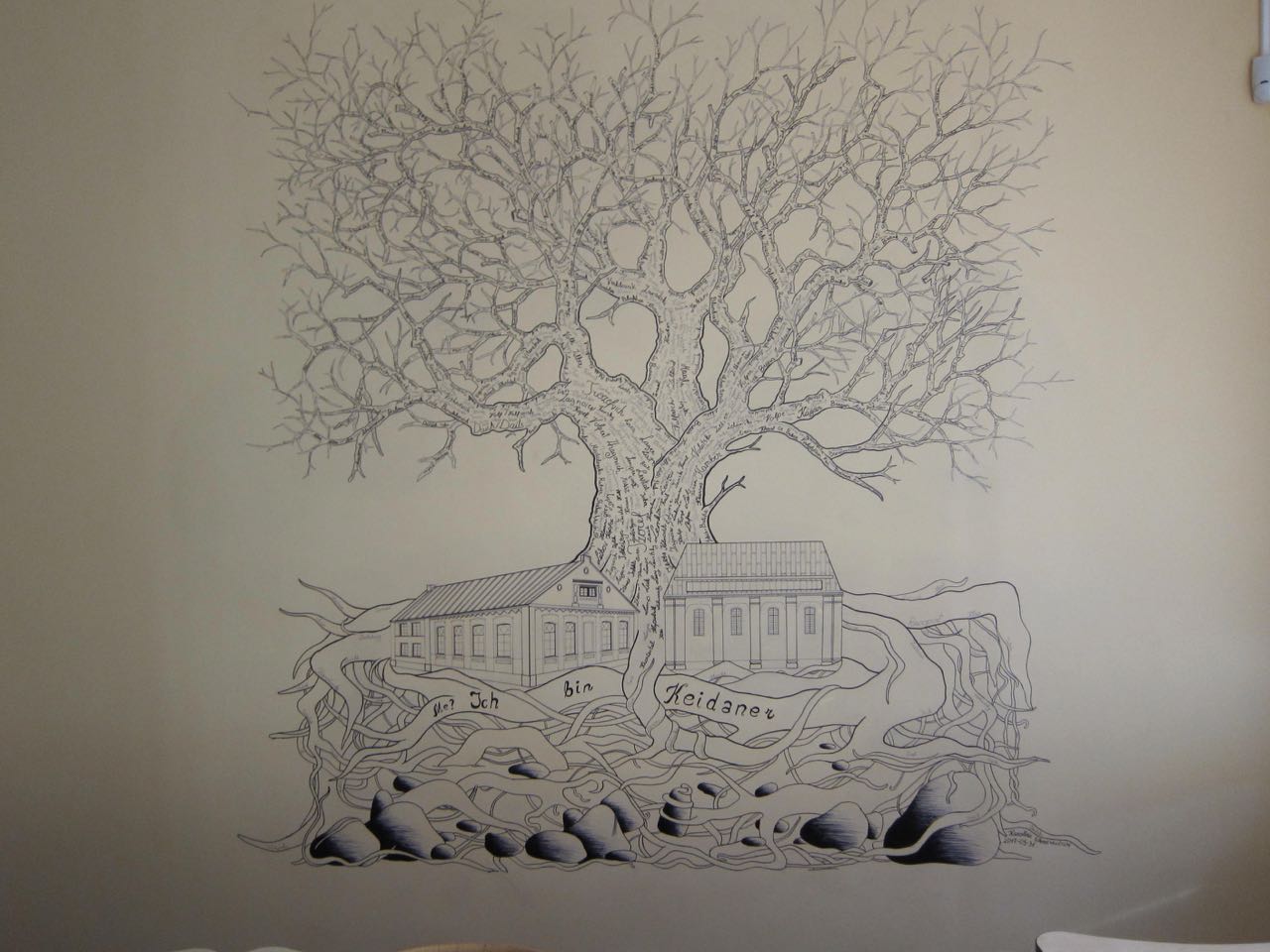
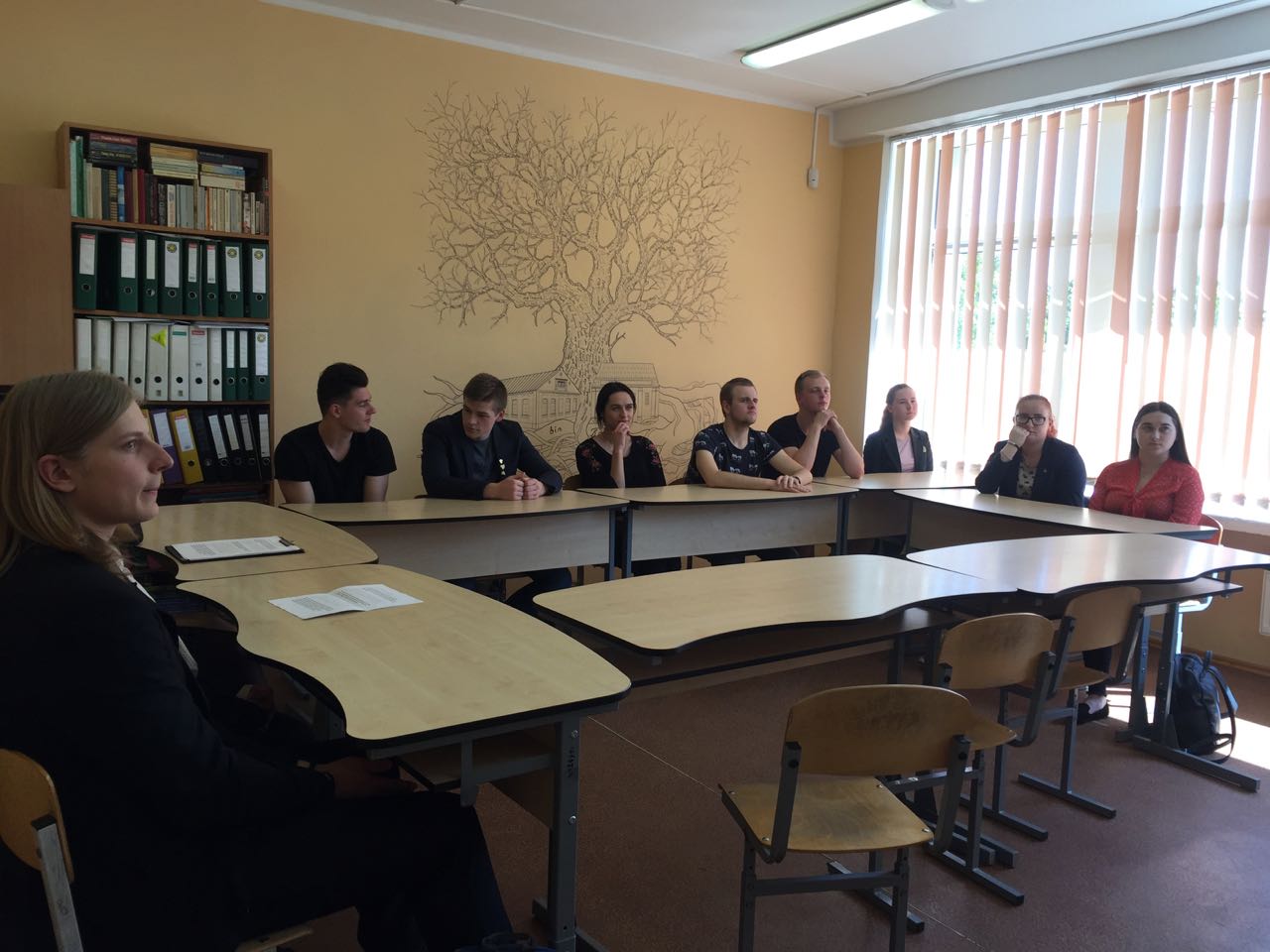
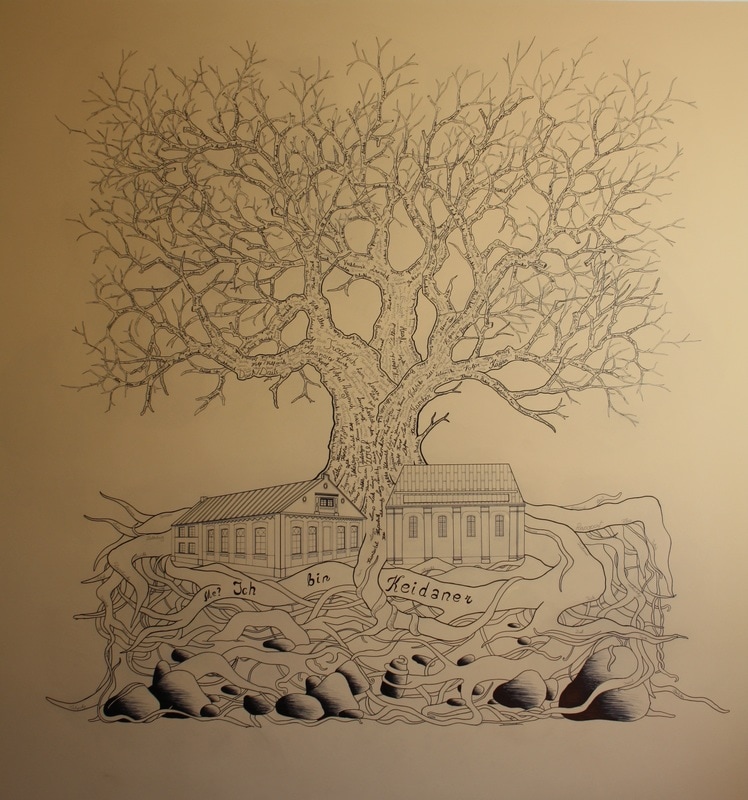
Keidaner Family Tree on Laima’s class room wall
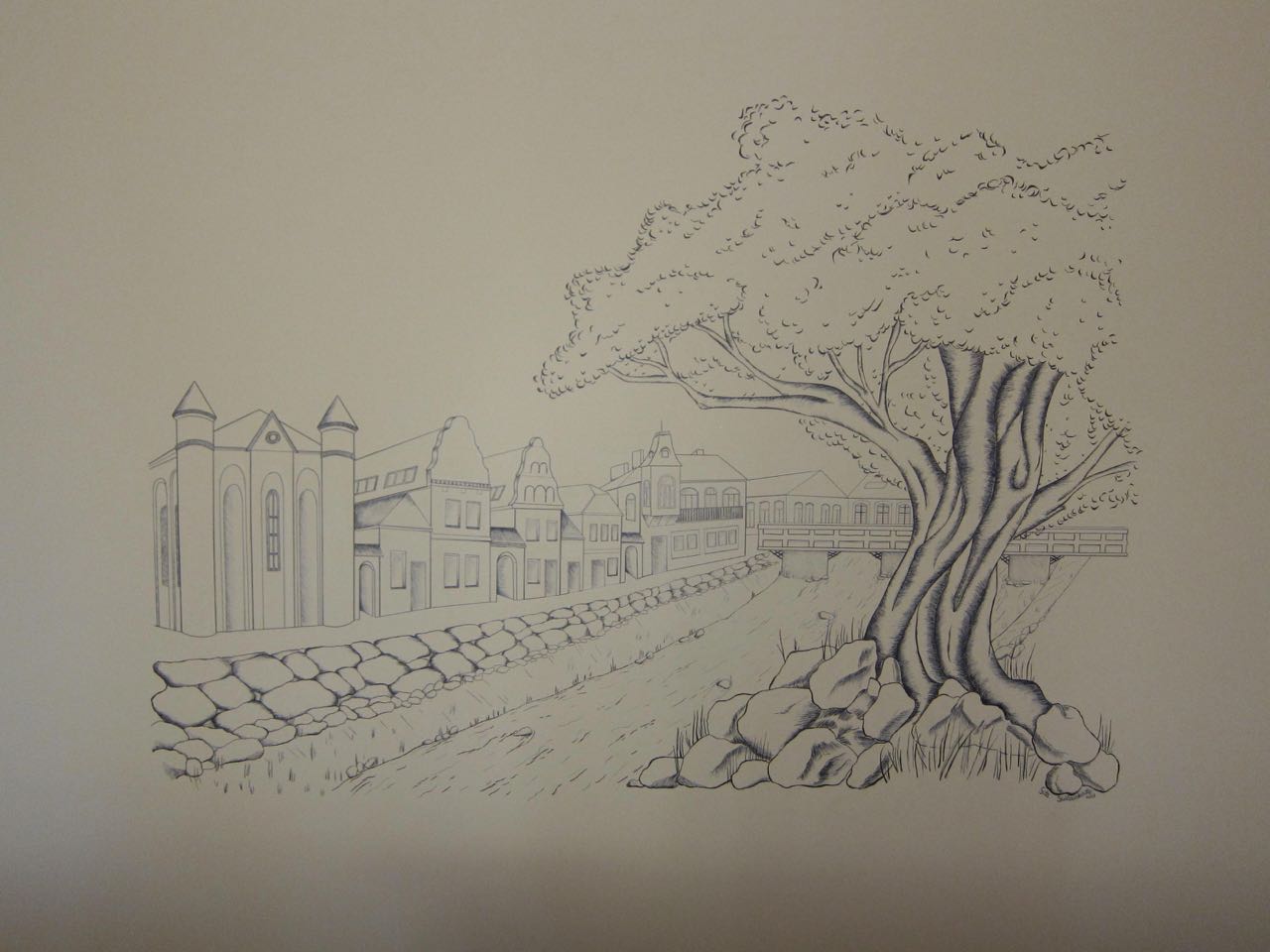
New artwork
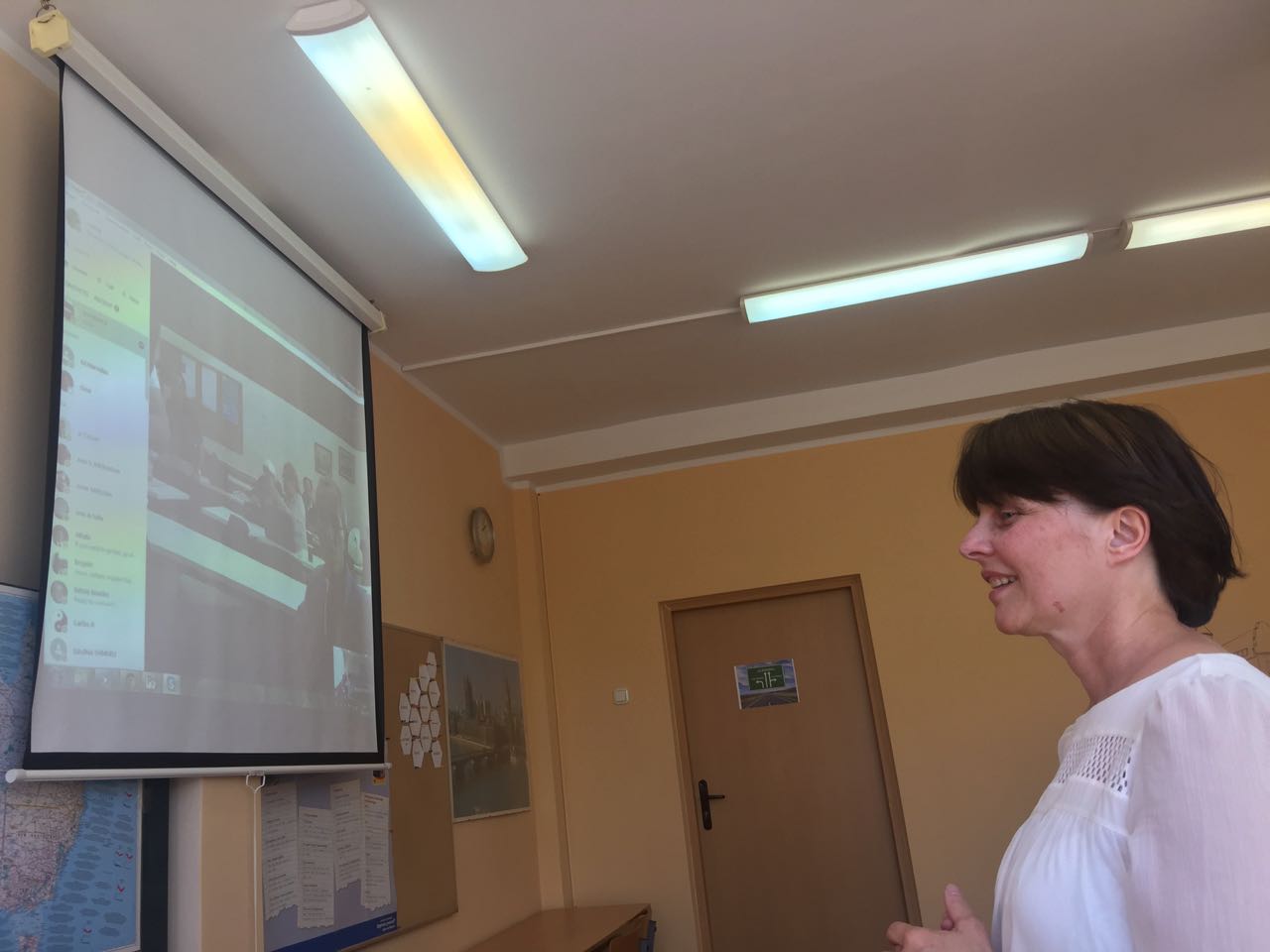
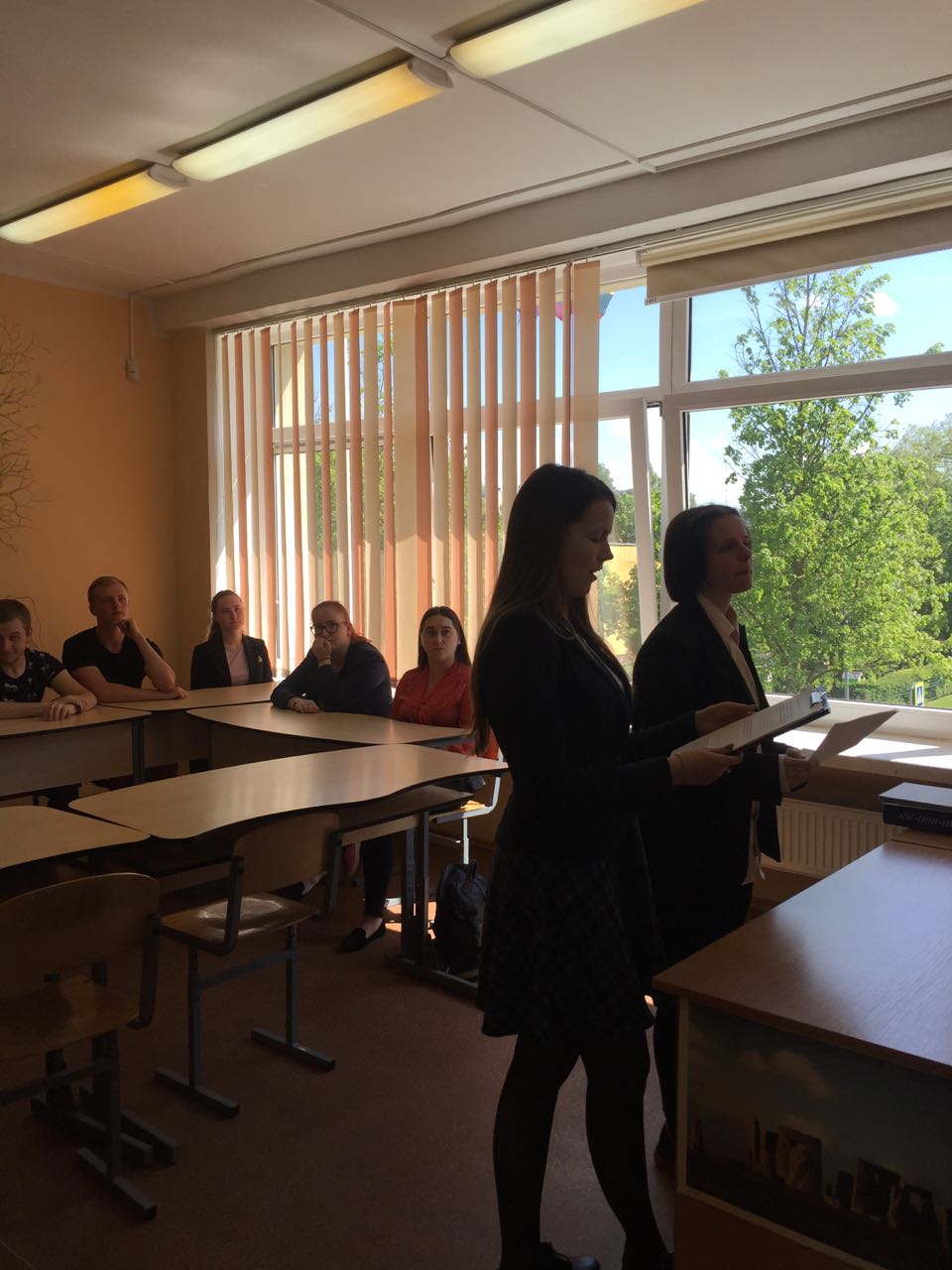
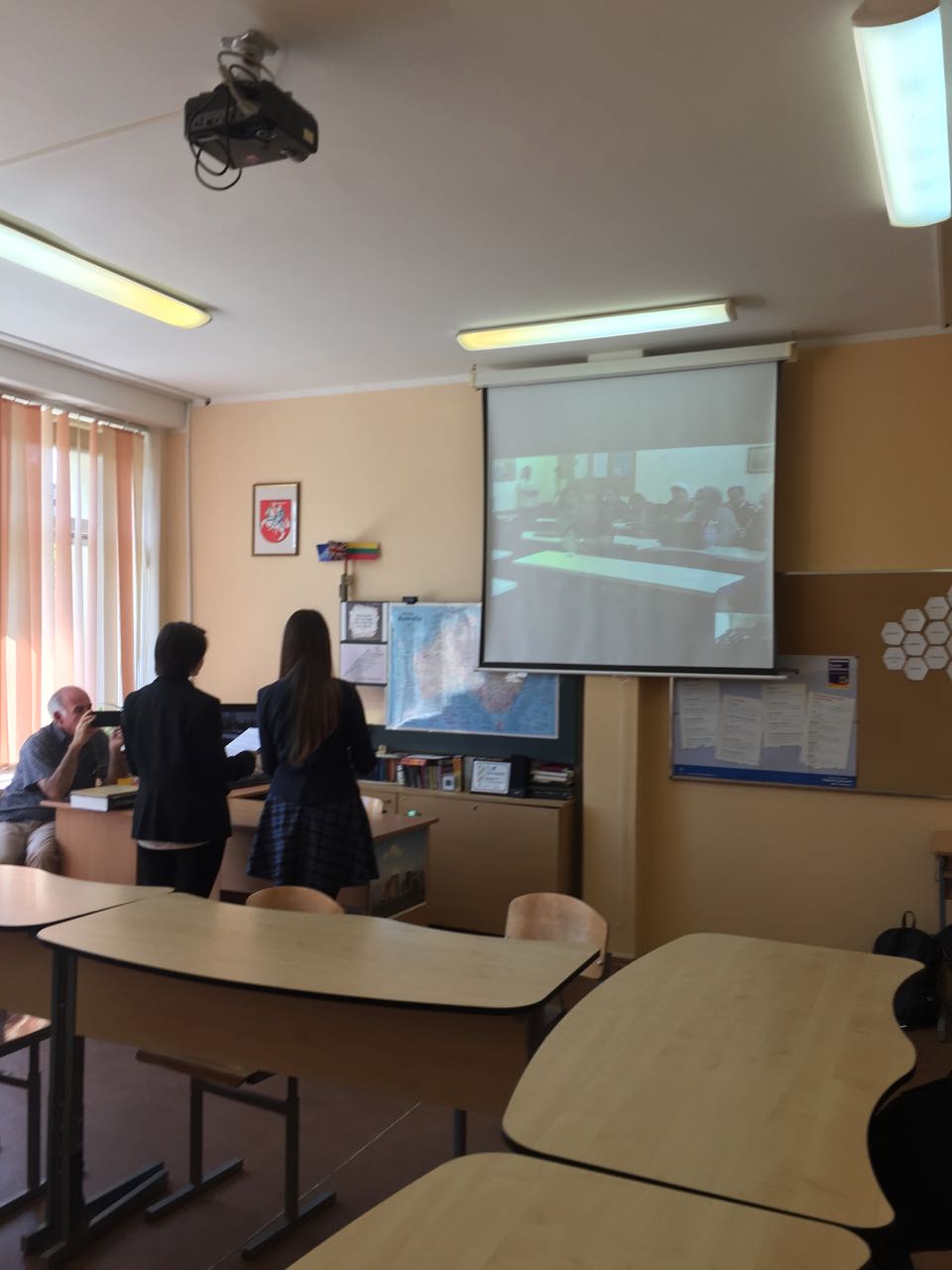
Virtual Meeting – Atzalynas Gimnazija, Kedainiai and Jerusalem Efrata College

Dr Ben-tsion Klibansky

Short Video

One of the MA students

Short-Video

The Video taken from the Israeli side

Virtual Meeting – Kėdainių „Atžalyno“ Gimnazija and Jerusalem Efrata College

A virtual meeting between students of the English teacher Laima Ardaviciene.at Atzalynas Gimnazija, Kedainiai and students of the lecturer Dr. Ben-Tsiyon Klib…

Source: youtu.be/menN7r4qsmM

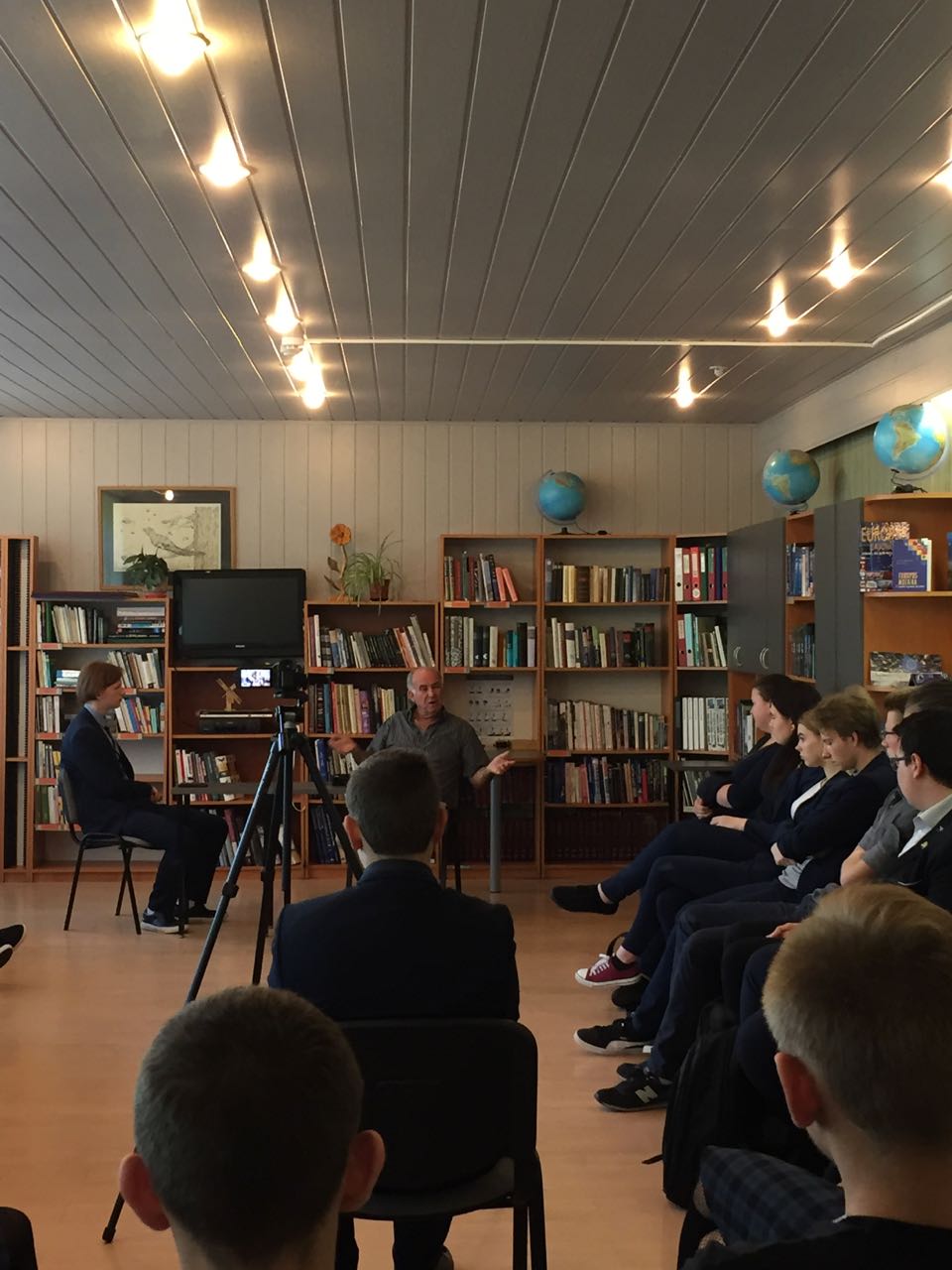
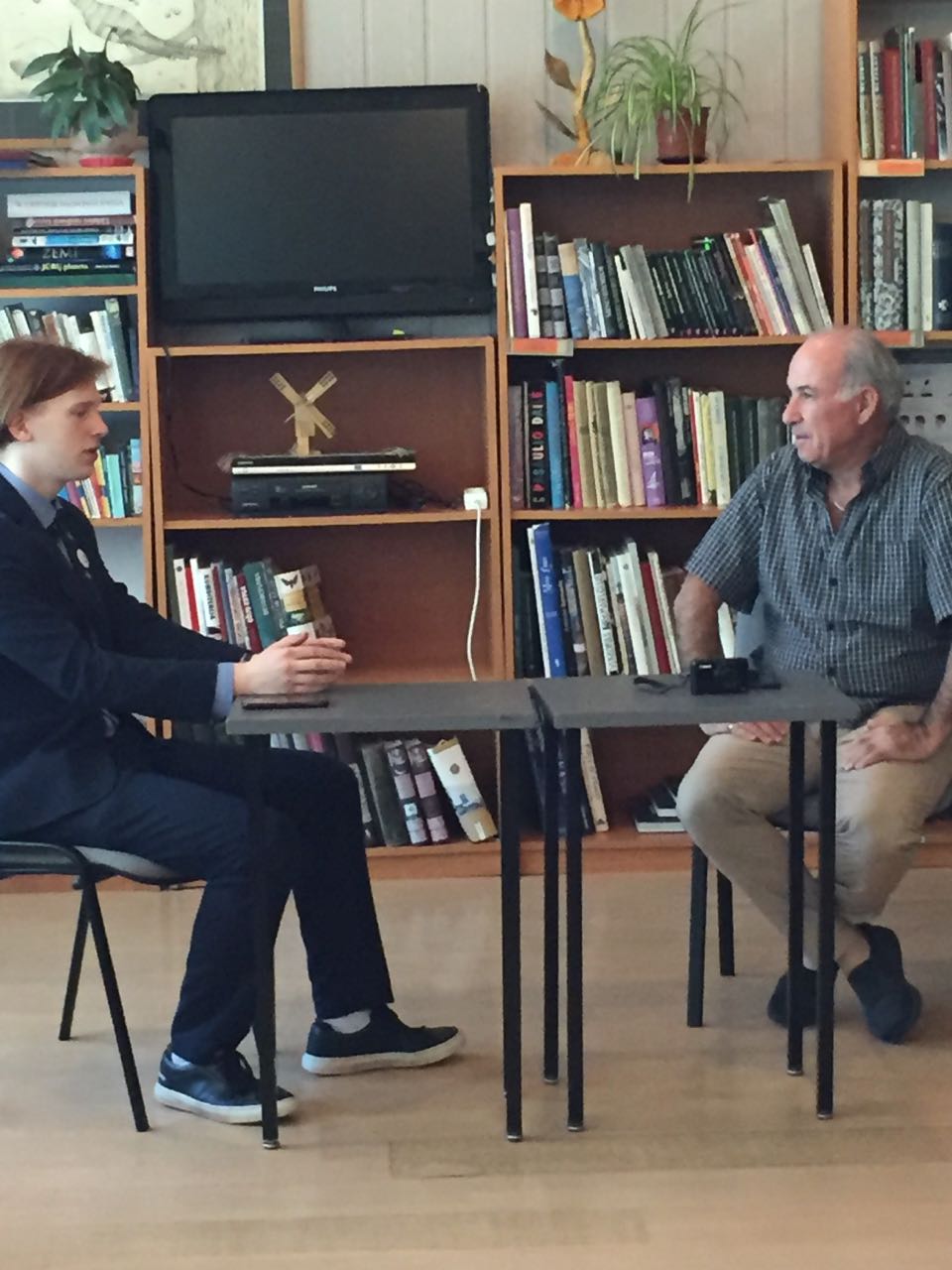
An interview with Simonas


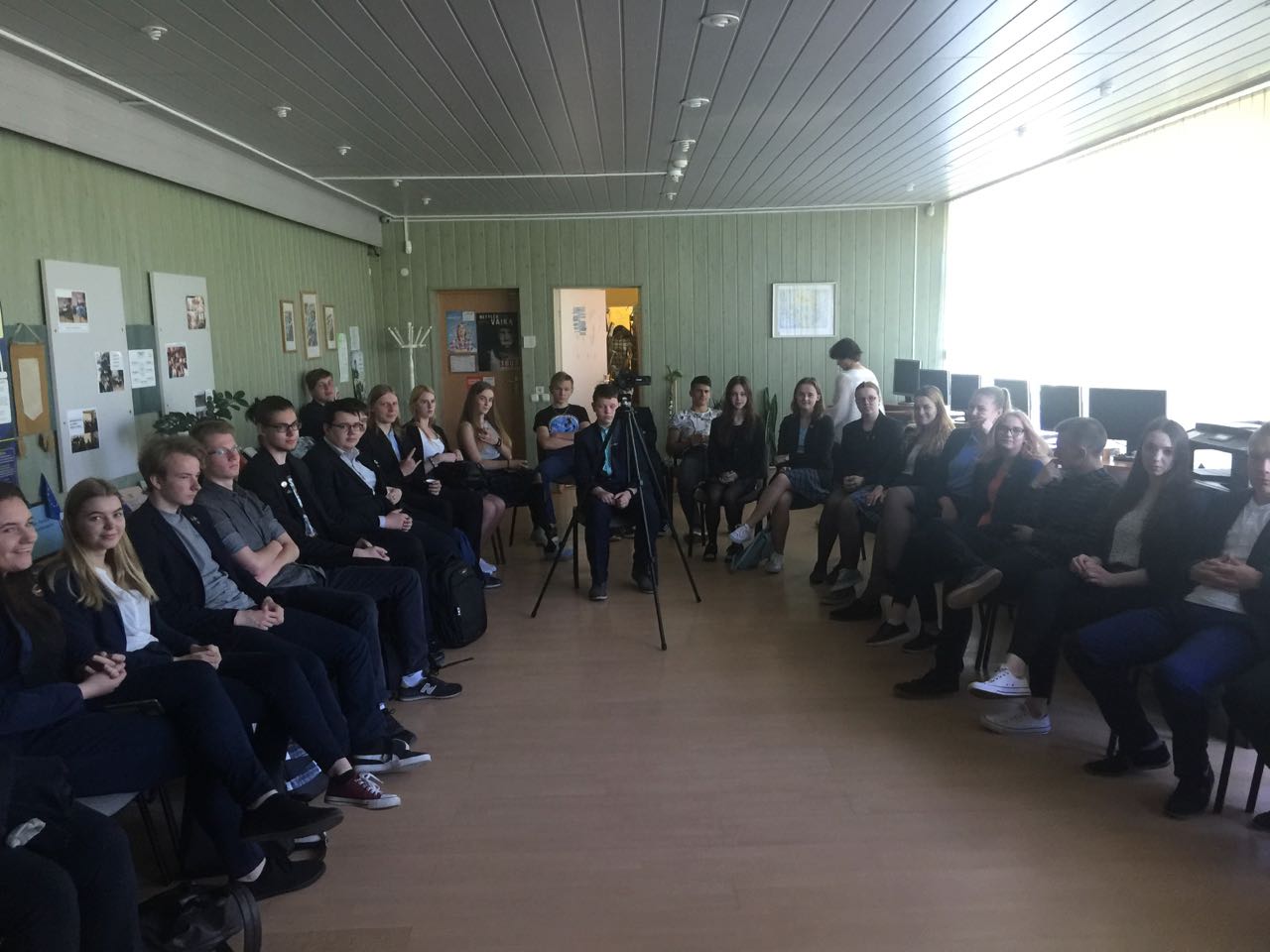
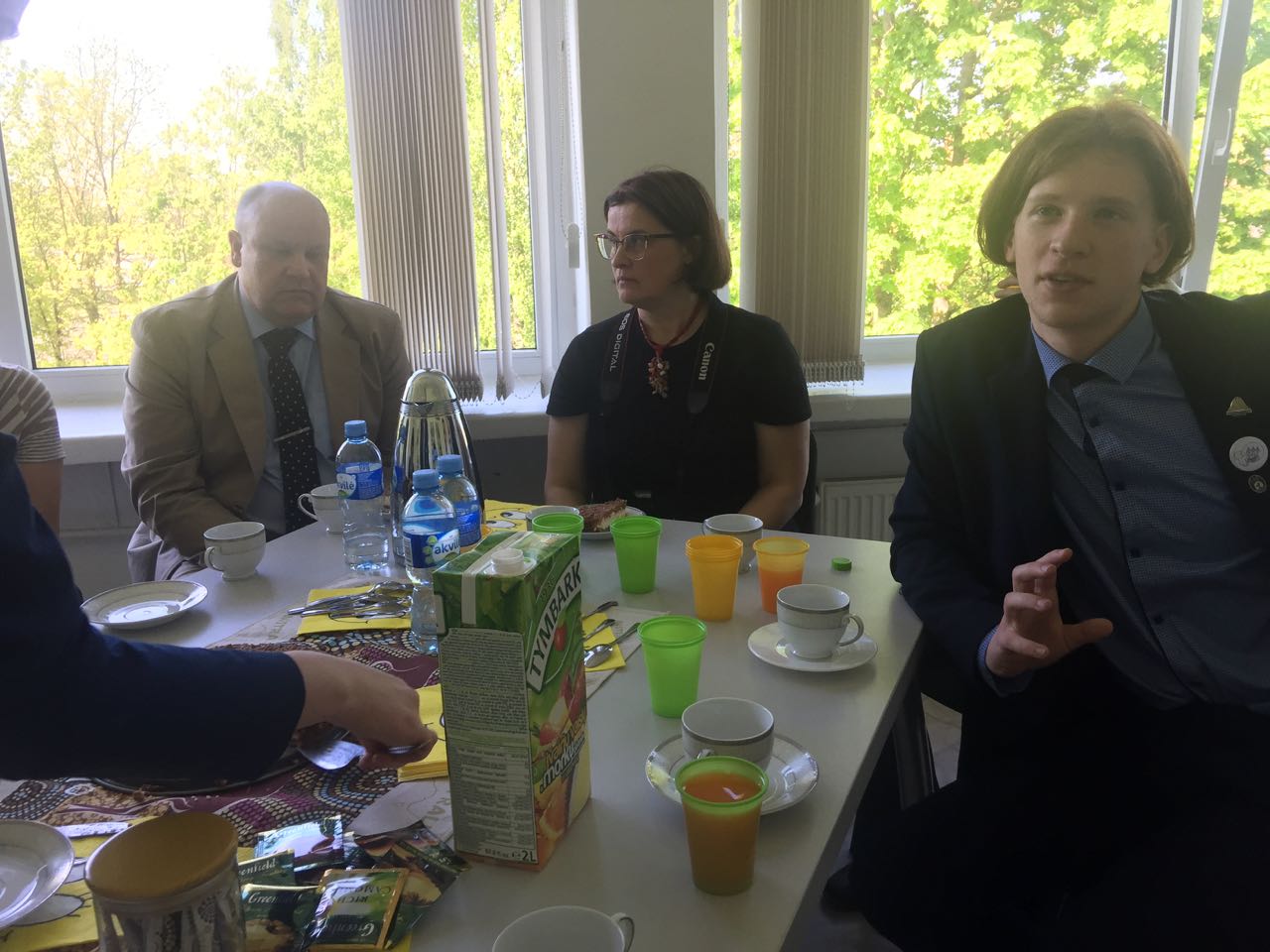
Morning Tea
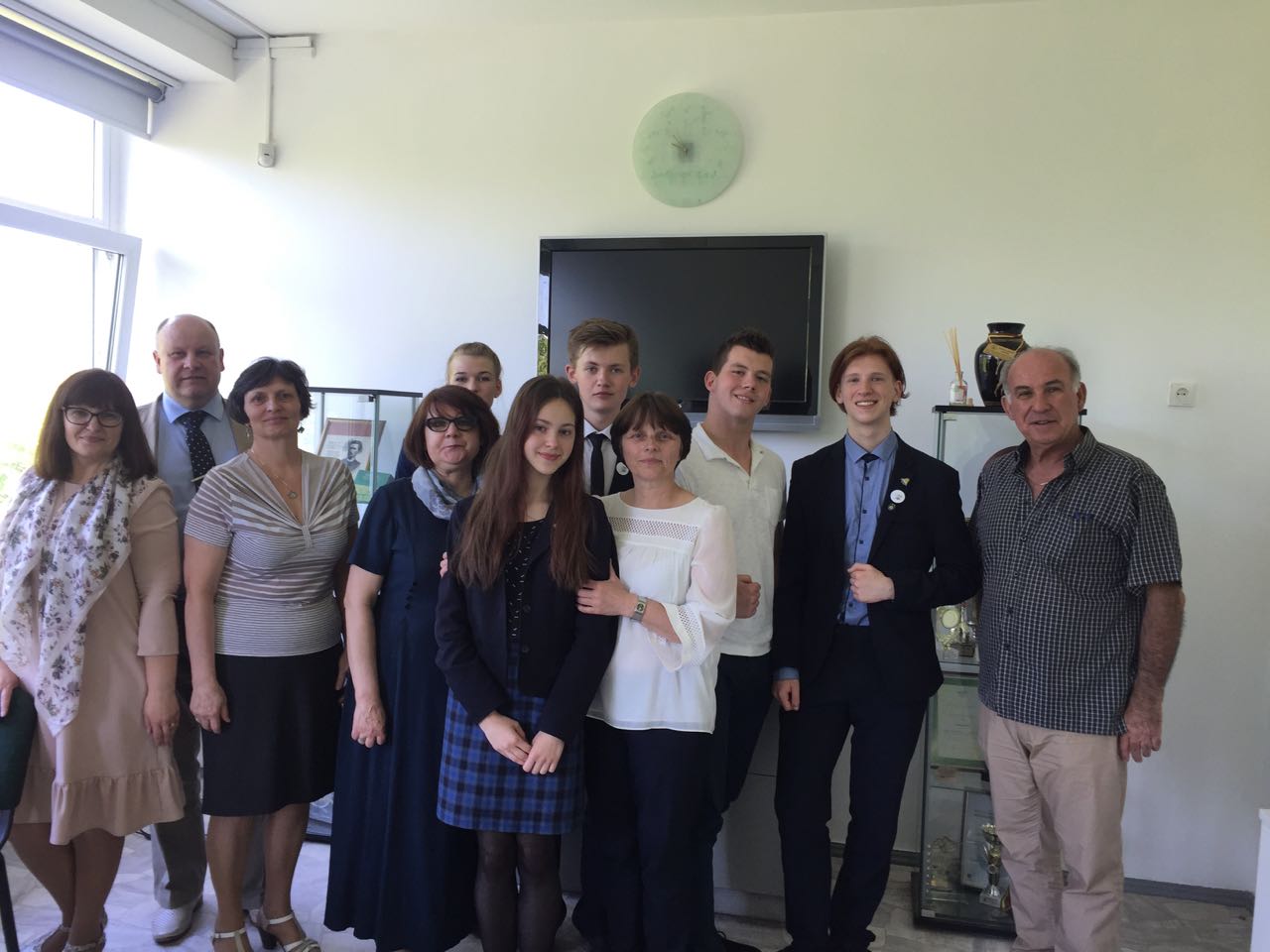
Tea with the Director of the school, Gintaras Petrulis, teachers and students
Urte sings a Lithuanian folk song

about a soldier and a girl

Video

Atzalynas Gimnazija song

Source: youtu.be/5GQHA4ZYYpY


Tour of the school

With Mantas and Arnas

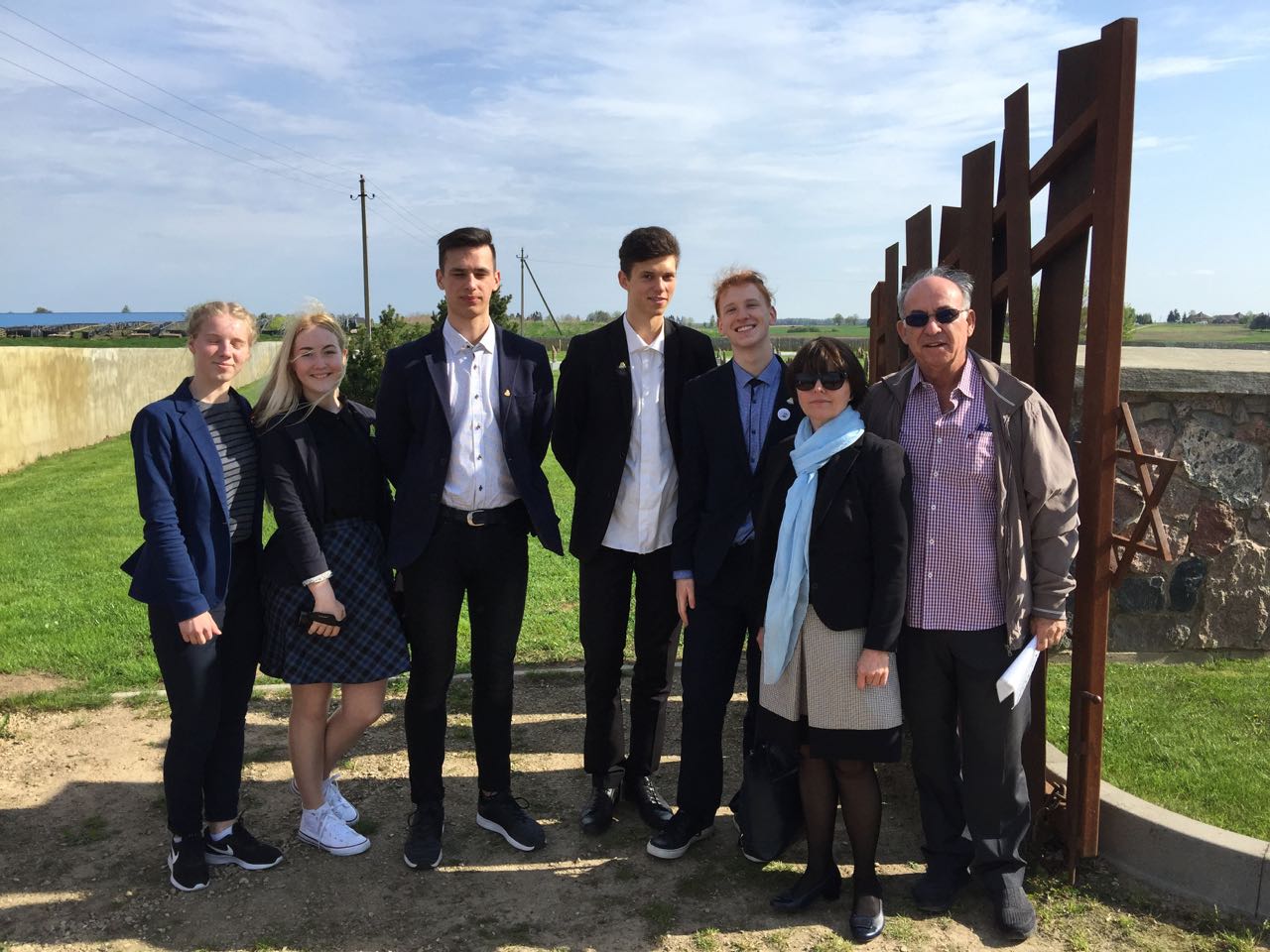
The Atzalynas students with Laima at the Museum groundbreaking ceremony in Seduva

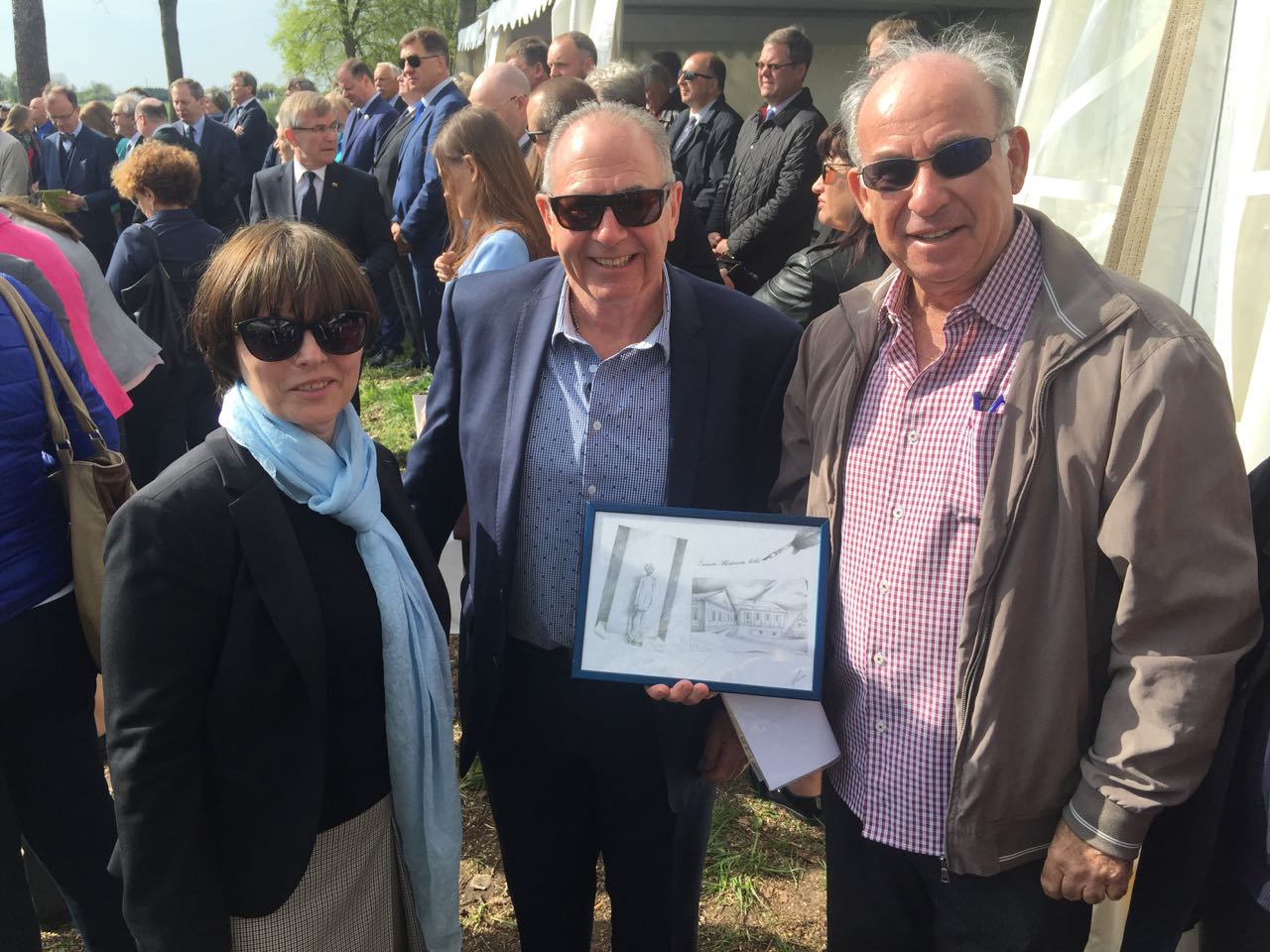
With Laima and Edwin Glasenberg  – framed sketch featuring a joint project between Atzalynas School and the Seduva High School
With Laima and student Giedrius
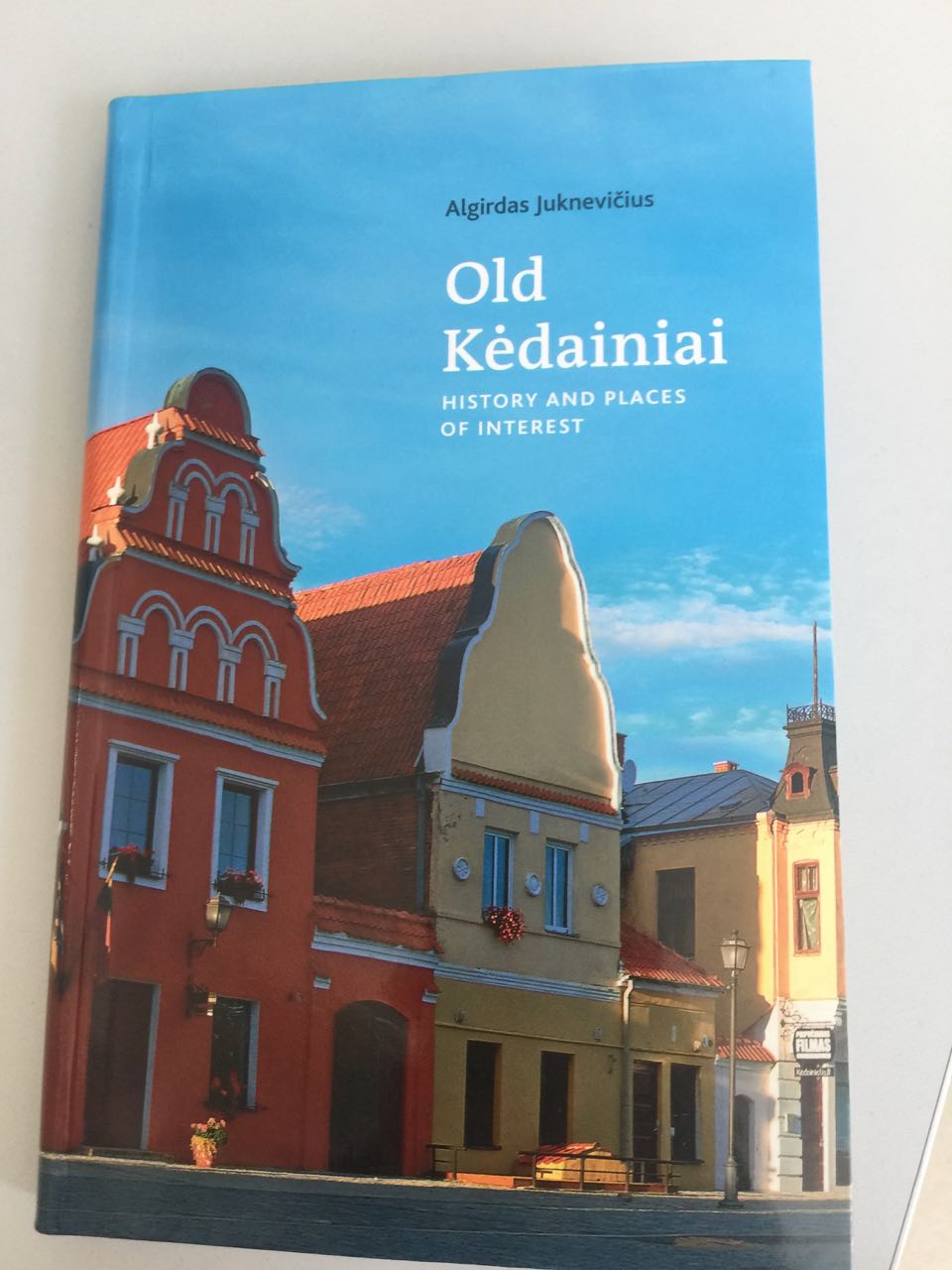
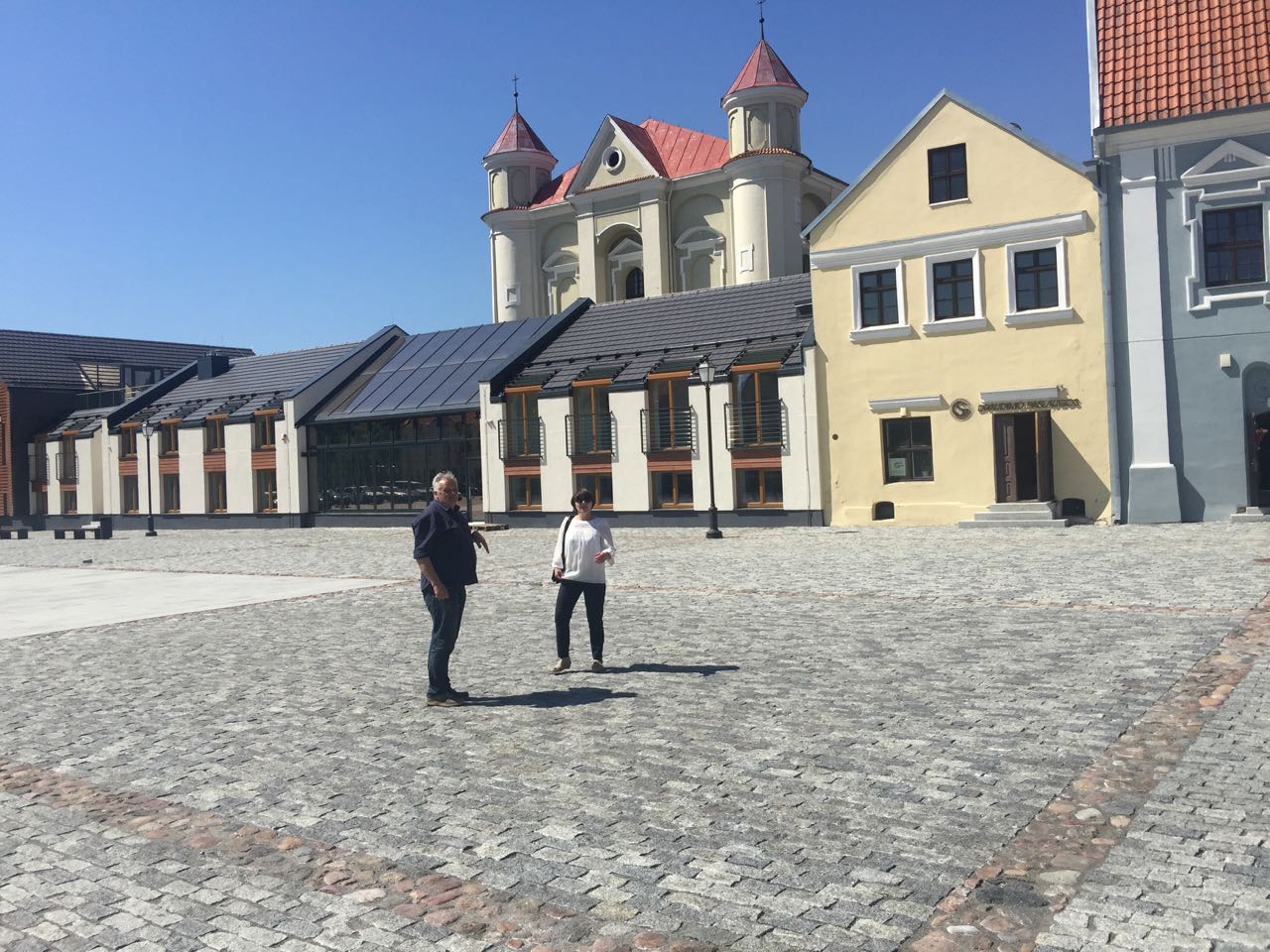
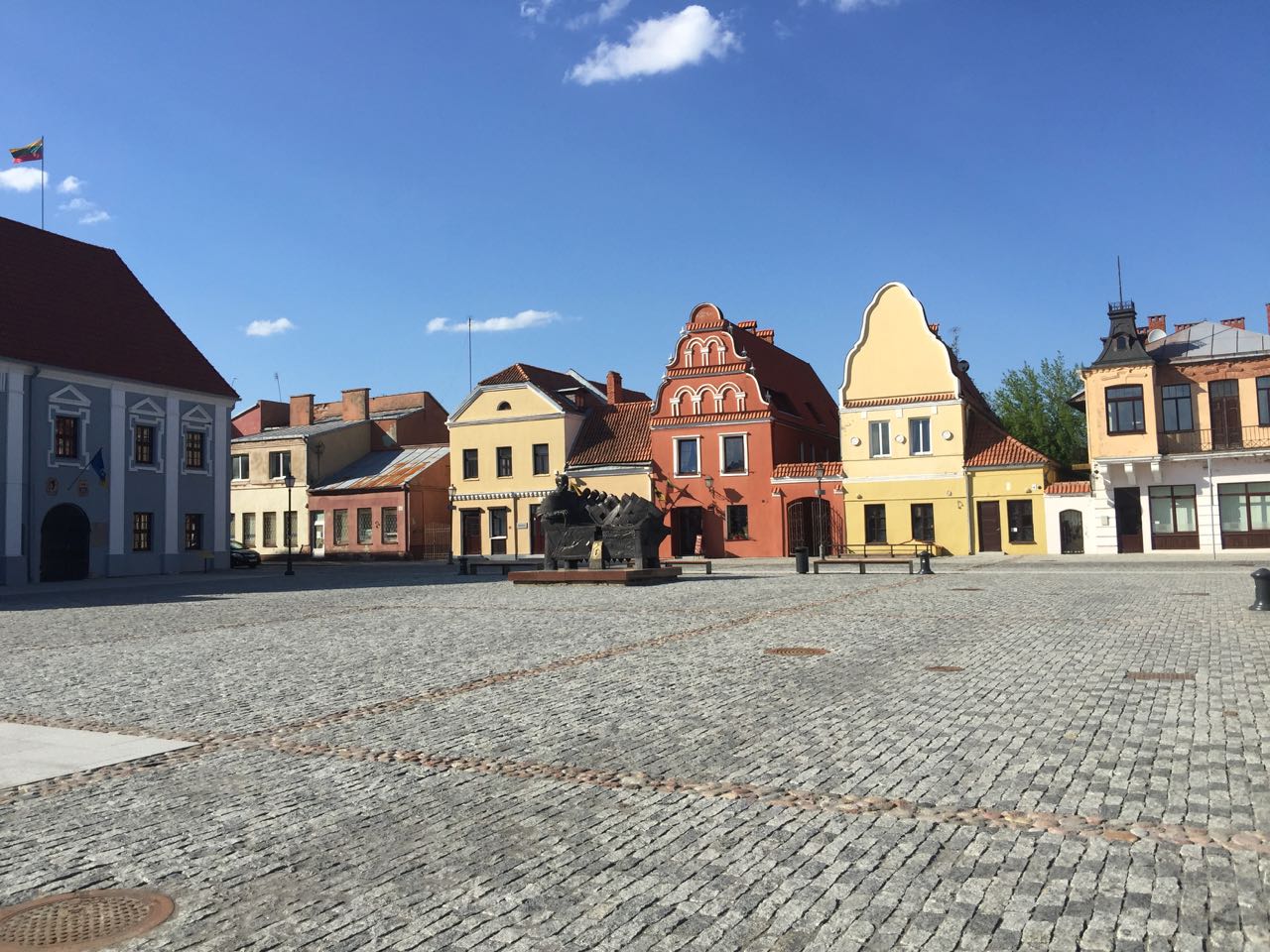
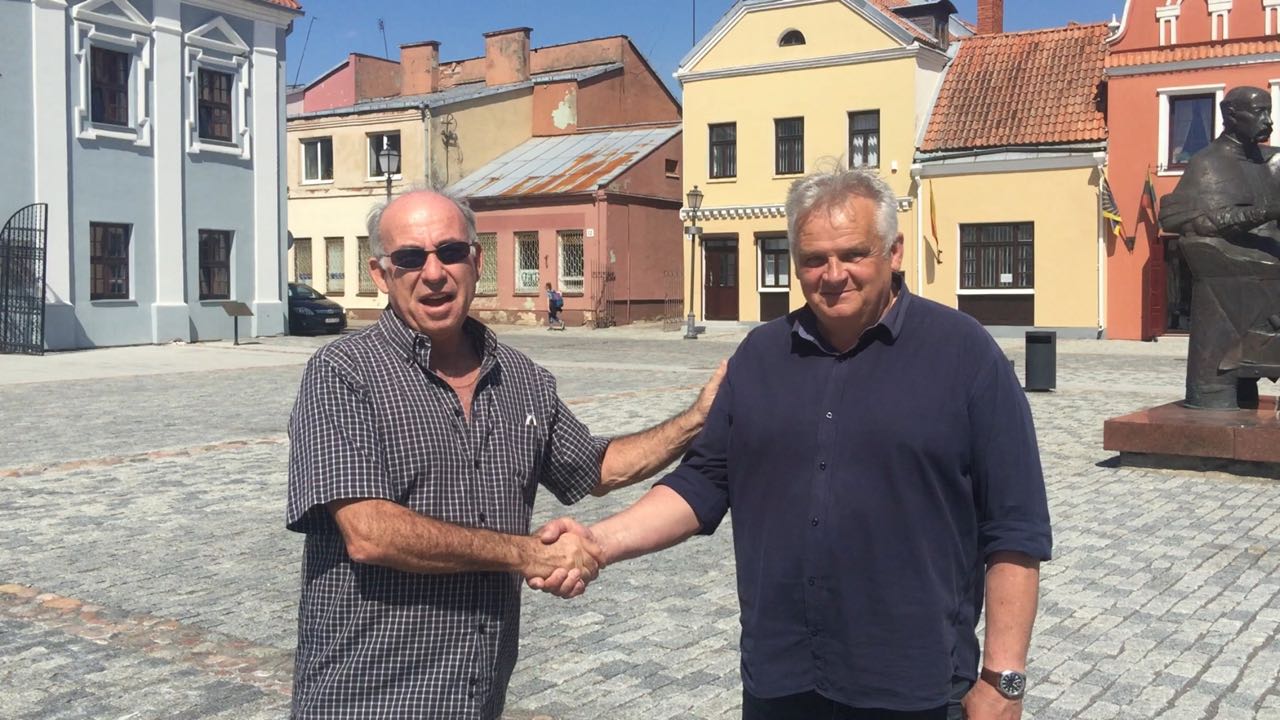
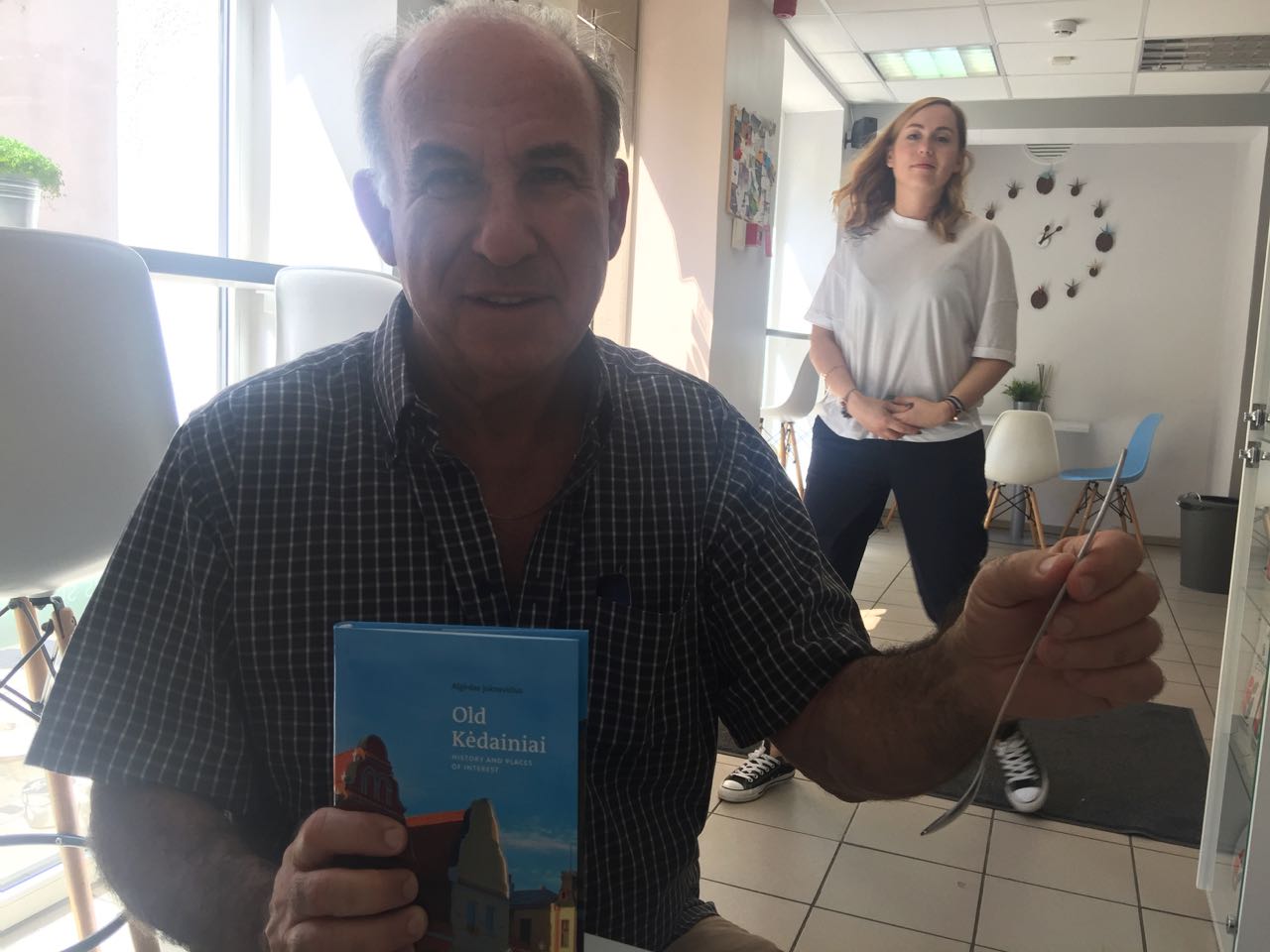
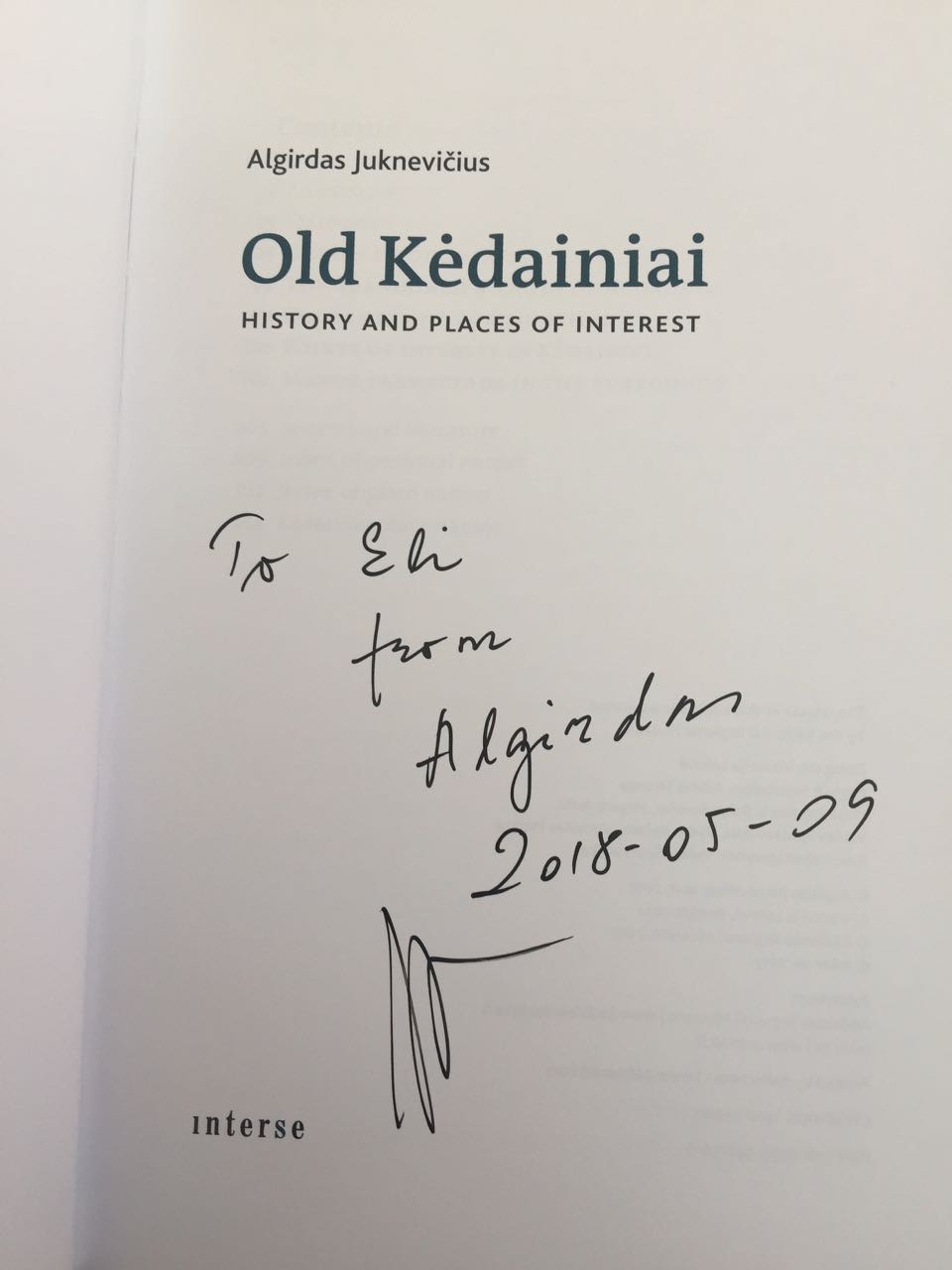
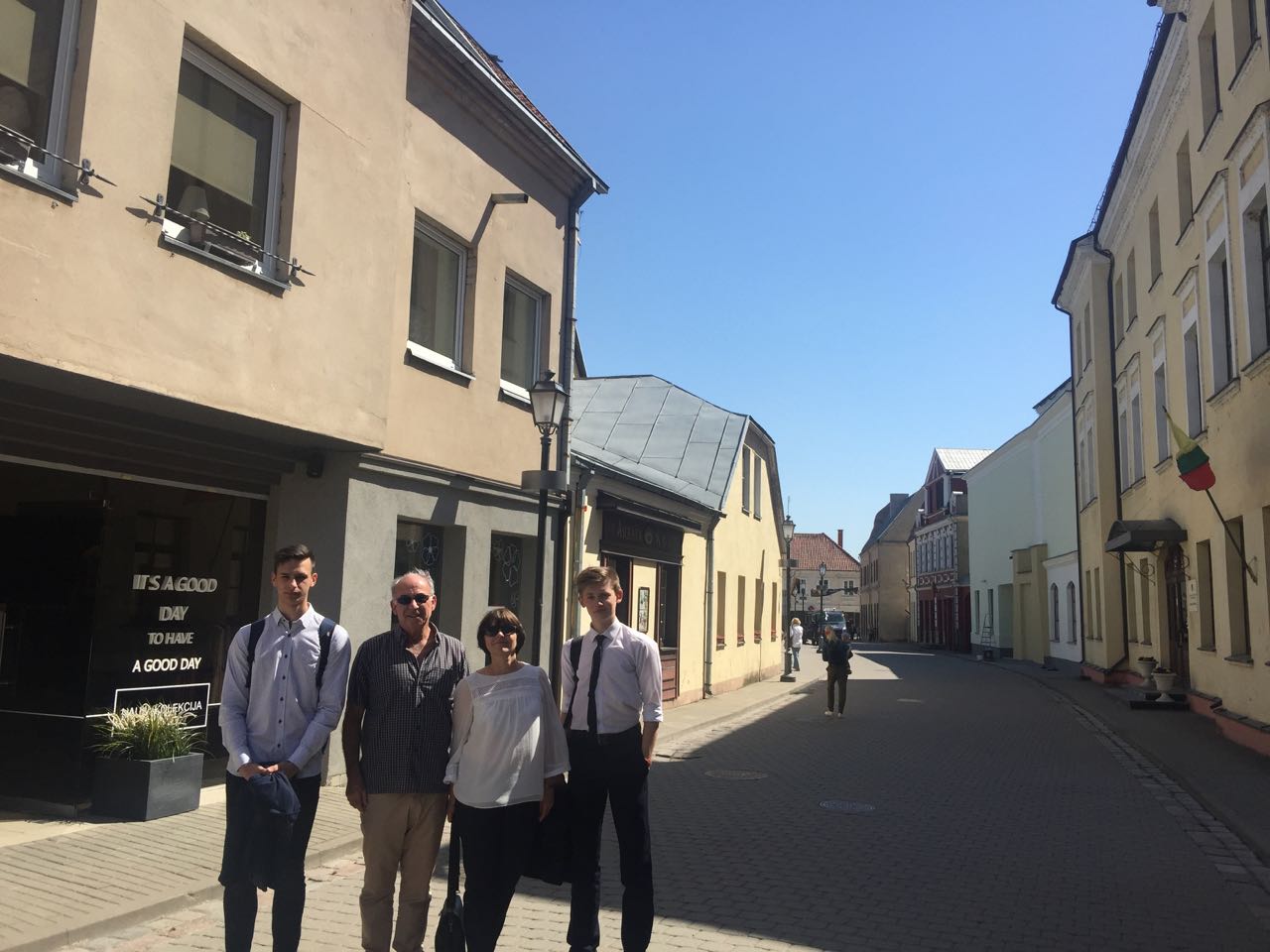
Tour of Old Kedainiai with Algirdas Juknevicius and two students, Mantas and Arnas, to help translate.

The complex of the two former synagogues

With Laima and Algirdas


Video


Video

Rebuilding the old bridge

Thank you, Algirdas

With Arnas, Mantas and Laima


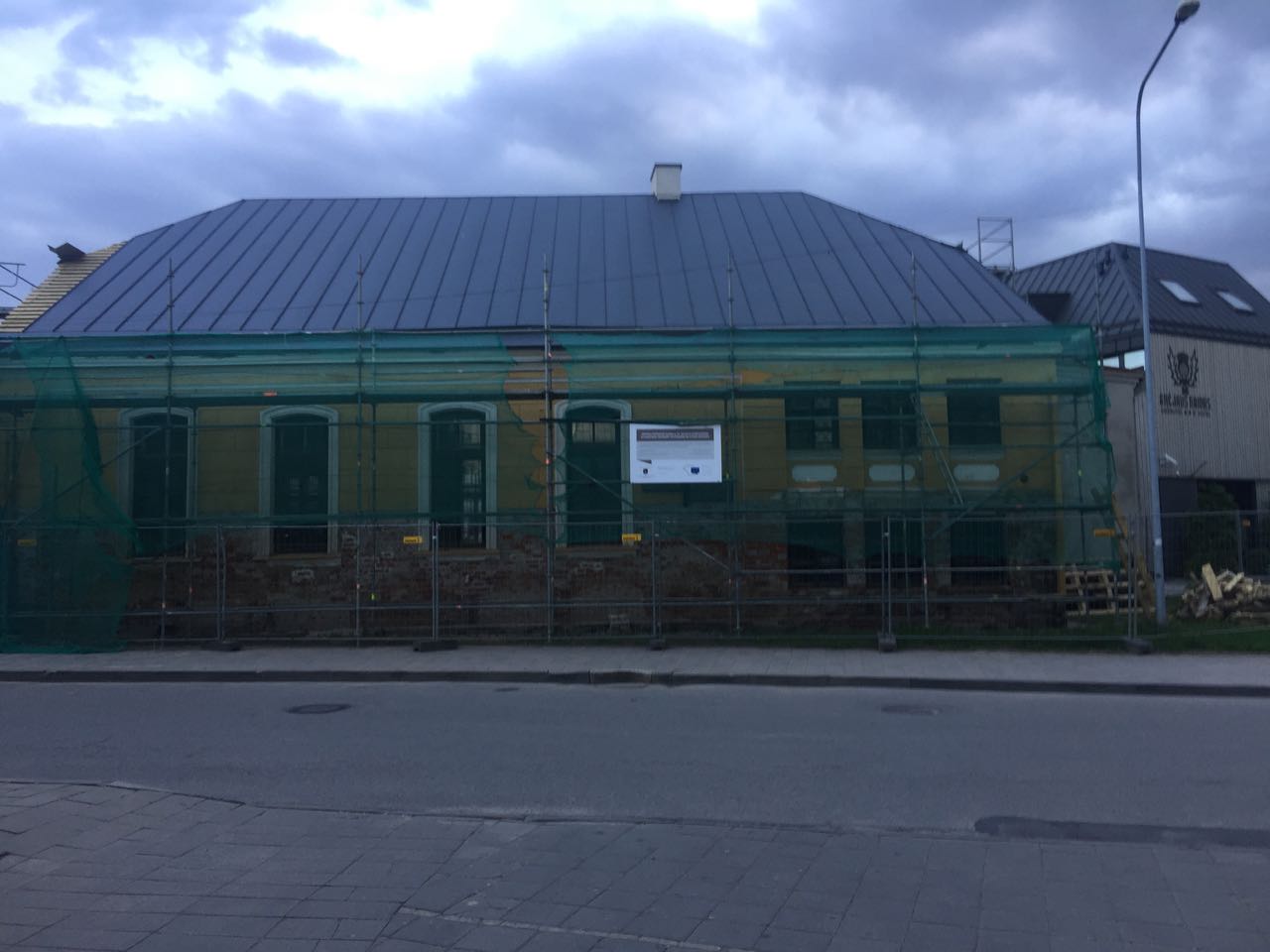
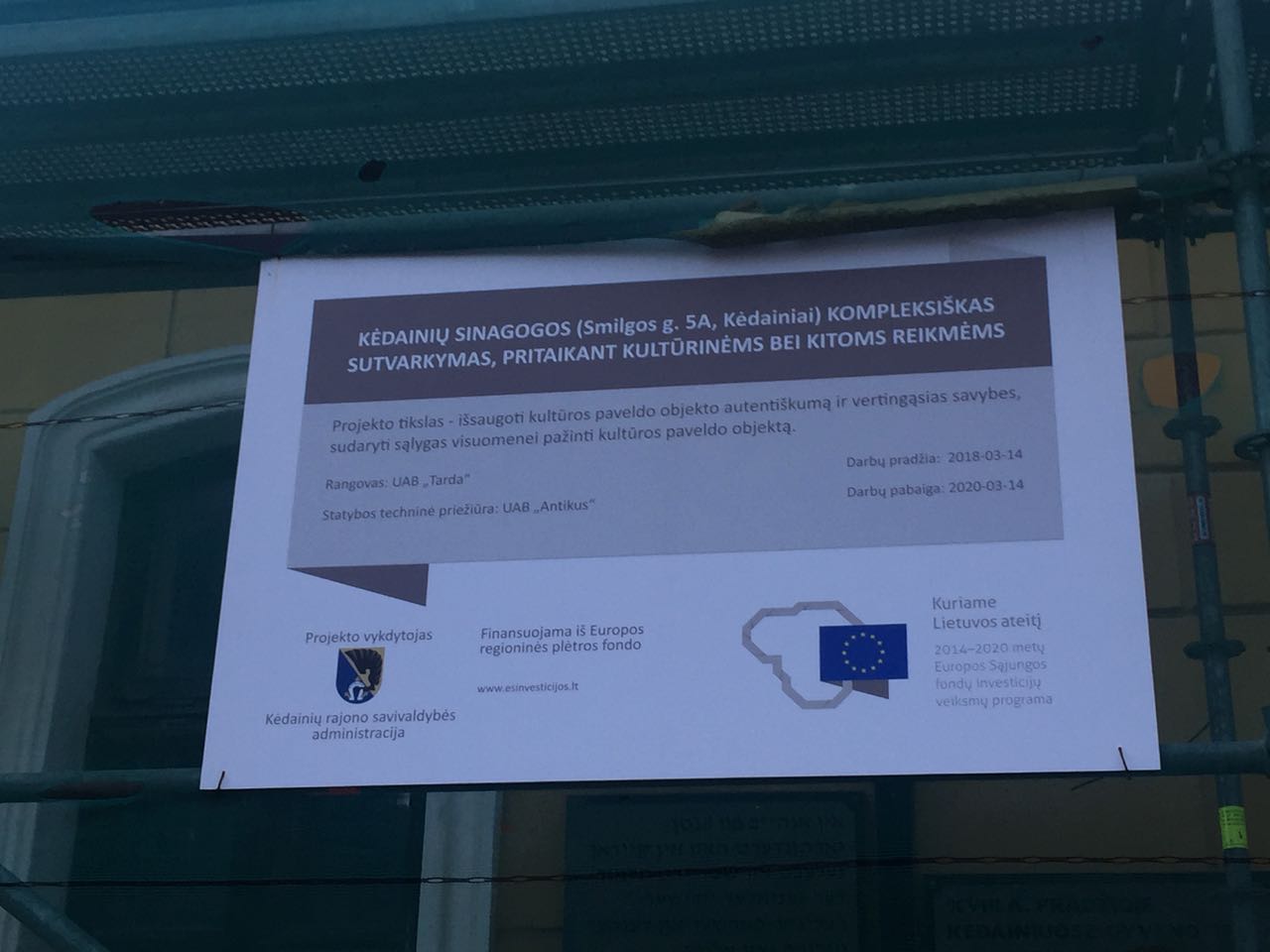
Restoration of synagogue under way

Kedainiai. Past & Present

Video by Laima Ardaviciene

Kedainiai. Past & Present

Kedainiai. Past & Present

Source: youtu.be/R-CKRm7uxy0

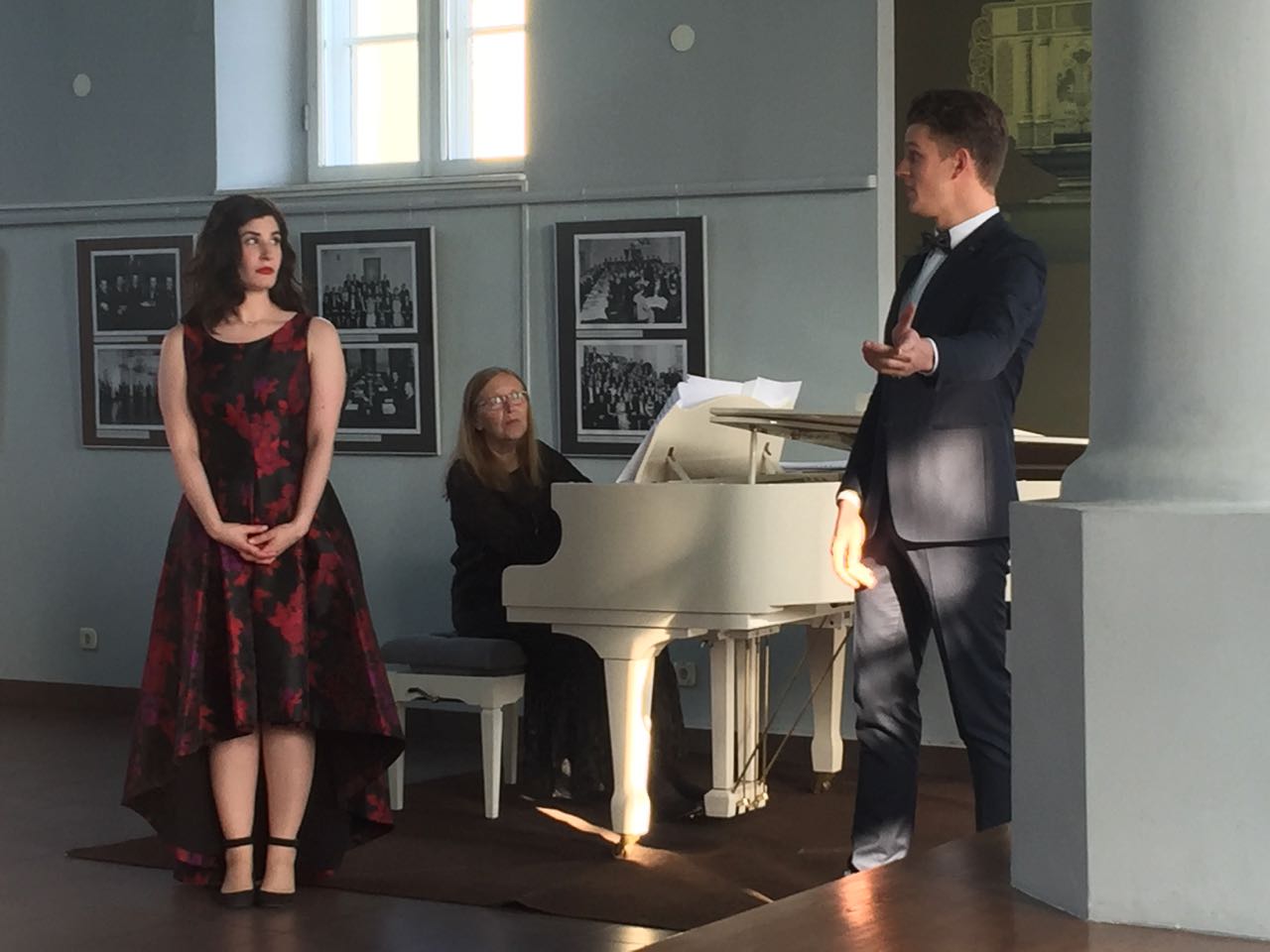
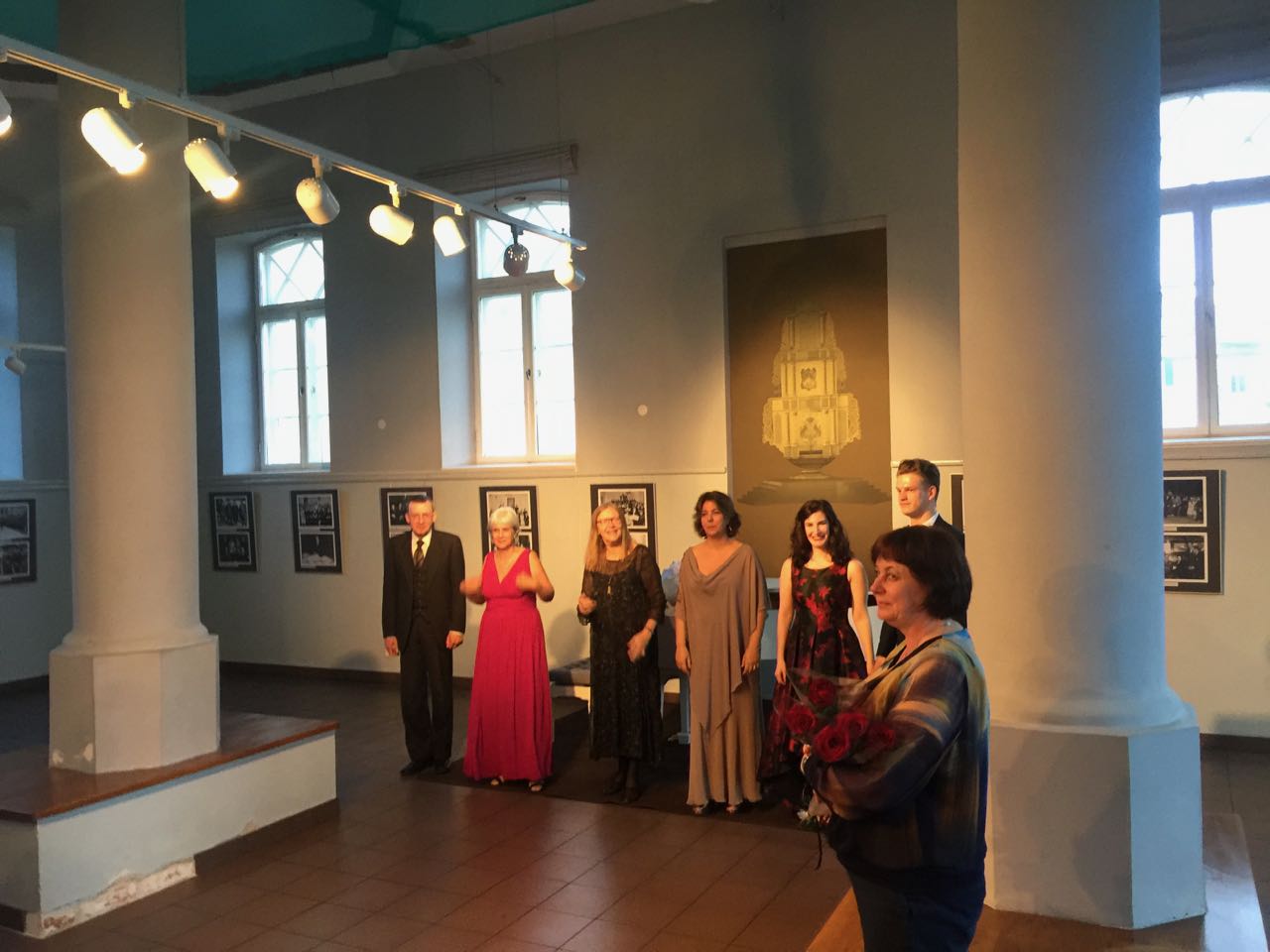
Recital in the former synagogue

Featuring Rachel Elezi – New York


The Holocaust Mass Grave and Memorial 

The Jewish Cemetery
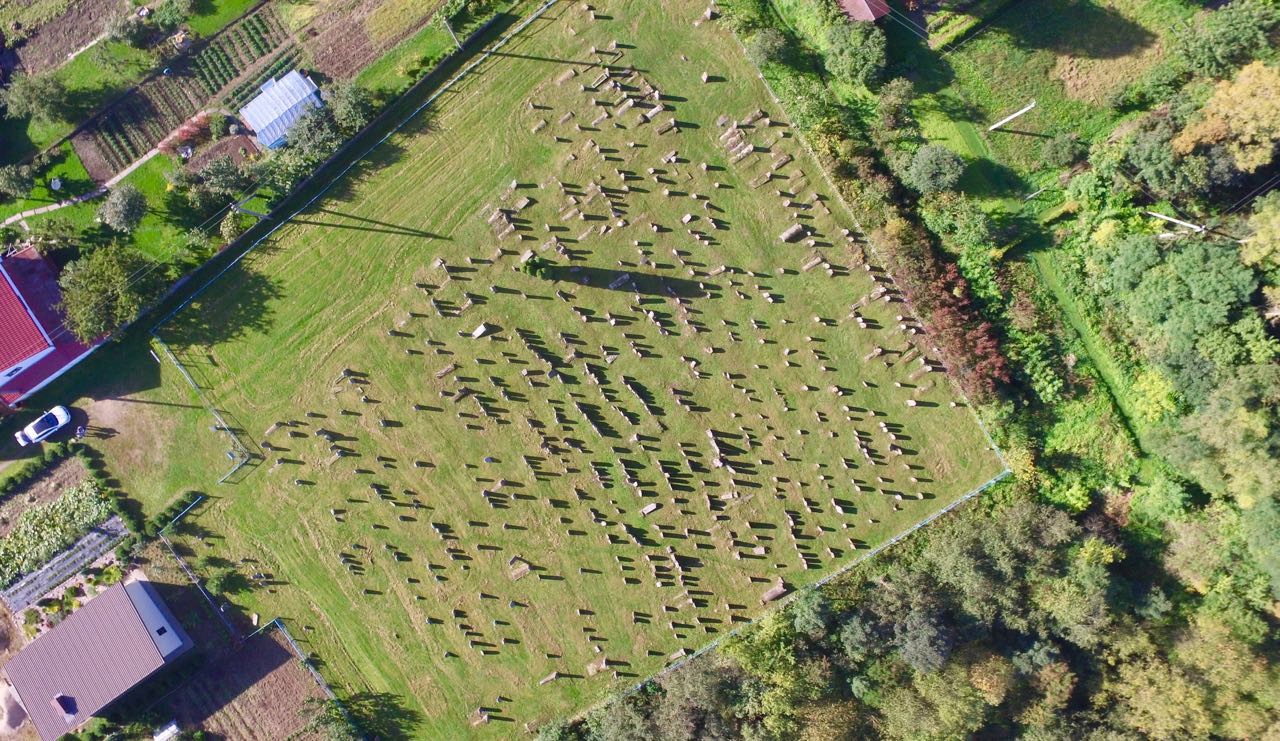
An aerial photo of the Kedainiai Jewish cemetery. Laima’s students have been cleaning and documenting the matsevot.
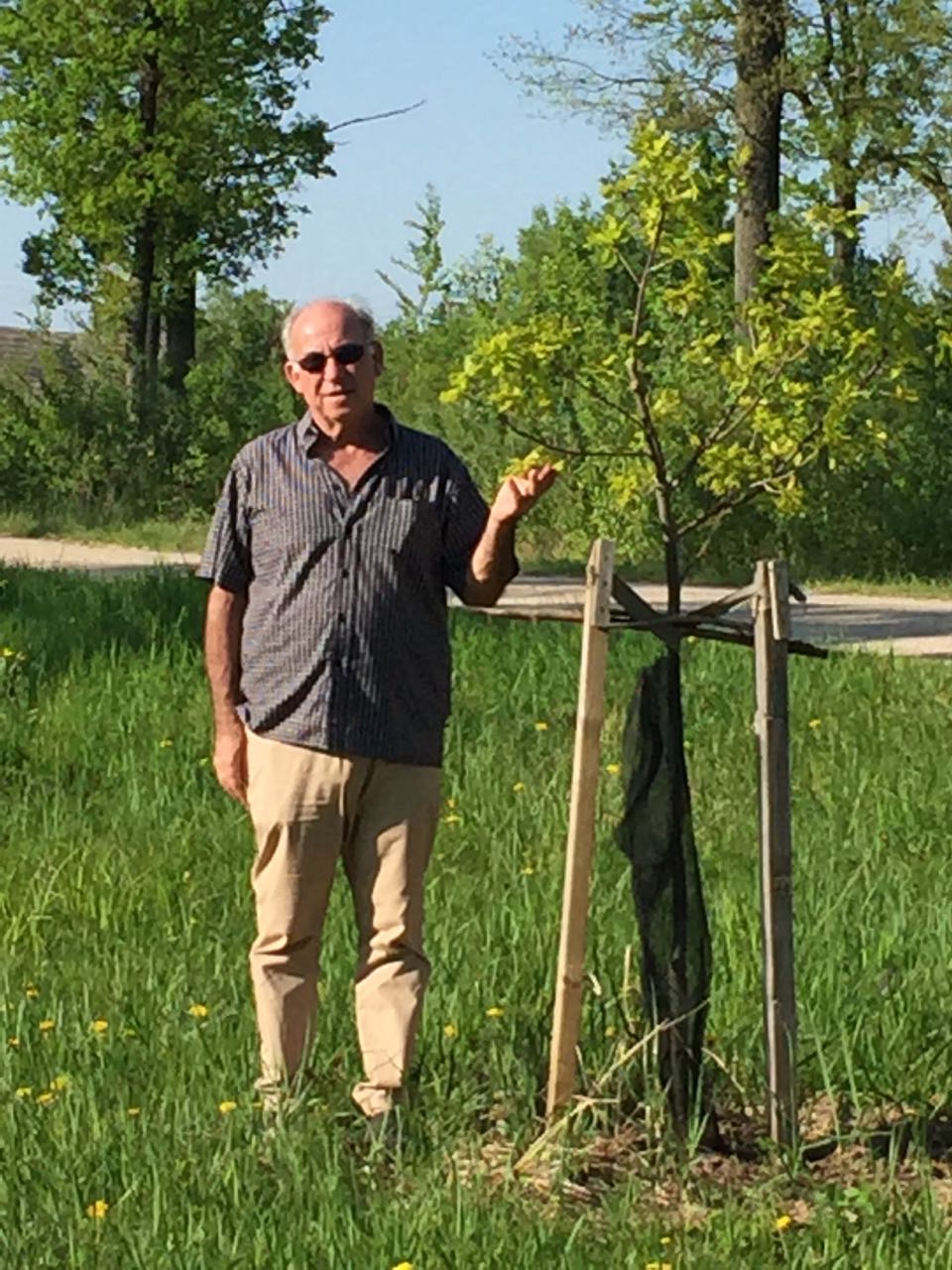
Oak Trees Planted for Keidaners

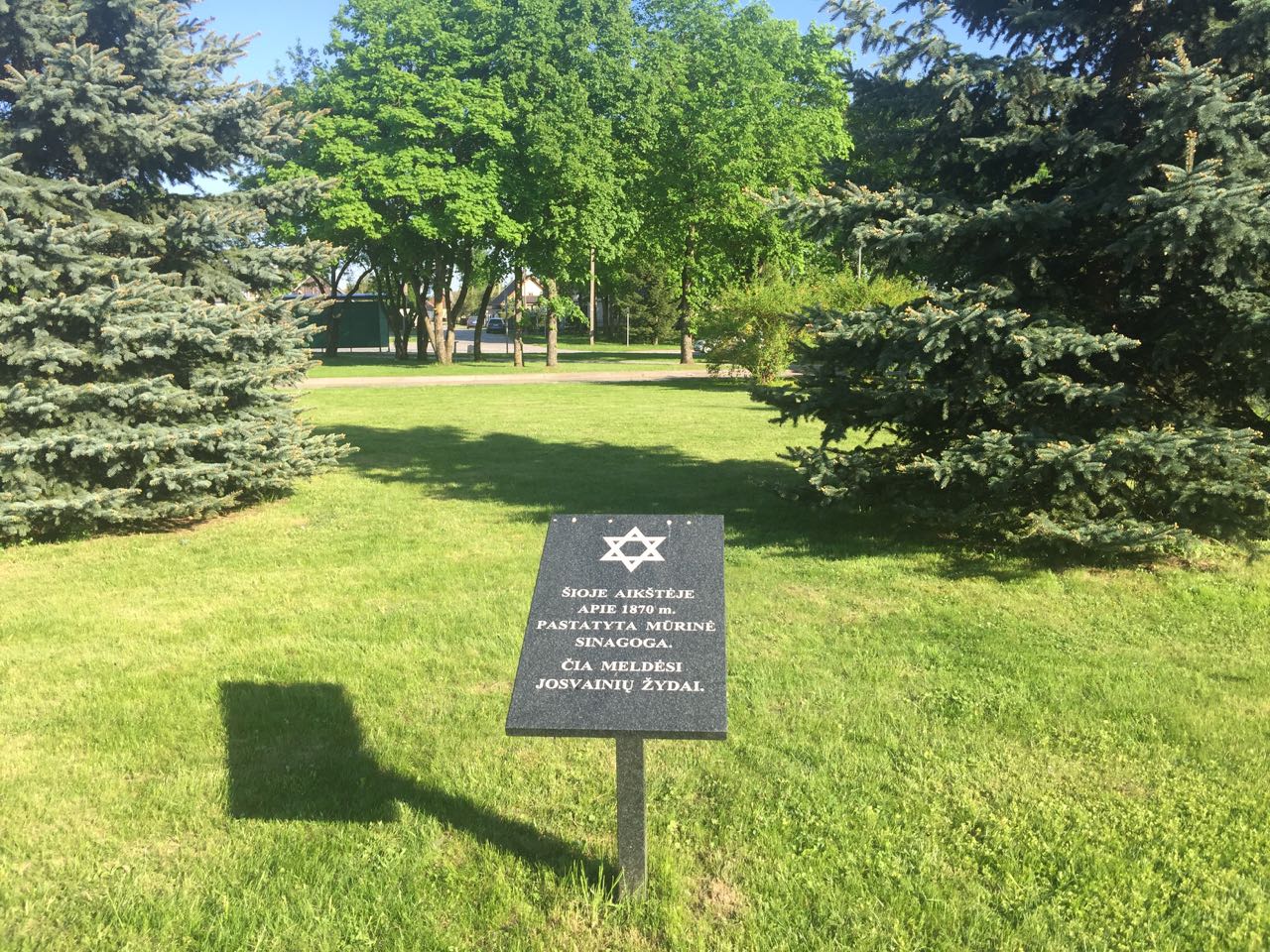
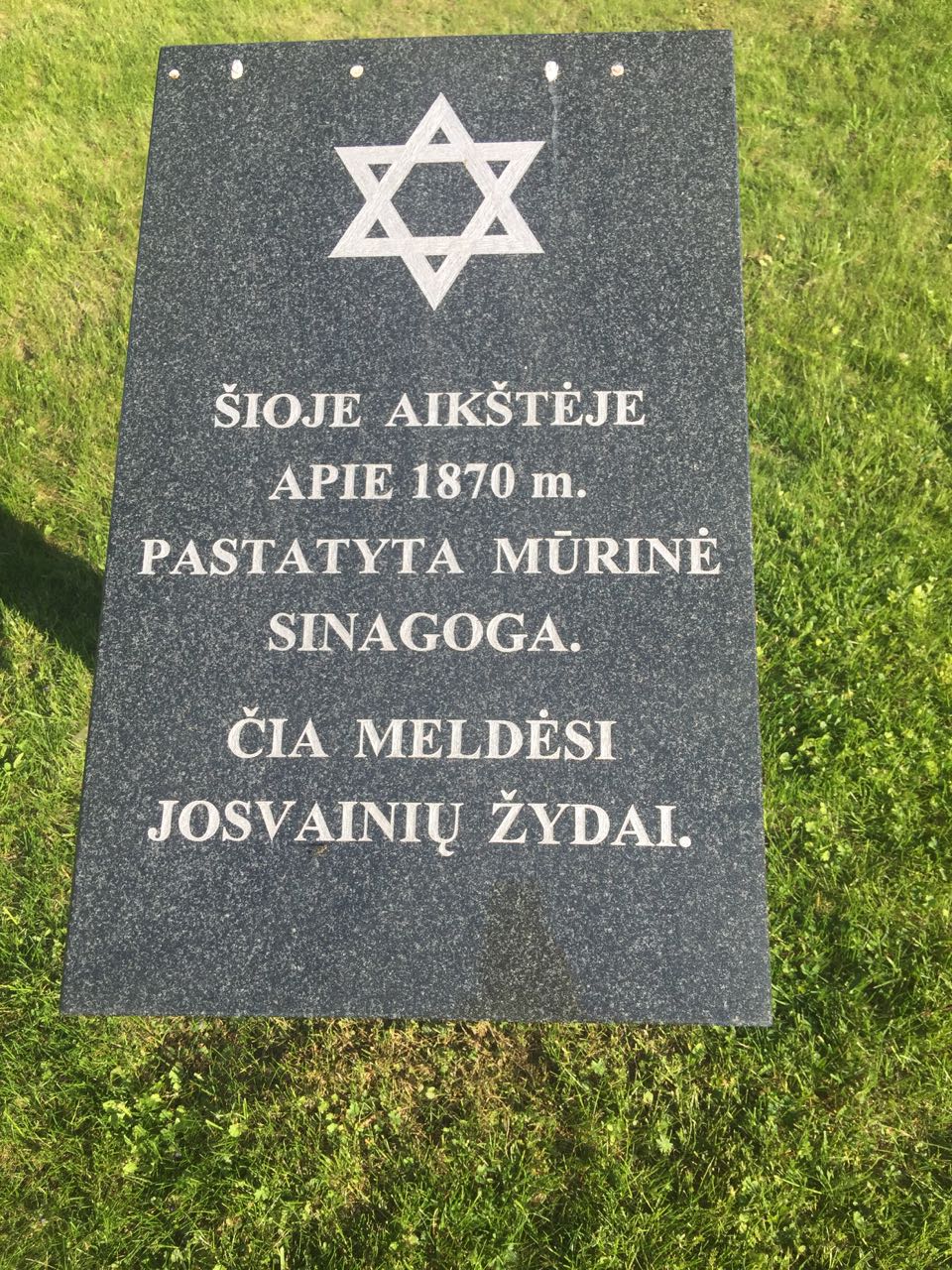
 Memorial in Josvainiai near Kedainiai    


Josvainiai

Josvainiai – Wikipedia

Josvainiai is a small town in Kėdainiai district, central Lithuania. It is located on the Šušvė River 10 km southwest from Kėdainiai. In the town there is a Catholic church, secondary school, post office and public library.

Source: en.wikipedia.org/wiki/Josvainiai

Zelva Lithuania

Zelva, Lithuania KehilaLink

Sir Aaron Krug

Source: kehilalinks.jewishgen.org/zelva/Home.html


Alanta

Alanta – Wikipedia

Alanta (dialectal Aukštaitian name Alunta, Polish: Owanta, Yiddish אַוואָנטע) is a small town in Molėtai district municipality, Lithuania. It is the administrative seat of the Alanta Elderate. According to a census in 2011, Alanta had 348 residents.[1] It is situated at the crossing of two roads: Molėtai–Anykščiai and Utena–Alanta–Ukmergė. The town’s St. Jacob’s church was built in 1909.

Source: en.wikipedia.org/wiki/Alanta

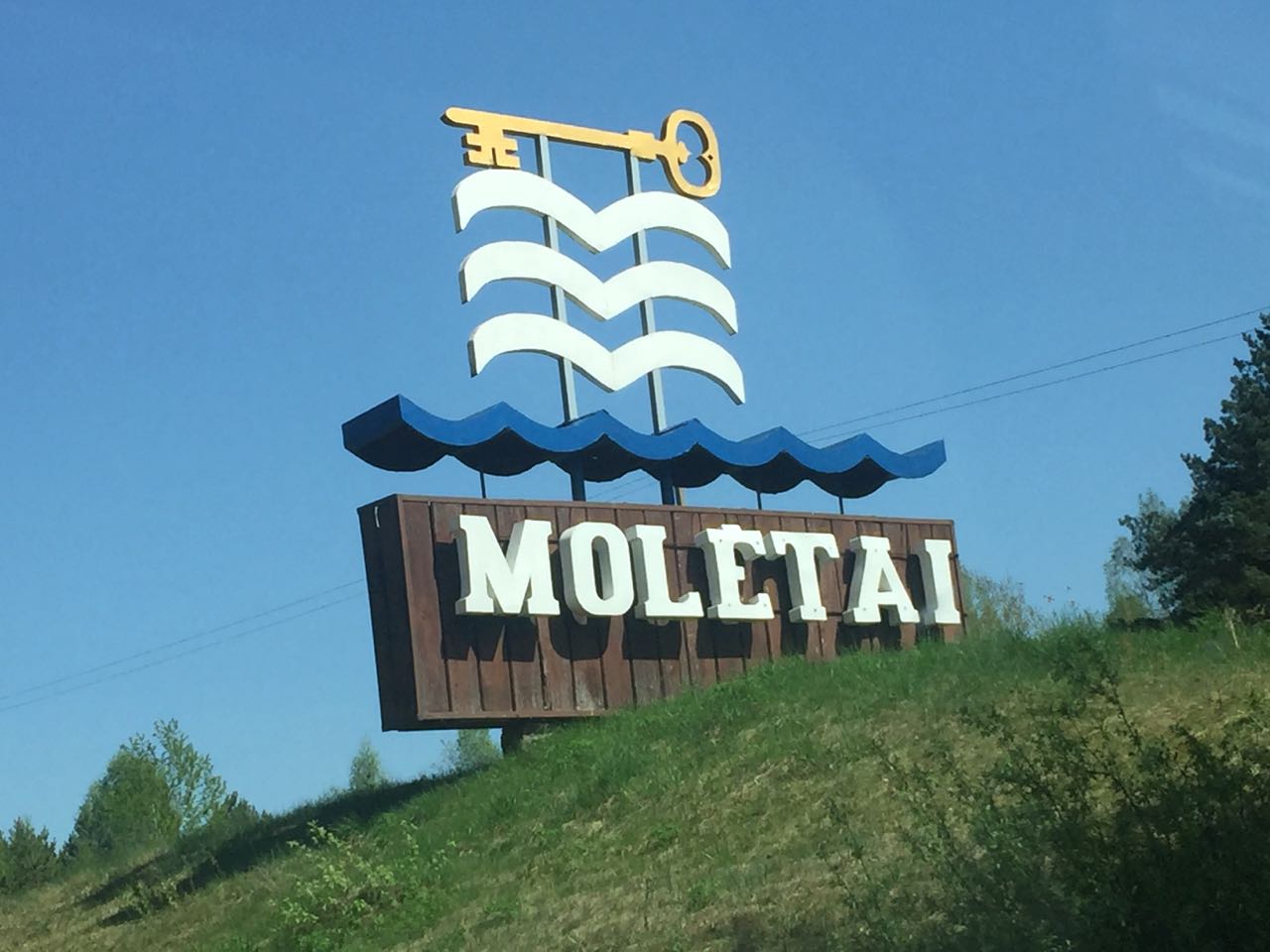
Molėtai

Molėtai – Wikipedia

Molėtai ( pronunciation (help·info)) (Polish: Malaty) is a town in north eastern Lithuania. One of the oldest settlements in Lithuania, it is a popular resort for the inhabitants of Vilnius. According to the 2013 census, it had 6,302 inhabitants.

Source: en.wikipedia.org/wiki/Moletai

Keidan Yizkor Book 2 Now Available

From David Solly Sandler

Greetings from Western Australia and I hope you are all well.

I’m pleased to tell you that the second Yizkor book from South Africa, the Keidan Memorial (Yizkor) Book is now completed and for sale.

This is the end of a very long journey started at least two years ago when Bella Golubchik translated many of the articles from Hebrew and Yiddish. All the articles for the book were edited by the heads of the Keidan Associations of Israel and the US. Below I share with you the cover of the book, the first page and the preface.

KEIDAN

MEMORIAL (YIZKOR) BOOK

קיידאן

ספר זכרון

First published, mainly in Hebrew, in Tel Aviv 1977, by the Keidan Association in Israel, with the participation of the Committees in South Africa and the USA..

Edited by Josef Chrust

Editing Board: Pesach Chitin (Weitzer), Arie Ginsburg, Zalman Gladstone, Adv Shmual Hadari, Chaim Landsberg, Barich Ofek ((Upnicki) and Adv Shimon Shibolet

Reprinted in 2018 in English by the Keidan Association in Israel and the USA. Translations edited by Aryeh Leonard Shcherbakov and Andrew Cassel of the Keidan Association in Israel and the USA. Compiled by David Solly Sandler

KEIDAN MEMORIAL (YIZKOR) BOOK

PREFACE

At first glance this book is like all the other hundreds of books published since the end of World War II in memory of the Jewish shtetl in Eastern Europe that had been and is no more. Keidan itself was one of those thousands of towns in the old Pale. Small towns with all their lights and shadows, their geographical and human landscape, their spiritual climate, the Jewish people who worked and toiled all week like busy ants in order to bring food to the family. With its odd and strange figures, whose daily life and golden dreams of the redemption of the nation and salvation of the world. In short, a shtetl, like all shtetlech.

Even so, Keidan was worthy of an eternal monument in form of a book, which would tell the new generations about their fathers and mothers, who were the public workers and honorary officers, the righteous women, students of the Torah and ordinary people, rabbis and judges and unknown soldiers, each of whom made his contribution, with or without knowledge, to the chain of generations of the ancient nation.

Yet Keidan was also outstanding, and we are even allowed to say of a special lineage, with the legends pertaining to the beginning of the Jewish settlement in Keidan, the pride of its Jews, the consciousness of self-importance of its sons who found its expression in the famous uprising against the community leaders, the efforts to appoint as its spiritual leaders the greatest rabbis in the diaspora, the special contribution made by its sons to the Jewish renaissance movement, and finally, the single revolt crowned with heroism and splendor of one of its sons within the mass grave. All this demanded its commemoration for the future generations.

The birth pangs of this book were hard and prolonged. Yet it is natural, and it doesn’t lessen its importance, if we shall consider that the whole book is a product of the common effort of the town’s people who invested in it the most important element – love. Actually, no scientific research works have been included in this book, but memories which sometimes reach the height of true art, and – what is even more important – they distinguish themselves with a clean and refined truth, as it was seen with the eyes of the writers. They described all they had seen in a quiet, restrained way, without any trimmings, yet, for all that these memories speak to the reader with an unusual strength of expression.

One of the main goals of the book is the commemoration of the period of the Holocaust. Very few people have remained from that terrible period. Very few of those who had seen the terror from close up saved themselves by a miracle, and it is their duty to tell about their personal experiences. There are others who succeeded to escape from the Holocaust and to spend the war in wanderings in distant places or in fighting the cruel enemy. Each one told, in his own language, the facts as he knew them. More than once the book contains different versions of the same events. This fact, which can happen in historical scientific works too, will no doubt be forgiven in a book which was written not by historians, but by men who drew their descriptions not from documents in an ivory tower of a library, but from their own memories, that were tortured in the ghettos, concentration camps and forests. This is however the naked truth, rough and not polished, a truth solid like rock from which eternal monuments are shaped.

Still, this book is more than an eternal monument. It is an effort to return to the shtetl in its happy moments as well as in its last hours, to be together with the father and the mother, with the brothers and sisters, at the Shabbat table as well as at the mass grave on the fateful day, to isolate oneself within Keidan, one of the precious stones in the lost crown whose name was Eastern European Jewry.

There is no relief in this book for the wounded soul of a son of Keidan, but there is in it a eulogy and a kaddish which was not said on the grave of the martyrs, and which will be said now whenever we shall take this book in our hands.

Copyright © Keidan Memorial Fund 2018

Please contact David Solly Sandler sedsand@iinet.net.au to order your book.

All proceeds go to Arcadia Oranjia or the JDC

The Lost Shtetl of Lithuania

My op-ed in the Australian Jewish News today


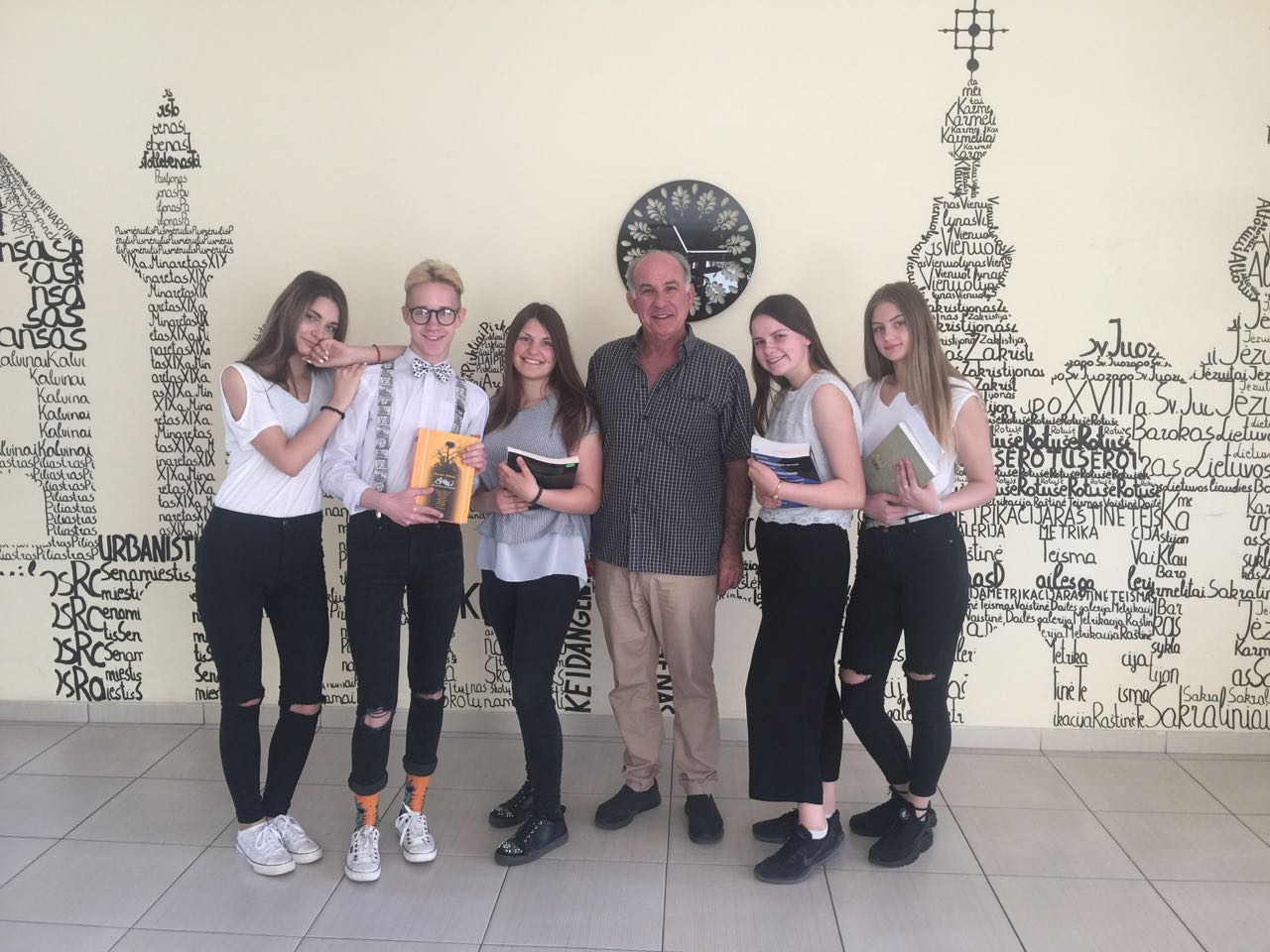
Wth Laima Ardaviciene and the students of Atzalynas High School Kedainiai
With Laima Ardaviciene and Edwin Glasenberg
With the ambassadors of Finland, Great Britain and the USA
With Milda Jakulyte and the ladies of the Lost Shtetl team
With Sergey Kanovich of the Lost Shtetl

The Australian Jewish News – AJN

The Australian Jewish News – AJN

AJN

Source: www.jewishnews.net.au

Never Say – Arutz Sheva

Never say you have reached the end of the road – WE ARE HERE!

My OpEd in Arutz Sheva

Never say you have reached the end of the road – WE ARE HERE!

The immortal words of the poem written in Vilna by Hirsh Glik in 1943 continue to inspire as sung by young people worldwide today who identify with its message of hope.

Source: www.israelnationalnews.com/Articles/Article.aspx/21978

Hirsh Glik 1922-1944

Partisans’ Song Memorial – Bat Yam, Israel
My uncle Moisey Zeldin
Moisey Zeldin Testimony
Holocaust Memorial Flame – Jewish Holocaust Centre, Melbourne

The Partisans’ Song Project on South African TV2 this Sunday 15 April at 8:30am
Simcha A Celebration of Life Ep 7 Promo

Simcha A Celebration of Life Ep 7 Promo

Source: youtu.be/JbLfmzZSoGM

Troyeville & Jeppestown

With Ishvara

On my recent visit to Jo’burg, my friend Ishvara Dhyan showed me the once thriving Jewish world of Troyeville and Jeppestown – a sampling of his wonderful tours of old Johannesburg.

Thanks also goes out to Marc Latilla for sharing his well researched blogs of these old Jo’burg suburbs.

And to the others whose blogs were included.

Troyeville Hotel
IMG_0059 IMG_9898 IMG_9897 IMG_9903 IMG_9902
<
>
Kimberly Street Shul
IMG_9907 IMG_9911 IMG_9915 IMG_9910
<
>

Thanks to Marc Latilla for his well sourced blog:

Bertrams and Lorentzville

Bertrams and Lorentzville

Bertrams Synagogue – Marc Latilla

Like Doornfontein, Bertams had a sizeable Jewish community due to the influx of immigrants as explained in the piece below:

Despite such official anti-Semitic immigration sentiments, between 1924 and 1930 there was a noticeable rise in the immigration of Jewish refugees from Lithuania, Poland and Latvia to Johannesburg (Adler 1979:71). That a high percentage of these immigrants settled in the eastern suburbs of Johannesburg is clear from a 1936 survey which listed Doornfontein, Bertrams and Jeppe as home to the single largest Jewish community on the Witwatersrand . What makes this significant is that almost twenty percent of workers in the area were manual labourers. This was predominantly then a community of workers, not owners.

“Thus it can be established that between 1920 and 1940 there was a concentration of Jewish immigrant workers living in the Johannesburg suburbs of Doornfontein, Bertrams and Jeppe. Their greatest significance however lies in the fact that they were immigrants and that a large proportion of them were manual labourers of the artisan class”.

As the second generation of better educated and entrepreneurial Jews moved away from Bertrams to the northern suburbs, the usage of the Shuls and Synagogues  in the areas dropped. The Bertrams Synagogue (also known as the  Kimberly Road Shul) at 54 Kimberly Road closed in 1982 and is now a private residence. It was originally the Valley Bioscope.

Source: johannesburg1912.wordpress.com/2014/02/13/bertrams-and-lorentzville/

Street signs

Original 

Replacement

Jeppestown
IMG_9928 IMG_9930 IMG_9935 IMG_9937 IMG_9944
<
>
Original Jeppestown (Lithuanian) Shul
IMG_9948 IMG_9958 IMG_9961 IMG_9961 IMG_9965 IMG_9966 IMG_9968 IMG_9969 IMG_9970
<
>
With Ishvara

Jeppestown Shul
IMG_9988 IMG_9992 IMG_0002 IMG_0040 IMG_0050 IMG_0004 IMG_9989 IMG_0006 IMG_0008 IMG_0012 IMG_0018 IMG_0019 IMG_0022 IMG_0032 IMG_0025 IMG_0027 IMG_0028 IMG_0030 IMG_0029 IMG_0042
<
>
From the archives at Beyachad – thanks to Naomi Musiker
IMG_9783 IMG_9785 IMG_9786 IMG_9787 IMG_9788 IMG_9790 IMG_9791 IMG_9792 IMG_9796 IMG_9797 IMG_9798 IMG_9799
<
>
Jeppe Memorial
IMG_9987 IMG_9984 IMG_9981 IMG_9977
<
>

Thanks to Marc Latilla:

Jeppestown & Belgravia Pt.5 (Osborn Pharmacy, Cosmopolitan Hotel, Jeppestown Synagogue and Joooste & Bryant’s building)

Jeppestown & Belgravia Pt.5 (Osborn Pharmacy, Cosmopolitan Hotel, Jeppestown Synagogue and Joooste & Bryant’s building)

Osborn Pharmacy The plans for this building date back to 24 August 1898 and it was evidently built before the Anglo-Boer War by J.R. Koller. A good description is ‘…more leisurely pace …

Source: johannesburg1912.wordpress.com/2013/08/17/jeppestown-belgravia-pt-5-osborn-pharmacy-cosmopolitan-hotel-jeppestown-synagogue-and-joooste-bryants-building/

and

Jeppestown & Belgravia Pt.4 (Grand Station Hotel & Jeppe Post Office)

Jeppestown & Belgravia Pt.4 (Grand Station Hotel & Jeppe Post Office)

Grand Station Hotel 1896 Built to serve miners from the nearby Wolhunter mine, the building which still stands today, is one of the oldest and grandest. It had a close association with boxing and s…

Source: johannesburg1912.wordpress.com/2013/07/21/jeppestown-belgravia-pt-4-grand-station-hotel-jeppe-post-office/

The Neighbourhood
IMG_9997 IMG_0051 IMG_0057 IMG_0060 IMG_0062
<
>
the OLD Chaddishe Shul in Harrow Road, Berea

Ishvara’s Tours 
Jeppestown Walking Tour

Journey through JEPPESTOWN

Sat., 10 Feb. 2018, 10:00 am: • What we’ll do the Jeppestown Walk ~starts at 10am Saturday 10th February 2018 at ORIGIN Artisan Coffee Roasters corner Berea & Fox Sts MABONENG PRECINCT( near Arts on Mai

Source: www.meetup.com/en-AU/African-Secrets-Walks-in-the-Inner-City-of-Johannesburg/events/247271200/

Jeppestown Walking Tour

The History of the Jeppe Family | The Heritage Portal

The History of the Jeppe Family | The Heritage Portal

Five Jeppe men were prominent in the early history of the Transvaal and the Witwatersrand Gold fields. Three were brothers, two were the sons of the youngest brother.  Two played significant roles in state administration, two were entrepreneur-businessmen and one was a jurist. But by enunciating these men’s foundation careers, is to tell only part of the story, for they all pursued a myriad of interests, involvements and occupations. All appeared assuredly capable of operating in a broad professional and public arenas.

Source: www.theheritageportal.co.za/article/history-jeppe-family

Old Lorentzville synagogue

Old Lorentzville synagogue

“I am an Afrikaans kugel living in a Jewish synagogue in a predominantly Muslim area, with a buddha.” This is how Jungian therapist Marianna…

Source: melodyemmettsbezvalley.blogspot.com.au/2011/08/old-bertrams-synagogue.html

Jo’burg 2018

Photos from my visit to Jo’burg
IMG_8295 IMG_9965 IMG_9780 IMG_8390 IMG_8412 DT1SGuIW4AAOMEp IMG_8364 IMG_8365 IMG_8478 20180205_205313 IMG_8482
<
>
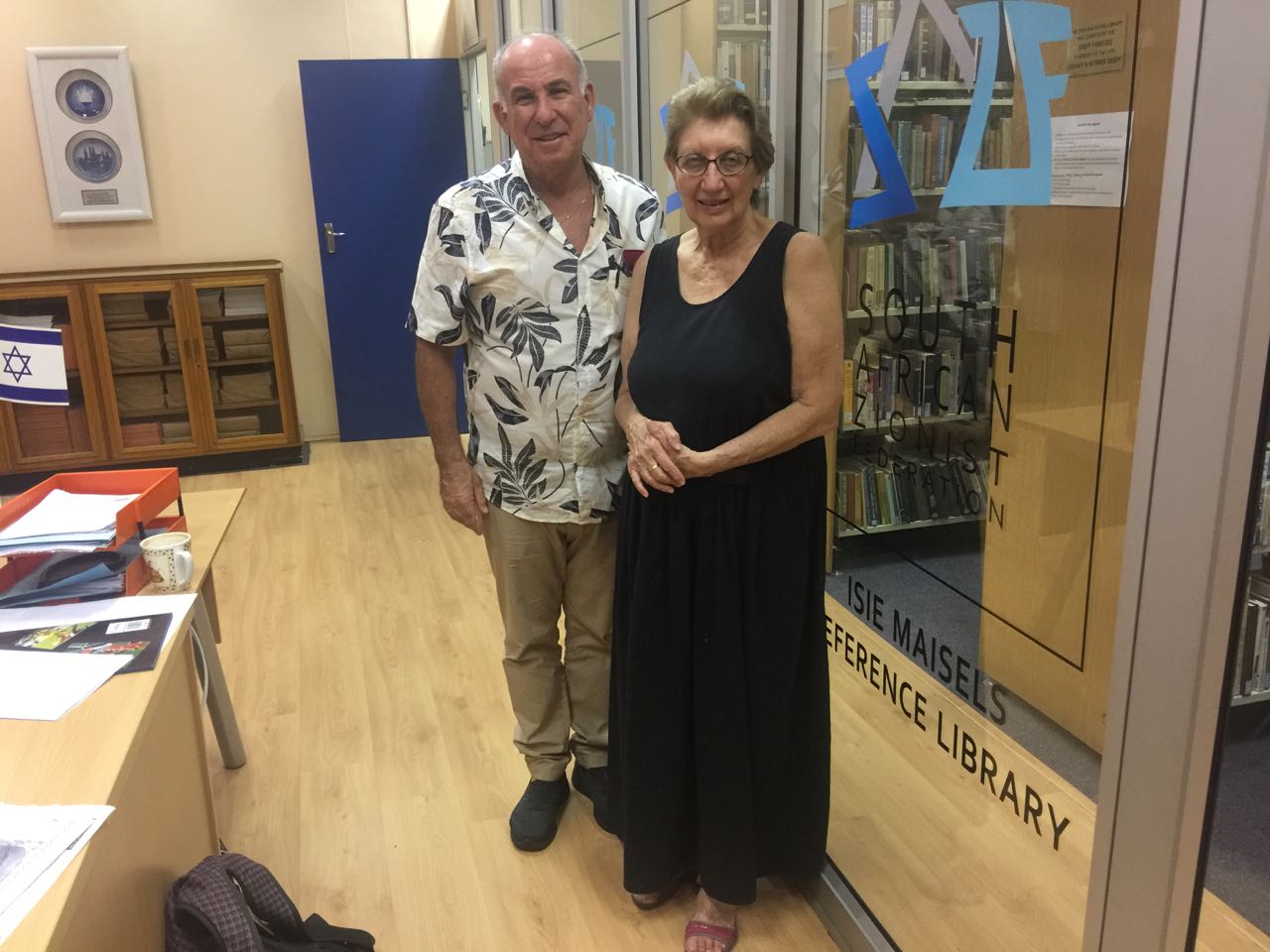
With Elona Steinfeld at SA Friends of Beth Hatefutsoth
SA Jewish Report
The impact of tracing family roots

by Mirah Langer 

Ever wondered who your great, great, great- grandfather might have been? South African- born Eli Rabinowitz did and embarked on an intrepid genealogical journey to nd out. It culminated in the discovery of the astonishing life and legacy of Rabbi Avraham Shlomo Zalman Tzoref.

Tzoref, born in Keidan in Lithuania in 1786, was determined to begin an Ashkenazi return to Israel.

Rabinowitz spoke about his ancestor earlier this month while delivering a talk to members of the Jewish Genealogical Society of SA in Orchards, Johannesburg.

The first hurdle Tsoref had to overcome when arriving in Israel, in 1811, was a dead man’s unpaid debt. “Zalman went to the Old City and had to disguise himself as a Sephardic Jew.” This was because there was a story that 100 years before, an Ashkenazi Jew had come to Jerusalem and borrowed money from the Arabs, and then died. Thereafter, anyone who came from Lithuania was told: ‘We want the money.’”

Tzoref then embarked on various negotiations to lift the embargo on the debt. In doing so, he paved the way for Ashkenazi Jews to return to their homeland. And, said Rabinowitz, “in 1836, he got permission to establish a settlement.”

After making aliya, Tzoref and his family became signicant contributors to rebuilding the holy land. However, in 1851, he was murdered by those opposed to the work he was doing in re-establishing the Ashkenazi presence in Jerusalem.

“He was recognised as the first victim of terror,” explains Rabinowitz.

The impact made by Tzoref continues to be heralded, most recently with a huge celebration held in Jerusalem a few years ago that was attended by 15 000 of his descendants from all over the world.

“There are stories like mine everywhere,” muses Rabinowitz. “You just have to look for them.”

After discovering his Keidan roots, Rabinowitz returned to the area and made contact with a school in the area. He taught the non-Jewish students there about what, until then, had been a ghost culture of a long- forgotten past.

“ There is not one Jew in this town,” remarked Rabinowitz.

He noted how many South African families had contributed to putting up memorials in towns in Lithuania to mark the areas in which Jews were murdered. “We need to show the Lithuanians that we know what the history was.”

Referring to how transformative genealogical research can be, Rabinowitz explained how the students used a database from a genealogical website and created a tree artwork in their classroom, commemorating all the Jewish families who once lived in Keidan.

“This is what you can do with your information – you can make it powerful,” said Rabinowitz.

“And there is a bigger message. The message is: continuity for the Jewish people.” 

Atzalynas Gimnazija Kedainiai Visit 2017

Atzalynas Gimnazija Kedainiai Visit 2017

The Keidaner Family tree on Laima’s classroom wall – an unique work of art! The complex of two synagogues and the tree featuring the names of Keidaners, including  my 3rd great grandfat…

Source: elirab.me/atzalynas-gimnazija-kedainiai-visit-2017/

Back