Online Jewish genealogy resources to be focus of Jewish Genealogical Society talk on 23 May 2021
Online Jewish genealogy resources to be focus of Jewish Genealogical Society talk on 23 May 2021
Eli Rabinowitz, a board member of the IAJGS who lives in Australia and is from South Africa, will speak on “Journeys from Shtetl to Shtetl” for the Sunday, 23 May 2021, virtual meeting of the Jewish Genealogical Society of Illinois. His live streaming presentation will begin at a special time: 7:30 pm CST.
8:30 pm ES 5:30 pm WST
Monday 24 May 2021: 10:30 am Sydney, 8:30 am Perth, 3:30 am Israel, 2:30 am South Africa, 1:30 am UK
After you register, you will be sent a link to join the meeting. This webinar will be recorded so that JGSI’s paid members who are unable to view it live will be able to view the recording later.
For more information, see https://jgsi.org or phone 312-666-0100.
In his presentation, Rabinowitz will explain how to trace our past and plot our future, using 88 KehilaLinks, over 800 WordPress blog entries, Facebook posts, and other social media. He will also discuss heritage travels in the actual and virtual worlds.
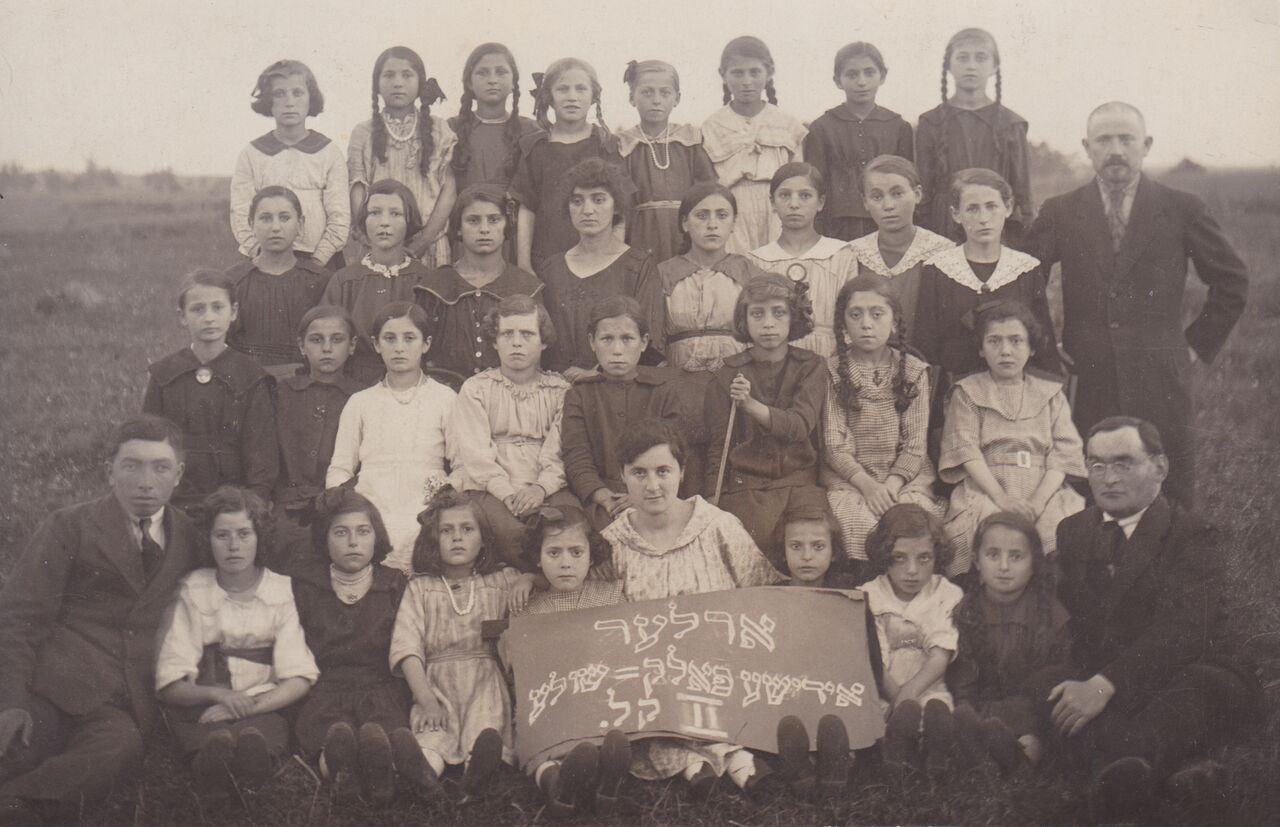
In his talk, Eli will describe special events including commemorations and reunions of descendants. “An important activity is to visit a local school—either physically or online, to engage with students, especially in towns where a few buildings with Jewish symbols, or cemeteries that often contain illegible matsevot, are the only tangible memories of a once thriving community,” he said.
It is also important that family histories should be documented and shared at the same time as the special events, Eli said.
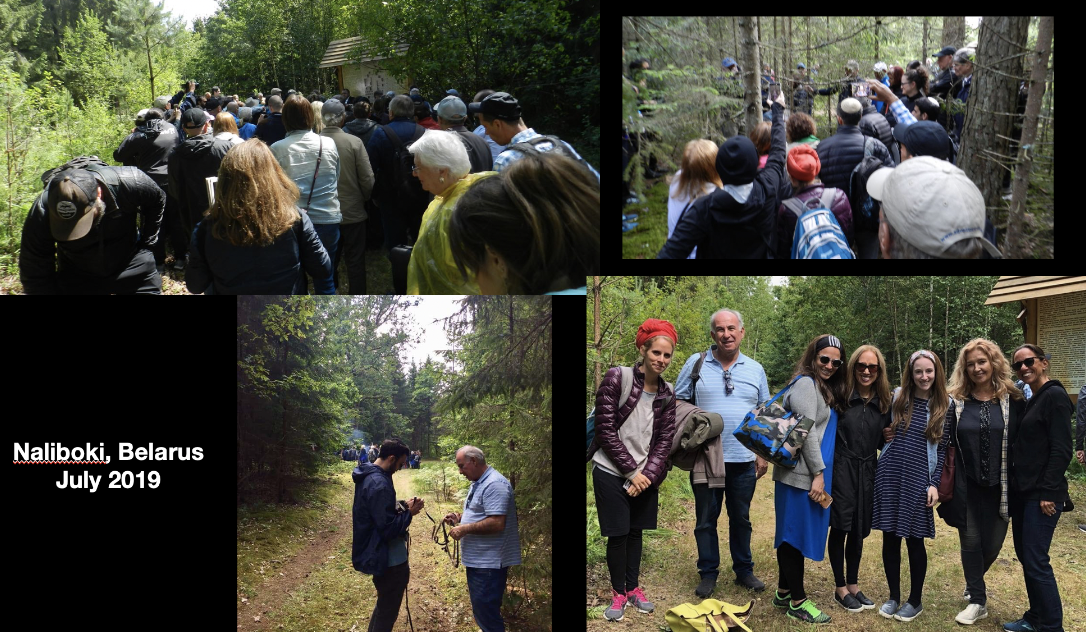
Examples of such recent ceremonies were the Bielski partisans’ descendants’ reunion in Naliboki and Navahrudak, Belarus; the new memorial for victims of the massacre that took place near Birzai, Lithuania; and the groundbreaking ceremony for the Lost Shtetl Museum in Šeduva, Lithuania.
Eli Rabinowitzwas born in Cape Town, South Africa, and has lived in Perth, Australia, since 1986. He has researched his family’s genealogy and associated Jewish cultural history for over 30 years. Eli has travelled extensively, writing about Jewish life, travel, and education on his website, Tangential Travel and Jewish Life (http://elirab.me). He writes and manages dozens of JewishGen KehilaLinks and more than 750 WordPress blog posts. His articles have appeared in numerous publications, including Avotaynu: The International Review of Jewish Genealogy. Eli has lectured internationally at educational institutions, commemorative events, at IAJGS and other conferences, and online.
He is a board member of the IAJGS—The International Association of Jewish Genealogical Societies, an independent non-profit umbrella organization that coordinates an annual conference of 84 Jewish genealogical societies worldwide.
Eli also advises on Litvak and Polish heritage tours.
He writes and manages 88 KehilaLinks—Jewish websites for JewishGen.org, the world’s largest Jewish genealogical organization, with a database of 500,000 followers. His KehilaLinks include sites in Poland, Lithuania, Latvia, Estonia, Belarus, Germany, Russia, China, Mauritius, Mozambique, South Africa and Australia.
The Jewish Genealogical Societyof Illinois is a non-profit organization dedicated to helping members collect, preserve, and perpetuate the records and history of their ancestors. JGSI is a resource for the worldwide Jewish community to research their Chicago-area roots. The JGSI motto is “Members Helping Members Since 1981.” The group has more than 300 members and is affiliated with the International Association of Jewish Genealogical Societies.
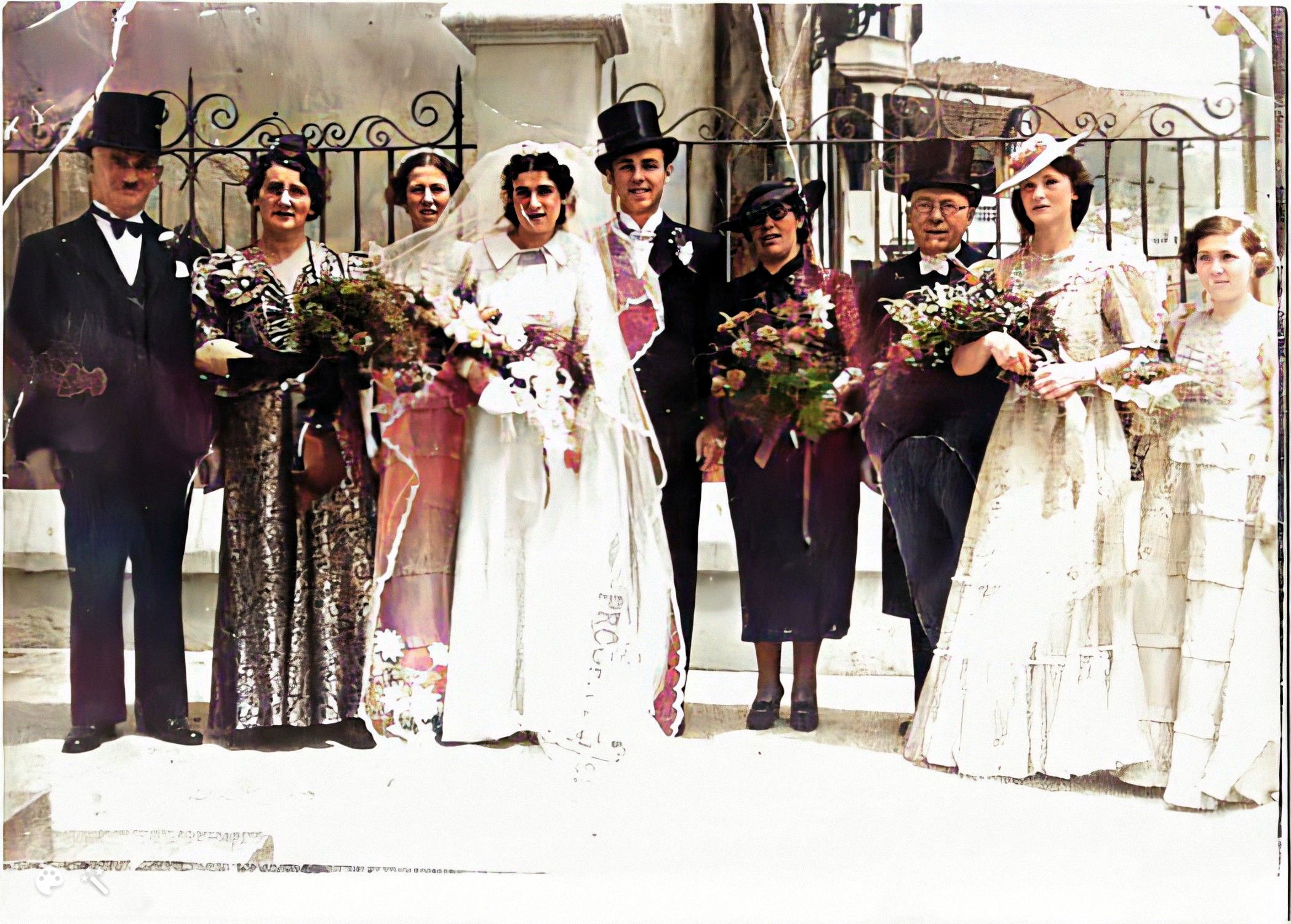
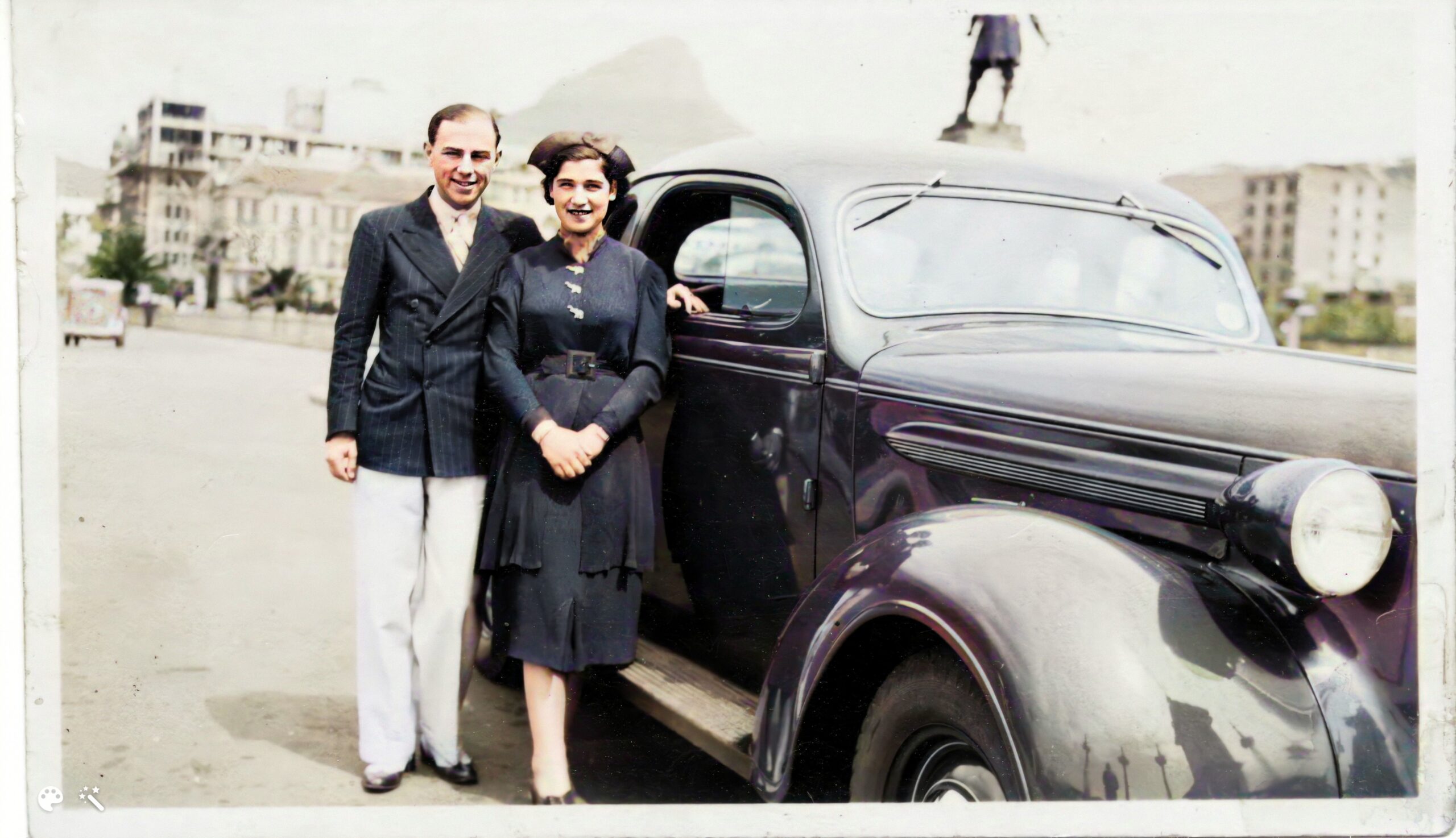
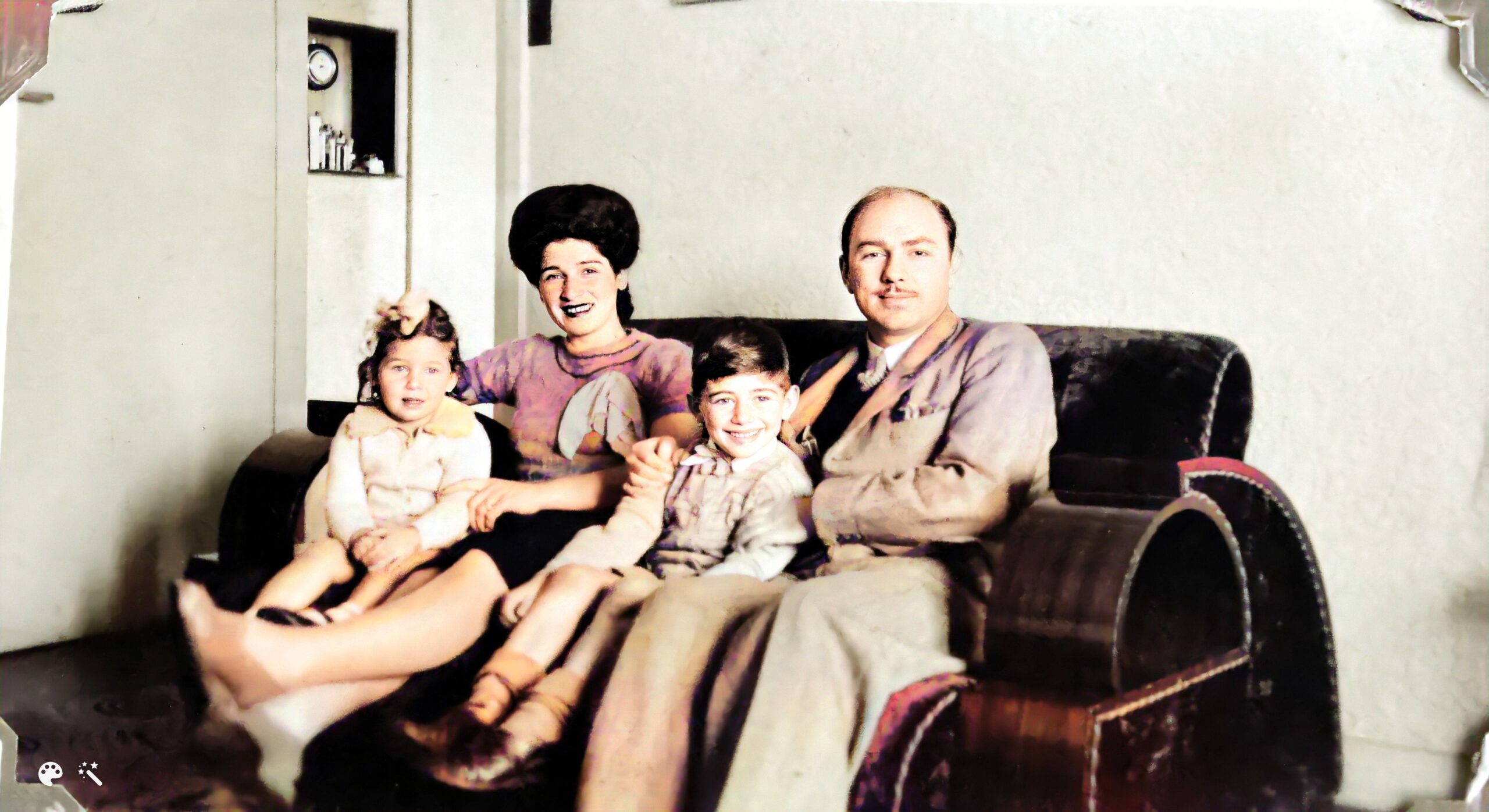
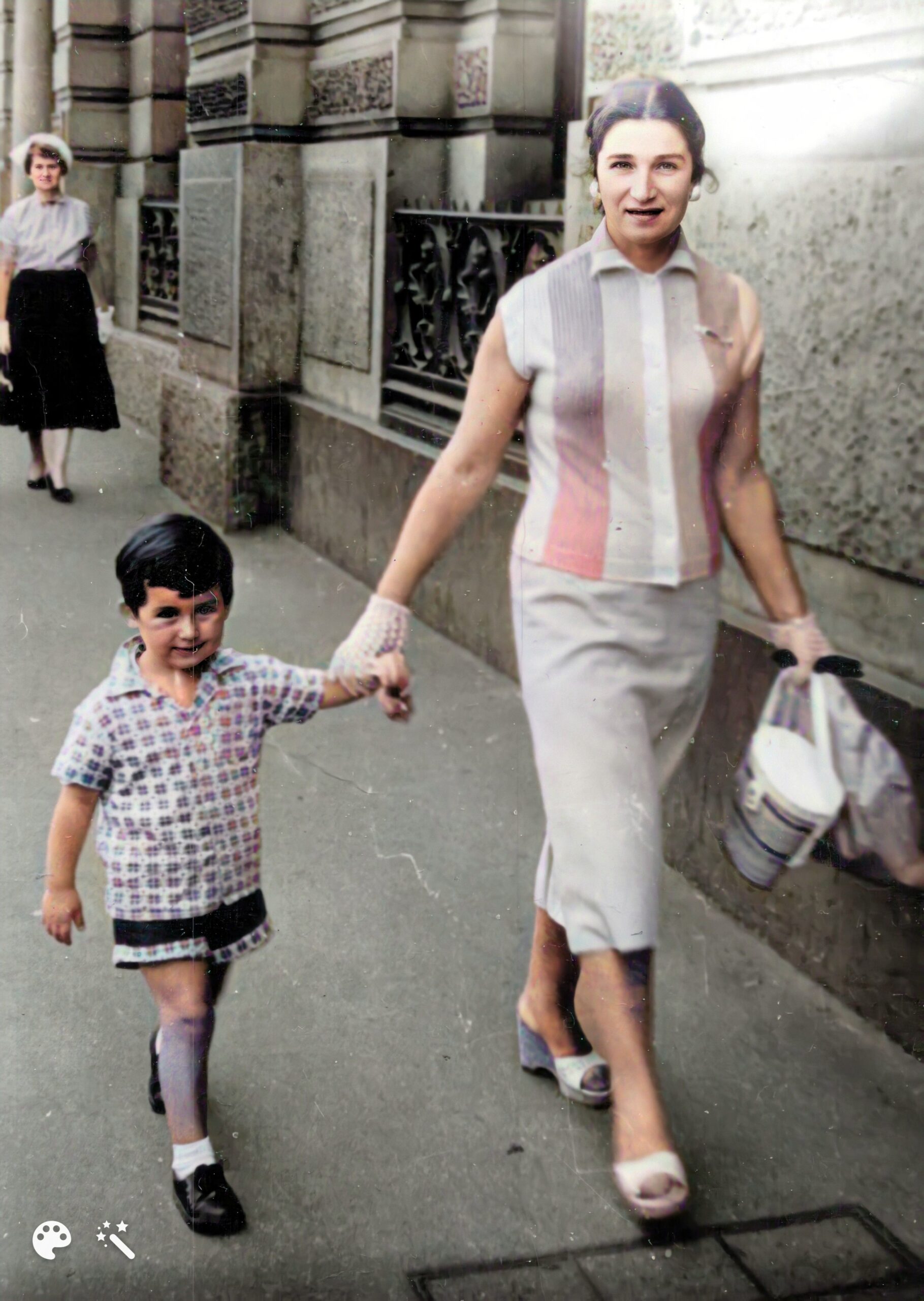
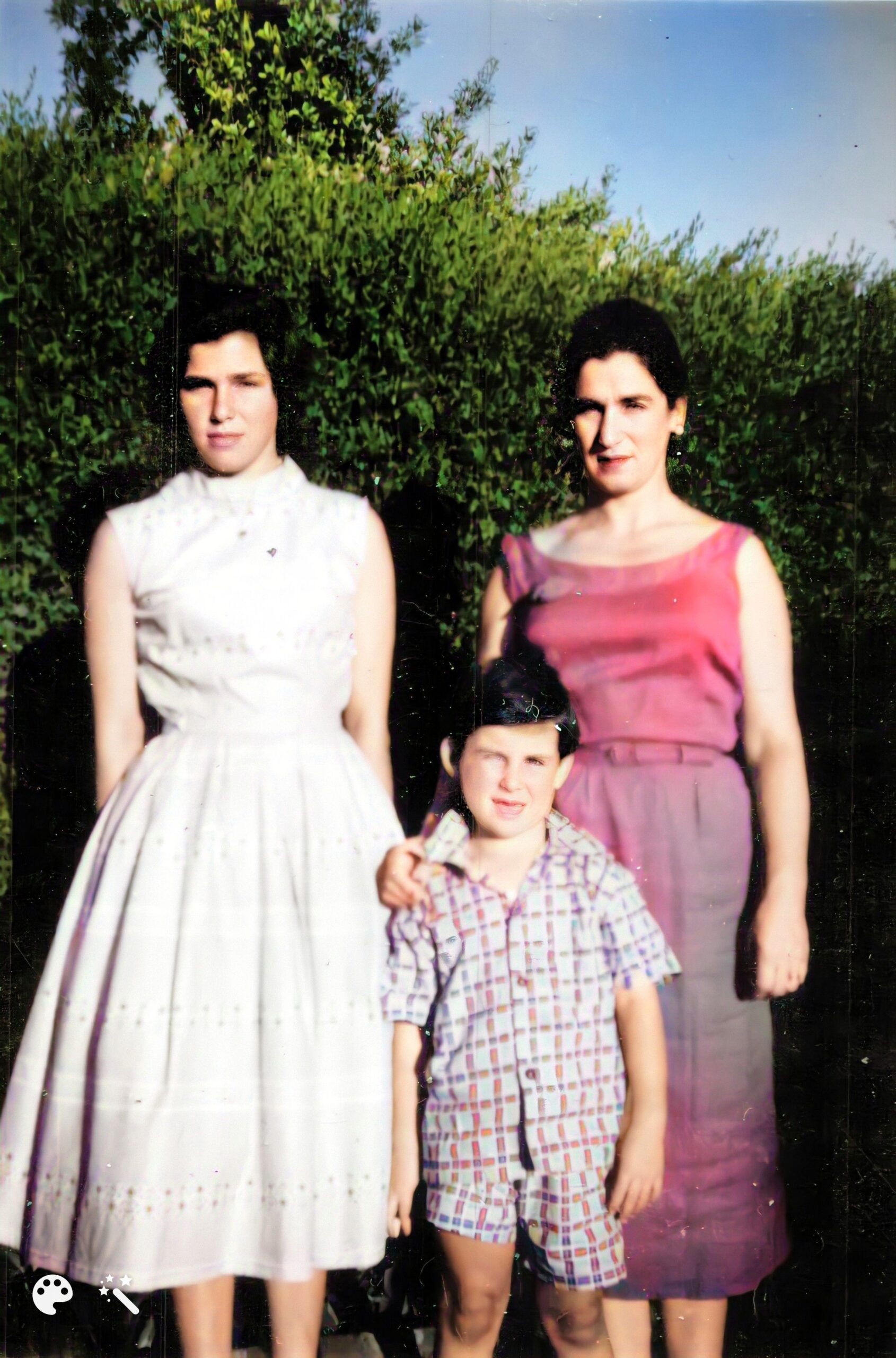
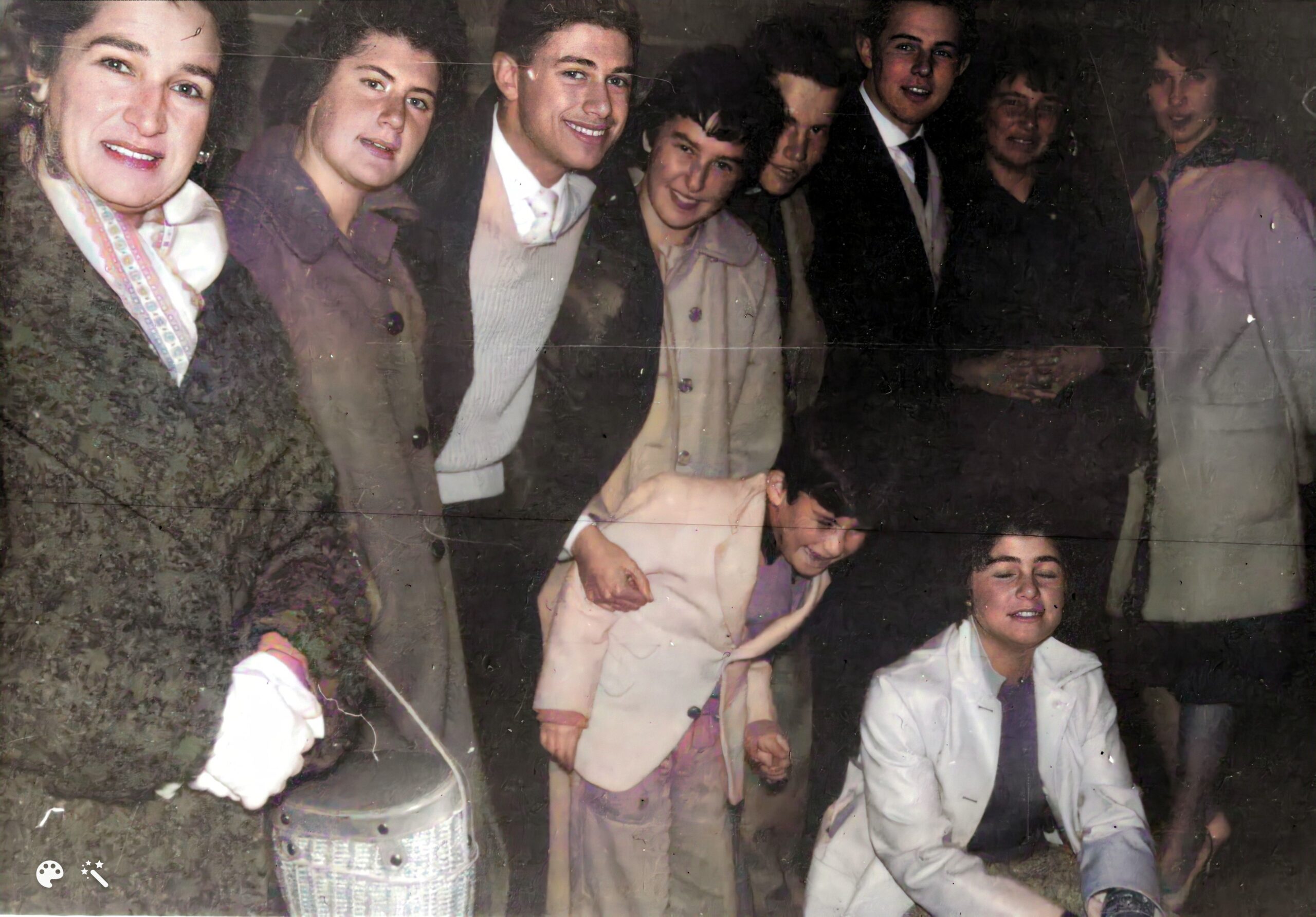
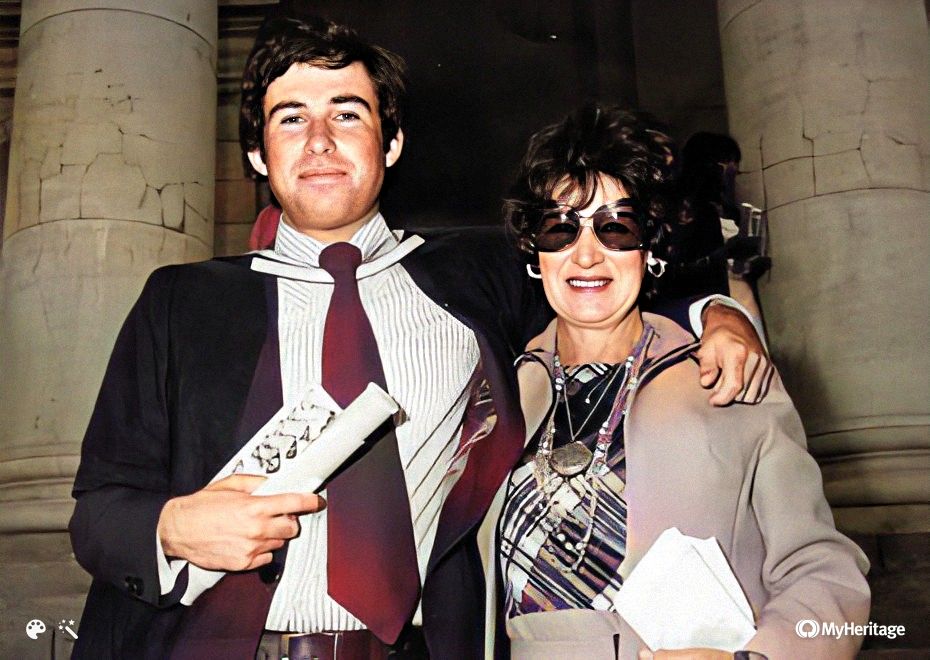
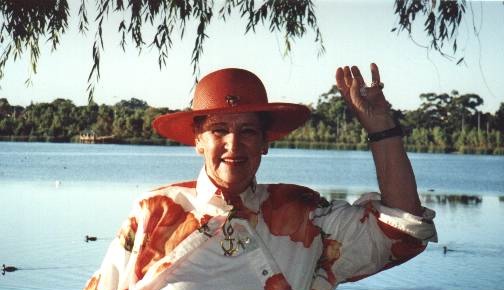
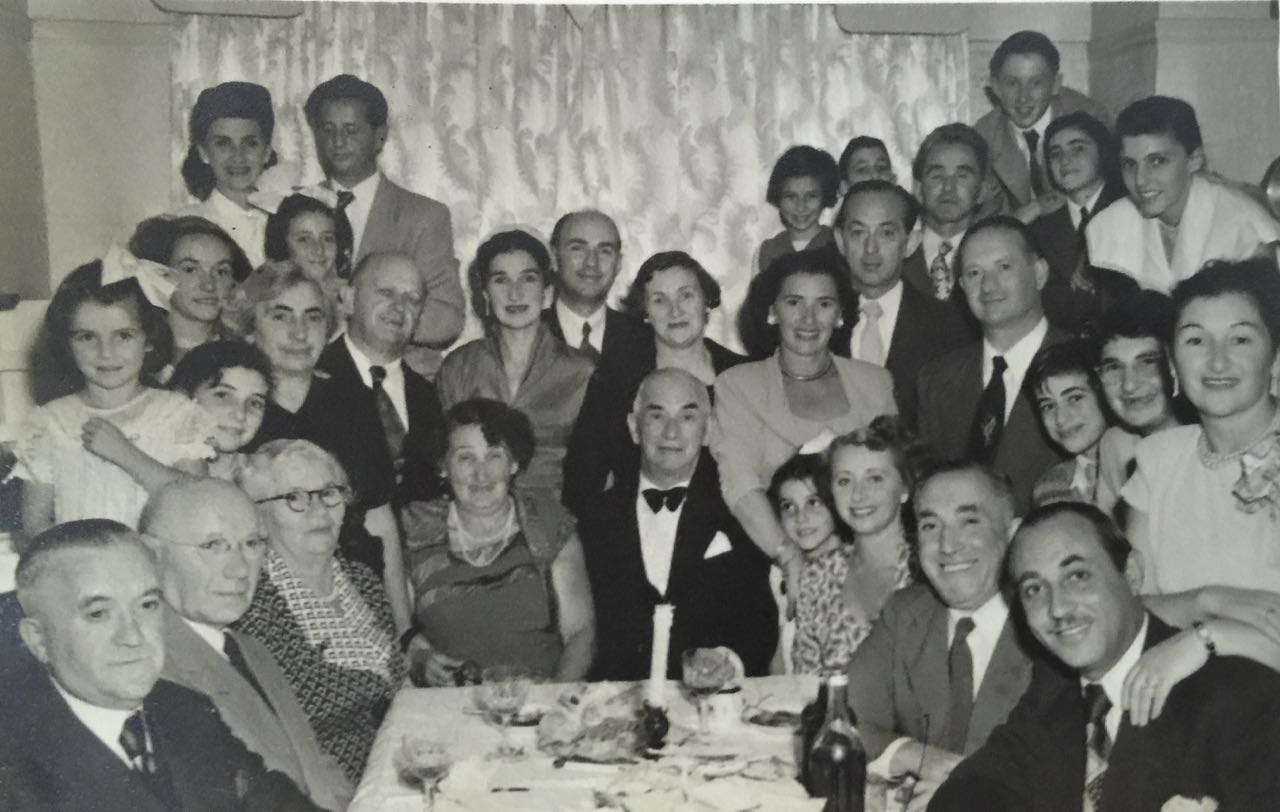
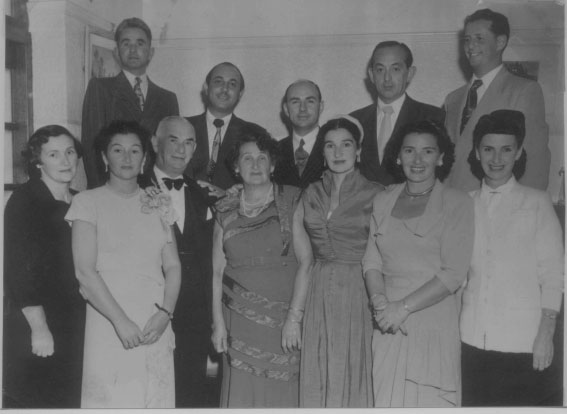
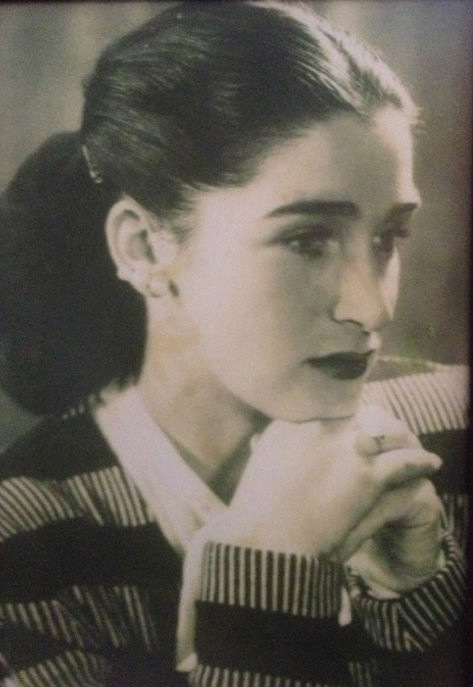
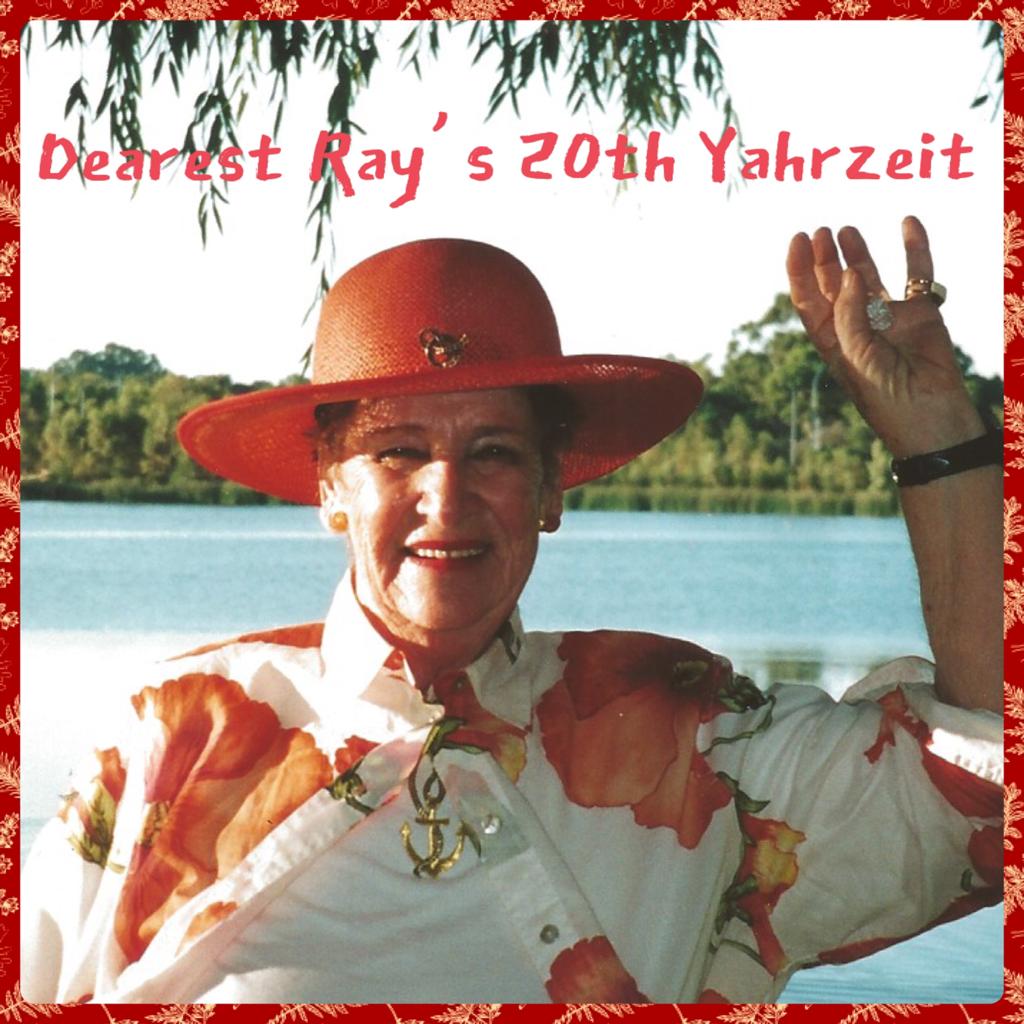
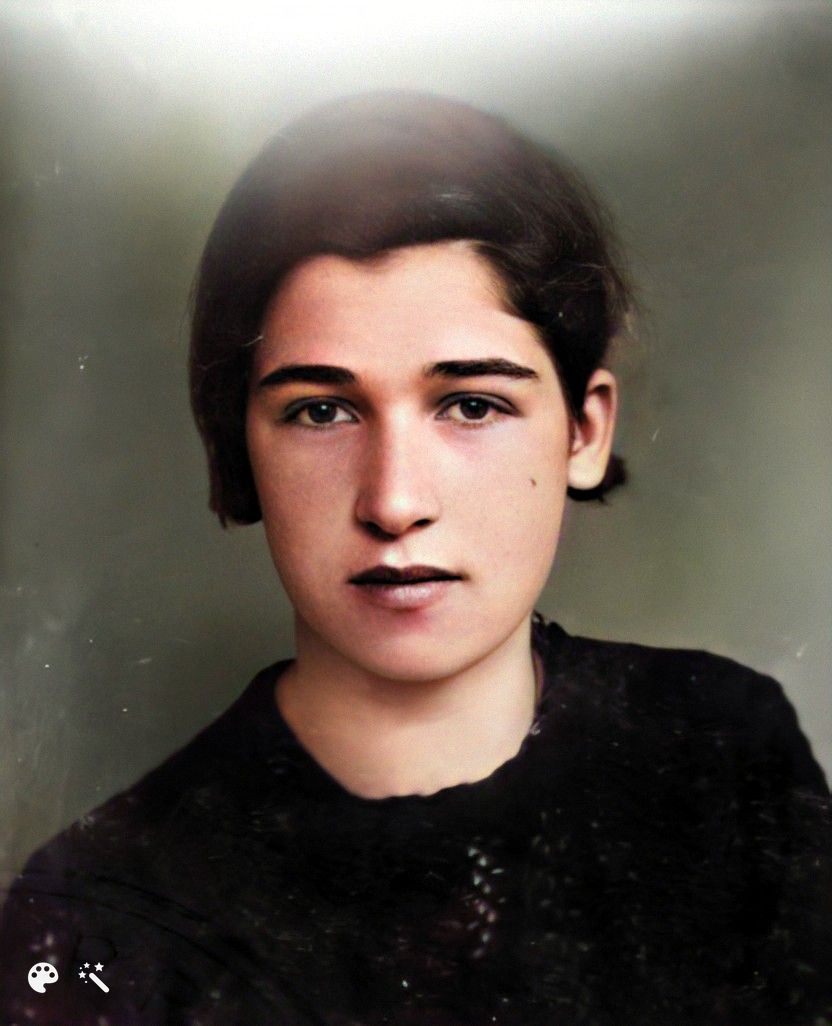
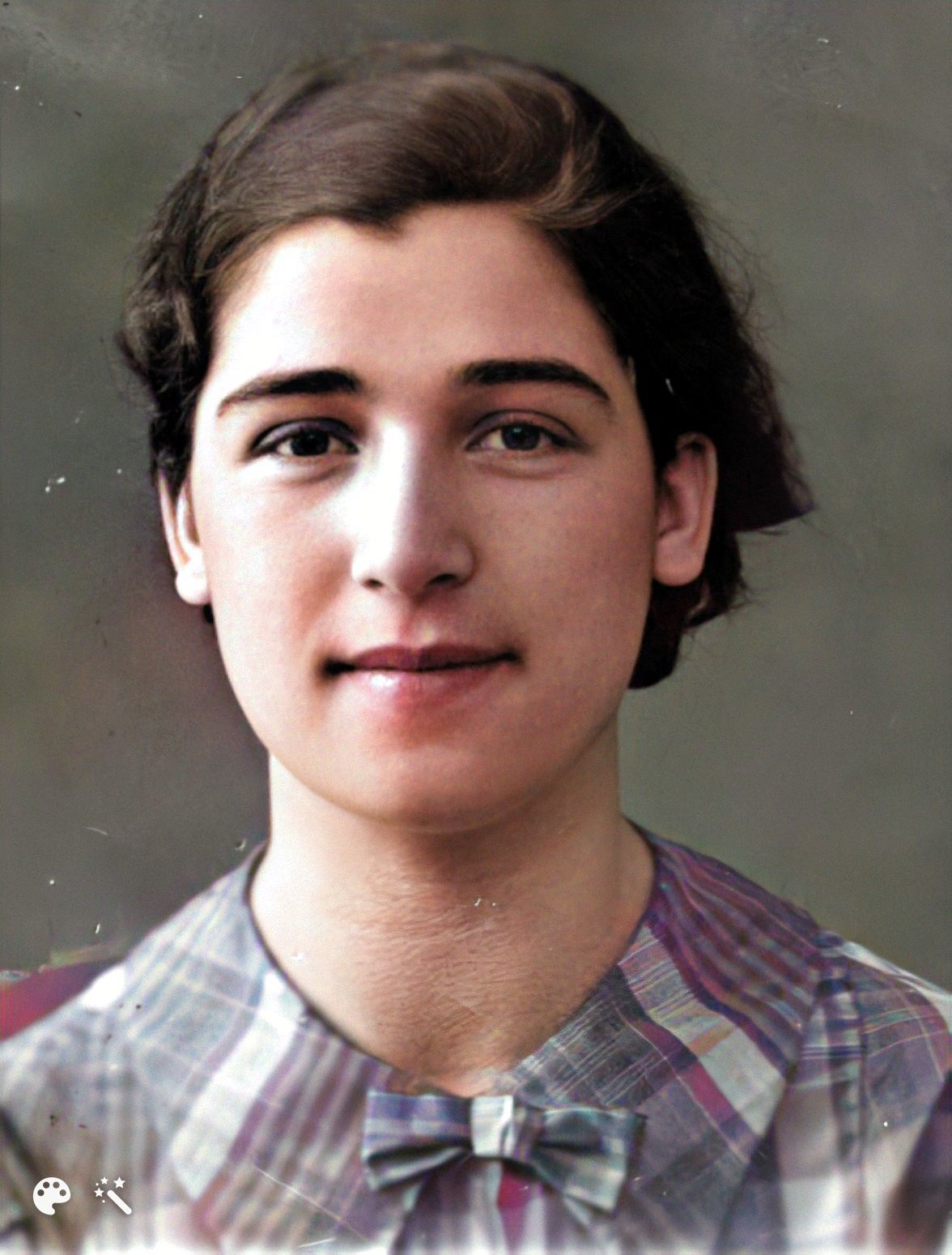
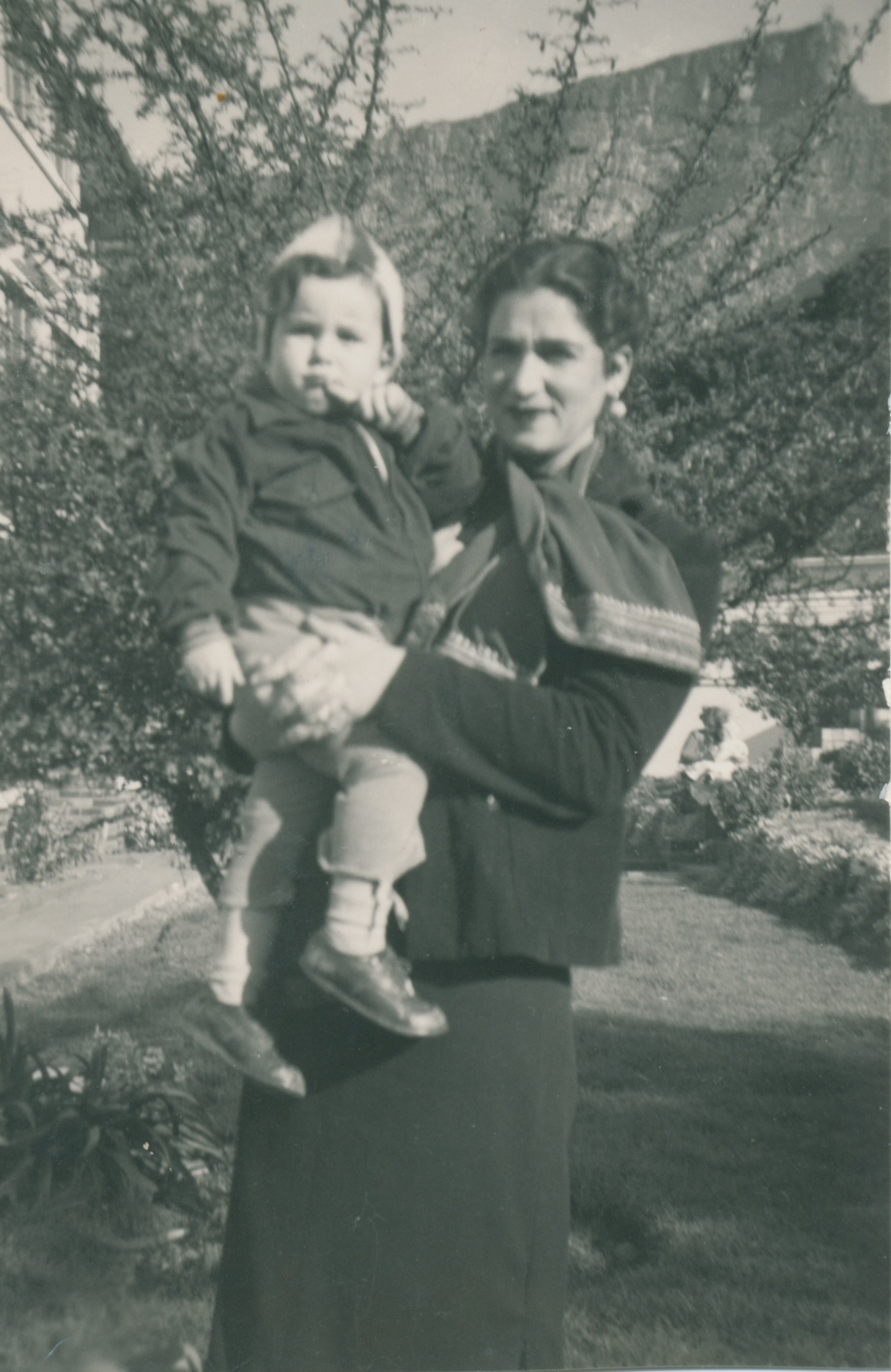
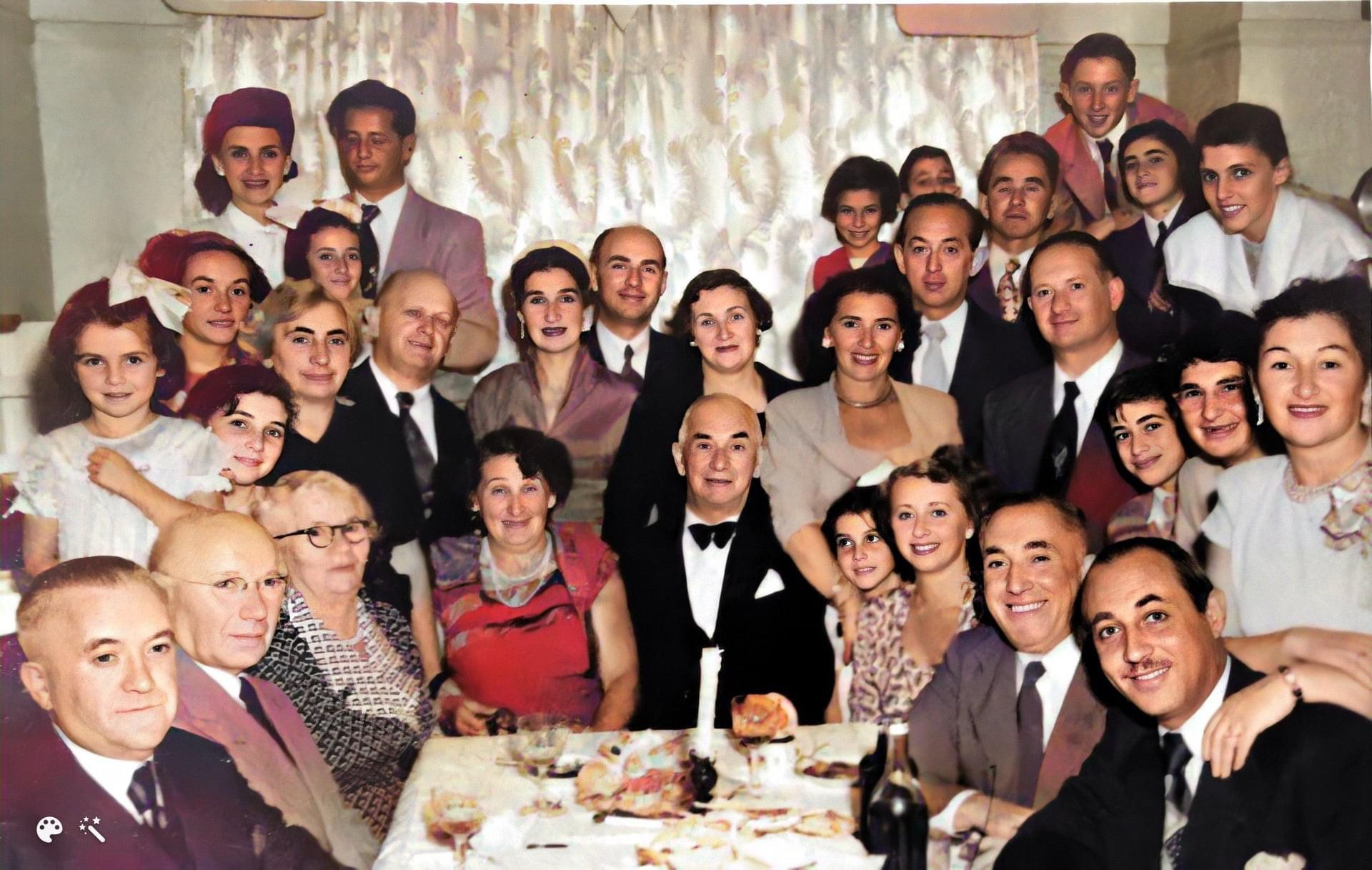
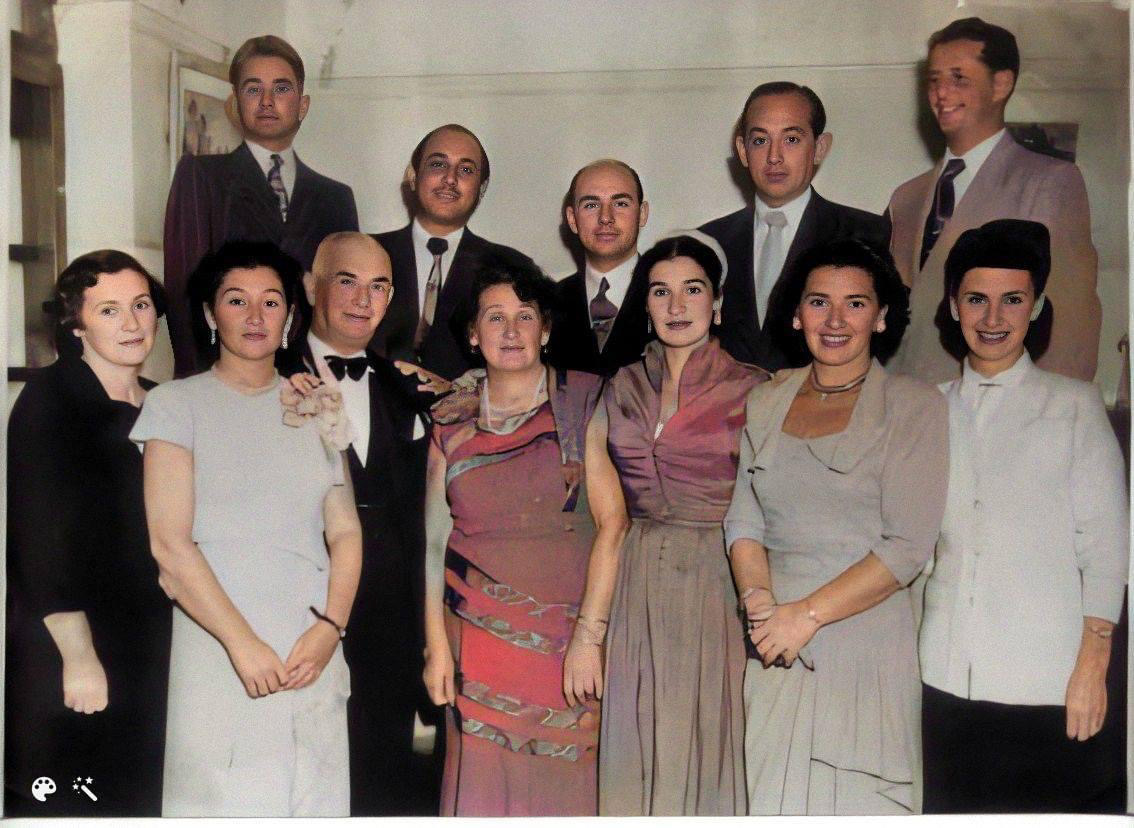
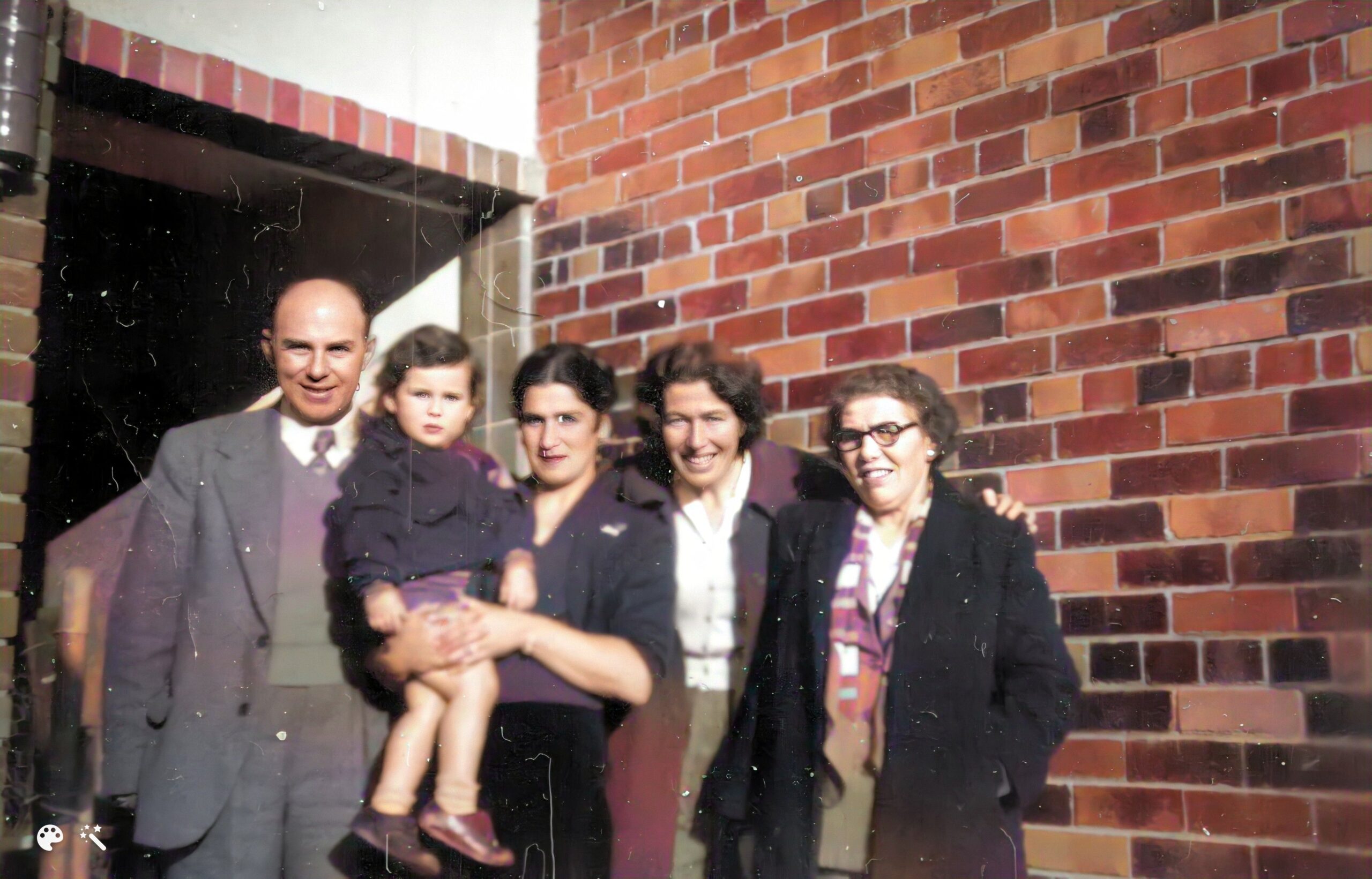
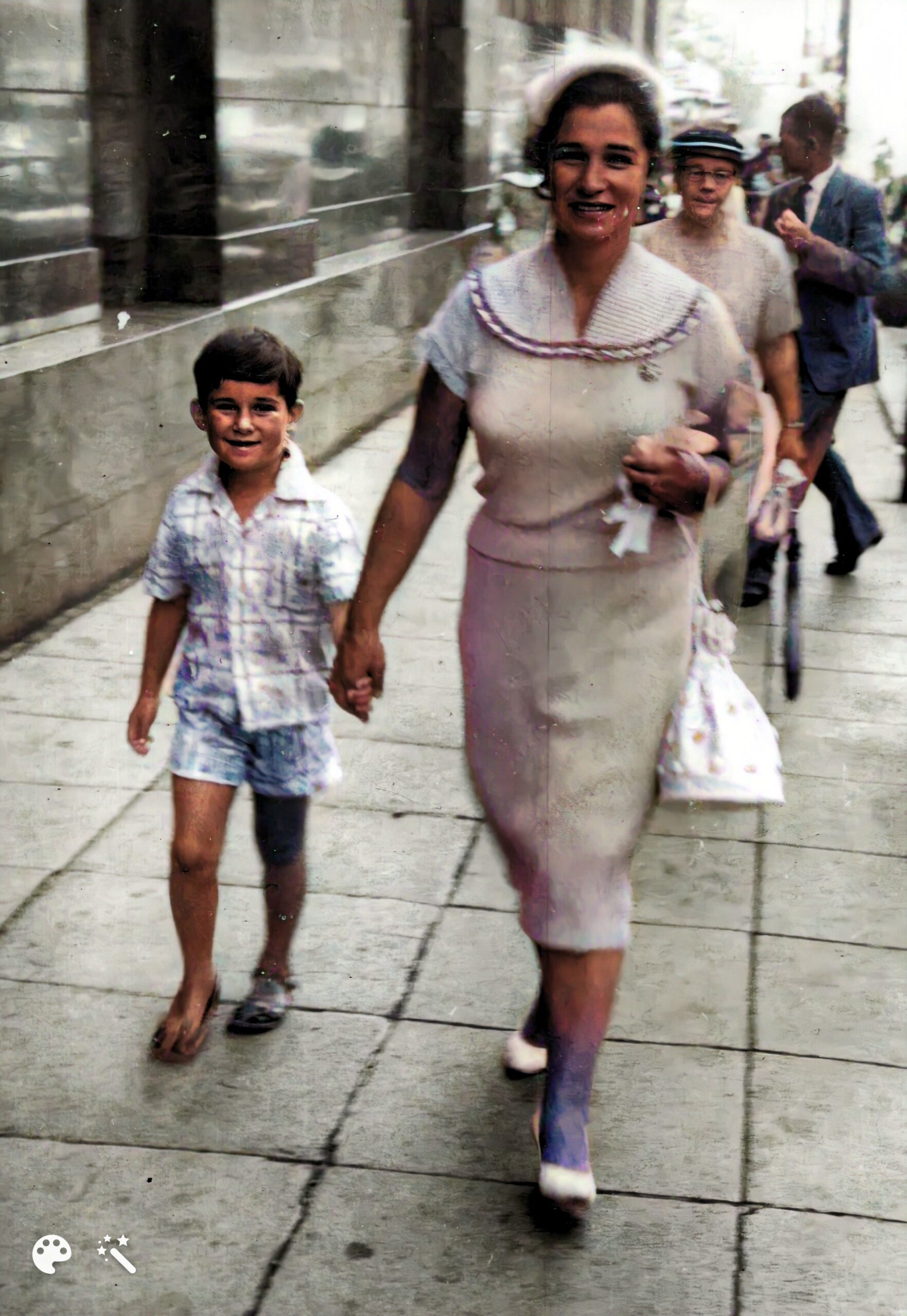
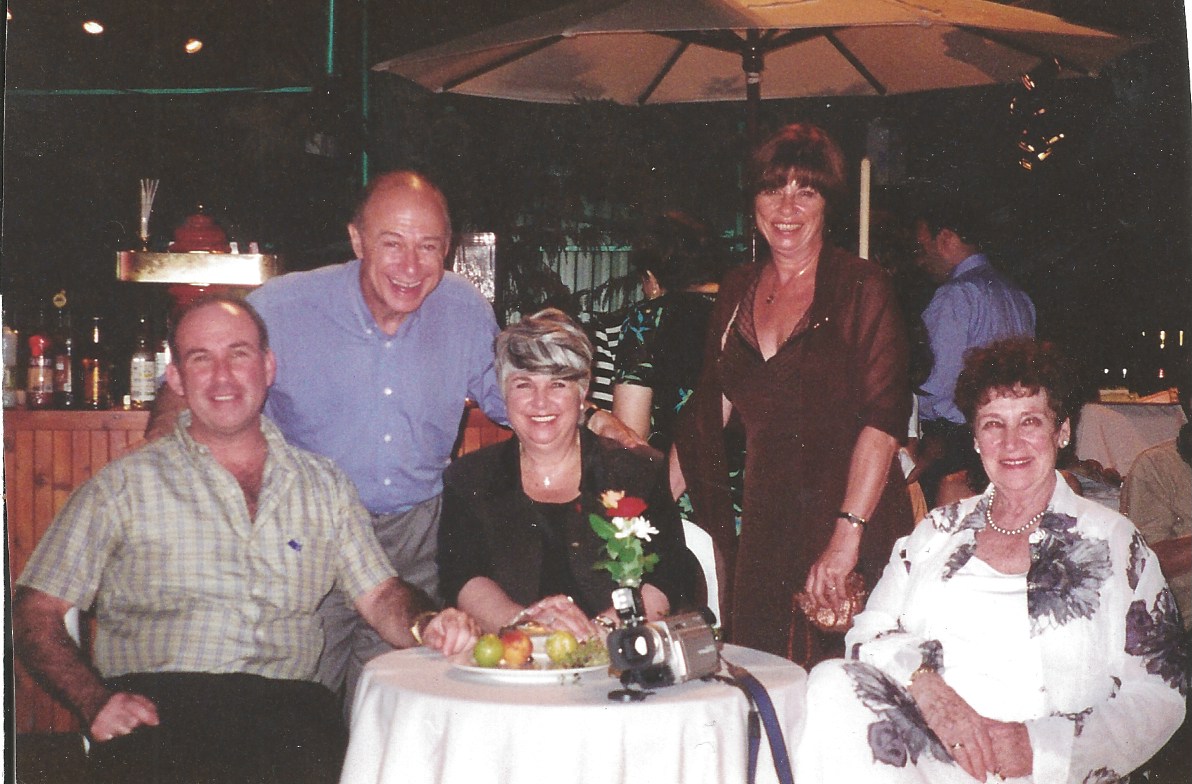
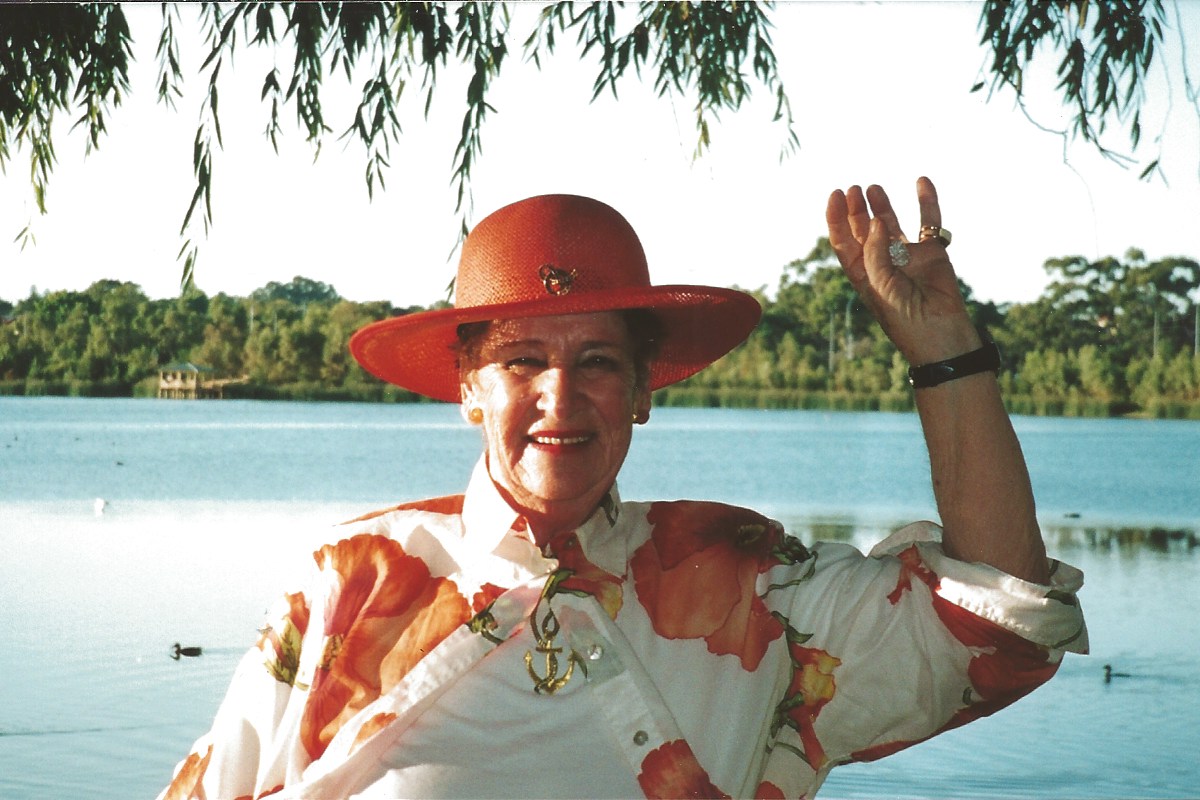
Celebrating what would have been my mother Raele (Ray) Zeldin Rabinowitz’s 102 birthday. Ray was born on 11 May 1919 in Dvinsk, now Daugavpils, Latvia.
These colour photos were originally in b/w. I used MyHeritage.com’s Colorized to bring them to life!
Witnessing Holocaust History: From Generation To Generation – A New Global Project Partnership between WE ARE HERE! Perth, Australia, HAMEC Philadelphia and World ORT, London #education
From: Eli Rabinowitz
Date: Sat, 12 Dec 2020
Commencing tonight, on 20 April 2020, and continuing tomorrow, on the 21st, corresponding to the 27th day of Nisan, the State of Israel and many Jews around the globe, commemorate the six million Jews who perished in the Holocaust, as well as the heroism of survivors, and Jewish Partisans and rescuers.
Due to the COVID-19 pandemic and global lockdown, regular ceremonies will not be held.
We have compiled this YouTube highlights video to give you a perspective of why the the Partisans’ Song is so integral to a meaningful commemoration:
Educators and students are welcome to download a functional powerpoint presentation (1.8gb) that matches this video:
I can also run an online ZOOM presentation for your school or organisation. Please contact me at eli@elirab.com to arrange this. There is no charge for this or the accompanying lesson plans and films.
Here is a pdf of the List of Slides on my presentation:
Yom Hazikaron laShoah ve-laG’vurah or Holocaust Remembrance Day.
In Israel, flags are lowered to half-mast, there is no public entertainment; ceremonies are held, and a siren at 10:00 signals the start of two minutes of silence.
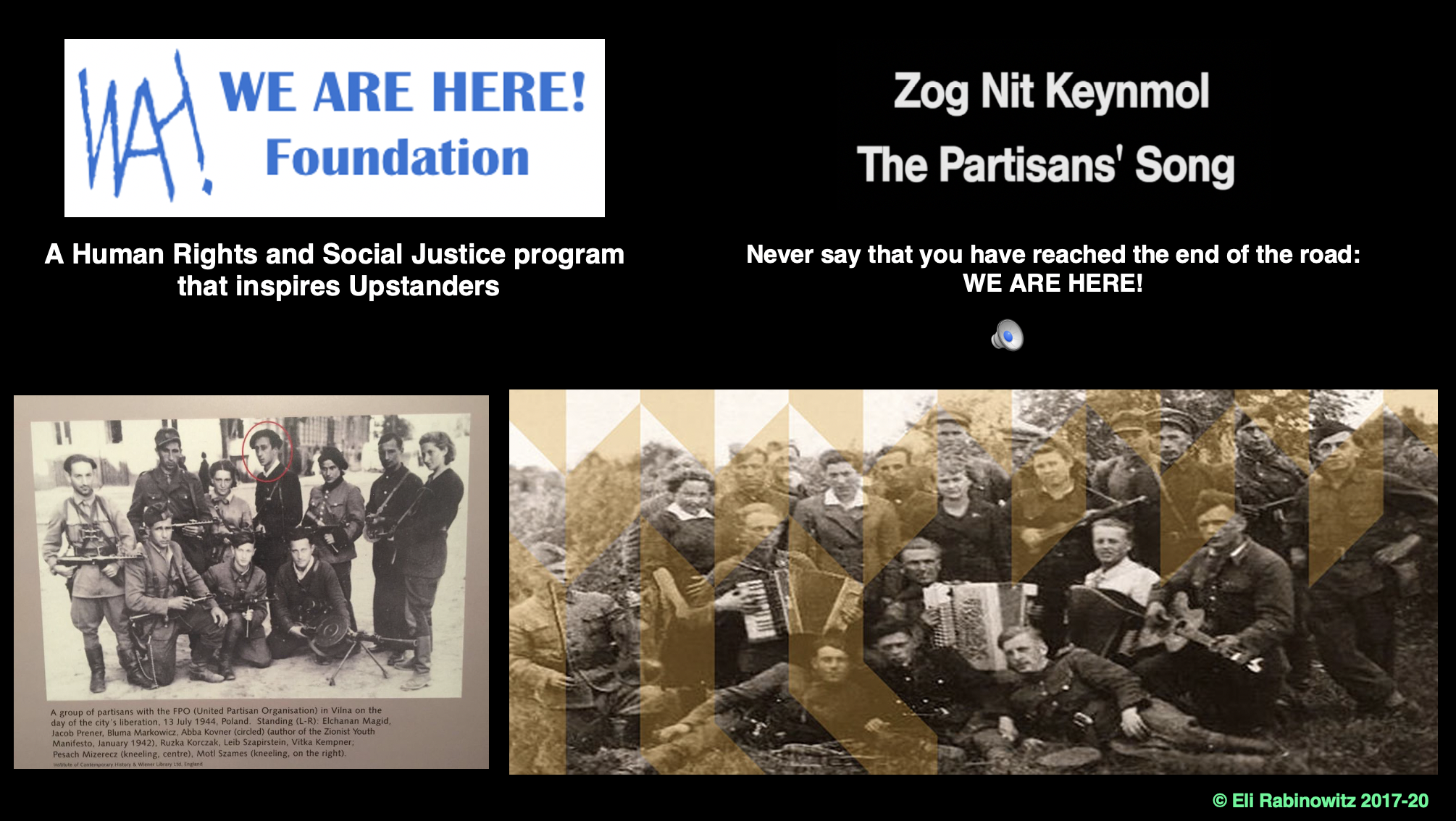
The ceremonies held, usually conclude with Zog Nit Keynmol, the Partisans’ Song and Hatikvah.
“Zog nit keyn mol” (Never Say; Yiddish: זאָג ניט קיין מאָל, [zɔg nit kɛjn mɔl]) or “Partizaner lid” (Partisan Song) is a Yiddish song considered one of the chief anthems of the Holocaust survivors and is sung in memorial services around the world.
The lyrics of the song were written in 1943 by Hirsh Glick, a young Jewish inmate of the Vilna Ghetto. The title means “Never Say”, and derives from the first line of the song. Glick’s lyrics were set to music from a pre-war Soviet song written by Pokrass brothers, Dmitri and Daniel, “Терская походная” (Terek Cossacks’ March Song), also known as “То не тучи – грозовые облака” (Those aren’t clouds but thunderclouds), originally from the 1937 film I, Son of Working People (story by Valentin Kataev).
‘The only thing necessary for the triumph of evil is for good men to do nothing’ – Edmund Burke, philosopher.
CONTINUE TO REMEMBER AND TO MAKE A DIFFERENCE!
Today, 10 November, we commemorate Kristallnacht, also called Night of Broken Glass or November Pogroms, when German Nazis attacked Jewish persons and property in Germany, Austria and the Sudetenland on that date in 1938.
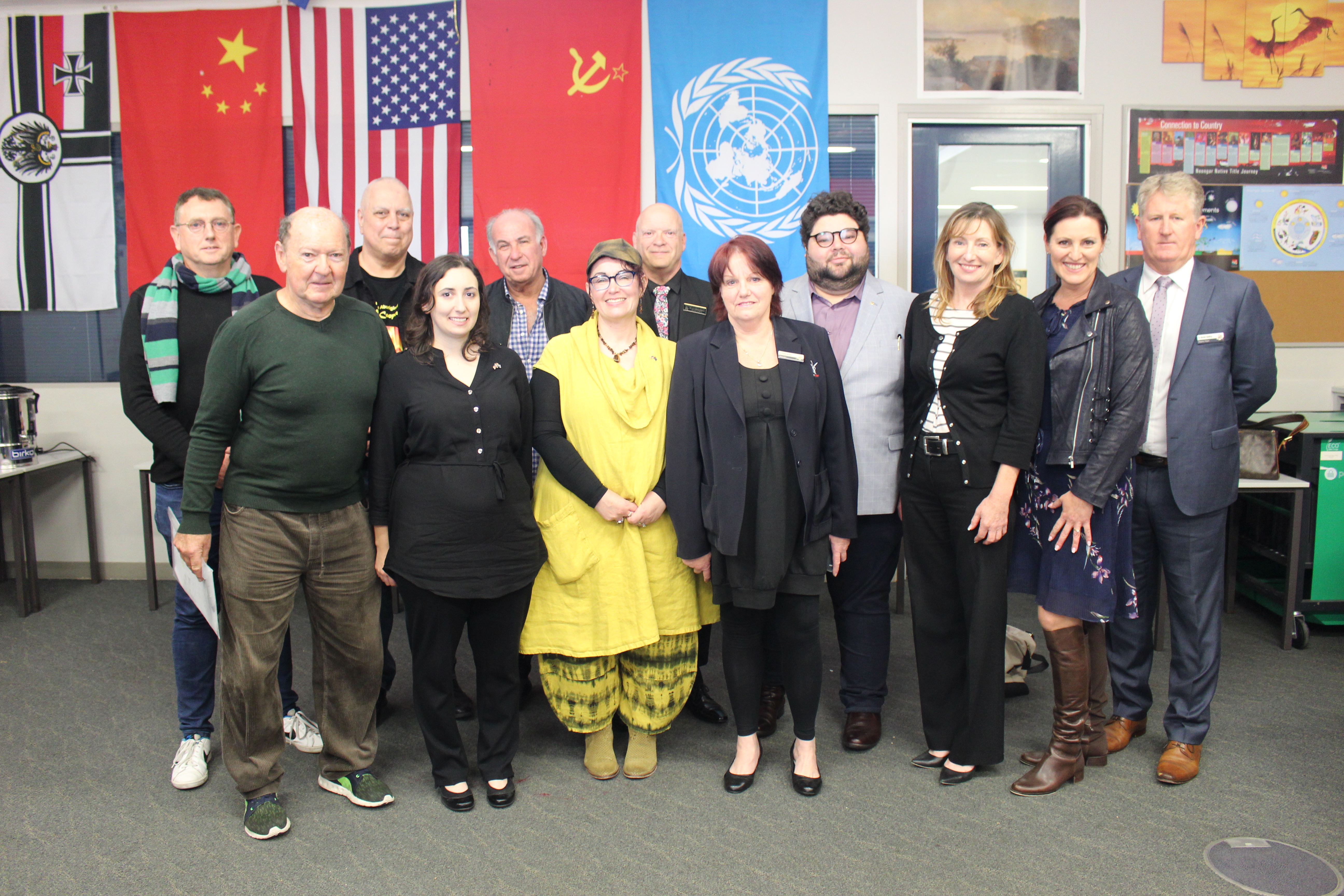
The Perth ceremony will be held at Perth Modern School at 5pm tonight. The keynote address will be delivered by Malcolm McCusker, the former Governor of WA, who will speak on:
“Evil Creeps Back, If Good People Stand Aside”.
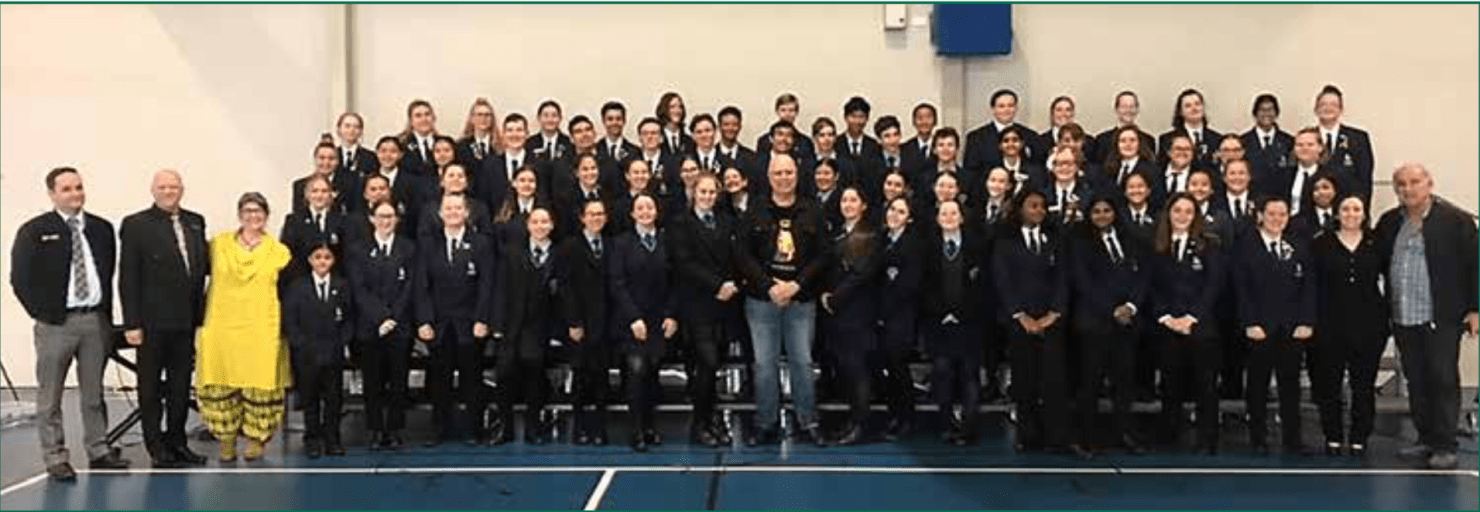
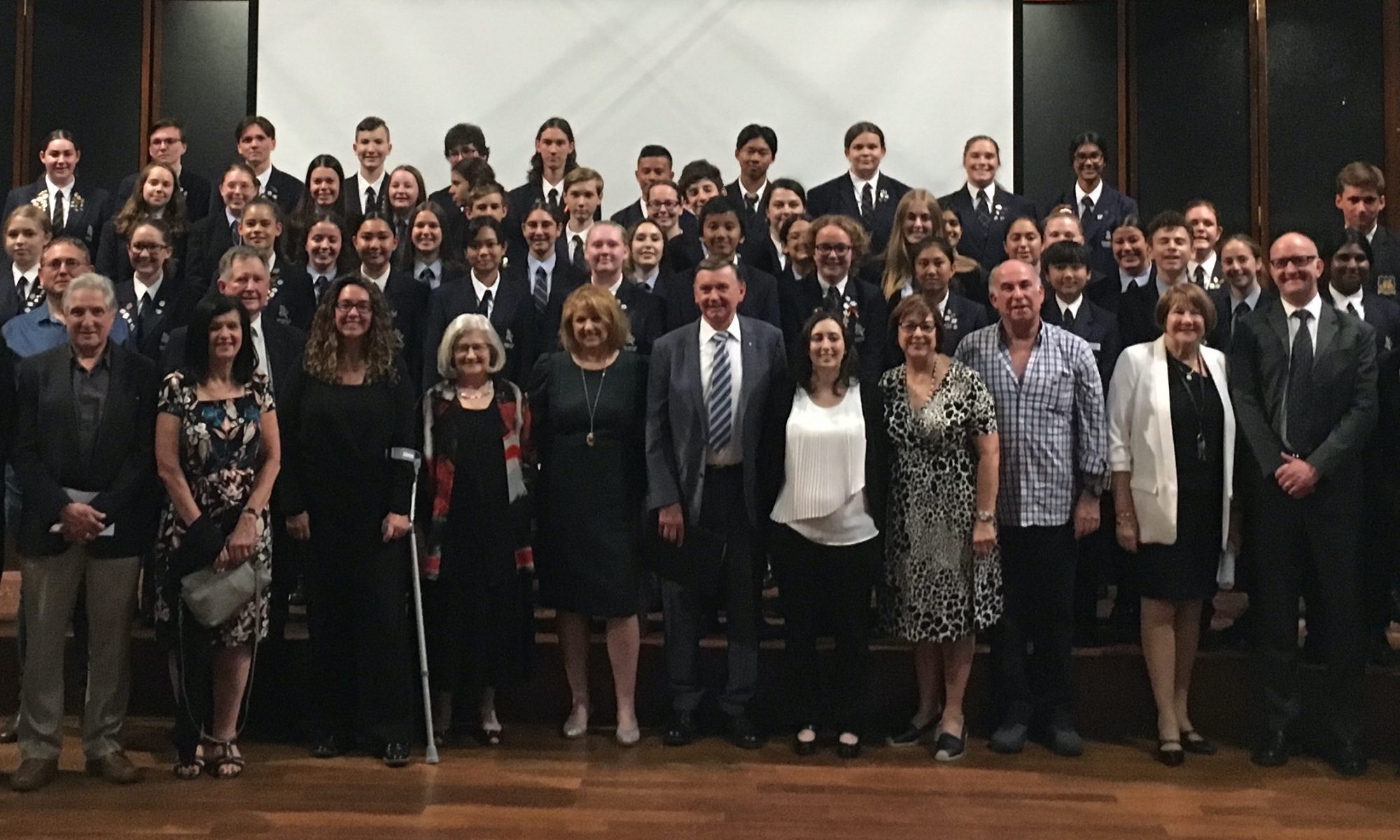
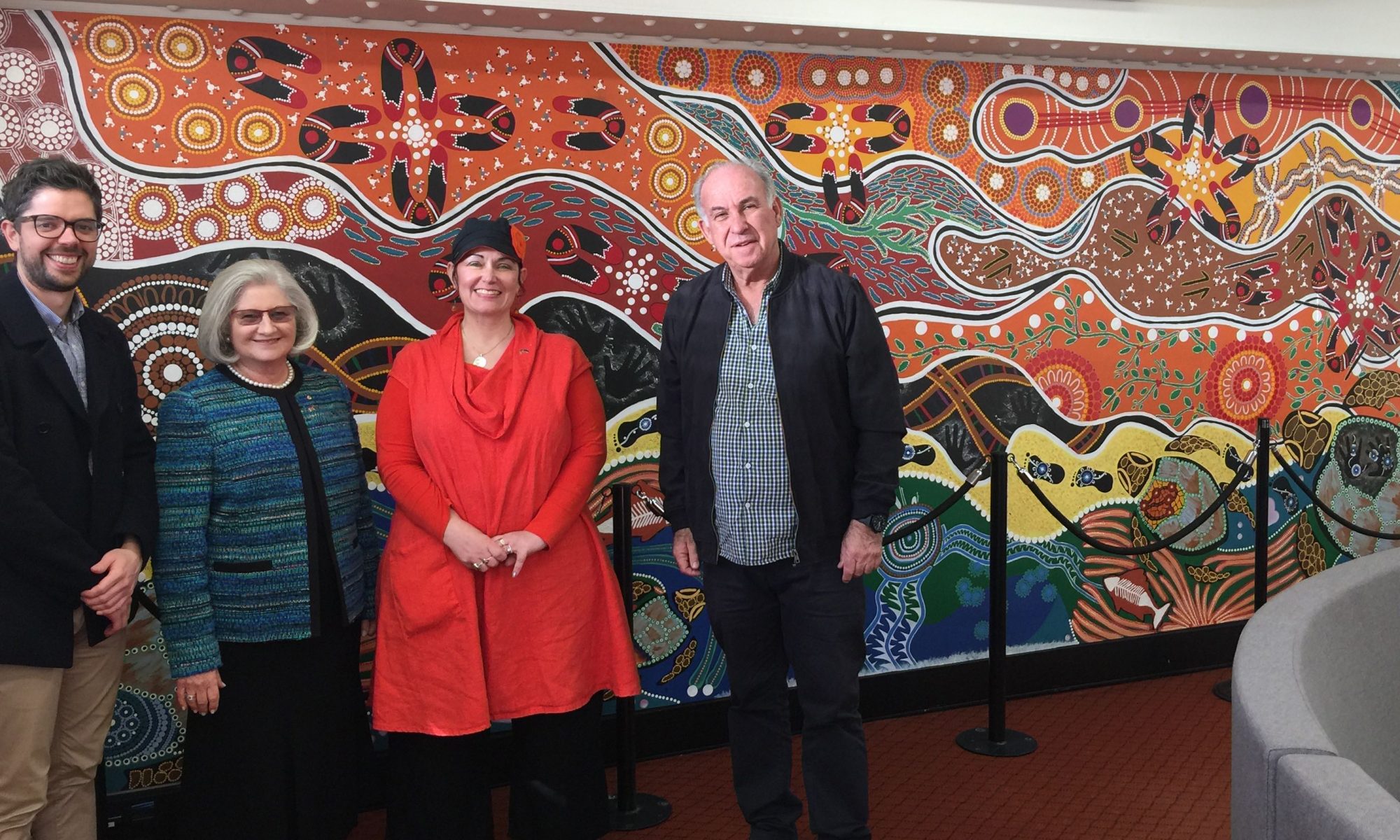
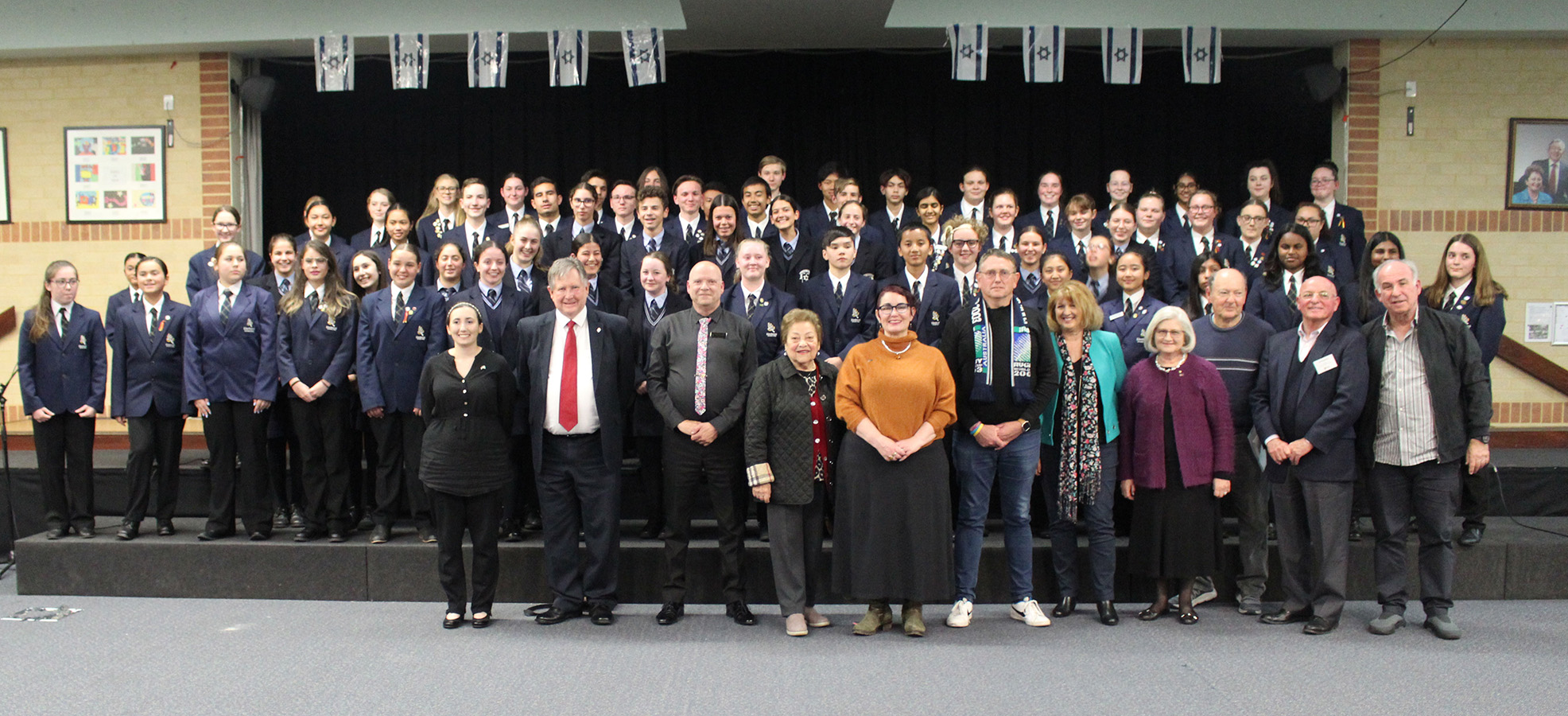
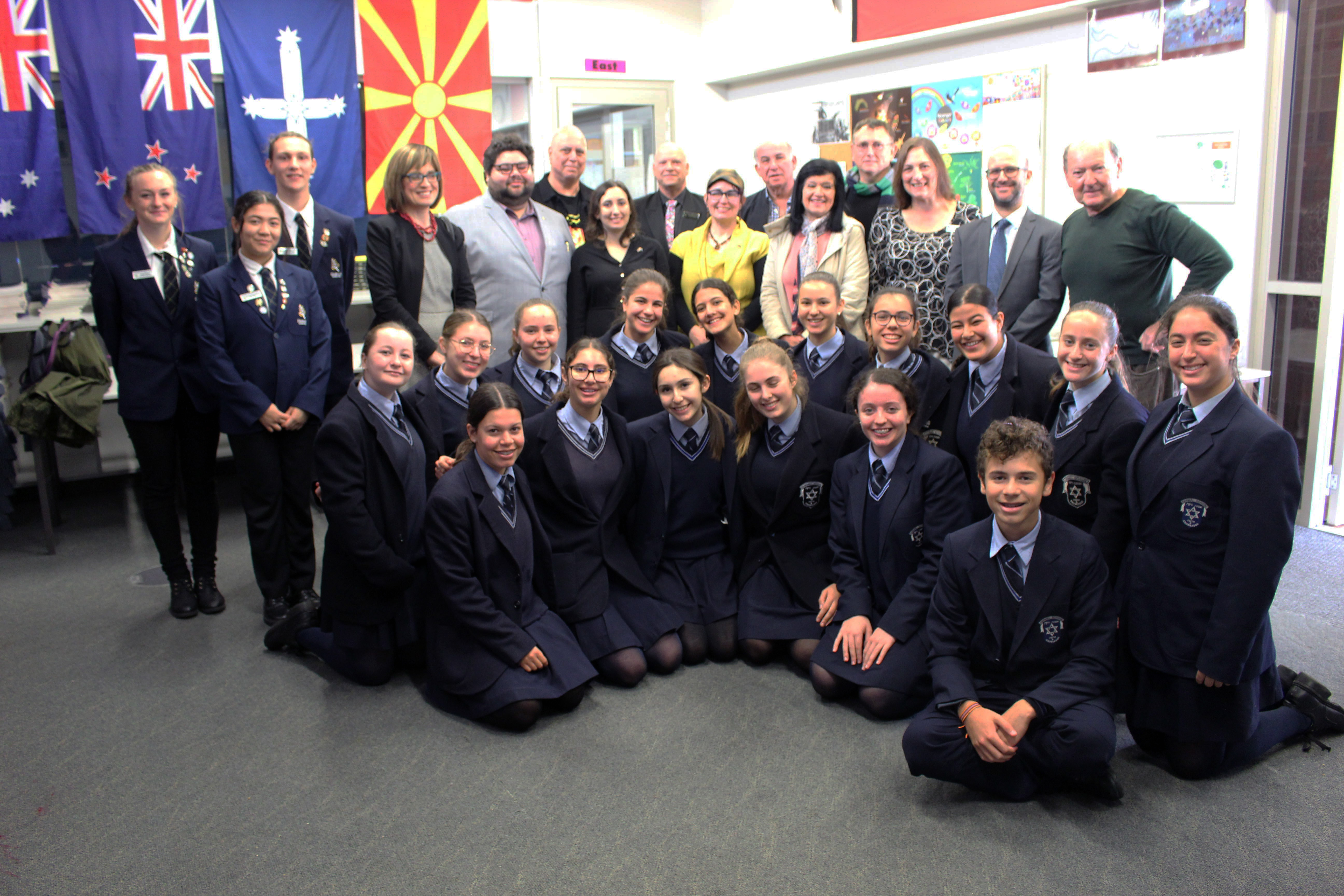
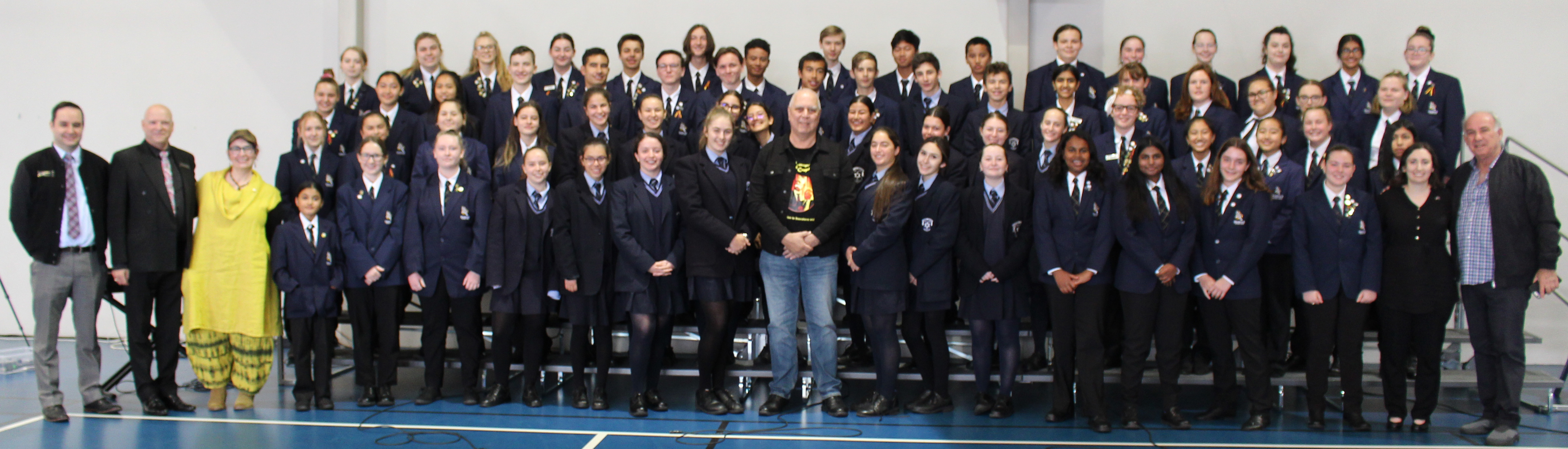
The final item on the program is the Partisans’ Song, to be sung in four languages, Yiddish, Hebrew, Noongar and English, by the joint choirs of Ellenbrook Secondary College and Carmel High School, under the direction of Stuart Rhine-Davis. The song was originally written as a poem by Hirsh Glik in 1943. Jesse John Fleay, a lecturer at ECU translated it into Noongar, and Suzanne Kosowitz re-arranged the music by Dmitri Pokrass to fit the Noongar. Michele Galanti coordinates the Carmel School Choir.
The joint Ellenbrook Secondary College – Carmel High School choir first performed this inspiring anthem on 5 August at Ellenbrook Secondary College in front of 2000 people, and then repeated it at Carmel School on 7 August. The original recordings are here: https://wah.foundation/program/
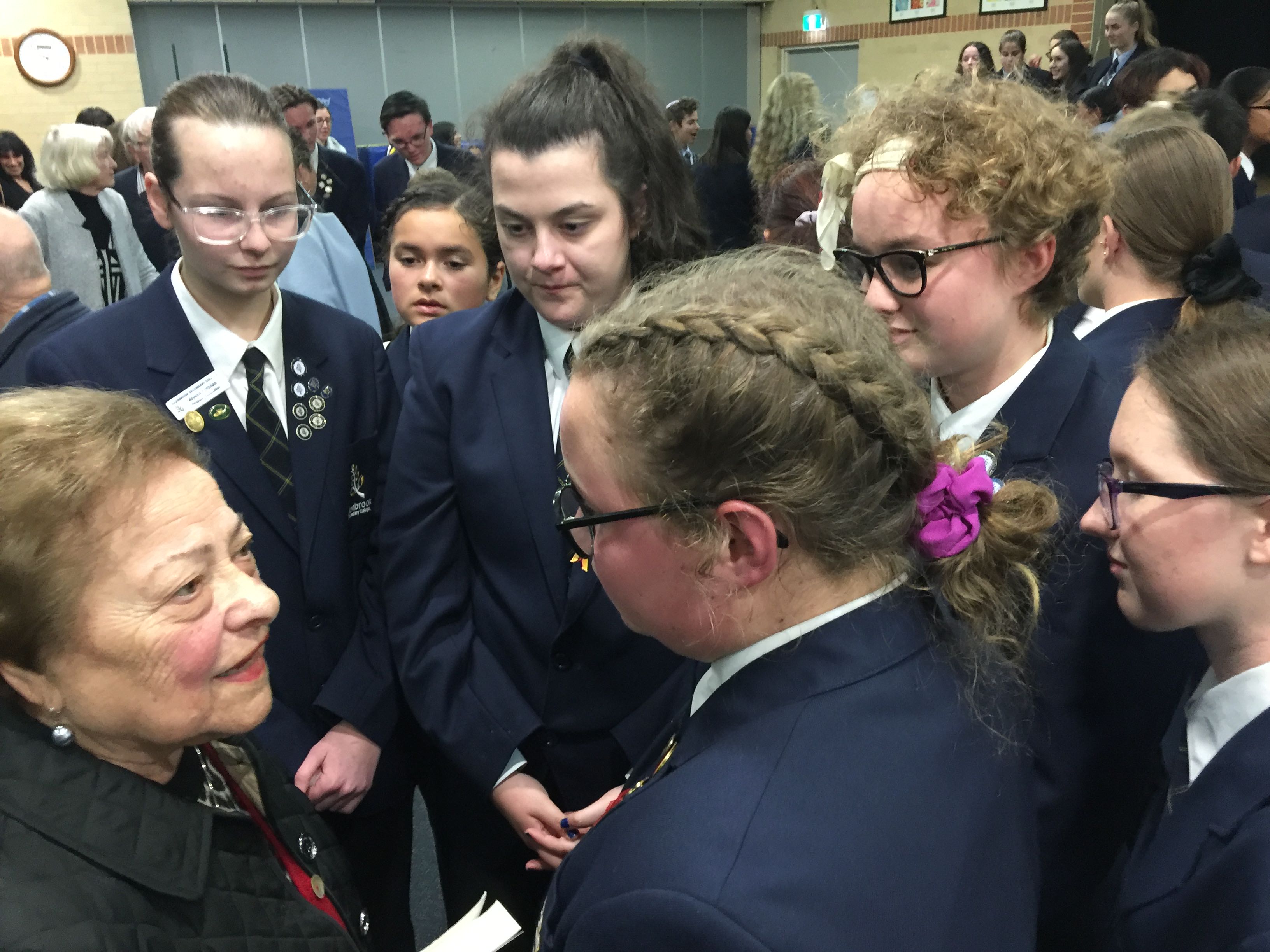
The Kristallnacht ceremony this year will be attended by Lance Turner, son of Uncle Boydie Turner and great grandson of William Cooper, the indigenous Australian, whose protest against the pogroms, at the Nazi consulate office in Melbourne, was finally recognised by the German government in 2017, 79 years later!
Eli Rabinowitz
Perth, Australia
Show your support for our growing band of Upstanders here in Perth WA
Celebrating what would have been my mother Raele (Ray) Zeldin Rabinowitz’s 100 birthday. Ray was born on 11 May 1919 in Dvinsk, now Daugavpils, Latvia.





 Online Jewish genealogy resources to be focus of Jewish Genealogical Society talk on 23 May 2021