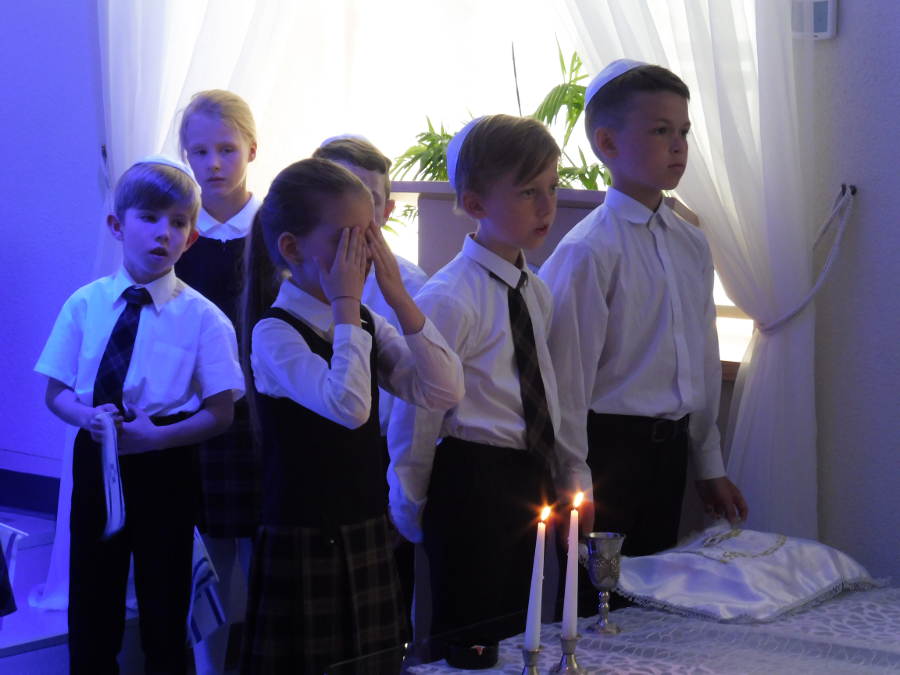
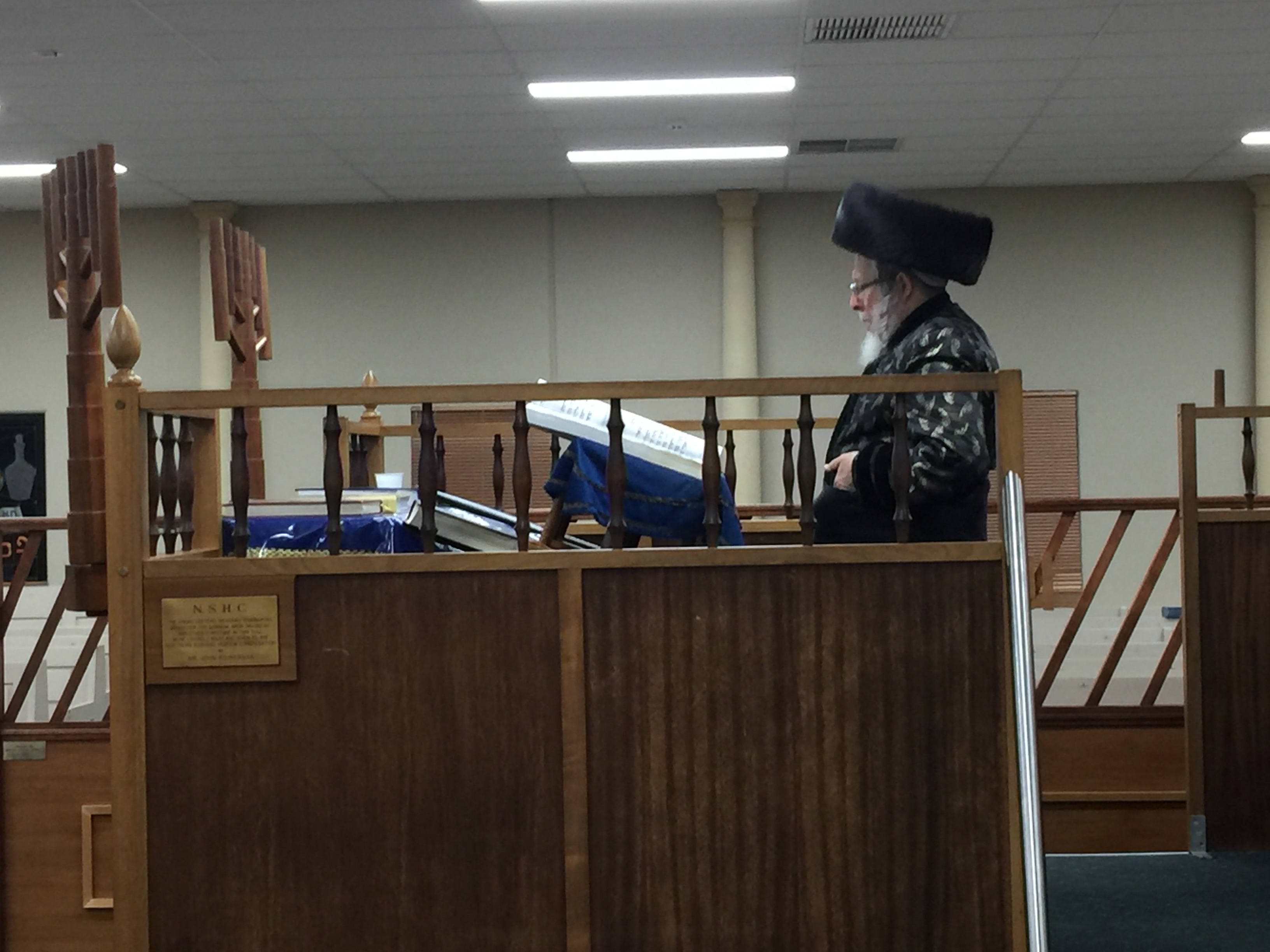
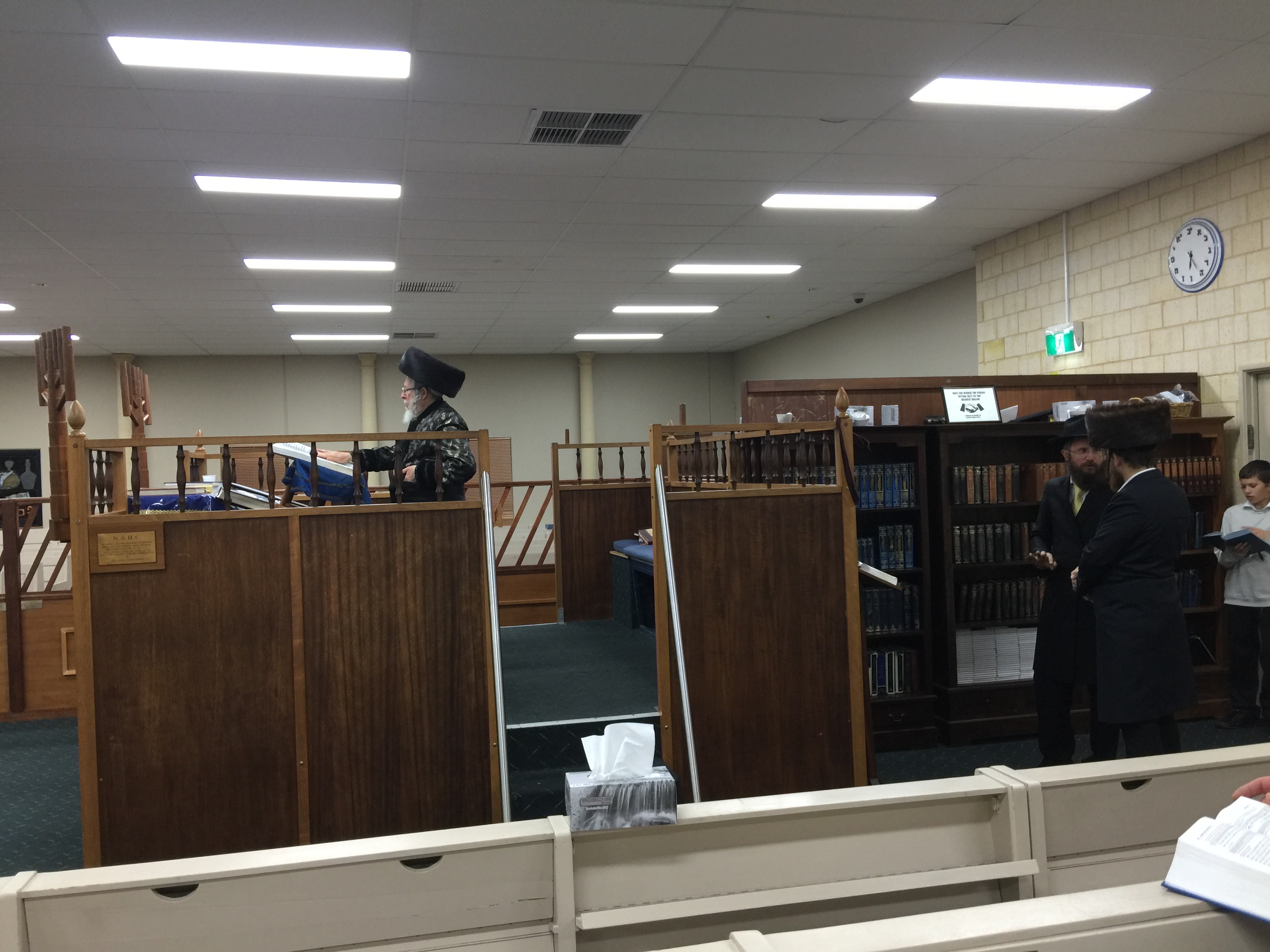
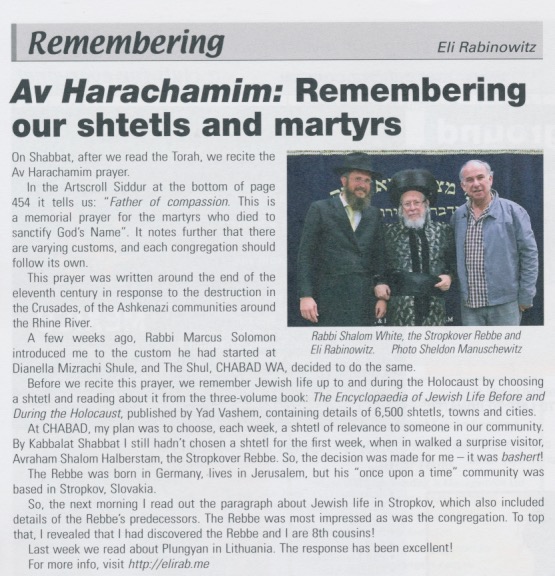
After the torah reading on shabbat, we recite Av Harachamim
Av HaRachamim
Av HaRachamim – Wikipedia
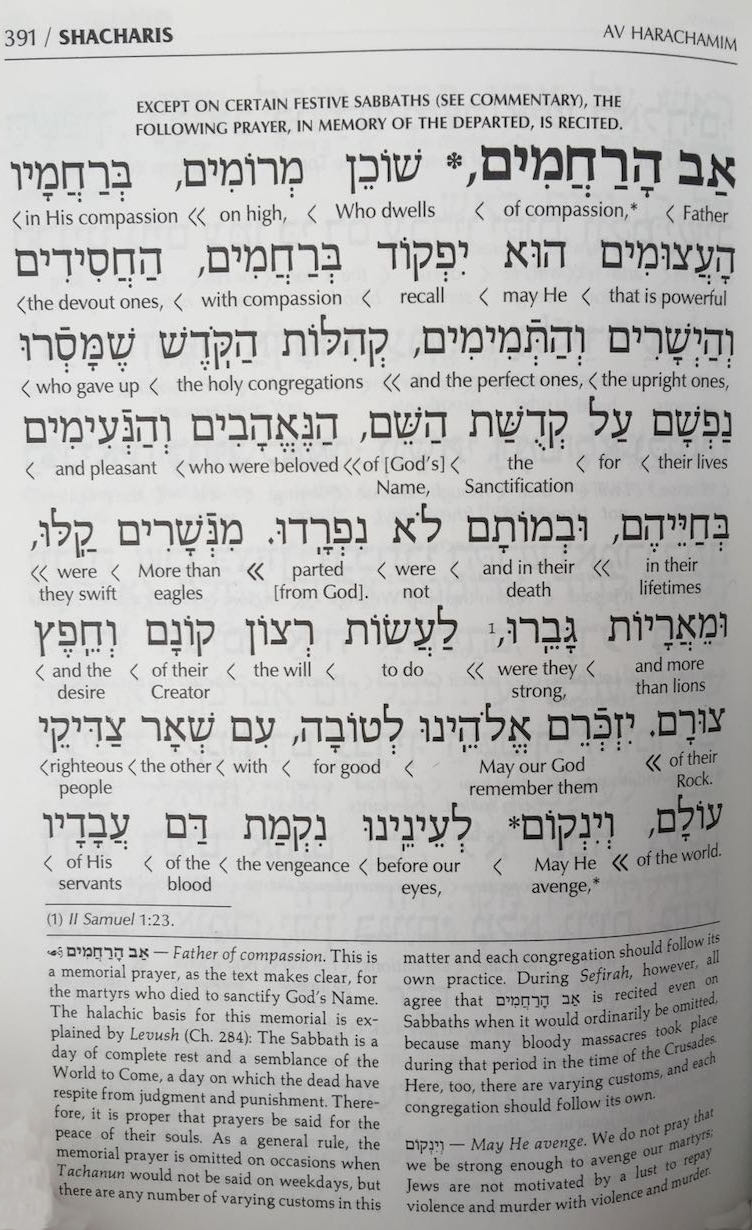
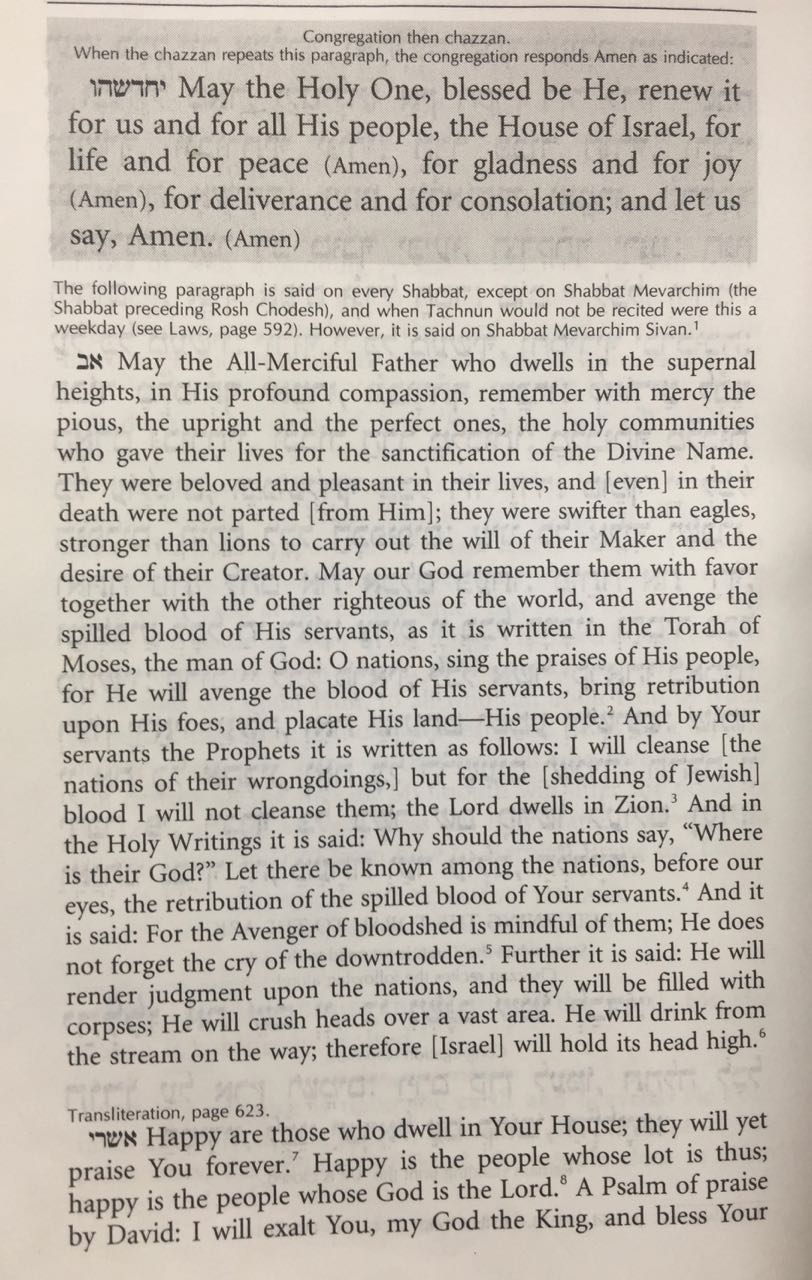
Av Harachamim or Abh Haraḥamim (אב הרחמים “Father [of] mercy” or “Merciful Father”) is a Jewish memorial prayer which was written in the late eleventh or early twelfth century, after the destruction of the Ashkenazi communities around the Rhine River by Christian crusaders during the First Crusade.[1] First appearing in prayer books in 1290, it is printed in every Orthodox siddur in the European traditions of Nusach Sefarad and Nusach Ashkenaz and recited as part of the weekly Shabbat services, or in some communities on the Shabbat before Shavuot and Tisha B’Av.[2][3]
Tehillat Hashem (תְּהִלַּת ה’, “praise of God” in Hebrew) is the name of a prayer-book (known as a siddur in Hebrew) used for Jewish services in synagogues and privately by Hasidic Jews, specifically in the Chabad-Lubavitch community. The name of the siddur is taken from Psalm 145, verse 21, “Praise of God shall my mouth speak, and all flesh shall bless His holy Name forever and ever.”
A noteworthy custom fitting the mood of the Sefira period deals with the prayer Av Harachamim. Av Harachamim, recited on Shabbat after the Torah reading was written in response to the Crusades. In it we memorialize the righteous martyrs and pray for retribution for their spilled blood. Av Harachamim is generally not recited on Shabbatot which have an added celebratory nature – such as Shabbat Mevarchim (the Shabbat in which we bless the new month). In many congregations during the Shabbatot of Sefirat Haomer, Av Harachamim is recited even on the Shabbatot in which we bless Iyar and Sivan. The Mishna Brura (284,18) adds, that even if there is a Brit Milah that Shabbat, giving us a second reason why Av Harachamim should not be recited, Av Harachamim is still said, since this was the season of the tragedies.
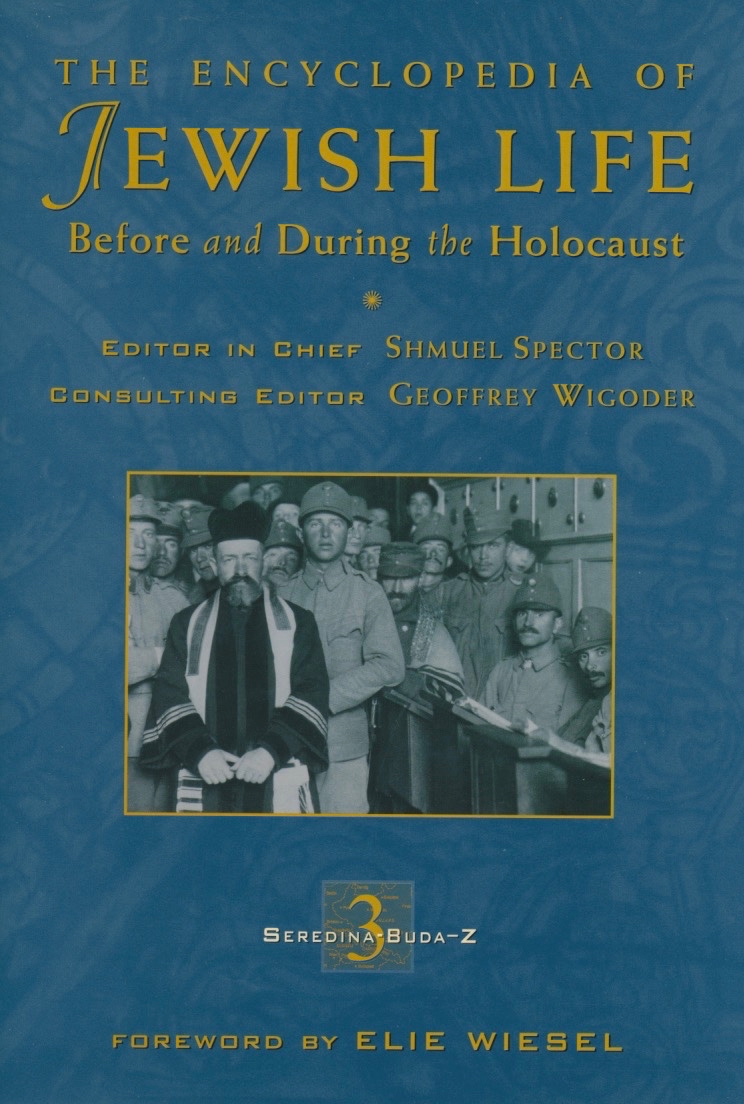
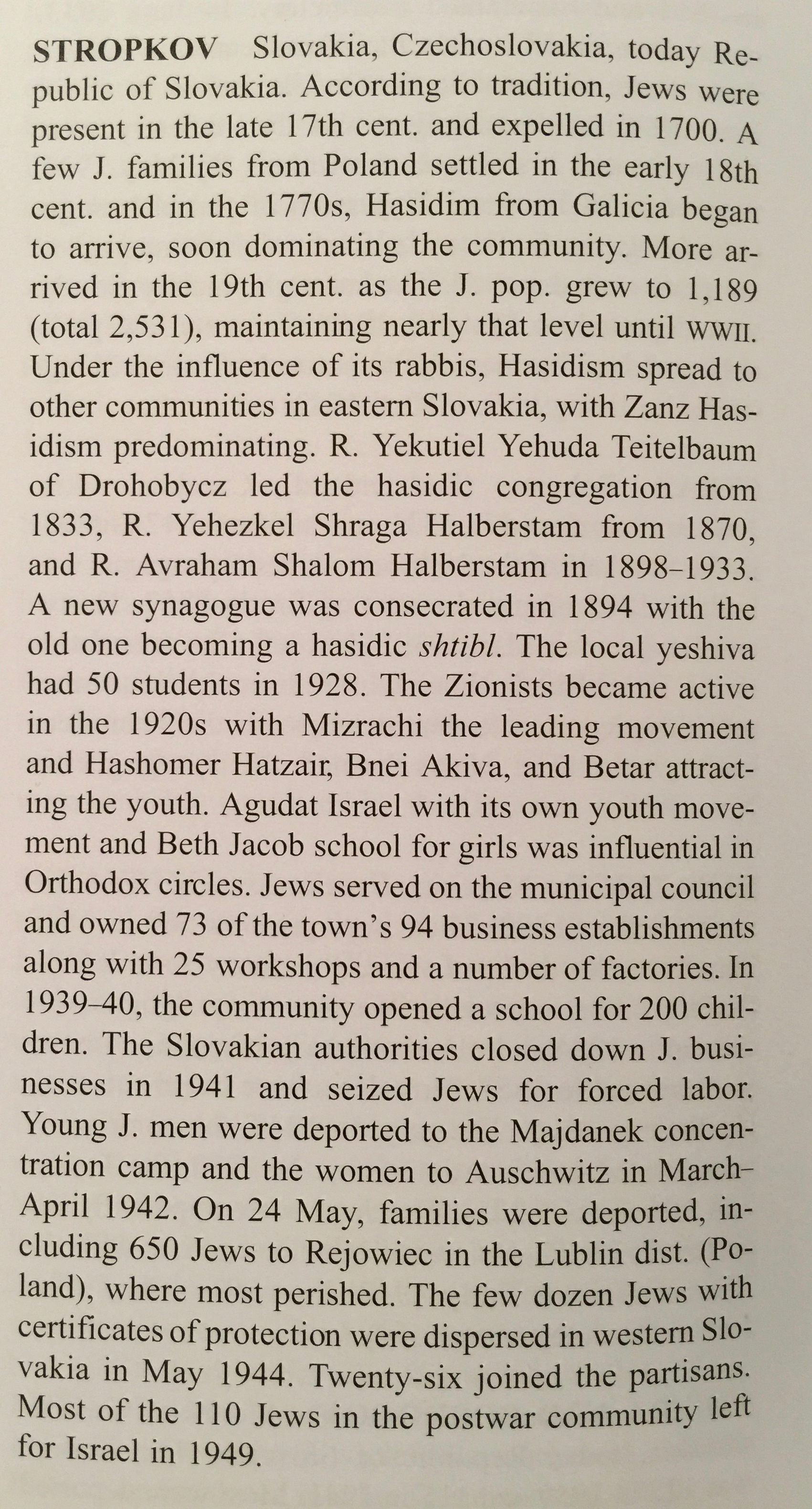
Before reading the Av Harachamim prayer, we select one of the 6500 shtetls that existed before and during the Holocaust from this three volume set:
We then share the story of the particular shtetl to illustrate what we lost in Holocaust!
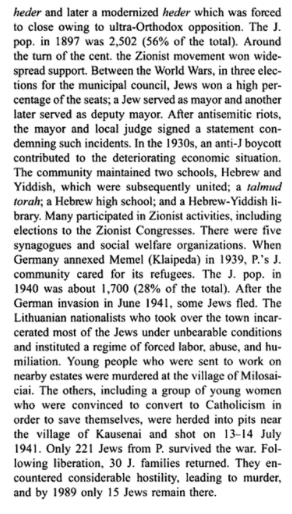
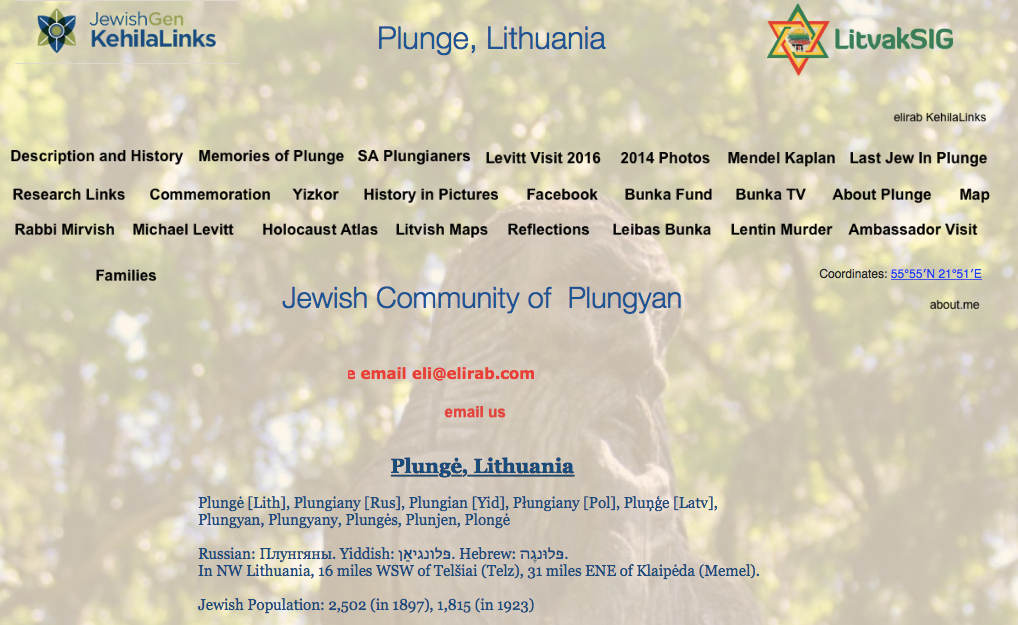
This week – Plunge / Plungyan
The encyclopedia of Jewish life before and during the Holocaust / editor in chief, Shmuel Spector ; consulting editor, Geoffrey Wigoder ; foreword by Elie Wiesel – Collections Search – United States Holocaust Memorial Museum
The encyclopedia of Jewish life before and during the Holocaust / editor in chief, Shmuel Spector ; consulting editor, Geoffrey Wigoder ; foreword by Elie Wiesel – Collections Search – United States Holocaust Memorial Museum
Sea Point High School, formerly Sea Point Boys High School, is a co-educational public high school in Main Road, Sea Point, Cape Town, South Africa. The school was established on 21 April 1884. In 1925, the senior grades were separated from the junior grades. In 1989, the school merged with Ellerslie Girls’ High School after becoming co-educational.
The construction of a new museum in Lithuania to commemorate Jewish life lost in the Holocaust began last week, after a ceremony attended by Lithuania’s top officials – including the country’s prime minister, Speaker of Parliament and foreign minister, as well as senior diplomats and Jewish leaders.
by TALI FEINBERG | Jul 05, 2018
Designed by the same Finnish company which designed the award-winning POLIN Museum of the History of Polish Jews in Warsaw, the state-of-the-art museum, located in Šeduva – 175km north-west of Vilnius – will open in 2020.
The museum complex will include a sprawling Jewish cemetery, which was completely restored and opened in 2015, monuments at three separate sites of Holocaust mass executions and burials, and a symbolic sculpture in the middle of the town.
“It will tell the story of the life of what was once the largest European Litvak Jewish population living in shtetls,” according to the museum’s website. “Lifestyle, customs, religion and the social, professional and family life of the Jews of Šeduva will serve as the centrepiece of the museum exhibition.
“Museum visitors will be taught the tragedy of Šeduva’s Jewish history, which ended in three pits near the shtetl in the early days of World War II, concluding five centuries of the history of the Jews of Šeduva.”
Ex-South African educator Eli Rabinowitz, who now lives in Perth, attended the ceremony and spoke on behalf of the Litvak Diaspora, especially South African Jews. “Many Litvaks migrated to South Africa, aptly named the ‘goldene medina’,” he said. “Jewish life in the small South African country towns often mirrored that of the Litvak shtetl. We often heard stories from ‘der heim’, describing the rich Jewish cultural life throughout Lithuania, which had existed over many centuries.
“Those Litvaks who left Lithuania before the Holocaust were indeed lucky. More than 95% of the Lithuanian Jews were murdered in the Holocaust, a greater percentage than any other country,” said Rabinowitz.
“In the future, when we visit this museum, we will be able to access the past with a better understanding of history. We will view the collection of objects and artifacts, giving us insight into how our ancestors lived their cultural, religious, work and home lives. We will learn about their values from their daily lives and from the items they kept and used.
“The museum will showcase the richness and the importance of Litvak shtetl life of years gone by. It will also reflect on the Jewish world that was destroyed by the Holocaust.
“The museum will educate Lithuanians and visitors to Lithuania, and so provide an opportunity to learn from our history and strive for a better world.”
Rabinowitz said he thinks the museum is being built now – before, as politicians and historians have realised, this past is lost to history.
He emphasises that the location is important, as “our Litvak heritage stems from the shtetls in this geographical region in Lithuania – not the bigger cities of Vilnius or Kaunas”.
Lithuania’s President Dalia Grybauskaitė said the laying of the cornerstone “heralds the reconstruction of an important part of Lithuanian history, closely interlinked with the history of Lithuania’s large Jewish community and its tragic fate”.
She added: “The Lost Shtetl Museum will bring back from oblivion the names and faces of many families, friends and neighbours, as well as their customs and traditions.”
Said Lithuania’s Foreign Minister Linas Linkevičius: “This unique museum will capture not only the memory of the Šeduva but also the Jewish communities of Lithuania as a whole.”
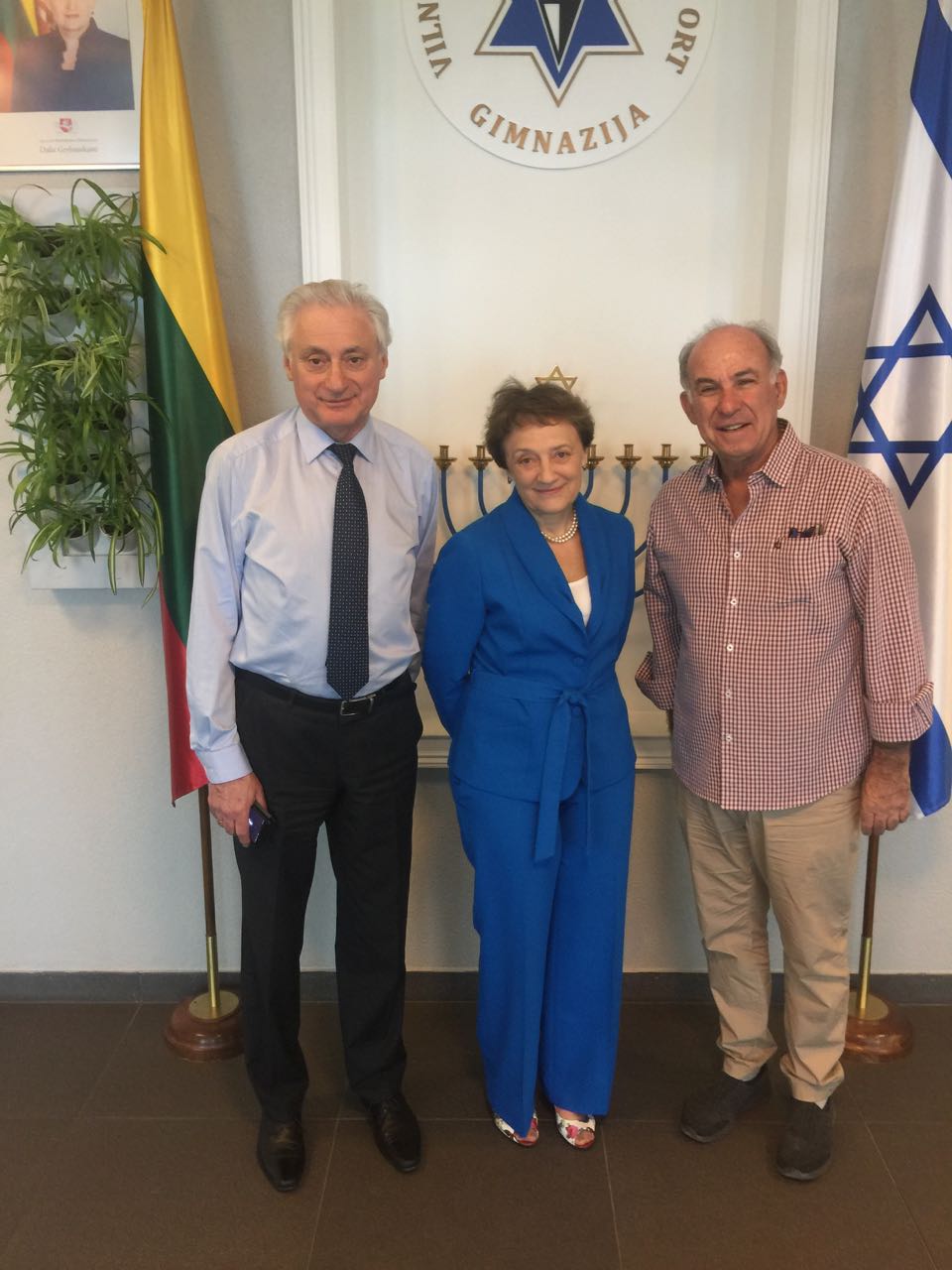
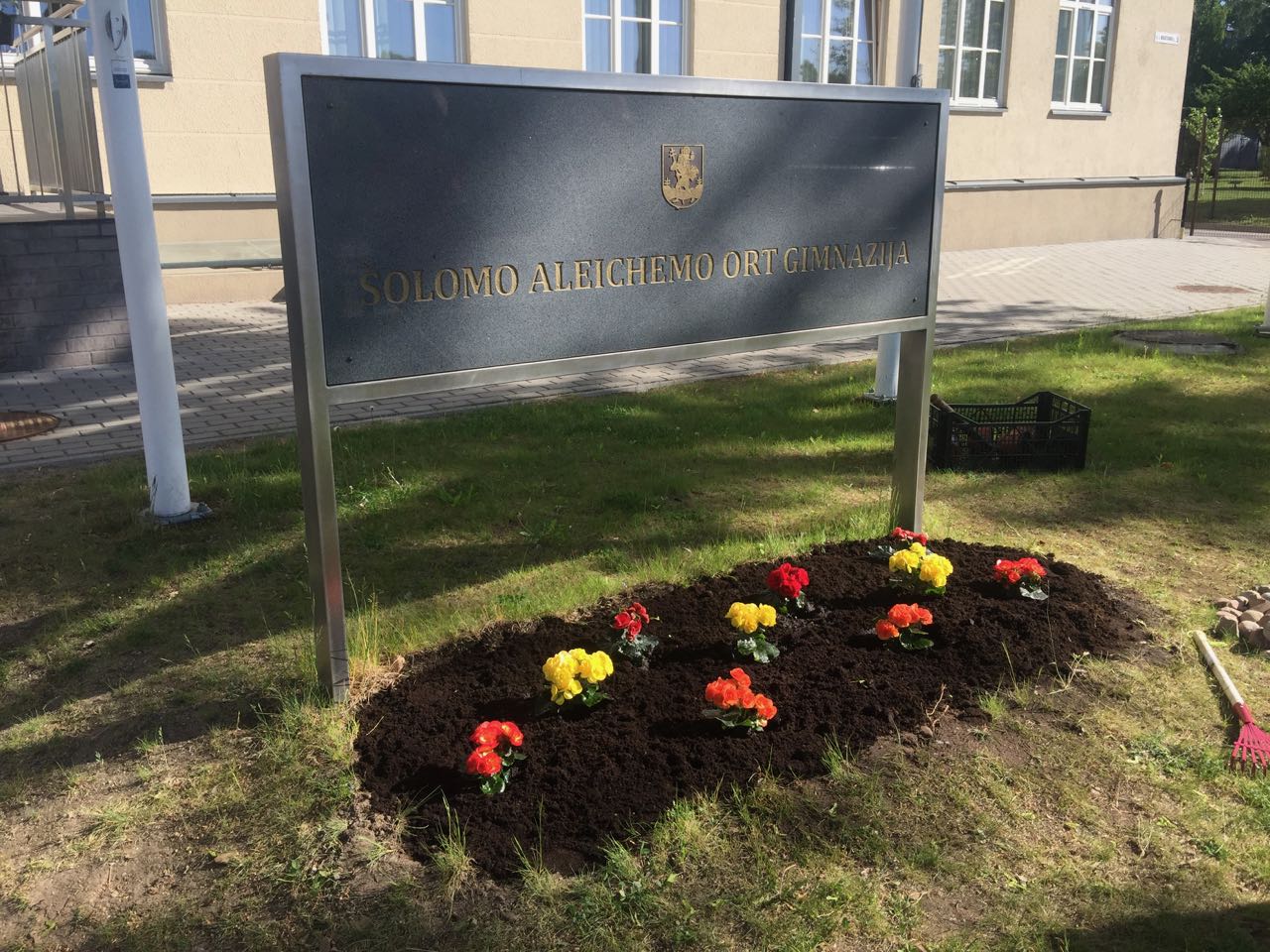
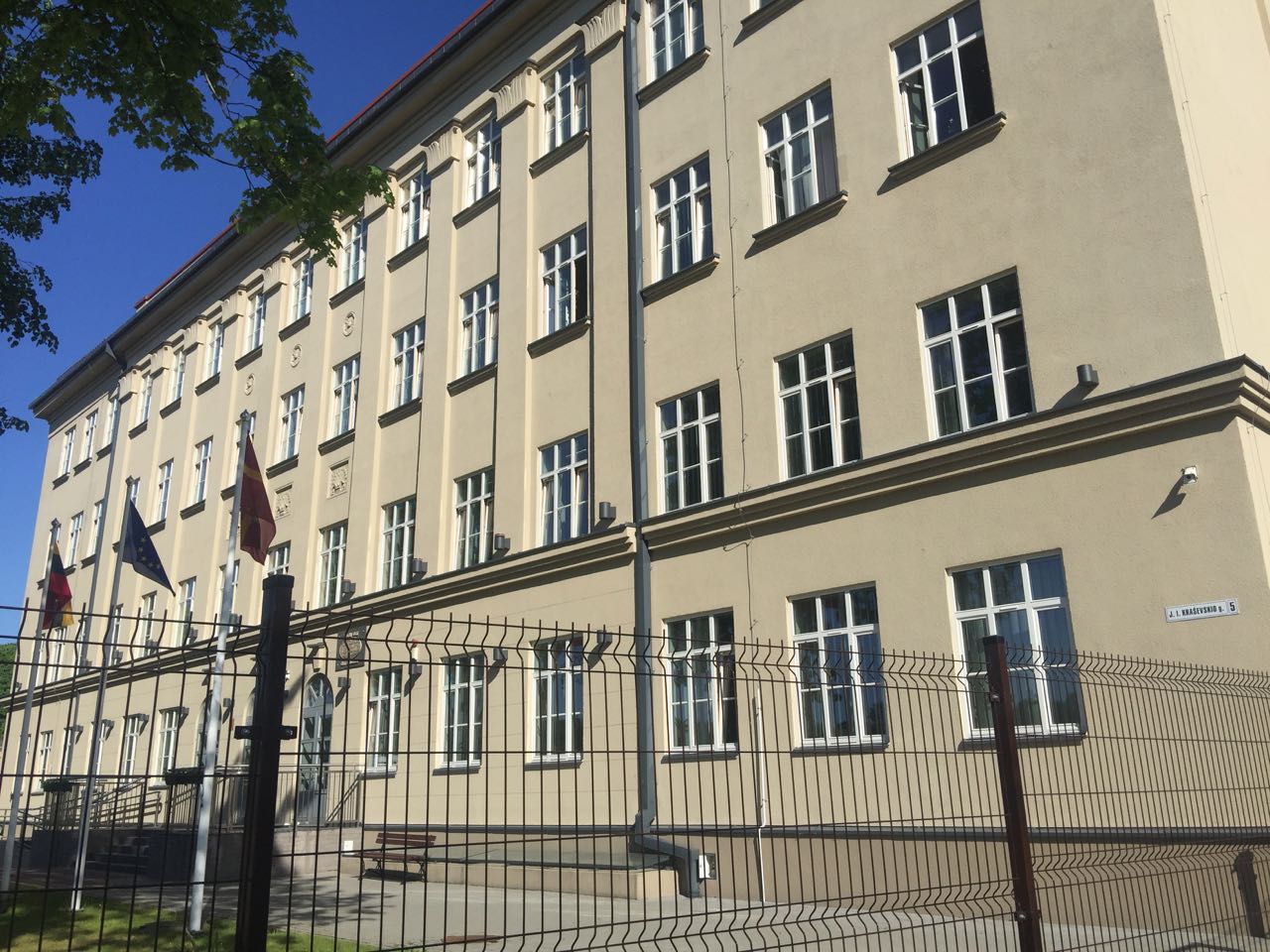
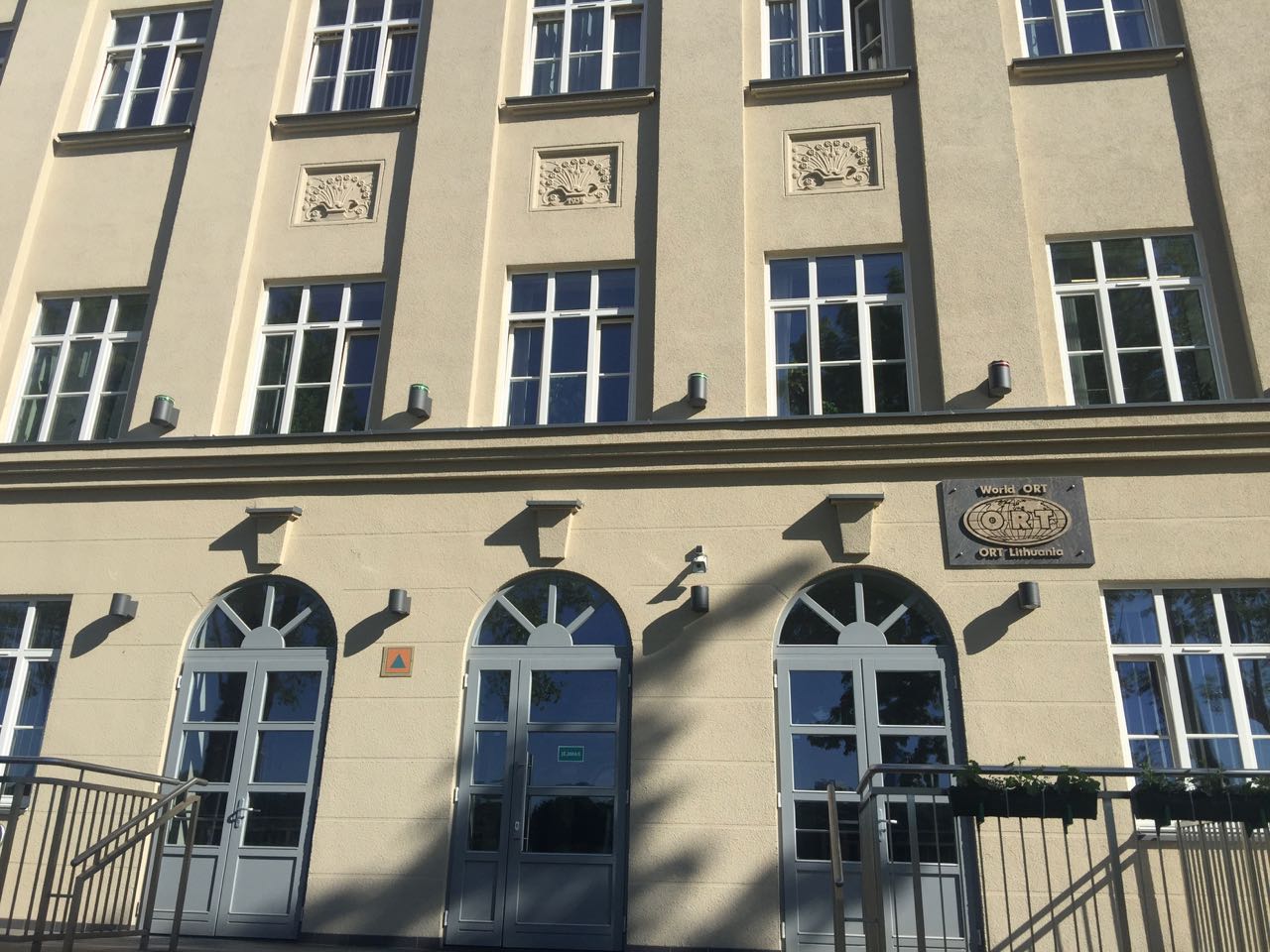
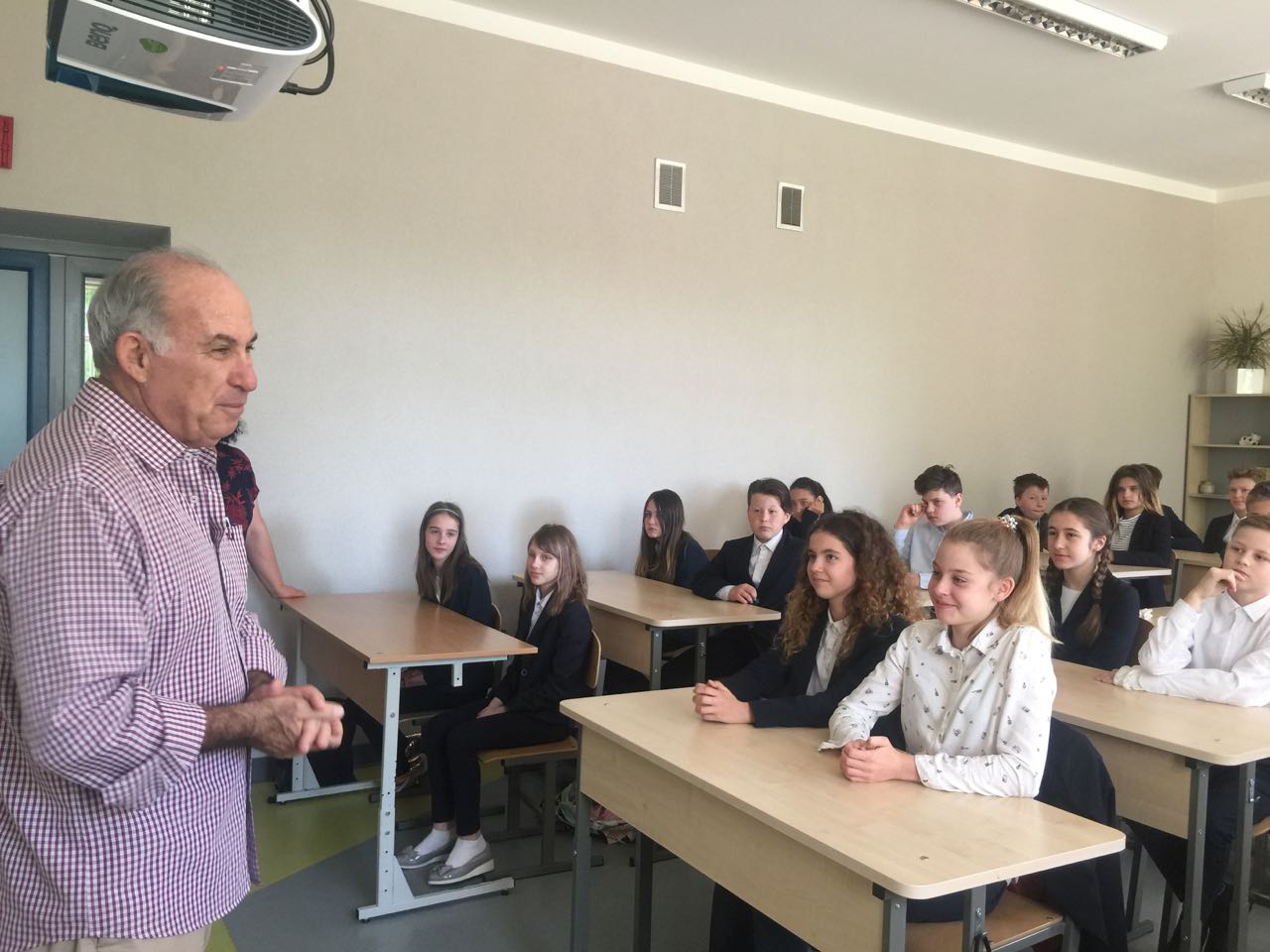
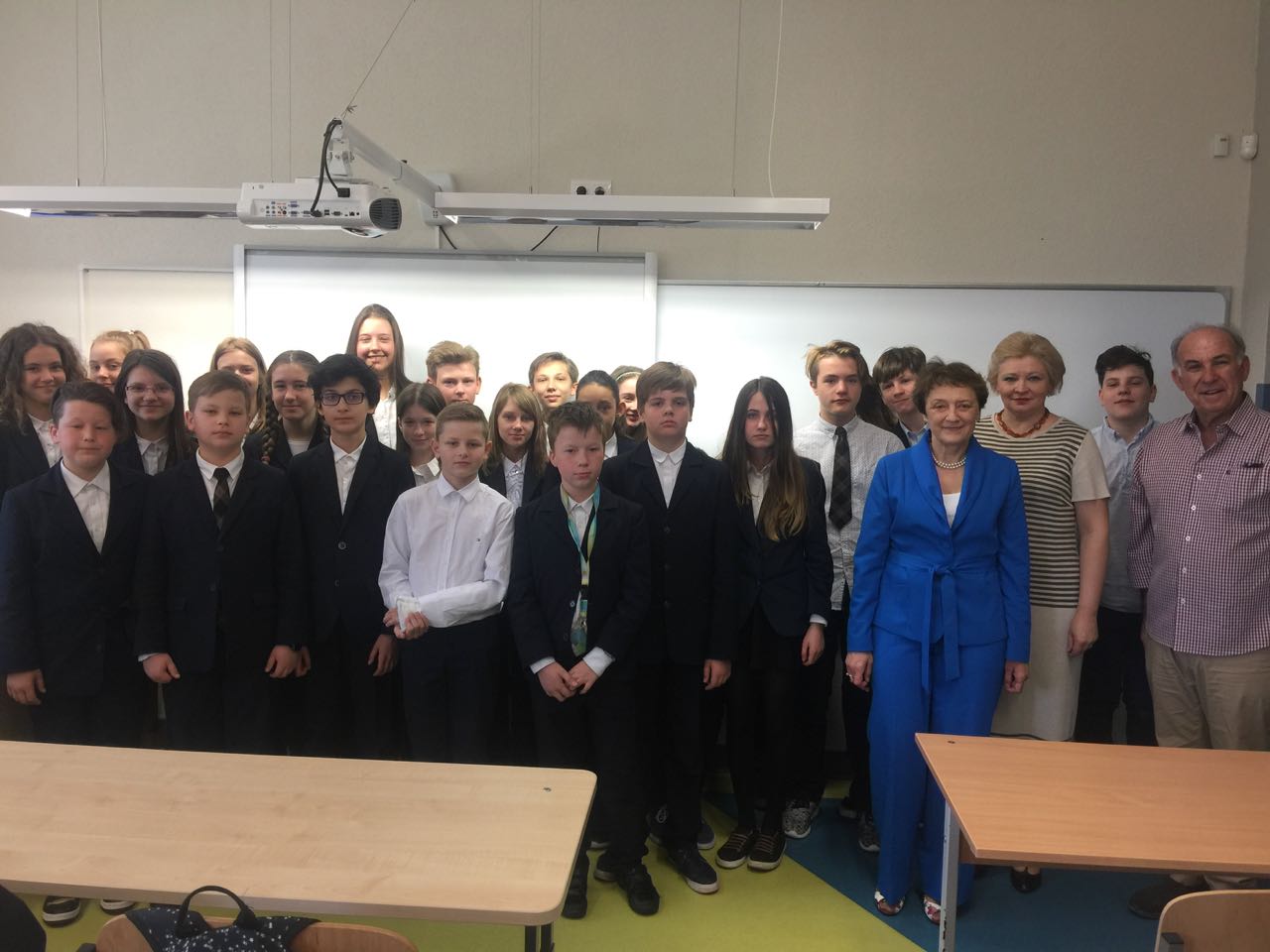
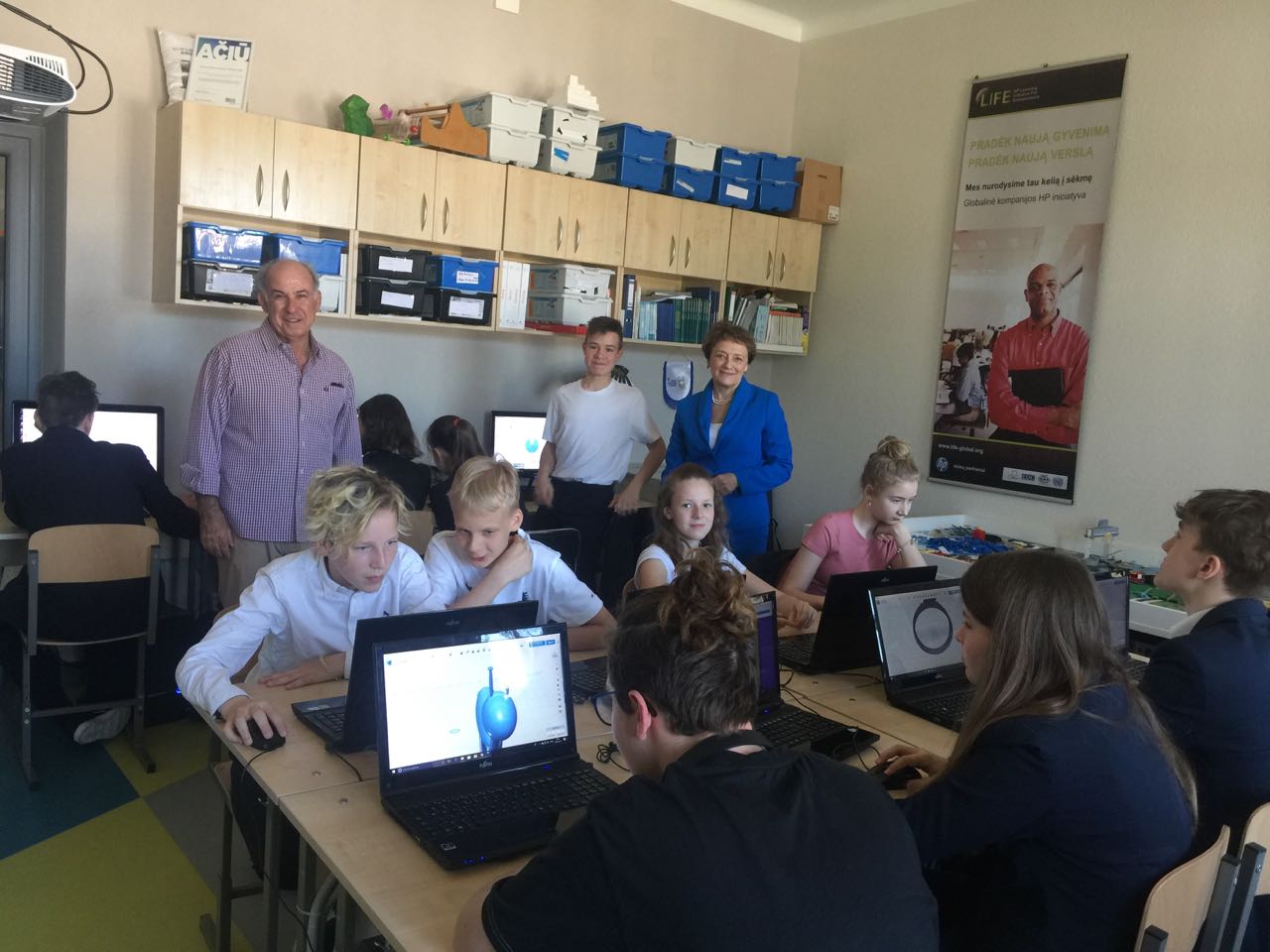
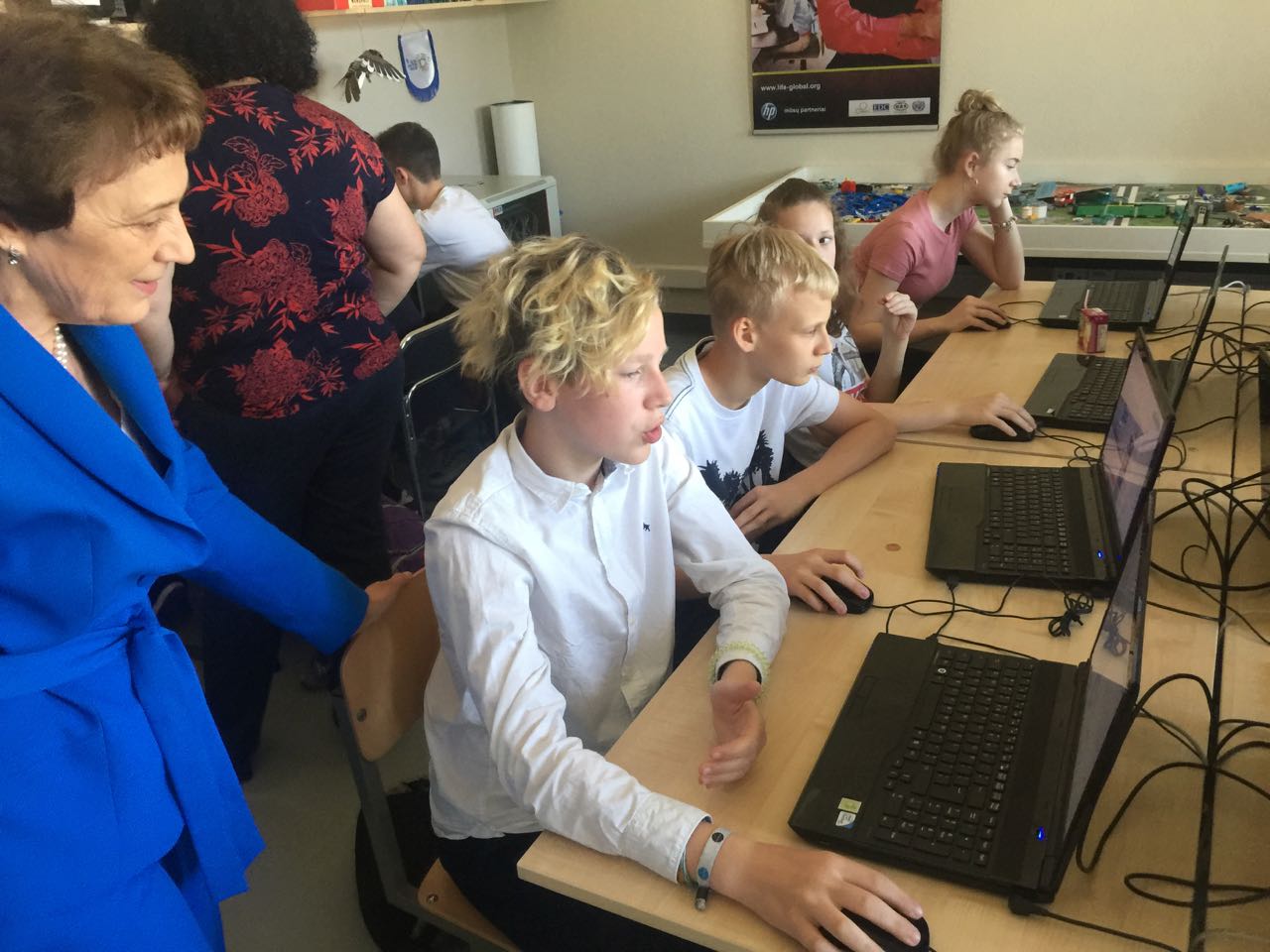
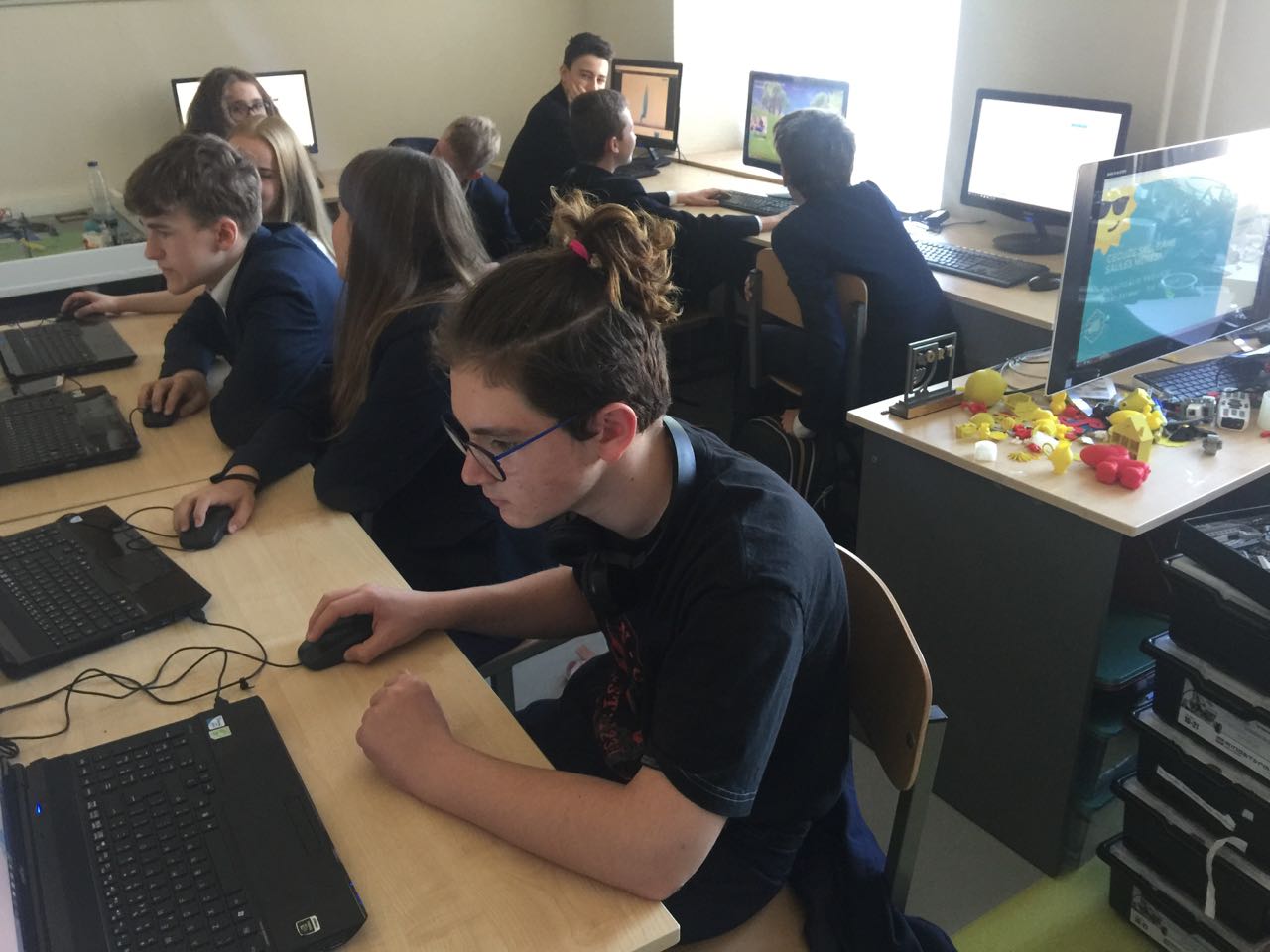
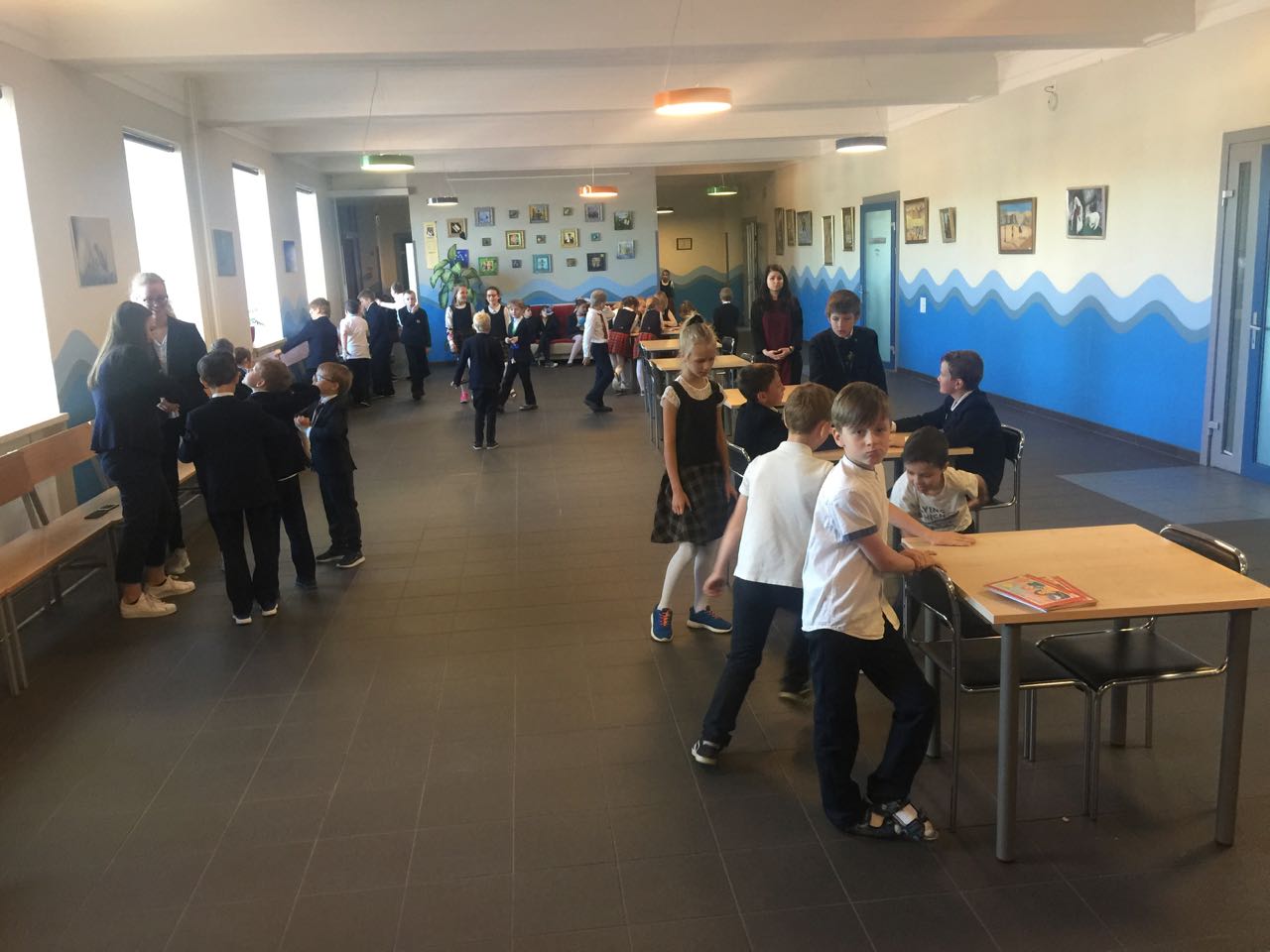
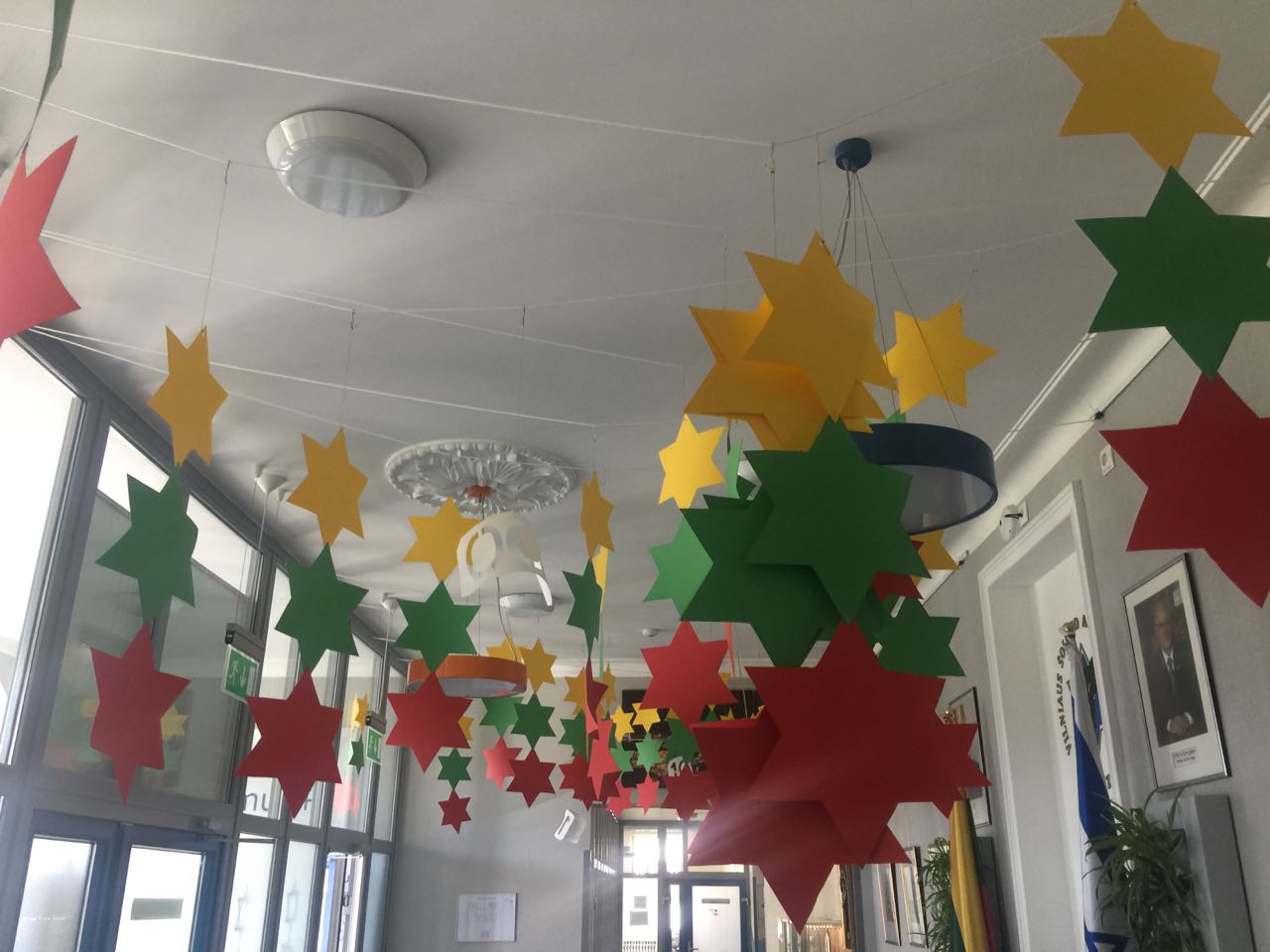
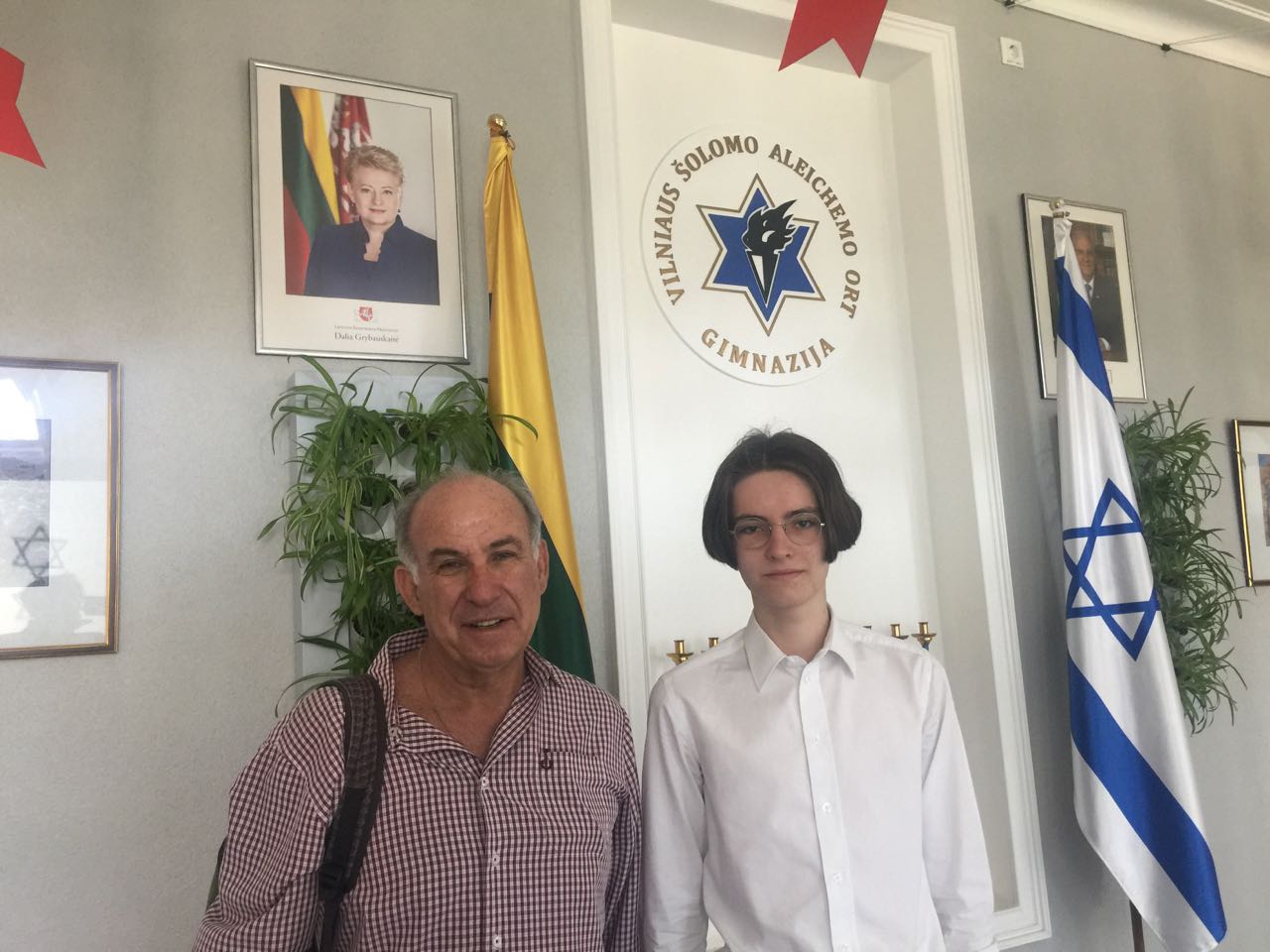
My annual visit to Vilnius Solomo Aleichemo ORT school
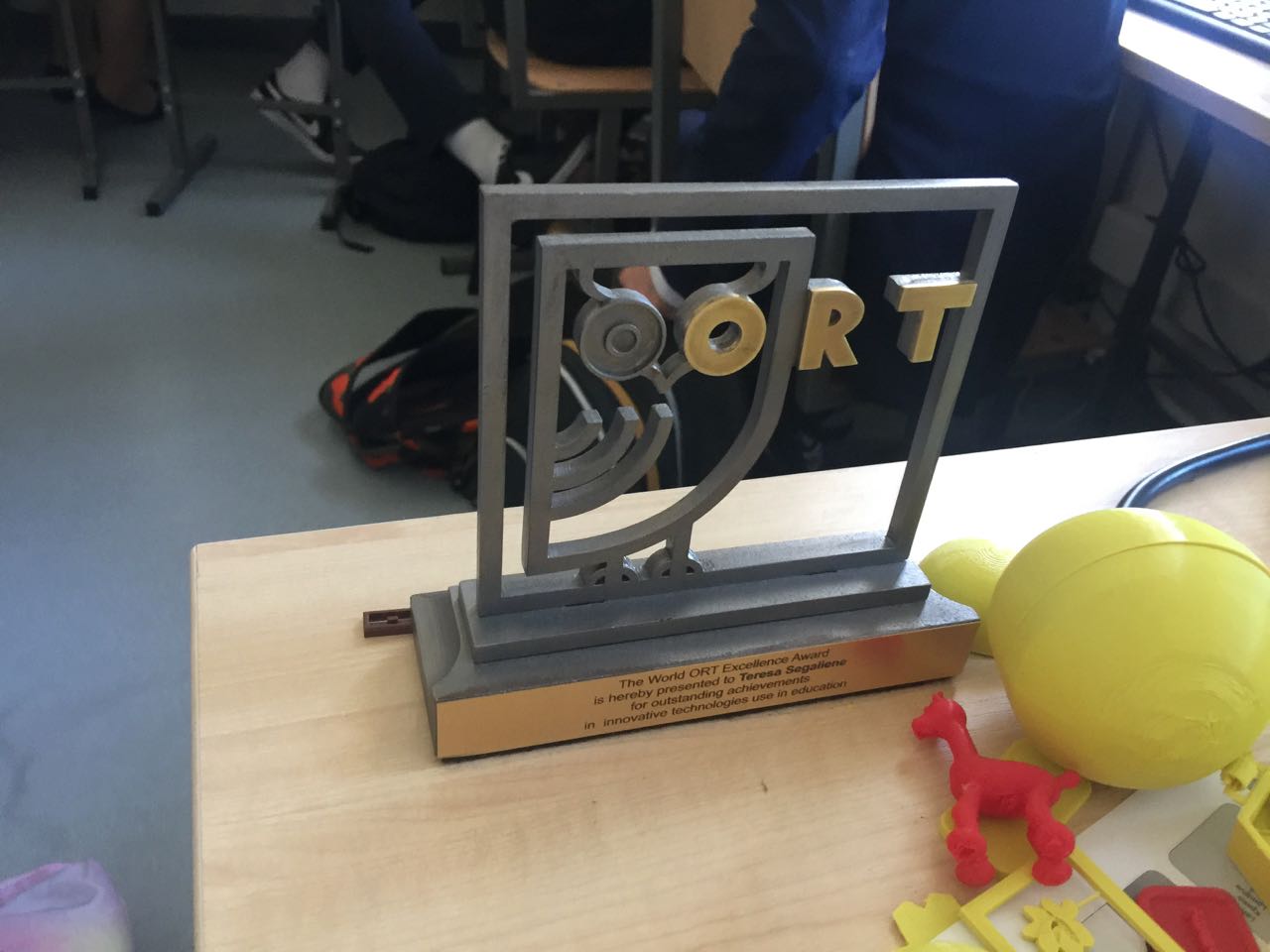
With director Misa Jakobas and teacher Teresa Segalienė
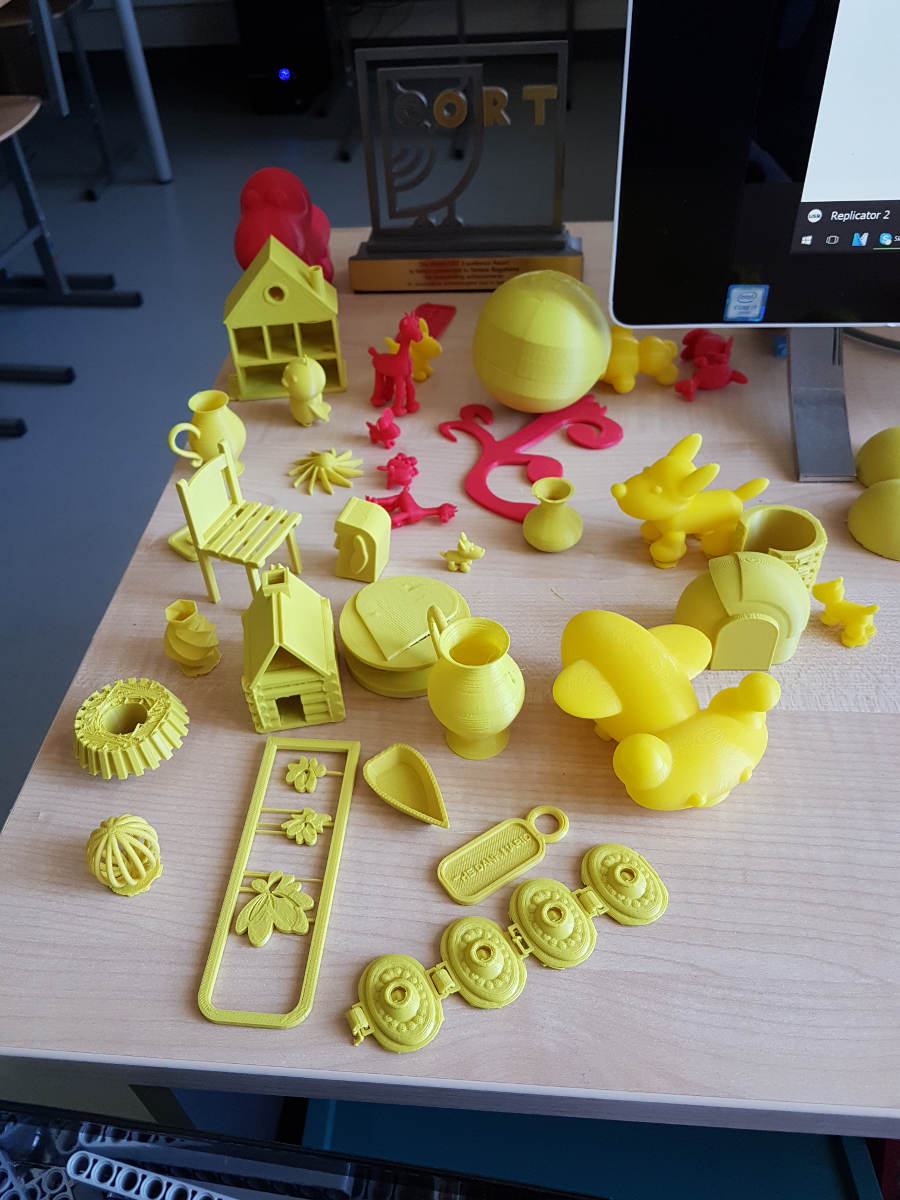
3D Printing
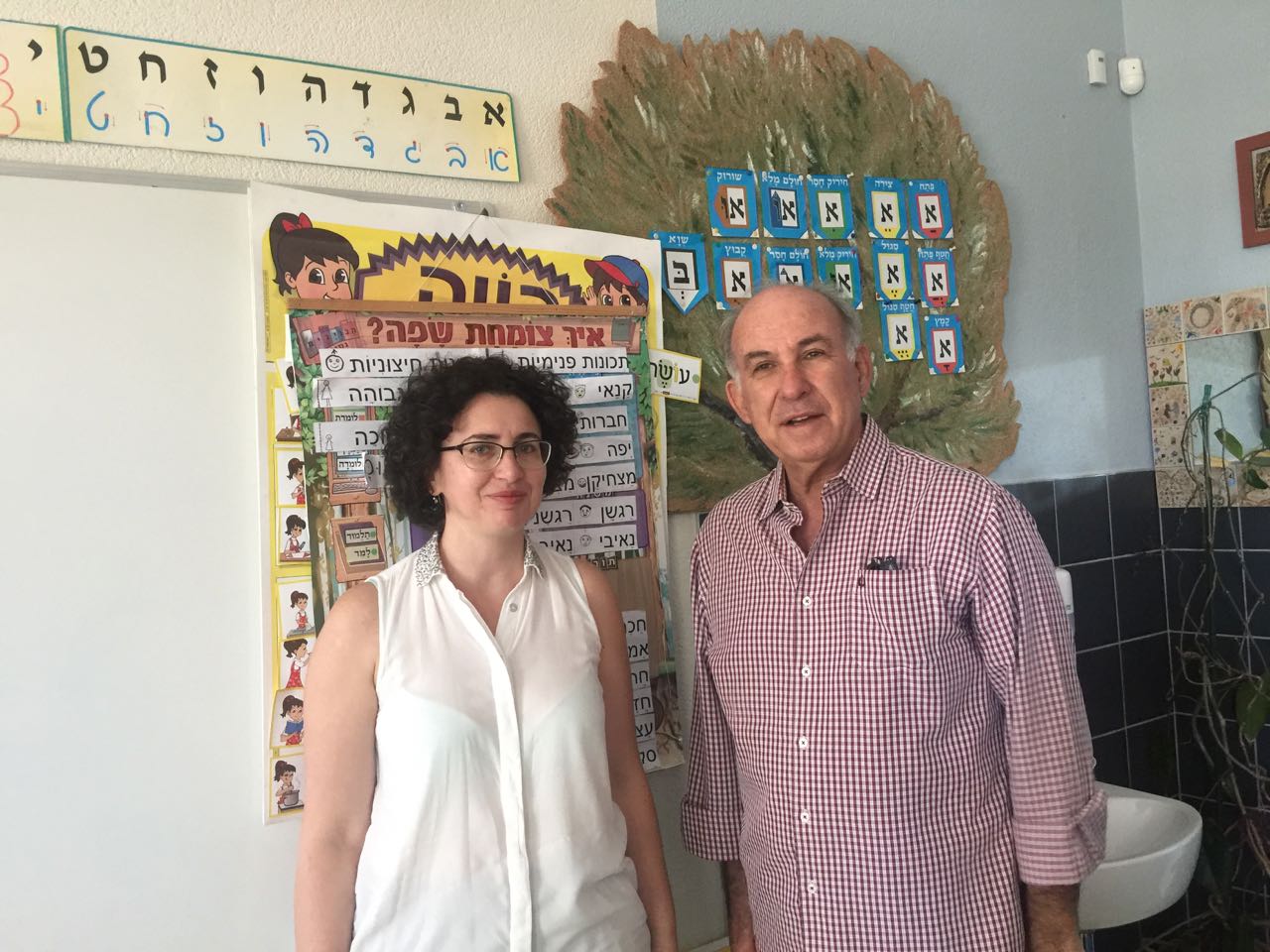
With Hebrew teacher, Ruth
Shabbat
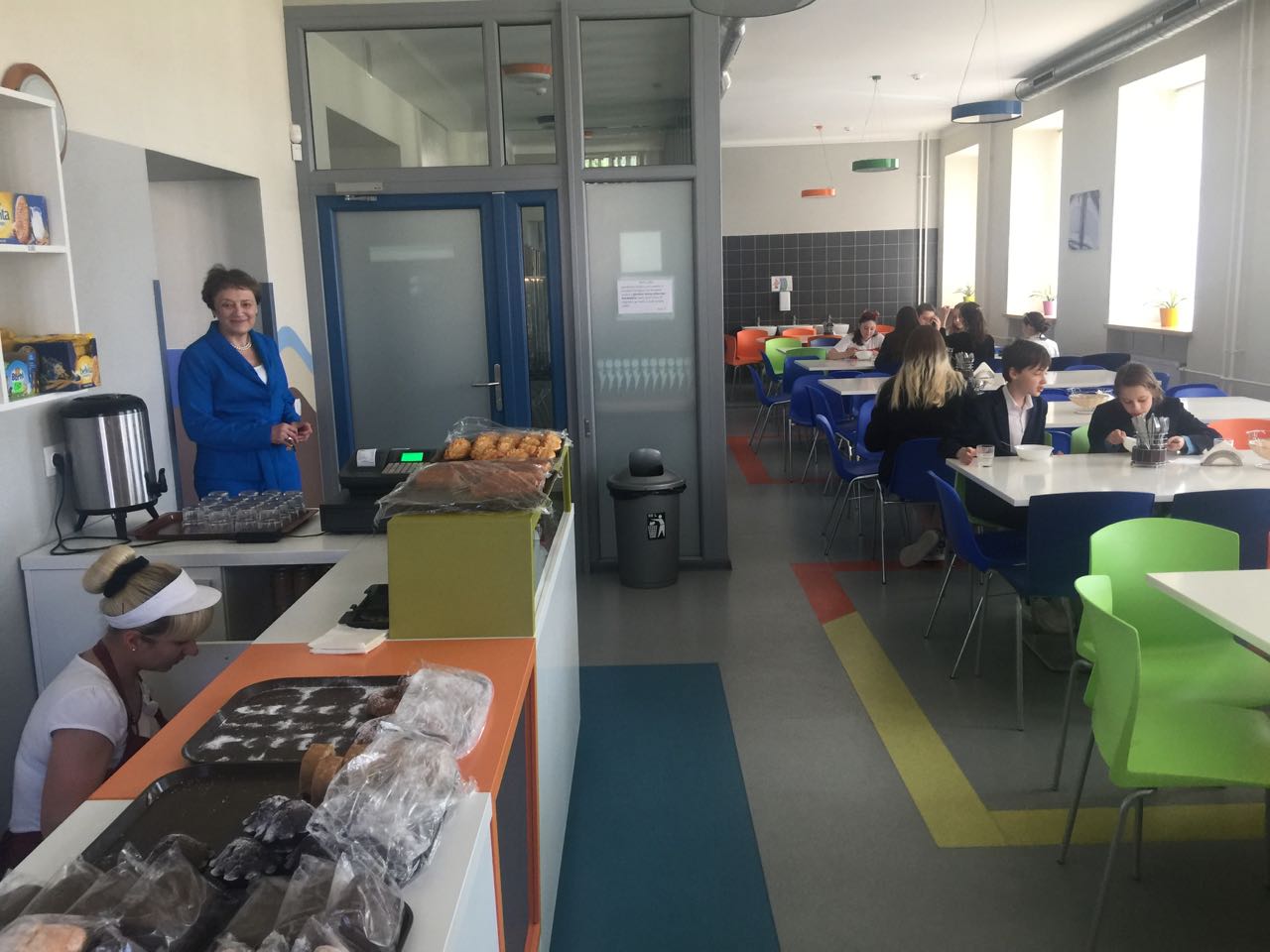
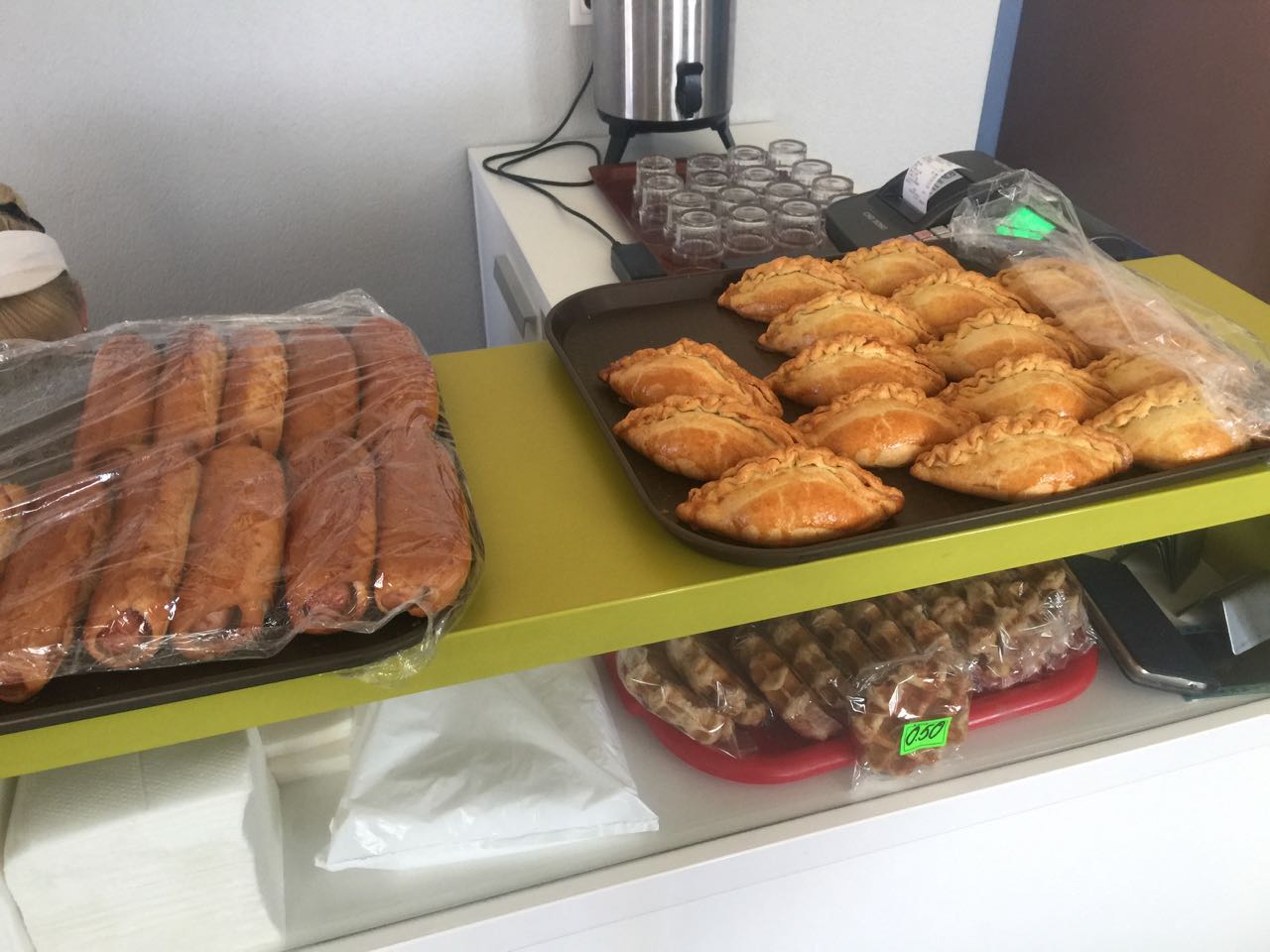
Yummy food in the canteen
With the student who participated in our first ORT project
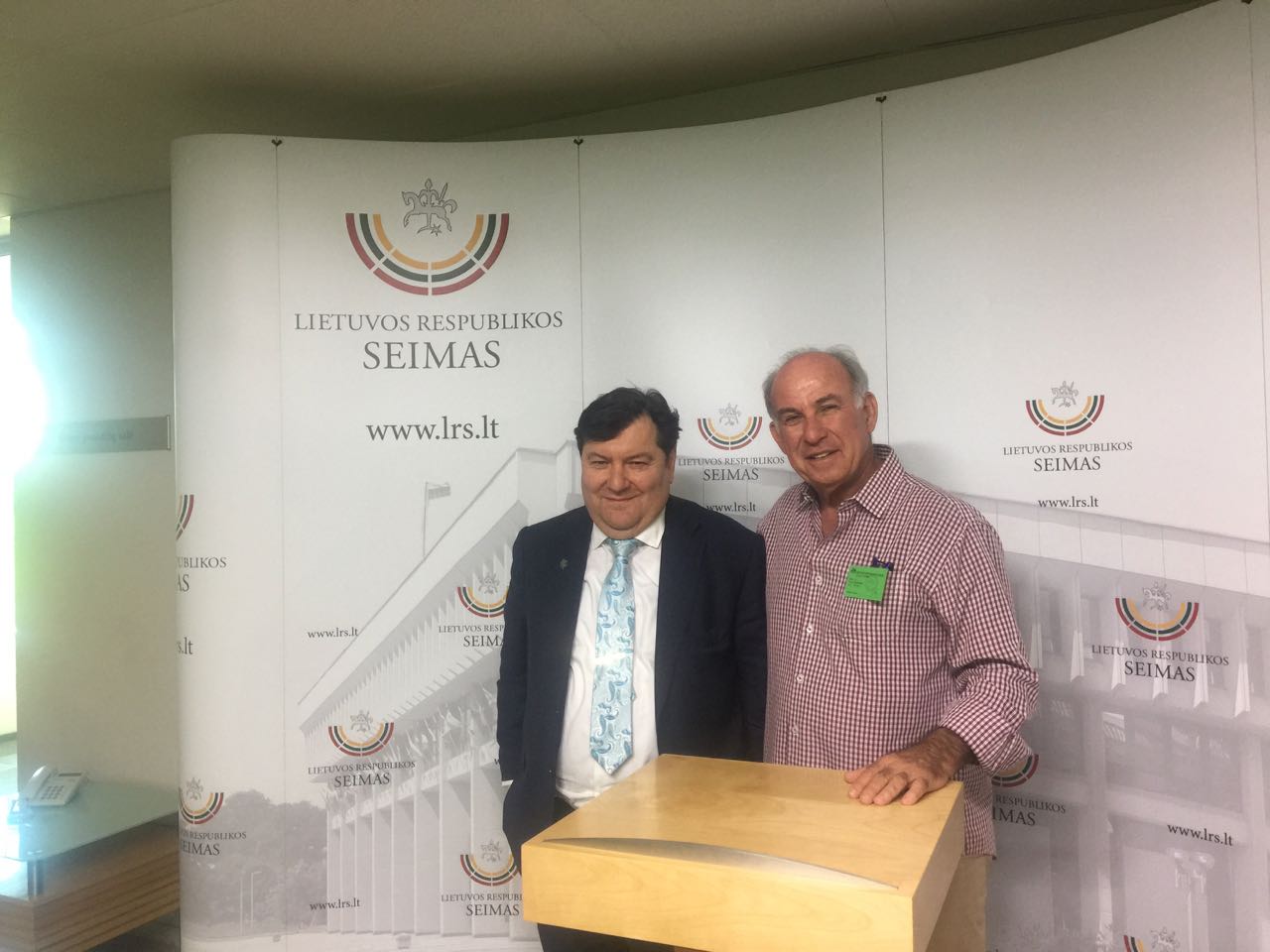
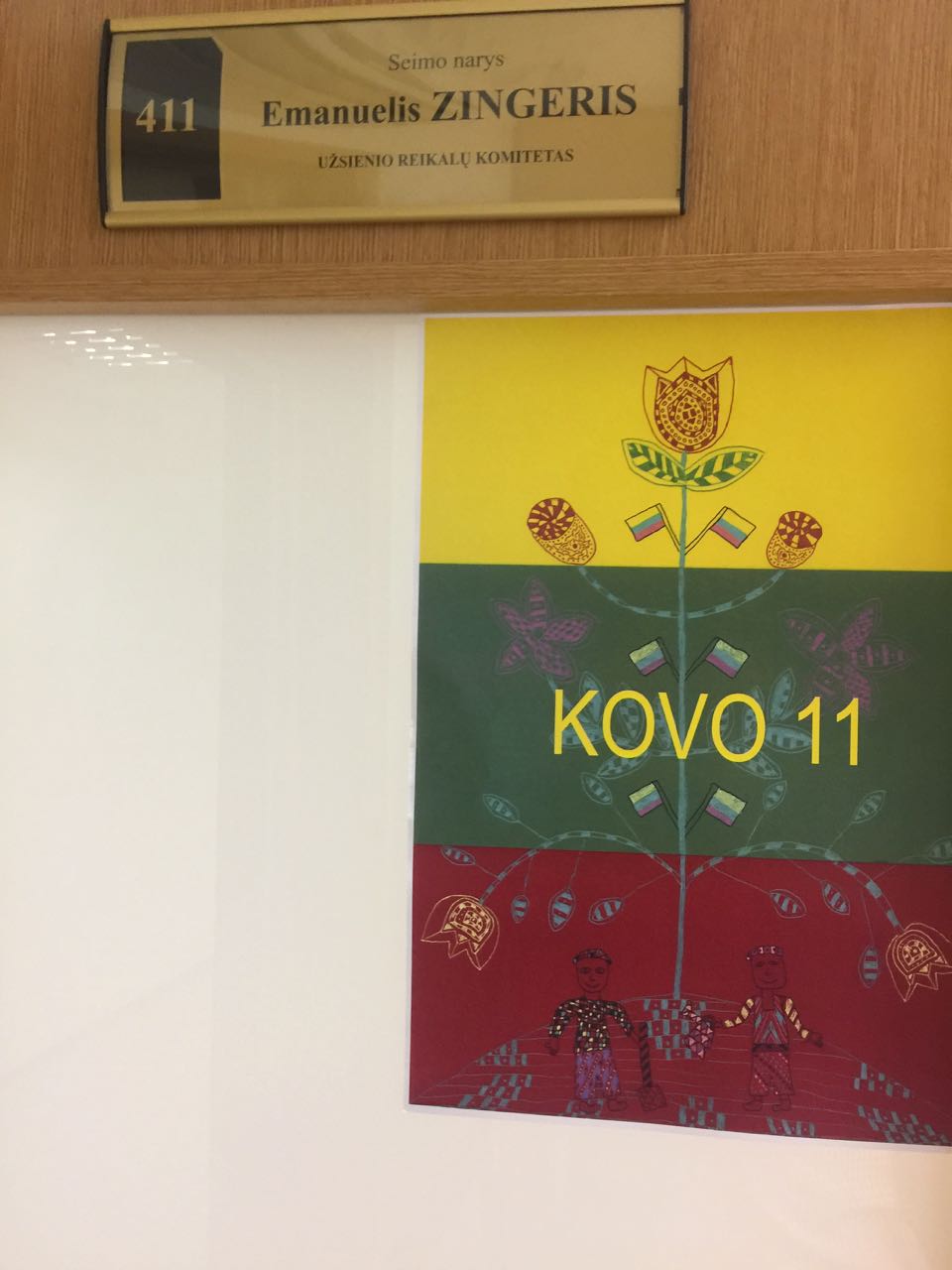
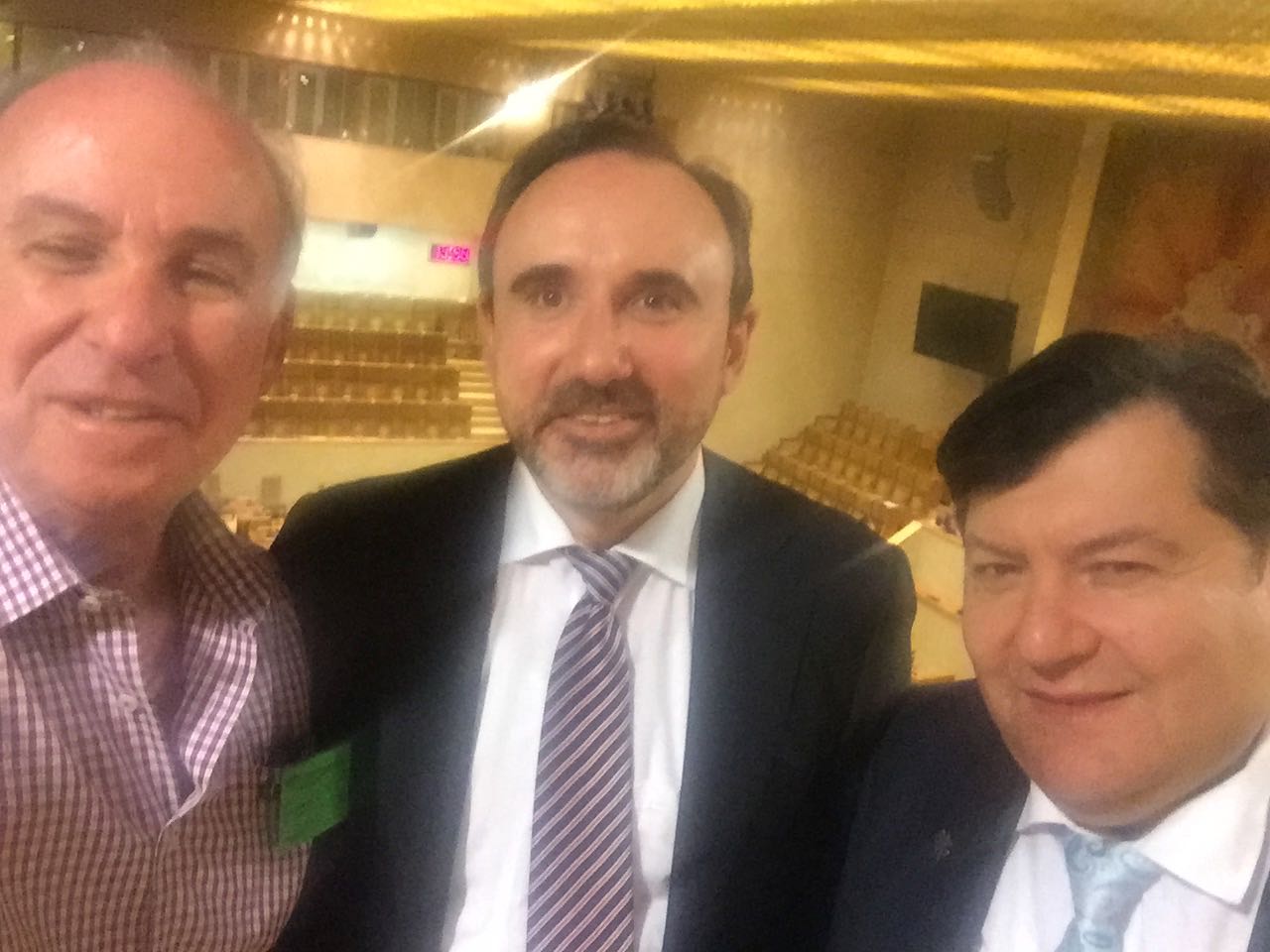
Emanuelis Zingeris MP
The Jewish member of the Seimas, the Lithuanian Parliament
Emanuelis Zingeris
Emanuelis Zingeris – Wikipedia
Emanuelis Zingeris (born 16 July 1957 in Kaunas, Lithuania) is a Lithuanian philologist, museum director, politician, signatory of the 1990 Act of the Re-Establishment of the State of Lithuania, currently serving as a Member of the Seimas (1990–2000 and since 2004), chairman of its foreign affairs committee (since 2010), Vice President of the Parliamentary Assembly of the Council of Europe (since 2009) and President of the Parliamentary Forum of the Community of Democracies (since 2010).[1] A Lithuanian Jew, he has been director of the Vilna Gaon Jewish State Museum, honorary chairman of Lithuania’s Jewish community, and is Chairman of the International Commission for the Evaluation of the Crimes of the Nazi and Soviet Occupation Regimes in Lithuania. He is a founding signatory of the Prague Declaration on European Conscience and Communism, that proposed the establishment of the European Day of Remembrance for Victims of Stalinism and Nazism.
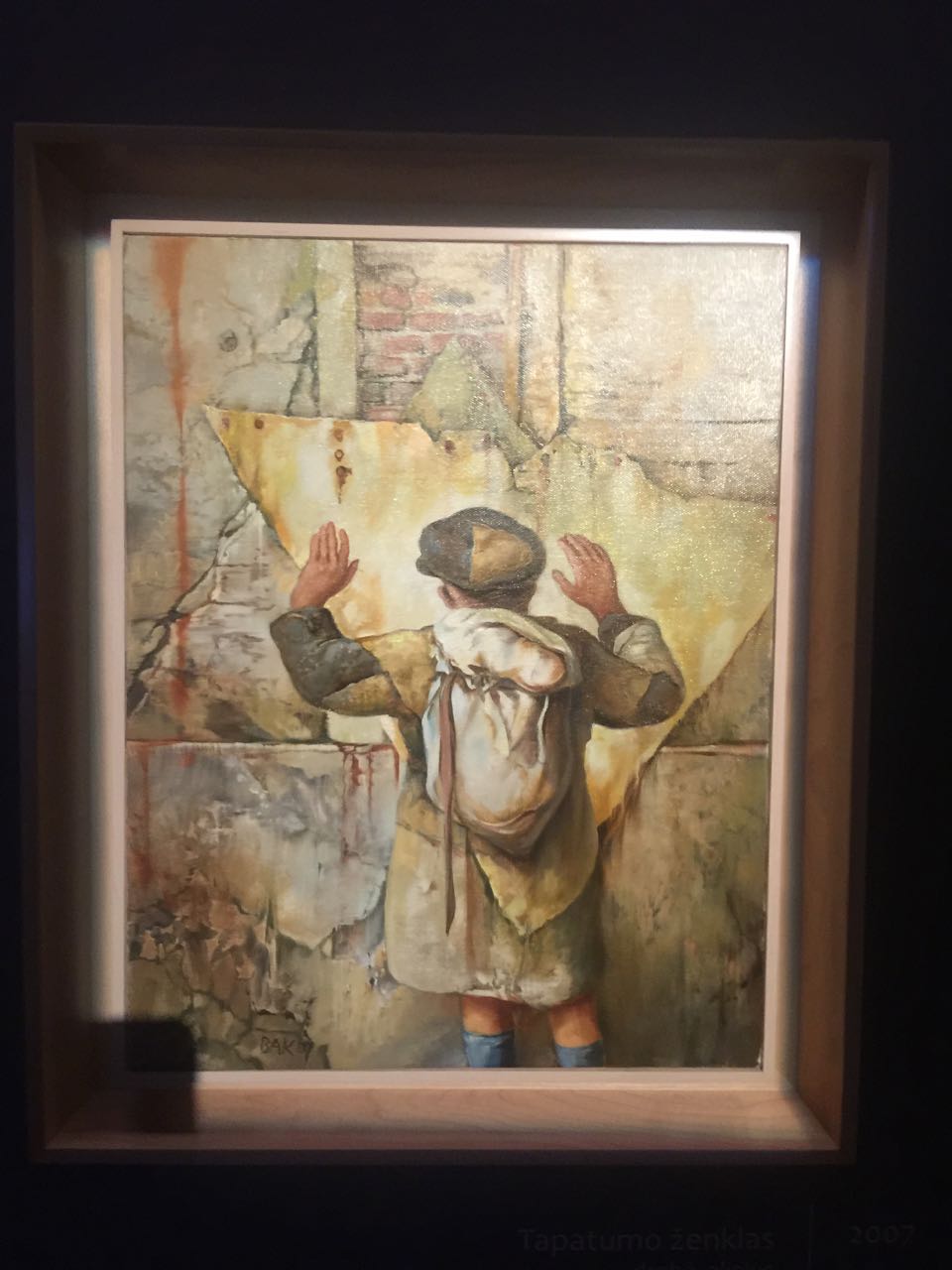
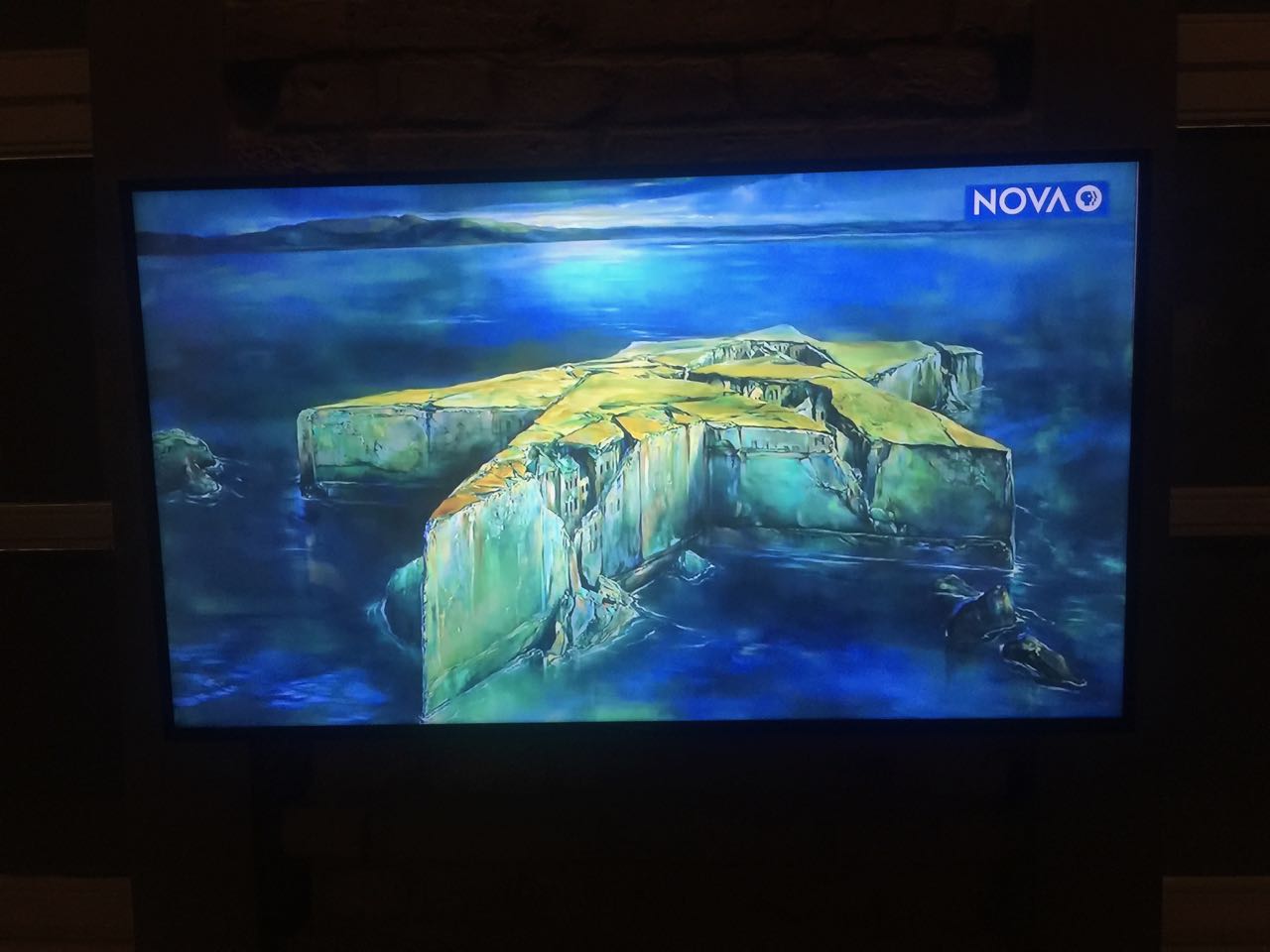
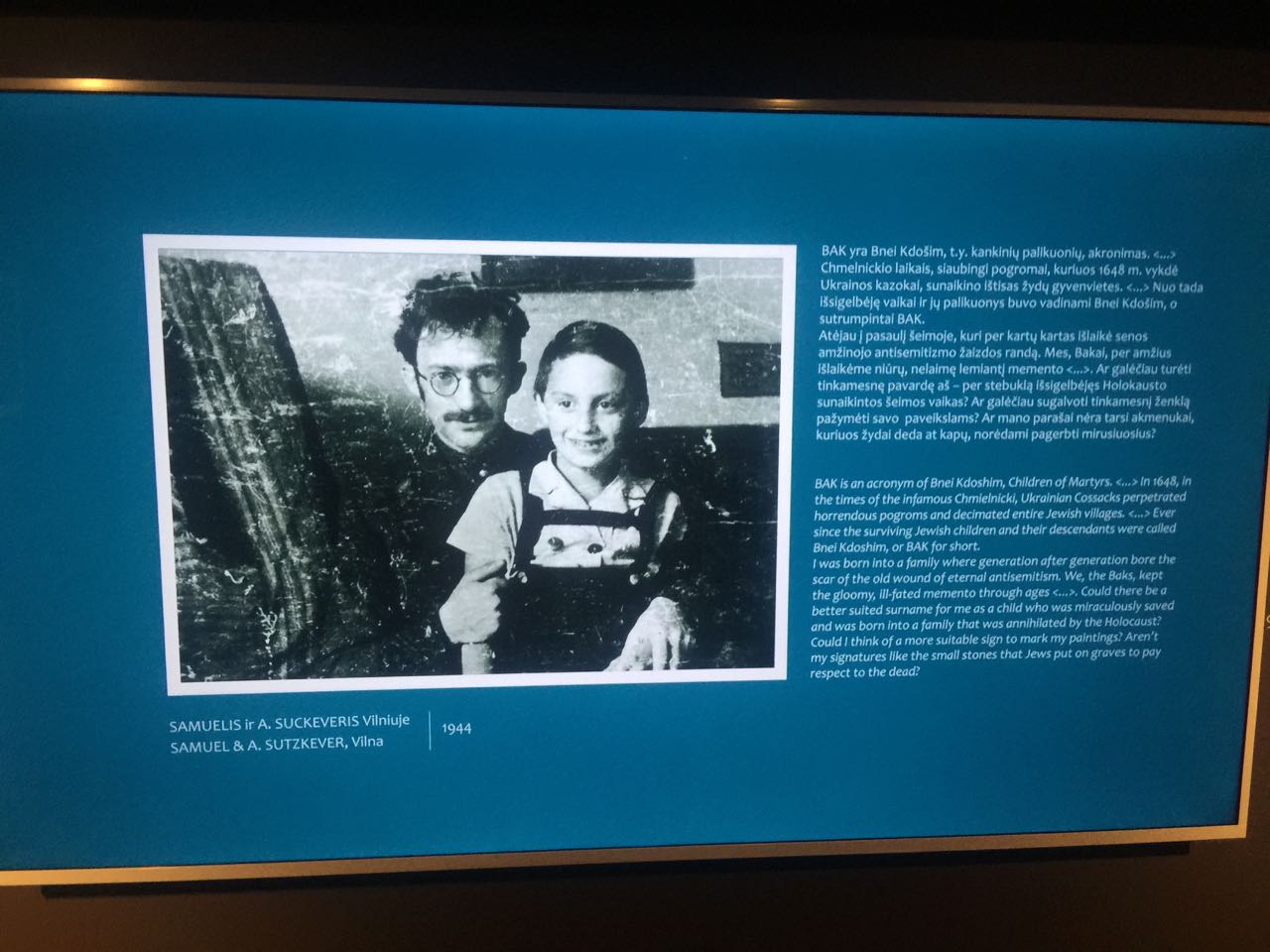
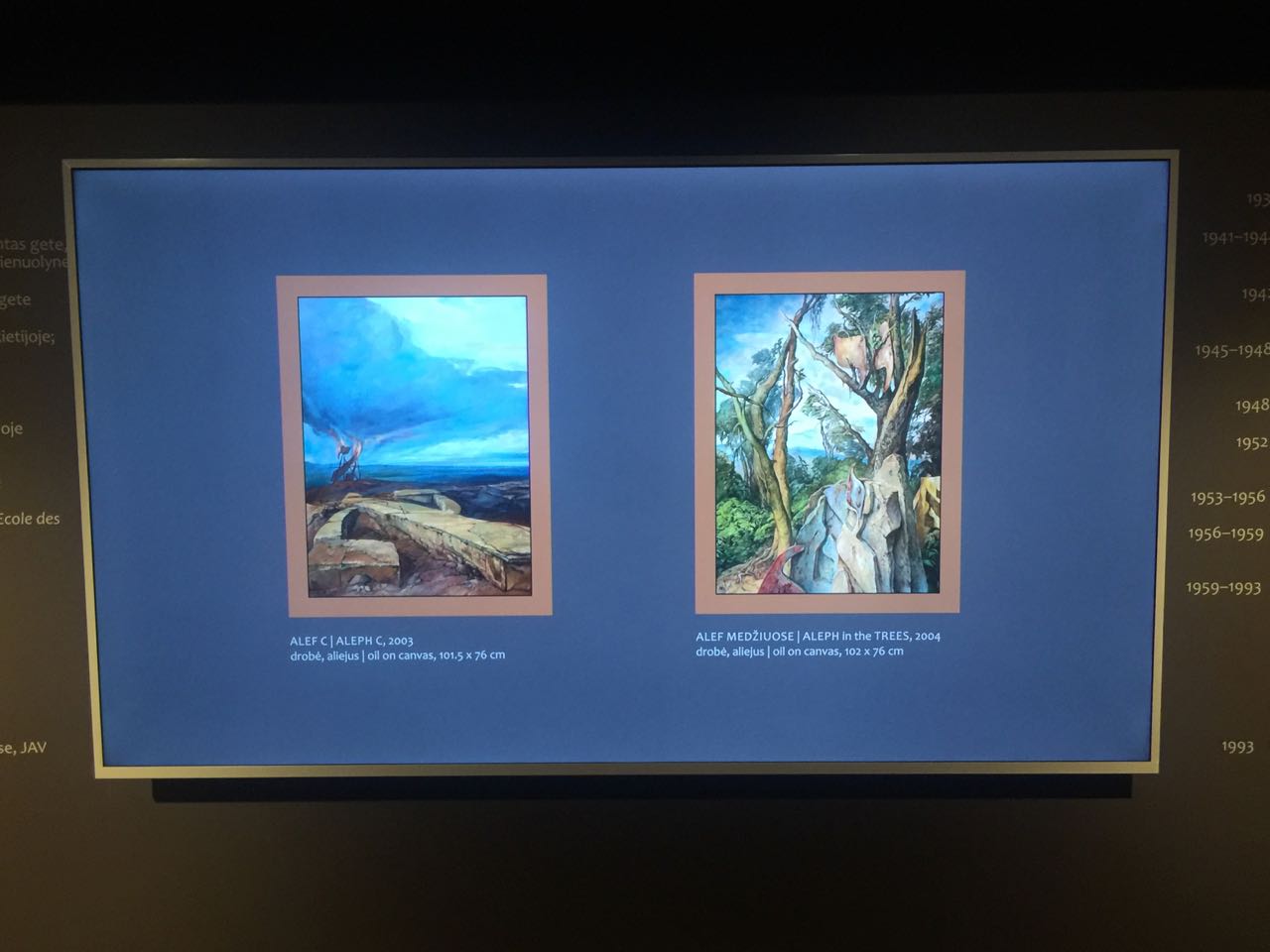
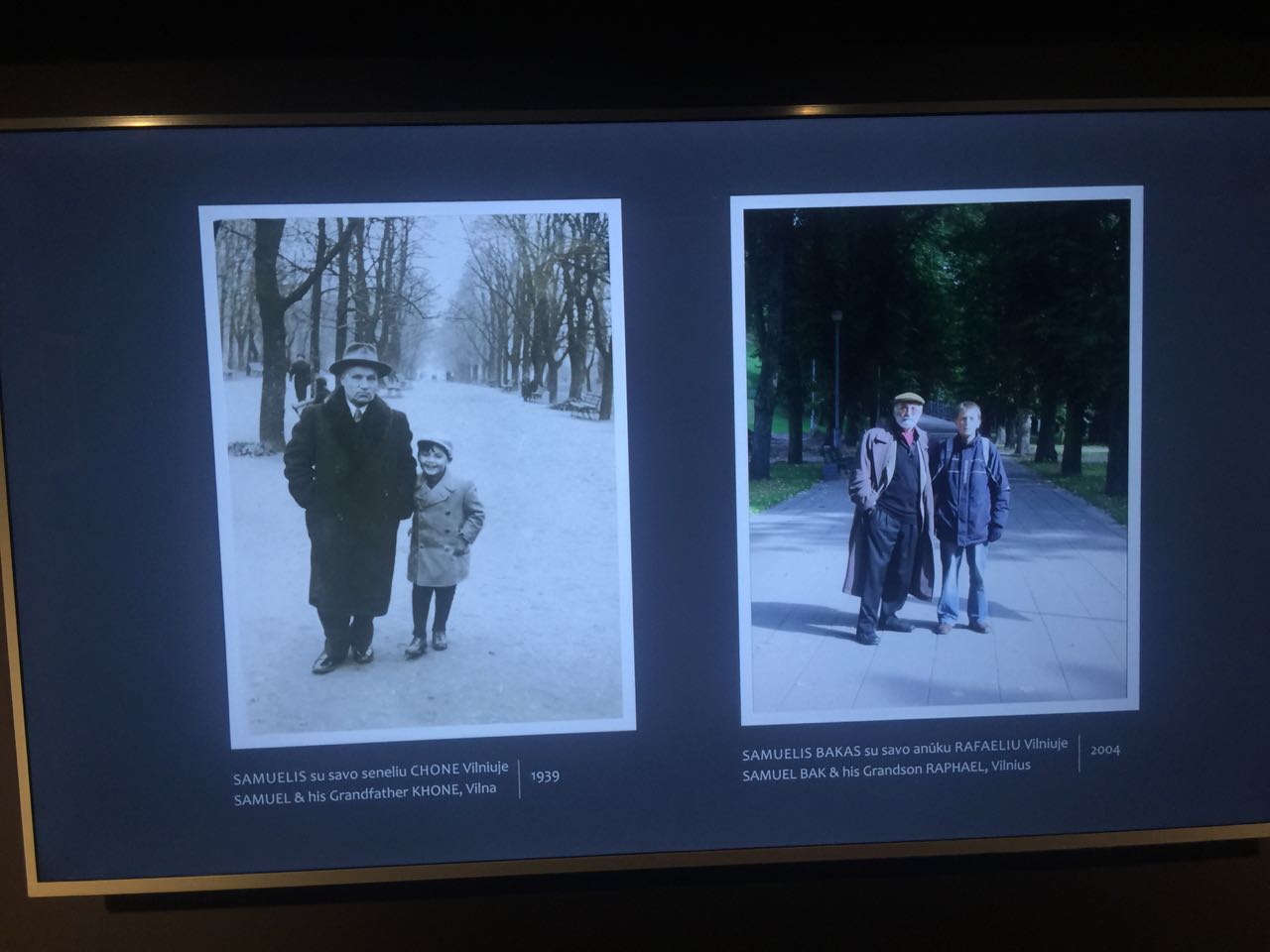
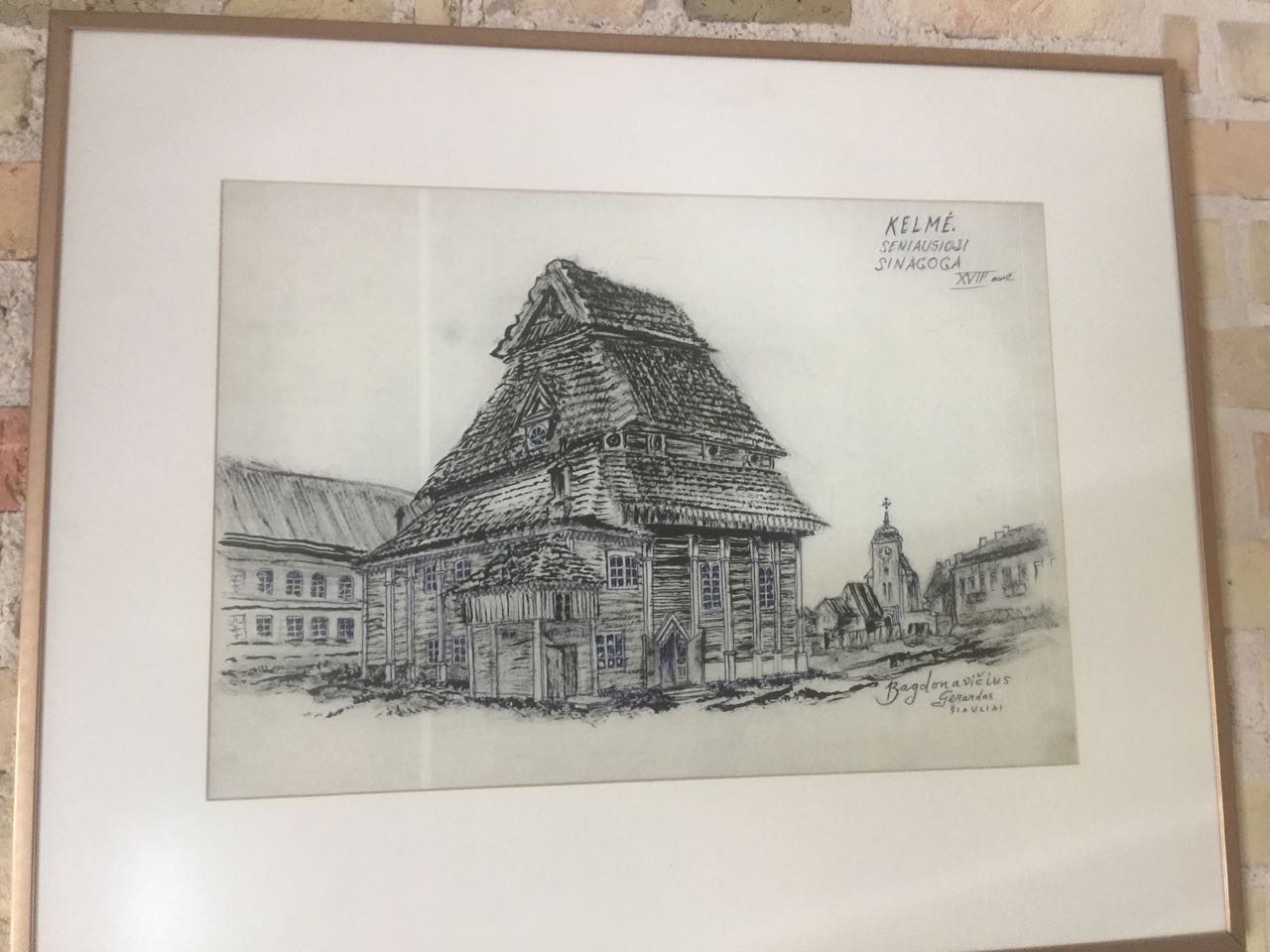
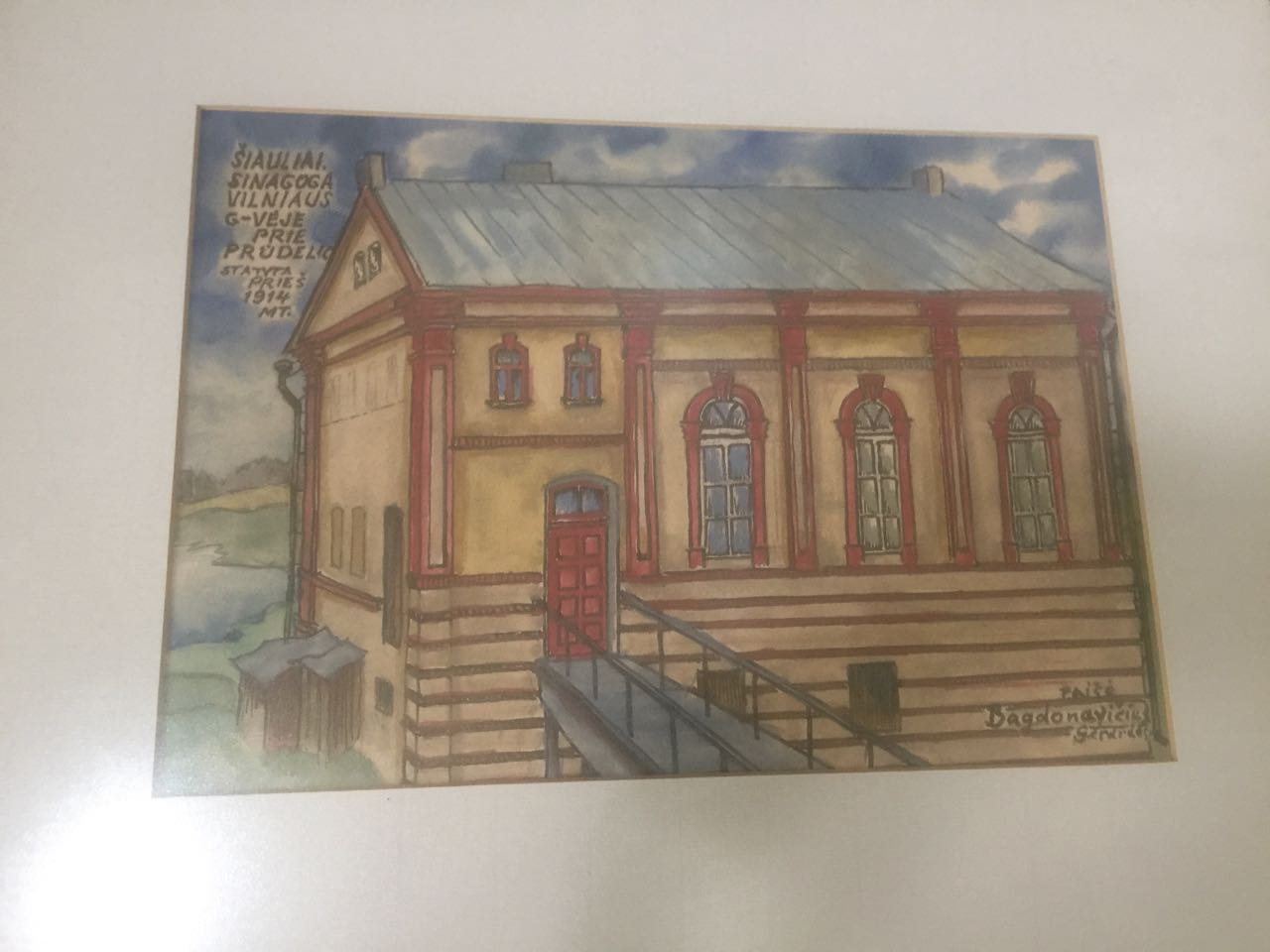
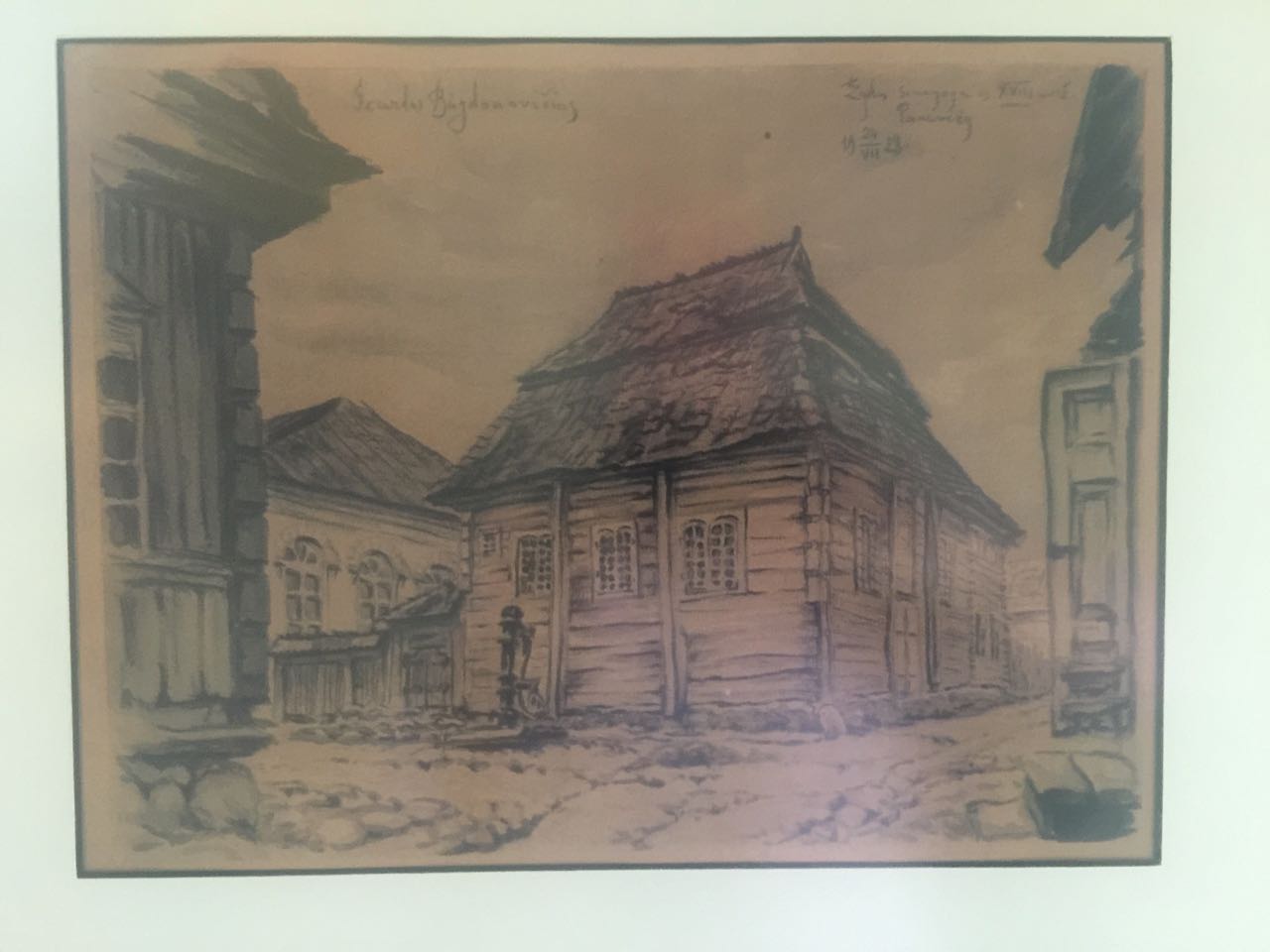
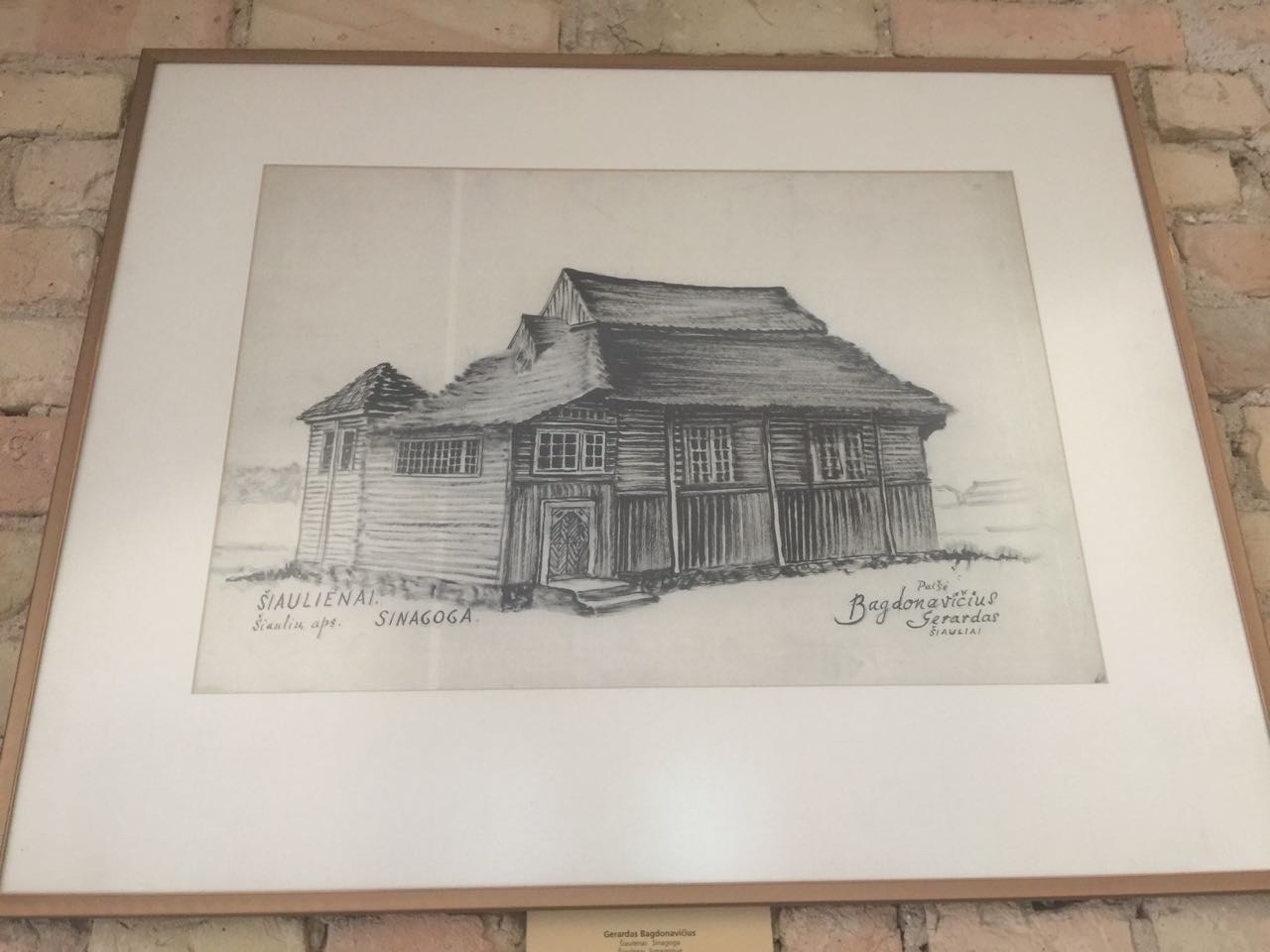
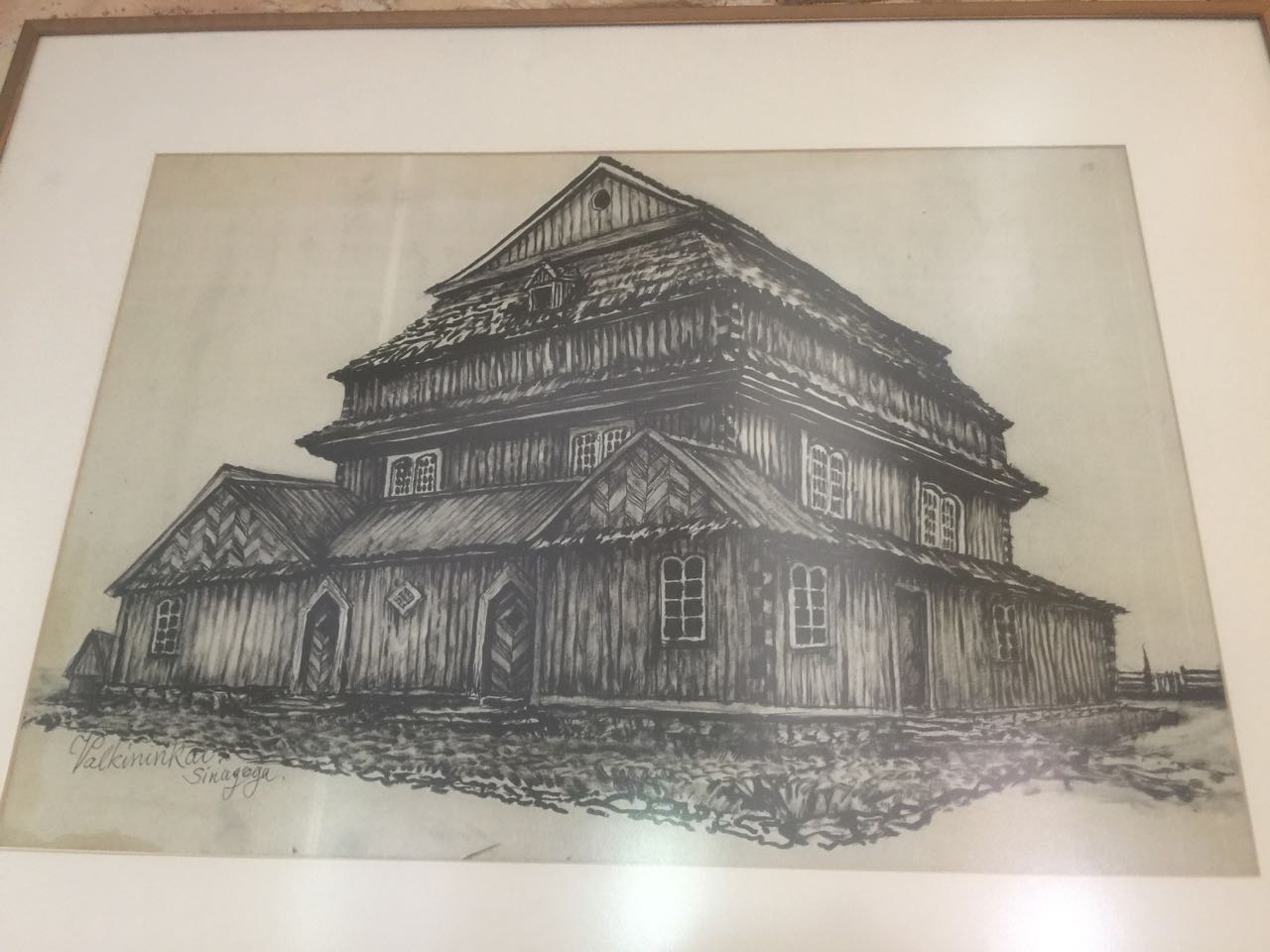
SIGNS OF THE RUINED LITVAKS WORLD IN THE CREATIVE WORKS OF GERARDAS BADGONAVIČIUS
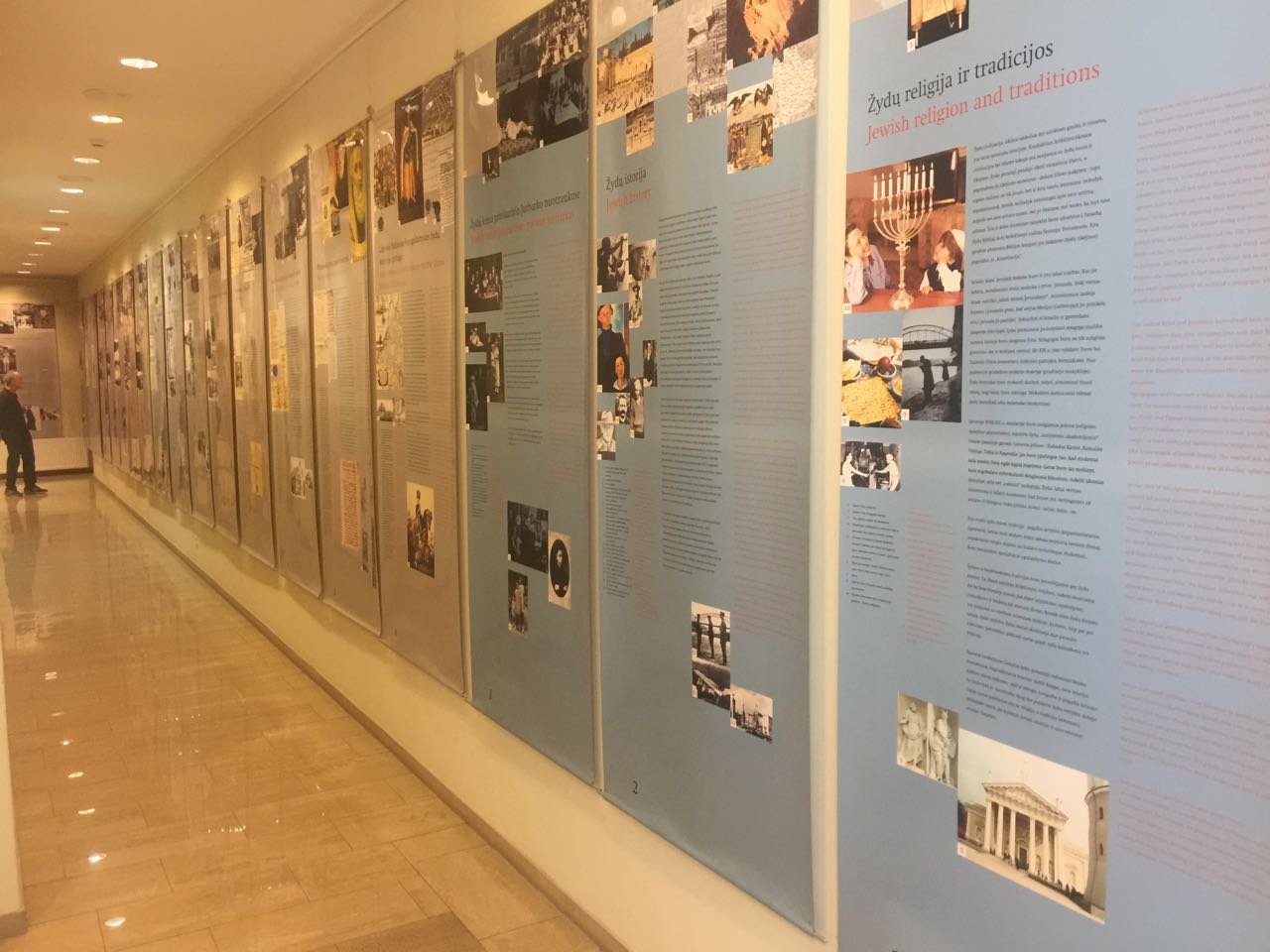
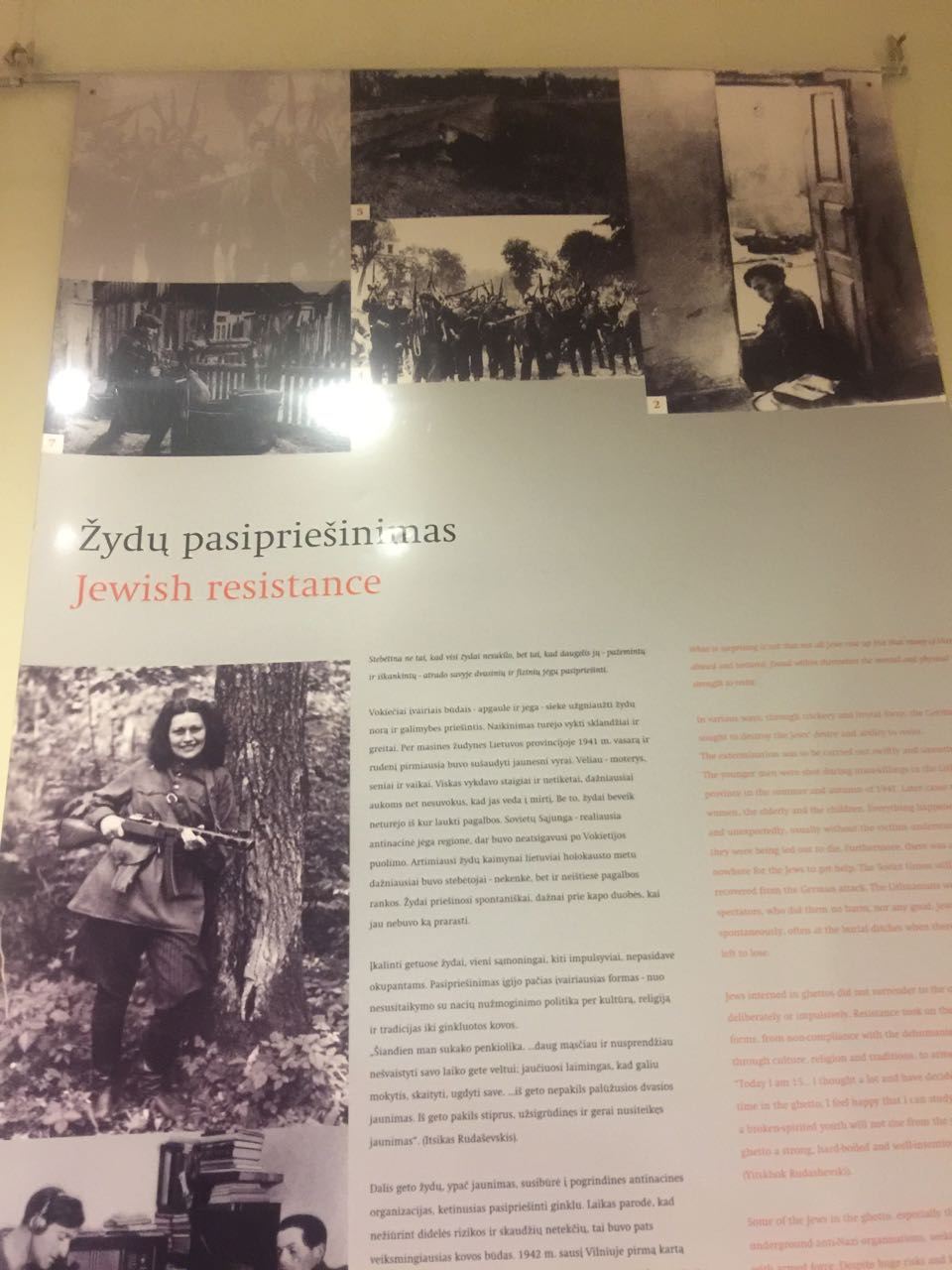
Jewish Life In Lithuania
Friends
With Simonas GurevičiusWith Saulius and LauraWith Arturas Taicas
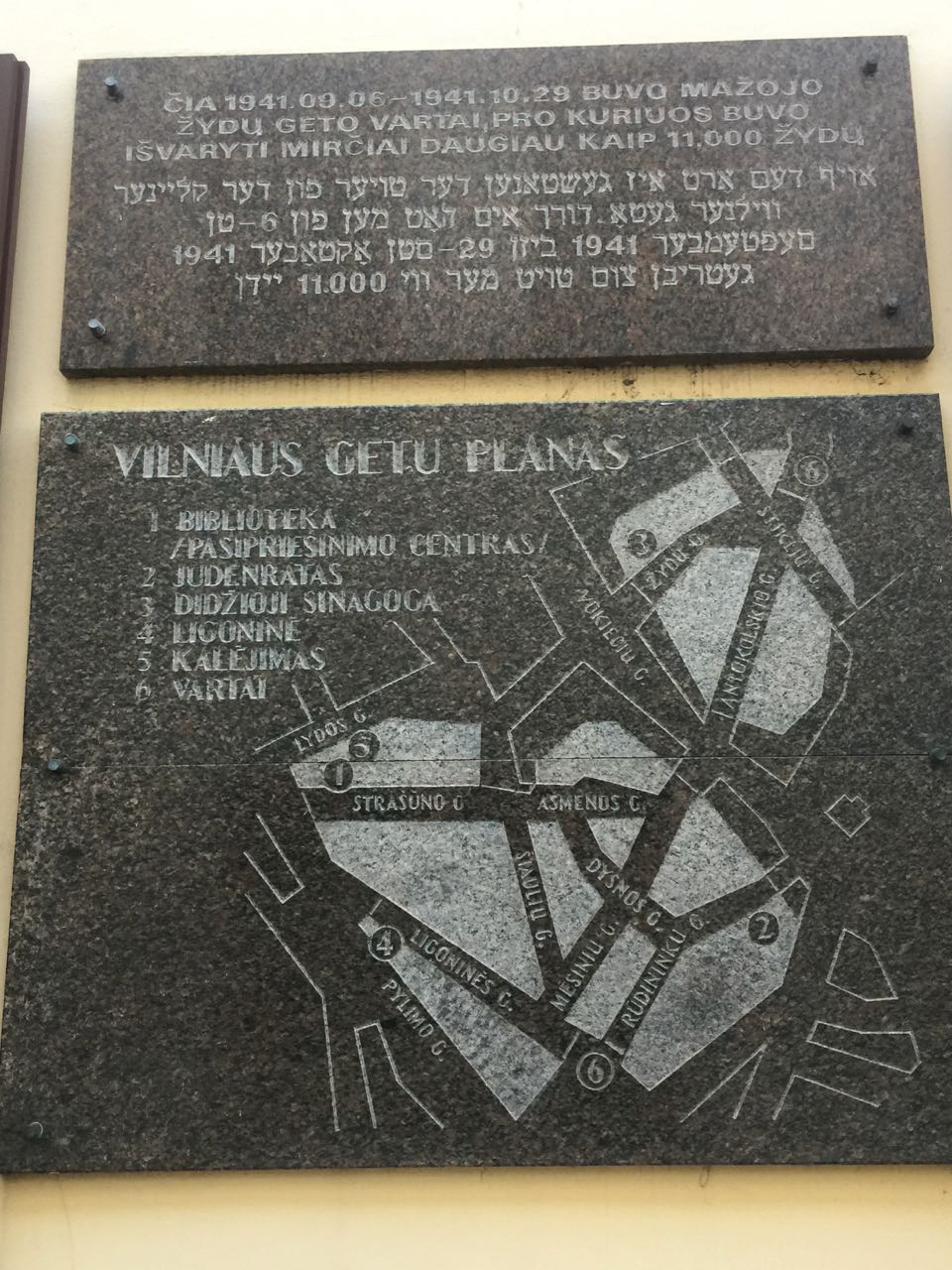
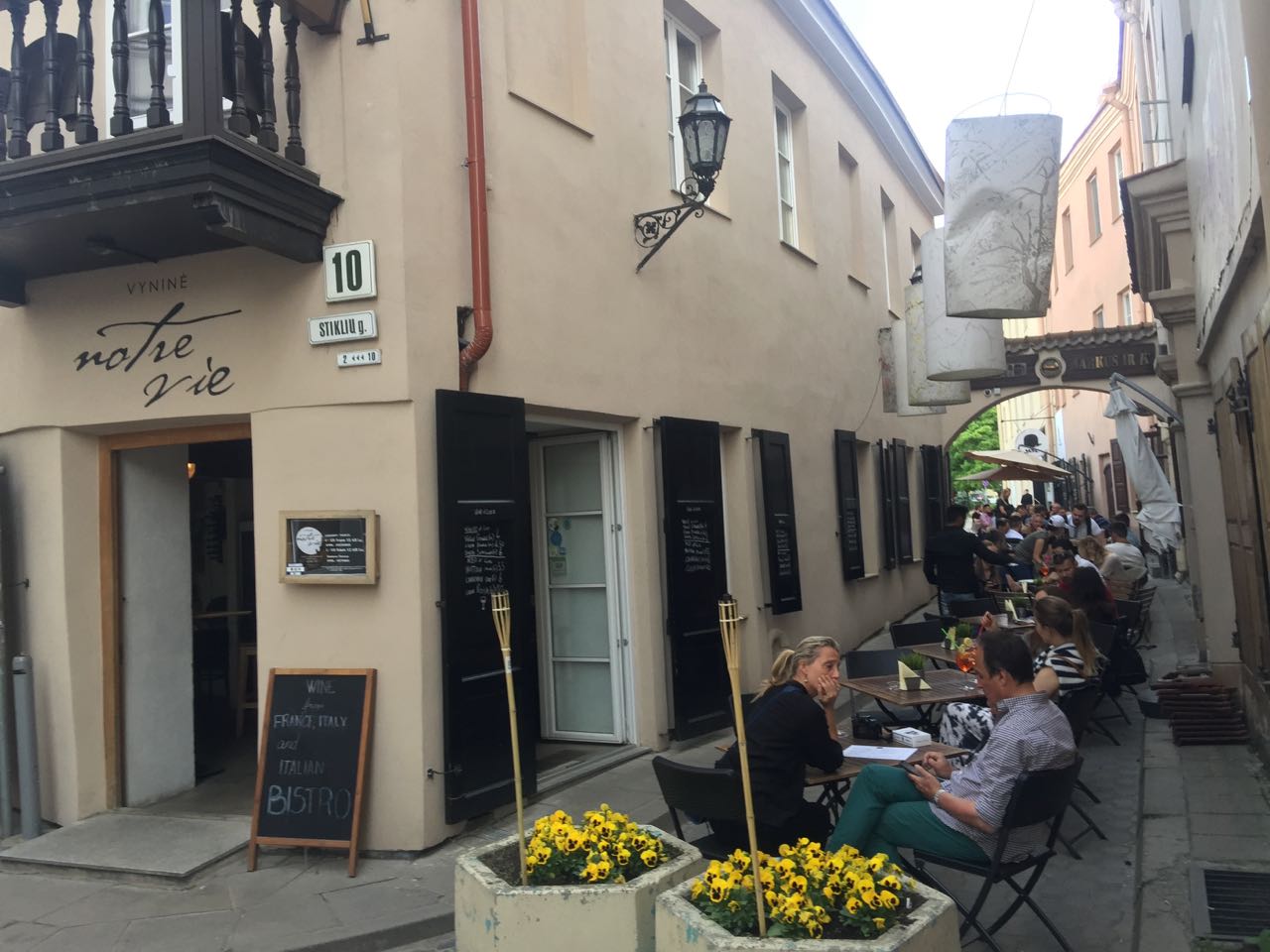
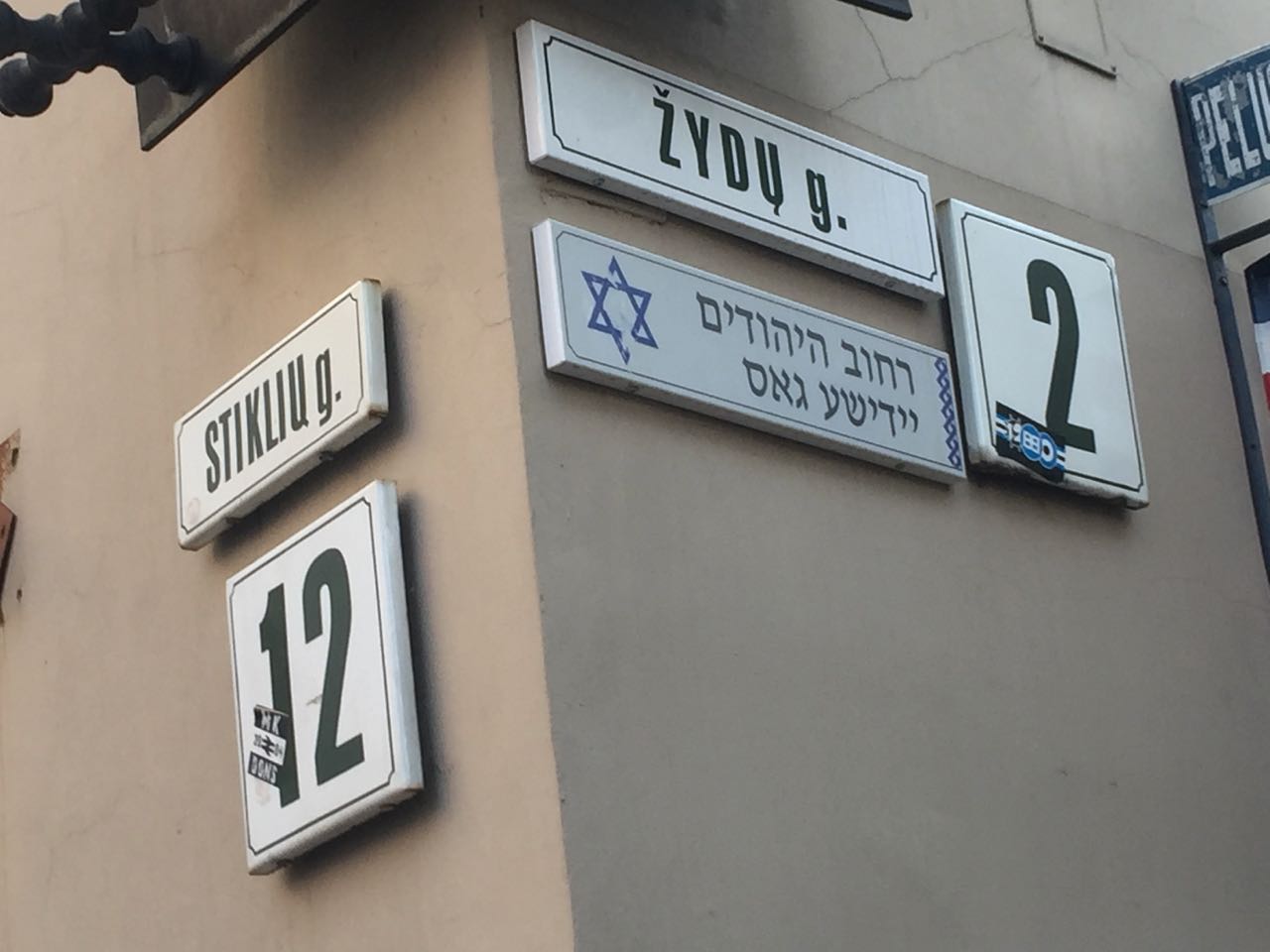
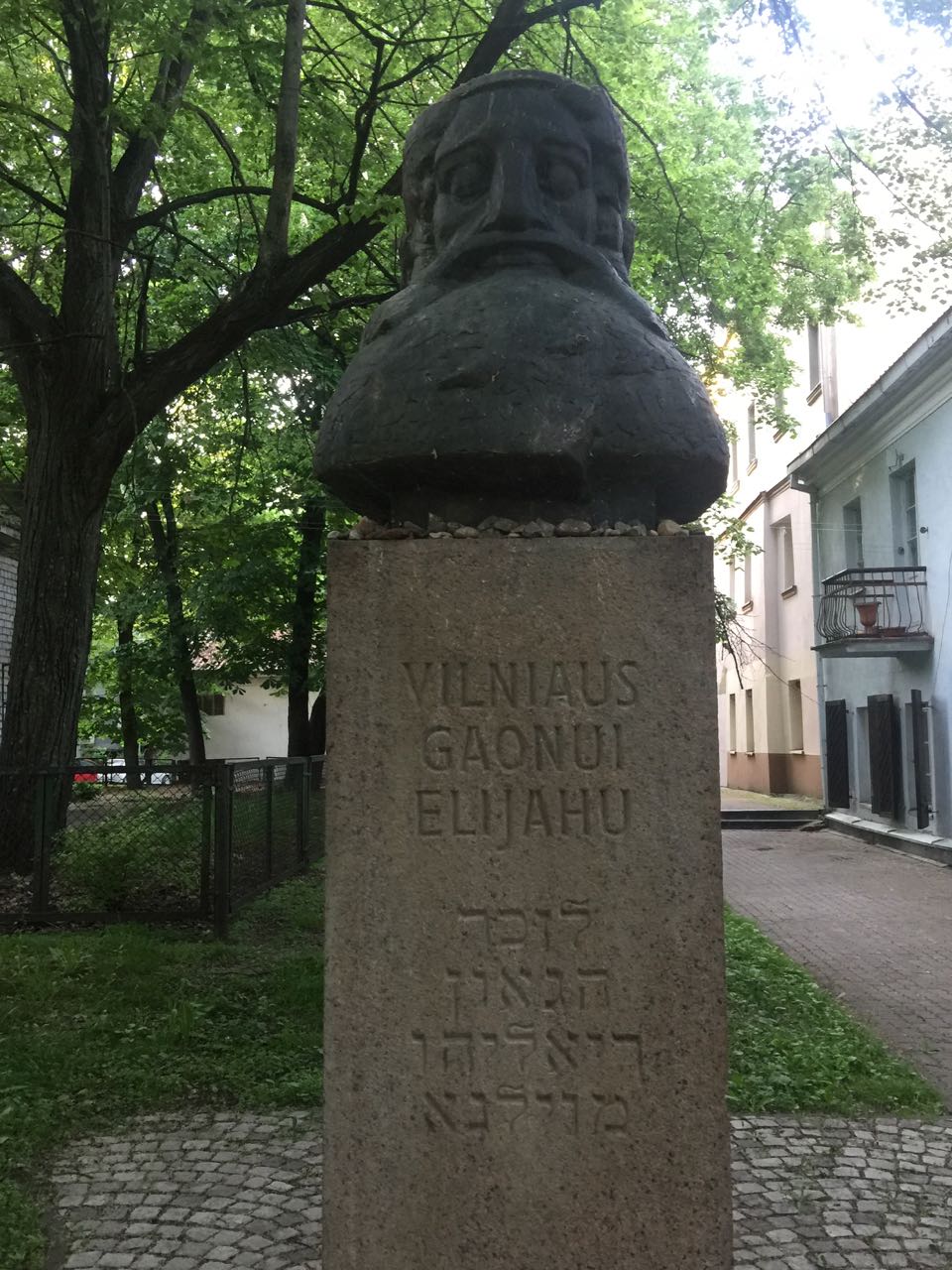
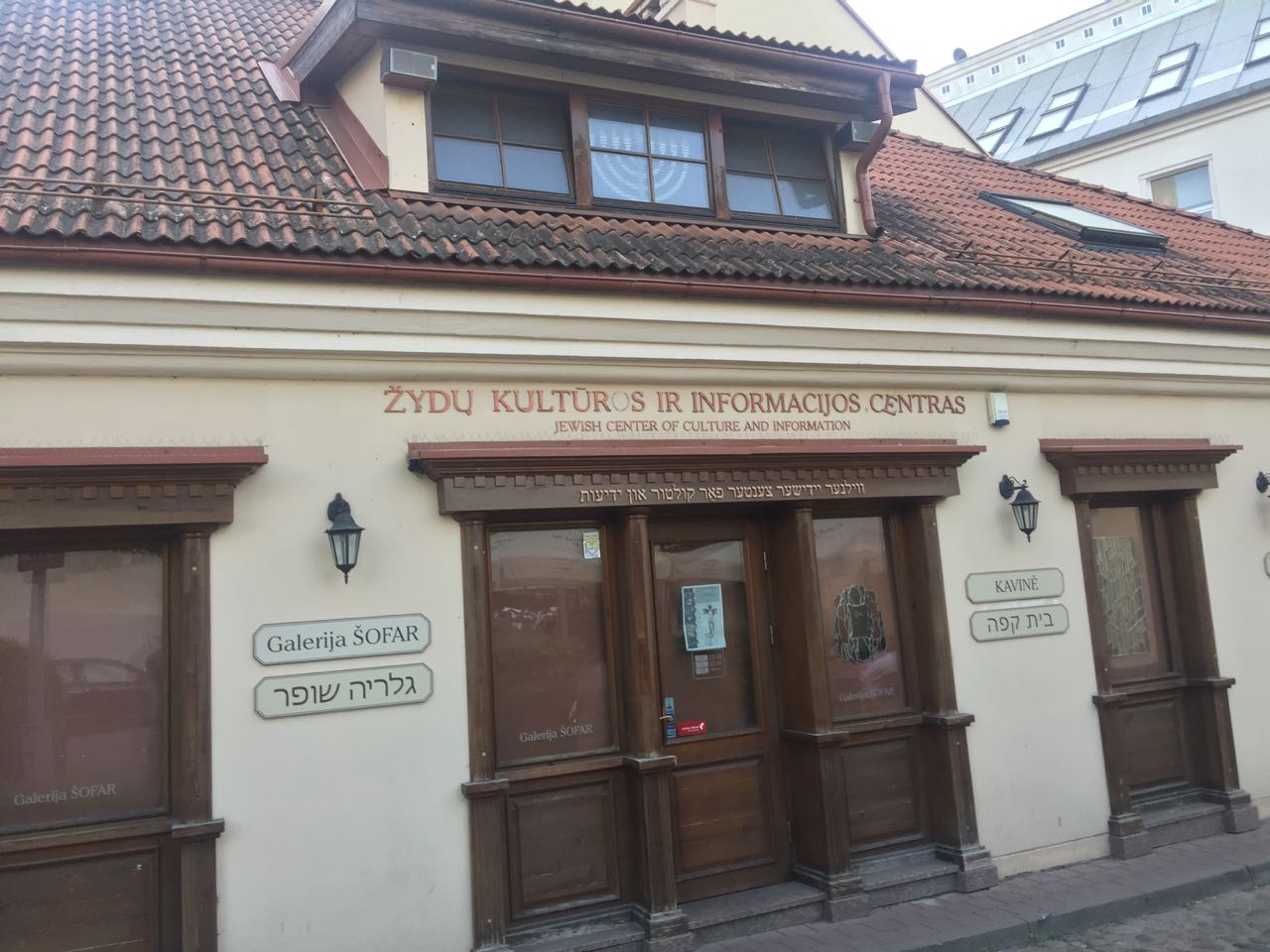
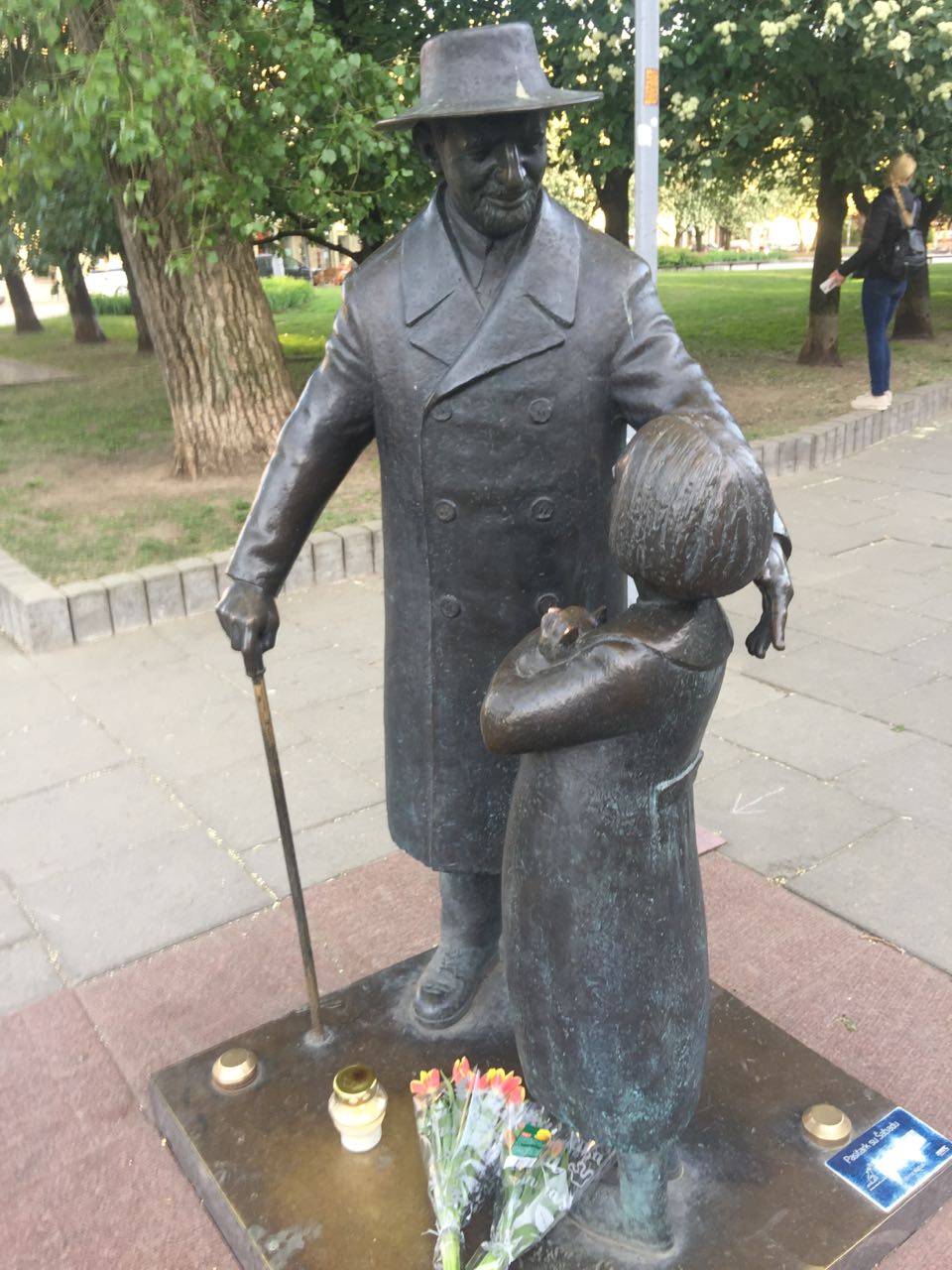
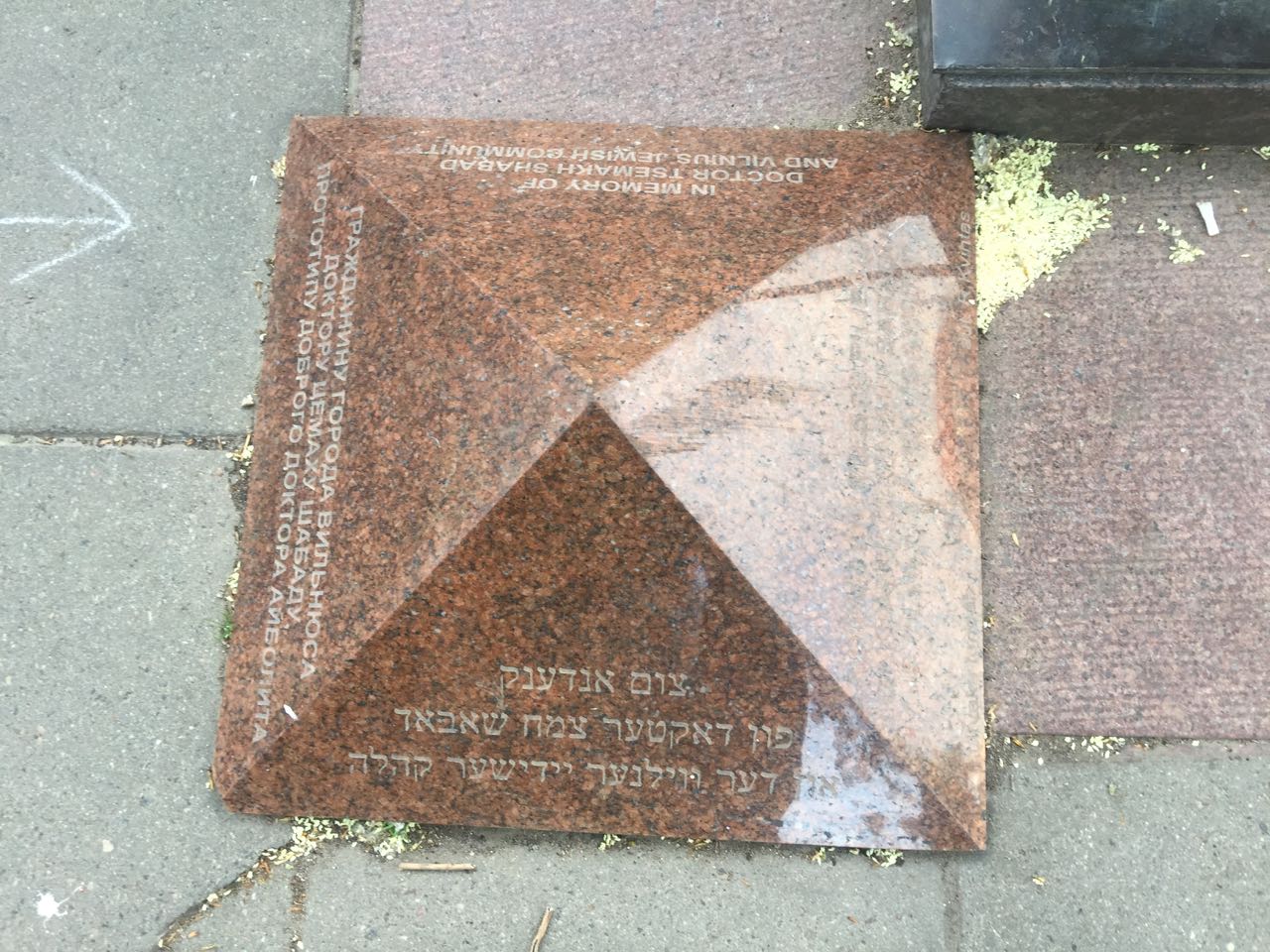
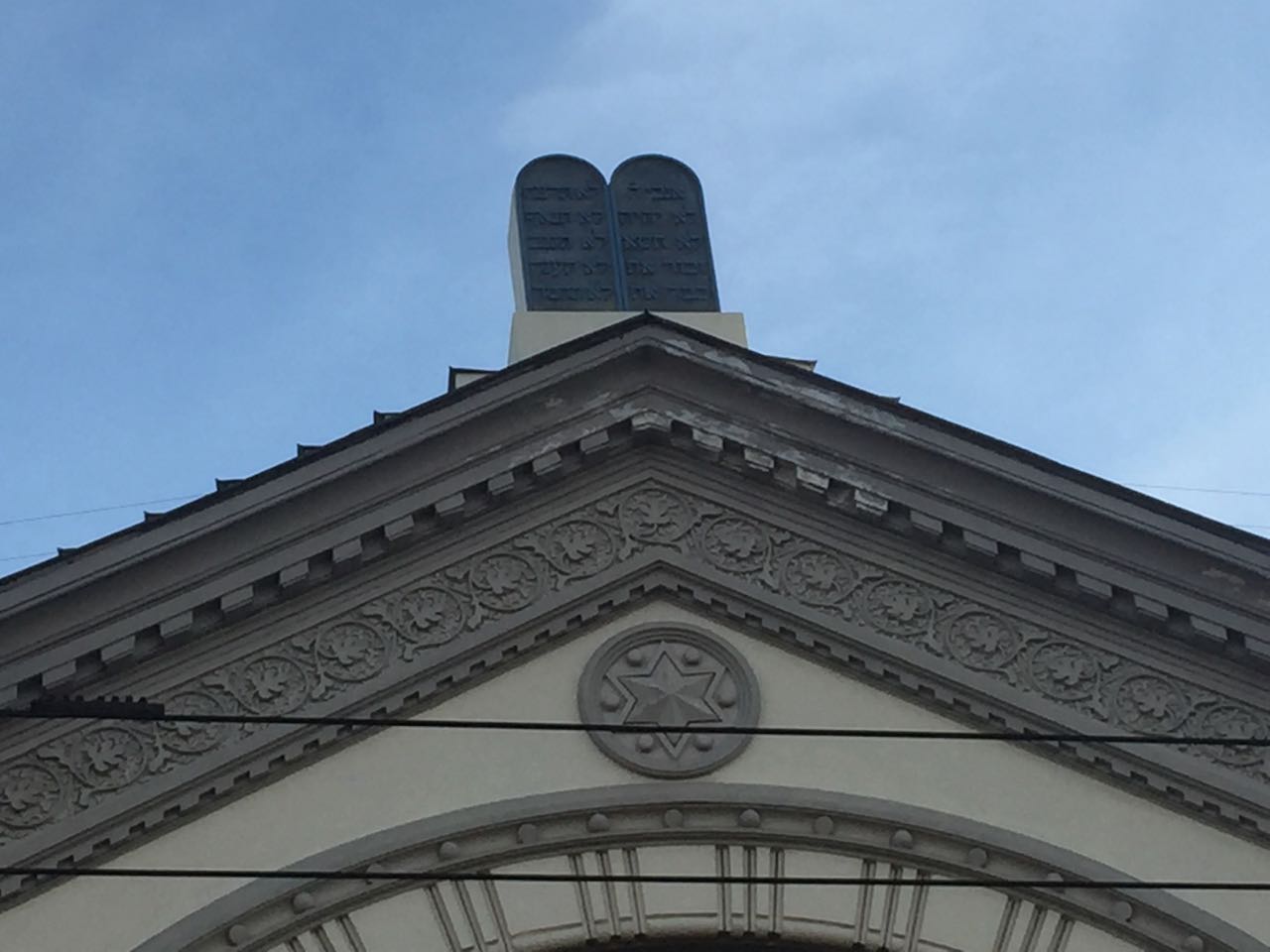
Jewish Vilnius
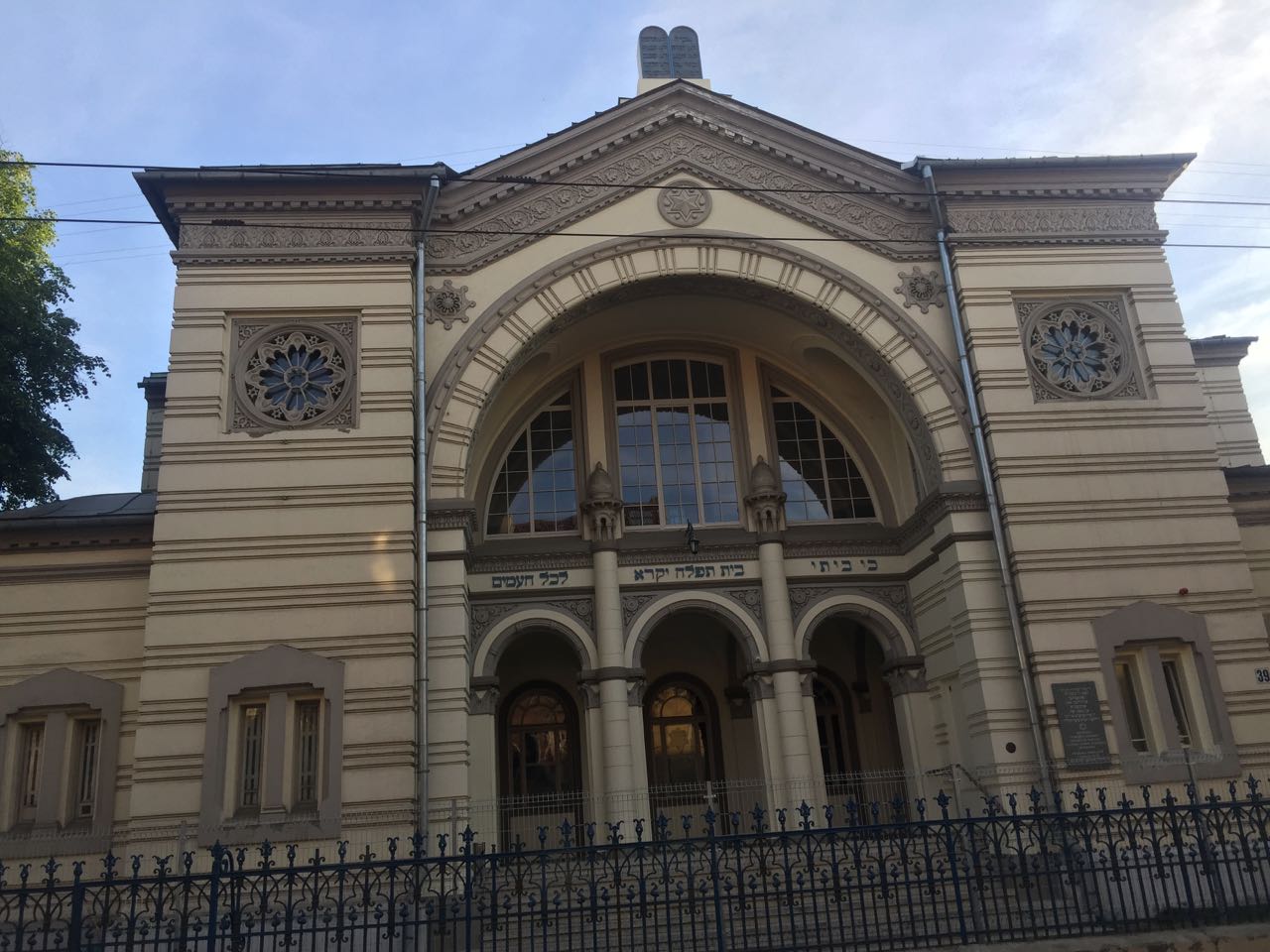
The Choral Synagogue
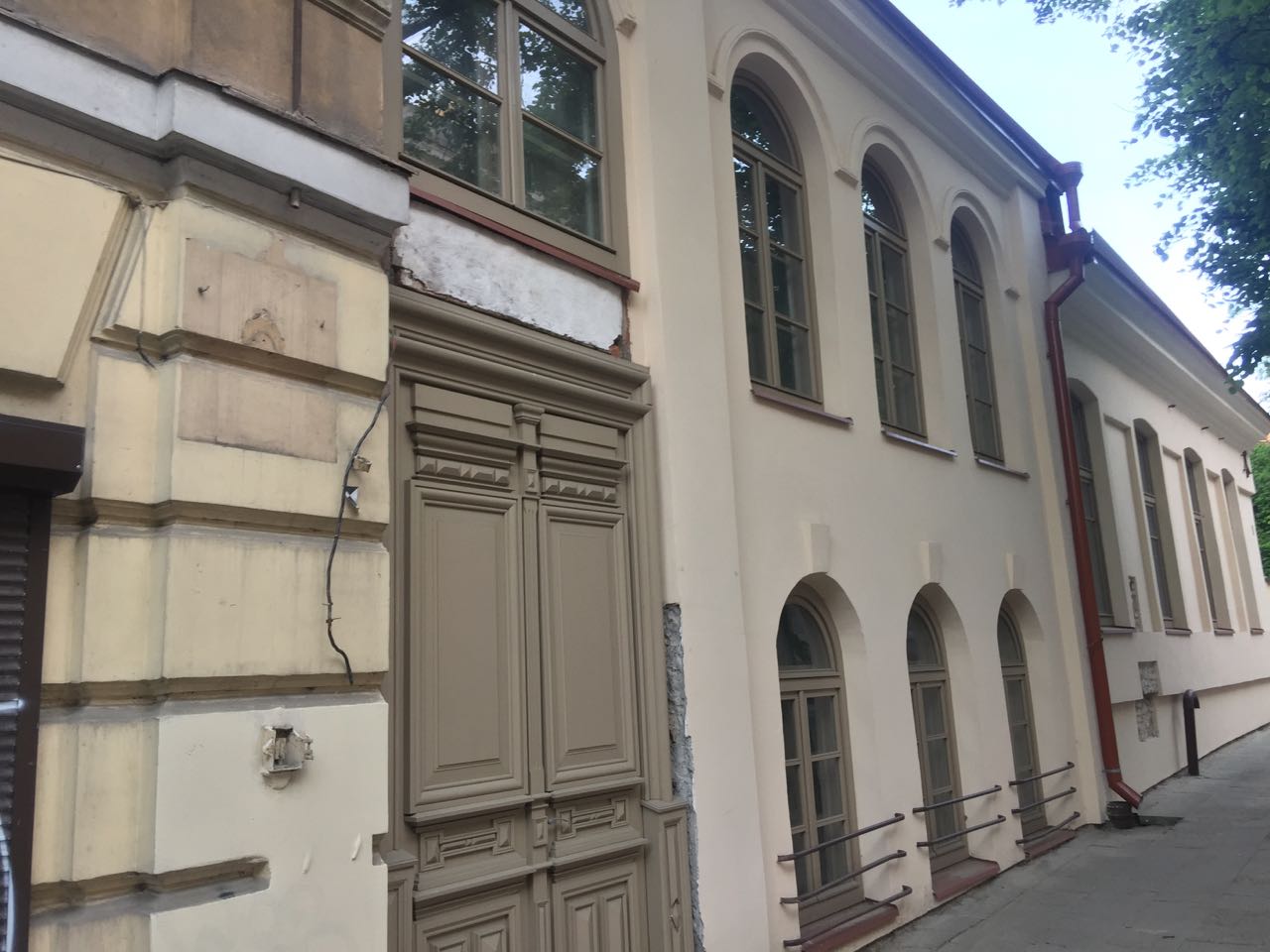
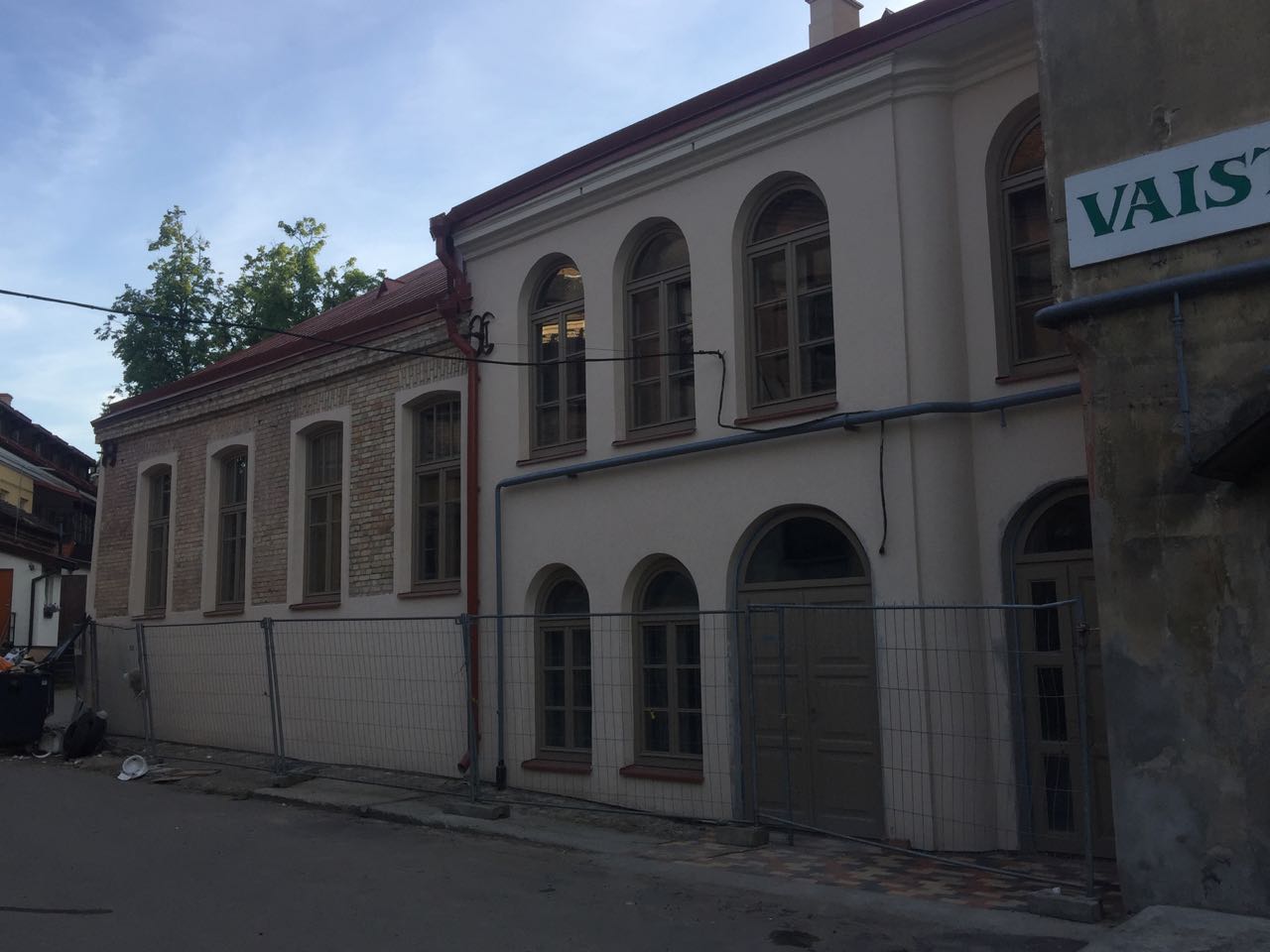
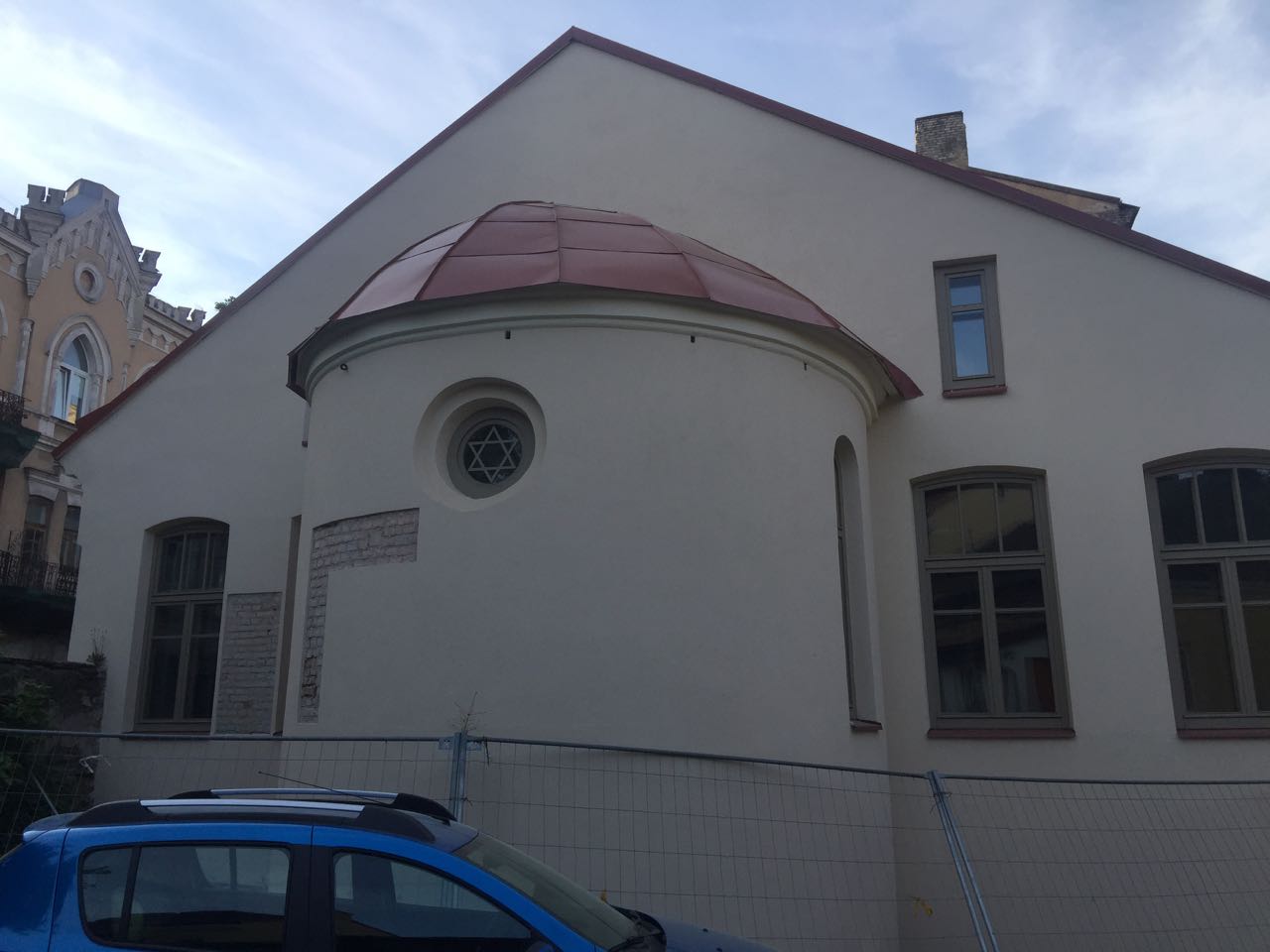
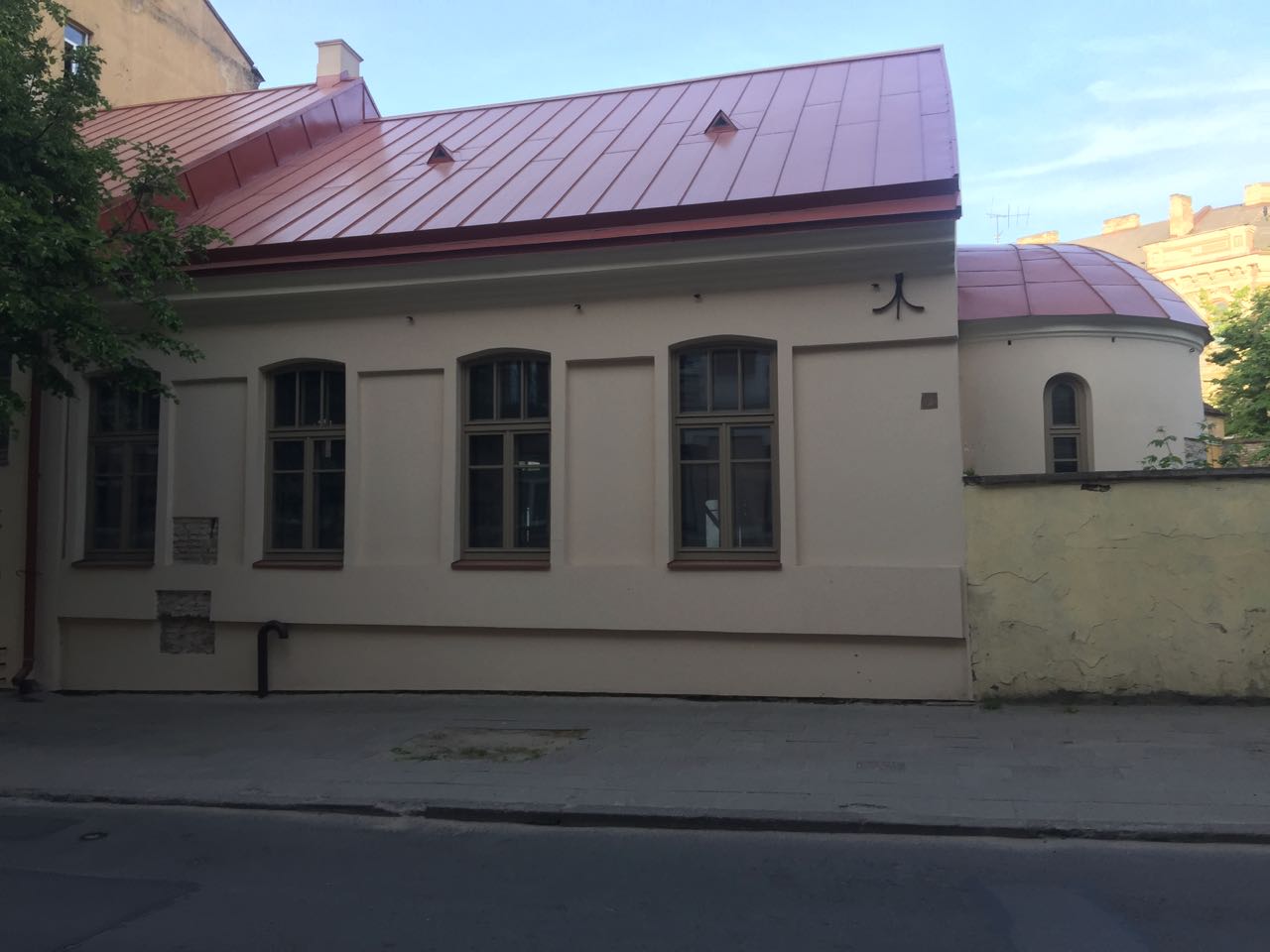
Restoration of Geliu Synagogue progressing
From my 2017 visit:
The restoration of the Geliu synagogue Renovation of Synagogue on Geliu Gatve starts in Vilnius The Lithuanian Department of Cultural Heritage confirmed on July 21, 2015, the renovation of the syna…
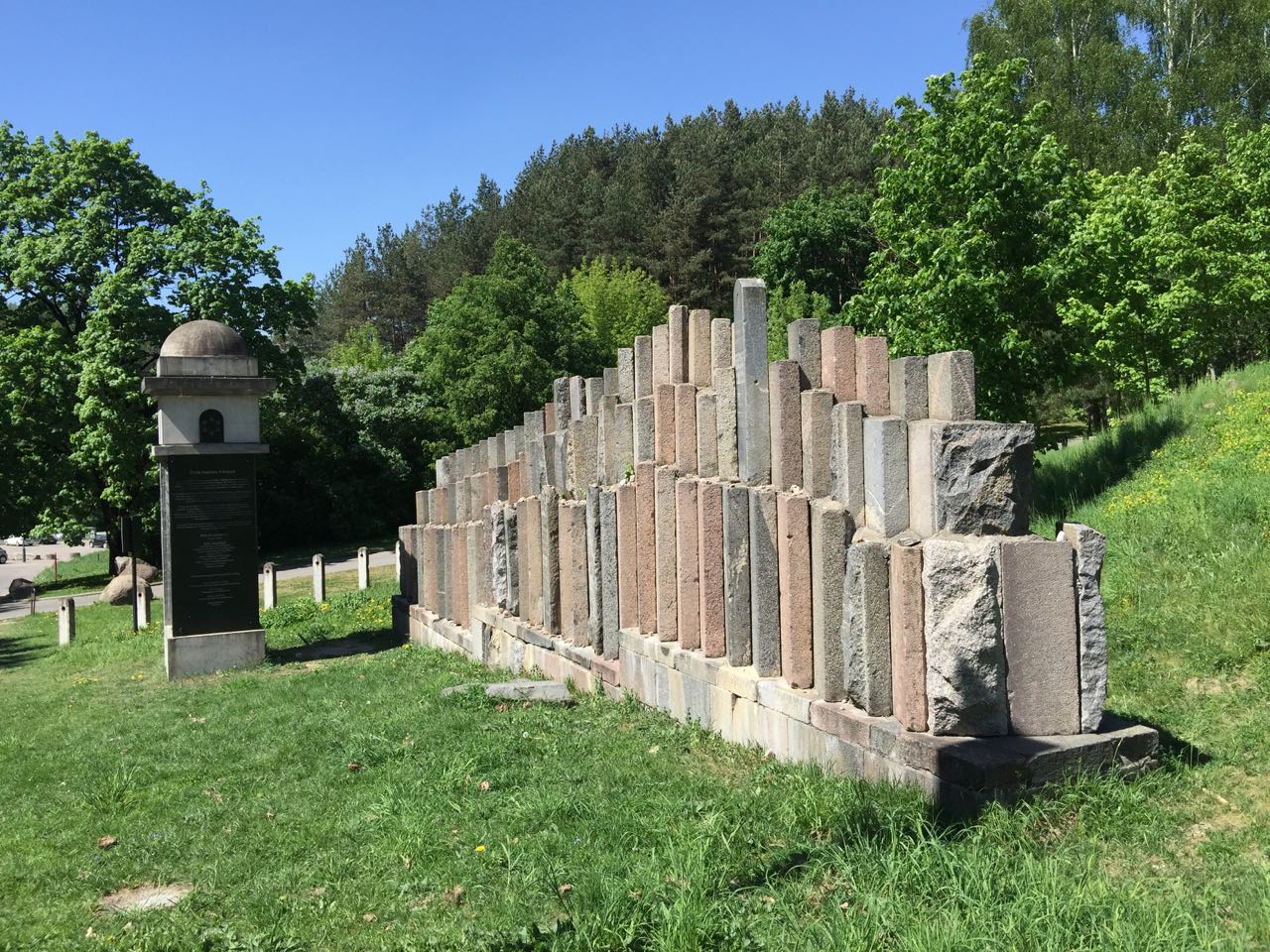
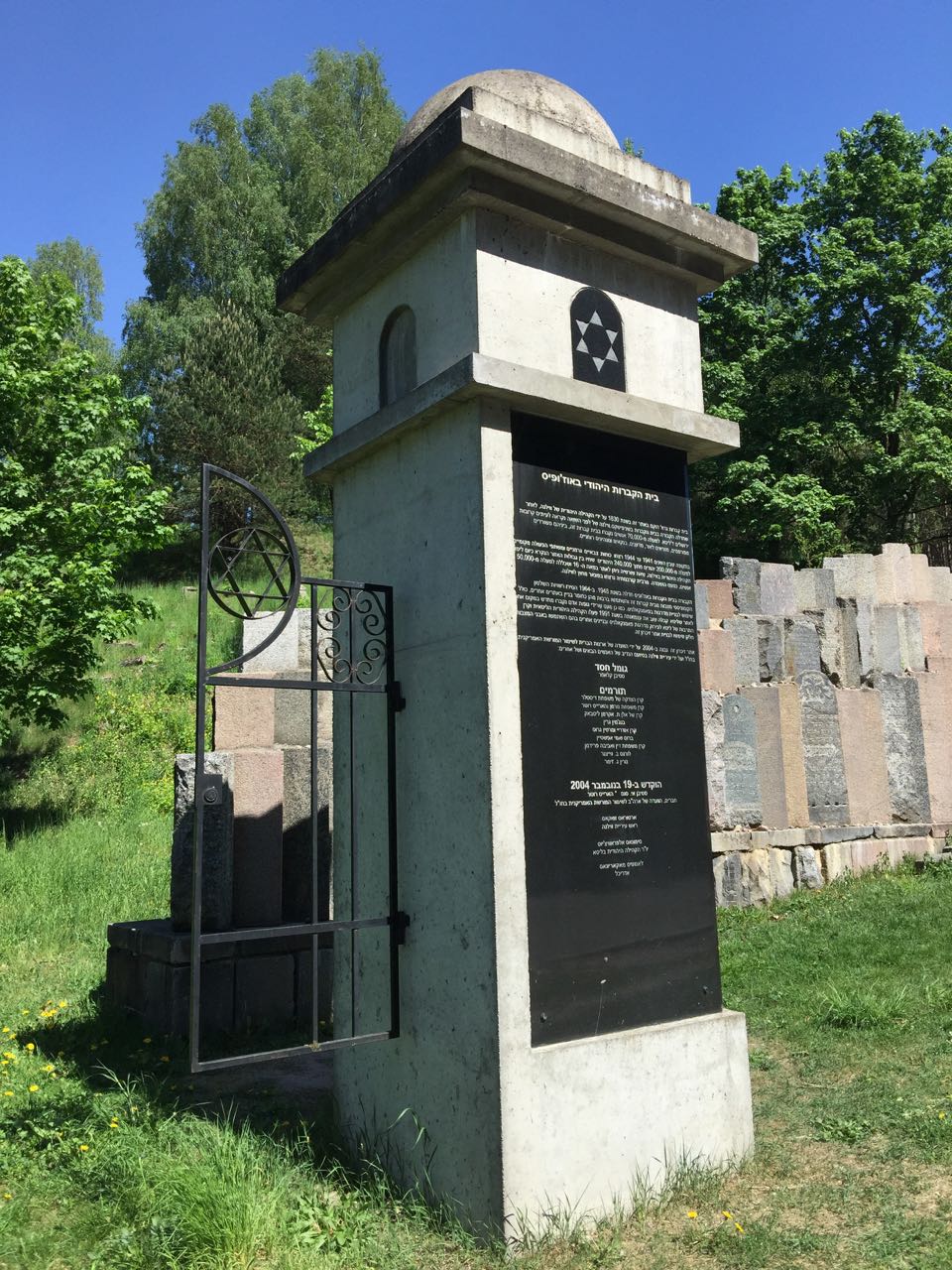
The Jewish cemeteries of Vinius are the three Jewish cemeteries of the Lithuanian Jews living in what is today Vilnius, the capital of Lithuania, which was known to them for centuries as Vilna, the principal city of the Grand Duchy of Lithuania and the Pale of Settlement of the Russian Empire. Two of the cemeteries were destroyed by the Soviet regime and the third is still active.
I am appealing for information, any publications or articles on SOUTH AFRICAN LANDSMANSHAFTEN (ASSOCIATIONS)
(AKA Sick and Benefit Societies/ Mutual Aid Societies)
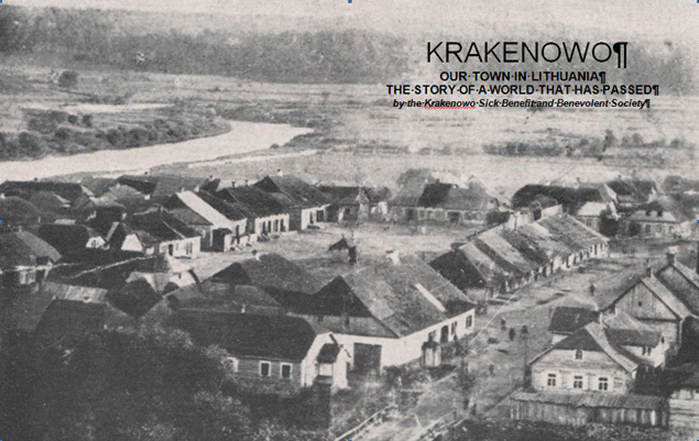
In South Africa in the early 1900s in there were many Mutual Aid Societies/Associations/Landsmanshaften from mainly Lithuanian towns including: Aniksht, Birzh, Chelm ( Poland), Dvinsk (Latvia), Keidan, Kelme, Kovno, Krakinowo, Kroze, Kupishok, Kurland (Latvia), Lutzin, Malat, Minsk (Belarus), Ponevez, Poswohl, Plungyan, Rakishok, Riga (Latvia), Shavlan, Shavl, Shater, Tels, Utiyan, Vilna and Zhagar.
To help one another and the new immigrants arriving with virtually nothing, Landsleit (people from the same towns or districts) banded together to form Landsmanshaften (Mutual Aid Societies) that helped the sick and poor, buried the dead and provided interest free loans to help members start businesses. They also provided a place where the community of mainly men ‘greeners’ could gather and socialise.
My next compilation PG will be SOUTH AFRICAN LANDSMANSHAFTEN (Jewish Sick and Benefit Societies / Associations of the early 20th century).
While I have published booklets on Keidan and Krakenowo and have booklets on Ponevez and Malat, I am appealing for information and any other publications of these Landsleit or any others from South Africa. Also, I am seeking publications of any Jewish Communities in Johannesburg.
Noranda CHABAD, Perth, Western Australia, 30 June 2018
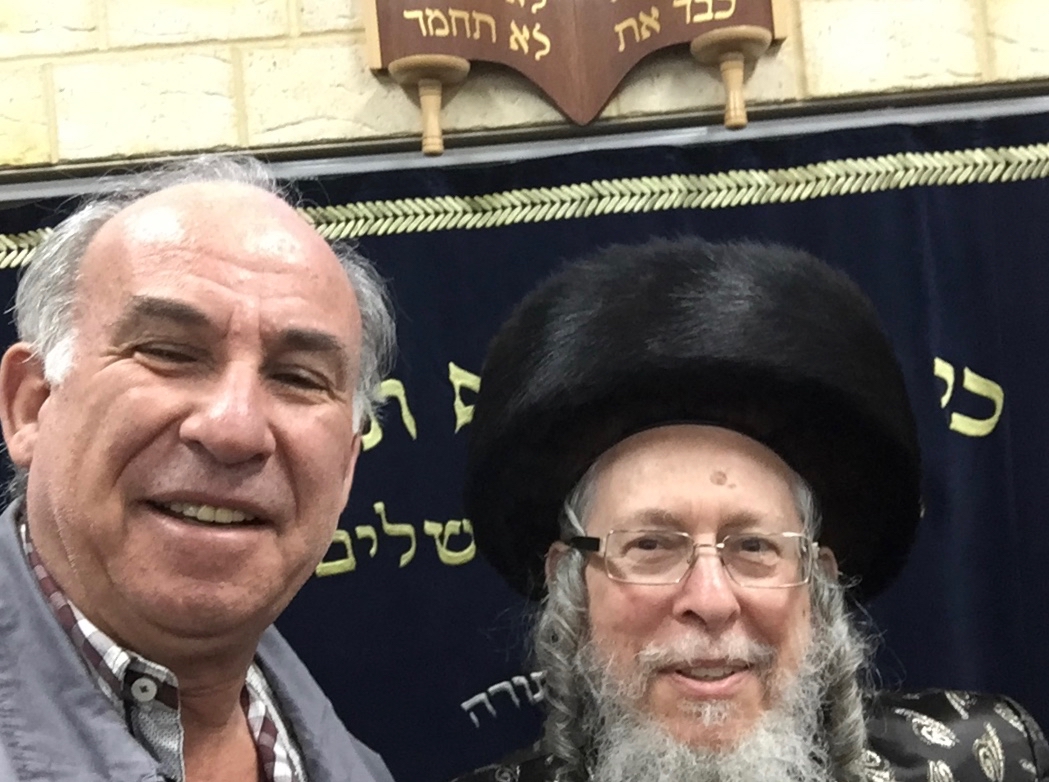
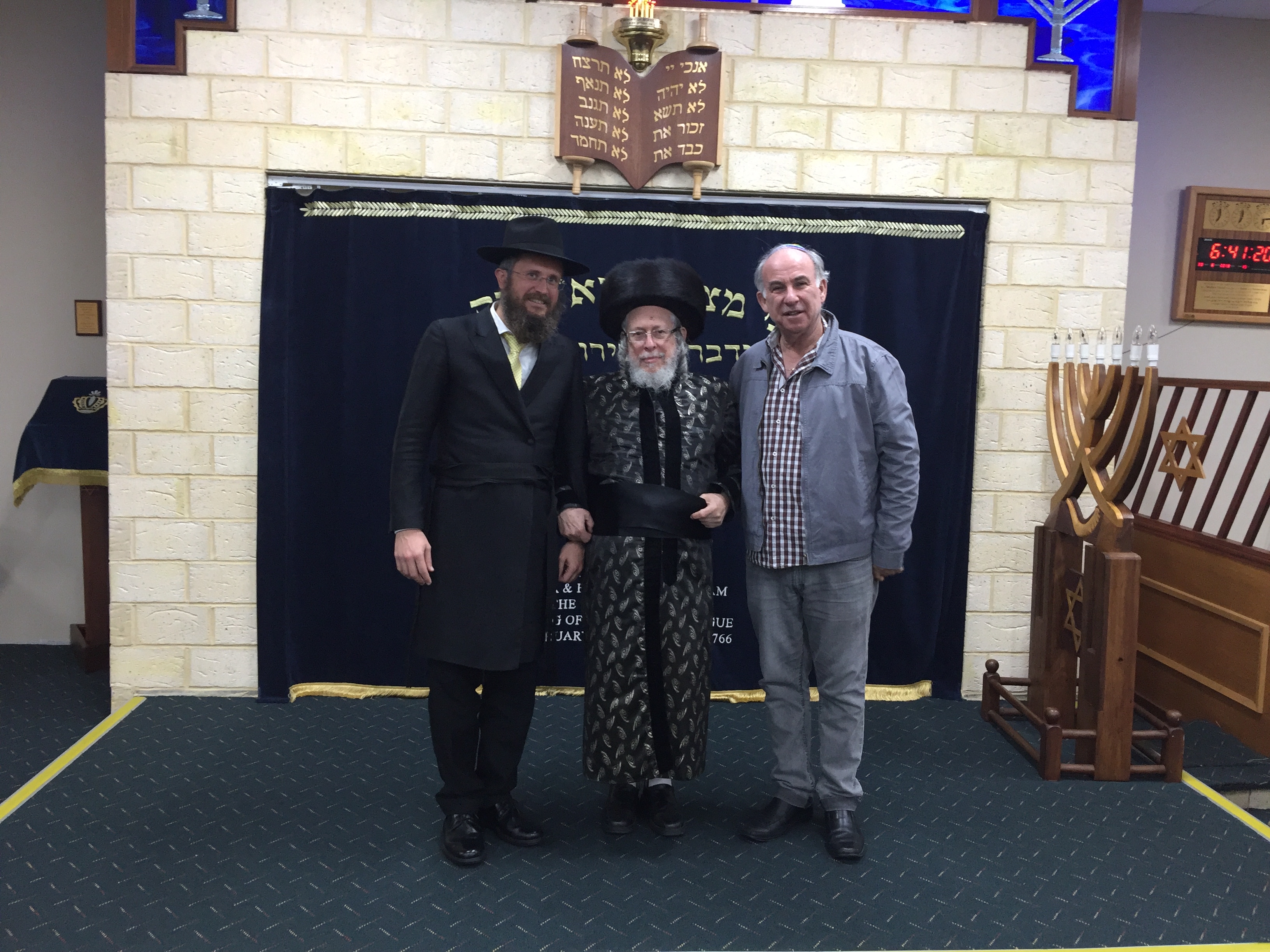
Avraham Shalom Halberstam spends Shabbat Balak with us. I had discovered on his previous visit to Perth in July 2016 that we were 8th cousins. Researching using Geni.com, I discovered that we both are members of the Katzenellenbogen Rabbinic Family Tree.
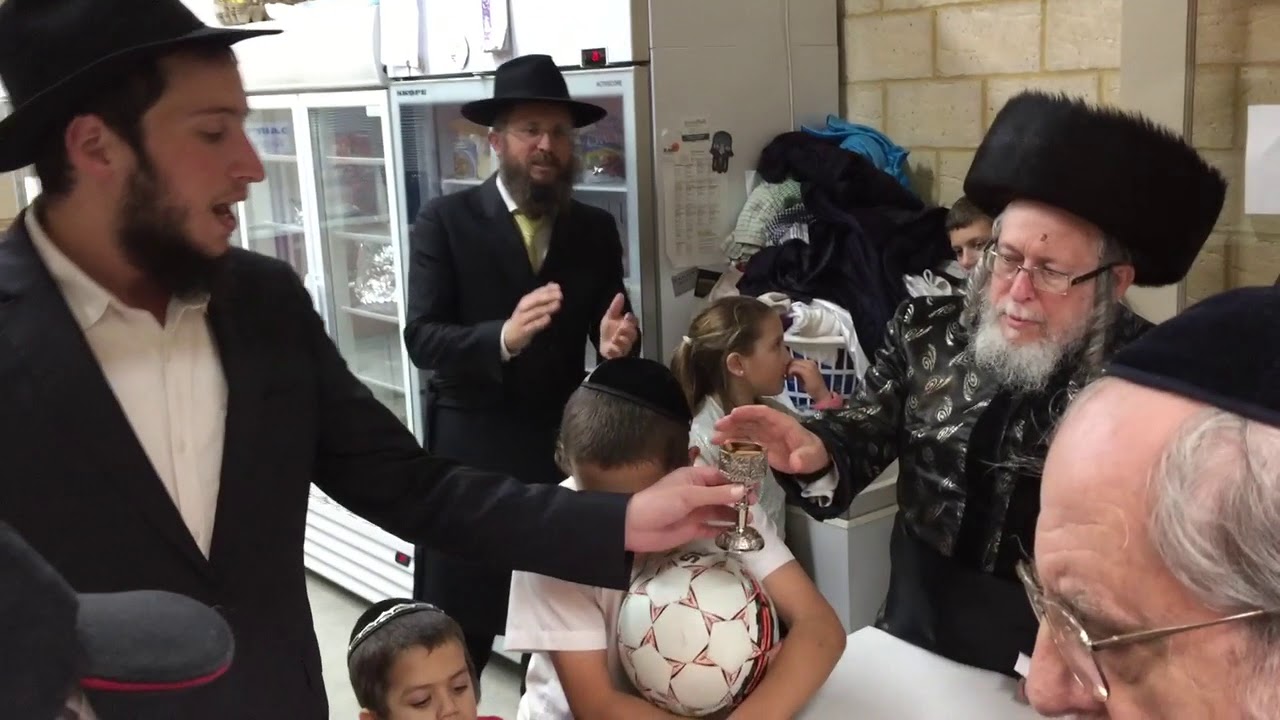
Earlier the day on Shabbat, we did something during Shacharit that brought the Rebbe and our community together as never before – read below.
Please note: no photos were taken during shabbat!
My 8th Cousin – The Stropkover Rebbe – The Admor of Stropkov
Davening Maariv
Havdalah at Noranda CHABAD
Video
Havdalah at Noranda CHABAD
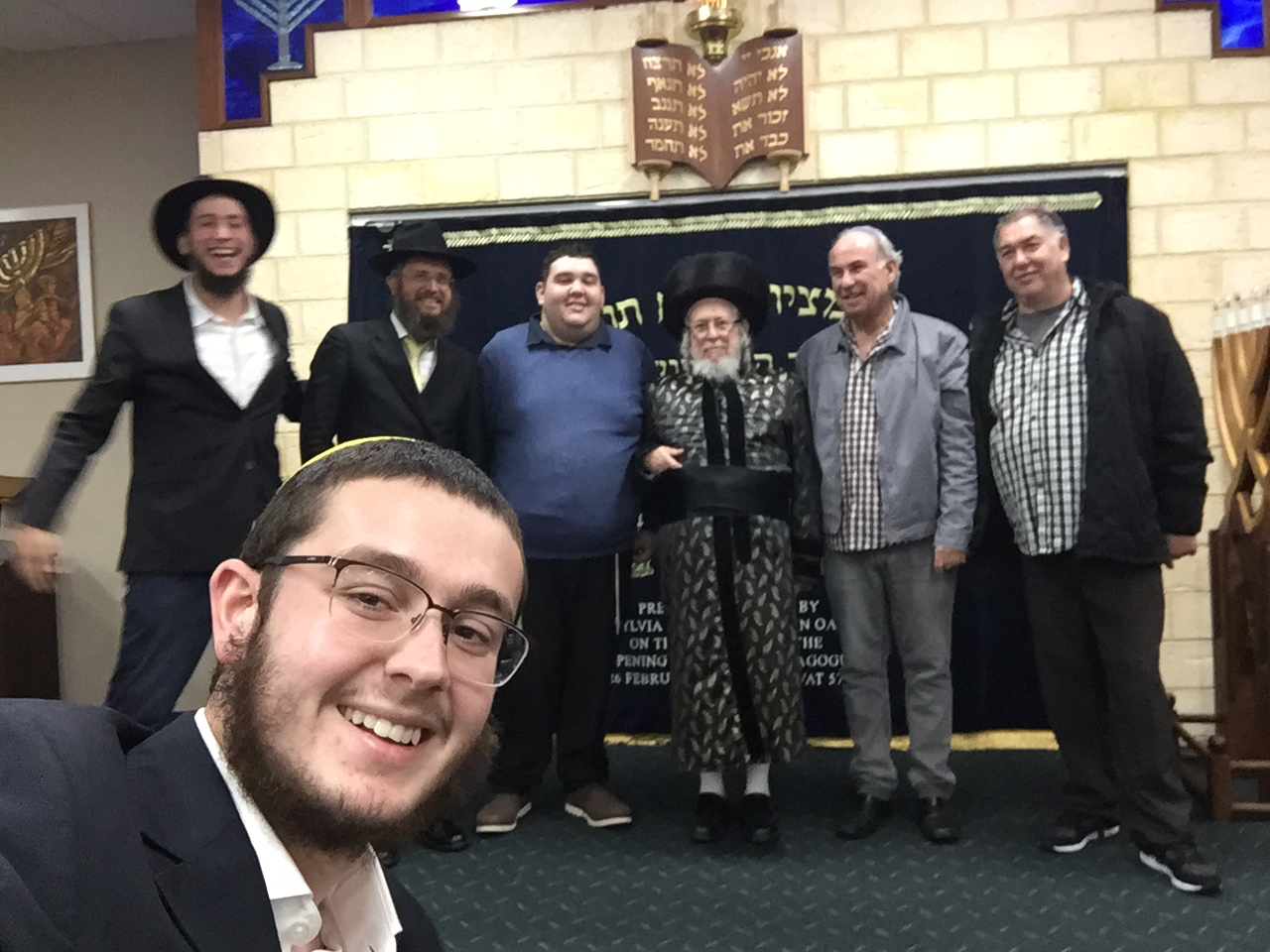
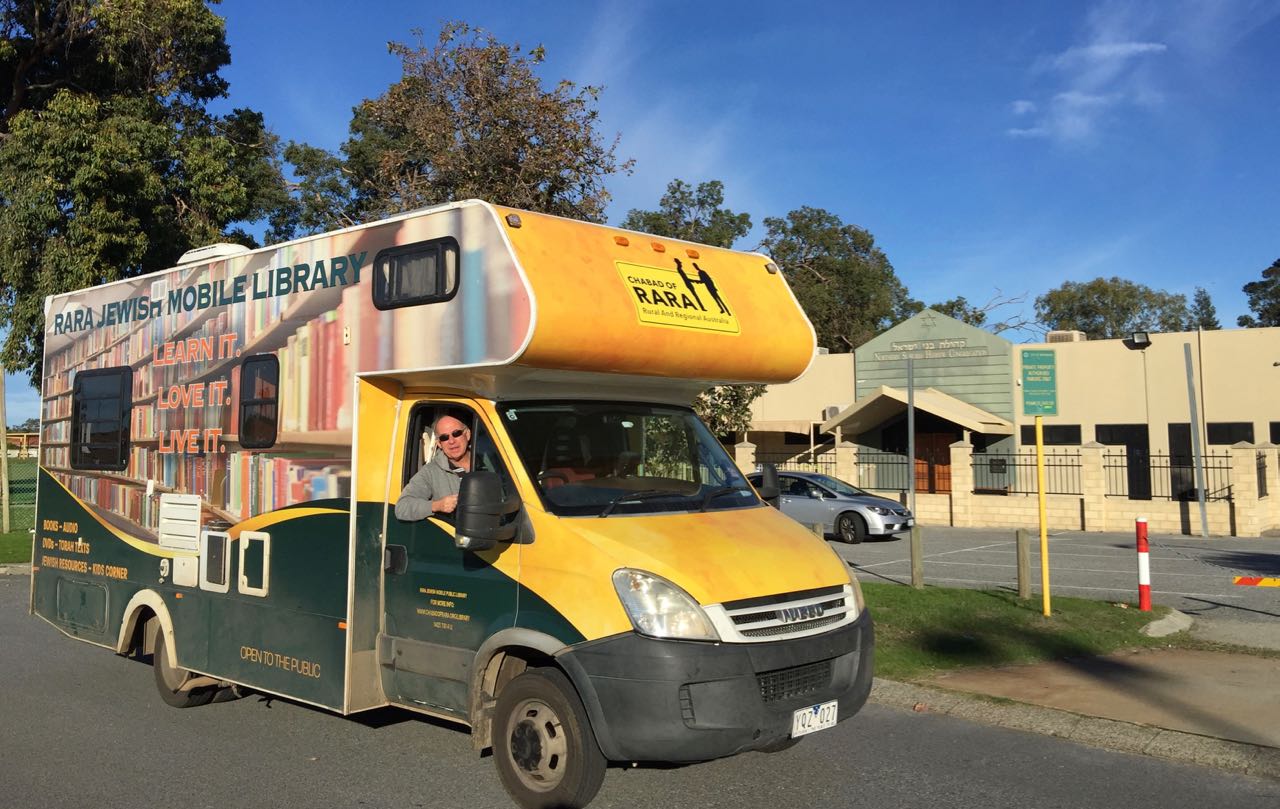
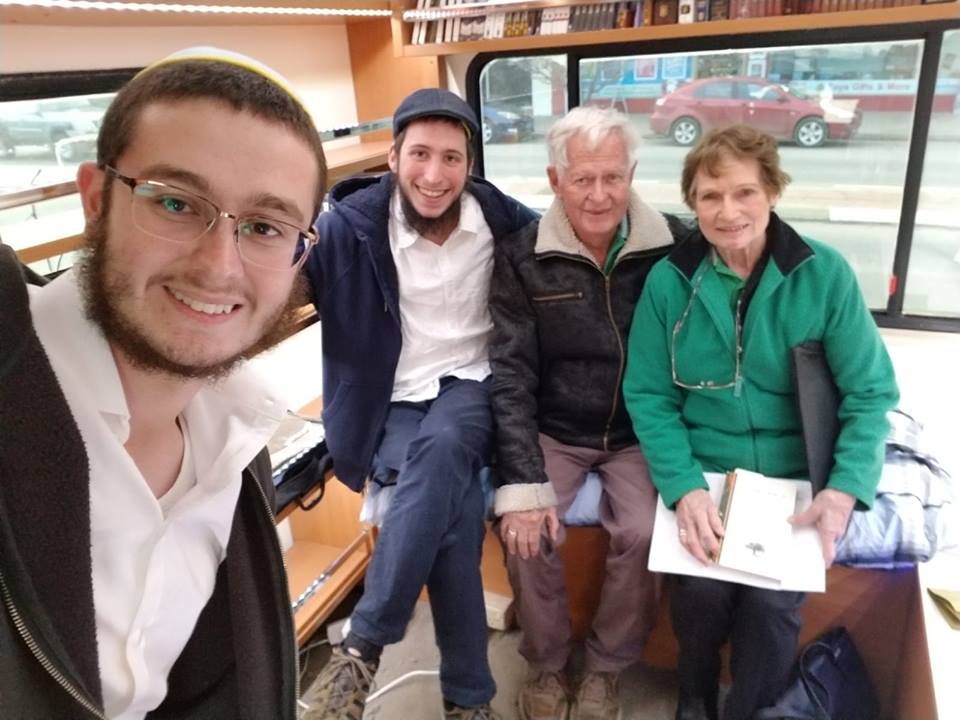
Mendy of RARA and the Stropkover Rebbe. Other guests were Moishe, the Rebbe’s assistant, and Moishe from RARA
With Rabbi Shalom White and the RebbeMendy, Rabbi White, Sheldon Manushewitz, the Rebbe, Michael Manushewitz and Moishe in front
The Maccabean
13 July 2018
Earlier after the torah reading on shabbat we recited Av Harachamim
A noteworthy custom fitting the mood of the Sefira period deals with the prayer Av Harachamim. Av Harachamim, recited on Shabbat after the Torah reading was written in response to the Crusades. In it we memorialize the righteous martyrs and pray for retribution for their spilled blood. Av Harachamim is generally not recited on Shabbatot which have an added celebratory nature – such as Shabbat Mevarchim (the Shabbat in which we bless the new month). In many congregations during the Shabbatot of Sefirat Haomer, Av Harachamim is recited even on the Shabbatot in which we bless Iyar and Sivan. The Mishna Brura (284,18) adds, that even if there is a Brit Milah that Shabbat, giving us a second reason why Av Harachamim should not be recited, Av Harachamim is still said, since this was the season of the tragedies.
It goes without saying that those in shul were inspired to hear about Stropkov with its Rebbe in our shul. The further connection as 8th cousins was an added bonus for us!
We discussed the Rebbe’s previous visits to Perth and at his request, last night I found this clip I filmed of the Rebbe at Benny Sasson’s barmitzvah June 2000. We did not know our connection then, and here 8 years later, I am pleased to be able to upload it to the internet for all to view and share!
Jews first arrived in Stropkov, possibly fleeing Polish pogroms, in about 1650. About fifty years later, the Jews were exiled from Stropkov to Tisinec, a village just to the north. They did not return to Stropkov until about 1800. The Stropkov Jewish cemetery was dedicated in 1892, after which the Tisinec cemetery fell into disuse.
In 1939 the antisemitic Hlinka Party gain control of the Stropkov Town Council. From May–October 1942 the Hlinka deported Jews from the Stropkov area to Auschwitz, Sobibor, Maidanek, and “unknown destinations”. By the end of World War II, only 100 Jews remained in Stropkov out of 2000 in 1942.
Chief Rabbis of Stropkov
The first rabbi of Tisinec and Stropkov was Rabbi Moshe Schonfeld. He left Stropkov for a position in Vranov. He was succeeded in 1833 by Rabbi Yekusiel Yehudah Teitelbaum (I)(1818–1883) who served as Stropkov’s chief rabbi until leaving for a post in Ujhely. The next incumbent was Rabbi Chaim Yosef Gottlieb (1790–1867), known as the “Stropkover Rov”. He was succeeded by Rabbi Yechezkel Shraga Halberstam (1811–1899), a son of Rabbi Chaim Halberstam of Sanz. His scholarship, piety, and personal charisma transformed Stropkov into one of the most respected chasidic centers in all Galicia and Hungary. Rabbi Moshe Yosef Teitelbaum (1842–1897), the son of the aforementioned Rabbi Yekusiel Yehuda Teitelbaum, was appointed as Stropkov’s next chief rabbi in 1880.
The charismatic and scholarly Rabbi Yitzhak Hersh Amsel (c1855–1934), the son of Peretz Amsel of Stropkov, was first appointed as a dayan in Stropkov and then as the rabbi of Zborov (near Bardejov). As legend has it, Rabbi Yitzhak Hersh Amsel died while praying in his Zborov synagogue. He is buried in the Stropkov cemetery where a small protective building ohel was erected over his grave to preserve it. Rabbi Amsel was succeeded in 1897 by Rabbi Avraham Shalom Halberstam (1856–1940). Jews, learned and simple alike, sought the advice and blessing of this “miracle rabbi of Stropkov”, revered as a living link in the chain of Chassidus of Sanz and Sienawa. Rabbi Halberstam served in Stropkov for some forty years, until the early 1930s, when he assumed a rabbinical post in the larger town of Košice. Rabbi Menachem Mendel Halberstam (1873–1954),the son of the aforementioned Rabbi Avraham Shalom Halberstam was then appointed chief rabbi of Stropkov and head of the Talmud Torah. After World War II Rabbi Menachem Mendel Halberstam lived in New York until the end of his life, teaching at the Stropkover Yeshiva, which he founded in Williamsburg, Brooklyn.
The present day Admor of Stropkov is HaRav Avraham Shalom Halberstam of Jerusalem. The Admor runs several yeshivas and kolelim in Jerusalem and other cities in Israel. The Admor dedicates himself to Ahavat Yisrael and to helping many who need to return to their Jewish roots.
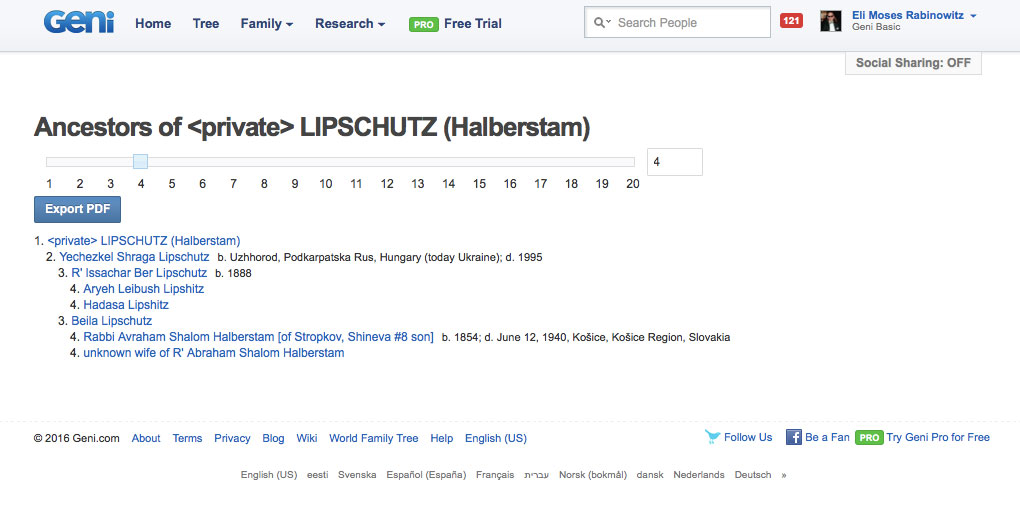
I then went into my Geni account and looked up the Stropkover Rebbe and found what appeared to be his family line.
I recalled that on Shabbat, he had been called up to the torah as HaRavAvraham Shalom ben Yechezkel Shrage.
Havdalah after Shabbat.
On Sunday I printed out this page on Geni and showed it to the Rebbe who confirmed that this was indeed him – i.e. Avraham Shalom Lipschutz (Halberstam). He also confirmed that his mother was Beila, daughter of Avraham Shalom Halberstam.
I also printed out the Geni page which shows our relationship and presented a copy to the Rebbe.
So, besides all the friends he has Downunder, he now is happy to have added a 8th cousin in this isolated Jewish community!
We are both members of the Katzenellenbogen Rabbinic Tree.
What Makes G-d Laugh
Shabbat Balak
What Makes G-d Laugh
There is an old saying that what makes G‑d laugh is seeing our plans for the future.However, if Tanakh is our guide, what makes G‑d laugh is human delusions of grandeur. From the vantage point of heaven, the ultimate absurdity is when humans start thinking of themselves as G‑dlike.
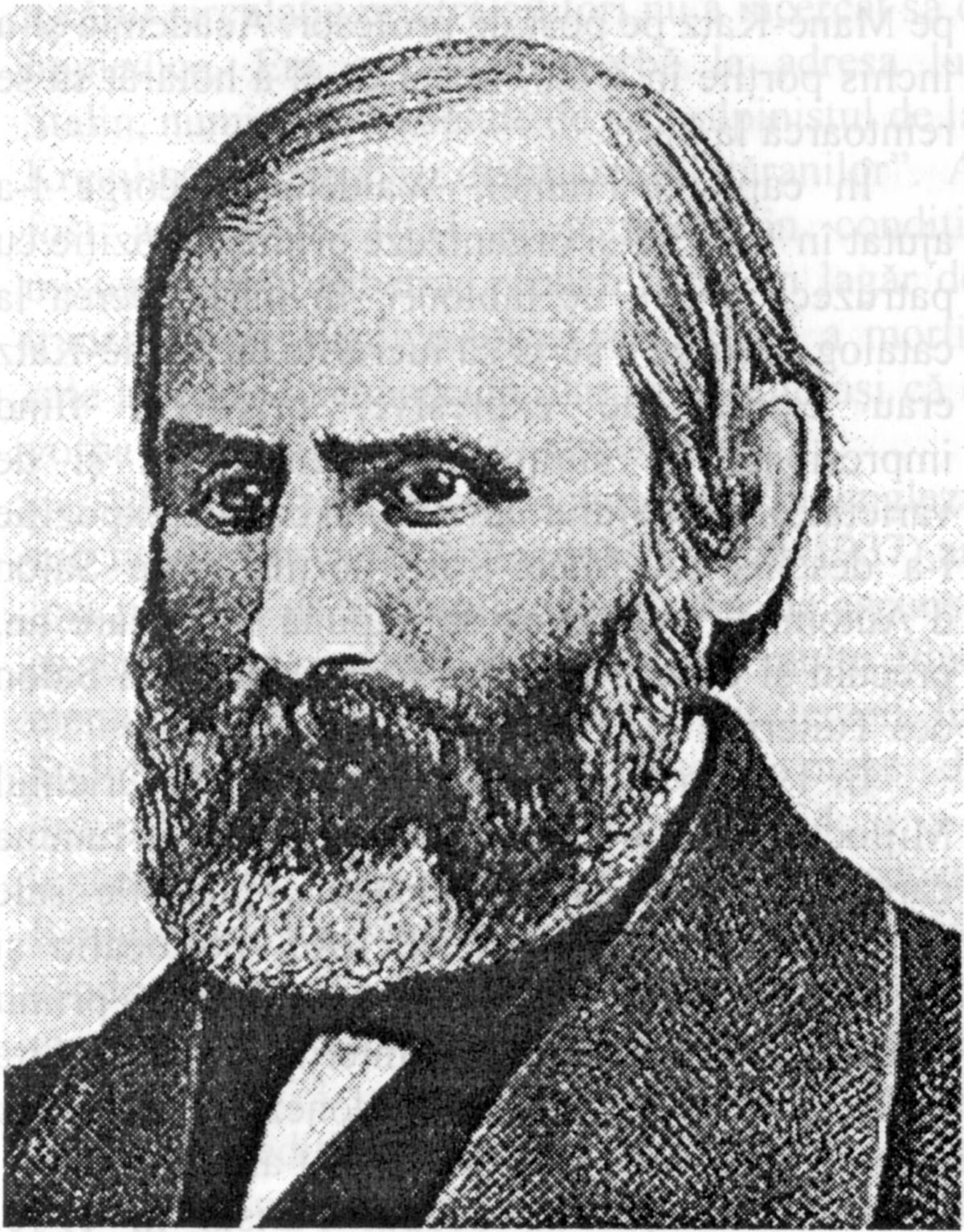
Abraham Mapu (1808 in Vilijampolė, Kaunas – 1867 in Königsberg, Prussia) was a Lithuanian Jewish novelist in Hebrew of the Haskalah (“enlightenment”) movement. His novels, with their lively plots encompassing heroism, adventure and romantic love in Biblical settings, contributed to the rise of the Zionist movement.[1]
Kaunas is a city in south-central Lithuania. At the confluence of the Neris and Nemunas rivers, Kaunas Castle is a medieval fortress housing historical exhibitions. To the east, the old town is home to the Kaunas Cathedral Basilica, with its ornate interior, and the Gothic spires of the Hanseatic House of Perkūnas. Laisvės Alėja, a pedestrianized street lined with trees and cafes, crosses the city from west to east.
Jews began settling in Kaunas in the second half of the 17th century. They were not allowed to live in the city, so most of them stayed in the Vilijampolė settlement on the right bank of the Neris river. Jewish life in Kaunas was first disrupted when the Soviet Union occupied Lithuania in June 1940. The occupation was accompanied by arrests, confiscations, and the elimination of all free institutions. Jewish community organizations disappeared almost overnight. Soviet authorities confiscated the property of many Jews, while hundreds were exiled to Siberia. Meanwhile, the Lithuanian Activist Front, founded by Lithuanian nationalist émigrés in Berlin, disseminated anti-semitic literature in Lithuania.[21]
Following Hitler’s invasion of the Soviet Union on 22 June 1941, Soviet forces fled from Kaunas. Both before and after the German occupation on 25 June, the anti-Communistsbegan to attack Jews, blaming them for the Soviet repressions, especially along Jurbarko and Kriščiukaičio streets.[21] The Lithuanian provisional government established a concentration camp at the Seventh Fortress, one of the city’s ten historic forts, and 4,000 Jews were rounded up and murdered there. Prior to the construction of a museum on the site, archaeologists unearthed a mass grave and personal belongings of the Jewish victims.[26] At times Lithuanian Jews were murdered in their homes with unprecedented brutality – slowly sawing off heads or sawing people in two. The Ninth Fortress has been renovated into a memorial for the wars and is the site where nearly 50,000 Lithuanians were killed during Nazi occupation. Of these deaths, over 30,000 were Jews.[27]
Chiune Sugihara (杉原 千畝 Sugihara Chiune?, 1 January 1900 – 31 July 1986) was a Japanese diplomat who served as Vice-Consul for the Empire of Japan in Lithuania. During World War II, he helped 6,000 Jews to leave the country by issuing transit visas so that they could travel to Japanese territory, risking his career and his family’s lives. The Jews who escaped were refugees from German-occupied Western Poland or Russian-occupied Eastern Poland, as well as residents of Lithuania. In 1985, Israel named him to the Righteous Among the Nations for his actions, the only Japanese national to be so honored.
Sugihara had told the refugees to call him “Sempo”, the Sino-Japanese reading of the characters in his given name, discovering it was much easier for Western people to pronounce.[1]
Other images of Kaunas
Jewish cemeteries of Kaunas
Aleksotas Jewish cemetery
The Jewish cemeteries of Kaunas are the four Jewish cemeteries of the LithuanianJews living in Kaunas, known to them as Kovne, Lithuania. Jewish people started settling in Kaunas in the second half of the 17th century. They were not allowed to live in the city, so most of them stayed in the Vilijampolė settlement on the opposite than Kaunas Castle right bank of theNeris River, near the its confluence with the Nemunas River. Since the second half of the 19th century, Kaunas became a major center of Jewish cultural and economic activity in Lithuania.
The second and the largest Jewish cemetery is situated in the residential Žaliakalnis elderate, near the Ąžuolynas park. Among others, the Rabbi of Kovno and the head of Kovno KollelYitzchak Elchanan Spektor was buried in the Jewish cemetery of Žaliakalnis. The cemetery is left neglected at the moment.[2]
The third cemetery is located in the Panemunė elderate on the left bank of the Nemunas River. Only 3 gravestones are visible in the Jewish cemetery of Panemunė.
The fourth and still active Jewish cemetery is located in Aleksotas elderate near the Nemunas River.
Kupiškis ( pronunciation (help·info)) (Polish: Kupiszki) is a city in northeastern Lithuania. It is the capital of the Kupiškis district municipality. Kupiškis is located on the Lėvuo and Kupa rivers. The name of the city comes from the Kupa River. The Gediminas Bridge crosses the Kupa River. There are six parts of the city, which are named:
Anykščiai ( pronunciation (help·info); see other names) is a ski resort town in Lithuania, 20 miles (32 kilometres) west of Utena.[1] The Roman Catholic Church of St. Matthias in Anykščiai is the tallest church in Lithuania, with spires measuring 79 metres (259 feet) in height.
Kurkliai is a town in Anykščiai district municipality, in Utena County, in northeast Lithuania. According to the 2011 census, the town has a population of 374 people.[1] Center of eldership. In town there is Anykščiai Regional Park.