Australia and the Holocaust: A Koori Perspective by Gary Foley
Australia and the Holocaust: A Koori Perspective
In a way these people were perhaps unconsciously repaying the gesture of solidarity and empathy extended years before by William Cooper and his intrepid band of Koori resistance activists.
On December 6, 1938, a fierce-gazed Indigenous man from the Murray River began a march from Southampton Street Footscray to make a simple demand for justice at government offices at 419-425 Collins Street, Melbourne. But this wasn’t a protest to defend Aborigines. It was a protest to defend Jews. And it wasn’t against a state government or Federal government. It was the German Government.
The protest was led by William Cooper. And 75 years after the event, it’s now clear that it was the only one of its kind. It’s something that didn’t happen in London, or in Paris or even in New York. It happened in Melbourne, organised by people who weren’t even citizens in their own country.
On that day, towards the end of his life, William Cooper stood up for the Jews of Europe. But as you’ll learn, it was only one of many astounding acts of justice this man made, even in his last years.
Who was William Cooper?
William Cooper was an Aboriginal. An activist. A unionist. A devout, Bible-reading, church-going, hymn-singing Christian.
Through his life, he worked as a shearer, a writer, a public speaker and, by the time he died in 1941, a political leader who could successfully demand a face-to-face meeting with the Prime Minister. As a man in his 70s, he started Australia’s first indigenous justice movement – the Australian Aborigines’ League. A movement which, long after his own death, would lead to the famous 1967 referendum.
But this was no communist radical. William Cooper was a Christian who believed the best thing that had happened for Australia’s first peoples was the Christian missions. He would argue passionately, often from the Bible, that Aboriginals ought to be treated as equal citizens in this country.
Once you learn where William Cooper came from, and how he came to stand up to injustice, you’ll wonder why you hadn’t heard of him before. But to begin, take a closer look at the day he challenged the Third Reich.
The March Against Tyranny
It was with his friends from the Australian Aborigines’ League that Cooper resolved to stand up to Hitler. It followed the night of “broken glass” on 9–10 November, 1938. In that terrifying 24 hours, Adolf Hitler’s brown shirts, the Sturmabteilung, rampaged through the streets of Germany looting, burning and smashing Jewish stores, buildings and synagogues. In just a few hours, nearly 100 Jews were killed and approximately 30,000 incarcerated in concentration camps.
Across the country, Australians were stunned as they read the stories in their newspapers. But Cooper stood up, gathered his Indigenous friends and family from Fitzory and Footscray, and they walked. Mind you, one of the reasons they walked was they had no money. In fact, Cooper was raising several grandkids in his home, and they didn’t even have electricity or gas. He’d rather spend it on ink, paper and stamps for his work for the Australian Aborigines’ League.
They arrived at the imposing stone building and climbed the stairs. He demanded a meeting with Doctor Drechsler, the General Consul of the Reichs Consulat – to speak against the Nazi mistreatment of Jews that had begun on Kristallnacht a few weeks before. But when they got to the door of the Reichs Consulate, the Nazi administration wouldn’t let them in.
Yad Vashem in Jerusalem, the world’s leading Holocaust research centre, says that, indeed, this protest was the only one of it’s kind in the world.
How did this happen? Why was it that – of all minority groups who could have stood up for the Jews in the 1930s – it was an Aboriginal man from one of the smallest tribes who made a stand? What drove this man, who could have been spending his twilight years fishing for Murray Cod in the Barmah Forest, to become a man who meddled in matters of state? What gave him the temerity to speak against the German Reich?
William Cooper (Aboriginal Australian) – Wikipedia
William Cooper (Aboriginal Australian) – Wikipedia
Lore Zusman was born in Königsberg 90 years ago. Here are her memories of the Königsberg Synagogue, Kristallnacht and a book presented to her mother after the synagogue was destroyed on Kristallnacht in 1938. Königsberg / Kaliningrad KehilaLink with links to the synagogue and Kristallnacht. Hear Erika Sternberg’s story on Kristallnacht in Breslau. Click on her image. Commemoration in Perth – 9 November 2016 Just received: An email from Susan Taube of the USHHM I was only 12 years old when the Nazis ransacked Jewish homes and buildings in my neighborhood on Kristallnacht, “The Night of Broken Glass.” They took my father away to Buchenwald. My mother, sister, and I didn’t know if we would ever see him again. Our front door was smashed, our books torn apart, our dishes shattered. And with my father gone, we were left to pick up the pieces. This week marks the 78th anniversary of that terrible
Reprinted from The Jerusalem Post By RICHARD SHAVEI-TZION (My wife Jill’s cousin) 1 January 2015 Remembrance and Renewal How a song survived the Holocaust, traveled around the world and returned to the city of its birth. The Ramatayim Men’s Choir of Jerusalem.. (photo credit:JURGEN ALBRECHT) The 10 Tevet fast is designated as a “general Kaddish day” for those whose relatives died in the Holocaust and whose date of death is unknown. But it is not only people who disappeared without a trace in the Holocaust; many of their magnificent achievements across the gamut of human endeavor were lost to humanity. One of the great accomplishments of German and other European communities destroyed in the conflagration of World War II was the magnificent performance of Jewish liturgical music composed in the 19th and 20th centuries.Fortunately, unlike great works of visual art, music can be written and copied.Thus, although great composers, cantors and choristers were murdered and
A short documentary conversation between Uncle Boydie (Alf Turner) – grandson of Indigenous activist William Cooper, and Moishe Fiszman – a Holocaust survivor …
This movie was made in Australia in 2017. It is also now part of the USHMM’s (Washington) collection.
Watch “The Ties that Bind” from the Jewish Holocaust Centre | Hero Town
At Hero Town, it is our utmost priority to empower people to stand up in the face of adversity and injustice. It was our immense honour, then, that we were invited to the premiere of a documentary directed by Viv Parry titled Ties that Bind: From Auschwitz to Cummeragunja. We spent the full day at the Jewish Holocaust Centre and we left feeling deeply affected, saddened at the tragedy but also awed at the tales of survival, heroism, and resilience that we were invited to share.
The words of the Partisans’ Song, Zog Nit Keynmol, written by Hirsh Glik in the Vilna ghetto in 1943, again offer us hope when our situation appears to suggest none! Just as in the darkest days of the Holocaust, we call out – Mir Zaynen Do! – We Are Here!
Freydl Mrocki recites the poem – Zog Nit Keynmol – in English. Written by Hirsh Glik in the Vilna Ghetto in 1943. Video source: youtu.be/9gS7c4iNCI0
Never say that there is only death for you,
Though leaden skies may be concealing days of blue,
Because the hour we have hungered for near;
Beneath our tread the earth shall tremble — we are here!
From land of palm tree to the far-off land of snow,
We shall be coming with our torment and our woe;
And everywhere our blood has sunk into the earth,
Shall our bravery, our vigor blossom forth.
We’ll have the morning sun to set our day aglow,
And all our yesterdays shall vanish with the foe;
And if the time is long before the sun appears,
Then let this song go like a signal through the years.
This song was written with blood and not with lead;
It’s not a song that summer birds sing overhead;
It was a people among toppling barricades,
That sang this song of ours with pistols and grenades.
Never say that there is only death for you,
Though leaden skies may be concealing days of blue,
Because the hour we have hungered for is near;
Beneath our tread the earth shall tremble, — we are here!
Melbourne, Australia
Melbourne Yom Hashoah – Zog Nit Keynmol
We offer hope using video footage from The Partisans’ Song Project. Video source: youtu.be/SvNoyReKxO0
Lunchtime Lecture – The Partisan Song Project: We Are Here
The Partisans’ Song, written by Hirsh Glik, age 22, in the Vilna Ghetto in 1943, is one of the most powerful songs of resistance and defiance ever written.
The Meaning And Significance Of The Partisans’ Song
The Meaning And Significance Of The Partisans’ Song
A Video For Teachers MENU: Introduction – SABC TV Why is singing the song so Important? – Phillip Maisel Defiance Trailer – Bielski Jewish Partisans Soviet N…
A Video For Teachers MENU: The Melody – Pokrass Brothers Original Russian Soundtrack Irish Folk Band – The Rathmines Japanese Version – Isao Oiwa Kugelplex K…
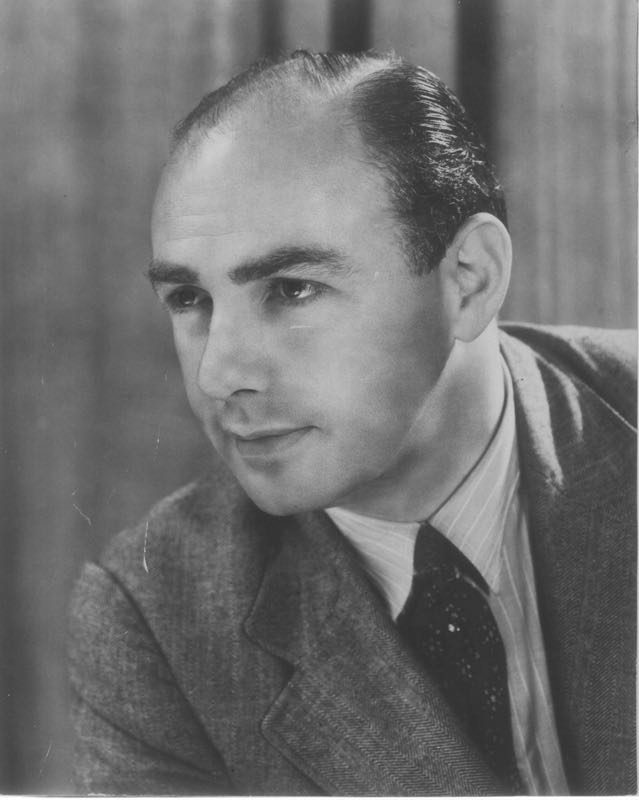
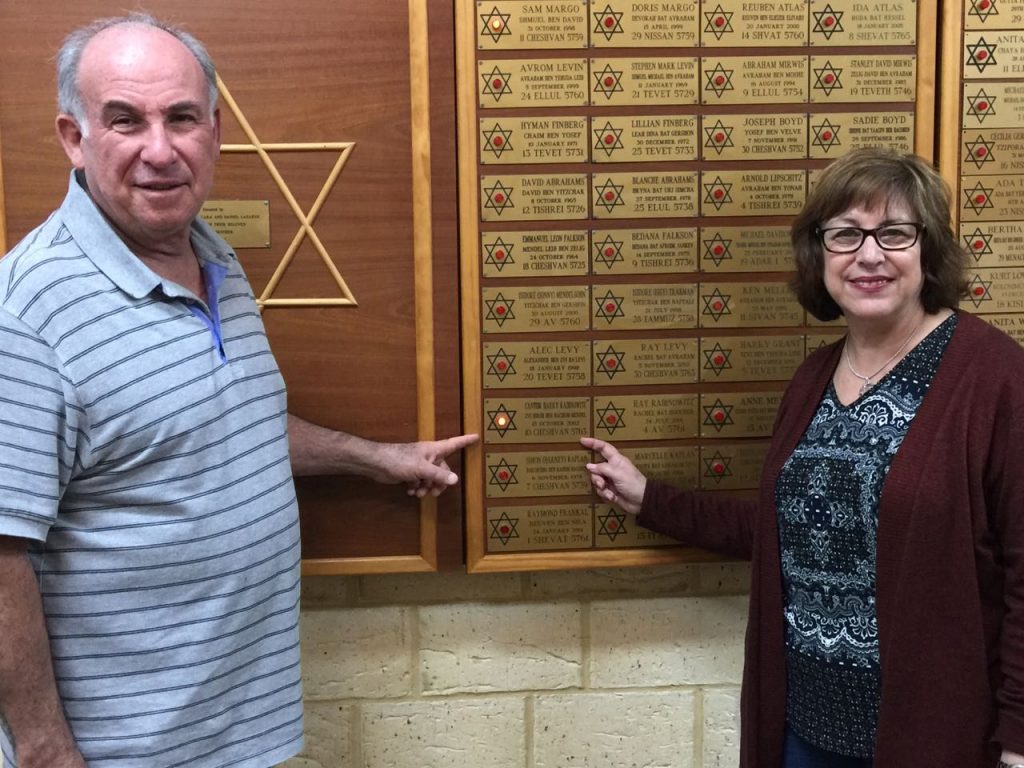
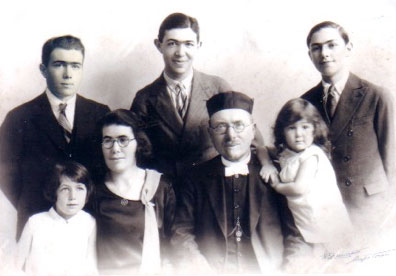
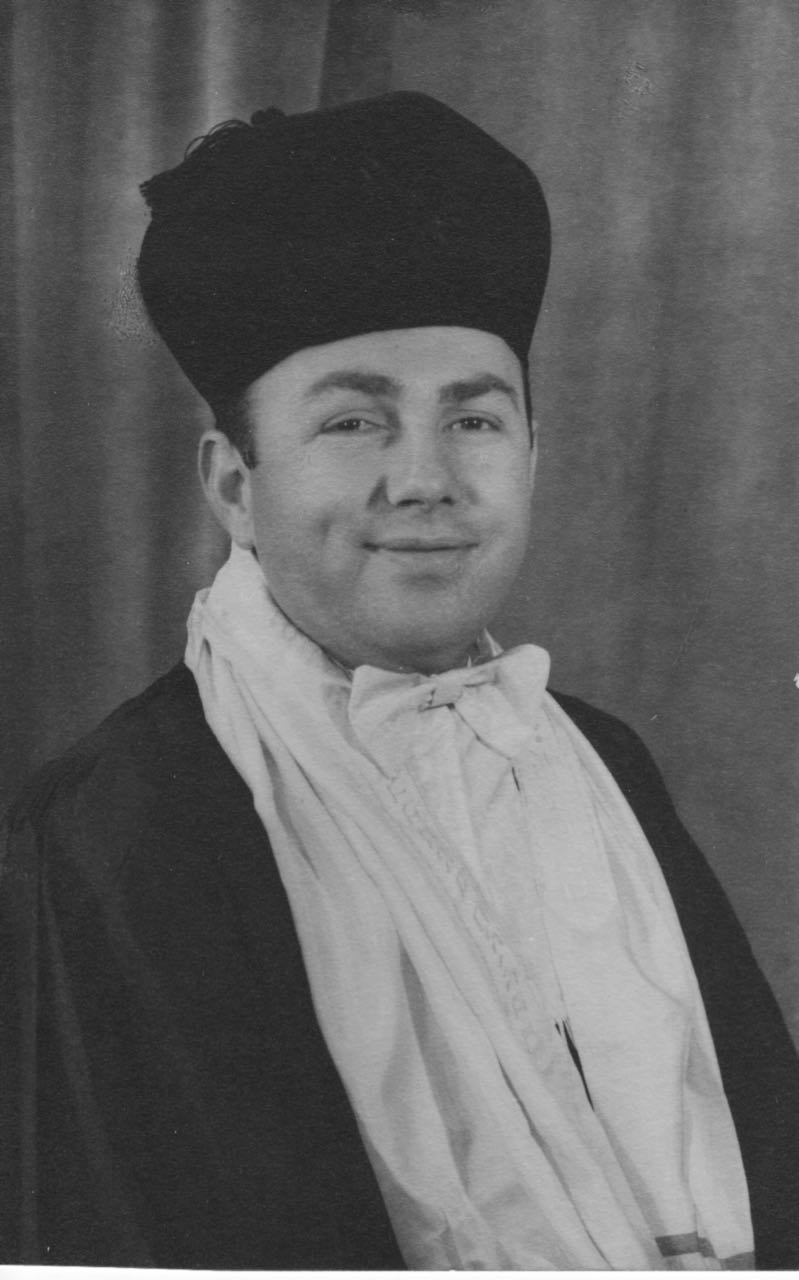
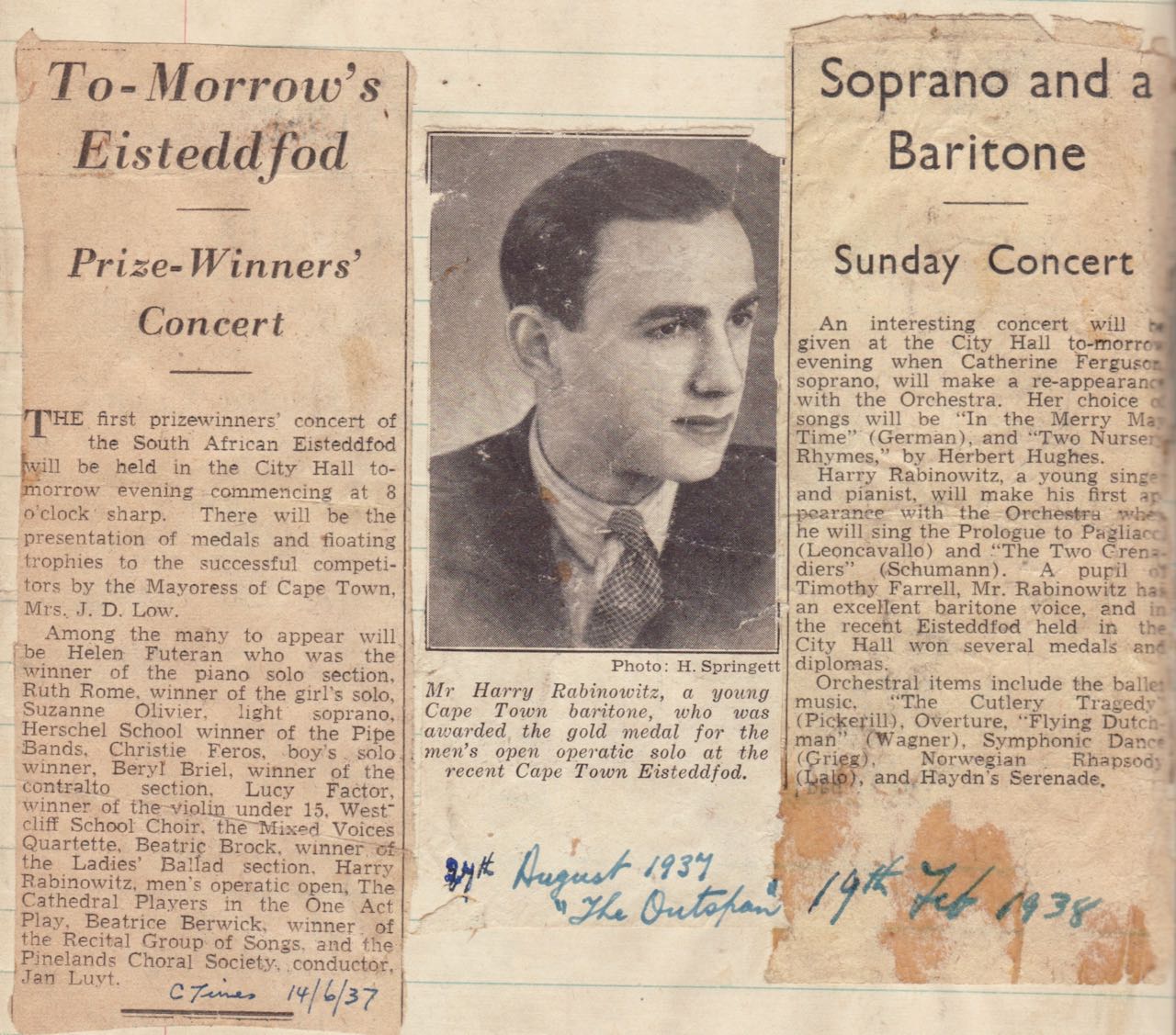
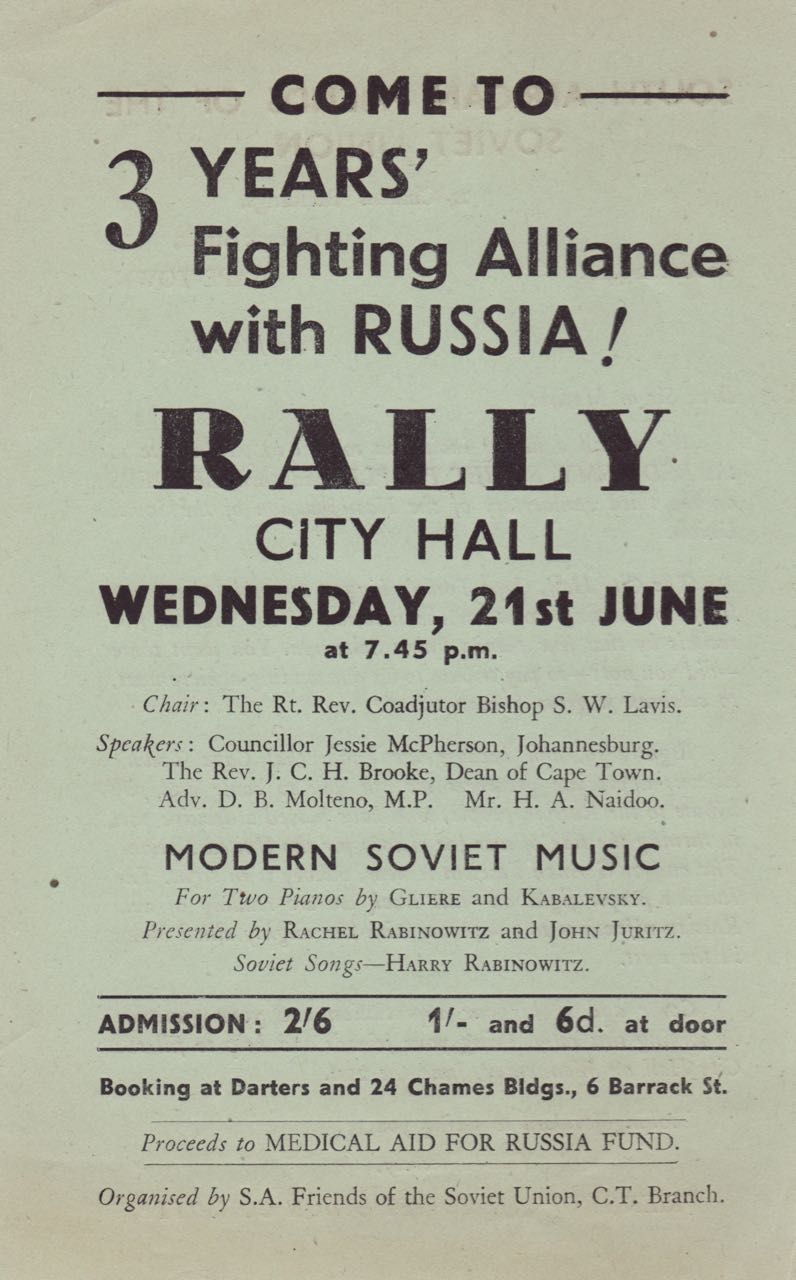
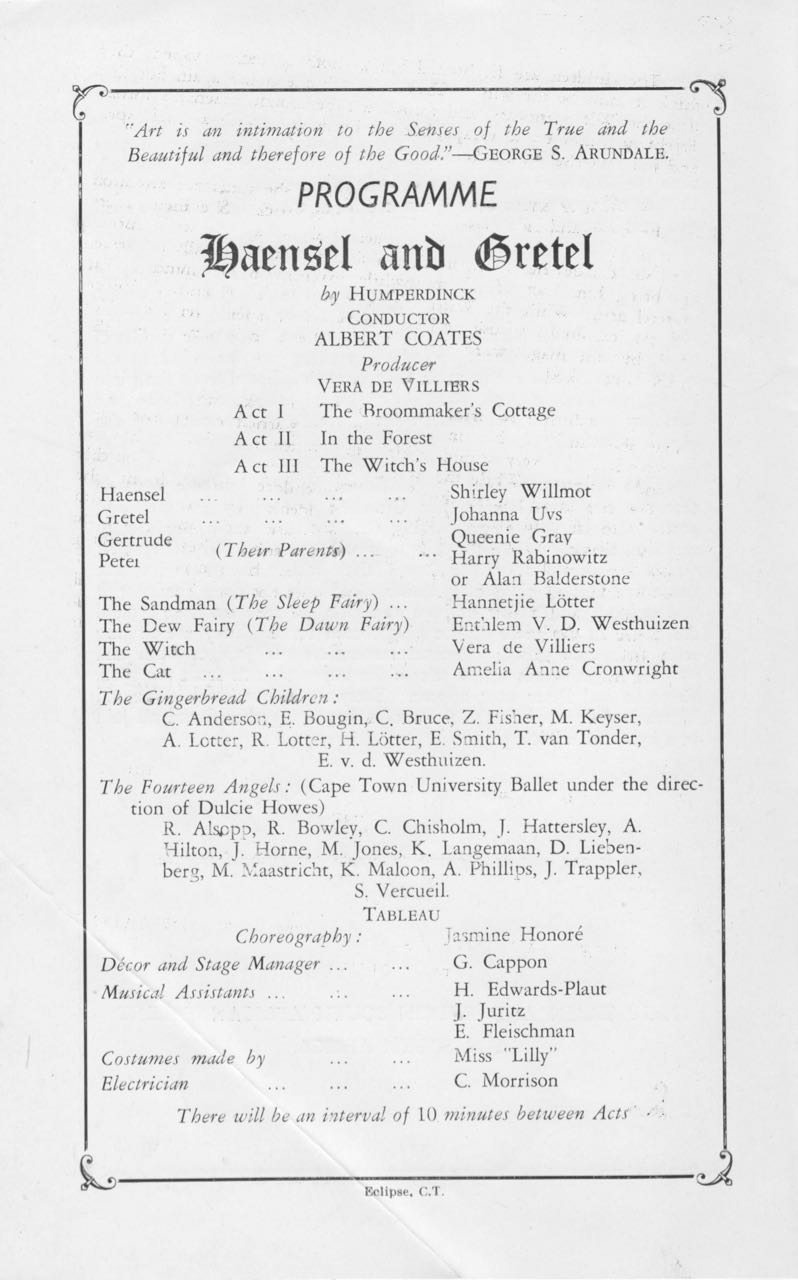
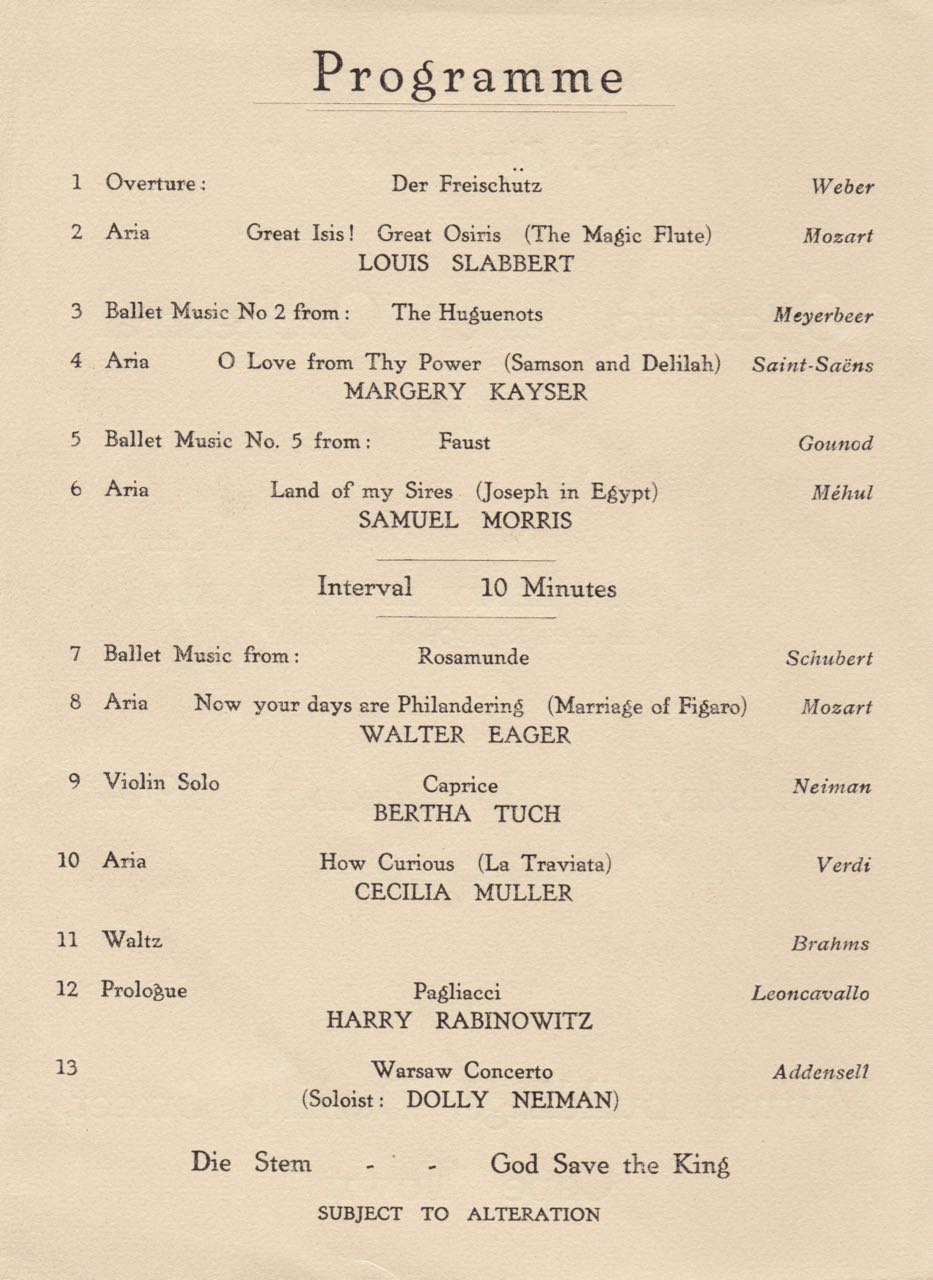
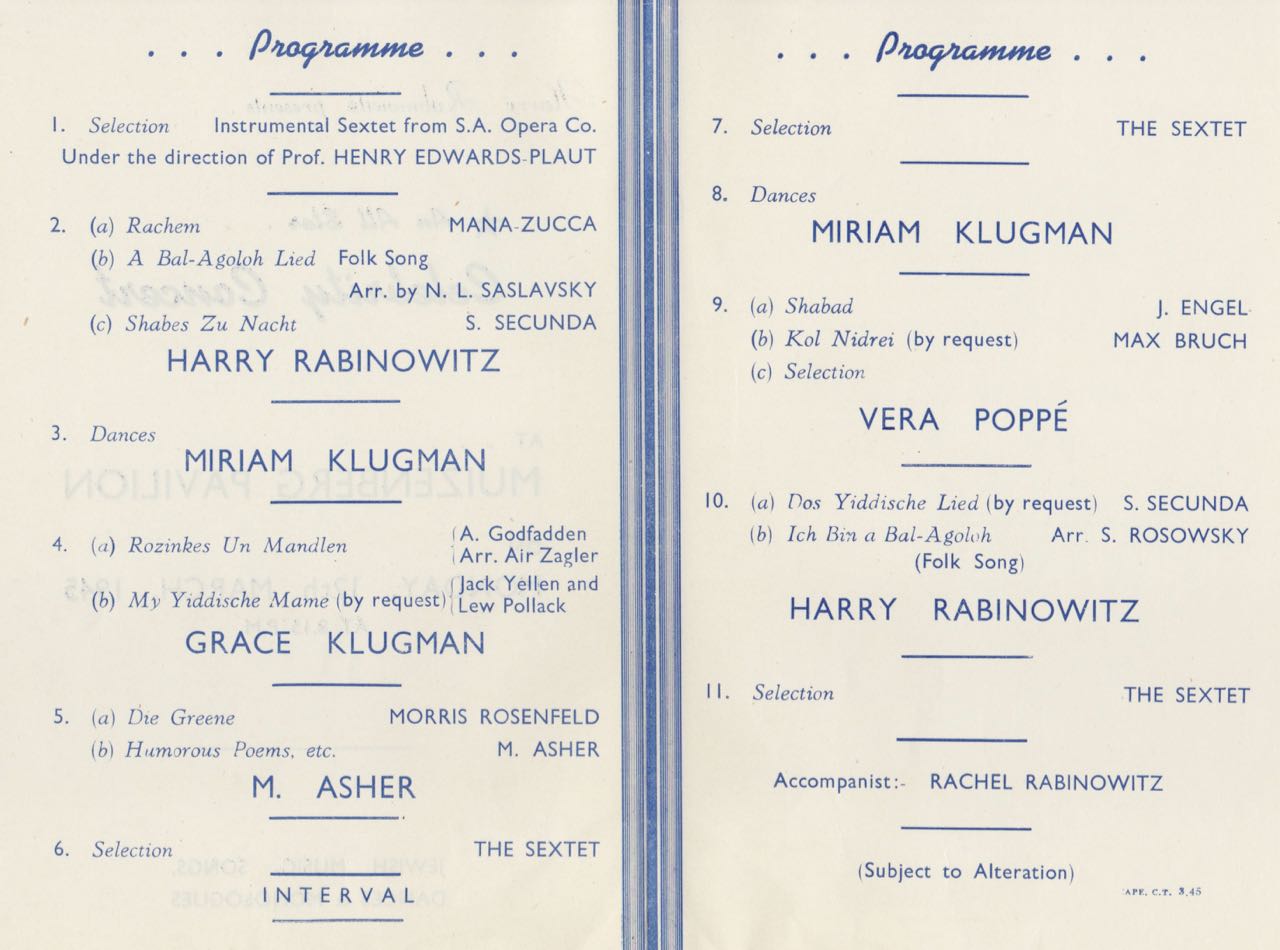
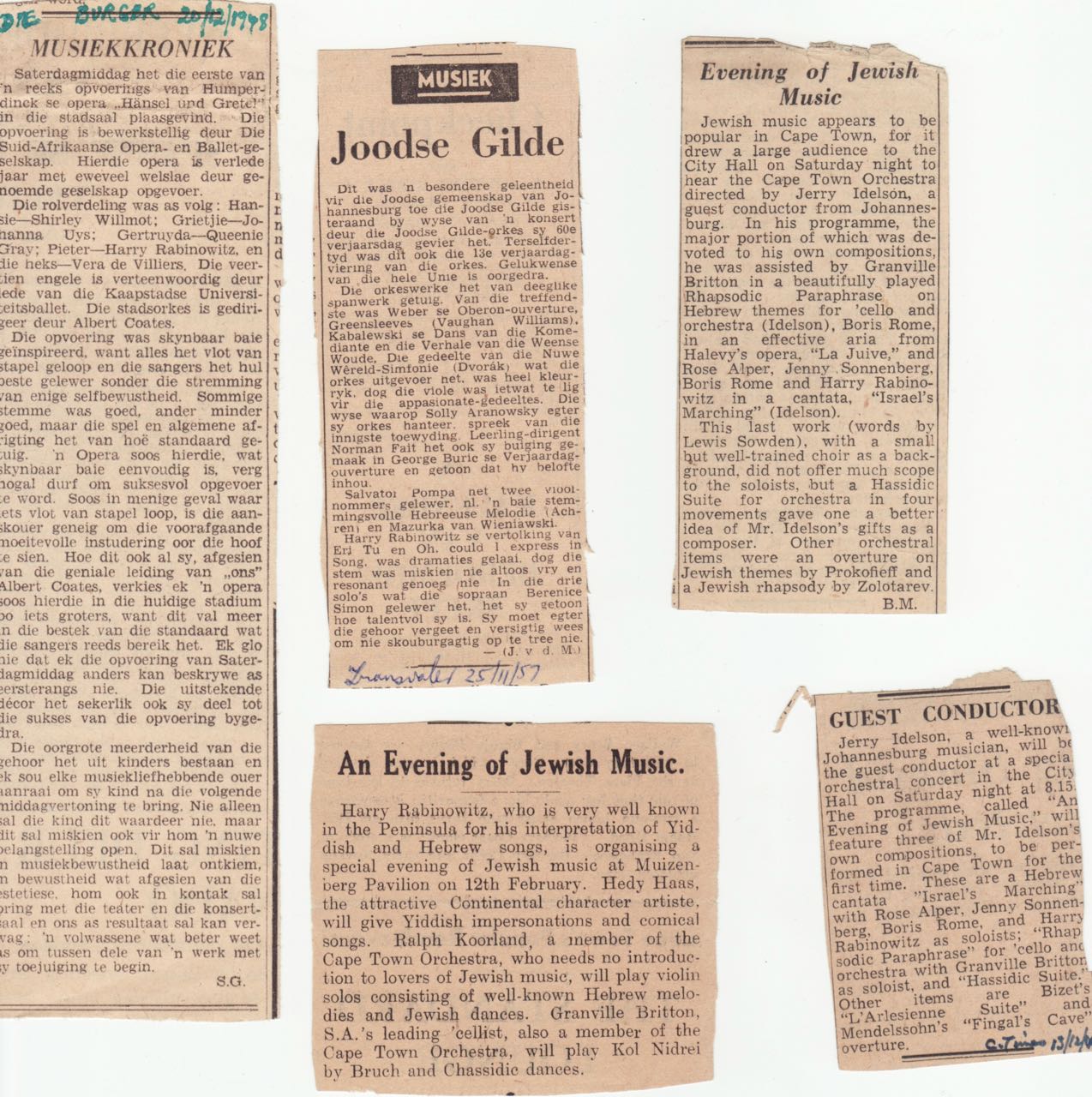
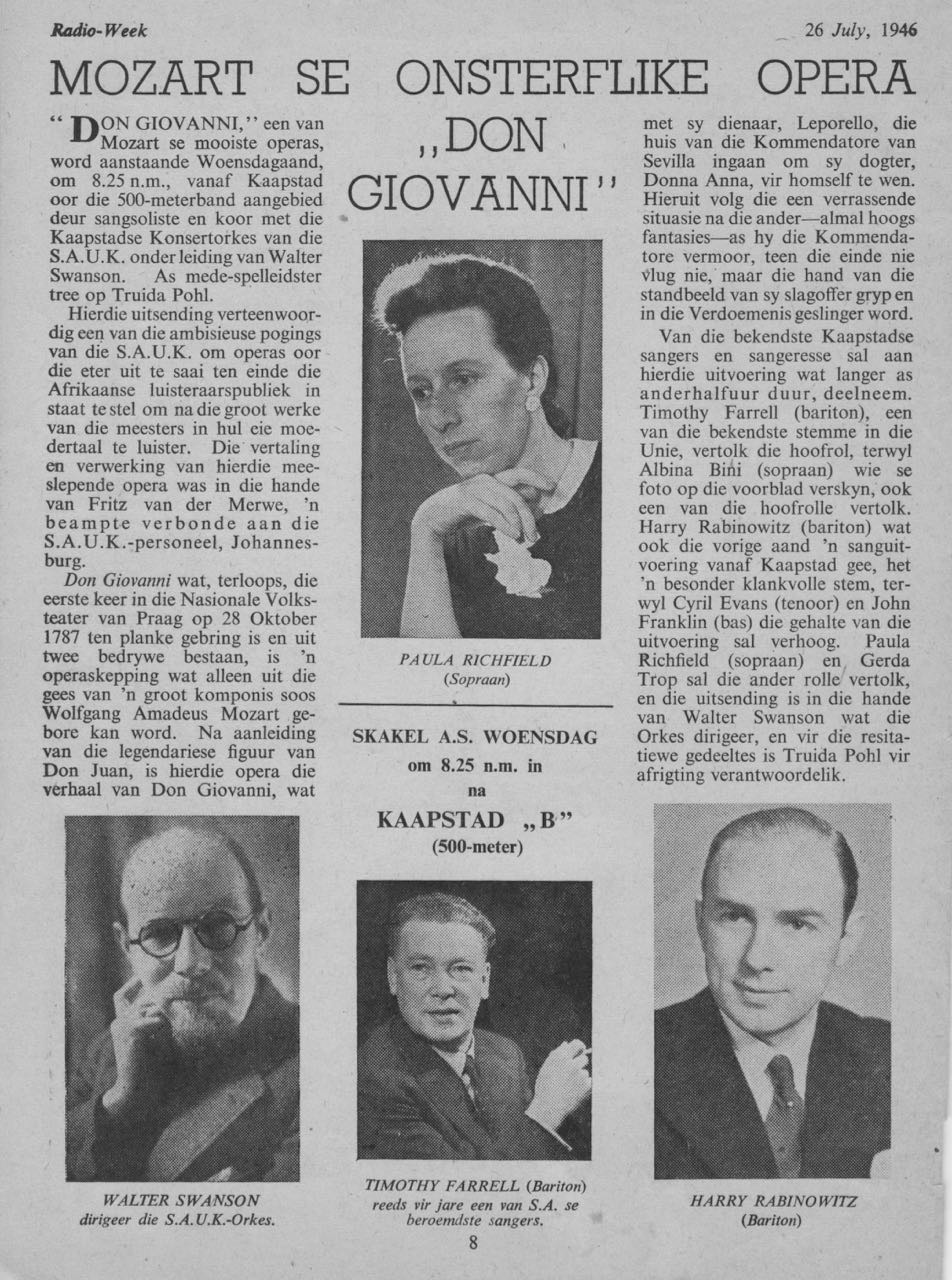
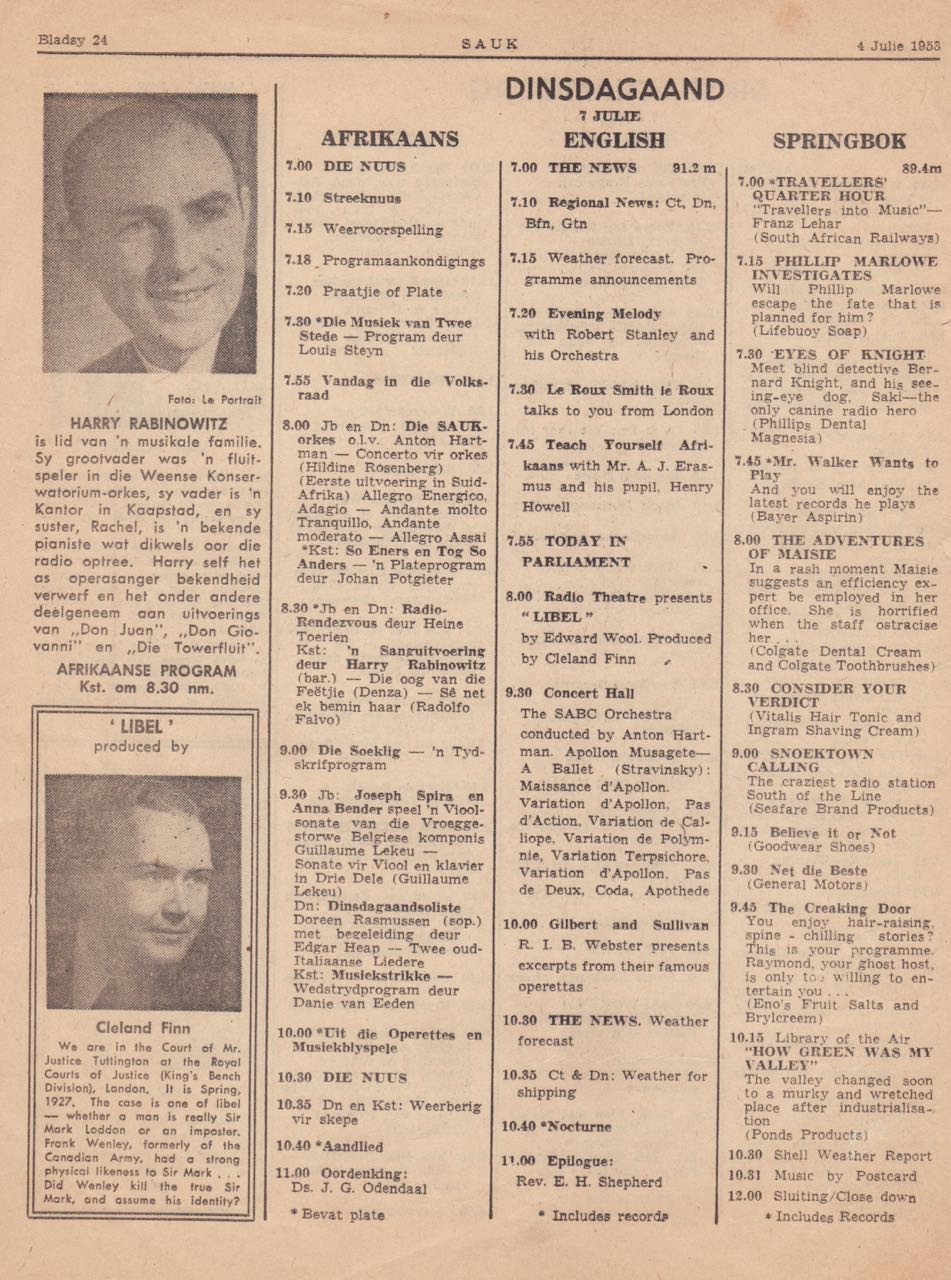
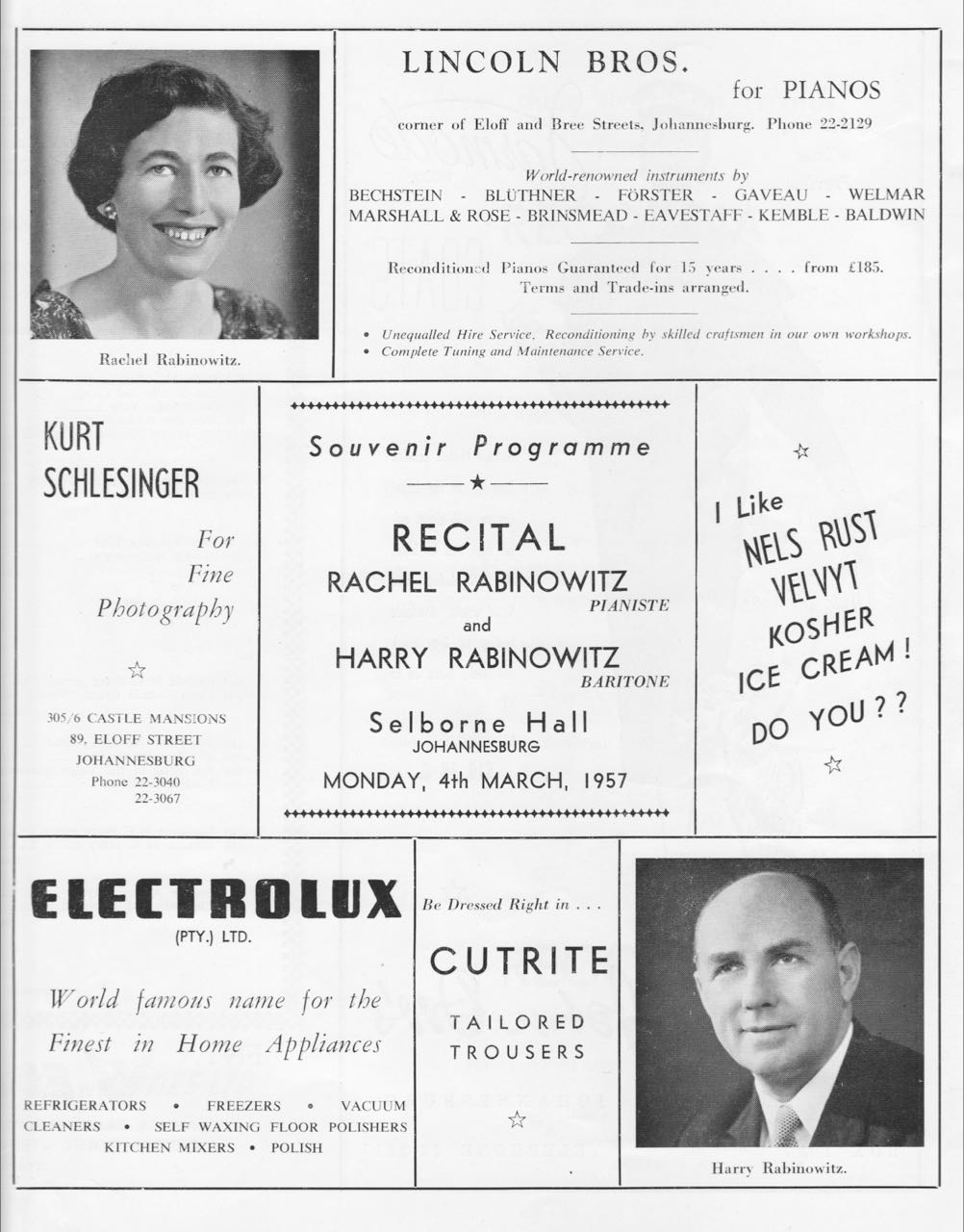
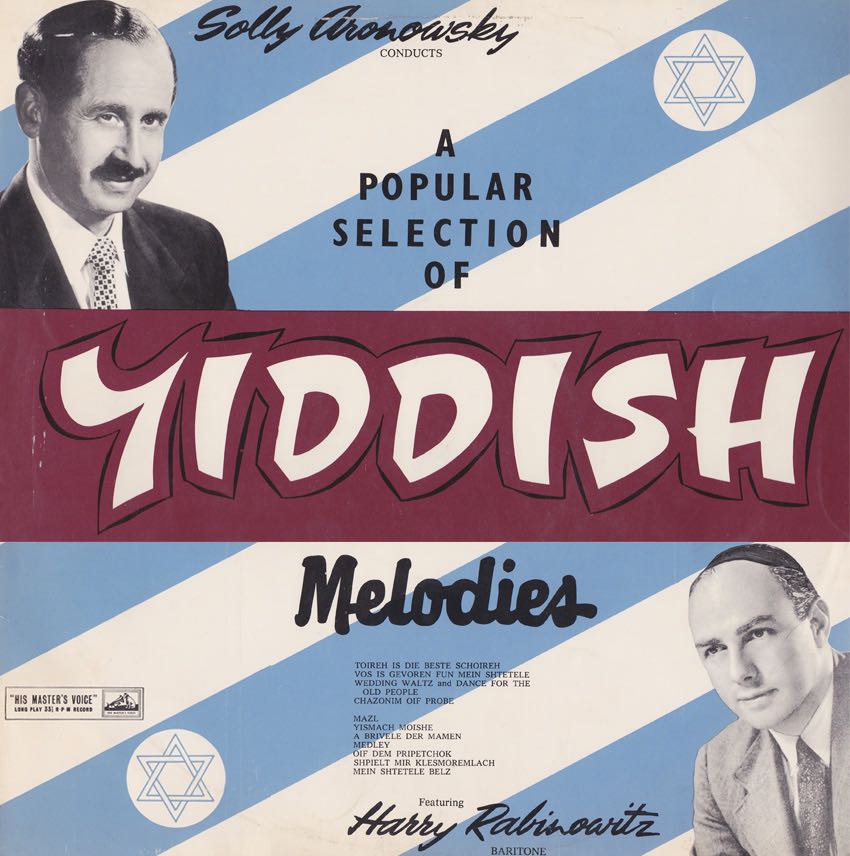
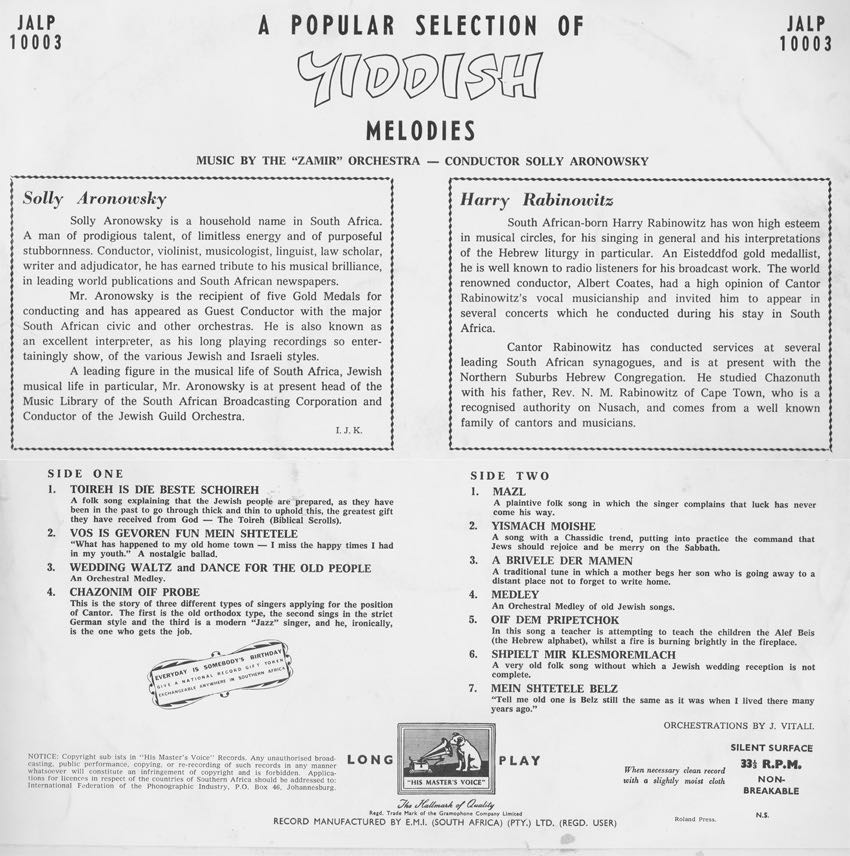
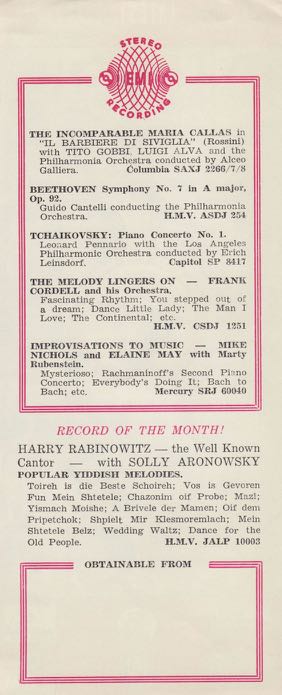
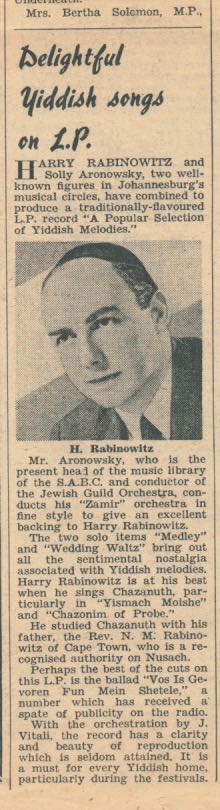
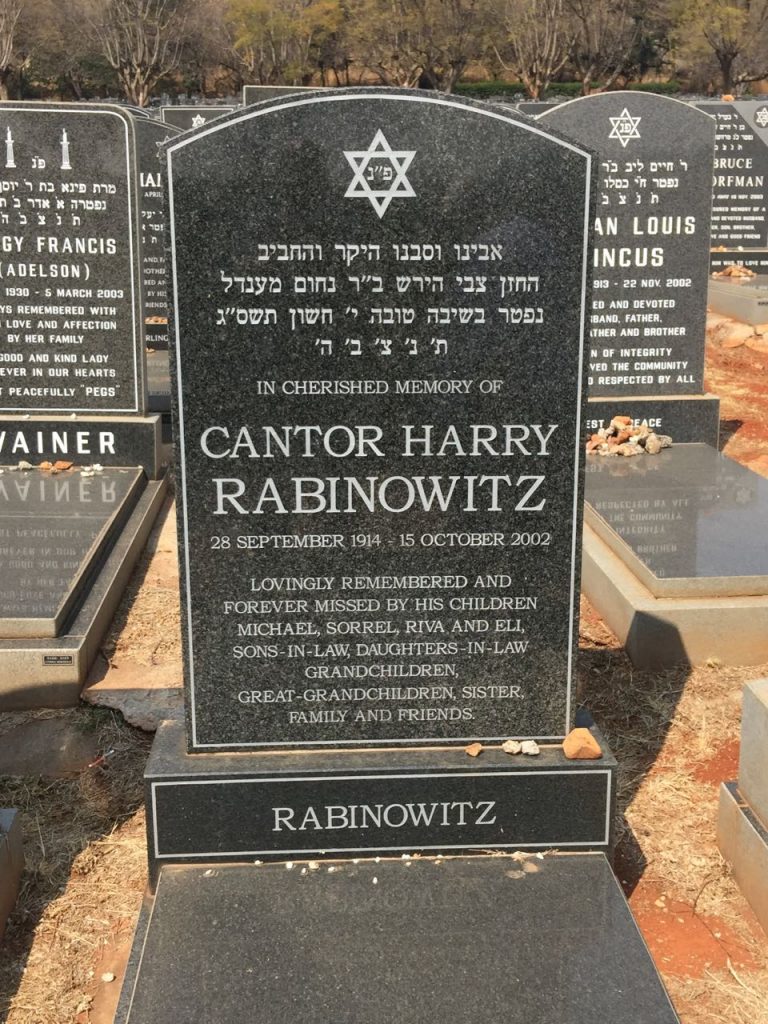
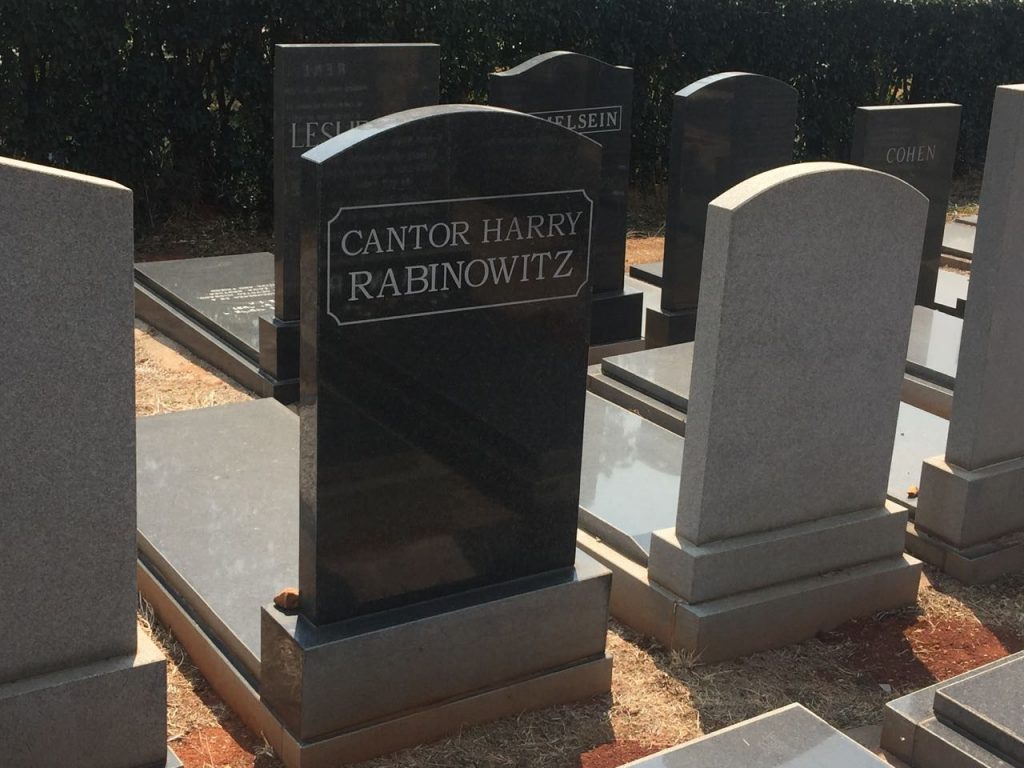
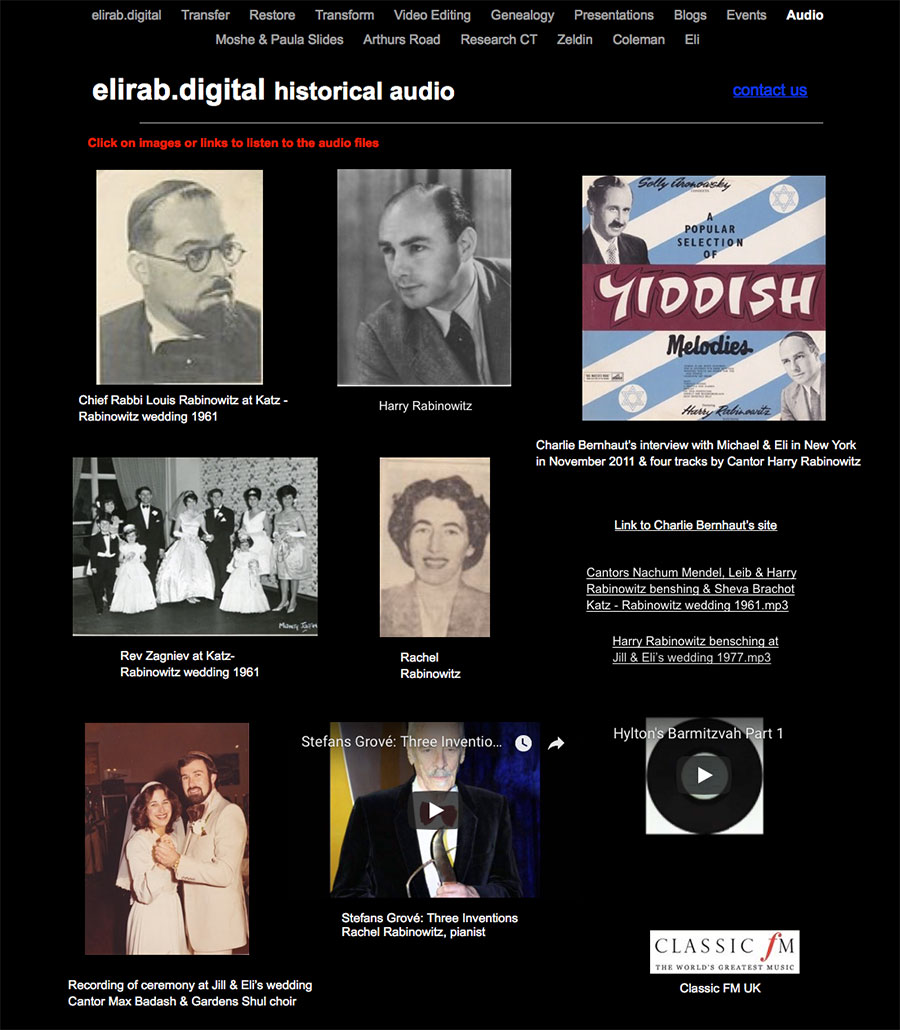
Today has been the 16th yahrzeit of my dad, Cantor Hirsh Zvi (Harry) Rabinowitz
With Jill in shul at yahrzeit memorial board
Leading Maariv Service at CHABAD Noranda
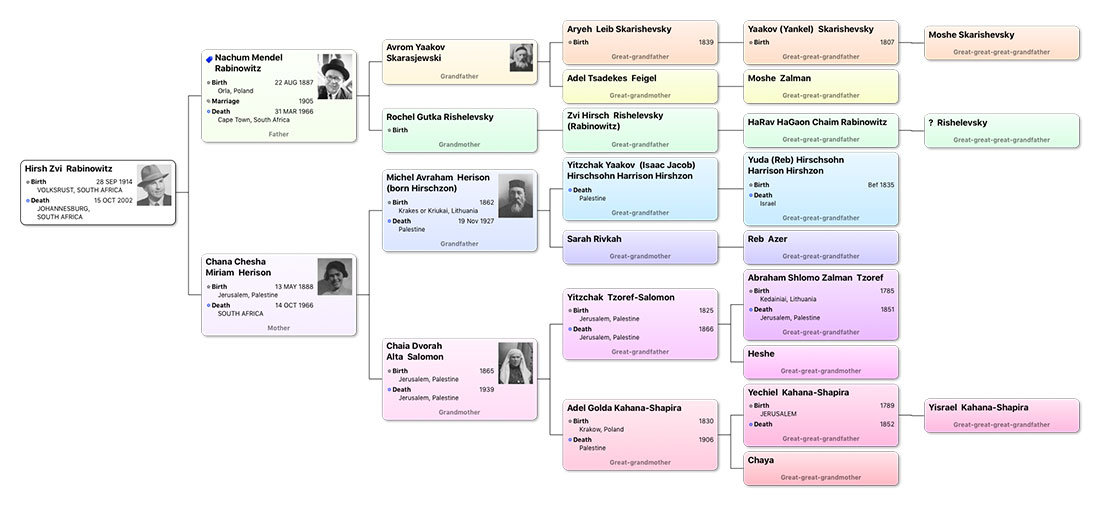
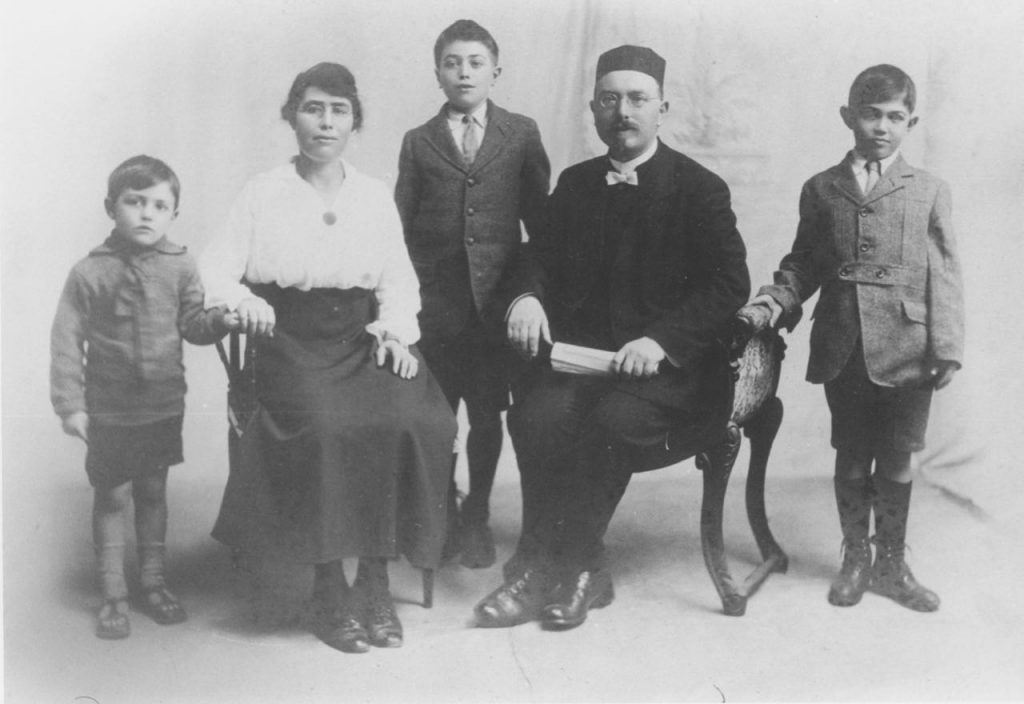
Harry’s abridged ancestral family tree (extends to over 20 generations)
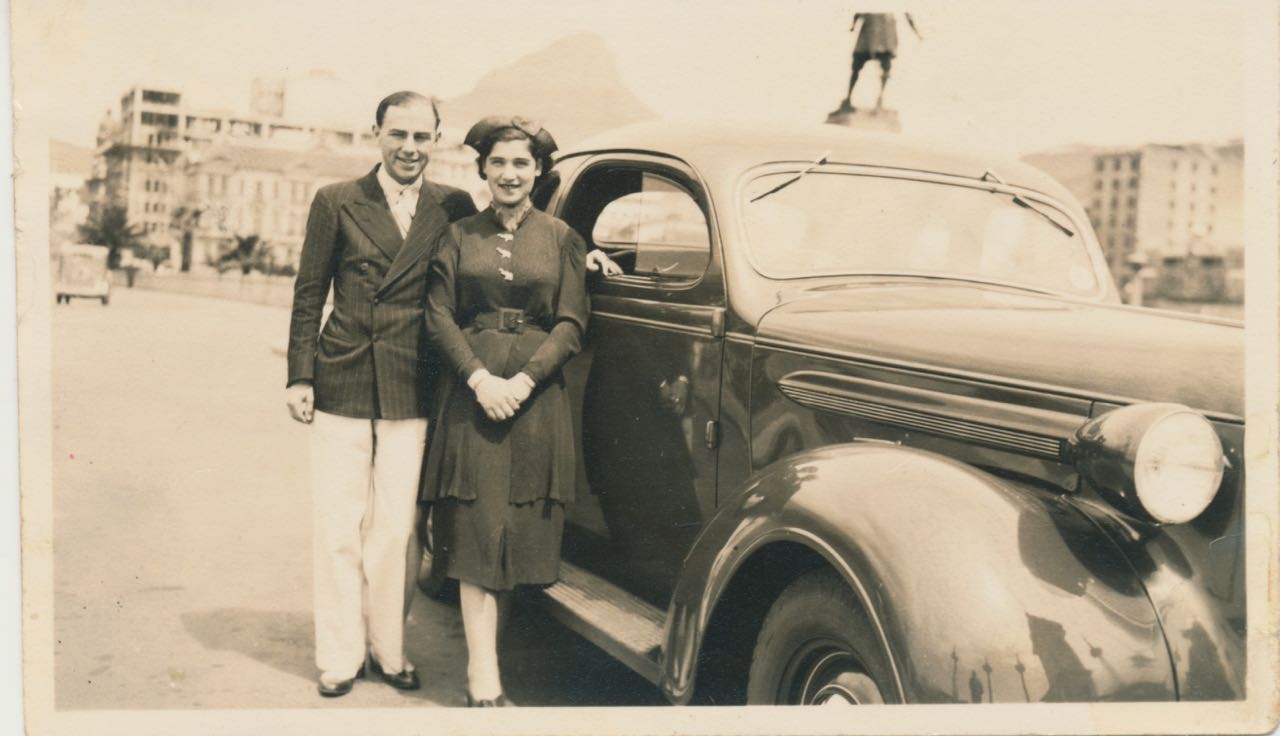
Harry was born in Volksrust, Transvaal, South Africa on 28 September 1914.
Volksrust – Wikipedia
Volksrust is a town in the Mpumalanga province of South Africa near the KwaZulu-Natal provincial border, some 240 km southeast of Johannesburg, 53 km north of Newcastle and 80 km southeast of Standerton.
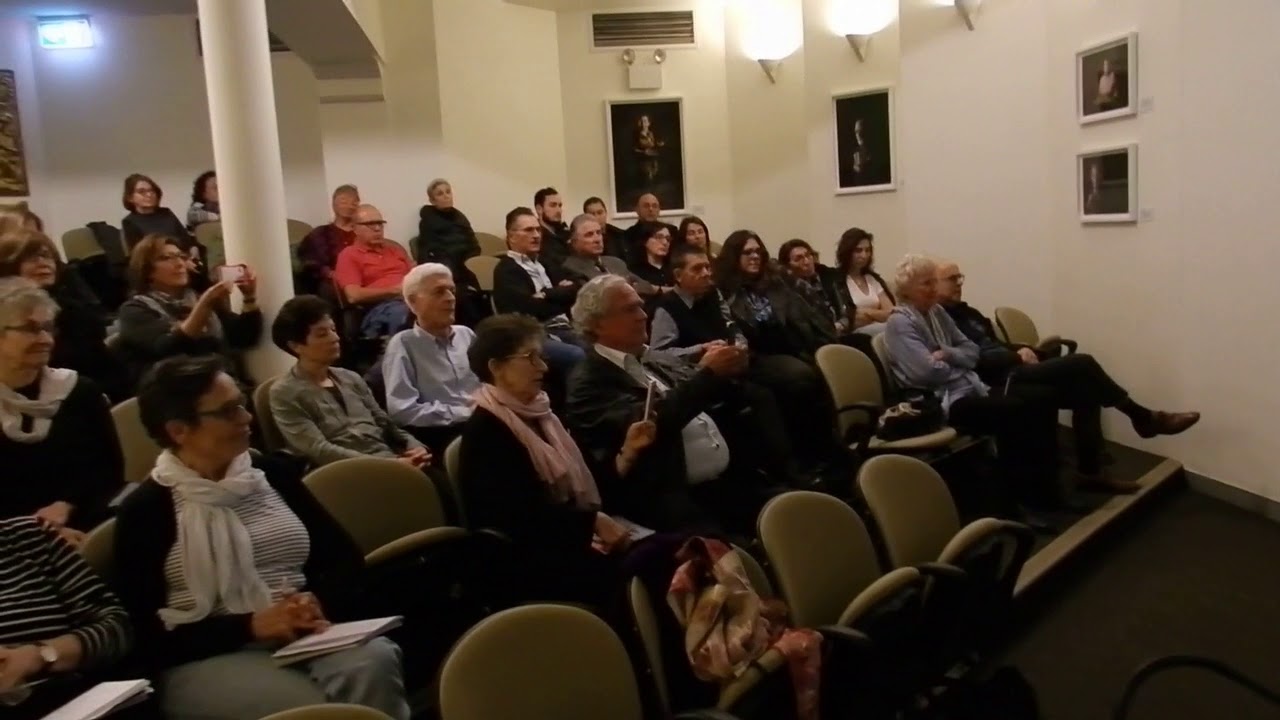
Lunchtime Lecture: The Partisan Song Project – WE ARE HERE!
The Sydney Jewish Museum
Wednesday, 10 October 2018 – 1:15pm
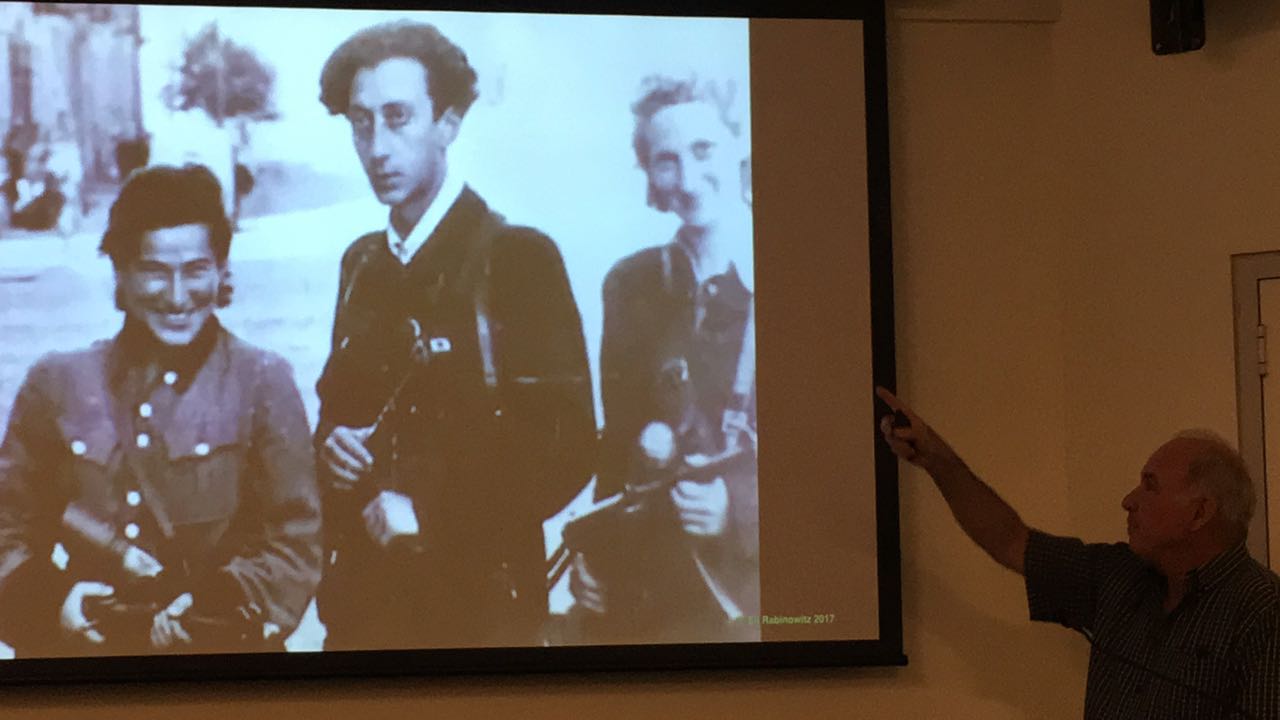
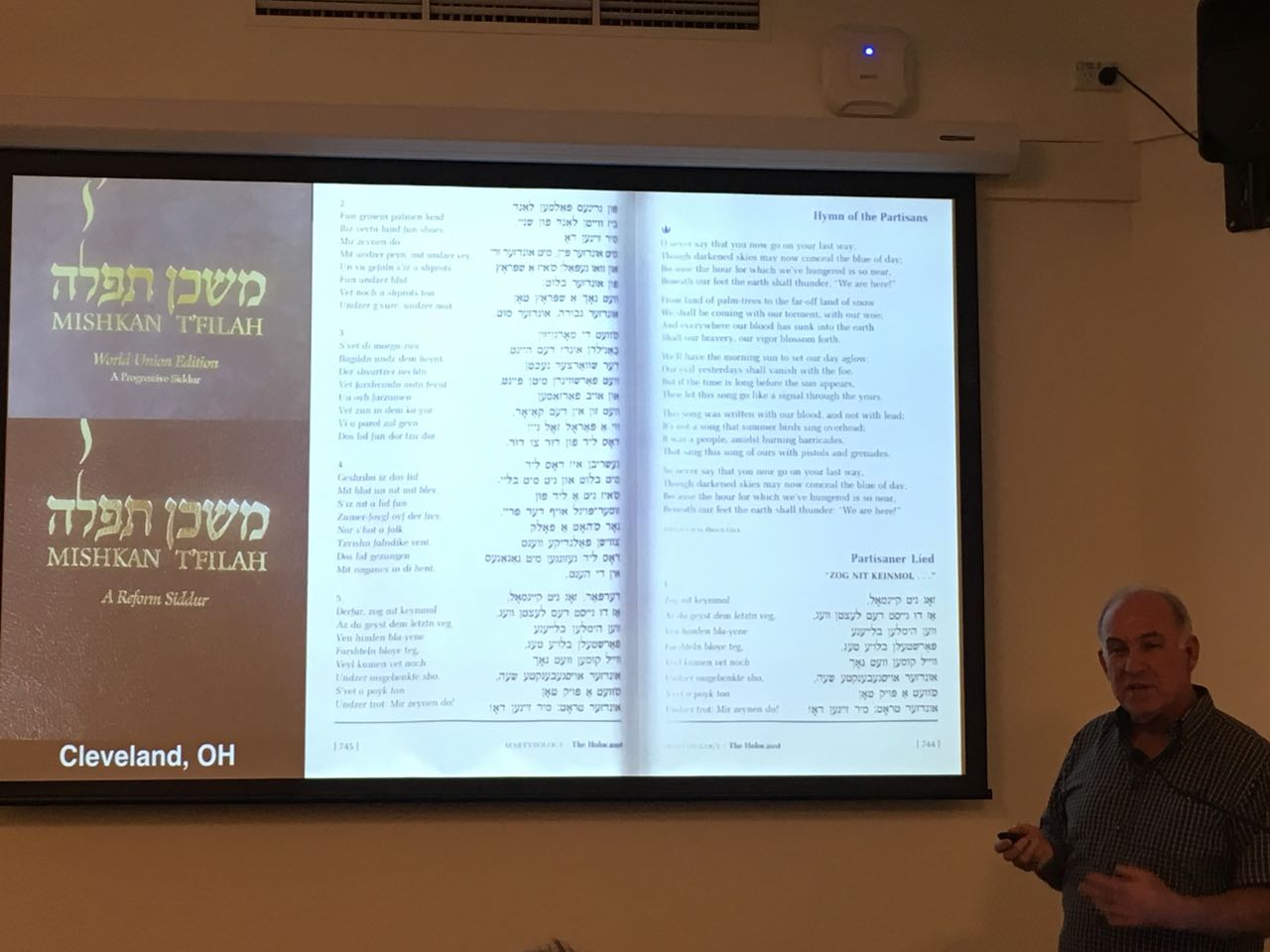
Lunchtime Lecture – The Partisan Song Project: We Are Here
The Partisans’ Song, written by Hirsh Glik, age 22, in the Vilna Ghetto in 1943, is one of the most powerful songs of resistance and defiance ever written.
Wednesday 10 October – Sydney Jewish Museum – lunchtime
The Partisans’ Song, written by Hirsh Glik, age 22, in the Vilna Ghetto in 1943, is one of the most powerful songs of resistance and defiance ever written.



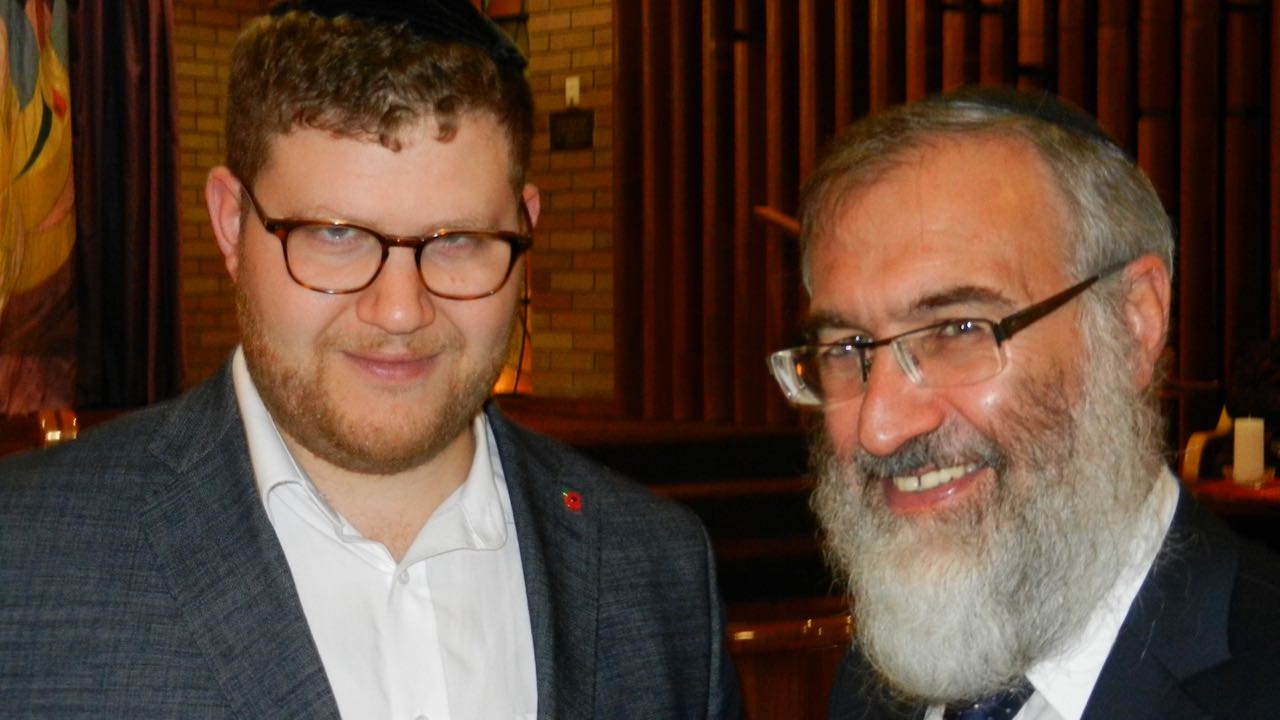


 <►>Rabbis Lieberman & Marcus Solomon


 <►>
<►>