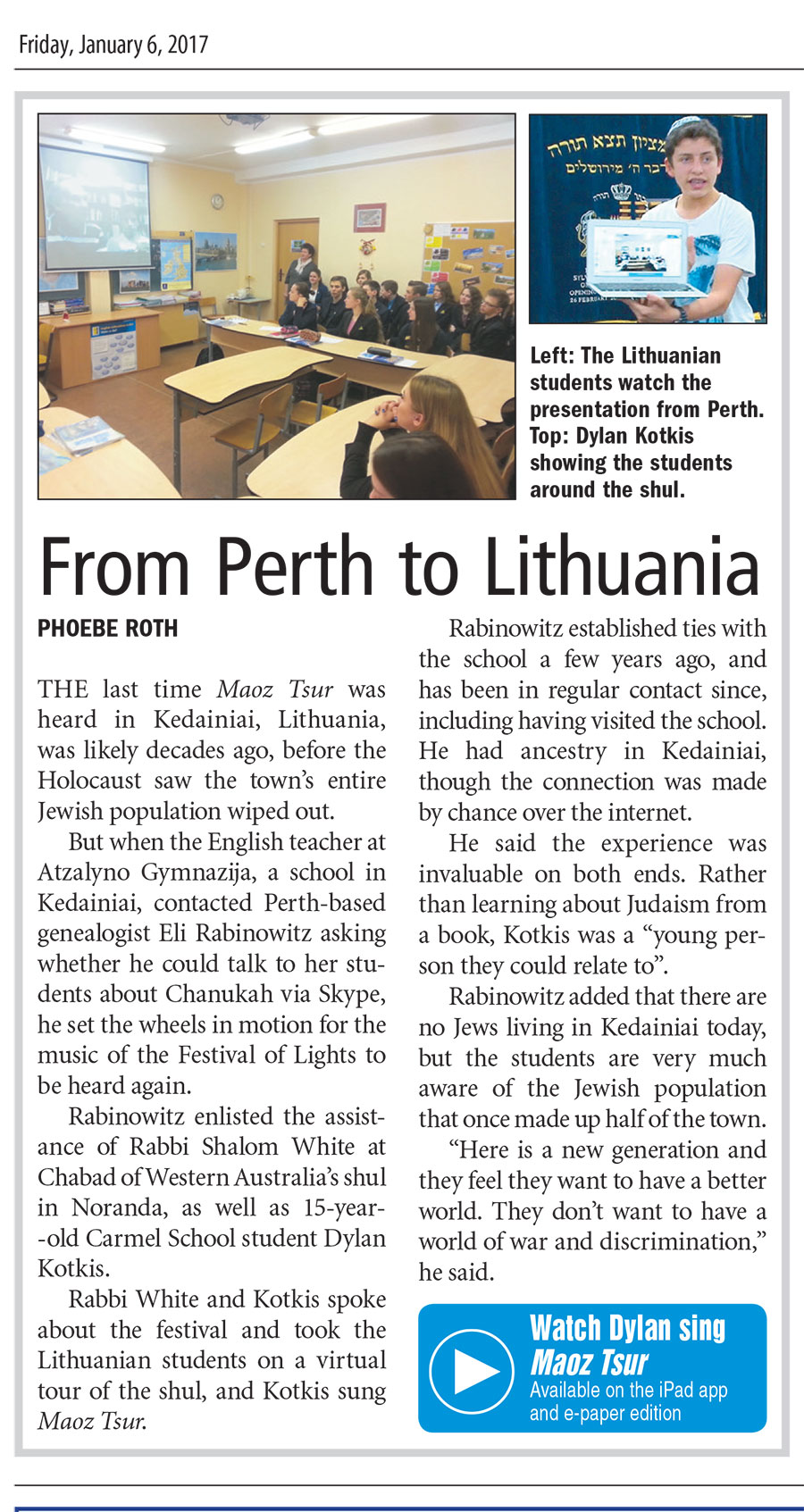
Our project appears in this week’s Australian Jewish News
Watch Dylan sing Maoz Tsur:
Blog:
Visit Australian Jewish News

and Jewish Life

Our project appears in this week’s Australian Jewish News
Watch Dylan sing Maoz Tsur:
Blog:
Visit Australian Jewish News


I am honoured to be part of the Kalvarija Gimnazija’s Tolerance Education program in 2016
Full video
[iframe src=”https://www.facebook.com/plugins/video.php?href=https%3A%2F%2Fwww.facebook.com%2F185197968620278%2Fvideos%2F185208731952535%2F&show_text=0&width=400″ width=”400″ height=”400″ style=”border:none;overflow:hidden” scrolling=”no” frameborder=”0″ allowTransparency=”true” allowFullScreen=”true”>]


Just think of this – when was the last time Maoz Tzur was heard in Keidan, Lithuania, sung by a Jewish kid? Maybe 75 years ago!
When Laima Ardaviciene, the English teacher at Atzalyno Gymnazija in Kedainiai Lithunia, asked whether I could give a talk on Chanukah via Skype to her students, I would normally have sourced one of the many brilliant articles by Rabbi Jonathan Sacks and shared this with them, speaking from my home.
As I only live a minute’s drive from our CHABAD Shul in Noranda, I came up with the idea of enlisting the assistance of Rabbi Shalom White and doing it at the Shul. I also asked a young and talented friend, Dylan Kotkis, to join us. Dylan has a friendly and outgoing personality together with a beautiful singing voice. He is a 15 year old student at Carmel School, Perth’s Jewish Day School.
Due to the 7 hour time difference between Perth and Kedainiai, 1pm (7pm here) was the best time for Laima and her students, so we held the meeting in the Shul’s library. A minyan was taking place in the sanctuary at the same time.
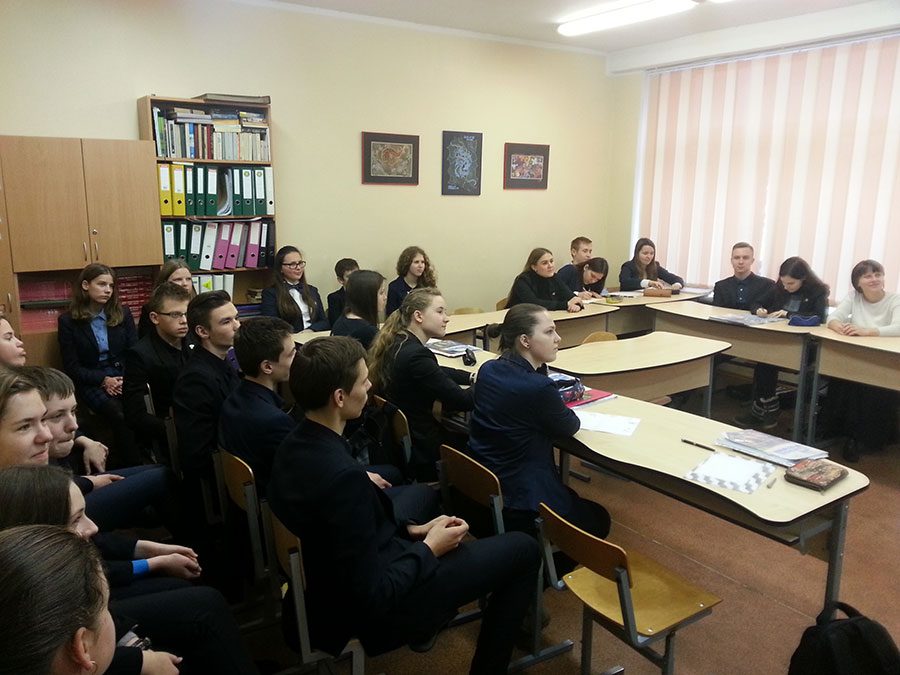
Here are some photos and video clips taken both from the Kedainiai and from the Perth ends. I synchronised and edited the videos and combined the footage taken by Laima and myself.
Rabbi White, Dylan and I spoke about the festival and Dylan took the Lithuanian students on a tour of the shul. Dylan sang Maoz Tzur for them.
Photos taken at Atzalyno Gimnazija


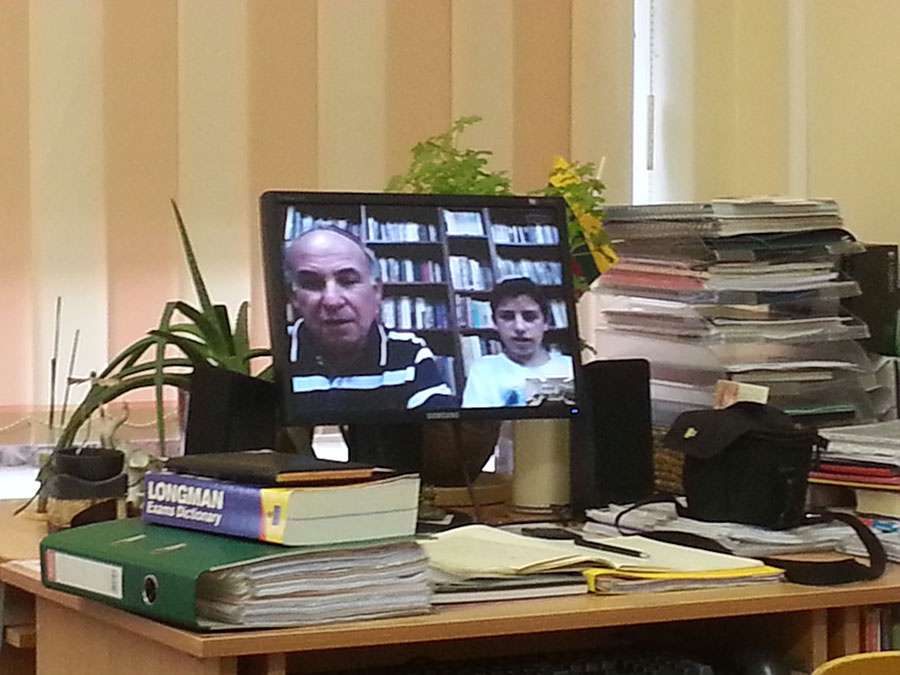
Photos taken on the Perth side


Screenshots and photos of the signs the Lithuanian students presented.


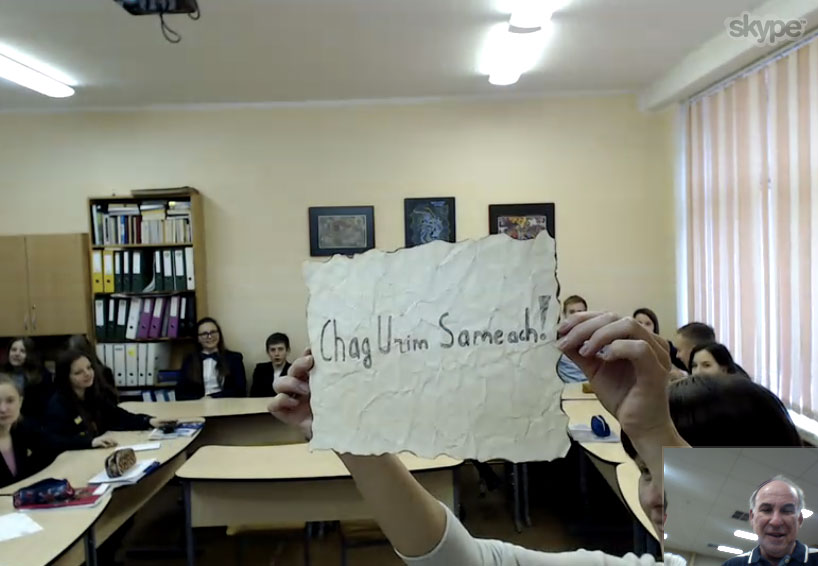


and
Chaim Bargman has been a beloved guide and genealogist for international Jewish-interest tourists in the Kaunas (Kovno) area for decades, and was immortalized in the late Dan Jacobson’s Heshel’s Kingdom (1998).
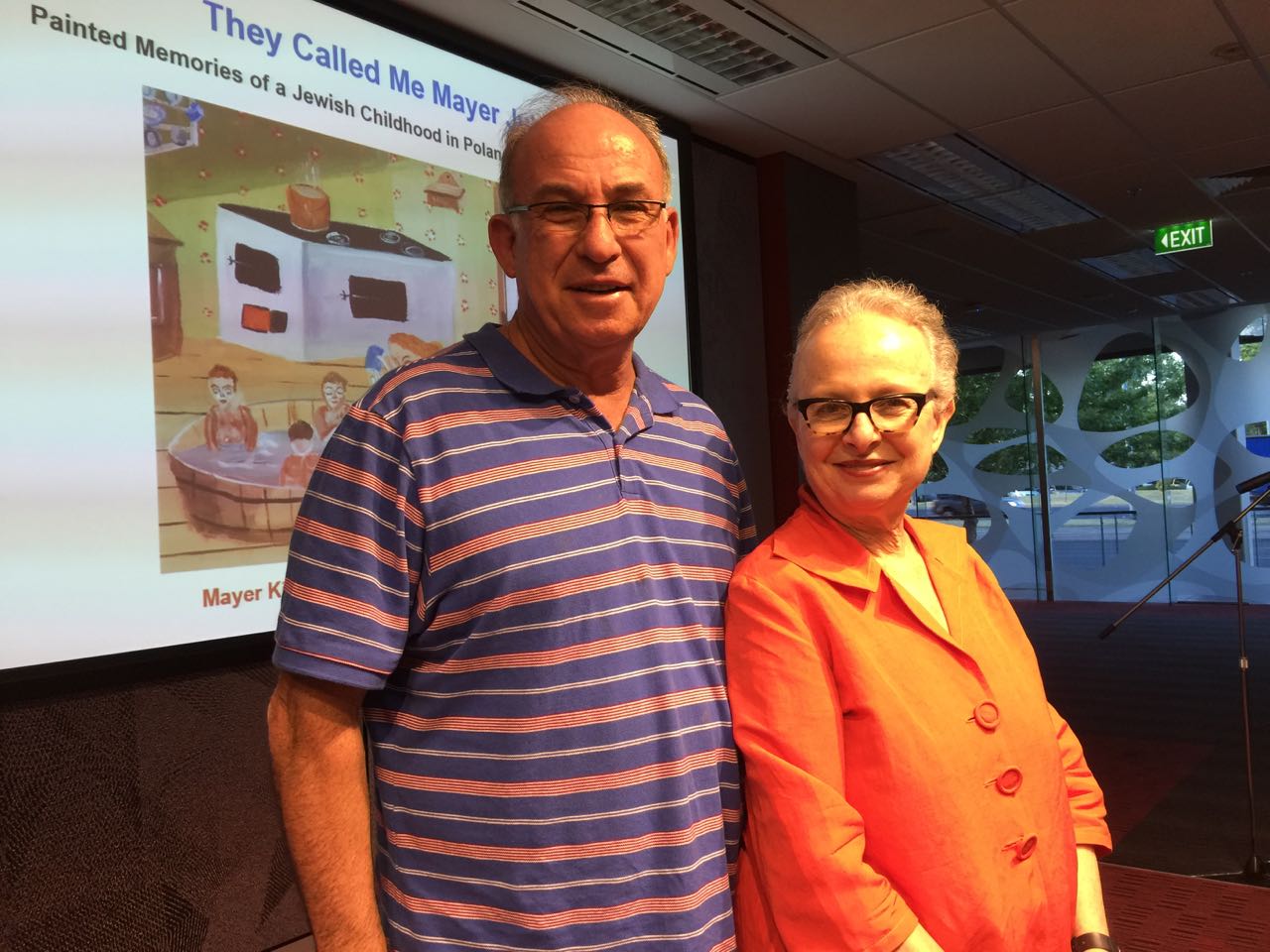
With a previous speaker, Dr Samuel Kassow in Seattle WA

With Professor Barbara Kirshenblatt-Gimblett, Program Director of Polin, Warsaw
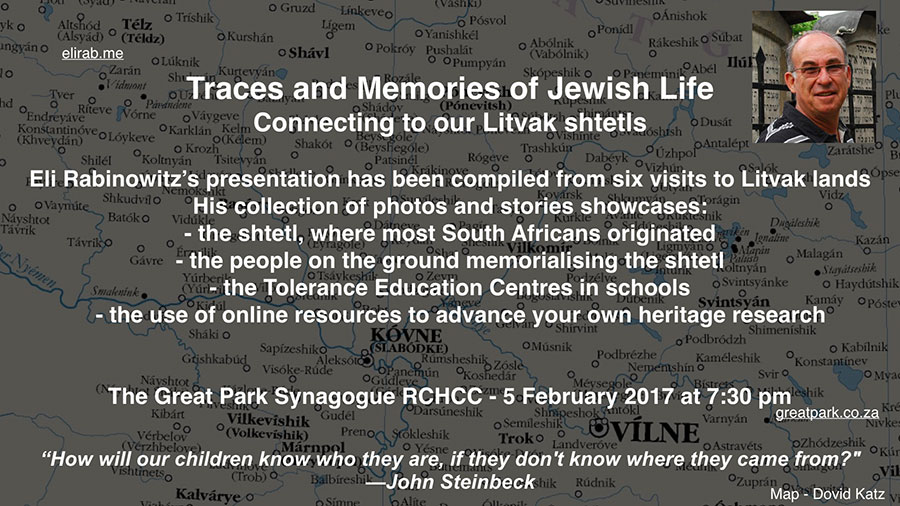
[iframe src=”http://www.greatpark.co.za/rchcc” width=”100%” height=”500″]
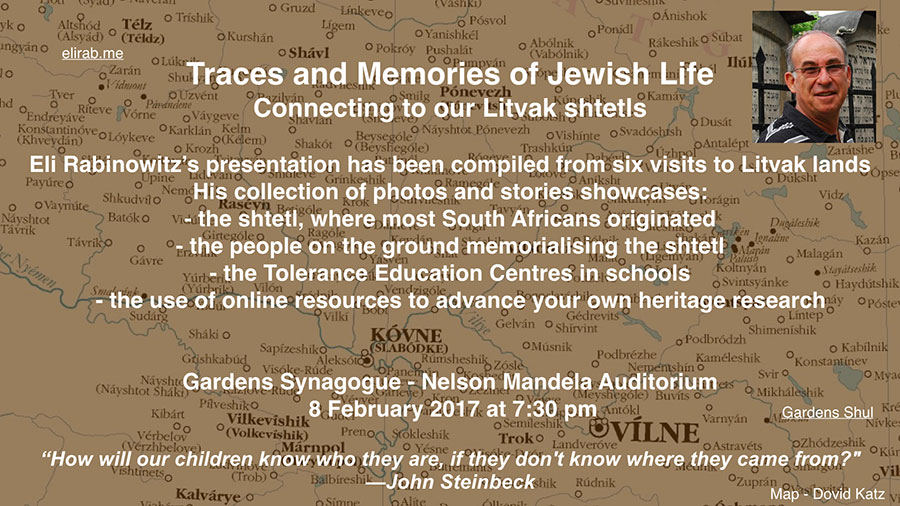
[iframe src=”http://www.greatpark.co.za/about-us-1″ width=”100%” height=”500″]

Video of the opening statement in an online YIVO course run by Professor Samuel Kassow, world authority on Ashkenazi Jews.
Dr. Samuel D. Kassow (born 1946) is an American historian of the history of Ashkenazi Jewry. He was born in a displaced persons‘ camp in Stuttgart, Germany. His mother survived because a classmate hid her and her sister in a dug-out underneath the barn on his family’s farm, whilst his father was arrested by the Russians and spent the duration of the war in a Soviet prison camp.[1][2] He grew up in New Haven, Connecticut.[3] Kassow earned his B.A. from Trinity College, Hartford, Connecticut, in 1966, his M.Sc. from the London School of Economics in 1968, and his Ph.D. from Princeton University in 1976. He is married to Lisa Kassow, director of the Zachs Hillel House at Trinity College. He has two daughters named Miri and Serena.[4] Kassow was the Charles Northam Professor at Trinity College for many years.
Kassow was a consultant to the Museum of History of the Polish Jews, which opened on the site of the Warsaw Ghetto, and was responsible for two of the eight core exhibitions. [5]
In his books, Who Will Write Our History? Rediscovering a Hidden Archive From the Warsaw Ghetto and Who Will Write Our History? Emanuel Ringelblum, the Warsaw Ghetto, and the Oyneg Shabes Archive, Kassow speaks about the importance of preserving historical documents and the past. He describes the historical events going on during World War Two in the 1940s that affected and eventually eliminated the Warsaw Ghetto. His main focus is the three archives created in absolute secrecy by a small group of people that lived in the Warsaw Ghetto which were uncovered and studied about ten years later.[6]
His 2007 book Who Will Write Our History is currently being adapted to a documentary film of the same title, directed by Roberta Grossman and produced by Nancy Spielberg. It is set to be released in 2017.
*************************************
 |
|
| Established | 1925 |
|---|---|
| Location | 15 West 16th Street, Manhattan, New York, US |
| Coordinates | 40.738047°N 73.993821°WCoordinates: 40.738047°N 73.993821°W |
| Director | Jonathan Brent |
| Public transit access | Subway: 14th Street – Union Square |
| Website | YIVO |
YIVO (Yiddish: ייִוואָ), established in 1925 in Wilno, Poland (now Vilnius, Lithuania) as the Yidisher Visnshaftlekher Institut (Yiddish: ייִדישער װיסנשאַפֿטלעכער אינסטיטוט, Yiddish Scientific Institute[1]), is an organization that preserves, studies, and teaches the cultural history of Jewish life throughout Eastern Europe, Germany and Russia, as well as orthography, lexicography, and other studies related to the Yiddish language. (The word yidisher means both “Yiddish” and “Jewish”.) The English name of the organization was changed to the Institute for Jewish Research subsequent to its relocation to New York City, although it is still primarily known by its Yiddish acronym. YIVO is now a member of the Center for Jewish History.
YIVO preserves manuscripts, rare books, and diaries, and other Yiddish sources. The YIVO Library in New York contains over 385,000 volumes[1] dating from as early as the 16th century.[2][3] The YIVO Archives holds over 24,000,000 documents, photographs, recordings, posters, films, and other artifacts.[1] Together, they comprise the world’s largest collection of materials related to the history and culture of Central and East European Jewry and the American Jewish immigrant experience.[1] The Archives and Library collections also hold many works in twelve major languages,[4] including English, French, German, Hebrew, Russian, Polish, and Ladino .[4]
YIVO also functions as a publisher of Yiddish-language books and of periodicals including YIVO Bleter[5] (founded 1931), Yedies Fun YIVO (founded 1929), and Yidishe Shprakh(founded 1941). It is also responsible for such English-language publications as the YIVO Annual of Jewish Social Studies (founded 1946).
YIVO was initially proposed by Yiddish linguist and writer Nochum Shtif (1879–1933). He characterized his advocacy of Yiddish as “realistic” Jewishnationalism, contrasted to the “visionary” Hebraists and the “self-hating” assimilationists who adopted Russian or Polish. Other key founders included philologist and theater director Max Weinreich (1894–1969) and historian Elias Tcherikover (1881–1943).[6]
Founded at a Berlin conference in 1925, but headquartered in Wilno – a city then in Eastern Poland with a large Jewish population – the early YIVO also had branches in Berlin, Warsaw and New York City. Over the next decade, smaller groups arose in many of the other countries with Ashkenazic Jewish populations.
In YIVO’s first decades, Tcherikover headed the historical research section, which also included Shimon Dubnow, Saul M. Ginsburg, Abraham Menes, and Jacob Shatzky; Leibush Lehrer (1887–1964) headed a section including psychologists and educators Abraham Golomb, H. S. Kasdan, and A. A. Roback; Jacob Lestschinsky (1876–1966) headed a section of economists and demographers Ben-Adir, Liebman Hersh, and Moshe Shalit. Weinreich’s language and literature section included Judah Leib (“J.L.”) Cahan, Alexander Harkavy, Judah A. Joffe, Selig Kalmanovitch, Shmuel Niger, Noah Prilutzky, and Zalman Reisen.[7] YIVO also collected and preserved ethnographic materials under the direction of its Ethnographic Committee.[8] In 1925, YIVO’s honorary board of trustees or “Curatorium” consisted of Simon Dubnow, Albert Einstein, Sigmund Freud, Moses Gaster, Edward Sapirand Chaim Zhitlowsky.
From 1934–1940, YIVO operated a graduate training program known as the Aspirantur. Named after Zemach Shabad, YIVO’s chairman, the program held classes and guided students in conducting original research in the field of Jewish studies. Many of the students’ projects were sociological in nature (reflecting the involvement of Max Weinreich) and gathered information on contemporary Jewish life in the Vilna region.[9]
The Nazi advance into Eastern Europe caused YIVO to move its operations to New York. A second important center established as the Fundacion IWO in Buenos Aires, Argentina.[10] All four directors of YIVO’s research sections were already in the Americas when the war broke out or were able to make their way there.[11] For their own reasons, the Nazis carried the bulk of YIVO’s archives to Berlin, where the papers survived the war intact, and eventually were moved to YIVO in New York
The Chicago YIVO Society is a third active center today .[12]
YIVO has undertaken many major scholarly publication projects, the most recent being The YIVO Encyclopedia of Jews in Eastern Europe, published in March 2008 in cooperation with Yale University Press.[13] Under the leadership of editor-in-chief Gershon David Hundert, professor of history and of Jewish Studies at McGill University in Montreal, this unprecedented reference work systematically represents the history and culture of Eastern European Jews from their first settlement in the region to the present day. More than 1,800 alphabetical entries encompass a vast range of topics including religion, folklore, politics, art, music, theater, language and literature, places, organizations, intellectual movements, and important figures. The two-volume set also features more than 1,000 illustrations and 55 maps. With original contributions from an international team of 450 distinguished scholars, the encyclopedia covers the region between Germany and the Ural Mountains, from which more than 2.5 million Jews emigrated to the United States between 1870 and 1920.
The first complete English-language edition of Max Weinreich’s classic book History of the Yiddish Language,[14] edited by Dr. Paul (Hershl) Glasser, was published in two volumes in 2008.

The Sydney Jewish Museum is looking for people who have an interest in history, to join them as volunteers to guide school students through the Museum on school excursions. Before they can apply to be a guide, they need to complete the attached course.
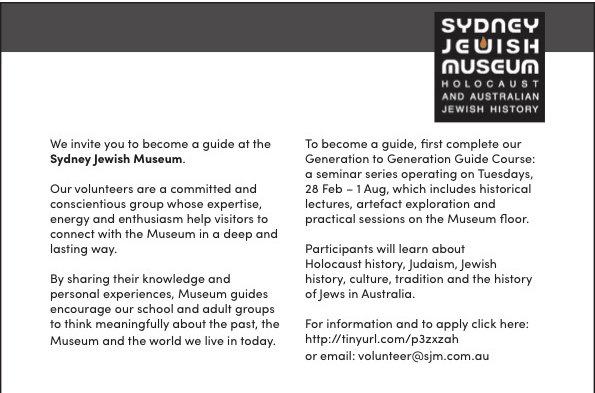
For more info: http://tinyurl.com/p3zxzah
email: volunteer@sjm.com.au

CARMEL SCHOOL’S LIVING HISTORIAN PROJECT 2016
The invitation:
As part of their Holocaust Studies program the Year 10 students, in small groups, have interviewed Perth Holocaust survivors and recorded their stories. The personal experiences of the “living historian” opens up a view of history that cannot be found in books. The lessons in life and insights that the students have gained from meeting with their allocated survivors will stay with them long after the project and their years at school have ended.
We usually have an evening where we invite the survivors and parents of the students to view their projects, but we felt that with the amount of effort the students put in to their work, one night is not sufficient. We will therefore be opening our very special exhibition to the Perth Jewish Community on Thursday 27 October at 7pm in the Breckler Troy Hall in the High School.
We invite you to come and view the students’ displays and gain some insight into the lives of the Perth Holocaust survivors and their experiences.
Shirley Atlas – Jewish History teacher
Carmel School, Perth Australia
I attended this excellent event which began with an introduction by Jewish History teacher, Shirley Atlas, followed by groups of Year 10 students introducing their survivor’s story. We were then invited to view their presentations set up around the high school hall.
The survivors featured were from Poland, Hungary, German, Holland and Lithuania.
Here are a few photos taken on the evening


Heiny Ellert’s team – video presentation:


Olivia Walters, Yannai Goldberg, Aaron Grolman, and Teagan Joffe
Heiny’s testimony which I filmed for the Holocaust Institute in 2015:
The Neishtot-Tavrig KehilaLink
http://kehilalinks.jewishgen.org/Naumiestis

My visit in 2016

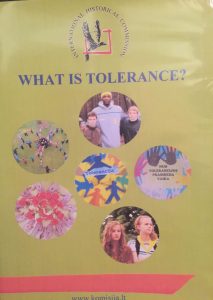
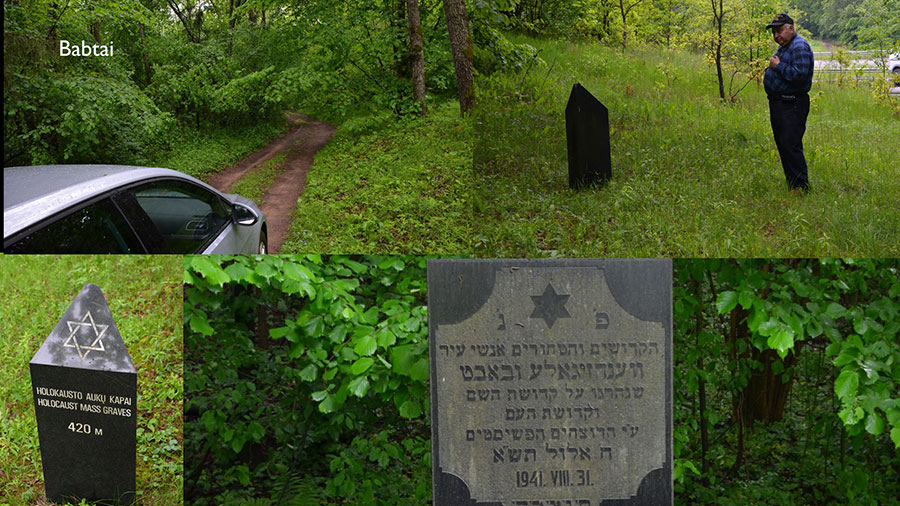
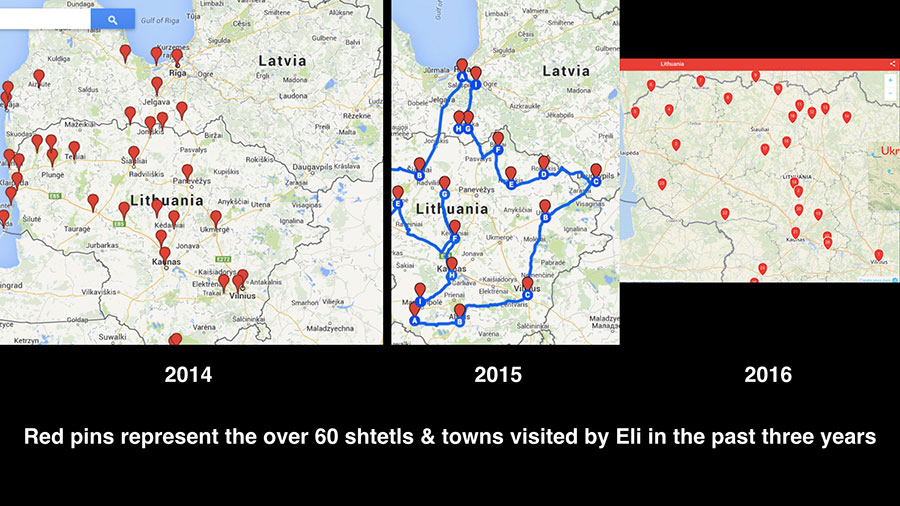
Here is my update on the TECs – Tolerance Education Centres in Lithuania and how we can help build bridges.
If you know the name of your shtetl, please contact me and I will help you to connect with those who are working with TECs and Lithuanian school students and their teachers. Travelling to the region and meeting with local students has been the most rewarding of my experiences in the past six years.
There are growing numbers of Lithuanians, Poles and those within other communities in the FSU who now learn about their history and about the rich Jewish life that once existed in these towns, which are now devoid of Jews. The internet now offers the best opportunity ever for them to engage with Jewish people from abroad.
There is a further benefit: we can educate our children and grandchildren here in the Litvak diaspora. So little seems to be availble within the school curriculum, even though private Jewish Day School fees are so high. “Too hard” or “we are covering it” is what I hear! And then there is also the no response…… and another year passes!
It is a real shame that our cultural heritage is in danger of fading away and dying!
Educating about our Jewish cultural history remains my passion and I hope and that there are enough of us out there to make a difference!
There are now 119 Tolerance Education Centres in Lithuania.
Here is the list:
Here is an example of three of these projects and how visitors to Lithuania can engage teachers and students involved in these projects.


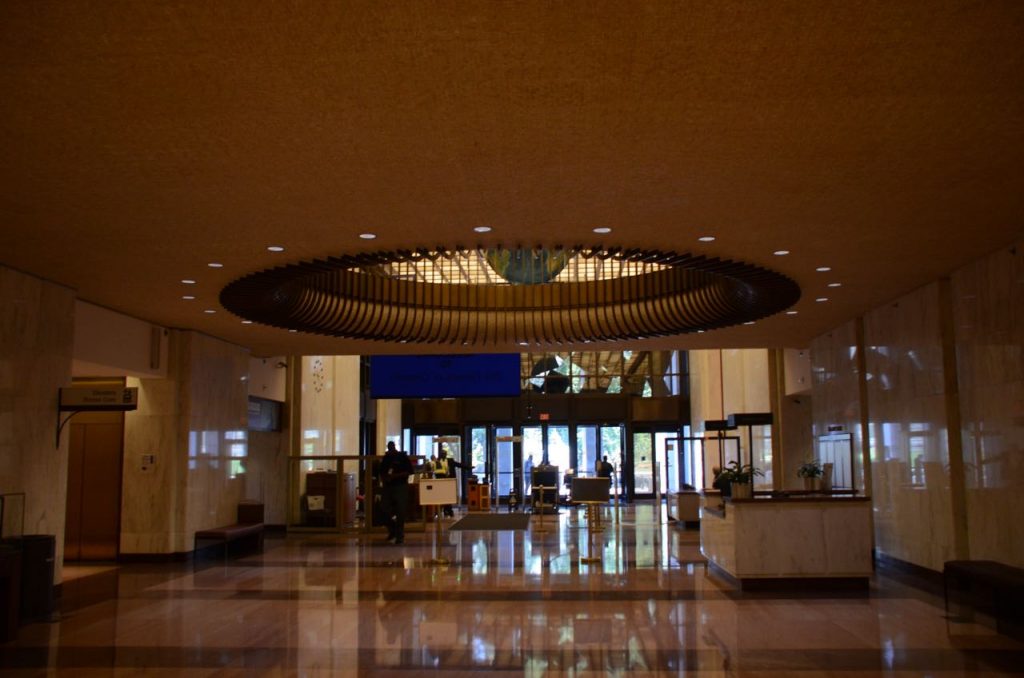
The James Madison Memorial Building is located between First and Second Streets on Independence Avenue SE. The building was constructed from 1971 to 1976, and serves as the official memorial to President James Madison.
The Madison Building is also home to the Mary Pickford Theater, the “motion picture and television reading room” of the Library of Congress. The theater hosts regular free screenings of classic and contemporary movies and television shows.

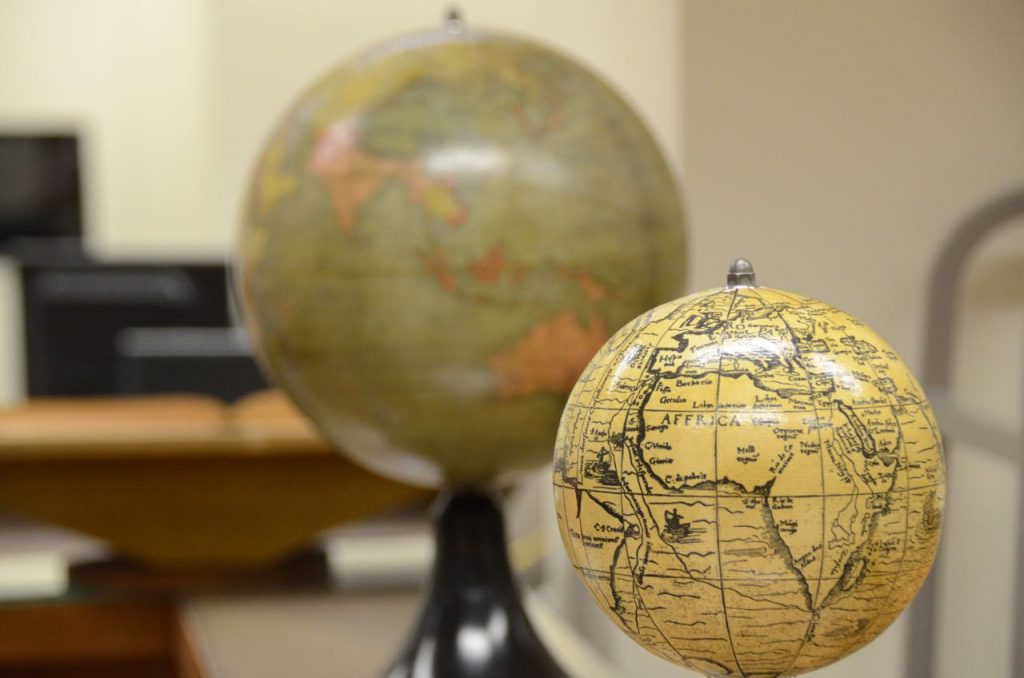


The Vault is two football fields long!


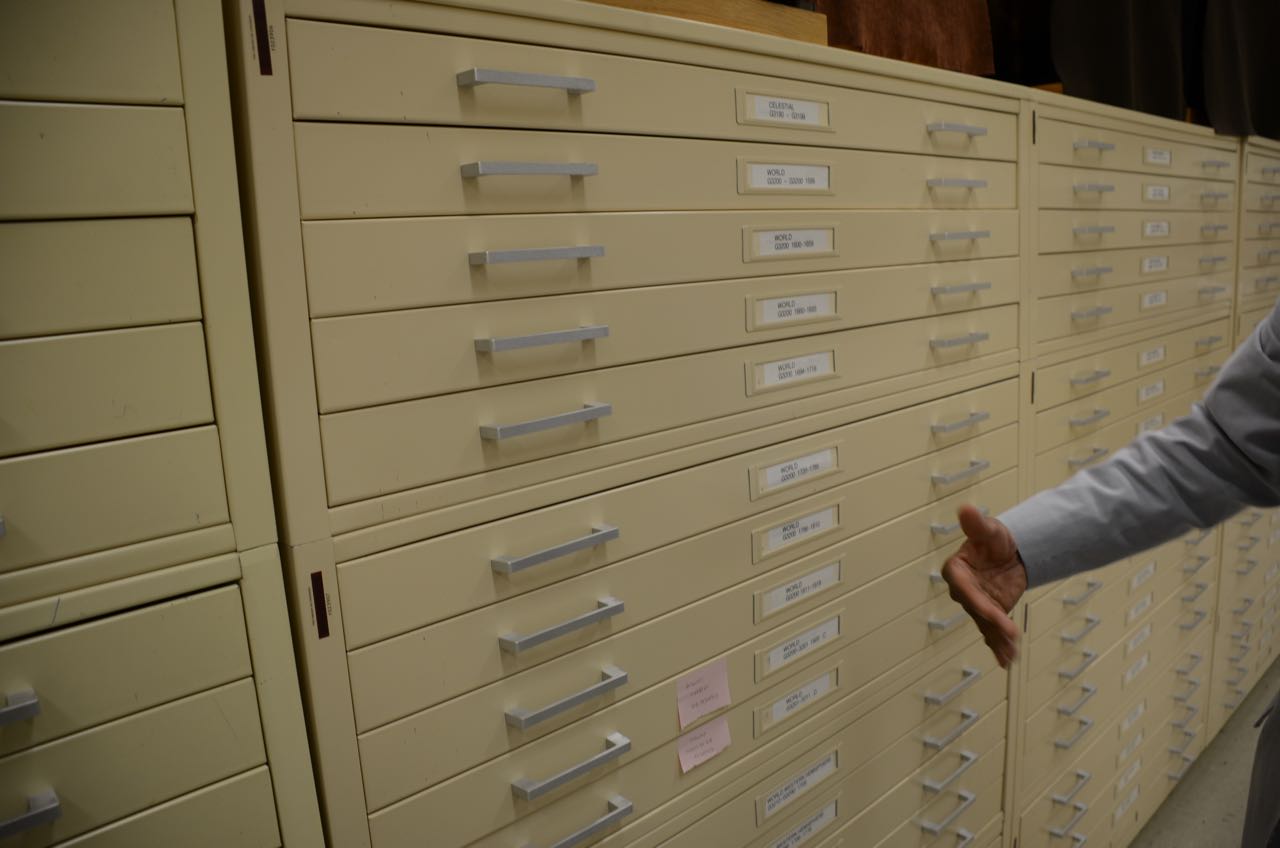


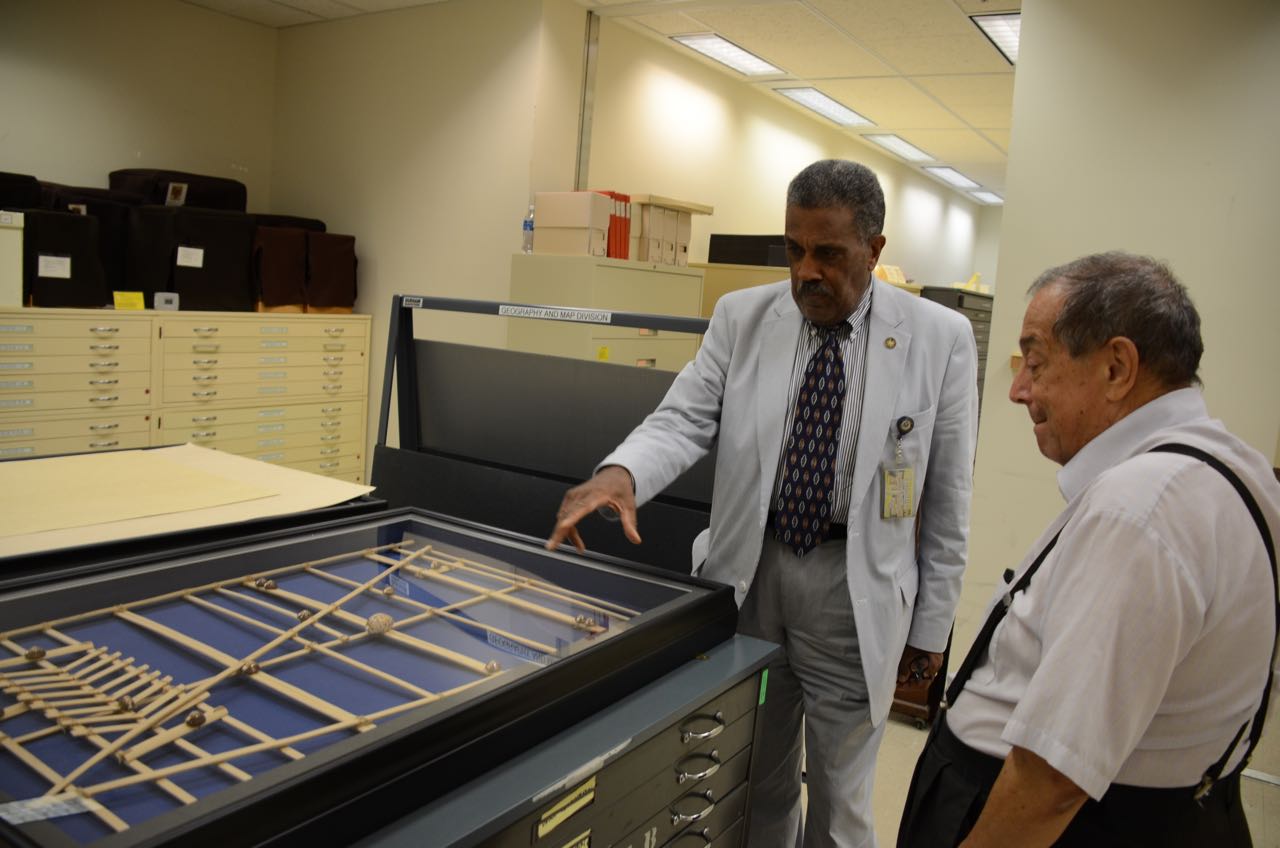


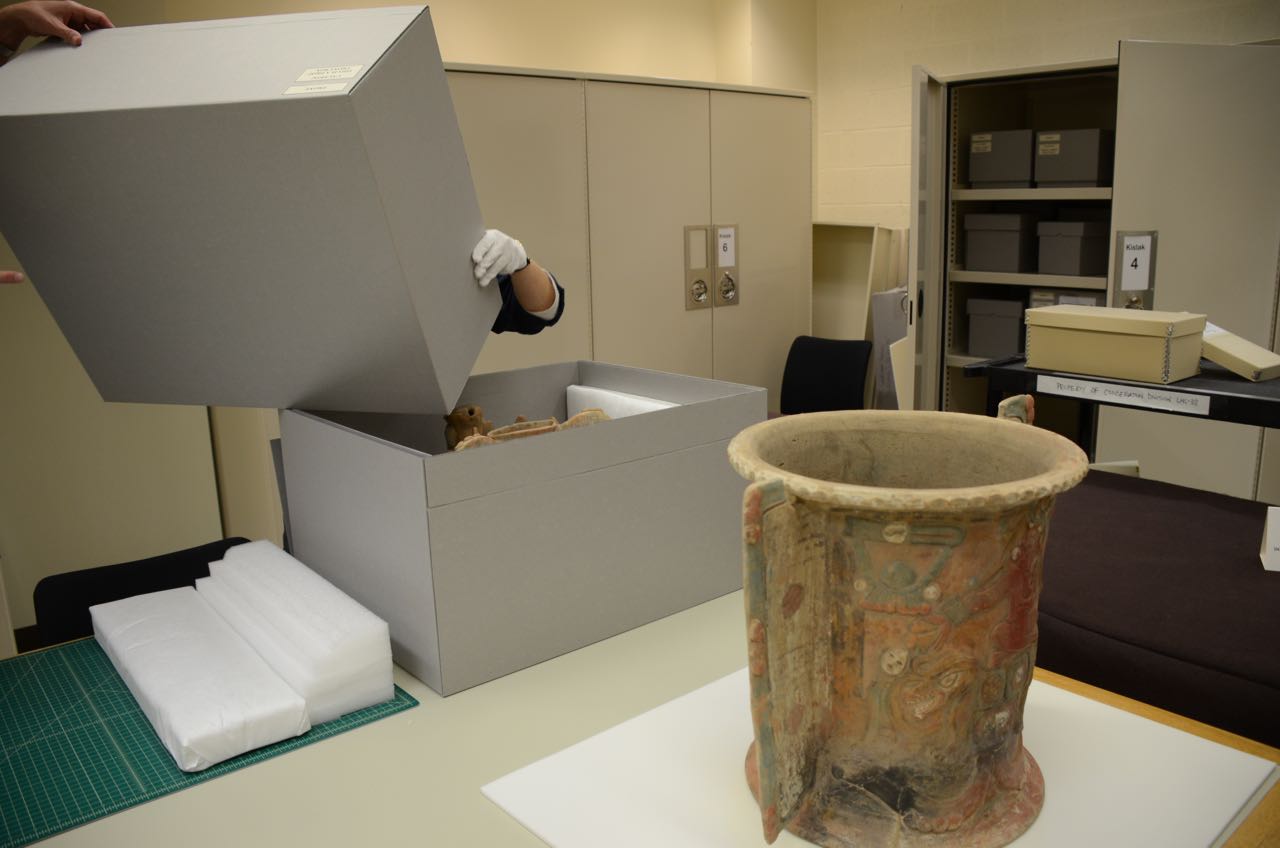


Habte M Tecleamariam, Senior Reference Librarian at the Map Division at the Library Of Congress and Edward David Luft discussing maps


For more info visit:

My excellent guide, Edward D Luft

The birth certificate of America
  |
|

Flag of the Library of Congress[citation needed]
|
|
| Established | April 24, 1800 |
|---|---|
| Location | Washington, D.C. |
| Coordinates | 38°53′19″N 77°00′17″WCoordinates: 38°53′19″N 77°00′17″W |
| Branches | N/A |
| Collection | |
| Size | 23,892,068 catalogued books in the Library of Congress Classification system; 5,711 incunabula (books printed before 1500), 14,067,260 monographs and serials, music, bound newspapers, pamphlets, technical reports, and other printed material; and 122,810,430 items in the nonclassified (special) collections:
160,775,469 total Items[1] |
| Access and use | |
| Circulation | Library does not publicly circulate |
| Population served | 535 members of the United States Congress, their staff, and members of the public |
| Other information | |
| Budget | $598,402,000[1] |
| Director | Carla Hayden (Librarian of Congress) |
| Staff | 3,224[1] |
| Website | www.loc.gov |


With Karen Fishman, supervisor
Motion Picture, Broadcasting & Recorded Sound Division


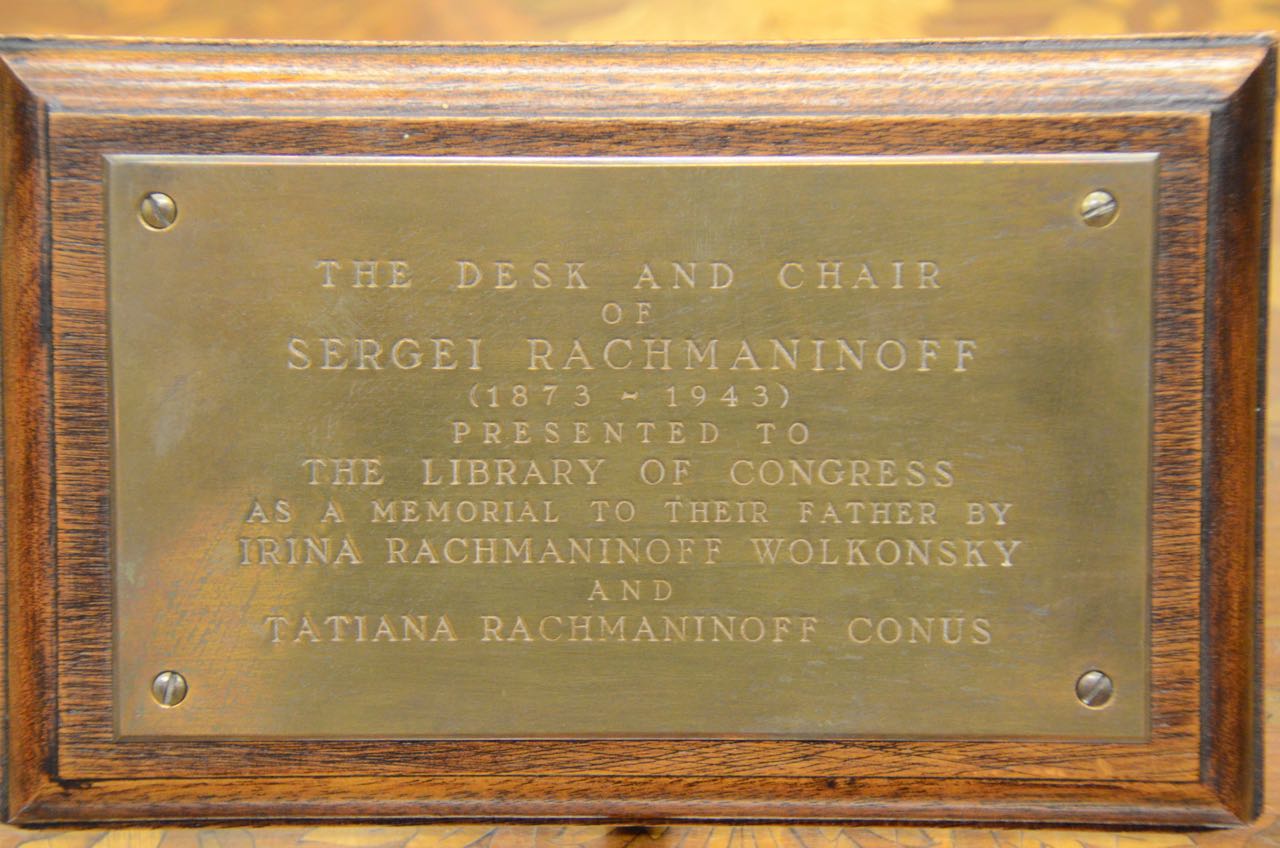

Background
In 2004 the Tolerance Centre principle was approved. The Tolerance Centre in Plunge was the 8th such centre established. There are now in excess of 100. The co-ordinator of the T C in each school, or museum, has autonomy.
The emphasis on the Tolerance Centre in Plunge is on the Jewish tragedy rather than the Russian brutality. Naturally, we are more concerned with the crimes against the Jews. Programs also include a study of Jewish life before WWll.
There are a number of Jews who are against the “Commission” because they are there also to teach about the Soviet regime.
website: www.komisija.lt


Visit the KehilaLinks for many of these towns
