


CHABAD WA’s Rabbi Shalom White
CHABAD WA Solidarity Prayer for Pittsburgh
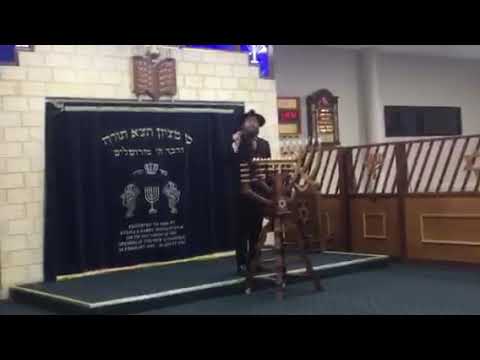
28 October 2018
Video
Source: youtu.be/JsSjRQ-wRRA




and Jewish Life


28 October 2018
Source: youtu.be/JsSjRQ-wRRA

10 October 2018

The Partisans’ Song, written by Hirsh Glik, age 22, in the Vilna Ghetto in 1943, is one of the most powerful songs of resistance and defiance ever written.
Source: sydneyjewishmuseum.com.au/shop/events/lunchtime-lecture-partisan-song-project/

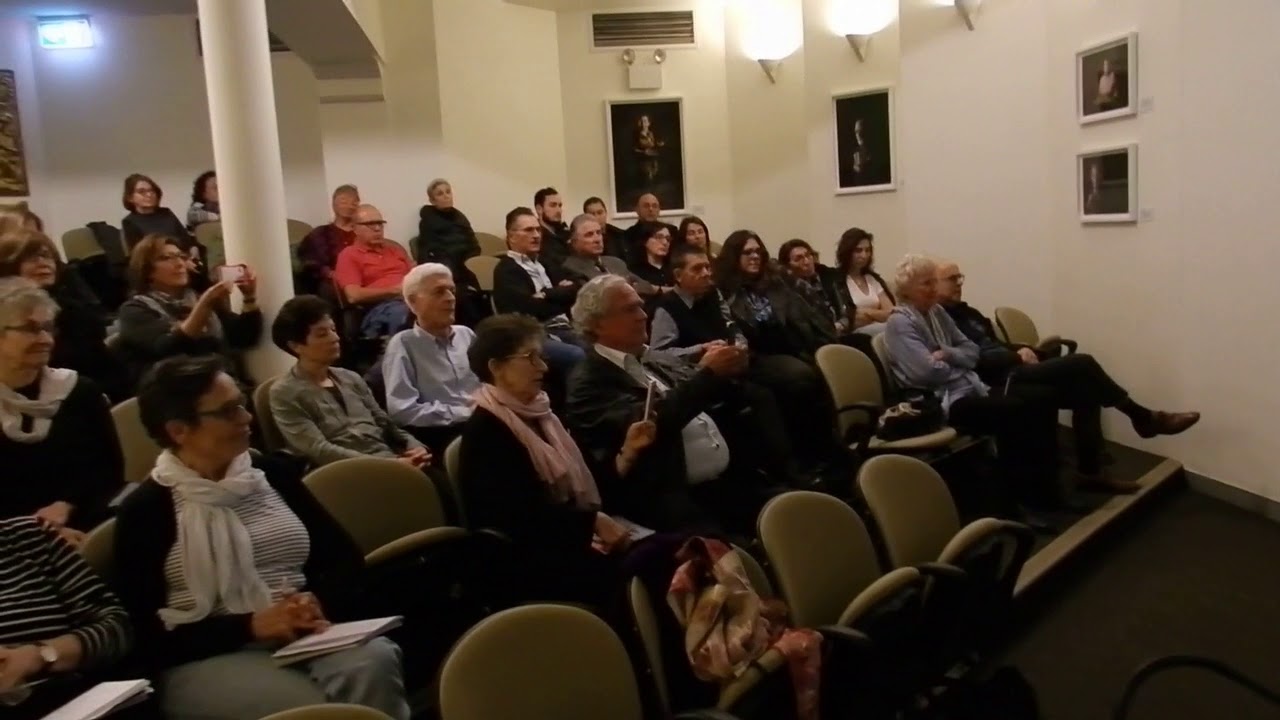
Bettina & Nogah singing Zog Nit Keynmol at the Sydney Jewish Museum 10 October 2018
Source: youtu.be/Prnb7Mc5LDs
Some of my slides


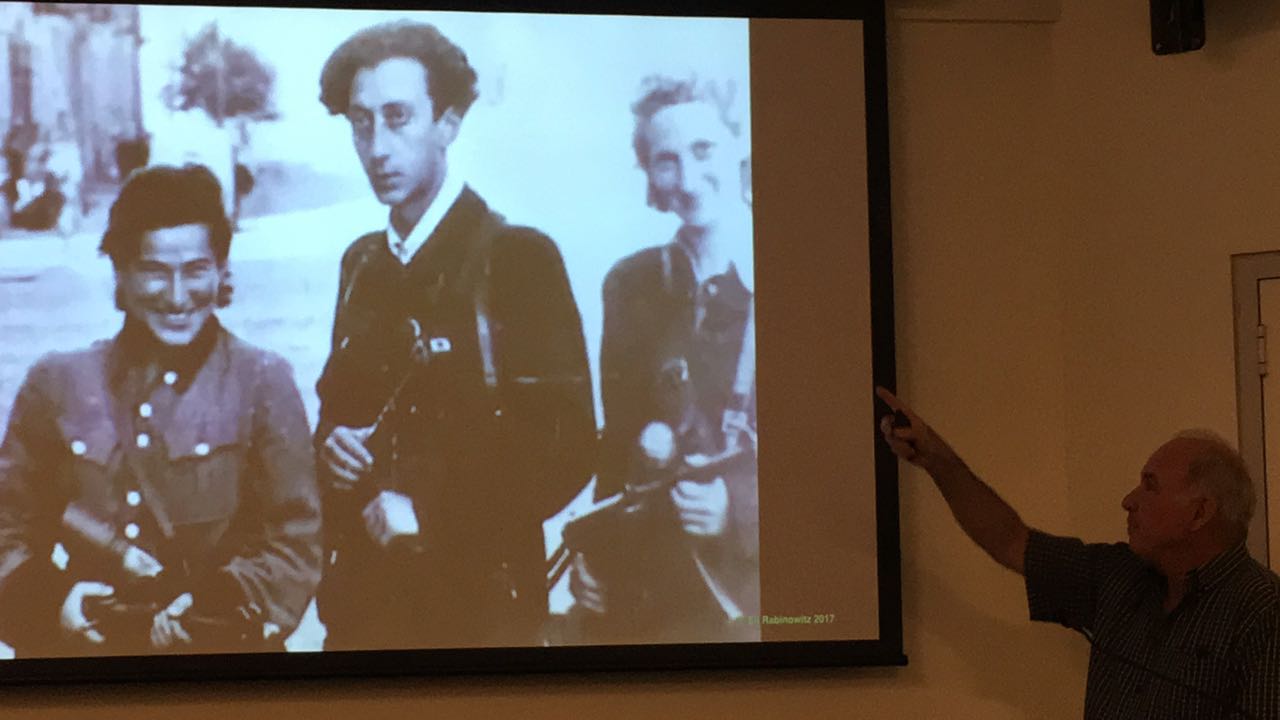


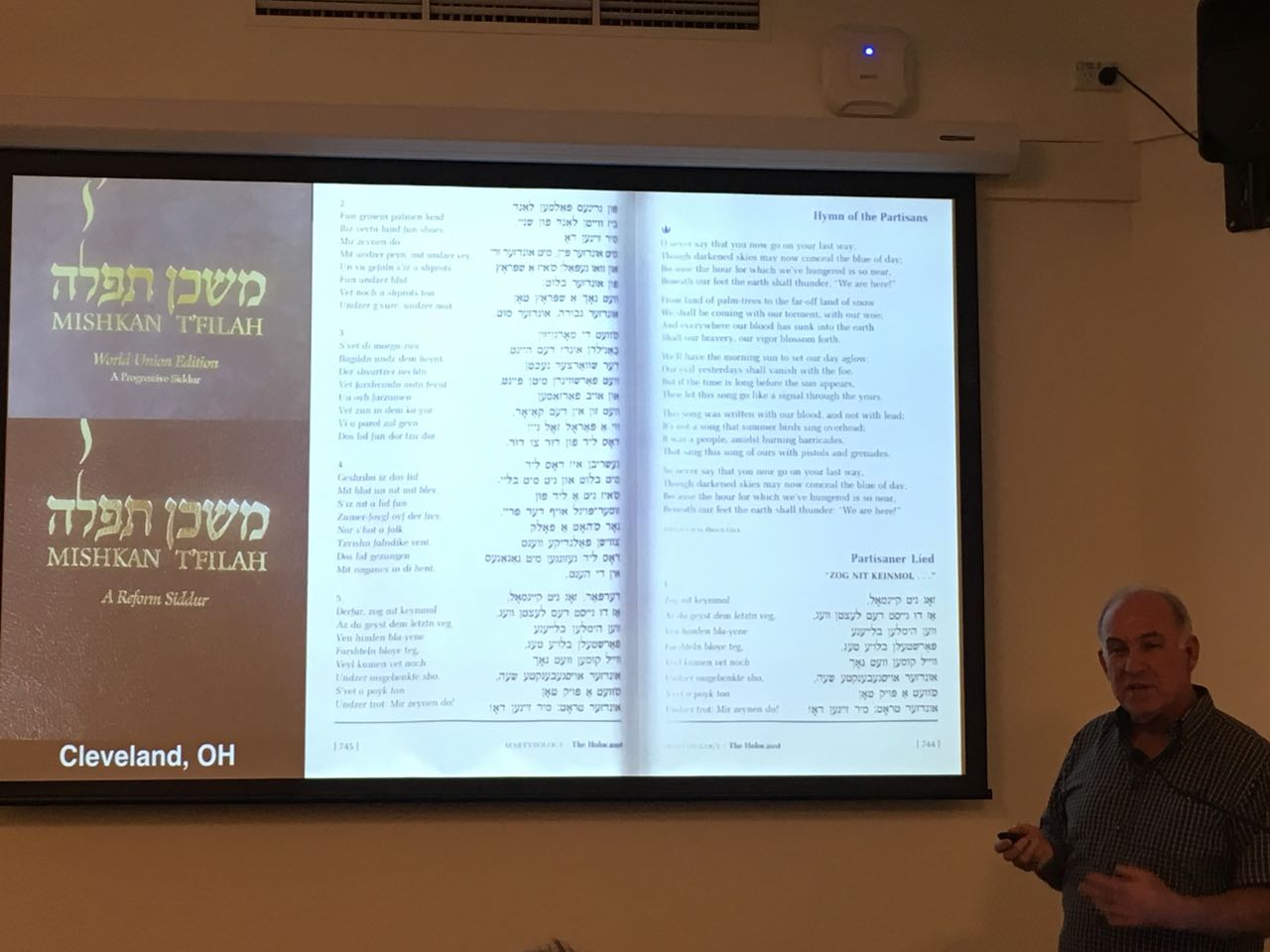


Photos by Avi Abelsohn

A Video For Teachers MENU: Introduction – SABC TV Why is singing the song so Important? – Phillip Maisel Defiance Trailer – Bielski Jewish Partisans Soviet N…
Source: youtu.be/NRcGcNGrYWo
A Video For Teachers MENU: The Melody – Pokrass Brothers Original Russian Soundtrack Irish Folk Band – The Rathmines Japanese Version – Isao Oiwa Kugelplex K…
Source: youtu.be/_qeCD6lmMIM


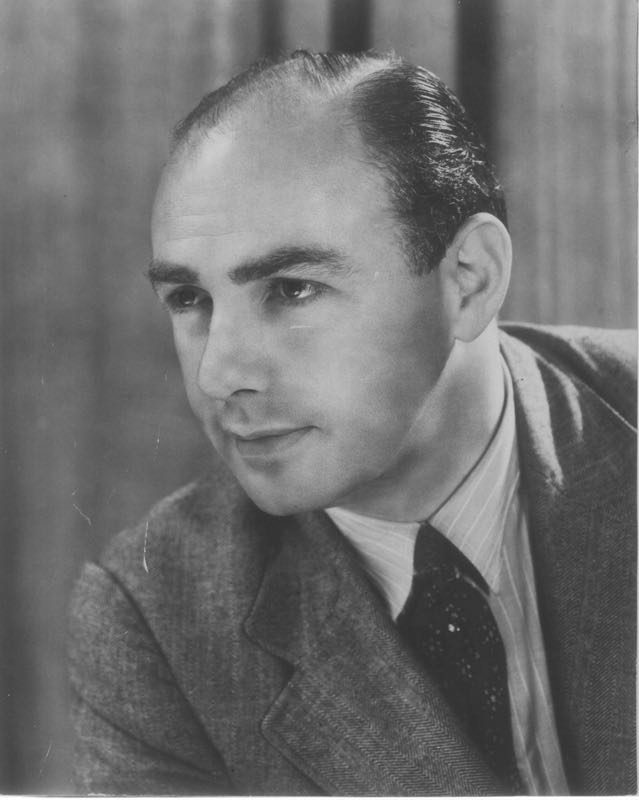
With Jill in shul at yahrzeit memorial board
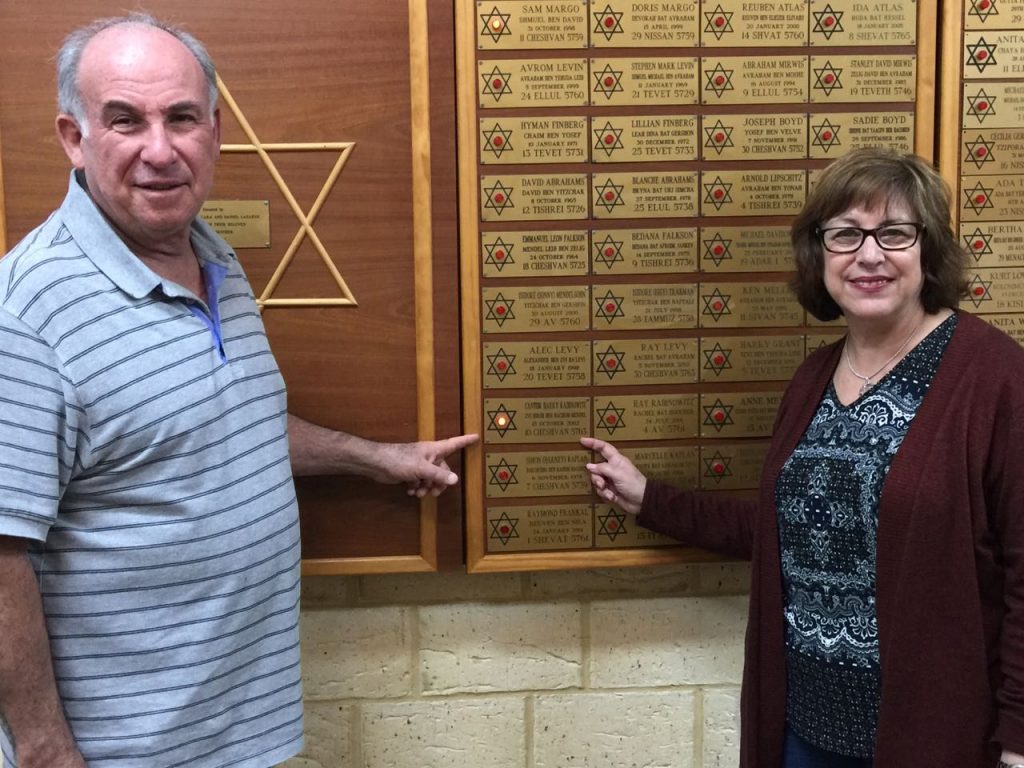
Leading Maariv Service at CHABAD Noranda

Harry’s abridged ancestral family tree (extends to over 20 generations)
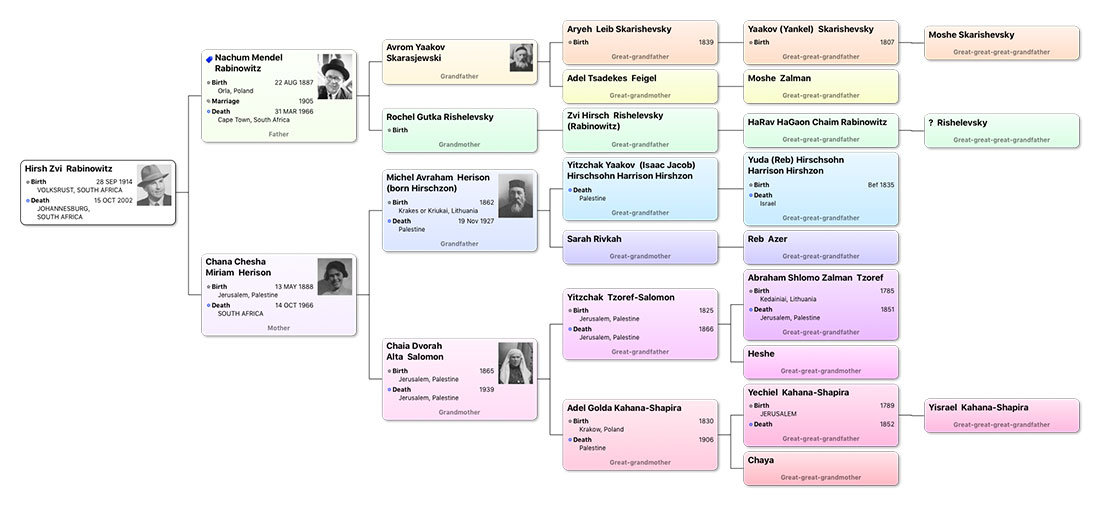
Harry was born in Volksrust, Transvaal, South Africa on 28 September 1914.
Volksrust is a town in the Mpumalanga province of South Africa near the KwaZulu-Natal provincial border, some 240 km southeast of Johannesburg, 53 km north of Newcastle and 80 km southeast of Standerton.
Source: en.wikipedia.org/wiki/Volksrust

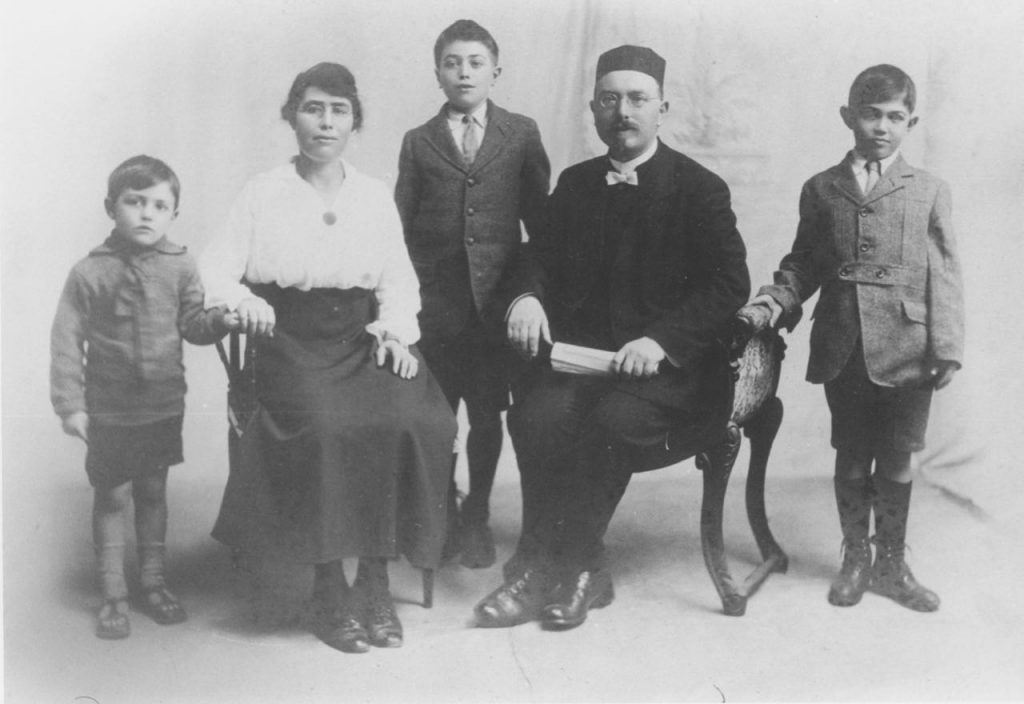
With his parents and two older brothers Leib and Isaac, who were born in Jerusalem.
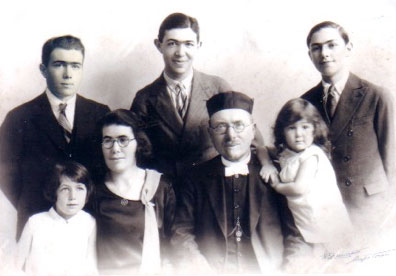
His two younger sisters Rachel and Sarah were born in Cape Town.

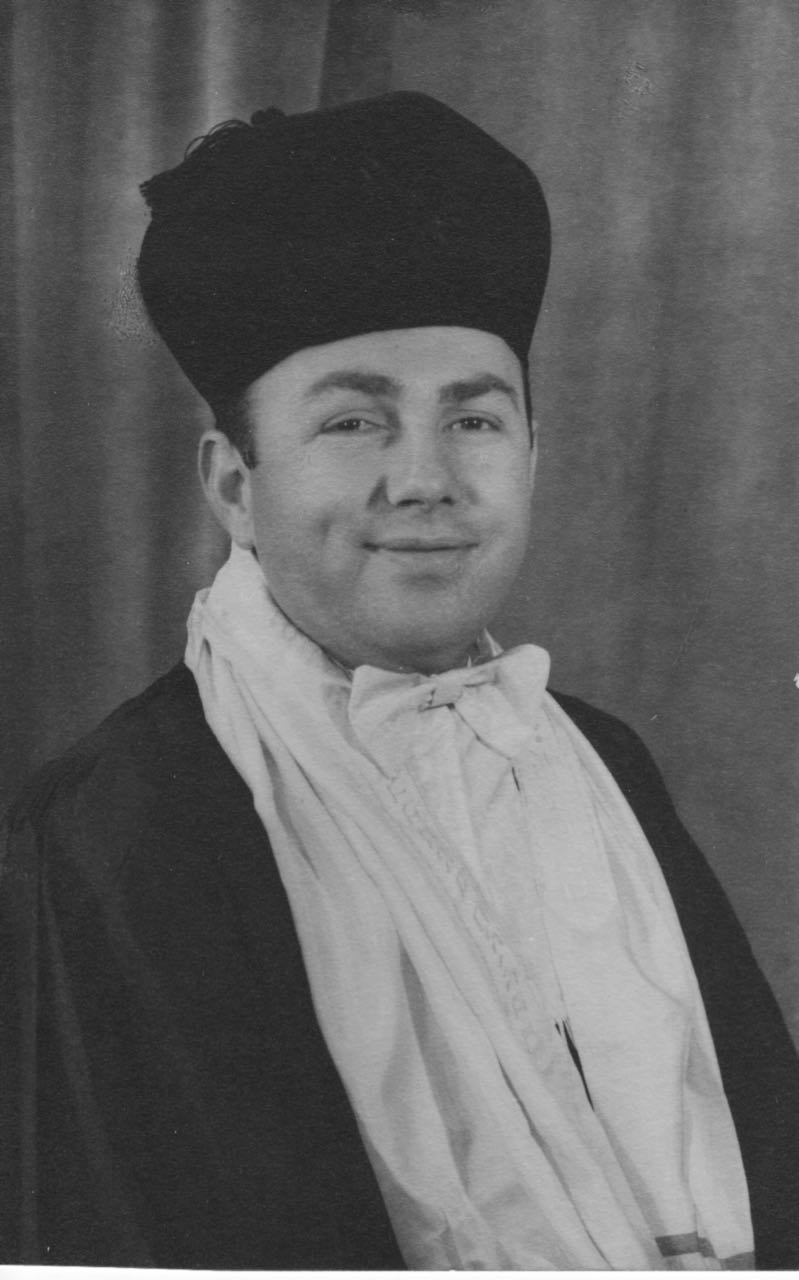


Harry was a musician and cantor, a baritone who sang in many languages in concerts, recitals, operattas and on radio
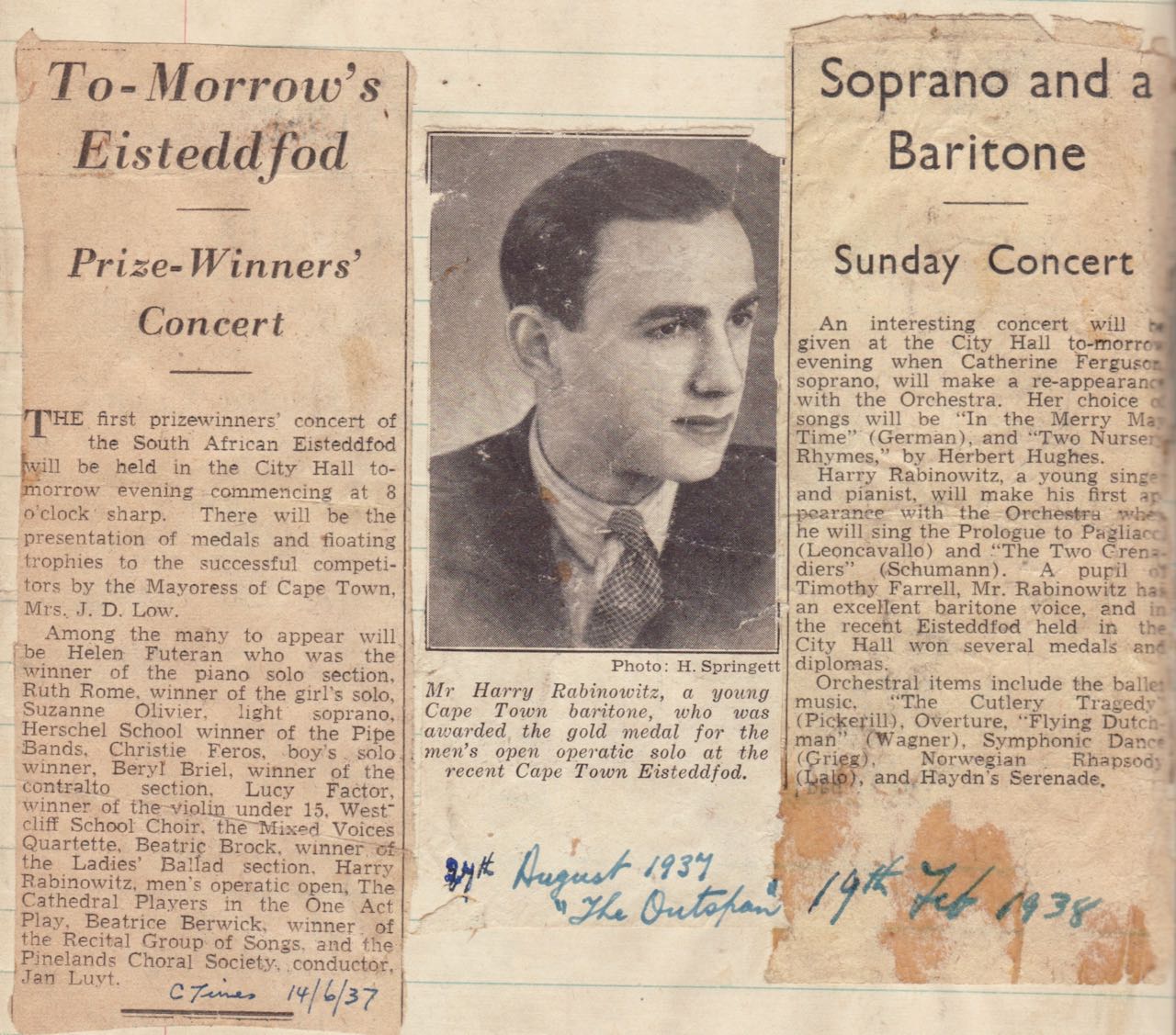

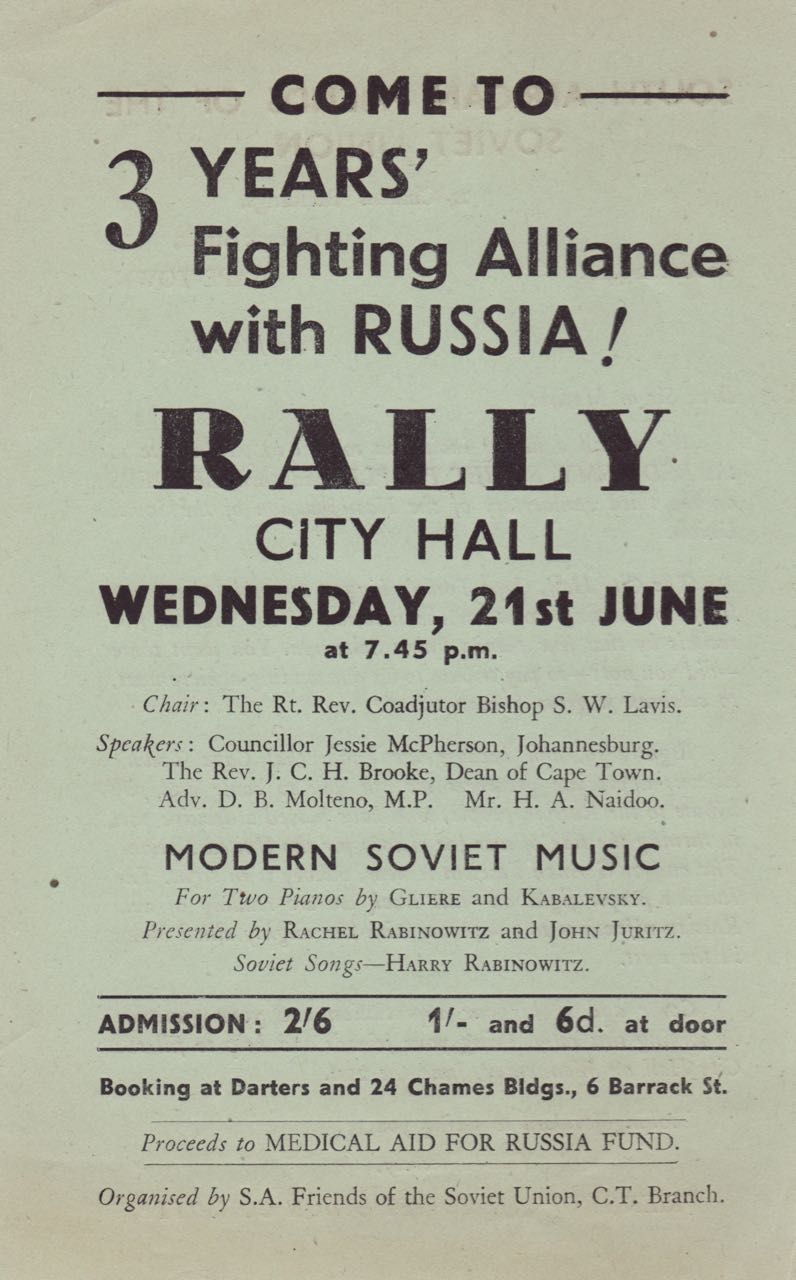
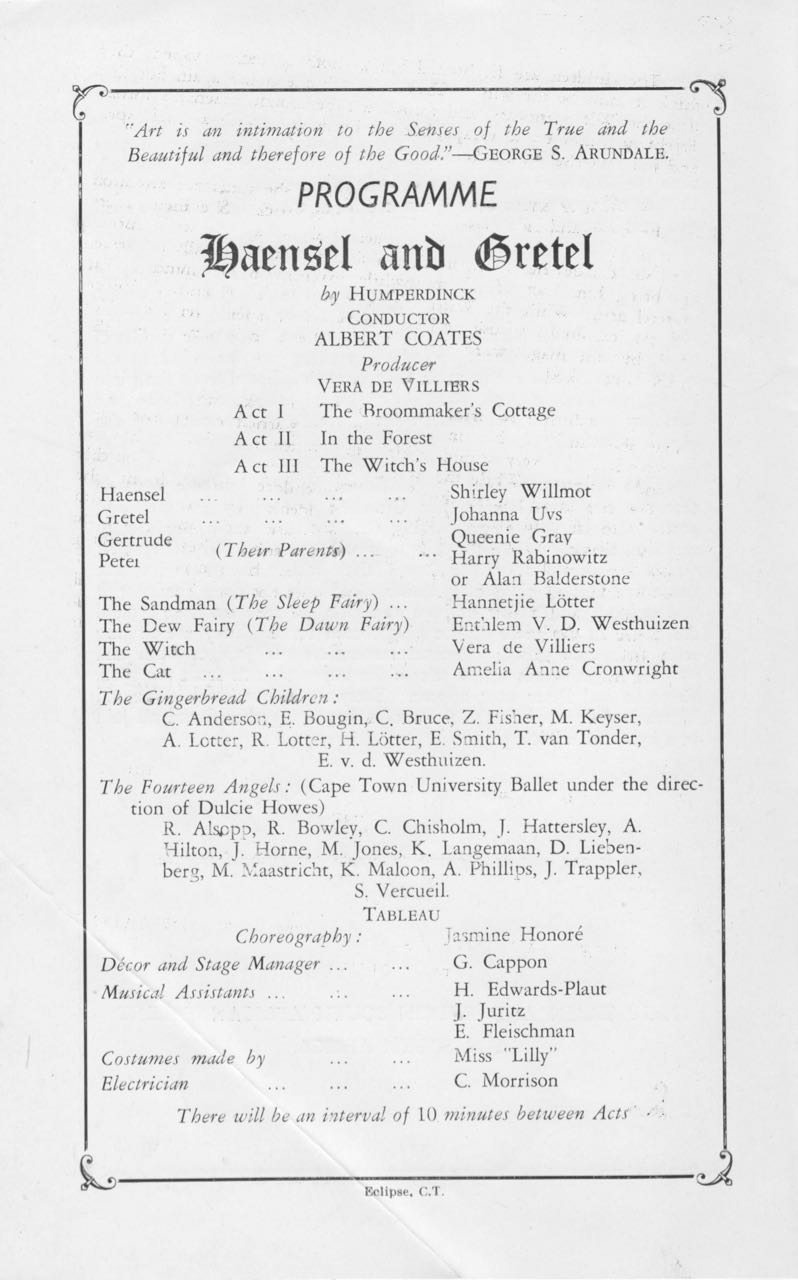
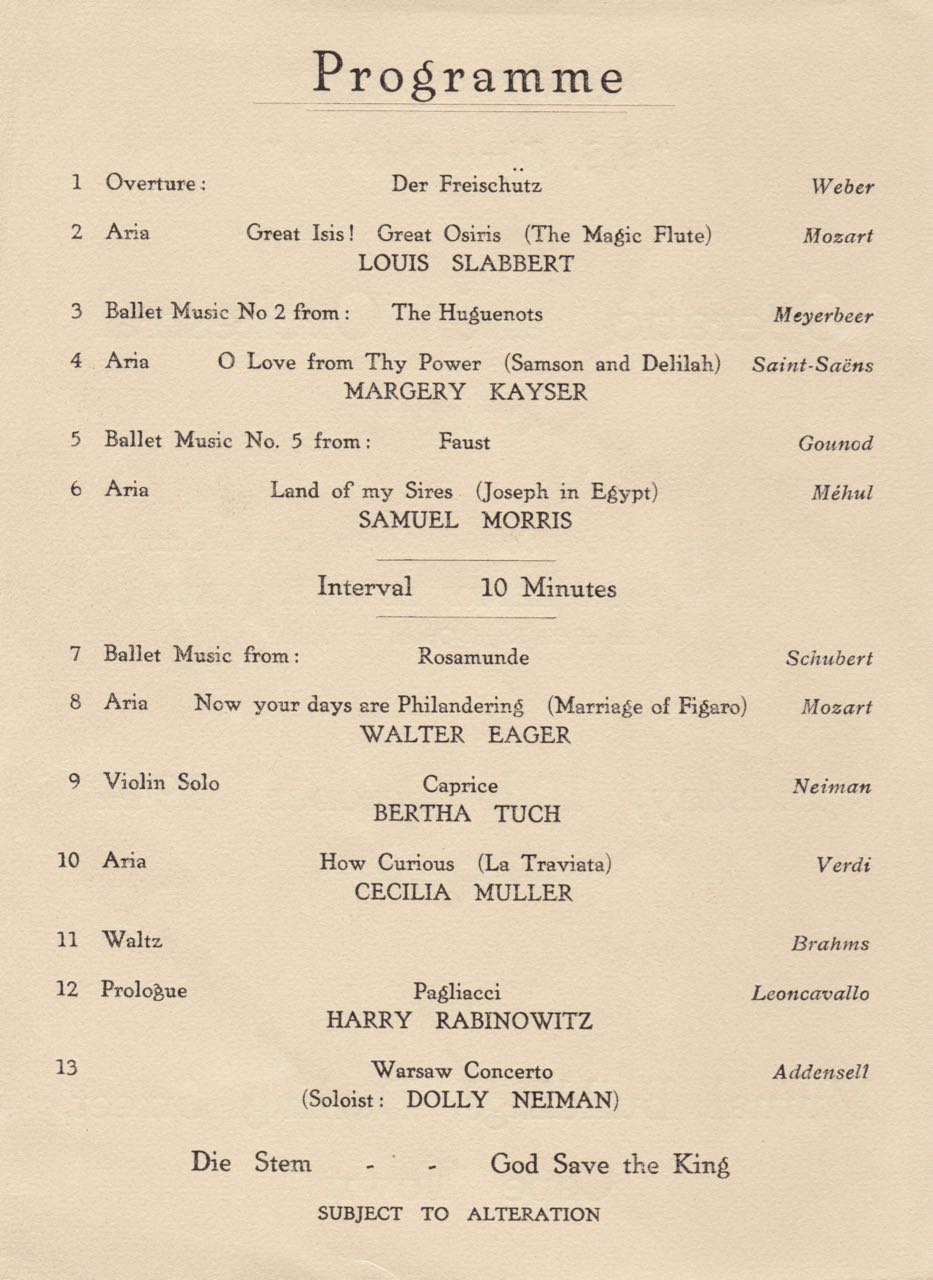
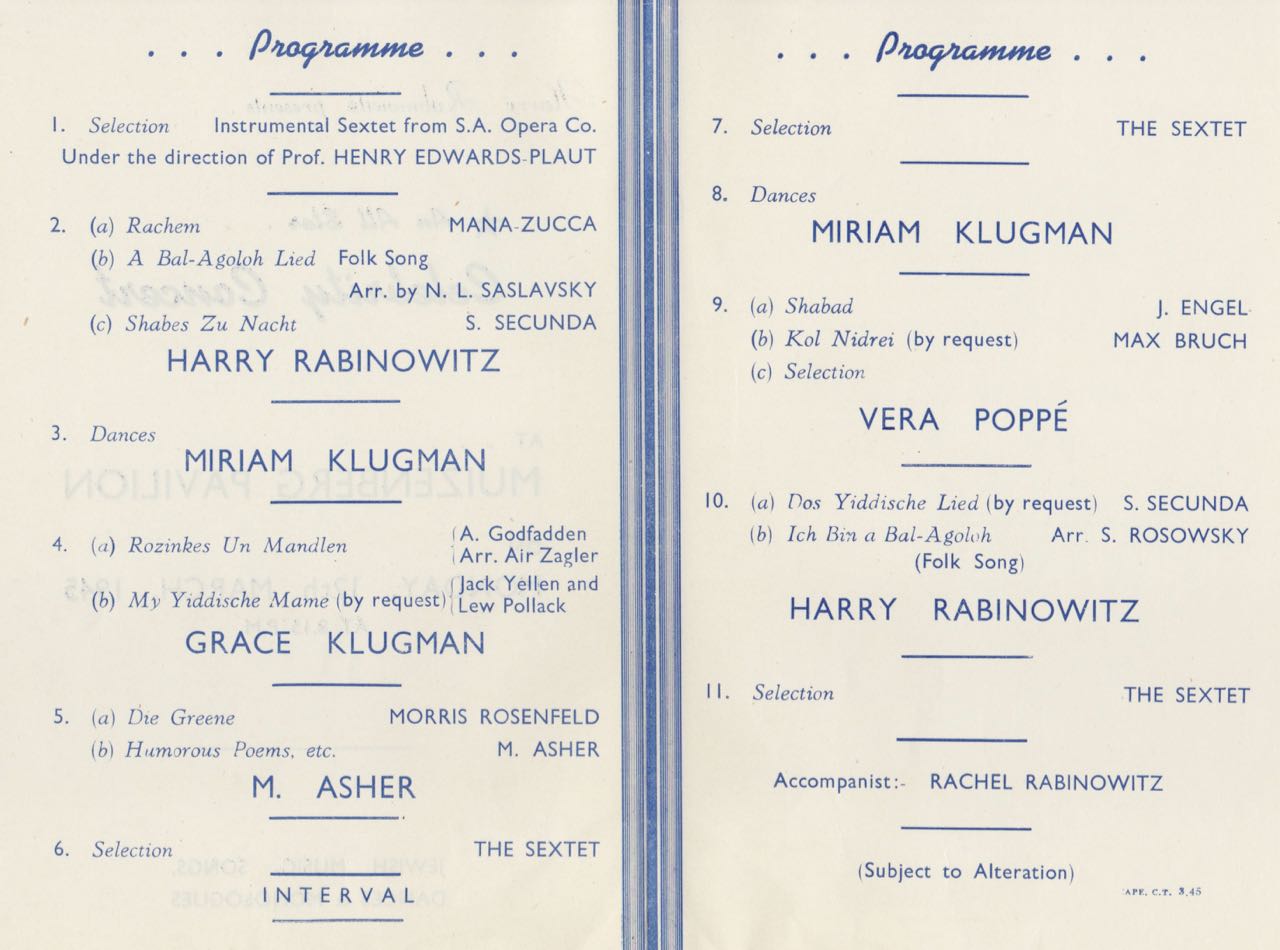
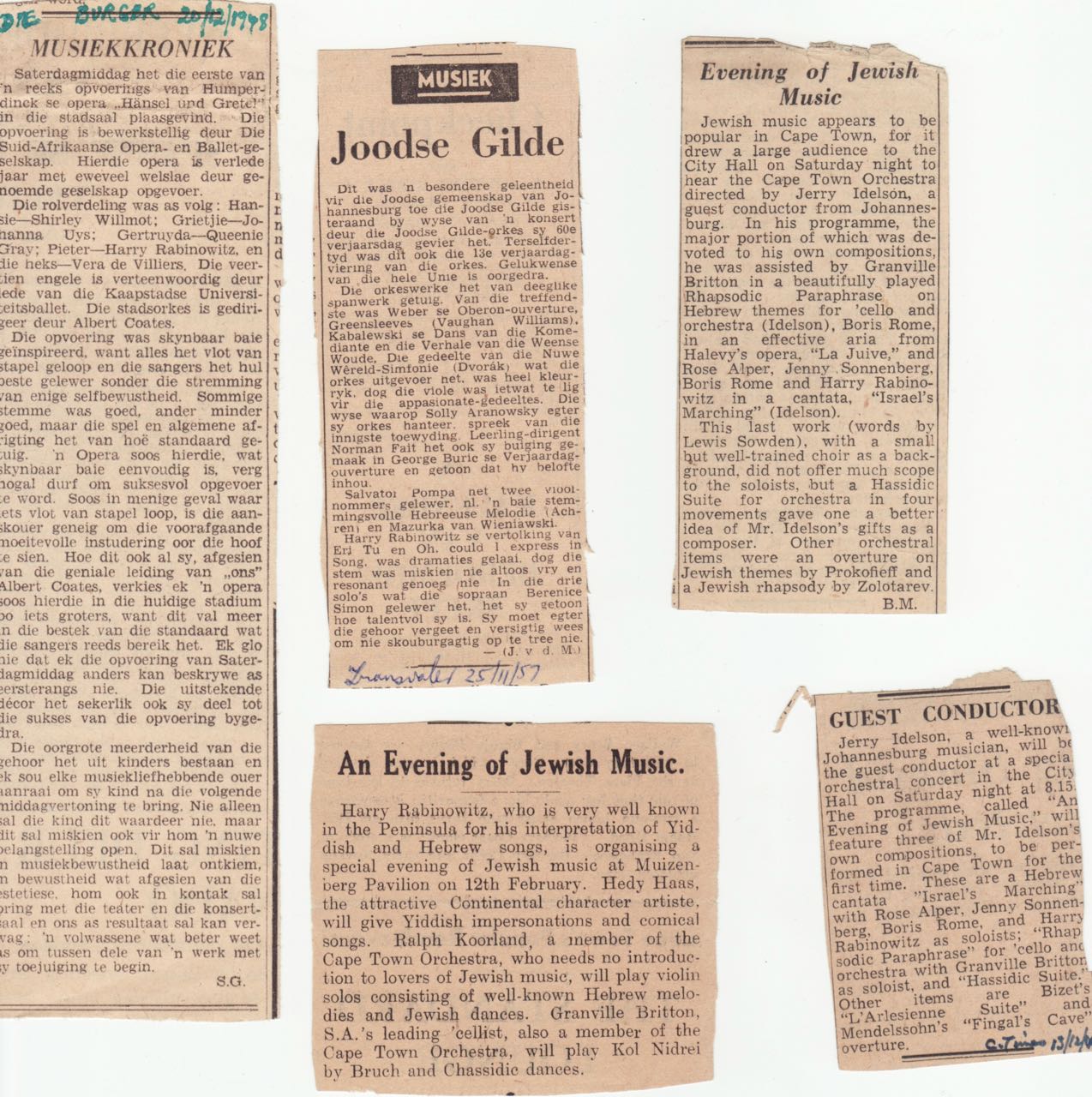
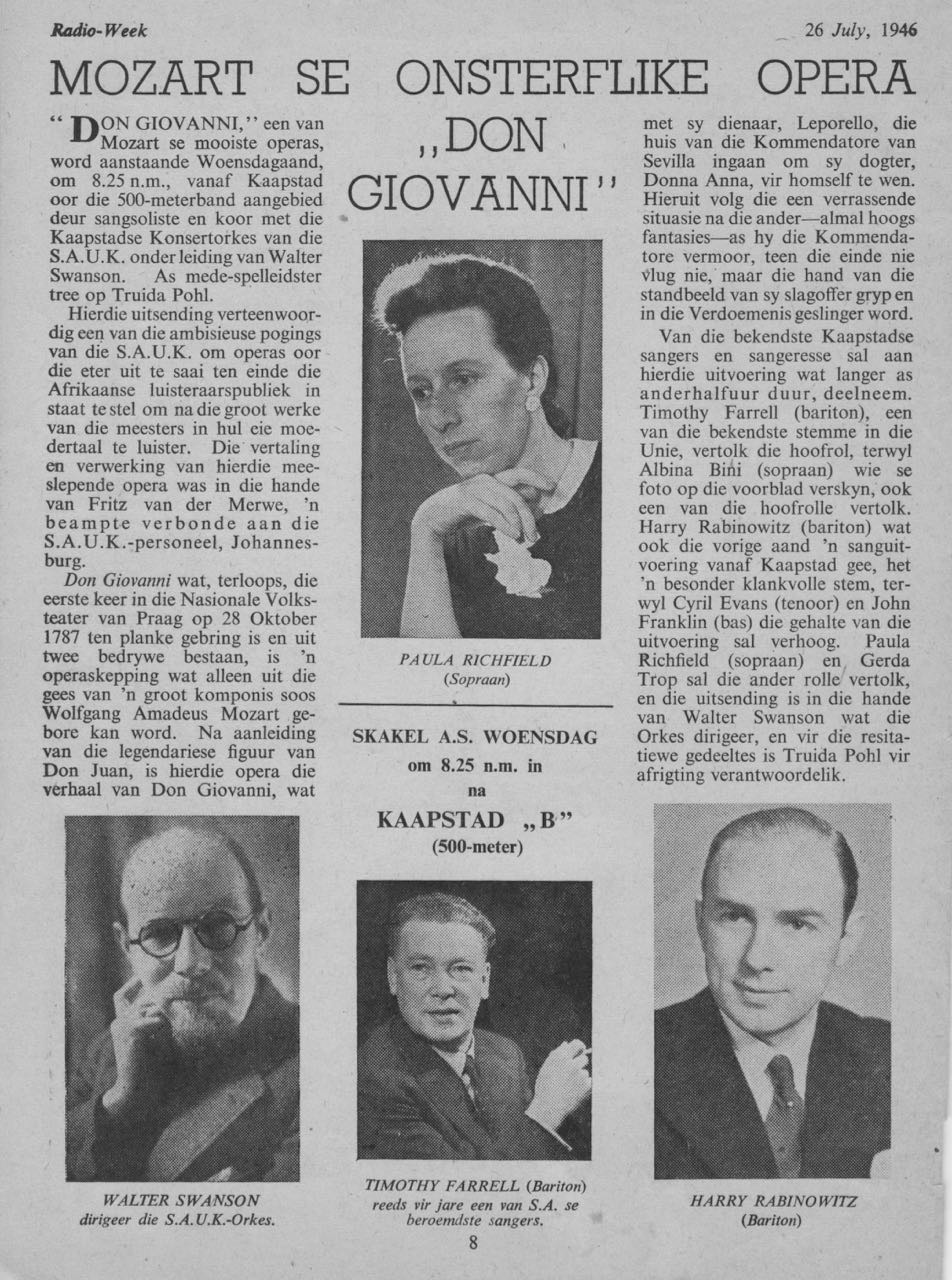
On the radio
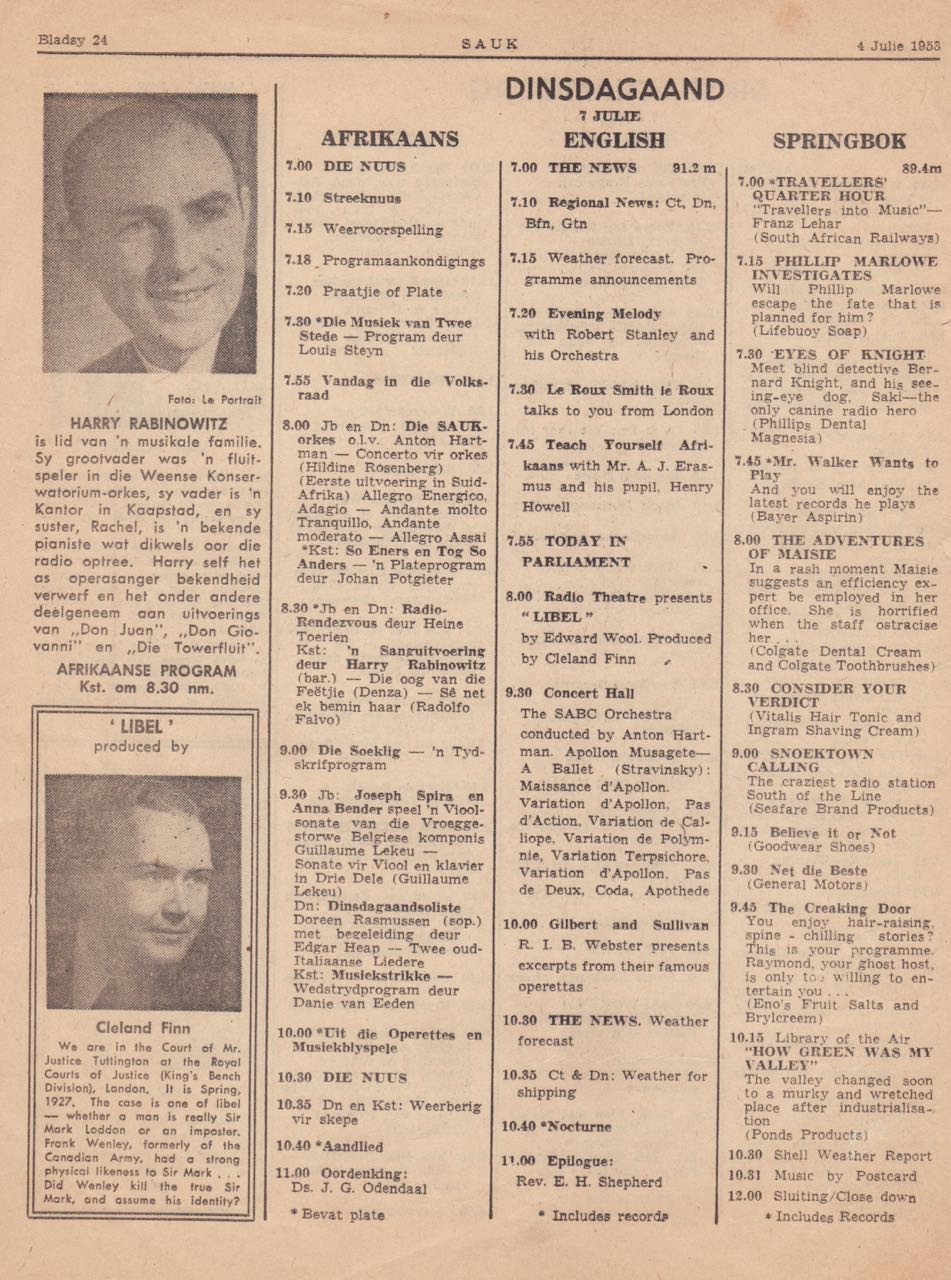
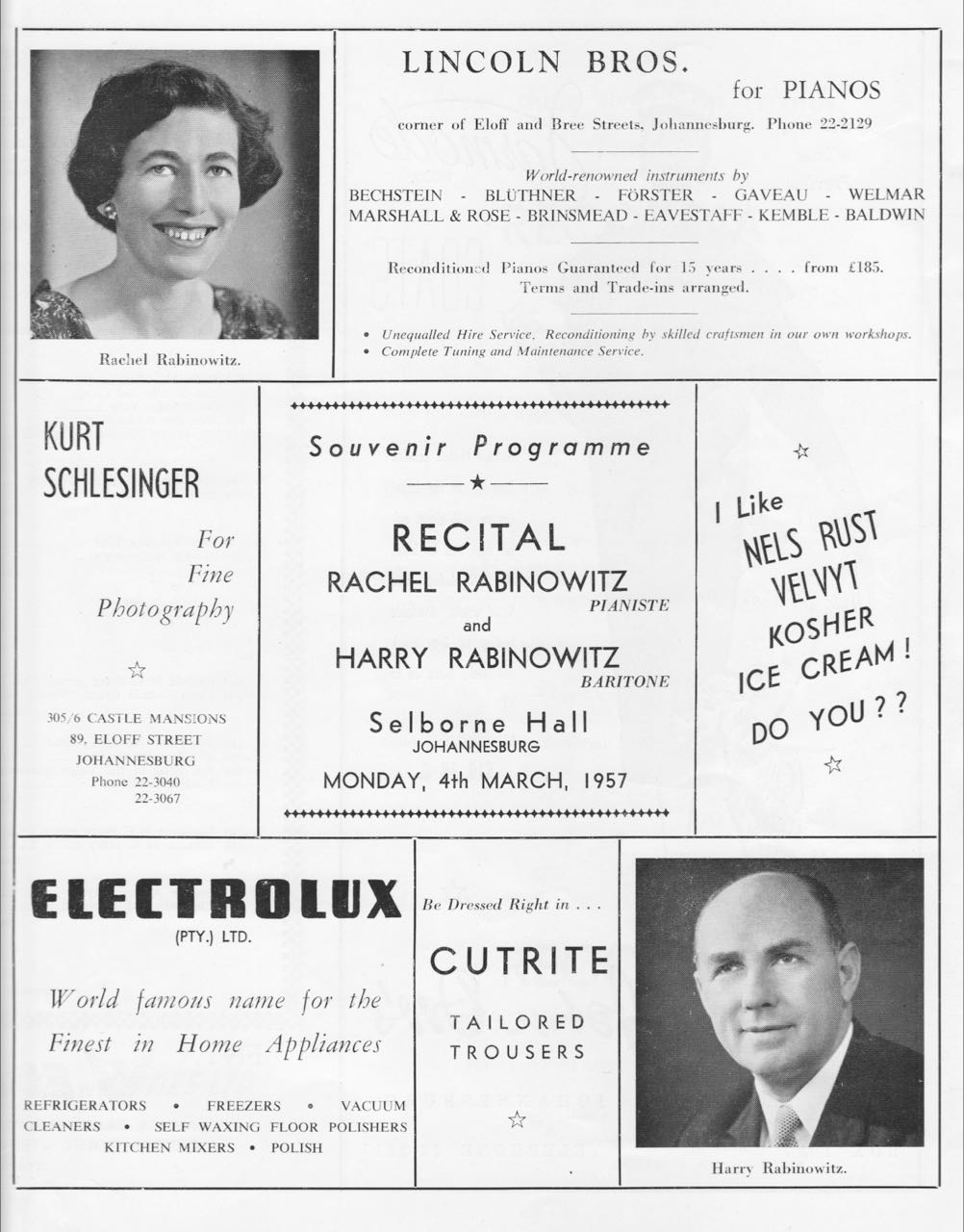
He was often accompanied by his sister Rachel Rabinowitz, a concert pianist.
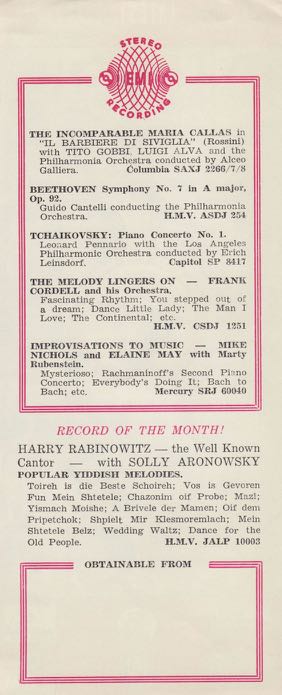
Harry made a record of Popular Yiddish Melodies with Solly Aronowsky’s orchestra on His Masters Voice
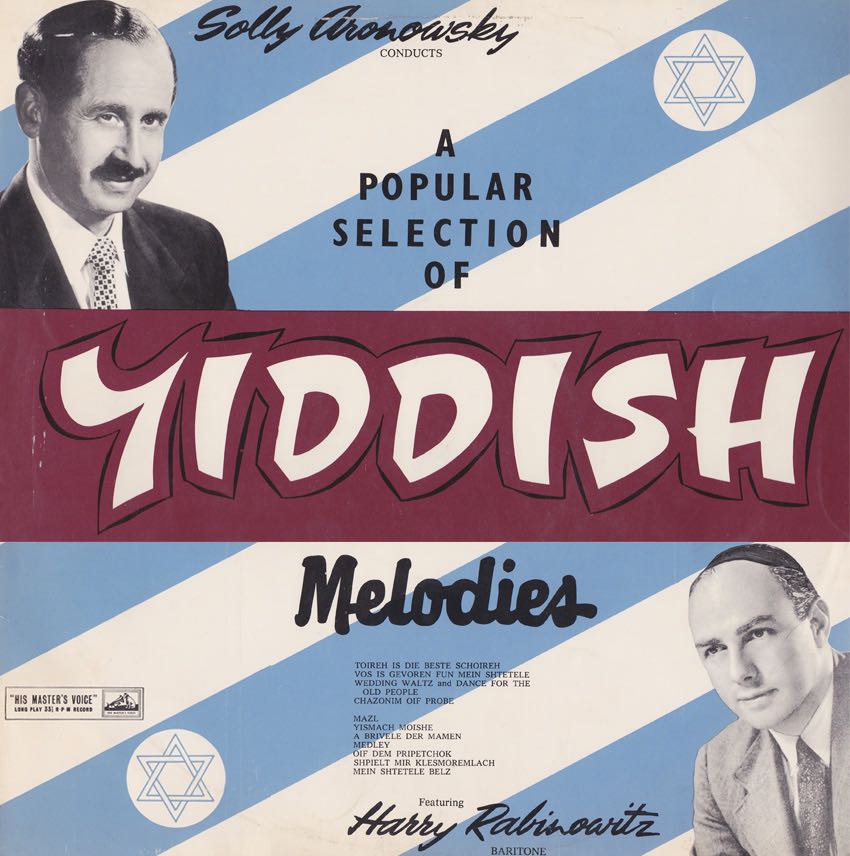
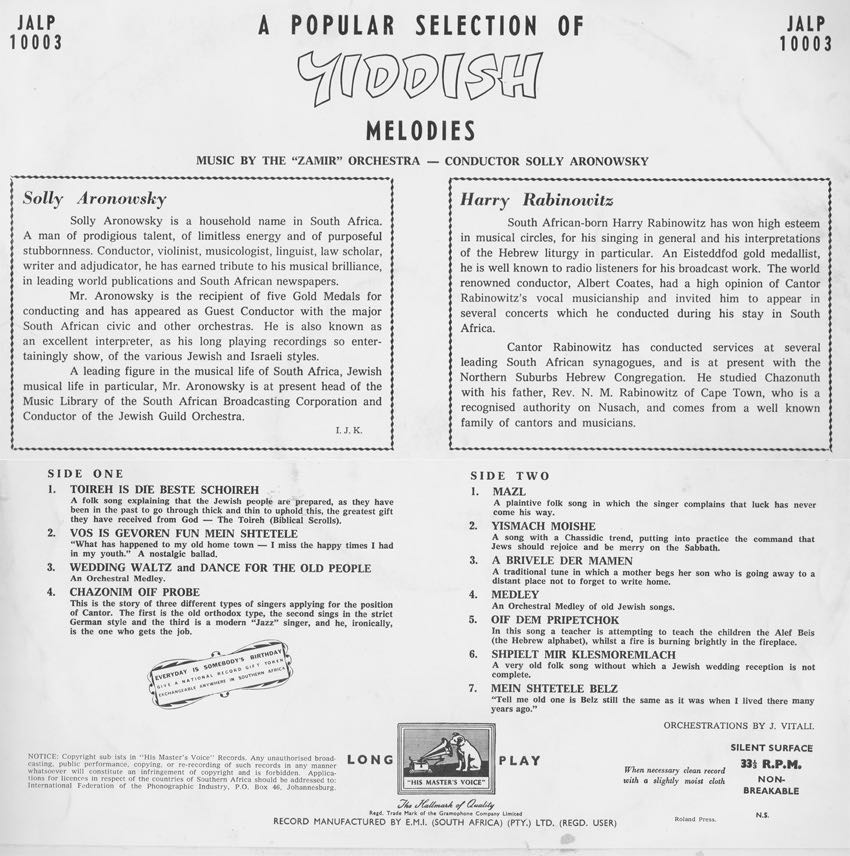
Chazonim Oif Probe – an entertaining track from the LP
To hear more sound clips, go to the bottom of this page and click on the image.
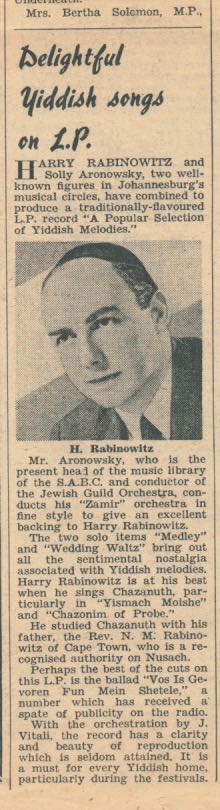
A review
With my mother, Rachel
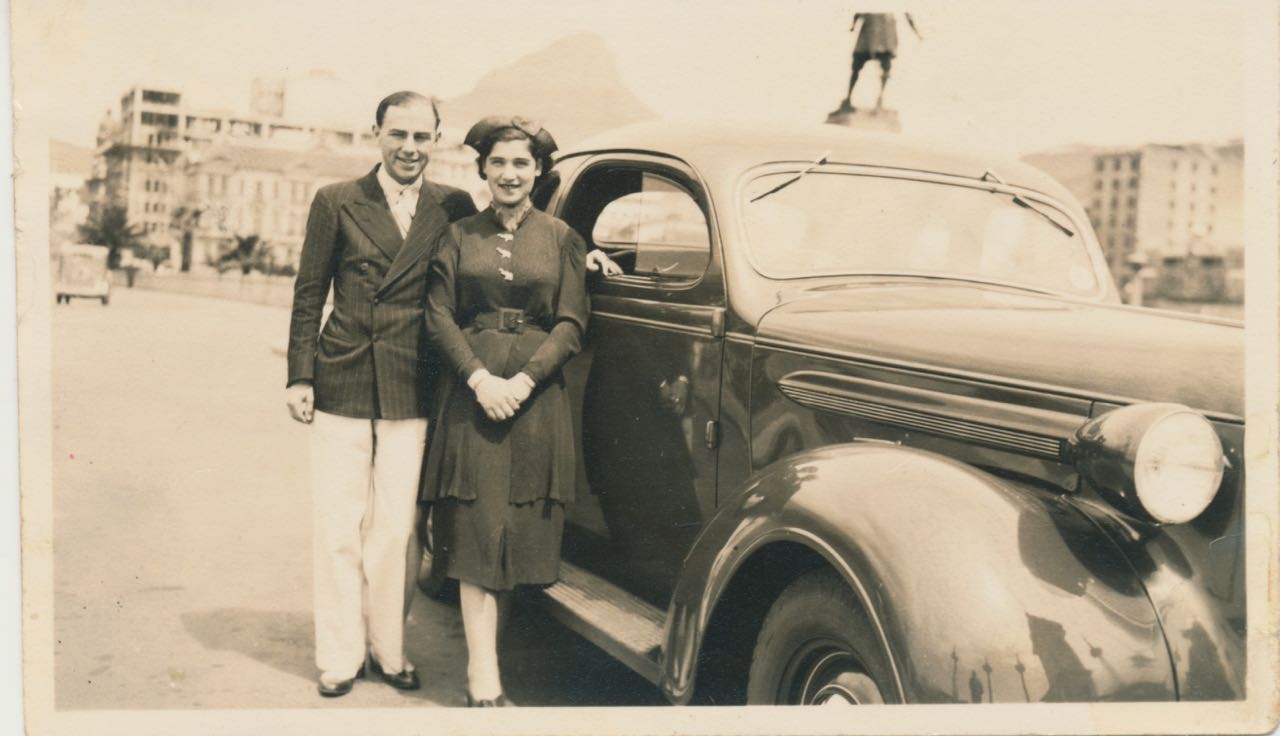
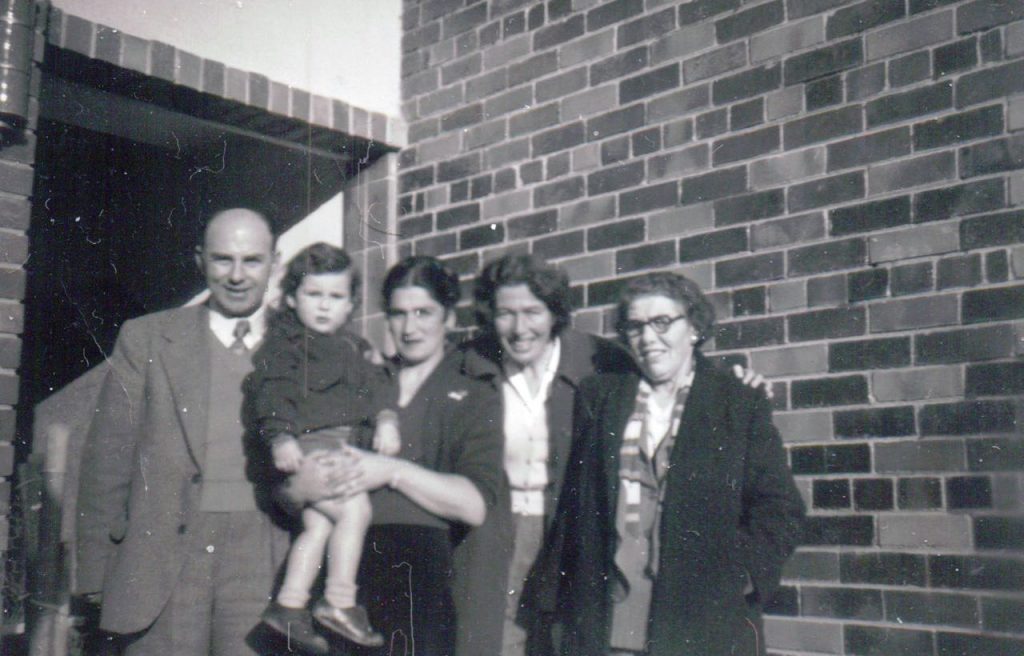
With me, my mom, aunty Rachel and my bobba, Chana Chesha Miriam
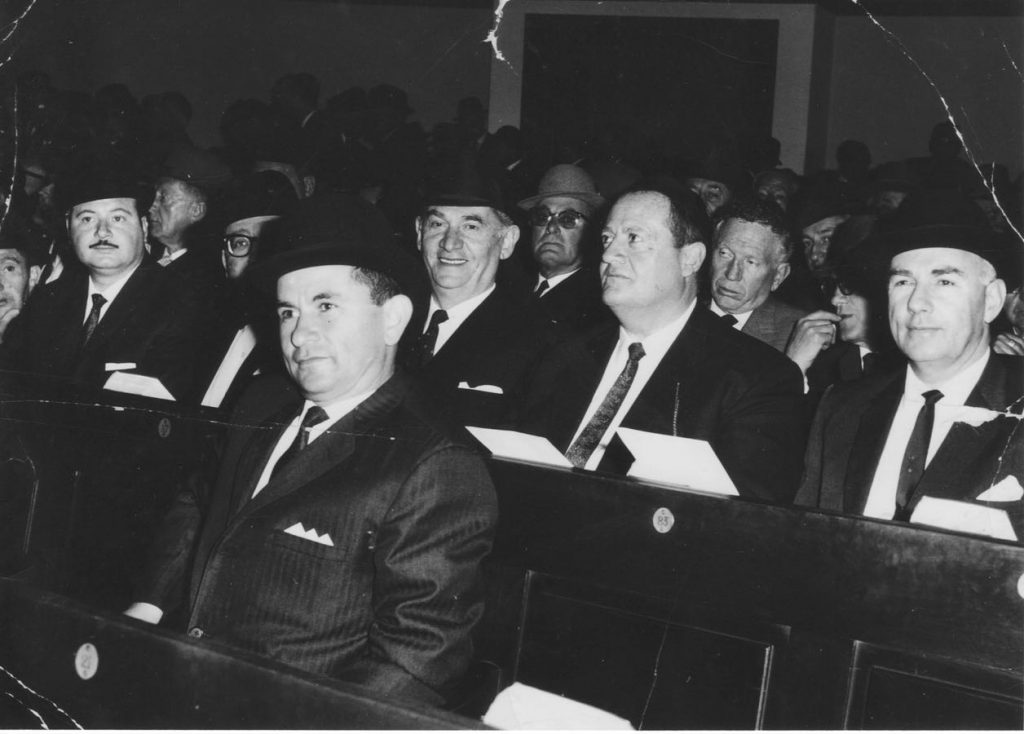
With other world class chazonim in Johannesburg, including Moshe Stern and Johnny Gluck.
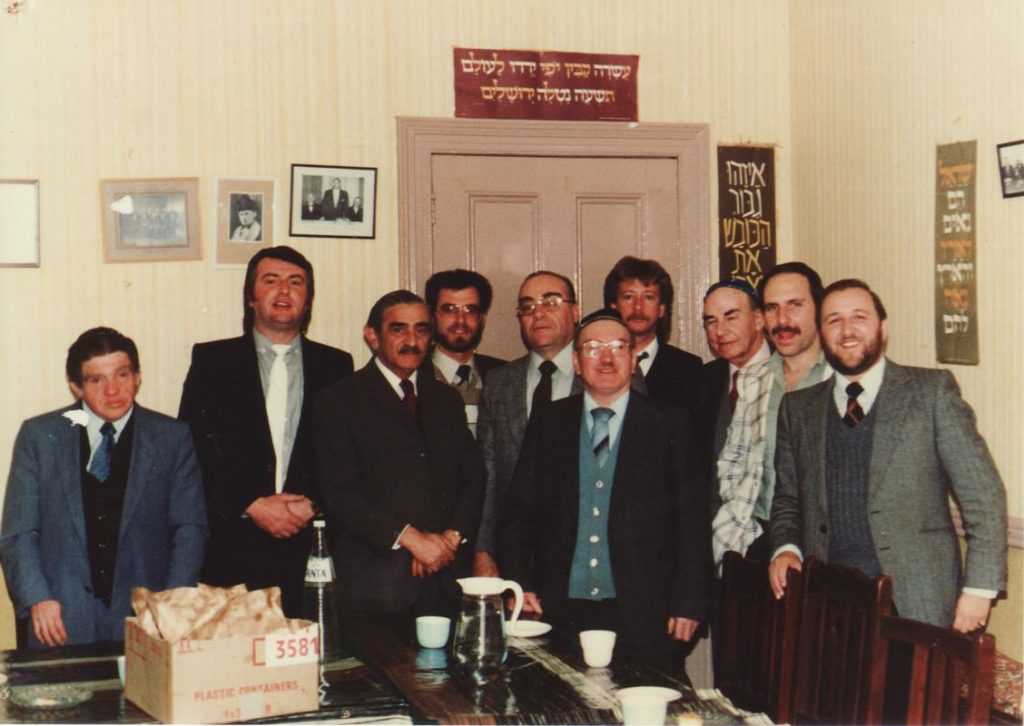
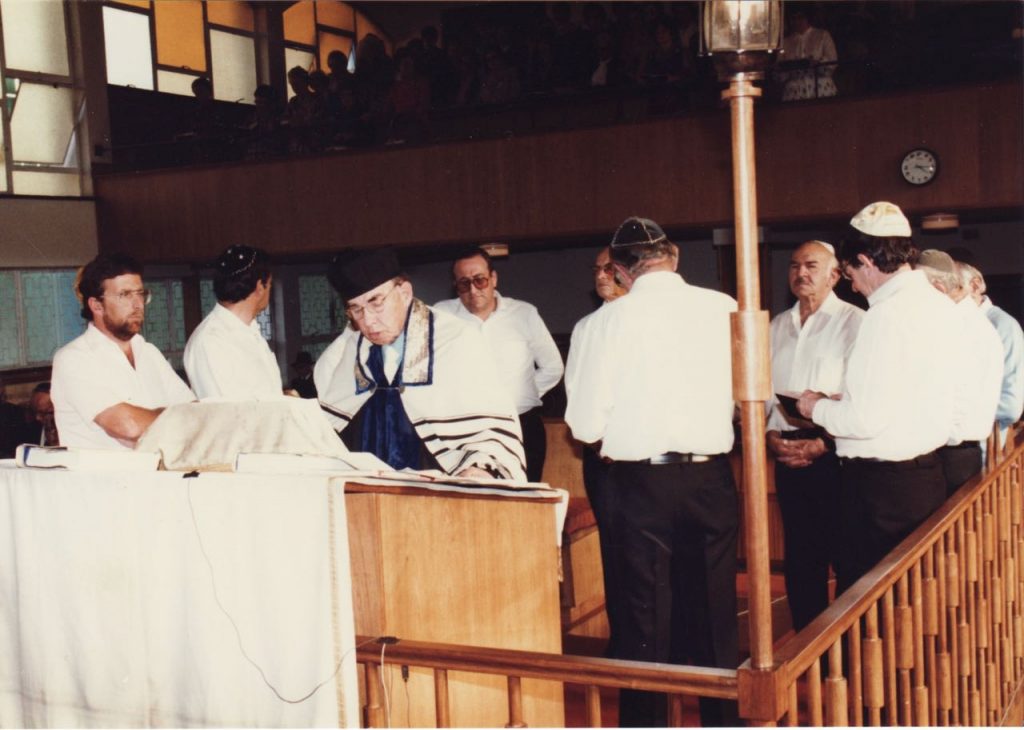
Singing with his choir
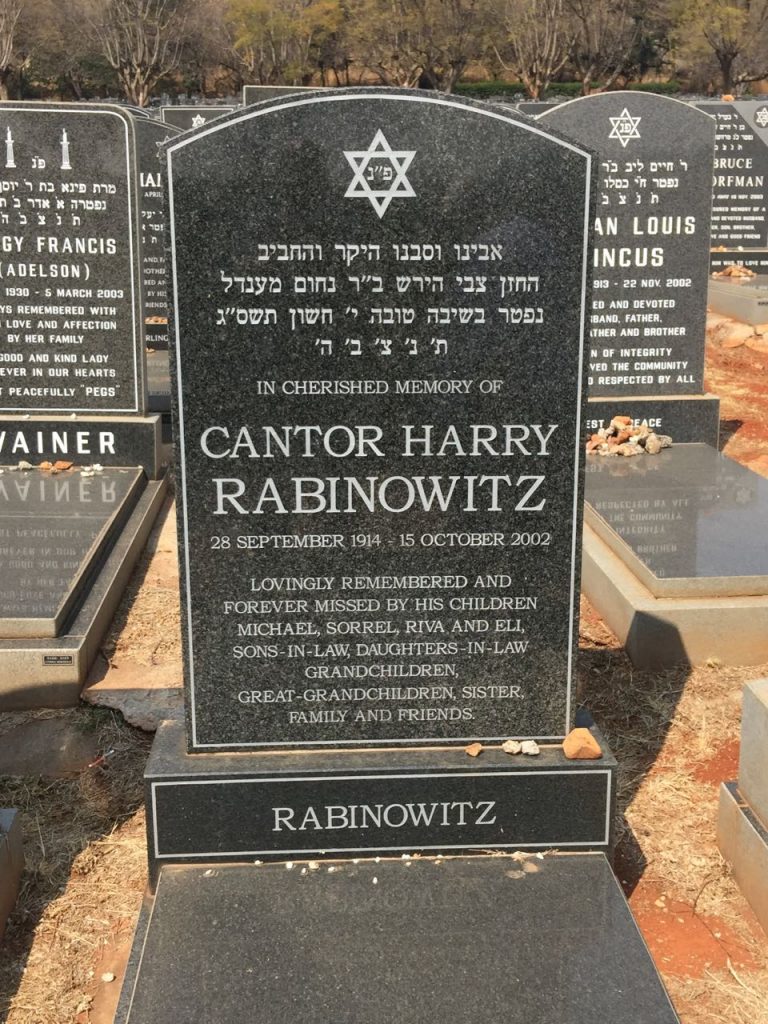
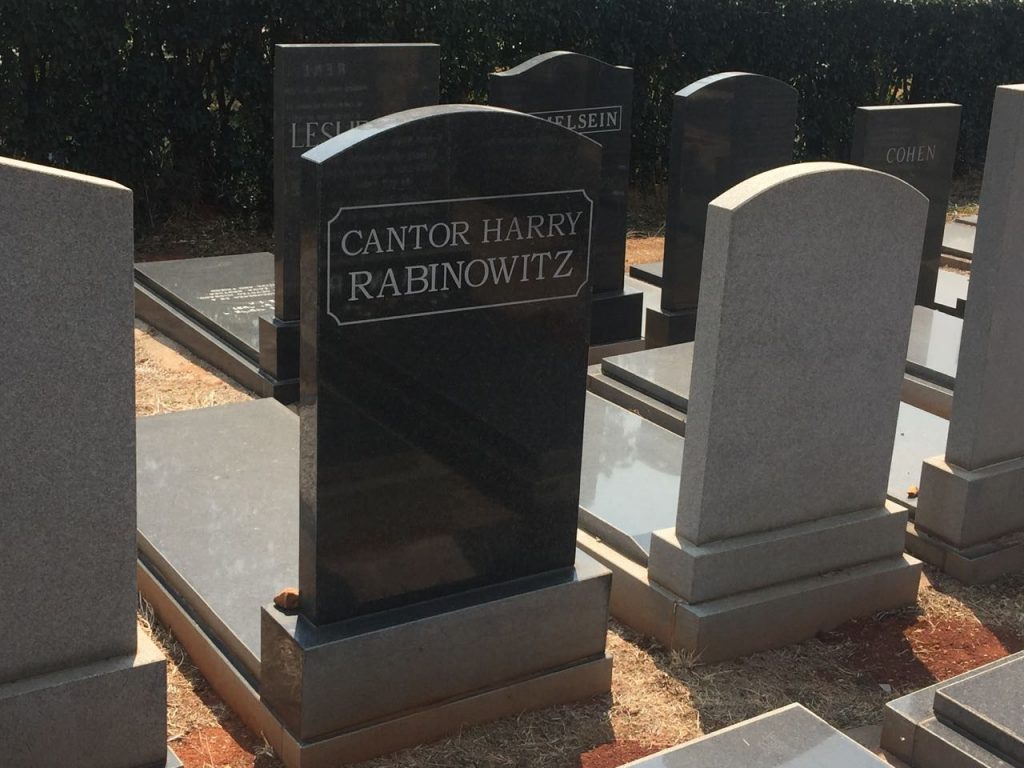
His matseva at West Park Cemetery, Johannesburg
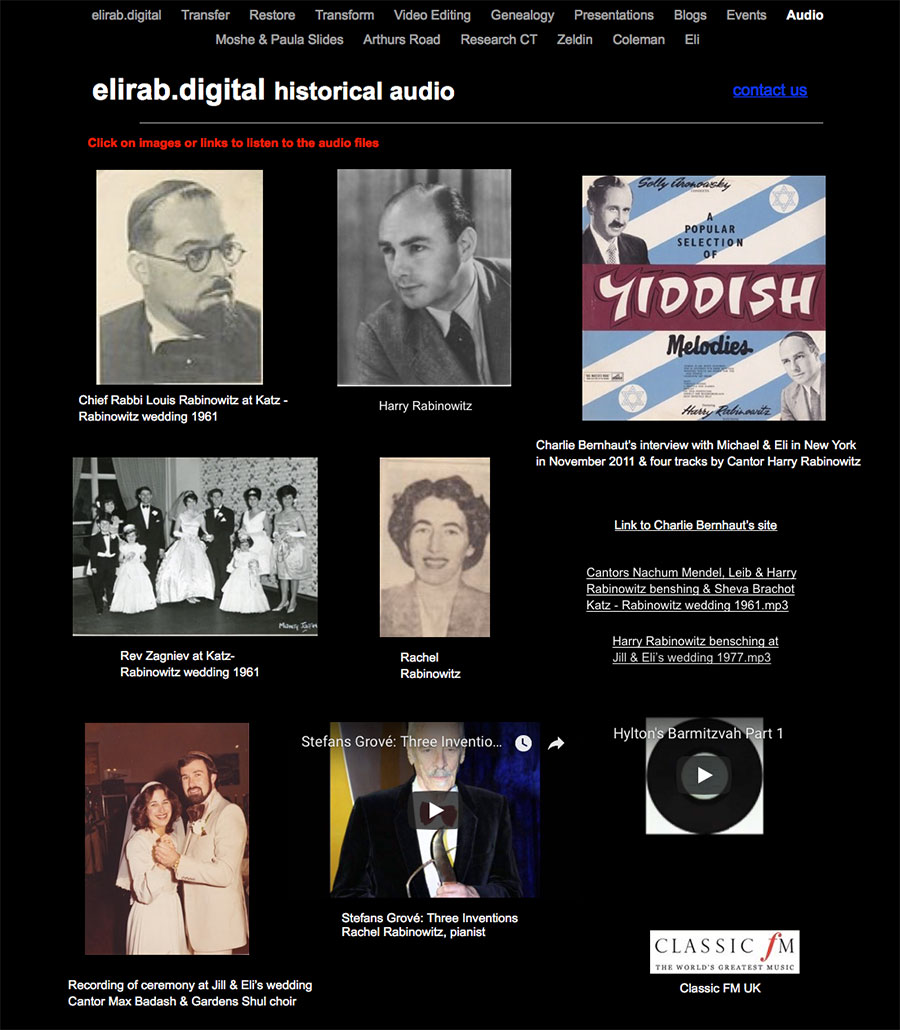
To hear more sound clips of Harry (plus others) including Chief Rabbi Louis Rabinowitz, click on this image below:

Wednesday, 10 October 2018 – 1:15pm
The Partisans’ Song, written by Hirsh Glik, age 22, in the Vilna Ghetto in 1943, is one of the most powerful songs of resistance and defiance ever written.
Source: sydneyjewishmuseum.com.au/shop/events/lunchtime-lecture-partisan-song-project/
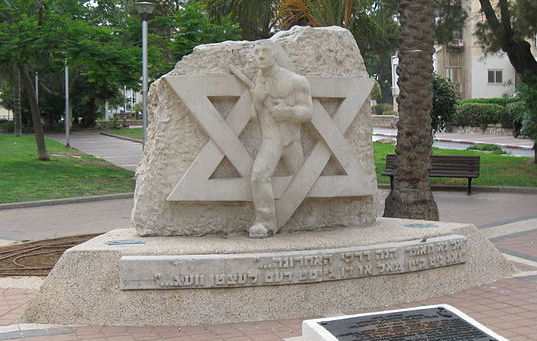
Sunday 7 October- B’nai B’rith – 2:30pm

RSVP to one of our upcoming events to get involved with BBANZ across Australia and New Zealand.
Source: www.bnaibrith.org.au/events/the-partisan-song-invitation
The Partisans’ Song, written by Hirsh Glik, age 22, in the Vilna Ghetto in 1943, is one of the most powerful songs of resistance and defiance ever written.
Source: sydneyjewishmuseum.com.au/shop/events/lunchtime-lecture-partisan-song-project/

Day of Victims of the Genocide of Lithuanian Jews in PonarY
23 September 2018

Israel Ambassador – Amir Maimon Photo credit: Ana Maizel

Video by Carol Hoffman
Source: youtu.be/J4qGGMTOoxA
Vilnius “Saulėtekis” School Youth Choir and 3rd grade pupils participated.
Source: www.sauletekio.lt/naujienos/lietuvos-zydu-genocido-auku-dienos-minejimas-paneriuose/

Pope Francis on Sunday paid homage to Holocaust victims who perished in the Vilnius ghetto, 75 years to the day after the Nazis liquidated it, and remembered those who risked and lost their lives to challenge the Soviet regime in Lithuania.
Source: au.news.yahoo.com/pope-francis-honours-holocaust-victims-lithuania-115758110–spt.html
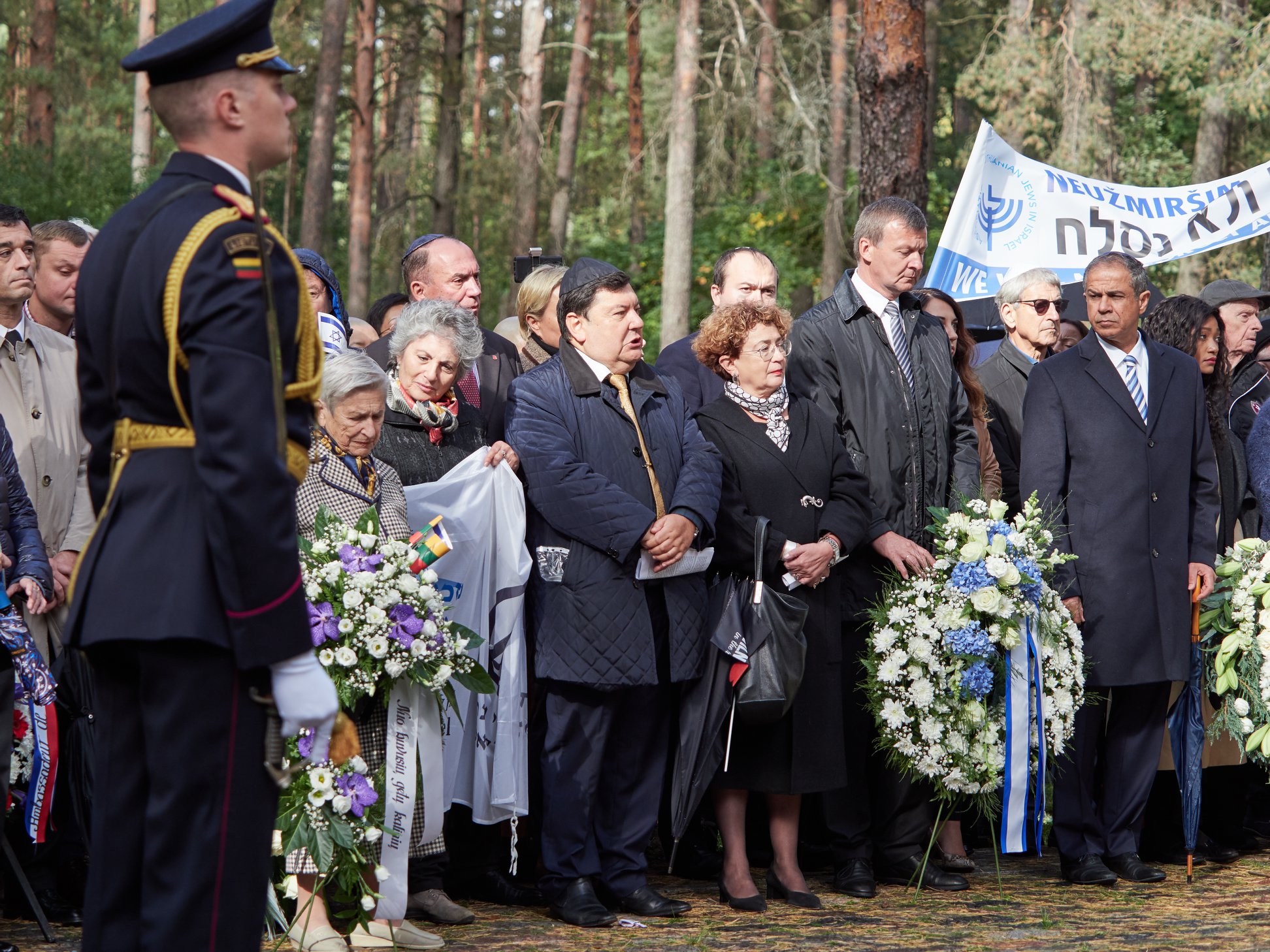
Former ghetto prisoners, members of the Lithuanian Jewish Community, members of international Jewish organizations, ambassadors from Israel and other countries
Source: www.lzb.lt/en/2018/09/24/who-are-lithuanias-heroes-today-skirpa-noreika-or-the-righteous-gentiles/

Source: wah.foundation

The Vilna Ghetto[a] was a World War II Jewish ghetto established and operated by Nazi Germany in the city of Vilnius in the territory of Nazi-administered Reichskommissariat Ostland.[1] During the some two years of its existence, starvation, disease, street executions, maltreatment, and deportations to concentration camps and extermination camps reduced the Ghetto’s population from an estimated 40,000 to zero. Only several hundred people managed to survive, mostly by hiding in the forests surrounding the city, joining Soviet partisans,[2][3] or sheltering with sympathetic locals.


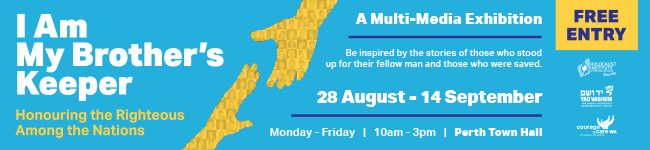
Join us at the opening of the exhibition to be launched by the Premier, the Hon. Mark McGowan MLA. This exhibition profiles some of the heroes, titled “The Righteous Among the Nations”, who risked their lives to save Jews during the Holocaust. The multimedia exhibition heightens awareness and understanding of the human capacity for good by inspiring a proactive community of upstanders rather than bystanders.
Source: www.trybooking.com/book/event?eid=411819


Significant milestones marking the first five decades of the Righteous Among the Nations program.
Source: www.yadvashem.org/yv/en/exhibitions/righteous/index.asp


Source: elirab.me/tag/chiune-sugihara/


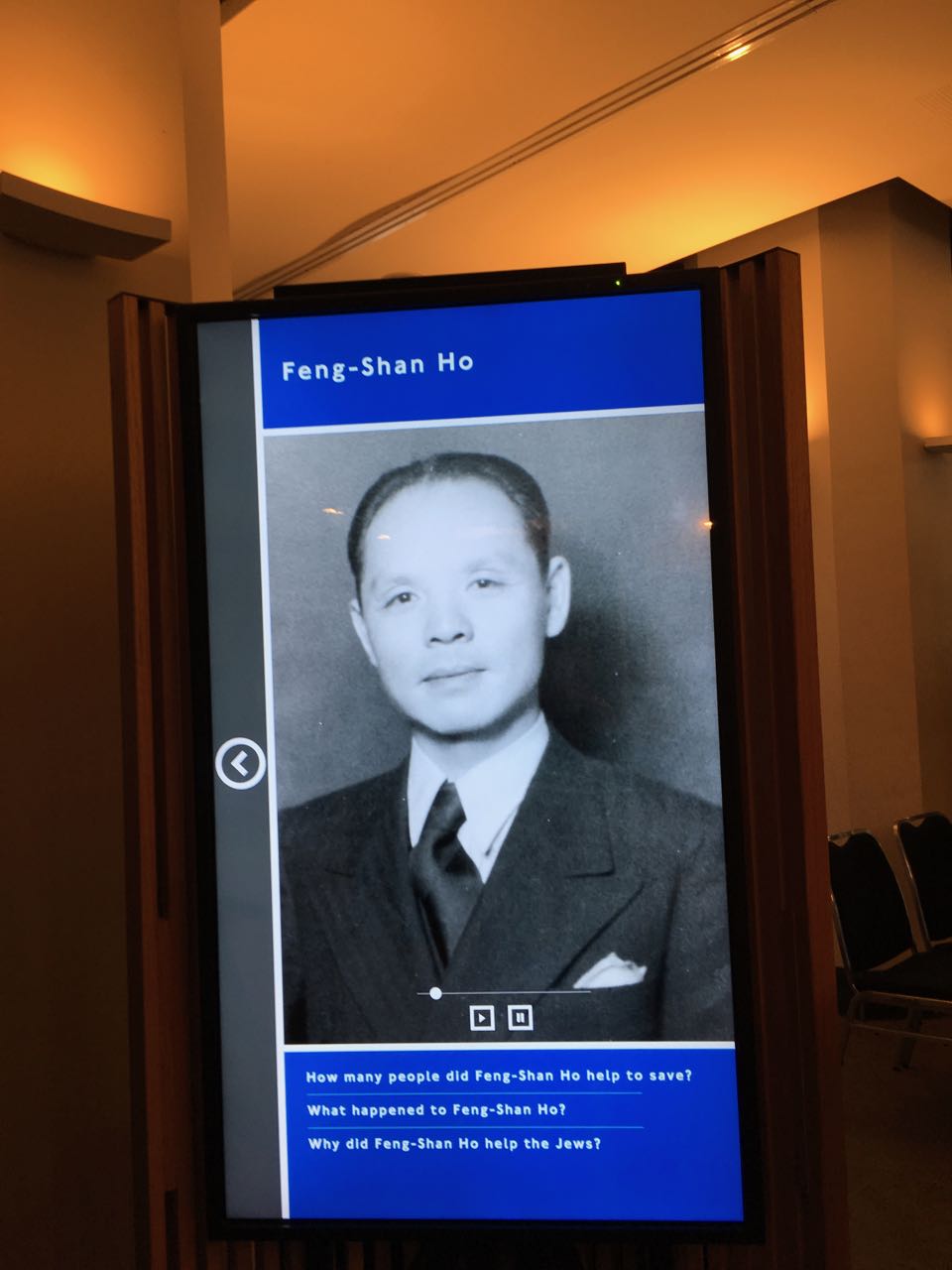


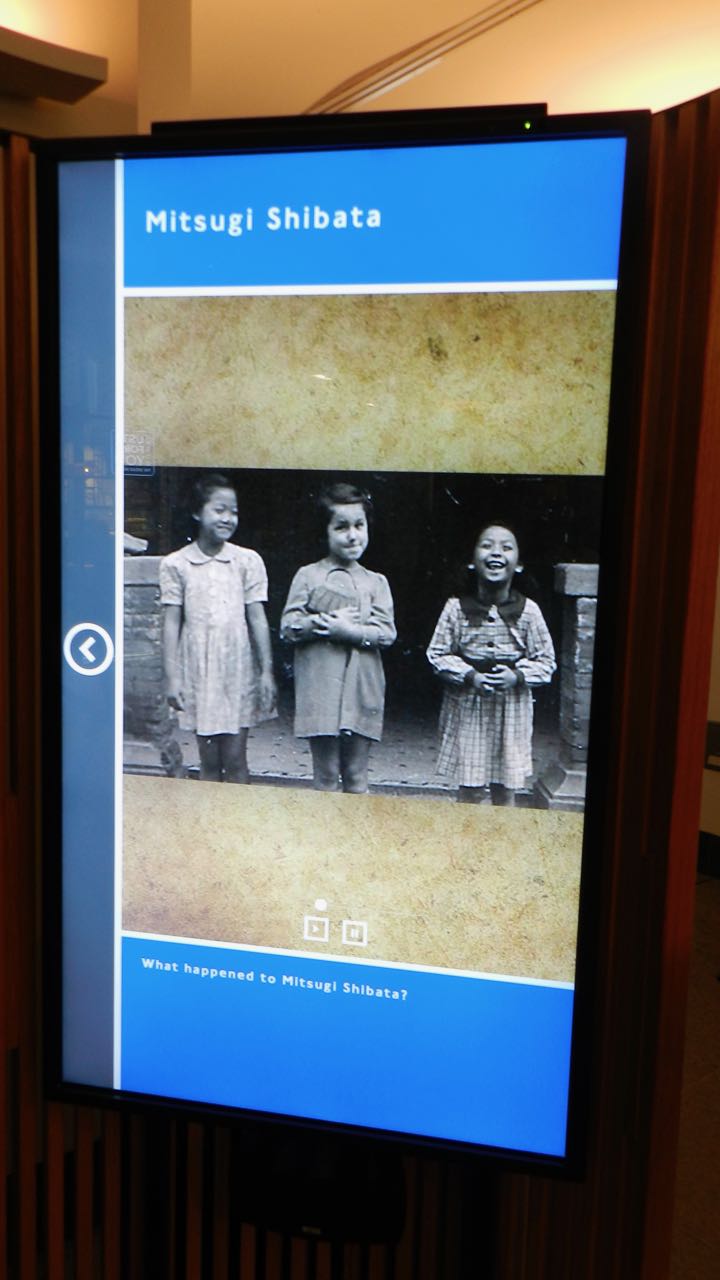


With the door closing on the Jews of Europe in the late 1930s, places of refuge were desperately sought to escape the clutches of the Nazi enemy. Shan
Source: hartnation.com/refugee-jews-in-shanghai-during-world-war-ii/
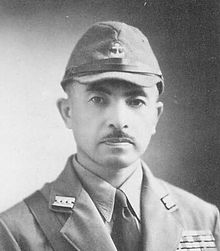
Shortly prior to and during World War II, and coinciding with the Second Sino-Japanese War, tens of thousands of Jewish refugees were resettled in the Japanese Empire. The onset of the European war by Nazi Germany involved the lethal mass persecutions and genocide of Jews, later known as the Holocaust, resulting in thousands of Jewish refugees fleeing east. Many ended up in Japanese-occupied China.
Source: en.wikipedia.org/wiki/Jewish_settlement_in_the_Japanese_Empire


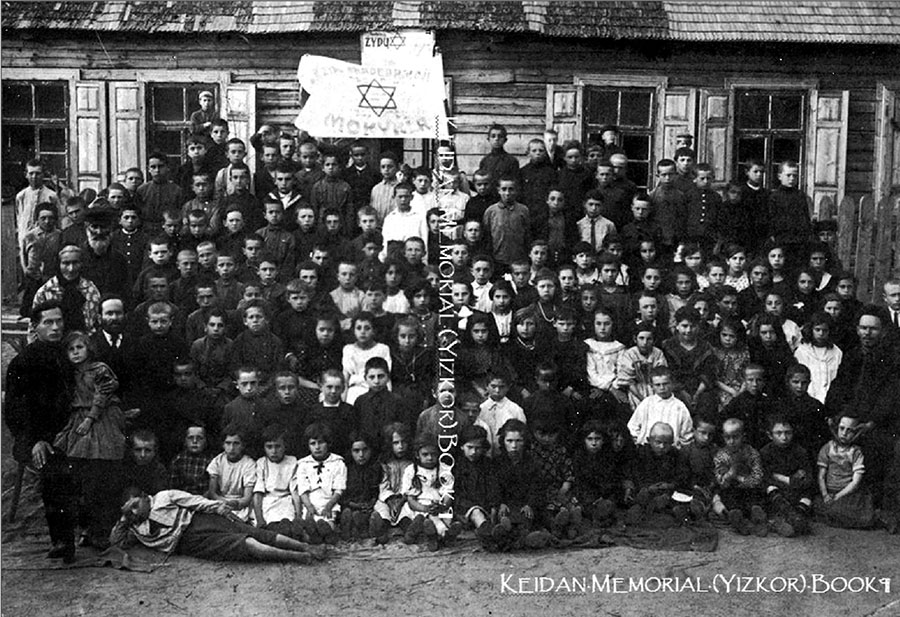
In August of this year, an article appeared on the website of the Lithuanian municipality of Kėdainiai, under the headline: “With a minute of silence, Kėdainiai met Tel Aviv.” The text described an annual event, begun only a few years ago, commemorating the extermination of Kedainiai’s Jewish community on August 28, 1941, during the Nazi occupation of Lithuania.
At precisely 18:30, local leaders and others observed a minute of silence – while at that same moment, in Israel, descendants of that vanished Jewish community, who called their home Keidan, were doing the same thing.
Two simultaneous ceremonies – one at the hall of the association of the Vilna Jews in Tel Aviv, the other by the mass grave where more than 2,000 Keidan Jews were murdered 77 years earlier.
Such commemorations are a longstanding tradition in Israel, home to thousands of Jews who trace their families to Lithuania. But in Lithuania itself this is relatively new, and still uncommon, tradition. Kėdainiai’s annual observance began several years ago, and has grown each year. This year it was led by Saulius Grinkevičius, mayor of the municipality, and Rimantas Žirgulis, director of the regional museum. The participants included two mayor’s deputies, the heads of local cultural and educational institutions, members of the administration and museum workers, school teachers and other Kėdainiai citizens. A local television station broadcast the ceremony.
The event reflects an important recent change in public consciousness and attitude. To a significant degree, Lithuanians are confronting their country’s painful past. This is reflected in the media, in increased research into local Jewish history and culture, and in the restoration of sites related to Lithuania’s former Jewish communities. In Kėdainiai, the regional museum and its director have played an important role, as have teachers such as Laima Ardavičieneof the Kėdainiai Atžalynas gymnasium, or secondary school. As it was often in the past, Kėdainiai is providing leadership and serving as a role model for other communities in Lithuania.
Supporting those efforts going forward is a recently published English translation of the Keidan yizkor book – a volume of memoirs, historical accounts and other material gathered from survivors and descendants of the Jewish community after World War II. Originally published mostly in Hebrew and Yiddish in 1977, the book offers a multi-faceted view of Jewish life in Keidan – its history, its religious, educational, social and cultural institutions, youth organizations, portraits of its prominent people, recollections of witnesses and survivors before, during and after the Holocaust.
Cover of the Keidan Memorial (Yizkor) Book, recently translated into English. Edited by Aryeh Leonard Shcherbakov aryeh.shcherbakov@gmail.comand Andrew Cassel awcassel@gmail.com of the Keidan Associations of Israel and the U.S.; published by David Solly Sandler sedsand@iinet.net.auin Perth, Australia. The book is obtainable from any of the three above mentioned
Photos of Commemoration in Kedainiai – 28 August 2018

A section of the memorial erected in 2011 at the site of the Jews’ massacre near Kedainiai. Names of the victims were recorded as cutouts in the metal sheet.
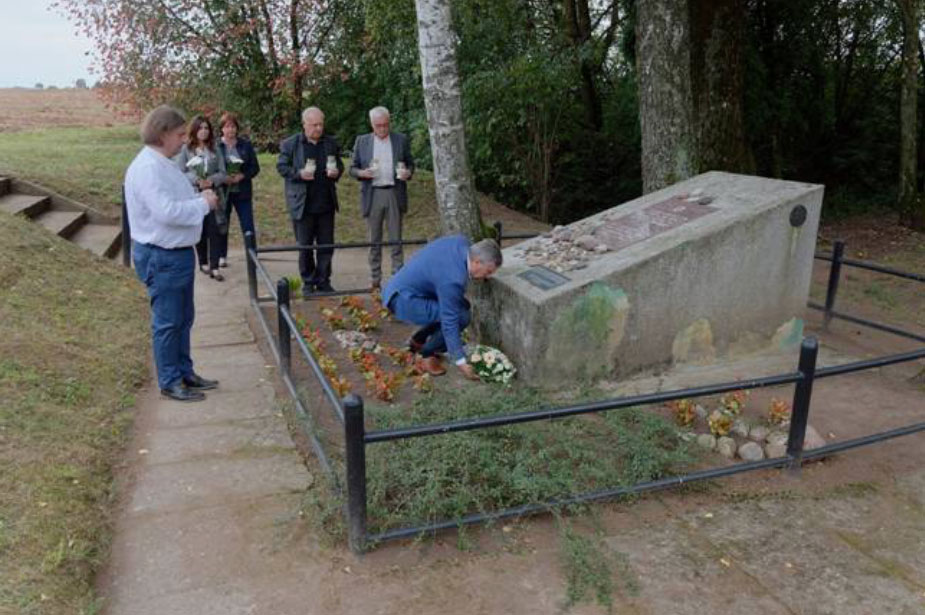
At the site of the 28 August 1941 massacre of Kedainiai’s Jews. Mayor Saulius Grinkevičius lays flowers, while Rimantas Žirgulis (in white shirt) observes.
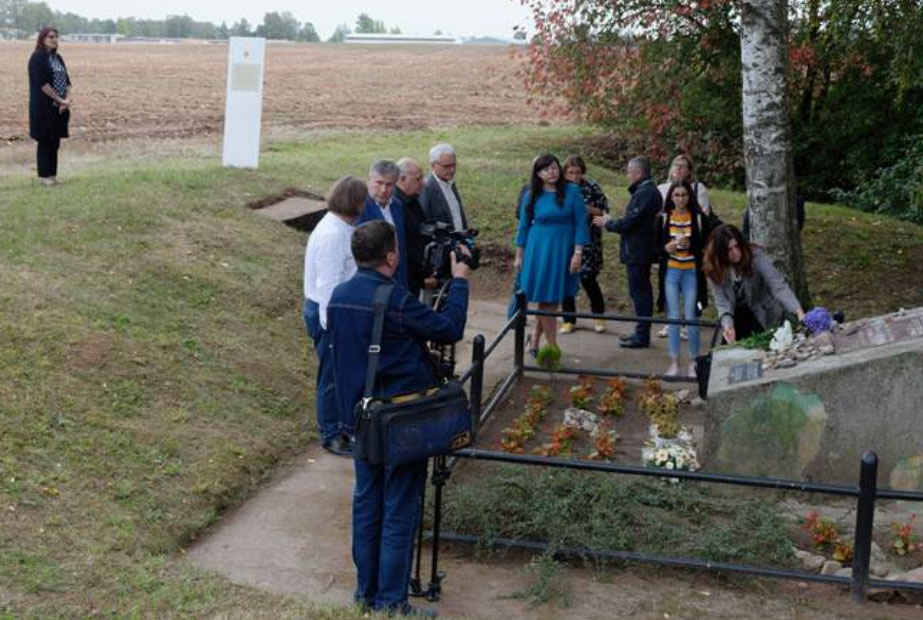
Local students and media participated in the commemoration.
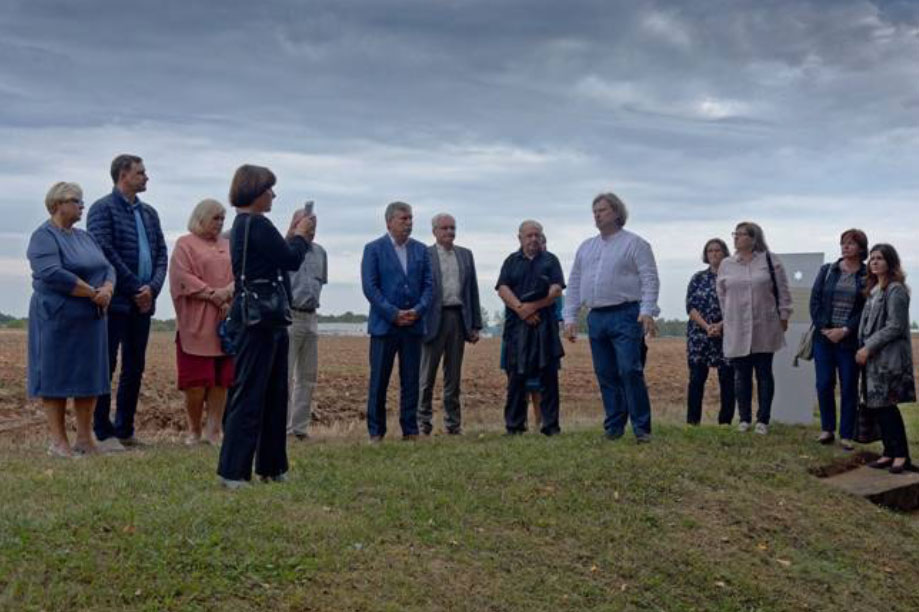
Laima Ardavičiene, a teacher at the Kėdainiai Atžalynas gymnasium, records the event.
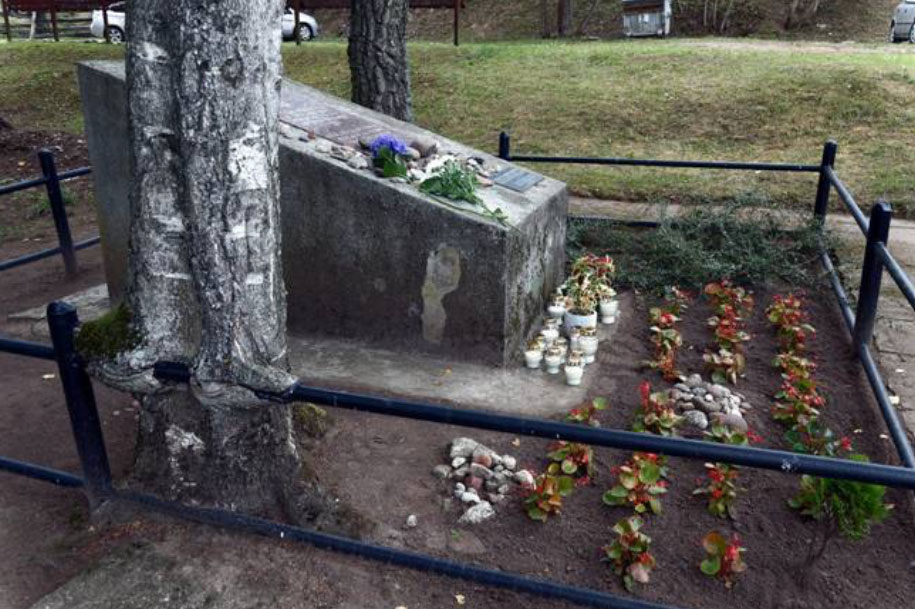
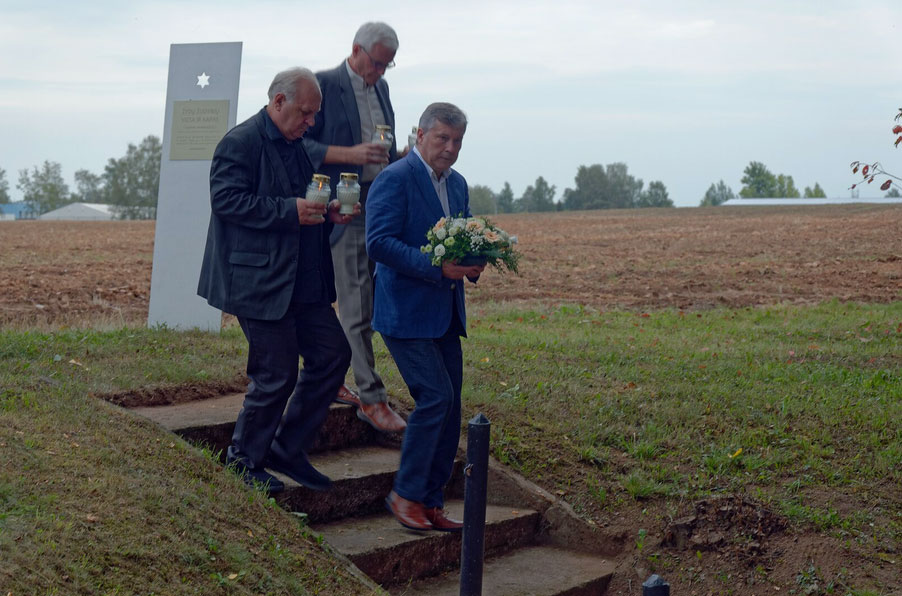
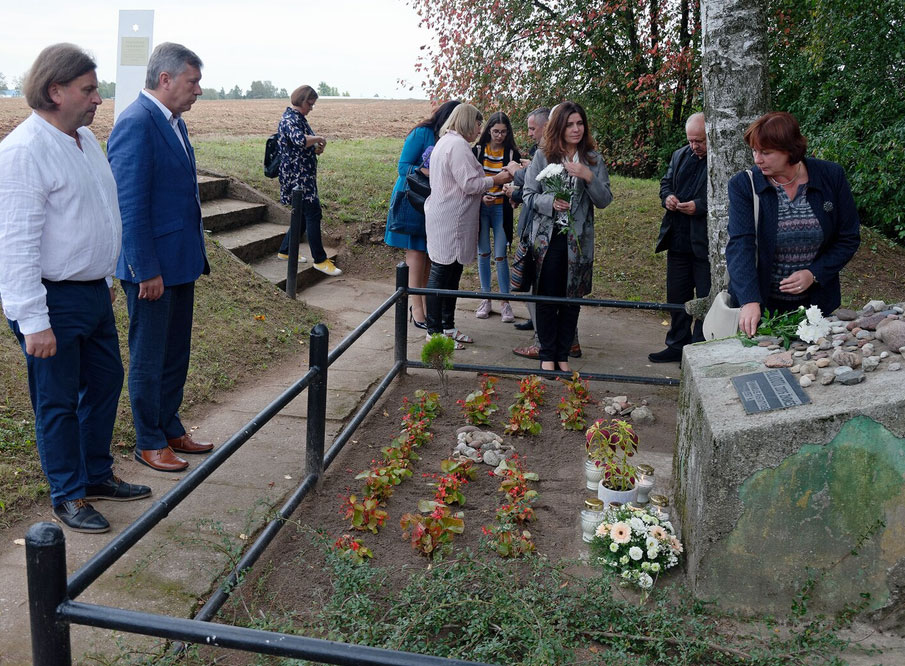
Article and photos by :Aryeh Leonard Shcherbakov aryeh.shcherbakov@gmail.com and Andrew Cassel awcassel@gmail.com of the Keidan Associations of Israel and the U.S and David Solly Sandler sedsand@iinet.net.au of Perth, Australia.
Source: kehilalinks.jewishgen.org/Johannesburg/Solly.html

At the University of Notre Dame, Fremantle Western Australia


Courage To Care


The program


The Speeches


Q & A


The Students


Thanks


Source: en.wikipedia.org/wiki/University_of_Notre_Dame_Australia
Source: www.notredame.edu.au/about/campuses/fremantle-campus

With some fun lovlng Aussies and one Emirates hostess on her way to work!


Just outside Warsaw – with my hosts, Michael Ruth Leiserowitz, and their other house guest – Ralph Salinger from Israel.

Wilanow Palace


Wilanów Palace or Wilanowski Palace (Polish: pałac w Wilanowie, Polish pronunciation: [ˈpawat͡s vvilaˈnɔvjɛ]) is a royal palace located in the Wilanów district, Warsaw. Wilanów Palace survived Poland’s partitions and both World Wars, and so serves as a reminder of the culture of the Polish state as it was before the misfortunes of the 18th century.


So you think you know Warsaw off-by-heart? Then impress that special someone with a romantic safari around the heart(s) of the city… Mostek Zakochanych ul. Przyczółkowa 394 Unveiled in 2012, this dinky 12-meter bridge is best enjoyed at night when fully illuminated. Having snapped your own love lock to the…


 Source: