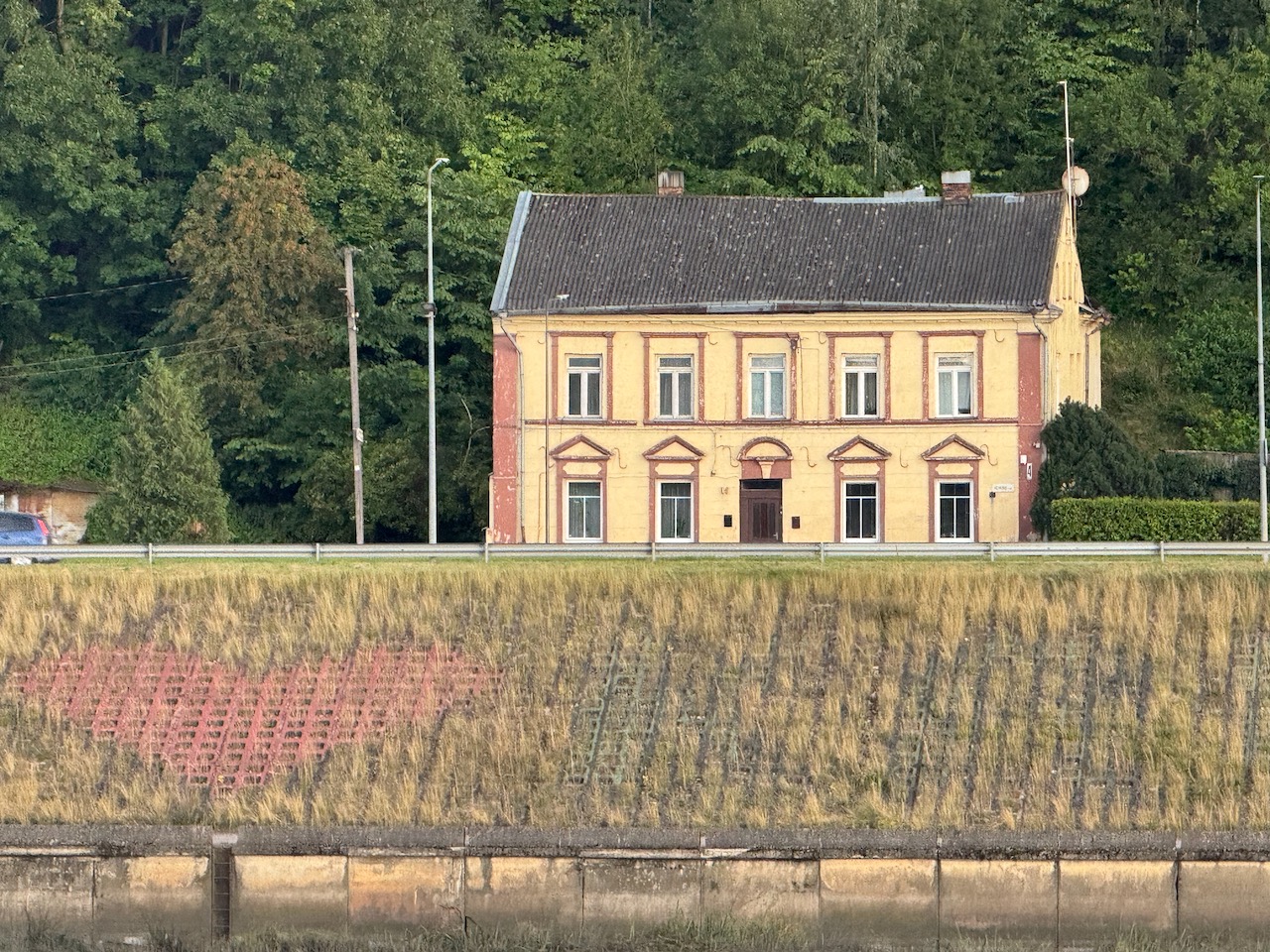
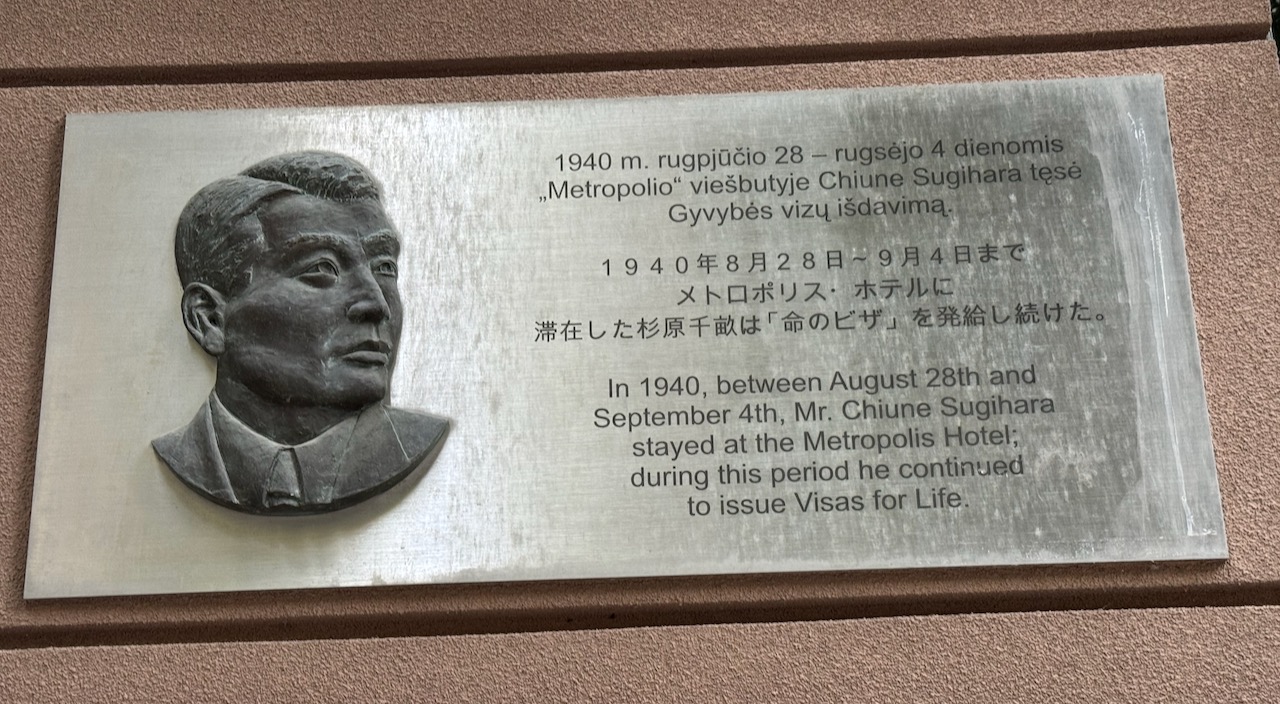
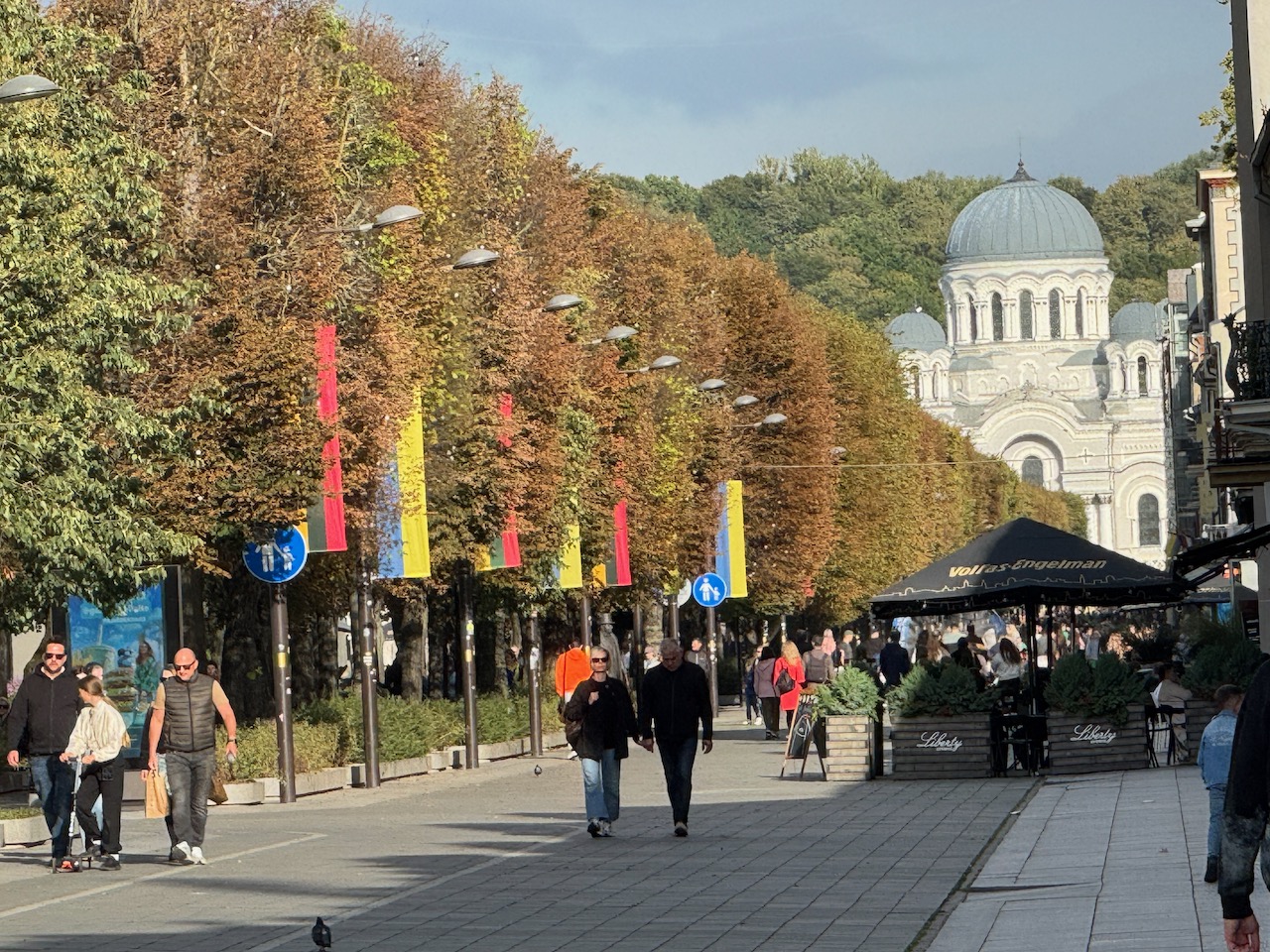
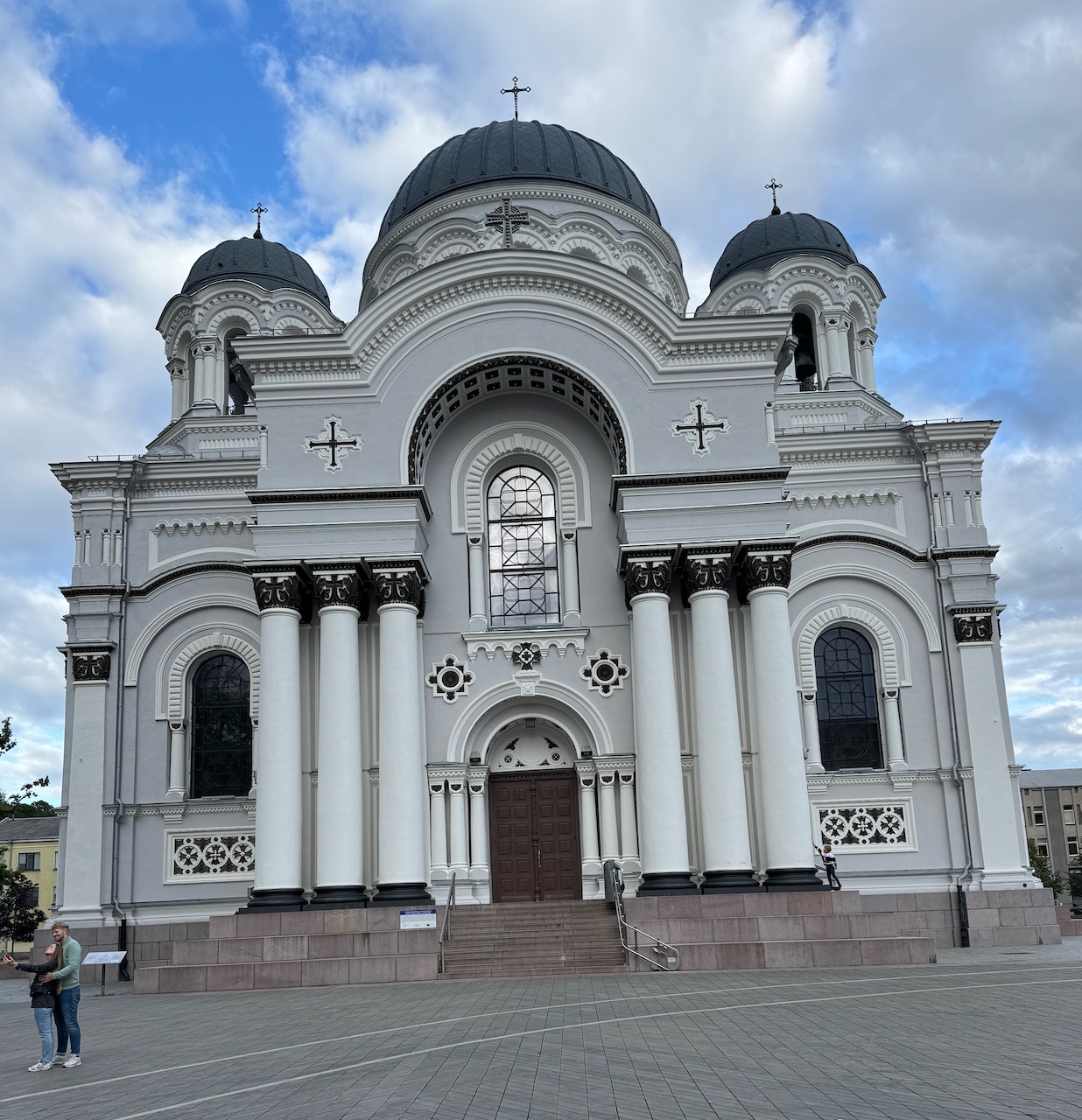
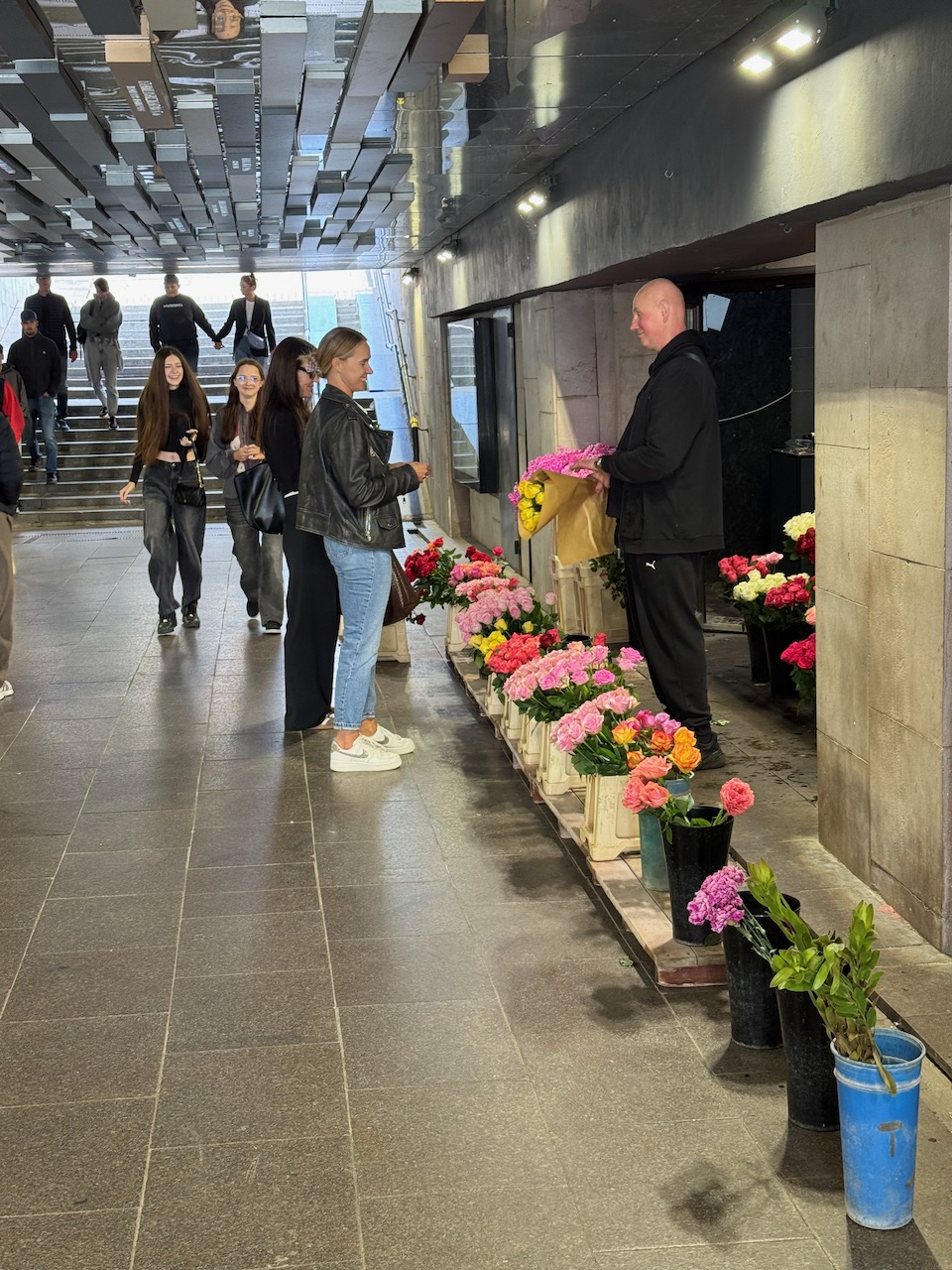
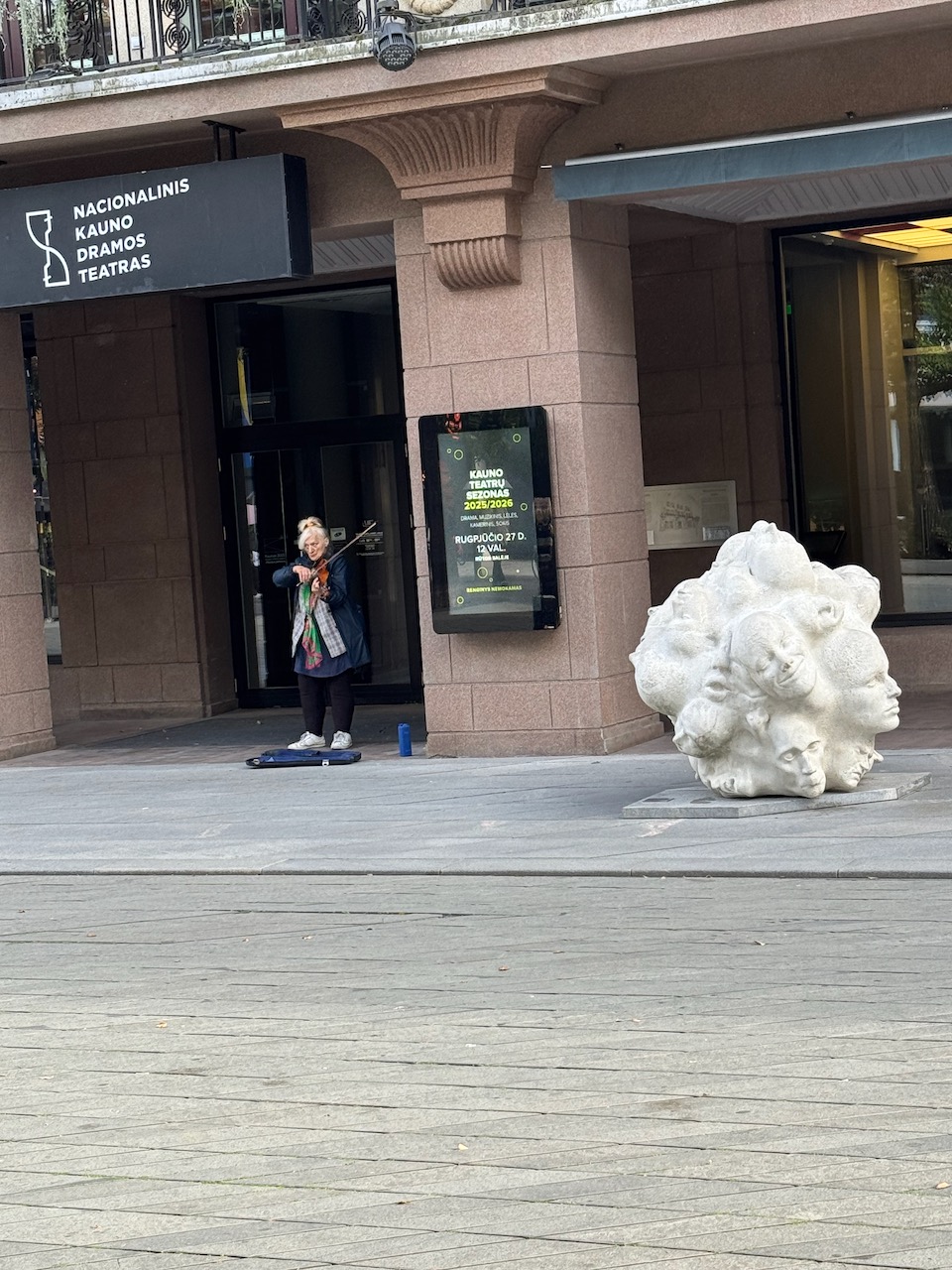
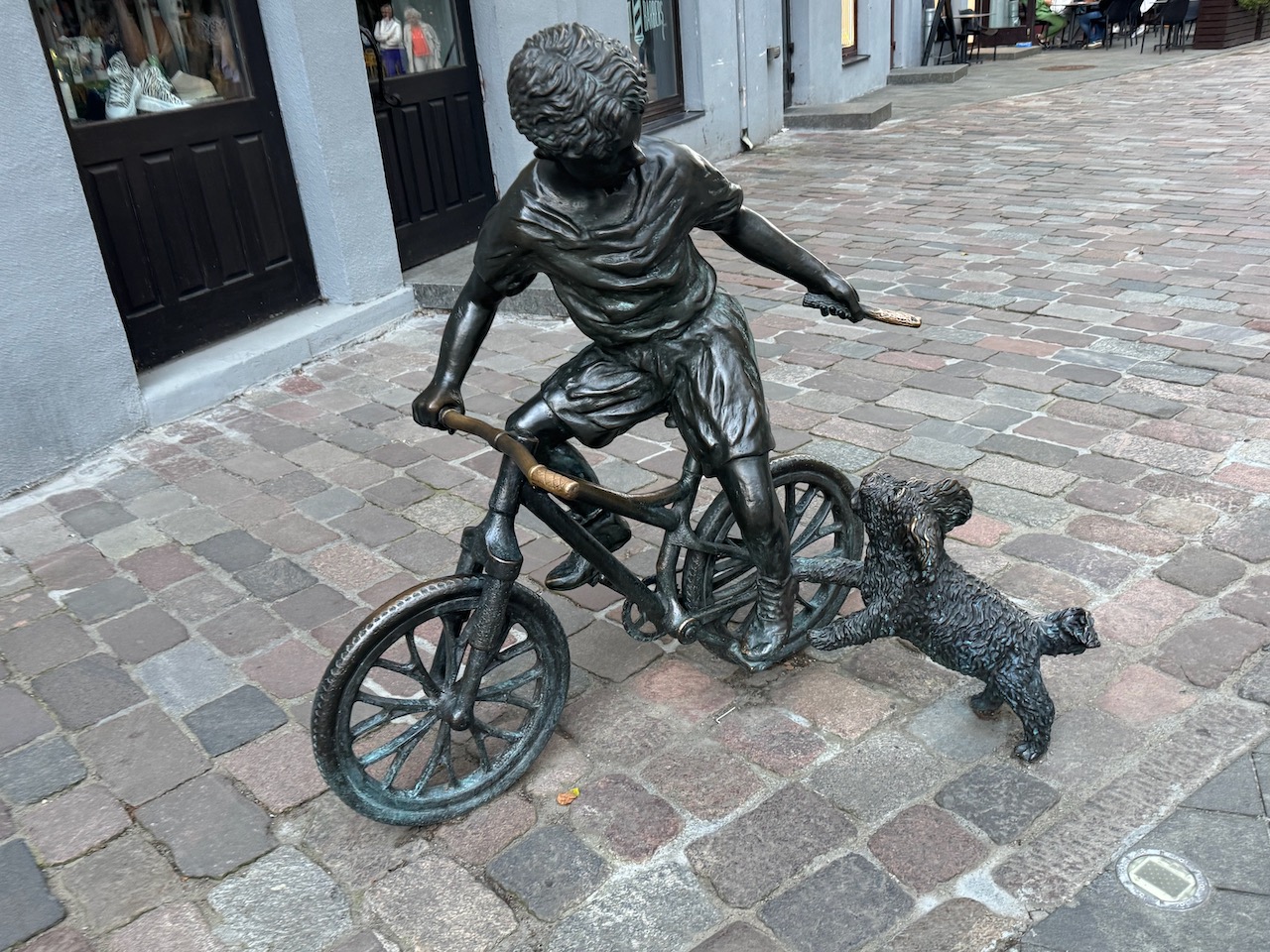
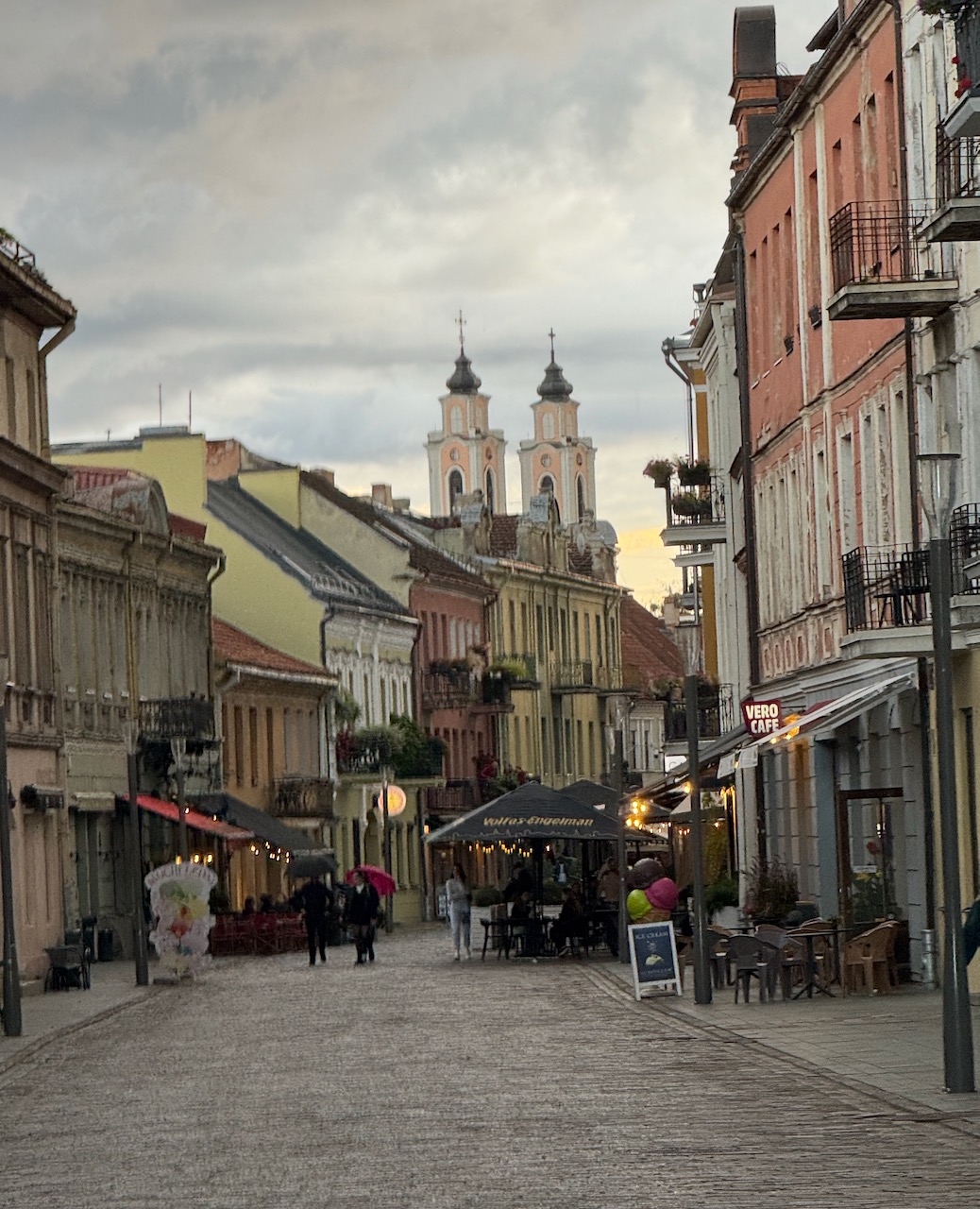
Kaunas Lithuania
23 August 2025
Highlight photos slideshow

and Jewish Life
Text and photos from Seduva Lithuania
© Wojciech Konończuk – Director, Centre for Eastern Studies (OSW), Warsaw
In Seduva, a sleepy town in northern Lithuania, one of the most interesting new museums in Europe has been established.
The story of this private project is like a fairy tale
The Hardship of Travel Compensated by Landscape Beauty
North of Kaunas begins the forested region of Samogitia, with villages and towns scattered sparsely. To the naked eye, it is clear that Lithuania’s population density is three times lower than Poland’s. Here, halfway between Šiauliai and Panevėžys, lies the three-thousand-strong Šeduva (Polish: Szadów).
The town itself has not inscribed its name in history in any special way—unlike the famous Radziwiłł seats Kėdainiai or Biržai, just an hour’s drive away. Few historic buildings remain; rather, it is dominated by contemporary, rather banal architecture, reflecting the hardships of everyday life in deep Lithuanian province.
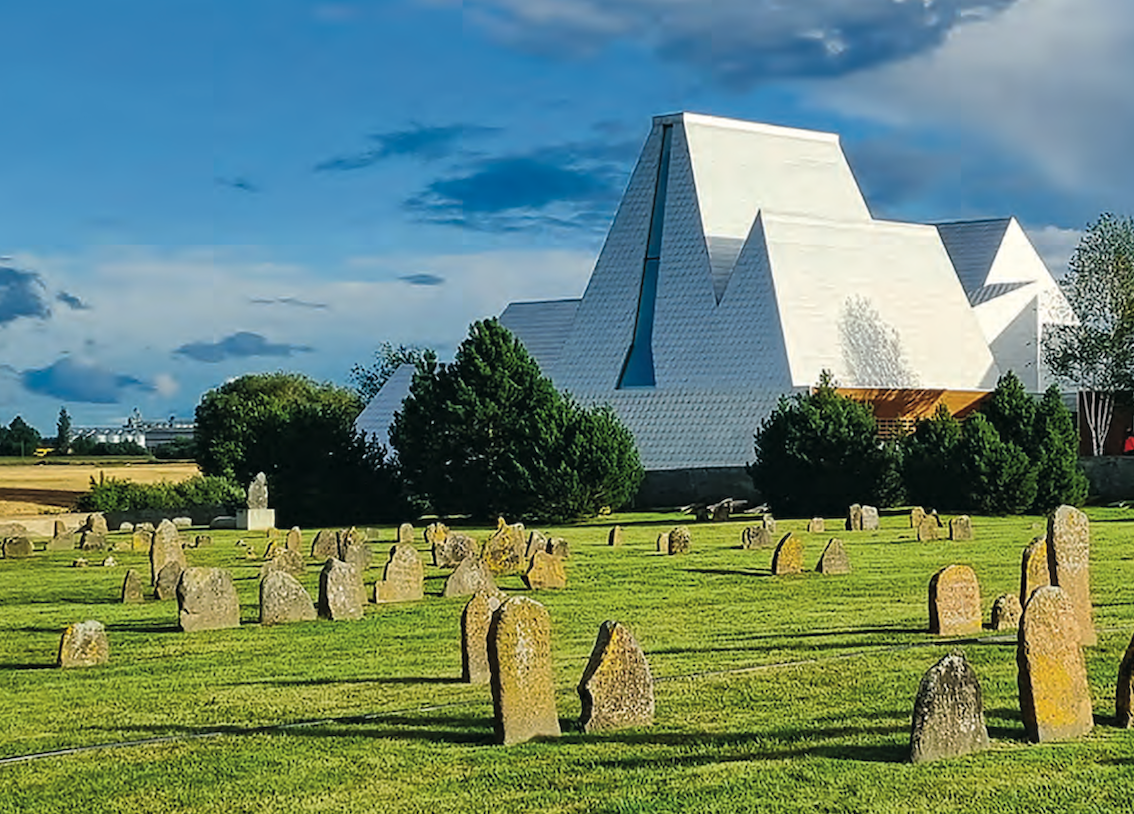
On Šeduva’s outskirts, with a breathtaking view over meadows and forests, rises a large white building. Yet it is hard to imagine a structure more harmoniously integrated into its surroundings—fascinating at first sight.
Šeduva’s Jewish Cemetery Is an Exception
This building consists of twelve interconnected volumes, reminiscent of compact small-town houses thanks to their steep shingle-like roofs. The white architecture blends with the green landscape and the blue expanse of sky.
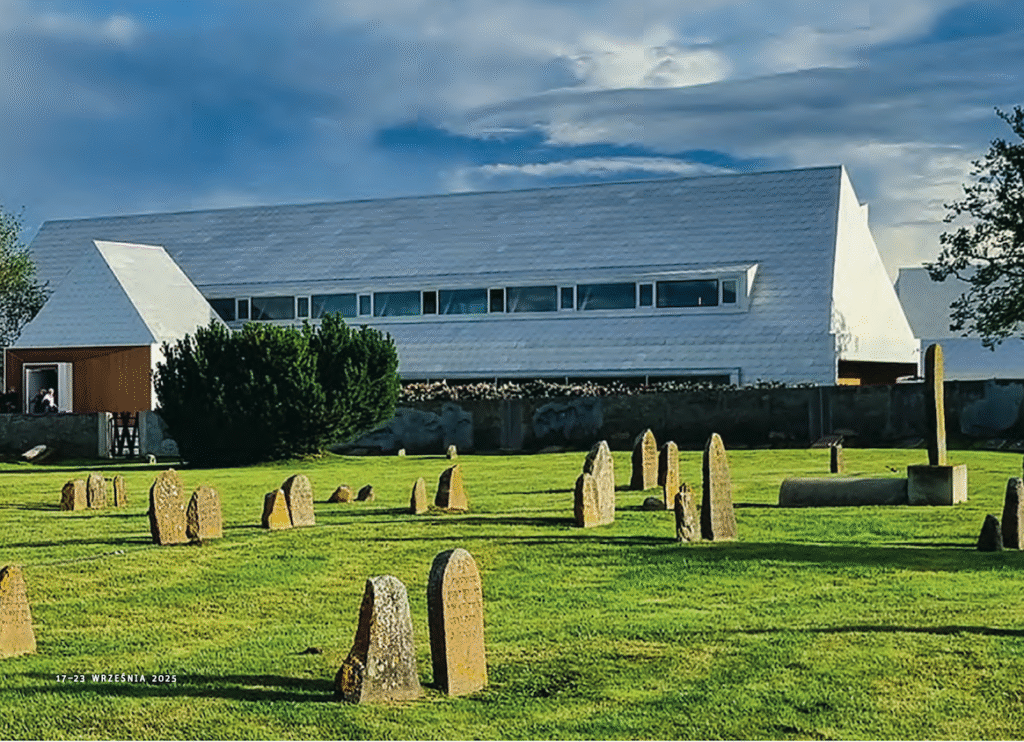
But before one even reaches the building, the eye is caught by the cemetery. In this part of Europe, very few Jewish shtetl cemeteries have survived. Most were destroyed by the Germans during WWII, with the destruction often completed by local Christians after 1945, who reused tombstones as building material.
Šeduva’s cemetery is an exception. On an area of over a hectare, more than a thousand tombstones remain, the oldest from the late 18th century. Until recently, they were overgrown by tall grass, with only an occasional stone protruding.
A decade ago, the gravestones were carefully restored, and the stone wall surrounding the cemetery rebuilt. Today the grounds—with its lawn trimmed like an English garden—look almost unreal. There is hardly an analogy in any other Jewish cemetery in Central or Eastern Europe.
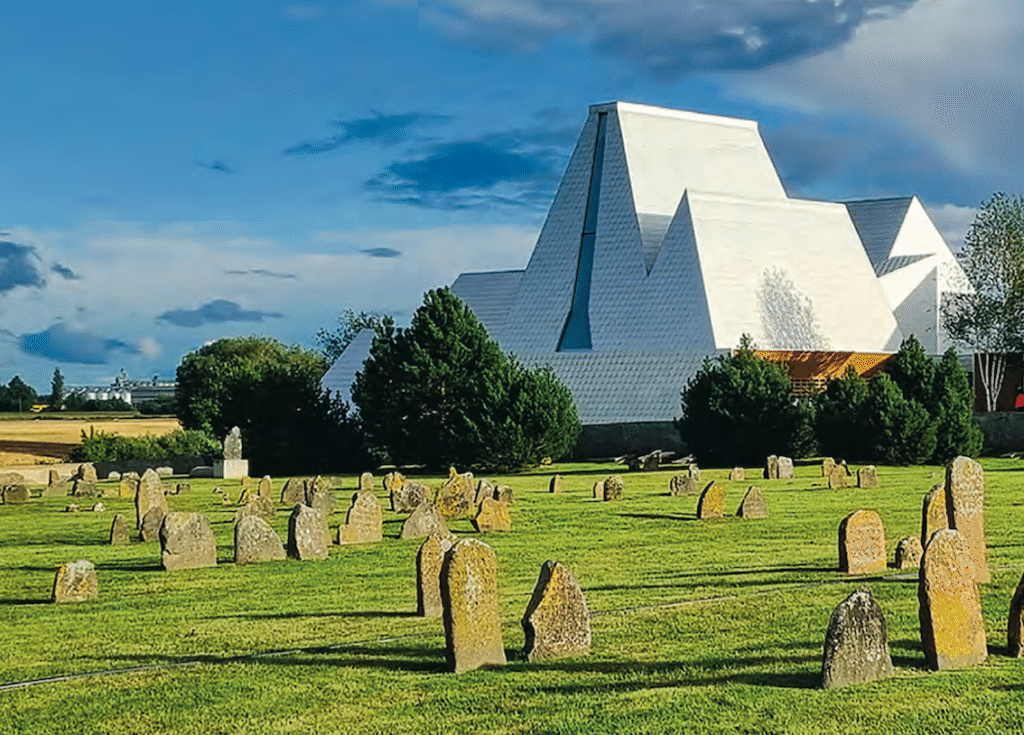
The museum in Seduva, with the renovated Jewish cemetery in the foreground. August 2025.
A Polish Museum as Inspiration
Directly behind the cemetery wall gleams the Šeduva Jewish History Museum “The Lost Shtetl.” This astonishing building, which will surely leave its mark on architectural history, was designed by Finnish architect Rainer Mahlamäki (69), best known as chief designer of Warsaw’s POLIN Museum of the History of Polish Jews (2007–2011). His involvement in Šeduva is no coincidence—there are multiple references to POLIN, which has become a benchmark for Jewish history museums in this part of Europe.
Around the museum stretches a memory garden, with over 200 trees planted among flowering meadows. From a distance, the building against the cloud-streaked sky seems almost transparent. The entire complex covers more than four hectares, reflecting the ambition of the undertaking.
Filling a Gap
The Lost Shtetl tells the story of the 300-year Jewish presence in Šeduva, but also aspires to representatively depict the phenomenon of thousands of Jewish shtetls scattered across the lands of the former Polish-Lithuanian Commonwealth—home to the majority of the world’s Jews at that time.
A shtetl was usually a small, semi-rural town, inhabited largely by Jews, sometimes even a majority. It was a distinct world, brutally destroyed by the Germans during WWII.
Thus, the Šeduva museum fills an important gap: major Jewish museums—from POLIN to Berlin’s Jewish Museum (opened 2001)—present mostly urban Jewish life, while shtetls remain on the margins. From its opening day (Saturday, September 20, 2025), Šeduva becomes a site of great significance.
The Story of Šeduva
Like in POLIN, visitors descend long stairs underground to the 3,400 m² exhibition space. Designed by Lithuanian curators with experts from Germany, Israel, Poland, and the U.S., the modern display tells the story of Šeduva’s Jews and of the shtetl more broadly.
There is also a small cinema screening a short film—part documentary, part fictionalized—following a Jewish family from Šeduva from the early 20th century through the Holocaust. Directed by American Roberta Grossman, it stars Polish actress Karolina Gruszka. The film is woven into the exhibition in several parts, an innovative narrative technique.
The exhibition, designed under the supervision of Ralph Appelbaum Associates (New York), features enlarged historic photos of Šeduva and its inhabitants, accompanied by historical commentary.
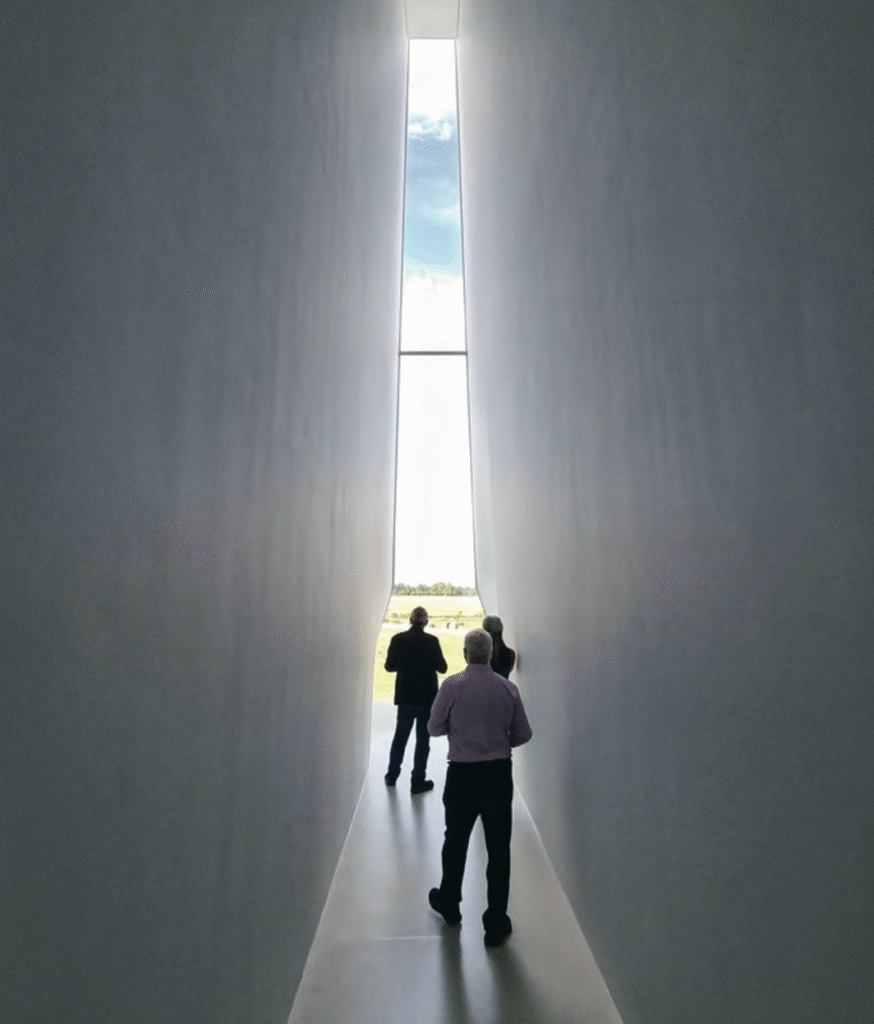
The white corridor ends with a glass wall, offering a view of the cemetery, meadows, and forests. This is a breath of optimism: Jewish Seduva has not been erased from memory. Lithuania, August 2025.
“If I Were a Rothschild”
The displays tell the story of economic, social, and religious life (including a synagogue interior reconstruction), placed chronologically against broader historical turning points. Visitors learn about Jewish-Christian coexistence (no pogroms occurred in the Lithuanian lands before 1941), Jewish participation in Lithuania’s independence struggles, and local history reconstructed from testimonies of survivors and descendants.
Rare historical artifacts are presented, as well as the story of mass Jewish emigration from the Russian Empire—nearly 2 million Jews, many from shtetls like Šeduva or Orla, left for the U.S. from the late 19th century onward. Poor migrants from such towns significantly contributed to building modern America.
The exhibition recalls the dream of many Šeduva Jews: “If I were a Rothschild…”
It seems Šeduva has indeed found its Rothschilds. The museum is a private initiative, funded by anonymous donors of Šeduva descent through a Swiss foundation.
A Handful of Survivors
The final part tells of the tragic end. On August 24, 1941, in a nearby forest, 664 Jews were shot—mainly by Lithuanian collaborators, assisted by just two German soldiers. After the war, none returned.
The museum boldly lists the names, photos, and biographies of 27 perpetrators—neighbours of the murdered: shoemakers, farmers, drivers, labourers. This is unprecedented, as descendants of some still live in Šeduva.
Only eleven Jews survived the massacre—two Lithuanian independence veterans, a doctor, and their families—saved by local priest Mykolas Karosas and the Paluckas family. Several dozen others survived deportation east by the Soviets or managed to flee.
The museum’s narrative is honest, showing Lithuanian collaboration in the Holocaust—still a very sensitive subject in Lithuania. A jarring note is the statement that “interwar Poland and the Soviet Union both threatened Lithuania”—an inaccurate and misleading equivalence.
A Project That Will Resonate
Architect Mahlamäki designed two symbolic passageways. One is a dark, several-meter-high corridor with a glass floor over visible vegetation—evoking the forest where Šeduva’s Jews were murdered. The other is a vast white corridor ending in a glass wall overlooking the cemetery, meadows, and forests—a breath of optimism, symbolizing that Jewish Šeduva, though meant to be erased from memory, has not vanished.
The Lost Shtetl is a visionary project—needed by Lithuania and this region of Europe. For the first time, with such scale, ambition, and financial resources, the story of shtetls is told as an integral part of Jewish, Lithuanian, and Polish history.
It is likely that Šeduva’s museum will become, after POLIN, another crucial point of reference for future Jewish exhibitions worldwide.
© Wojciech Konończuk
Director, Centre for Eastern Studies (OSW), Warsaw
Translation into English was arranged by Eli Rabinowitz, WE ARE HERE! Foundation, Perth Australia
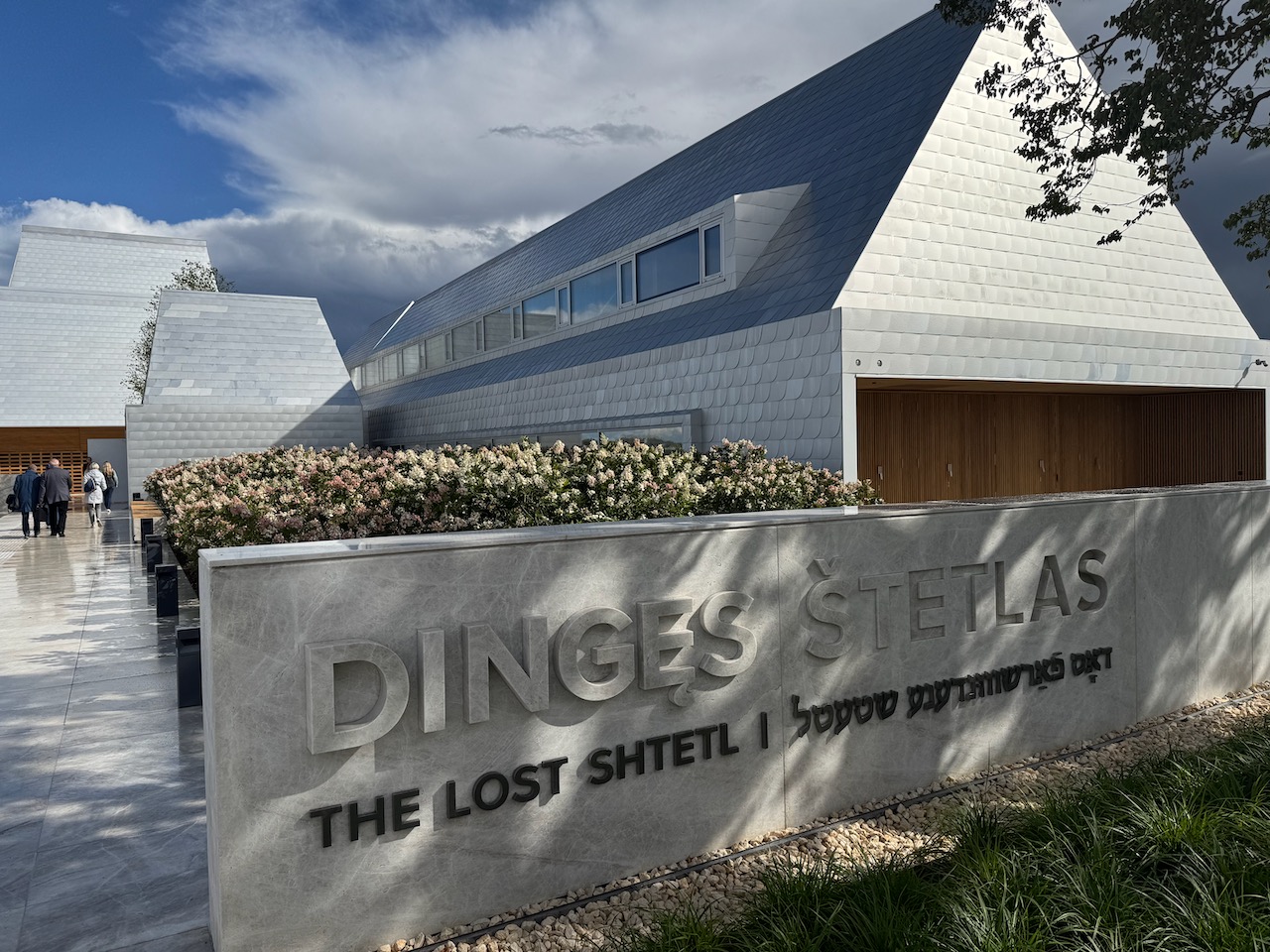
Opens to the public today, 20 September 2025
The Lost Shtetl Museum in Seduva, Lithuania is dedicated to the memory of the shtetls.
“The Museum features the rich history of Jewish life in Lithuania and the enduring stories of memory, resilience, and hope.”
The Museum complex consists of the exhibition, the memorial park, and the historic village cemetery and memorials.
At the entrance of The Lost Shtetl Museum:
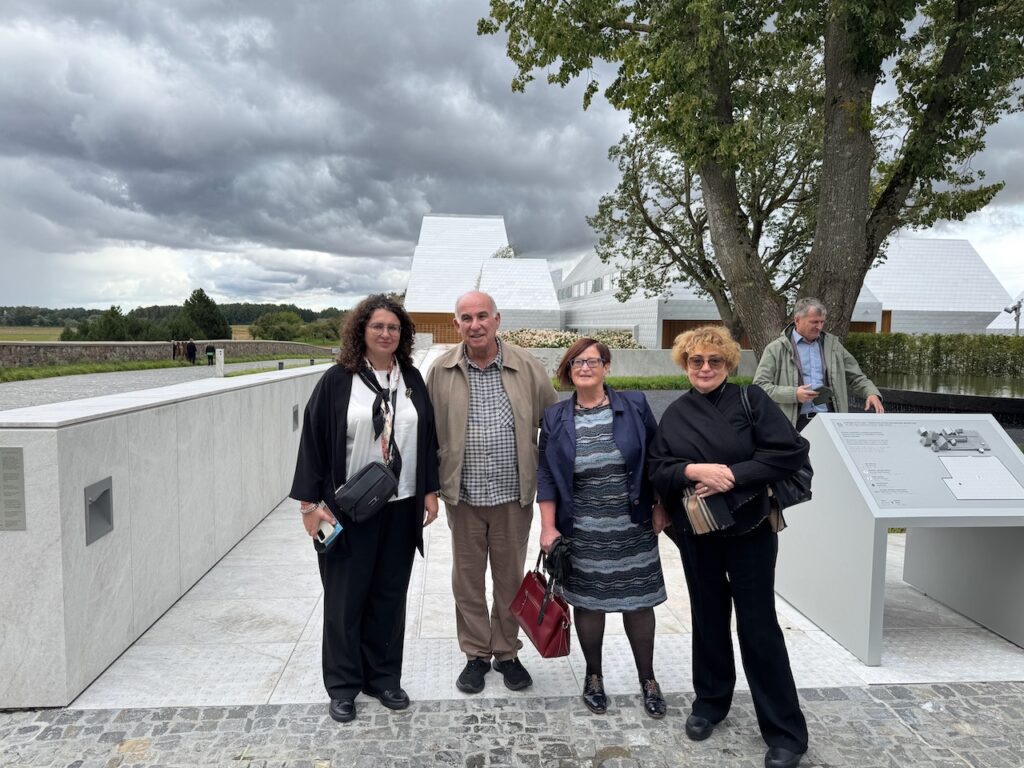
Ruth Reches – Principal of Solomo Aleichemo ORT School Vilnius; Eli Rabinowitz; Professor Ruth Leiserowitz – museum advisor, historian at Klaipėda University, Lithuania and Humboldt University, Germany; and Faina Kukliansky – Chair of the Jewish Community of Lithuania
Slideshow photos include Prof Barbara Kirshenblatt-Gimblett, Prof Ruth Leiserowitz, Faina Kukliansky, Head of the Lithuanian Jewish Community, filmmaker Roberta Grossman, Ruth Reches, Wojciech Konunczuk, Michael Leiserowitz, Dean Glasenberg, Rabbi Sholem Ber Krinsky, Rabbi Moshe Fhima, architect Rainer Mahlamäki & Lost Shtetl Museum Management.
Lost Shtetl Website:
For more information and images, please contact Eli
Eli Rabinowitz
Perth Australia

5 December 1918 to 25 April 2025
Here is my post from Rabbi’s 105th birthday party
A selection of photos taken by Sas Saddick
5 December 2023
5 December 2023
Rabbi Shalom Coleman – 105! – Mazeltov!

The large crowd was in attendance at the PHC for Rabbi Shalom Coleman’s 105 birthday celebrations.
Perth rabbis and community leaders together with family members, paid tribute to Rabbi Coleman.
Links to the speeches will appear on my YouTube channel as they become available:
https://www.youtube.com/elirab52
Photos and items from my previous posts
The People’s Rabbi
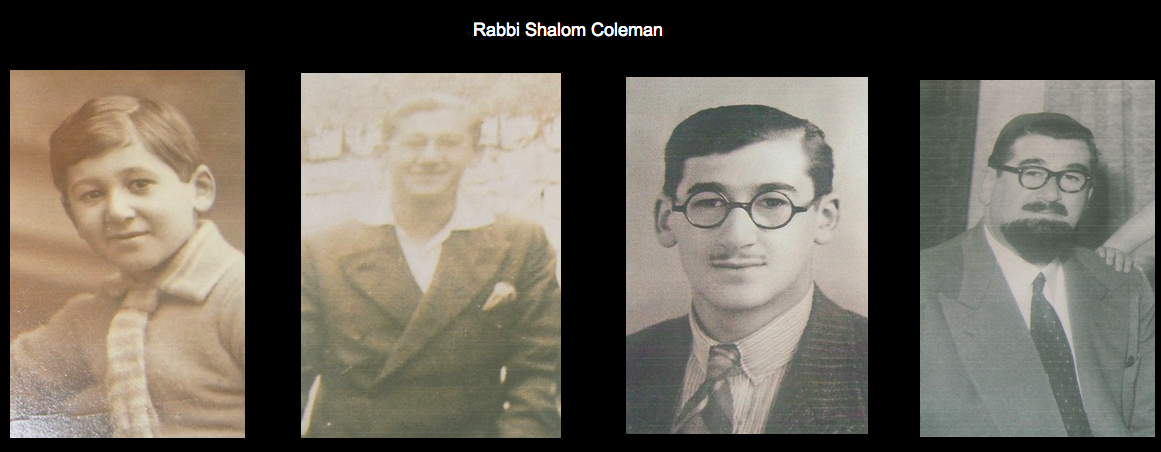
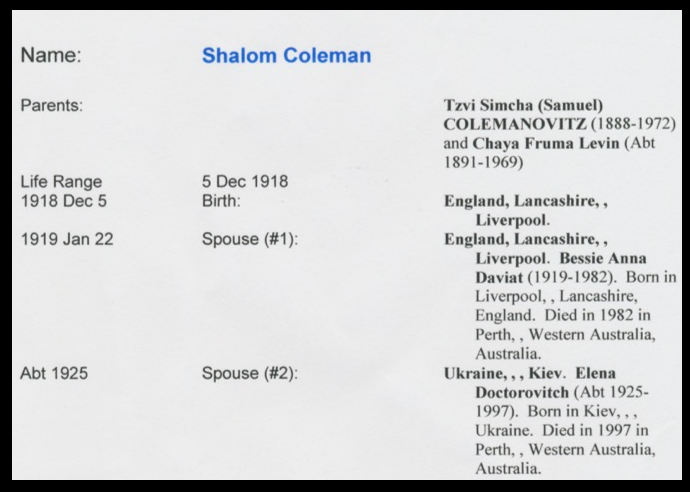
Source: elirab.com/Coleman.html
SHALOM COLEMAN – RABBINIC DYNAMO
by Raymond Apple, emeritus rabbi of the Great Synagogue, Sydney
Bio about 12 years ago
Small in size but a giant in stature – that describes Rabbi Shalom Coleman, who changed the face of Judaism in Western Australia. Thanks to his refusal to give up or give in, a sleepy, distant community was set on the path to becoming a lively centre of orthodoxy. Rabbi Coleman is now over 90, hopefully with three more decades of work ahead until the proverbial 120.
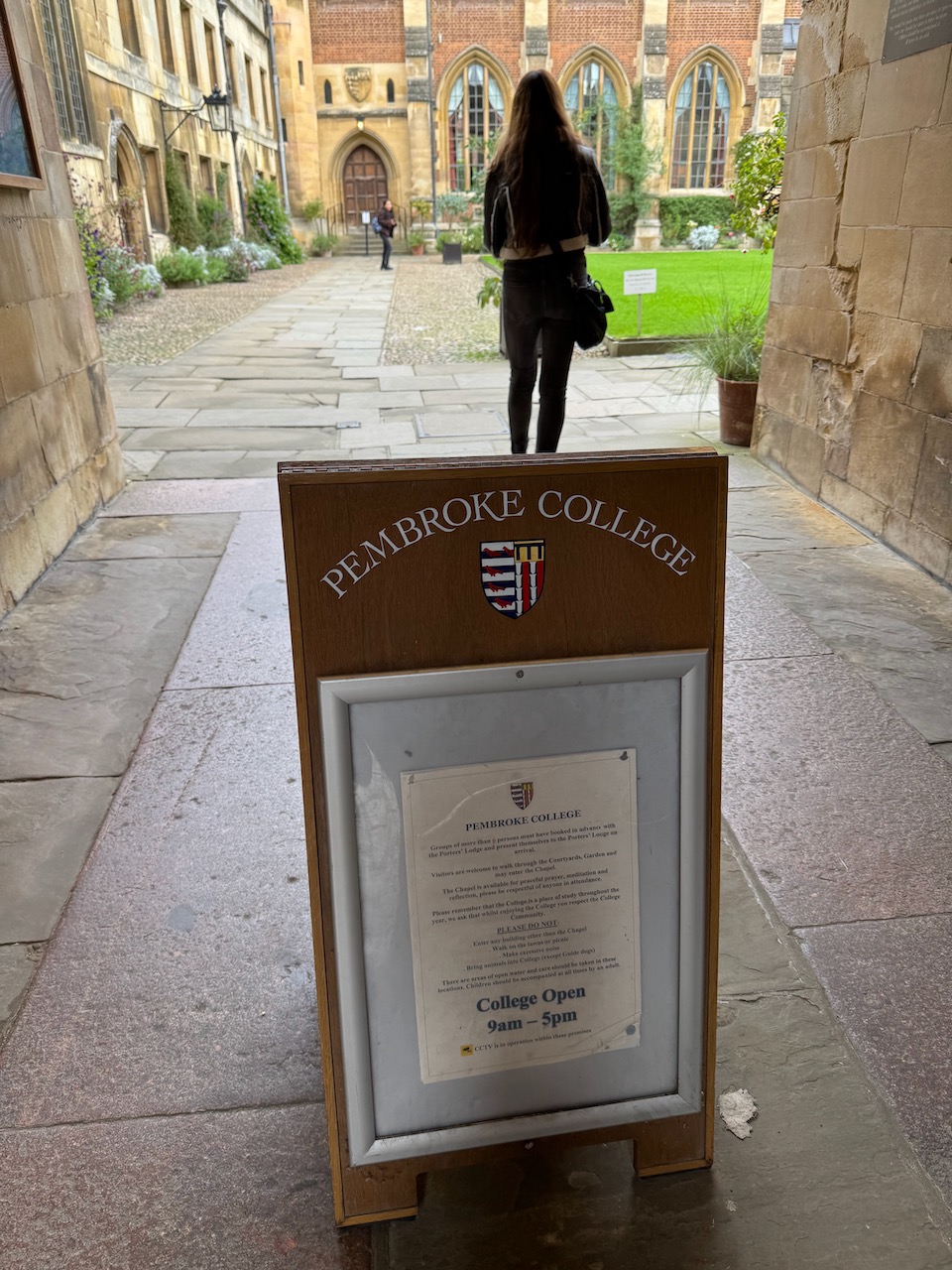
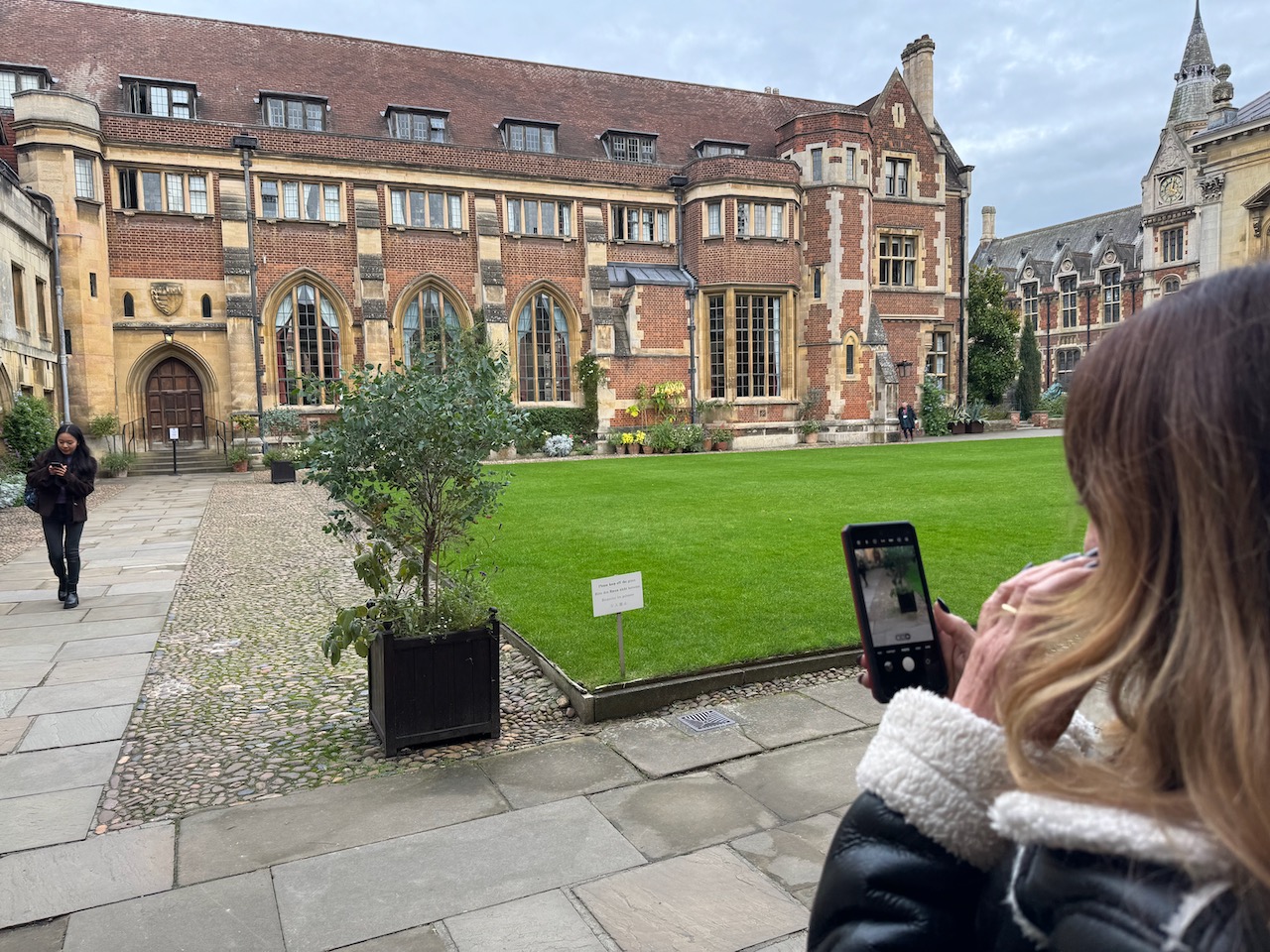
Born into an orthodox family in Liverpool on 5 December, 1918, he was both a student and a man of action from his youth. At the University of Liverpool he gained a BA degree with honours, plus a Bachelor of Letters in Hebrew and Ancient Semitic Languages and Egyptology. His education was interrupted by World War II when he served with the Royal Air Force as a wireless operator/air gunner on missions in France and Western Europe, and in 1944 he was recruiting officer in England for the Jewish Brigade Group. He returned to university in 1945 as tutor, review writer and librarian. At Jews’ College, he gained rabbinic ordination in 1955. He also undertook postgraduate studies in Semitic languages at Pembroke College, Cambridge.
In 1947, at the suggestion of the then Chief Rabbi of South Africa, Dr Louis Rabinowitz, he went to the Potchefstroom Hebrew Congregation in the Transvaal and then served the Bloemfontein Hebrew Congregation in the Orange Free State from 1949-1960. Whilst in South Africa, he gained an MA at the University of Pretoria and a PhD at the University of the Orange Free State for a thesis entitled “Hosea Concepts in Midrash and Talmud”.
He was chairman of the Adult Education Council (English Section) of the Orange Free State and vice-president of the Victoria League, and introduced essay and oratory contests for schools. As a military chaplain he was active in the ex-service movement and was awarded the Certificate of Comradeship, the highest award of the MOTHS (Memorable Order of Tin Hats). He edited a Jewish community journal called “HaShomer” and an anniversary volume for the 150th anniversary of the Orange Free State.
In 1961 he came to Sydney as rabbi of the South Head Synagogue. He was a member of the Sydney Beth Din, vice-president of the NSW Board of Jewish Education and director of the David J. Benjamin Institute of Jewish Studies, for whom he edited three volumes of proceedings. He established a seminary for the training of Hebrew teachers. He lectured at the University of Sydney and wrote a thesis entitled “Malachi in Midrashic Analysis” for a DLitt.
In 1964 he received the Robert Waley Cohen Scholarship of the Jewish Memorial Council, using it for research into adult education in South-East Asia, Israel and the USA. In 1965 he became rabbi of the Perth Hebrew Congregation in Western Australia. He held office until retirement in 1985.
He determined to turn Perth into a Makom Torah. He obtained land as a gift in trust from the State Government for a new synagogue, youth centre and minister’s residence in an area where the Jewish community lived in Mount Lawley, replacing the original downtown Shule. At that time few members were Shom’rei Shabbat. Further initiatives led to a kosher food centre in the Synagogue grounds; a mikveh; a genizah for the burial of outworn holy books and appurtenances; a Hebrew Academy where high school students met daily, and extra classes four days a week at a nearby state school.
He taught for the Department of Adult Education of the University of WA and served on the Senate of Murdoch University. He was an honorary professor at Maimonides College in Canada, led educational tours to Israel for non-Jewish clergy and teachers, lectured to religious groups, schools and service organisations, and wrote booklets so people of all faiths could understand Jews and Judaism. Talks with the Minister of Education led to a Committee of National Consciousness in Schools, which he chaired; the Minister called his work “invaluable”.
Known as “the rabbi who never stops”, he was a member of the Karrakatta and Pinarroo Valley Cemetery Boards and wrote two histories for them to mark the State’s 150th anniversary in 1979 and the Australian Bicentenary in 1988. He was a member of the Perth Dental Hospital Board and chaired the Senior Appointments Committee and then the Board. The North Perth Dental Clinic is now known as the Shalom Coleman Dental Clinic.
A Rotarian since 1962, first in Sydney and then in Perth, he was President 1985/86 and Governor 1993/9, representative of the World President in 1995, and representative of WA Rotary at the UN Presidential Conference in San Francisco in 1995. He was co-ordinator of the District Ethics and Community Service Committees and chaired the Bangladesh Cyclone Warning Project, which saved the lives of 40,000 residents of the chief fishing port of Bangladesh. He received a certificate of appreciation as District Secretary of Probus Centre, South Pacific. He has spoken at conferences all over the world and is a patron of the Family Association of WA. He has been a vice-president of Save the Children Fund since 1967.
He was a foundation member of the Perth Round Table and their first lecturer. He is still an honorary military chaplain and was on the executive of the Returned Services League and edited their “Listening Post” from 1989-91. He holds high rank in Freemasonry. He is honorary rabbi at the Maurice Zeffertt Centre for the Aged and was made a Governor of the Perth Aged Home Society in 2004. After several years as president of the Australian and New Zealand rabbinate his colleagues made him honorary life president. Several times he went to NZ as interim rabbi for Rosh HaShanah and Yom Kippur. He shines in the pulpit, and is a fine chazzan. He has received awards from the Queen and the Australian Government. The University of WA gave him an honorary LLD in April 2000. He is still, despite his age, a prolific speaker and writer; travels widely and his services are in constant demand.
In 1942 he married Bessie Anna Daviat, who died in 1982. He has a son in Melbourne, a daughter in the USA, grandchildren and great- grandchildren. He married Elena Doktorovich in 1987; she died in 1997.
Small in stature, Rabbi Coleman is a giant in energy, enterprise and enthusiasm, and is one of Australia’s best known figures. Largely thanks to him, Judaism is strong in Perth, with five synagogues, a Chabad House, a Jewish school, a fine kashrut system, and many shi’urim; his own Talmud shi’ur is legendary. No longer is it a struggle to be Jewish in Western Australia.
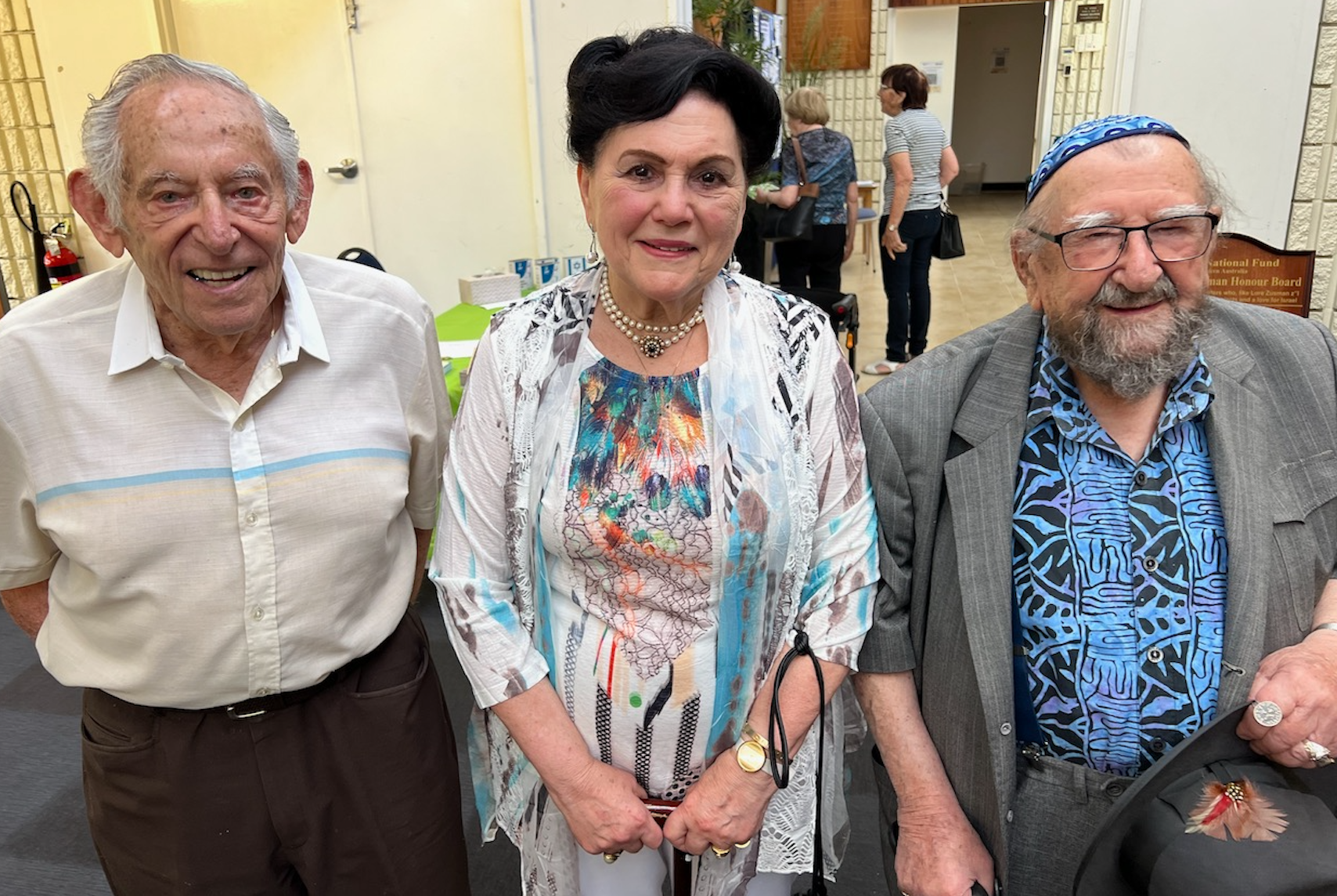
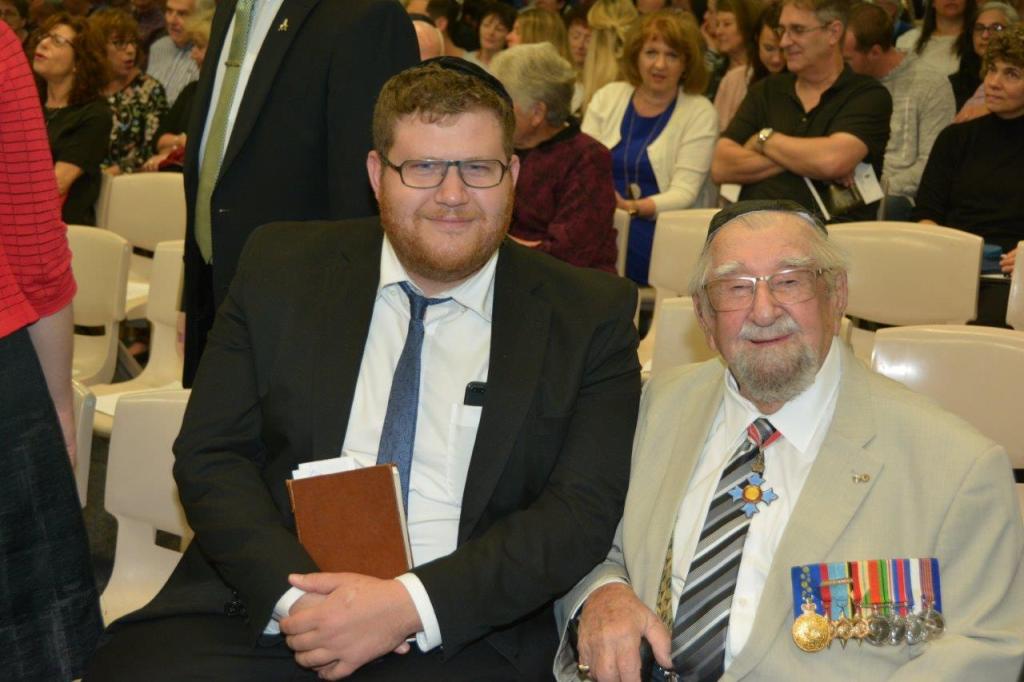
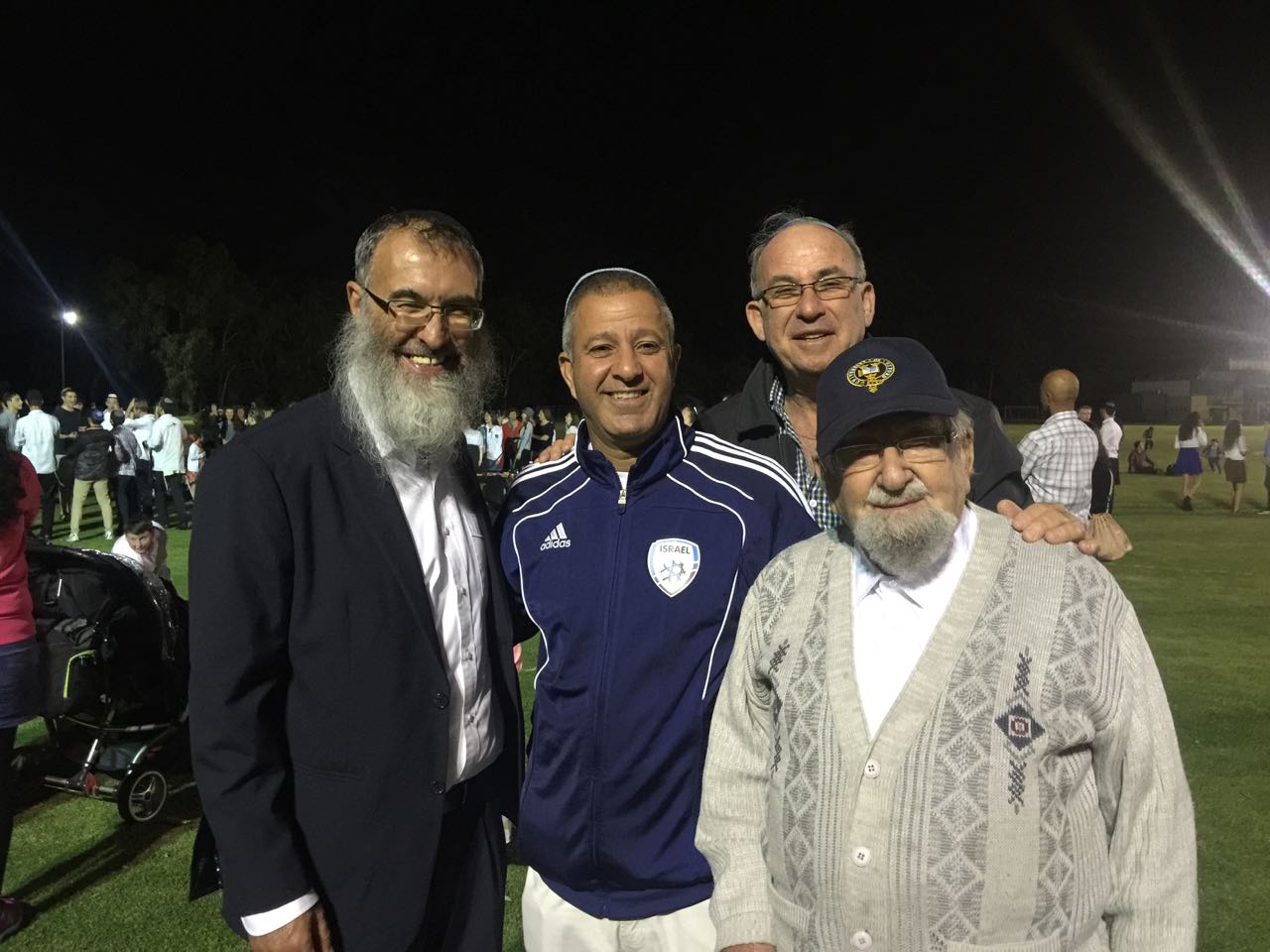
Source: elirab.me/spiritual-treasure-book-launch-at-the-perth-hebrew-congregation/

Rabbi Coleman reminisces about his time in Bloemfontein as Jewish Spiritual Leader – 1949 to 1959. Perth, Australia 3 February 2016
Watch Video:
Source: youtu.be/GVUN1PtPD0g
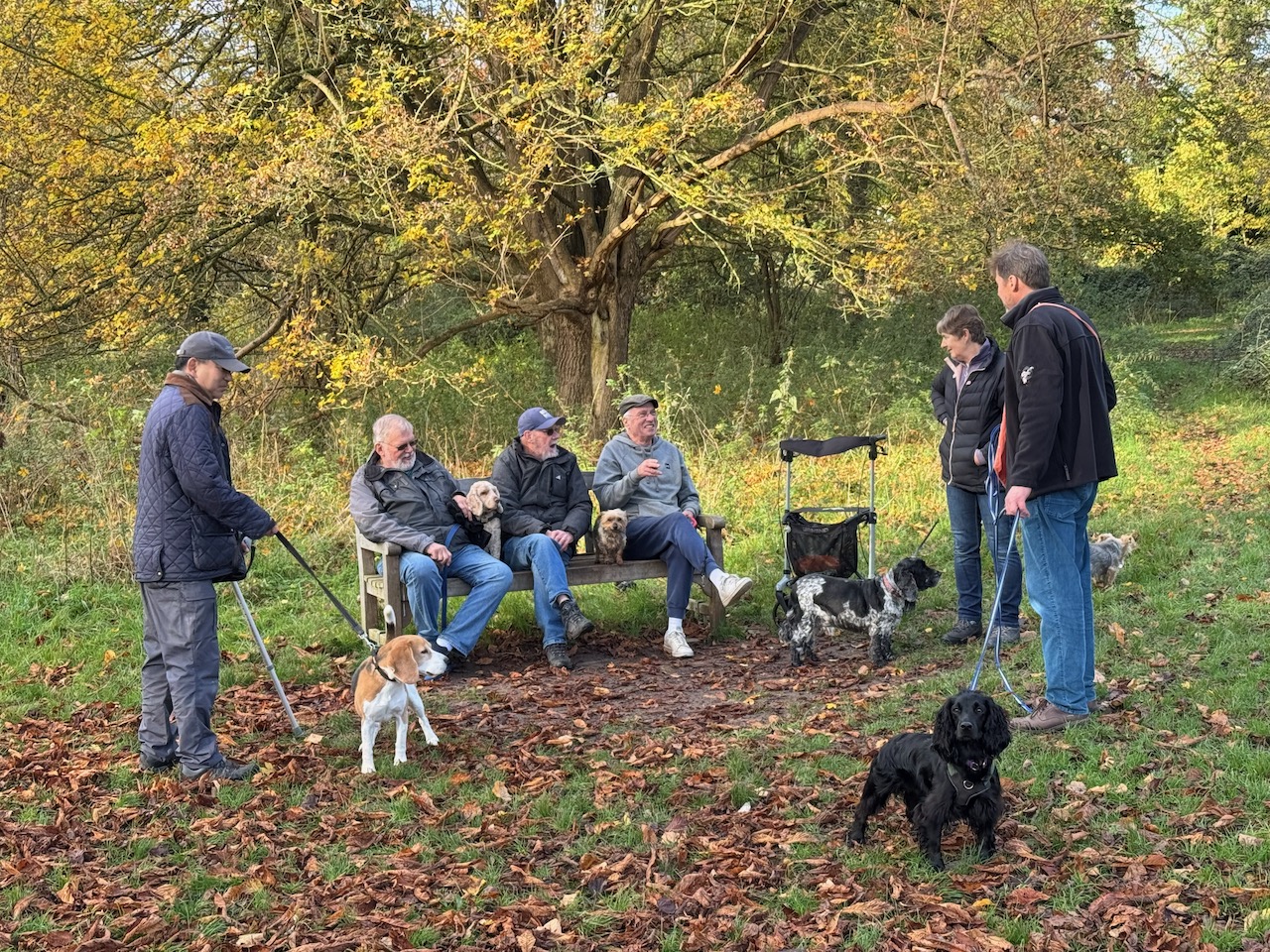
November 2024
Return from Hannover
Birthday Time
Shopping at Sainsburys
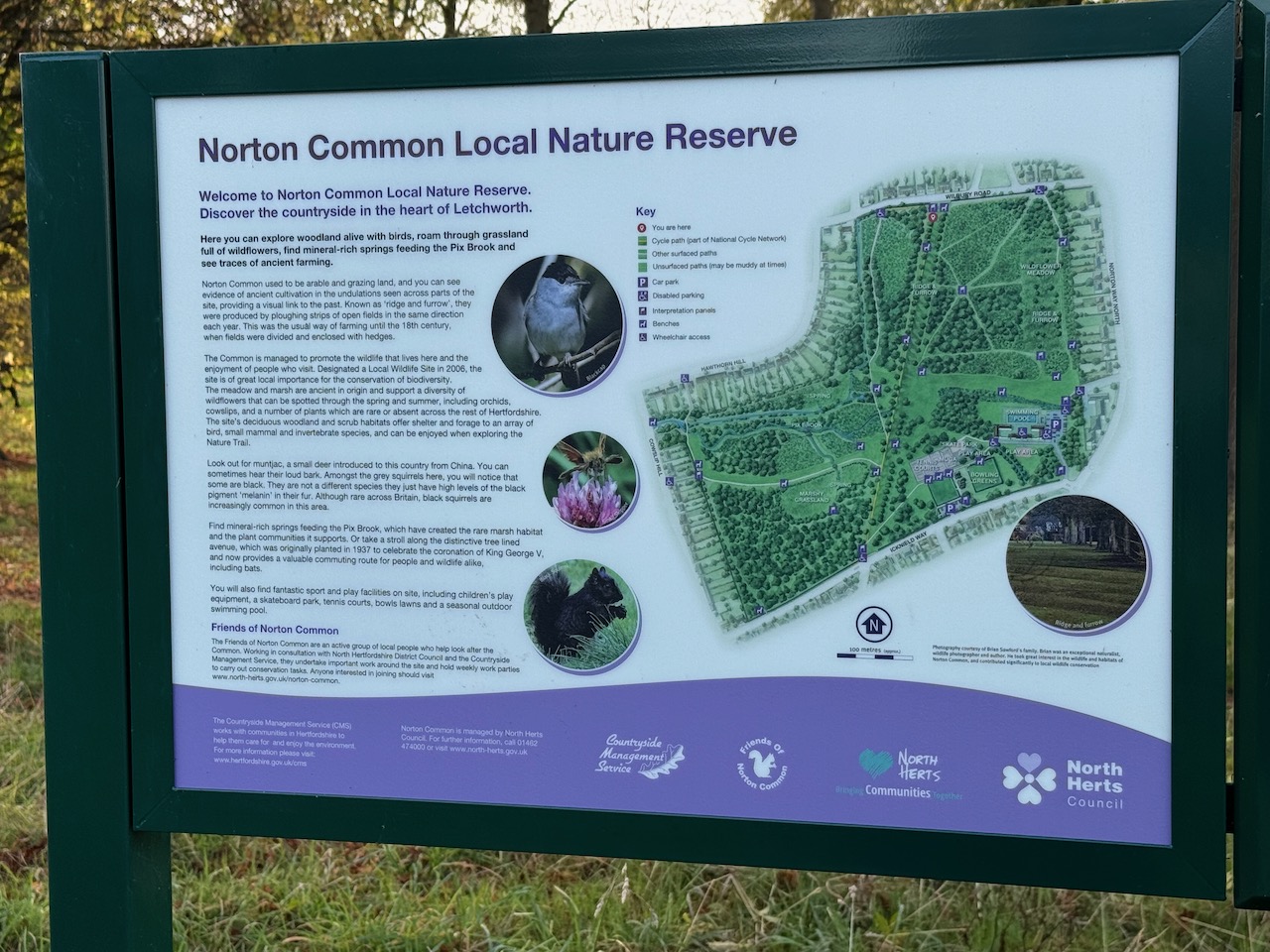
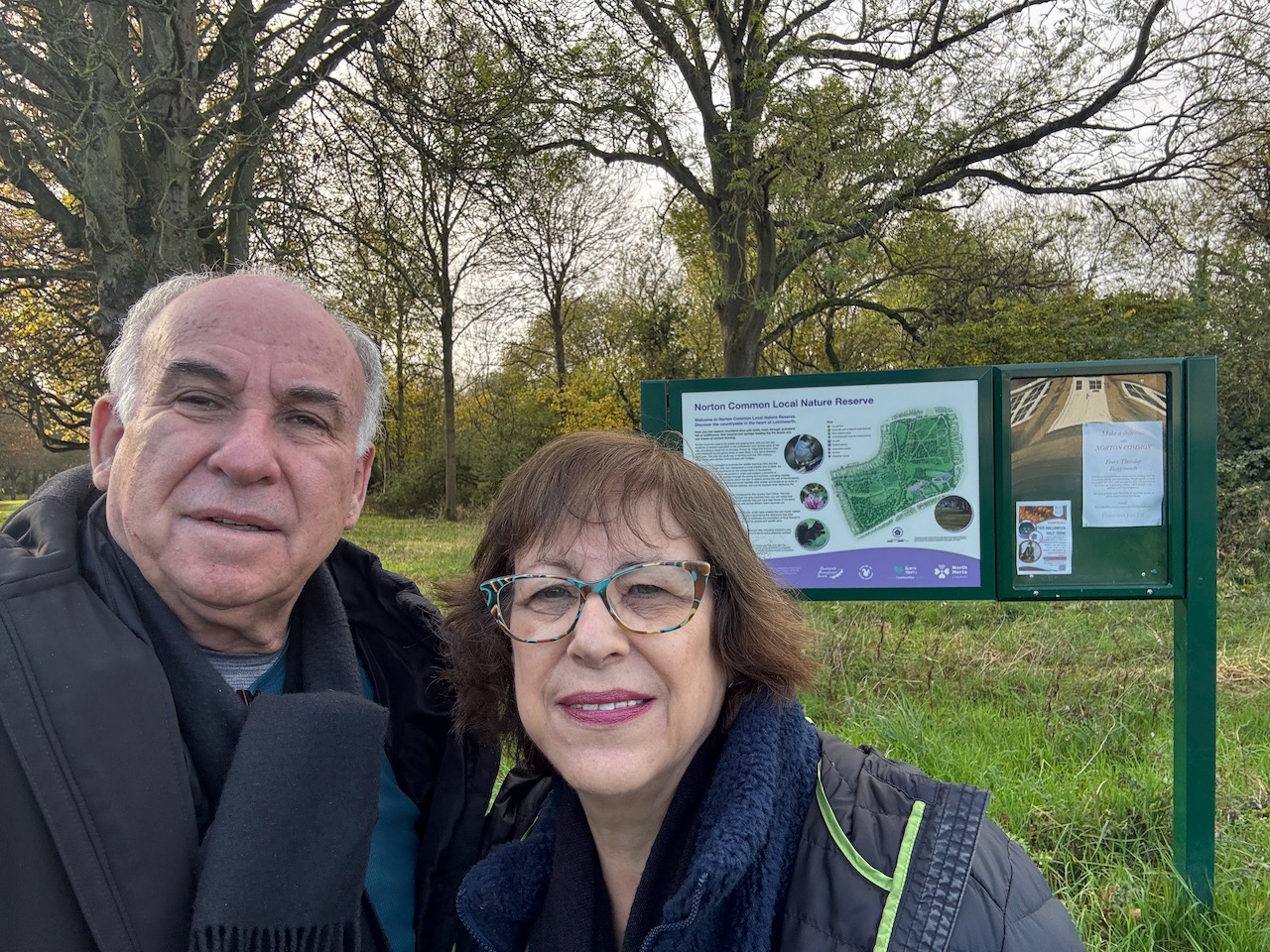
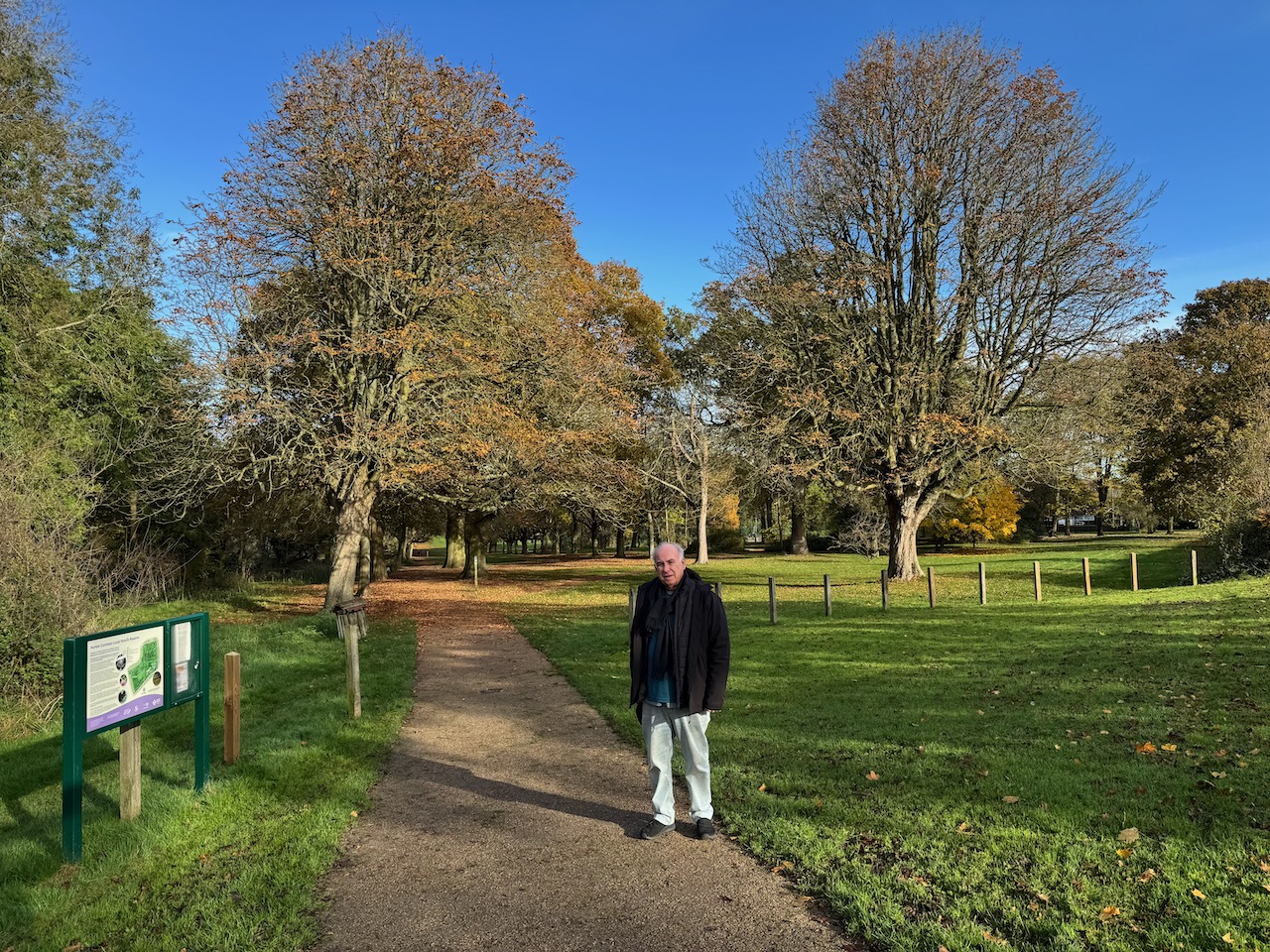
A walk at Norton Common

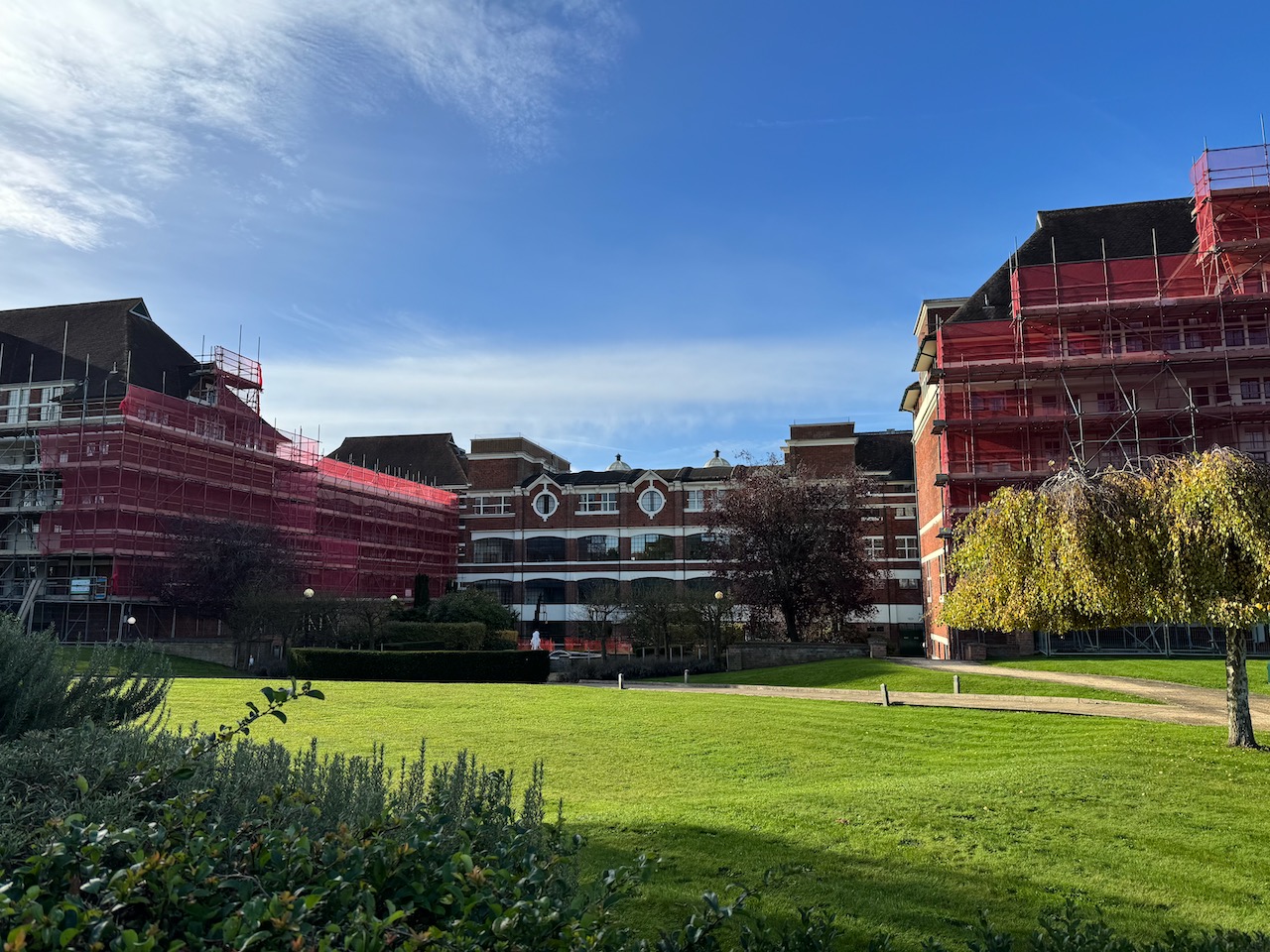
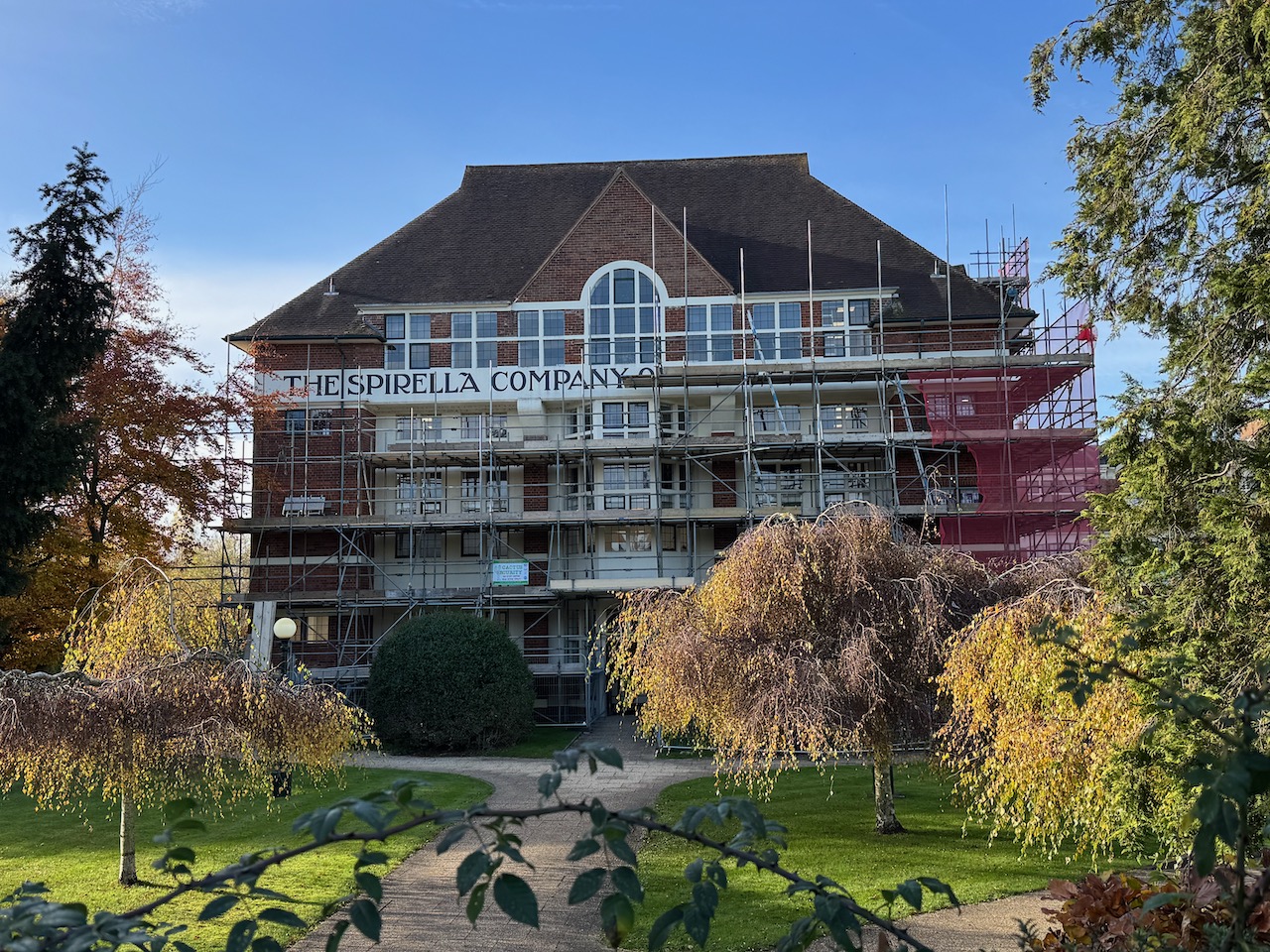
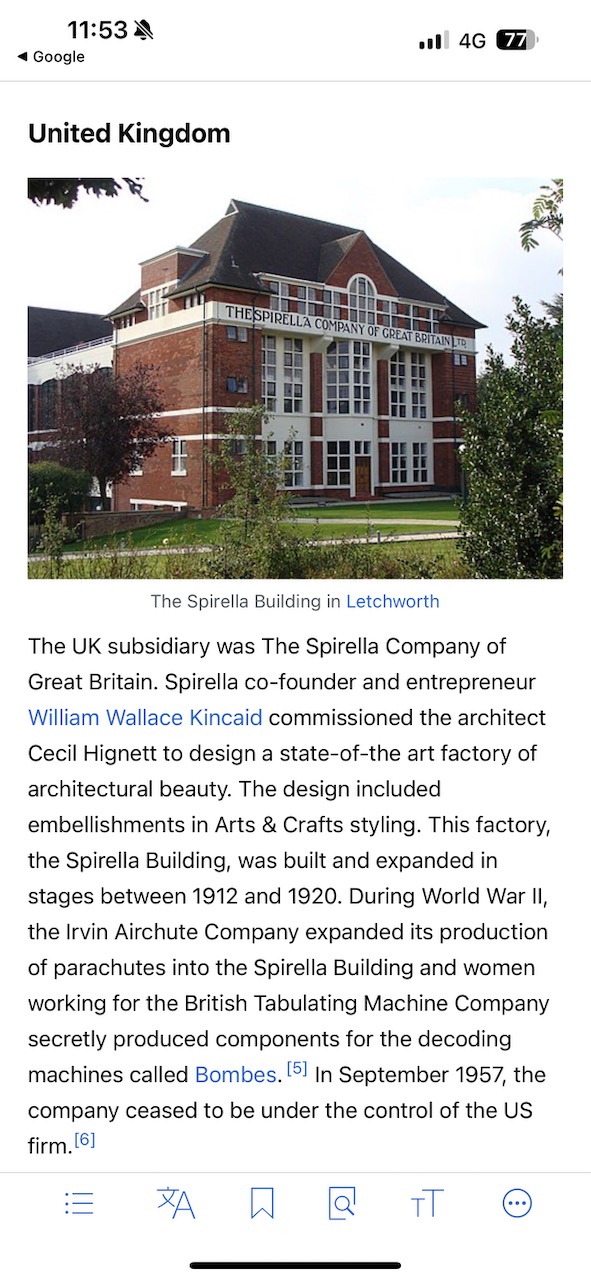
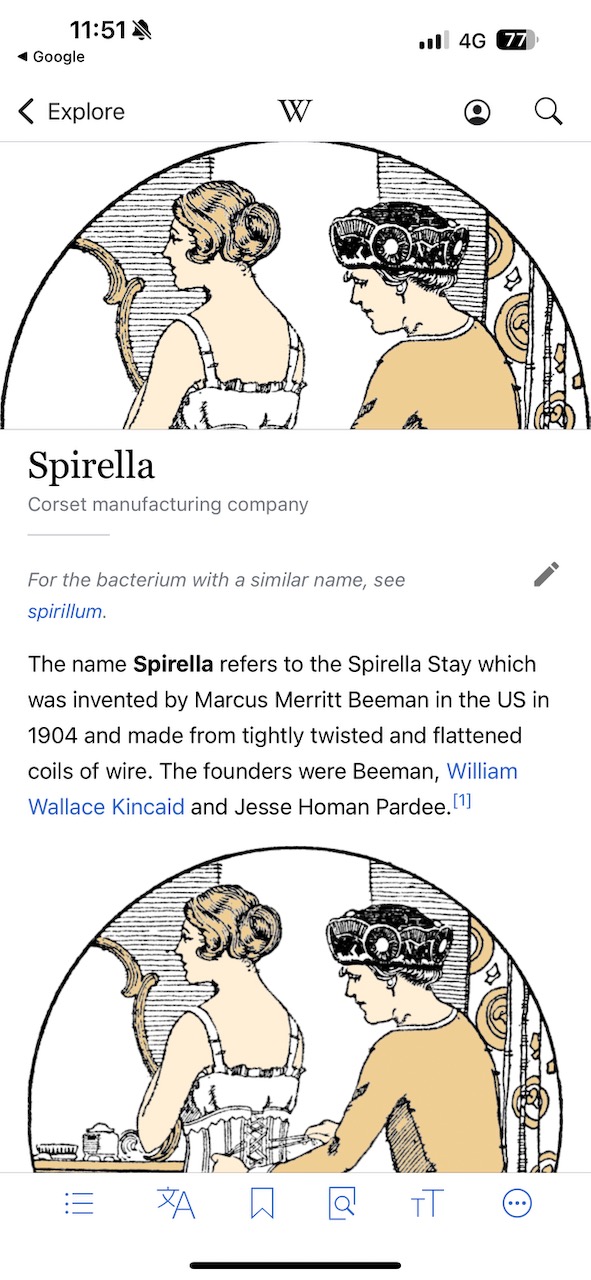
Spirella

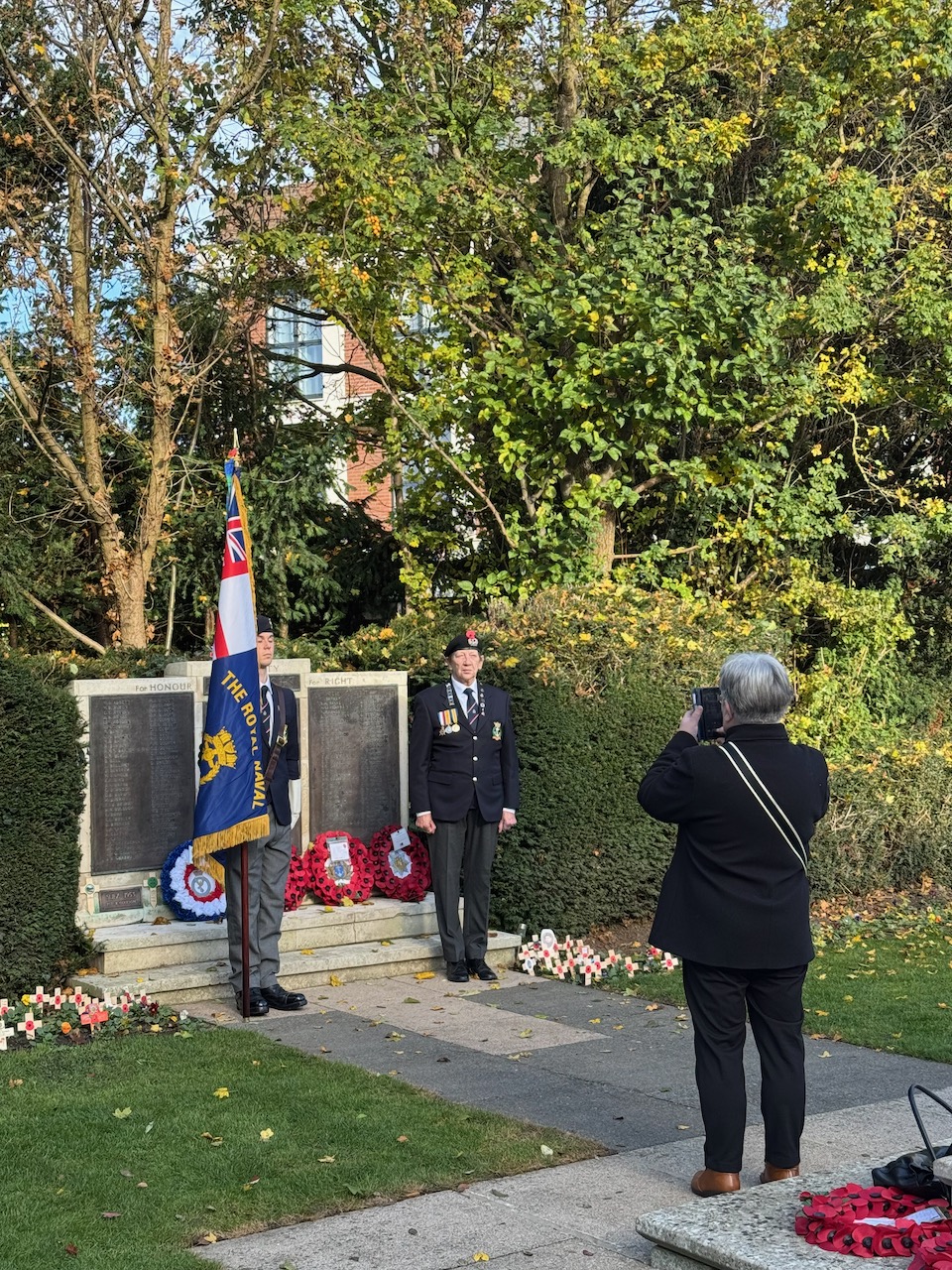
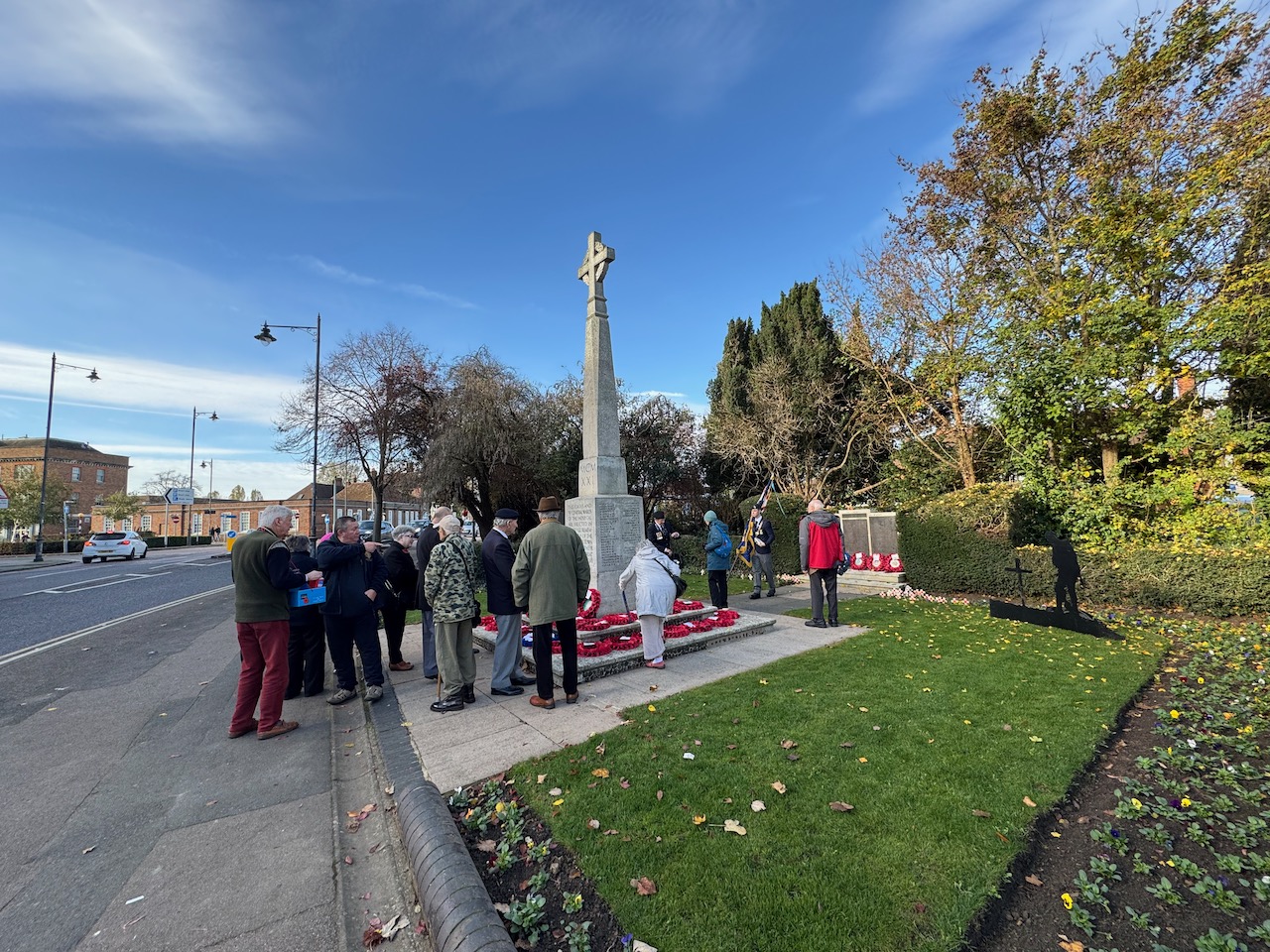
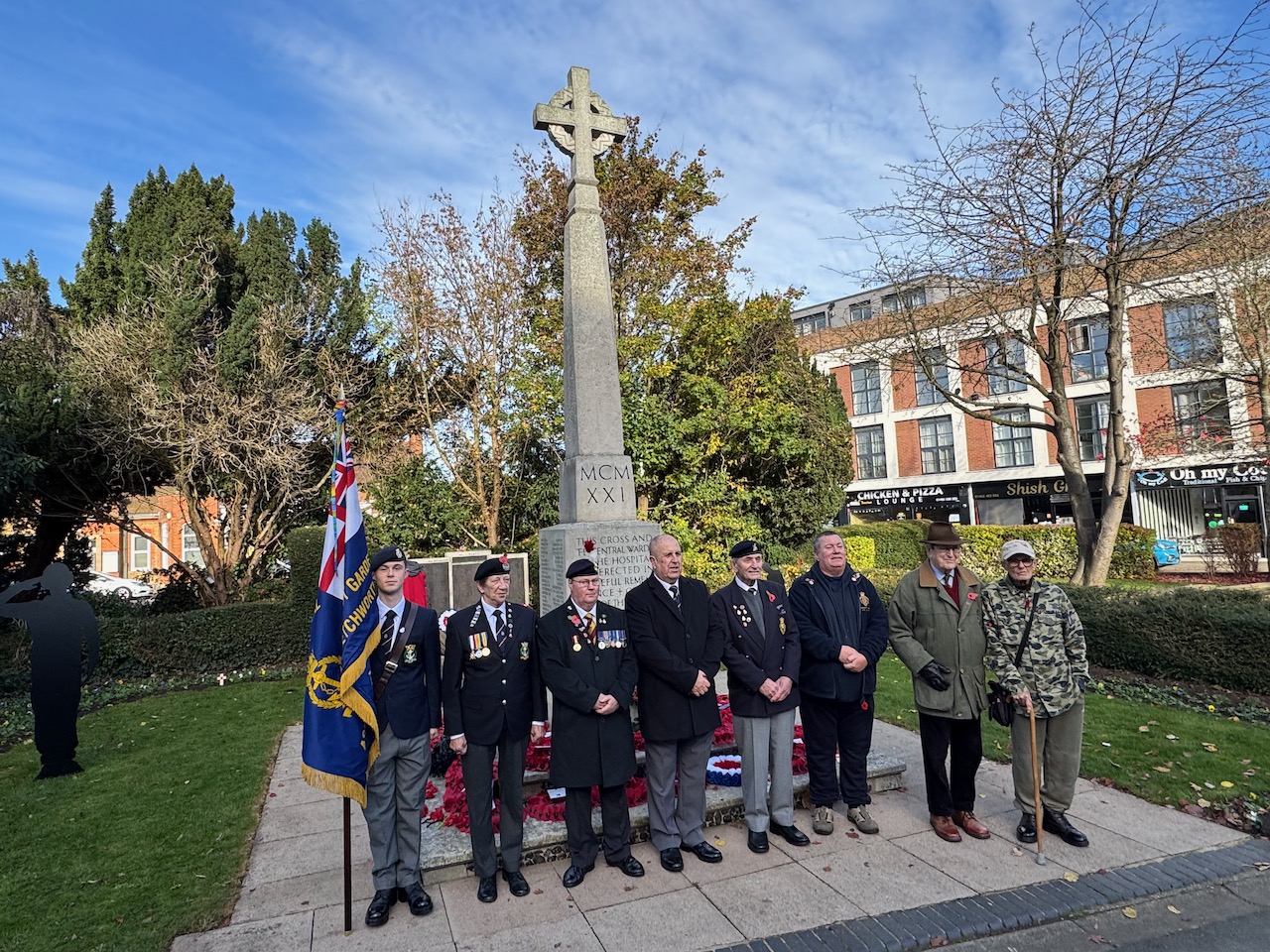
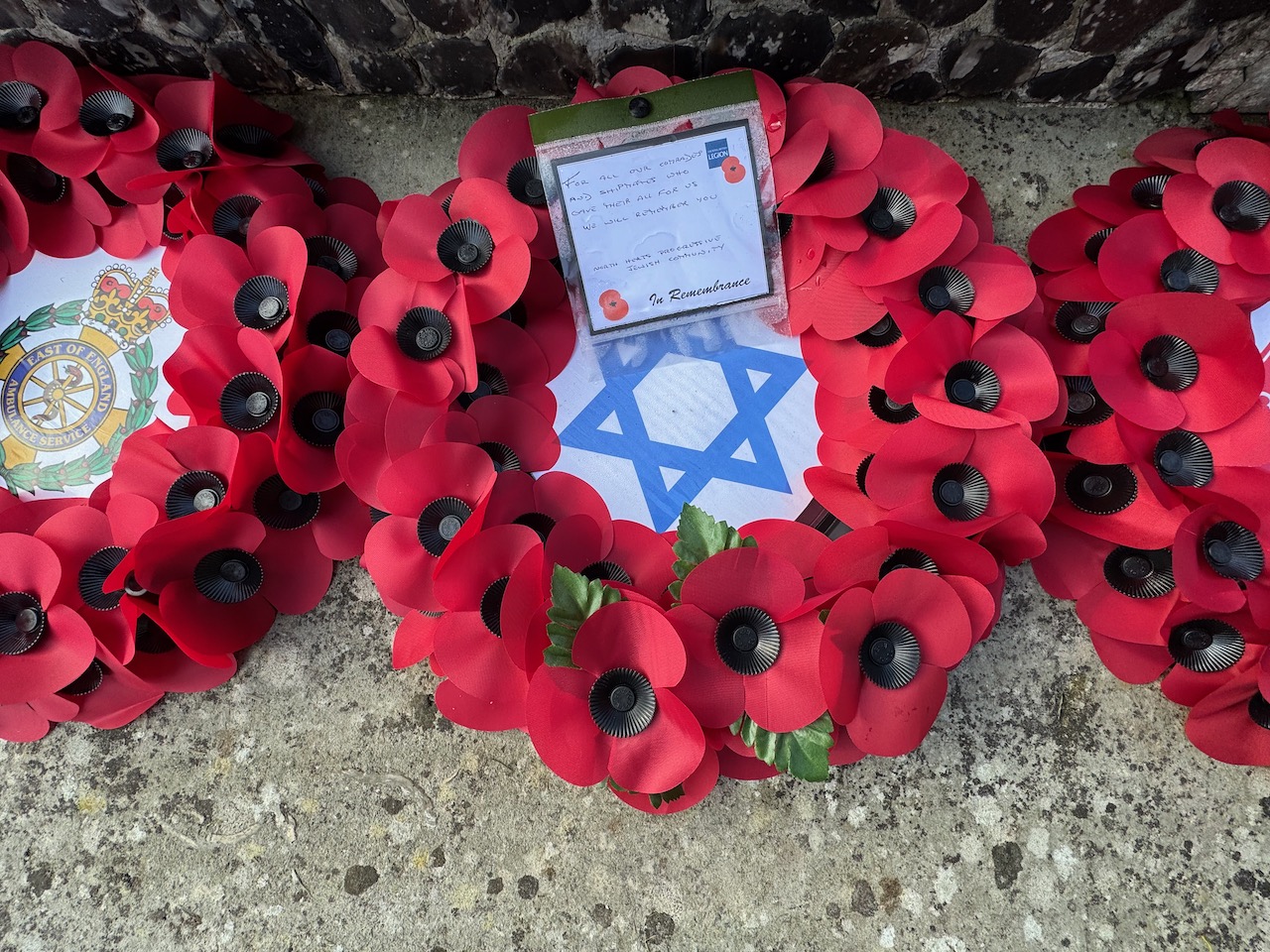
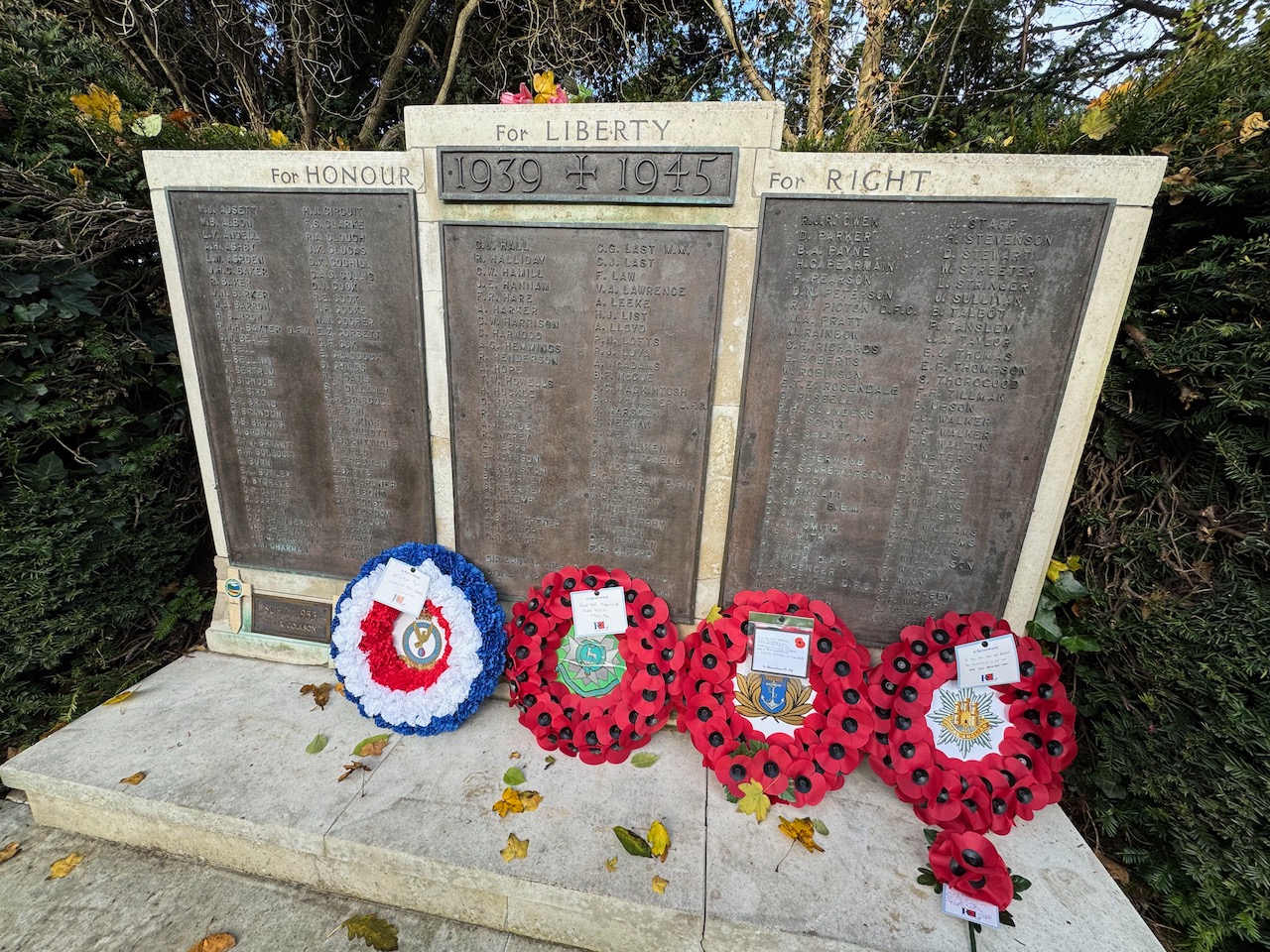
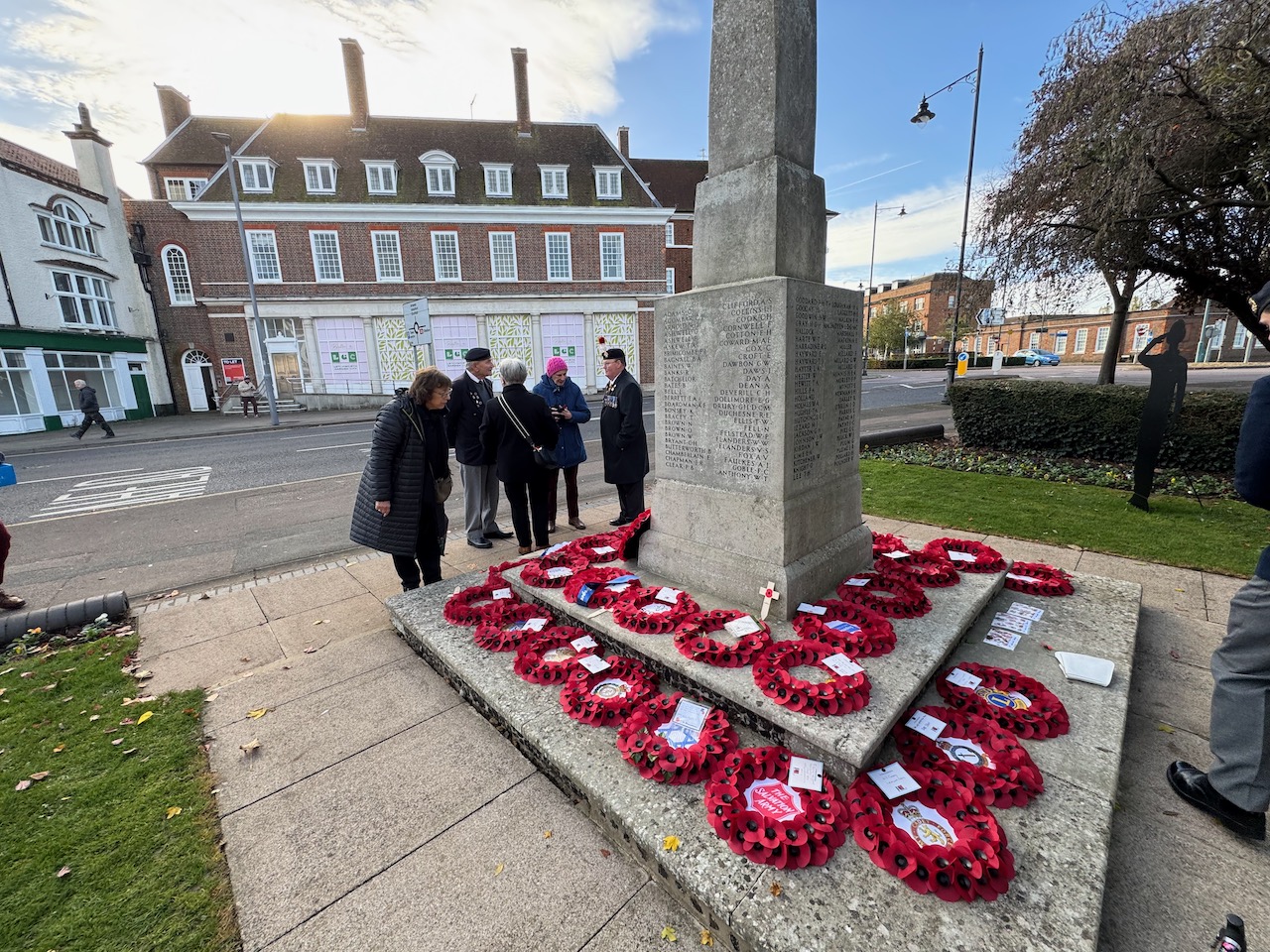
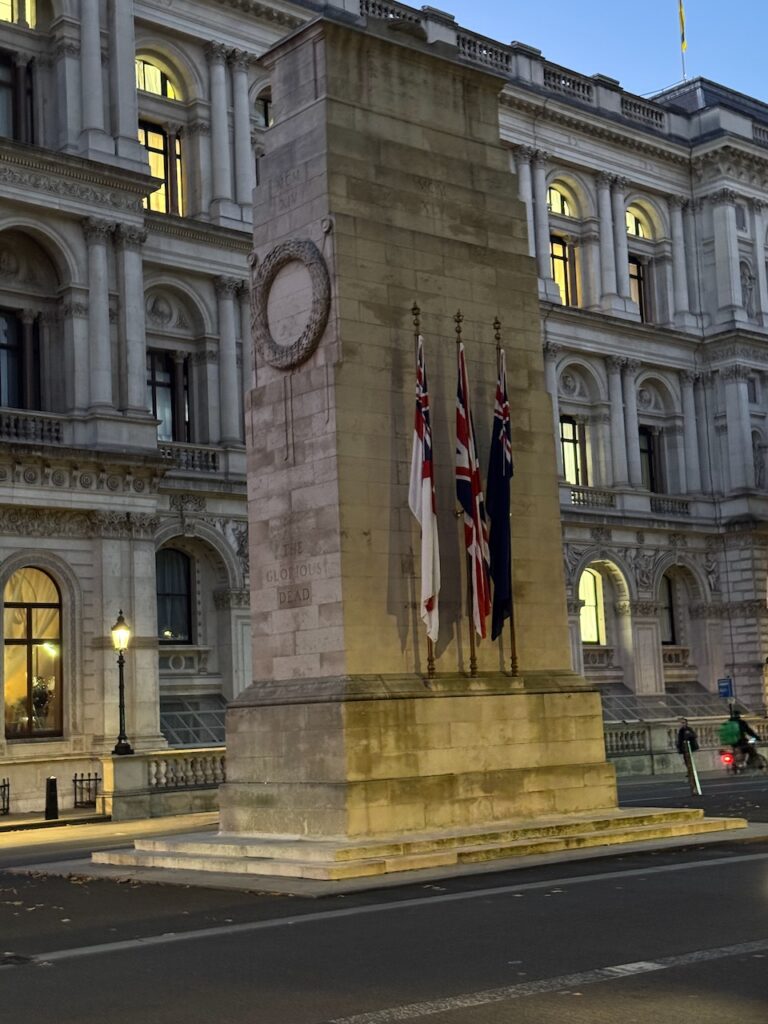
Armistice Day

A final walk around town

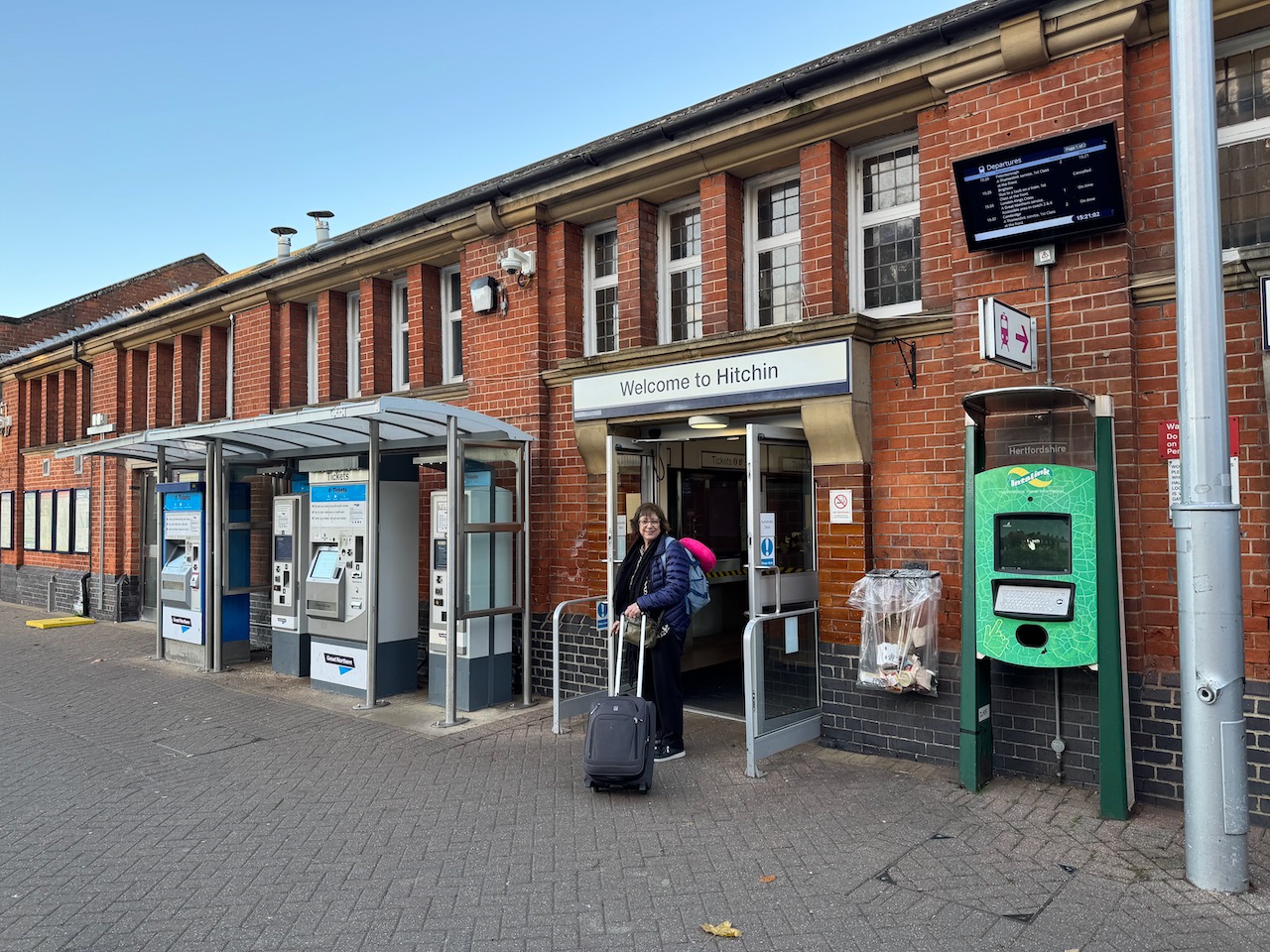
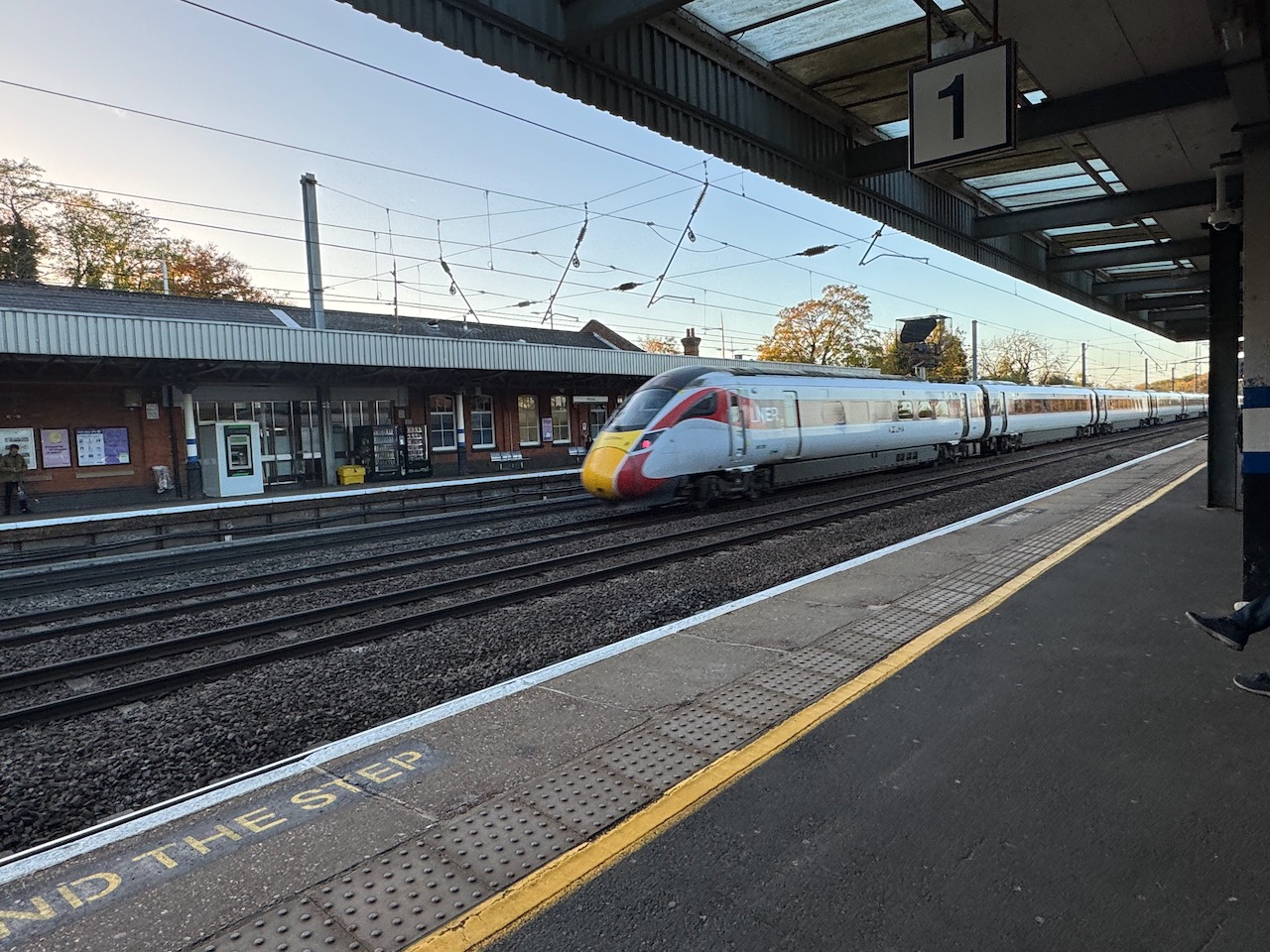
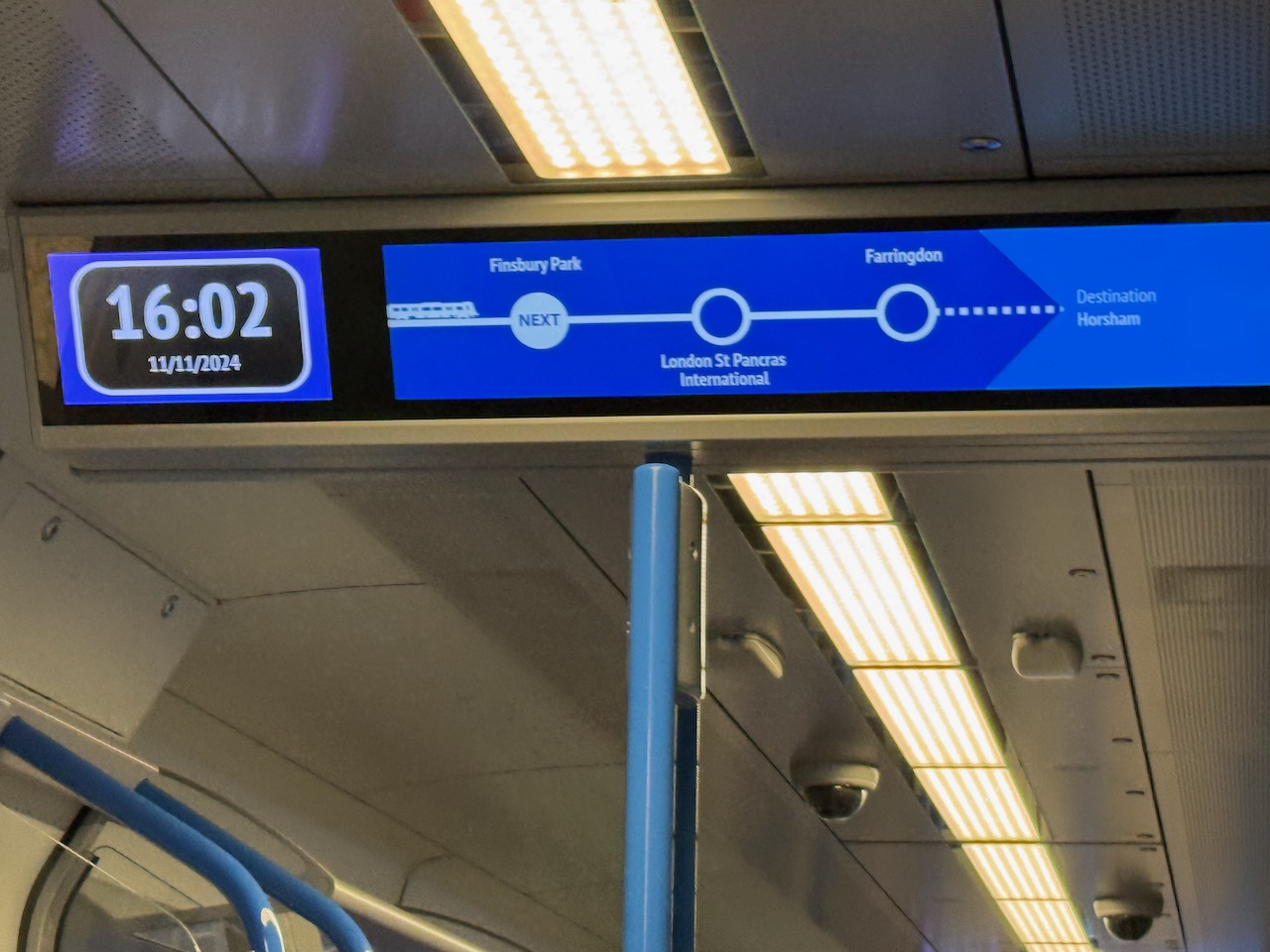
On the long way home from Hitchin

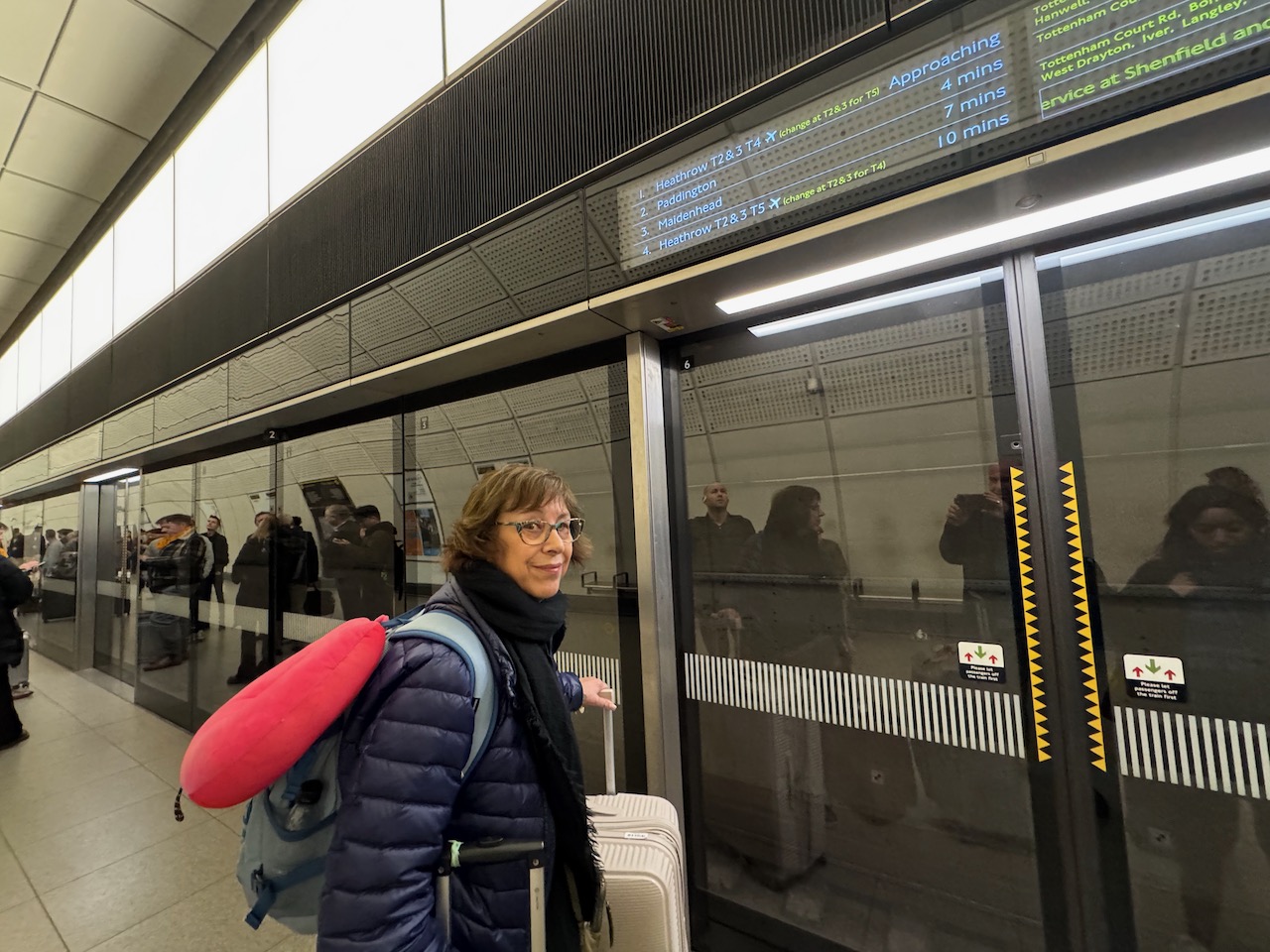
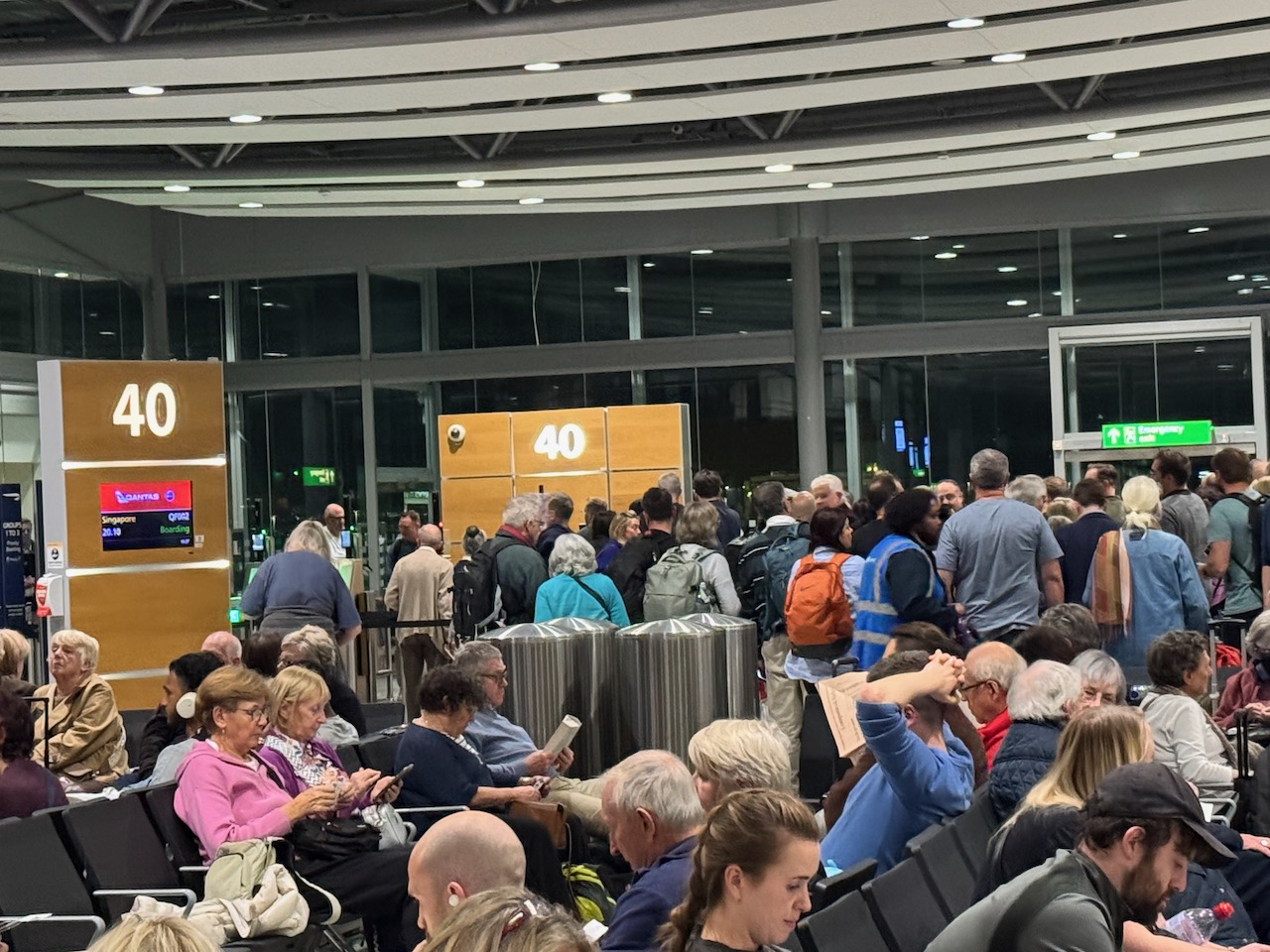
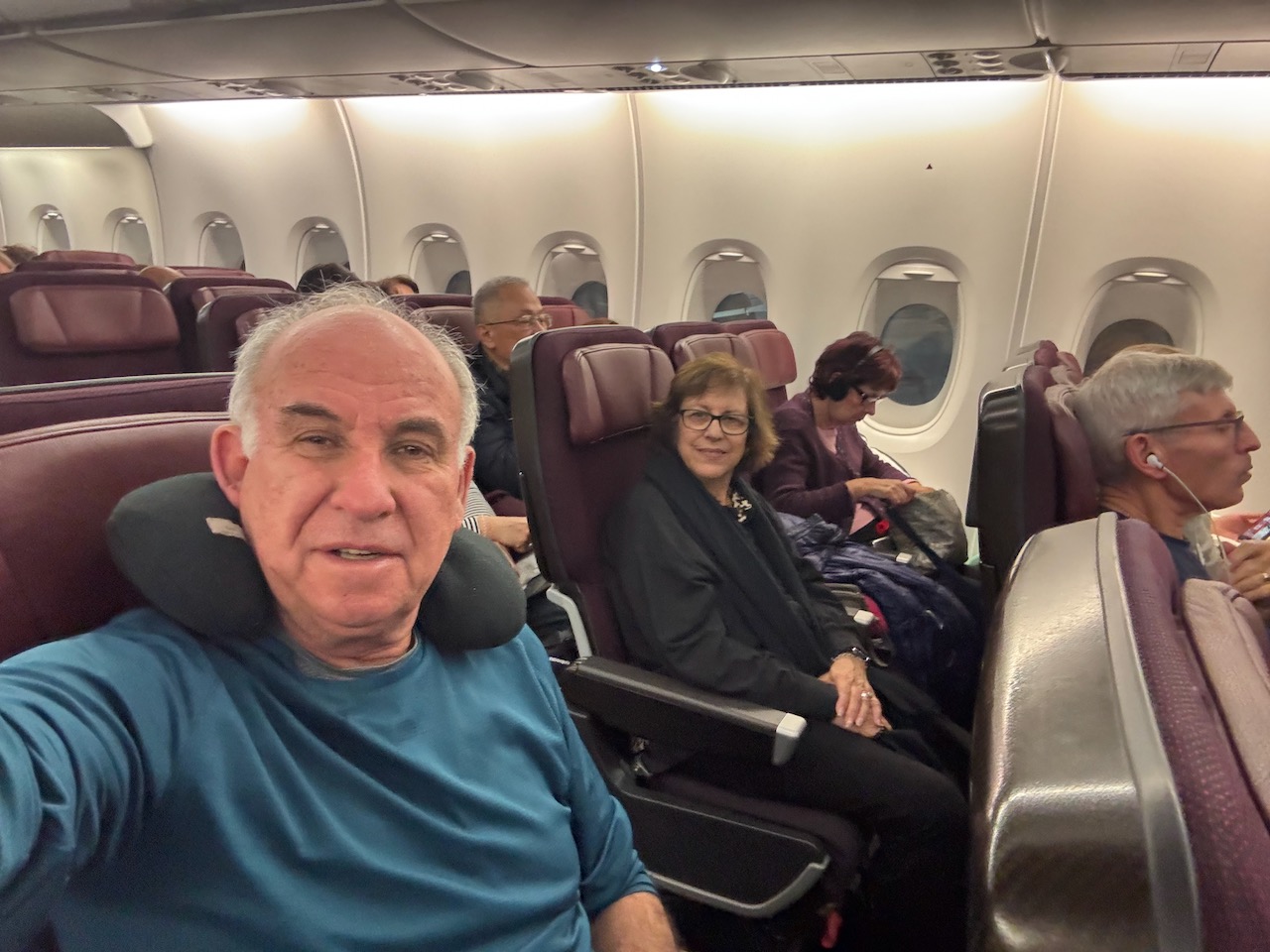
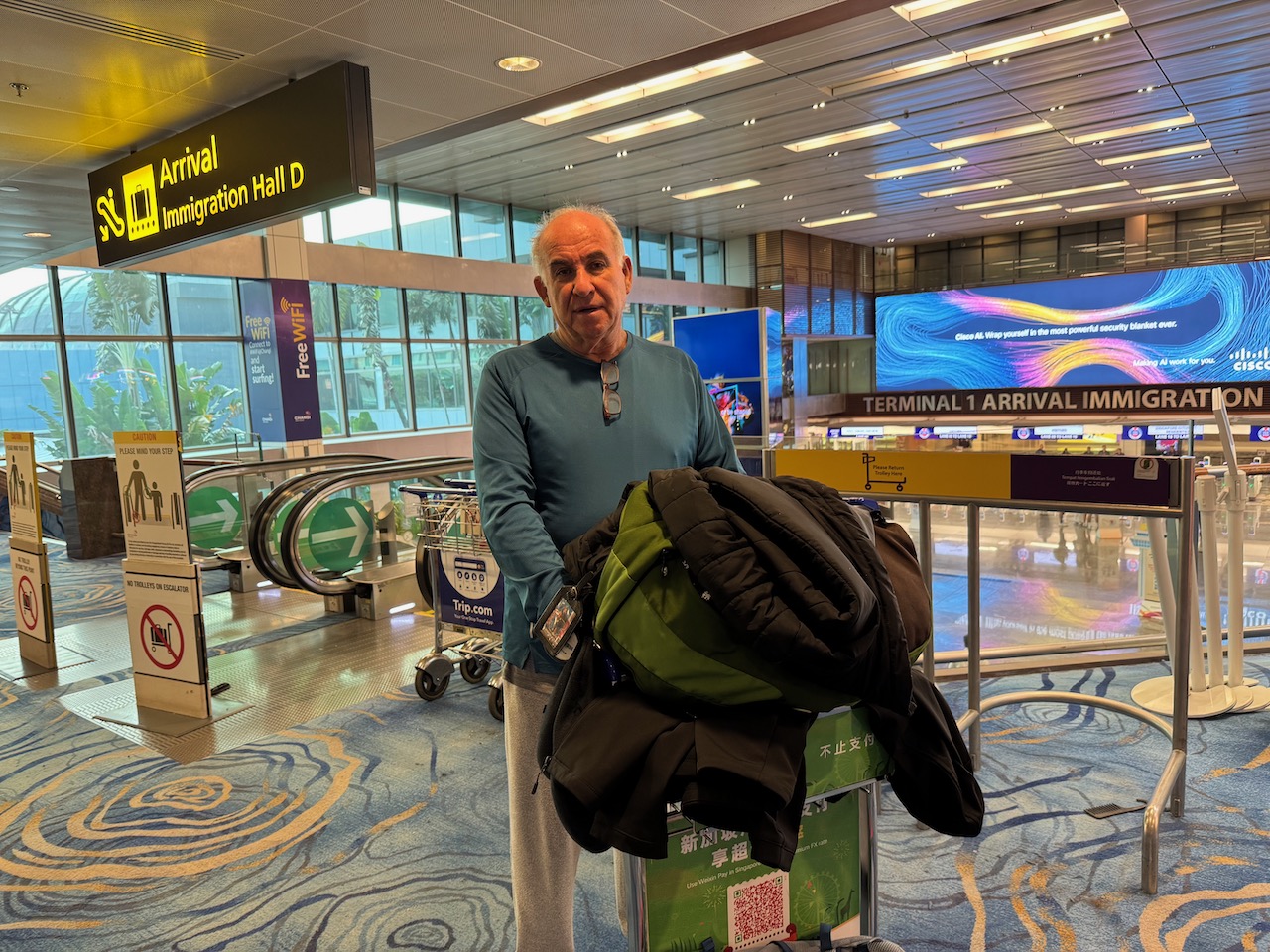
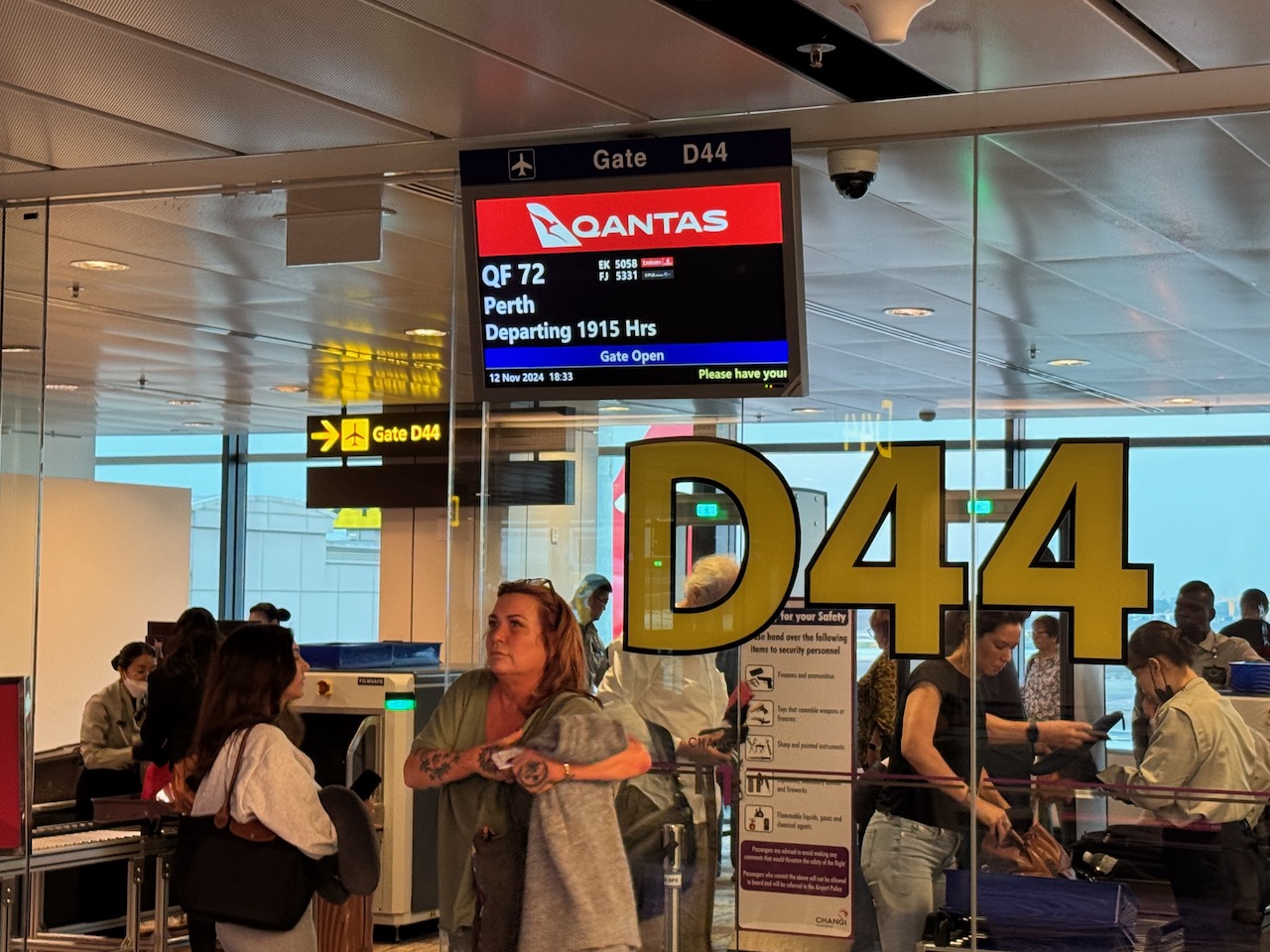
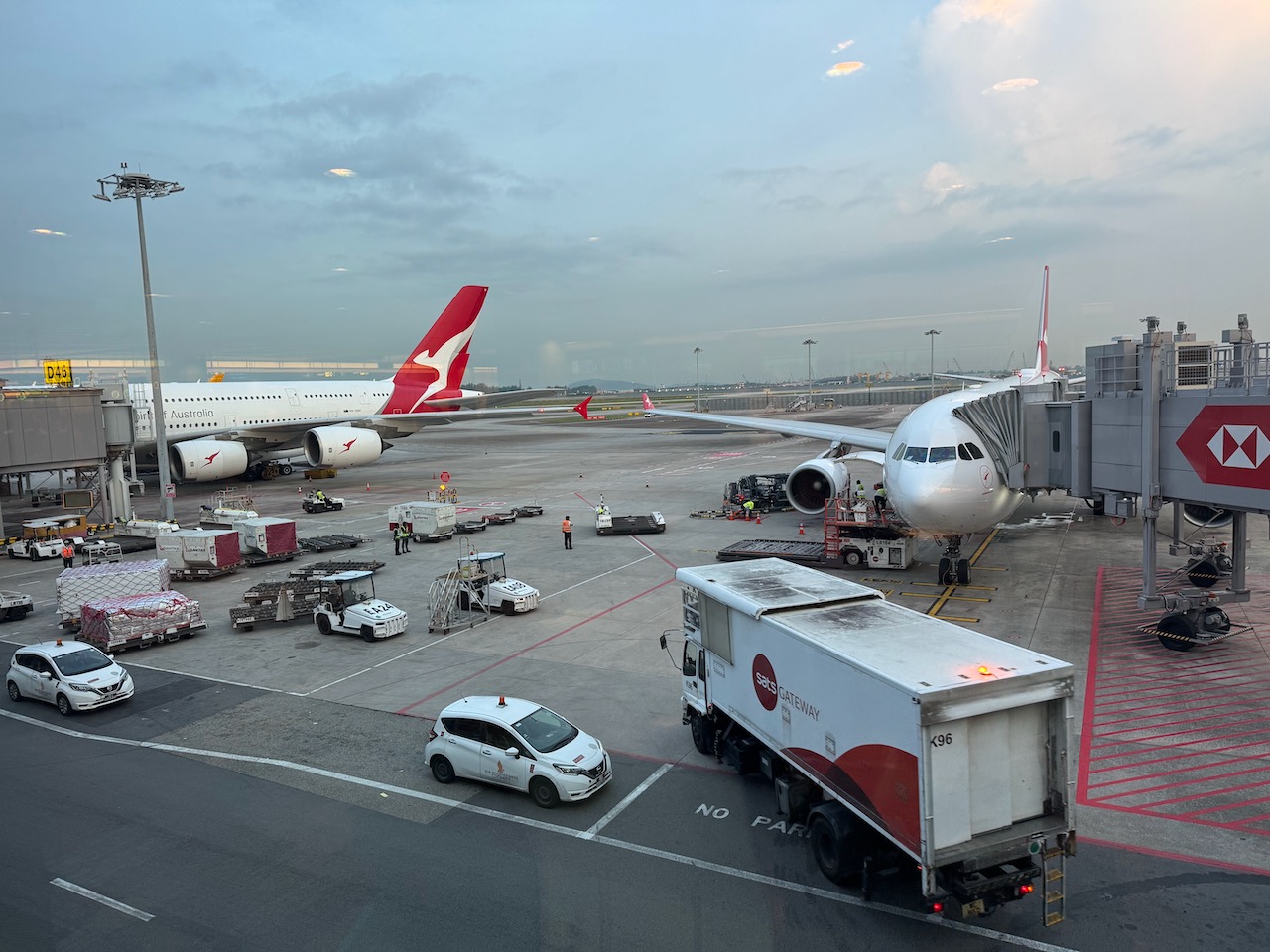
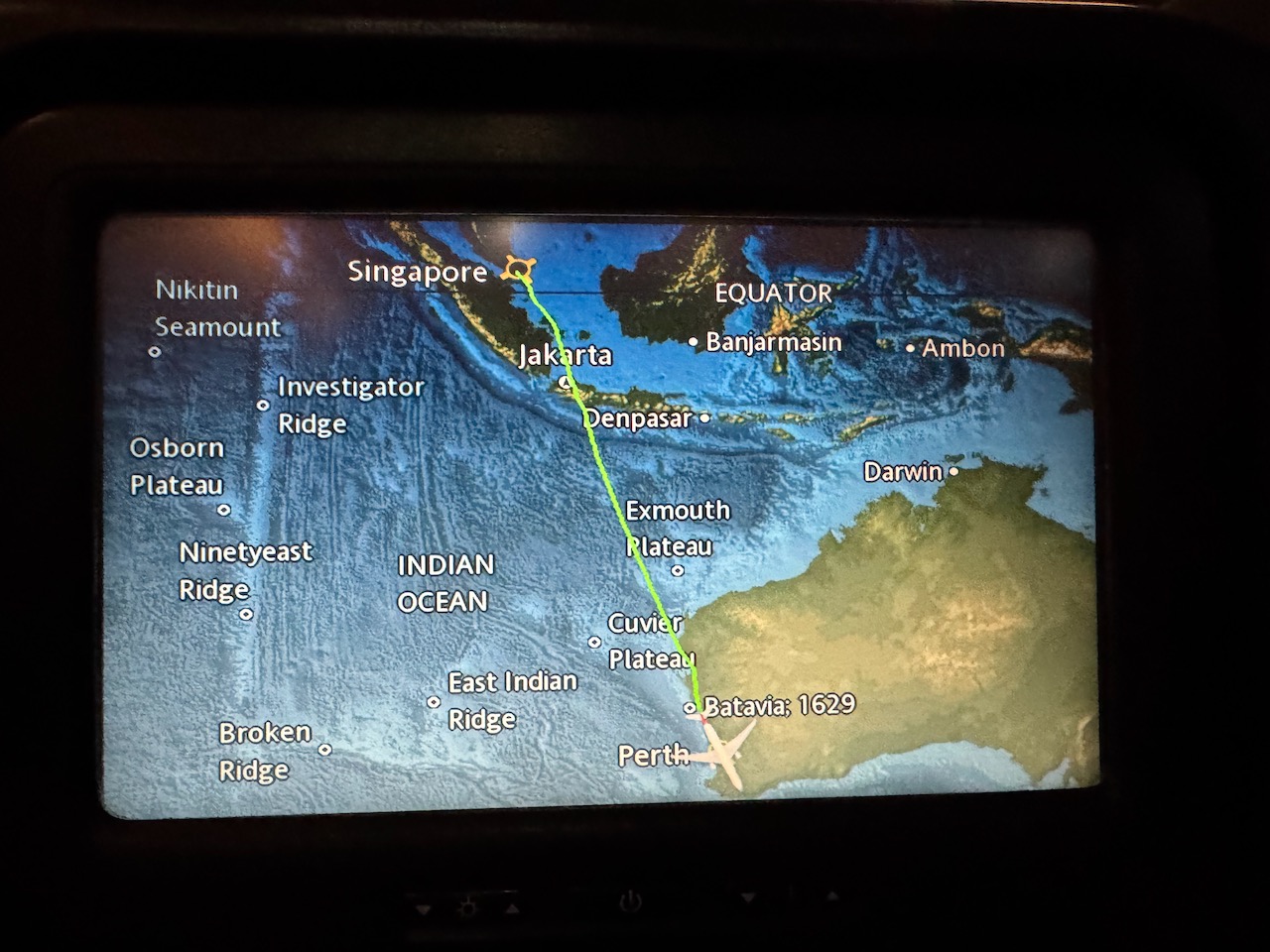
From Heathrow via Singapore to Perth
Back in Perth
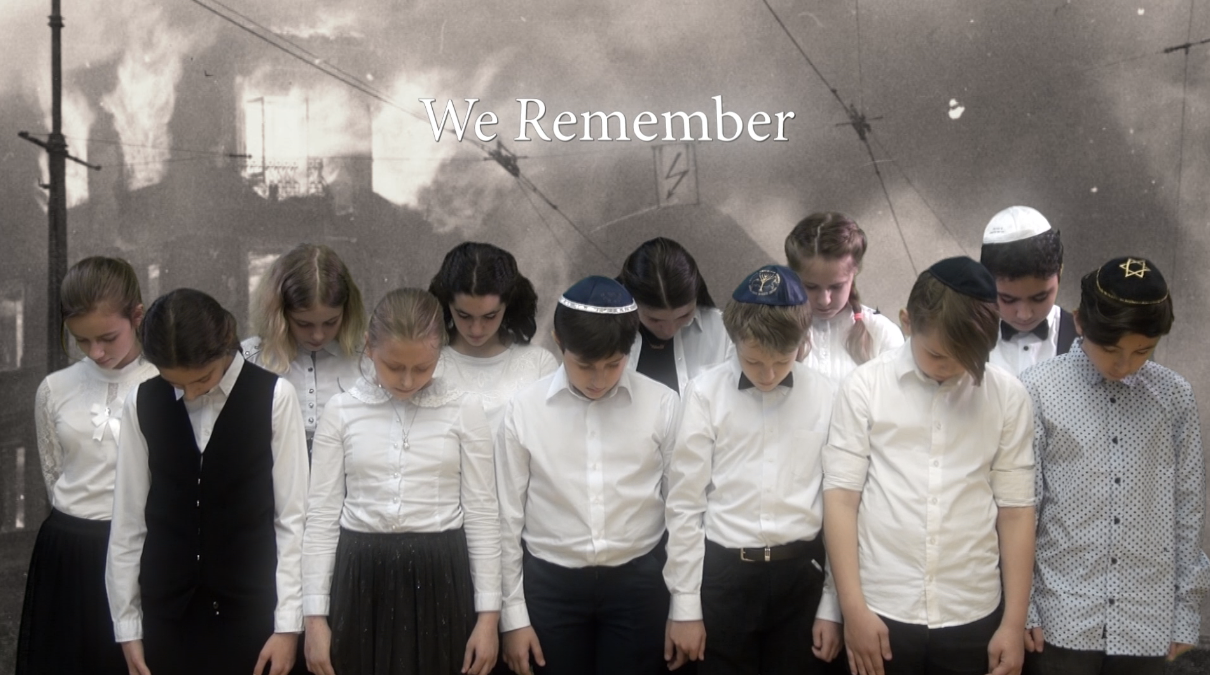
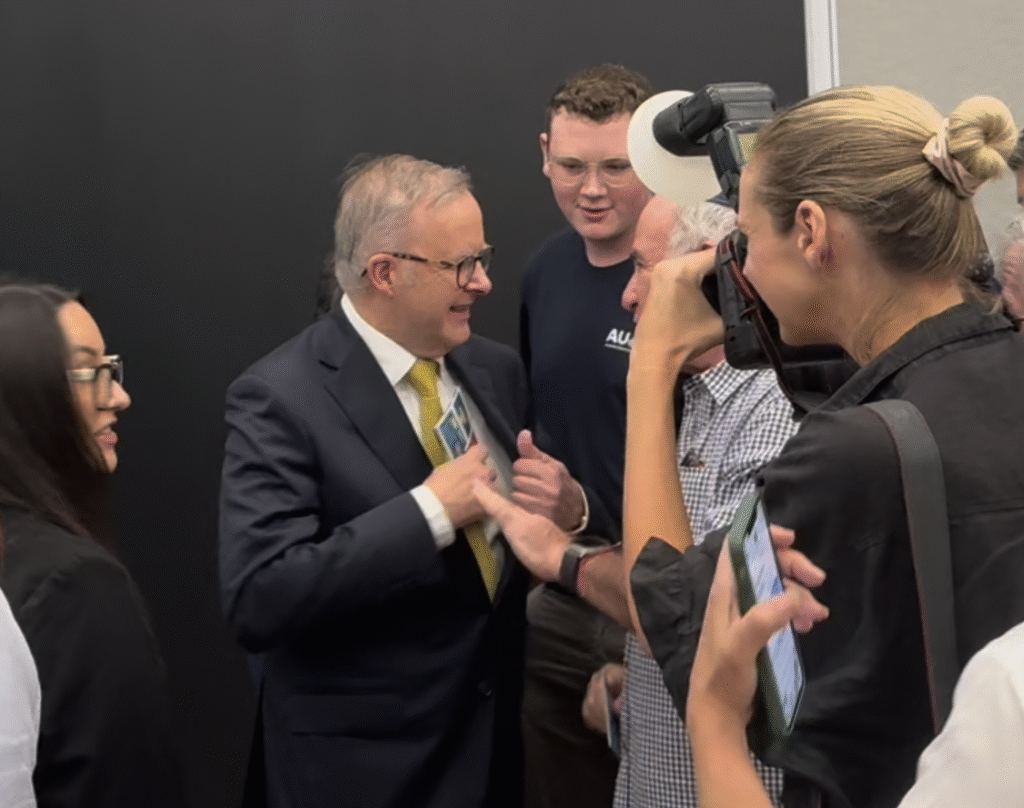
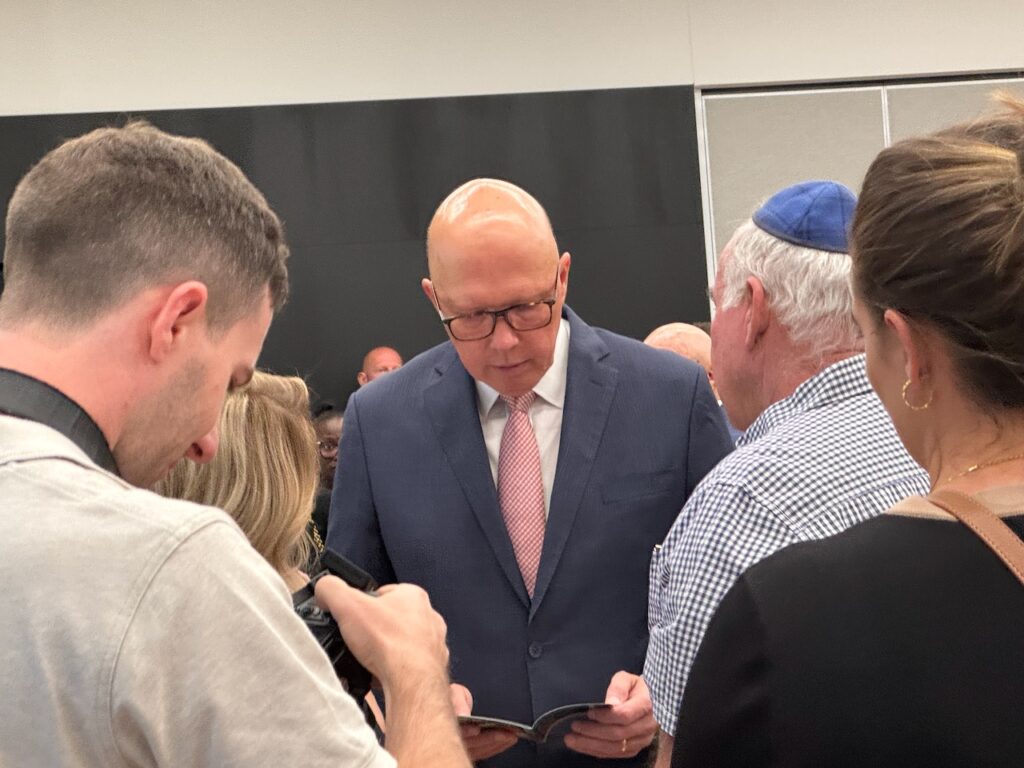
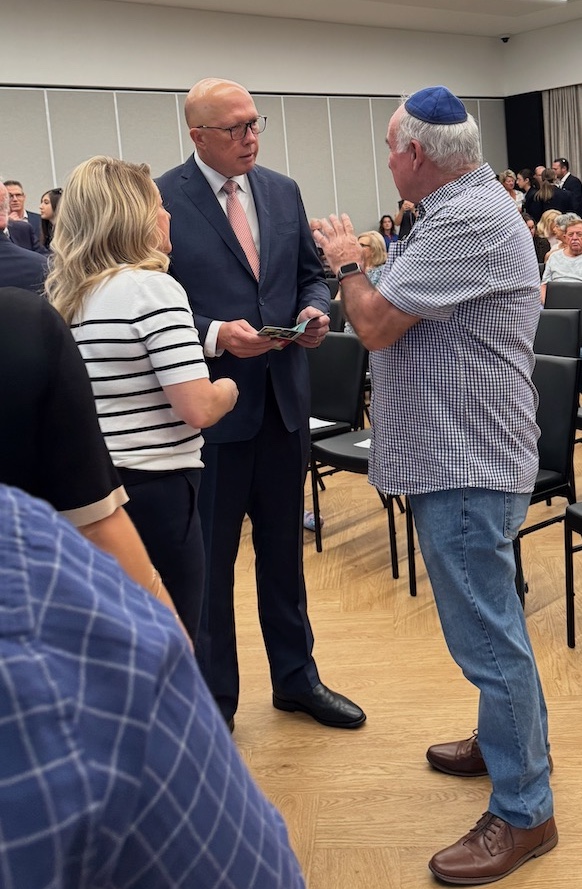
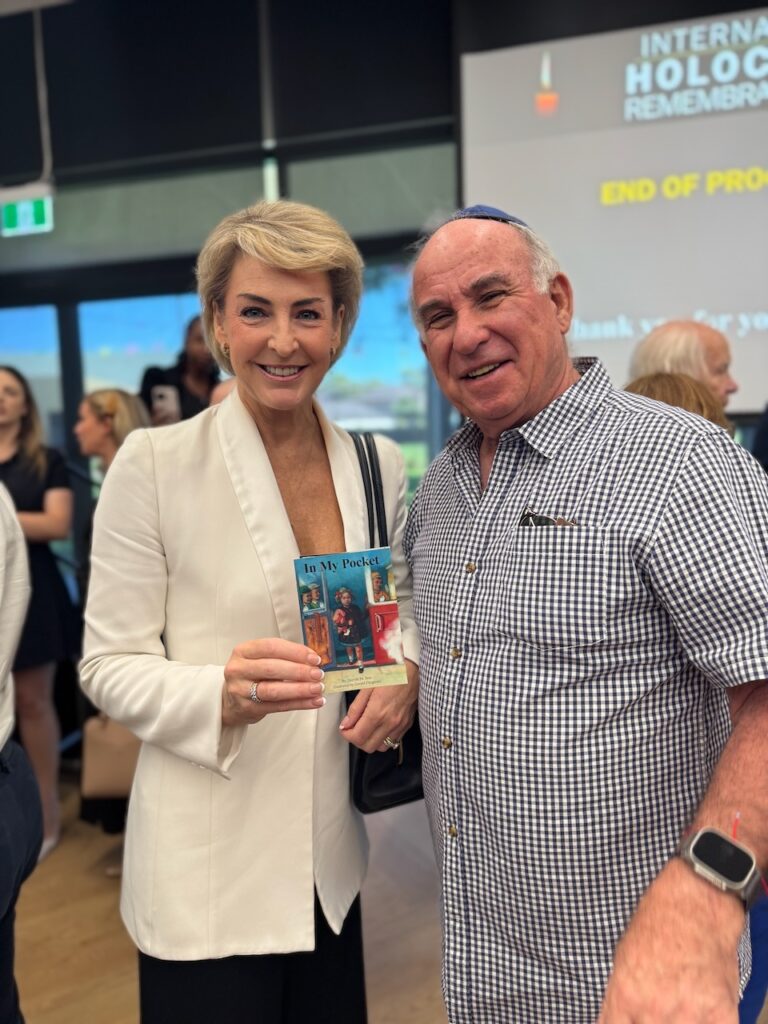
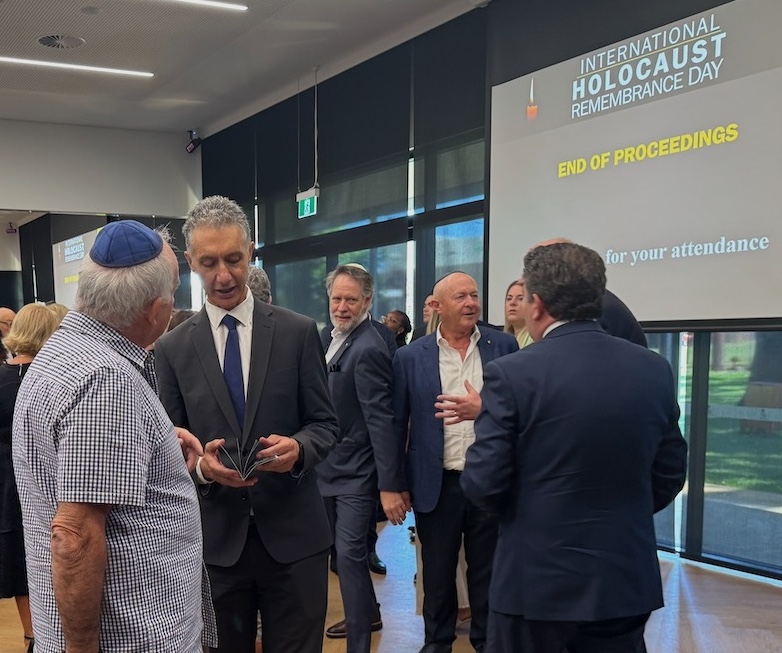
Aussie politicians receiving their copies on Holocaust Remembrance Day
Do you have yours?
Anthony Albanese – Prime Minister of Australia
Peter Dutton – Leader of the Opposition
Deputy Mayor of Stirling, Suzanne Migdale, and Peter Dutton
Senator Michaelia Cash
Dr Tony Buti – WA Minister of Education
Simon Millman – WA MLA
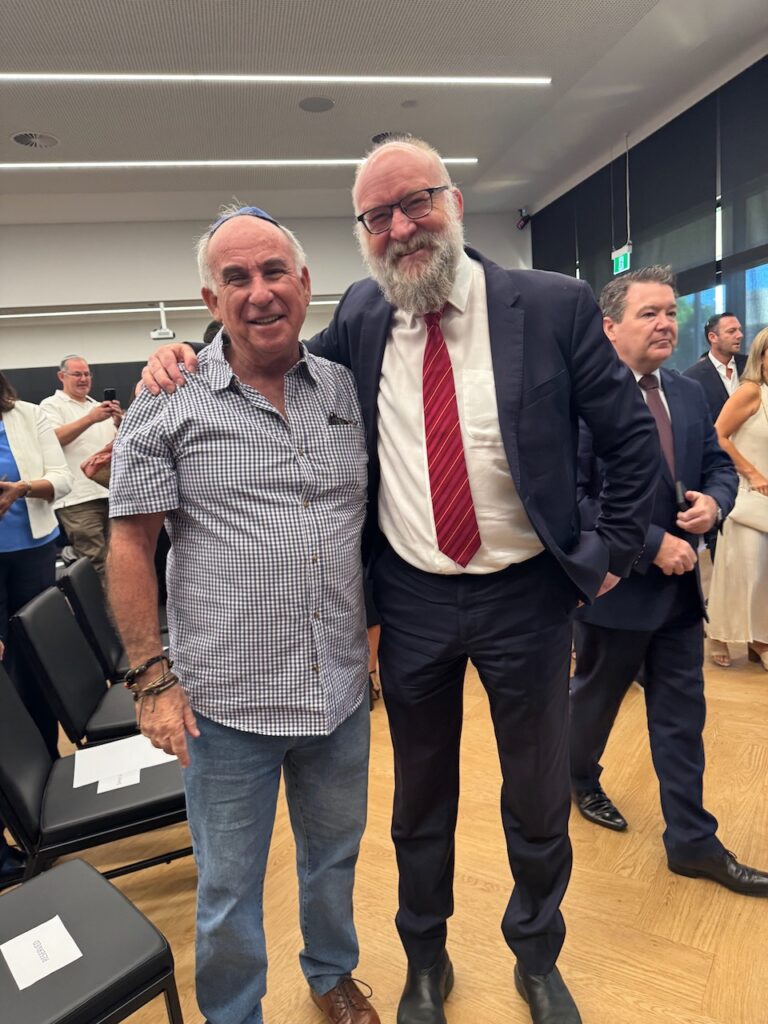
Libby Mettam – WA Liberal Leader
Our Supporters
Eli with Barbara & Gabriele
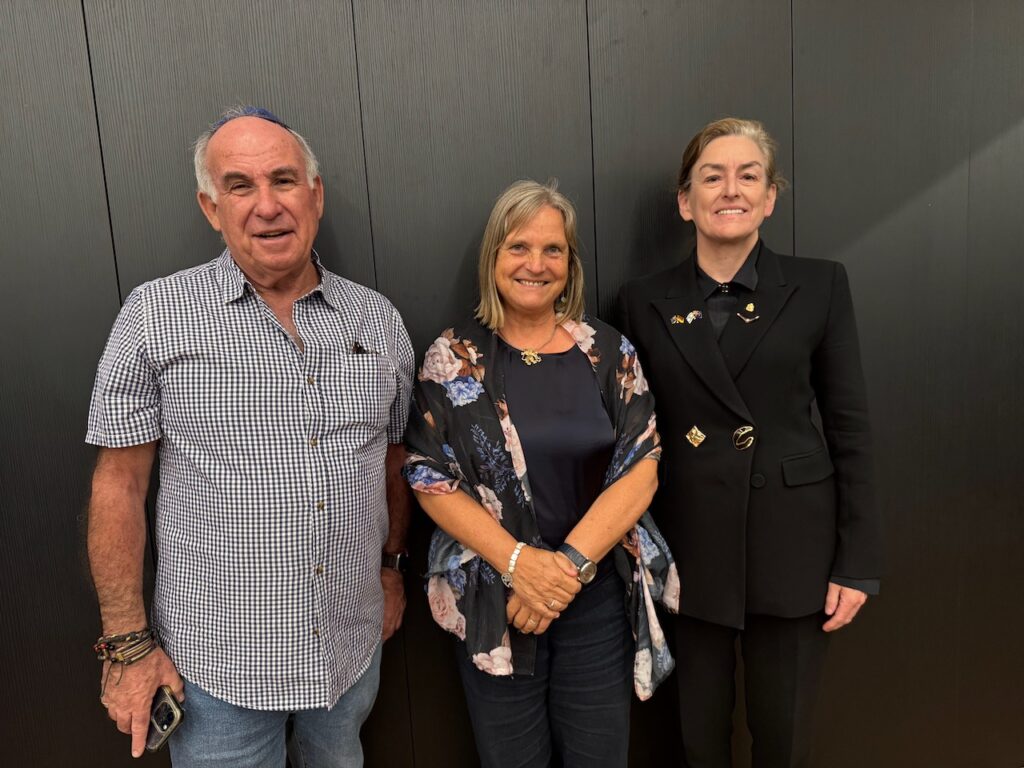
Jill, Gabriele, Esther & Gabriele Jnr
Jill, Eli, Gabriele, the Levine brothers, Gabriele Jnr & Gerhardt
30 October 2025
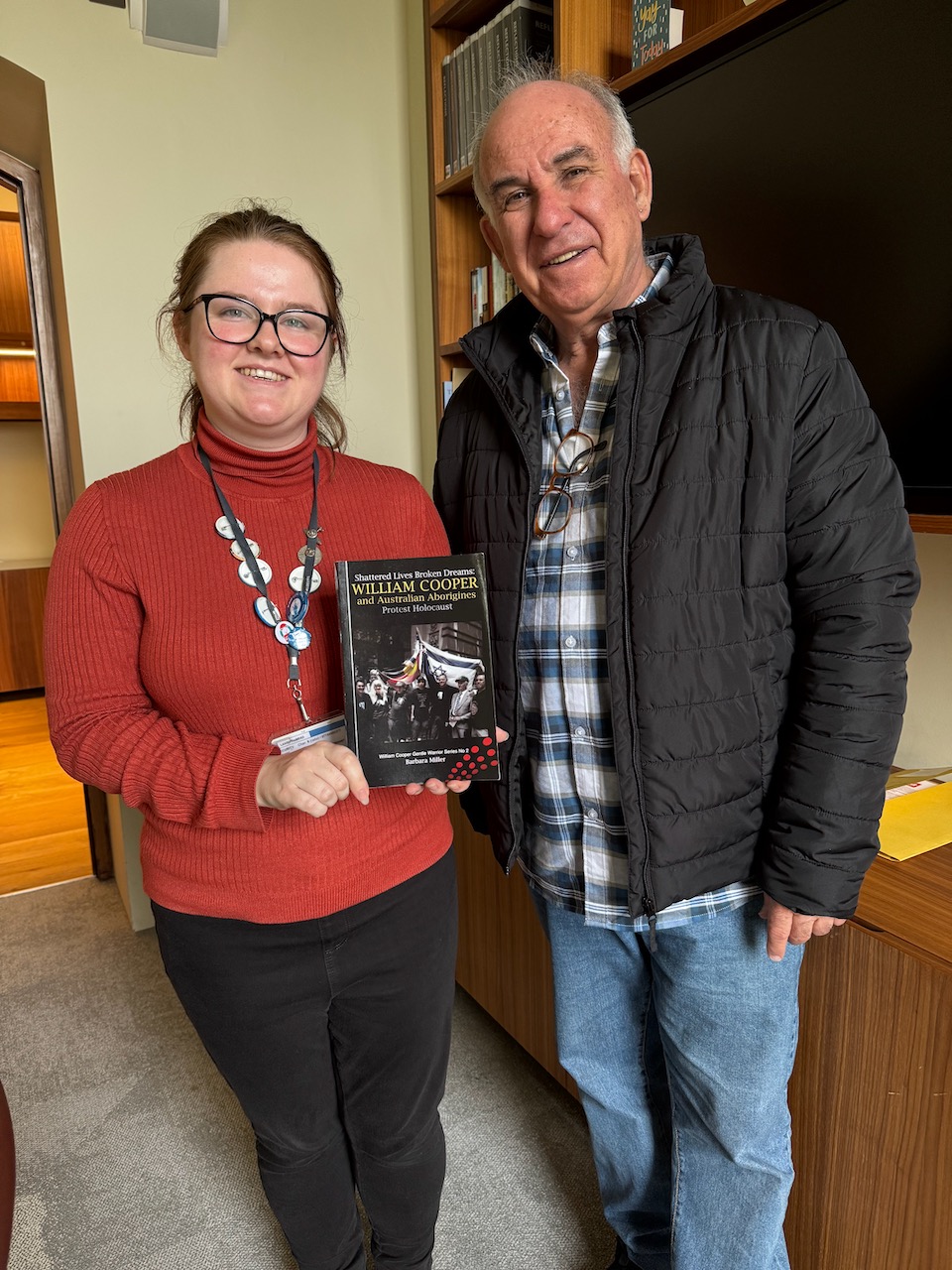
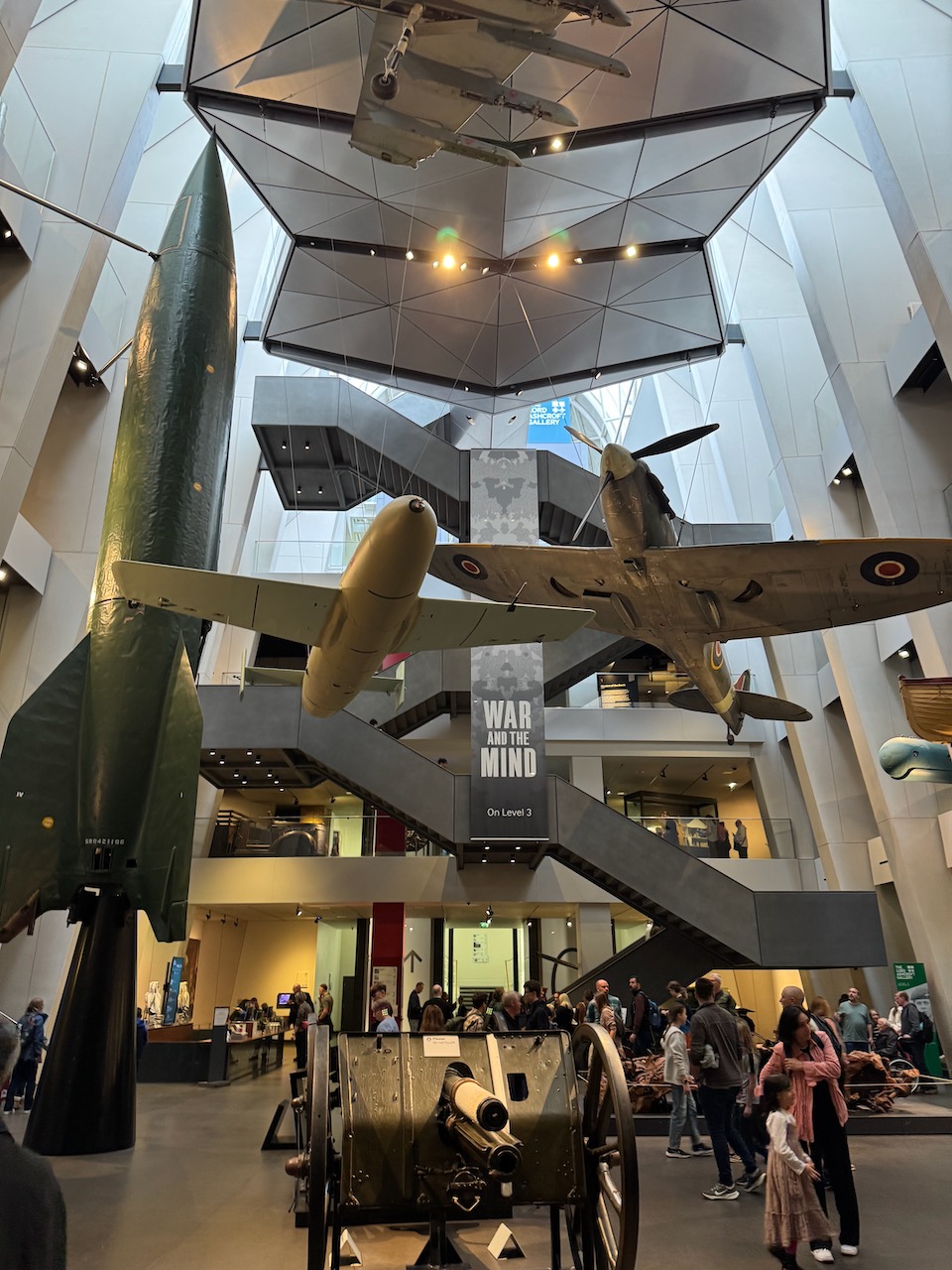
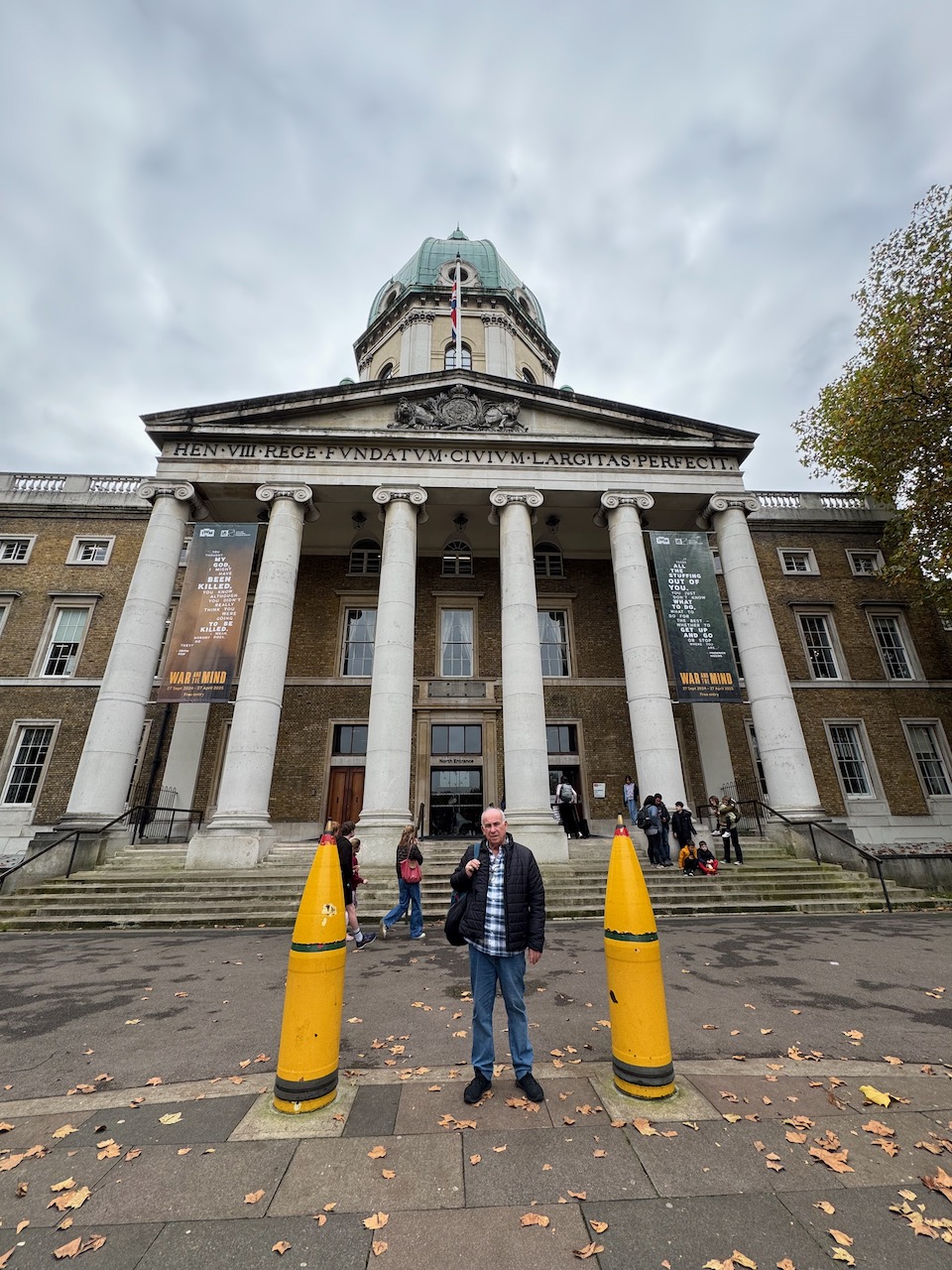
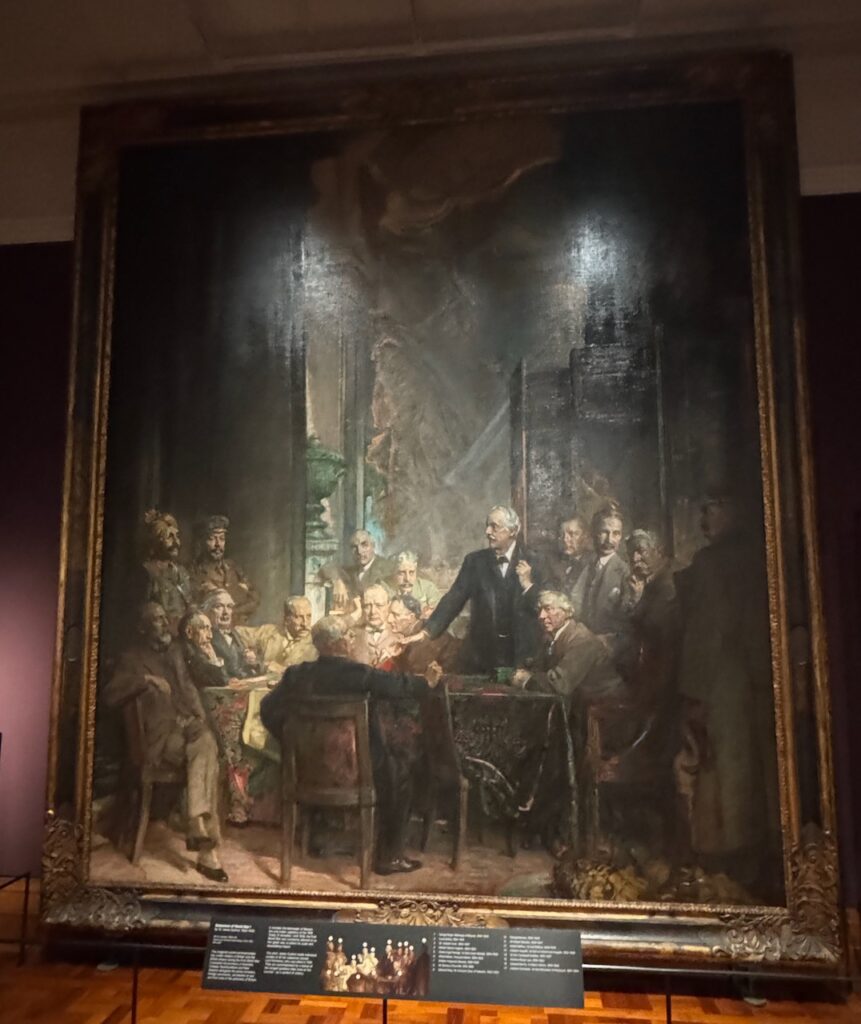
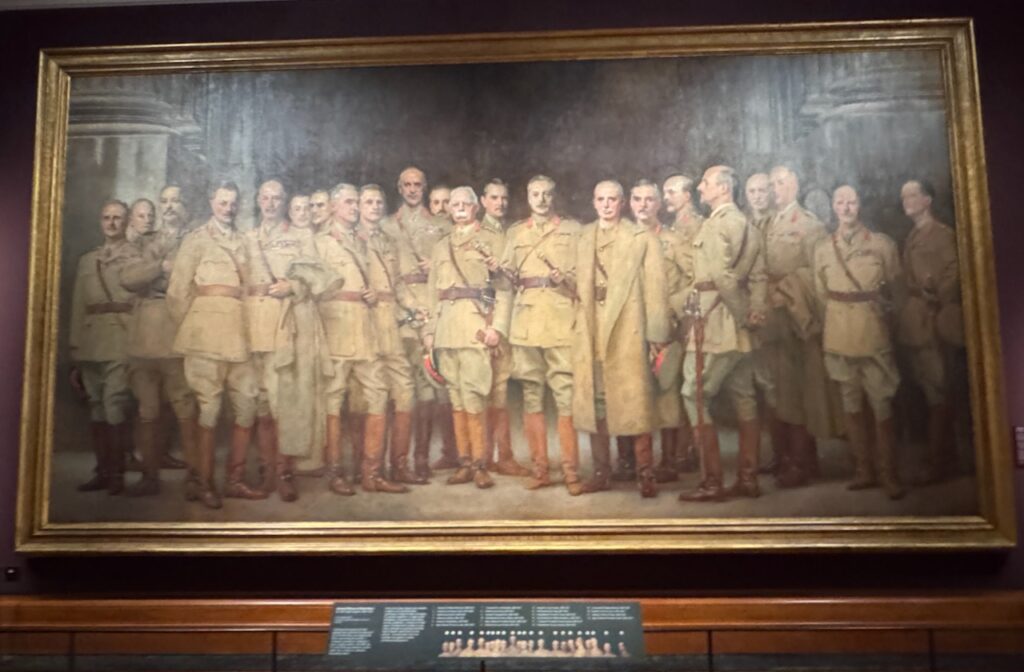
Imperial War Museum London
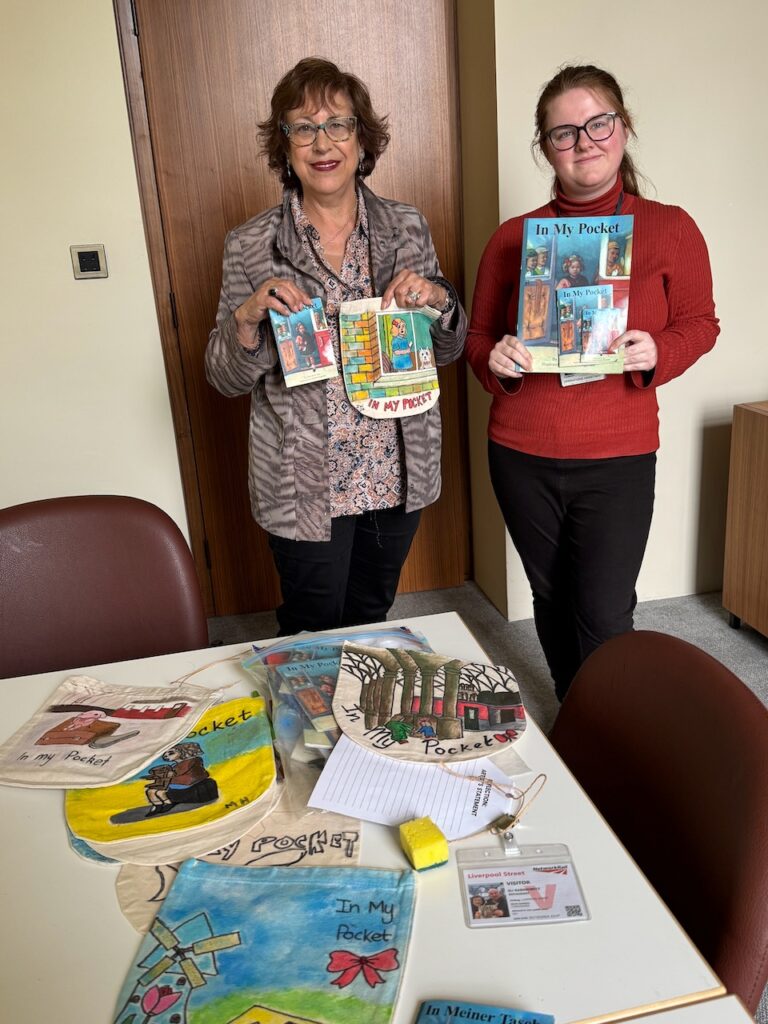
with Hannah Devenney

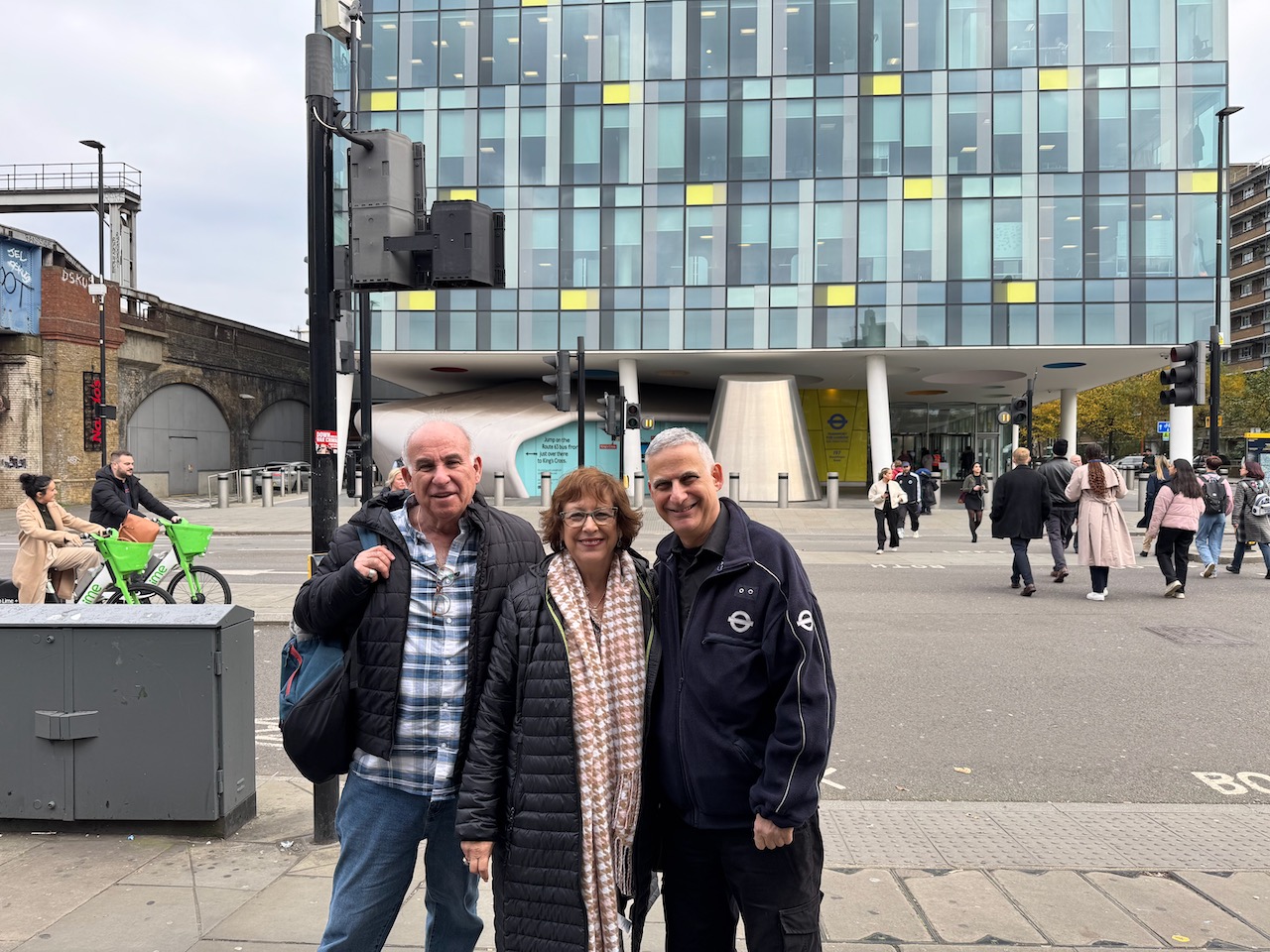
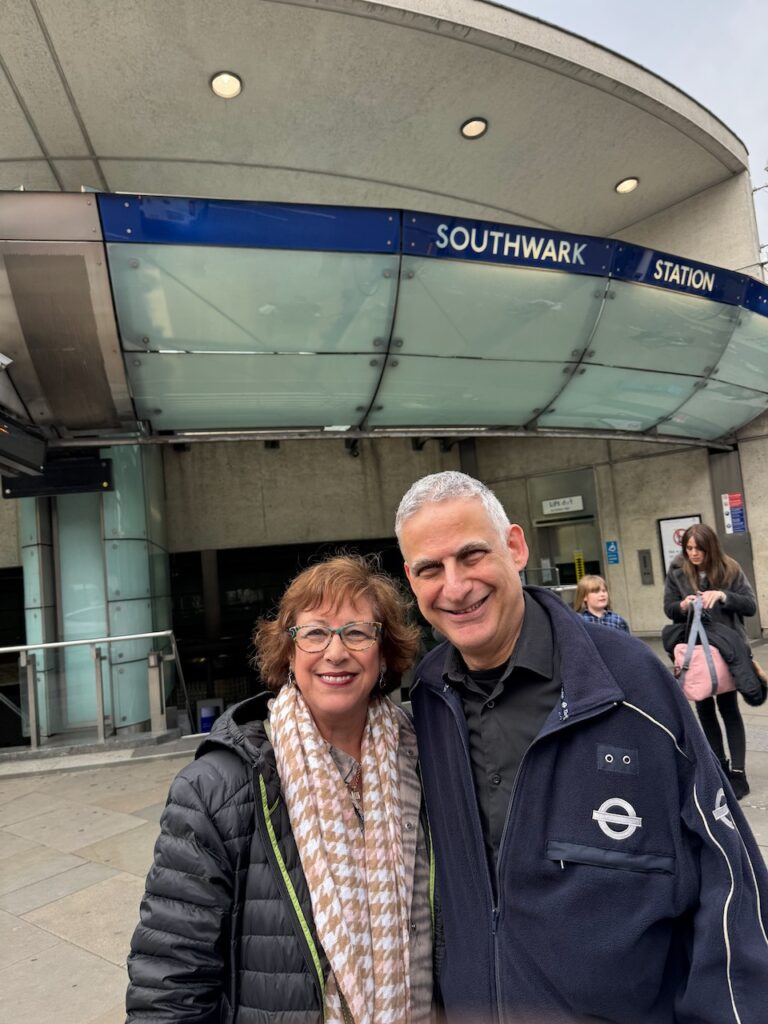
Meeting Jill’s cousin David Leboff for the first time, at Southwark Station
Leboff, David; Demuth, Tim (1999). No Need to Ask! Early Maps of London’s Underground Railways. London: Capital Transport Publishing. ISBN 978-1-85414-215-3.

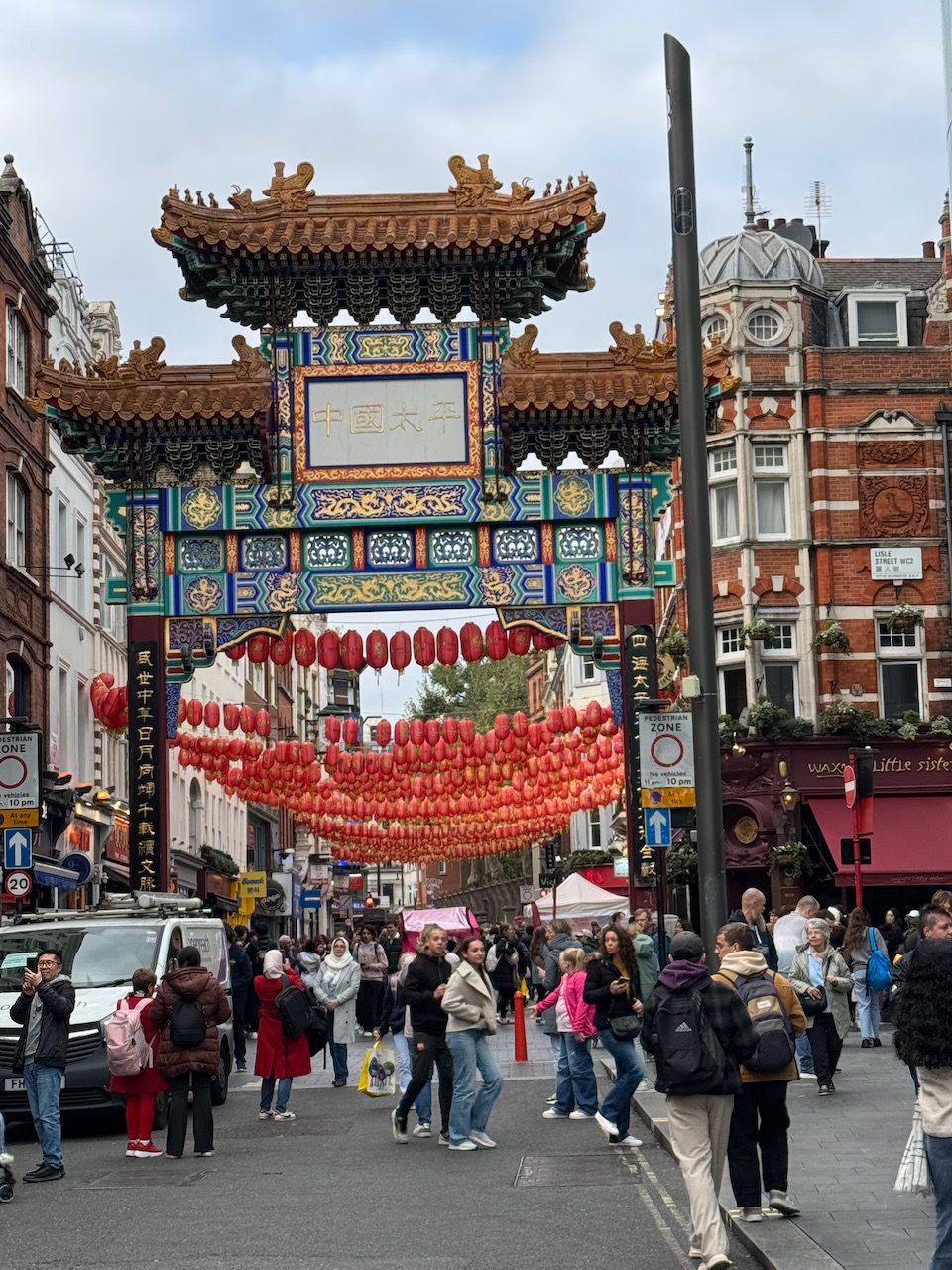
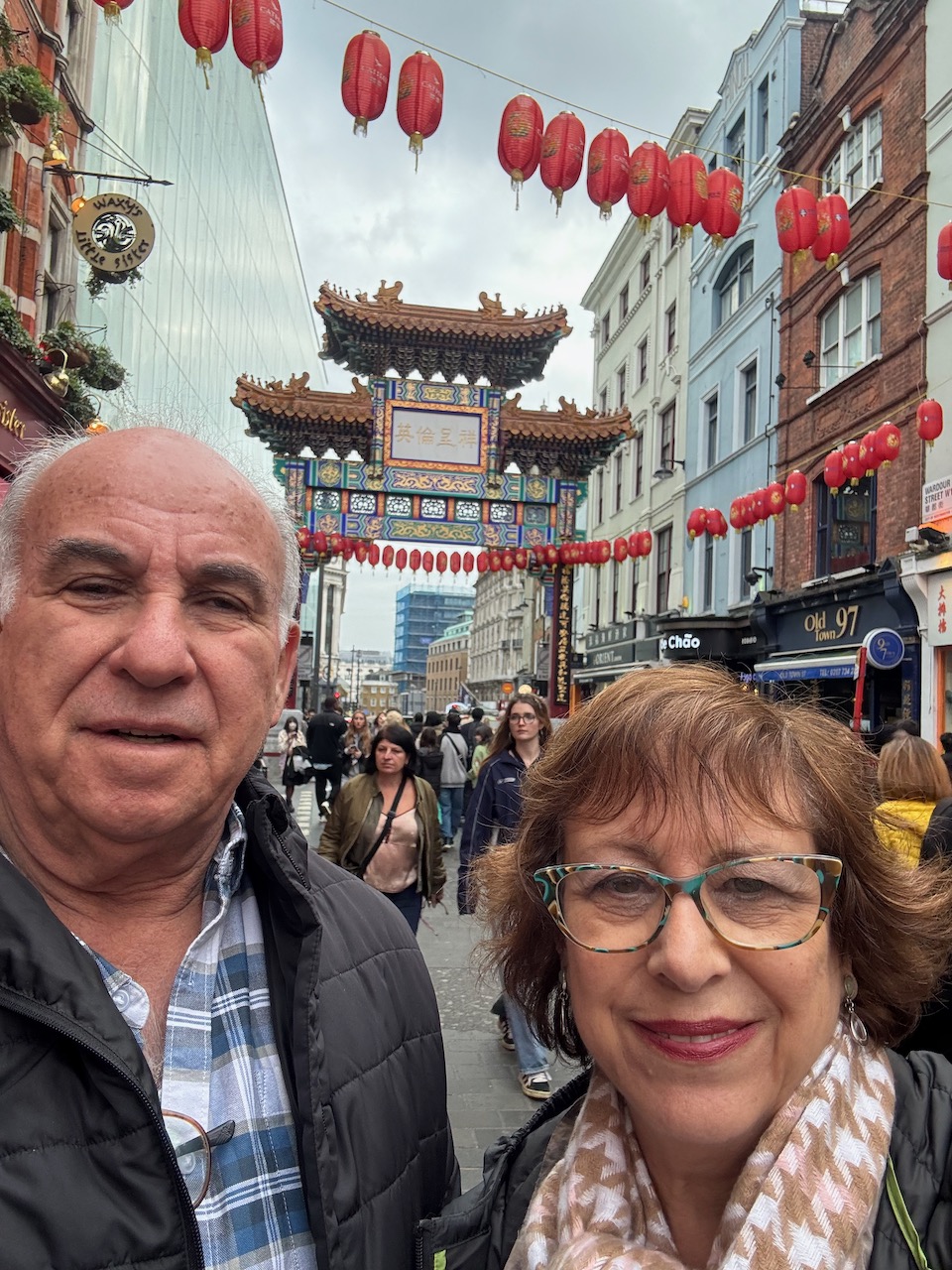
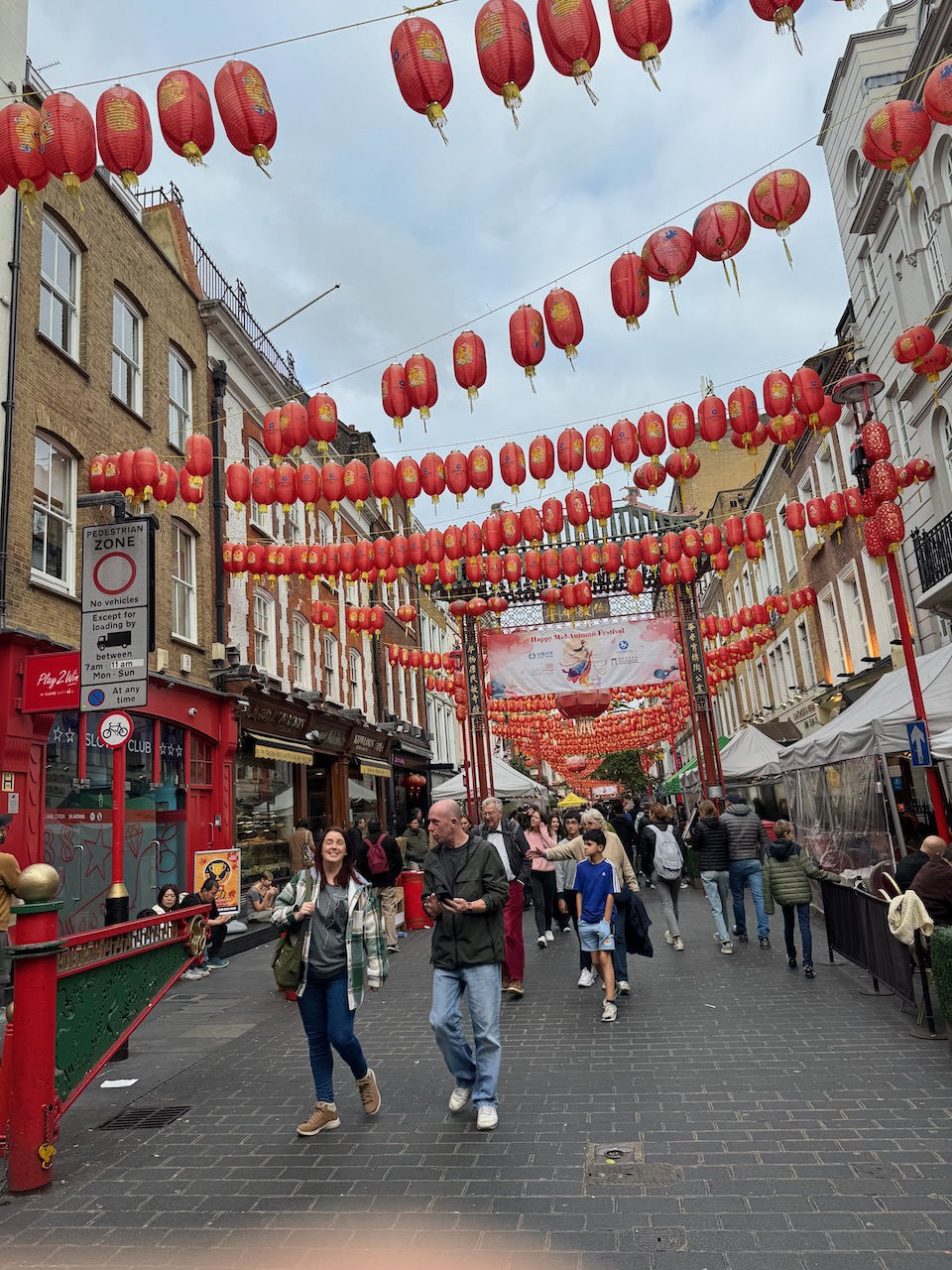
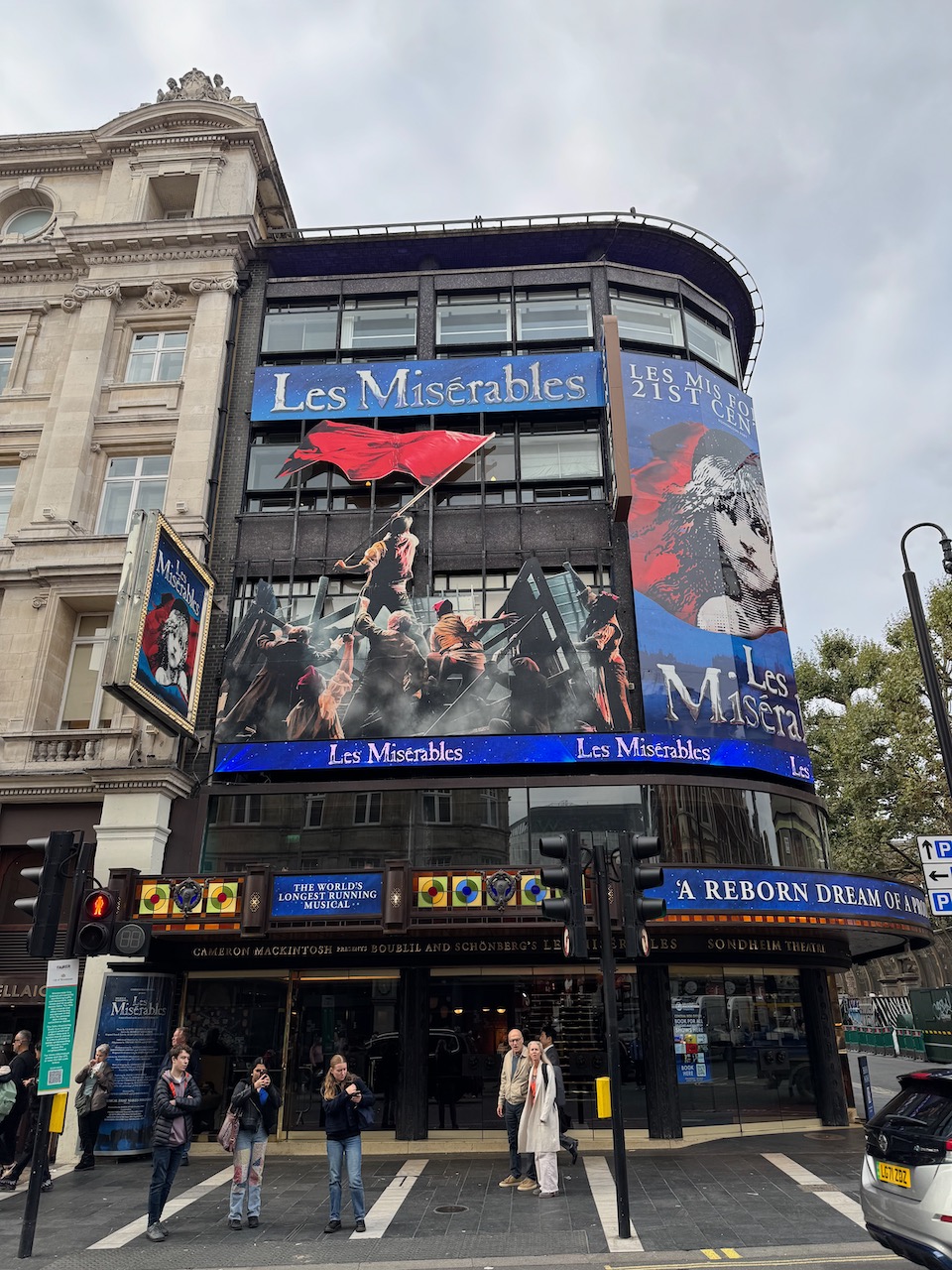
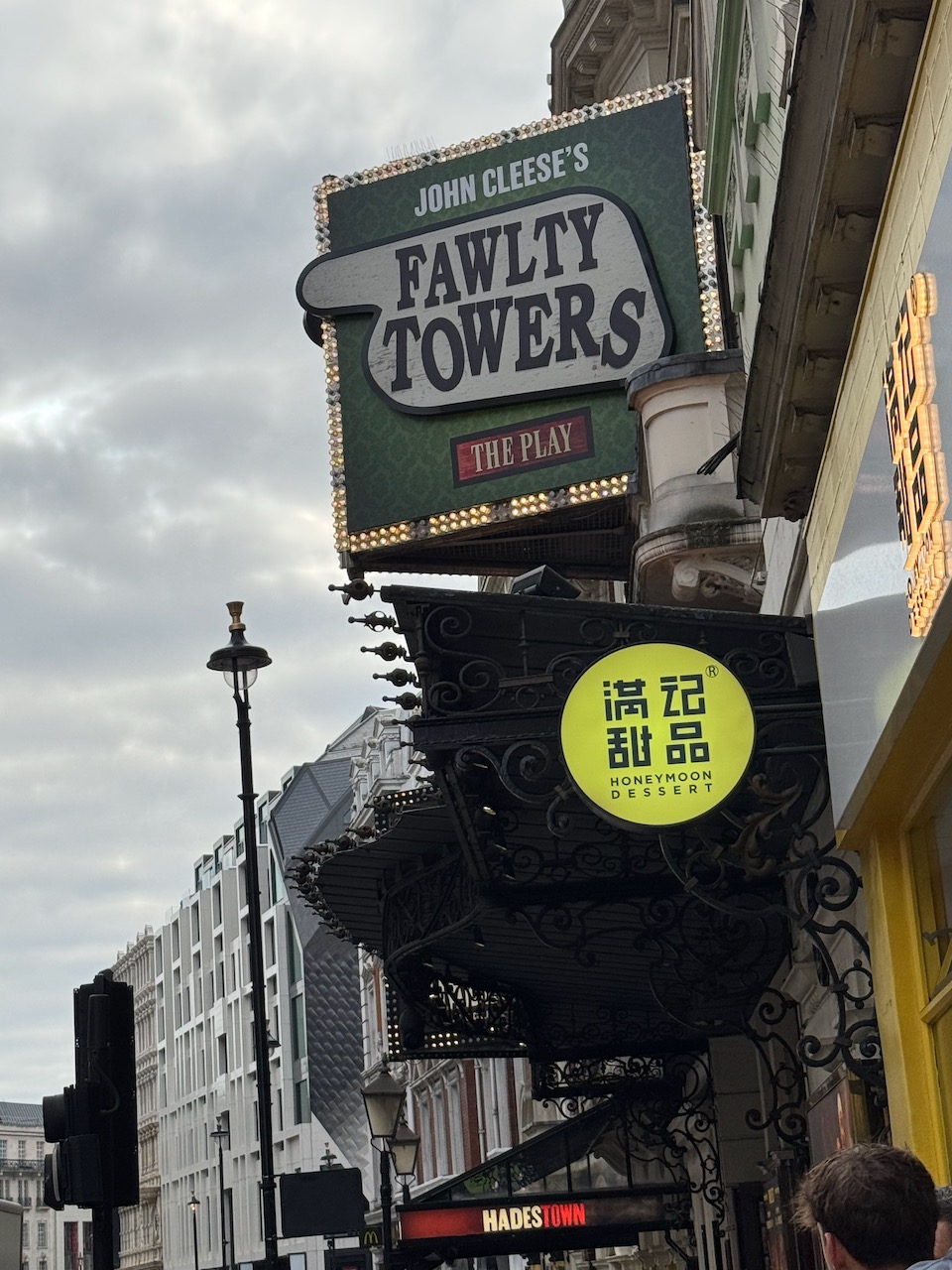
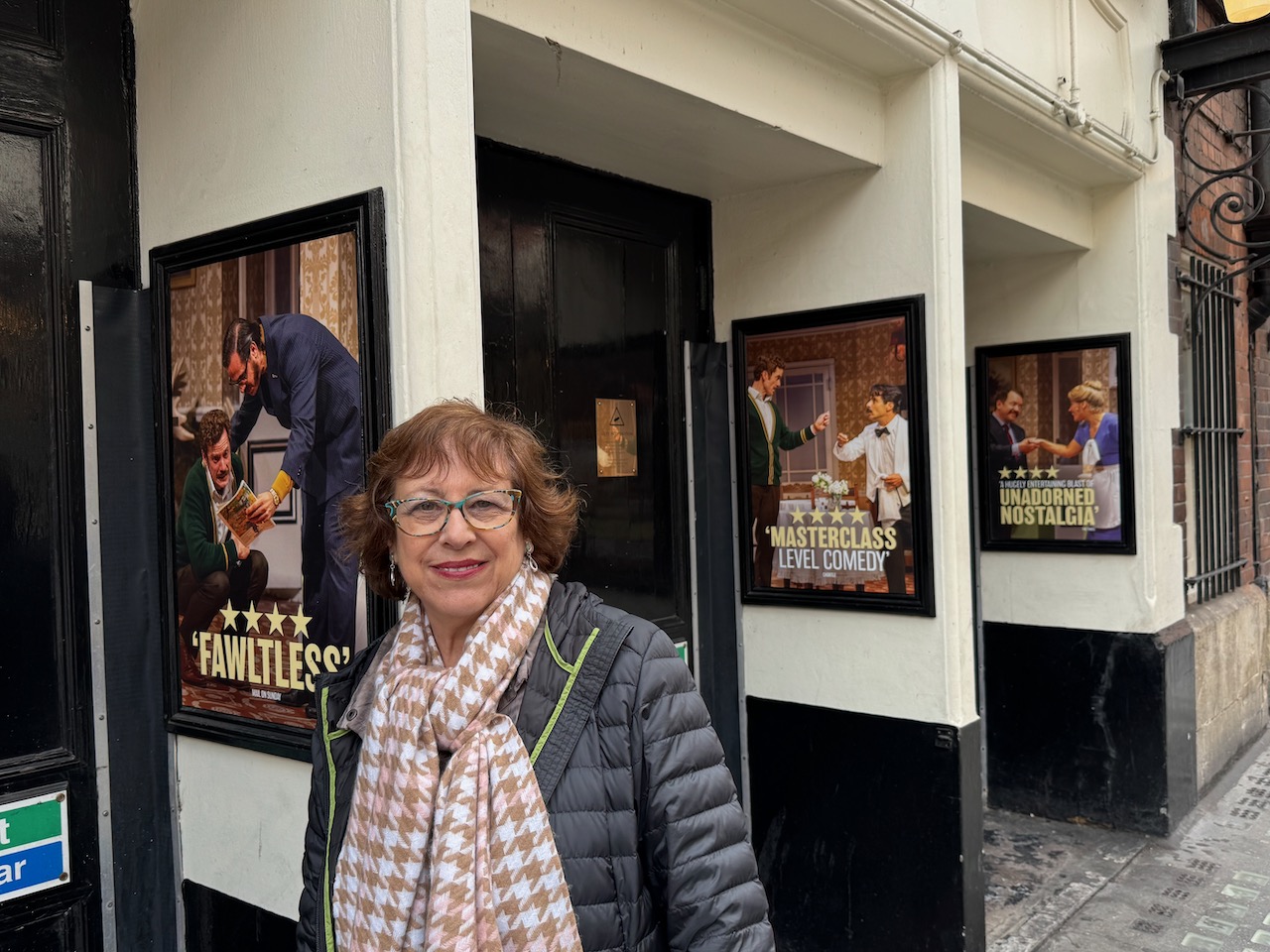
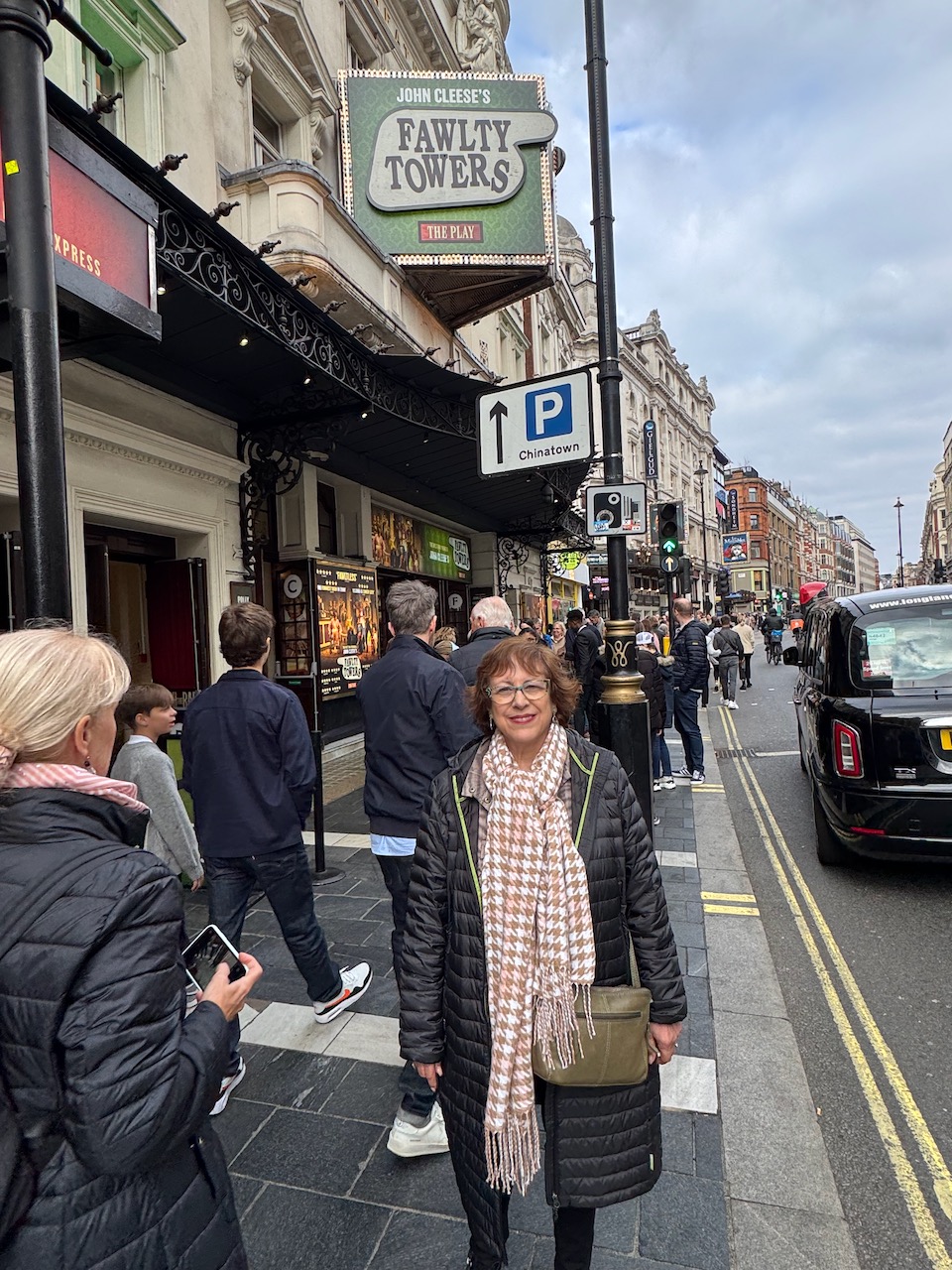
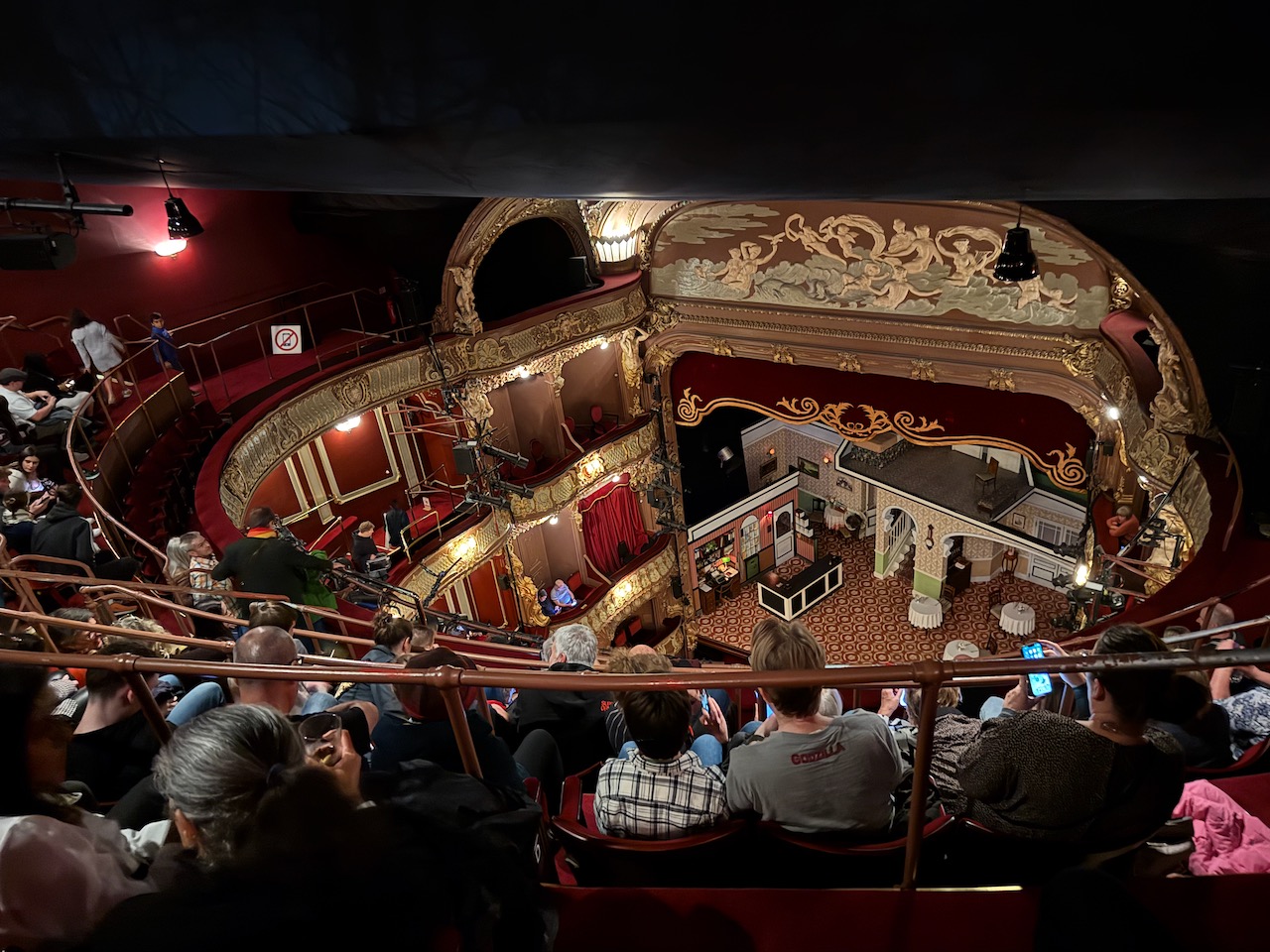
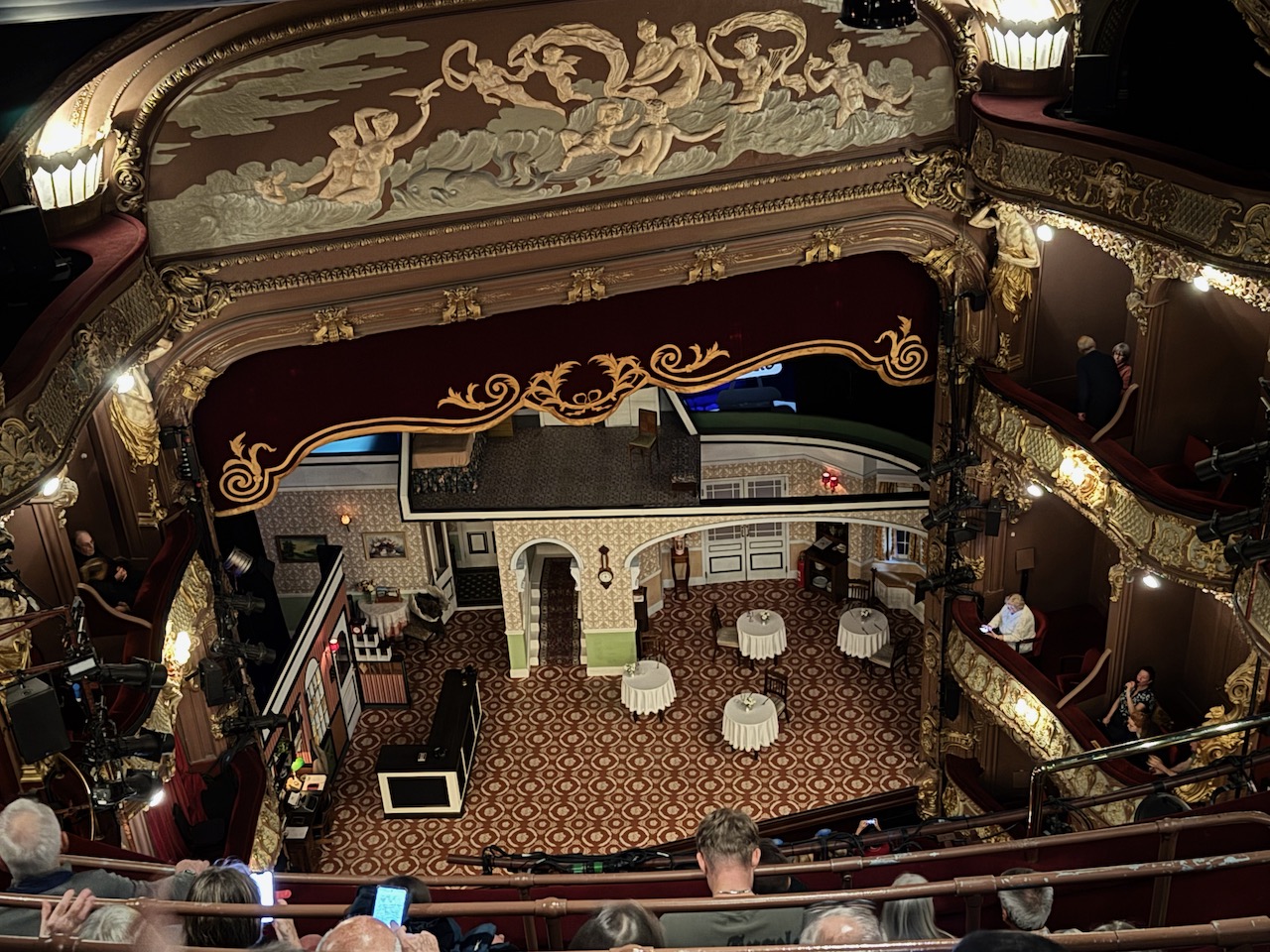
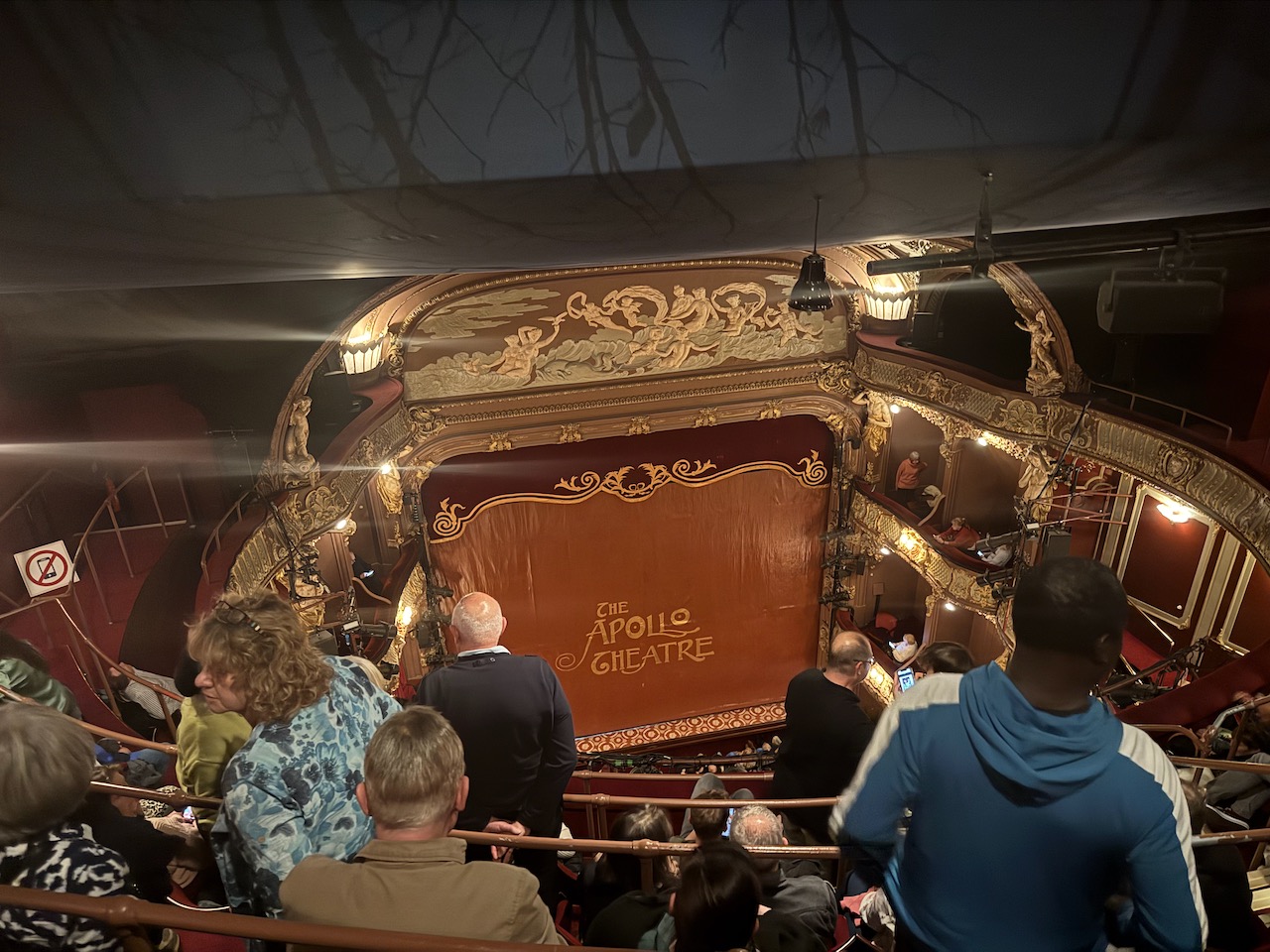
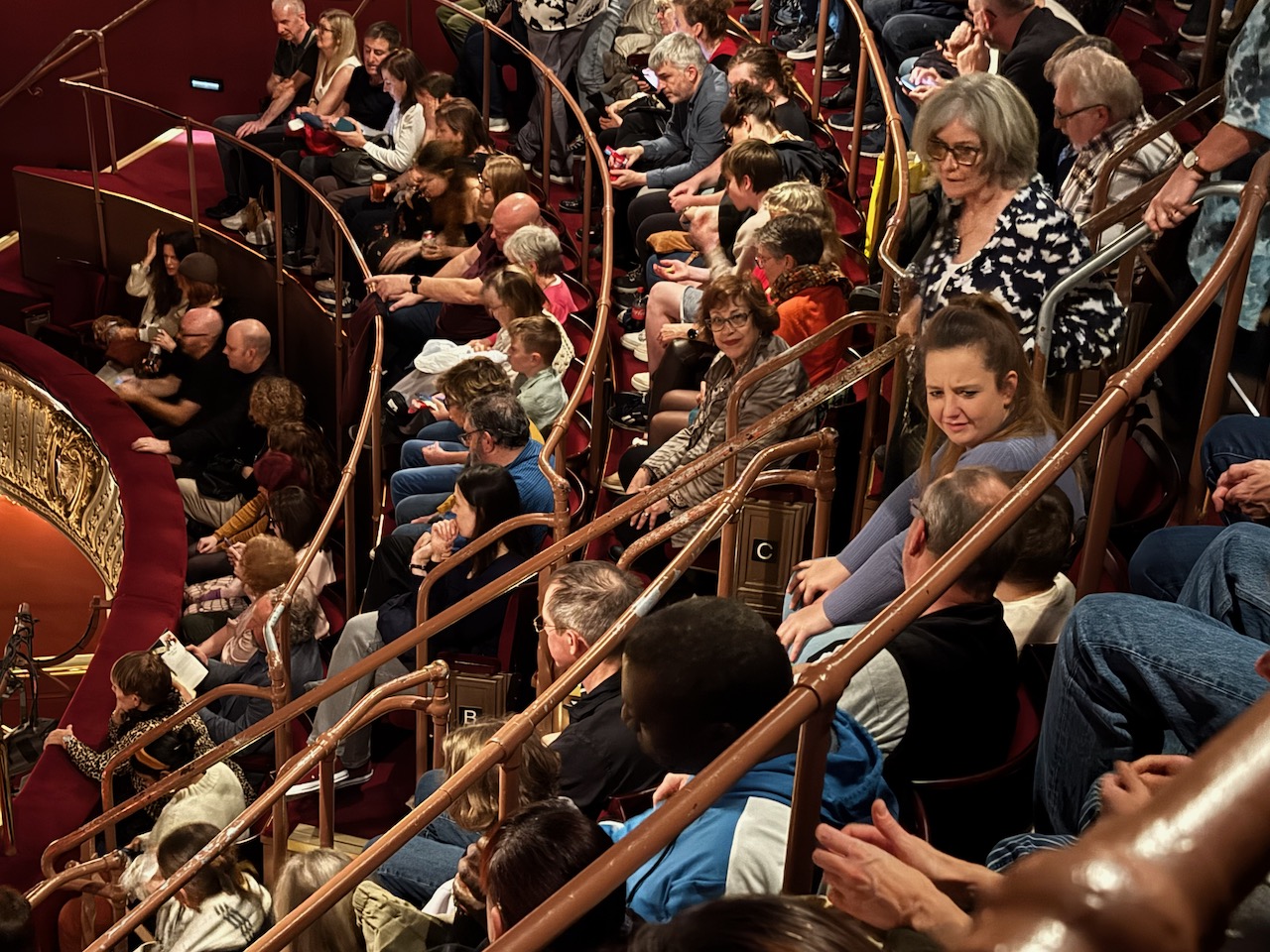
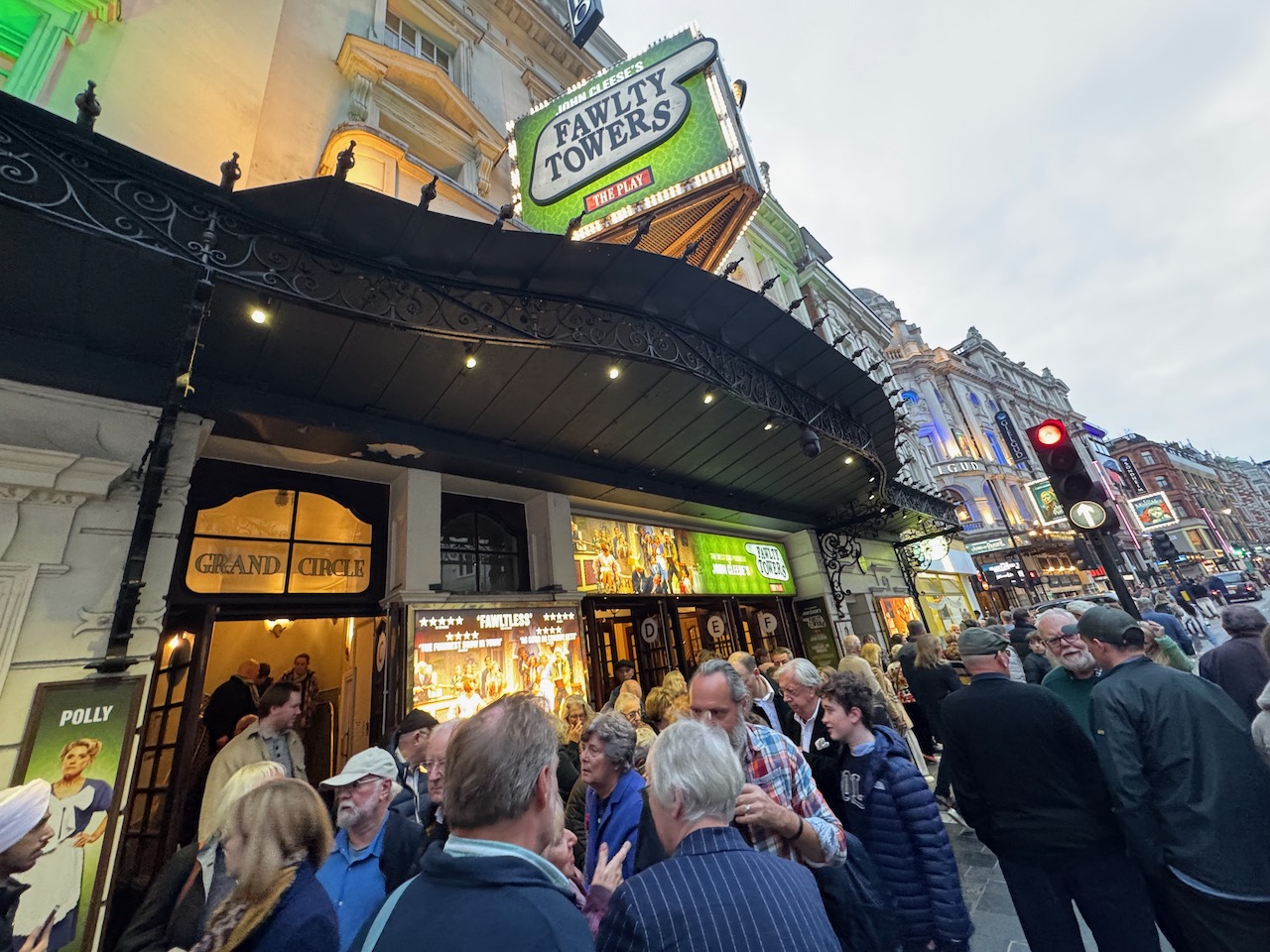
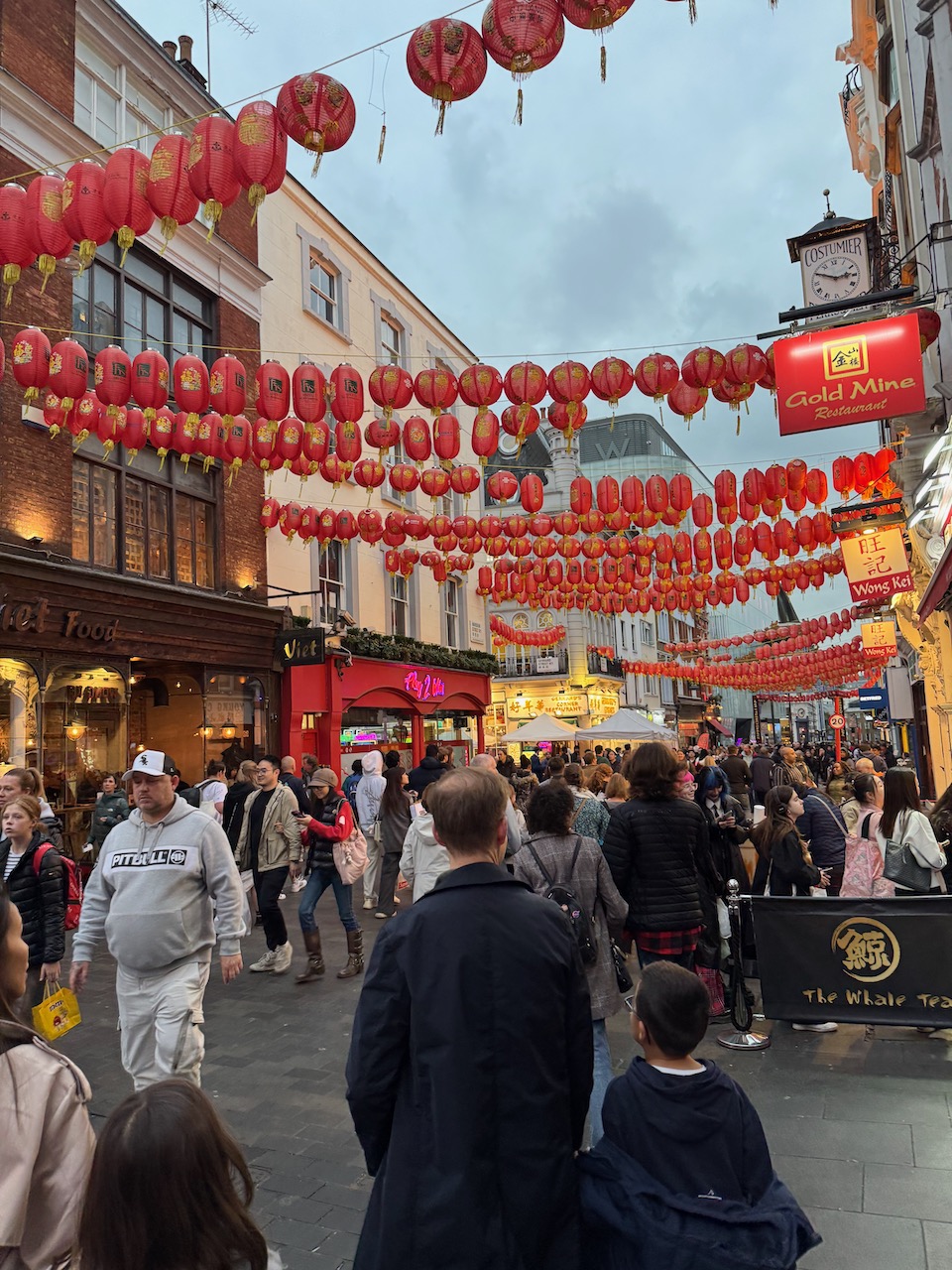
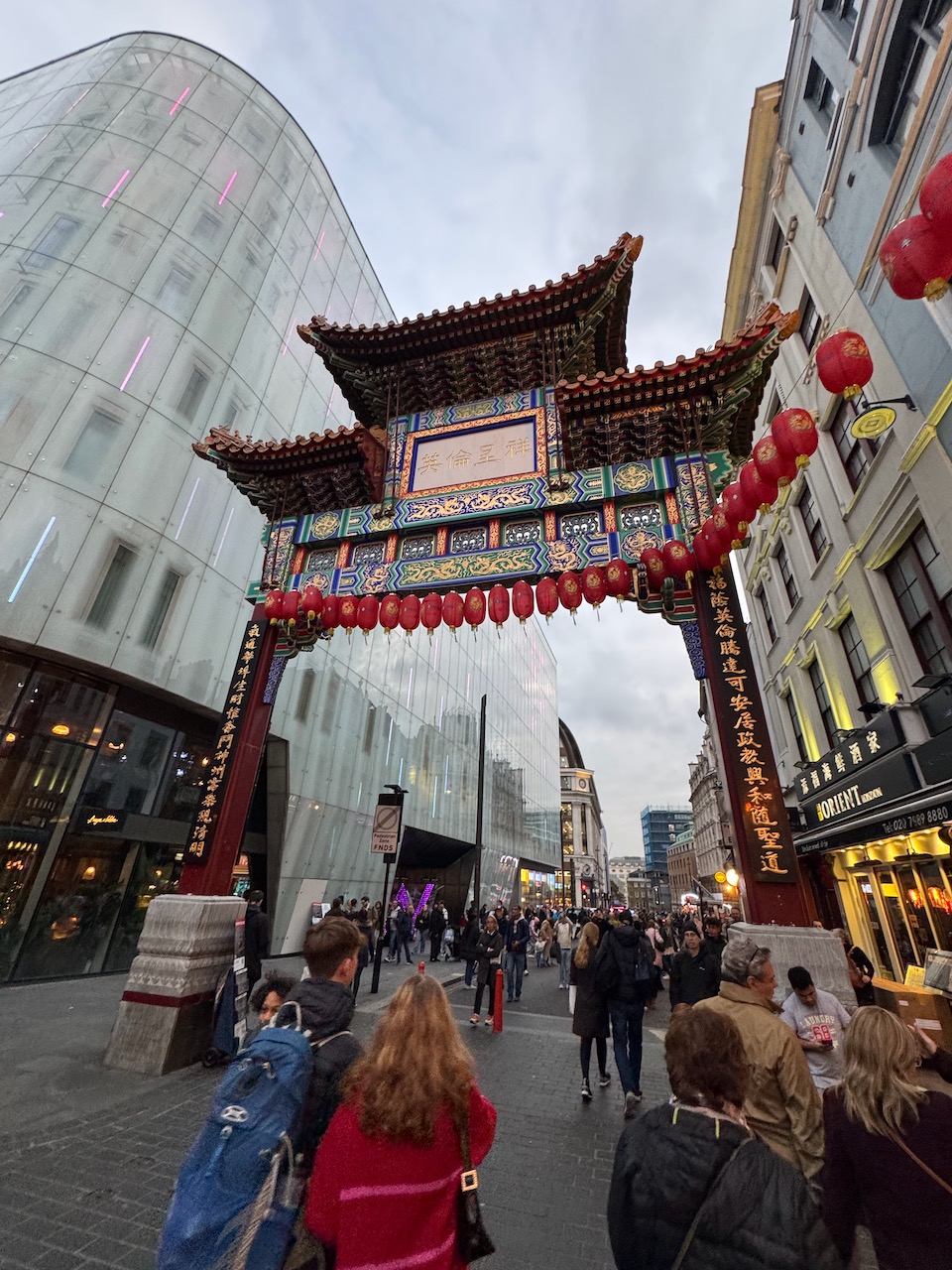
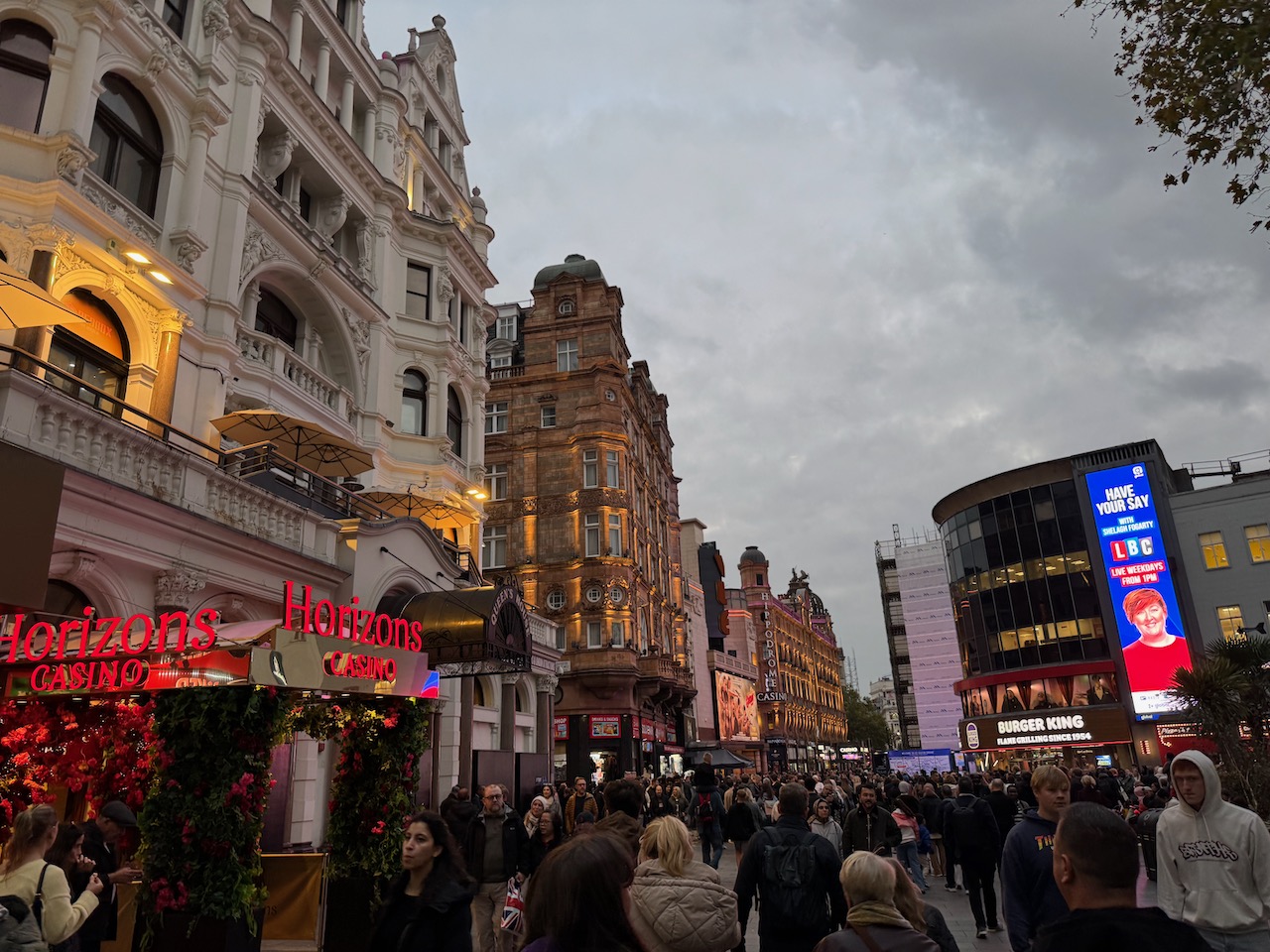
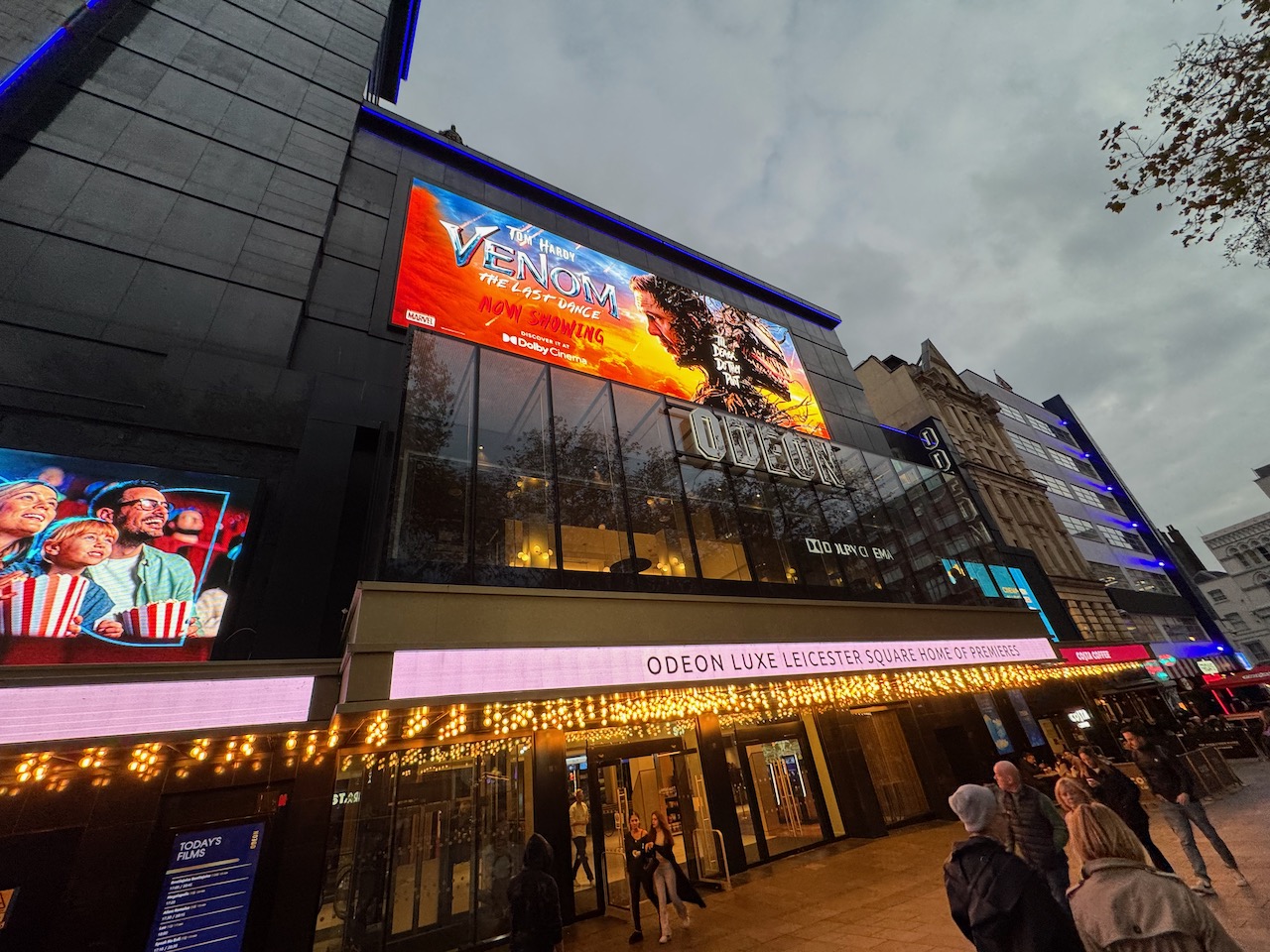
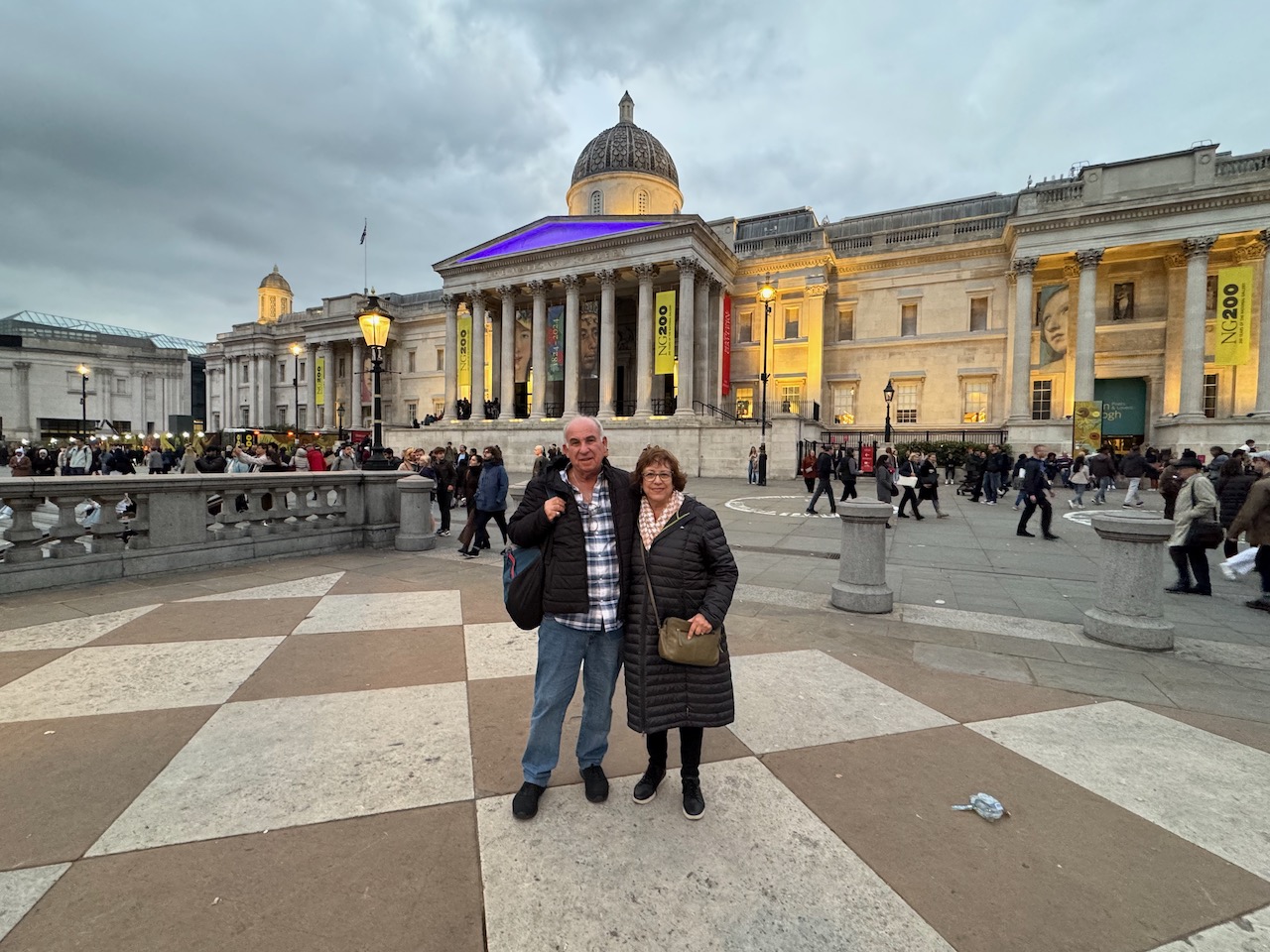
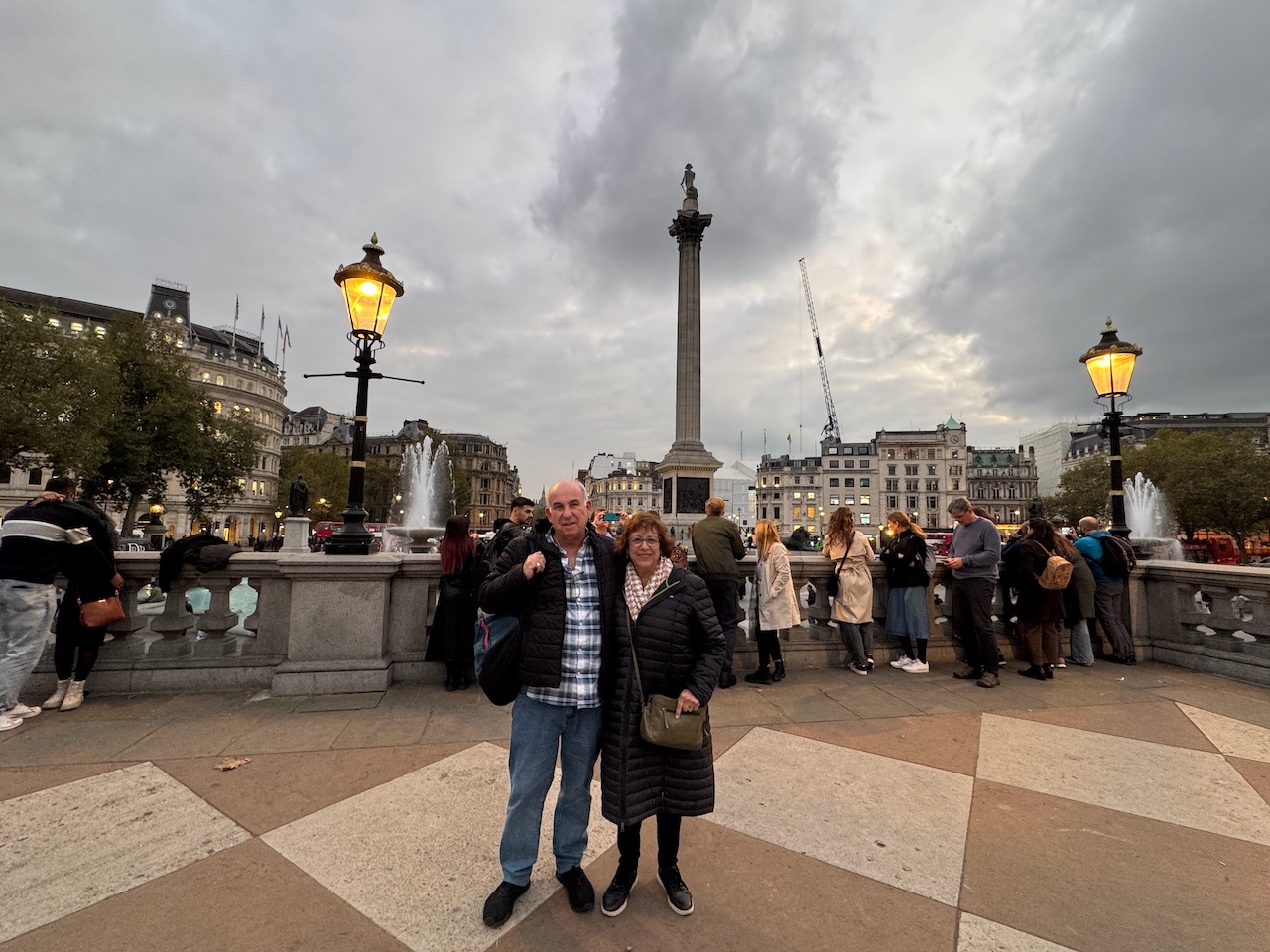
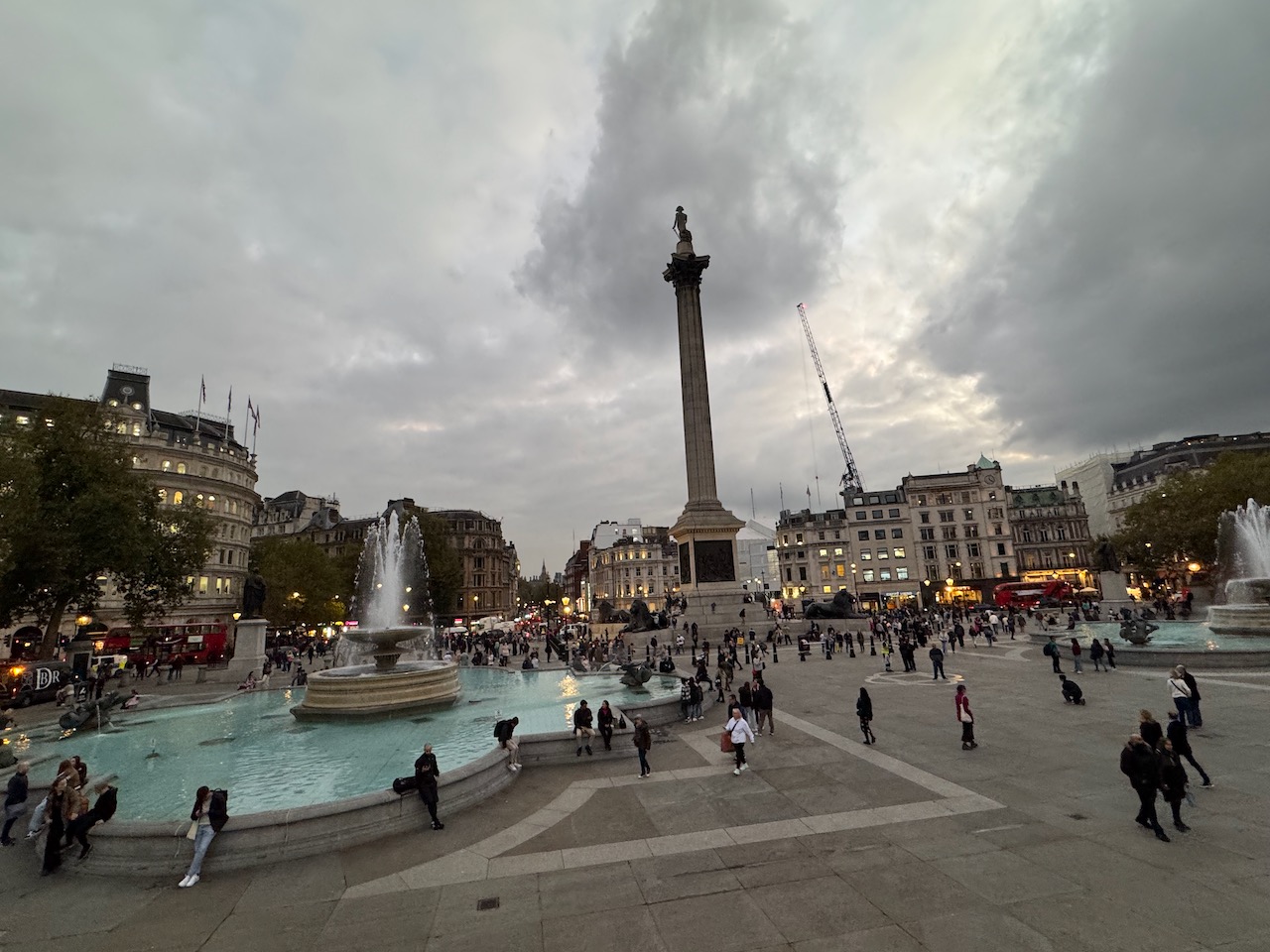
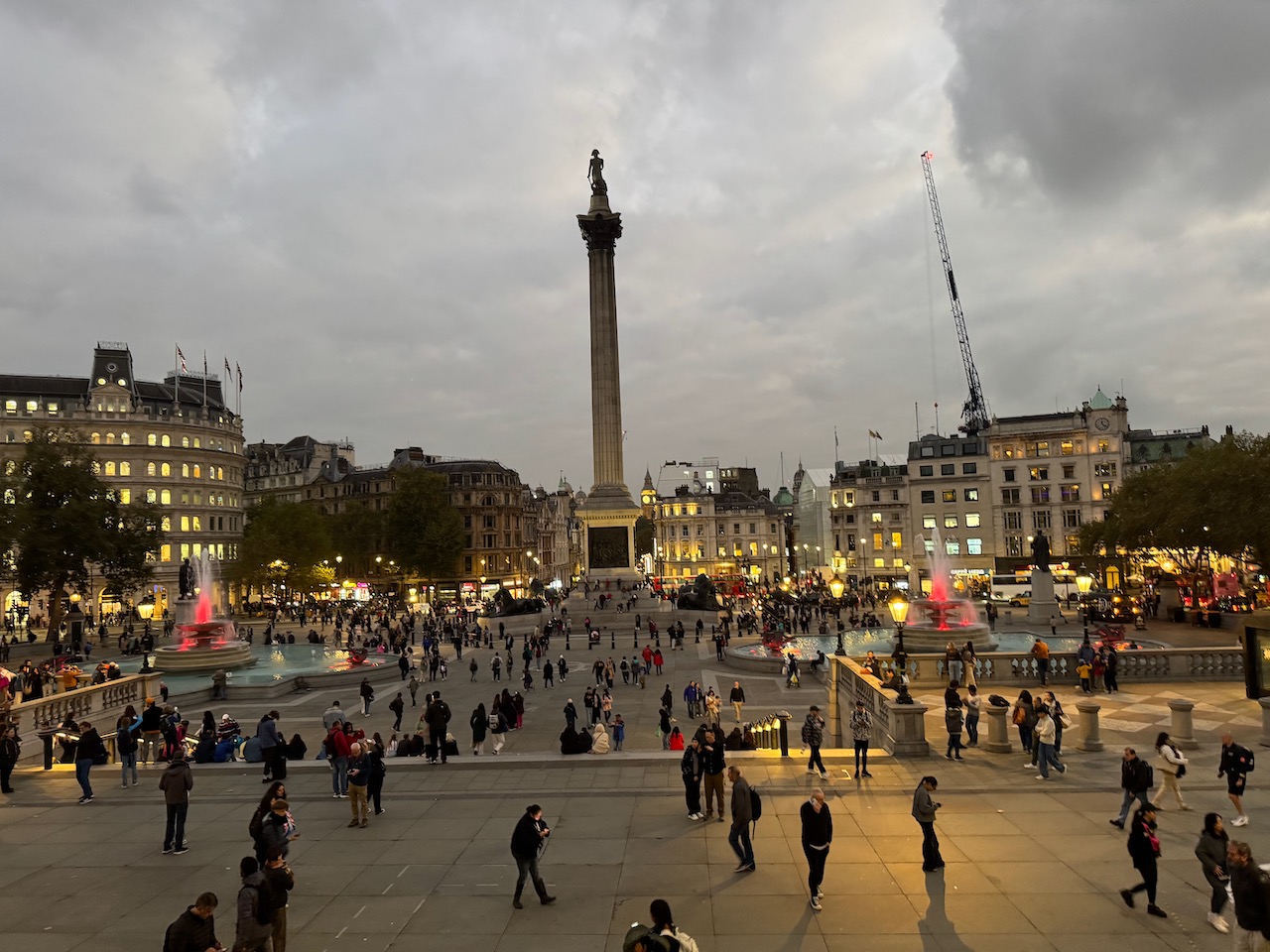
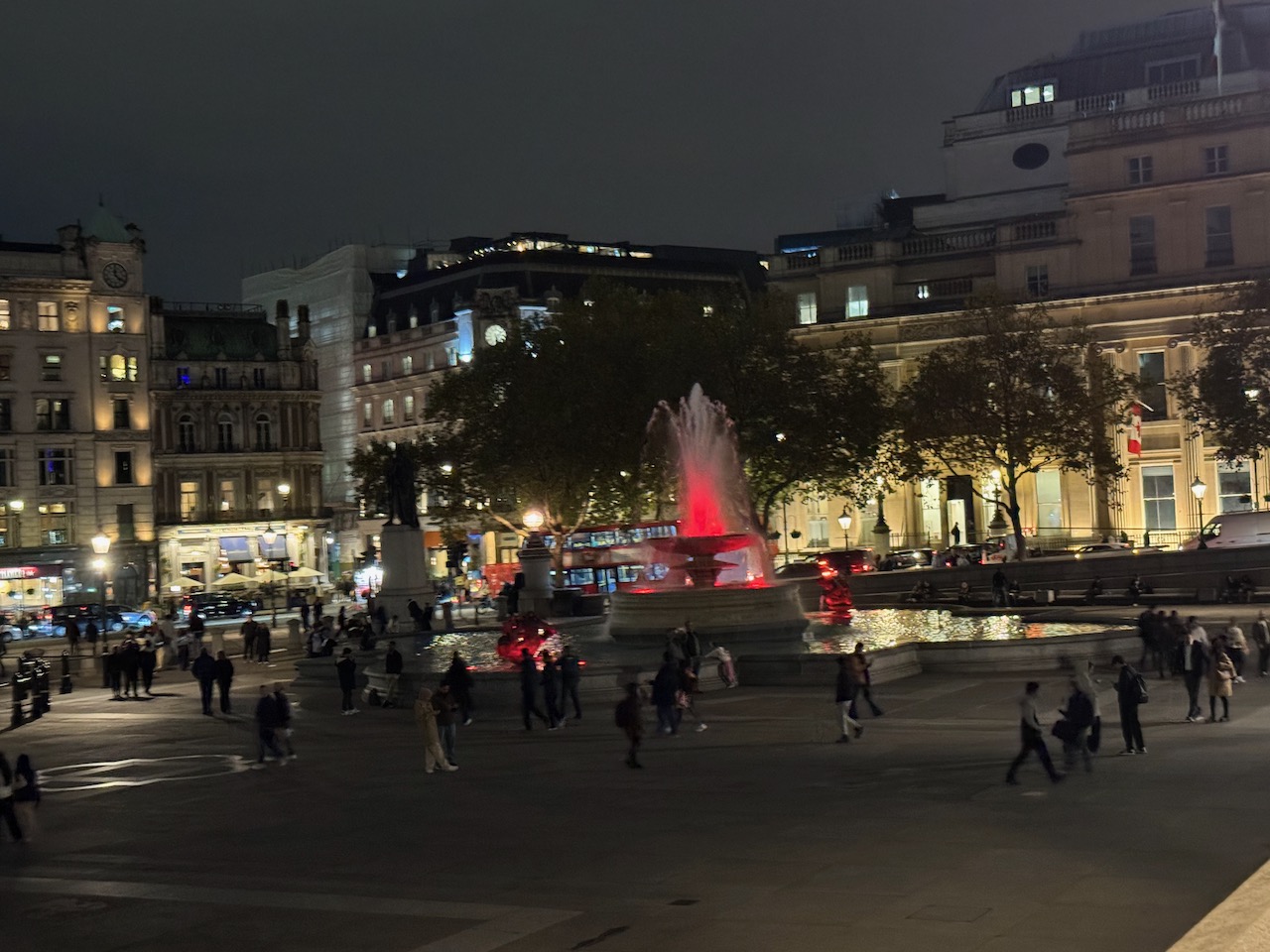
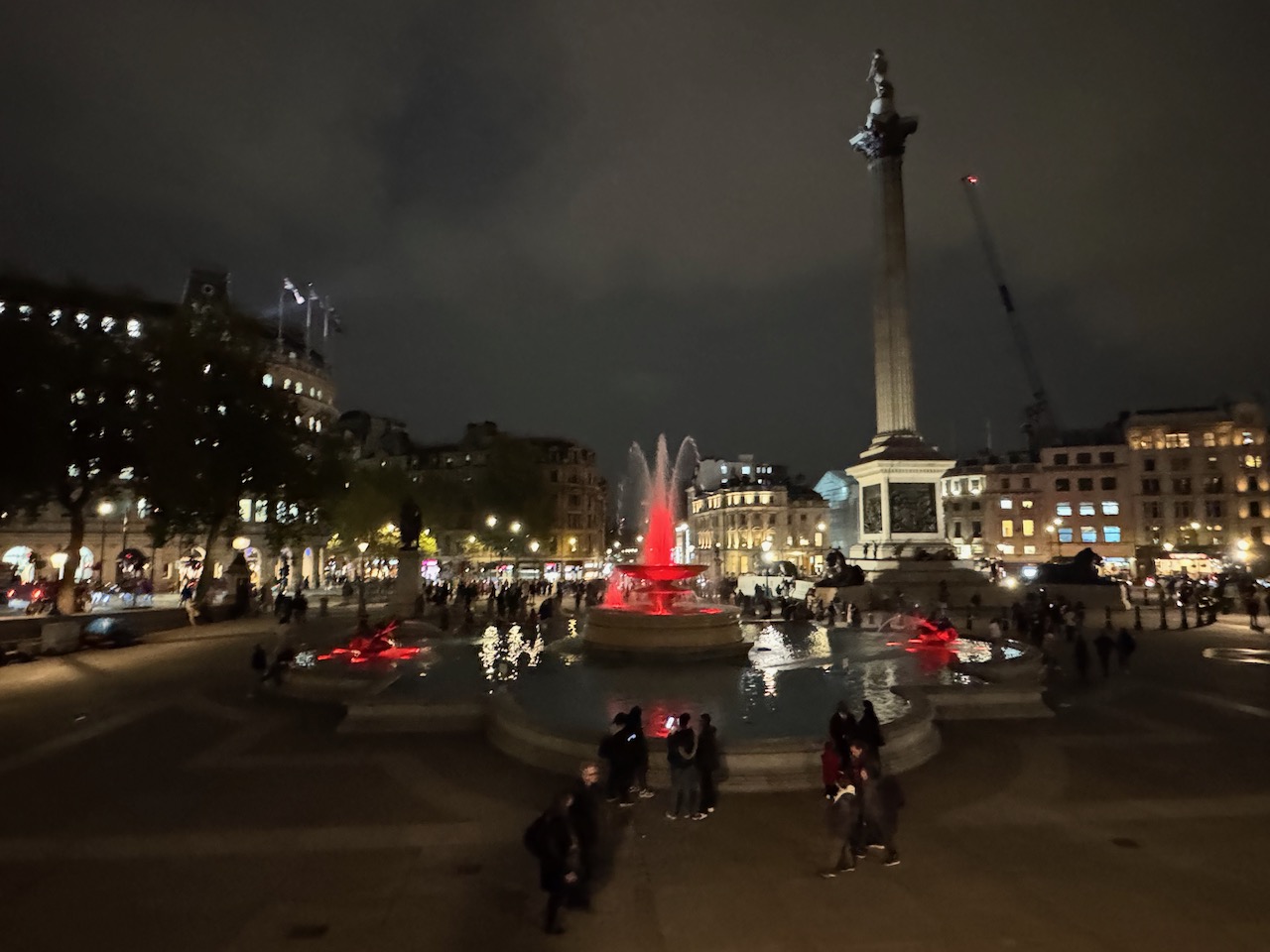
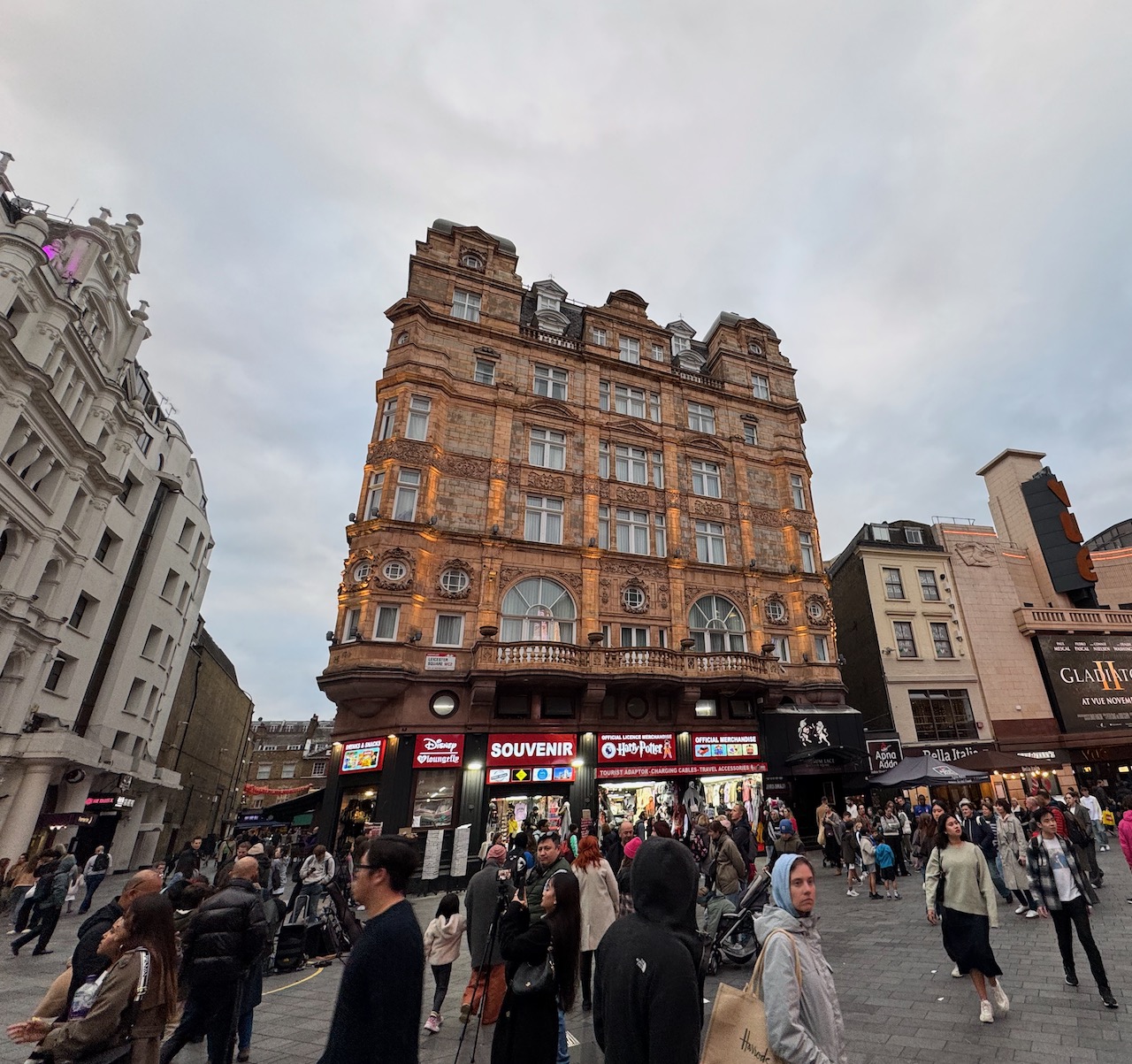
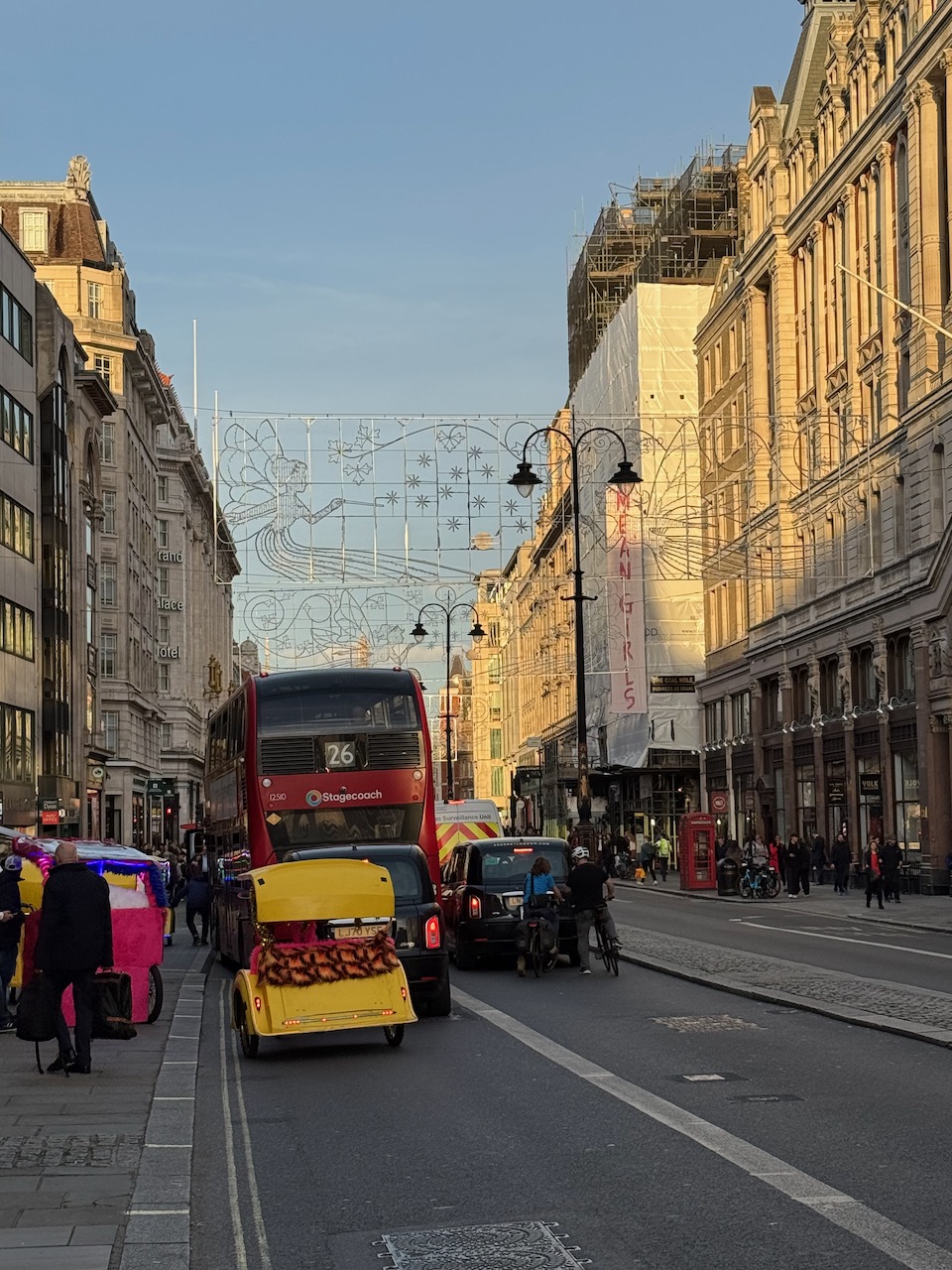
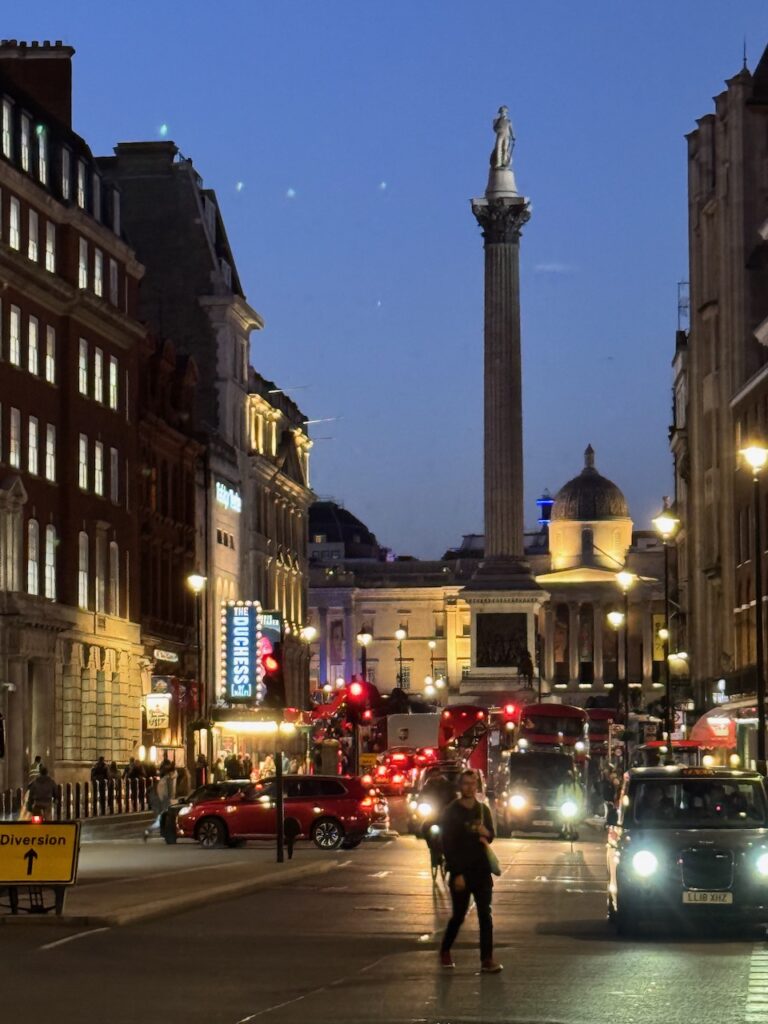
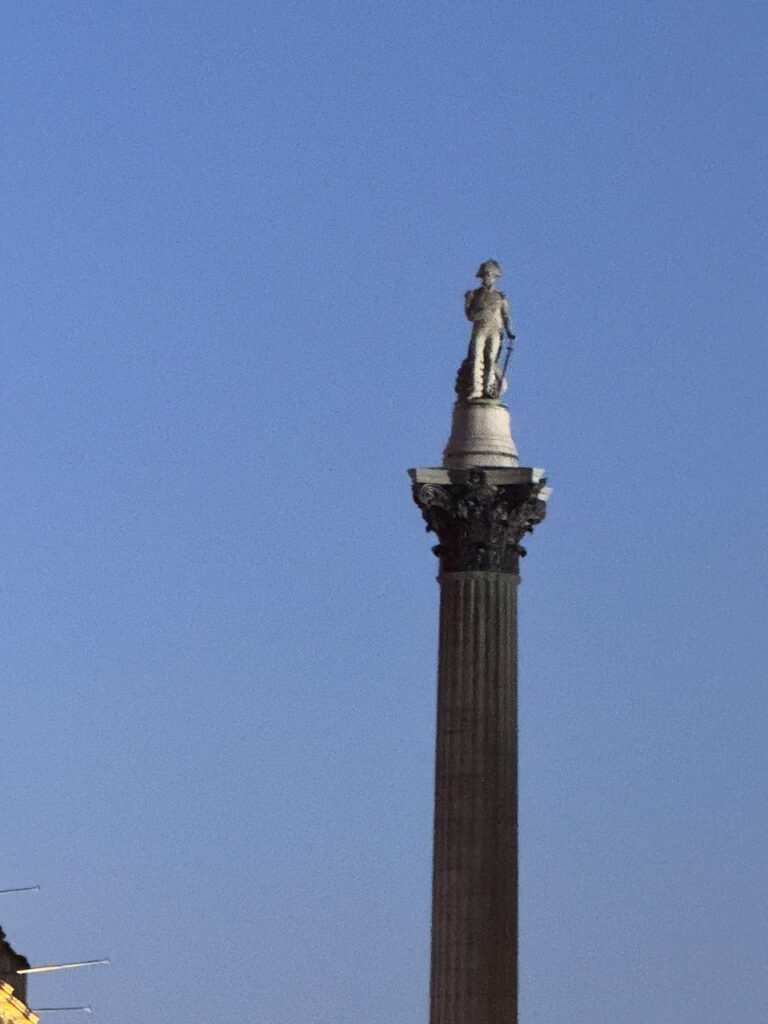
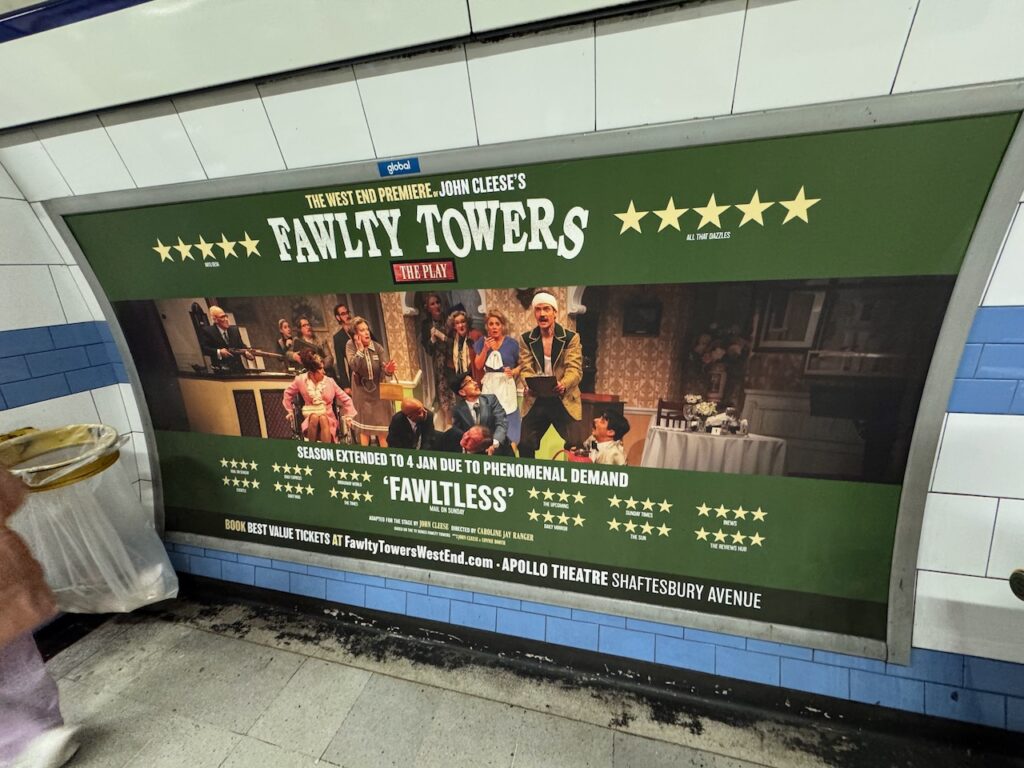
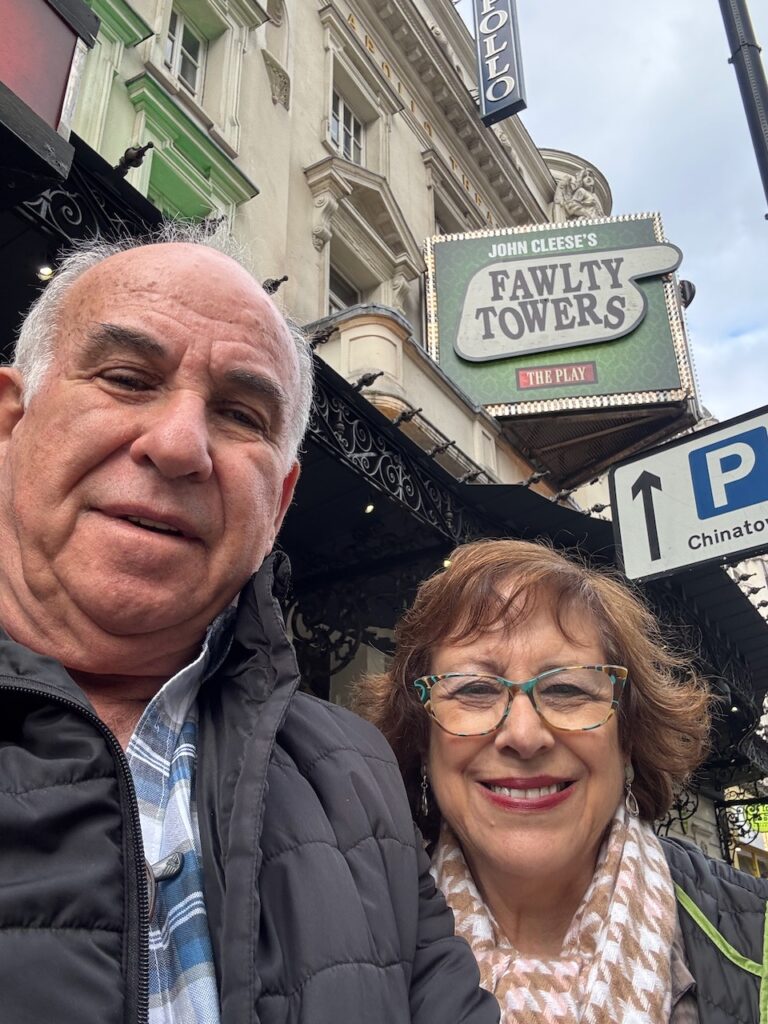
West End Theatre, Chinatown & Trafalgar Square
.jpg/1200px-London_(44761485915).jpg)
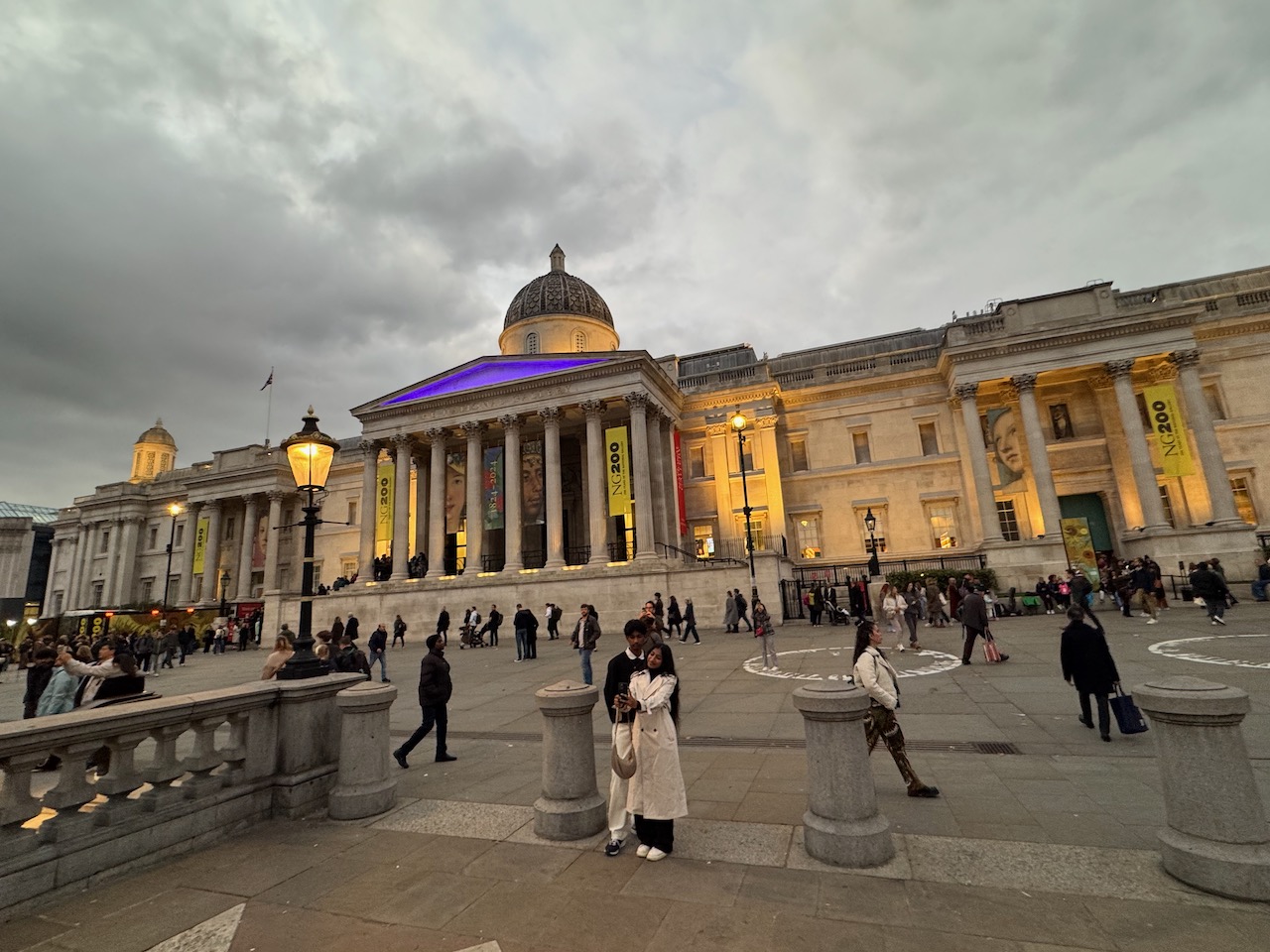
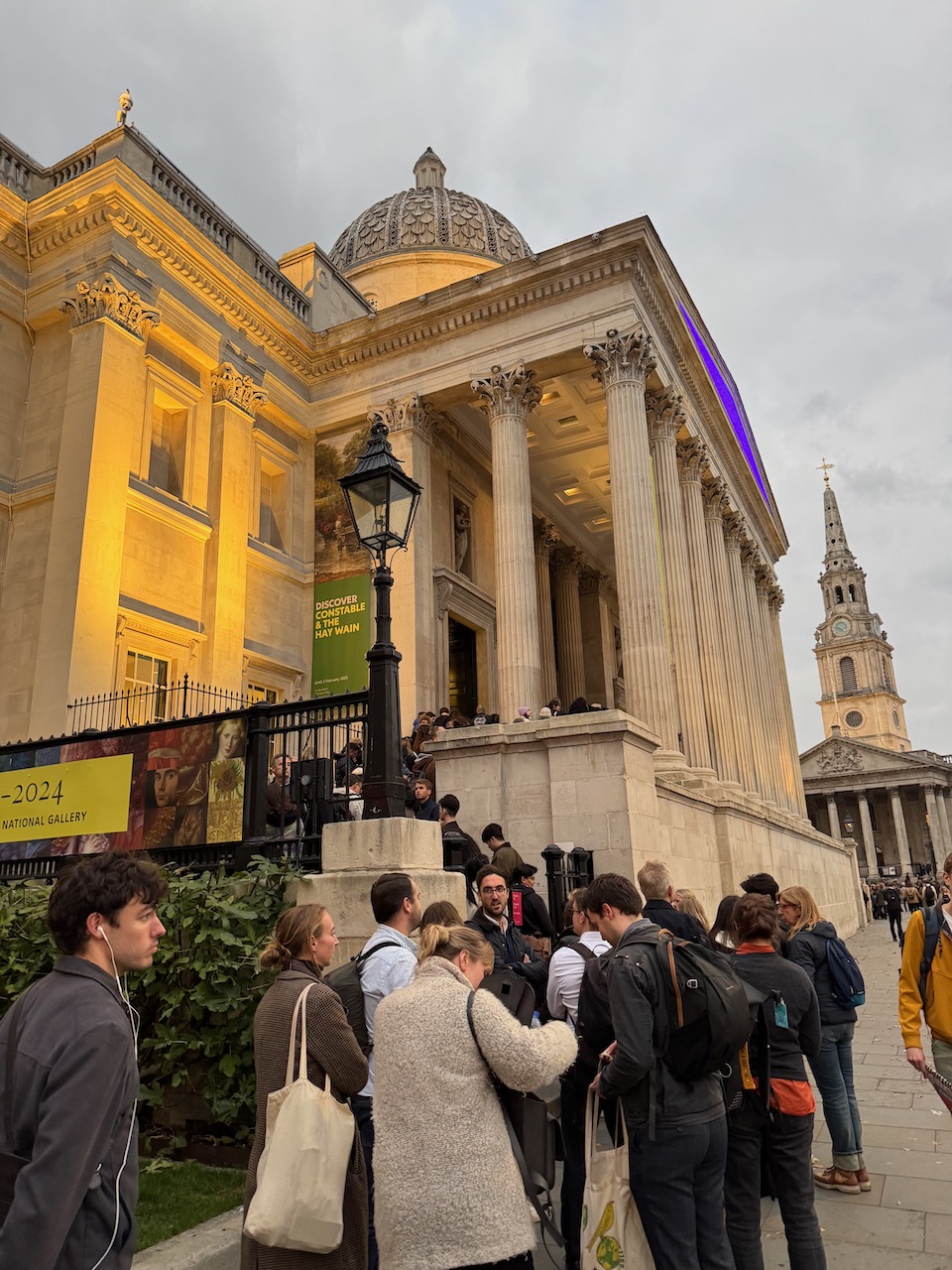
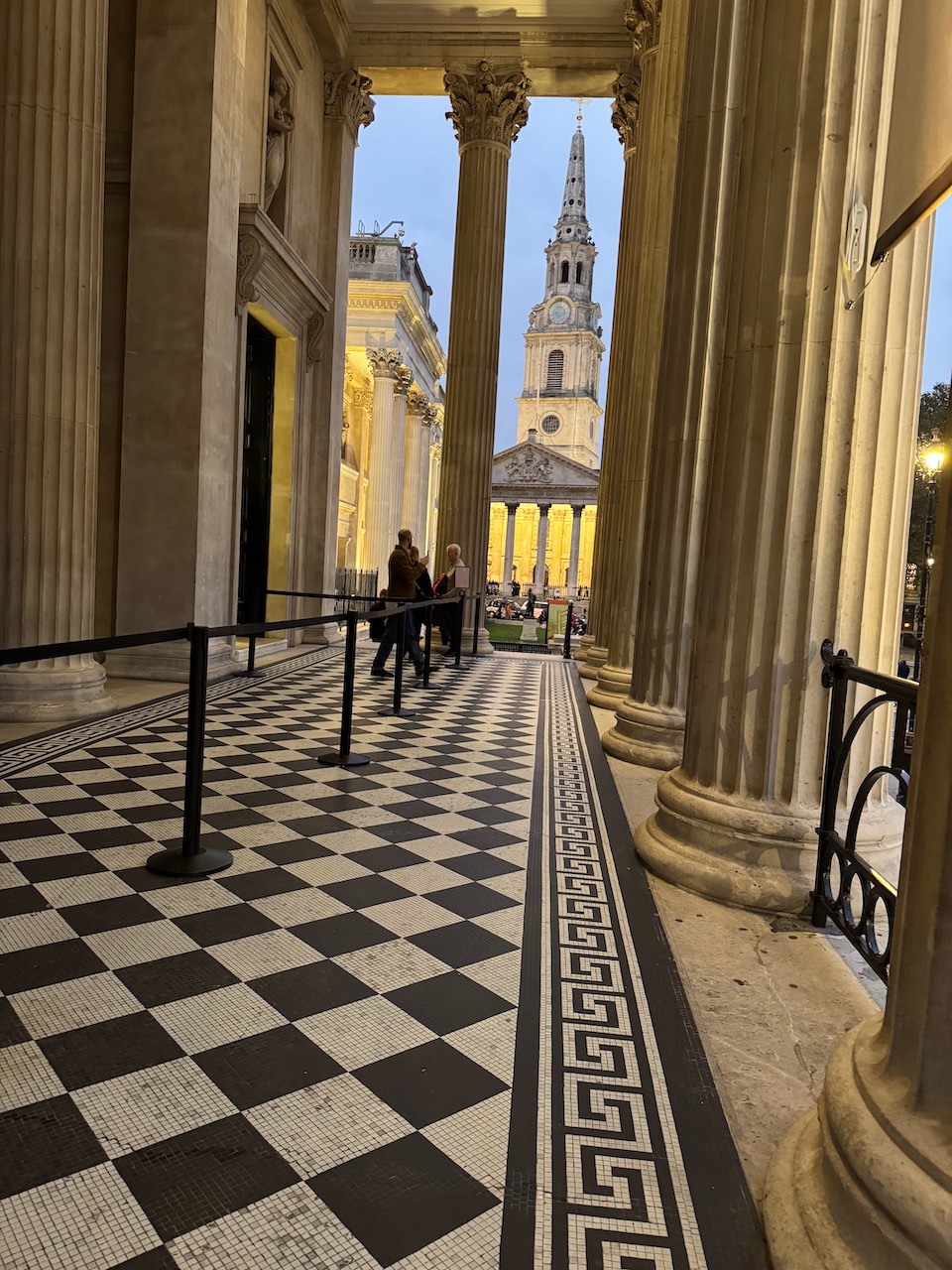
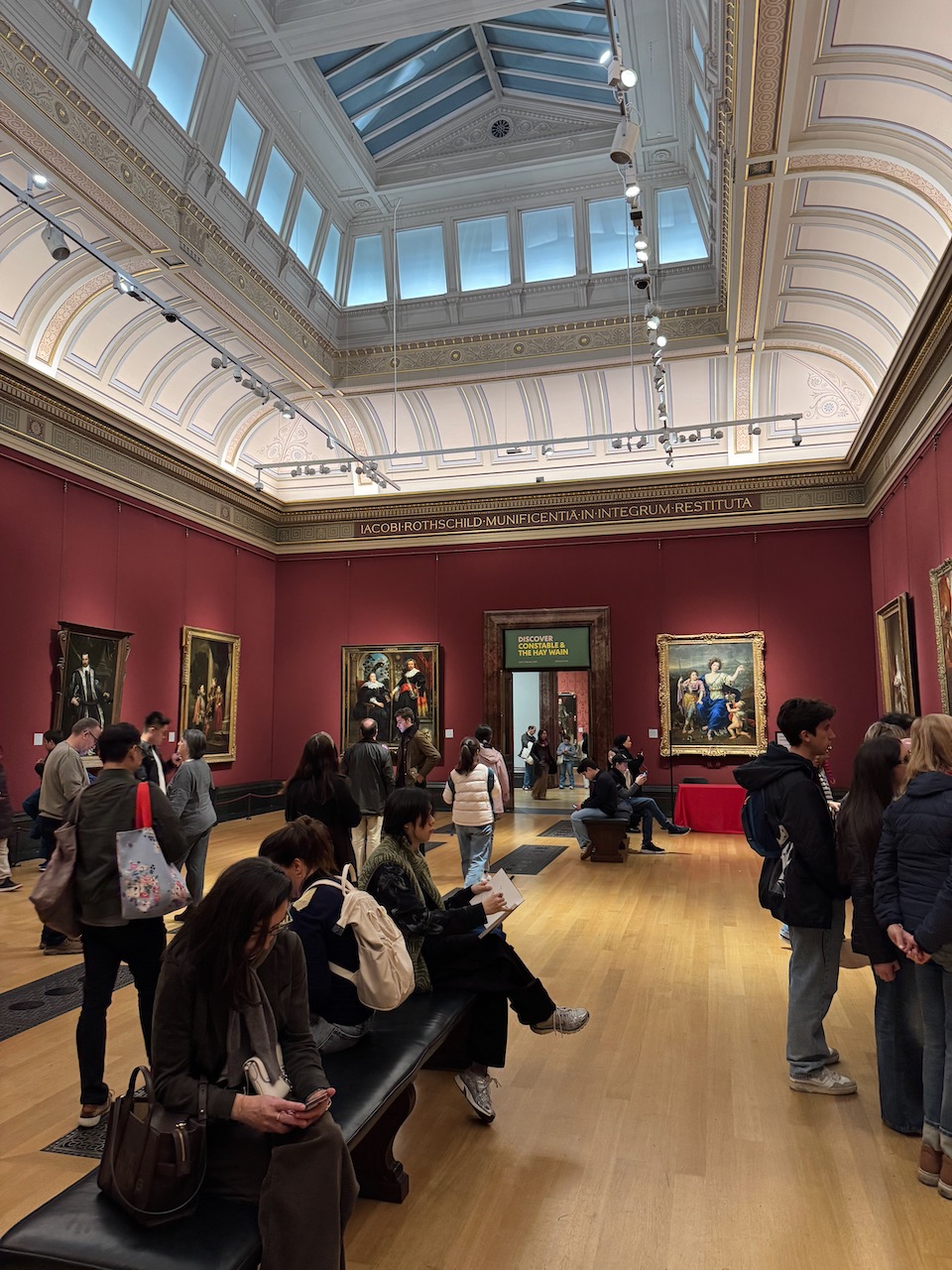
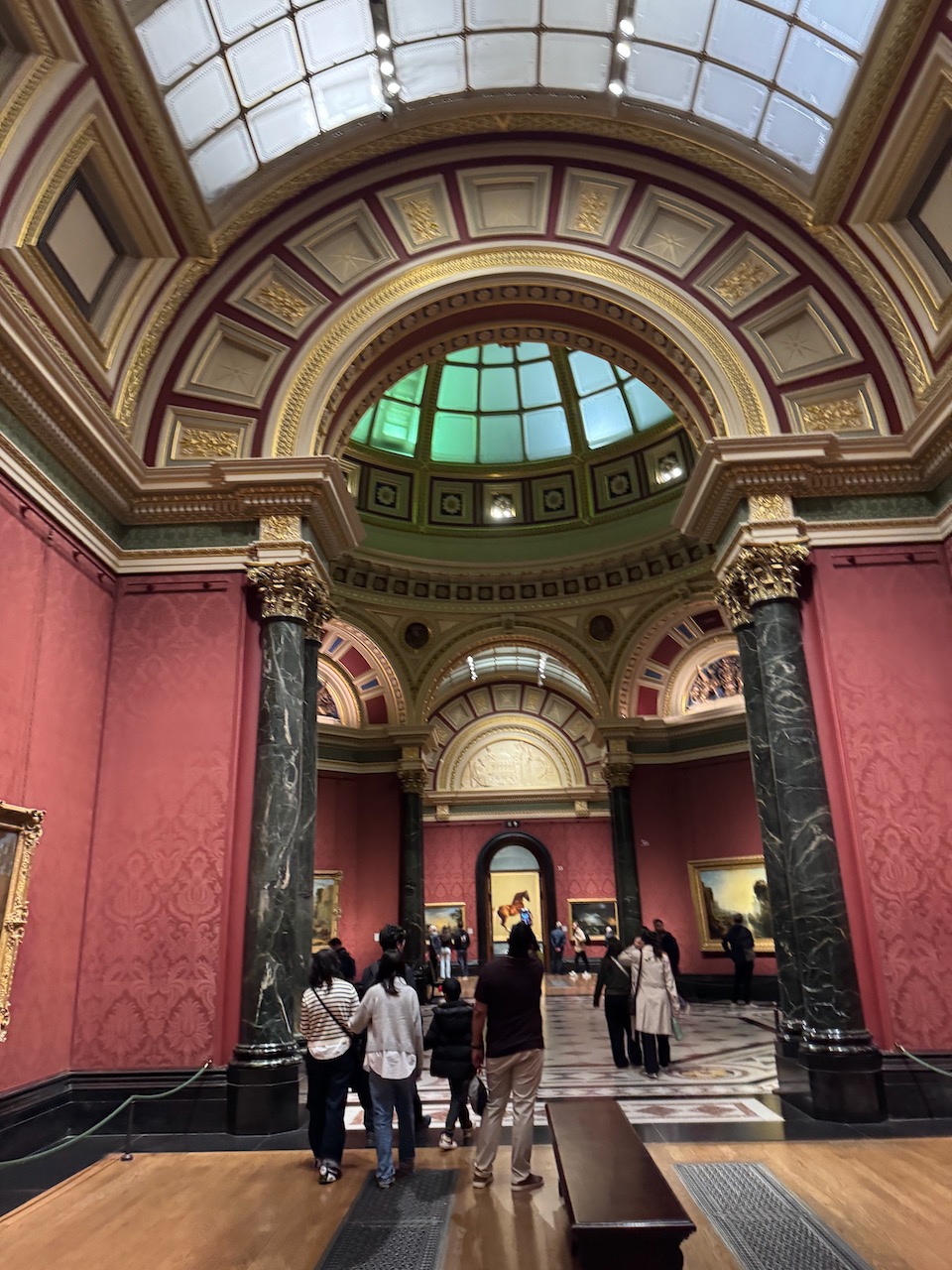
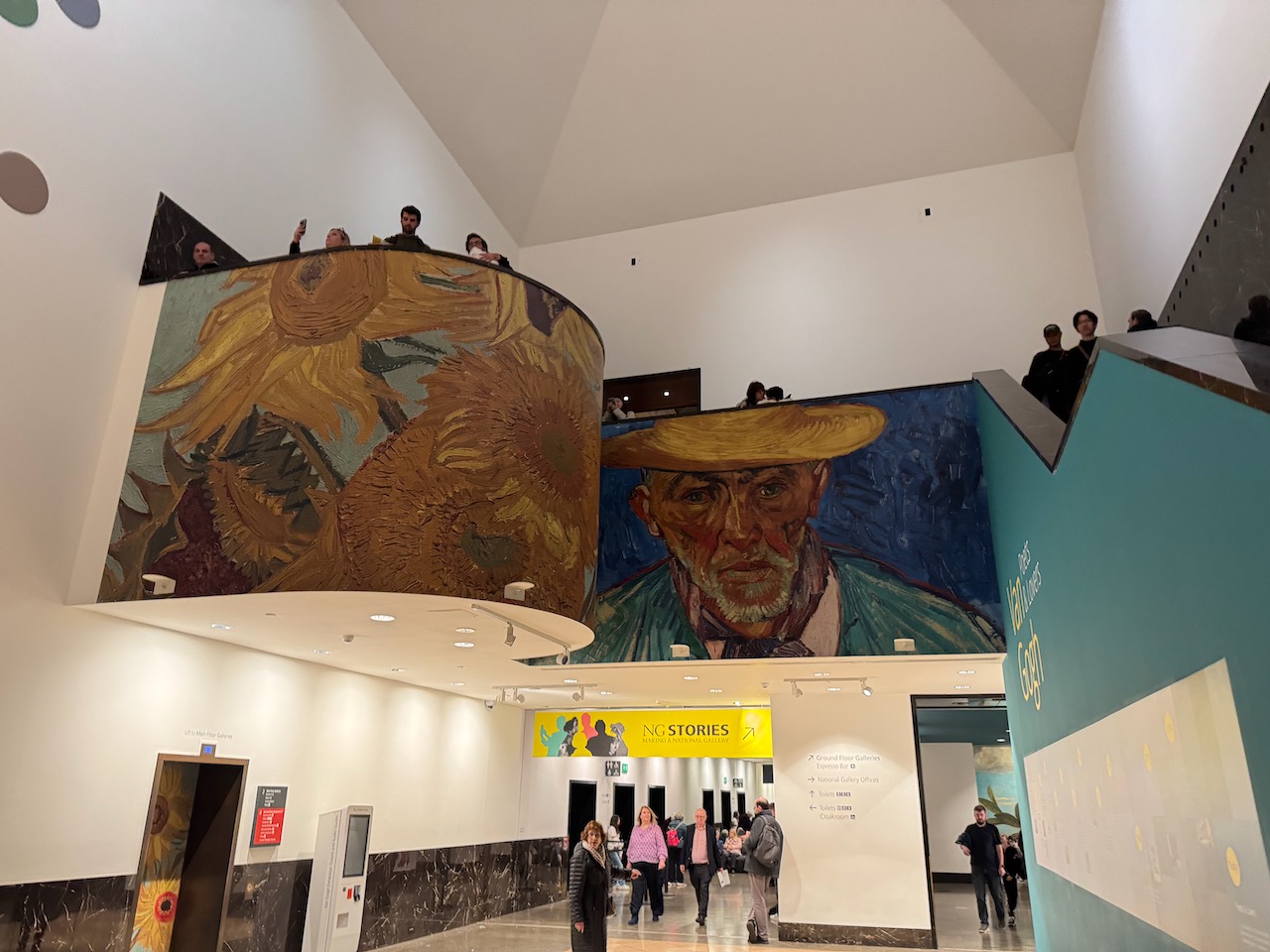
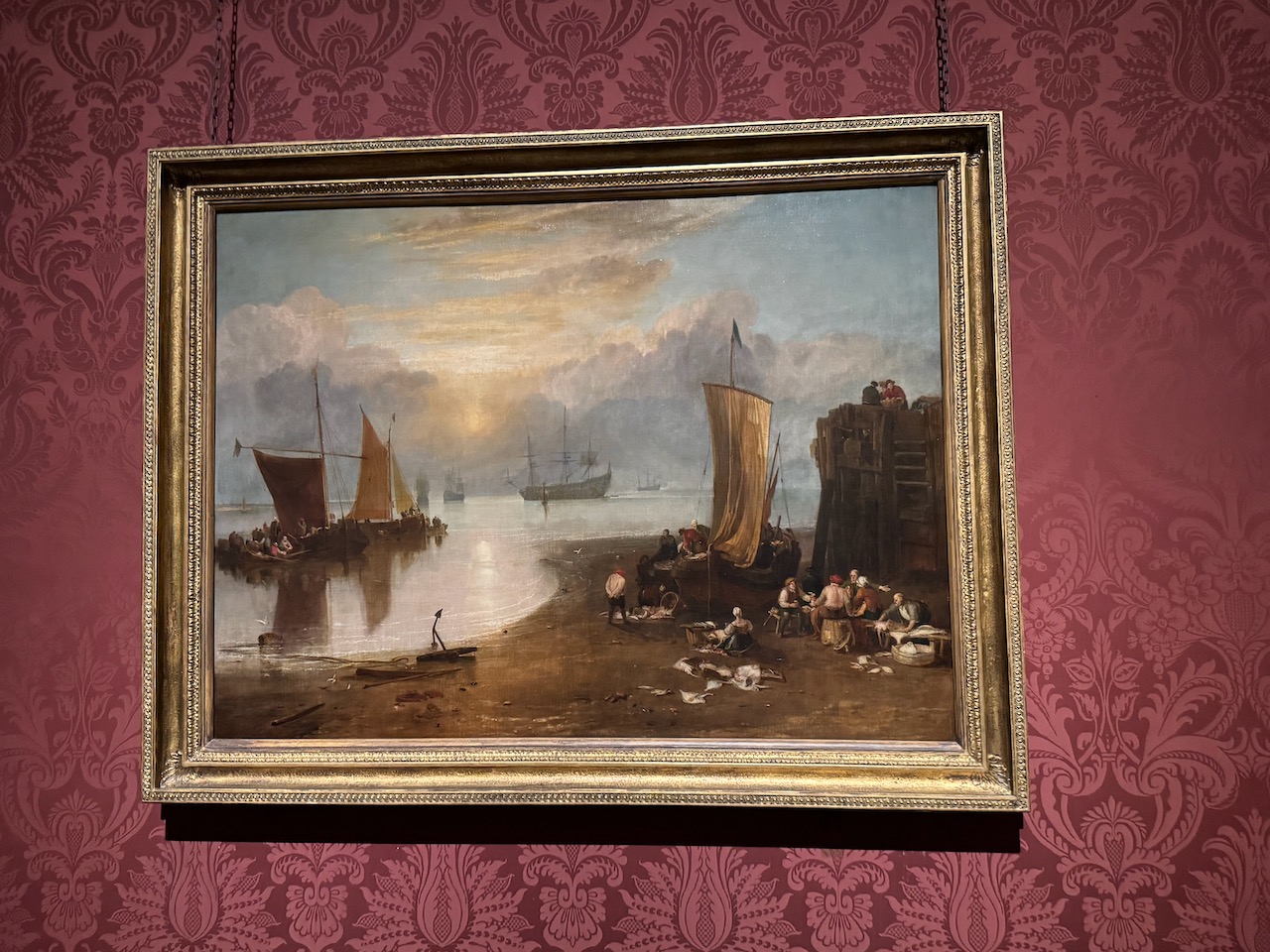
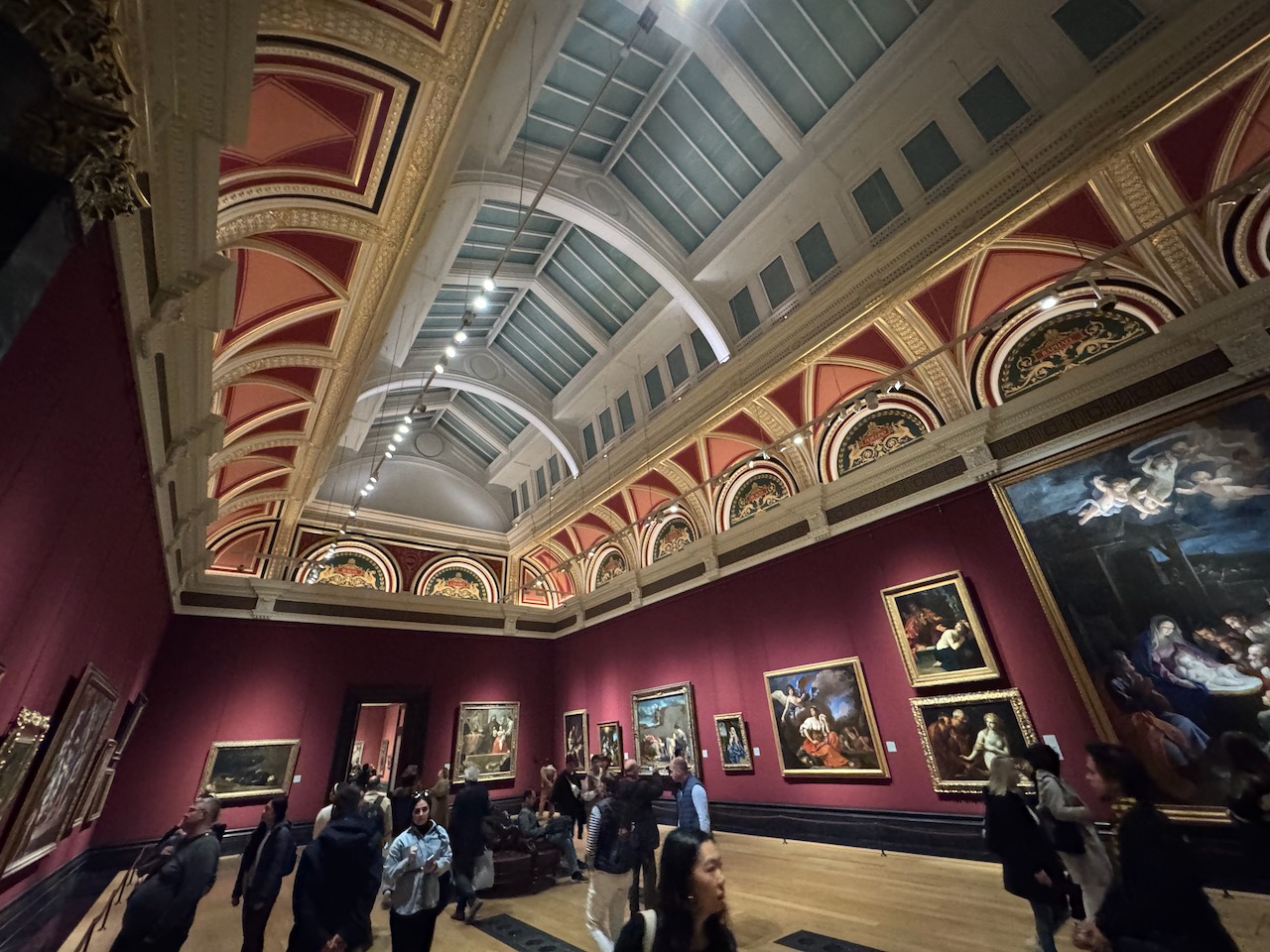
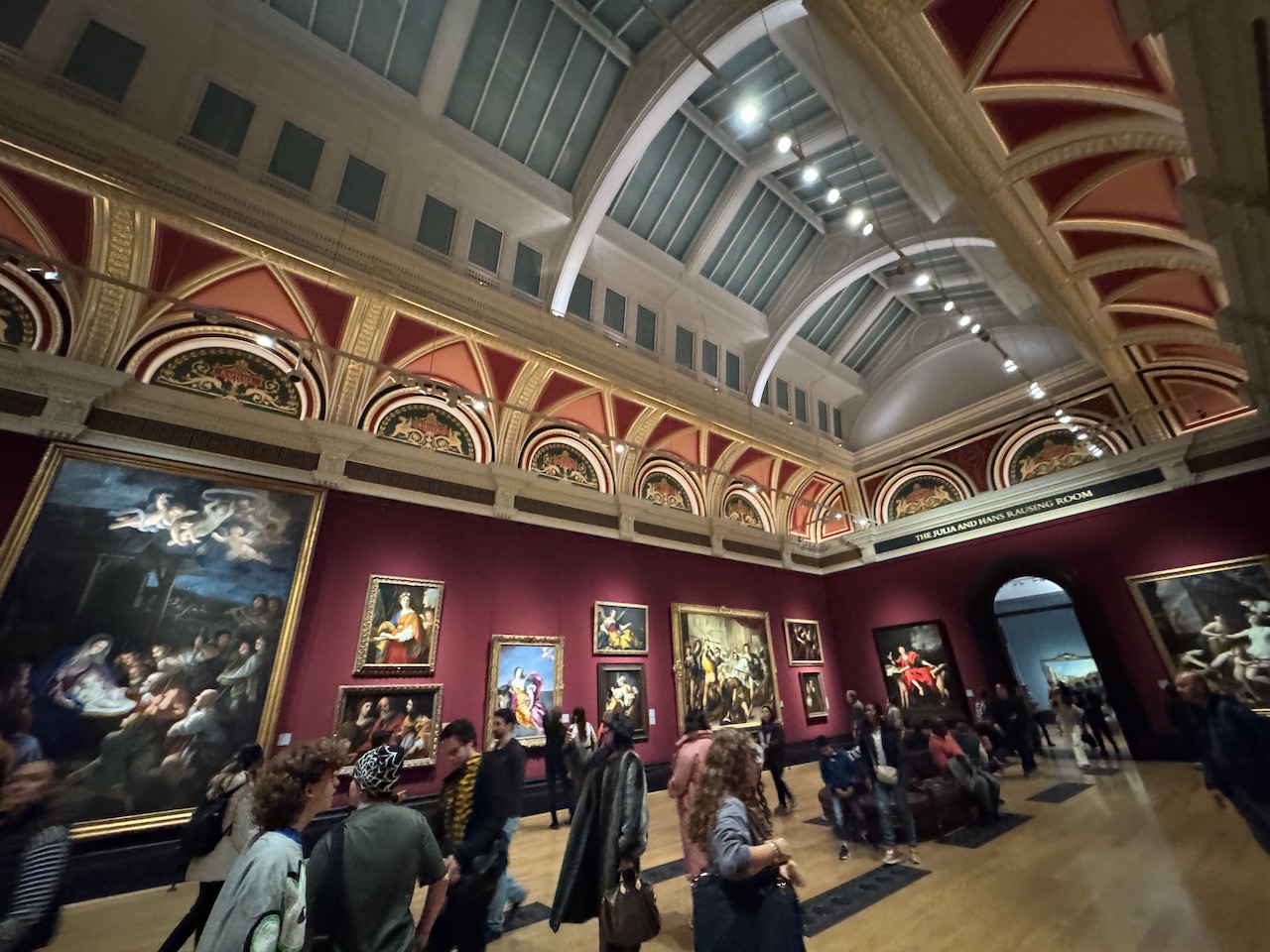
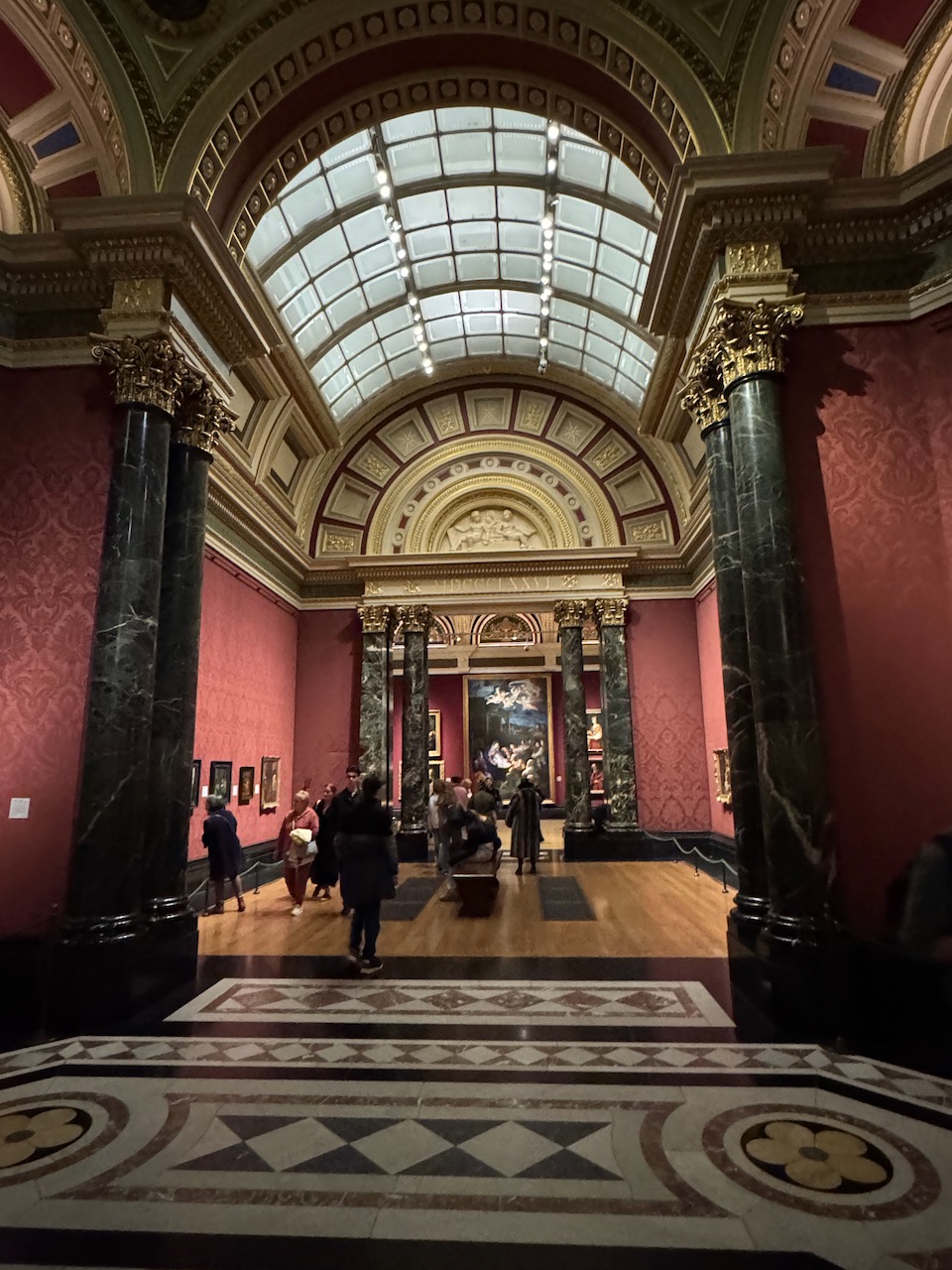
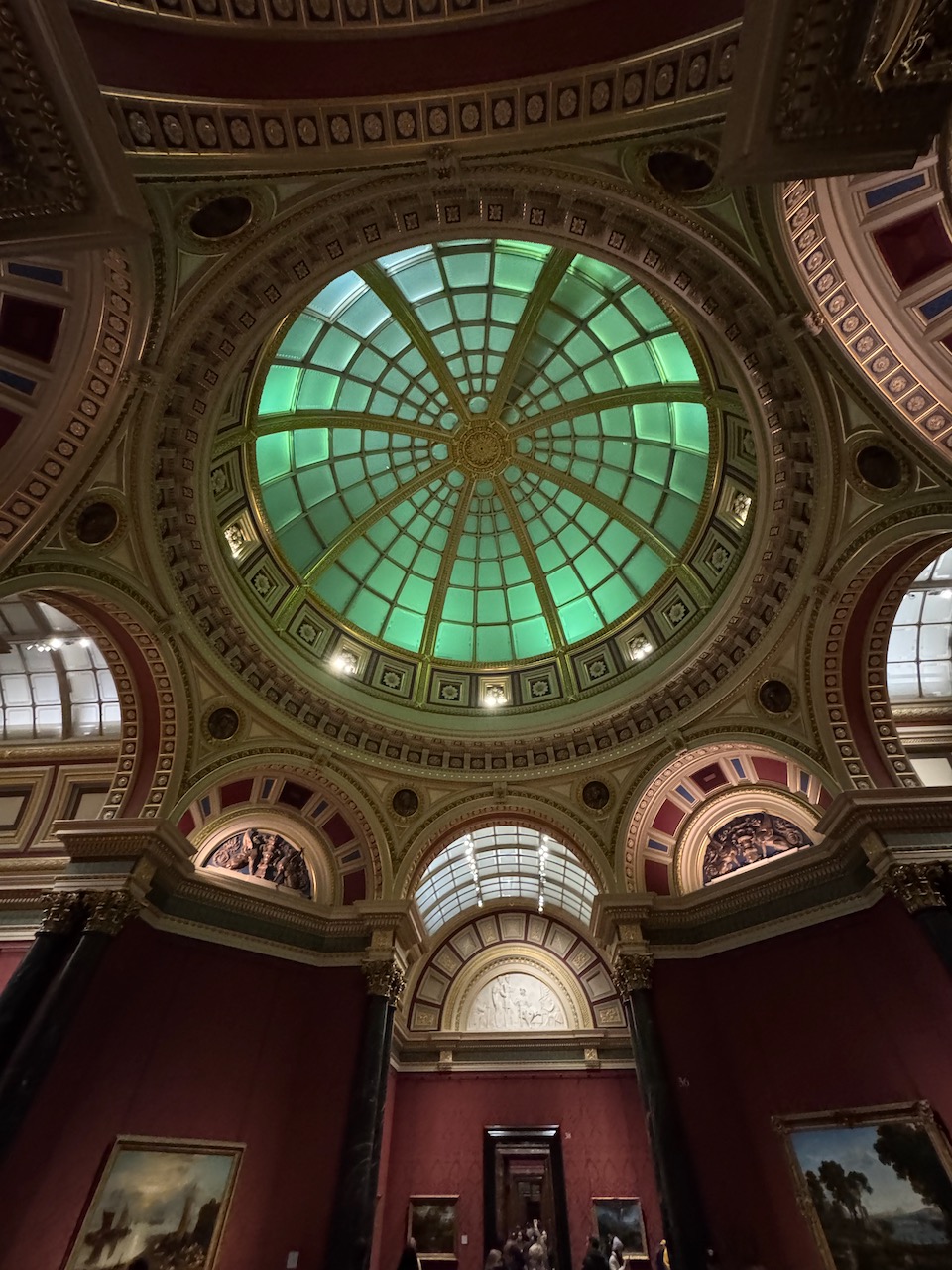
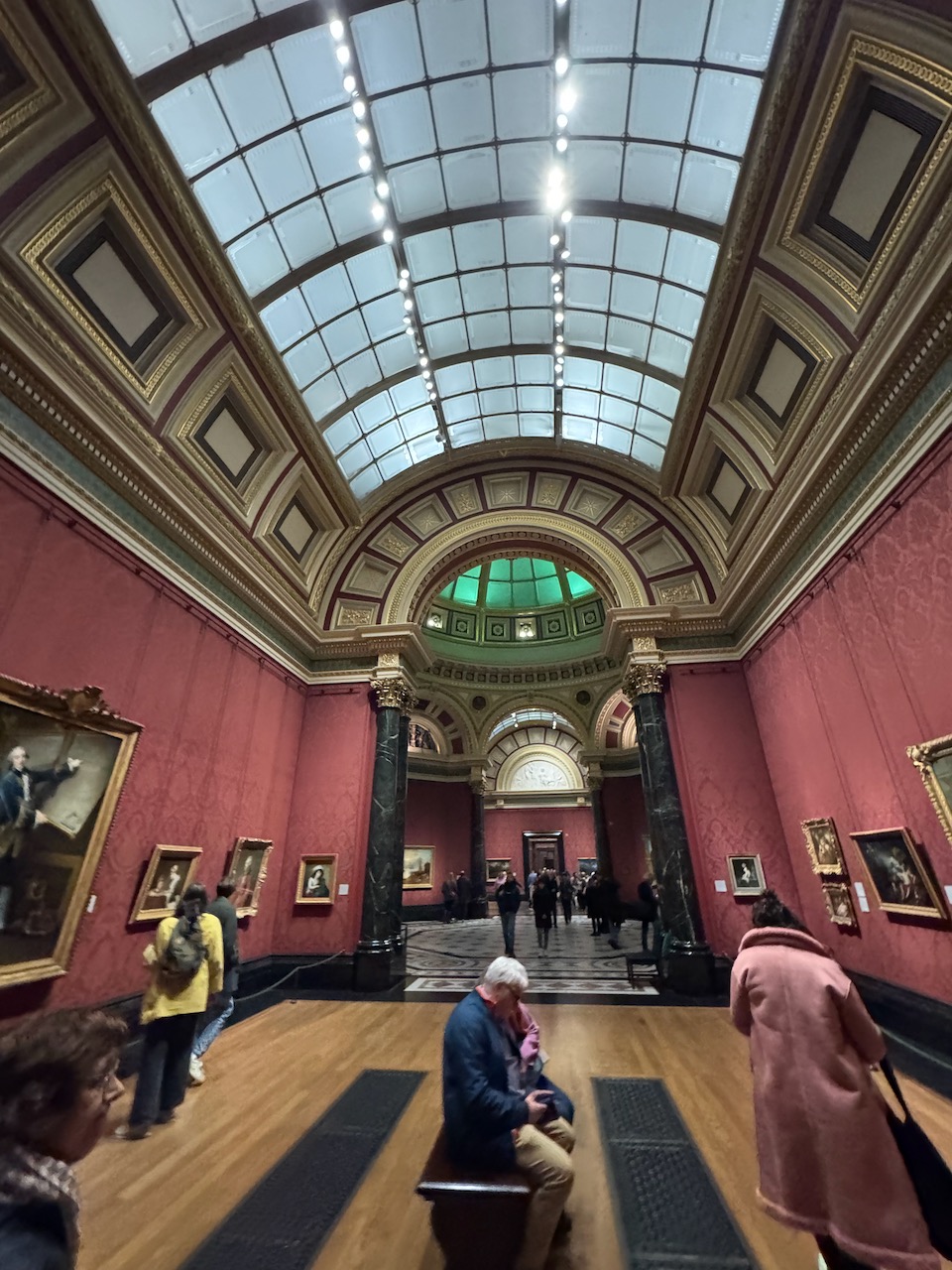
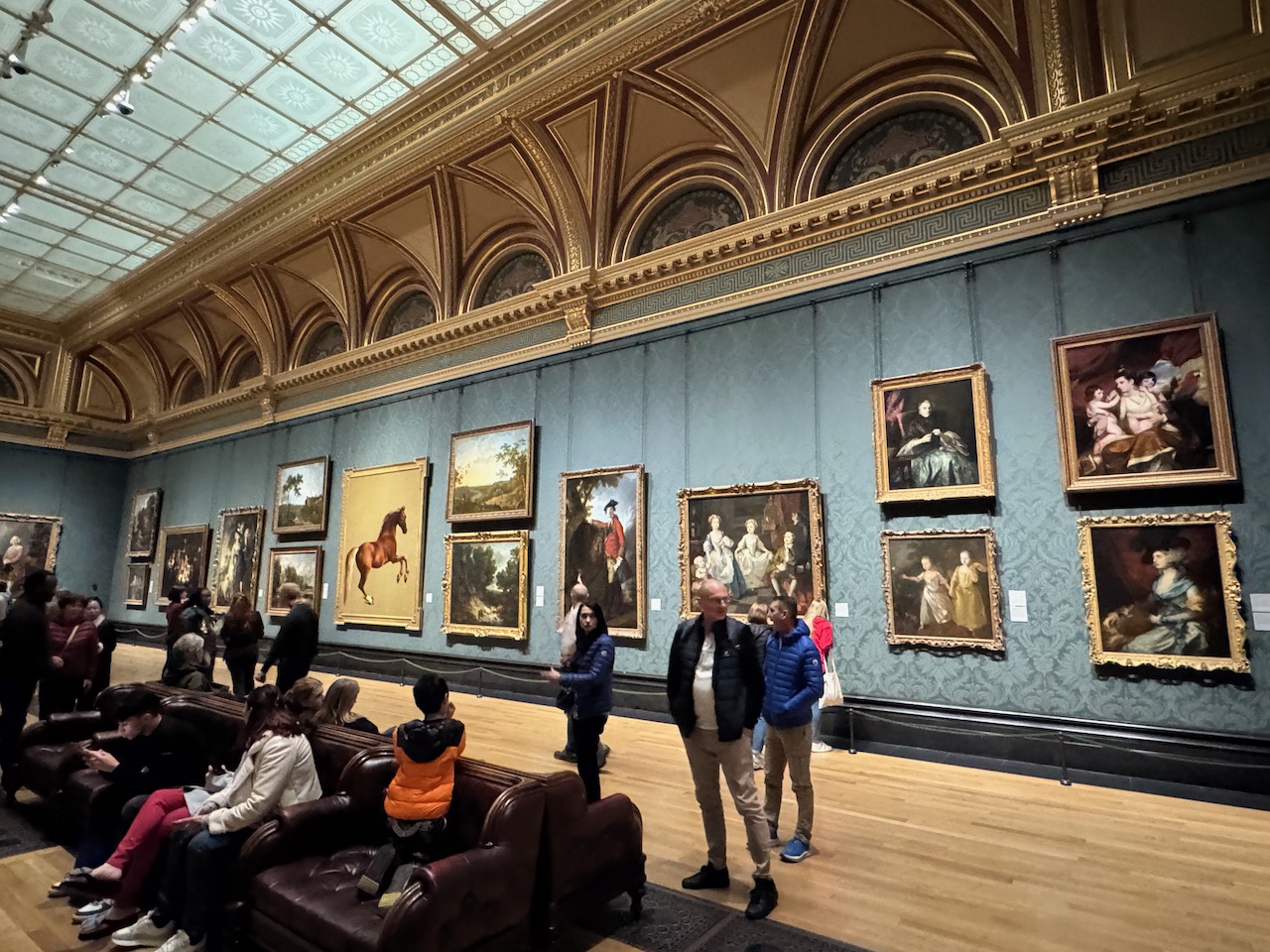
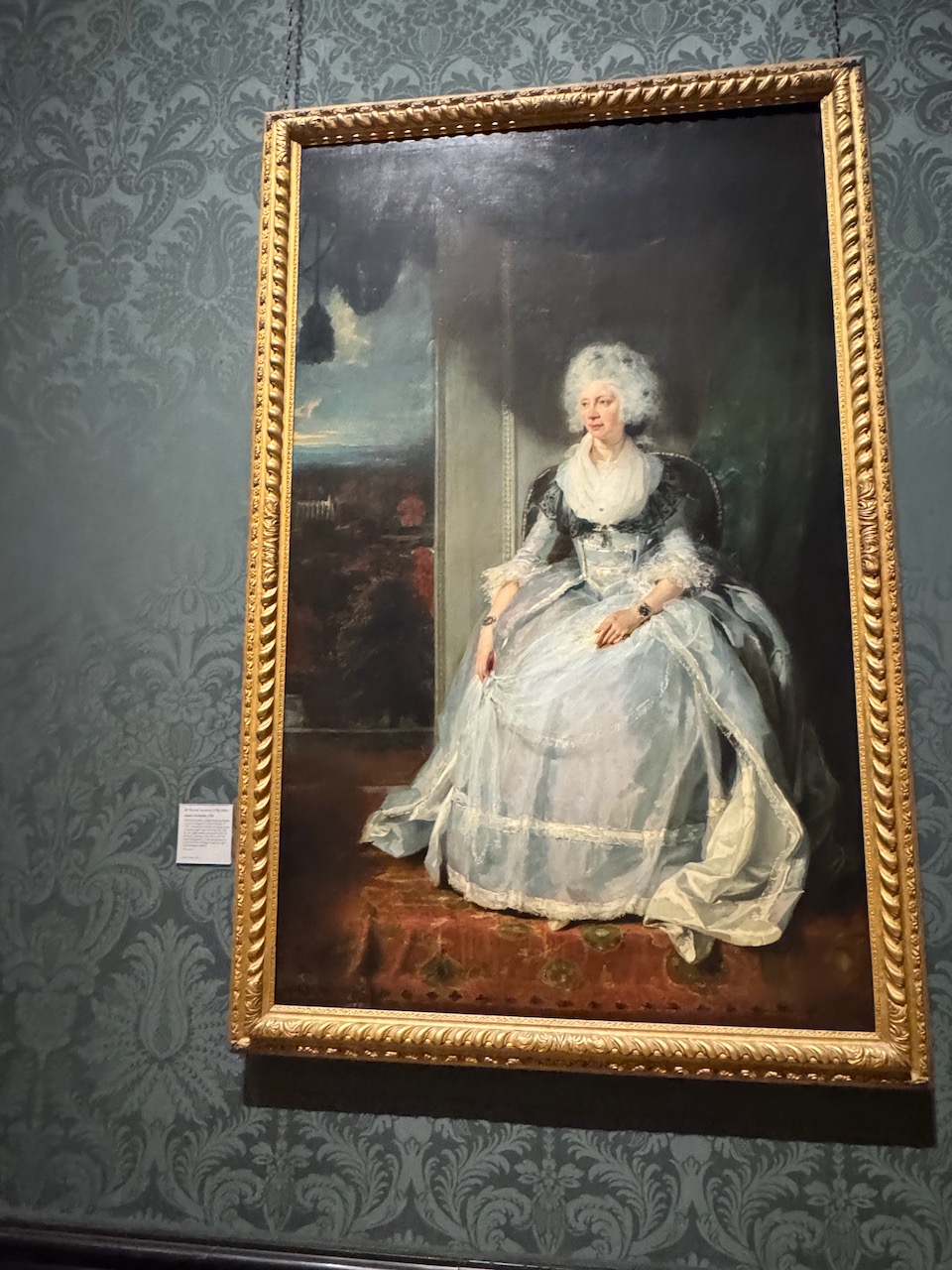
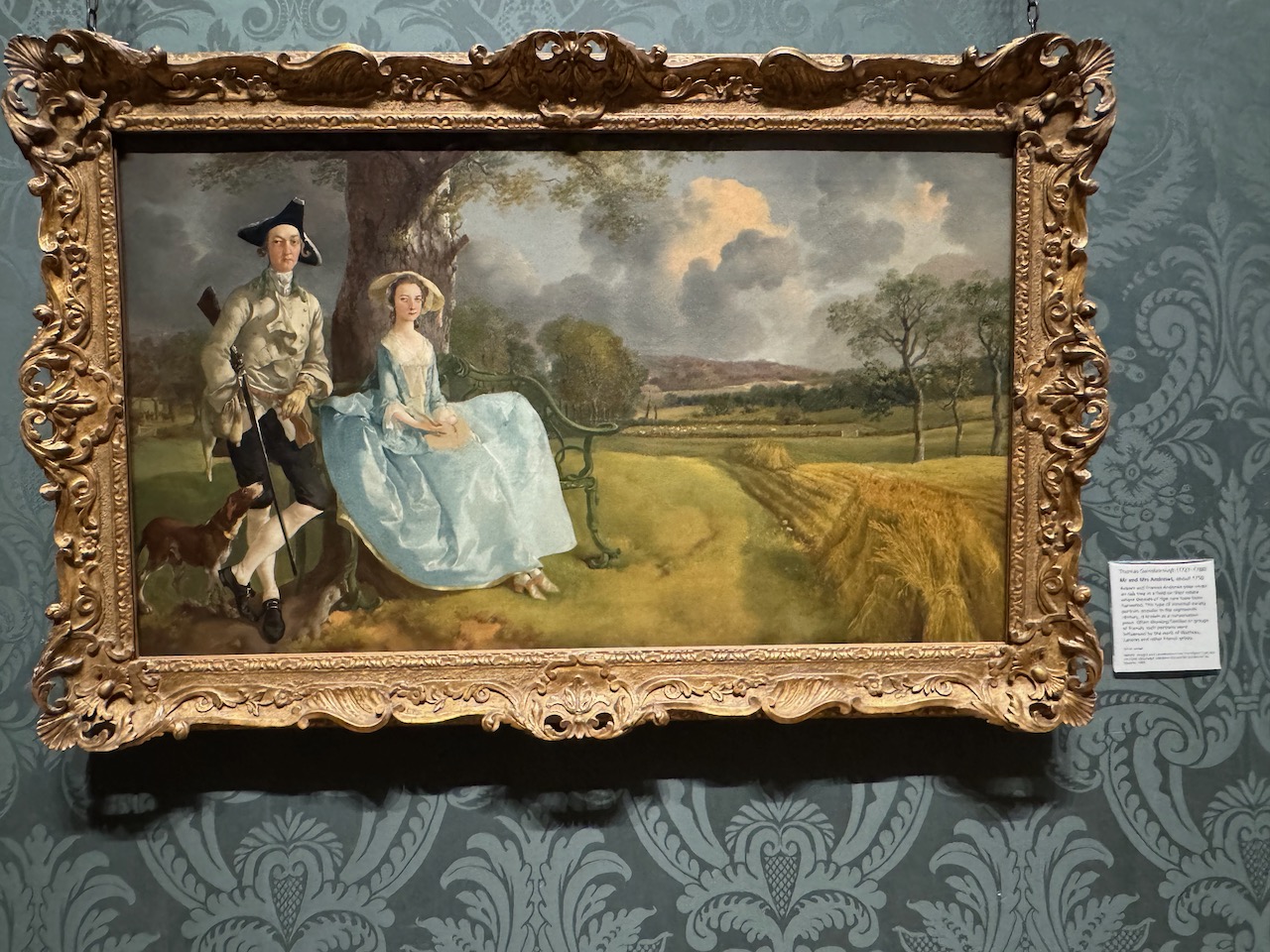
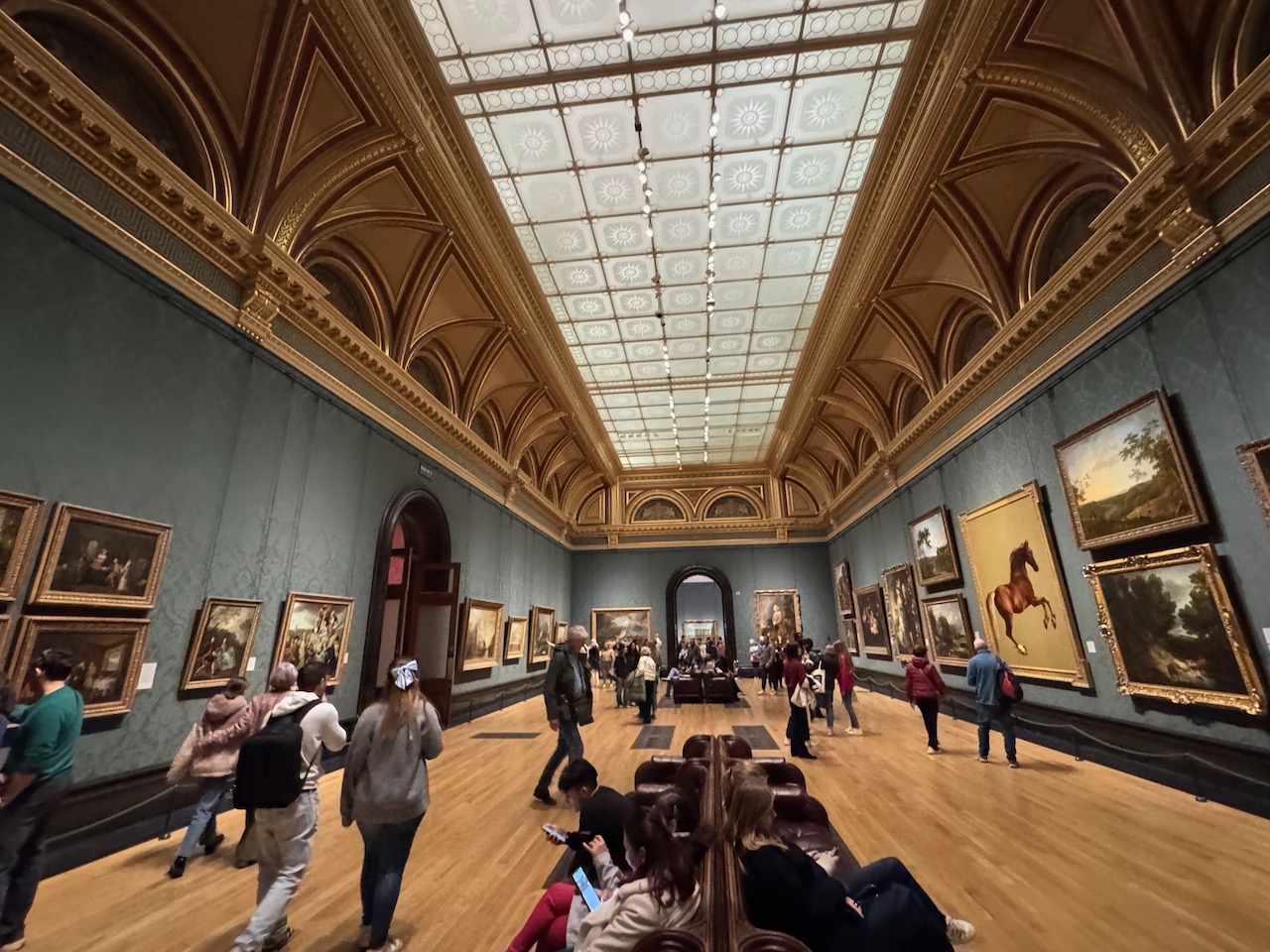
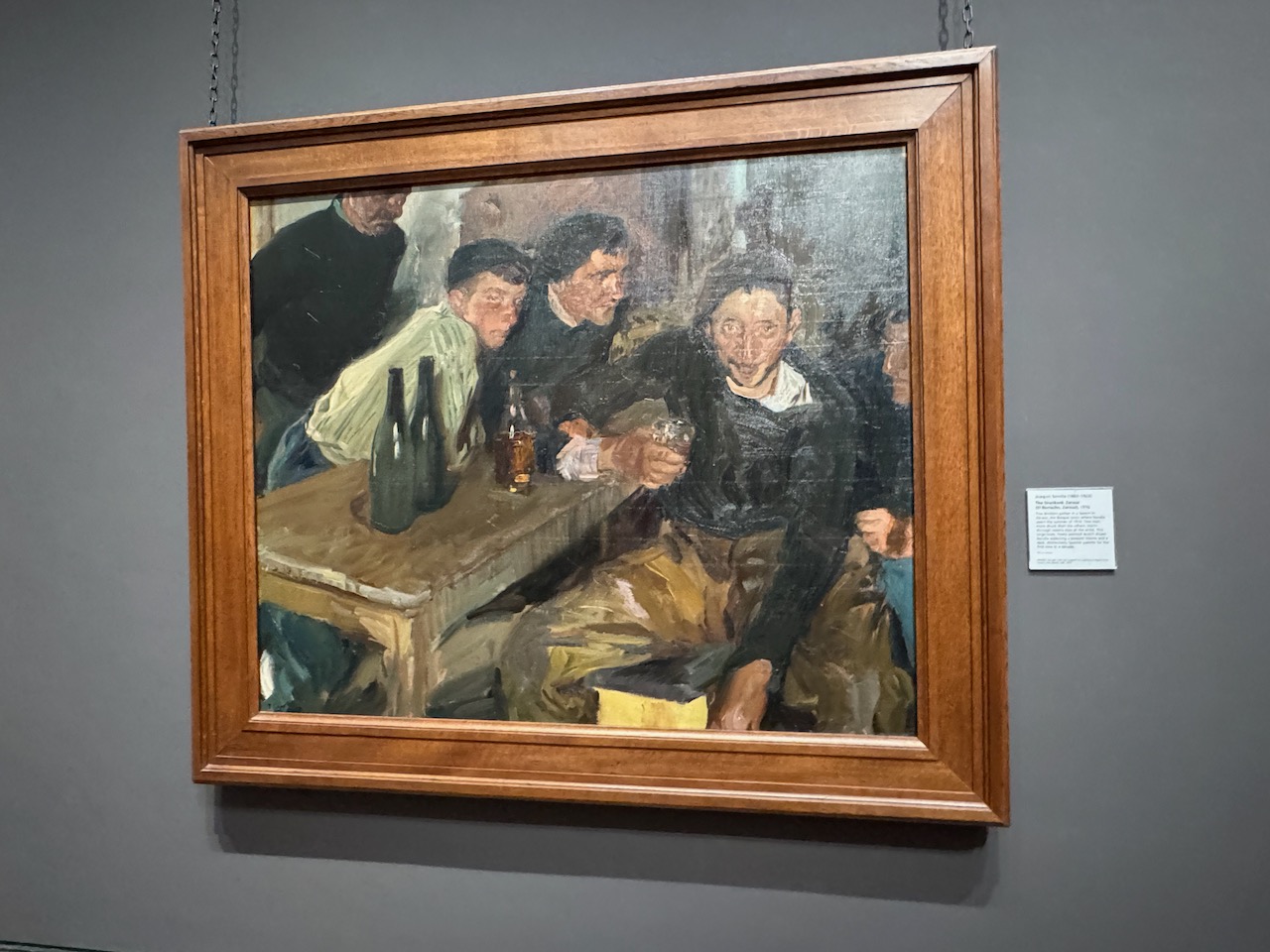
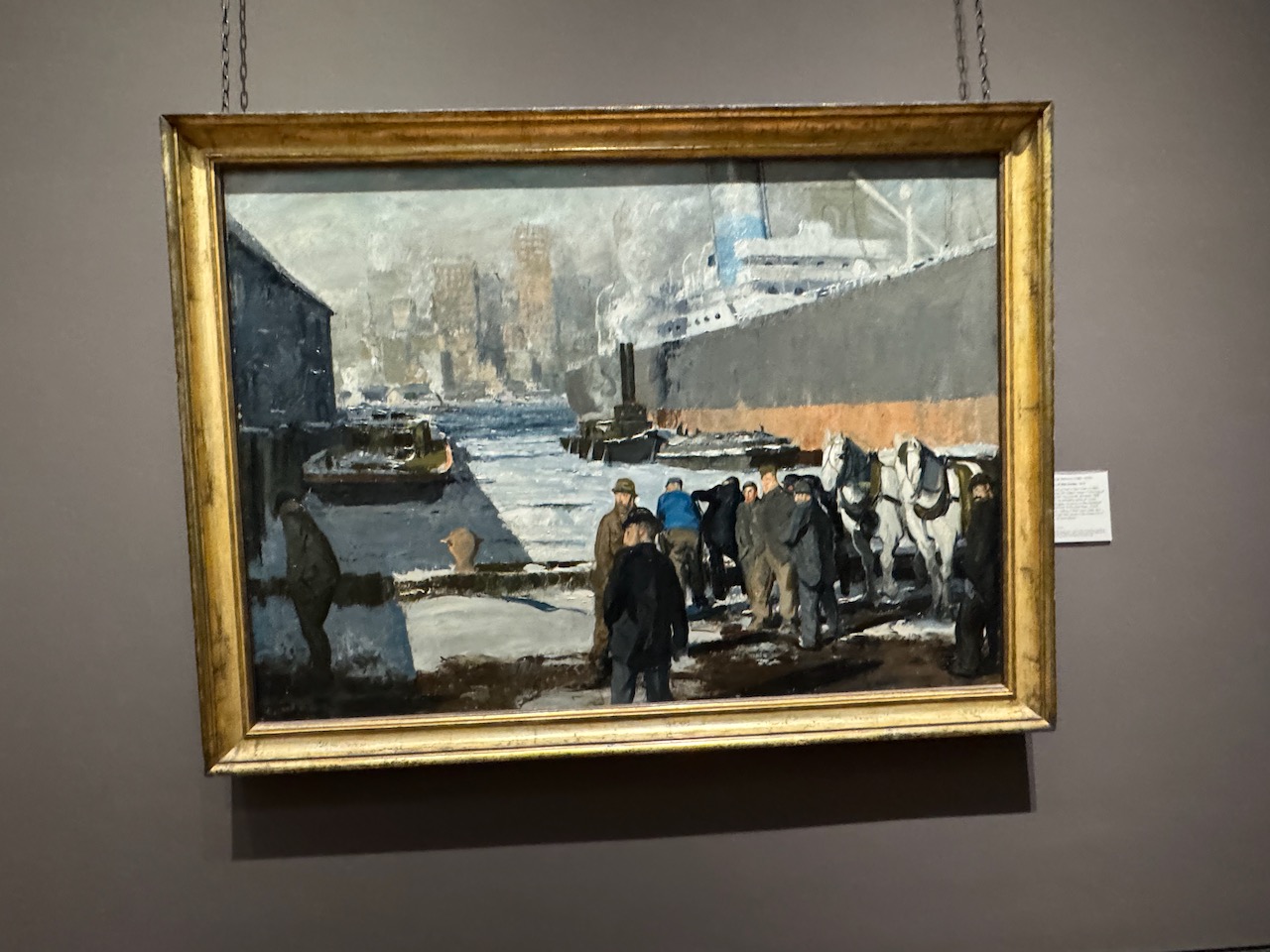
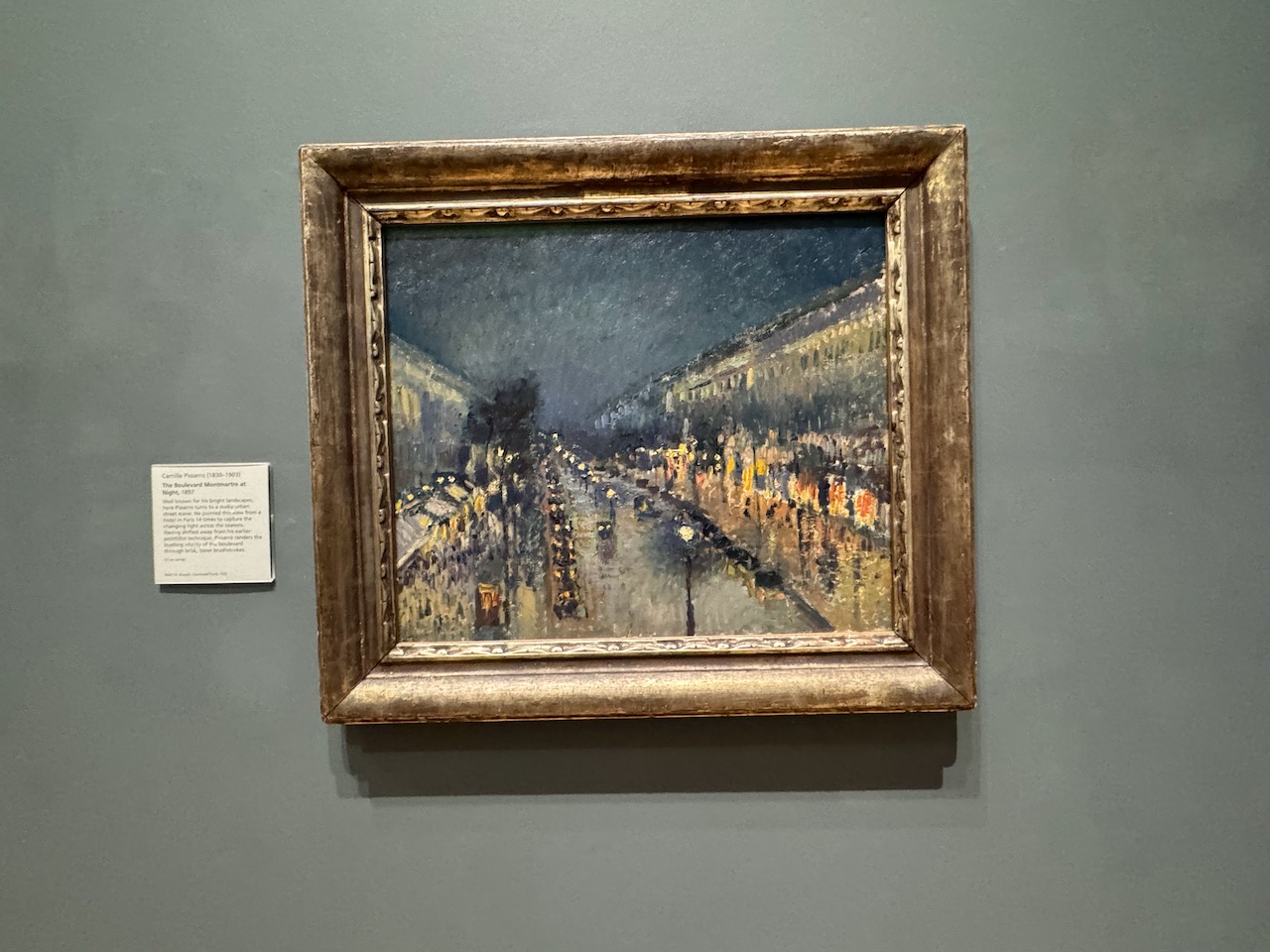
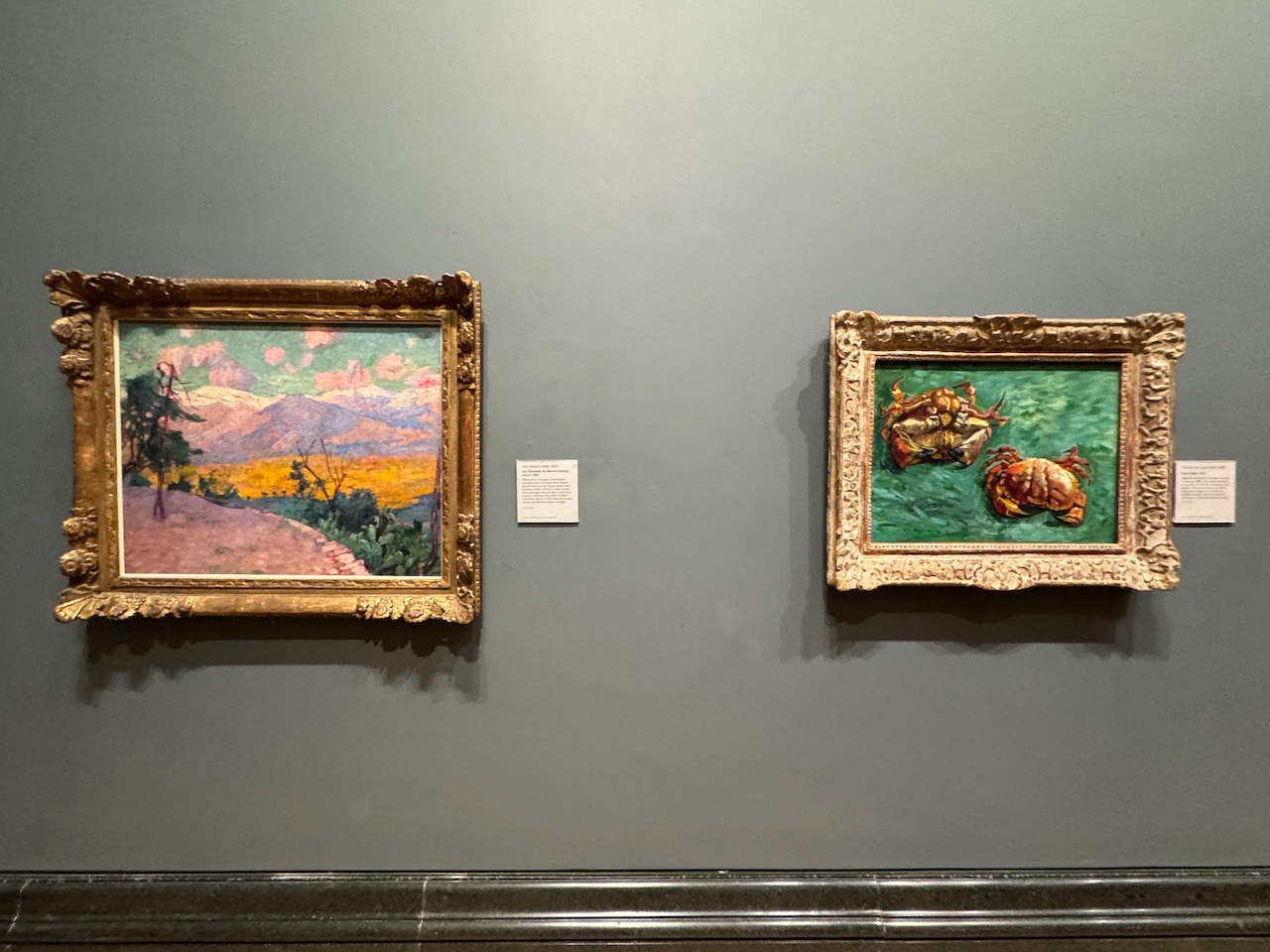
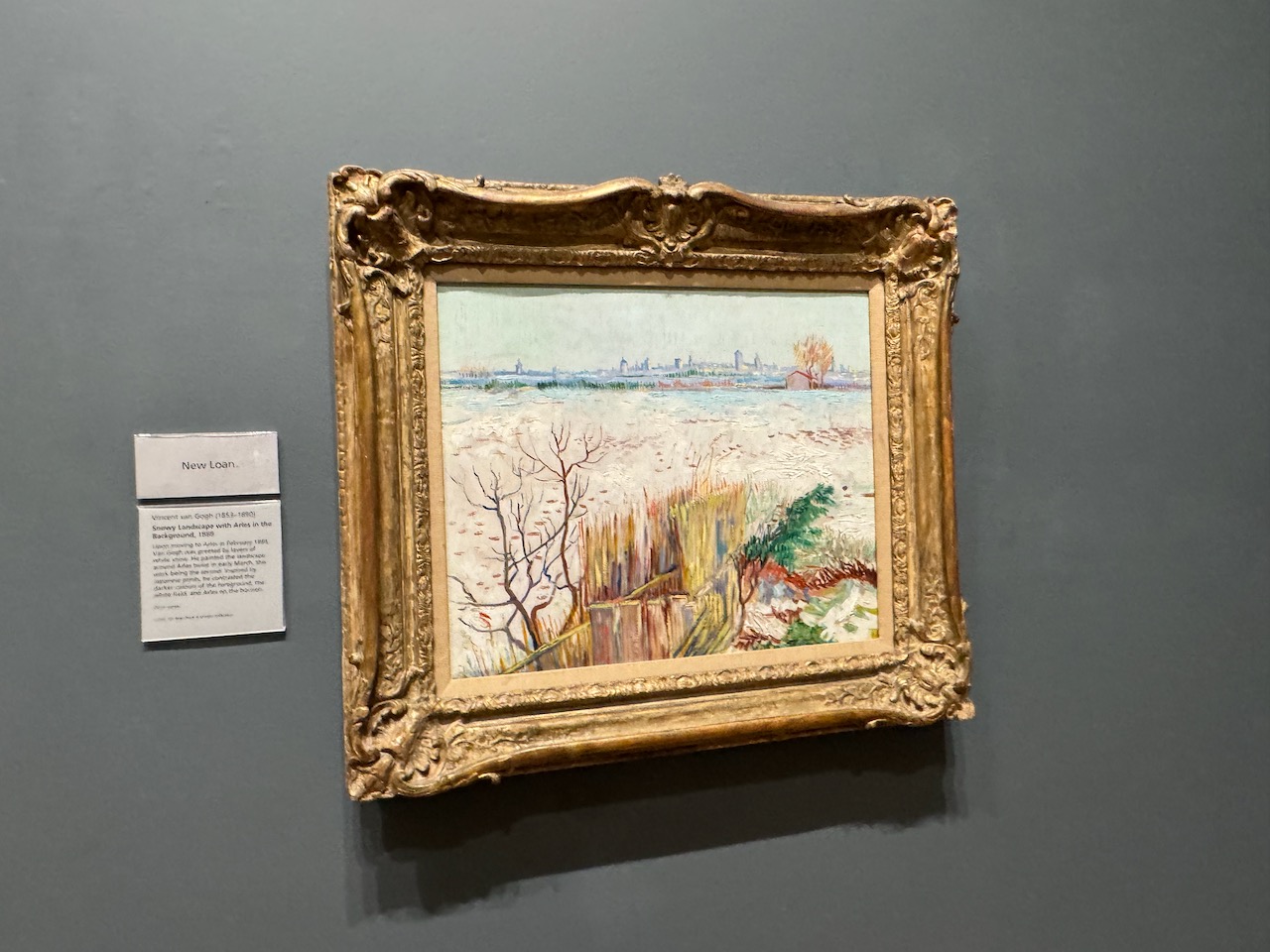
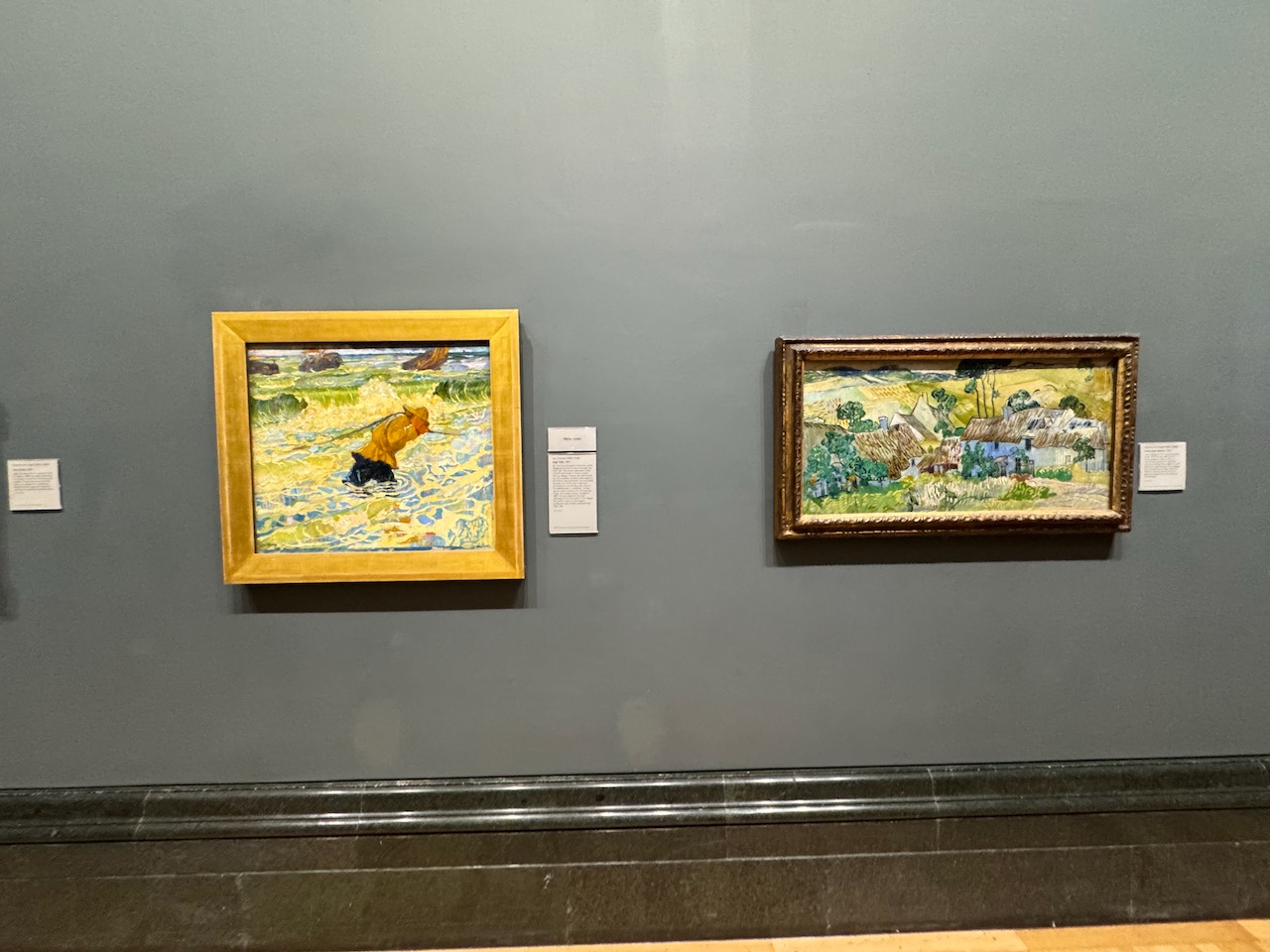
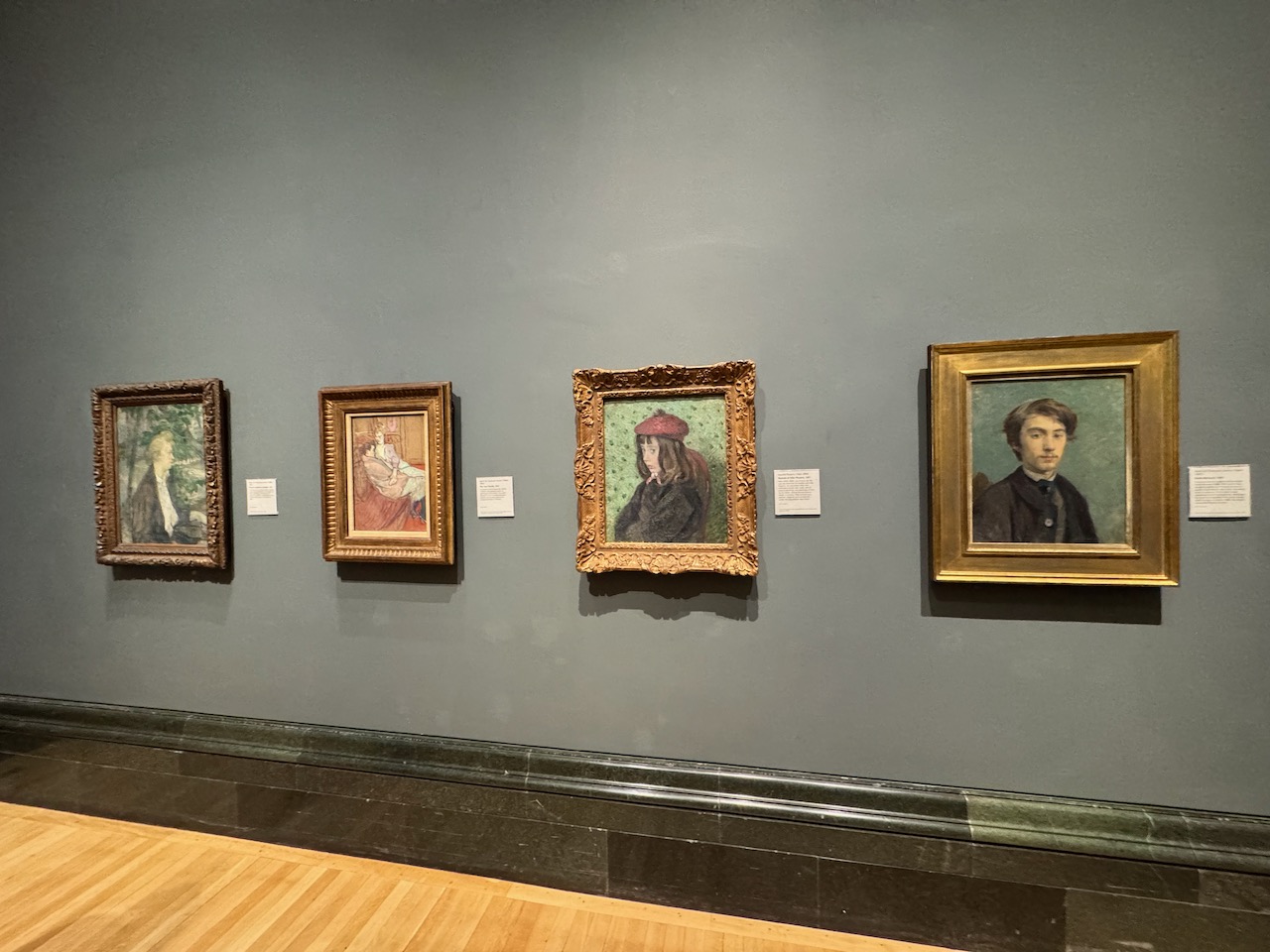
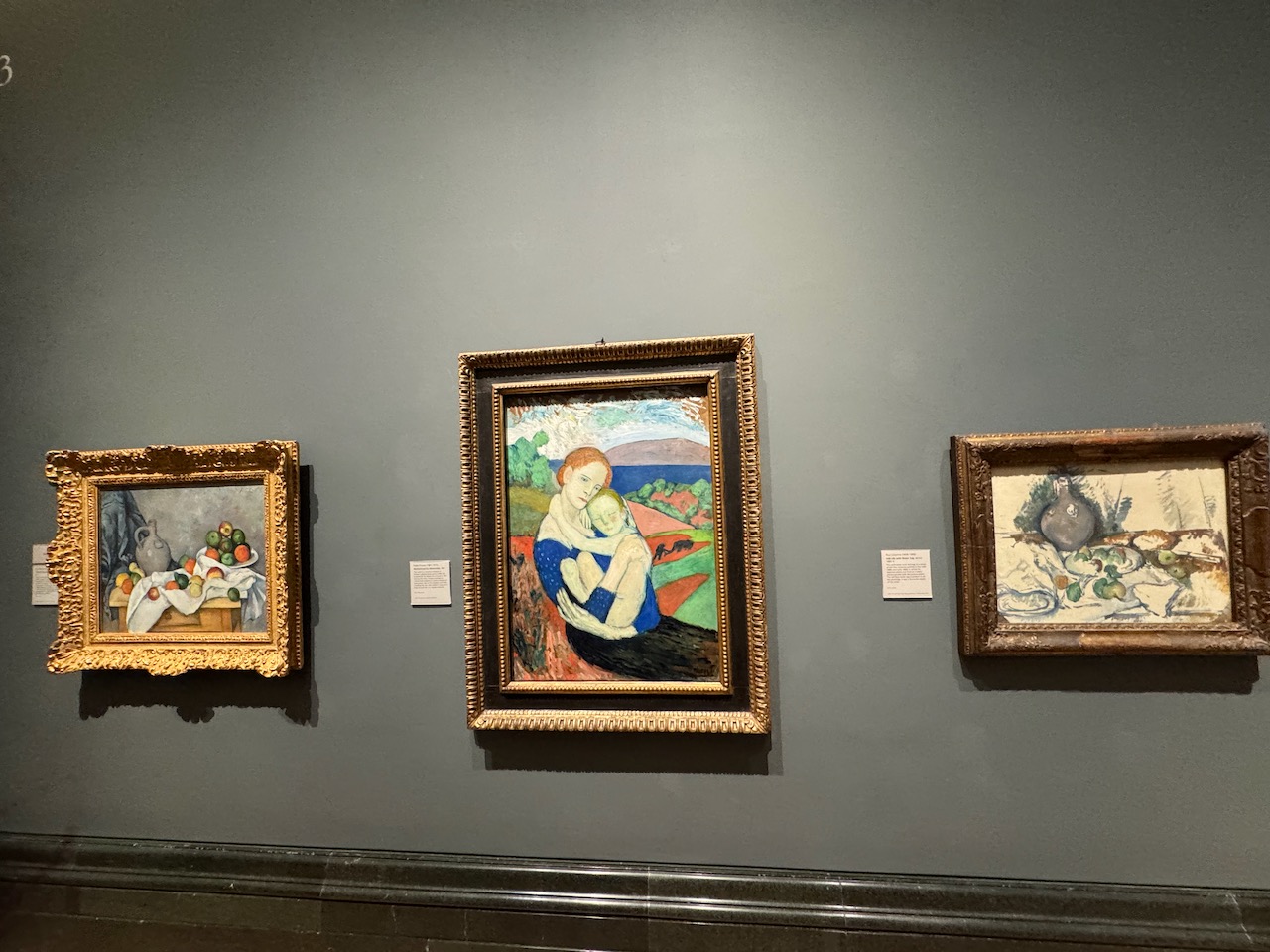
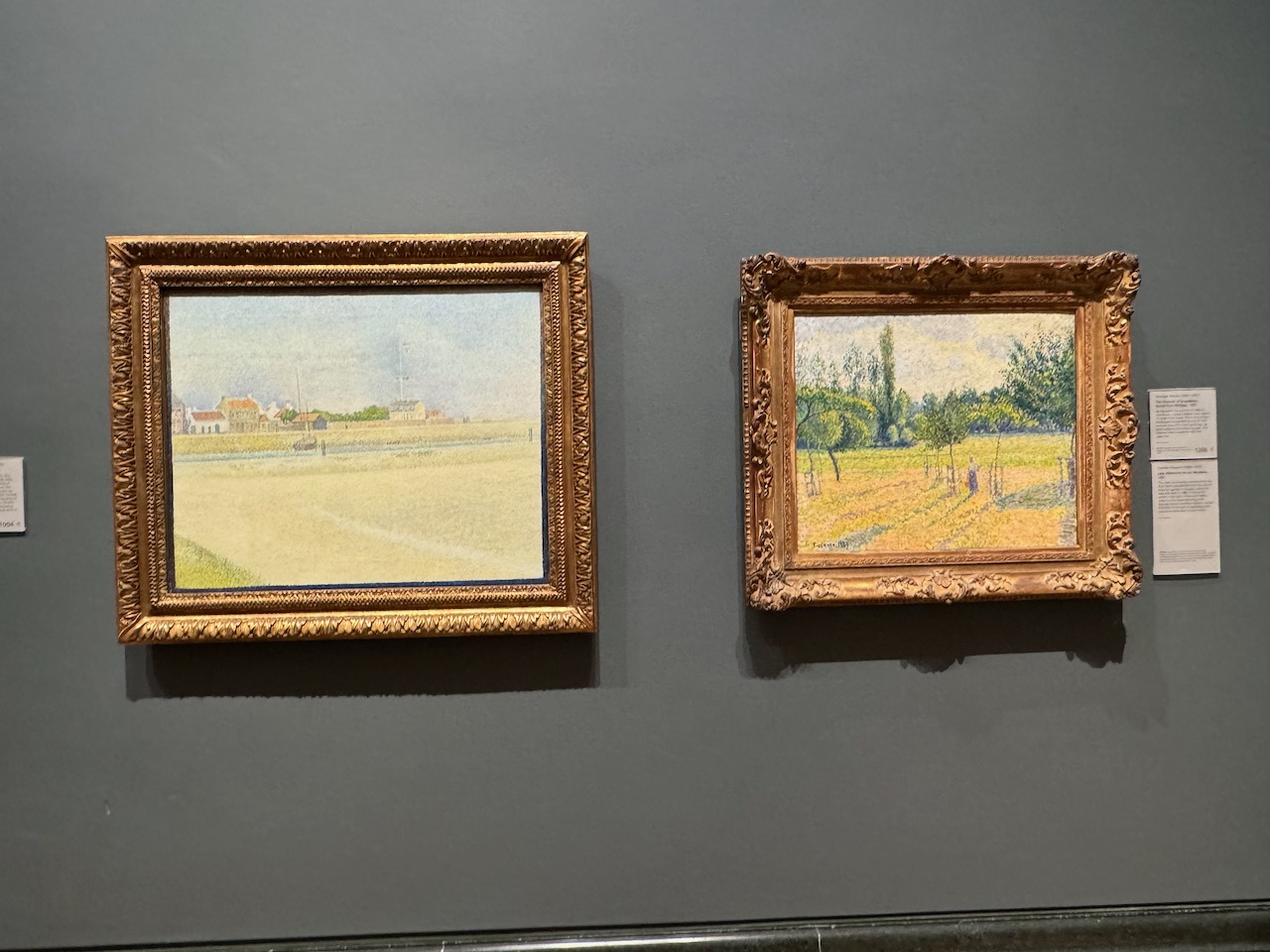
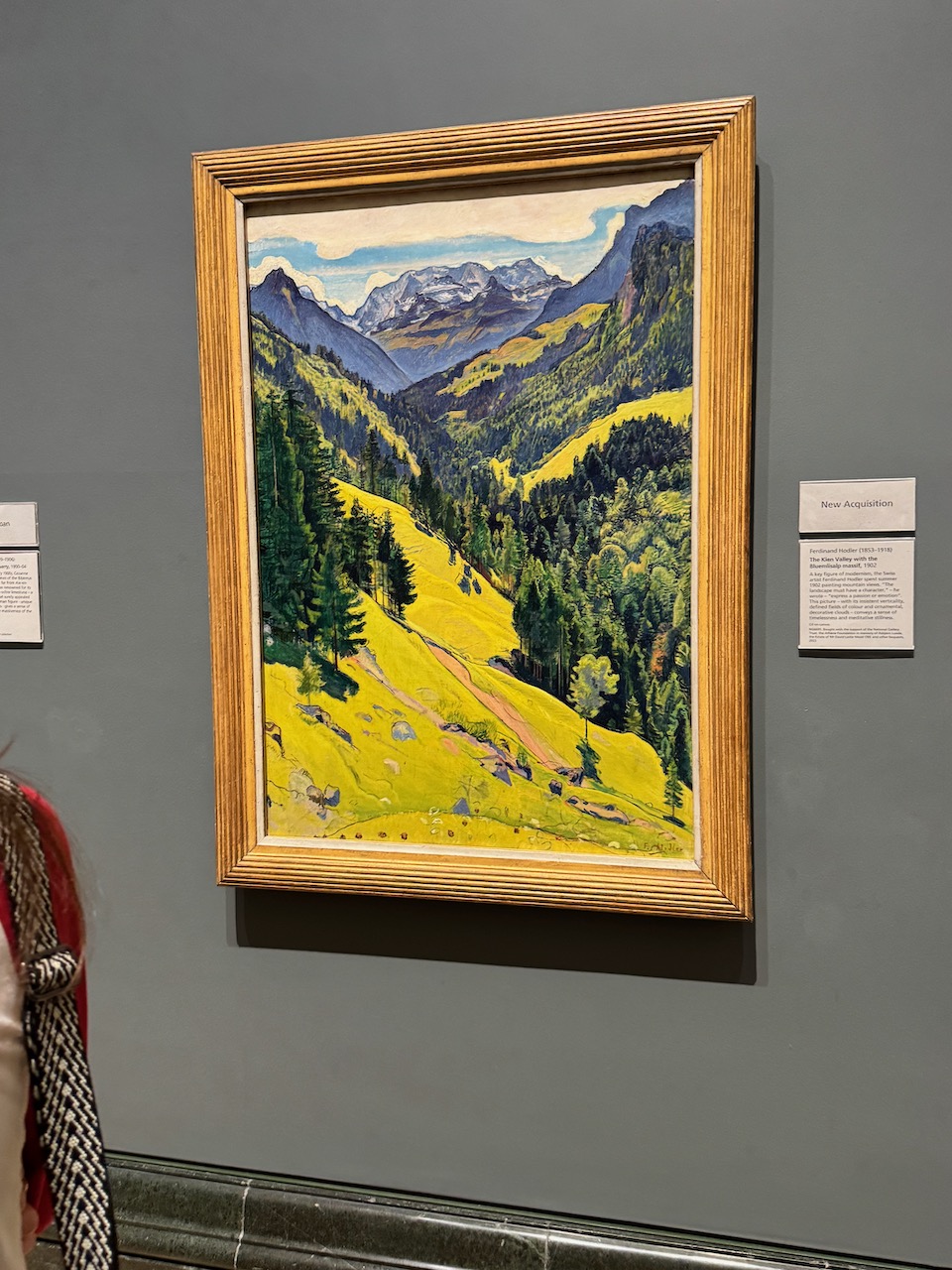
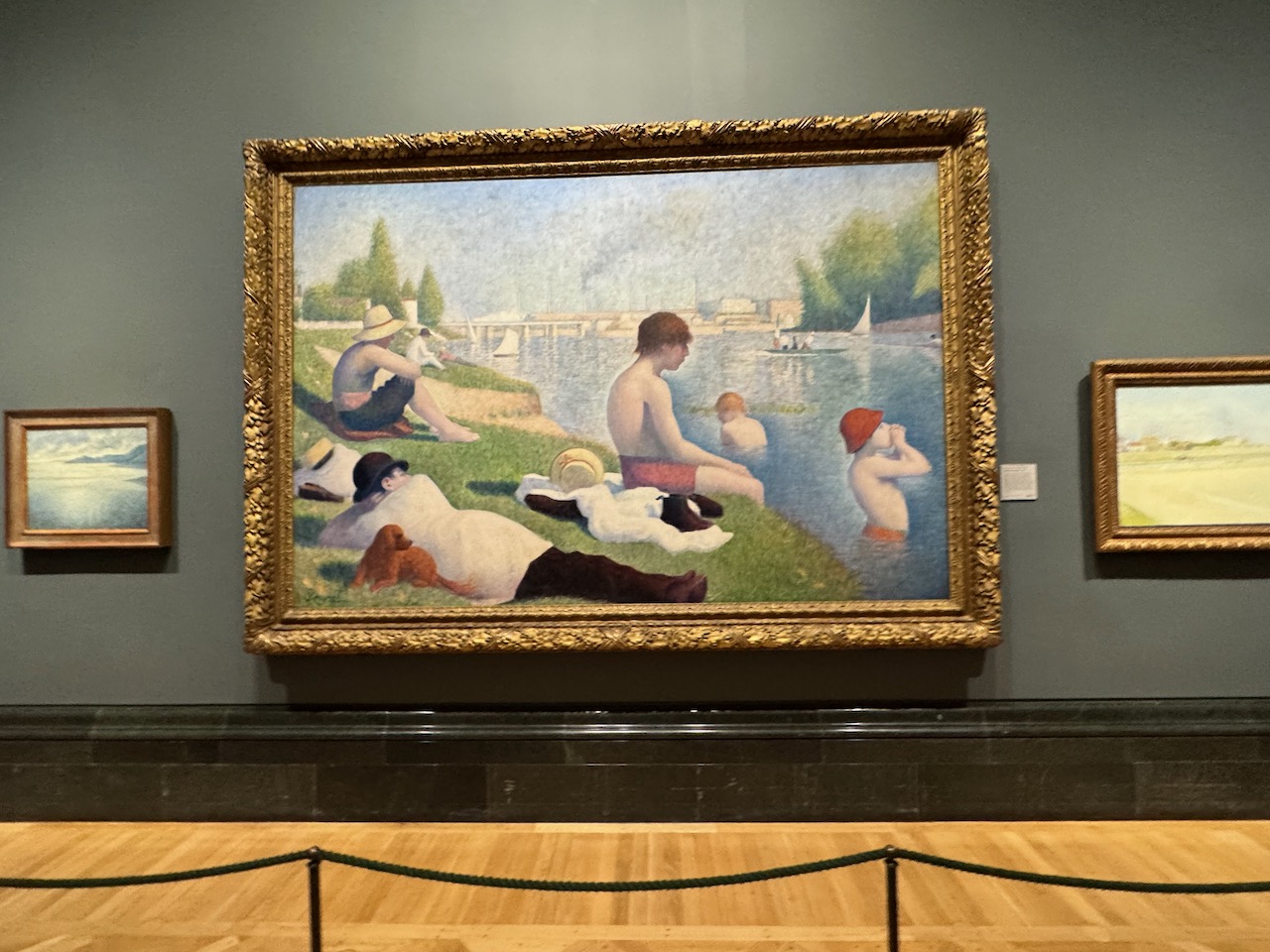
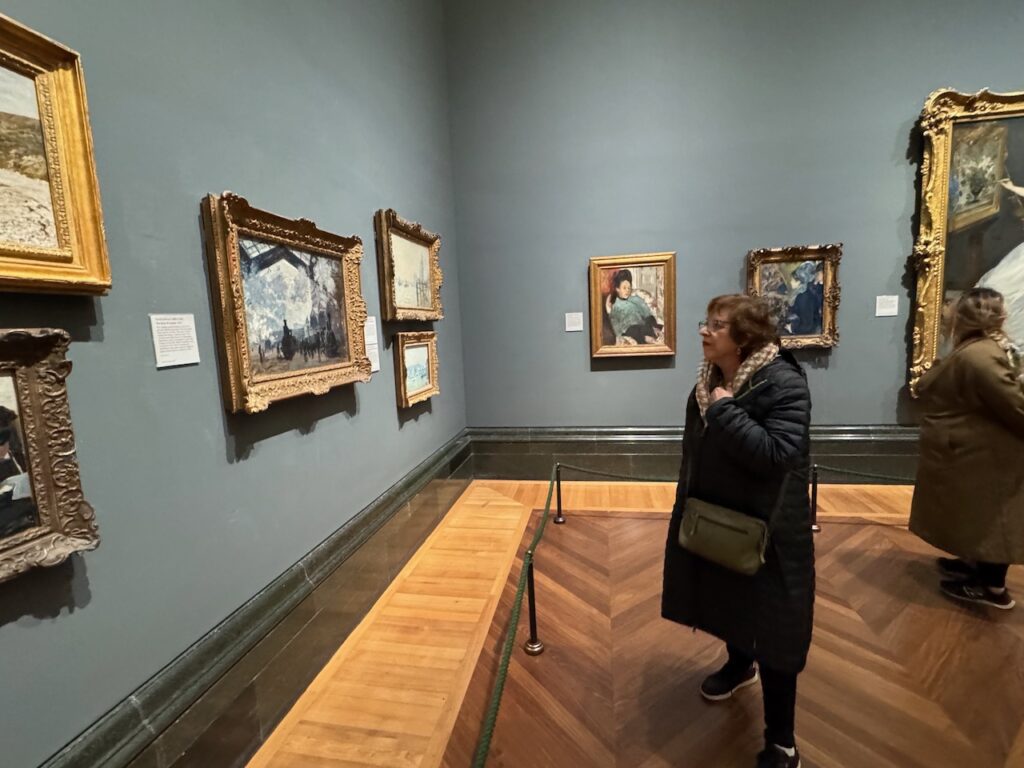
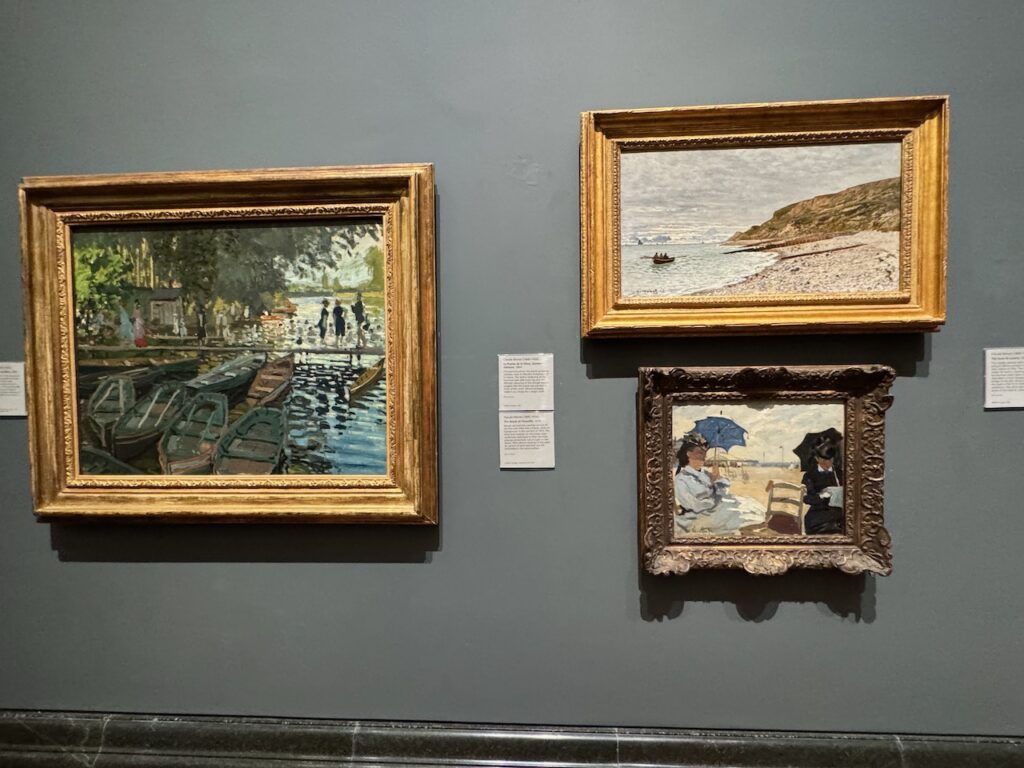
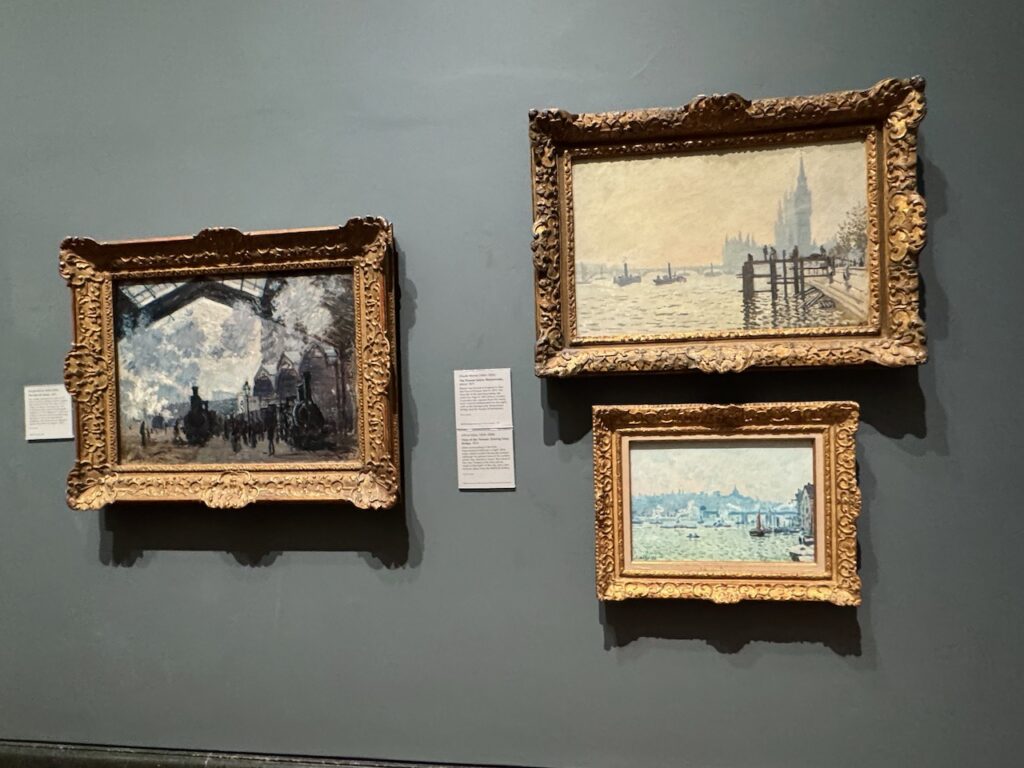
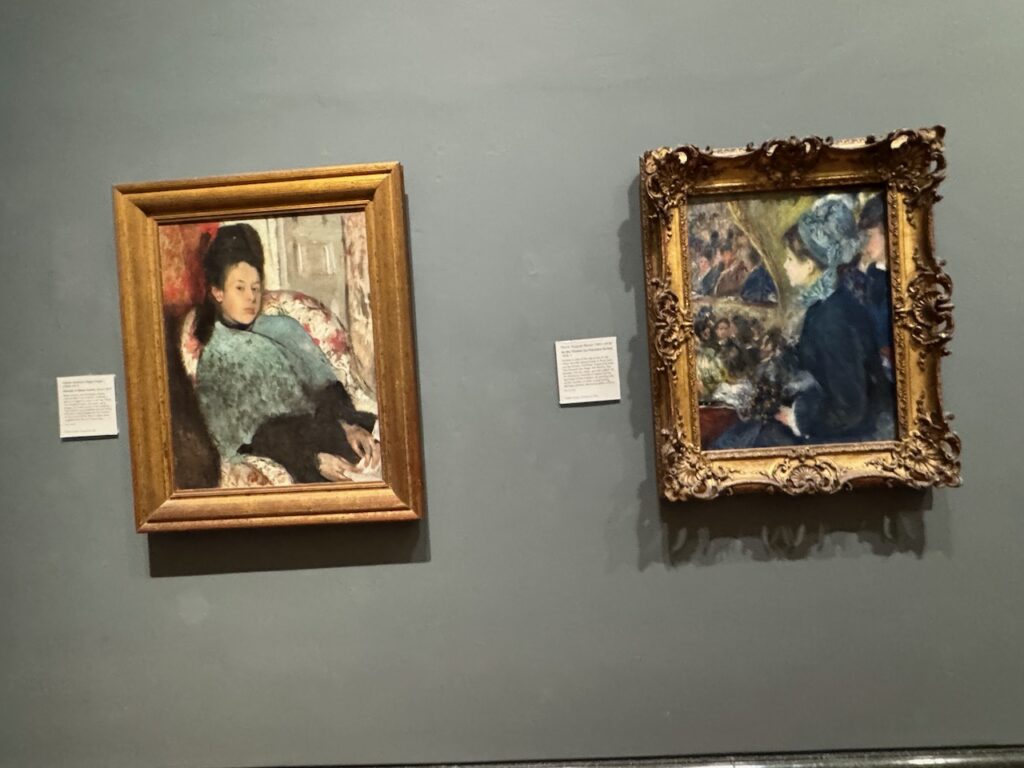
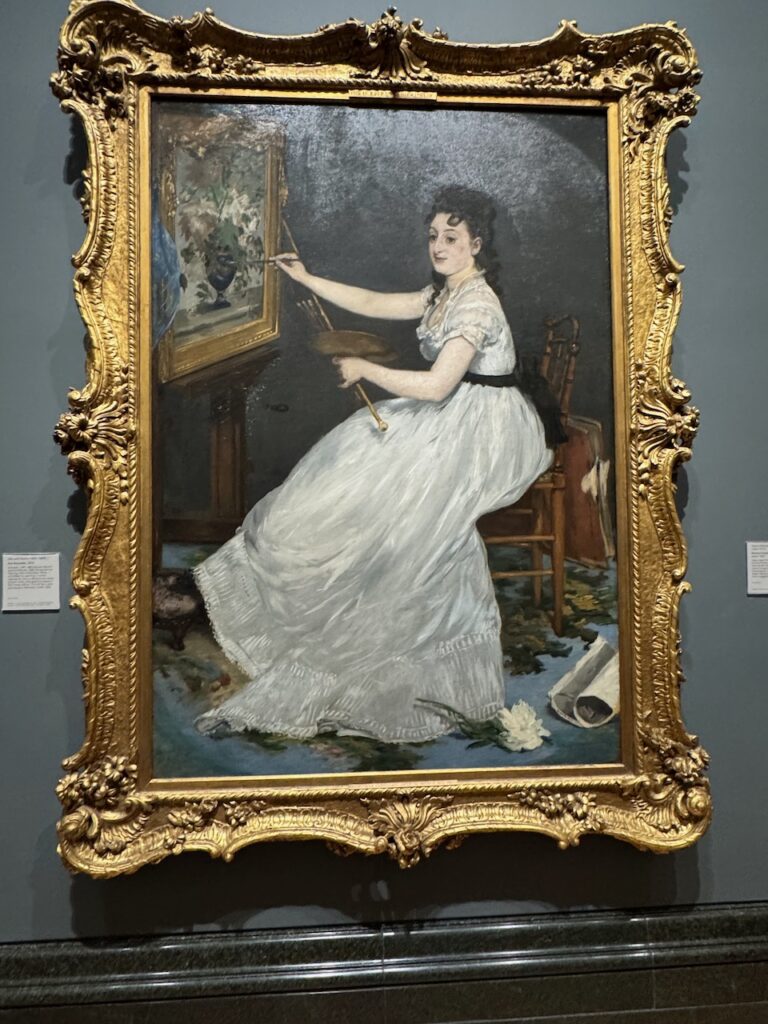
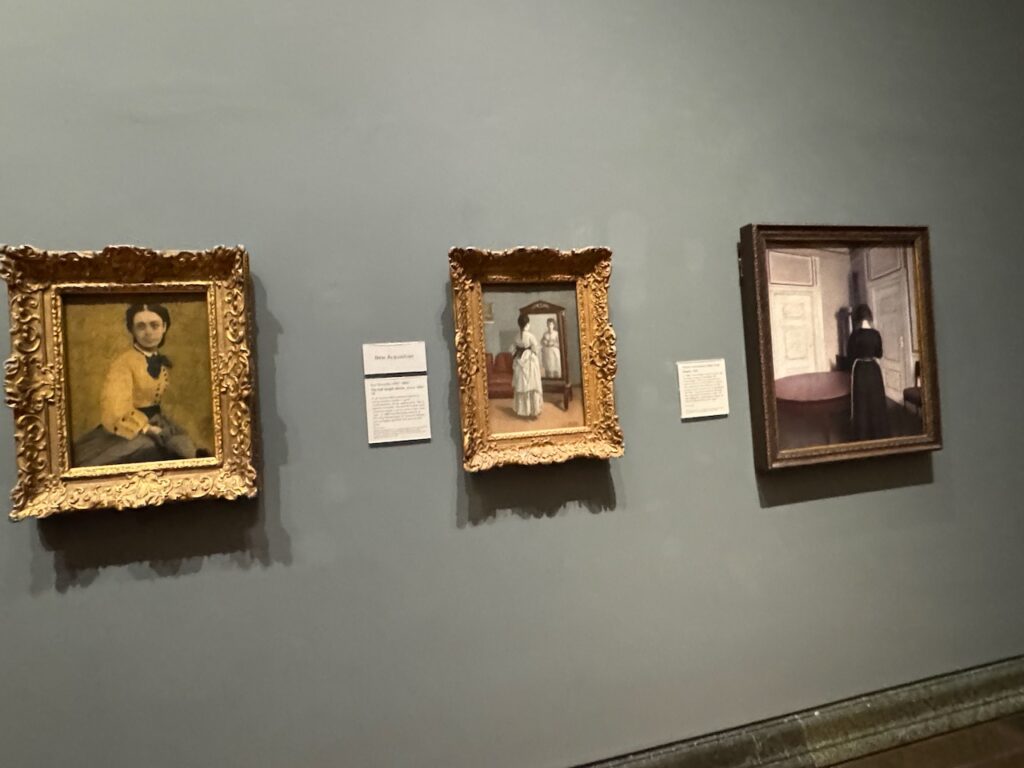
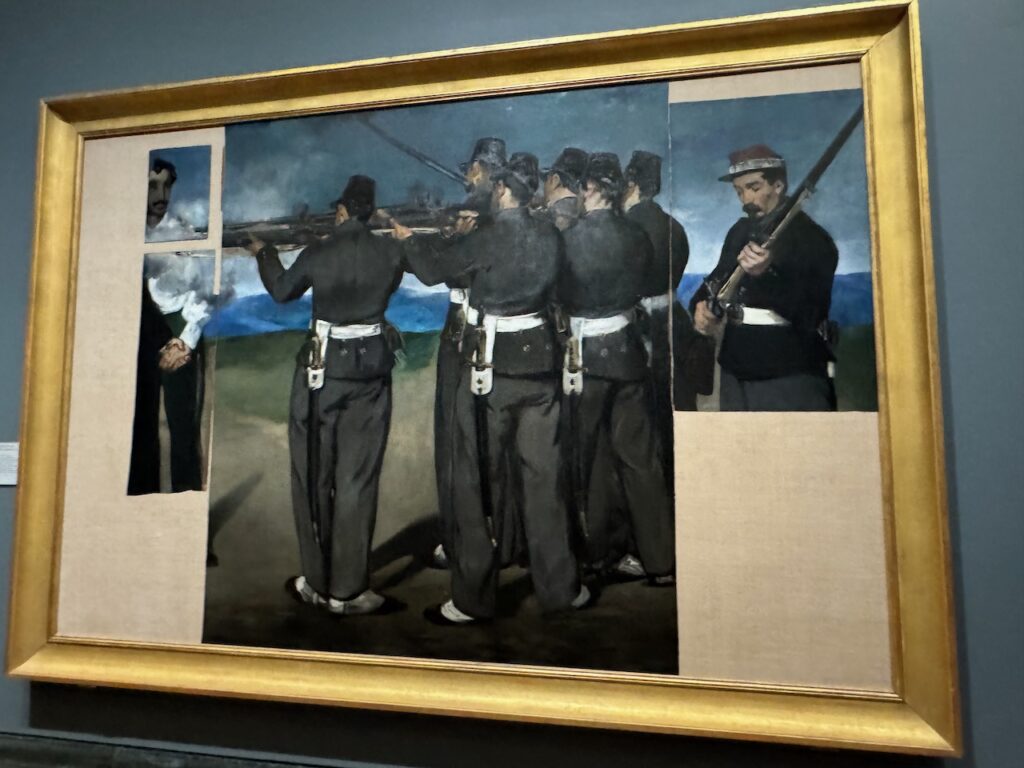
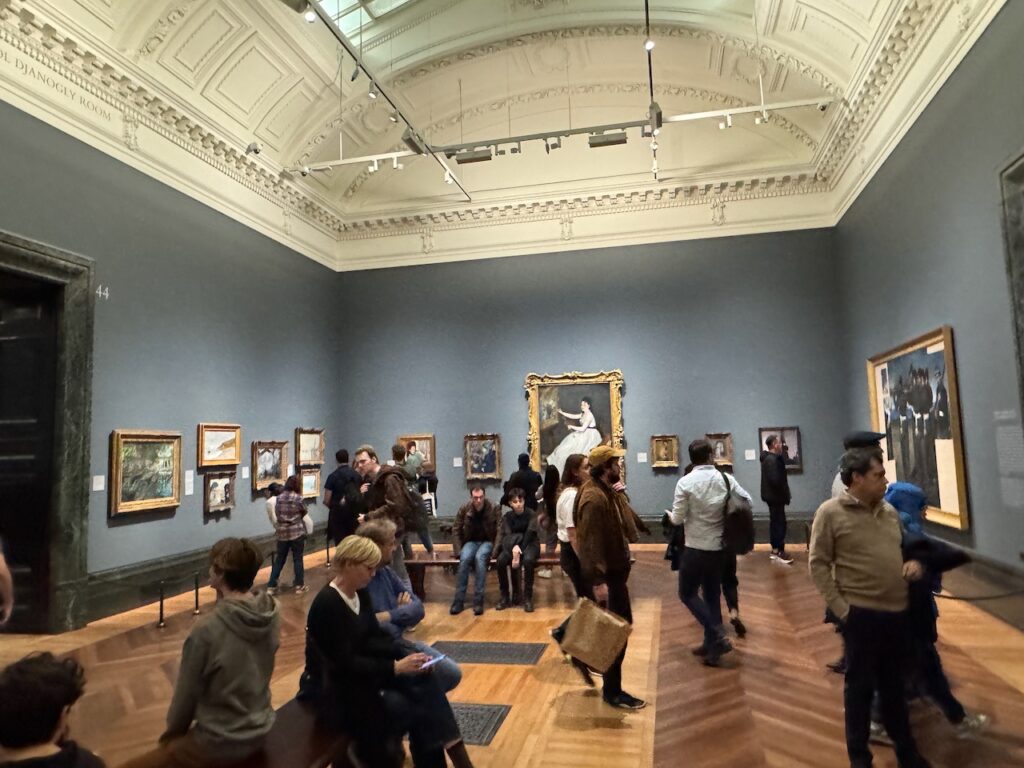
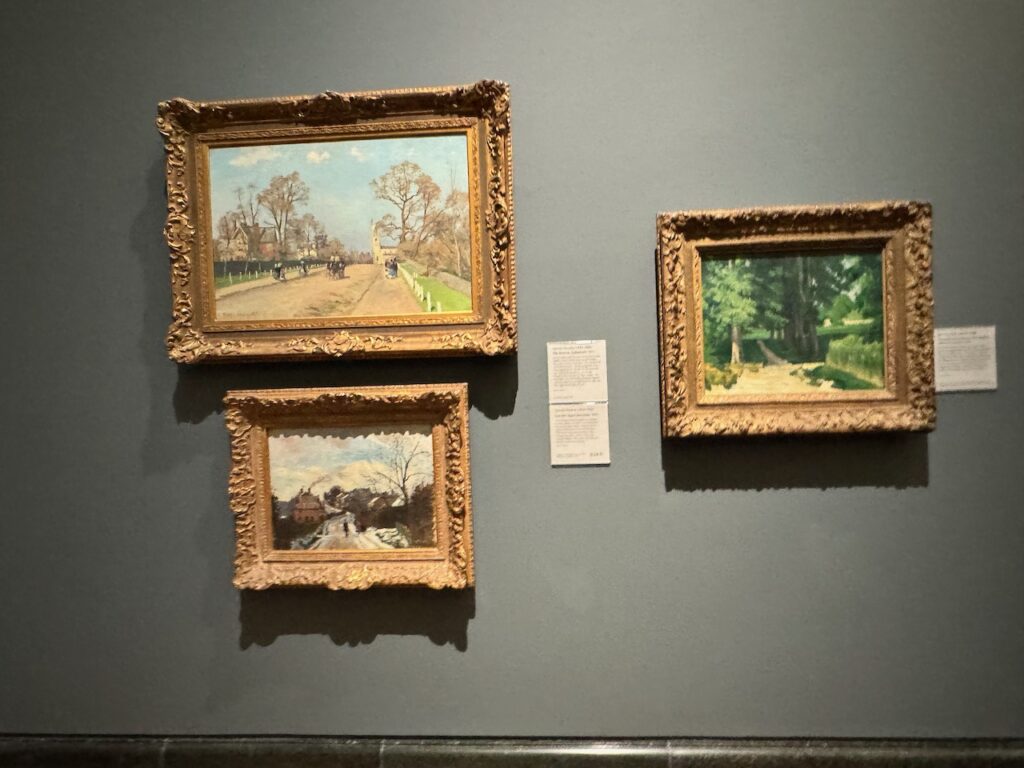
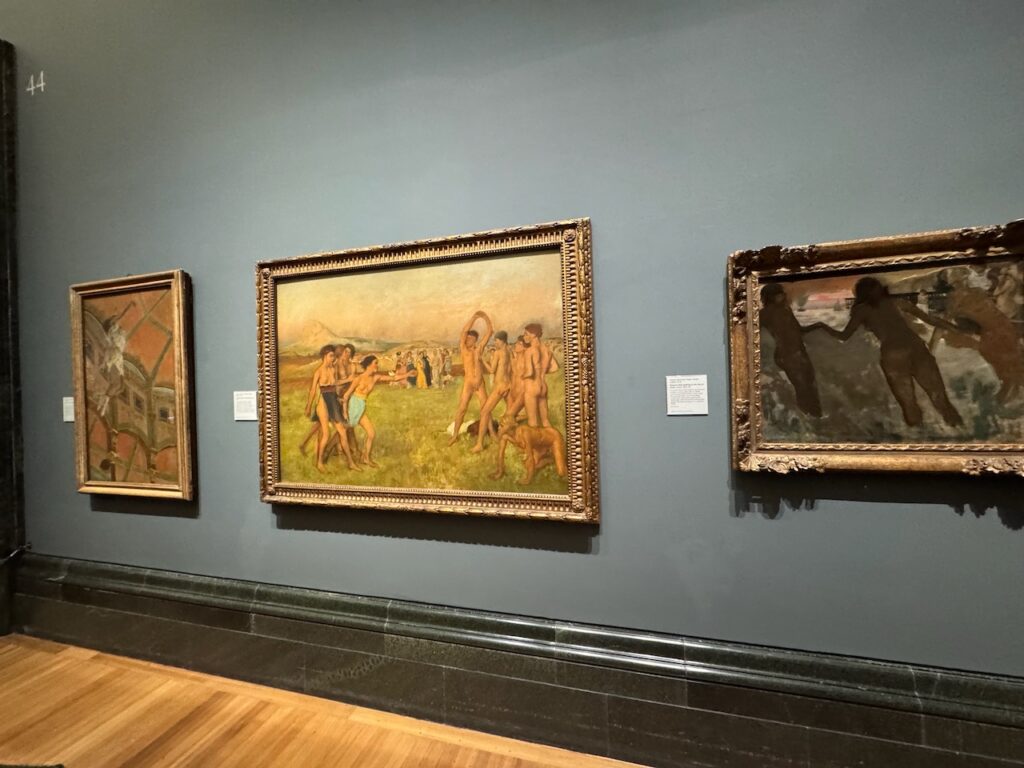
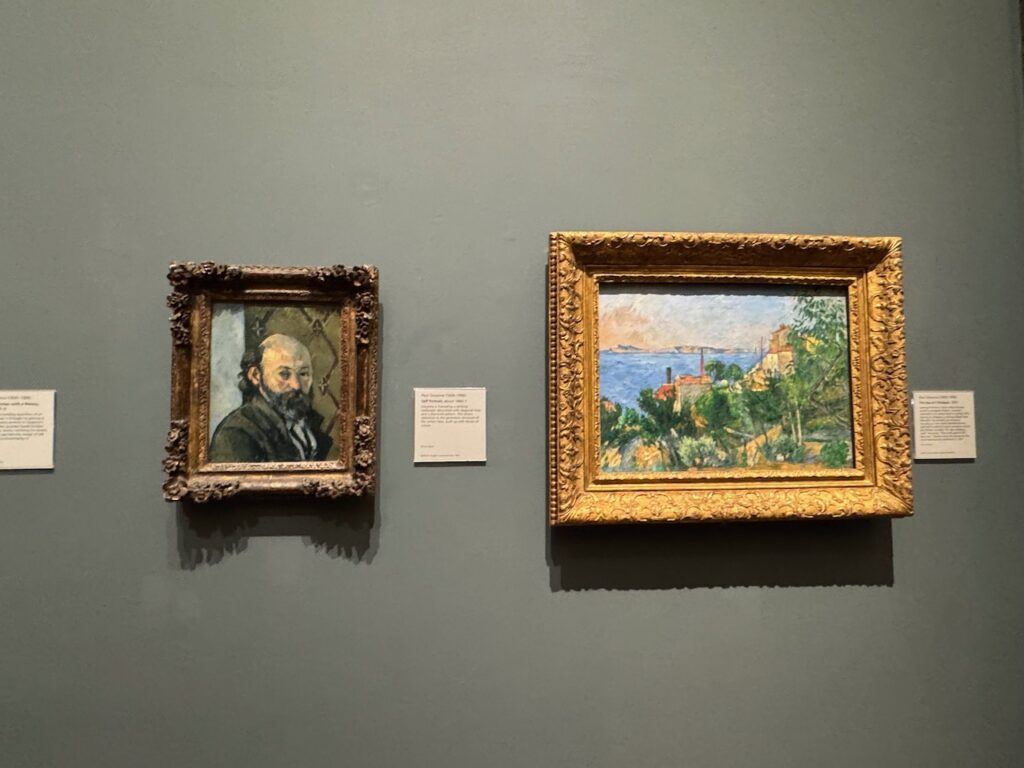
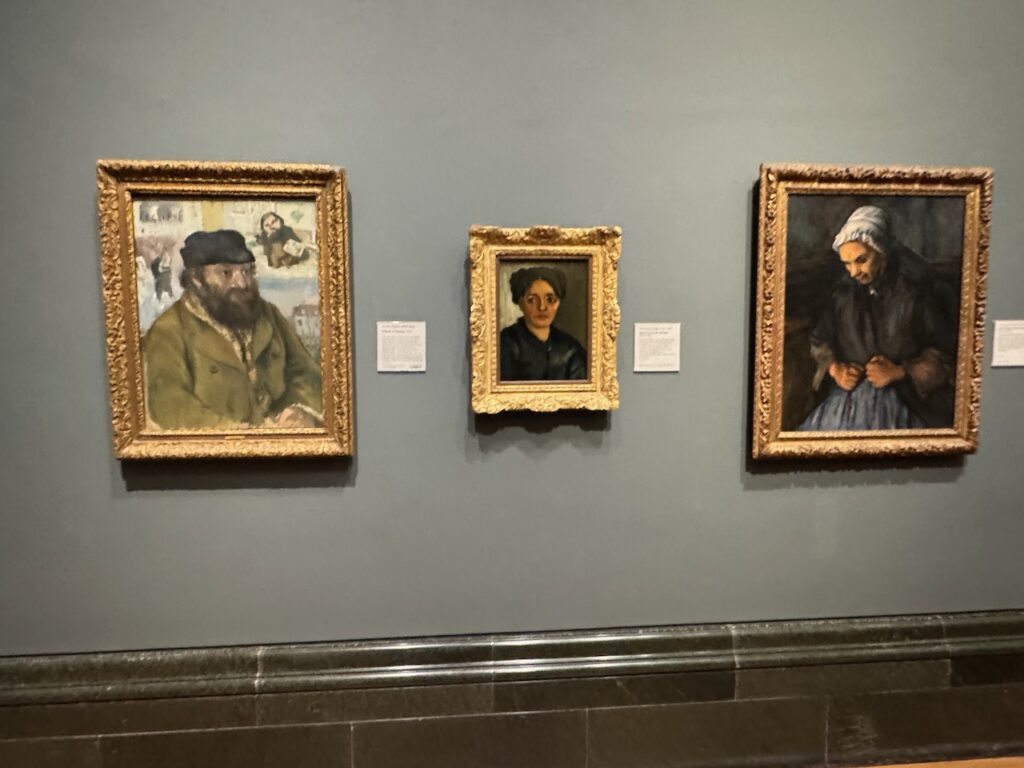
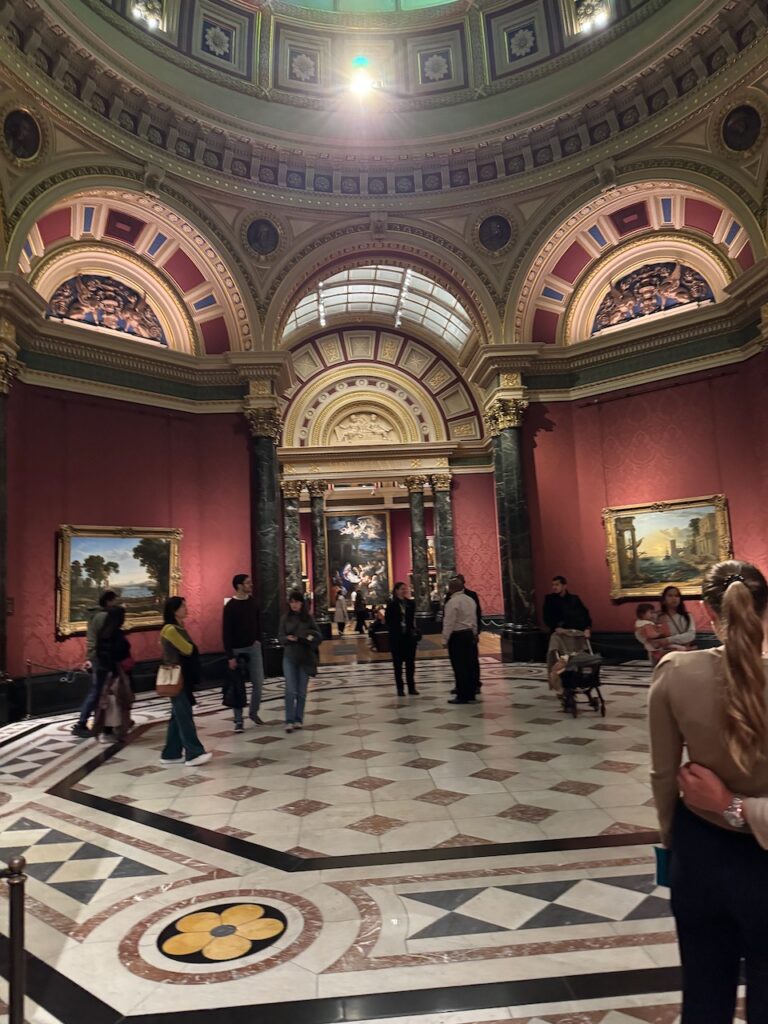
The National Gallery

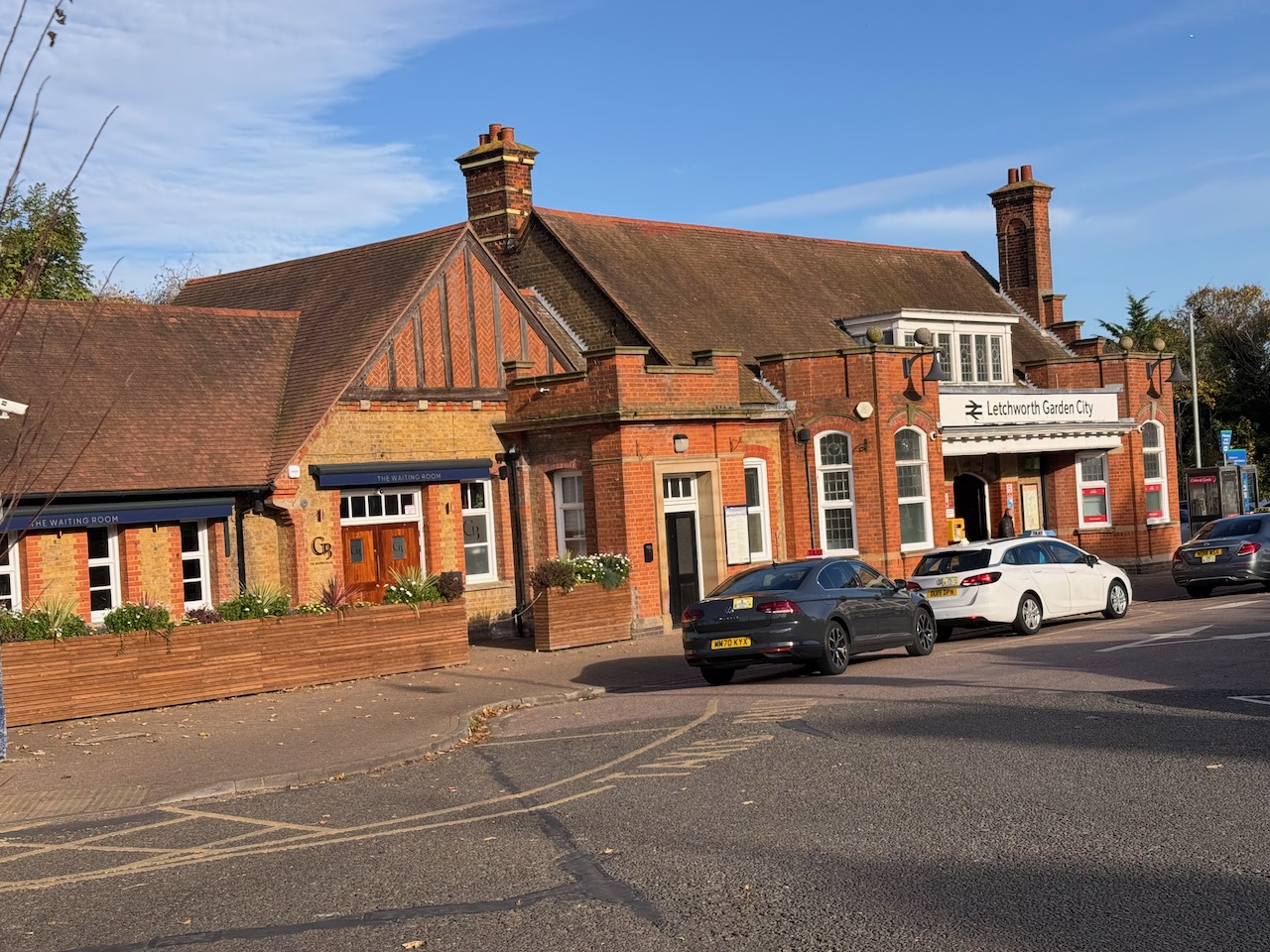
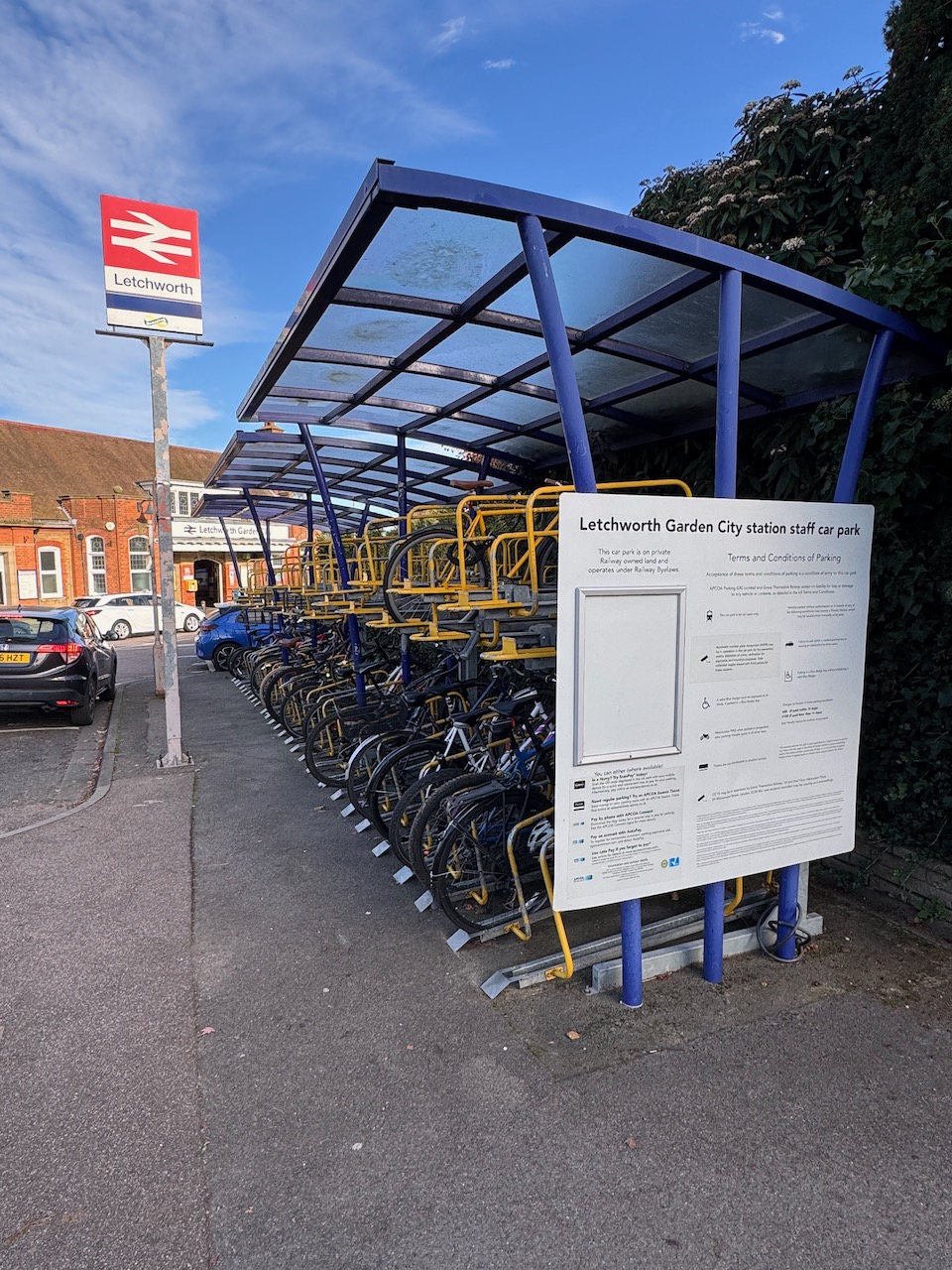
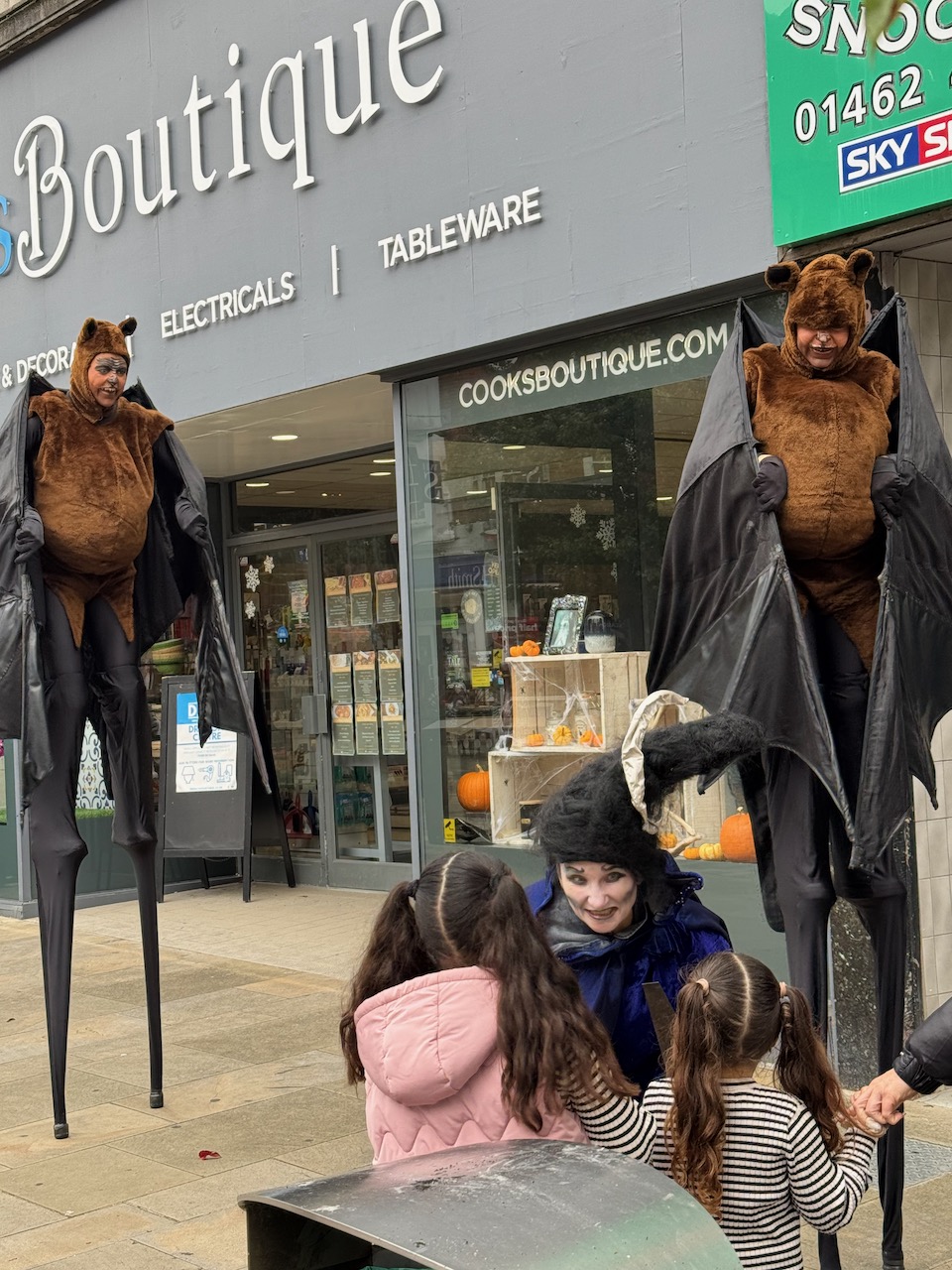
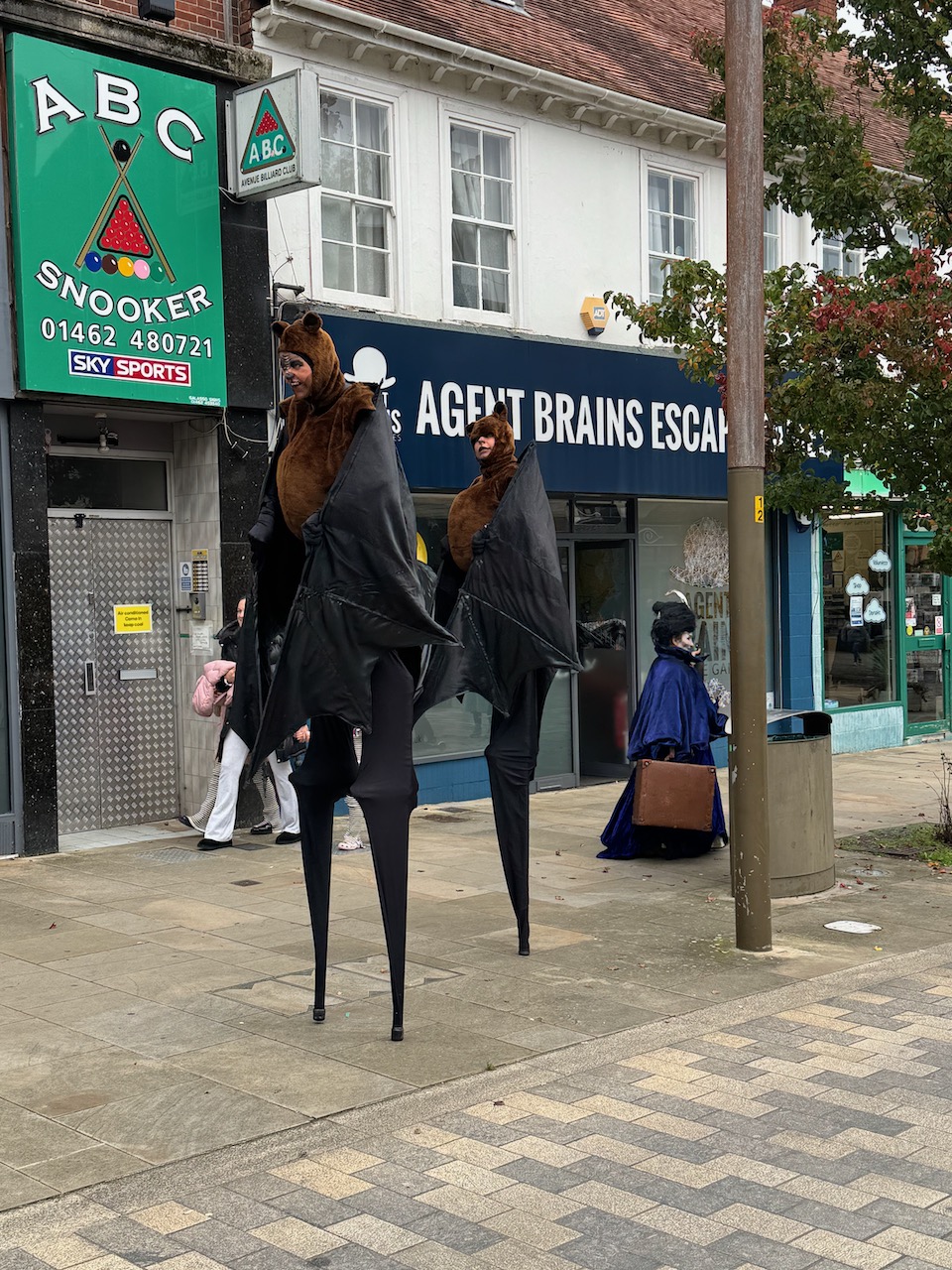
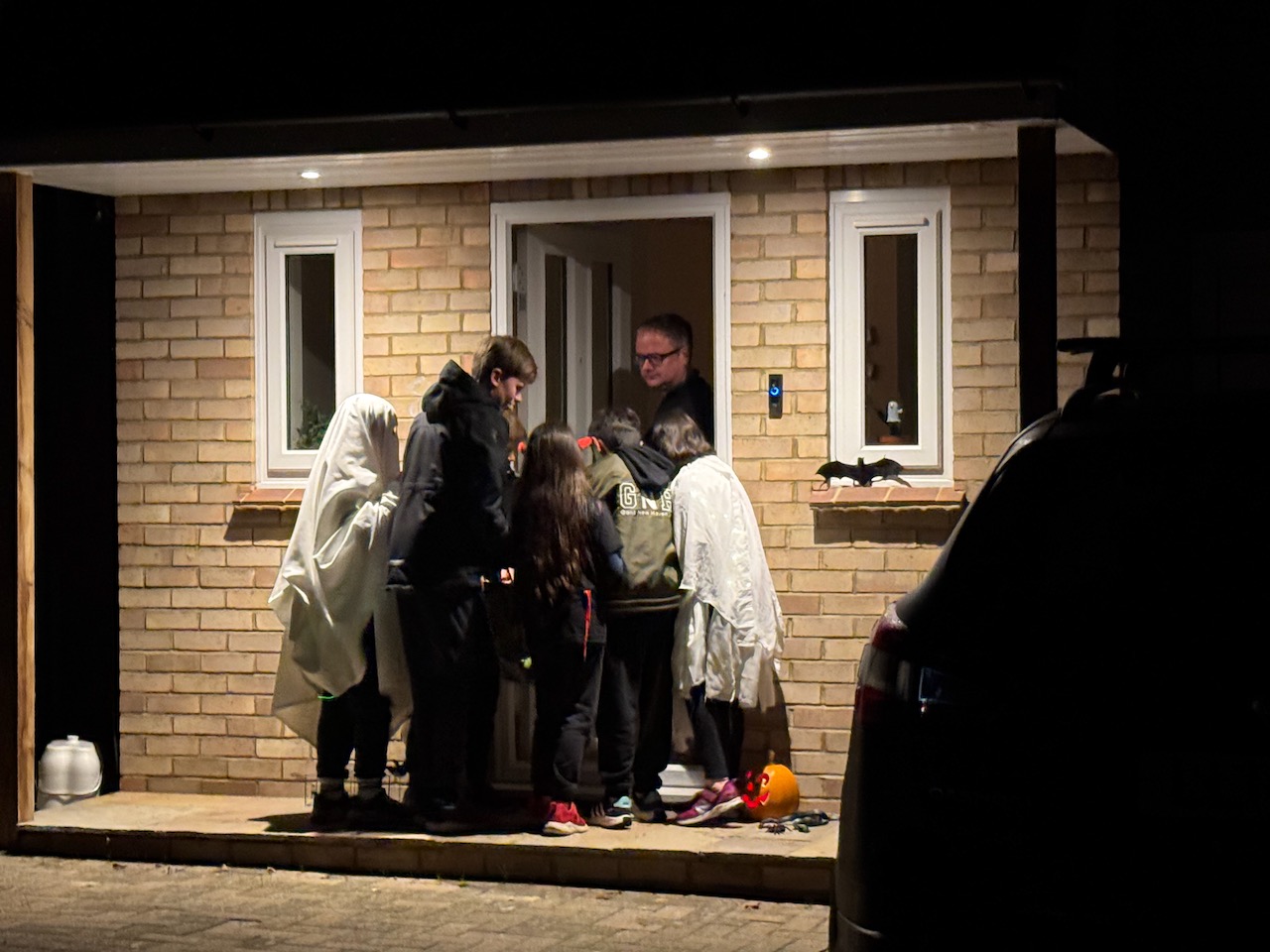
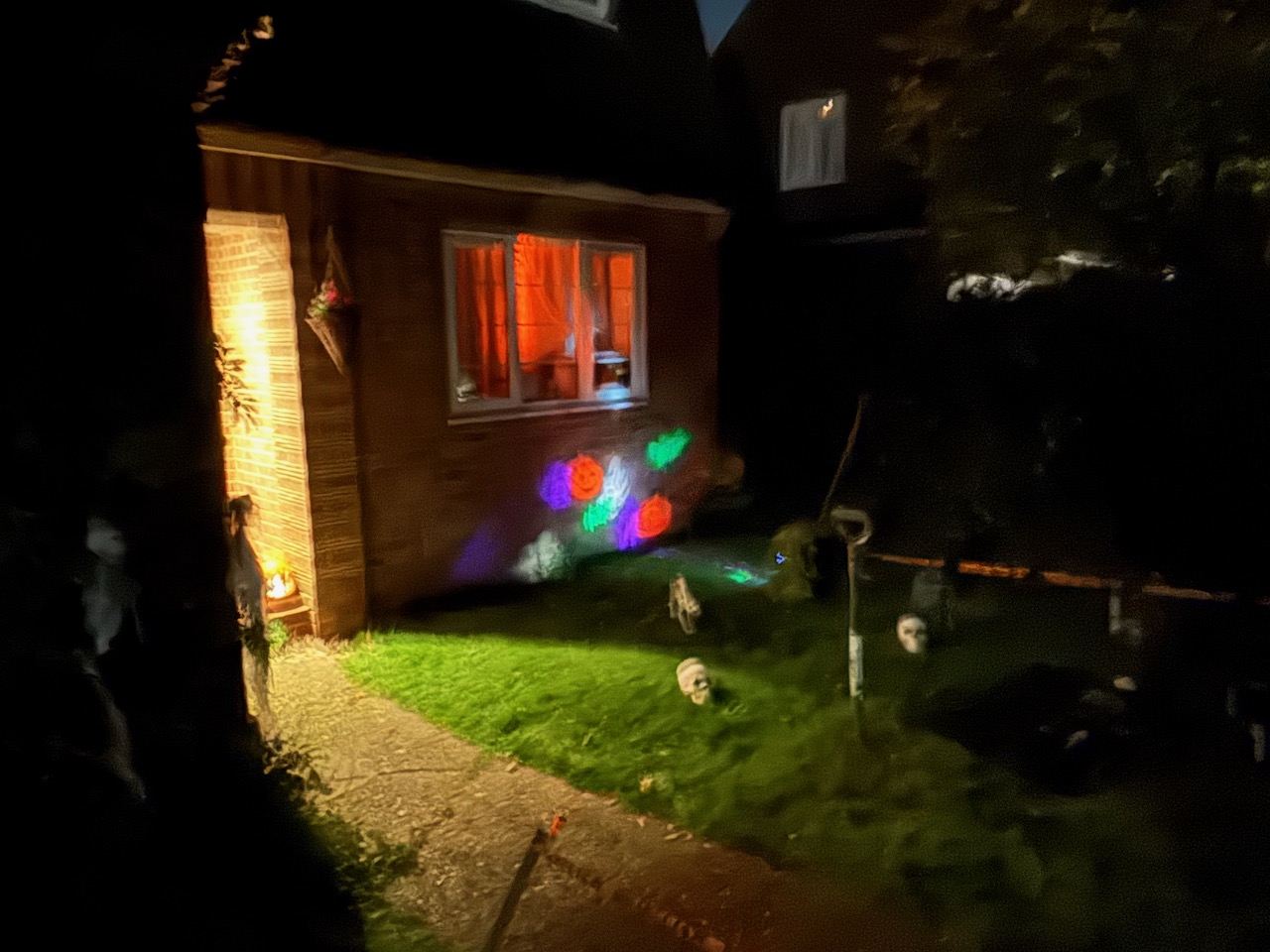
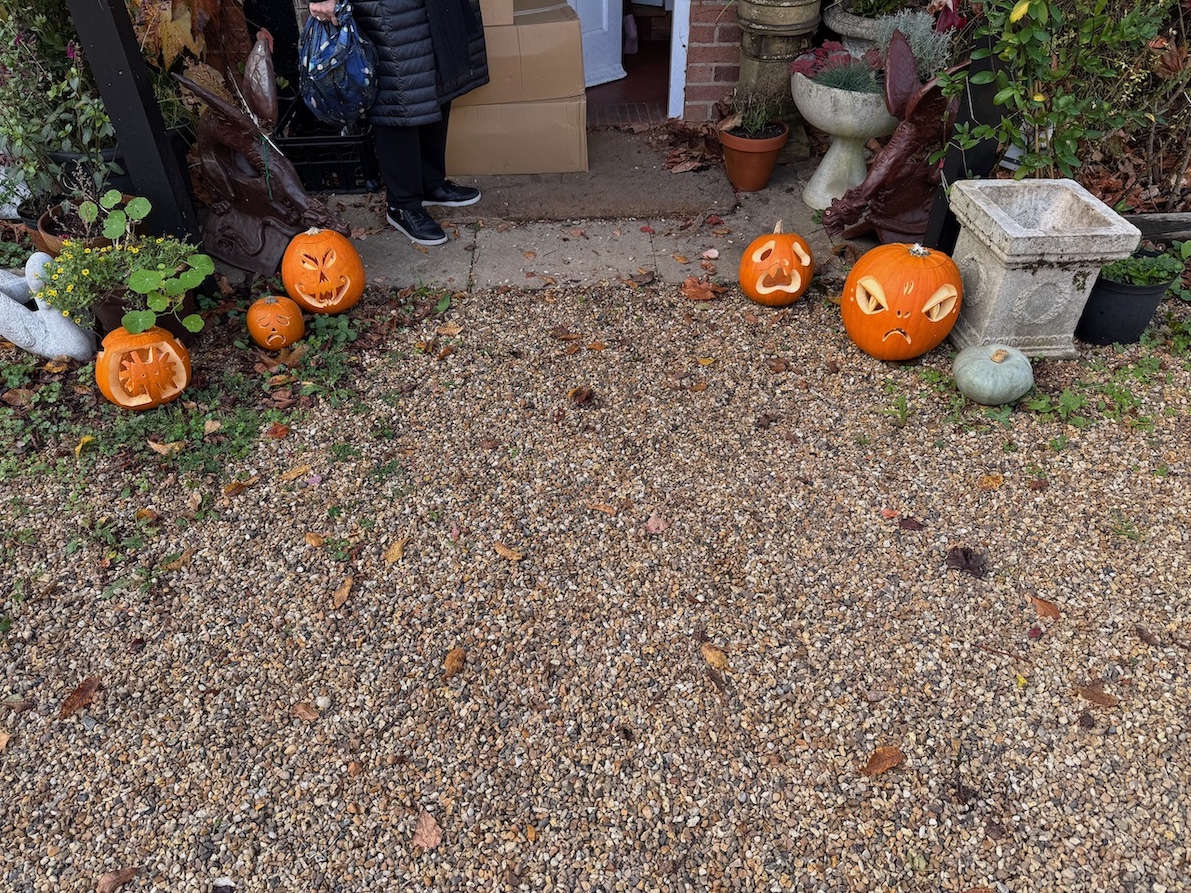
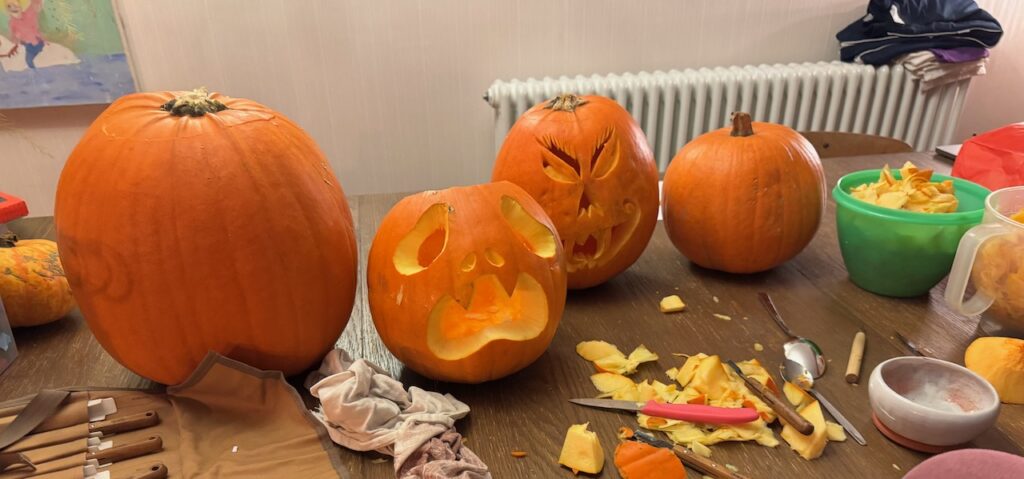
Halloween in Letchworth

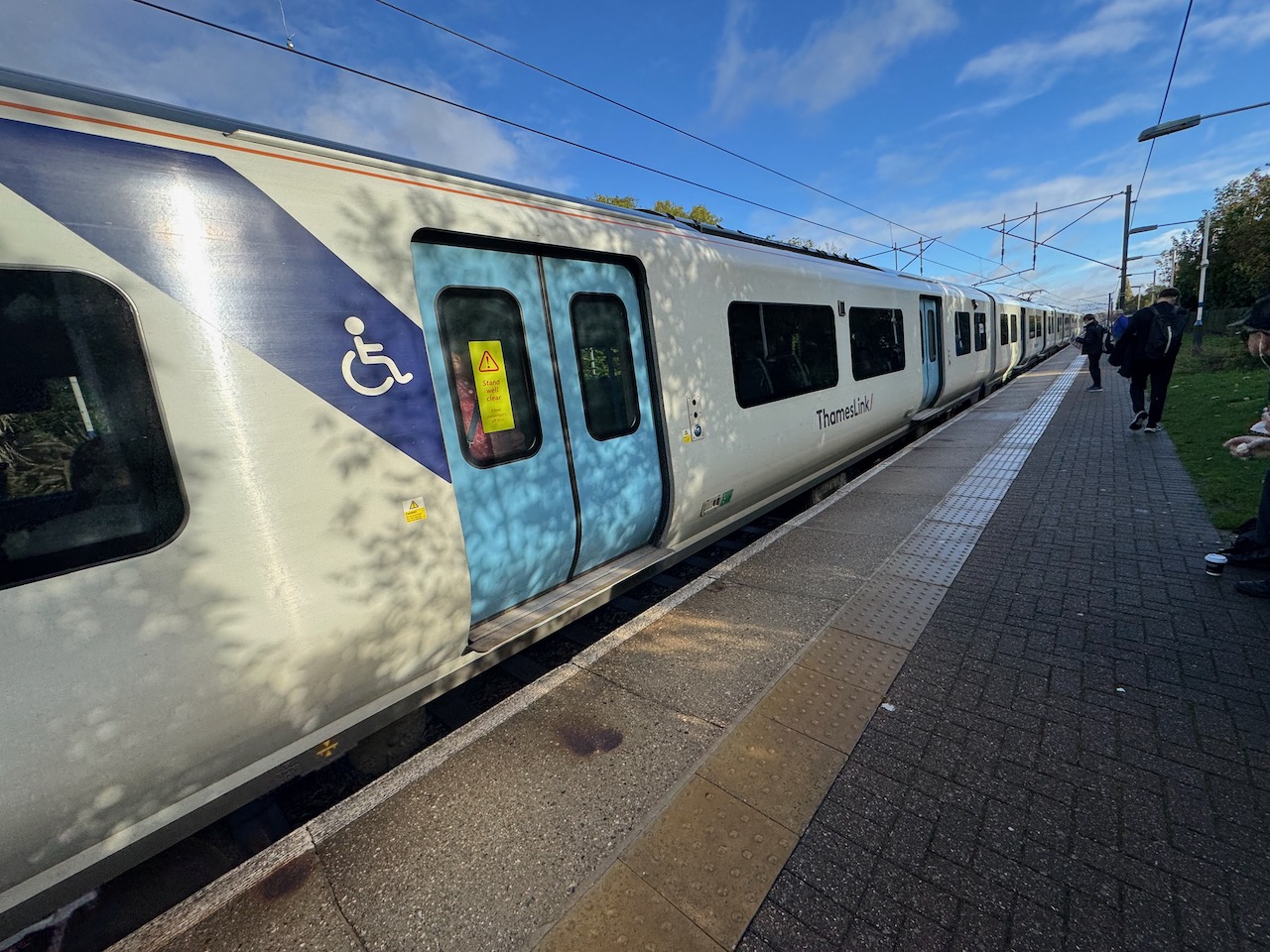
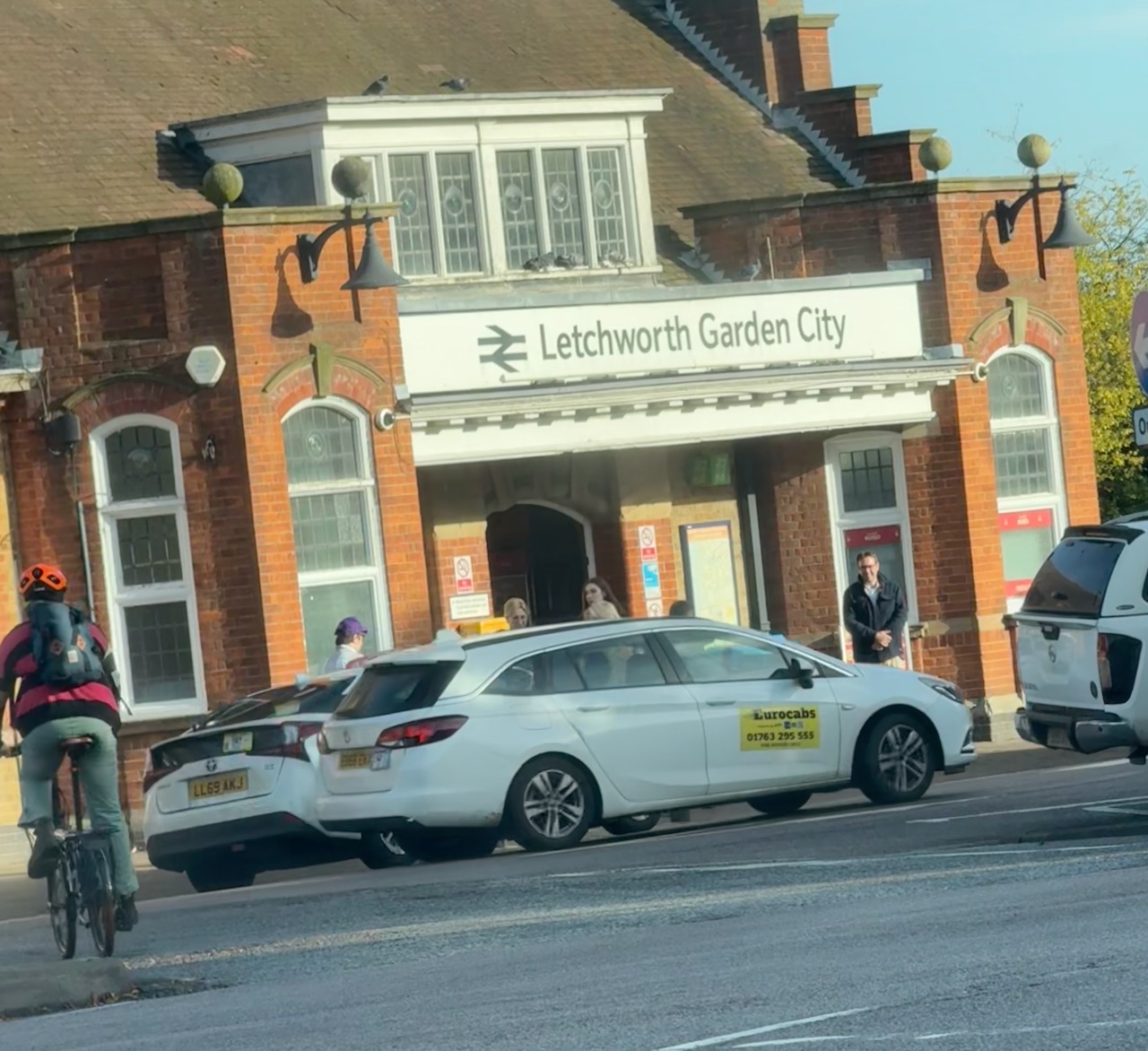
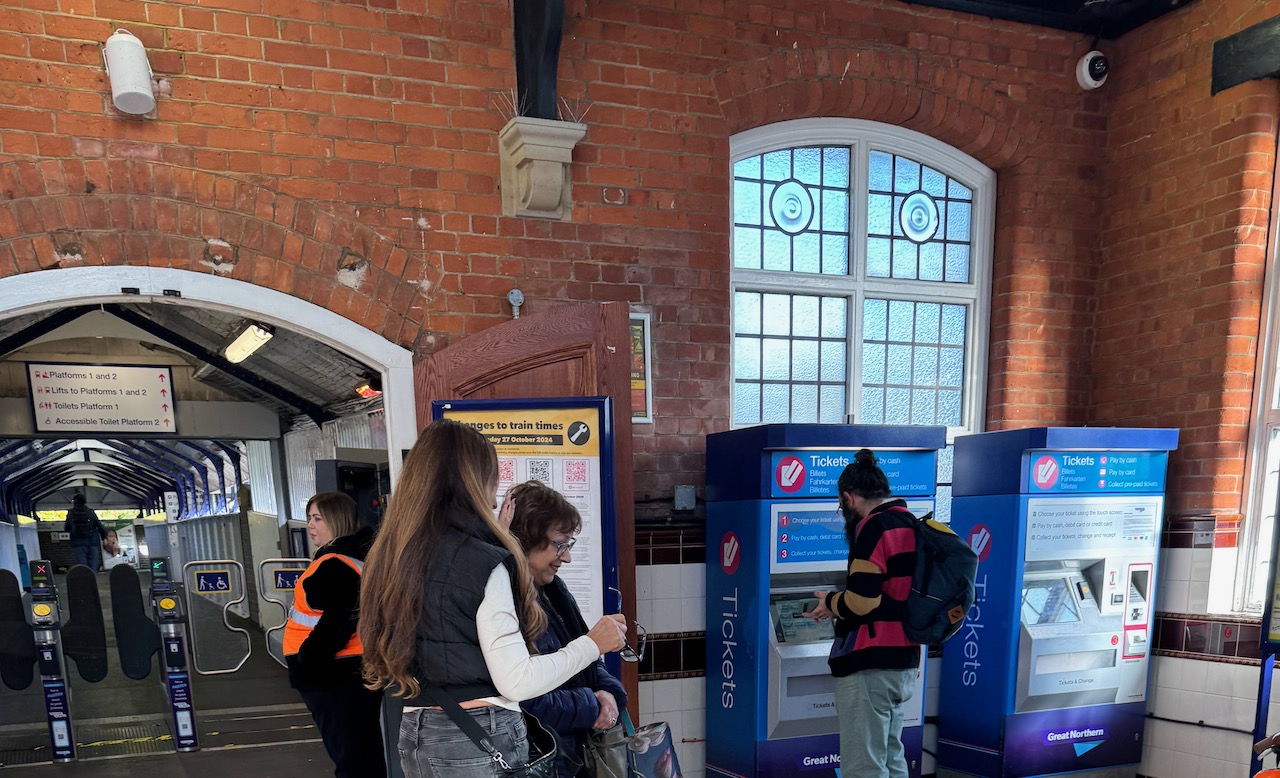
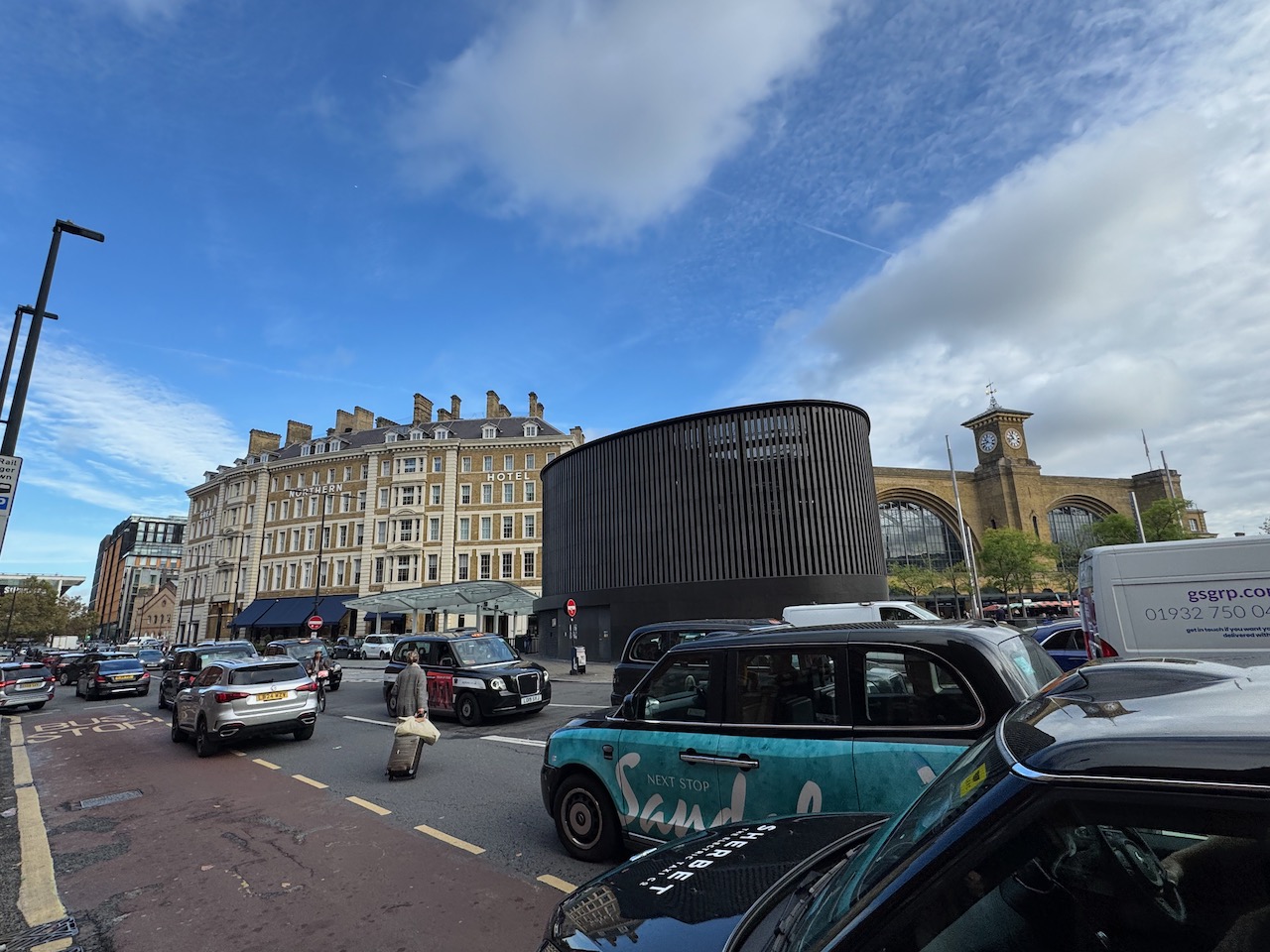
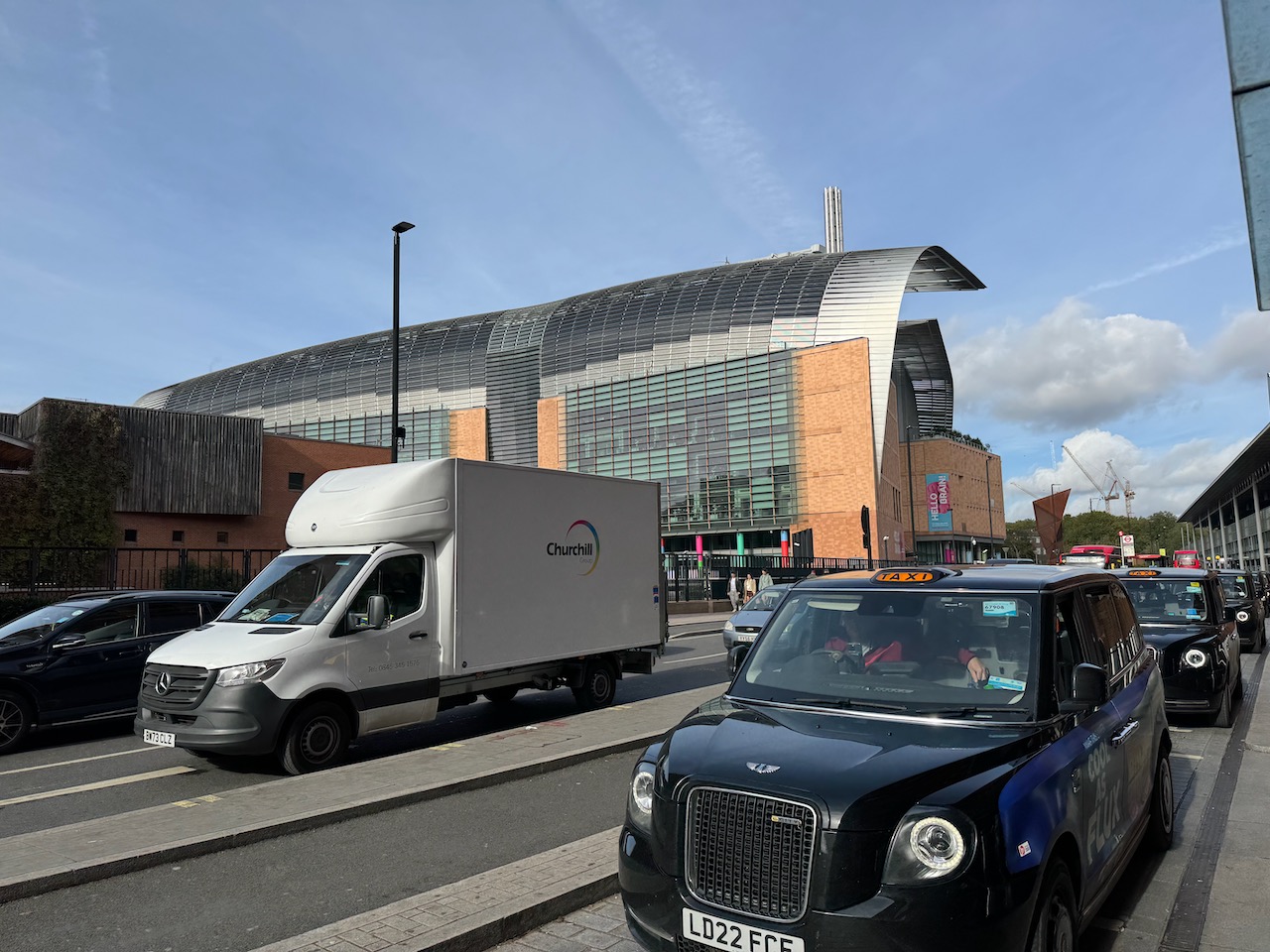
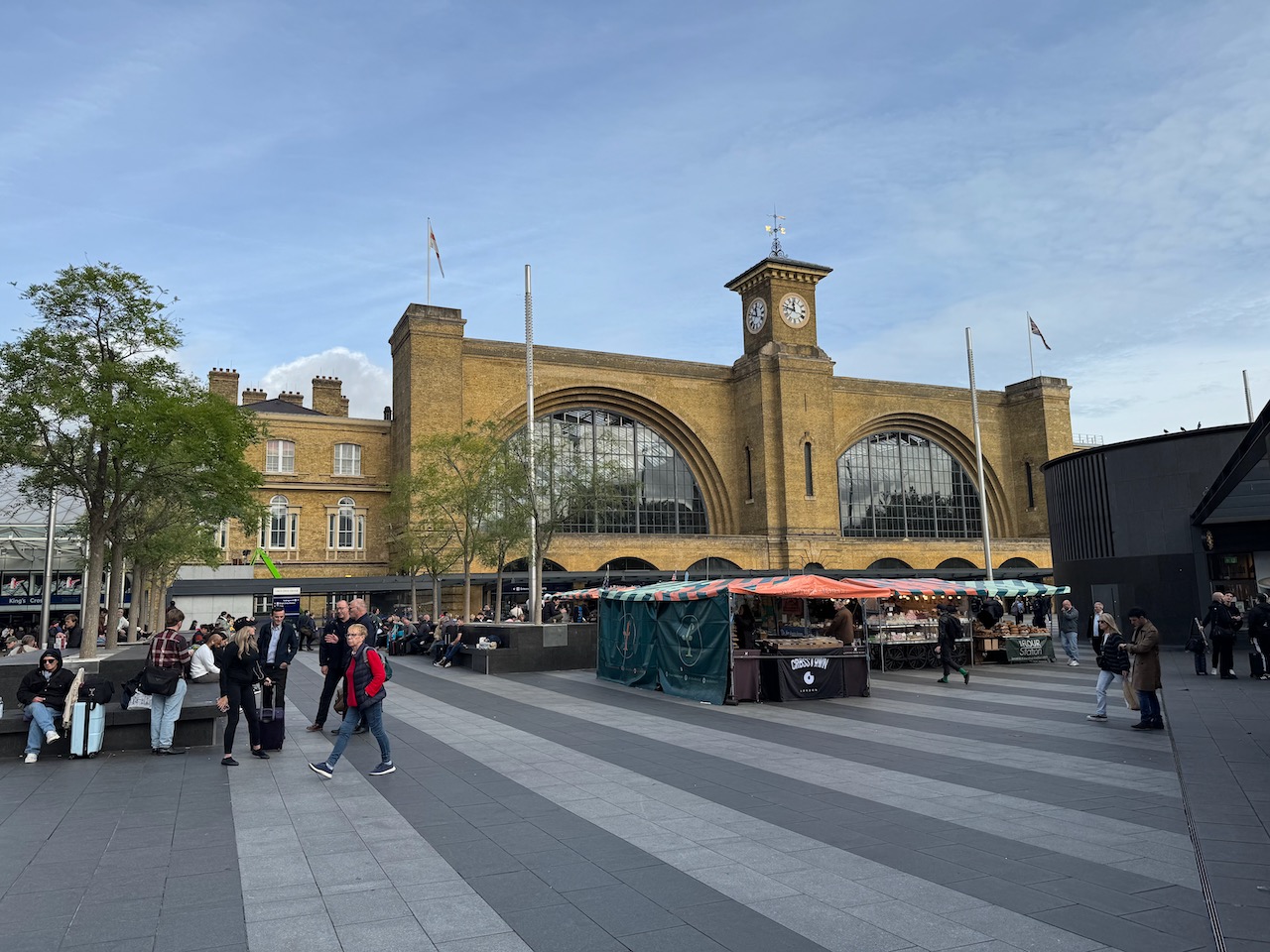
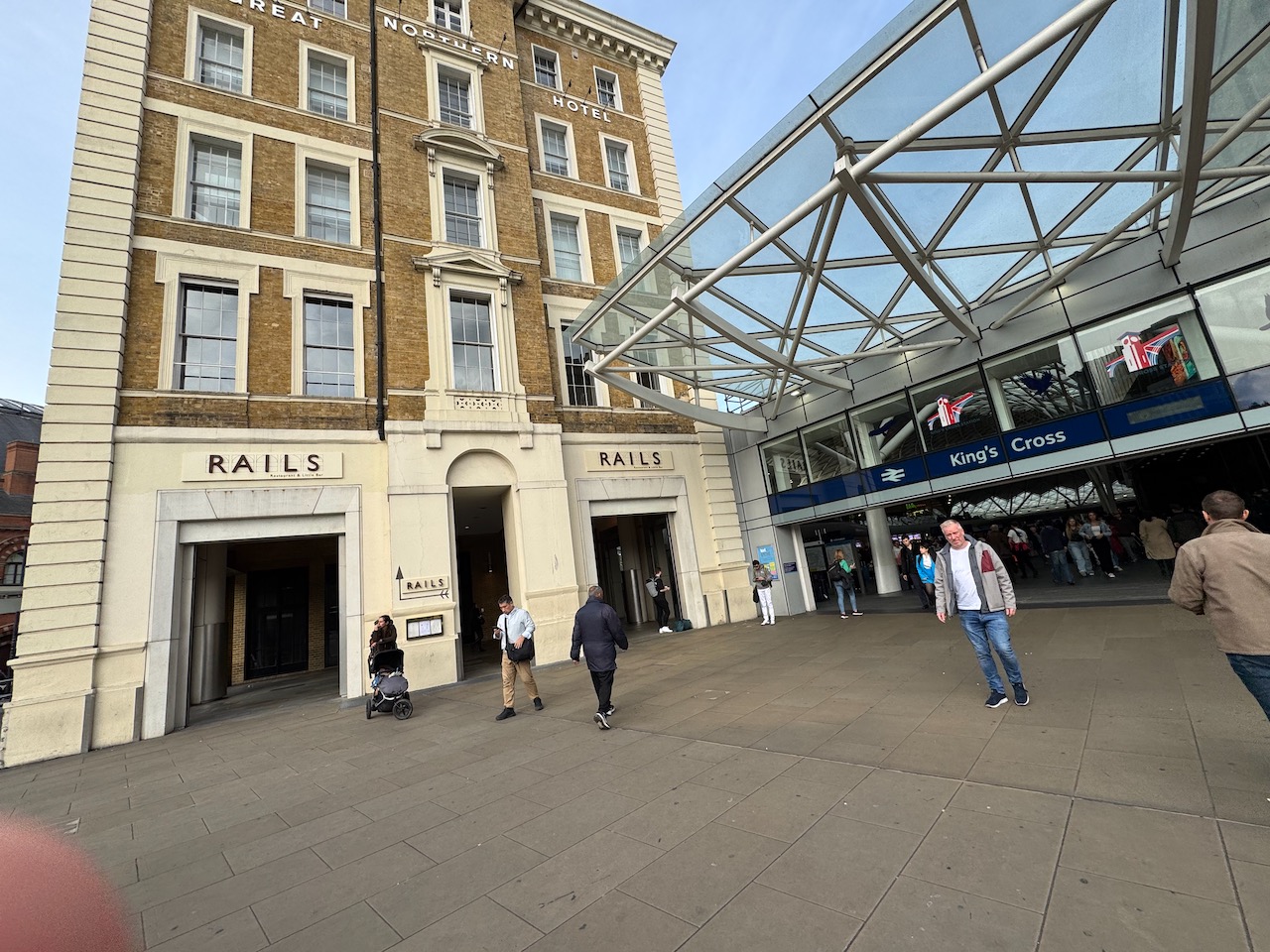
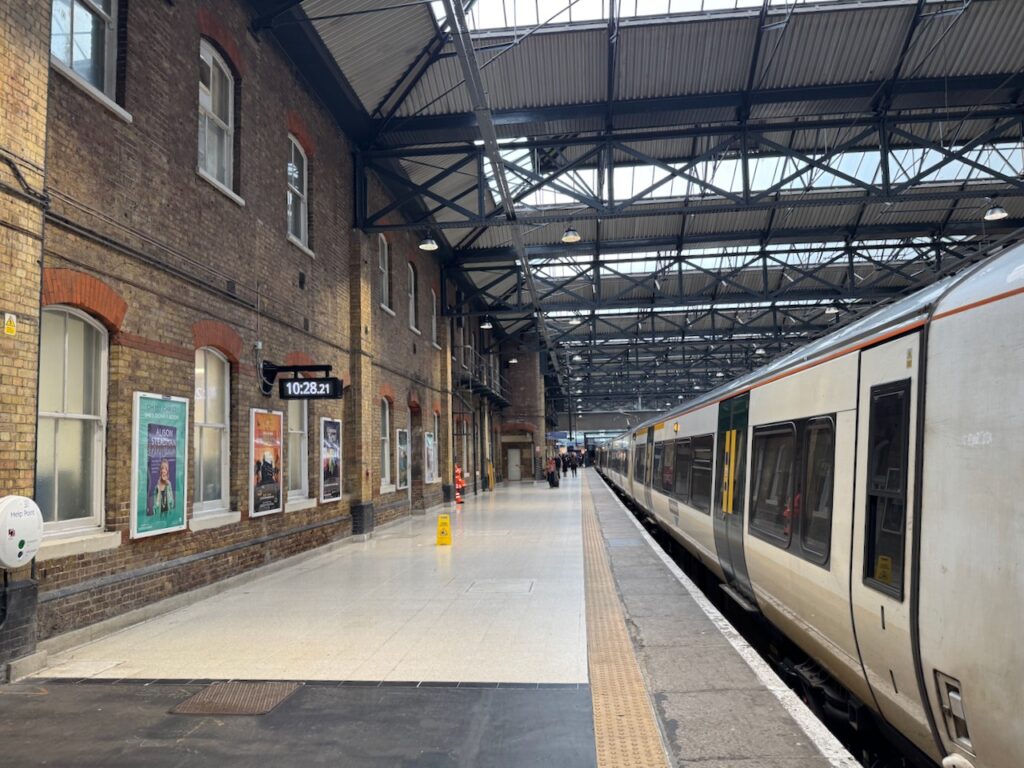
Letchworth to Kings Cross
.jpg/1200px-Repurposed_gas_holders_and_canal_locks_at_Kings_Cross_(geograph_5691899).jpg)
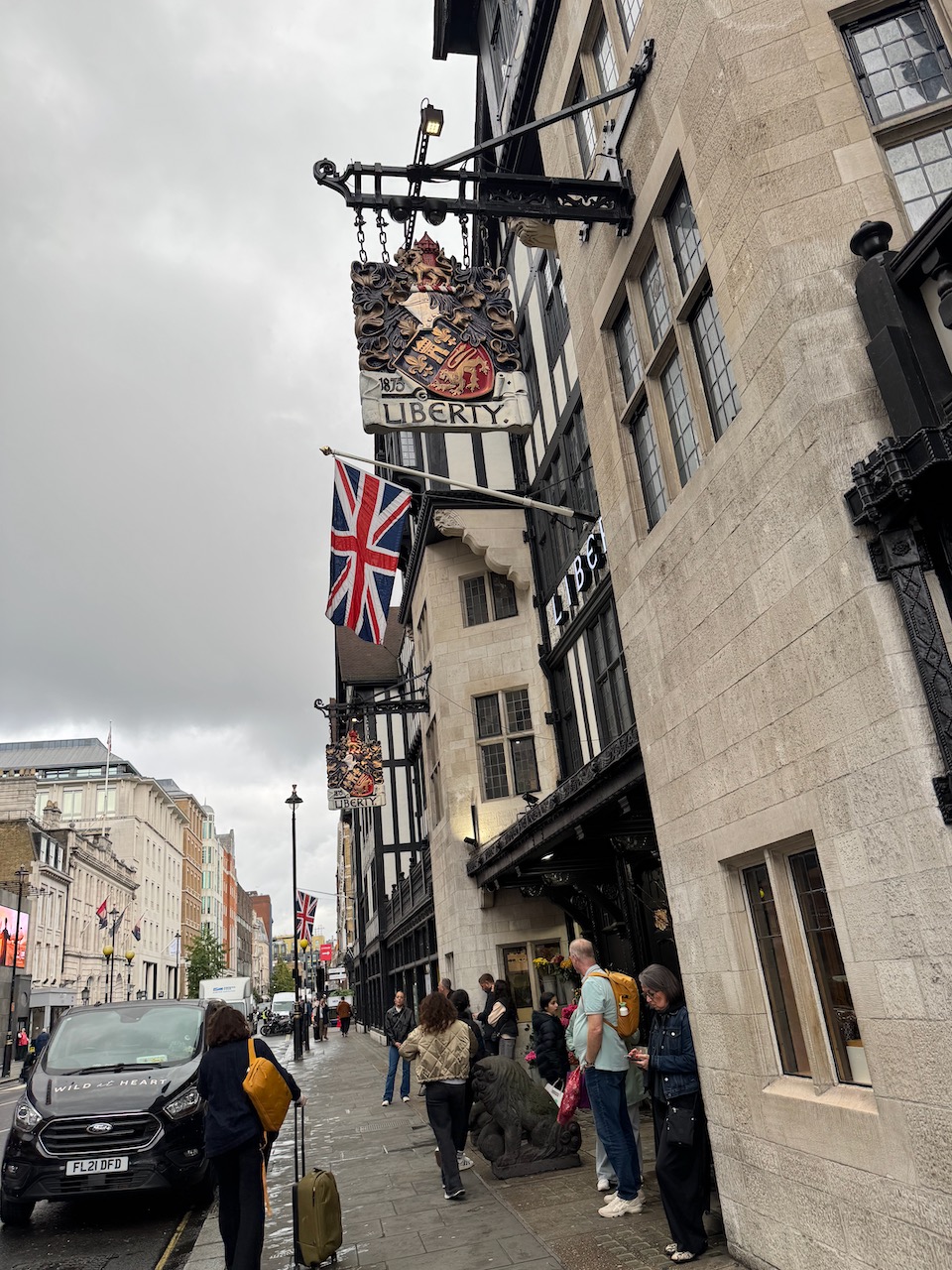
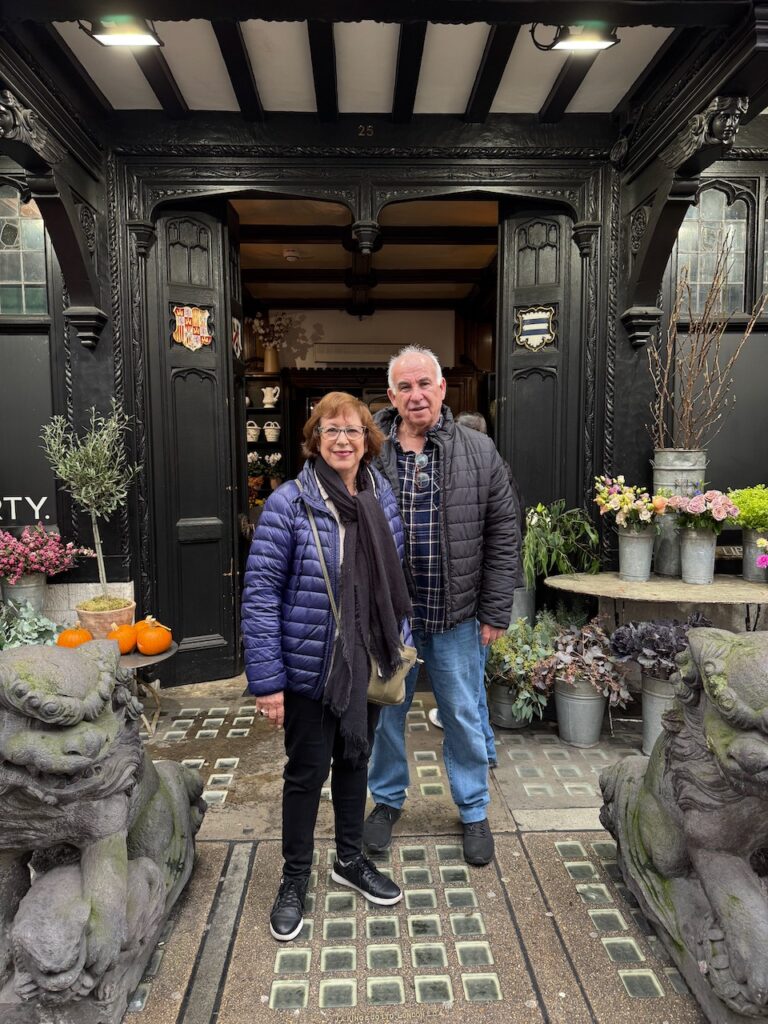
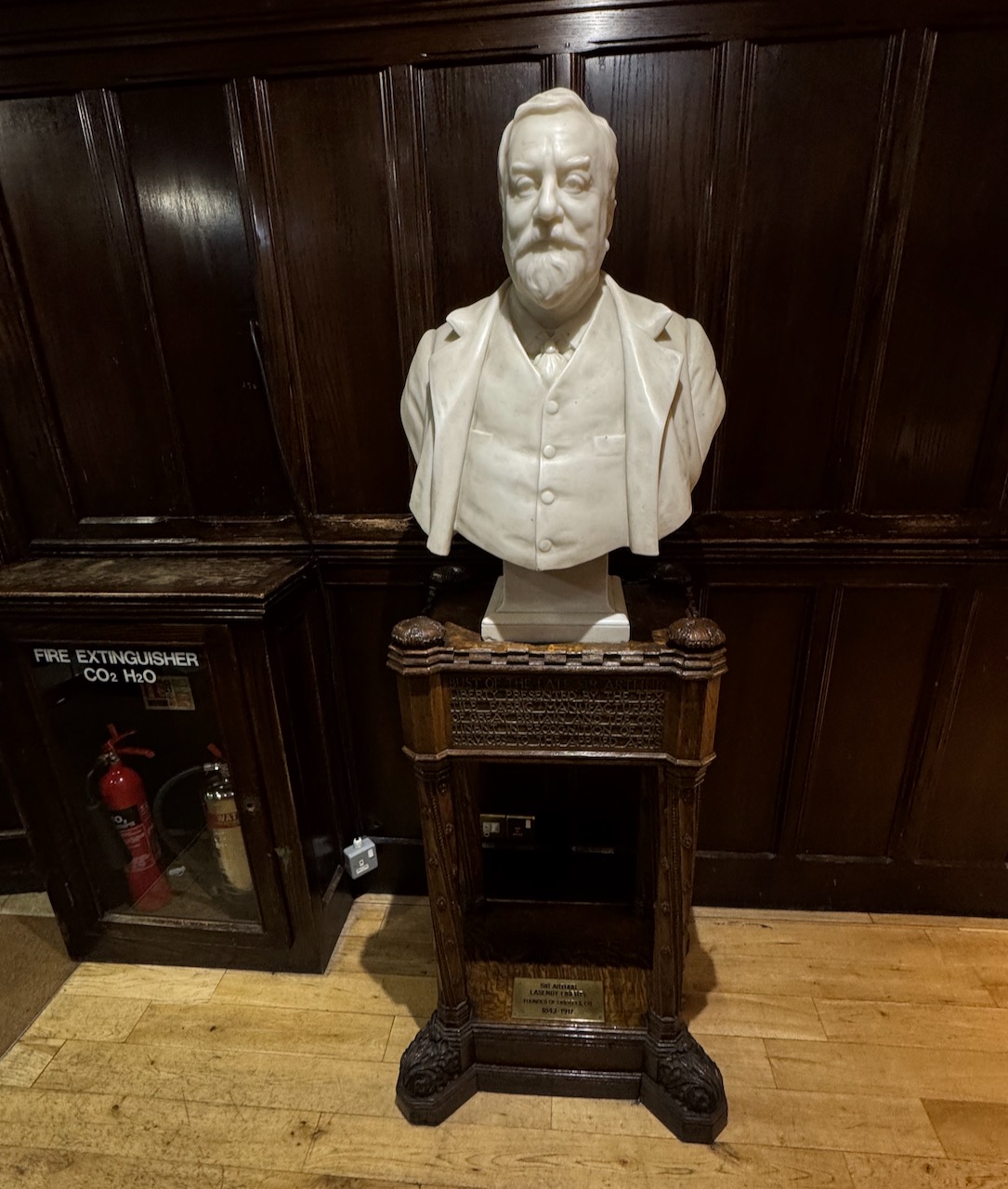
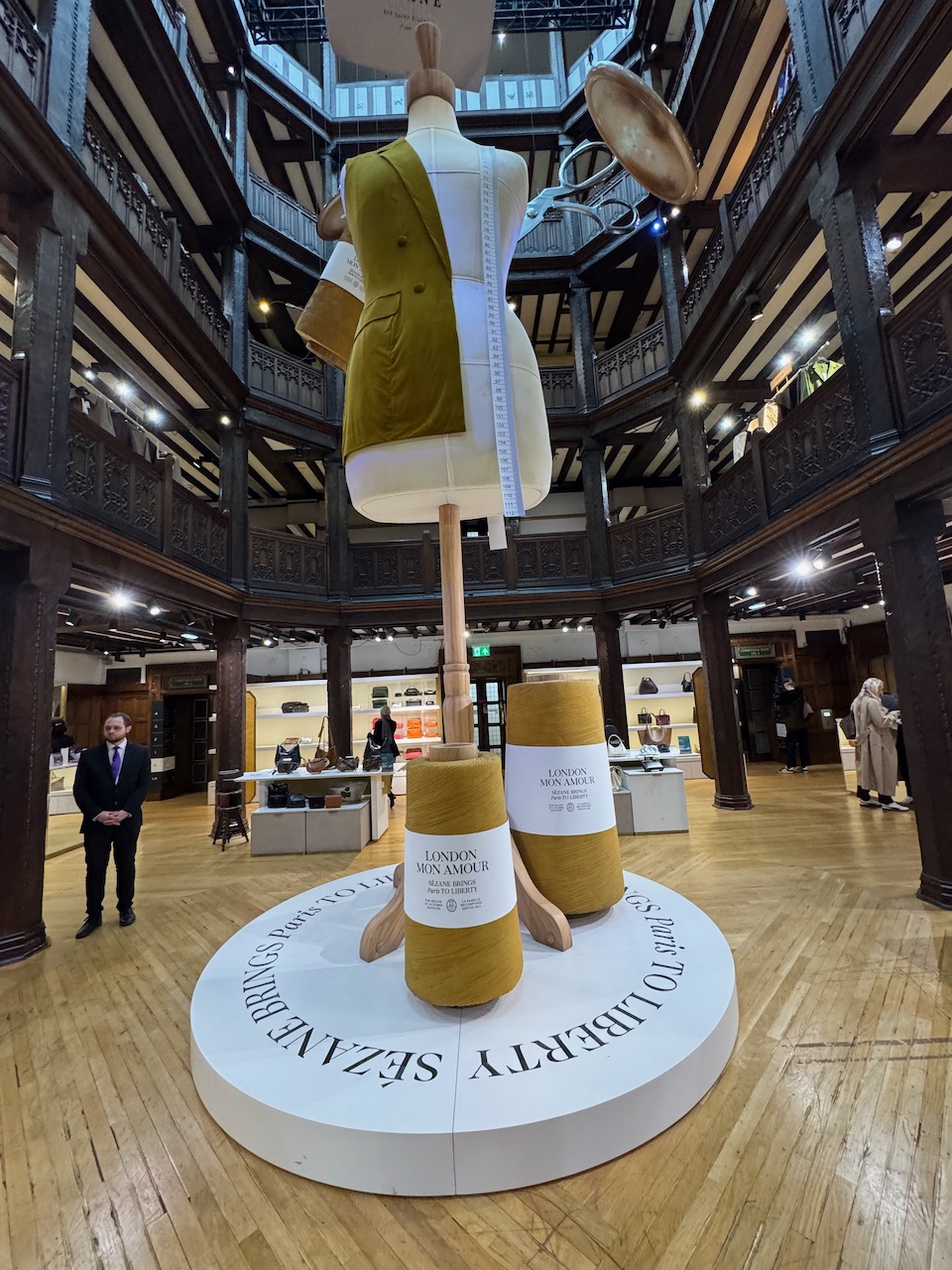
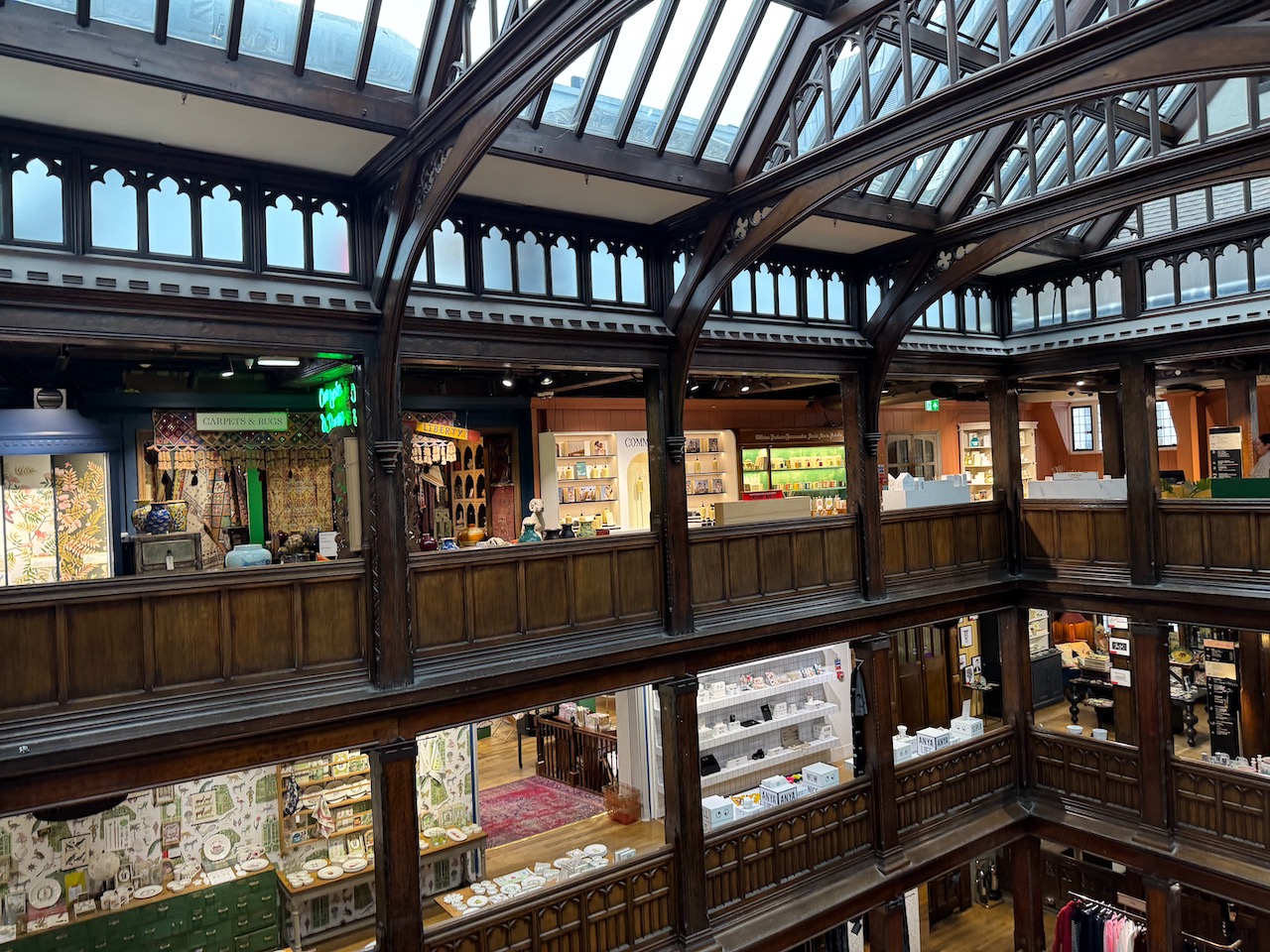
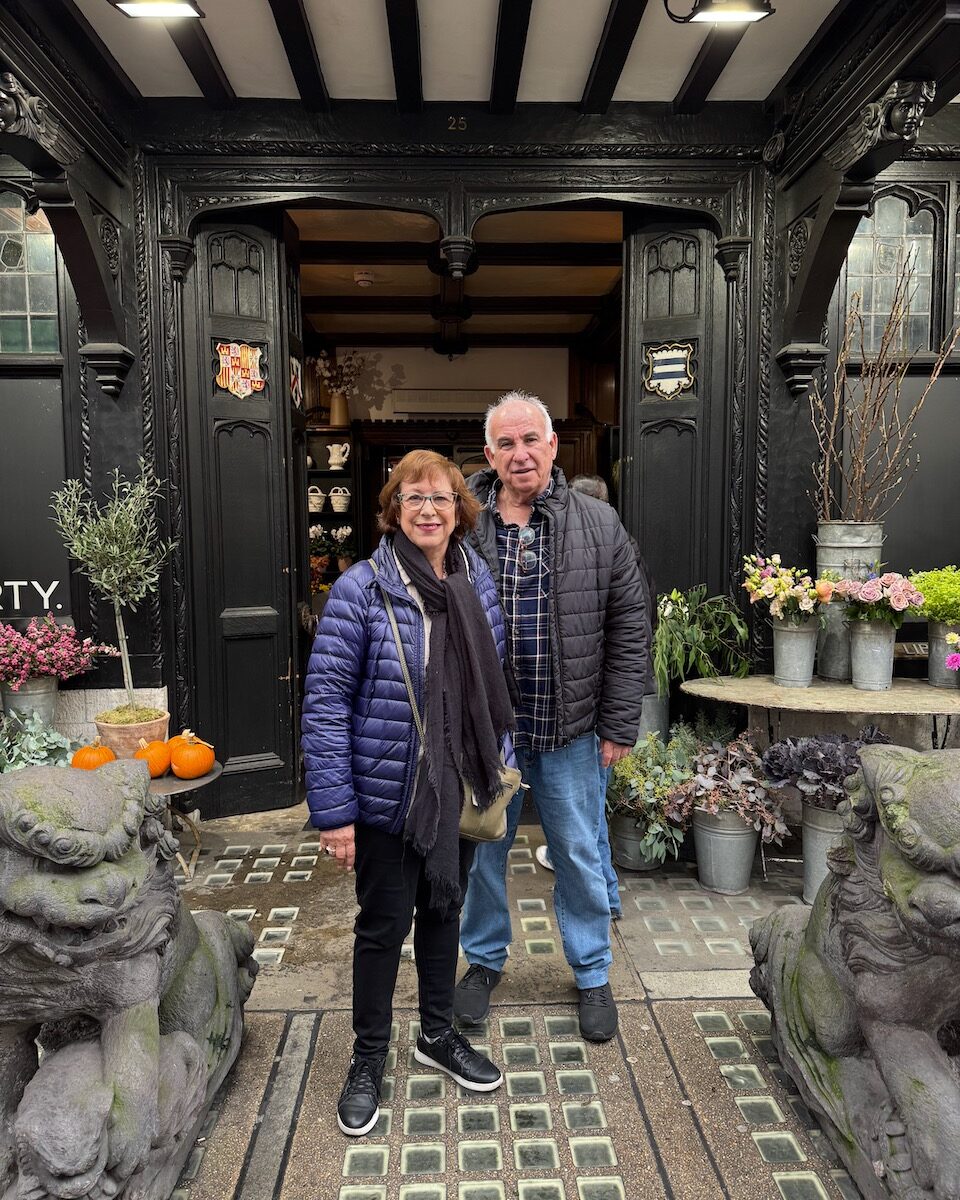
Liberty

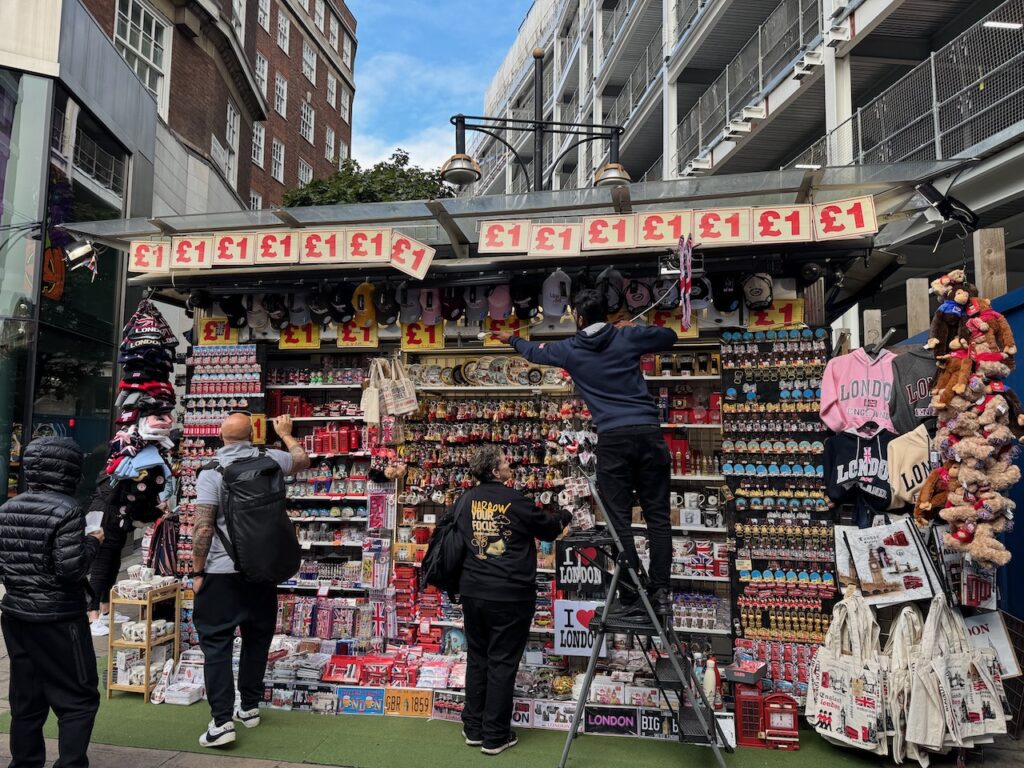
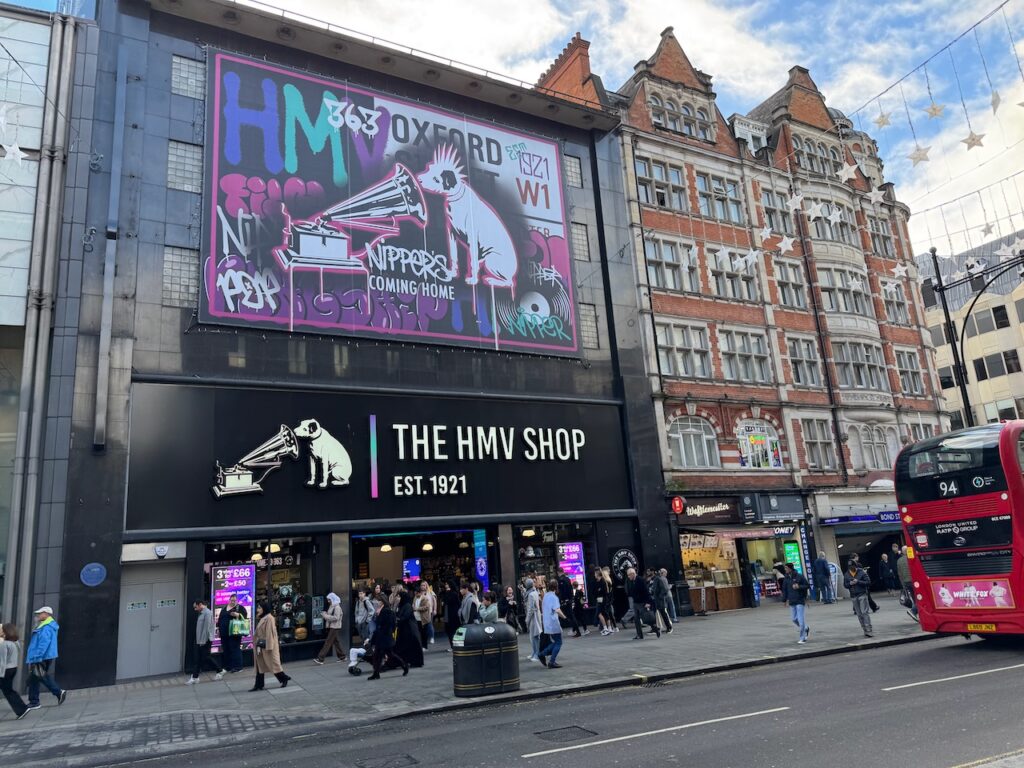
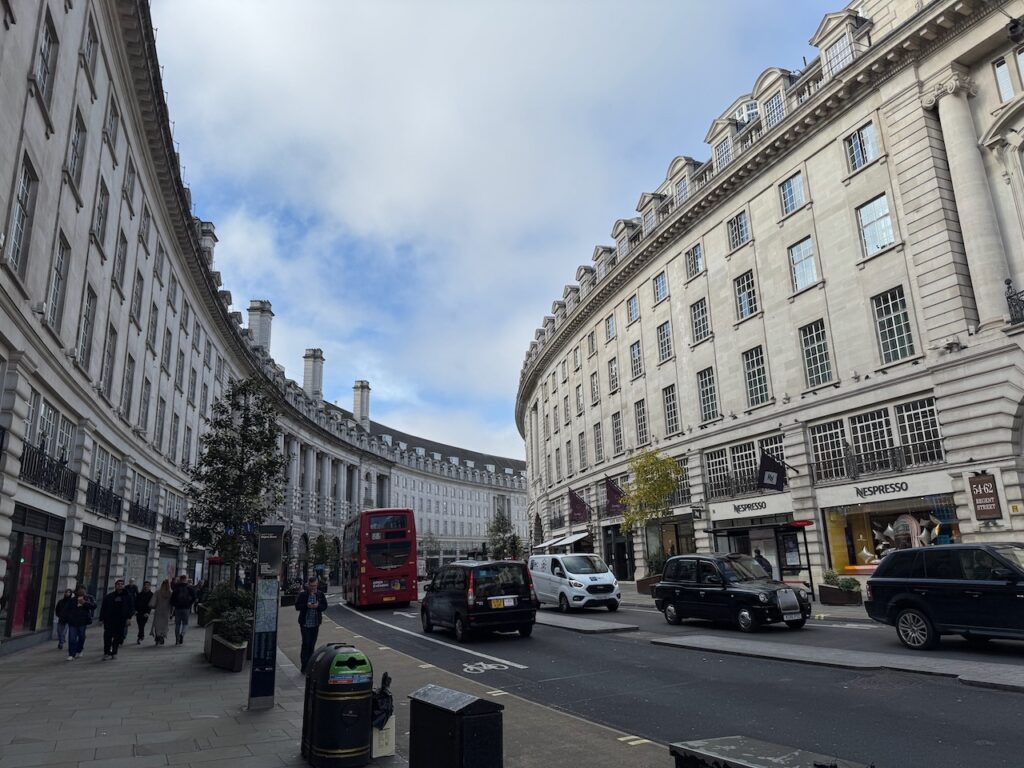
Oxford Street
.jpg/1200px-Oxford_Street_(geograph_4949395).jpg)
Meeting Saul and Ivan in Swiss Cottage
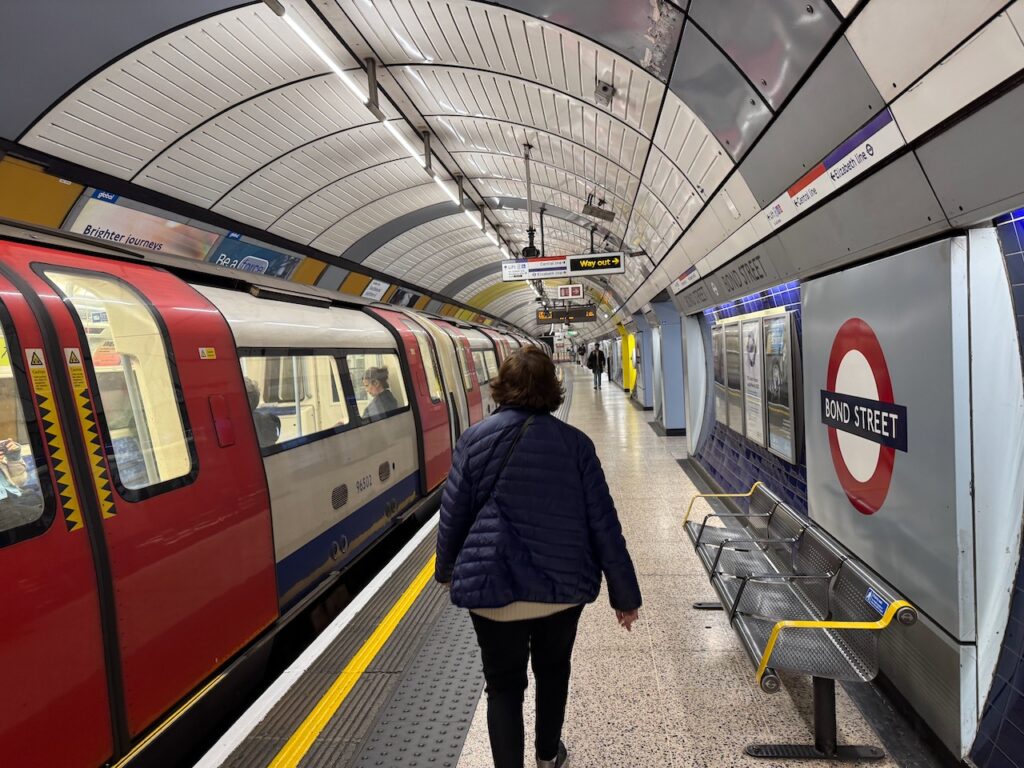
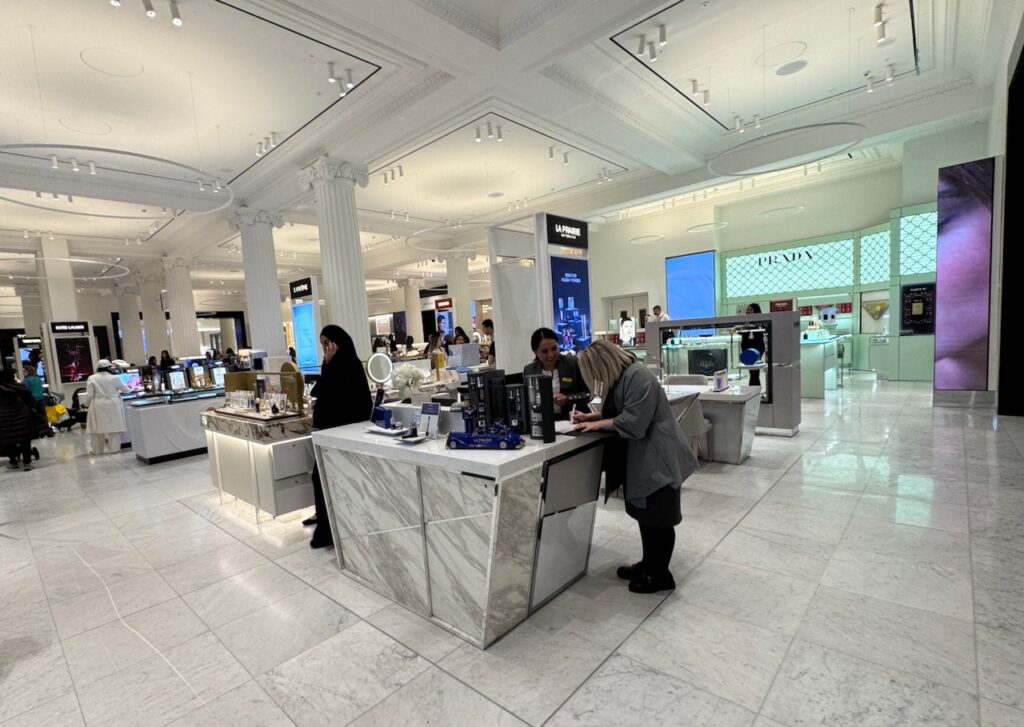
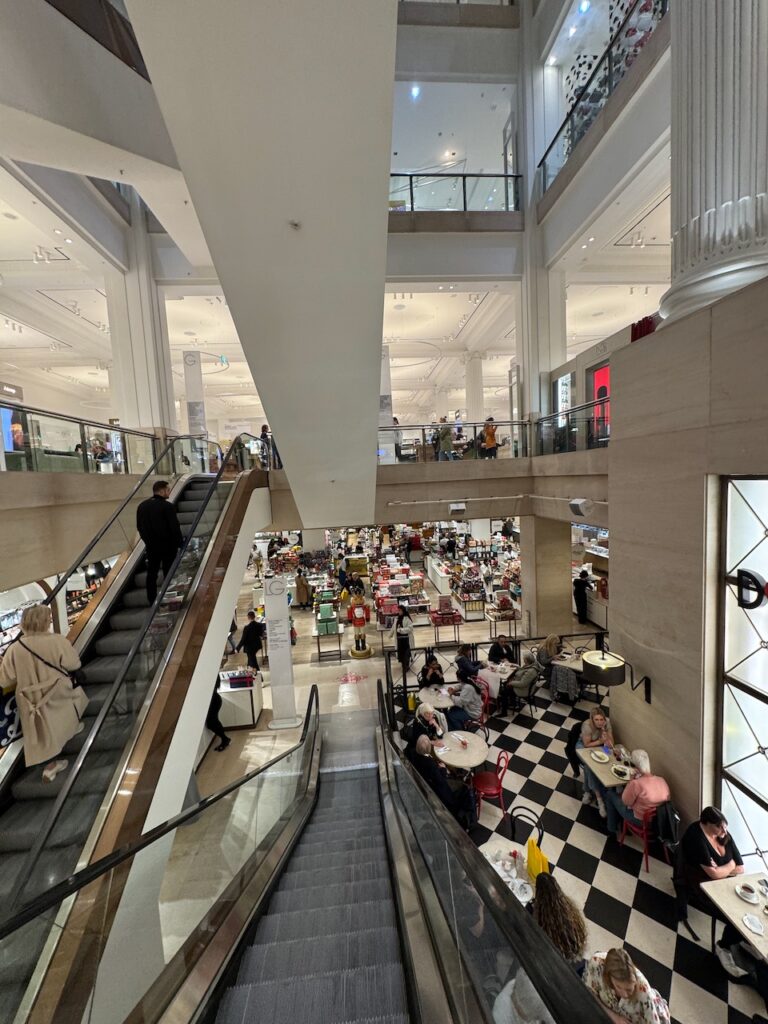
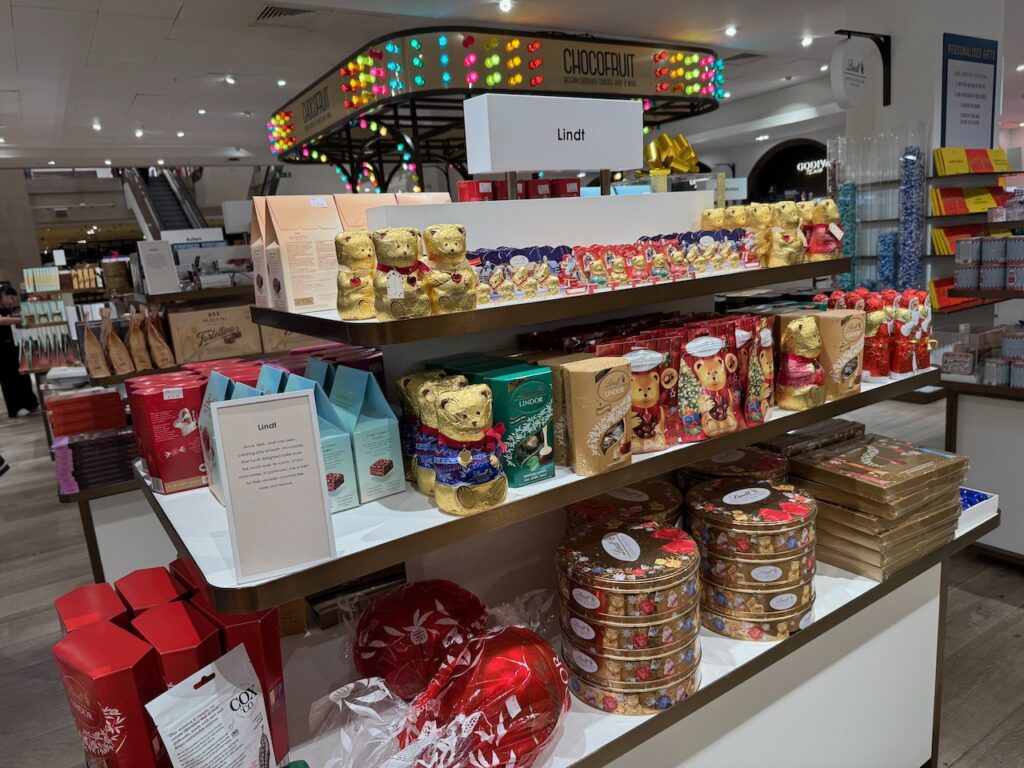
Selfridges

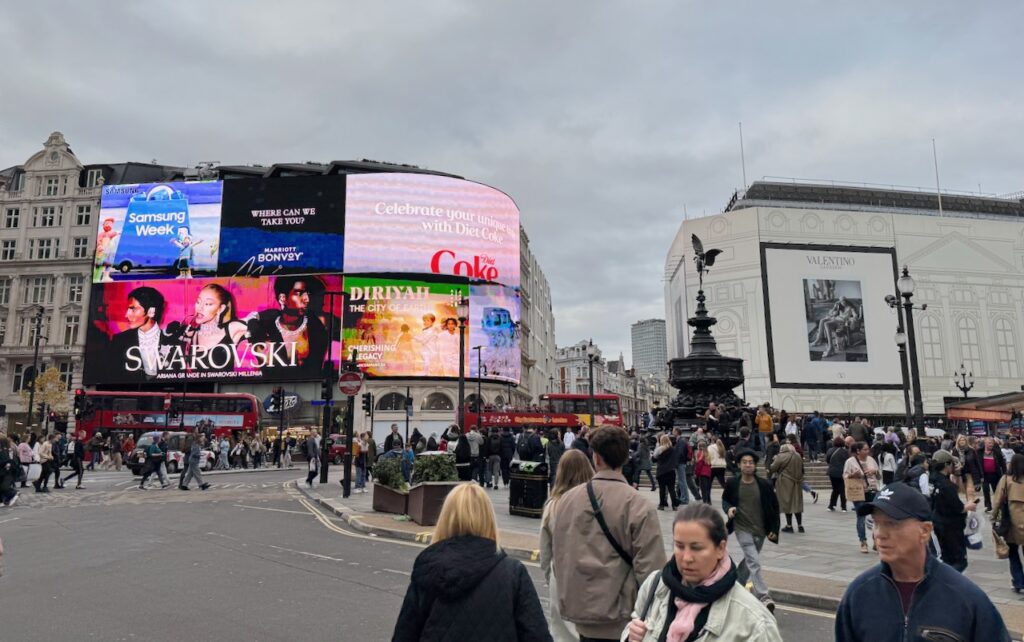
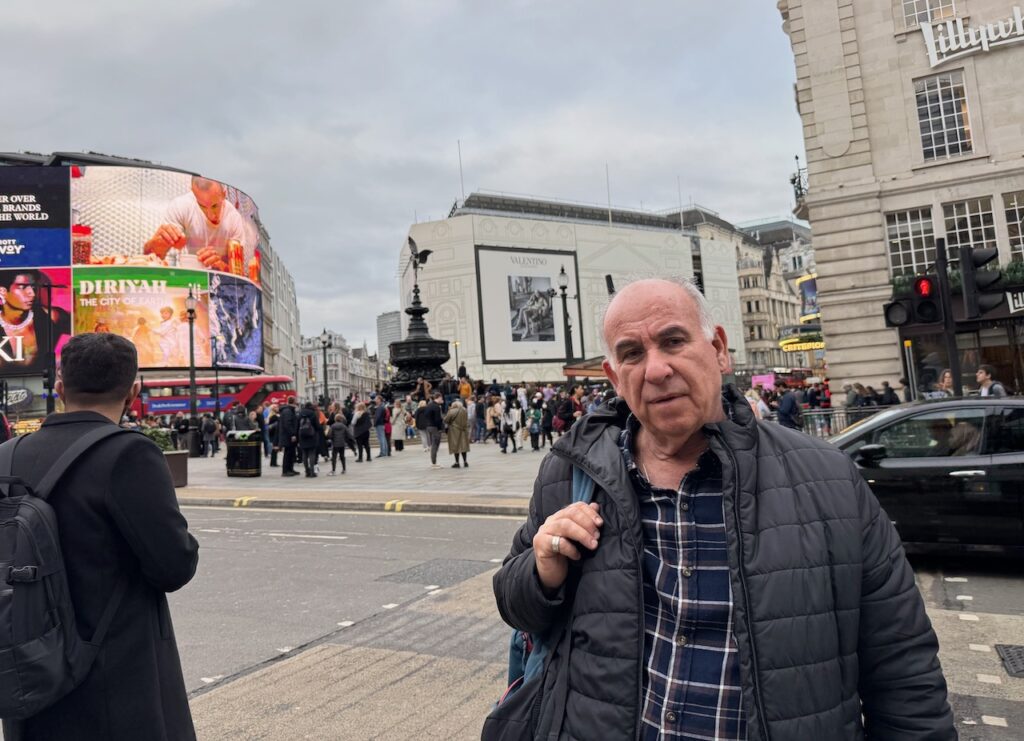
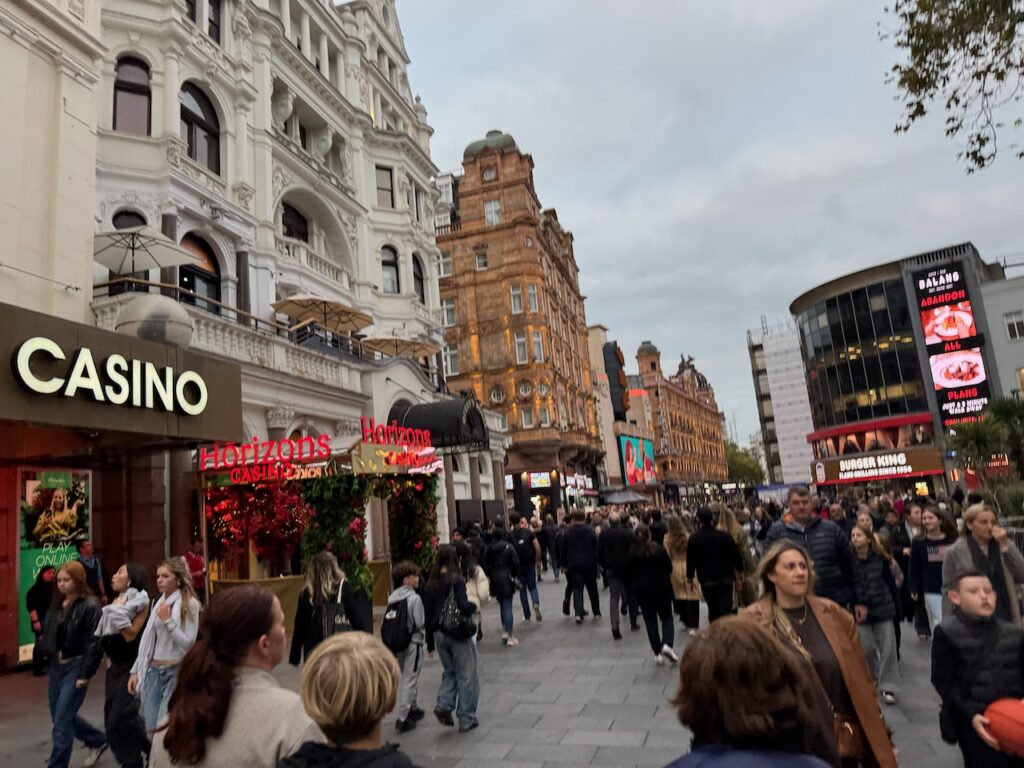
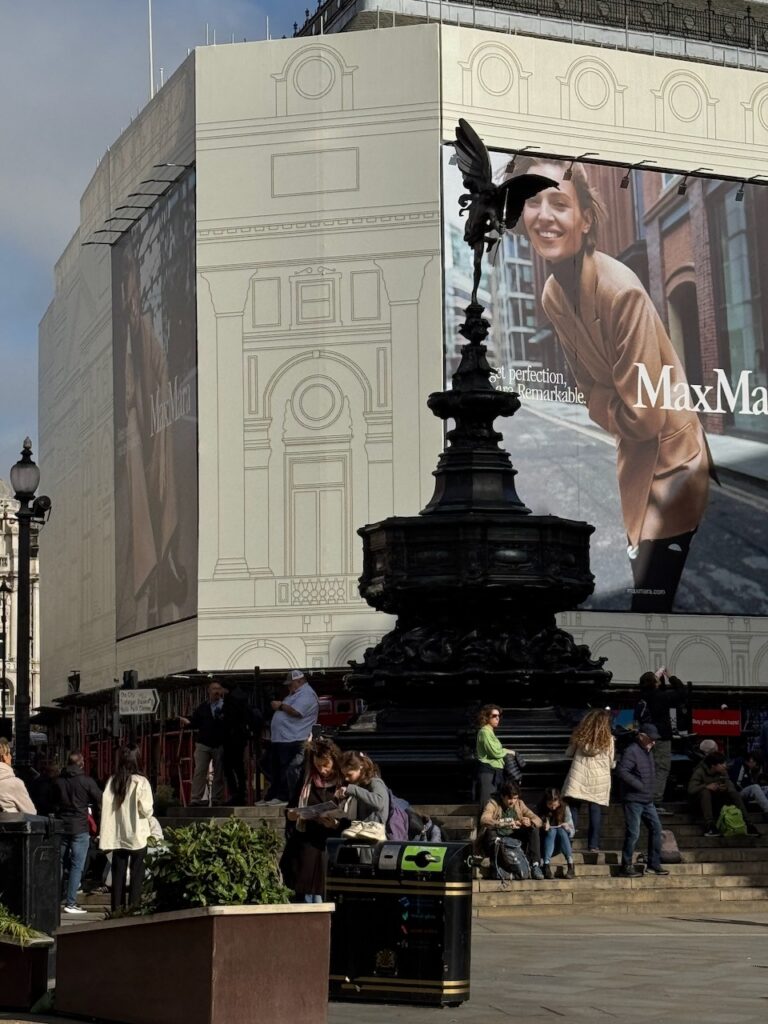
Oxford Street to Piccadilly Circus

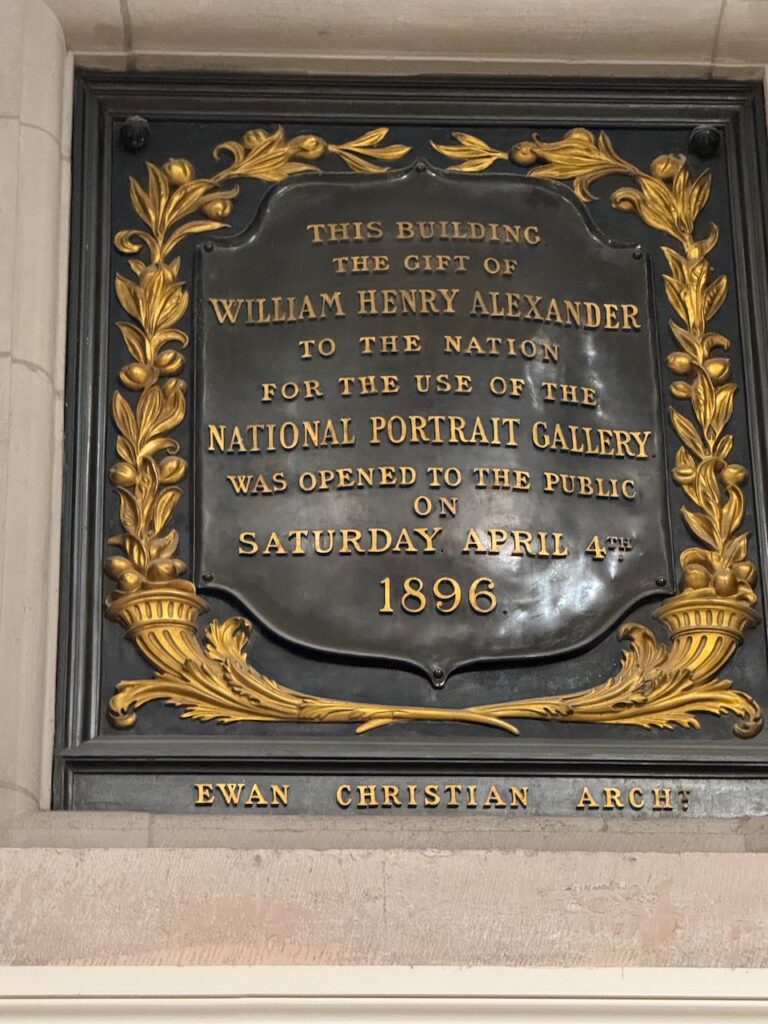
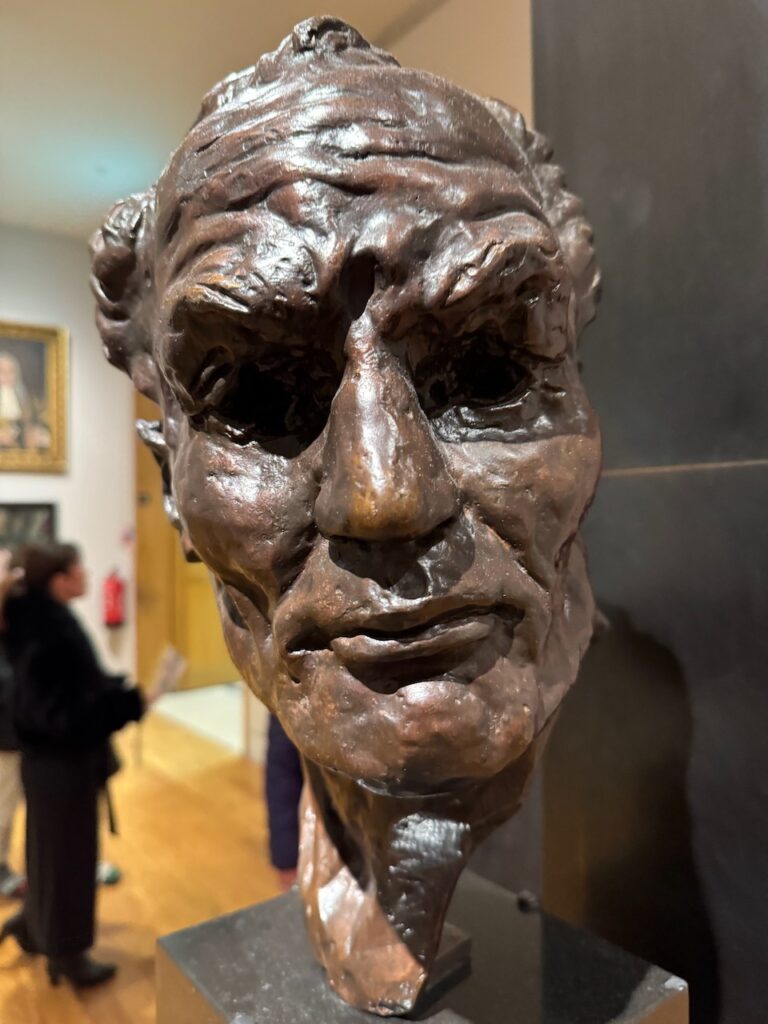
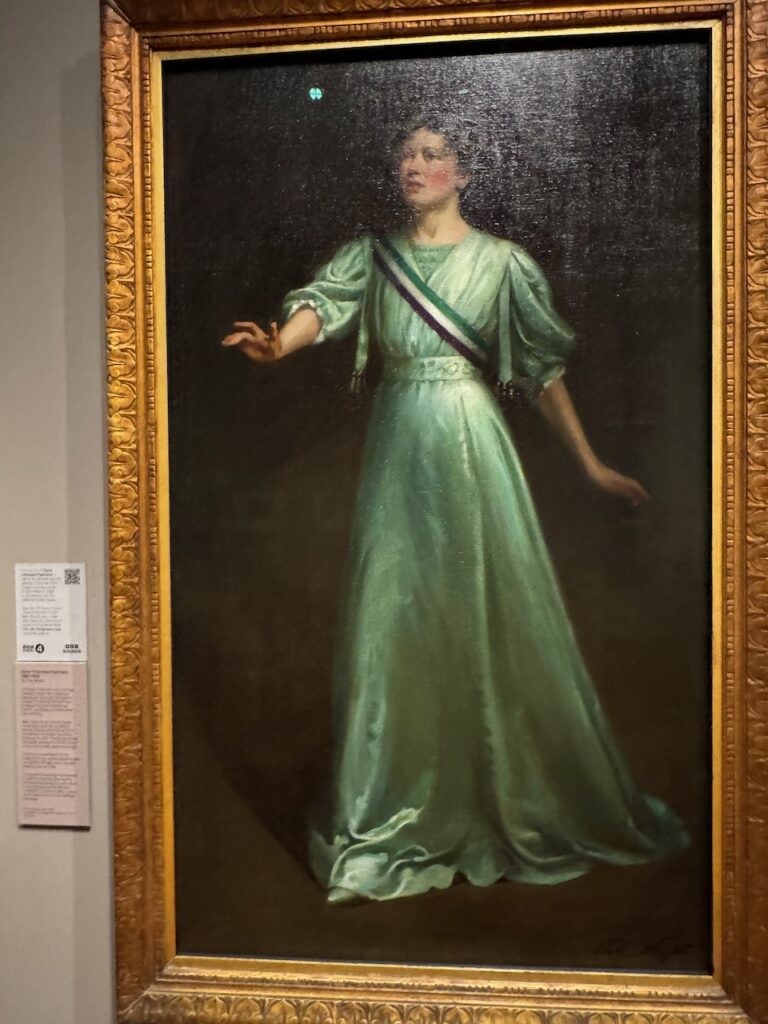
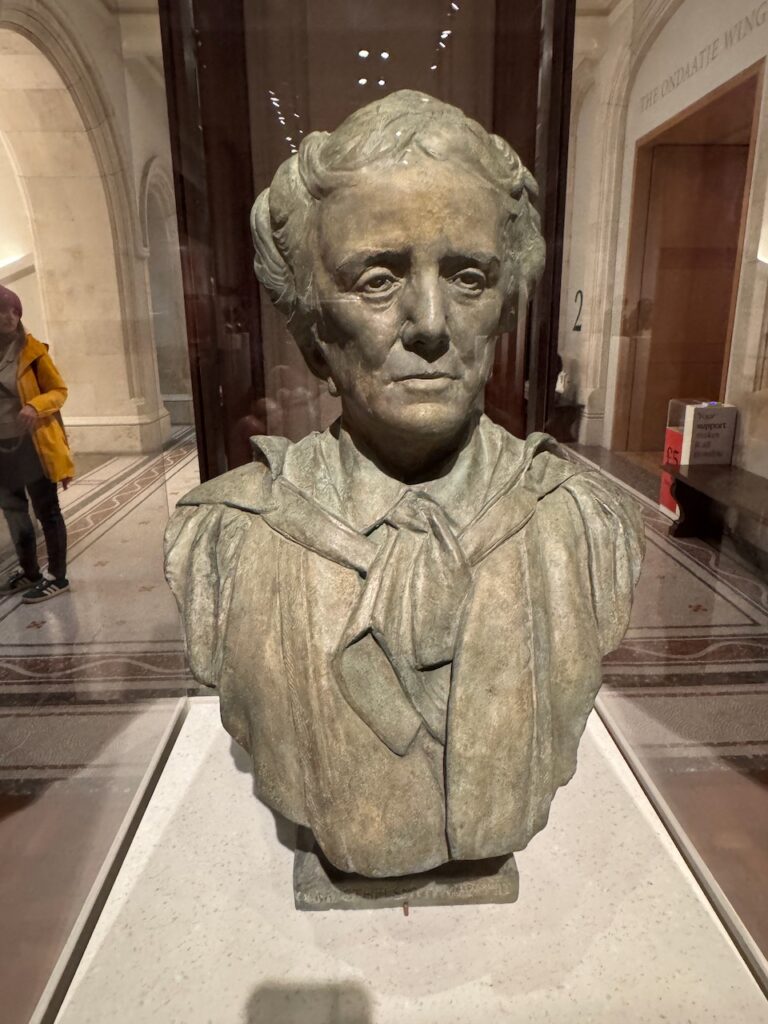
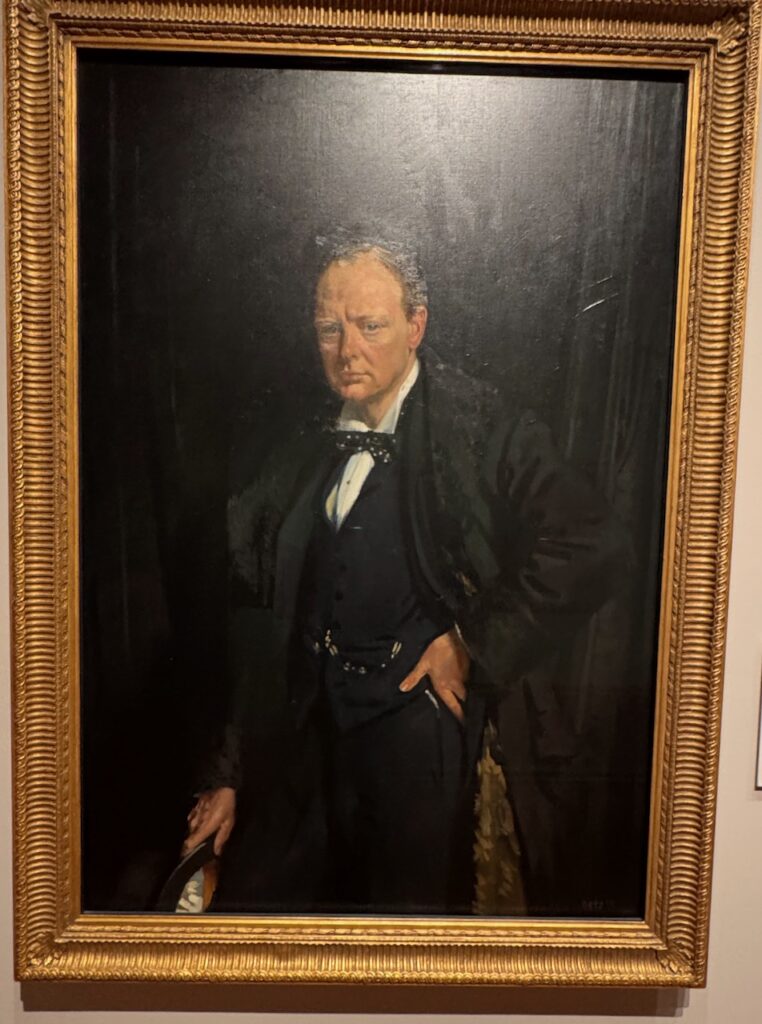
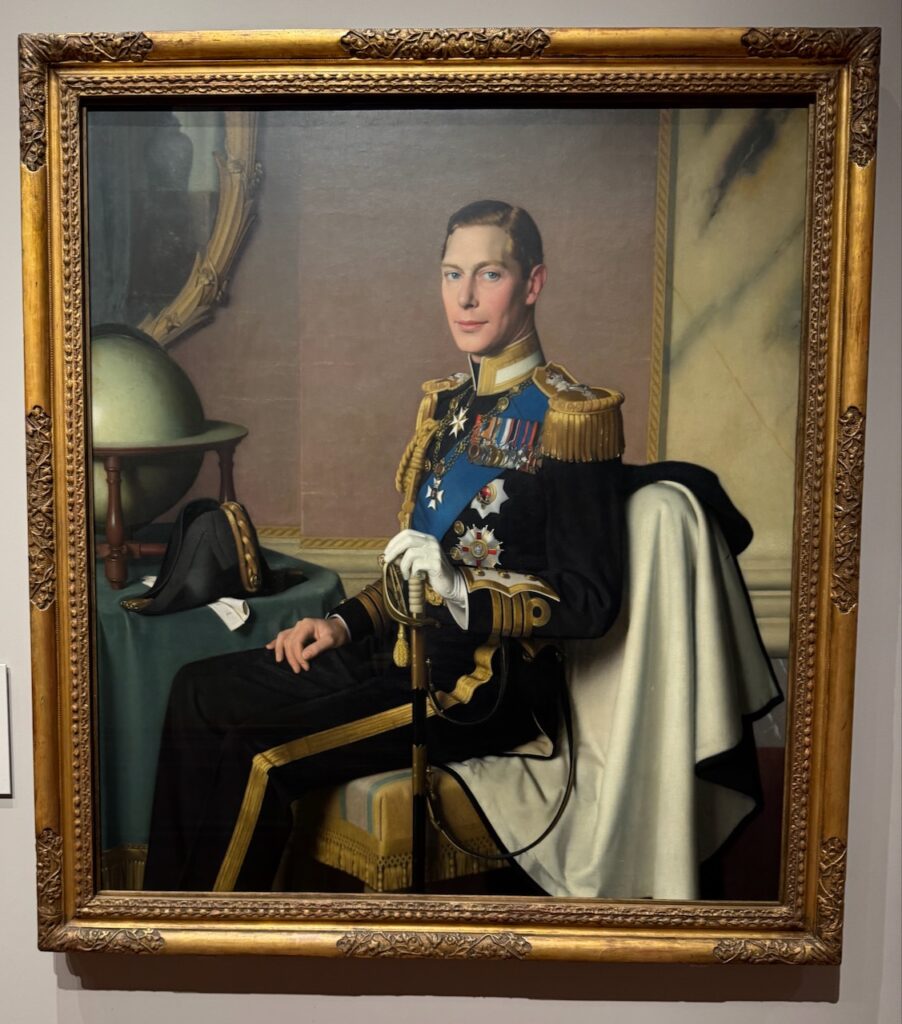
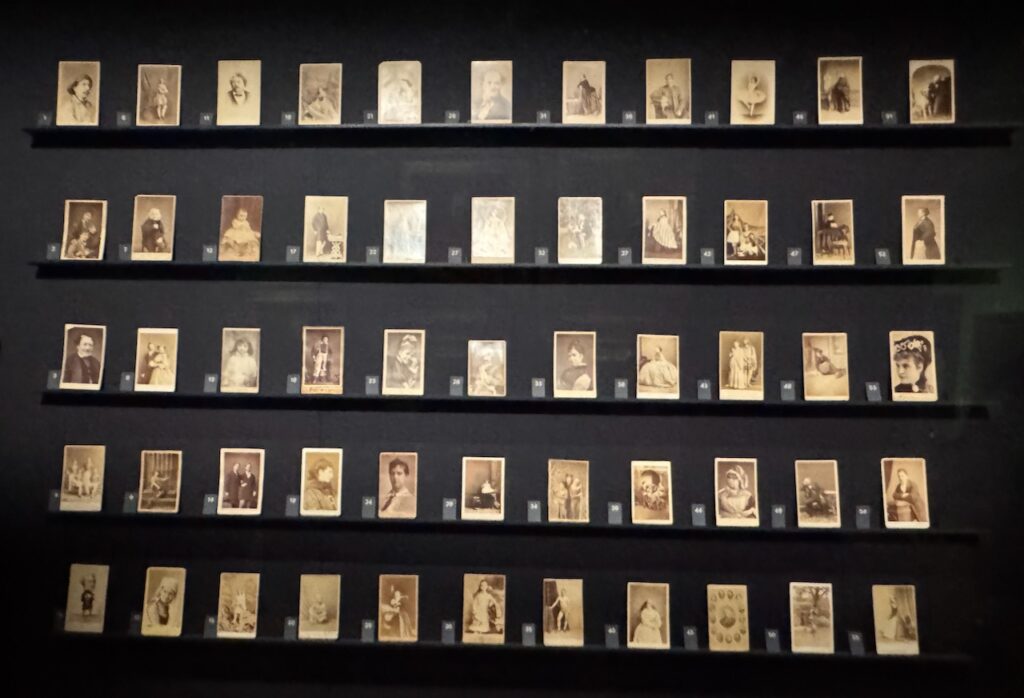
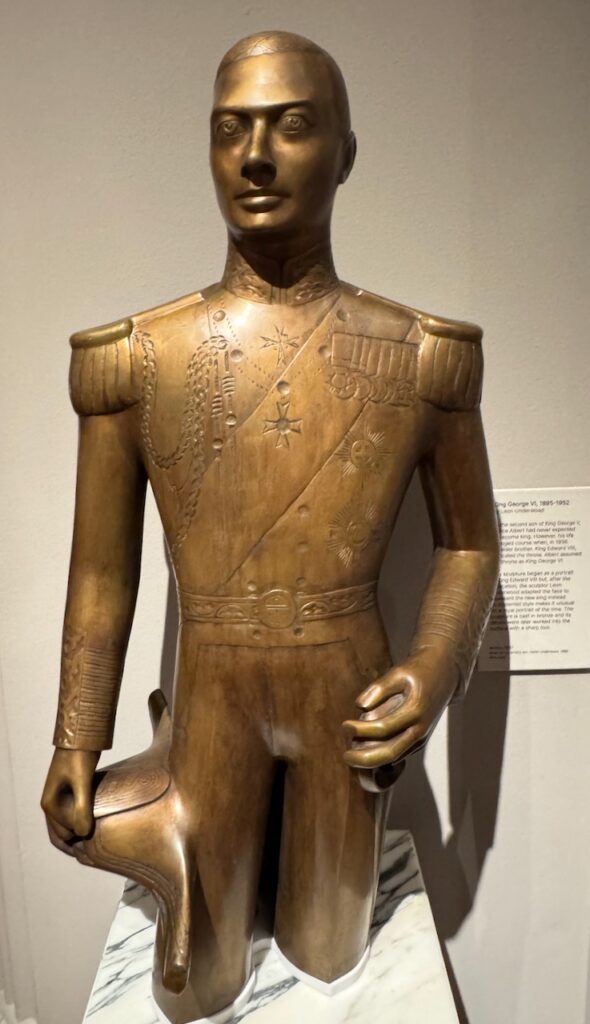
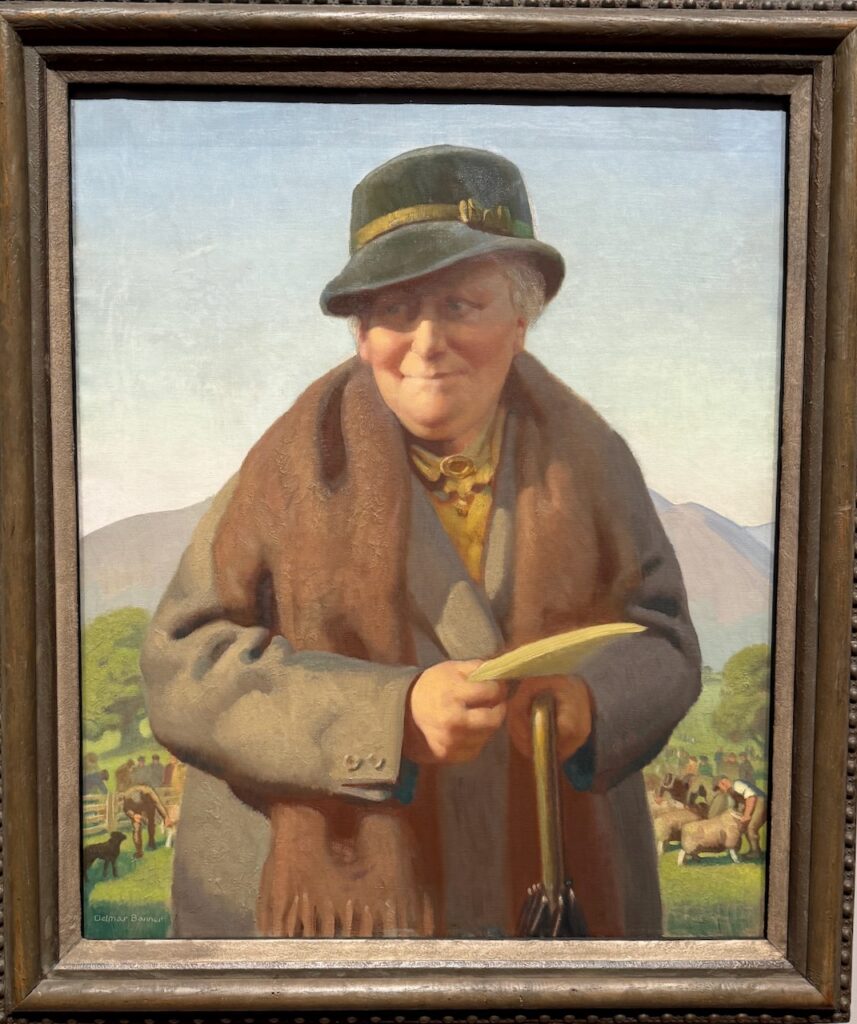
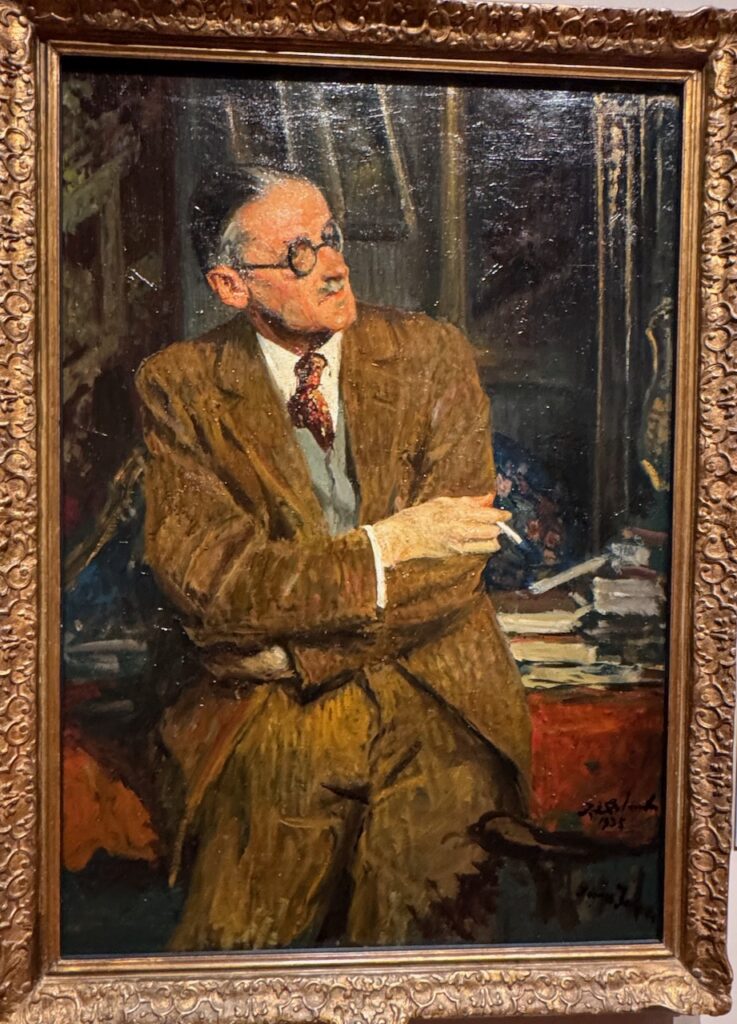
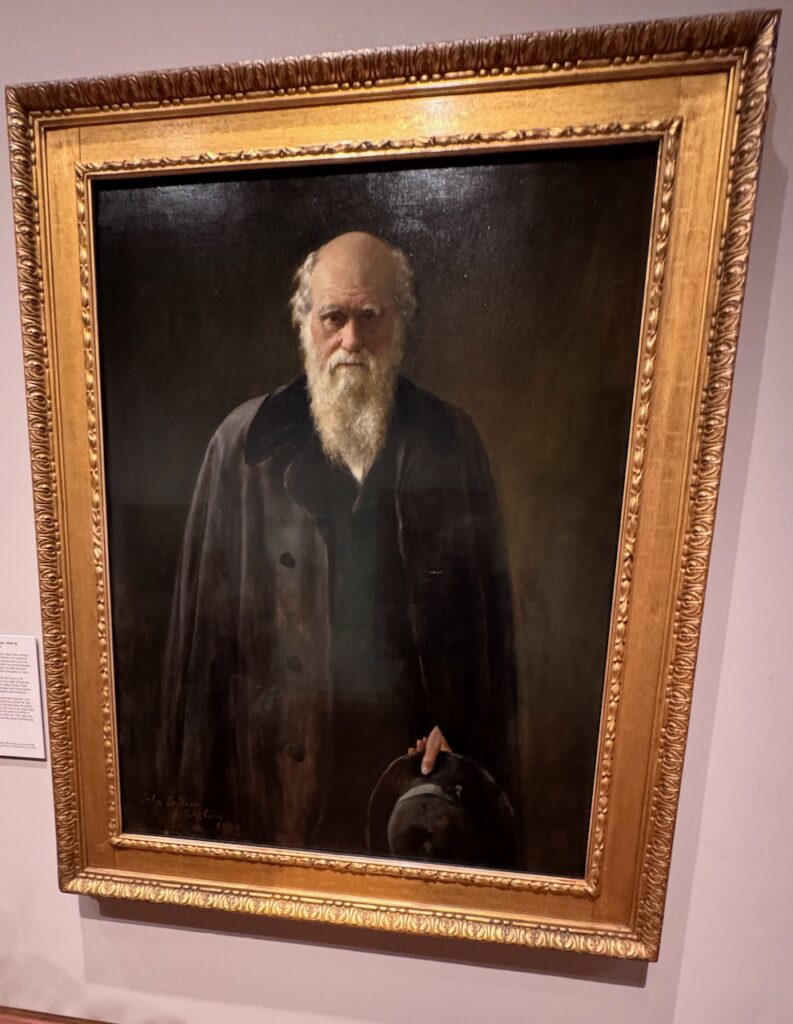
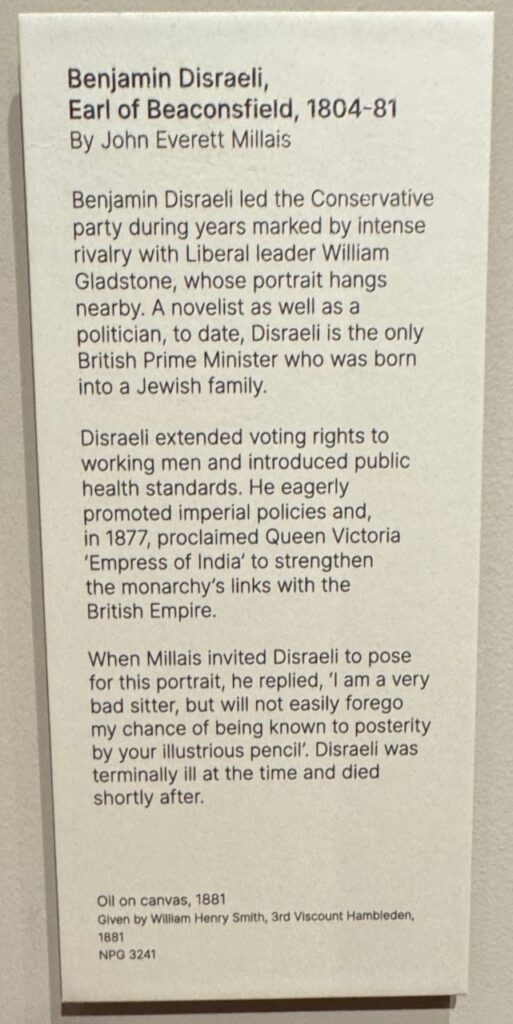
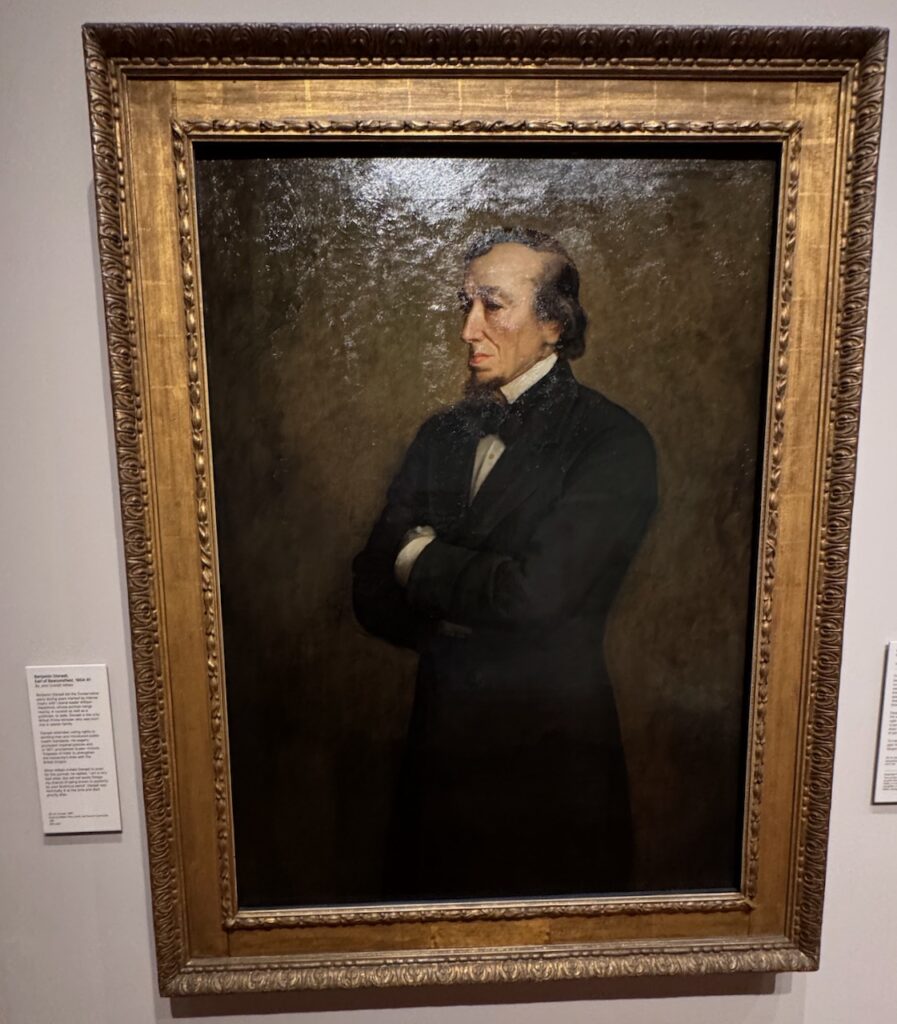
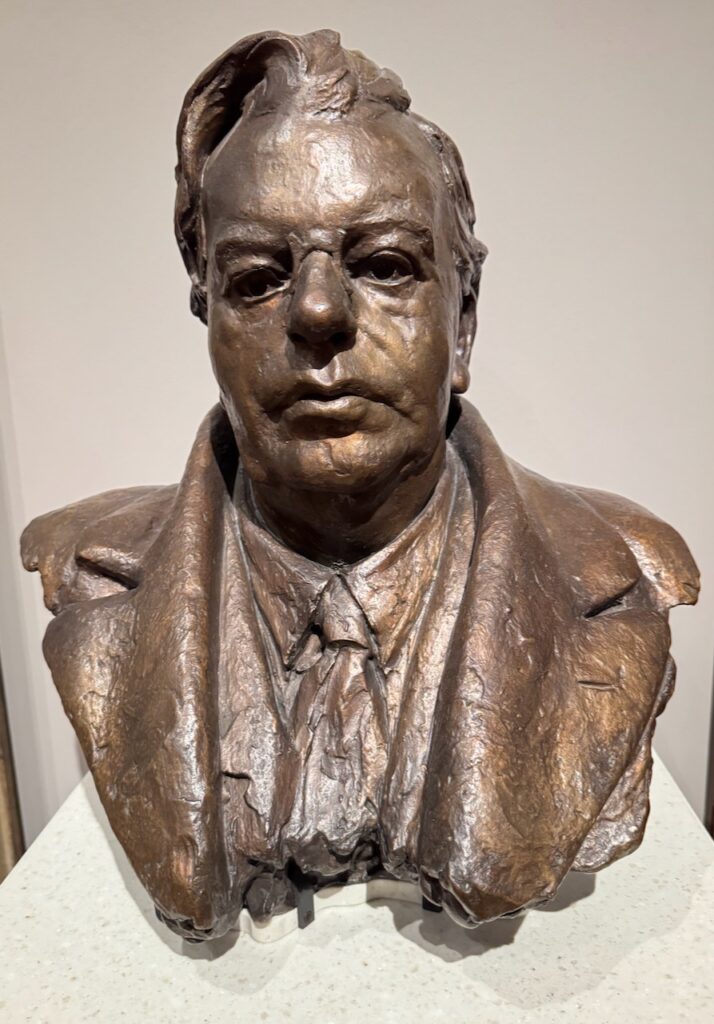
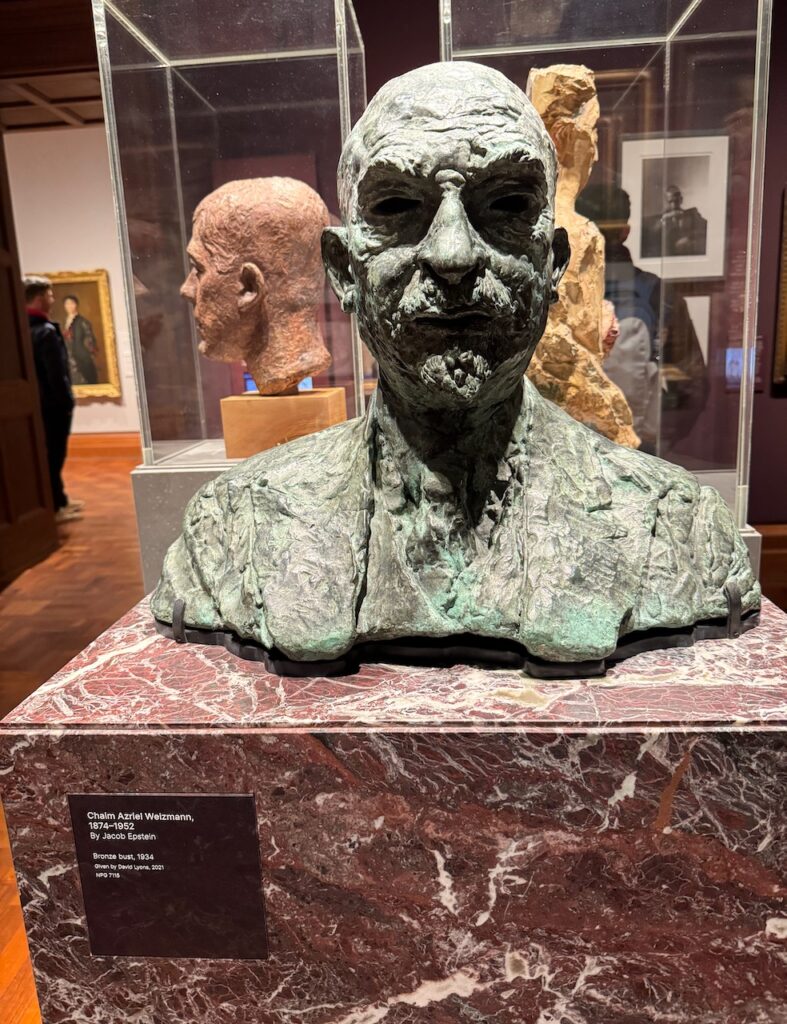
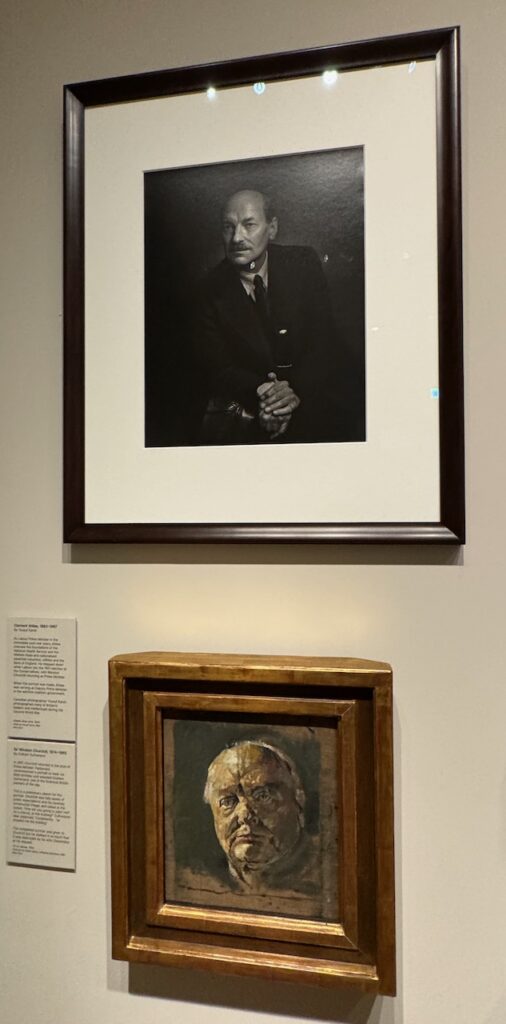
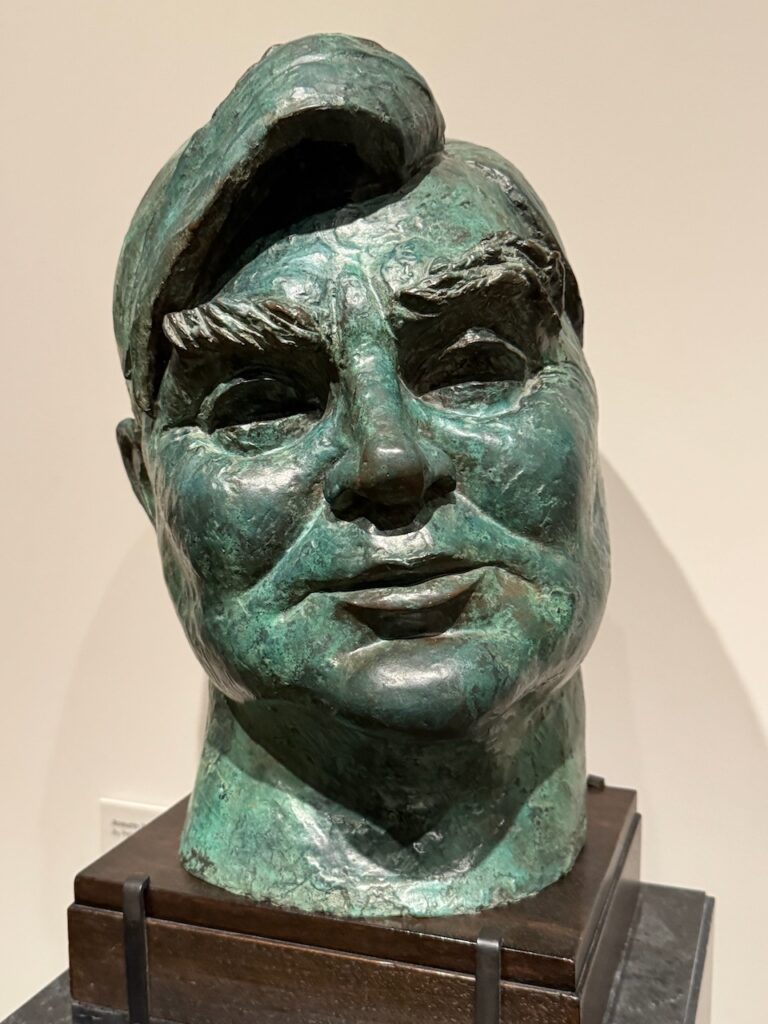
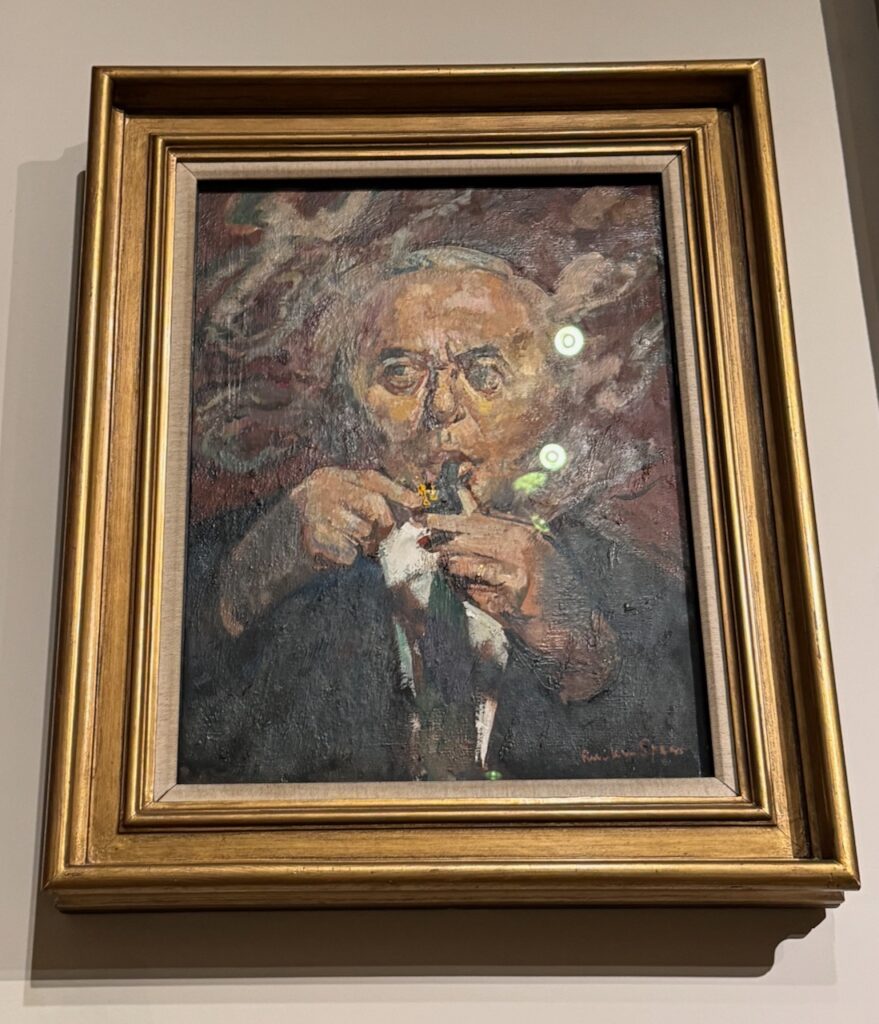
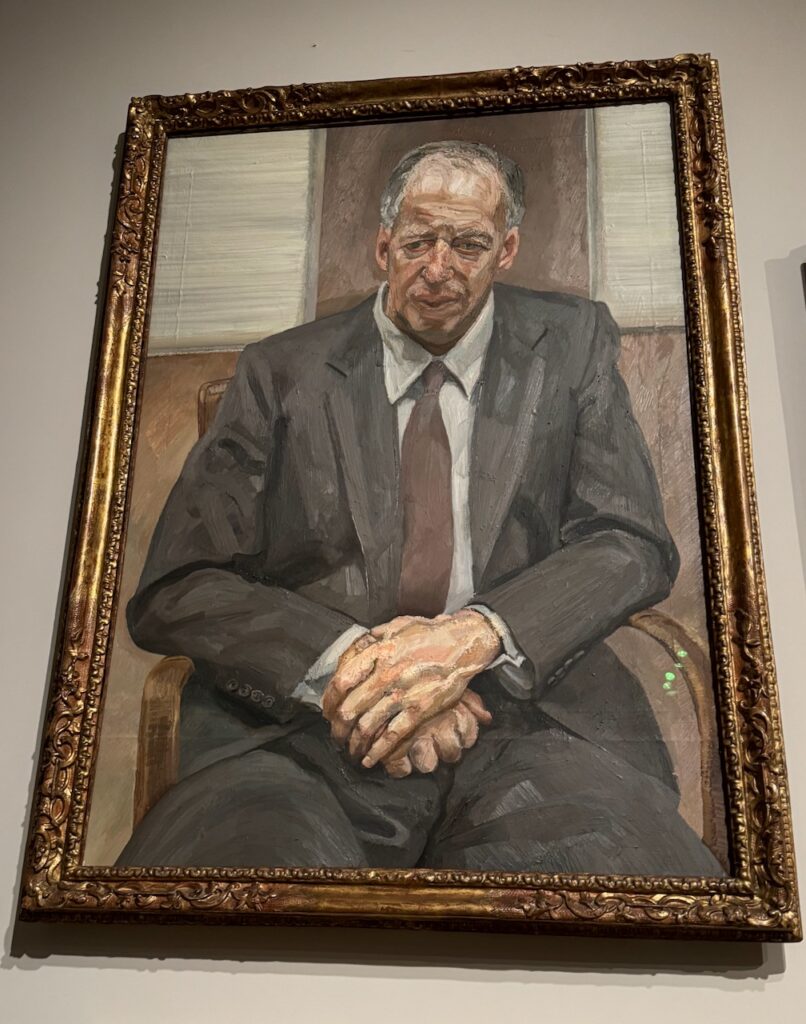
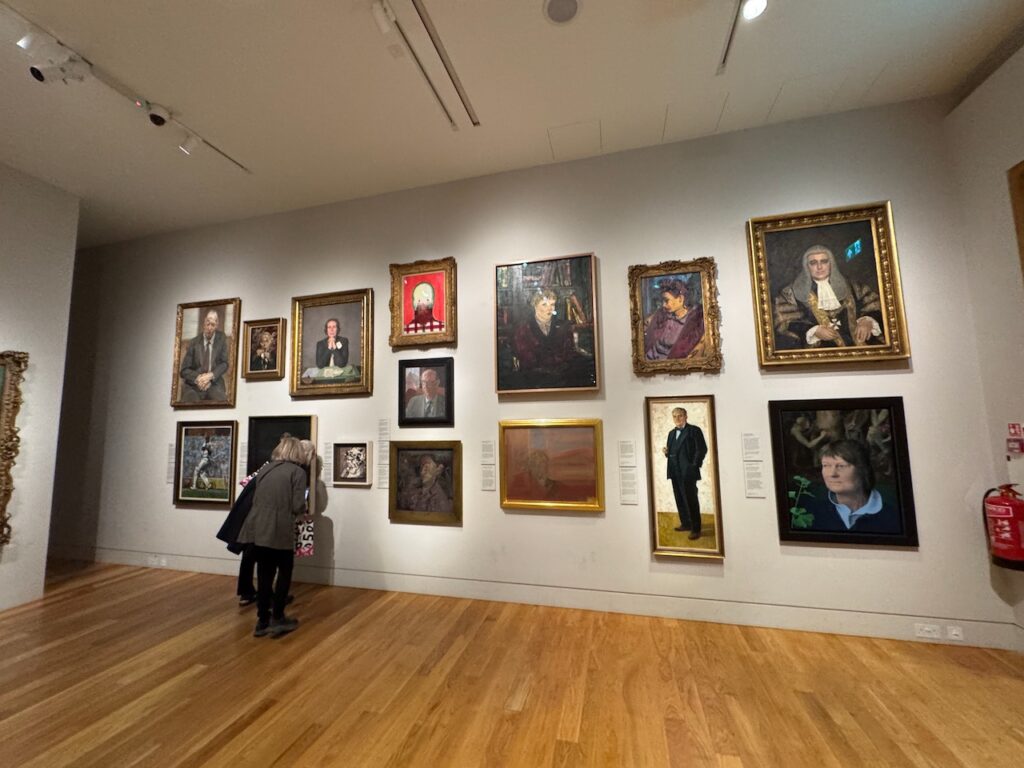
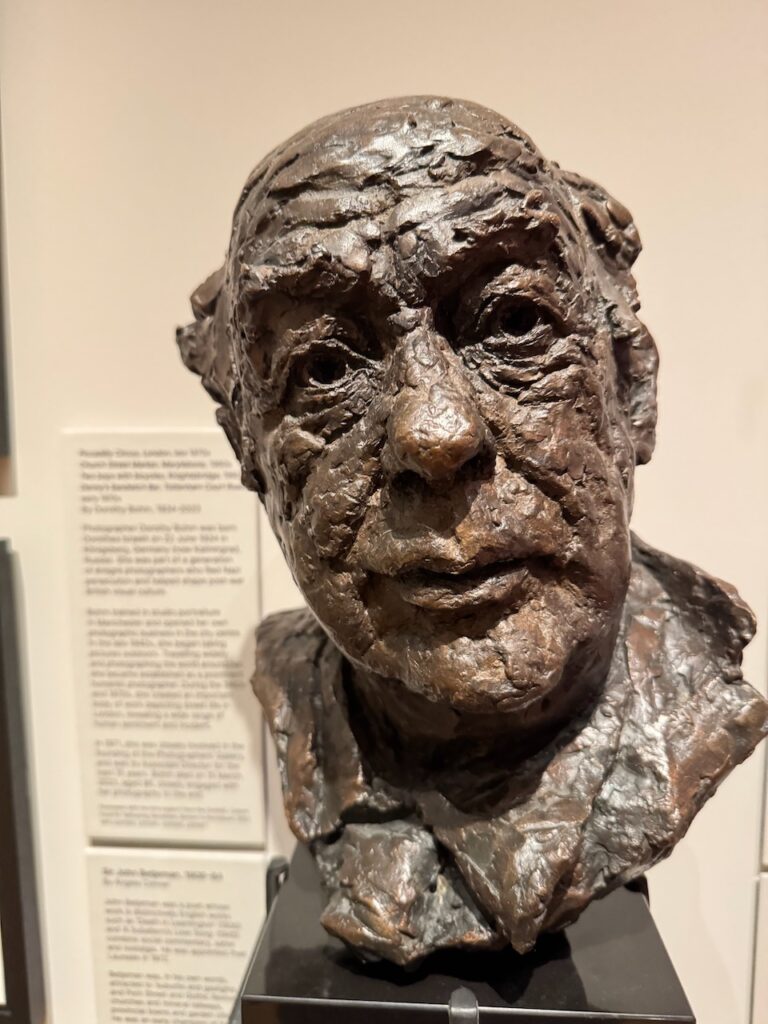
The National Portrait Gallery

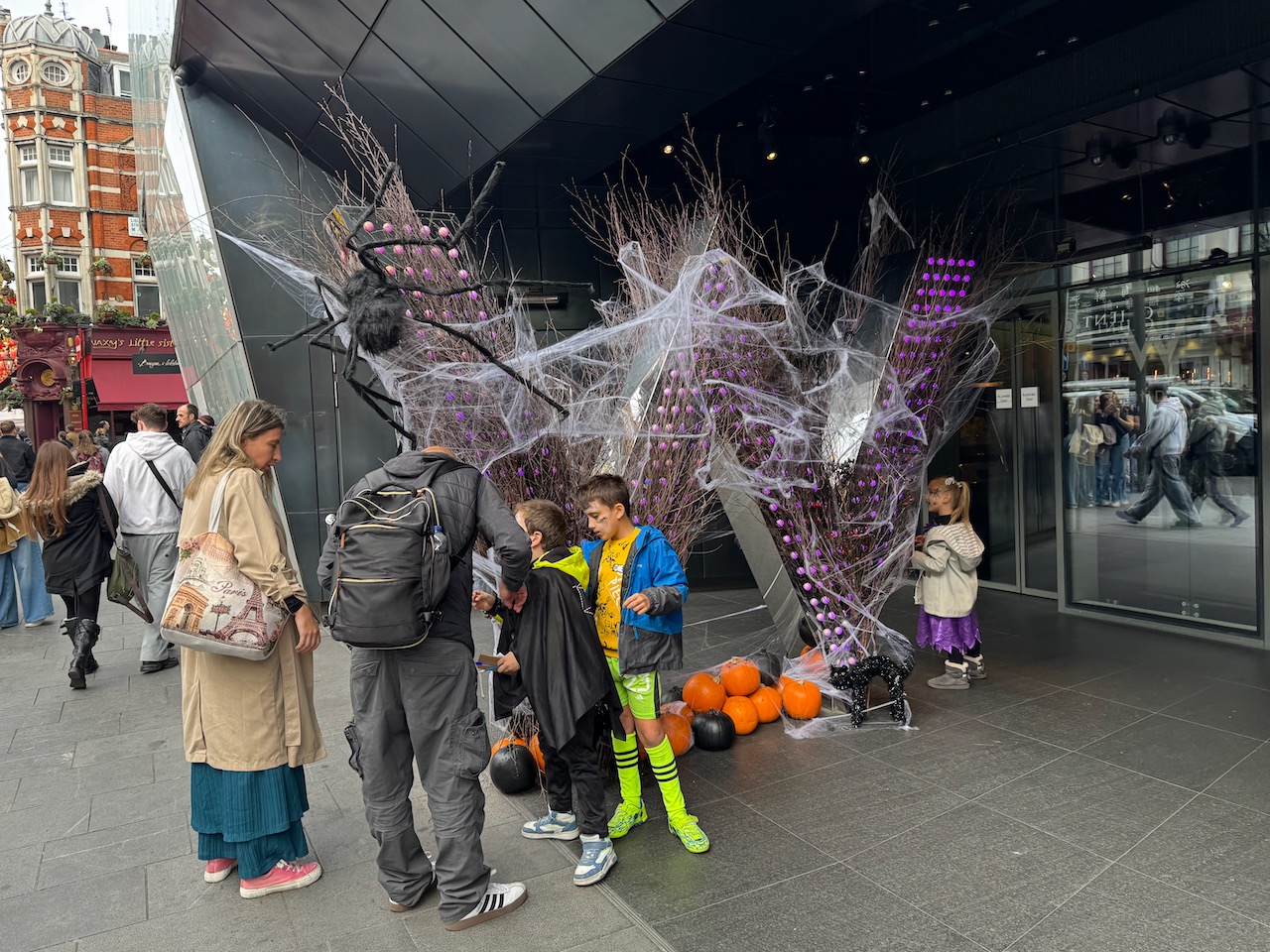
Getting ready for Halloween
17 October 2024
Letchworth to Kings Cross London
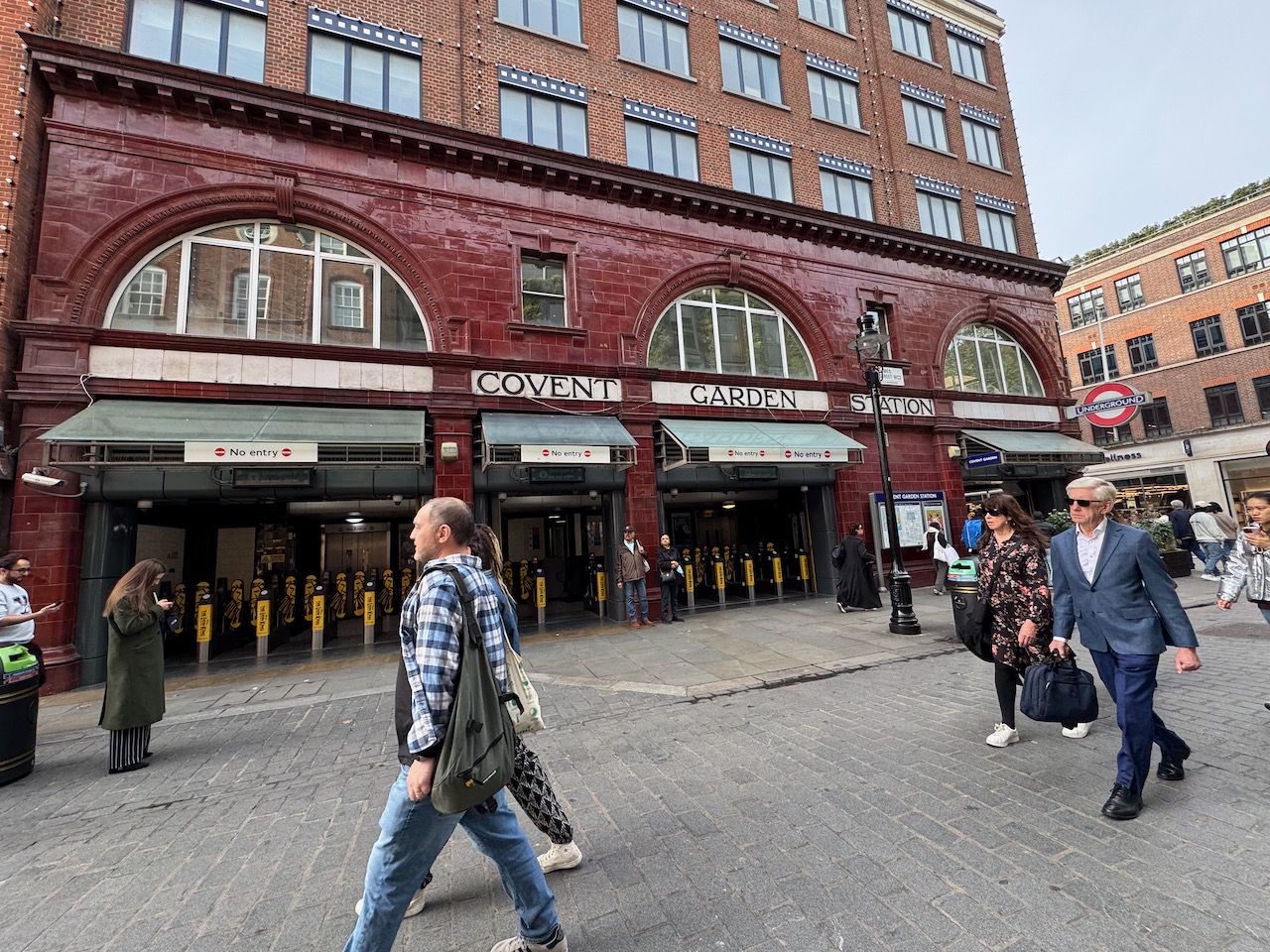
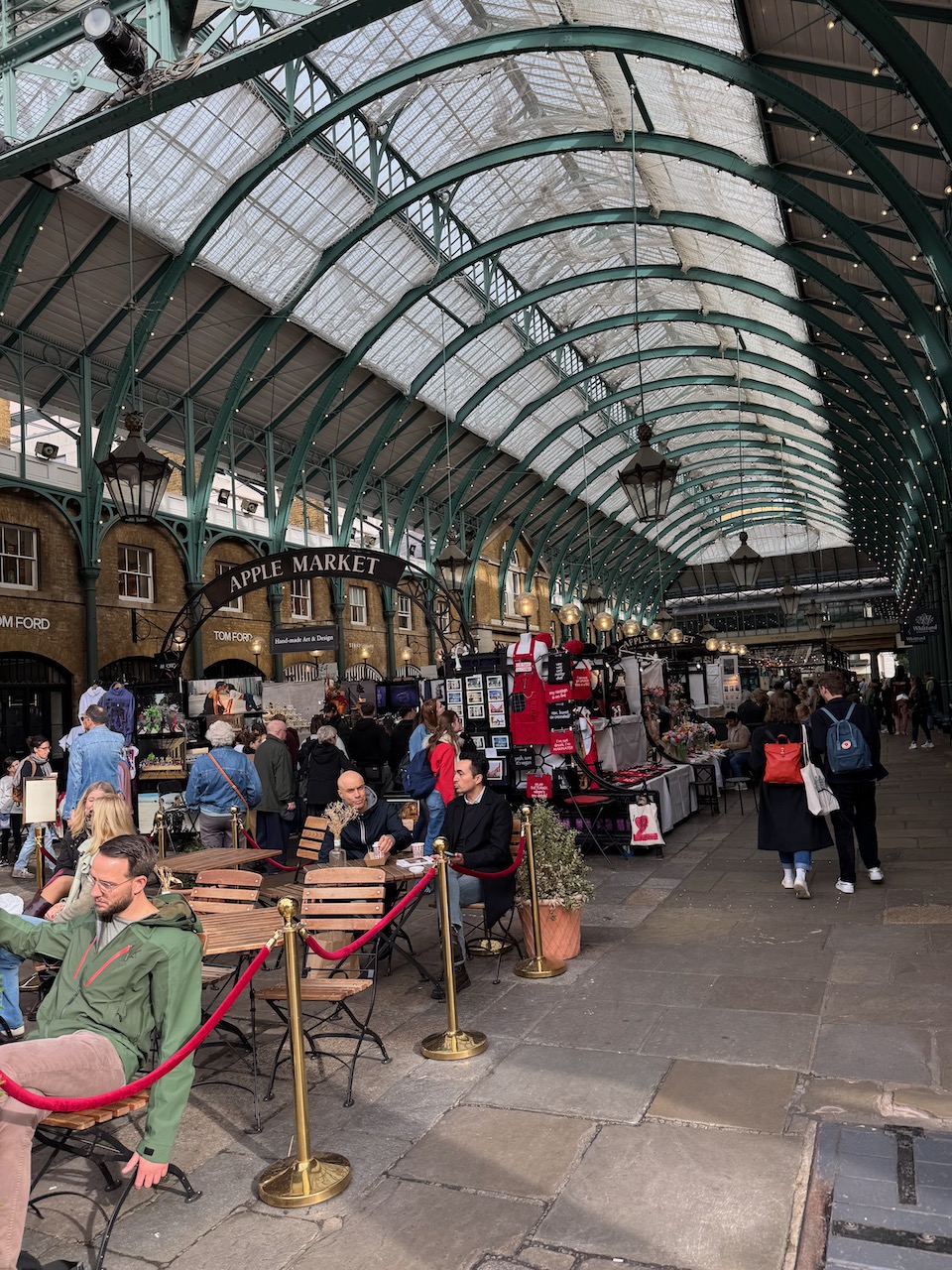
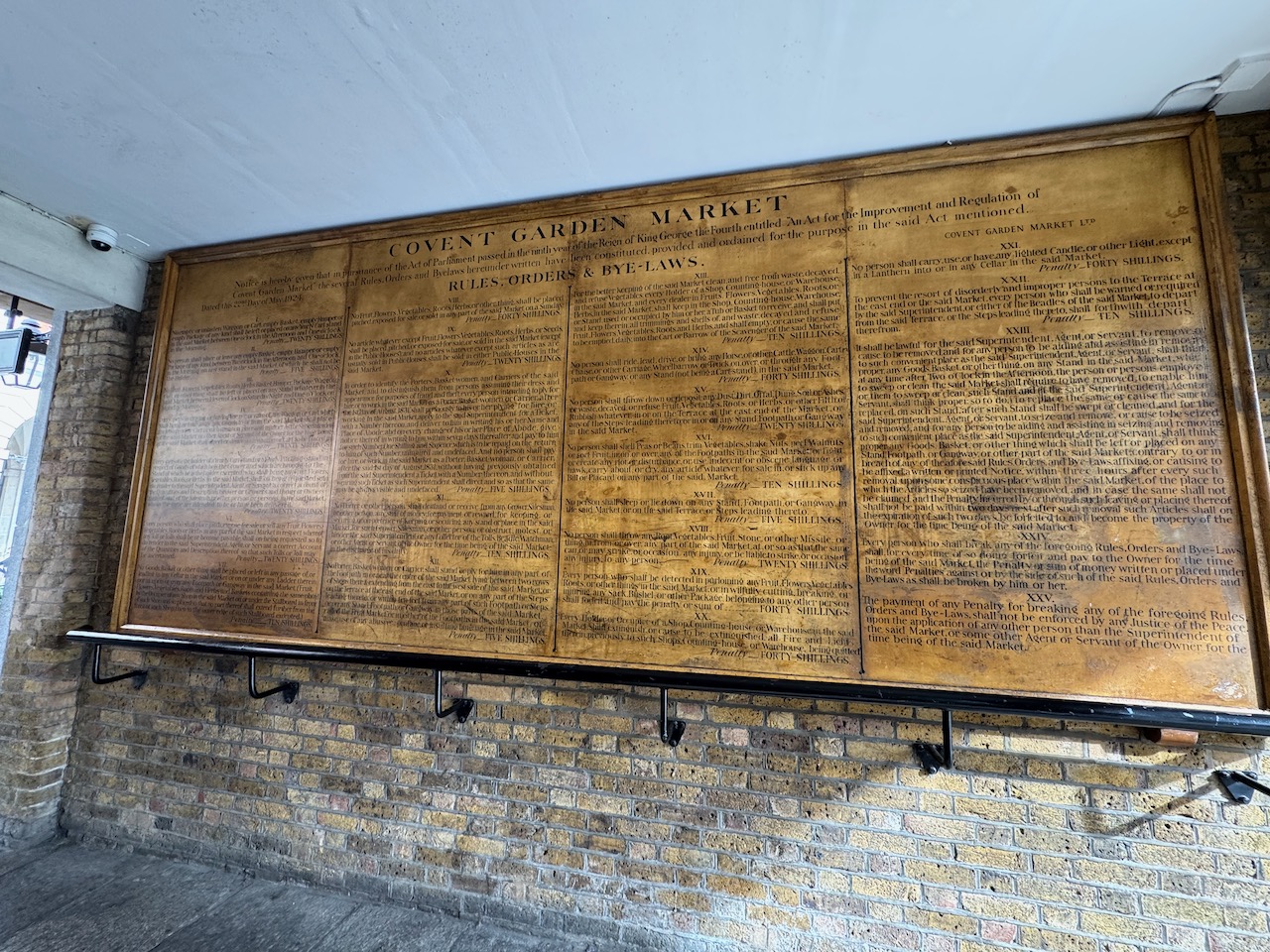
Covent Garden

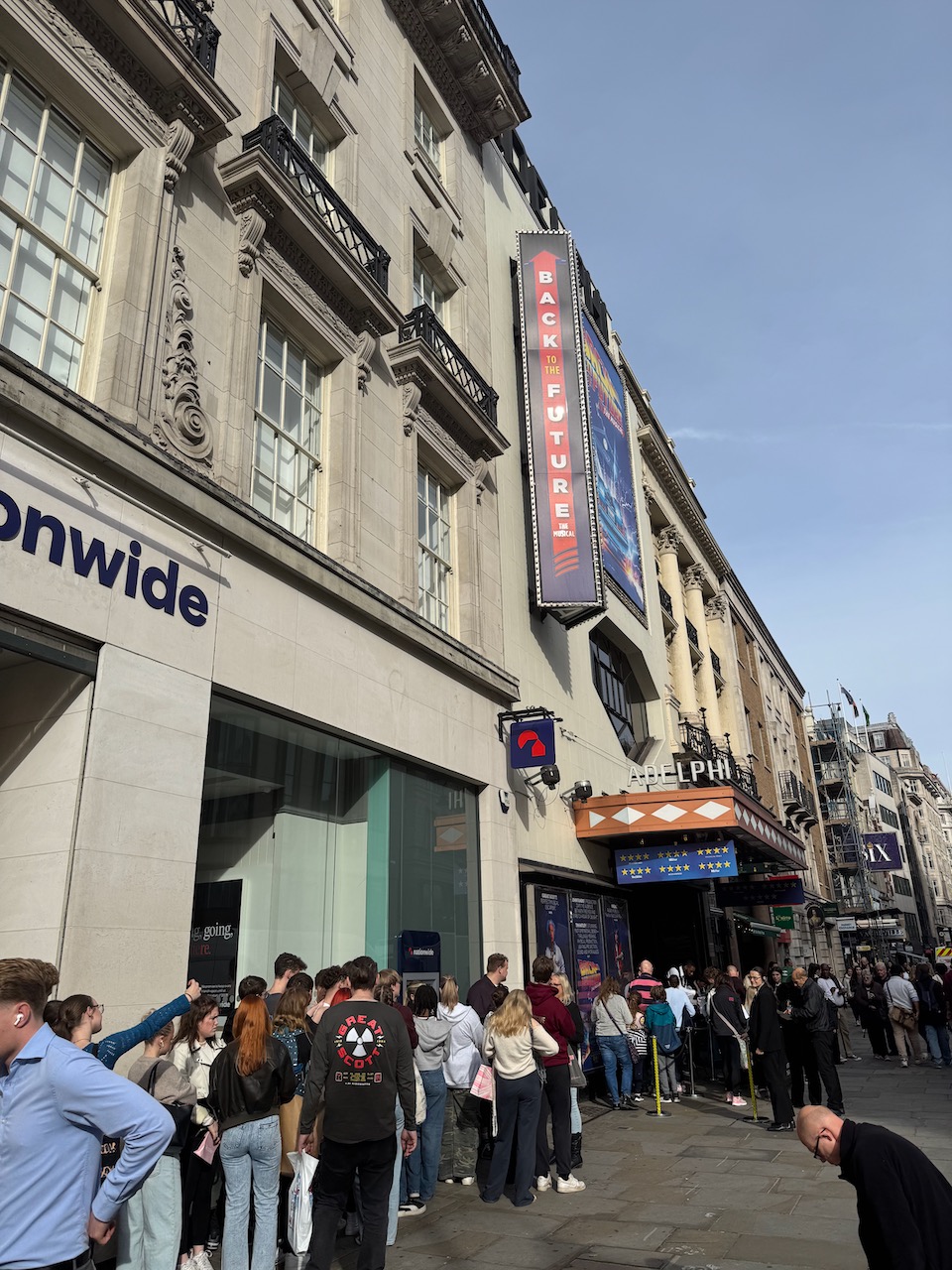
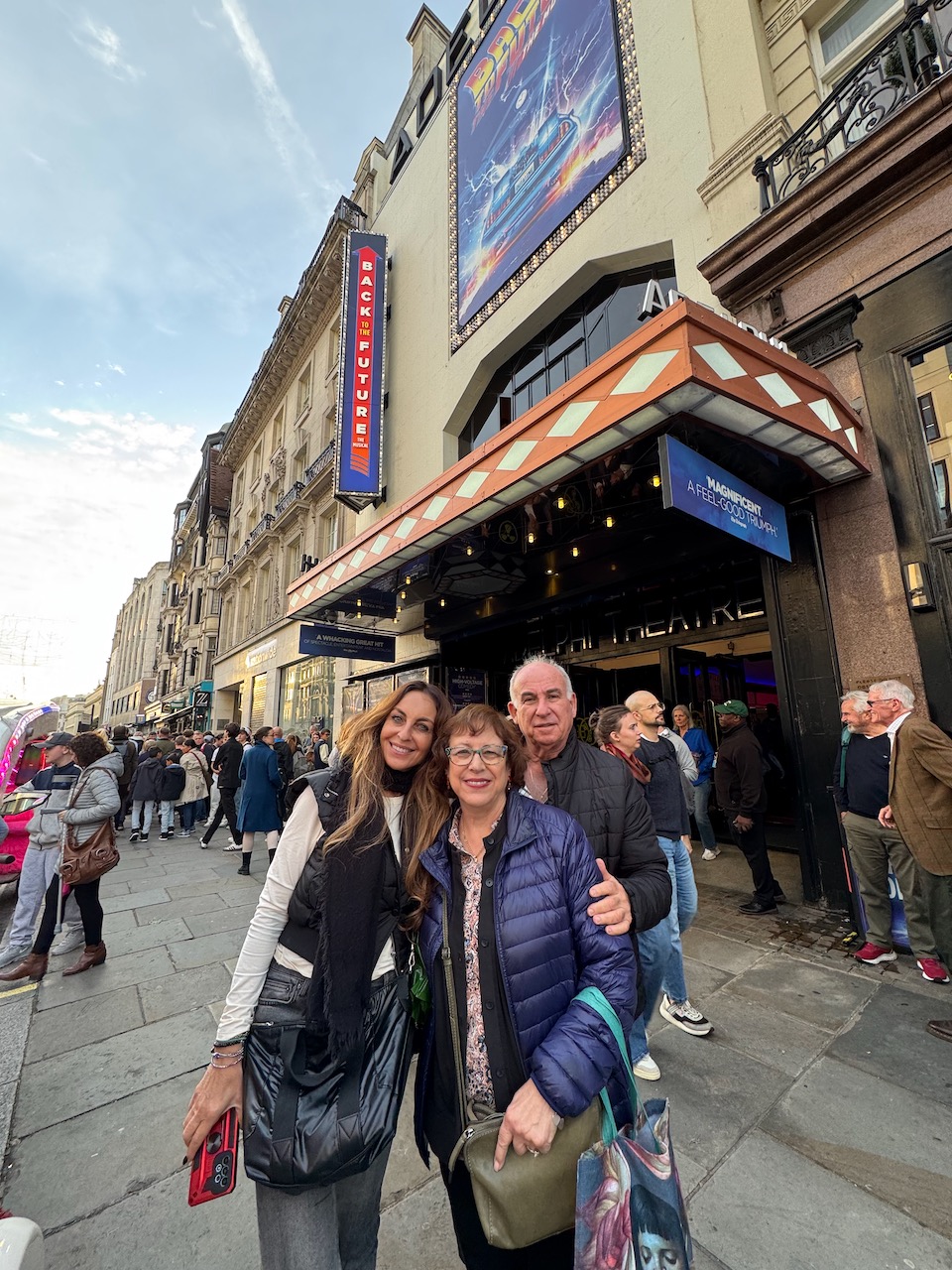
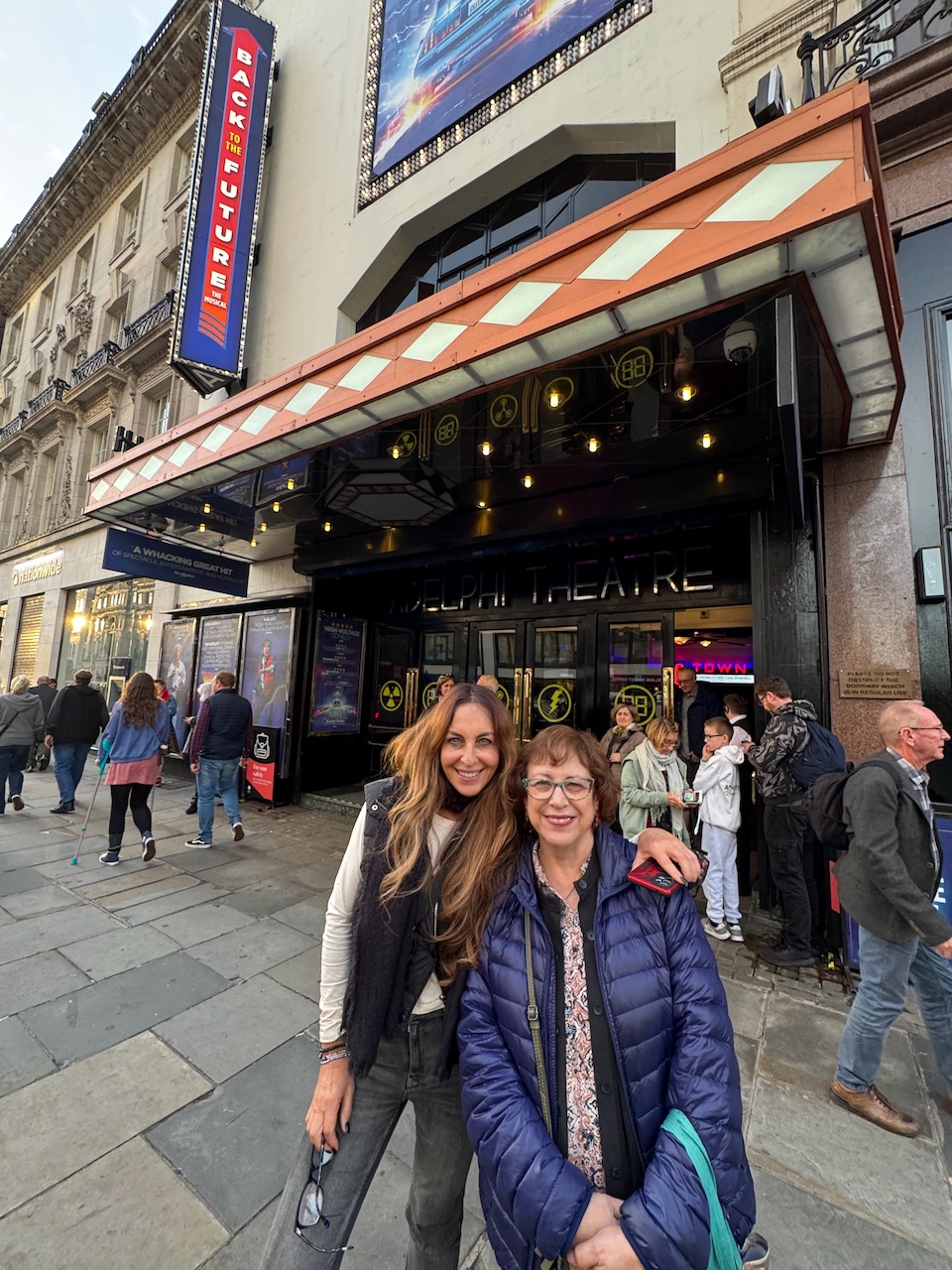
The Adelphi Theatre

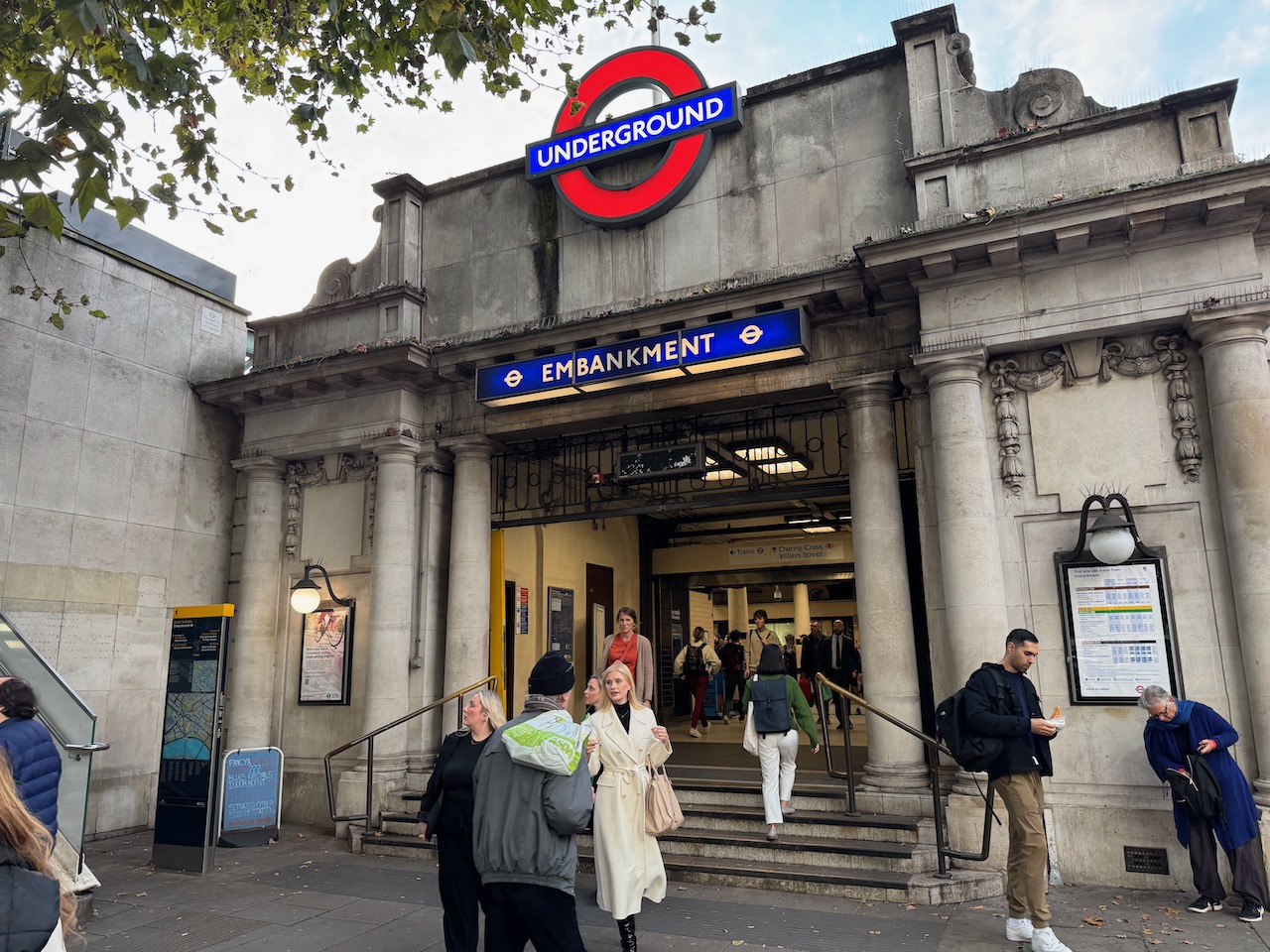
Embankment
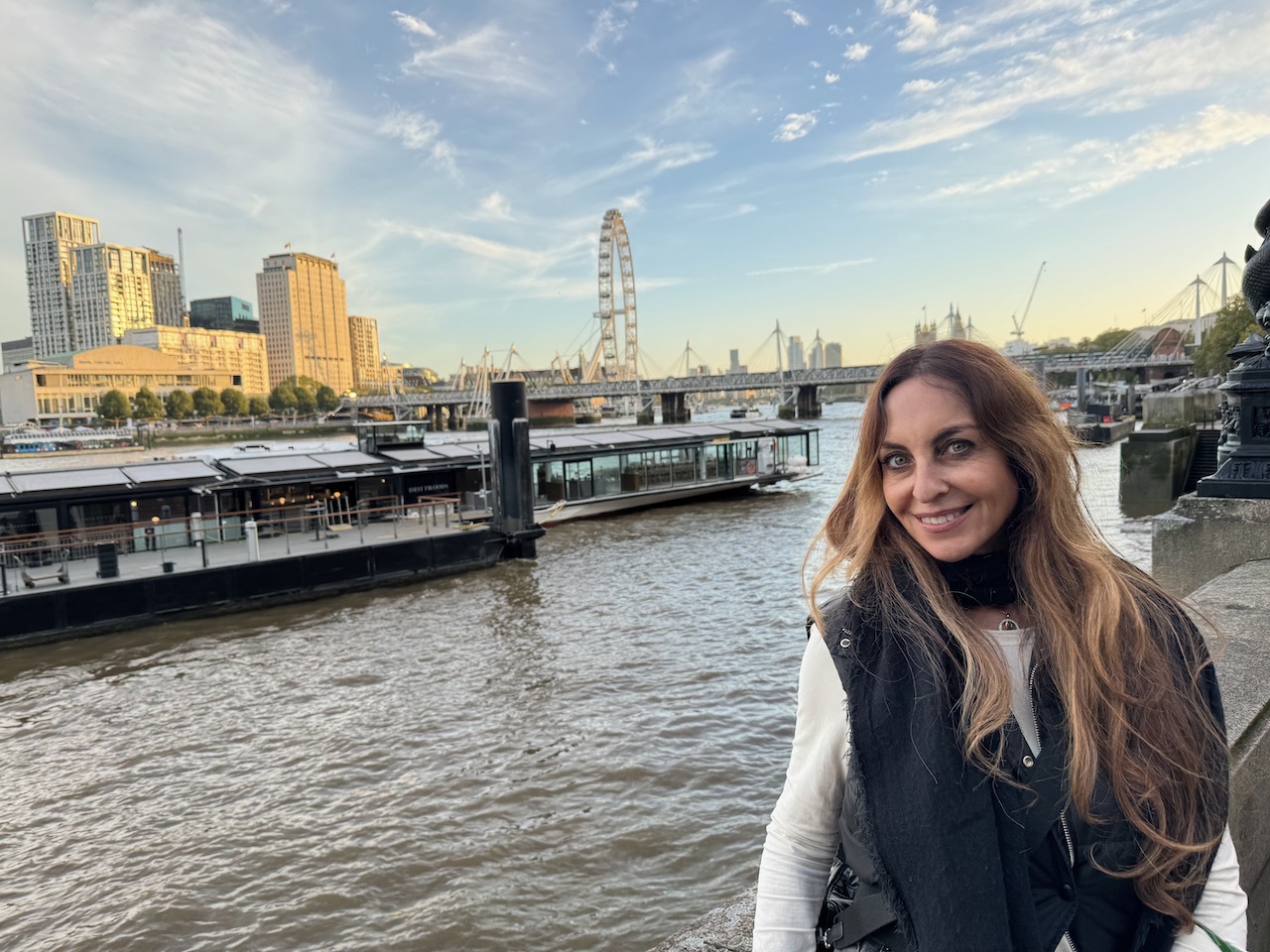
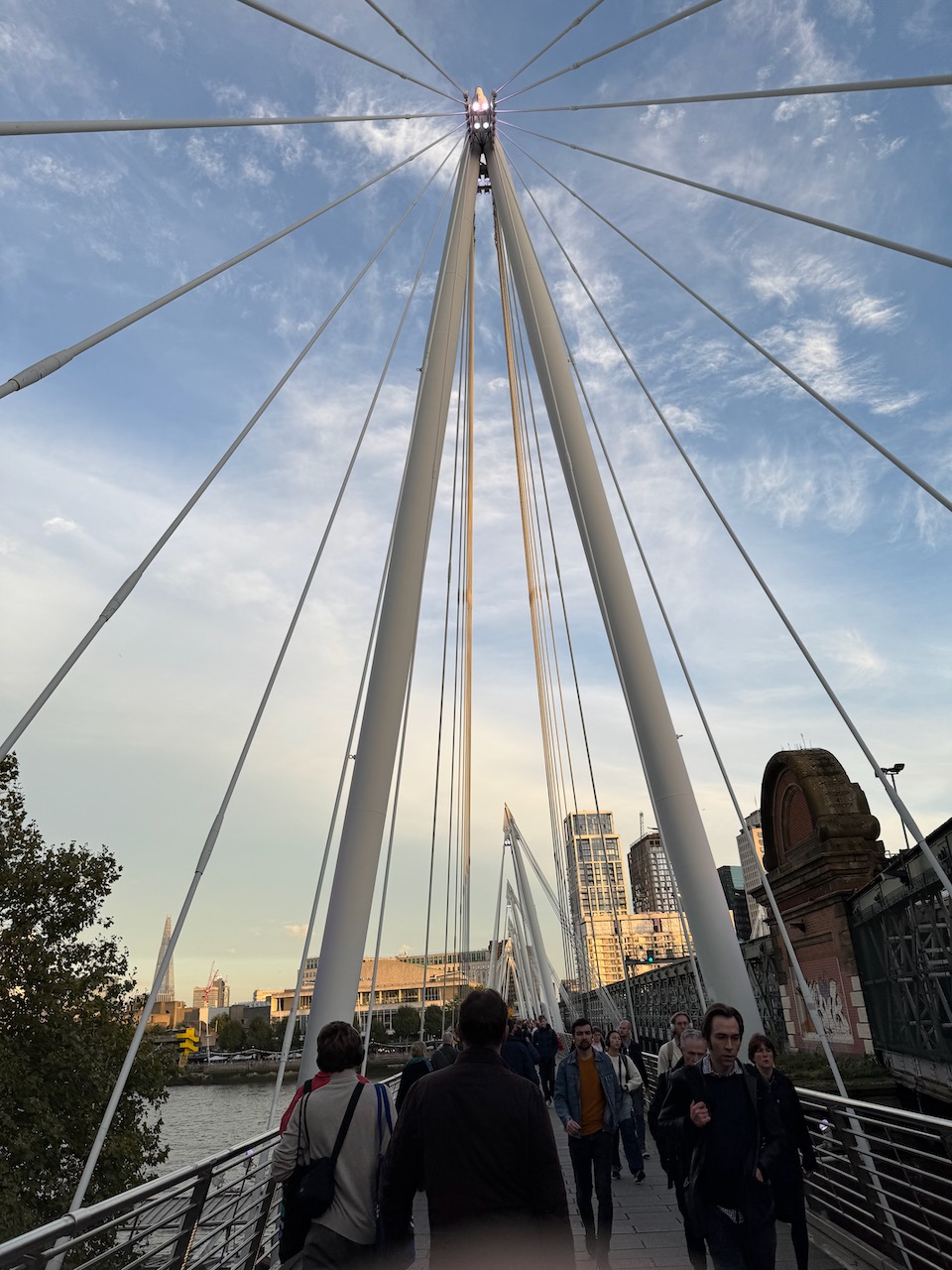
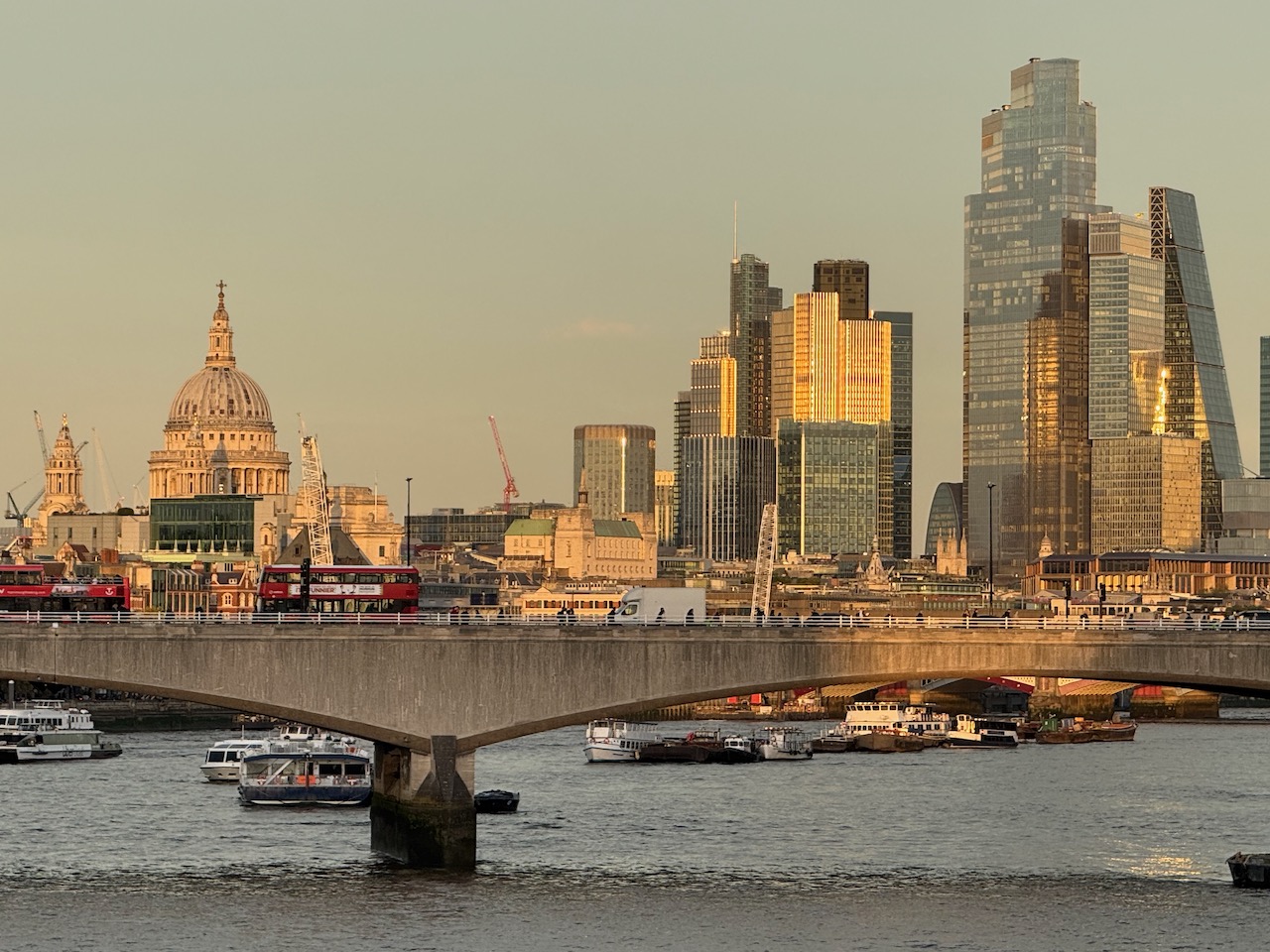
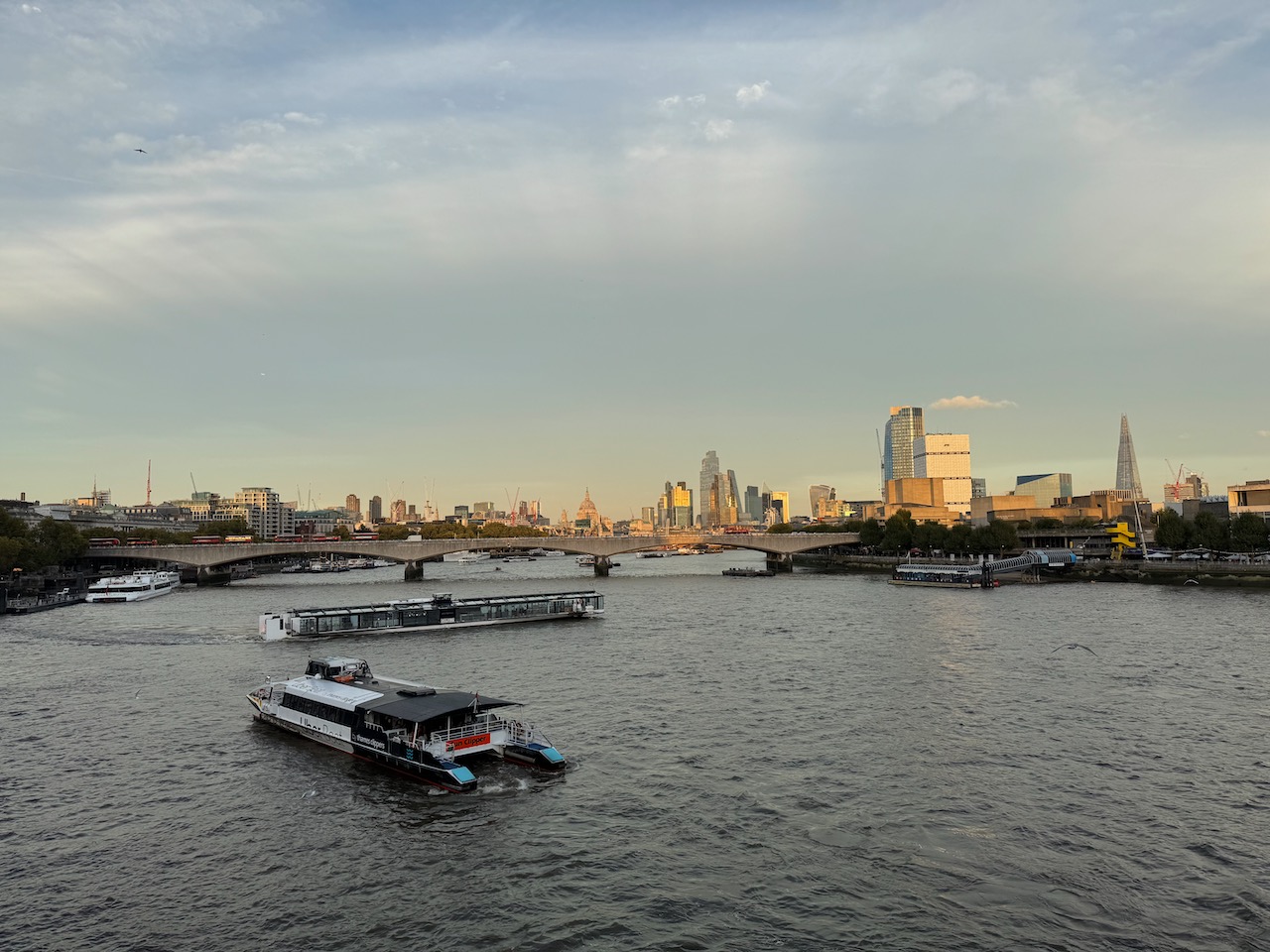
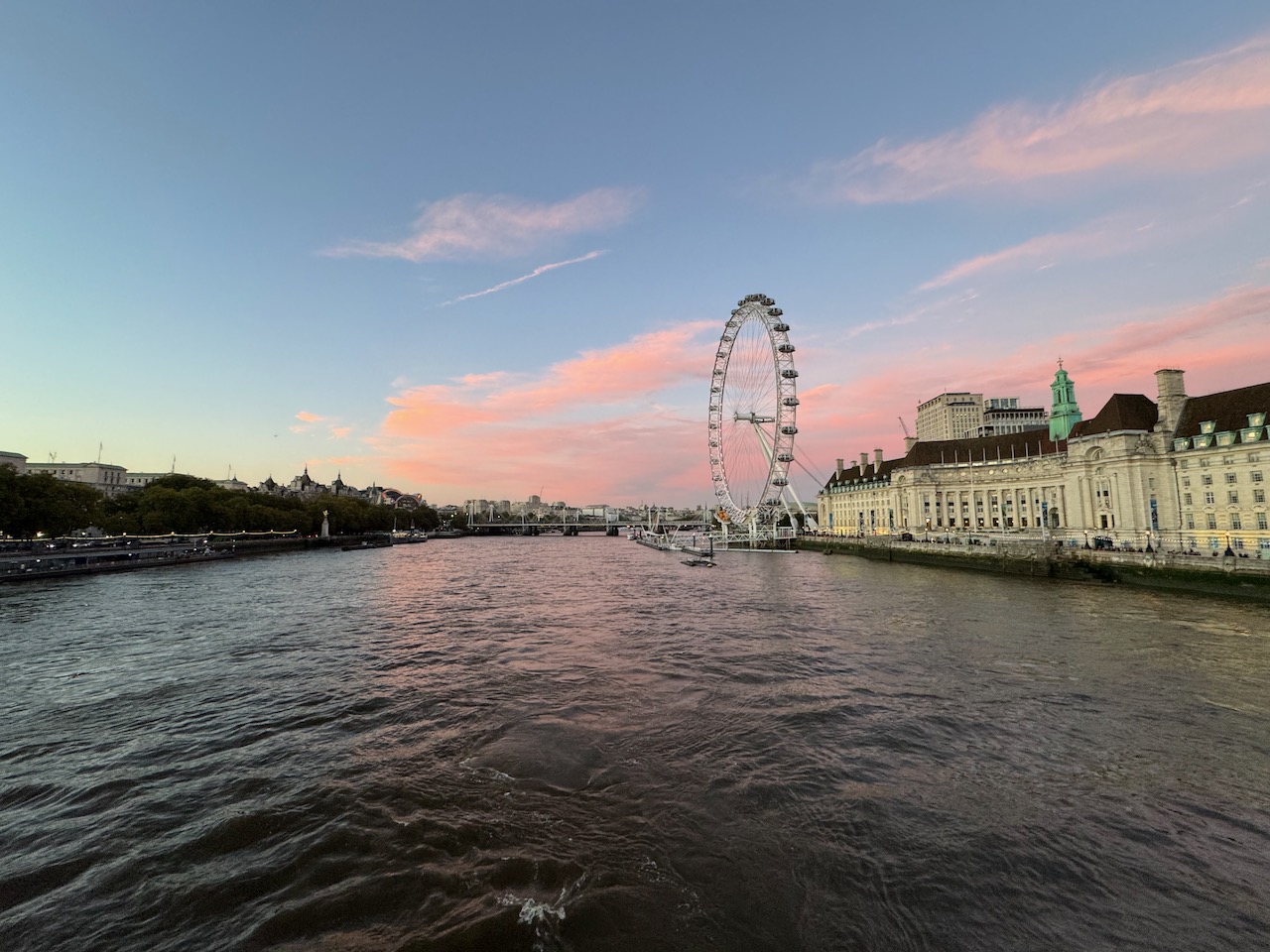
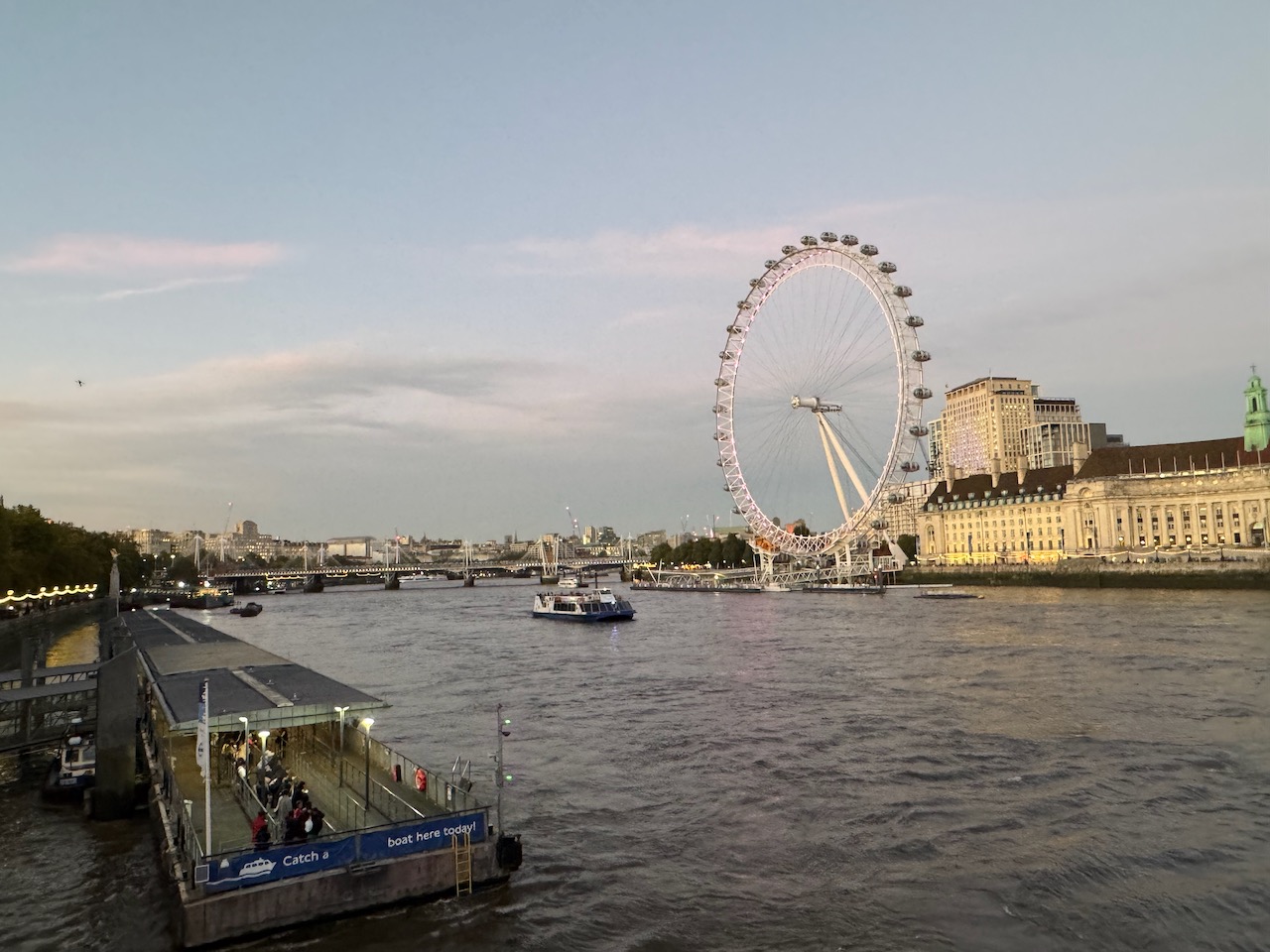
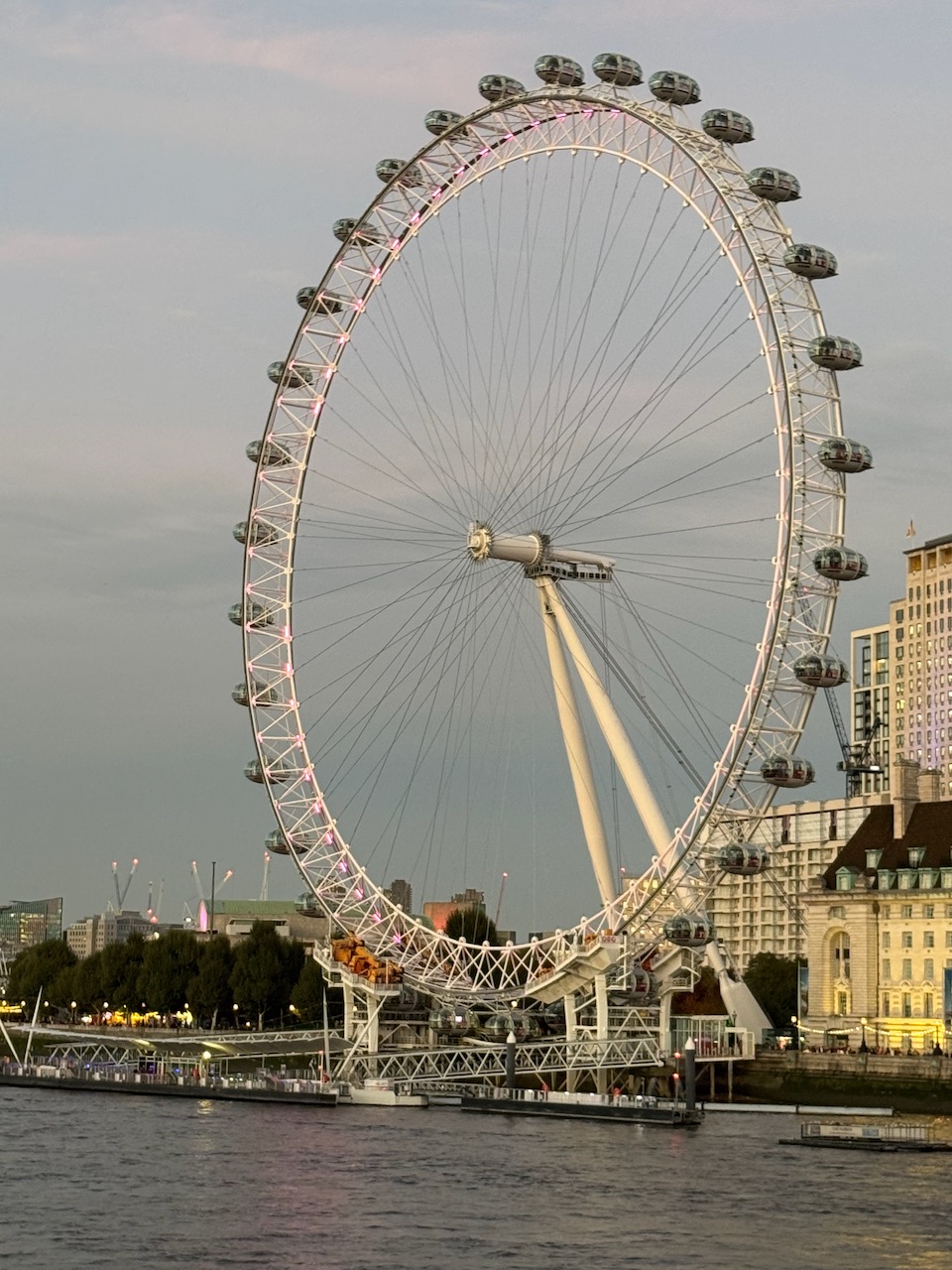
South Bank

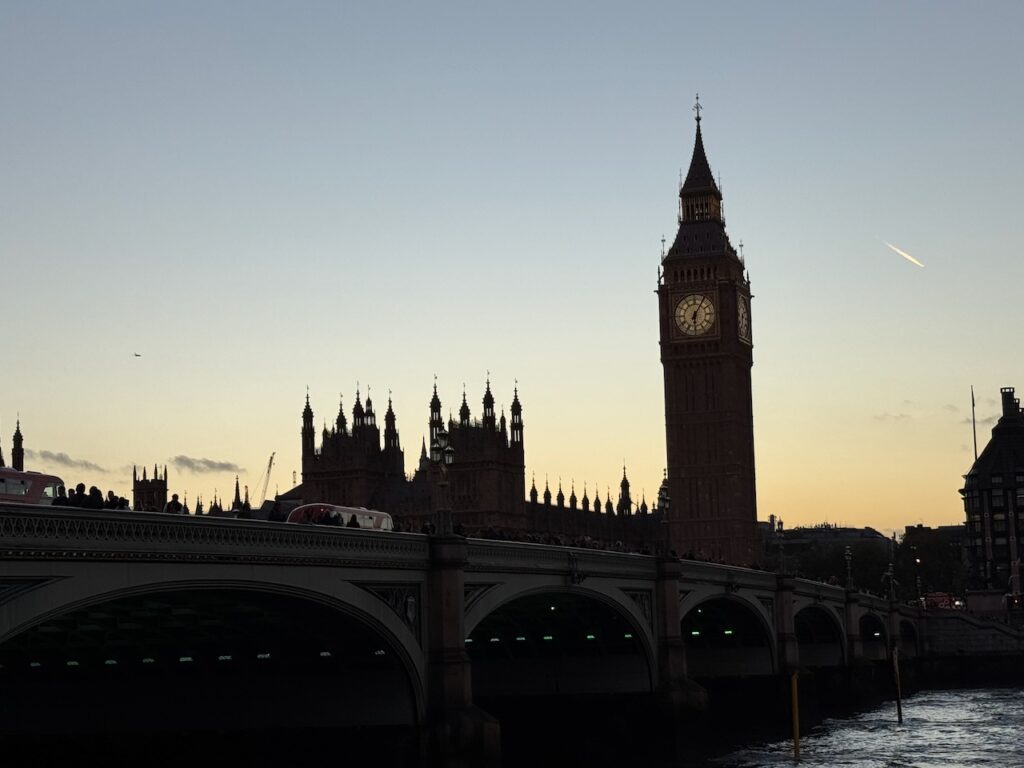
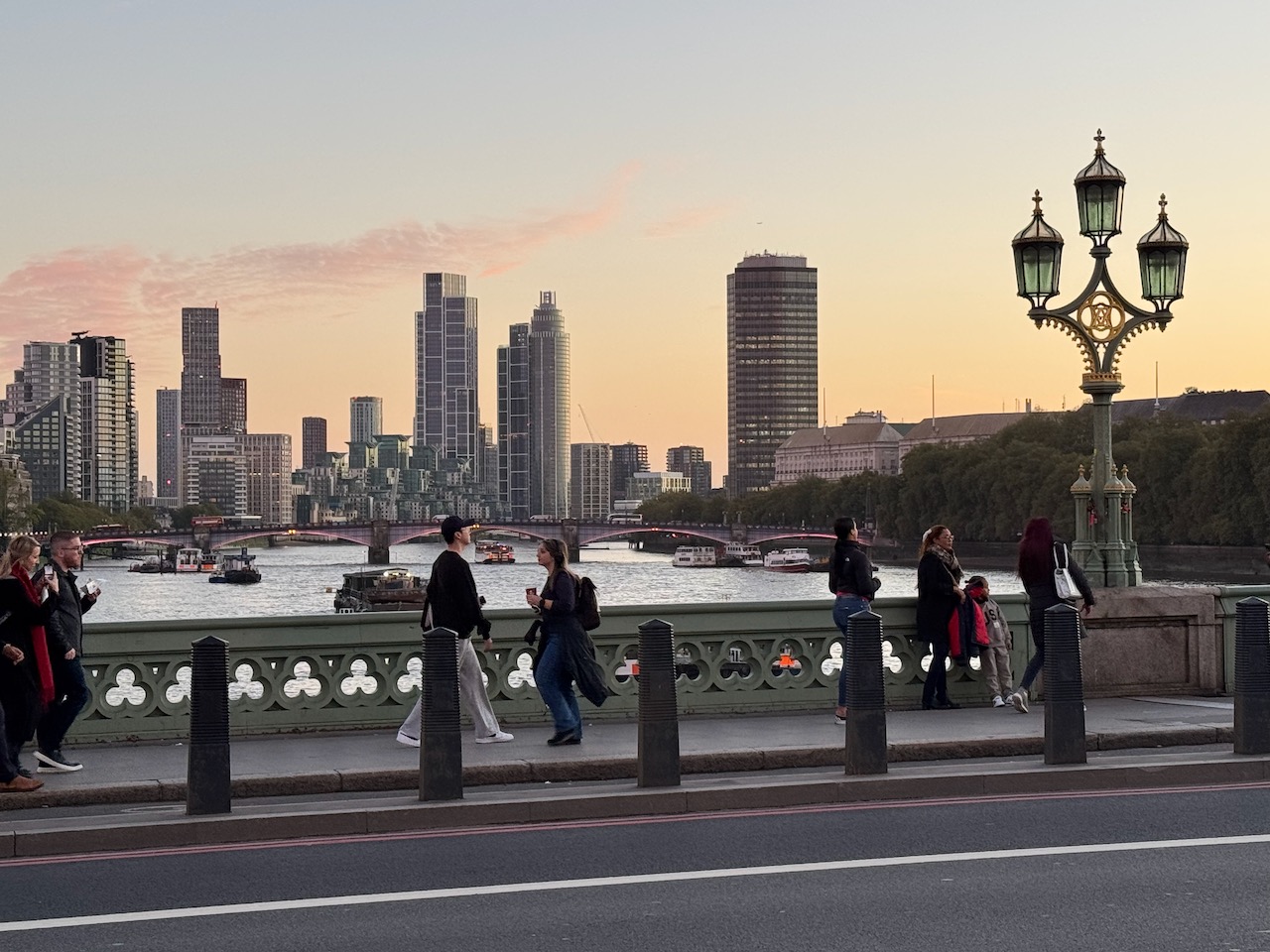
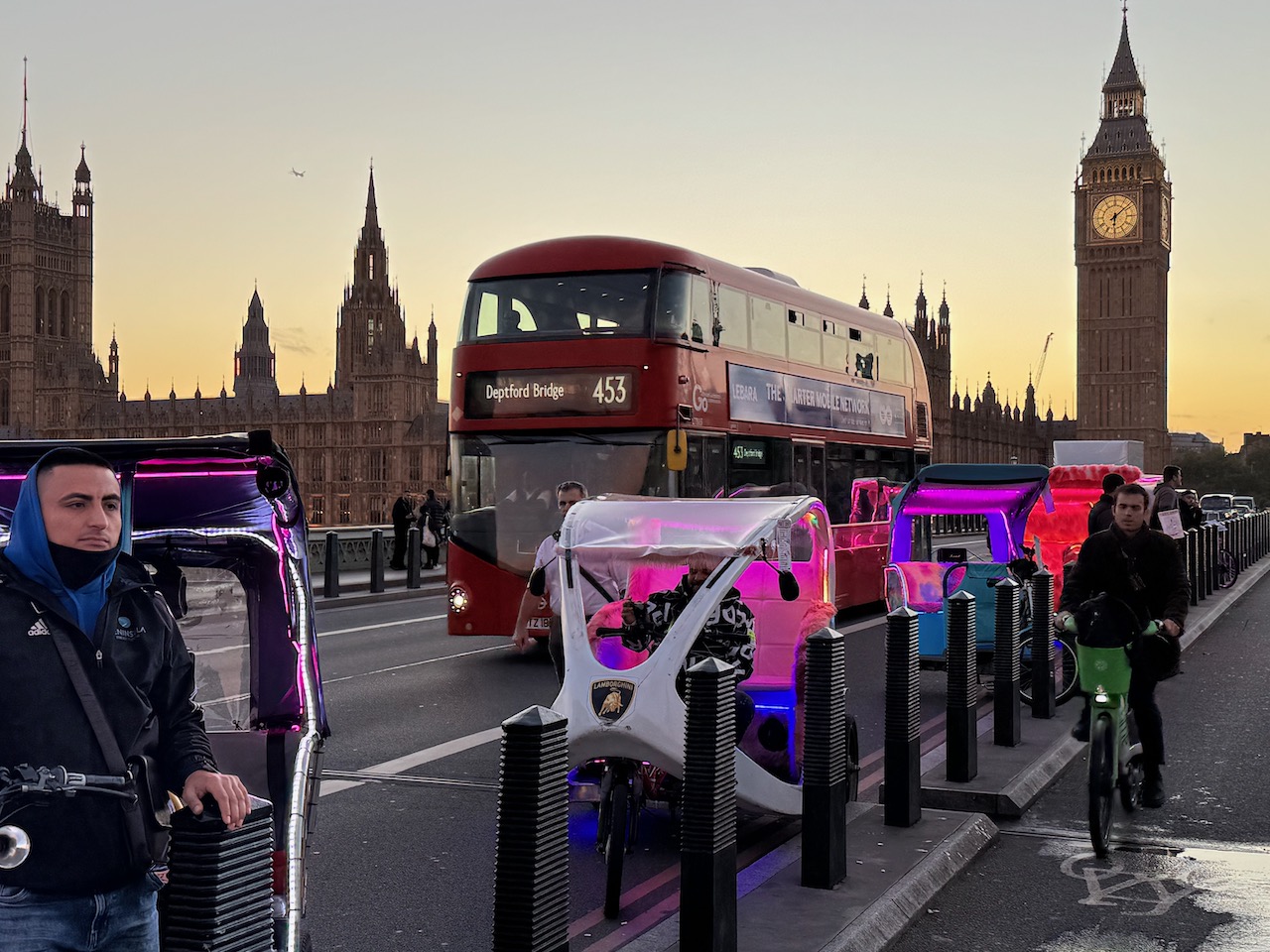
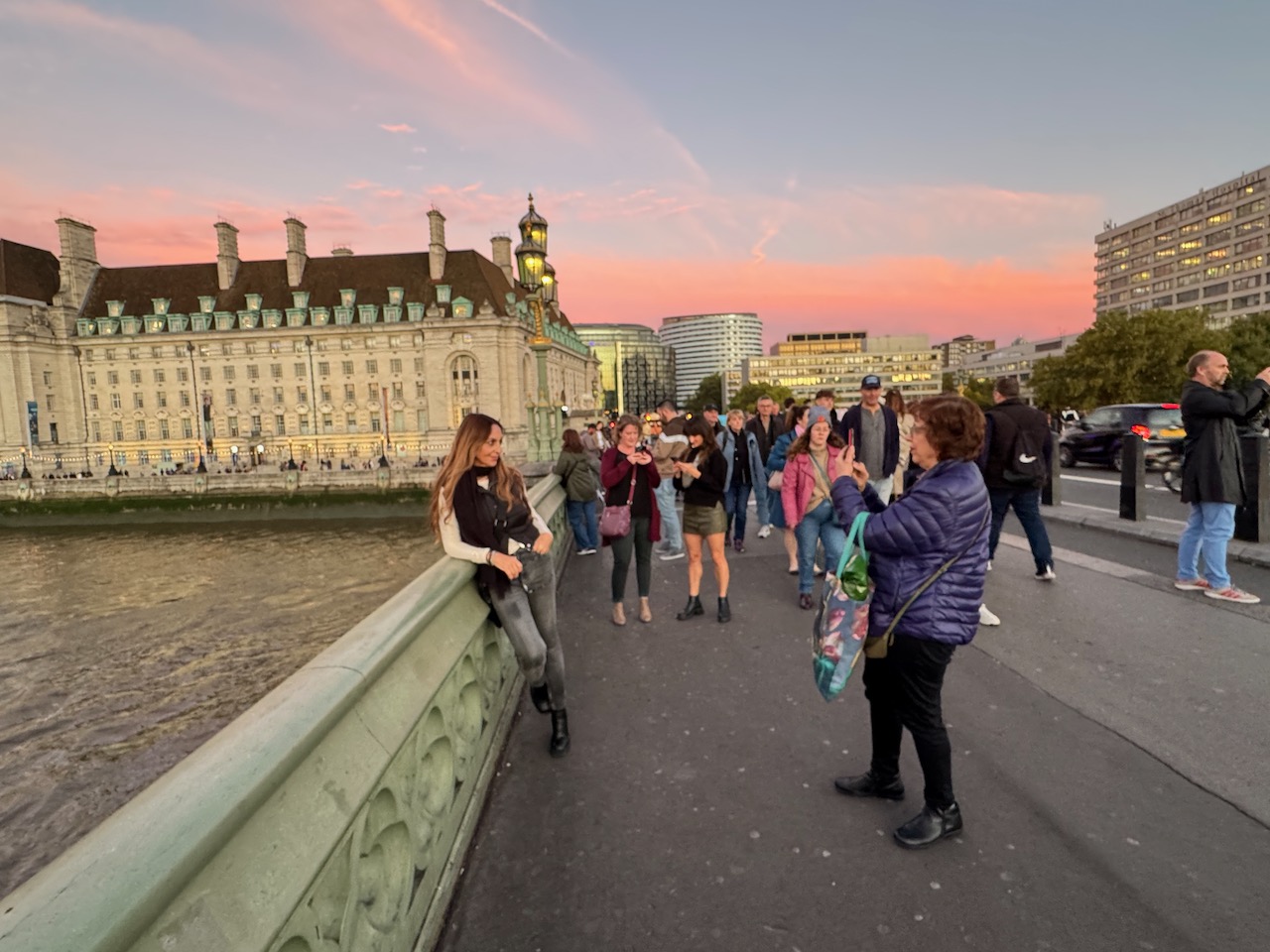
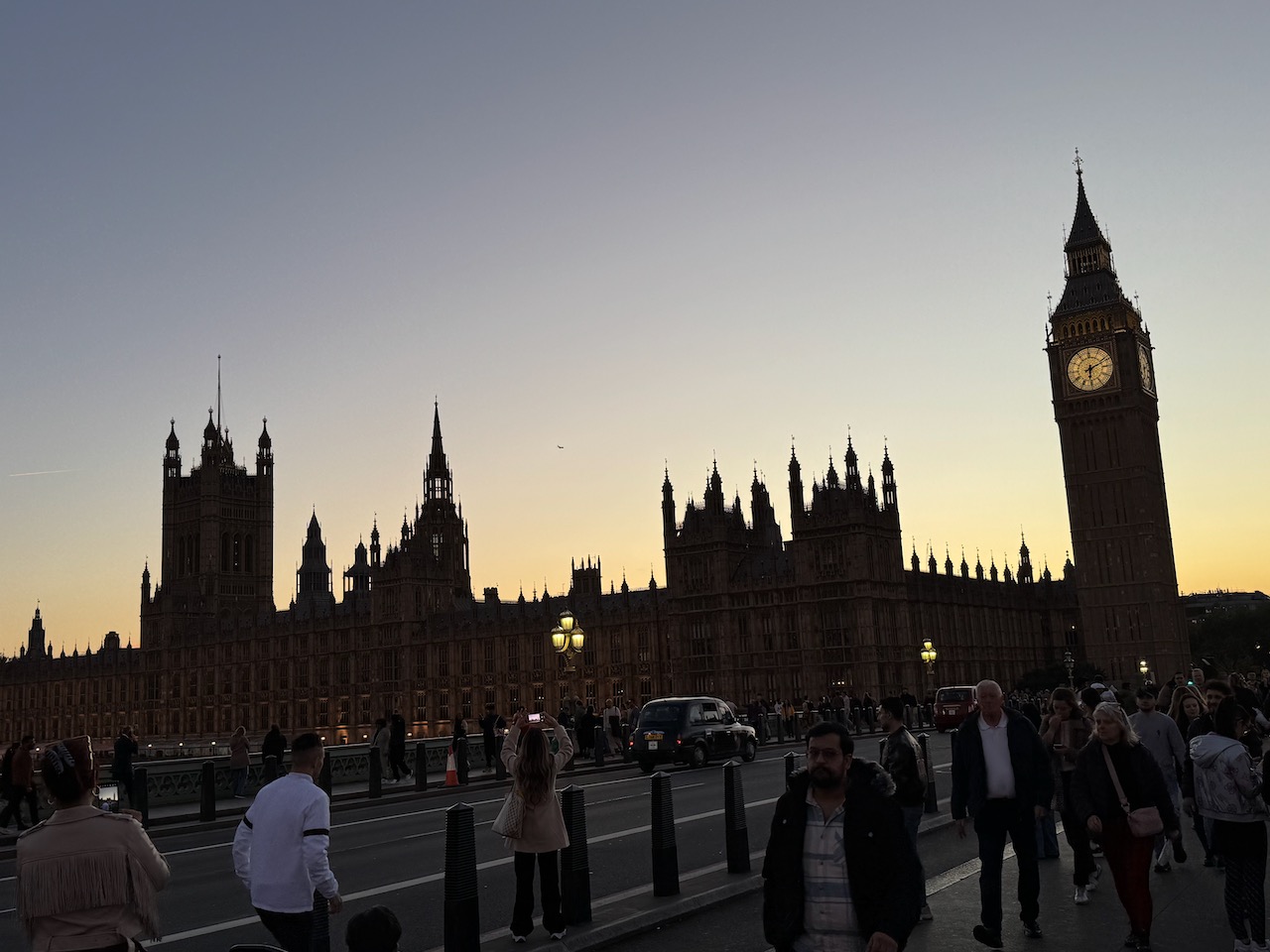
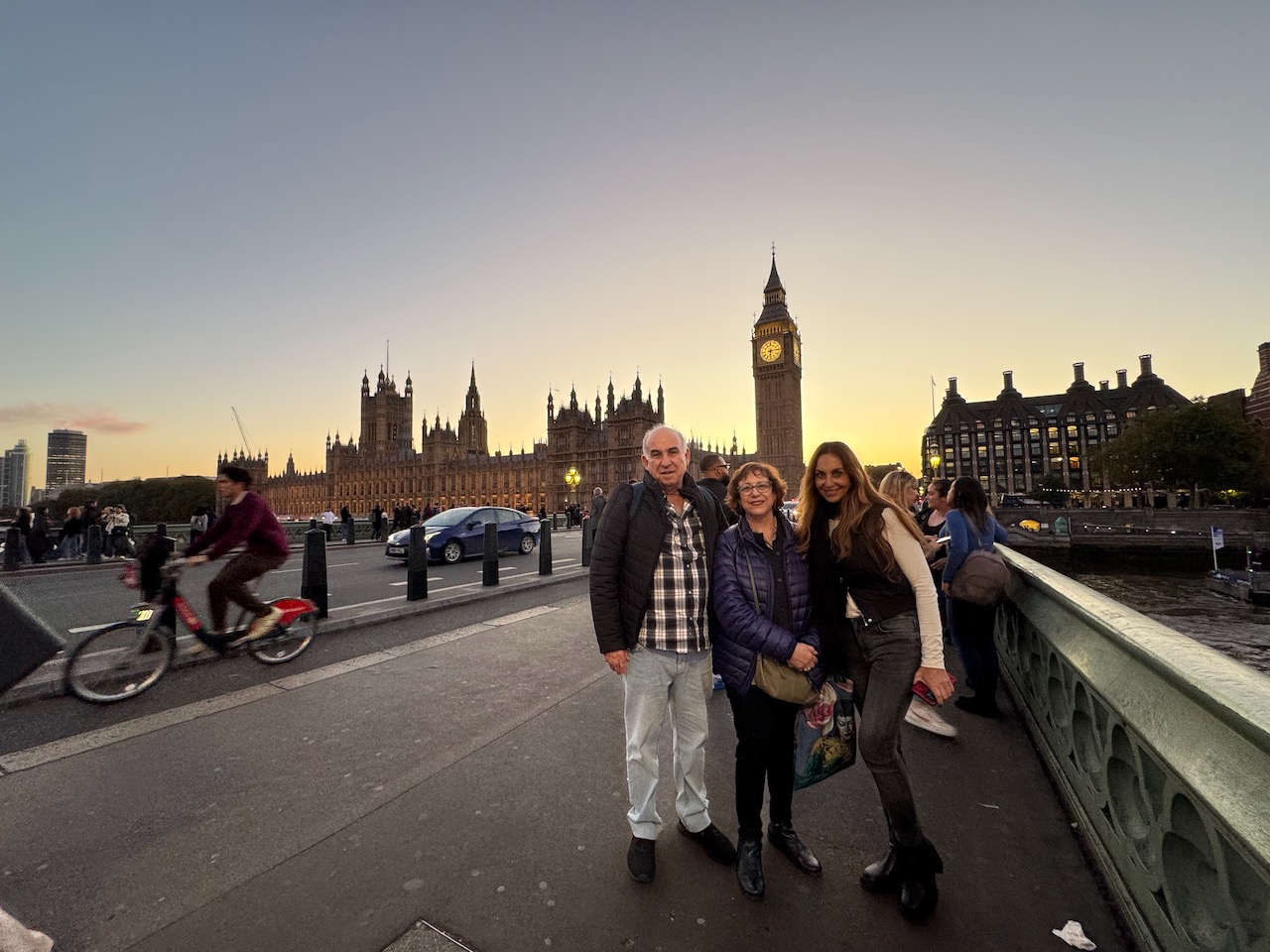
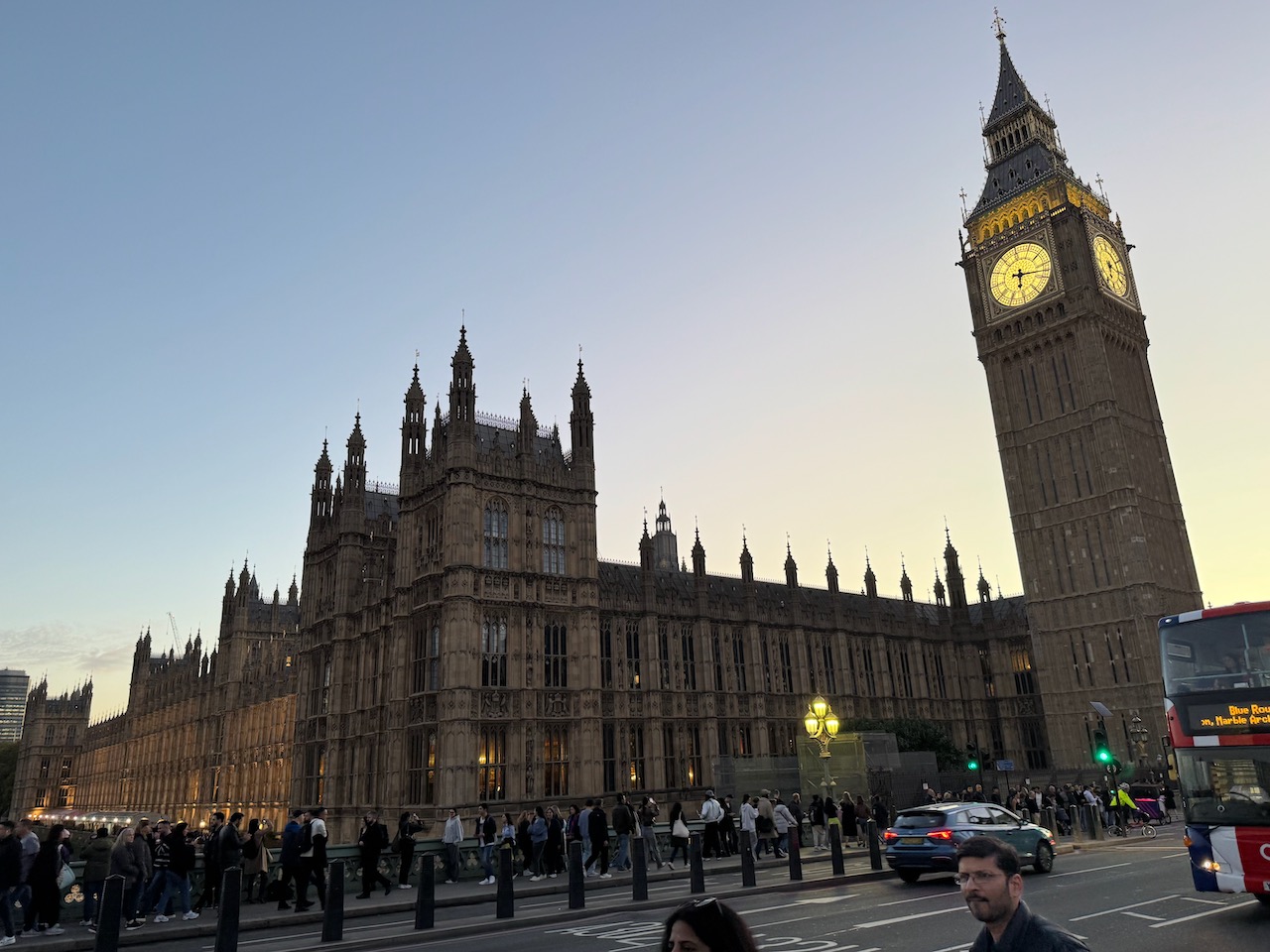
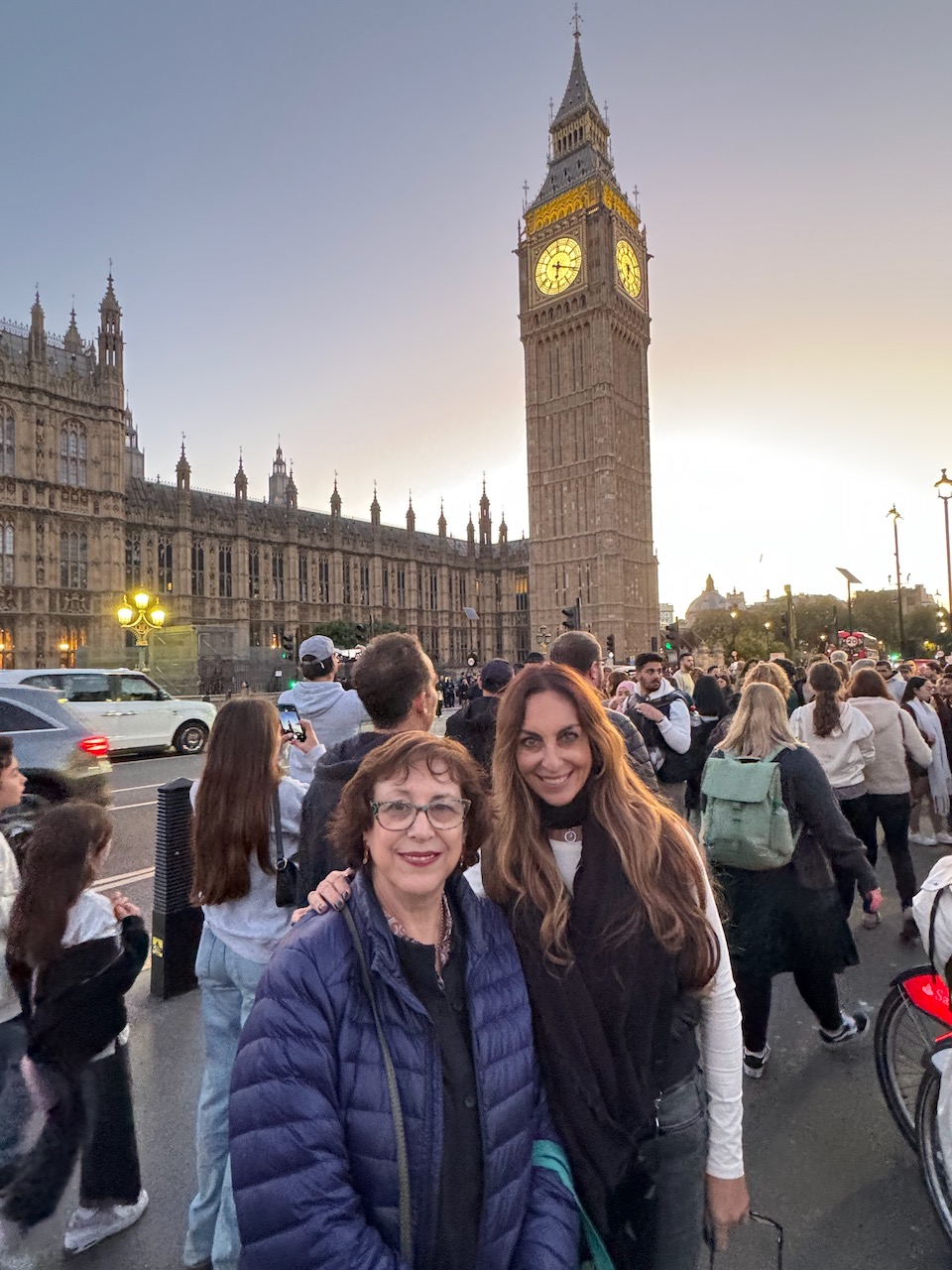
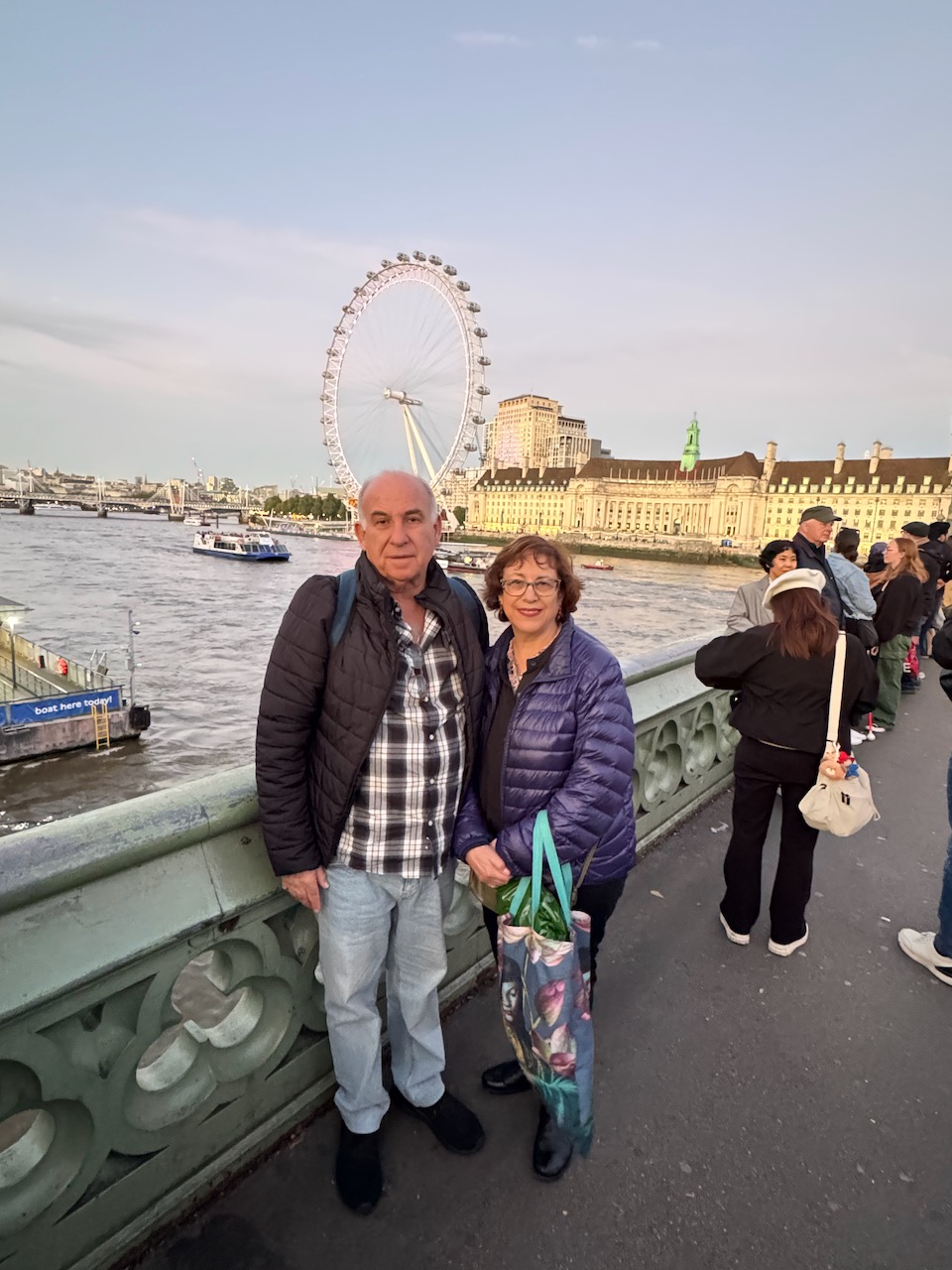
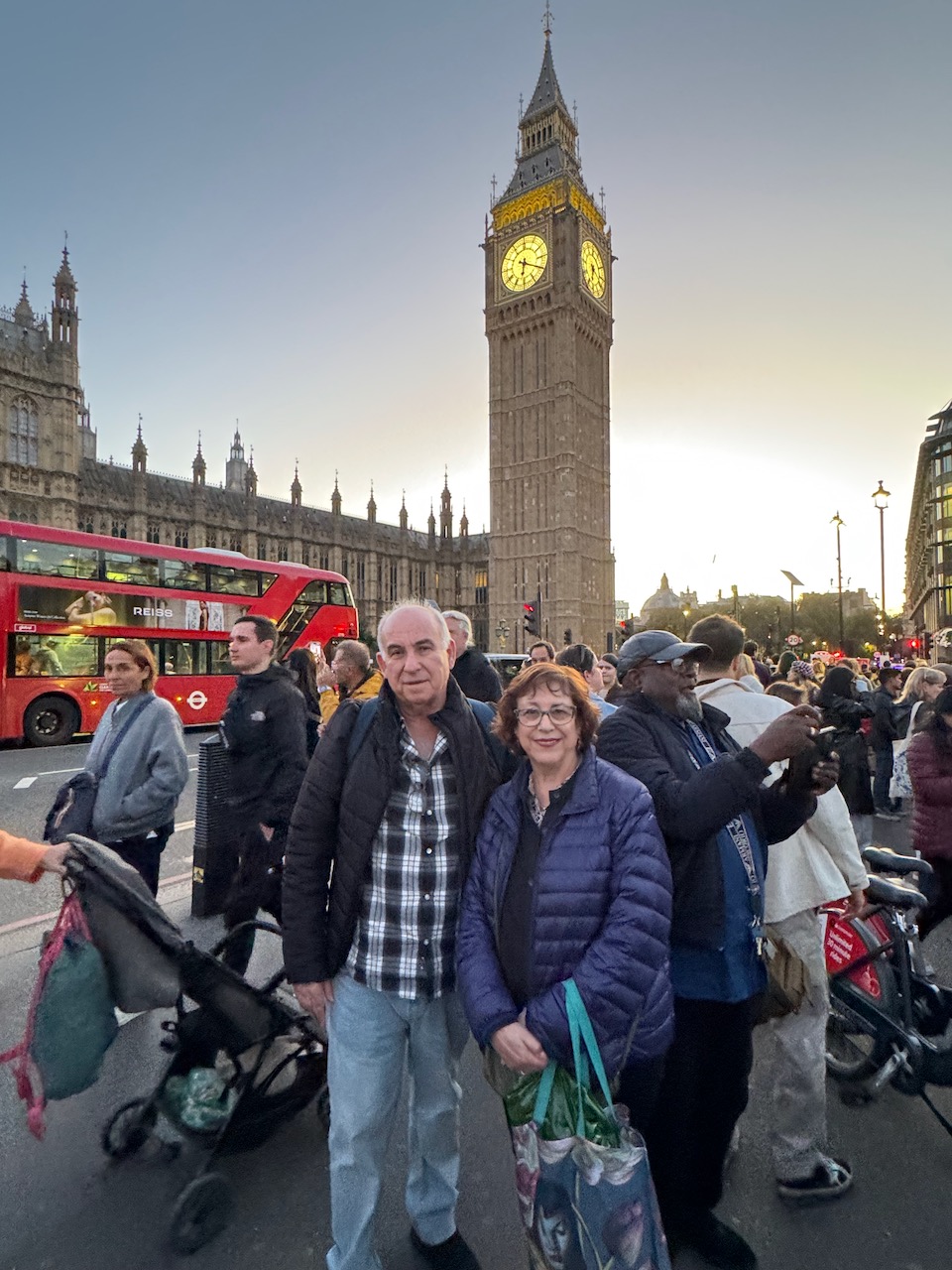
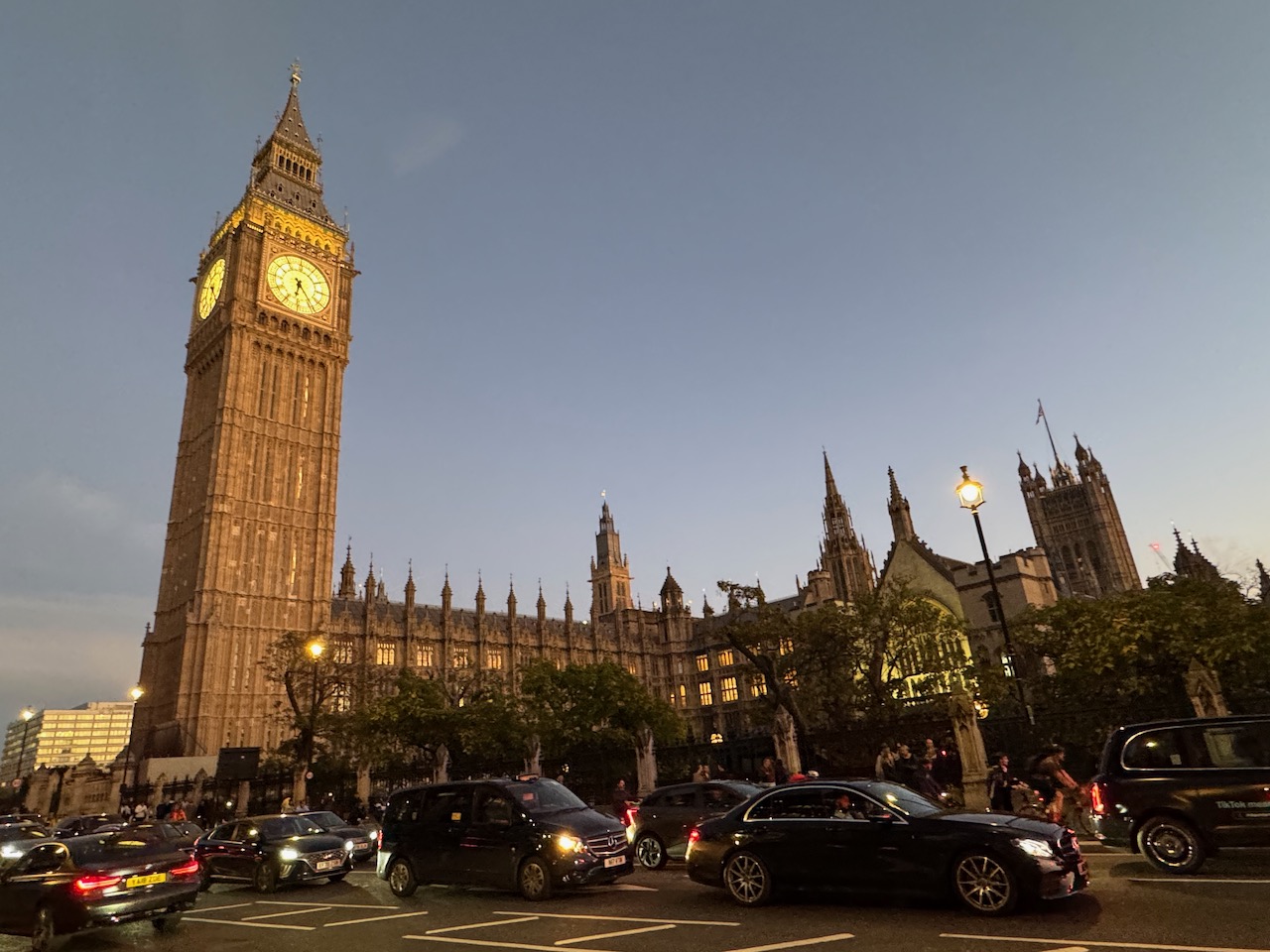
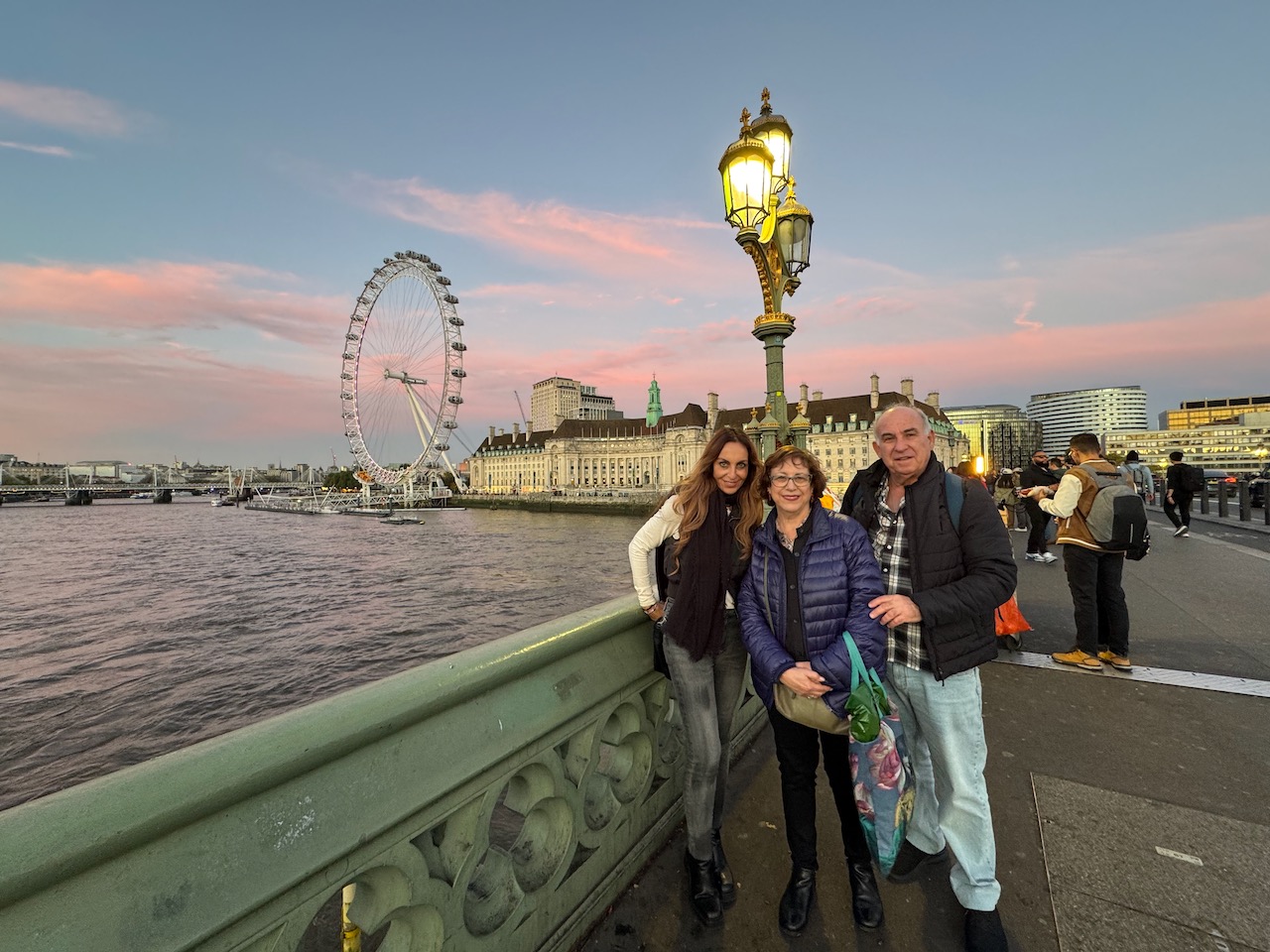
Westminster Bridge

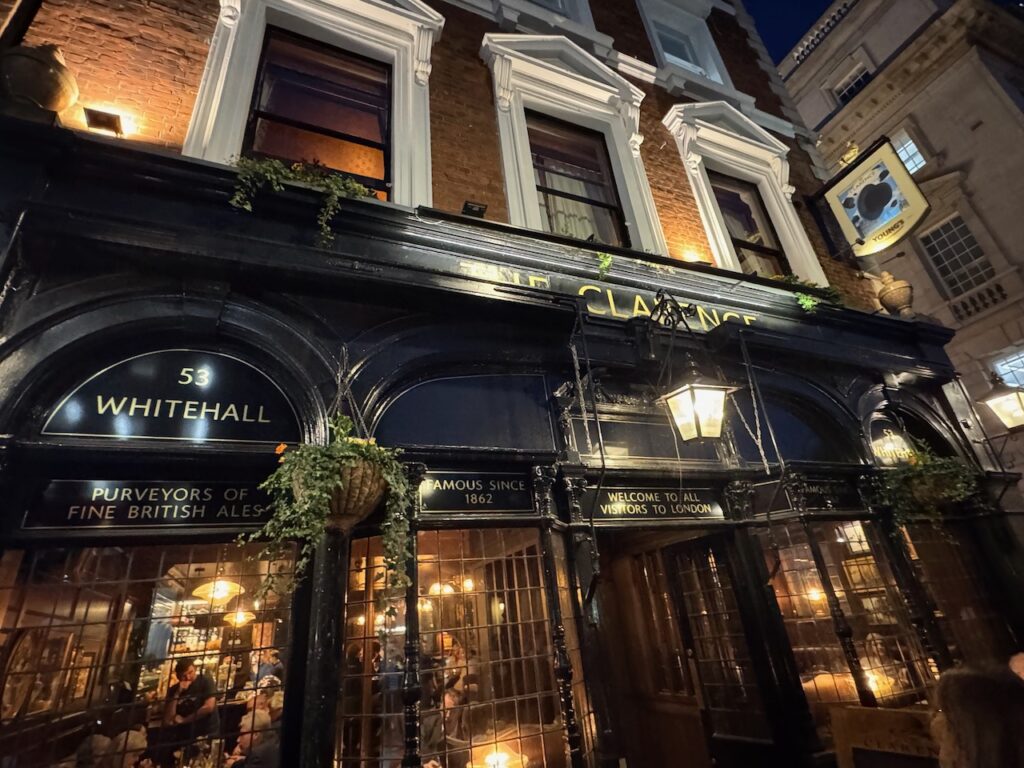
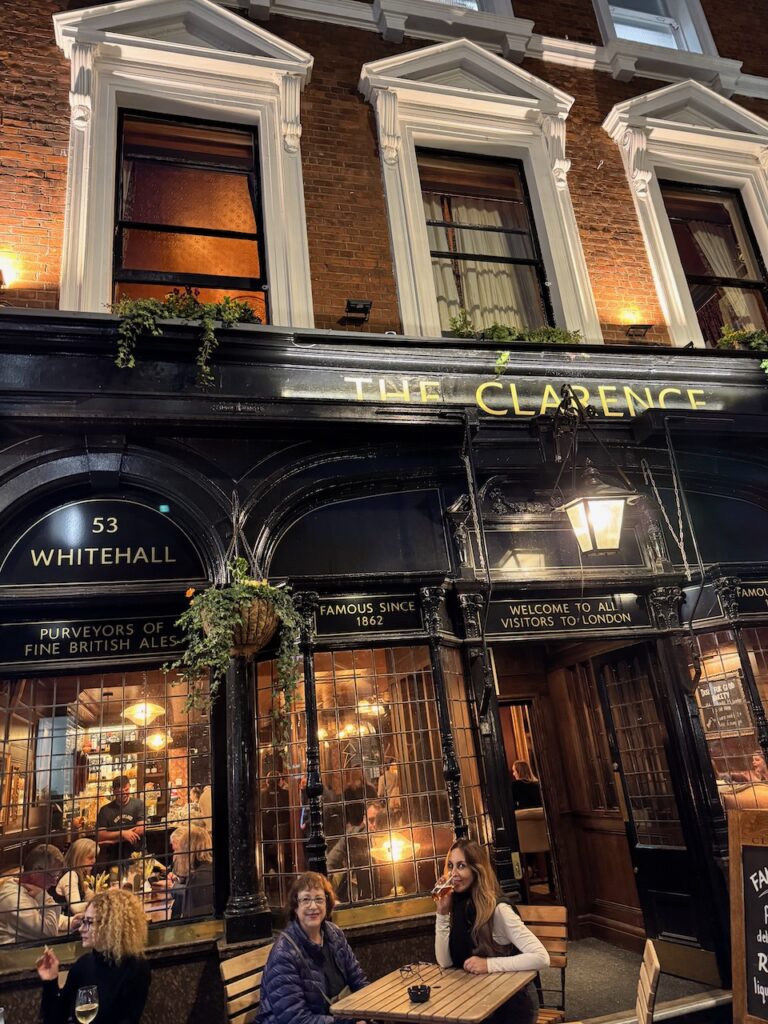
Walk up Whitehall to Trafalgar Square
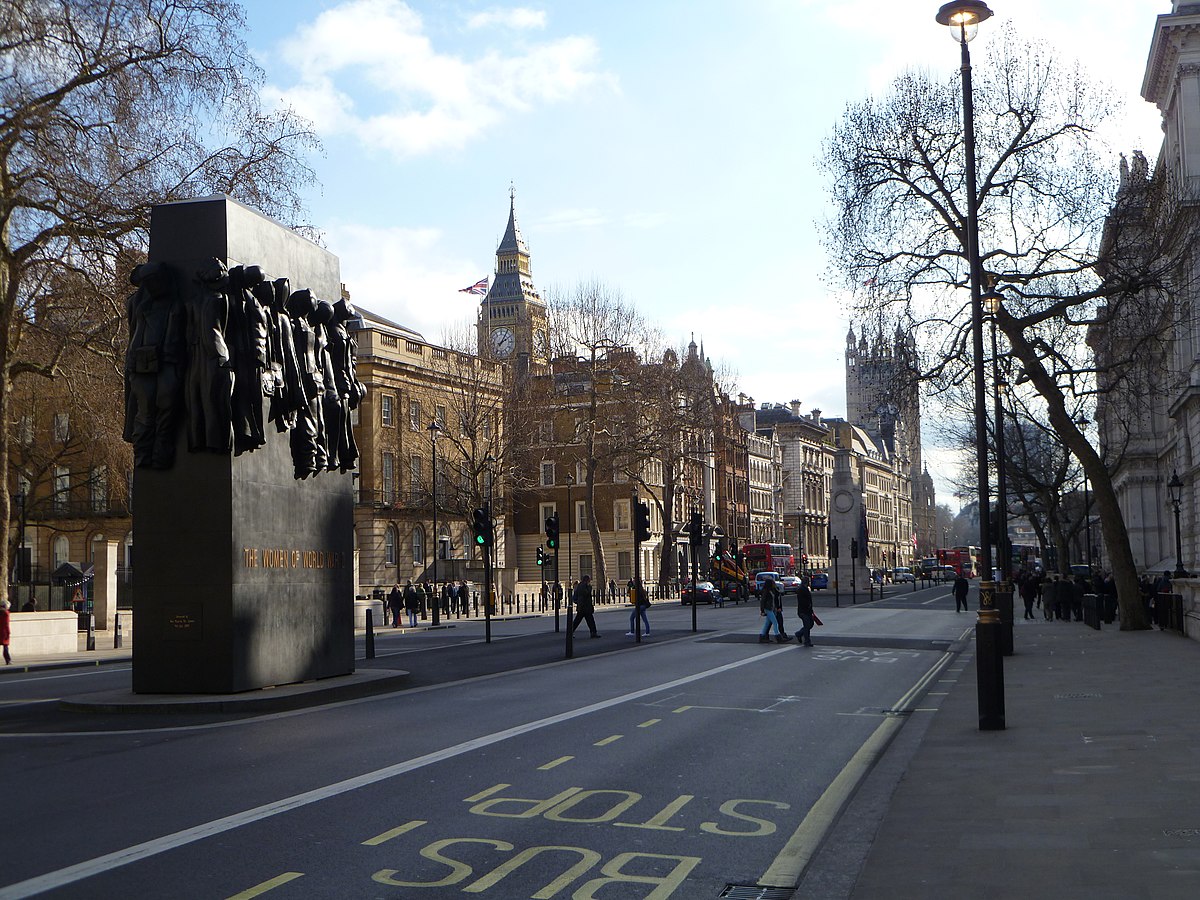
18 October 2024
Kings Cross London

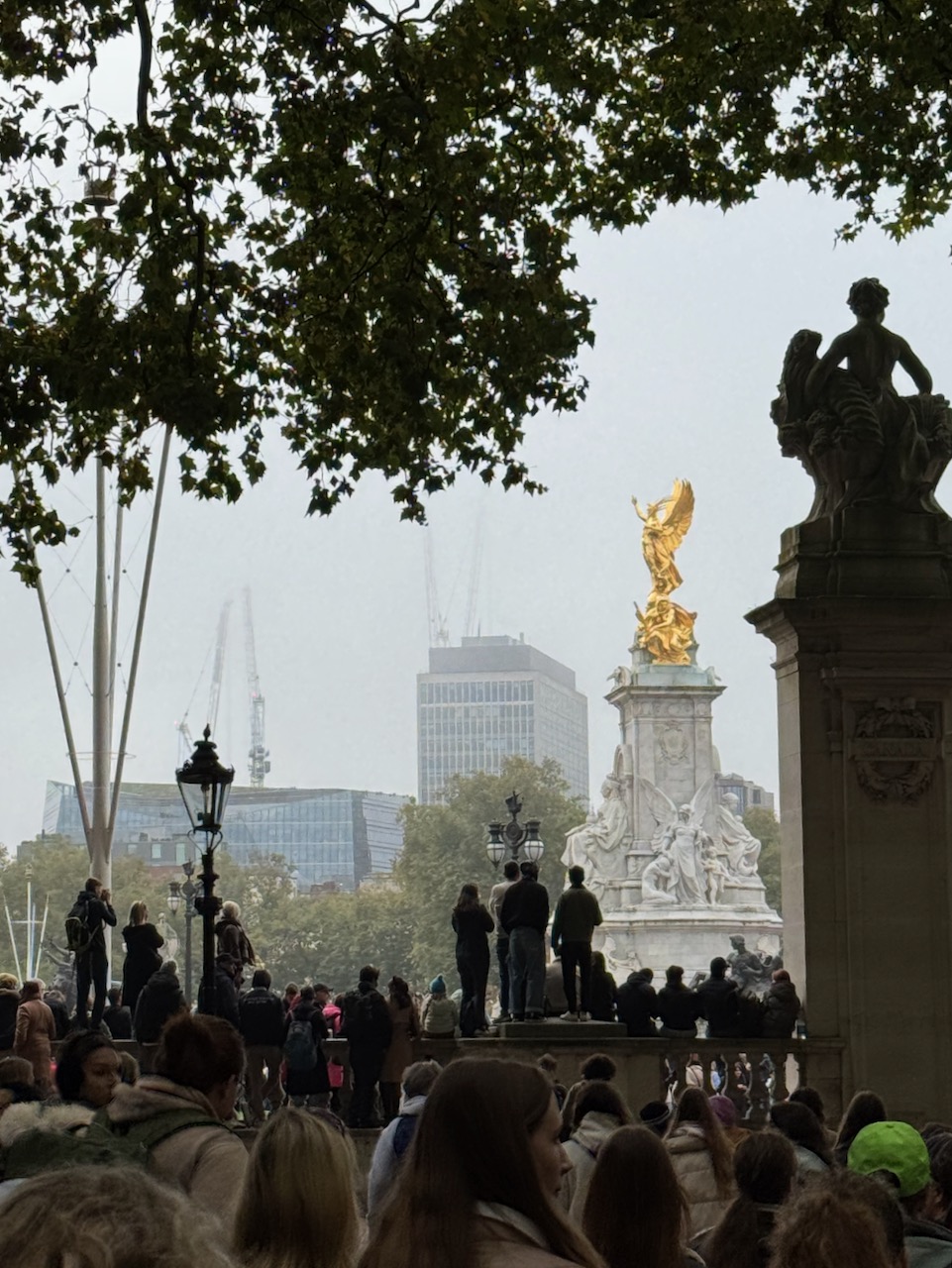
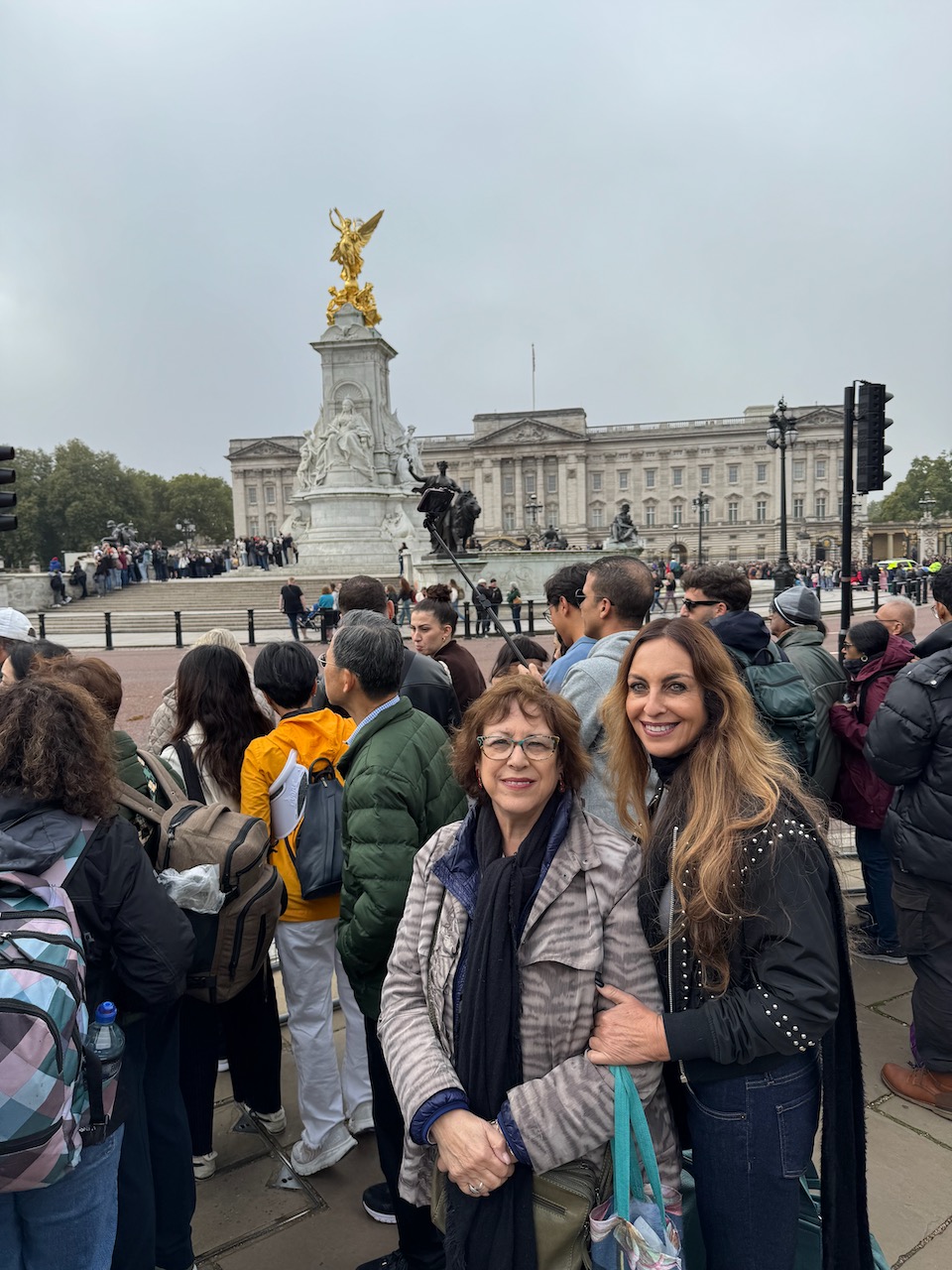
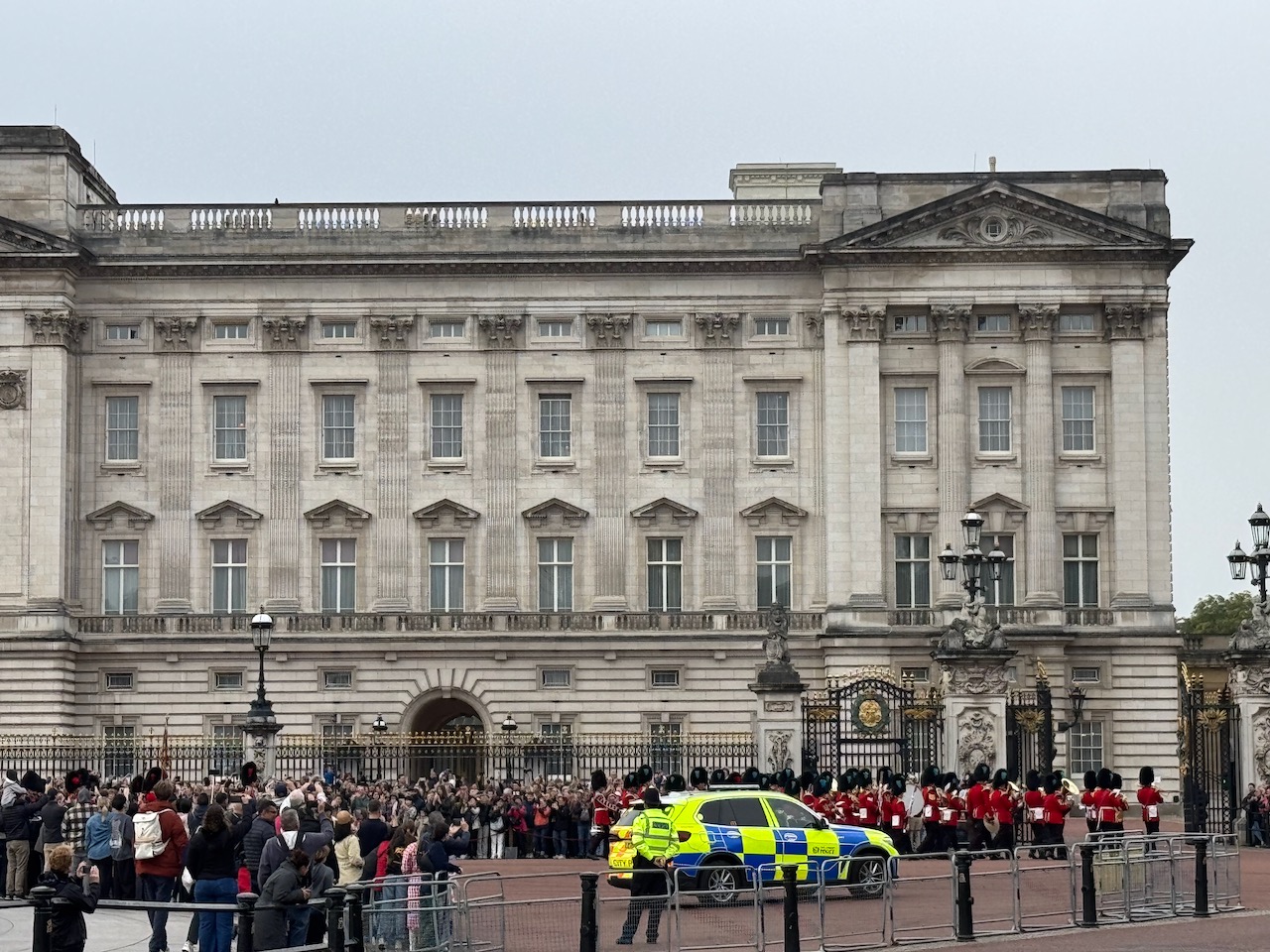
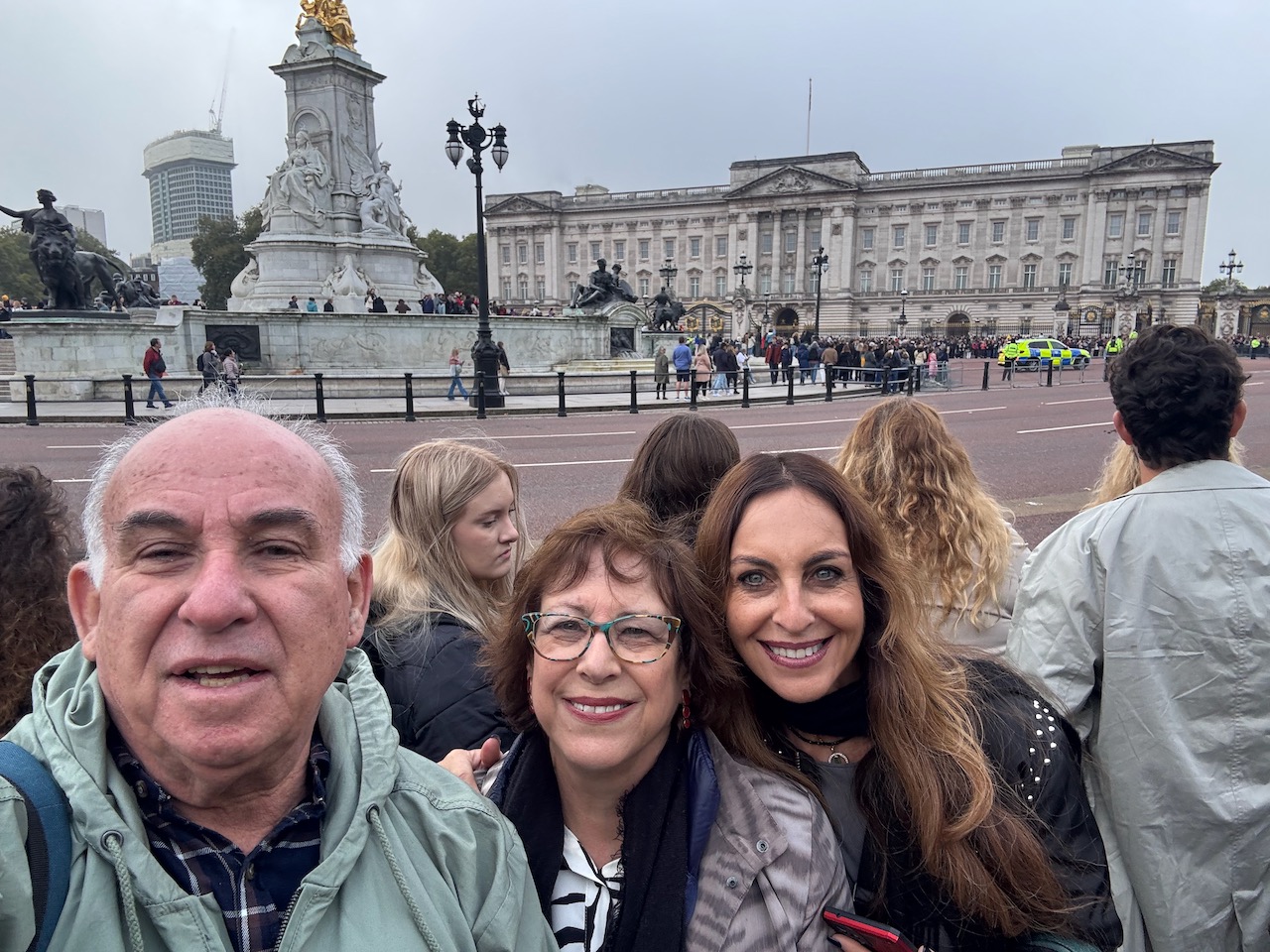
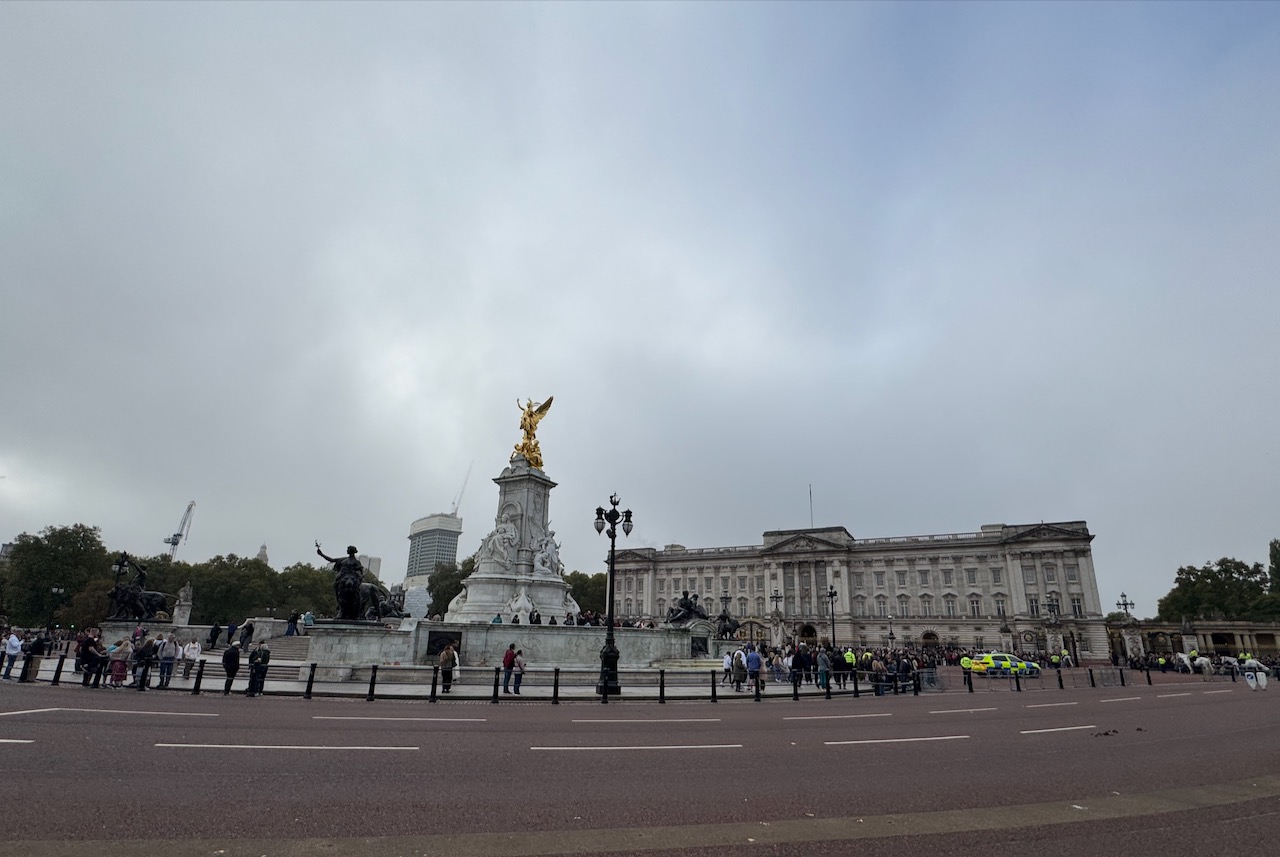
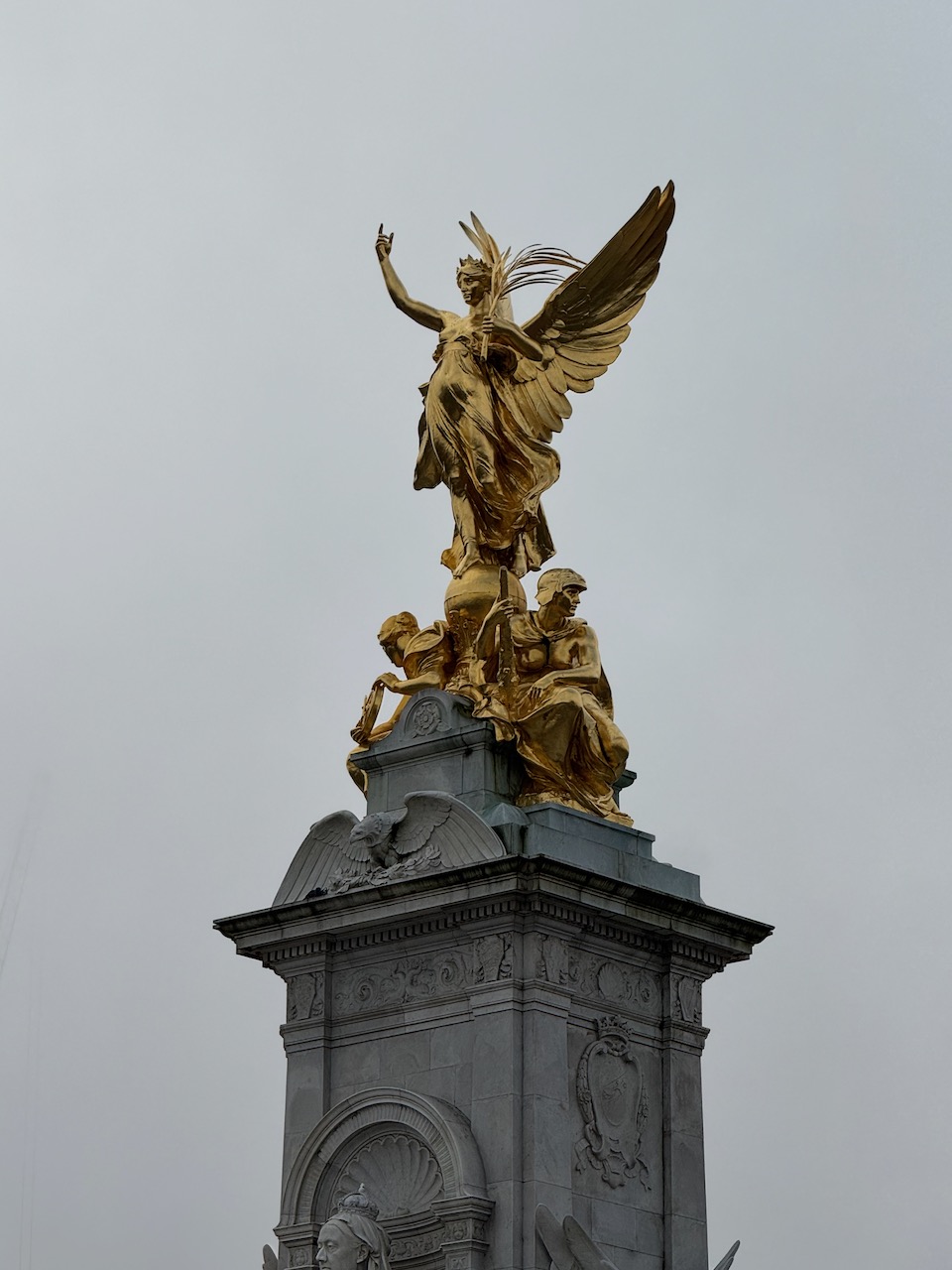
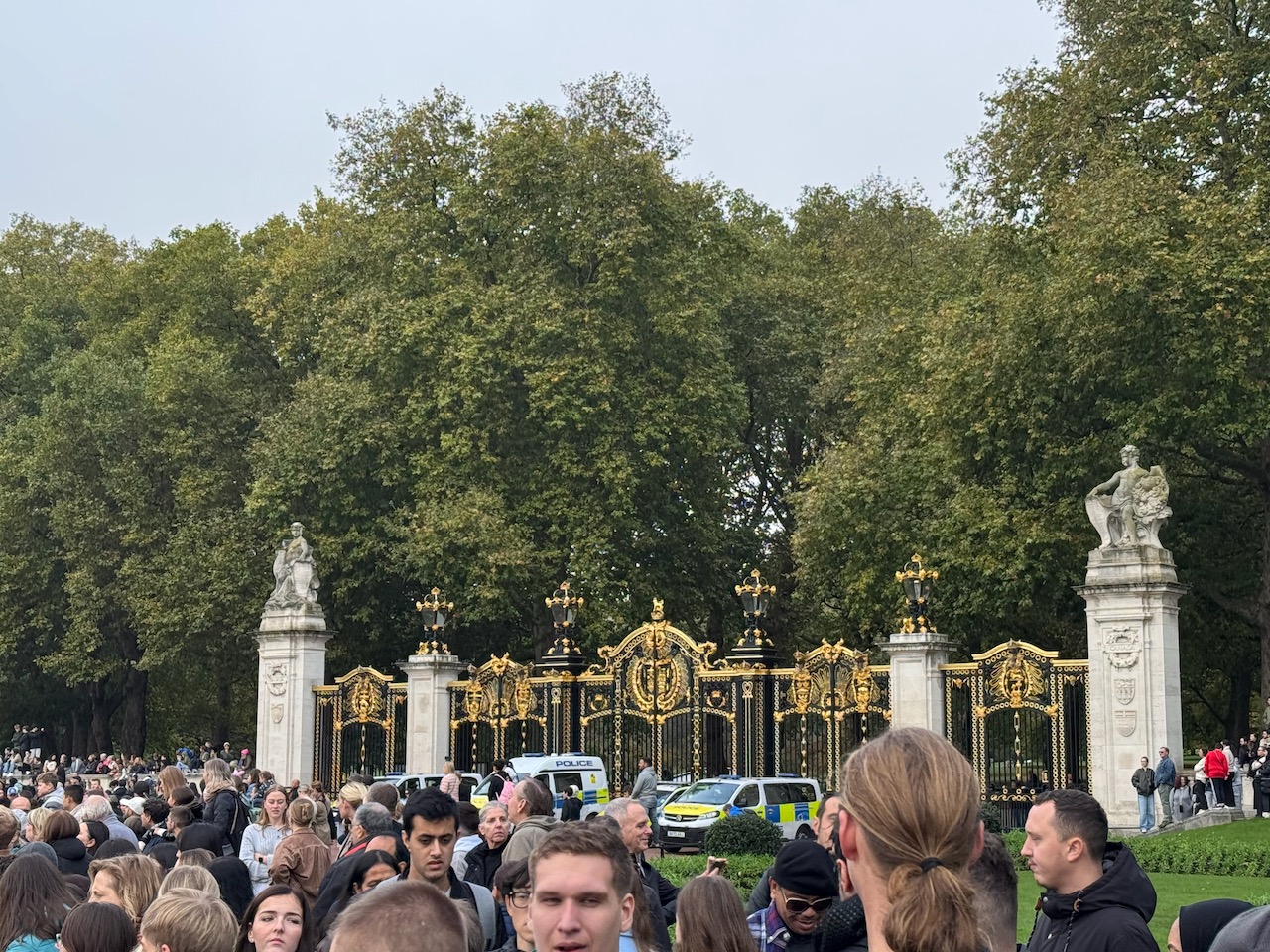
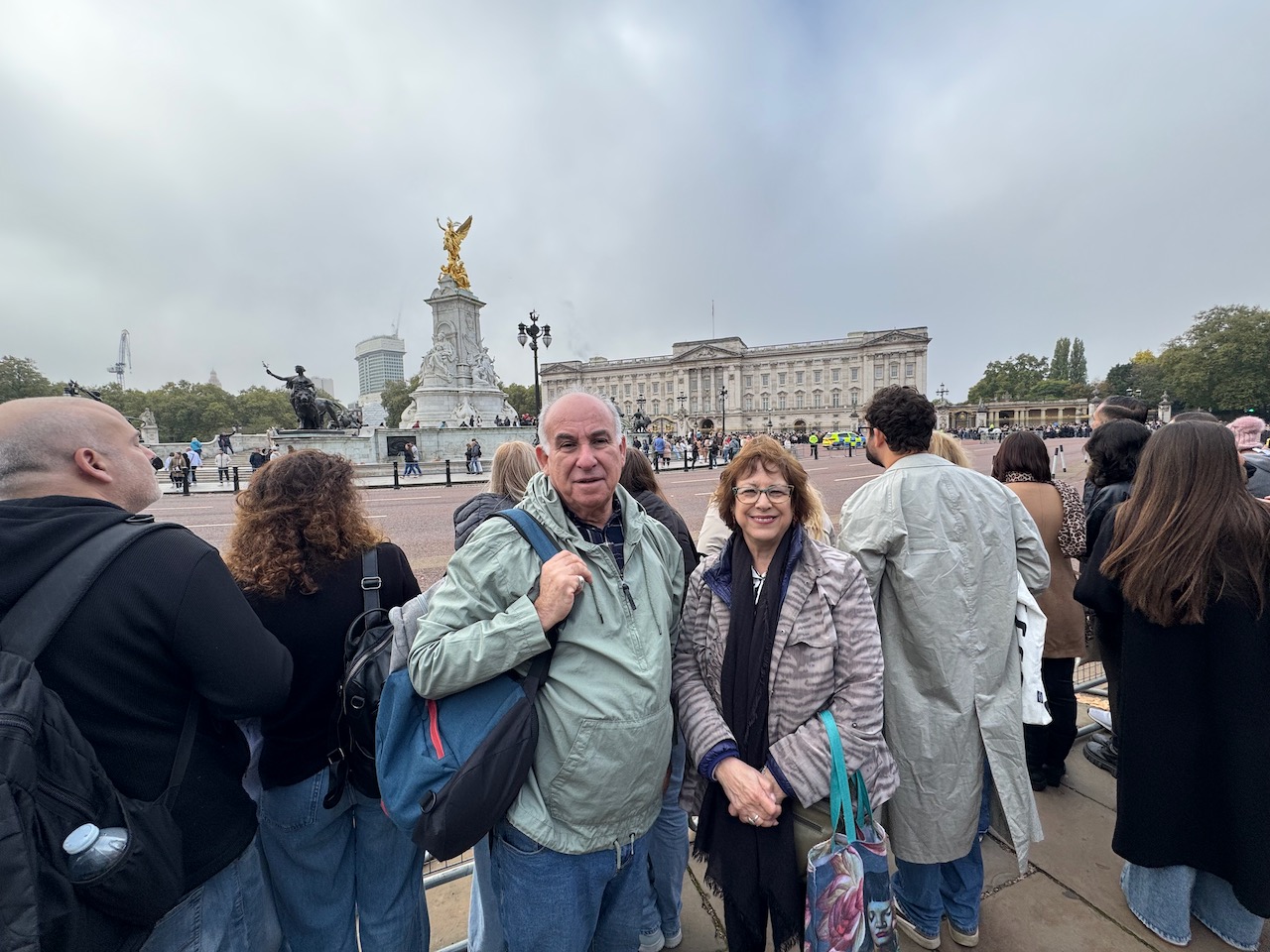
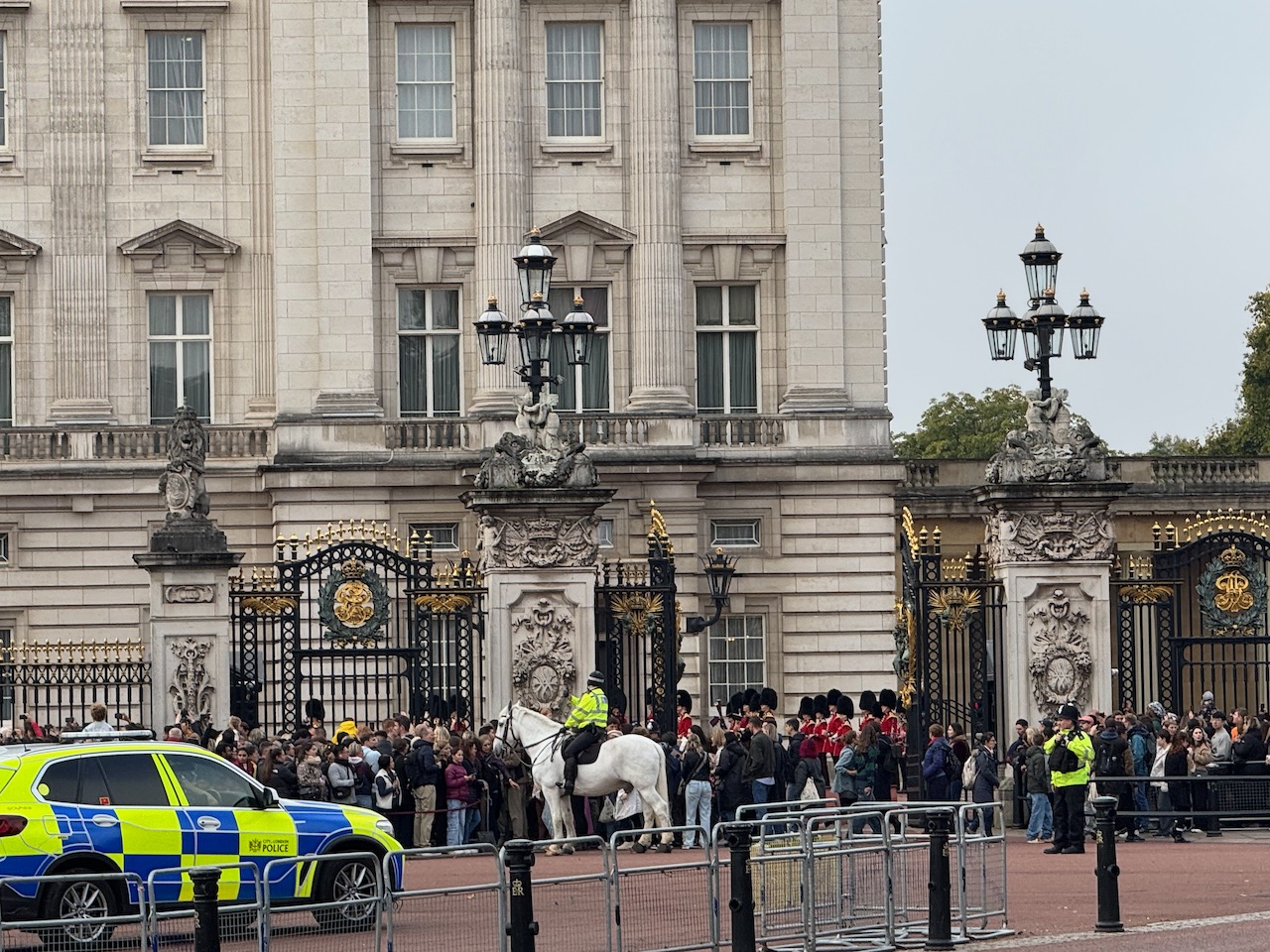
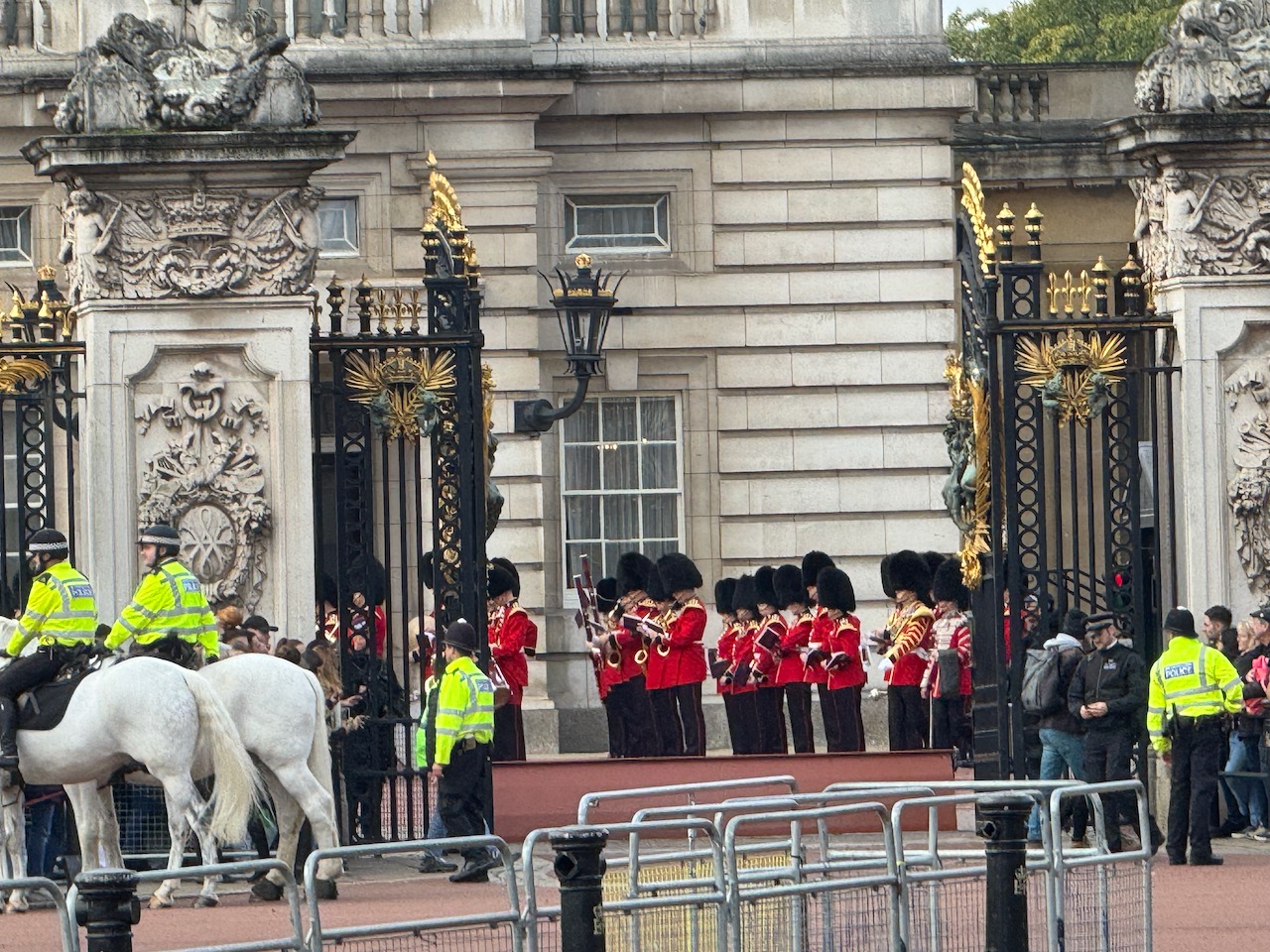
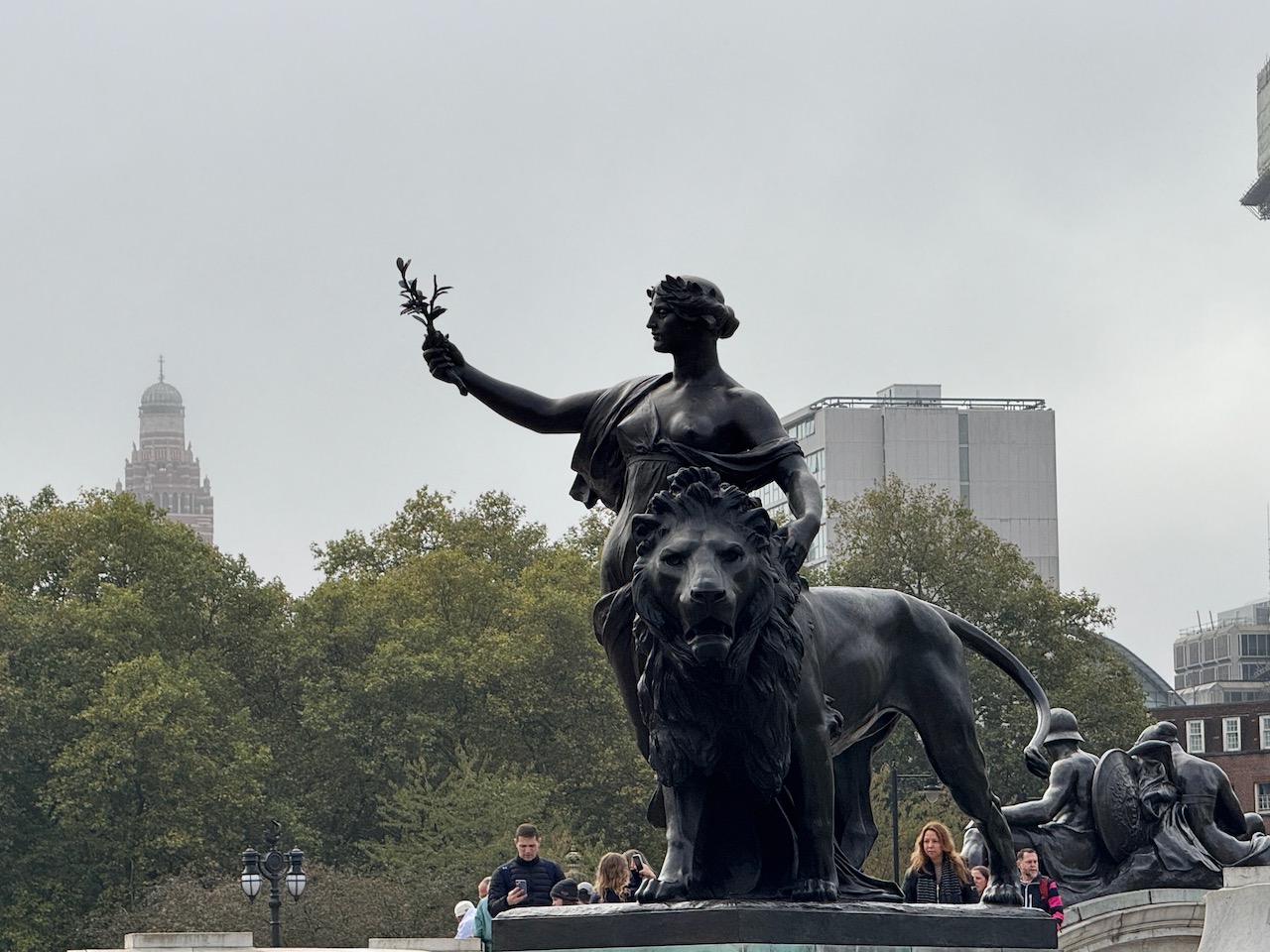
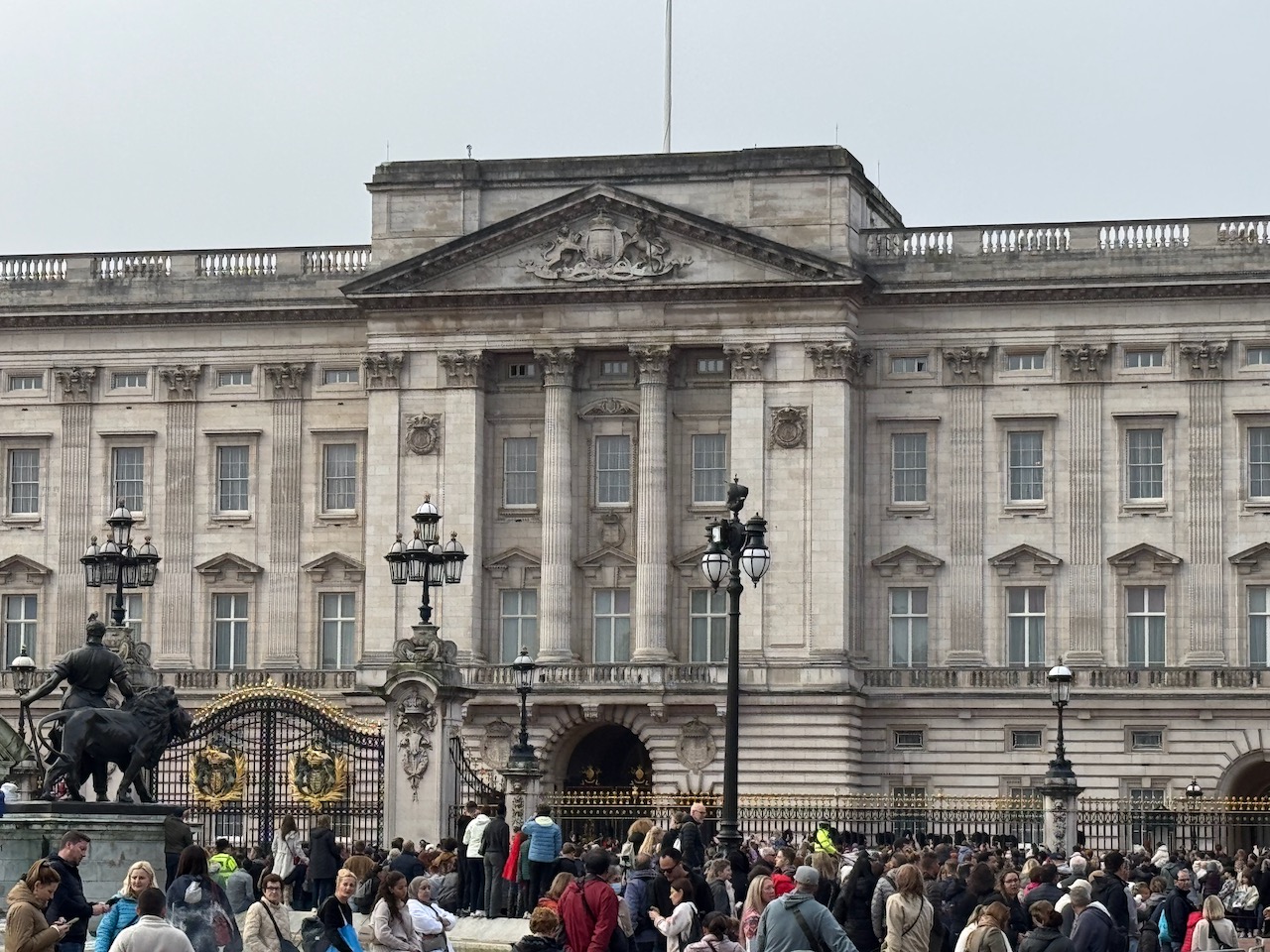
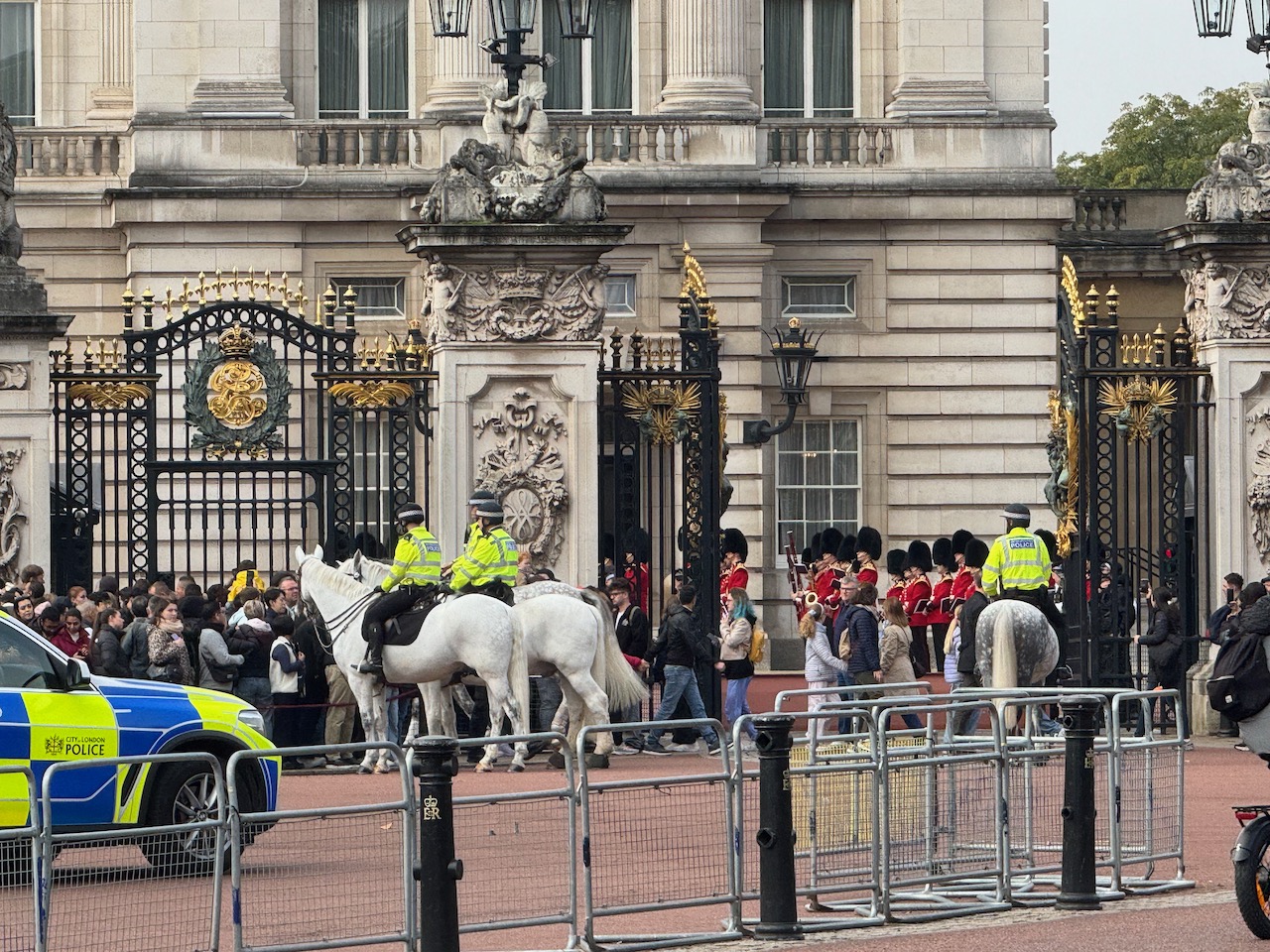
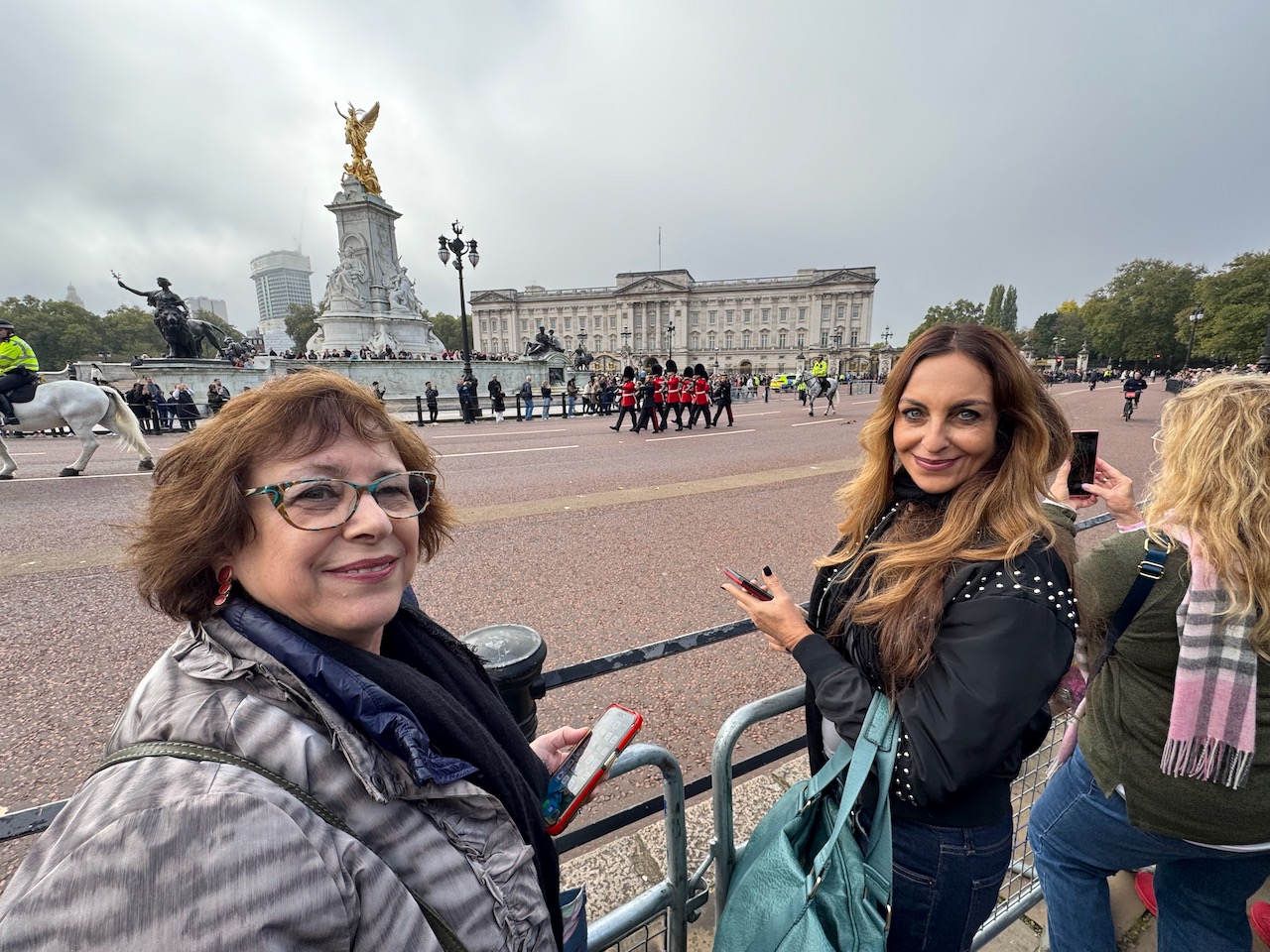
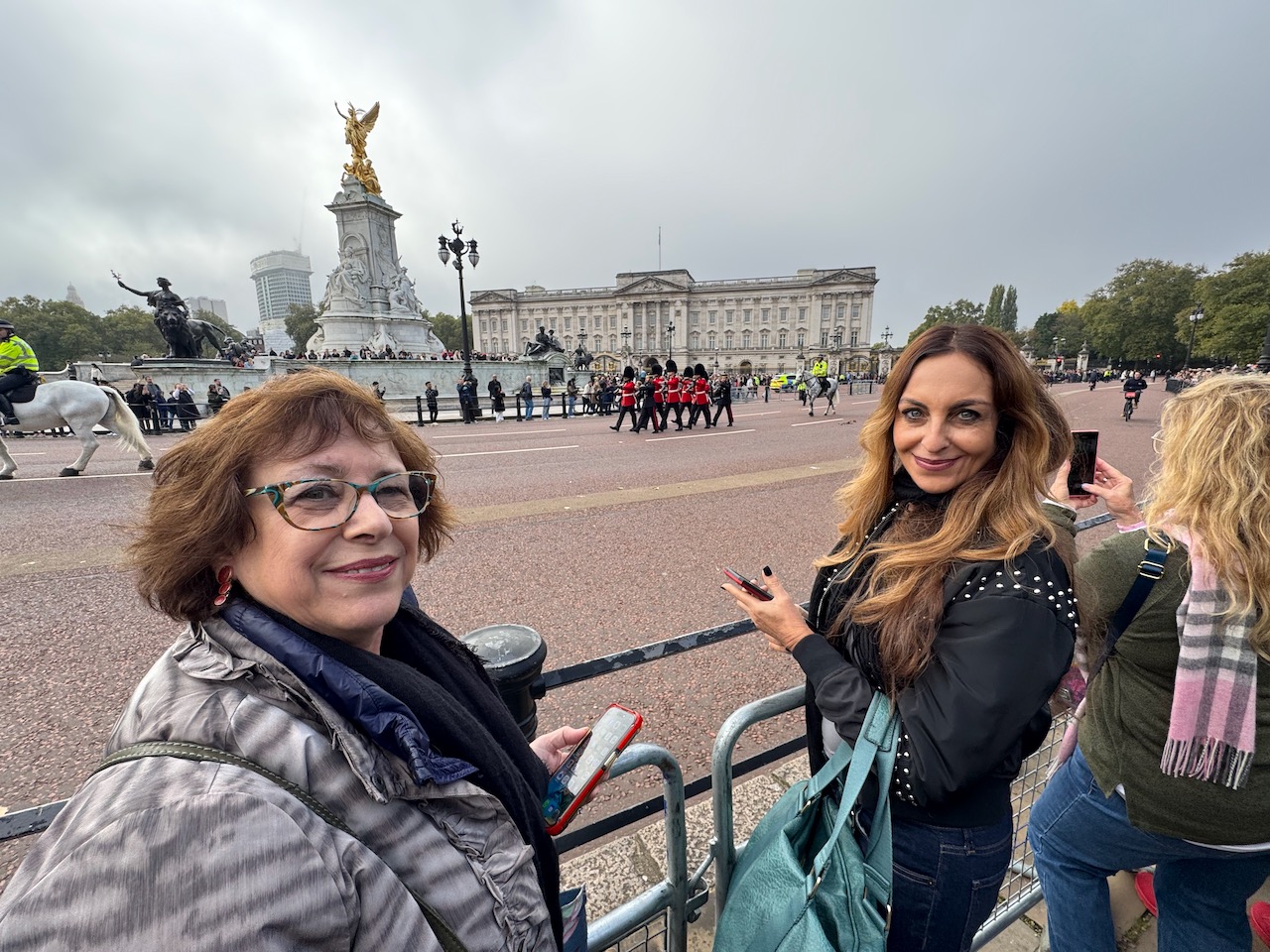
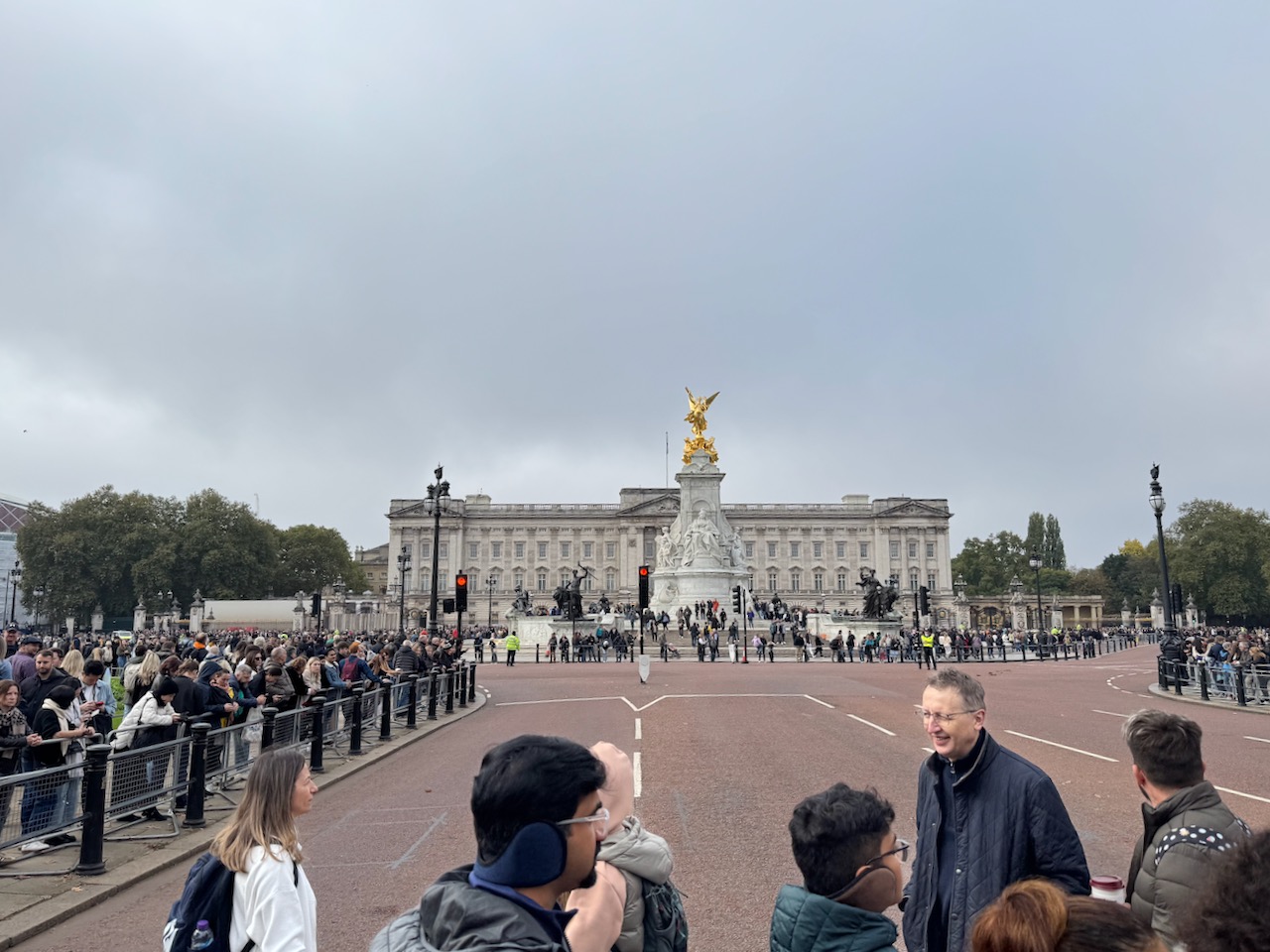
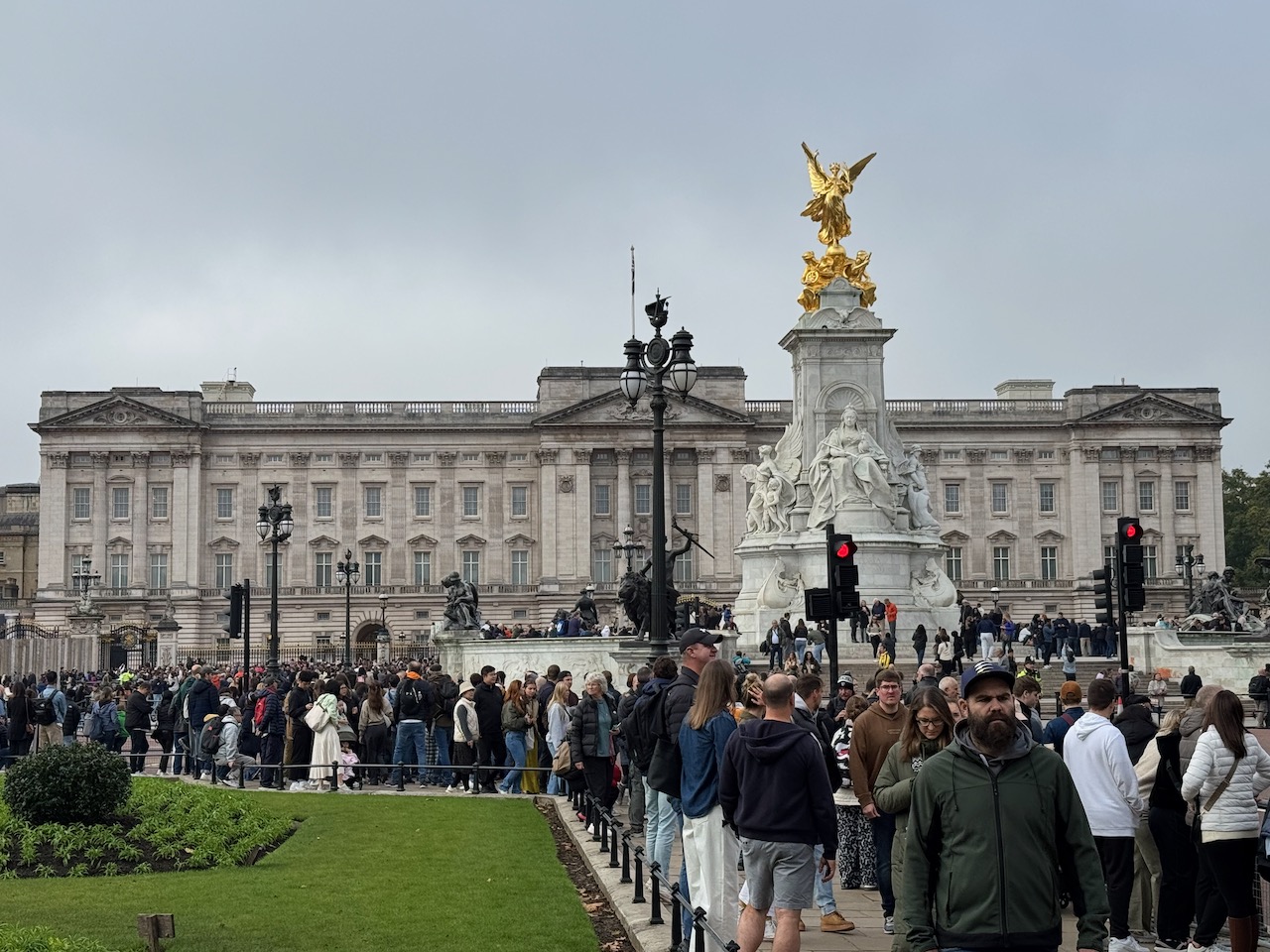
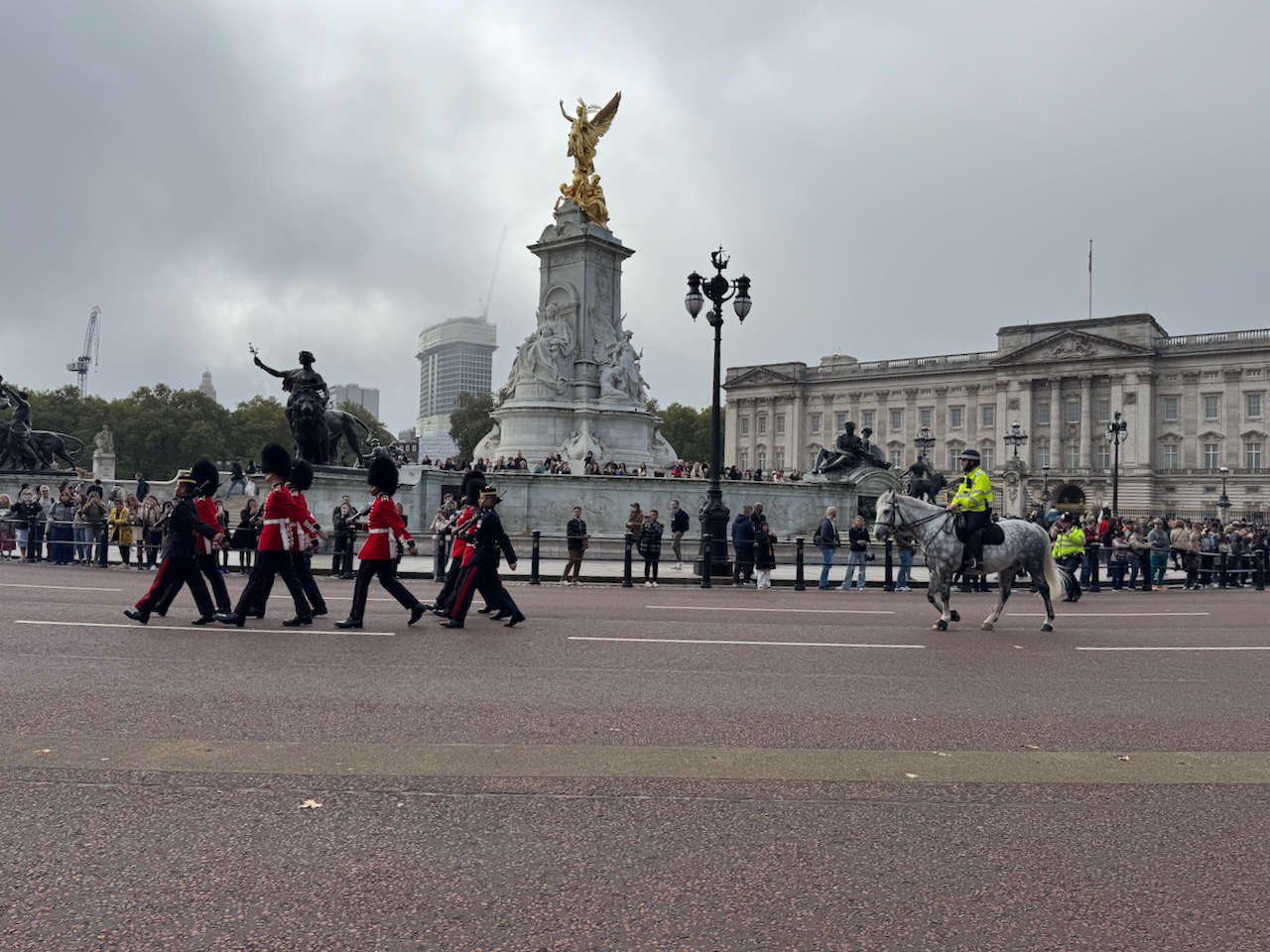
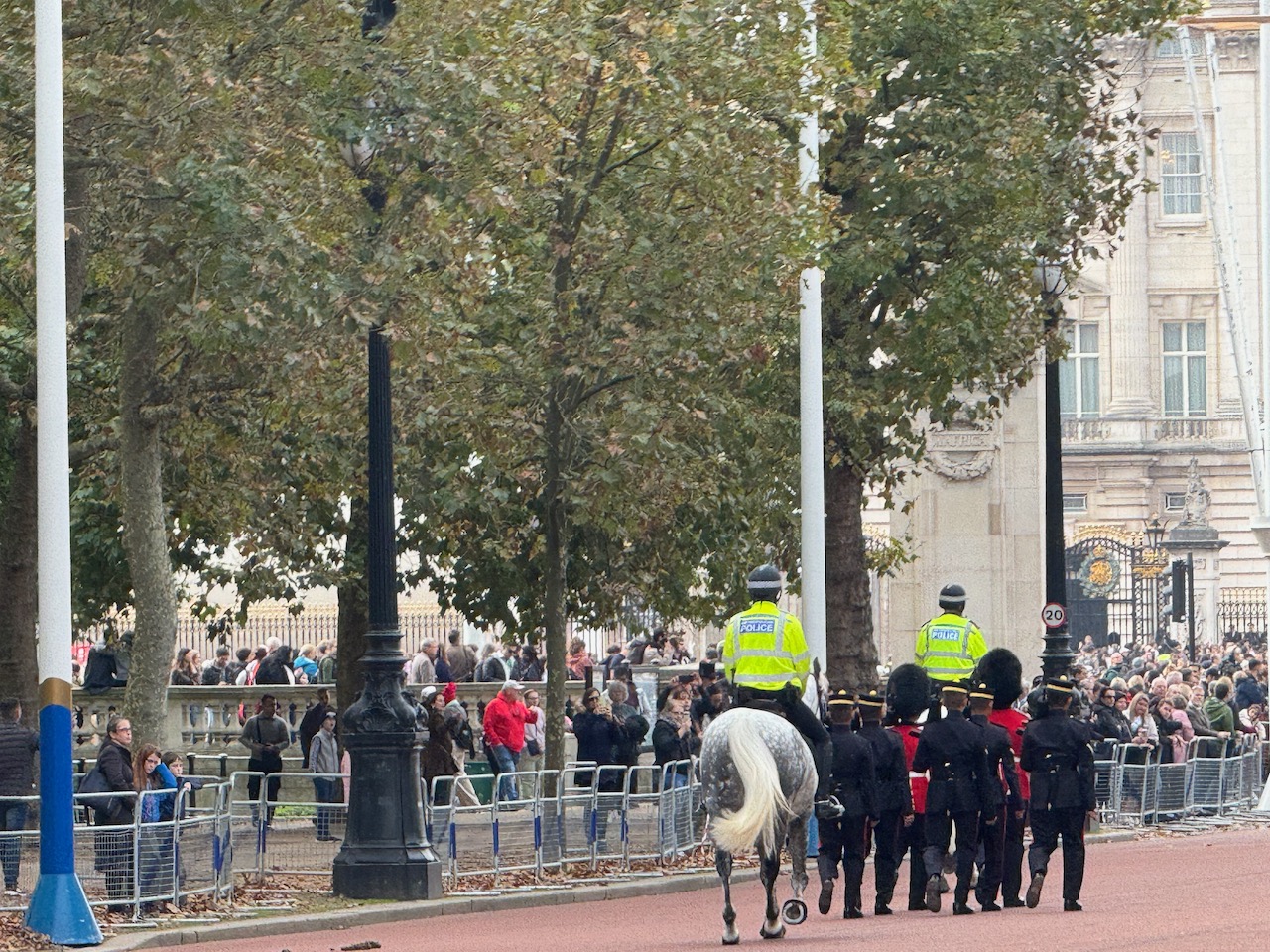
The Changing of the Guard – Buckingham Palace
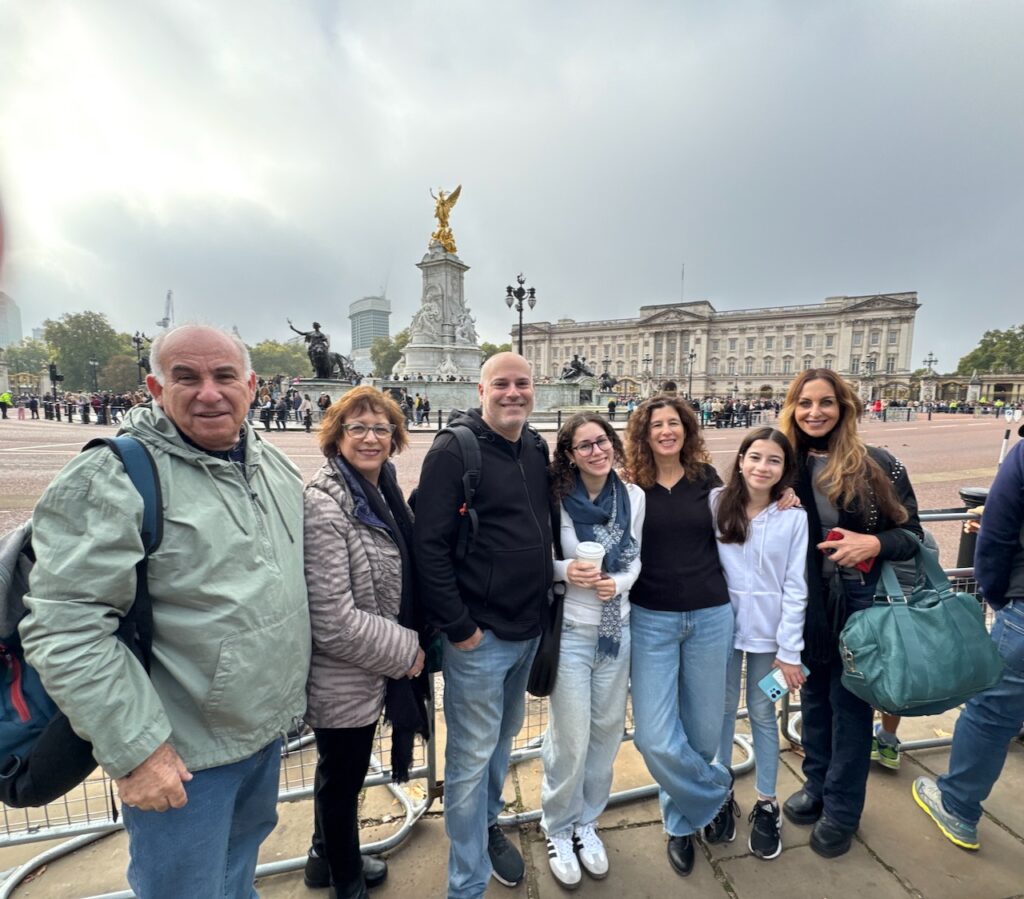
.jpeg/1200px-The_Queen_S_Guards_(74544105).jpeg)
Walk through to Piccadilly
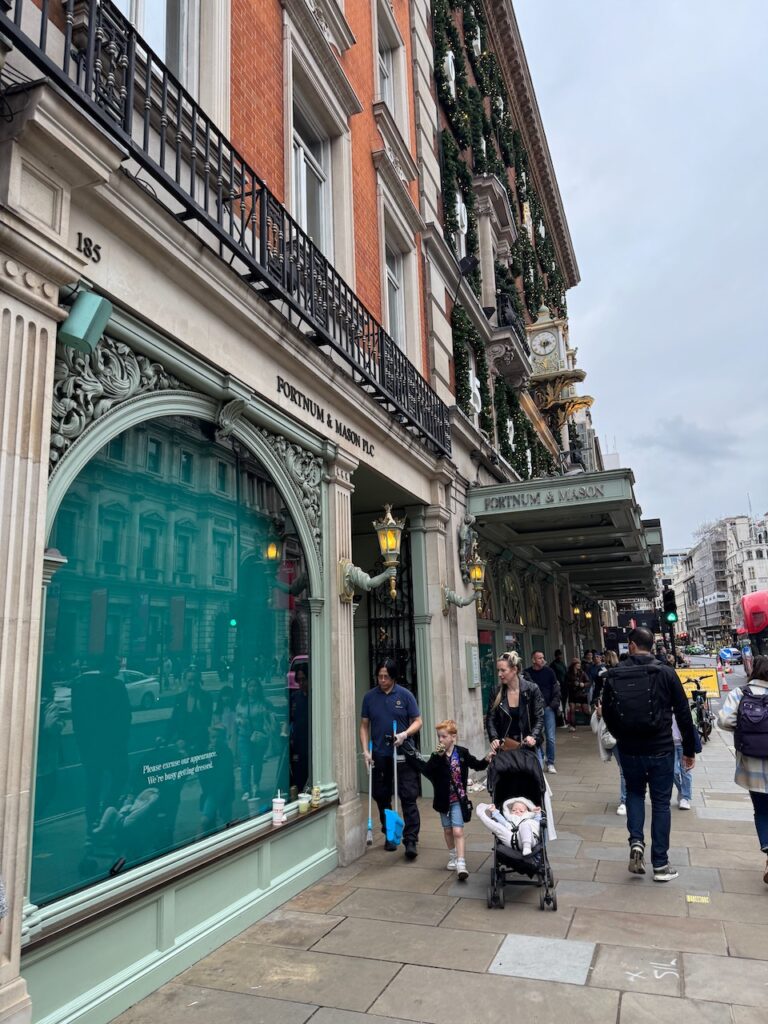
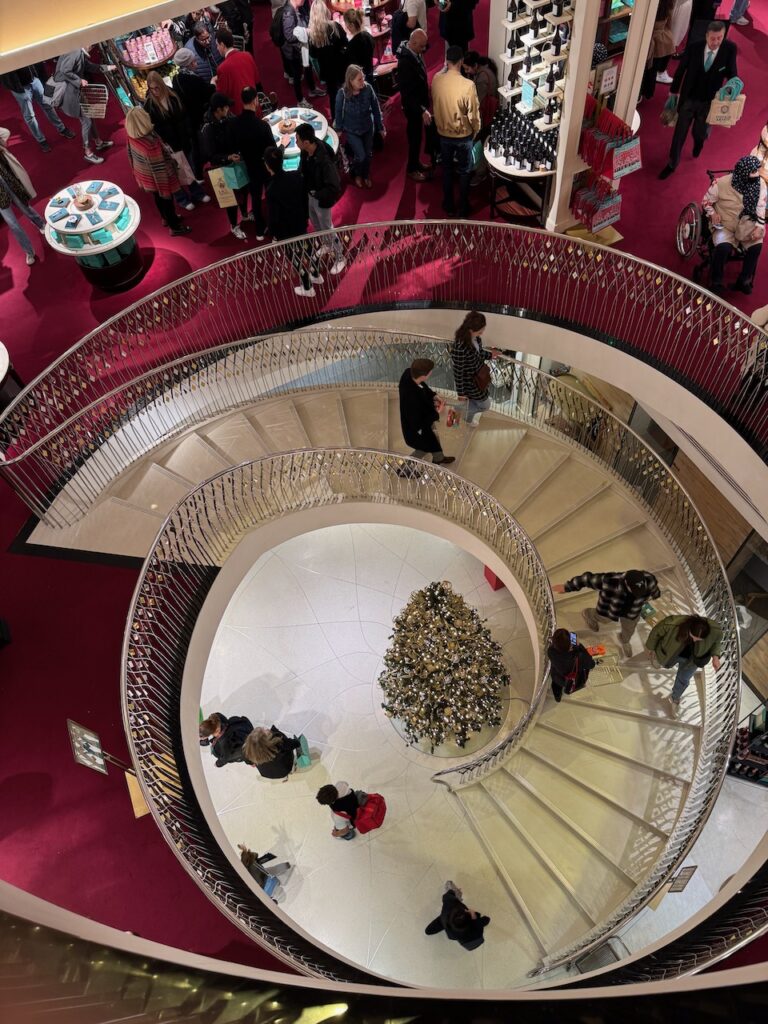
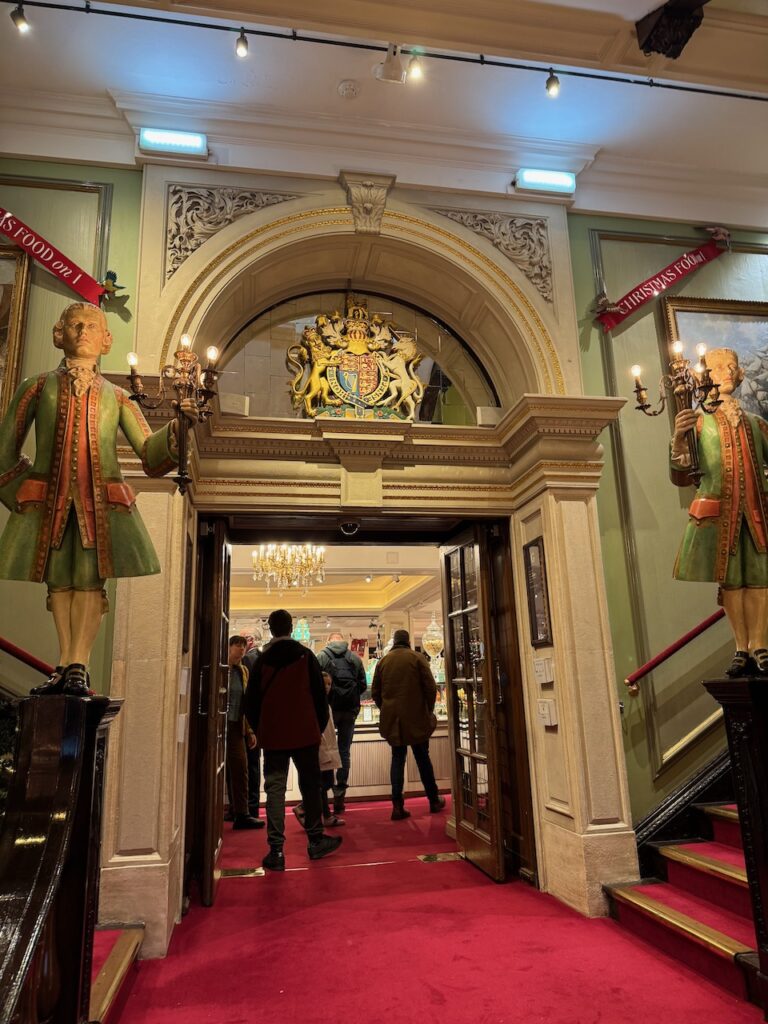
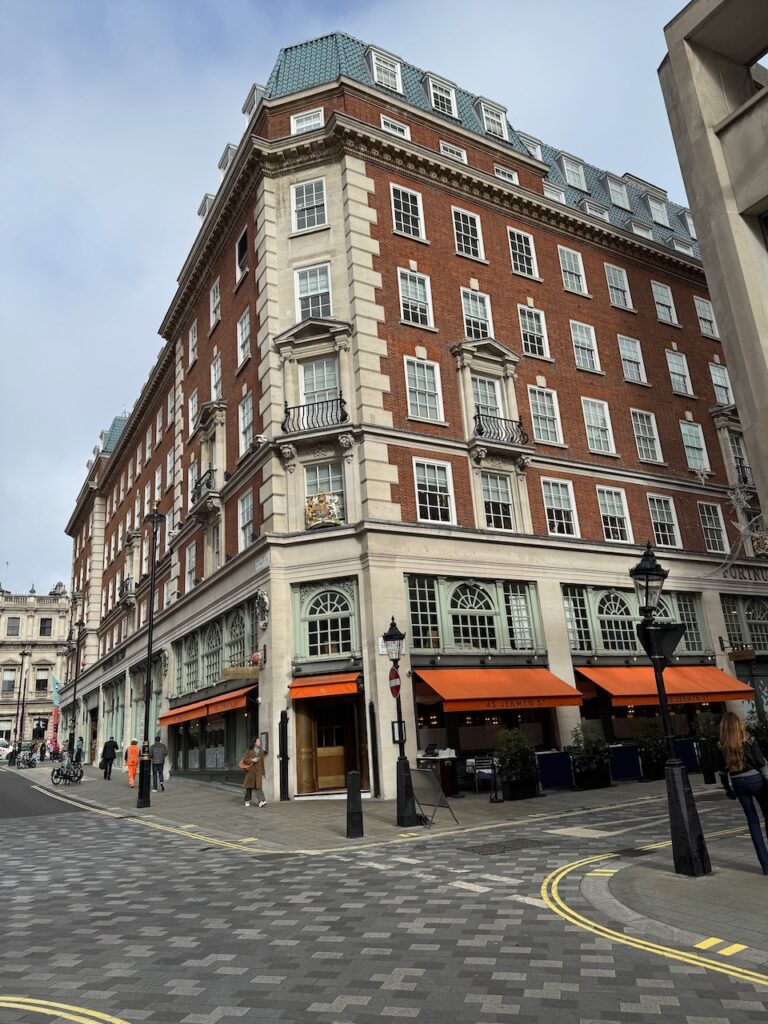
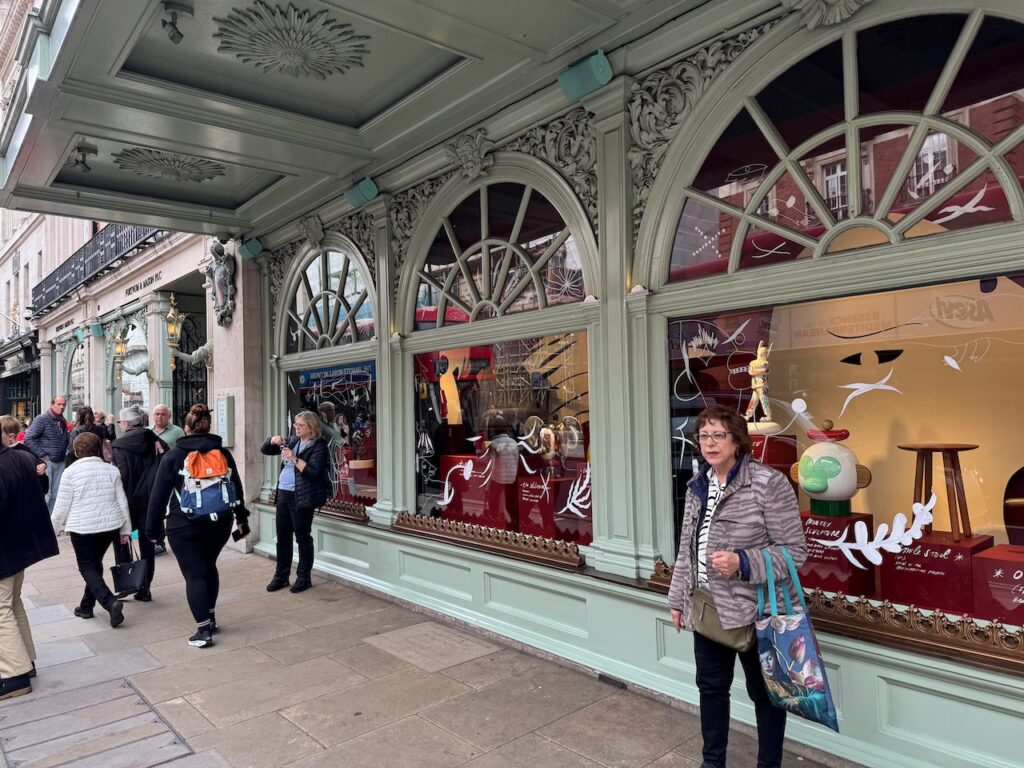
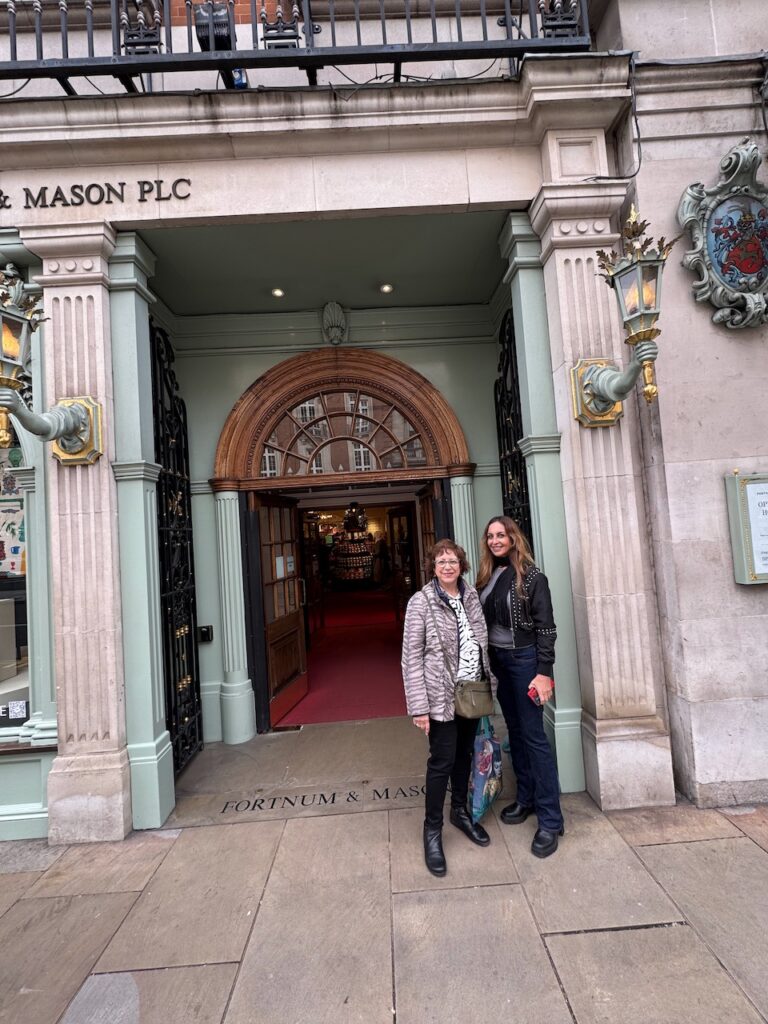
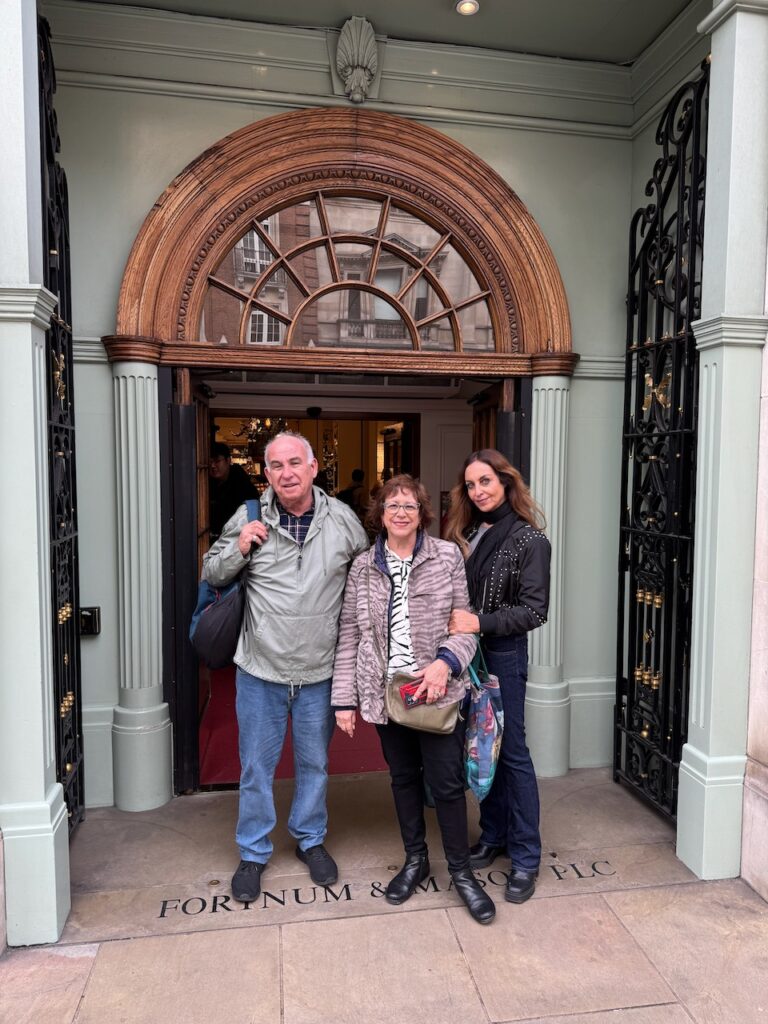
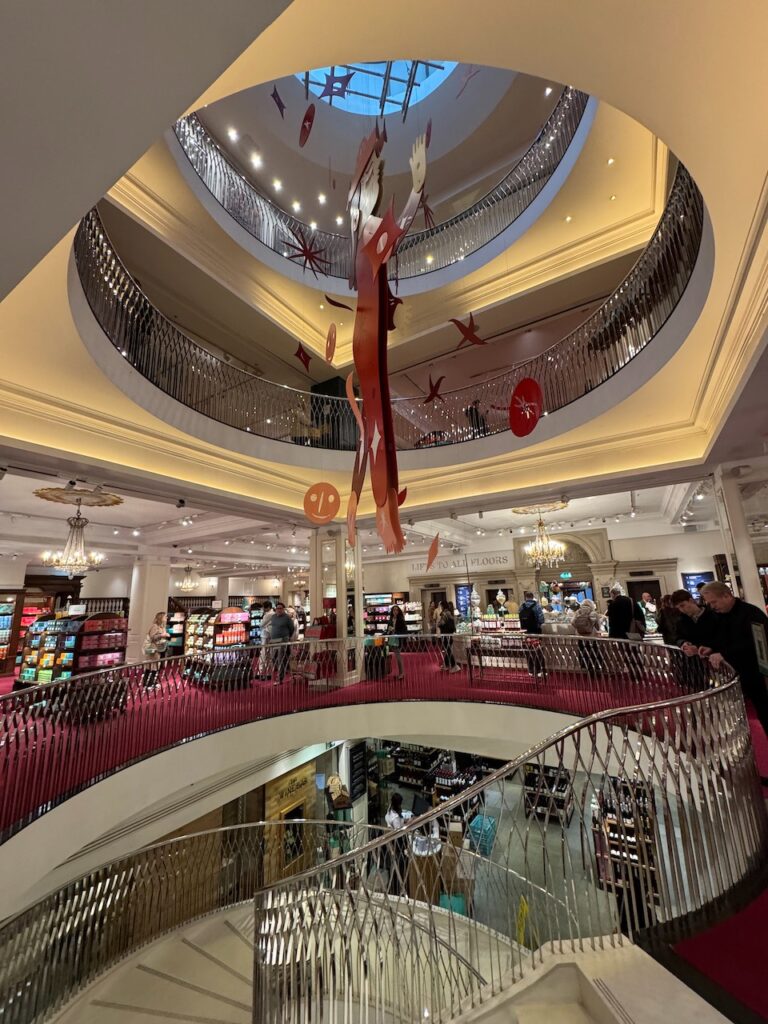
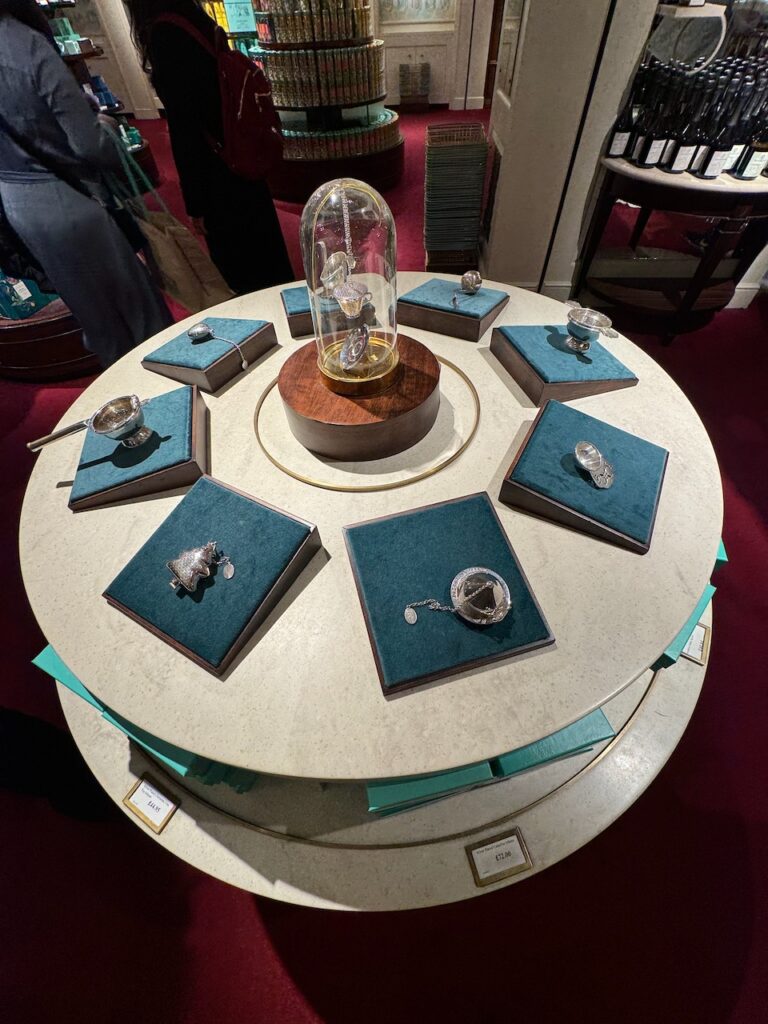
Fortnum & Mason

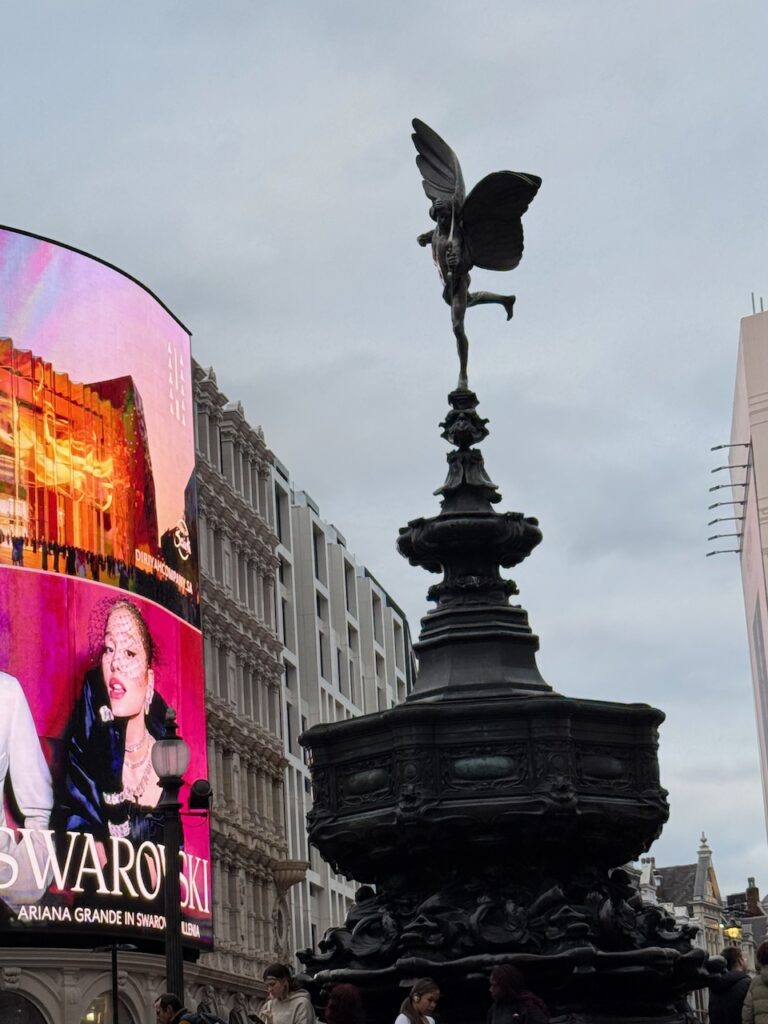
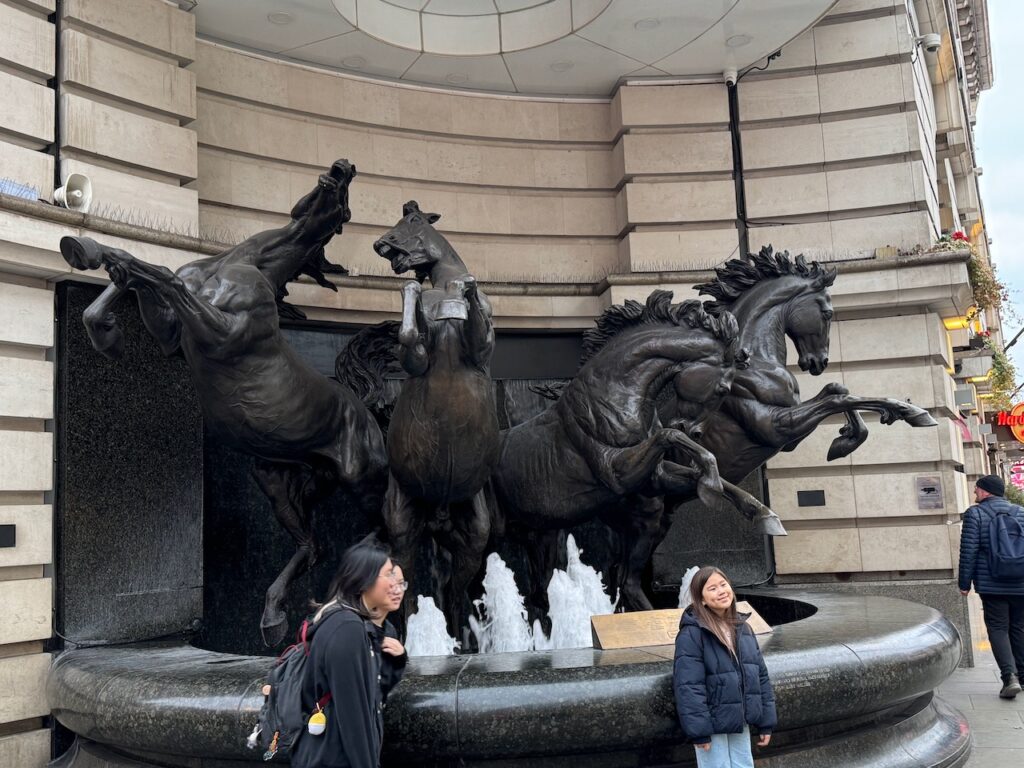
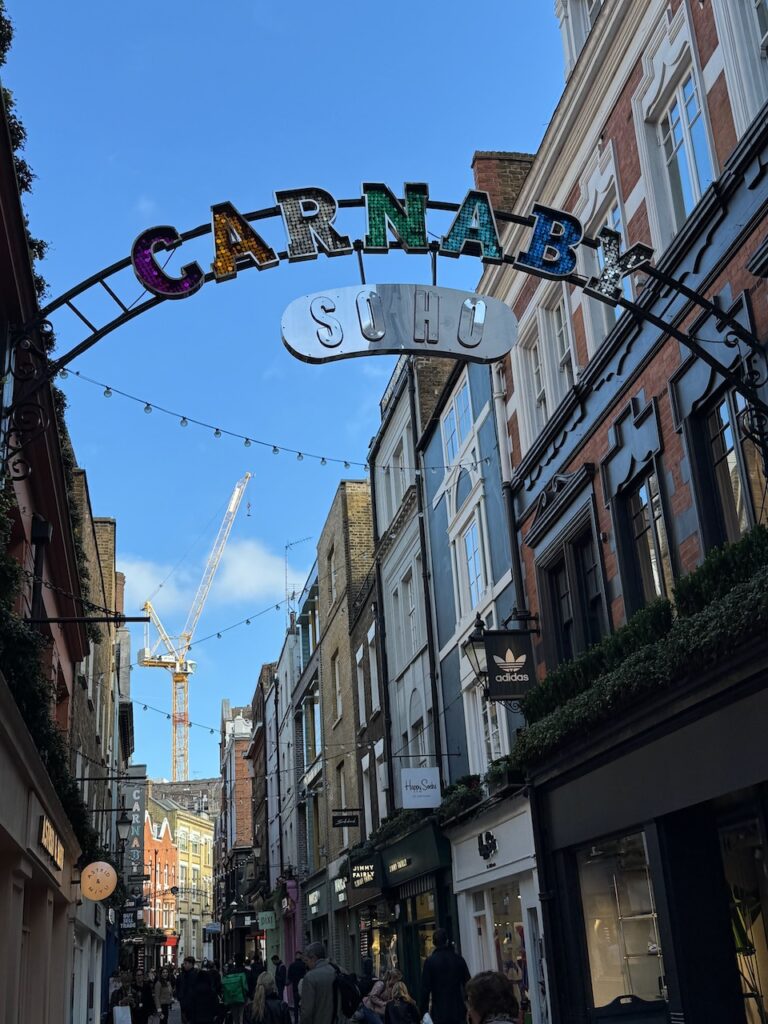
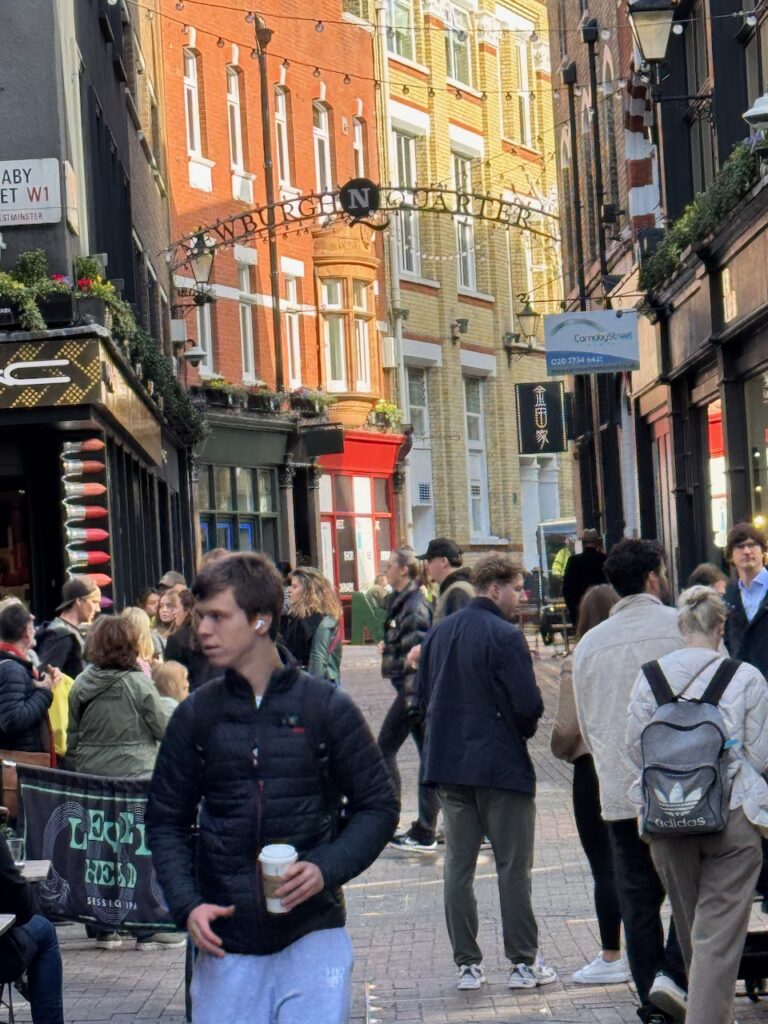
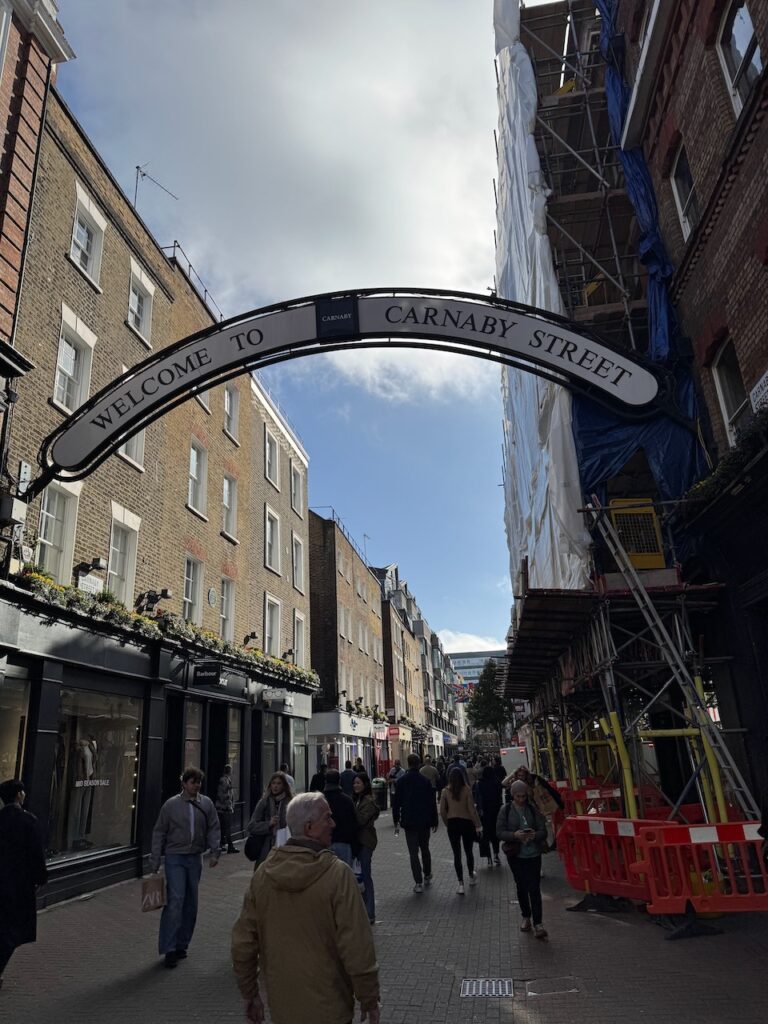
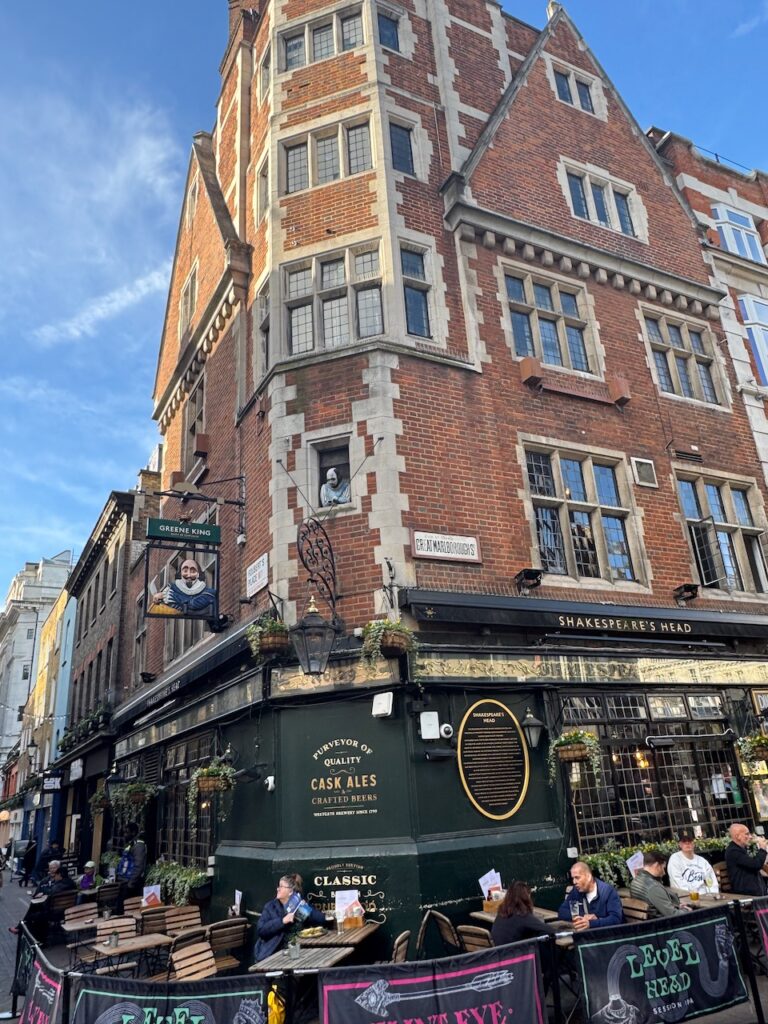
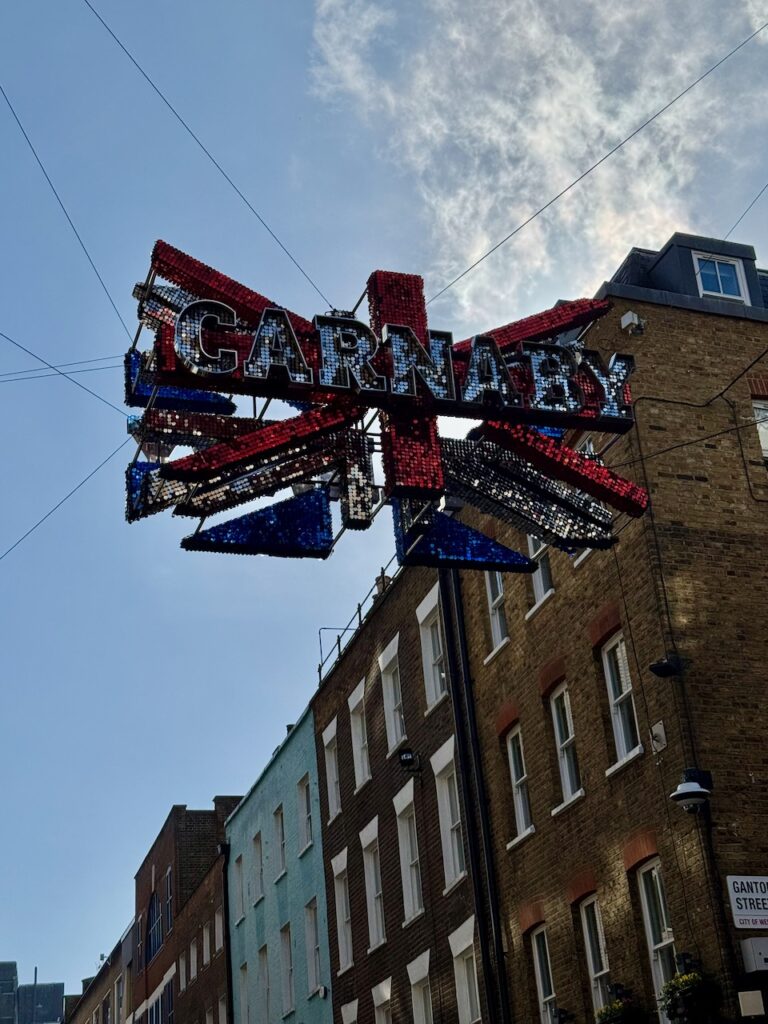
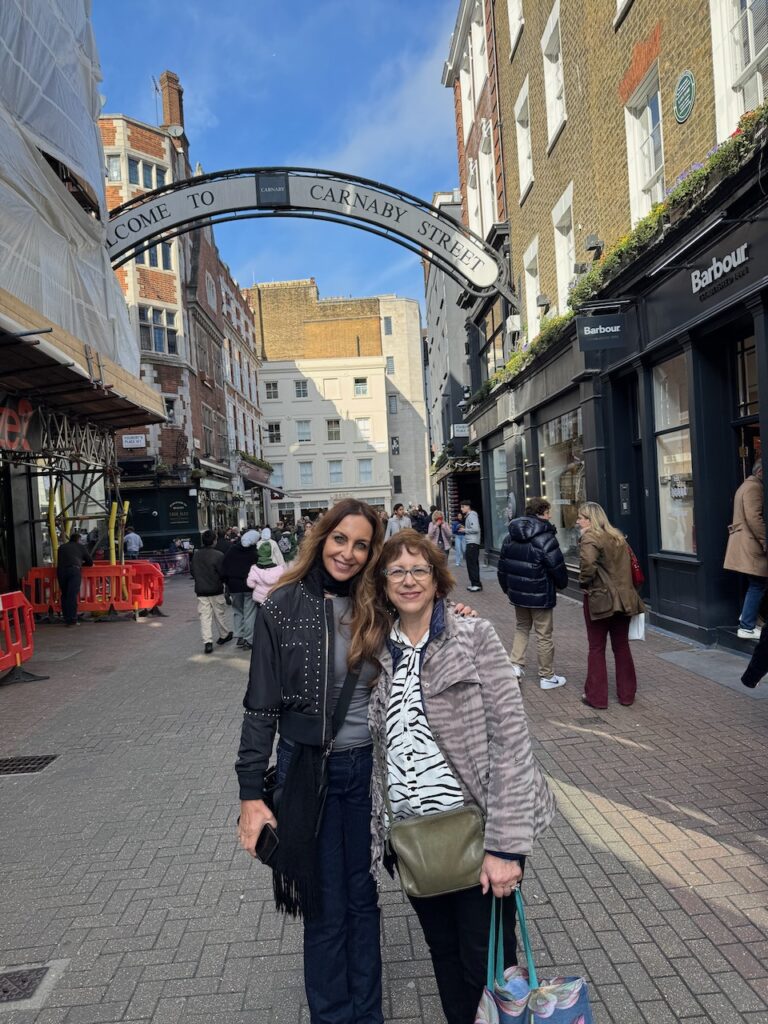
Piccadilly – Carnaby Street – Soho
Tube to Edgeware
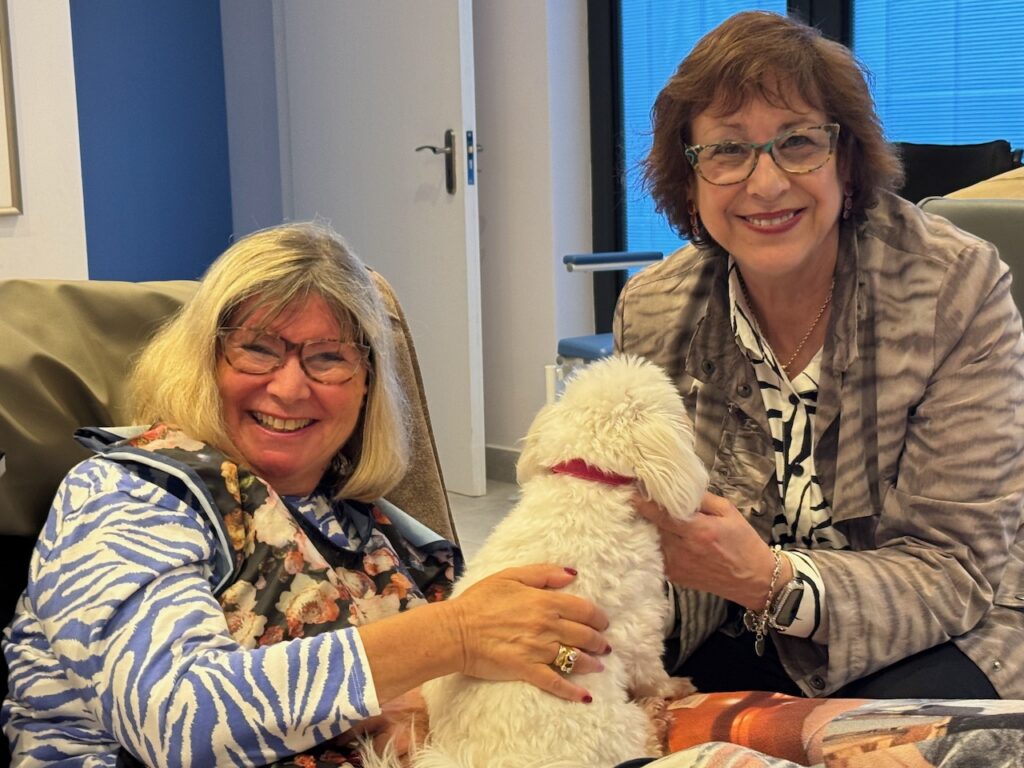
With Binnie

15 October 2024
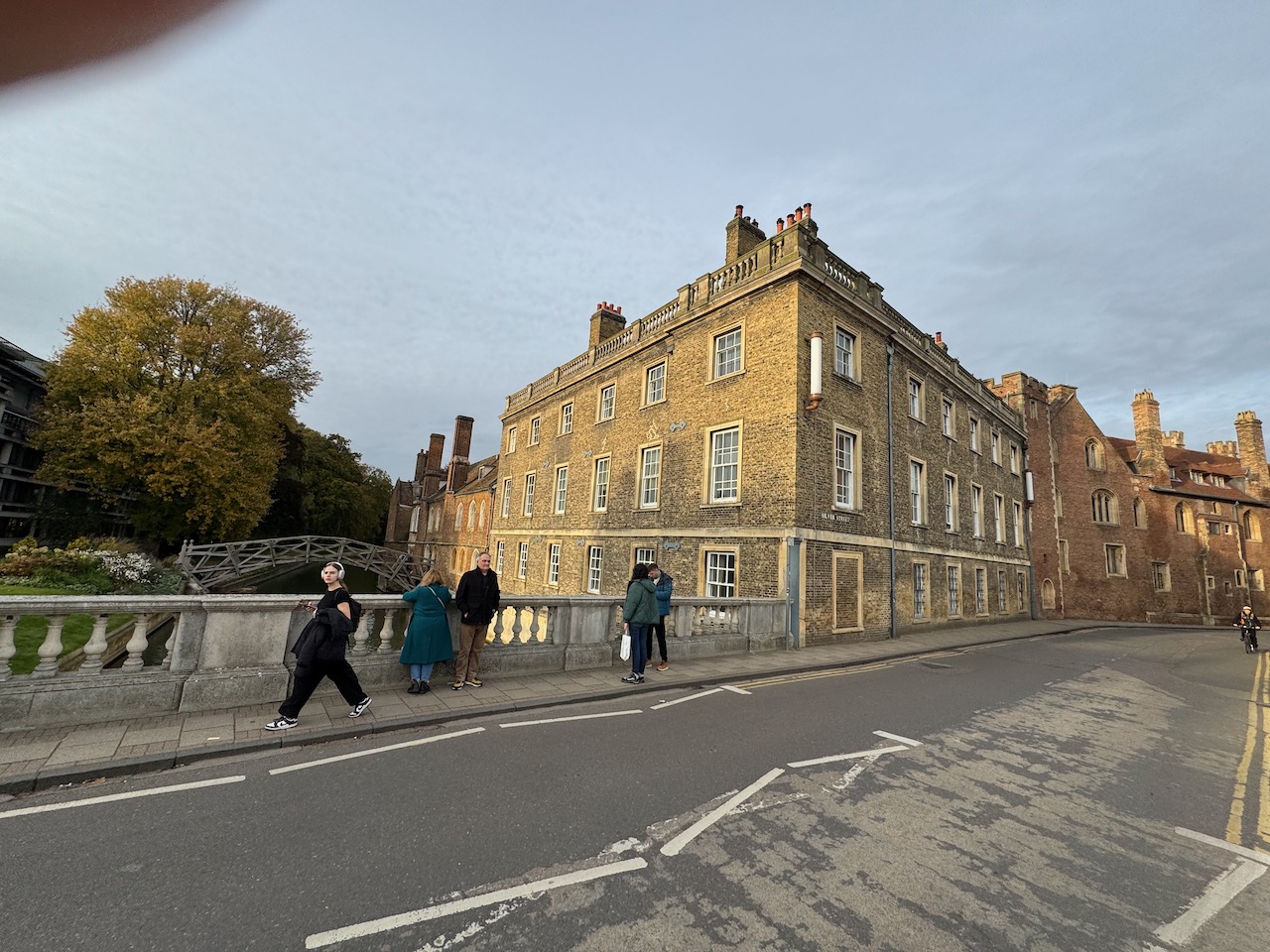
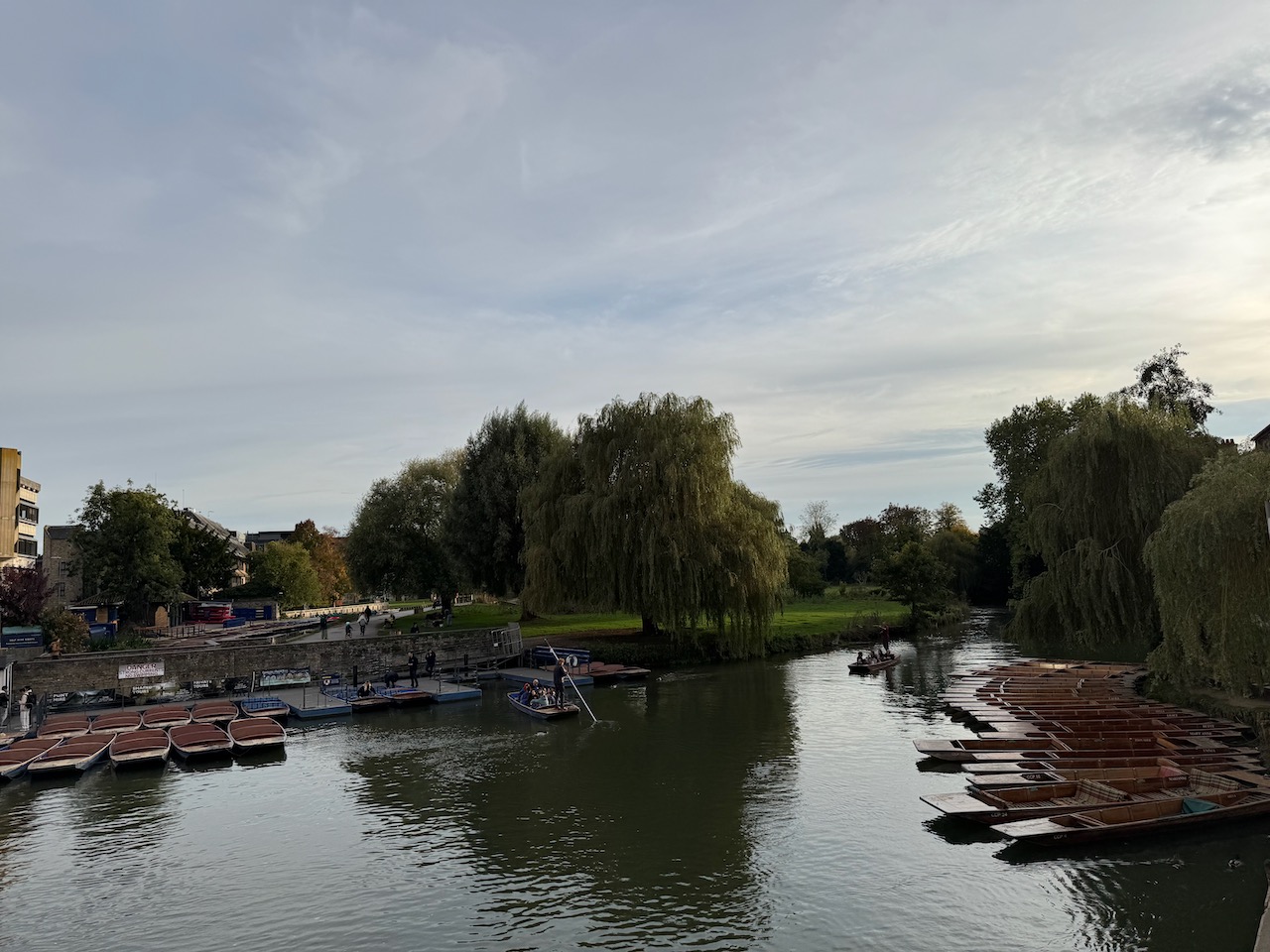
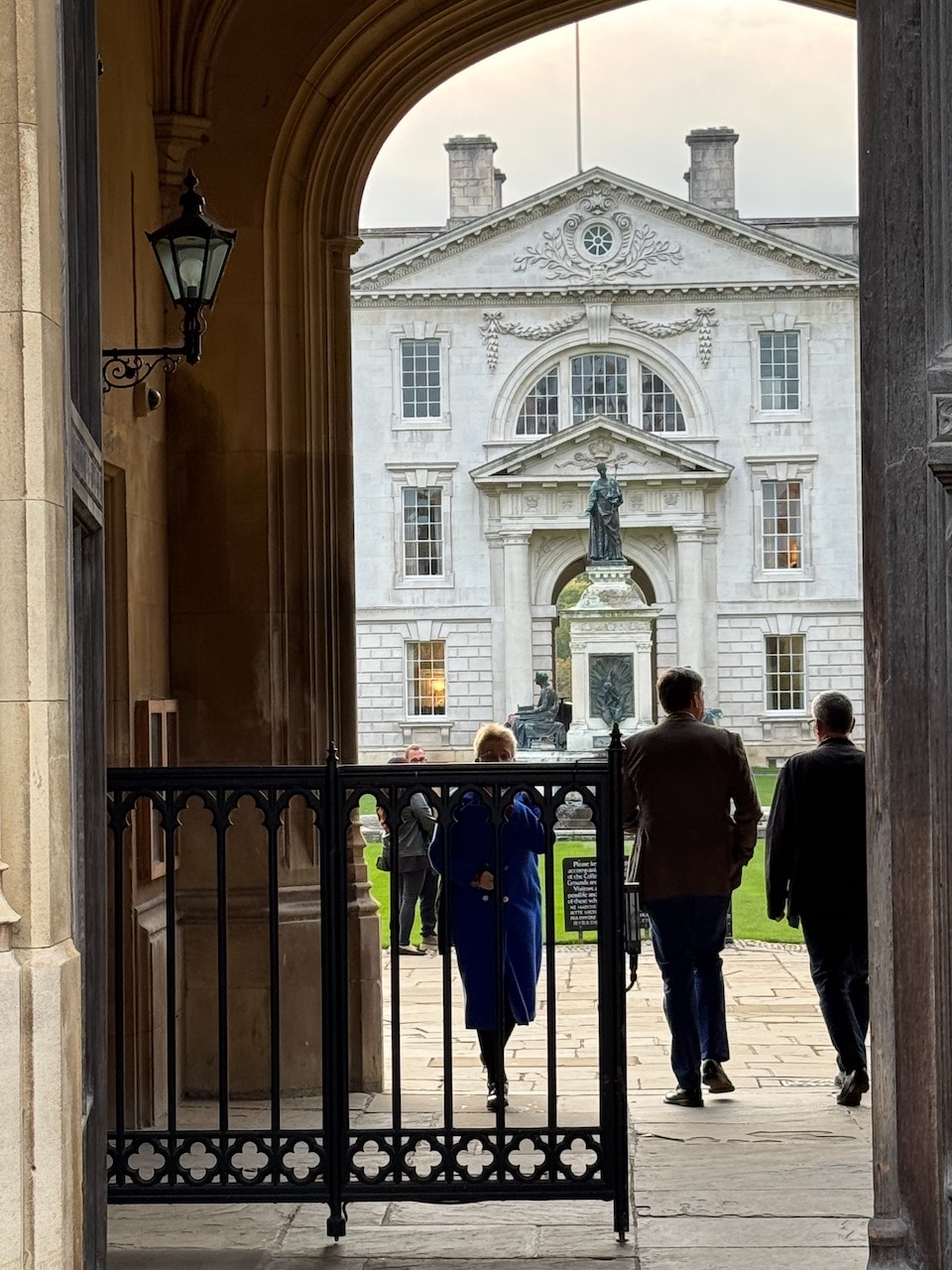
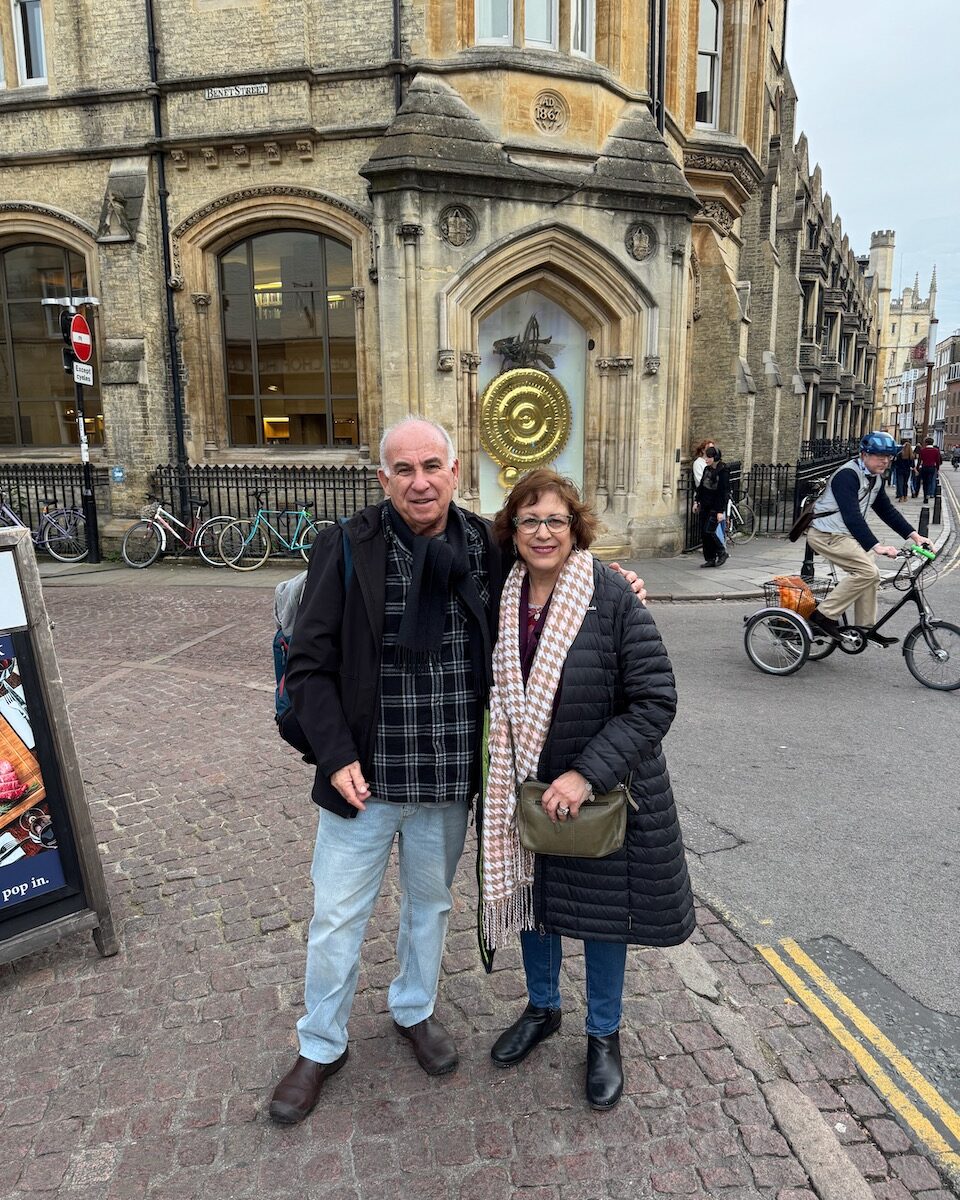
The train from Letchworth to Cambridge
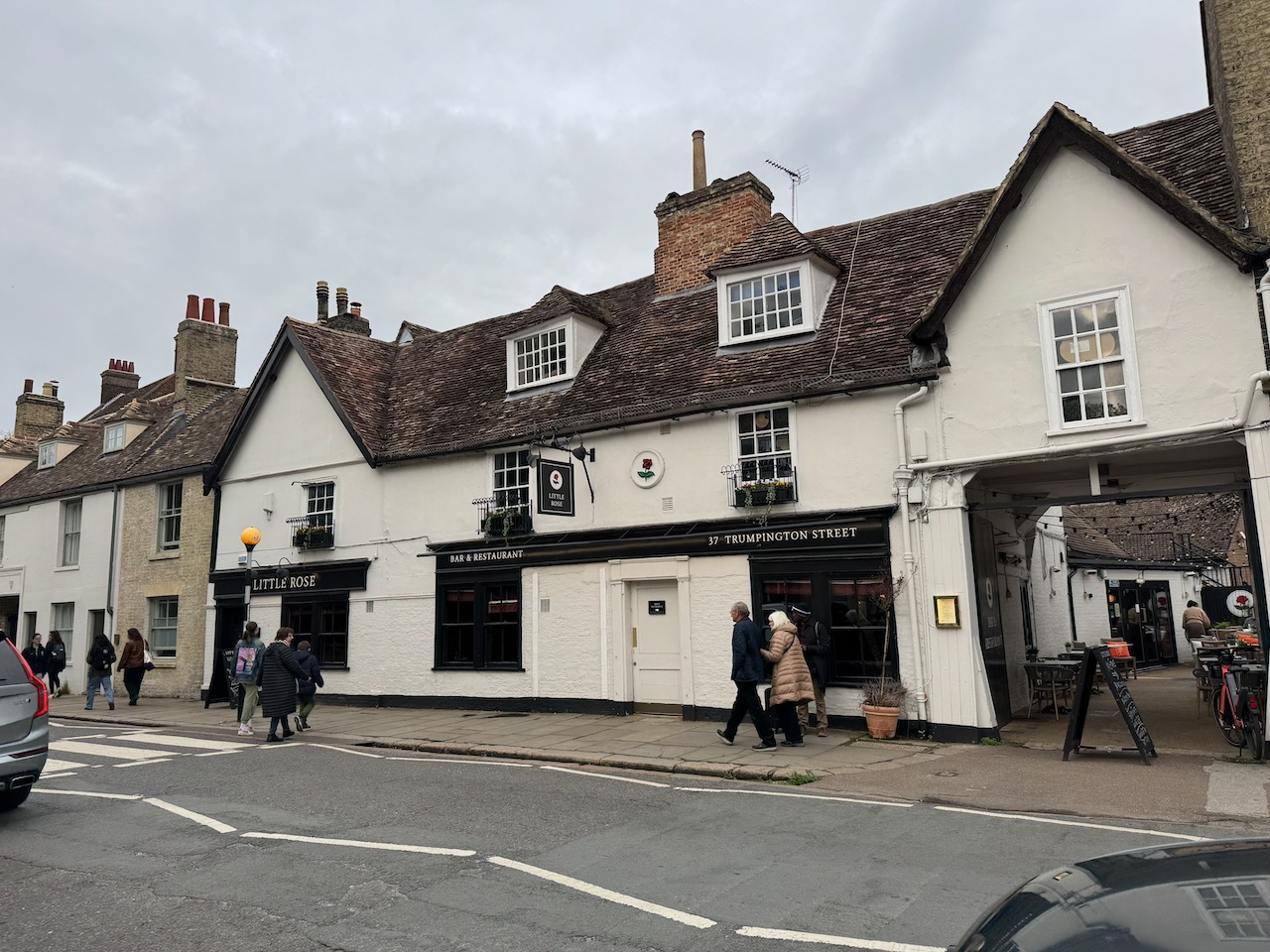
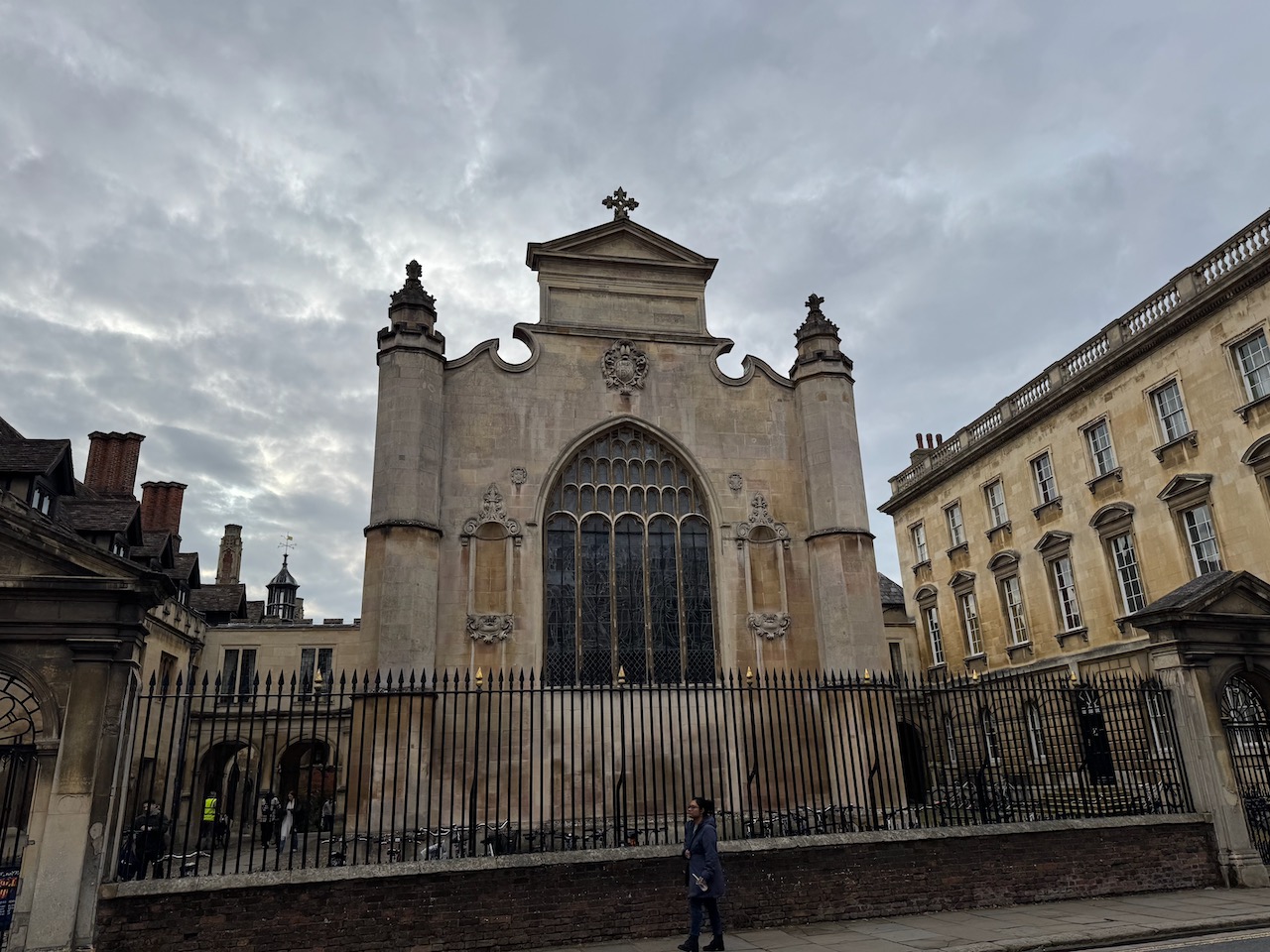
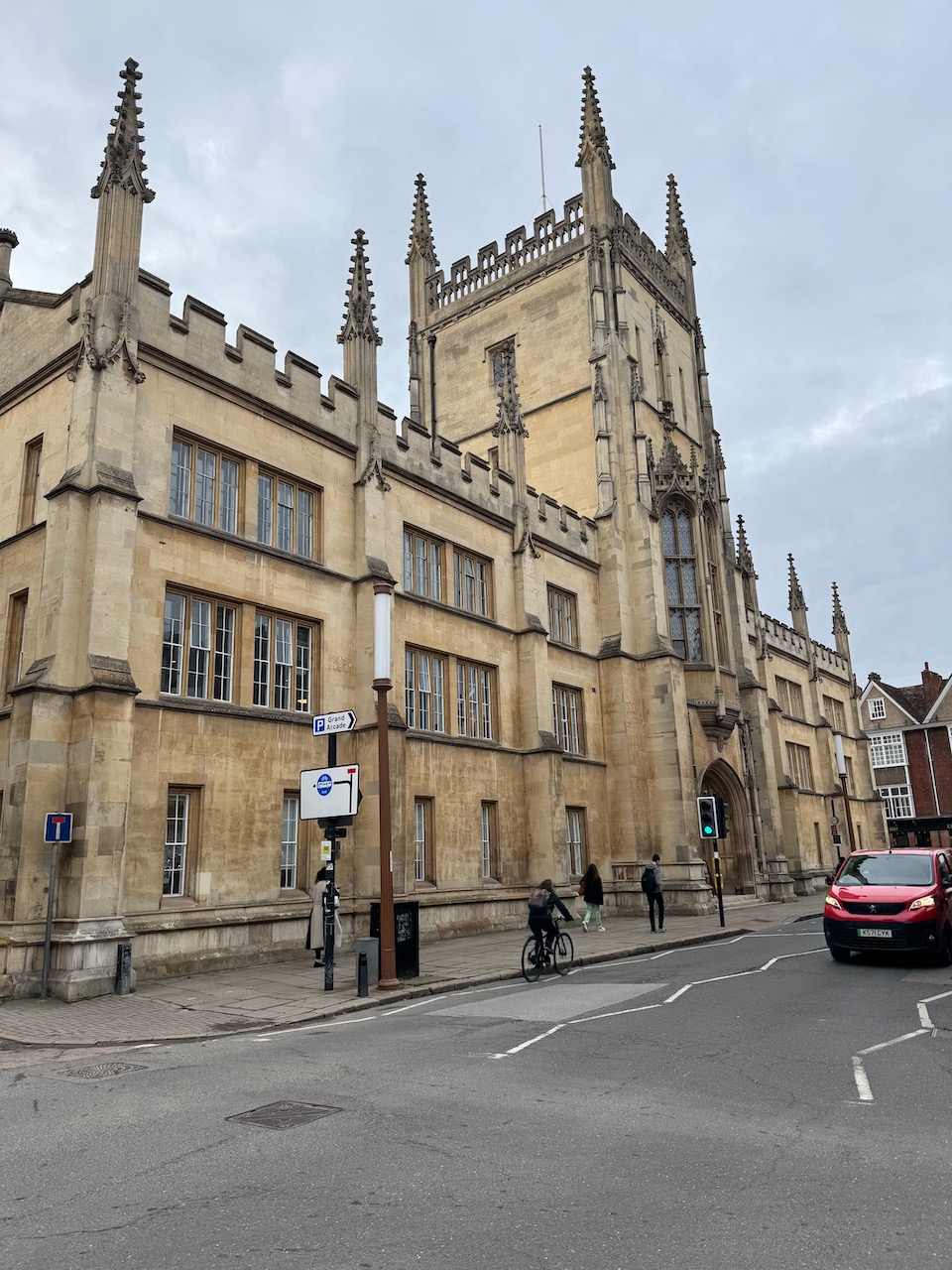
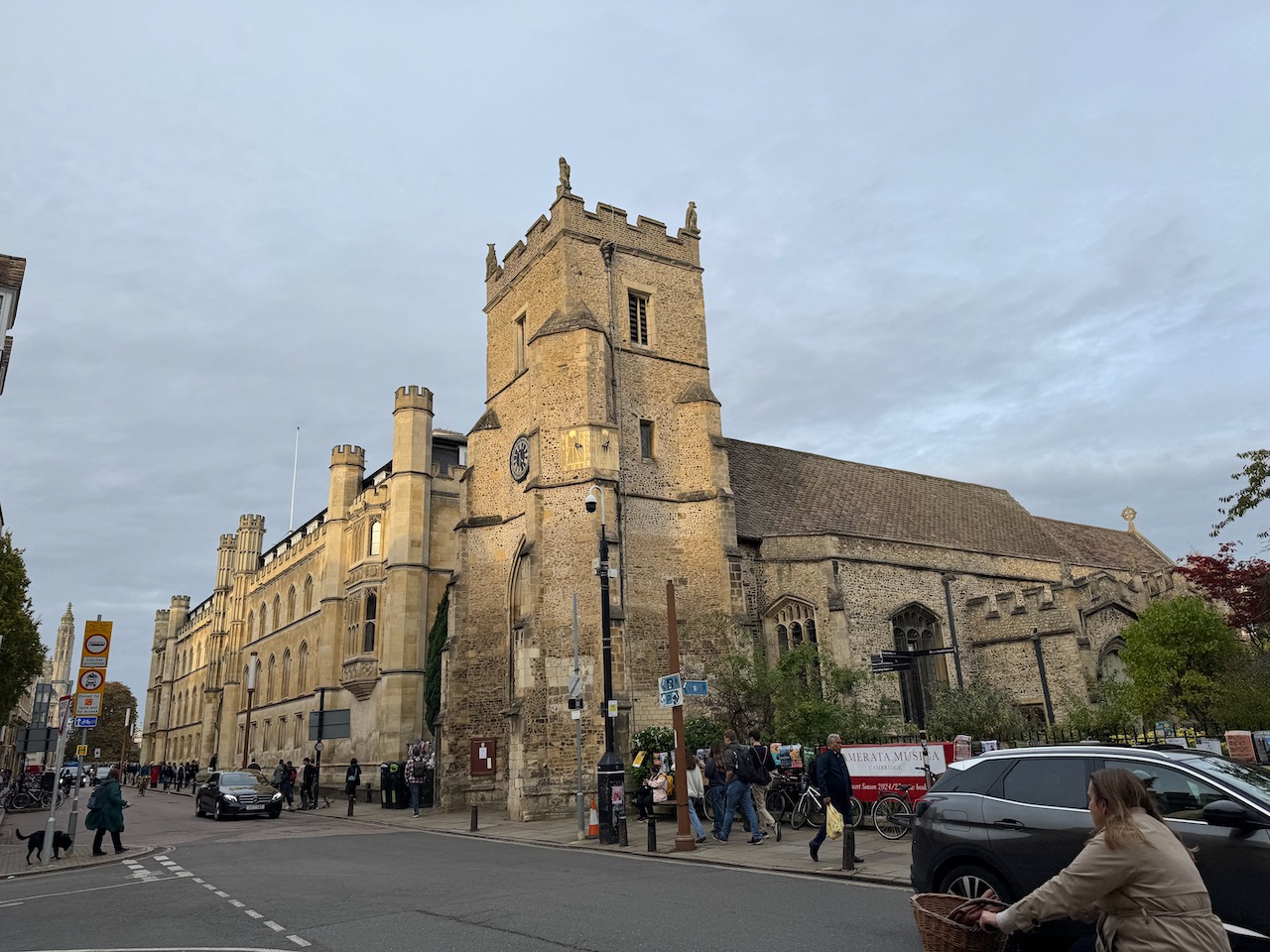
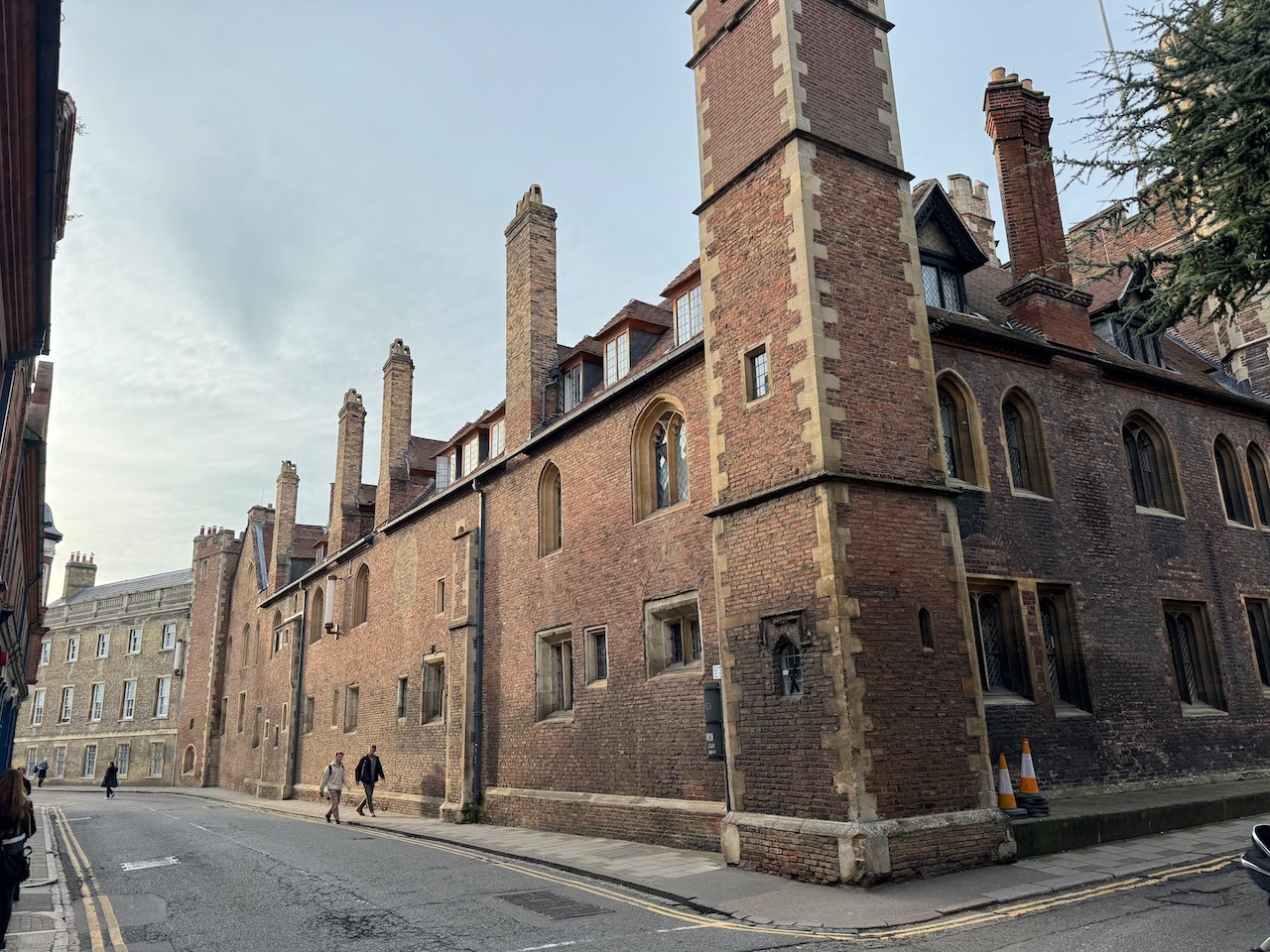
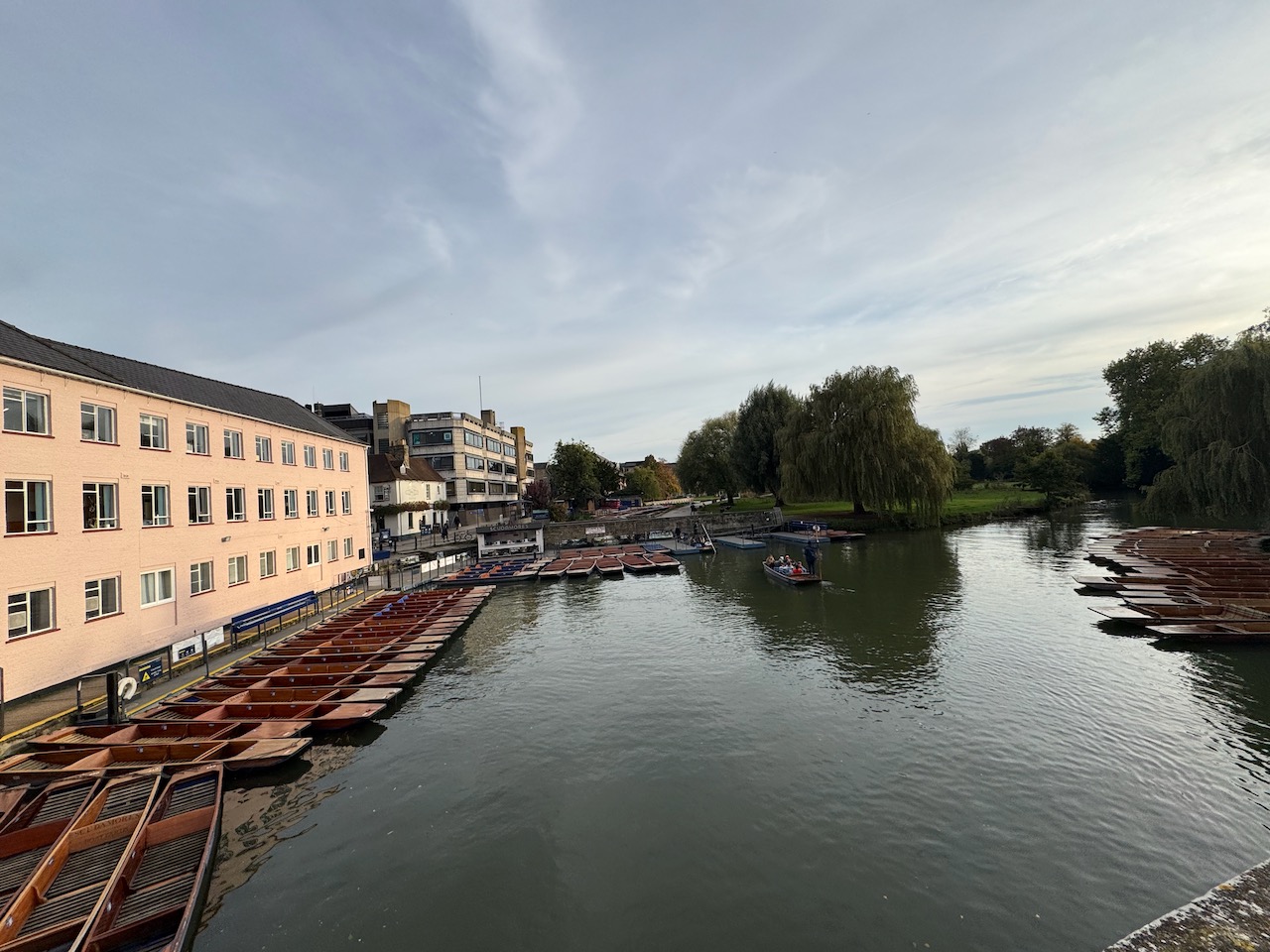
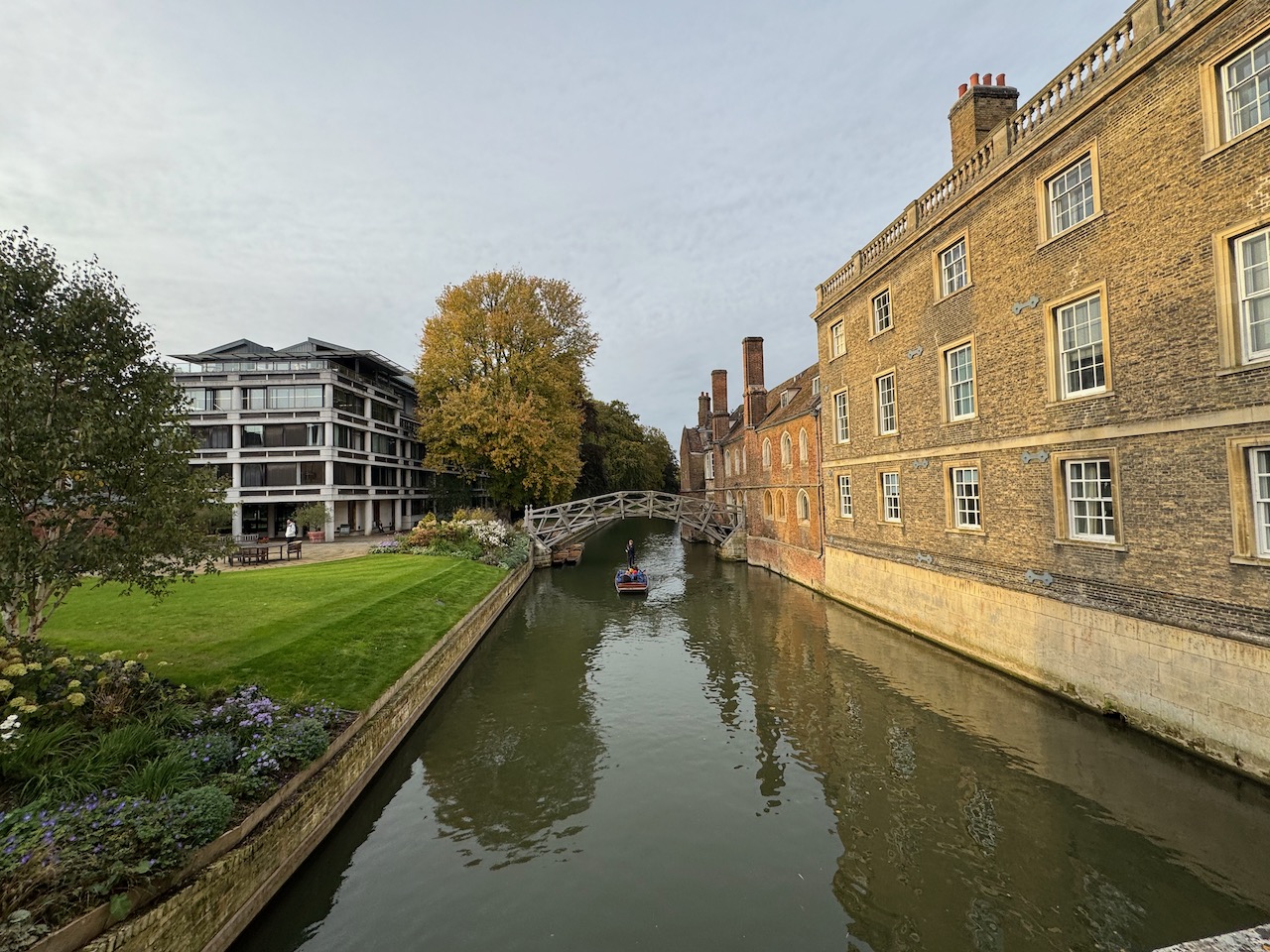
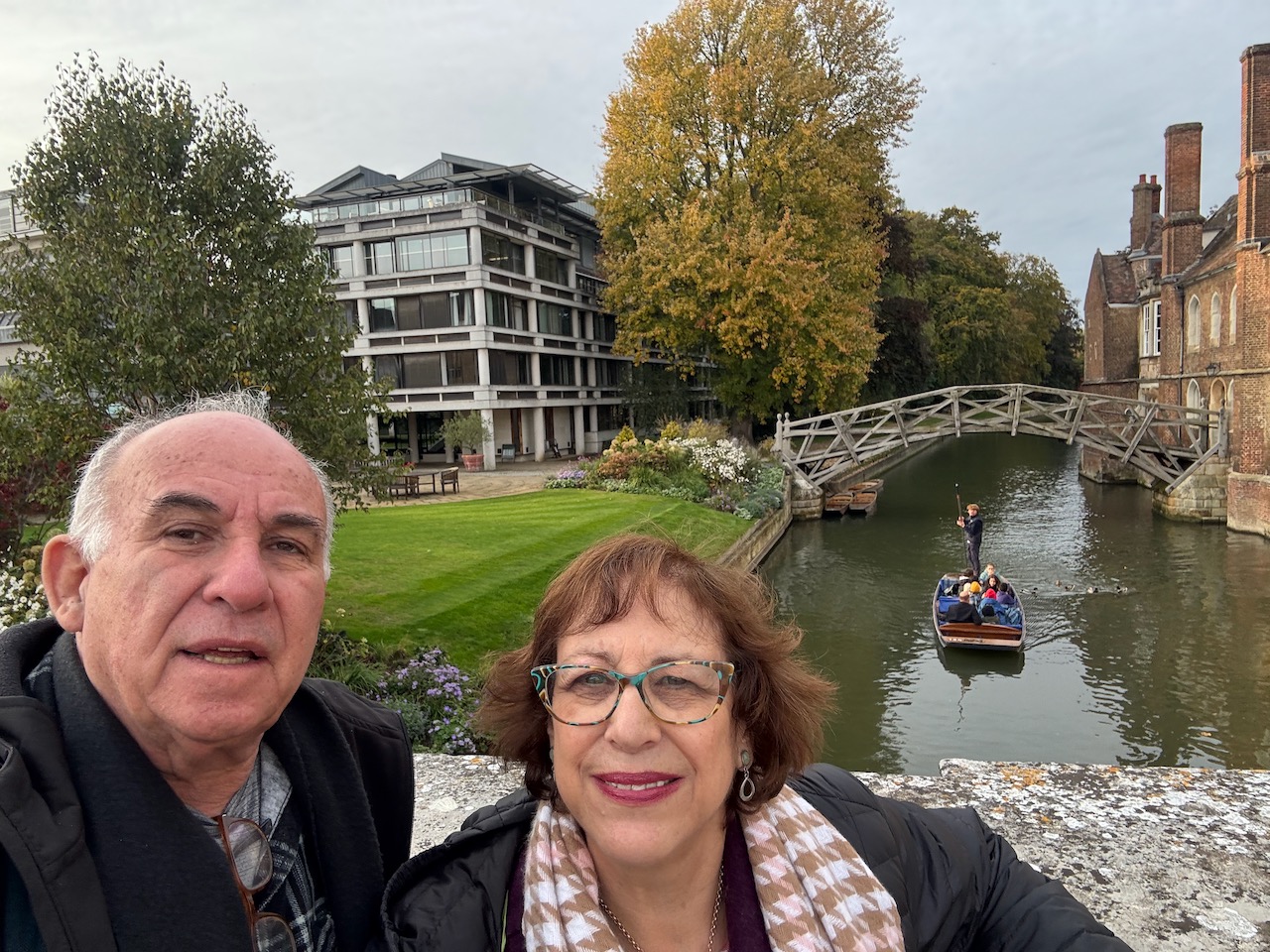
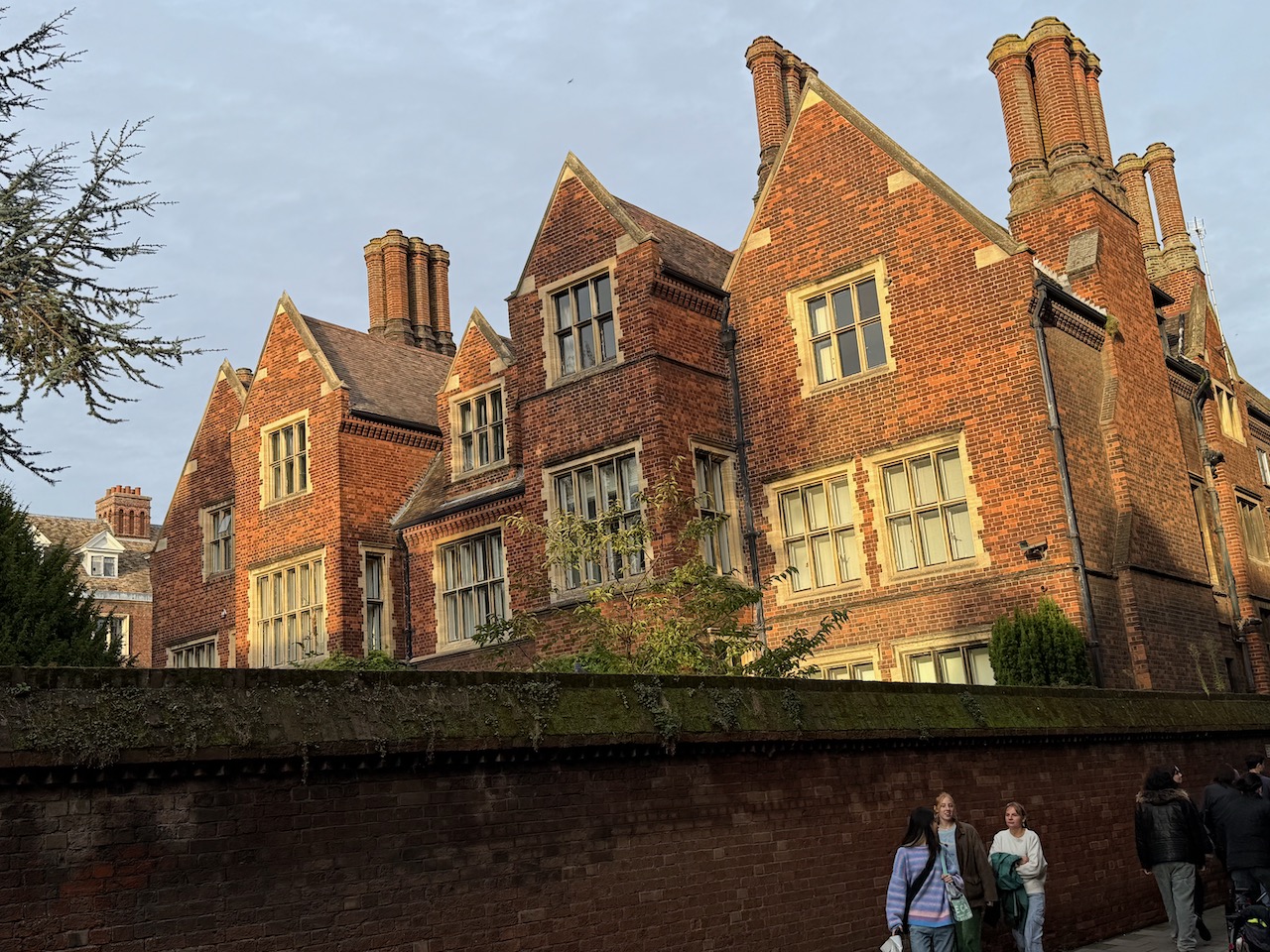
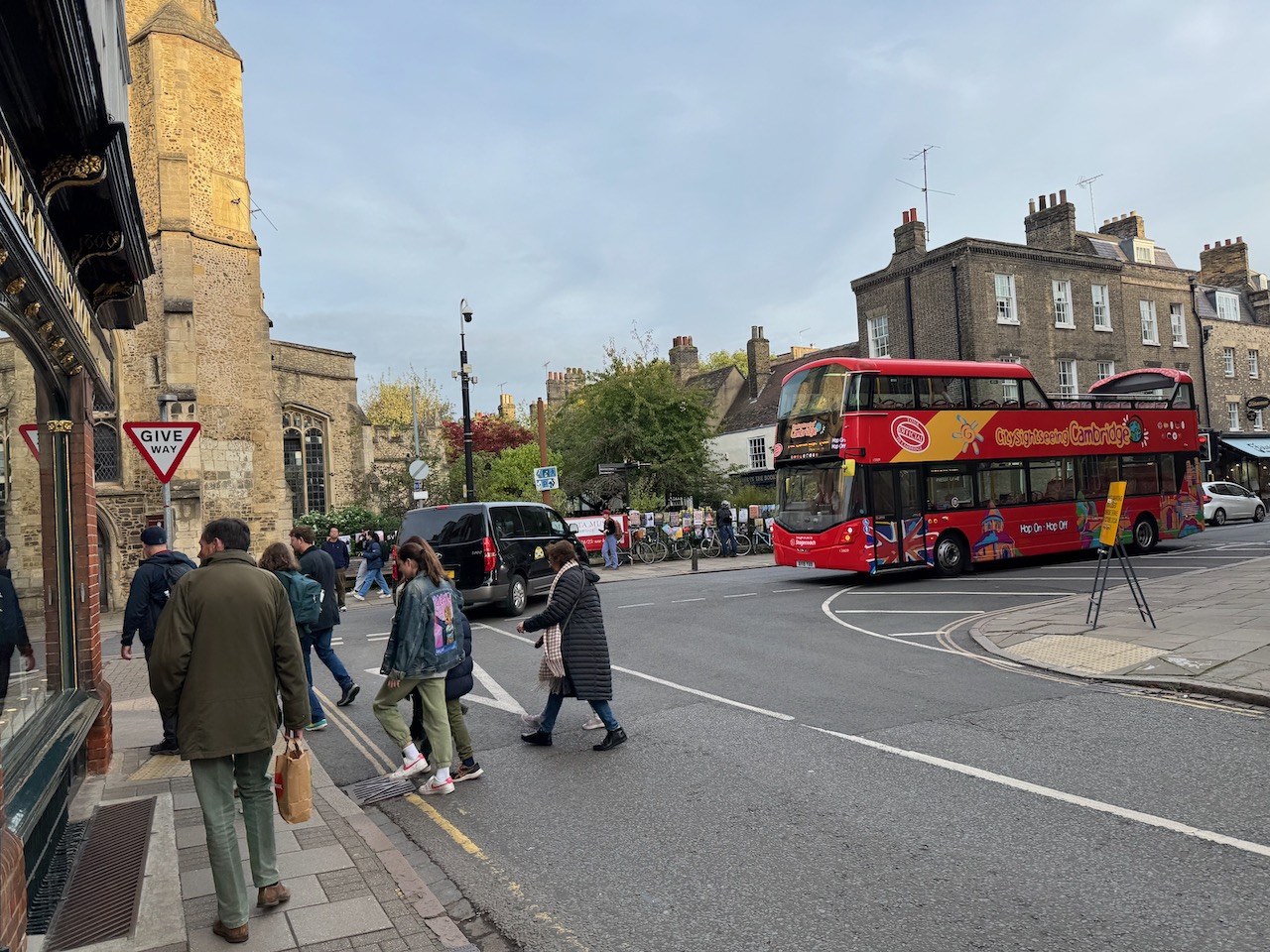
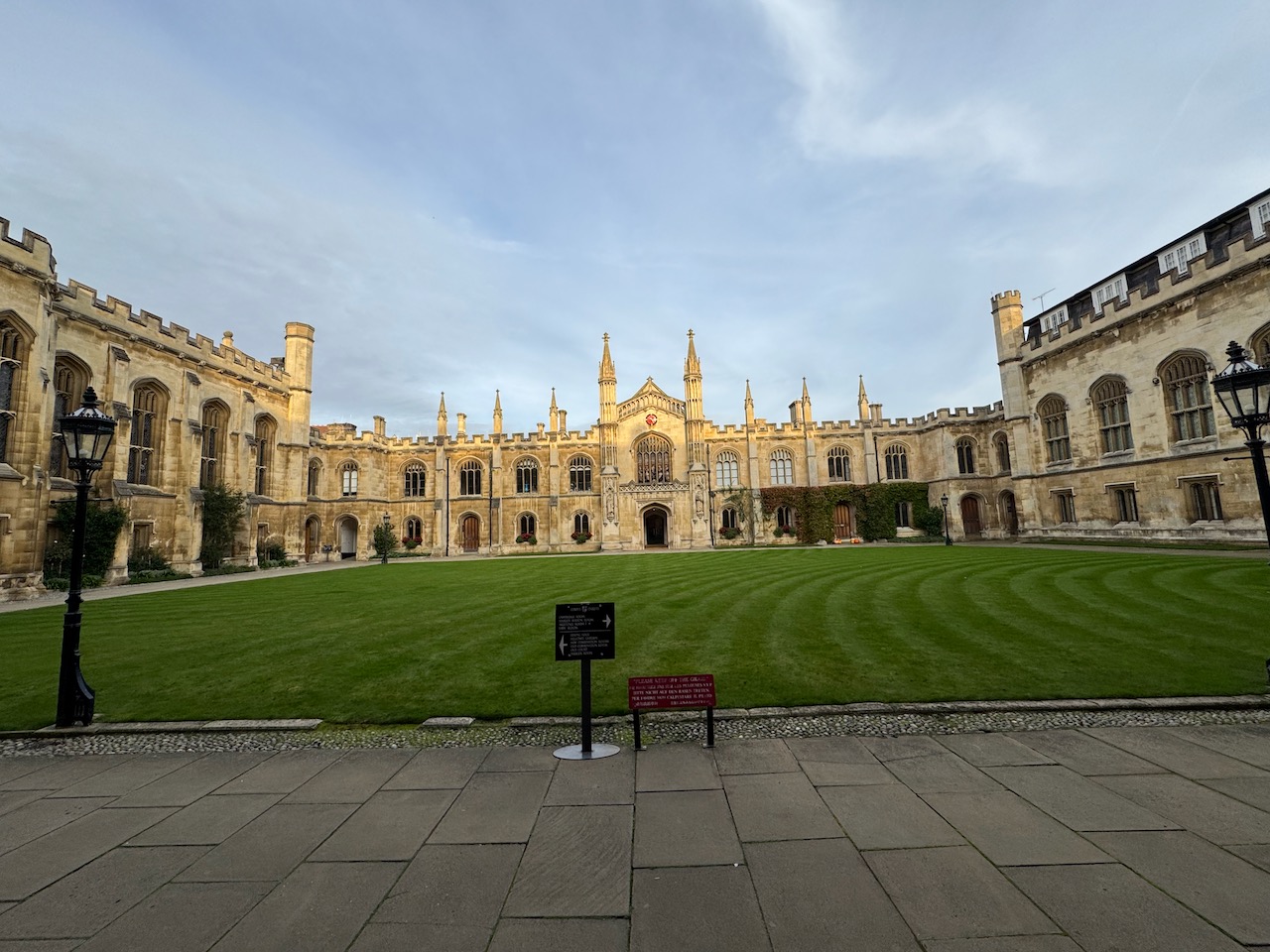
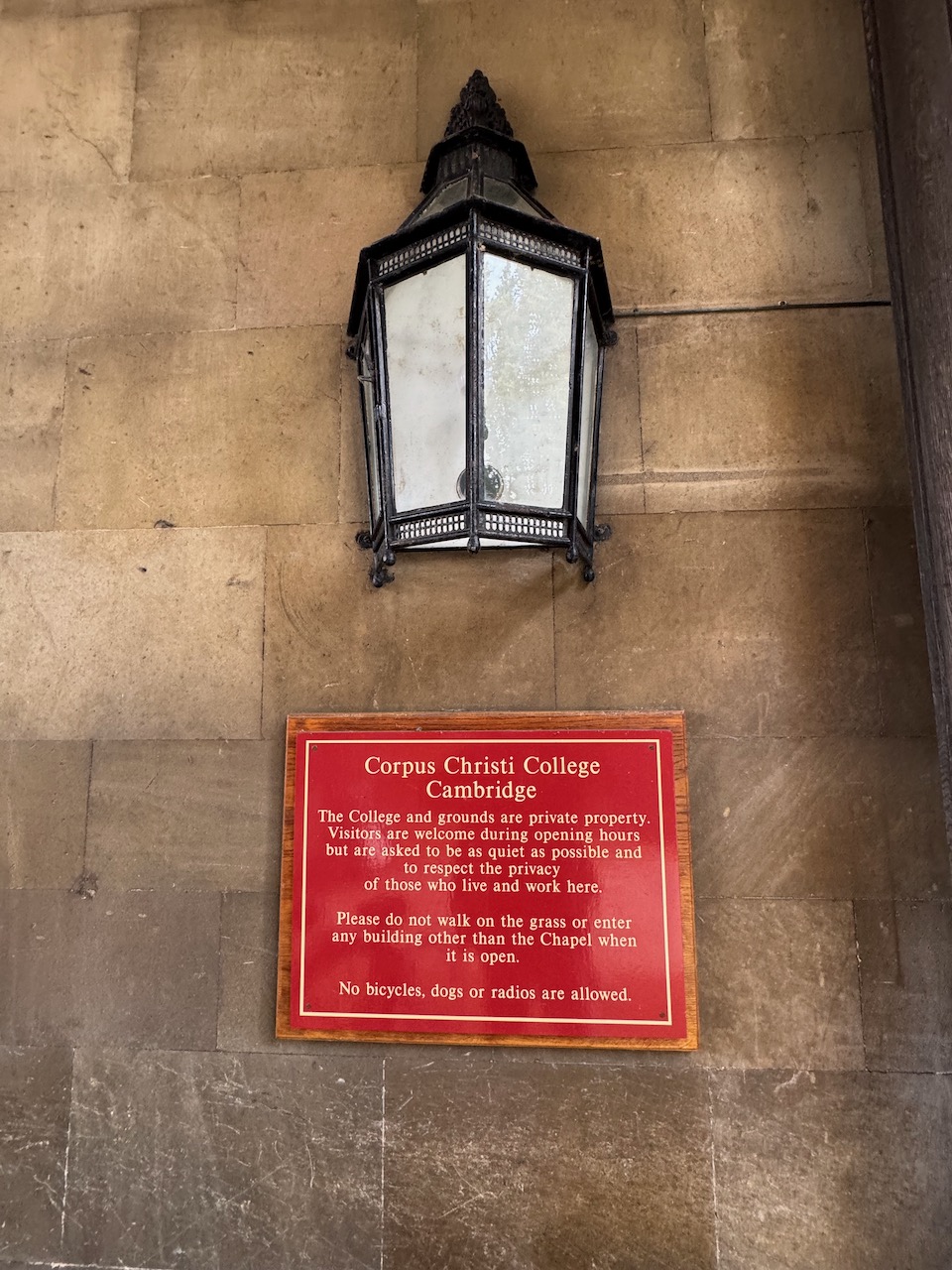
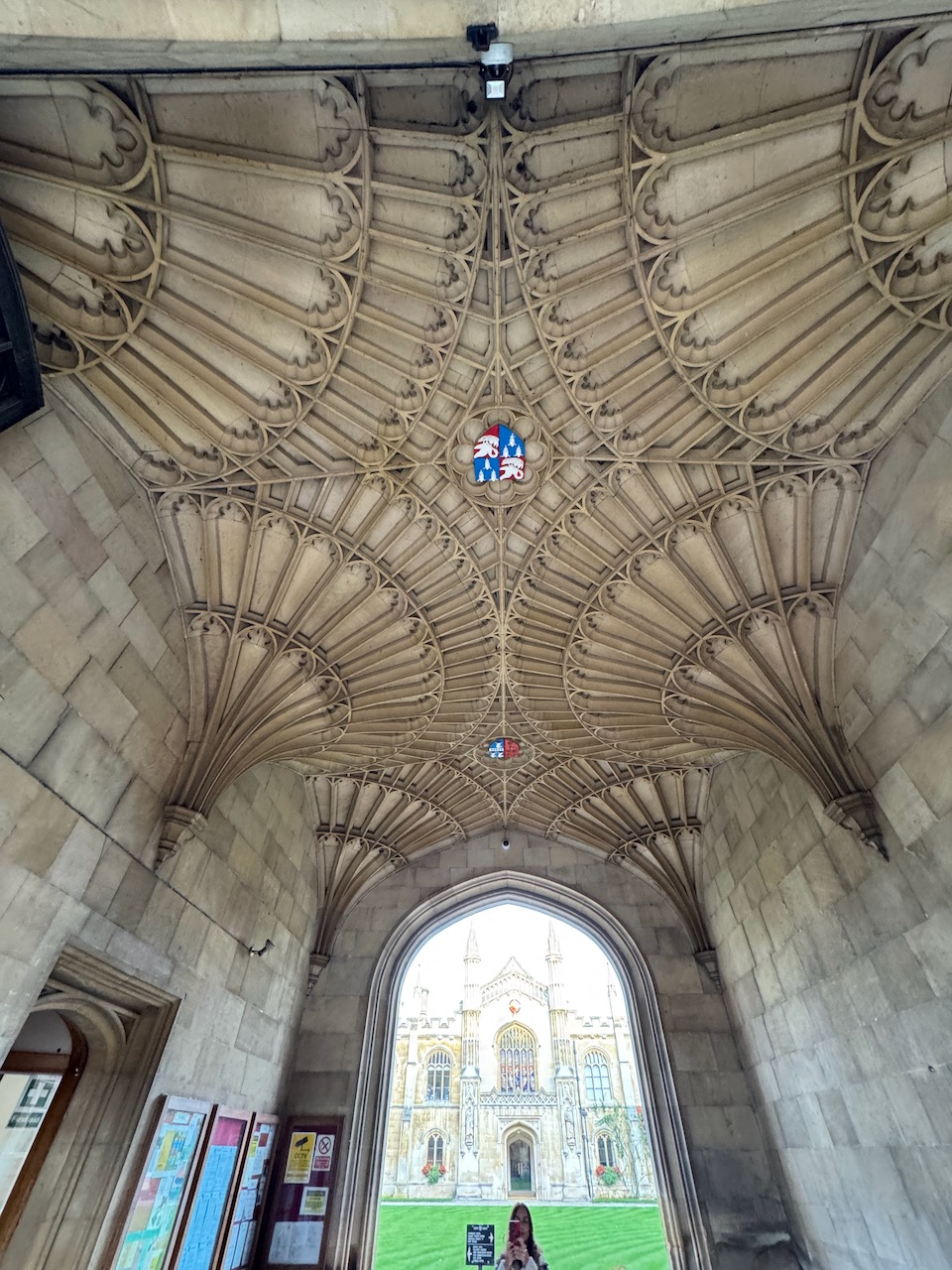
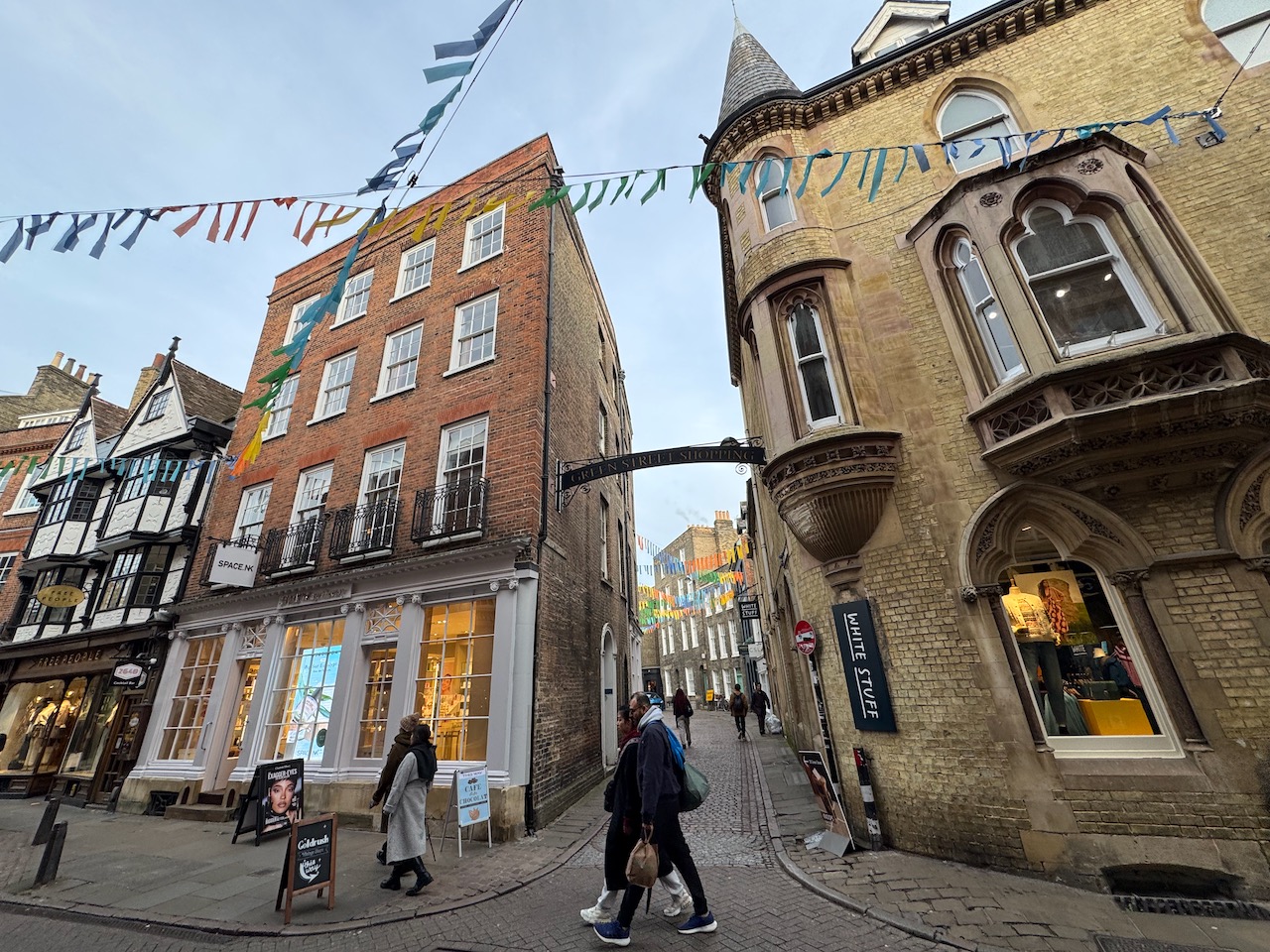
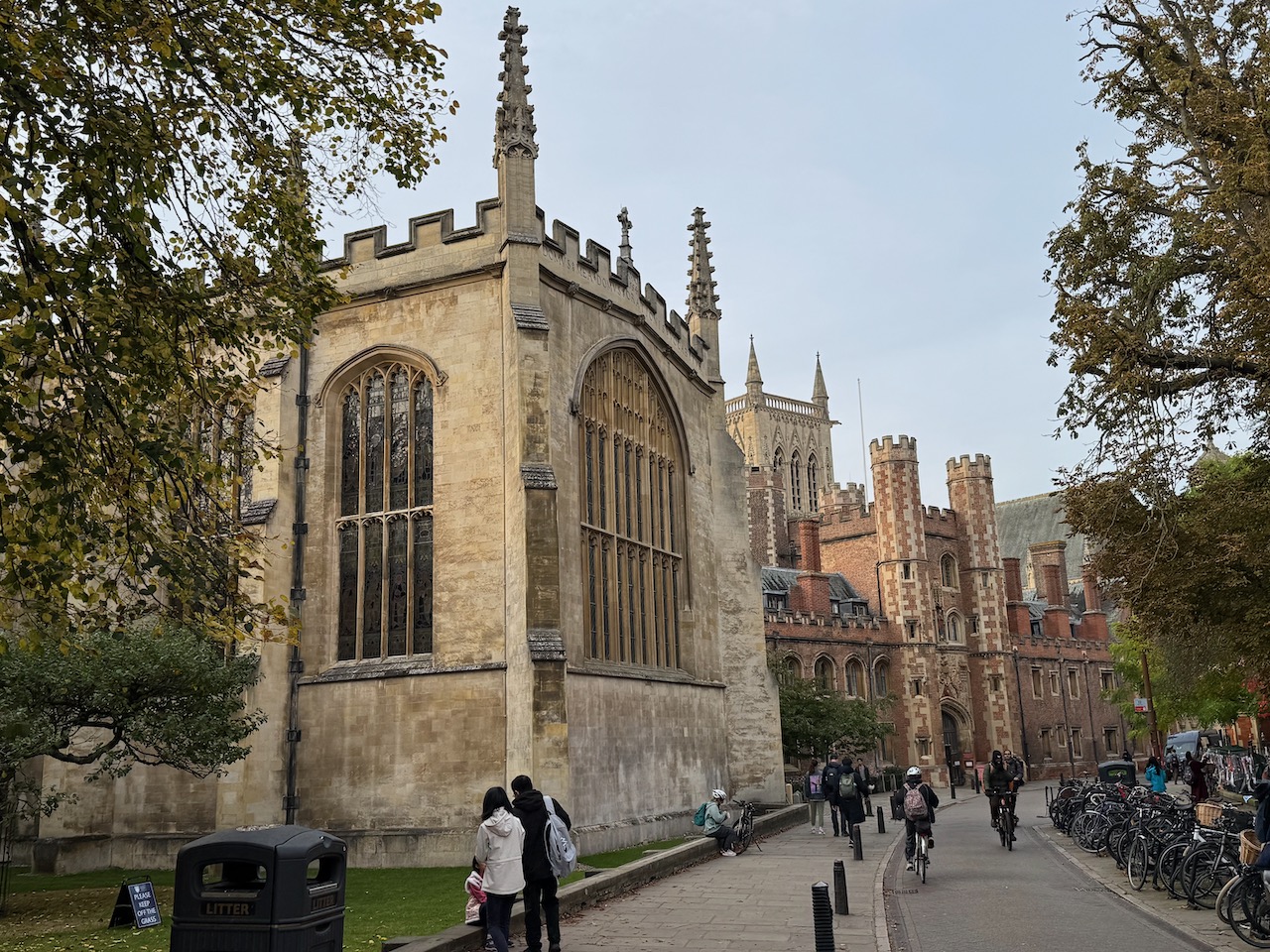
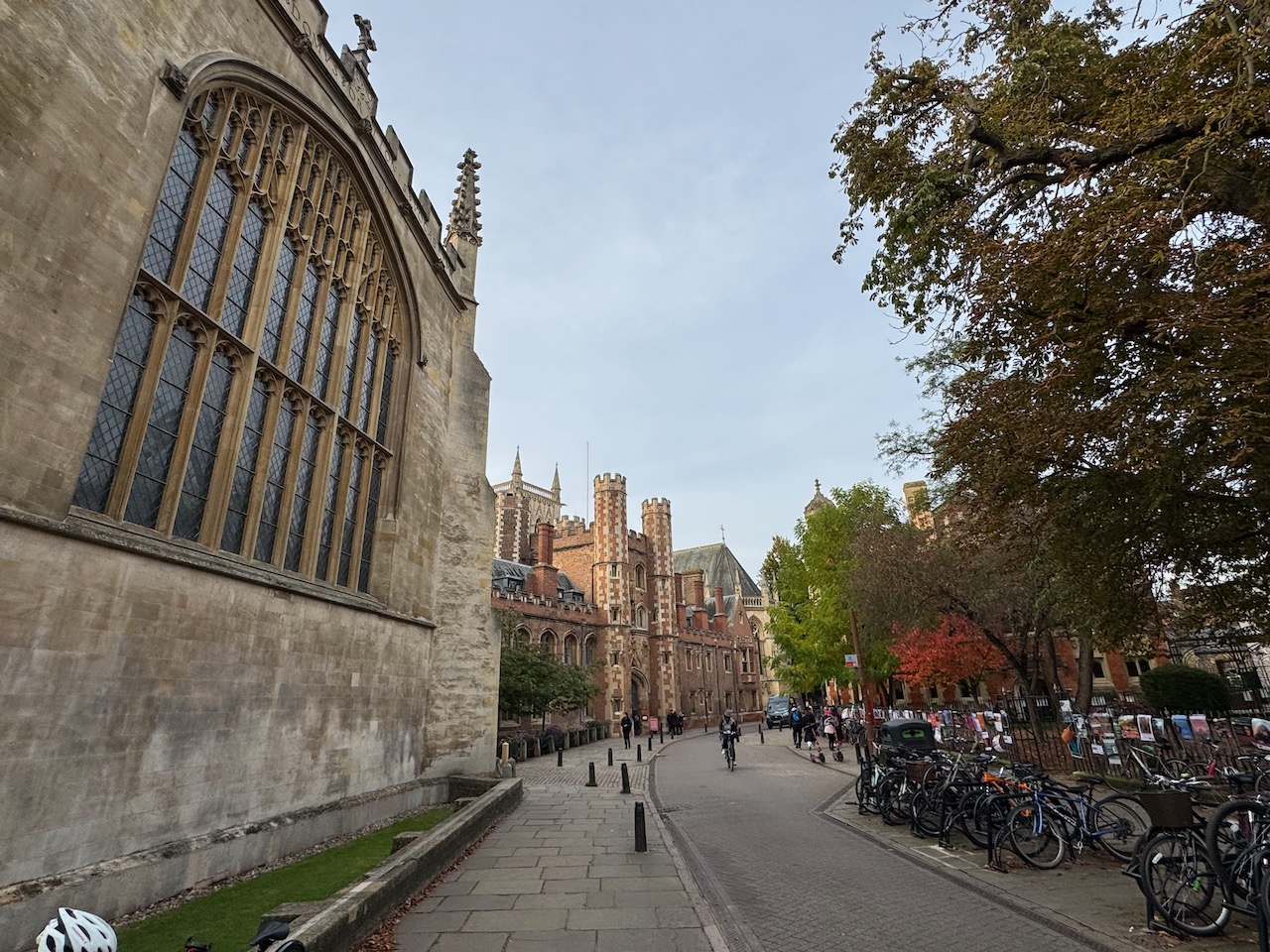
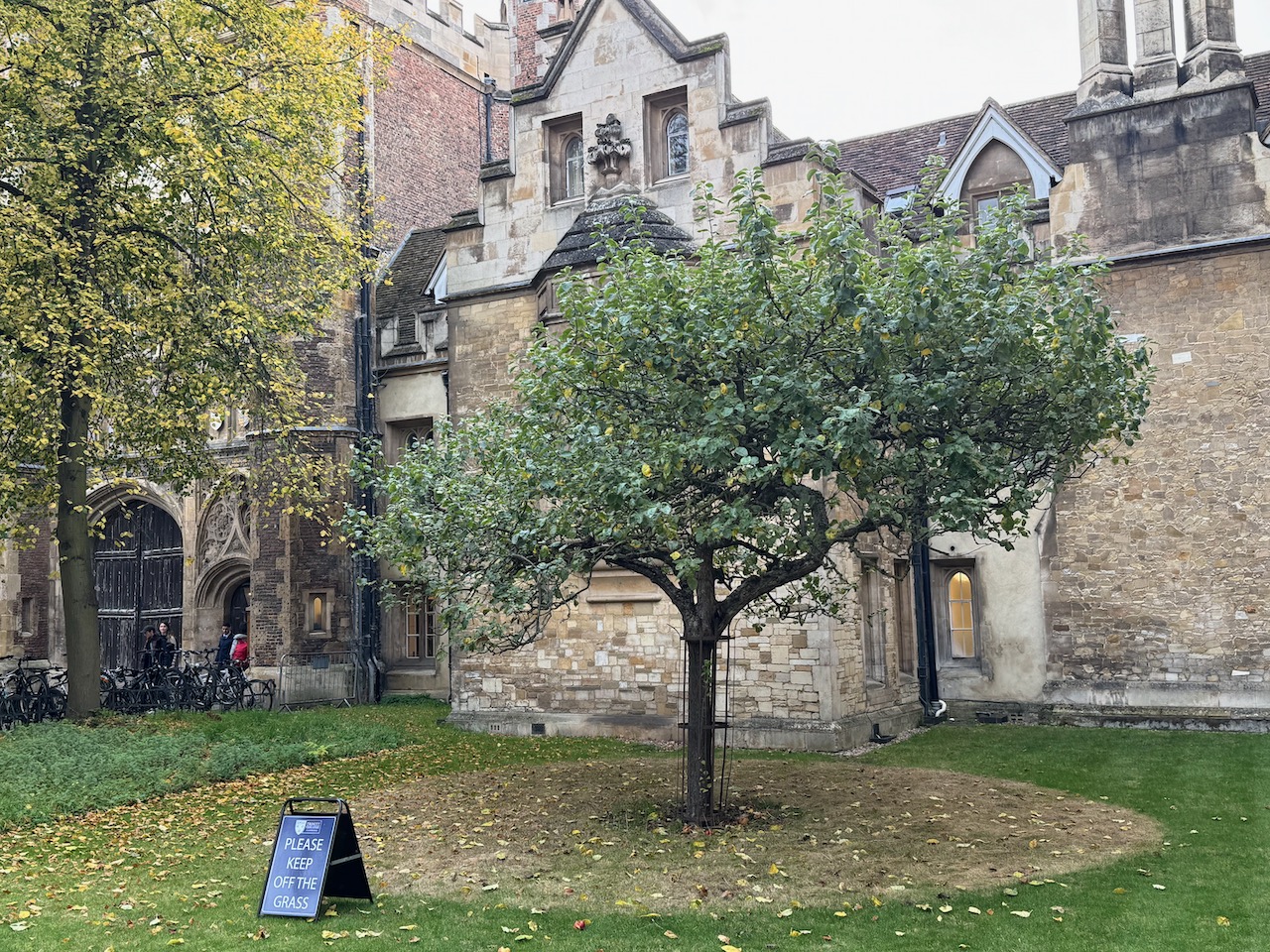
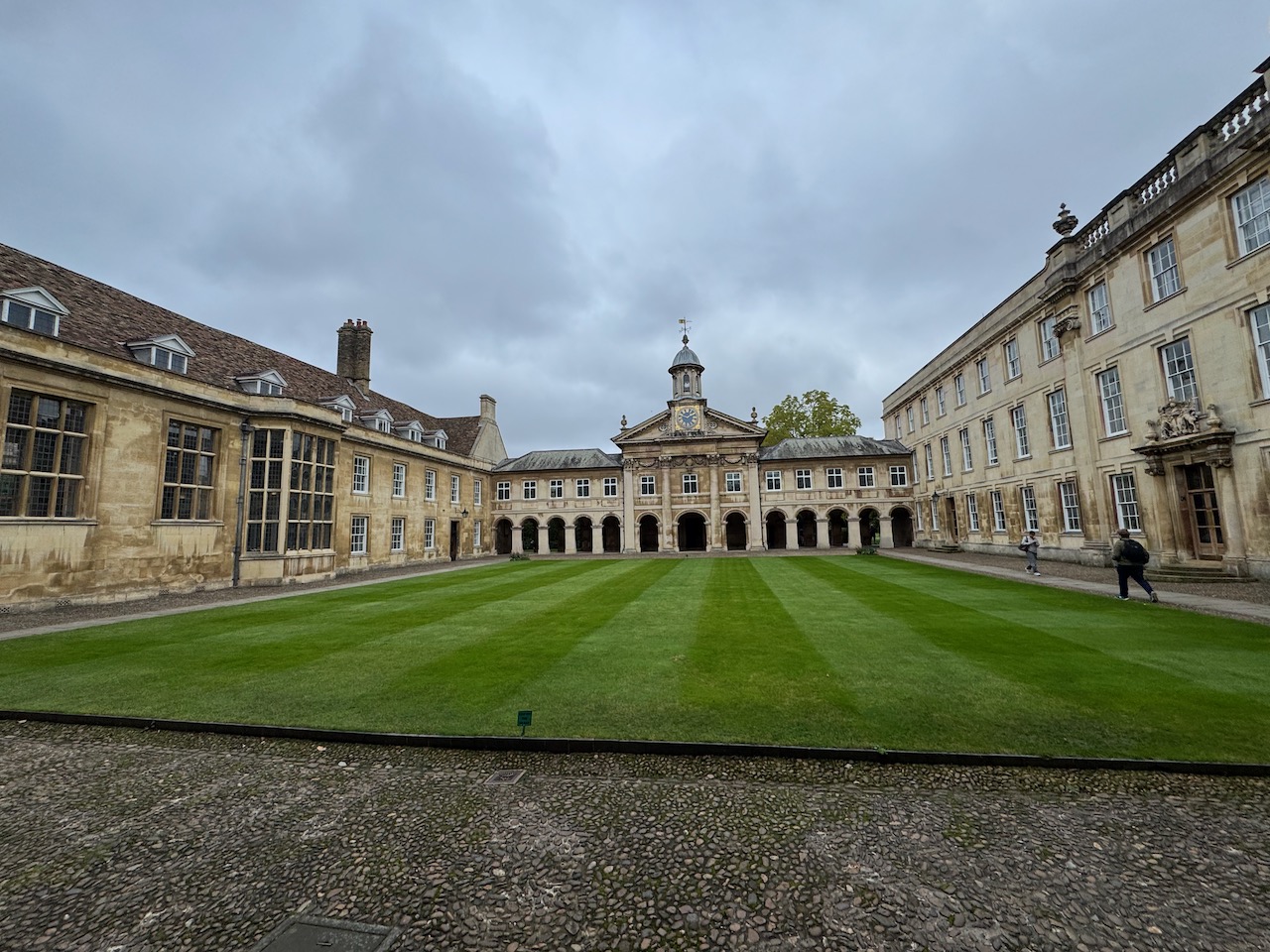
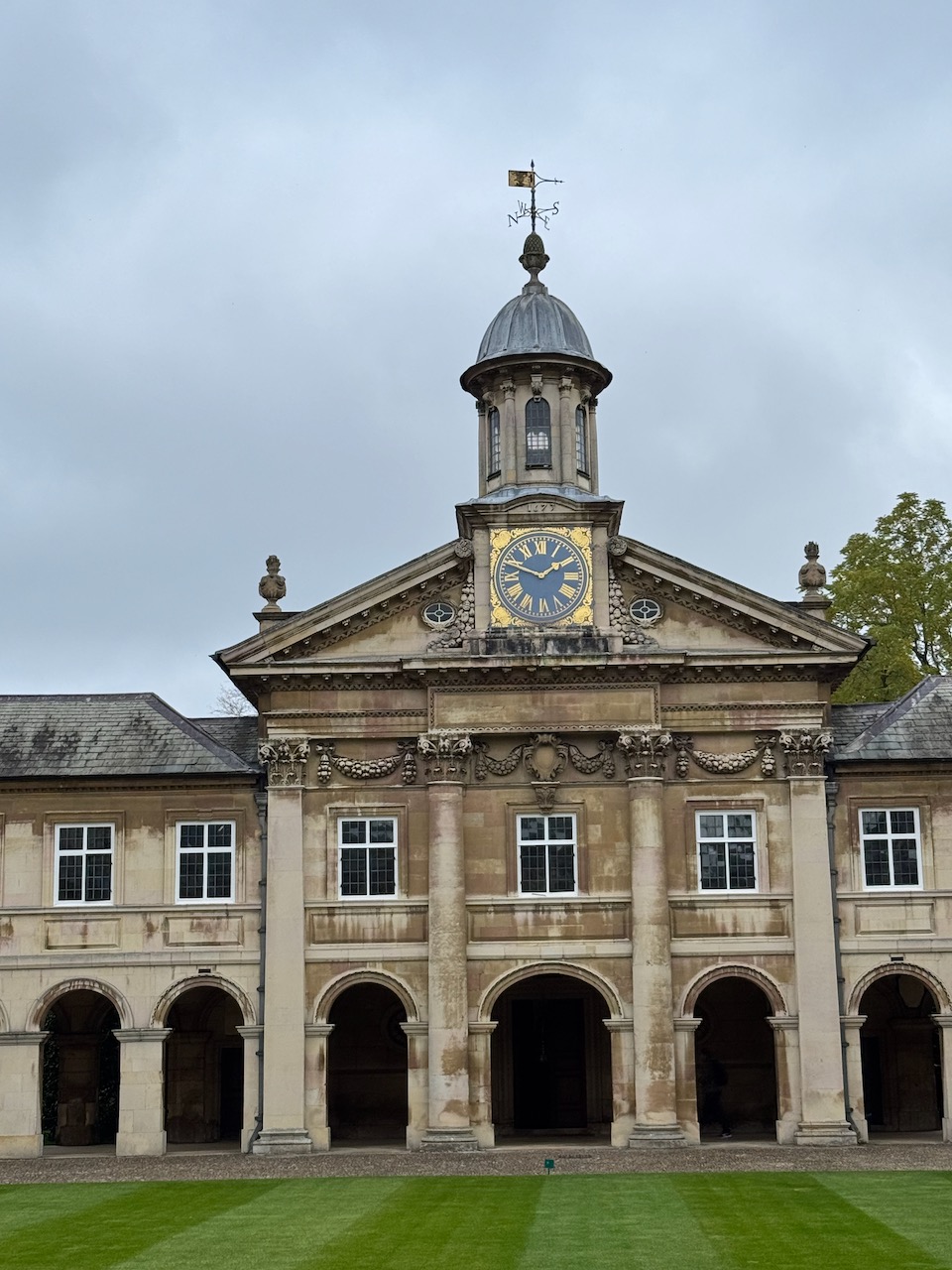
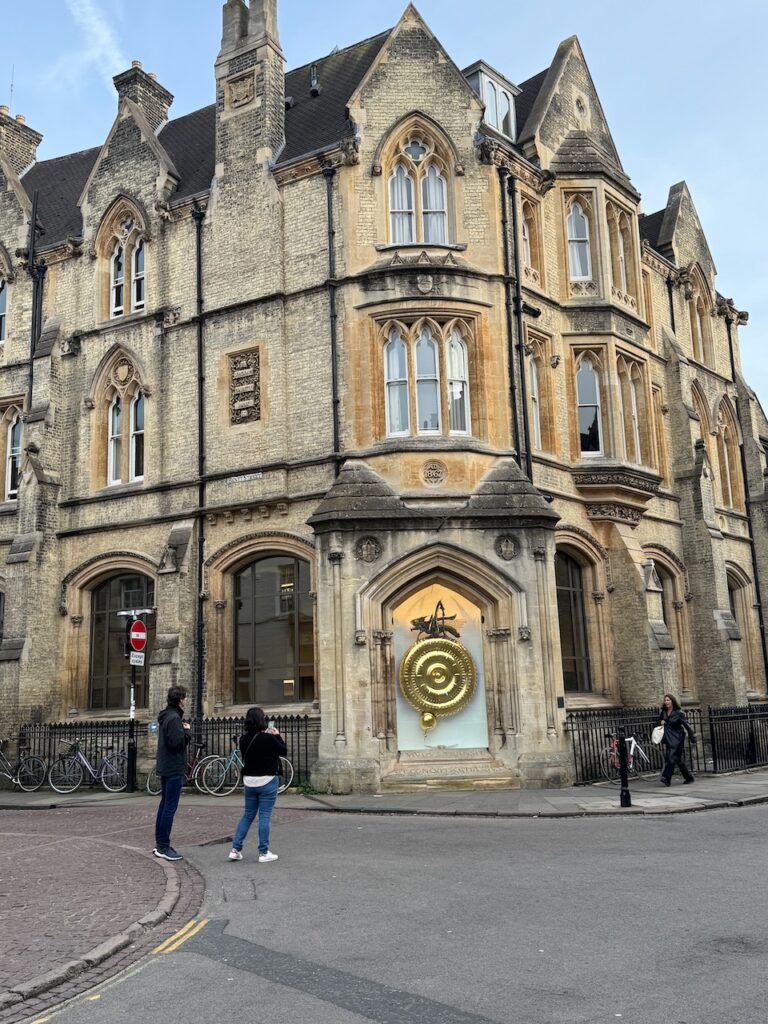
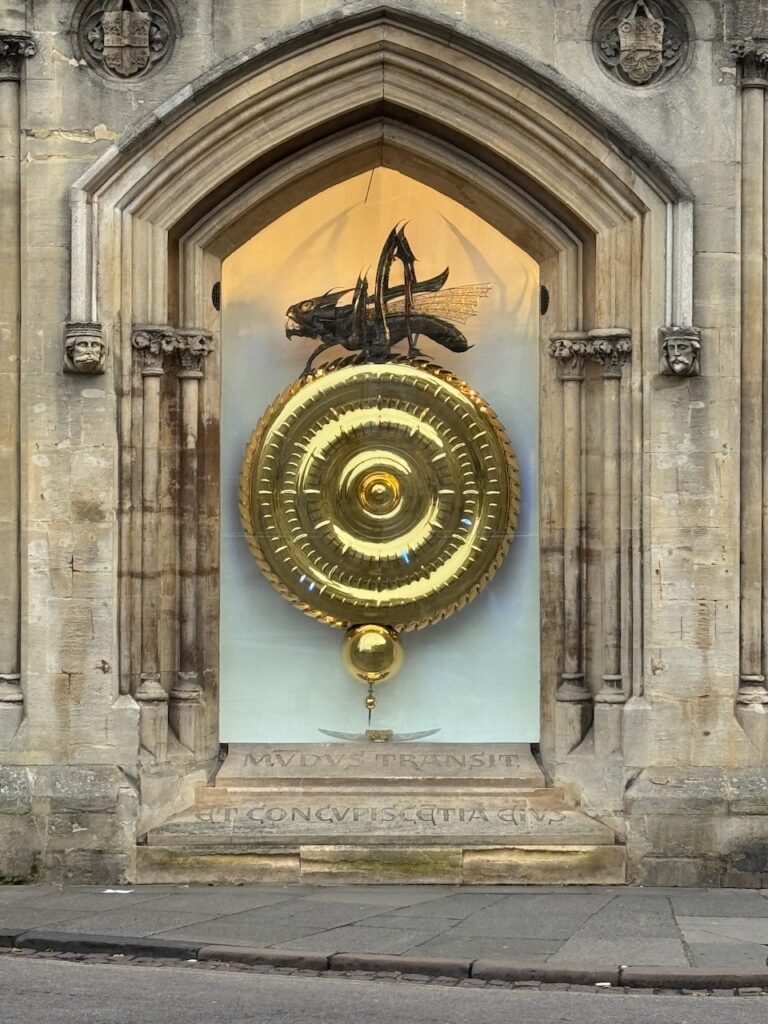
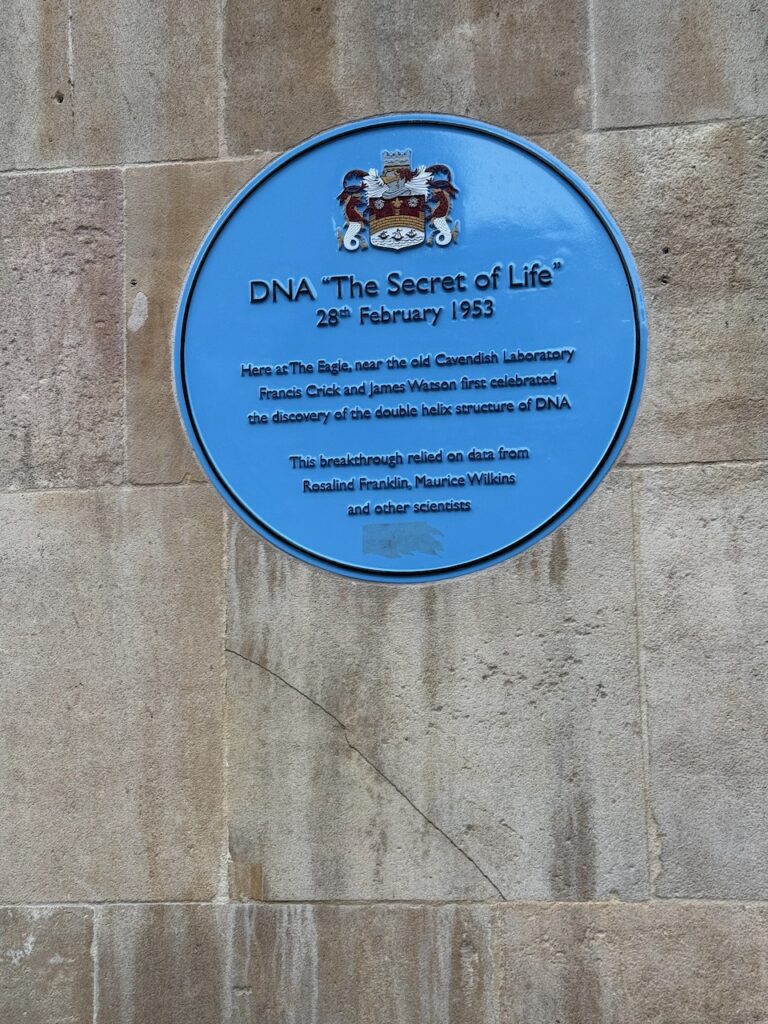
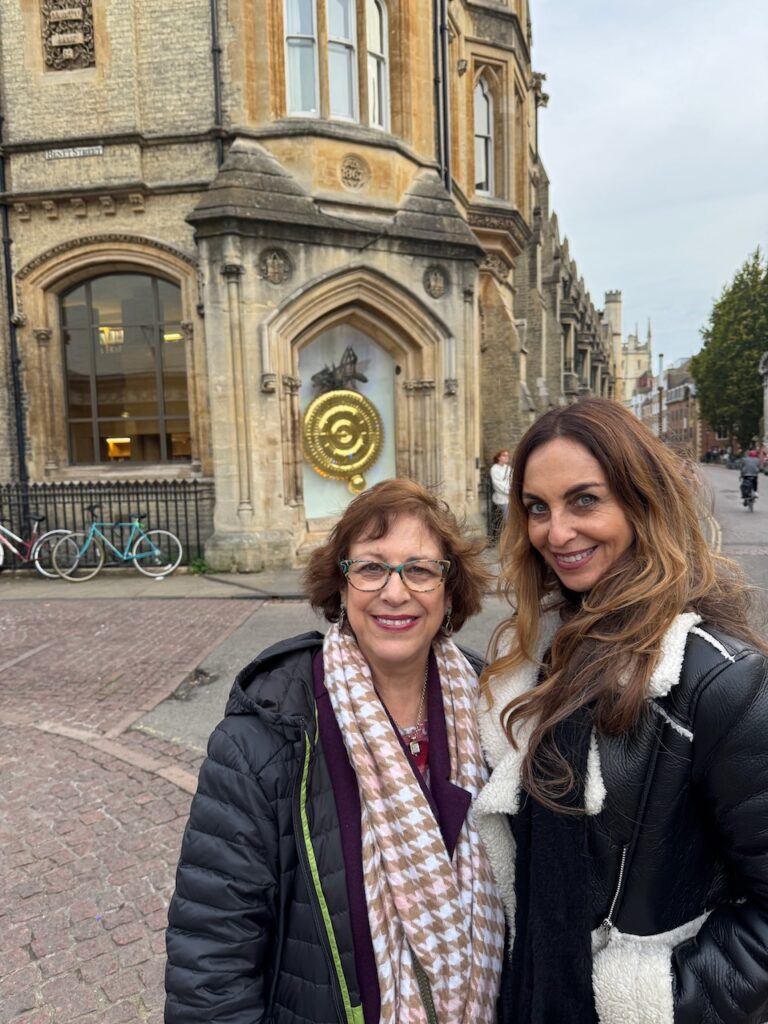
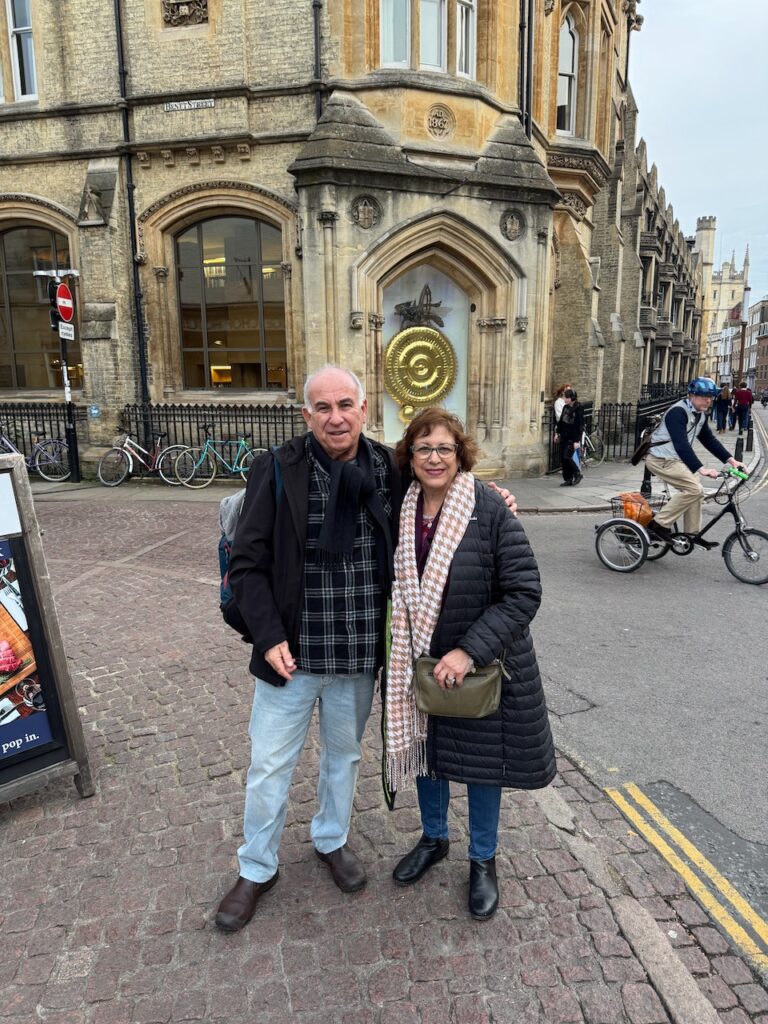
Walking Around Cambridge

Lunch
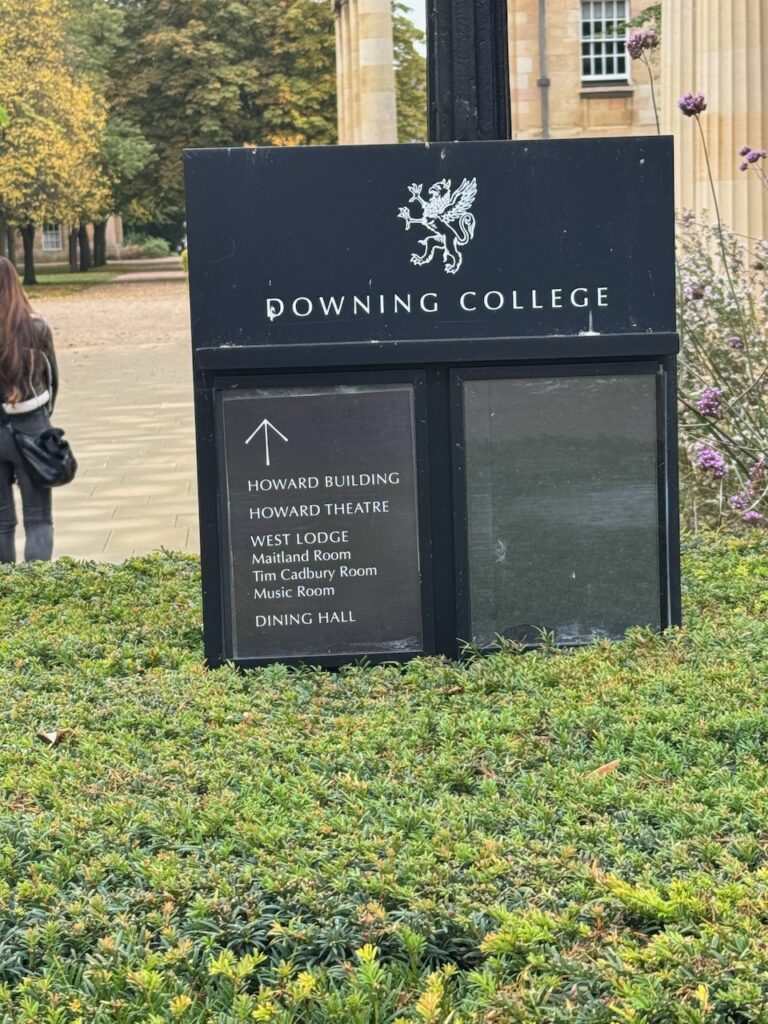
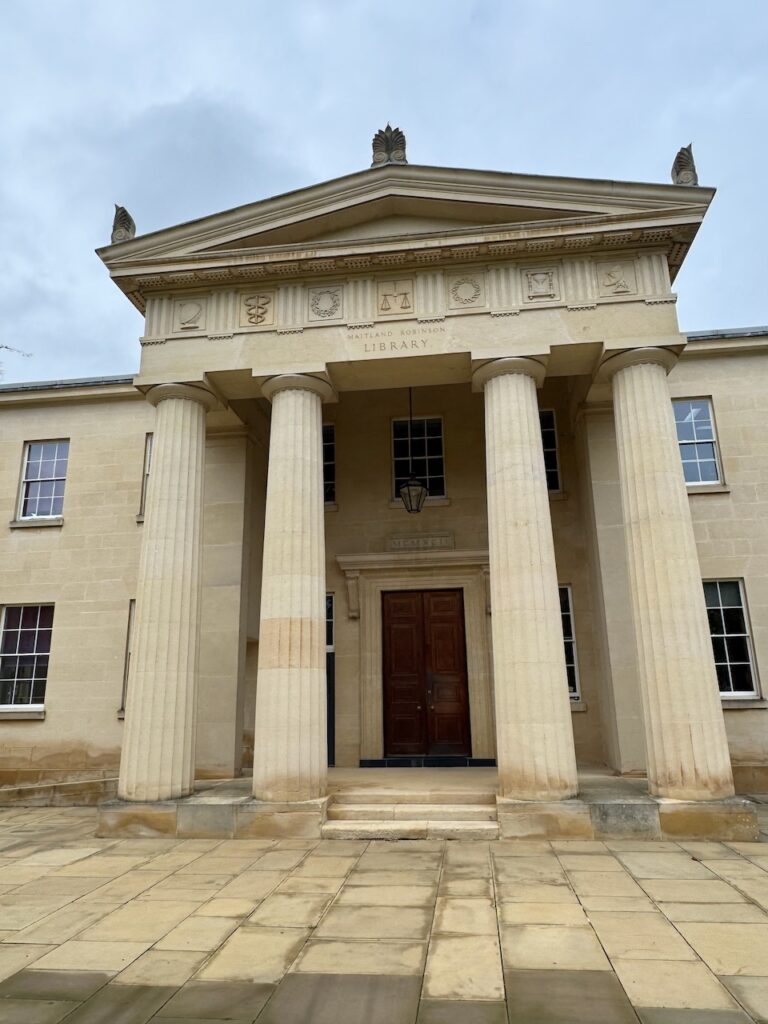
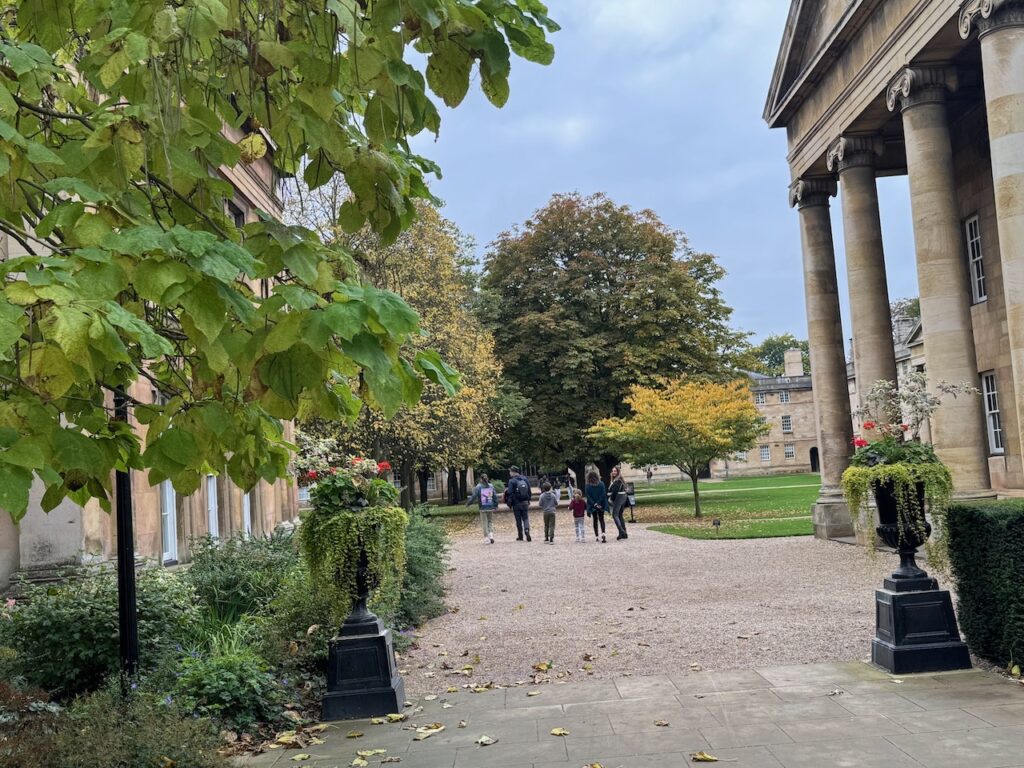
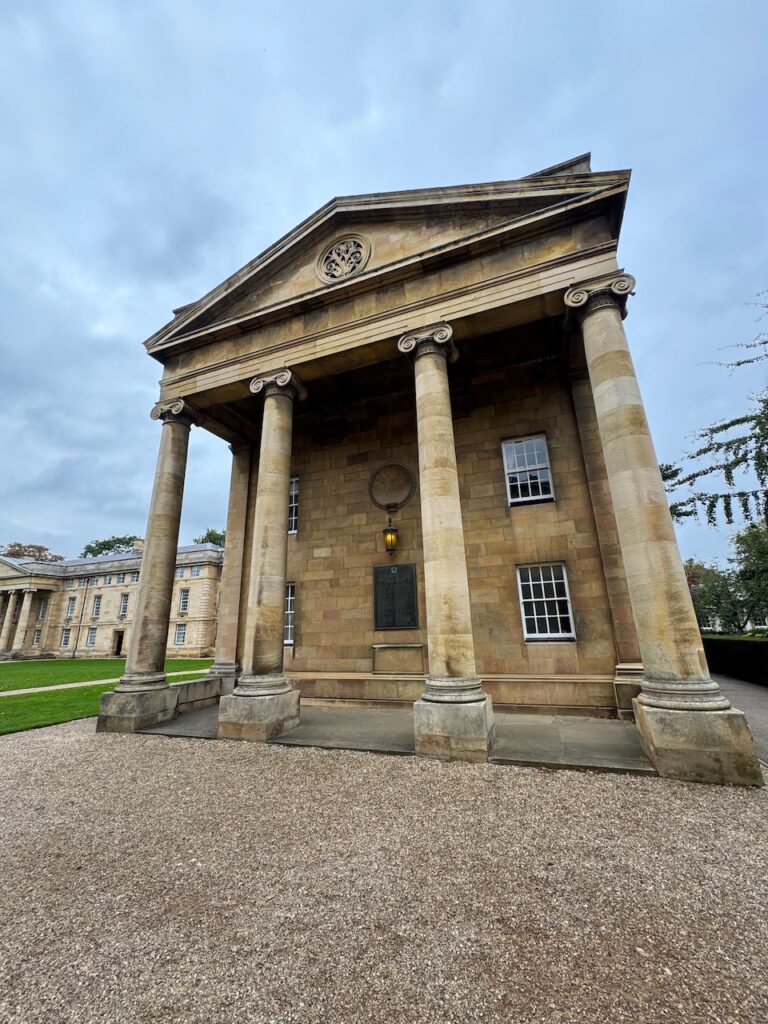
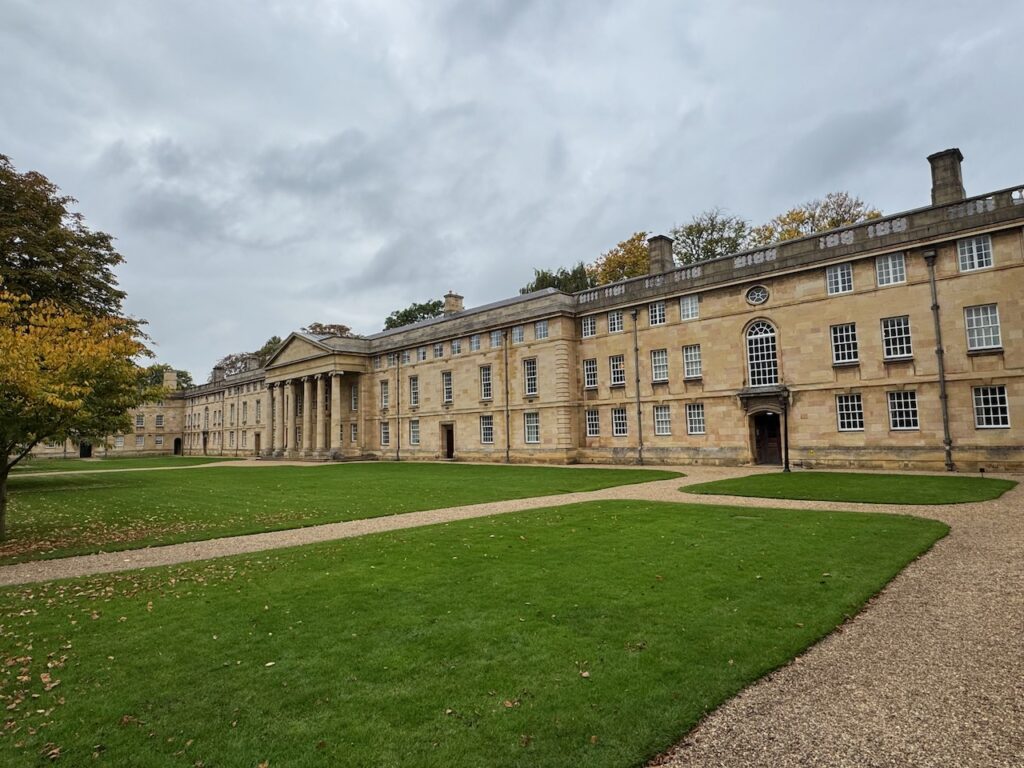
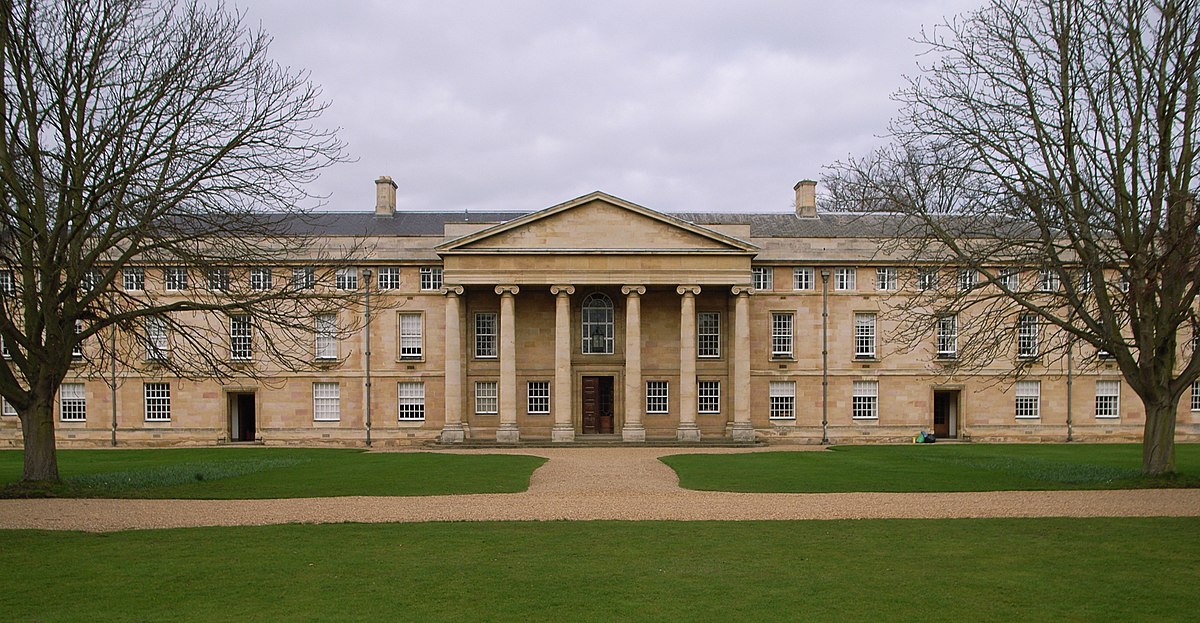
Downing College
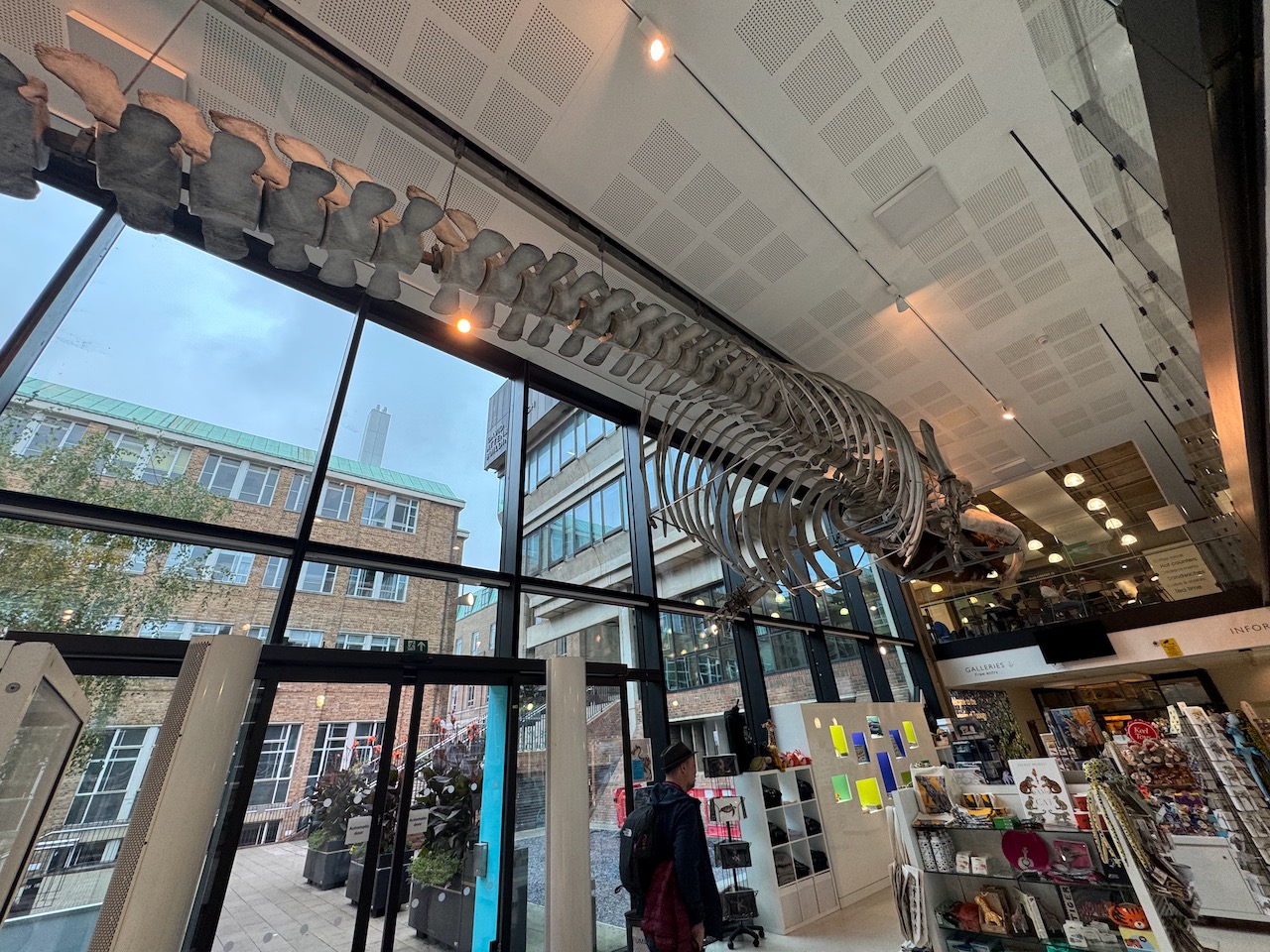
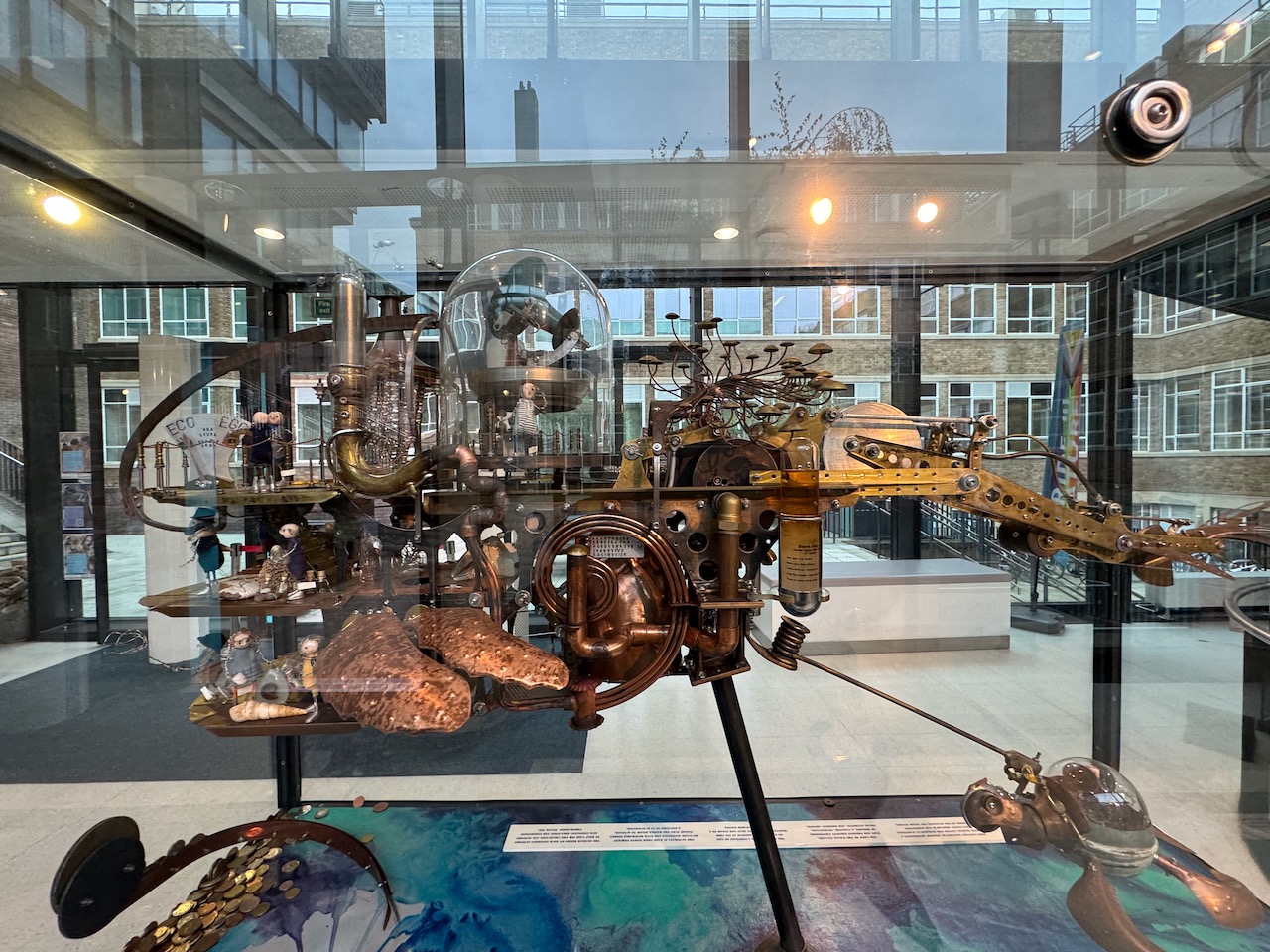
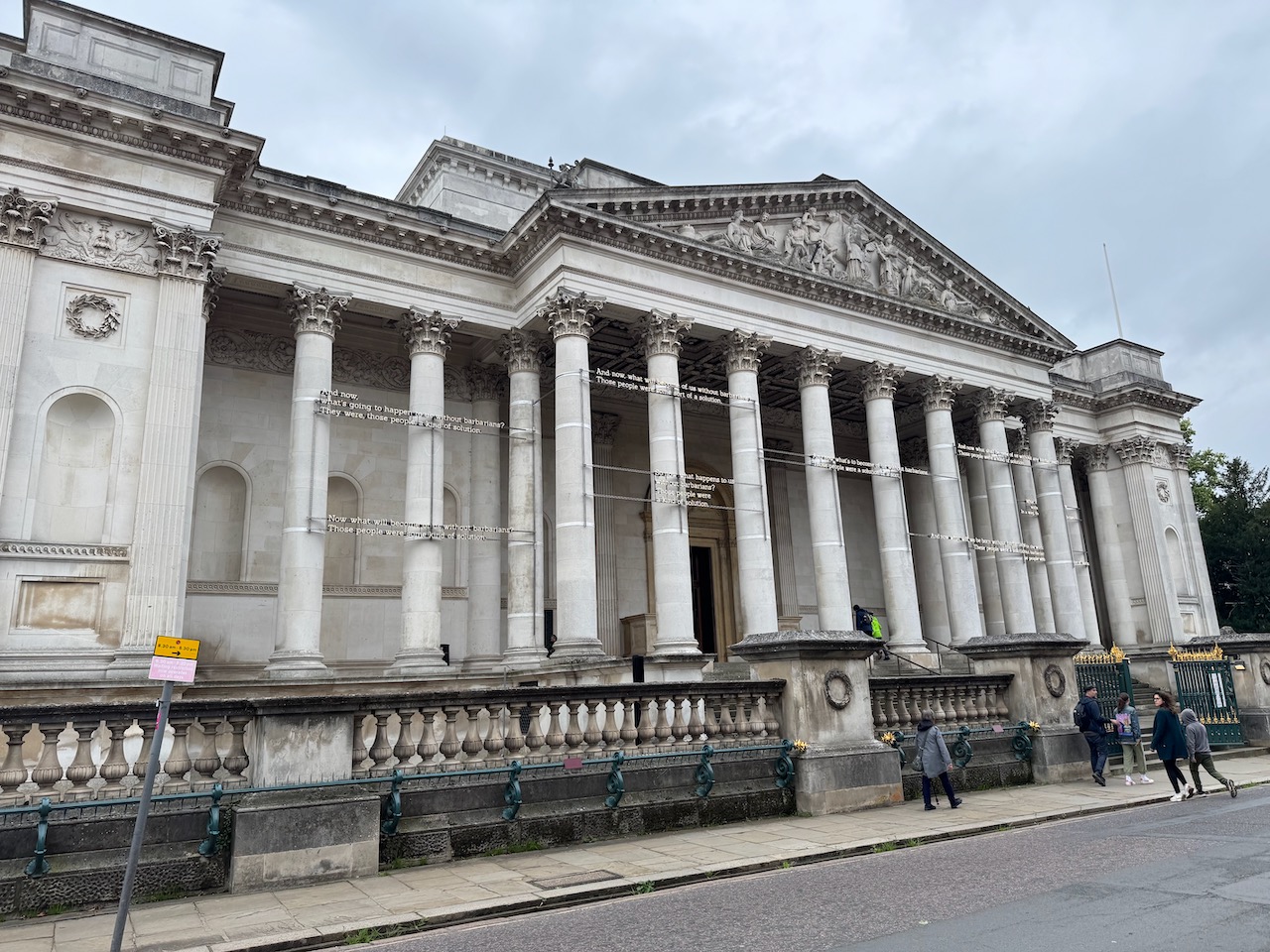
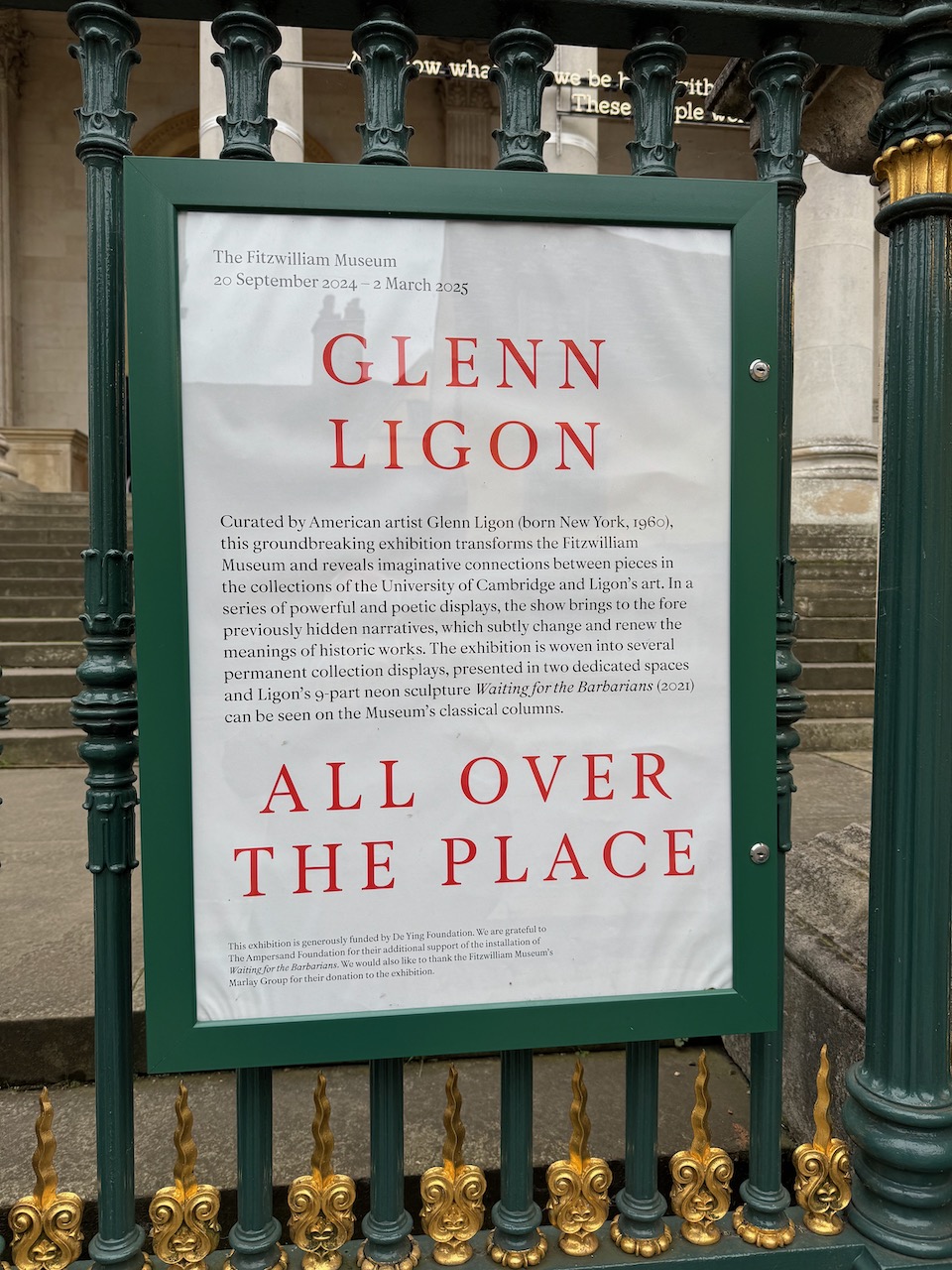
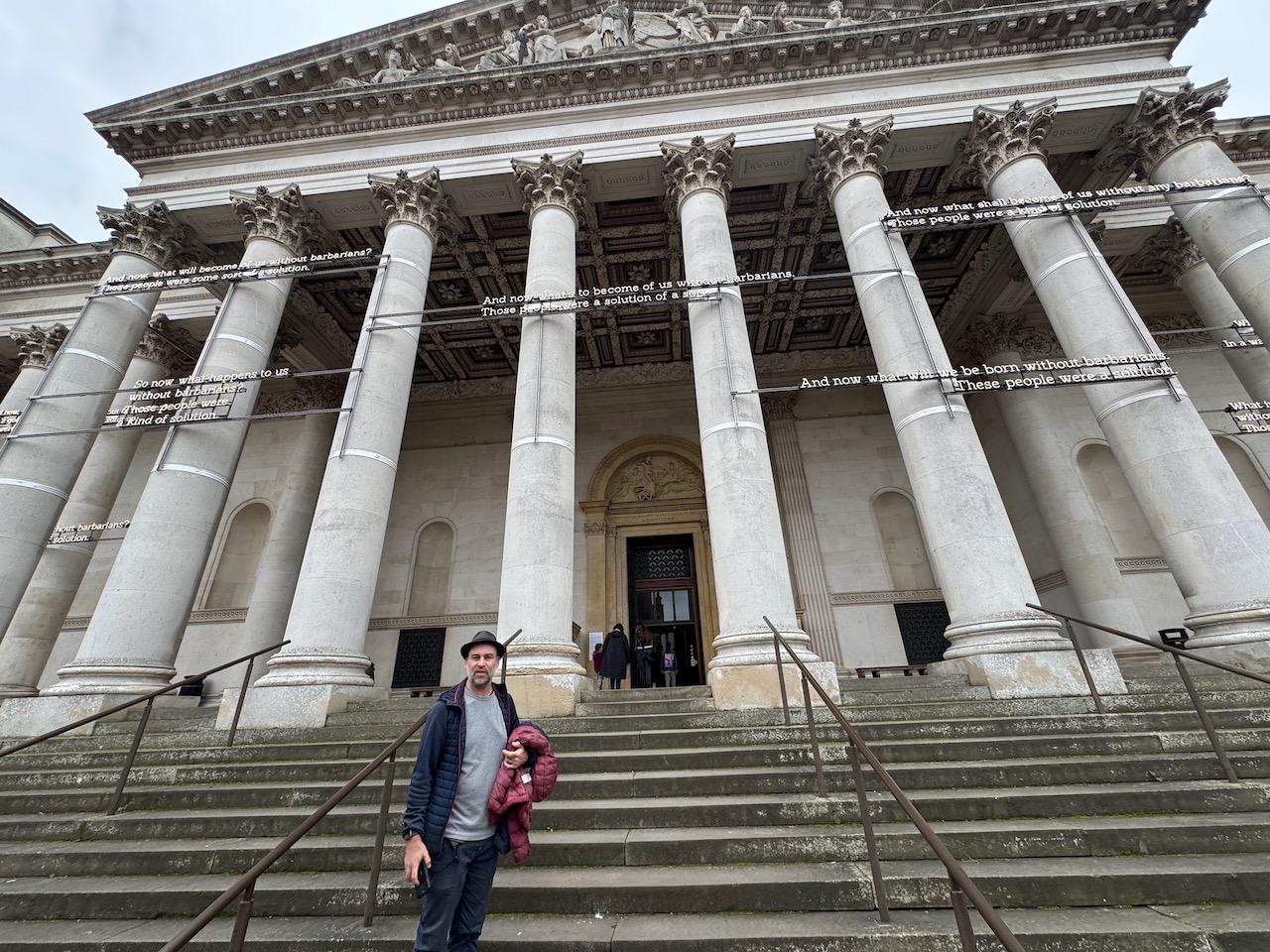
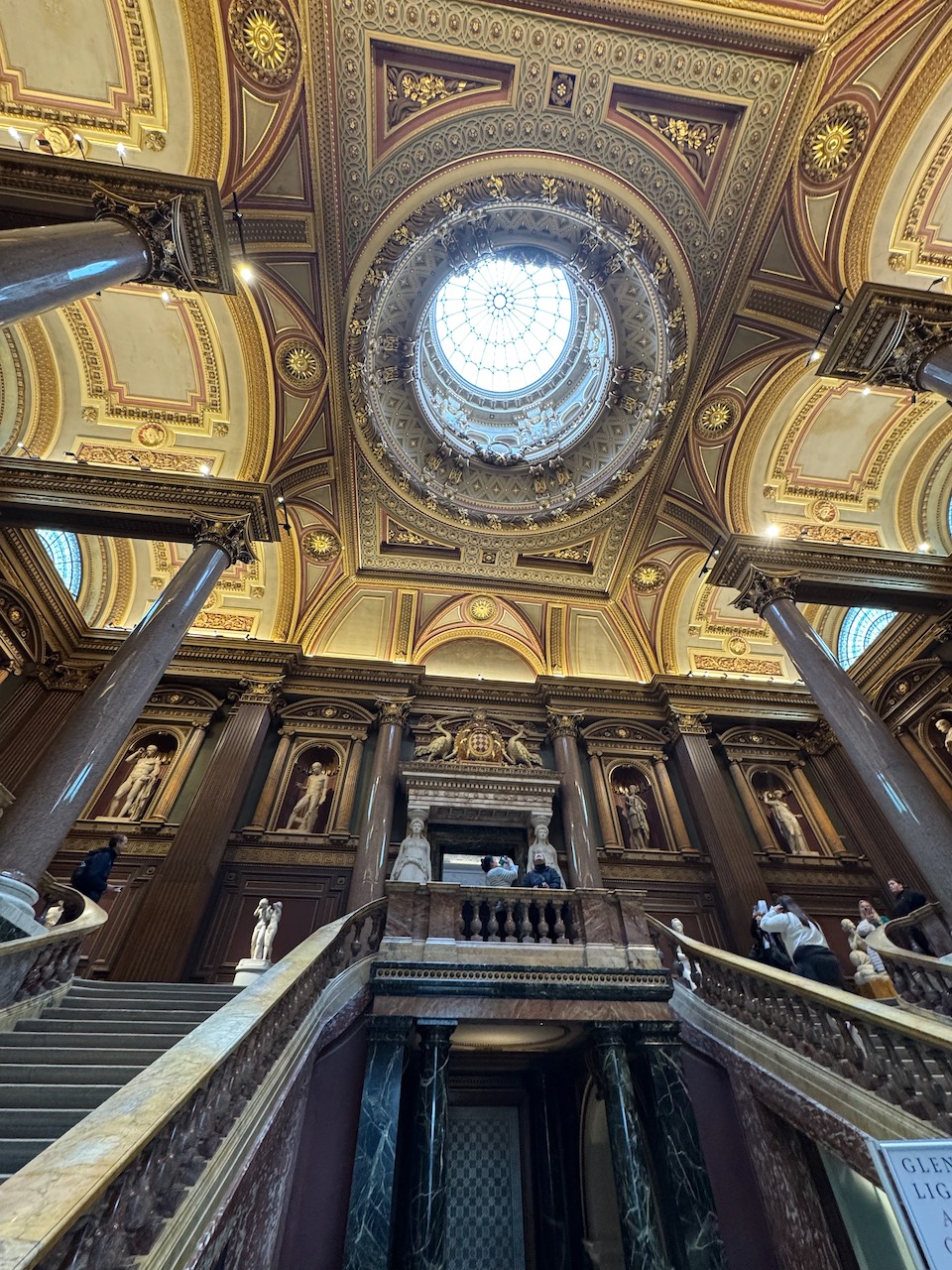
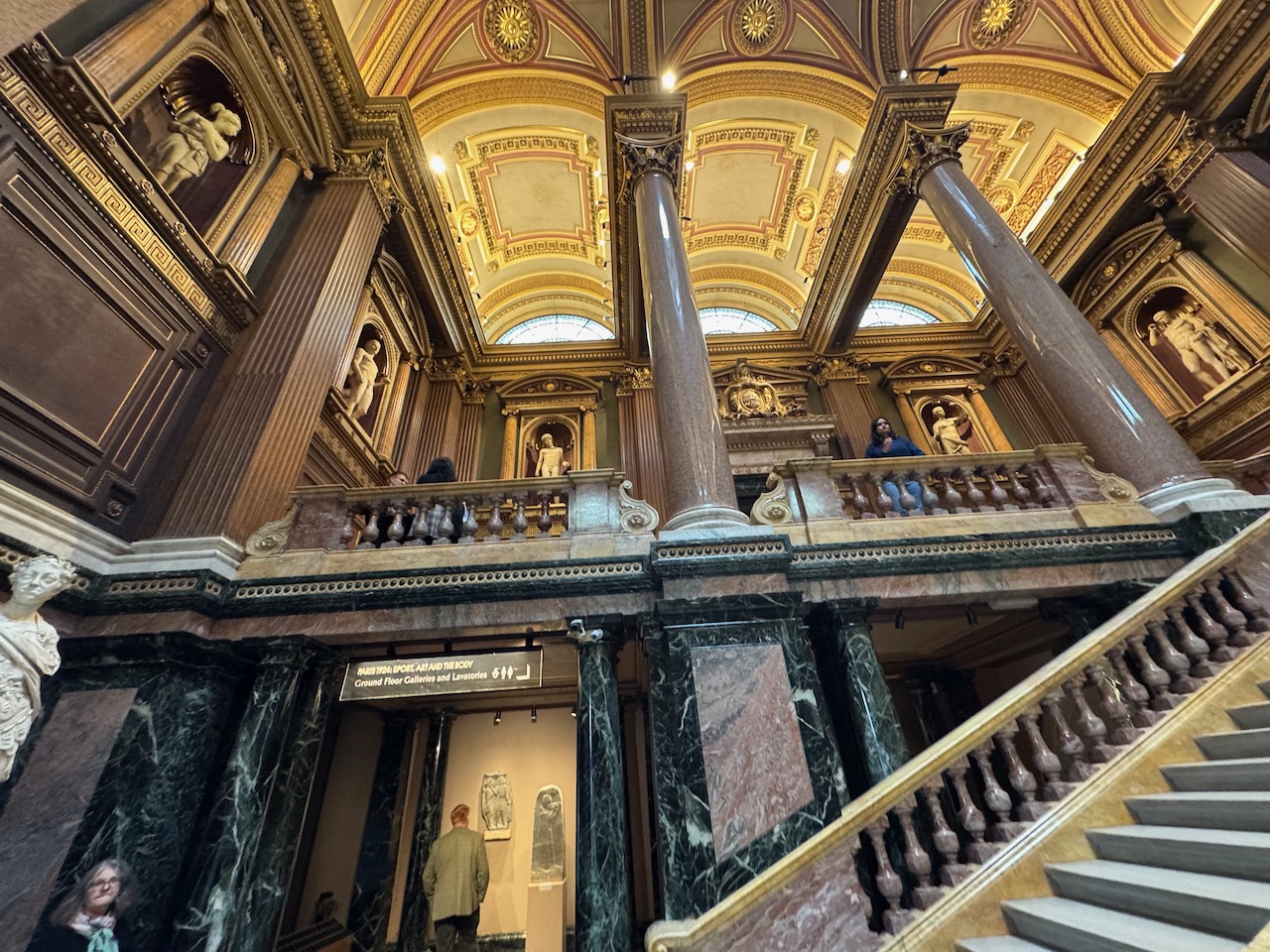
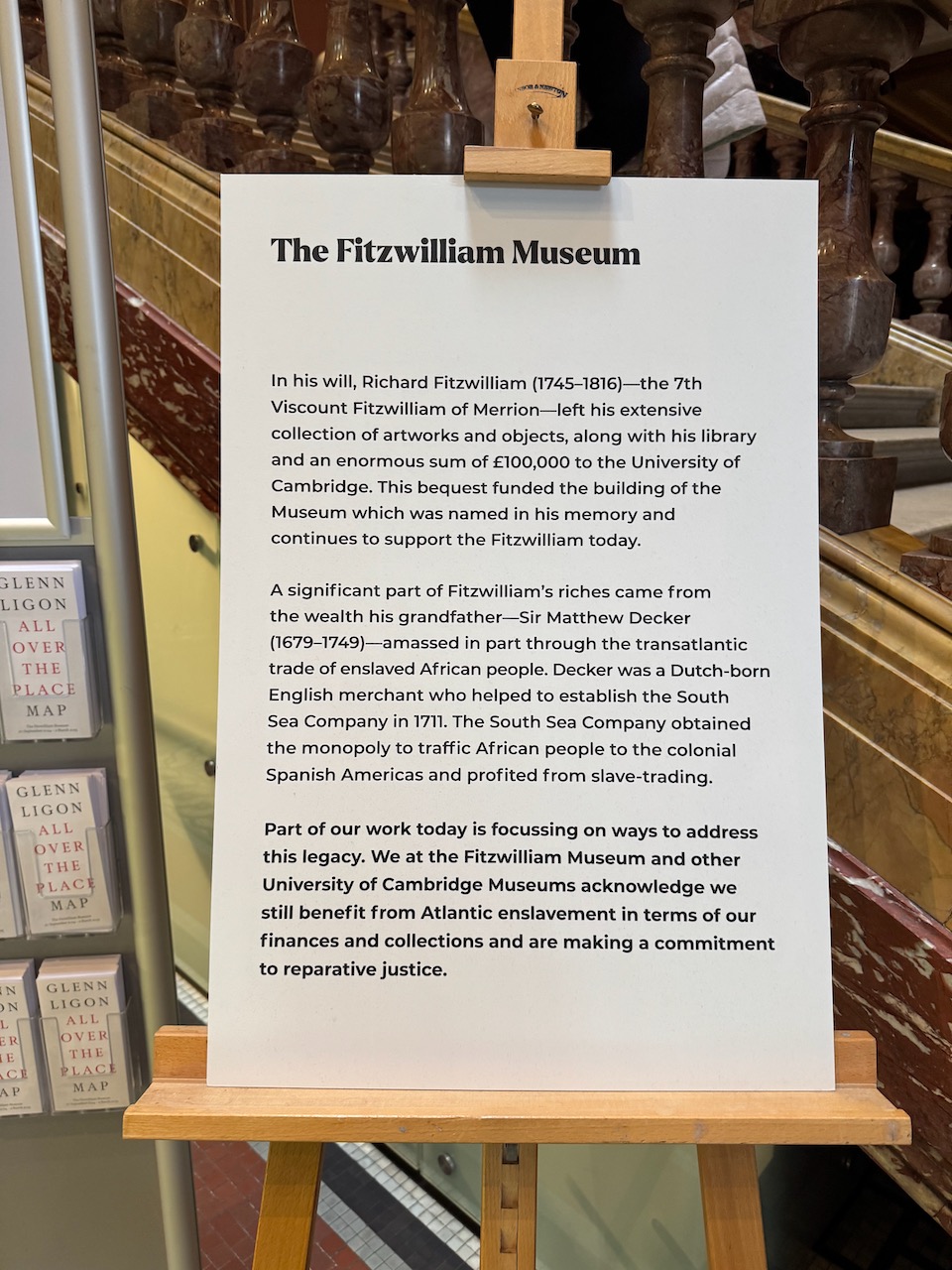
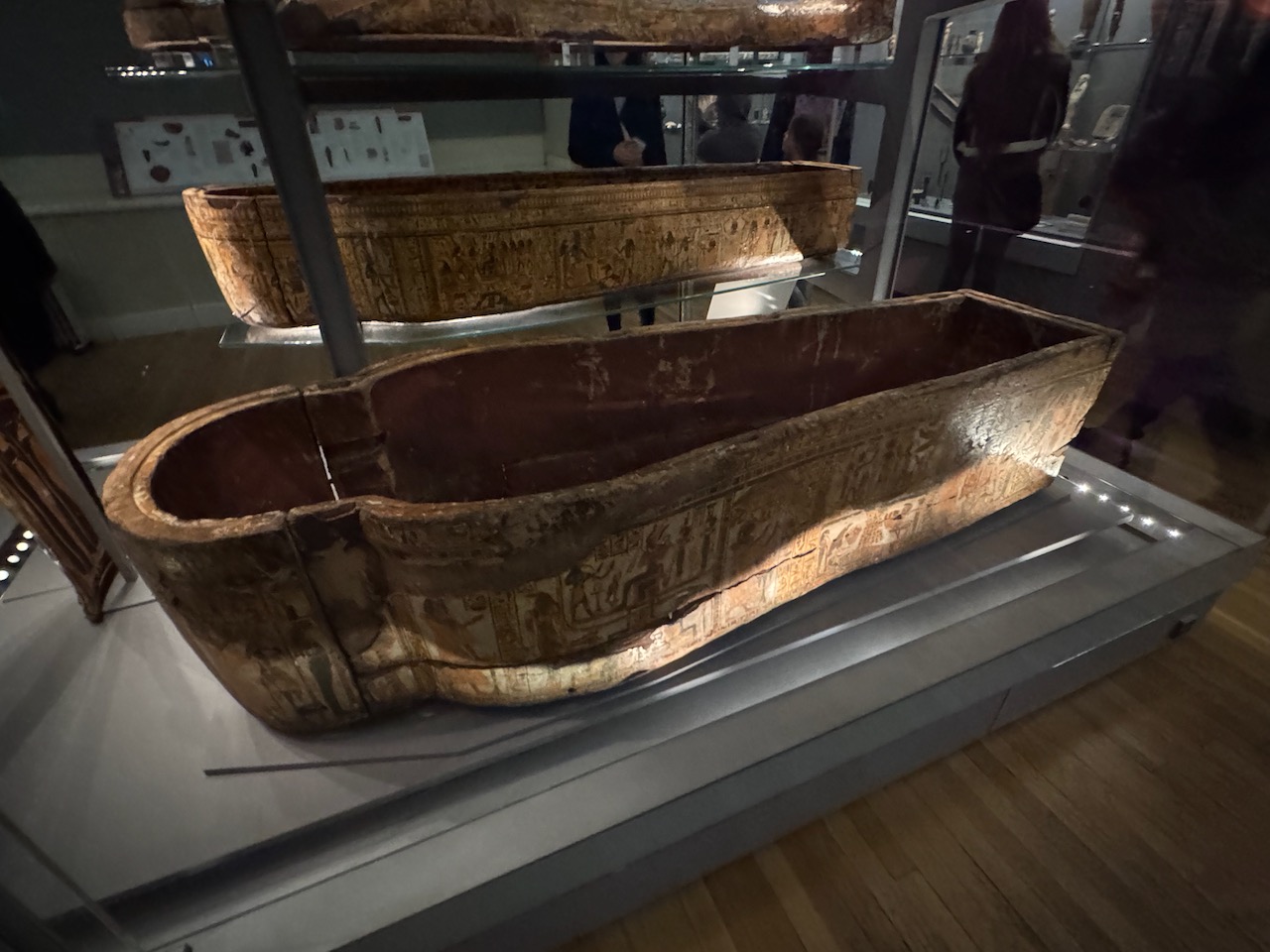
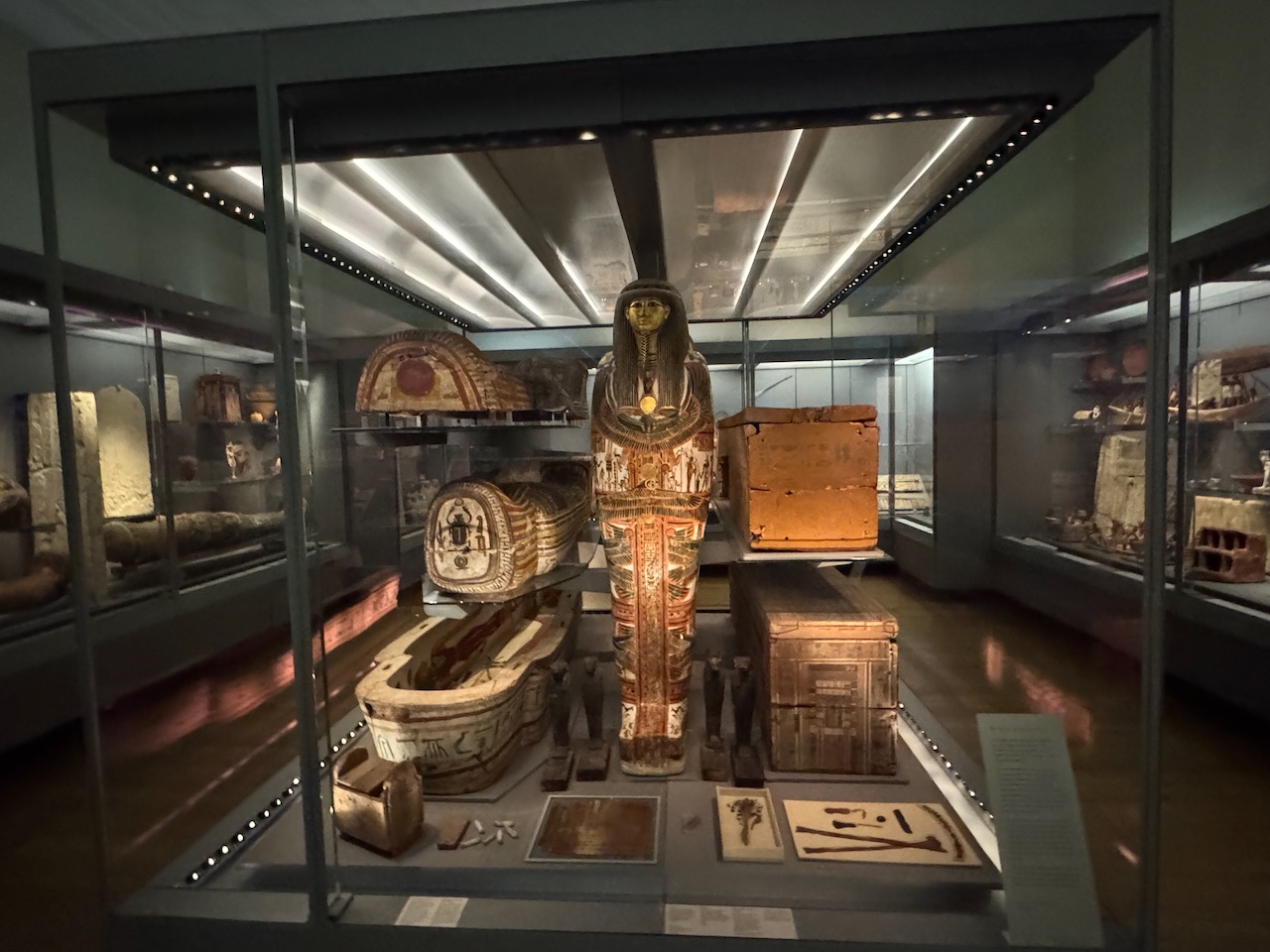
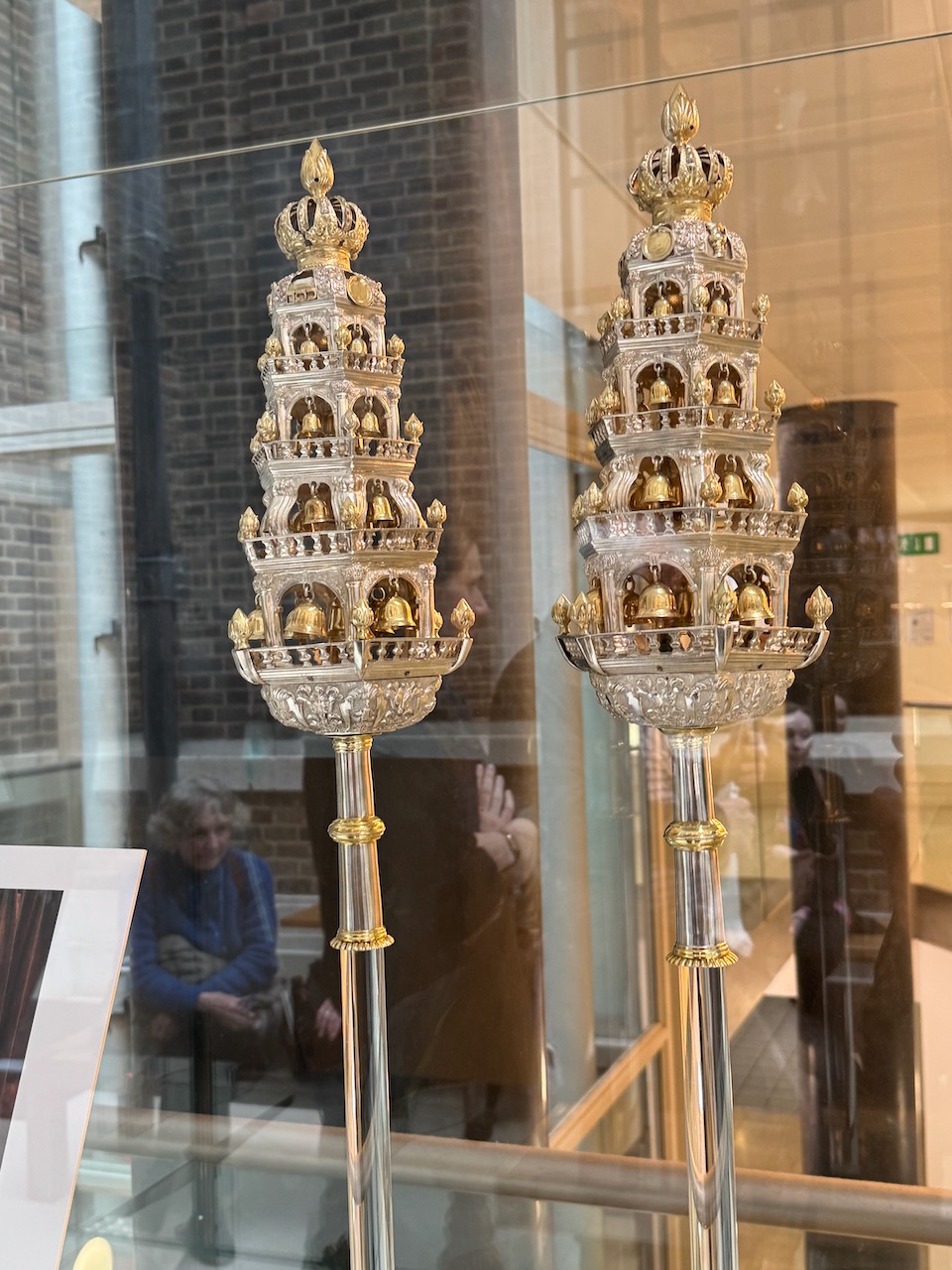
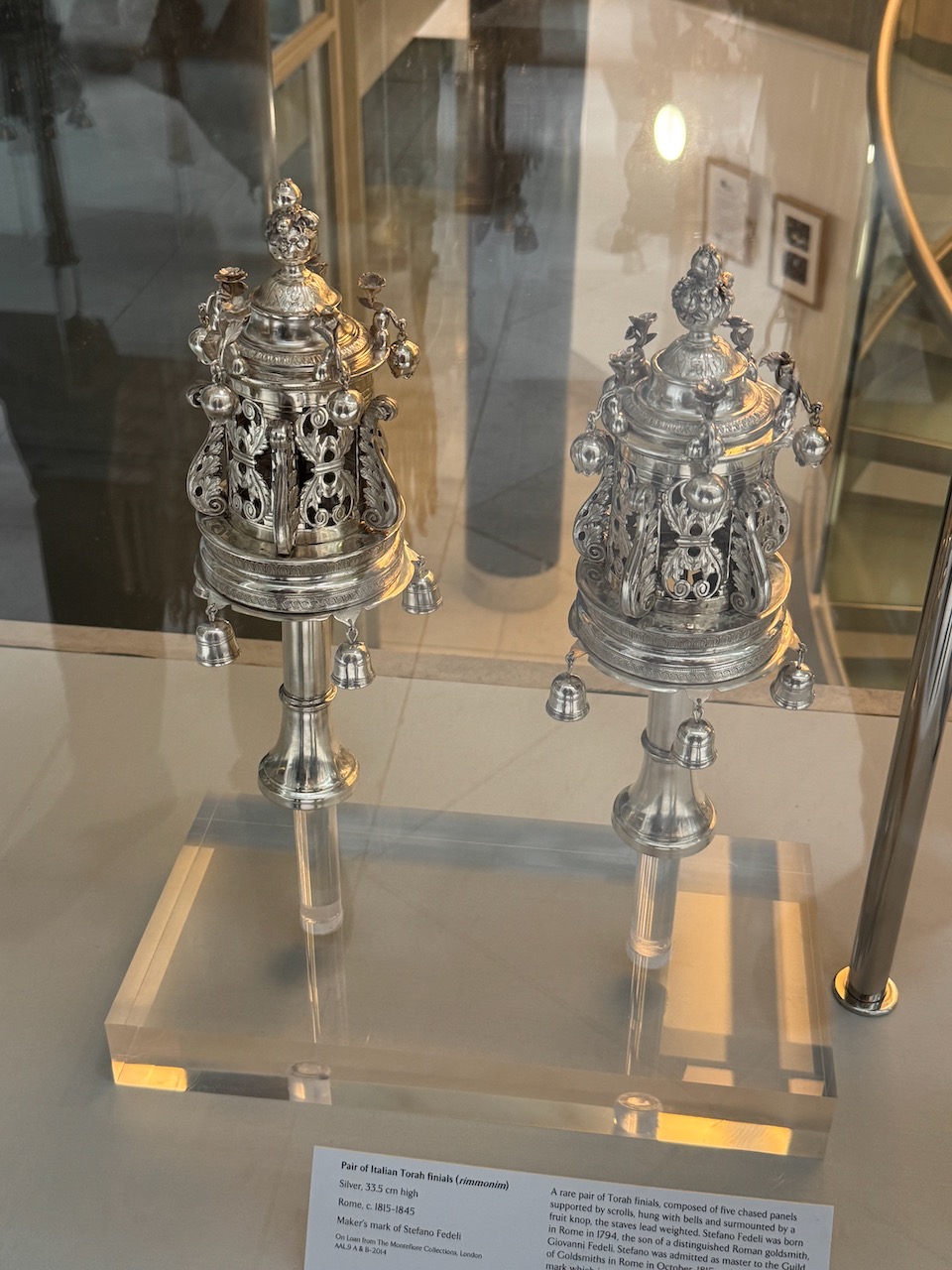
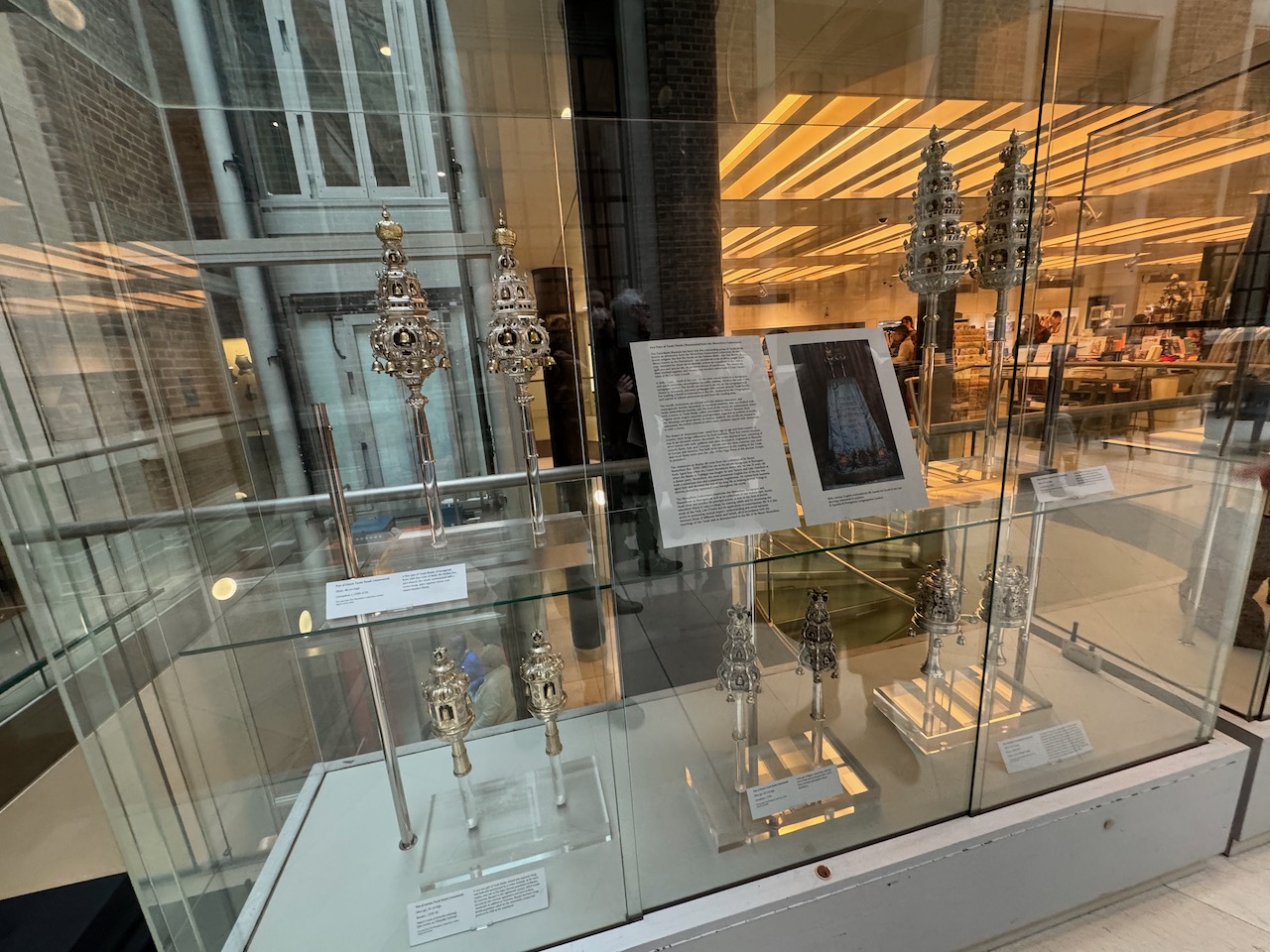
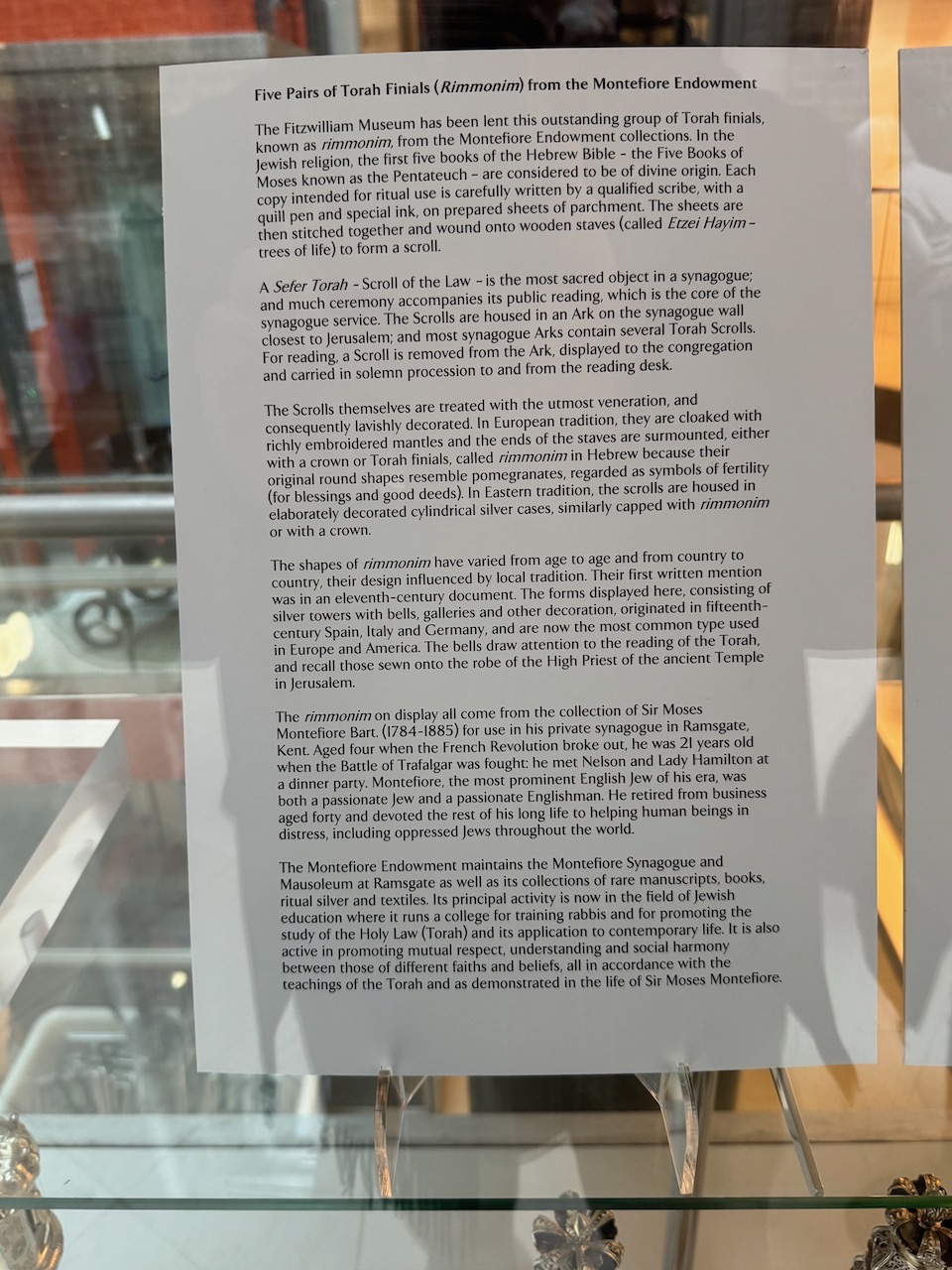
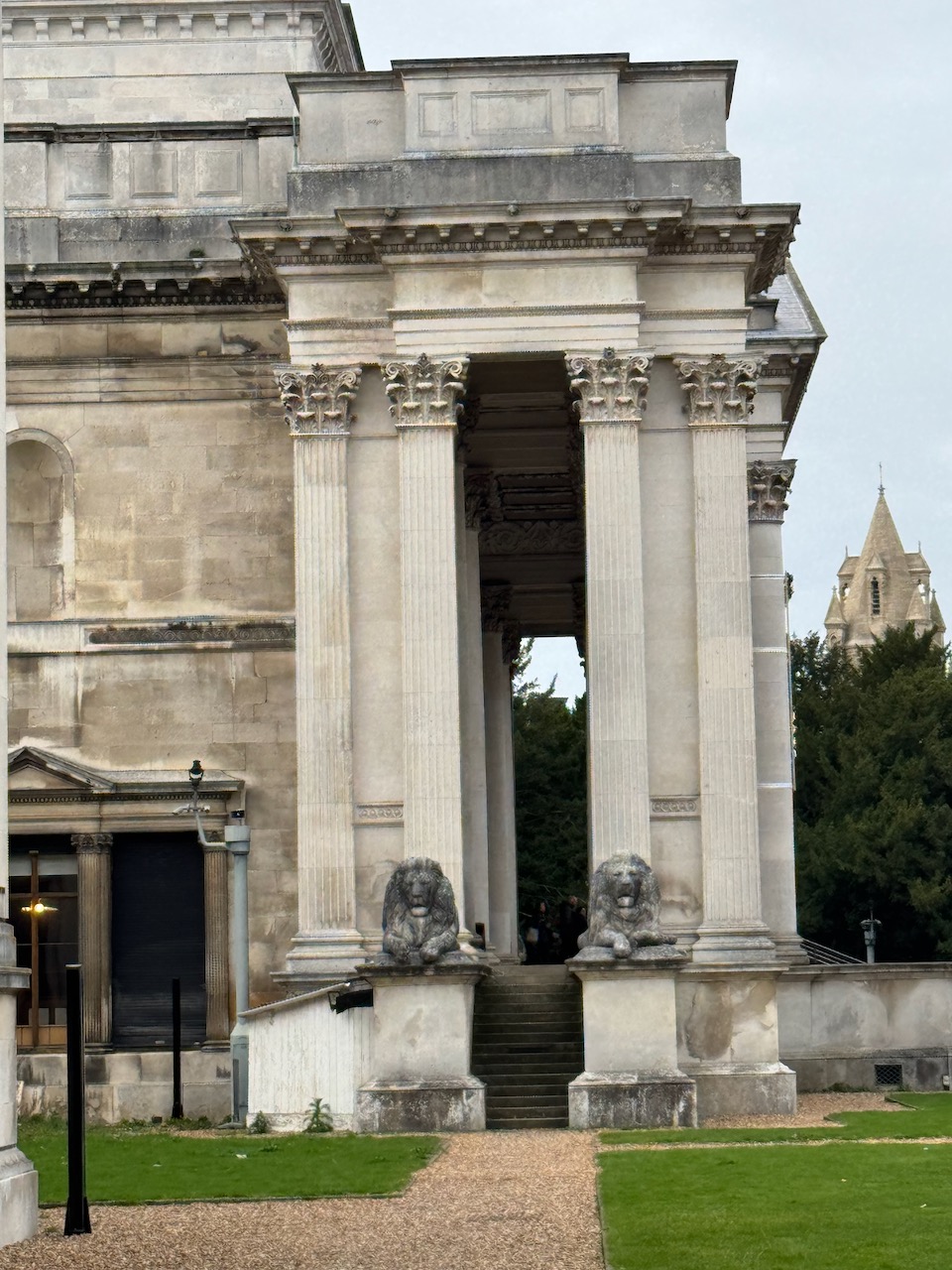
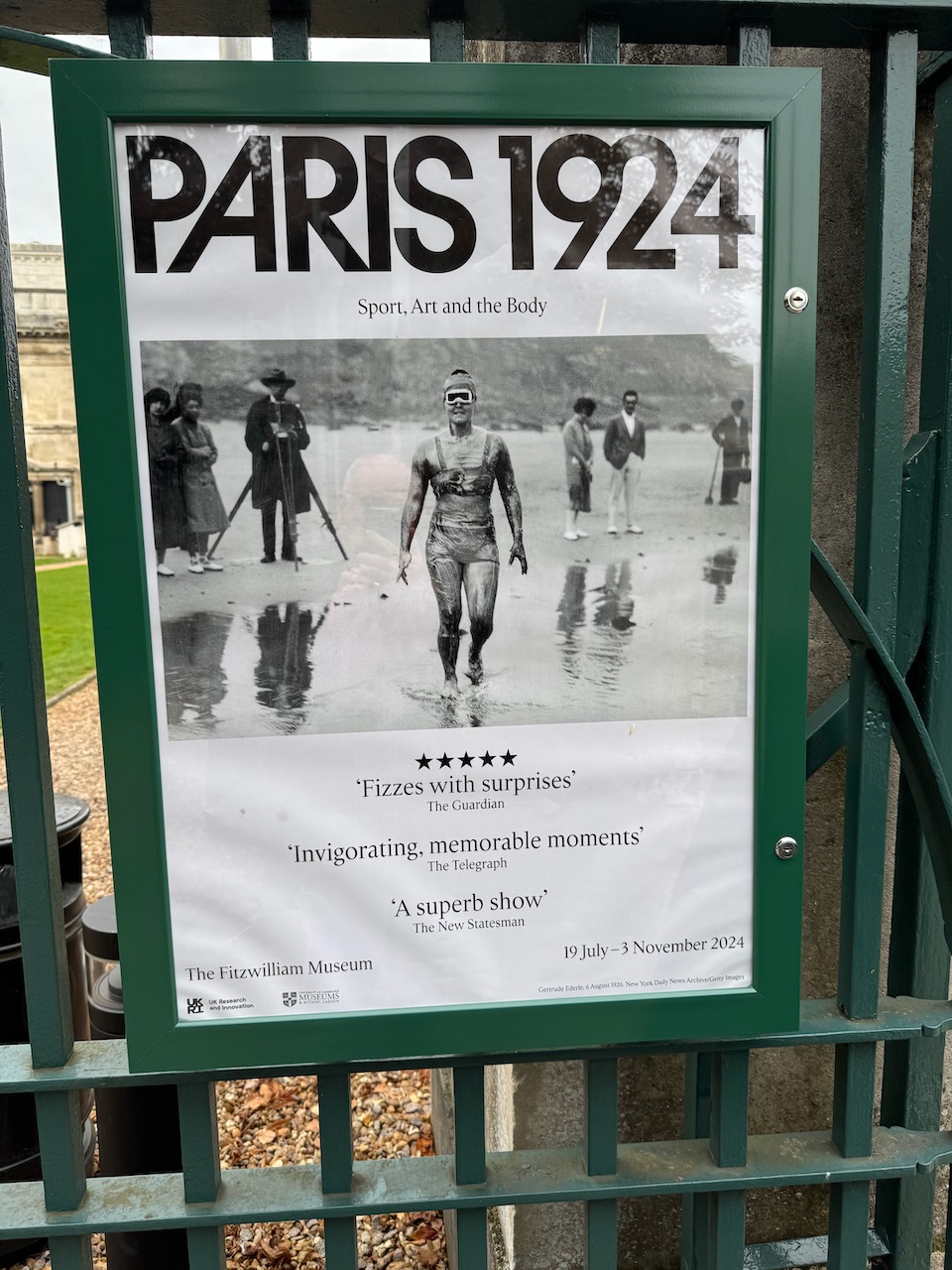
Fitzwilliam Museum

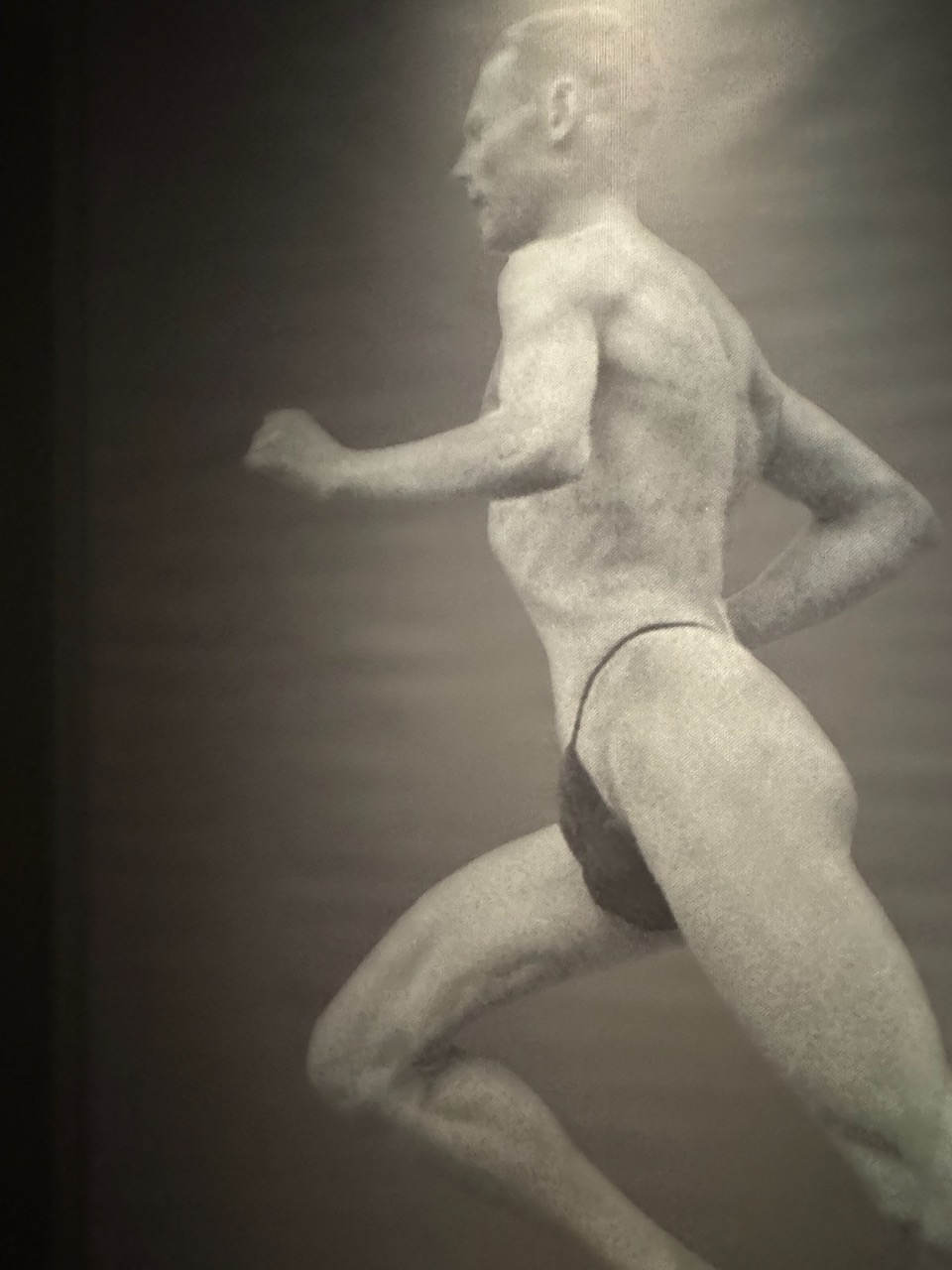
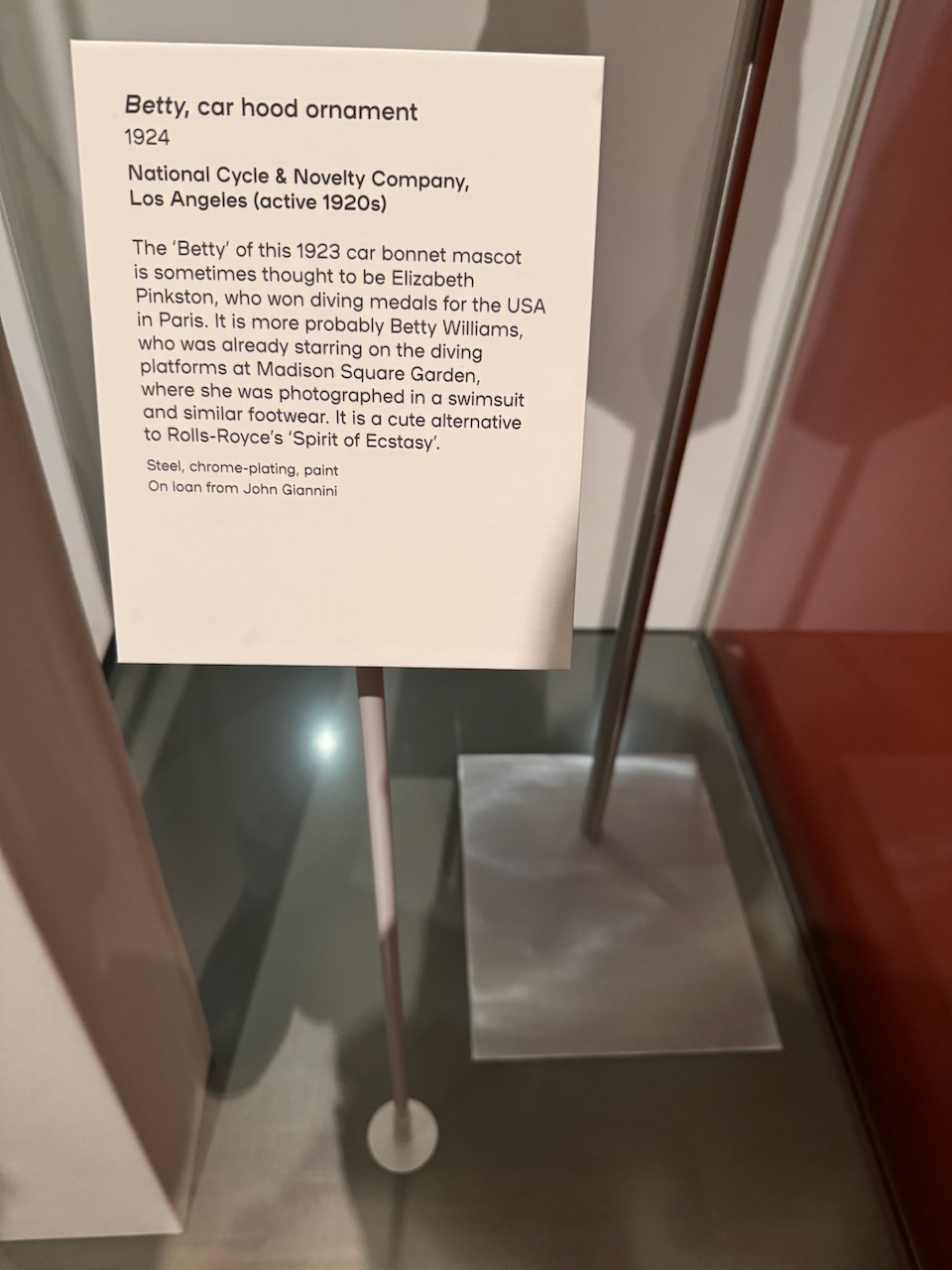
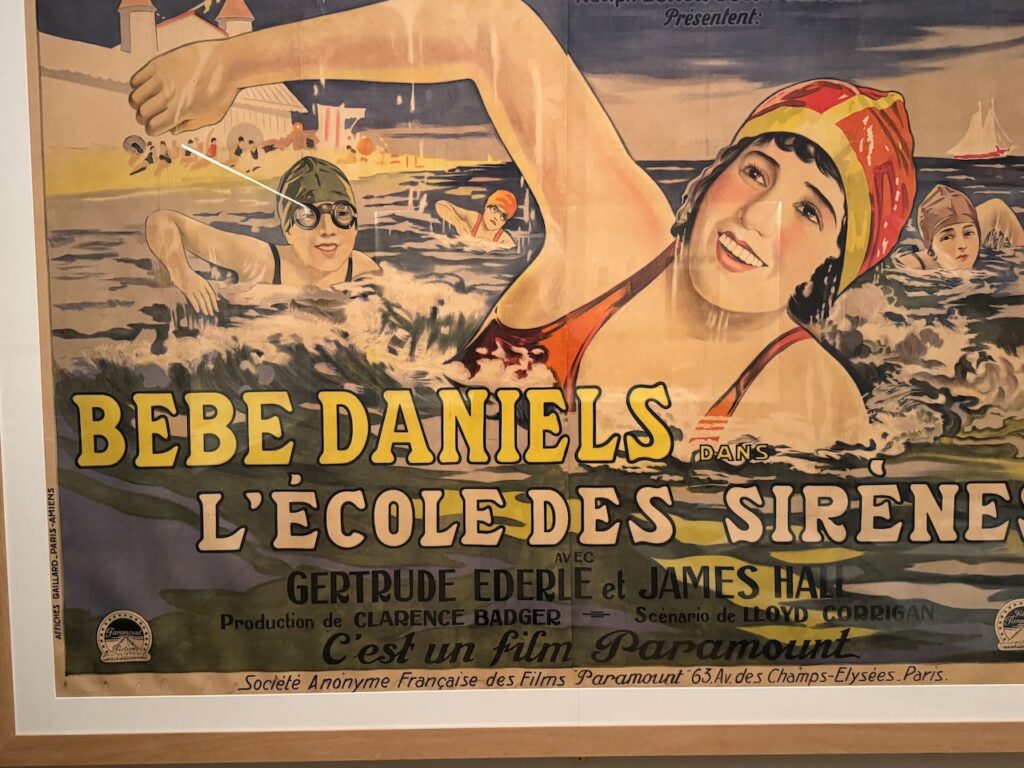
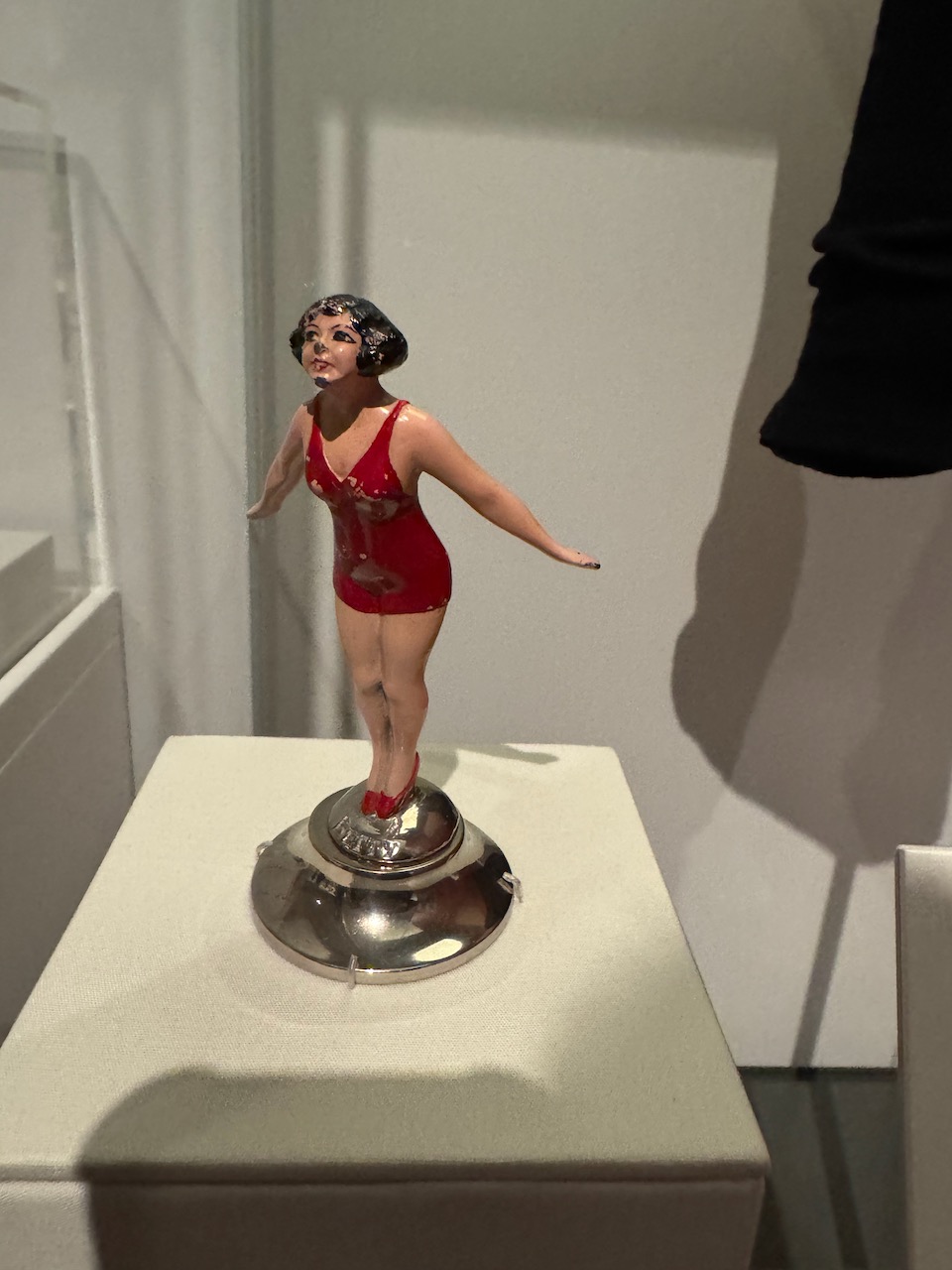
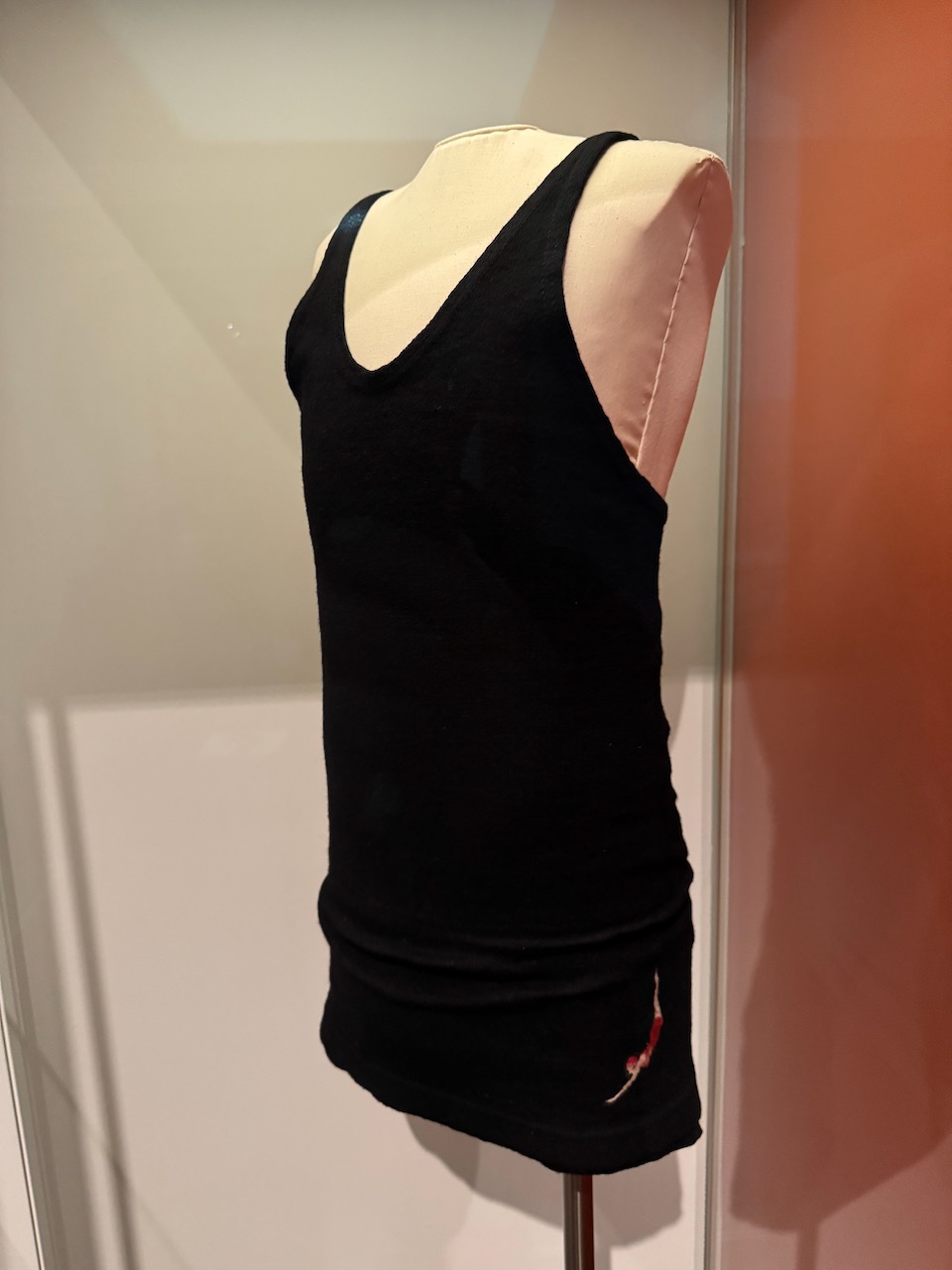
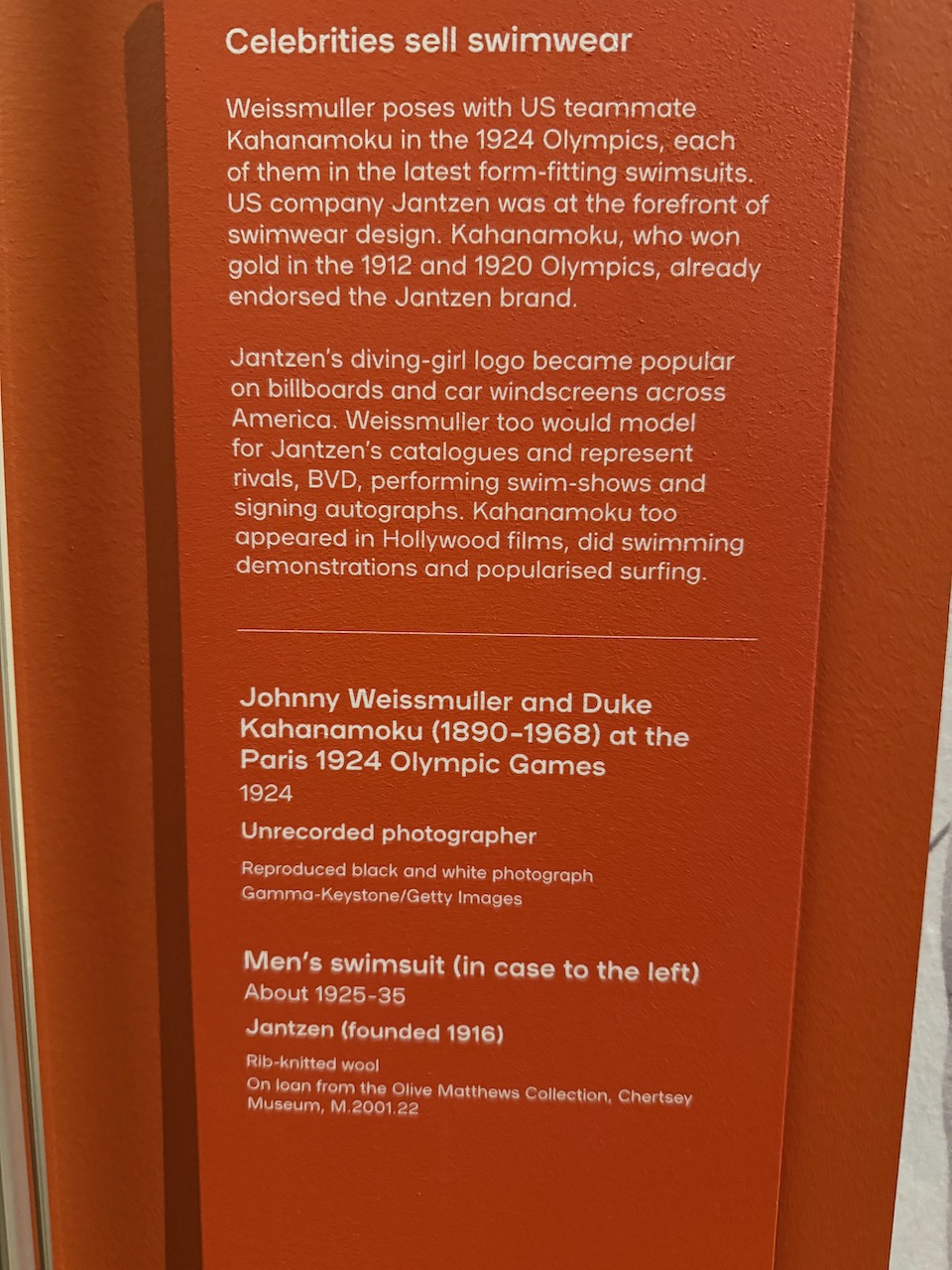
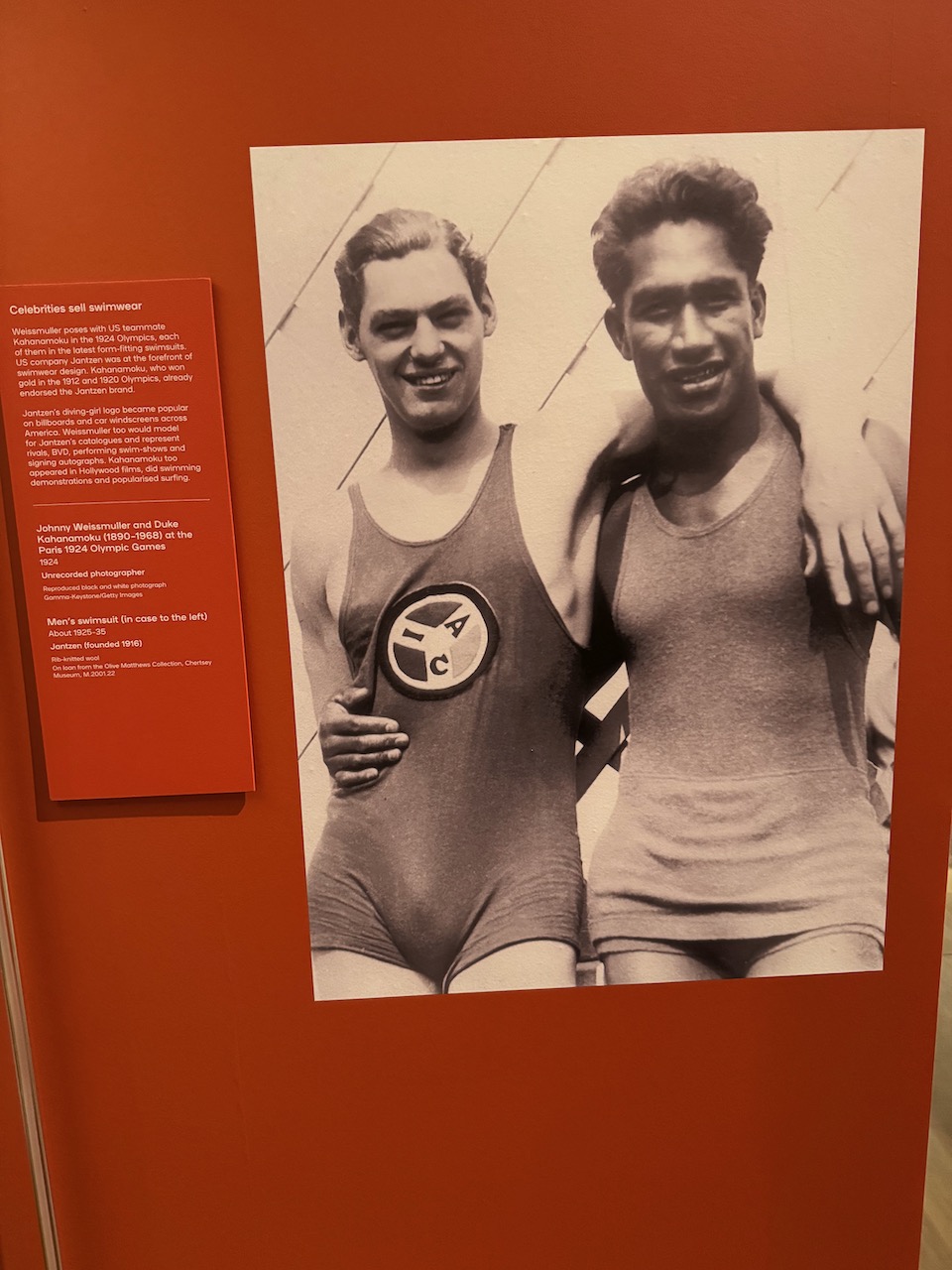
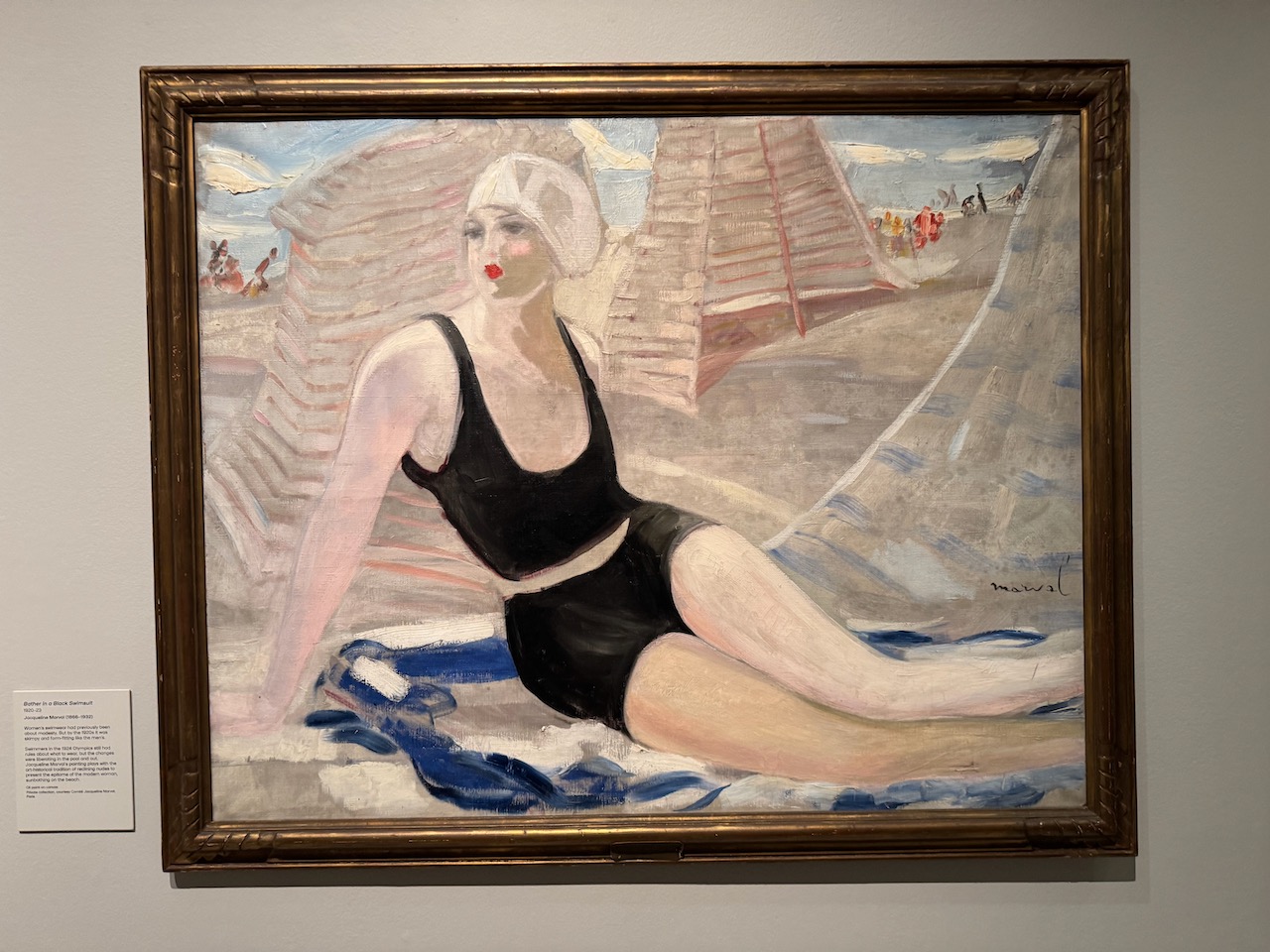
Swimwear in the Museum including Jantzen

Back in Letchworth