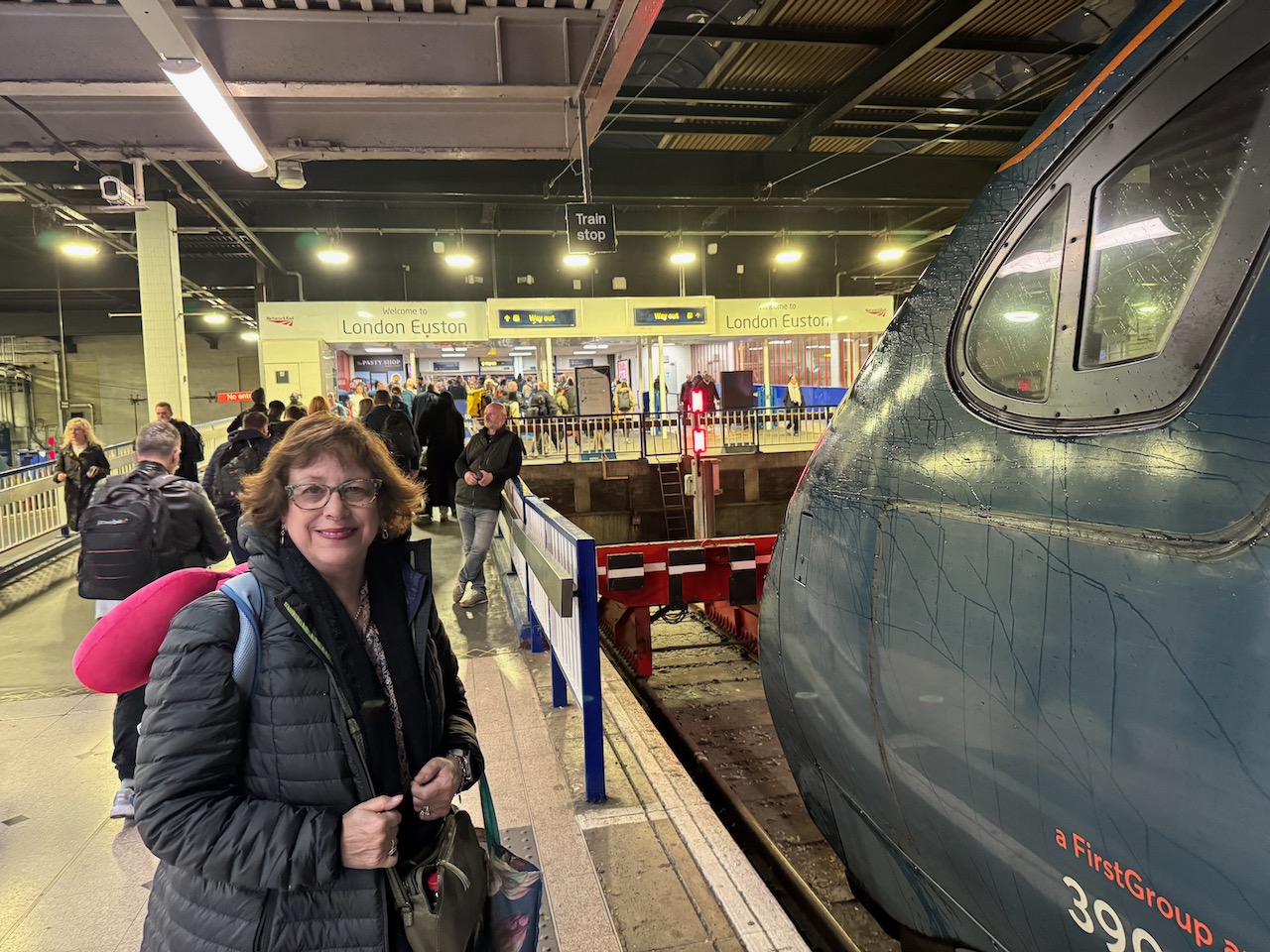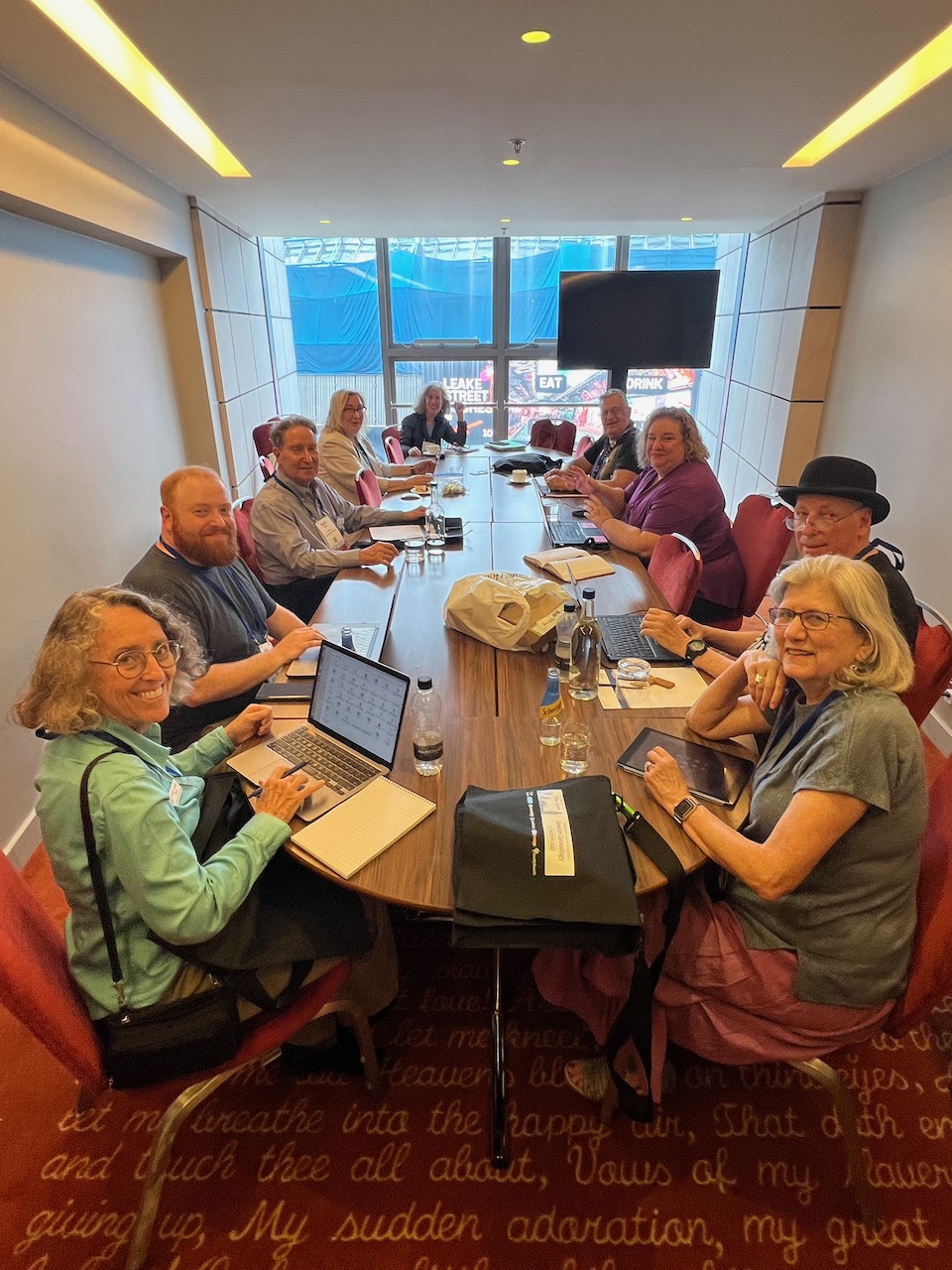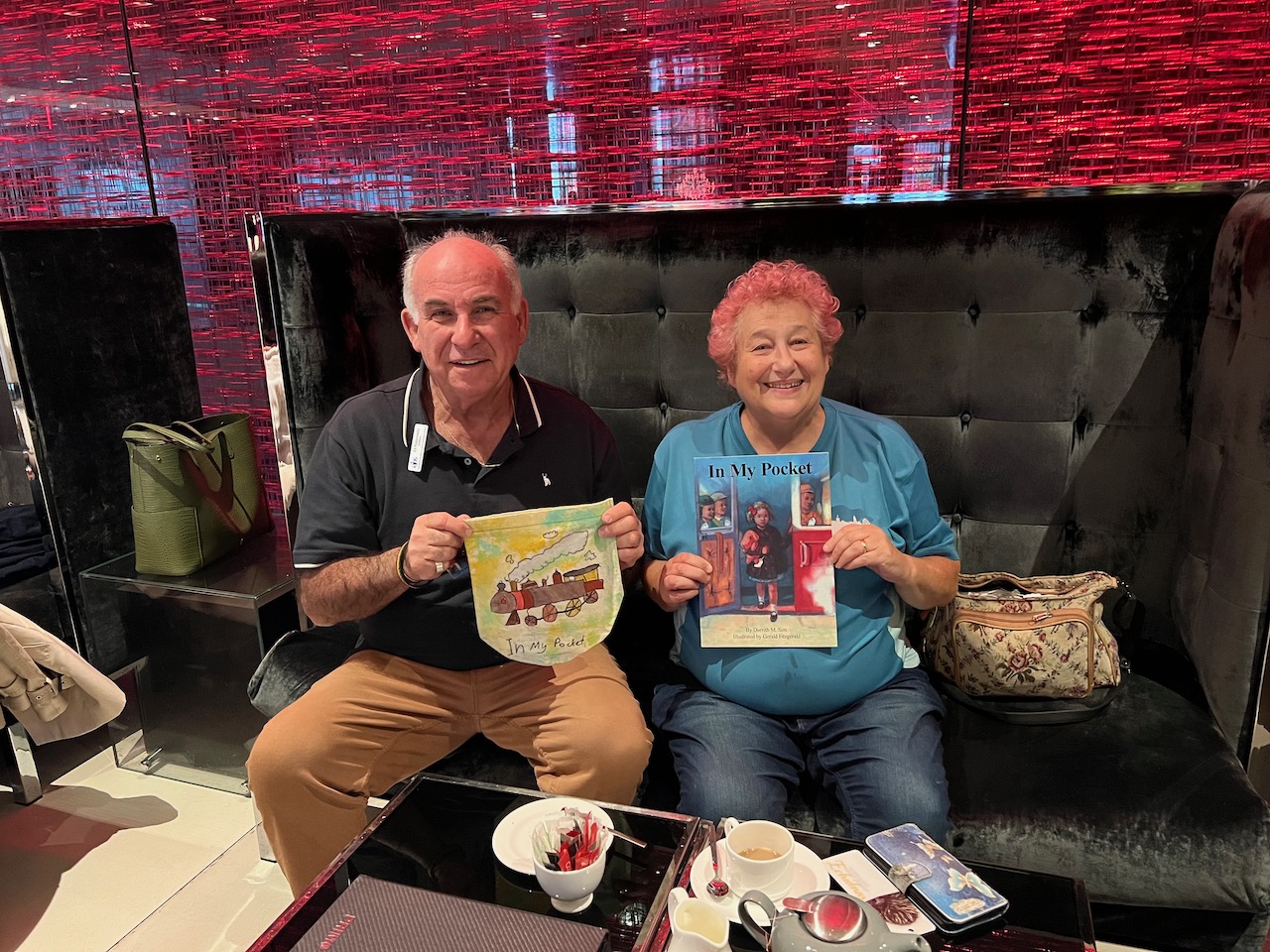

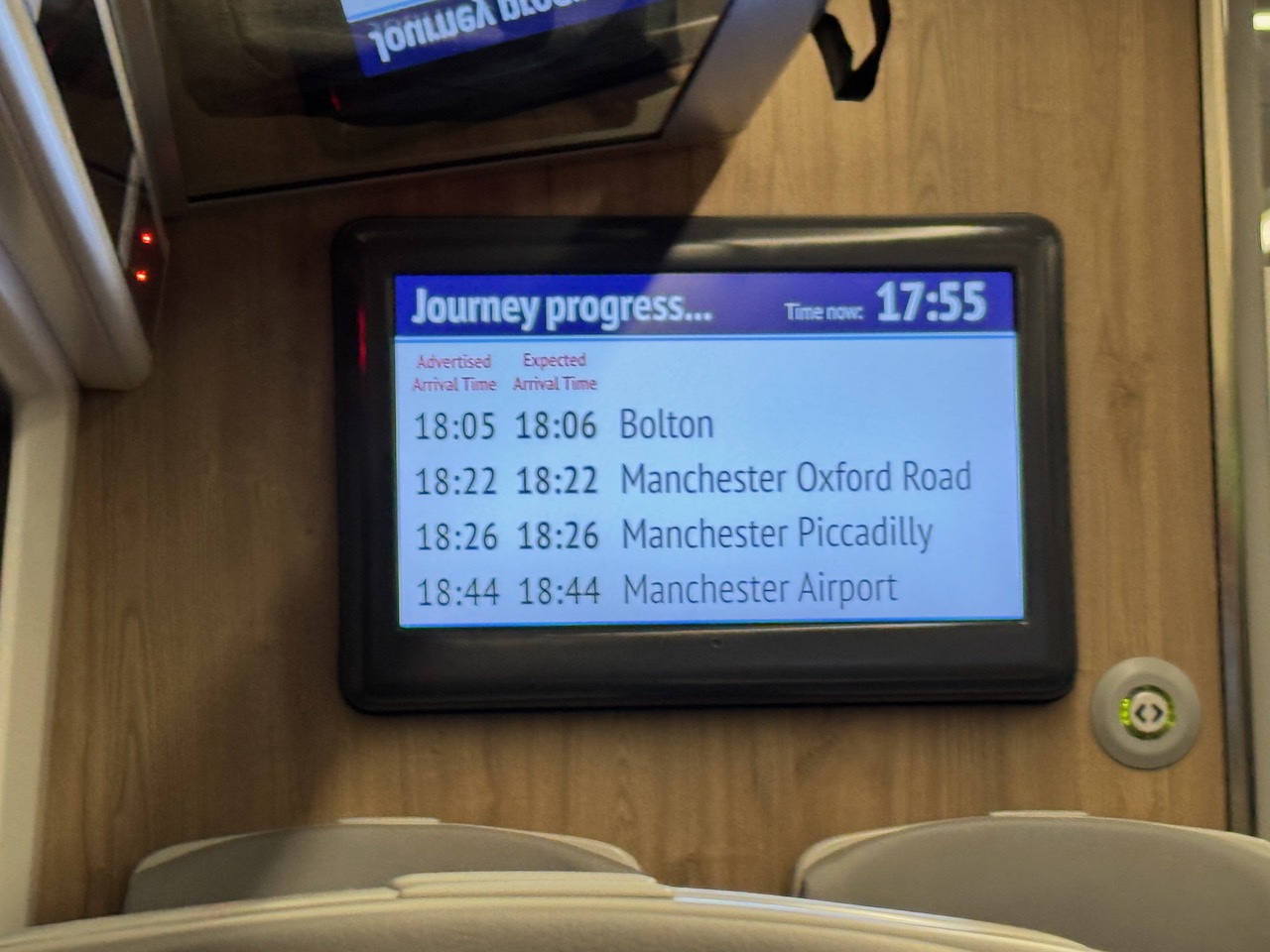
Arrival from Glasgow
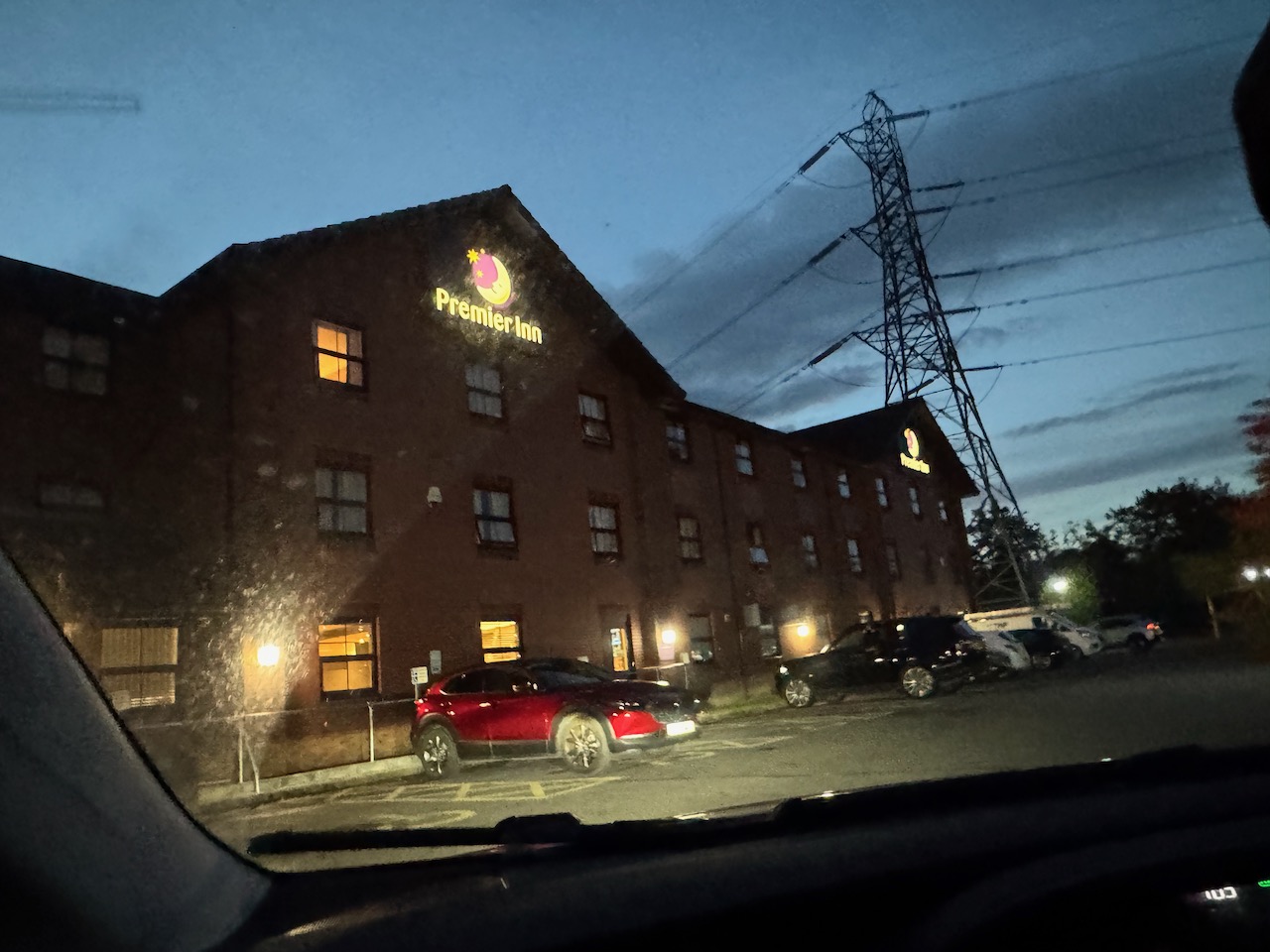

Manchester – Wikipedia
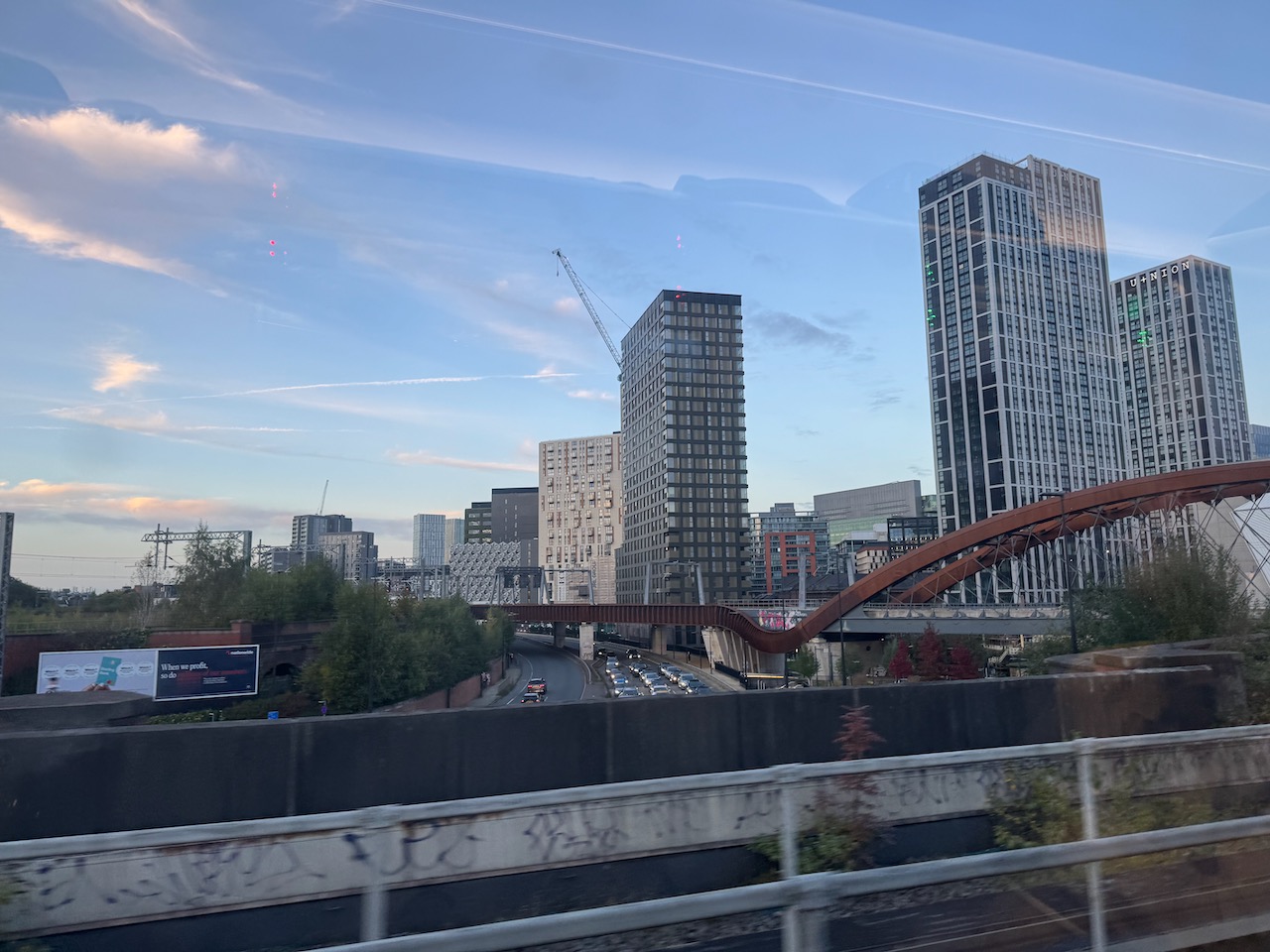
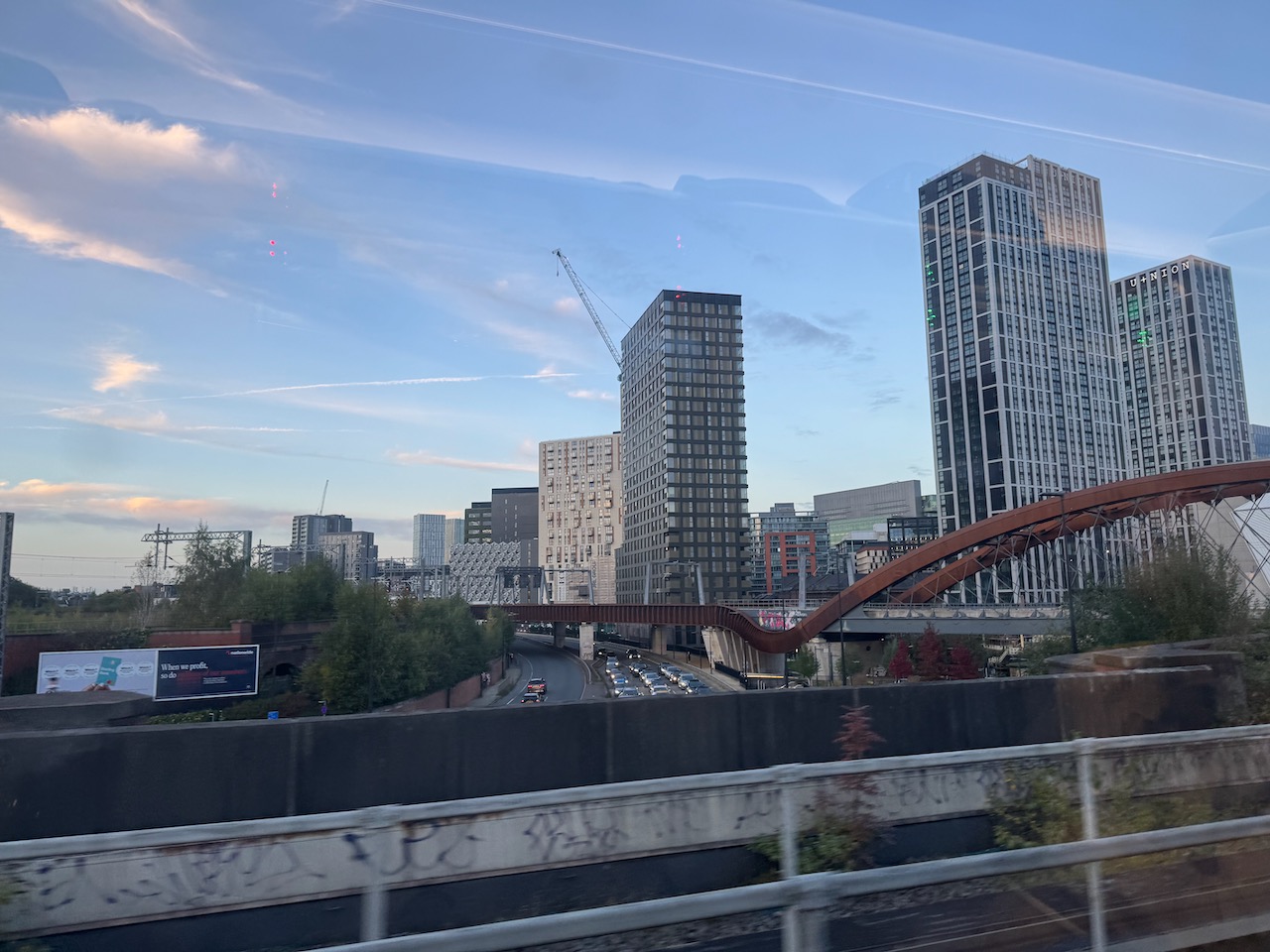
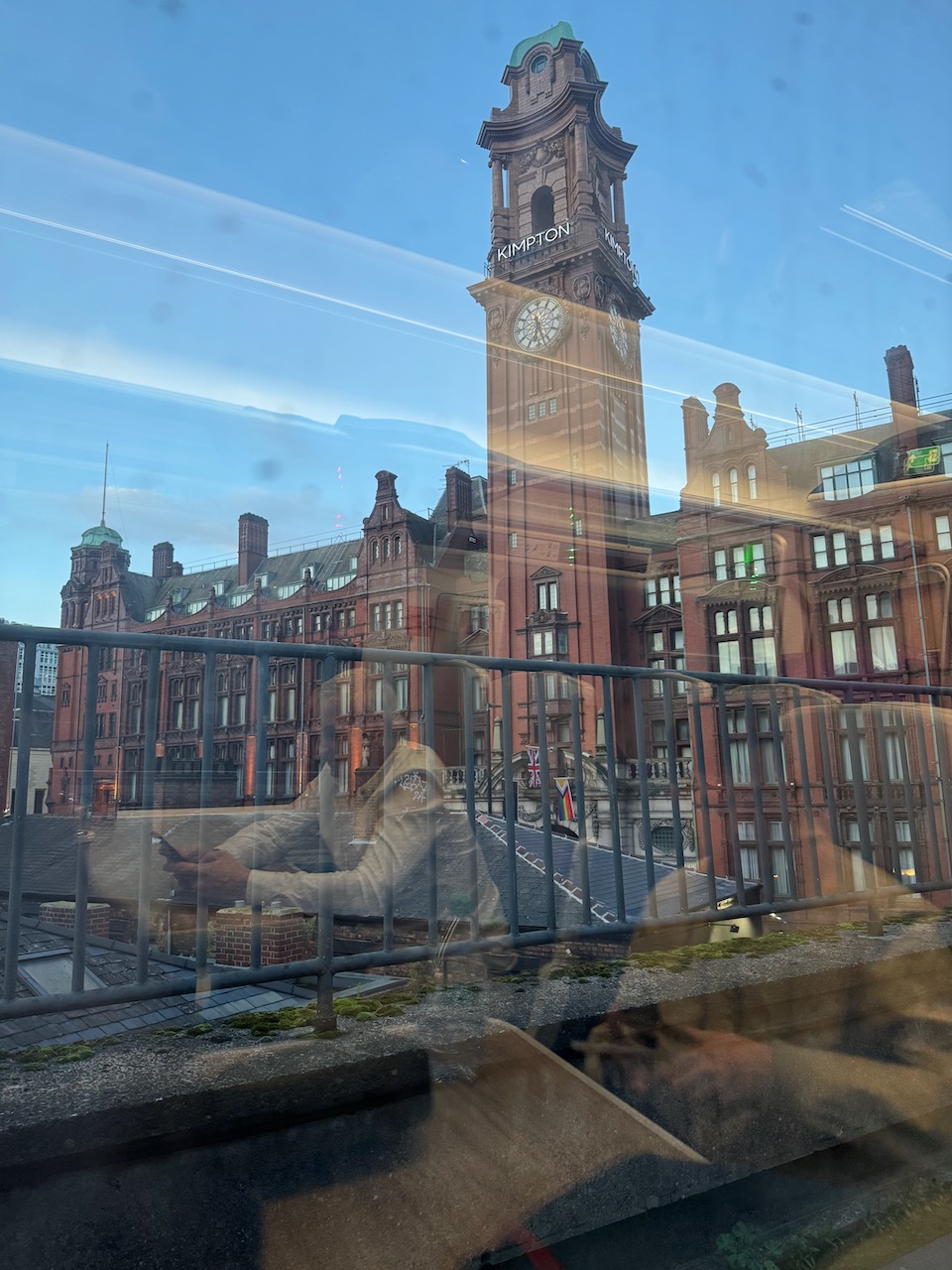
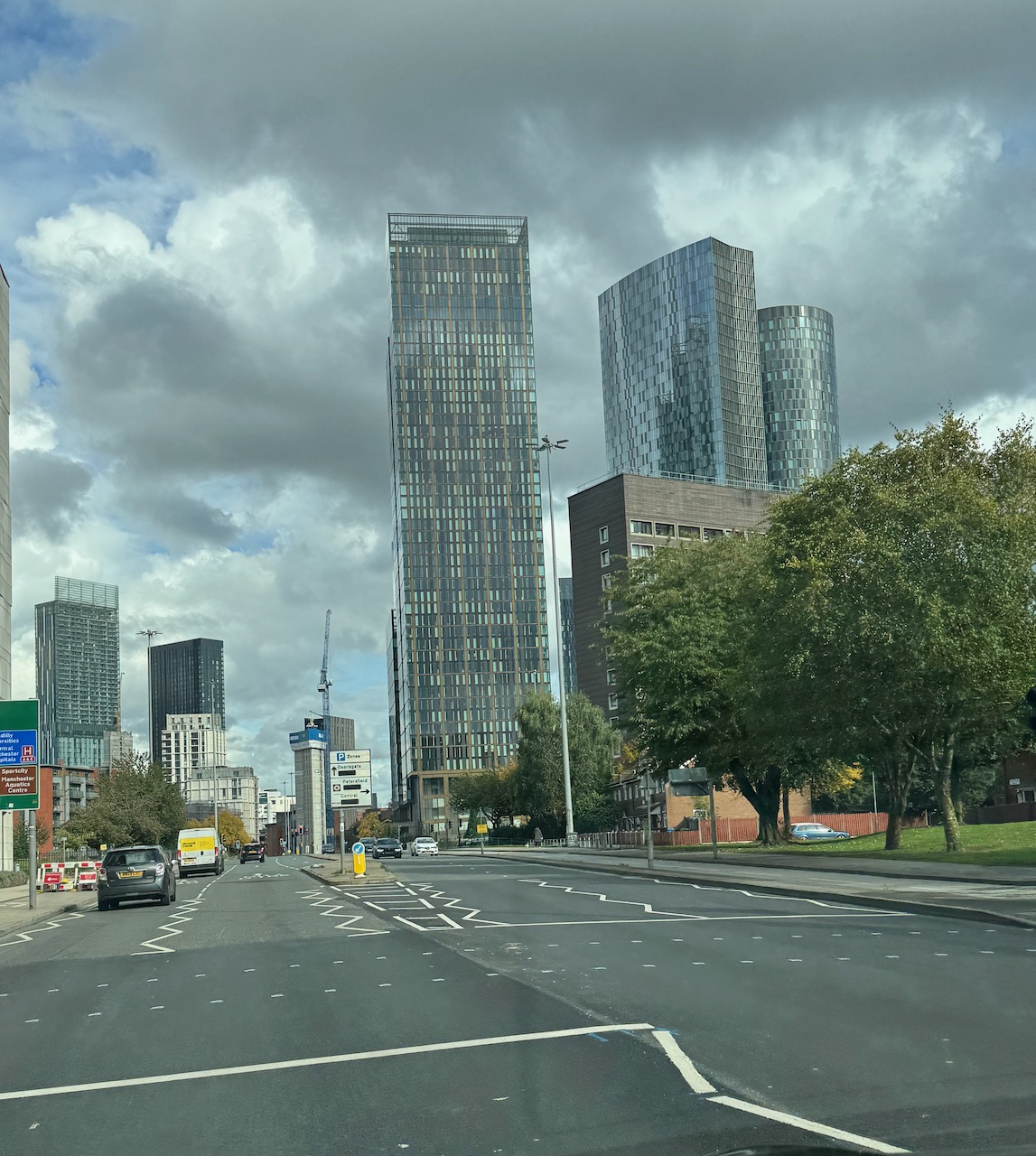
Manchester ()[6][7] is a city and metropolitan borough of Greater Manchester, England, which had an estimated population of 568,996 in 2022.[4] Greater Manchester is the third-most populous metropolitan area in the United Kingdom, with a population of 2.92 million.[8] It is bordered by the Cheshire Plain to the south, the Pennines to the north and east, and the neighbouring city of Salford to the west. The city borders the boroughs of Trafford, Stockport, Tameside, Oldham, Rochdale, Bury and Salford.
Jewish Manchester

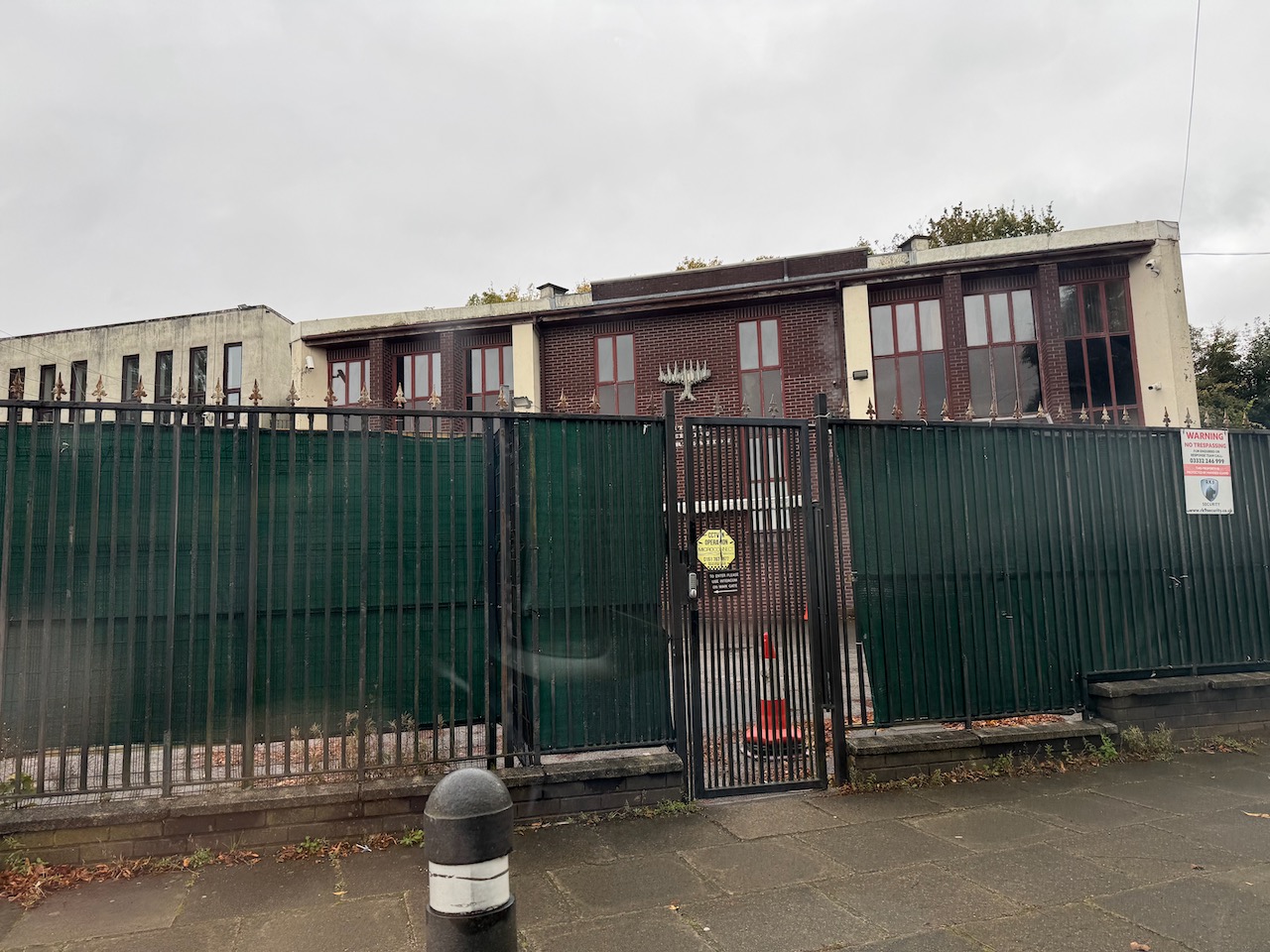
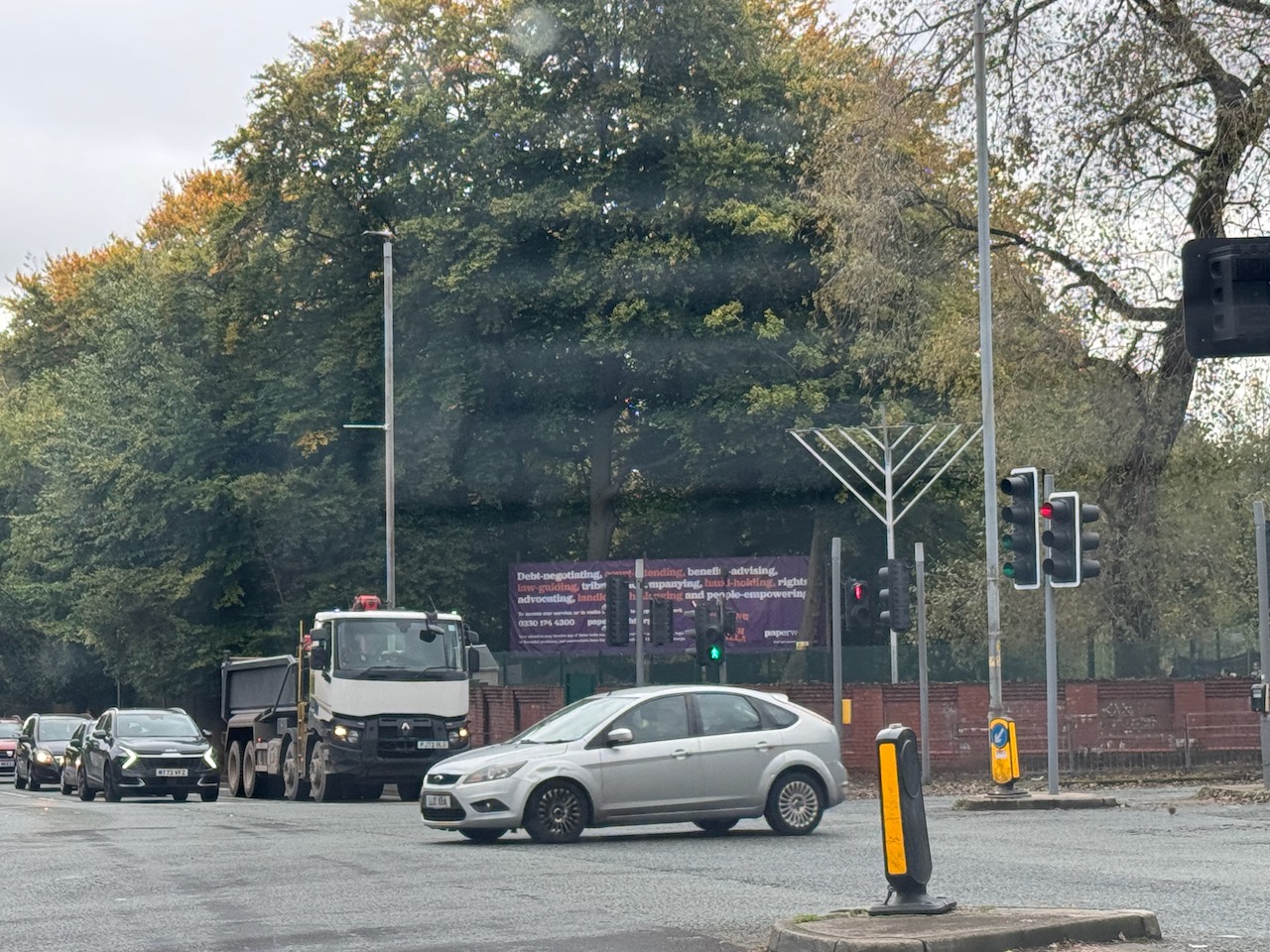
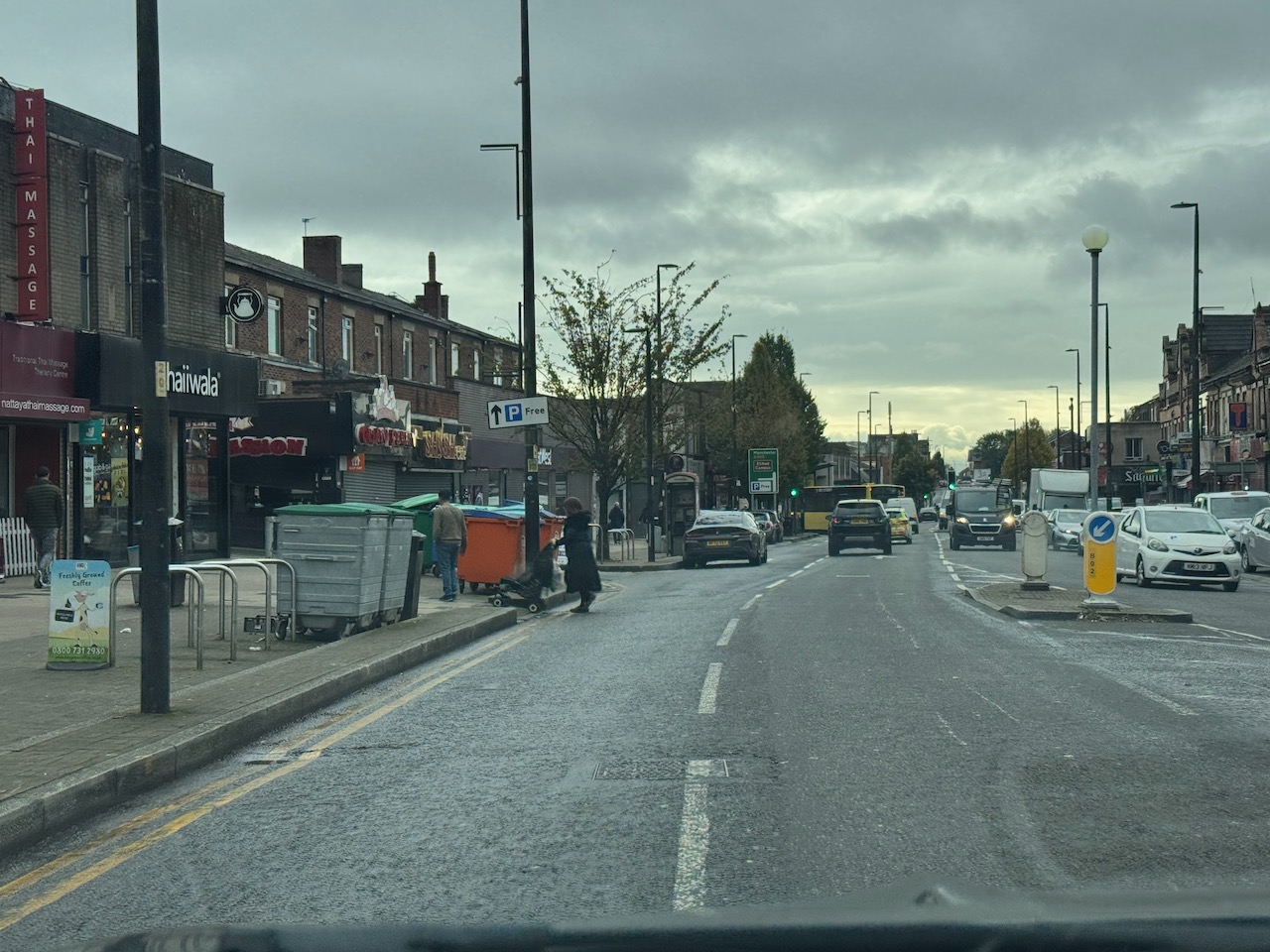
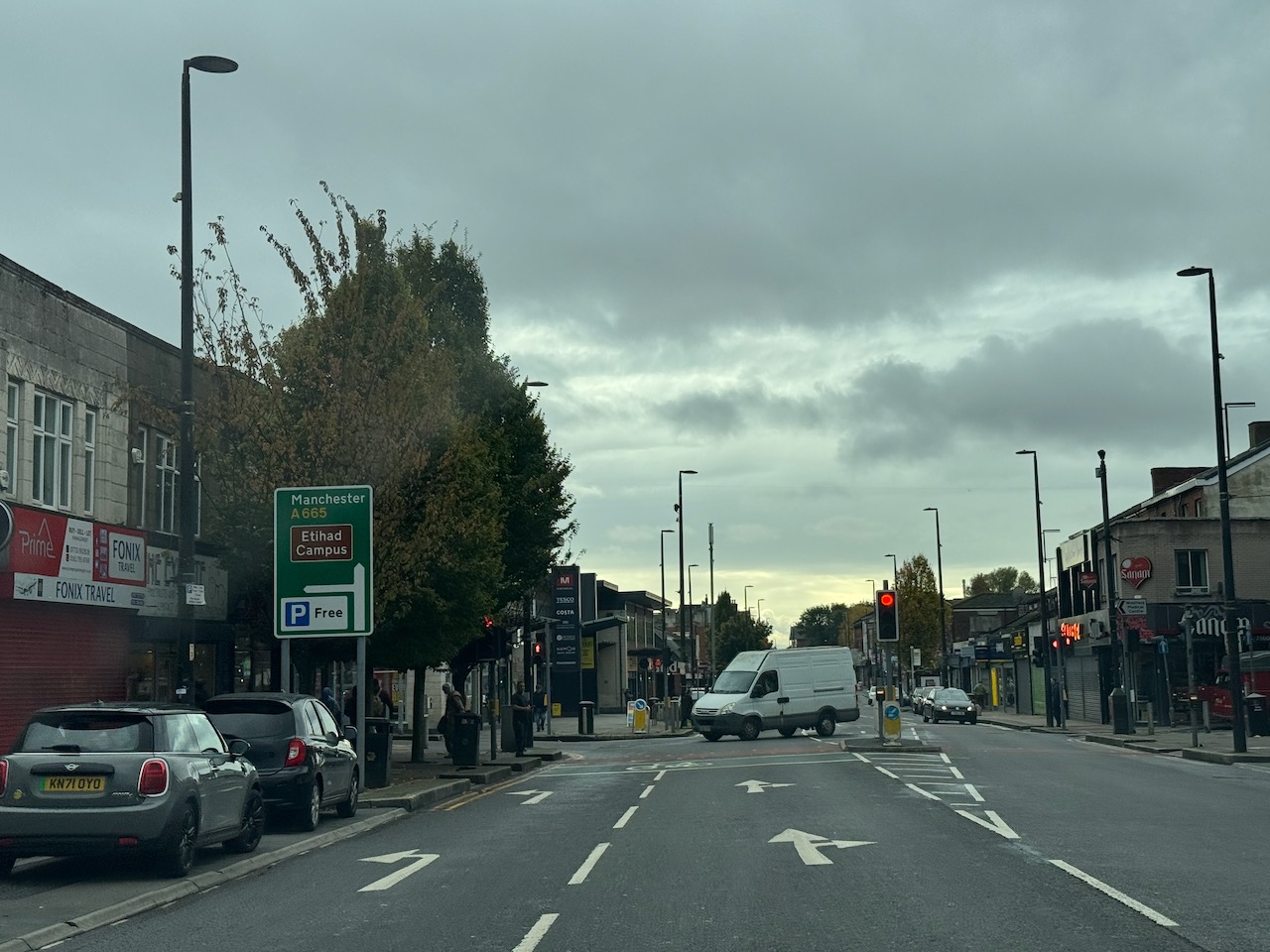
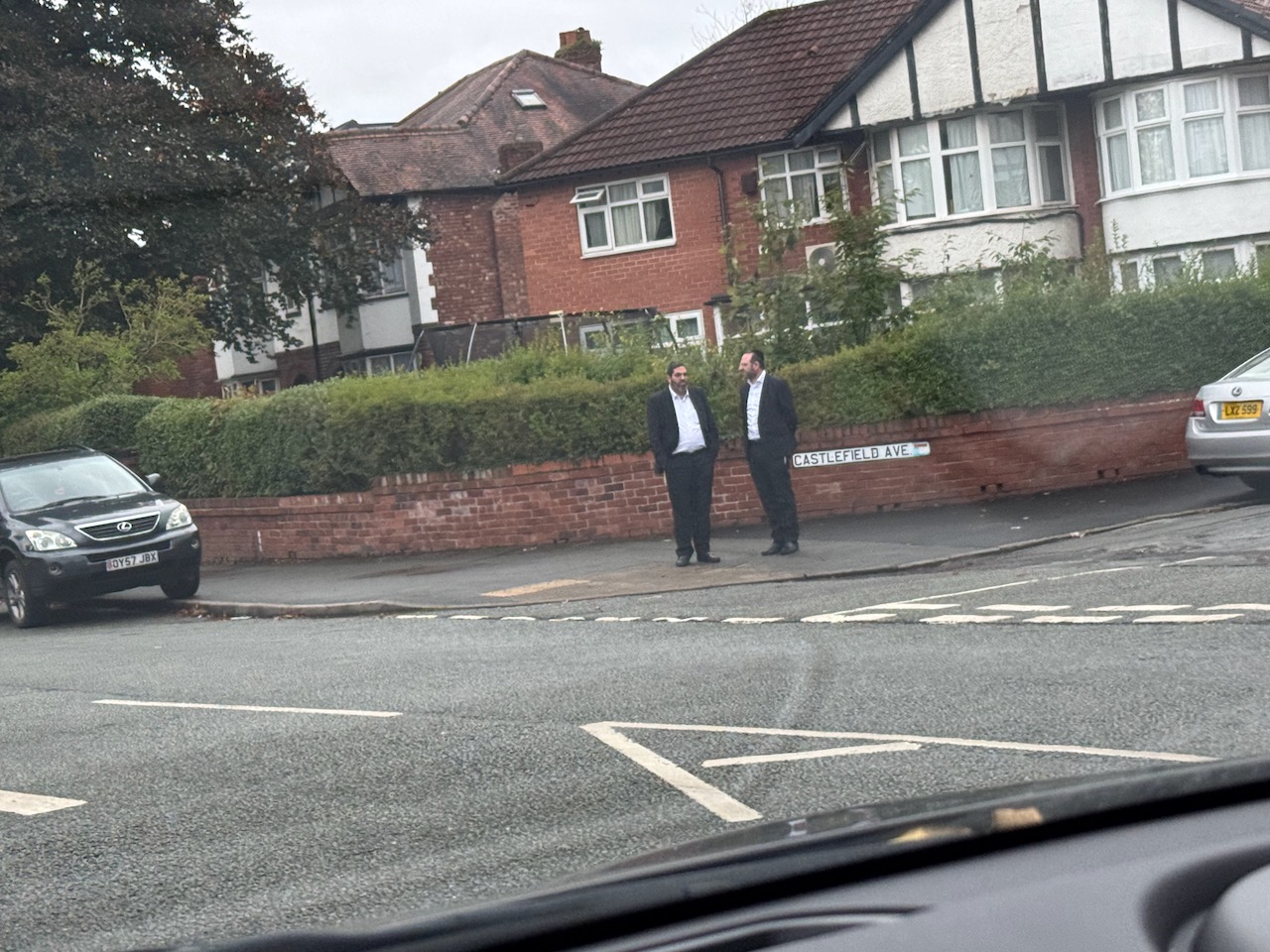
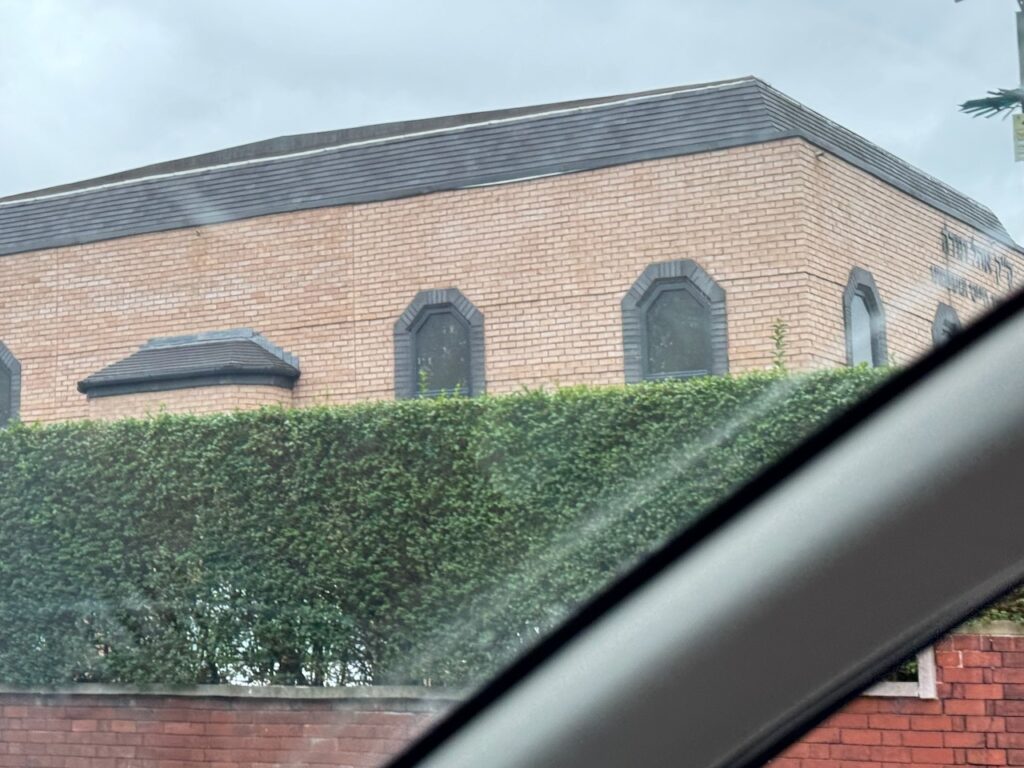
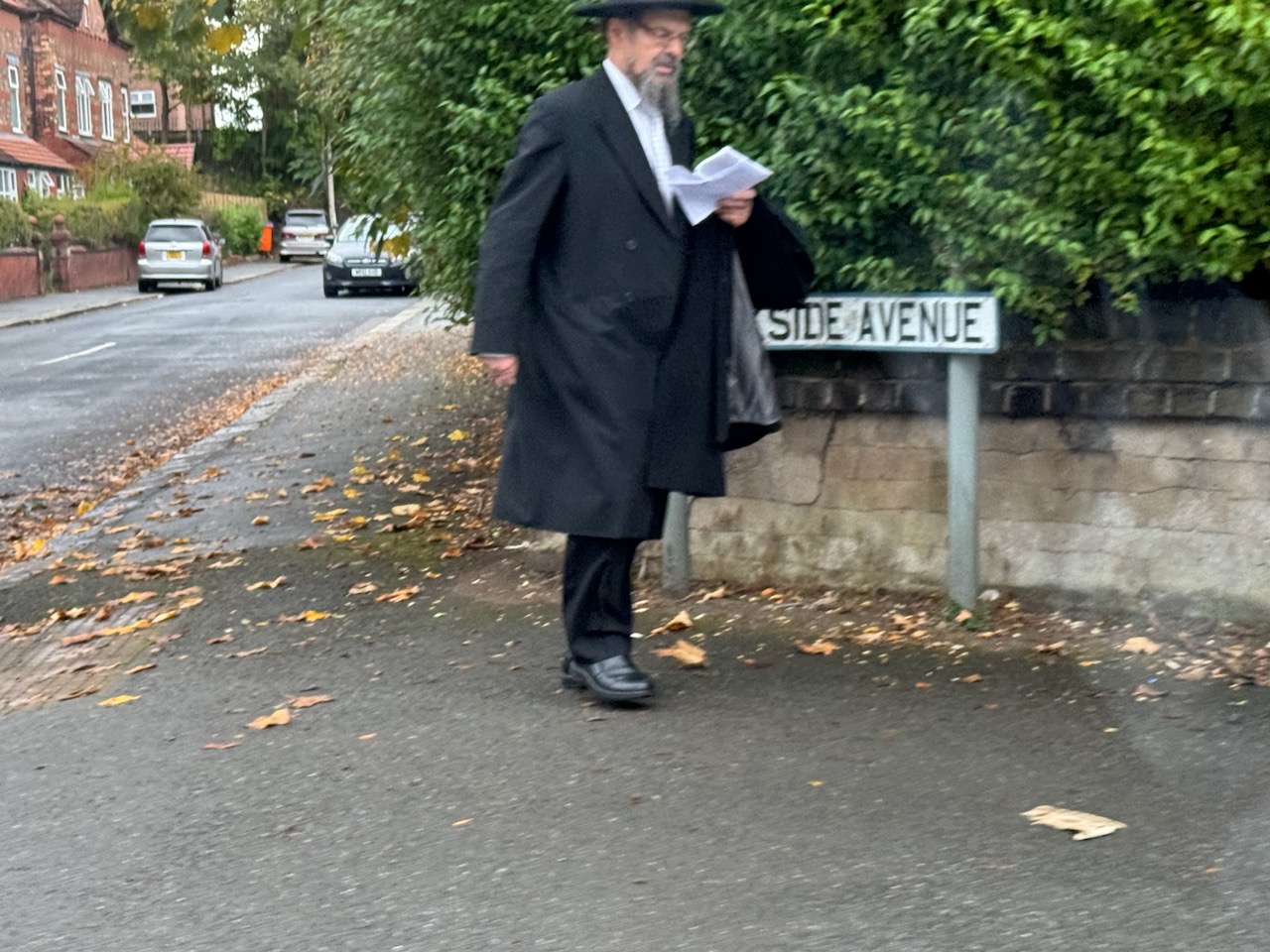
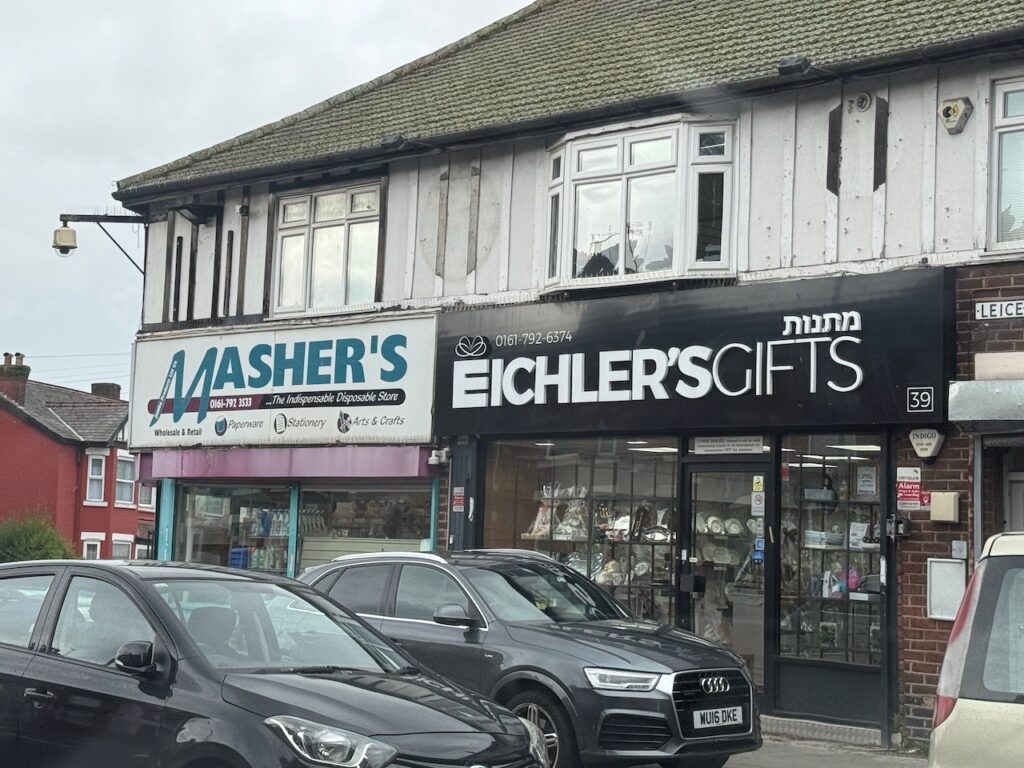
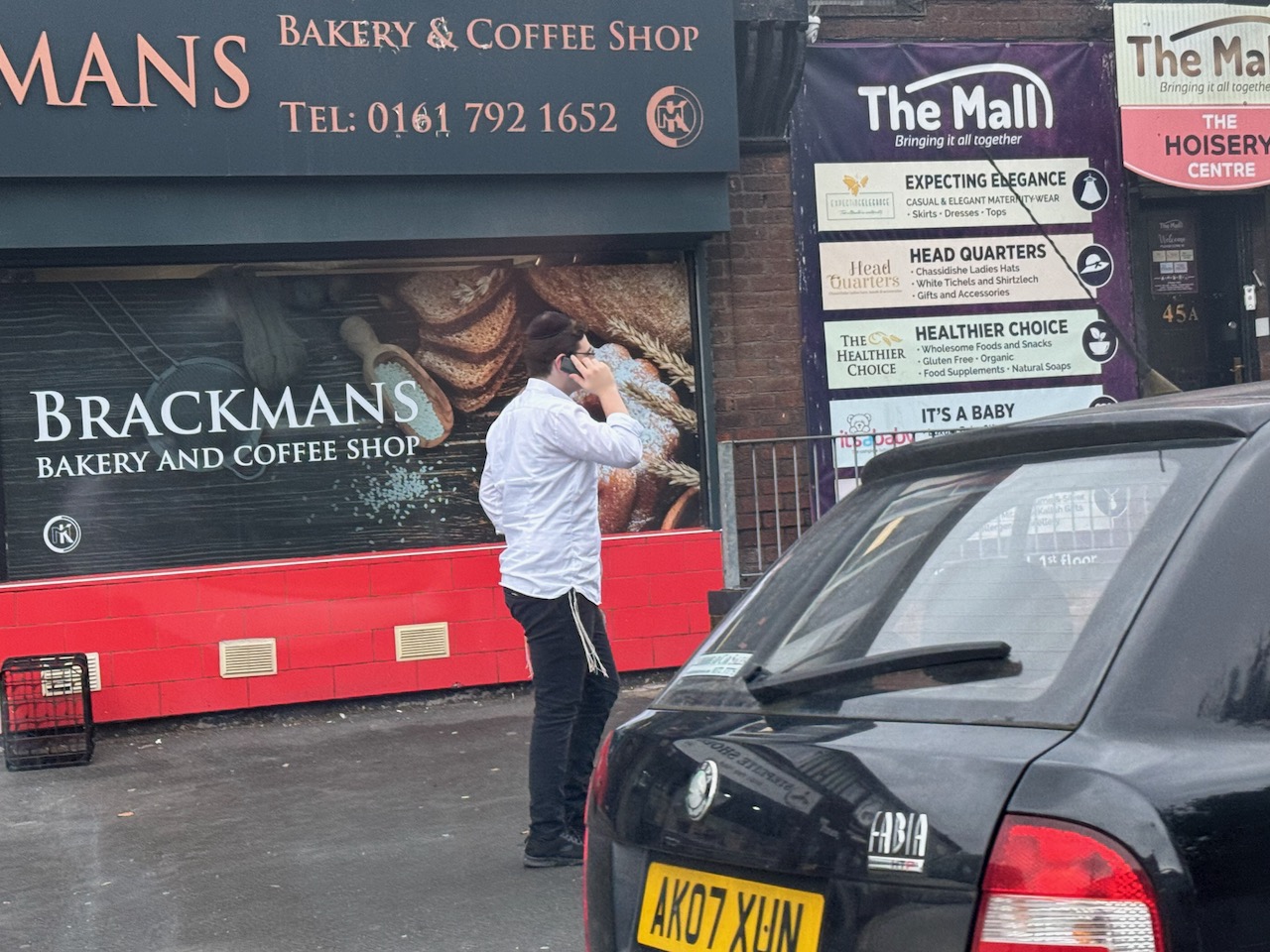
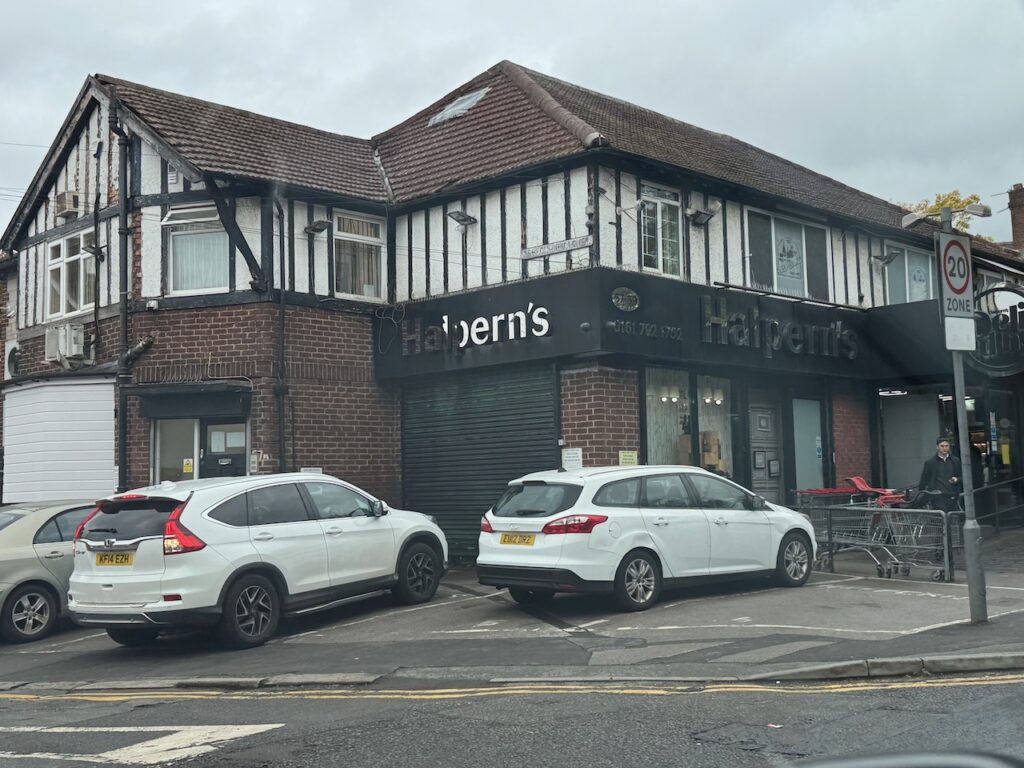
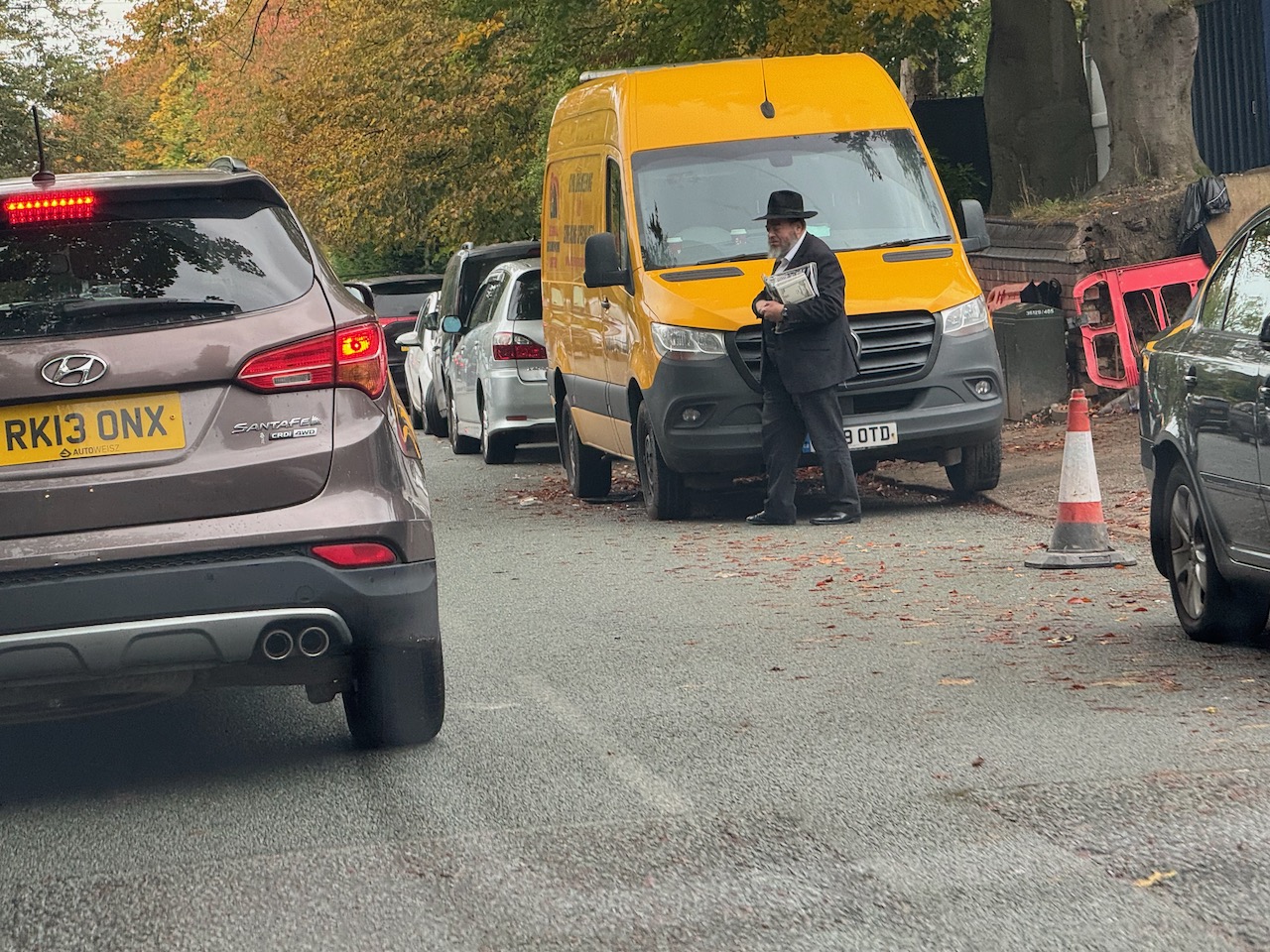
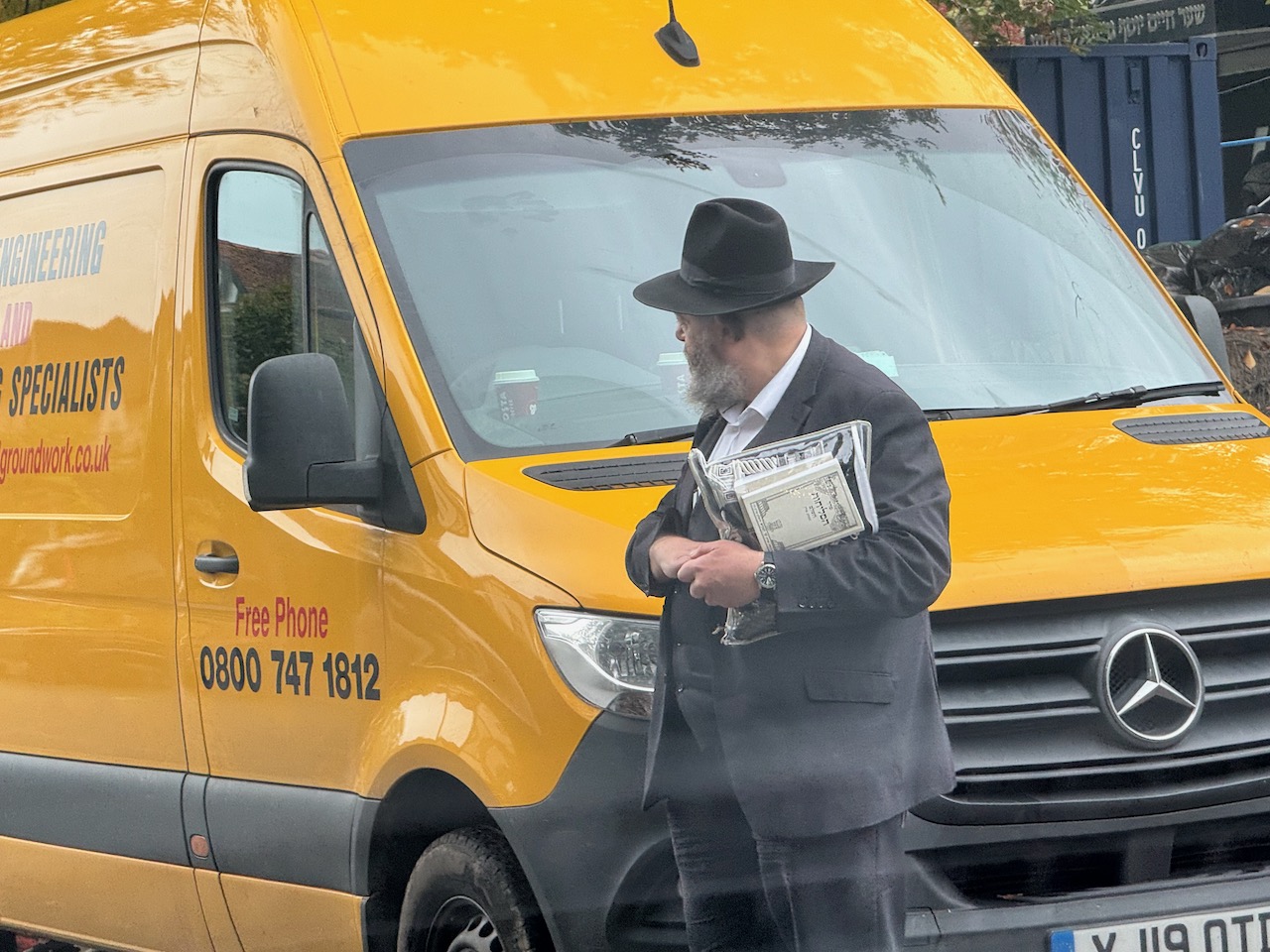
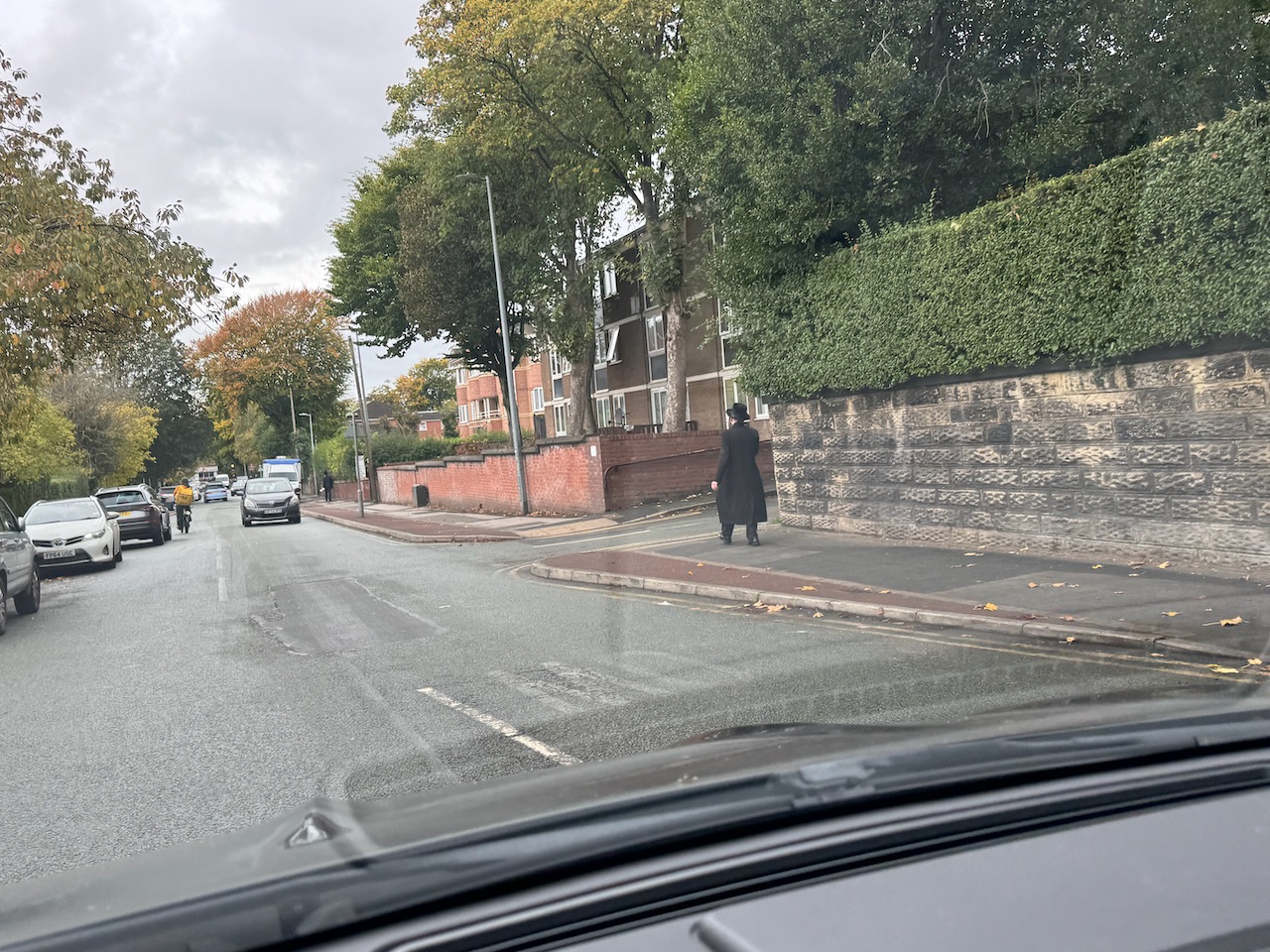
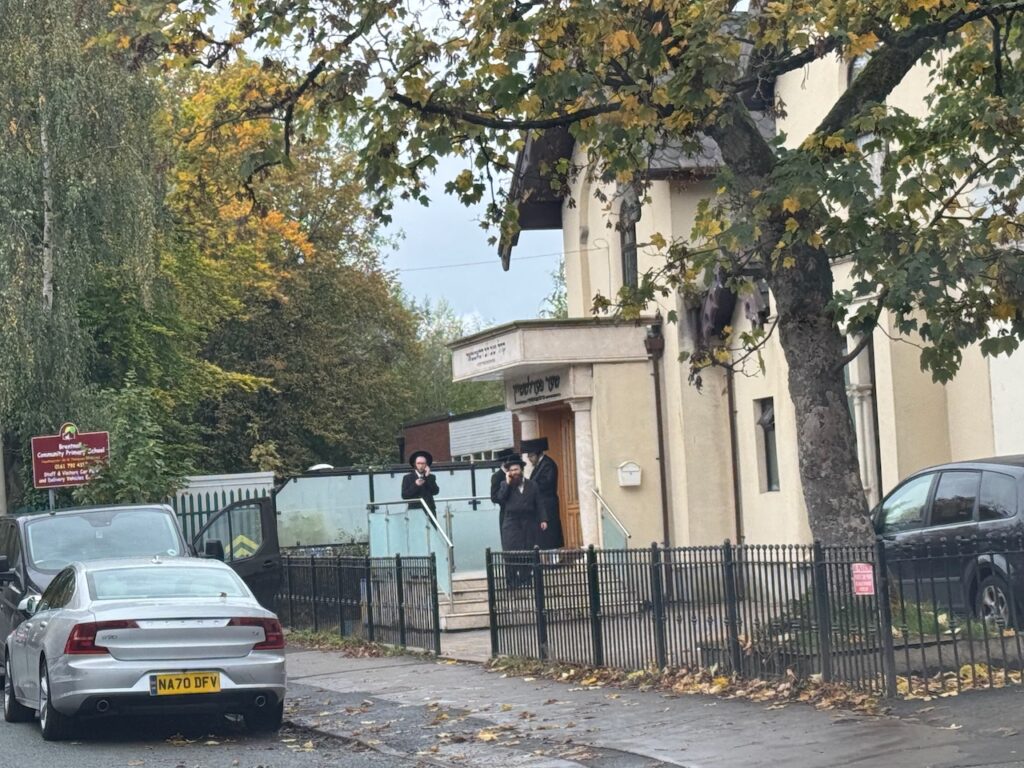
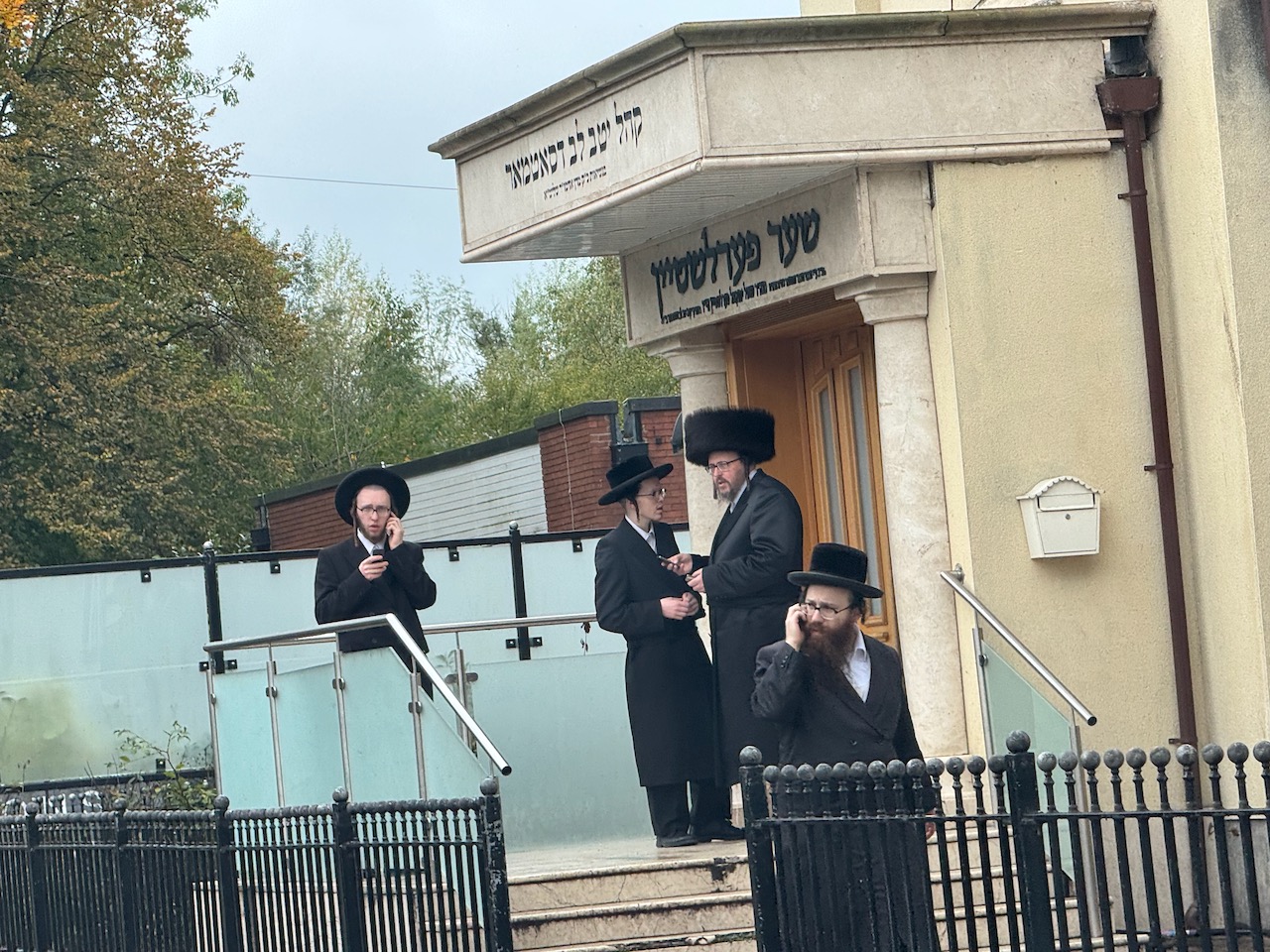
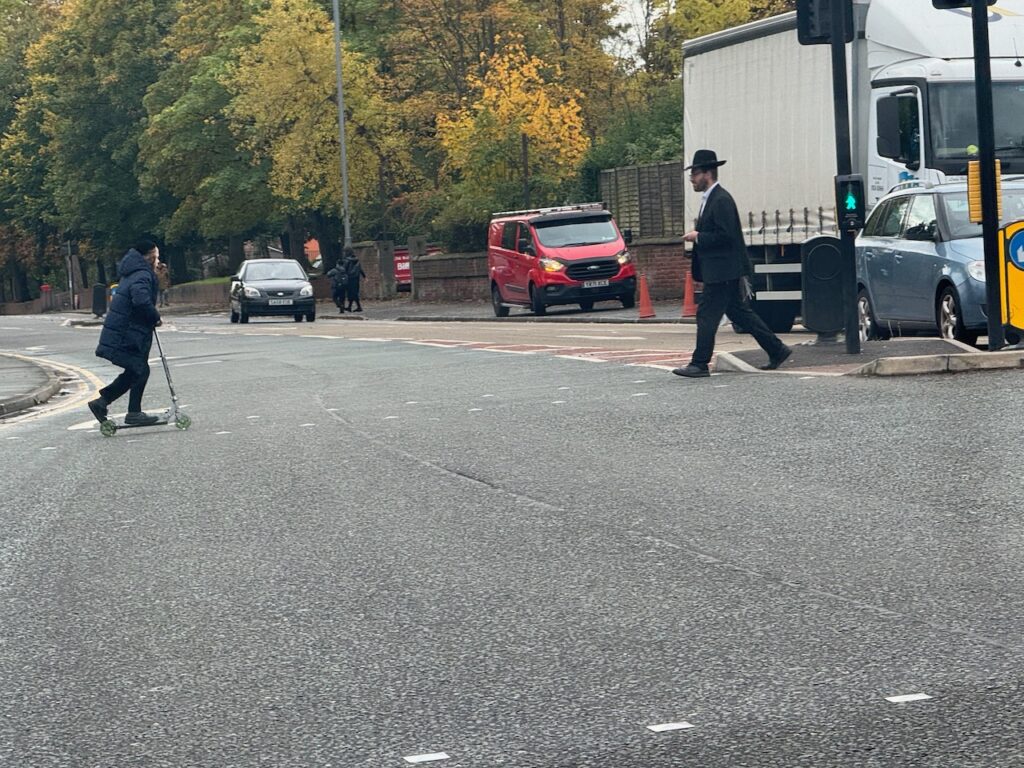
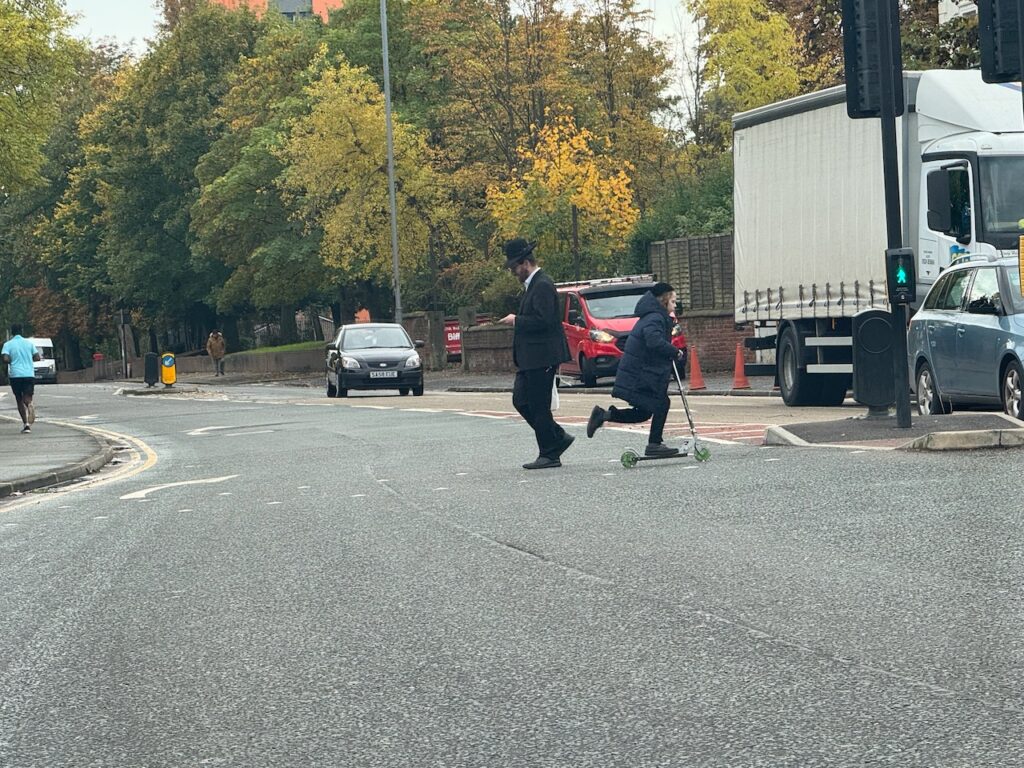
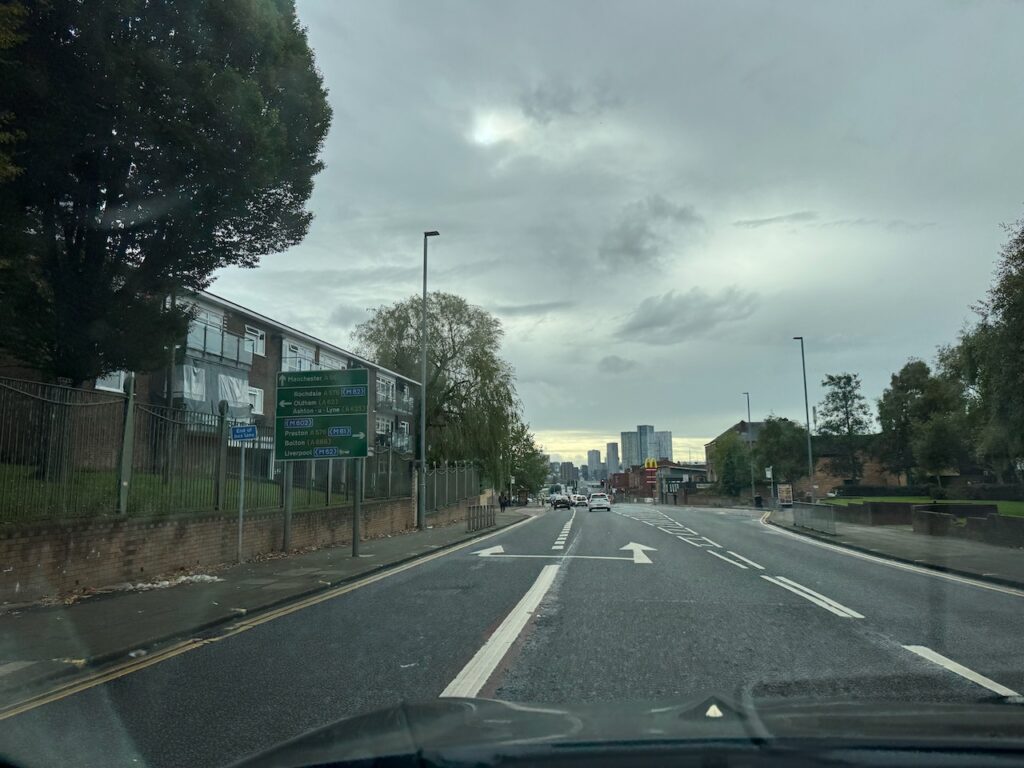

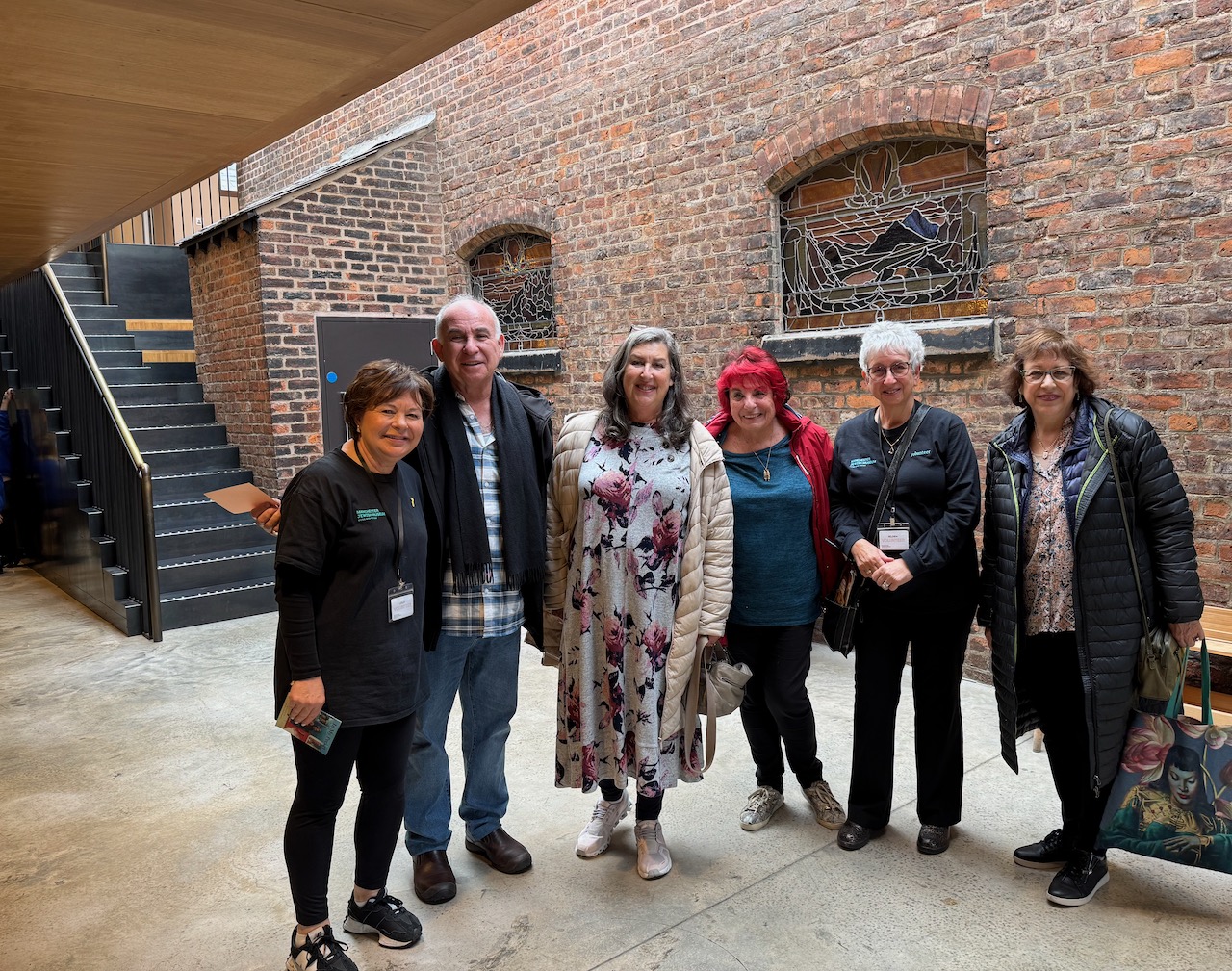
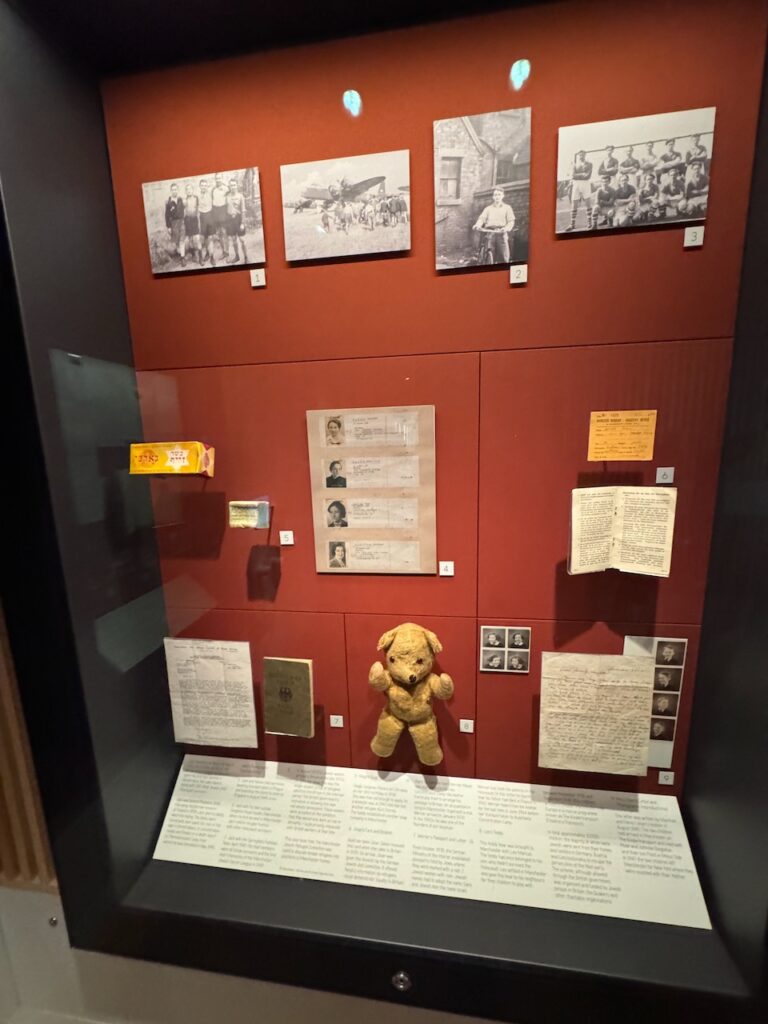
The Manchester Jewish Community Centre
Manchester Jewish Community Centre provides religious services, educational institutions and leisure facilities, including a swimming pool.
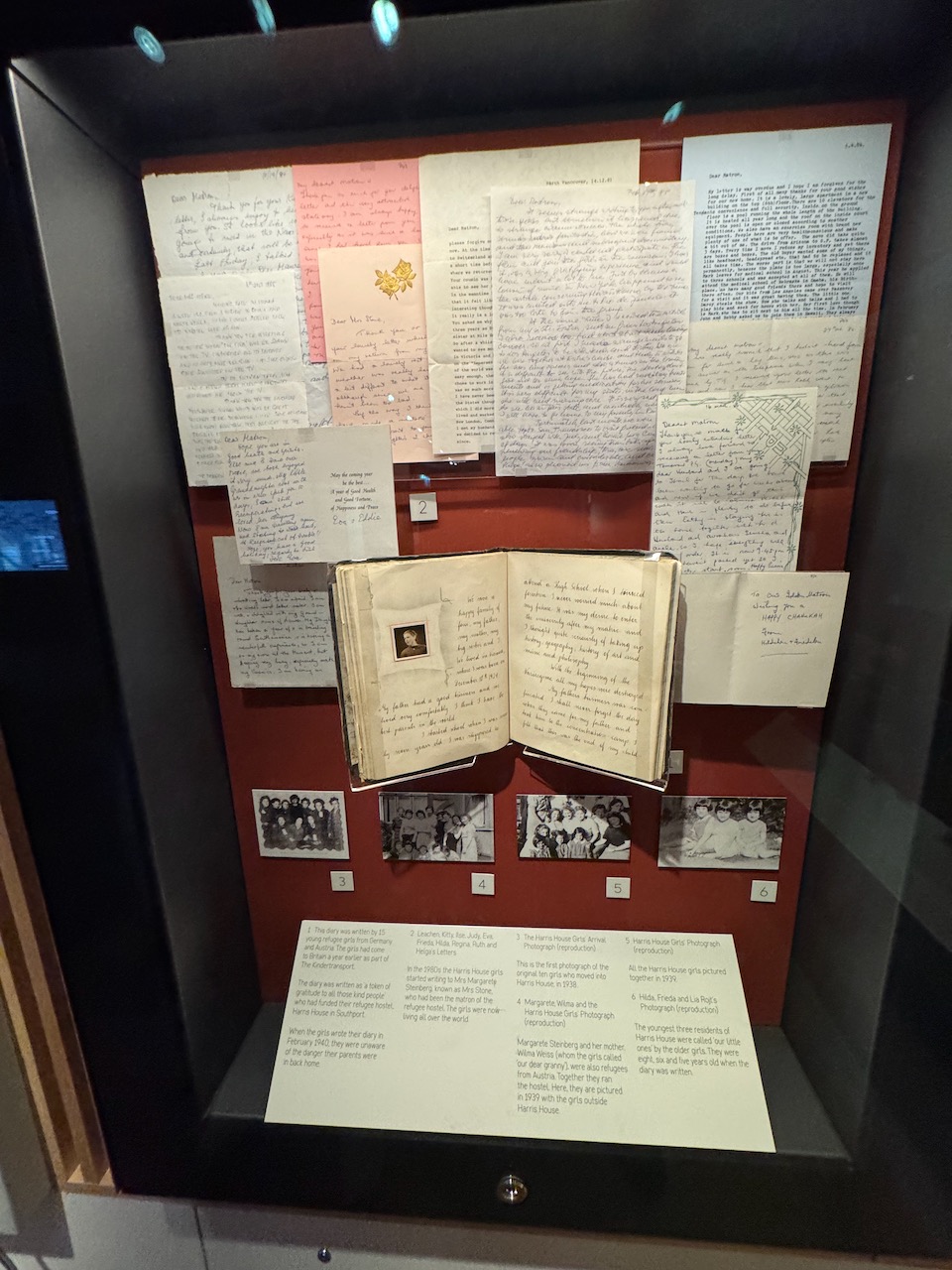
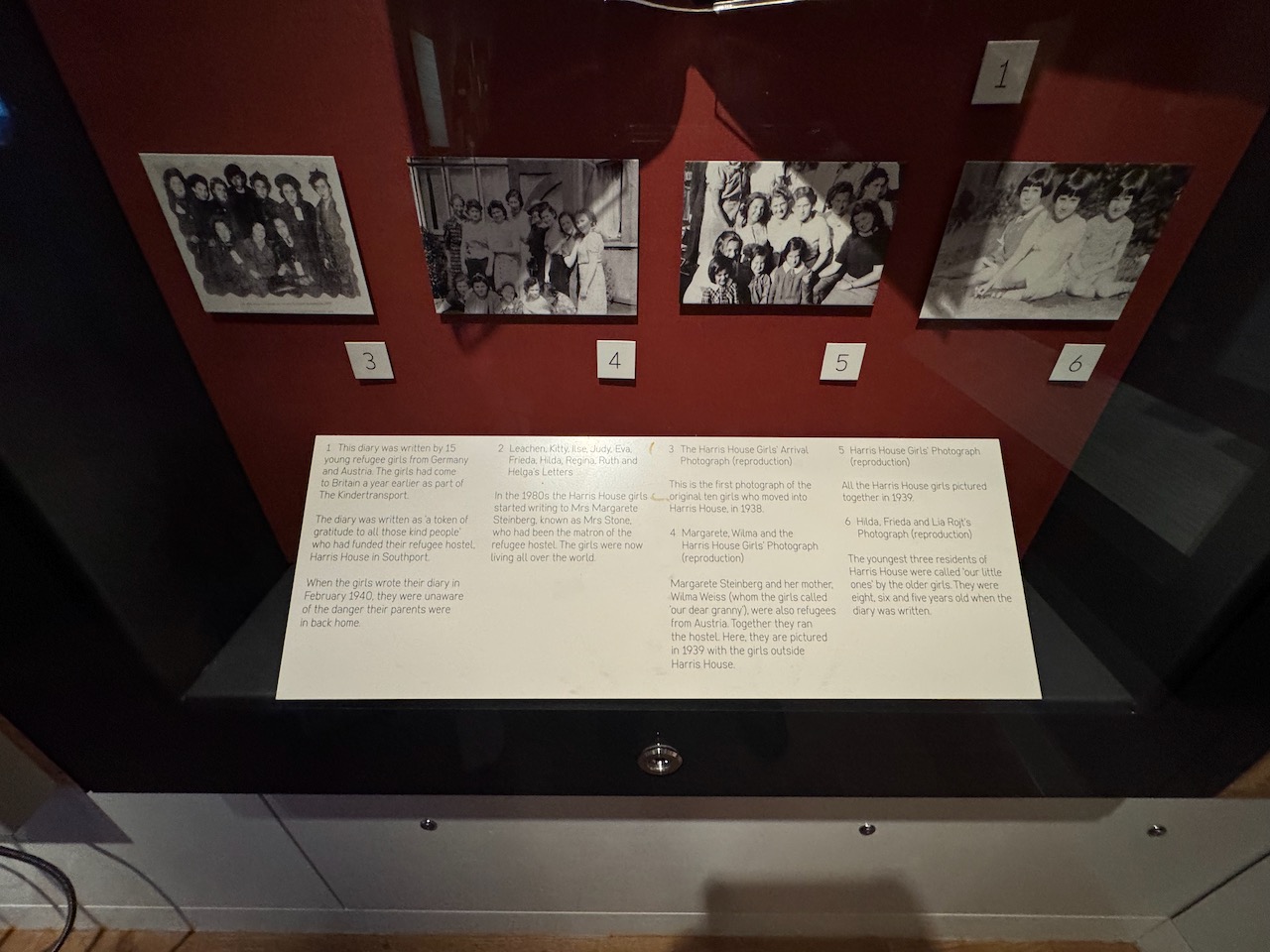
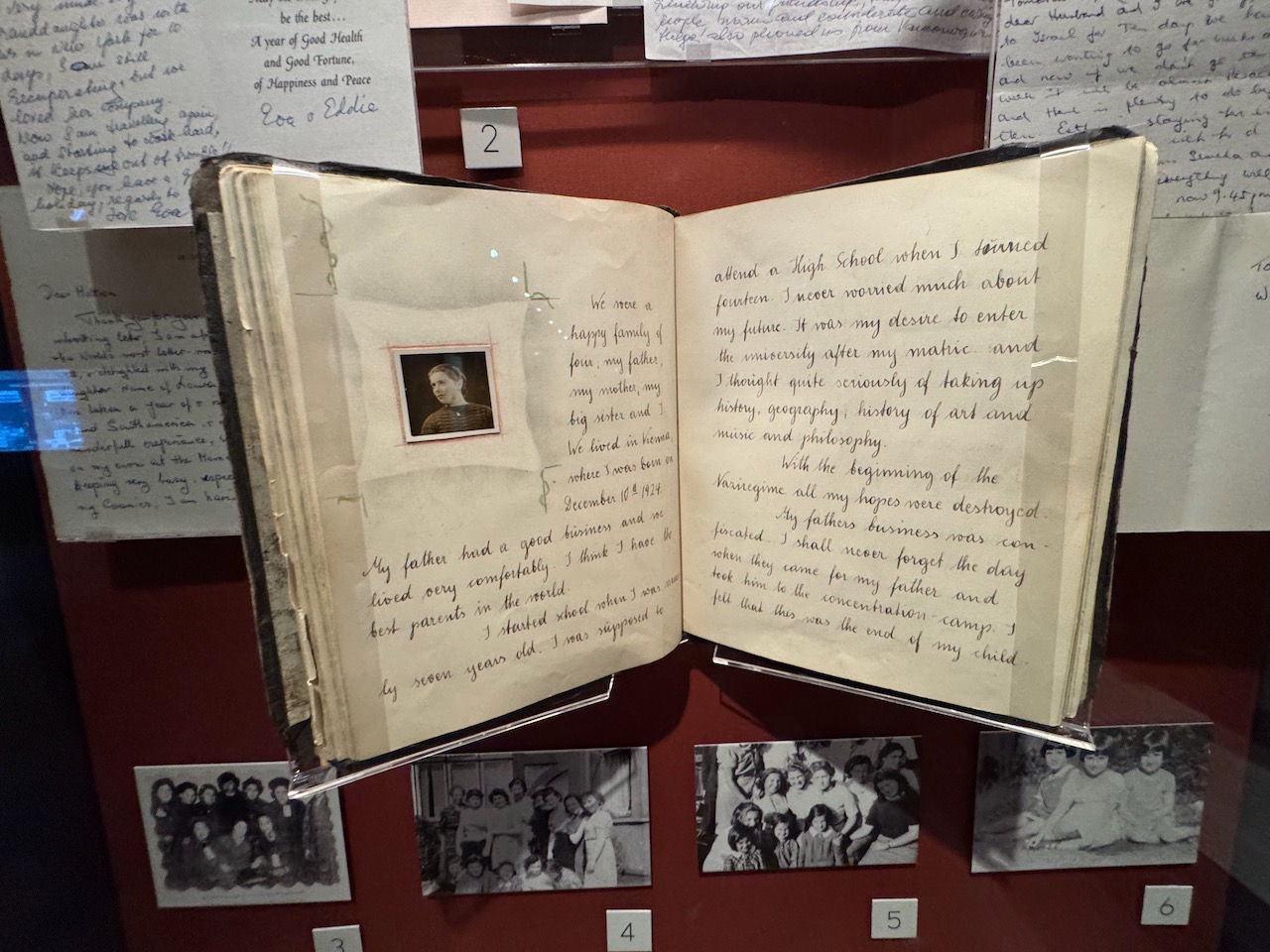
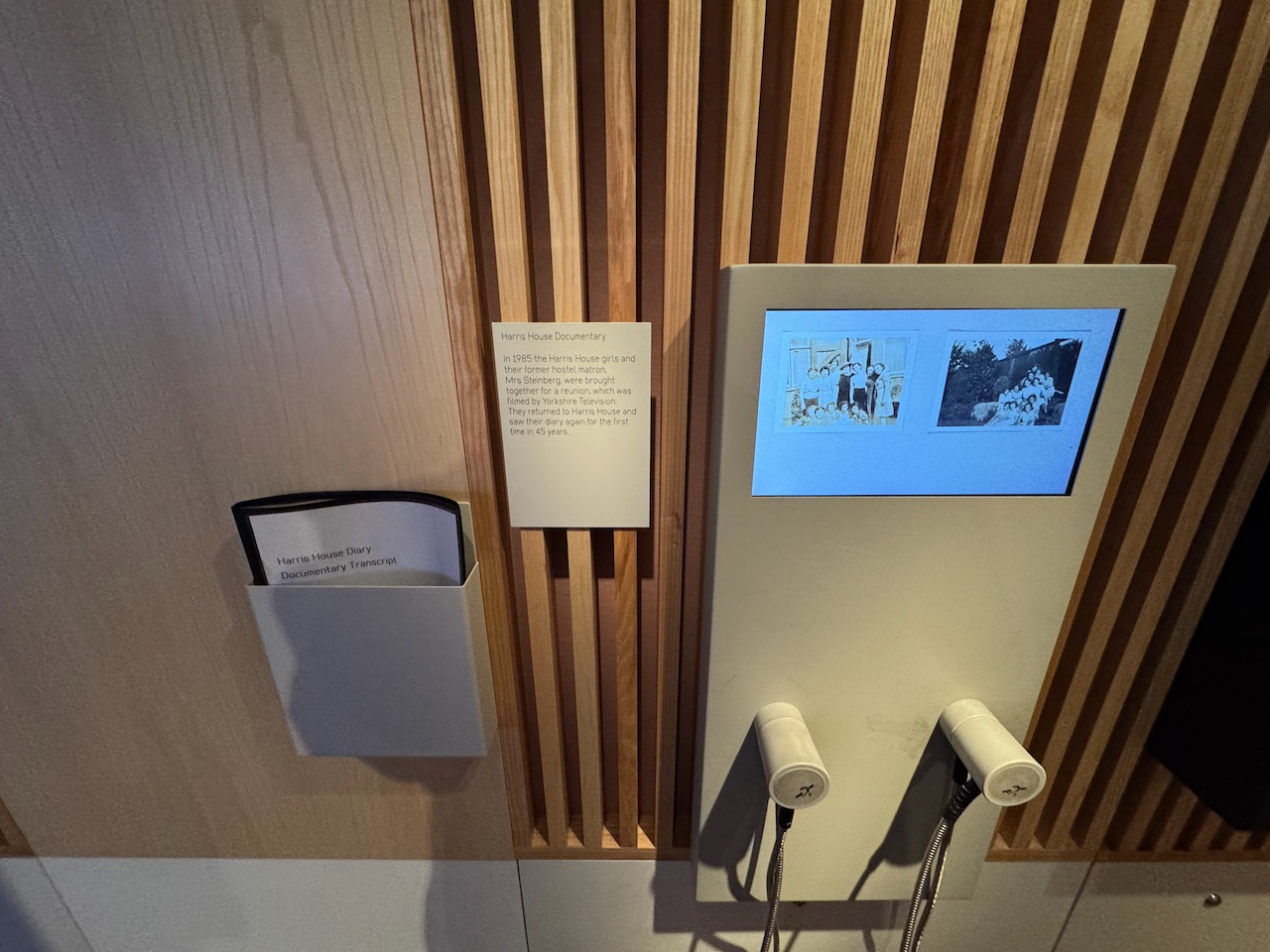
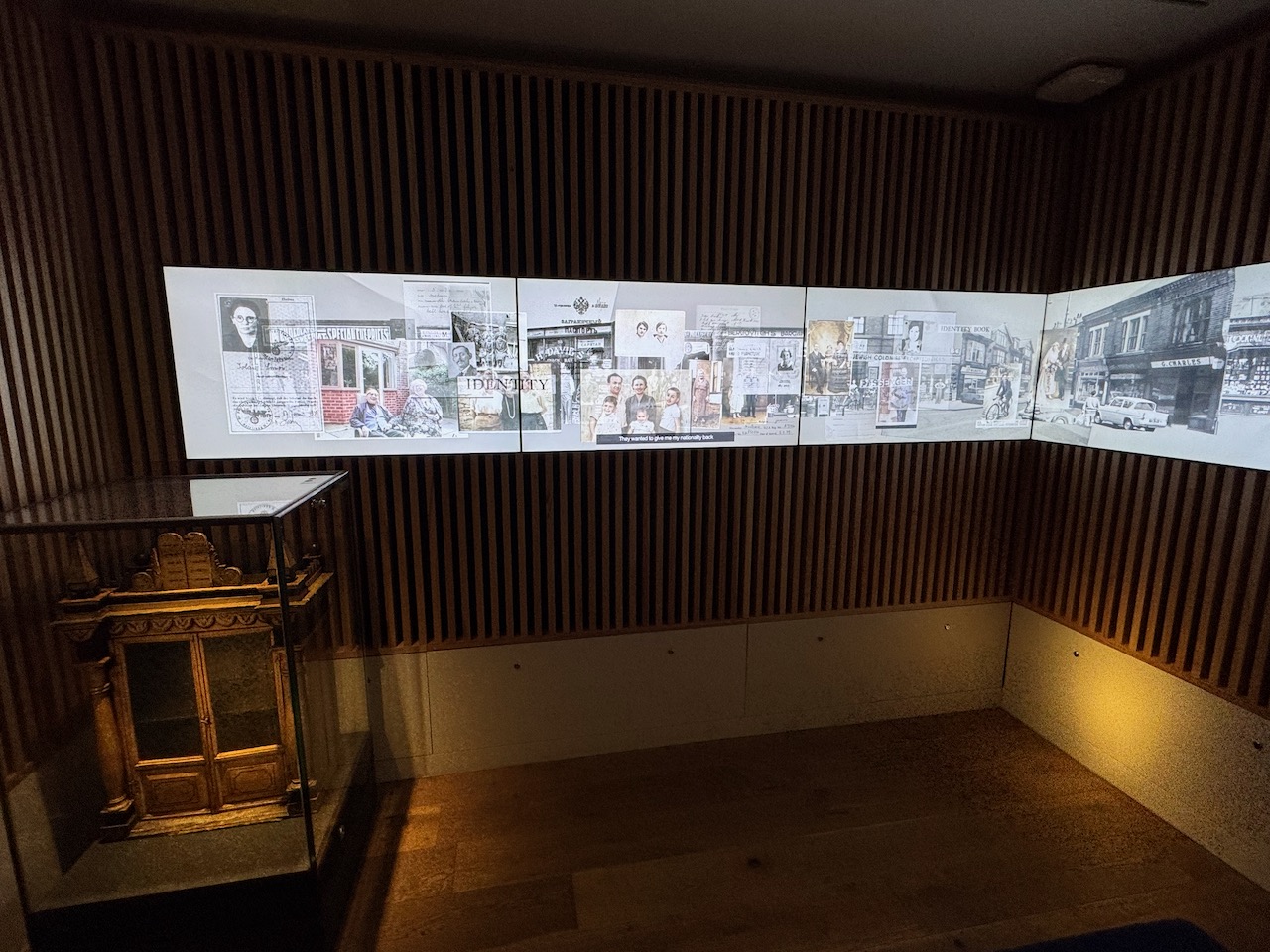
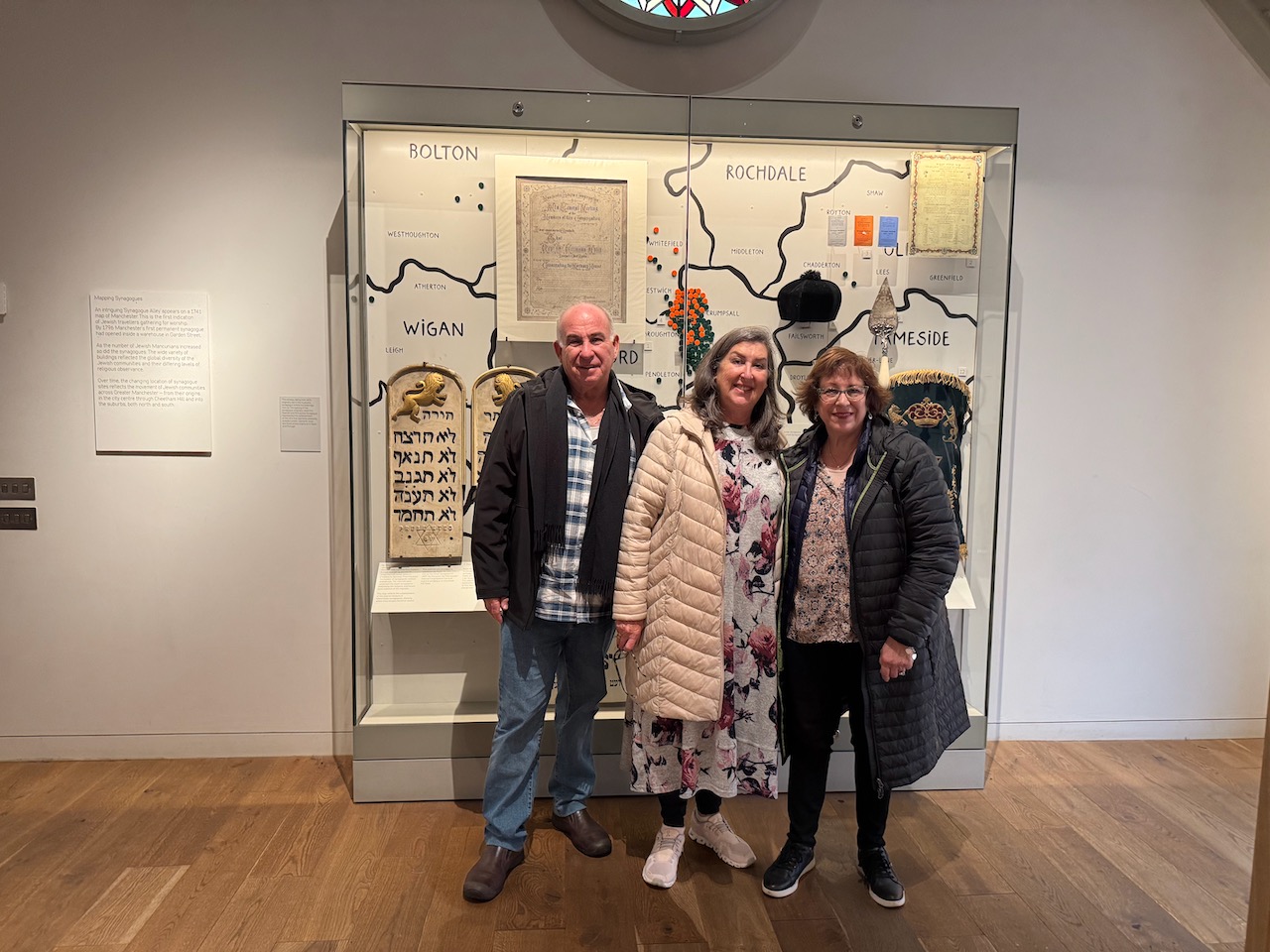
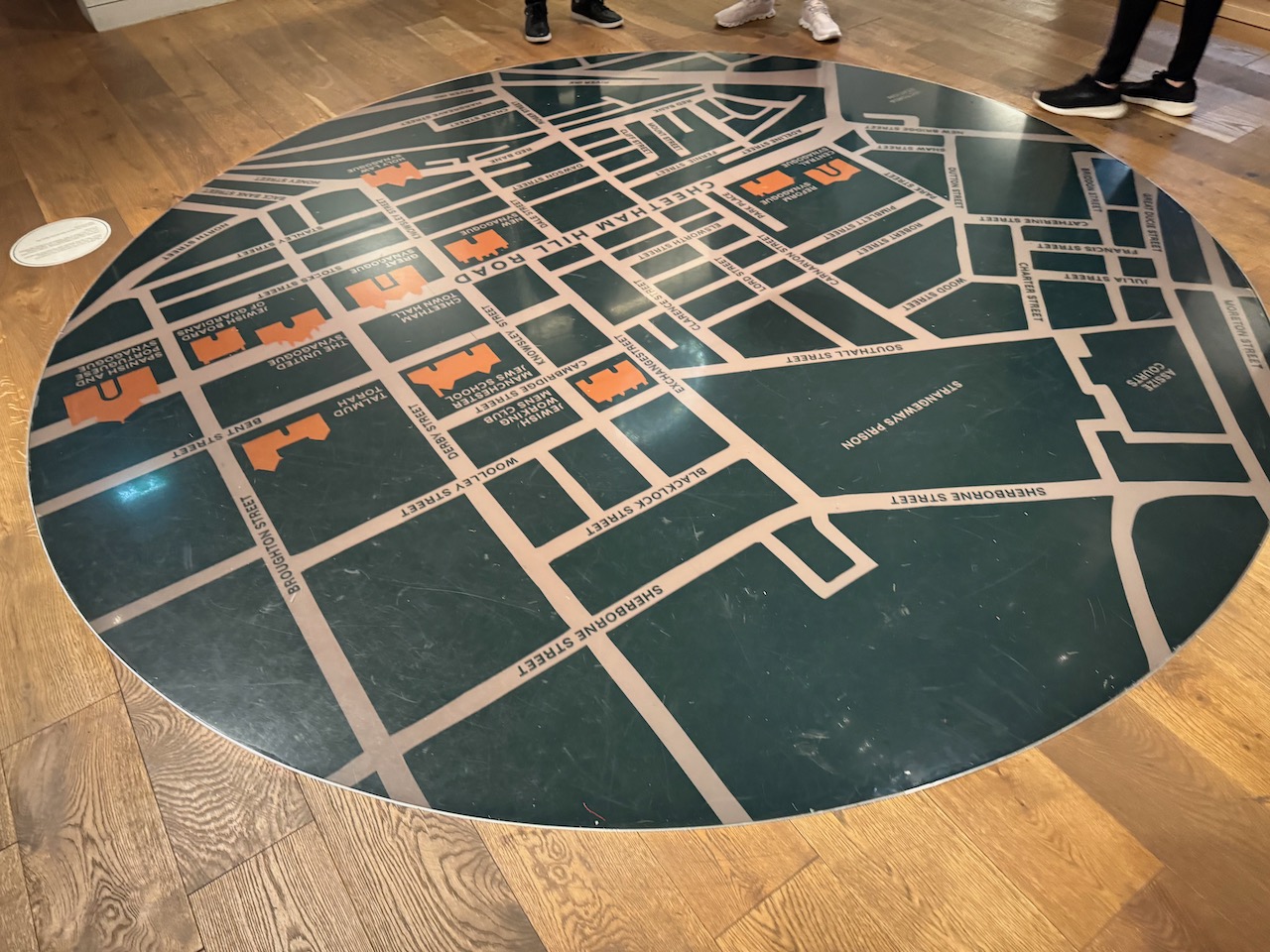
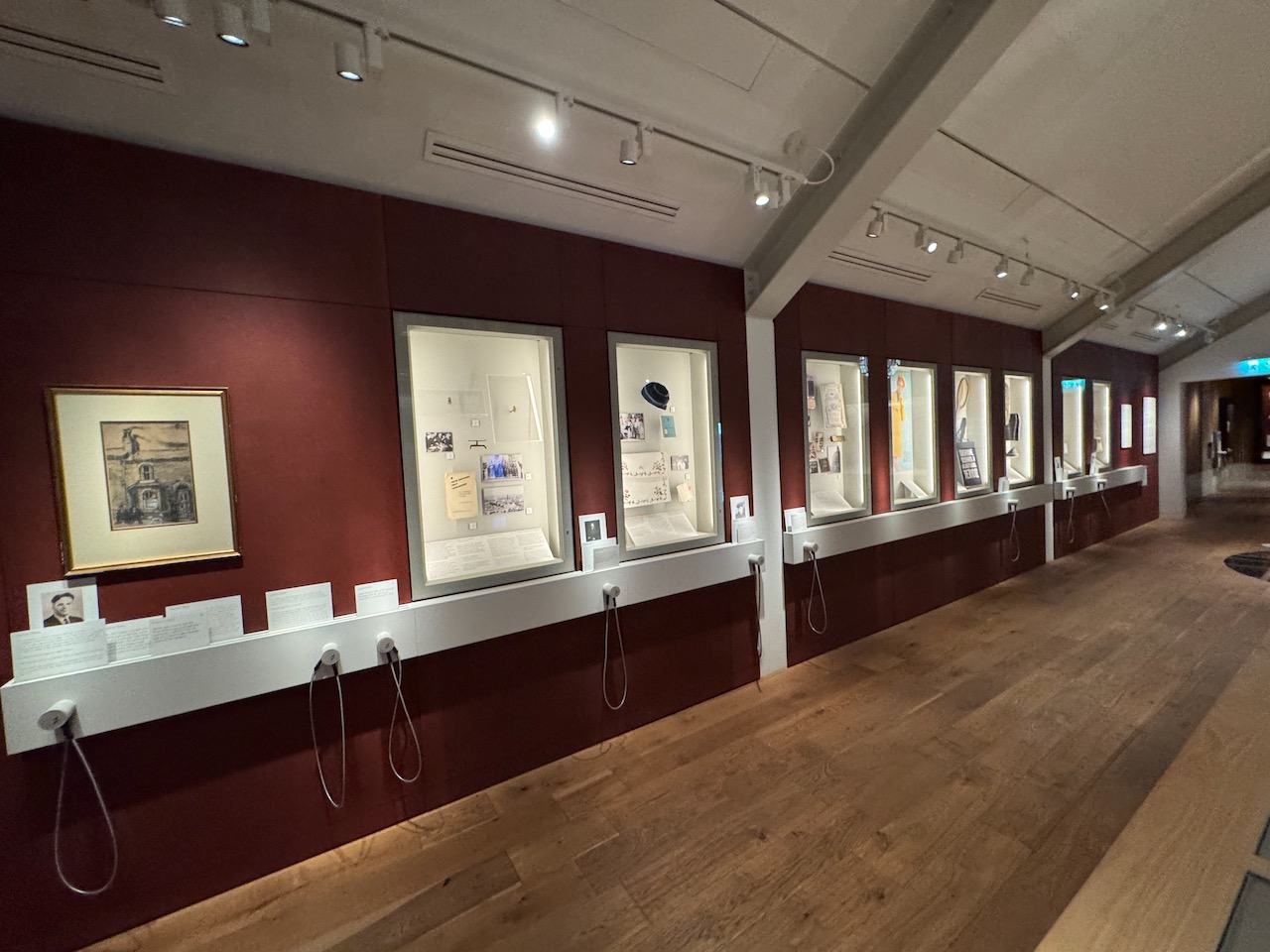
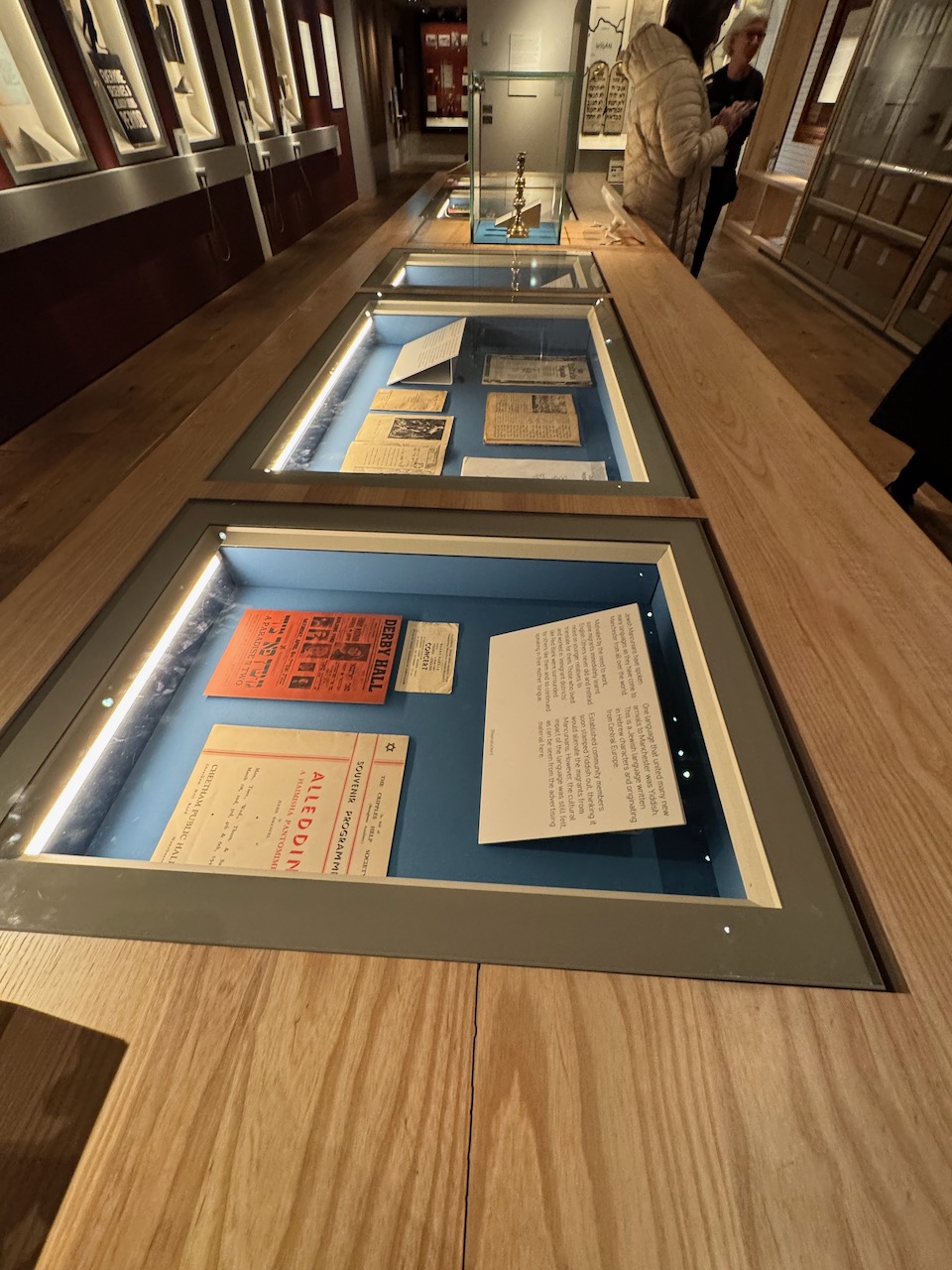
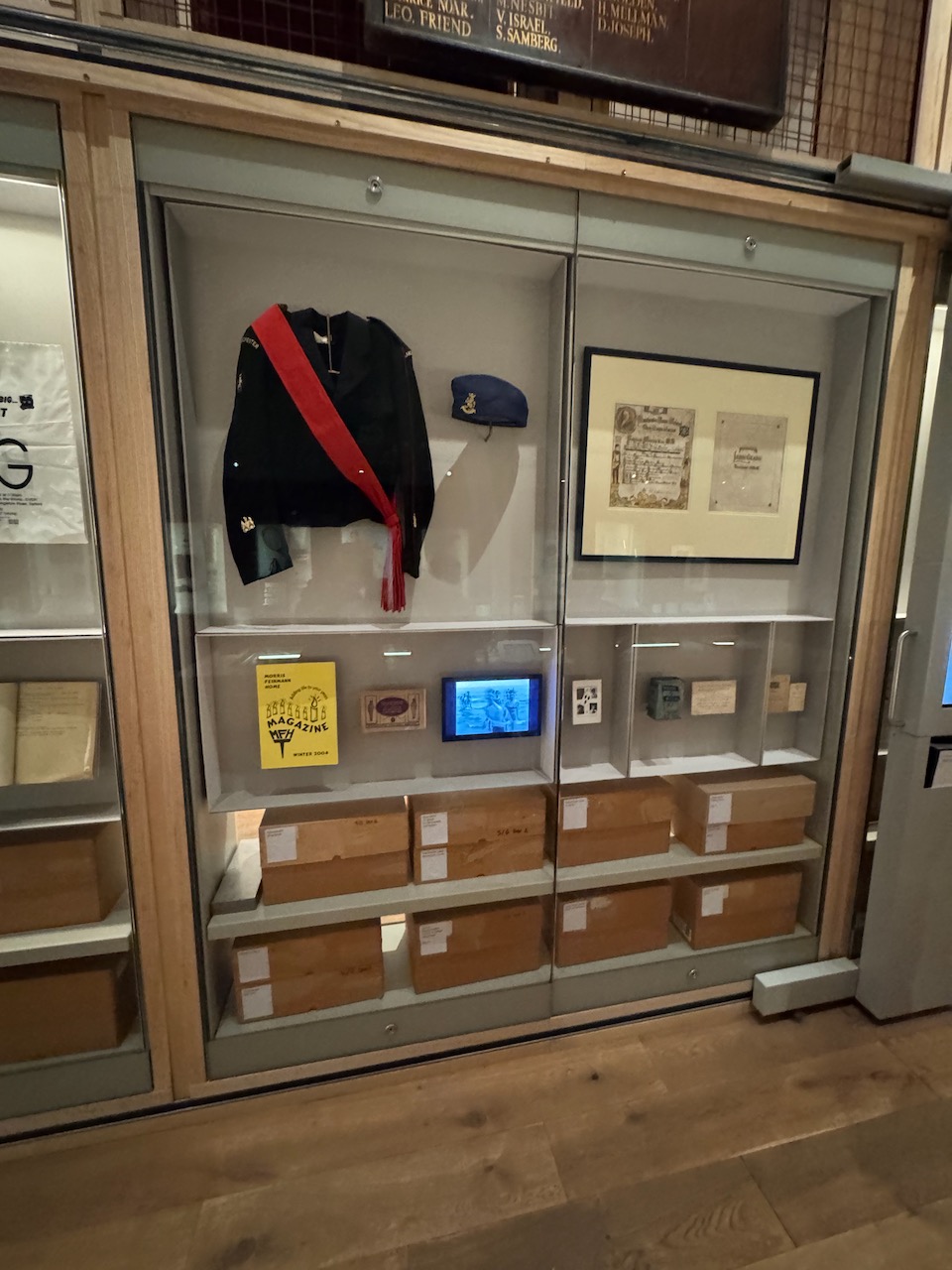
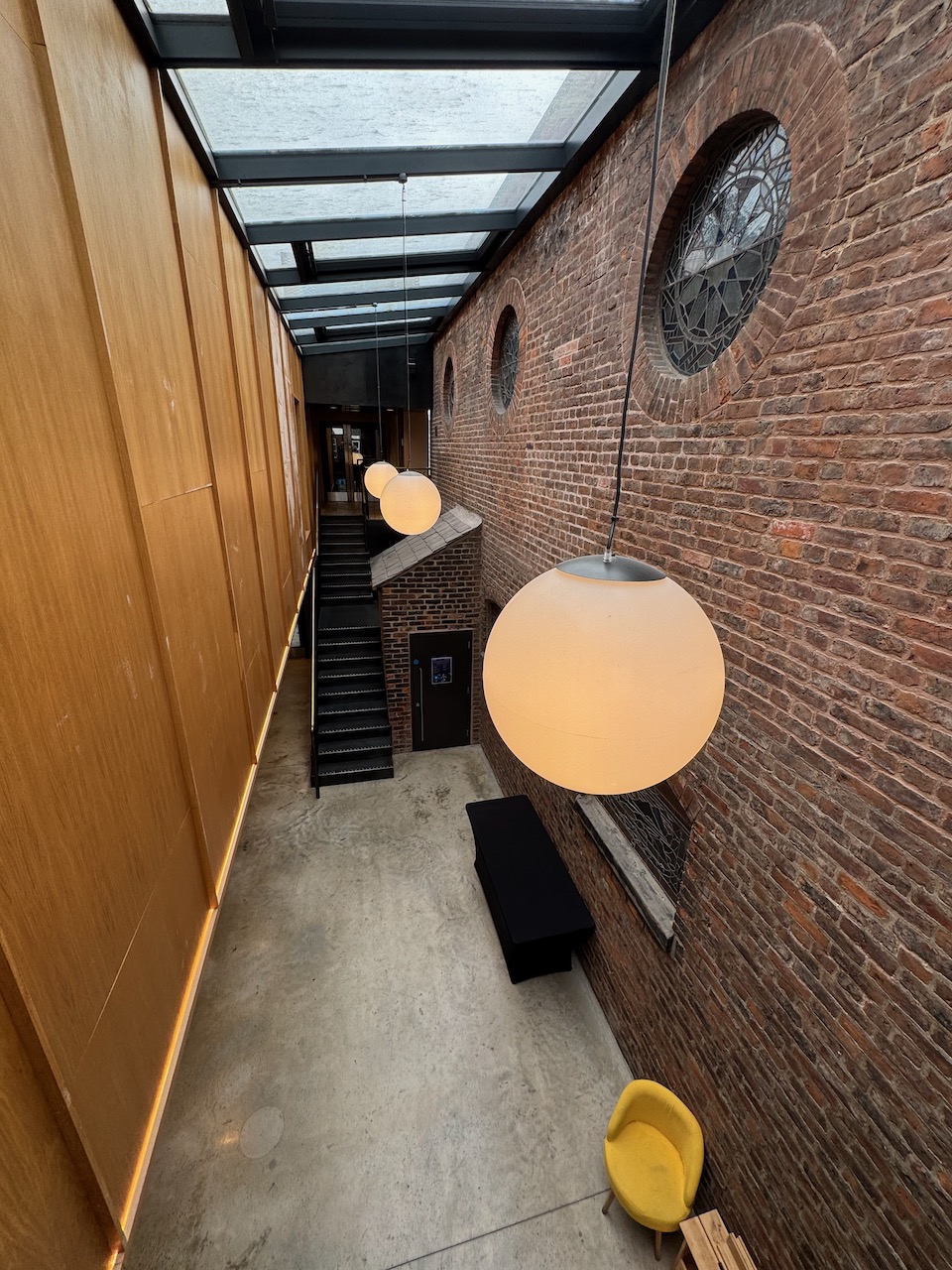
The Manchester Jewish Museum
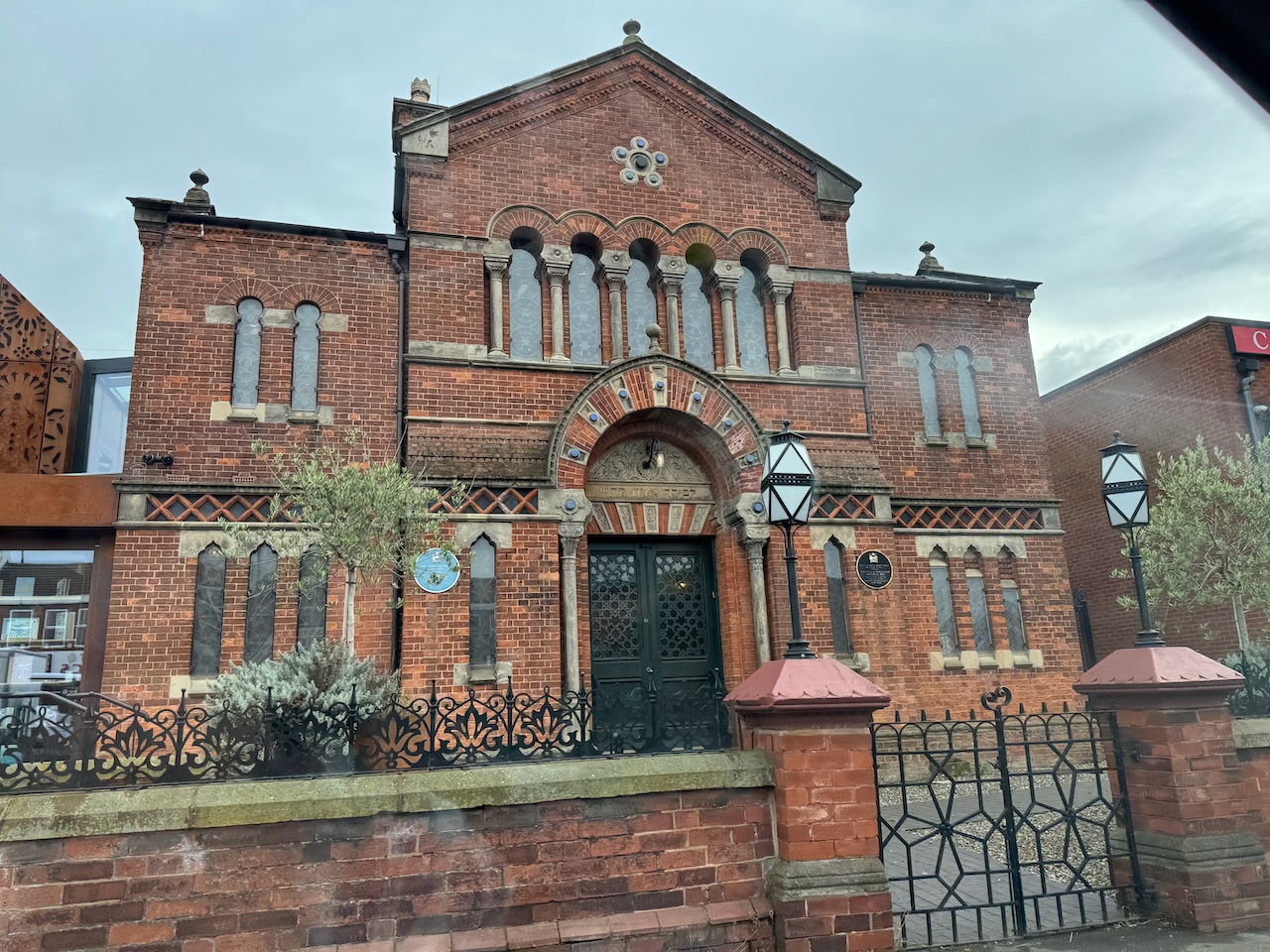
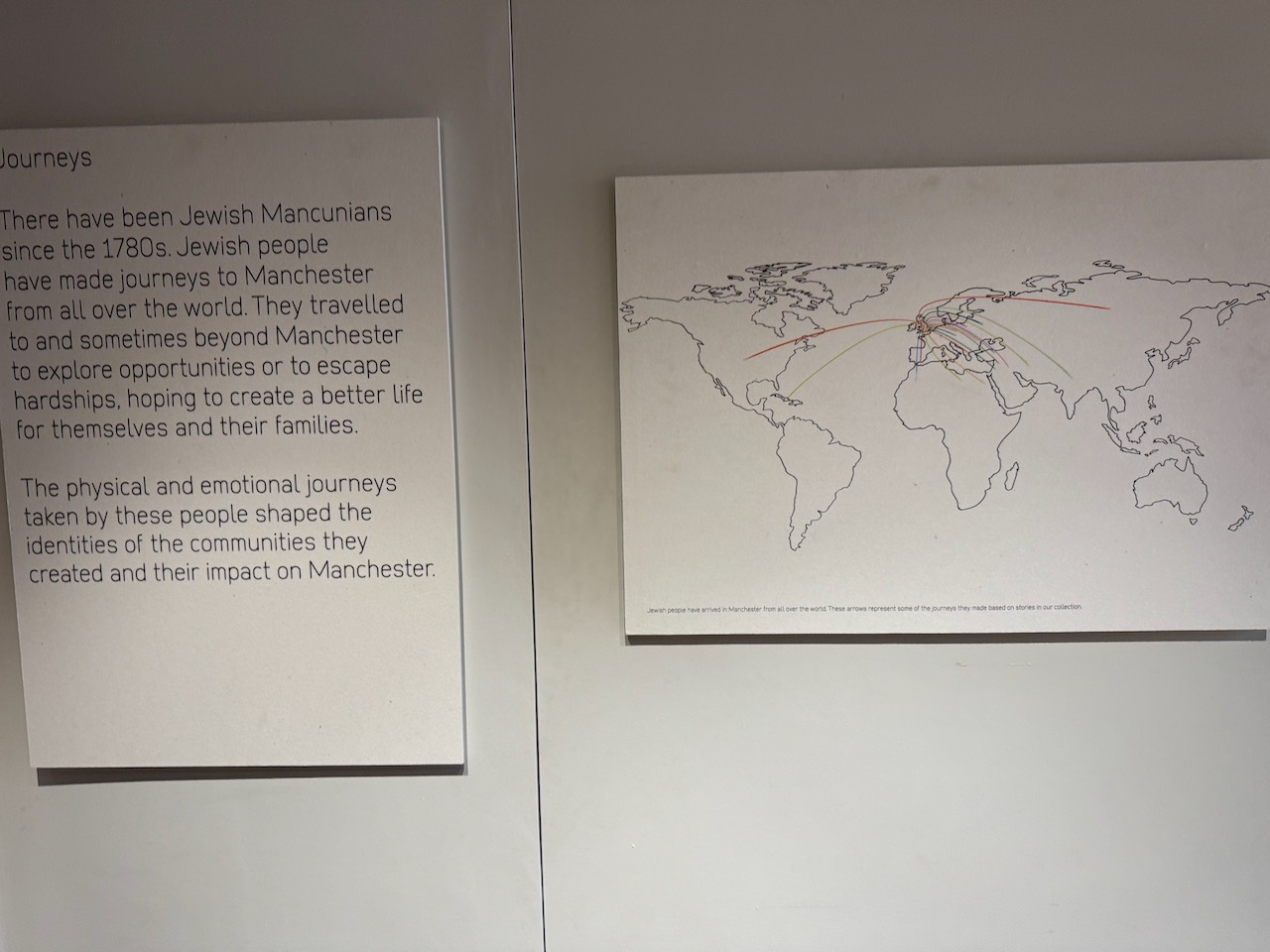
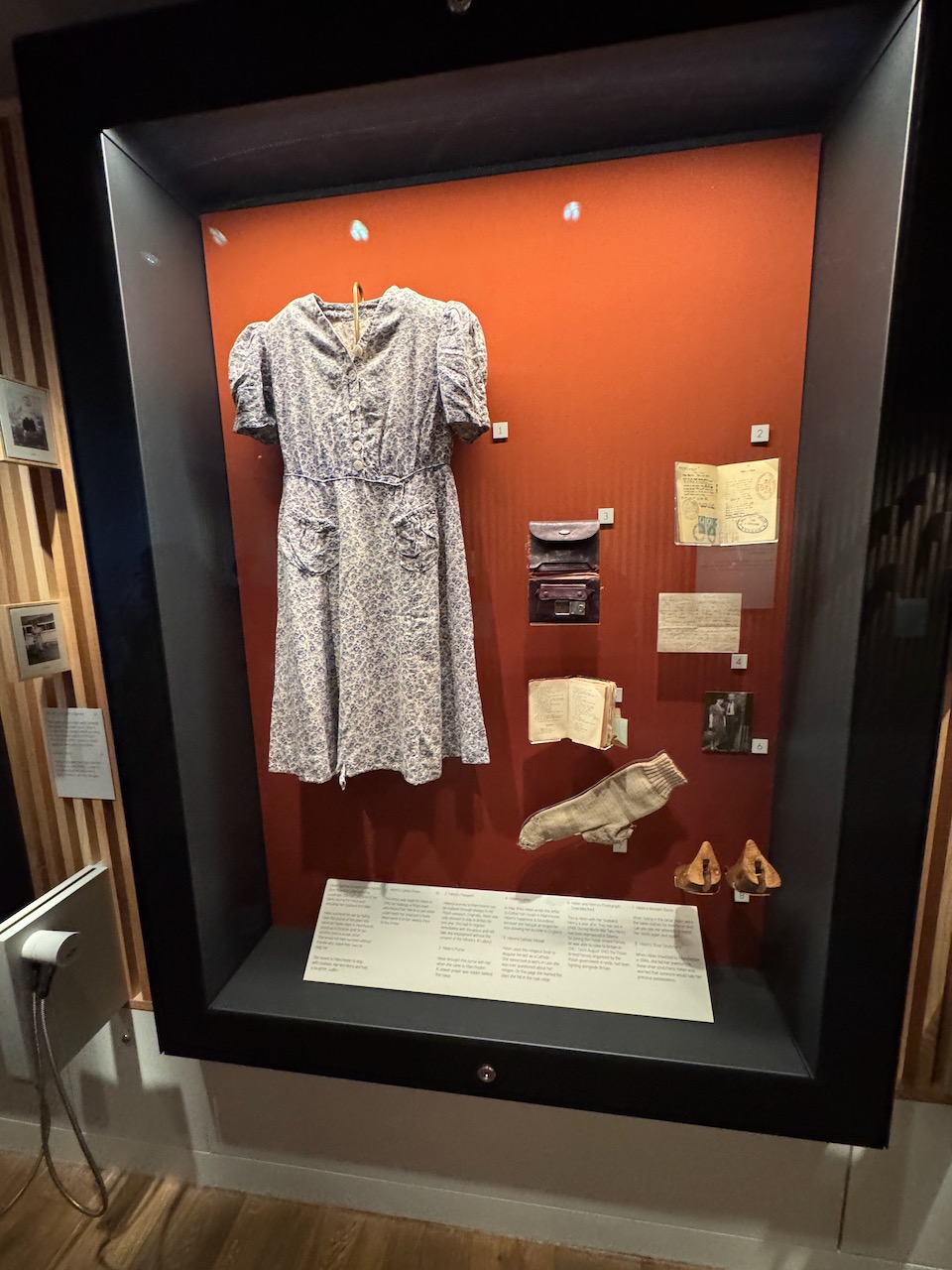
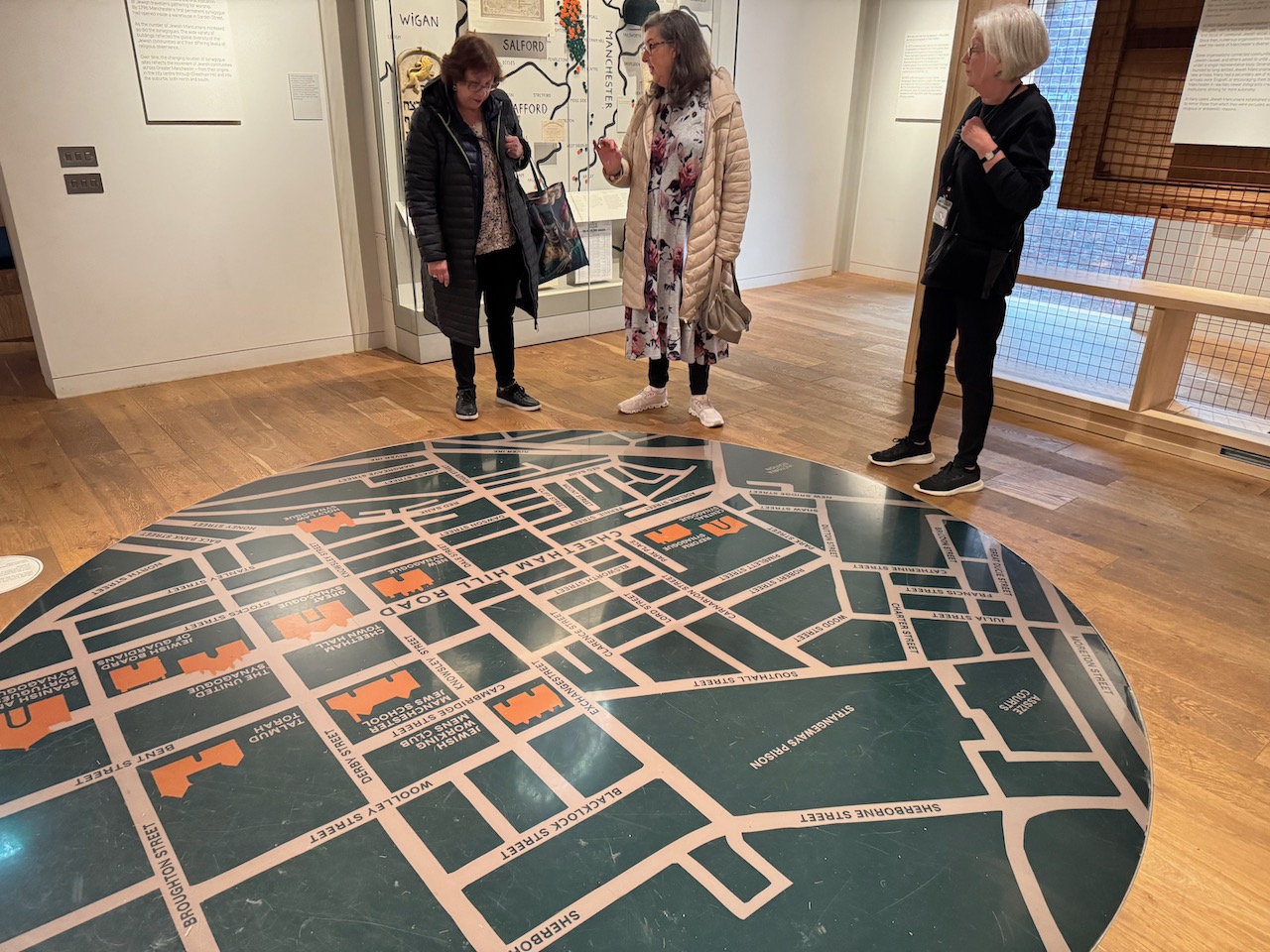
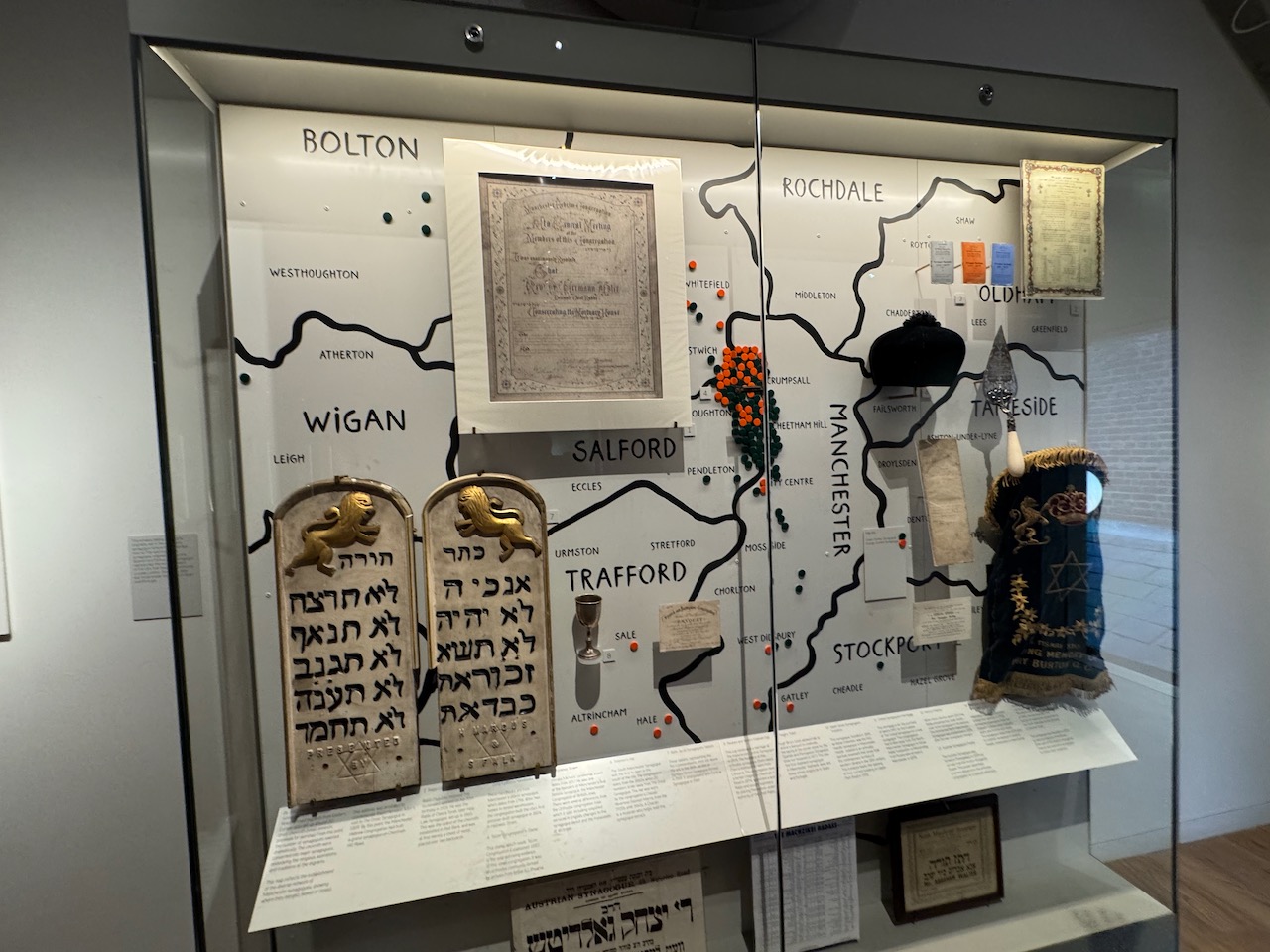
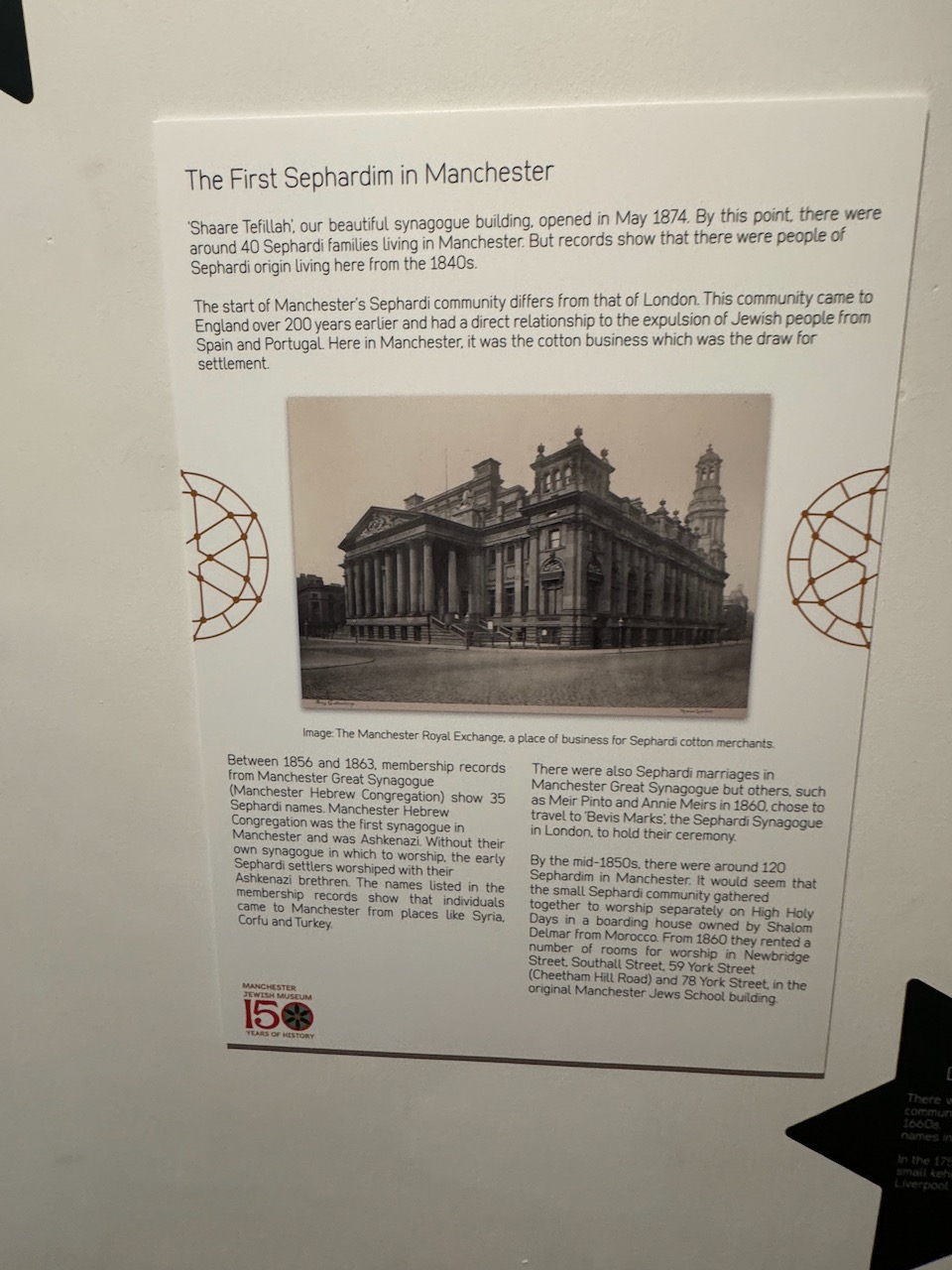
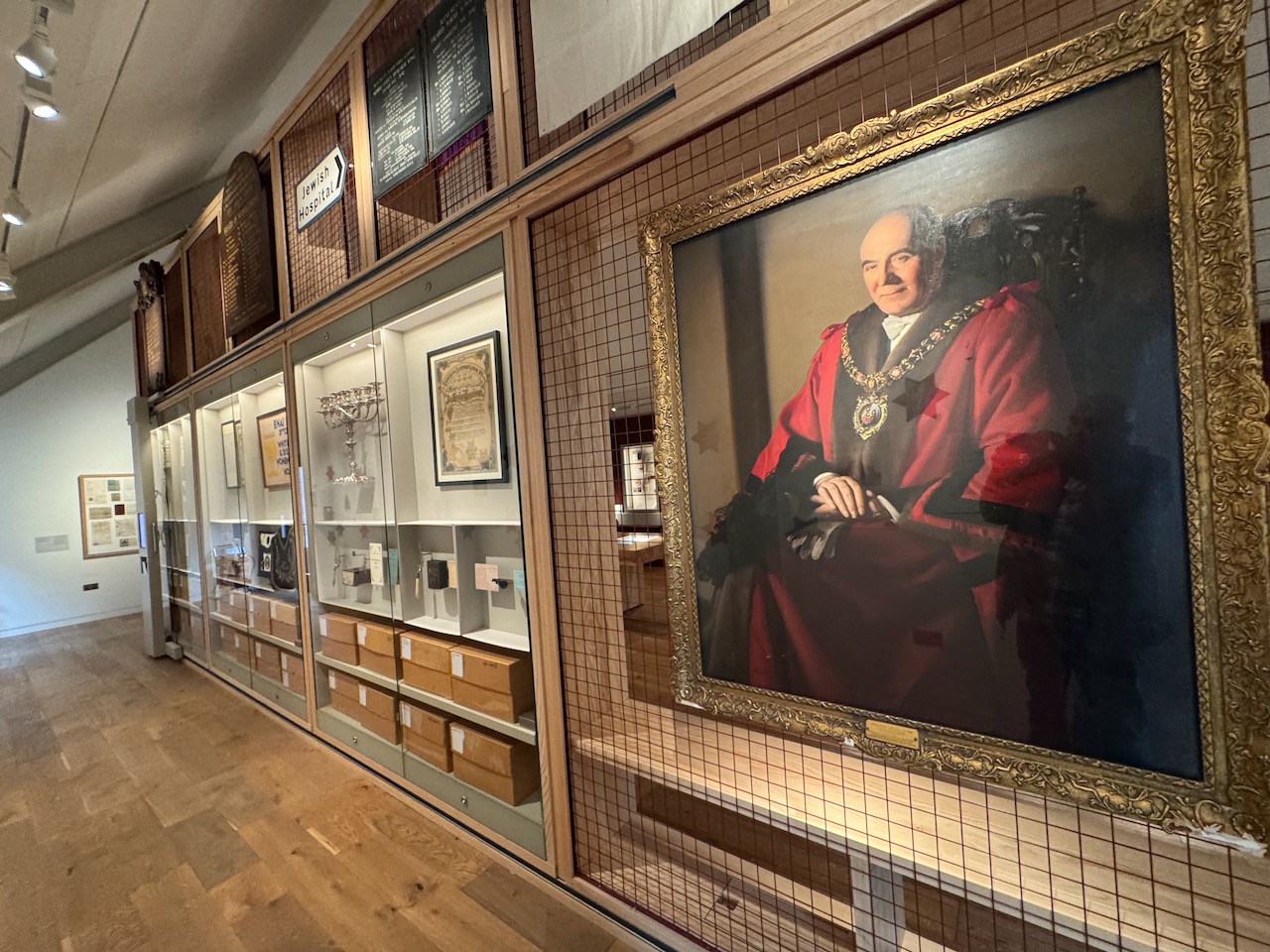
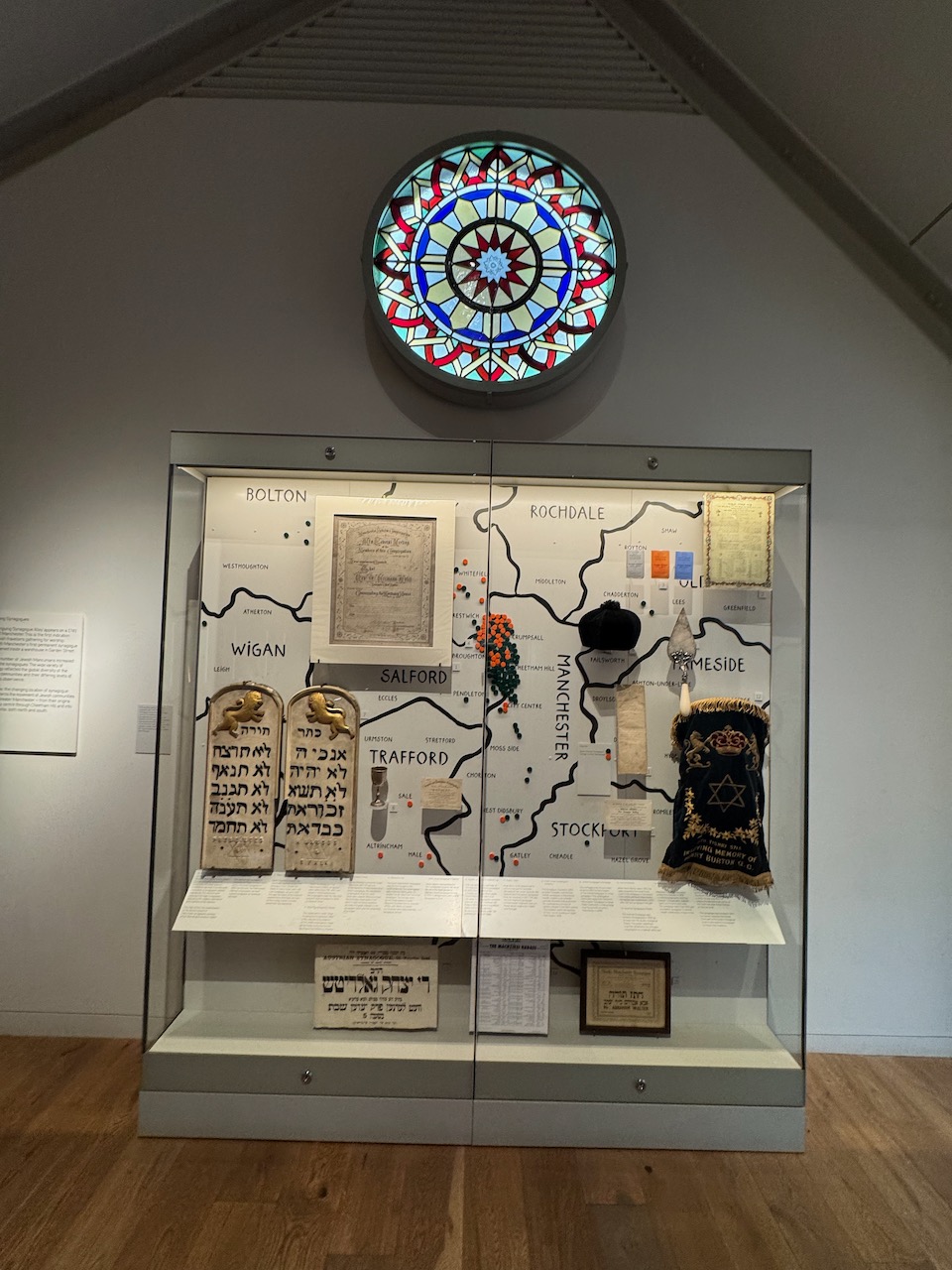
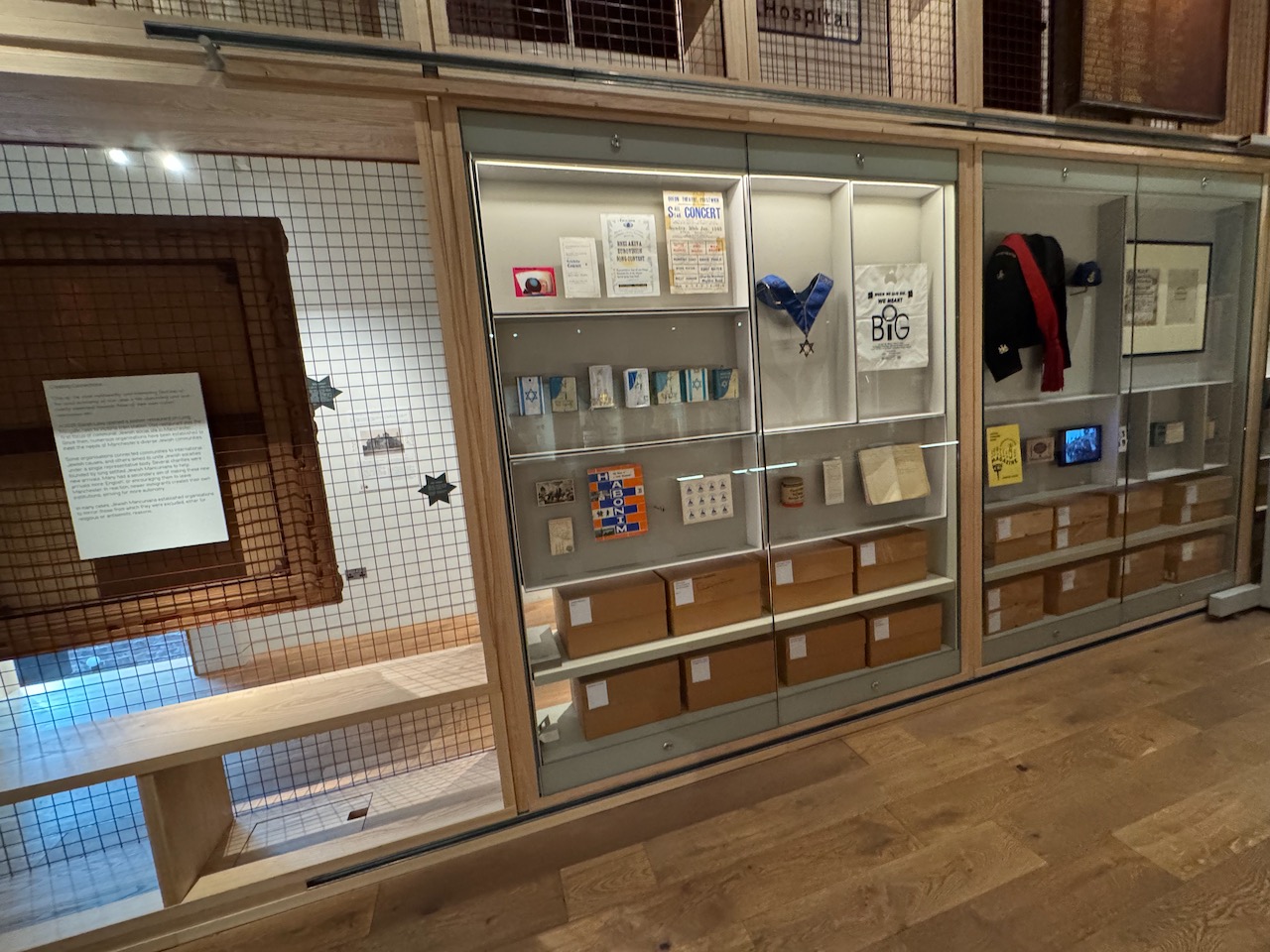
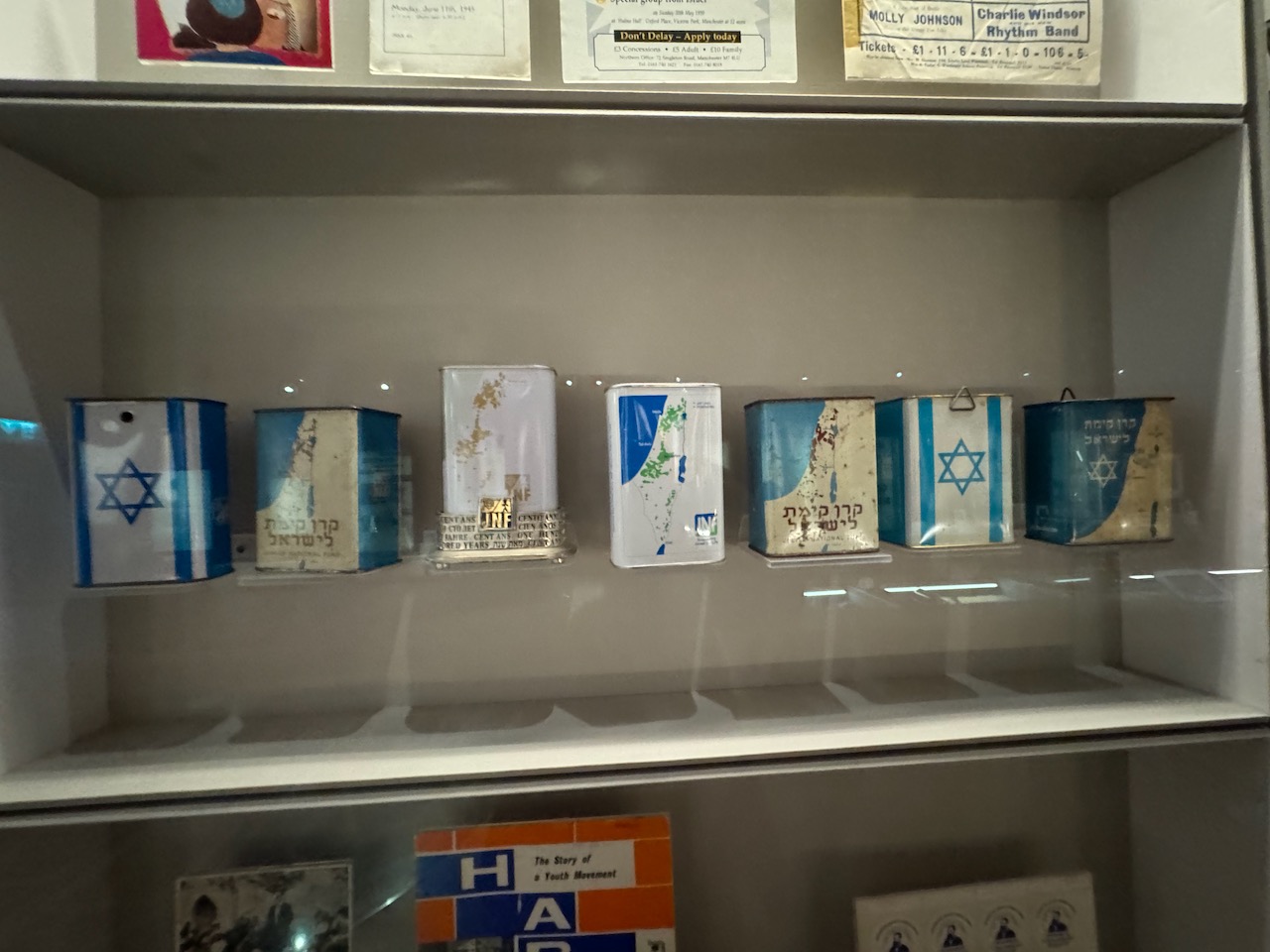
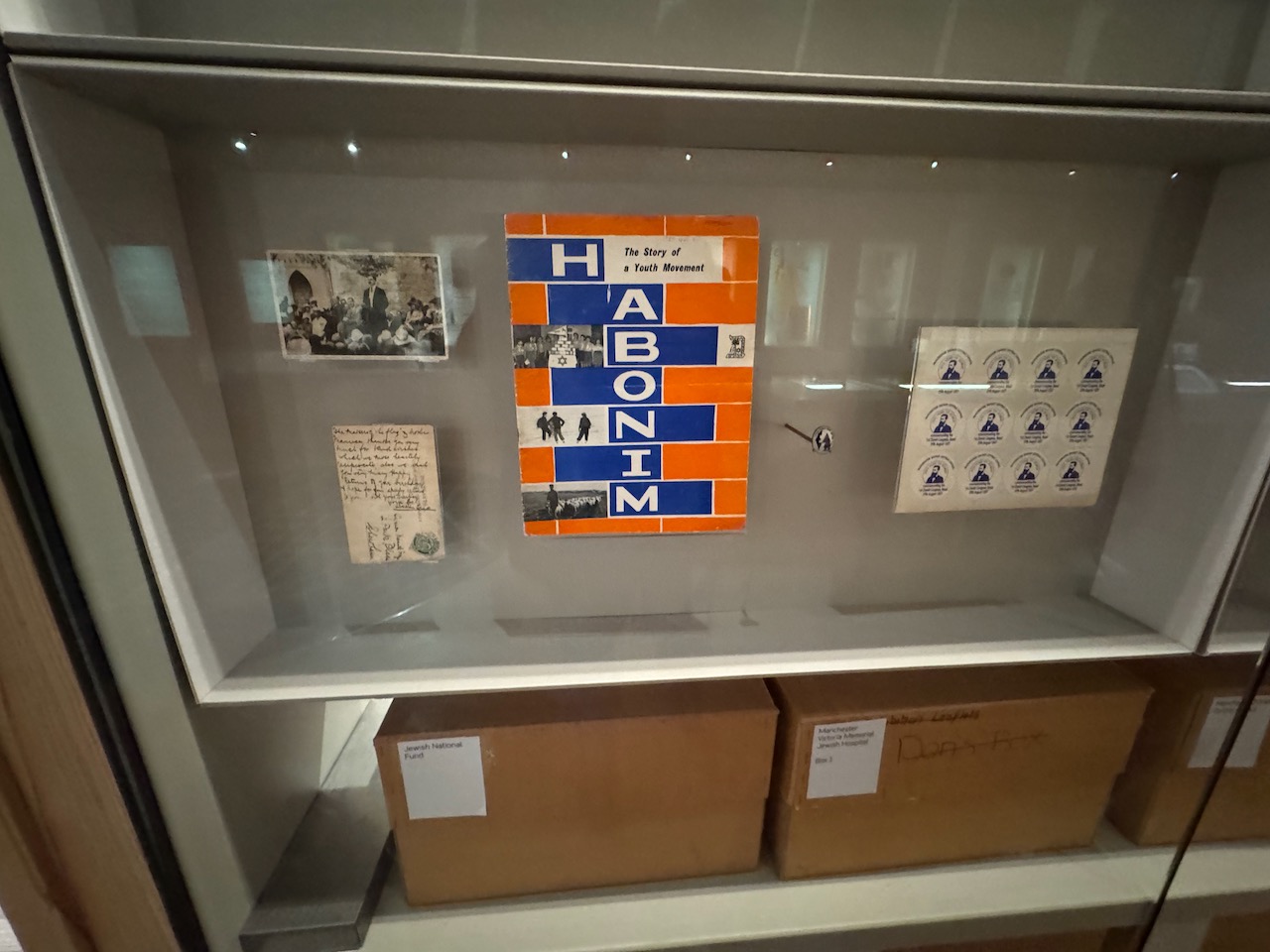
.jpg)
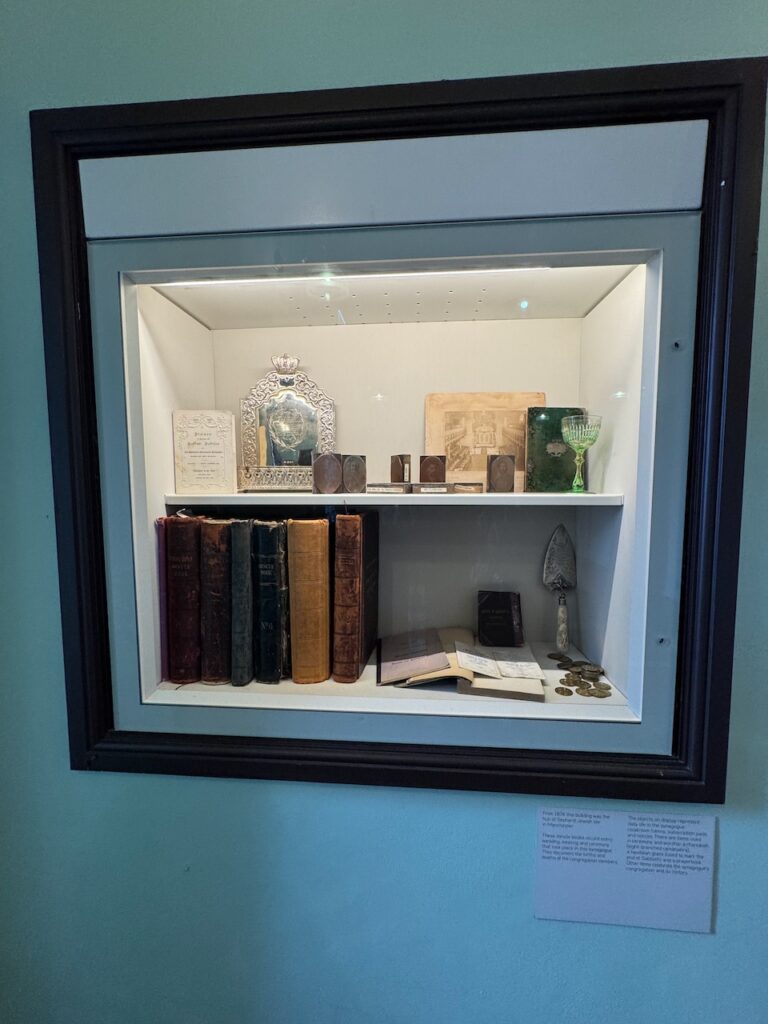
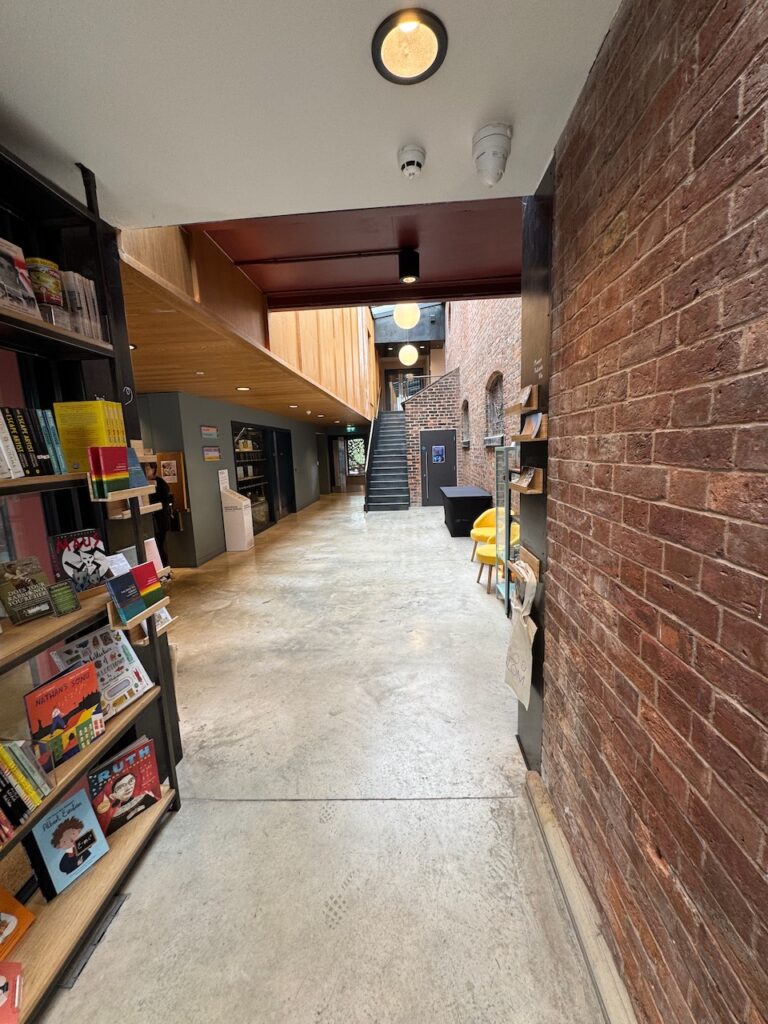
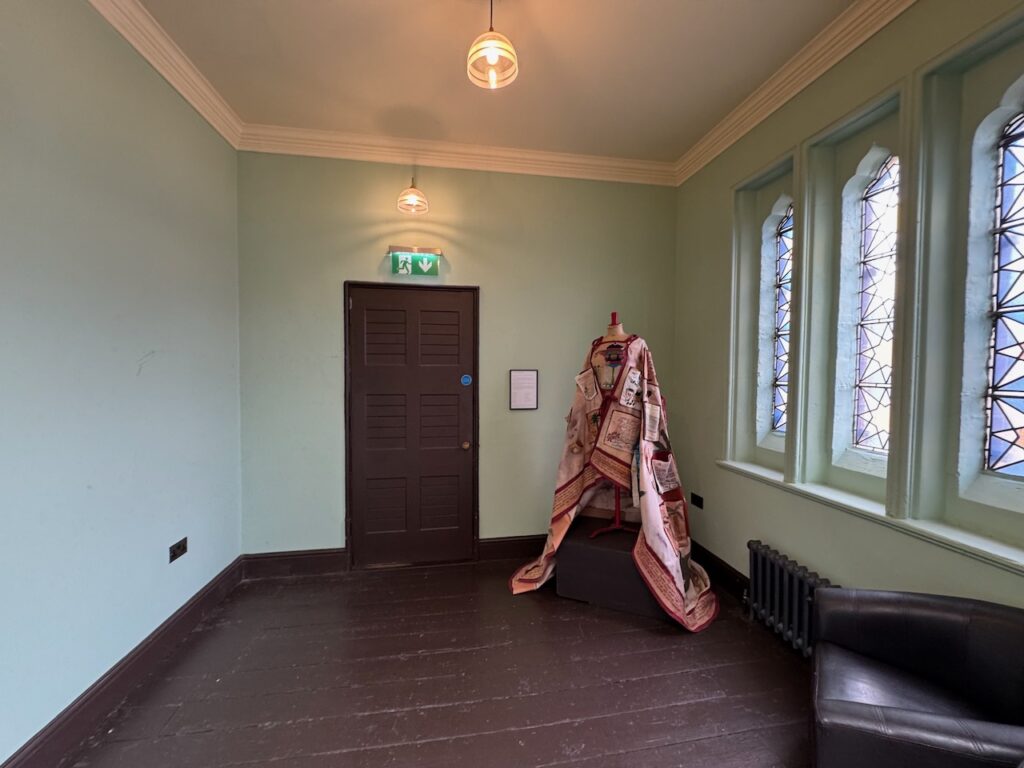
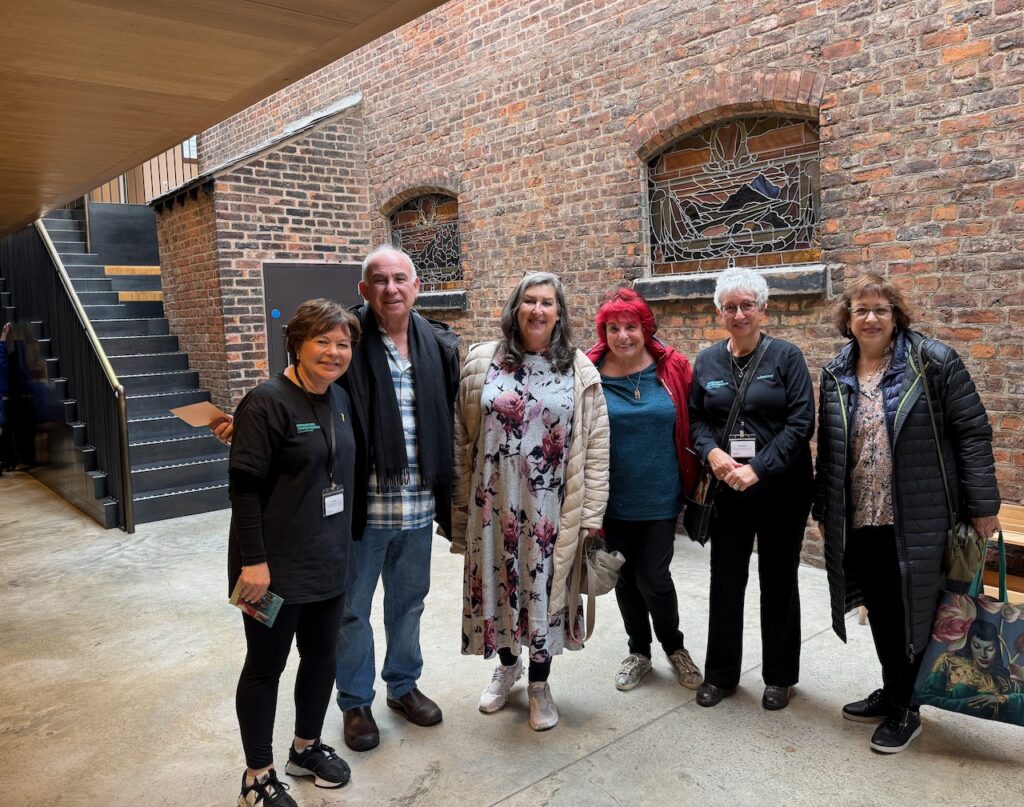
Manchester Jewish Museum – Wikipedia
From Wikipedia, the free encyclopedia
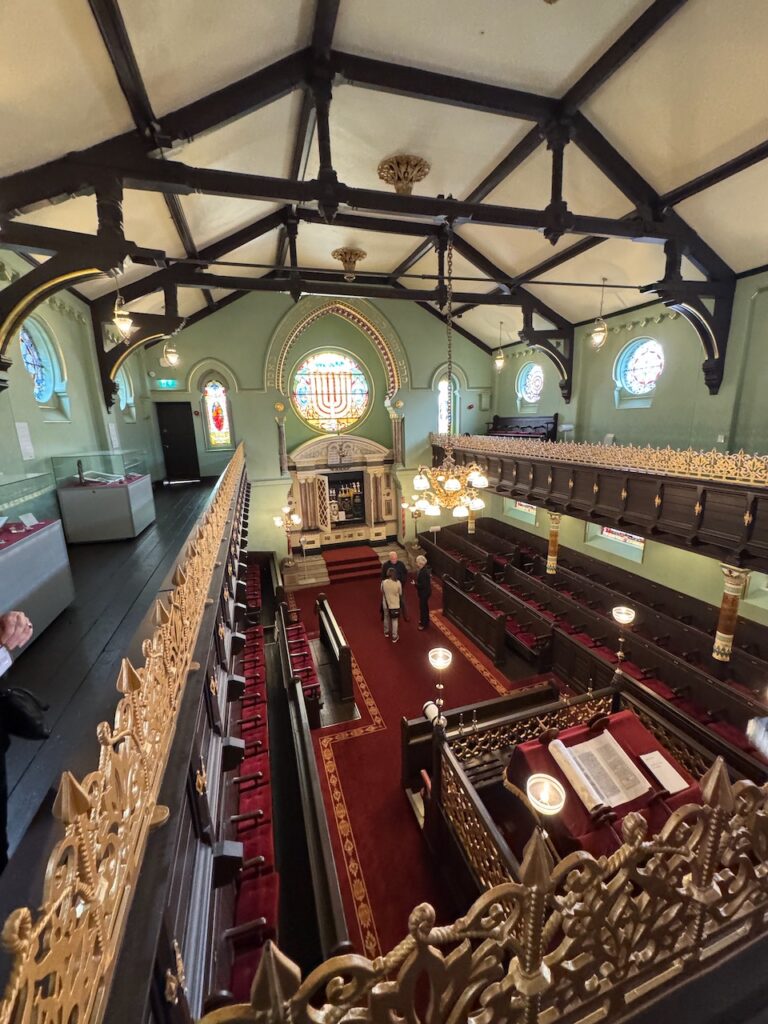
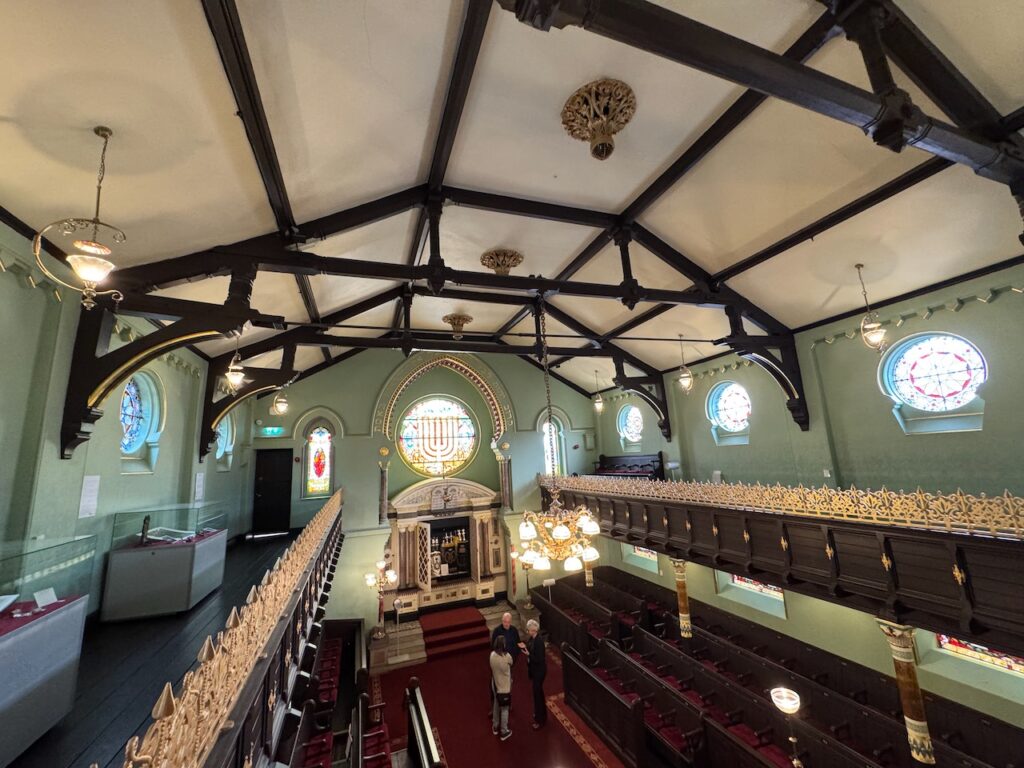
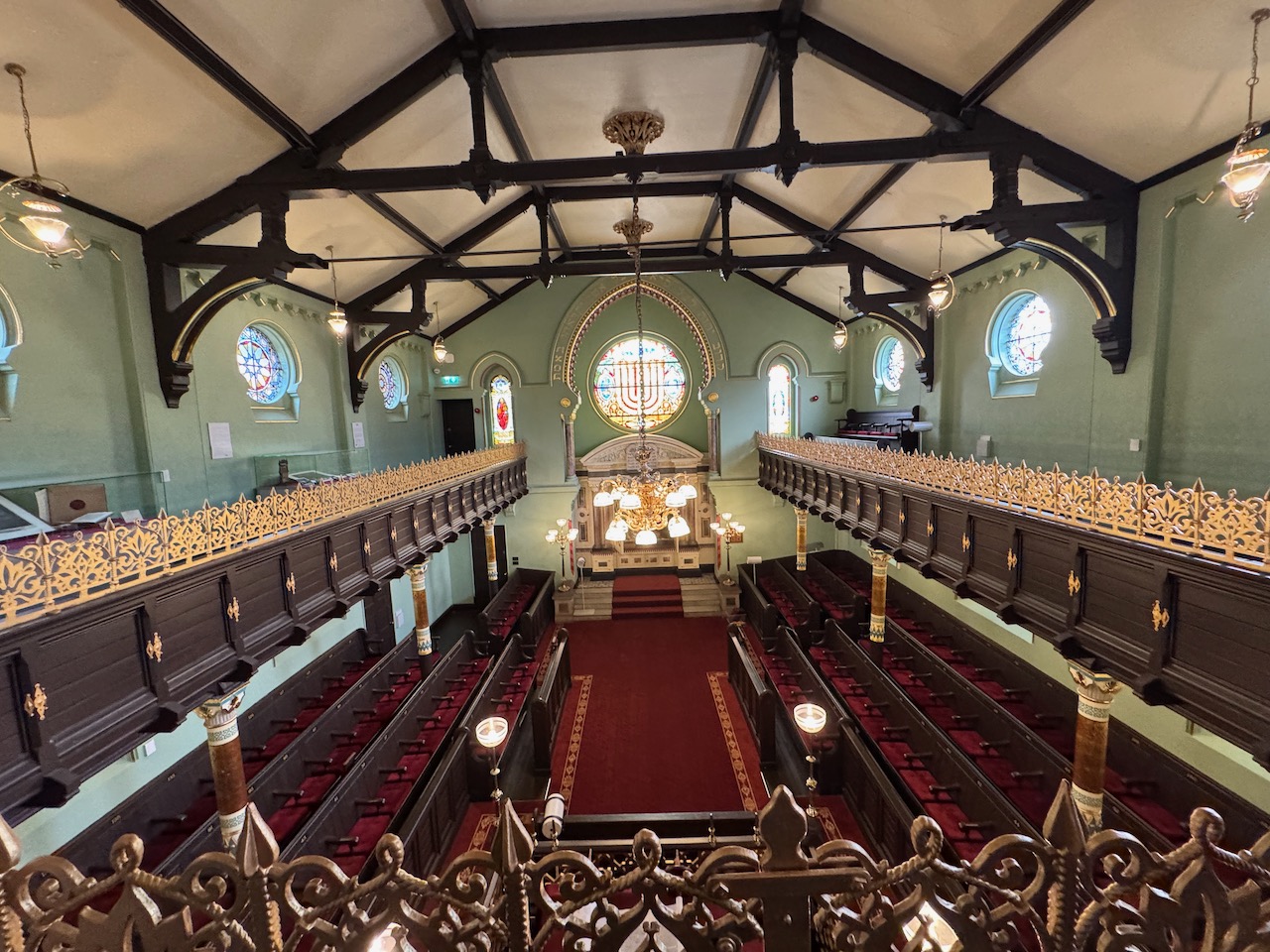
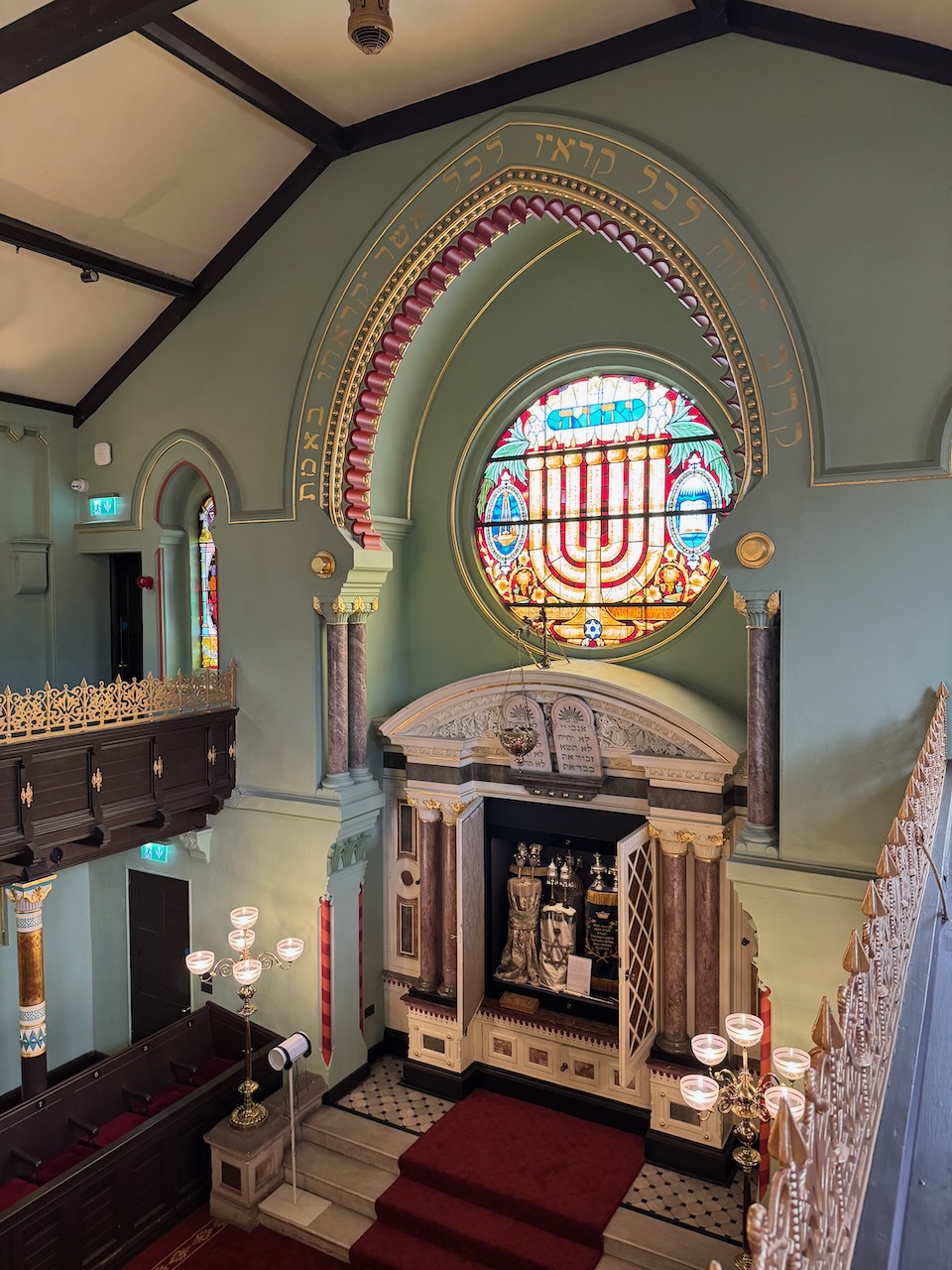
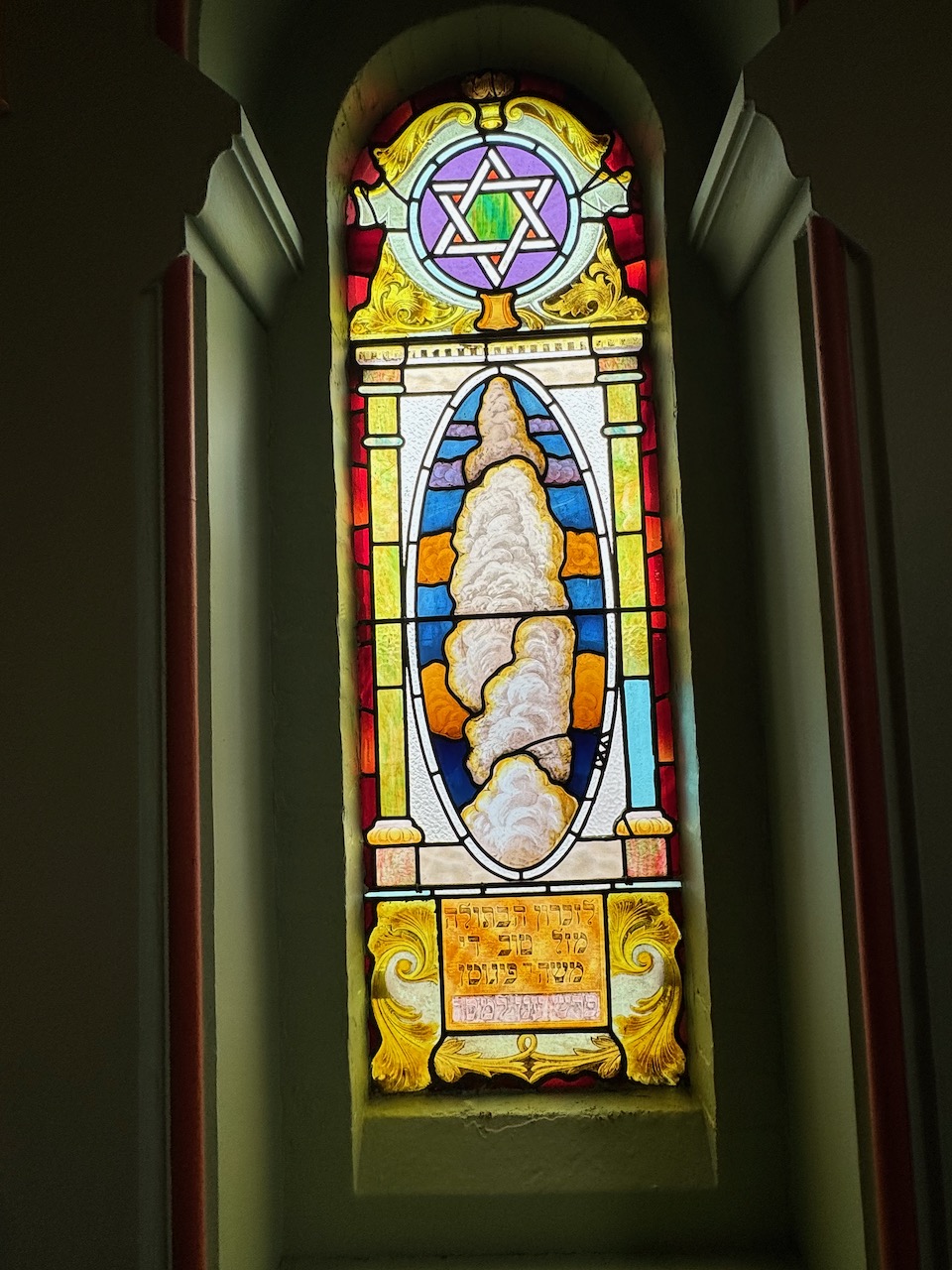
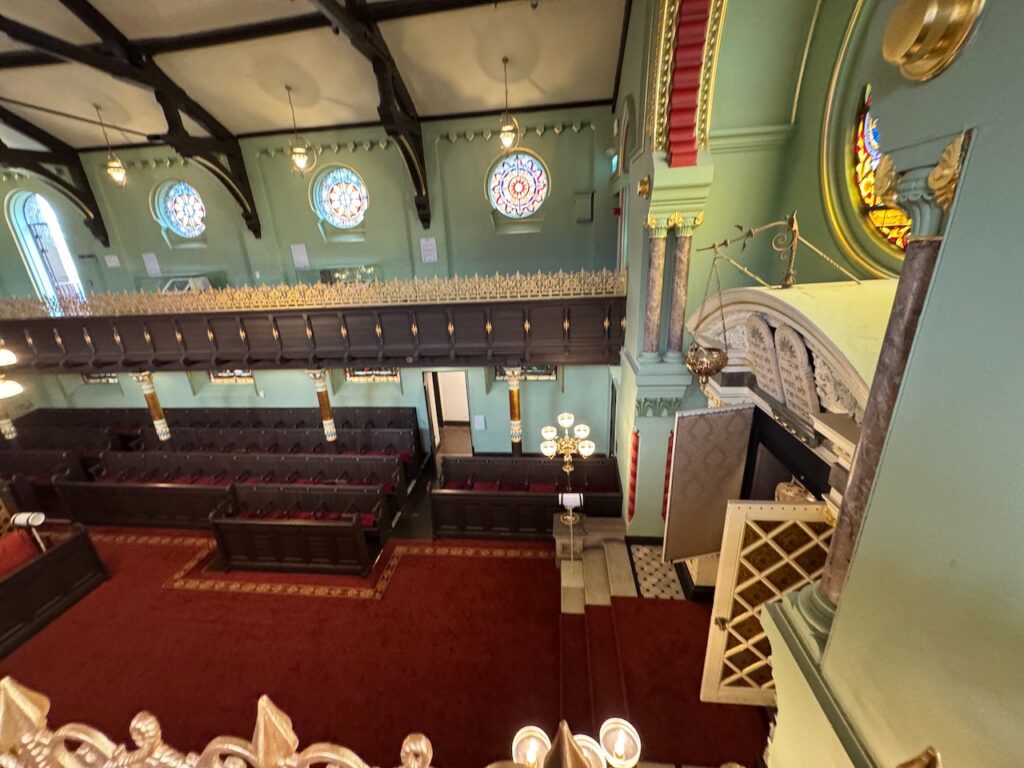
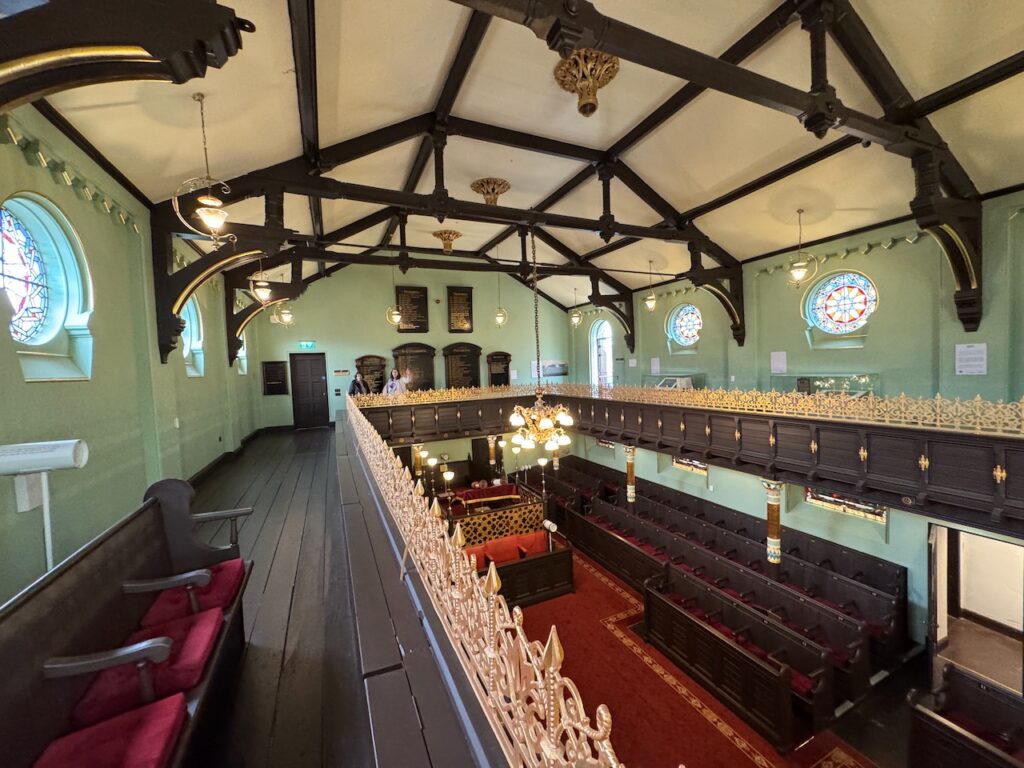
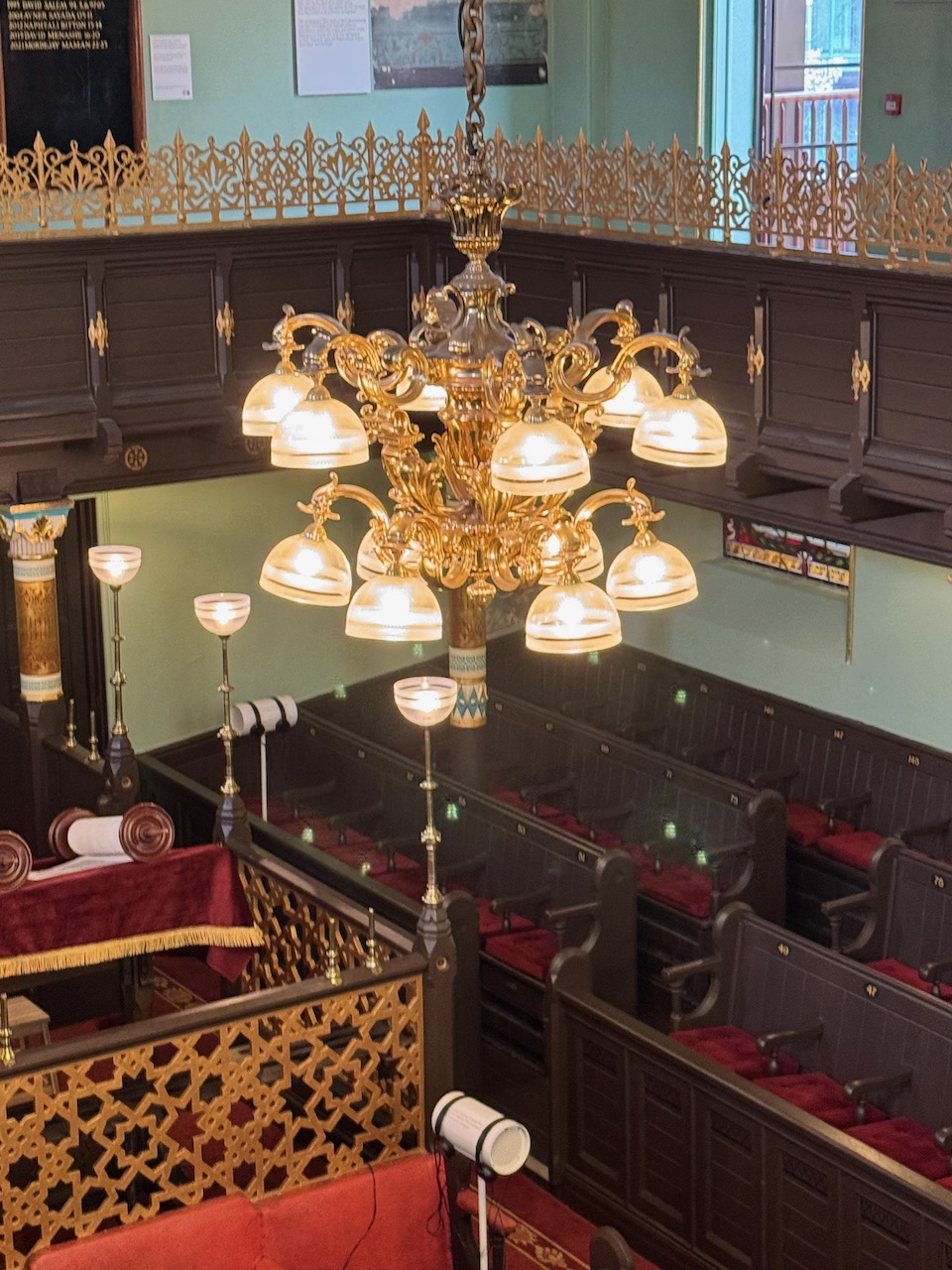
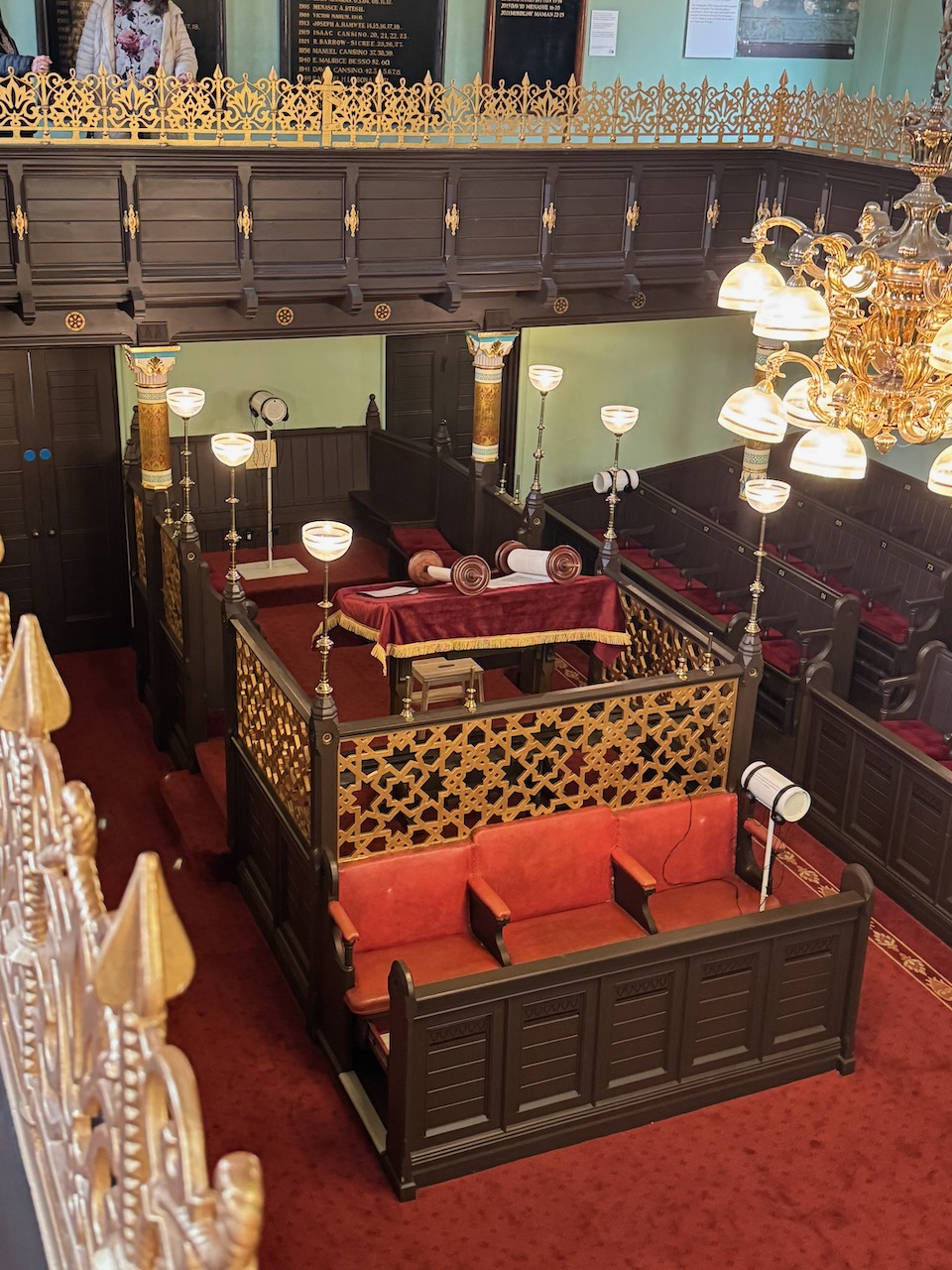
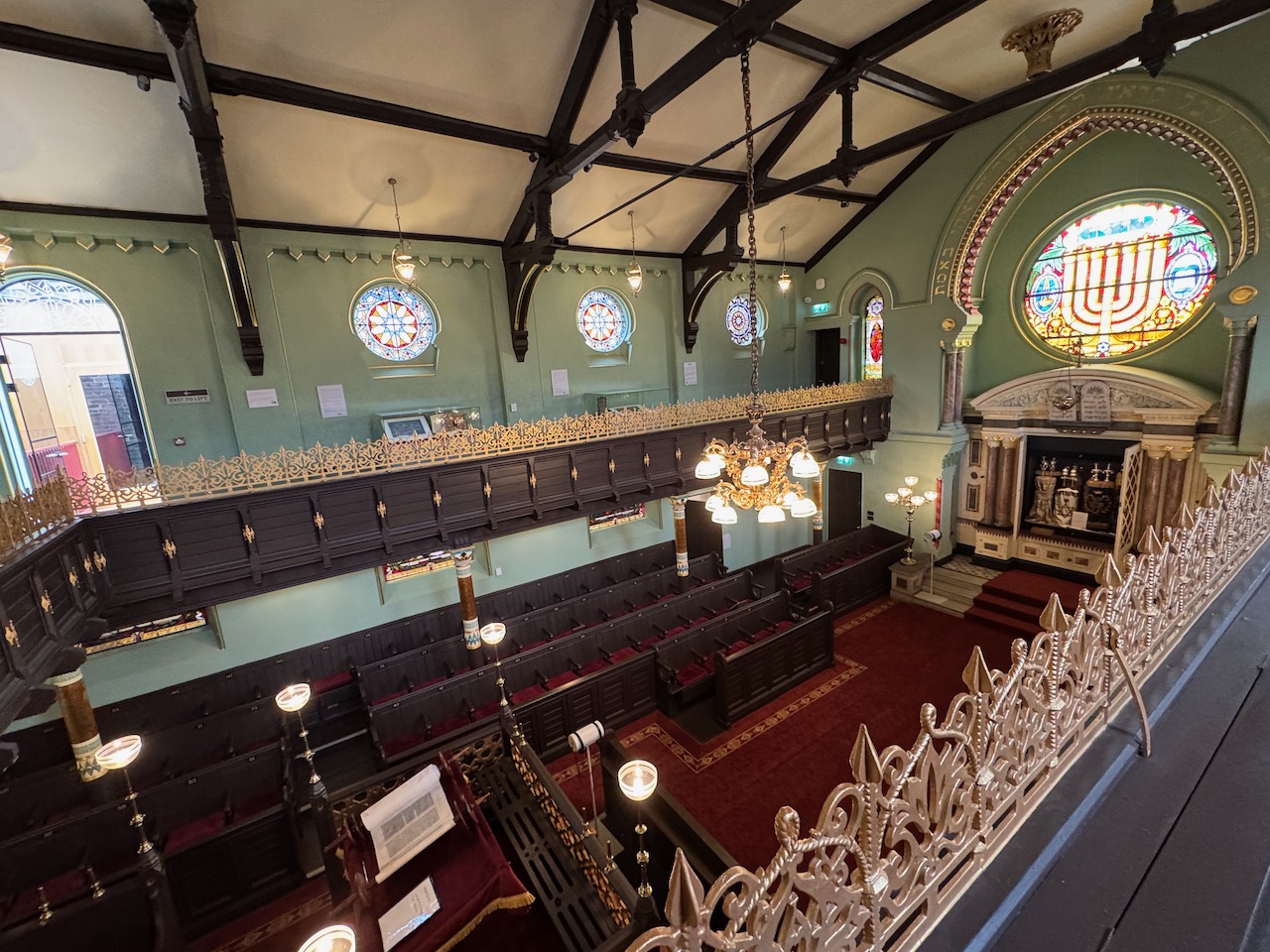
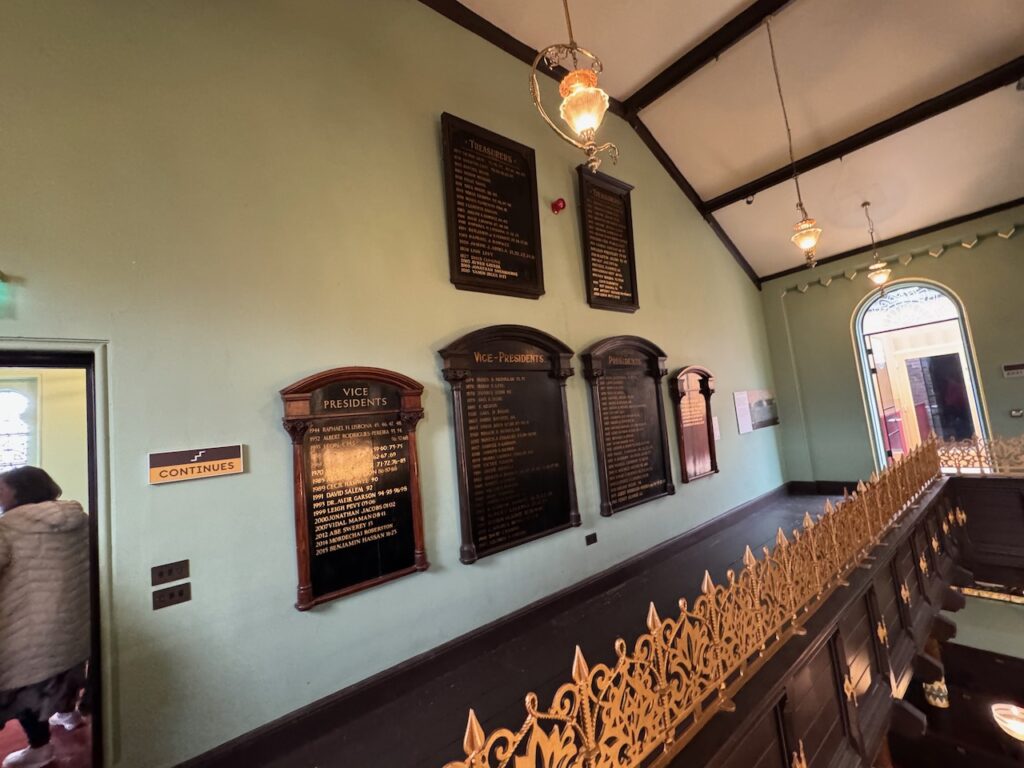
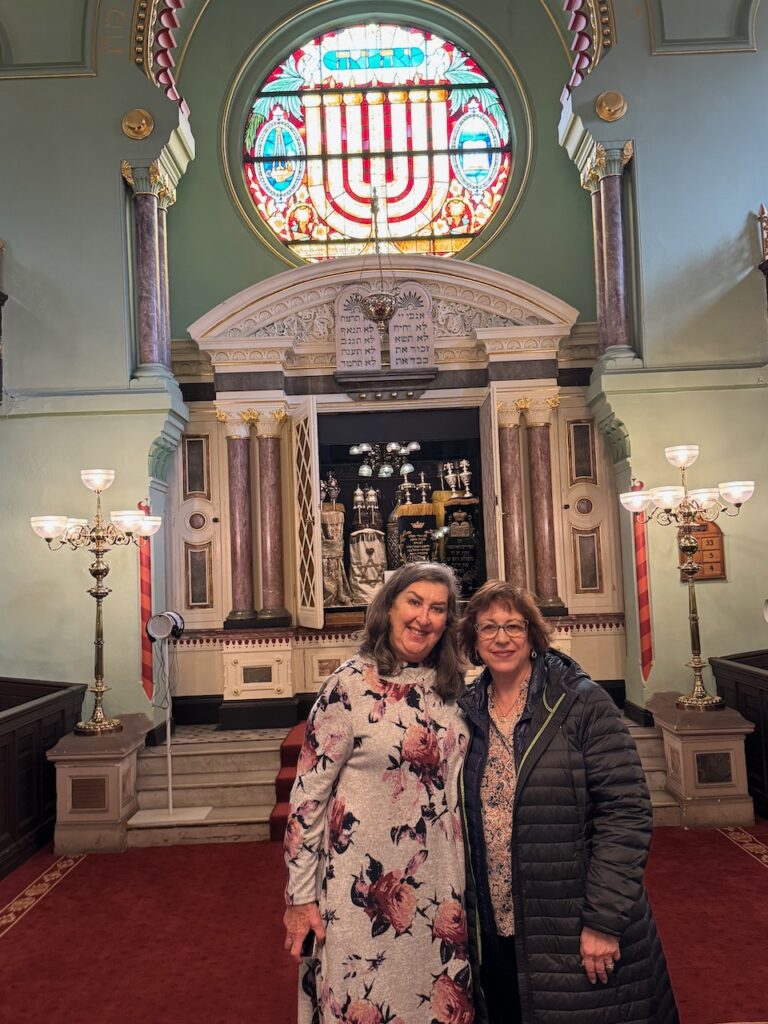
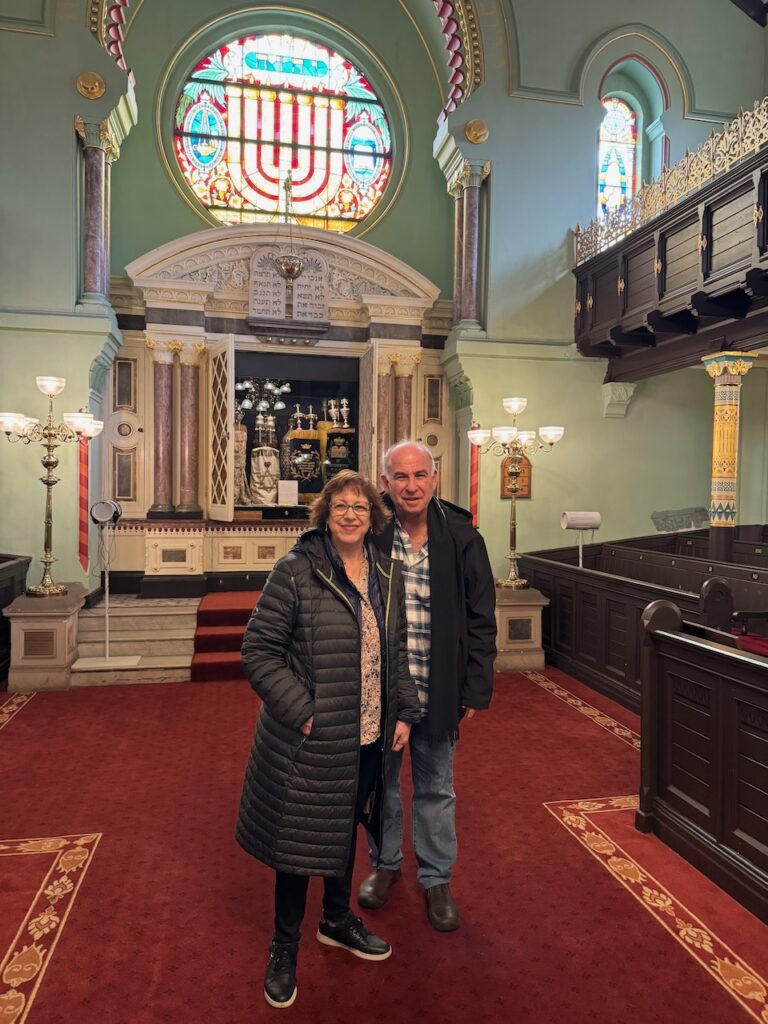
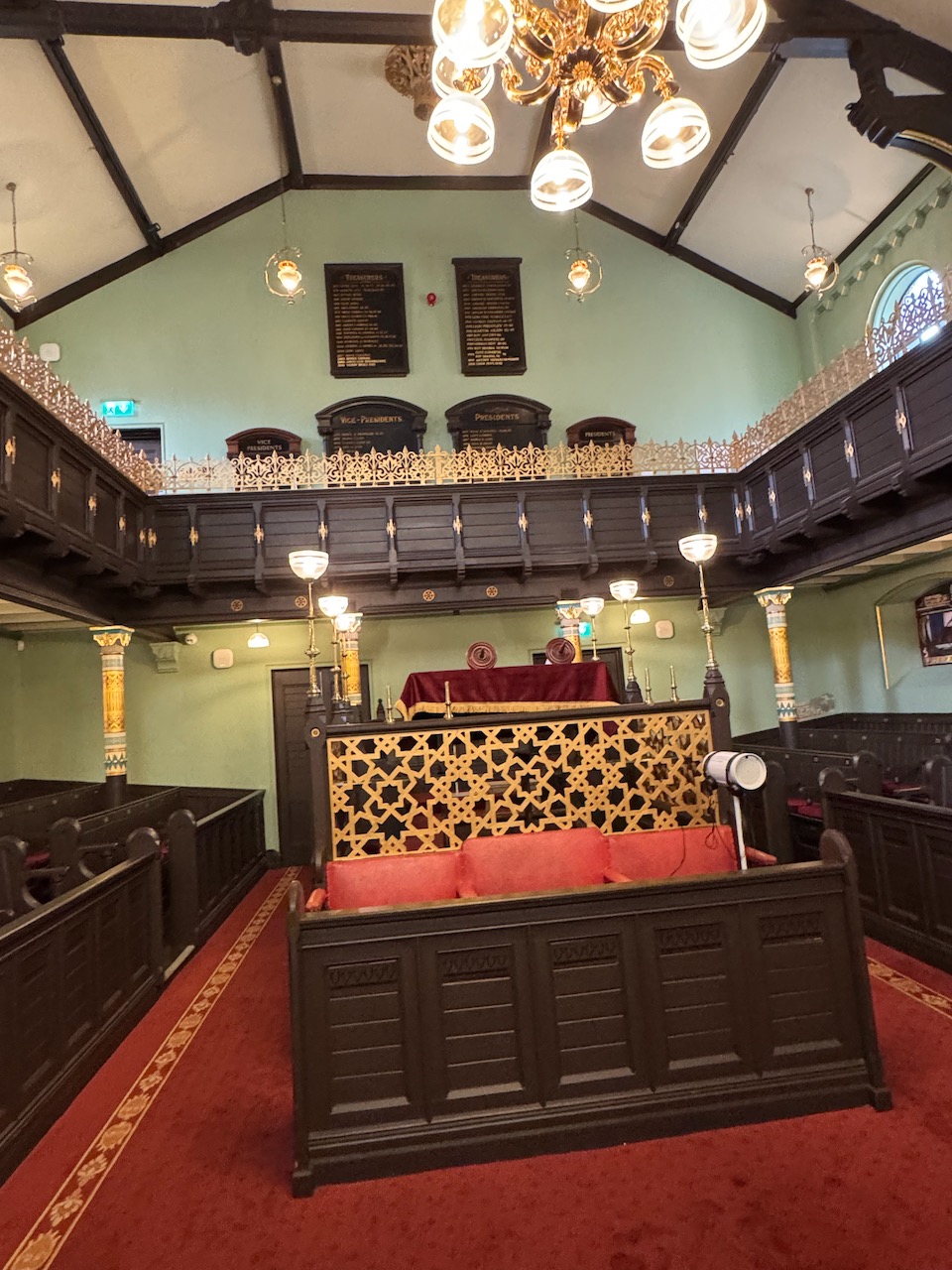
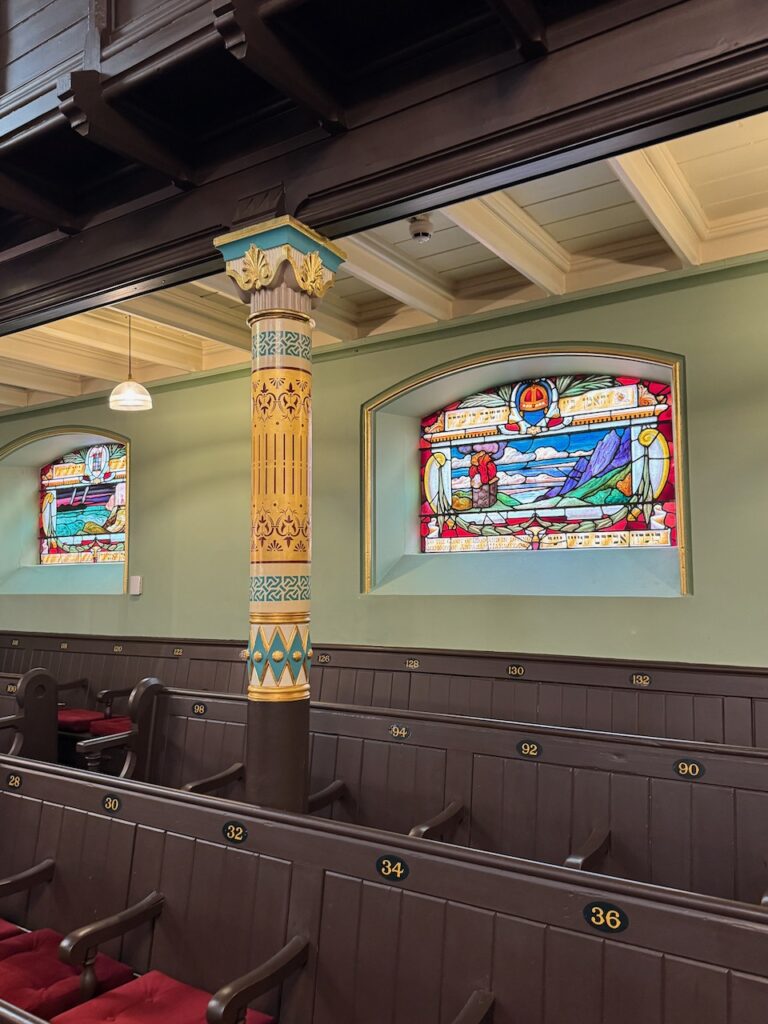
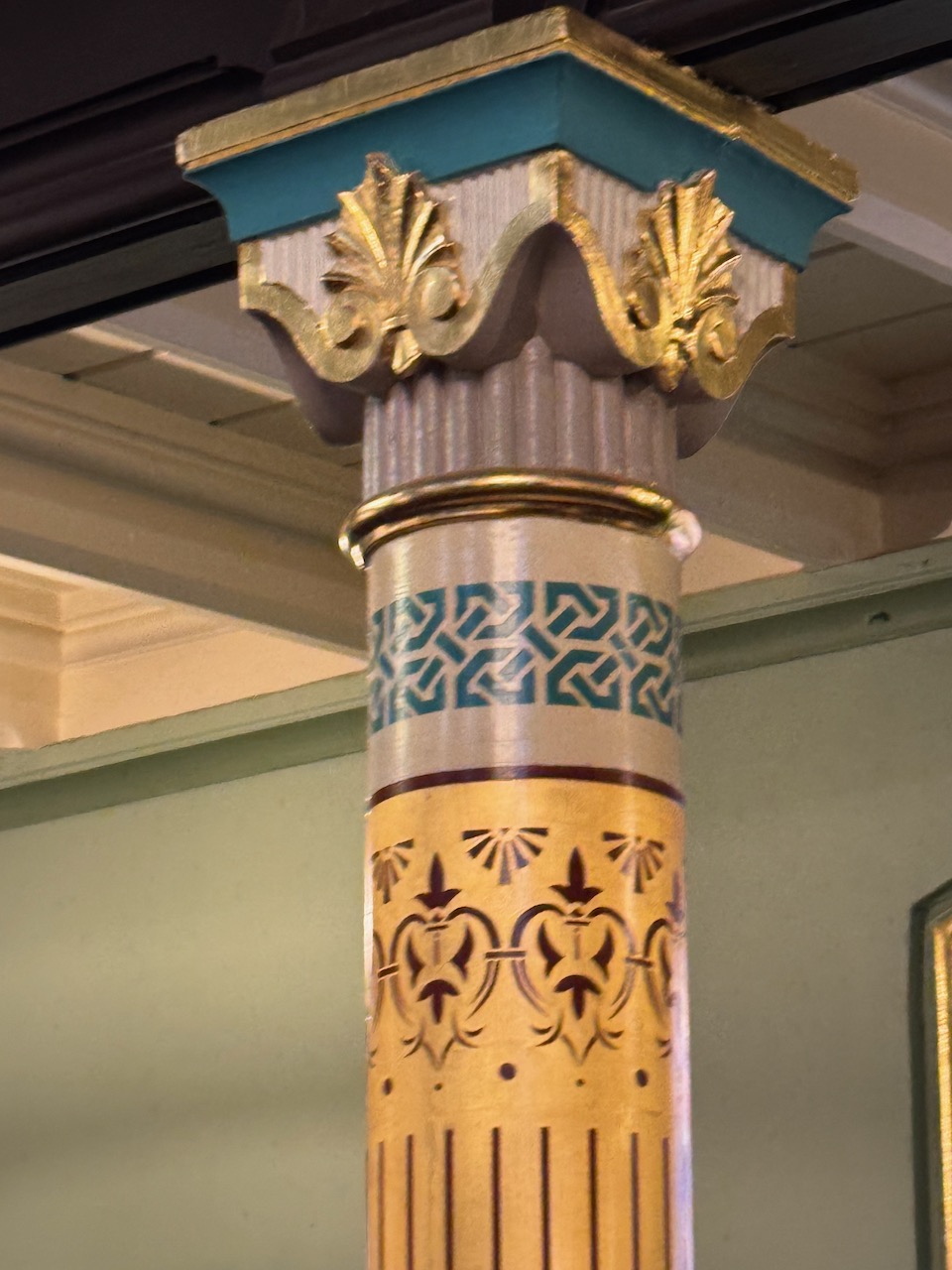
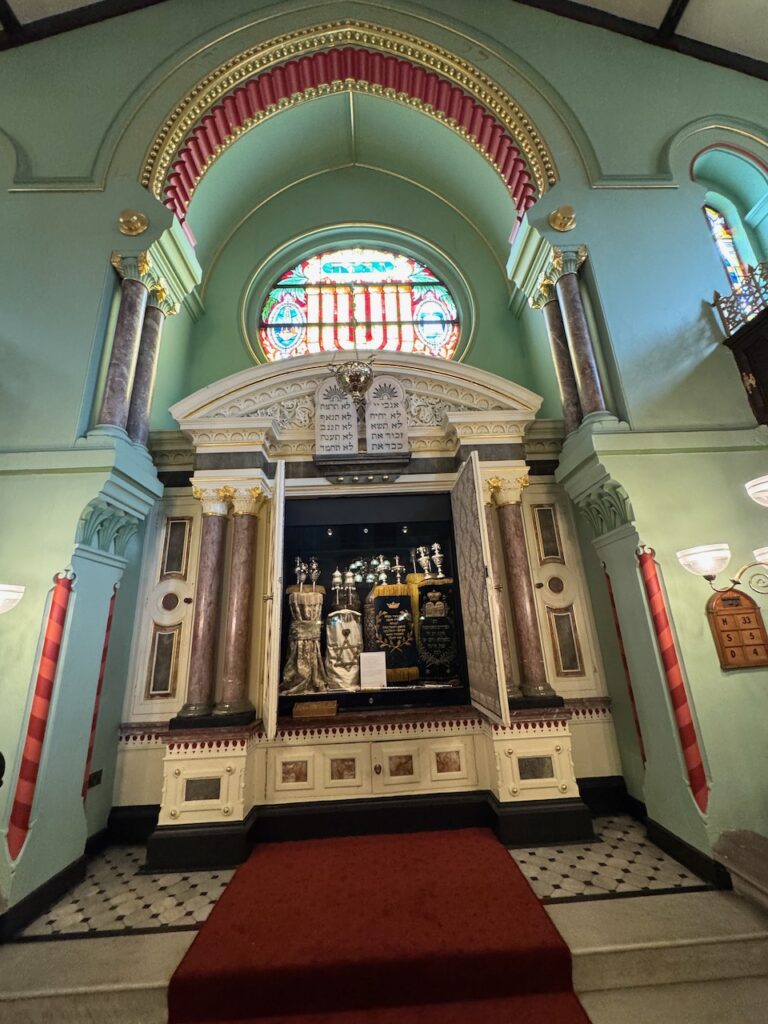
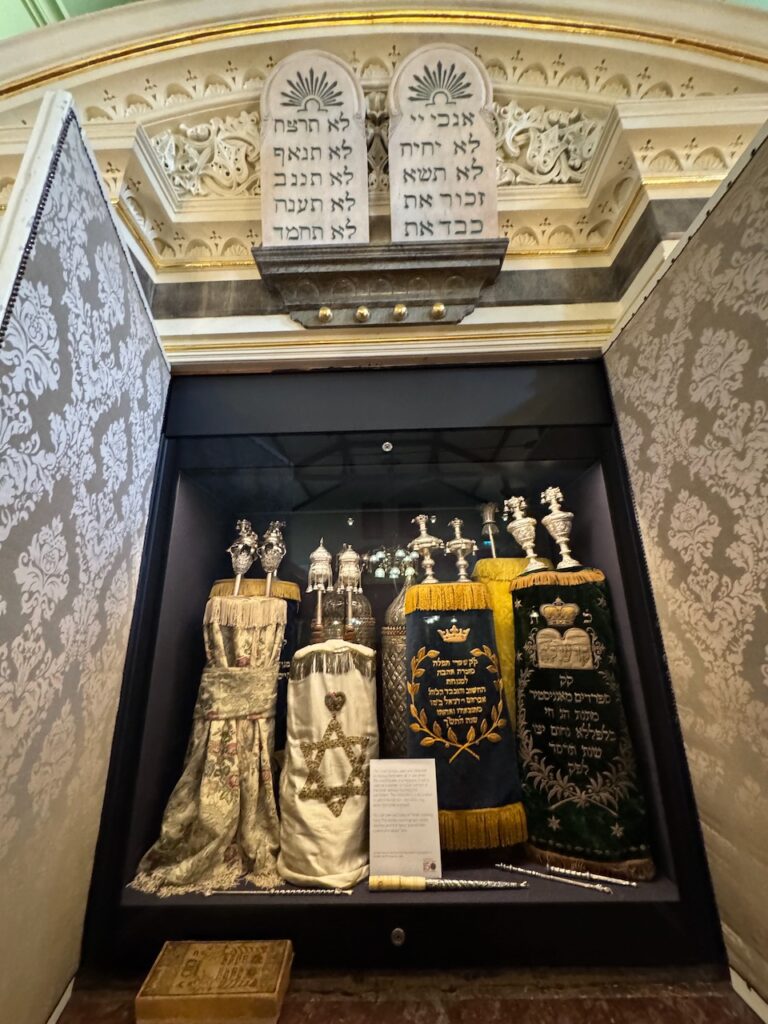
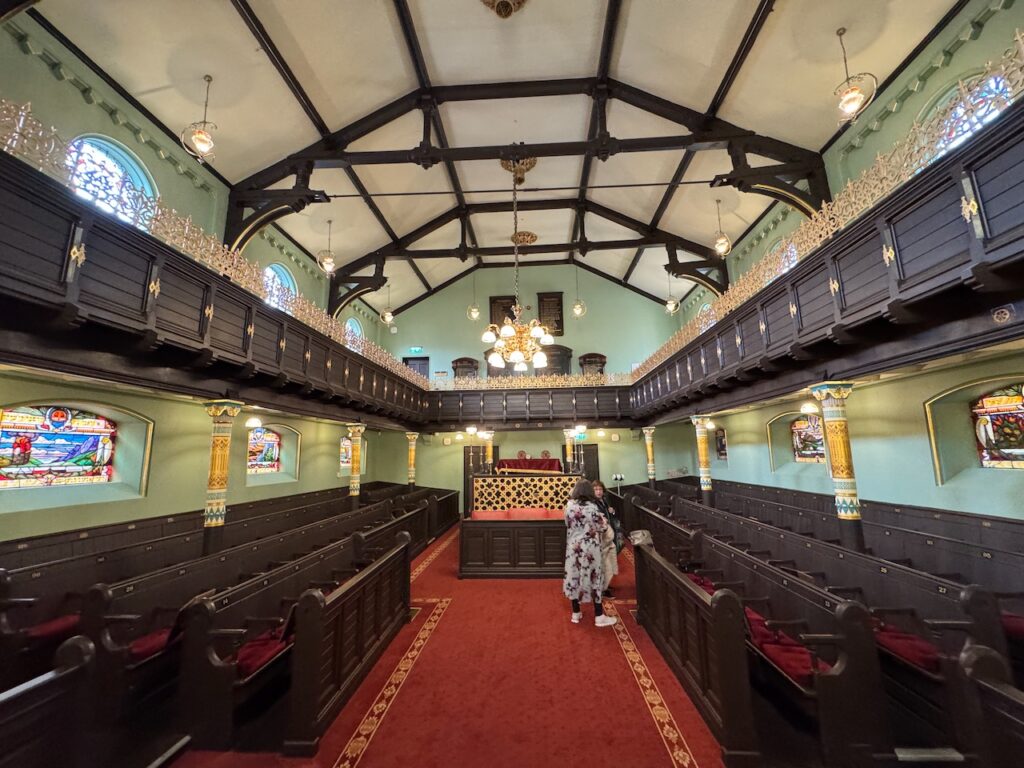
Old Sephardic Synagogue in the Museum
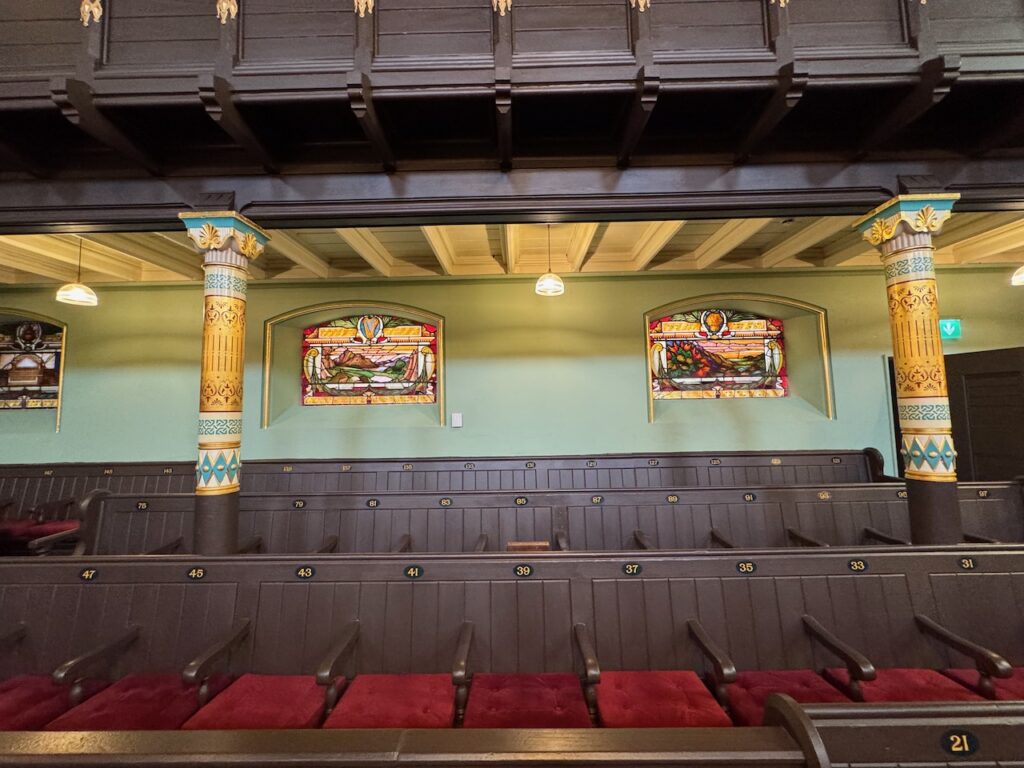
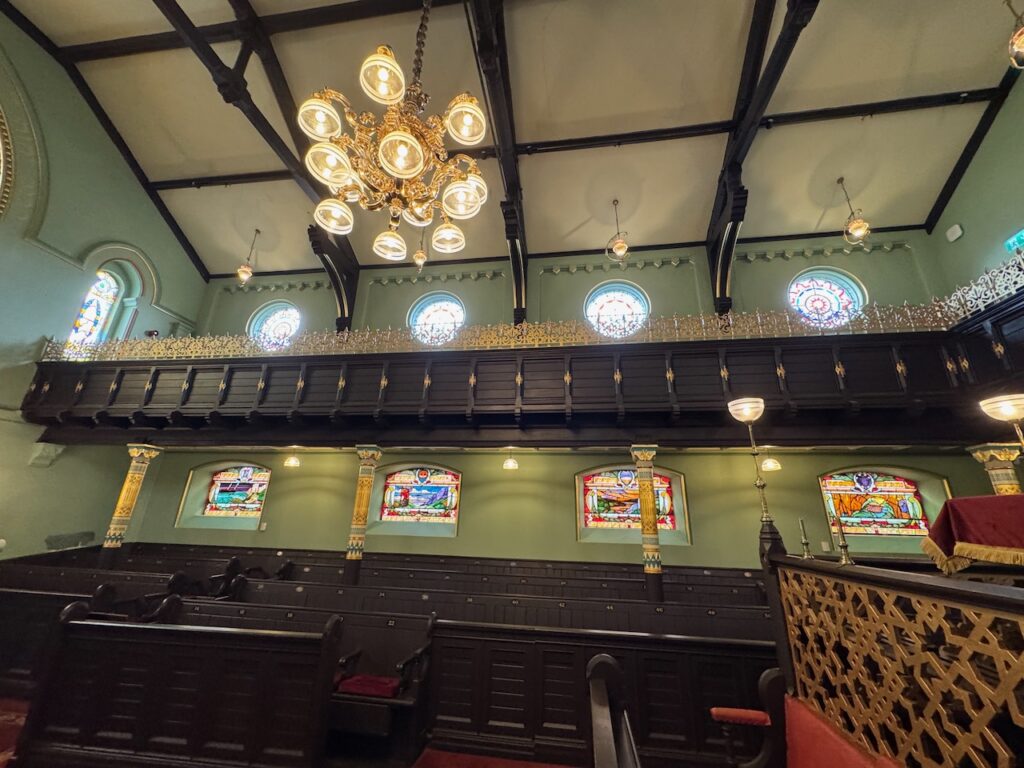
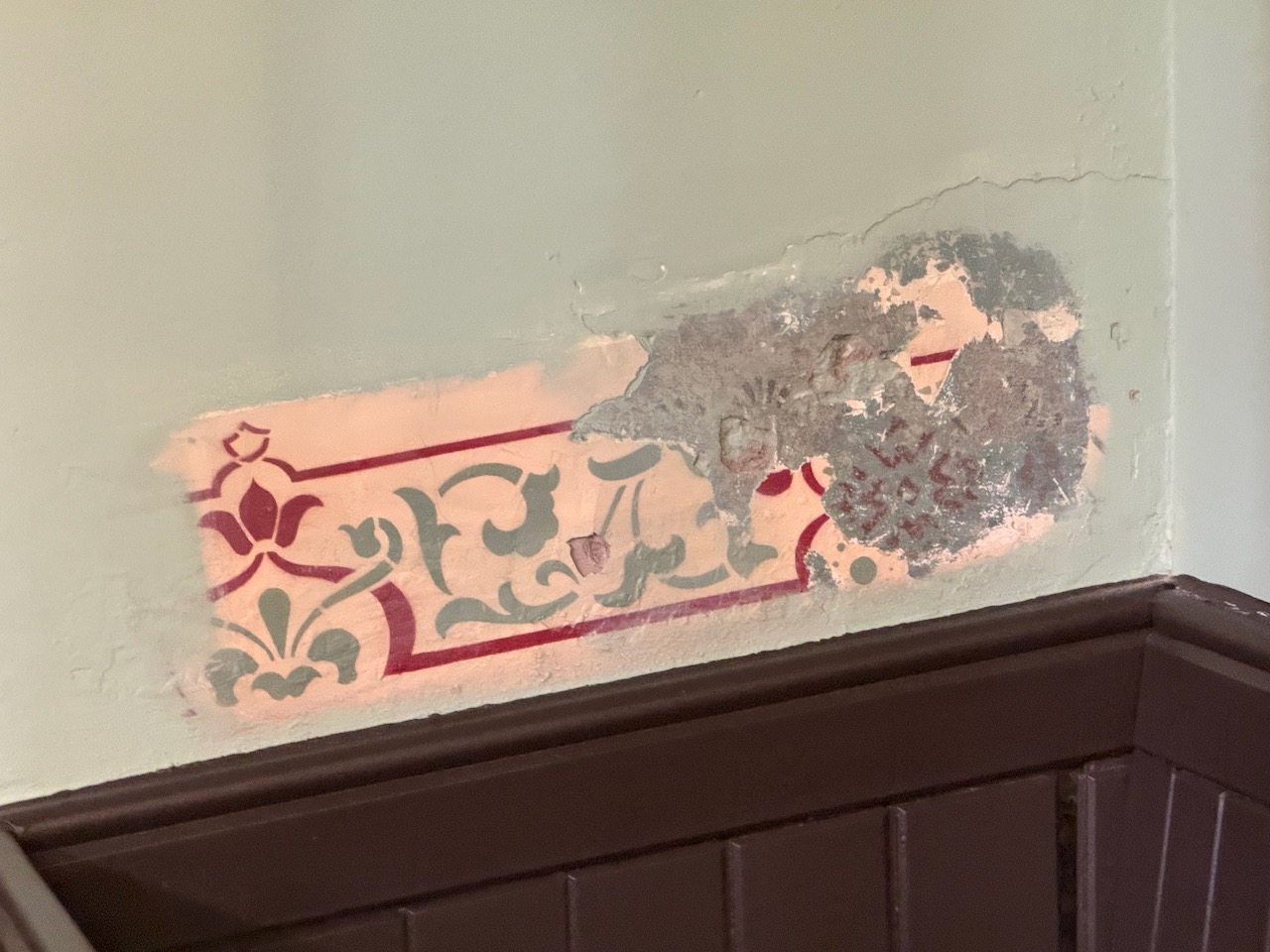
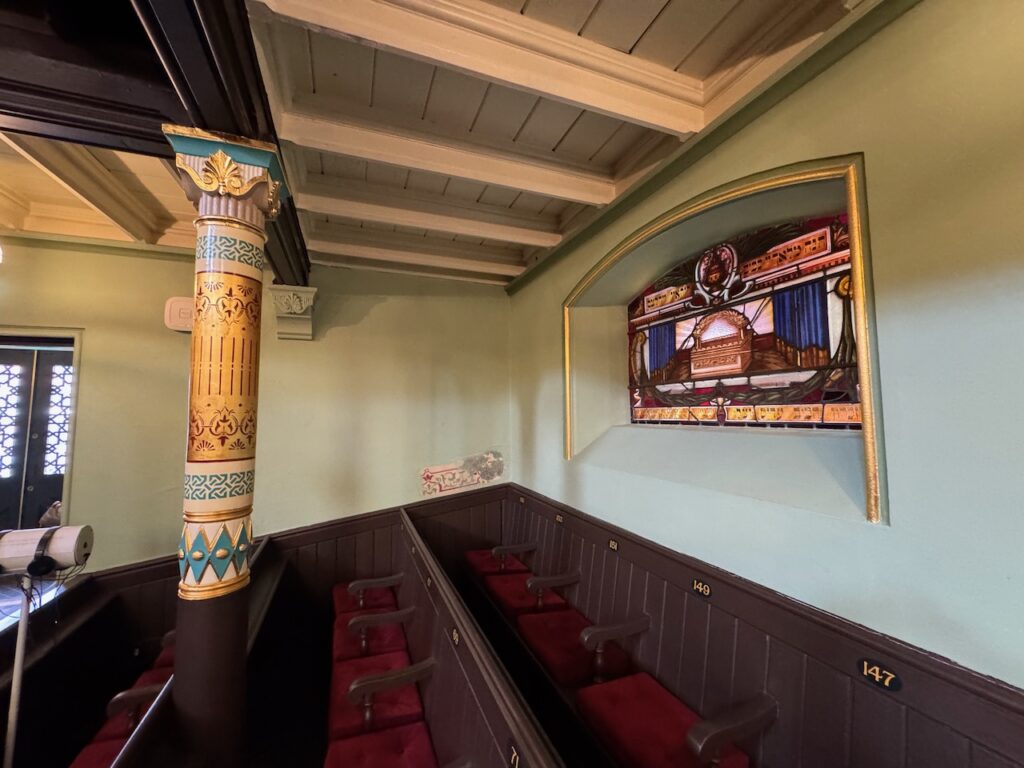
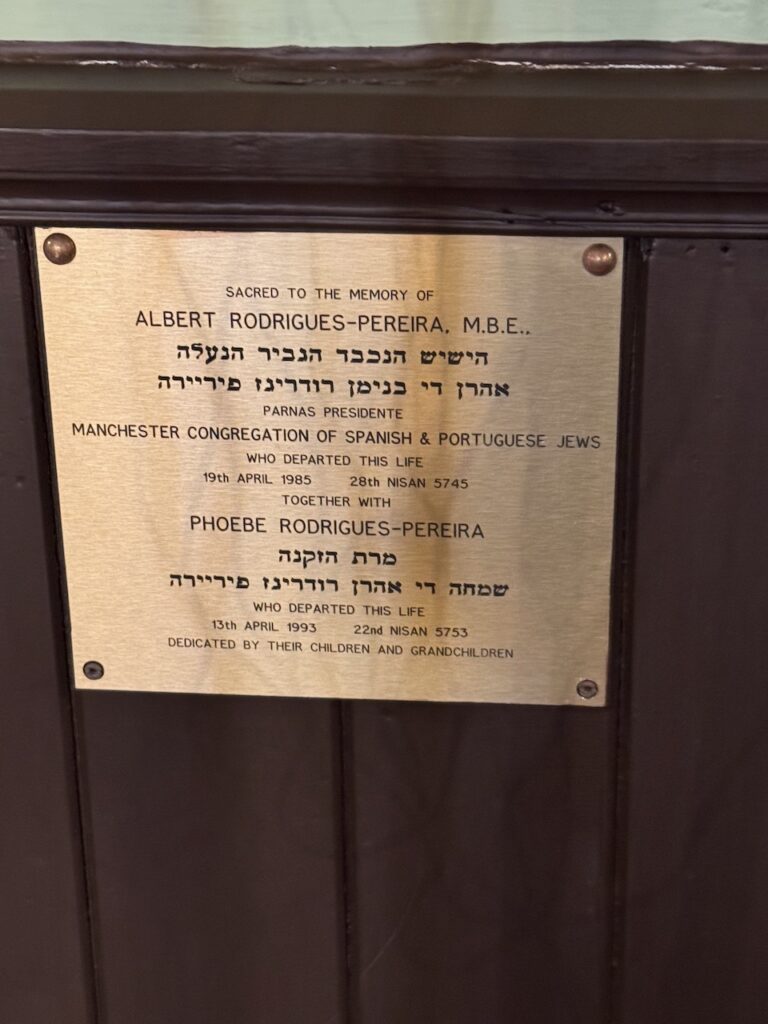
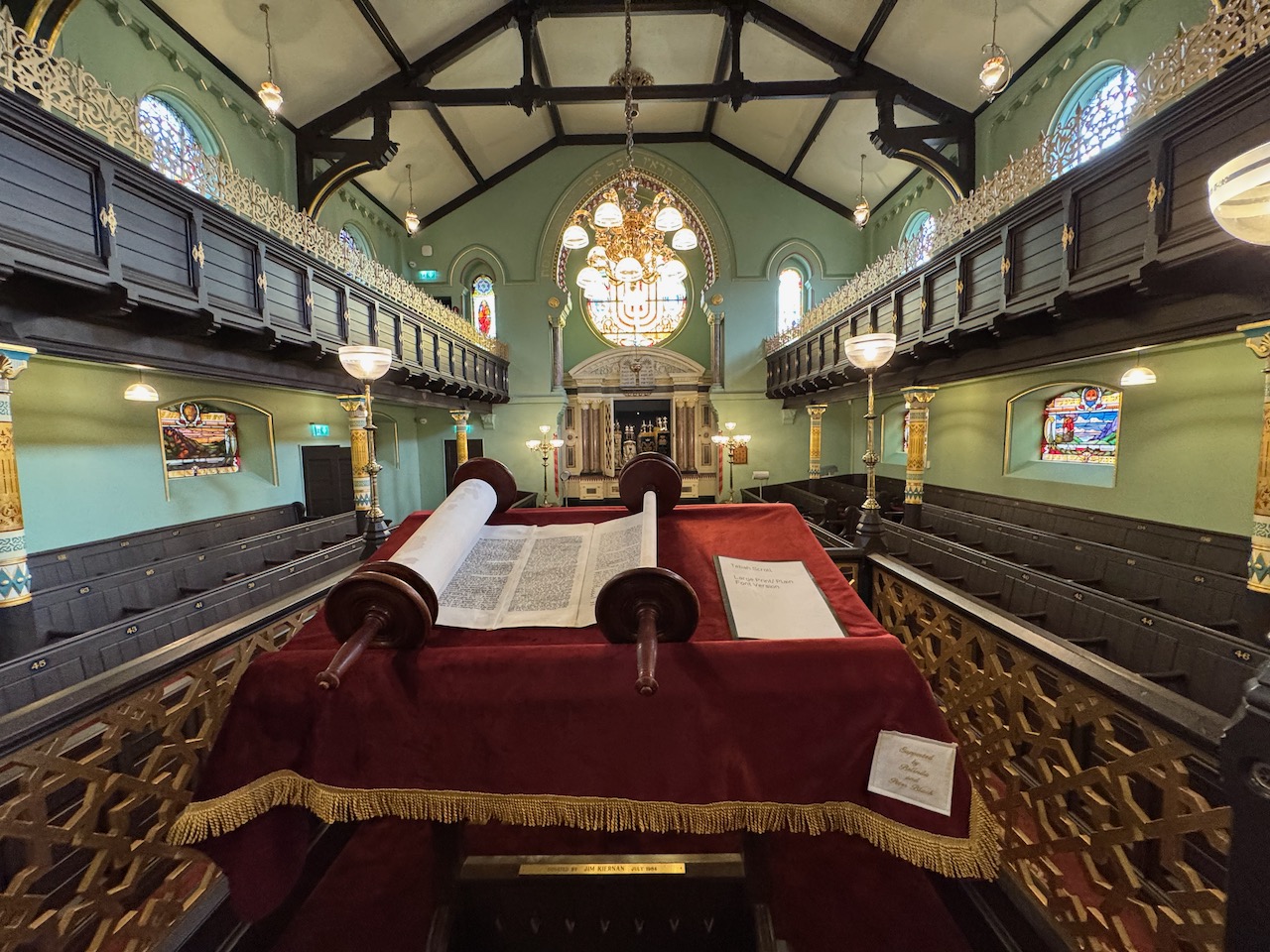
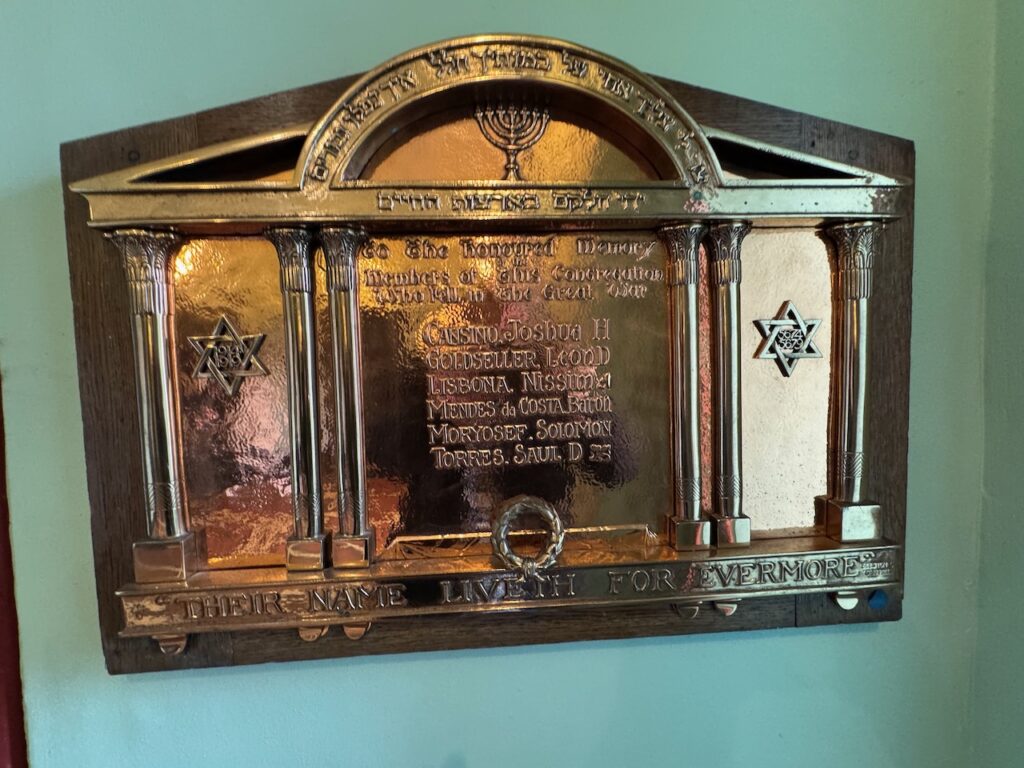
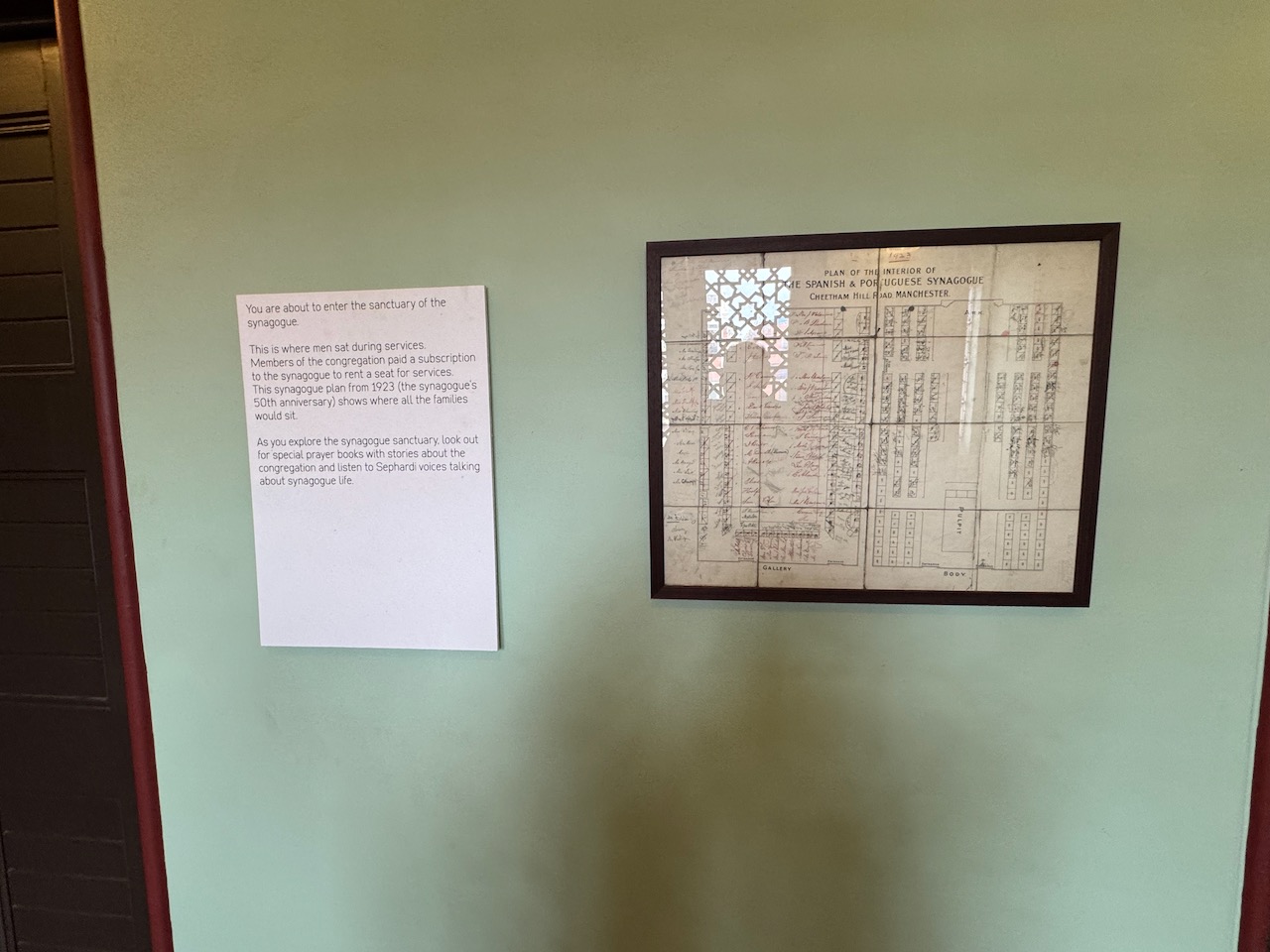
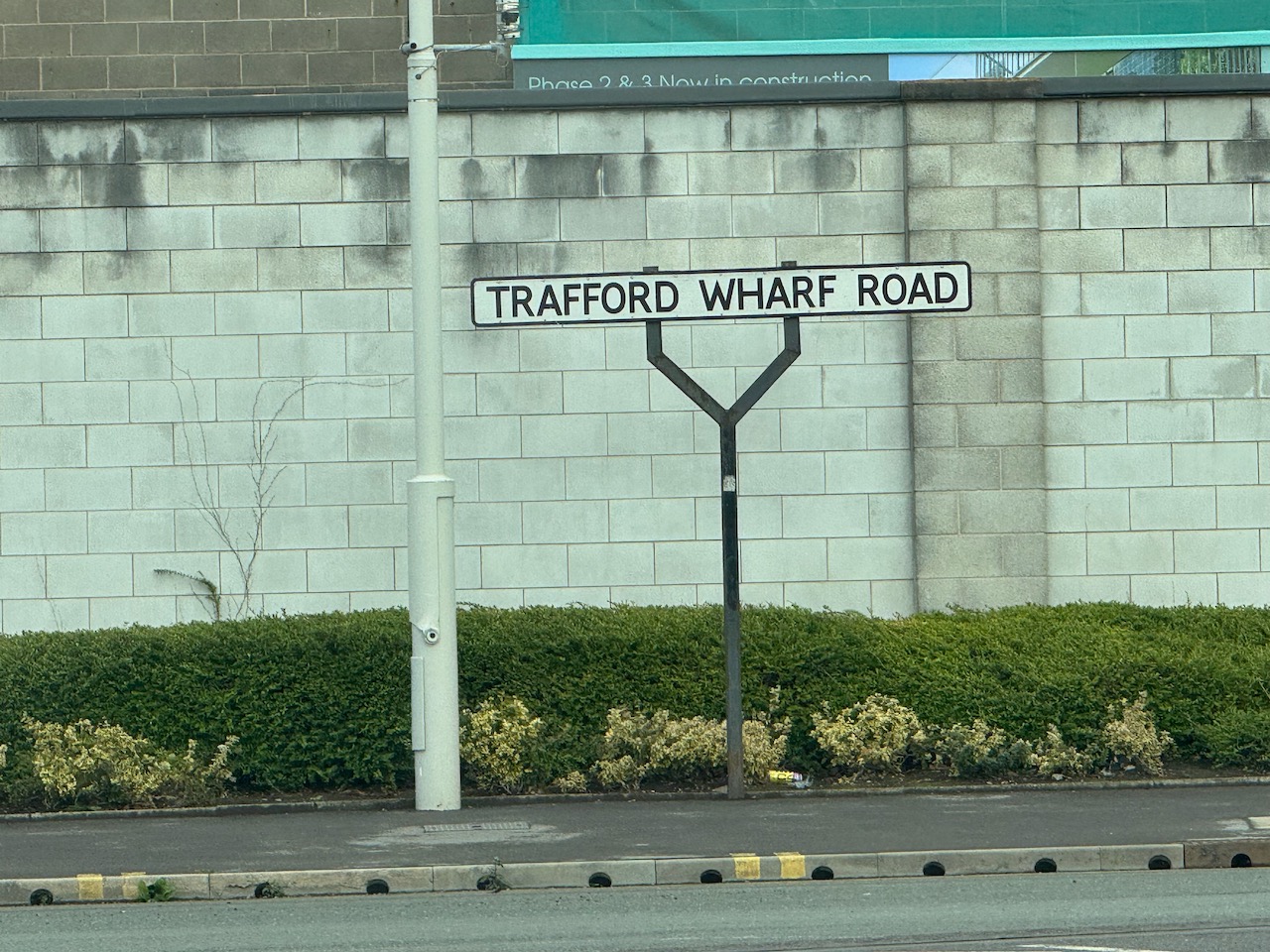
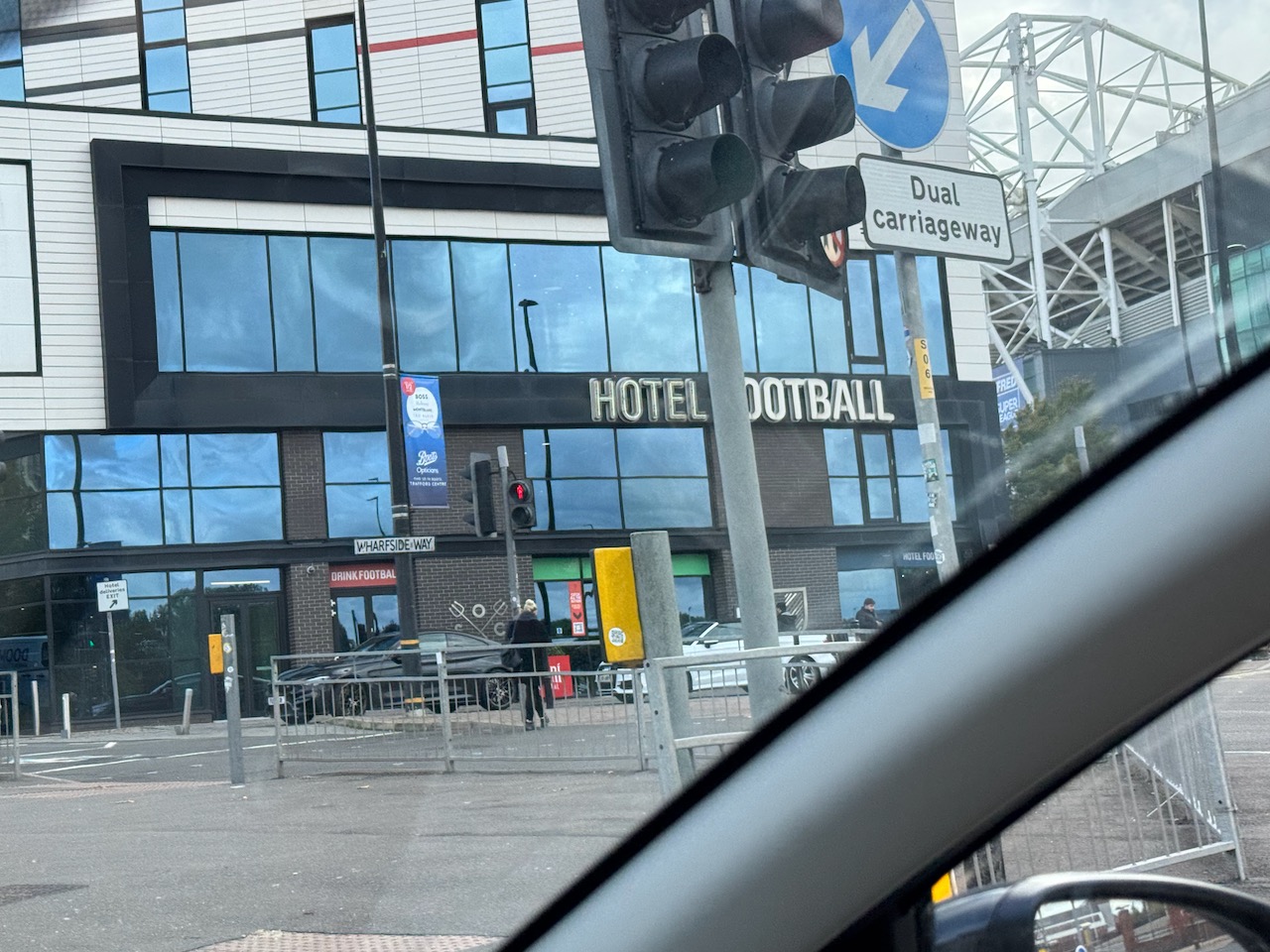
To Trafford Wharfside
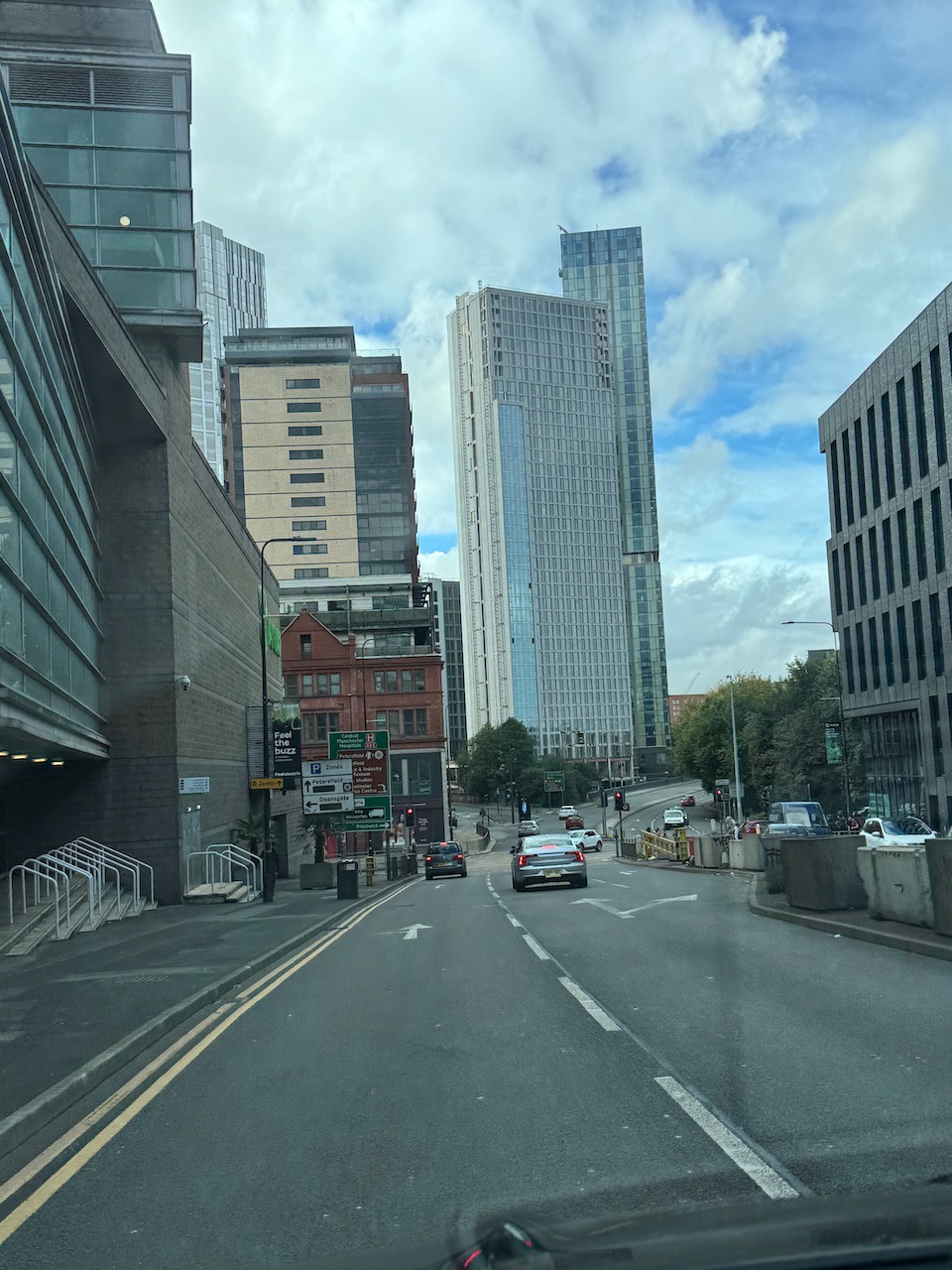
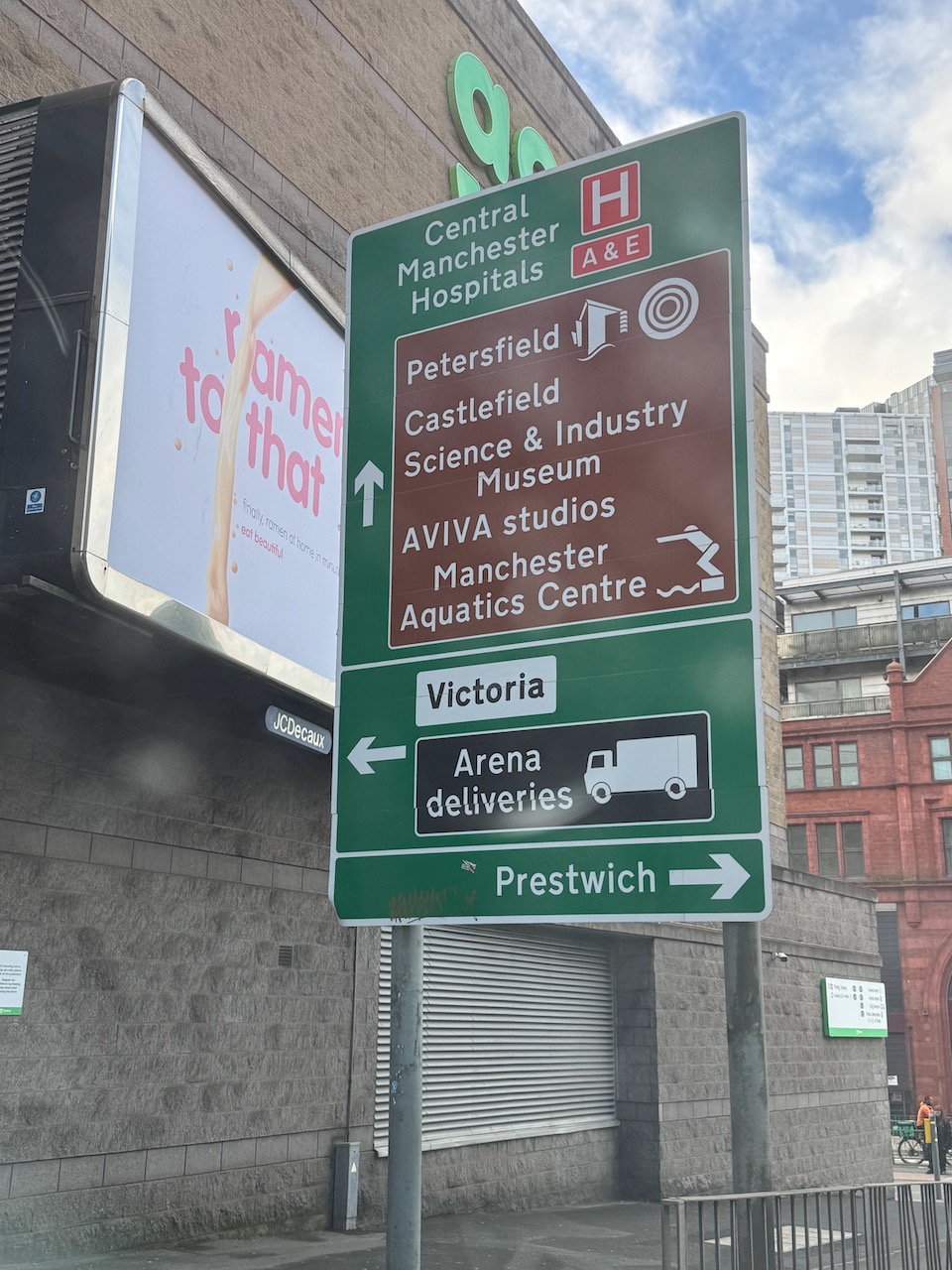
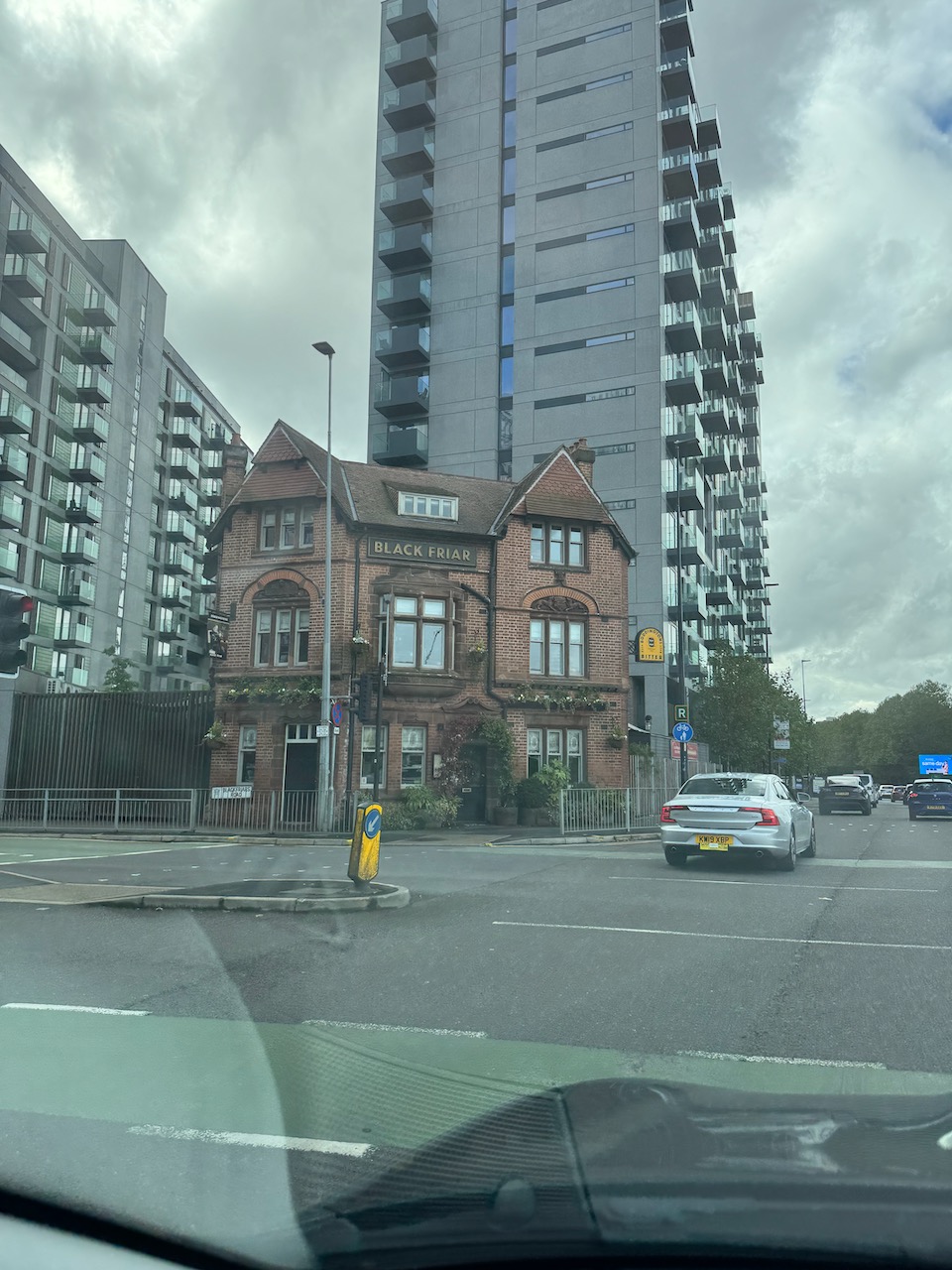
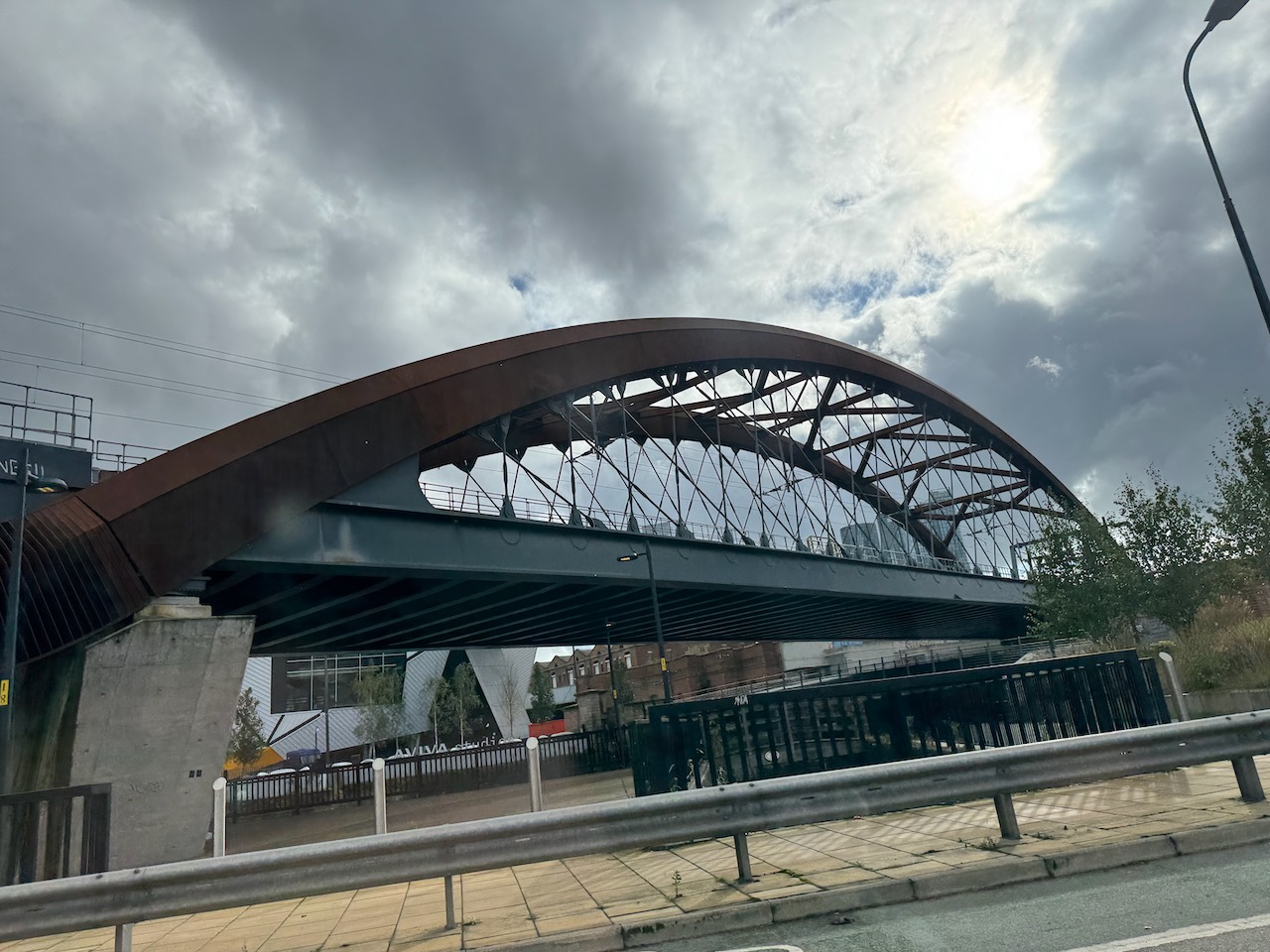
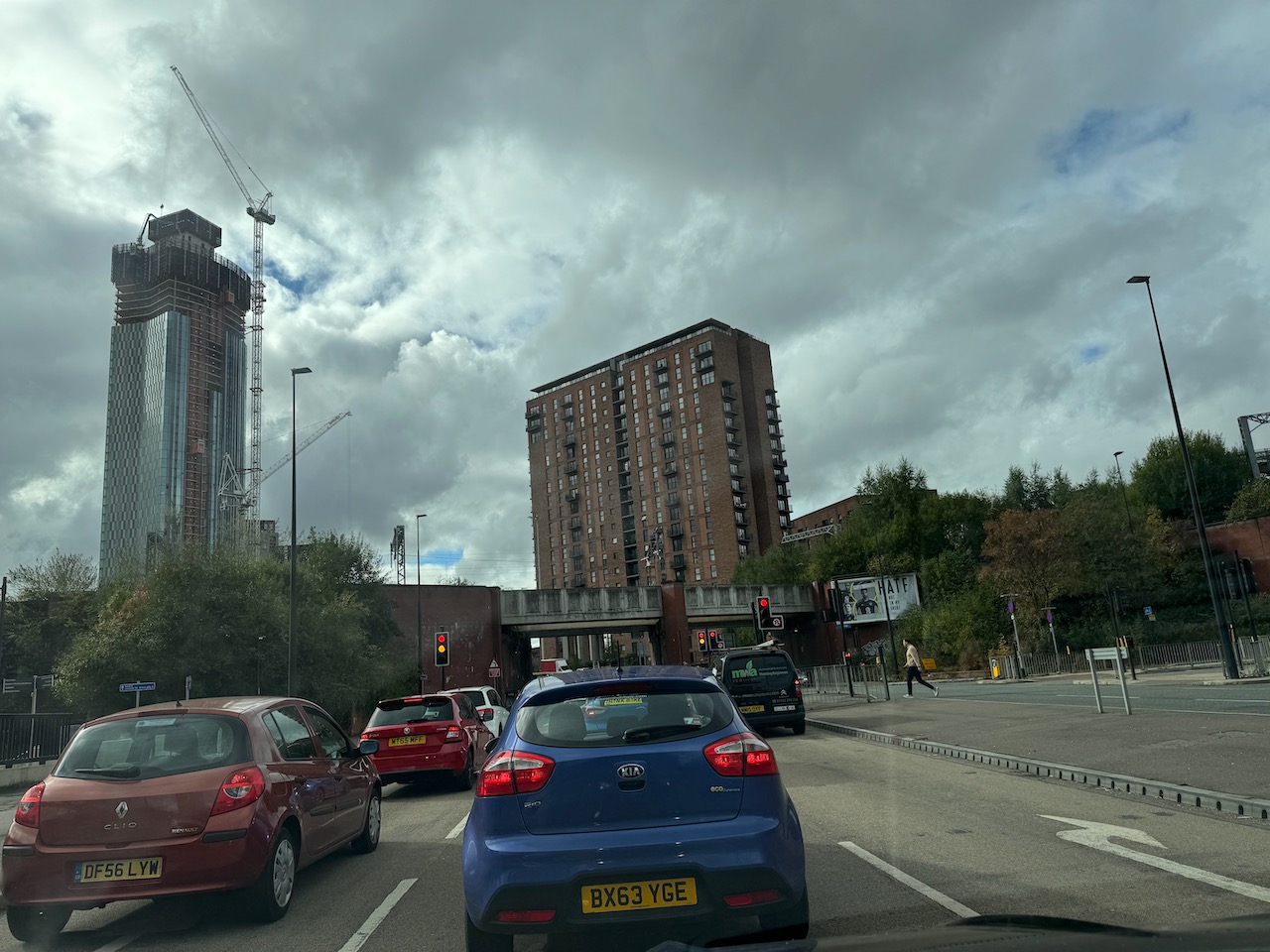
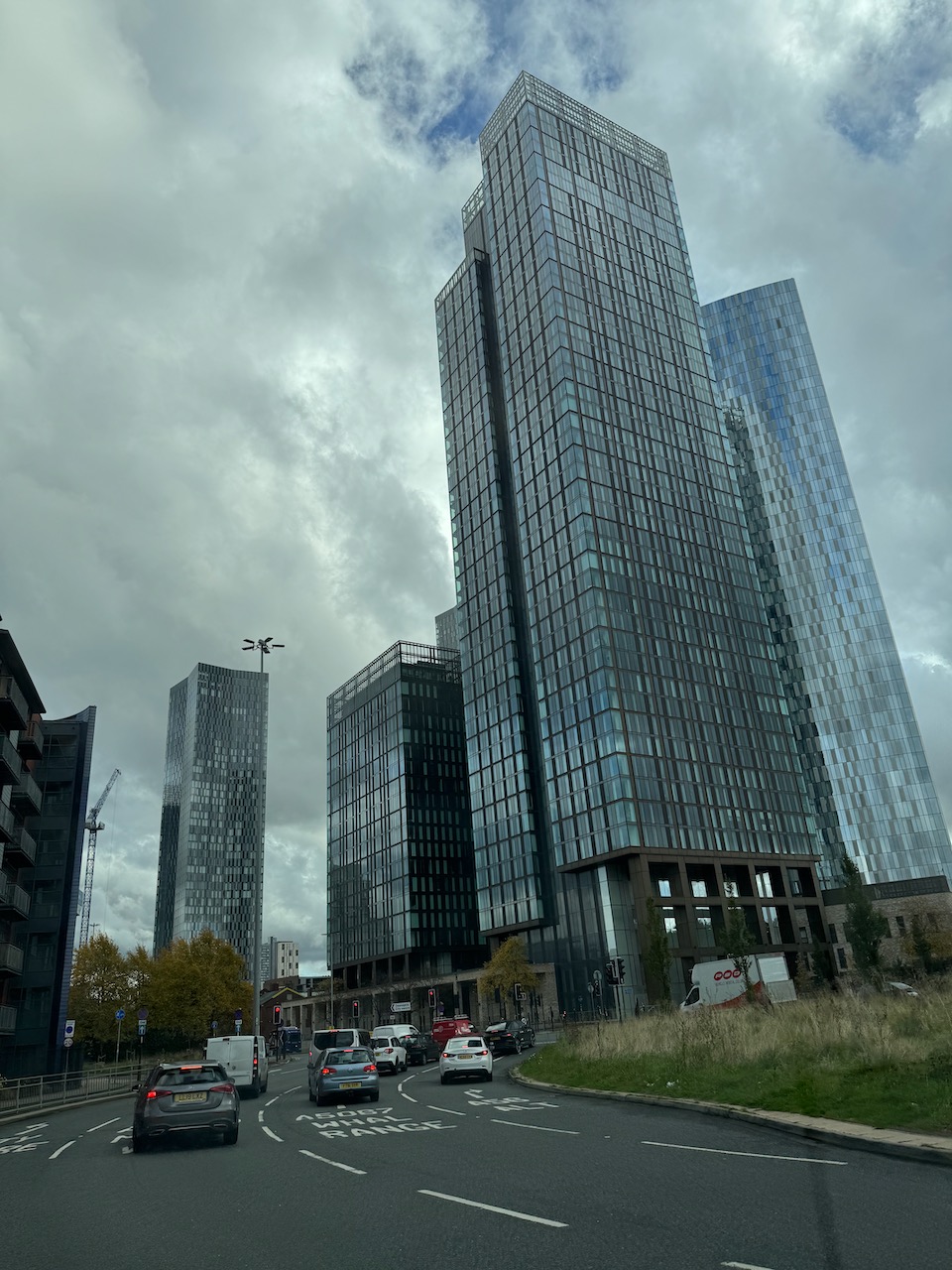
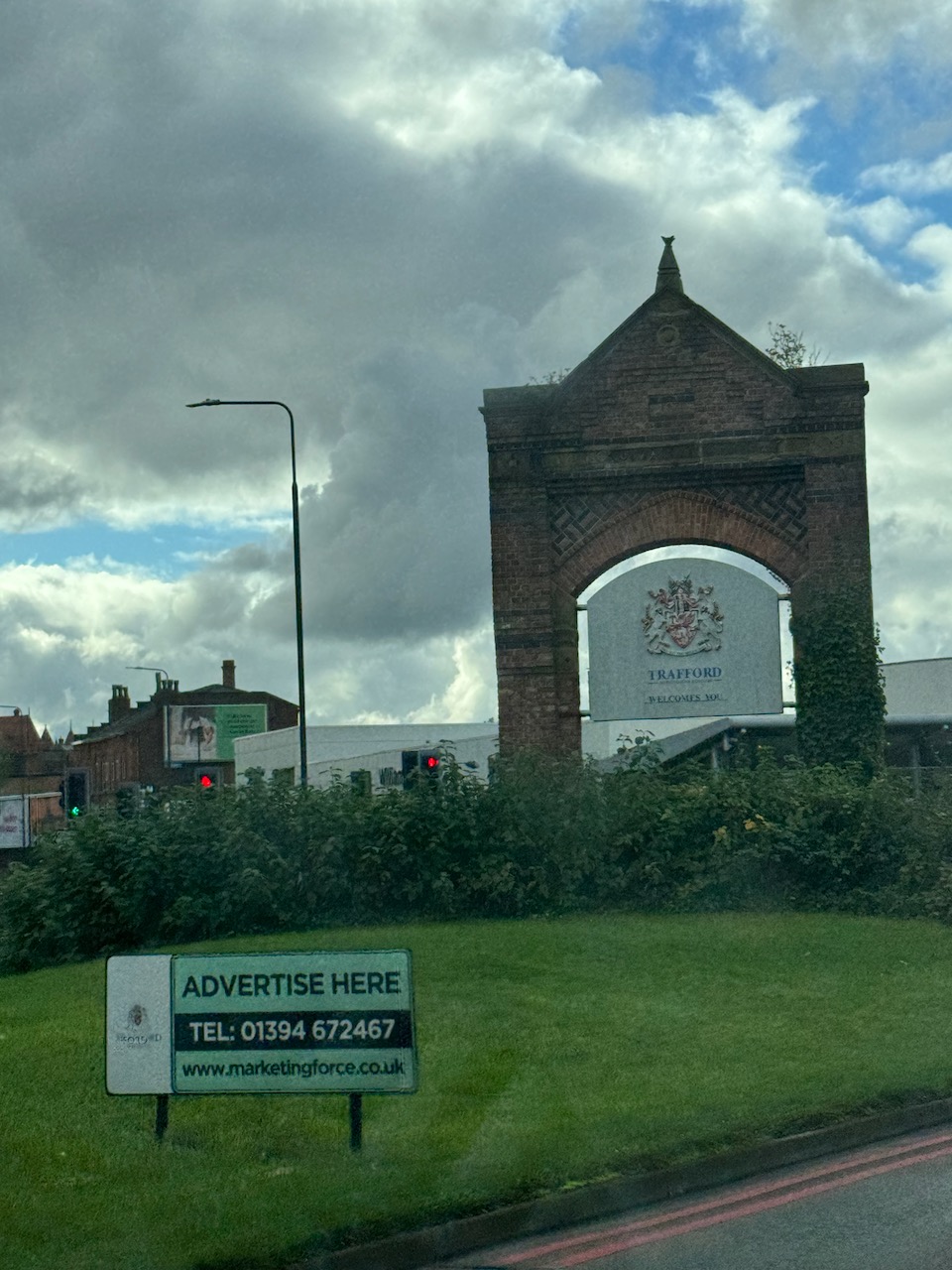
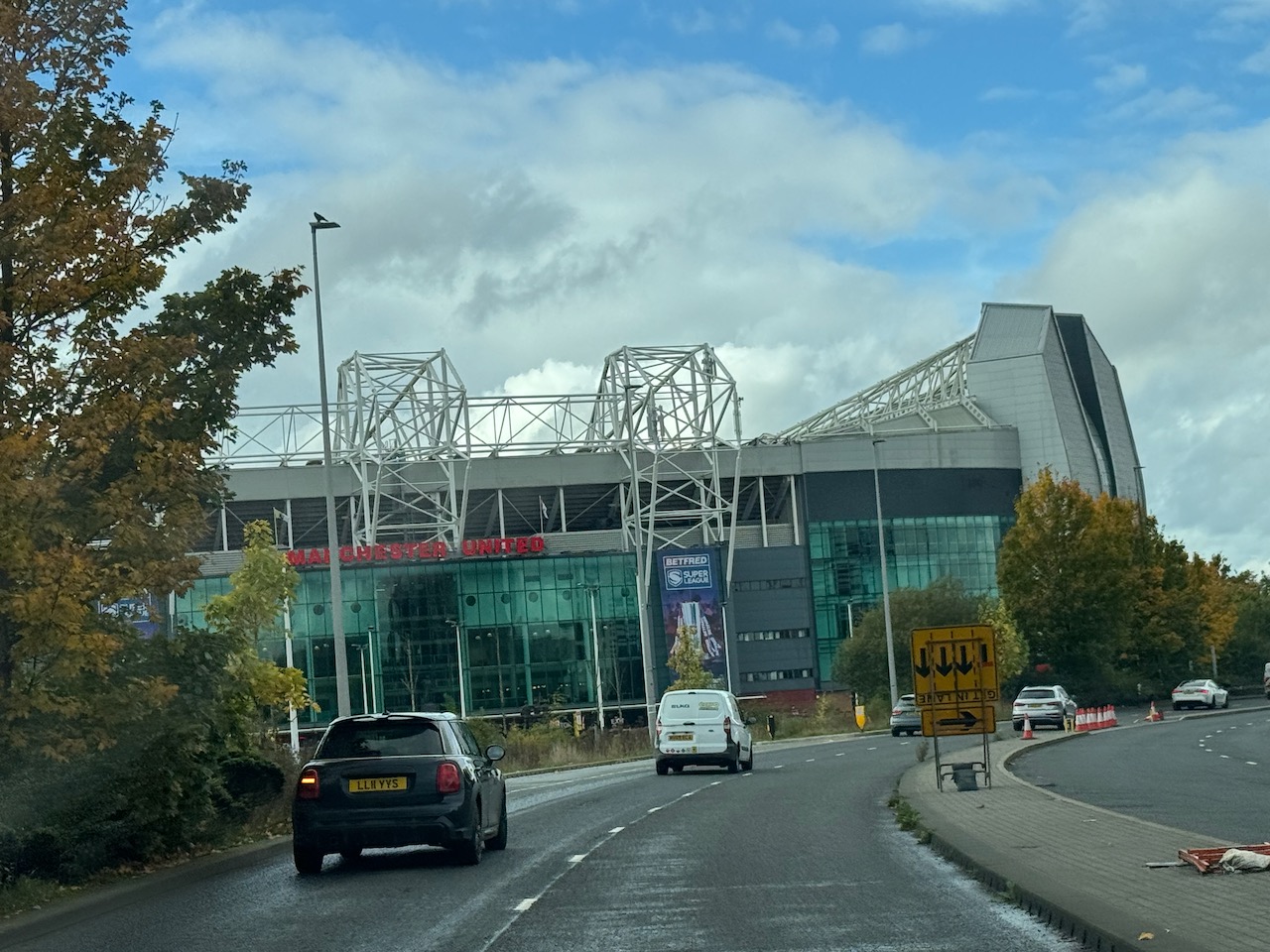
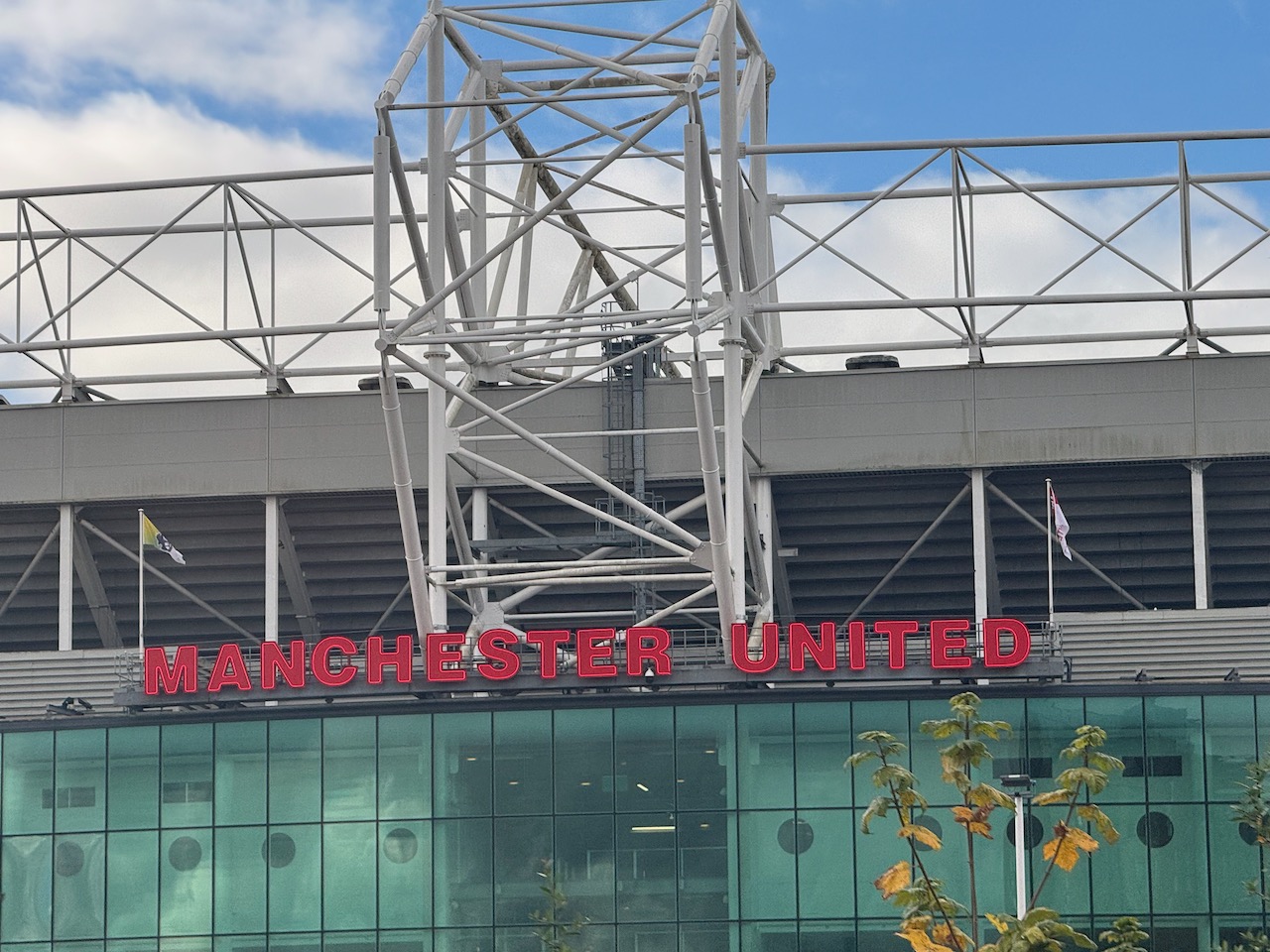
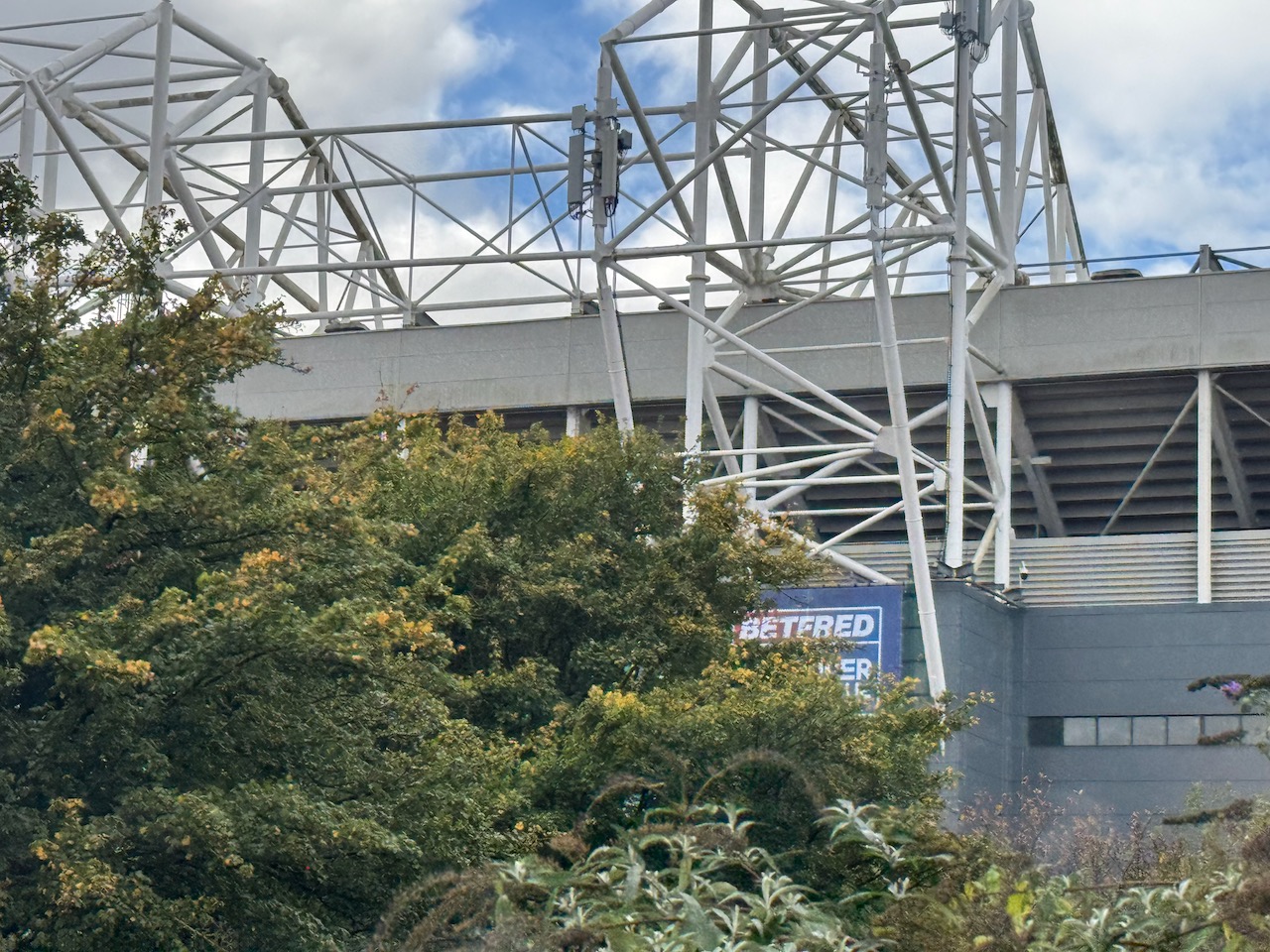
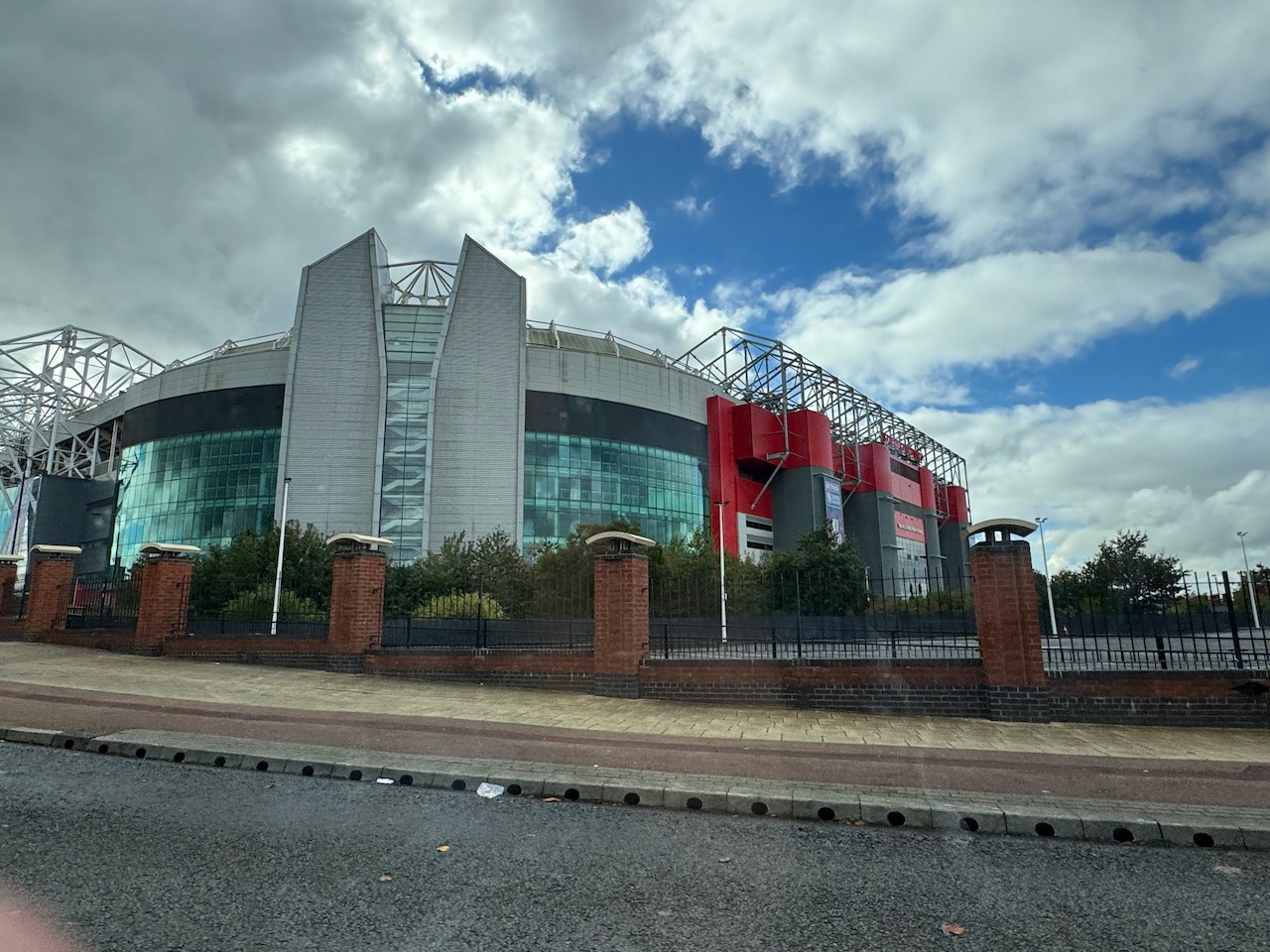
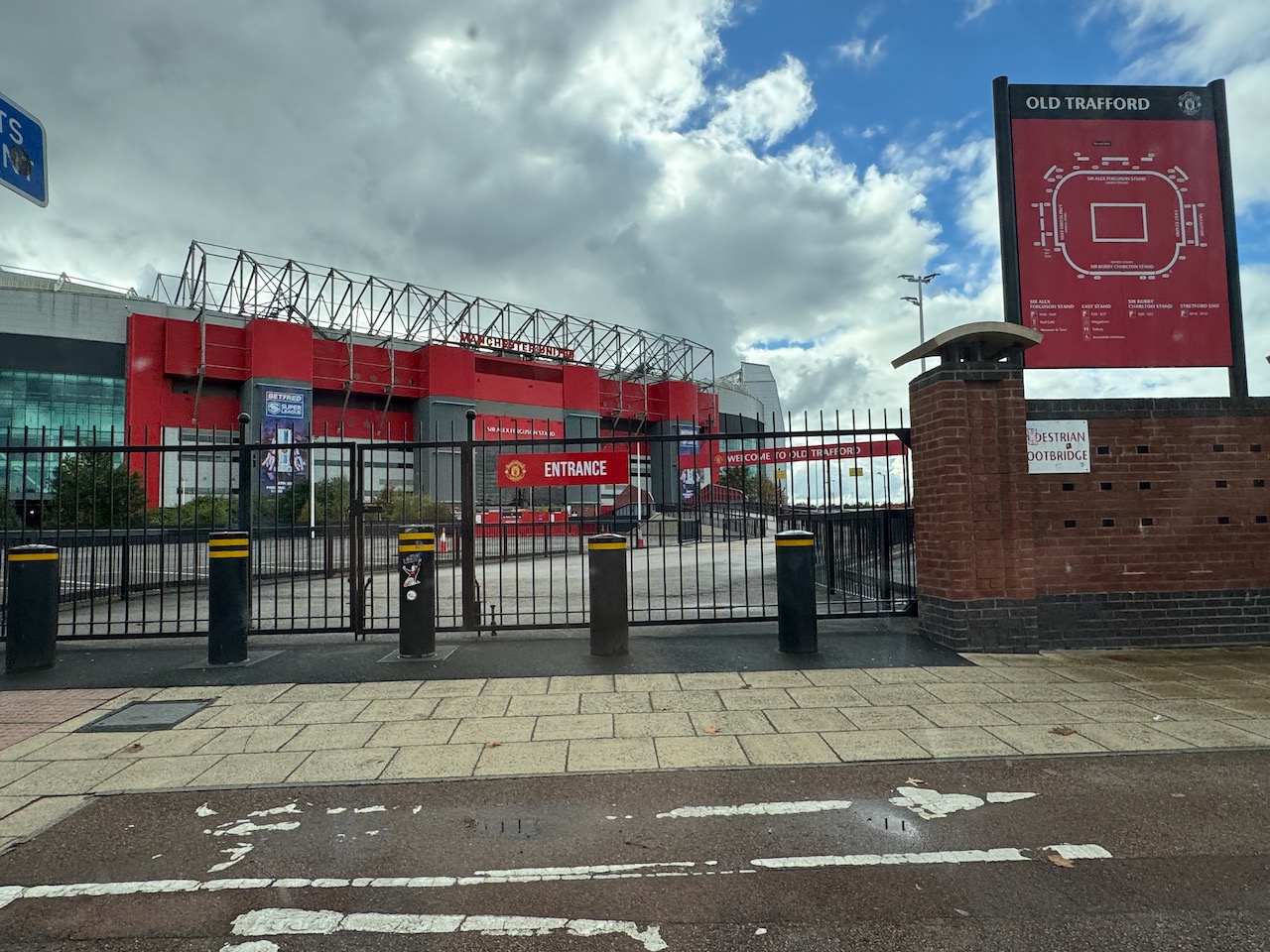
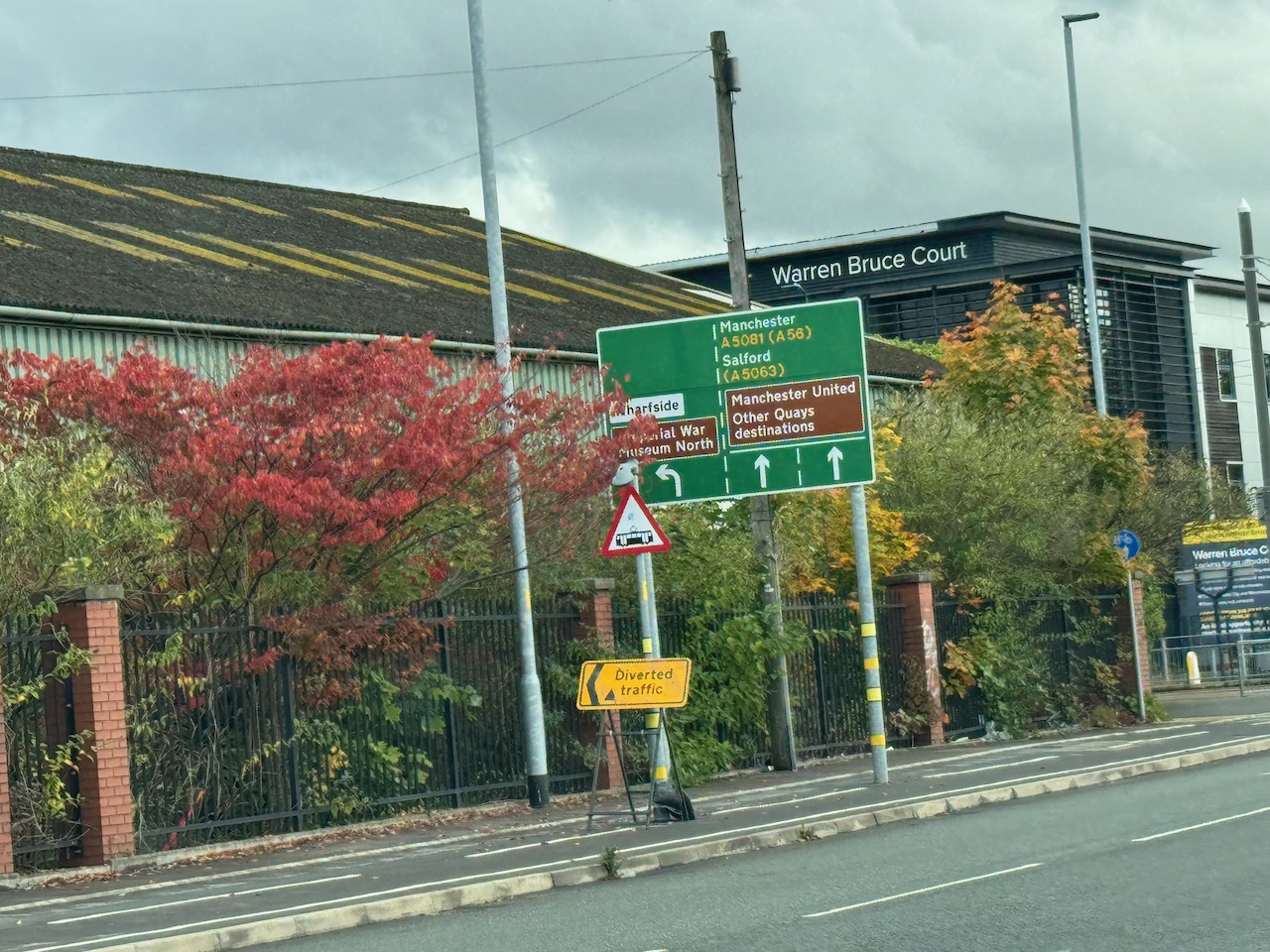
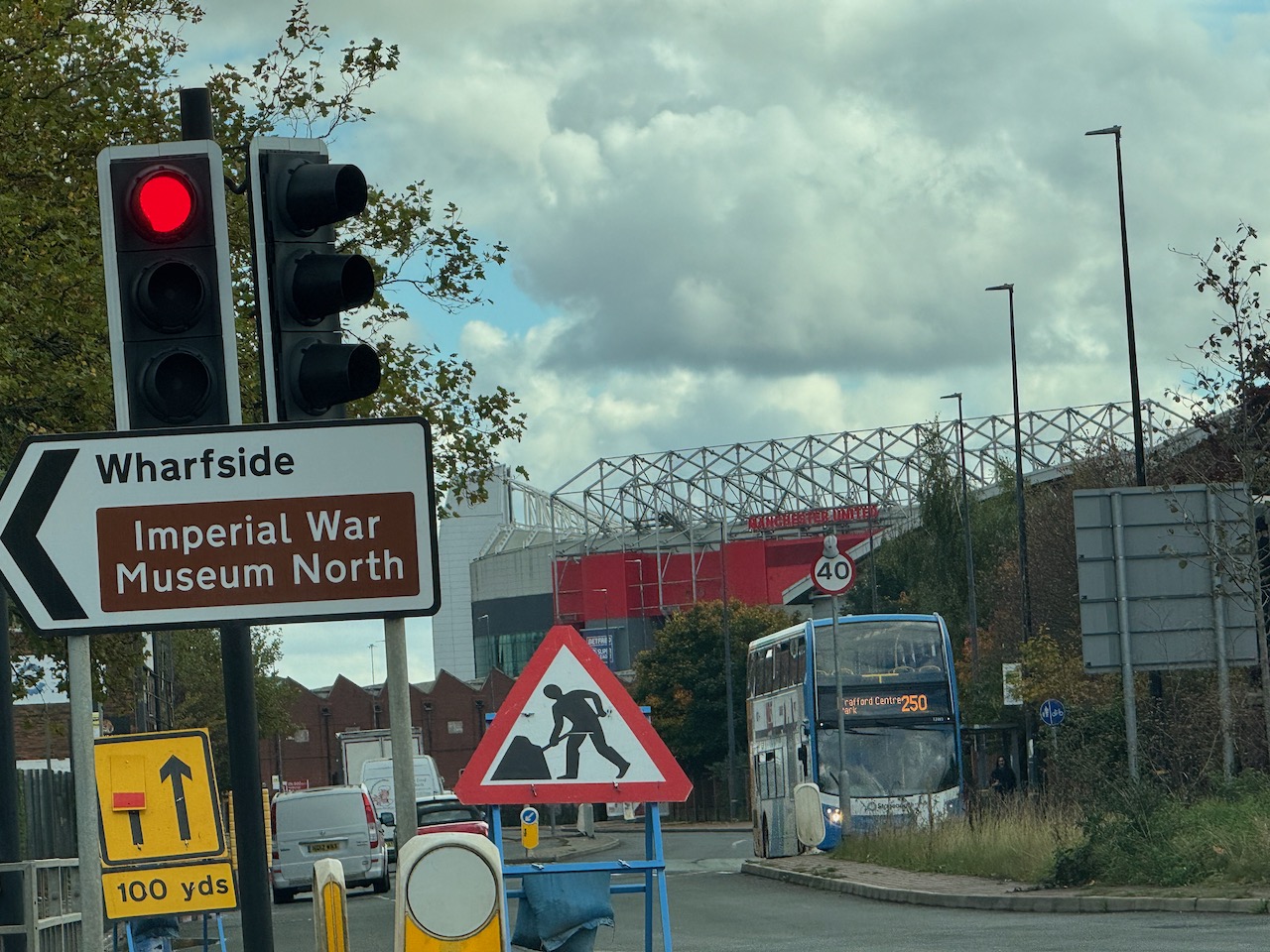
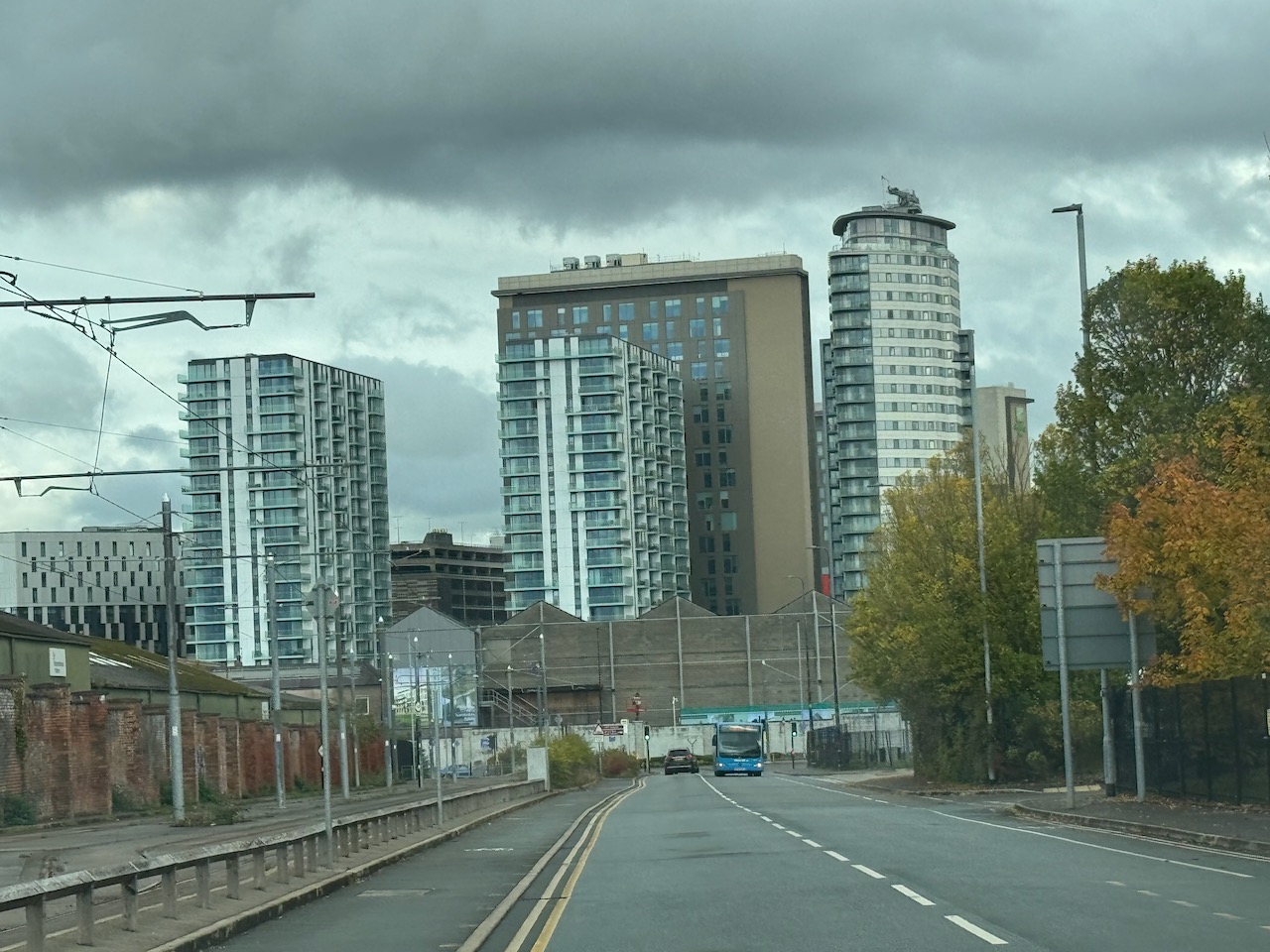
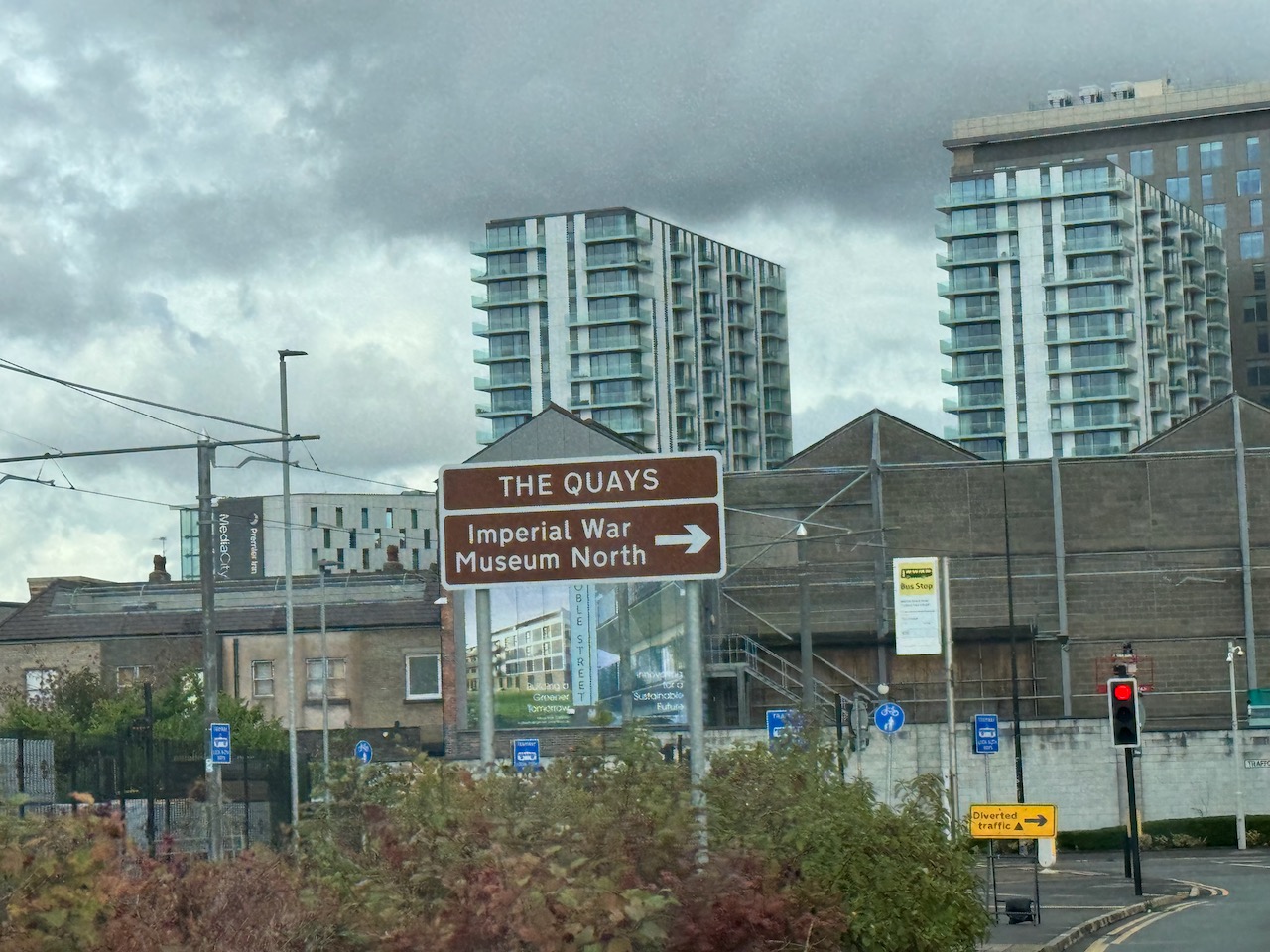
.jpg/1200px-Manchester_United_Panorama_(8051523746).jpg)
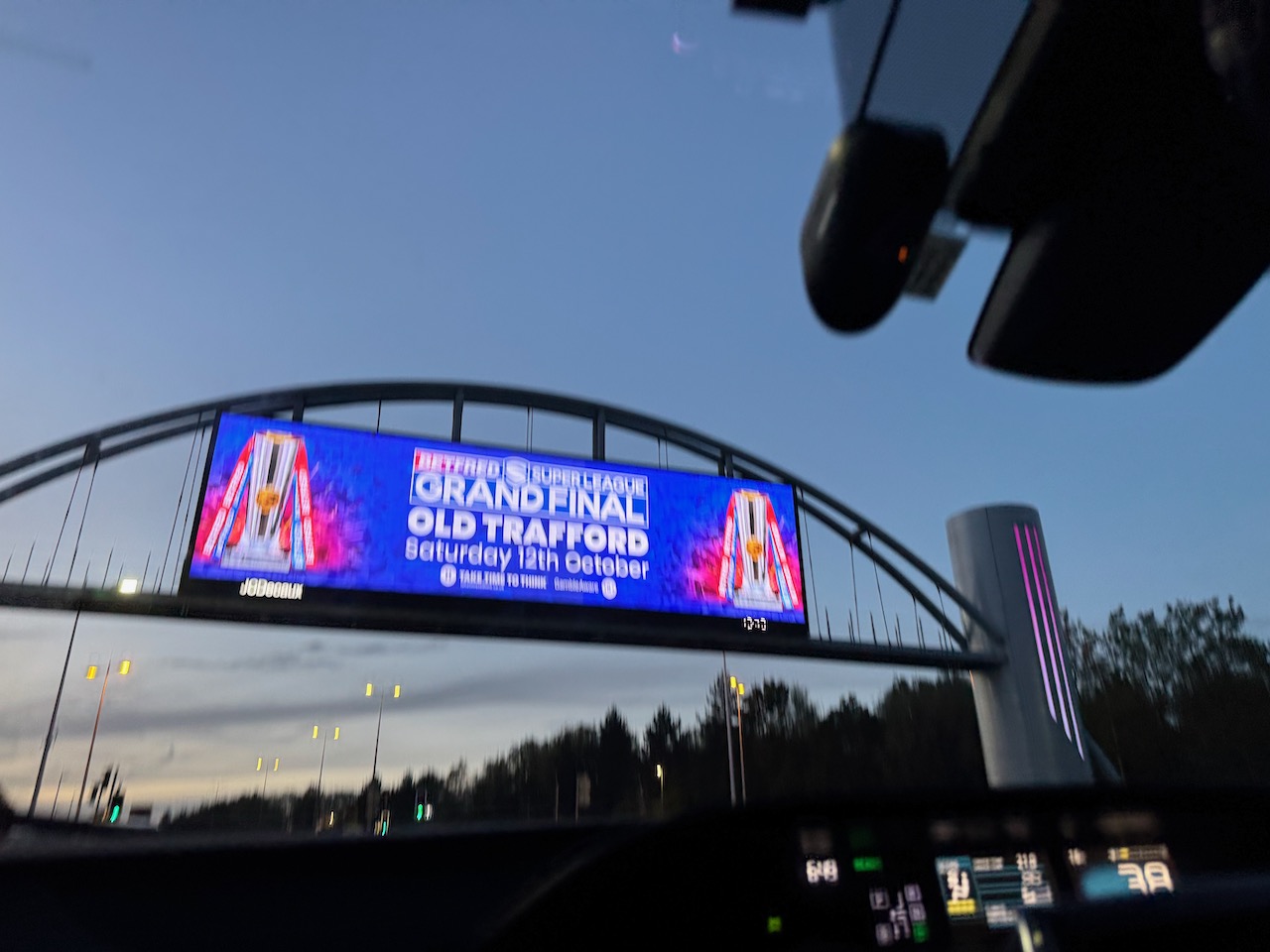
Old Trafford – Wikipedia
“The Theatre of Dreams”
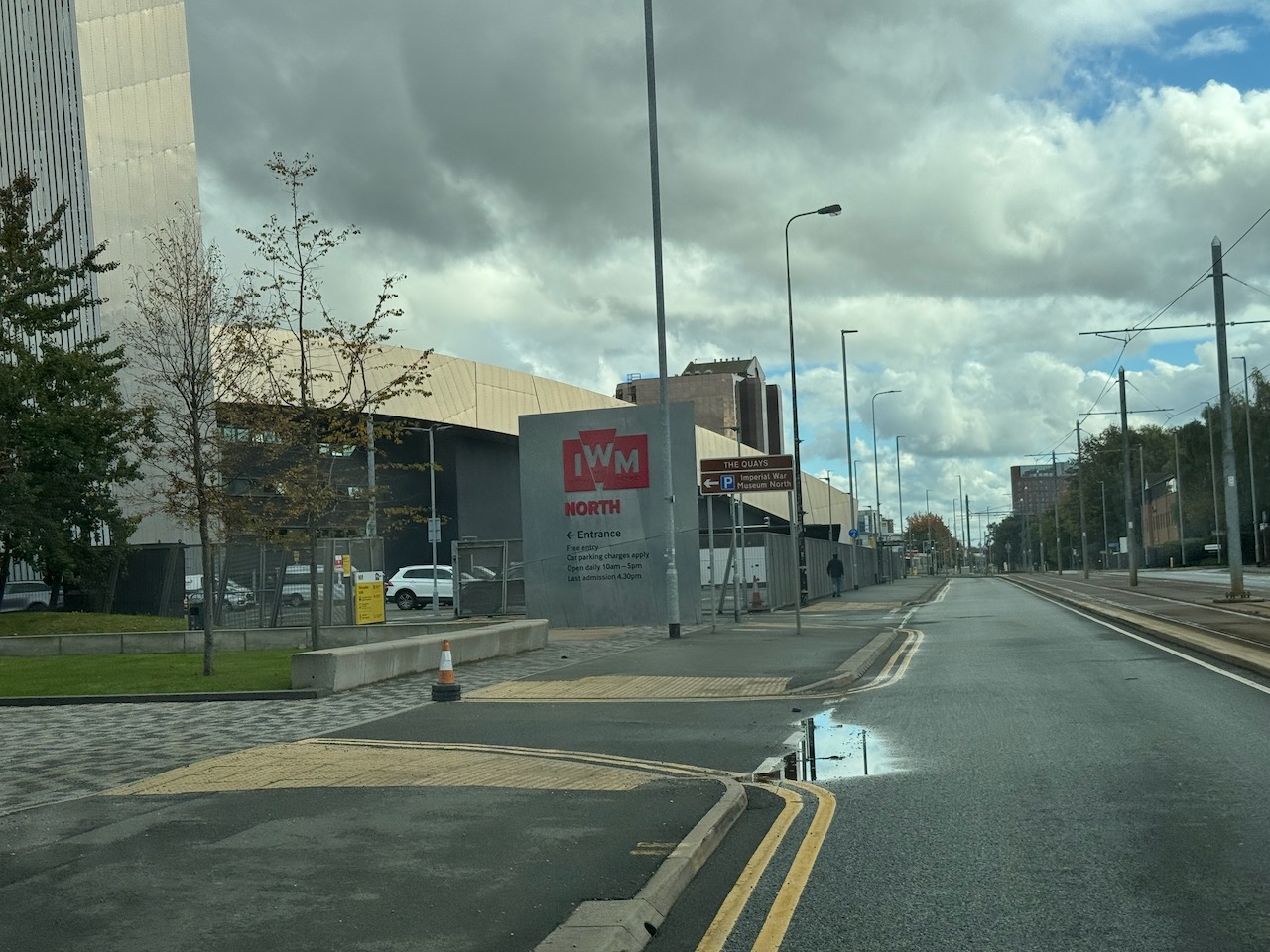
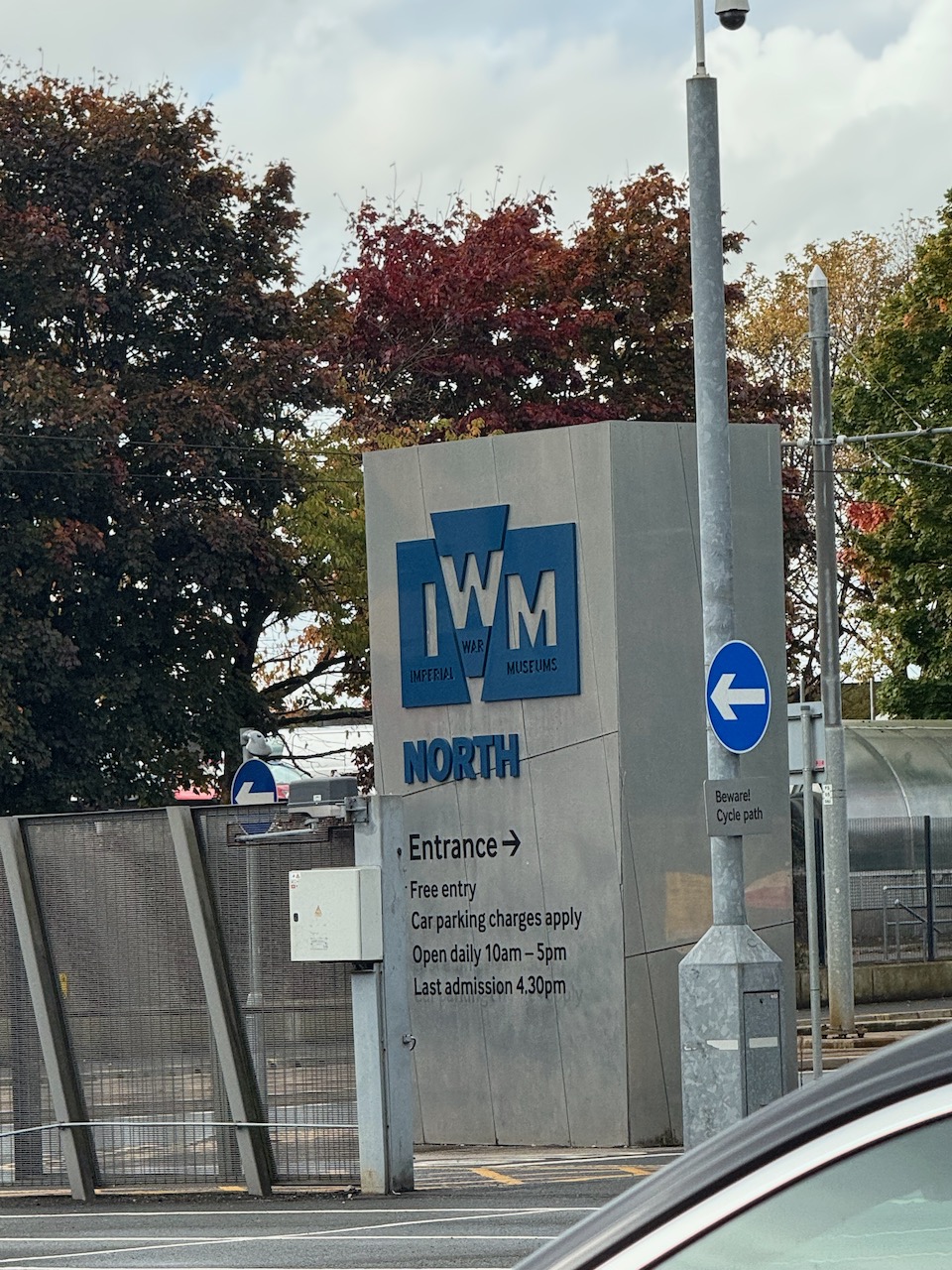
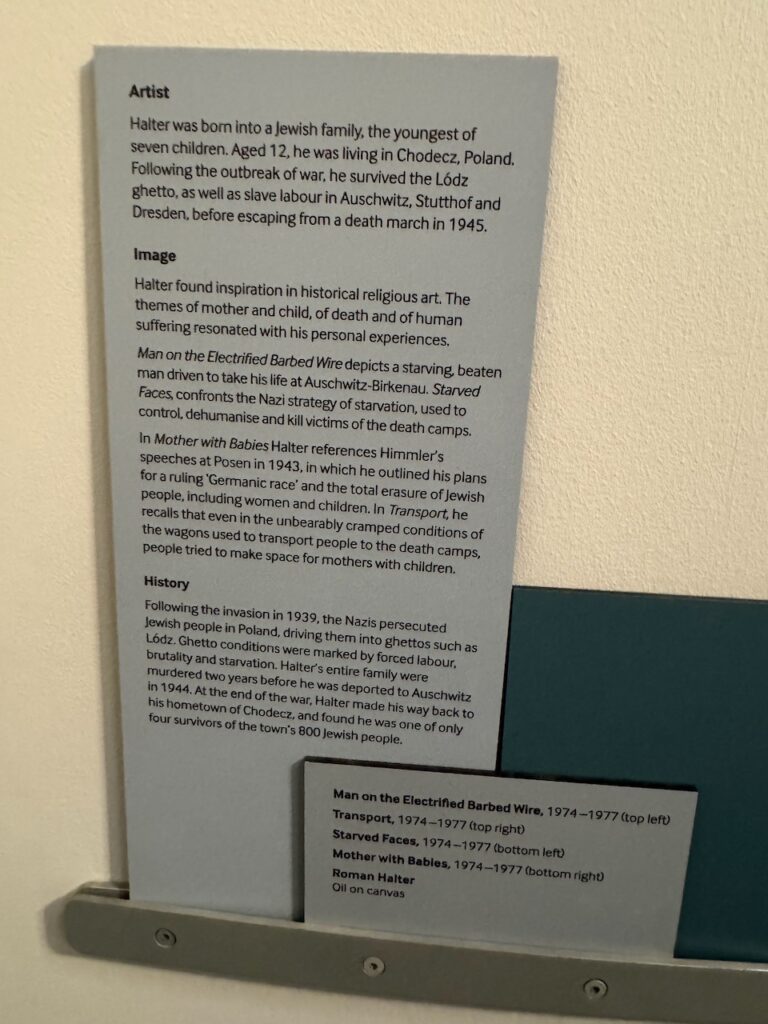
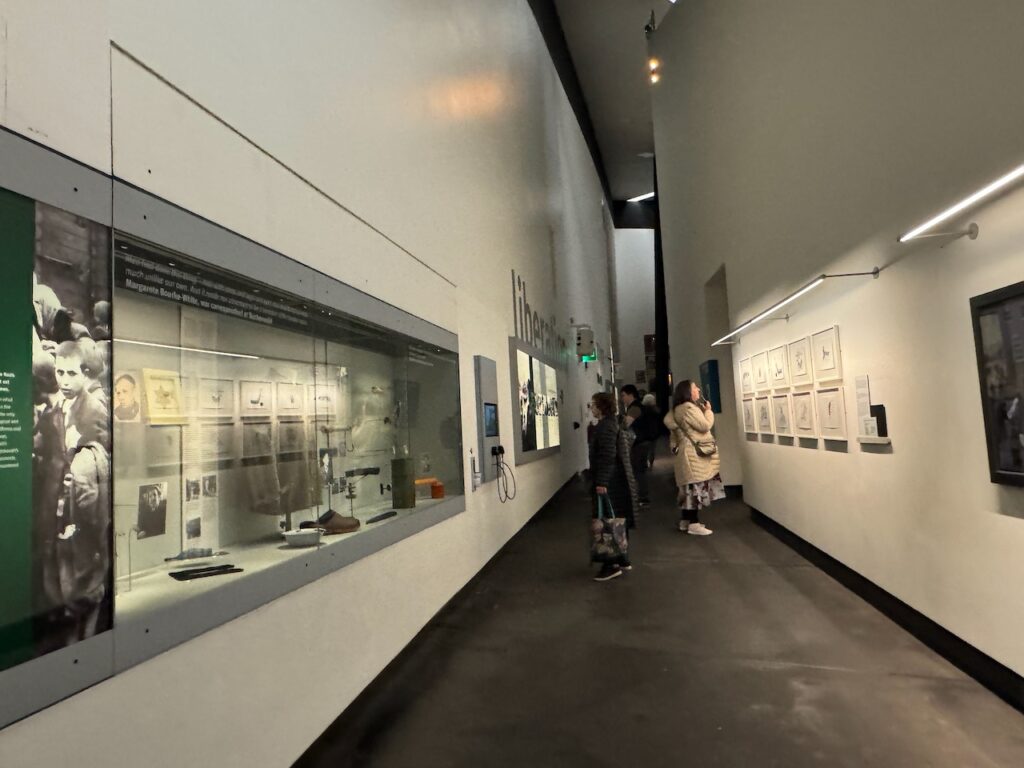
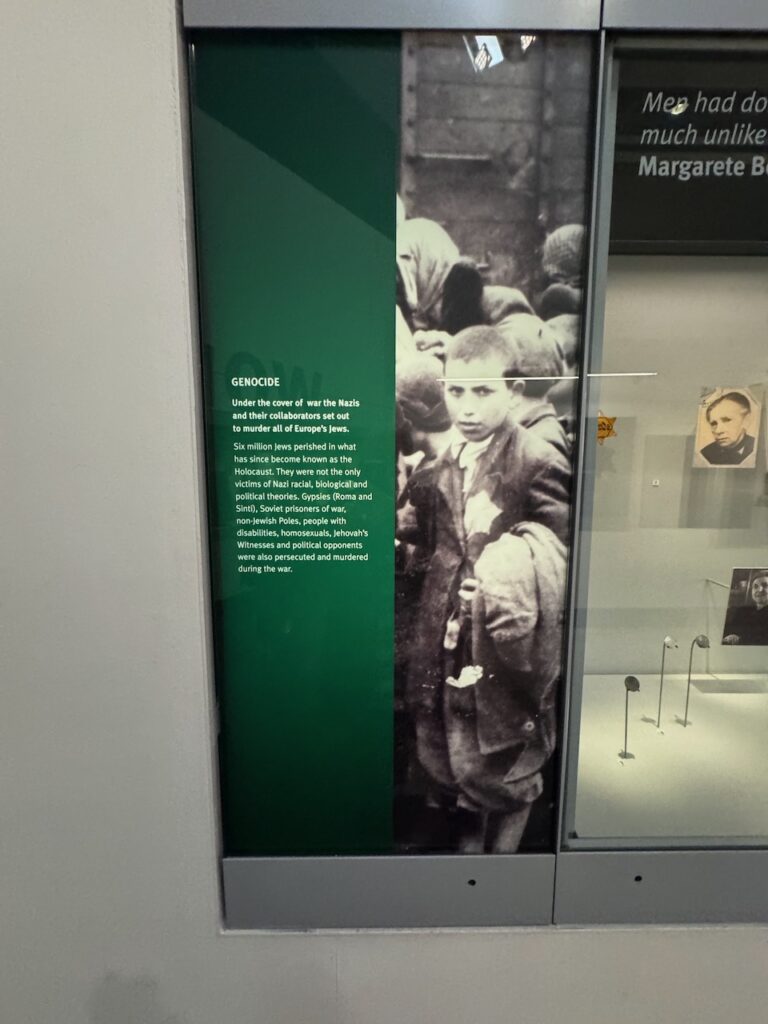
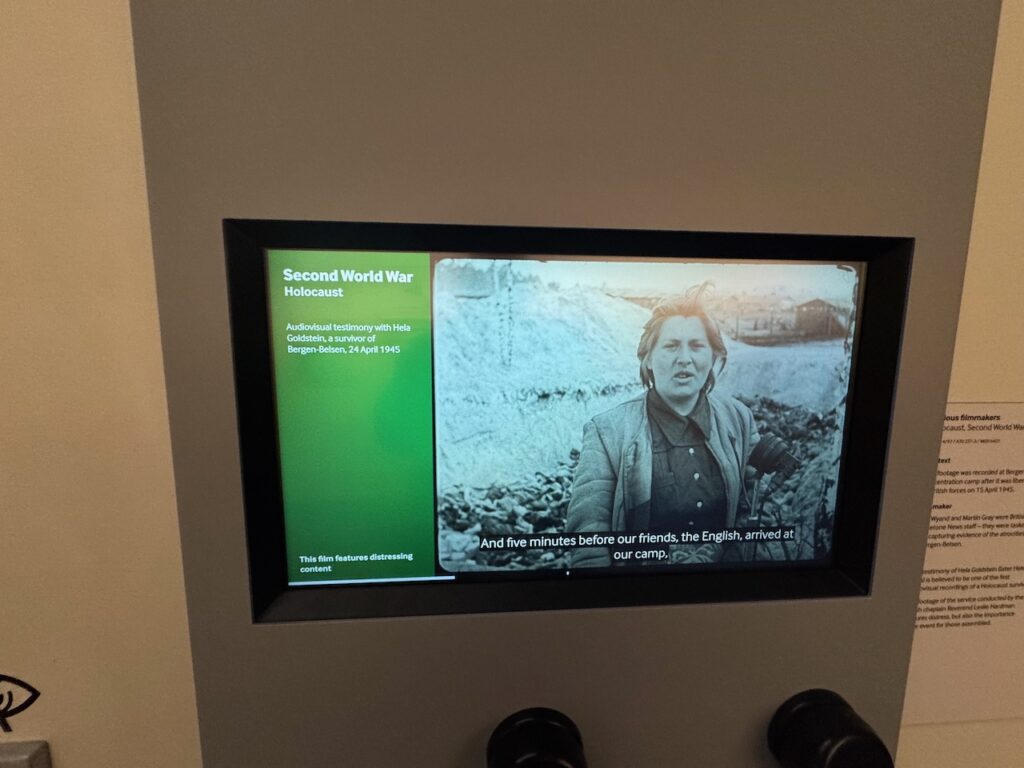
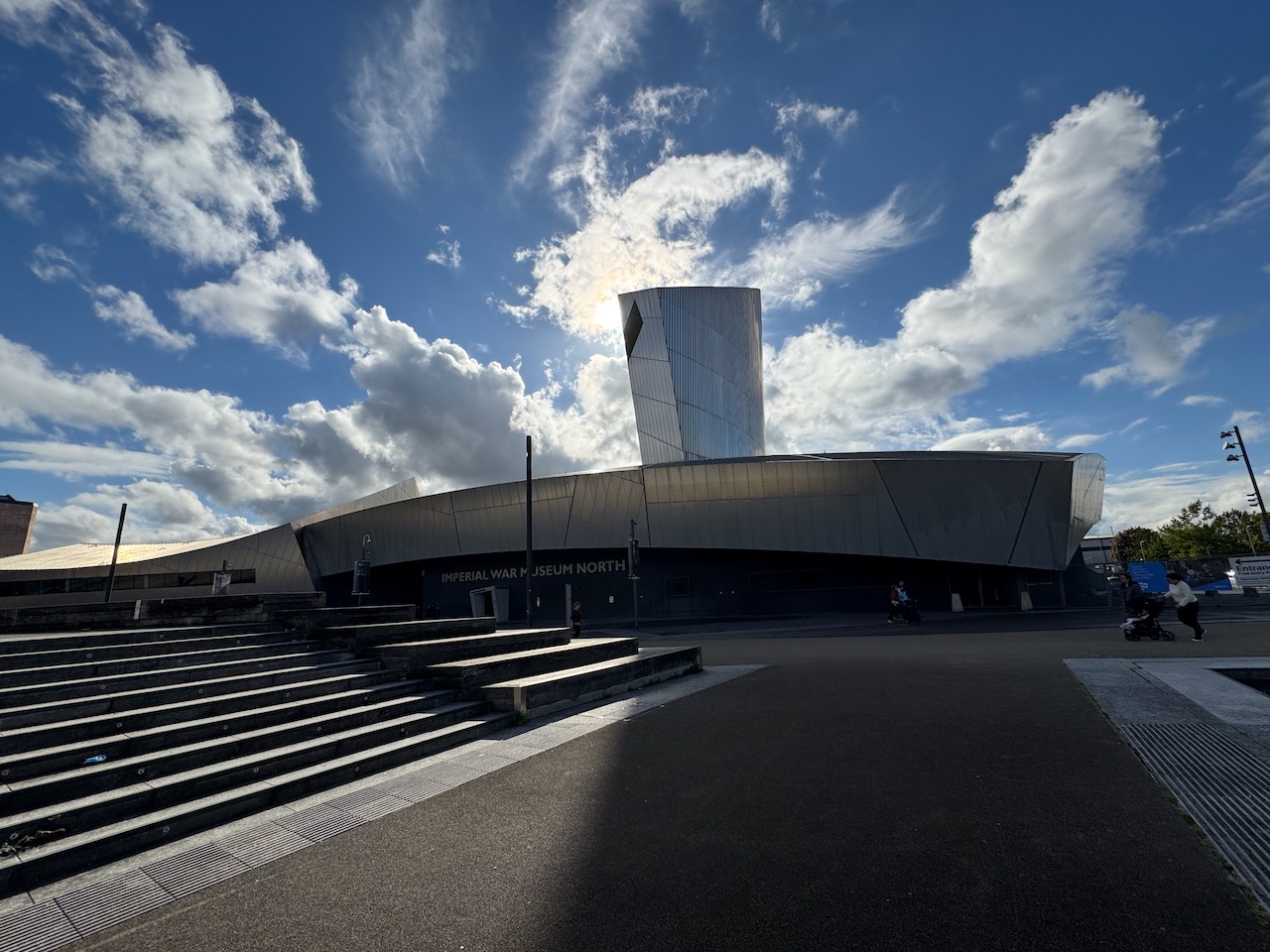
IWM North

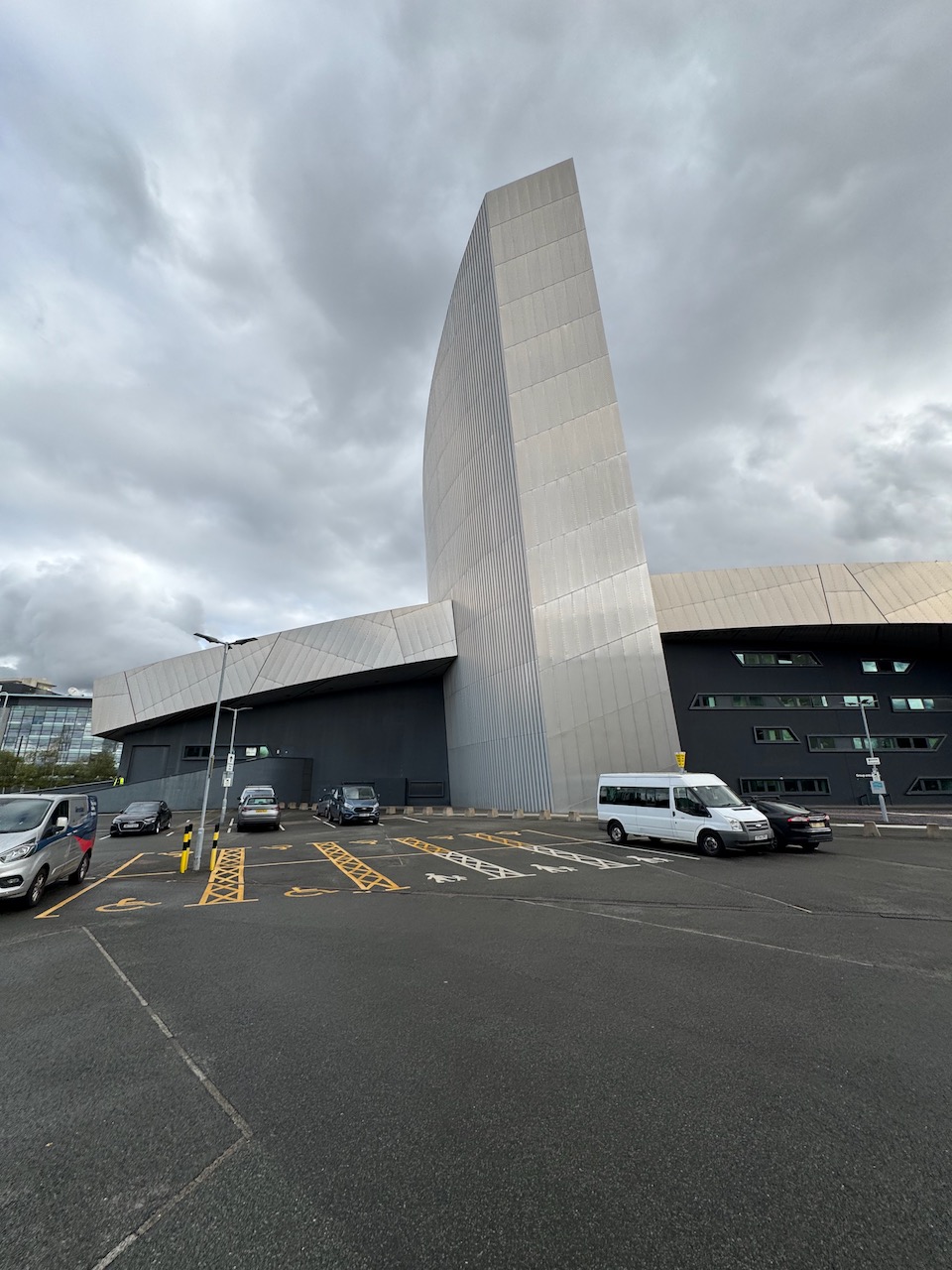
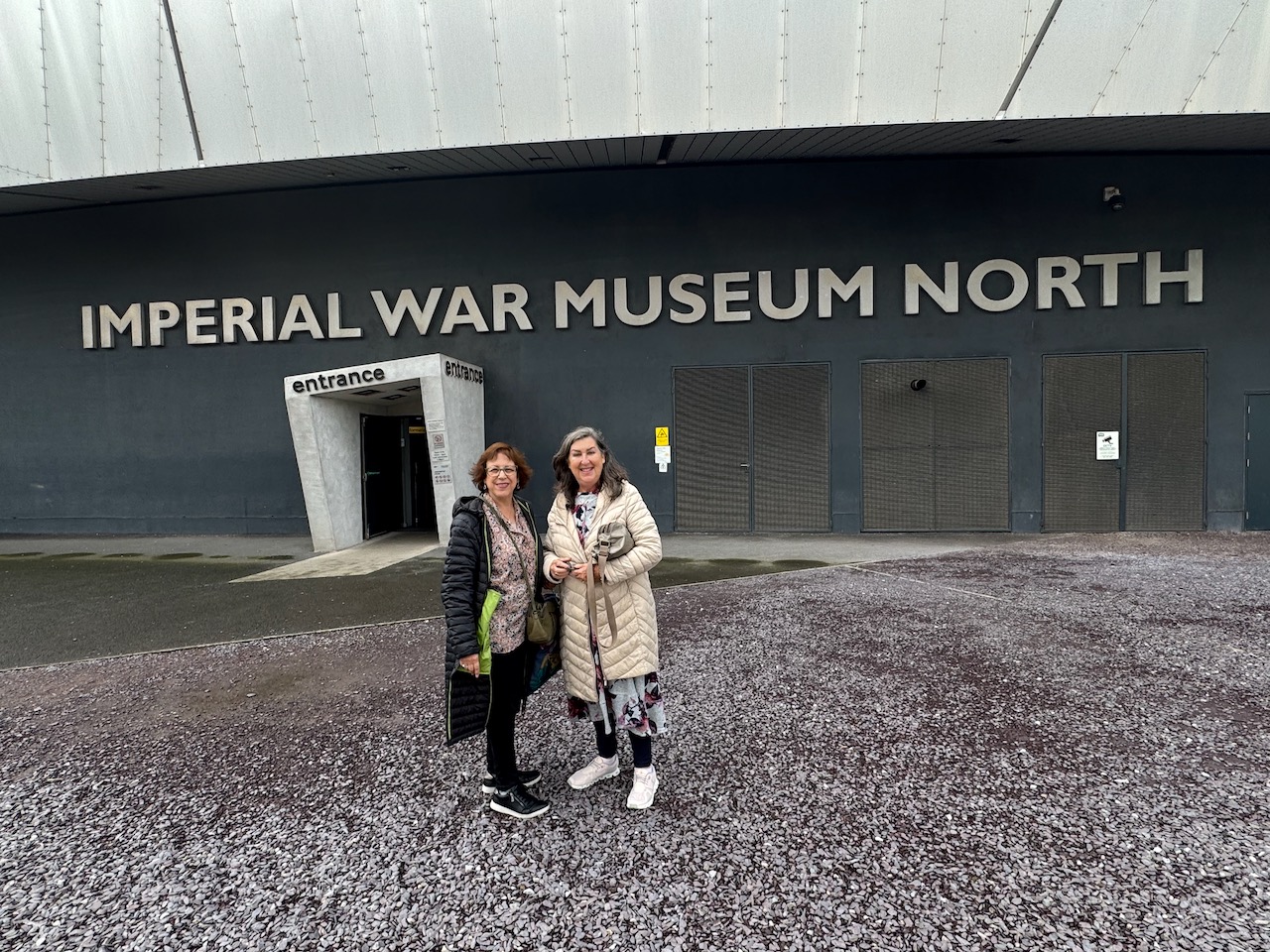

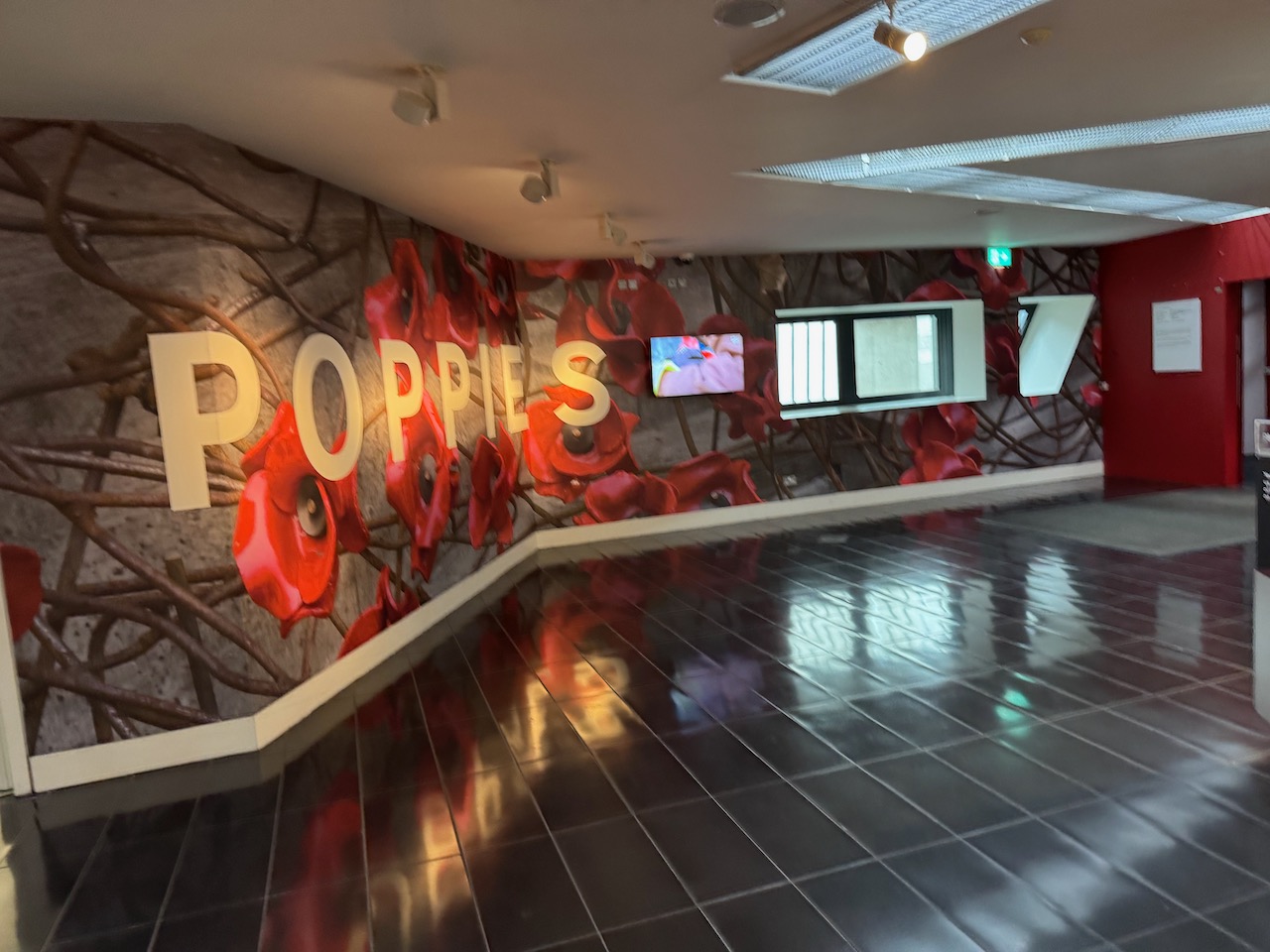
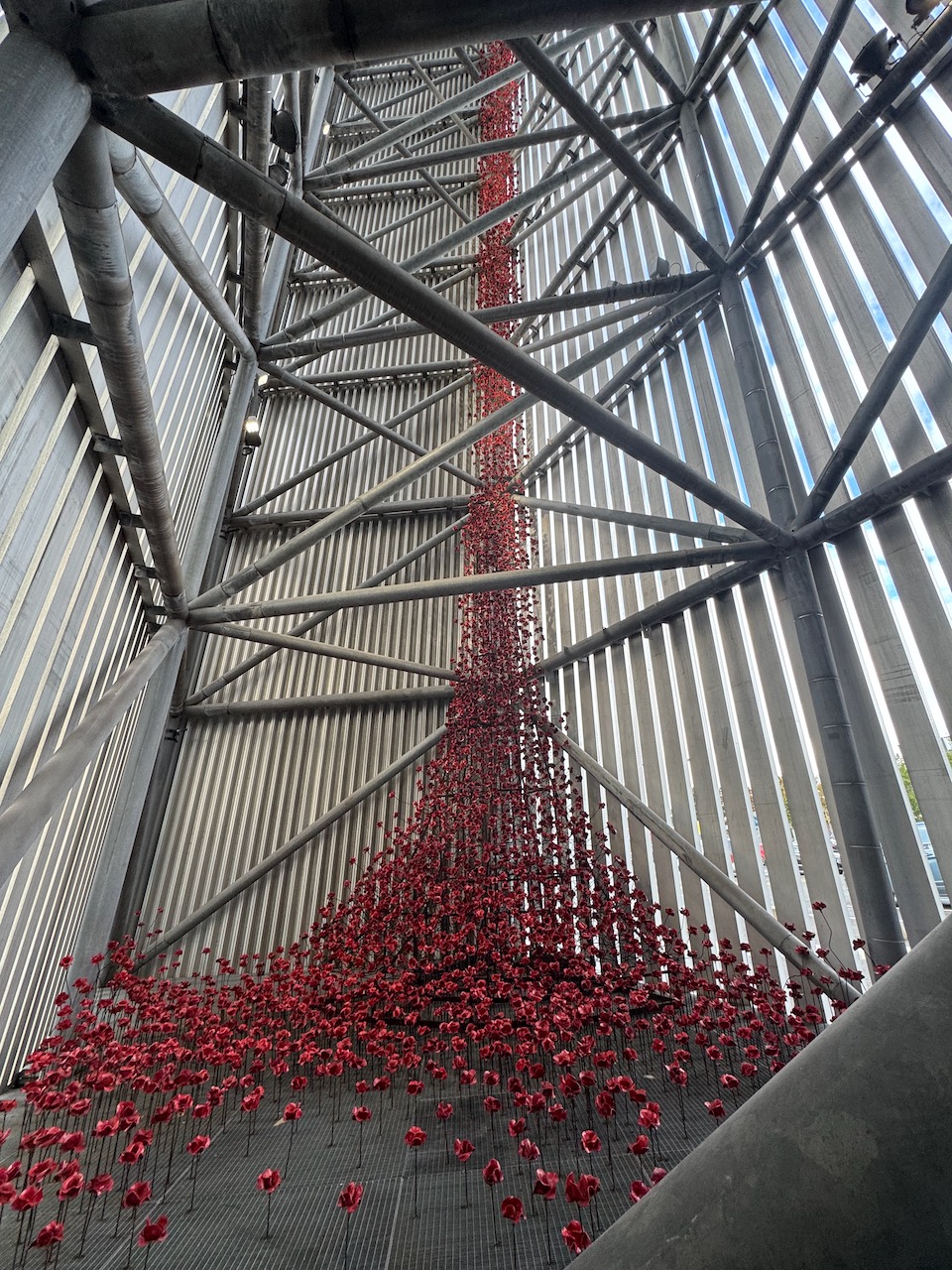
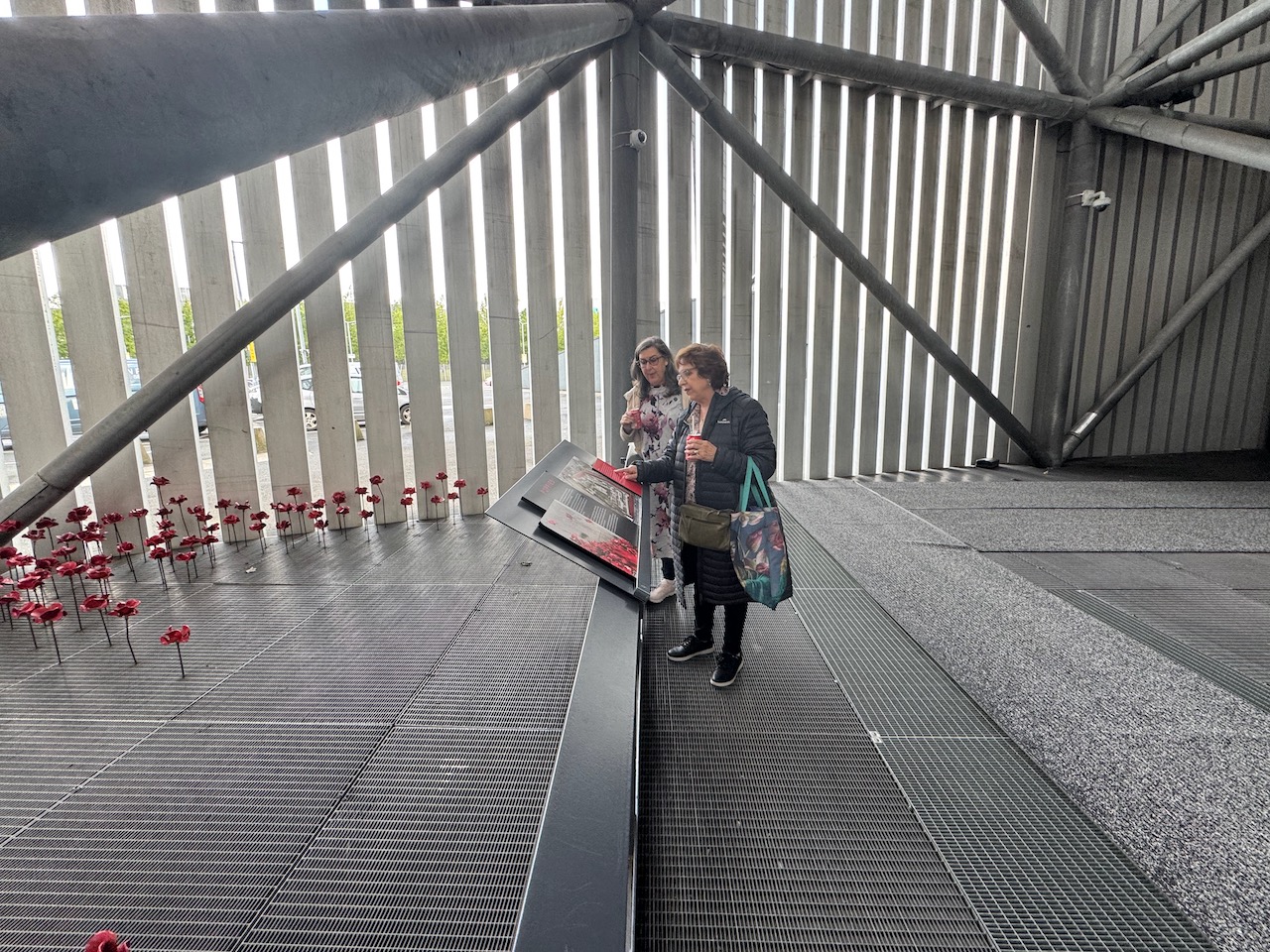
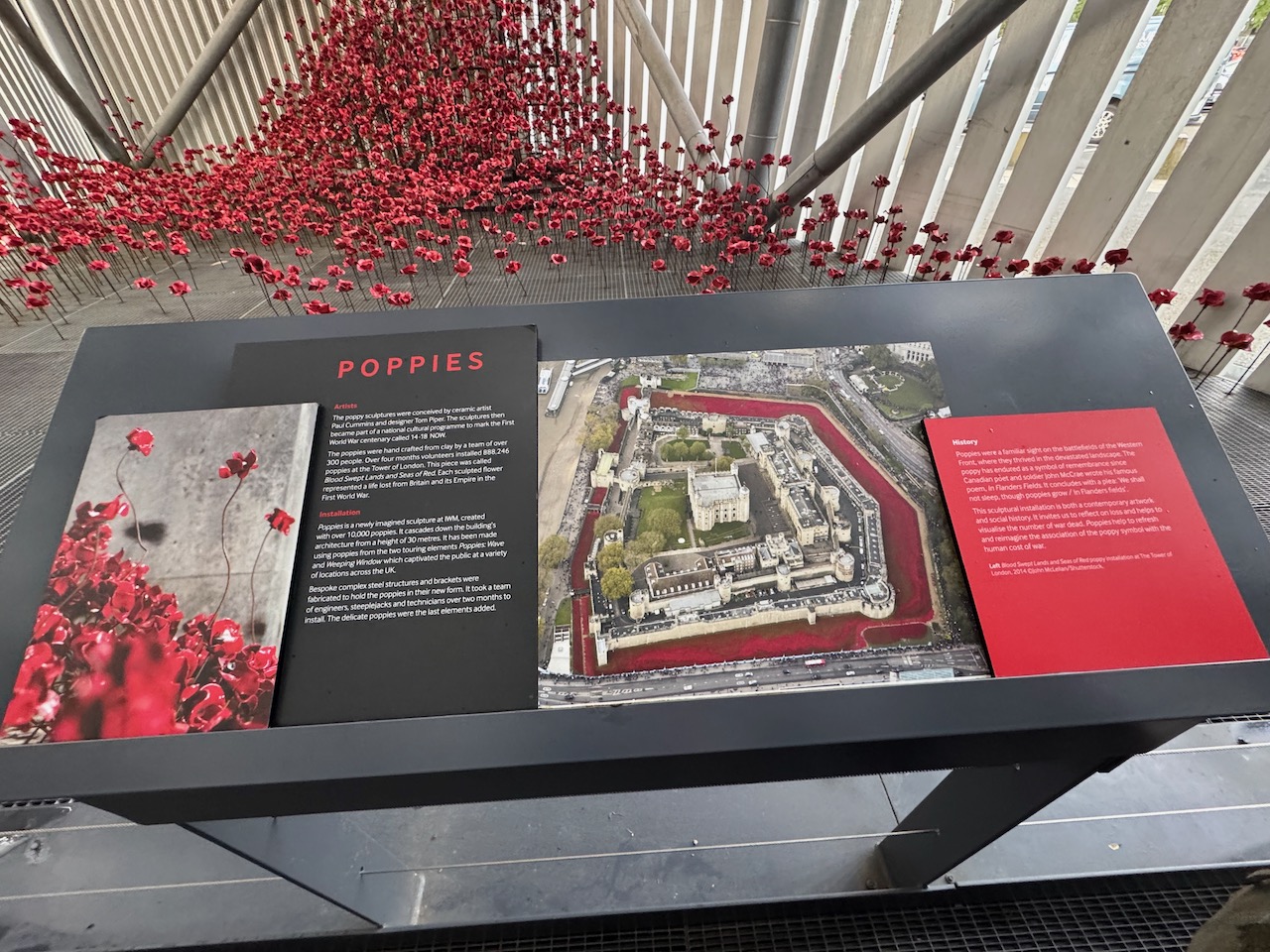
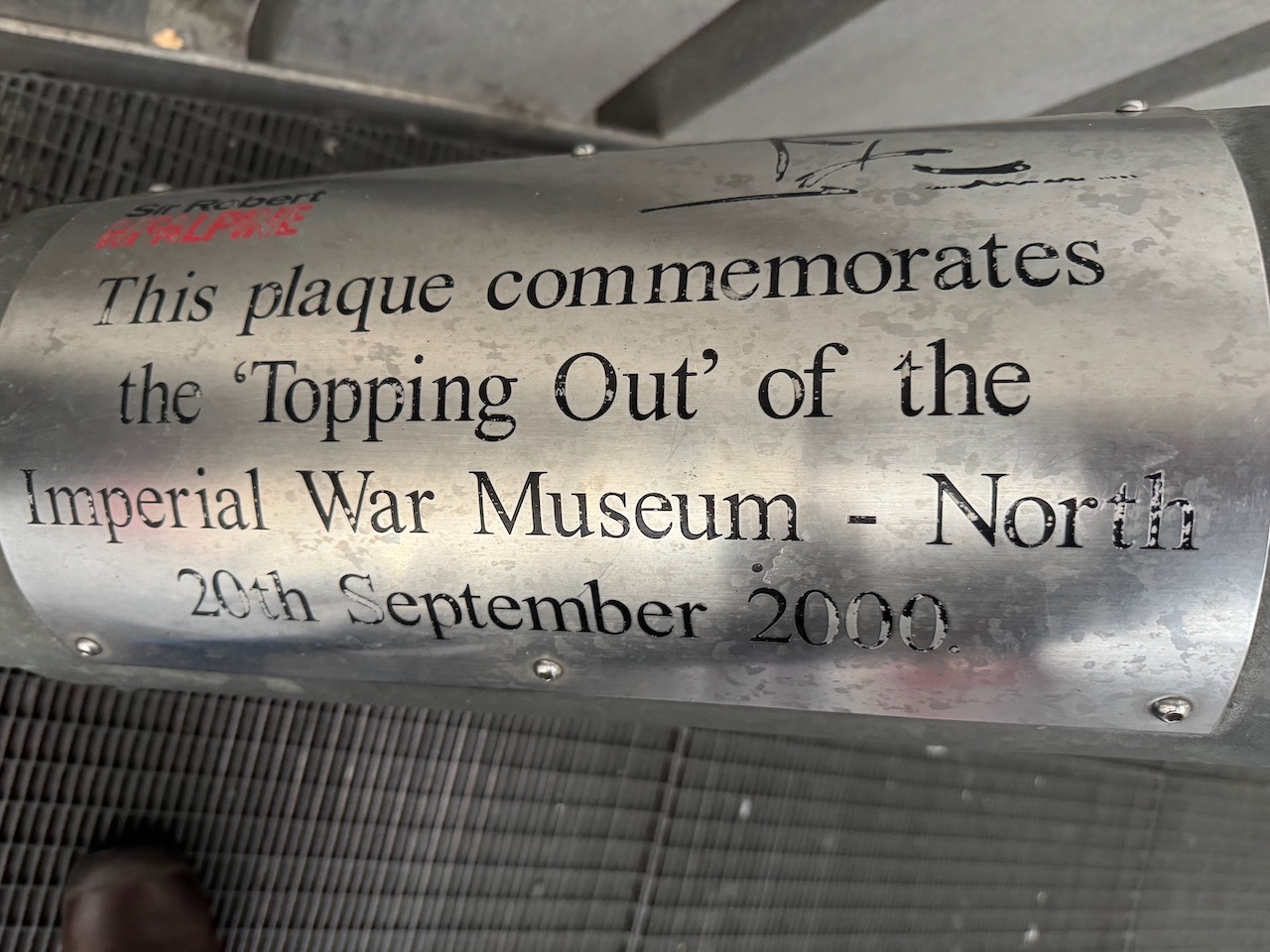
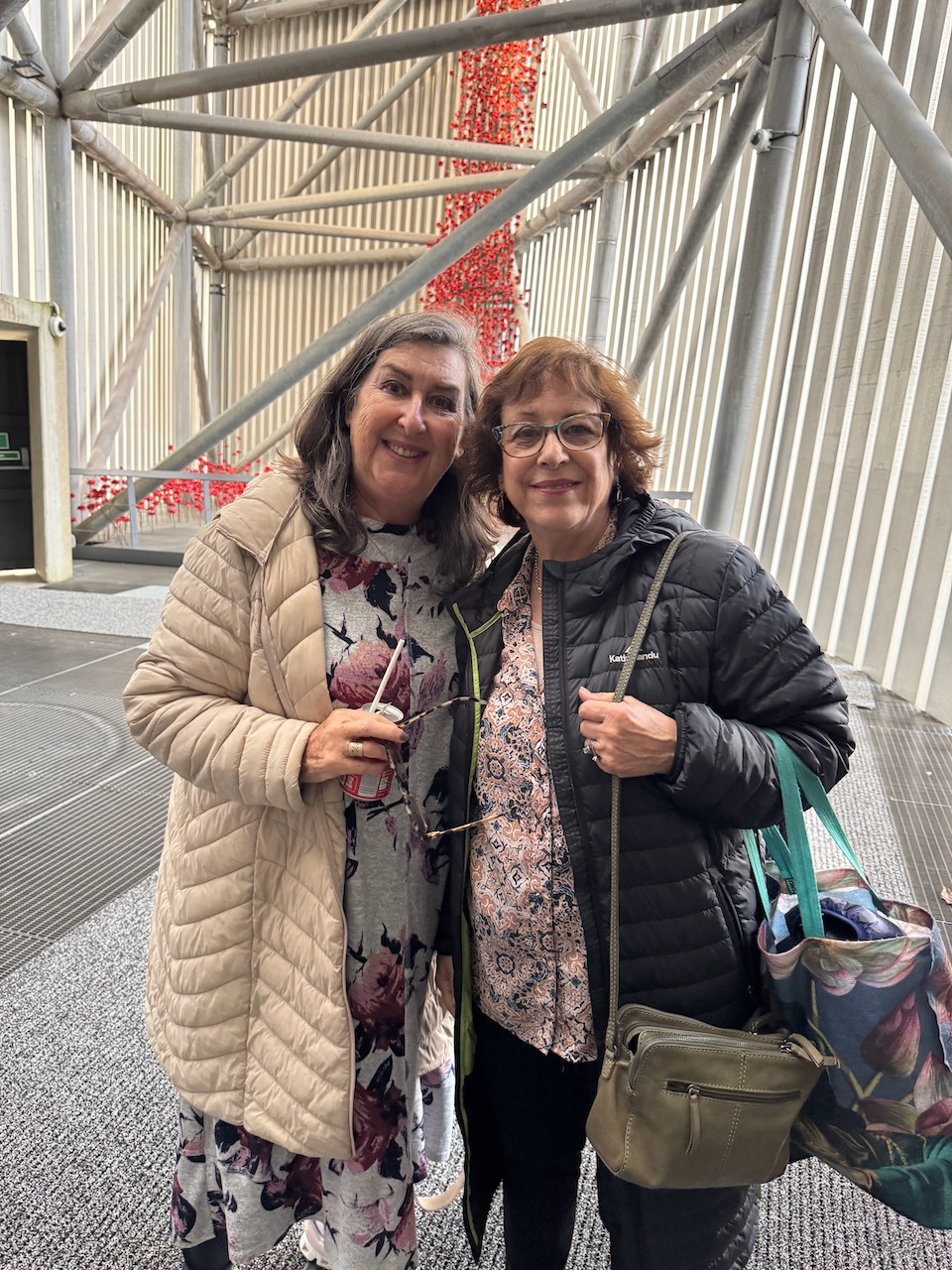
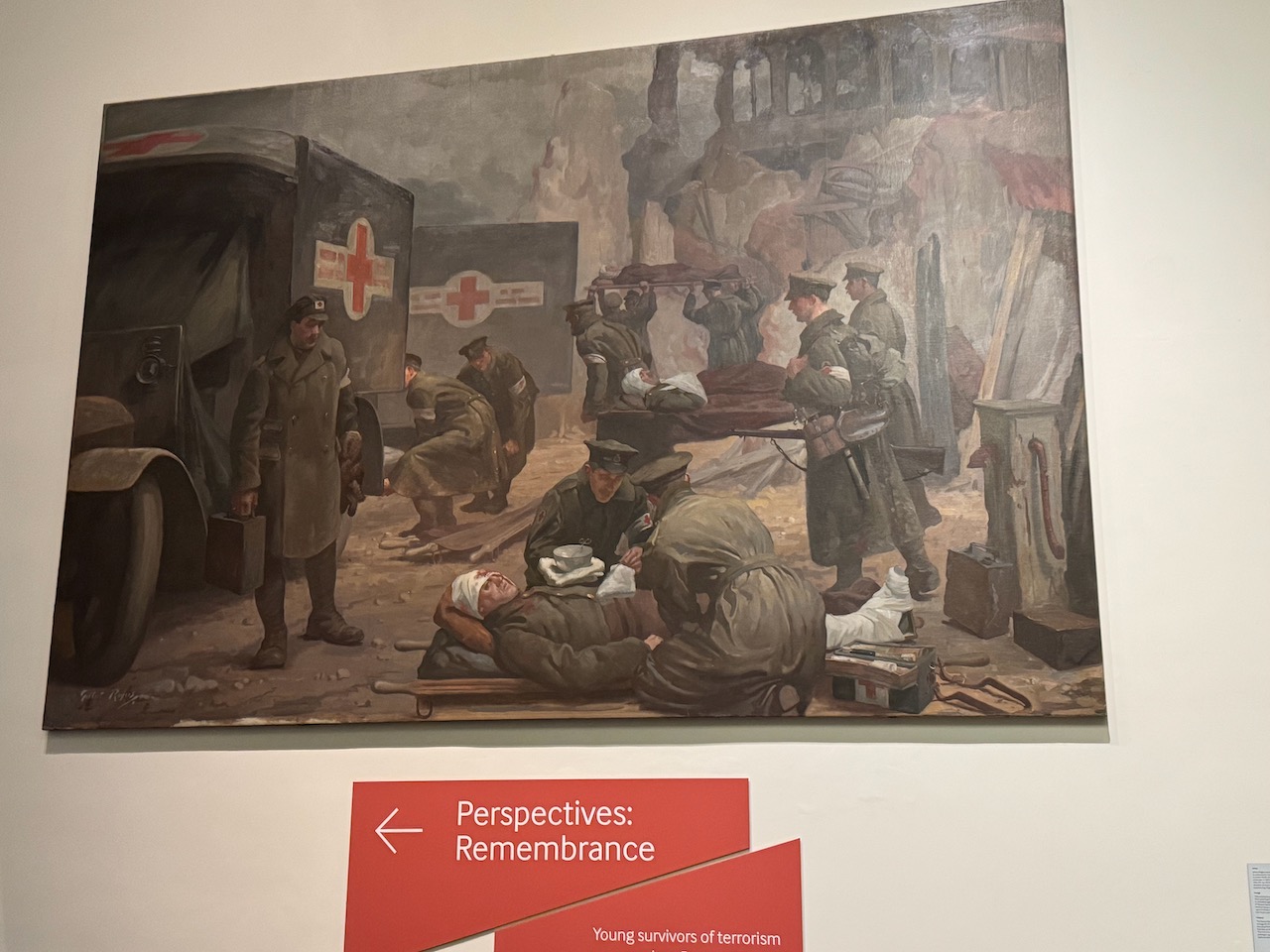
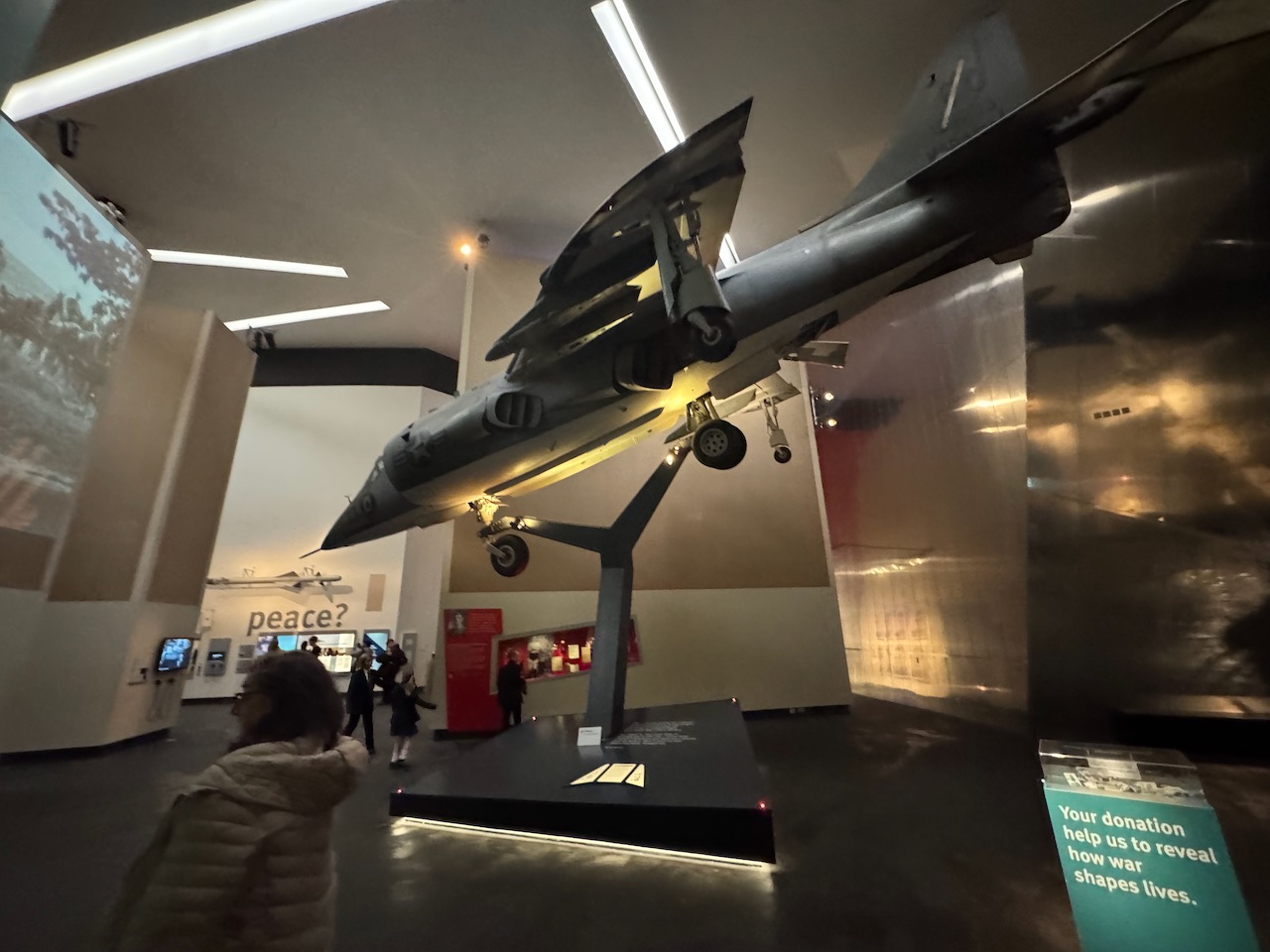
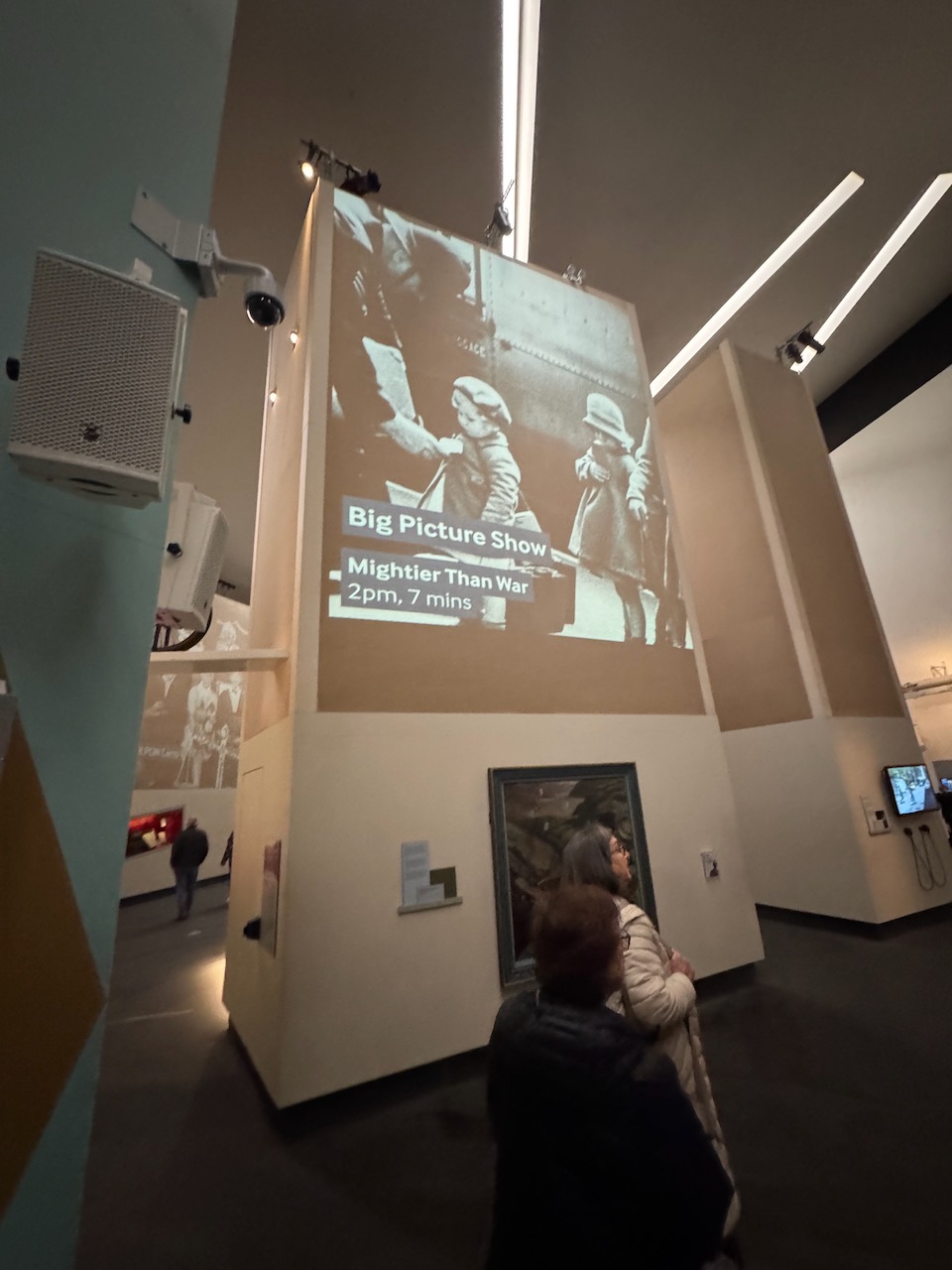
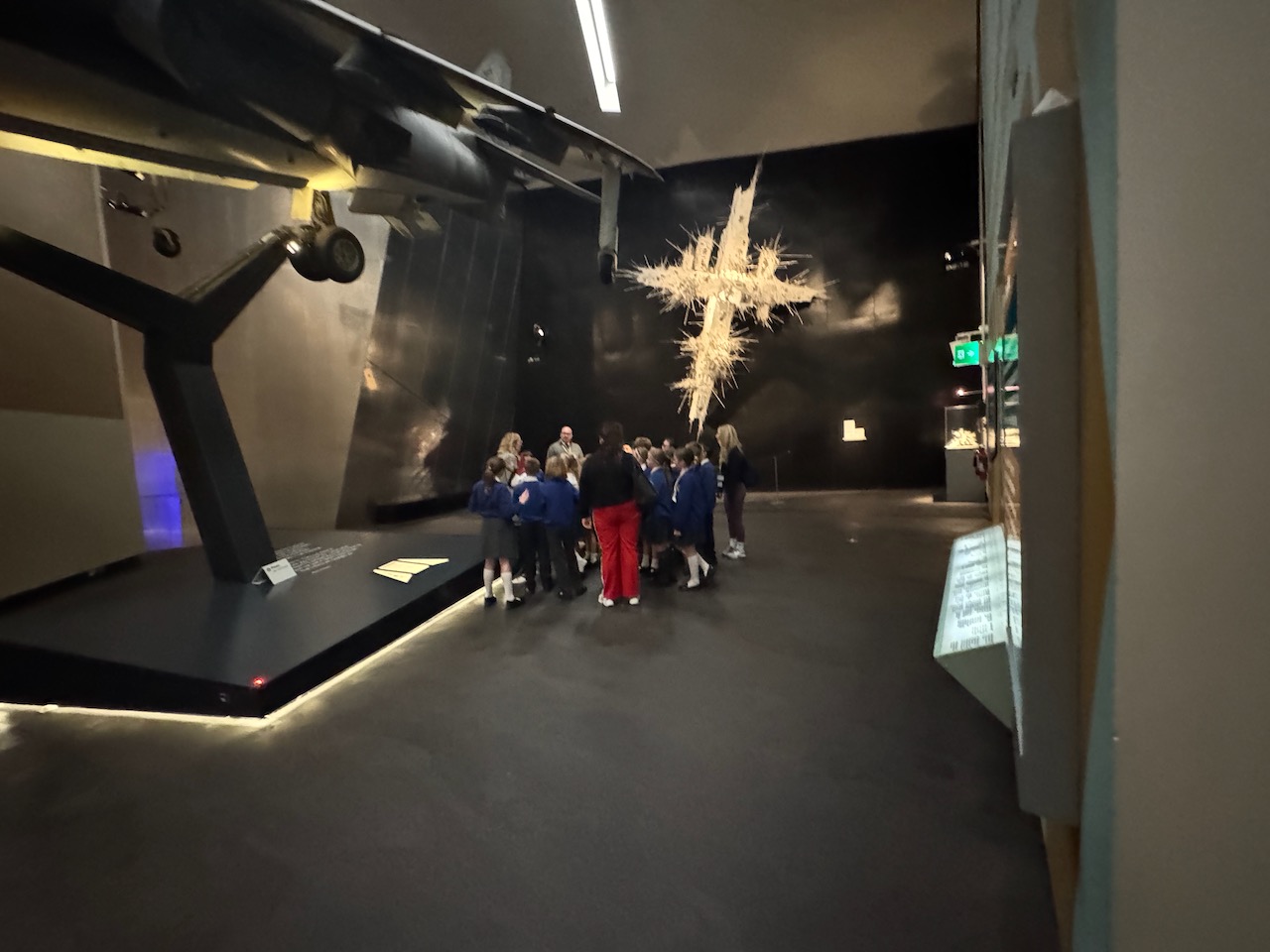
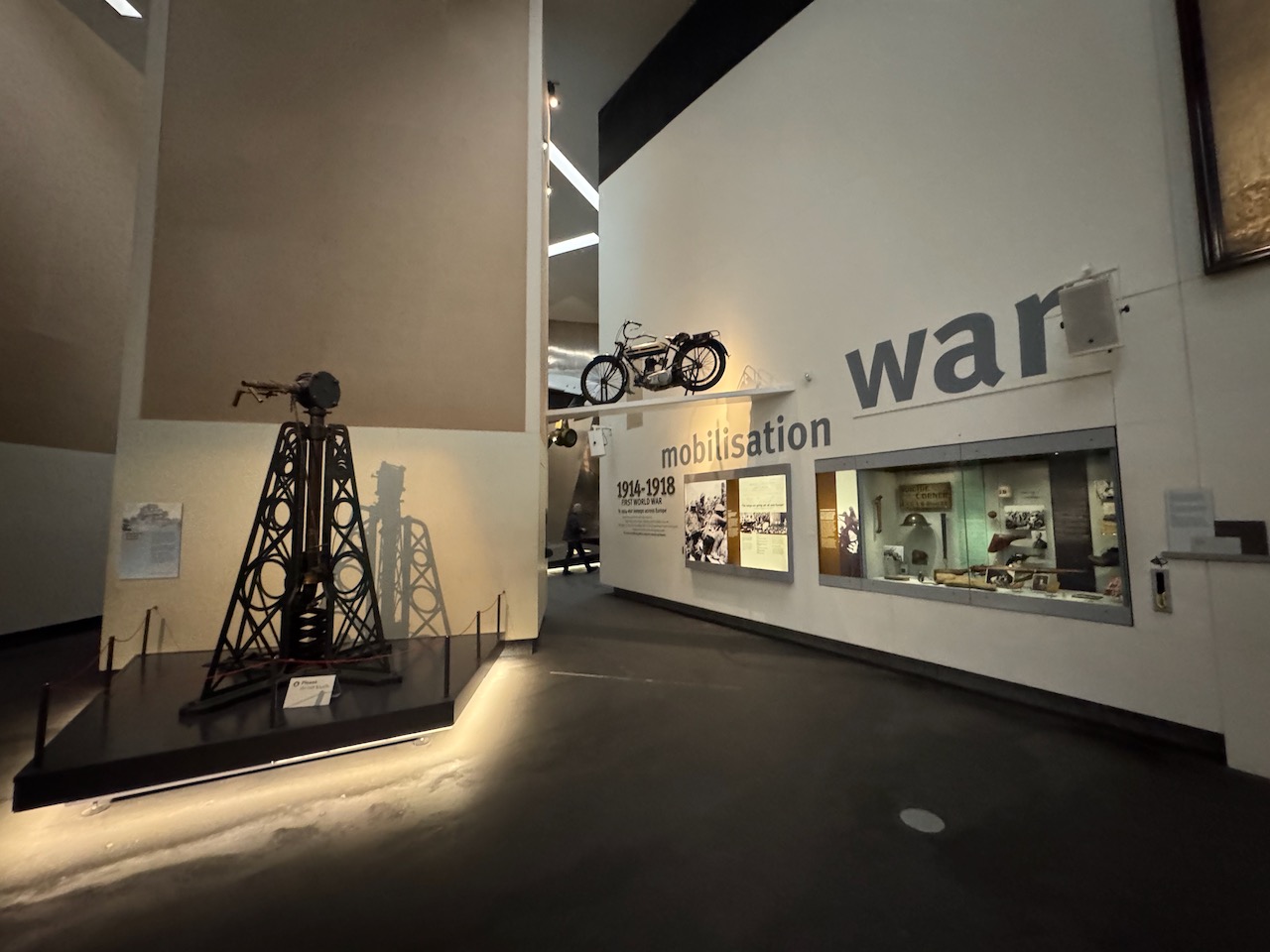
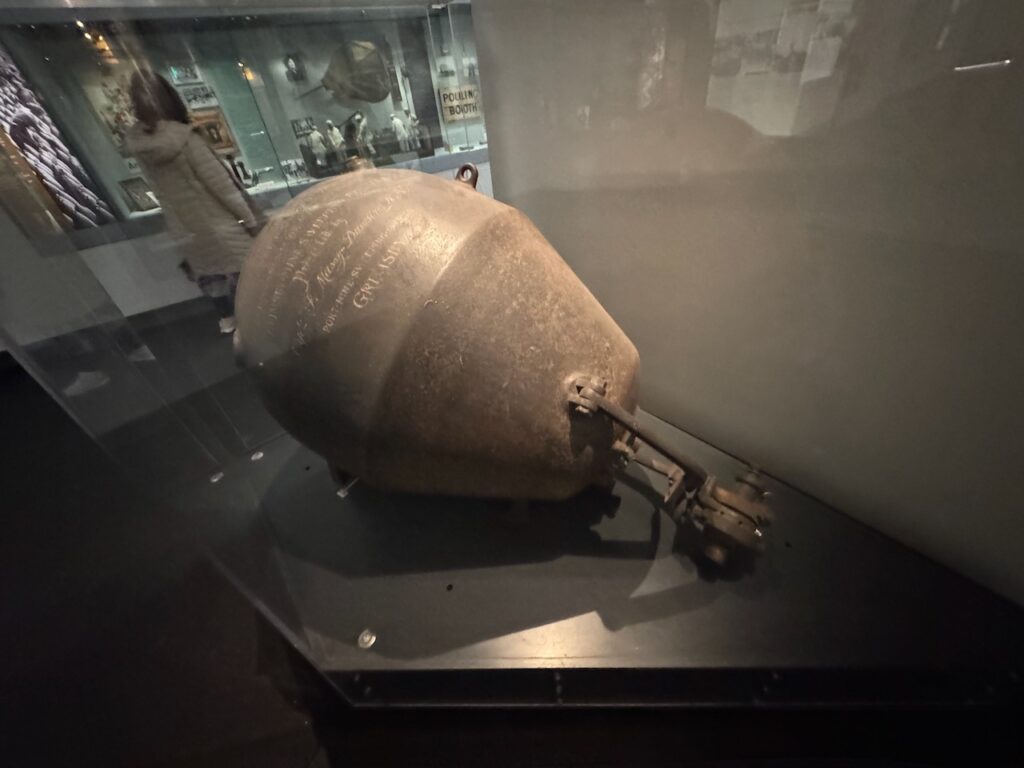
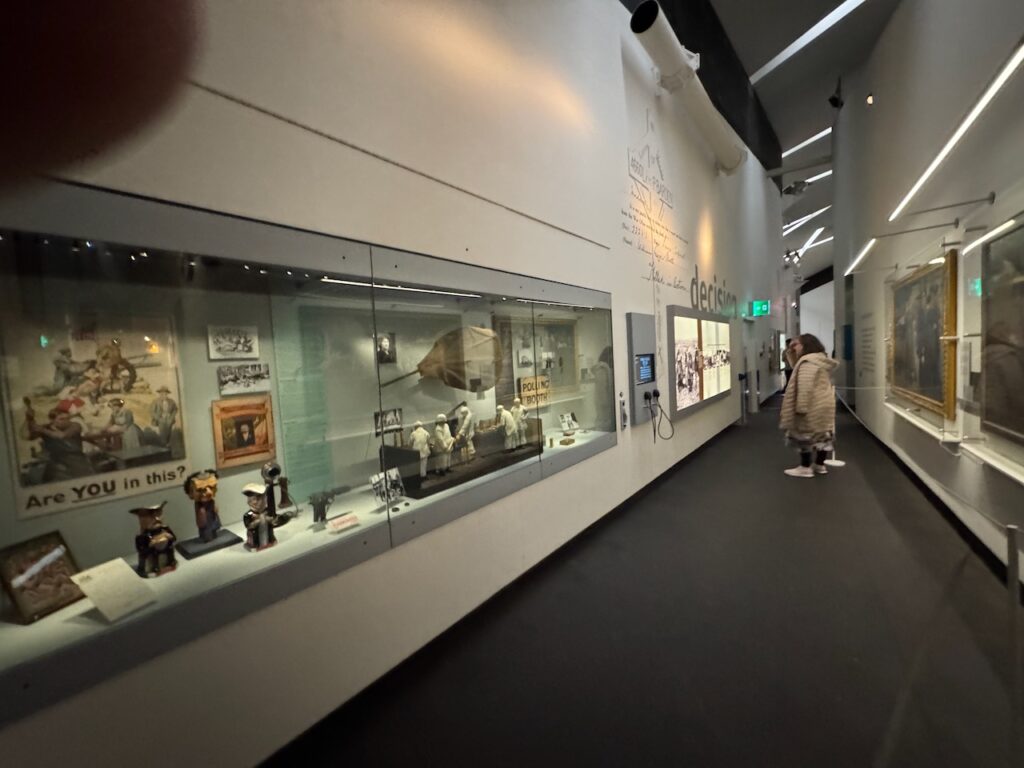
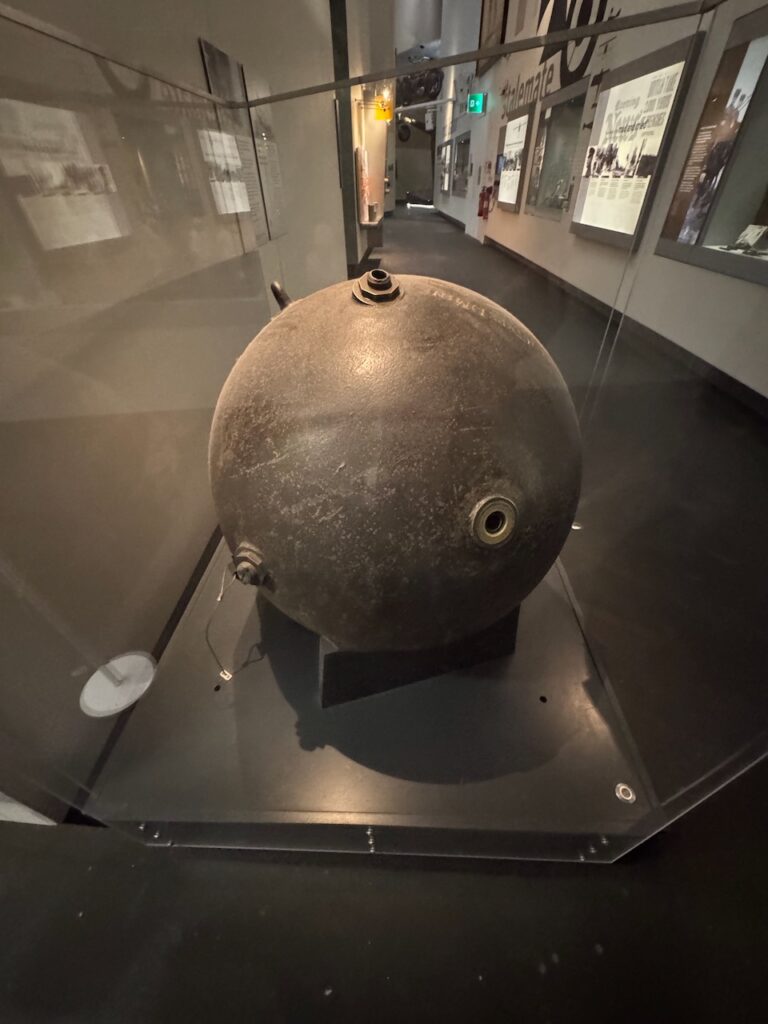
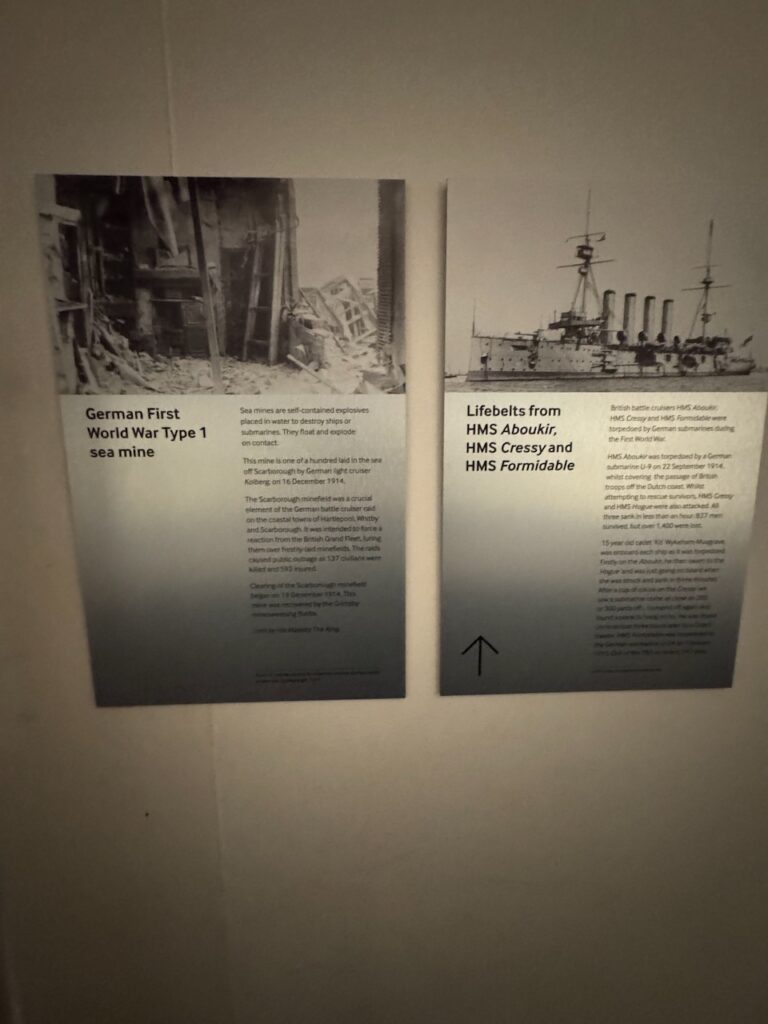
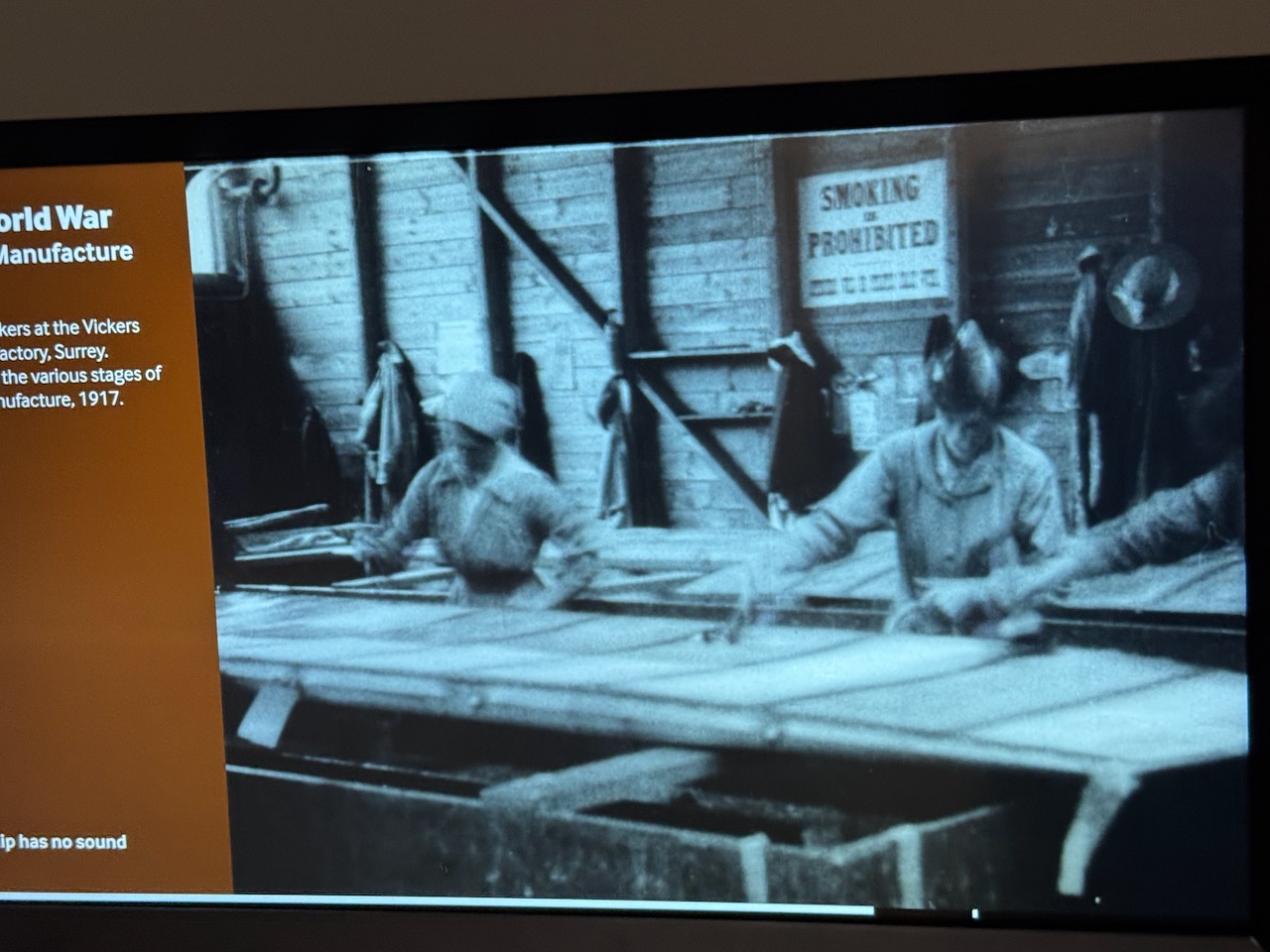
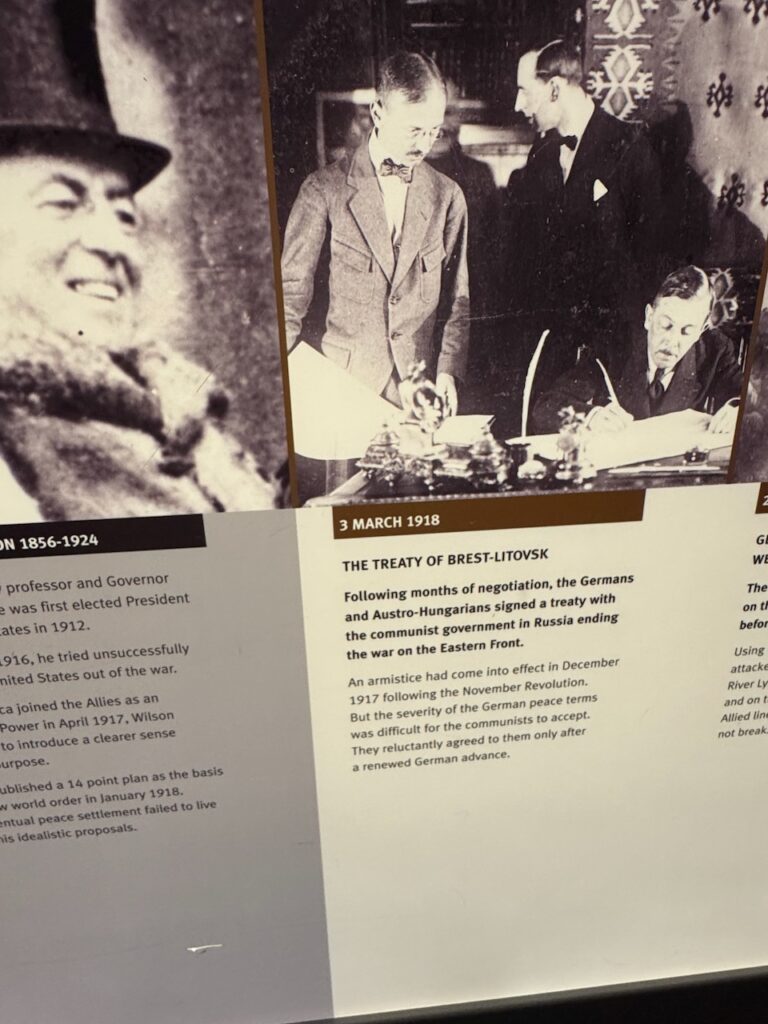
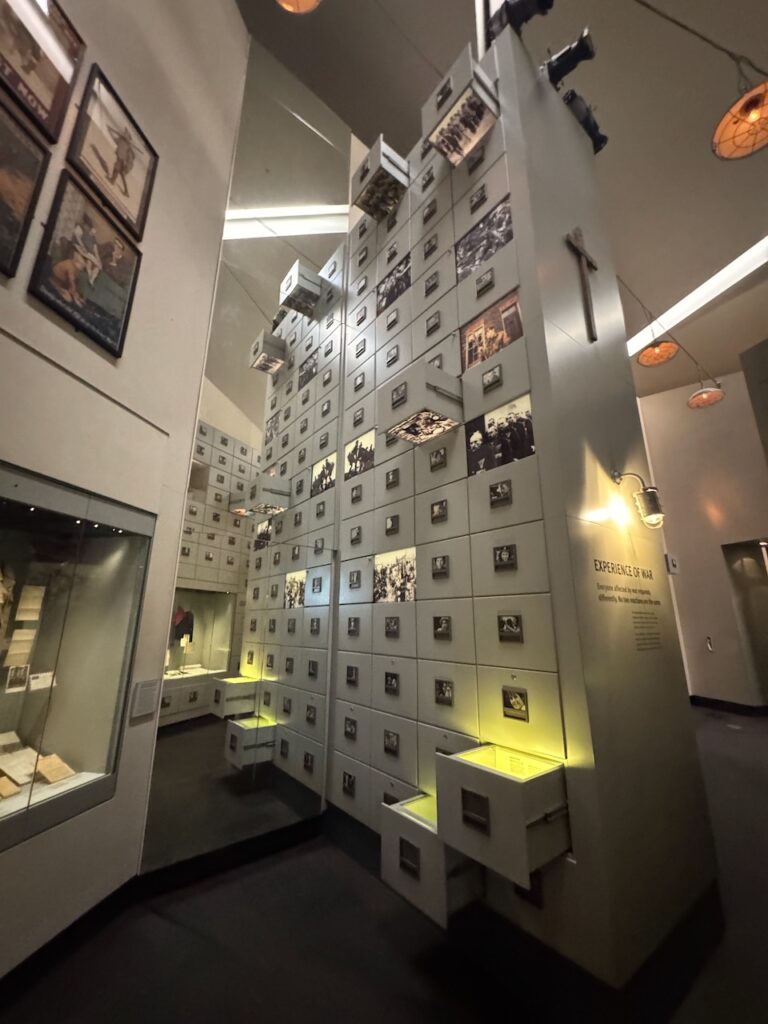
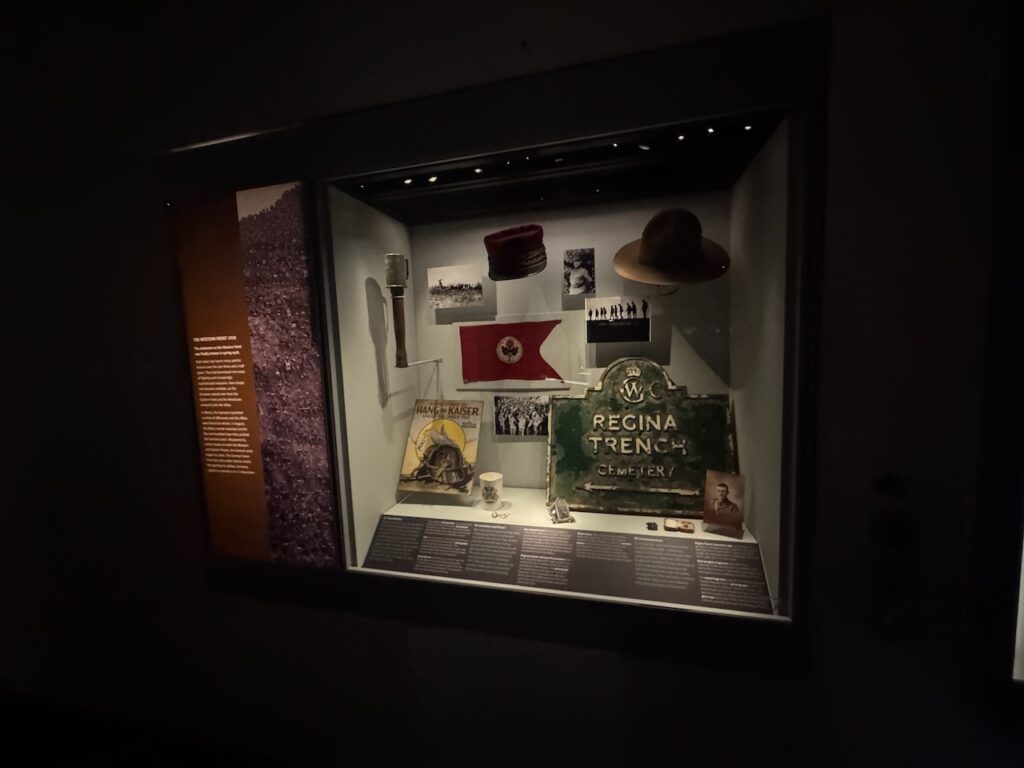
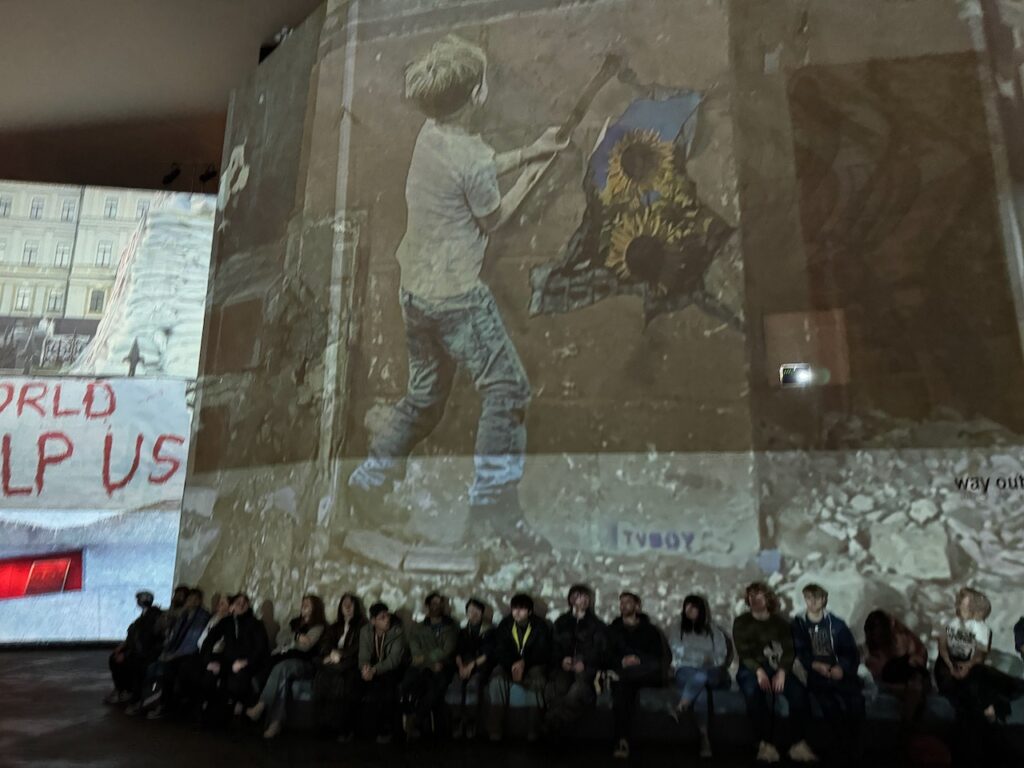
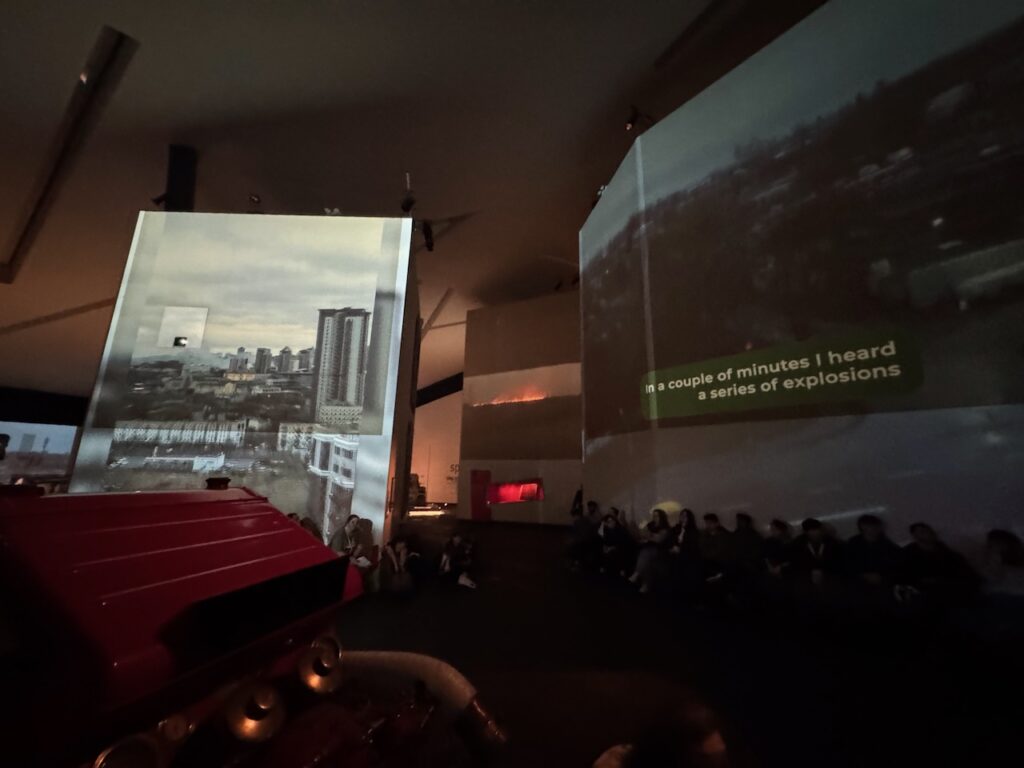
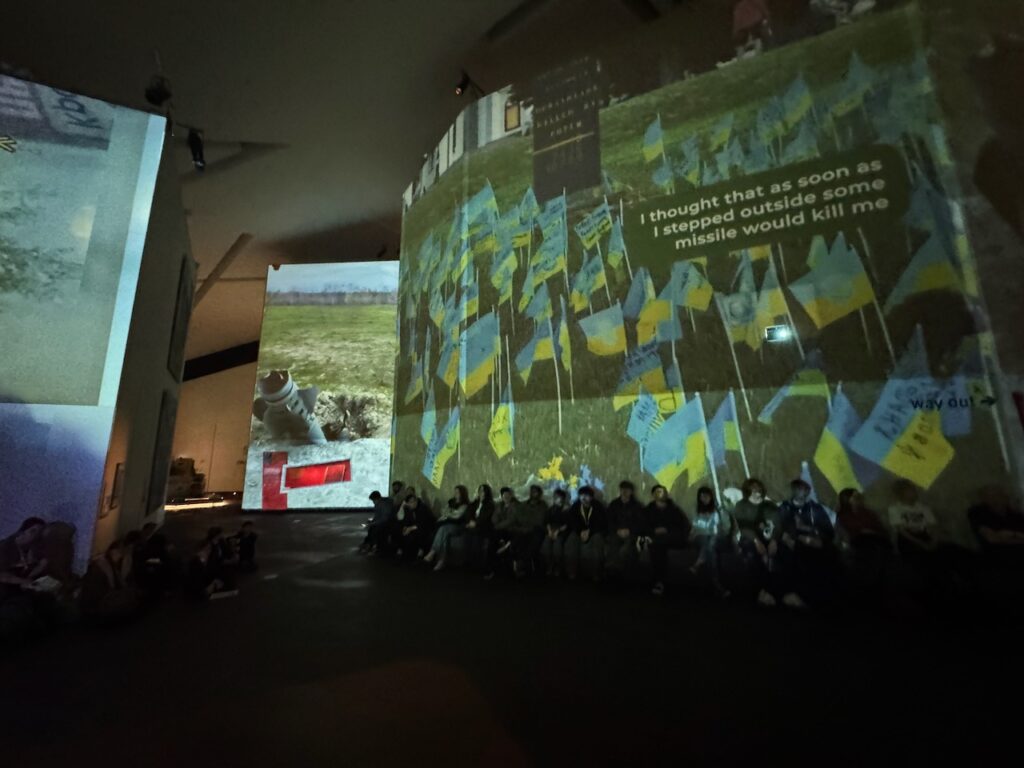
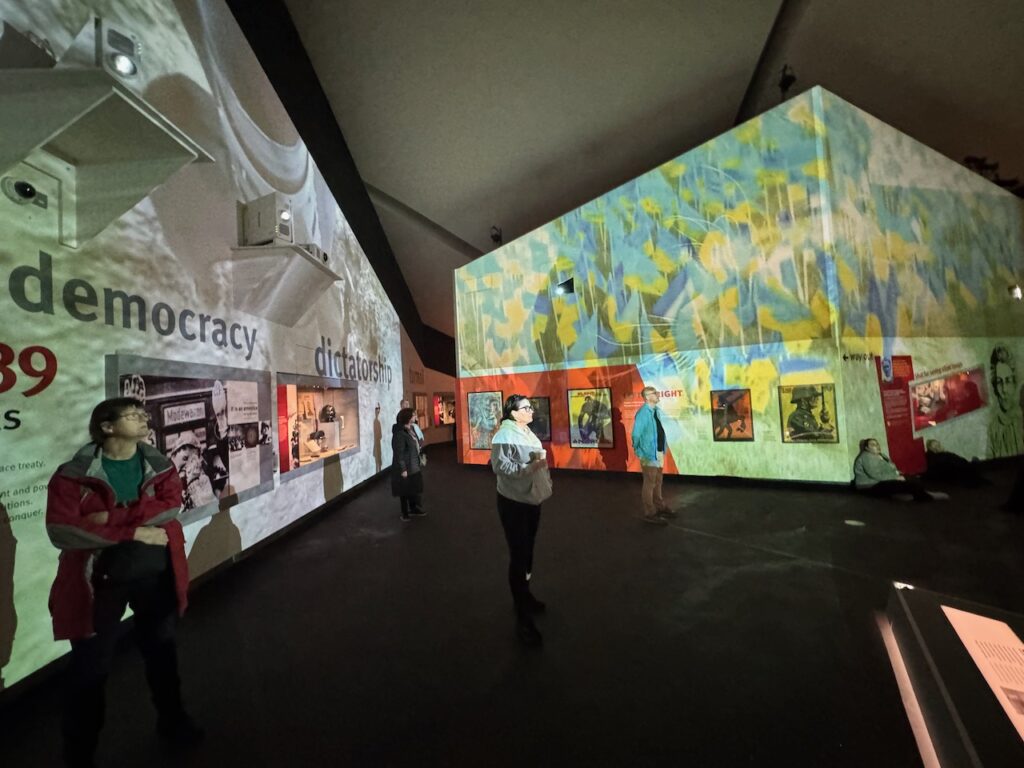
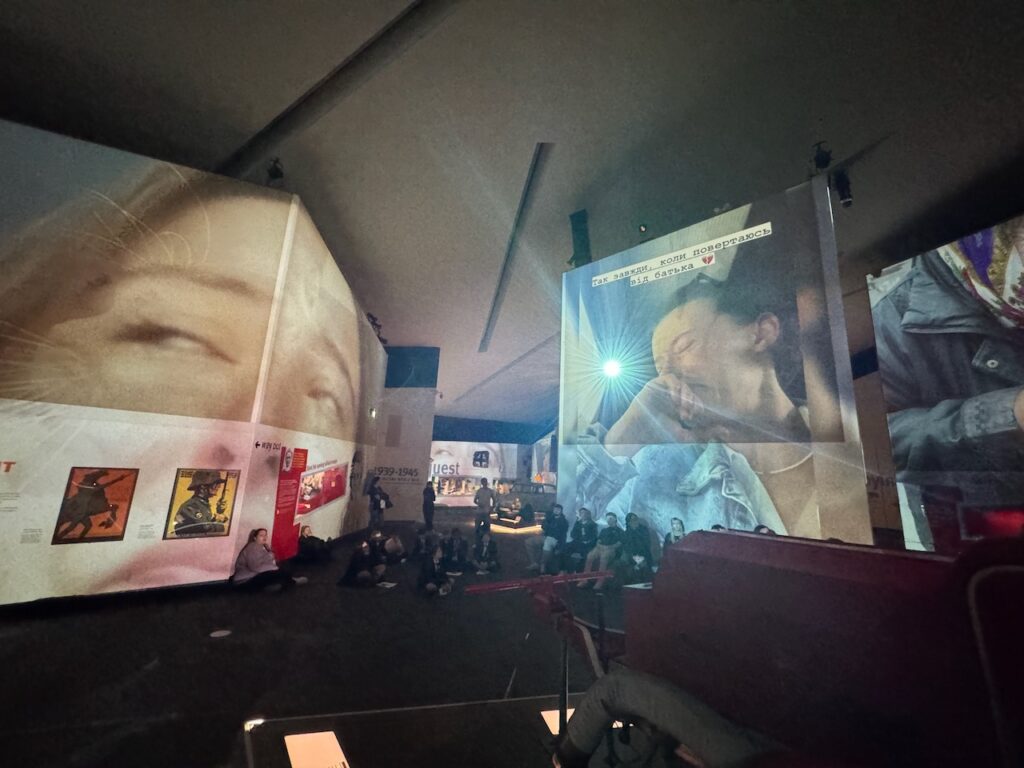
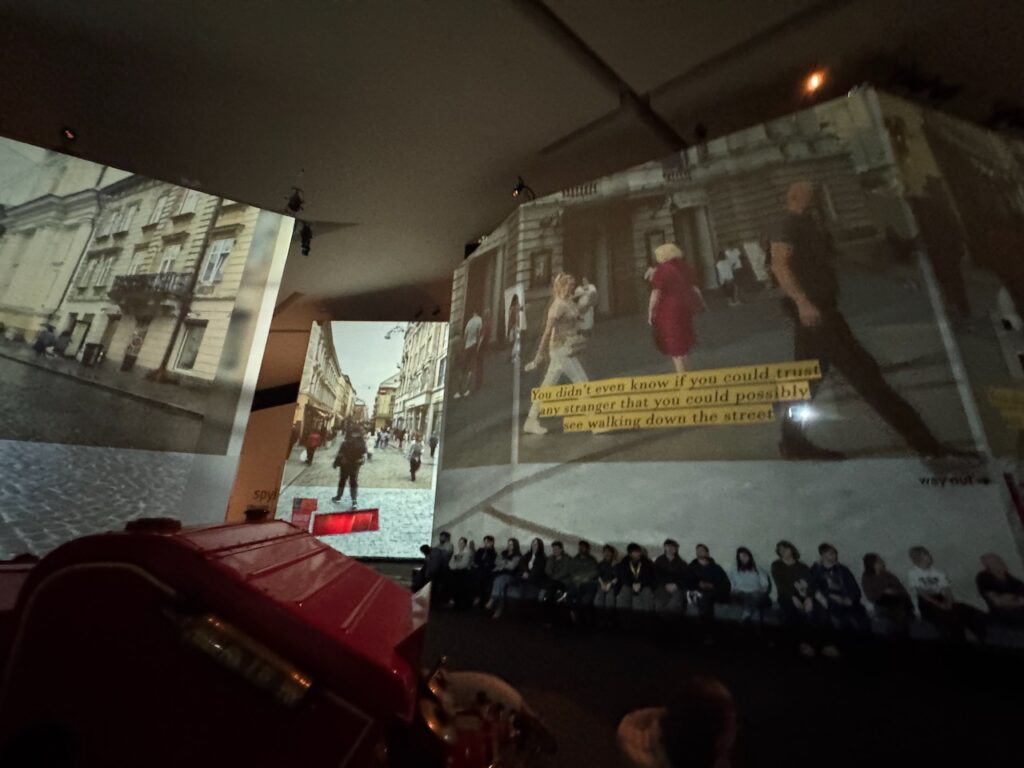
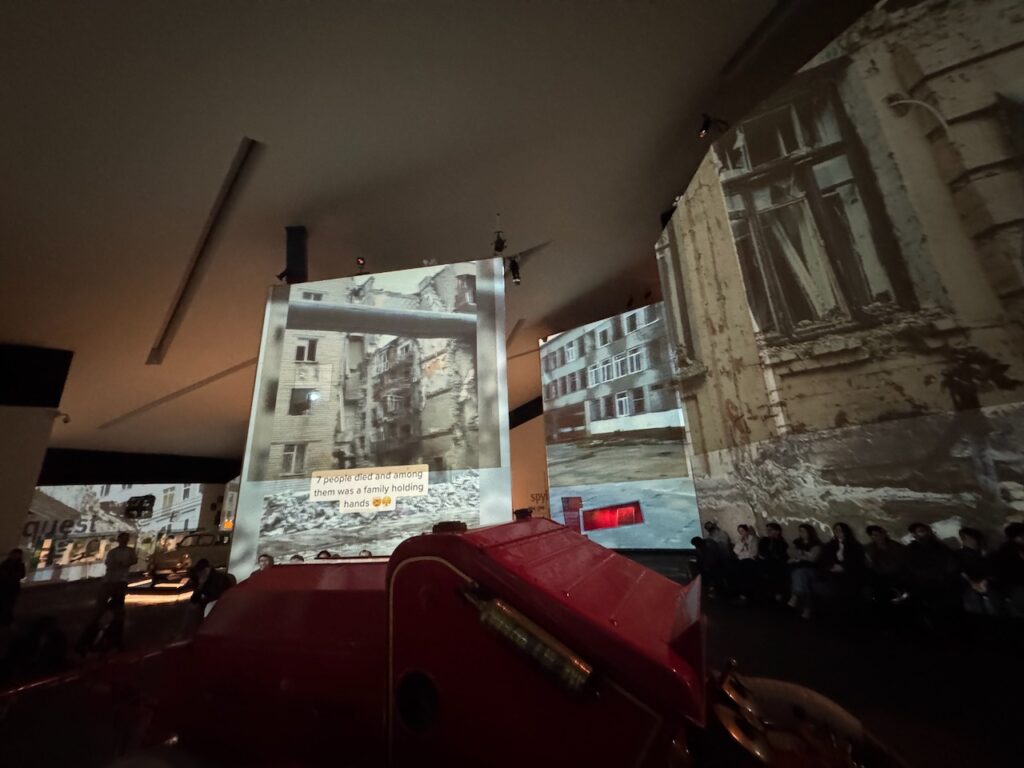
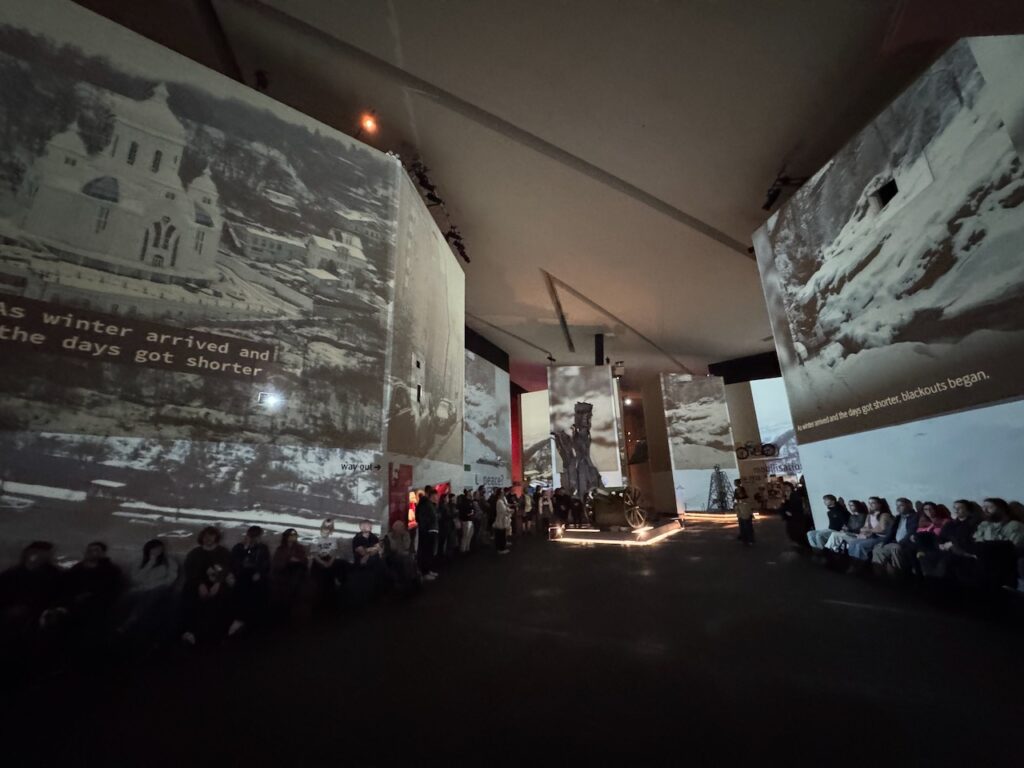
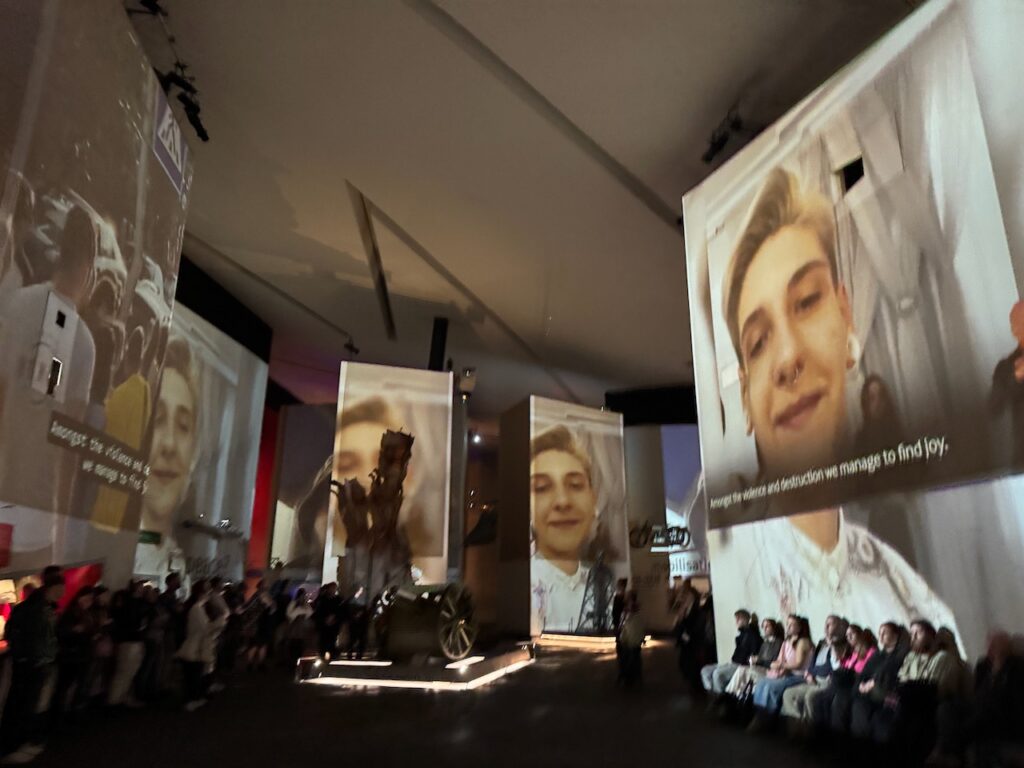
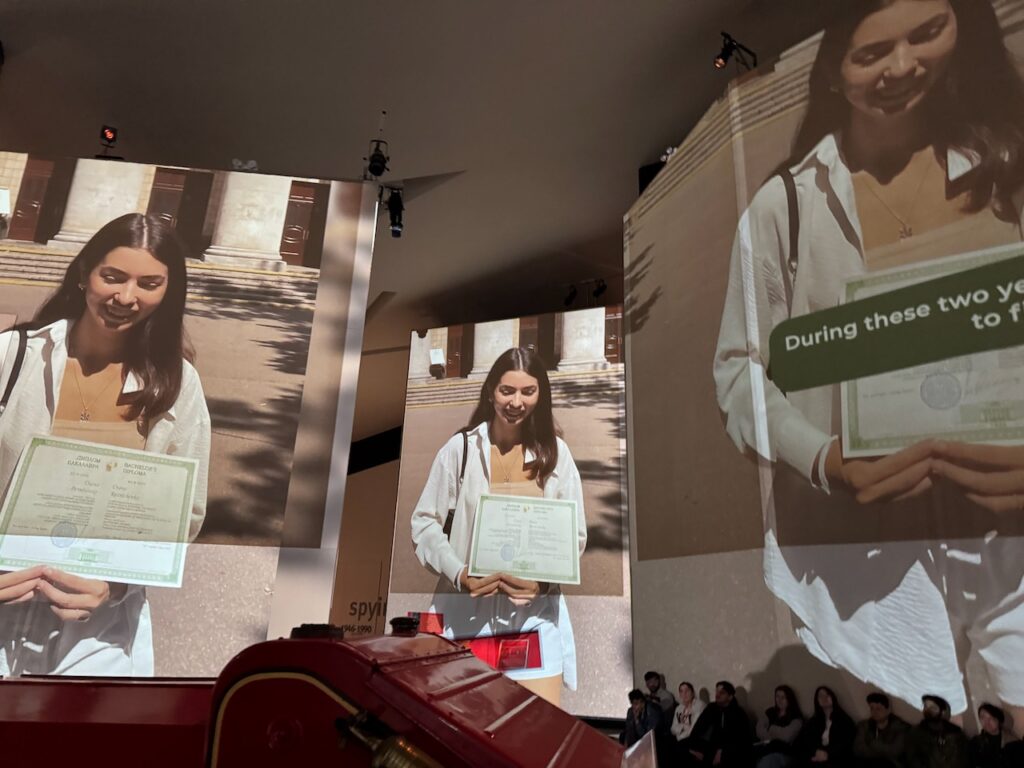
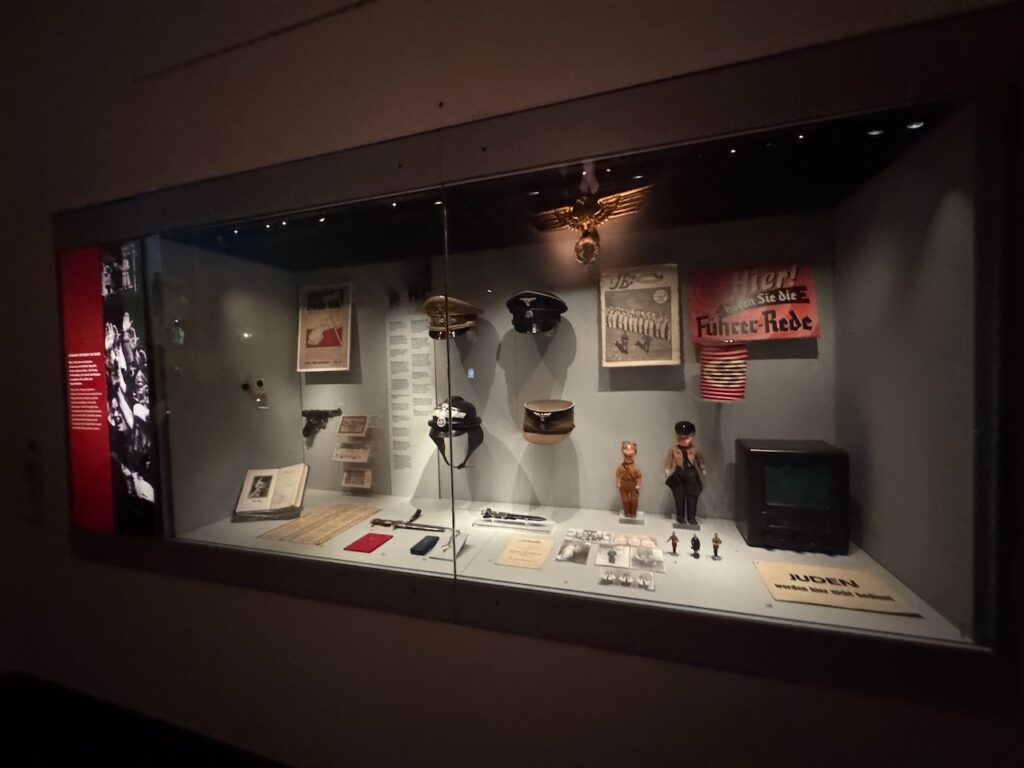
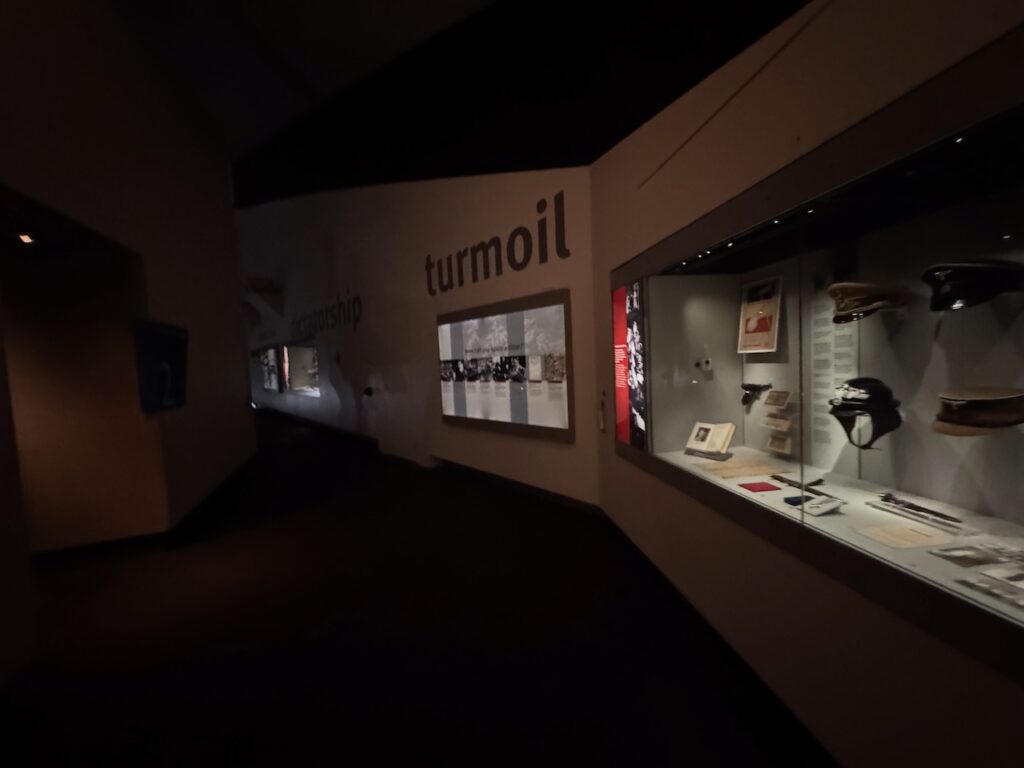
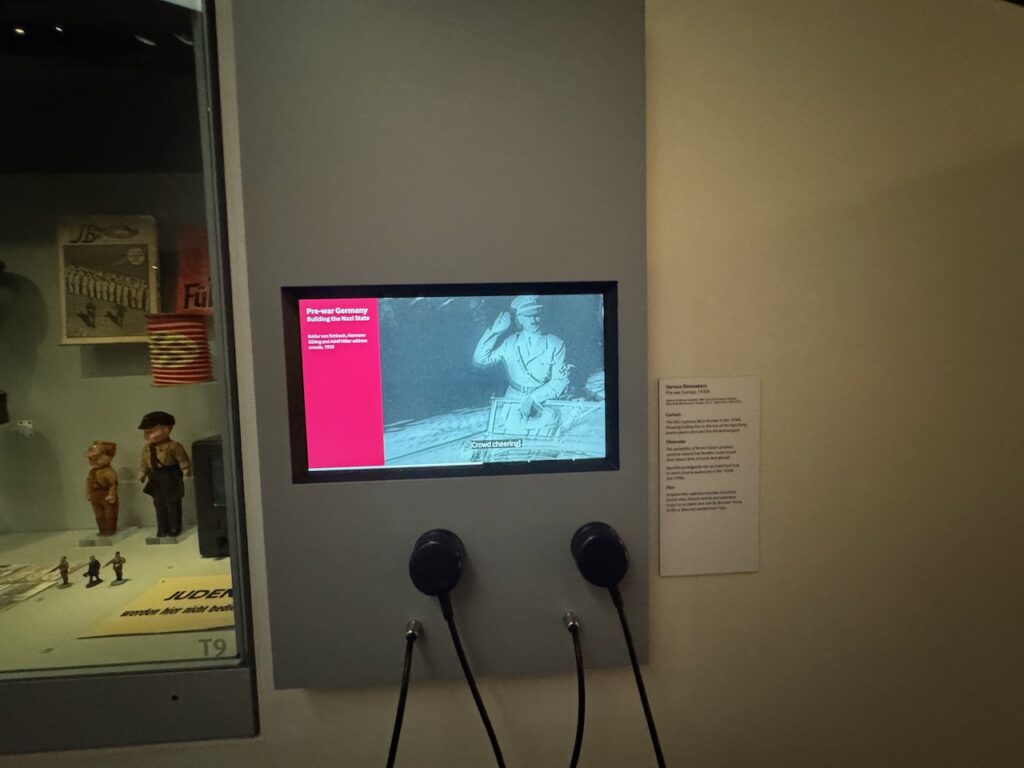
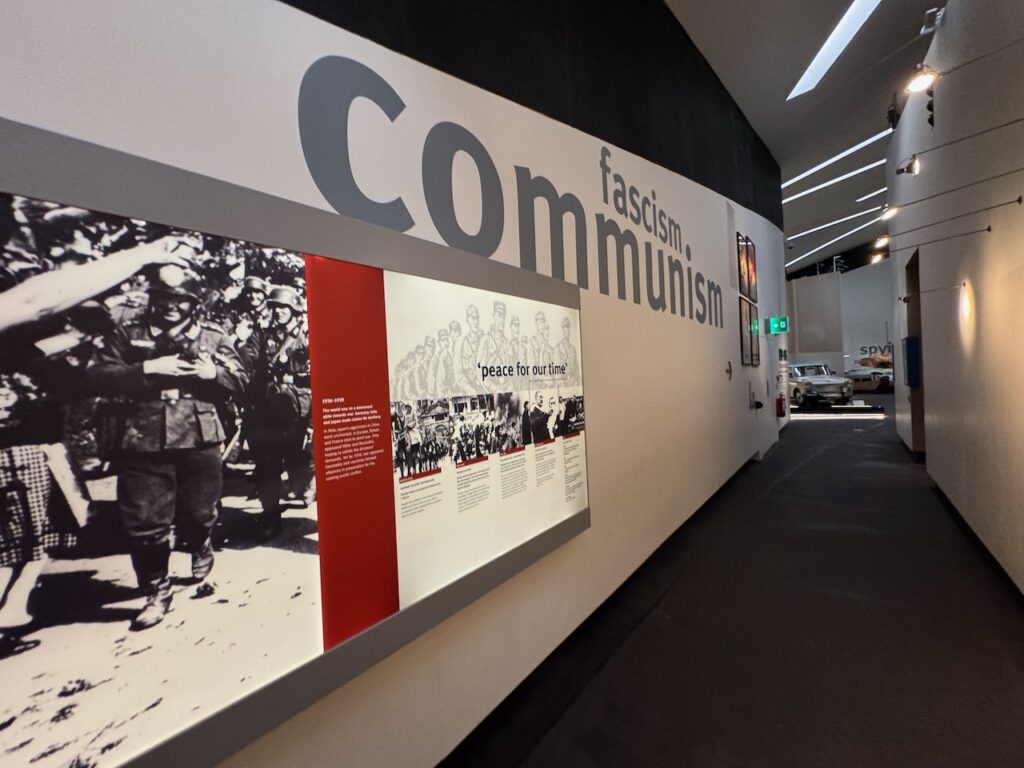
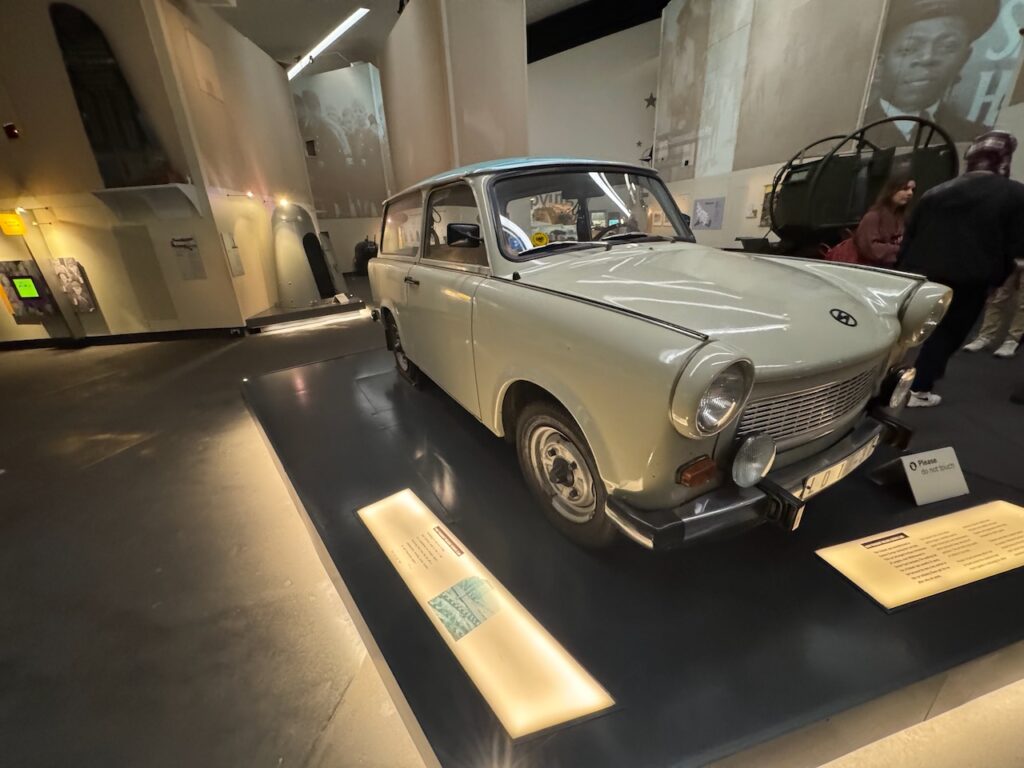
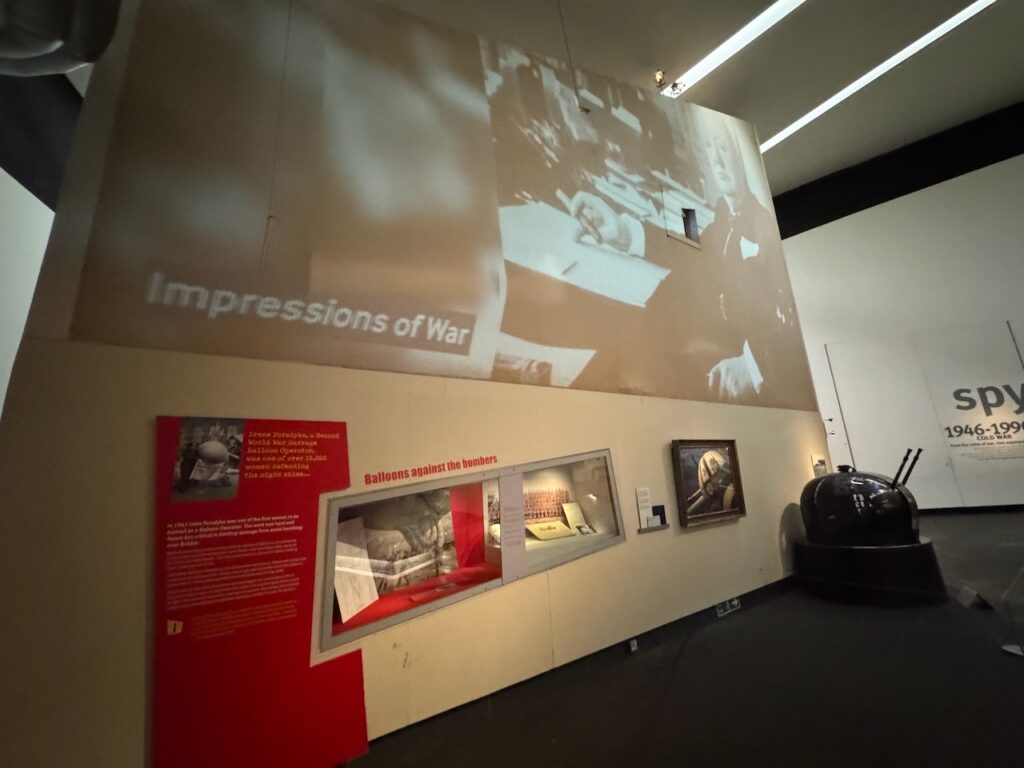
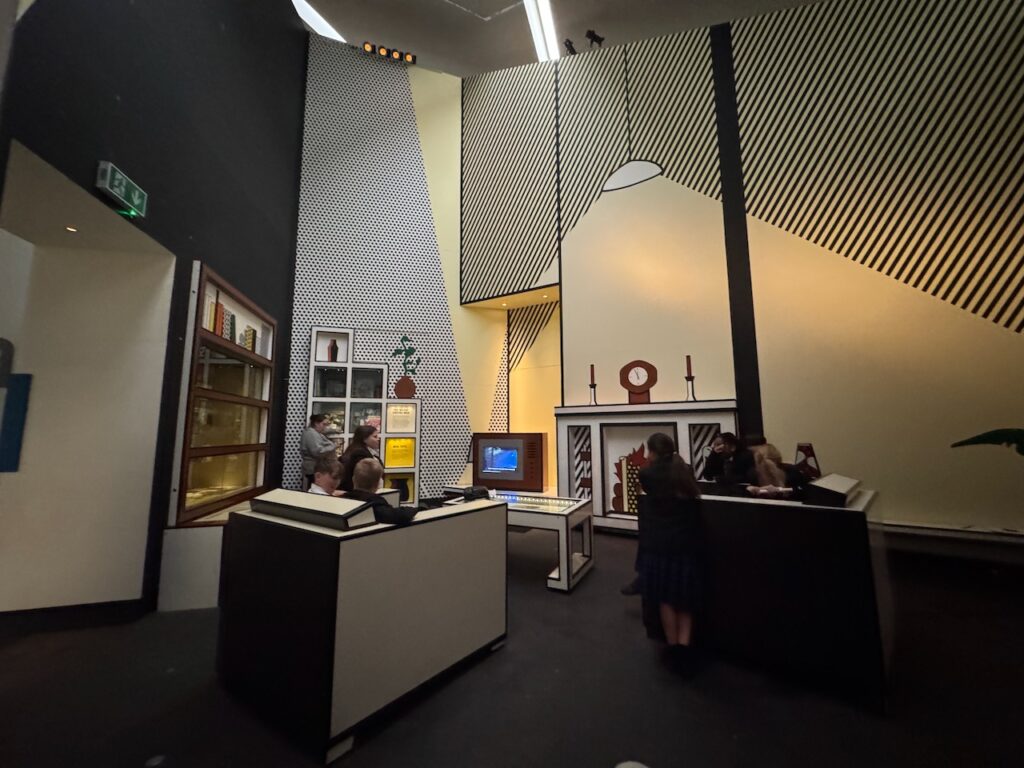
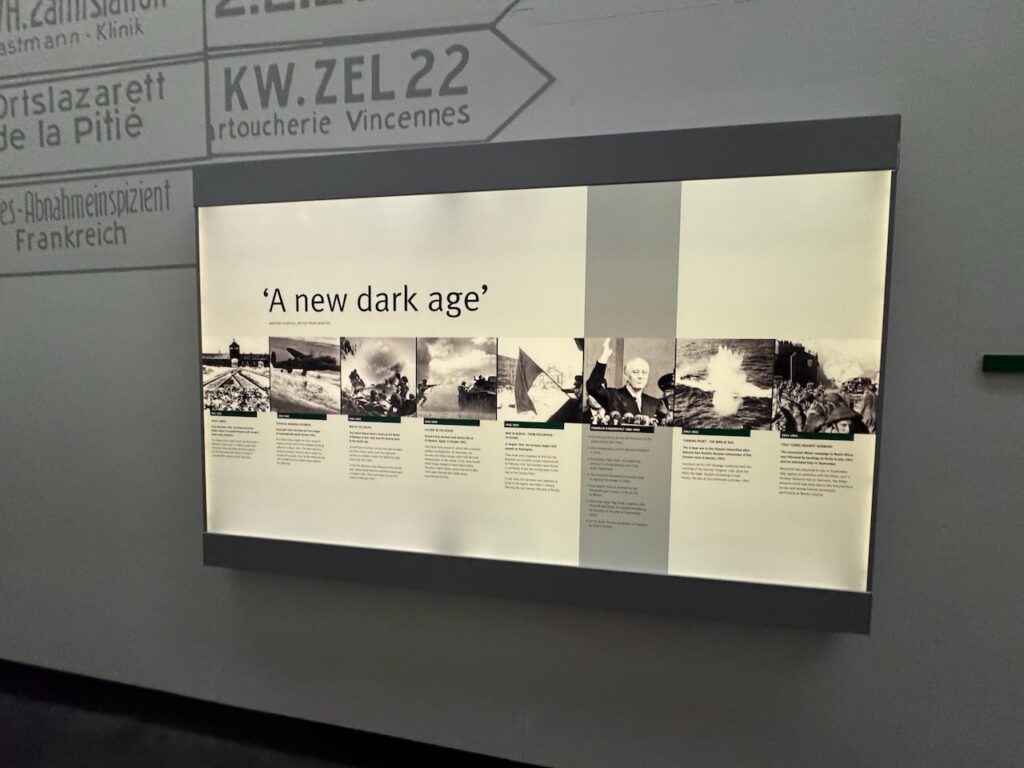
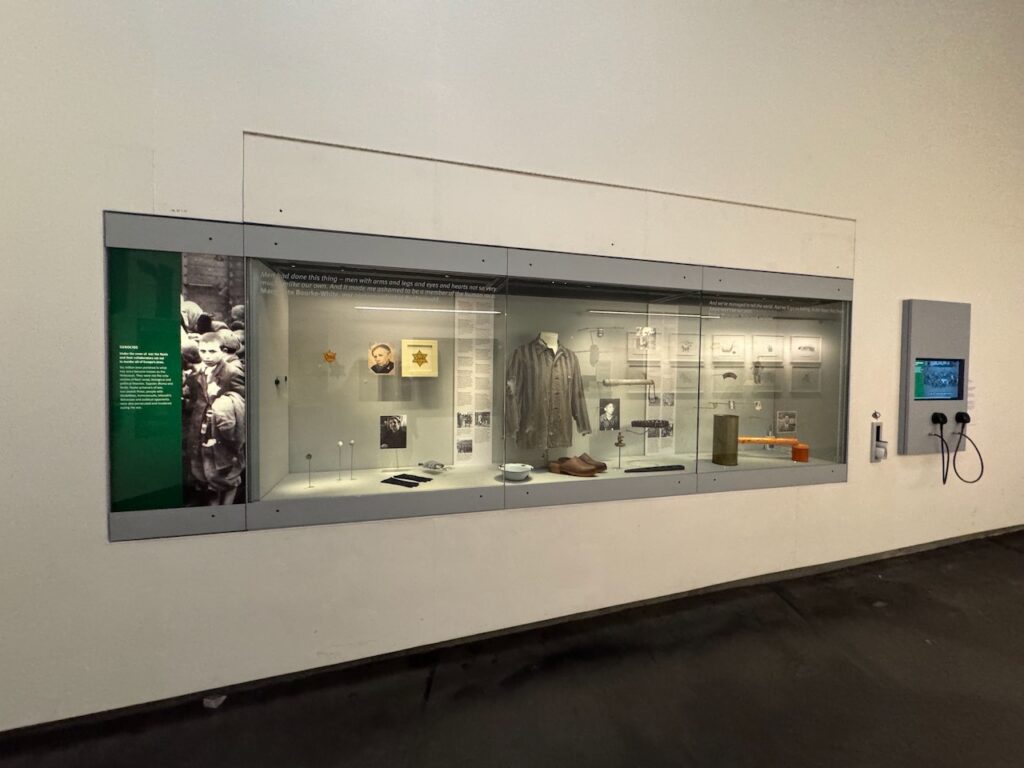
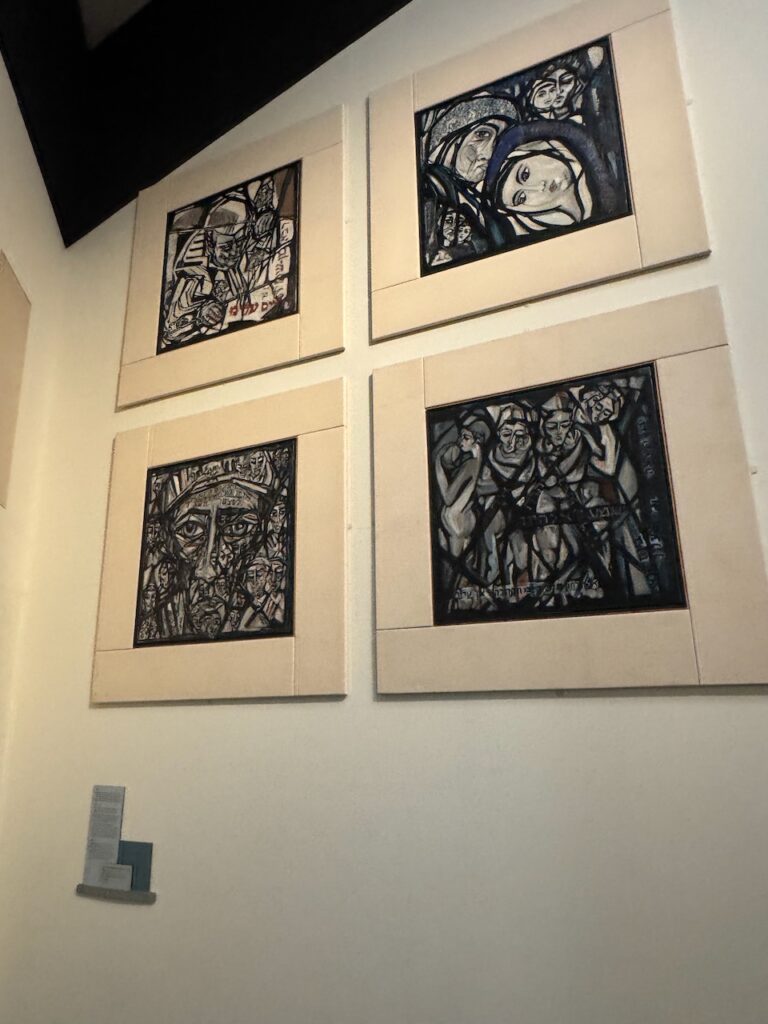
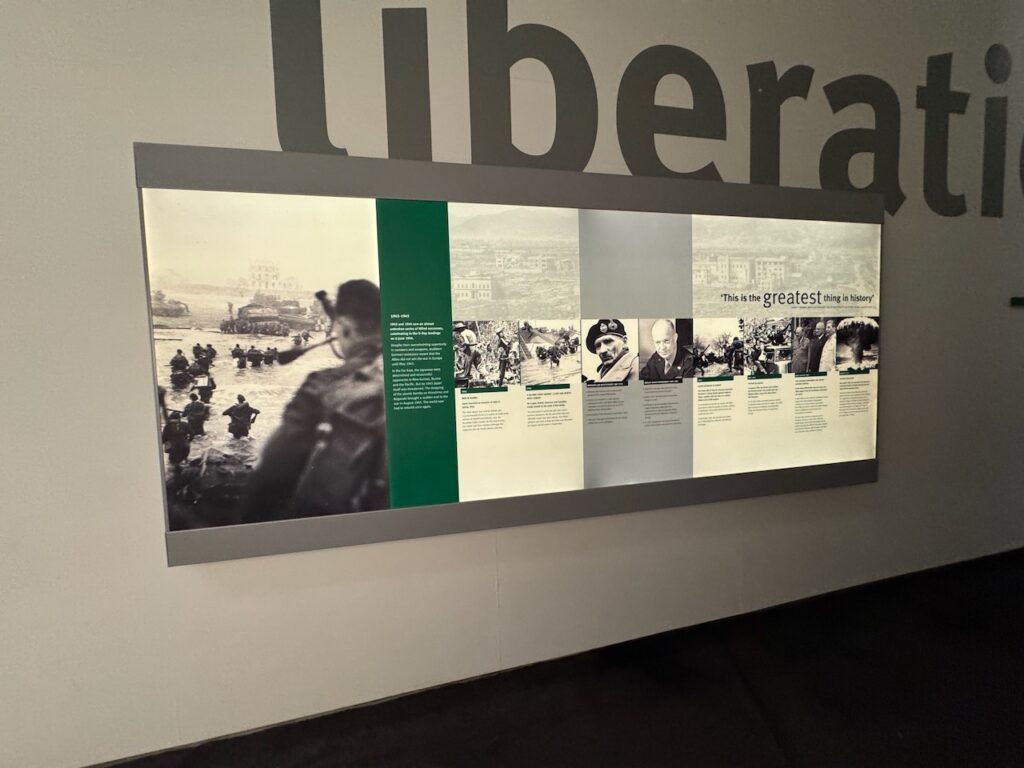
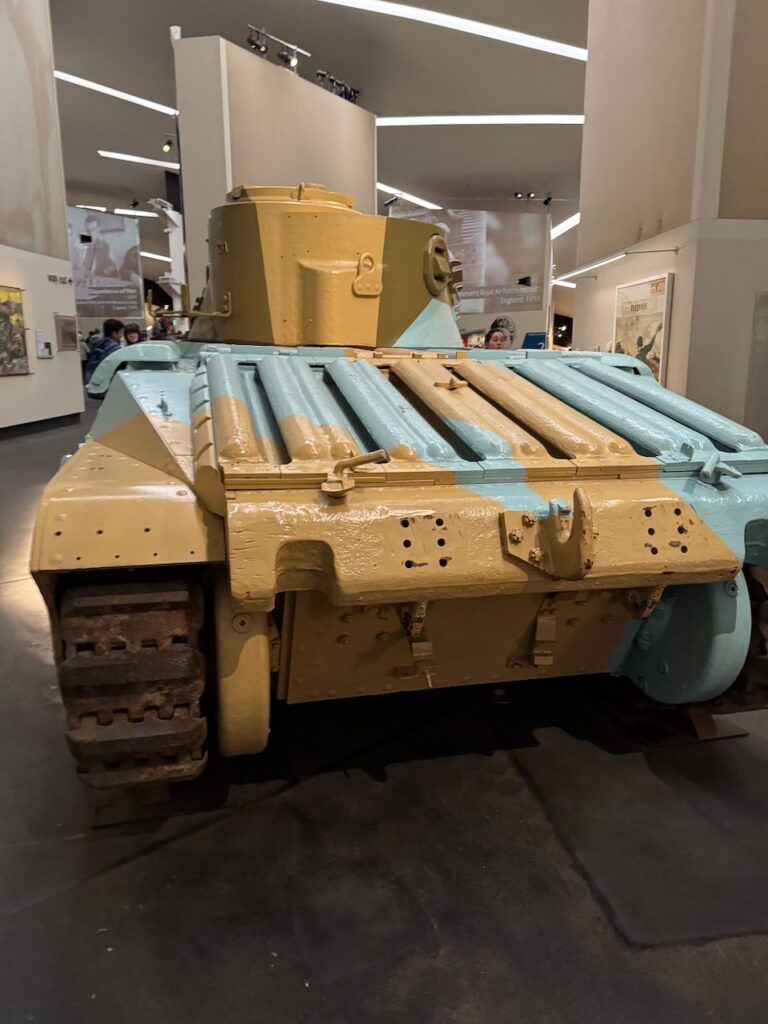
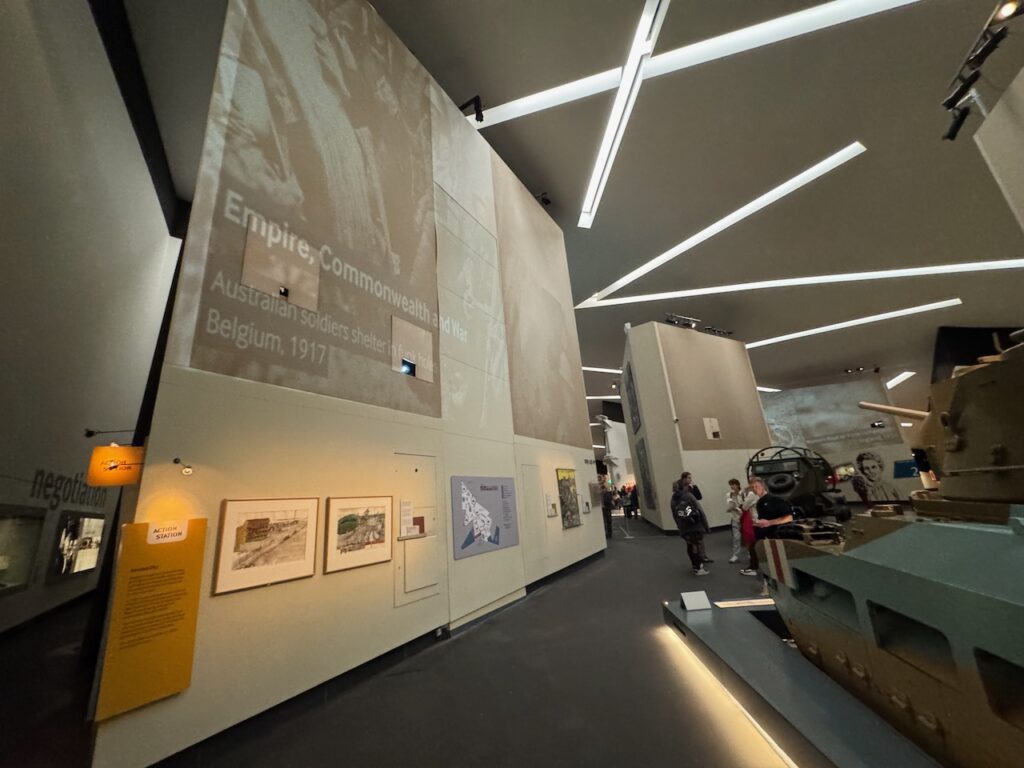
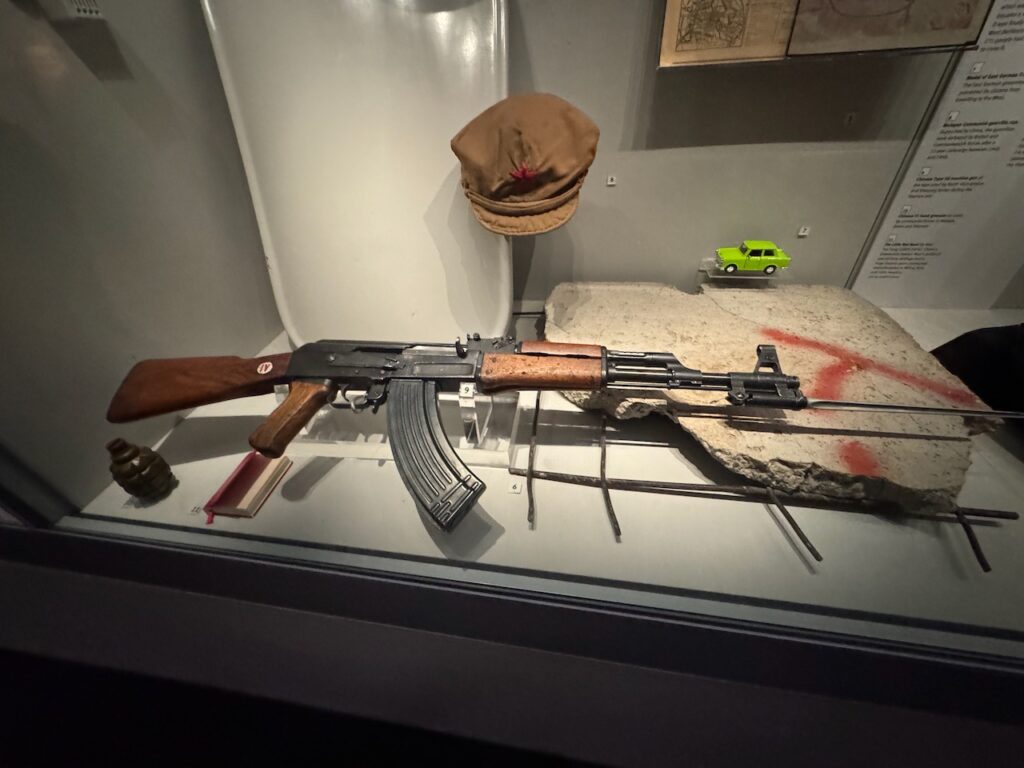
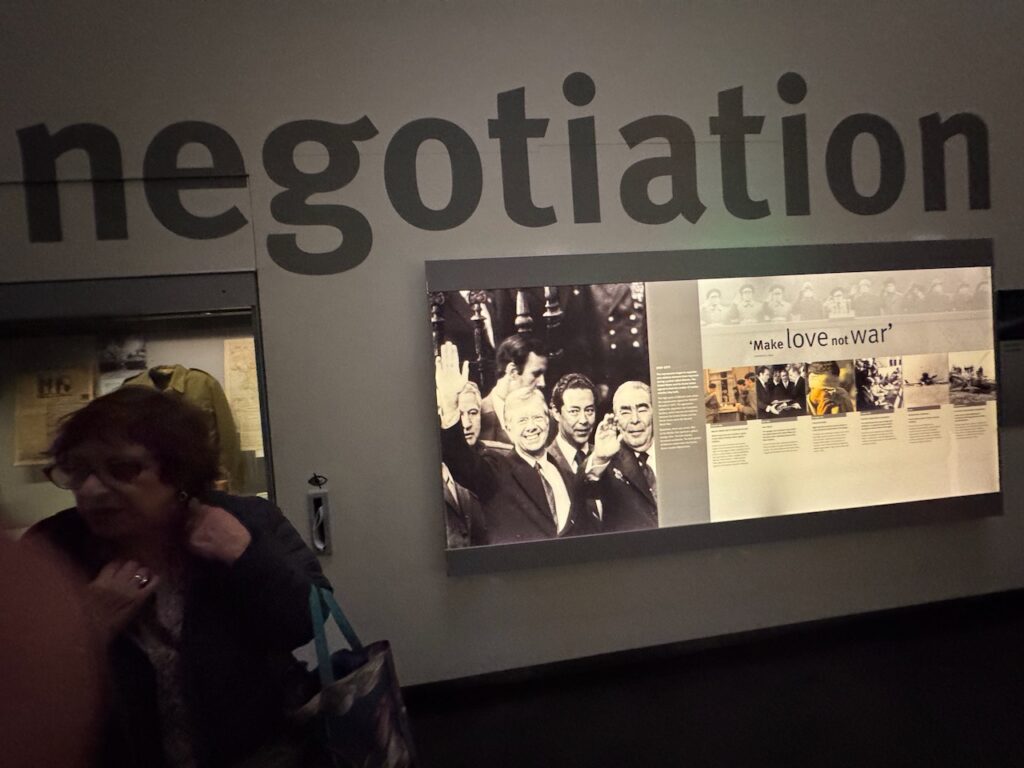
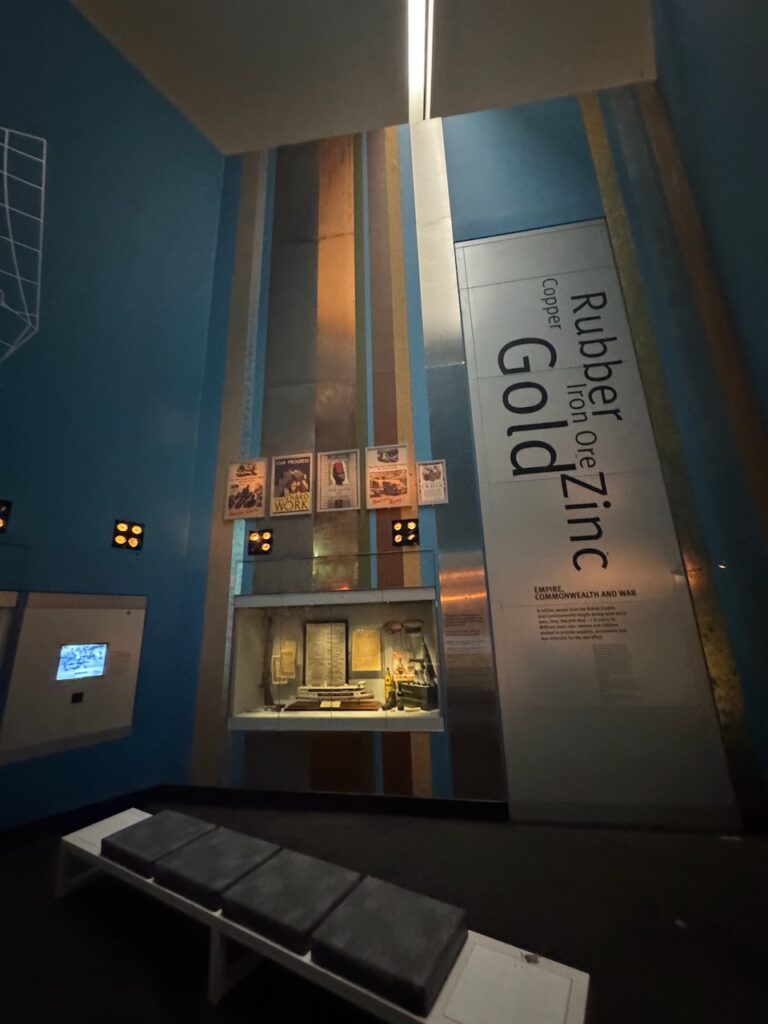
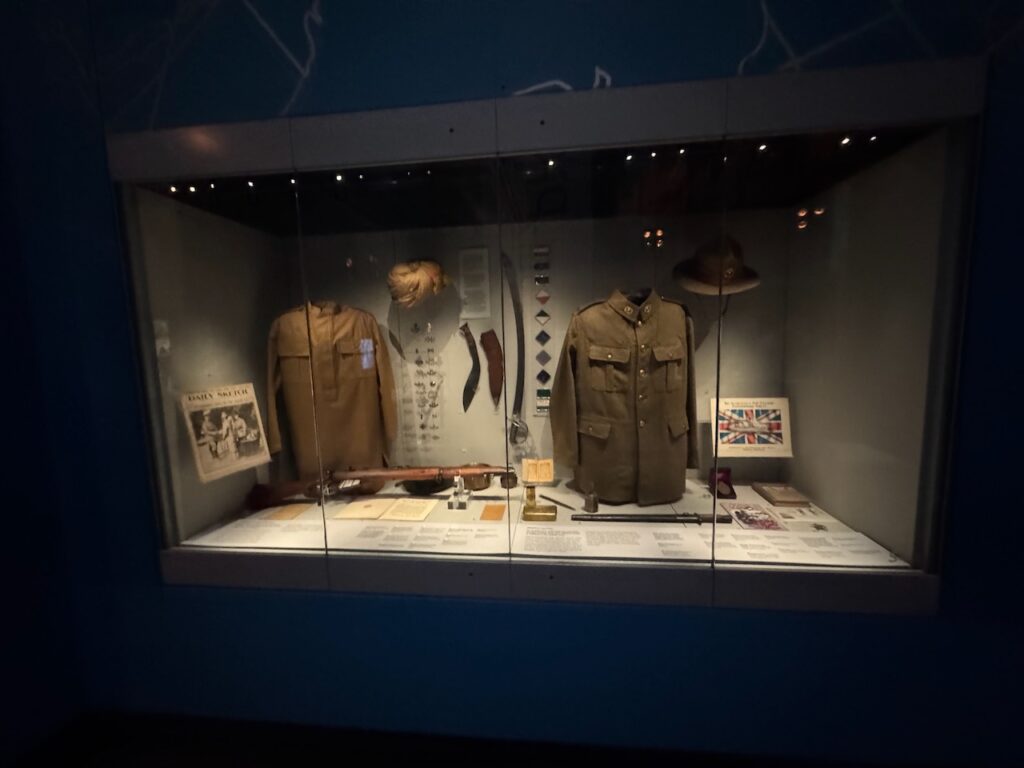
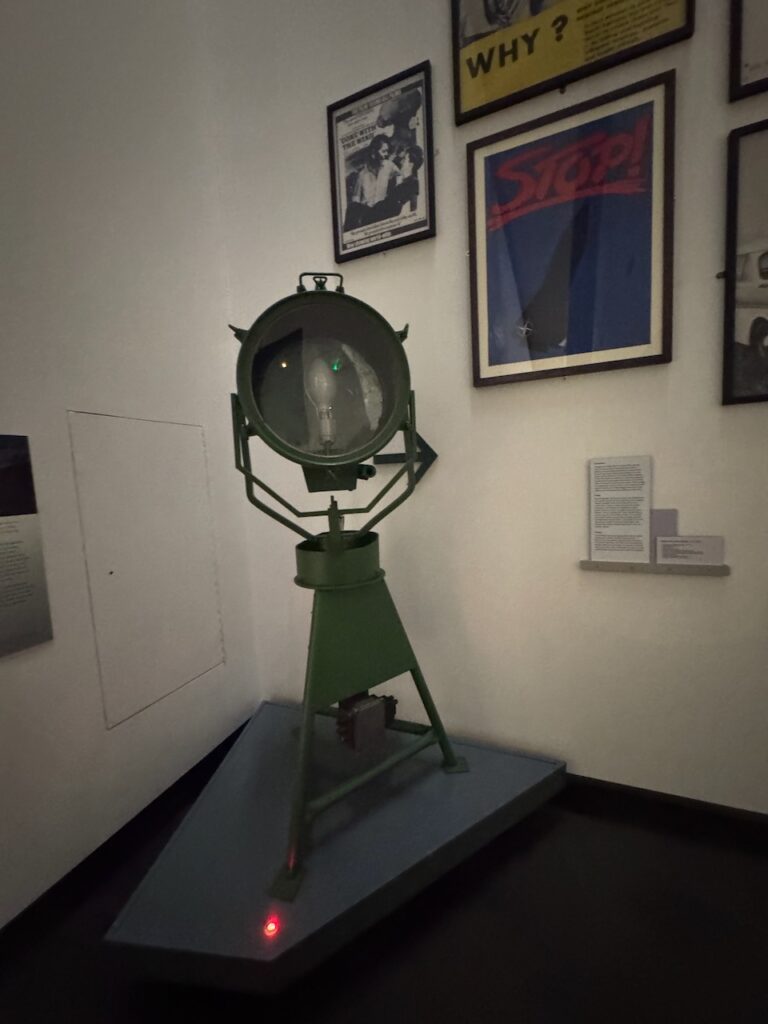
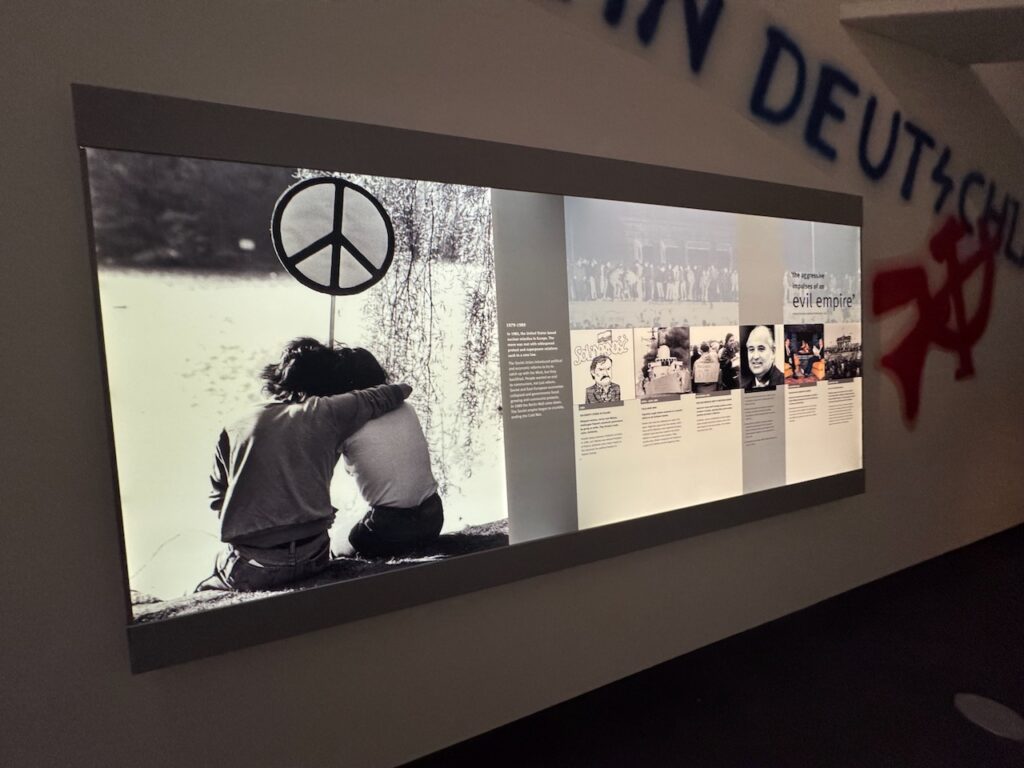
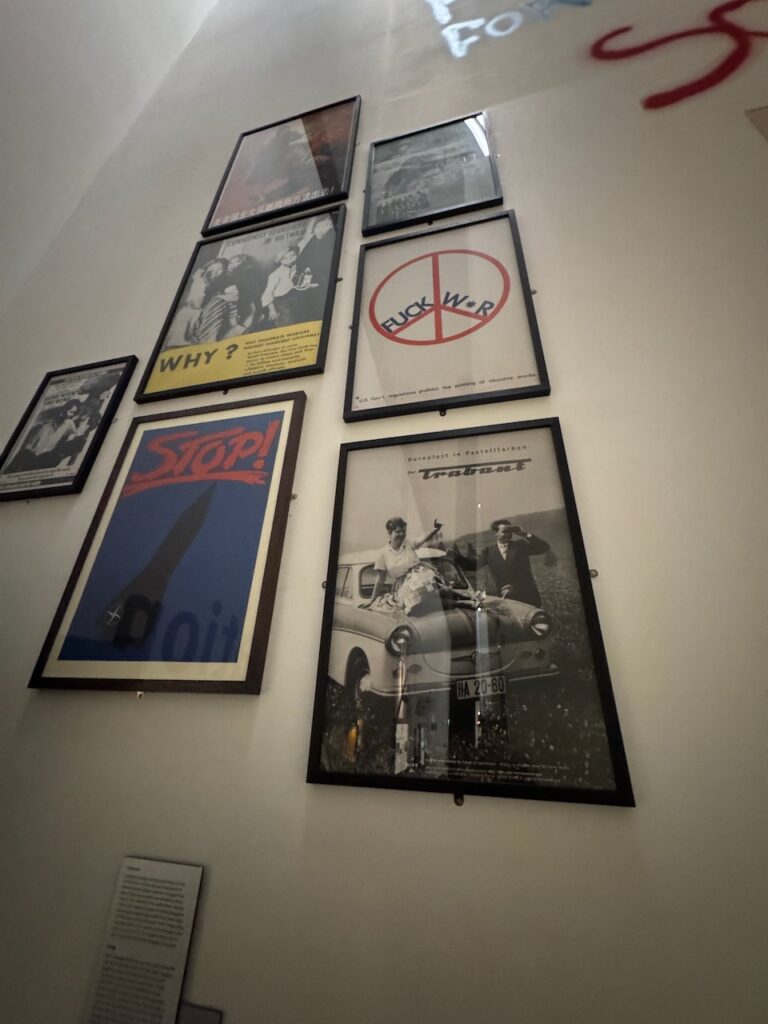
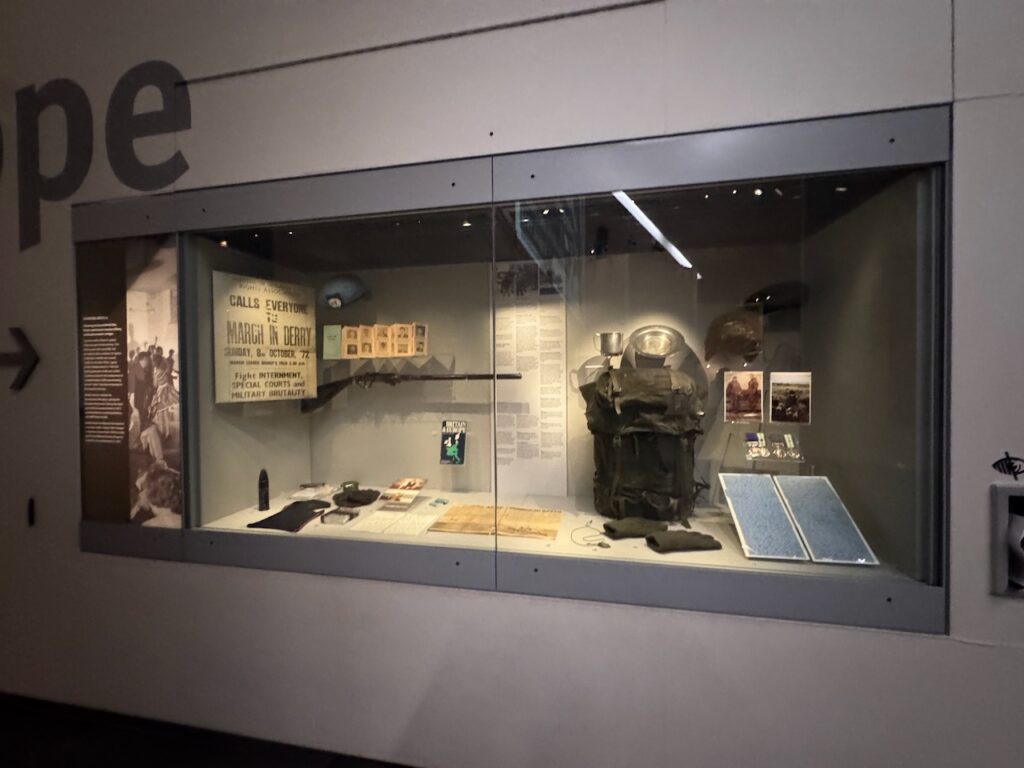
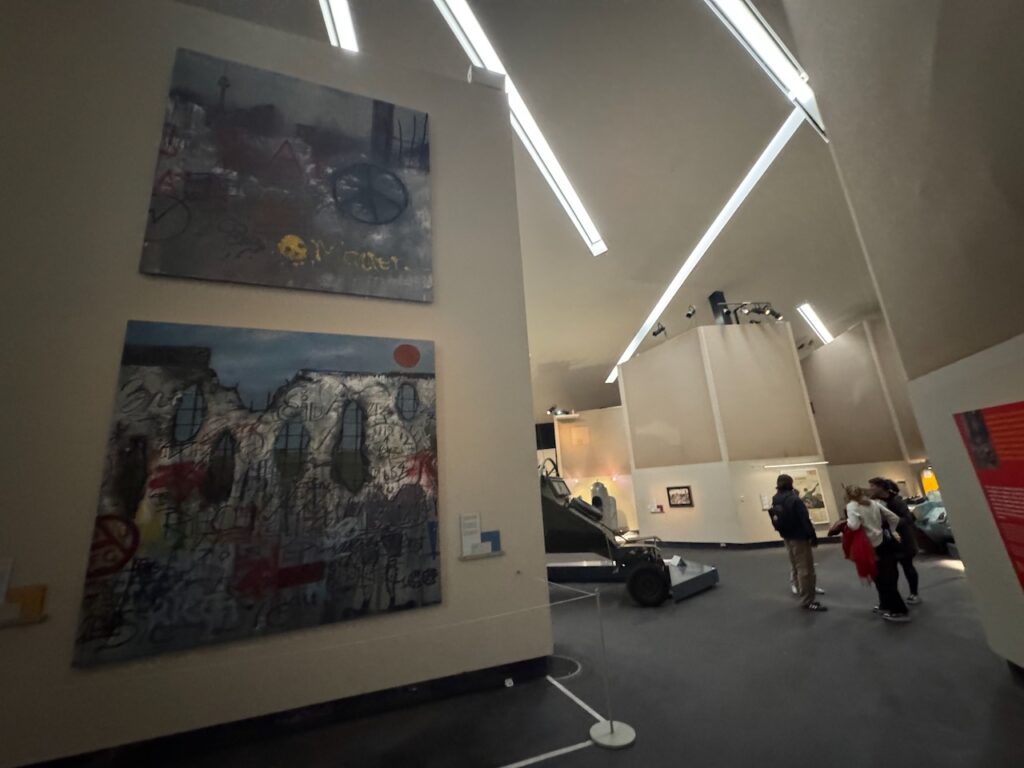
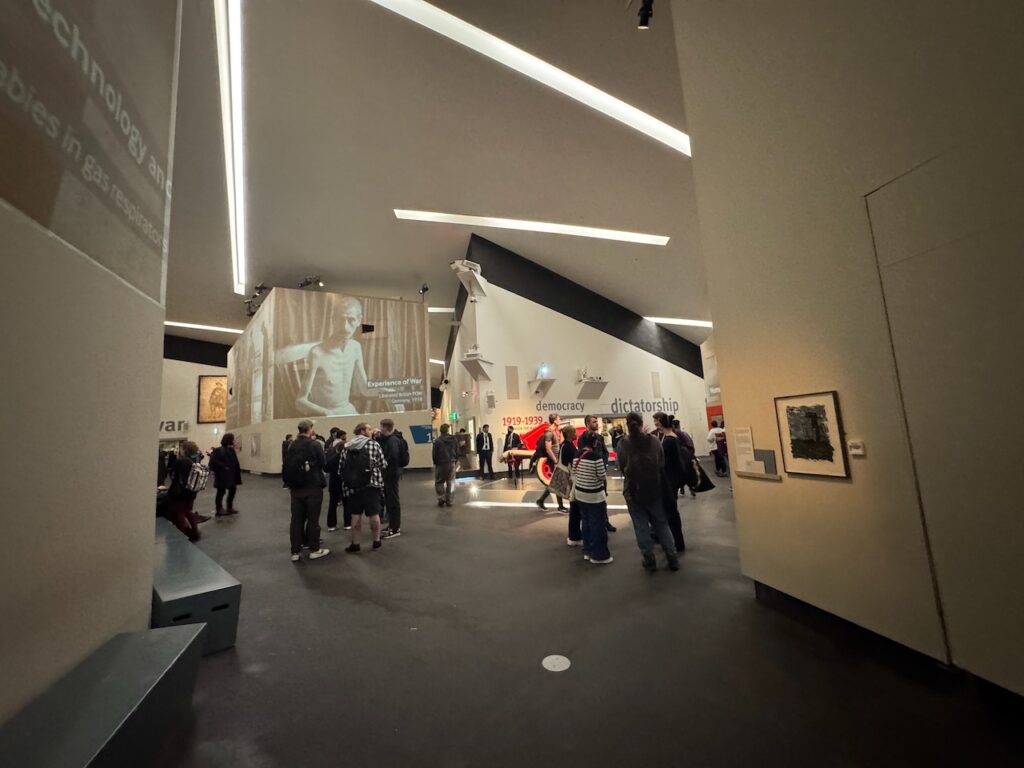
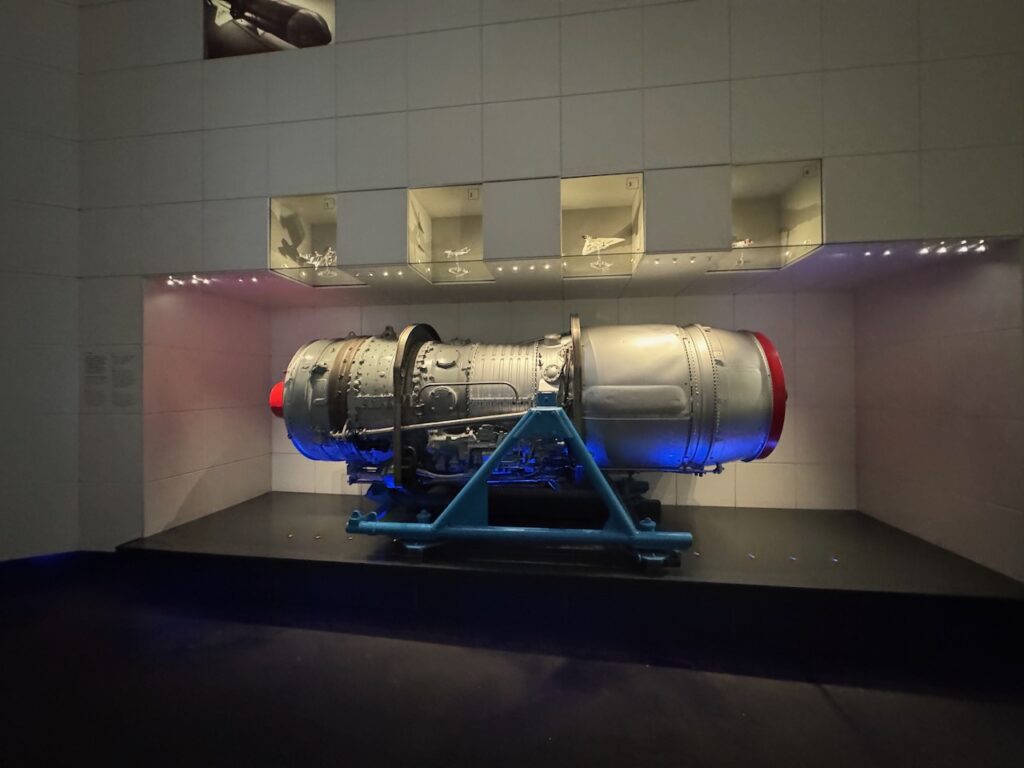
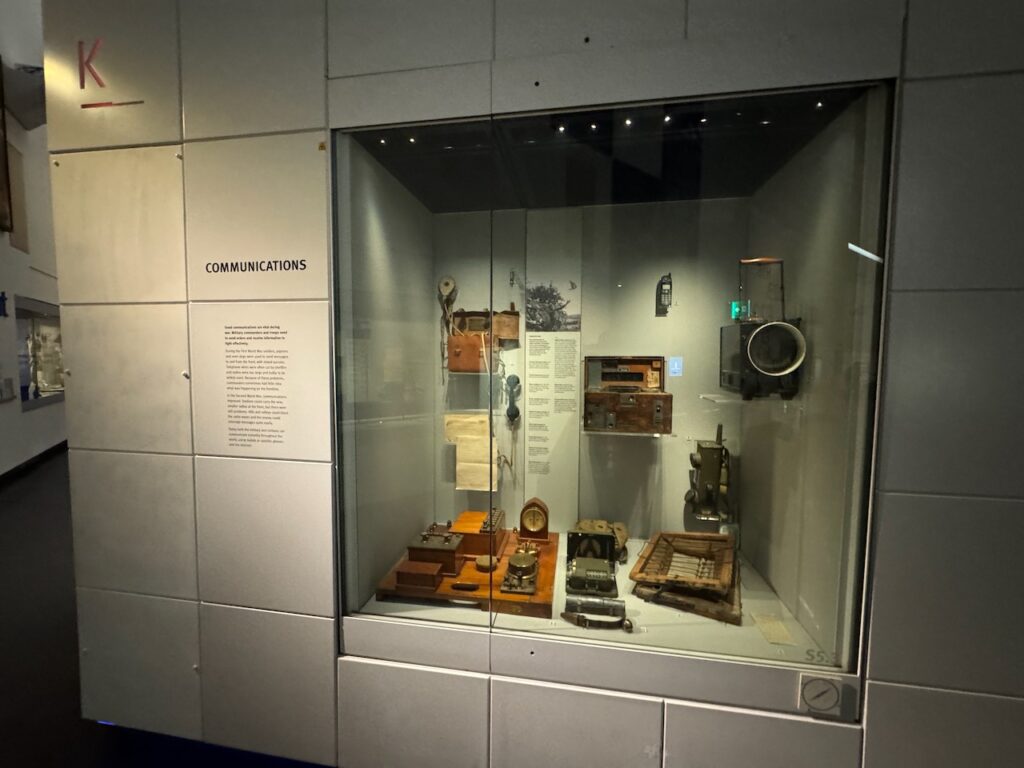
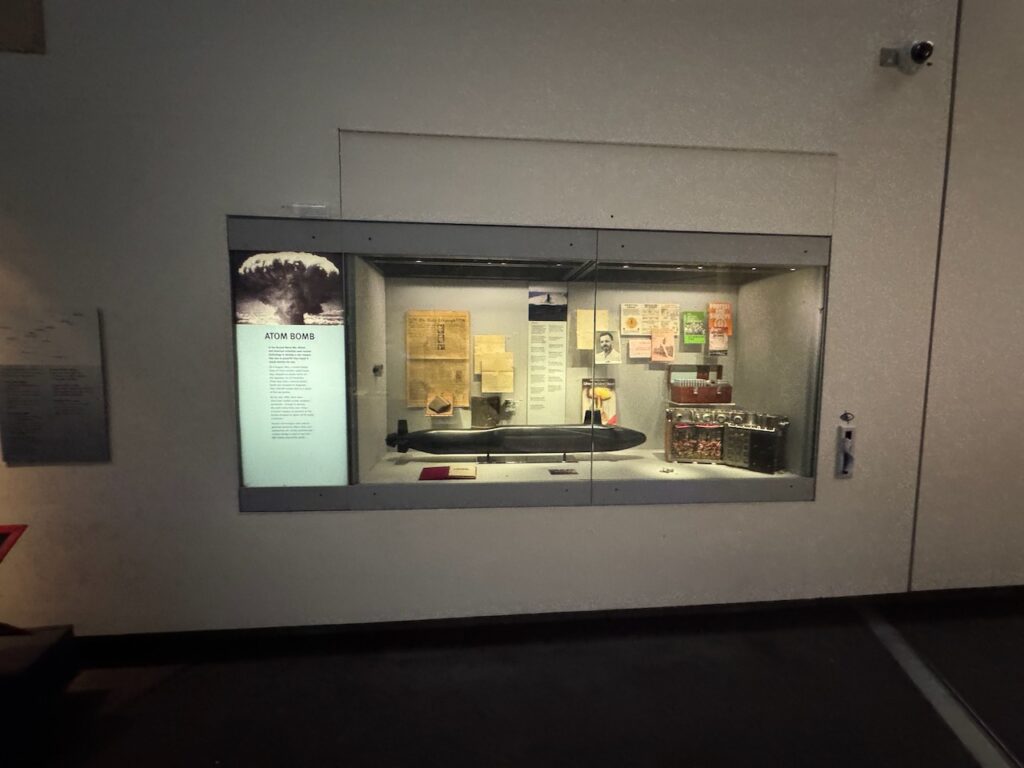
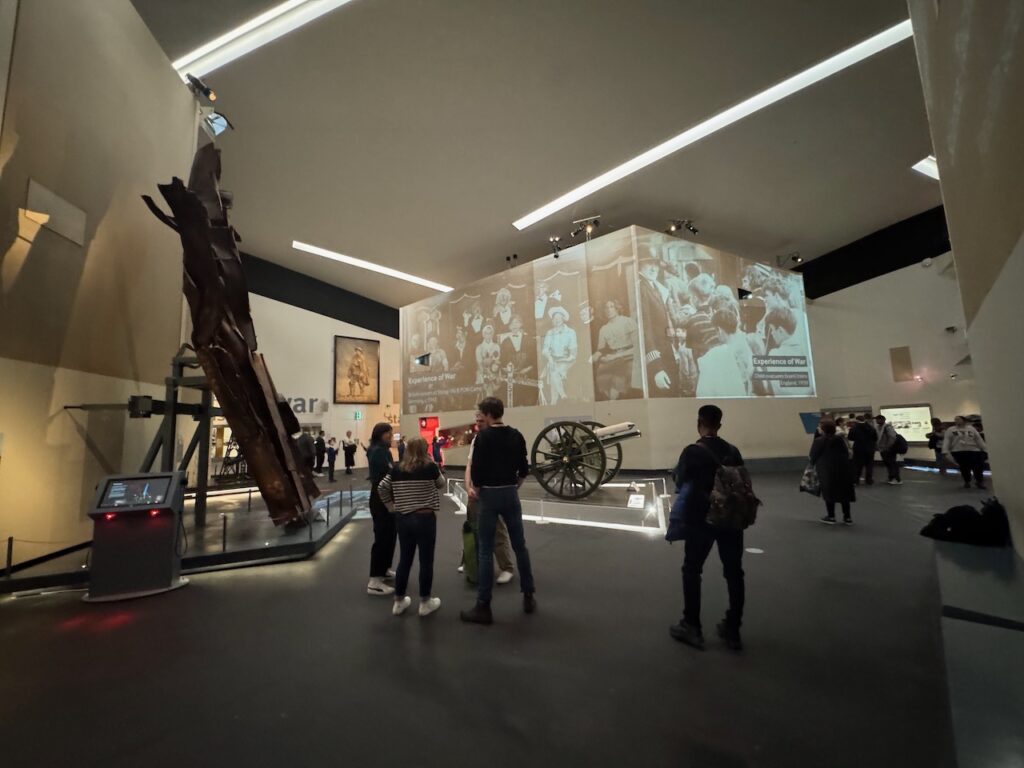
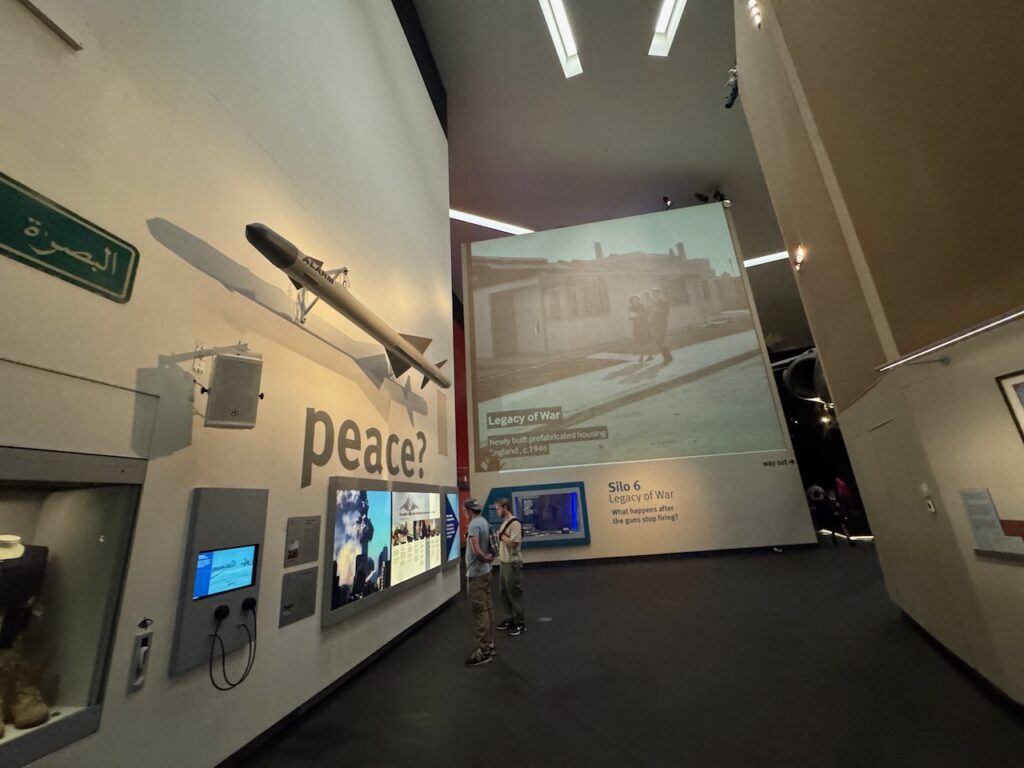
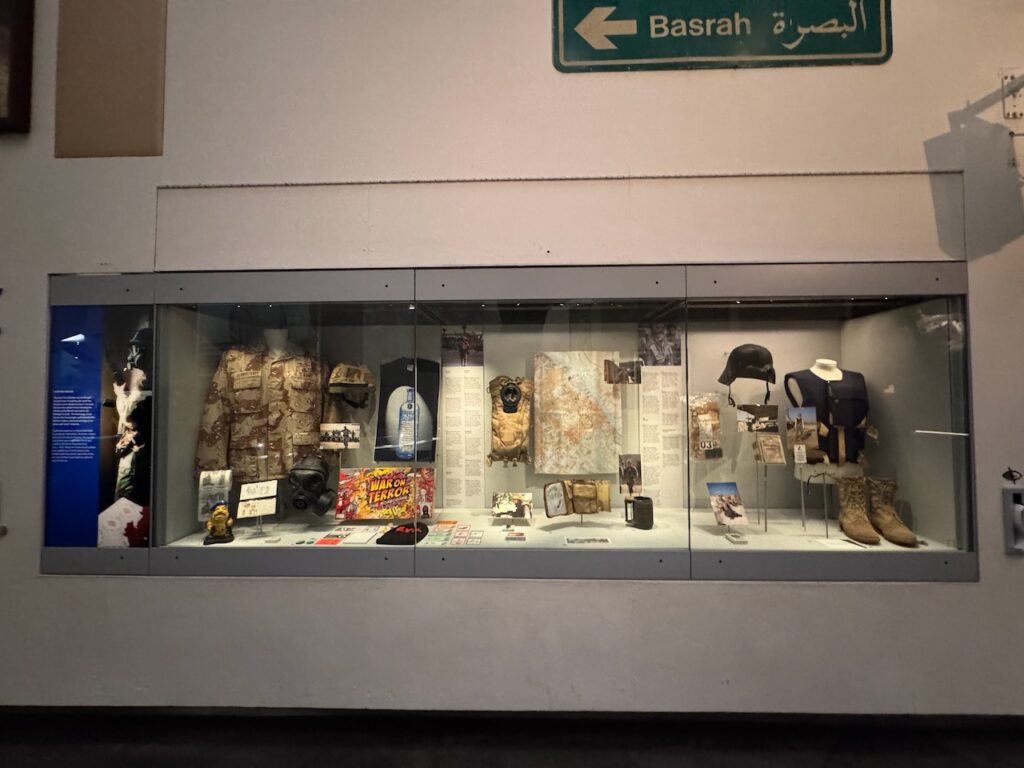
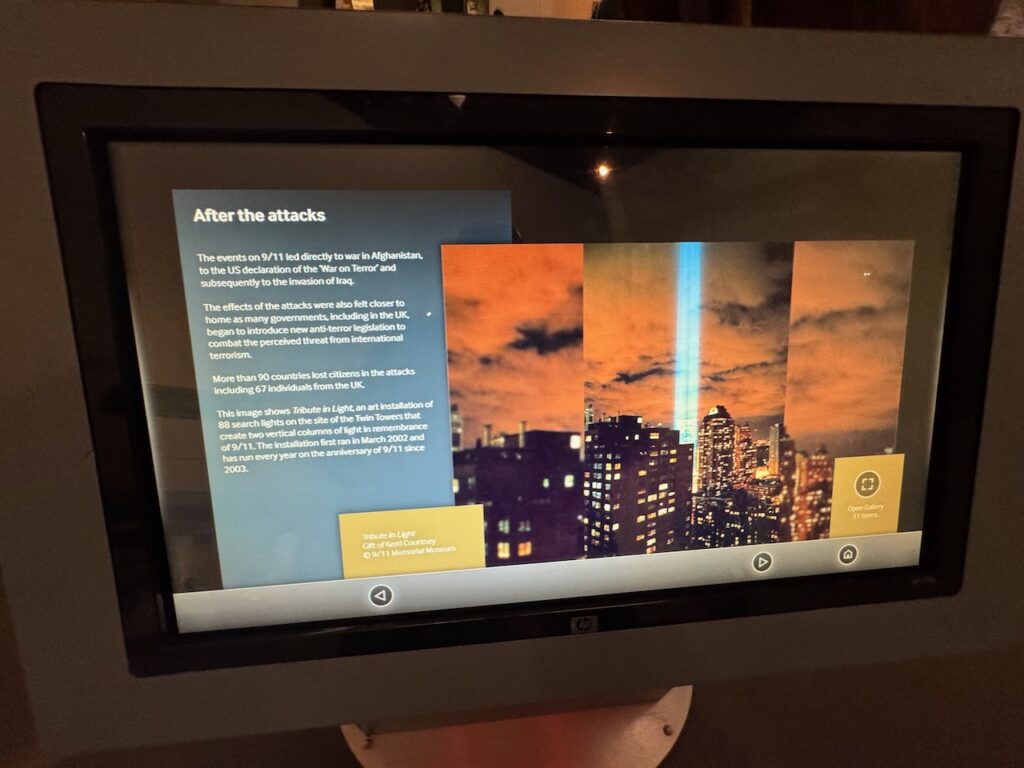
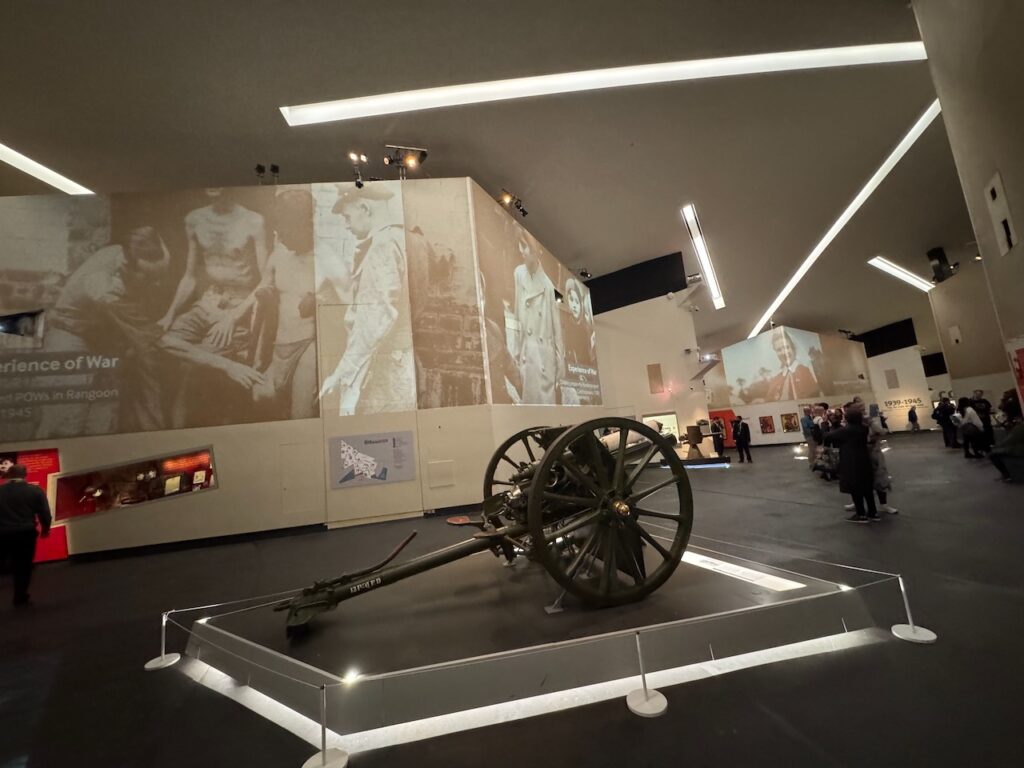
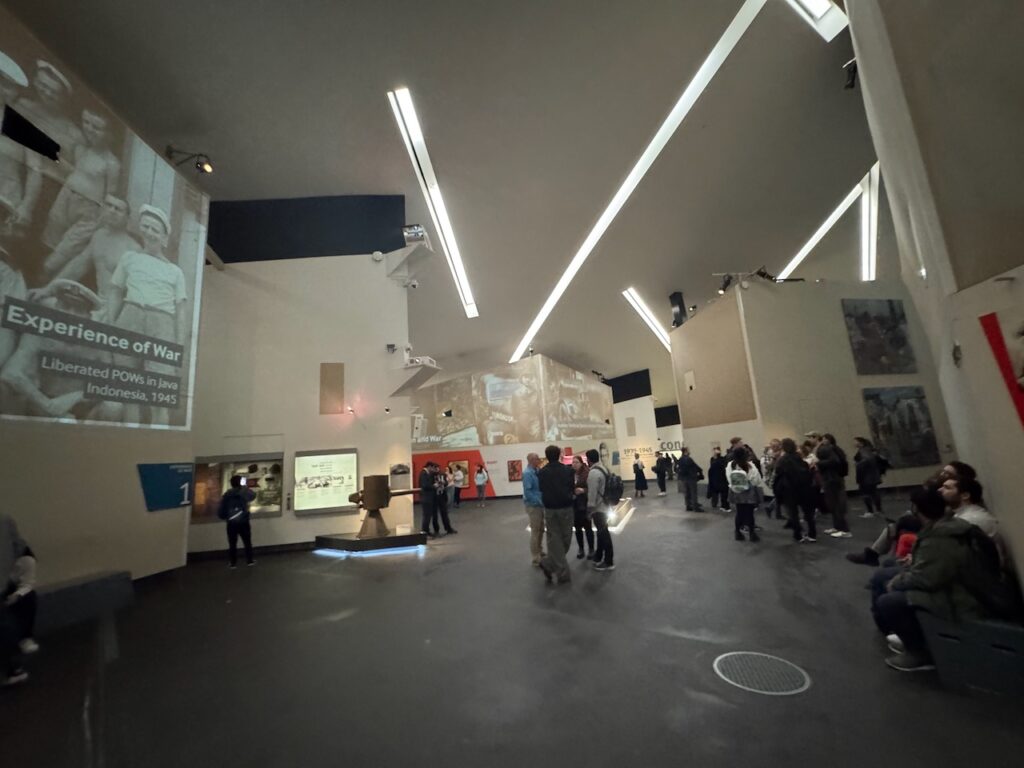
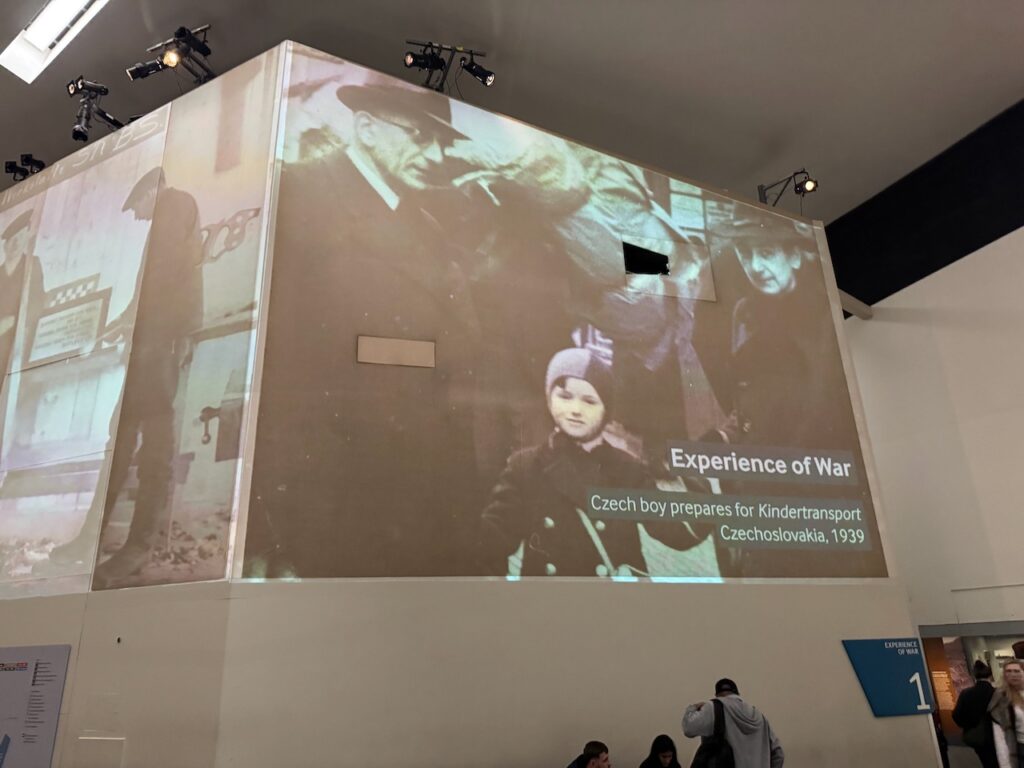
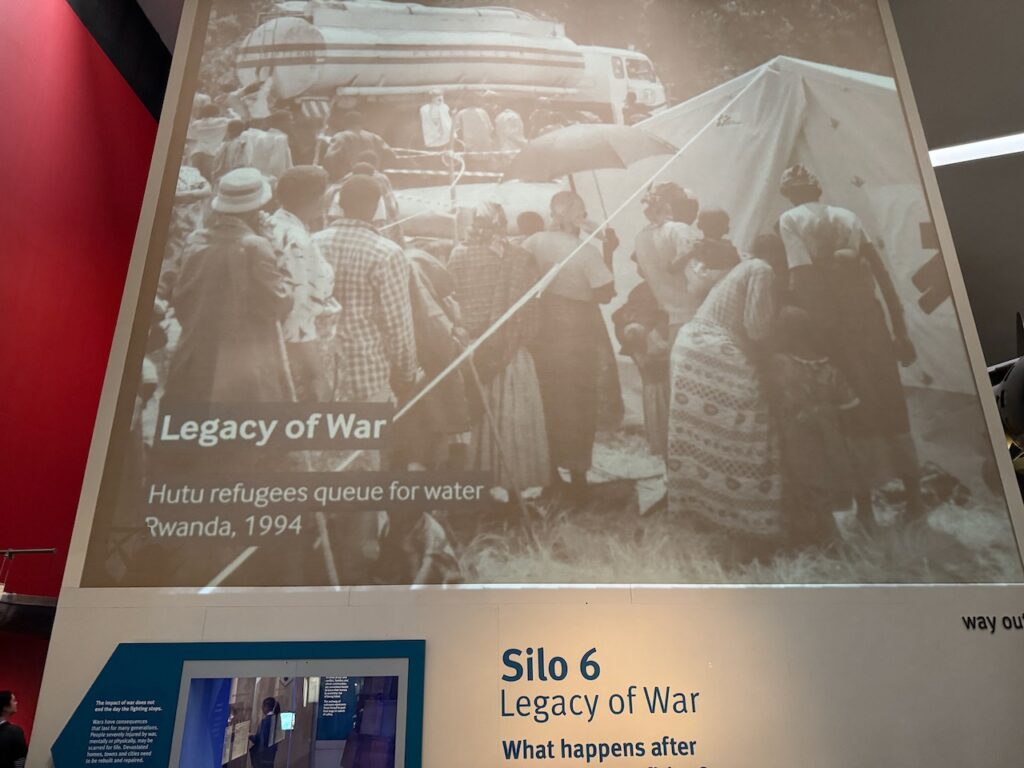
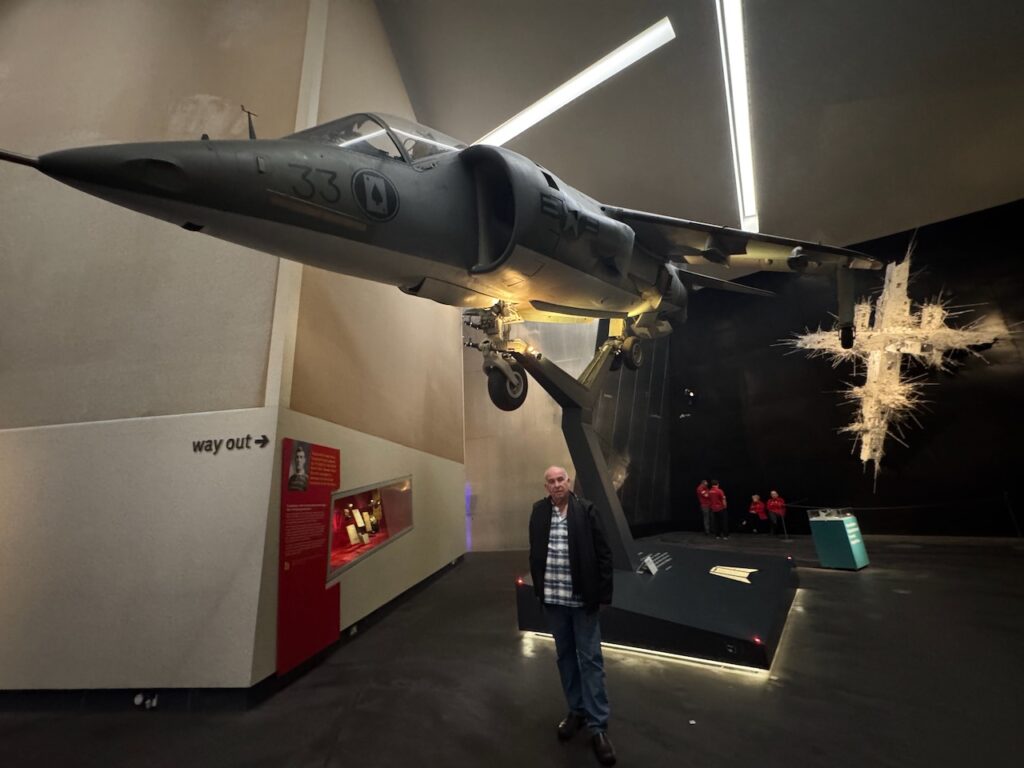
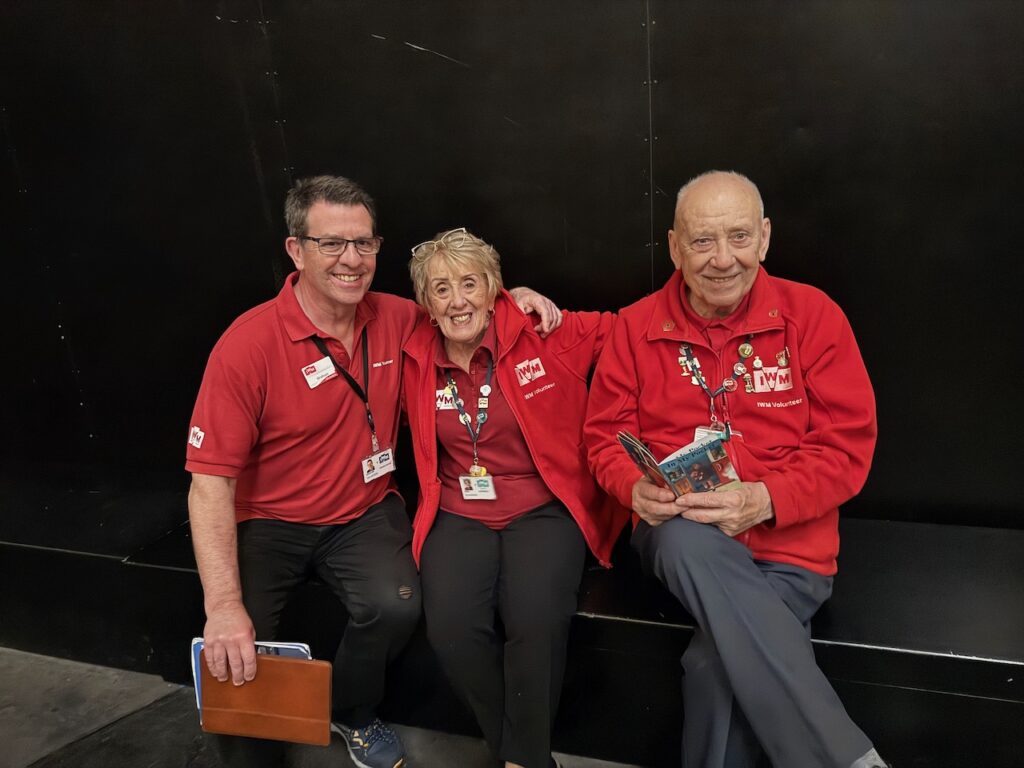
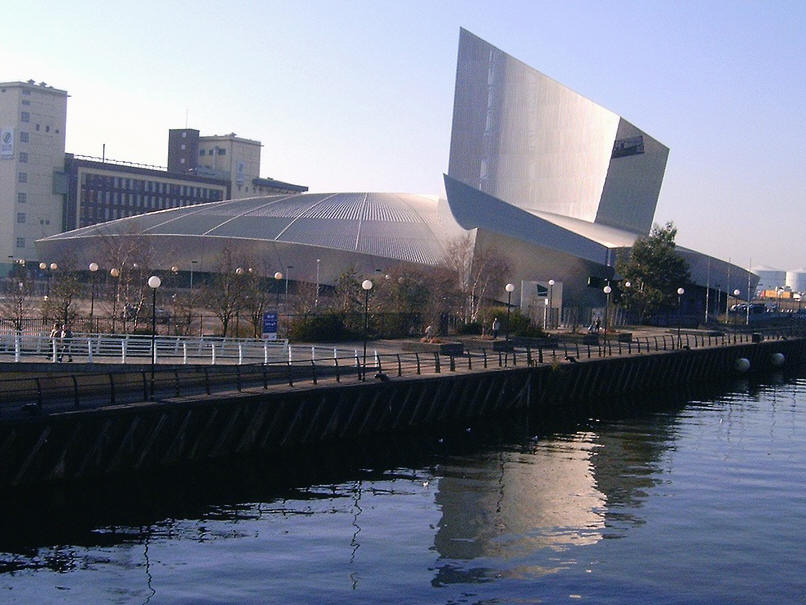
Imperial War Museum North – Wikipedia
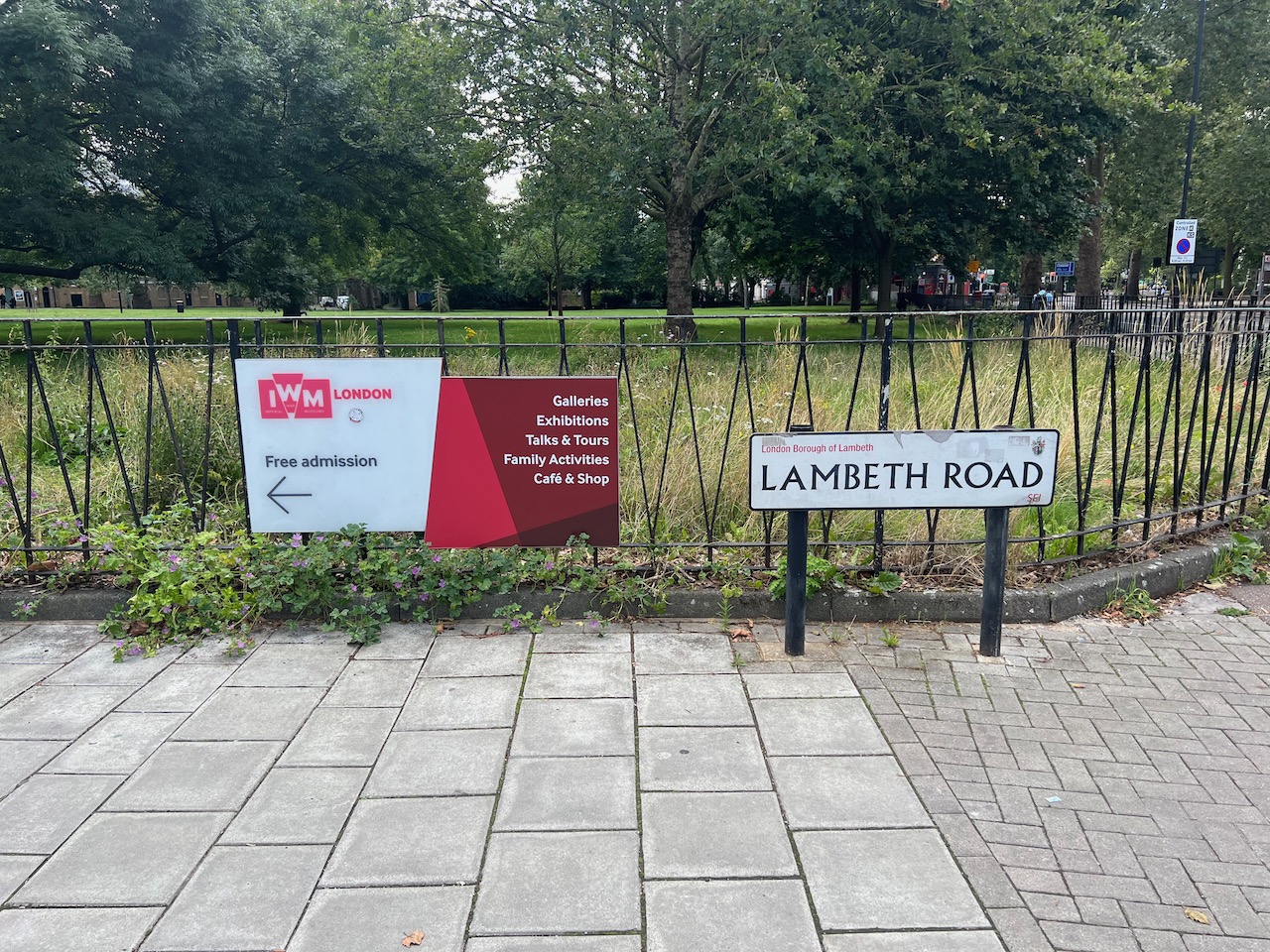
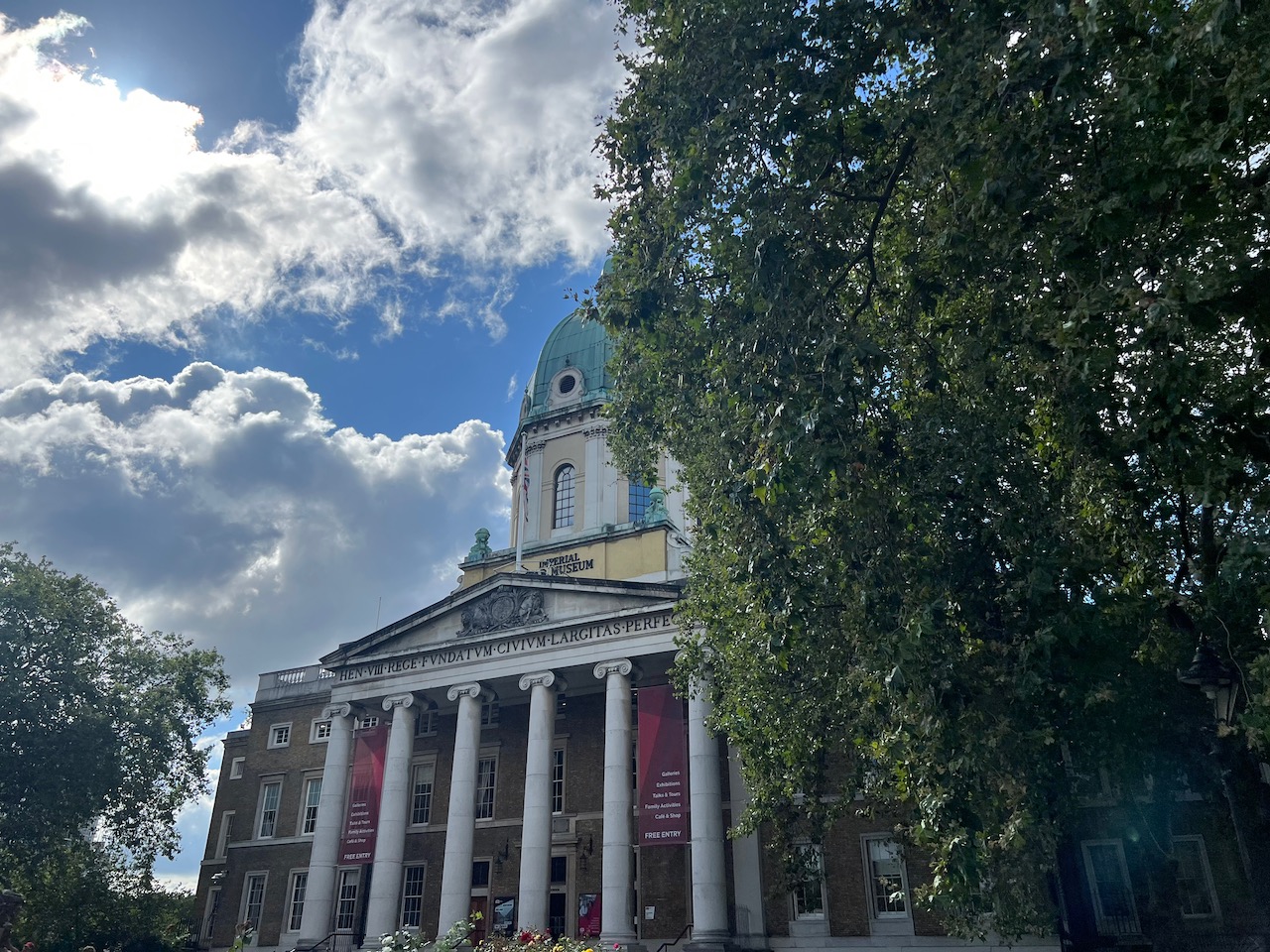
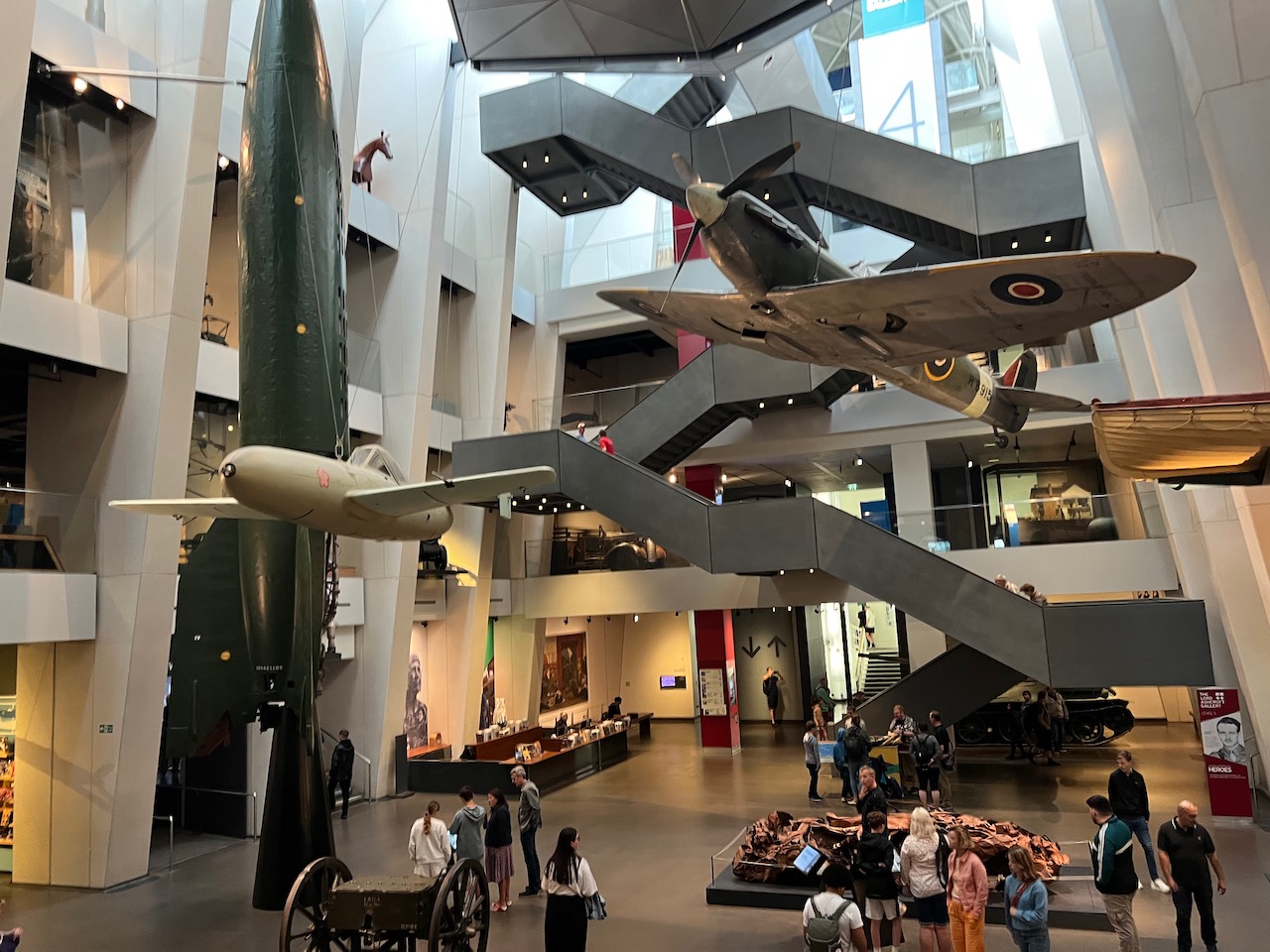
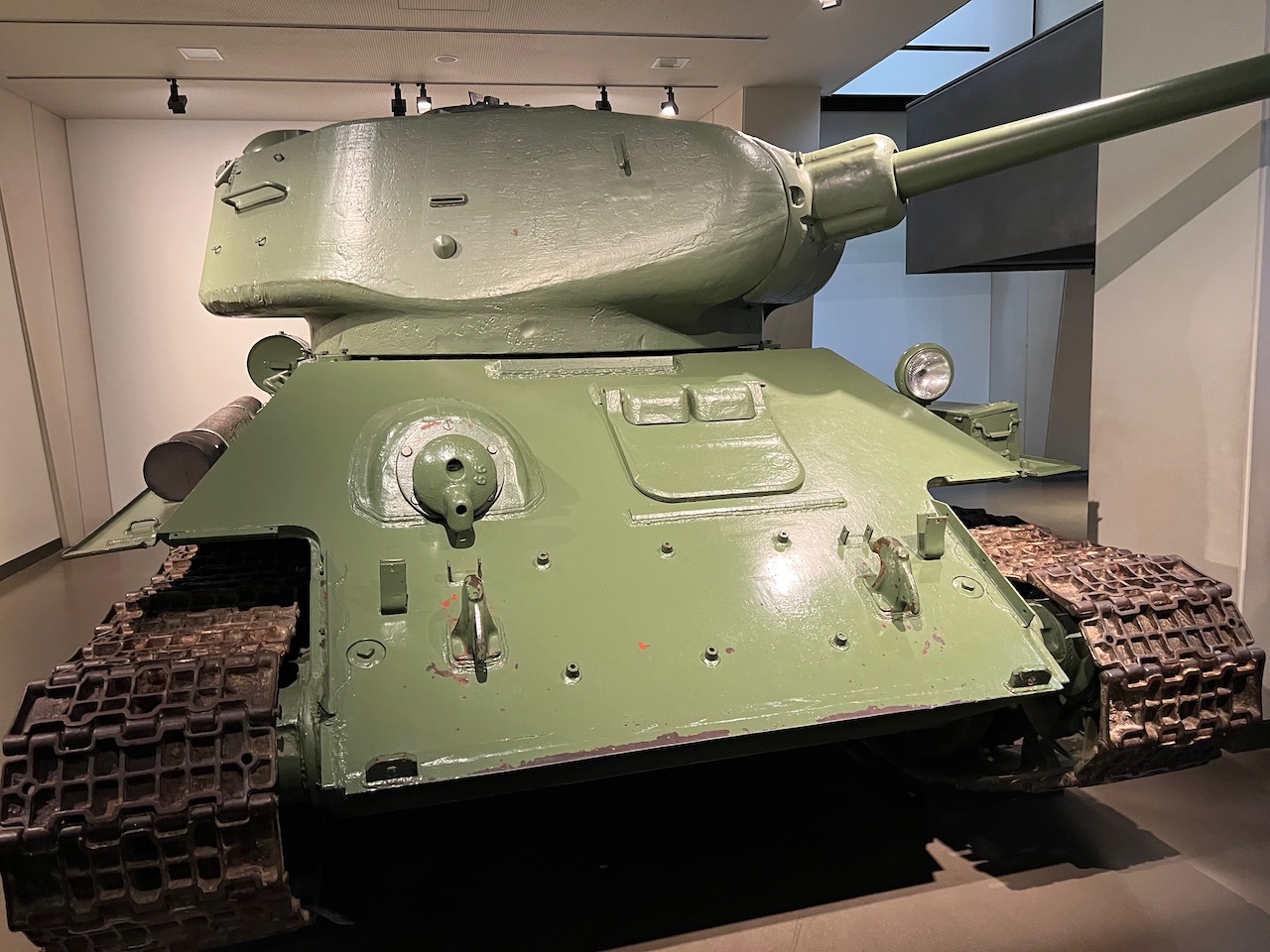
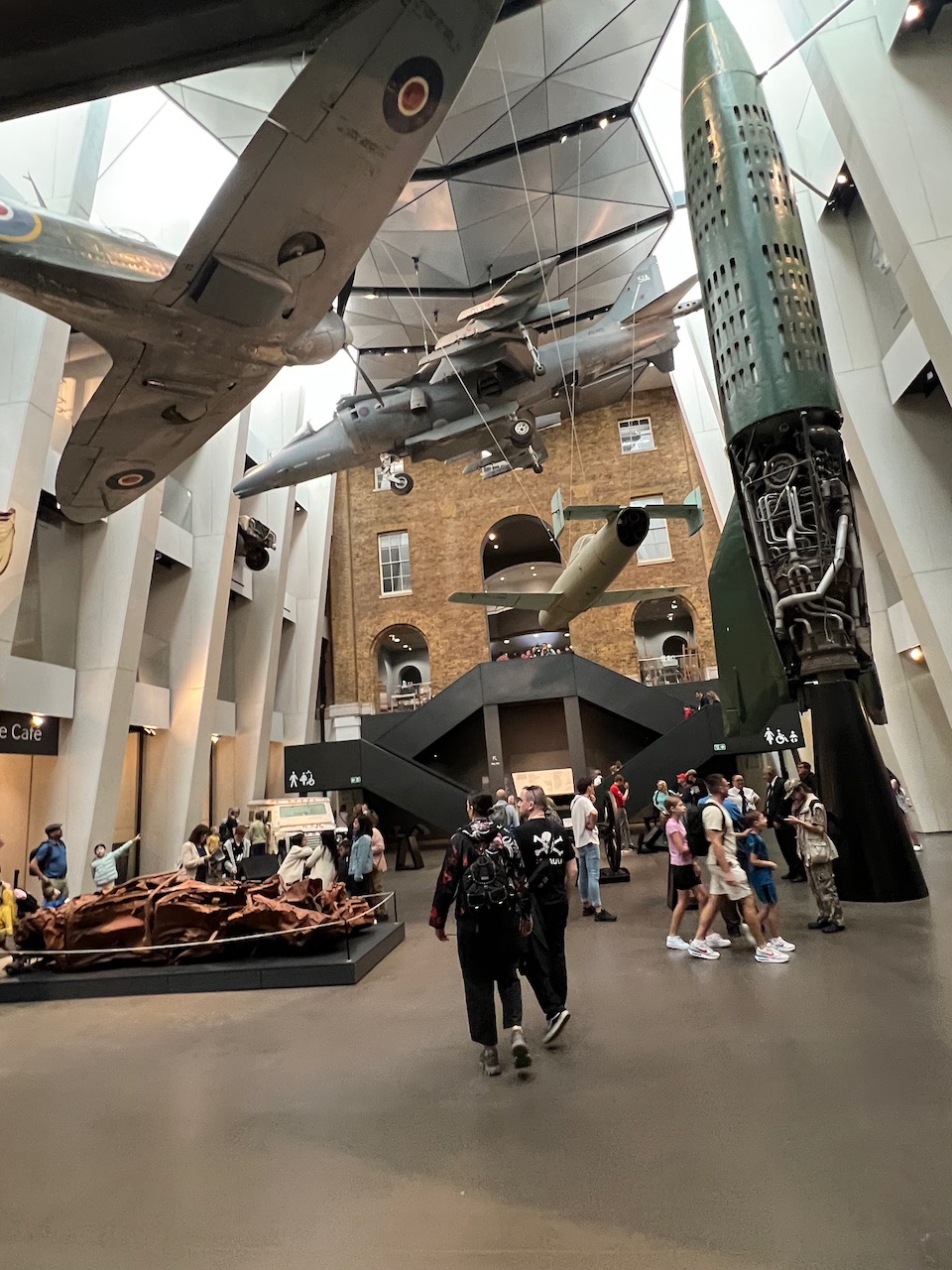
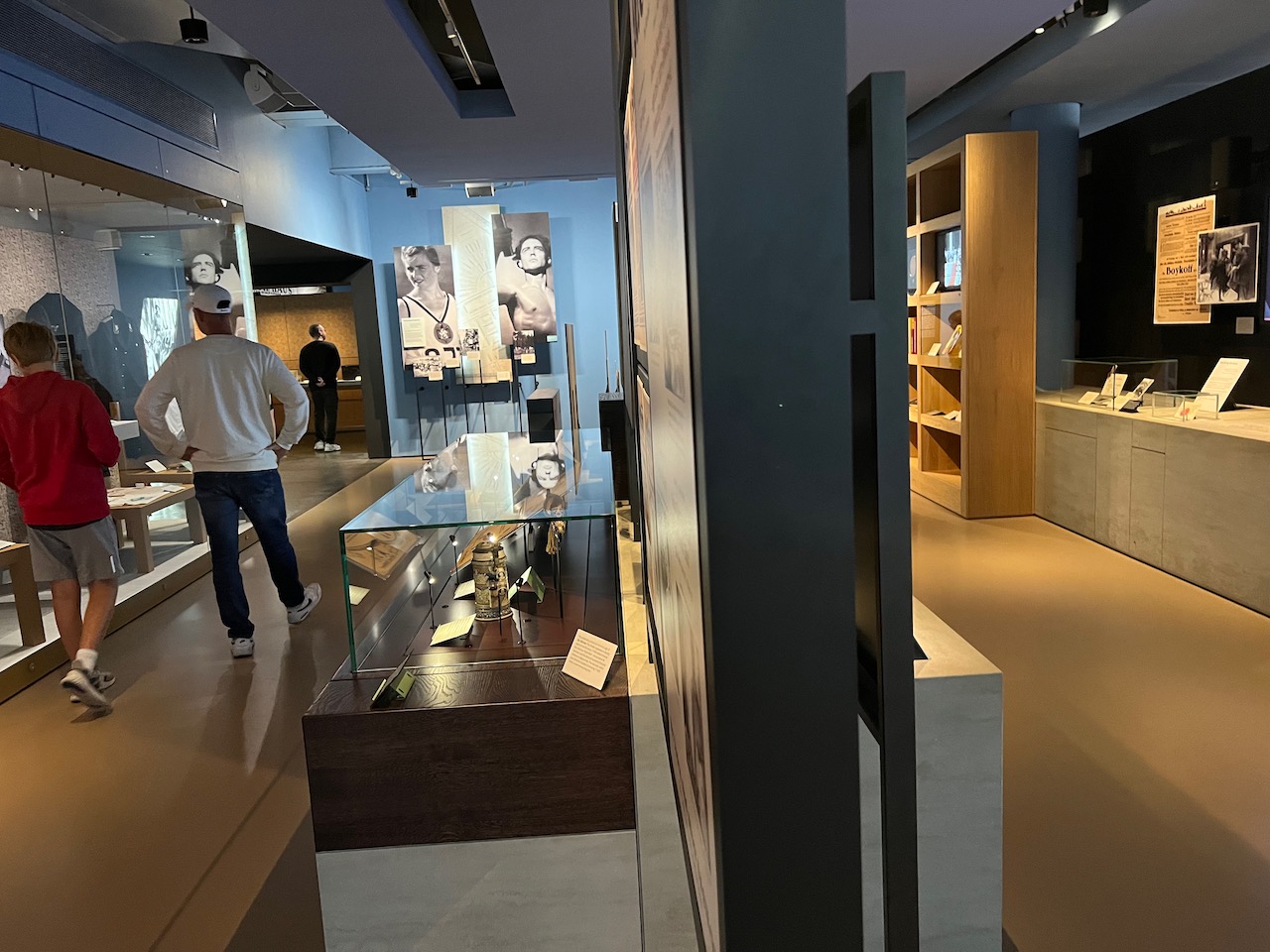
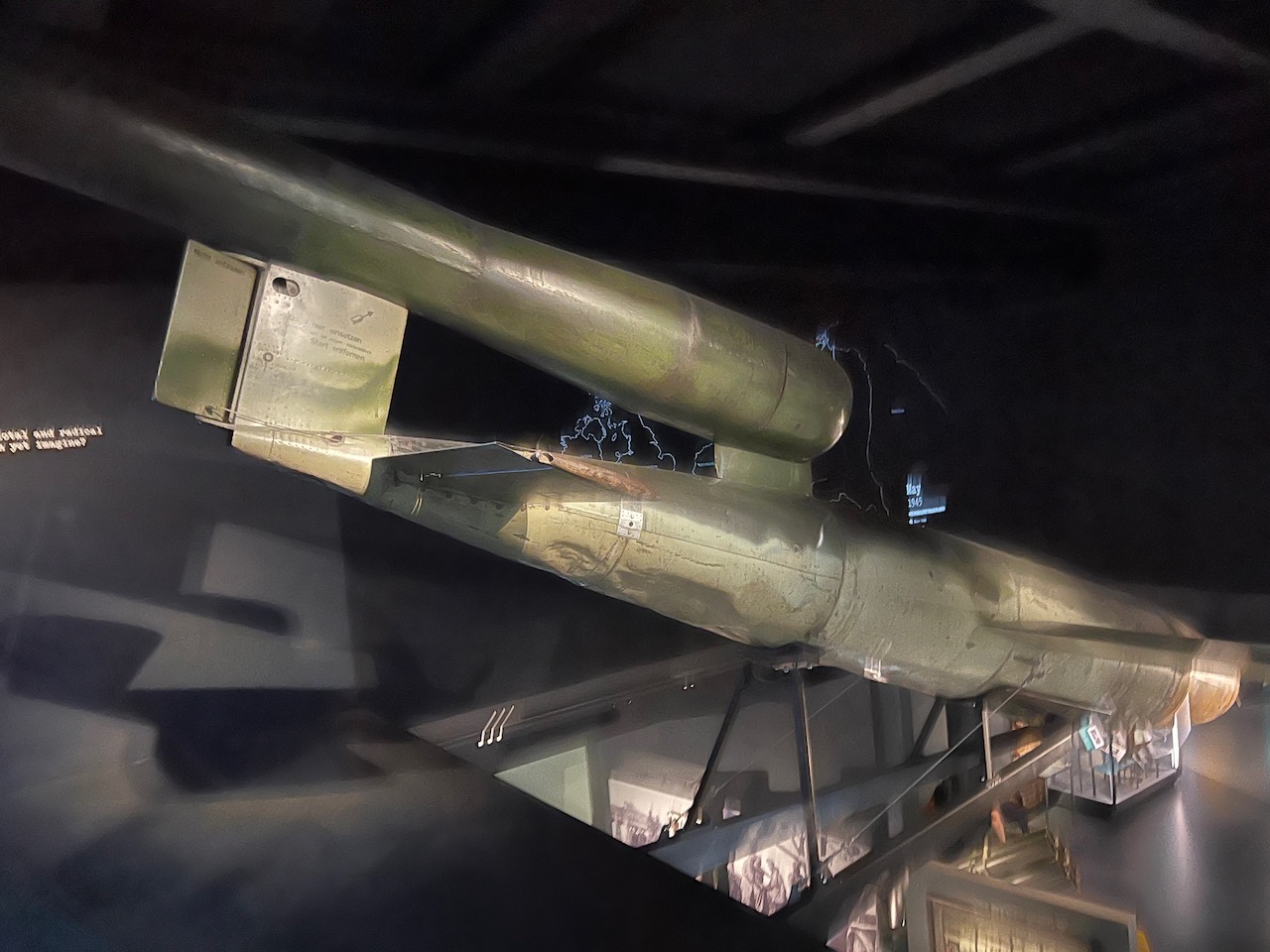
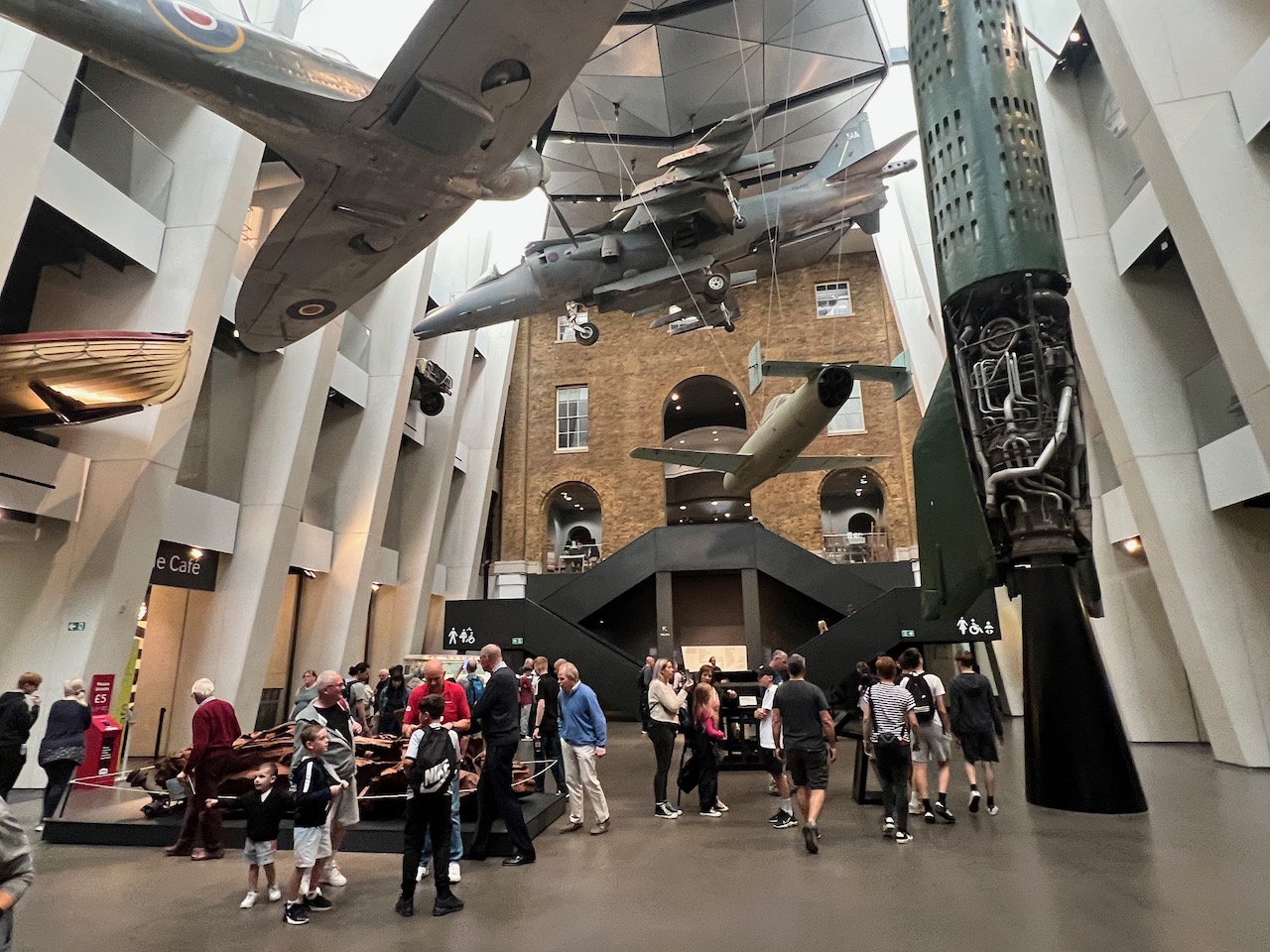
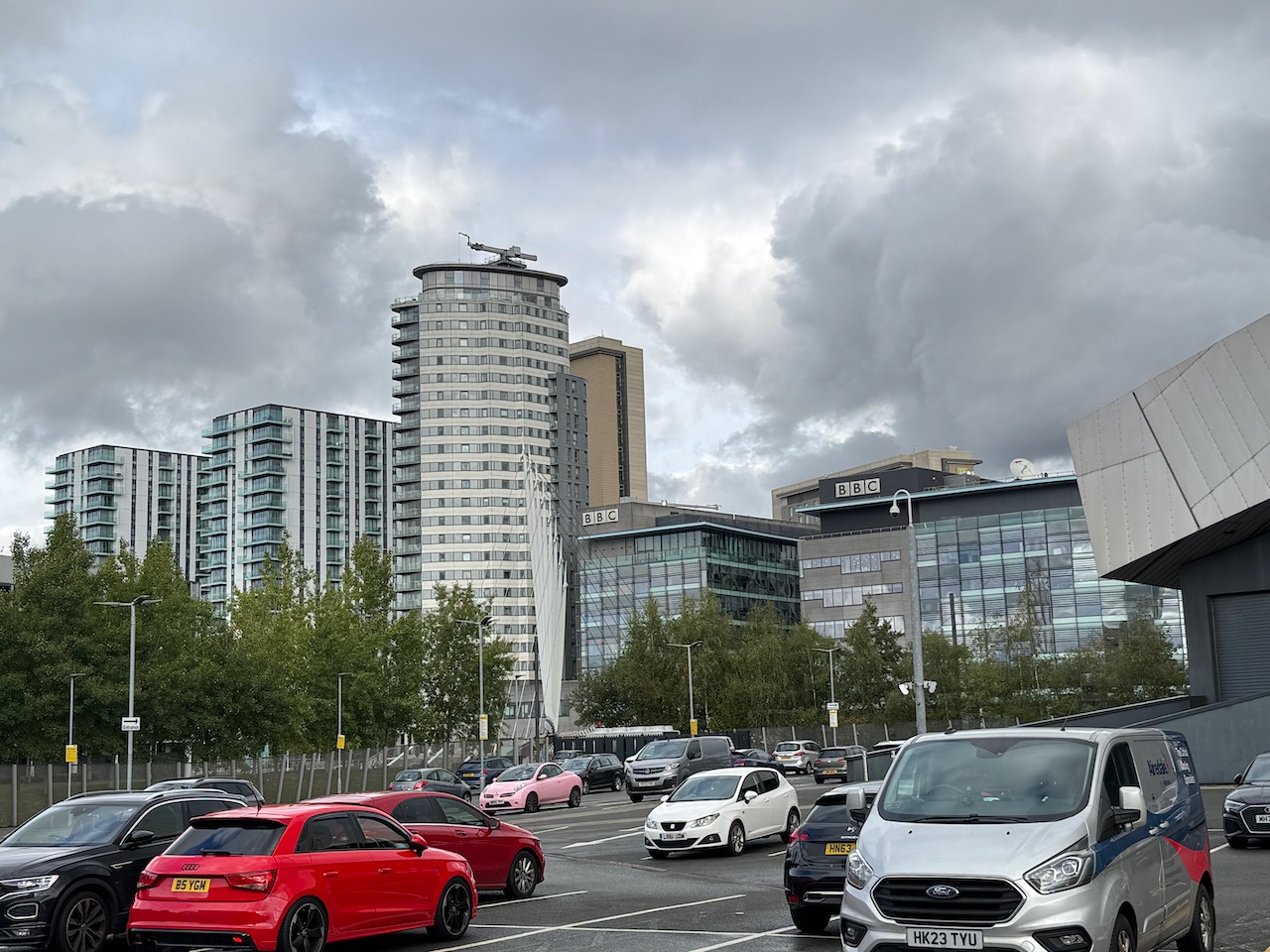
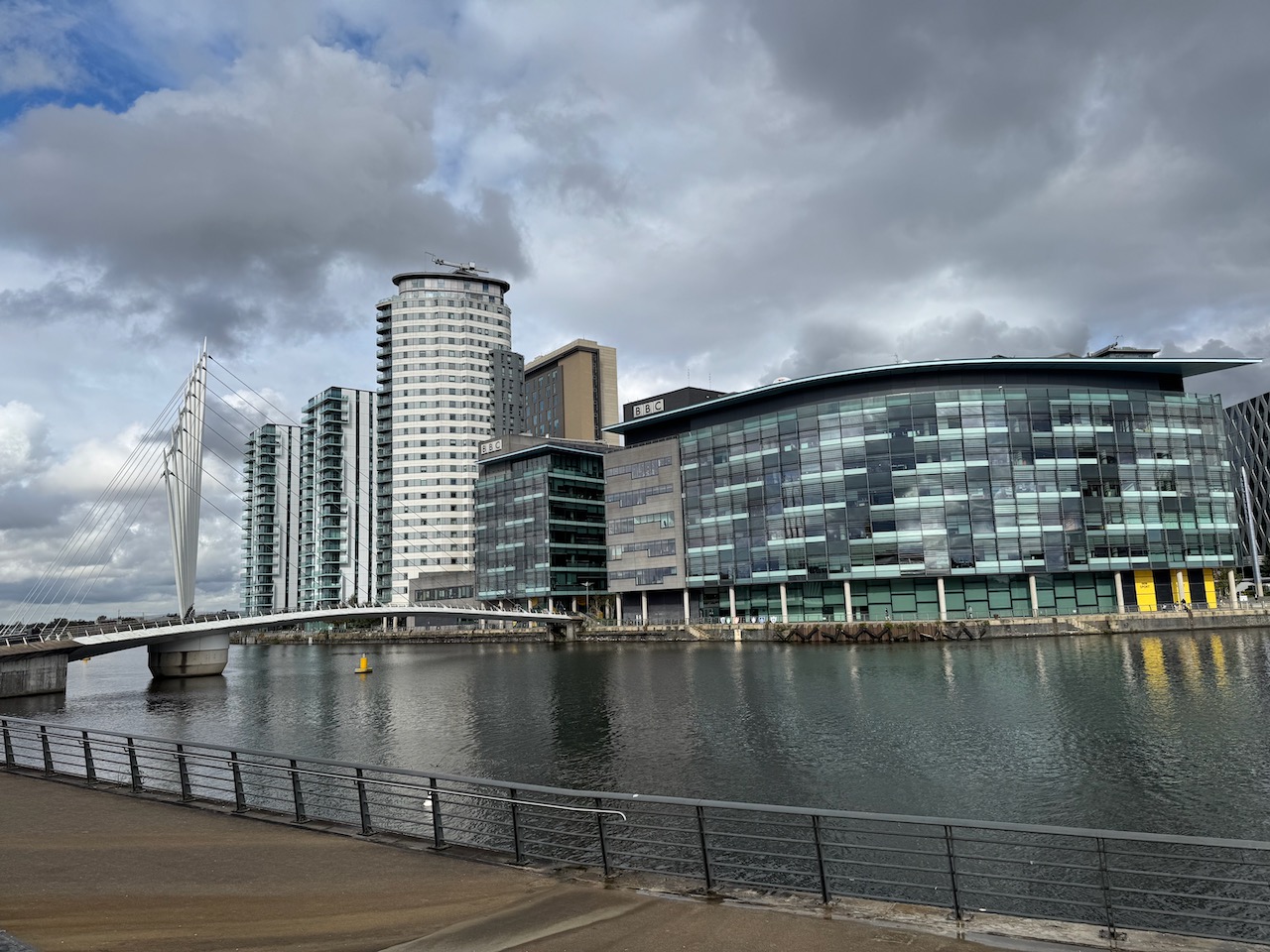
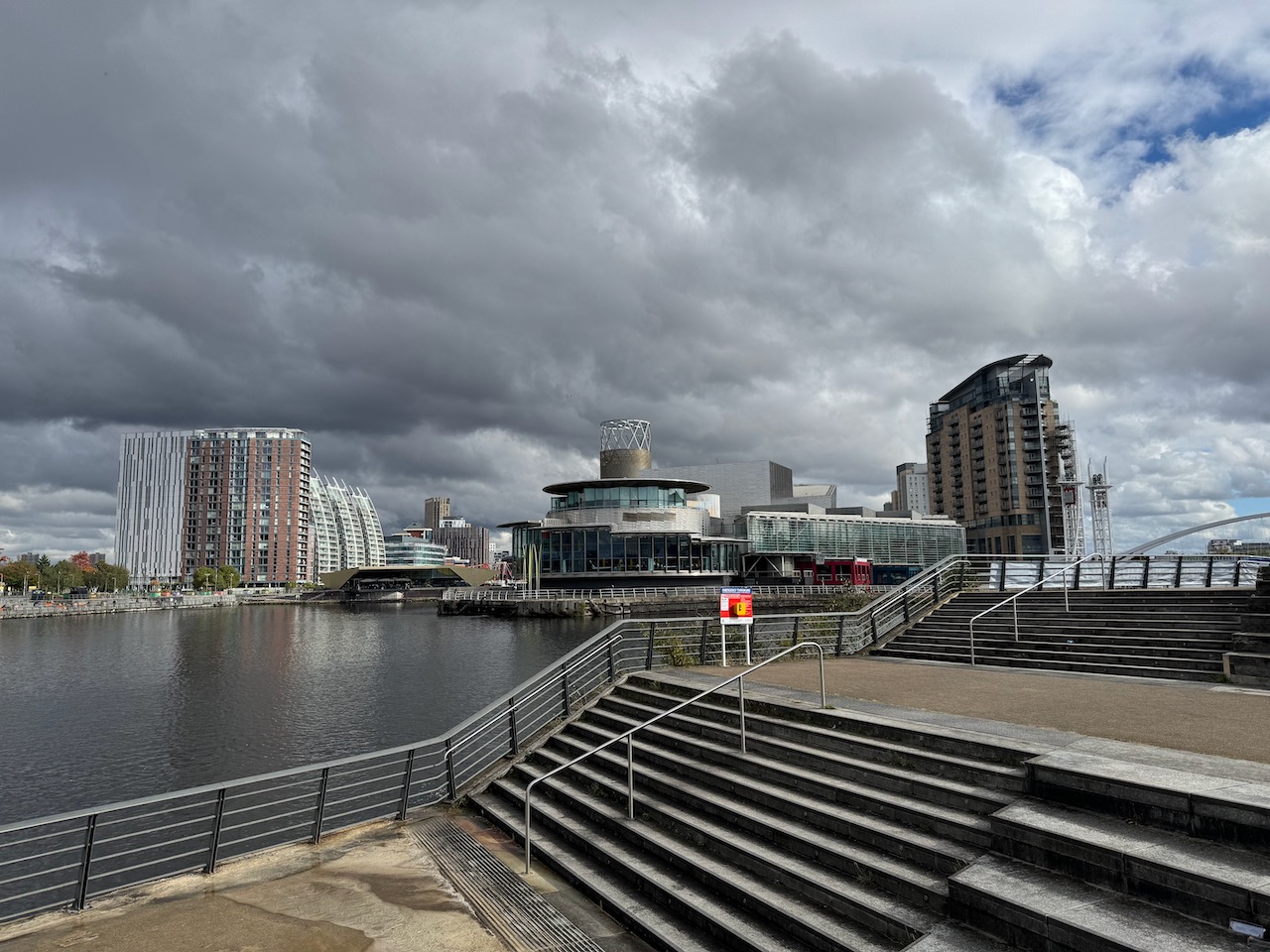
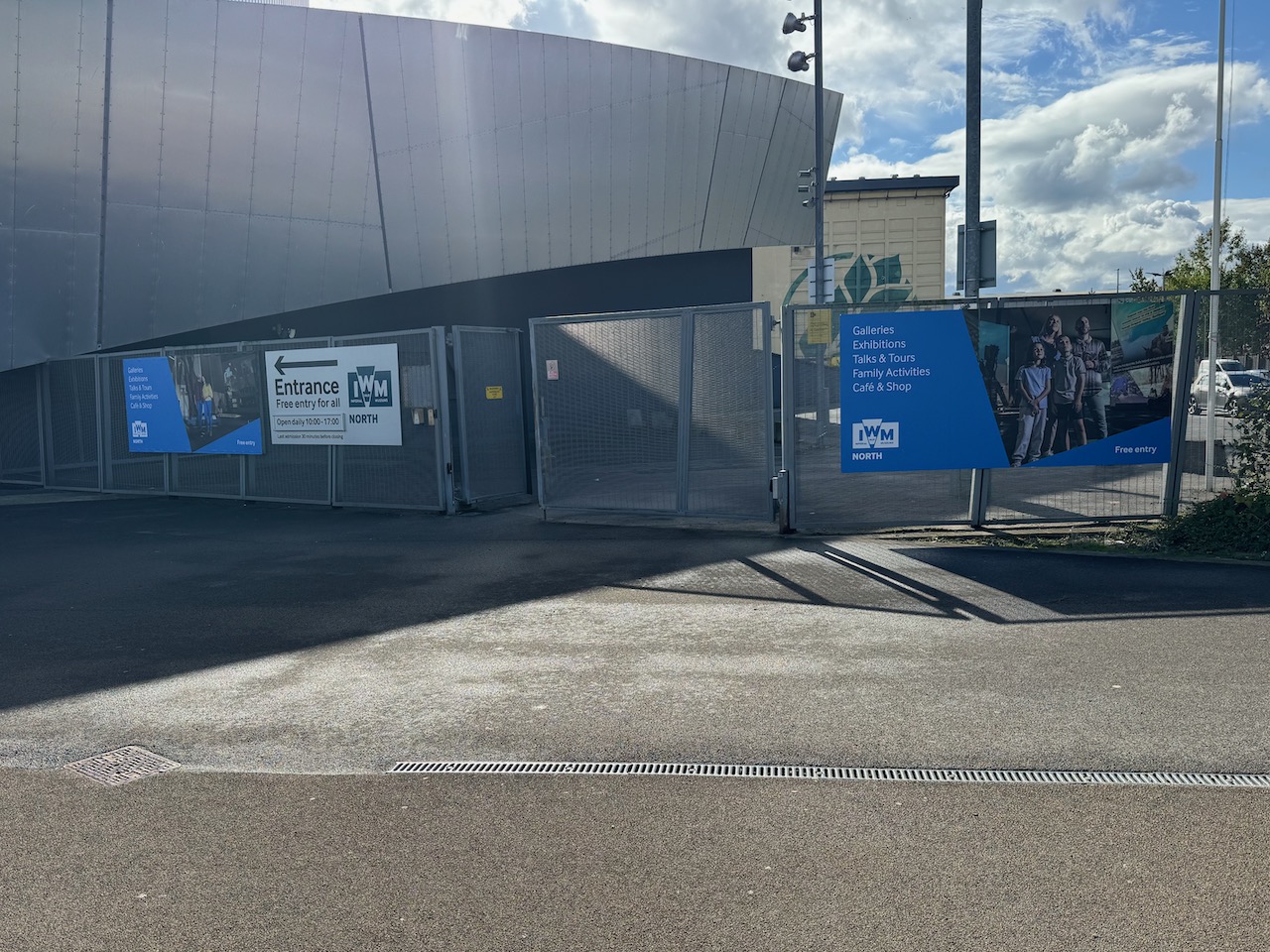
Imperial War Museum North (sometimes referred to as IWM North) is a museum in the Metropolitan Borough of Trafford in Greater Manchester, England. One of five branches of the Imperial War Museum, it explores the impact of modern conflicts on people and society. It is the first branch of the Imperial War Museum to be located in the north of England. The museum occupies a site overlooking the Manchester Ship Canal on Trafford Wharf Road,[2] Trafford Park, an area which during World War II was a key industrial centre and consequently heavily bombed during the Manchester Blitz in 1940.[3] The area is now home to the Lowry cultural centre and the MediaCityUK development, which stand opposite the museum at Salford Quays.
Manchester Wharfside
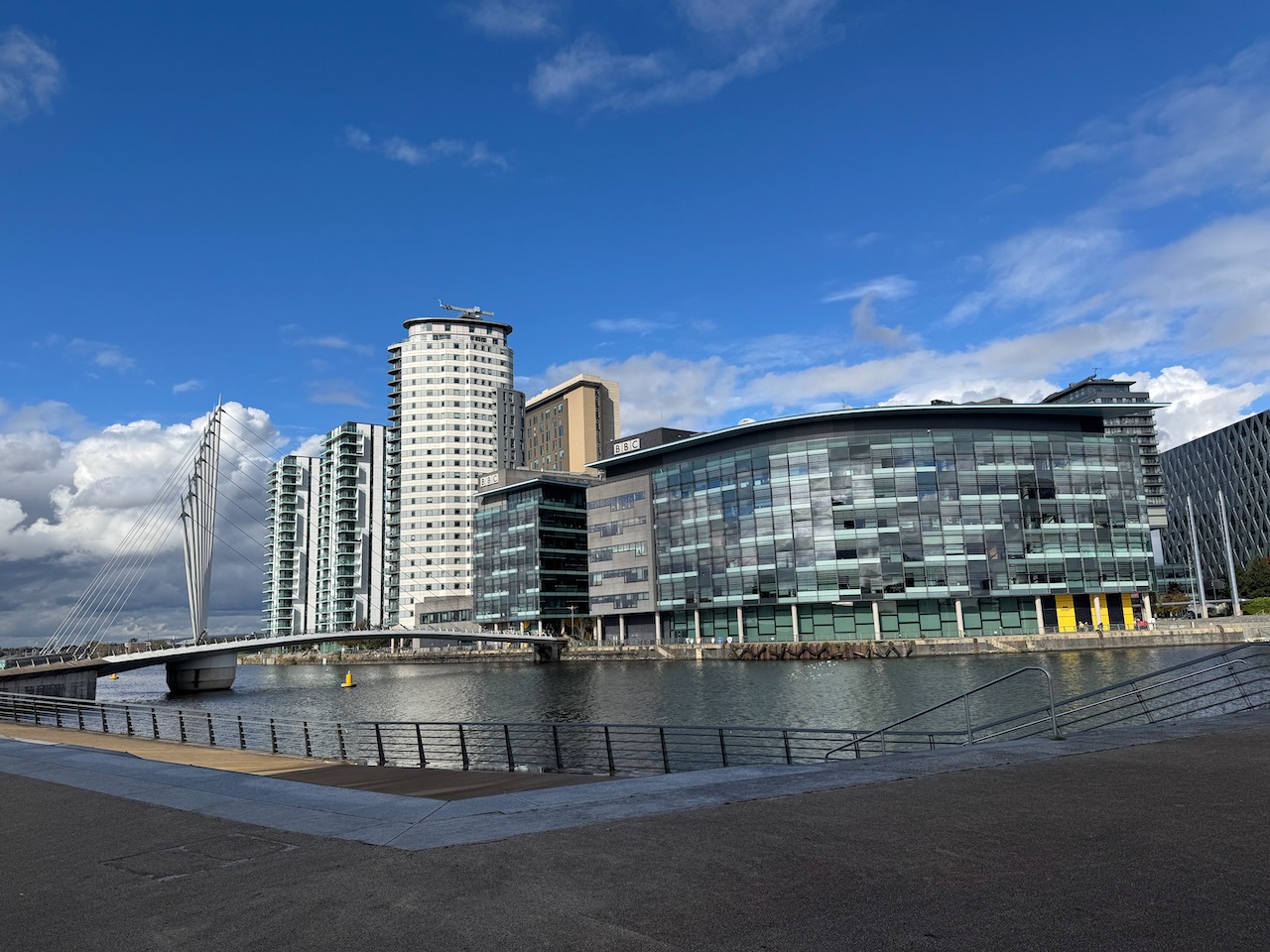
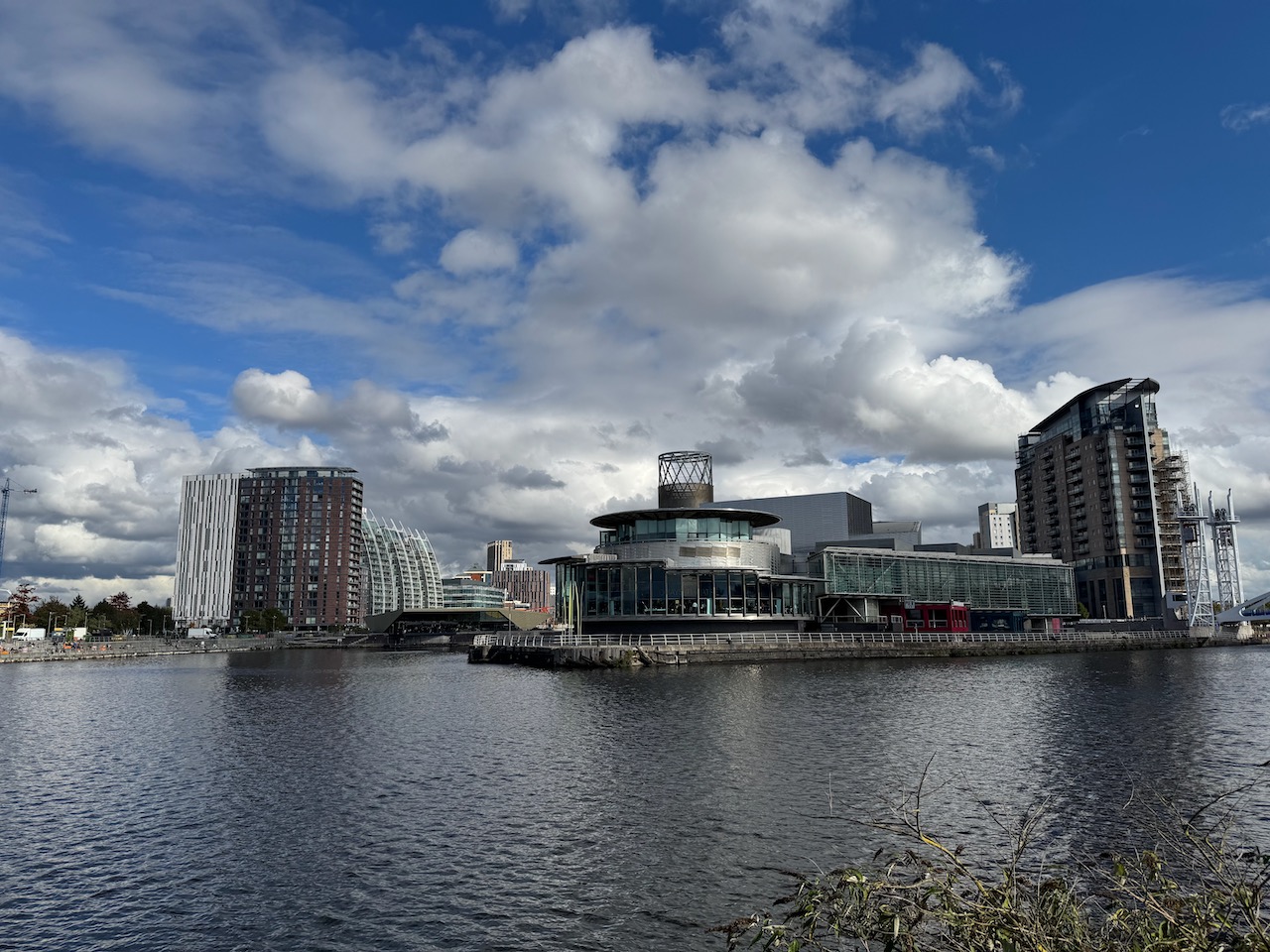
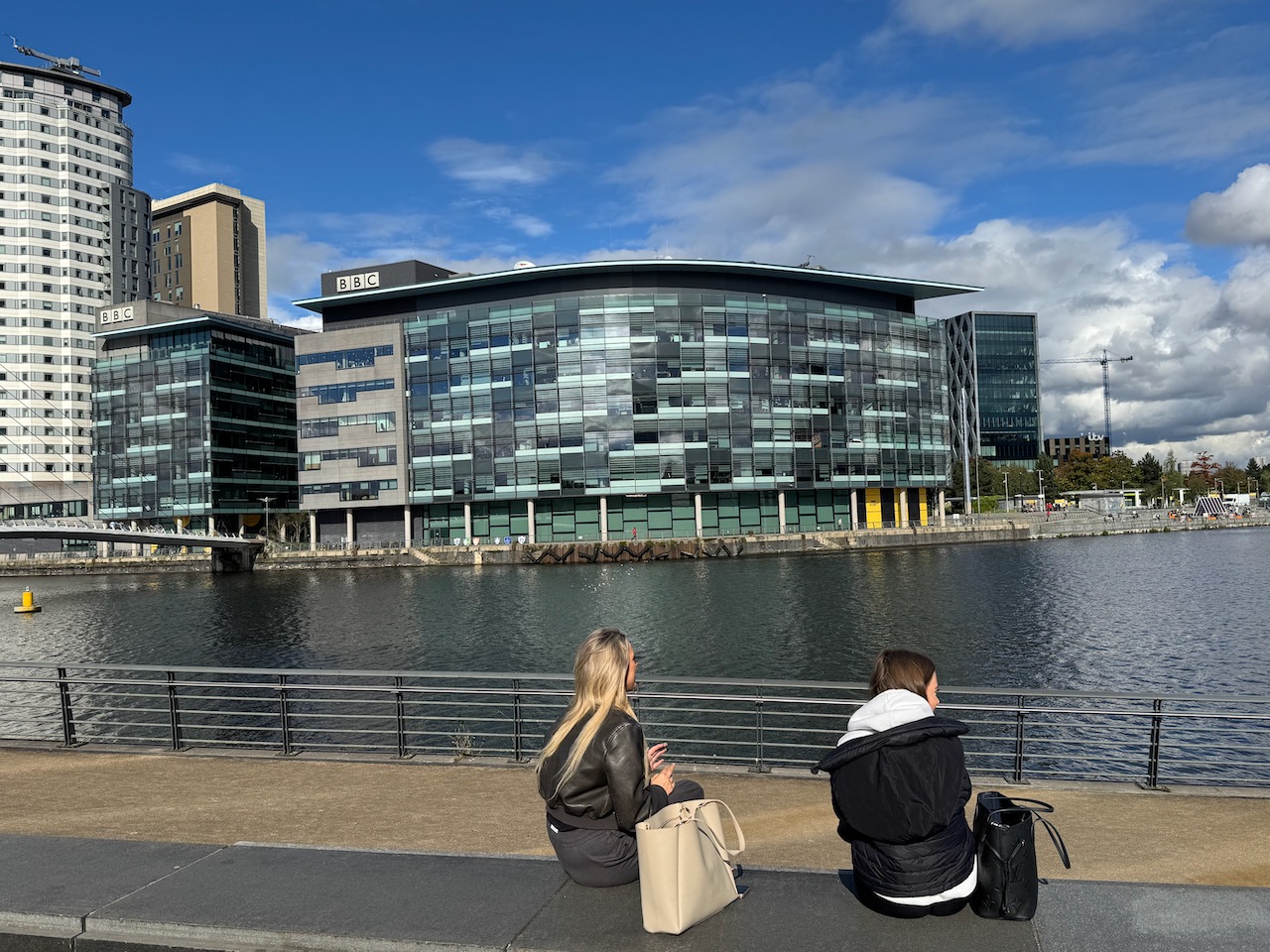
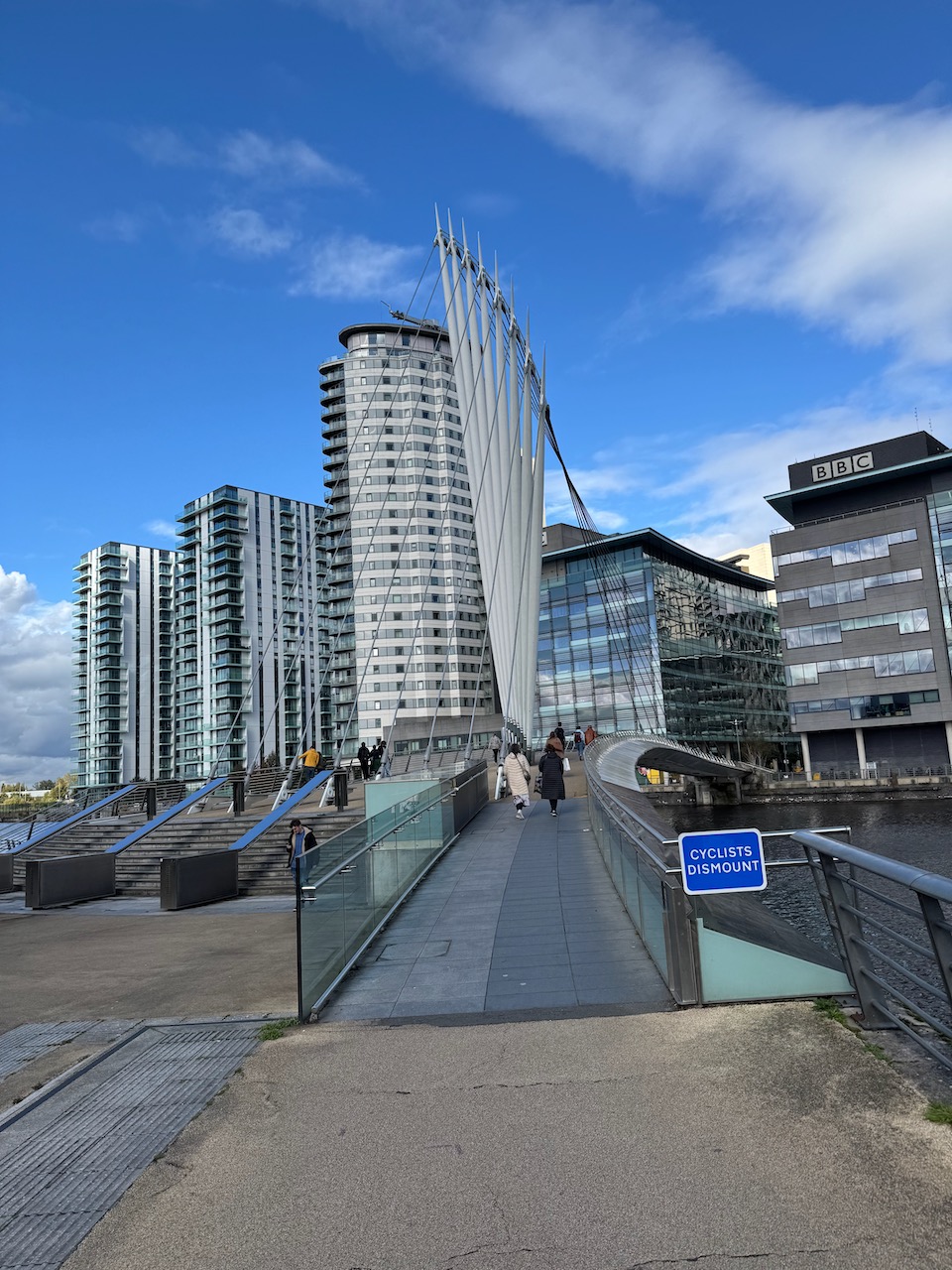
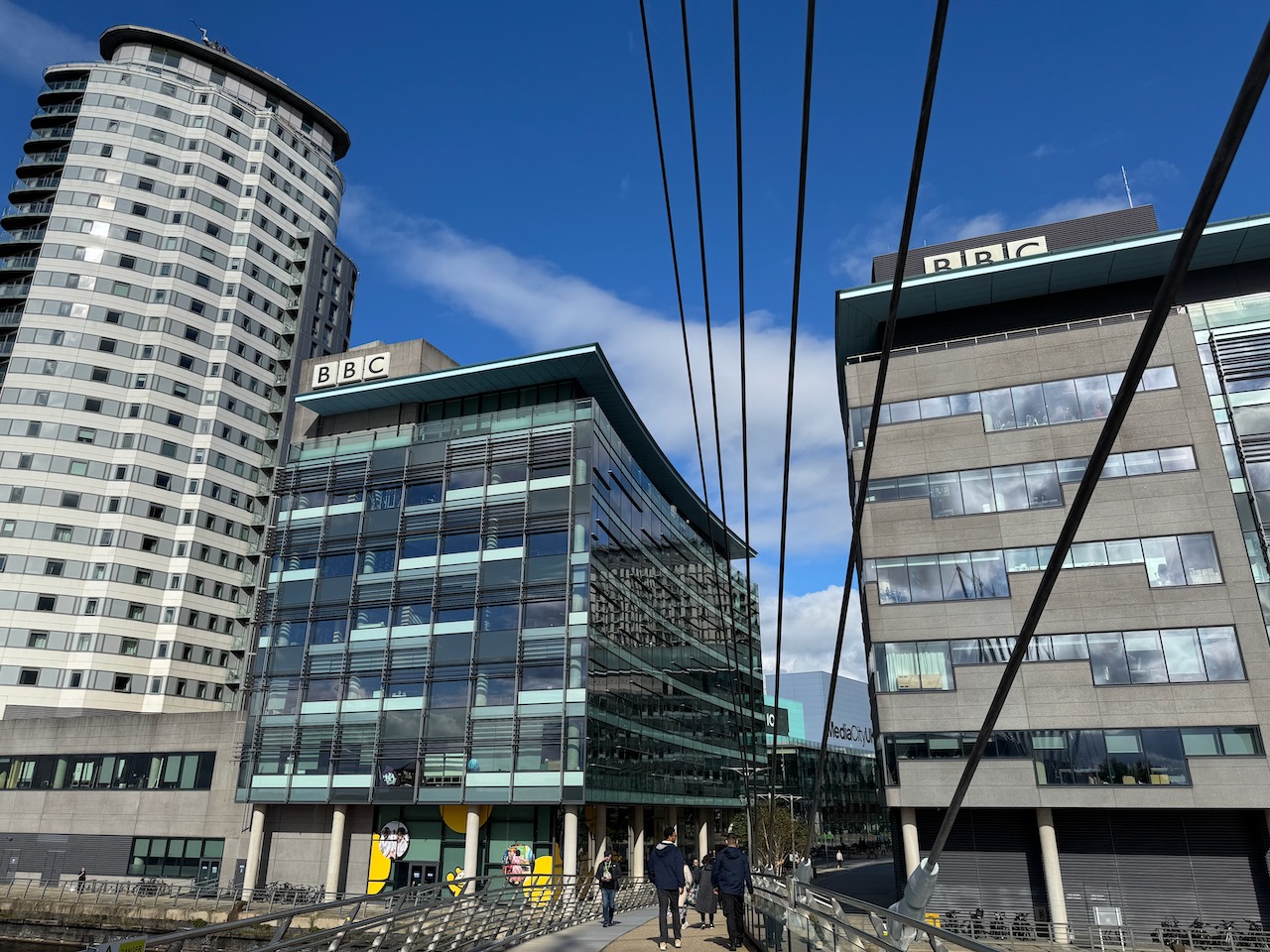
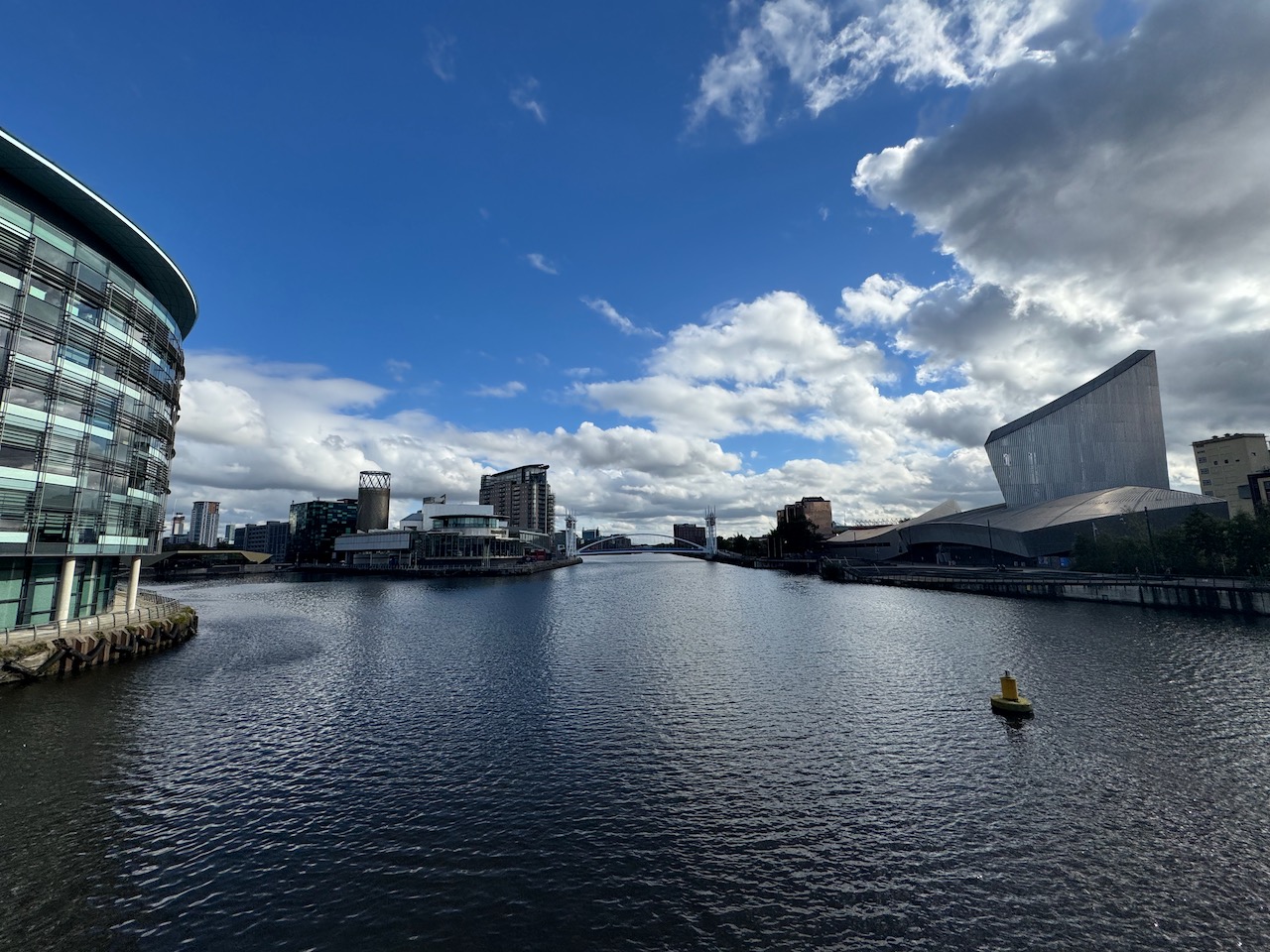
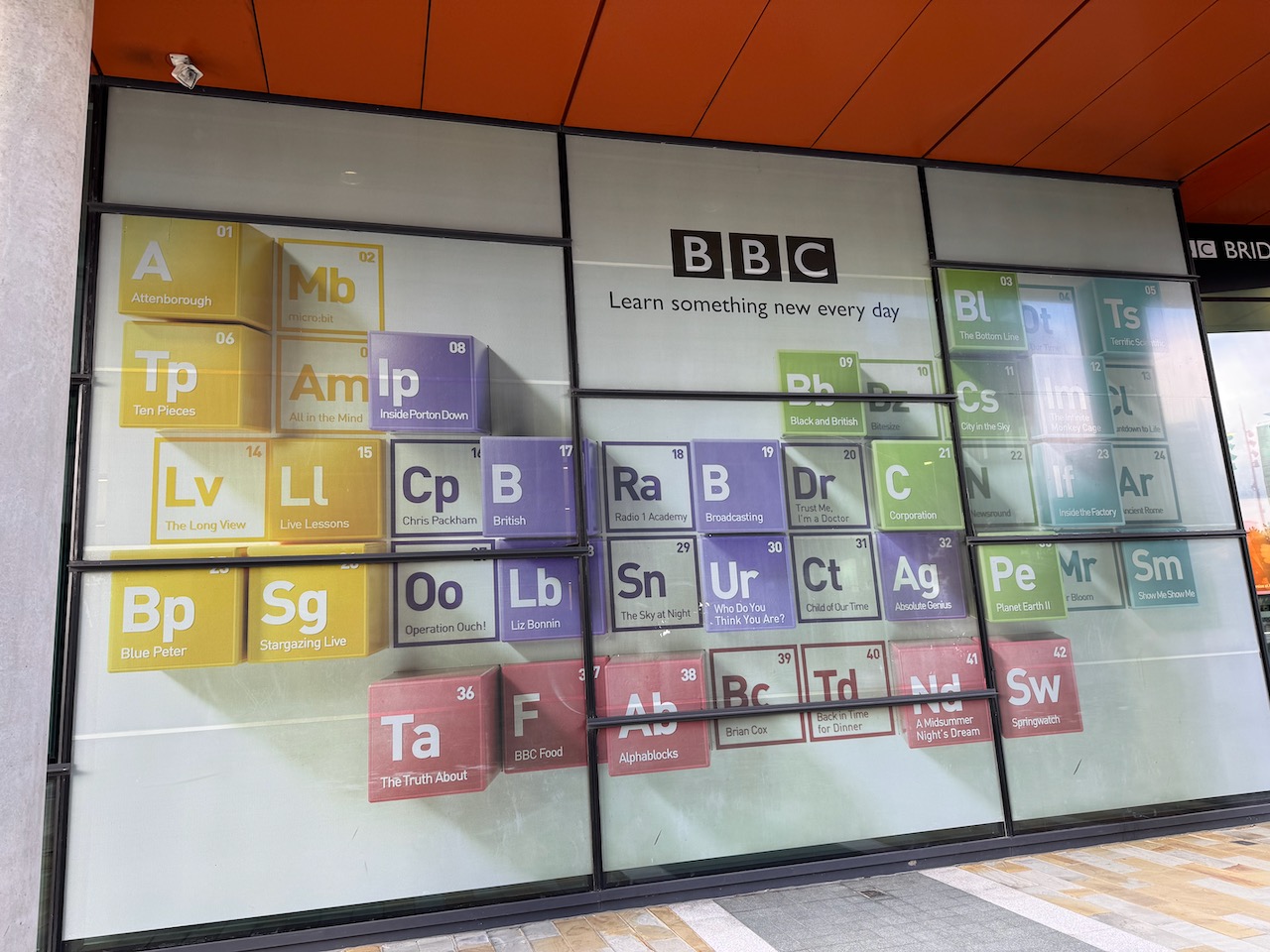
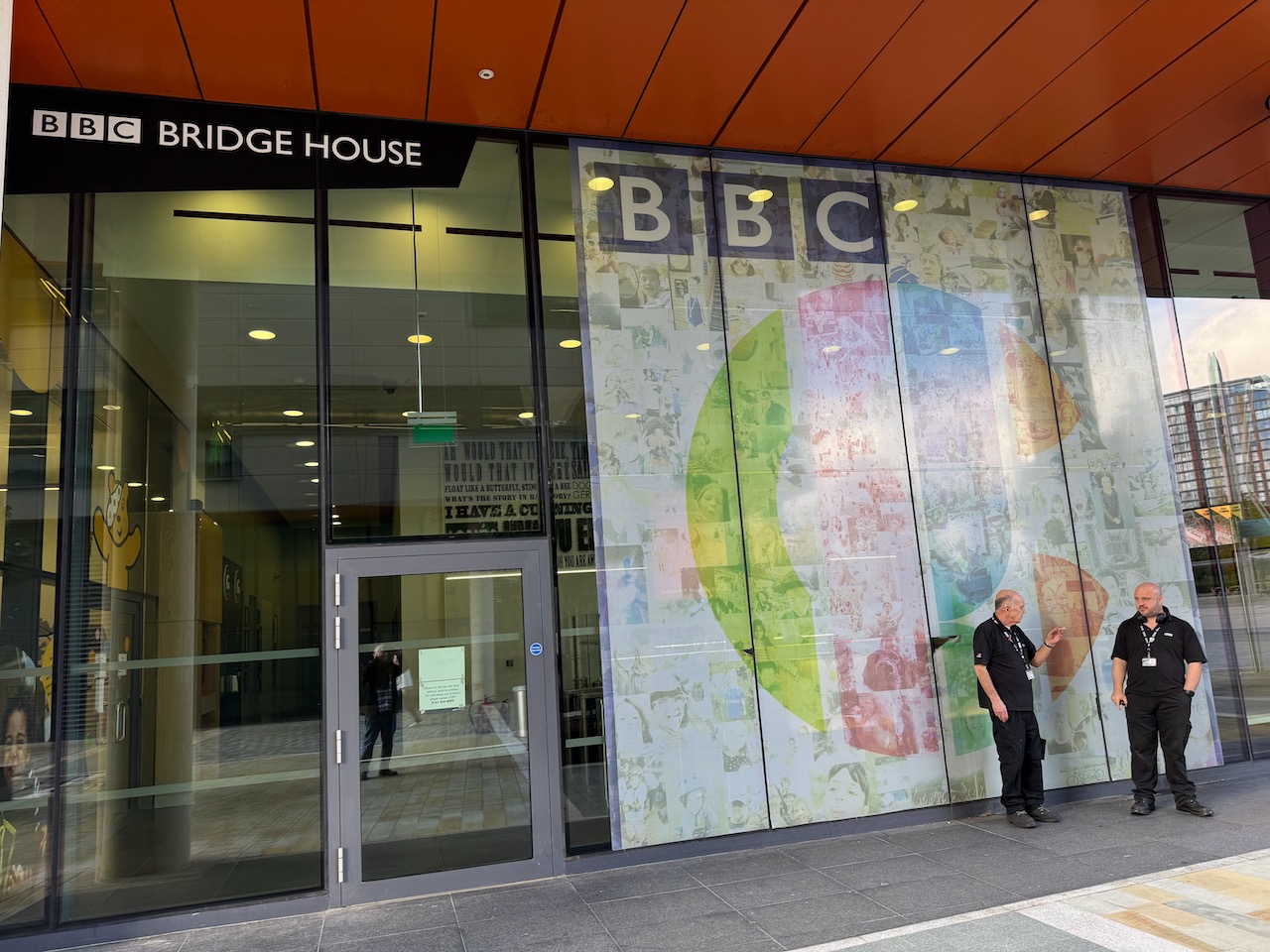
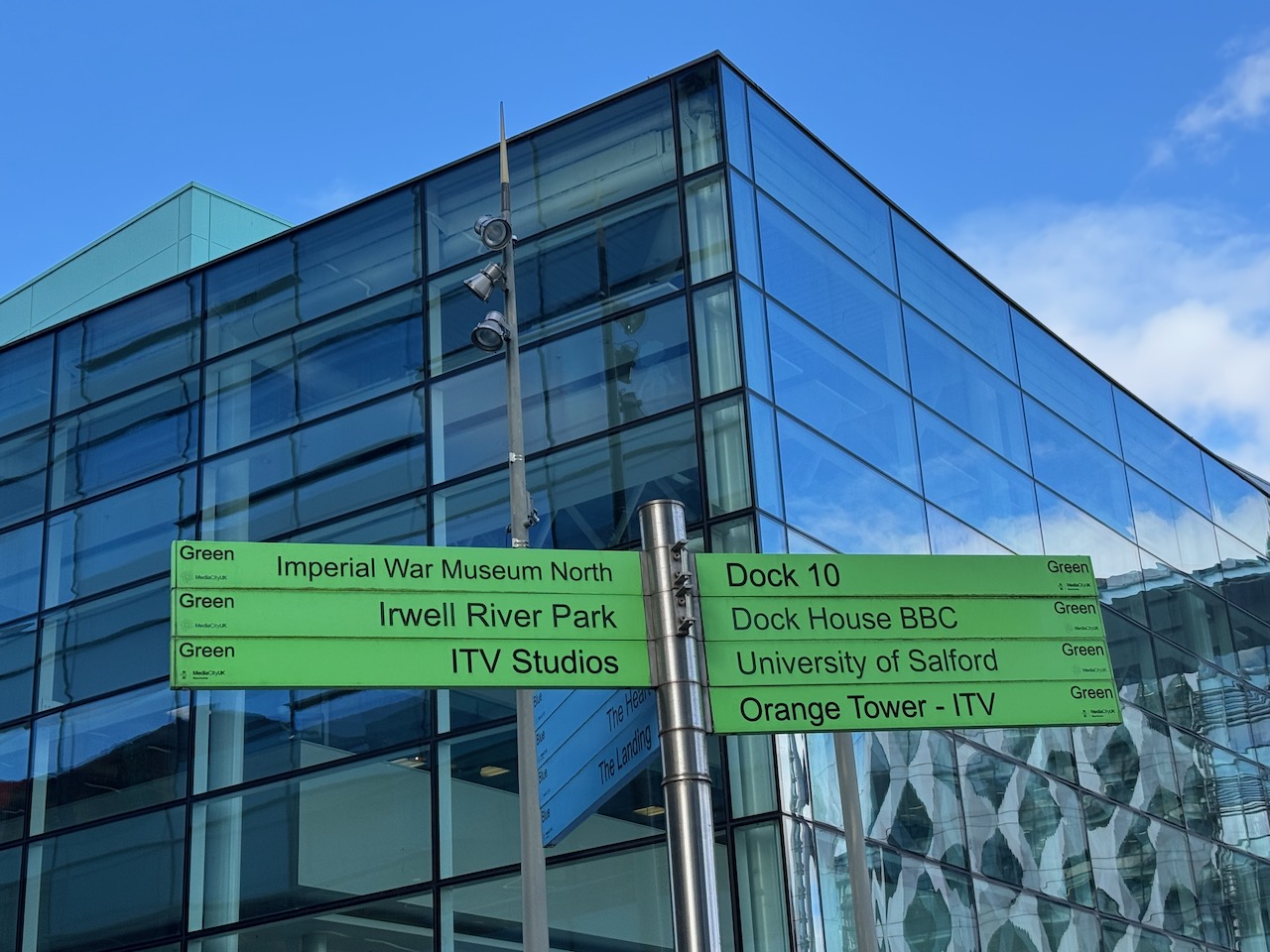
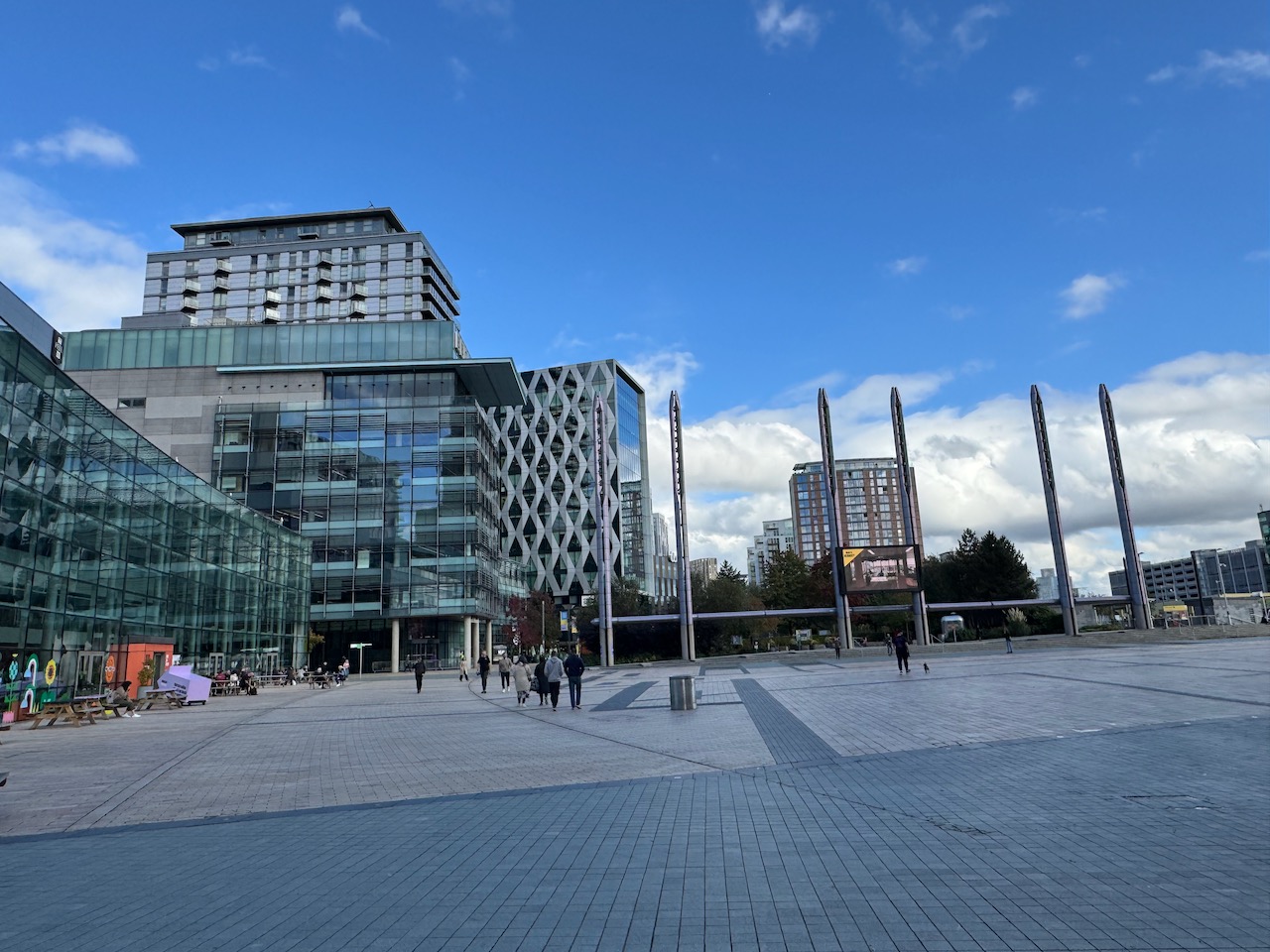
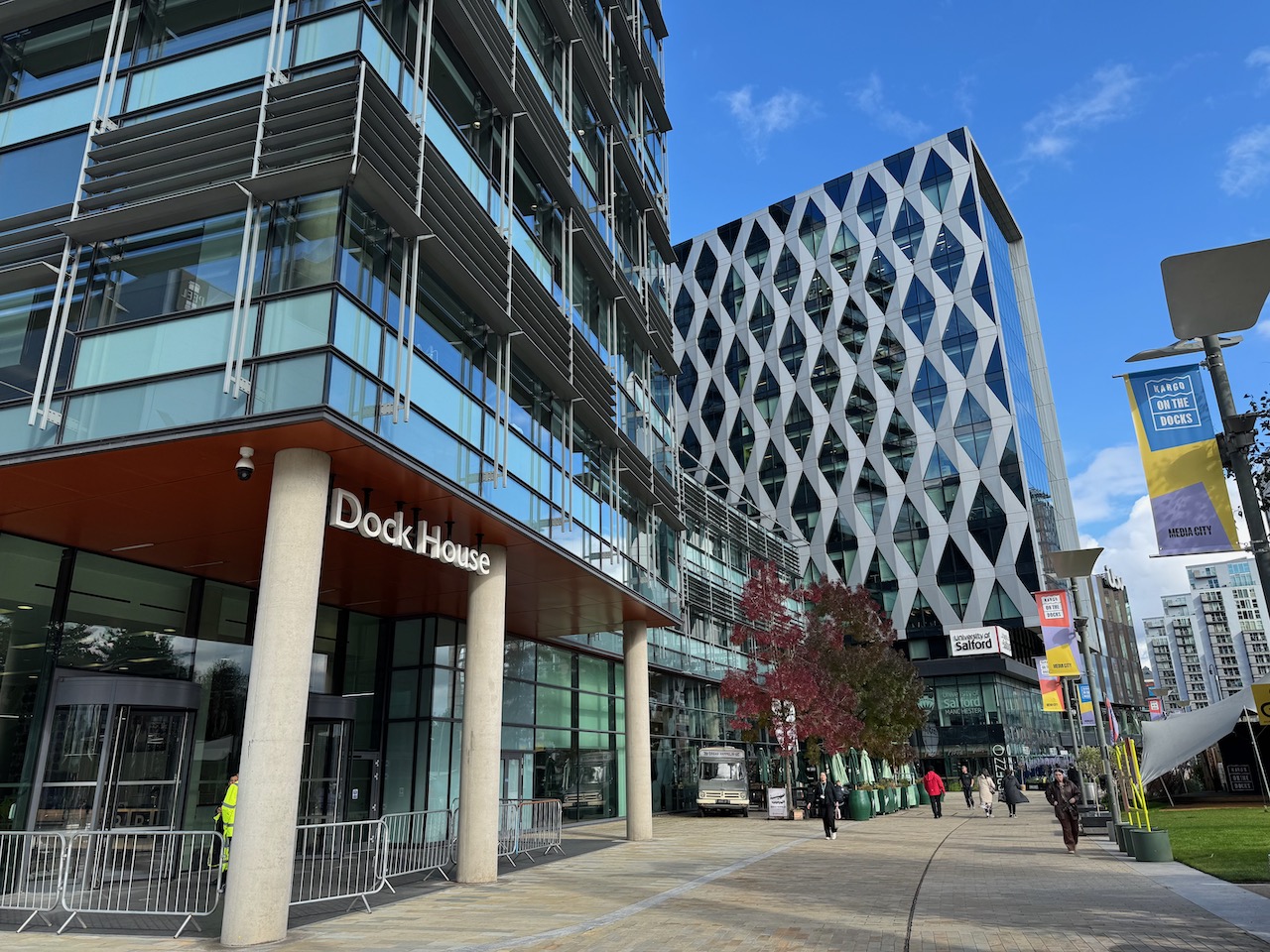
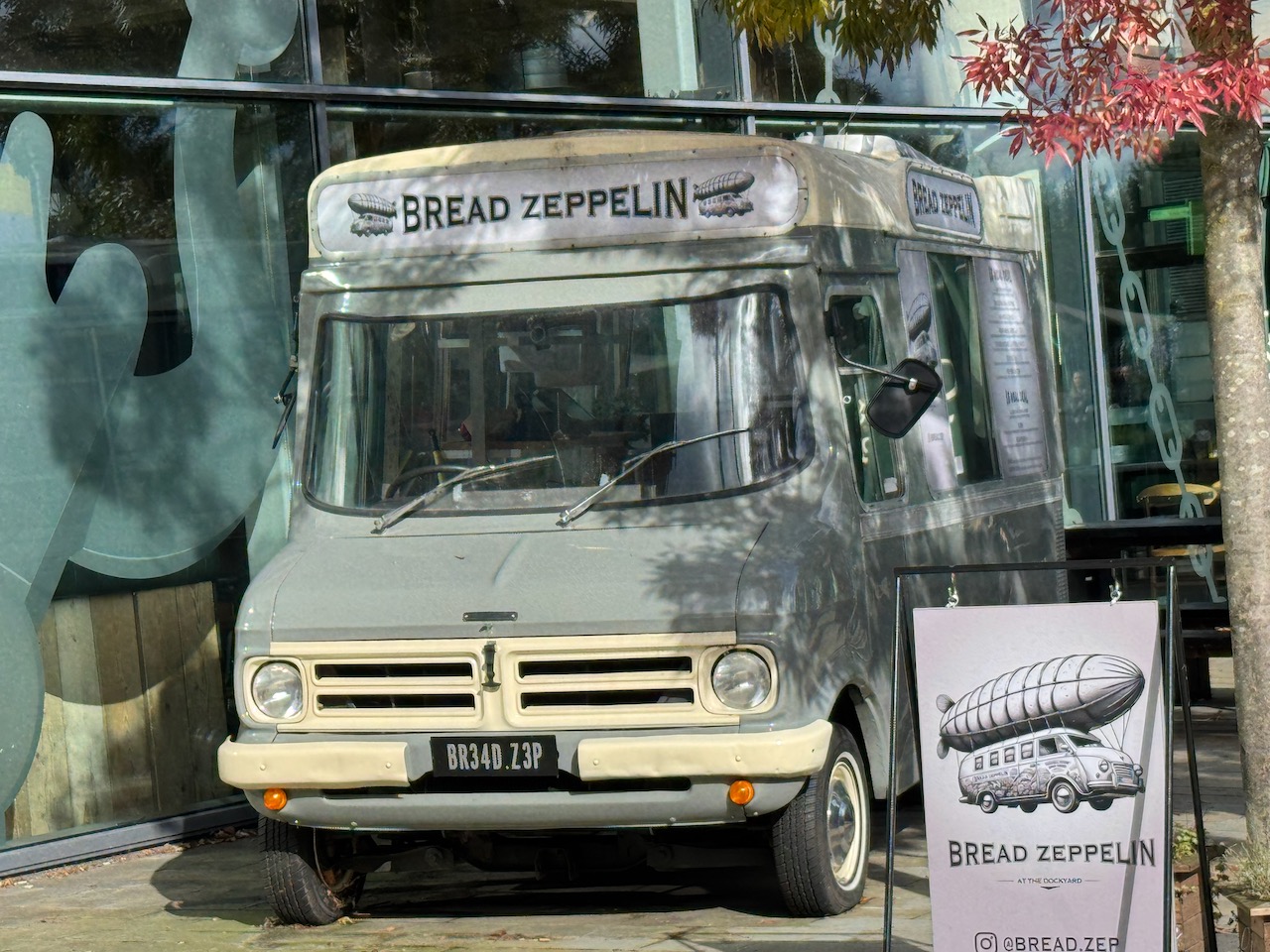
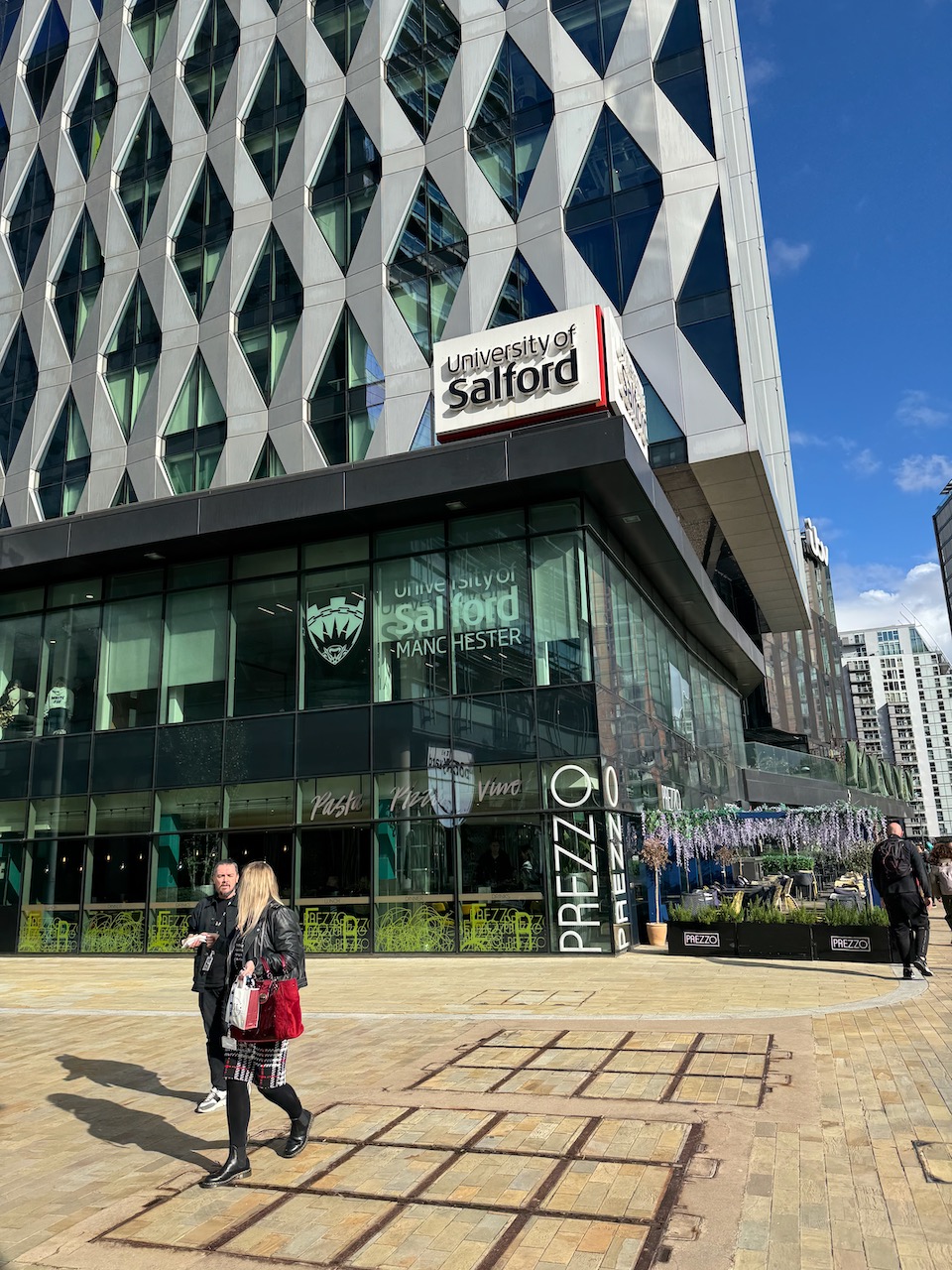
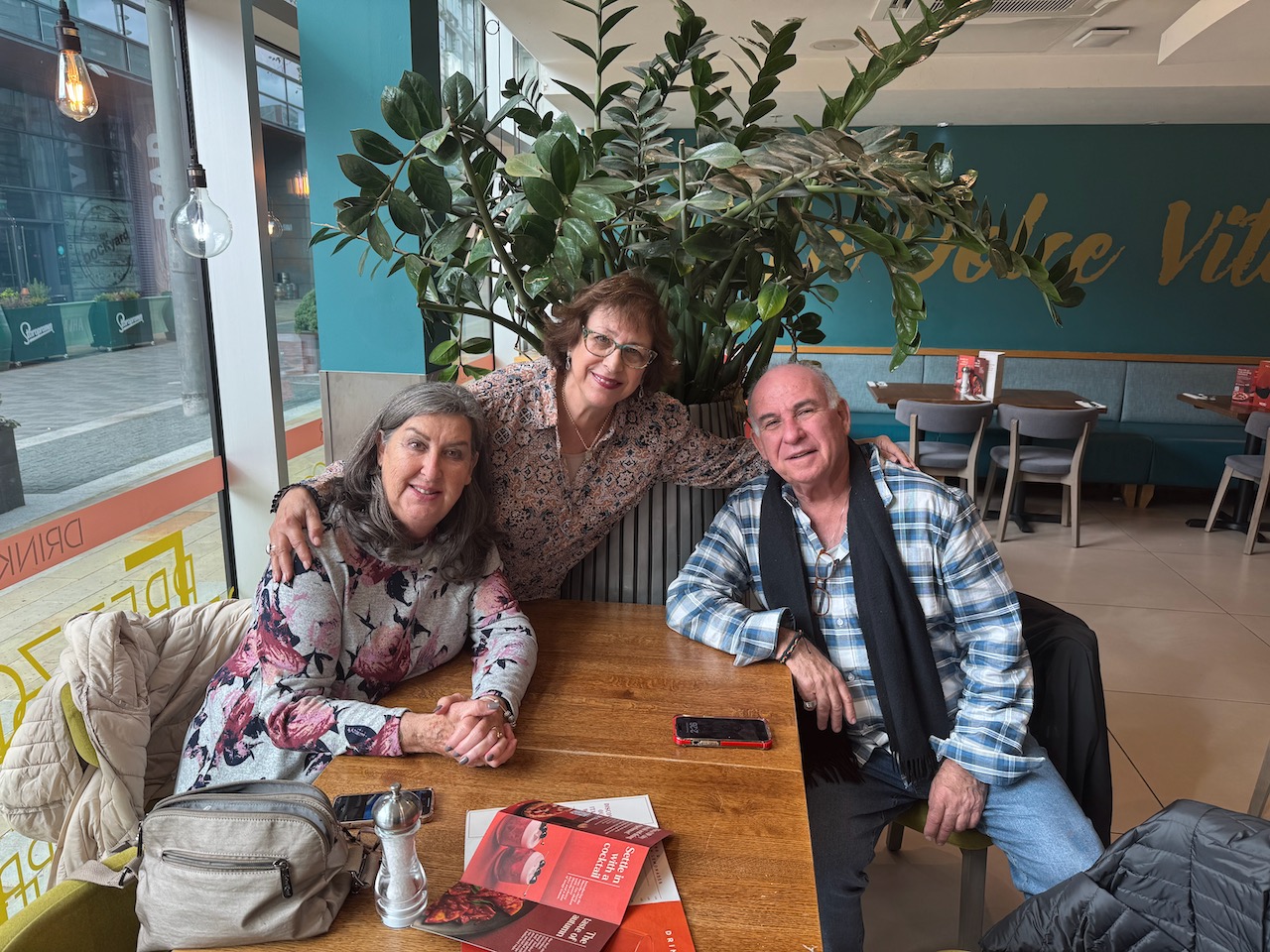
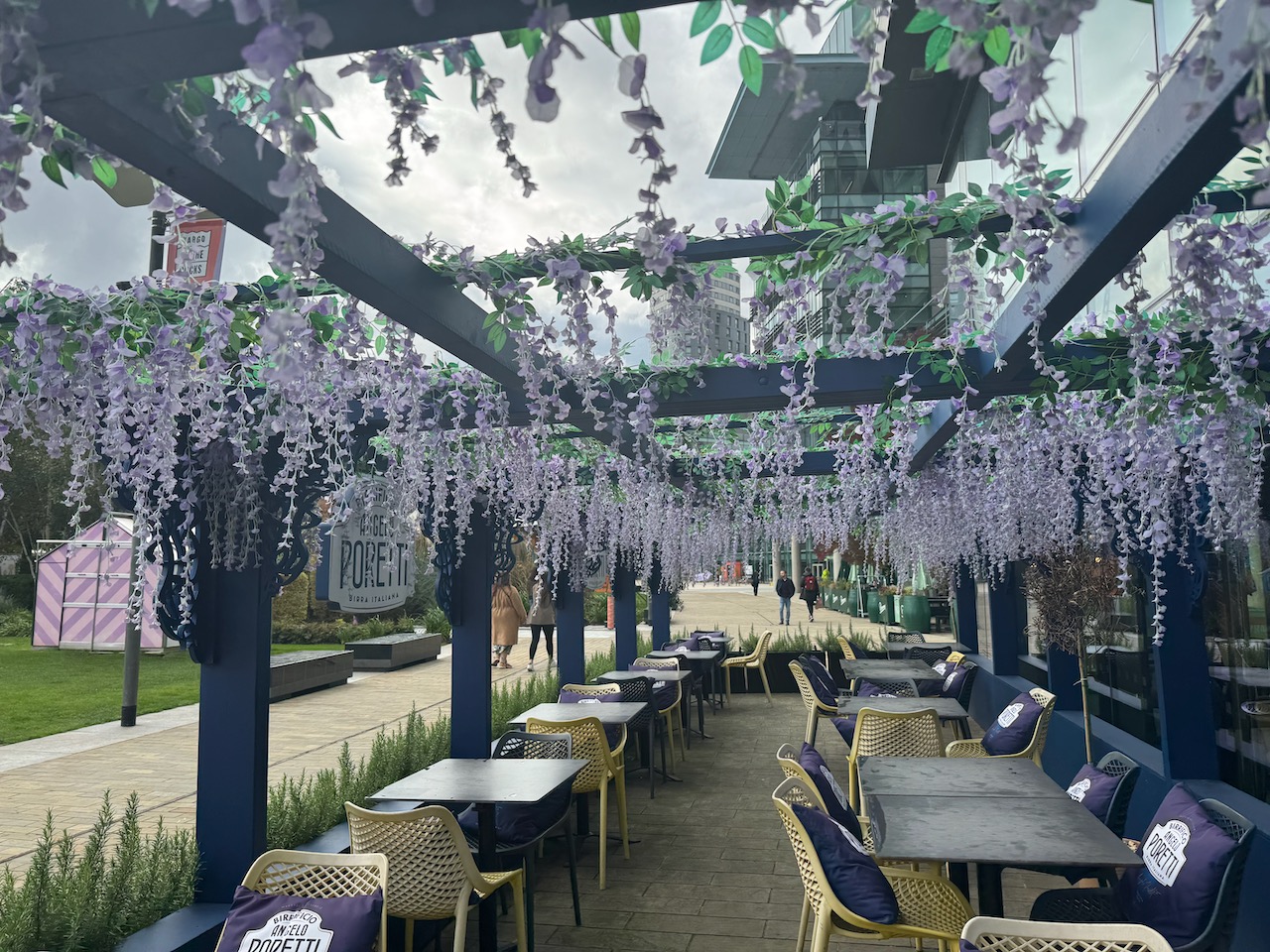
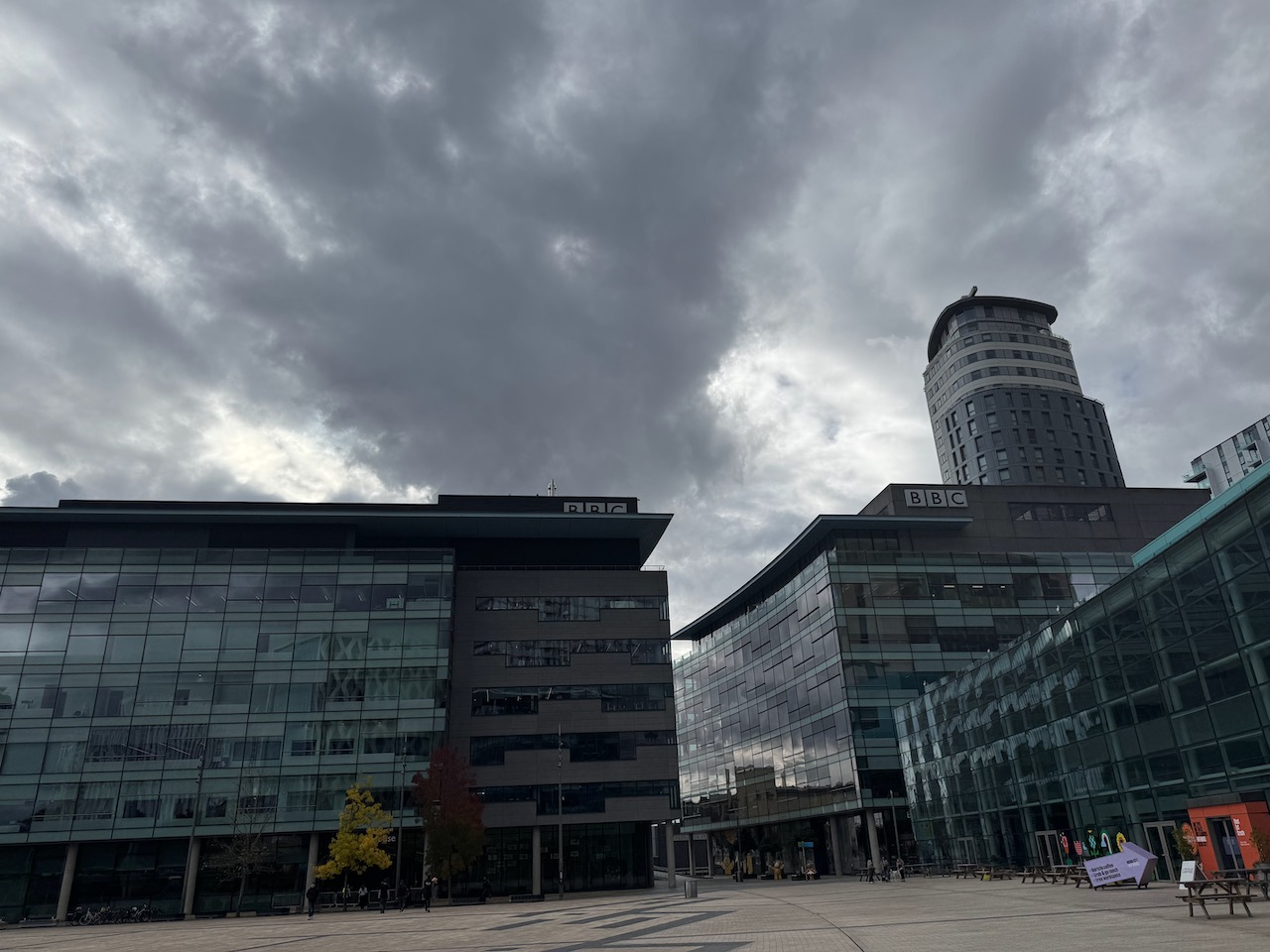
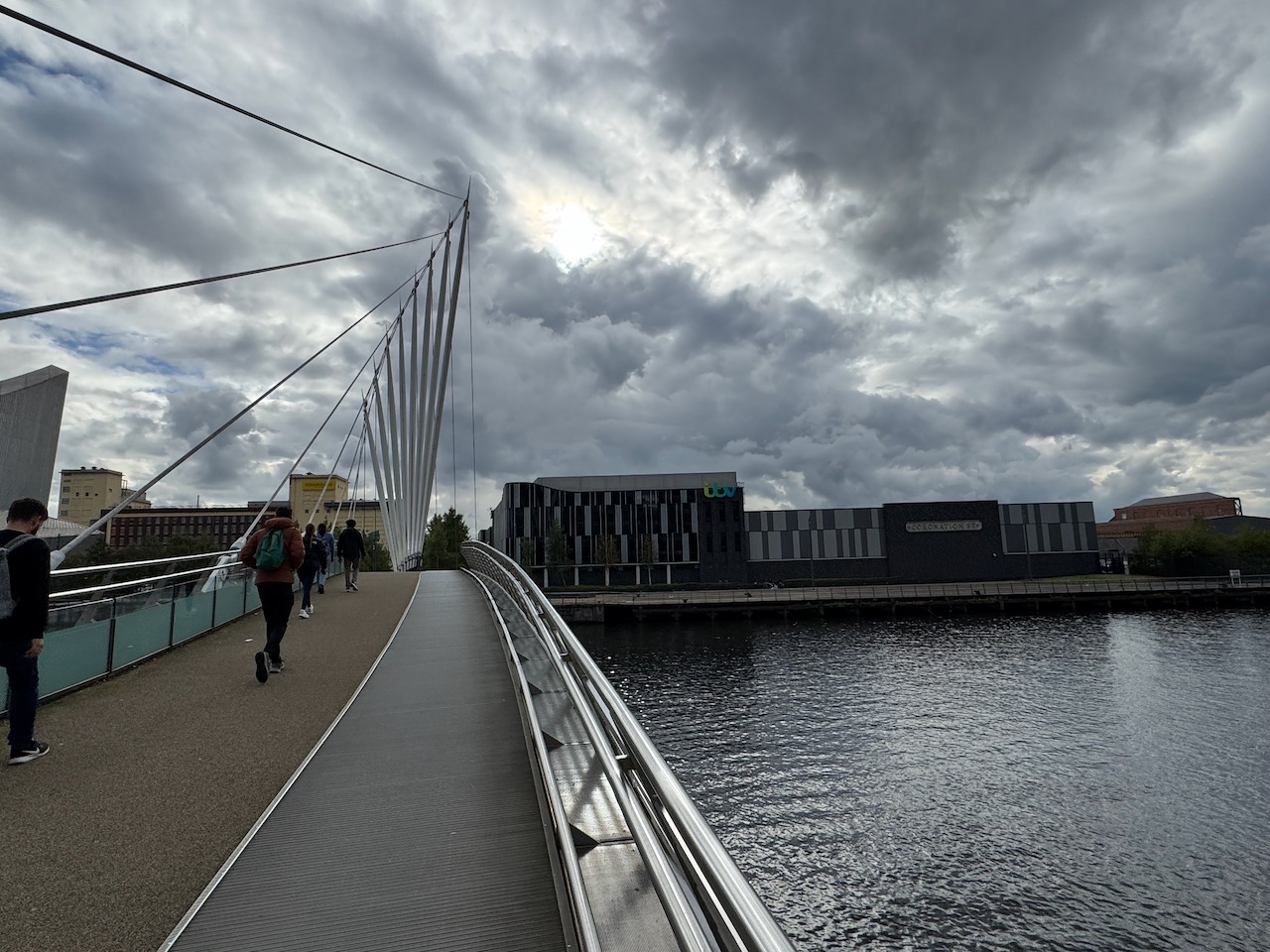
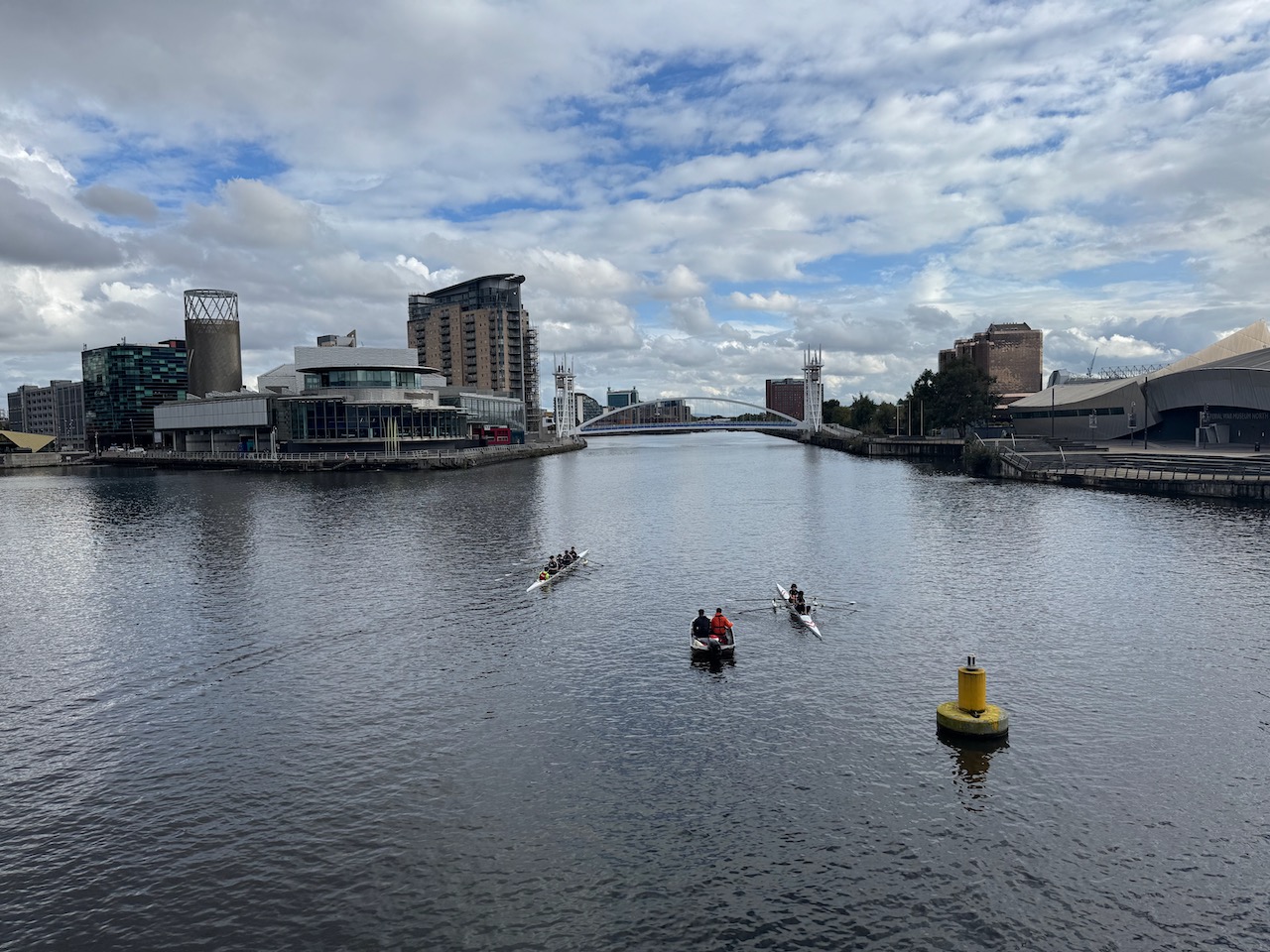


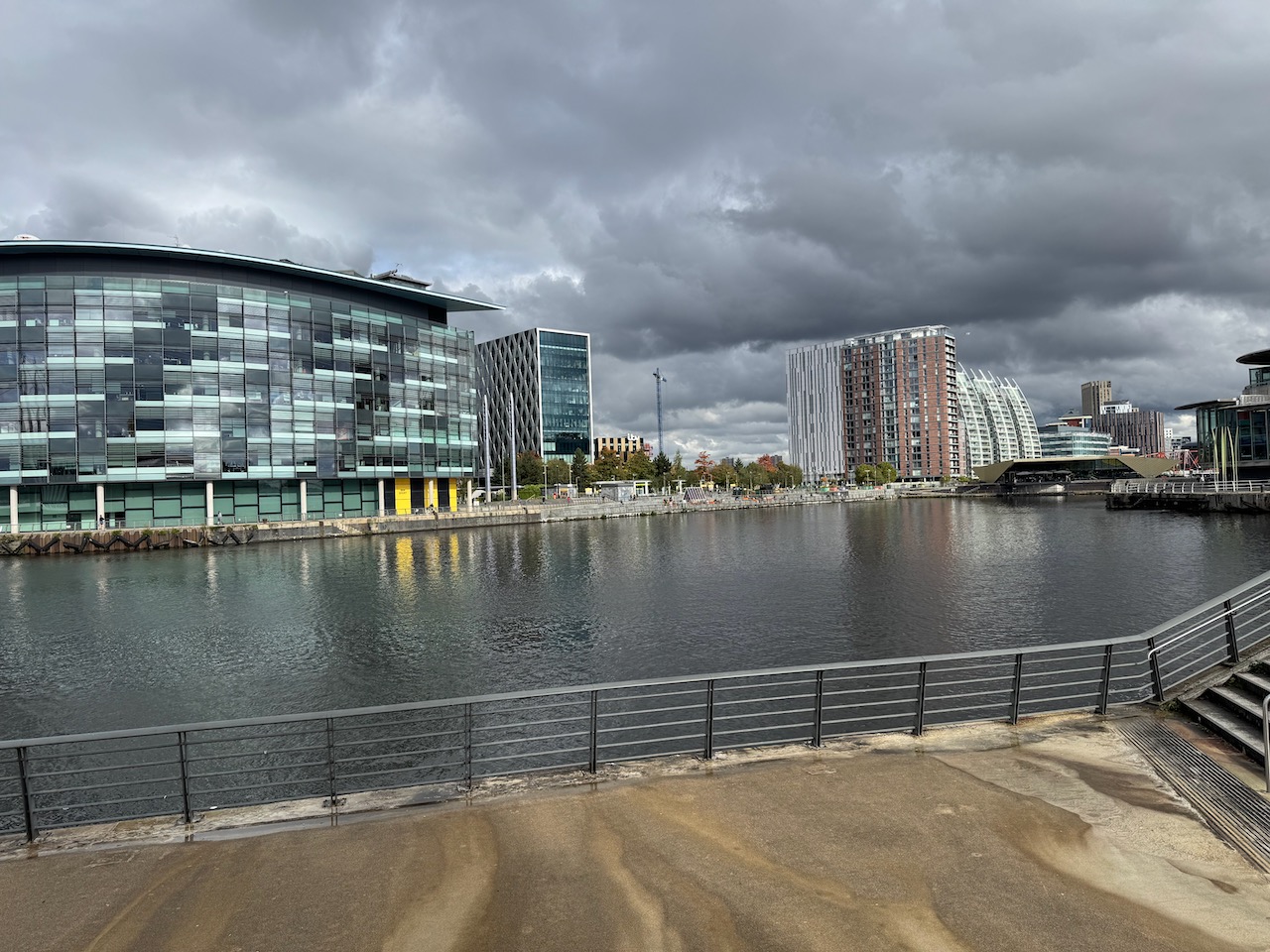
Salford Quays – Wikipedia
Salford Quays and Manchester Ship Canal (looking east)
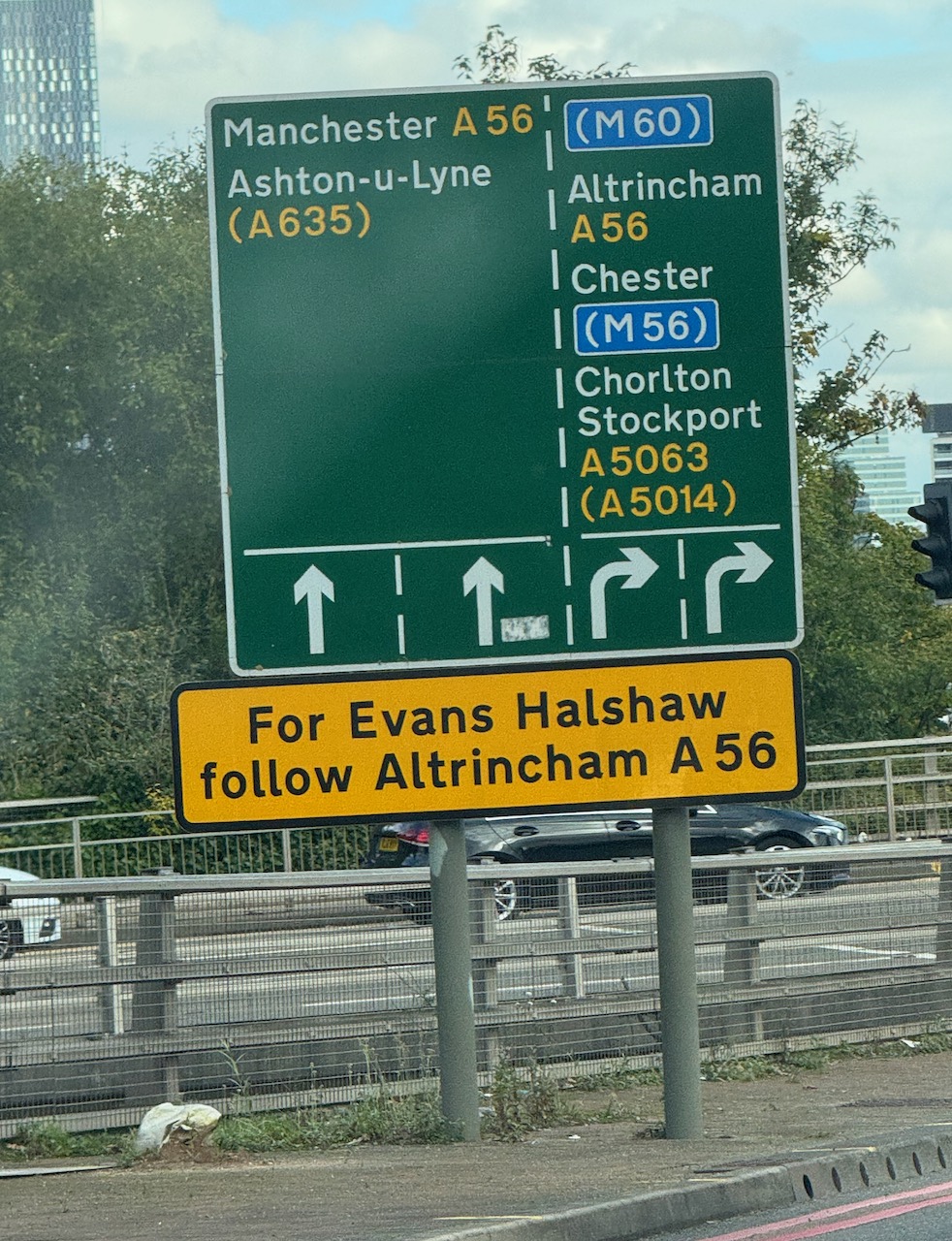
To Piccadilly Station
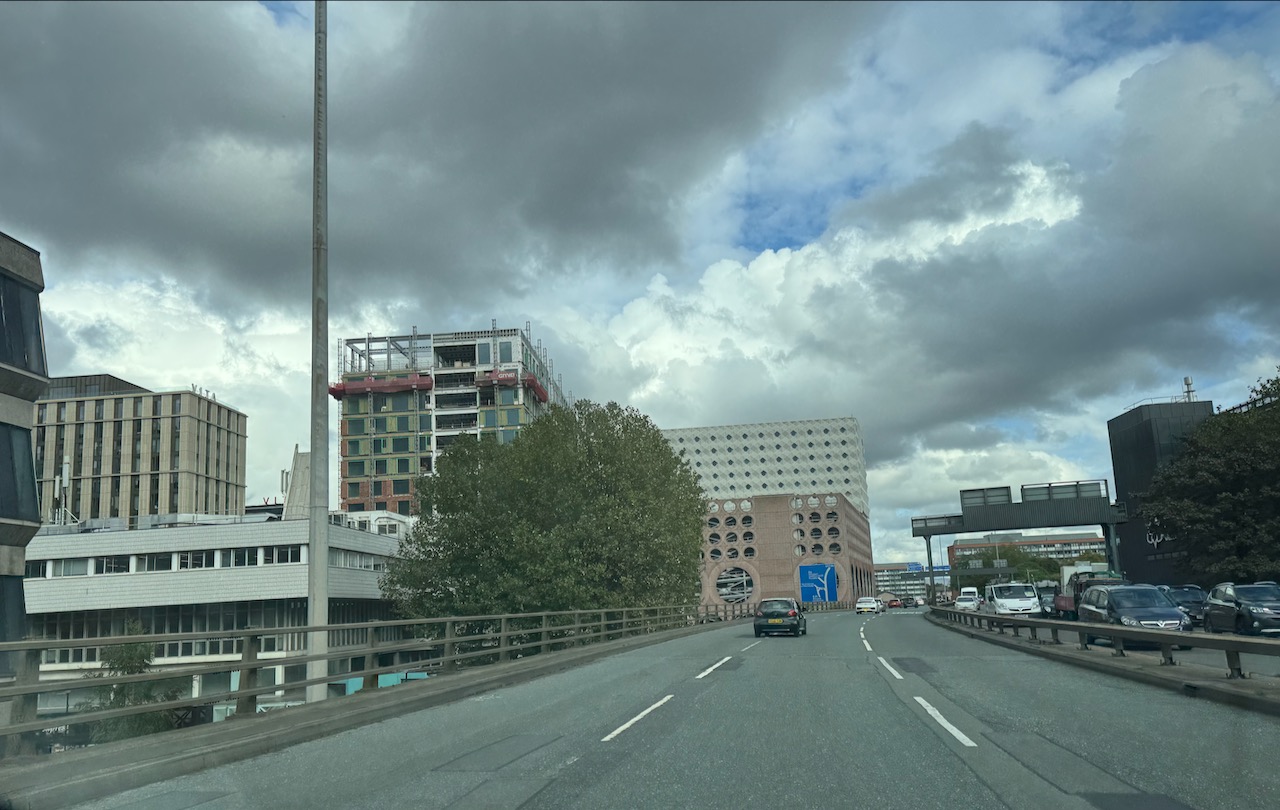
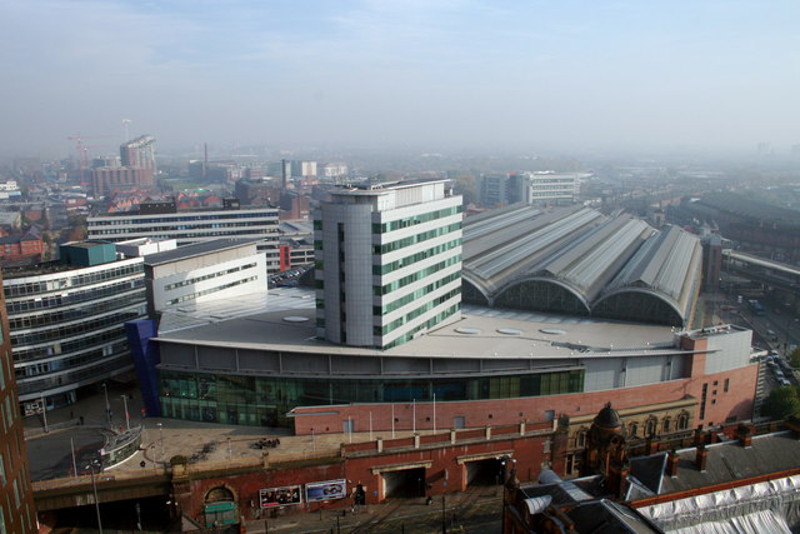
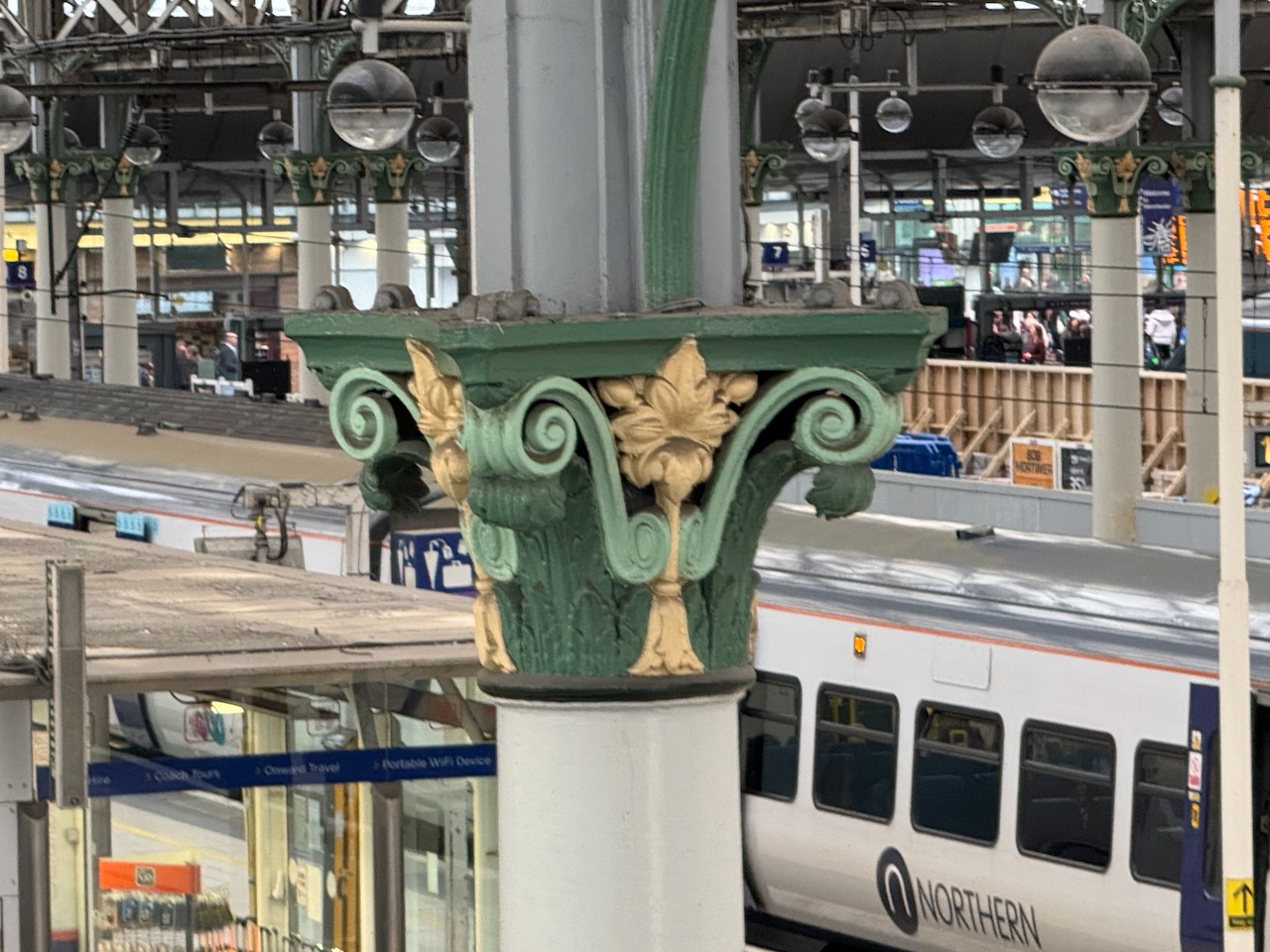
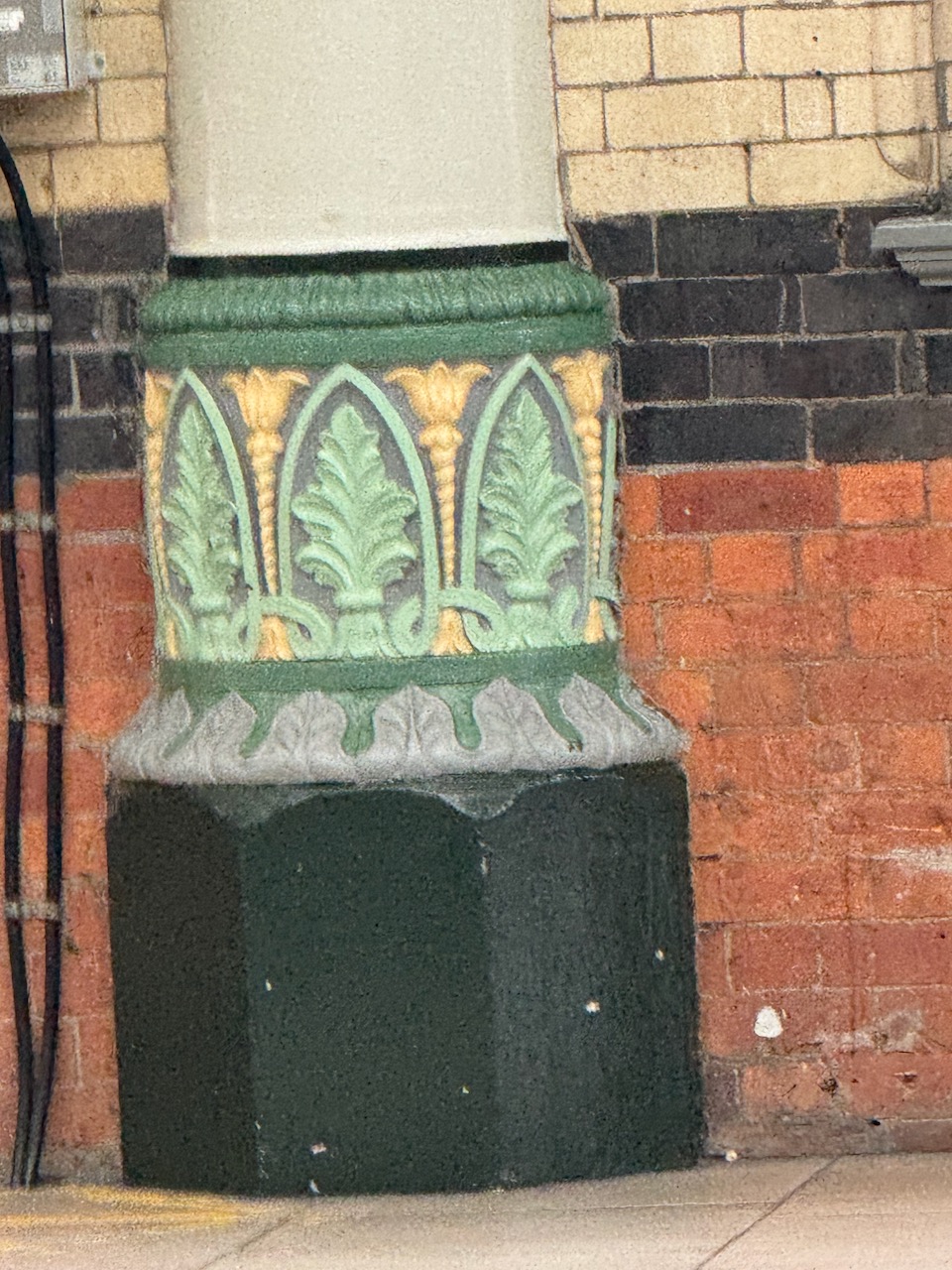
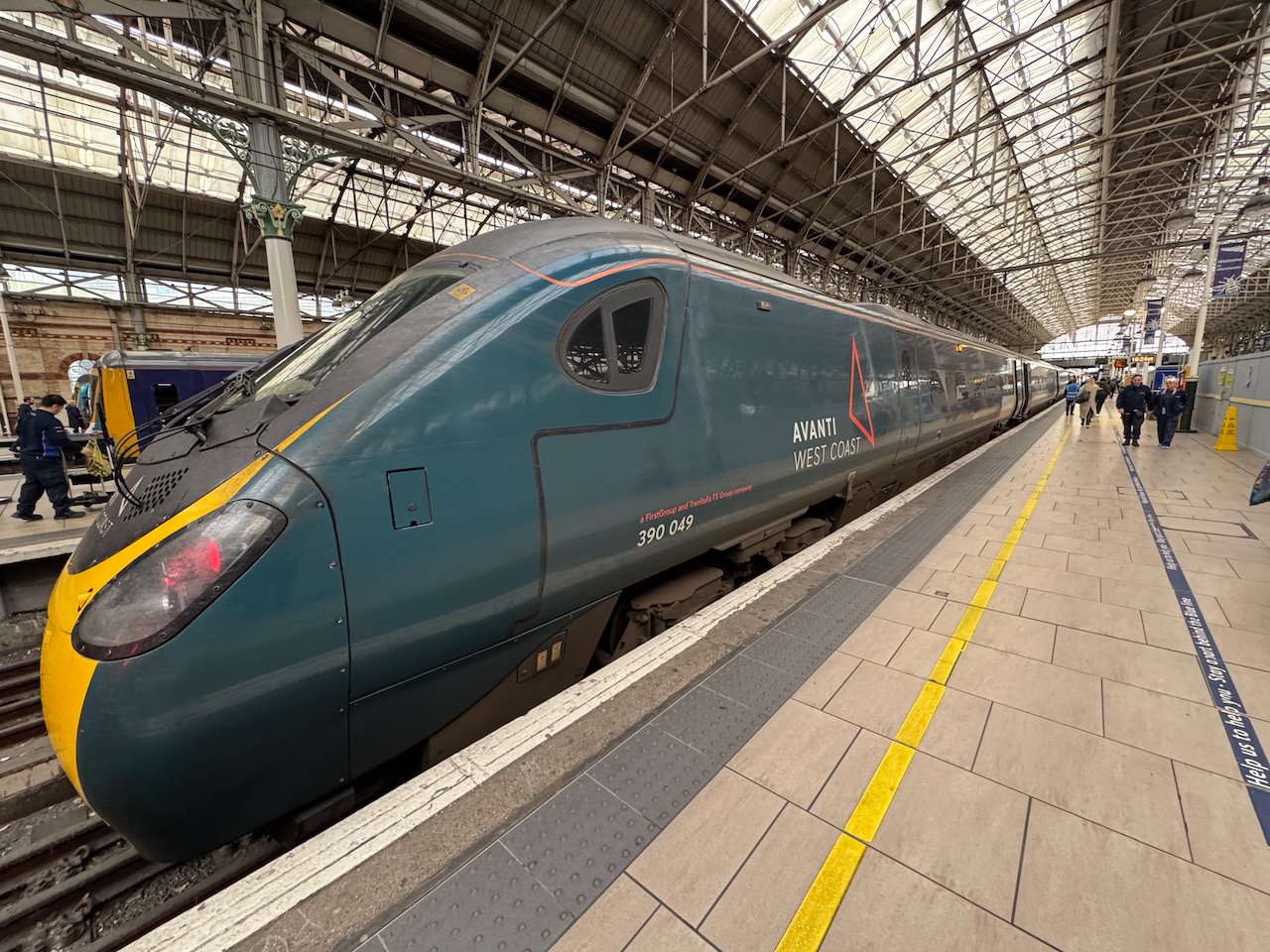
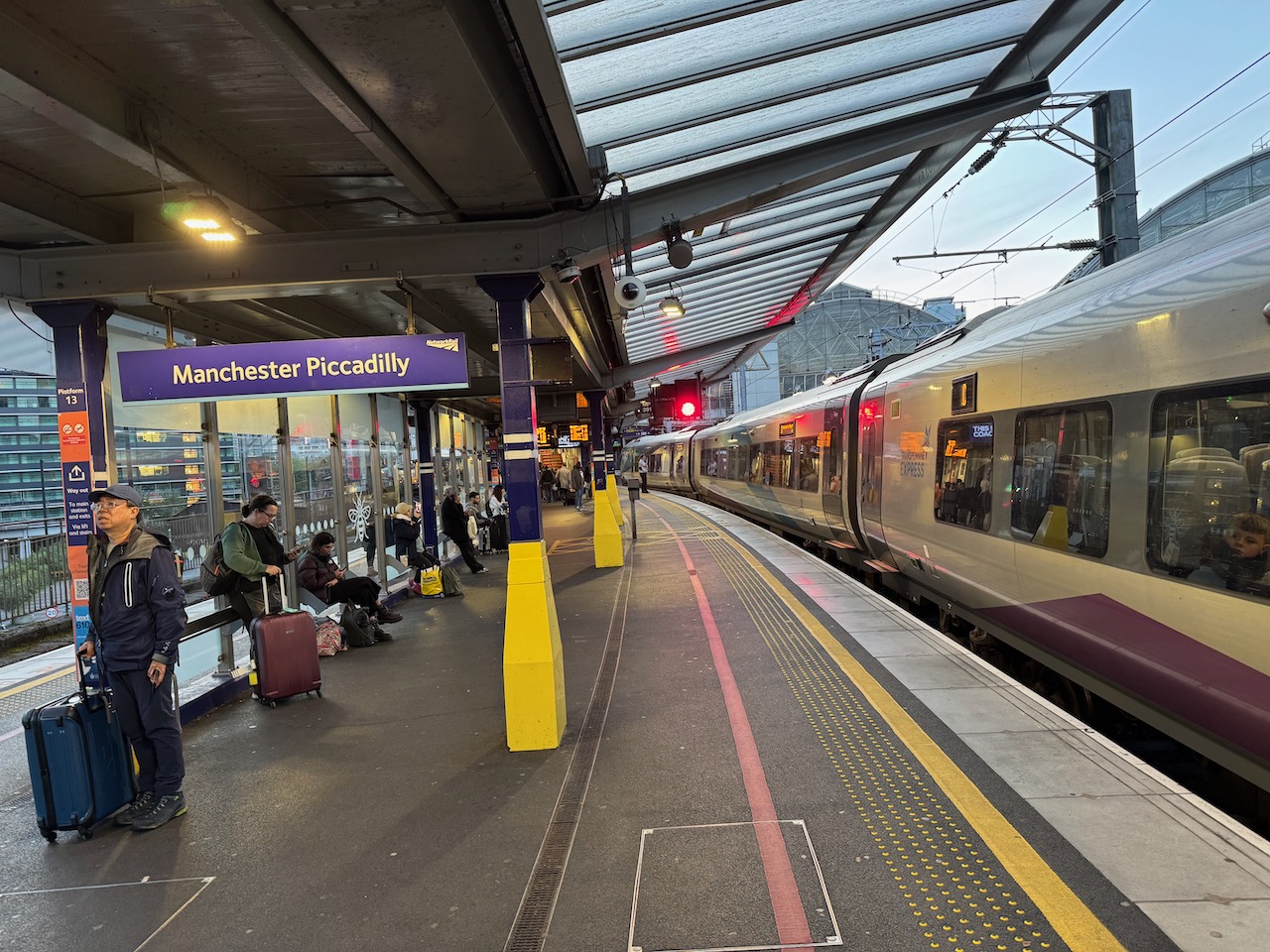
Manchester Piccadilly station – Wikipedia
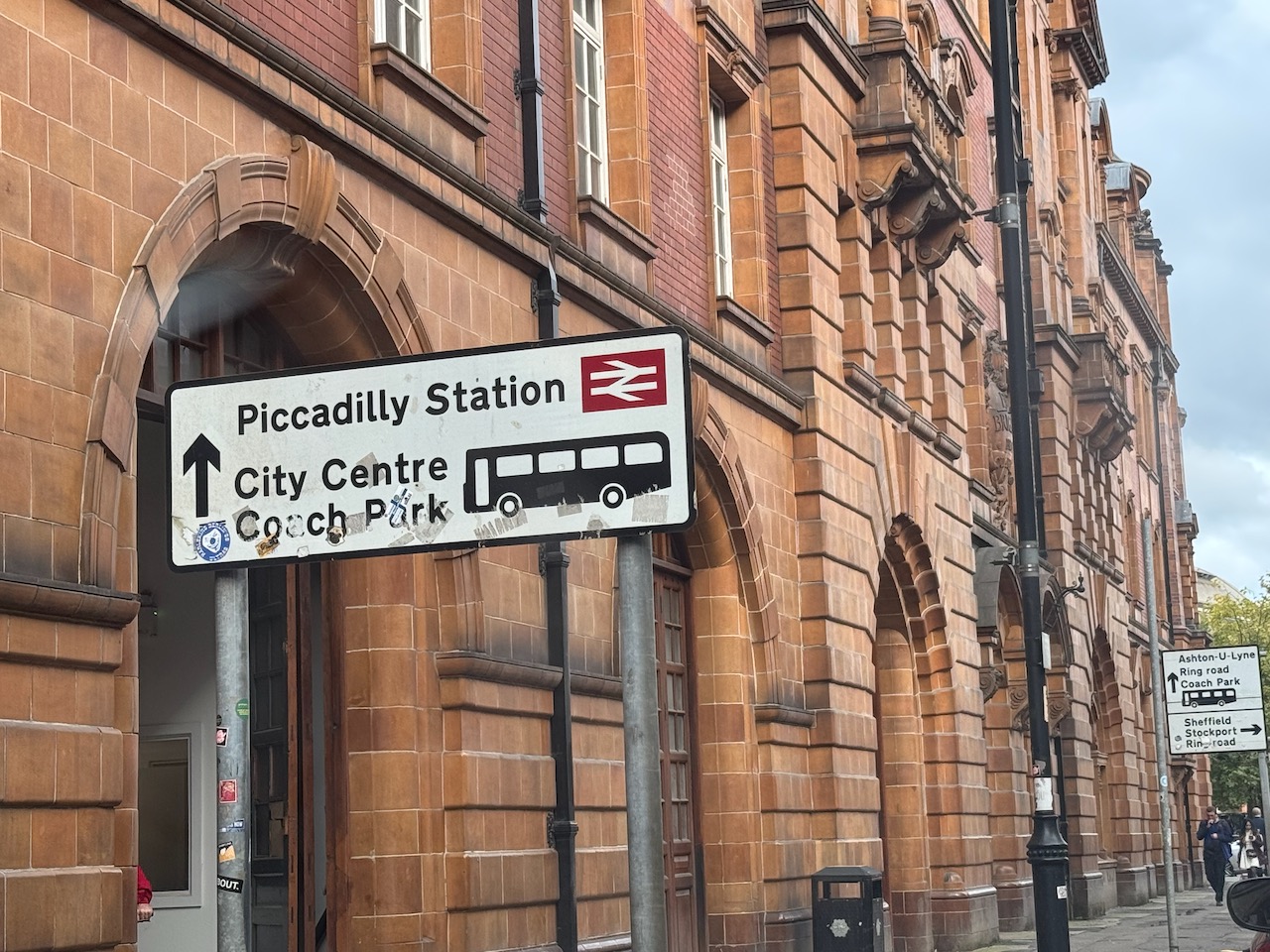
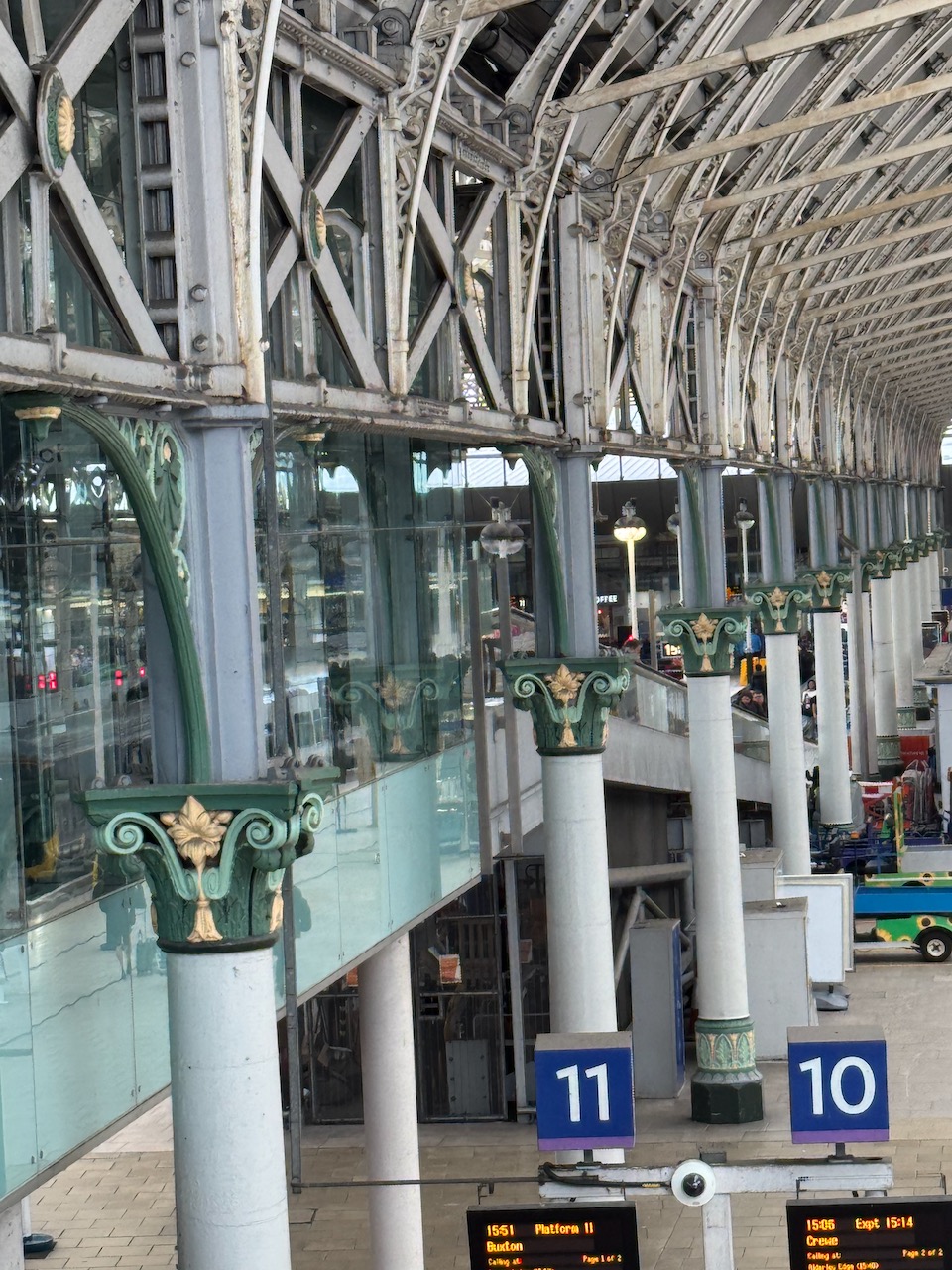
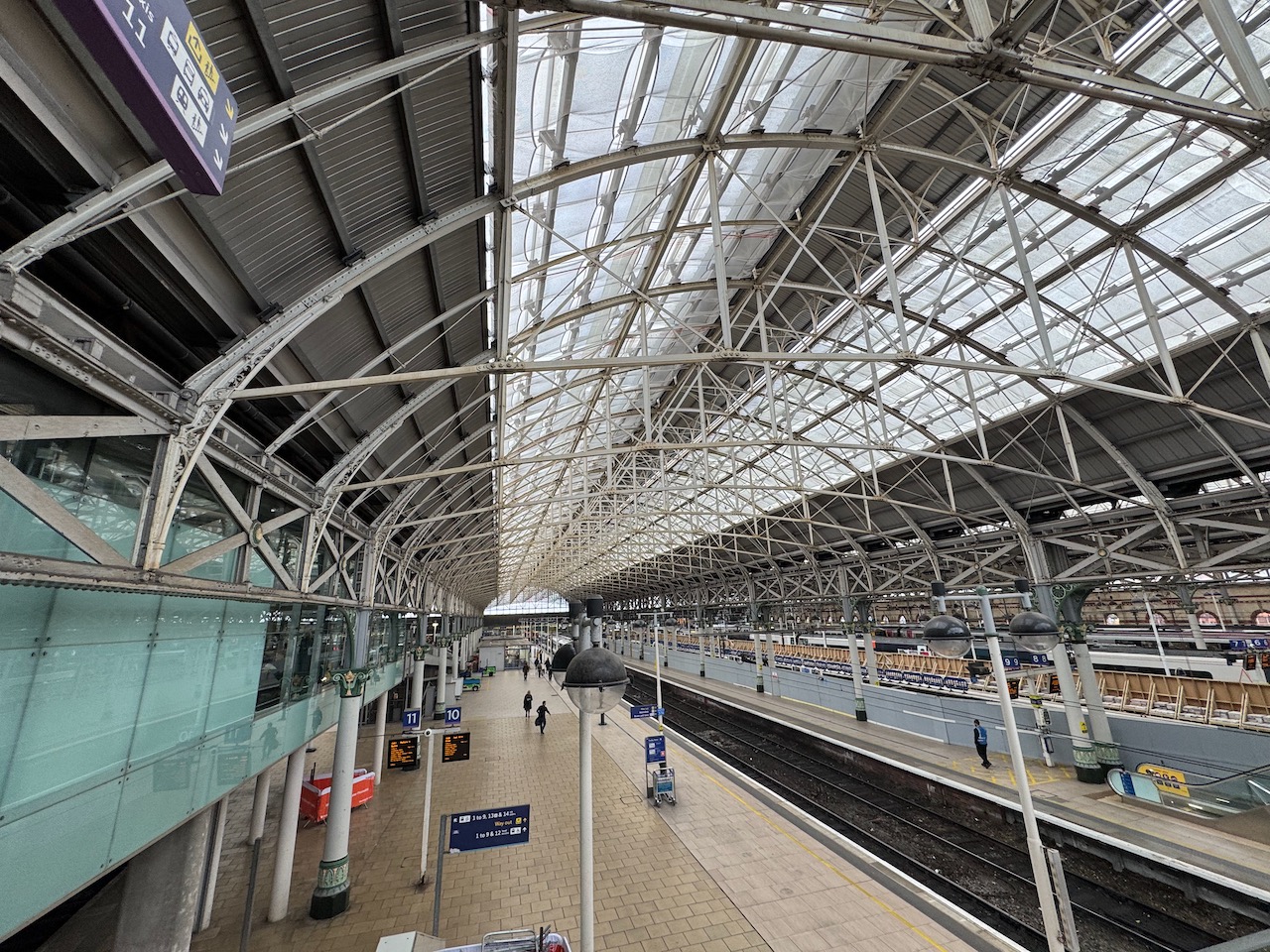
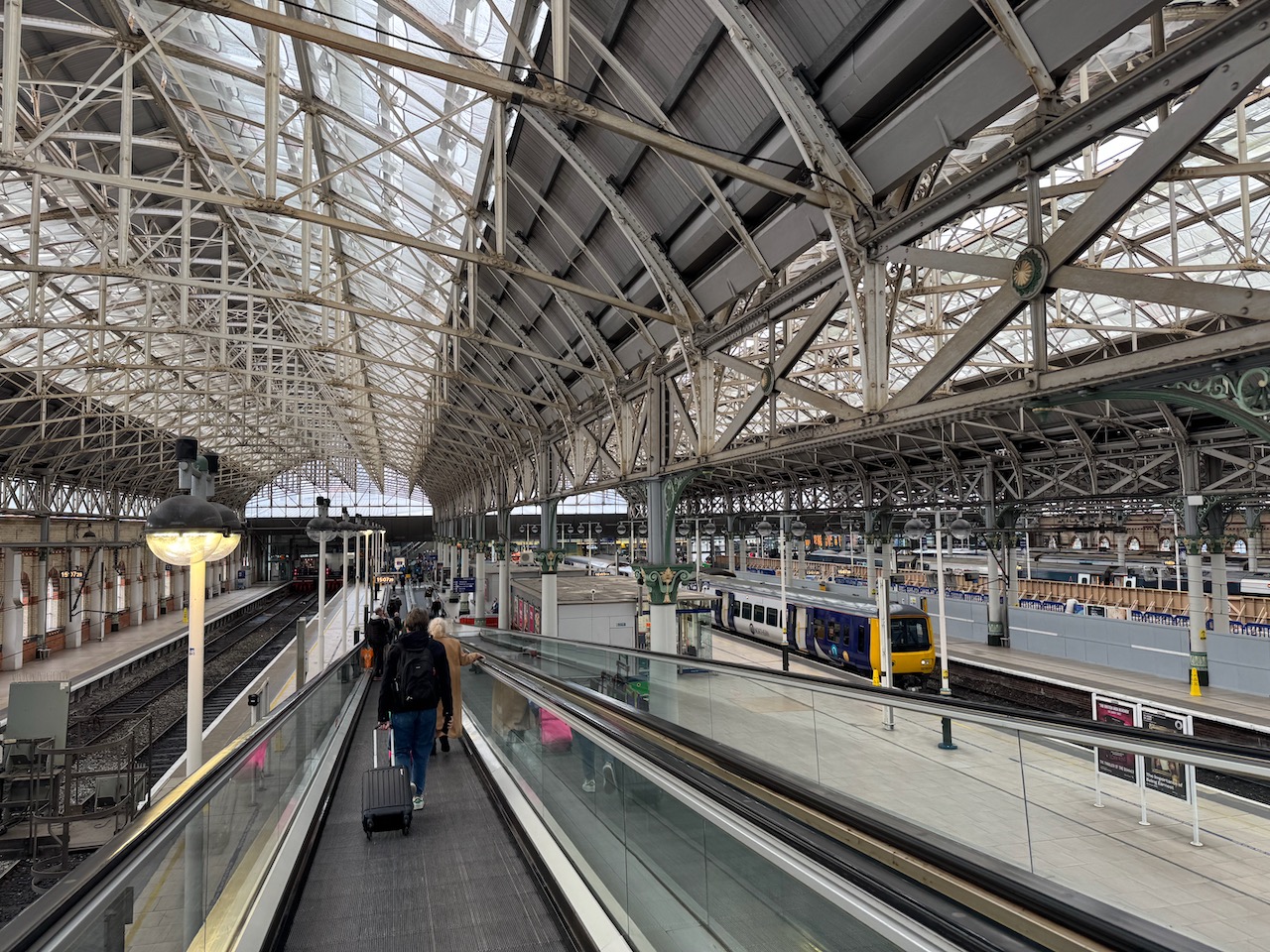
Manchester Piccadilly is the main railway station of the city of Manchester, in the metropolitan county of Greater Manchester, England. Opened originally as Store Street in 1842, it was renamed Manchester London Road in 1847 and became Manchester Piccadilly in 1960. Located to the south-east of the city centre, it hosts long-distance intercity and cross-country services to national destinations including London, Birmingham, Nottingham, Glasgow, Edinburgh, Cardiff, Bristol, Exeter, Plymouth, Reading, Southampton and Bournemouth; regional services to destinations in Northern England including Liverpool, Leeds, Sheffield, Newcastle and York; and local commuter services around Greater Manchester. It is one of 19 major stations managed by Network Rail. The station has 14 platforms: 12 terminal and two through platforms (numbers 13 and 14). Piccadilly is also a major interchange with the Metrolink light rail system with two tram platforms in its undercroft.
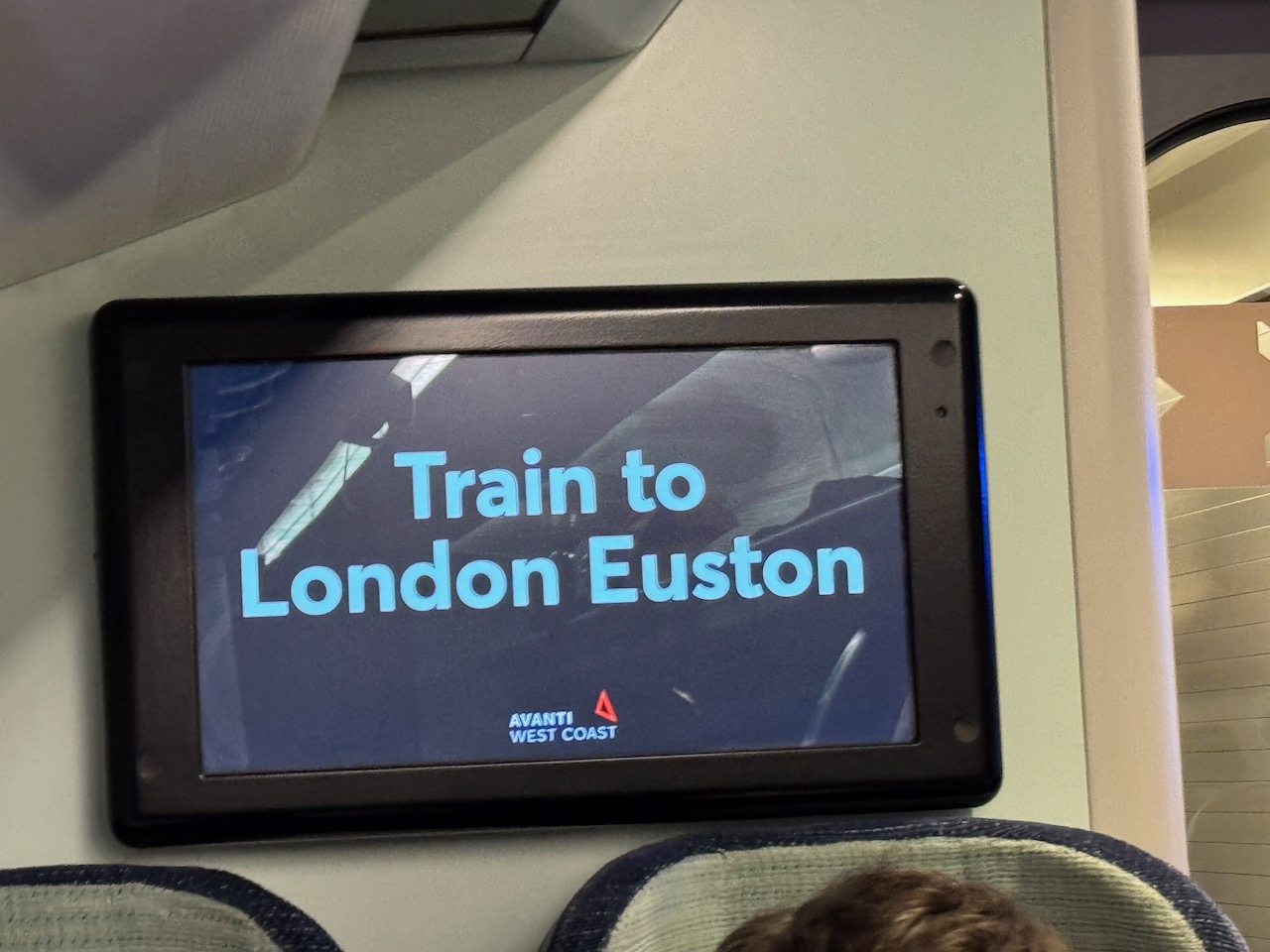
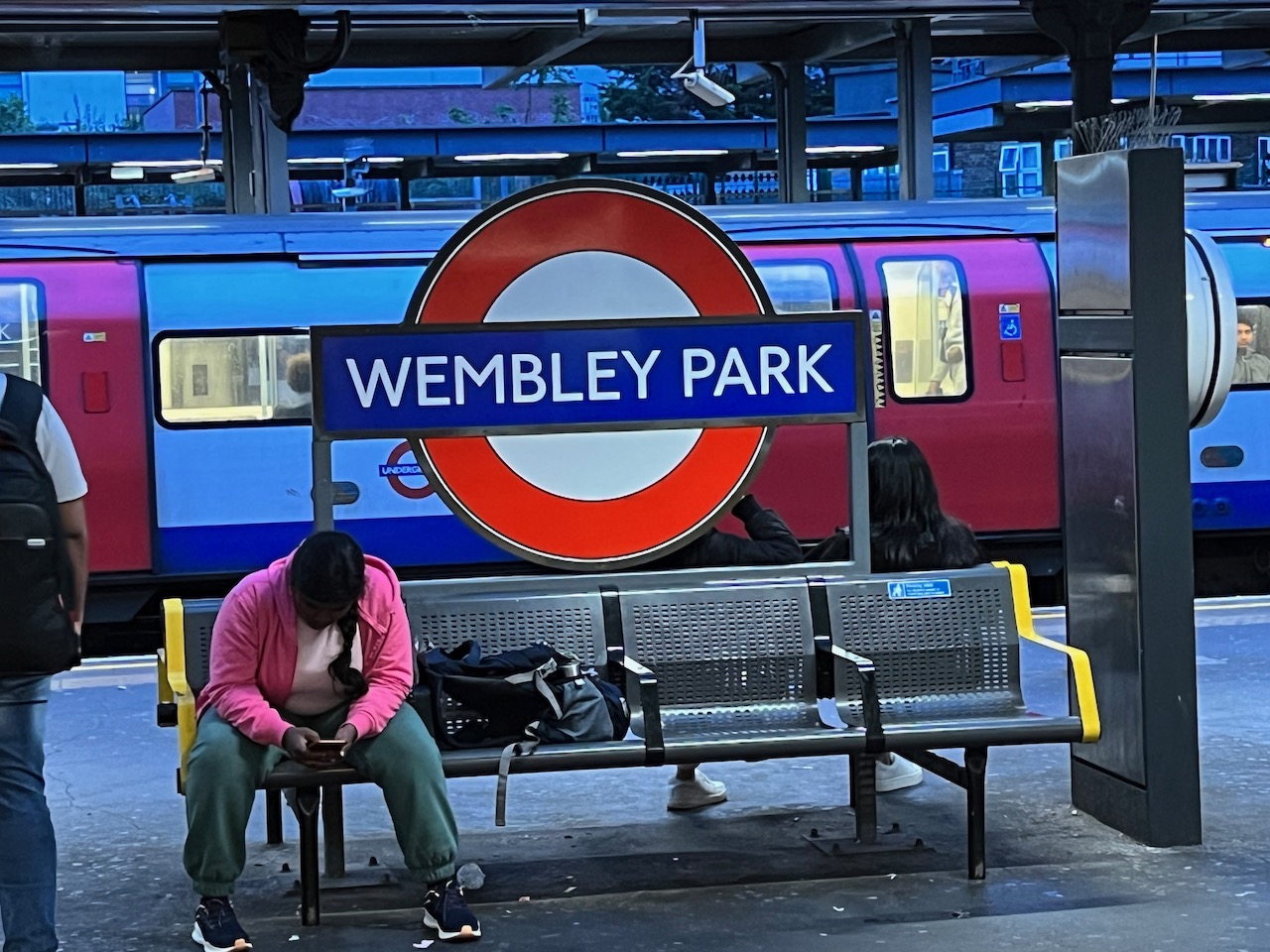
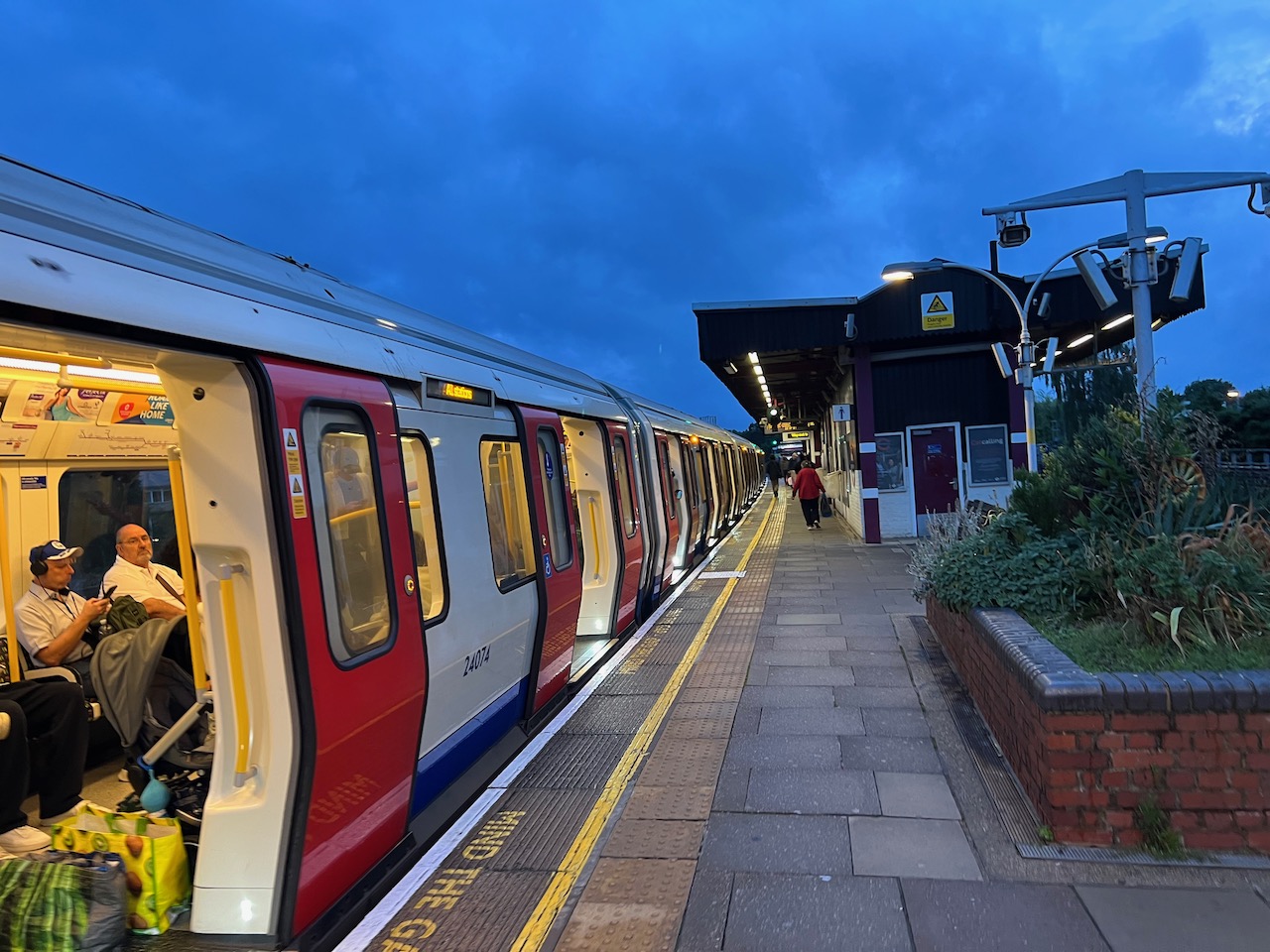
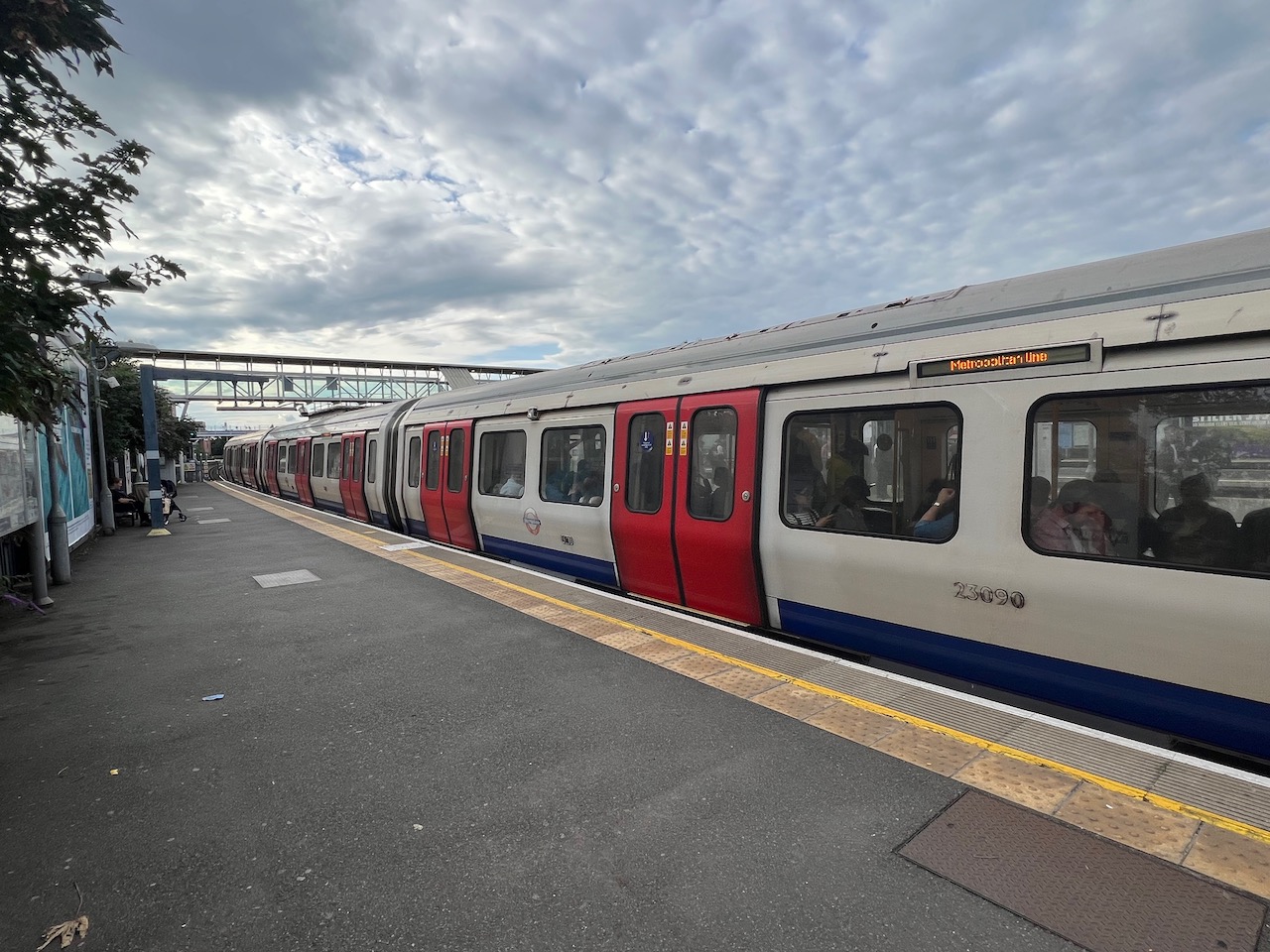
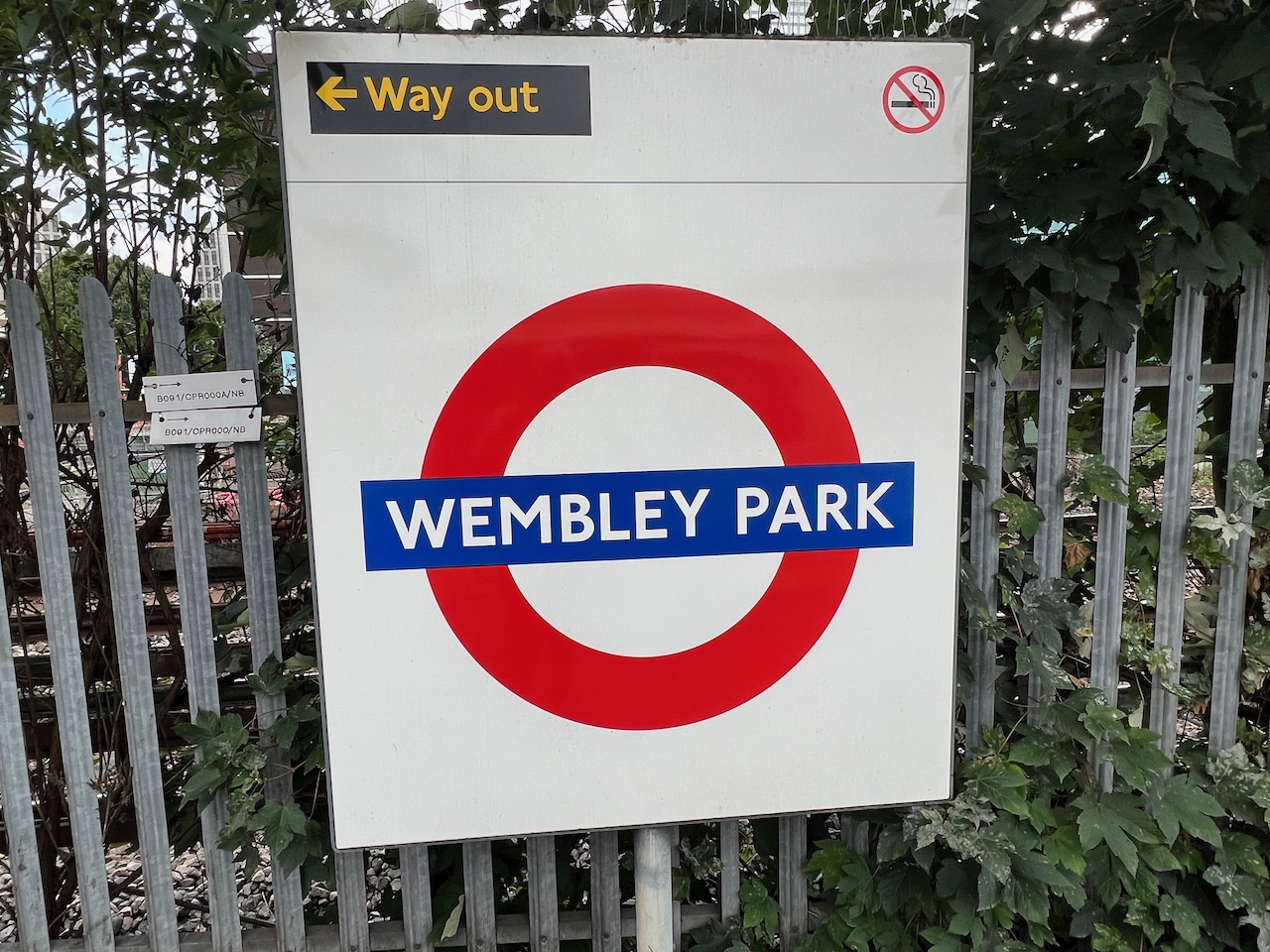
Train to London & West Harrow